New Bedford Whaling National Historical Park and Fairhaven
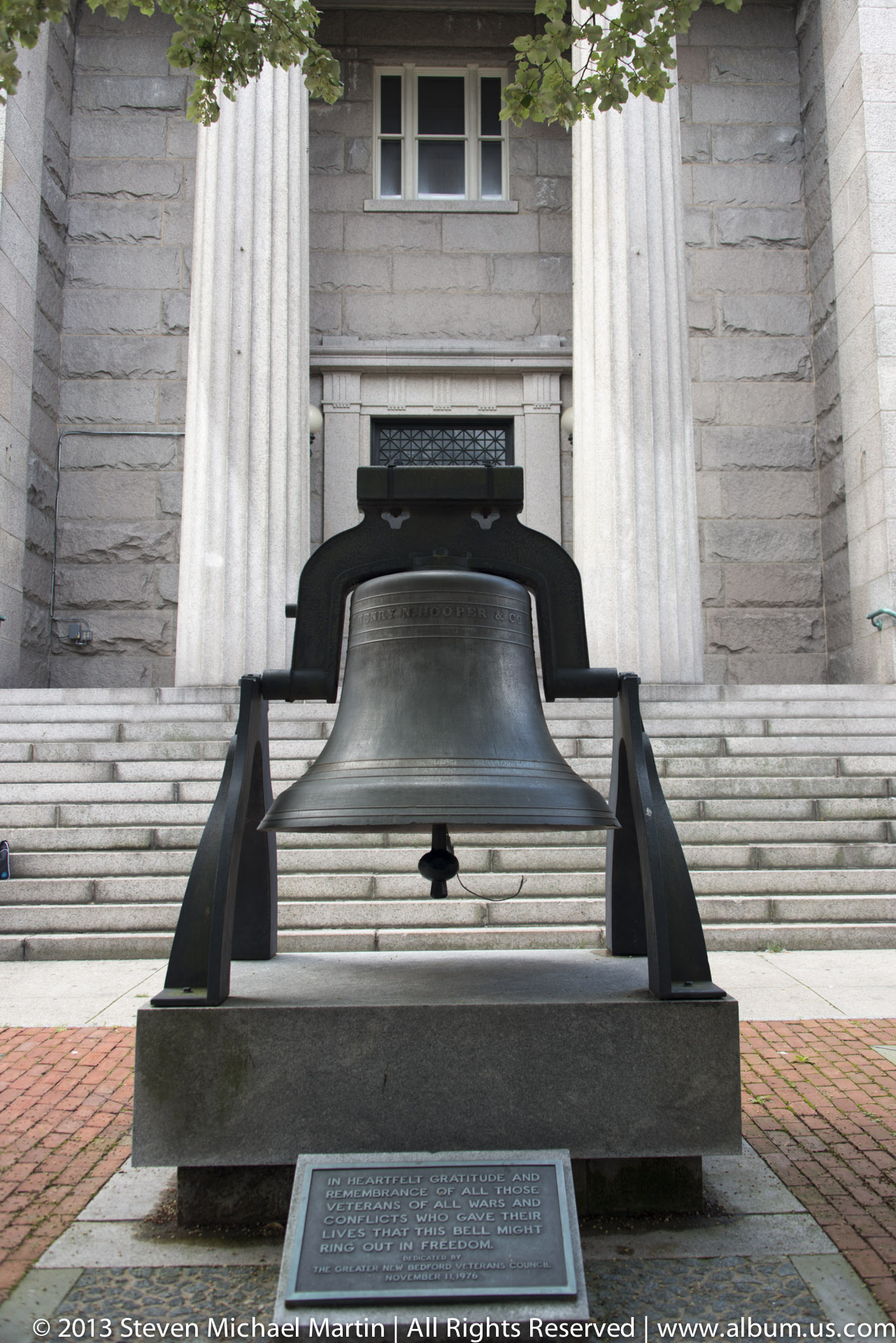
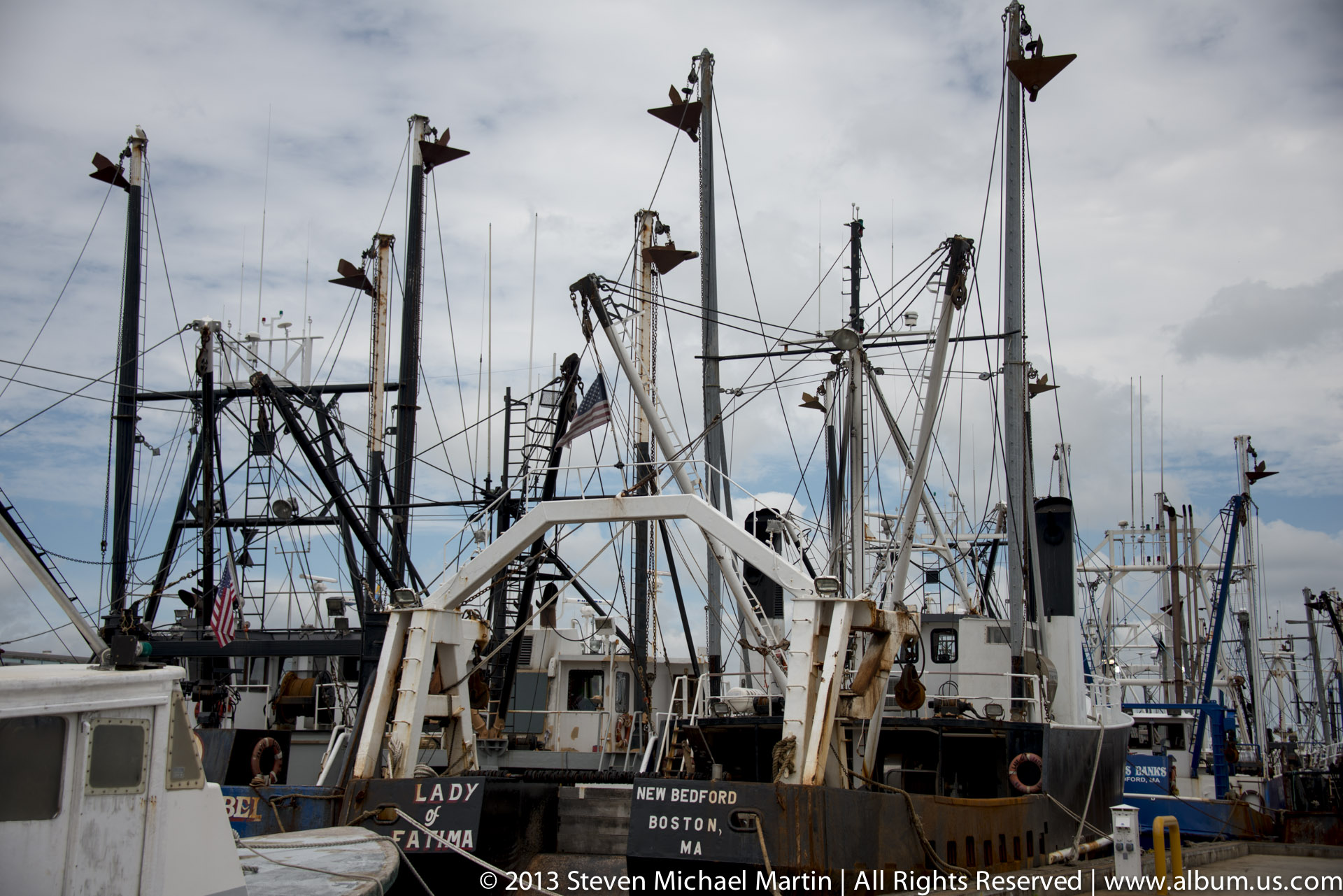
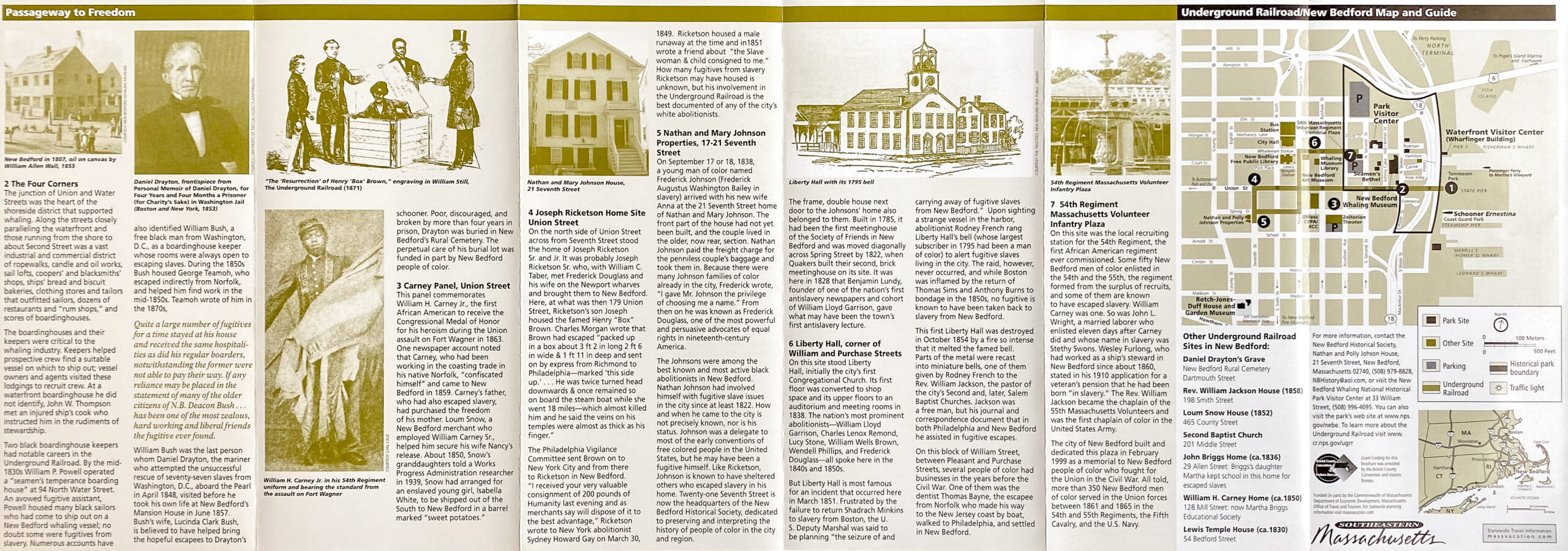
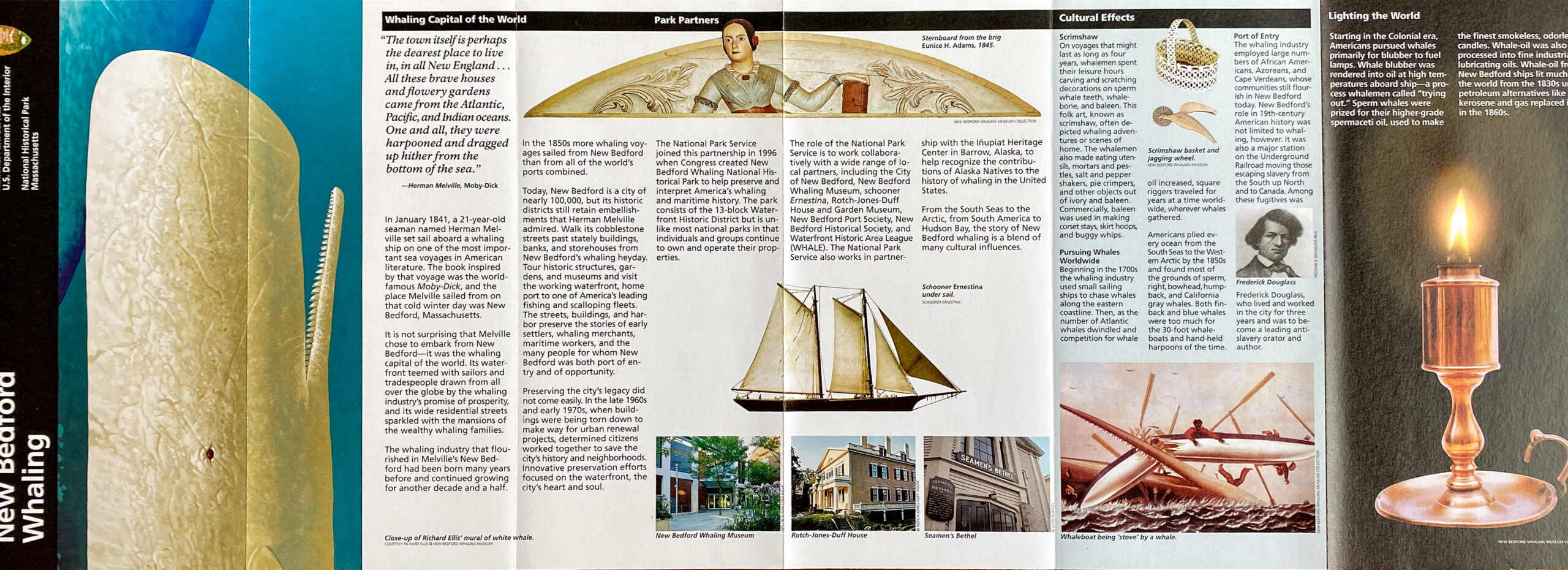
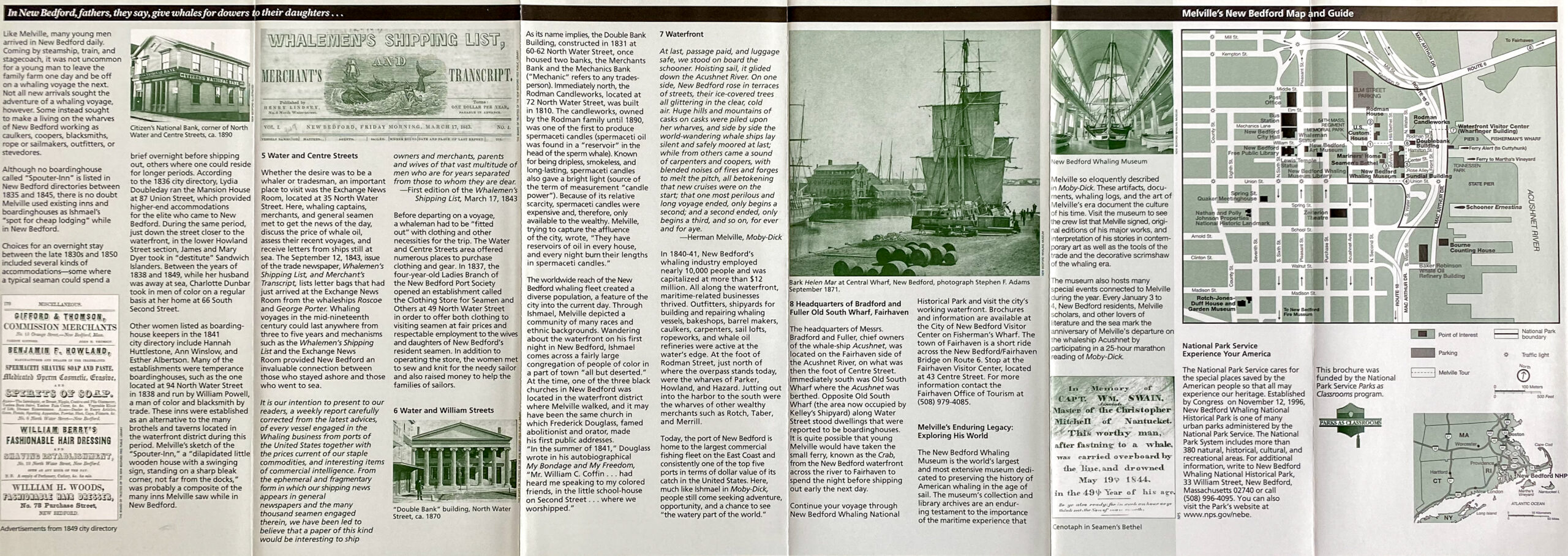
New Bedford developed into one of the most important maritime ports in the United States during the nineteenth century, when whaling connected coastal Massachusetts to a global network of trade, labor, and industrial production. The harbor’s sheltered position along Buzzards Bay supported the rapid expansion of a fleet that supplied whale oil and related products to markets in North America and Europe. Across the Acushnet River, Fairhaven reflects the same maritime and mercantile history, where residential neighborhoods, civic buildings, and waterfront activity grew in close relationship to the prosperity of the whaling era.
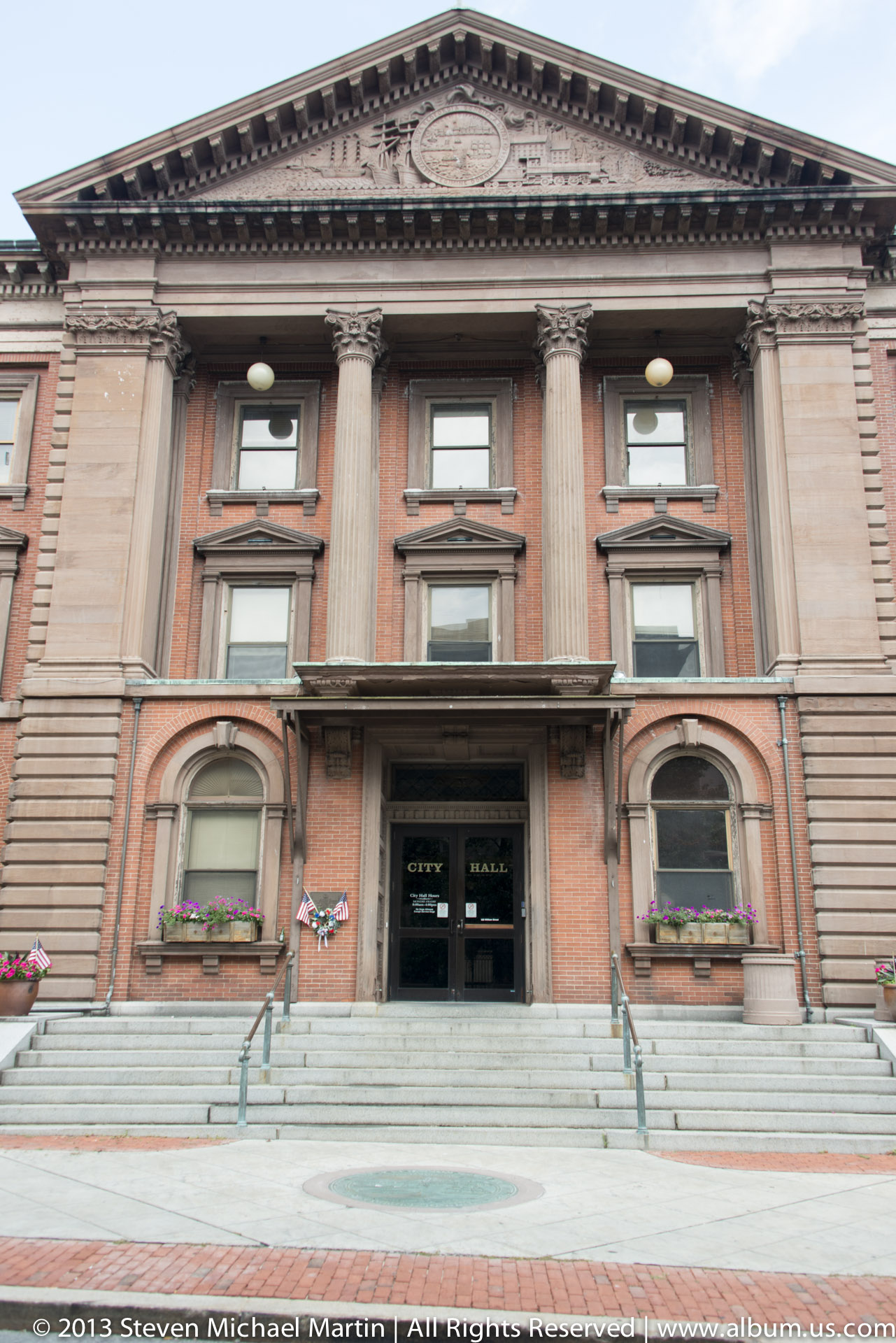
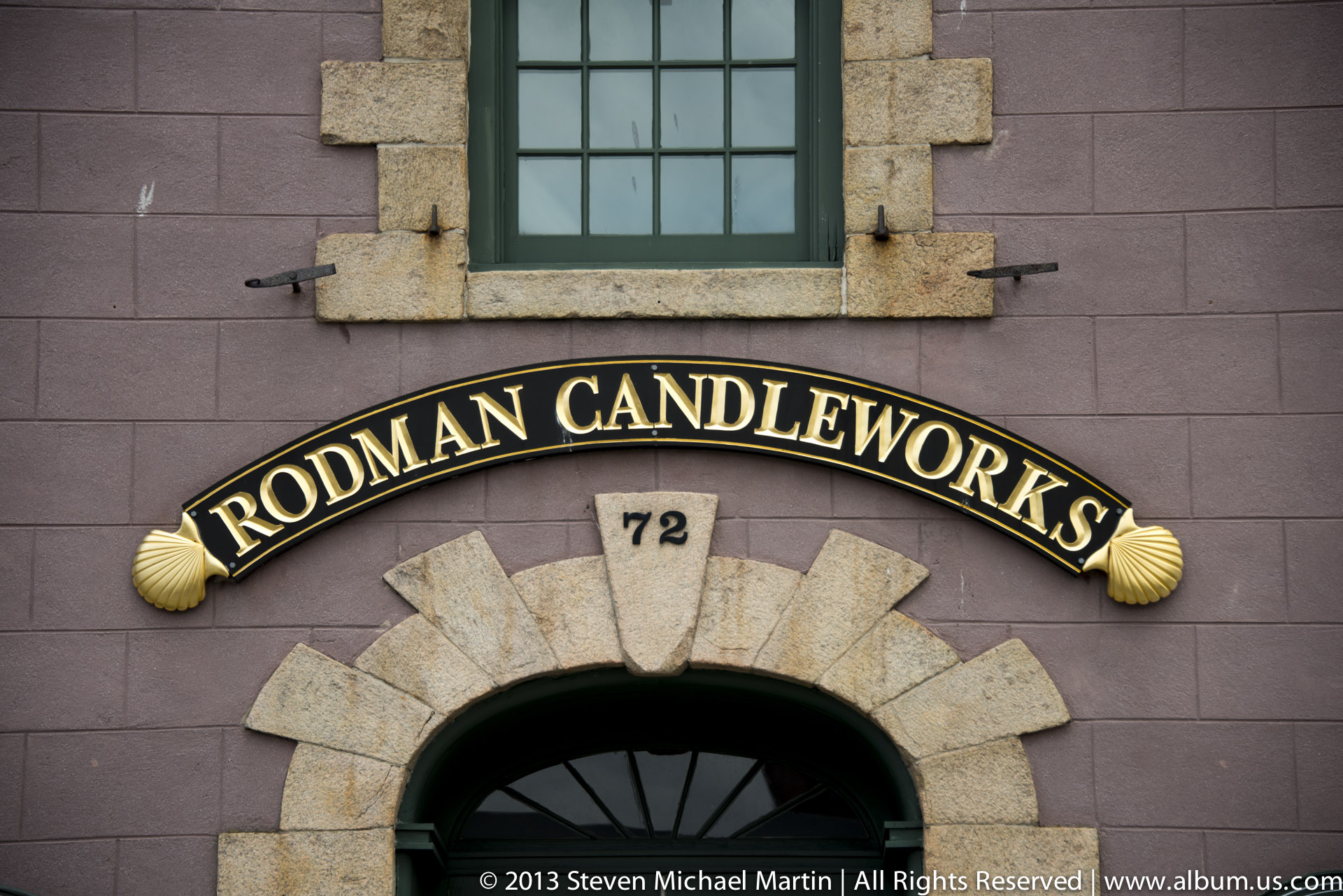
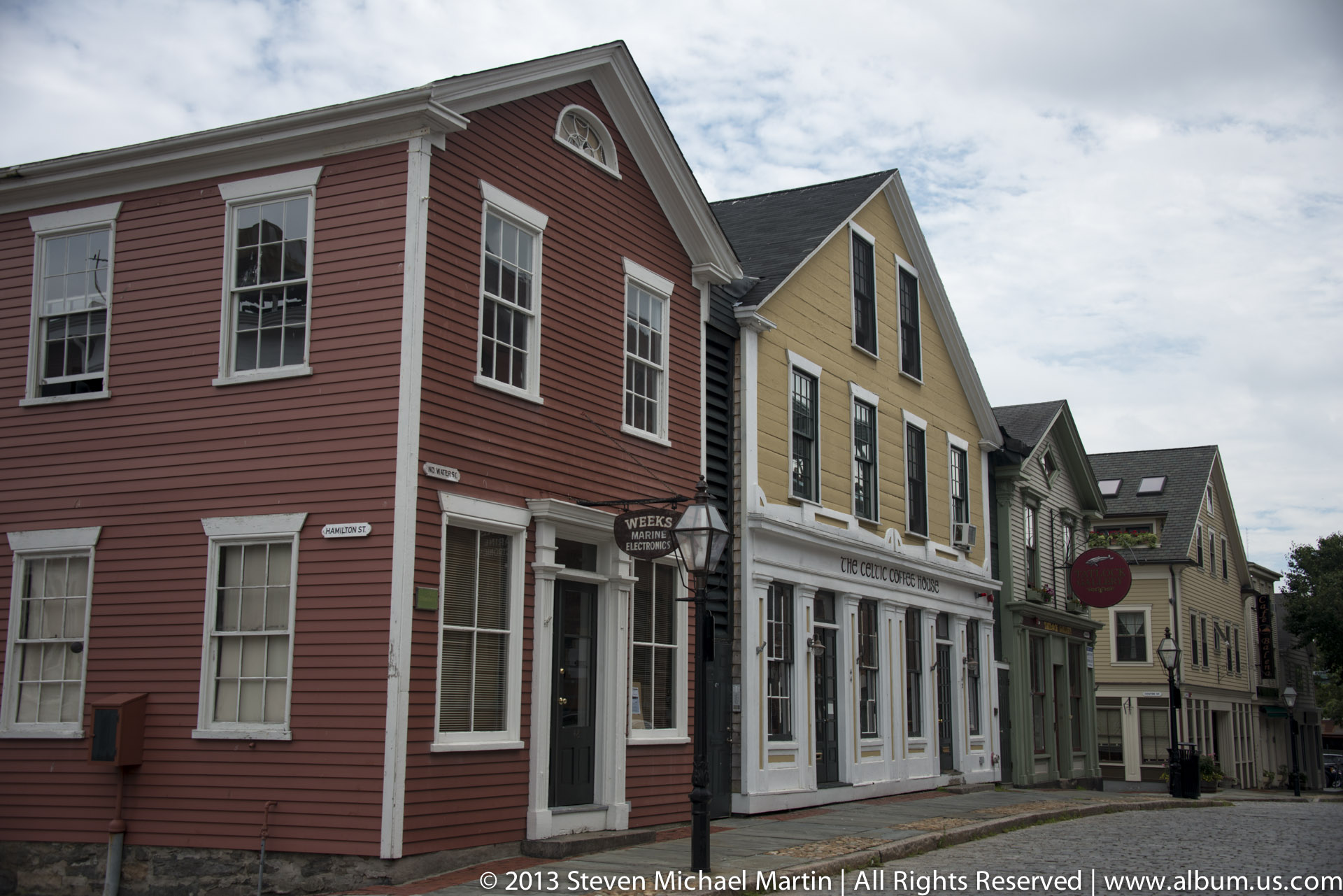
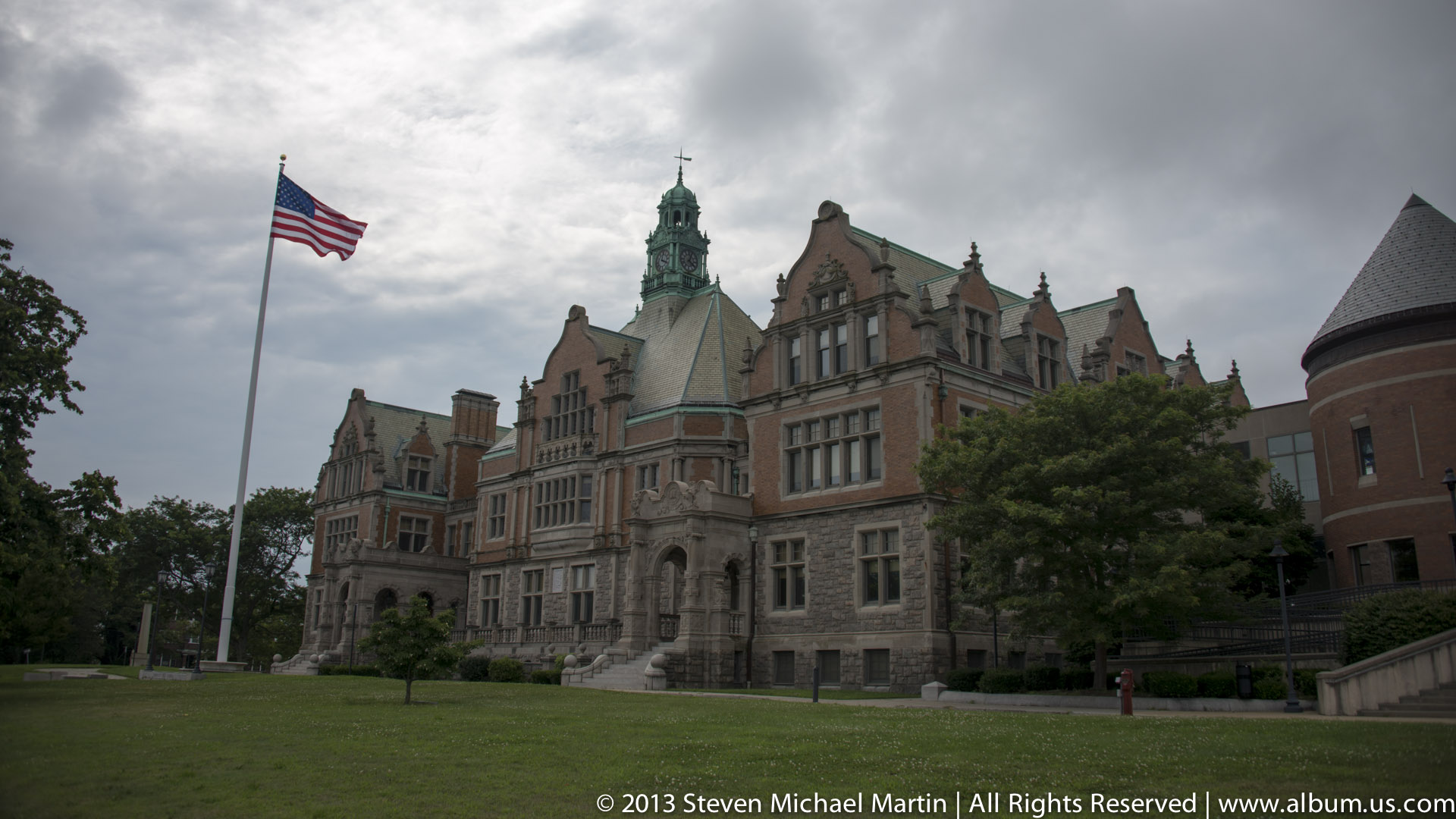
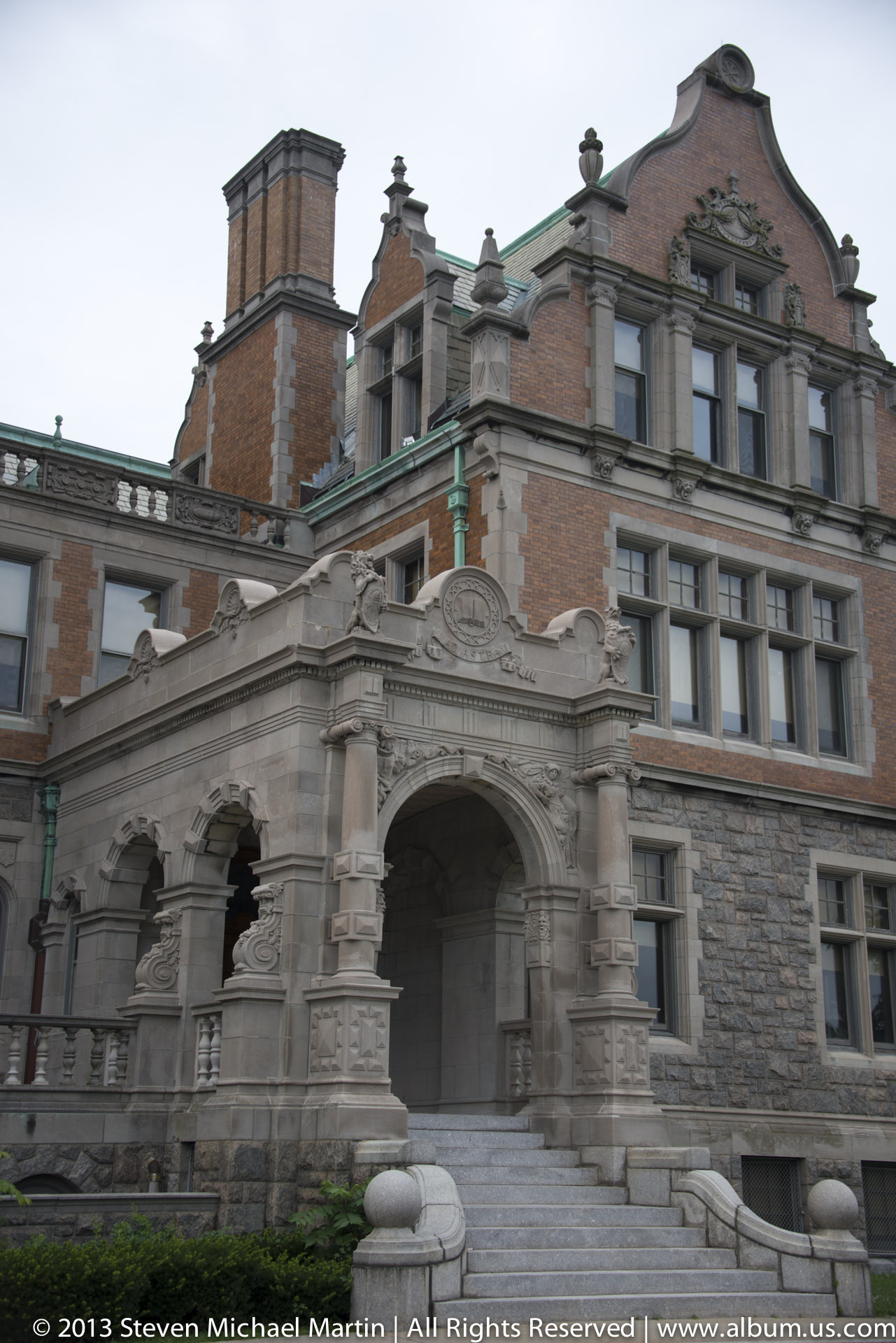
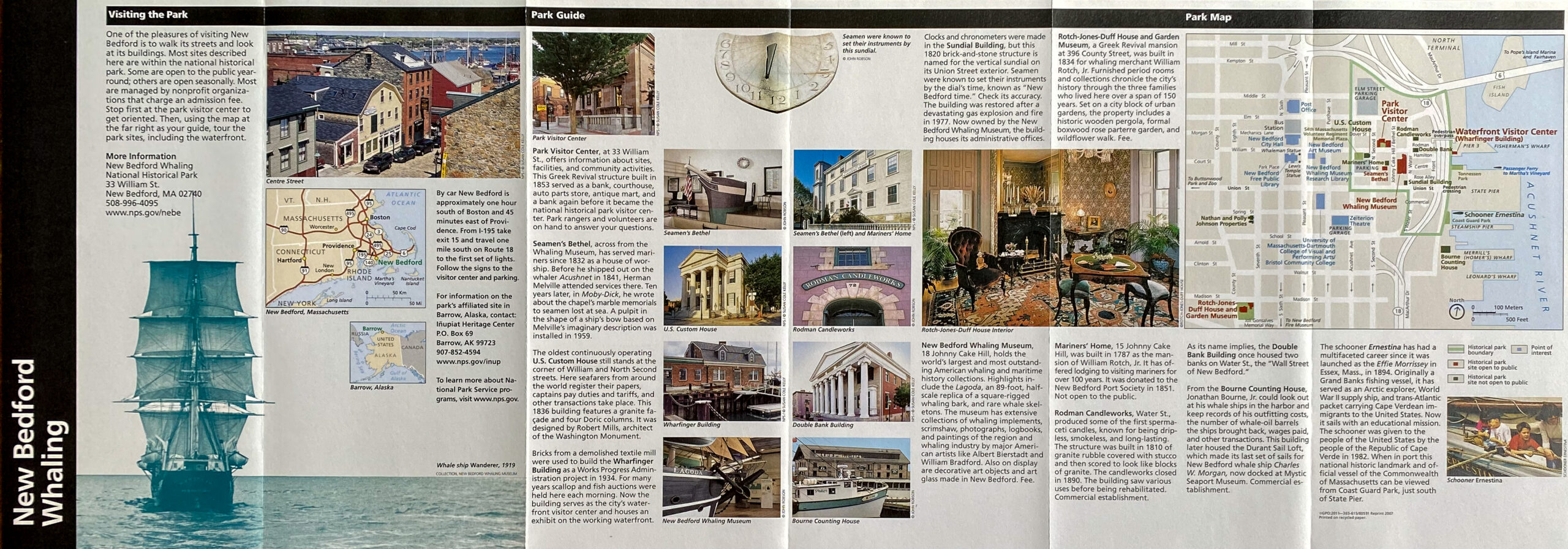
The historic district preserved within New Bedford Whaling National Historical Park illustrates how a working port city was shaped by commerce, immigration, and the technological demands of the whaling industry. Warehouses, streetscapes, and religious institutions reveal the social complexity of a city that drew labor and capital from around the Atlantic world. Fairhaven adds a complementary architectural and civic dimension to this landscape, where later nineteenth-century prosperity helped shape a distinctive built environment associated with merchants and industrial wealth.
Together New Bedford and Fairhaven contribute to understanding how maritime industries influenced urban development in coastal New England. Their preserved waterfronts and historic buildings reflect the relationship between ocean trade, industrial growth, and community formation during a major period of American expansion. The region illustrates how local harbors became part of a much larger Atlantic and global economic system.