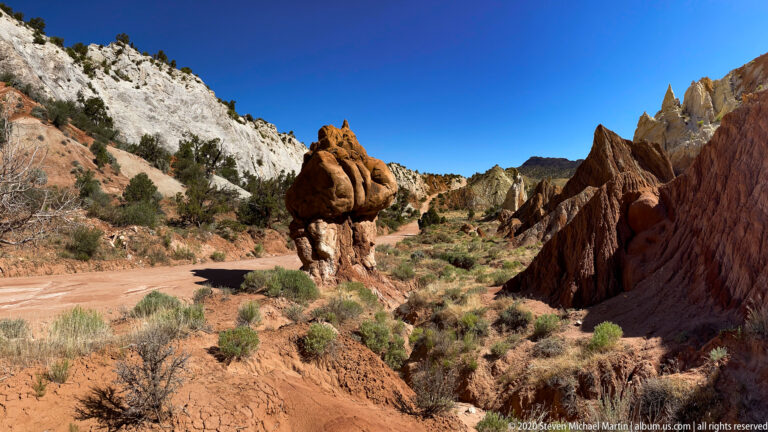
Utah occupies a central position within the Colorado Plateau, where uplifted sedimentary layers, deep canyon systems, and expansive desert landscapes reveal one of the most visually distinctive geologic regions in North America. The interaction of tectonic uplift, erosion, and changing climates produced a landscape characterized by mesas, arches, cliffs, and natural bridges, creating a setting that has long shaped patterns of travel, habitation, and cultural expression. From high elevation plateaus to deeply incised river corridors, Utah’s terrain illustrates the long geological history of the interior West.
Many of the region’s most recognizable landscapes are preserved within Zion National Park, Bryce Canyon National Park, Arches National Park, Canyonlands National Park, and Capitol Reef National Park, where erosion has exposed dramatic rock formations shaped over millions of years. Additional formations across the Escalante and San Rafael regions, including landscapes preserved within Grand Staircase–Escalante National Monument and San Rafael Reef, demonstrate the scale and continuity of geological processes across the plateau. Distinctive erosional features such as hoodoos, fins, arches, and deeply incised canyon systems illustrate the effects of wind and water acting upon layered sedimentary rock.
Cultural landscapes throughout the region reflect long periods of Indigenous presence, particularly within areas such as Hovenweep National Monument, Natural Bridges National Monument, and Bears Ears National Monument, where archaeological remains and rock imagery document enduring connections between communities and the surrounding environment. Travel corridors through canyon country, including viewpoints such as Dead Horse Point and formations such as Castle Valley, illustrate the geographic relationships between rivers, cliffs, and high desert plateaus that define the broader Colorado Plateau region.
Together, these preserved landscapes position Utah as one of the most significant concentrations of protected canyon and desert environments in the United States. The state’s national parks, monuments, and conservation areas reveal the interaction of geology, climate, and cultural history across deep time, providing a comprehensive view of the environmental systems that shape the interior of the American West.
Elephant Canyon – Canyonlands National Park Elephant Canyon preserves a remote desert landscape within Canyonlands National Park characterized by eroded […]
Horseshoe Canyon – Canyonlands National Park Horseshoe Canyon preserves a remote canyon environment within Canyonlands National Park known for significant […]
Castle Valley Castle Valley preserves a dramatic desert landscape characterized by towering sandstone formations rising from open valley terrain. The […]
Goblin Valley State Park Goblin Valley State Park preserves a unique landscape of mushroom-shaped rock formations created through differential erosion […]
Cottonwood Narrows – Grand Staircase–Escalante National Monument Cottonwood Narrows preserves a narrow slot canyon environment formed through erosion acting upon […]
Grand Staircase–Escalante National Monument – Coyote Gulch Coyote Gulch preserves sandstone canyon formations shaped by erosion across the Colorado Plateau. […]
Heart of the Cockscomb – Grand Staircase–Escalante National Monument The Cockscomb formation represents a dramatic geologic feature created by compressional […]
Hovenweep National Monument Hovenweep preserves stone towers and structures constructed by Ancestral Puebloan communities between the twelfth and thirteenth centuries. […]
Hovenweep National Monument Hovenweep National Monument preserves a series of ancestral Puebloan sites distributed across canyon heads and mesa edges […]
McInnis Canyons National Conservation Area — Moab Region McInnis Canyons National Conservation Area protects a rugged canyon environment characterized by […]
Natural Bridges National Monument Natural Bridges National Monument preserves three large natural bridges formed through erosion acting upon sandstone canyon […]