Zion National Park
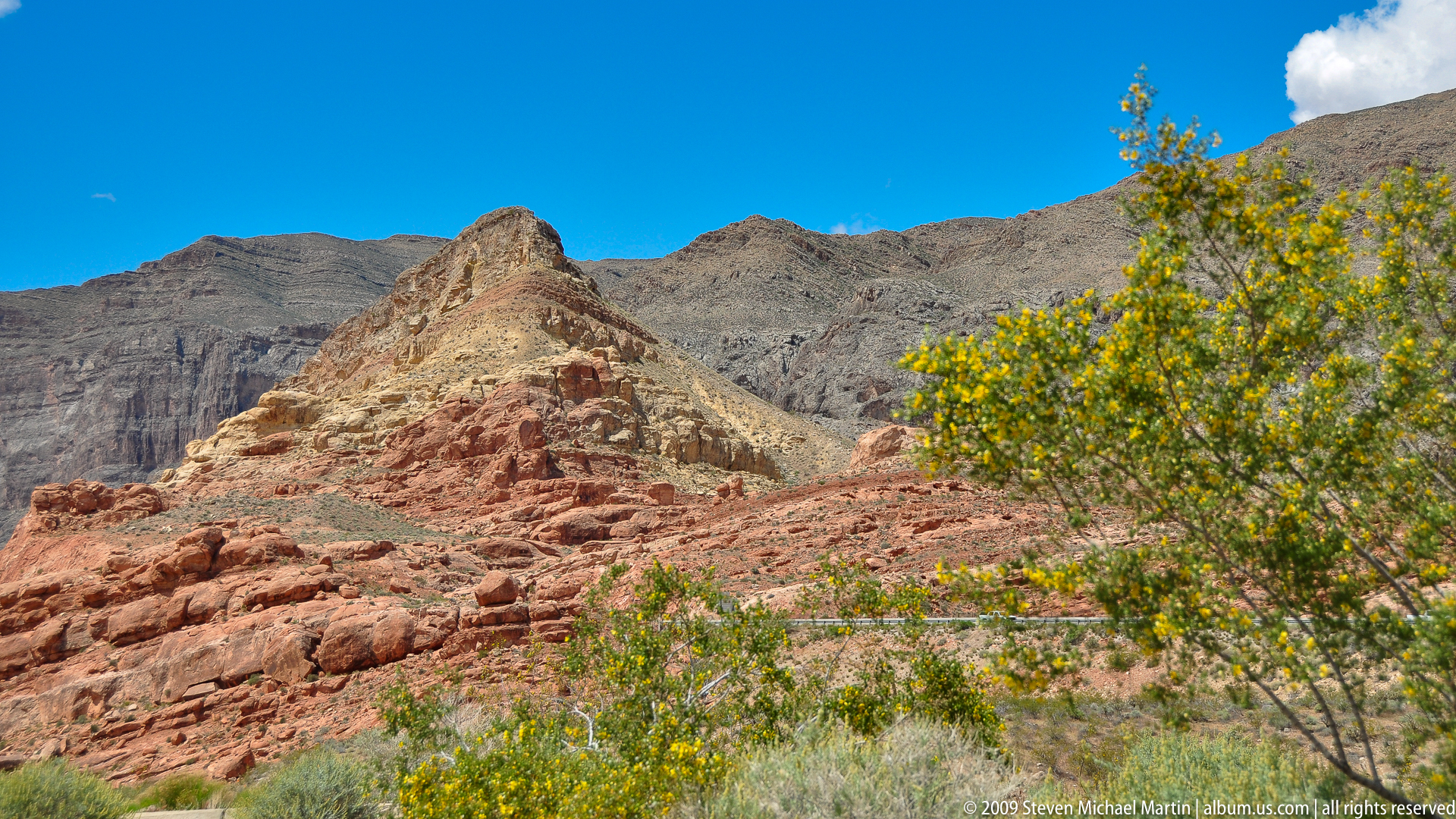
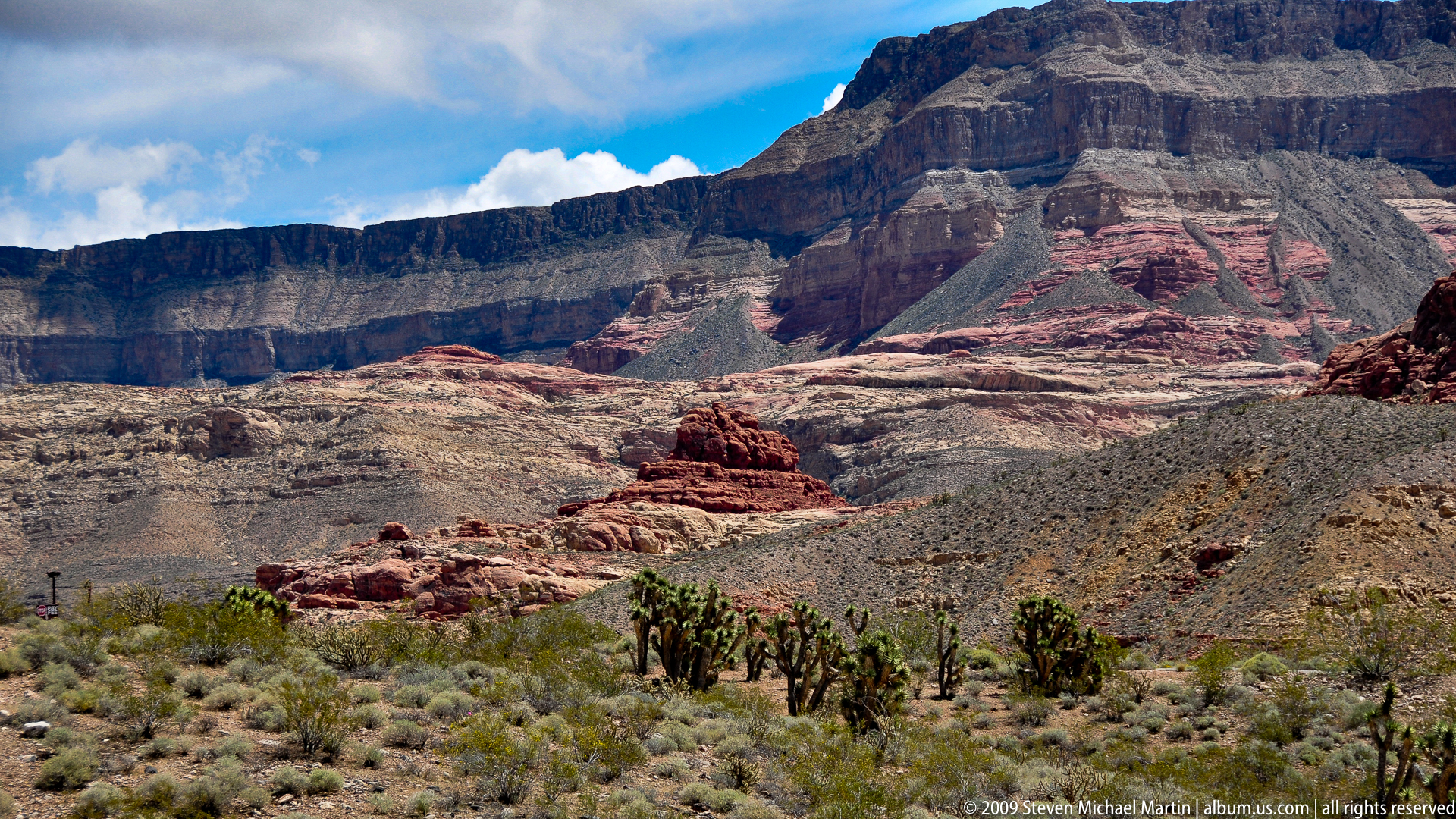
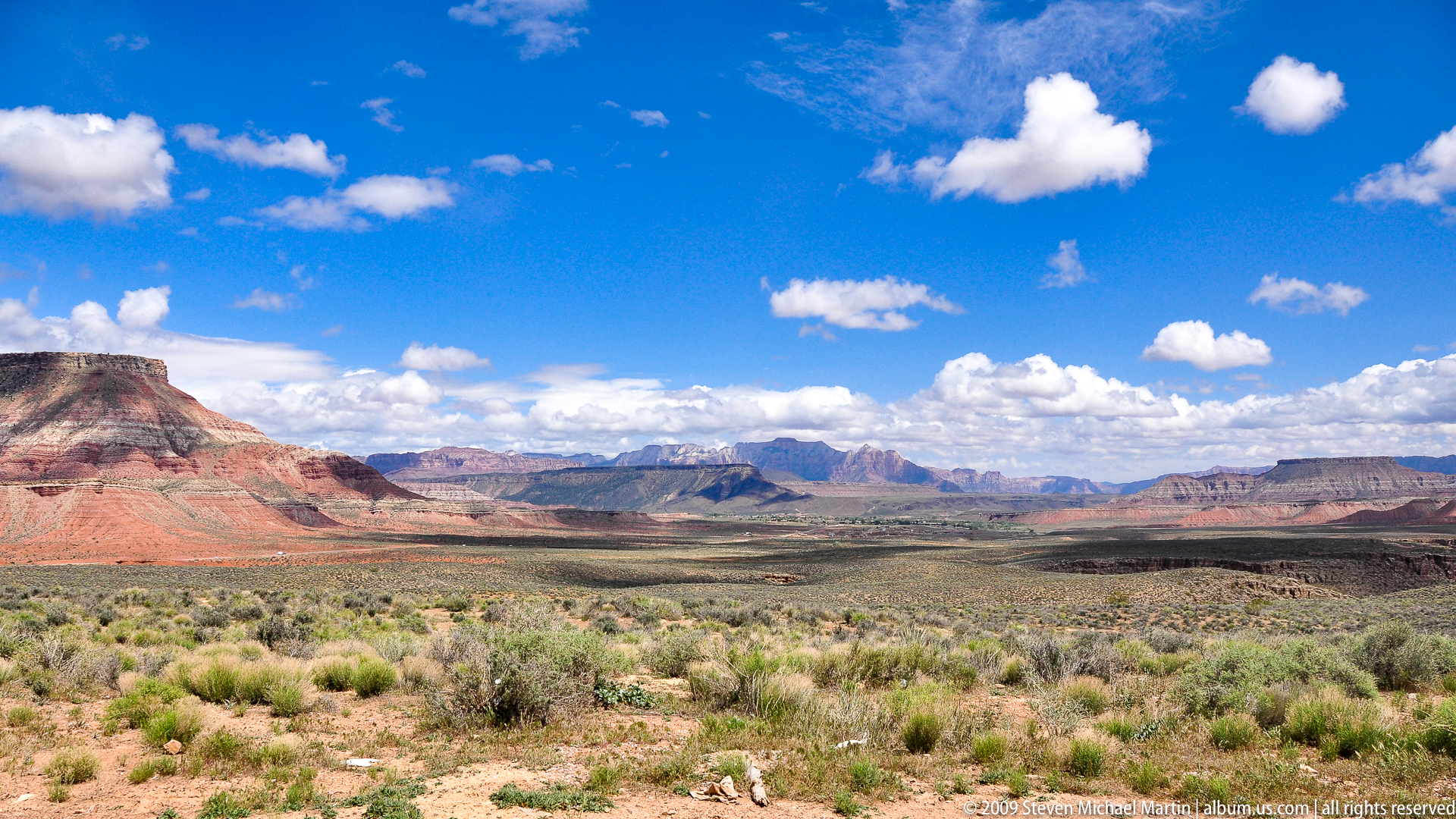
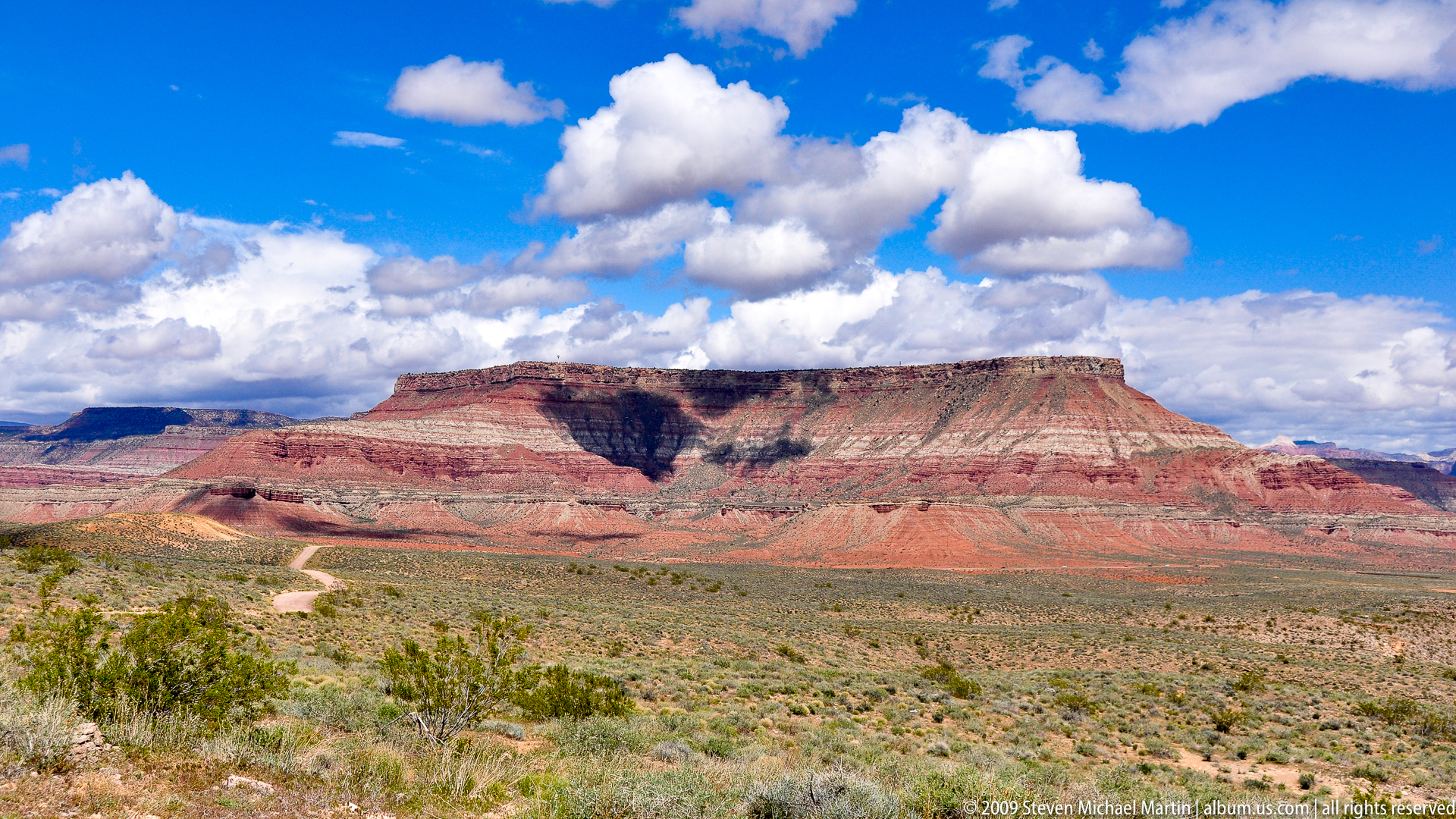
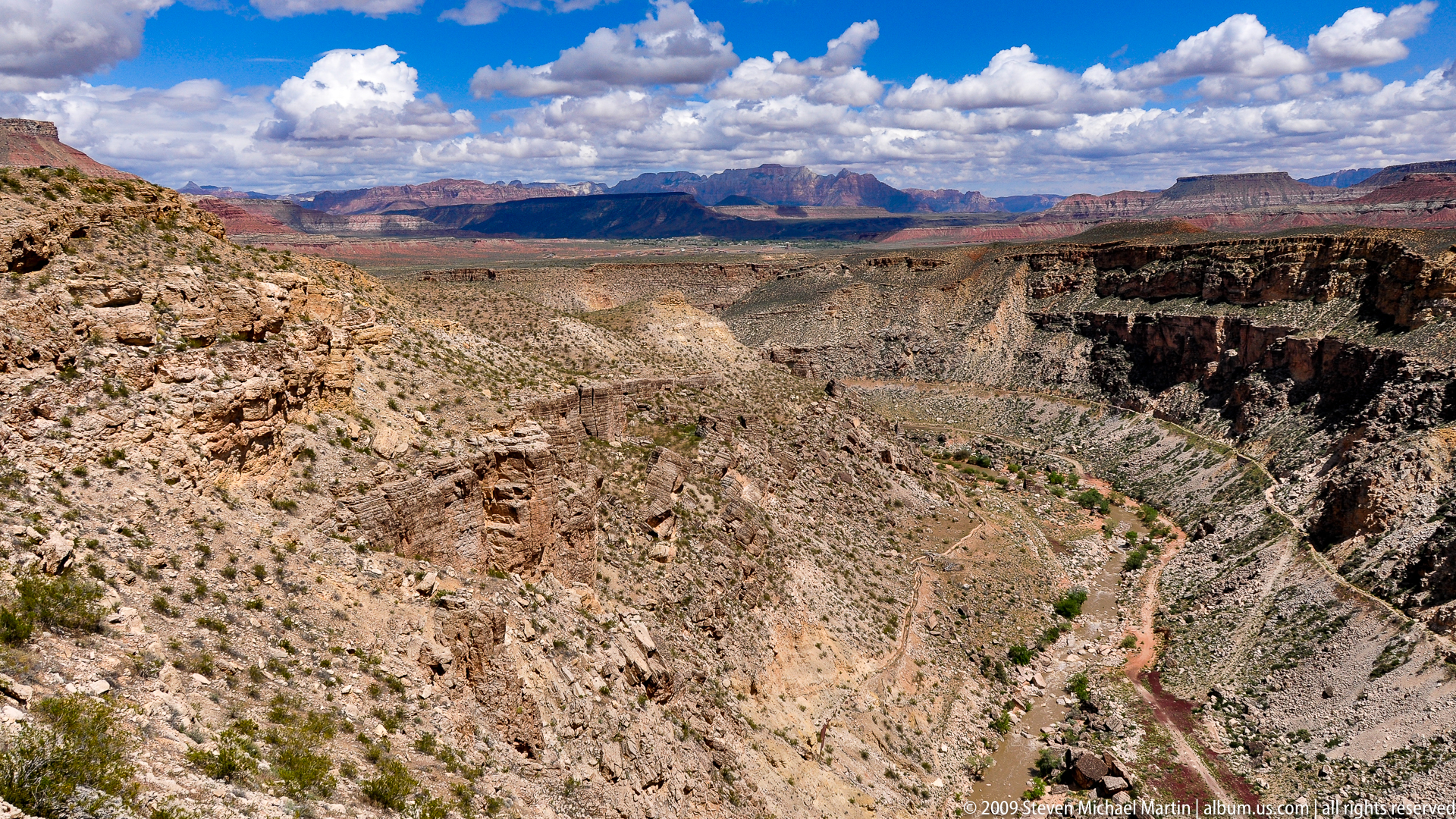
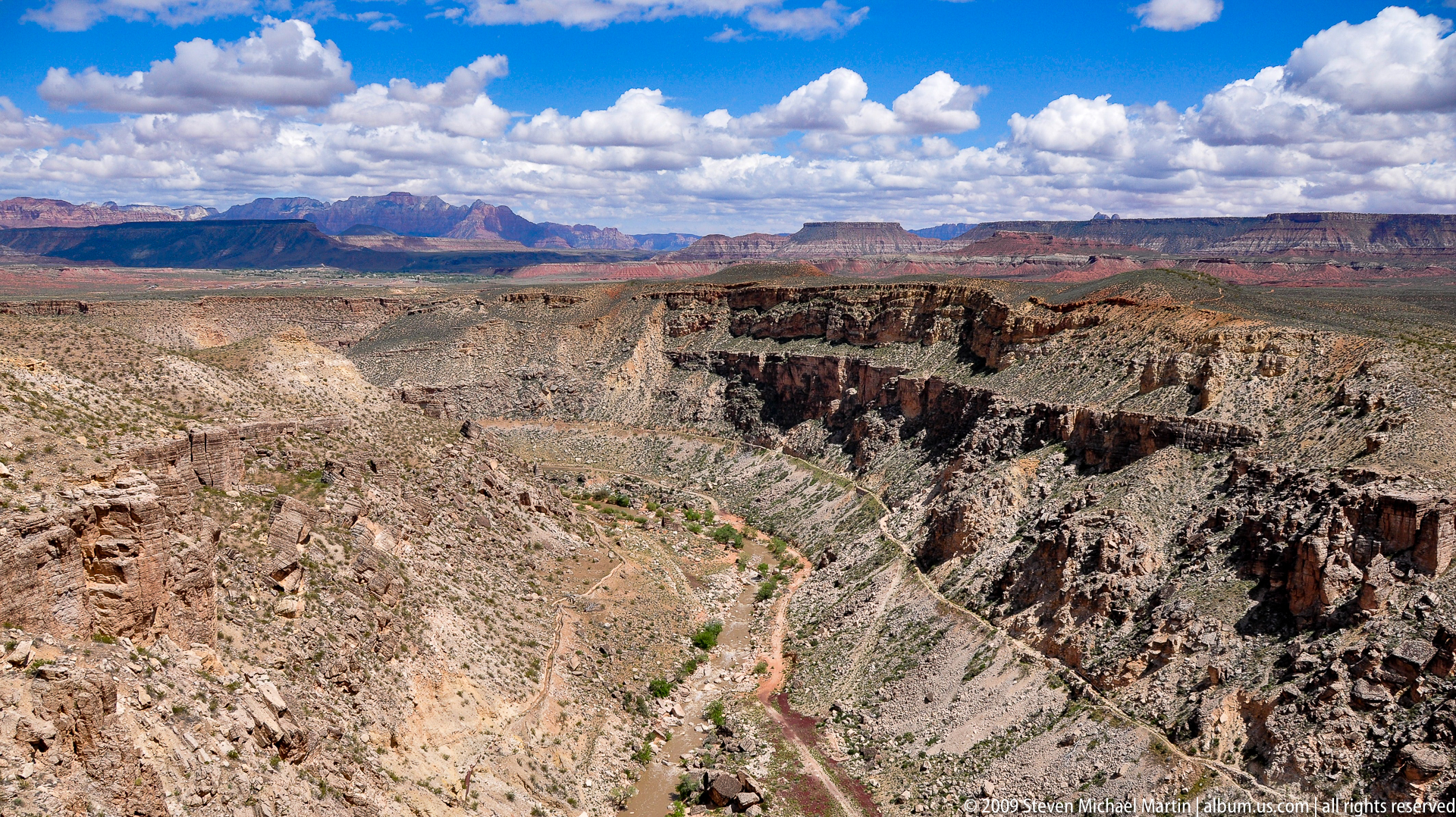
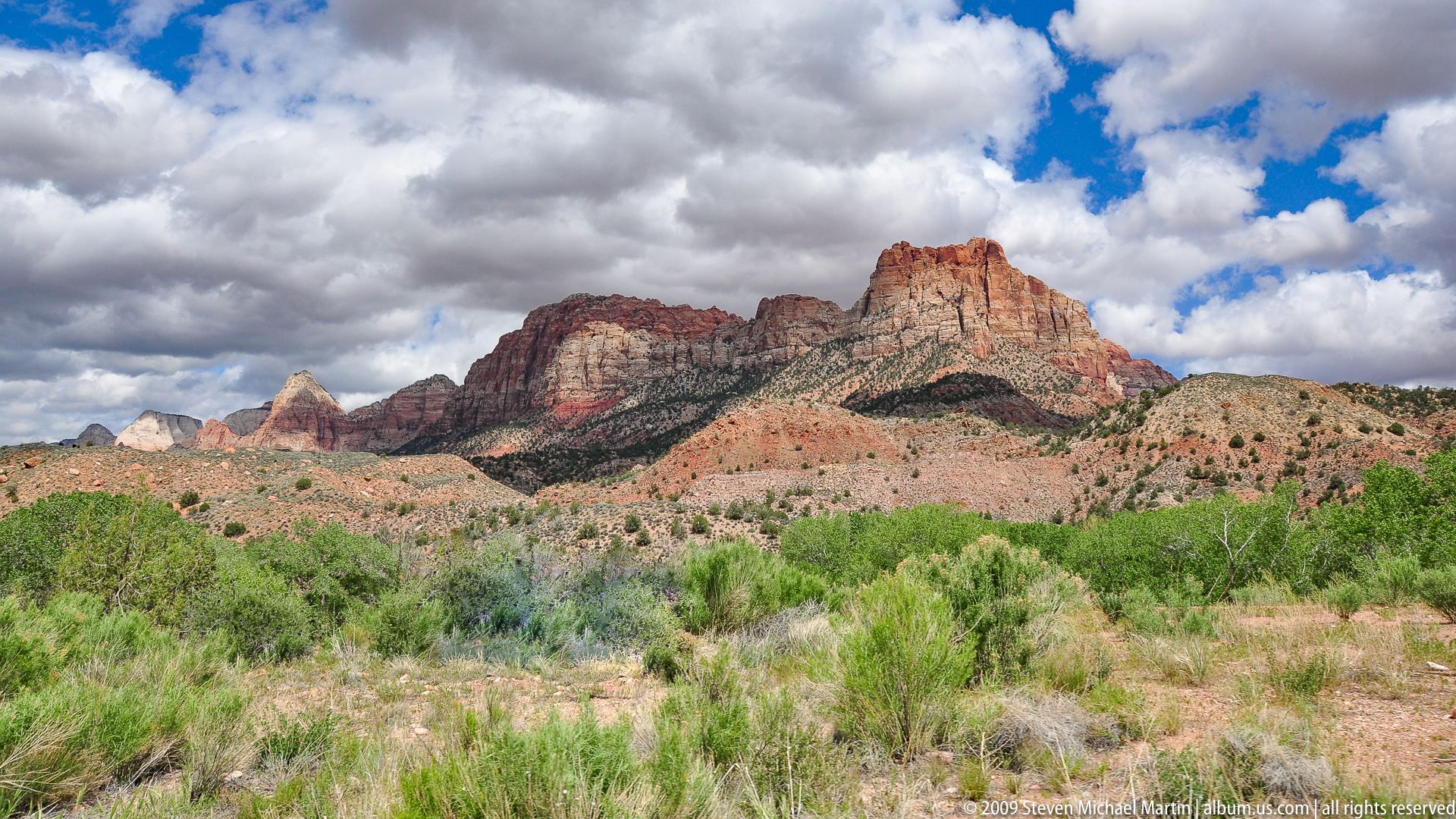
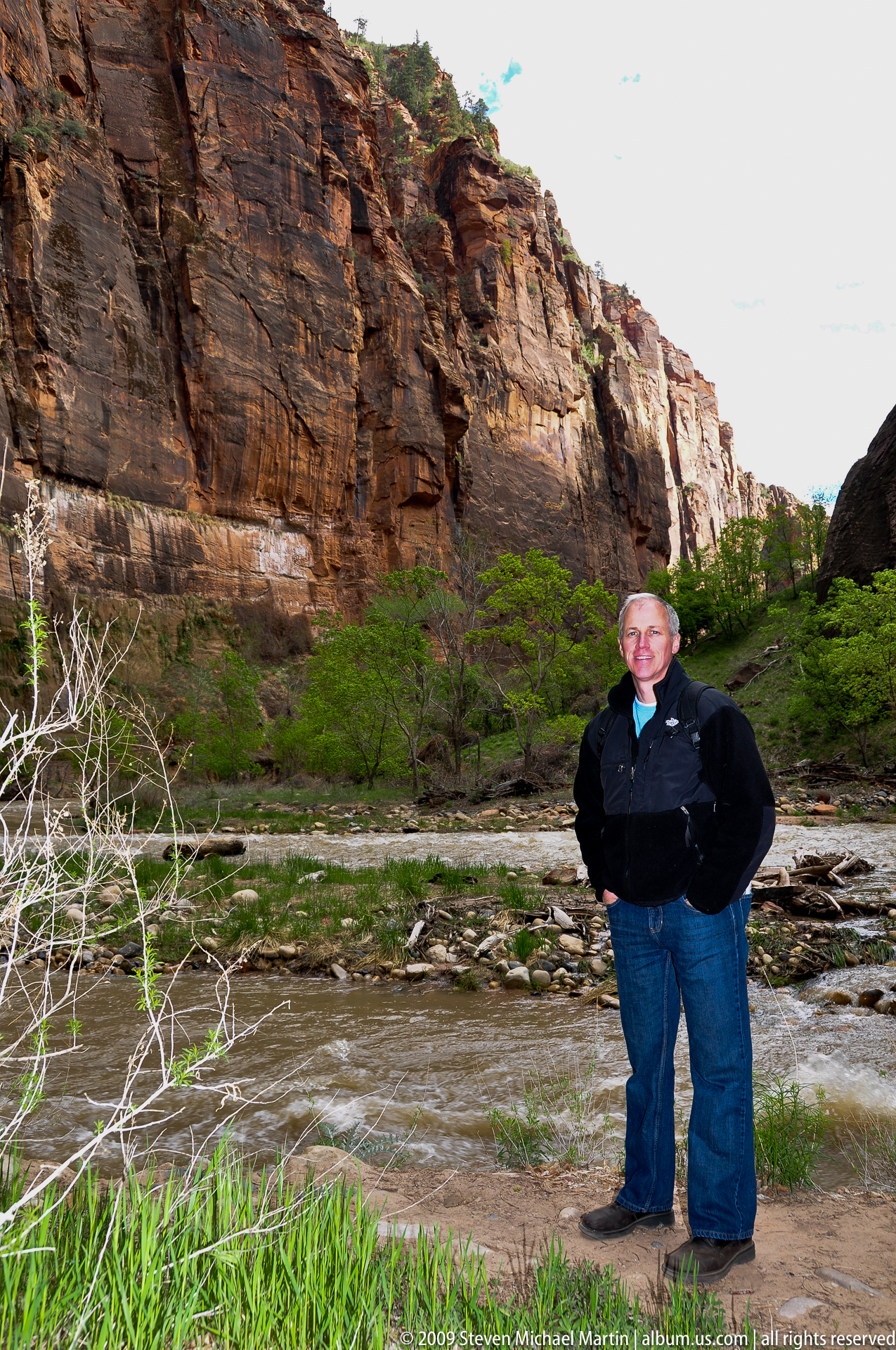
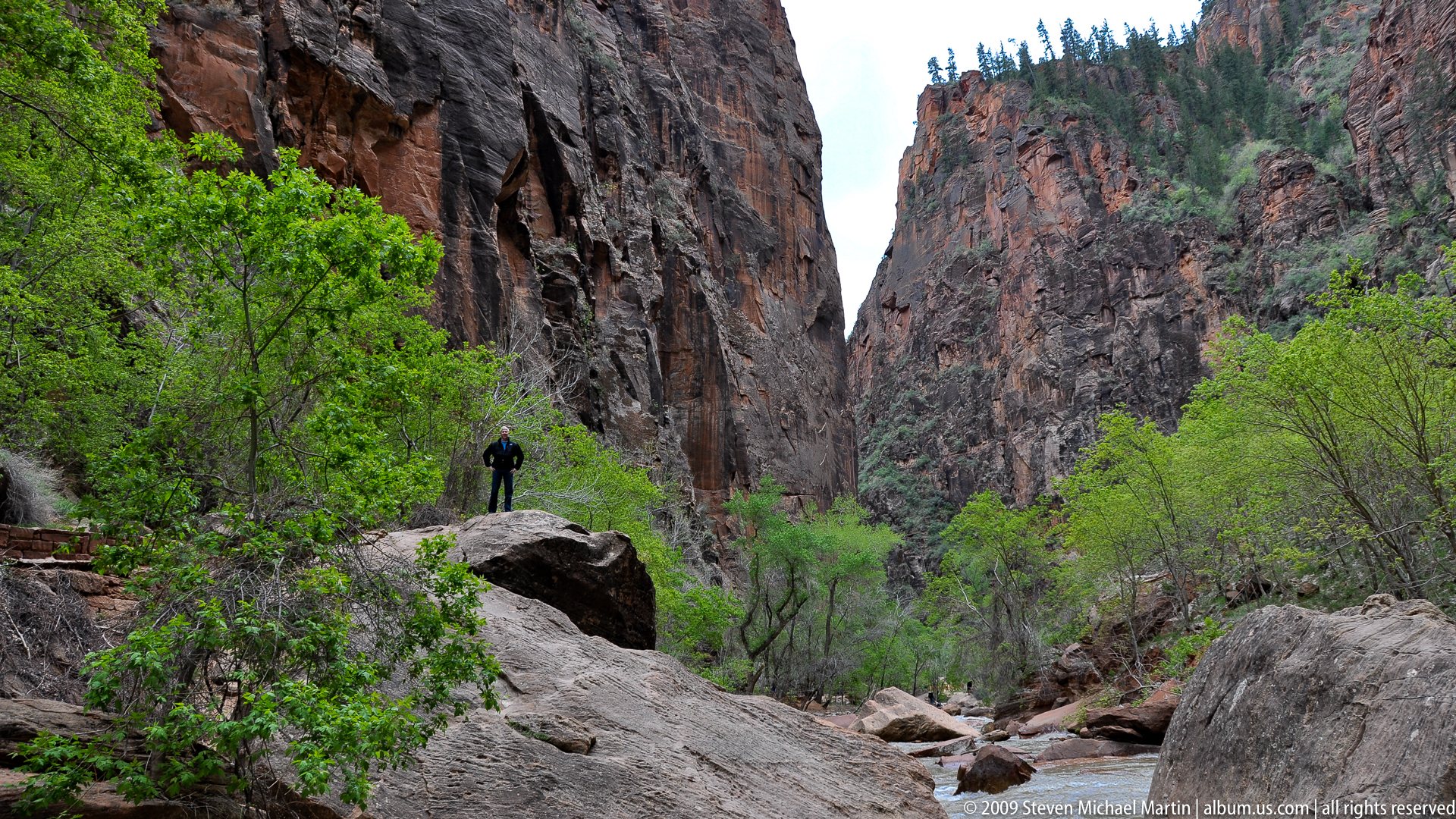
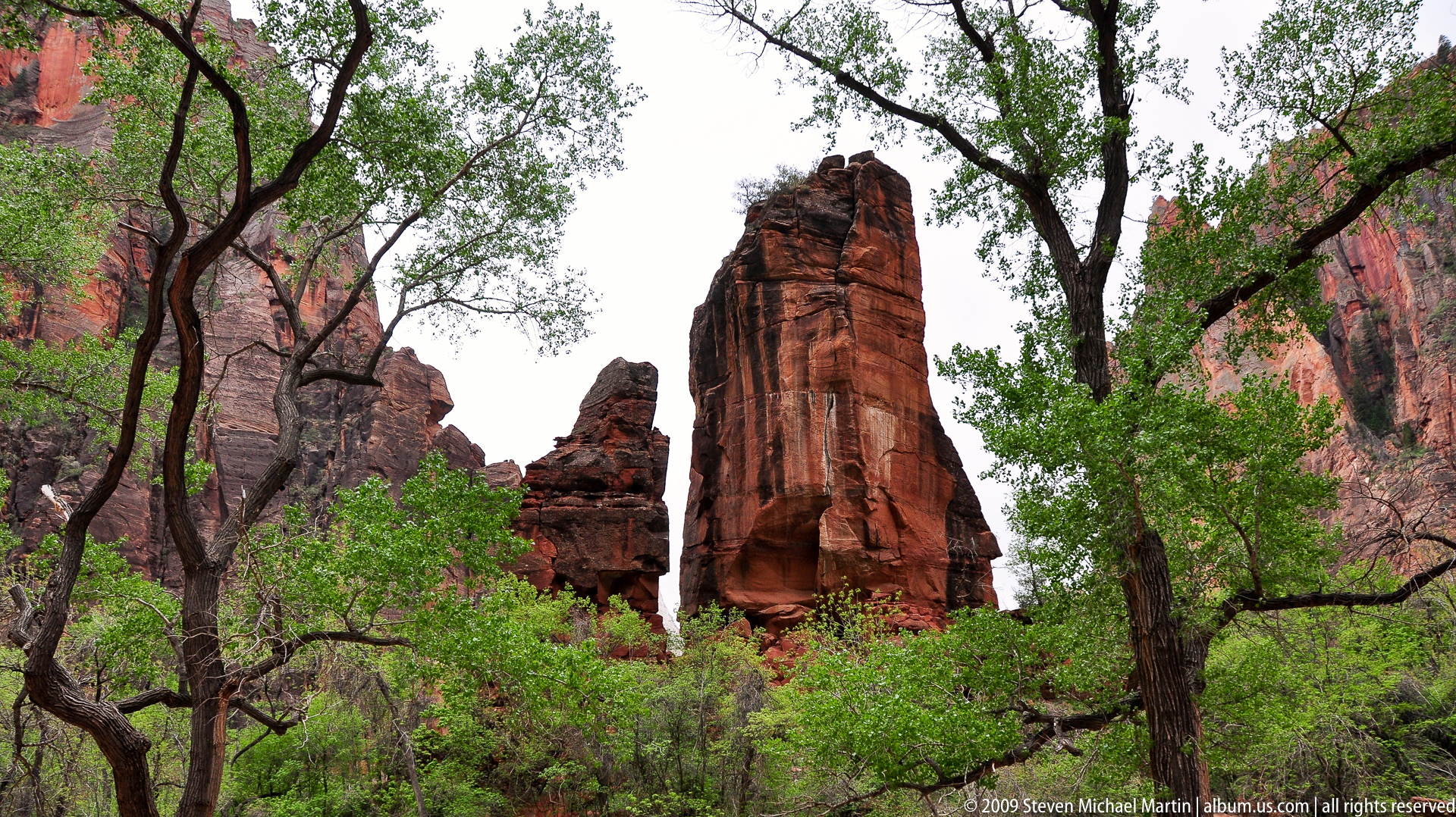
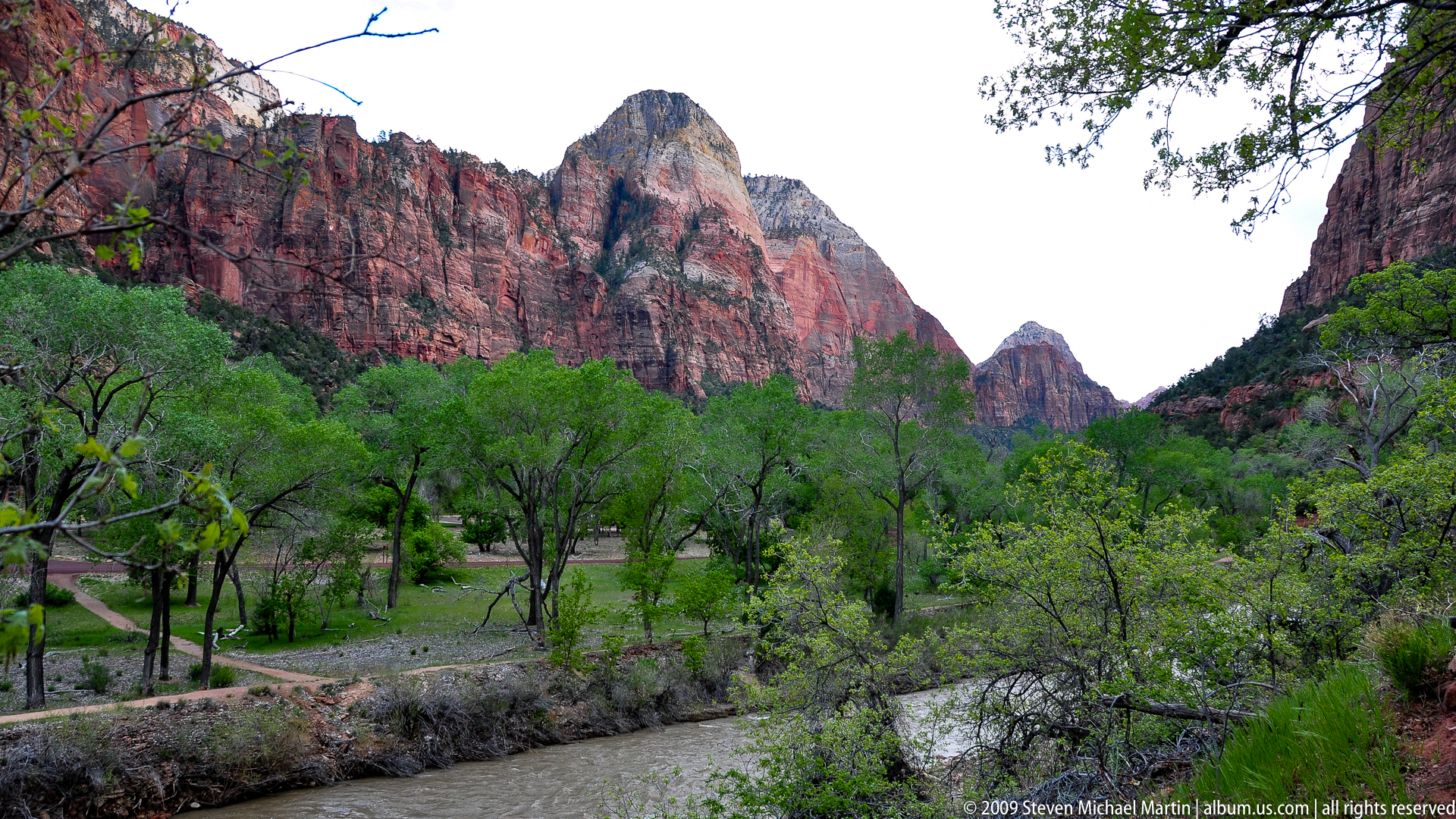
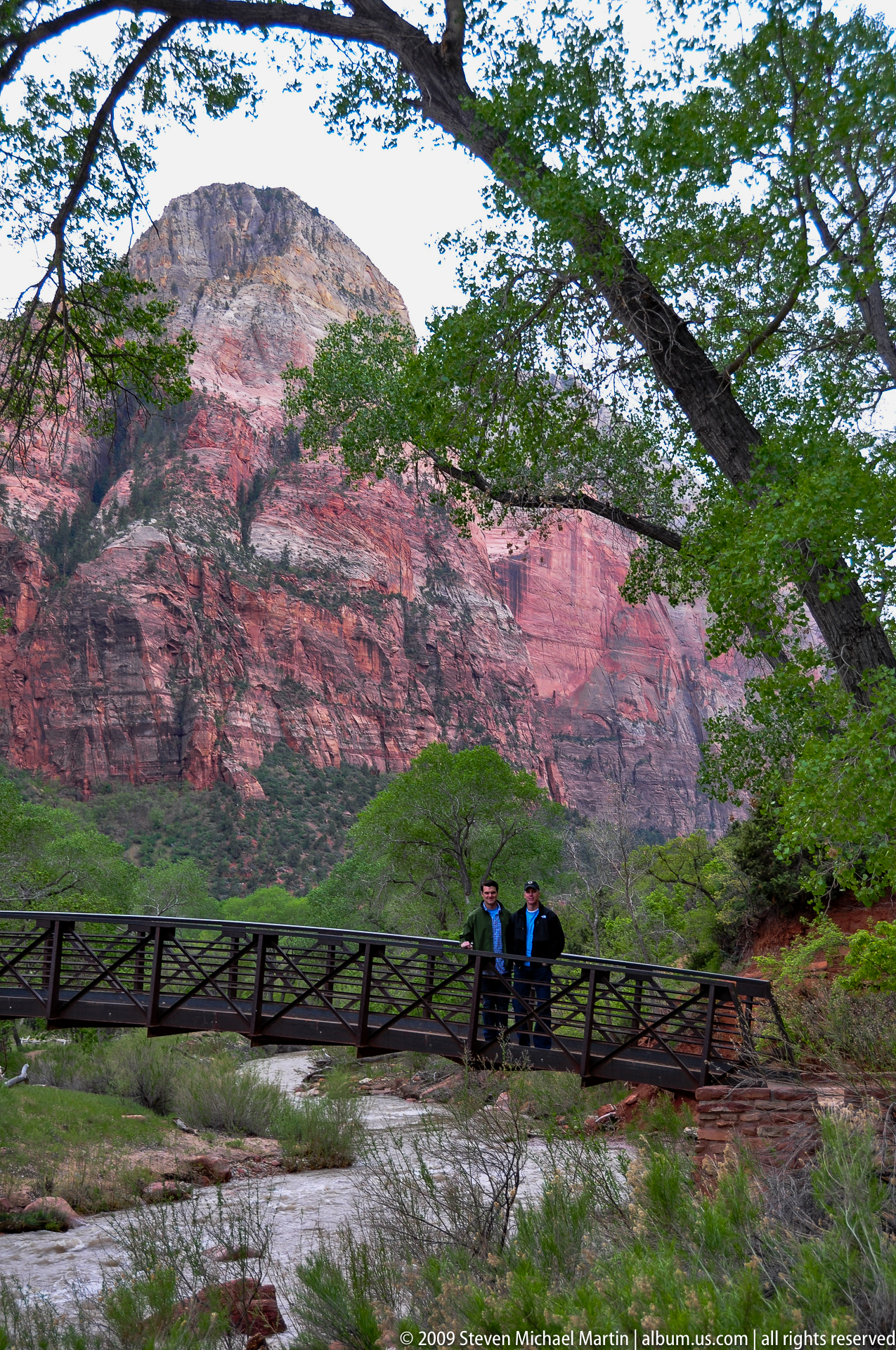
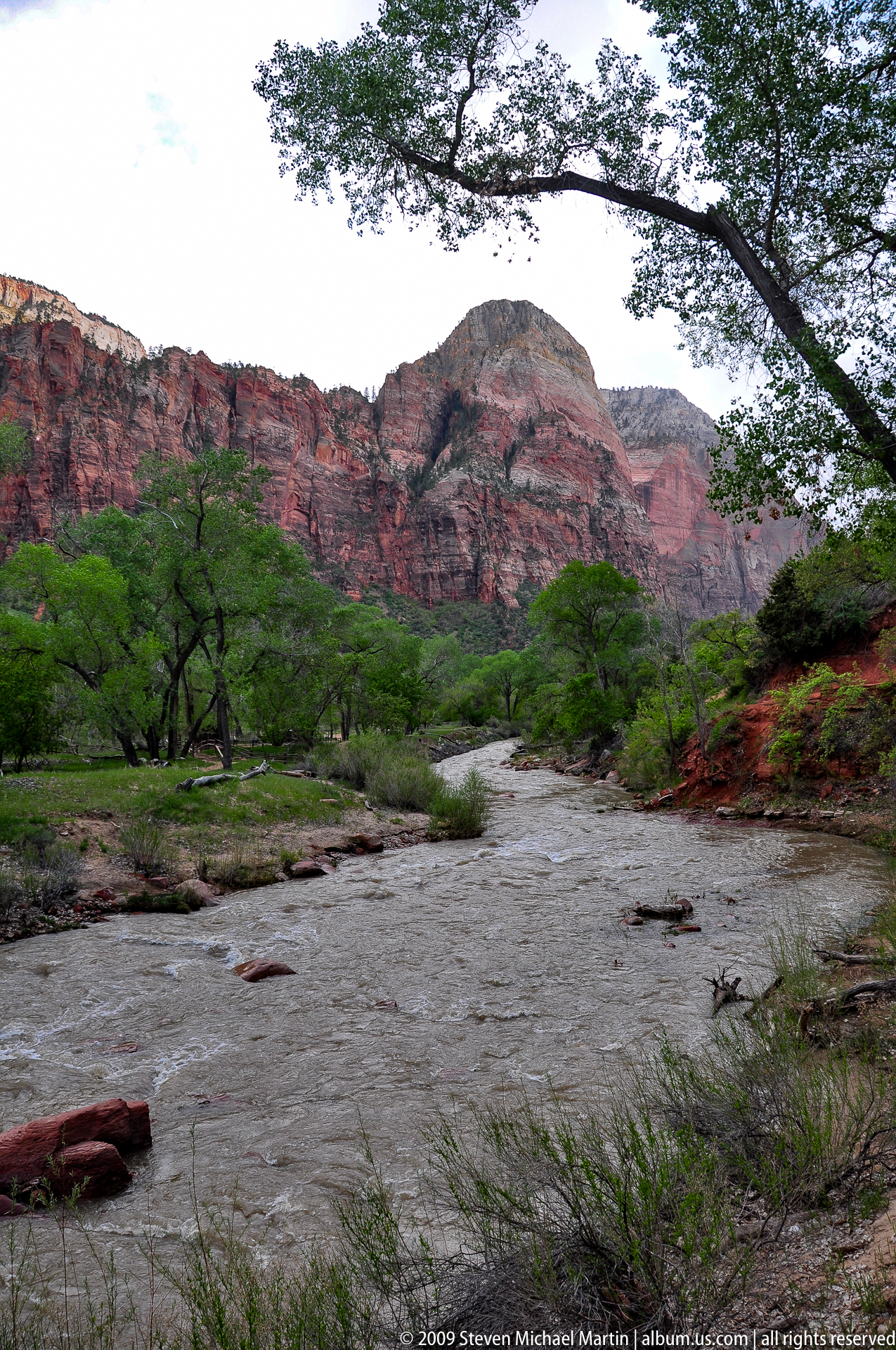
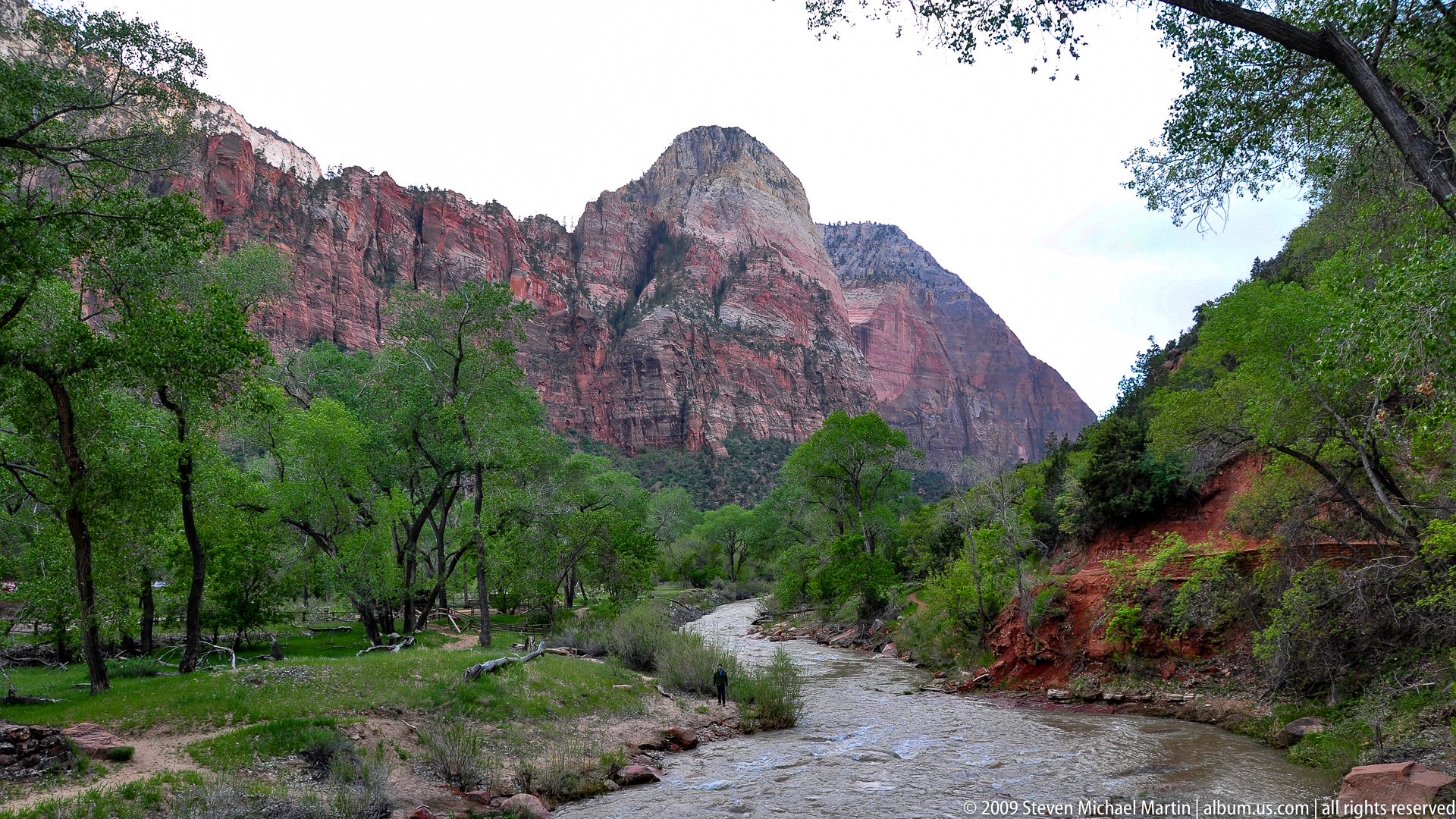
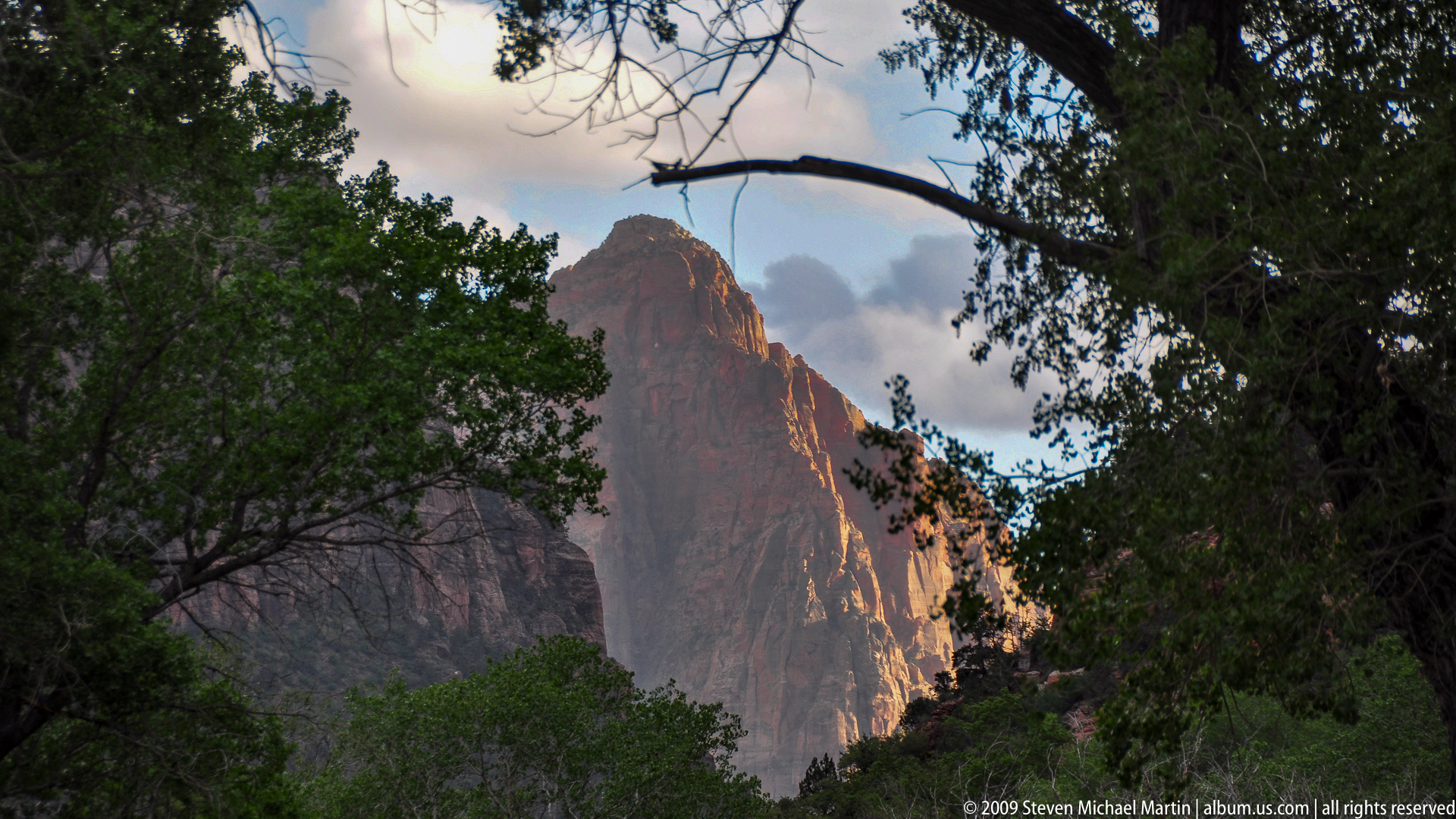
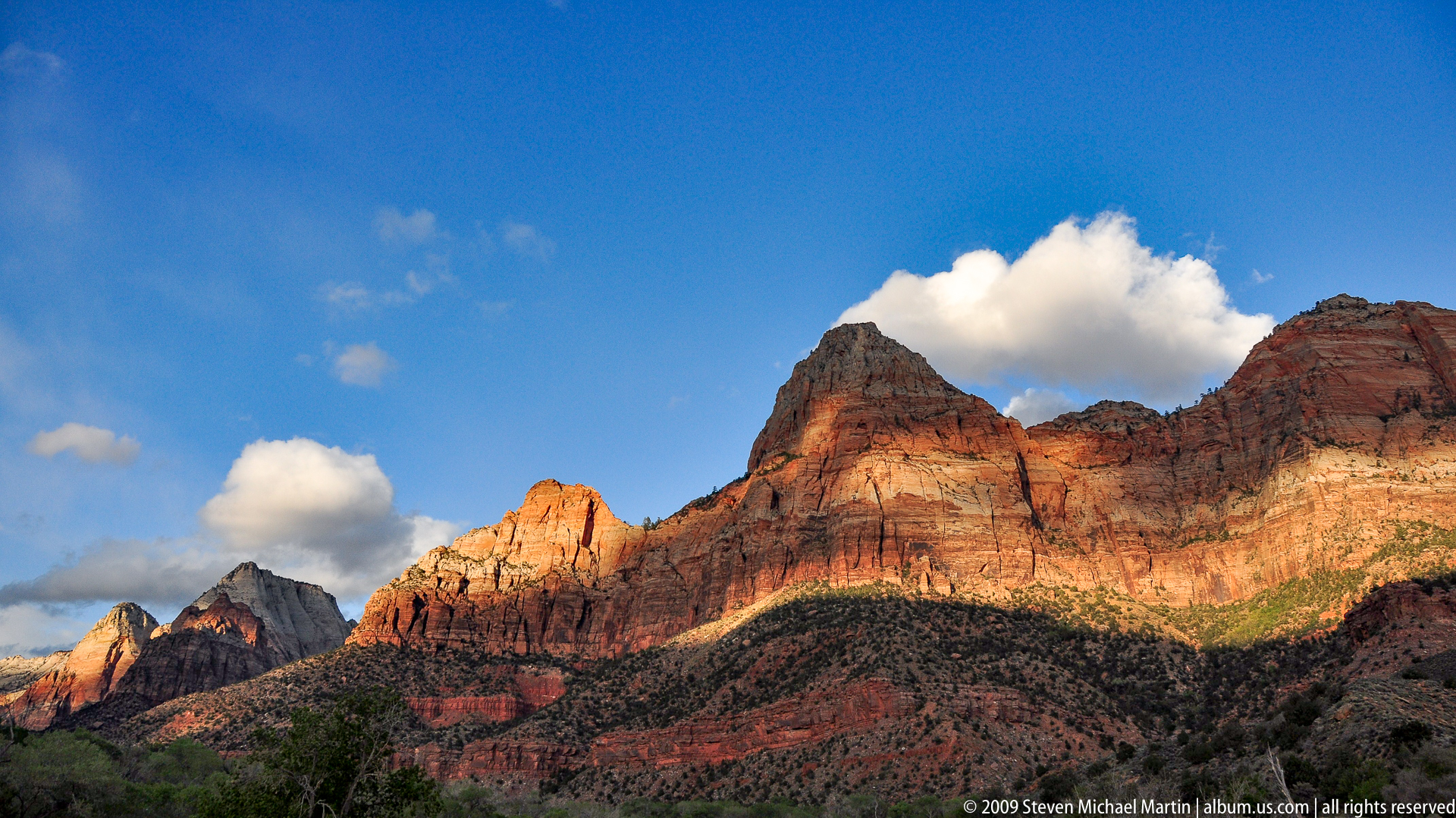
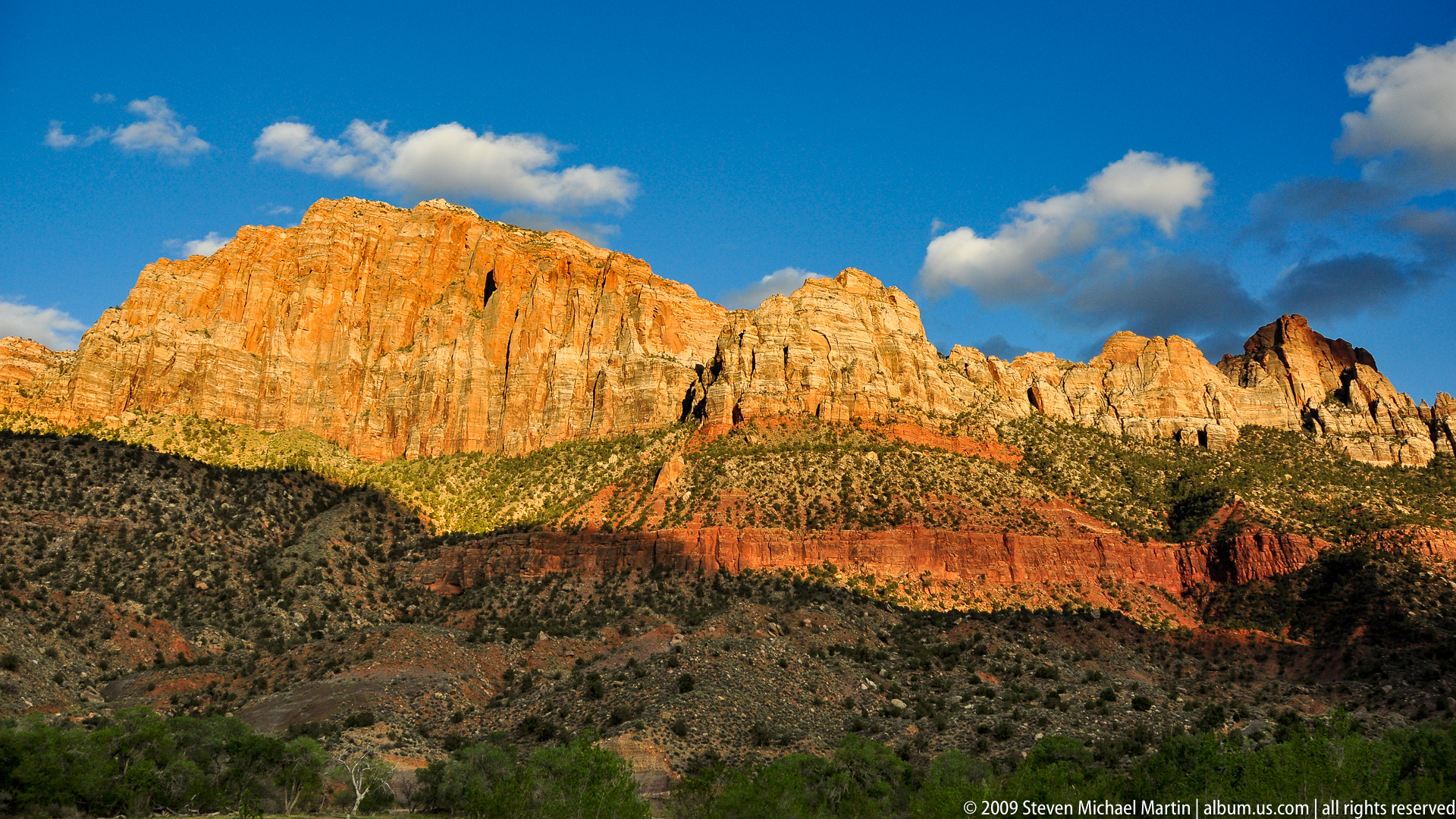
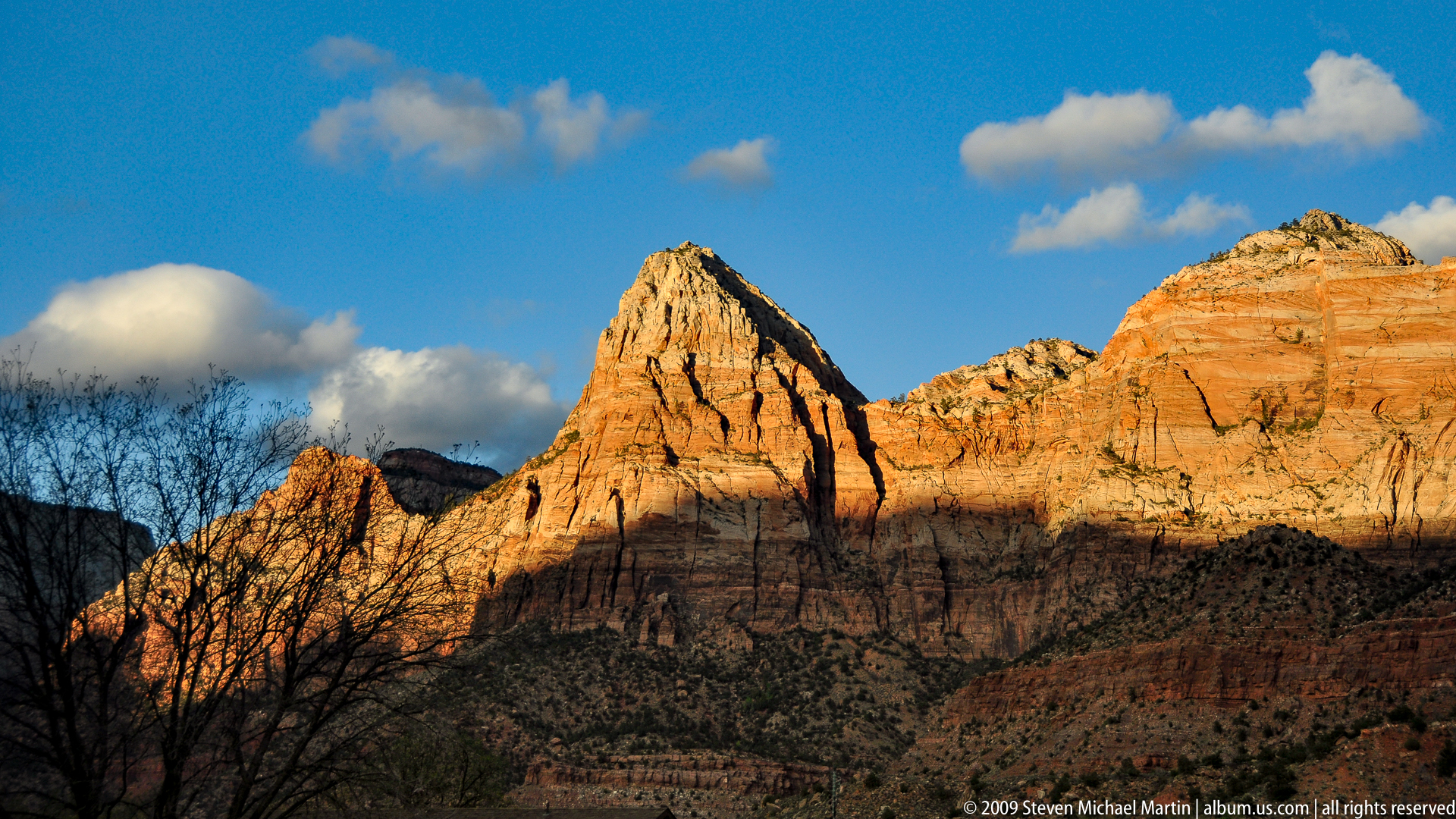
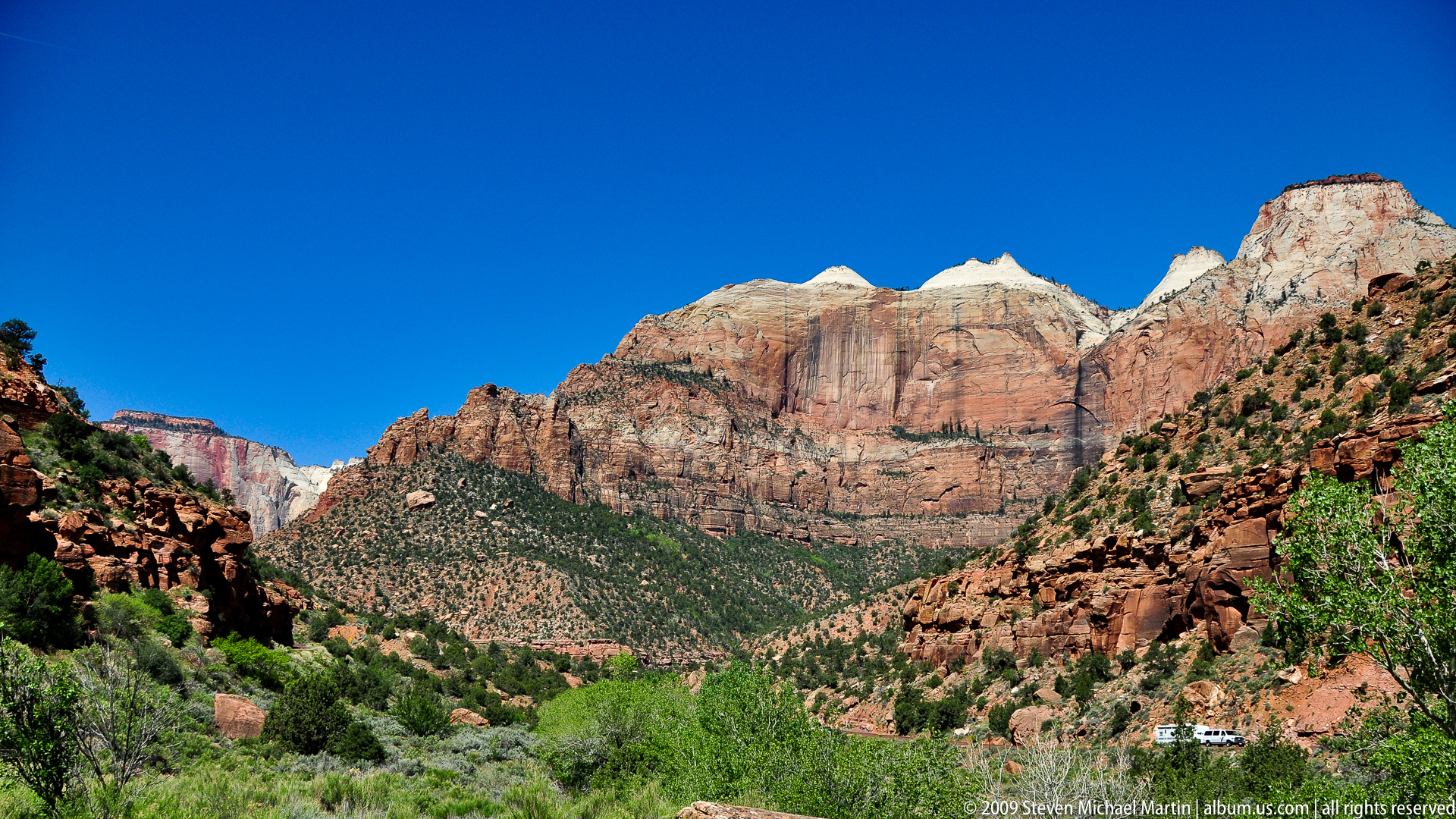
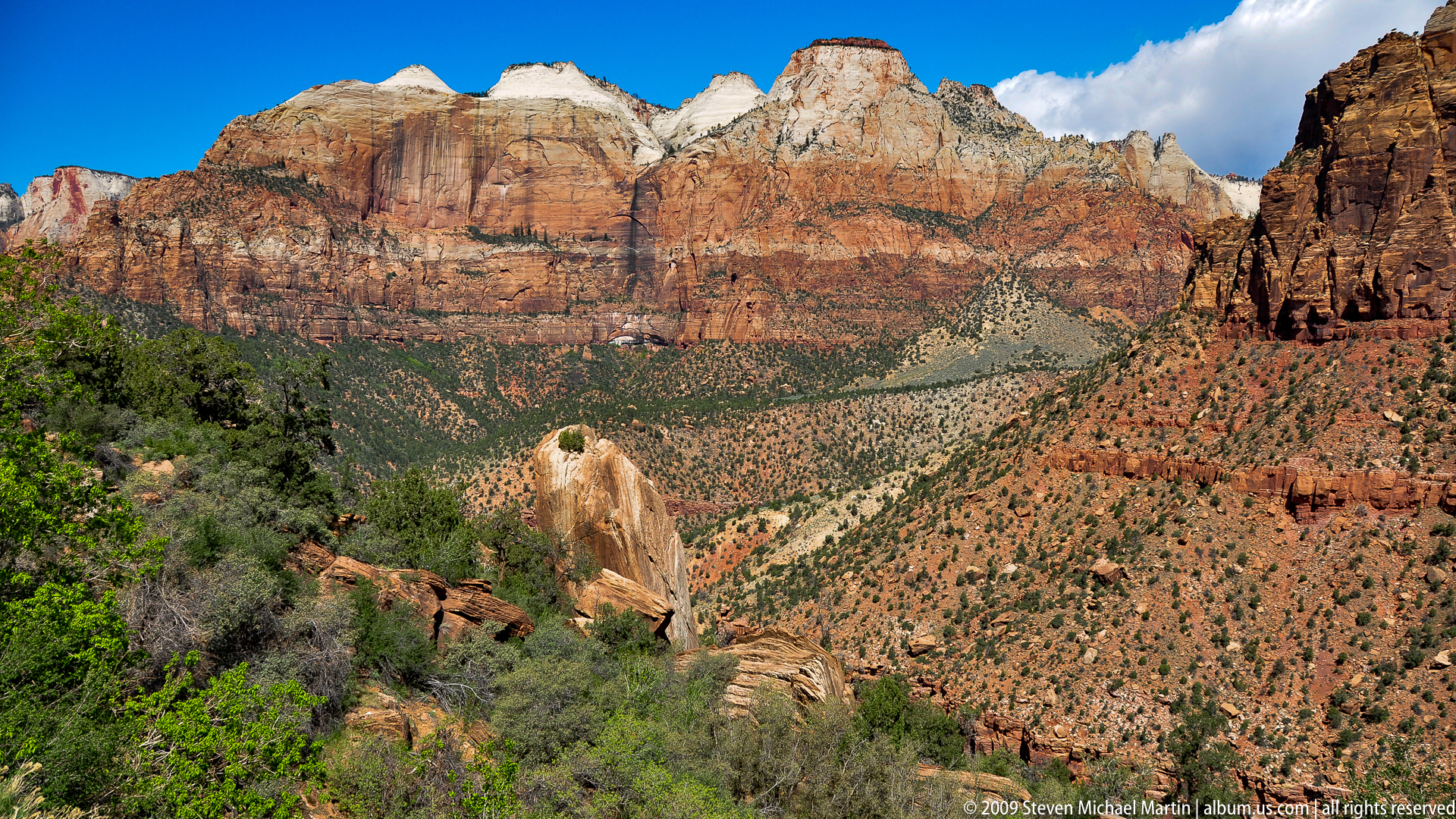
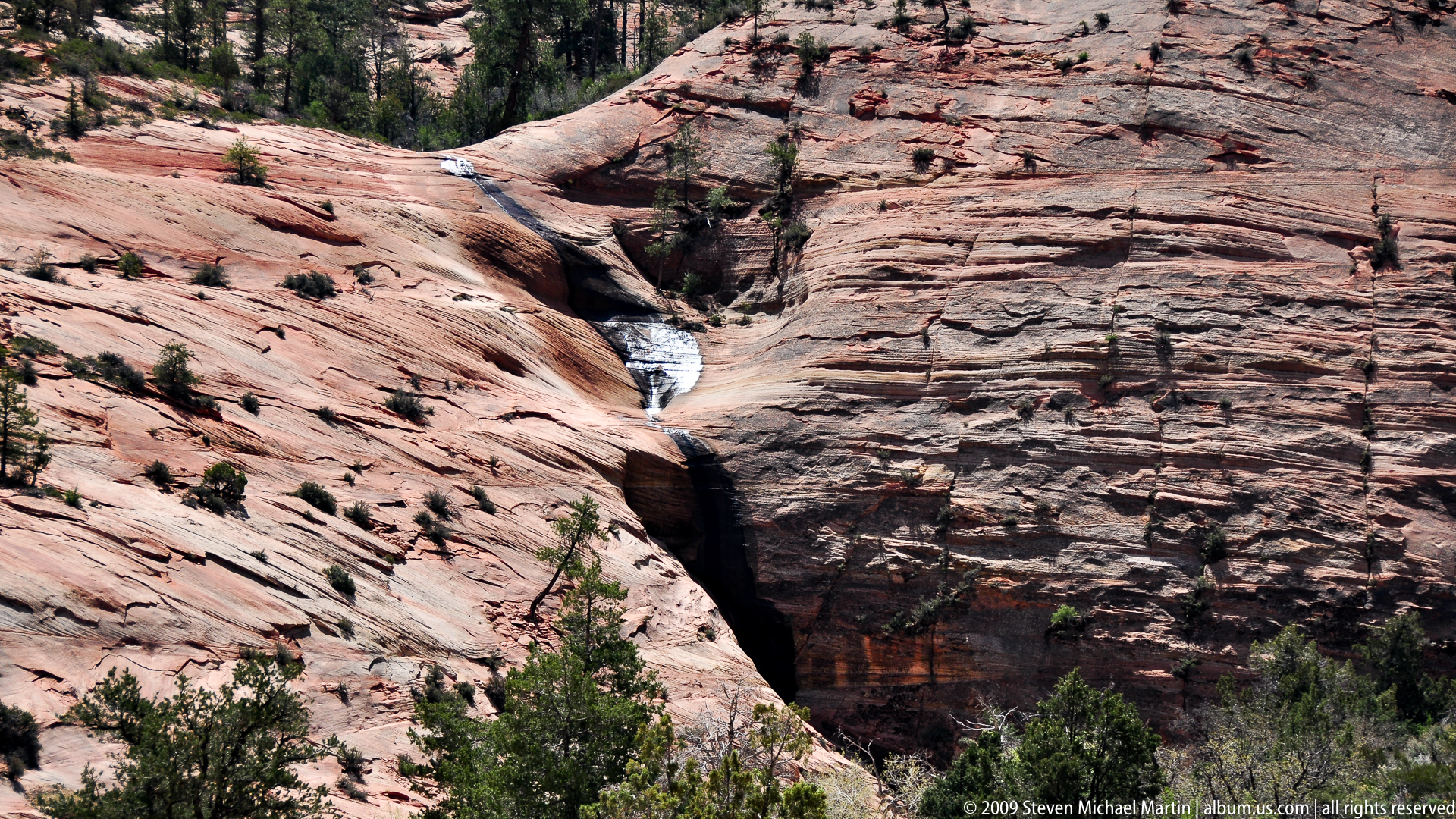
Zion National Park preserves steep sandstone canyon walls formed as the Virgin River gradually eroded rock layers uplifted across the Colorado Plateau. Over millions of years, water carved deep channels through Navajo Sandstone, exposing vertical cliffs that reveal distinct stratification patterns created by ancient desert environments. The canyon illustrates how uplift and erosion interact to shape dramatic geological features.
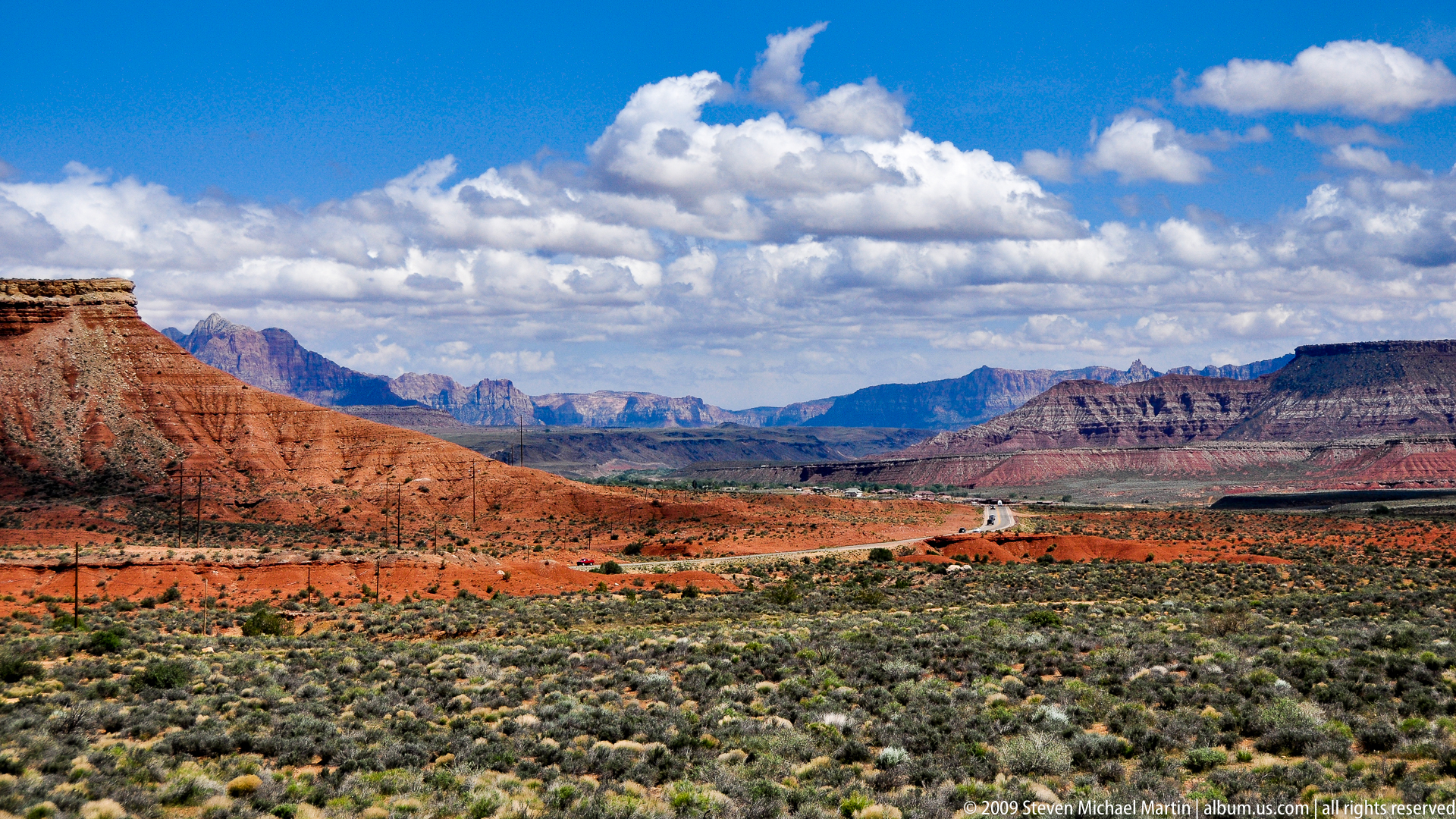
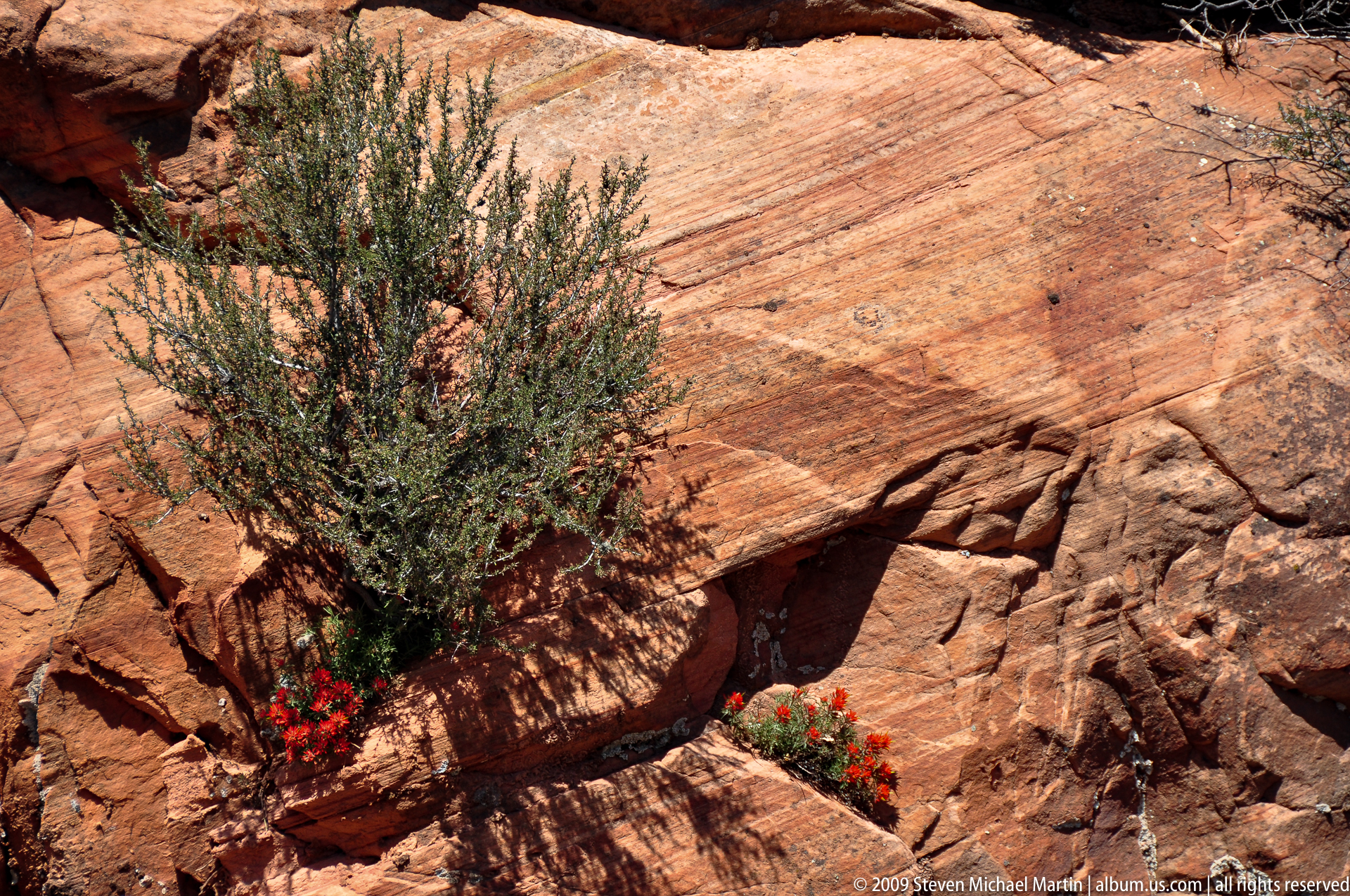
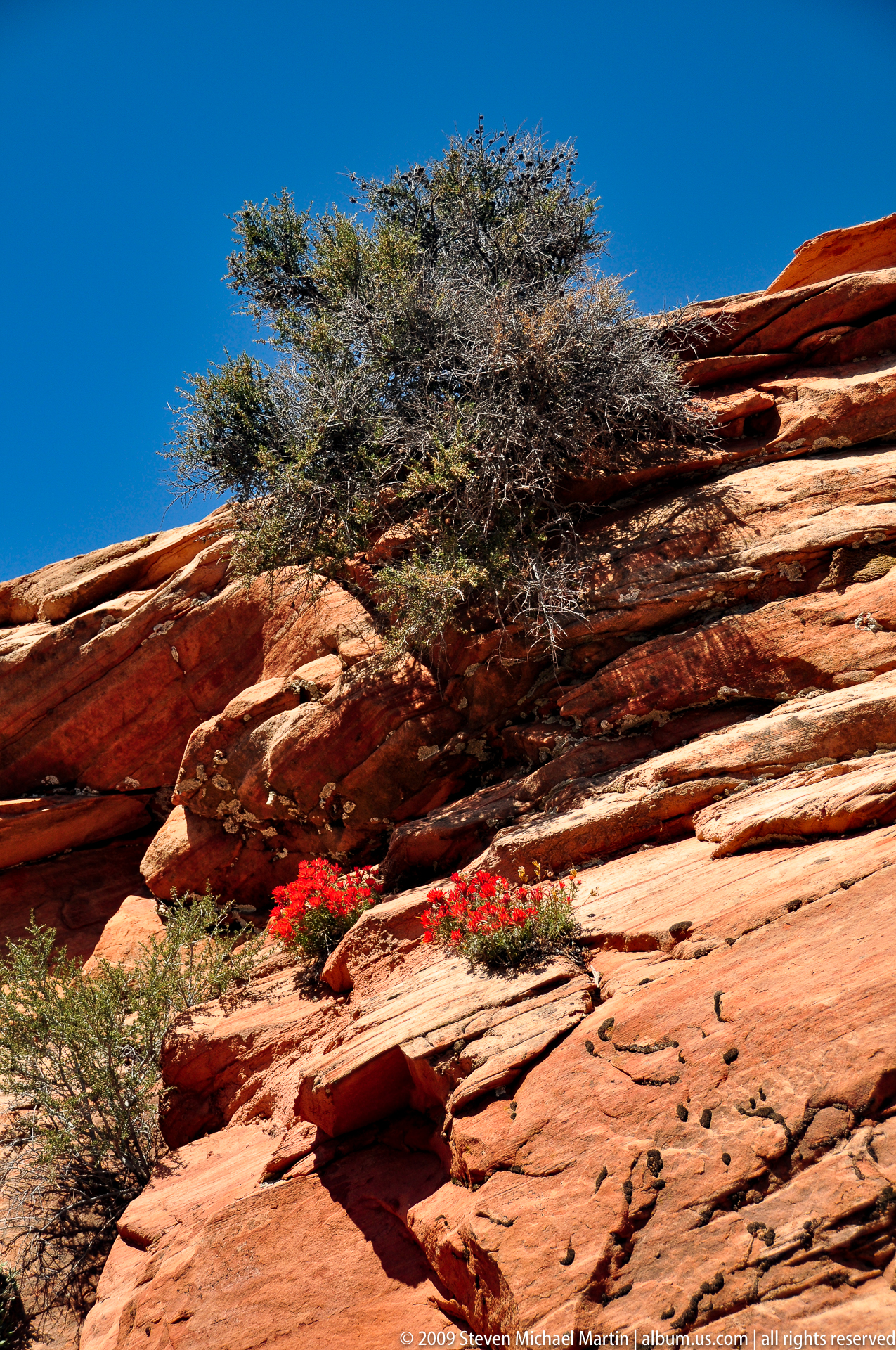
Variations in elevation support diverse plant communities ranging from desert vegetation to riparian ecosystems along the river corridor. Seasonal water flow continues to shape the canyon through erosion and sediment transport. The landscape demonstrates how water gradually modifies terrain across geological time scales.
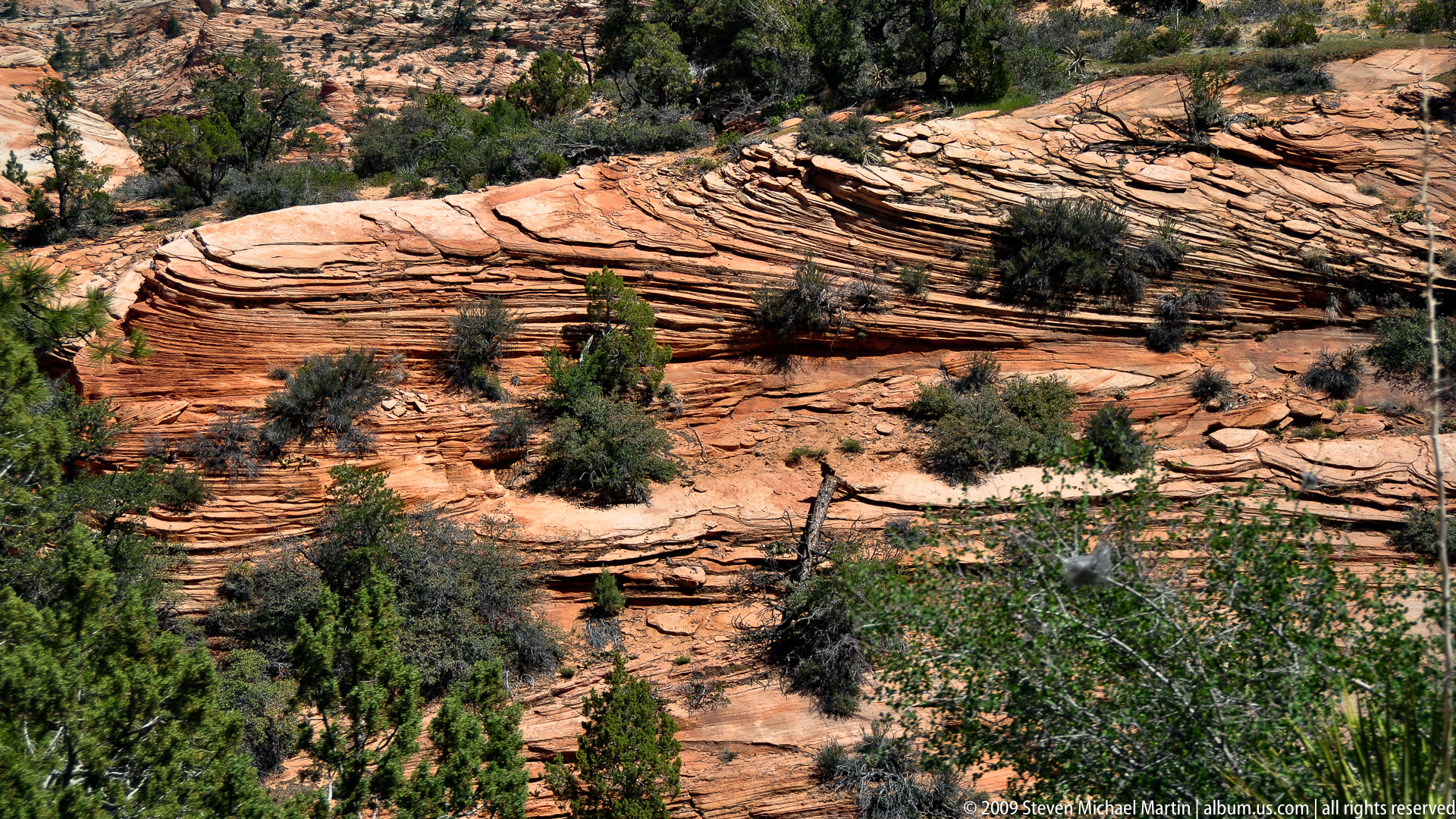
Today, Zion illustrates how river systems influence canyon formation across uplifted plateau environments. The exposed rock layers provide insight into environmental conditions that existed hundreds of millions of years ago when desert dunes formed the sandstone now visible in the canyon walls.
























National Park Field Guide
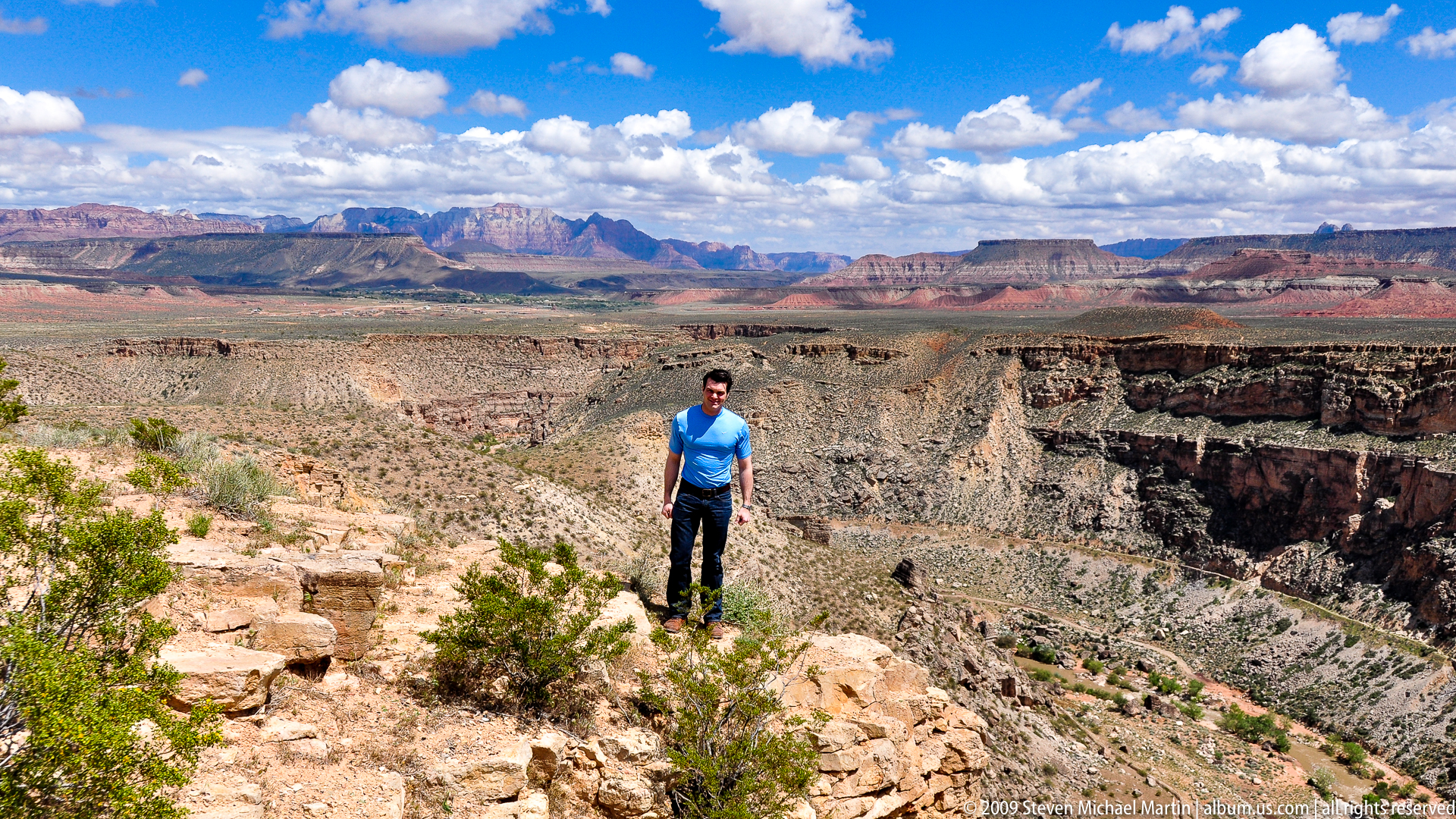
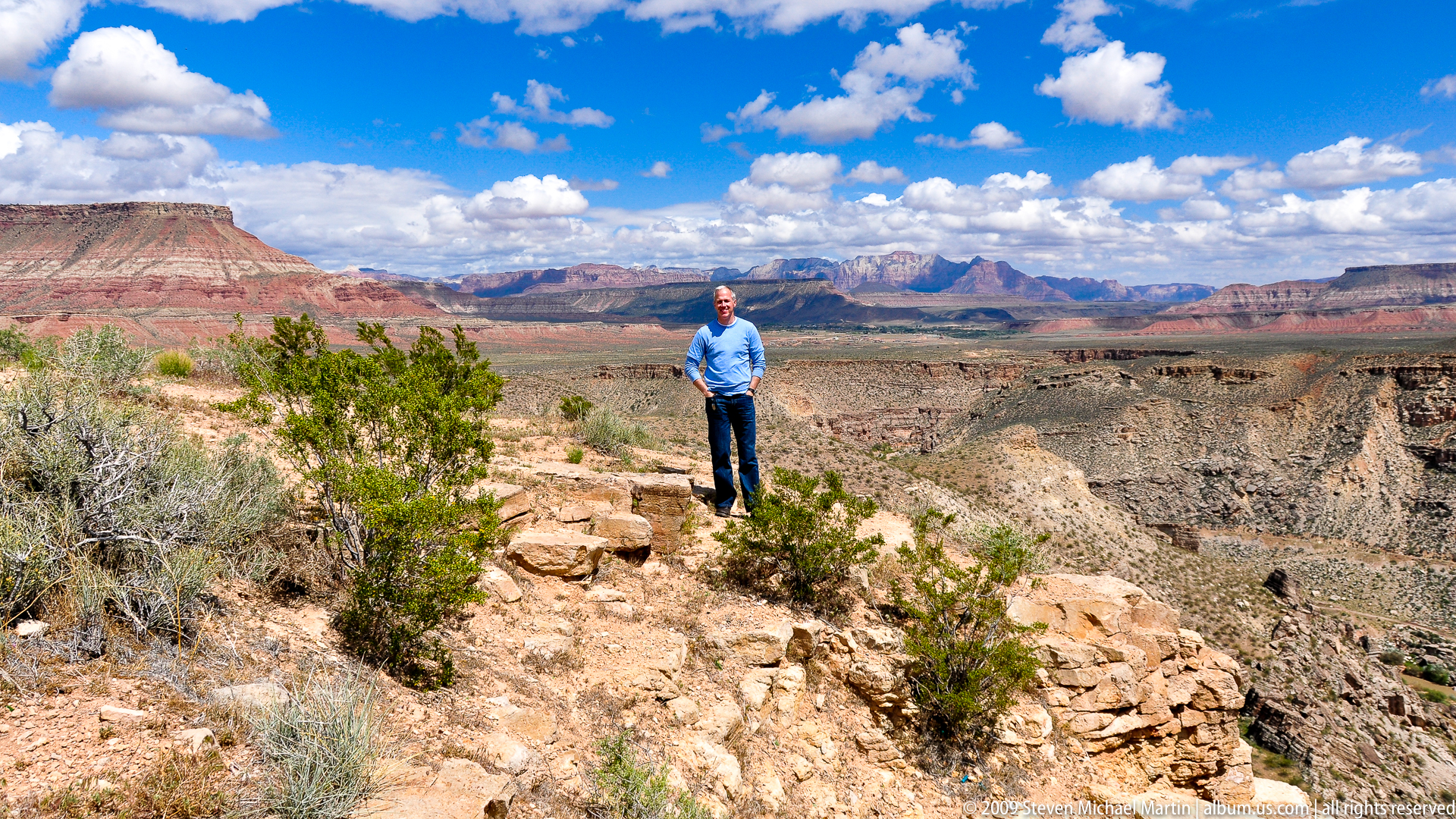
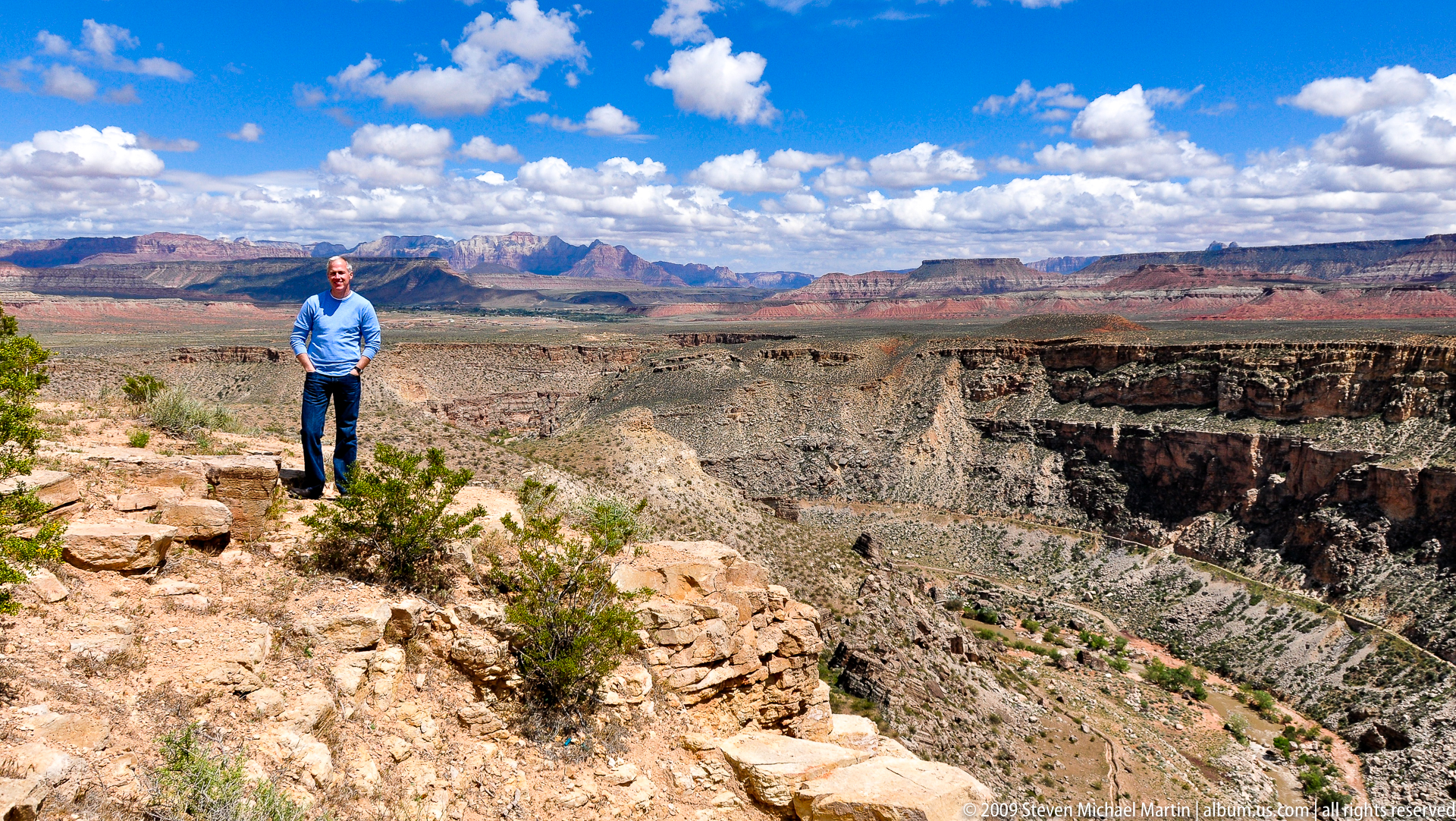
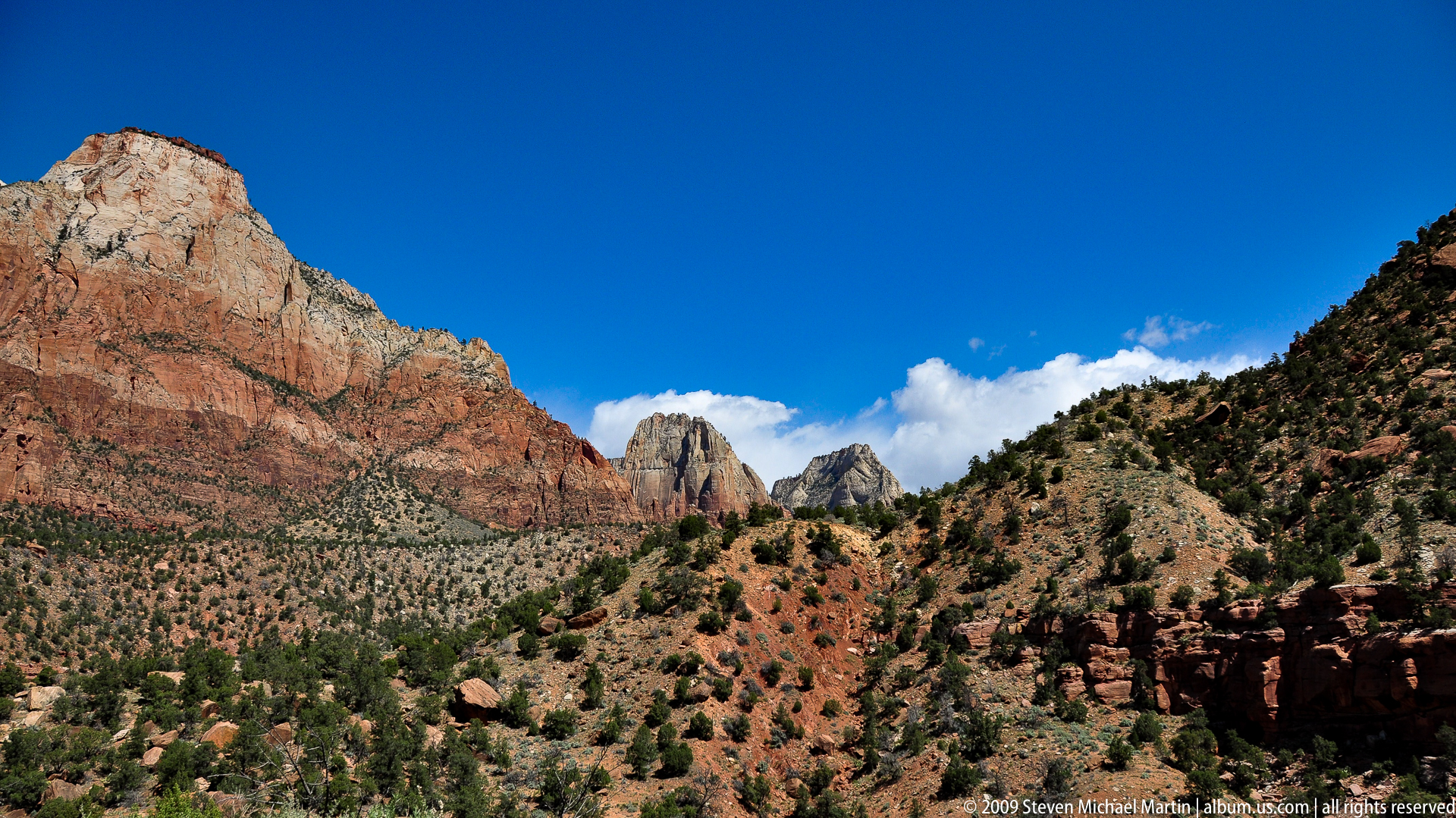
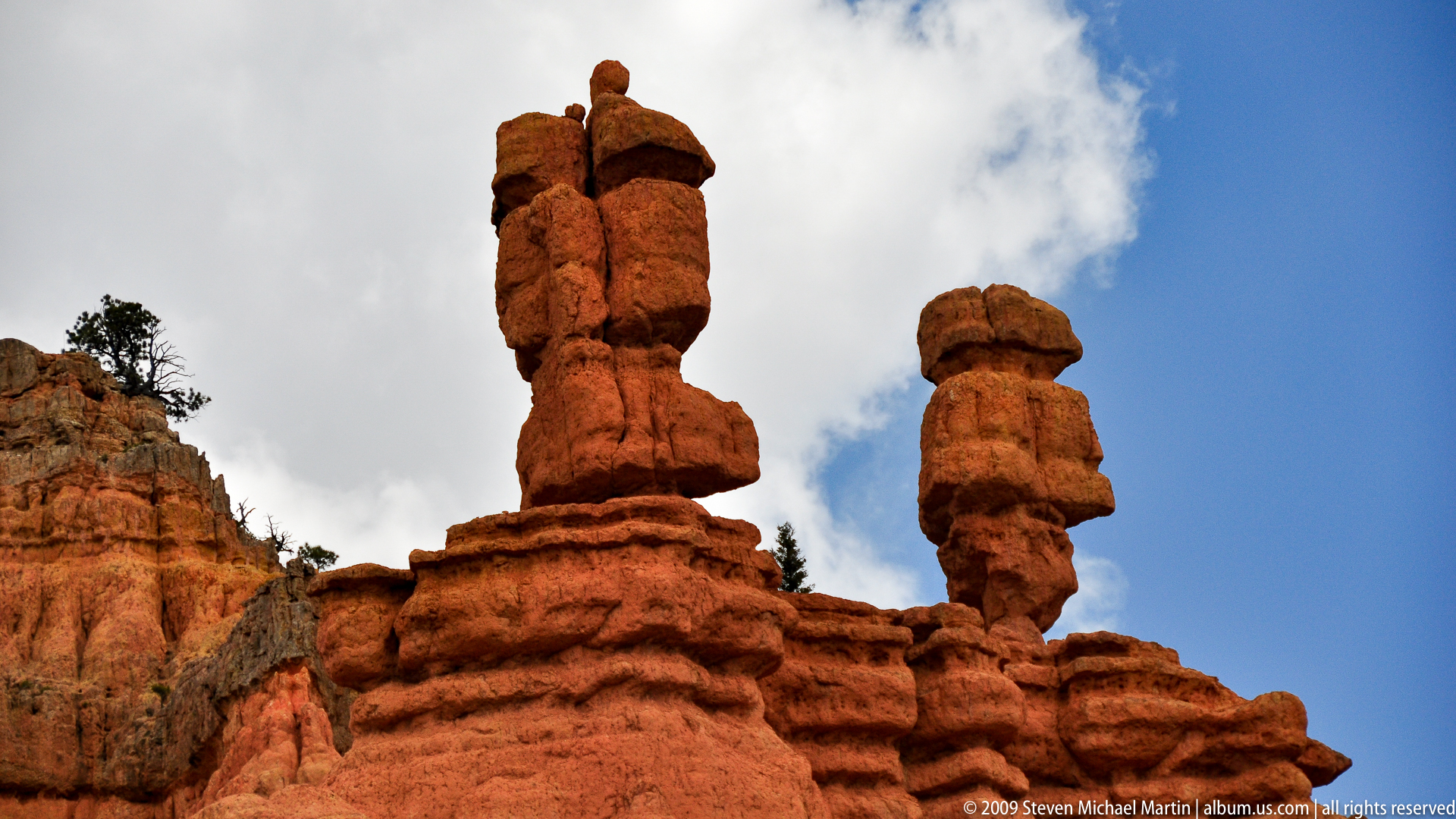
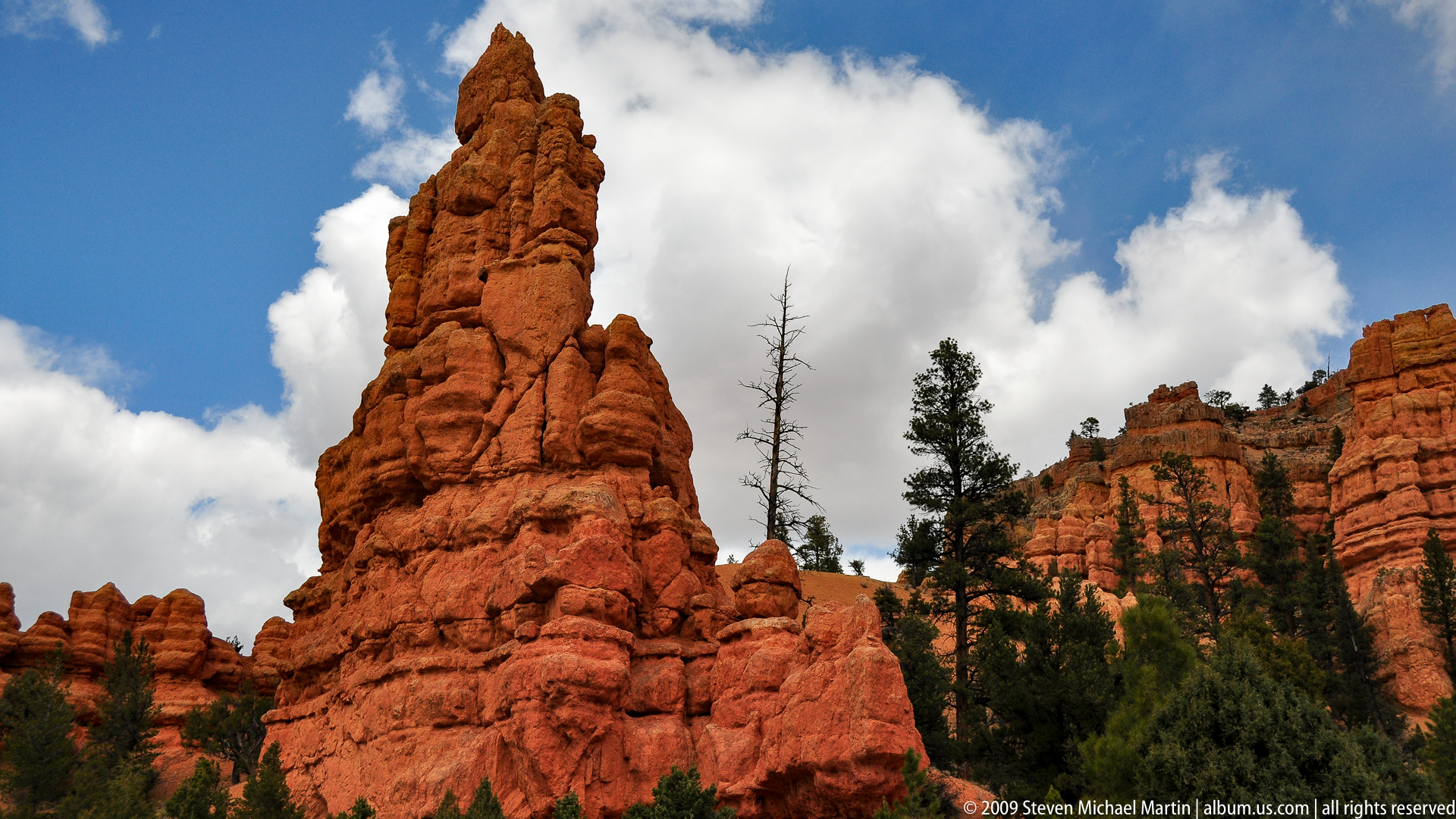
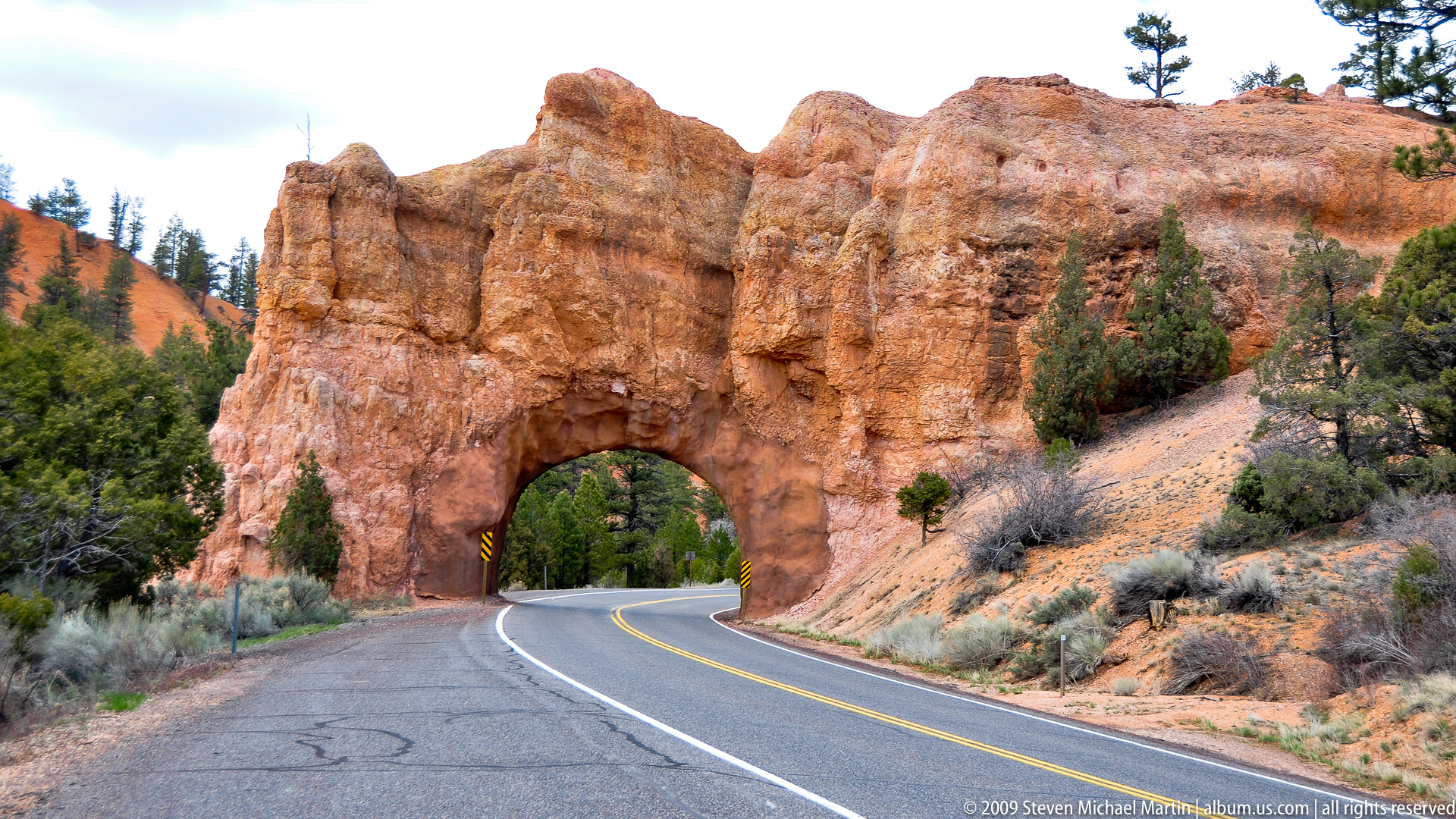
Zion National Park protects canyon landscapes carved into Navajo Sandstone by the Virgin River. Uplift of the Colorado Plateau exposed rock layers that were gradually eroded by flowing water, forming steep canyon walls. The park illustrates how geological processes shape visually dramatic landforms across arid environments.
🧭 Key Features
- Steep sandstone canyon walls formed through river erosion
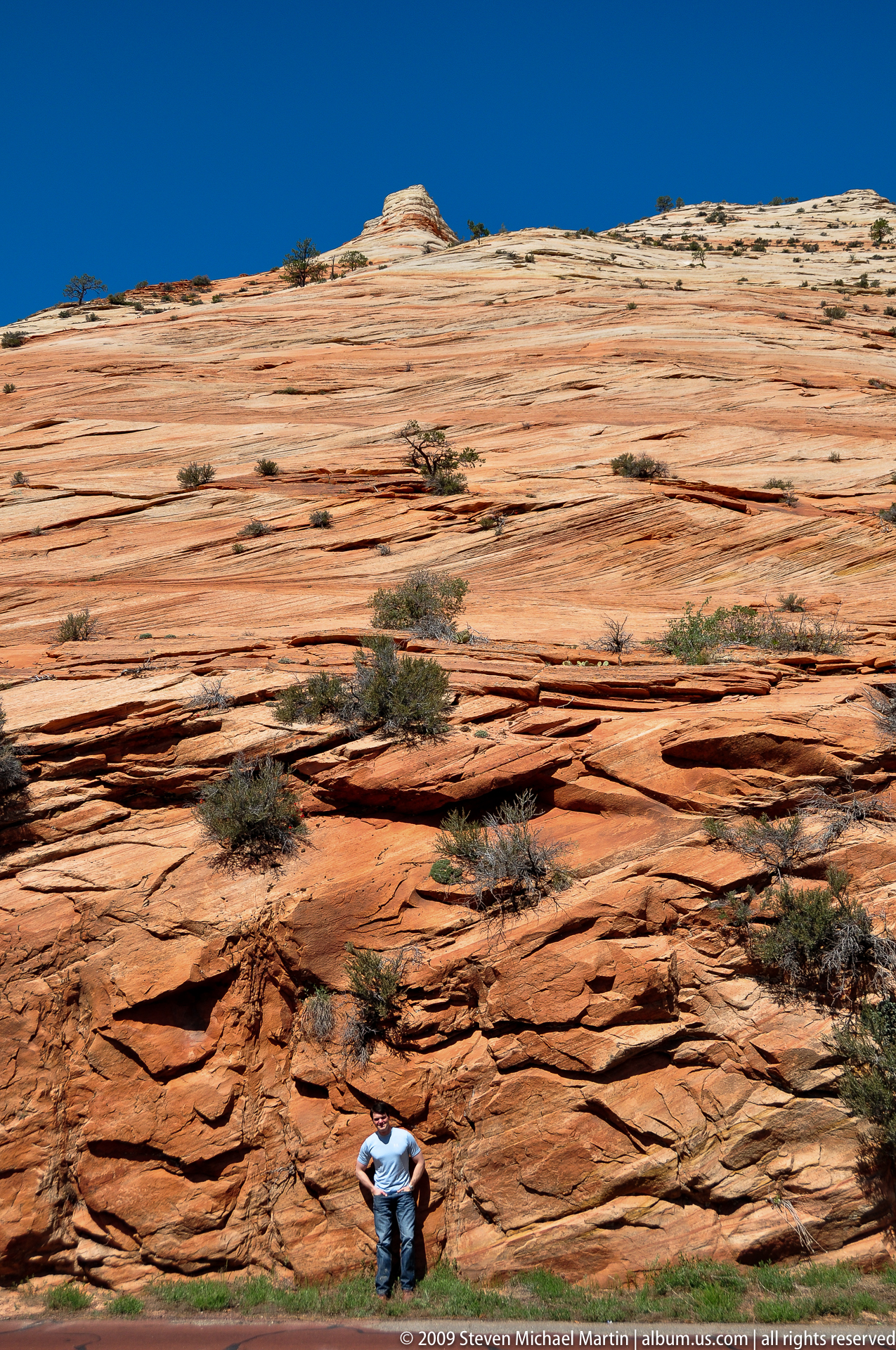
- Navajo Sandstone deposited from ancient desert dunes
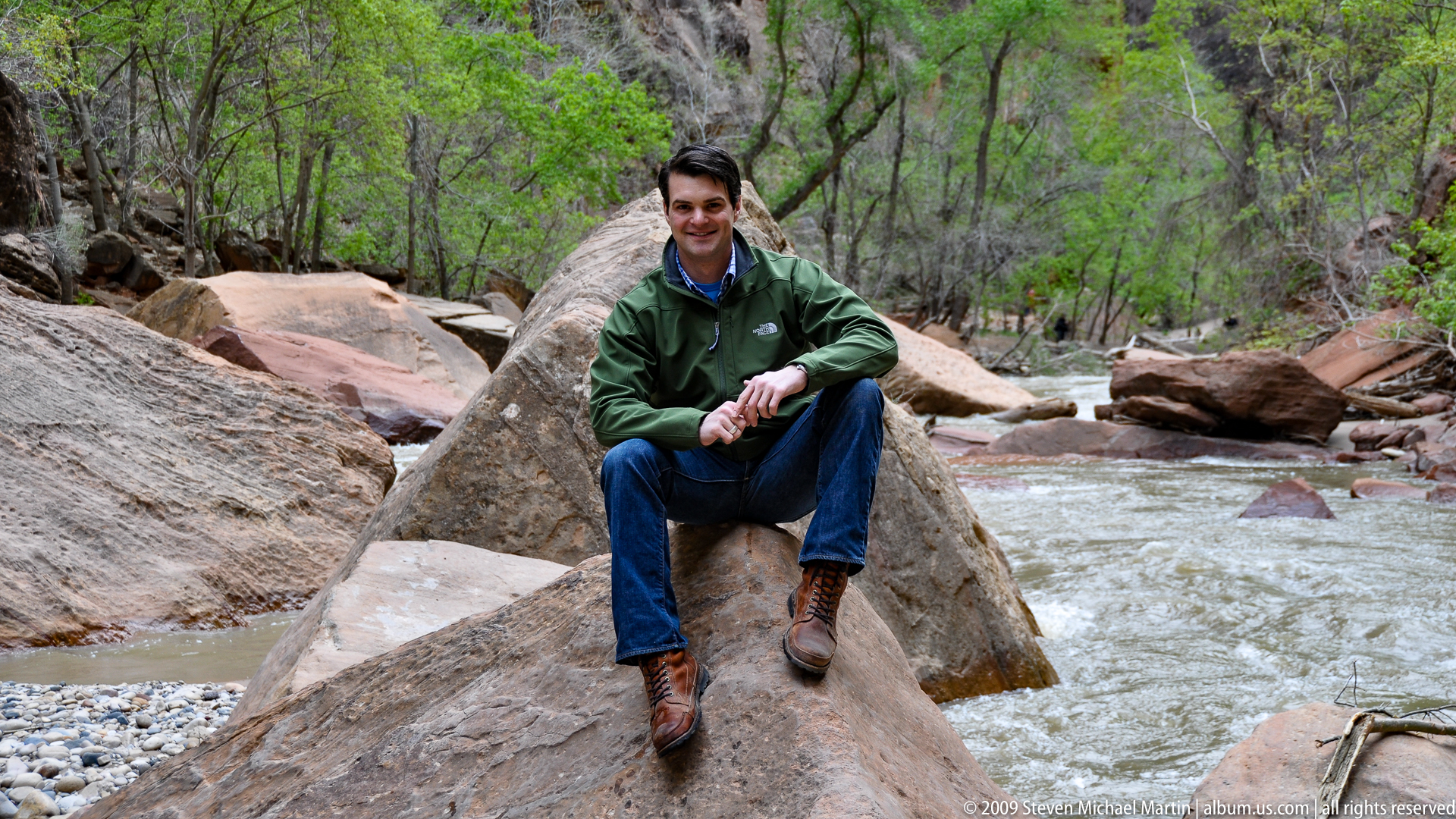
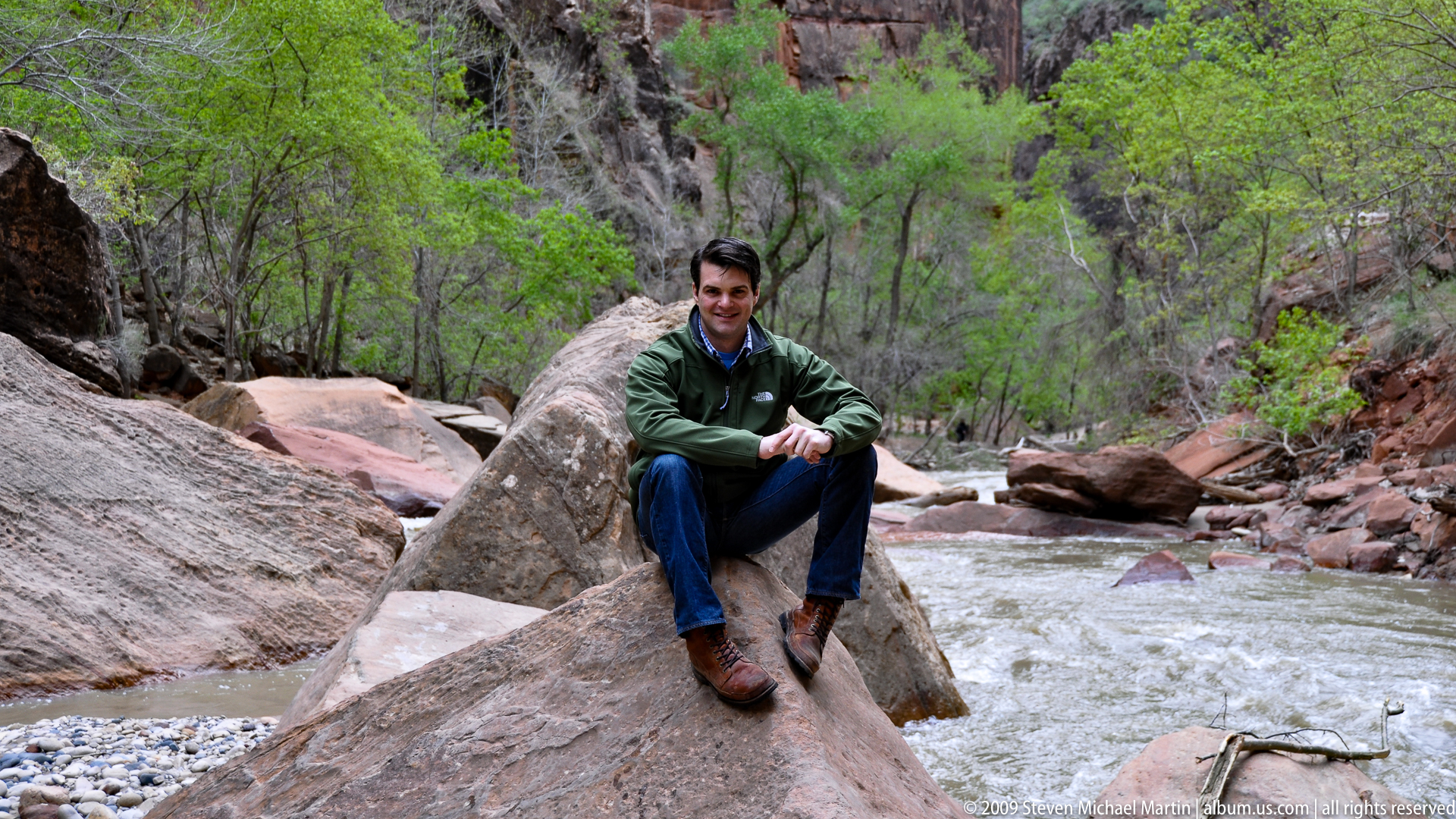
- Virgin River shaping canyon terrain
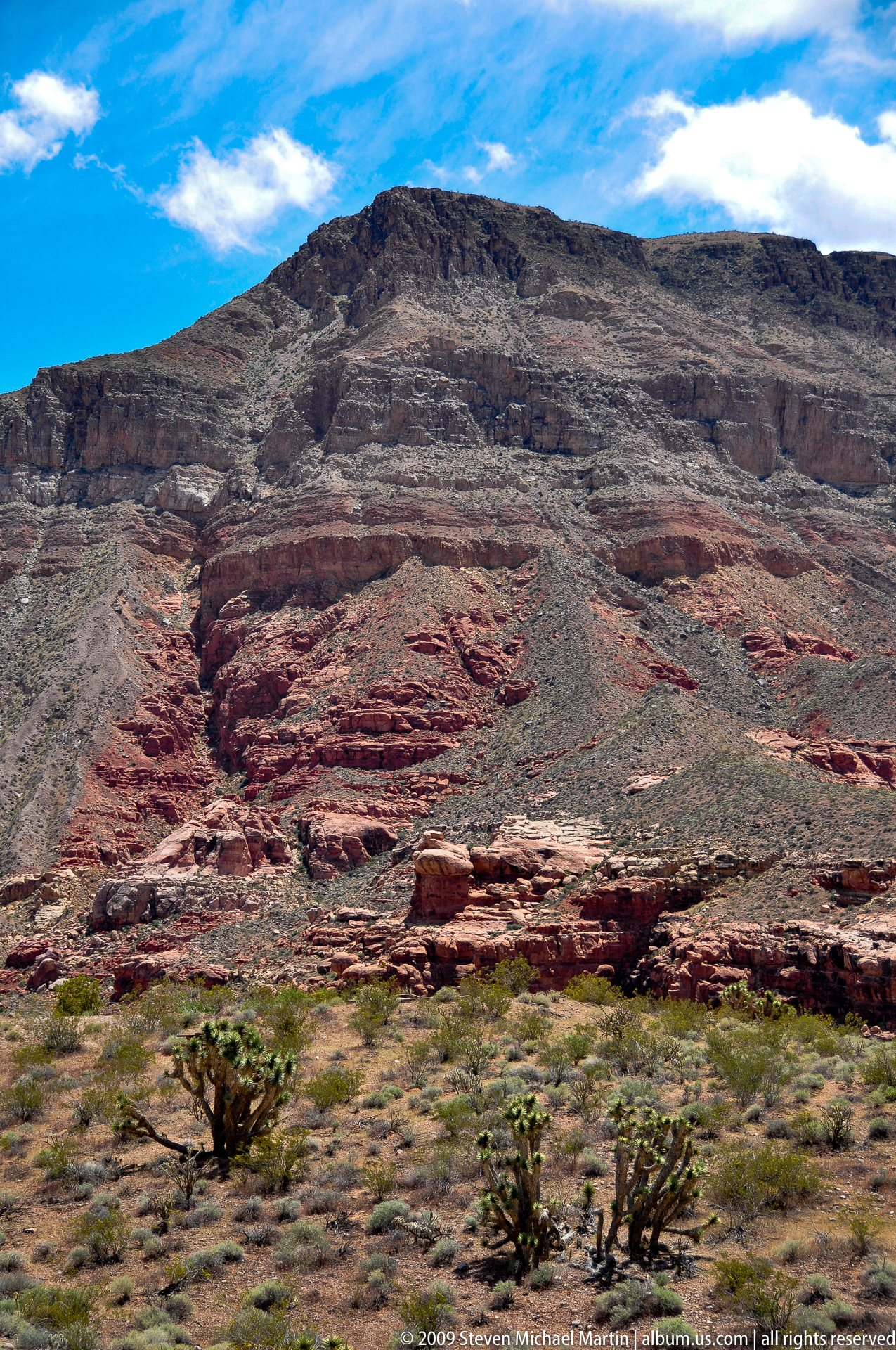
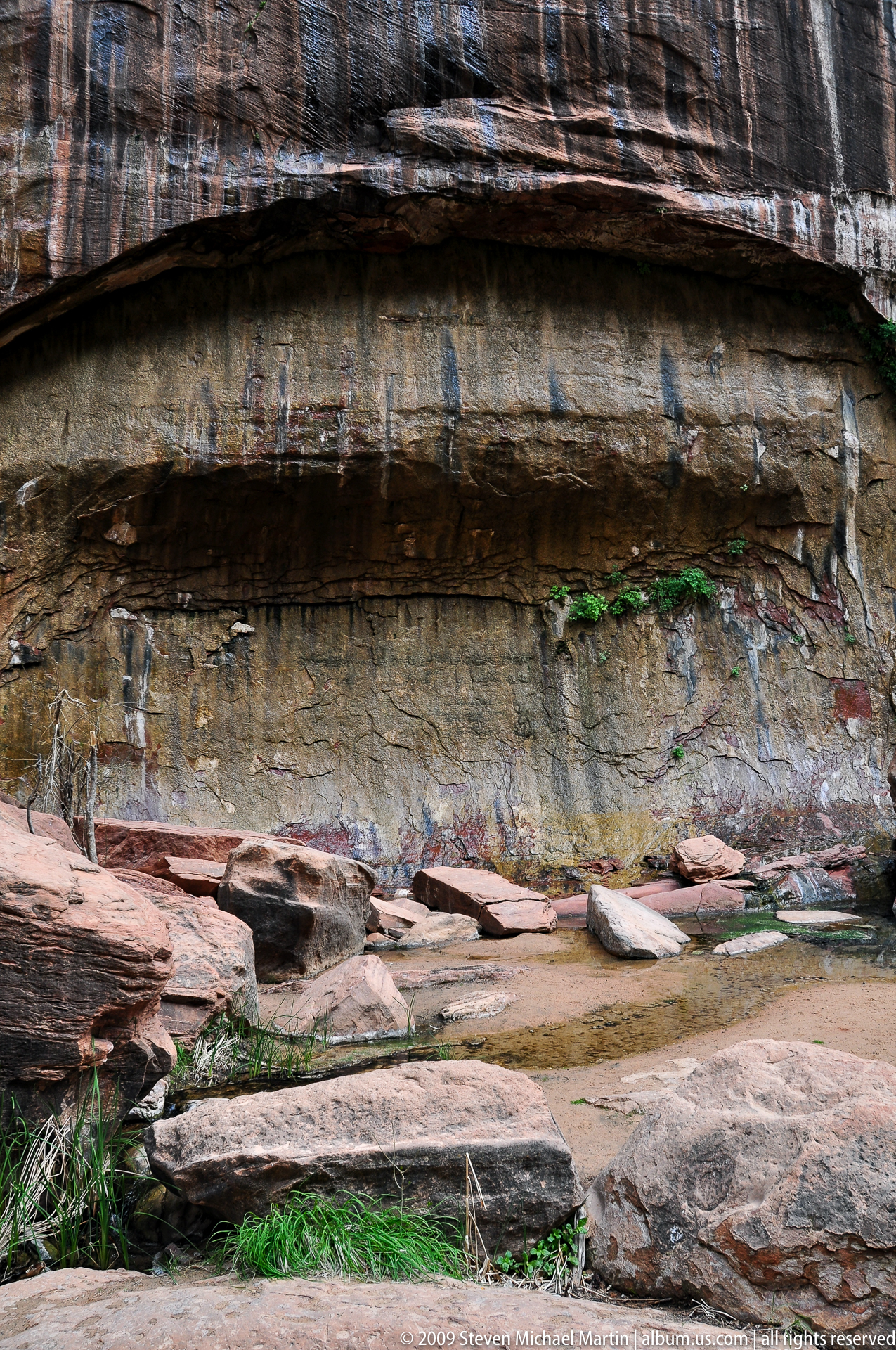
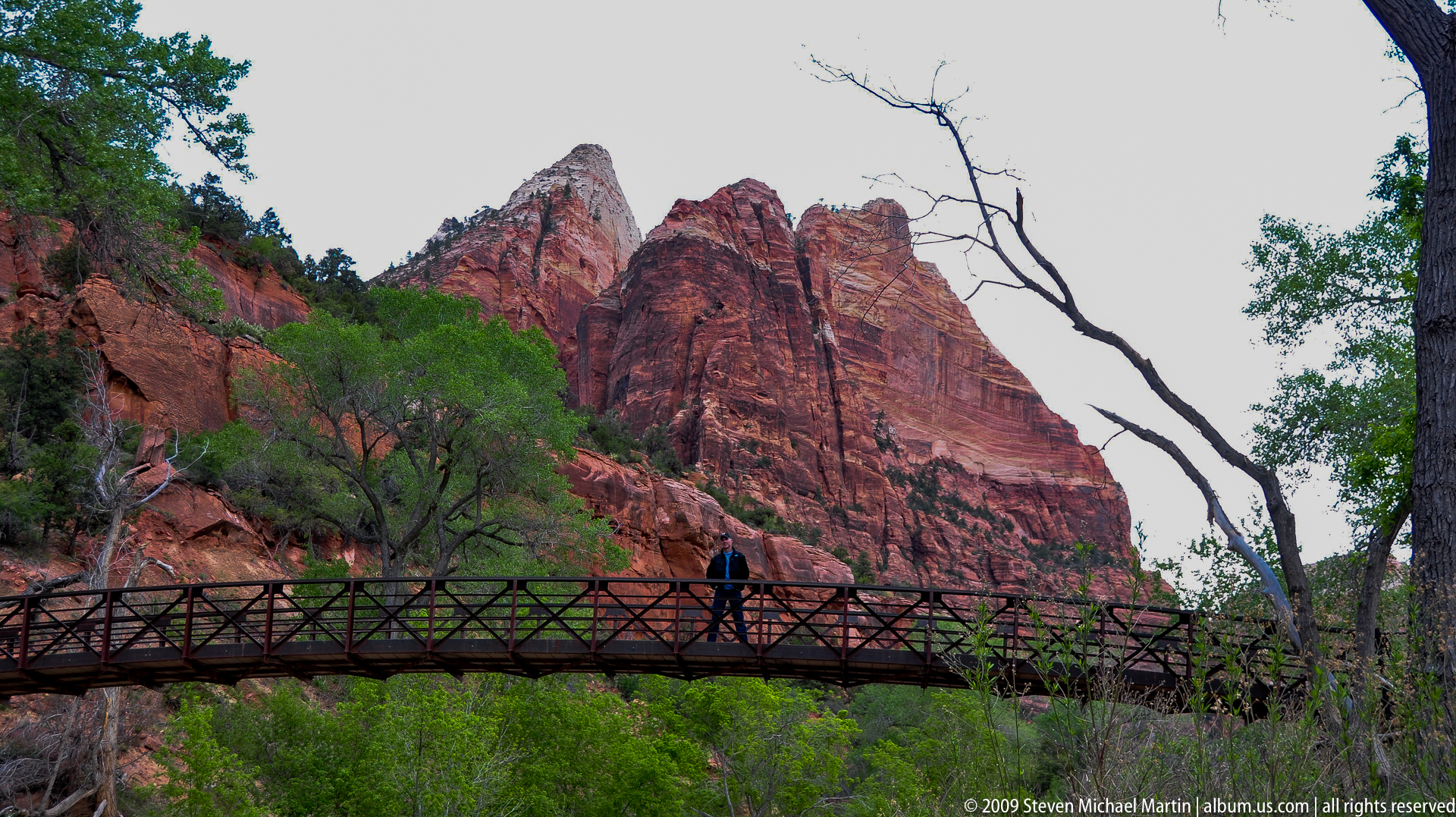
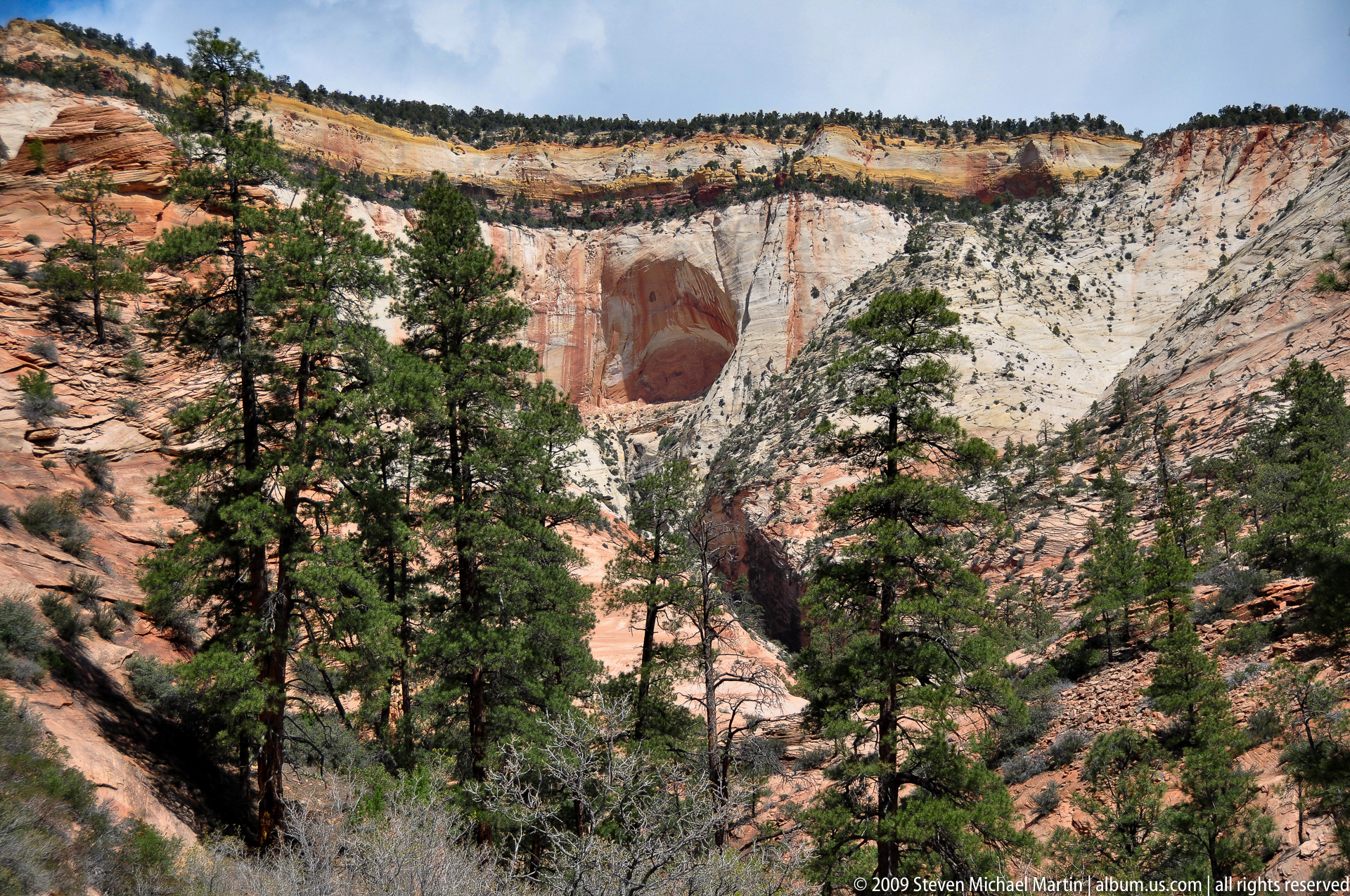
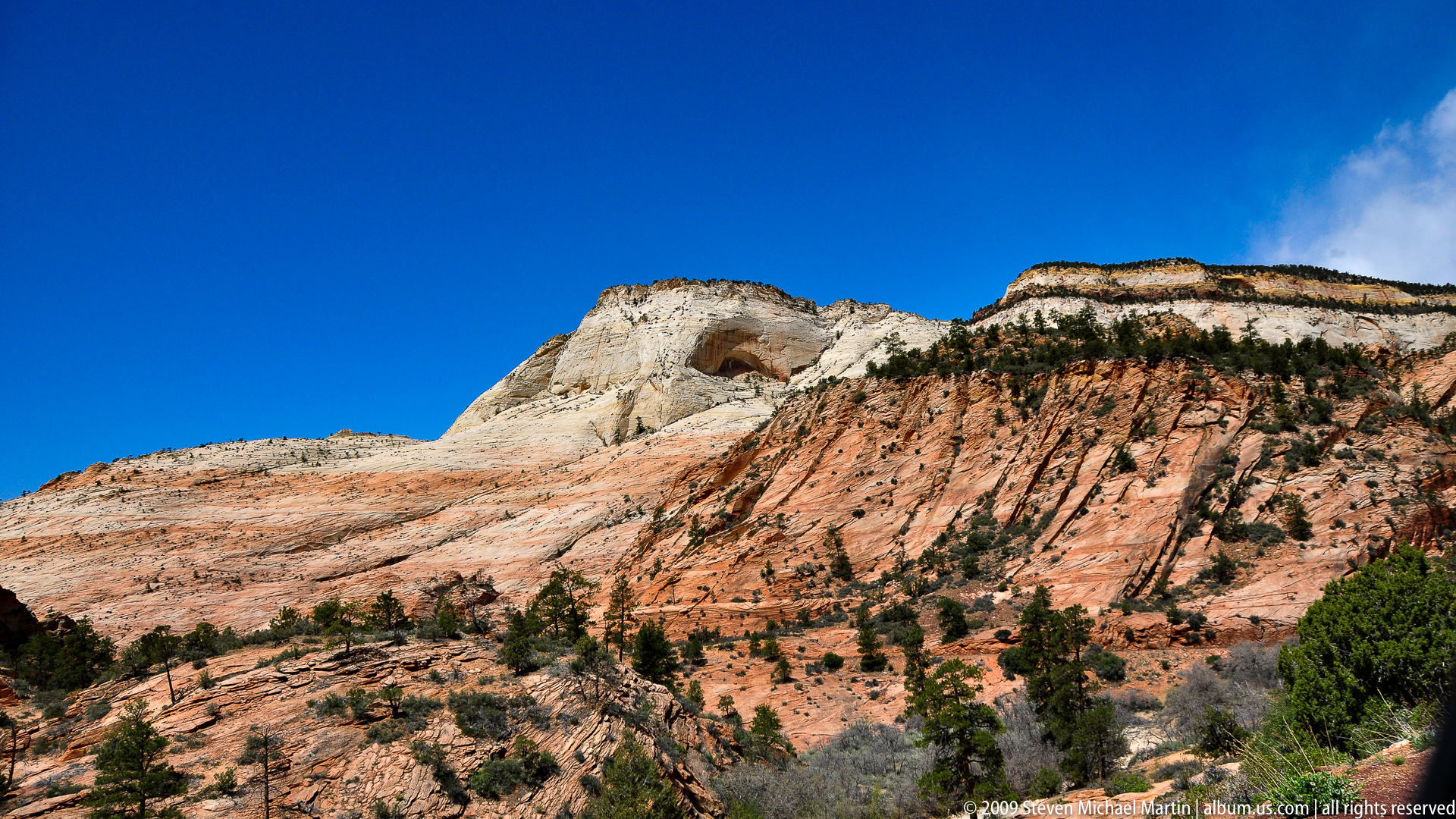
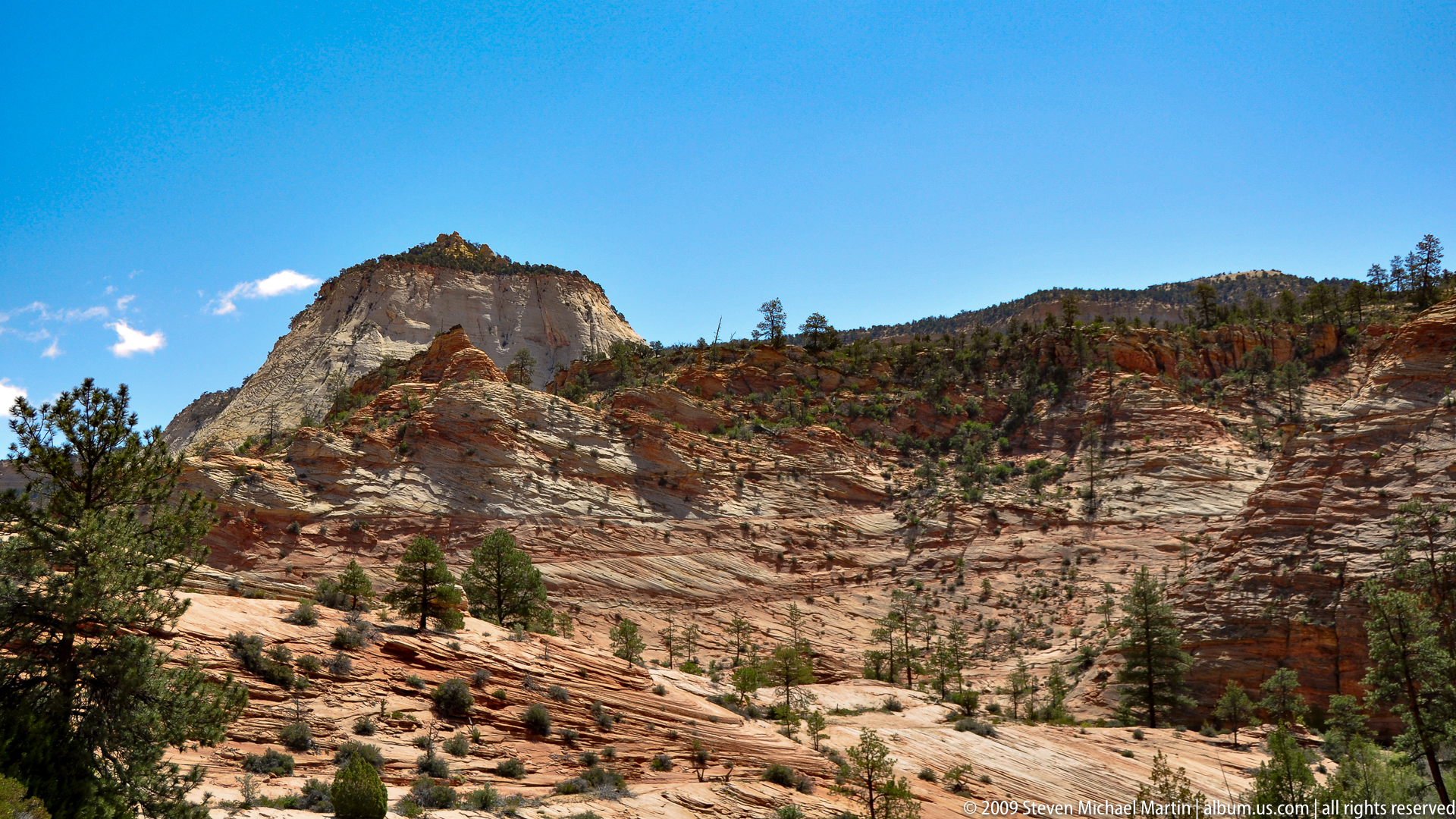
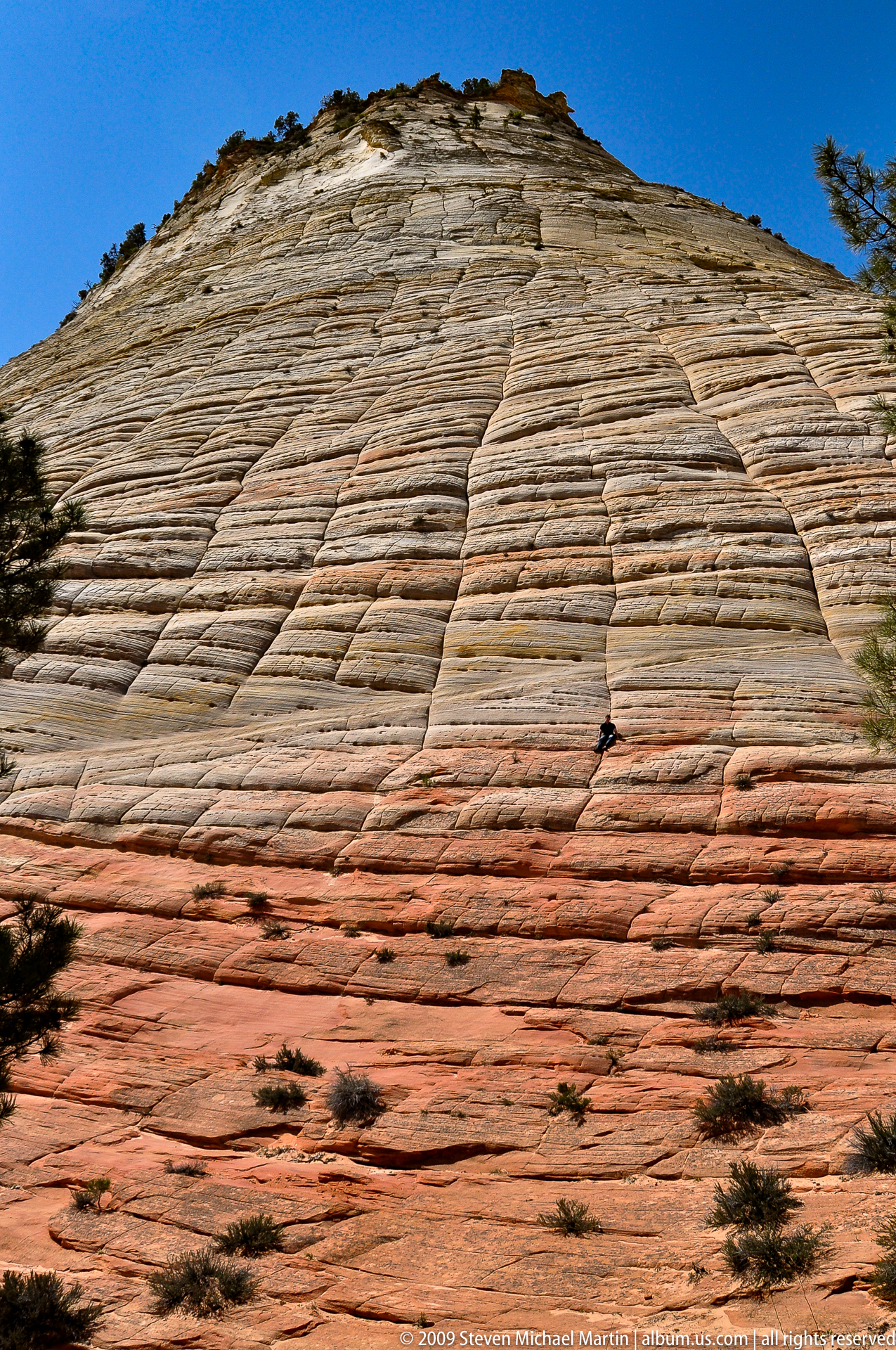
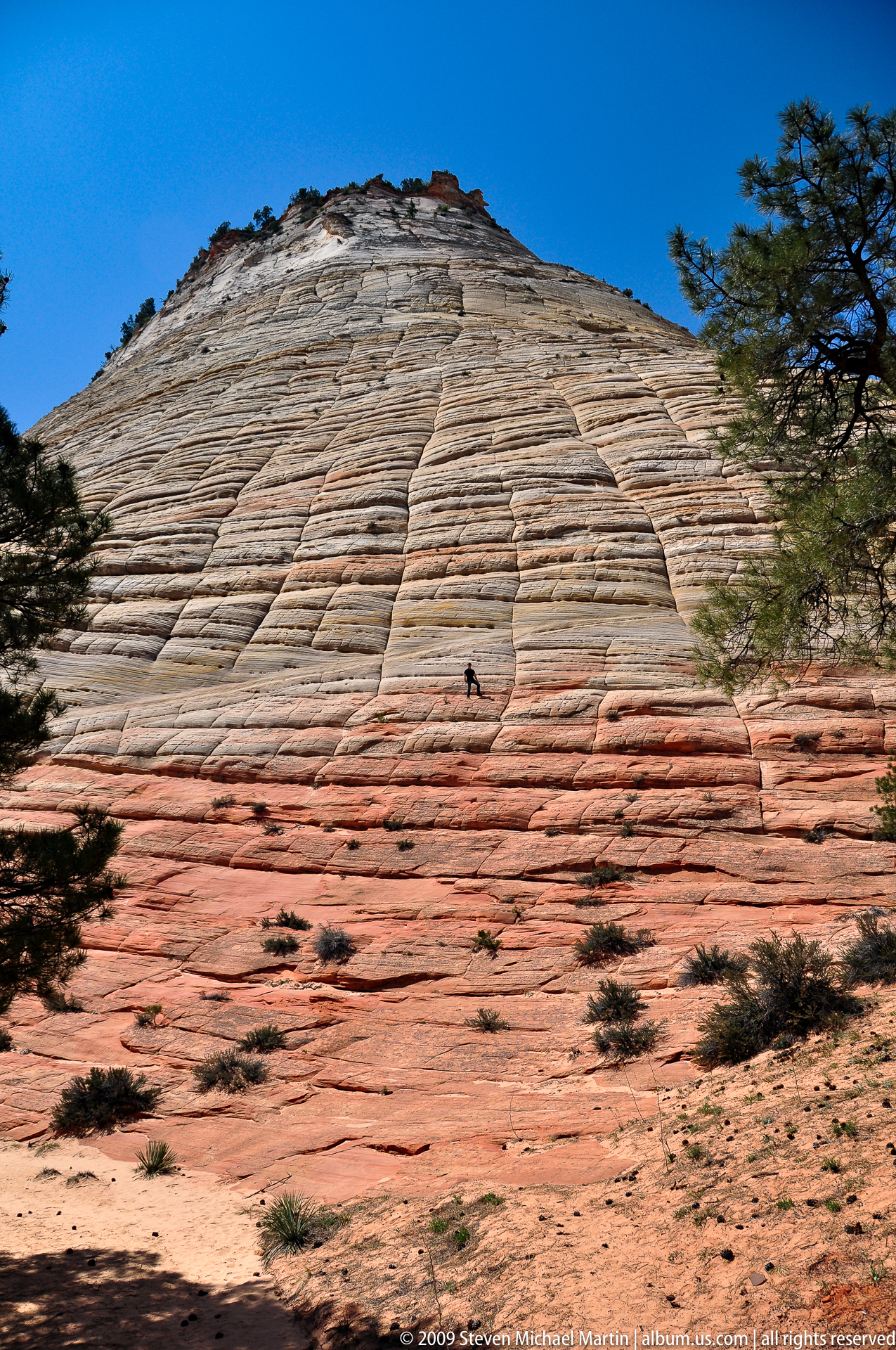
- Layered rock formations illustrating geological history
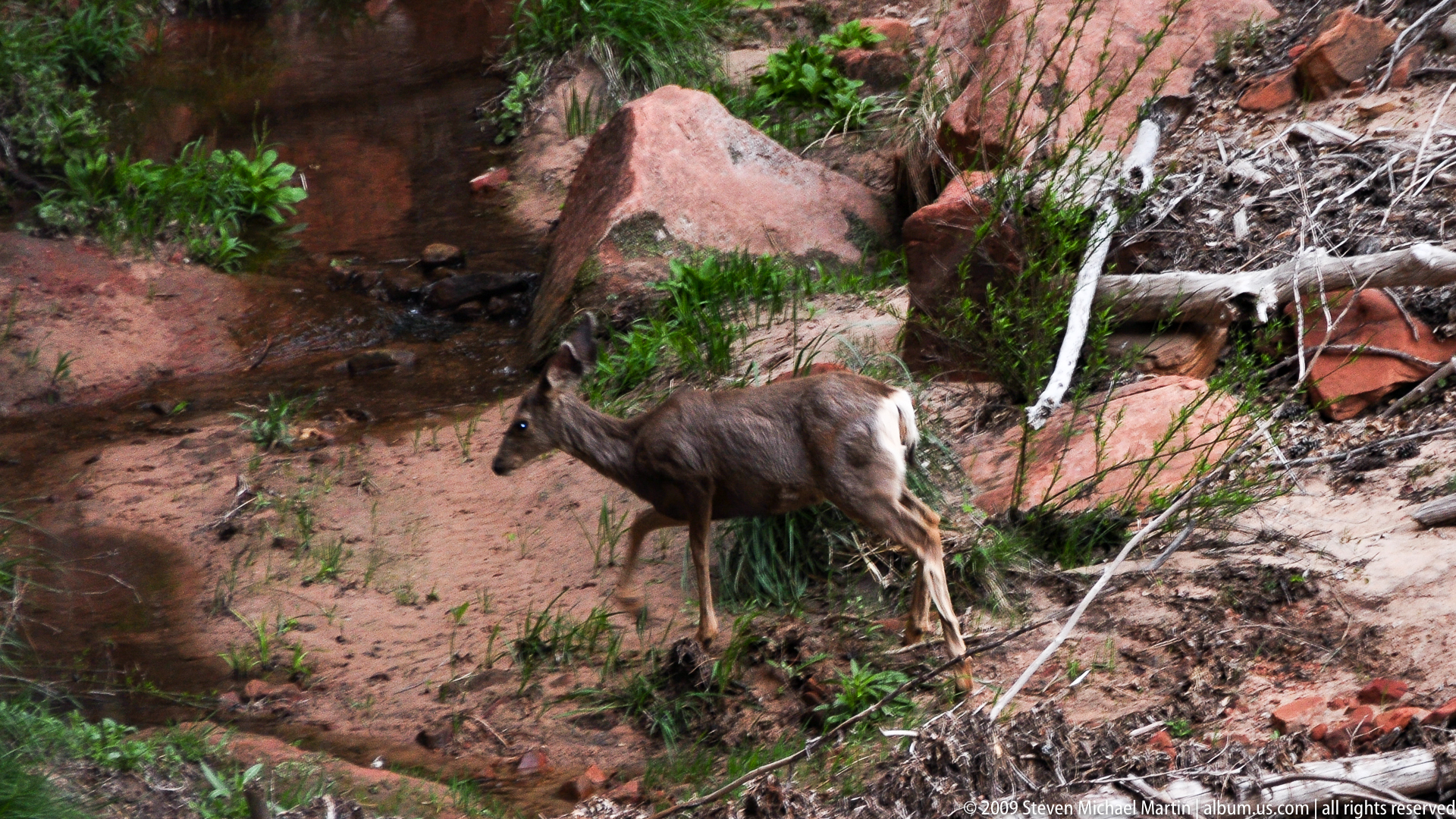
- Desert and riparian ecosystems
🌄 Landscape Highlights
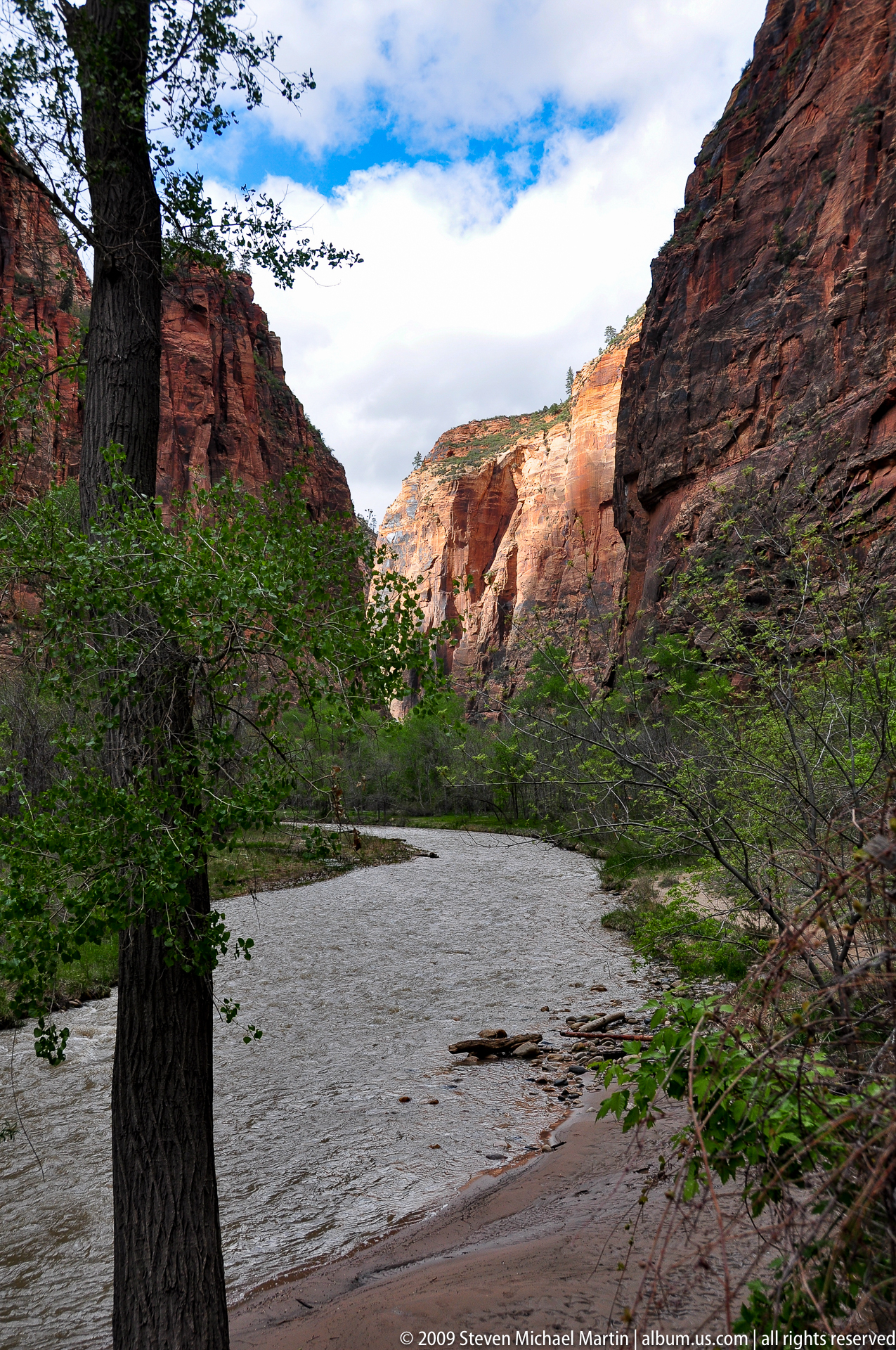
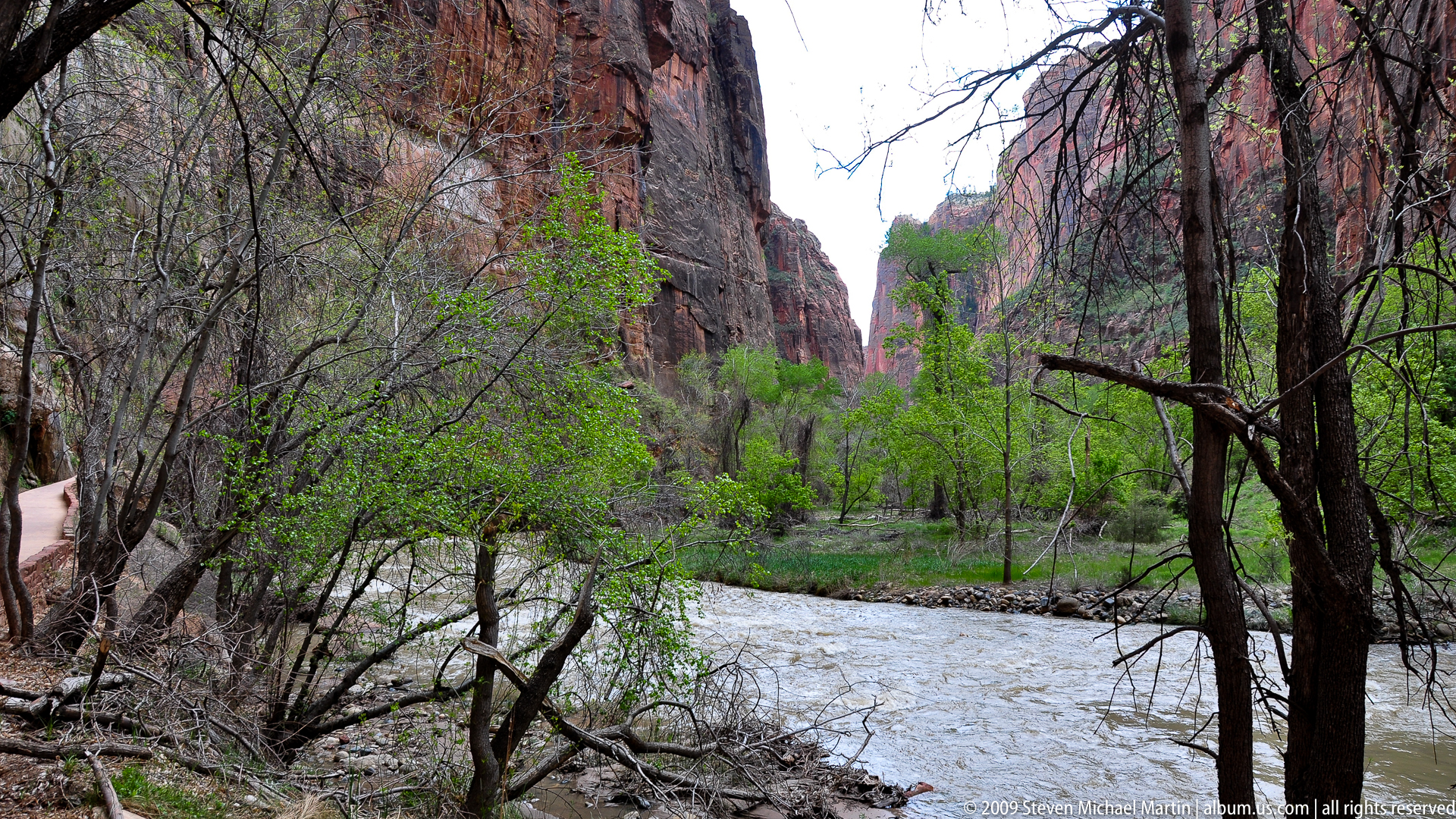
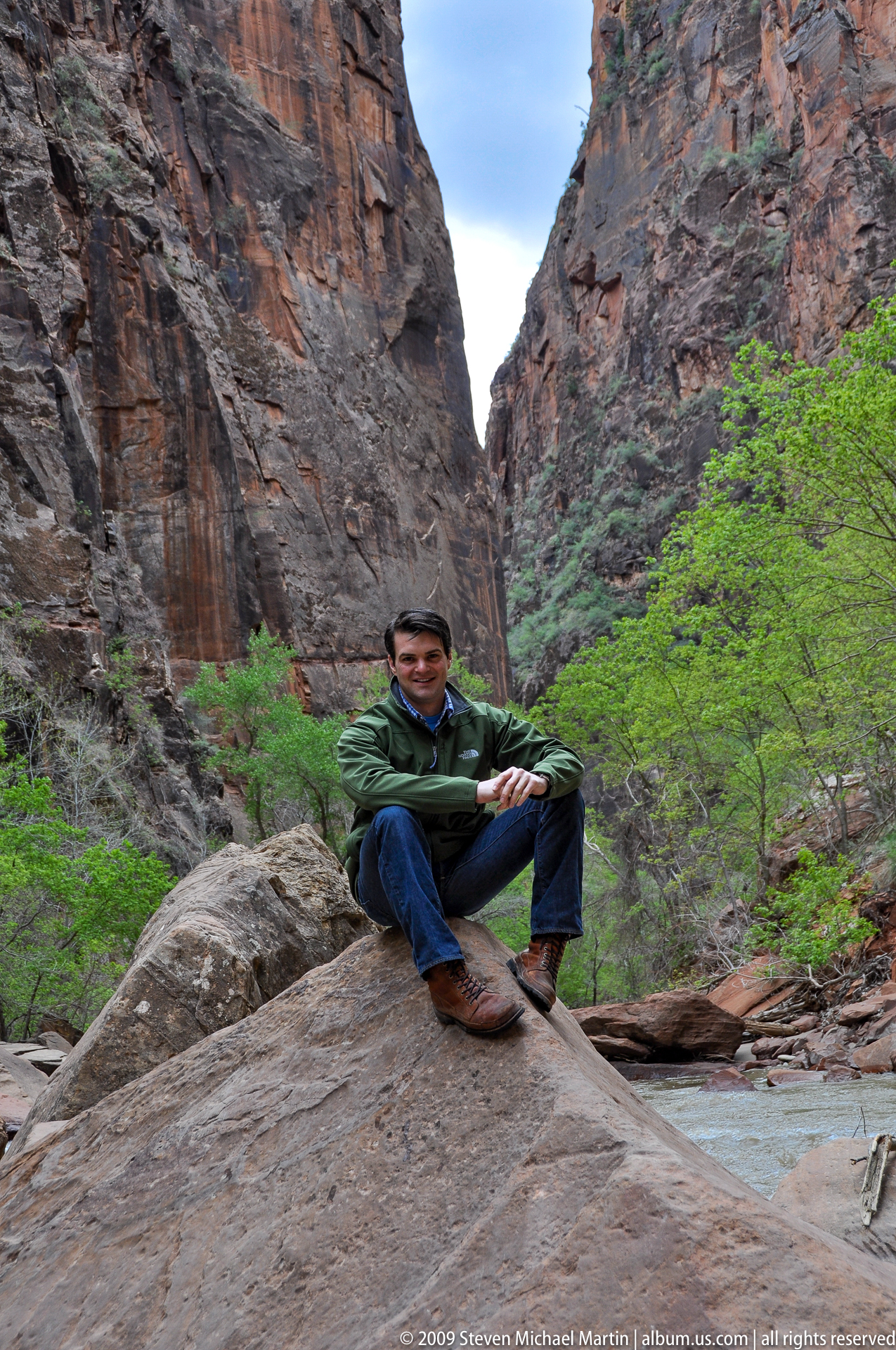
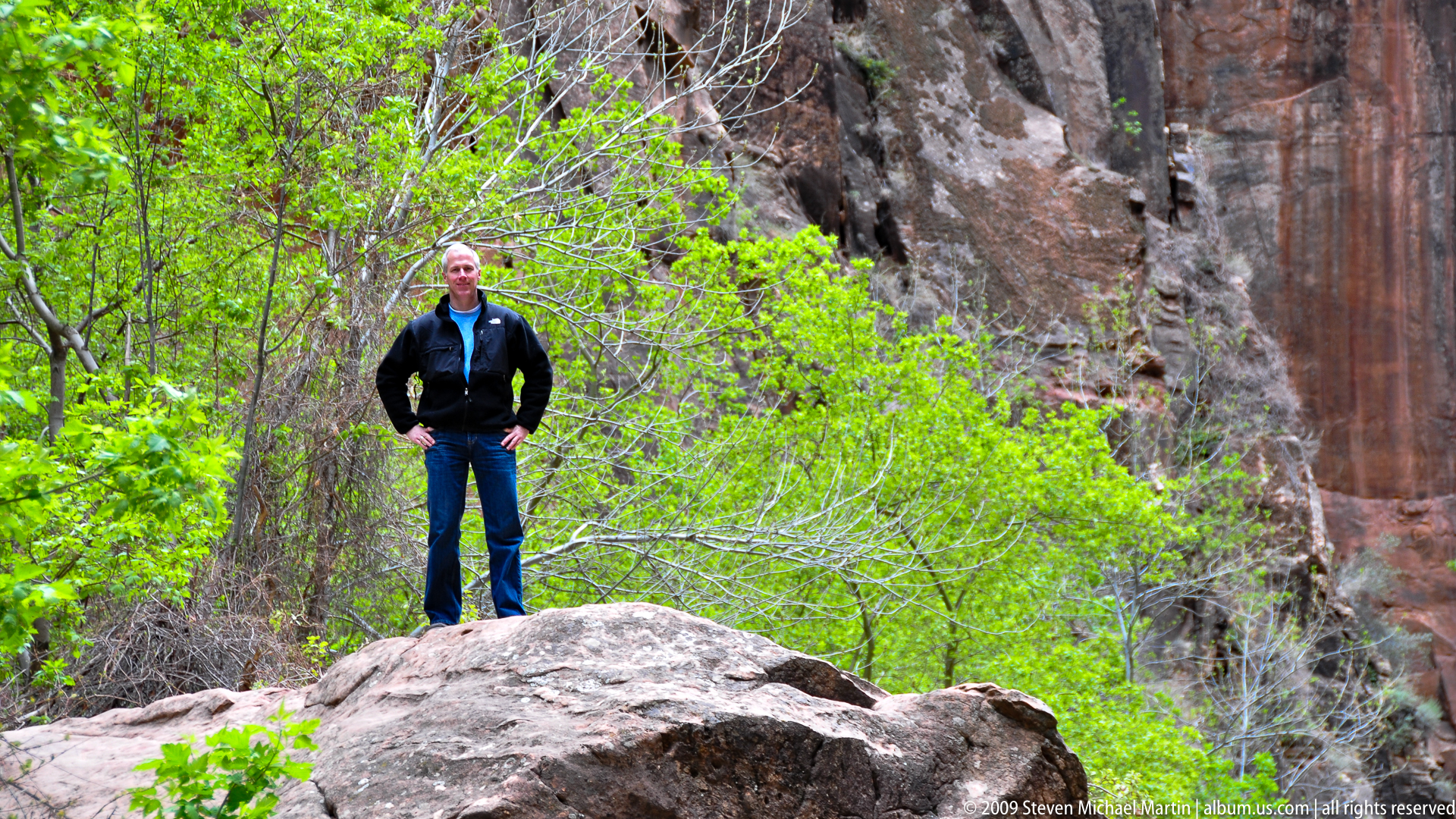
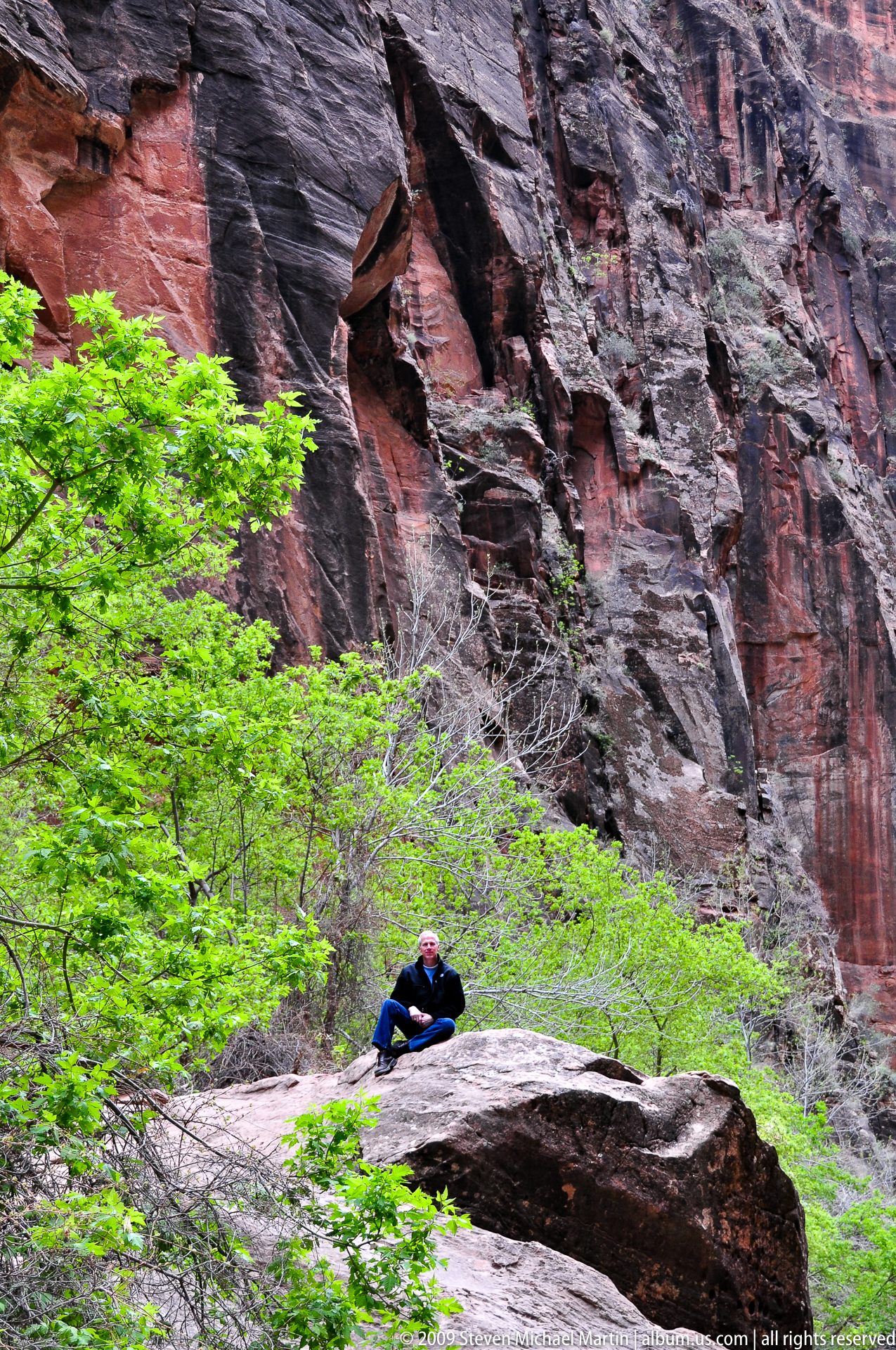
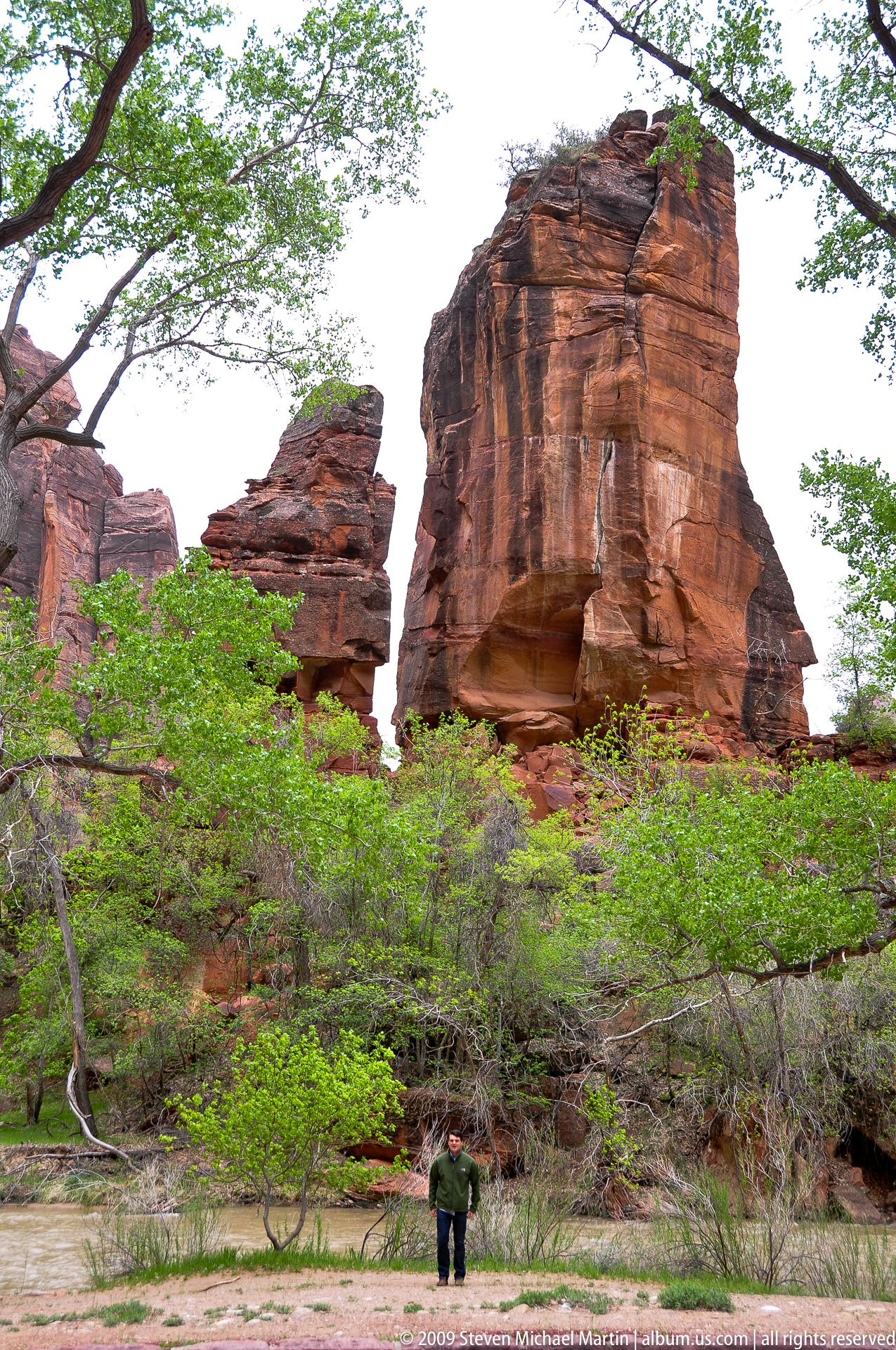
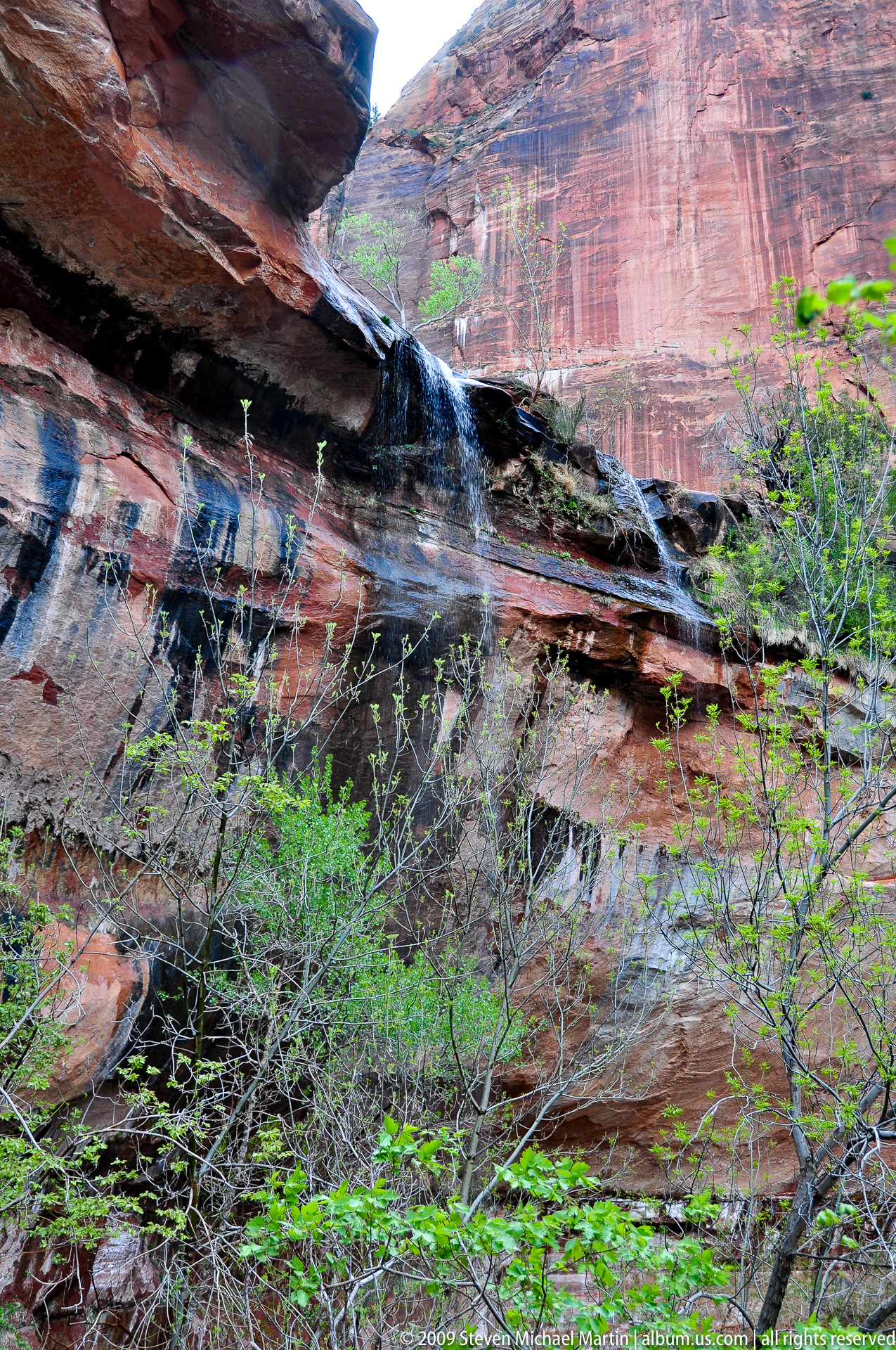
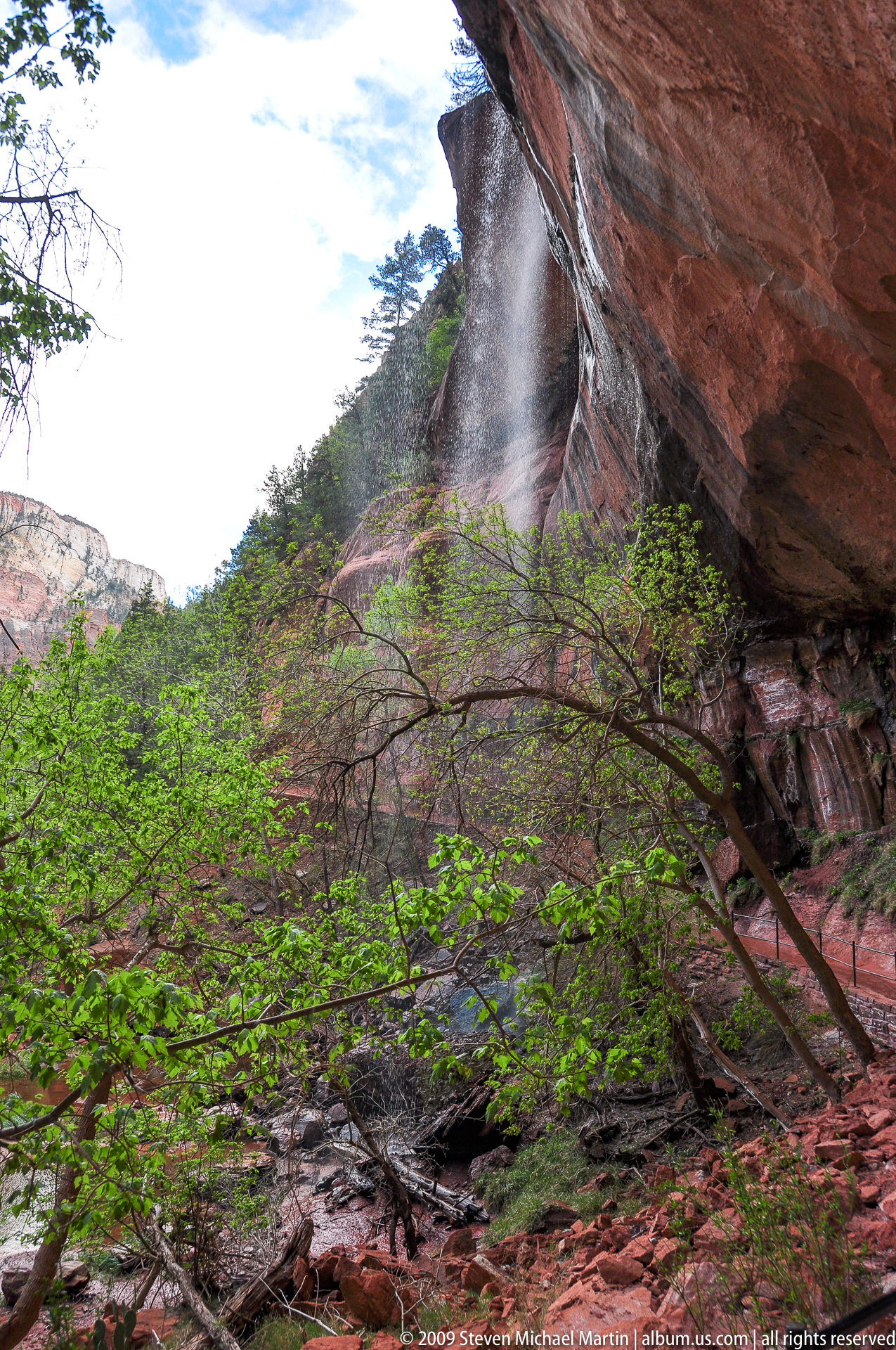
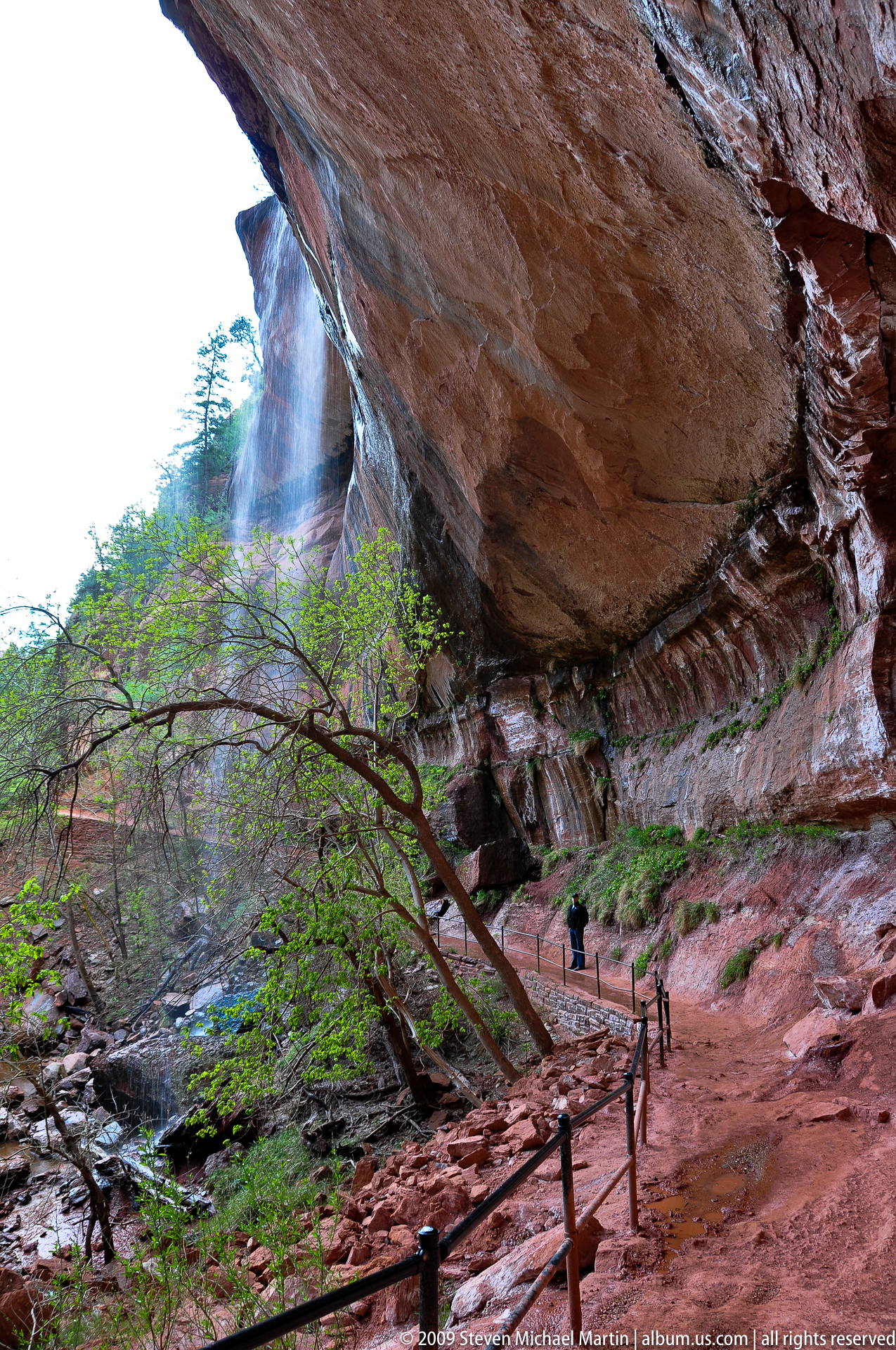
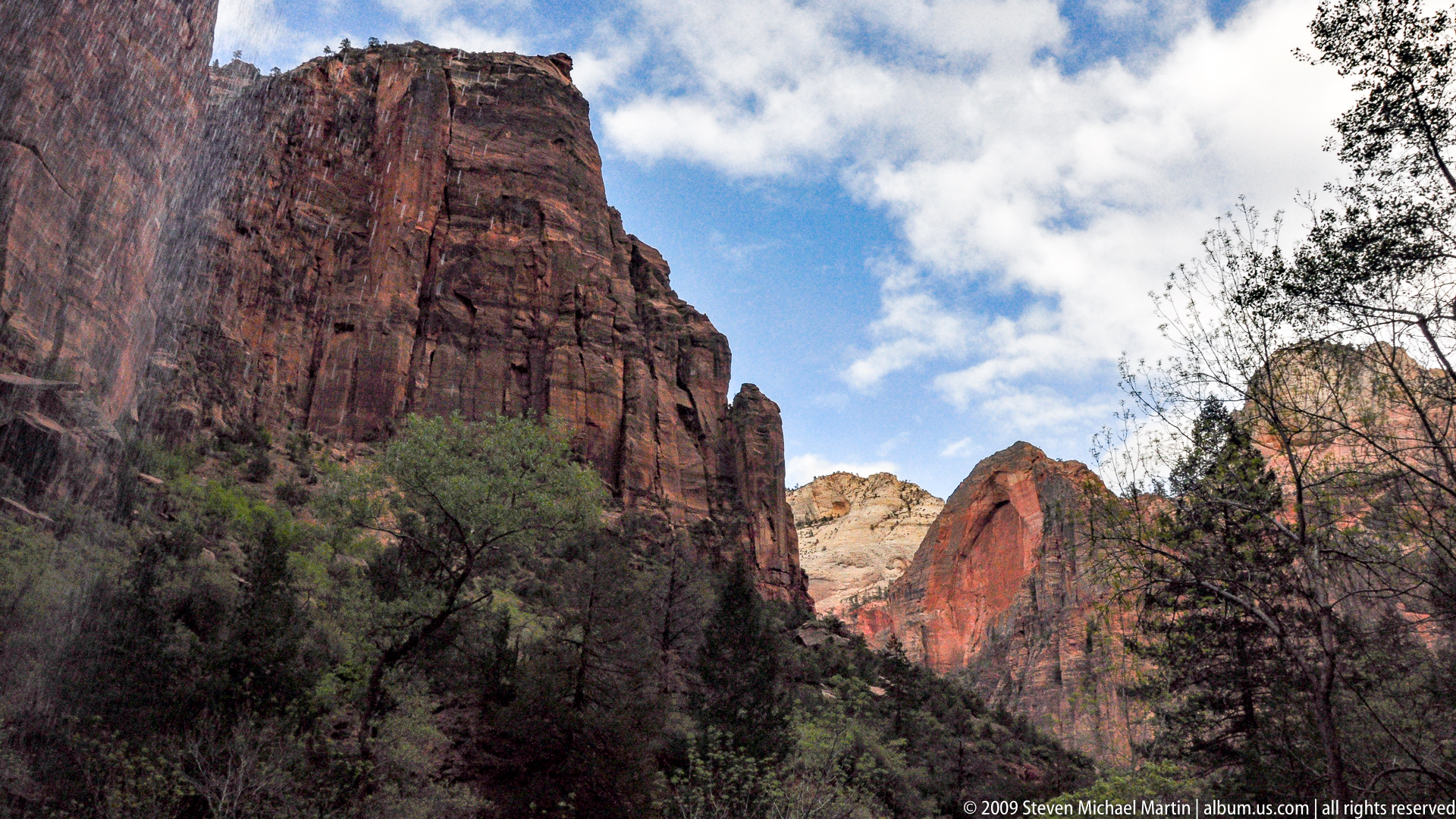
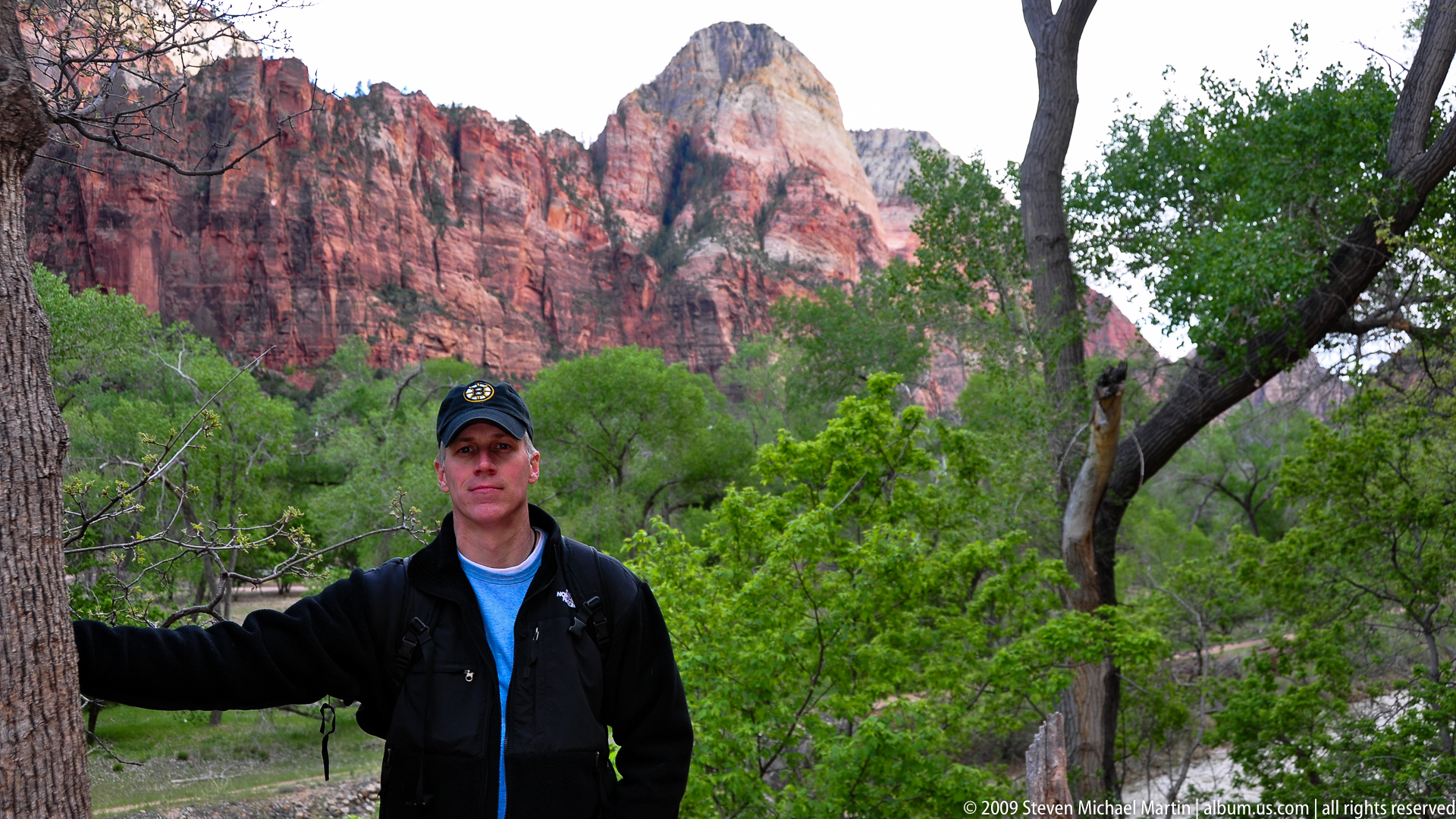
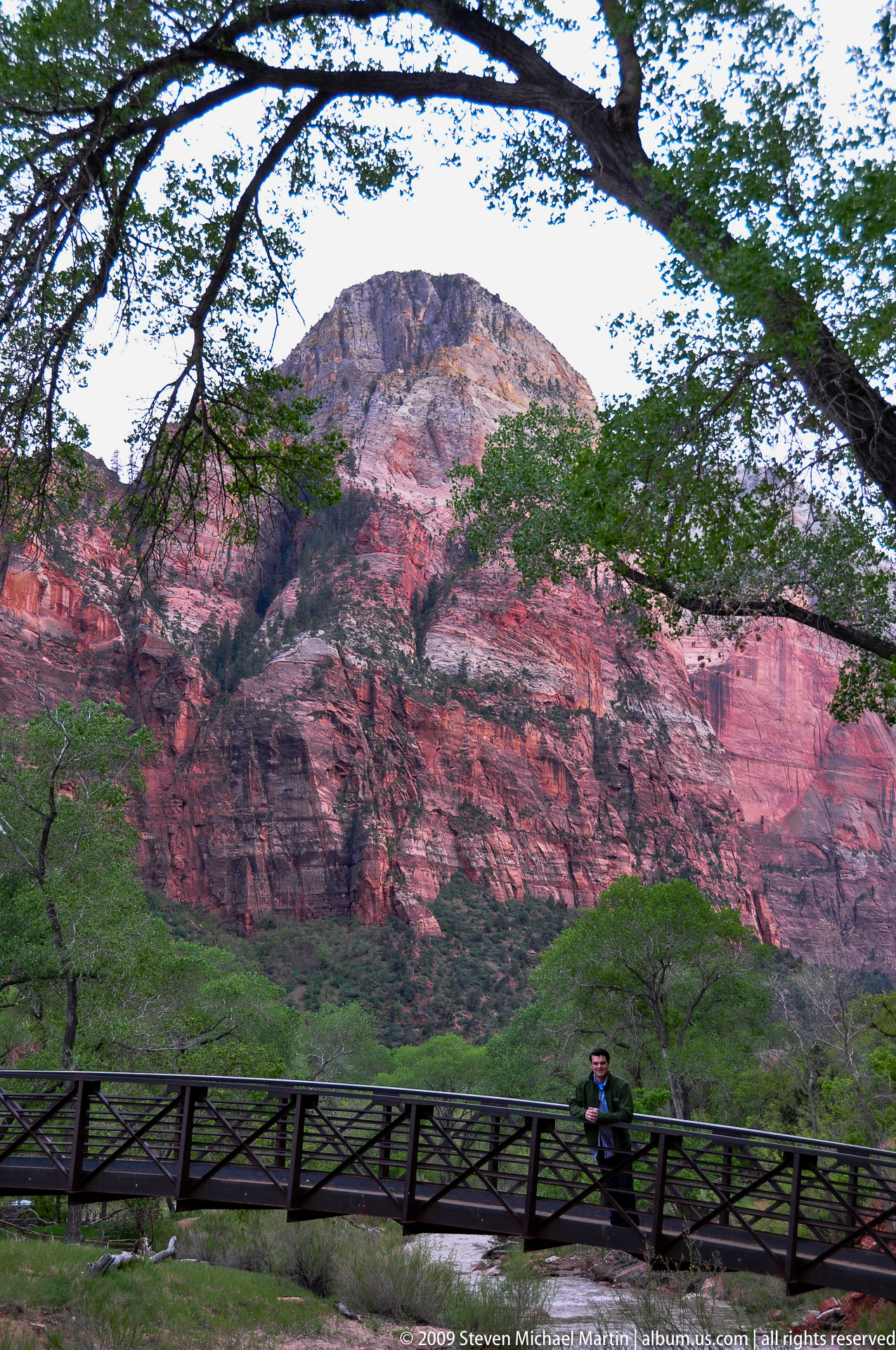
Towering canyon walls display cross-bedded sandstone formed from ancient sand dunes. Narrow canyon passages illustrate the power of erosion acting over long periods of time. Vegetation varies according to water availability and elevation within the canyon environment.
🌎 Natural Systems
The Colorado Plateau uplifted as tectonic forces raised large sections of the earth’s crust. Rivers gradually cut through exposed rock layers, forming canyons that reveal sedimentary history. Seasonal flooding continues to shape canyon structure through erosion and sediment transport.
📷 Photography Notes
- Morning light enhances color variation in sandstone
- Narrow canyon sections create dramatic shadow patterns
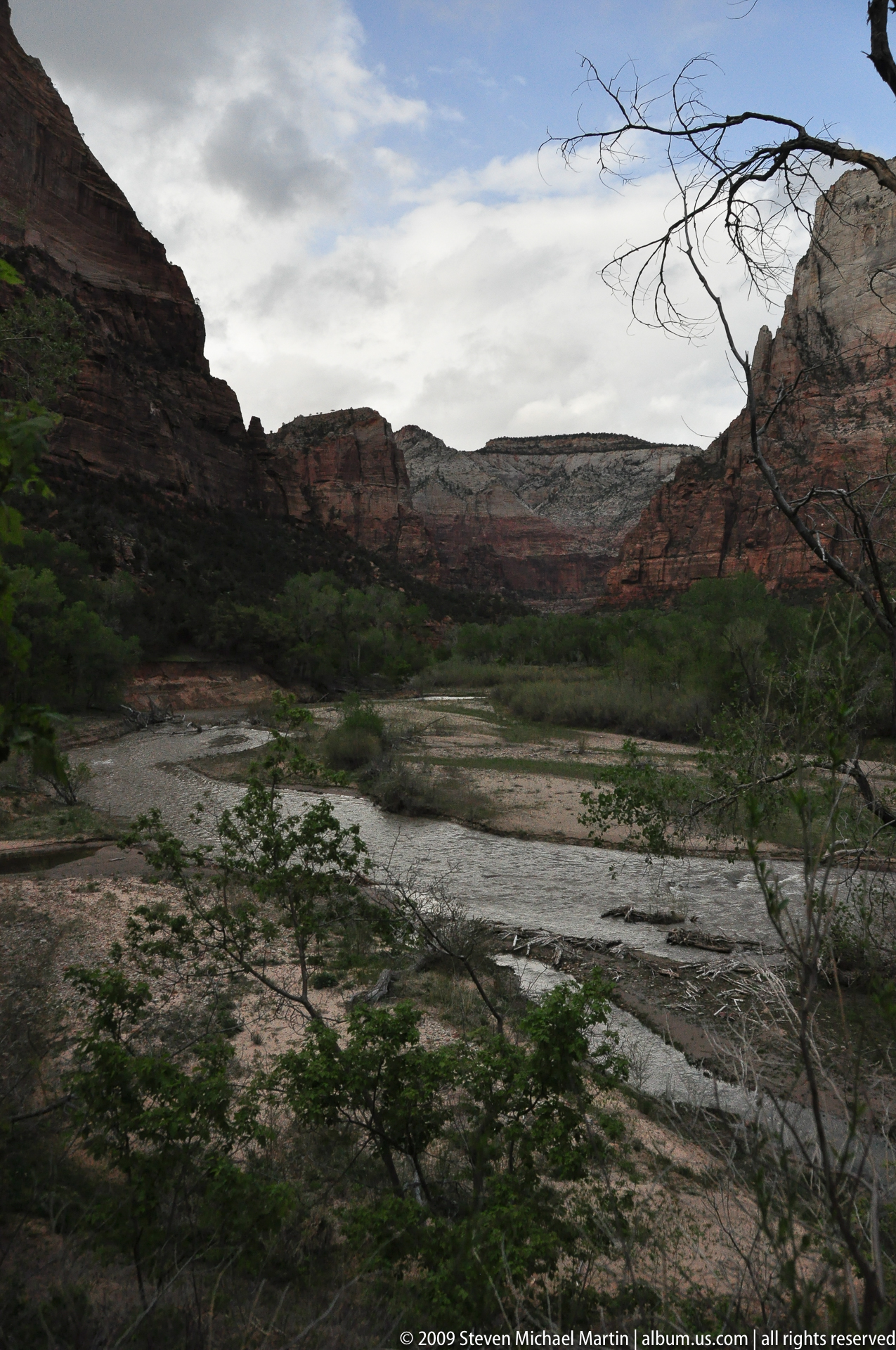
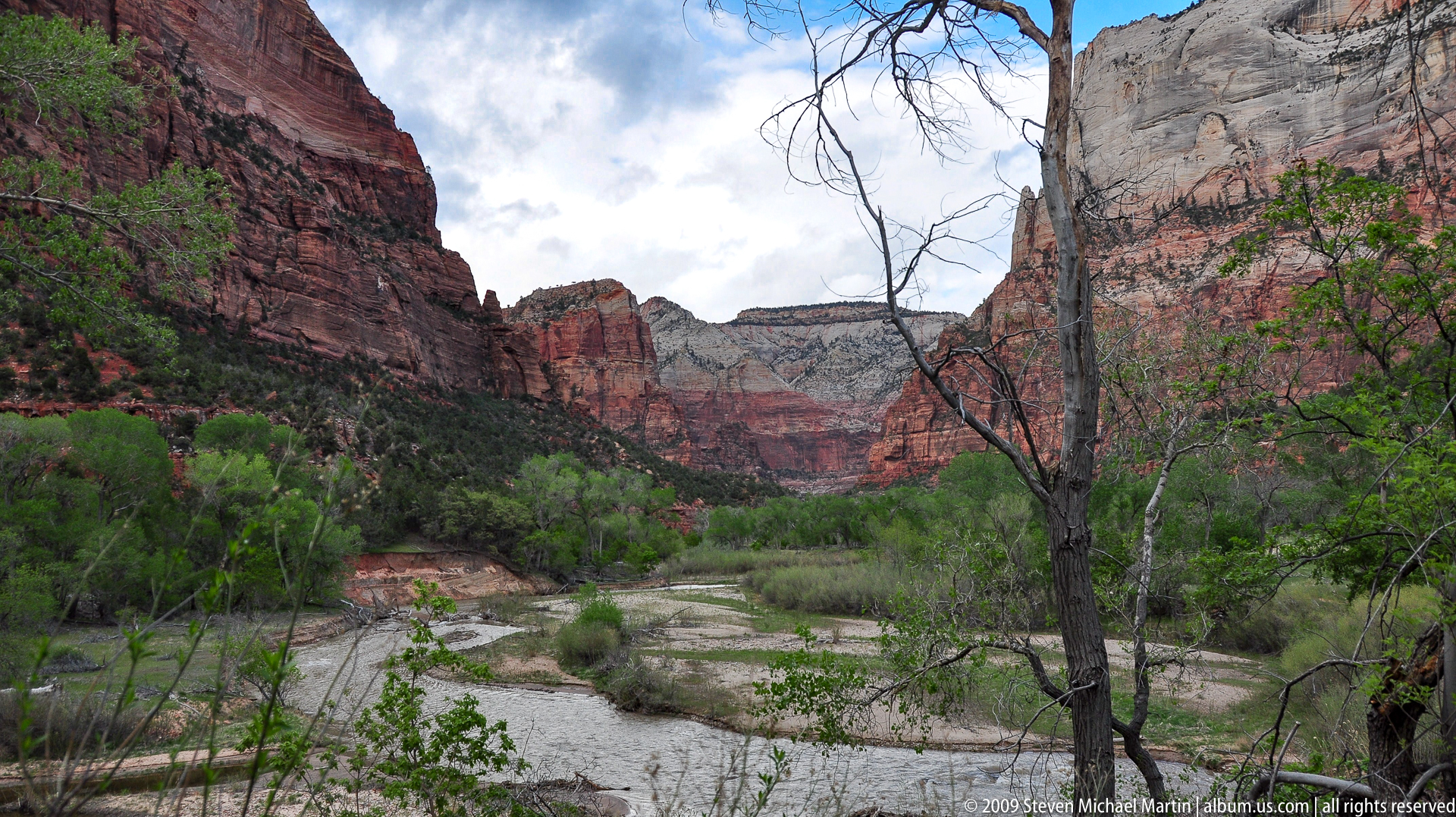
- River foregrounds add compositional depth
- Wide-angle compositions emphasize scale
- Reflected light creates warm tones on canyon walls
🌱 Conservation Context
Zion preserves geological formations shaped by erosion and uplift across millions of years. Protection of canyon environments ensures continued observation of processes that influence desert ecosystems and landscape evolution.