Washington lies at the northern end of the Cascade Range, where tectonic forces associated with subduction of the Juan de Fuca Plate beneath the North American Plate have produced a chain of volcanic peaks extending across the Pacific Northwest. Glaciation, volcanic activity, and marine climate influences combine to create one of the most geographically diverse landscapes in the United States, ranging from rugged Pacific coastline to forested mountain valleys and alpine environments. Prominent stratovolcanoes including Mount Rainier and Mount Saint Helens illustrate the continuing geological processes shaping the region.
Washington’s national parks preserve diverse ecosystems associated with elevation, climate, and proximity to the Pacific Ocean. Olympic National Park protects temperate rainforest, glacial mountain terrain, and rocky coastline environments including Third Beach and the Quinault Rain Forest. Inland, North Cascades National Park contains rugged peaks, alpine lakes, and extensive glacier systems, while Mount Rainier National Park preserves subalpine meadows and glaciated volcanic slopes surrounding the highest peak in the state. These landscapes illustrate the interaction between mountain uplift, glaciation, and marine climate patterns characteristic of the Pacific Northwest.
The region also reflects the historical importance of exploration and maritime trade along the Pacific coast. The western terminus of the Lewis and Clark Expedition is commemorated at Cape Disappointment and Middle Village, illustrating early nineteenth-century geographic exploration of the Columbia River system. Cultural landscapes associated with trade and settlement are preserved at Fort Vancouver National Historic Site, an important center of the Hudson’s Bay Company during the fur trade era.
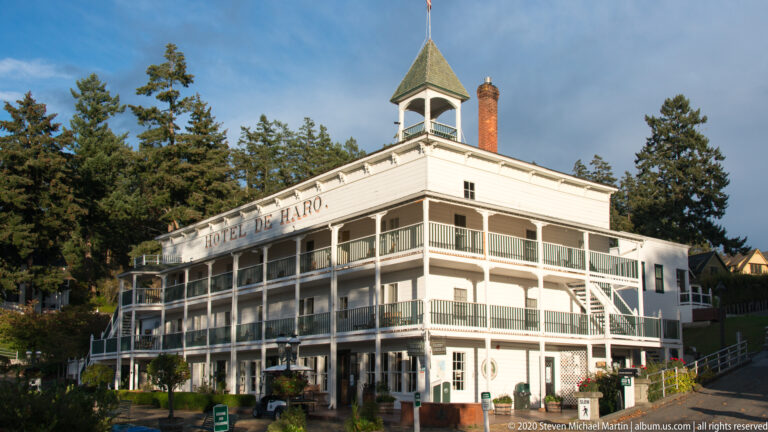
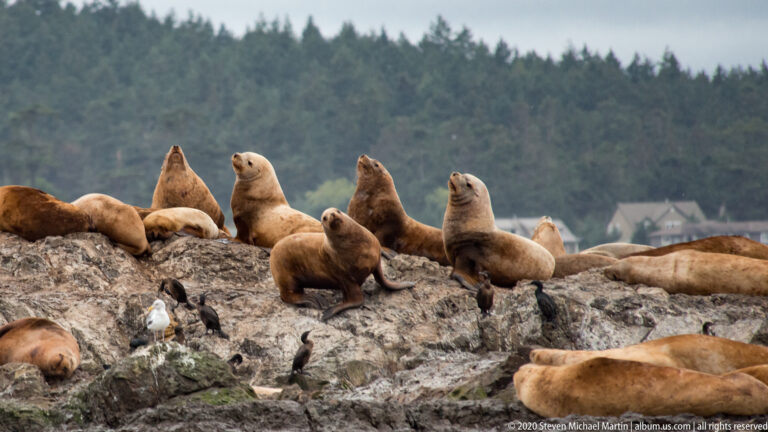
Additional environments across Washington demonstrate the geographic diversity of the Pacific Northwest. Island ecosystems protected at San Juan Island National Historical Park preserve coastal prairie and marine habitats supporting diverse wildlife, while scenic communities such as Leavenworth and La Conner illustrate regional cultural traditions shaped by European settlement patterns. Alpine valleys and river corridors within Lake Chelan National Recreation Area and Ross Lake National Recreation Area further demonstrate the dramatic environmental variation found across Washington’s mountain and coastal landscapes.
Together, these sites illustrate the geological and ecological complexity of Washington, where volcanic mountains, temperate rainforest, inland waterways, and coastal environments reflect the broader natural history of the Pacific Northwest.
Ebey’s Landing NHR Ebey’s Landing National Historical Reserve preserves a coastal landscape where open prairie, shoreline cliffs, and distant water […]
Leavenworth – Bavaria Village Leavenworth presents a distinctive architectural setting inspired by traditional Bavarian village design, where alpine-style buildings, decorative […]
Mount St. Helens National Volcanic Monument Mount St. Helens National Volcanic Monument presents a landscape dramatically shaped by volcanic forces, […]
North Cascades NP – Winthrop Winthrop presents a distinctive western-themed architectural setting located near the eastern boundary of North Cascades […]
Olympic National Park Olympic National Park occupies much of the Olympic Peninsula in northwestern Washington, where mountains, temperate rainforest, and […]