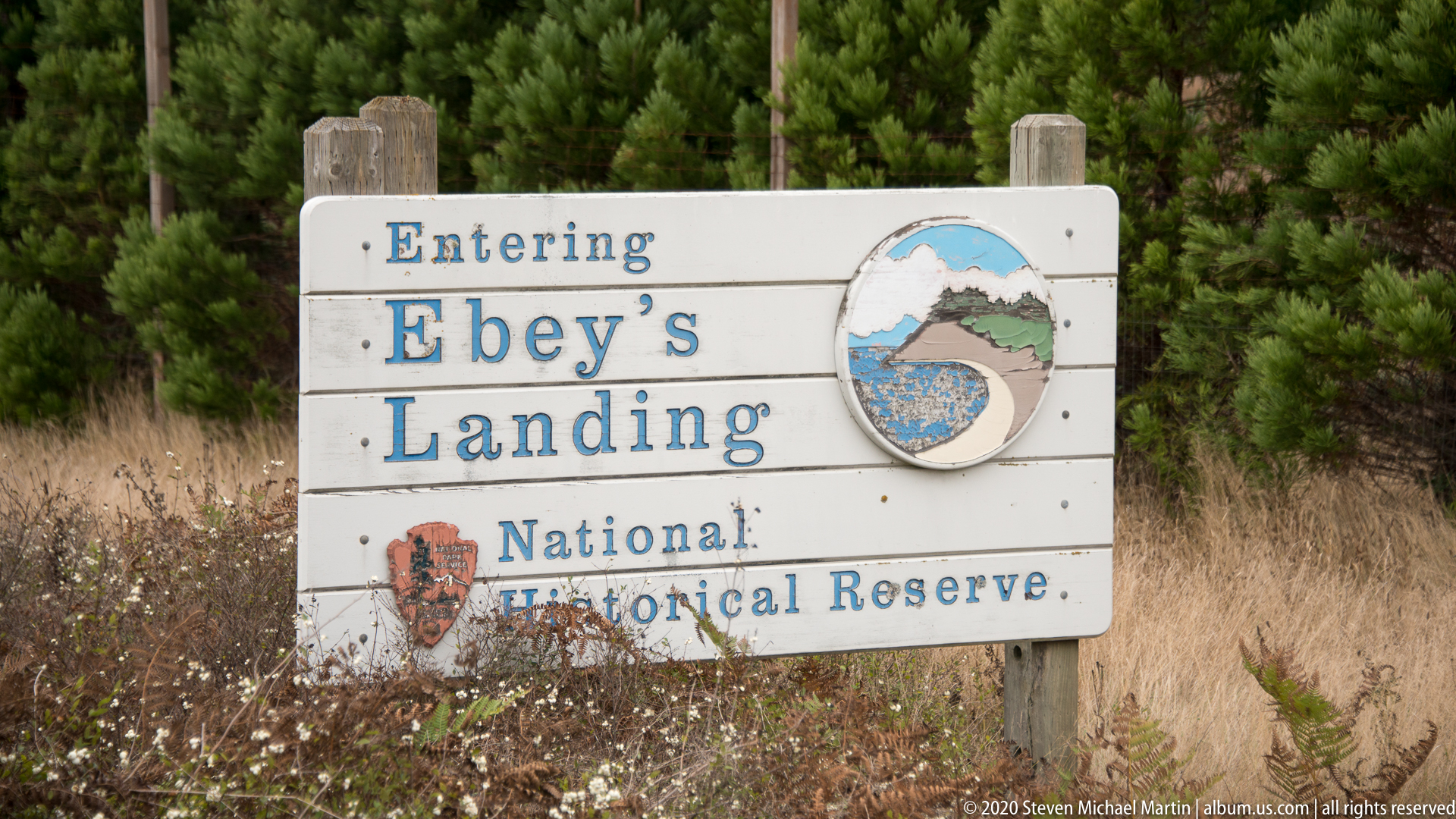
Ebey’s Landing NHR
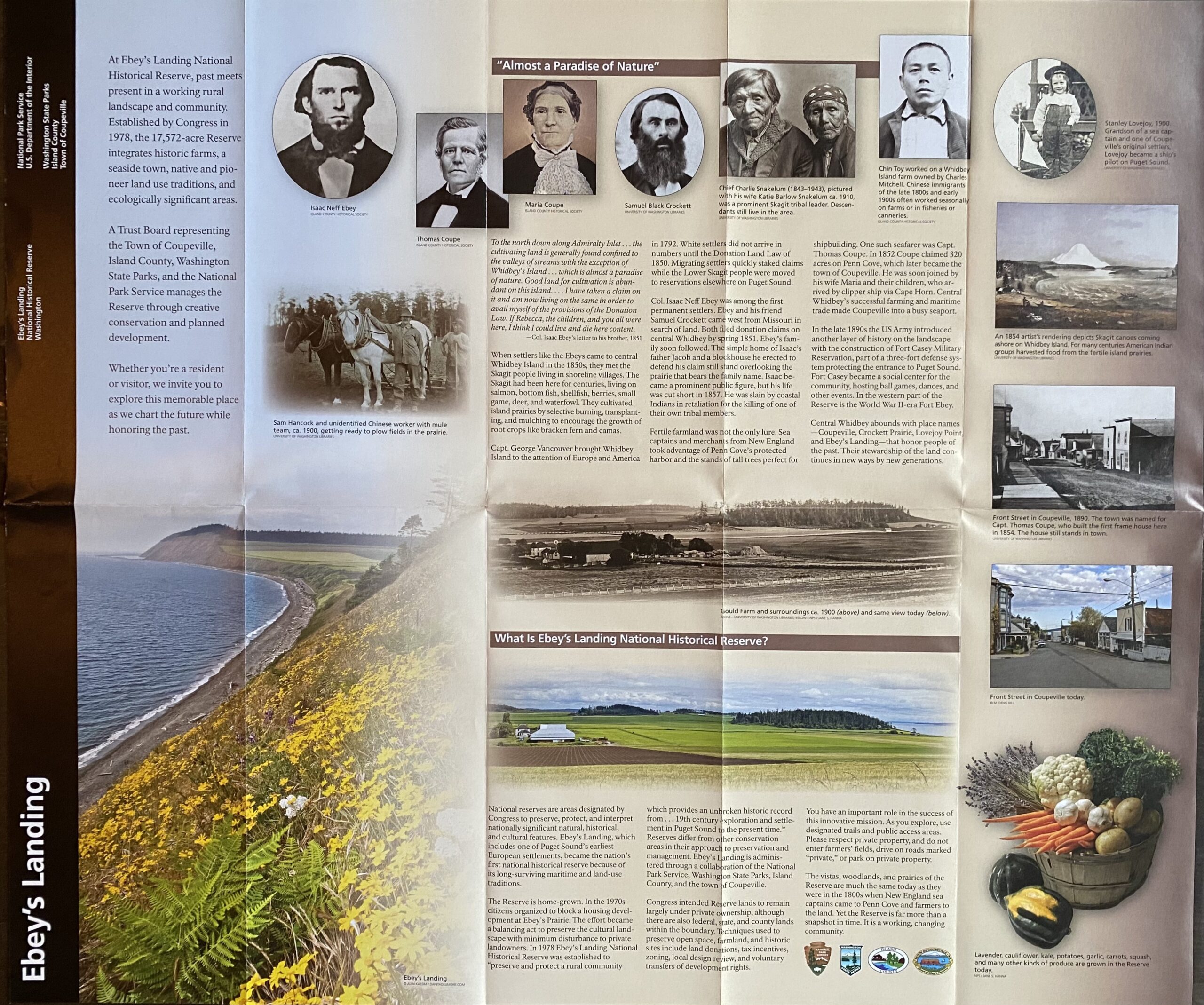
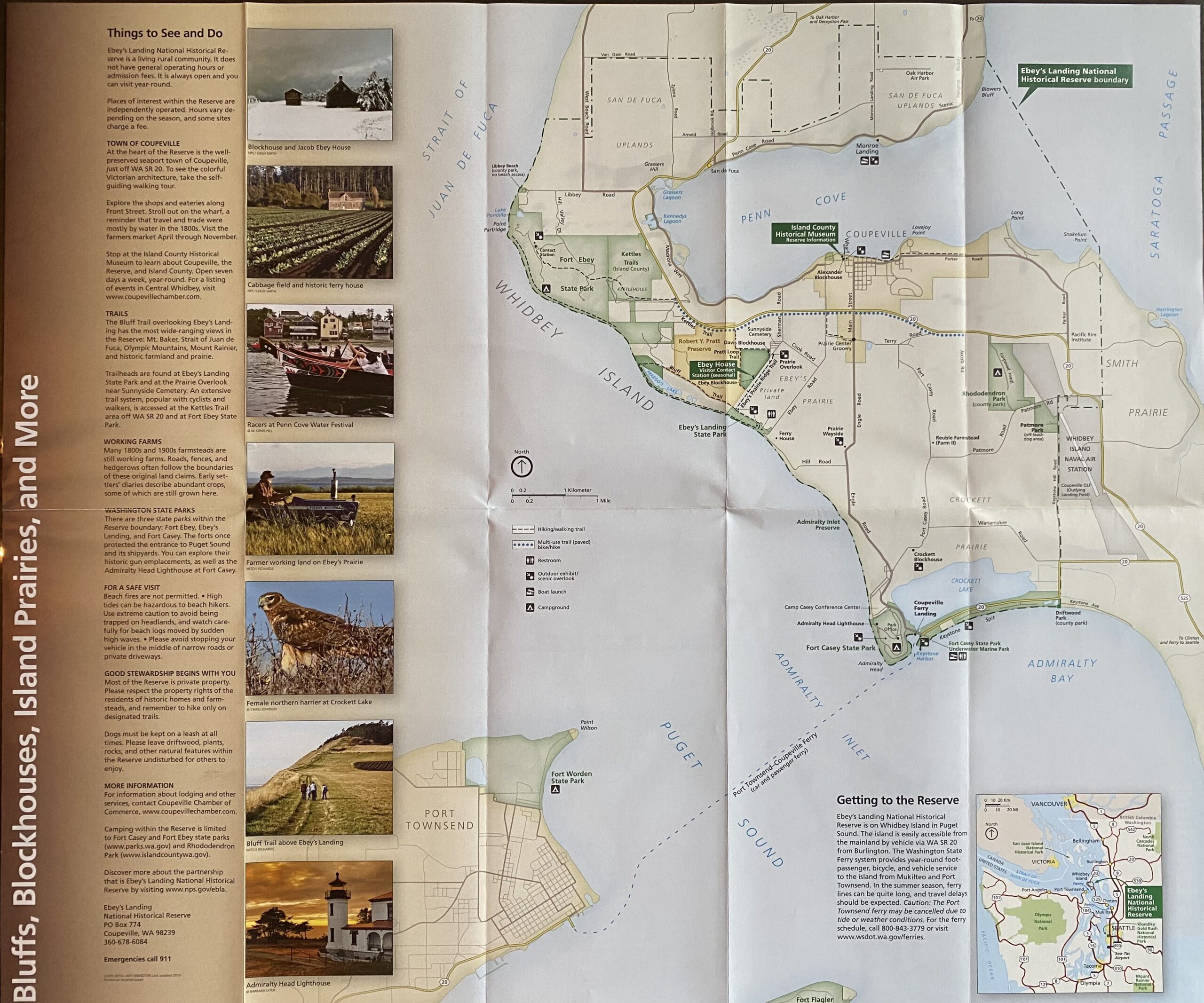
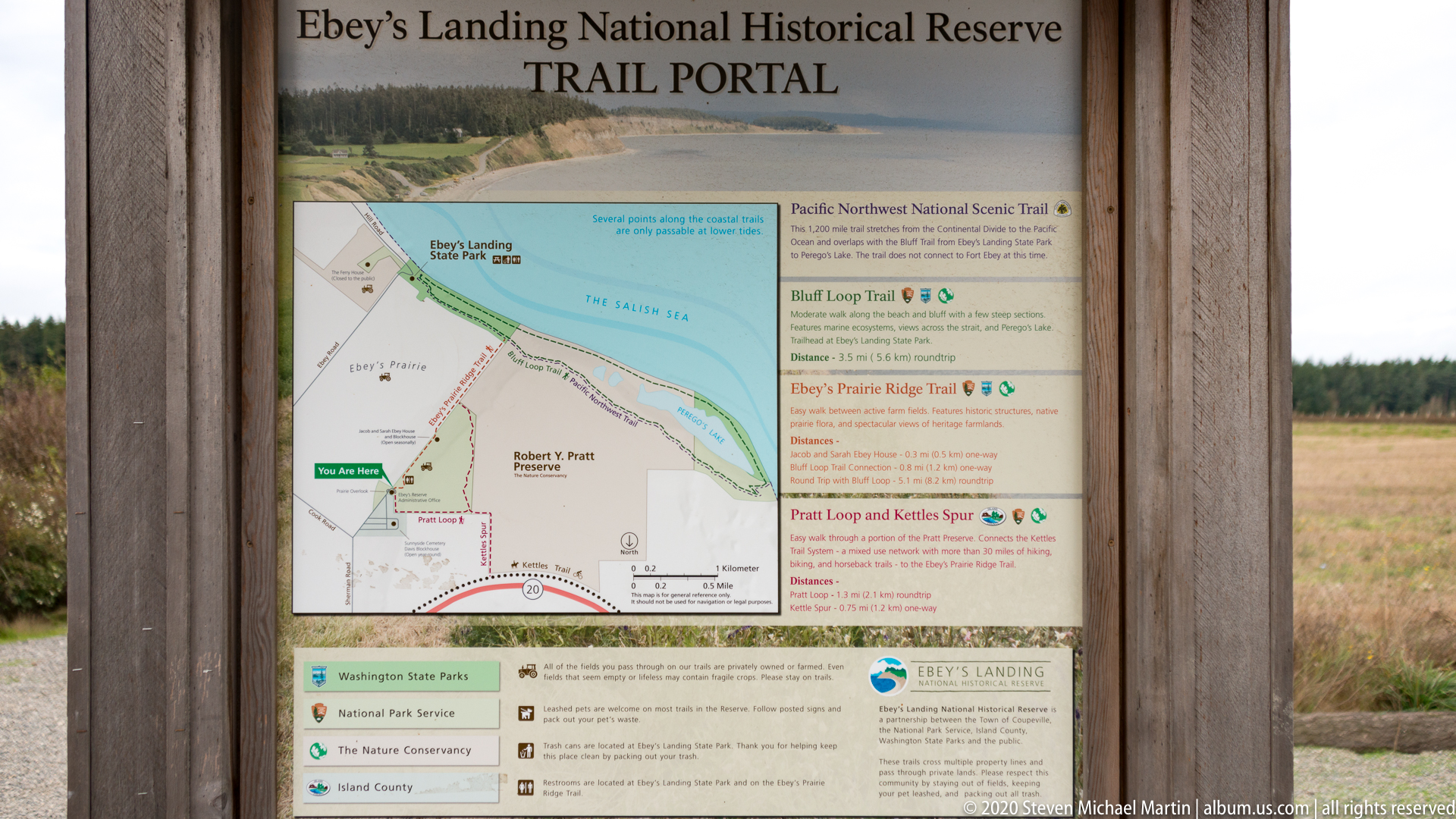
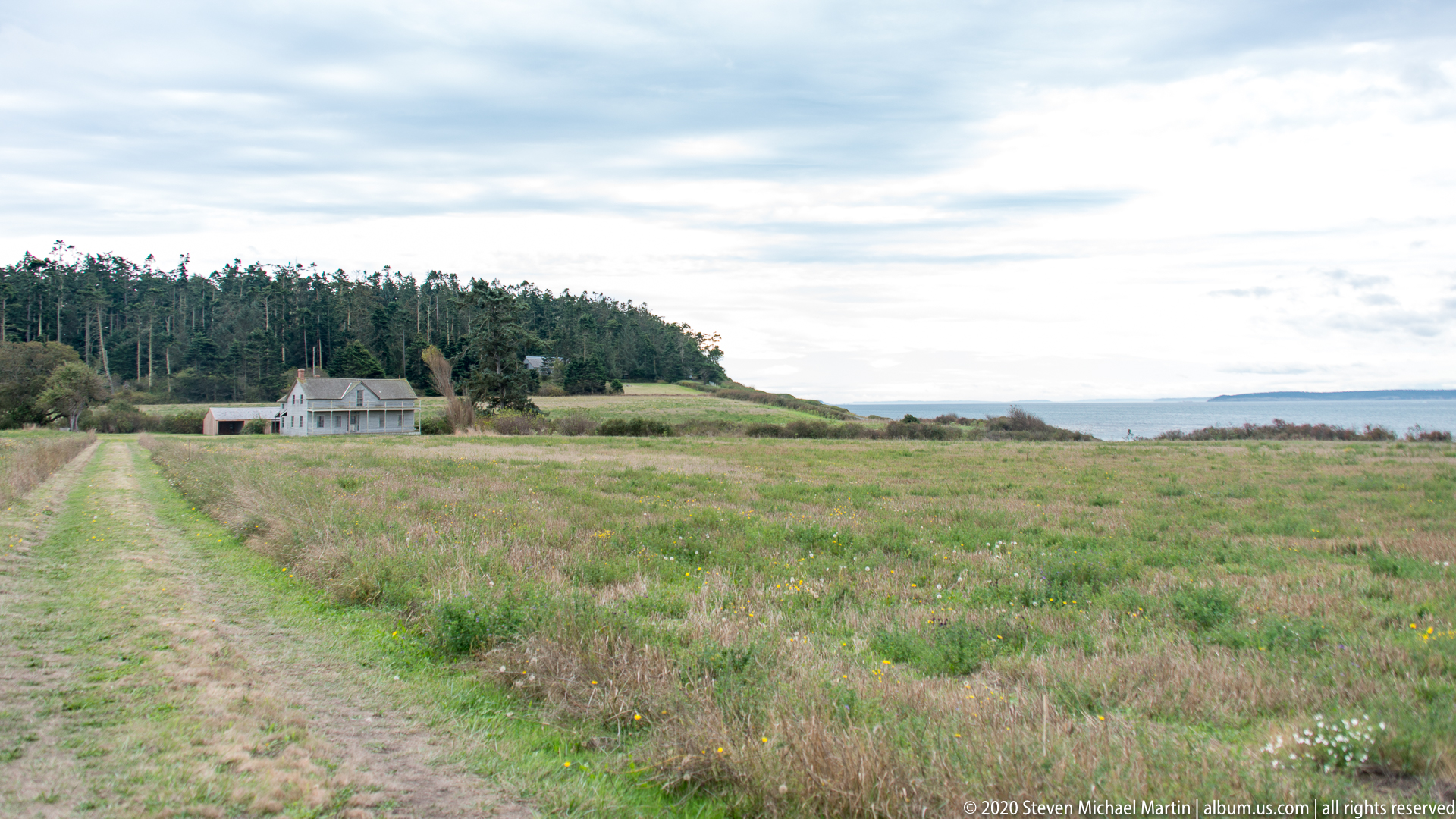
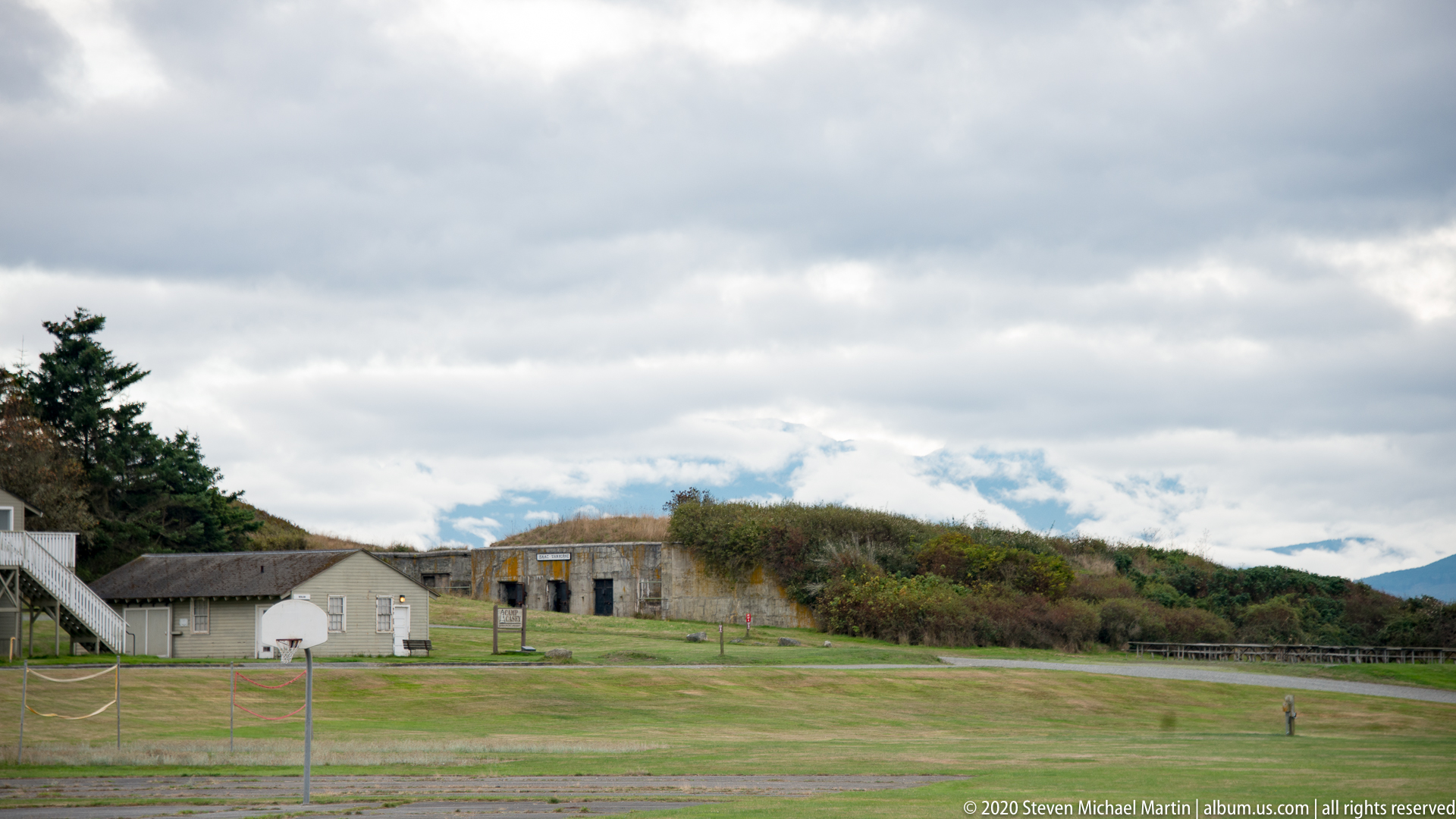
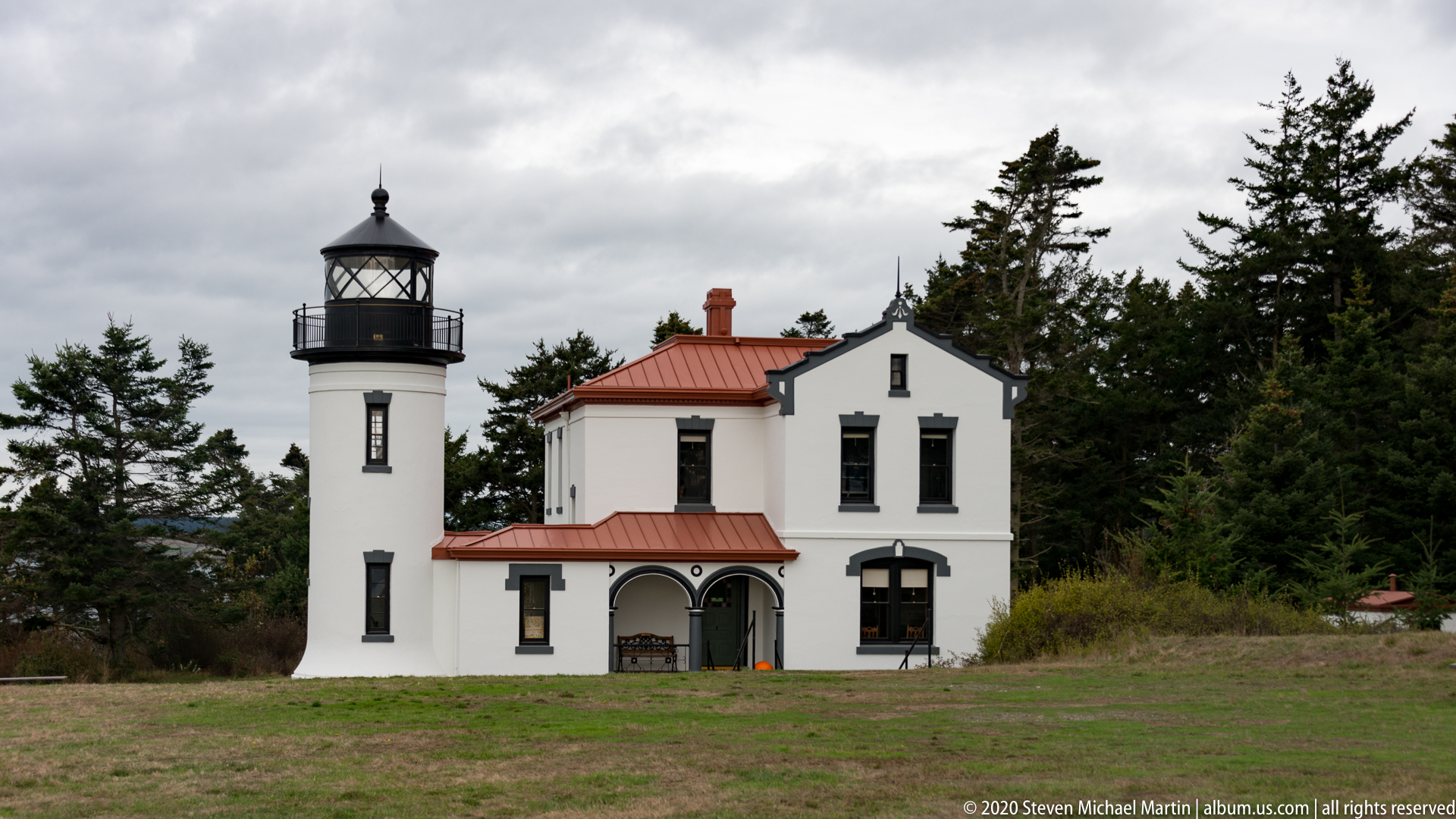
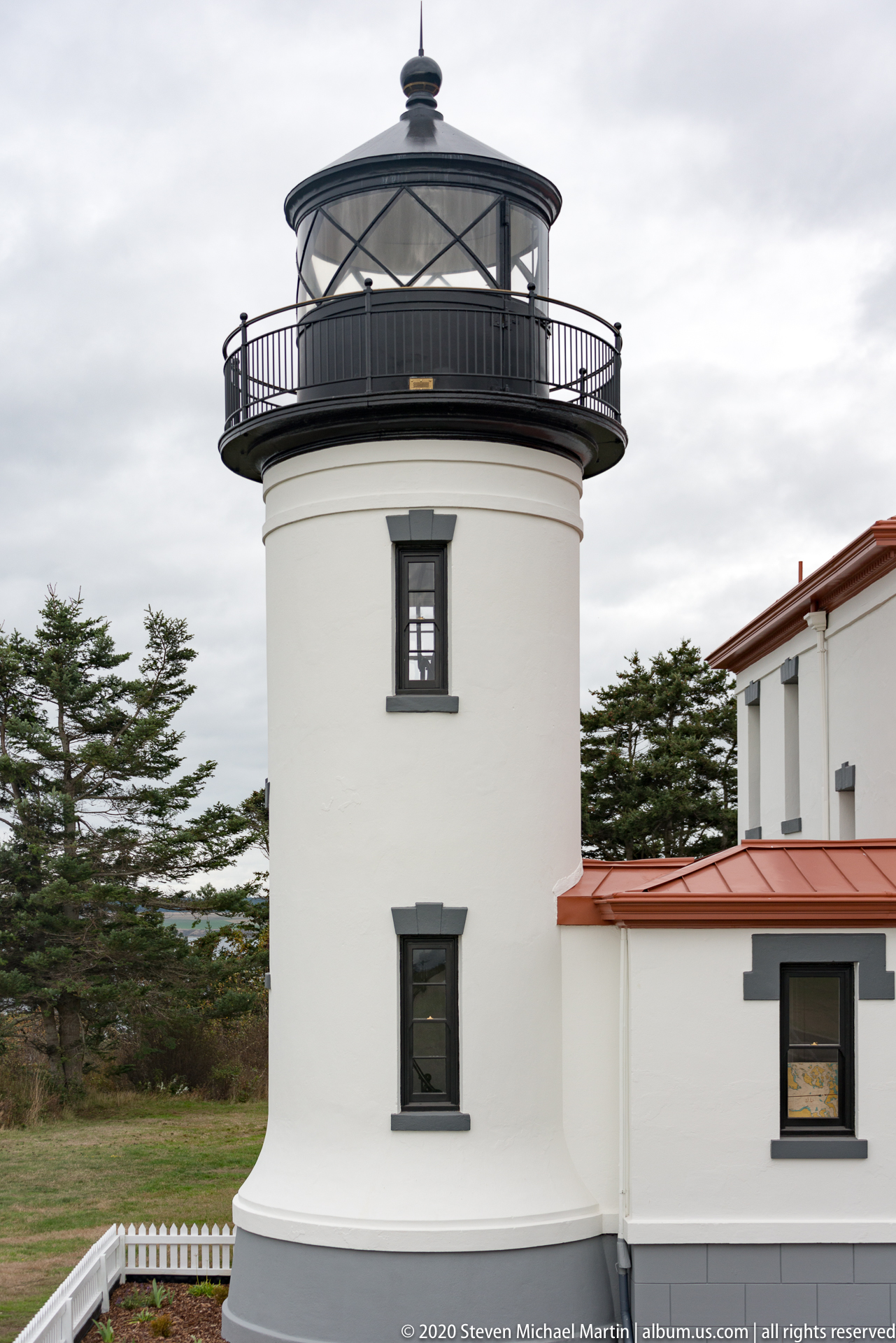
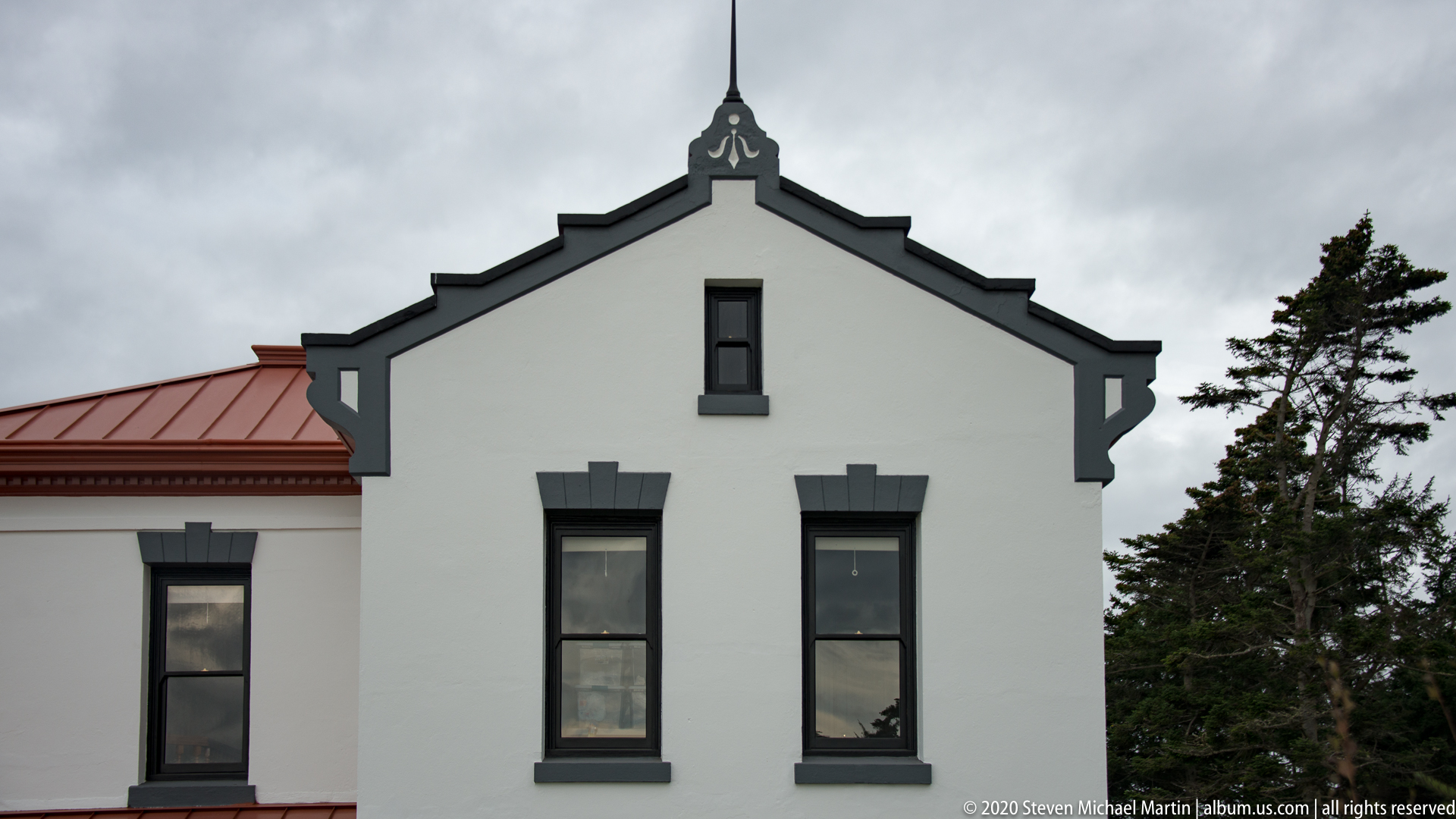
Ebey’s Landing National Historical Reserve preserves a coastal landscape where open prairie, shoreline cliffs, and distant water views create a setting that feels both expansive and historically grounded. The combination of agricultural fields, historic structures, and natural terrain reflects the long interaction between human settlement and the environment on Whidbey Island.
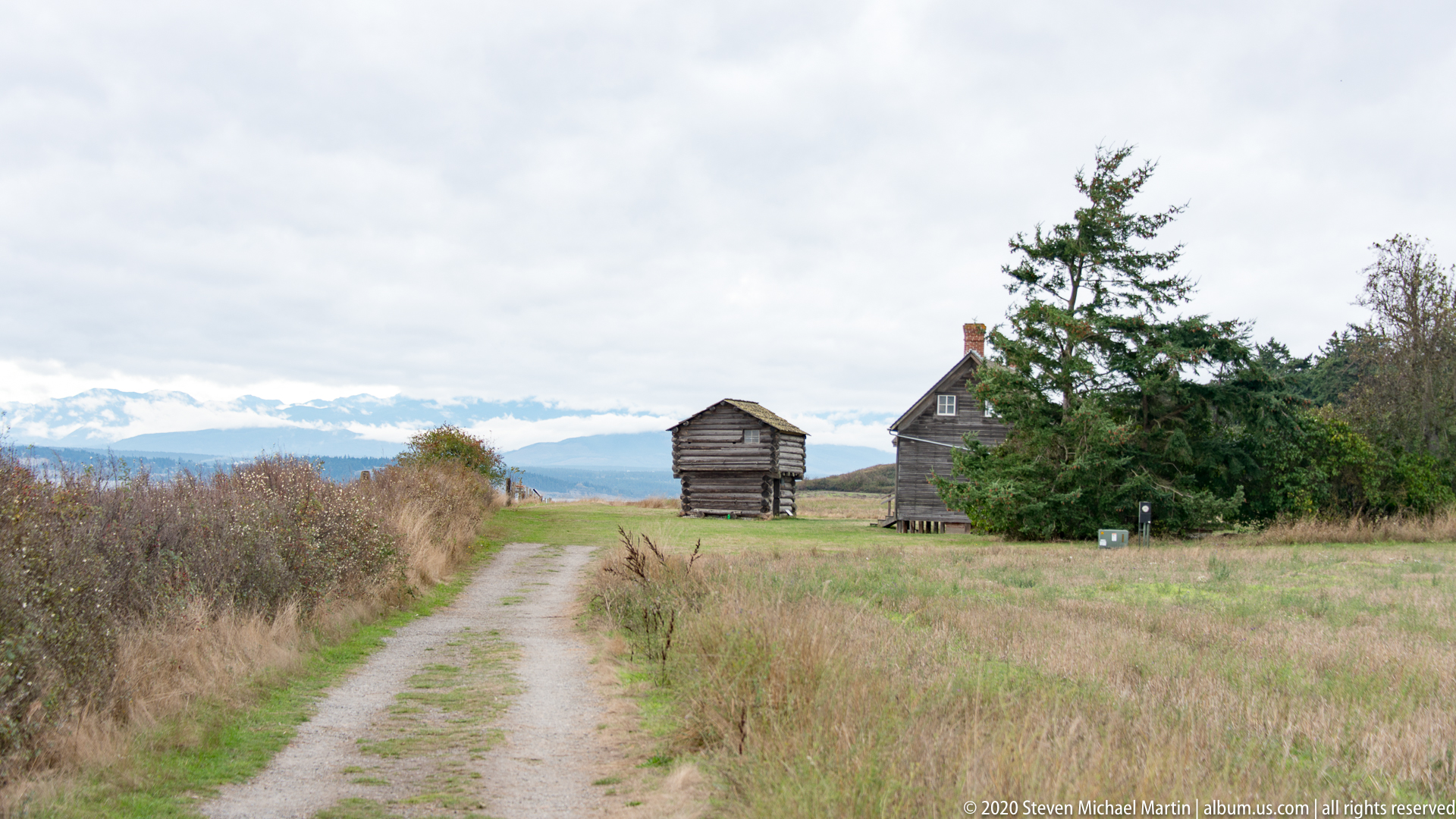
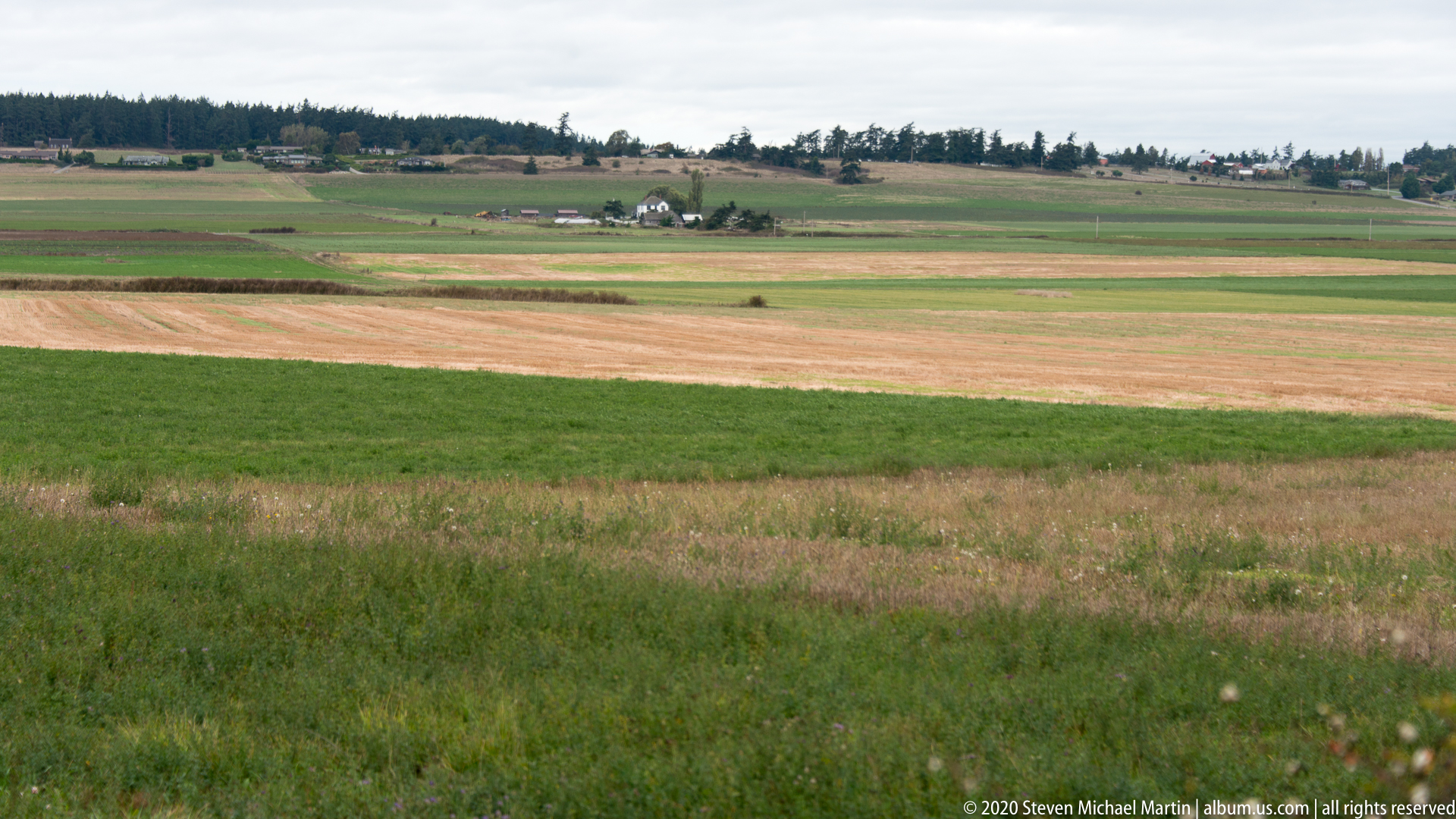
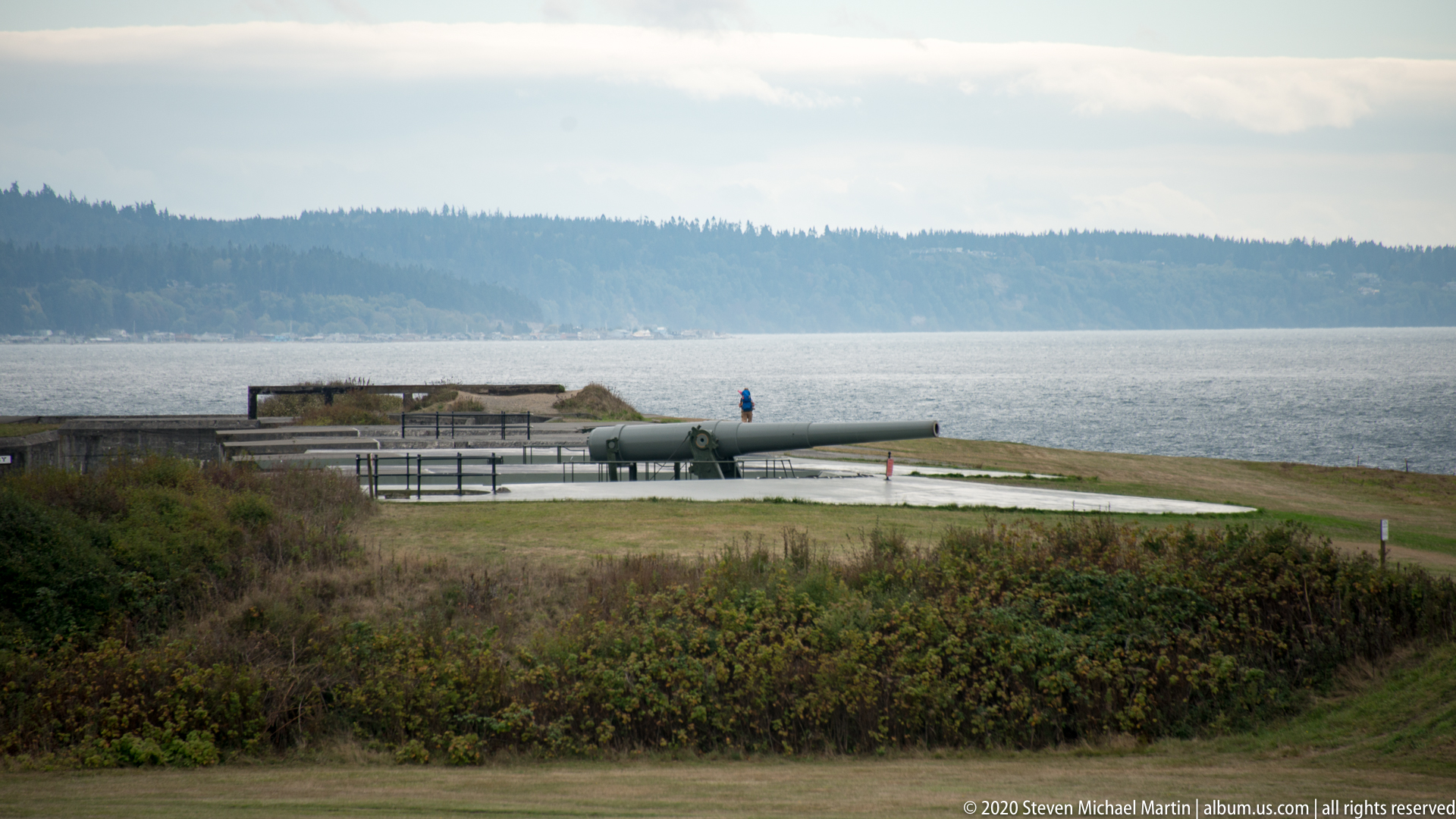
Rolling grasslands extend toward the shoreline, where elevated bluffs provide wide views across Puget Sound and toward the Olympic Mountains. The landscape maintains a strong sense of continuity, preserving patterns of land use that have shaped the character of the region for generations.
Changing light and coastal weather conditions influence the visual appearance of the prairie and shoreline, creating shifting contrasts between land, water, and sky. Ebey’s Landing offers a balance of cultural and natural features, where historic preservation and scenic setting combine to define the experience of the reserve.





















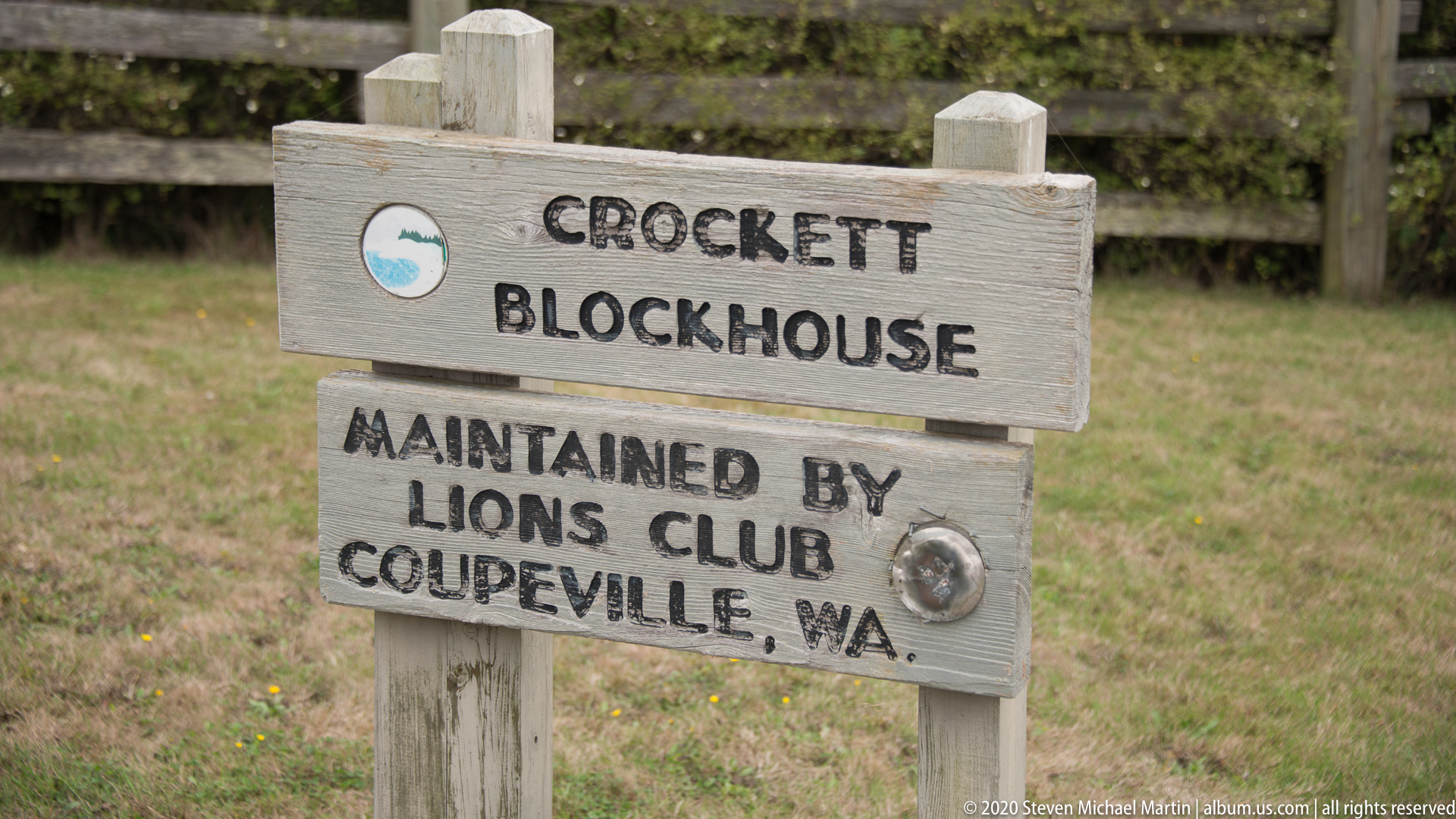
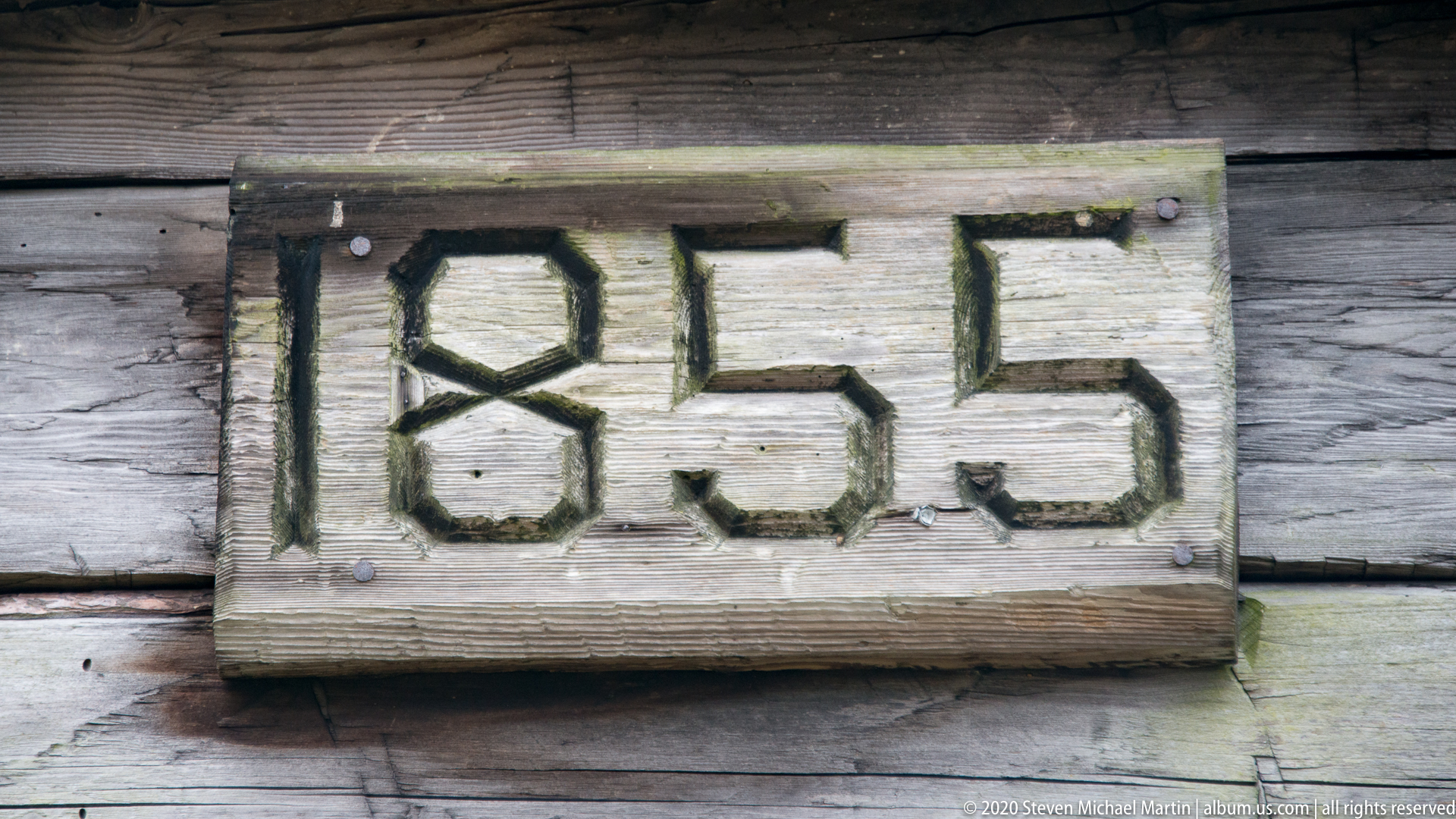



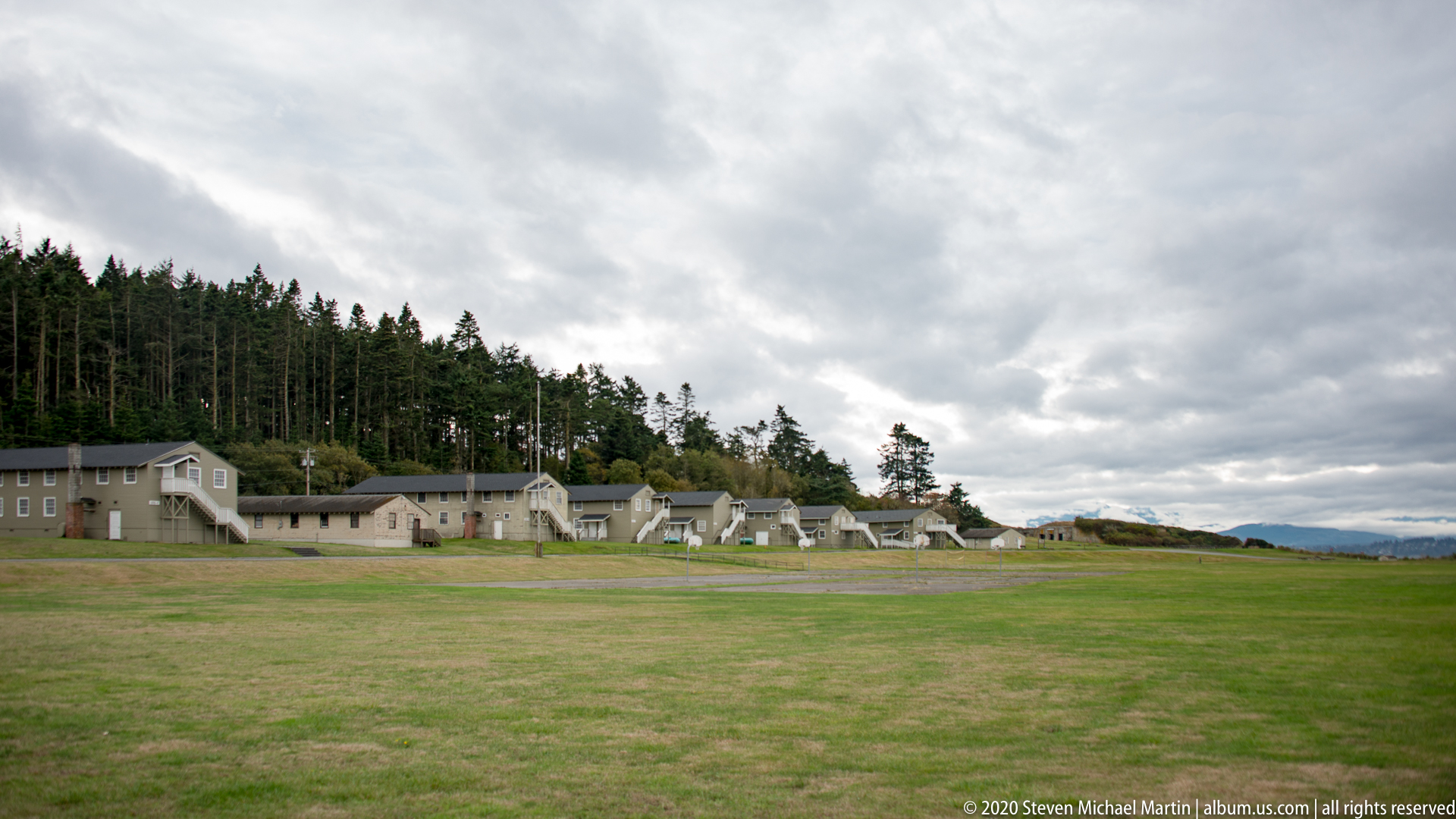














🧭 Field Guide
Landscape Type: Coastal prairie and historic farmland
Primary Features: Open grassland, agricultural fields, shoreline bluffs
Best Time to Visit: Spring through early fall for active vegetation and wildlife visibility
Conditions: Open terrain with changing coastal light and wind exposure
✨ Highlights
- Historic Prairie Landscape – Rolling grasslands preserved to reflect early settlement patterns.
- Open Coastal Views – Expansive sightlines across fields toward Puget Sound.
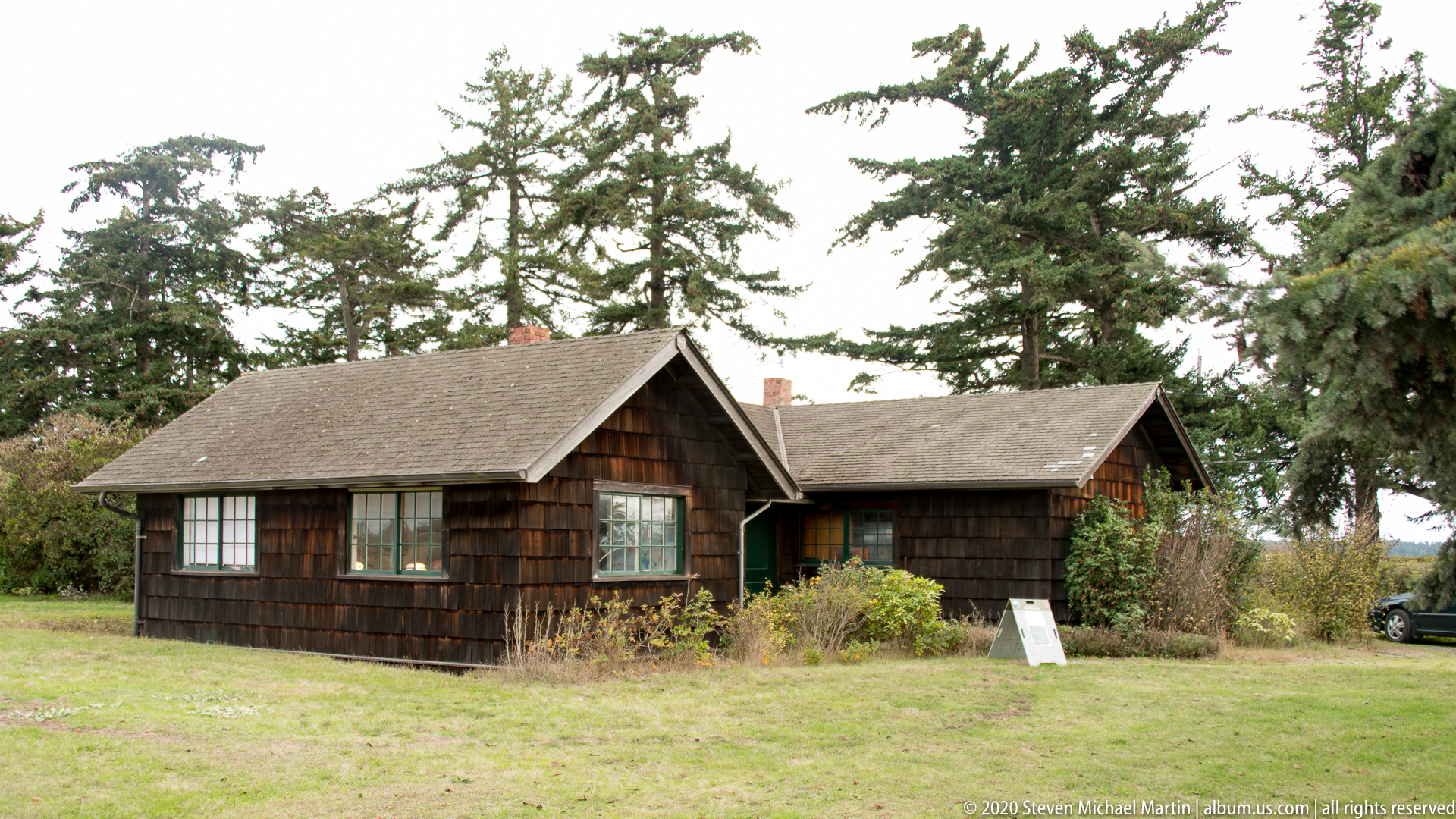
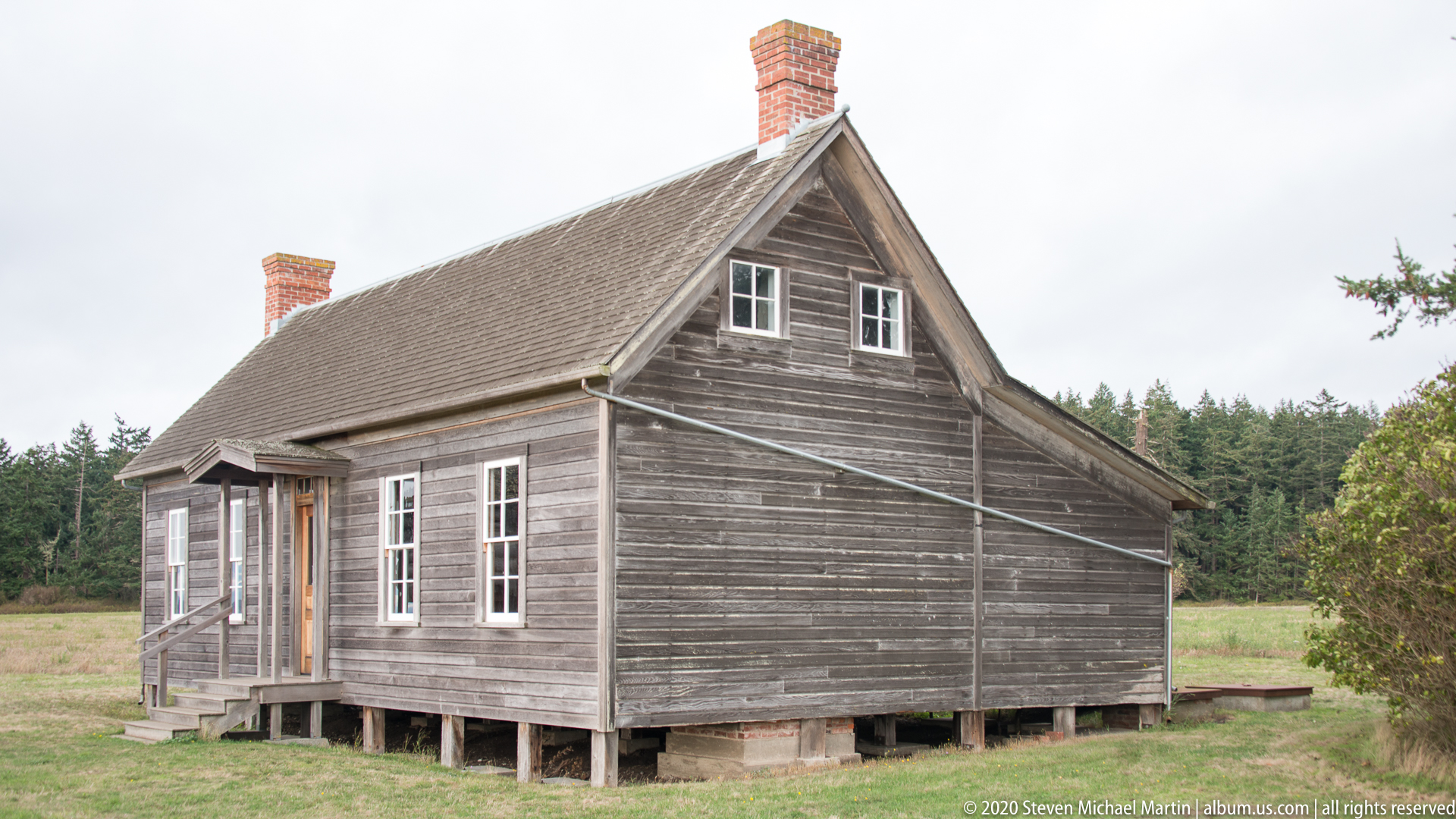
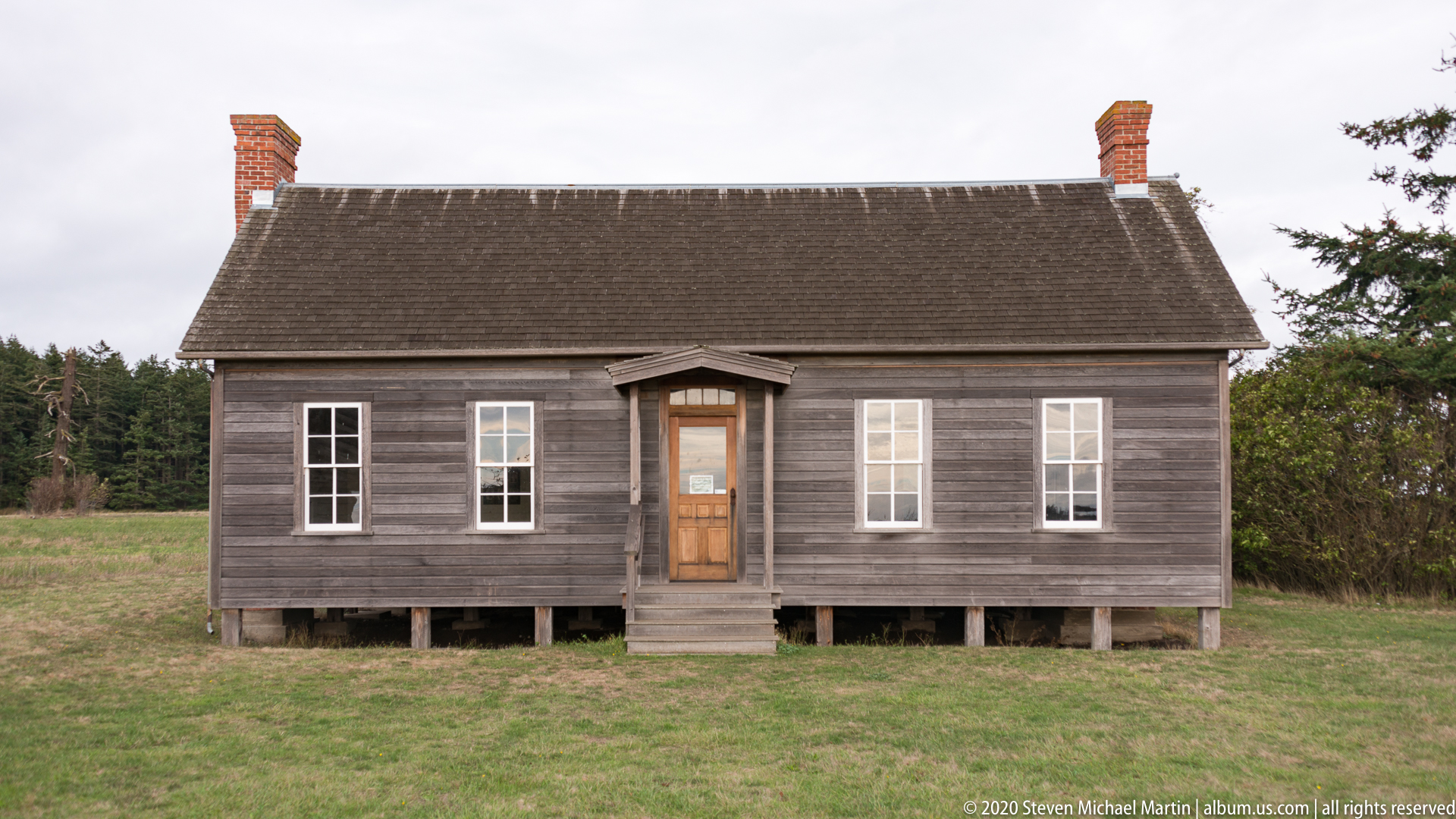
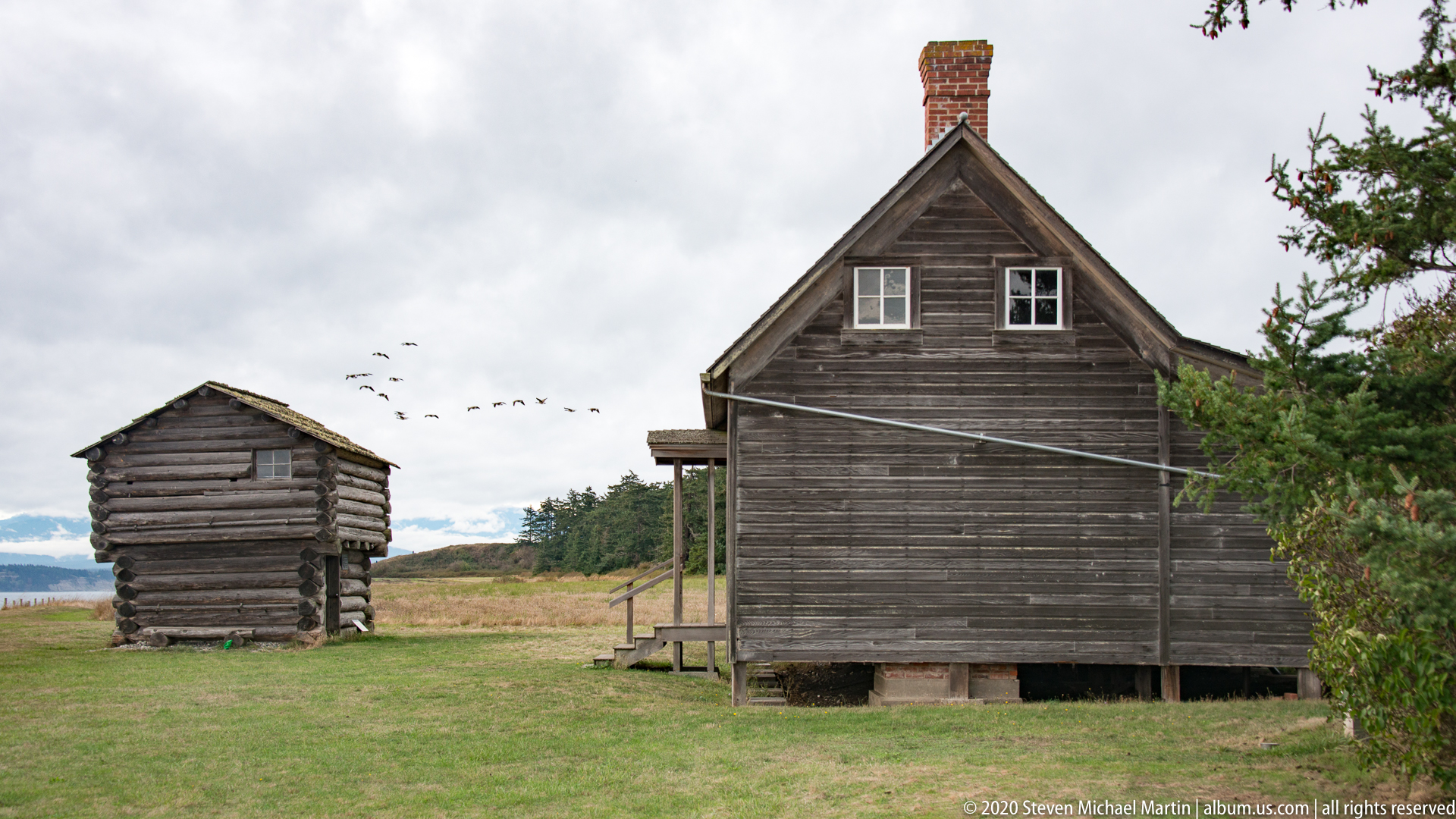
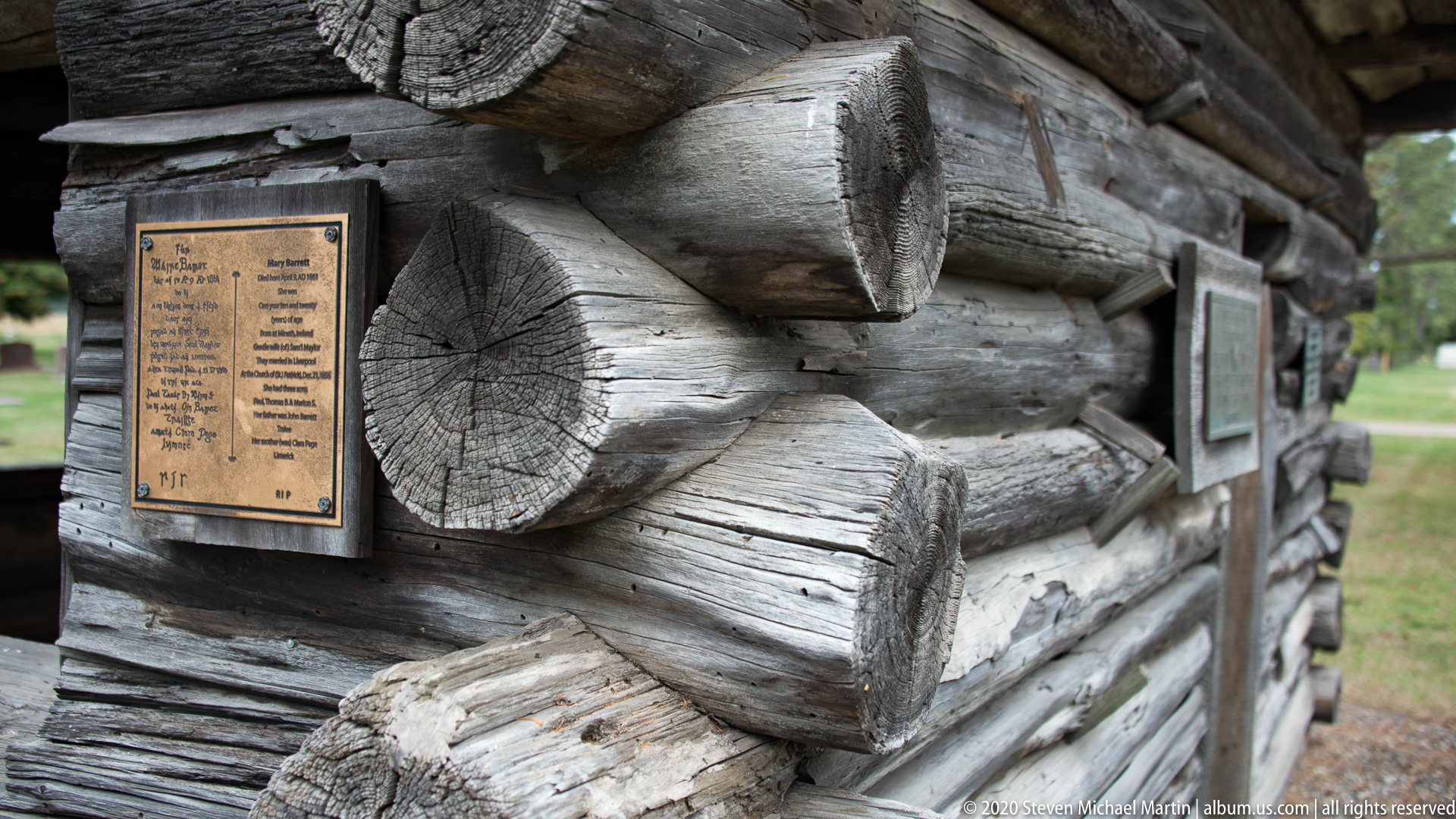
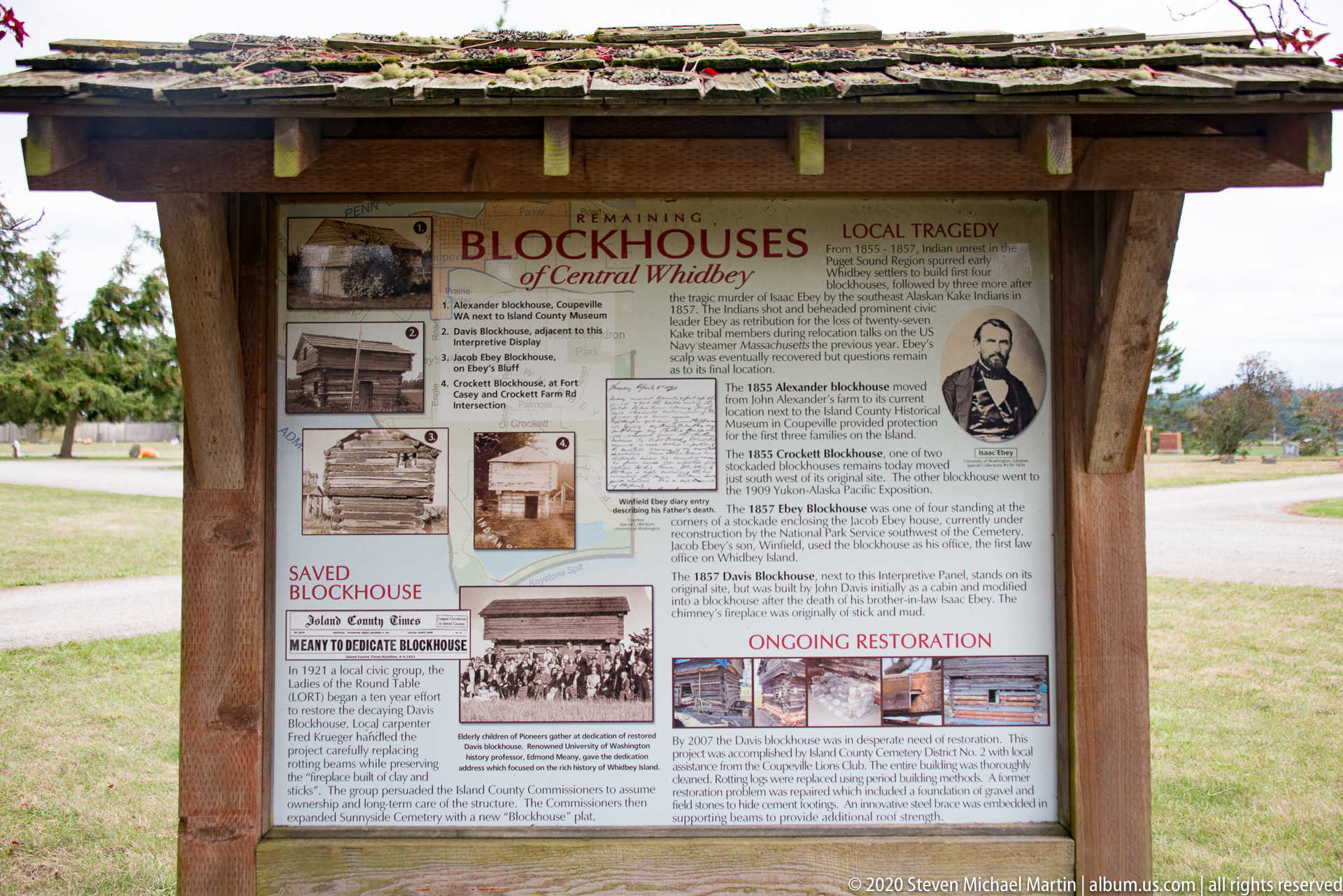
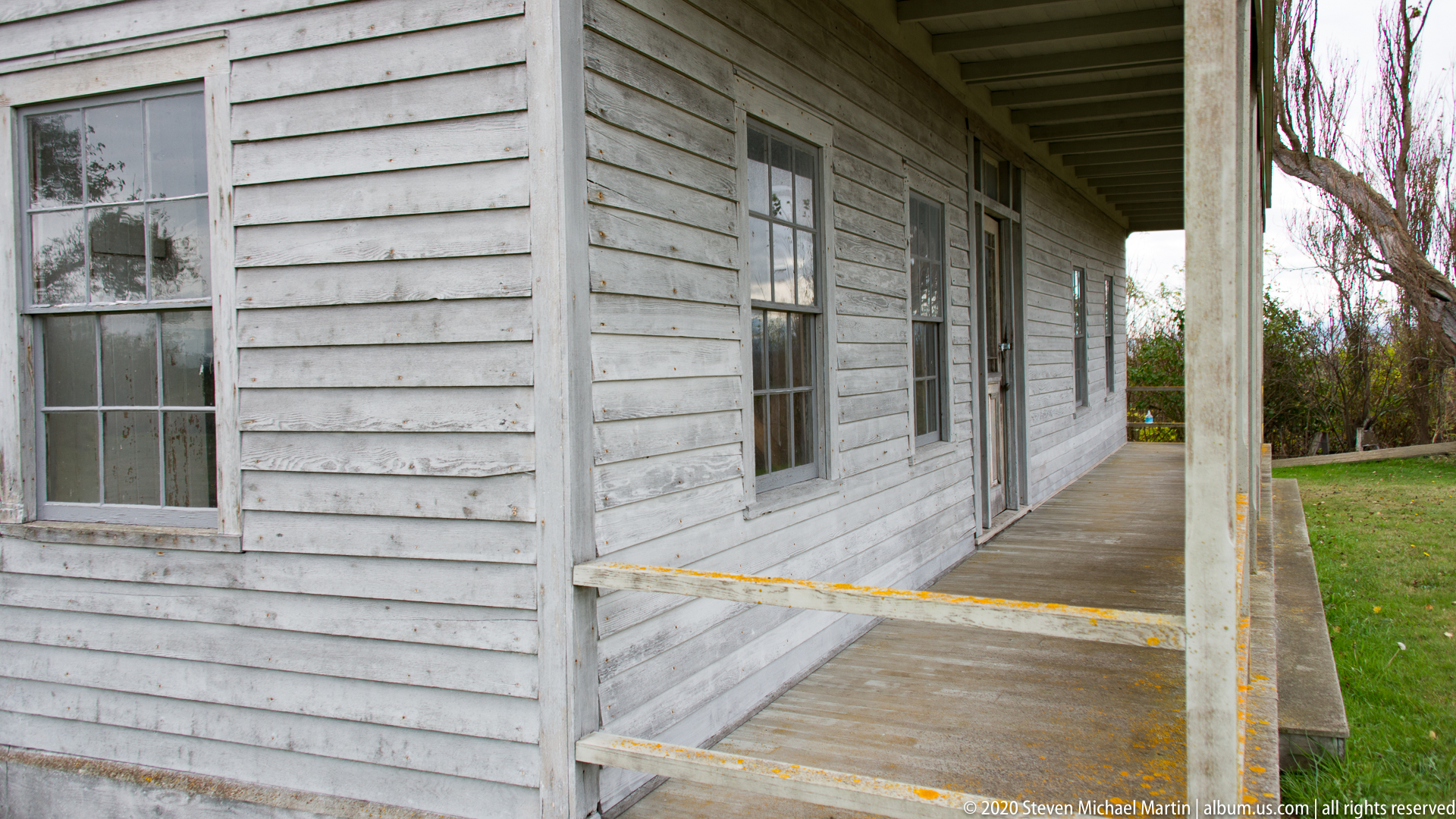
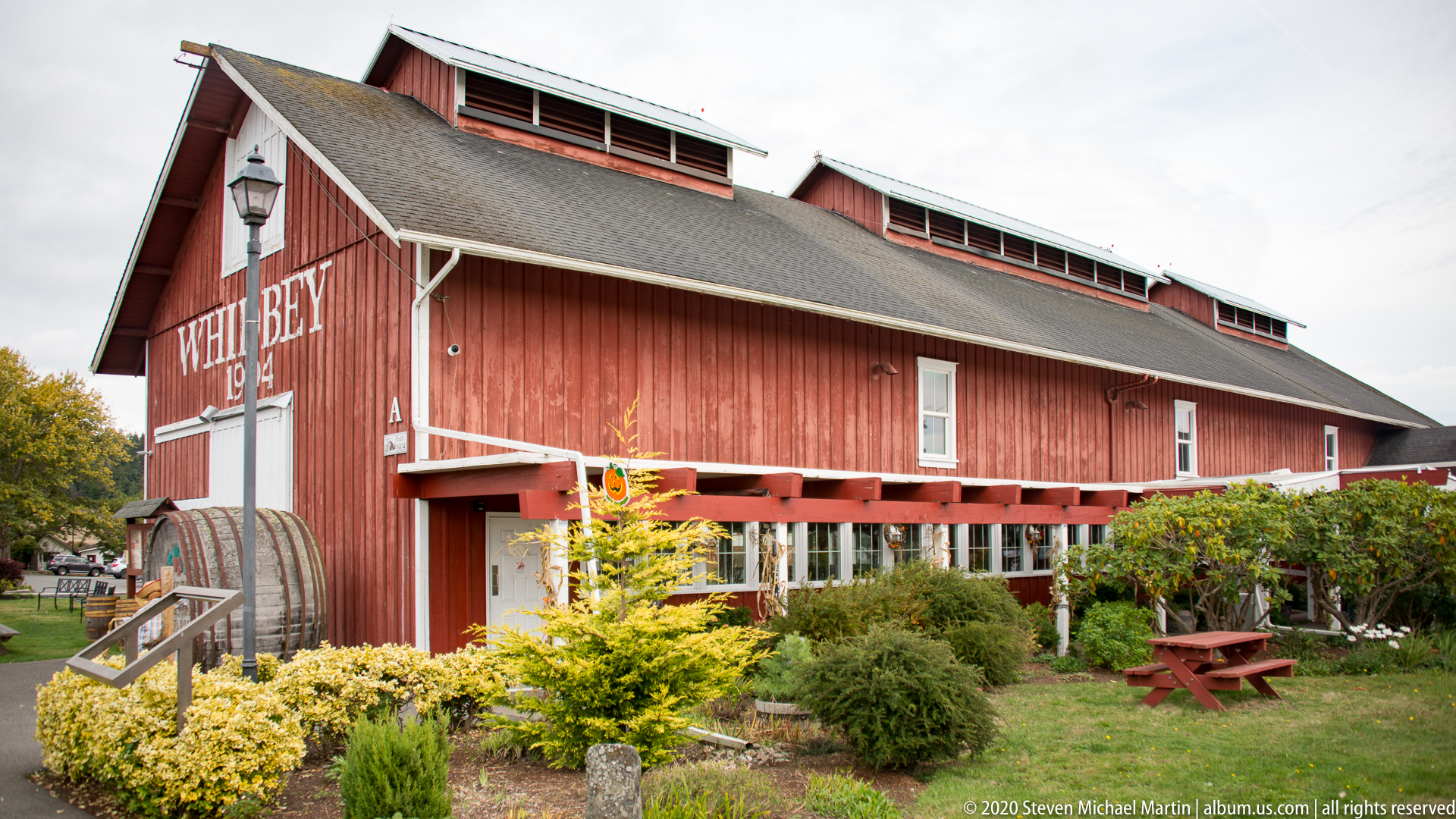
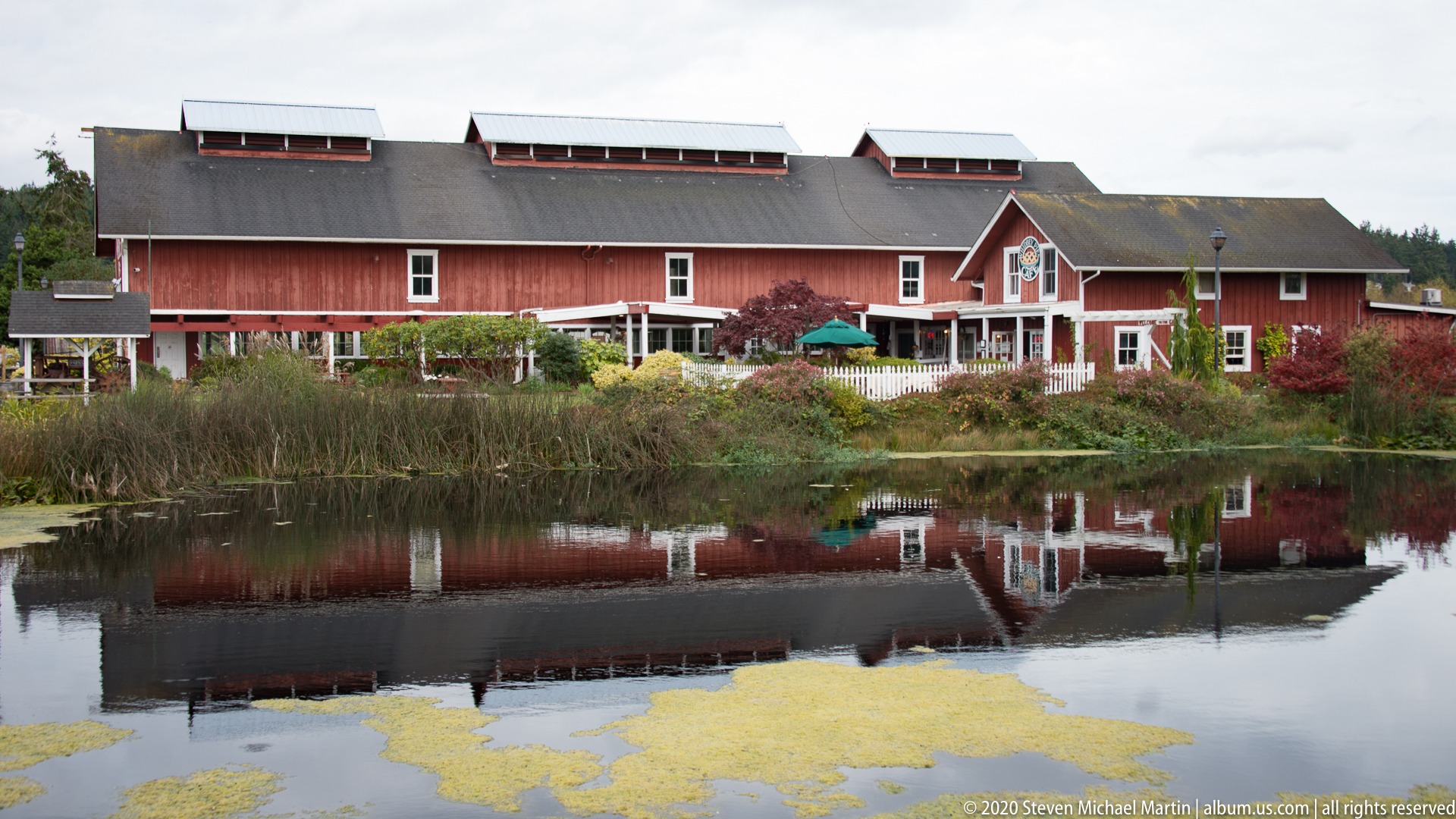
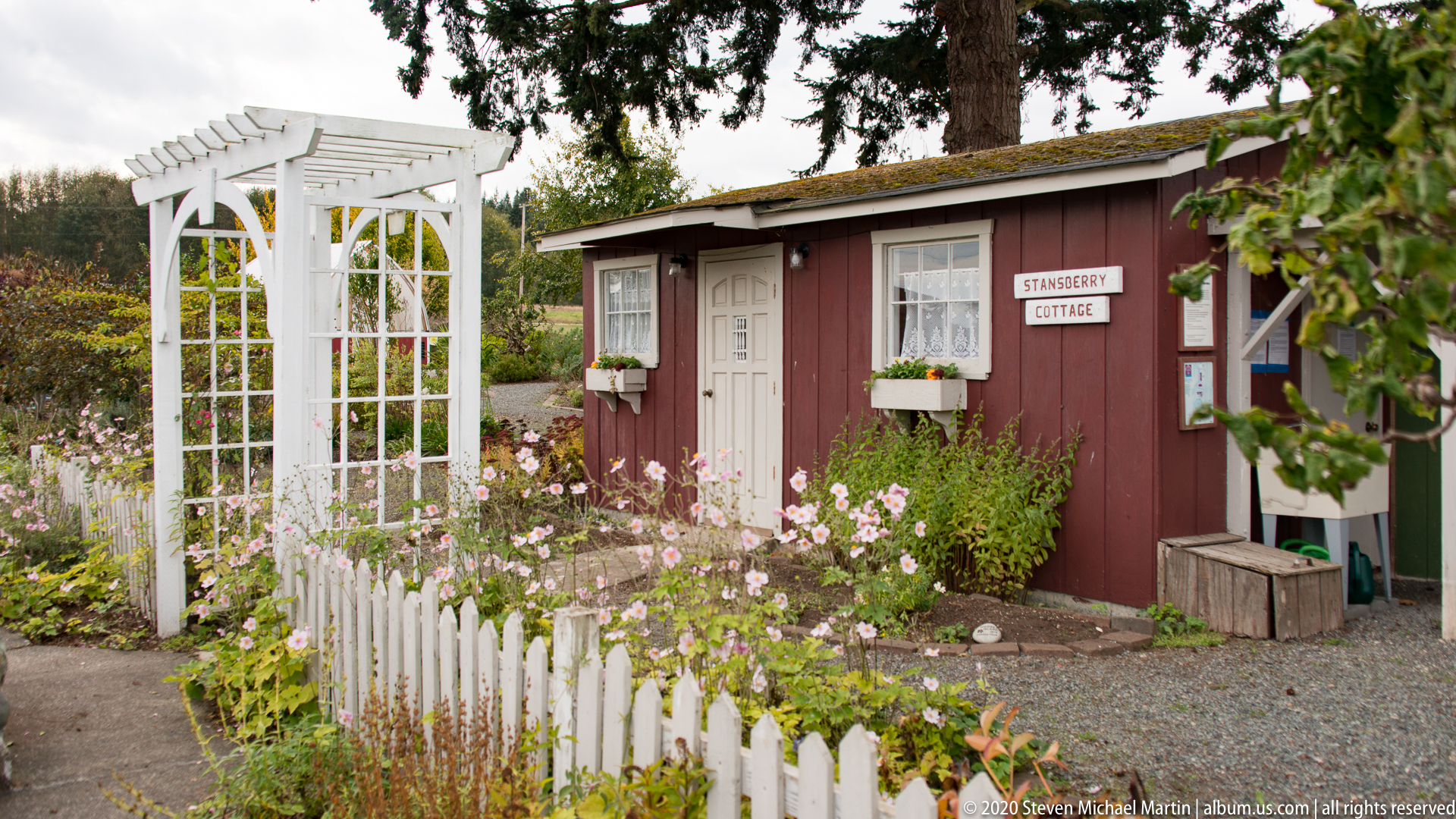
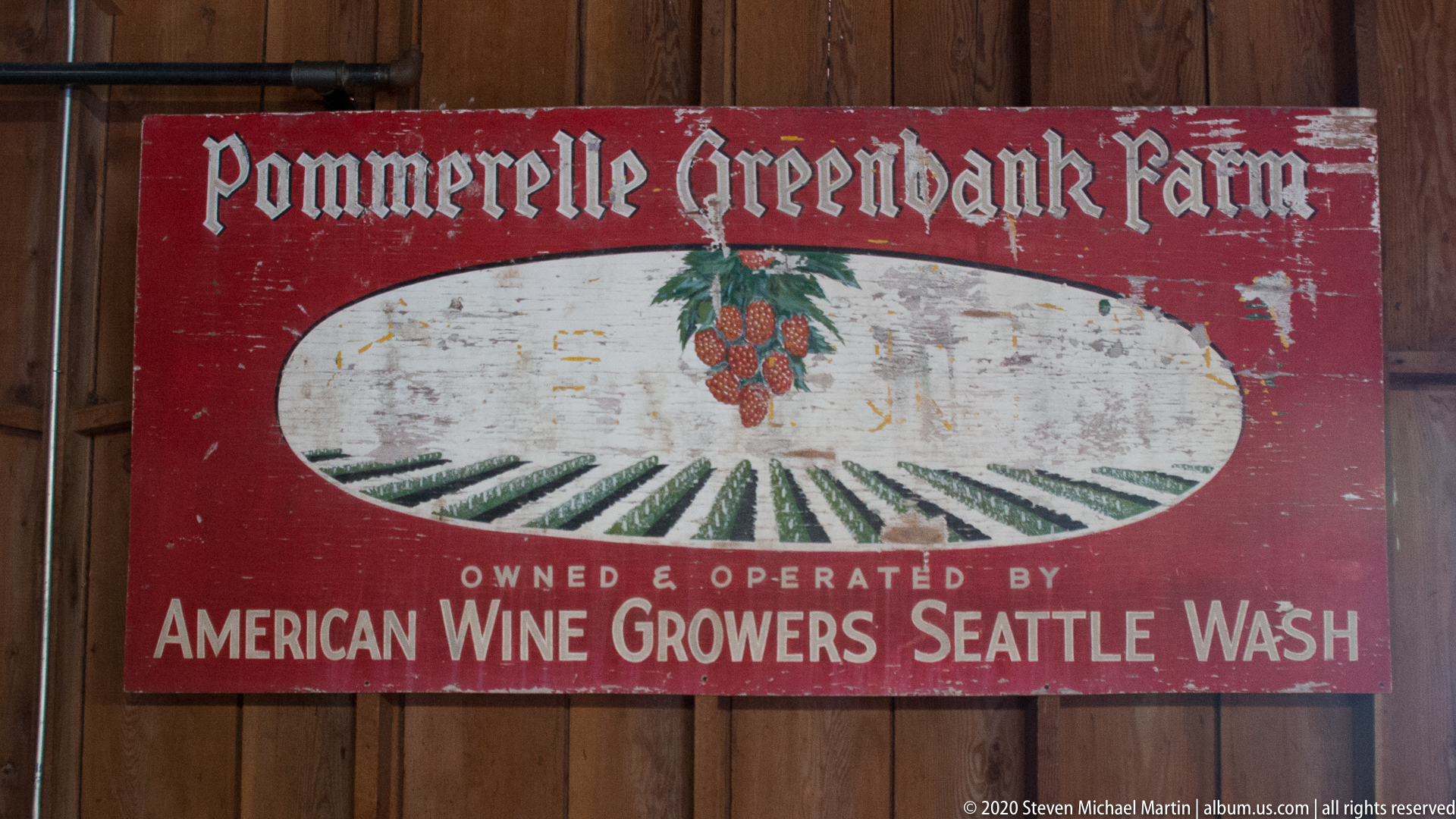
- Agricultural Heritage – Historic barns and farm structures integrated within the landscape.
- Coastal Bluff Setting – Elevated terrain offering perspective across shoreline environment.
🔎 Notable Encounters
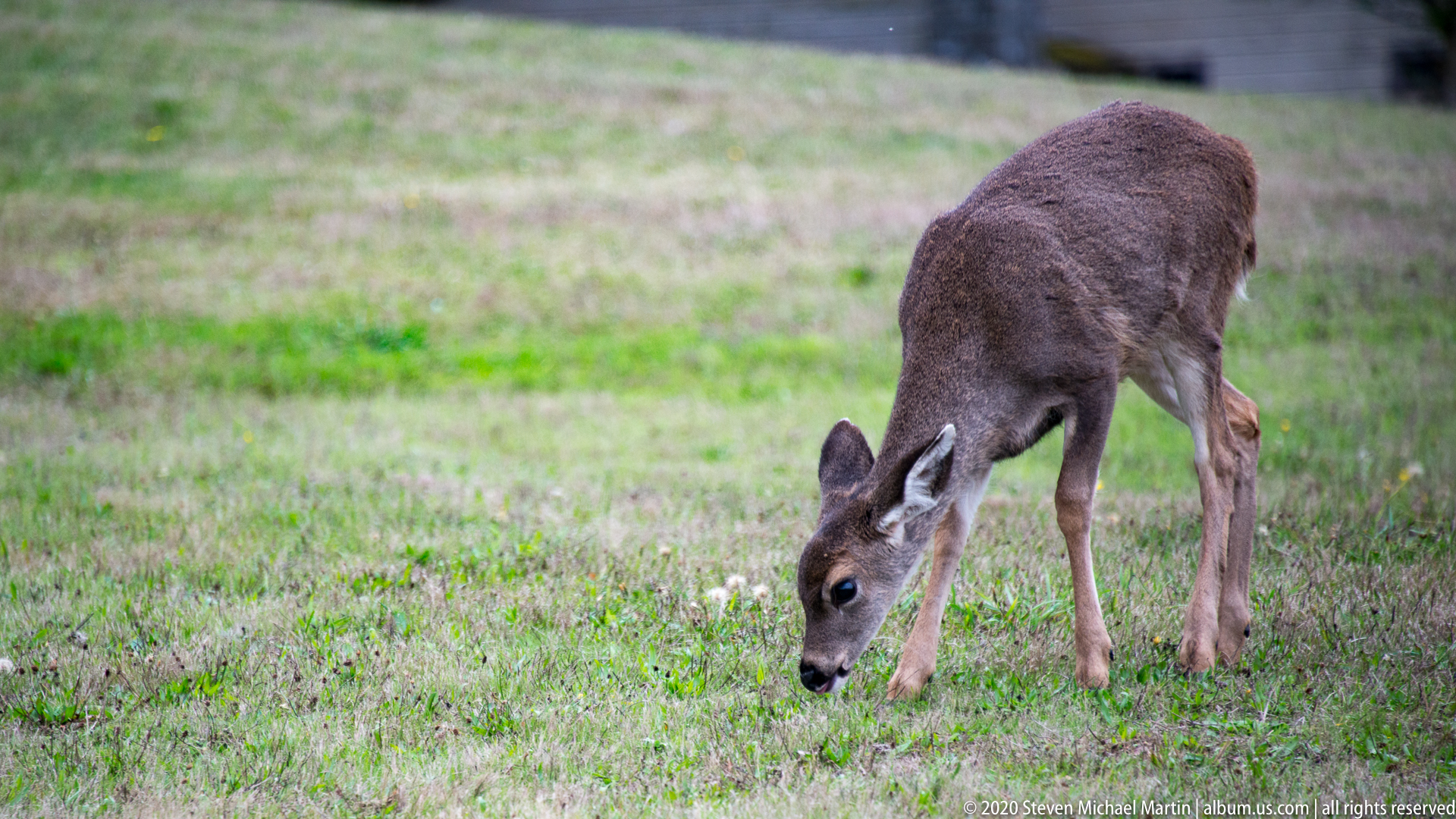
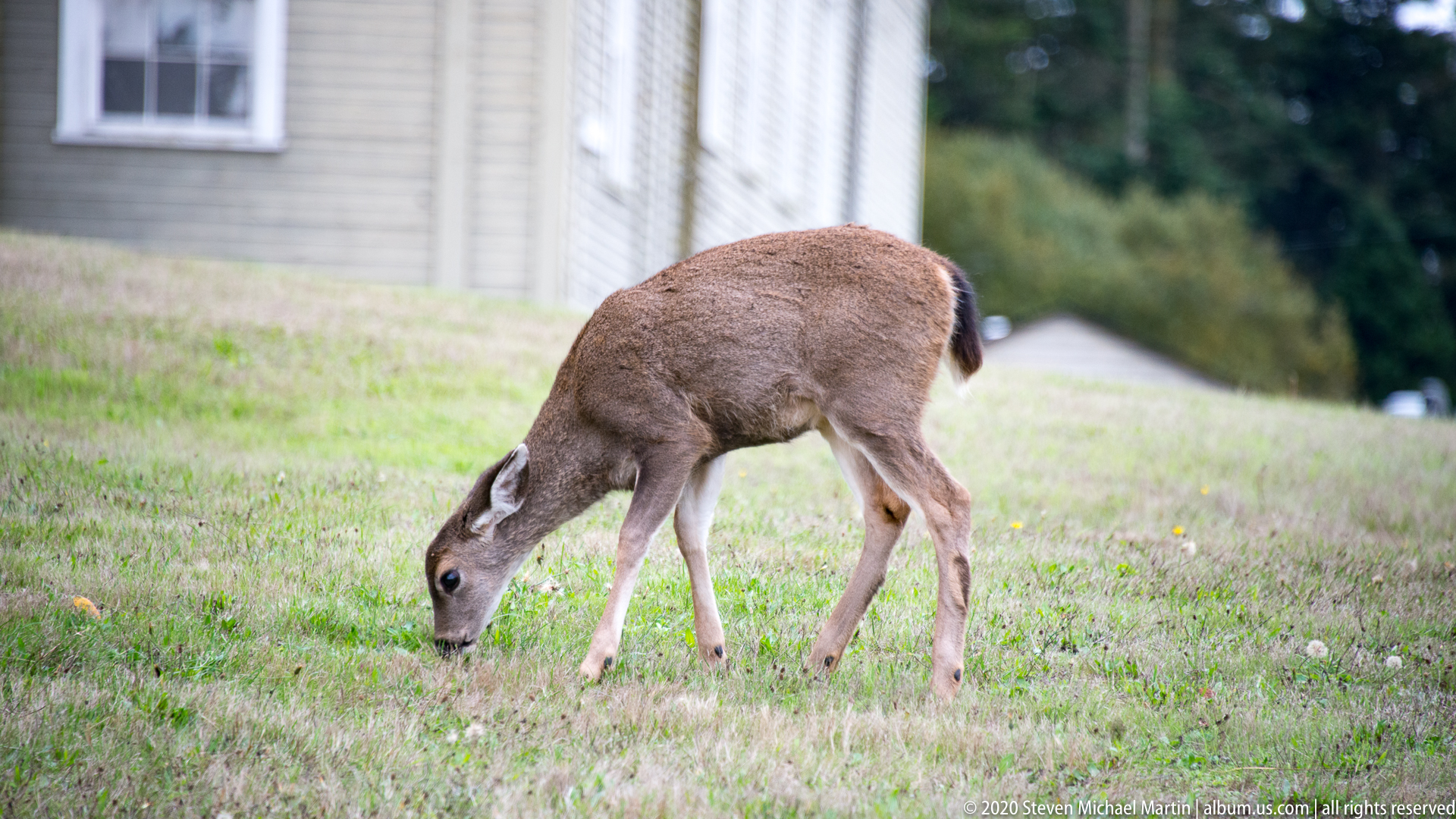
- Black-tailed Deer Grazing – Deer commonly observed feeding within open prairie habitat.
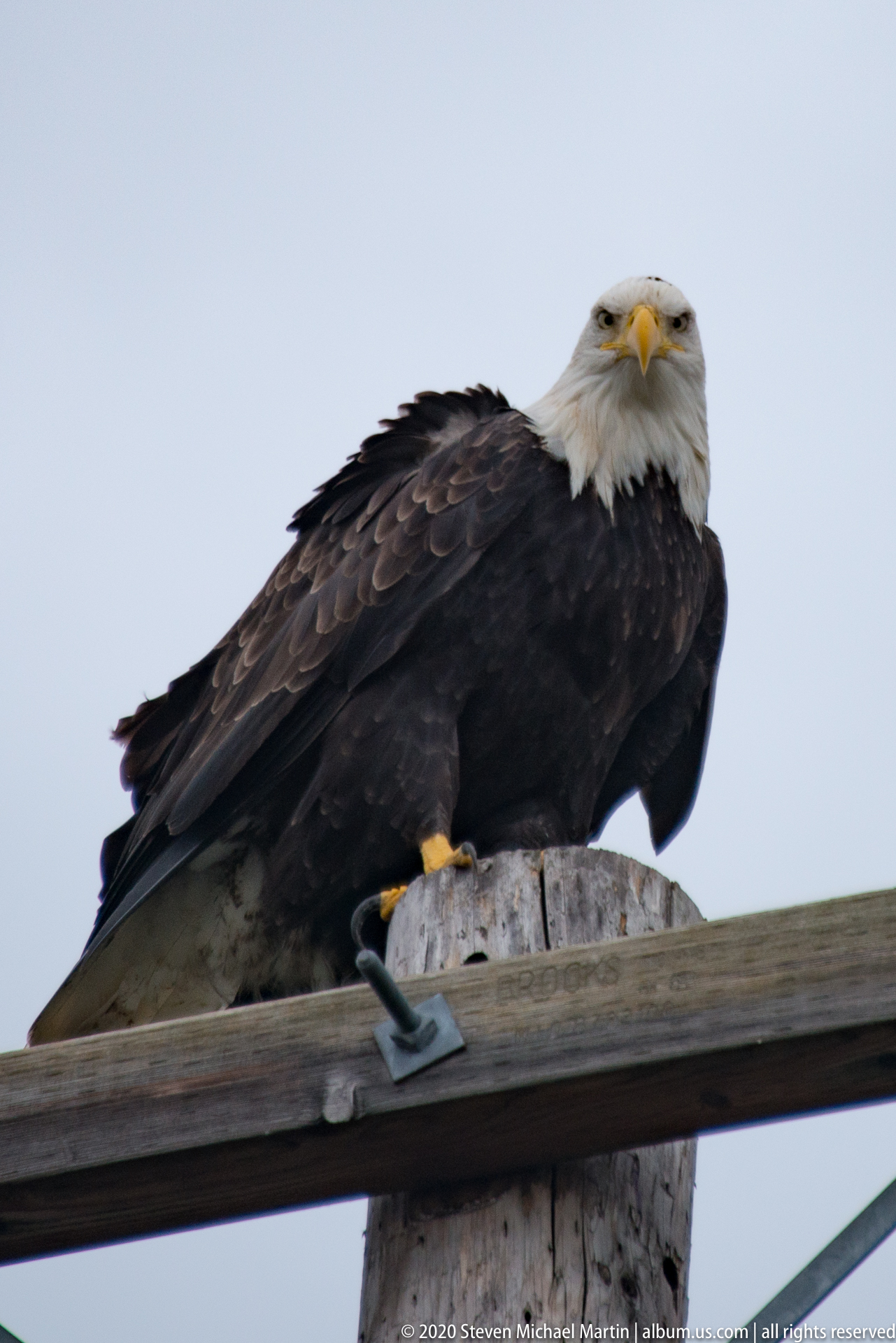
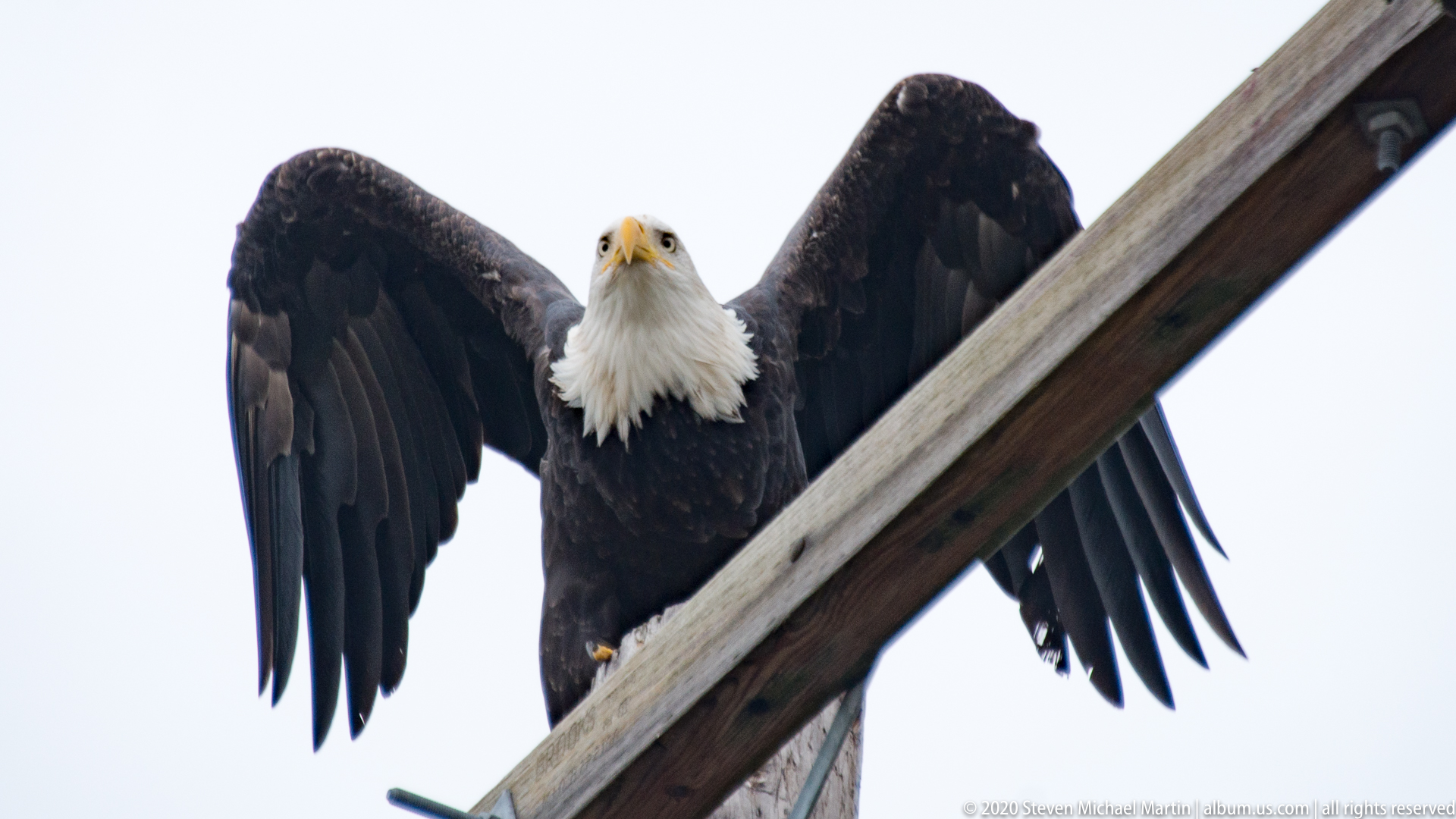
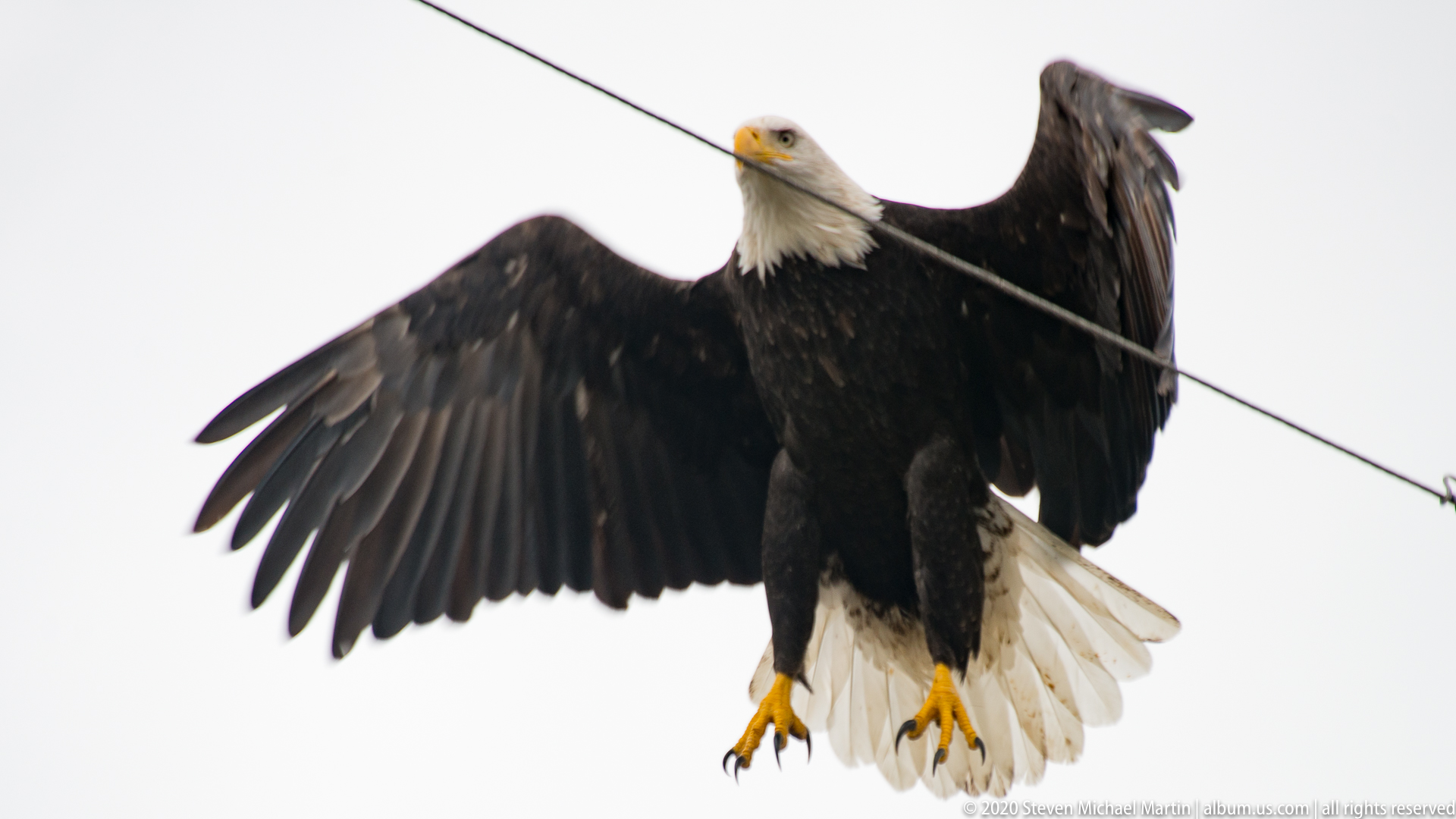
- Bald Eagles Over Farmland – Eagles frequently perch on elevated structures overlooking fields.
- Waterfowl Near Wet Areas – Geese and other birds gather near ponds and low-lying areas.
🦌 Notable Wildlife Encounters
- Black-tailed Deer in Open Prairie – Deer were observed grazing calmly across preserved grasslands, illustrating the compatibility of wildlife with historic agricultural landscapes.
- Bald Eagles Overlooking Farmland – Several bald eagles were seen perched on elevated structures, scanning the surrounding fields and waterways.
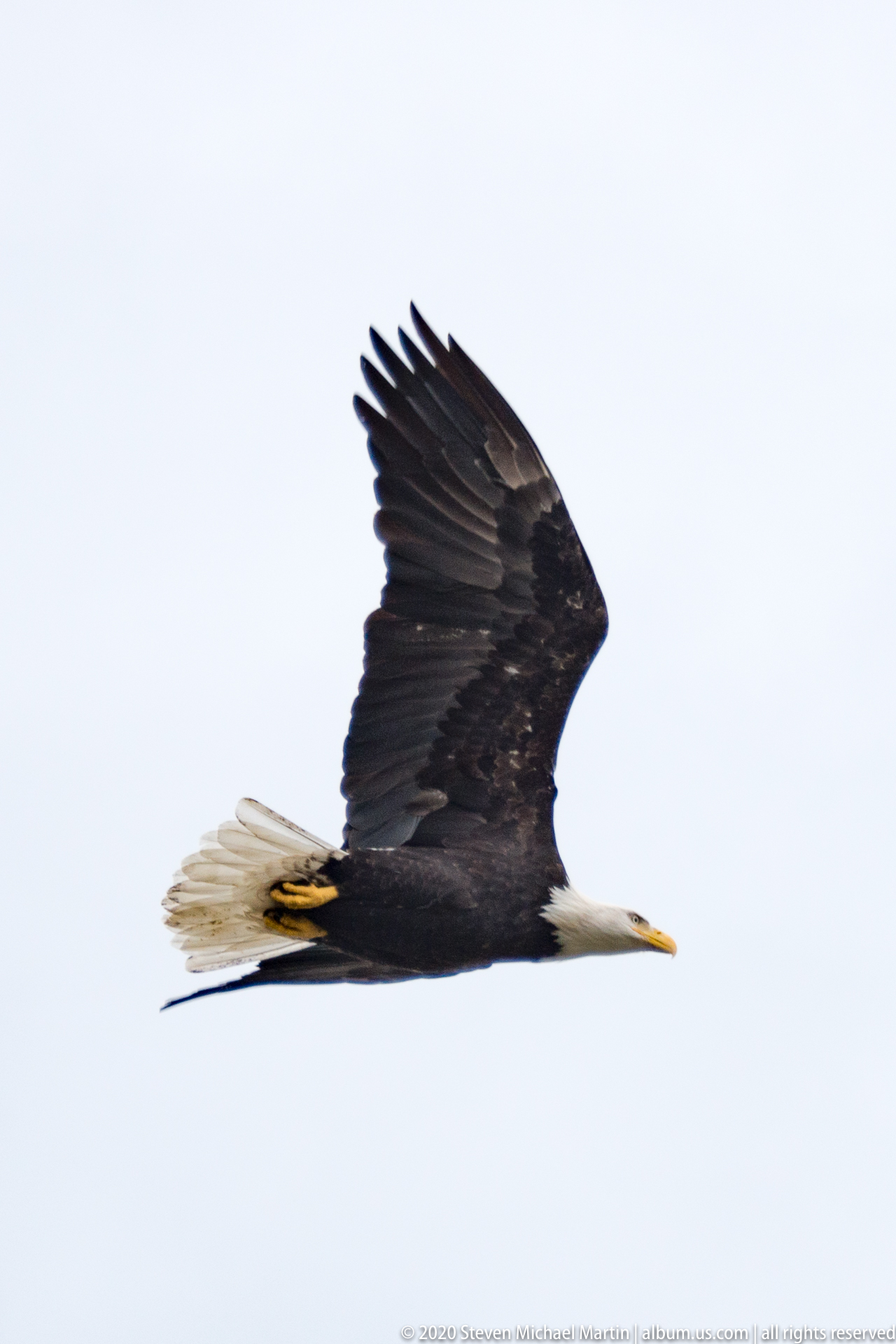
- Eagle in Flight – A bald eagle passed overhead, highlighting the broad wingspan and commanding presence characteristic of this coastal raptor.
- Canada Geese Near Pond Habitat – Groups of geese gathered near water features within the reserve, contributing to the diversity of birdlife within the pastoral setting.
- Wildlife Within Historic Landscape – The coexistence of wildlife and preserved farmland creates a setting where natural and cultural elements remain closely connected.
📷 Photography Notes
- Open landscapes allow wide compositions including historic structures.
- Soft coastal light can reduce harsh contrast across fields.
- Wildlife often appears along field edges and near water sources.
- Historic barns provide strong visual focal points within the prairie setting.
- Changing weather conditions influence color and visibility.