Pompeys Pillar National Monument
Pompeys Pillar National Monument preserves a sandstone formation rising above the Yellowstone River in southern Montana. The pillar is notable for the signature of William Clark of the Lewis and Clark Expedition, carved into the rock in 1806 during the expedition’s return journey. The site provides a tangible connection to early exploration of the American West and illustrates how river corridors served as important travel routes across the northern plains.
The Yellowstone River valley offered relatively navigable terrain for Indigenous communities long before the arrival of European explorers. Elevated rock formations such as Pompeys Pillar provided vantage points for observing the surrounding landscape and river corridor. The pillar demonstrates how distinctive geological features became landmarks within broader travel networks.
Today, Pompeys Pillar reflects the interaction between landscape and exploration history. The preserved inscription provides insight into early mapping and travel through regions that were largely unfamiliar to European Americans at the beginning of the nineteenth century.
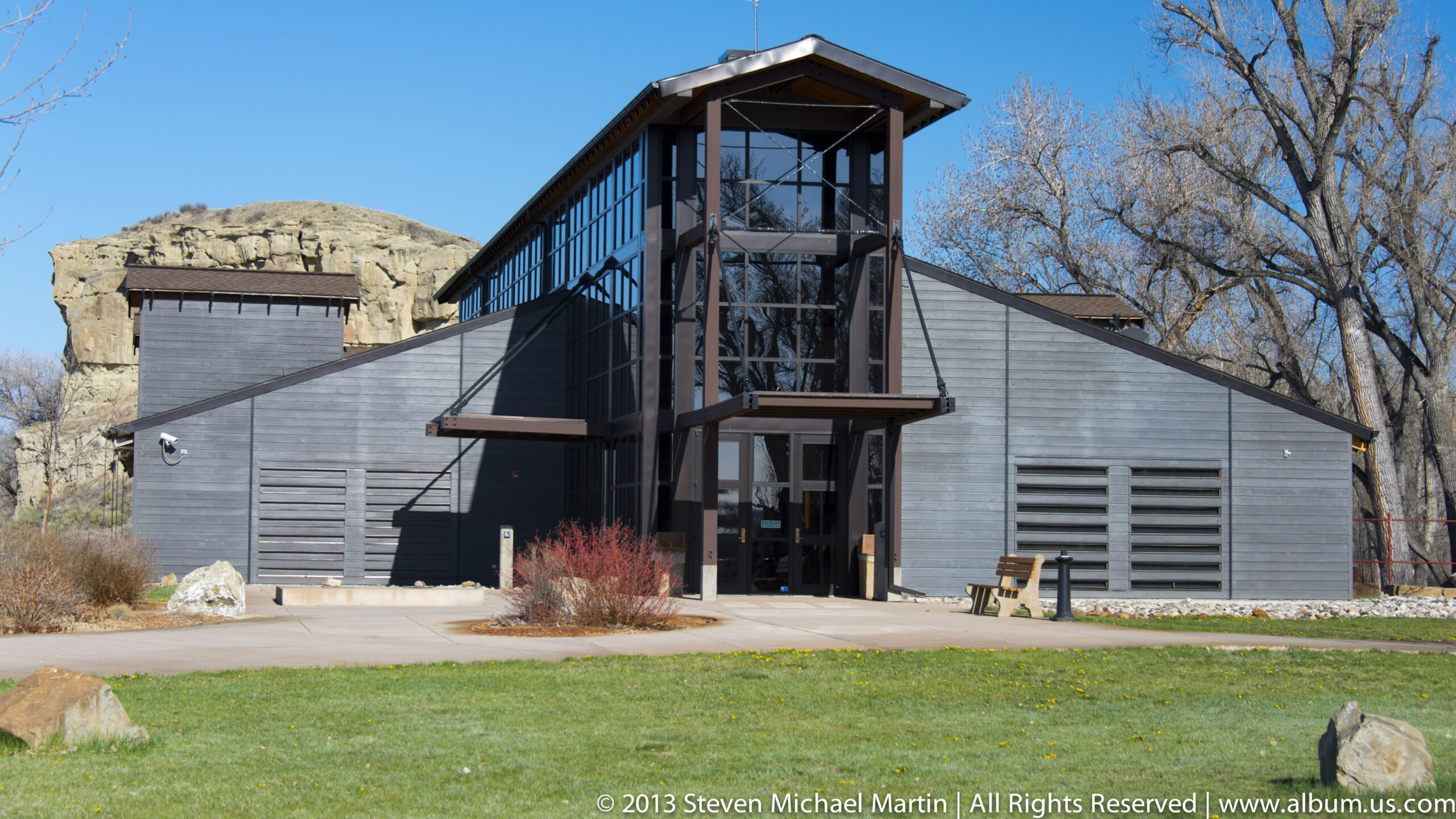
A gray, low-profile visitor-center building is seen from the front, with a tall glass entrance tower rising above its center. Narrow horizontal openings and dark rooflines extend into lower wings on either side. The pale sandstone bluff behind the structure links the contemporary architecture to the surrounding landscape, while a paved approach and clipped lawn indicate the public entrance.
Caption
A gray, low-profile visitor-center building is seen from the front, with a tall glass entrance tower rising above its center. Narrow horizontal openings and dark rooflines extend into lower wings on either side. The pale sandstone bluff behind the structure links the contemporary architecture to the surrounding landscape, while a paved approach and clipped lawn indicate the public entrance.
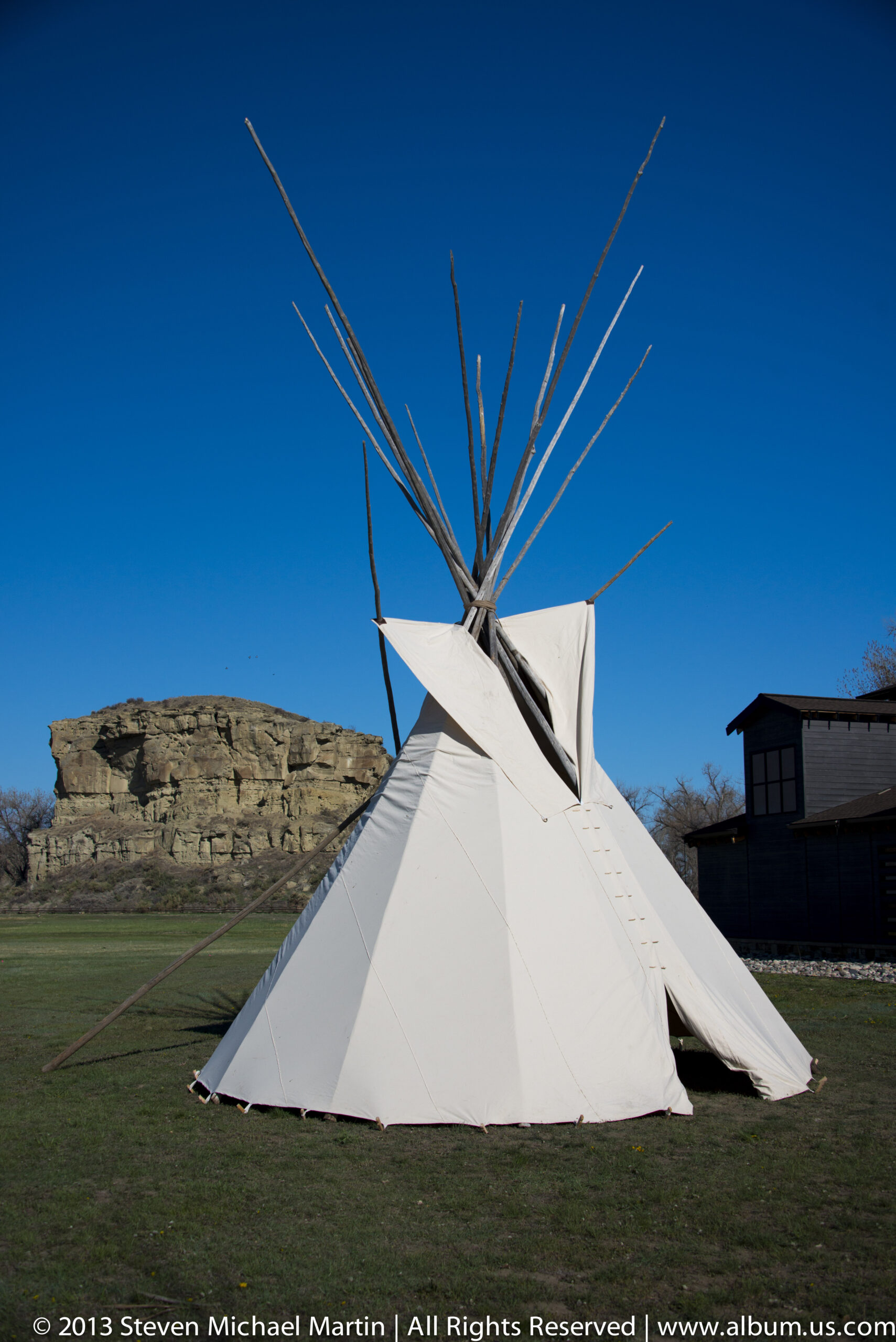
A white conical tent stands on open grass, its long poles extending above the peak and a dark triangular opening visible near the top. A low sandstone formation stretches behind it, with a visitor-center building at the right edge. The photograph isolates the tent-like structure against the bluff; it does not establish the structure’s historical use or cultural attribution.
Caption
A white conical tent stands on open grass, its long poles extending above the peak and a dark triangular opening visible near the top. A low sandstone formation stretches behind it, with a visitor-center building at the right edge. The photograph isolates the tent-like structure against the bluff; it does not establish the structure’s historical use or cultural attribution.
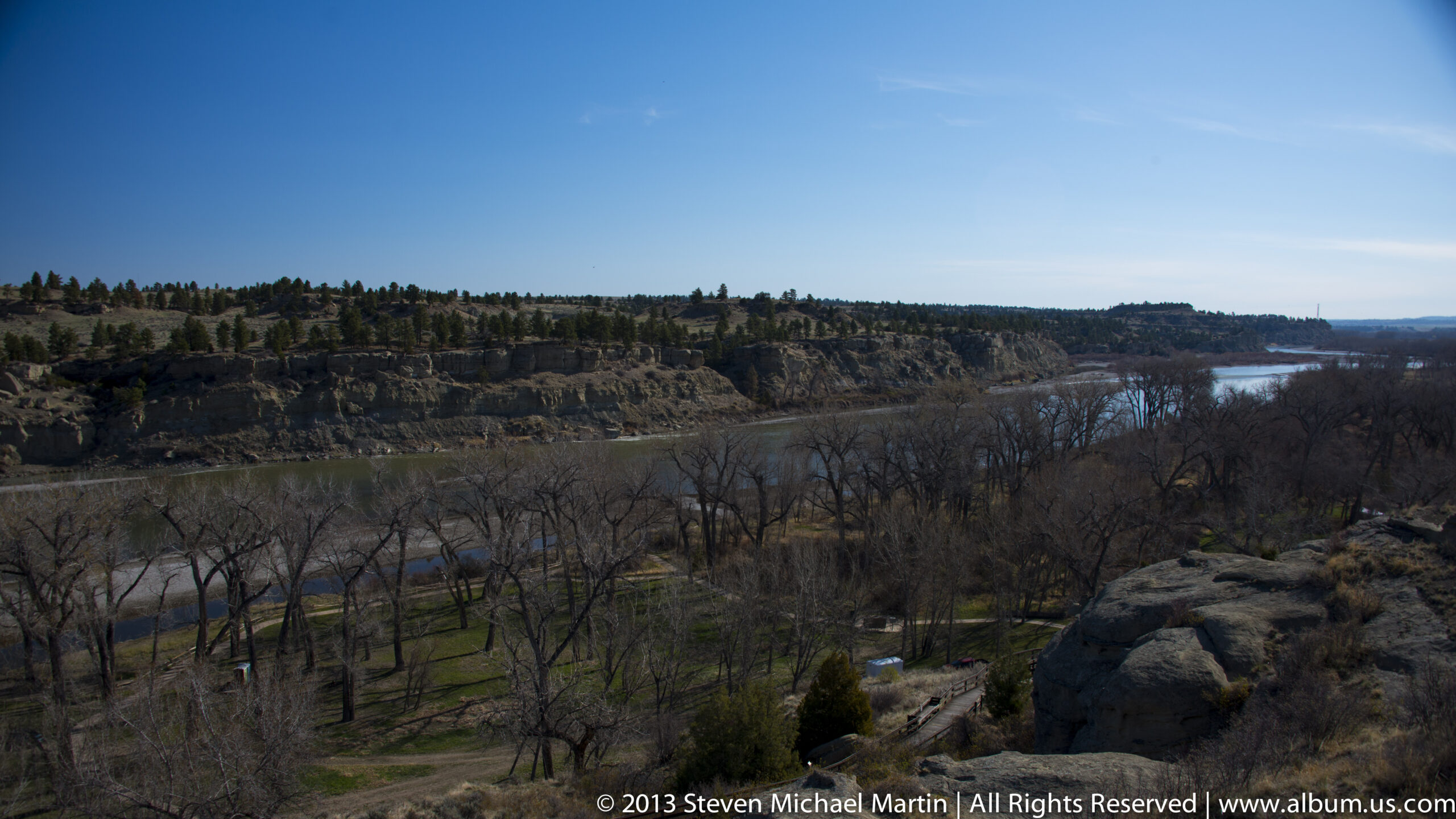
From an elevated viewpoint, a broad river bends through a wooded valley beneath long, layered sandstone bluffs. Leafless trees cover the lower slopes and line the water, while a narrow strip of open land follows the opposite bank. The wide composition emphasizes the river corridor and horizontal geology, presenting a regional landscape beyond the visitor-center structures.
Caption
From an elevated viewpoint, a broad river bends through a wooded valley beneath long, layered sandstone bluffs. Leafless trees cover the lower slopes and line the water, while a narrow strip of open land follows the opposite bank. The wide composition emphasizes the river corridor and horizontal geology, presenting a regional landscape beyond the visitor-center structures.
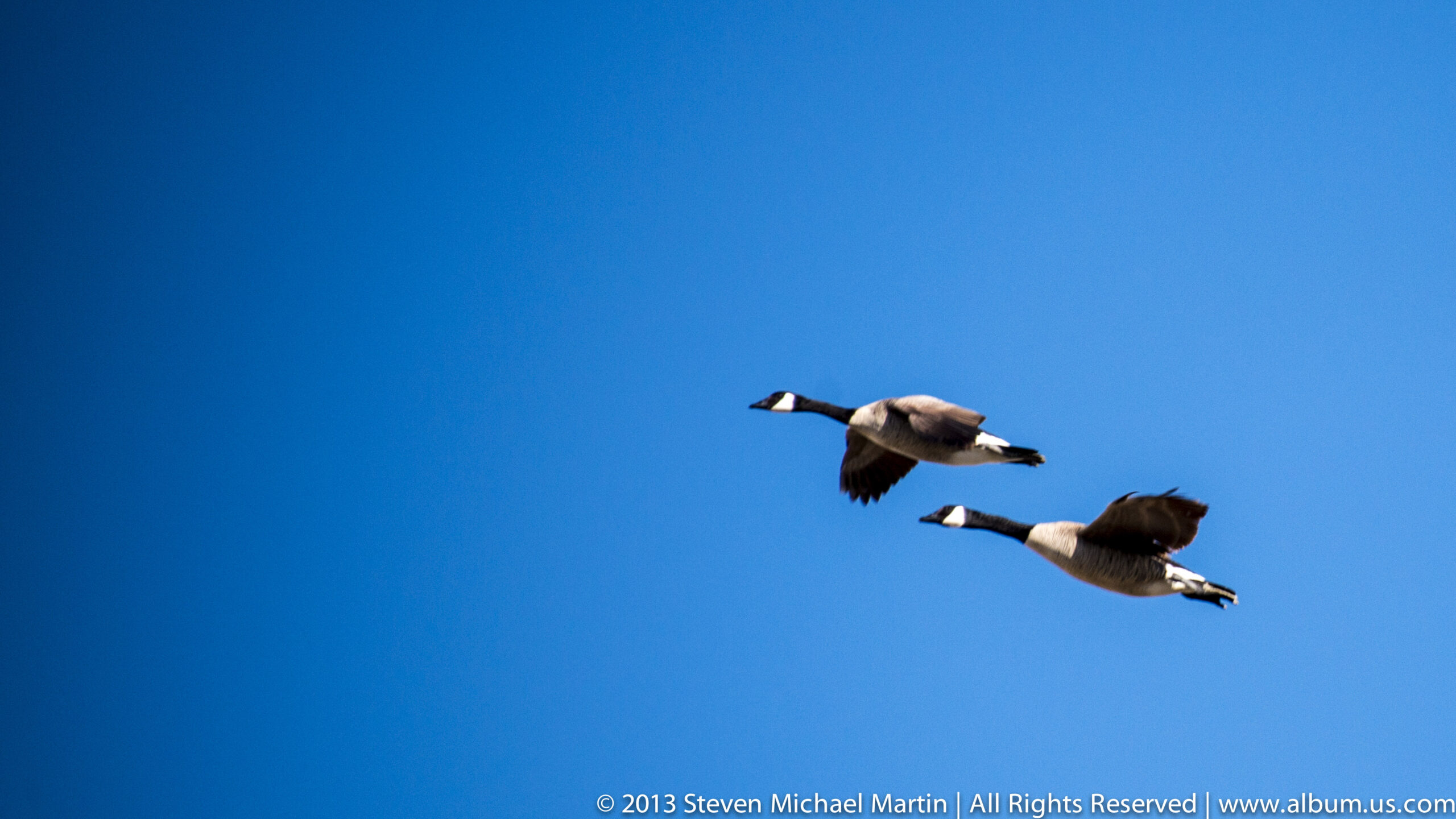
Two Canada geese fly in close formation across a clear blue sky, both with wings extended and necks stretched forward. The nearer bird is slightly lower and farther right, creating a diagonal rhythm between the pair. Their black necks and white chinstraps remain distinct even against the sparse background, making the image a clean wildlife portrait in flight.
Caption
Two Canada geese fly in close formation across a clear blue sky, both with wings extended and necks stretched forward. The nearer bird is slightly lower and farther right, creating a diagonal rhythm between the pair. Their black necks and white chinstraps remain distinct even against the sparse background, making the image a clean wildlife portrait in flight.

Names and a date are scratched into a weathered sandstone surface. The largest lines appear to include “W. Clark” and “July 25th 1806,” though parts of the lettering are faint and irregular. The close view records the inscription and its stone texture; because the text is not fully legible at this scale, the precise reading and attribution should be checked against the original surface.
Caption
Names and a date are scratched into a weathered sandstone surface. The largest lines appear to include “W. Clark” and “July 25th 1806,” though parts of the lettering are faint and irregular. The close view records the inscription and its stone texture; because the text is not fully legible at this scale, the precise reading and attribution should be checked against the original surface.
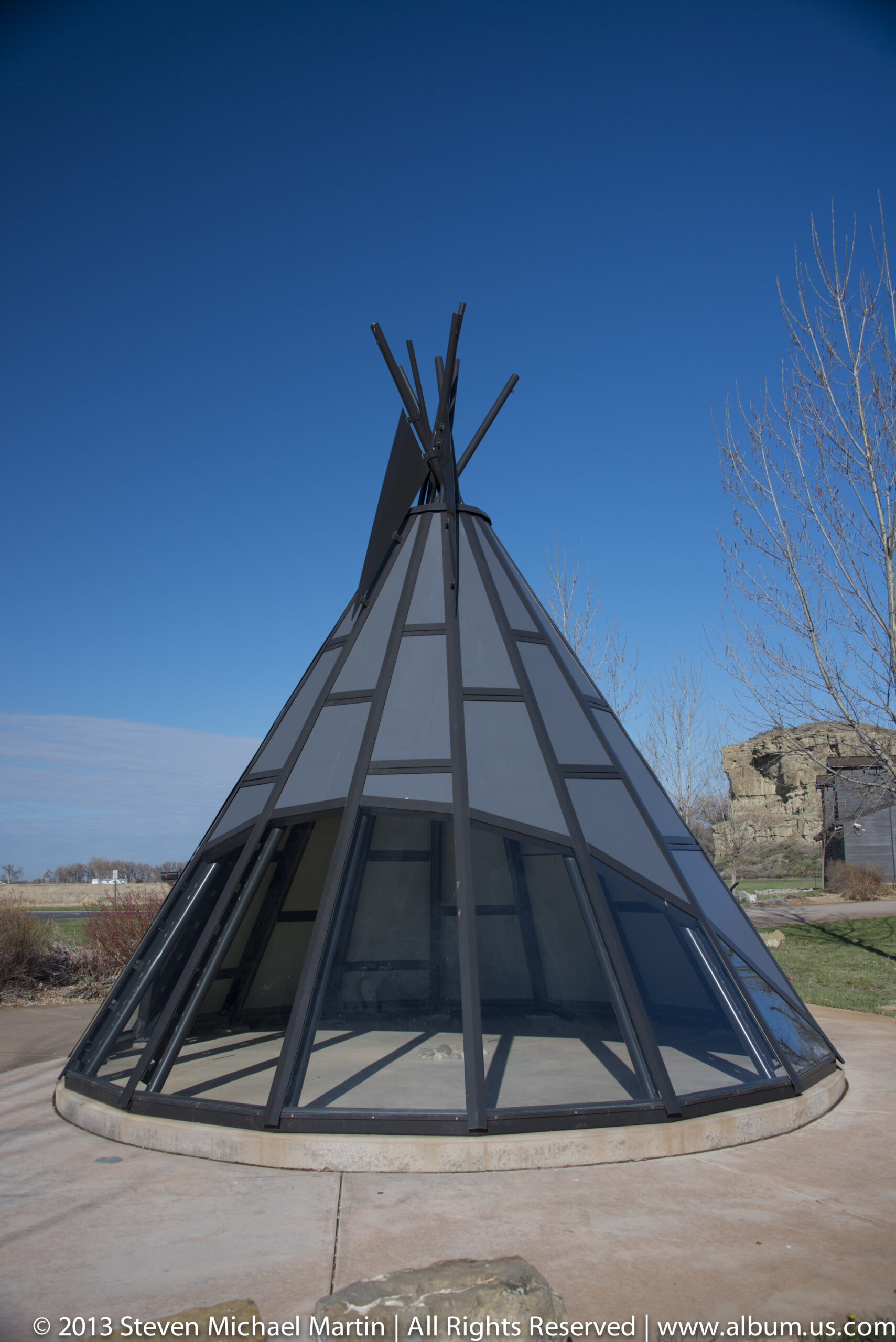
A low glass pavilion forms a broad pyramid with dark metal ribs meeting at a small cluster of projecting poles at its apex. The structure stands on a circular paved base, with open grassland, bare trees, and a sandstone outcrop behind it. Seen nearly head-on, the pavilion’s geometric framework dominates the composition and contrasts with the horizontal bluff.
Caption
A low glass pavilion forms a broad pyramid with dark metal ribs meeting at a small cluster of projecting poles at its apex. The structure stands on a circular paved base, with open grassland, bare trees, and a sandstone outcrop behind it. Seen nearly head-on, the pavilion’s geometric framework dominates the composition and contrasts with the horizontal bluff.
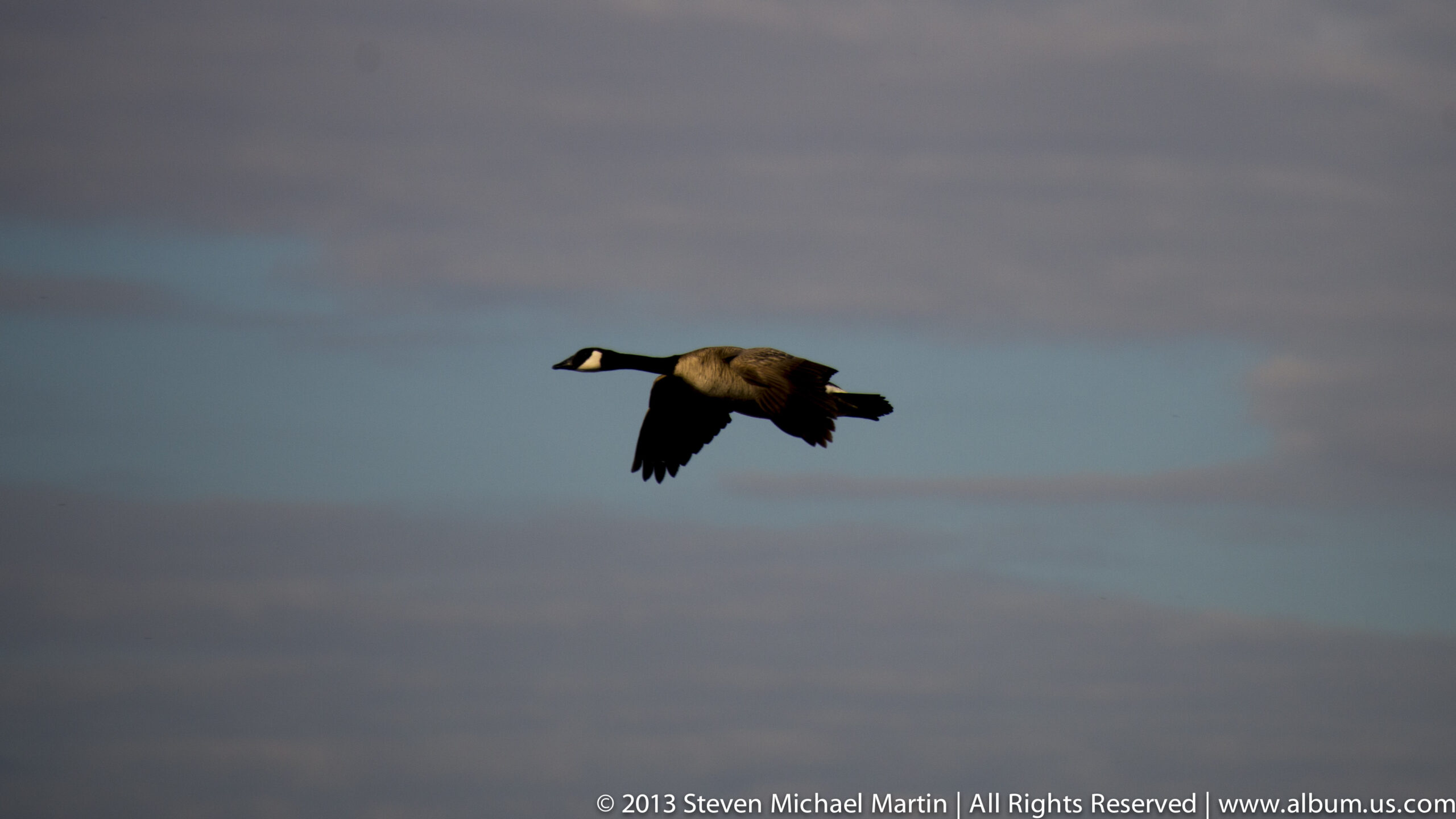
A Canada goose crosses a muted blue-gray sky with its wings extended in a level glide. Its black head and neck, white cheek patch, and brown body stand out against the soft horizontal cloud bands. The isolated bird is small within the open frame, but the characteristic white chinstrap marking supports a specific identification without relying on the site context.
Caption
A Canada goose crosses a muted blue-gray sky with its wings extended in a level glide. Its black head and neck, white cheek patch, and brown body stand out against the soft horizontal cloud bands. The isolated bird is small within the open frame, but the characteristic white chinstrap marking supports a specific identification without relying on the site context.
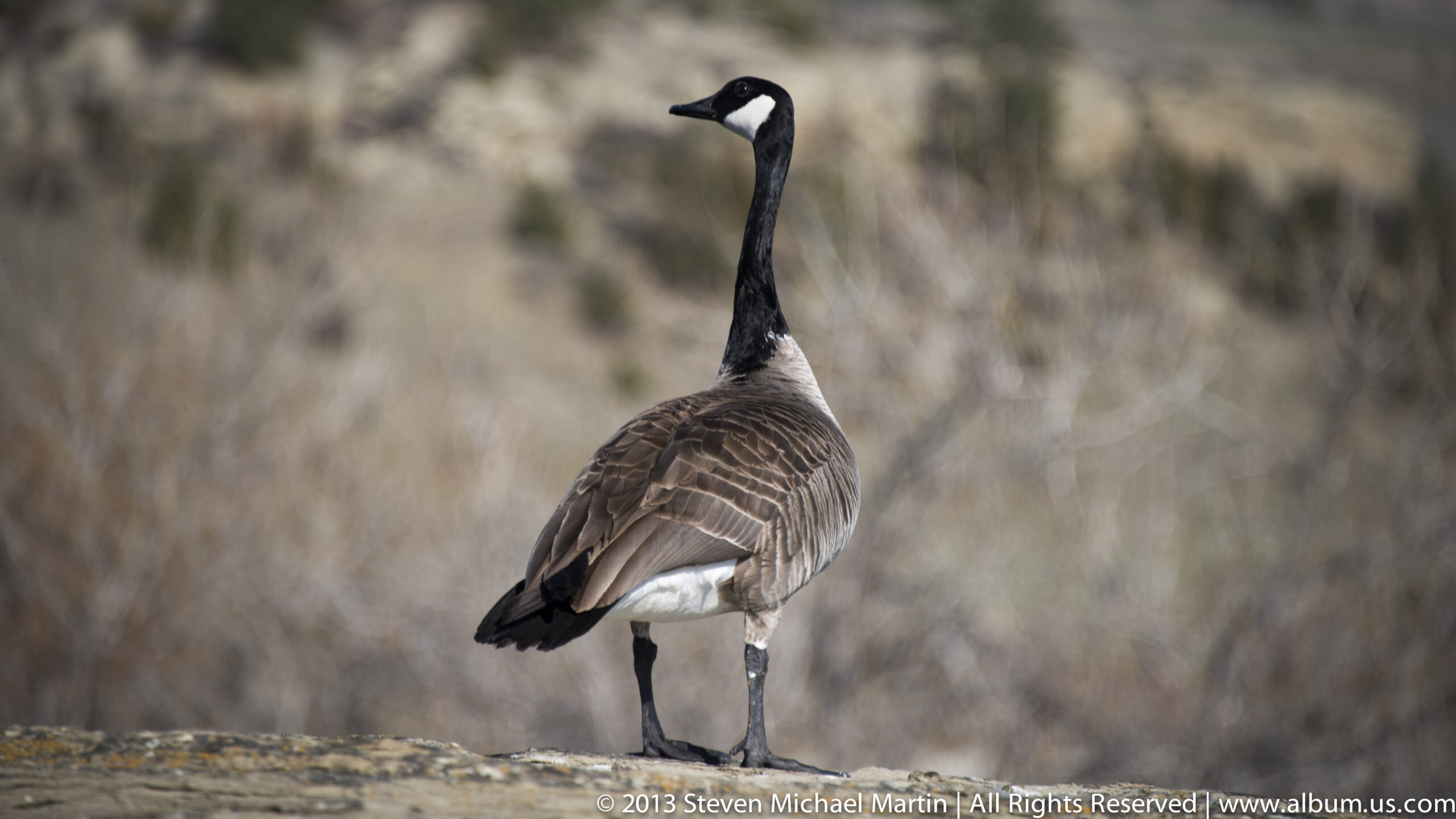
A Canada goose stands upright in dry grass, its long black neck raised and head turned slightly to the left. Layered brown and gray feathers cover its body, and a narrow white cheek patch contrasts with the dark head. The shallow focus softens the field behind the bird, separating the alert profile from its open habitat.
Caption
A Canada goose stands upright in dry grass, its long black neck raised and head turned slightly to the left. Layered brown and gray feathers cover its body, and a narrow white cheek patch contrasts with the dark head. The shallow focus softens the field behind the bird, separating the alert profile from its open habitat.
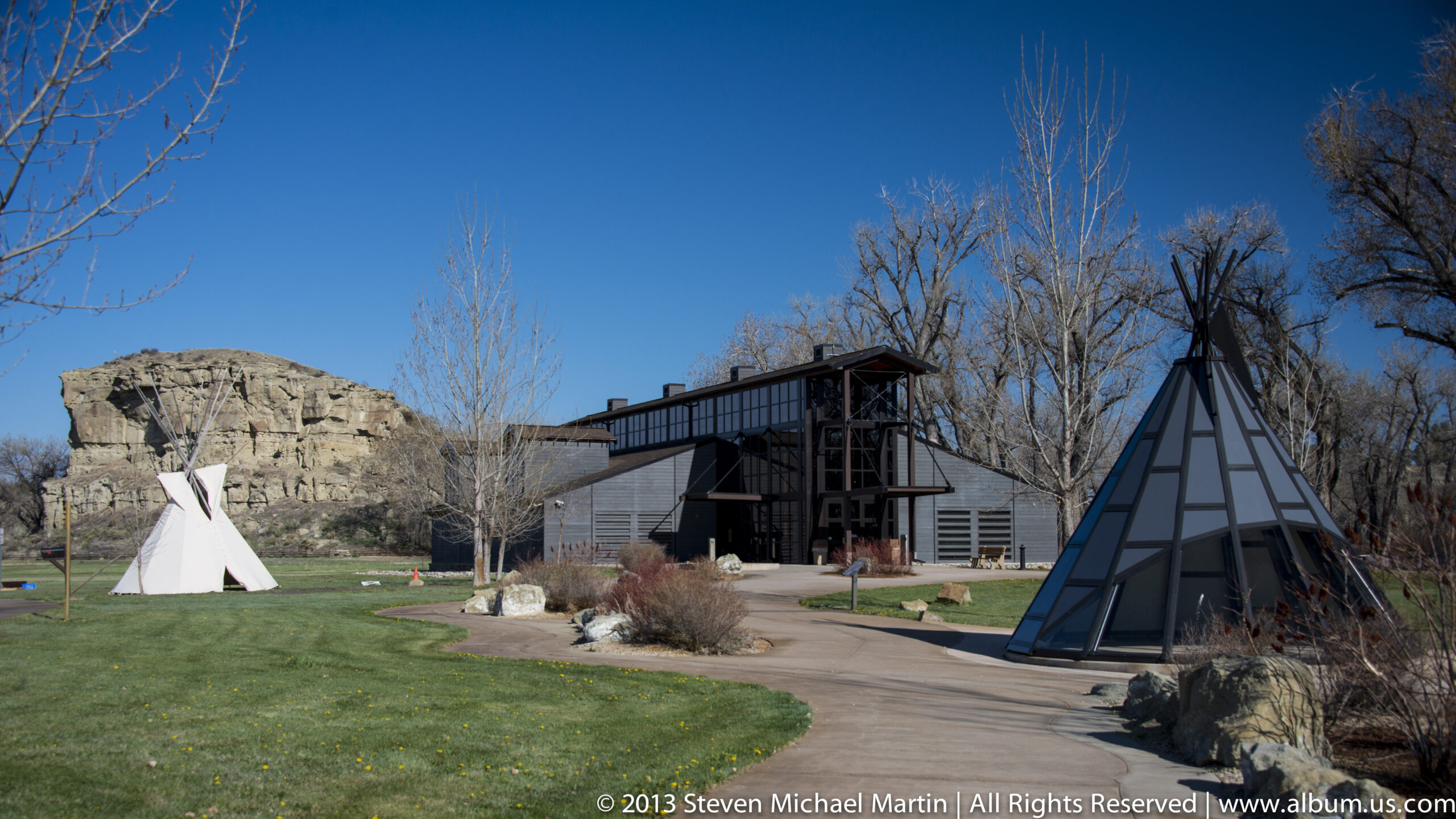
The visitor-center grounds combine a low, dark-sided building with a white conical tent and a glass-framed pyramidal structure. A paved walk curves through trimmed lawn, while leafless trees and a sandstone bluff define the background. The view records the site’s built visitor amenities in relation to the exposed rock landscape, without assigning cultural meaning to the tent-like structures from appearance alone.
Caption
The visitor-center grounds combine a low, dark-sided building with a white conical tent and a glass-framed pyramidal structure. A paved walk curves through trimmed lawn, while leafless trees and a sandstone bluff define the background. The view records the site’s built visitor amenities in relation to the exposed rock landscape, without assigning cultural meaning to the tent-like structures from appearance alone.
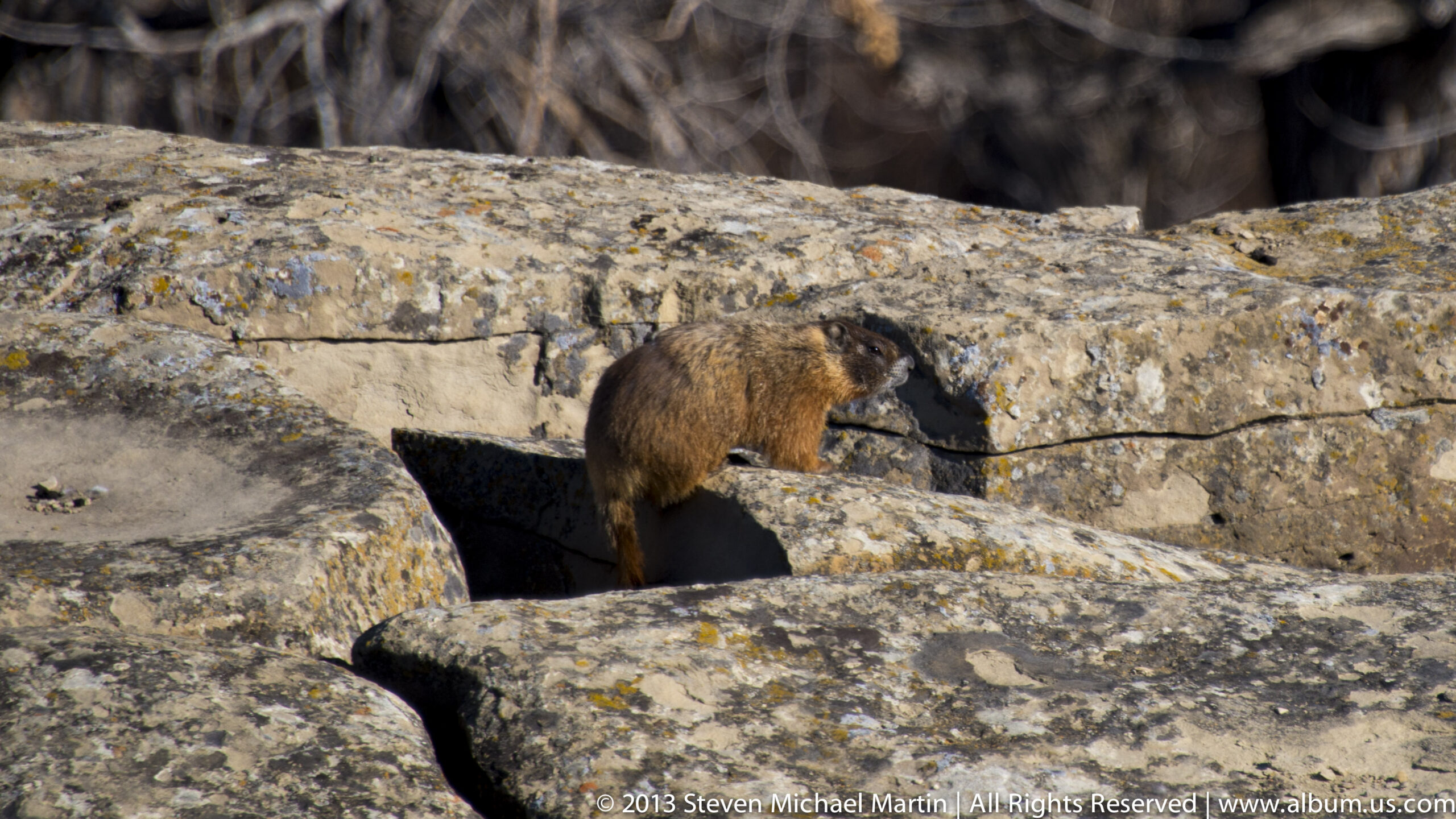
A stocky brown mammal climbs from a narrow crevice between sunlit sandstone slabs. Its rounded back and short legs are visible as it faces away, with the surrounding stone filling most of the frame. The animal appears to be a marmot, though the proof-sheet view does not show enough detail to identify the species confidently.
Caption
A stocky brown mammal climbs from a narrow crevice between sunlit sandstone slabs. Its rounded back and short legs are visible as it faces away, with the surrounding stone filling most of the frame. The animal appears to be a marmot, though the proof-sheet view does not show enough detail to identify the species confidently.
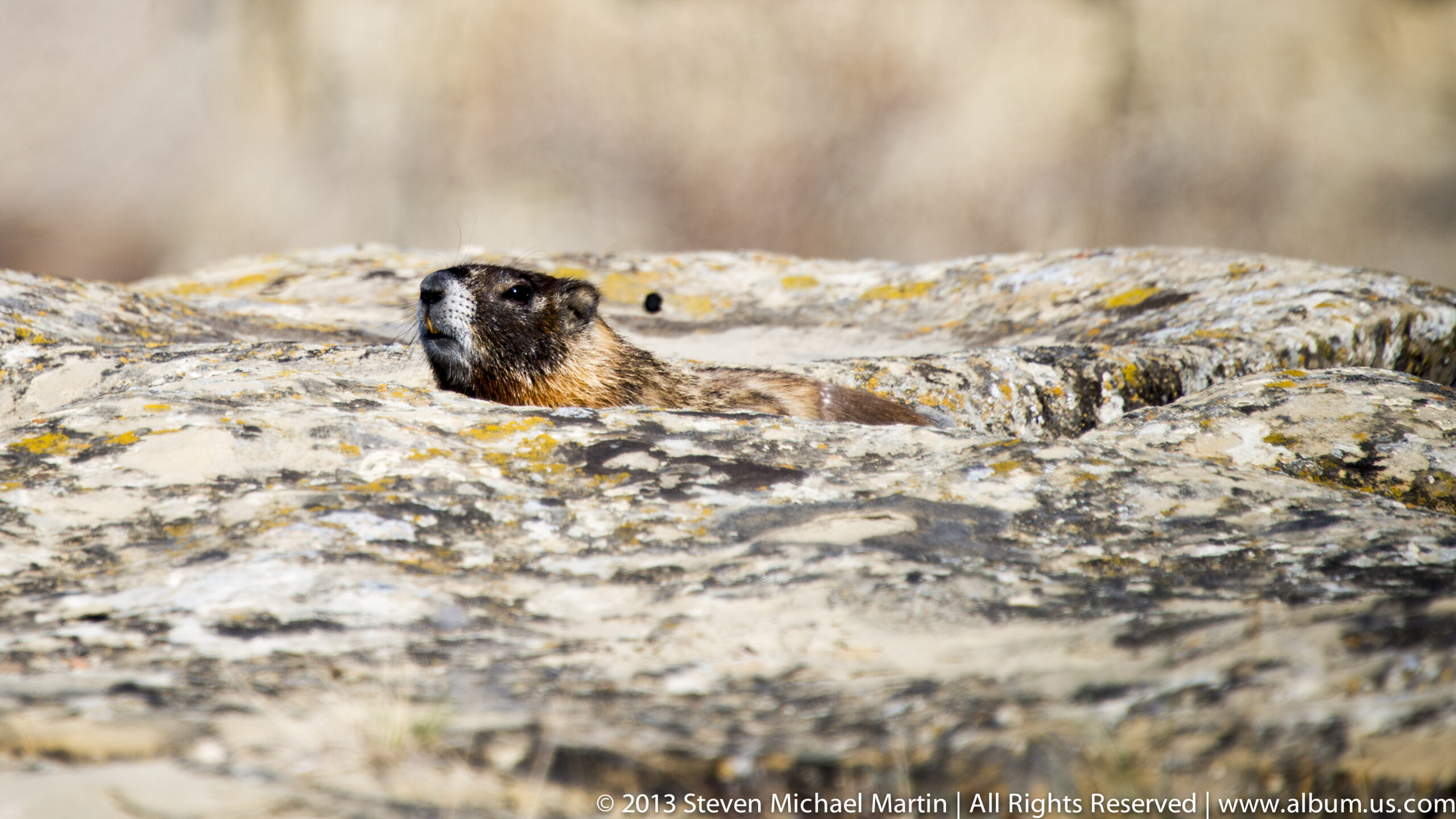
Only the head and upper back of a small brown mammal appear above a sunlit stone ledge. Its dark eyes and rounded ears face toward the camera, while the soft tan background removes most habitat detail. The animal is likely a marmot based on its head and body shape, but the close crop and limited visible features leave the species uncertain.
Caption
Only the head and upper back of a small brown mammal appear above a sunlit stone ledge. Its dark eyes and rounded ears face toward the camera, while the soft tan background removes most habitat detail. The animal is likely a marmot based on its head and body shape, but the close crop and limited visible features leave the species uncertain.
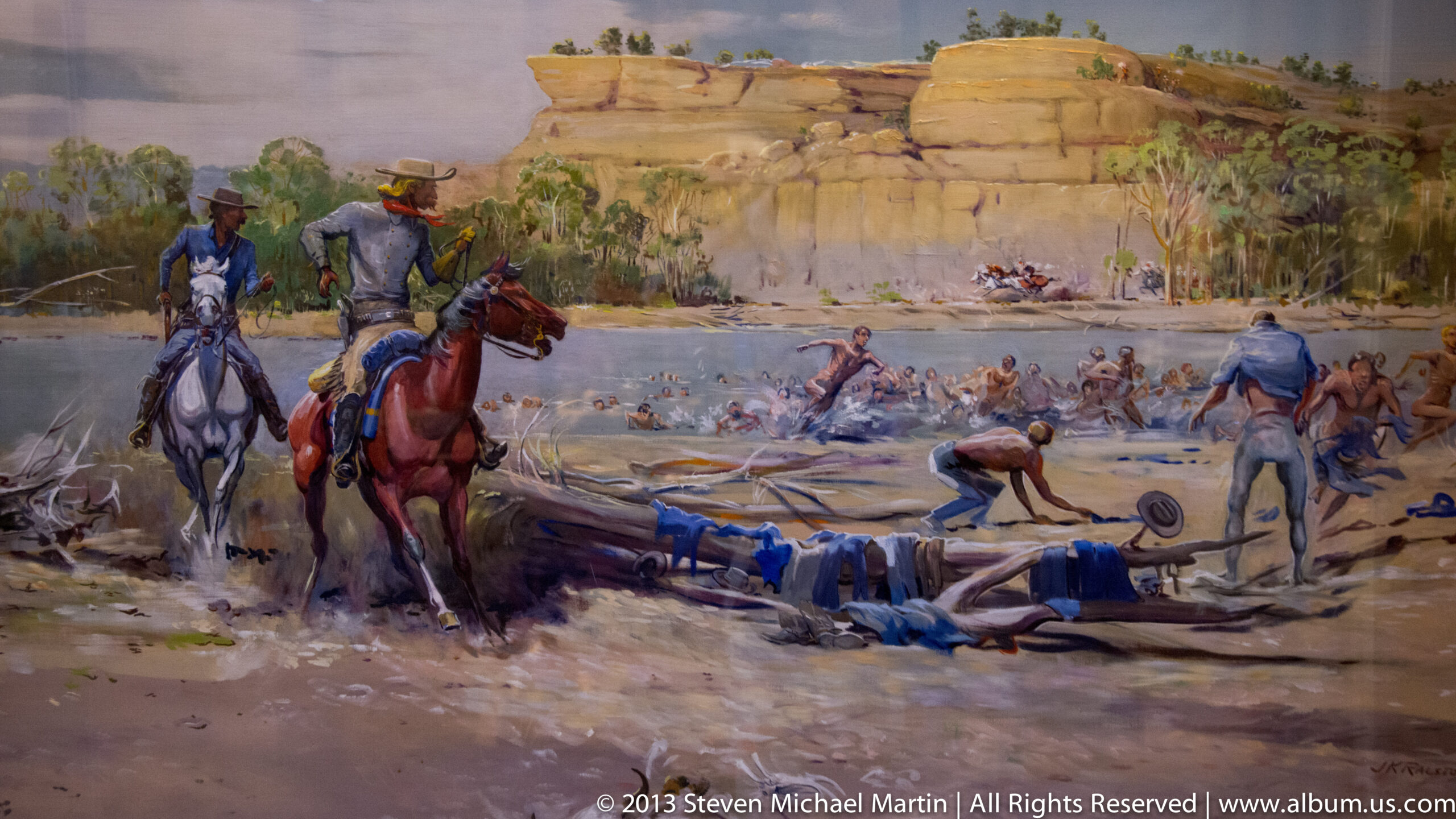
A large interpretive painting depicts a group gathered along a riverbank, with mounted figures in the foreground, people near the water, and a low line of cliffs behind them. The scene combines horses, clothing, and activity in a historical setting, but the people and event are not individually identified by visible labels in the reproduction. The caption therefore describes the composition without assigning specific participants.
Caption
A large interpretive painting depicts a group gathered along a riverbank, with mounted figures in the foreground, people near the water, and a low line of cliffs behind them. The scene combines horses, clothing, and activity in a historical setting, but the people and event are not individually identified by visible labels in the reproduction. The caption therefore describes the composition without assigning specific participants.
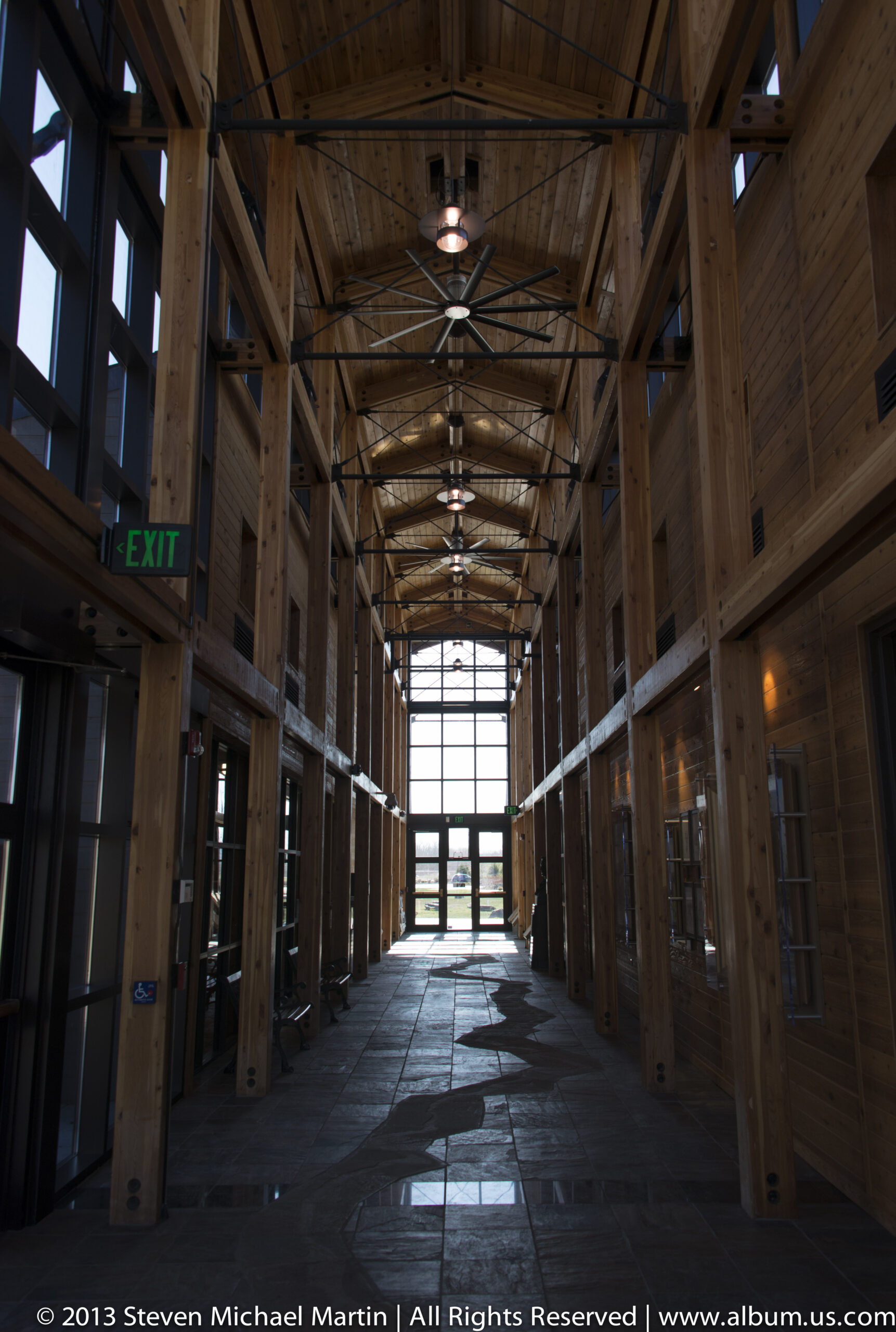
A long interior passage runs between exposed timber posts and beams toward a bright glazed opening at the far end. Repeated ceiling lights and a central corridor draw the eye through the hall, while a green EXIT sign hangs on the left. The view emphasizes the building’s structural rhythm and circulation space rather than any exhibit or visitor activity.
Caption
A long interior passage runs between exposed timber posts and beams toward a bright glazed opening at the far end. Repeated ceiling lights and a central corridor draw the eye through the hall, while a green EXIT sign hangs on the left. The view emphasizes the building’s structural rhythm and circulation space rather than any exhibit or visitor activity.
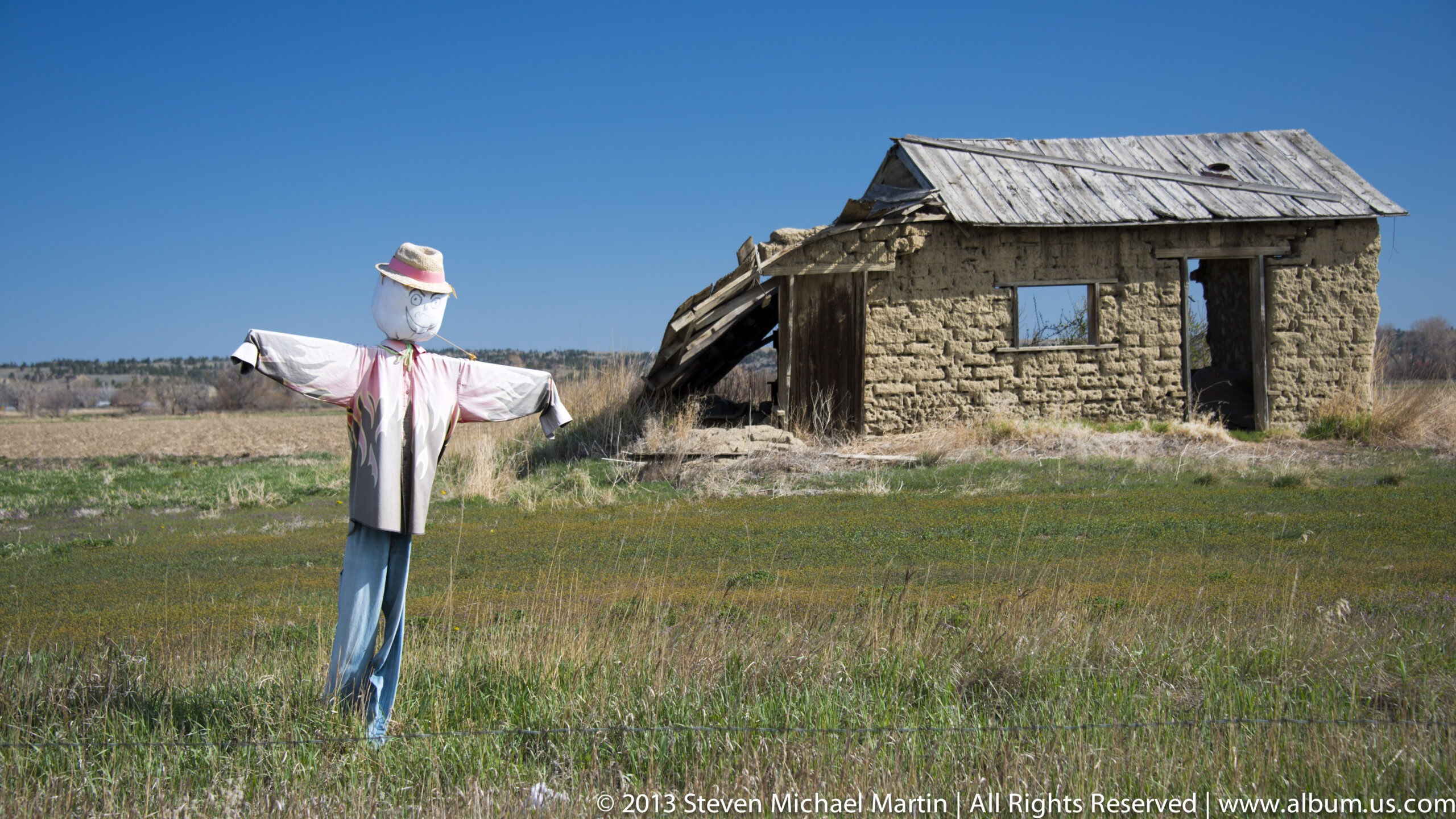
A scarecrow in a pale shirt, blue trousers, and brimmed hat stands with outstretched arms in a grassy field. Beside it is a small, weathered stone building with a damaged roof and dark window opening. The bright sky and open land make the scarecrow’s human-like silhouette the focal point, while the structure supplies a rural backdrop.
Caption
A scarecrow in a pale shirt, blue trousers, and brimmed hat stands with outstretched arms in a grassy field. Beside it is a small, weathered stone building with a damaged roof and dark window opening. The bright sky and open land make the scarecrow’s human-like silhouette the focal point, while the structure supplies a rural backdrop.
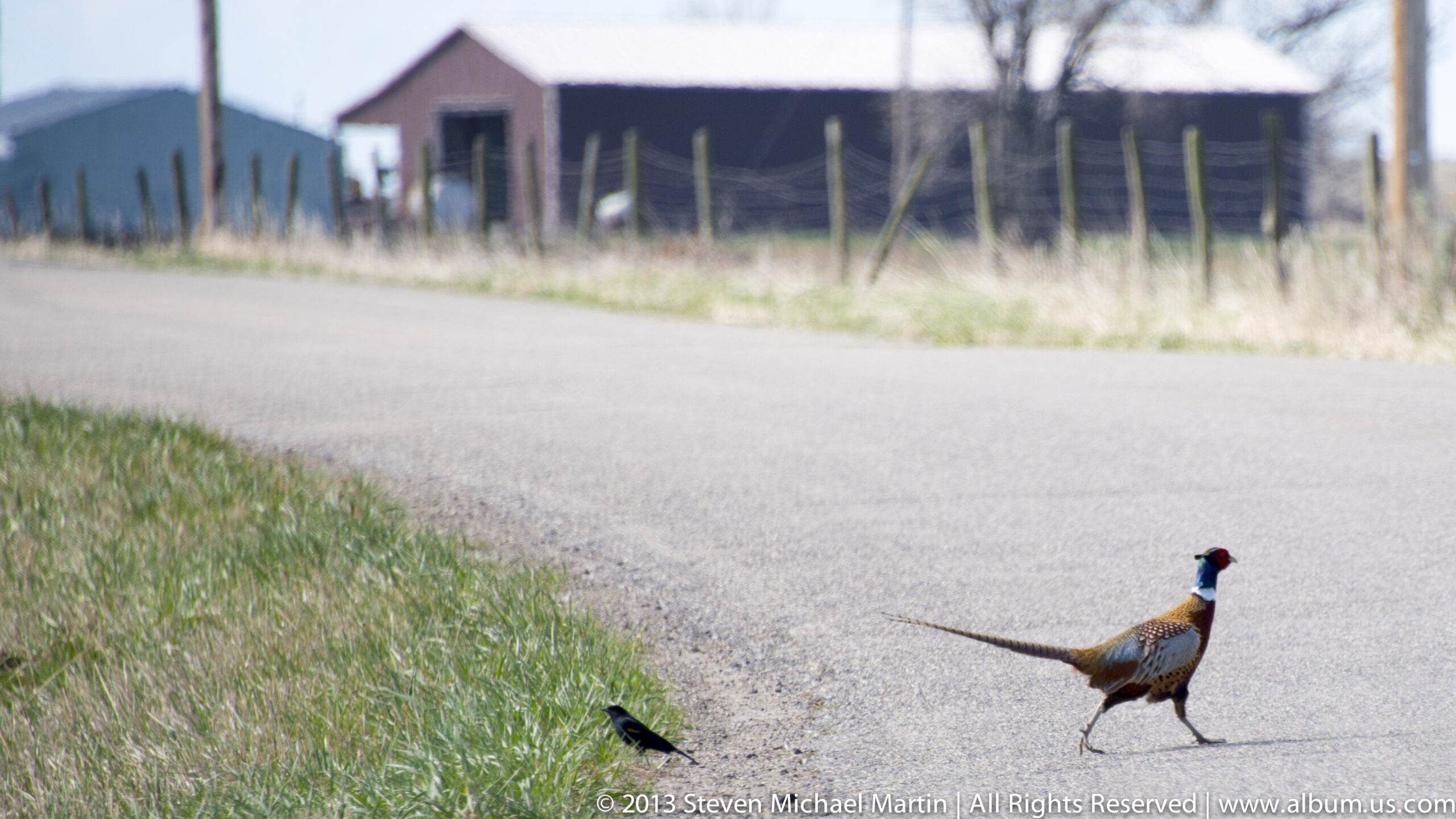
A male ring-necked pheasant walks across the edge of a paved road, its long barred tail trailing behind. The bird’s iridescent green head, red facial patch, pale neck ring, and mottled body are visible despite the soft focus. A second dark bird stands in the grass at left, while fence posts and a farm building blur in the background.
Caption
A male ring-necked pheasant walks across the edge of a paved road, its long barred tail trailing behind. The bird’s iridescent green head, red facial patch, pale neck ring, and mottled body are visible despite the soft focus. A second dark bird stands in the grass at left, while fence posts and a farm building blur in the background.
National Monument Field Guide
Pompeys Pillar preserves a sandstone outcrop associated with early exploration of the American West. The site is historically significant as the location of William Clark’s inscription during the Lewis and Clark Expedition. The rock formation rises prominently above the Yellowstone River, illustrating how geological features served as natural landmarks along important travel corridors.
🏛 Key Significance
- William Clark signature from 1806 expedition
- Sandstone pillar overlooking Yellowstone River
- Historic travel corridor used for exploration
- Geological landmark visible across plains landscape
- Connection to Lewis and Clark Expedition route
📖 Interpretive Context
Elevated rock formations provided navigation reference points for travelers moving along river systems. The Lewis and Clark Expedition documented landscapes encountered while mapping western territories. Pompeys Pillar illustrates how exploration routes often followed waterways that offered reliable passage through otherwise difficult terrain.
📷 Photography Notes
- Wide compositions emphasize scale of pillar
- River valley provides landscape context
- Side lighting highlights rock texture
- Elevated viewpoints show surrounding plains