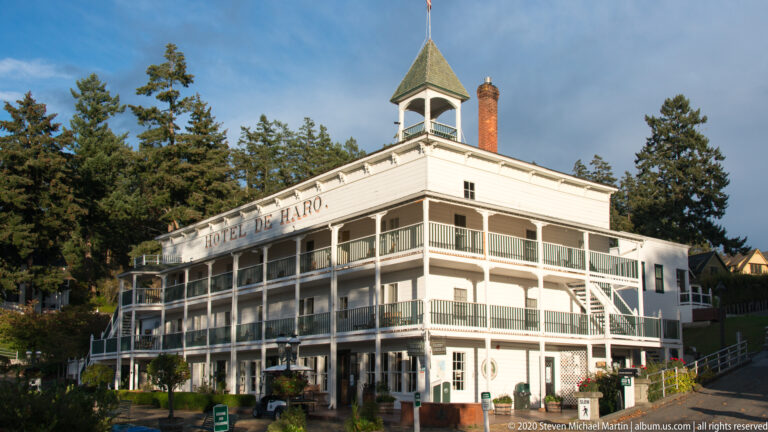
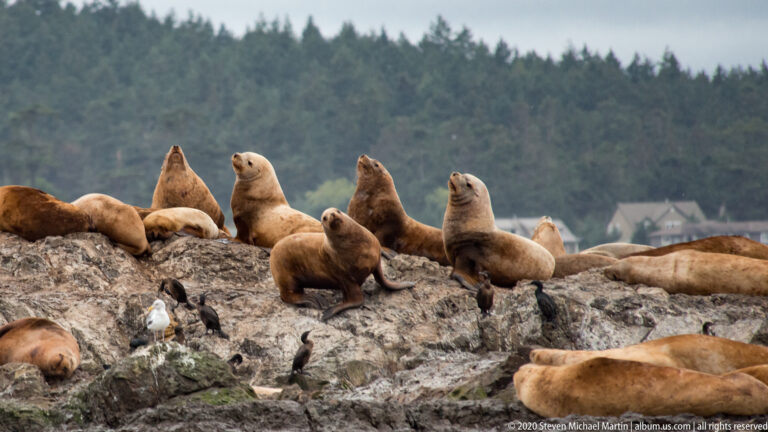
The Northwest Wilderness itinerary explores volcanic peaks, temperate rainforests, alpine lakes, and glaciated mountain terrain that define the landscapes of the Pacific Northwest.
The Pacific Northwest contains some of the most diverse wilderness landscapes in the United States, where volcanic mountains, dense forests, and coastal environments coexist within relatively short travel distances. Snow-covered peaks rise above temperate rainforest valleys, while glacial lakes reflect surrounding ridgelines shaped by tectonic and volcanic activity. These landscapes illustrate the ongoing geological forces that continue to influence the region’s terrain.
Volcanic processes played a central role in shaping many of the region’s most recognizable features, including Mount Rainier and Crater Lake. Lava flows, ash deposits, and uplift contributed to varied topography that supports a wide range of ecosystems. High precipitation levels encourage dense vegetation growth, producing the moss-covered forests commonly associated with the Pacific Northwest.
Travel through the Northwest Wilderness emphasizes gradual transitions between environments, from coastal forests to alpine meadows and glaciated peaks. The combination of elevation change, climate variation, and geological history produces landscapes that feel both dramatic and interconnected across the broader region.
Ebey’s Landing NHR Ebey’s Landing National Historical Reserve preserves a coastal landscape where open prairie, shoreline cliffs, and distant water […]
Leavenworth – Bavaria Village Leavenworth presents a distinctive architectural setting inspired by traditional Bavarian village design, where alpine-style buildings, decorative […]
Mount St. Helens National Volcanic Monument Mount St. Helens National Volcanic Monument presents a landscape dramatically shaped by volcanic forces, […]
North Cascades NP – Winthrop Winthrop presents a distinctive western-themed architectural setting located near the eastern boundary of North Cascades […]
The Northwest Wilderness route typically connects major protected landscapes across Washington and Oregon, linking volcanic peaks, alpine environments, and forest ecosystems. Travel often begins in lower elevation forested areas before ascending toward subalpine meadows and glacial viewpoints. Scenic roads provide access to trailheads, overlooks, and visitor areas that reveal changing terrain across relatively short distances.
Key segments frequently include Mount Rainier National Park, North Cascades National Park, Olympic National Park, and Crater Lake National Park. Each location contributes a different perspective on volcanic geology, glacial processes, and forest ecology. Together, these sites illustrate how climate and topography influence vegetation patterns and wildlife habitat.
Movement between sites highlights the geographic continuity of the Cascade Range, where volcanic peaks form a north–south spine through the region. The route emphasizes how wilderness landscapes in the Pacific Northwest are shaped by elevation, precipitation, and long-term geological processes.