Mount Rainier NP – Waterfalls
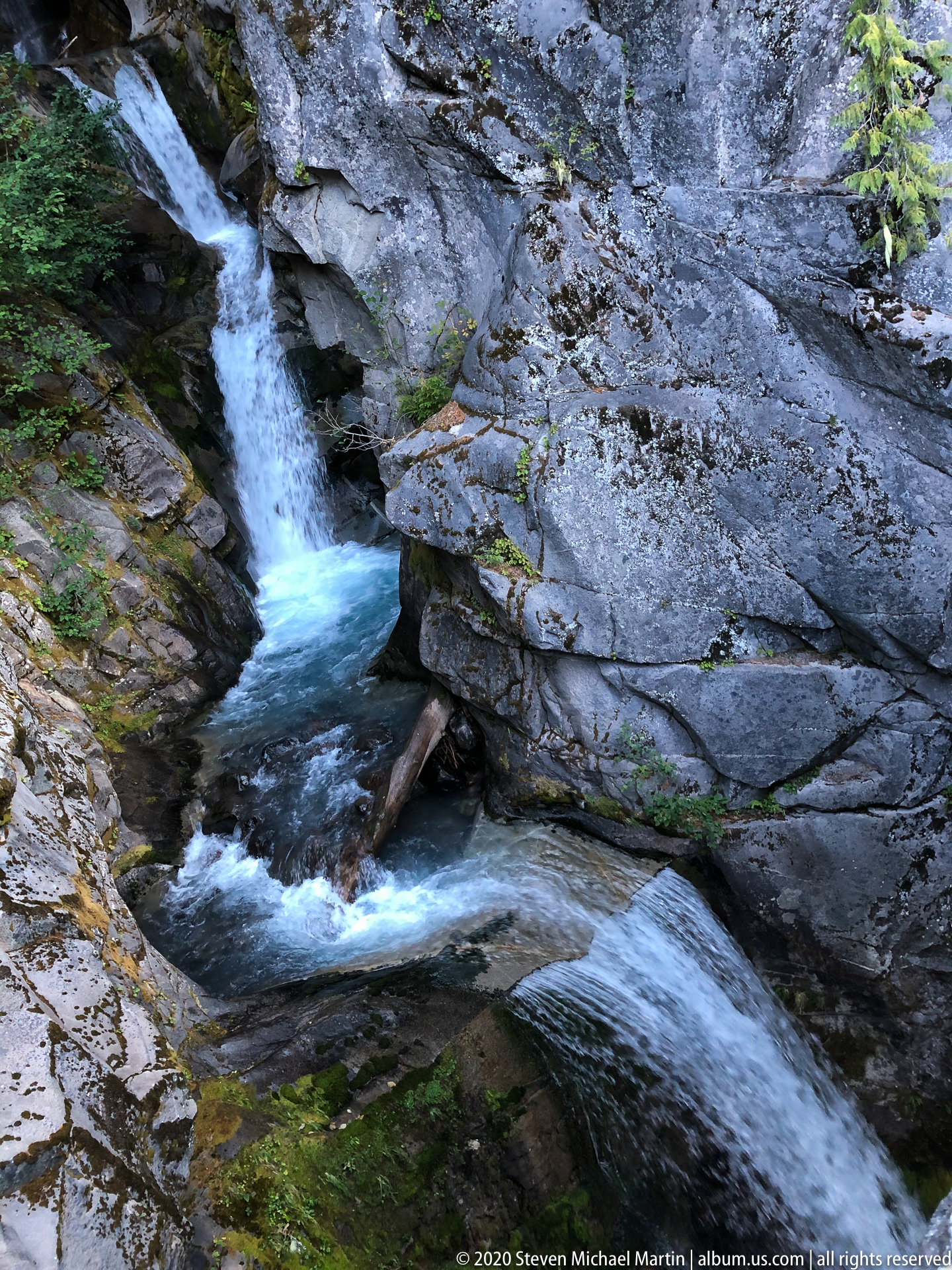
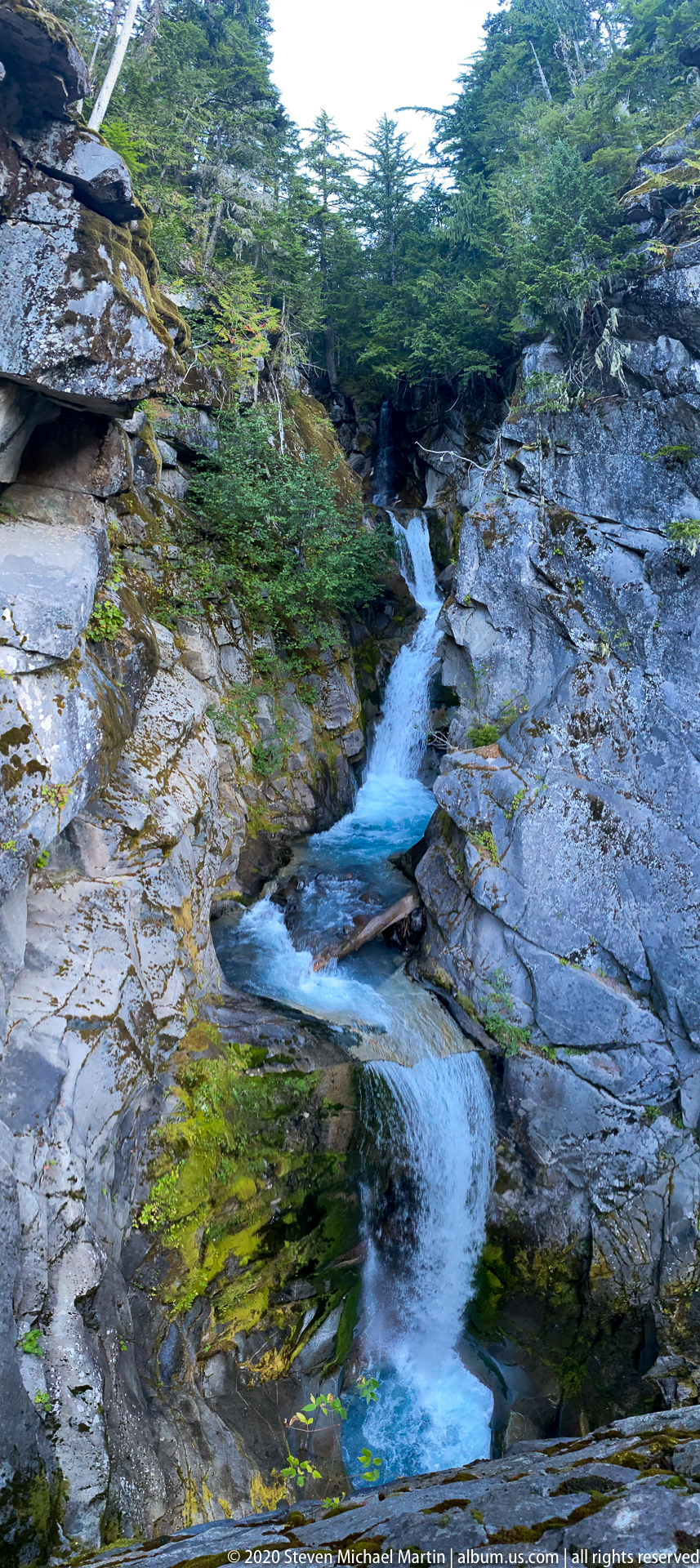
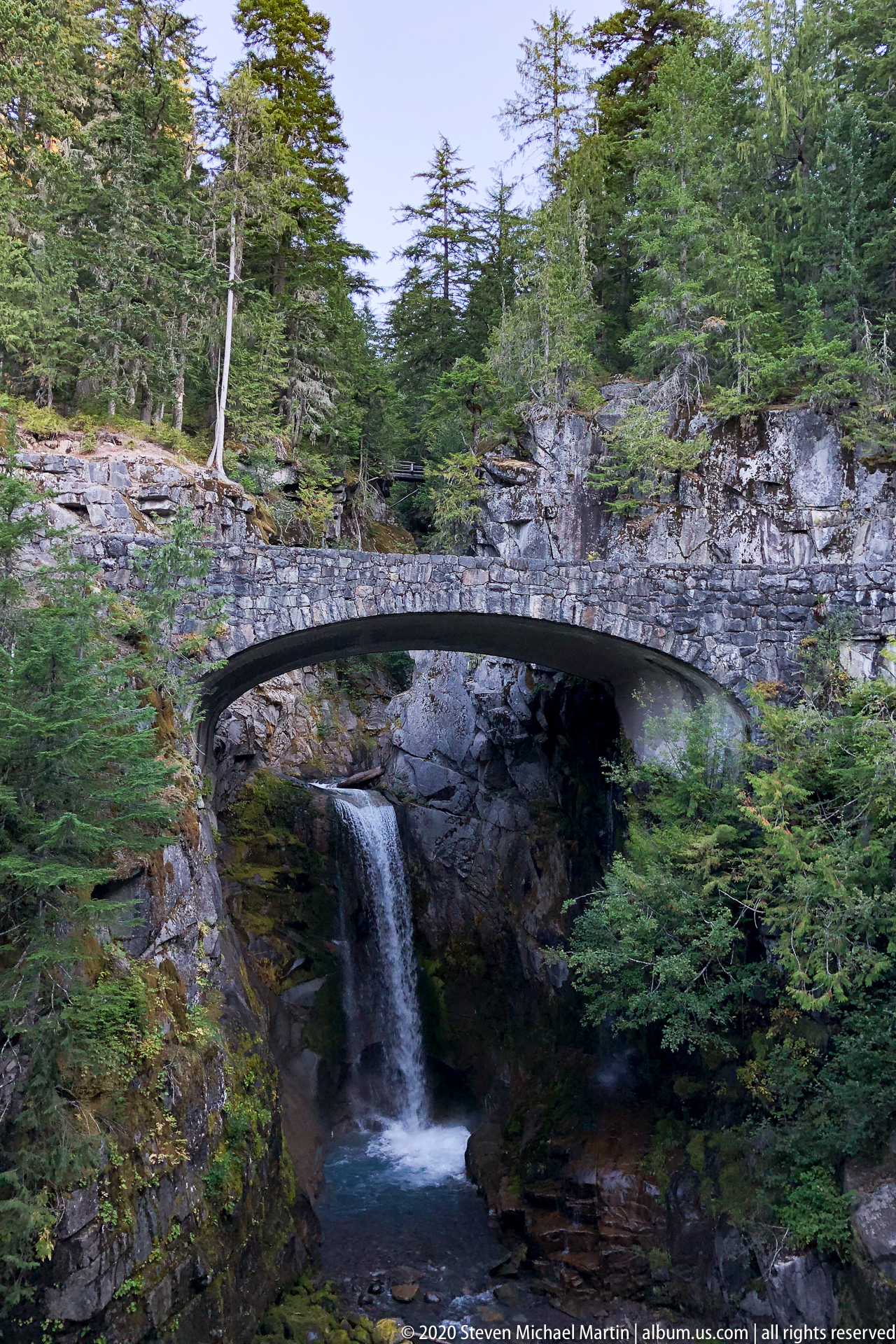
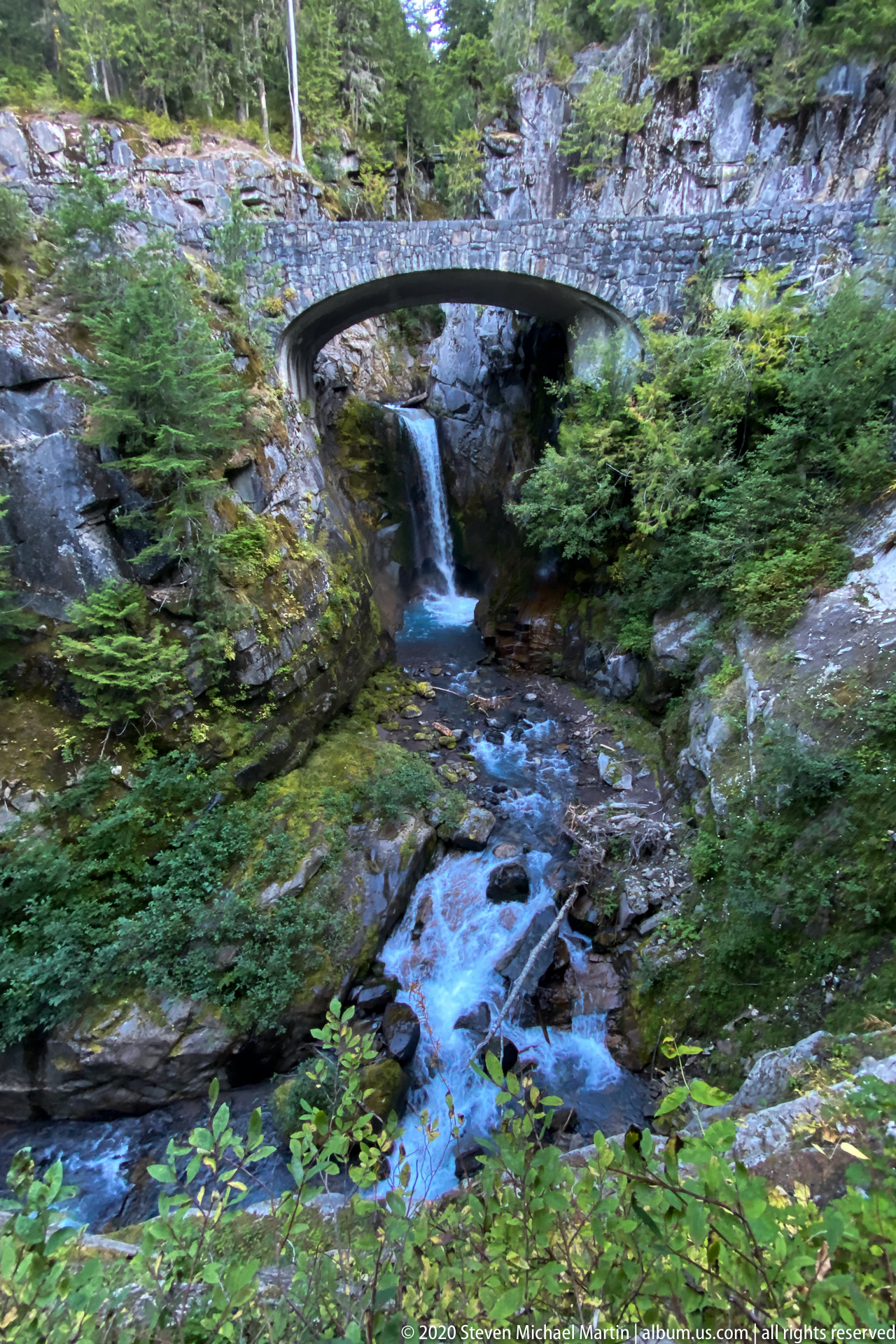
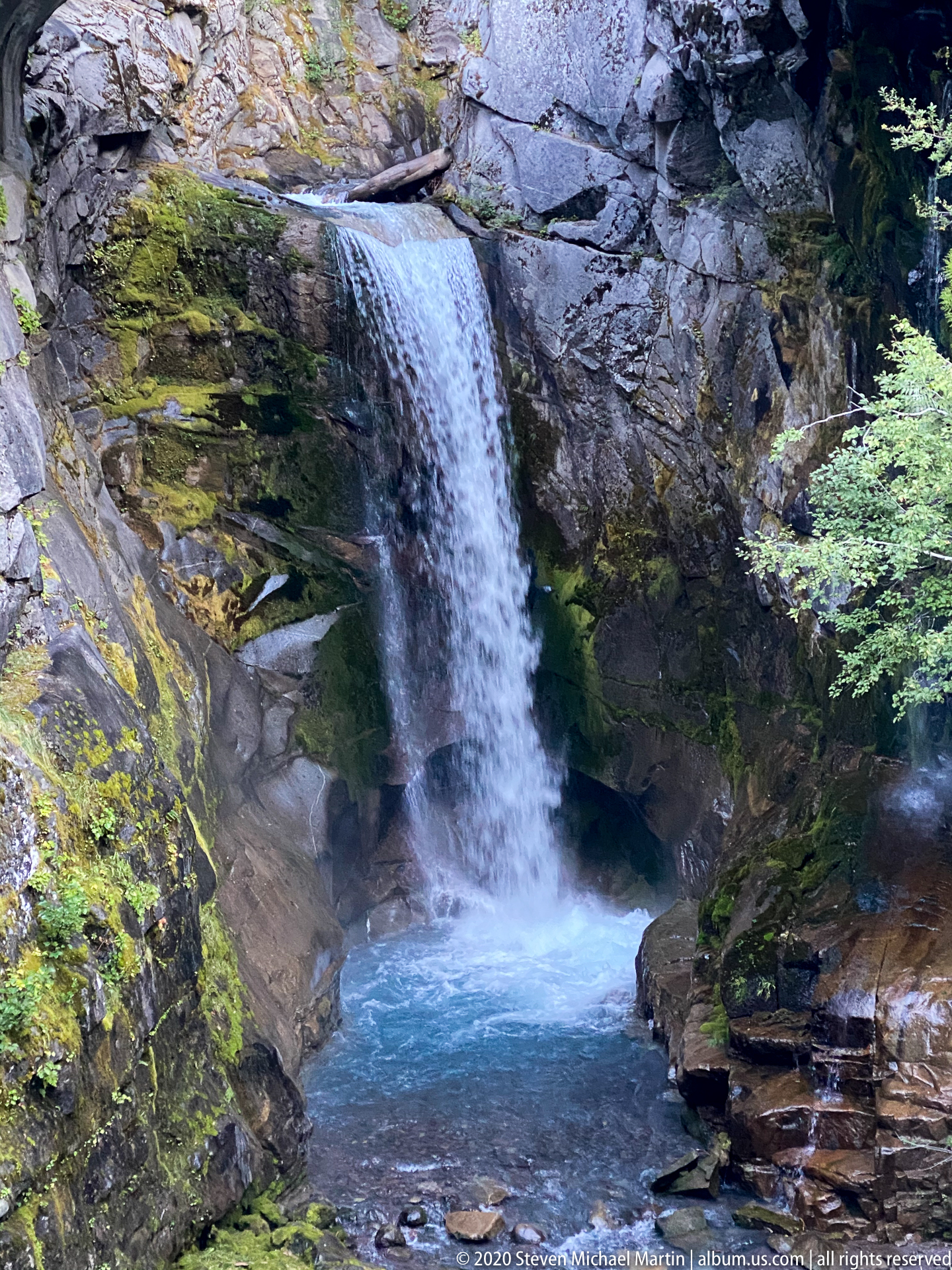
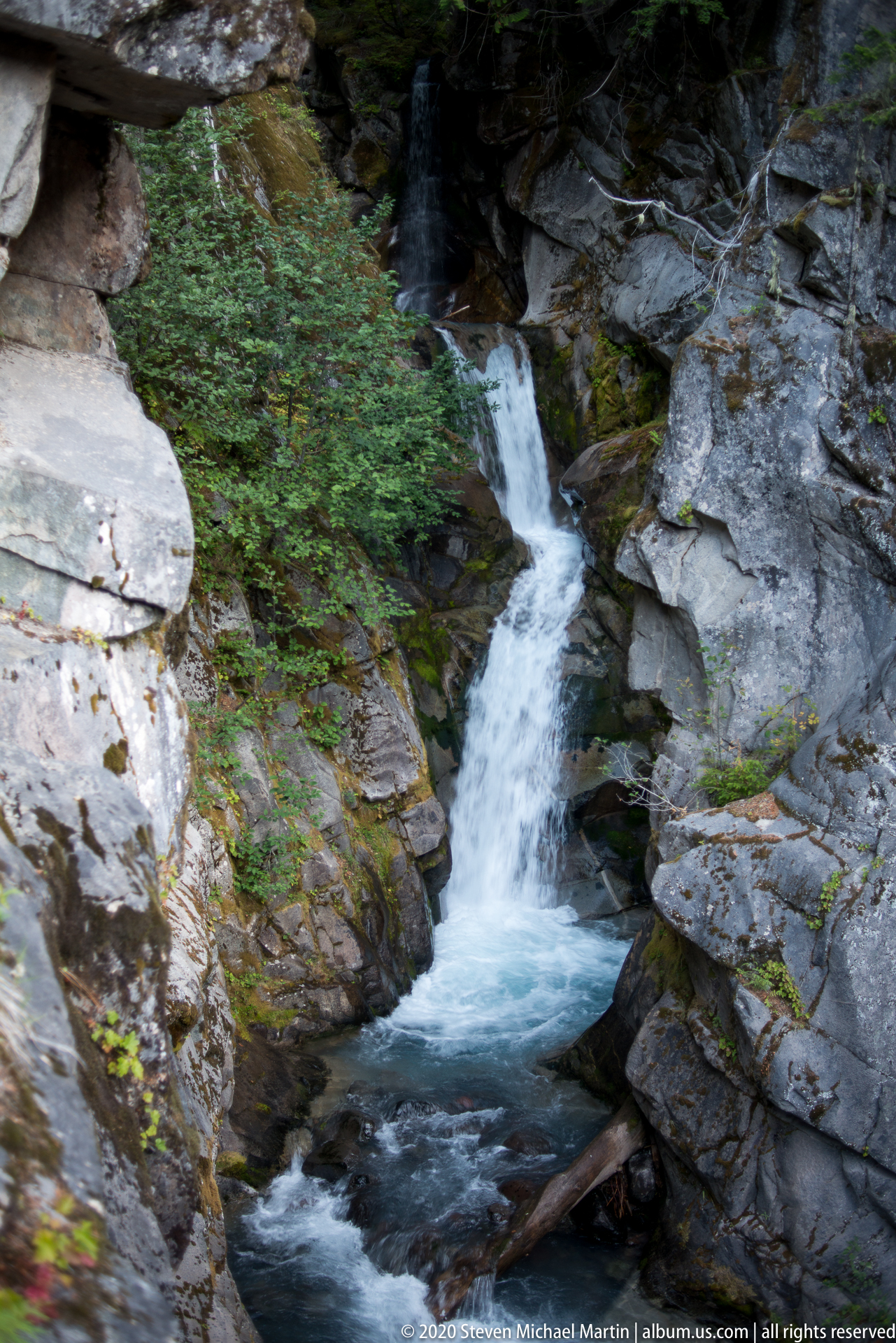
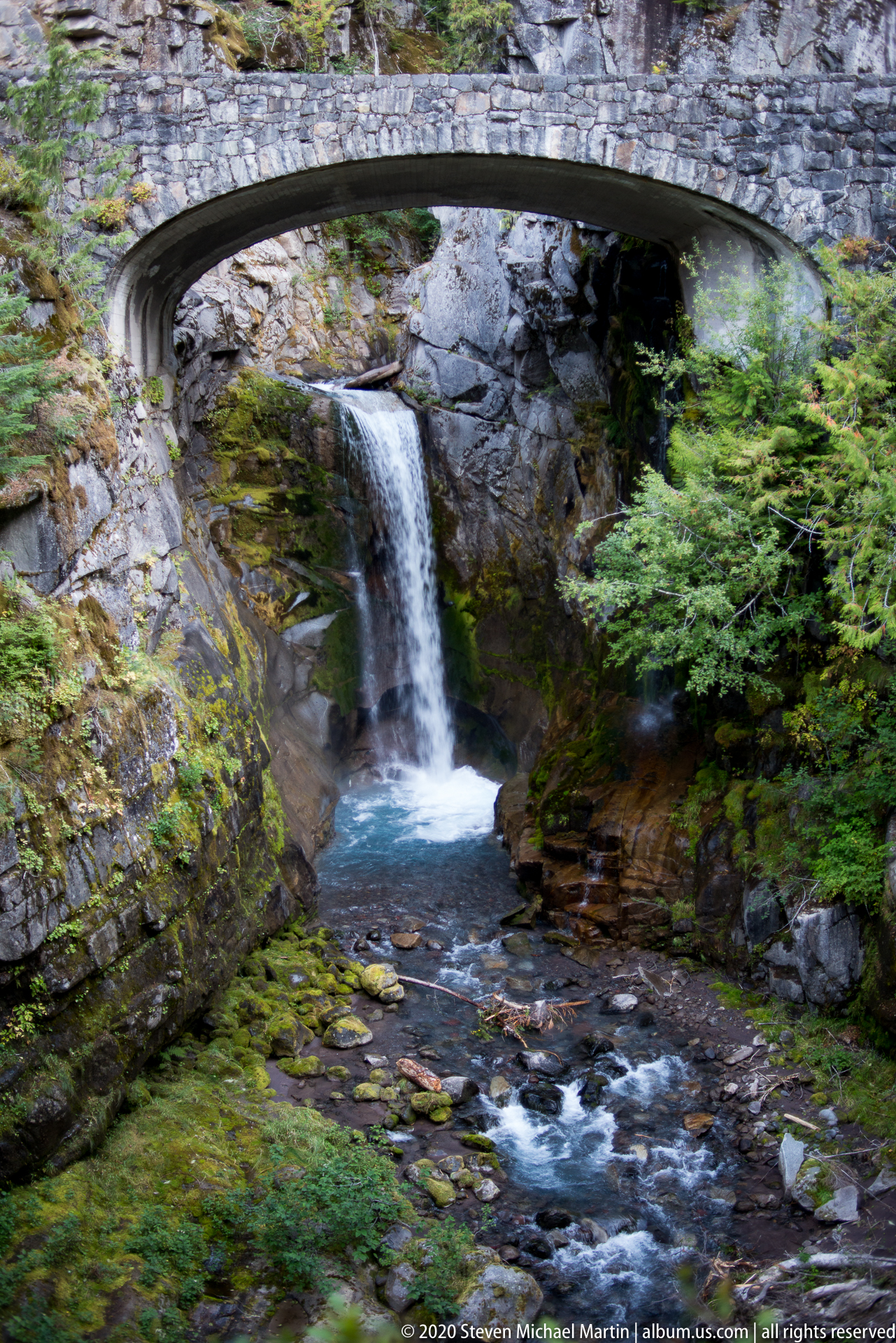
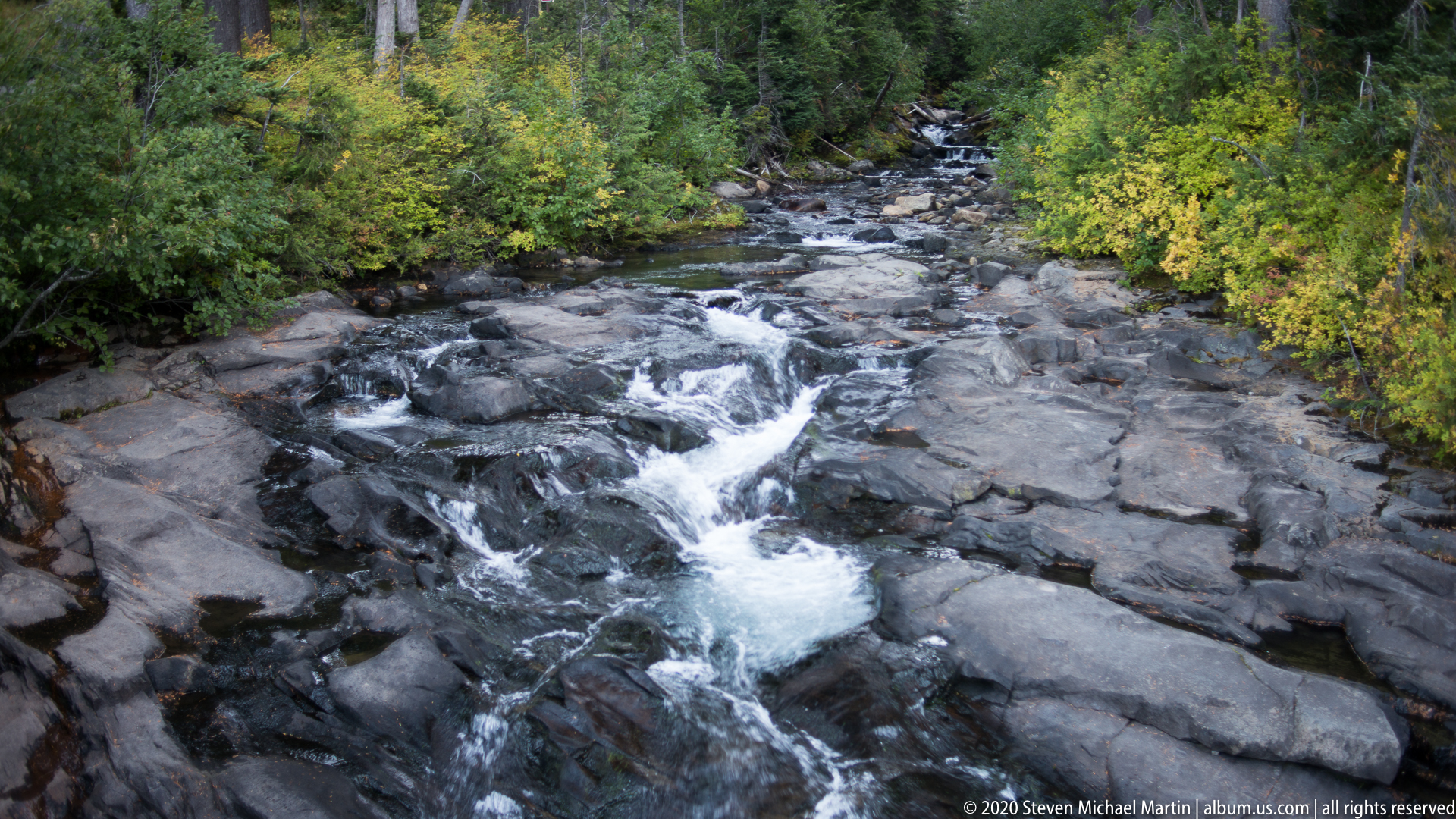
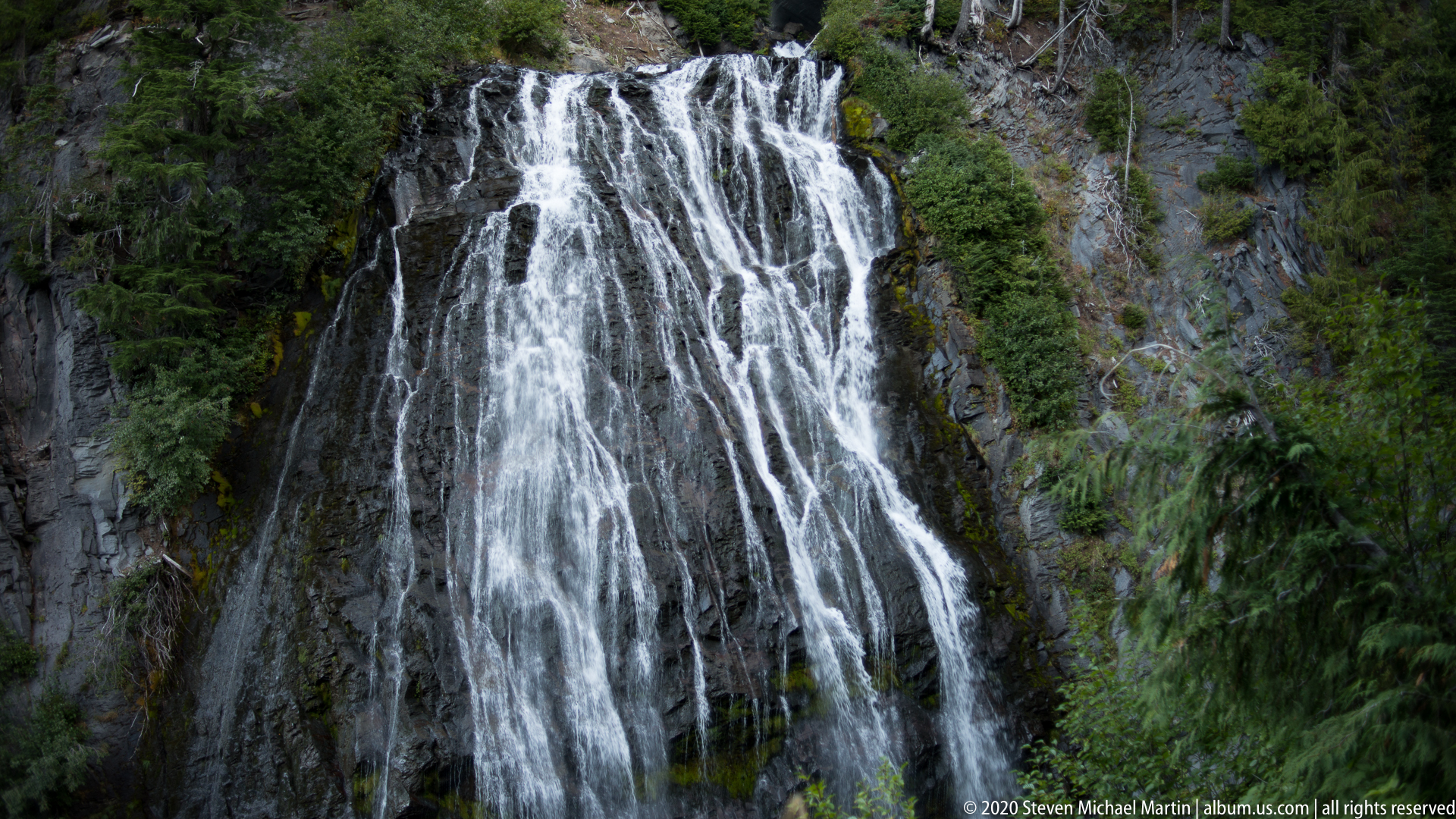
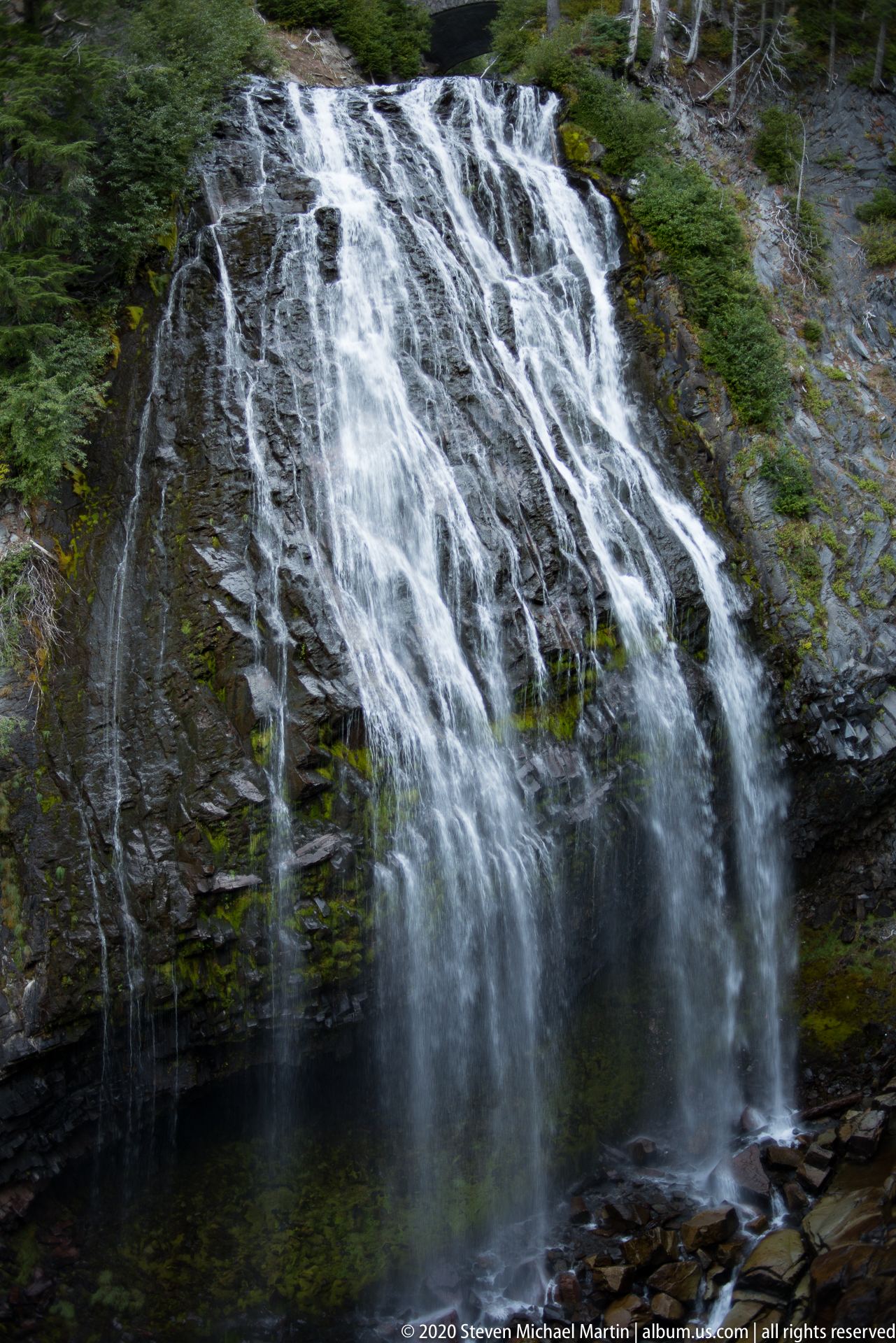
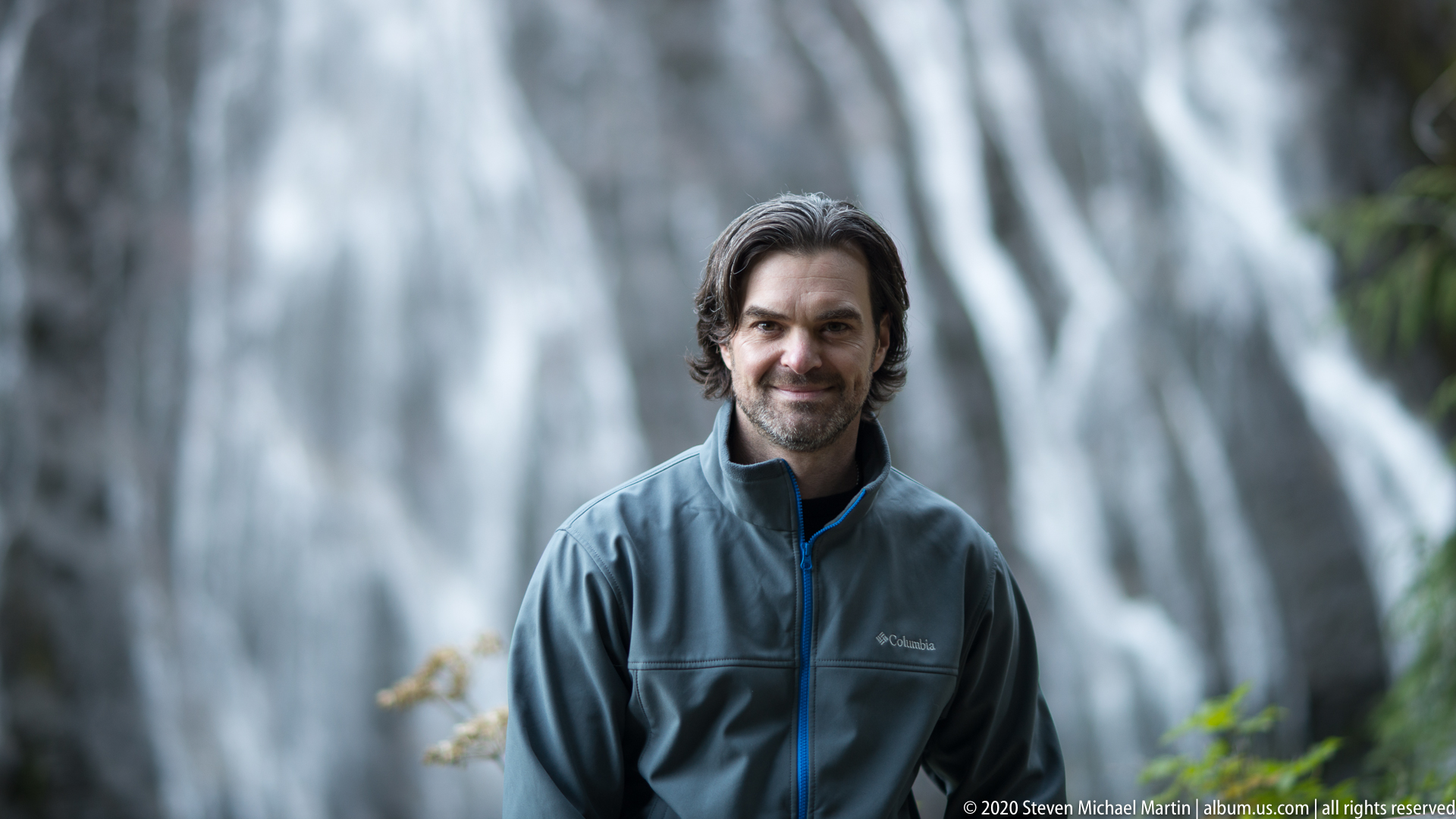
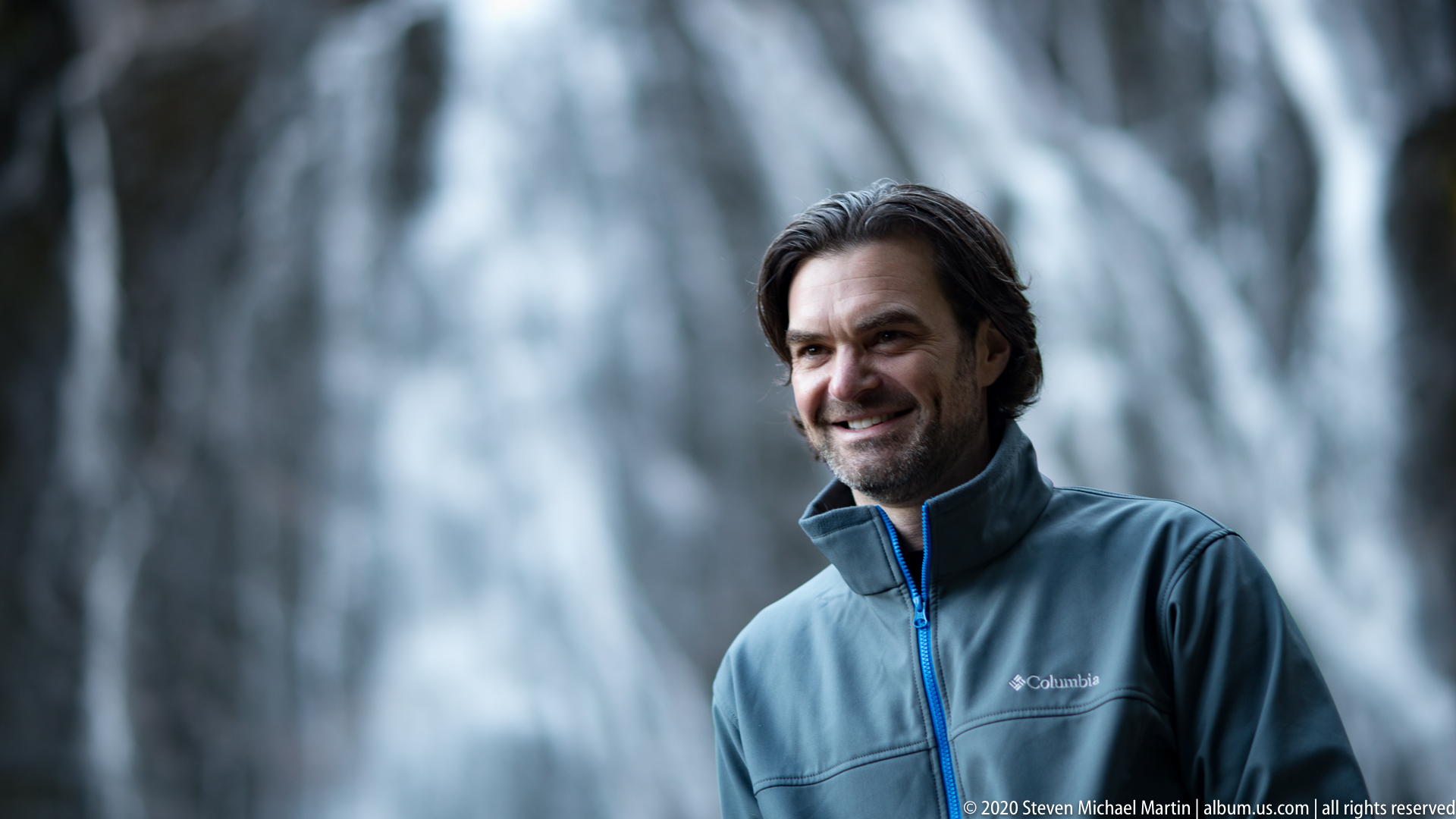
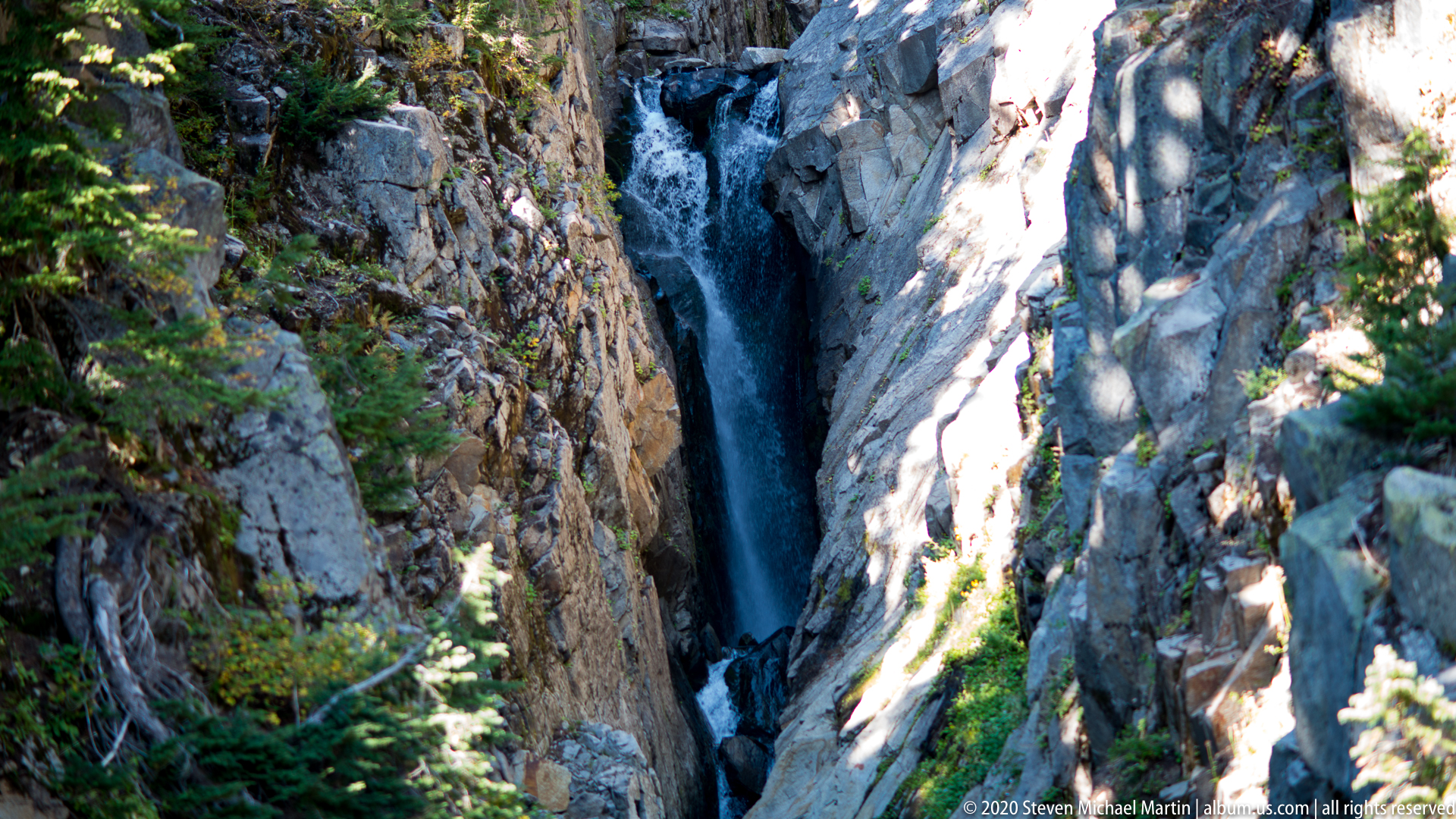
Waterfalls throughout Mount Rainier National Park reflect the influence of snowmelt and elevation changes that shape the park’s varied terrain. Cascading water moving through forested slopes creates a landscape characterized by motion, texture, and sound, often framed by dense vegetation typical of the Pacific Northwest.
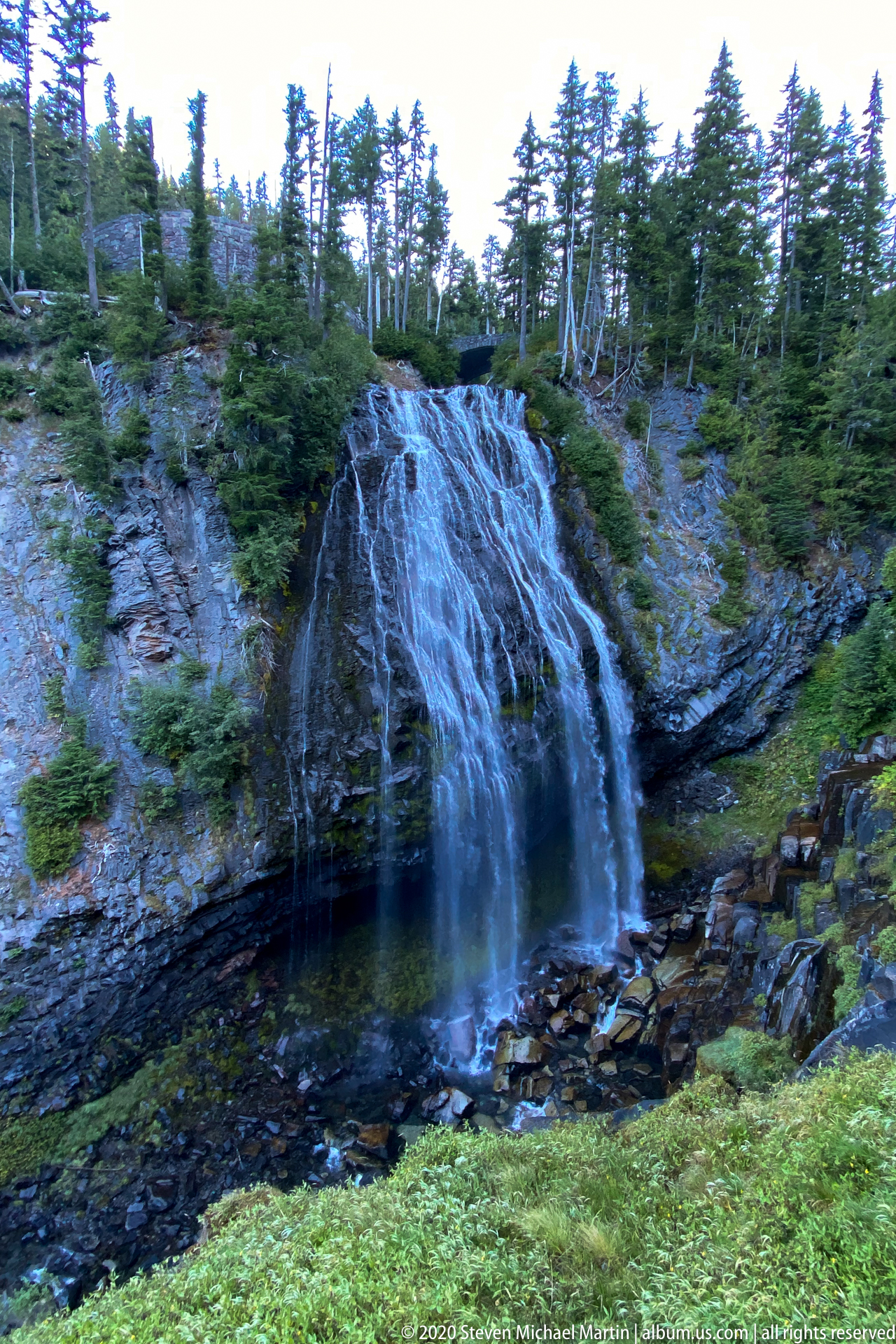
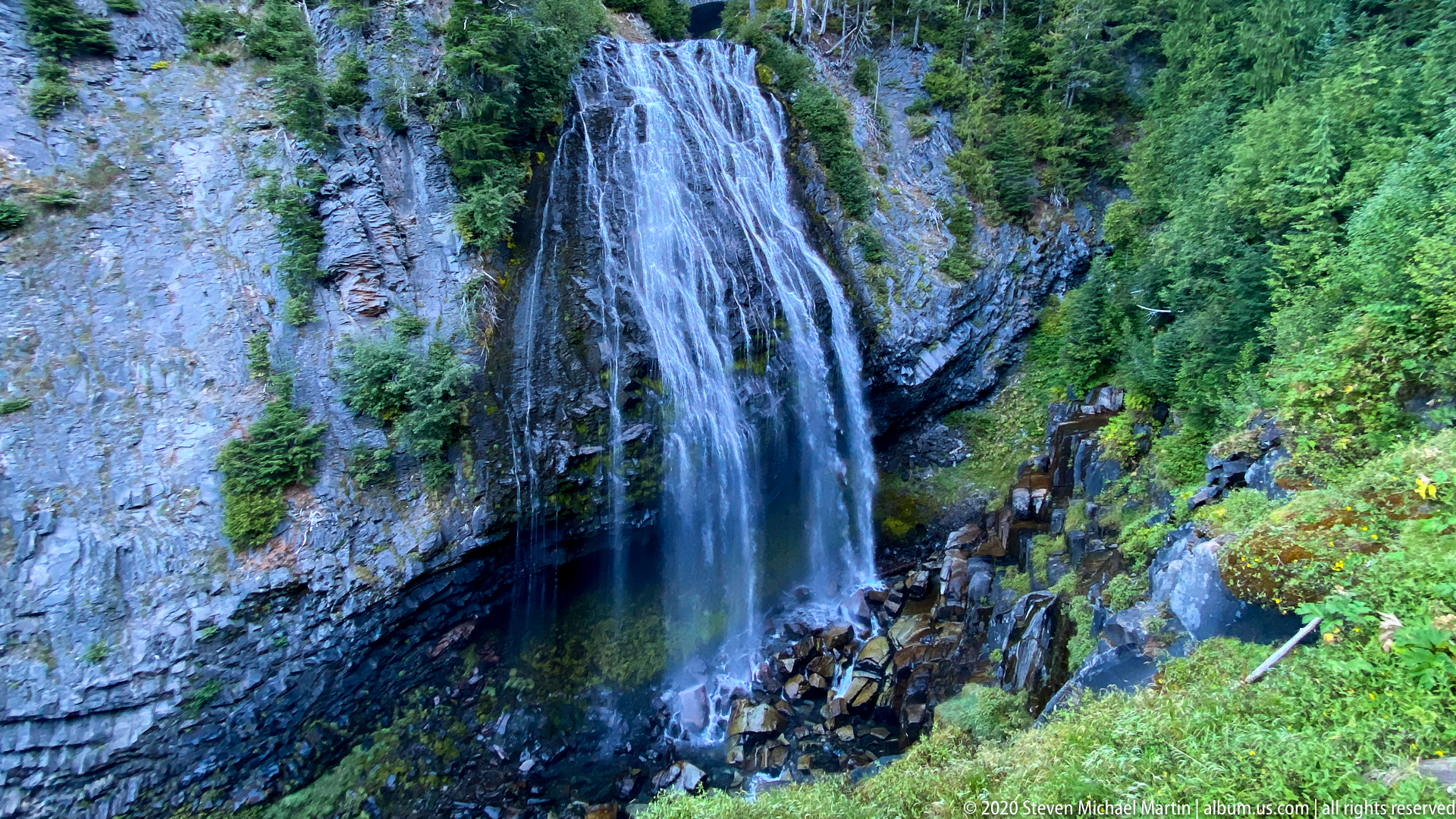
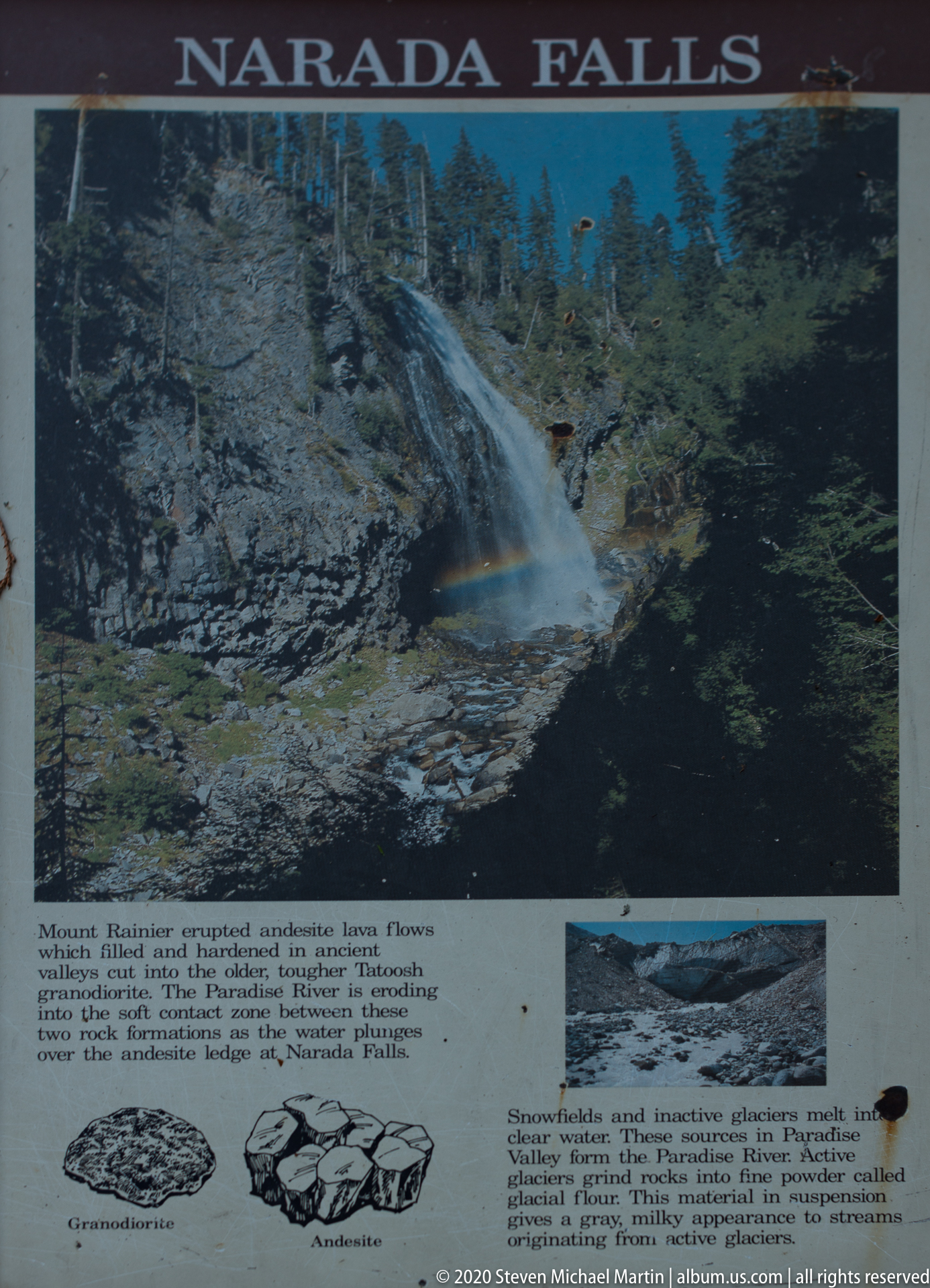
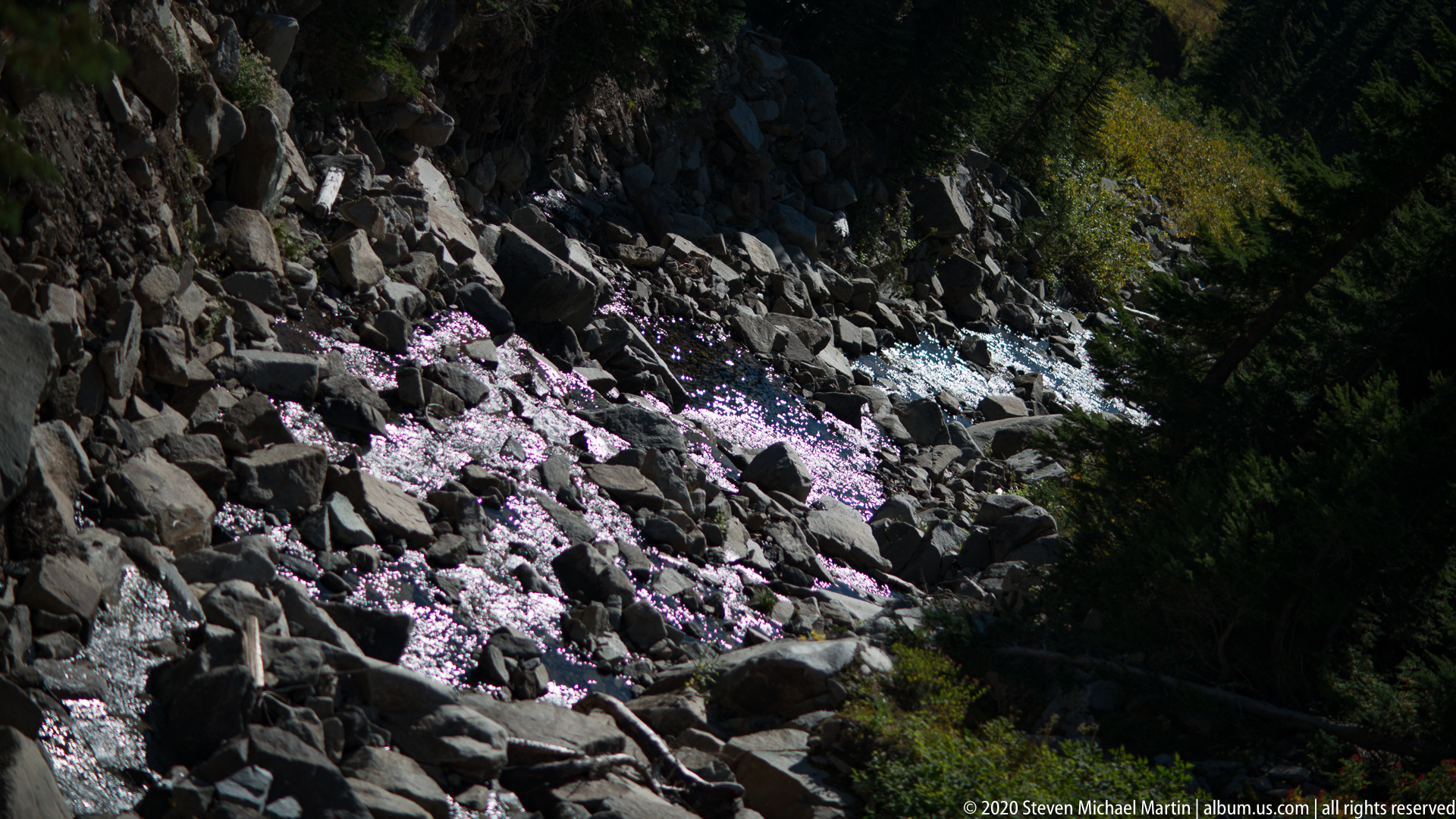
Seasonal snowmelt contributes to fluctuating water volume, producing different visual patterns as water moves over rock formations and descends through multiple tiers. The contrast between flowing water and darker stone surfaces highlights the geologic structure of the mountain environment.
These waterfalls provide moments of visual focus within broader forest and mountain landscapes, where the interaction between water, rock, and vegetation creates compositions that feel both dynamic and balanced. The presence of moving water reinforces the sense of ongoing natural processes that continue to shape Mount Rainier’s environment.











🧭 Field Guide
Landscape Type: Mountain waterfall environment
Primary Features: Cascades, forest setting, flowing water
Best Time to Visit: Late spring through summer for stronger water flow
Conditions: Often shaded with variable moisture levels
✨ Highlights
- Mountain Cascades – Numerous waterfalls formed by snowmelt descending through forested terrain.
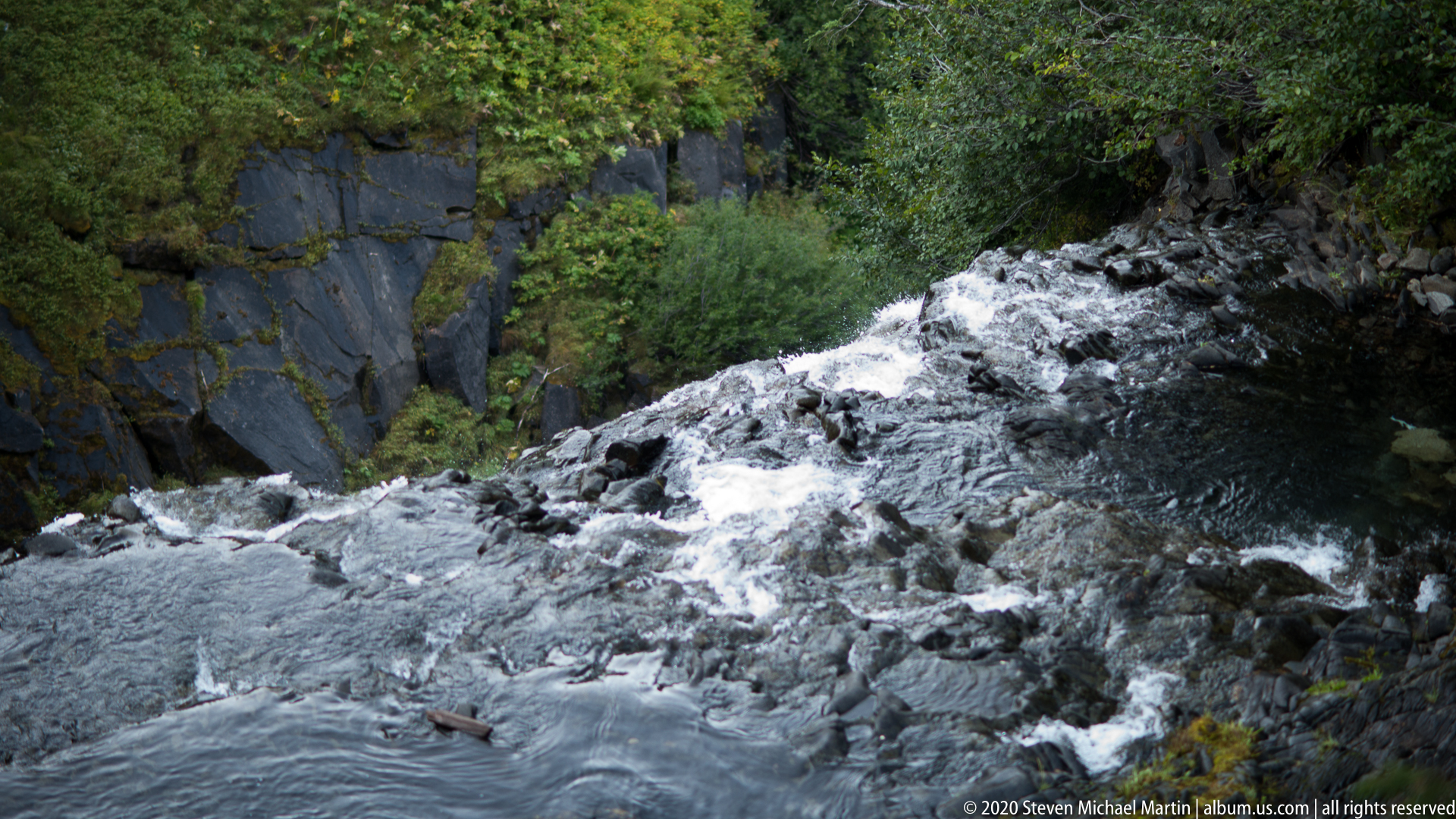
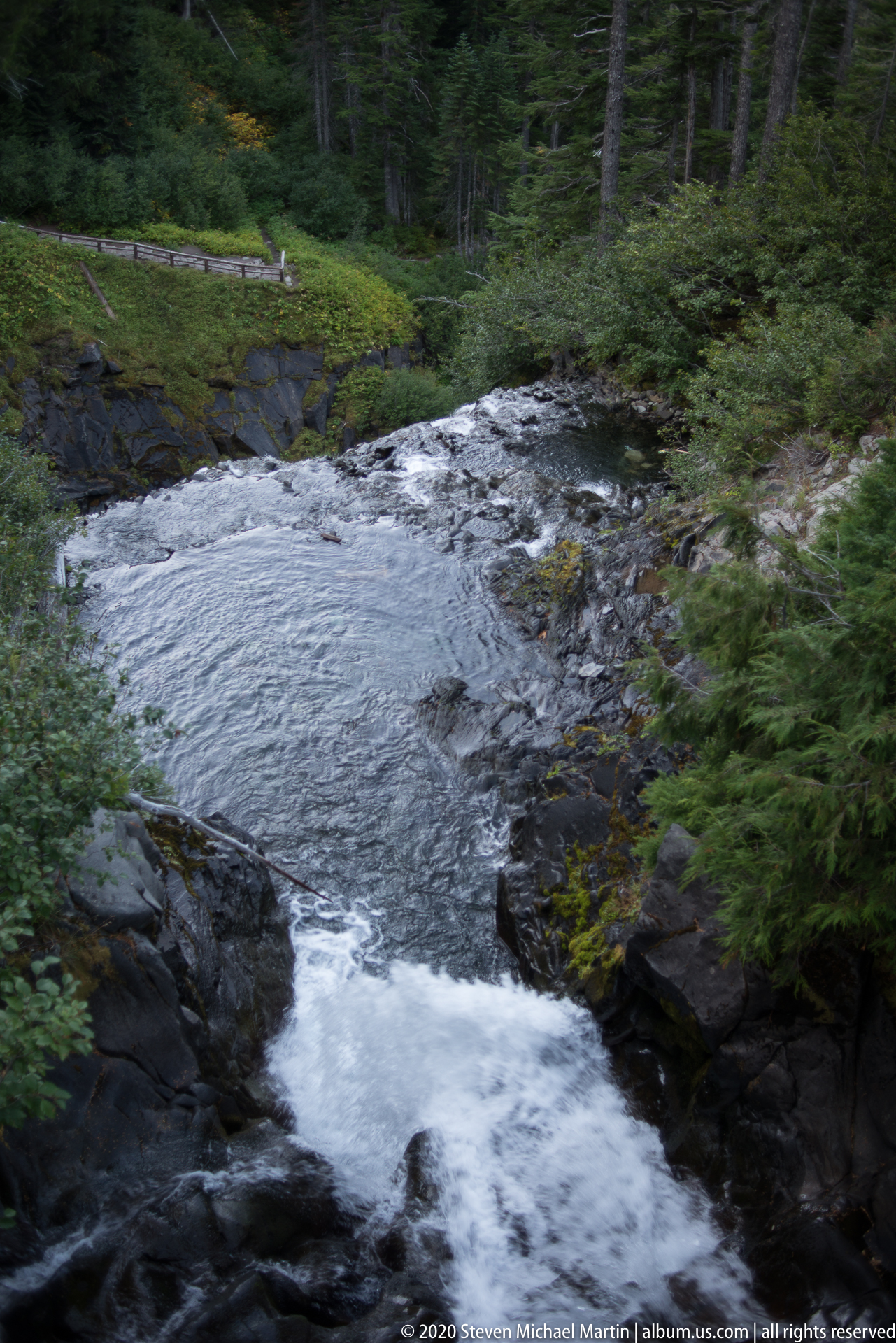
- Dynamic Water Movement – Flowing water creates constantly changing visual patterns.
- Rock and Water Contrast – Light-colored water contrasts with darker stone surfaces.
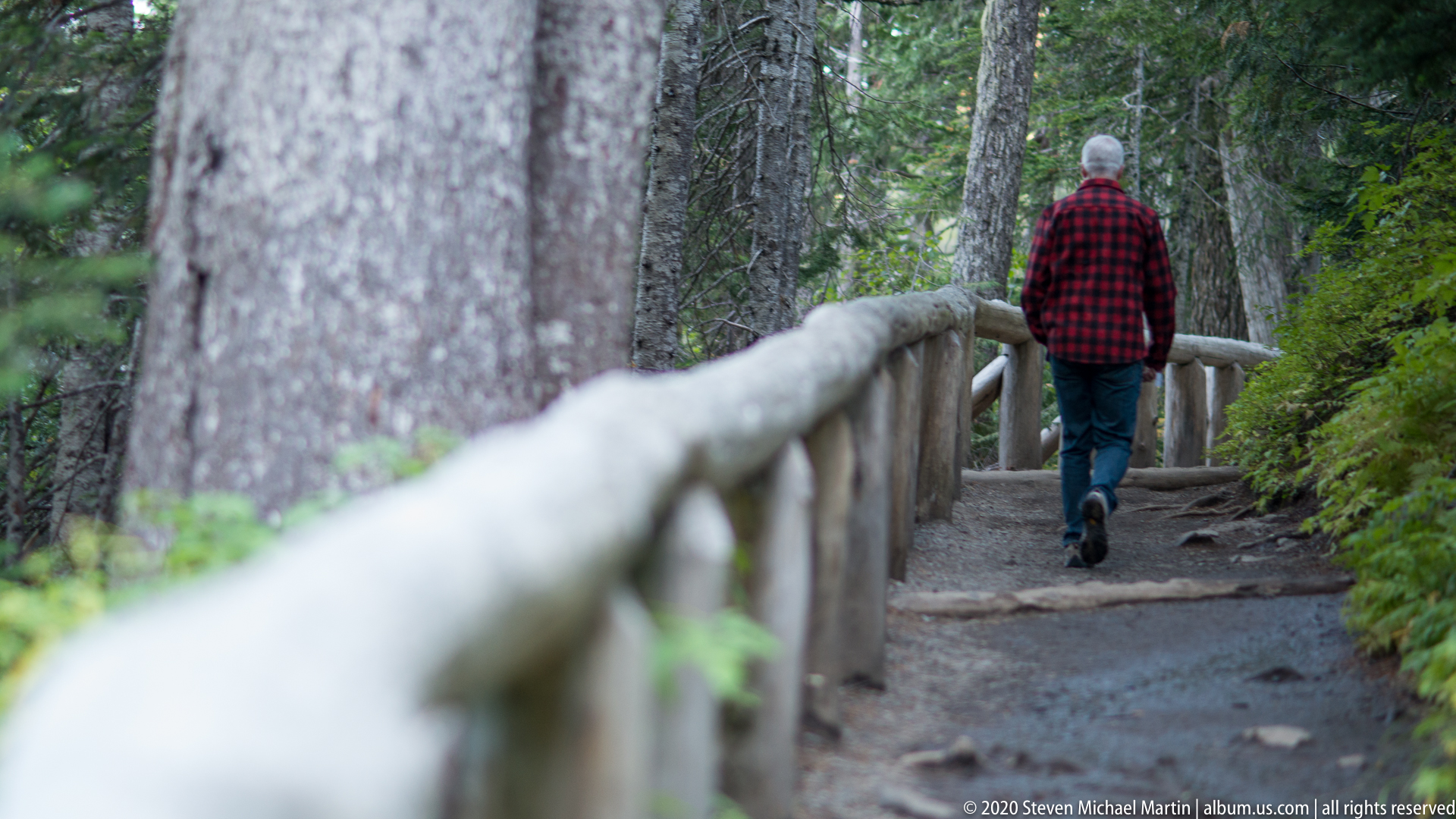
- Forest Framing – Surrounding vegetation adds context and depth to waterfall views.
- Seasonal Flow Variation – Water volume influenced by snowpack and seasonal melt.
🔎 Notable Encounters
- Layered Cascades – Multiple drops create varied textures and motion.
- Moisture Effects – Mist can influence visibility and surface appearance.
- Rock Formations – Water movement highlights natural erosion patterns.
- Forest Atmosphere – Filtered light shapes the visual character of the scene.
📷 Photography Notes
- Overcast conditions often reduce harsh contrast.
- Slower shutter speeds can create smooth water effects.
- Look for compositions including both water and surrounding rock.
- Moist conditions may require lens protection or frequent cleaning.
- Framing with nearby vegetation can add depth.
- Different flow levels produce varied visual character.