Lewis and Clark National Historical Park — Cape Disappointment
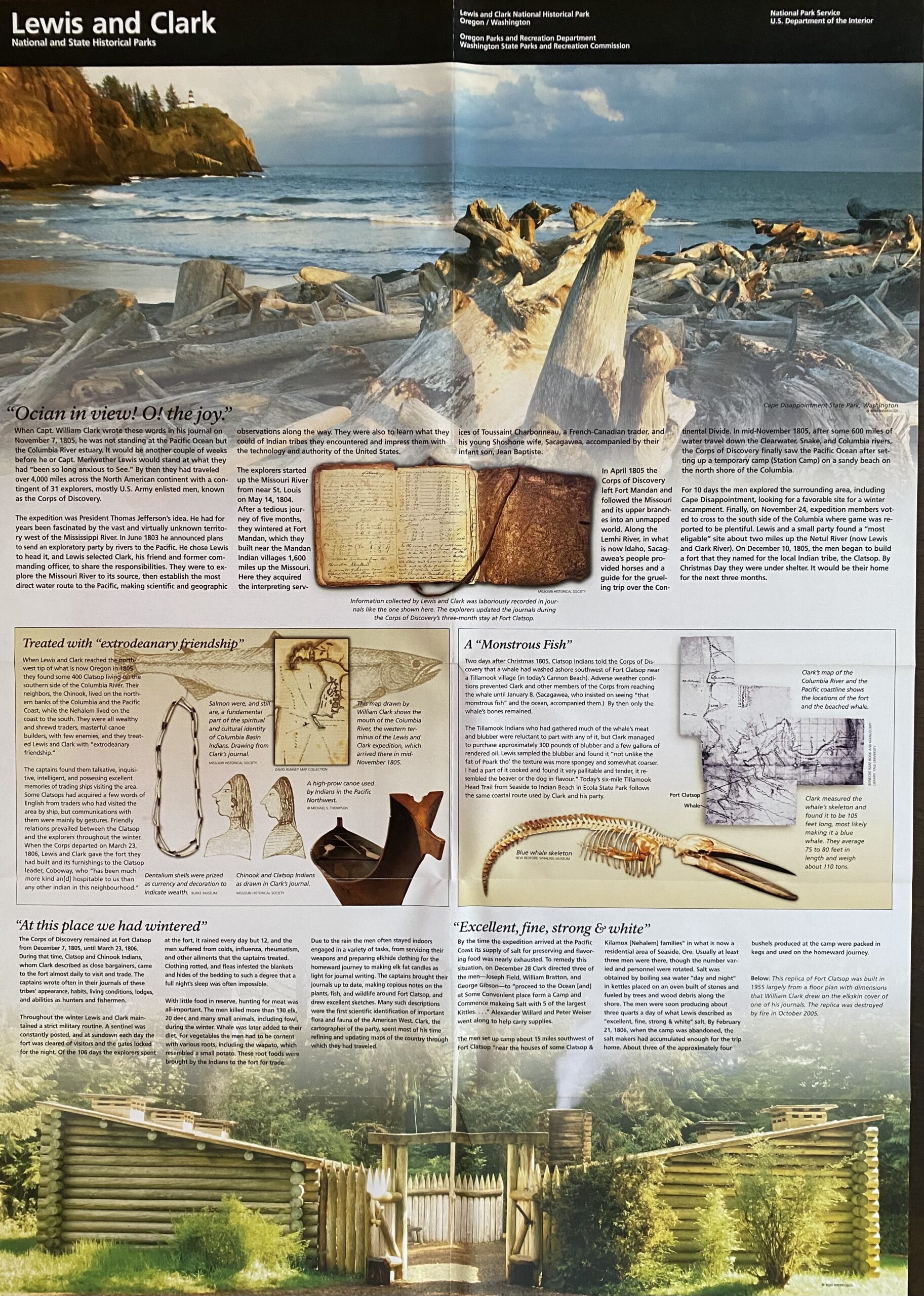
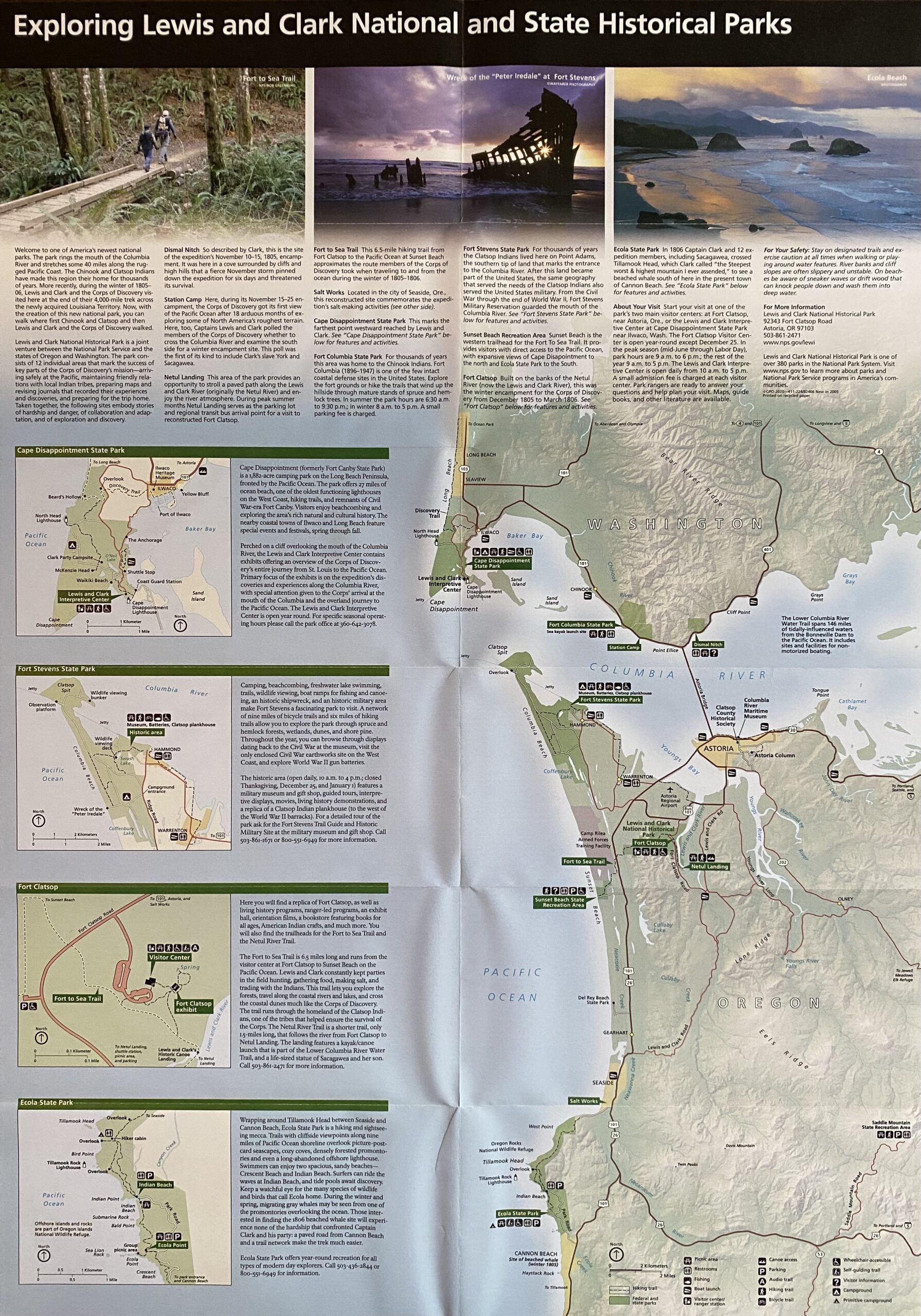
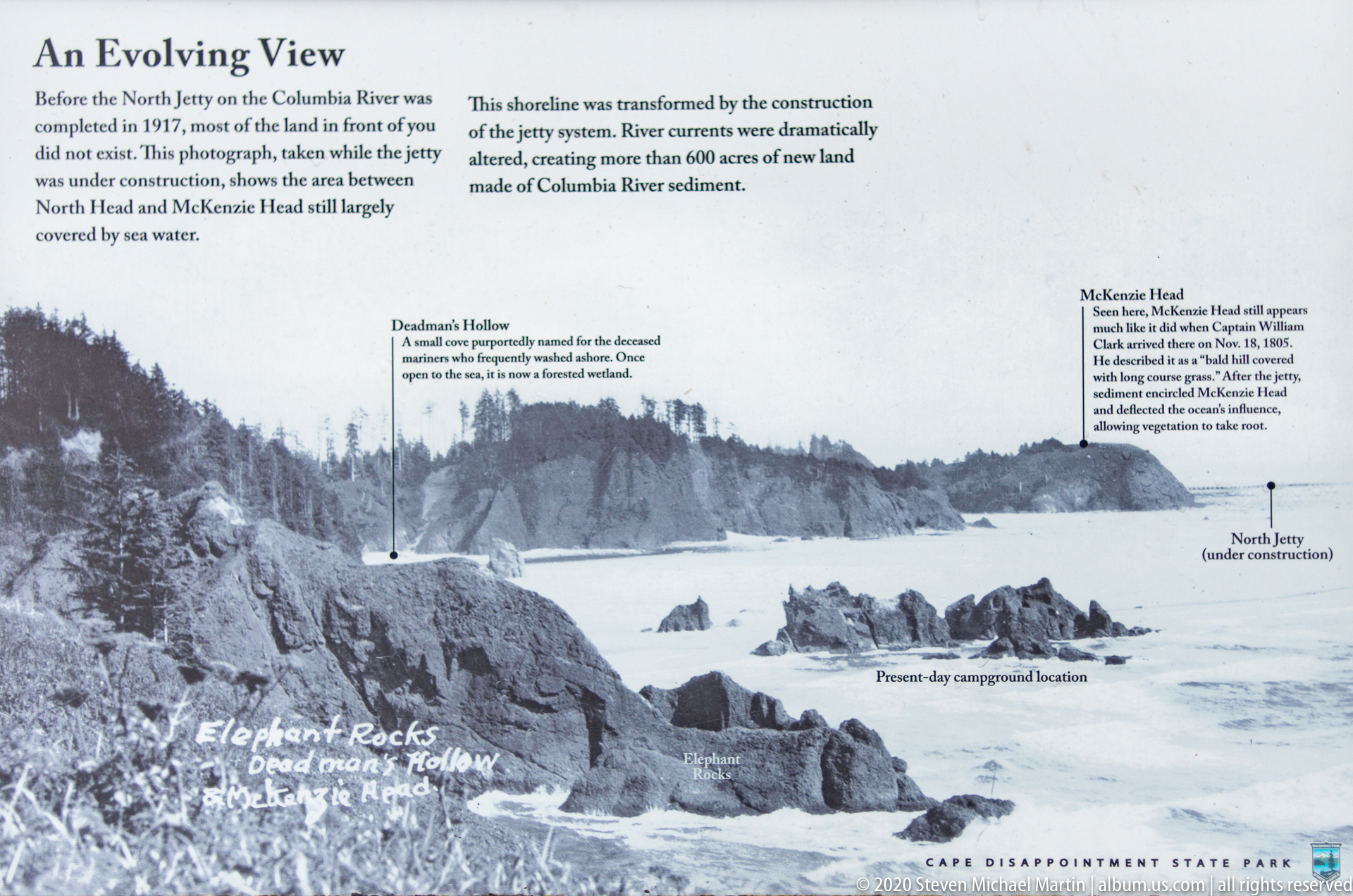
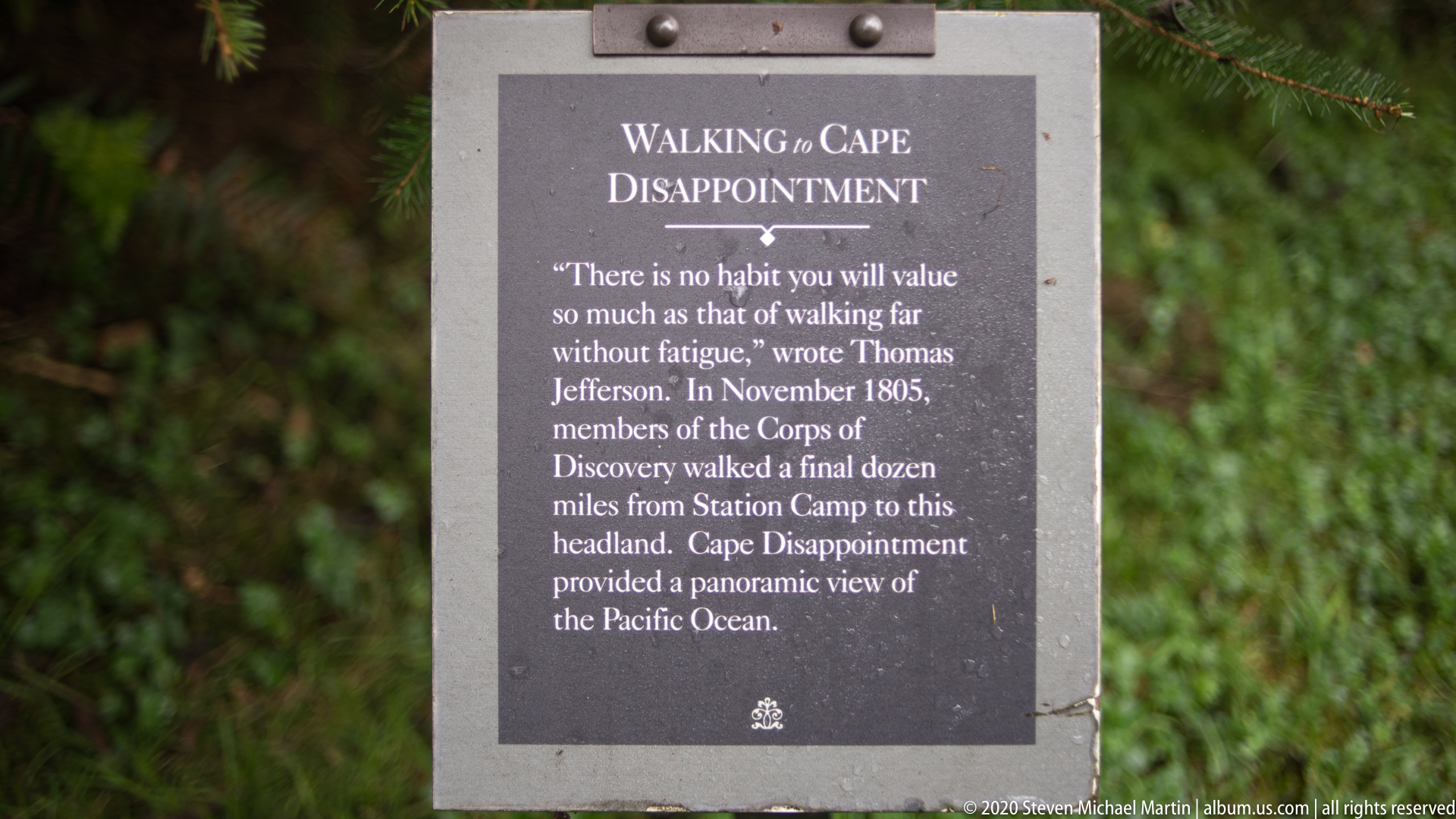
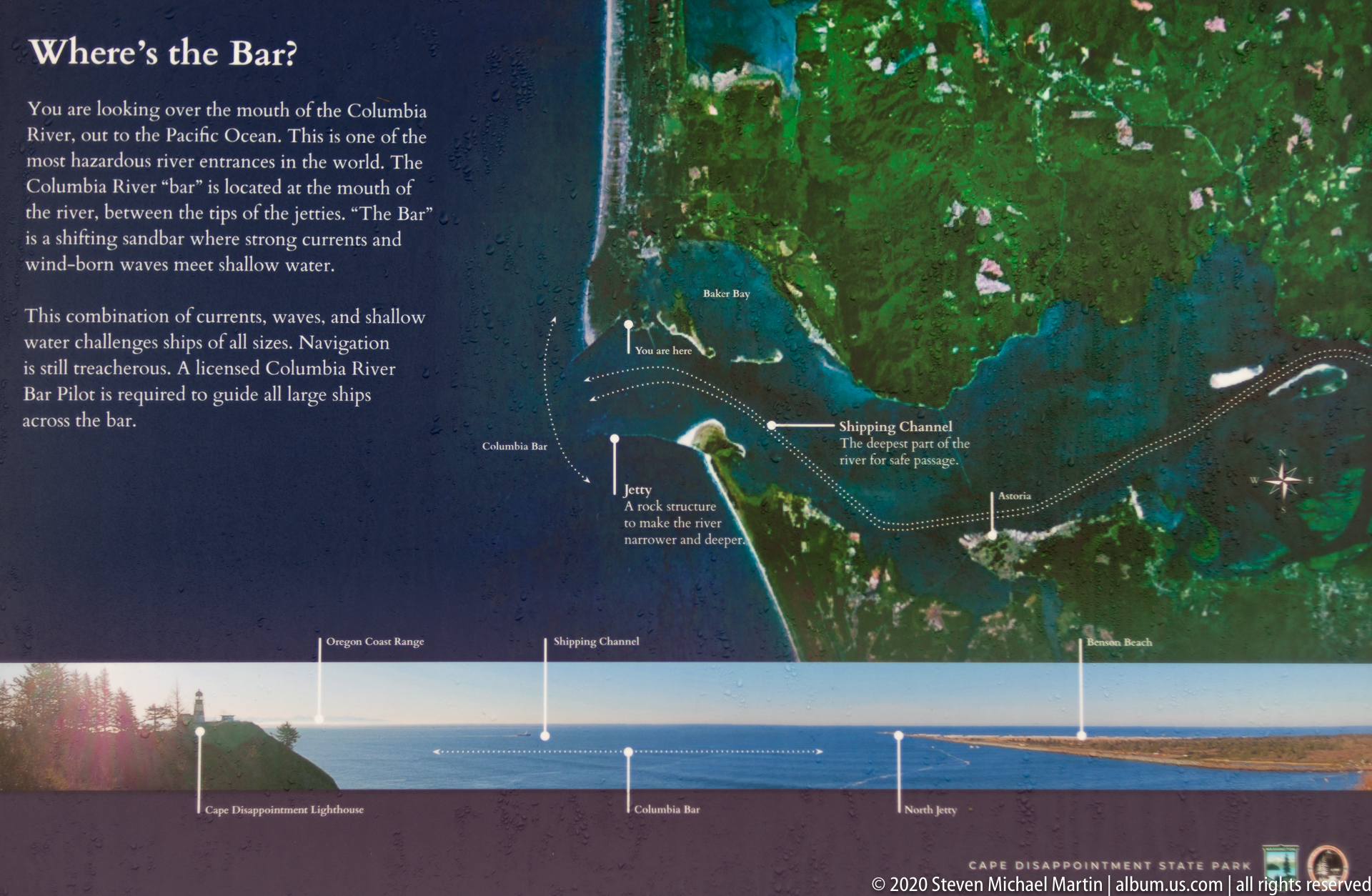
Cape Disappointment represents an important geographic point in the Lewis and Clark expedition, marking their arrival at the Pacific Ocean after traveling across the North American continent. The meeting of river and ocean produces strong currents and unpredictable weather conditions that influenced exploration and navigation.
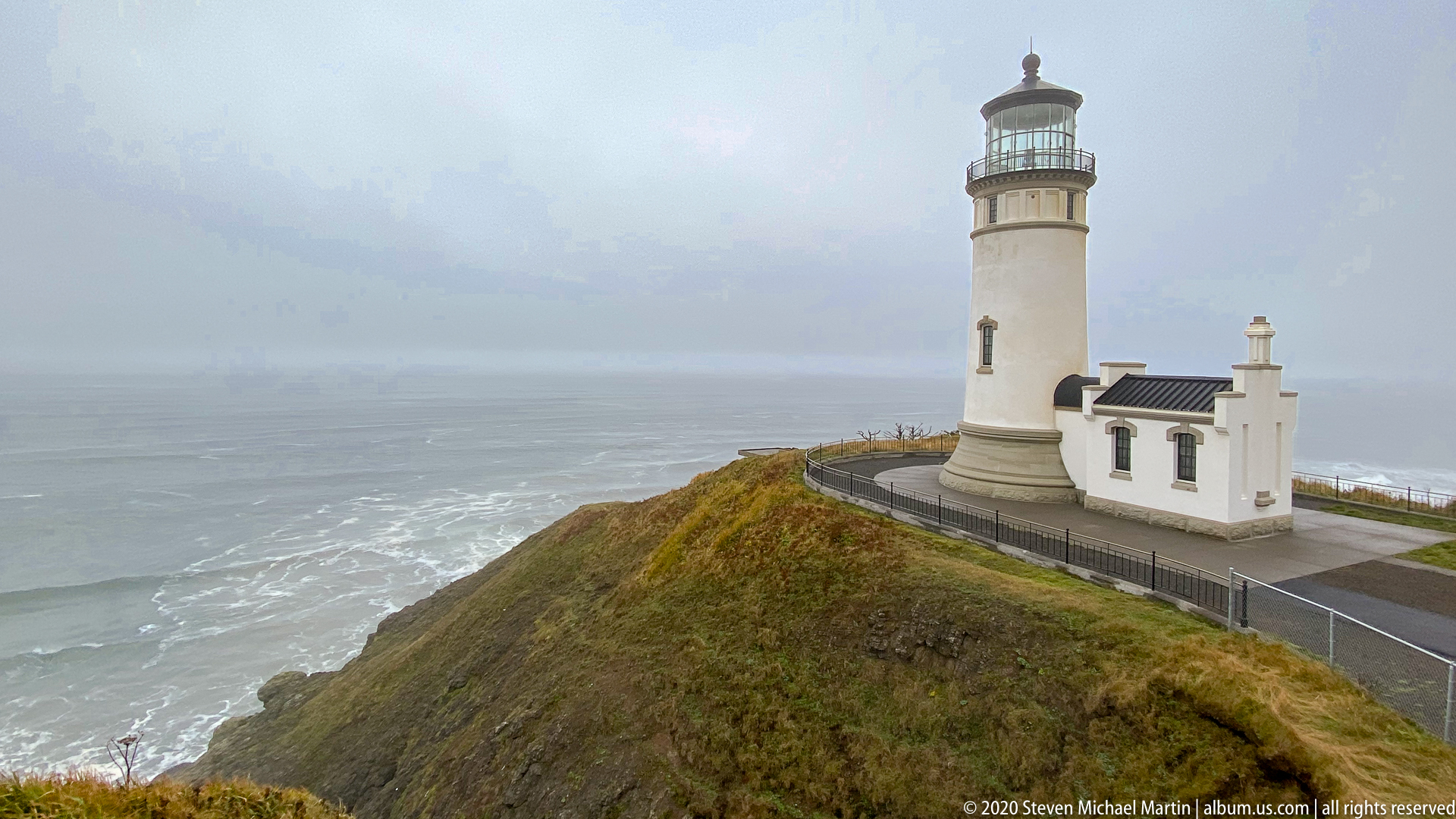
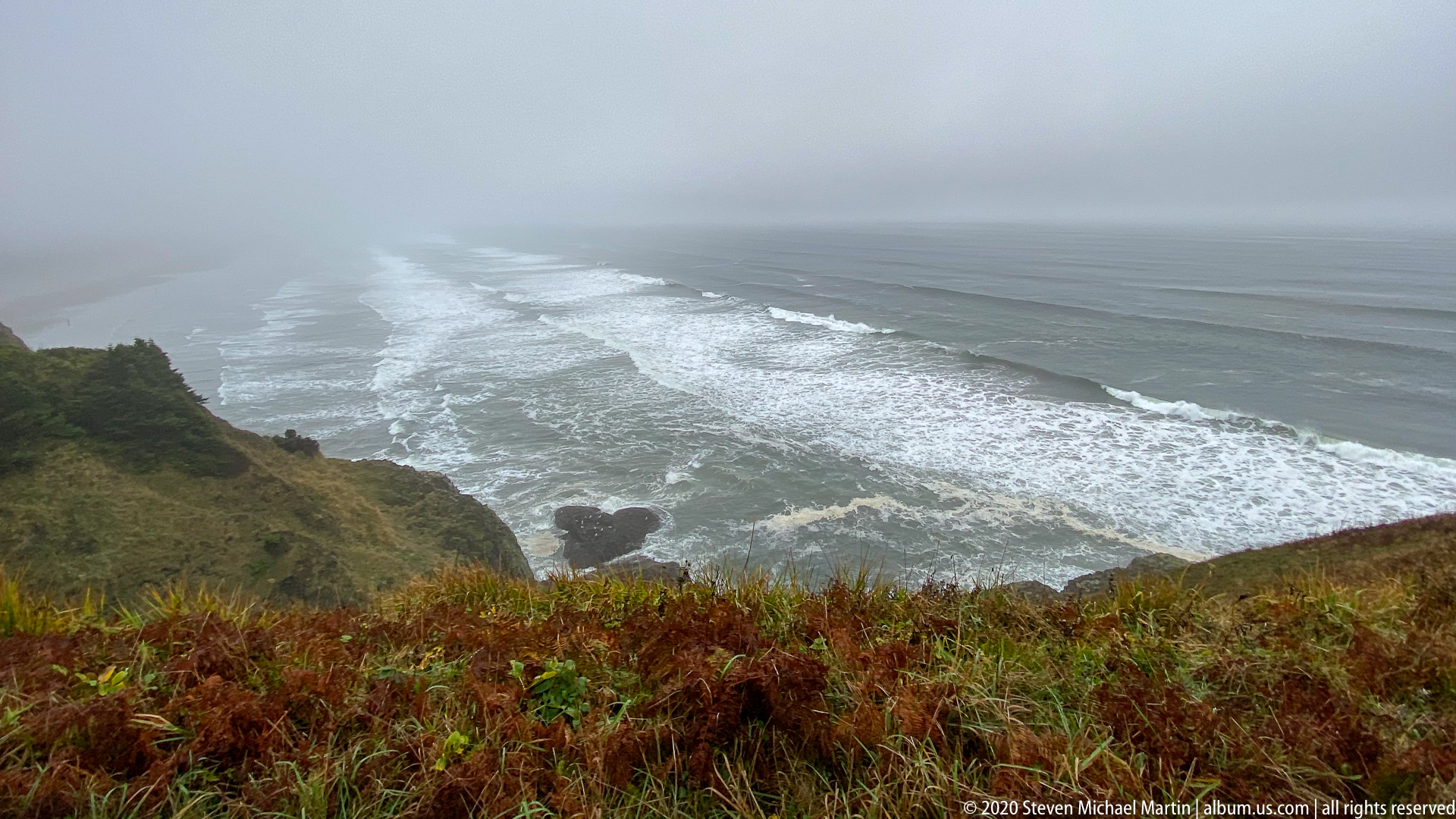
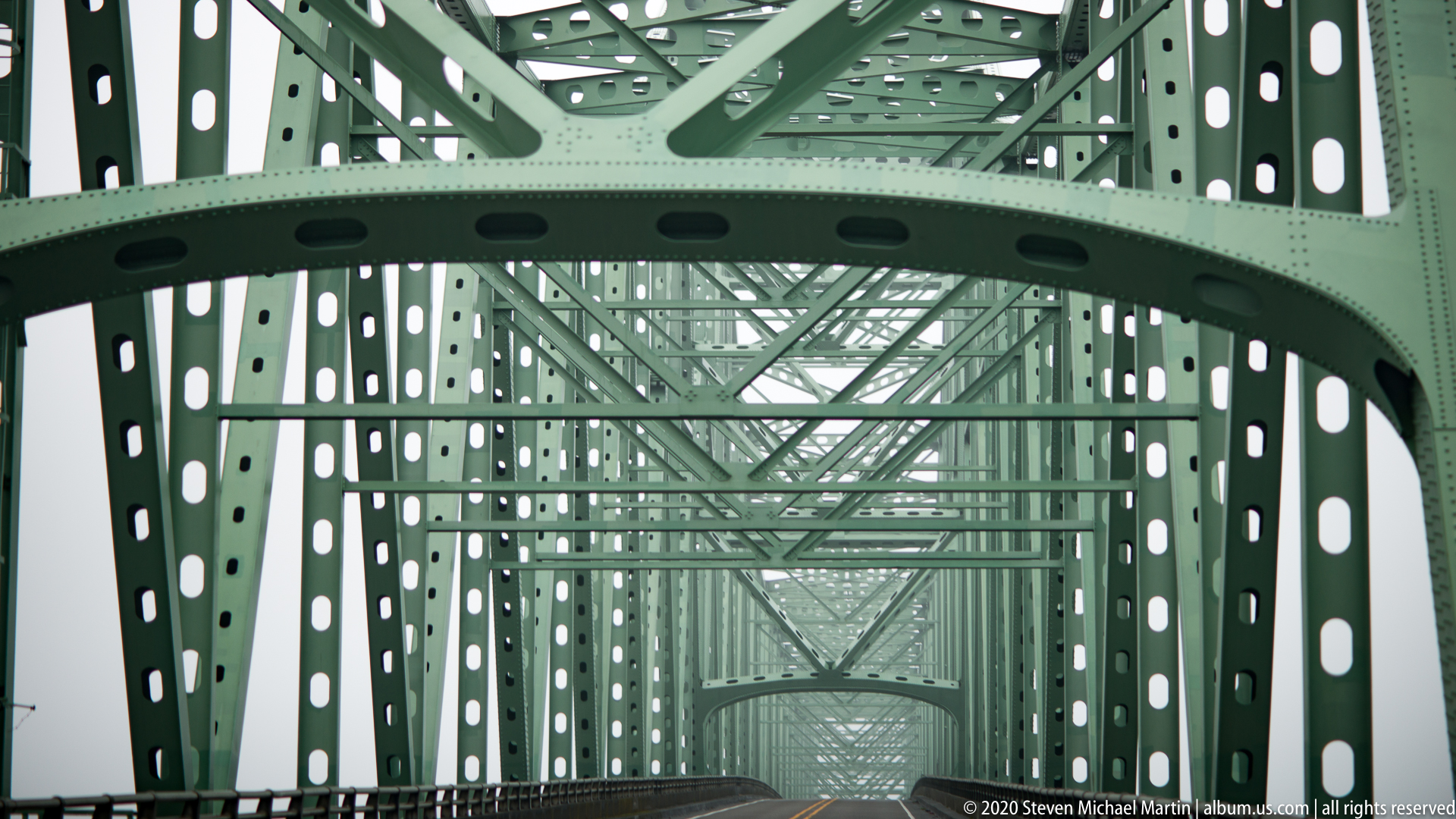
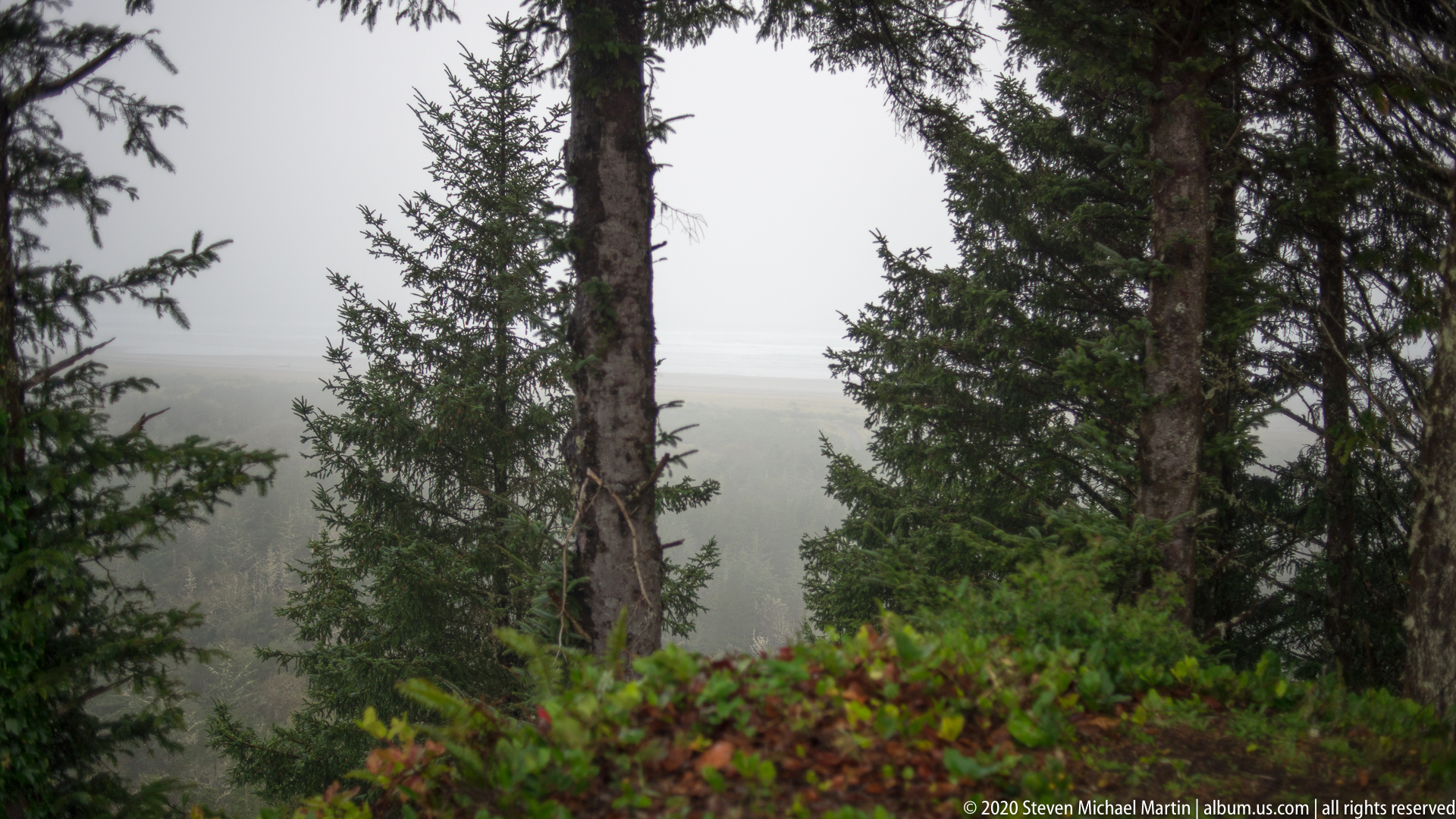
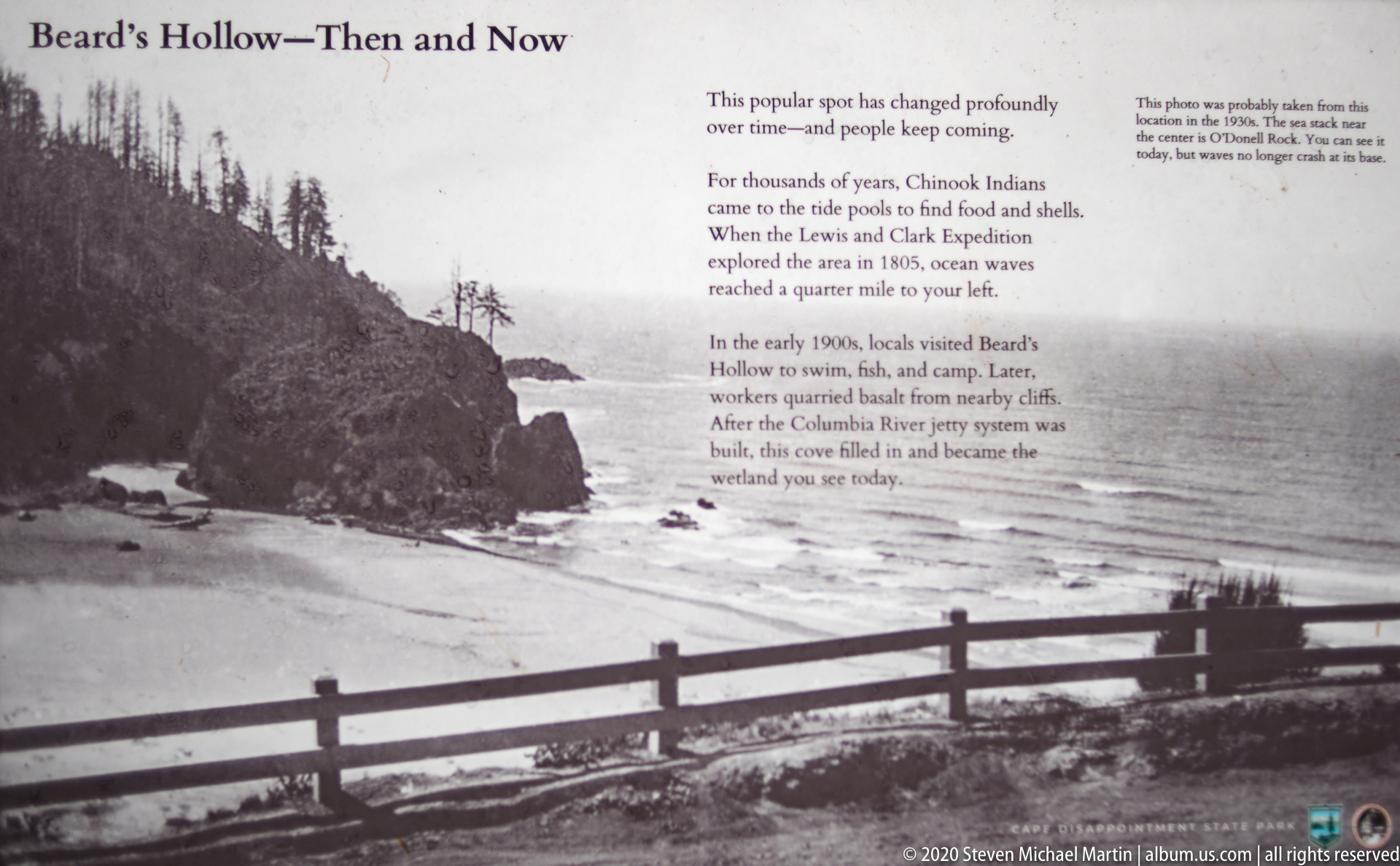
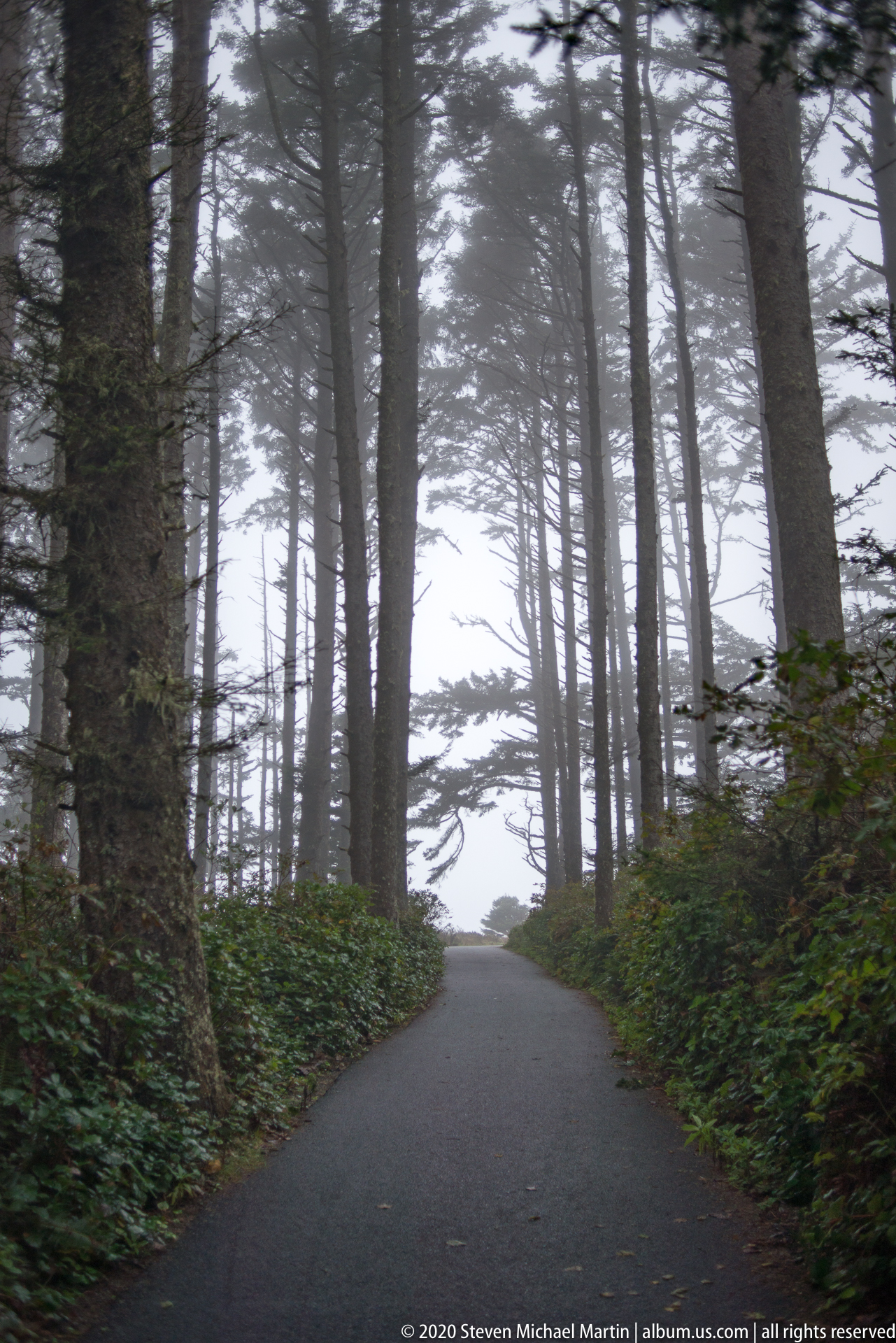
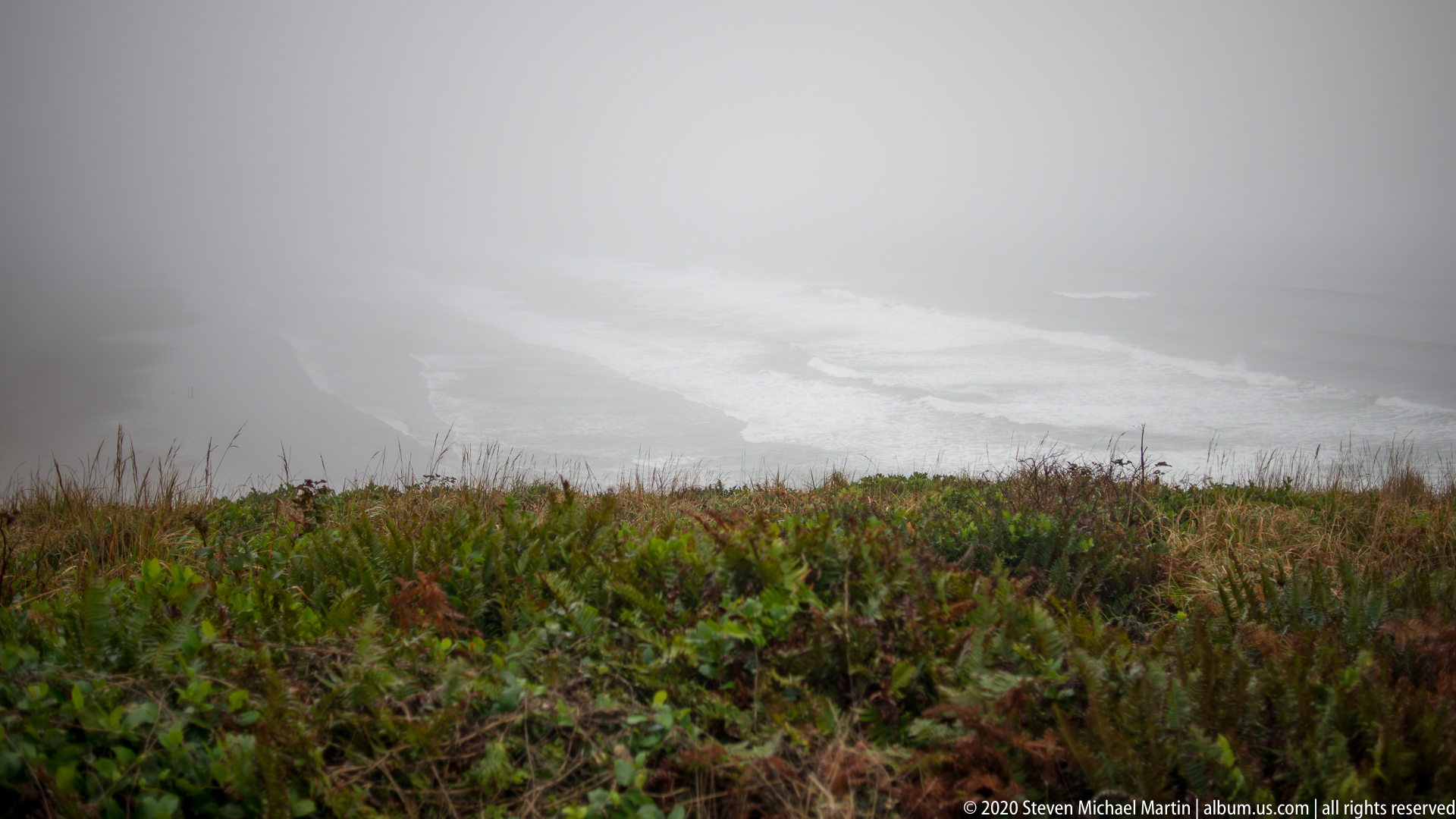
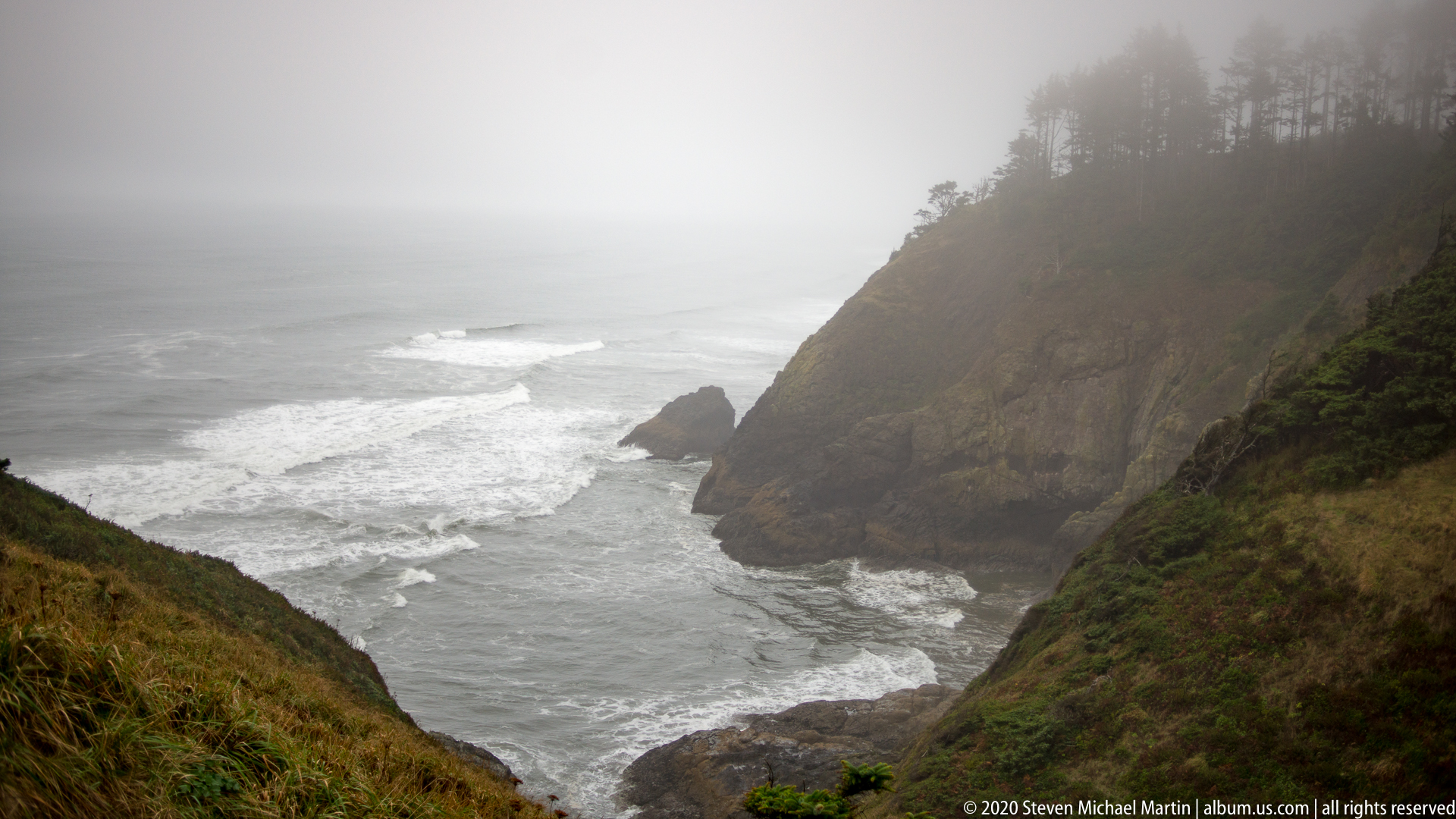
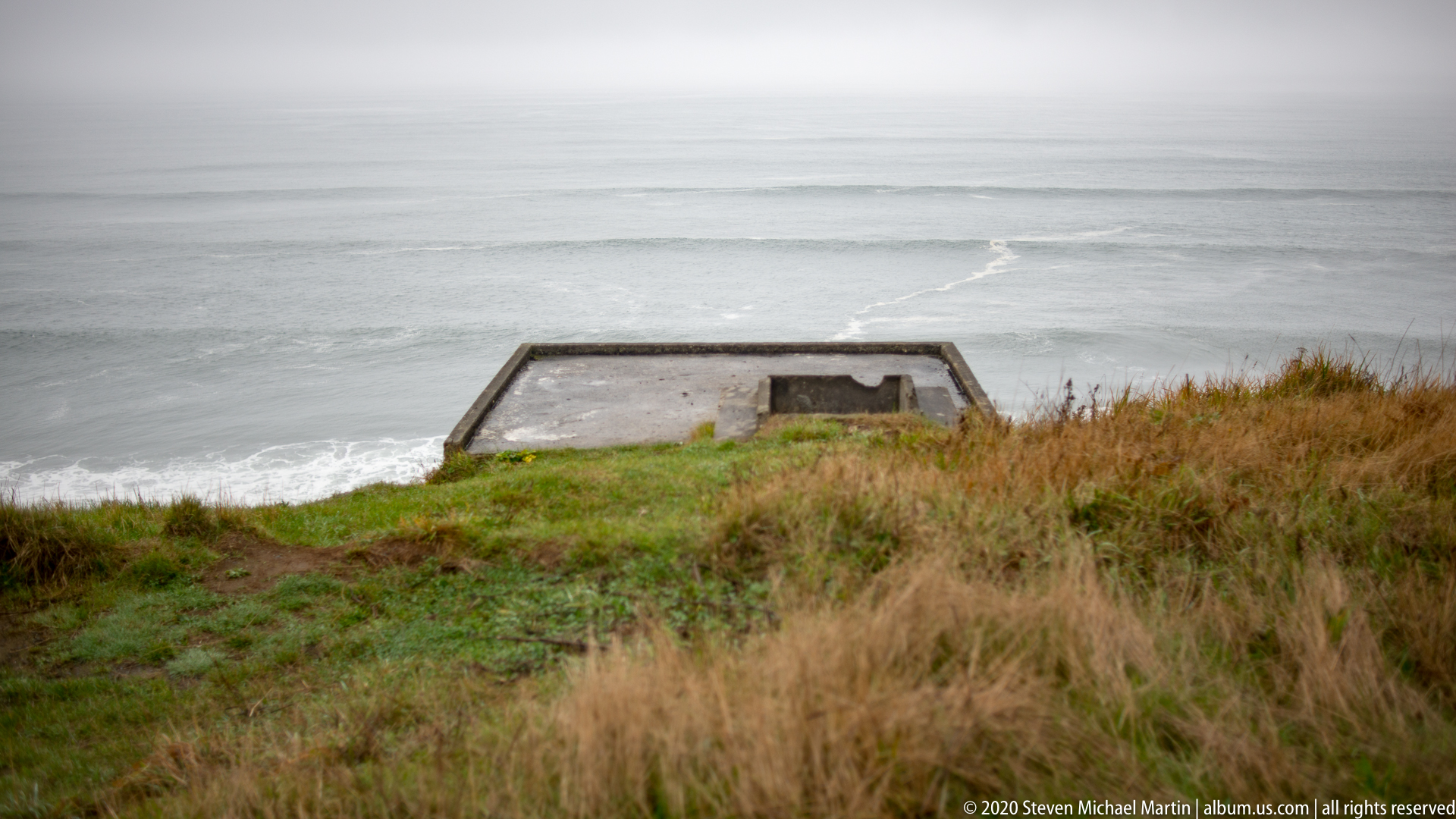
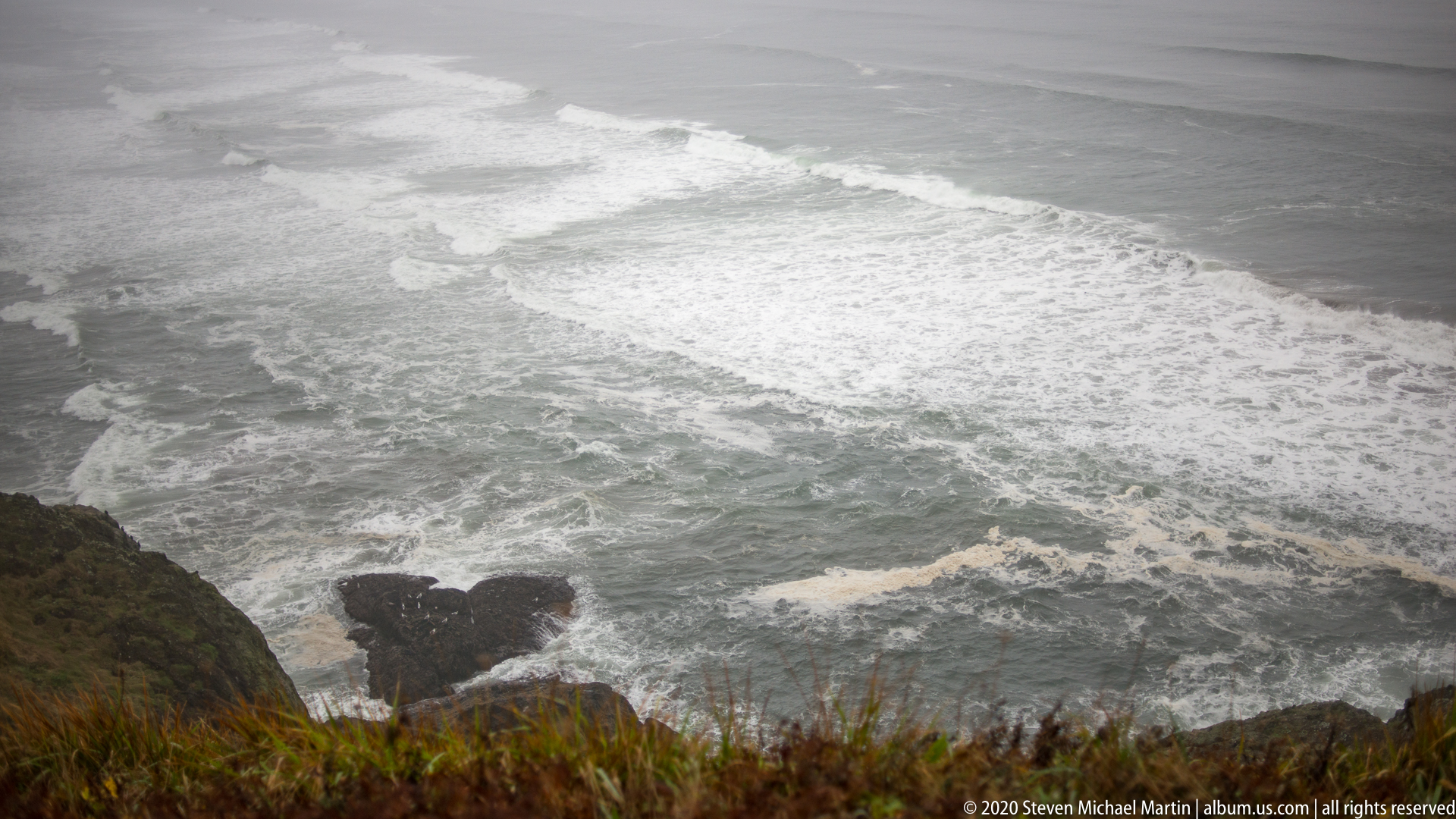
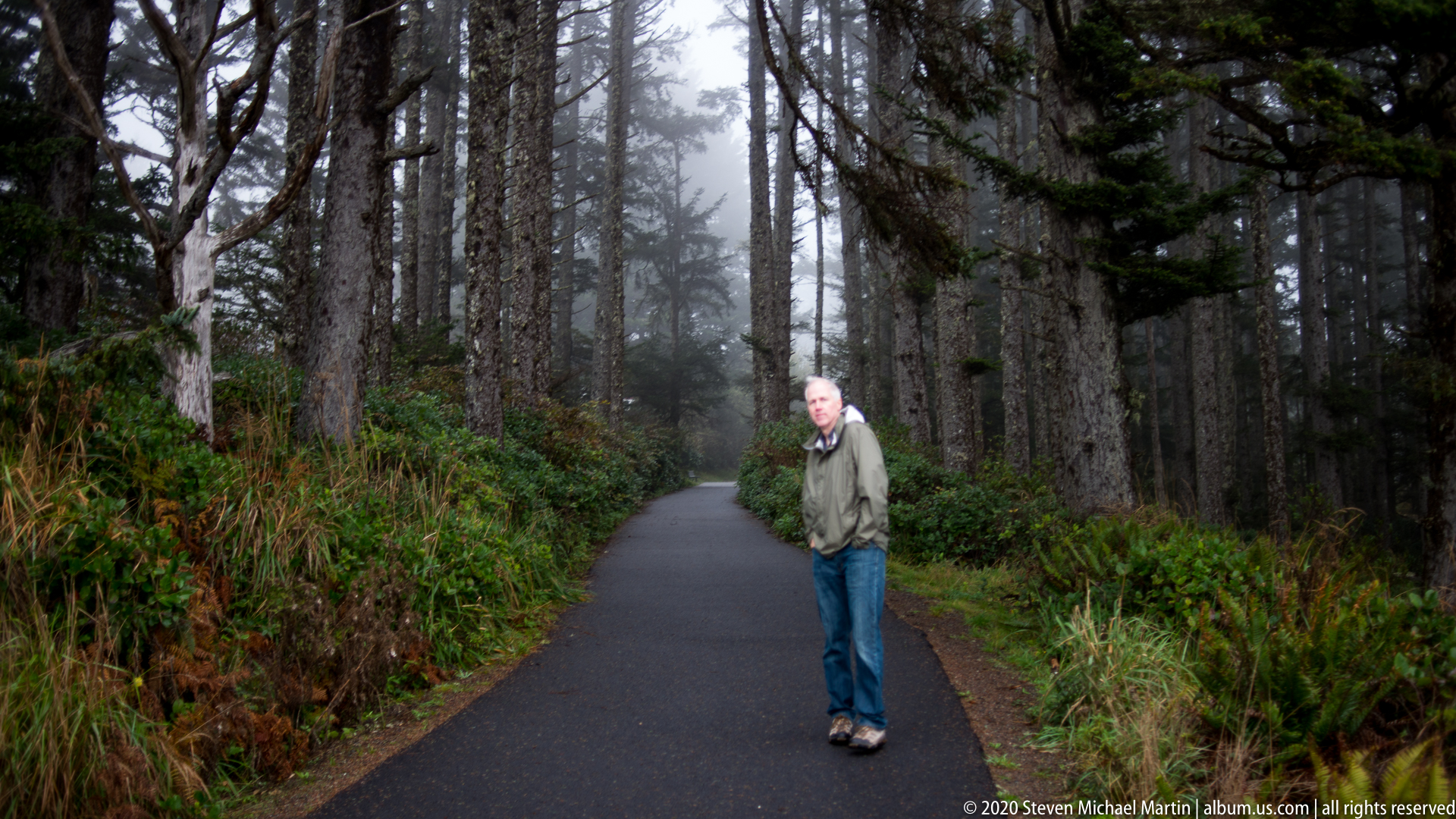
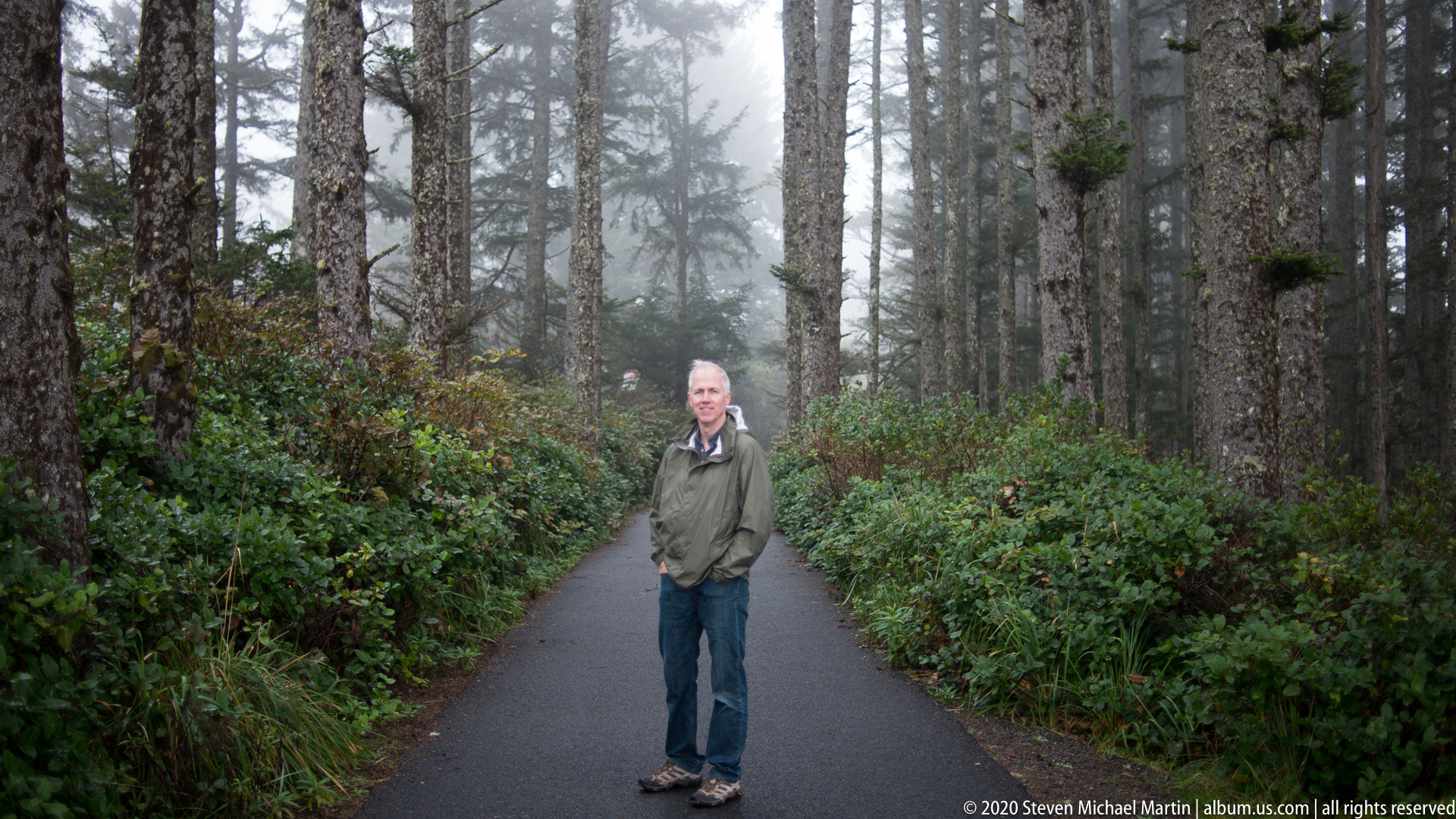
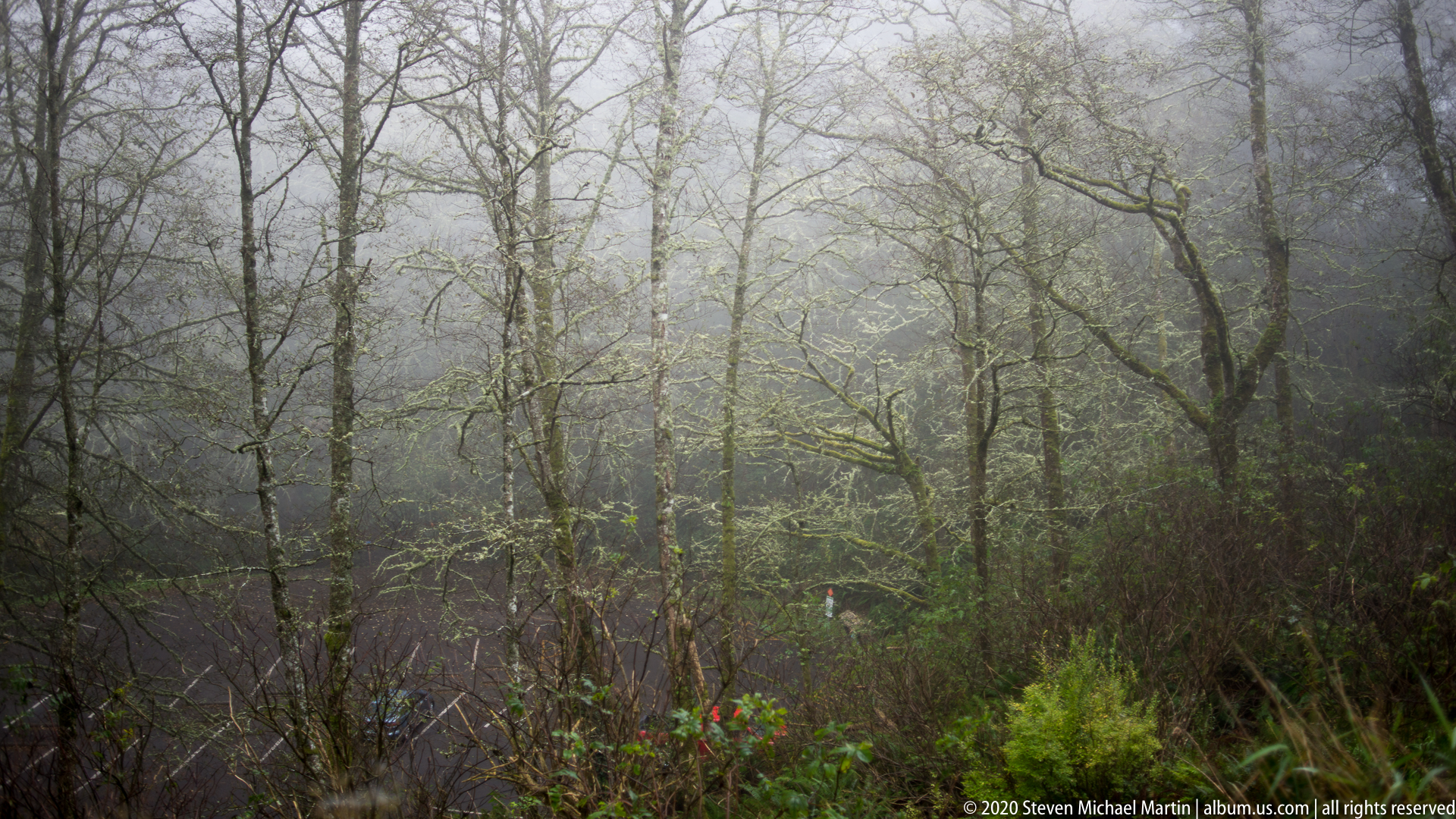
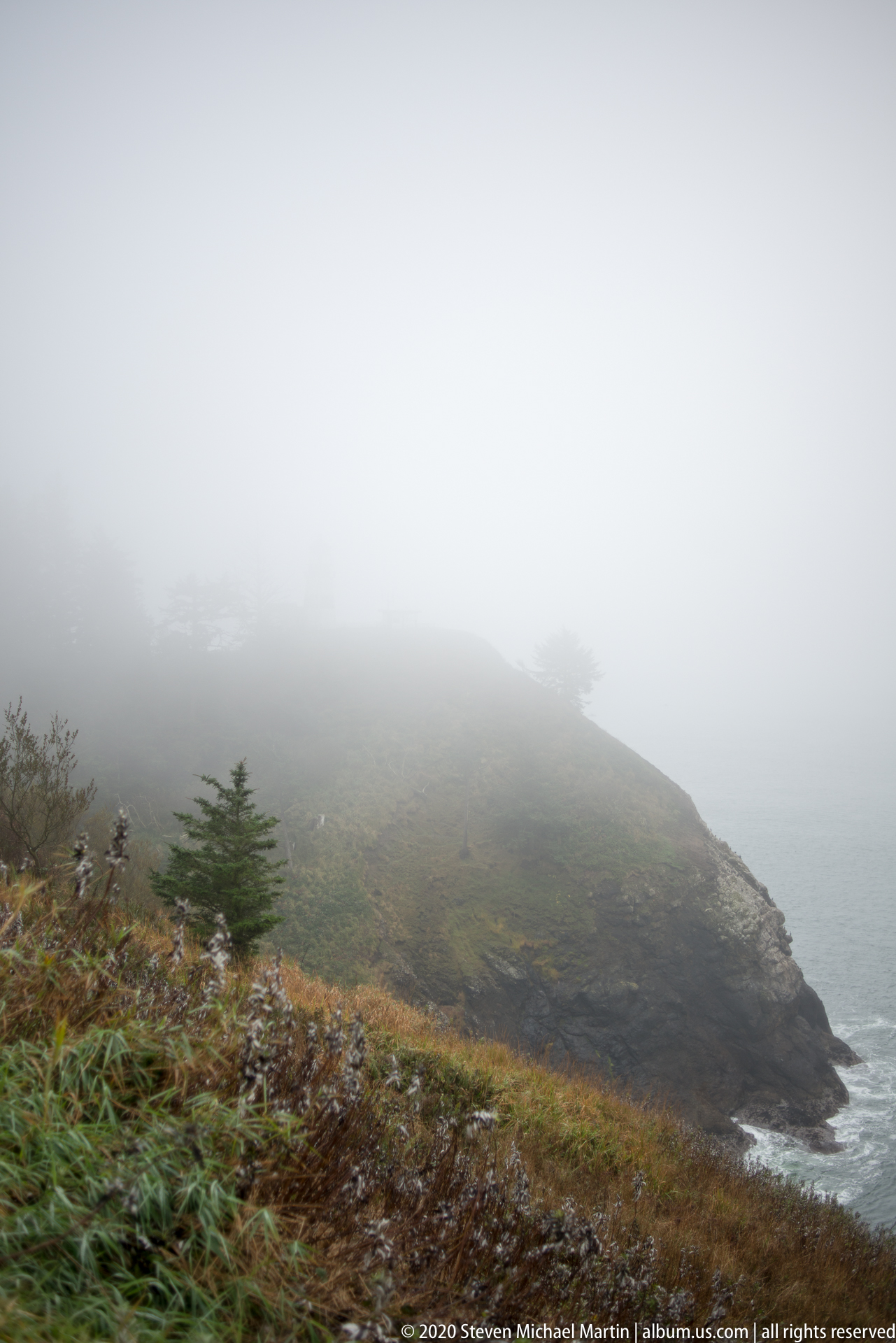
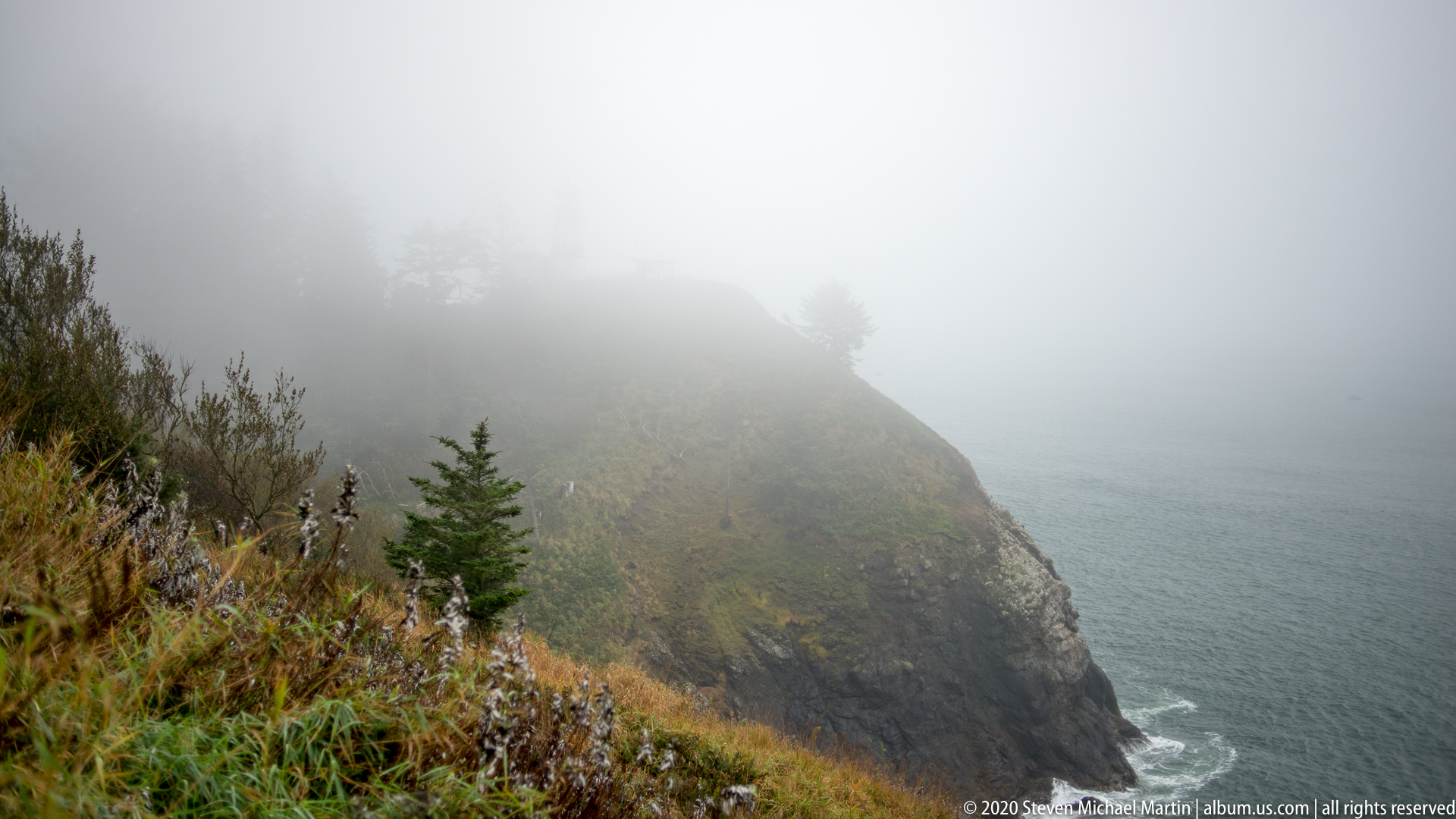
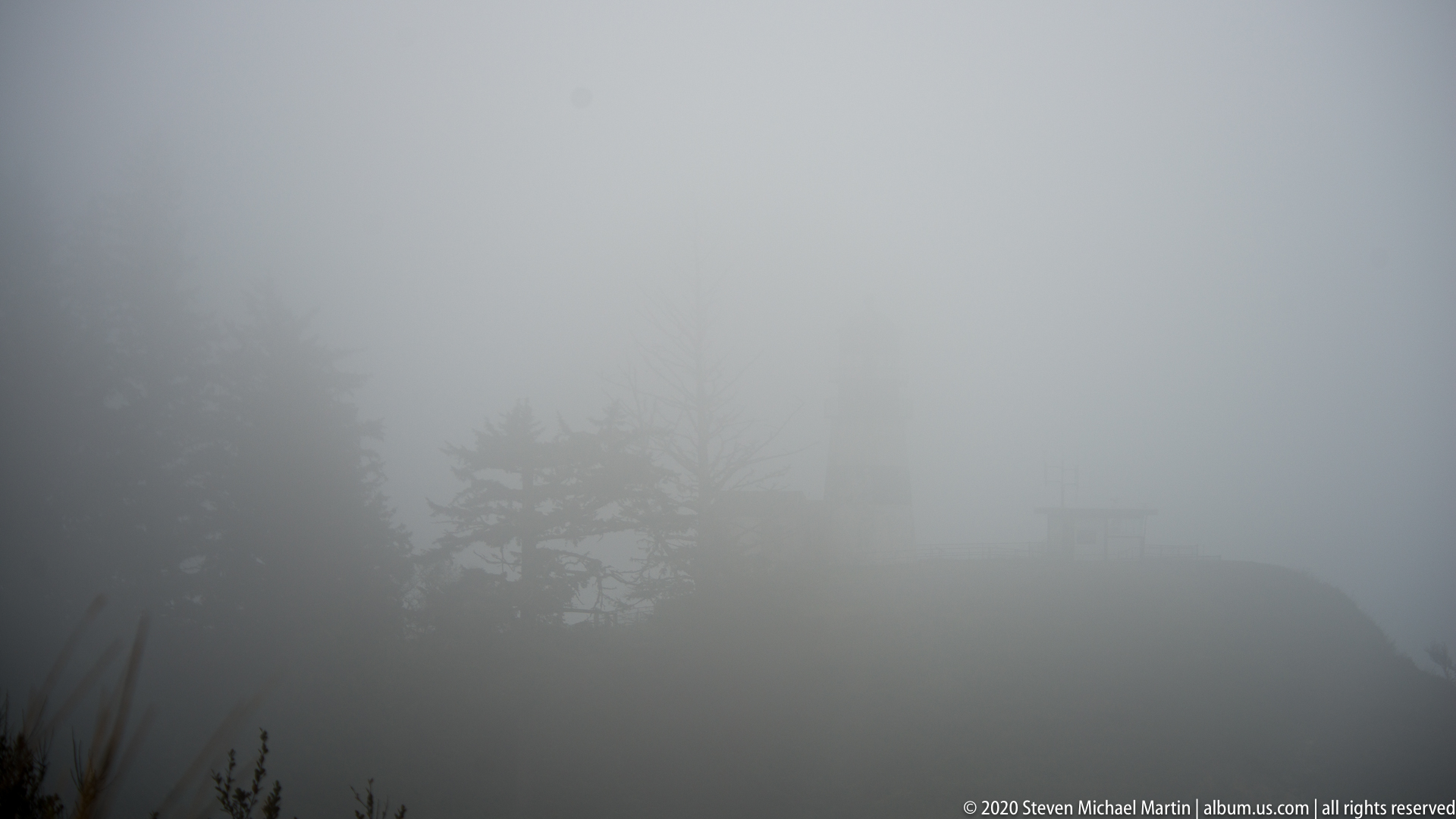
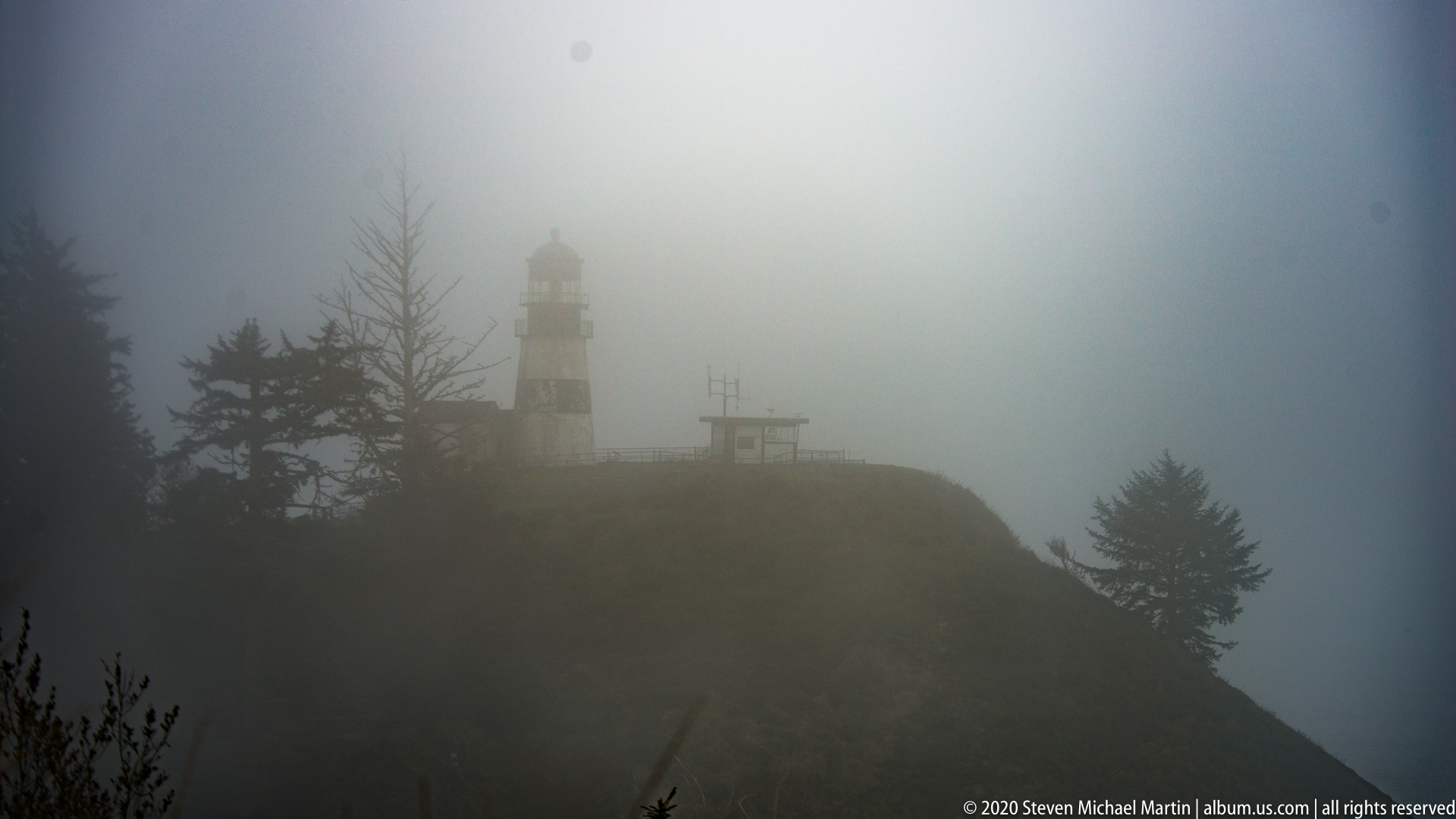
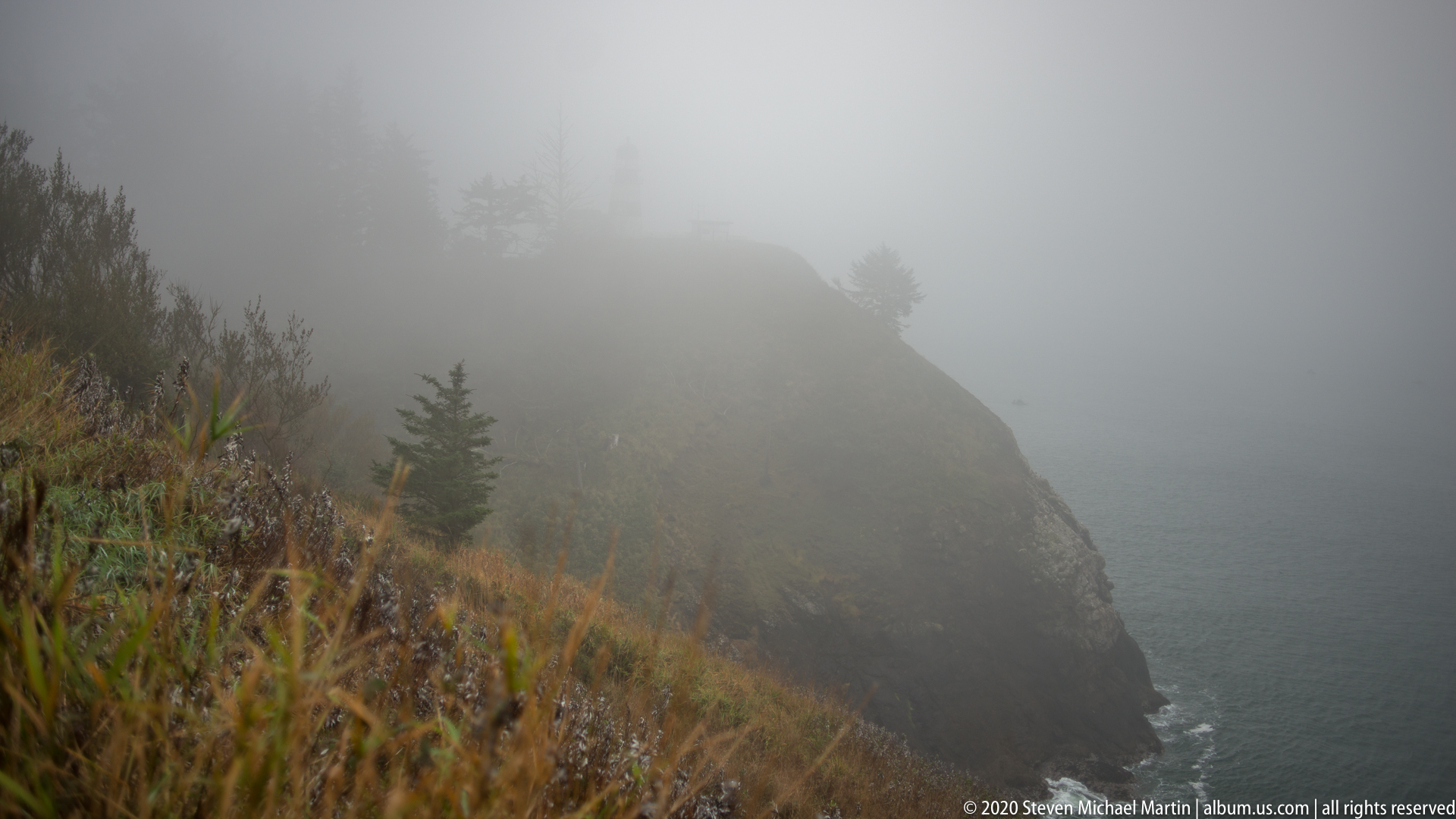
The surrounding cliffs and shoreline illustrate the interaction between the Columbia River and Pacific Ocean. Changing tides and wave action shape the coastal terrain, contributing to the rugged appearance of the landscape. Frequent fog and cloud cover reinforce the atmospheric conditions associated with the Pacific Northwest coast.
Visitors encounter Cape Disappointment as a location where natural forces influenced historical travel routes. The combination of geographic significance and coastal scenery contributes to the site’s interpretive importance.






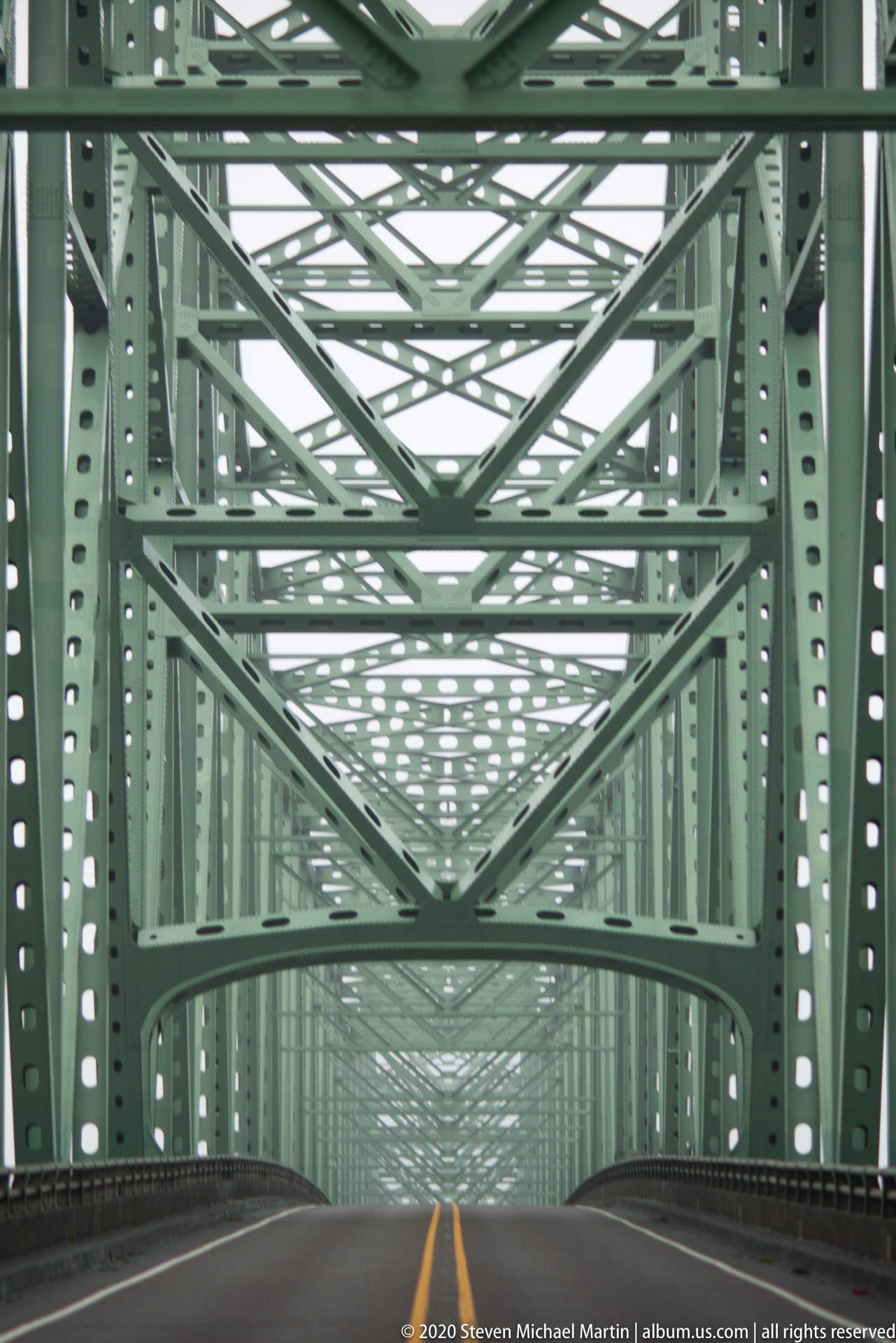

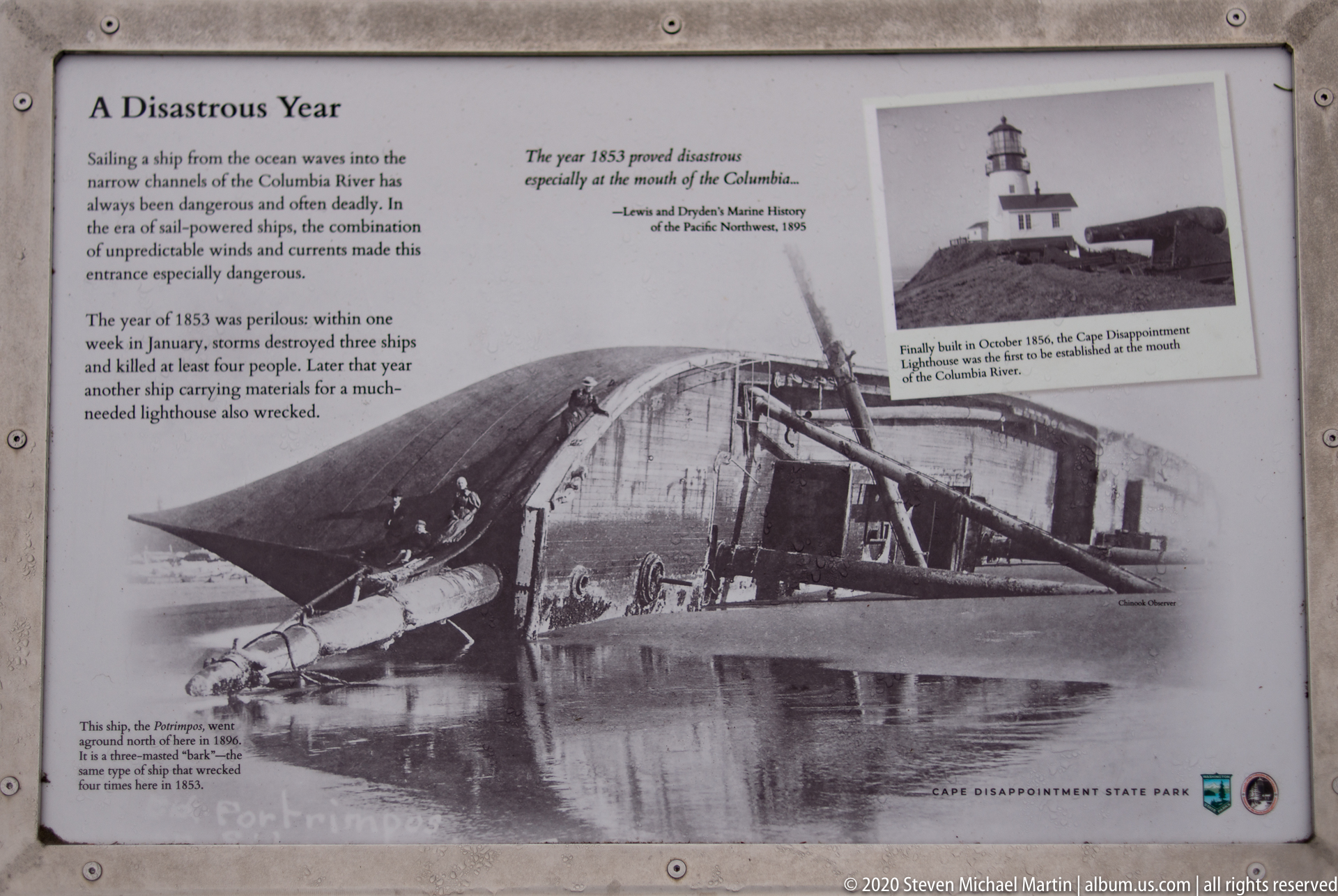
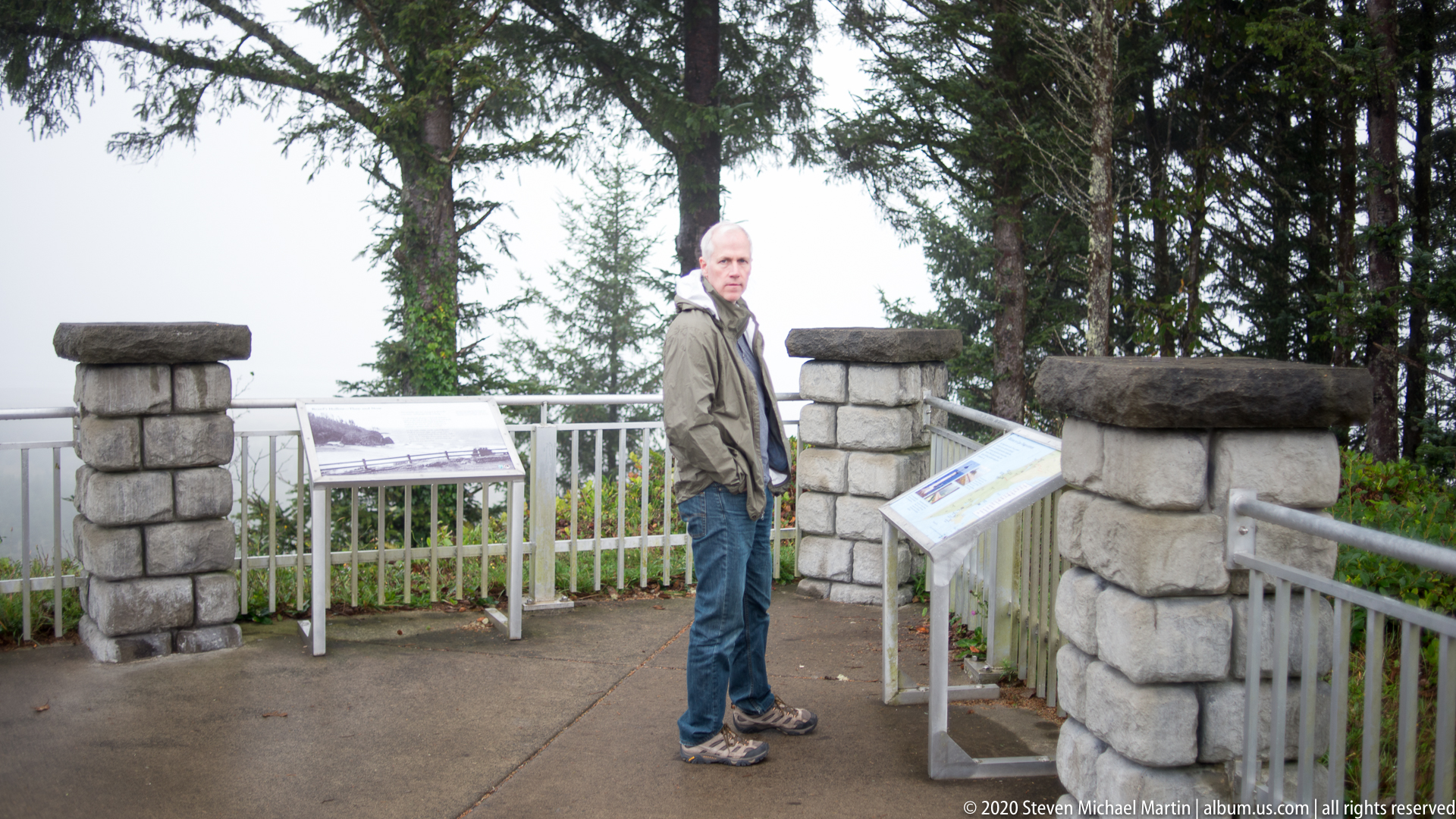
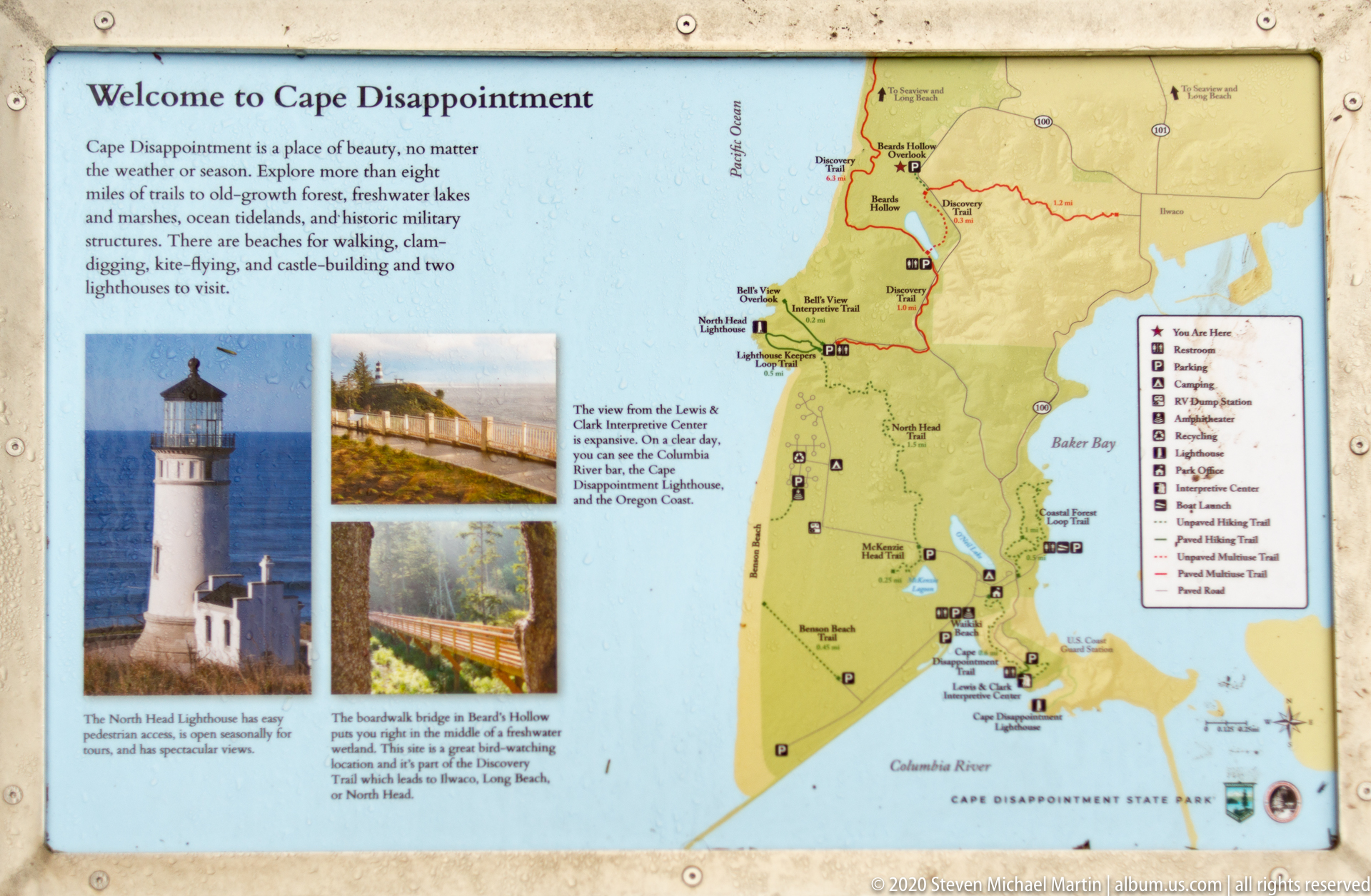














Lewis and Clark National Historical Park — Field Guide
🏛️ National Historical Park Field Guide
📍 Overview
Lewis and Clark National Historical Park preserves locations associated with the expedition’s arrival at the Pacific Ocean. Cape Disappointment reflects the geographic challenges encountered at the meeting of river and ocean.
The site illustrates how coastal conditions influenced early exploration and navigation decisions. Weather and ocean currents shaped travel experiences along the Pacific Northwest coast.
⭐ Highlights
- Columbia River meeting the Pacific Ocean
- Historic exploration routes
- Coastal cliffs
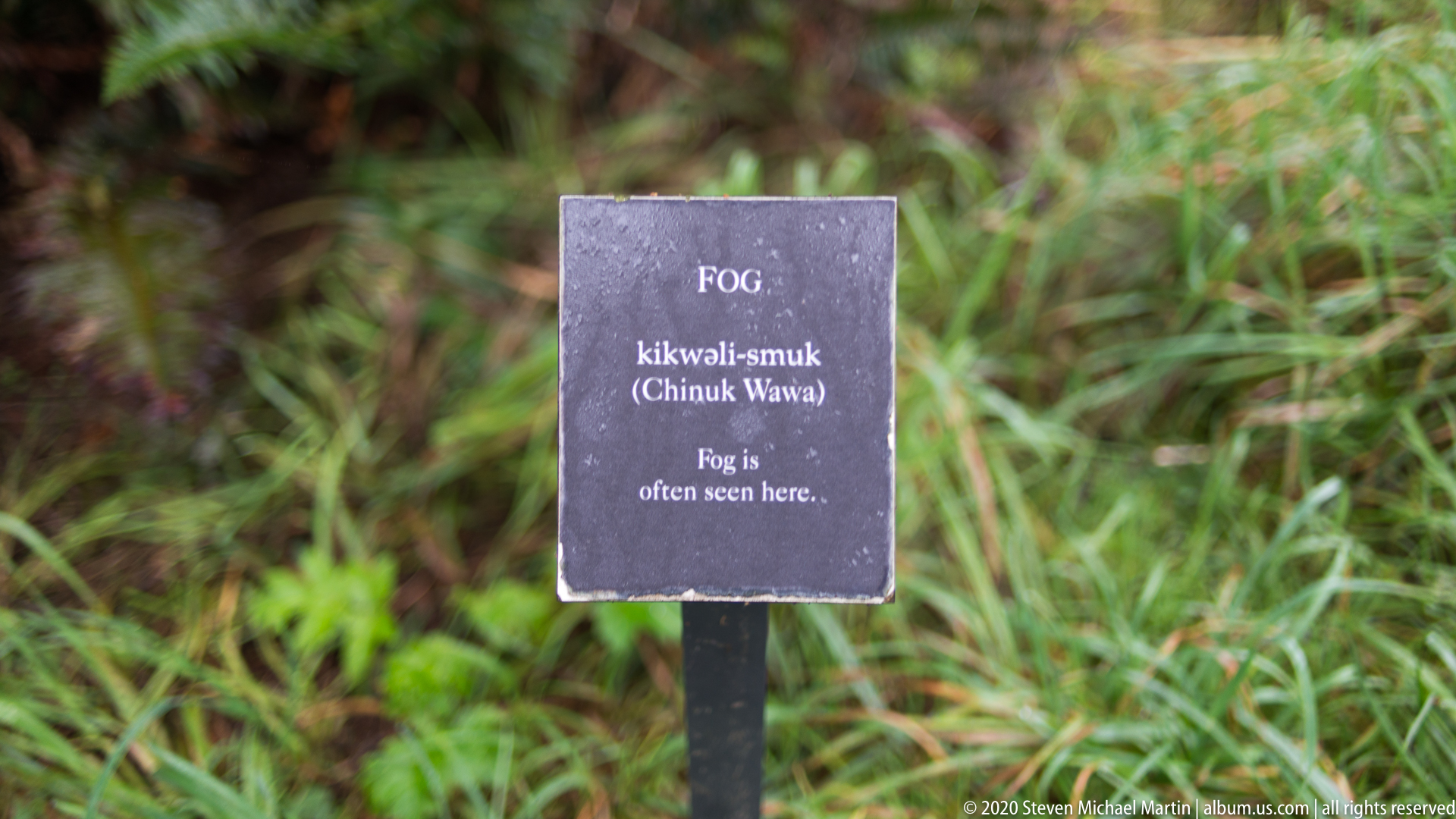
- Frequent fog conditions
- Pacific Northwest maritime landscape
🔎 Key Features
- Historical expedition significance
- Dynamic coastal weather
- River and ocean convergence
- Cliffside viewpoints
- Interpretive history
✨ Highlights
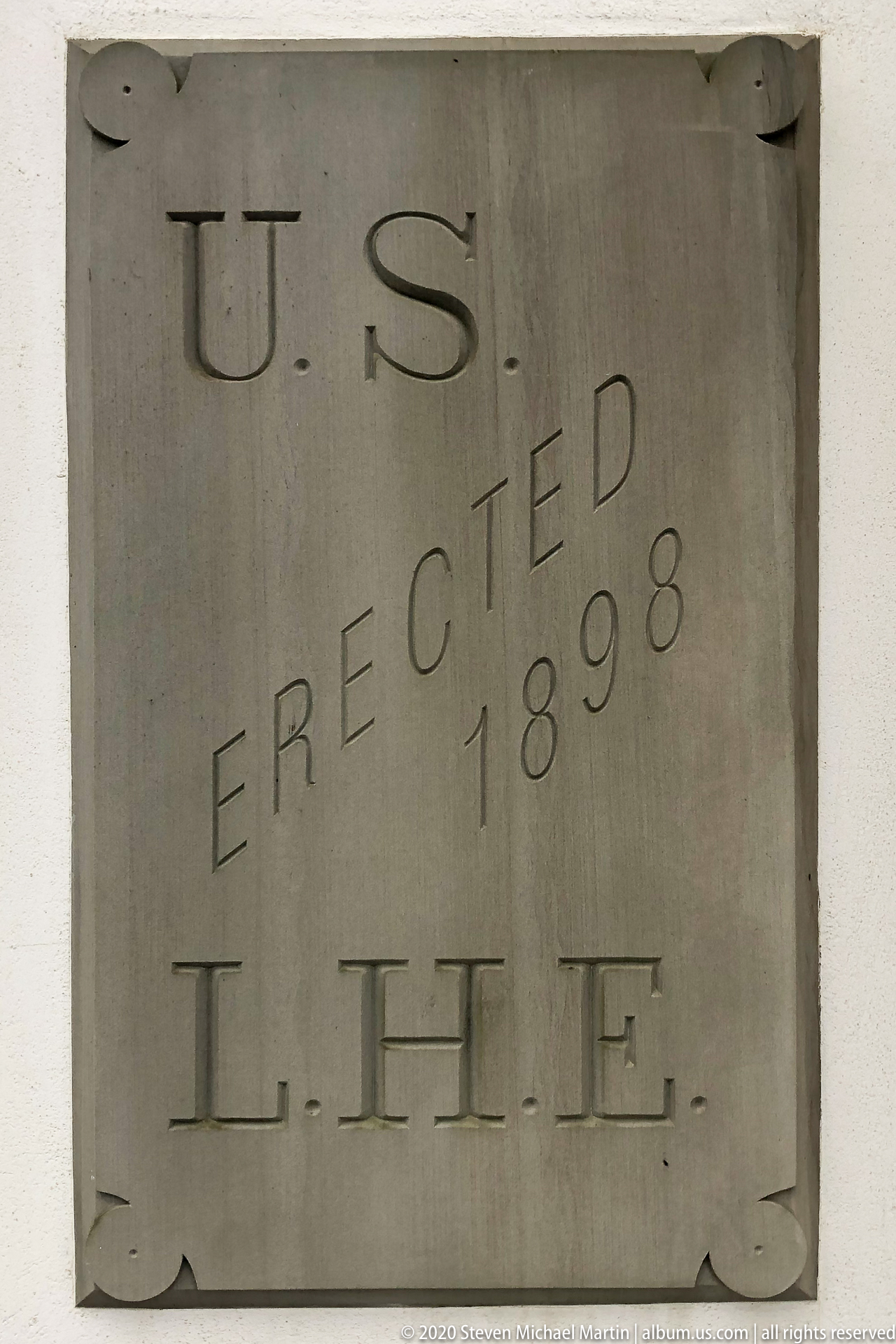
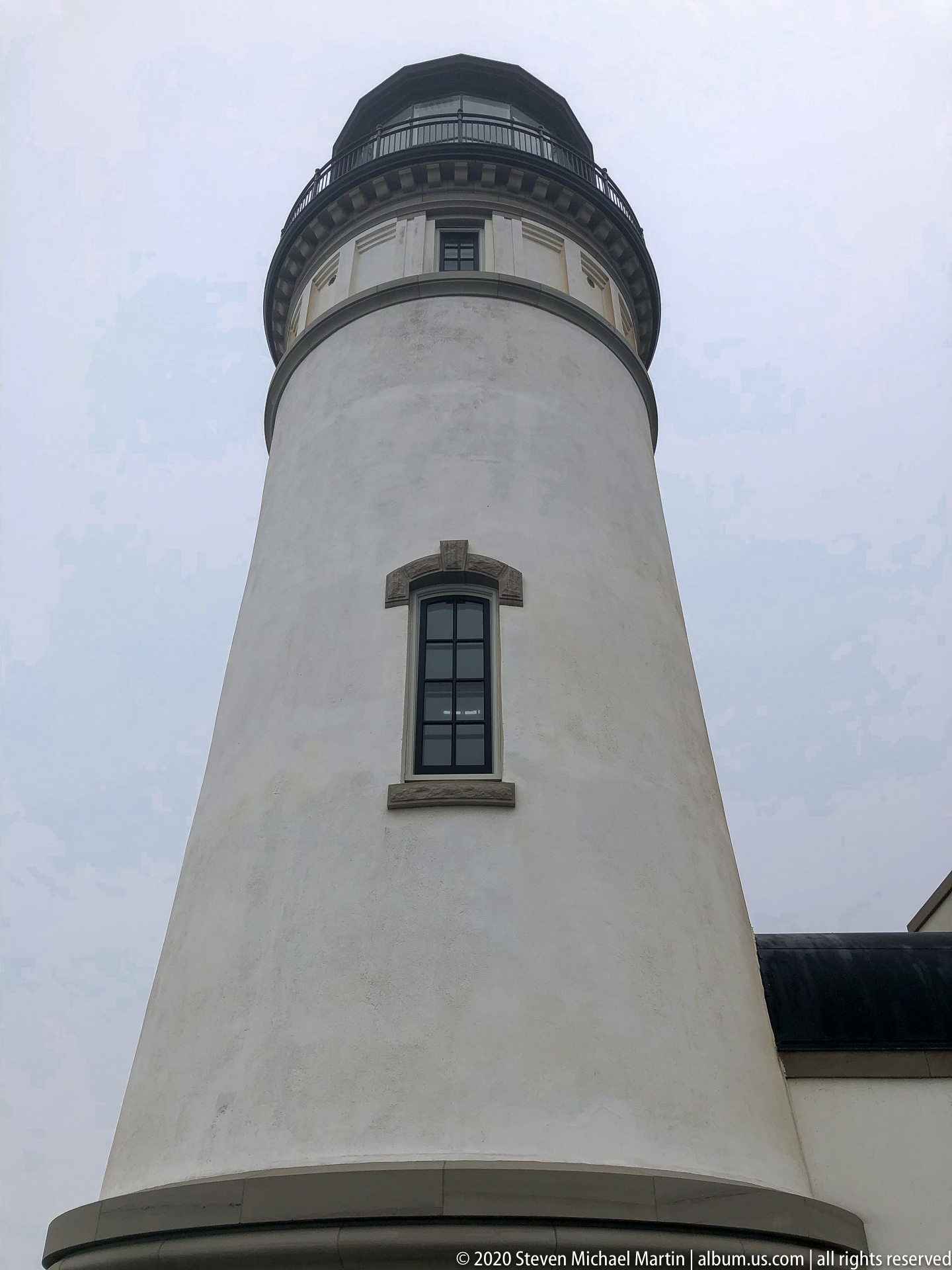
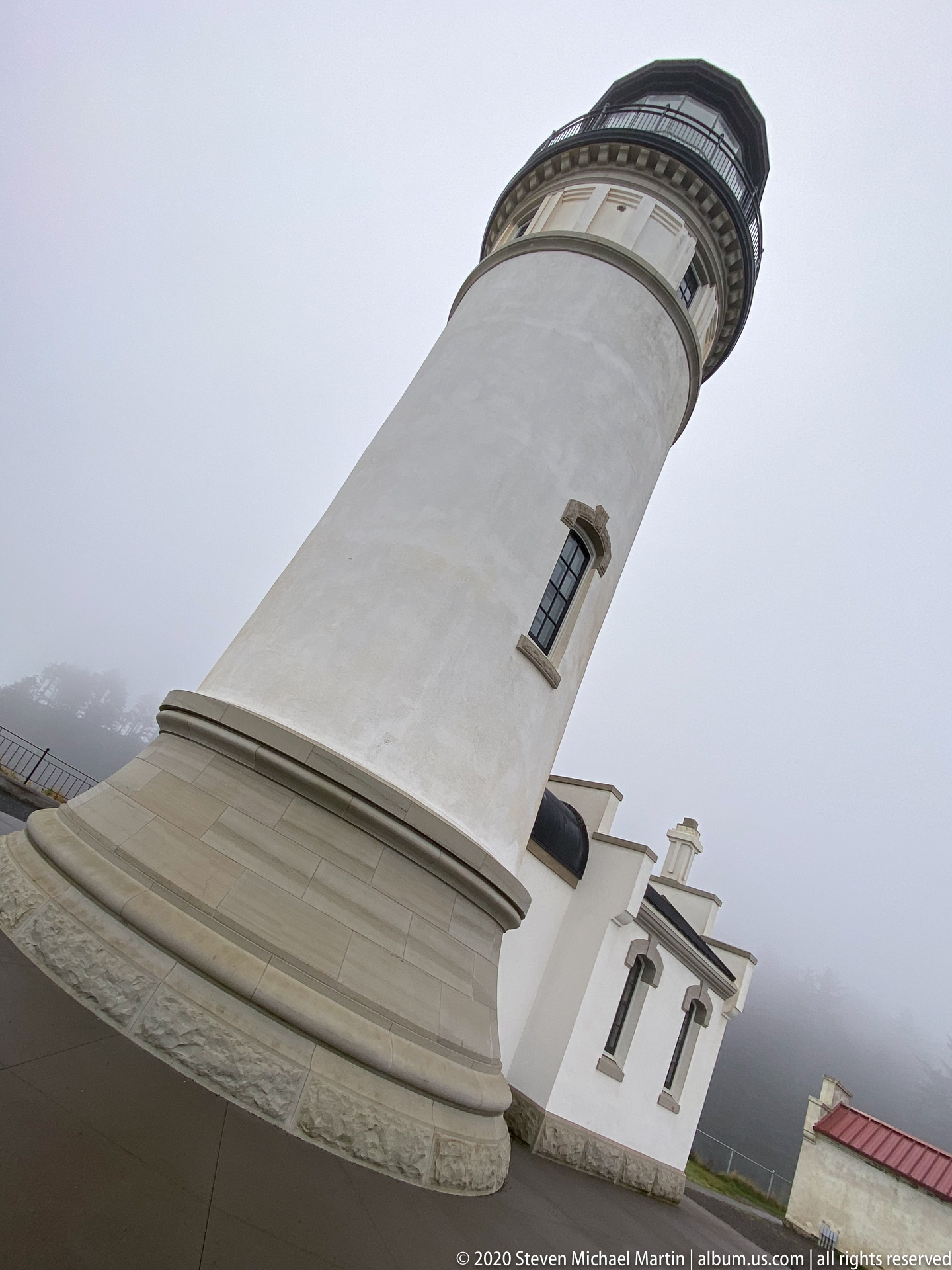
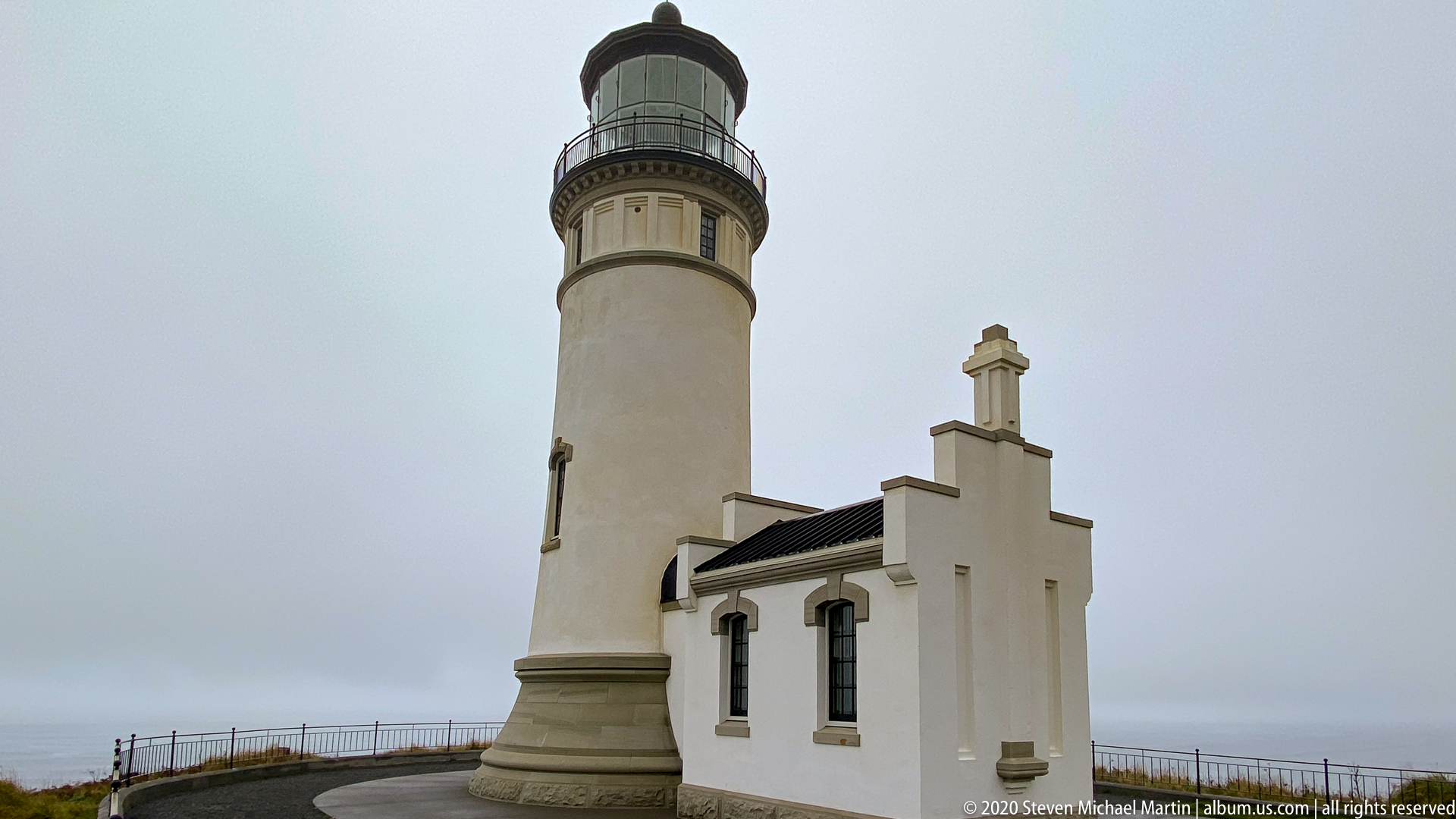
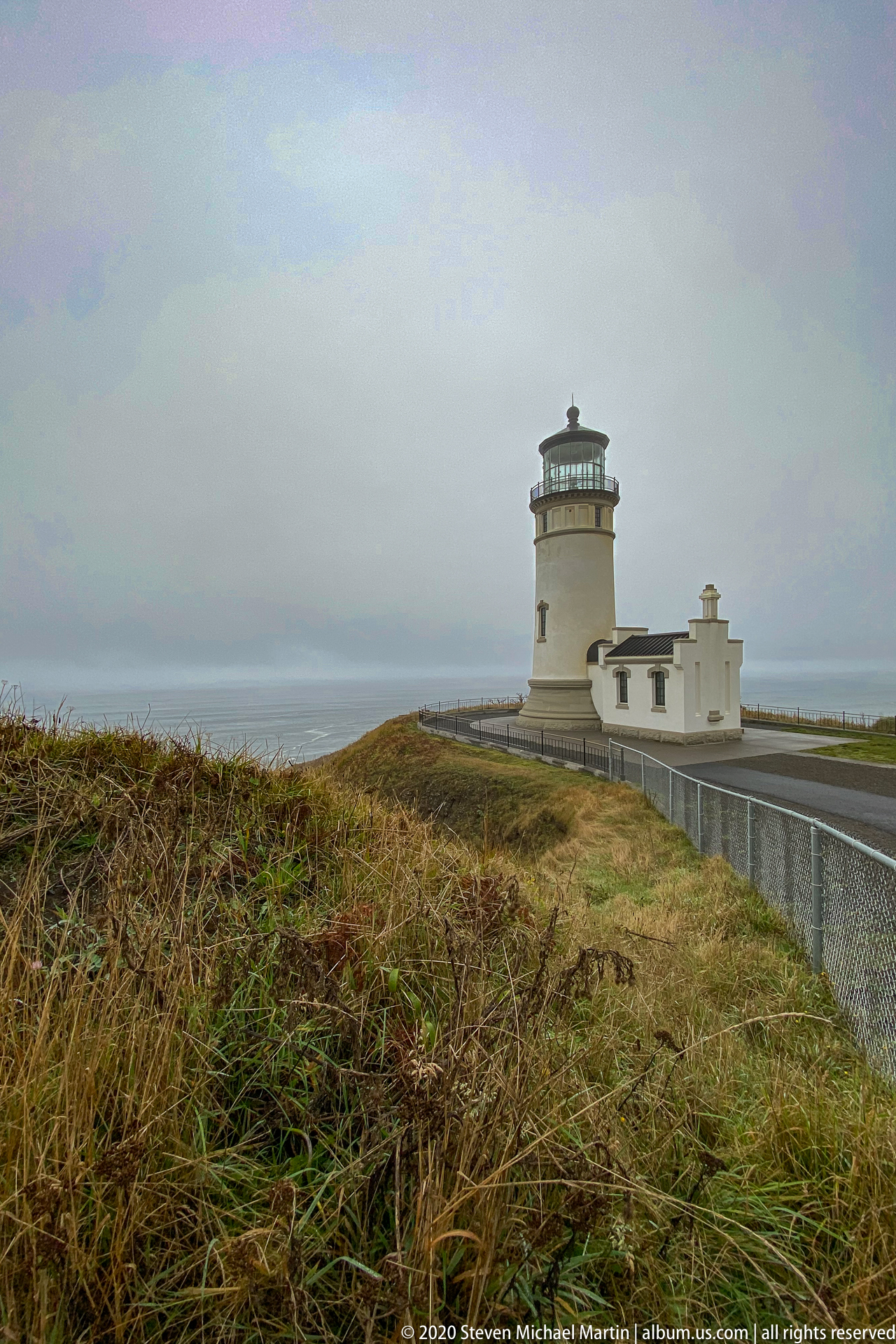
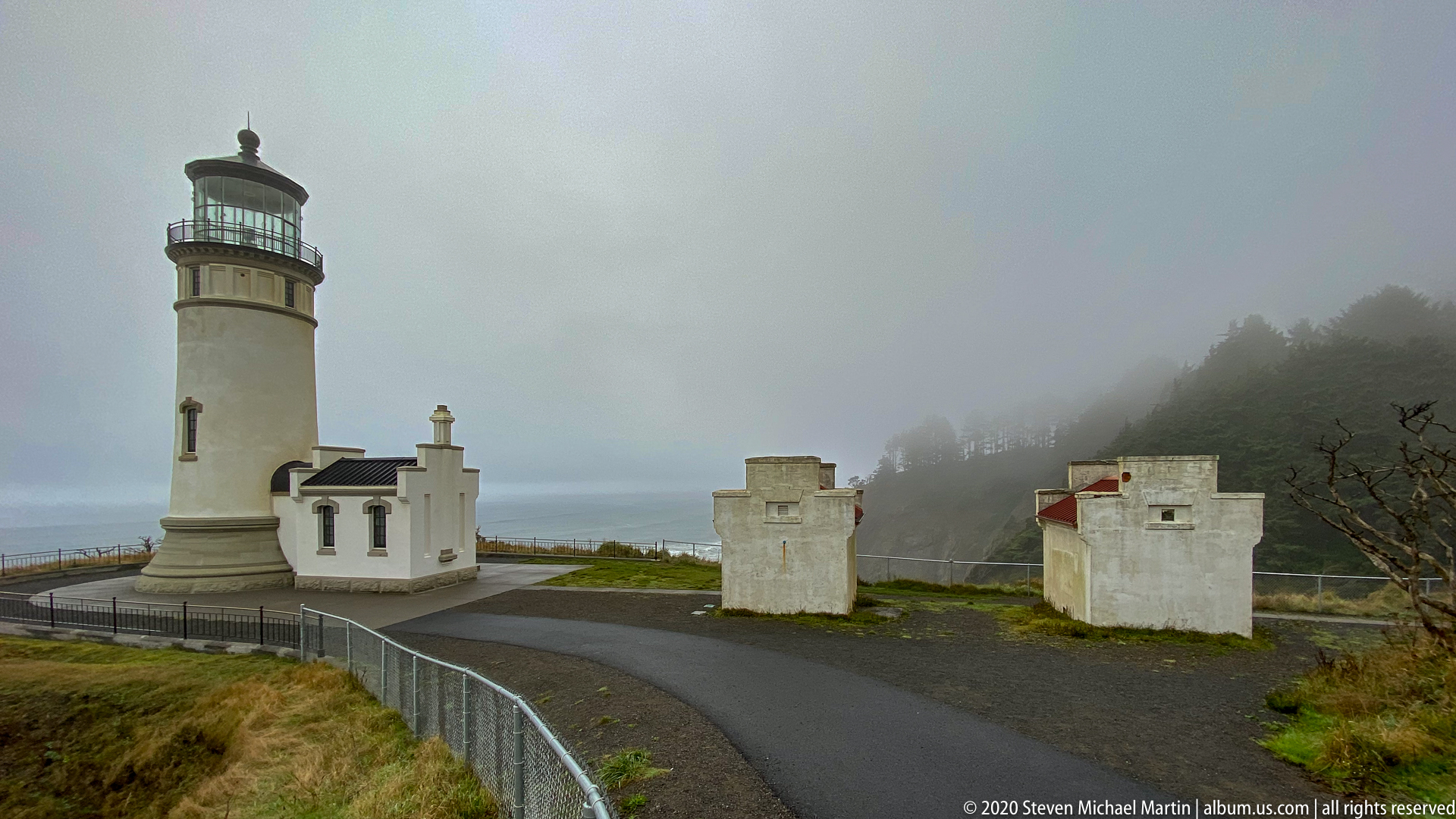
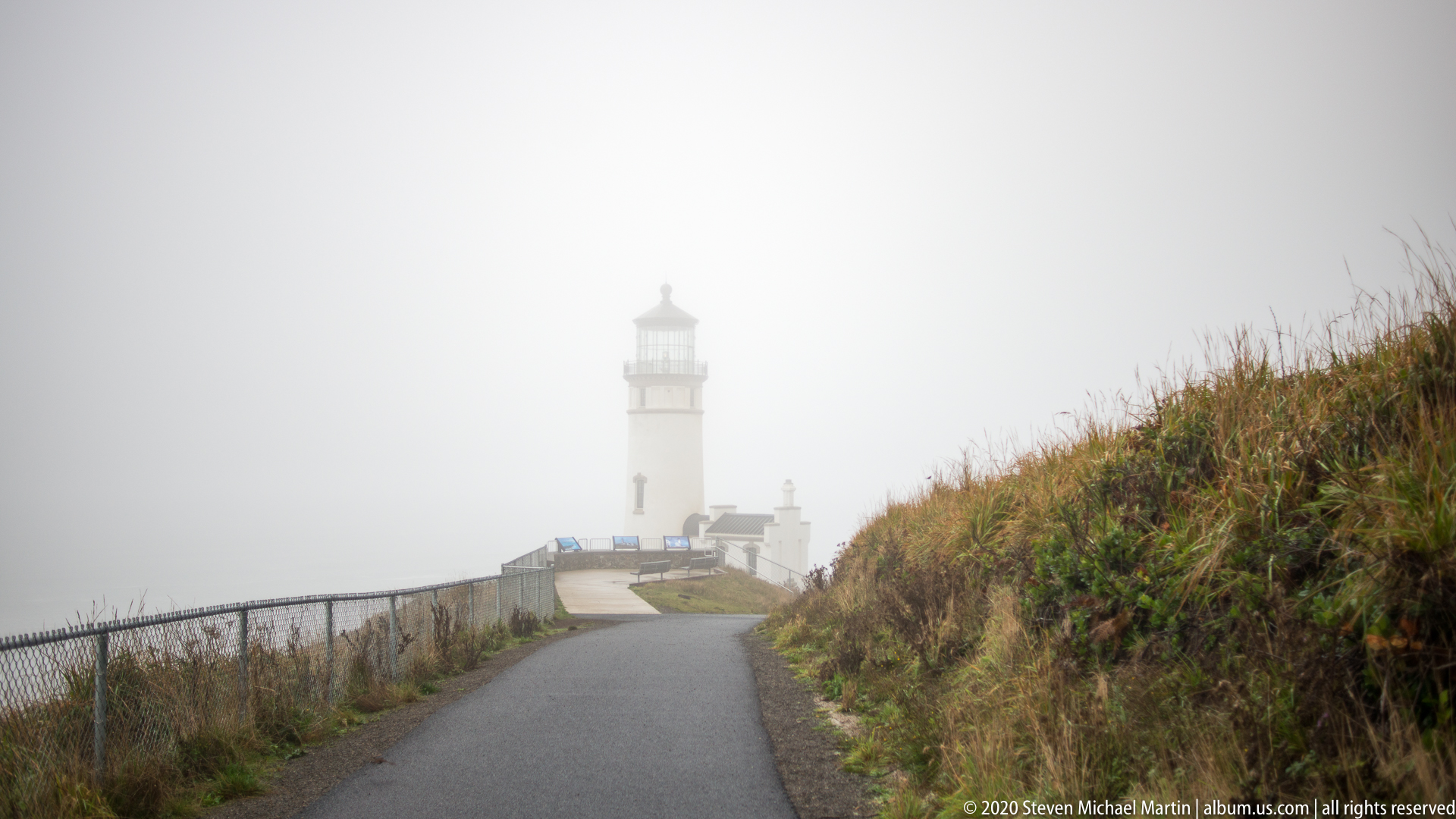
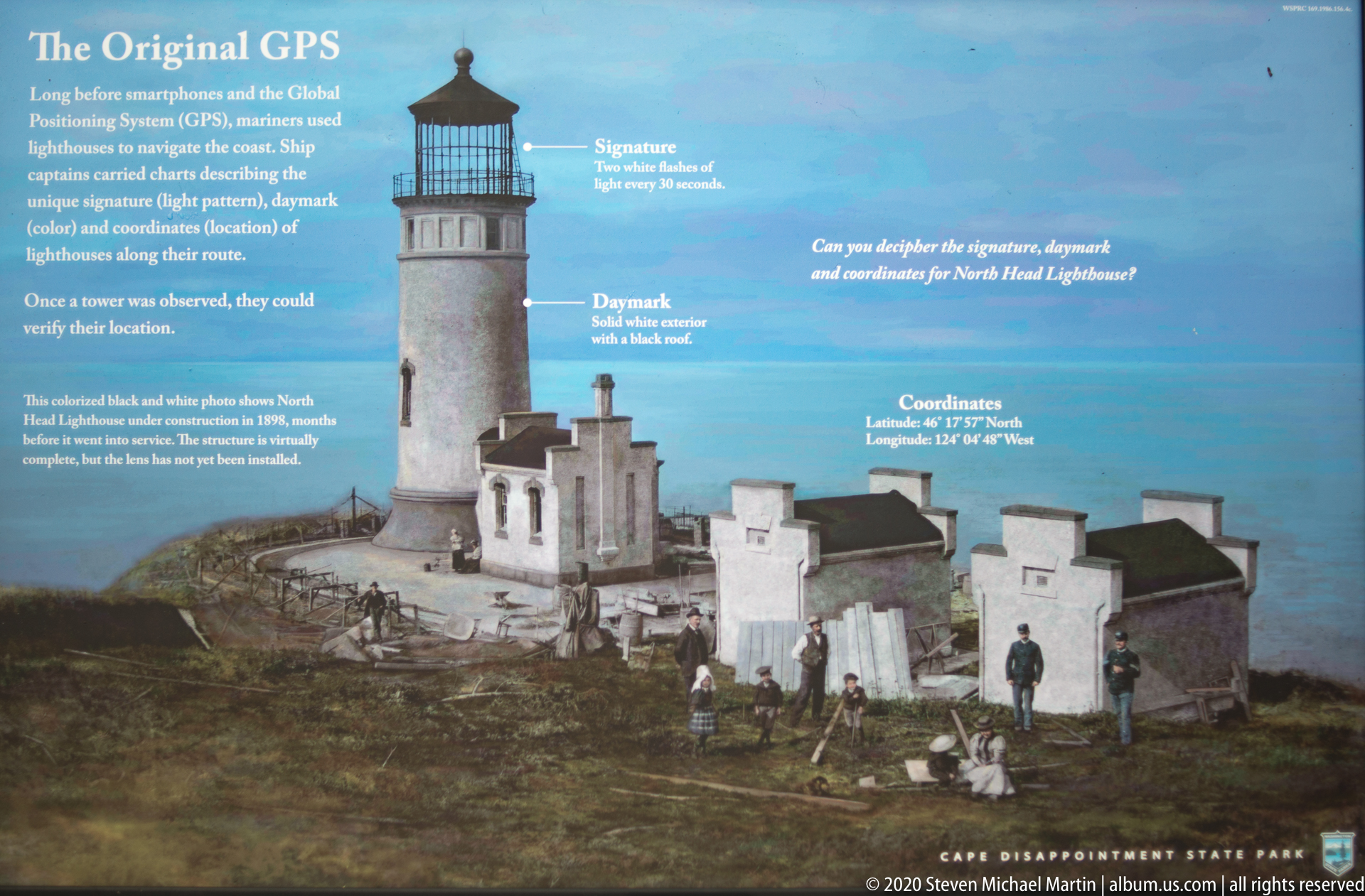
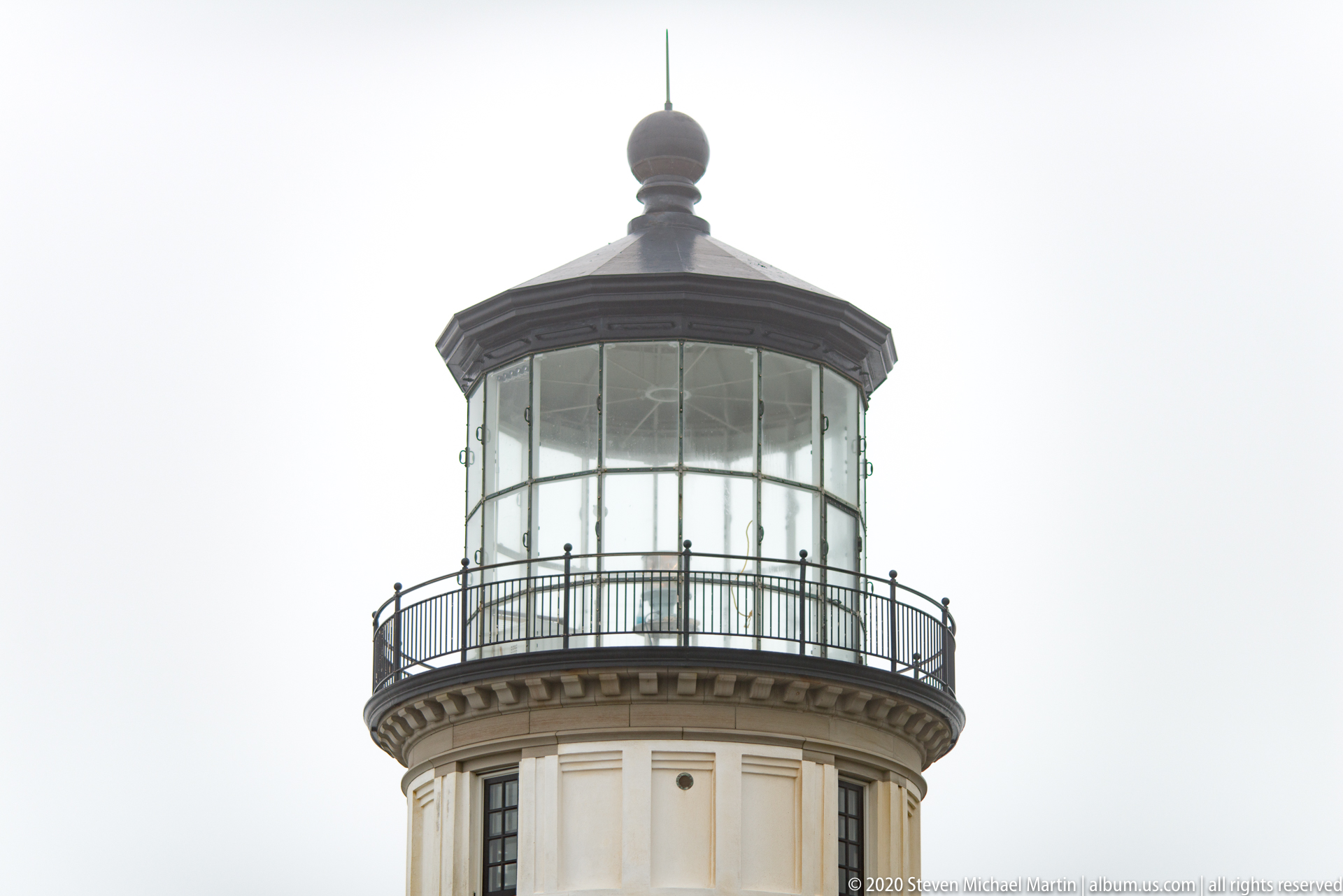
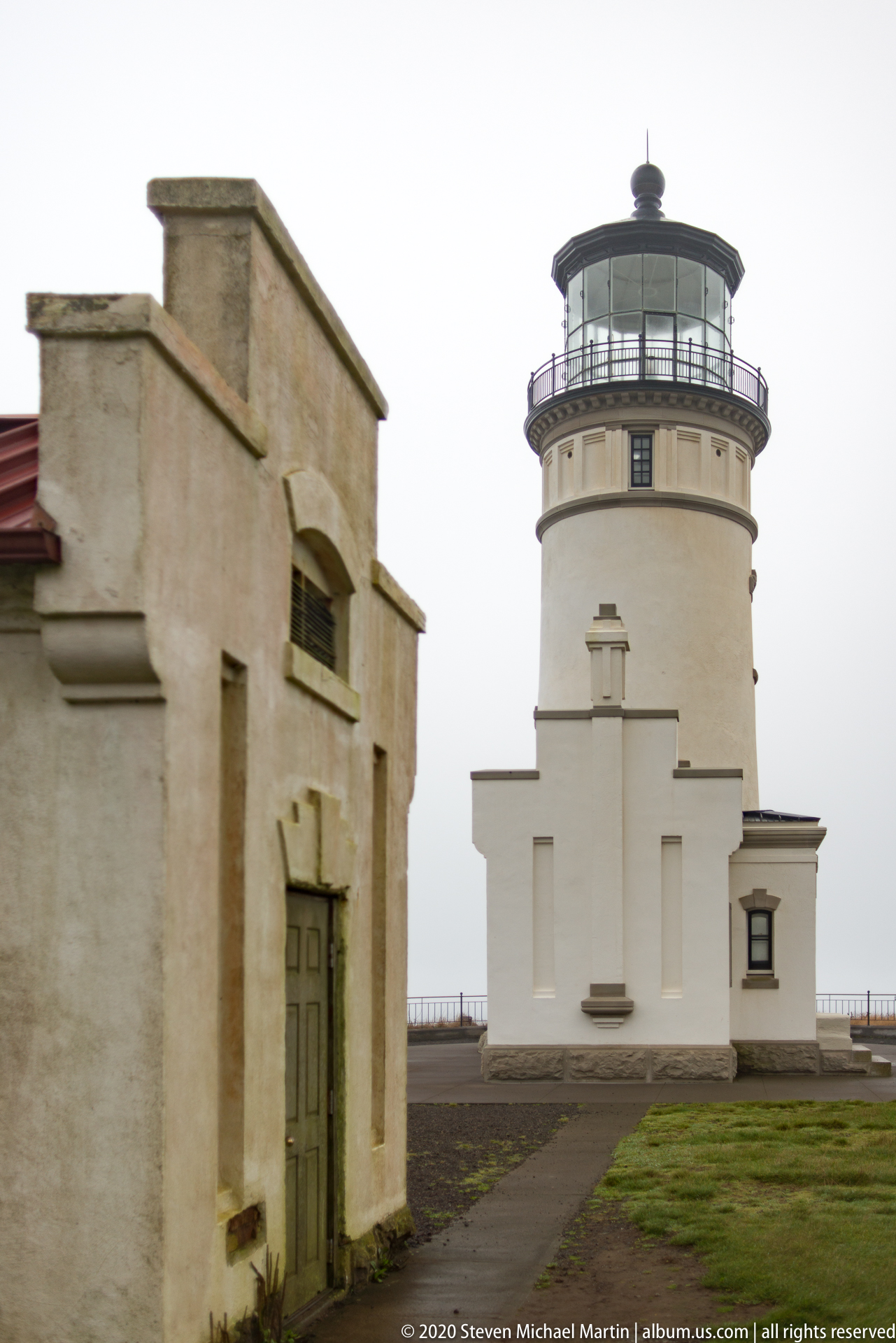
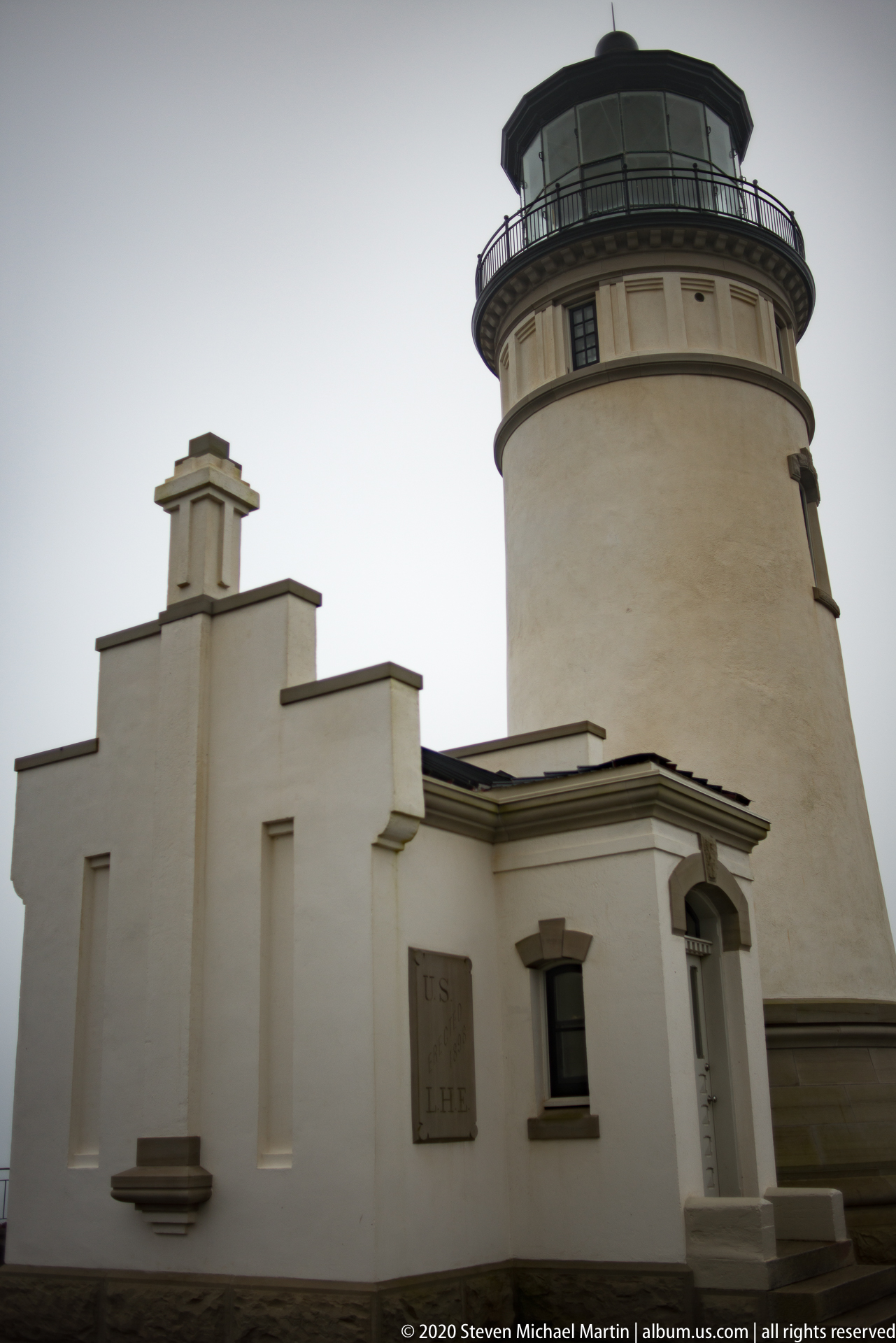
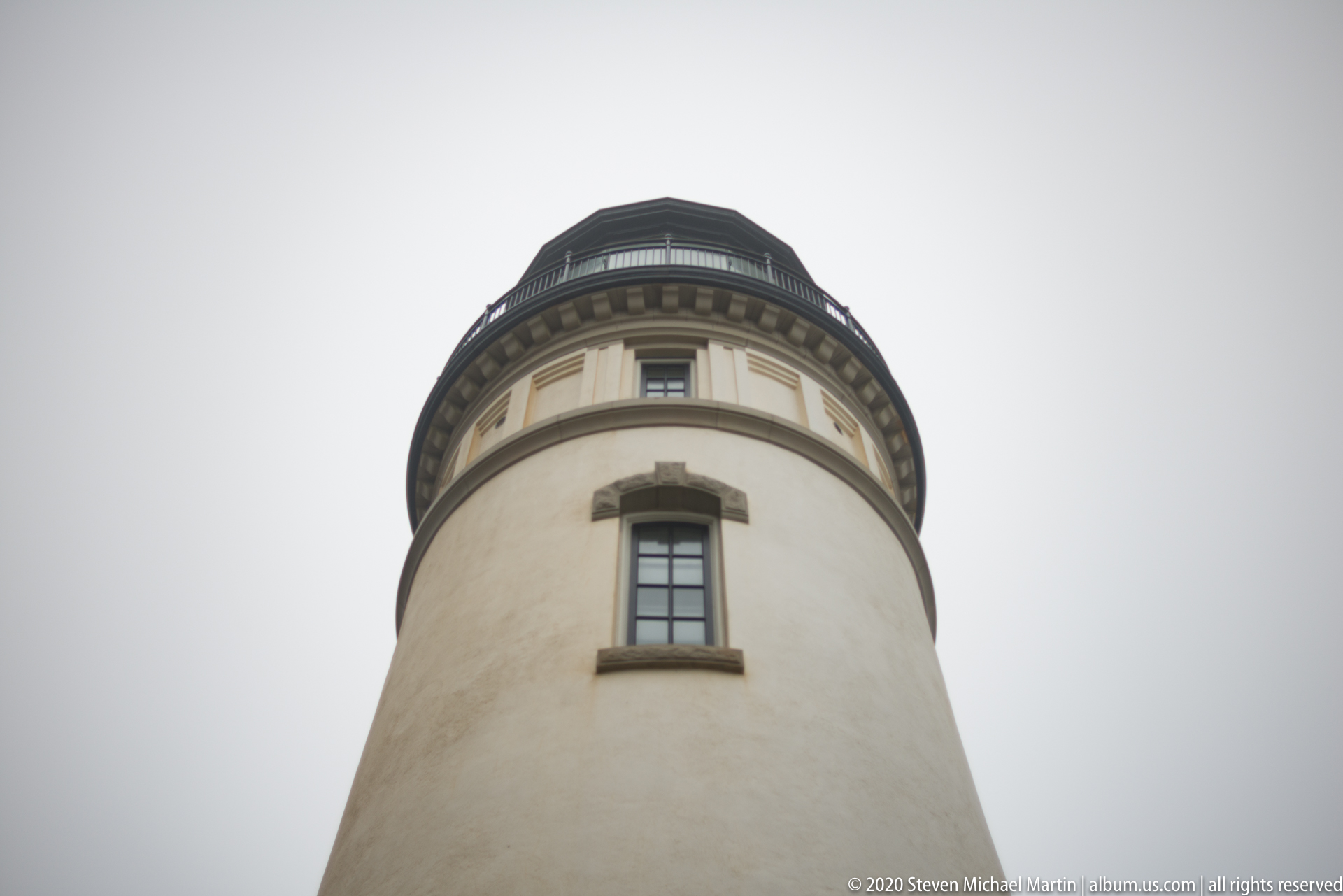
- North Head Lighthouse – A classic Pacific Northwest lighthouse dramatically positioned on windswept coastal cliffs overlooking the mouth of the Columbia River.
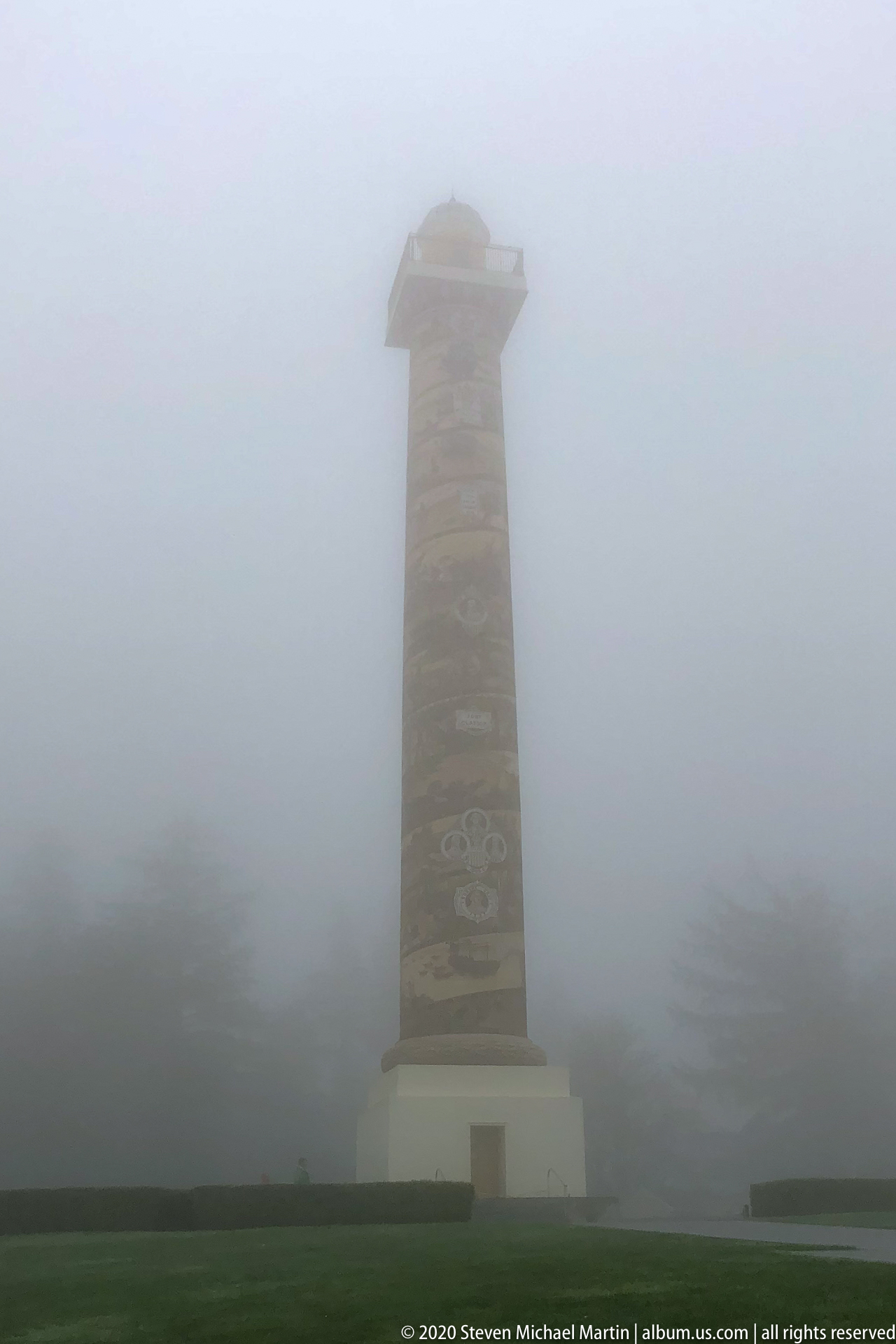
- Astoria Column – Historic monument commemorating early exploration and trade, often enveloped in coastal fog that enhances the atmospheric setting.
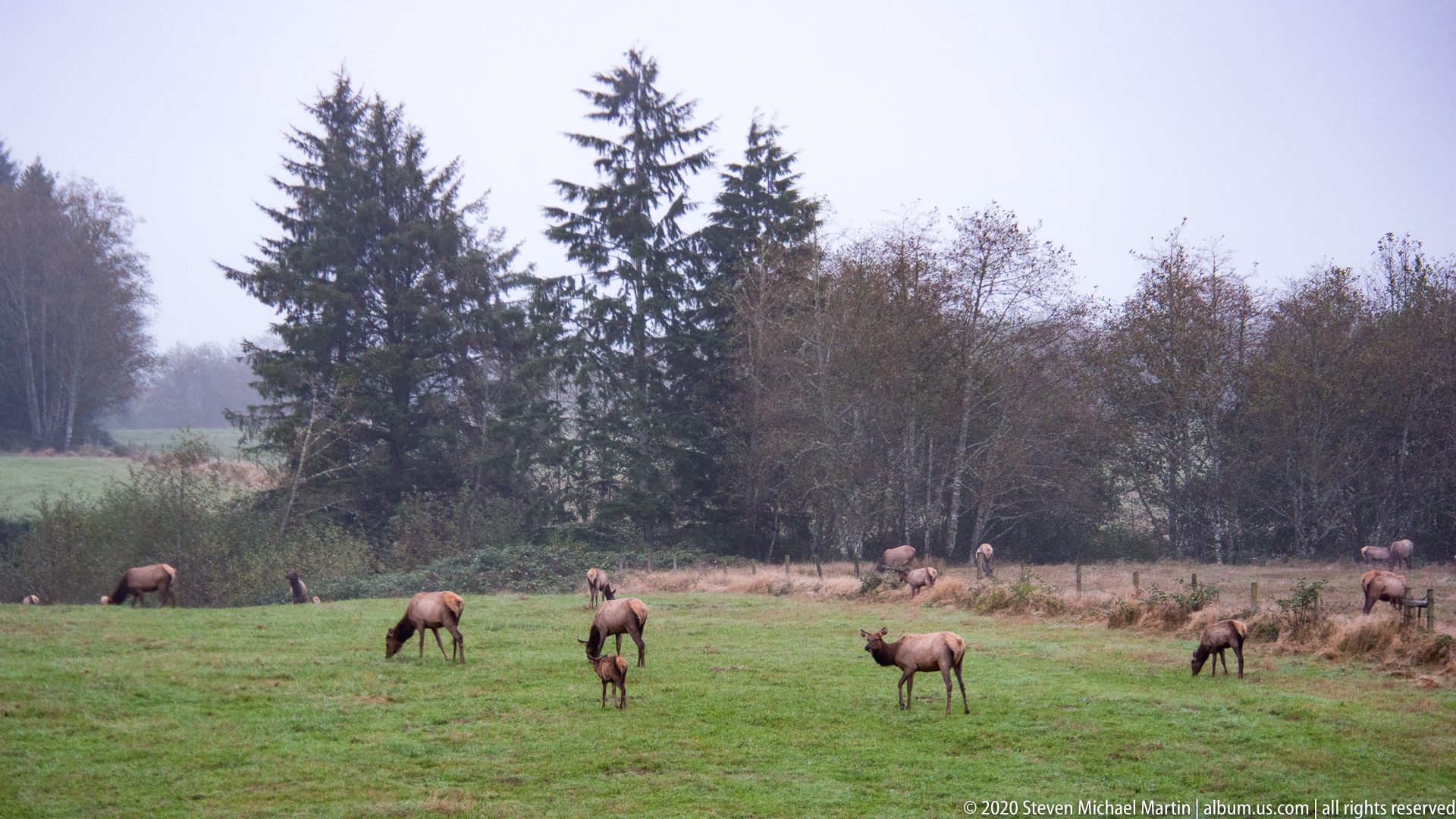
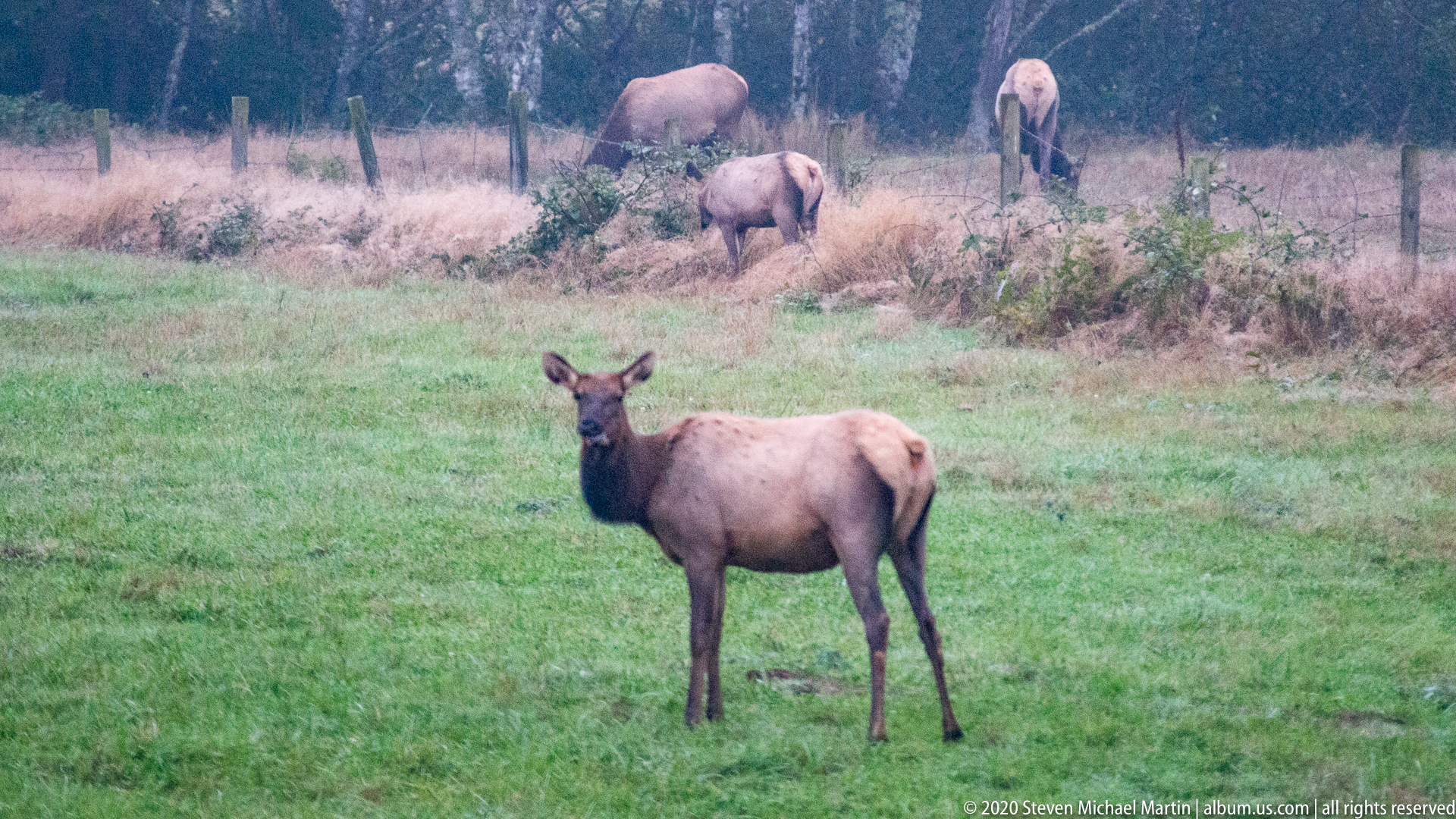
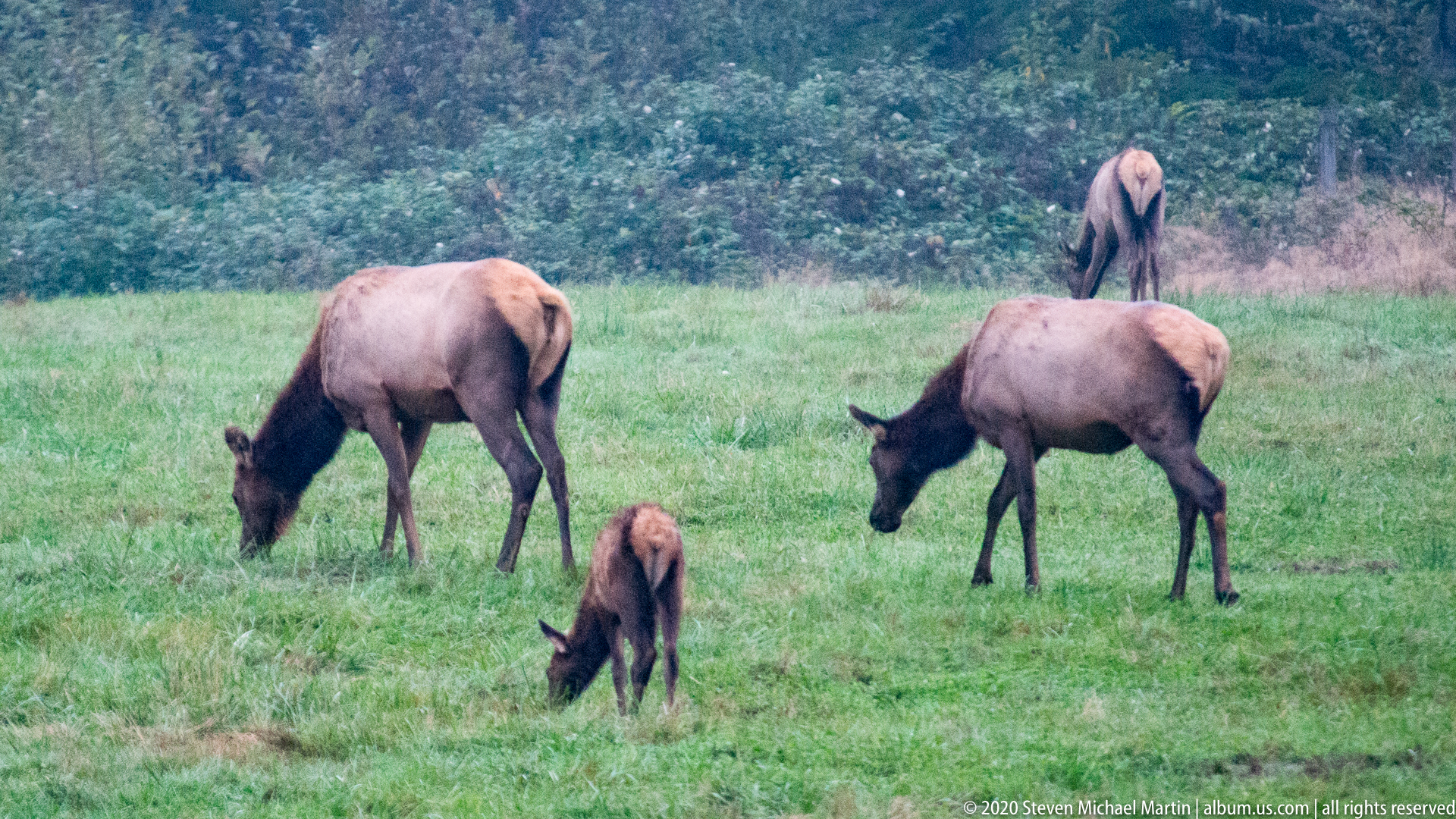
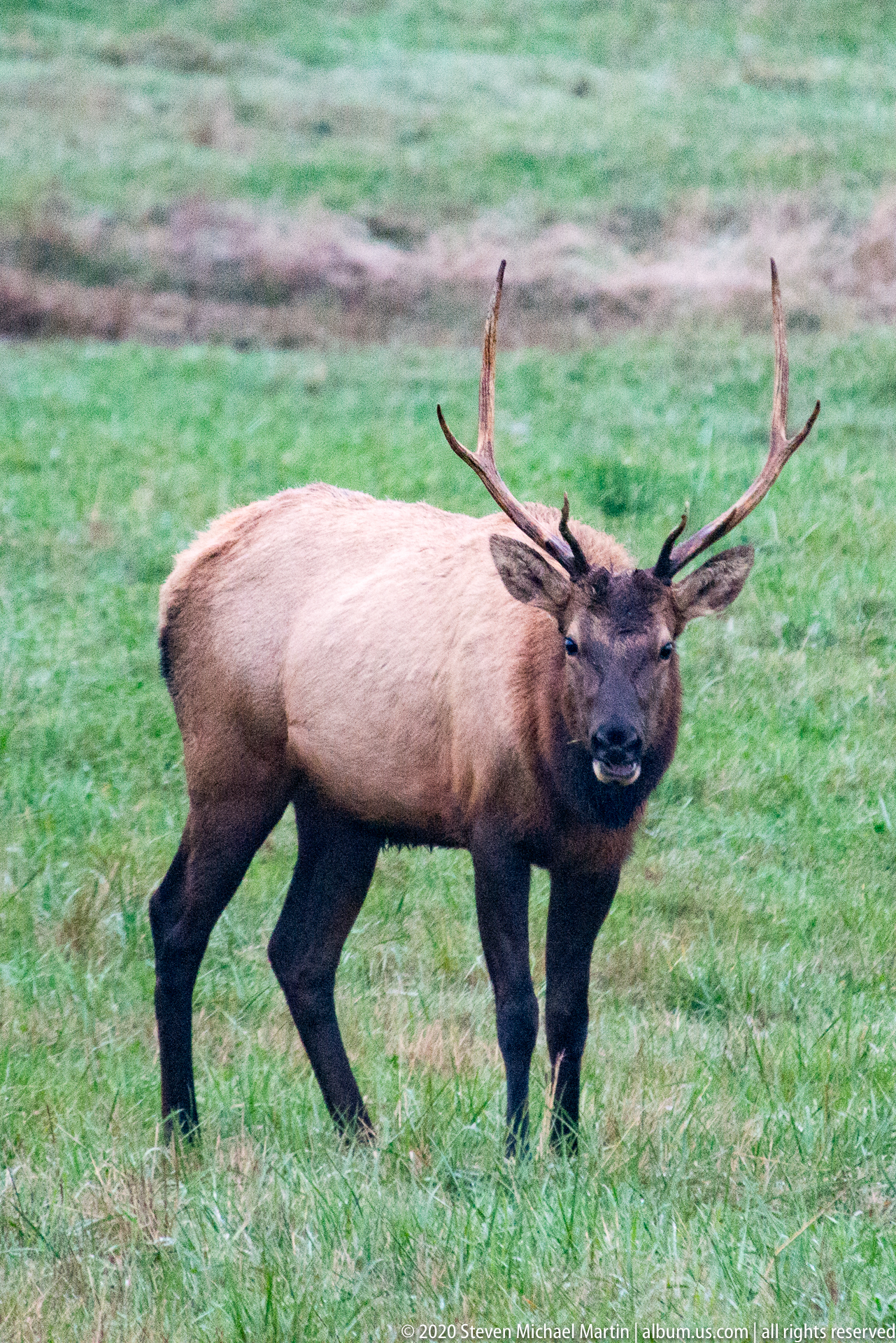
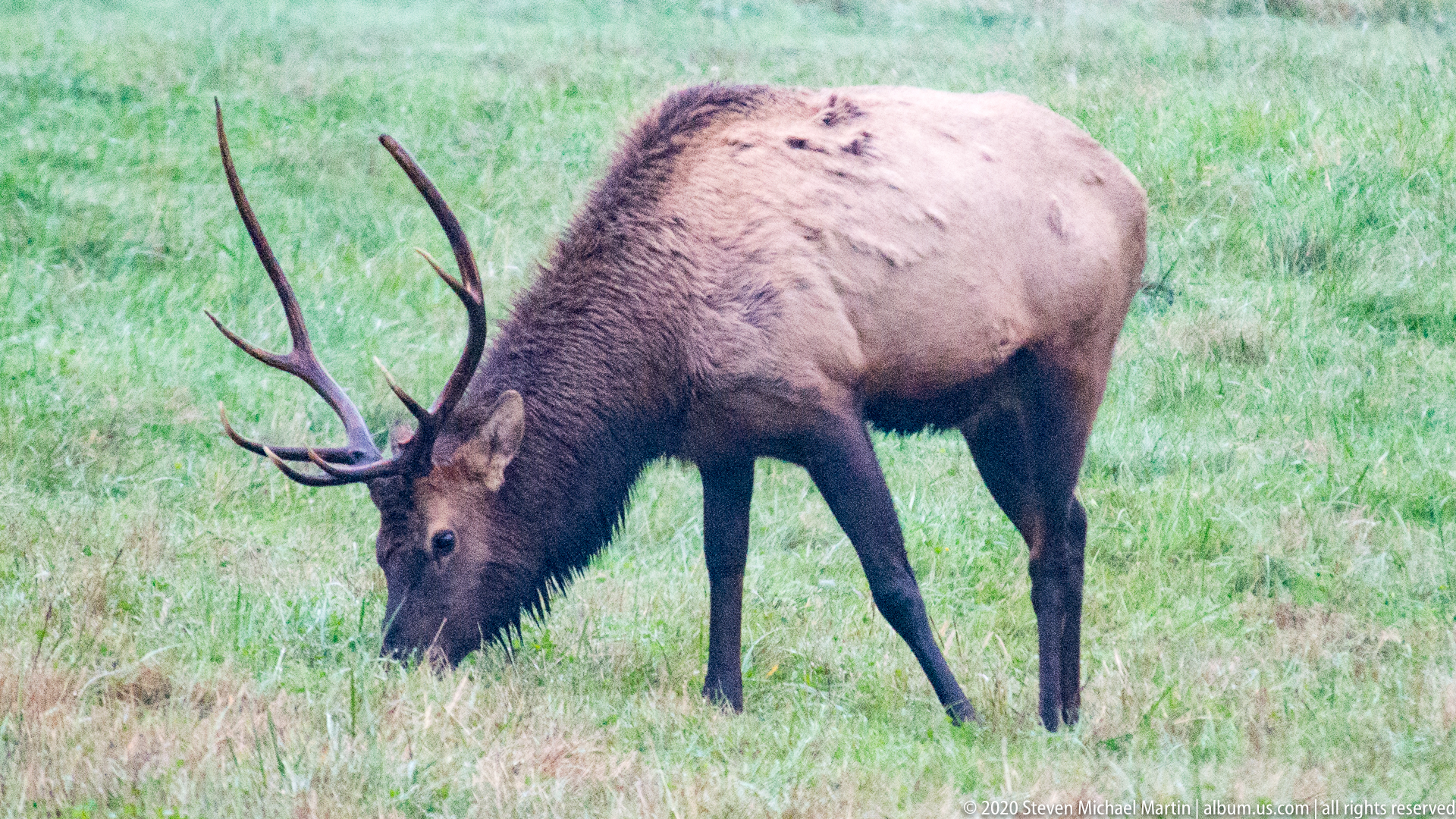
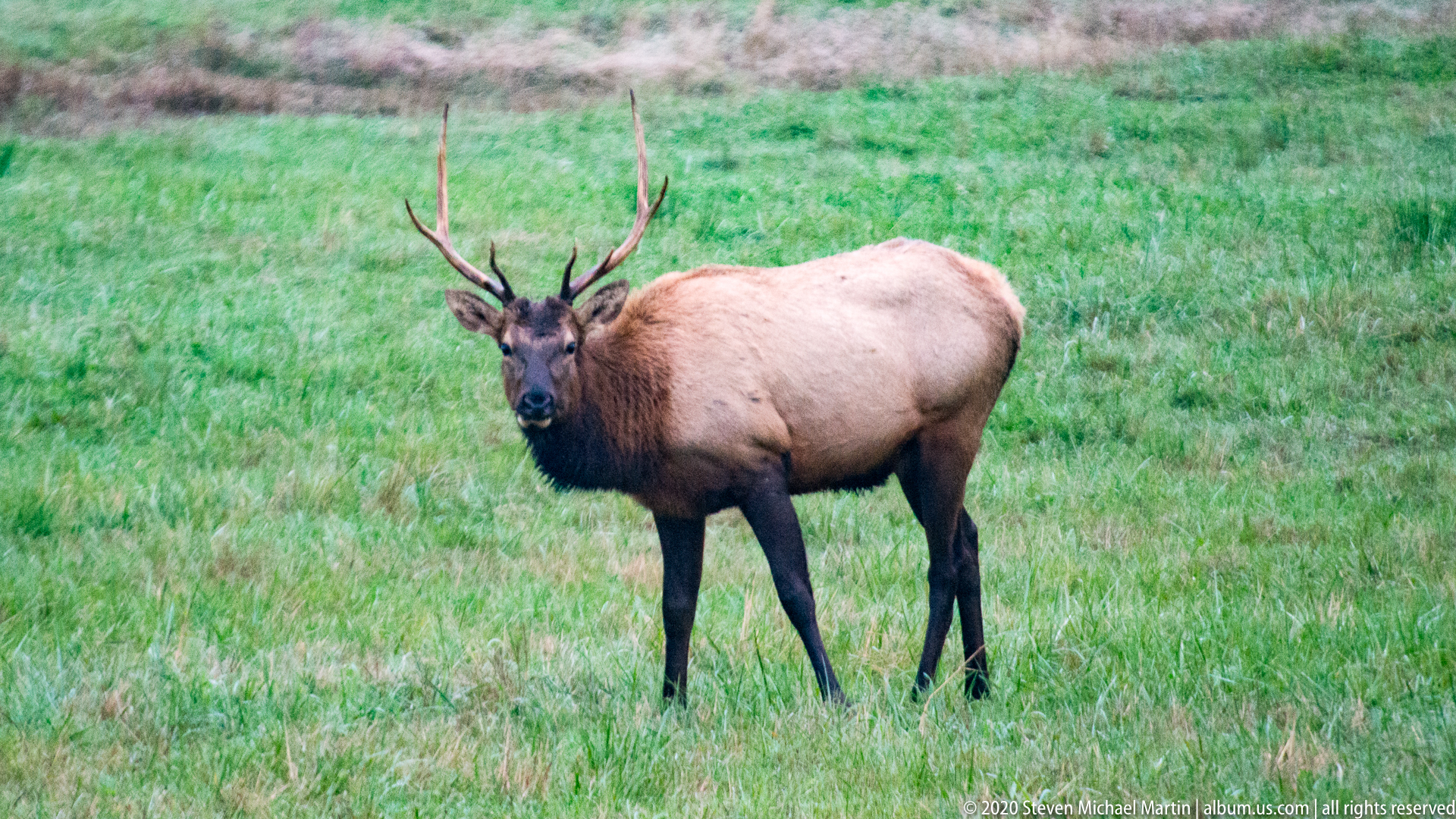
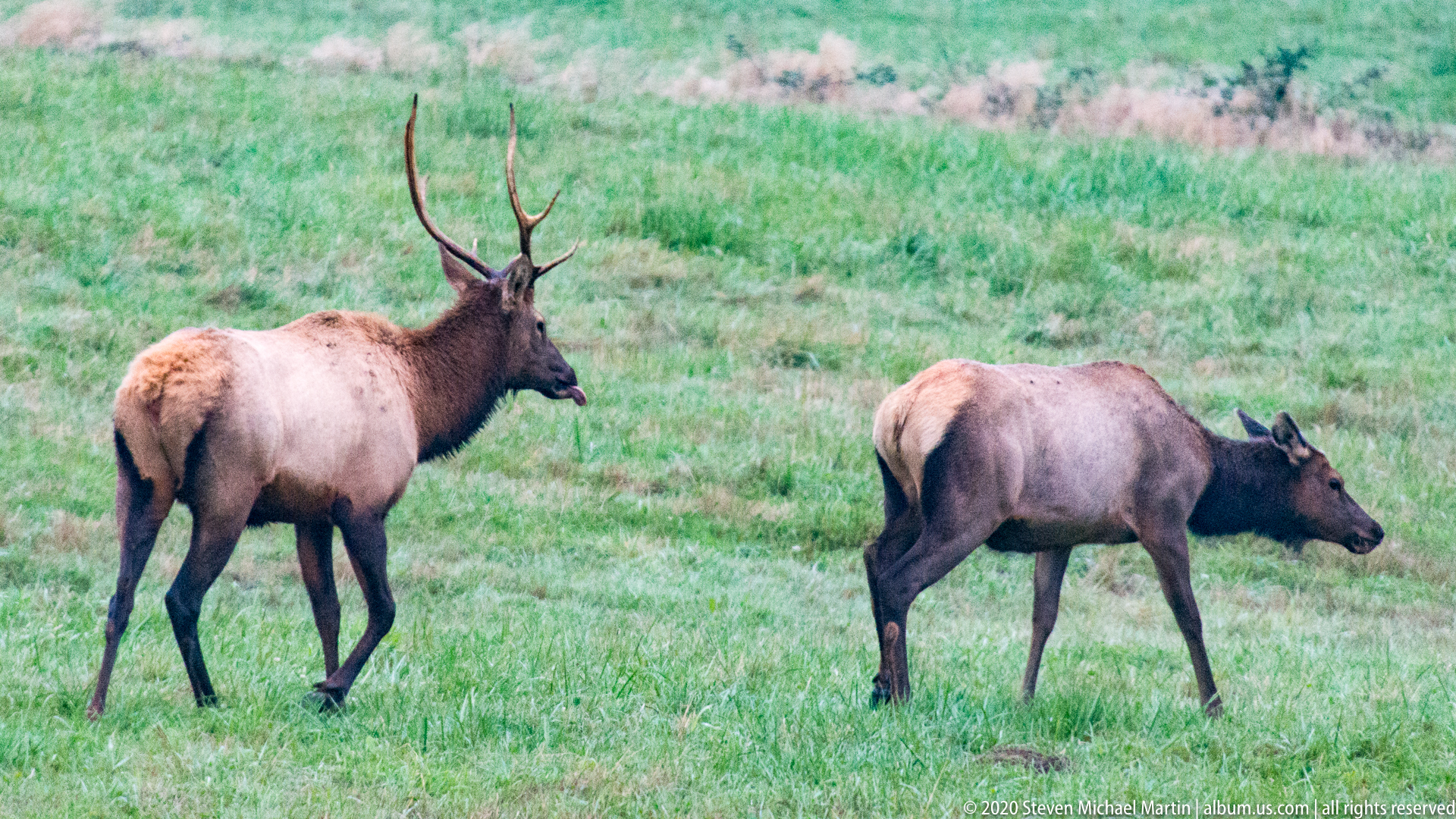
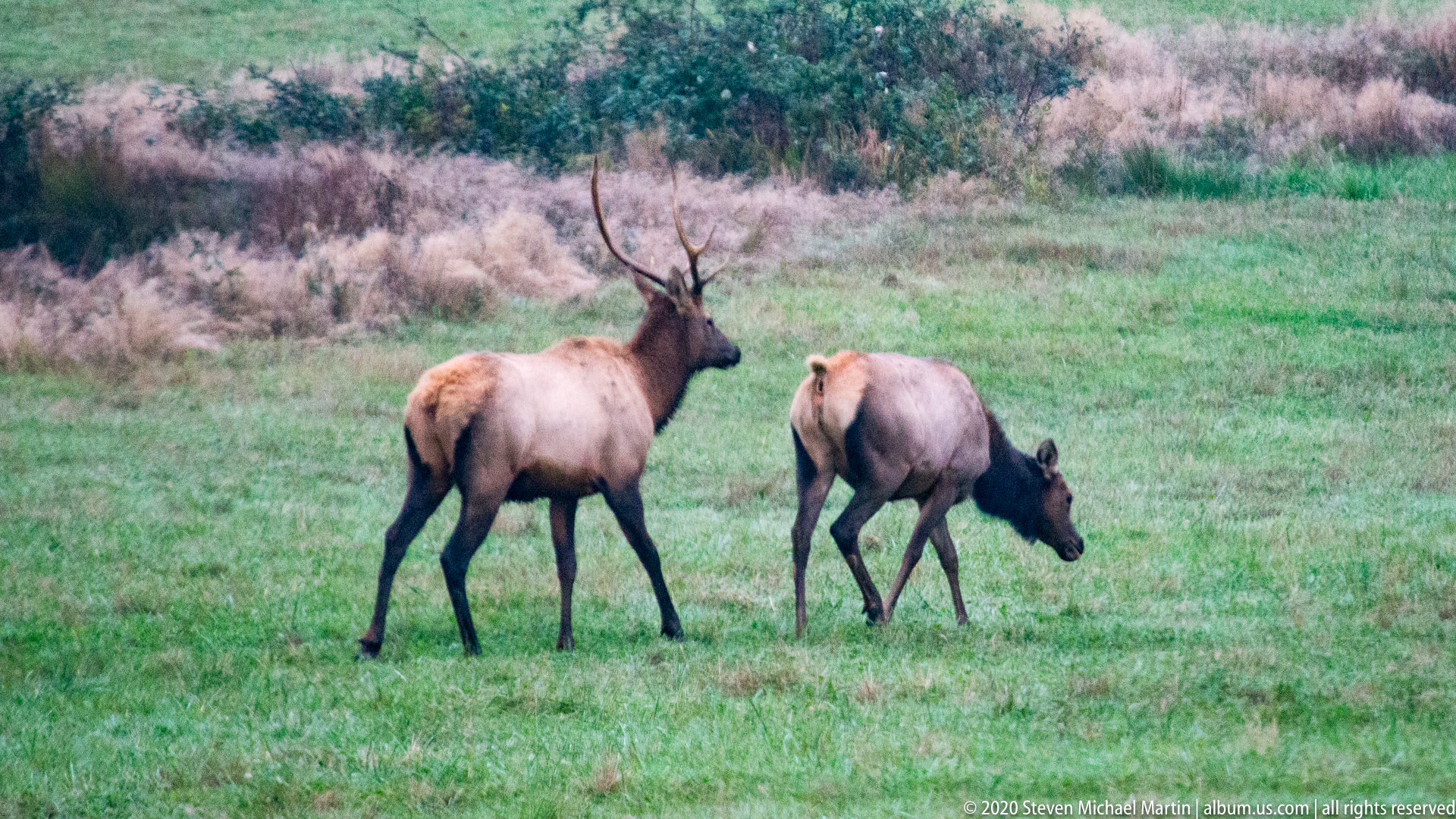
- Roosevelt Elk Sightings – Frequent wildlife encounters in open meadows provide memorable opportunities to observe one of North America’s largest elk subspecies.
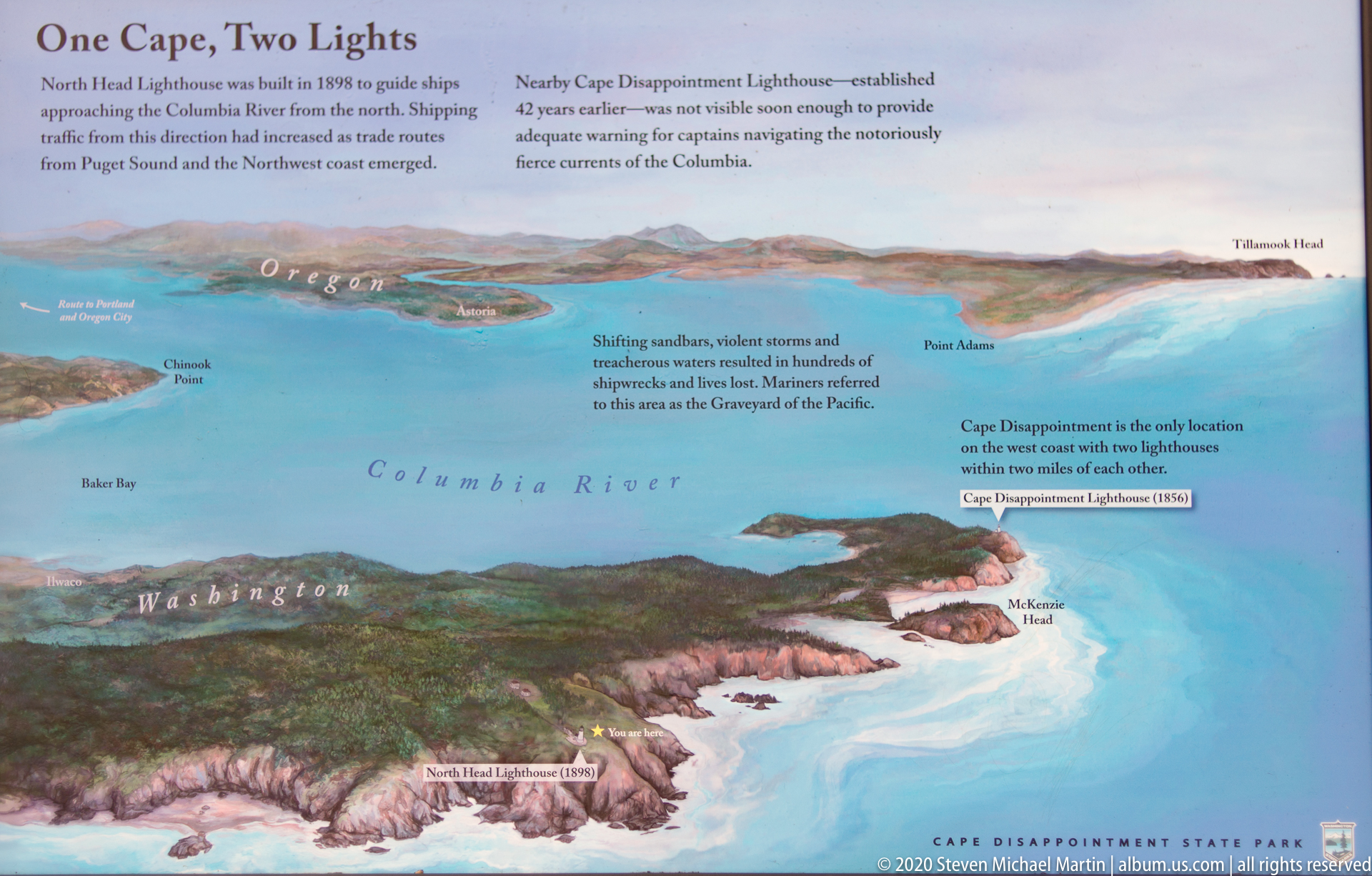
- Columbia River Landscape – Expansive river views illustrating the geographic challenges faced by the Lewis and Clark expedition upon reaching the Pacific.
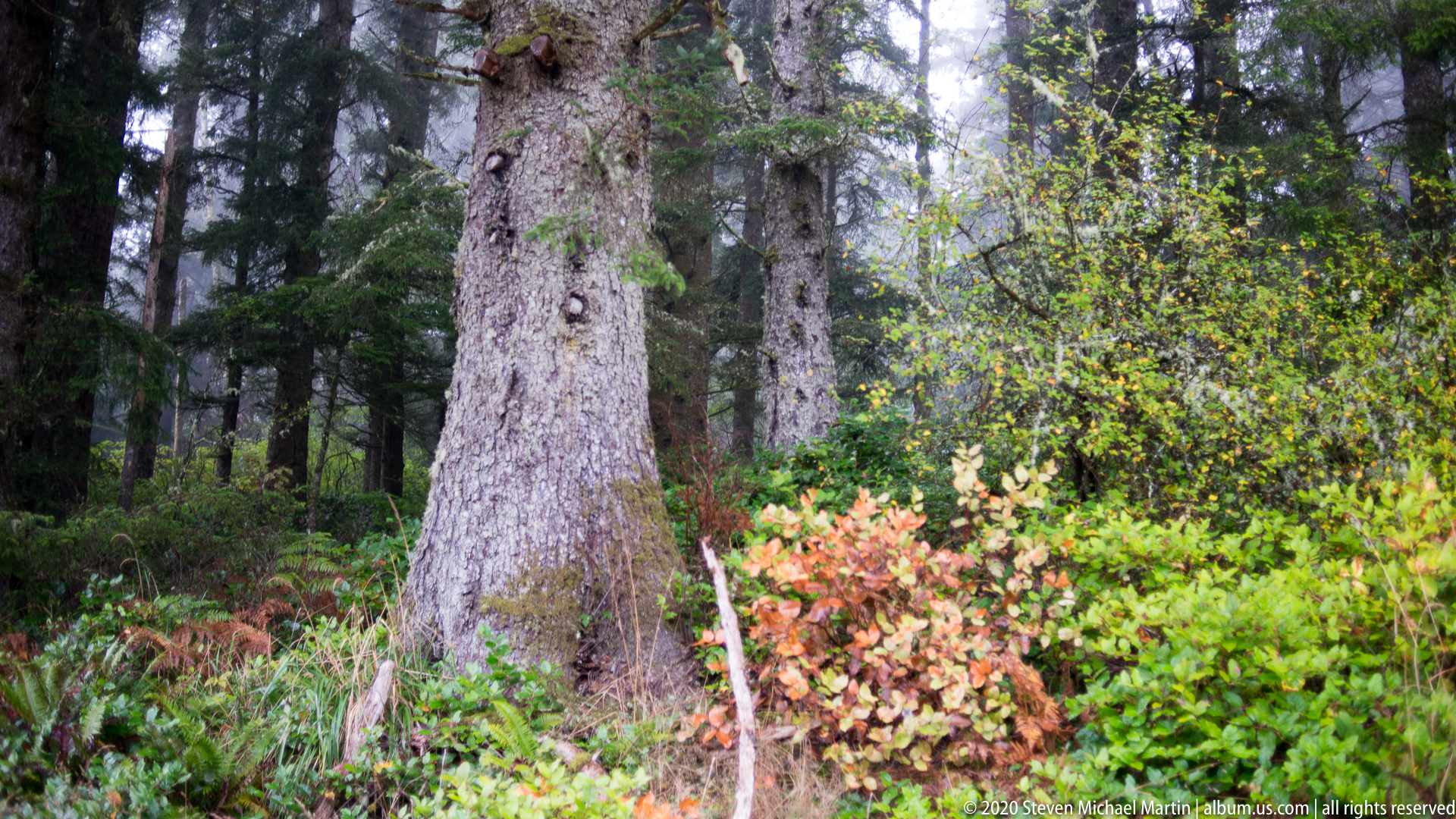
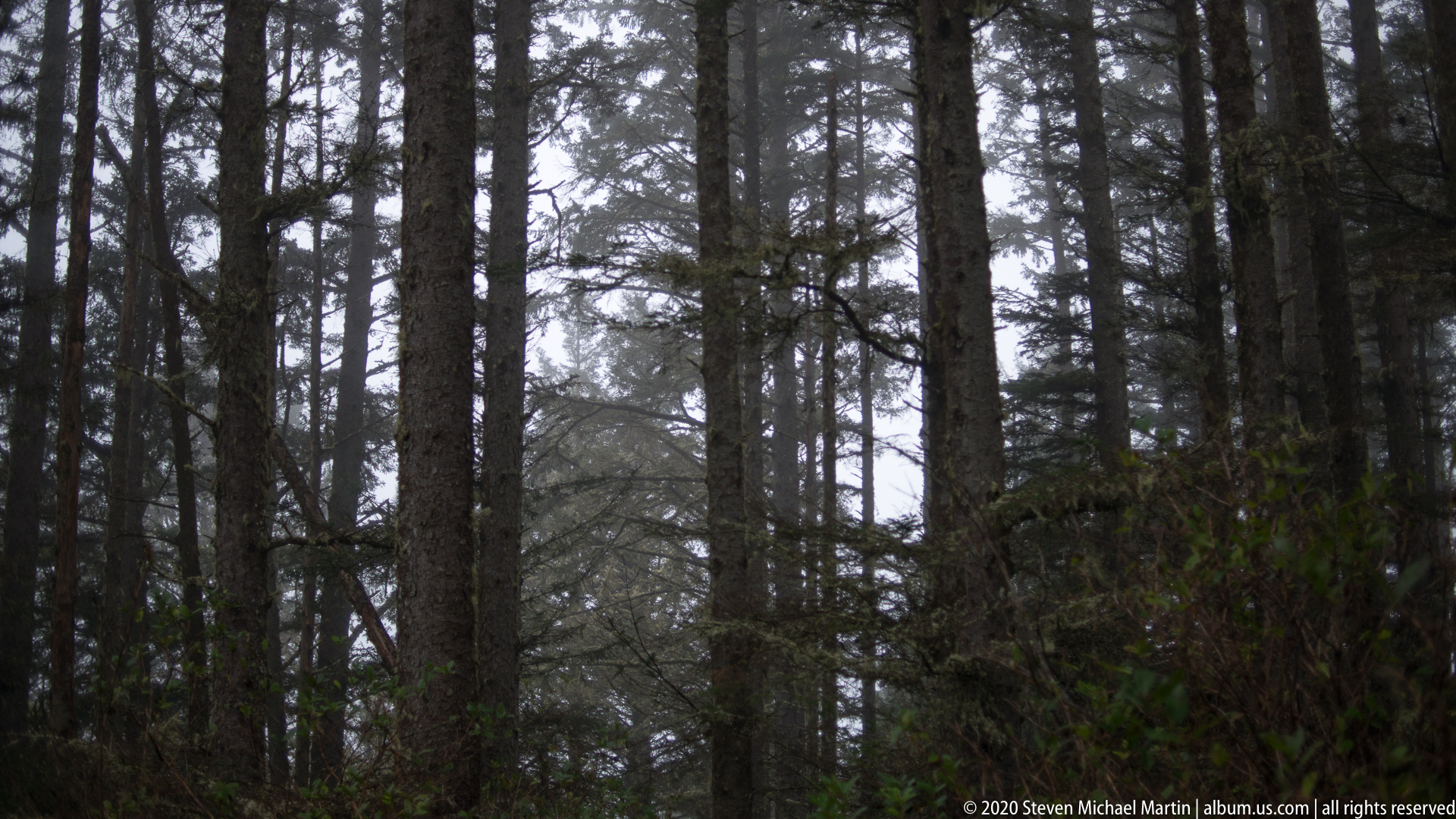
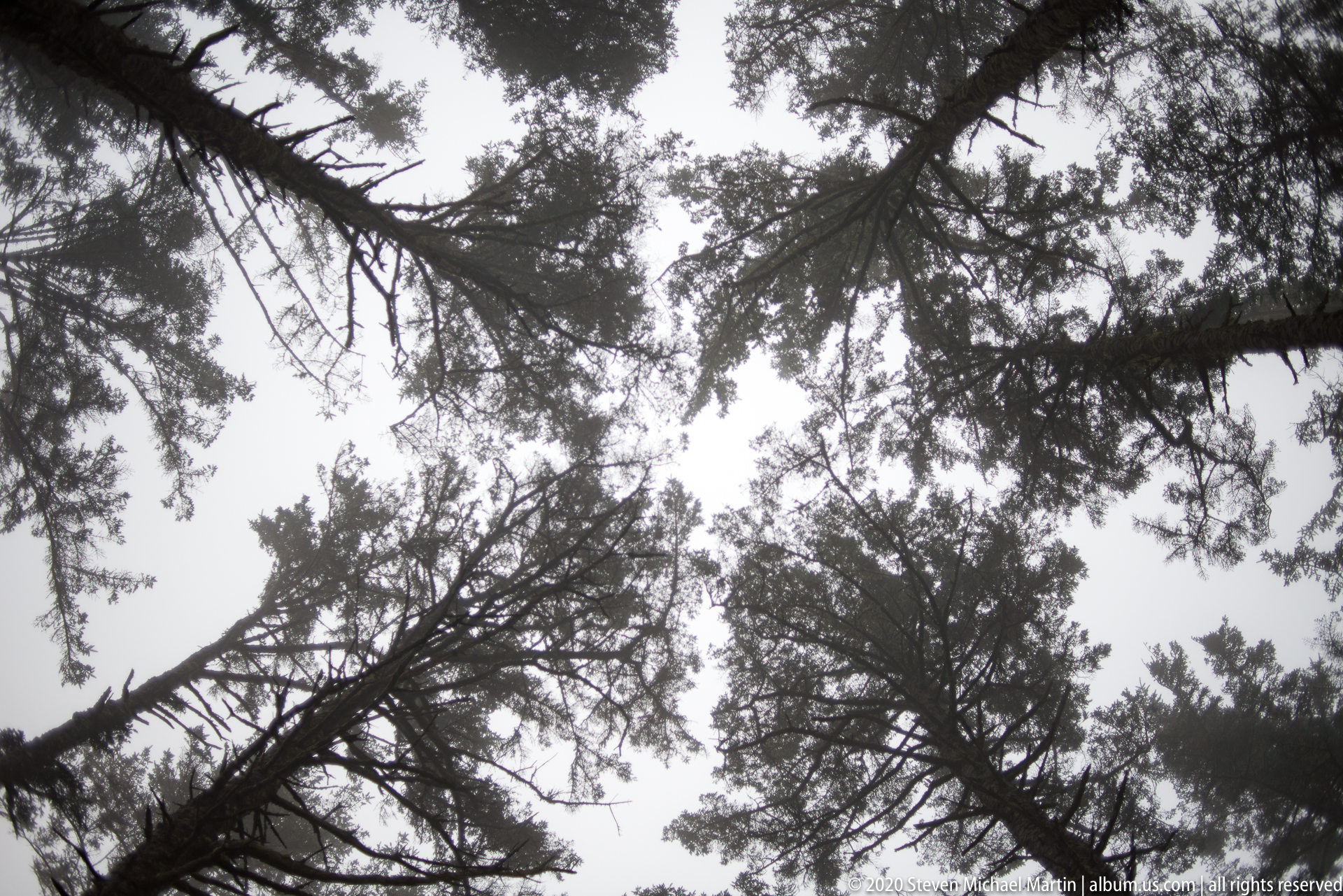
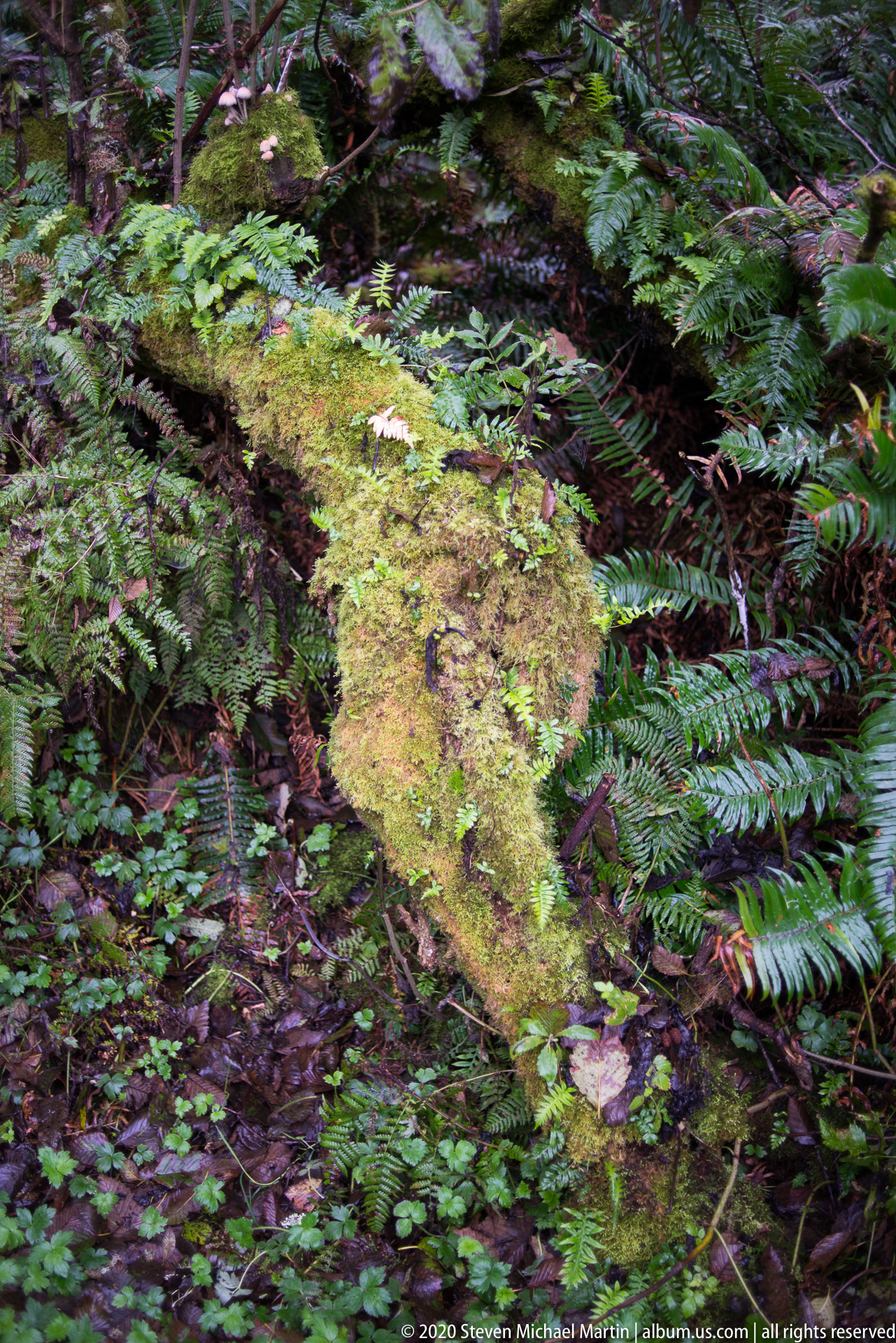
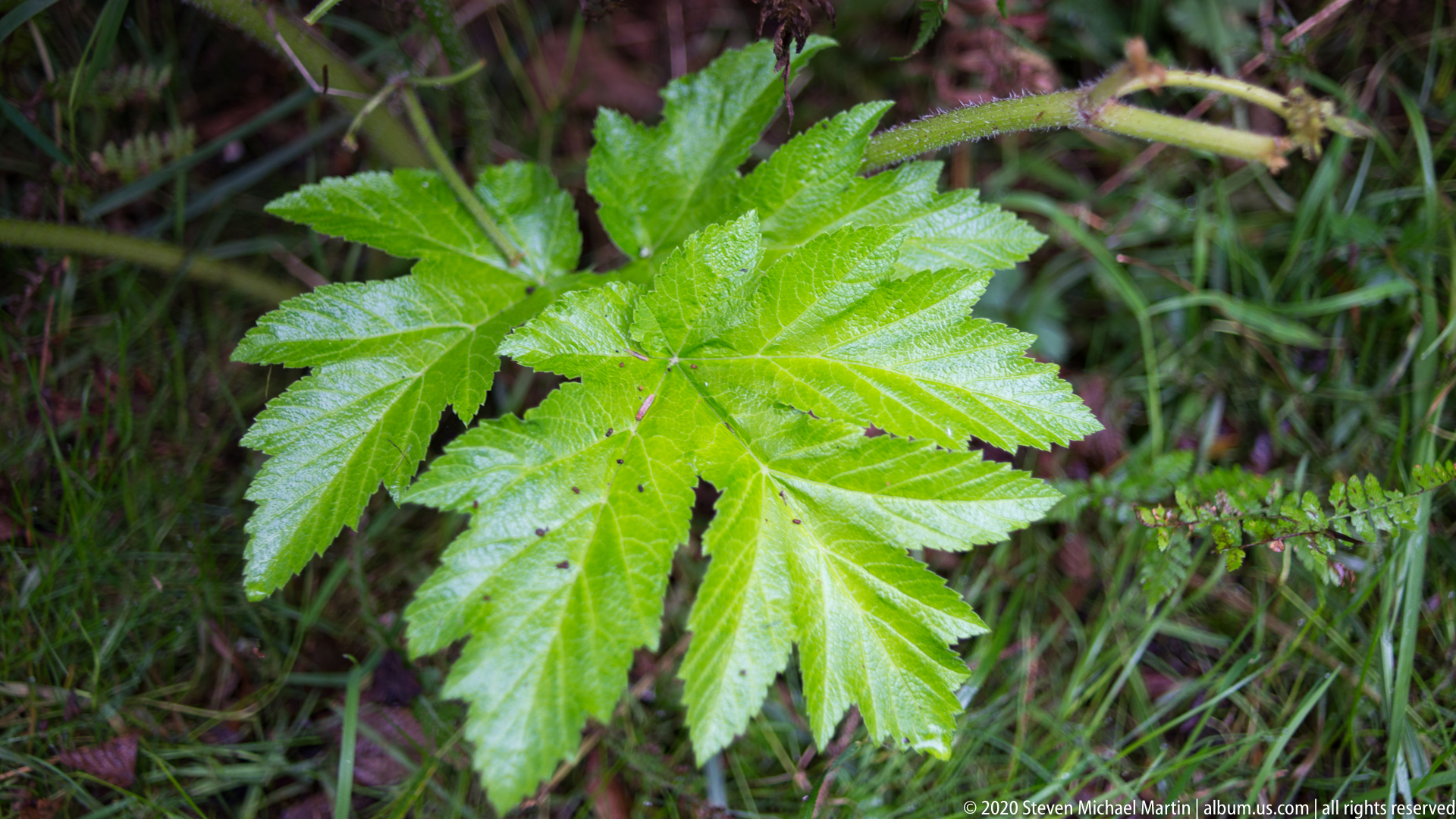
- Coastal Pacific Northwest Scenery – Misty skies, lush vegetation, and dramatic shoreline terrain create a distinctive environment rarely seen elsewhere in the United States.
- Historic Exploration Context – The region preserves the setting where the Corps of Discovery completed their westward journey and documented the Pacific coast.
🦌 Notable Wildlife Encounters
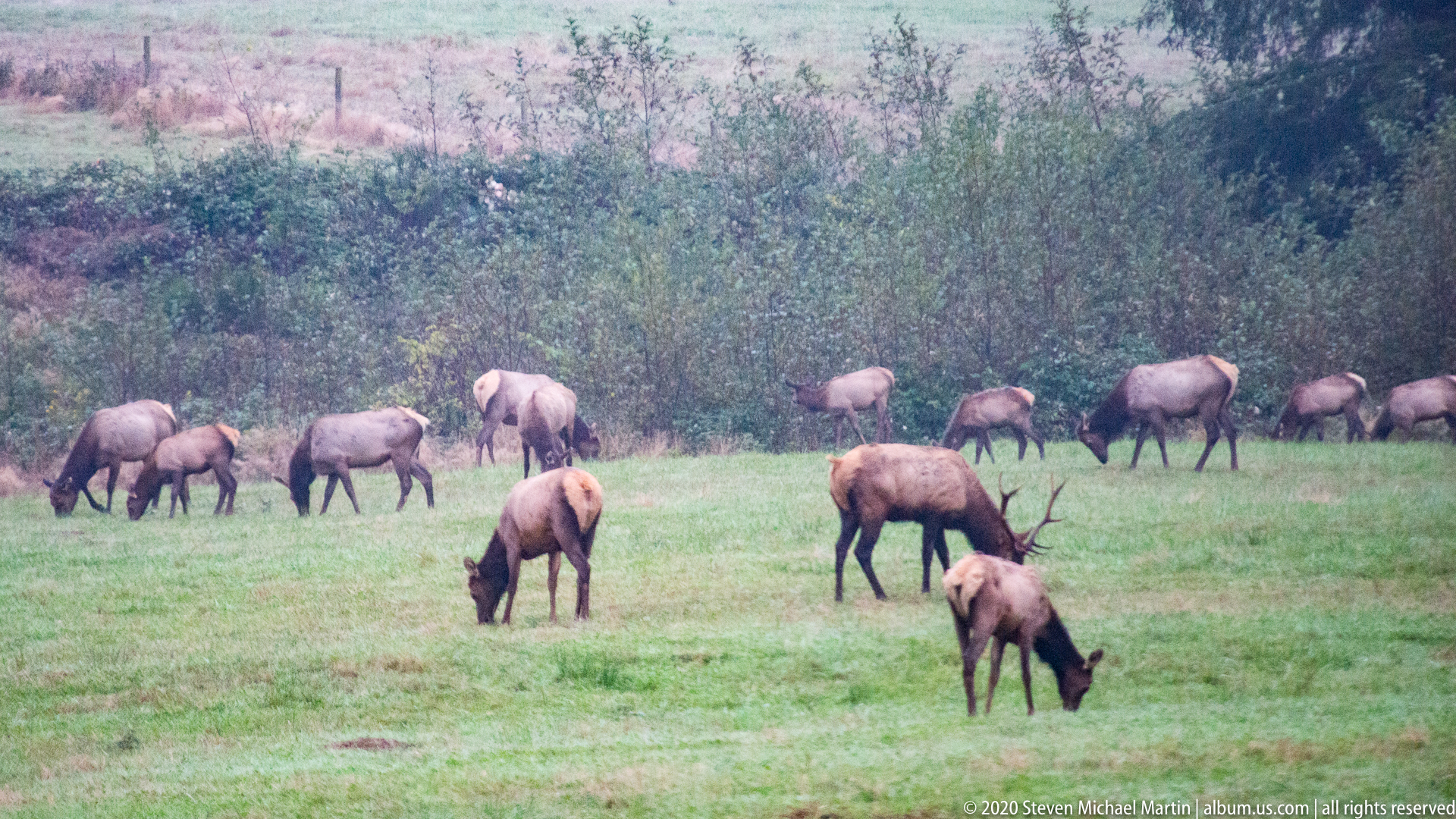
- Roosevelt Elk Herds – Several groups of Roosevelt elk grazed calmly in open meadows near forest edges, offering extended opportunities to observe natural herd behavior.
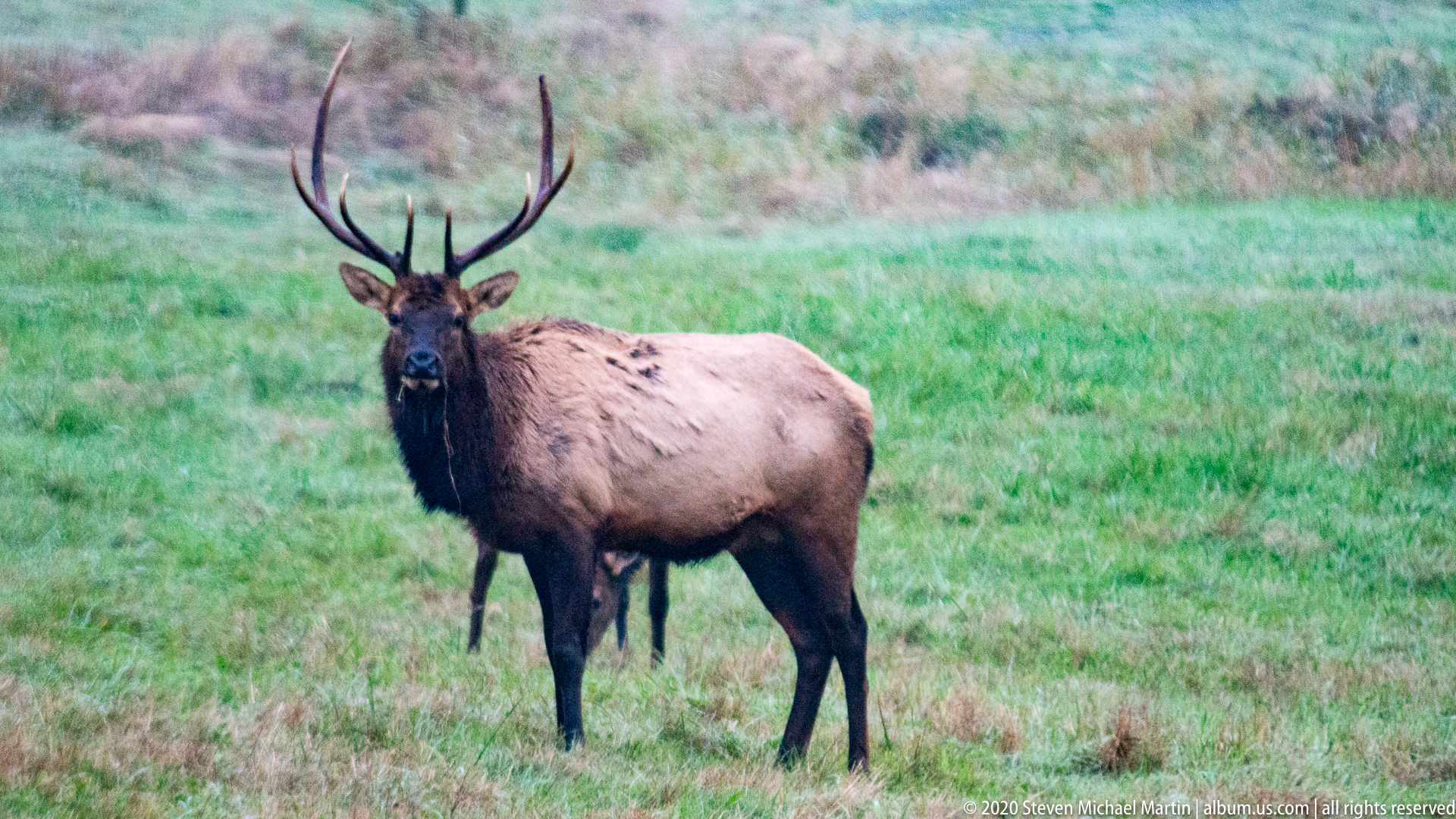
- Bull Elk with Full Antlers – Mature bulls stood prominently among the herd, their impressive antlers and sturdy build illustrating why Roosevelt elk are the largest subspecies in North America.
- Elk with Calf – A cow and calf remained close together while feeding, a reminder of the quiet rhythms of wildlife life cycles in protected landscapes.
- Alert Elk in Coastal Meadow – One individual paused and looked directly toward the camera position, creating a memorable moment of connection in the misty coastal environment.
- Pacific Northwest Habitat Setting – The combination of lush grasses, soft light, and distant tree line provided a classic setting for observing wildlife typical of the Lewis and Clark region.
📷 Photography Notes
- Fog adds atmospheric depth
- Coastal light changes quickly
- Cliffs create strong composition
- Wide views emphasize scale
- Weather enhances mood
- Water movement adds texture