Fort Davis National Historic Site
Fort Davis National Historic Site is located in the Davis Mountains of western Texas within the Trans-Pecos region, where elevated desert basins and volcanic uplands form part of the Chihuahuan Desert landscape. Established in 1854, the fort occupied a strategic position along the San Antonio–El Paso Road, an important transportation corridor linking interior settlements with the broader Southwest. The surrounding terrain reflects the geological transition between the southern Rocky Mountains and desert environments extending into northern Mexico.
The post played an important role in protecting emigrants, mail carriers, and commercial freight traveling across the frontier during the nineteenth century. Units stationed at Fort Davis included Buffalo Soldiers of the Ninth and Tenth Cavalry, whose service contributed to the expansion of federal authority across the Southwest following the Civil War. The preserved structures represent one of the best surviving examples of a frontier military installation in the United States.
Today, the site illustrates the relationship between military infrastructure, transportation networks, and settlement patterns across the western frontier. The preserved buildings and surrounding landscape provide insight into the environmental conditions and strategic considerations that shaped expansion into the arid regions of the American Southwest.







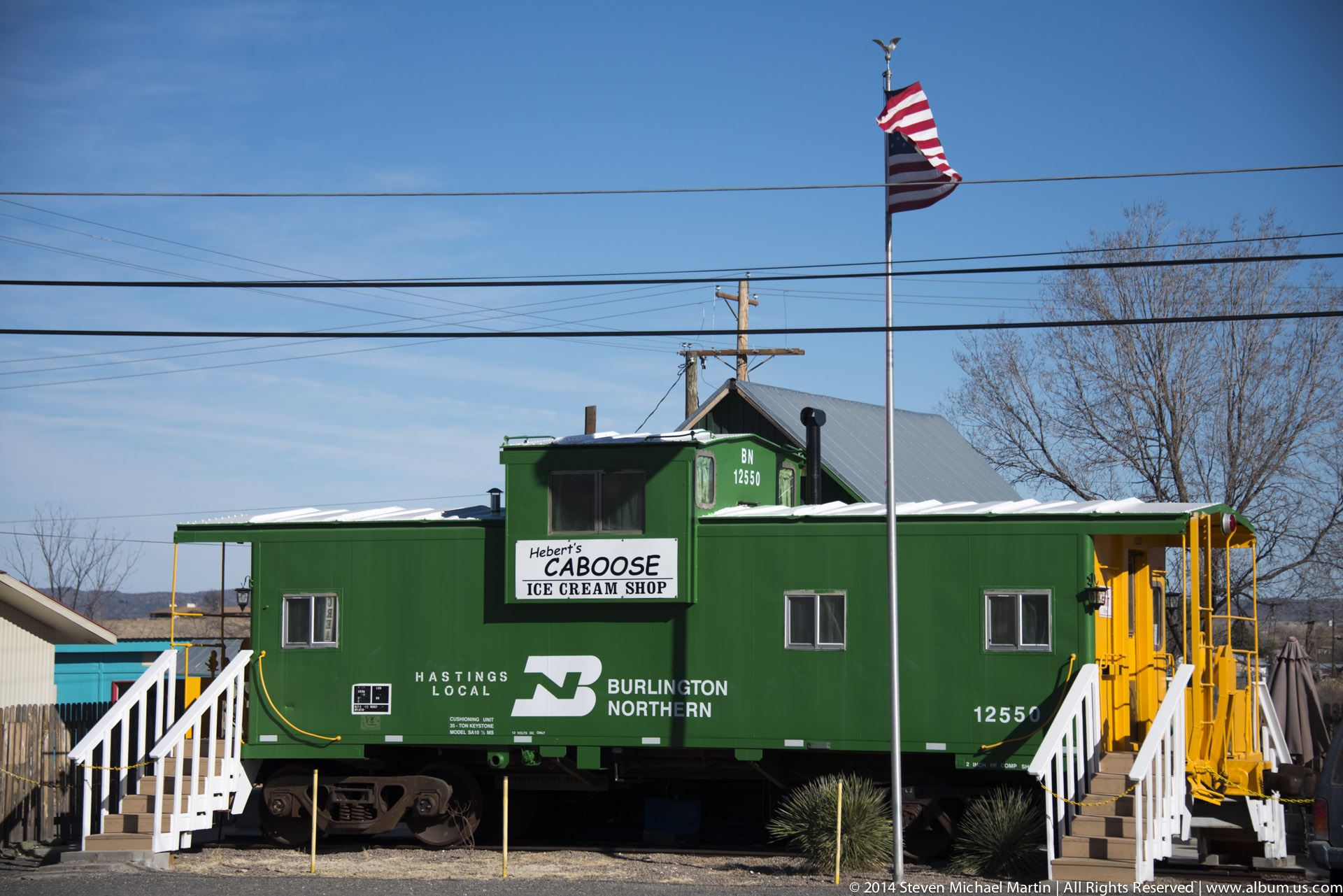
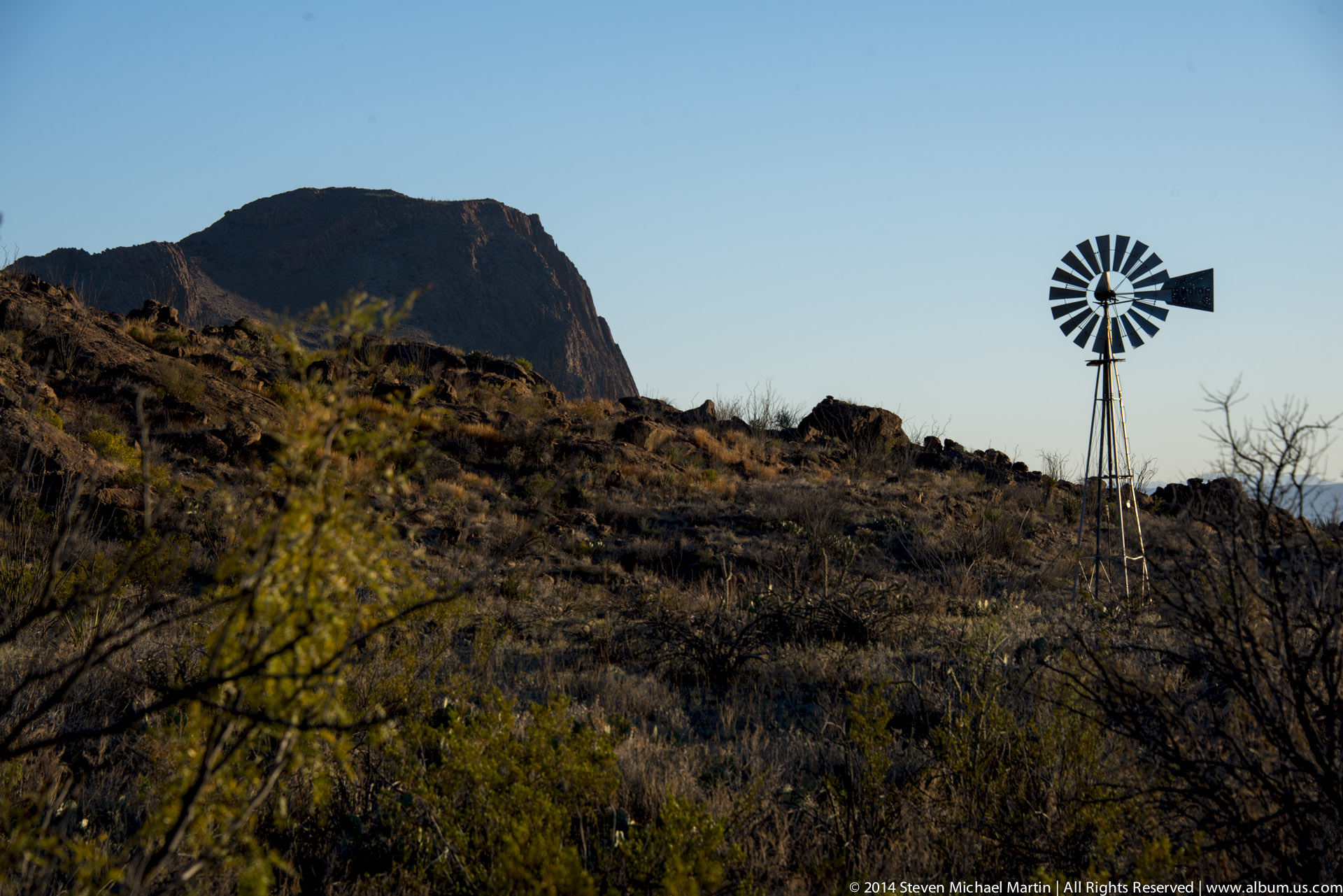
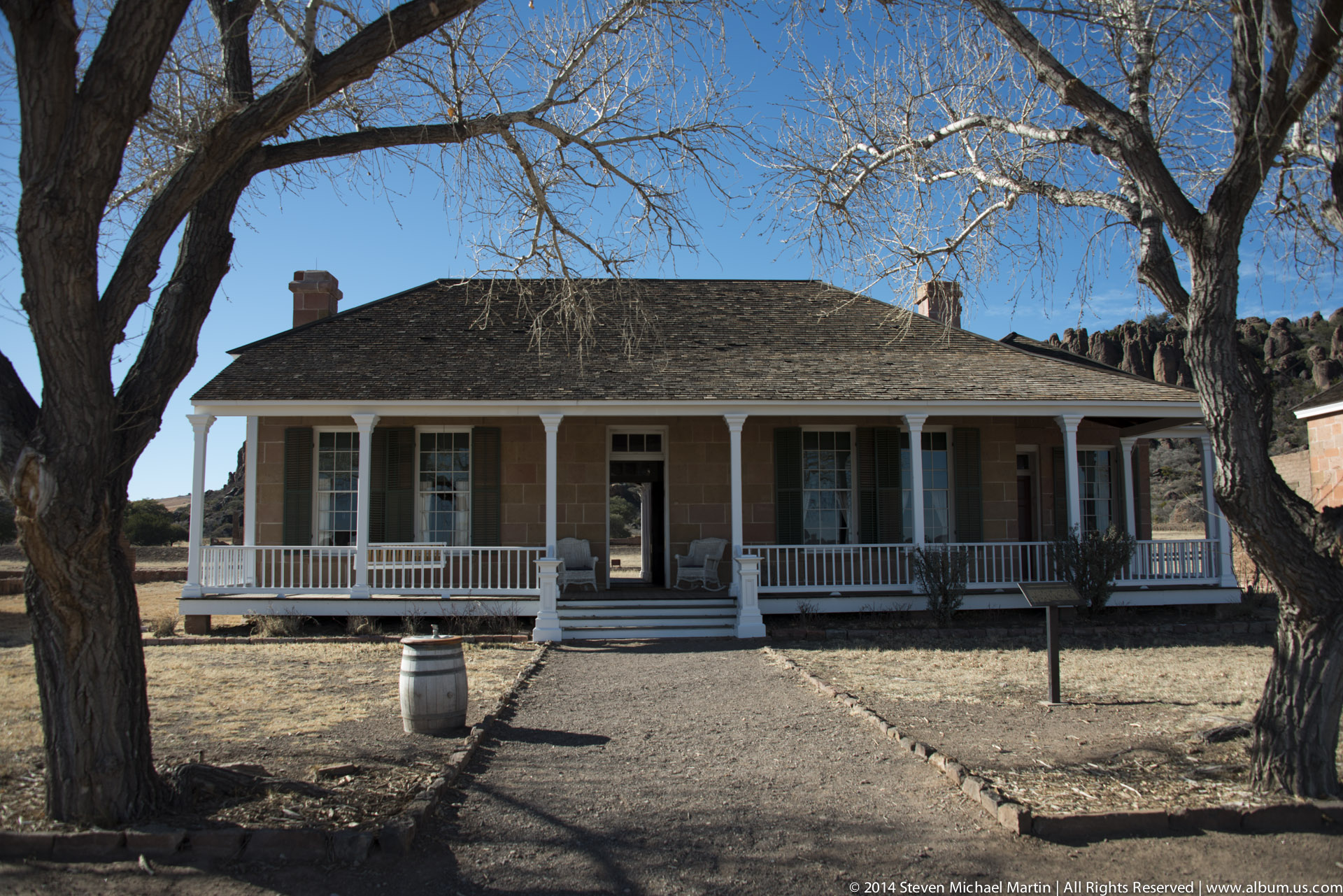
Fort Davis National Historic Site Field Guide
📍 Location
Fort Davis National Historic Site is located in the Davis Mountains of western Texas within the Trans-Pecos region of the Chihuahuan Desert. The fort occupies a strategic position along historic transportation routes linking San Antonio with El Paso and northern Mexico. Established in 1854, the site formed part of a broader network of frontier posts constructed to protect travel corridors across the American Southwest.
🏛 Historical Significance
Fort Davis served as an important military installation during the Indian Wars period, protecting emigrants, freight wagons, and mail routes along the San Antonio–El Paso Road and the Chihuahua Trail. Units stationed at the fort included Buffalo Soldiers of the Ninth and Tenth Cavalry, African American regiments that played a major role in maintaining federal presence across the western frontier after the Civil War. :
⭐ Highlights
- One of the best-preserved frontier forts in the southwestern United States
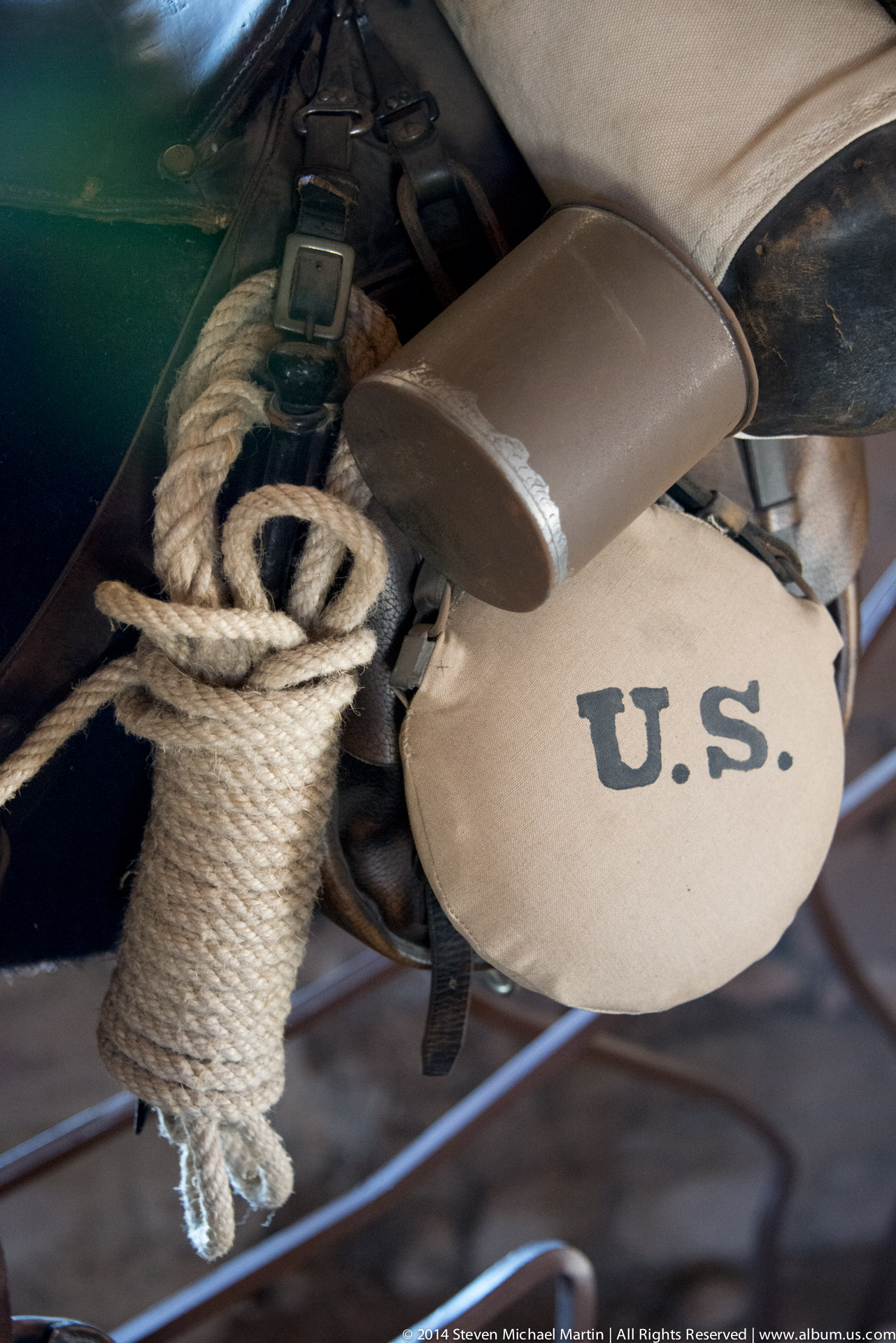
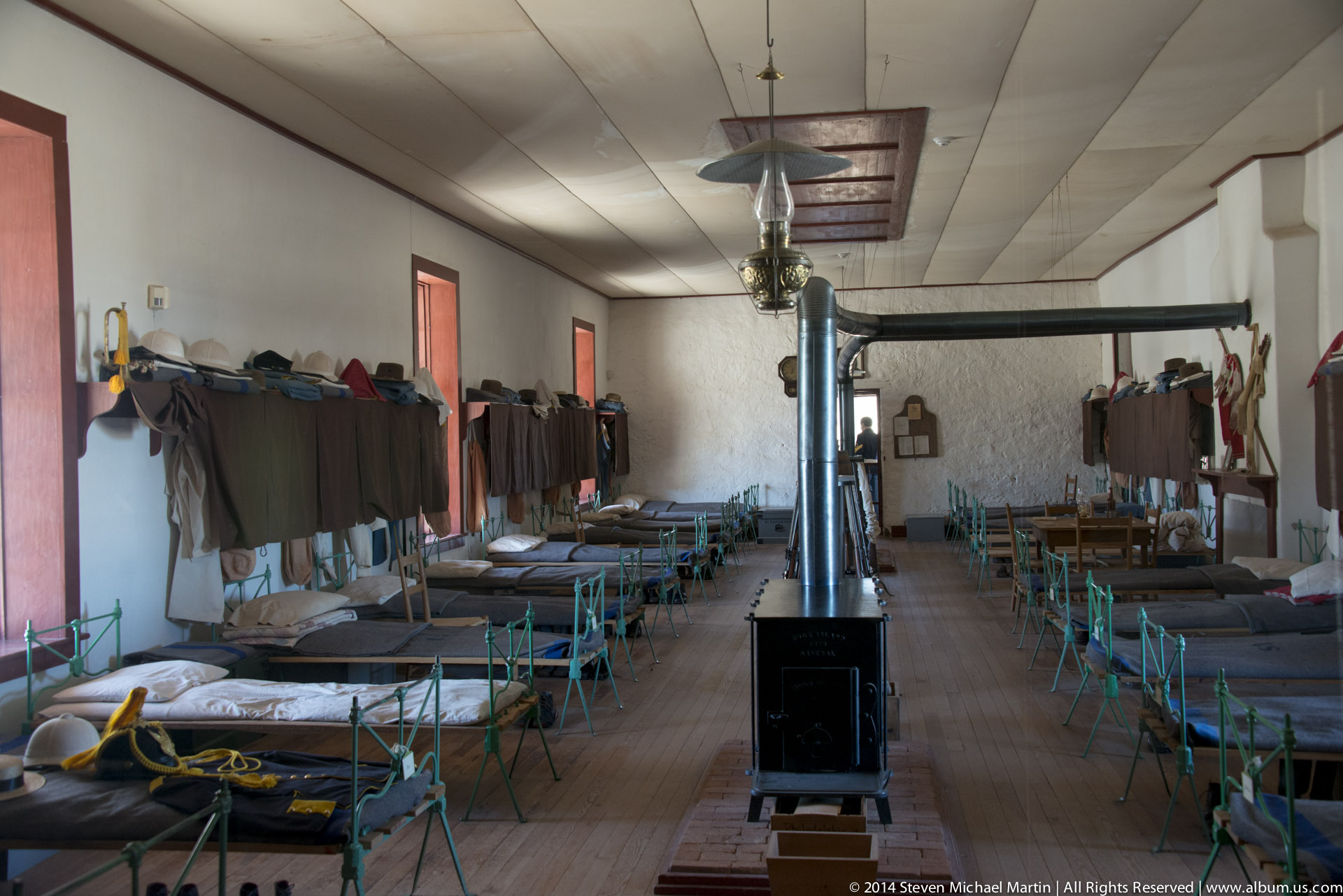
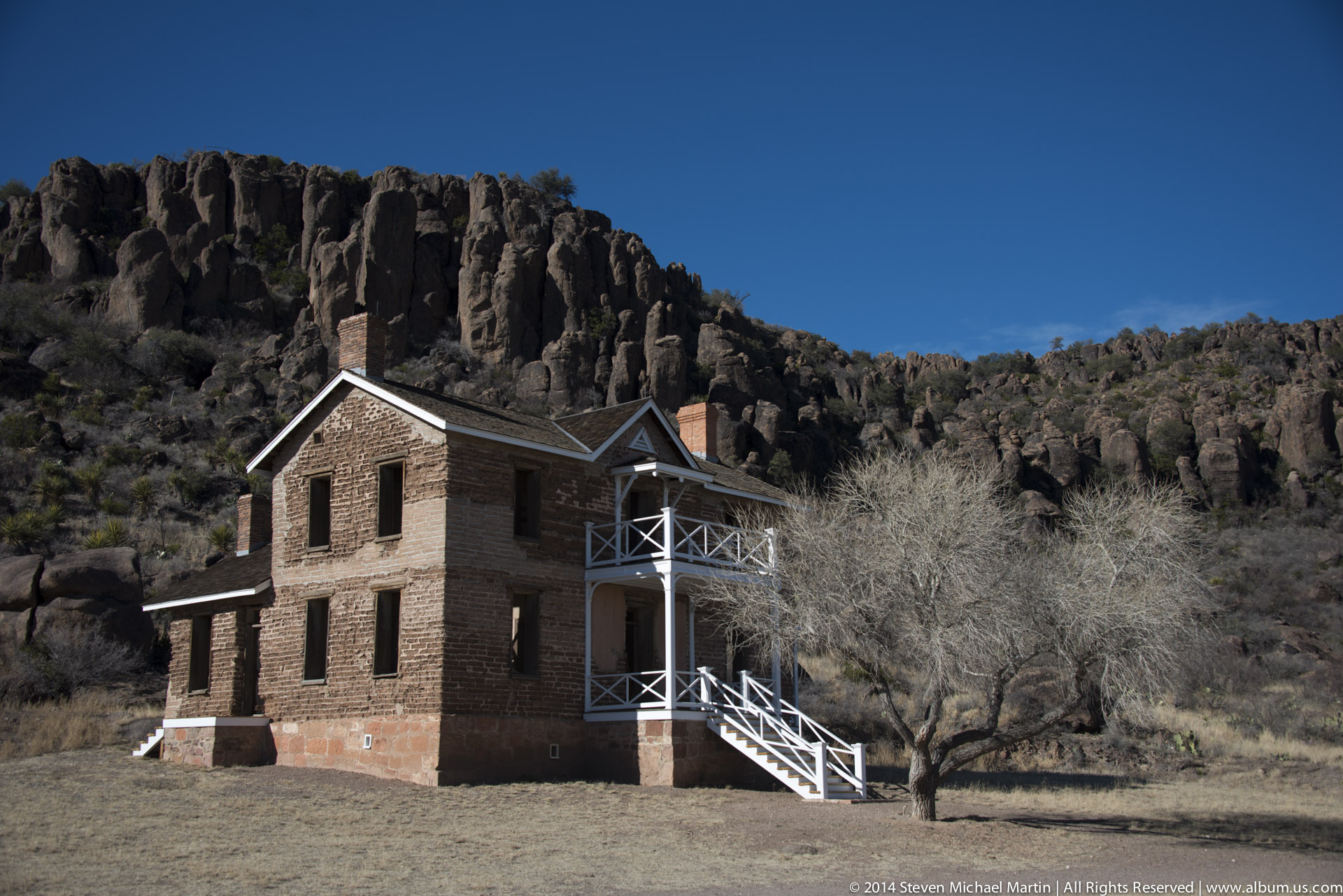
- Restored officers’ quarters, barracks, and hospital buildings
- Historic role of Buffalo Soldiers in western expansion
- Mountain desert setting within the Davis Mountains
📷 Photography Notes
- Stone buildings contrast strongly with desert landscape
- Morning light works well across parade grounds
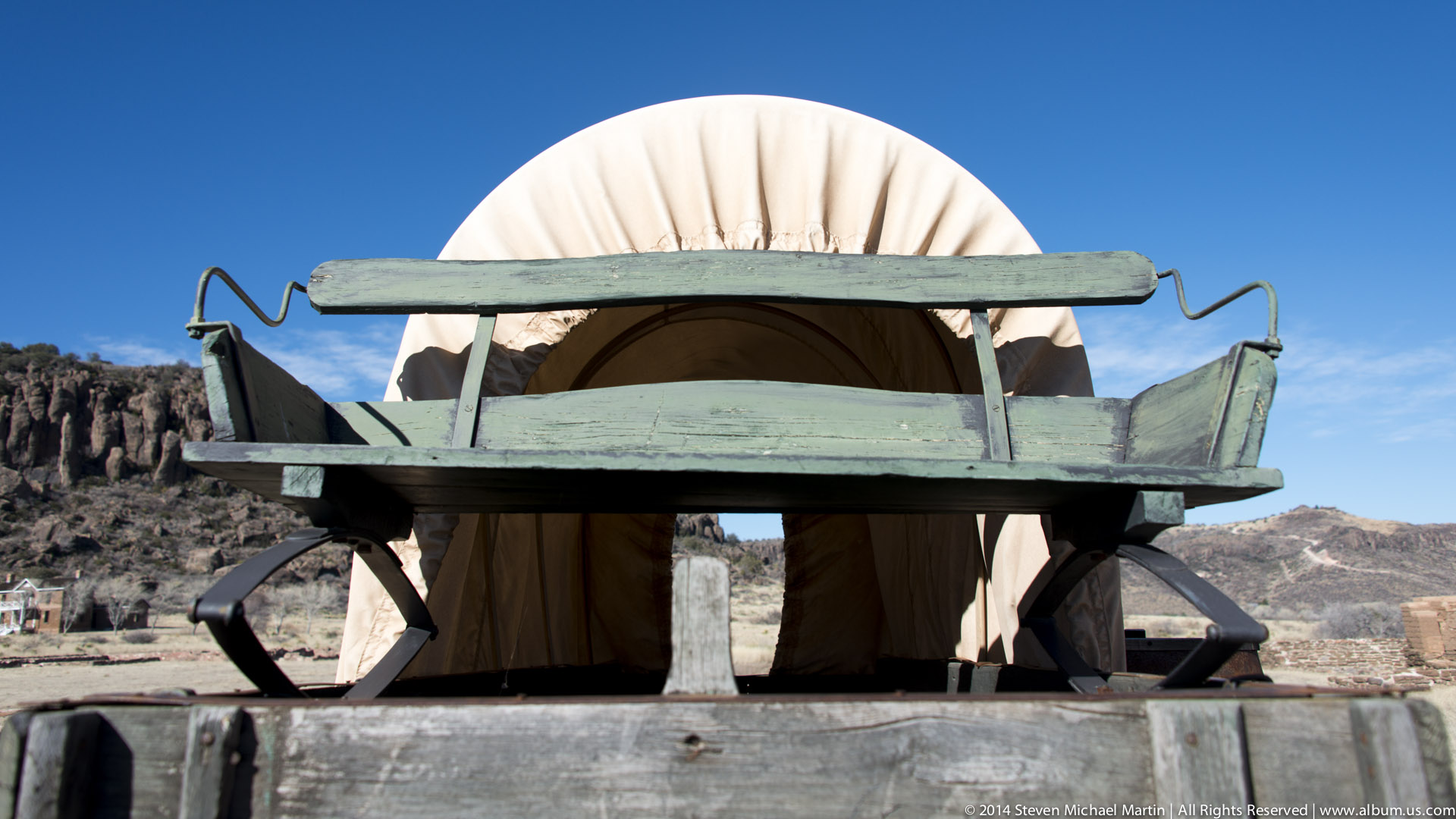
- Wide-angle compositions emphasize isolation of frontier setting
- Mountain backdrop adds depth to architectural images
- Clear desert air produces strong visibility and contrast
📚 Summary
Fort Davis illustrates the role of military infrastructure in shaping transportation routes and settlement patterns across the western frontier. The preserved structures provide insight into the environmental conditions and strategic geography of the nineteenth-century Southwest.