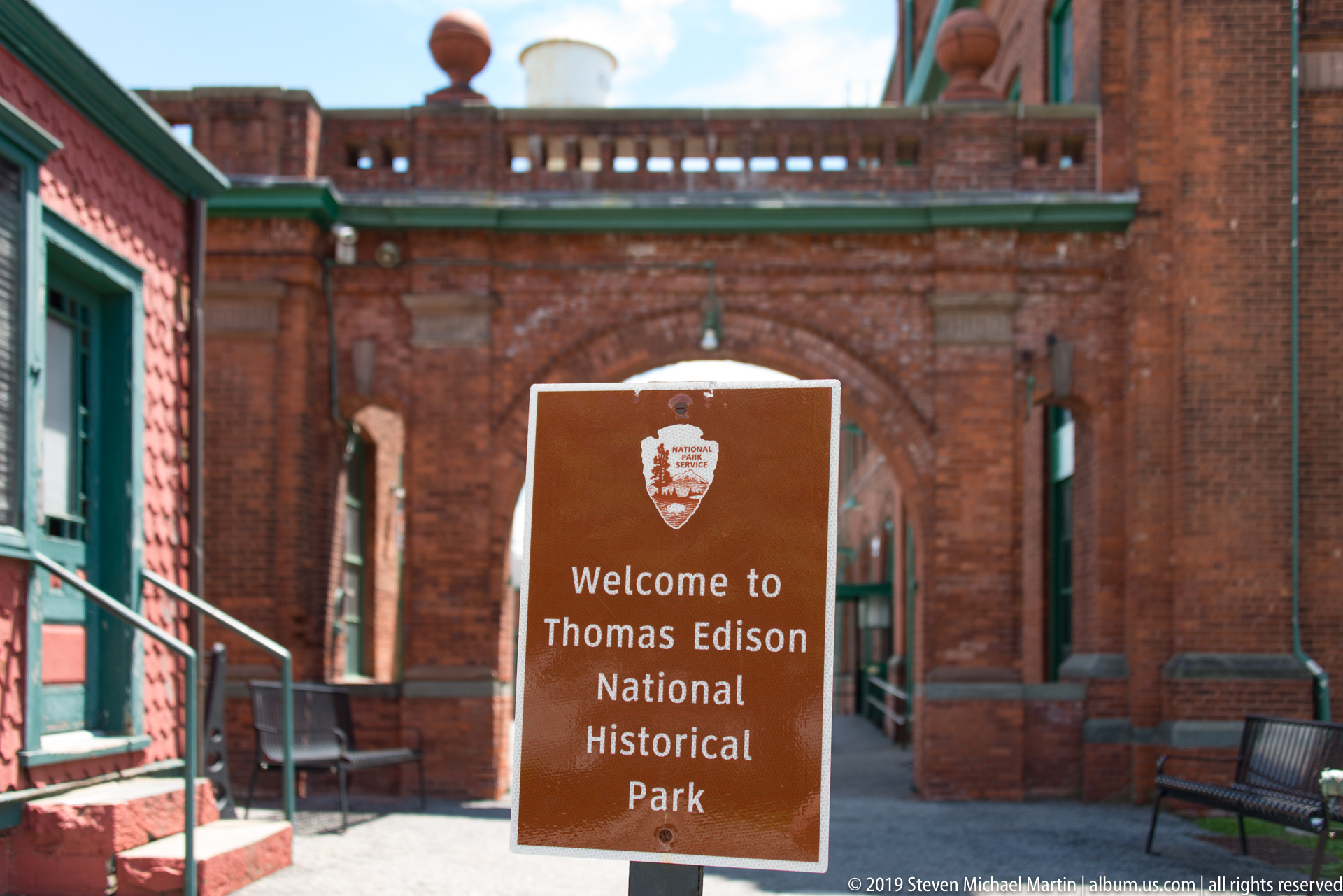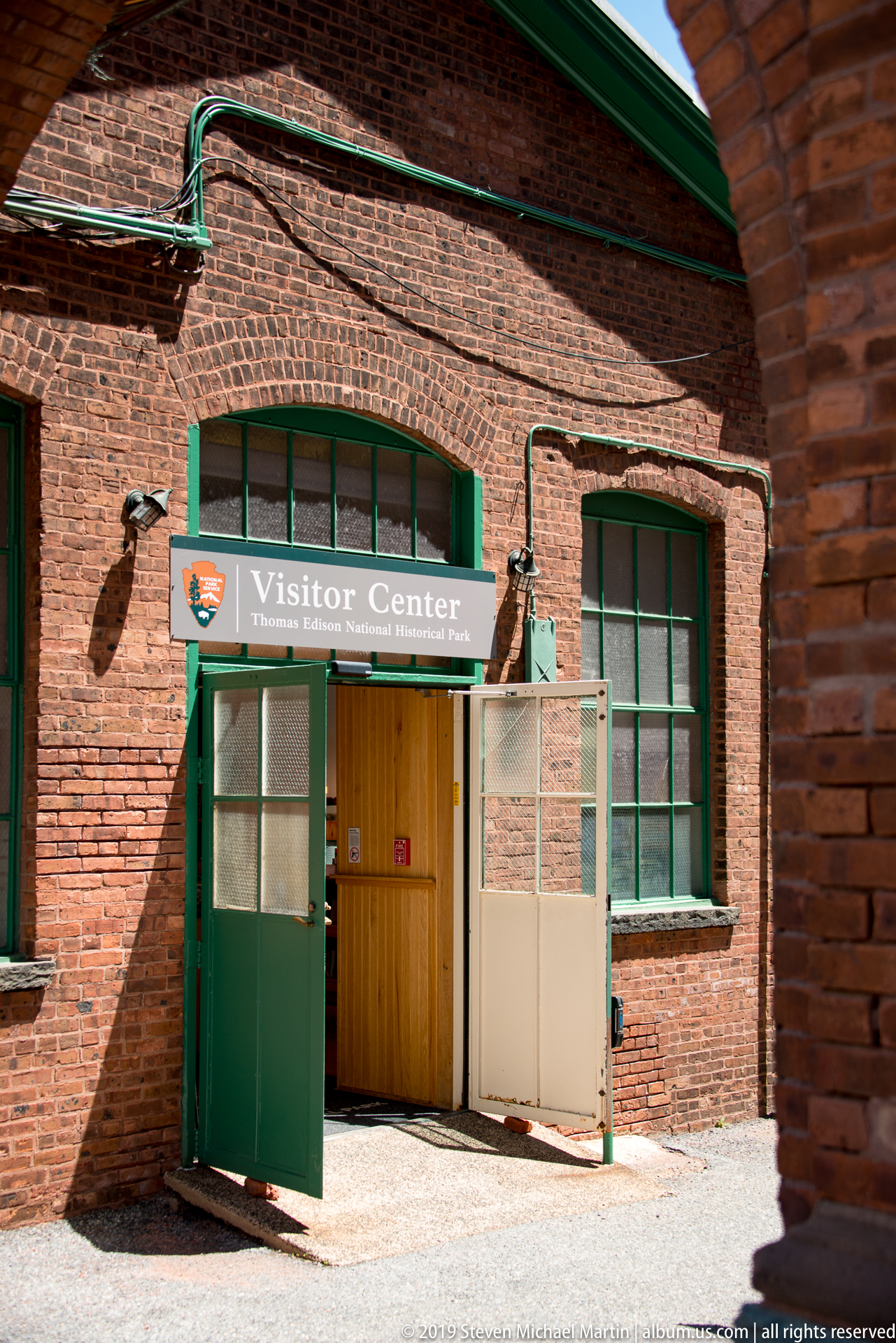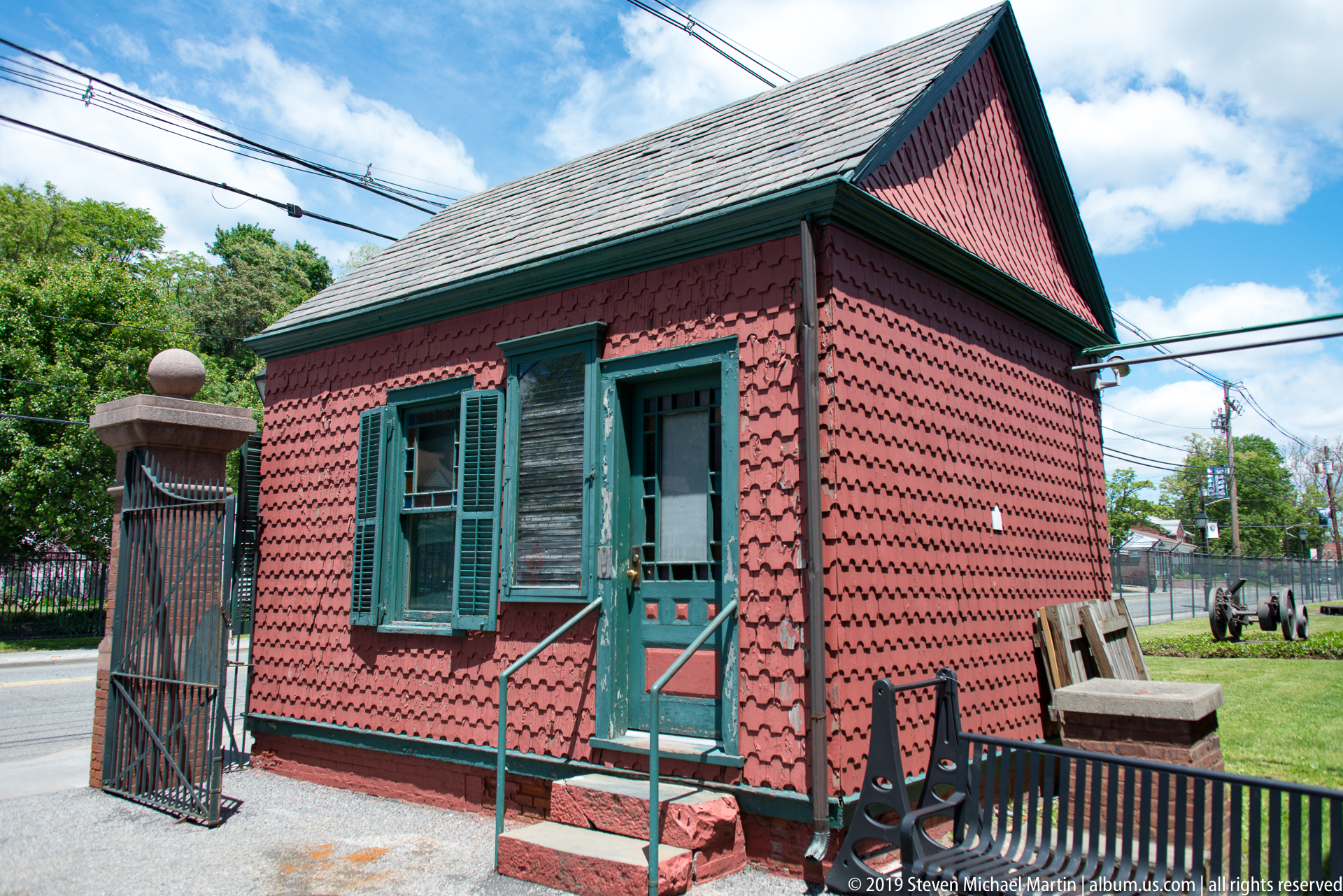
Thomas Edison National Historical Park
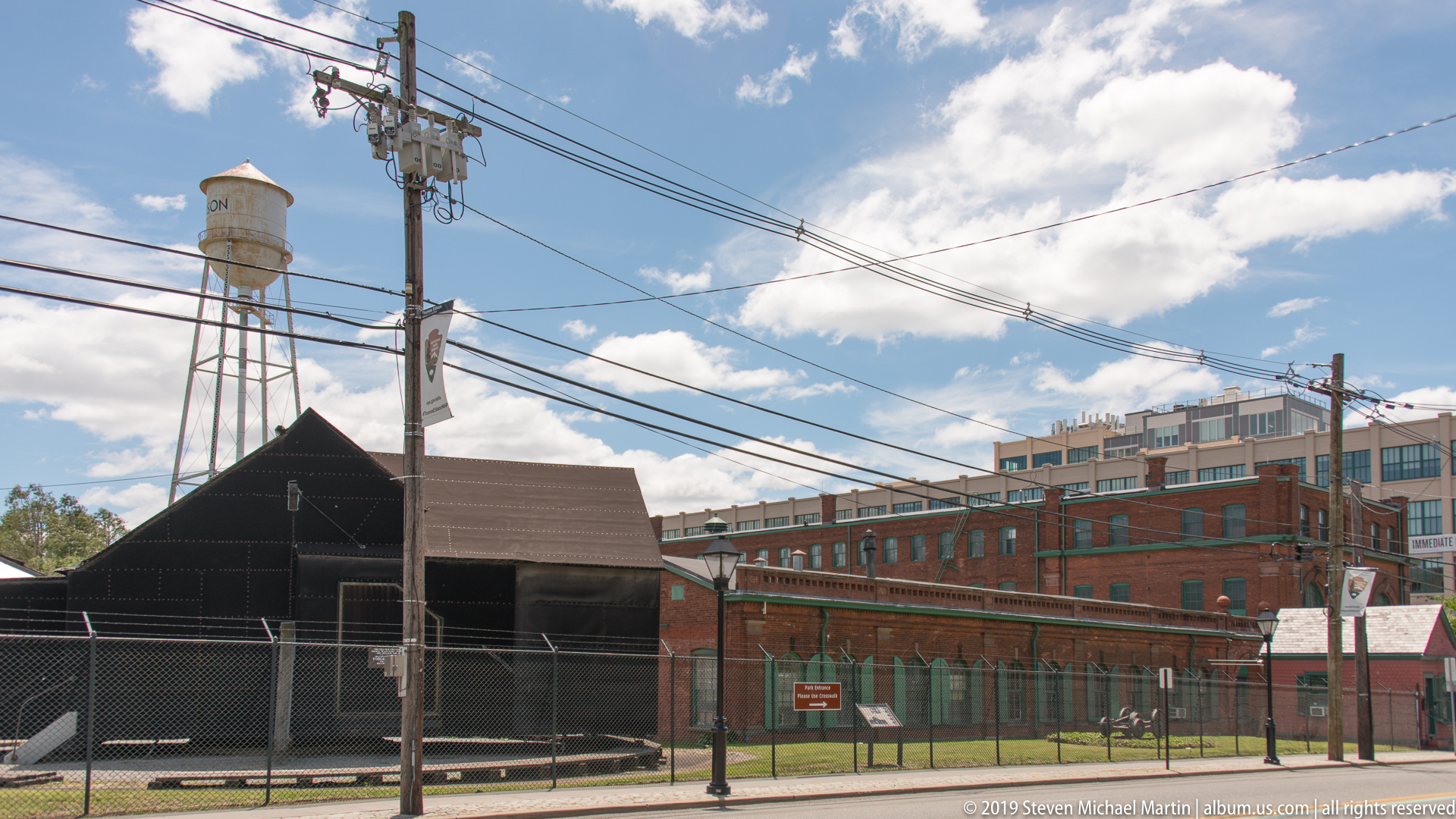
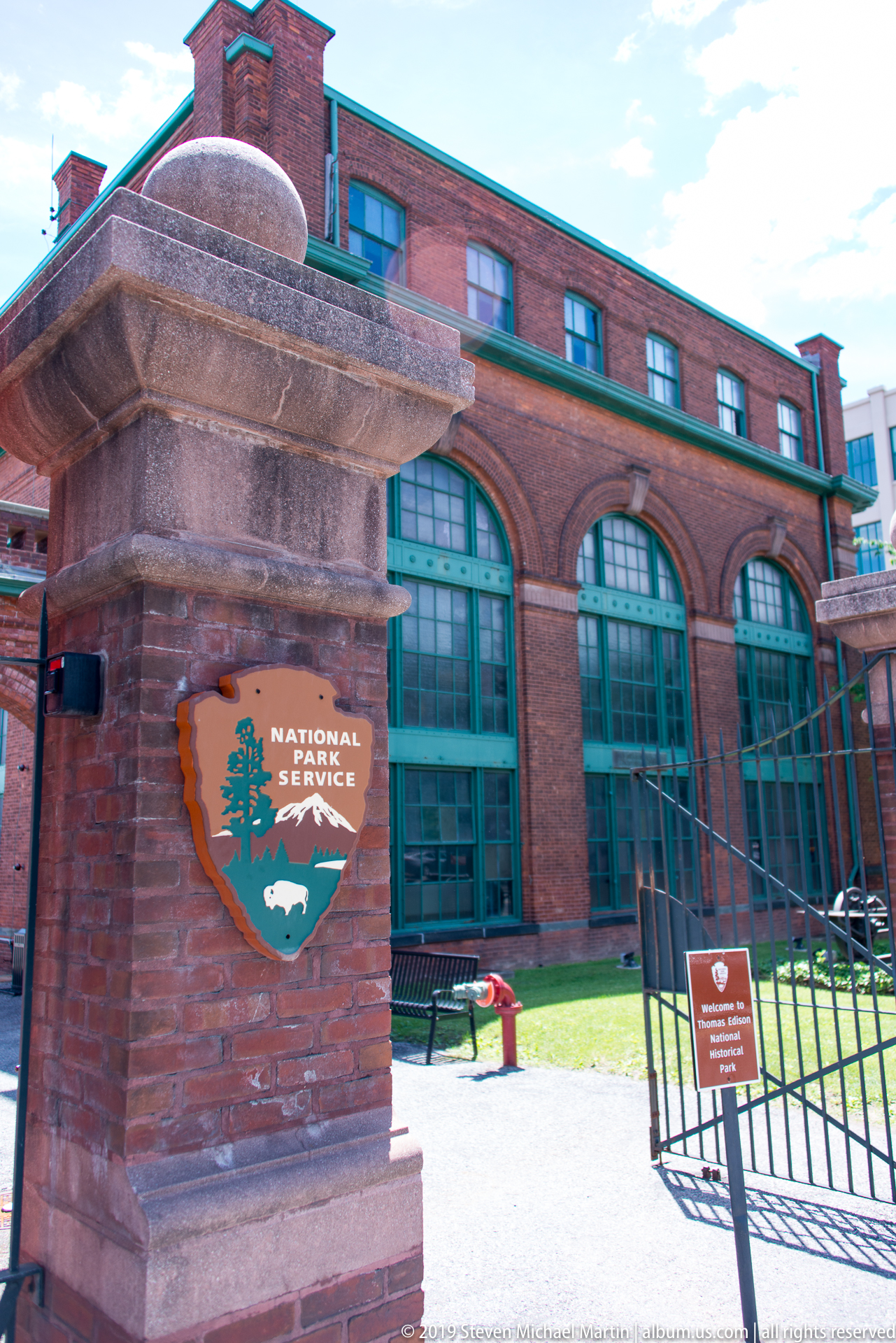
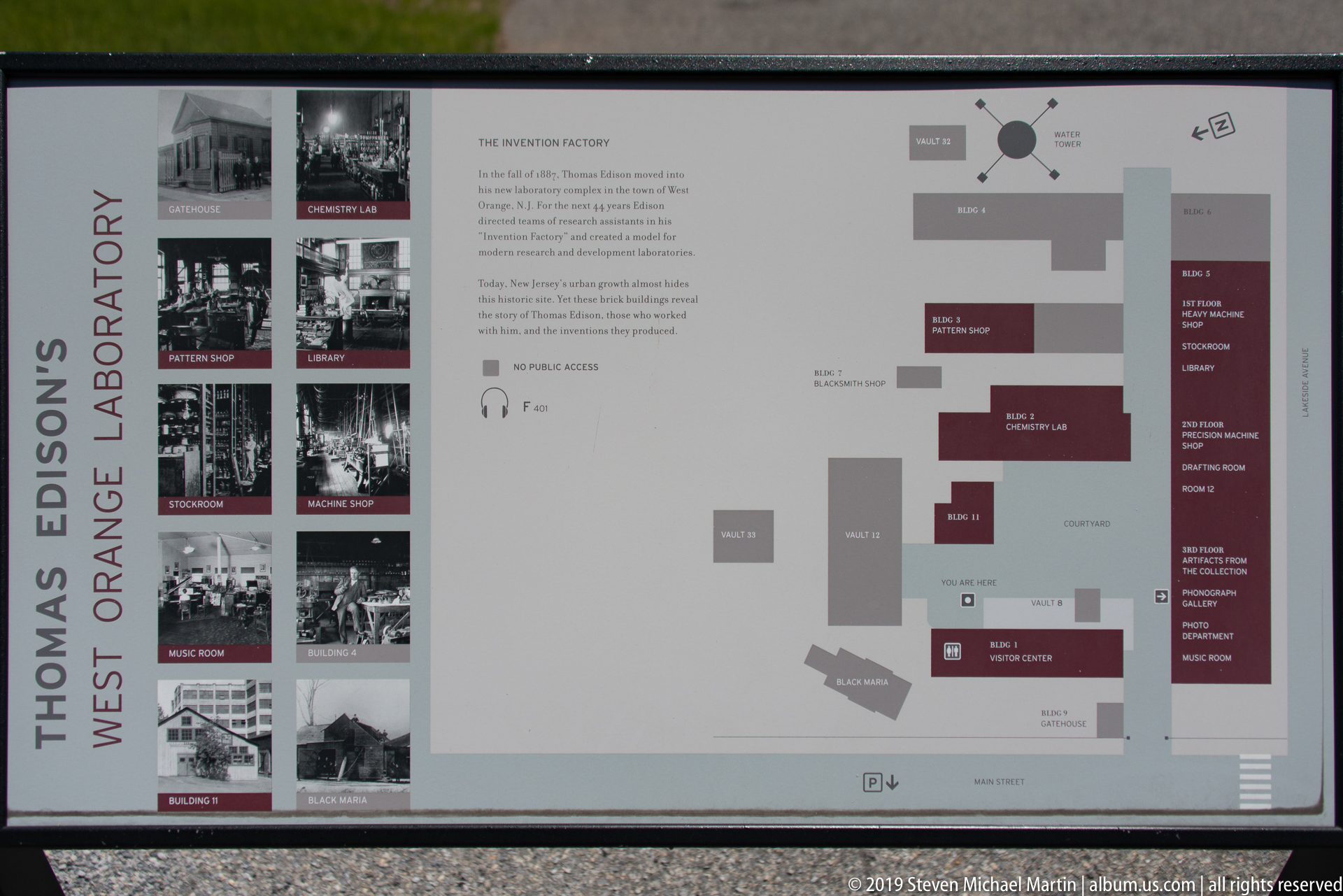
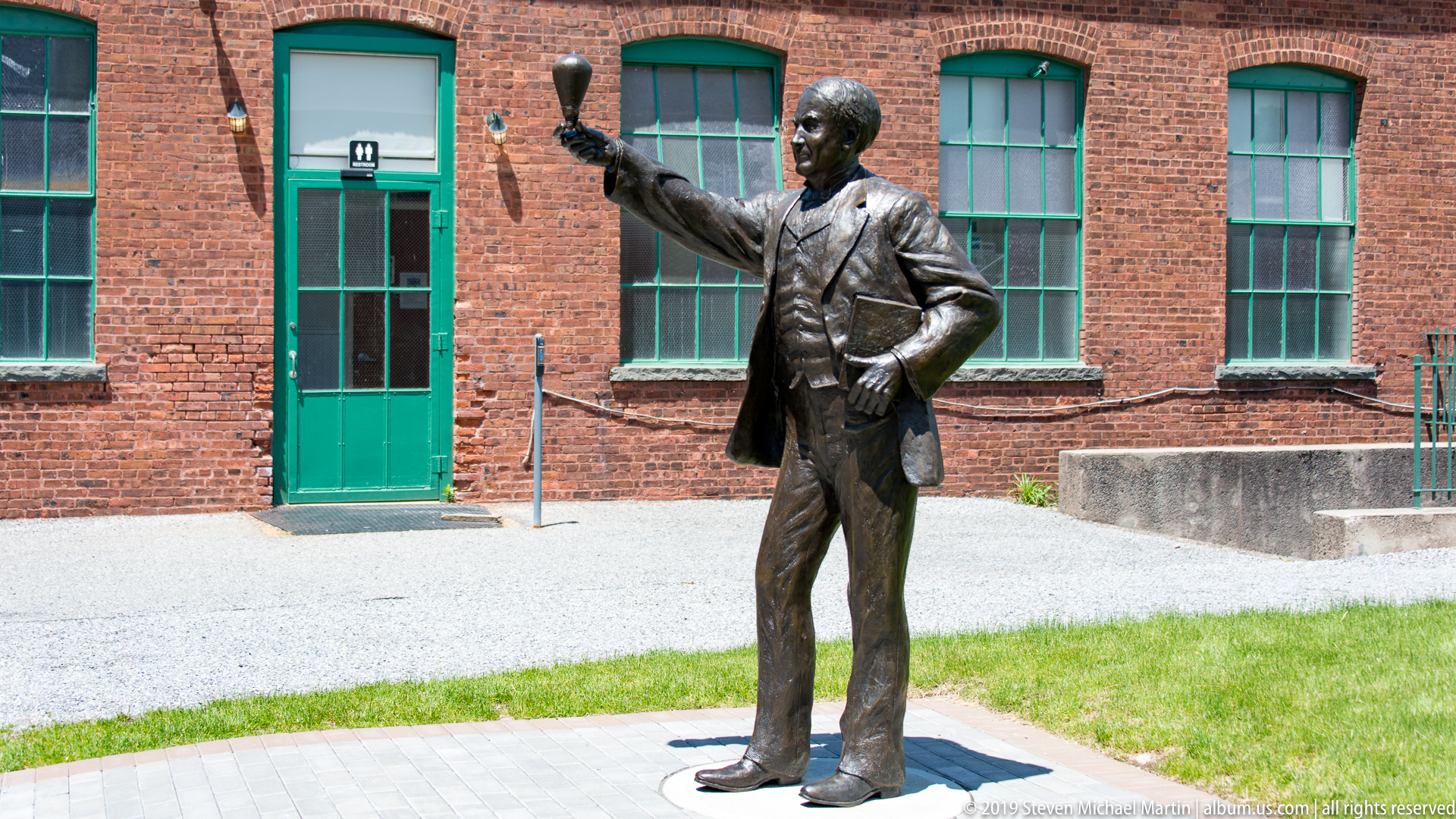
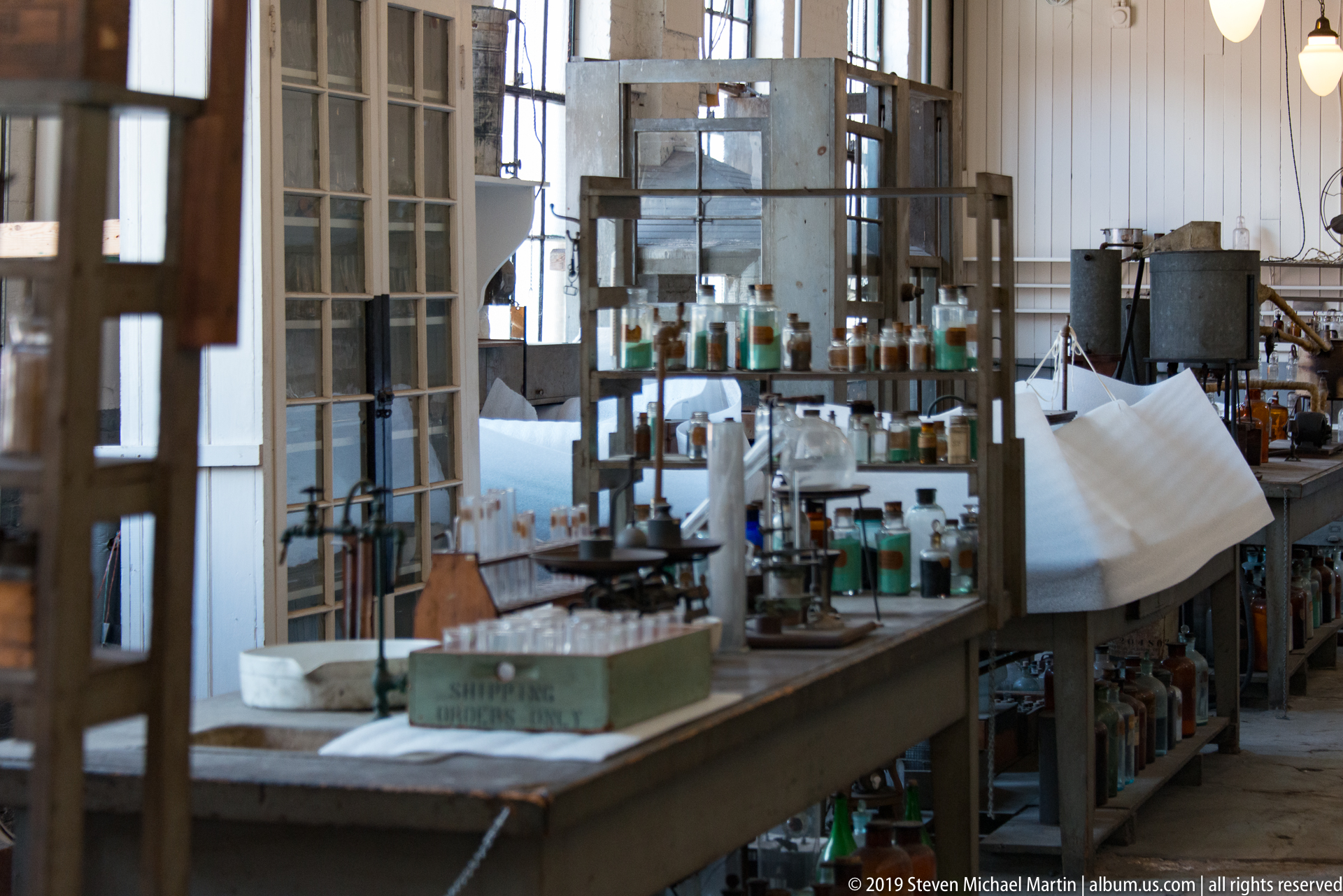
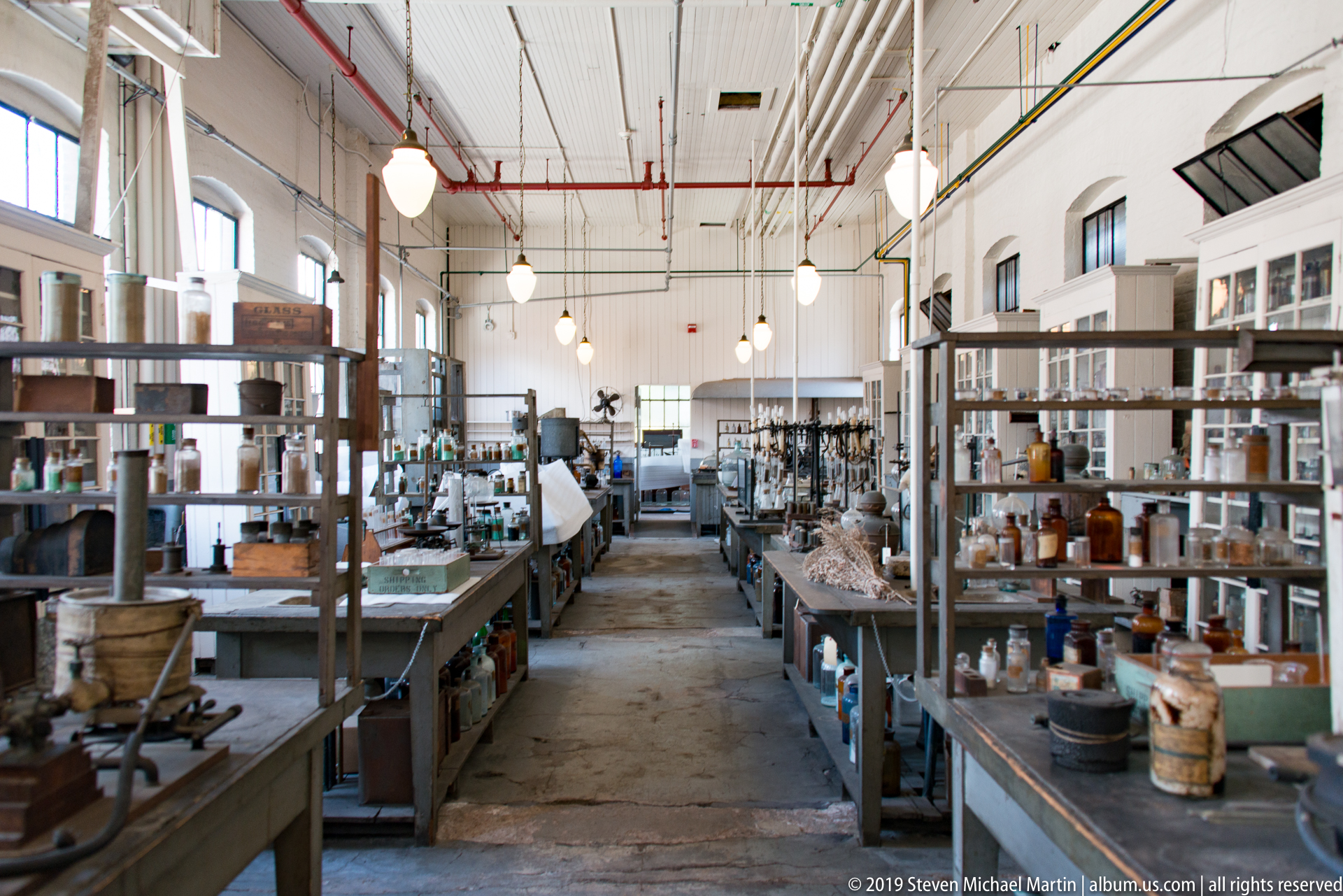
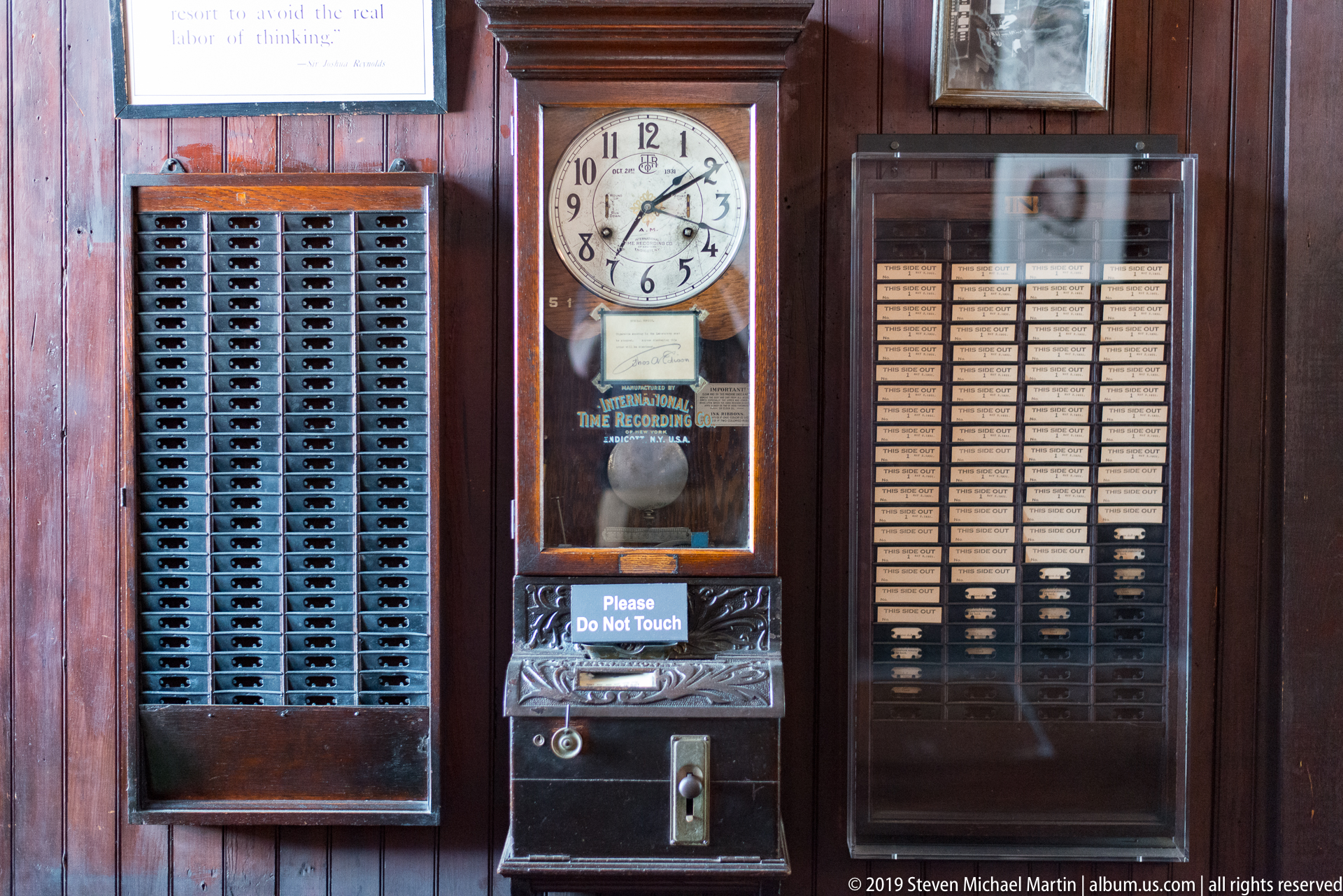
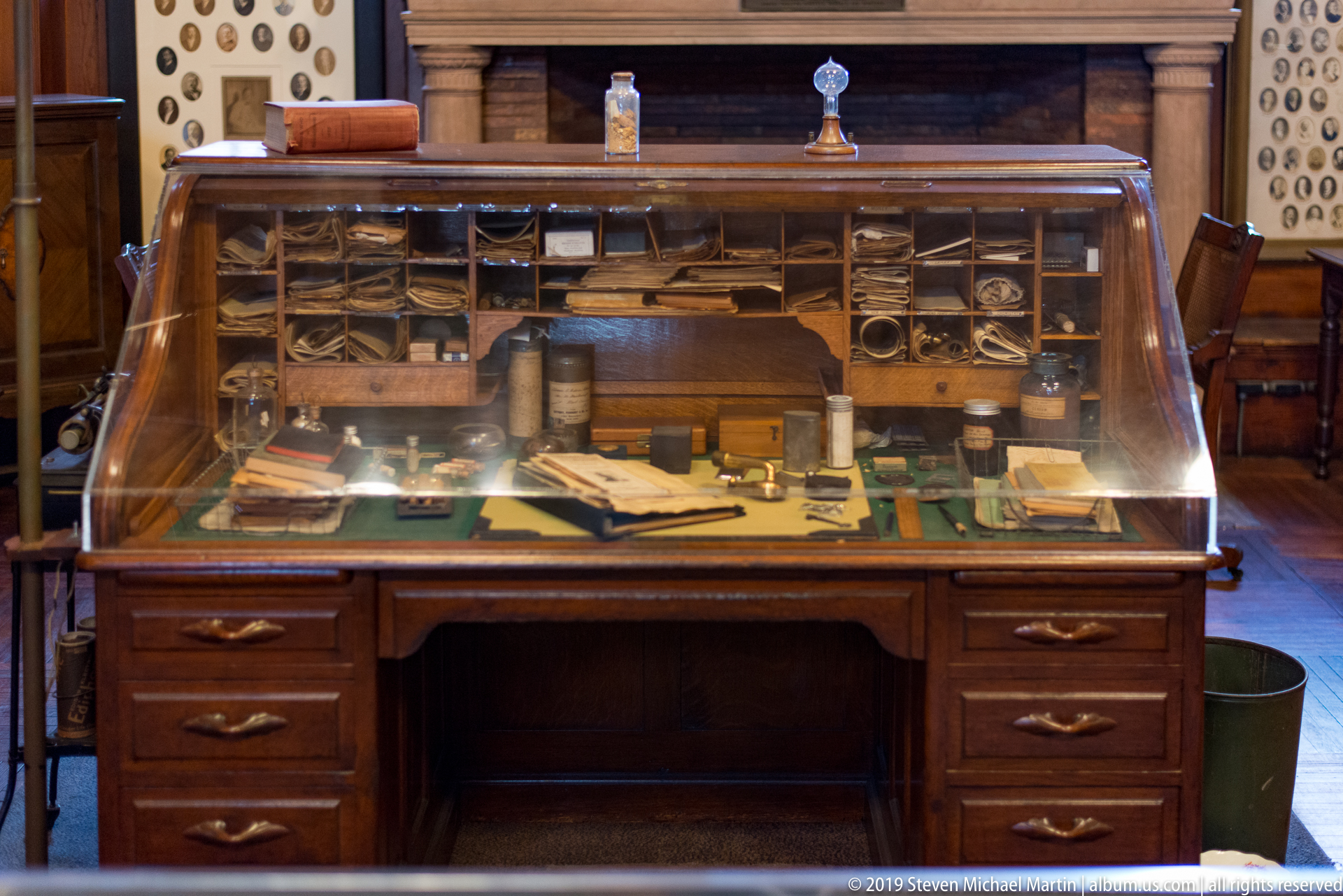
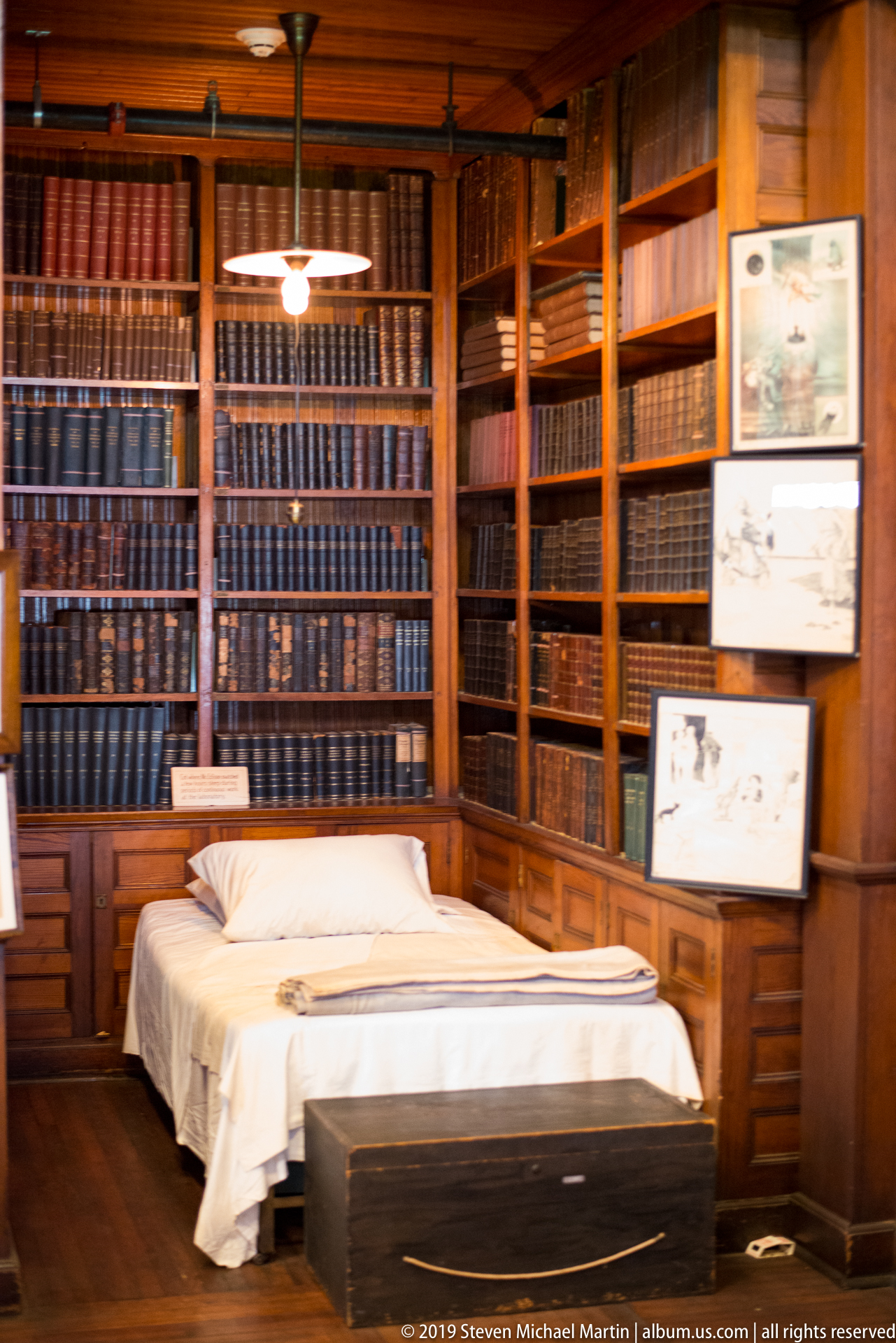
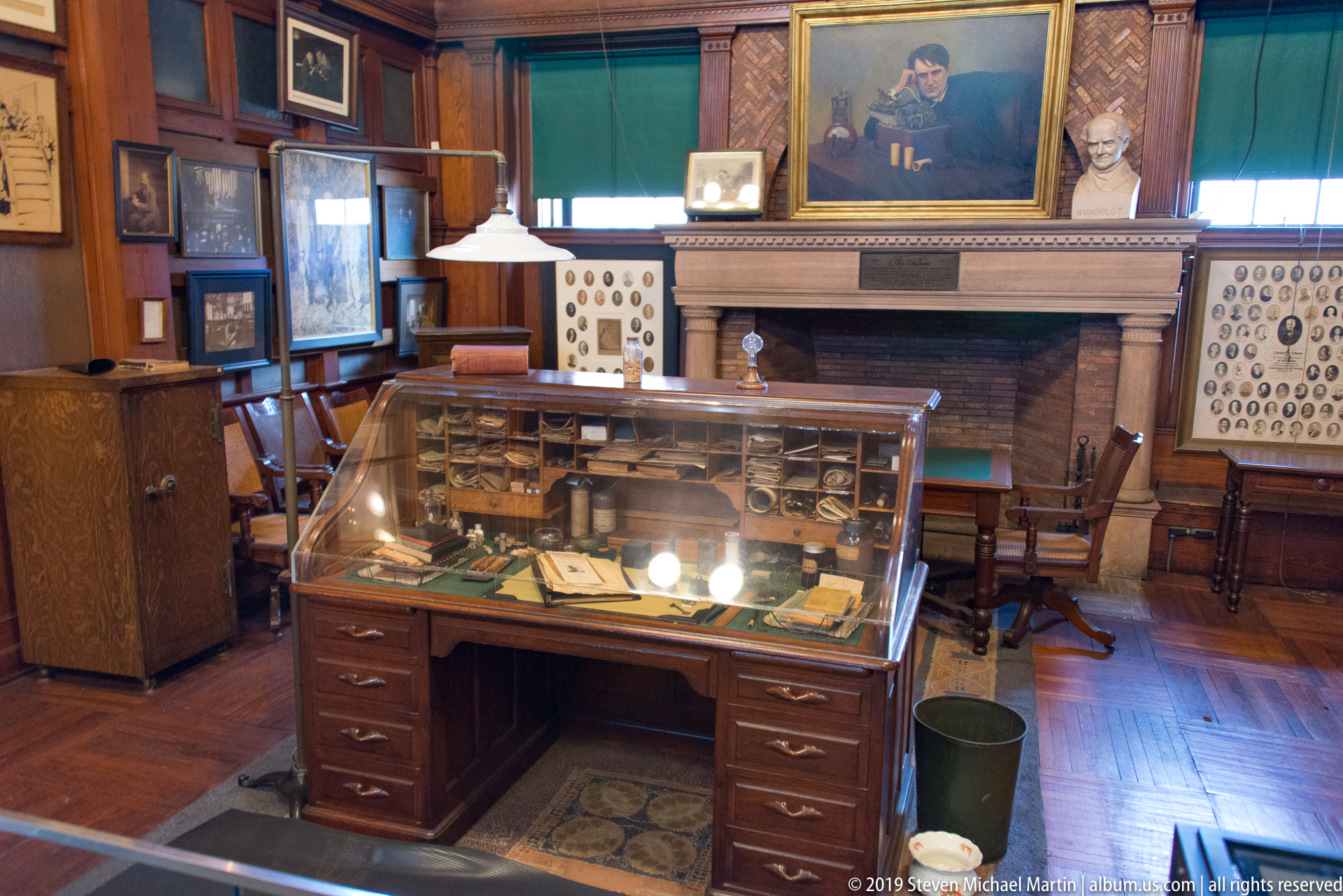
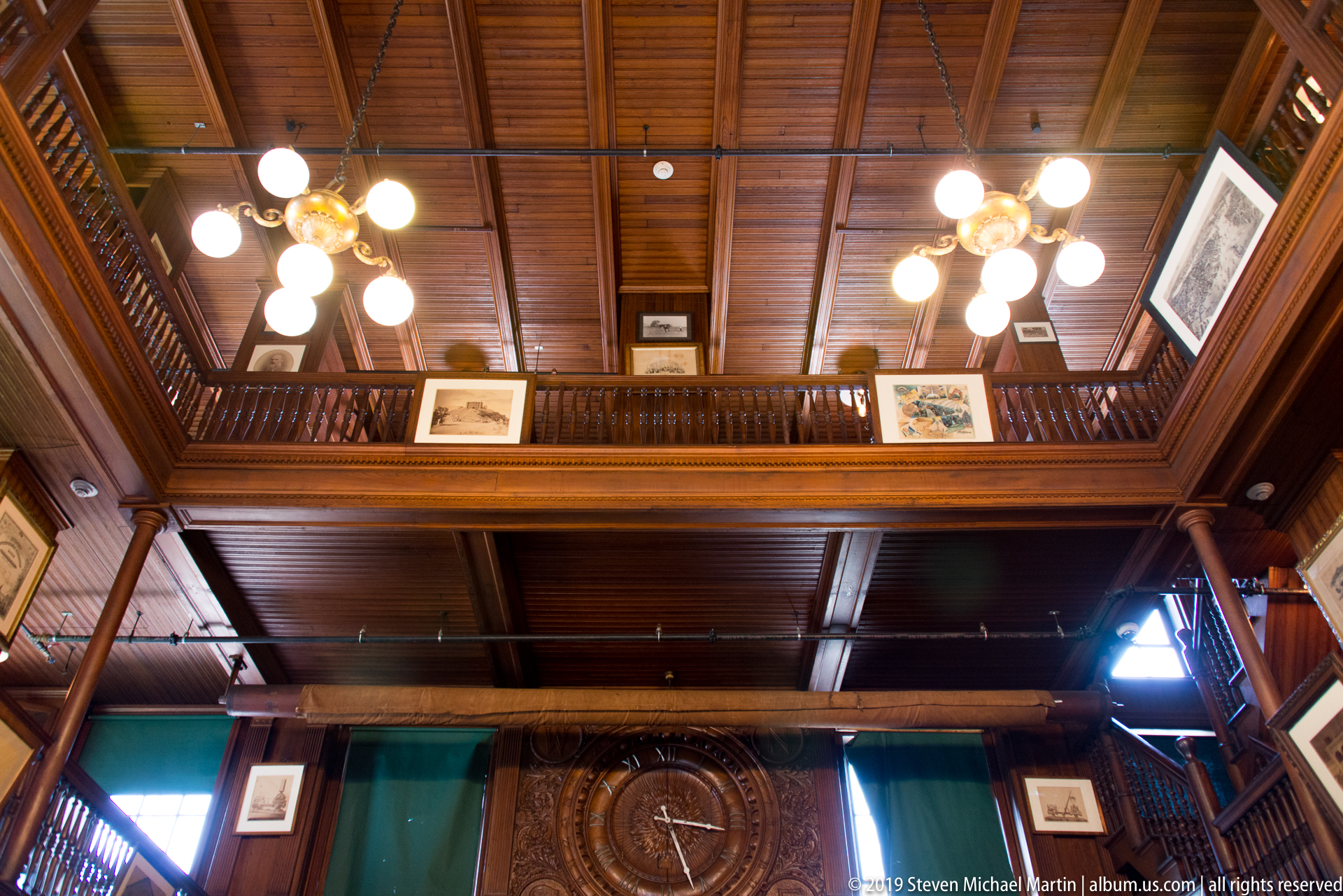
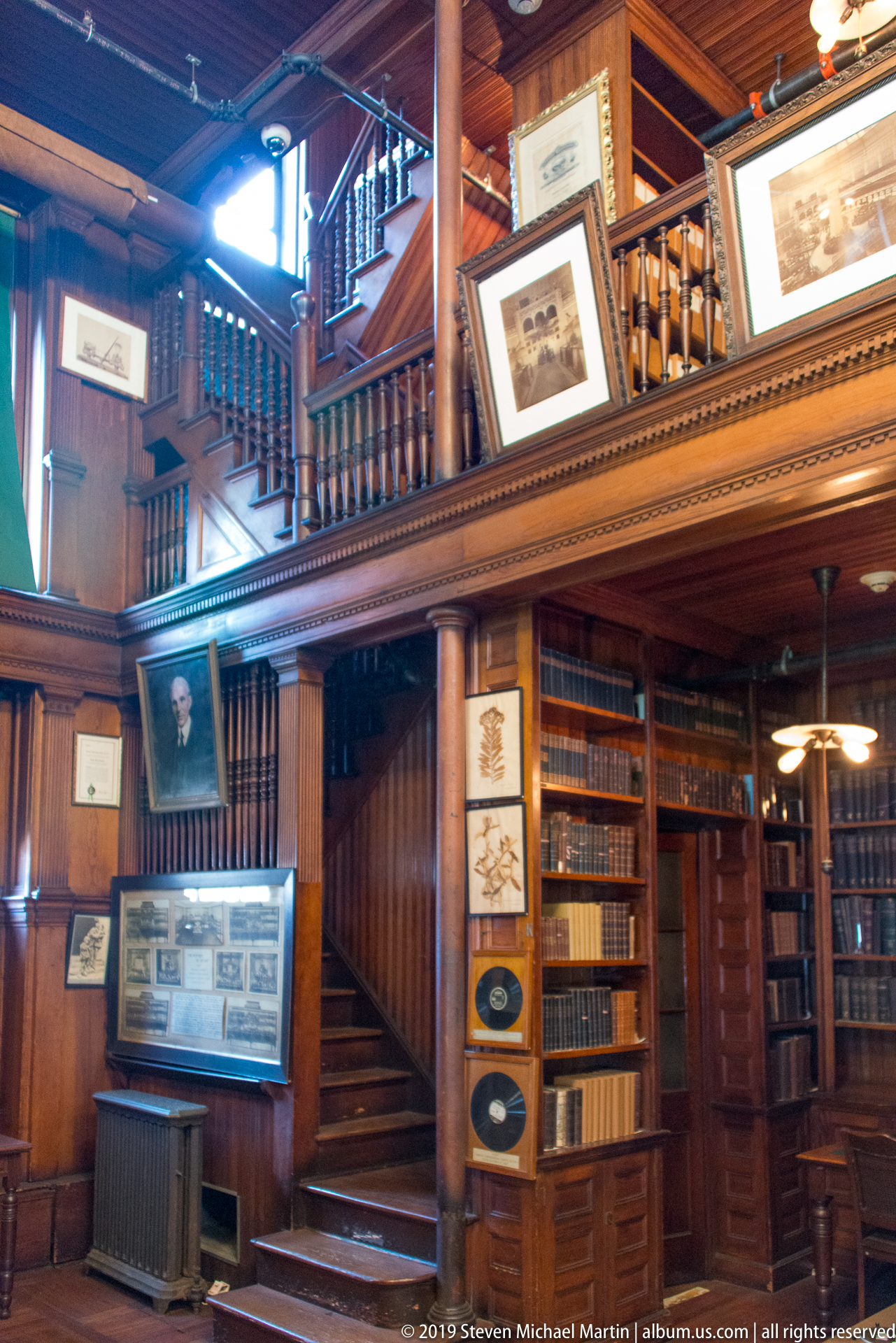
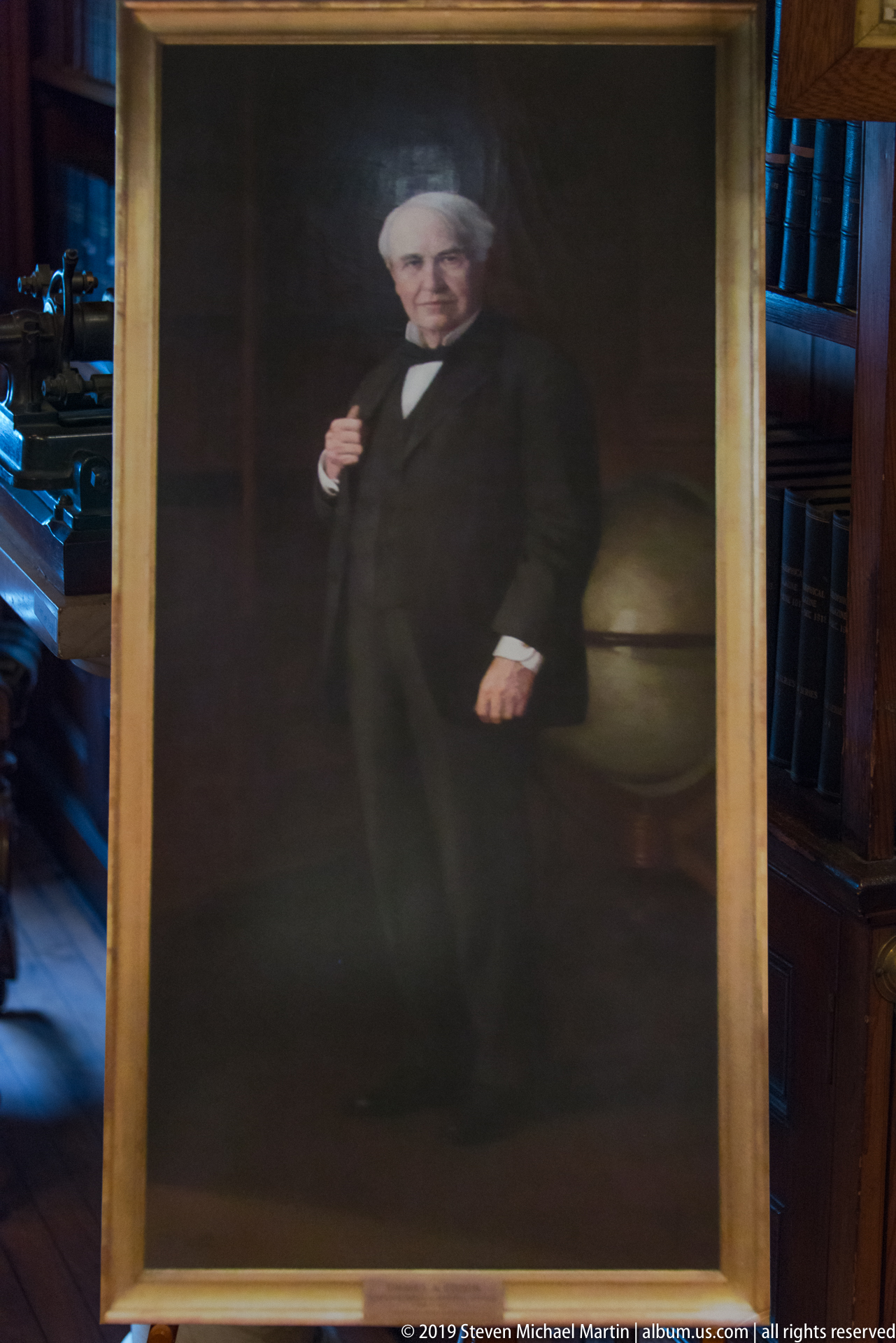
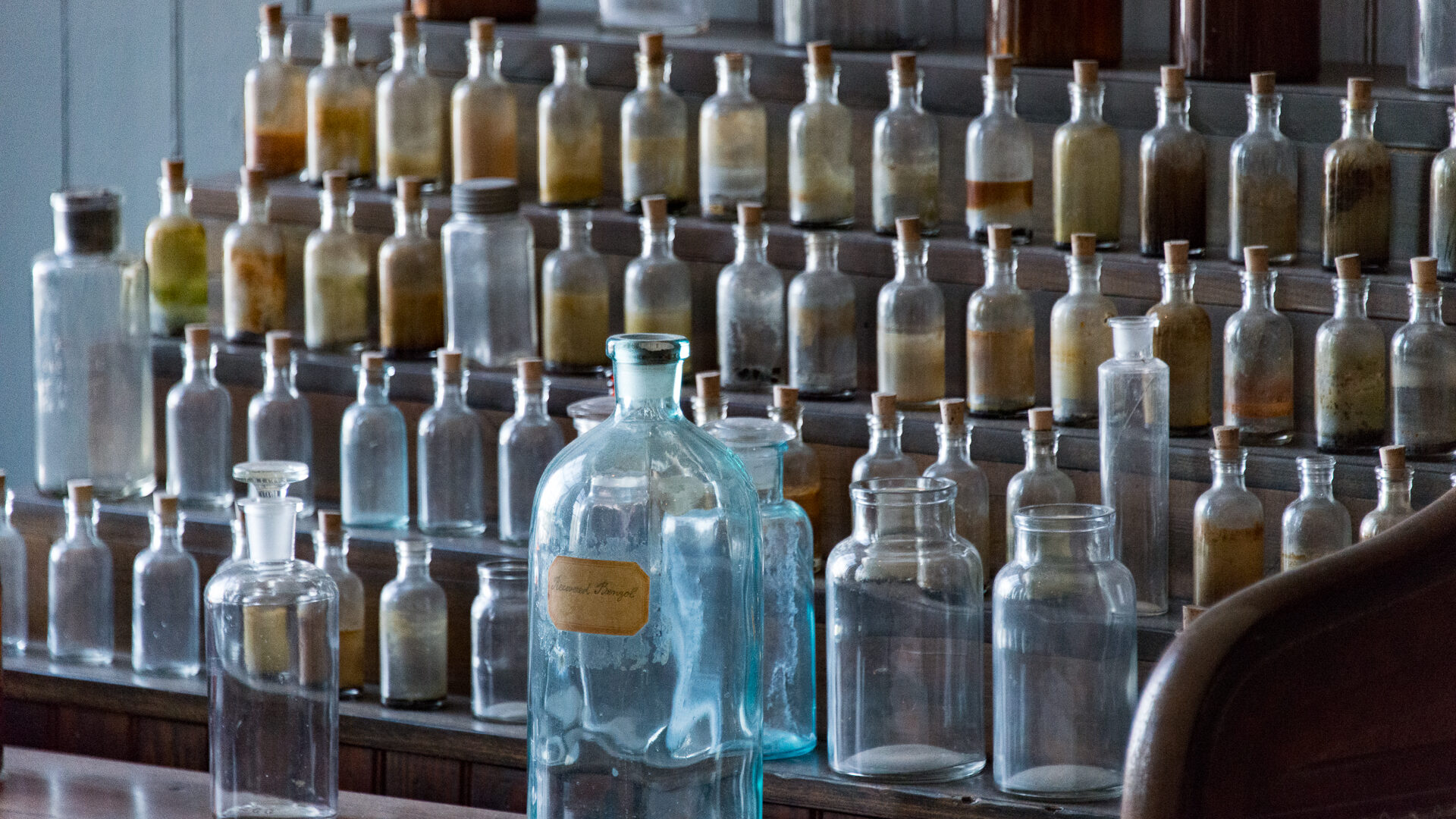
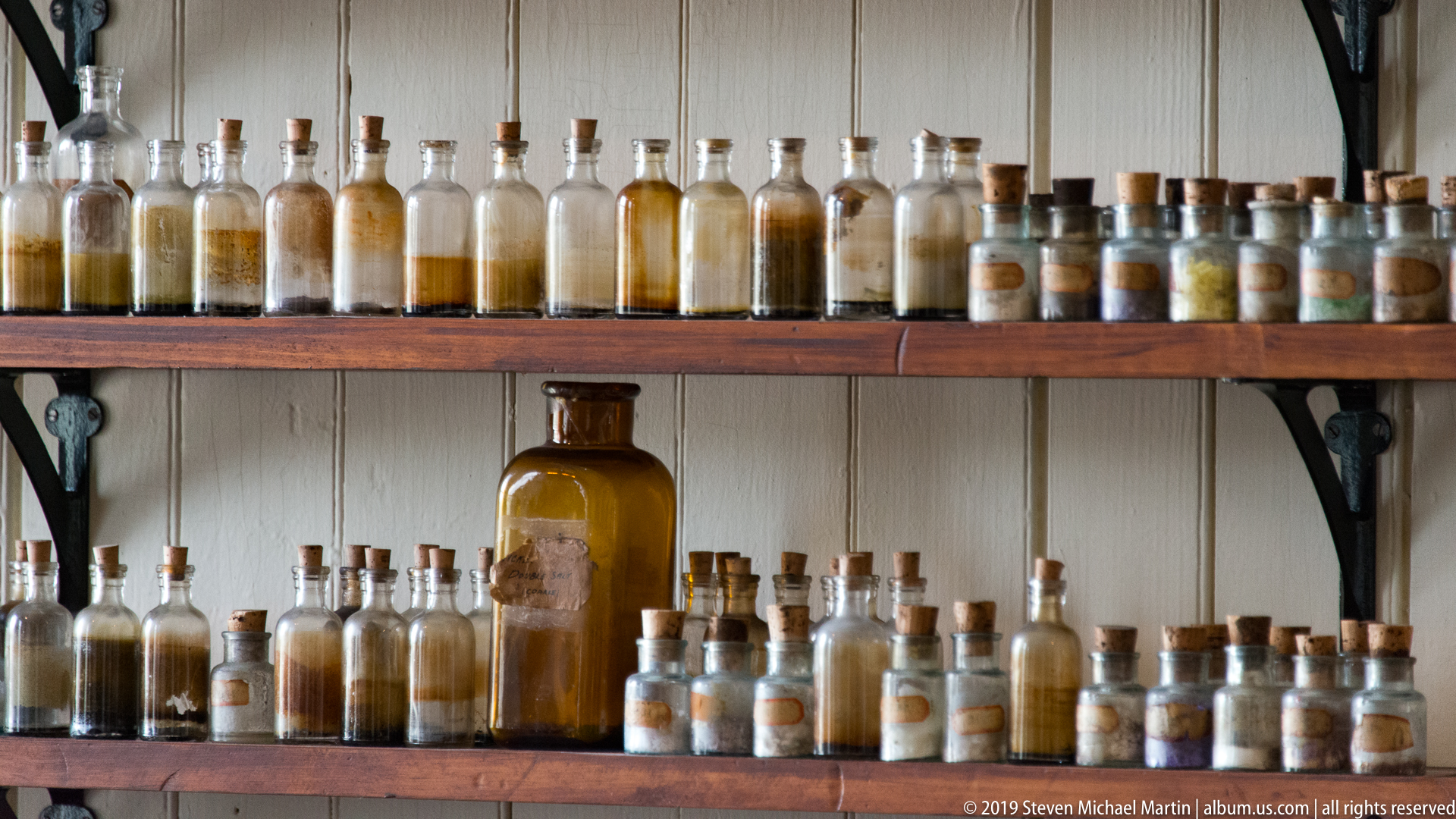
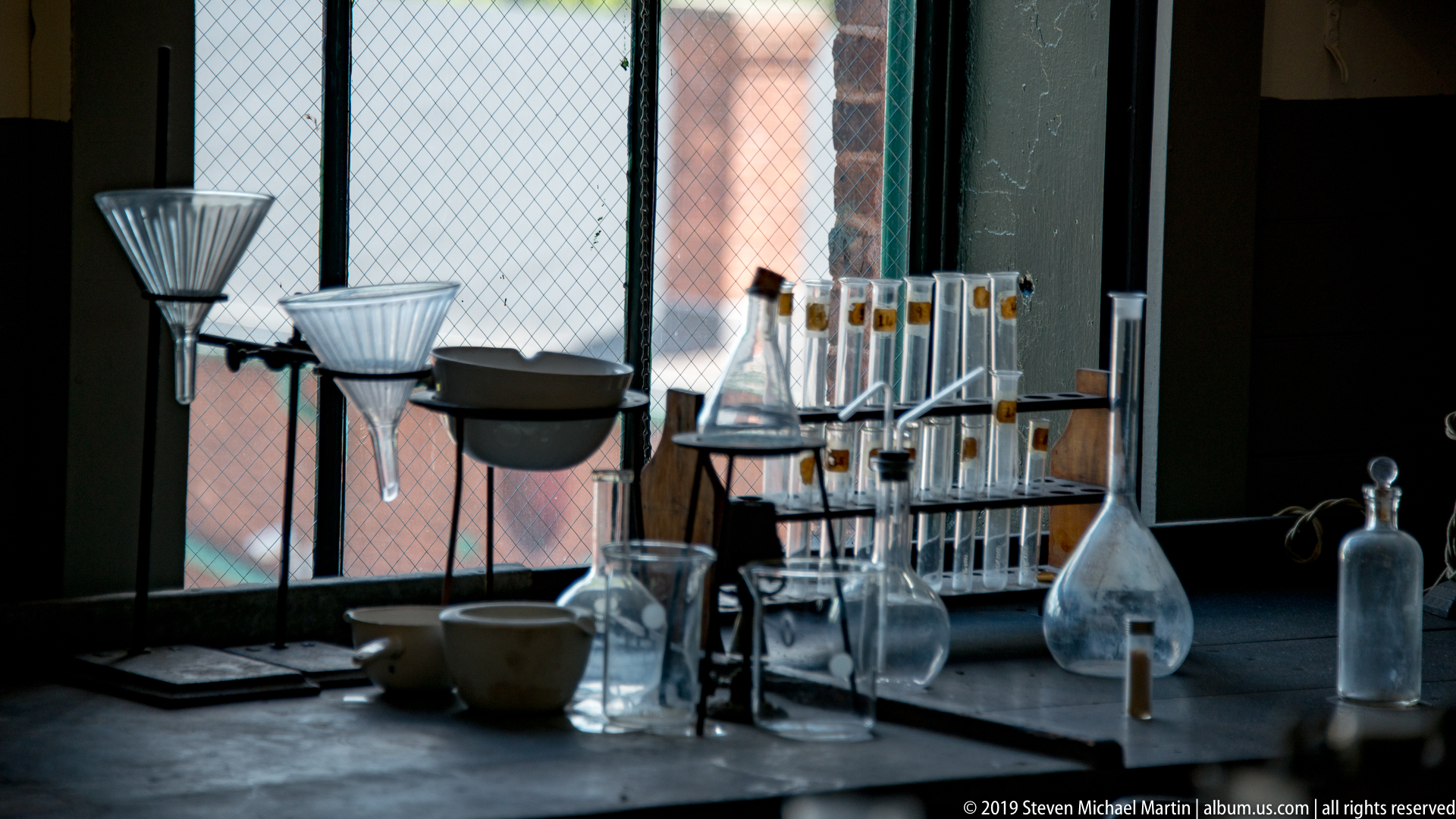
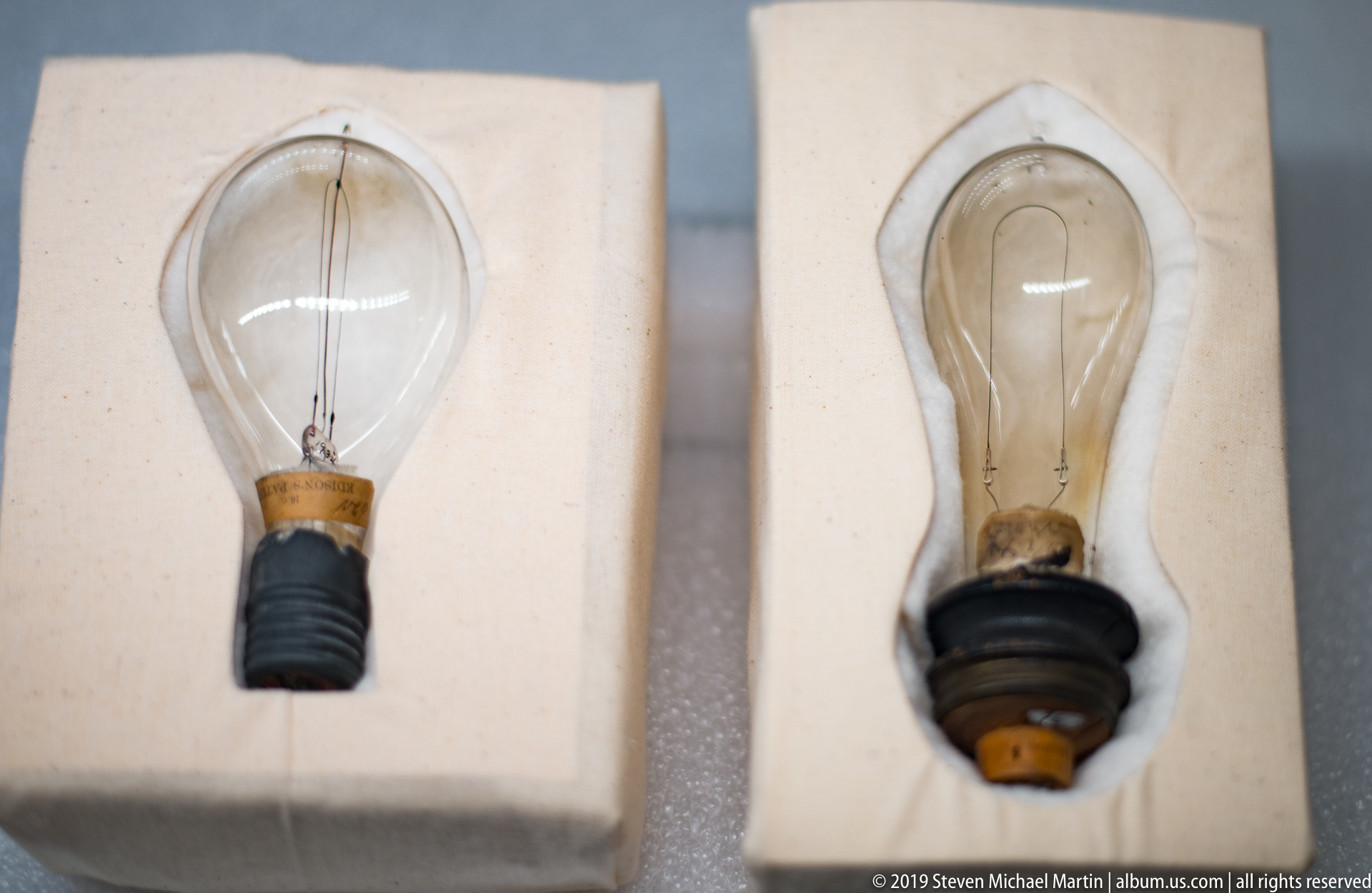
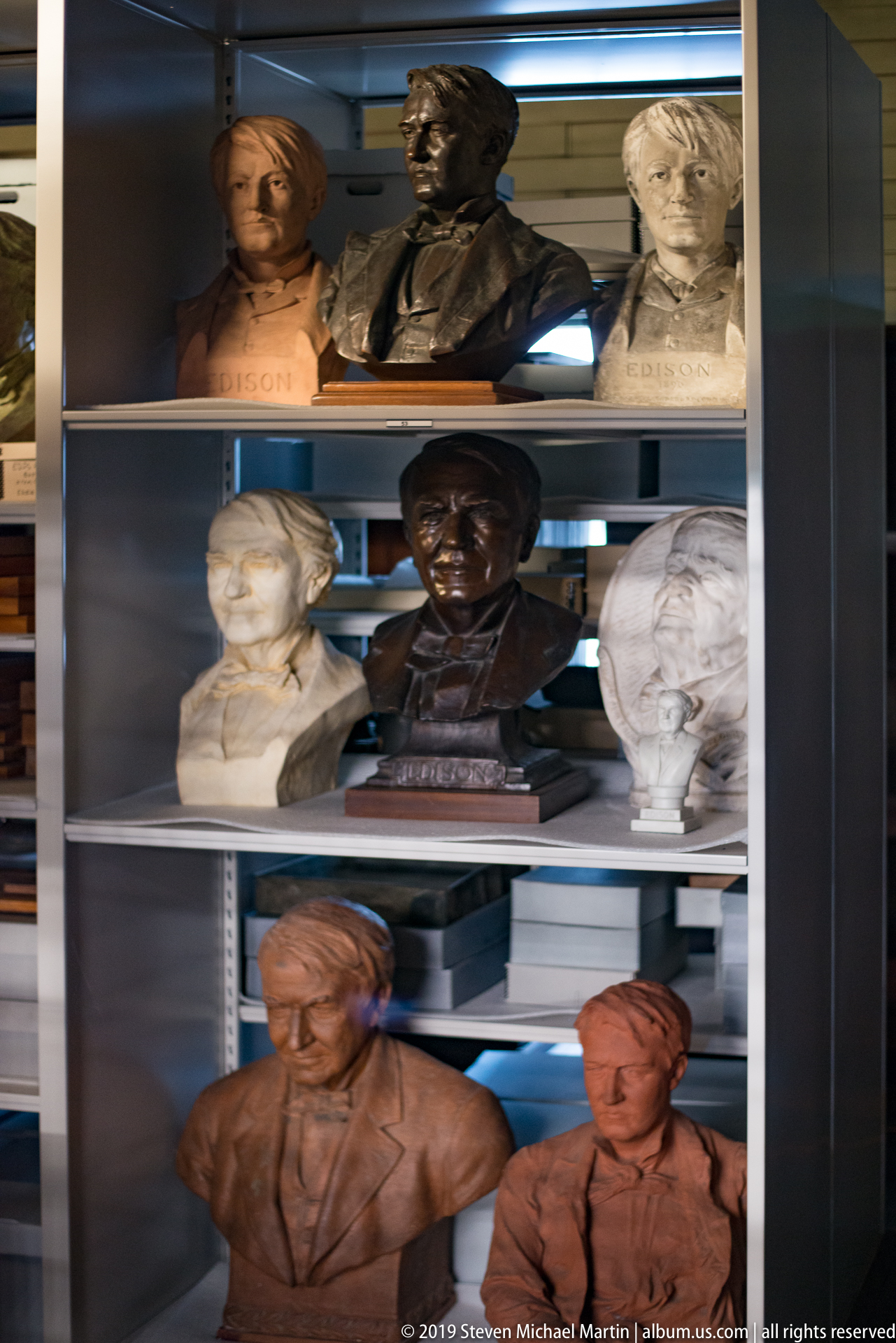
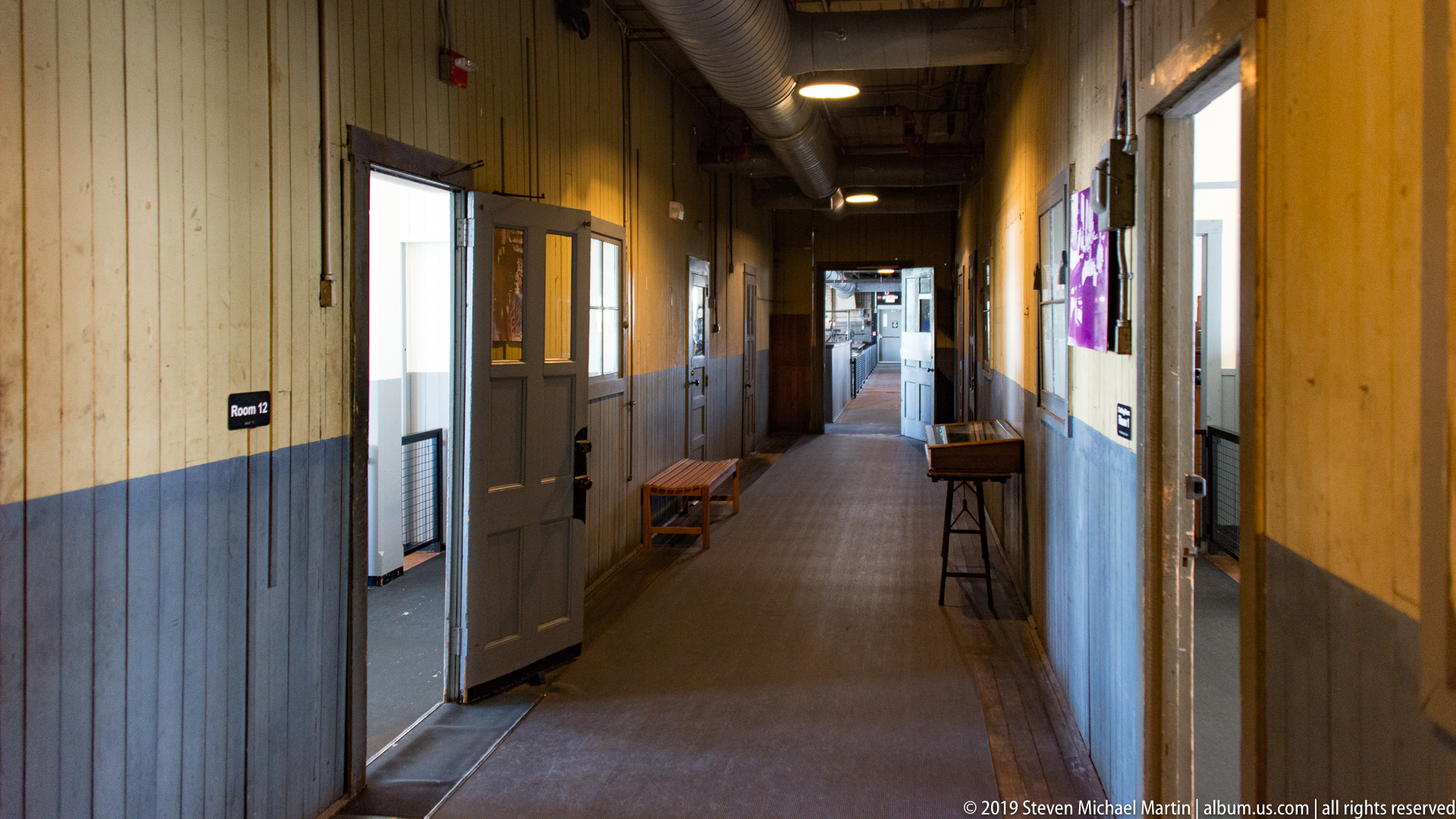
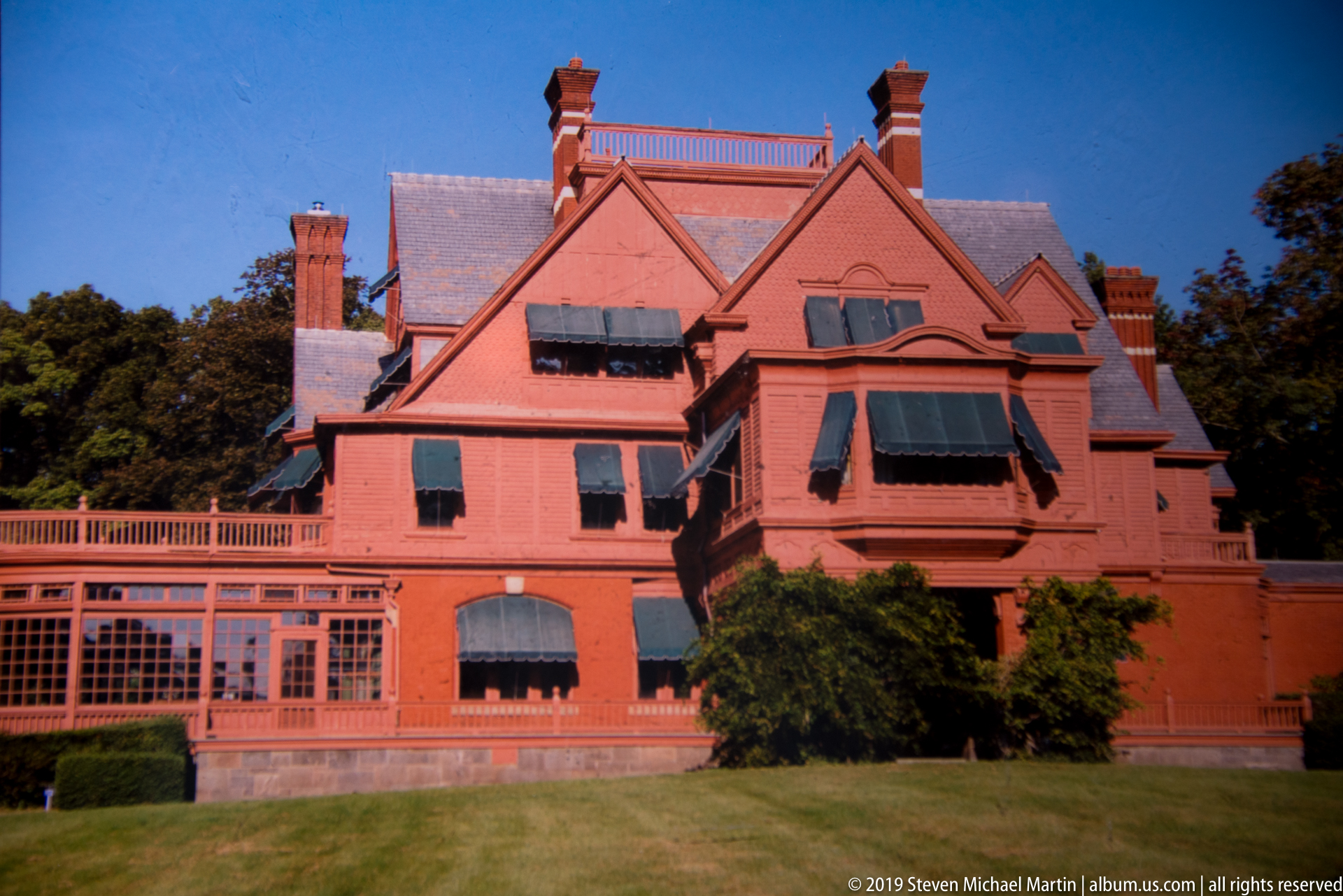
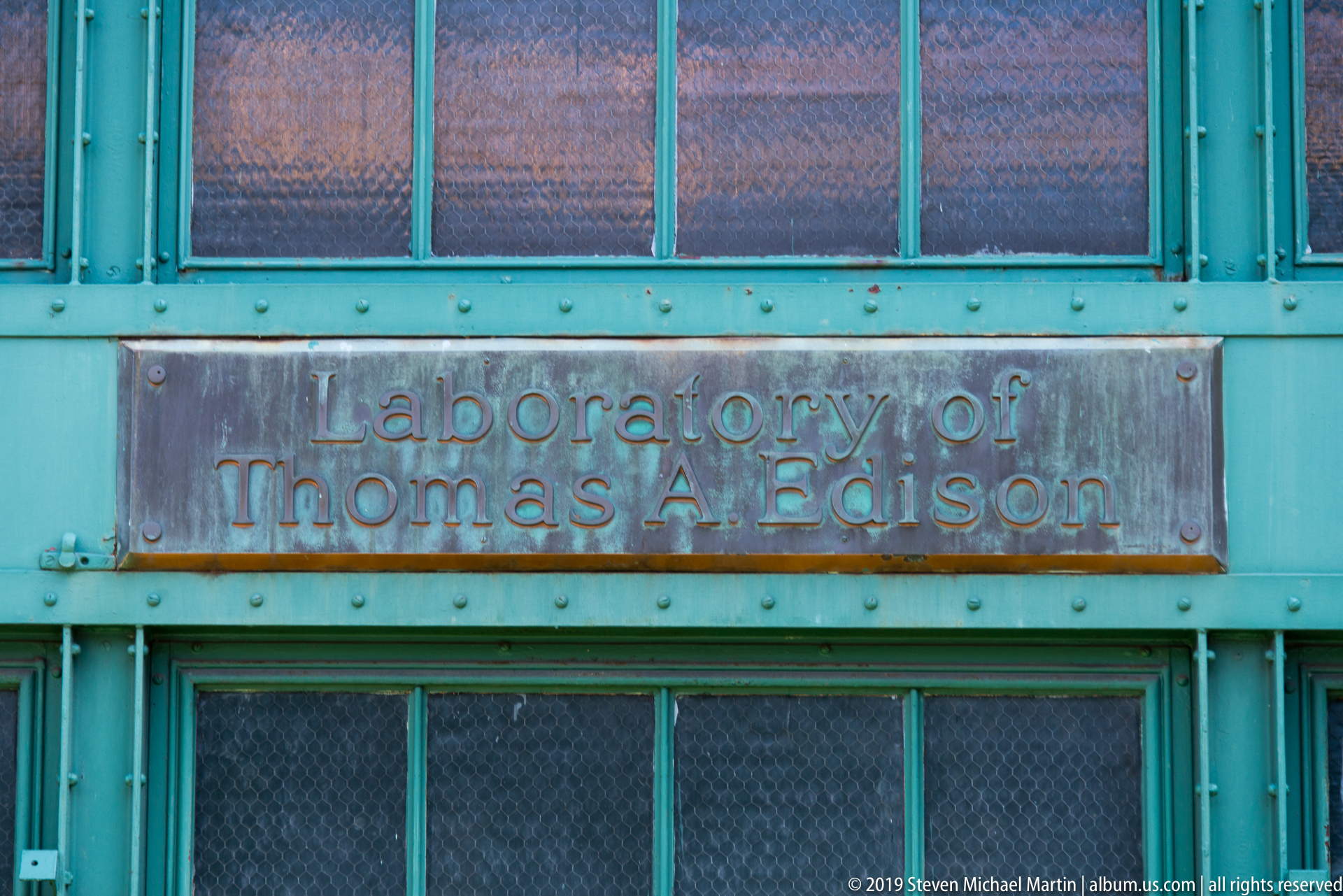
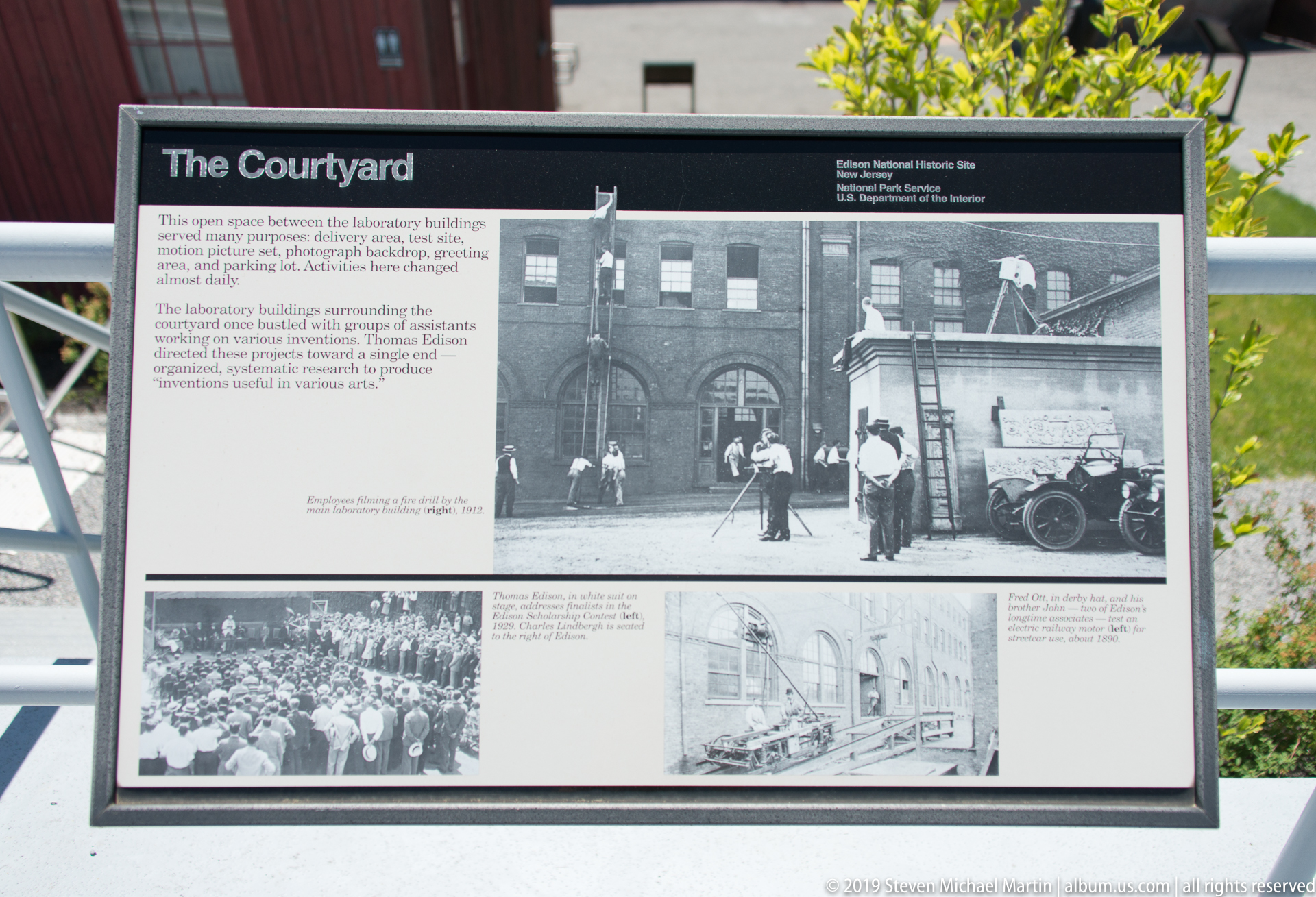
Thomas Edison National Historical Park preserves the laboratory and residence of one of the most influential inventors of the modern era. Located in West Orange, New Jersey, the site represents the transition from individual experimentation to organized industrial research, a development that reshaped technological innovation in the late nineteenth century. Beginning in 1887, Edison’s laboratory complex functioned as a coordinated environment for experimentation in electricity, sound recording, motion pictures, chemistry, and materials science, illustrating the emergence of systematic research as a defining feature of modern industry.
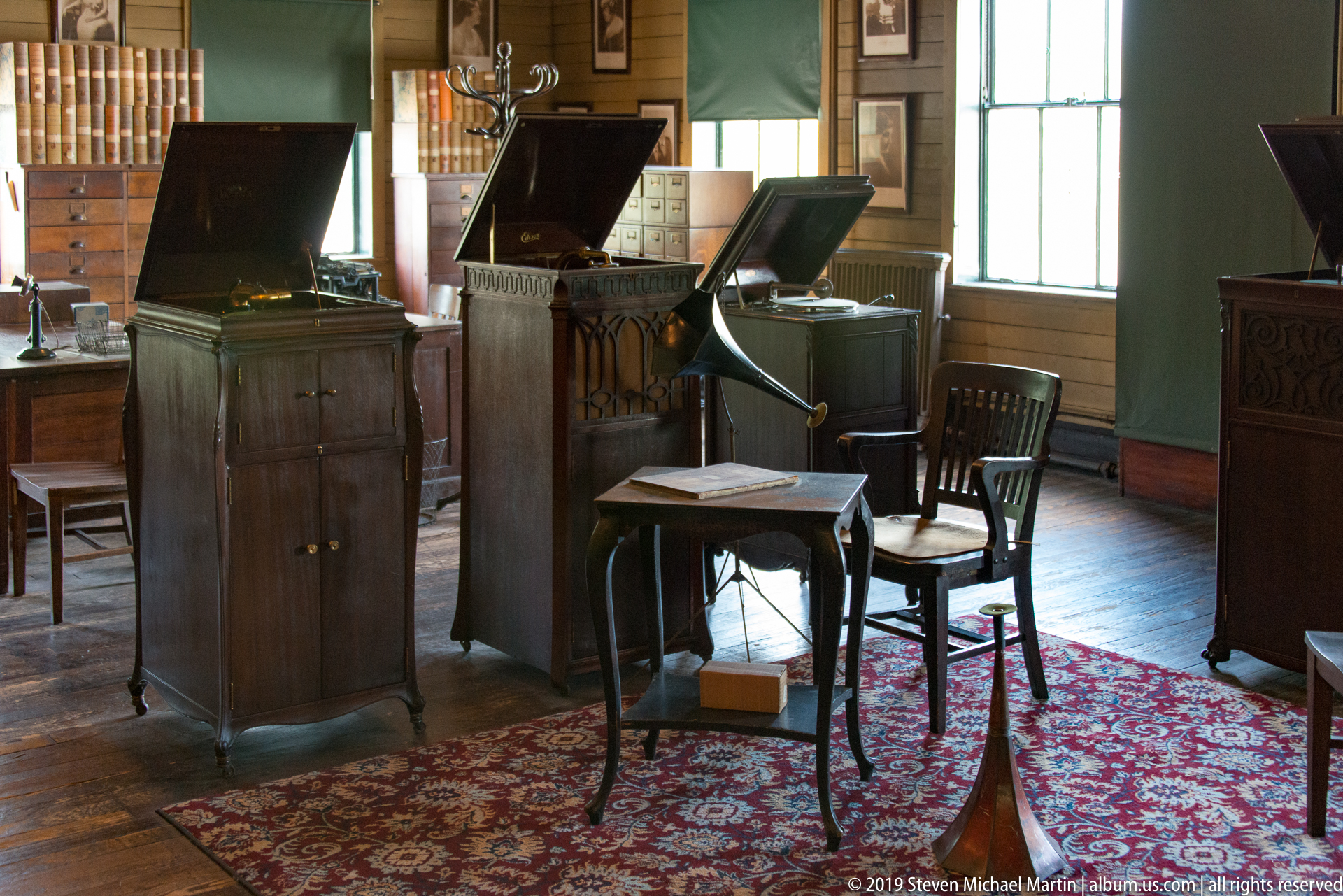
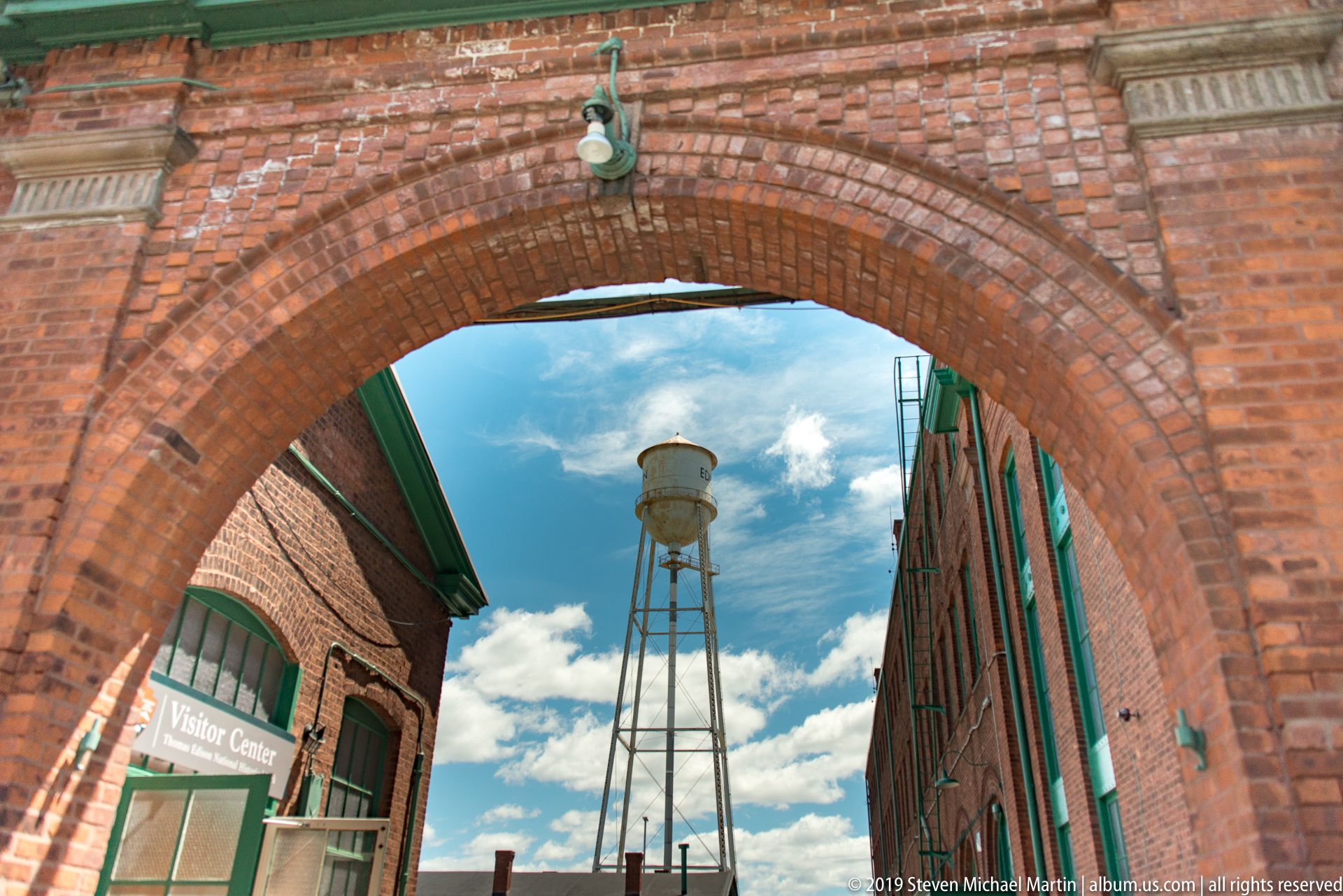
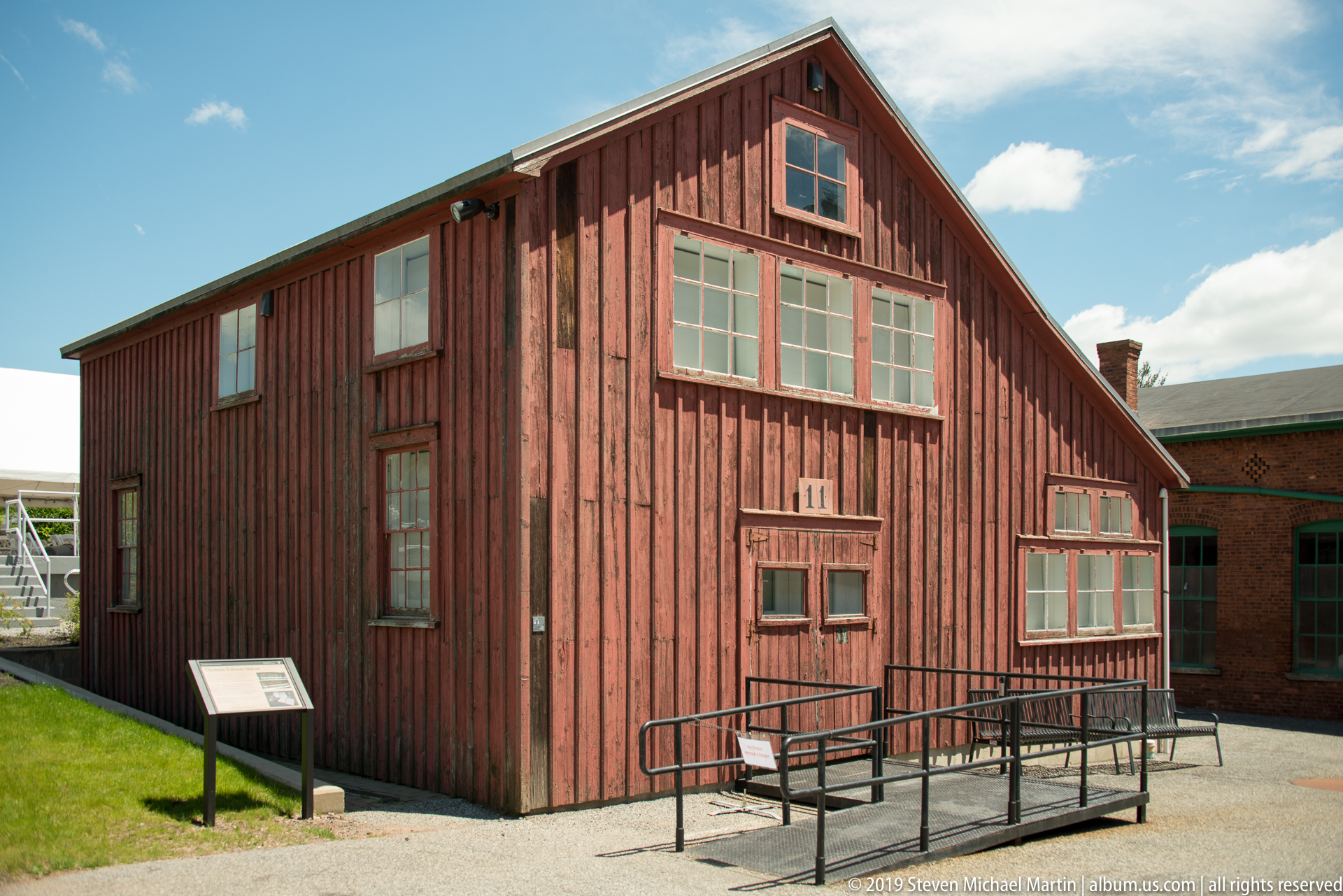
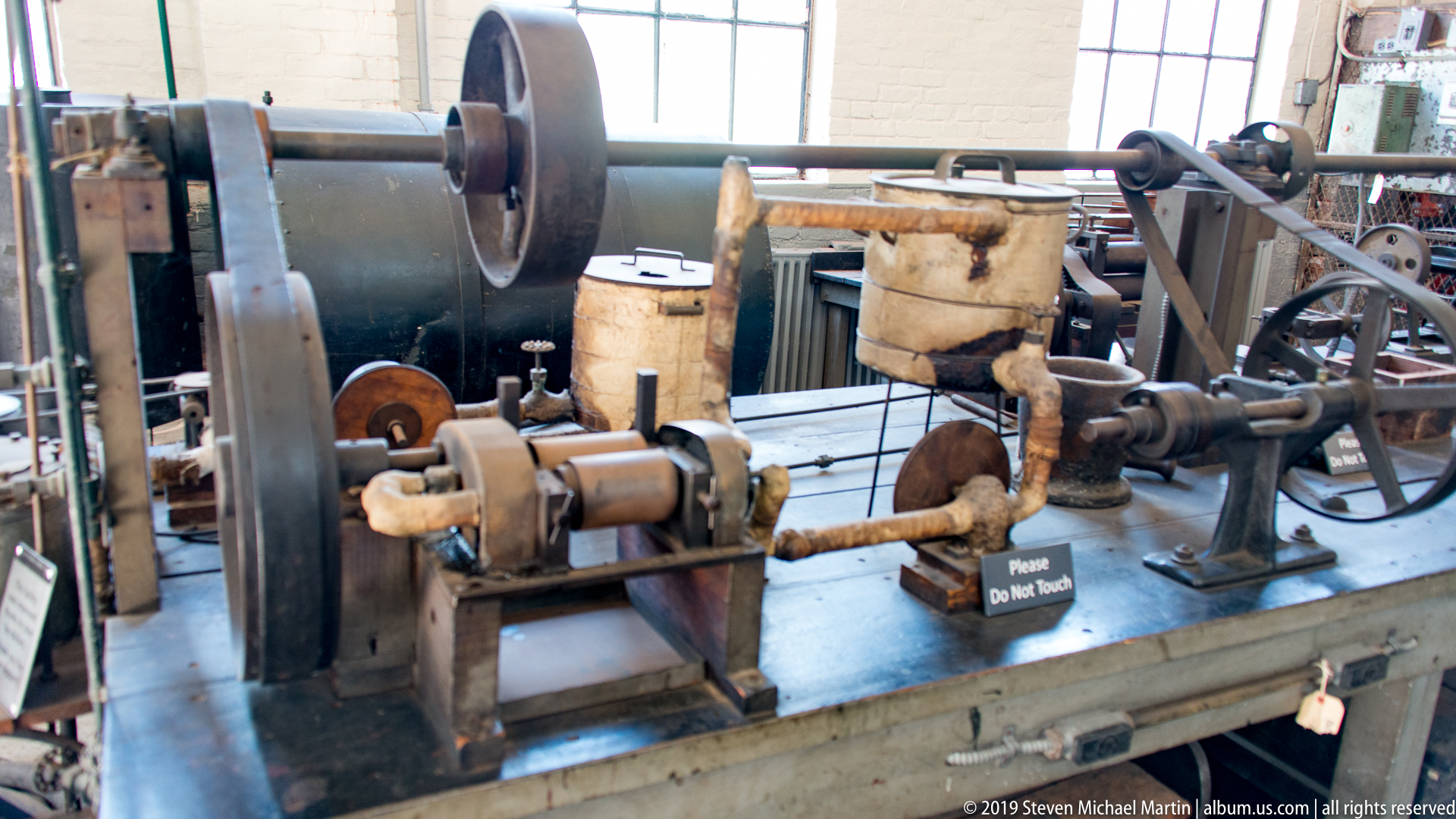
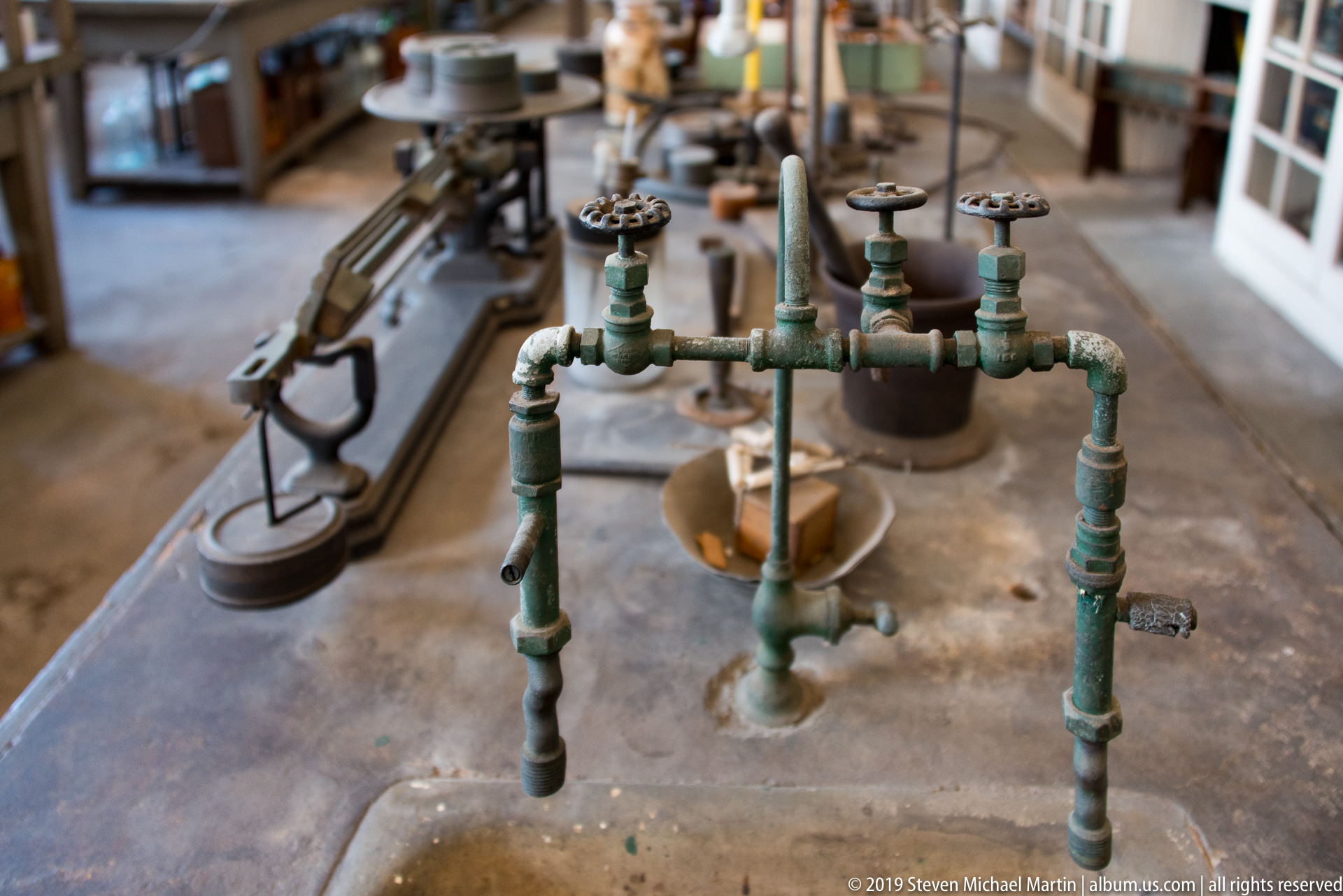
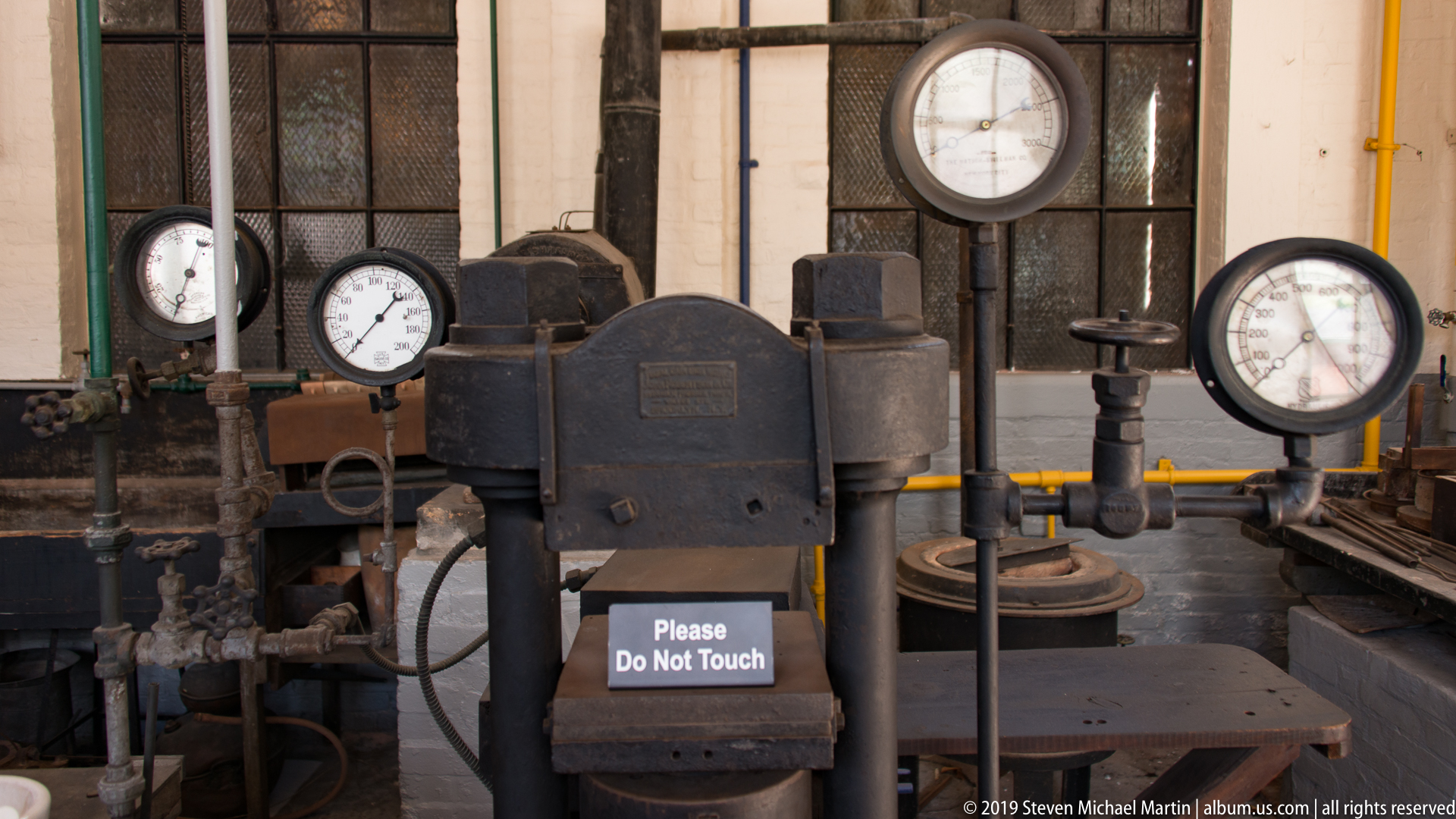
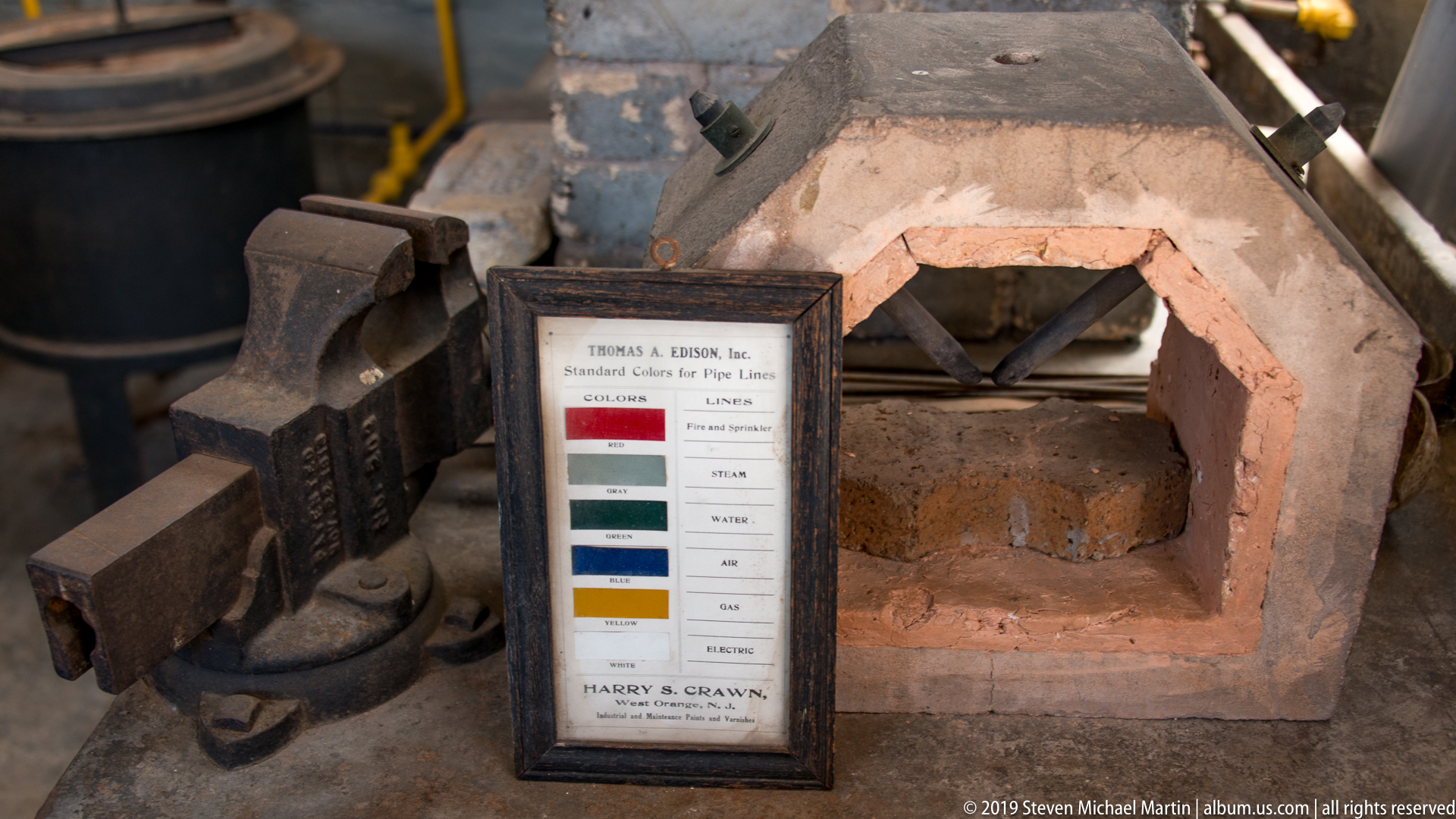
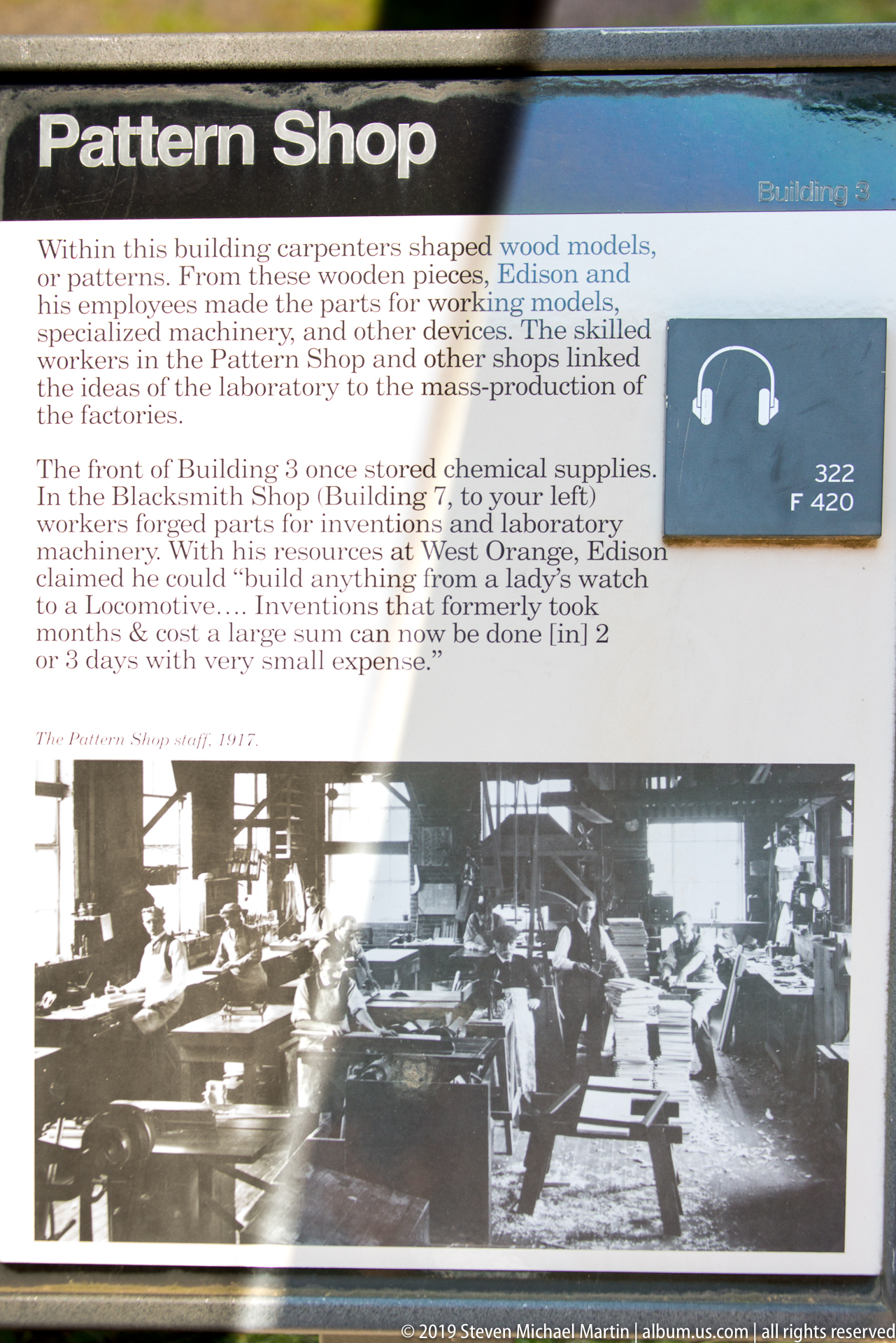
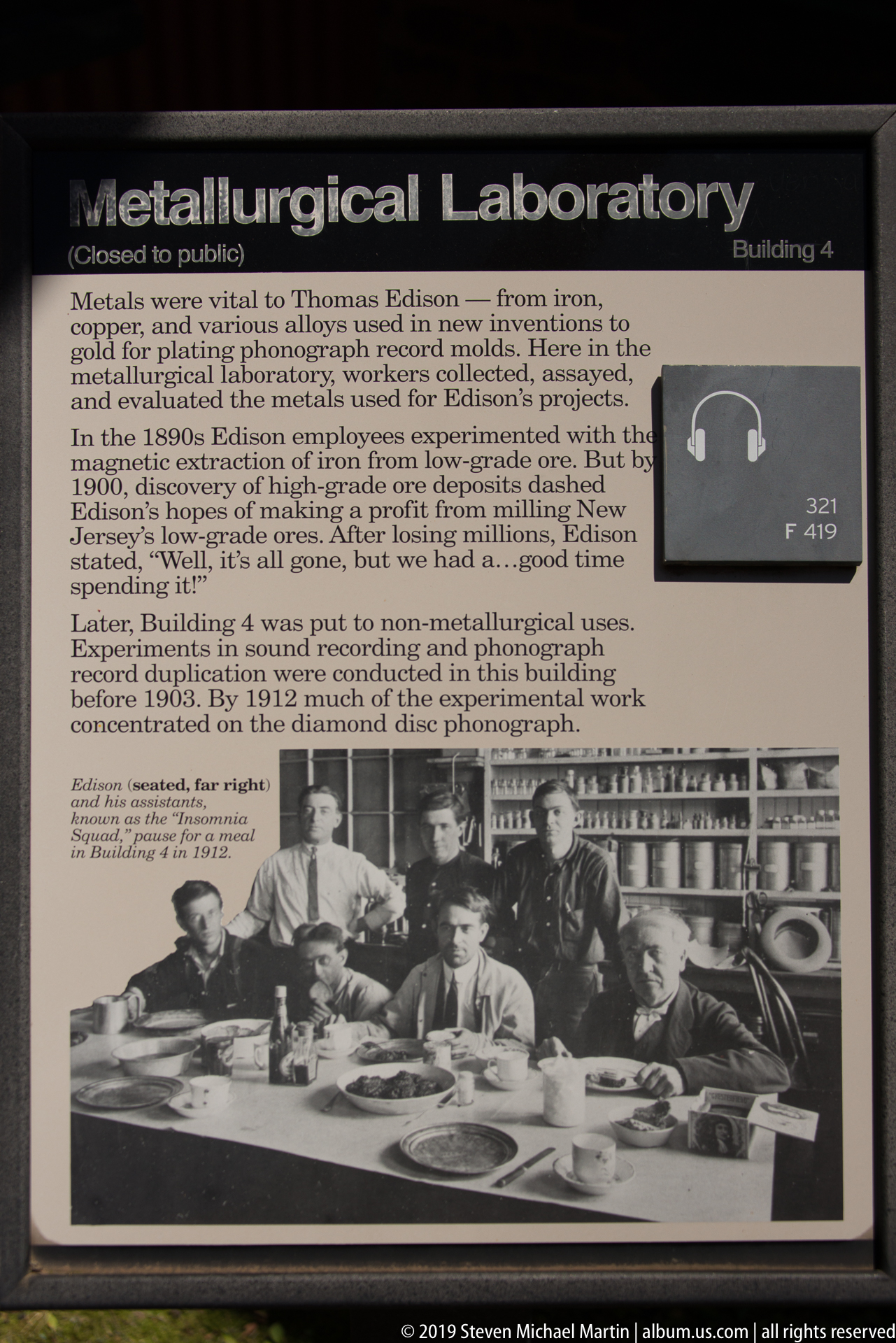
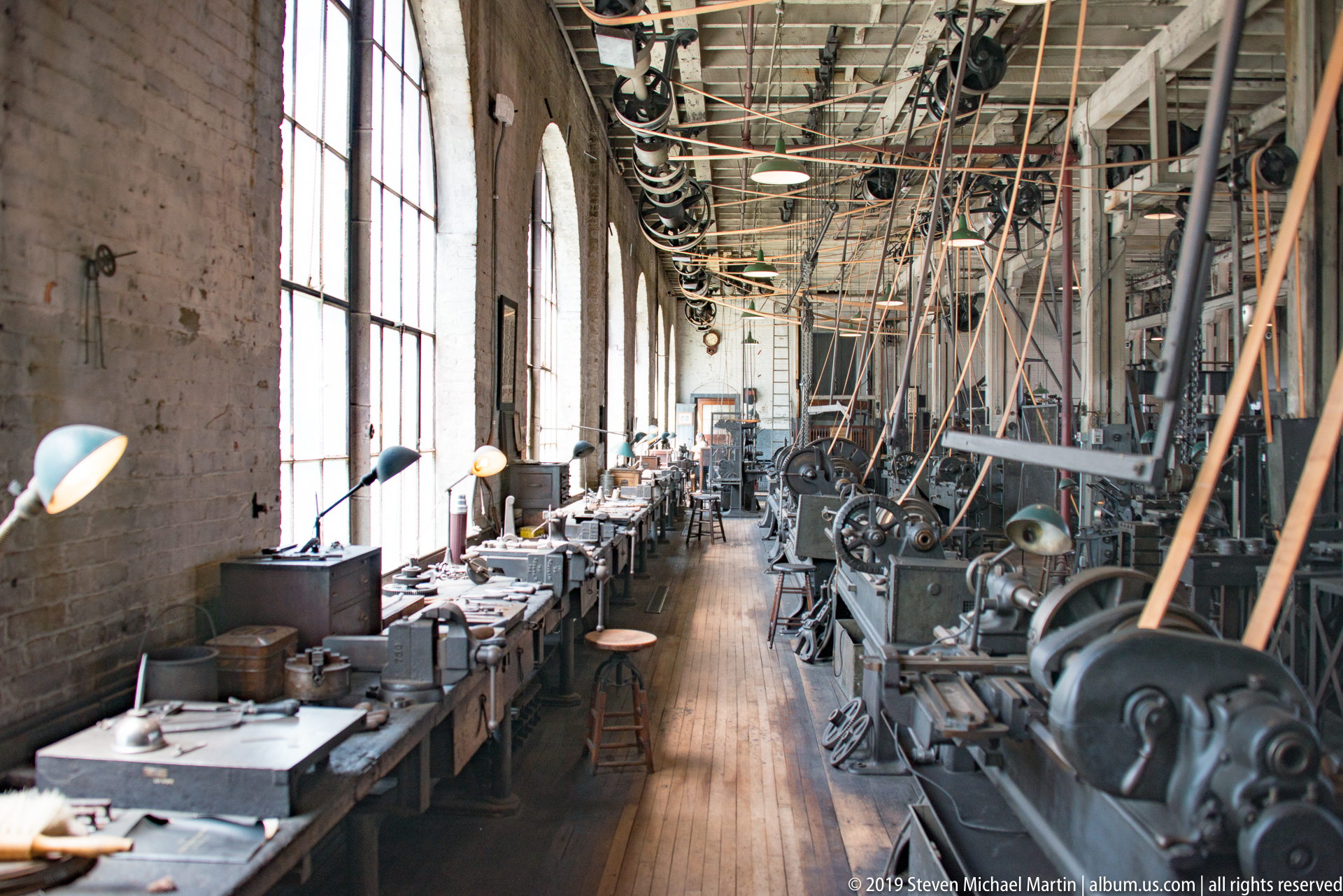
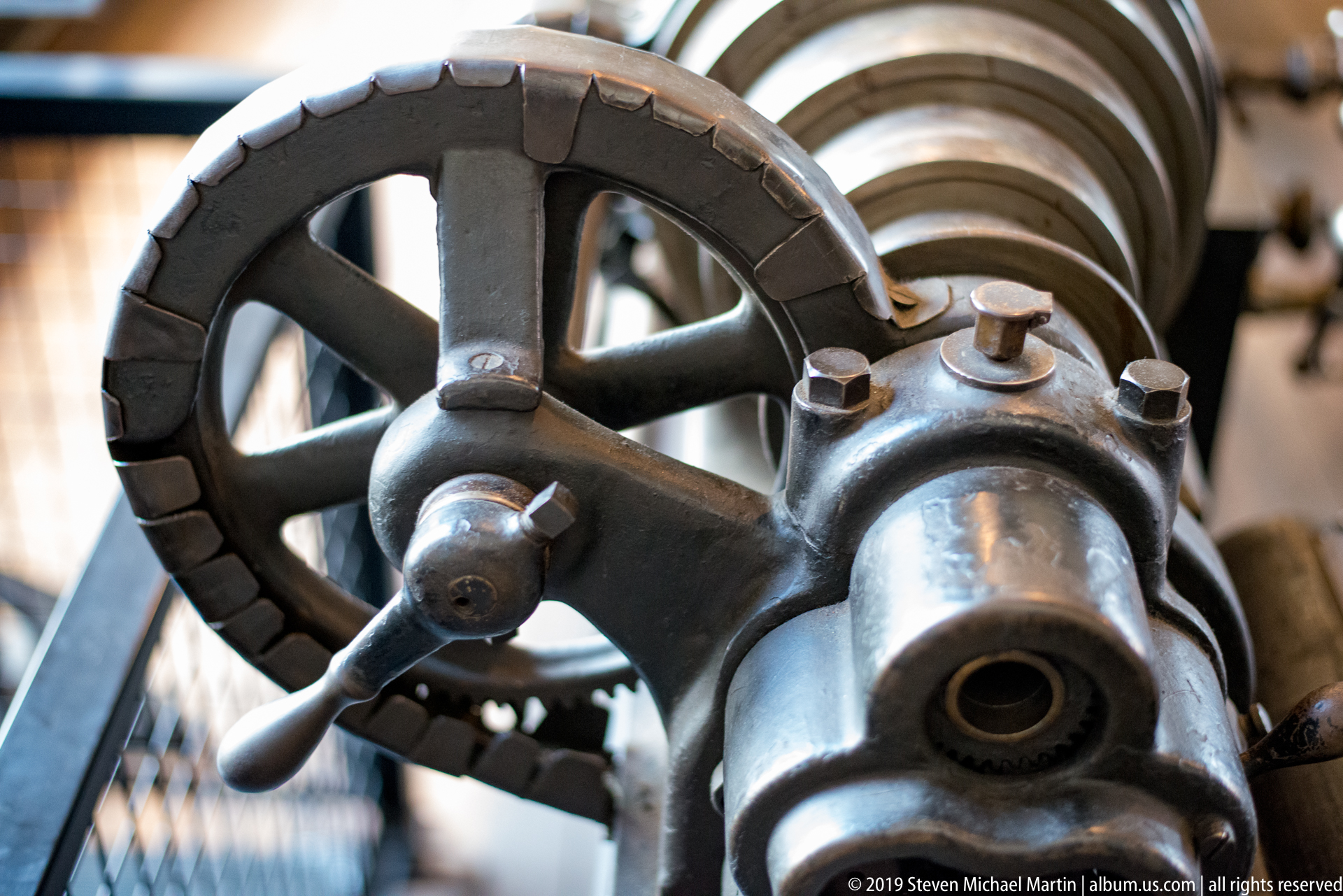
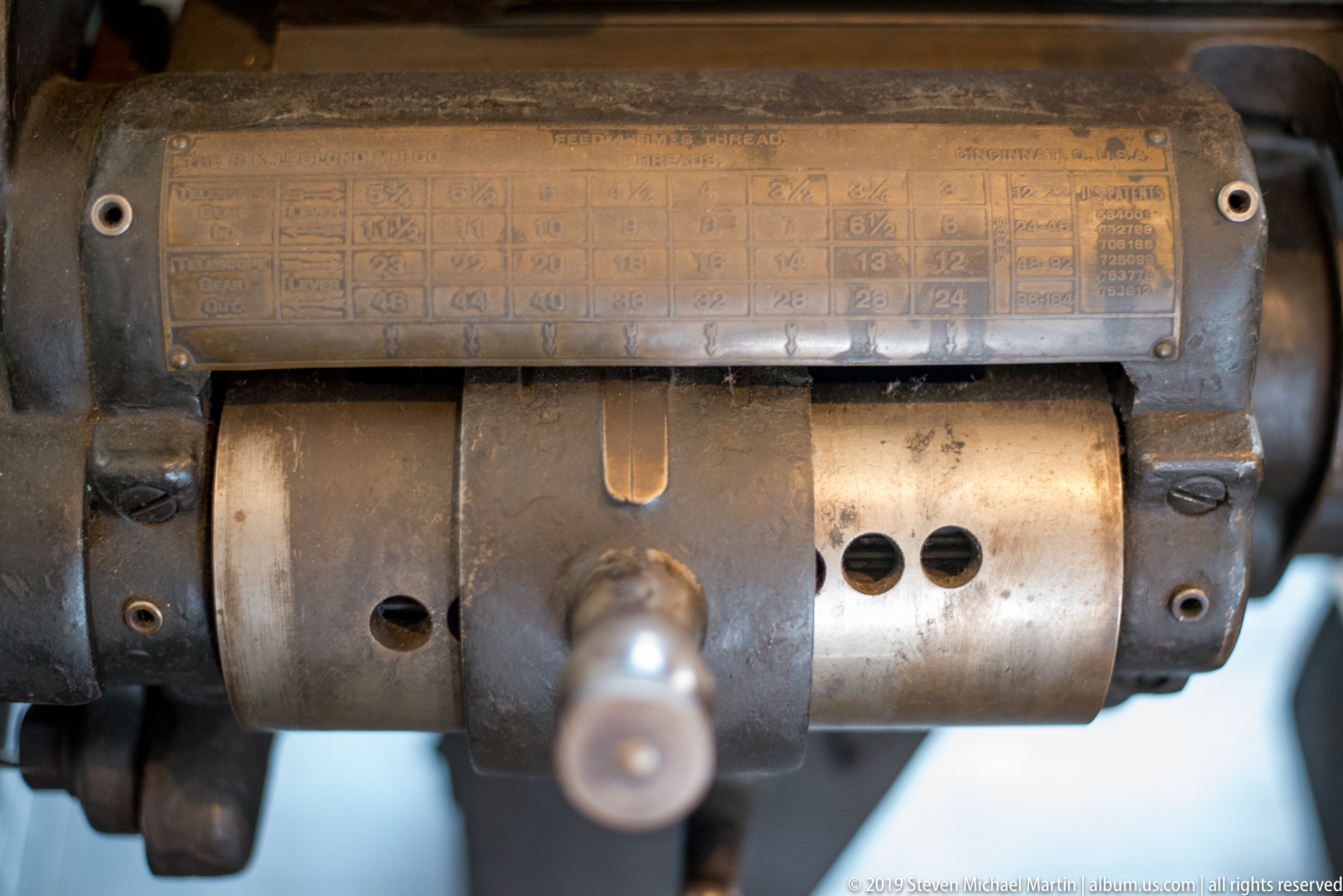
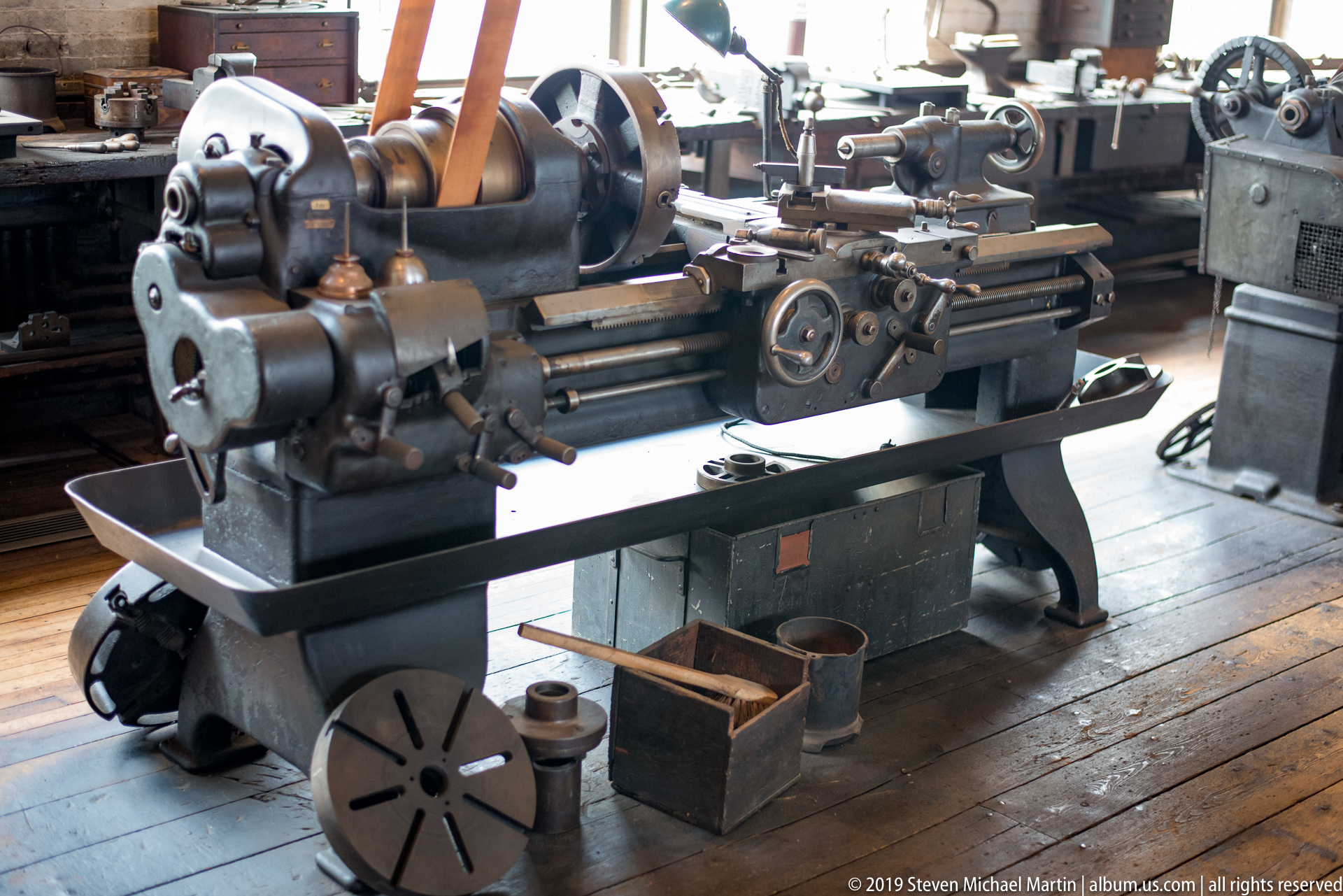
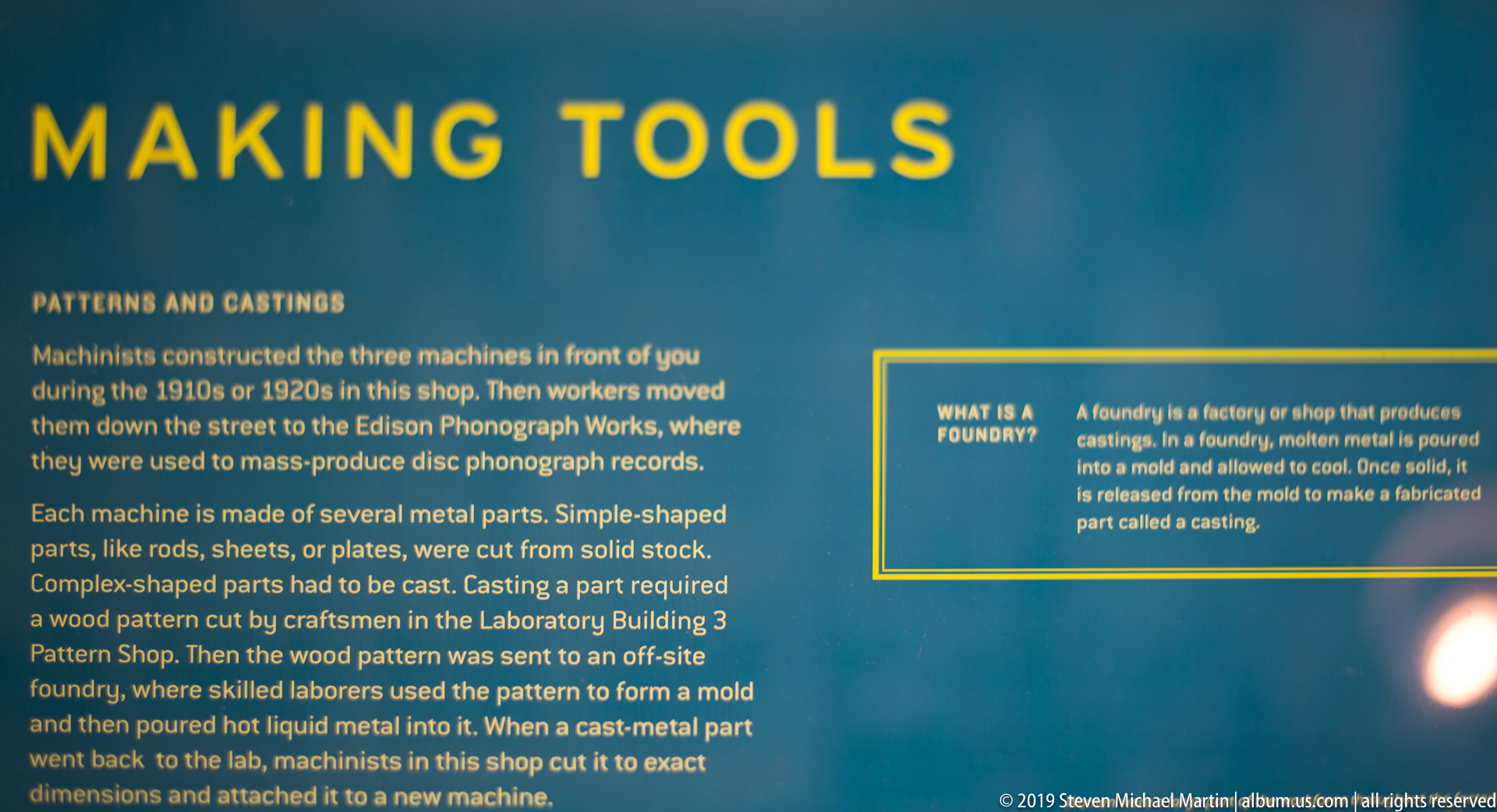
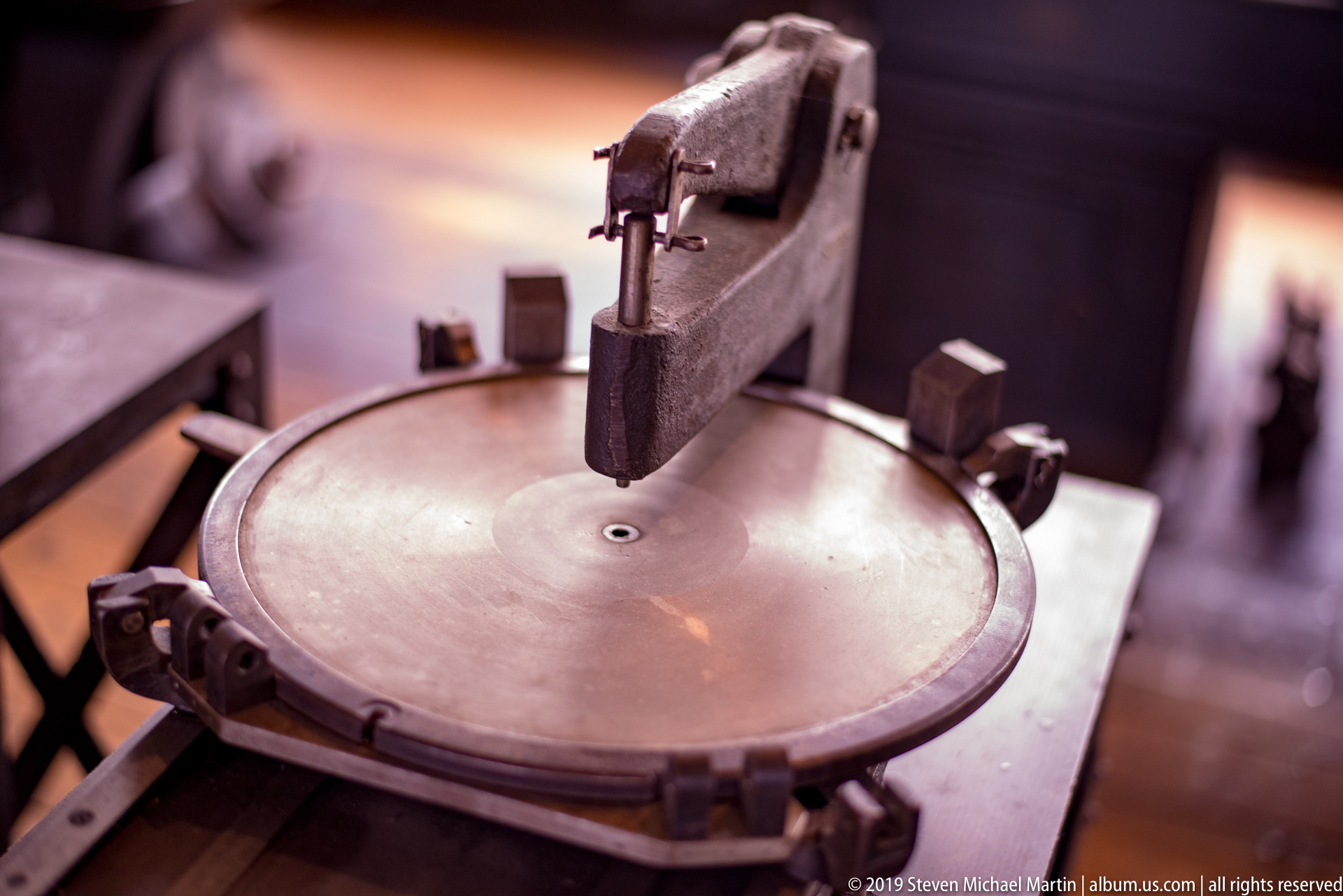
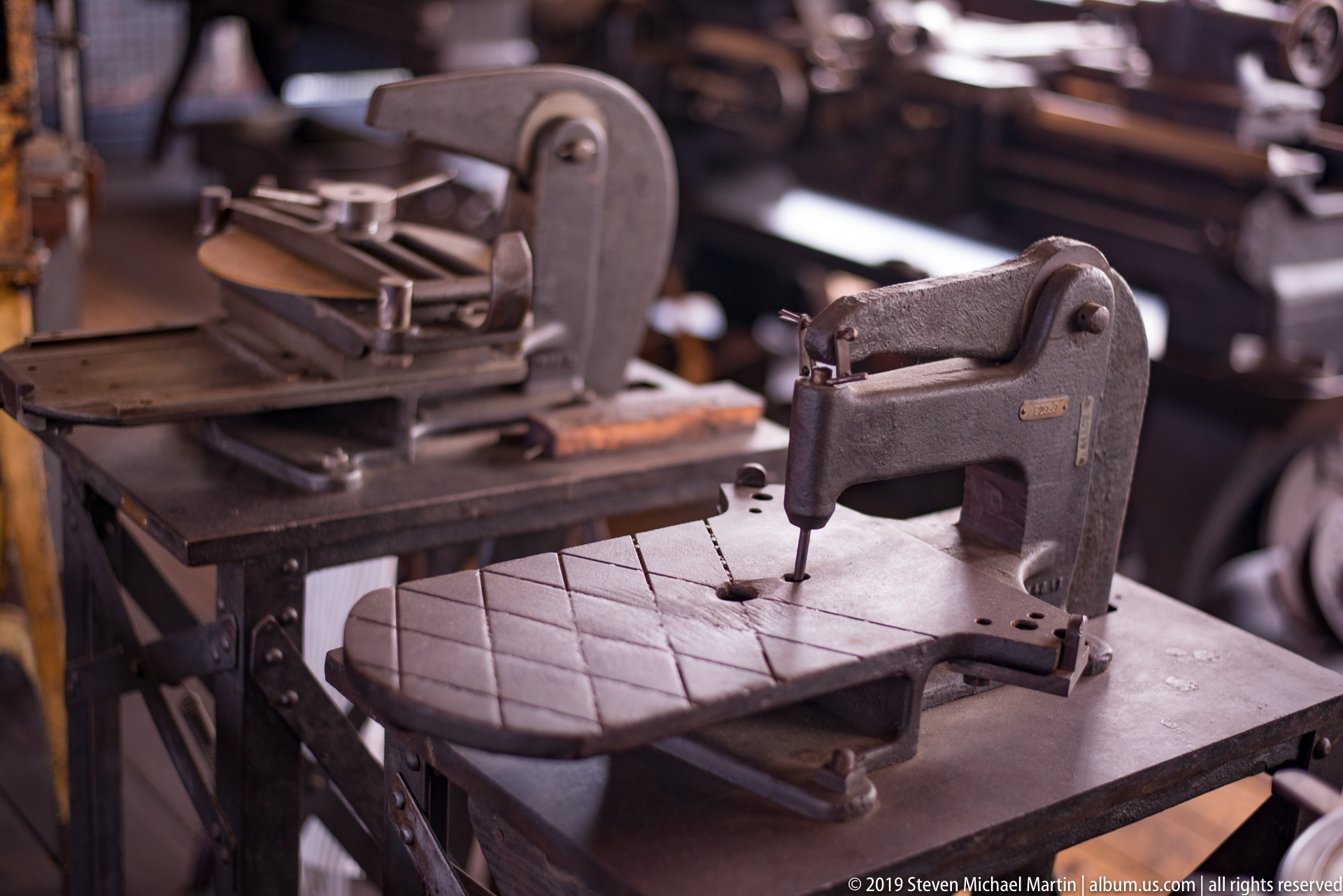
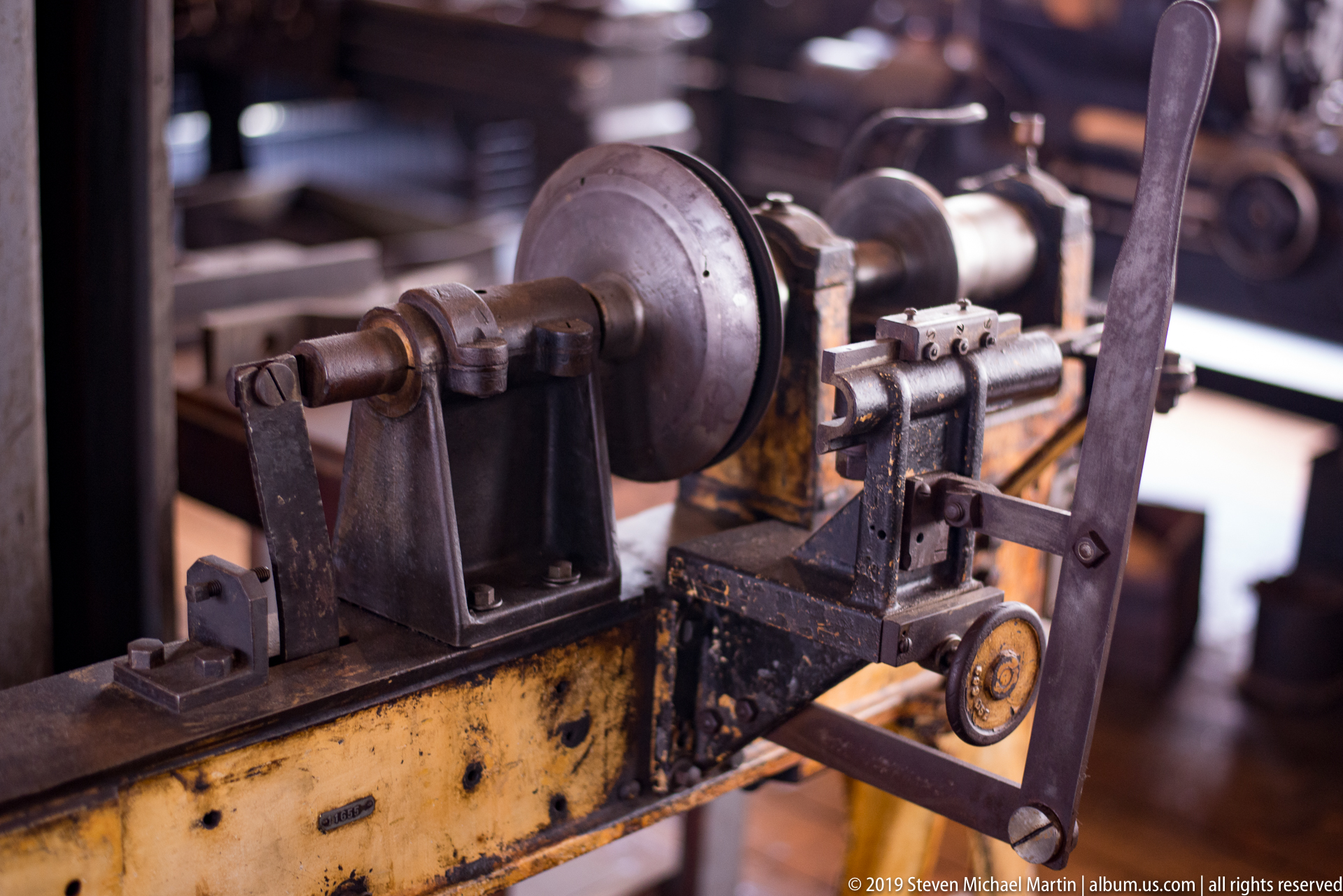
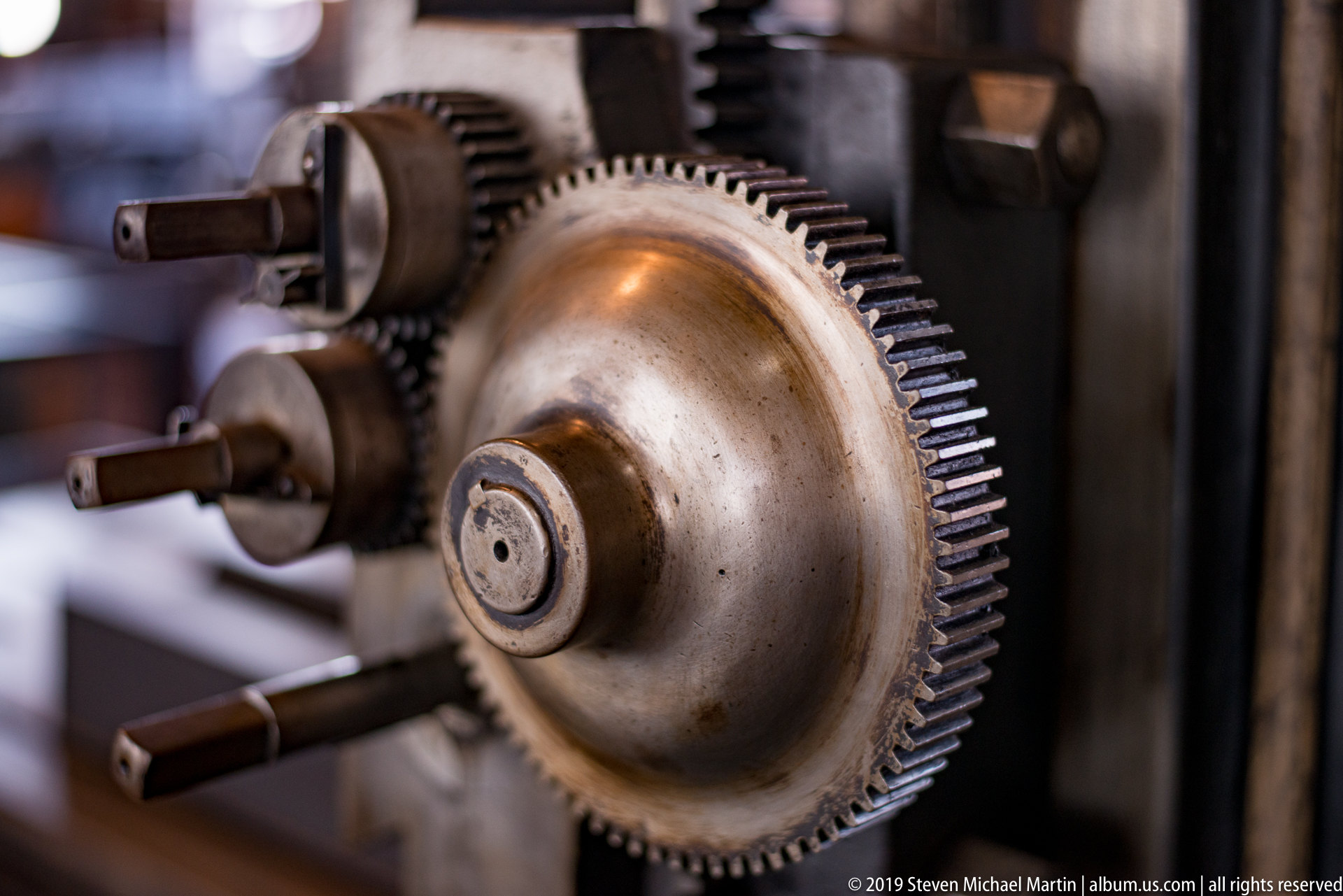
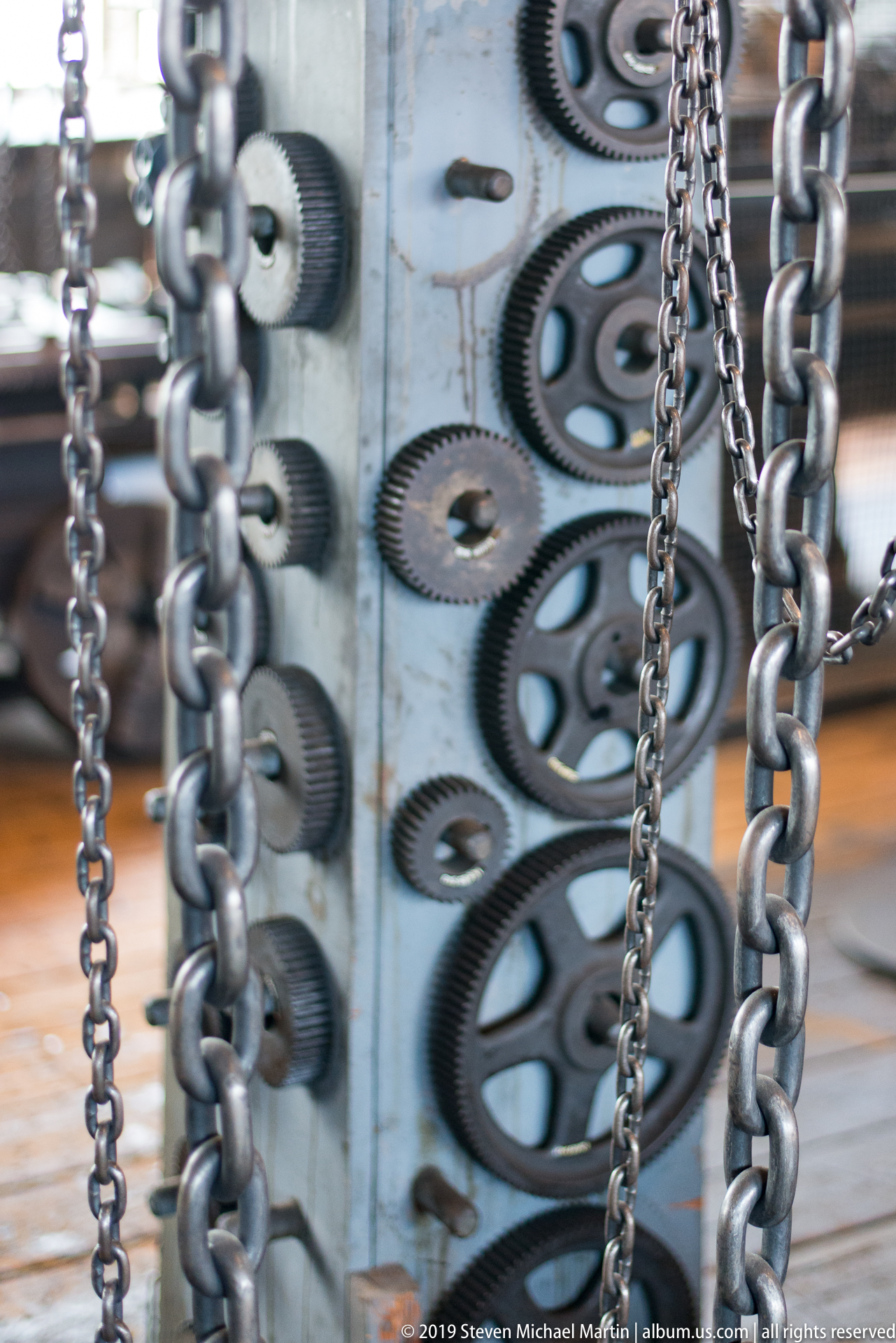
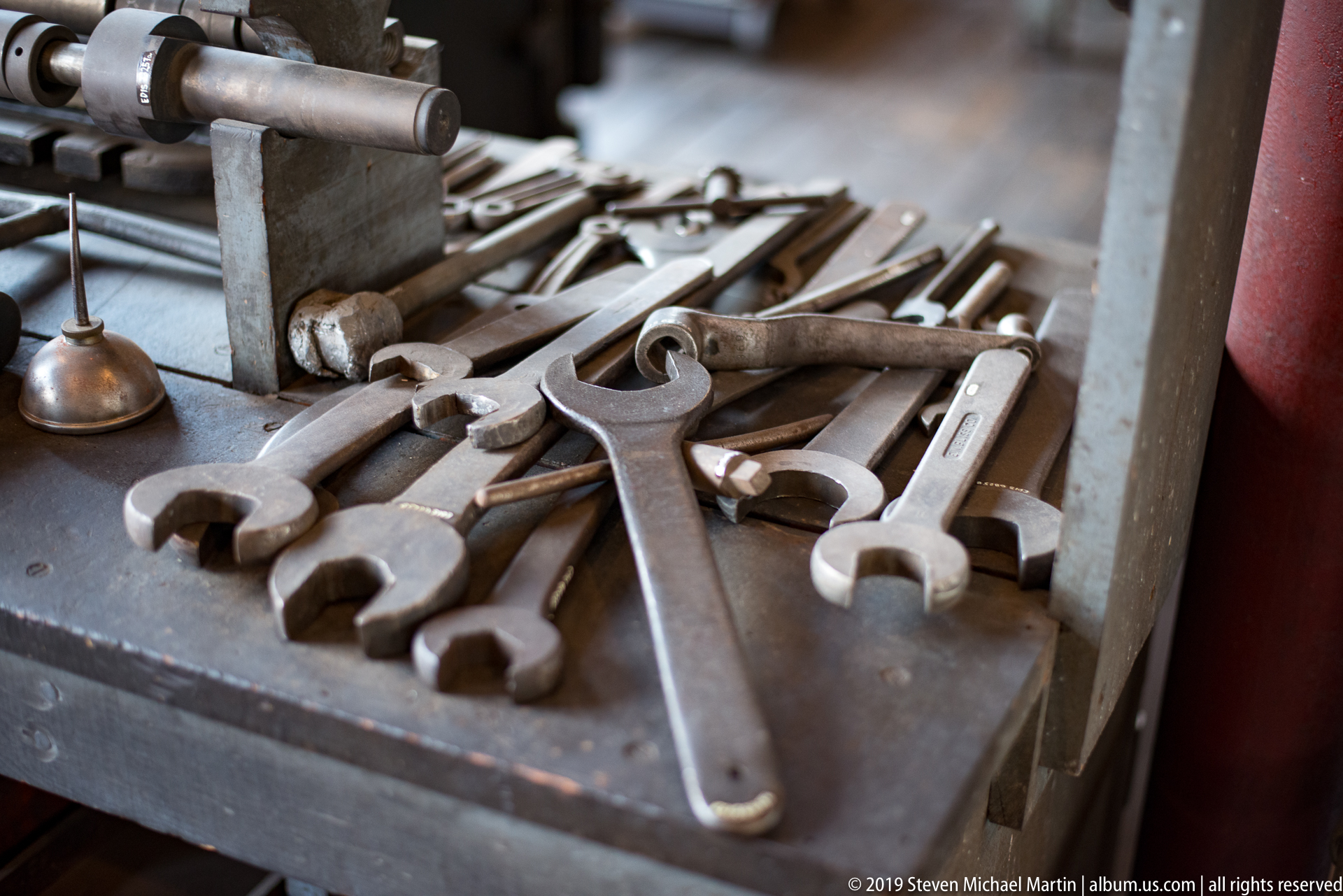
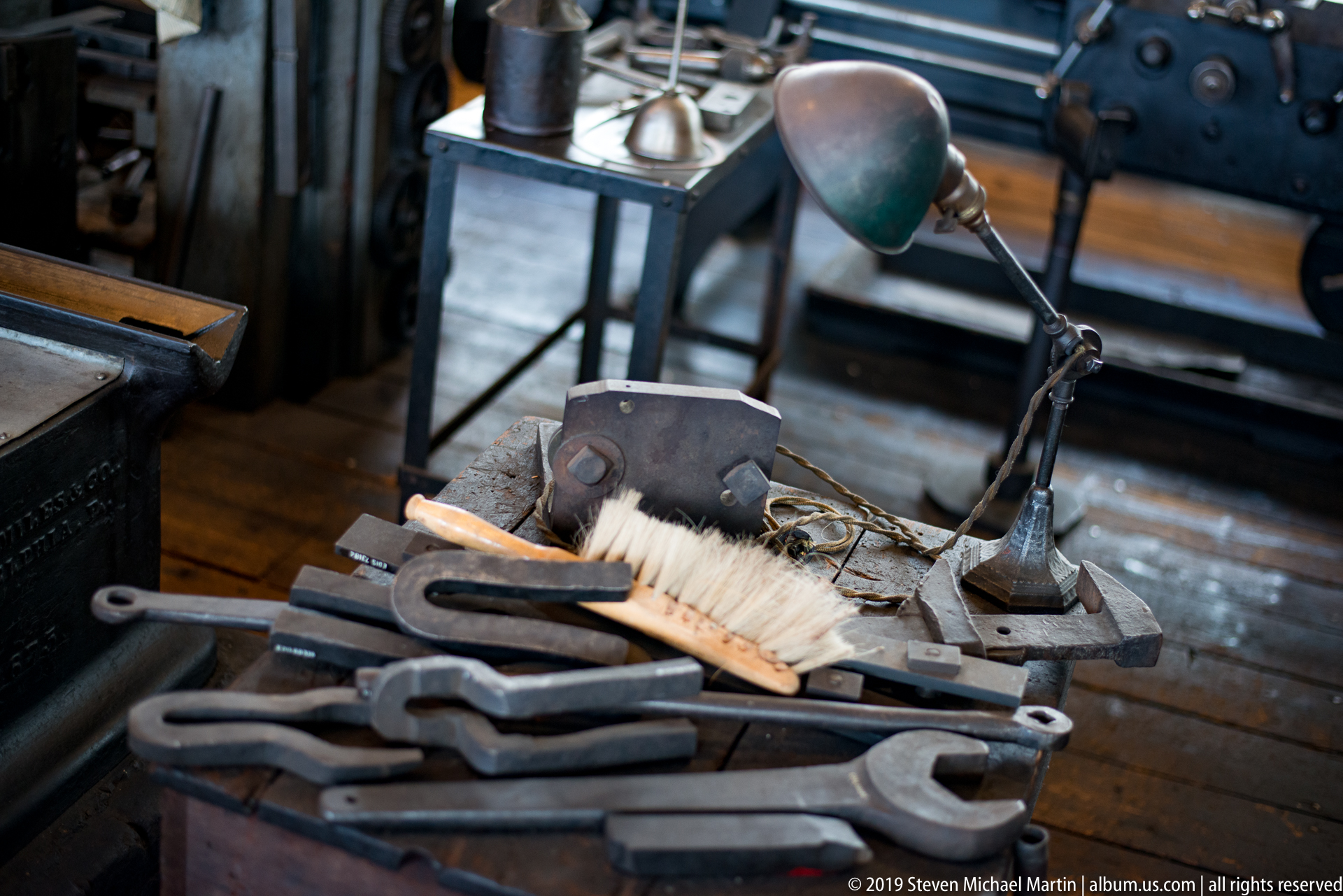
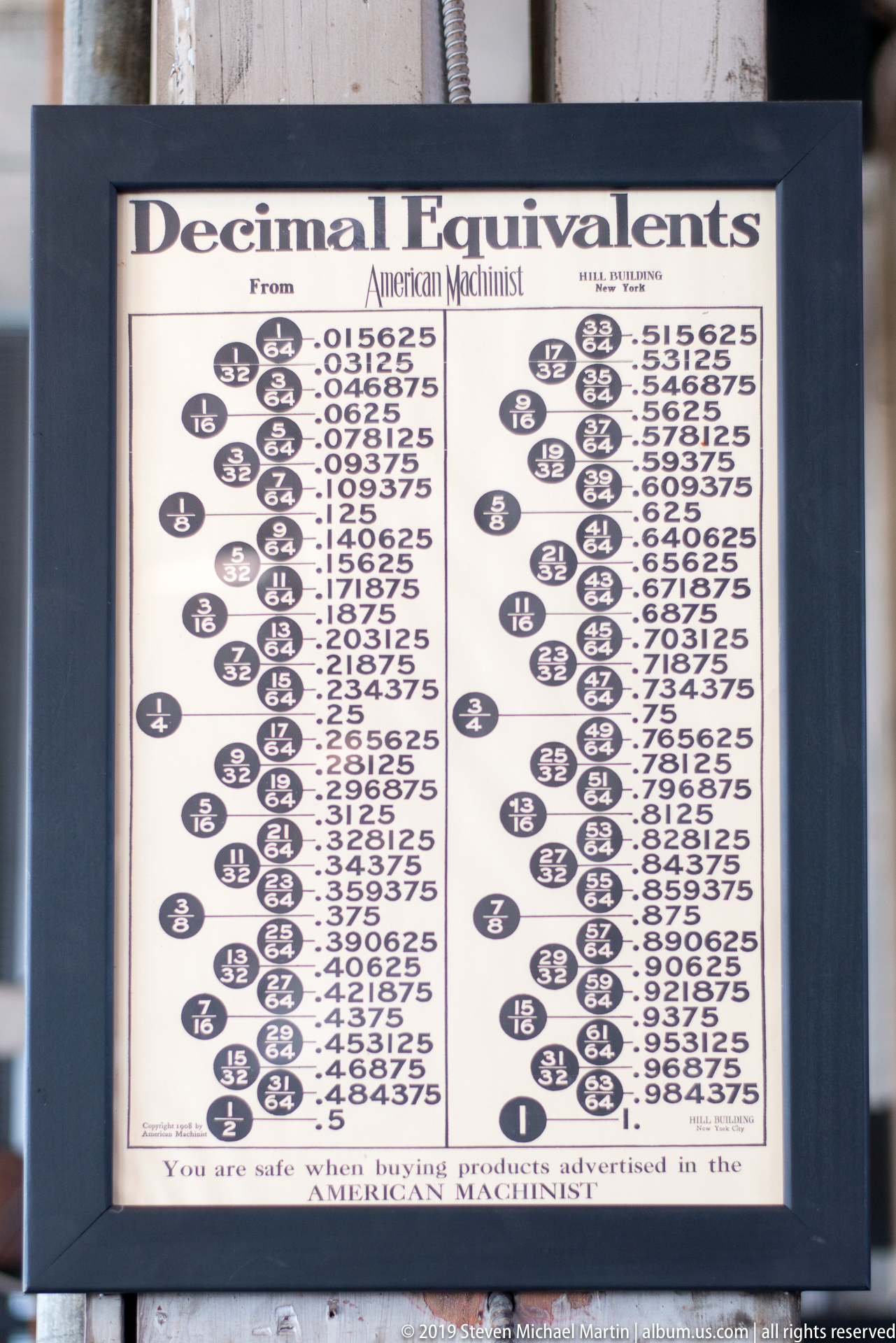
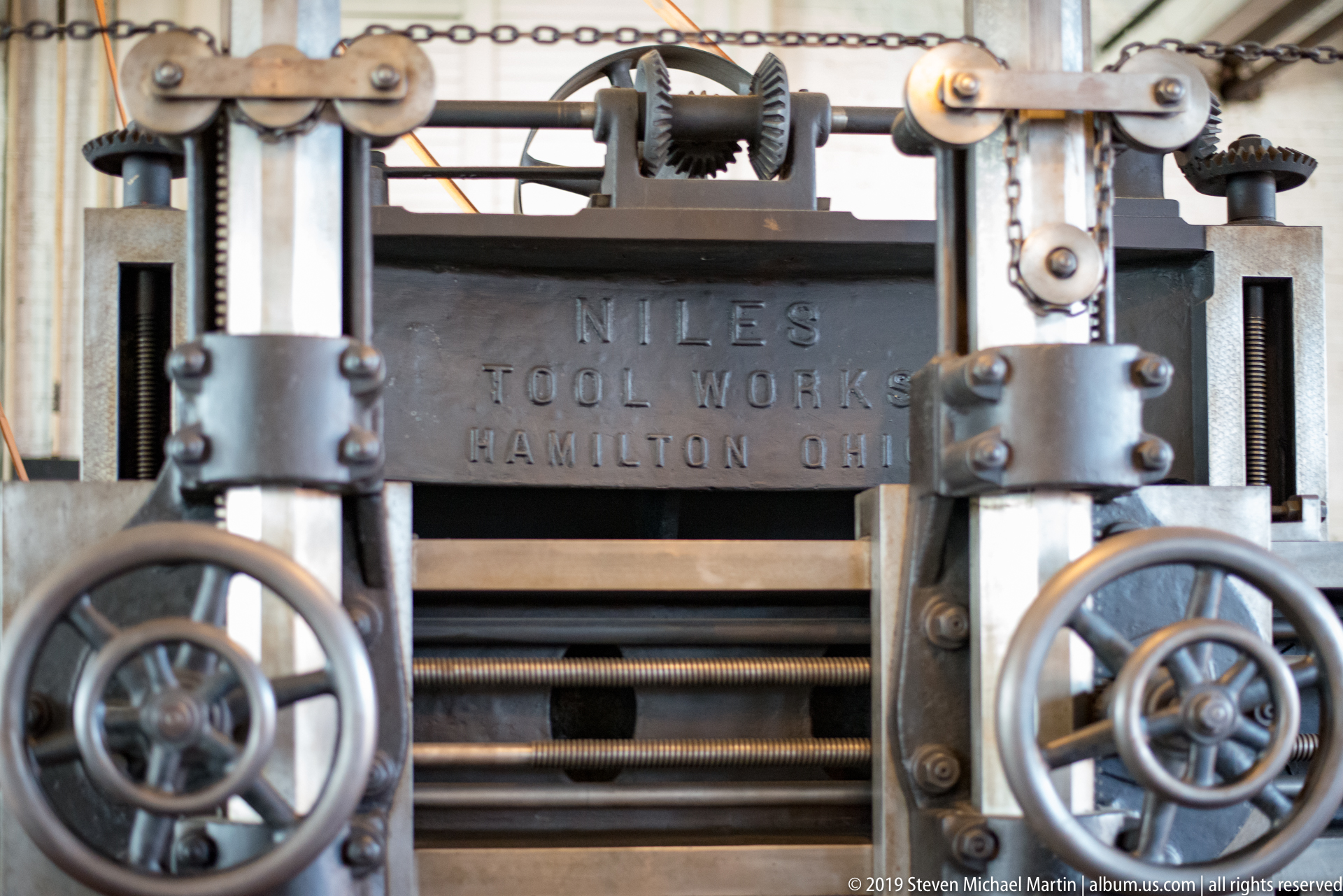
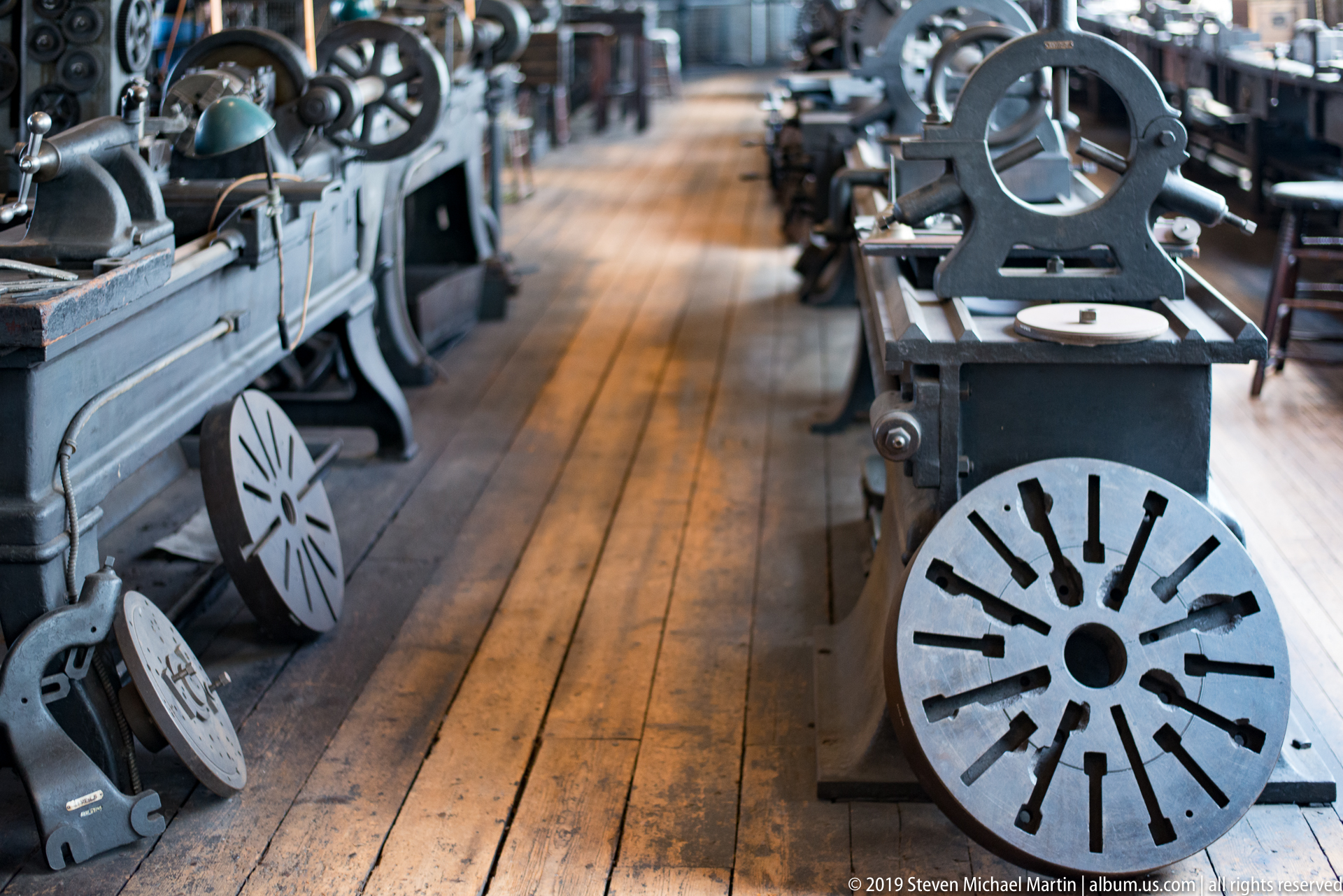
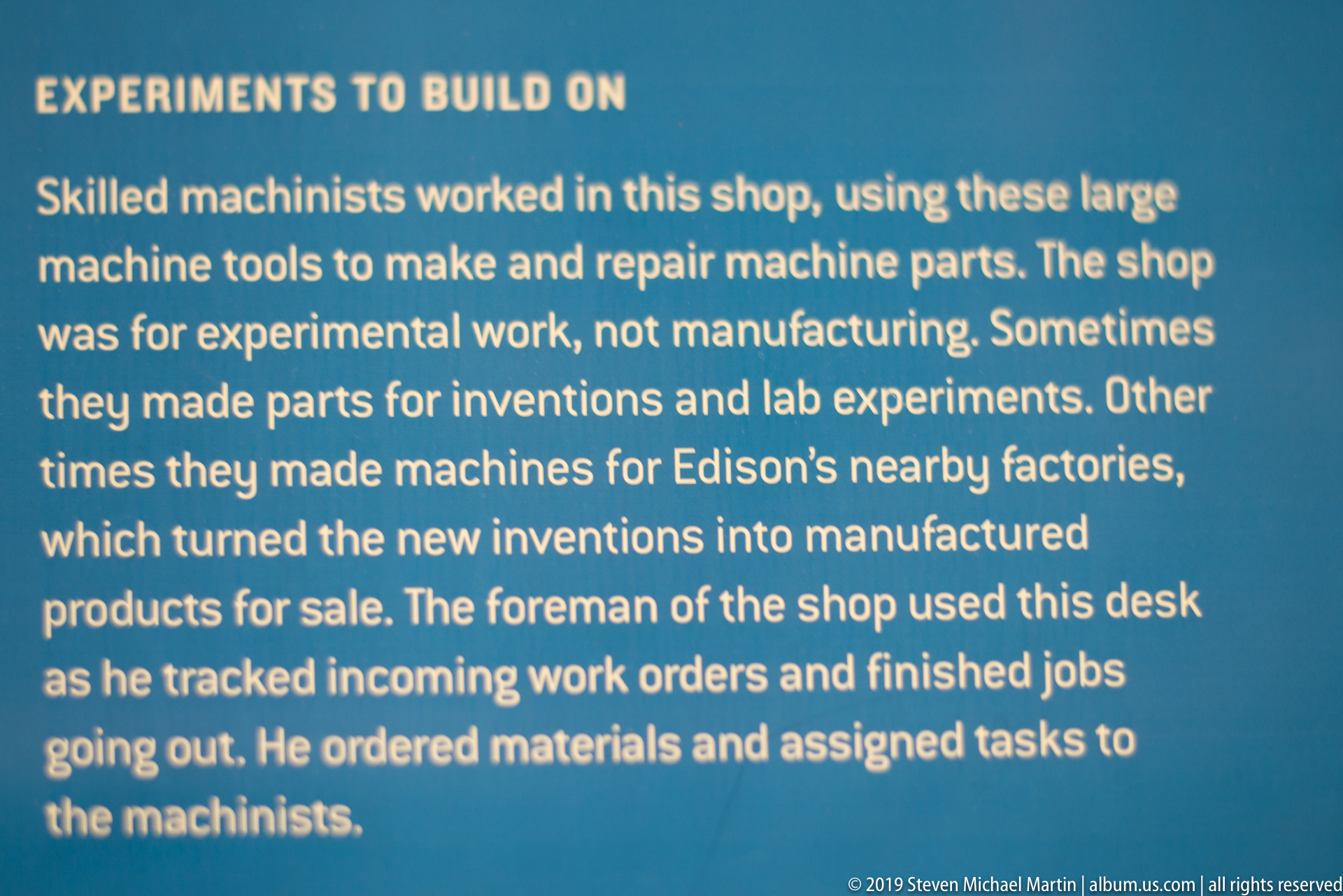
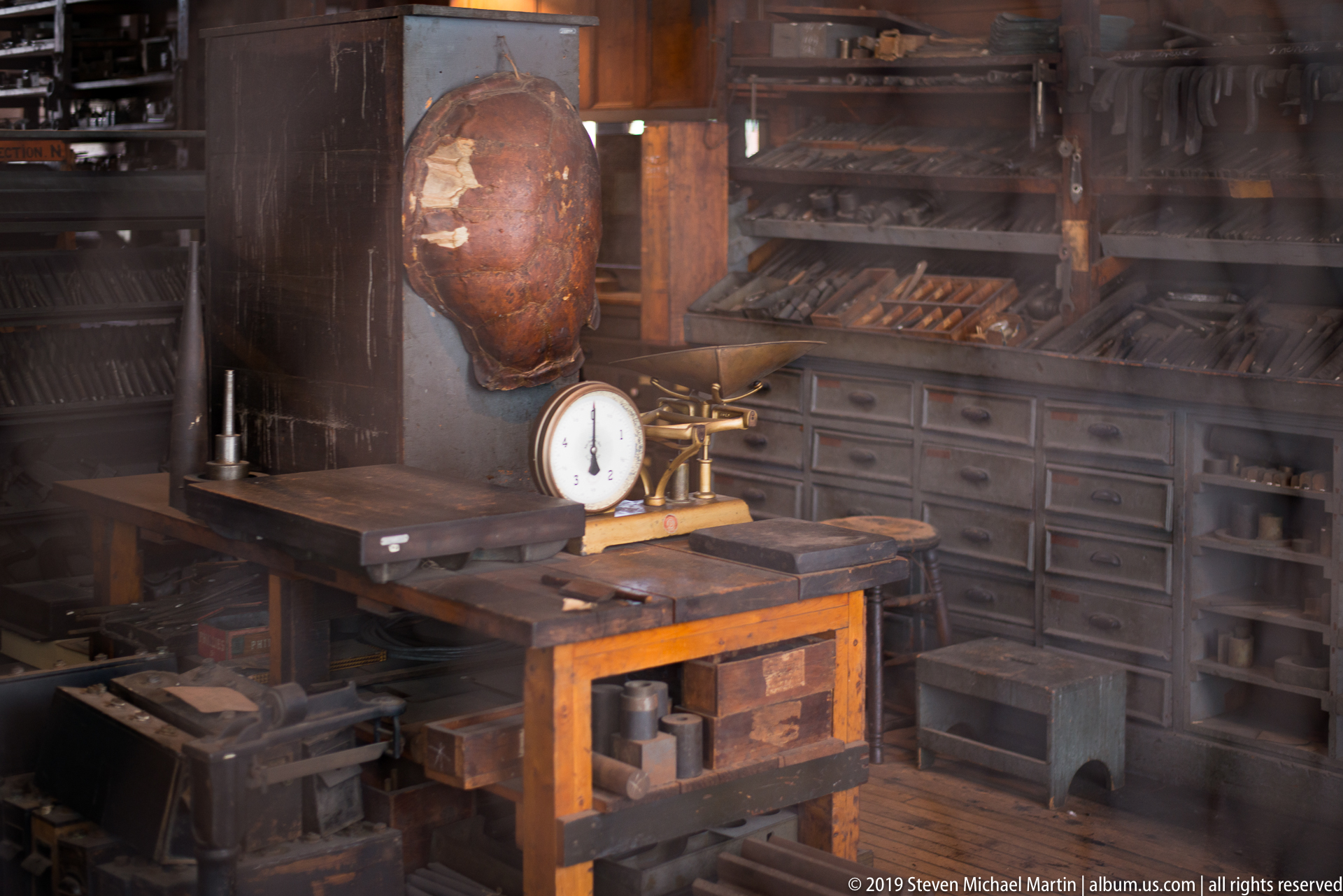
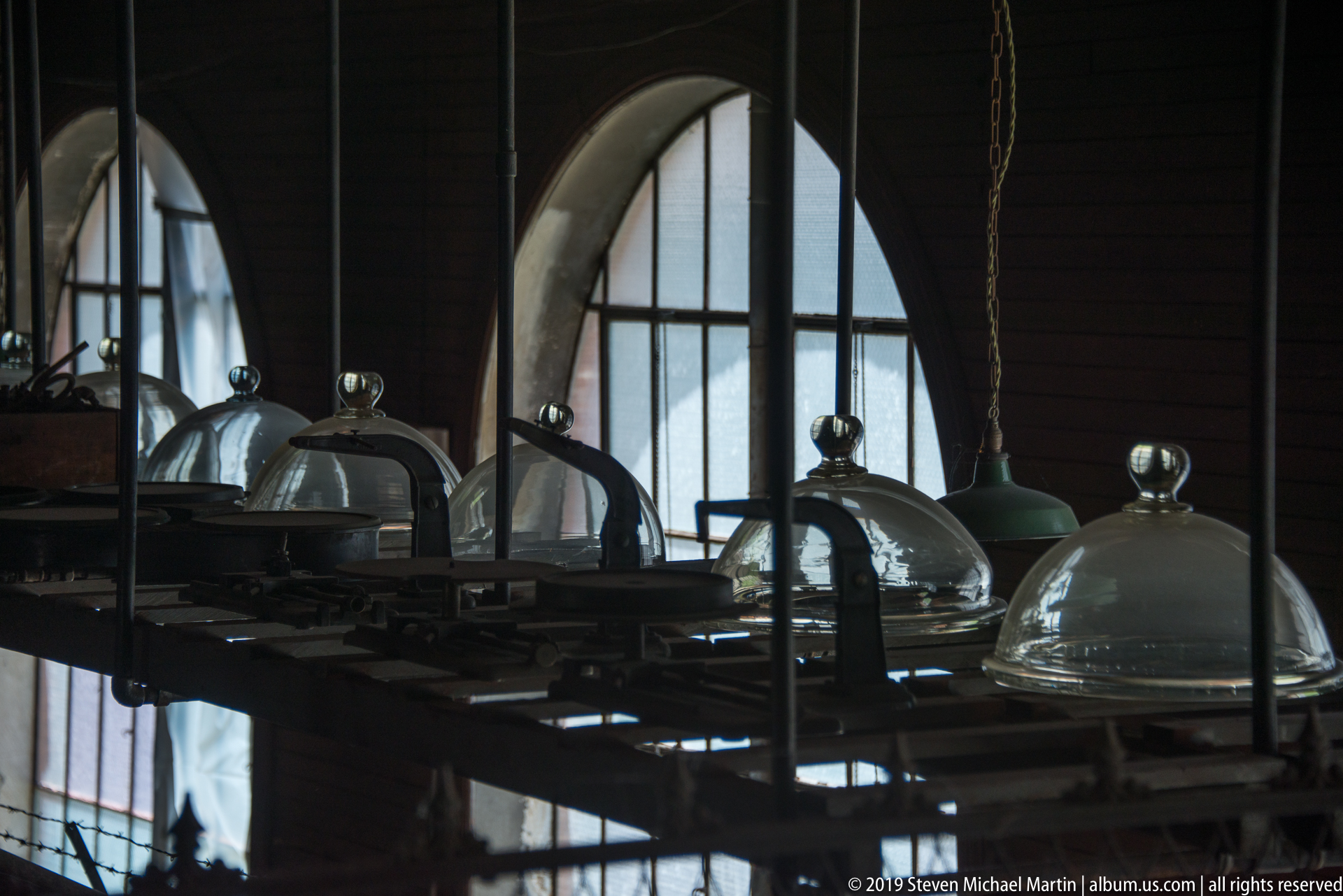
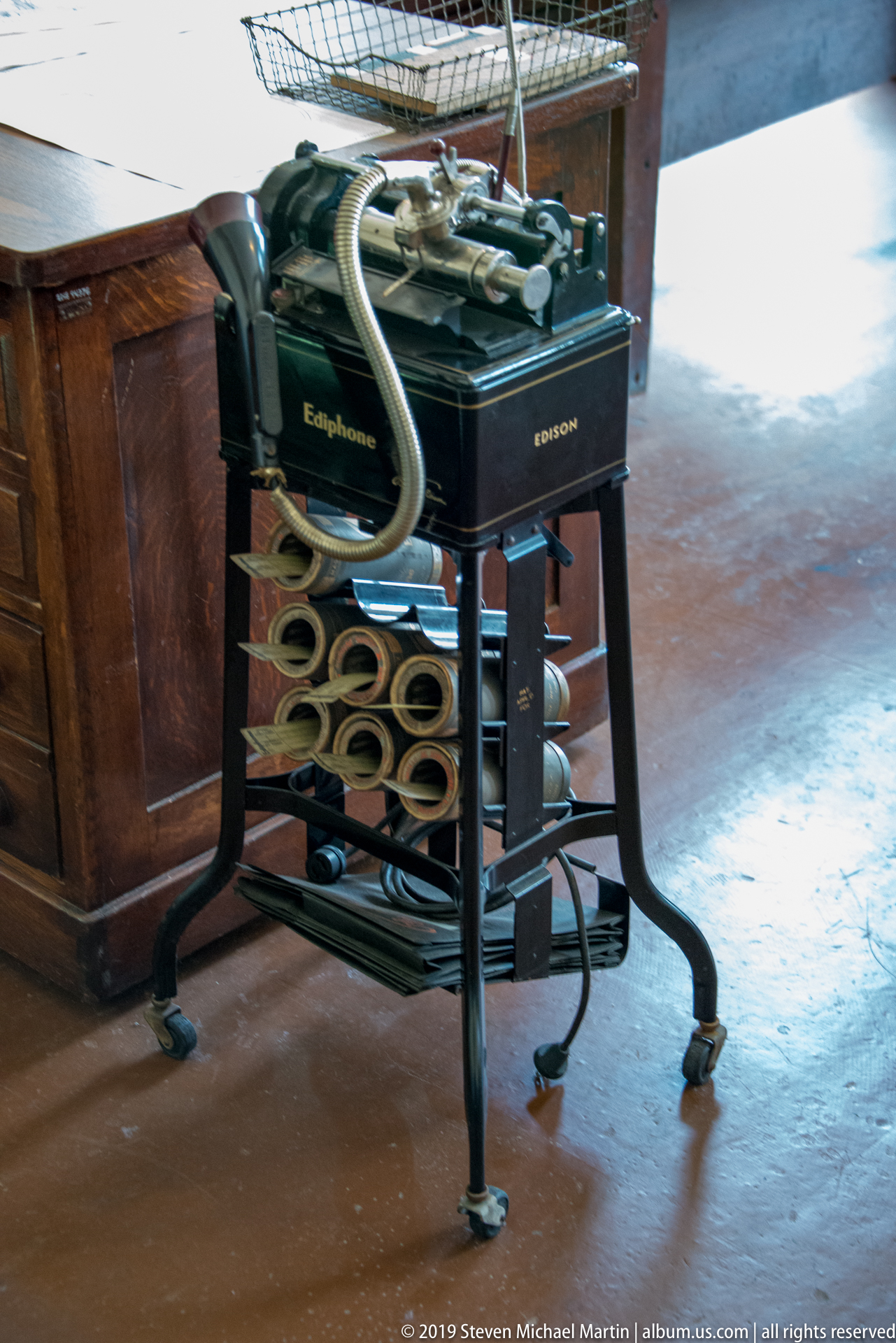
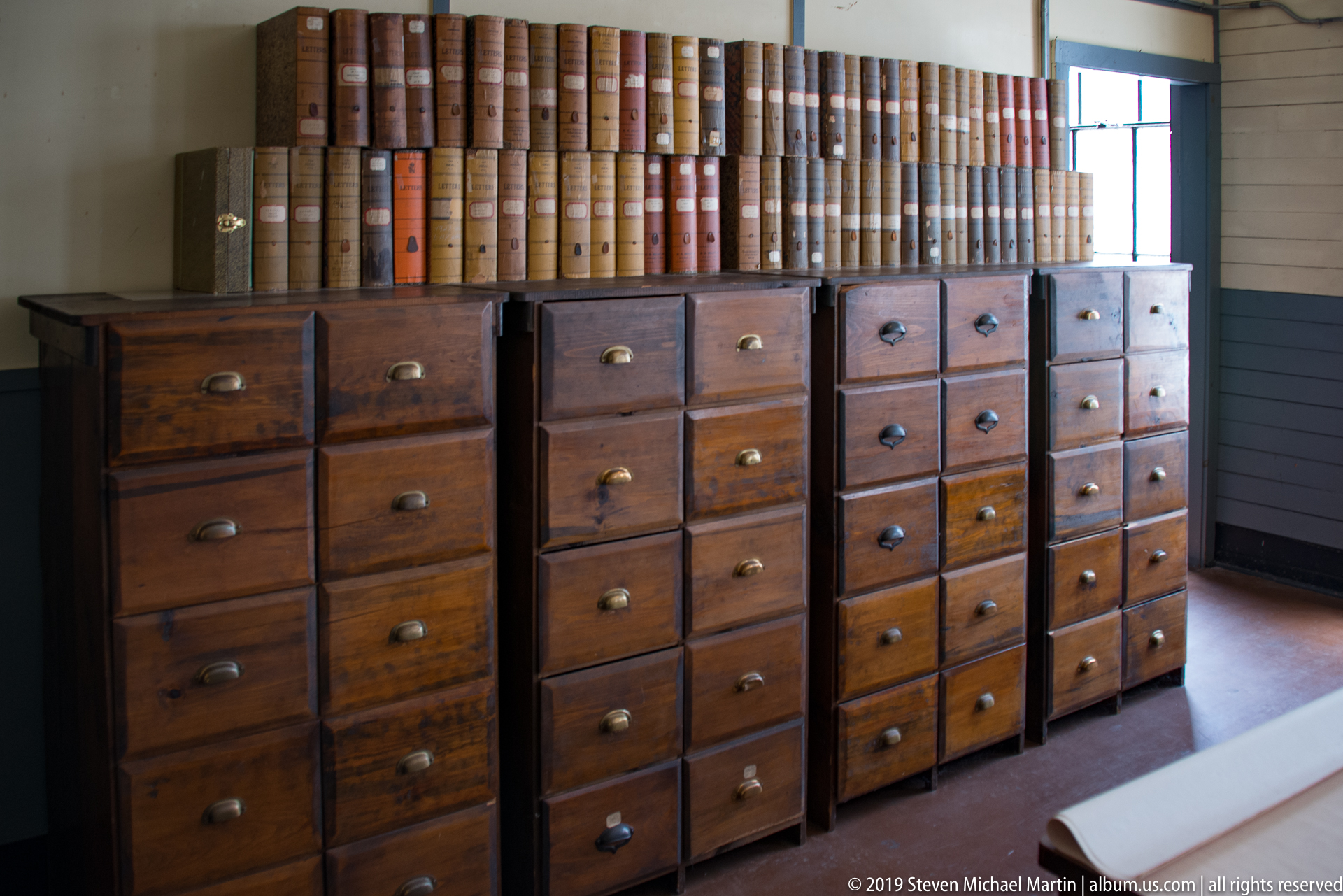
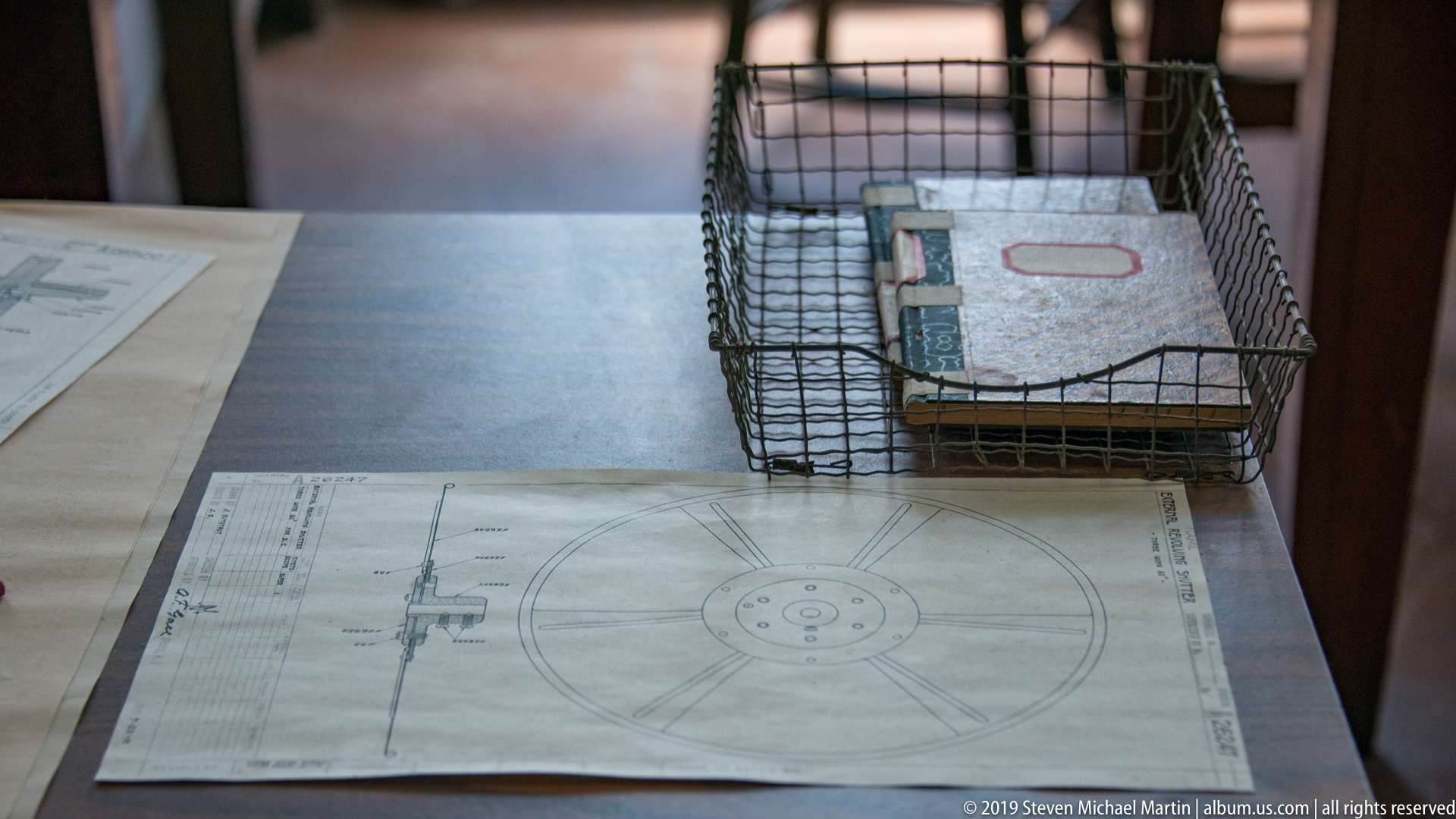
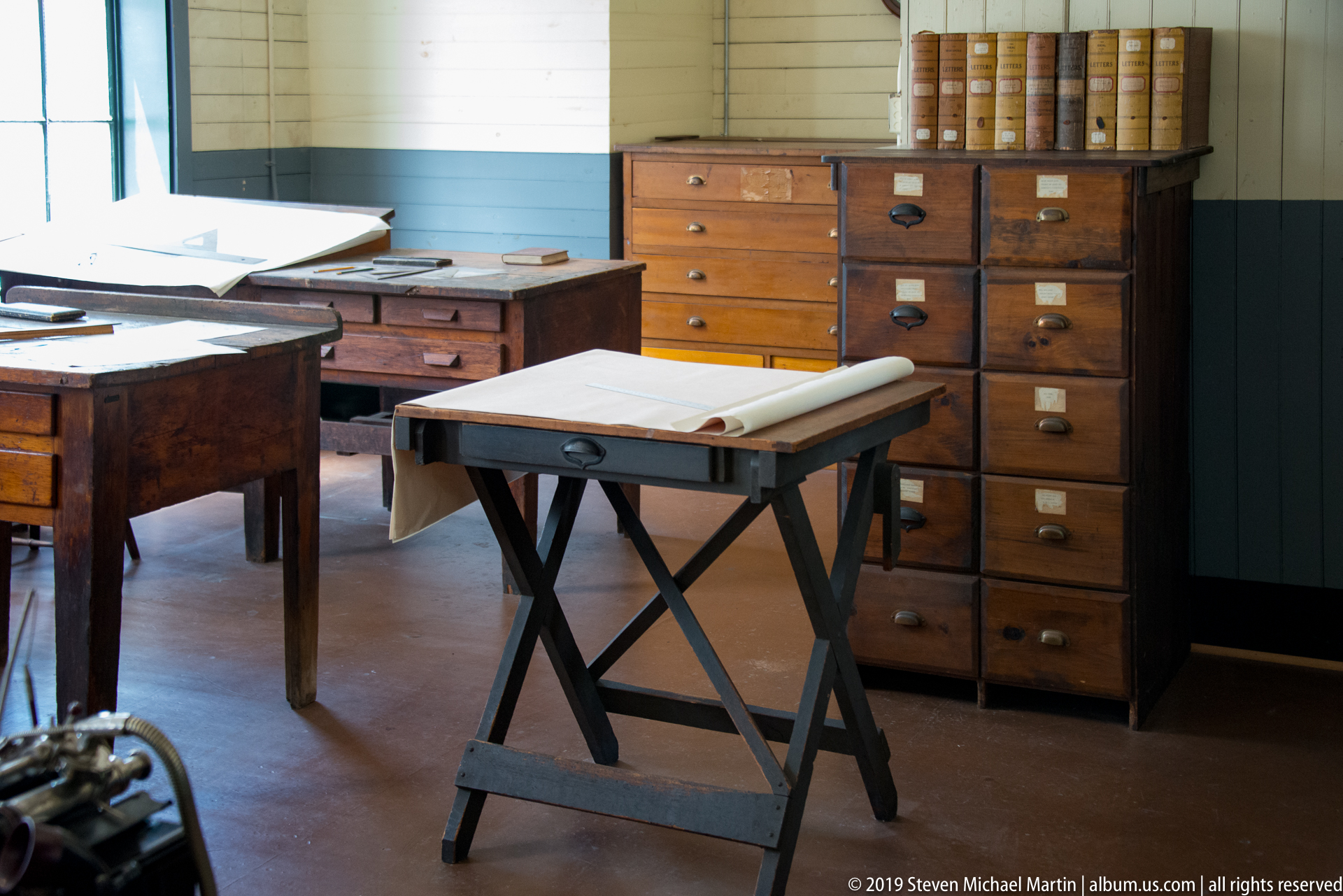
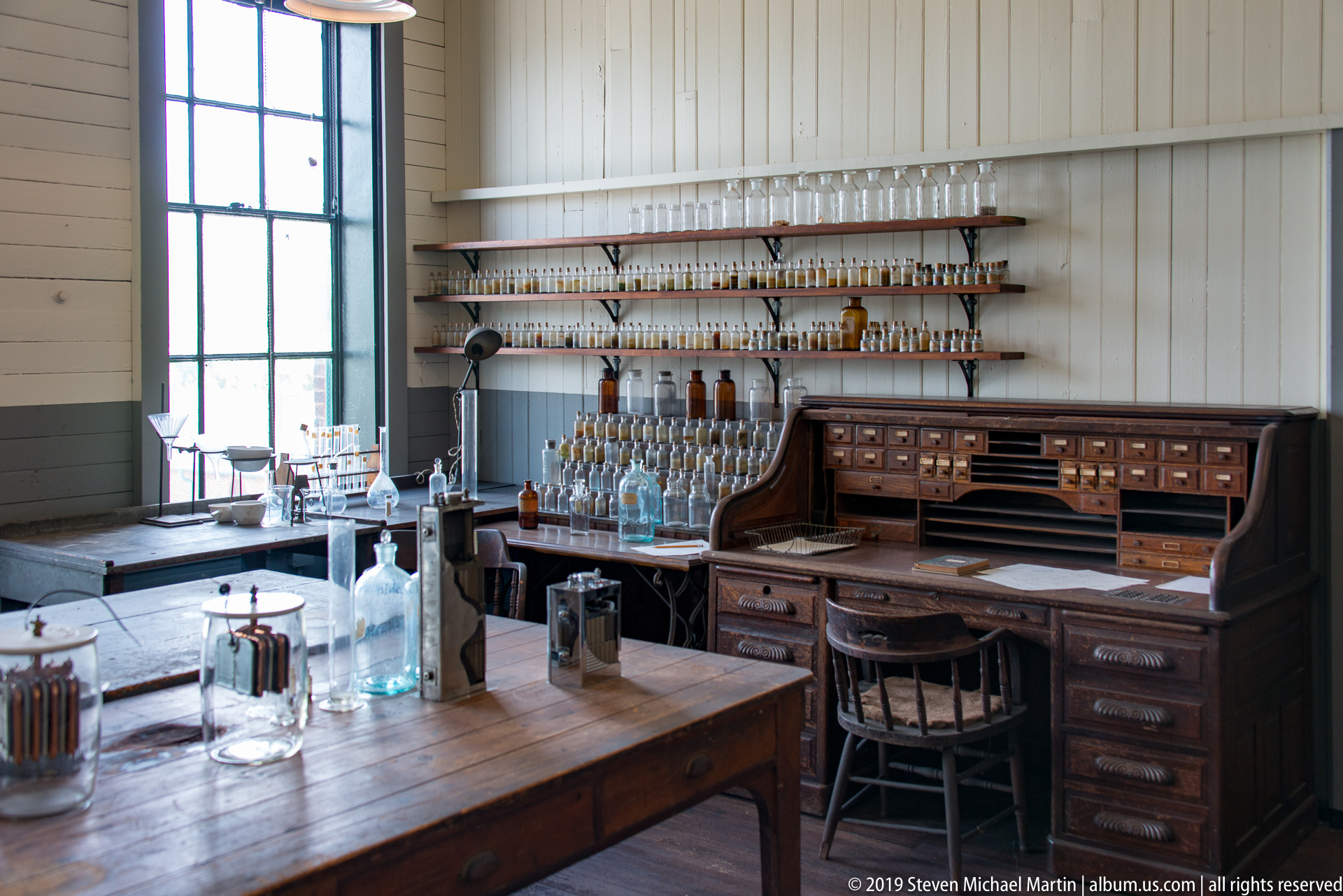
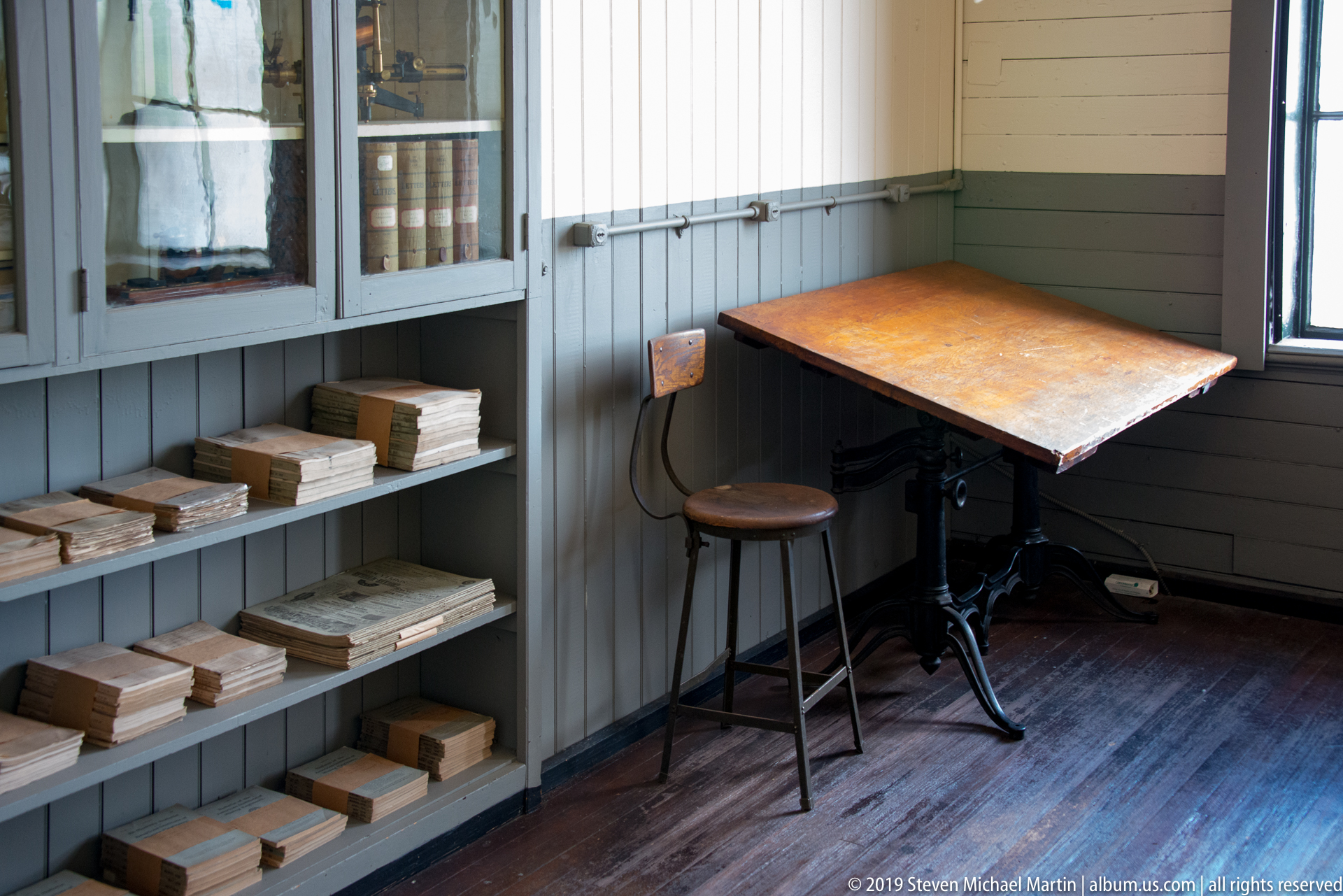
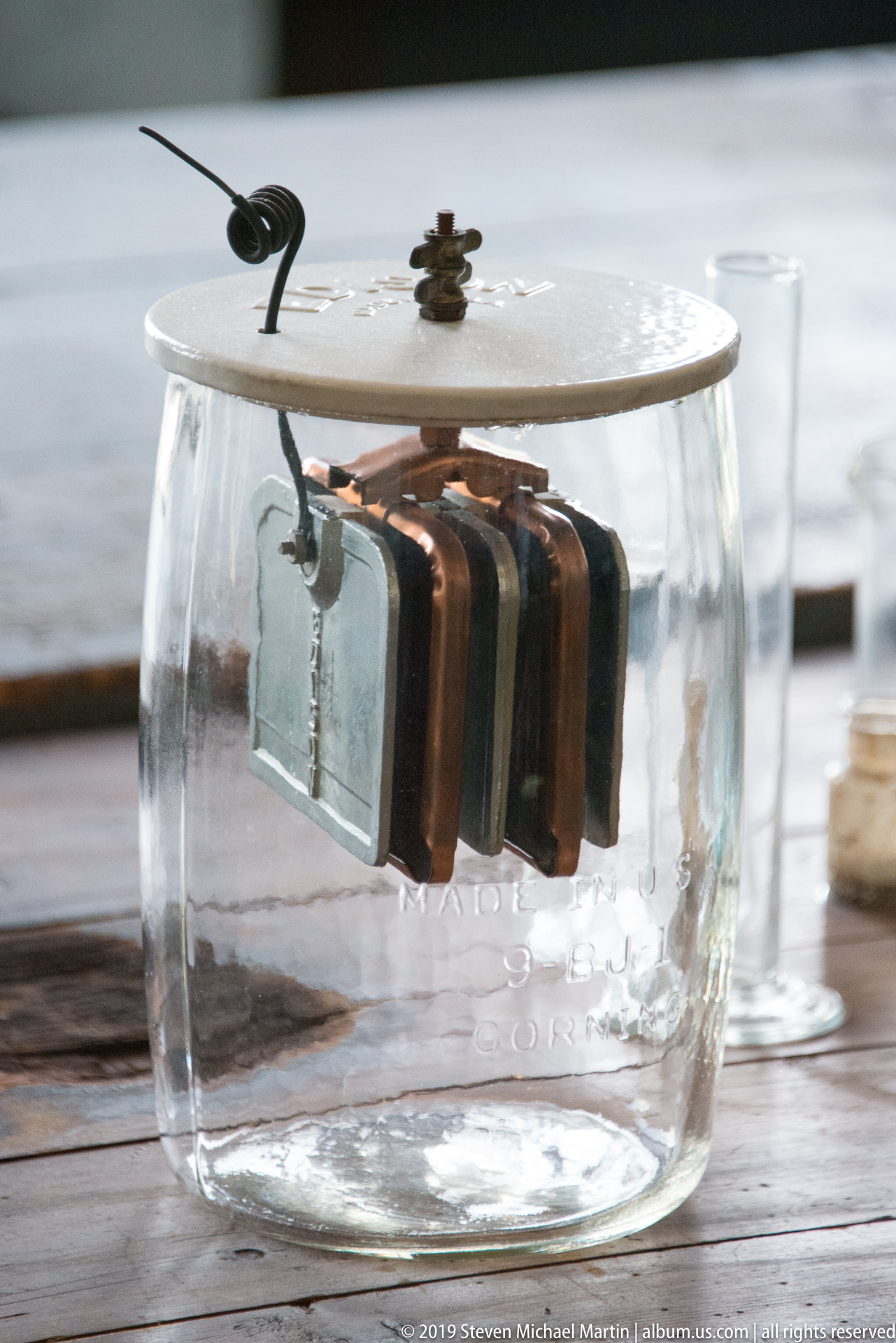
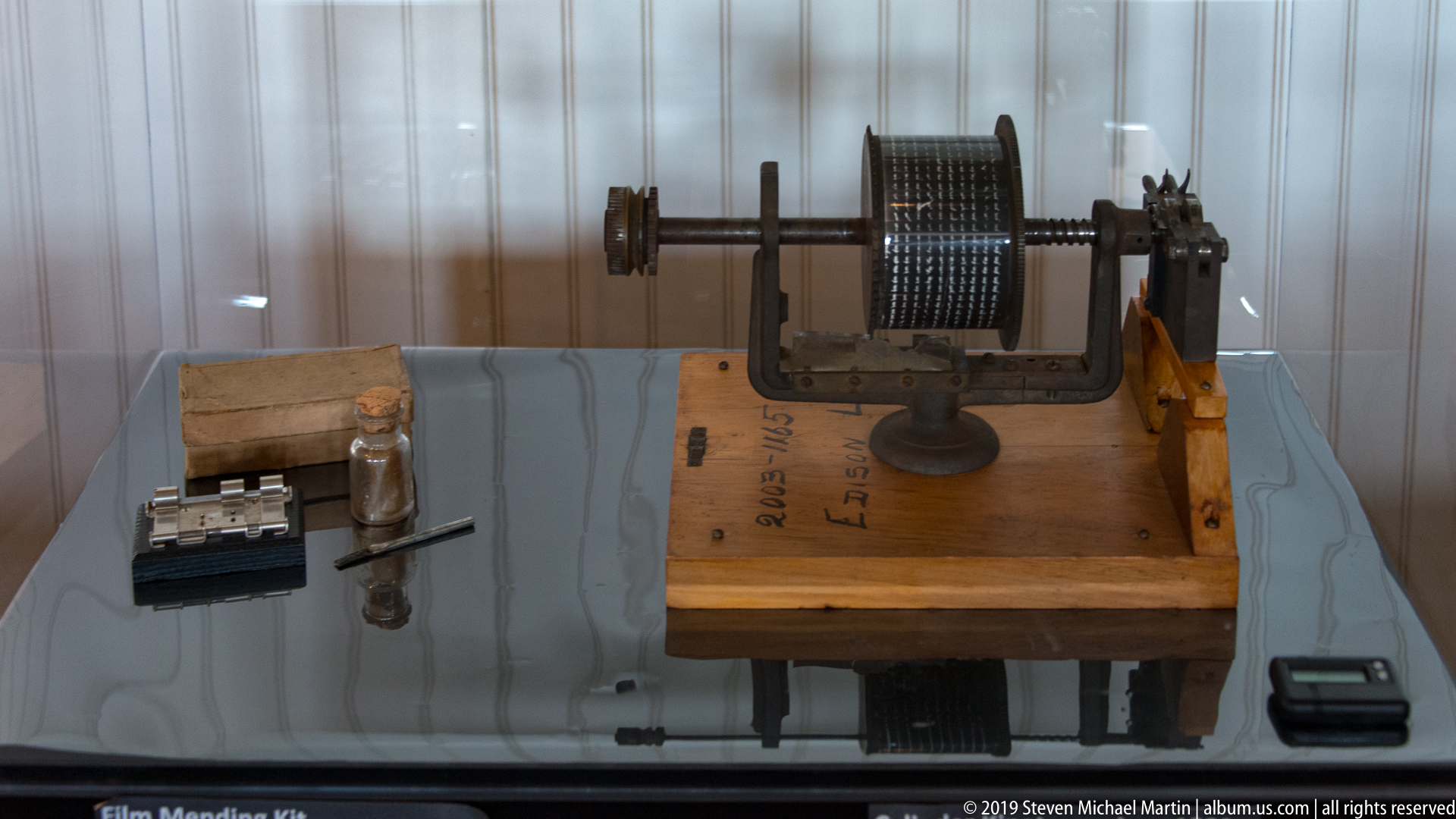
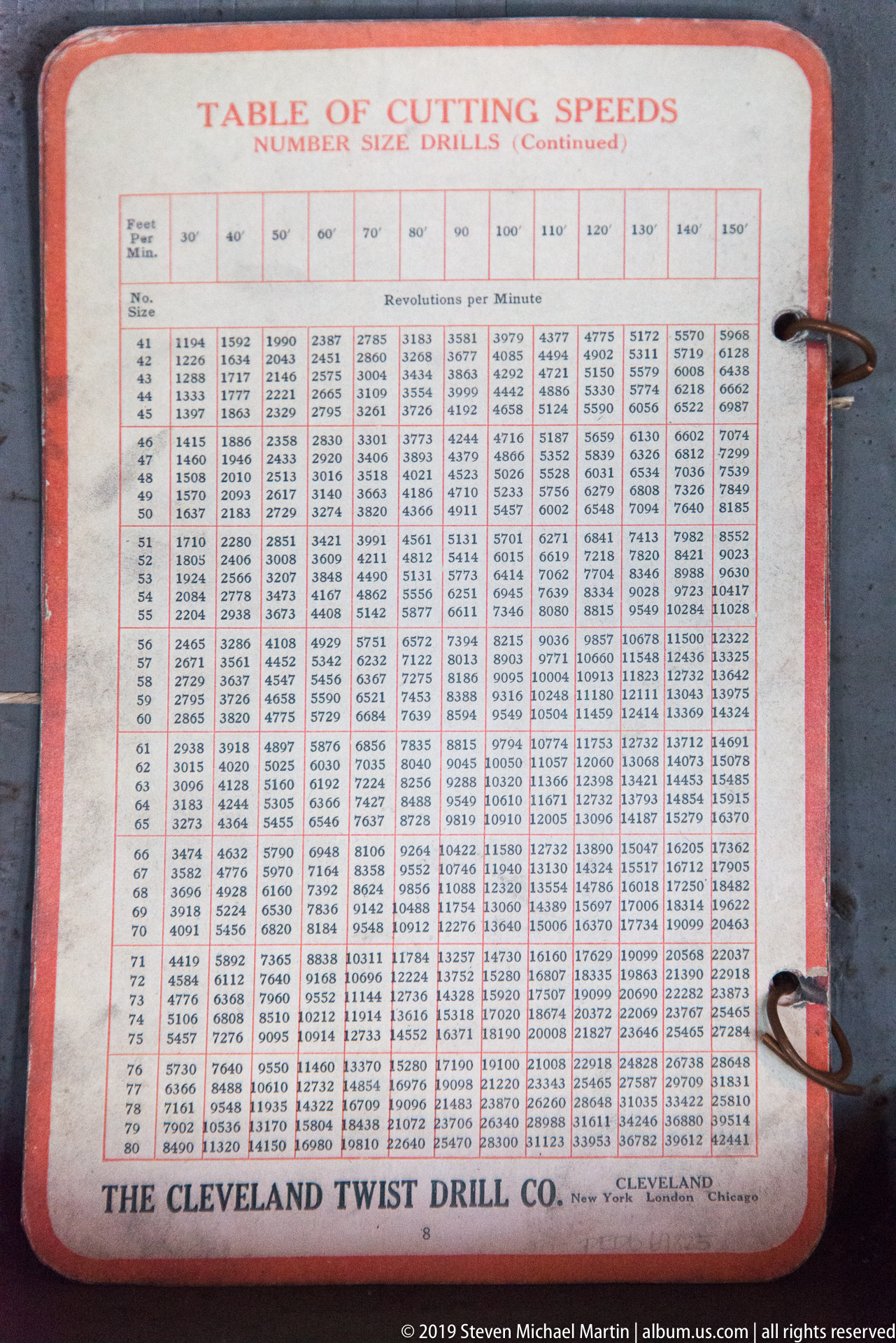
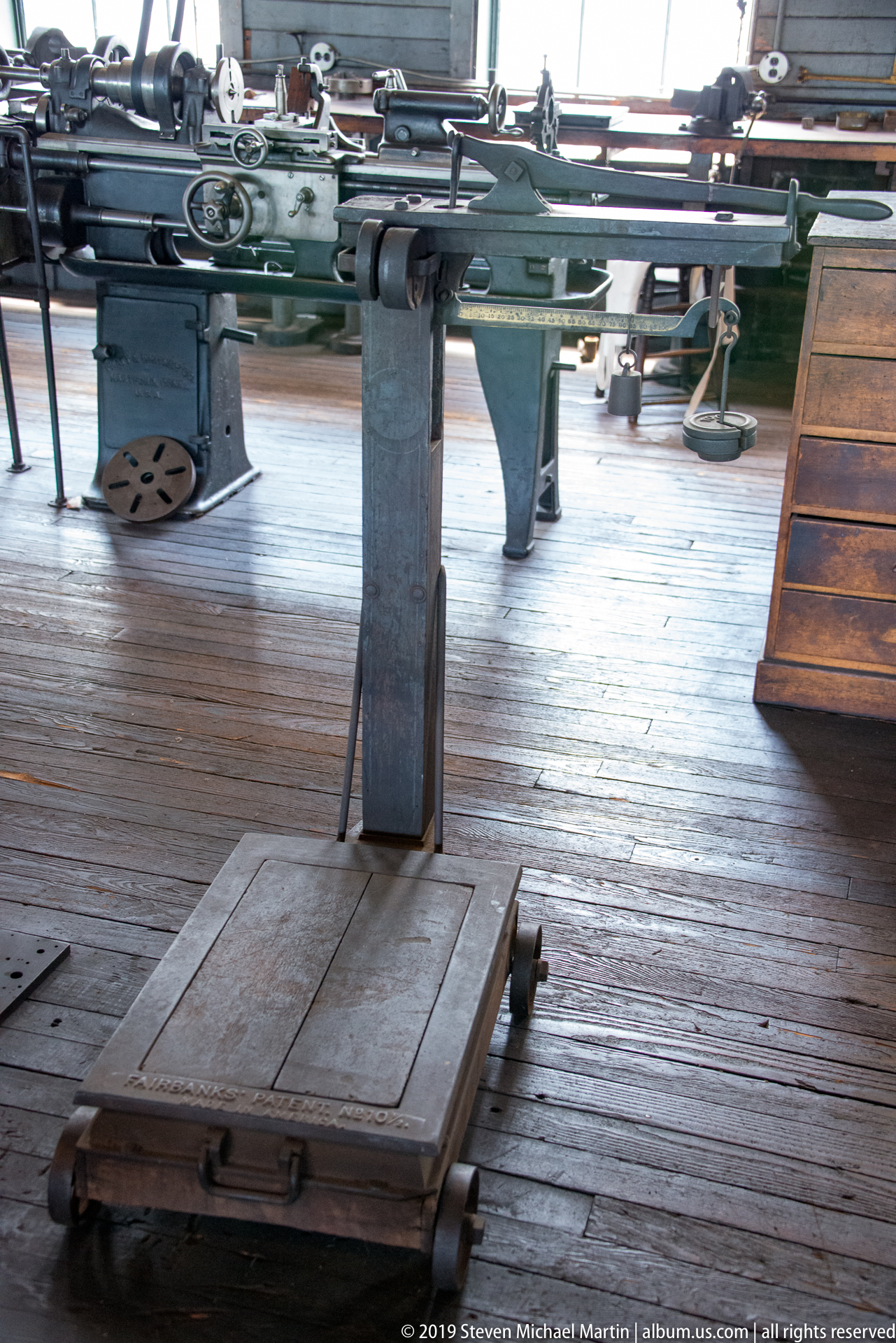
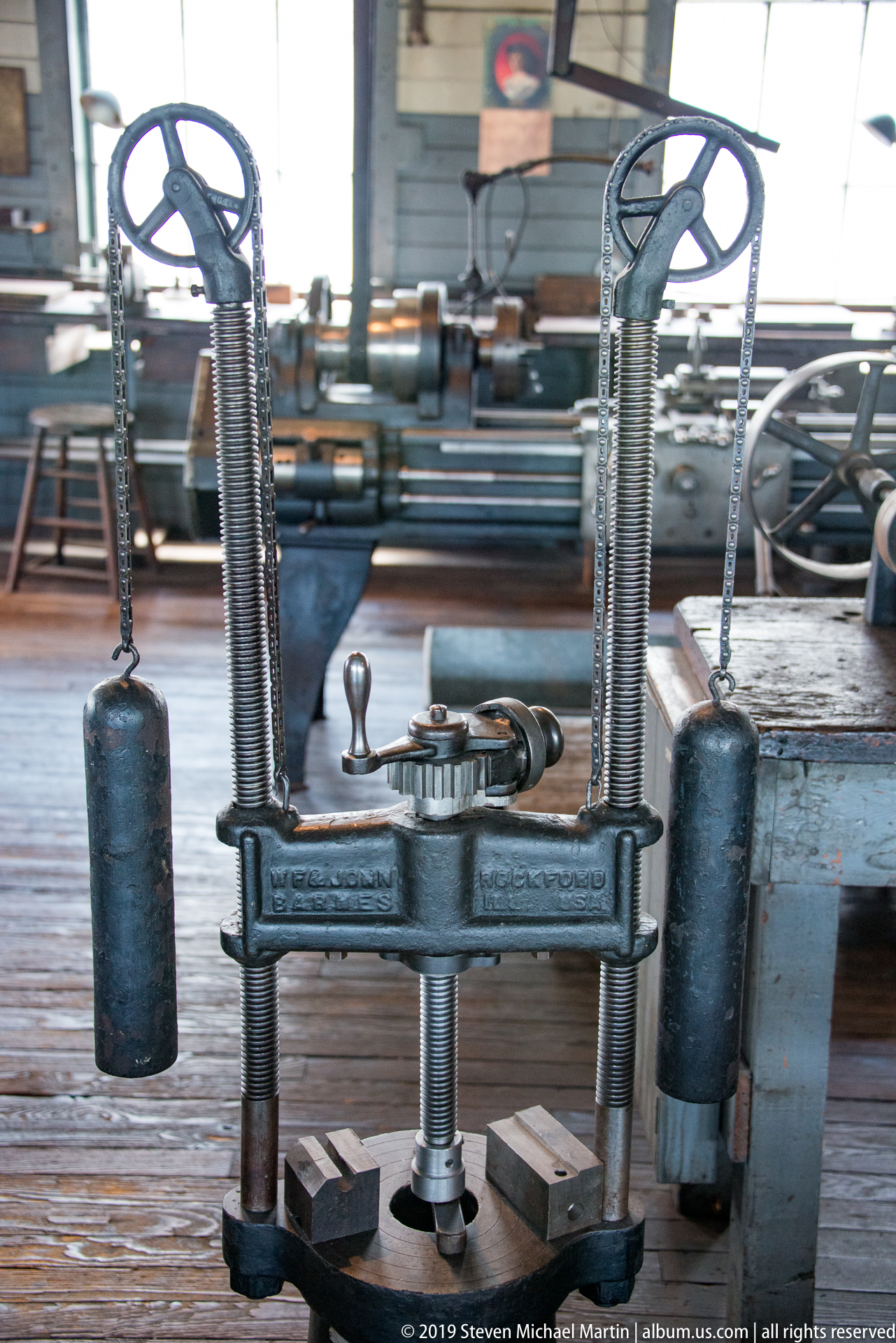
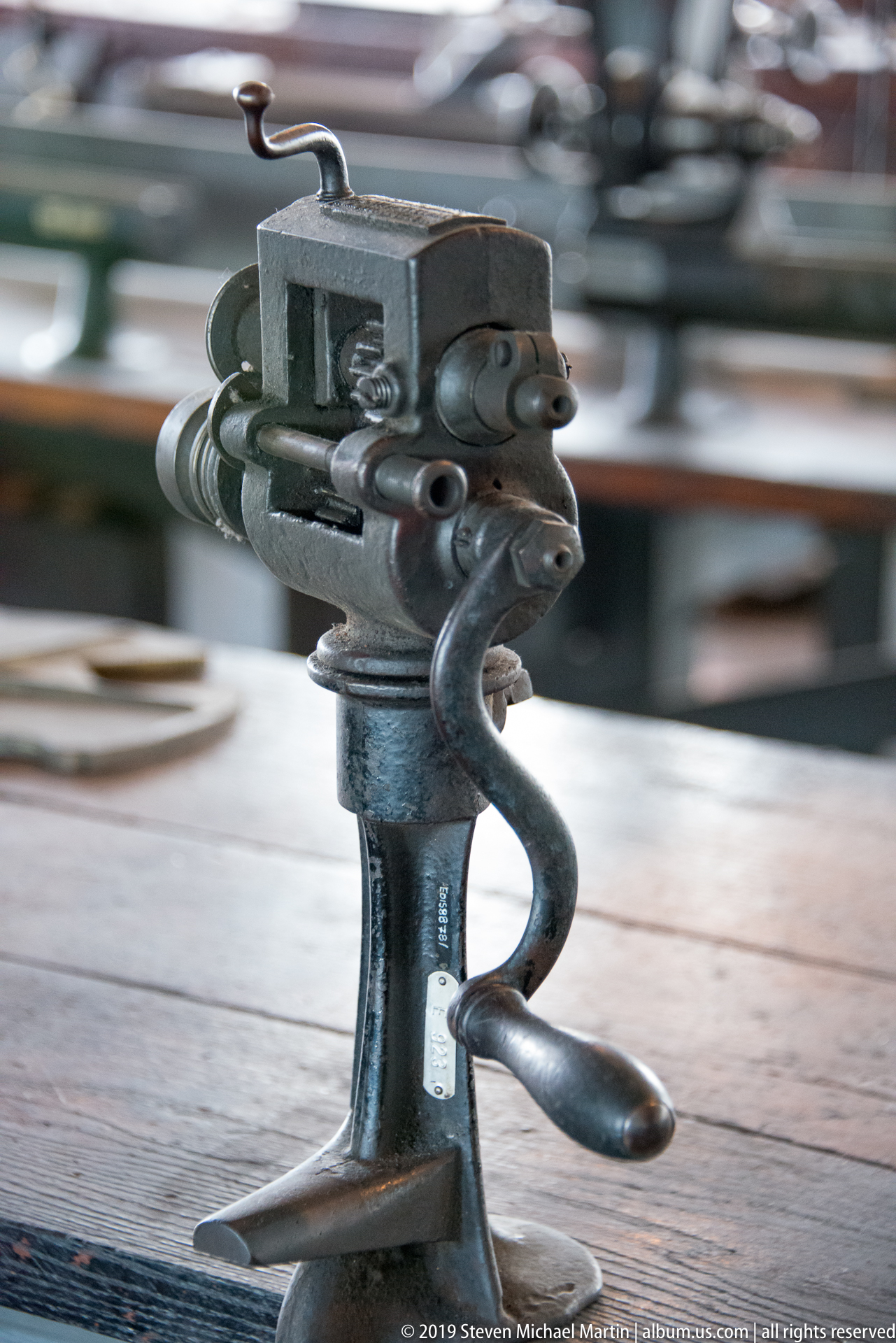
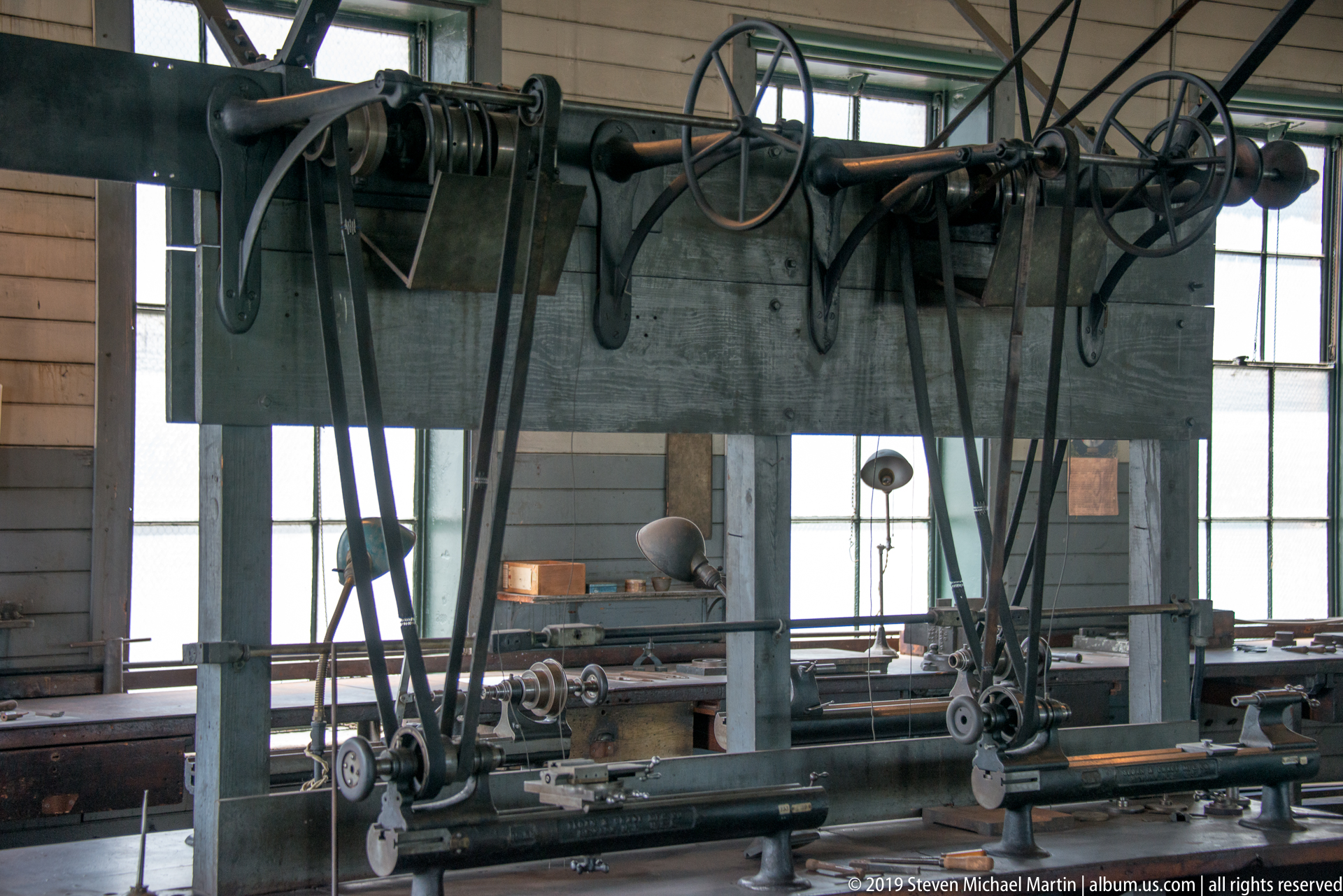
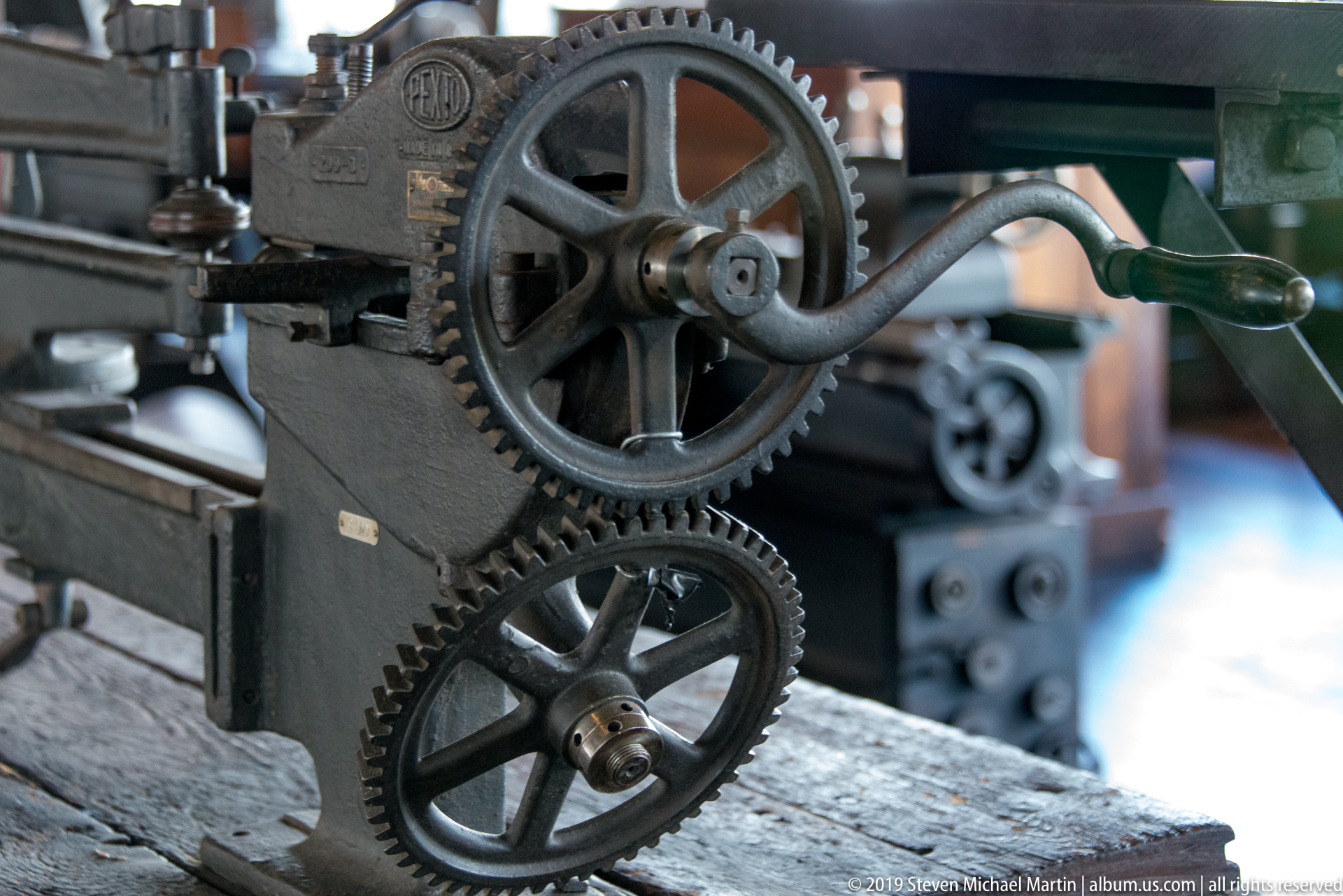
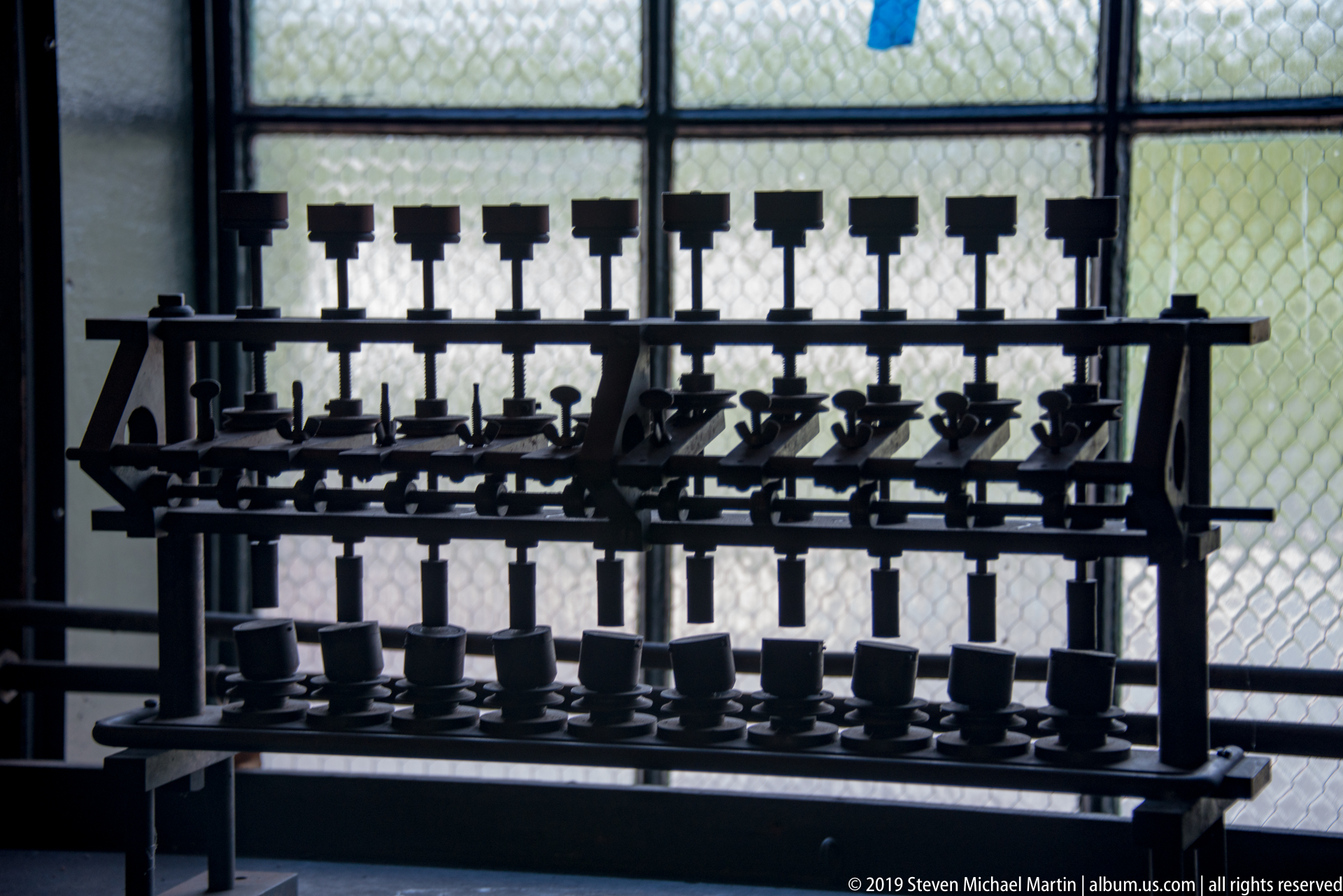
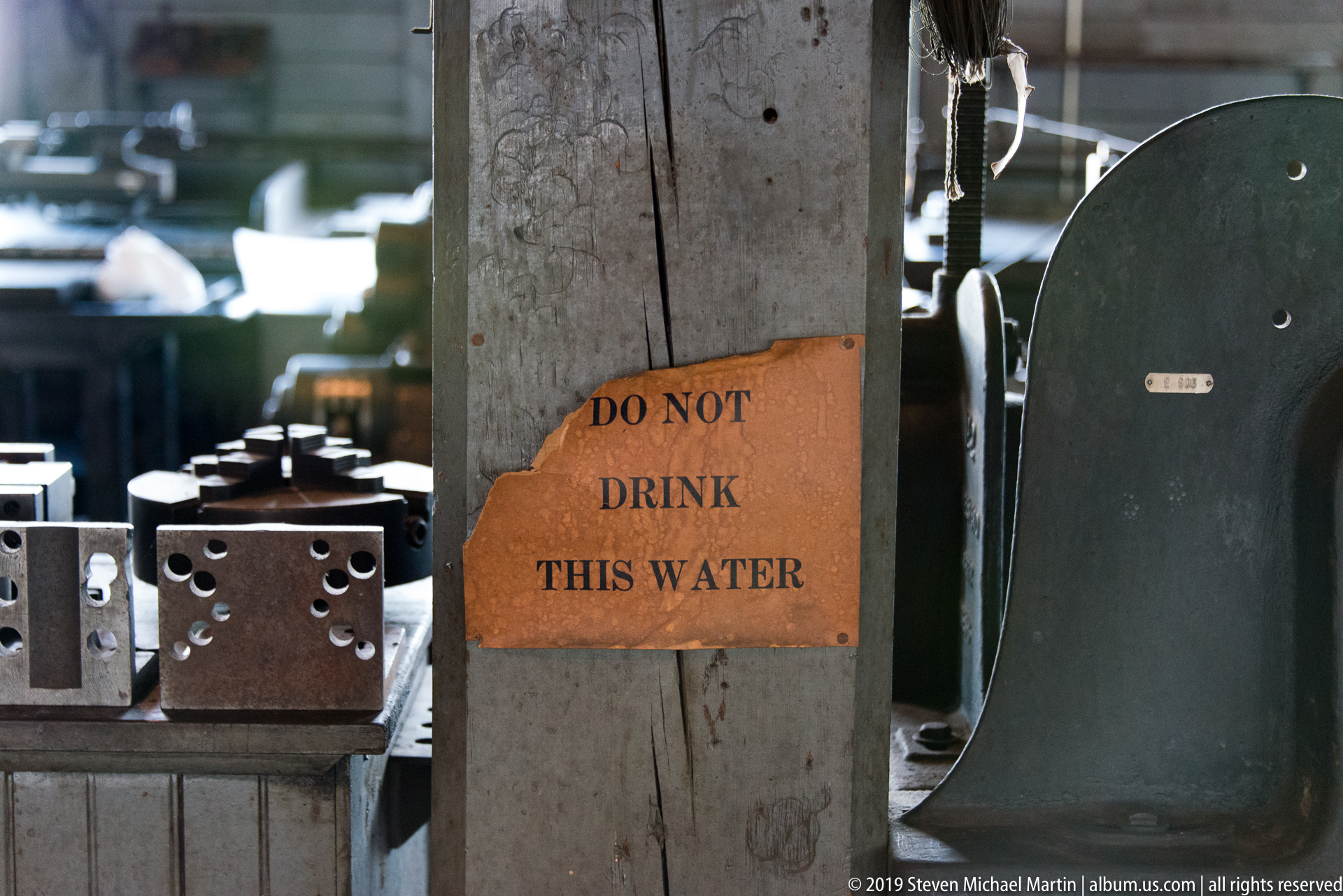
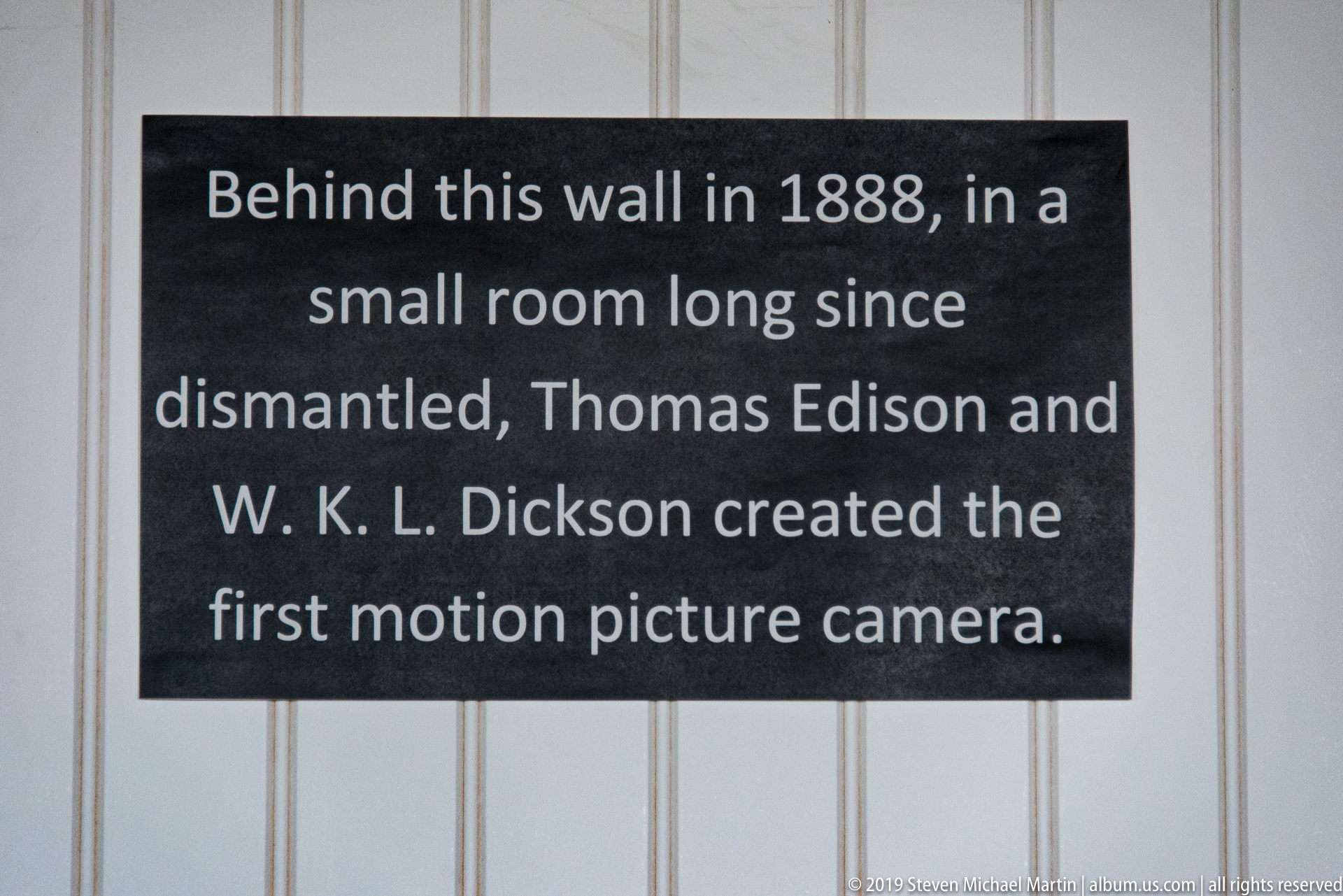
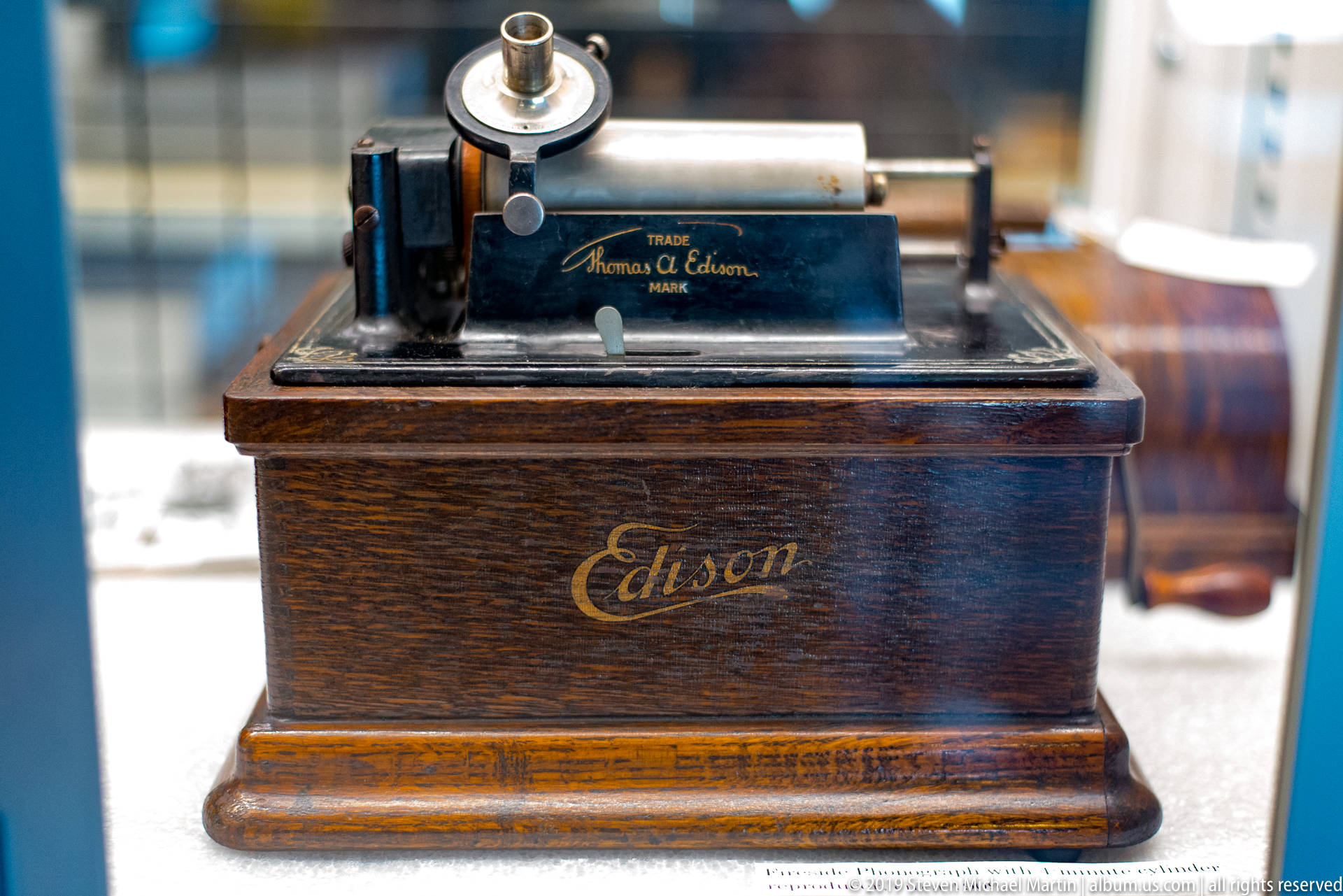
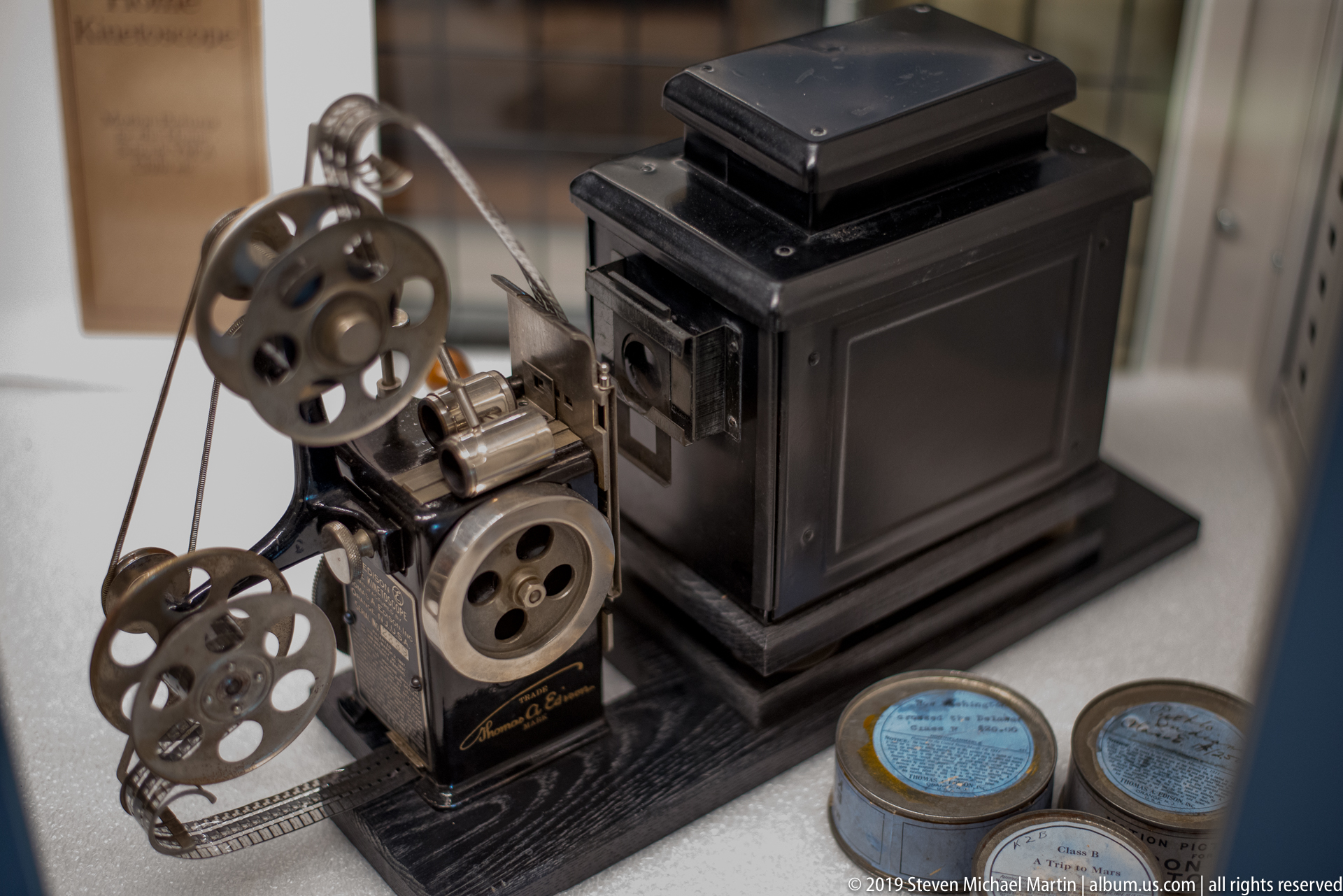
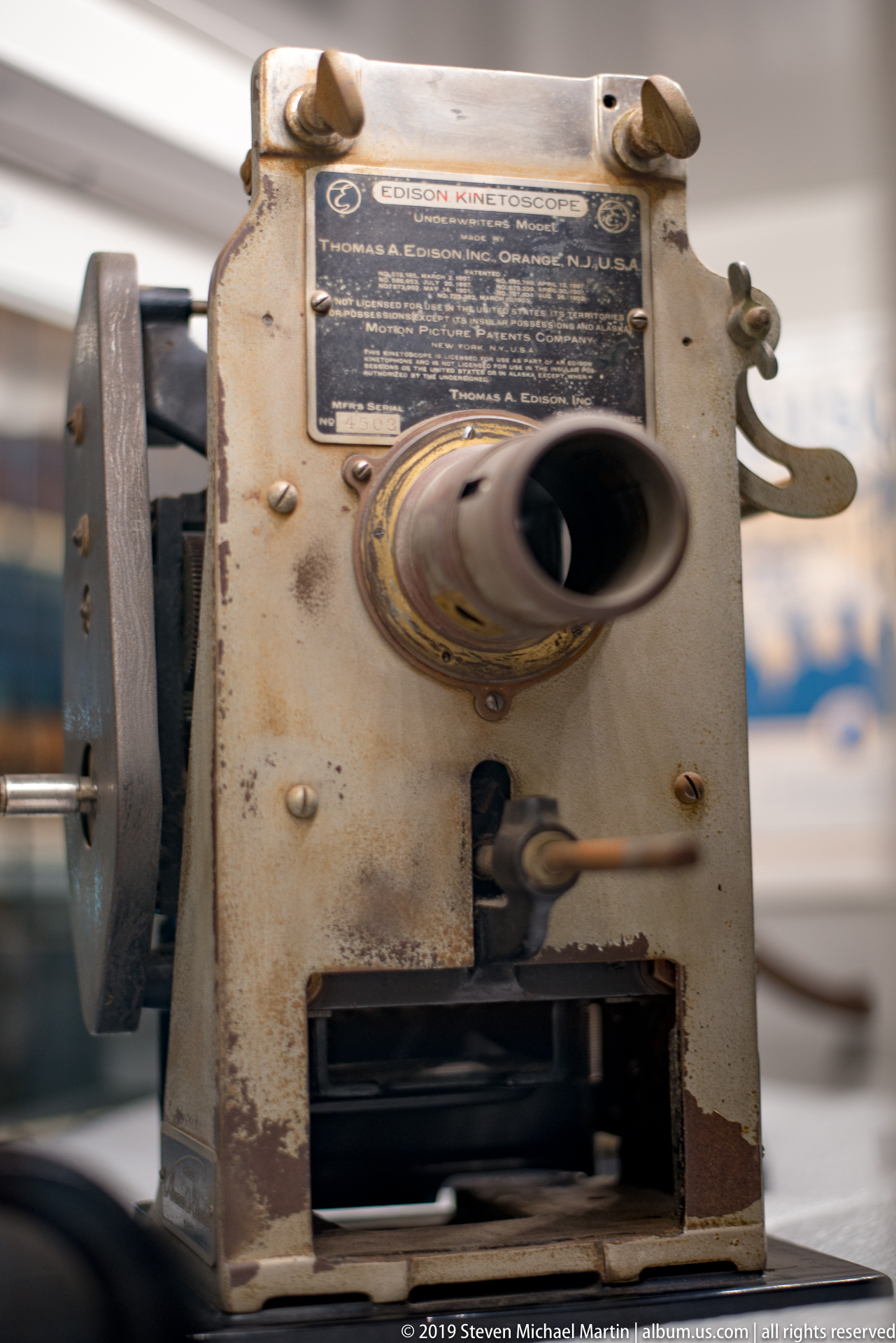
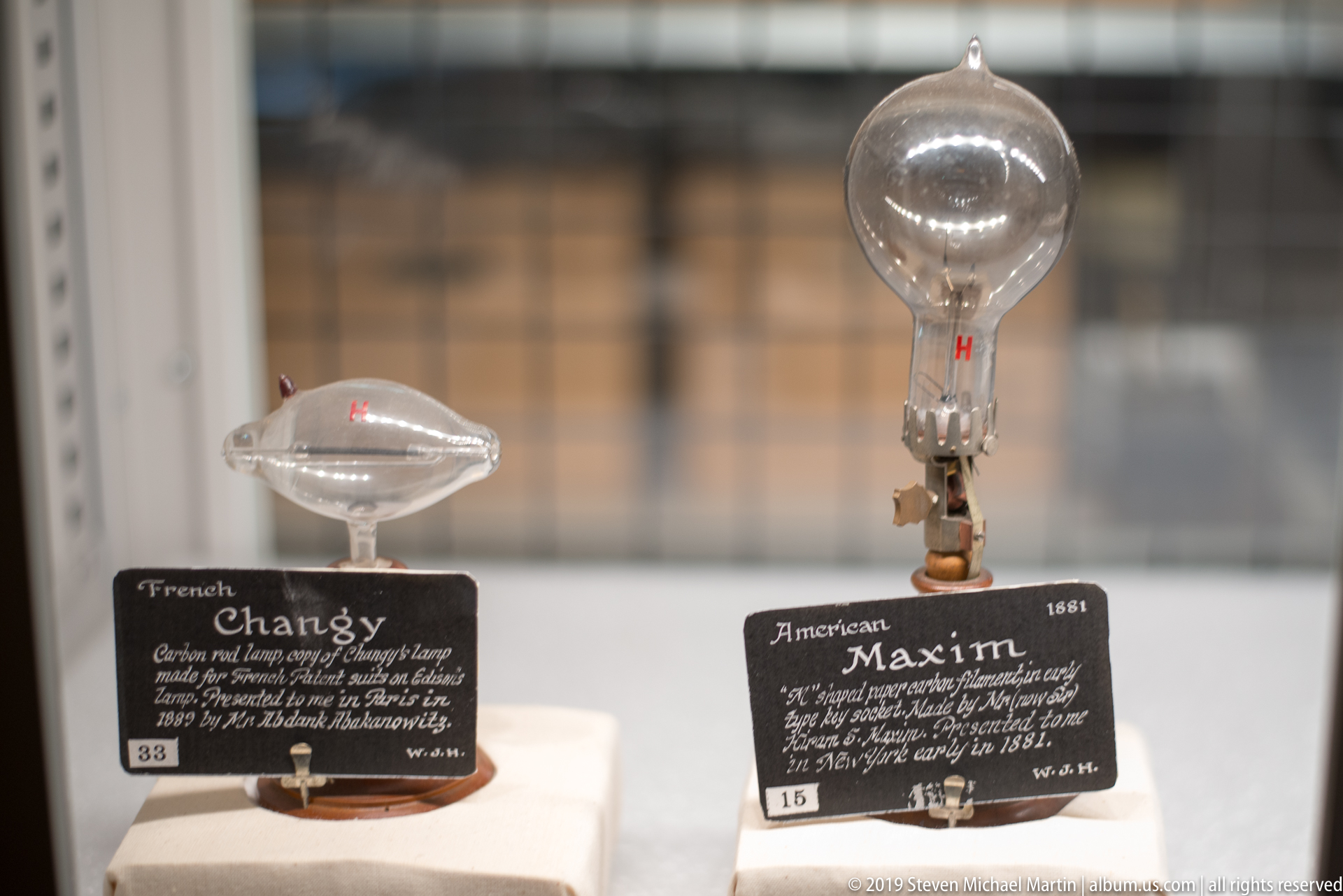
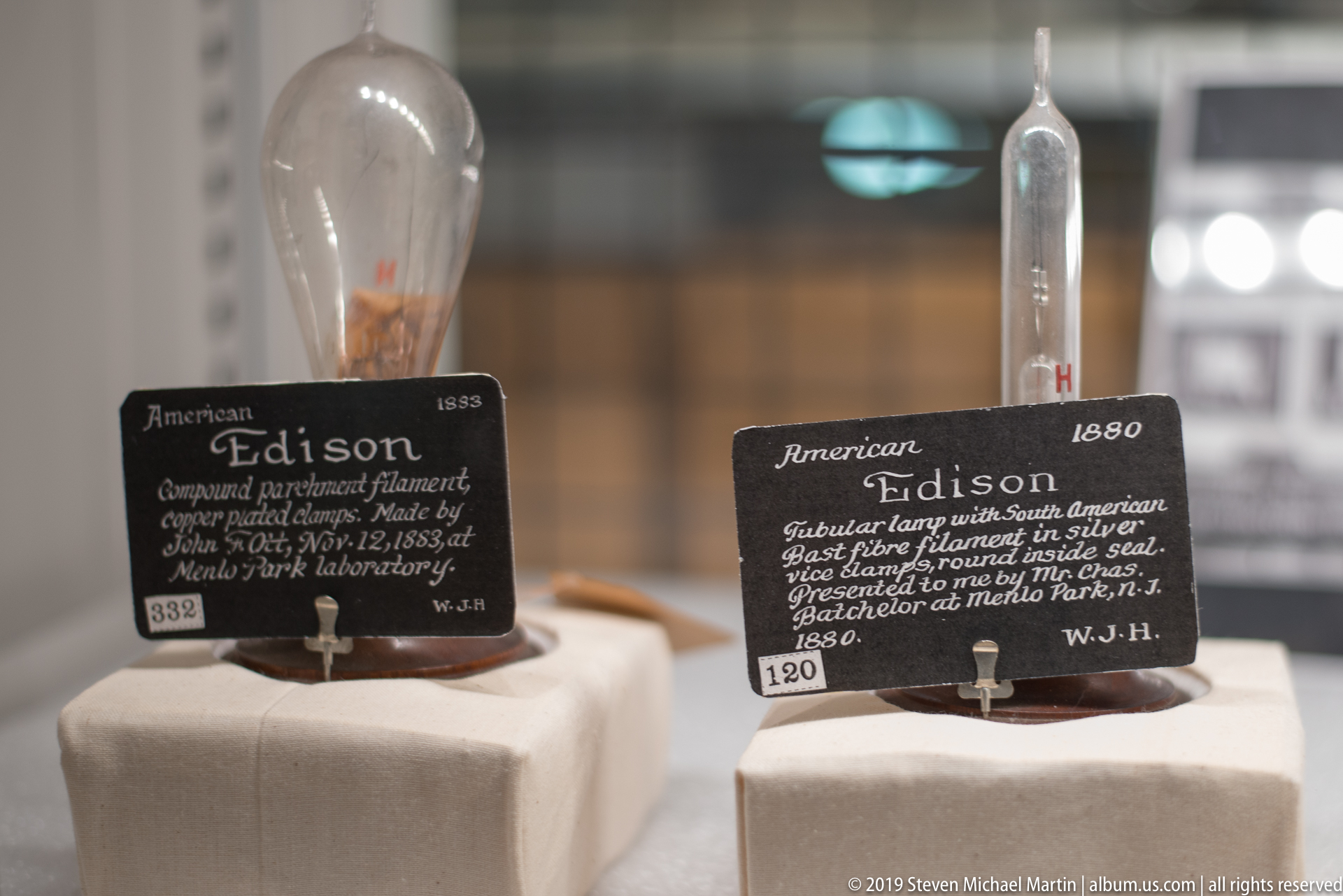
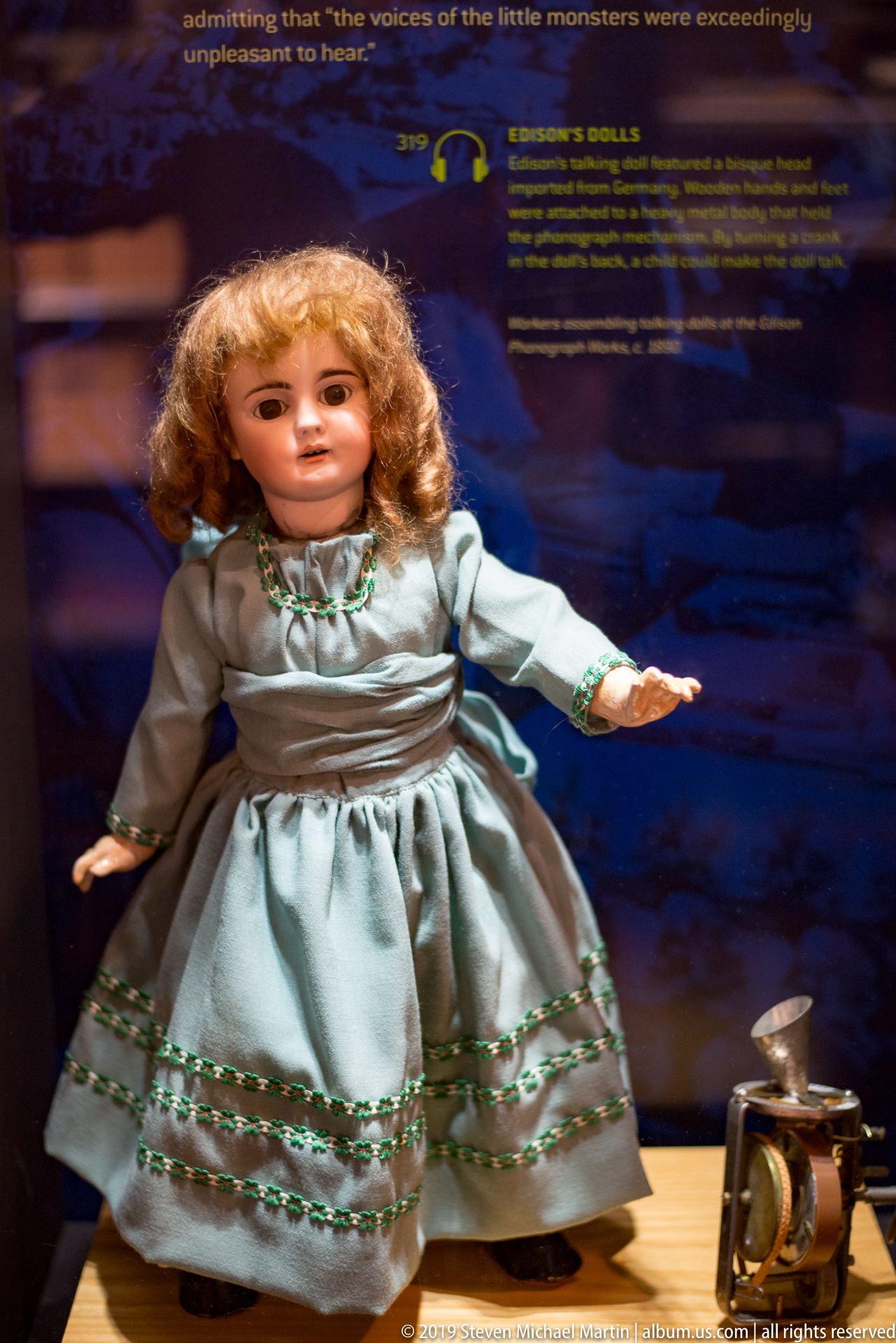
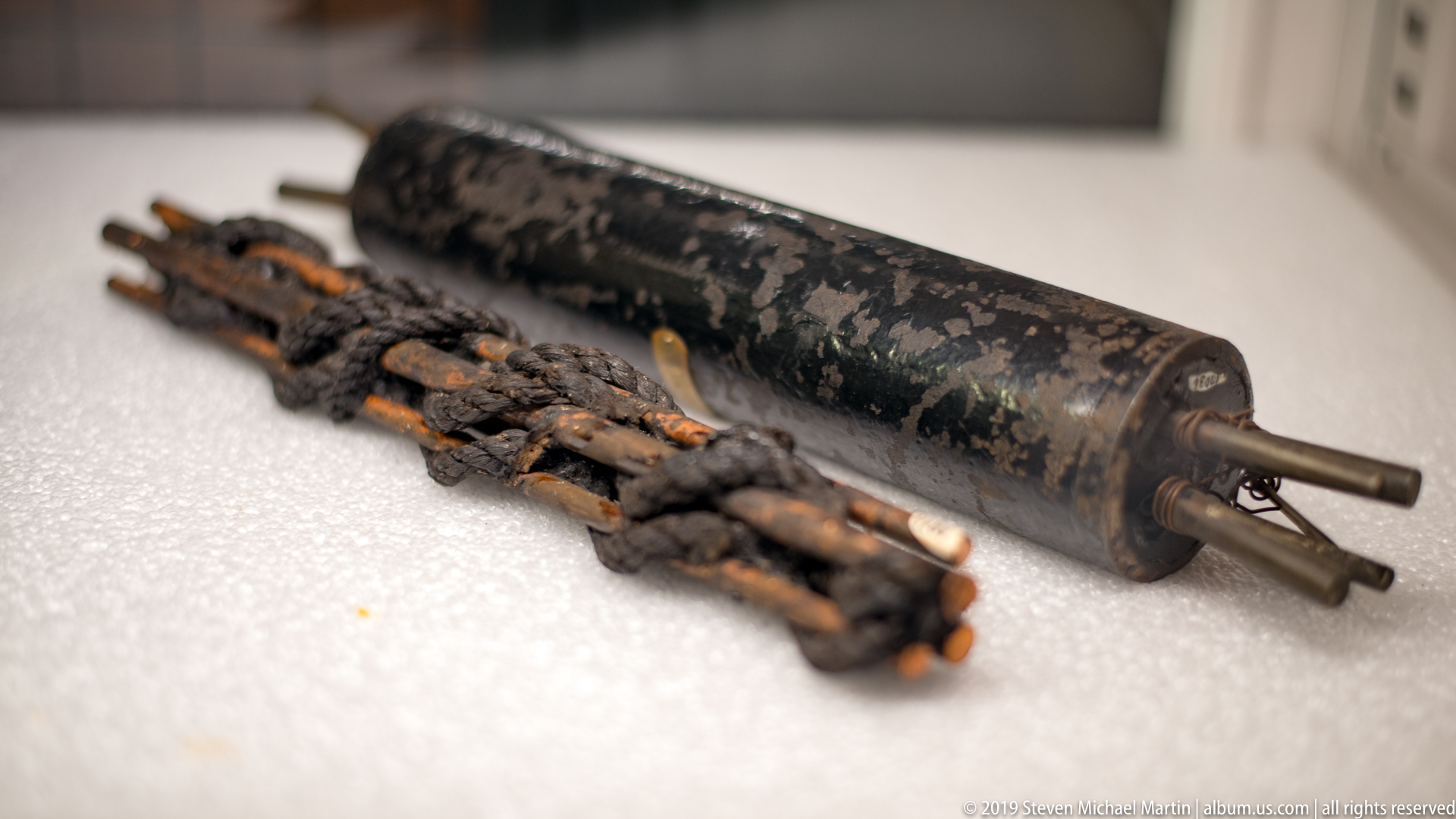
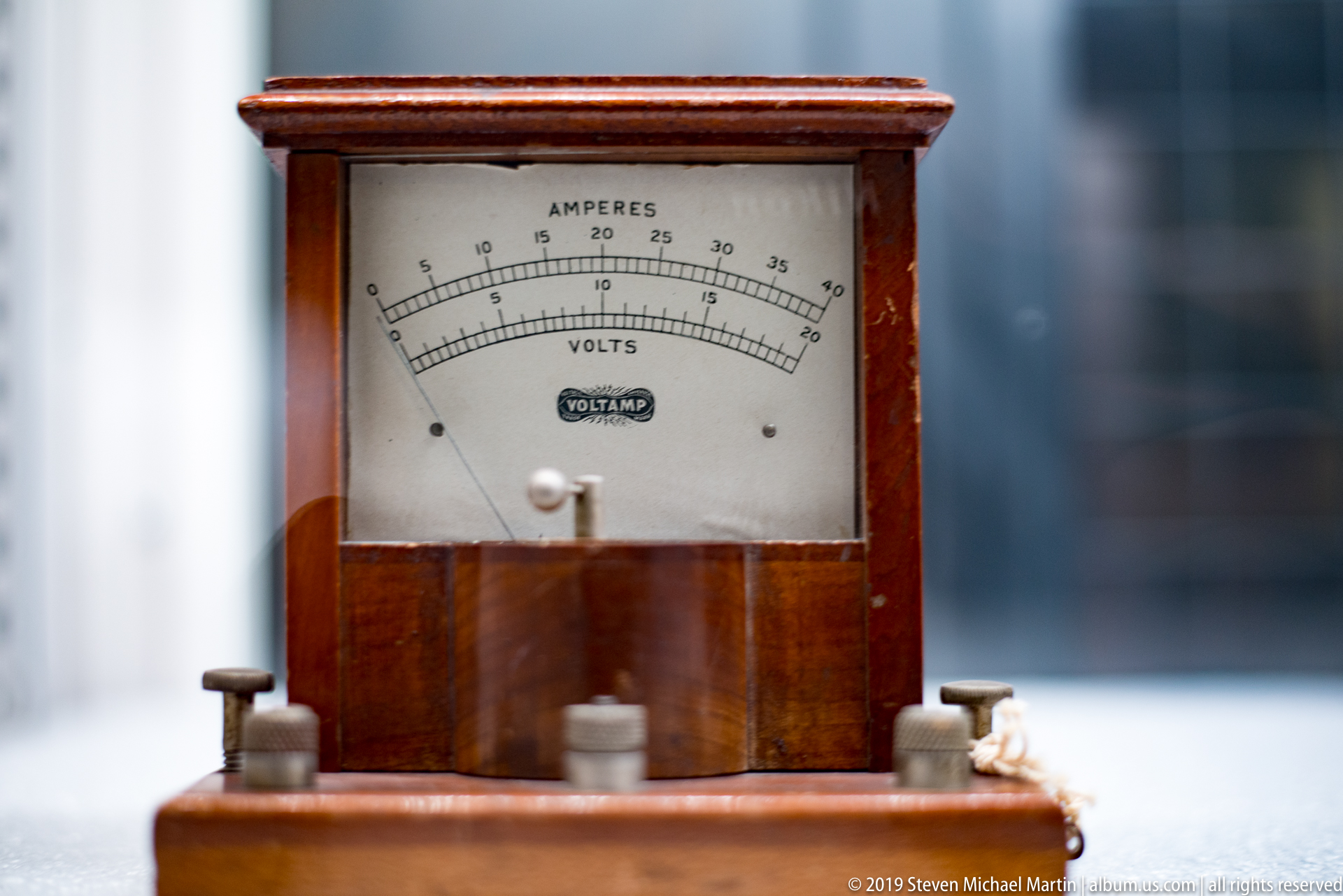
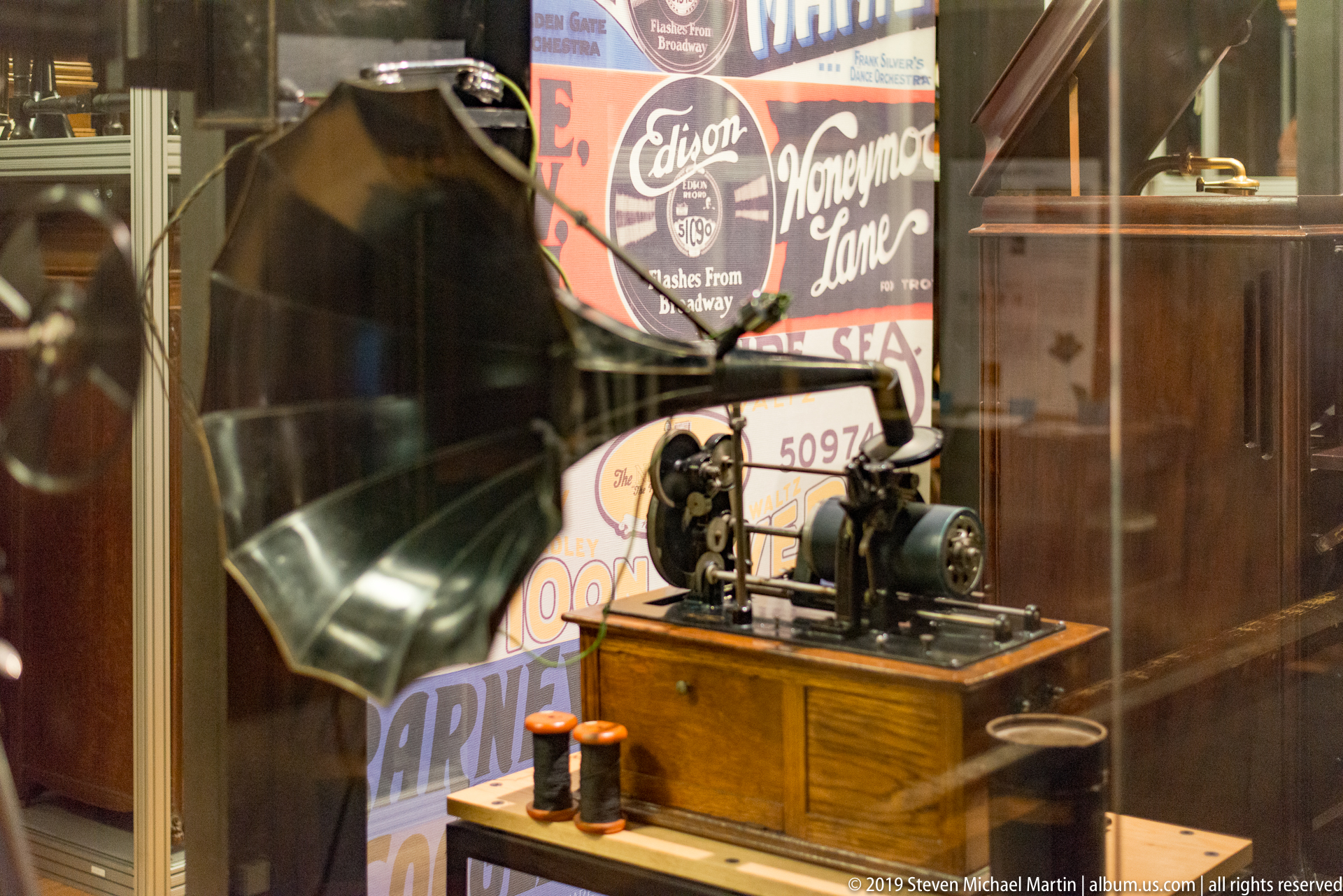
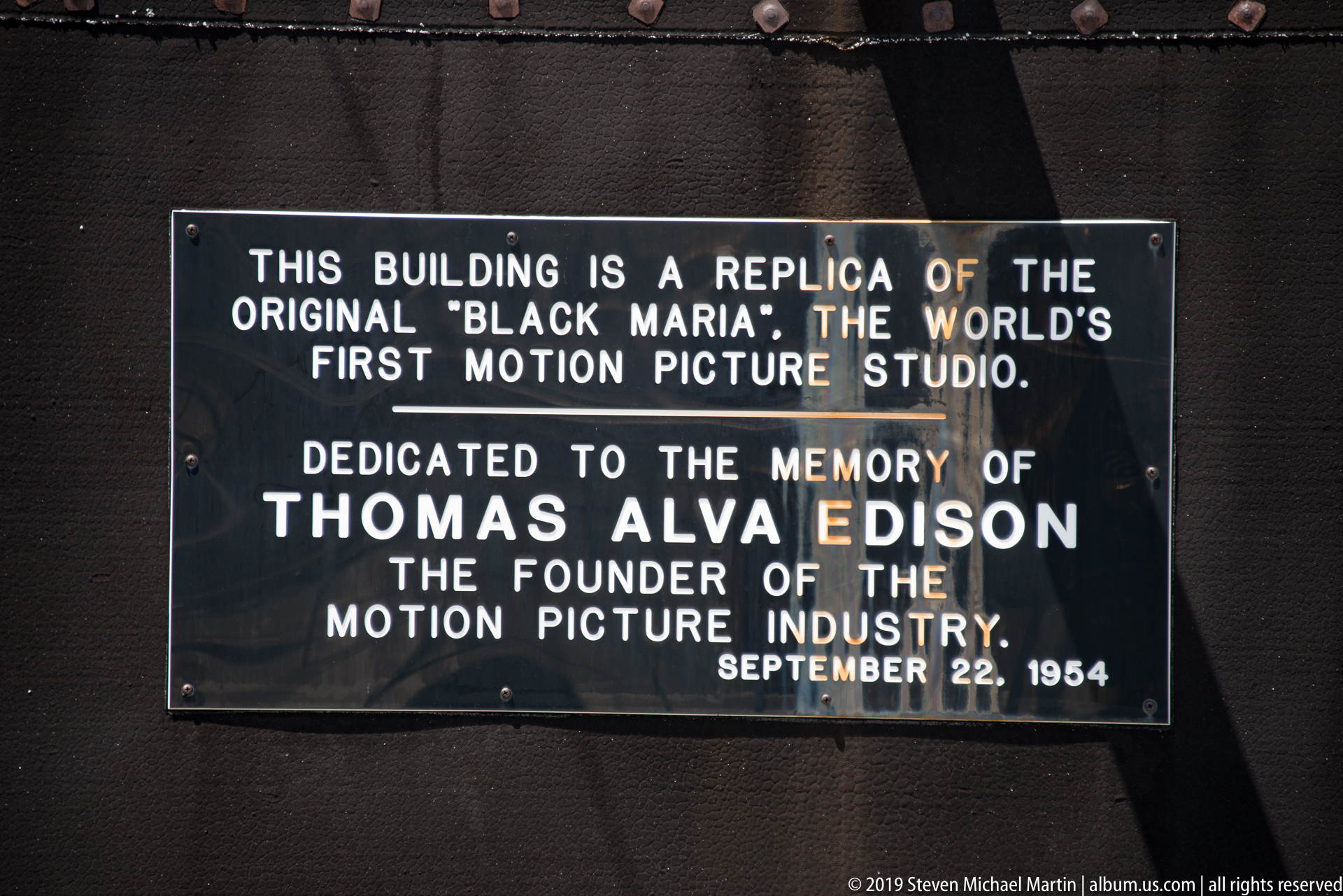
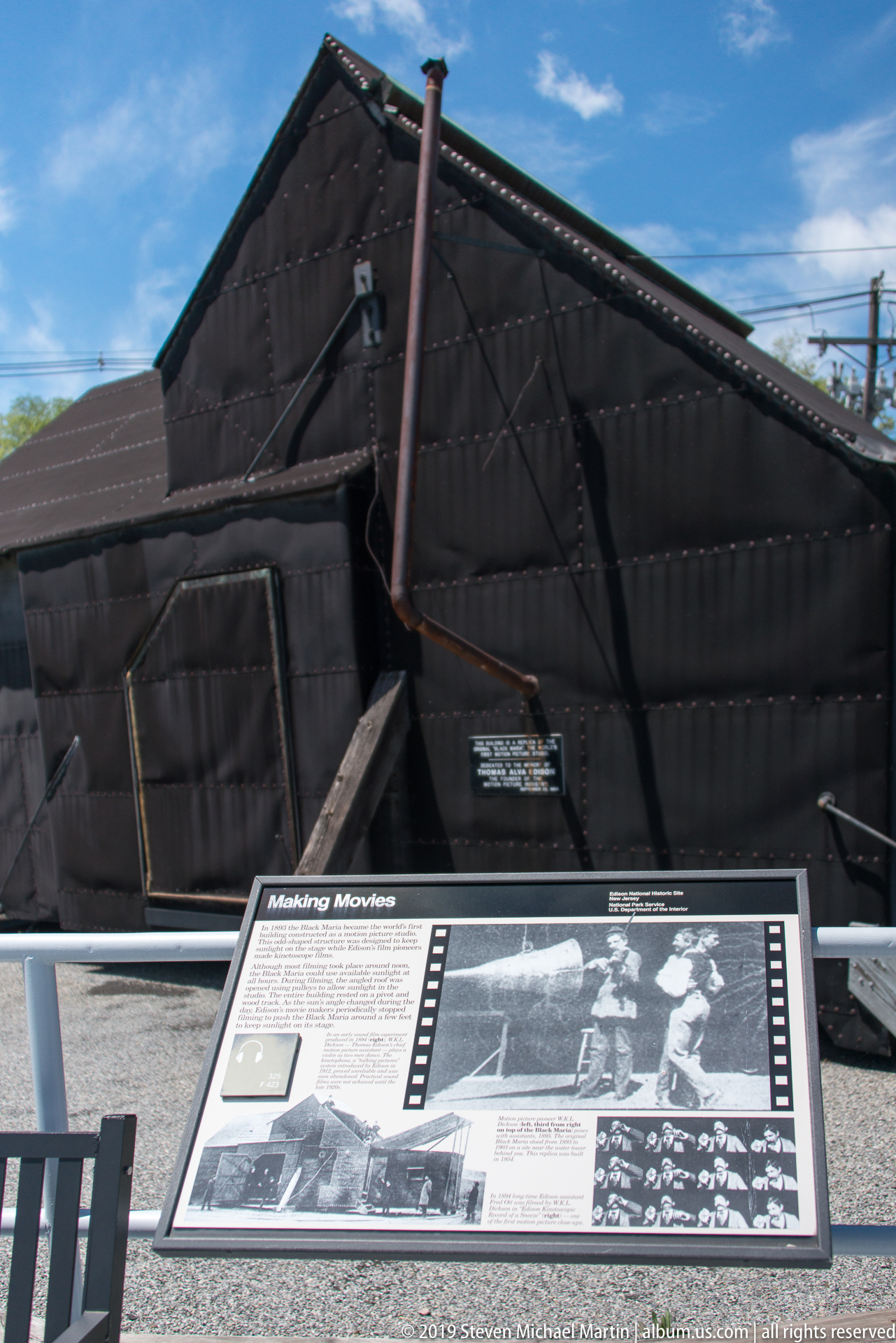
The laboratory complex includes machine shops, testing rooms, and experimental spaces where teams of technicians and craftsmen worked collaboratively to refine inventions that influenced communication, entertainment, and energy production. Developments associated with the site include improvements to the phonograph, advances in motion picture technology, and innovations in electrical storage systems, demonstrating the expanding relationship between scientific research and commercial application during the industrial period.
Thomas Edison National Historical Park contributes to understanding how the organization of research environments transformed the pace and scale of technological change. The preserved buildings illustrate how invention became increasingly structured through collaboration, experimentation, and industrial production. The site reflects the broader transformation of the United States into a technologically driven society shaped by scientific discovery and engineering innovation.