Hampton National Historic Site
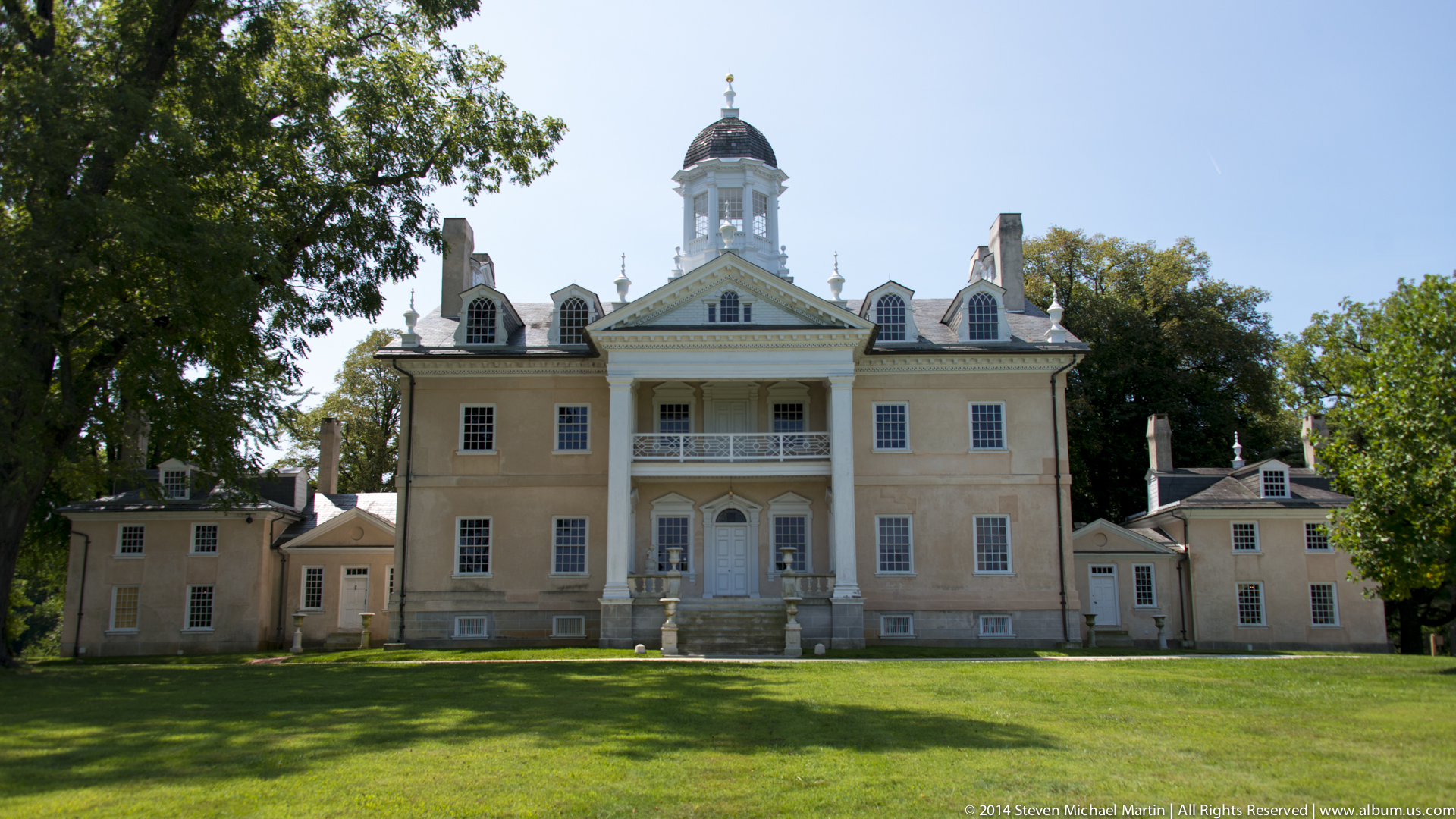
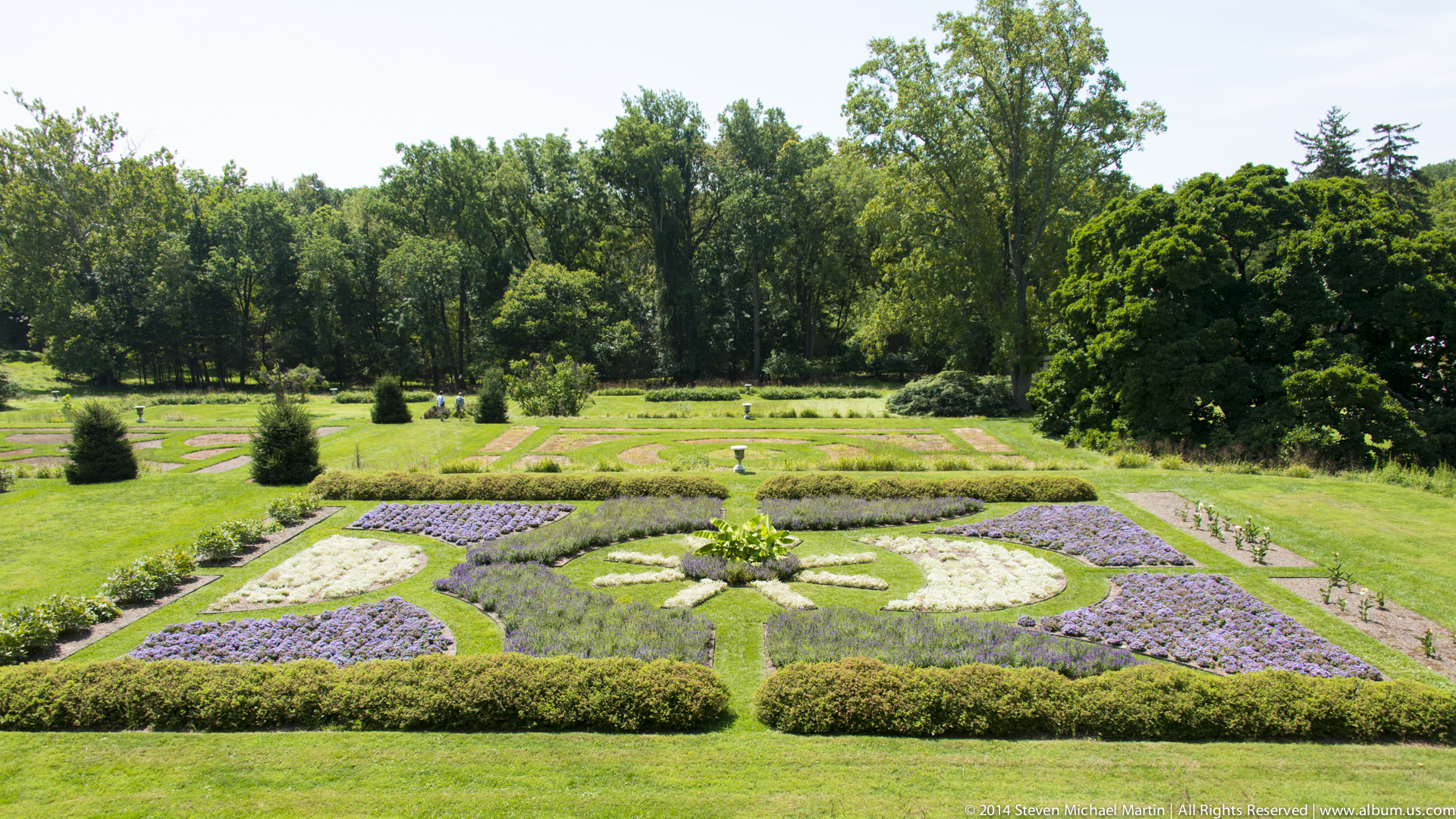
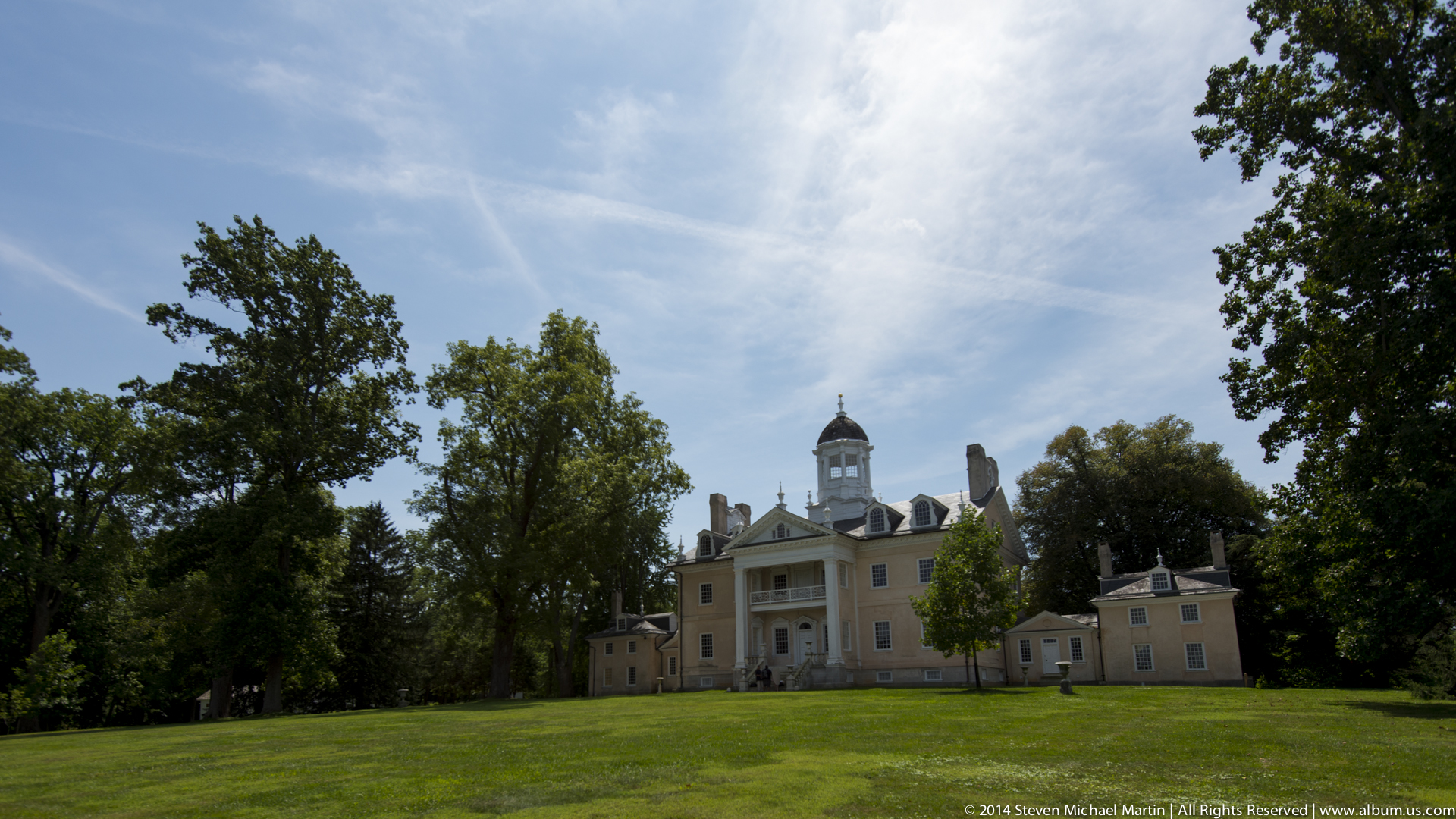
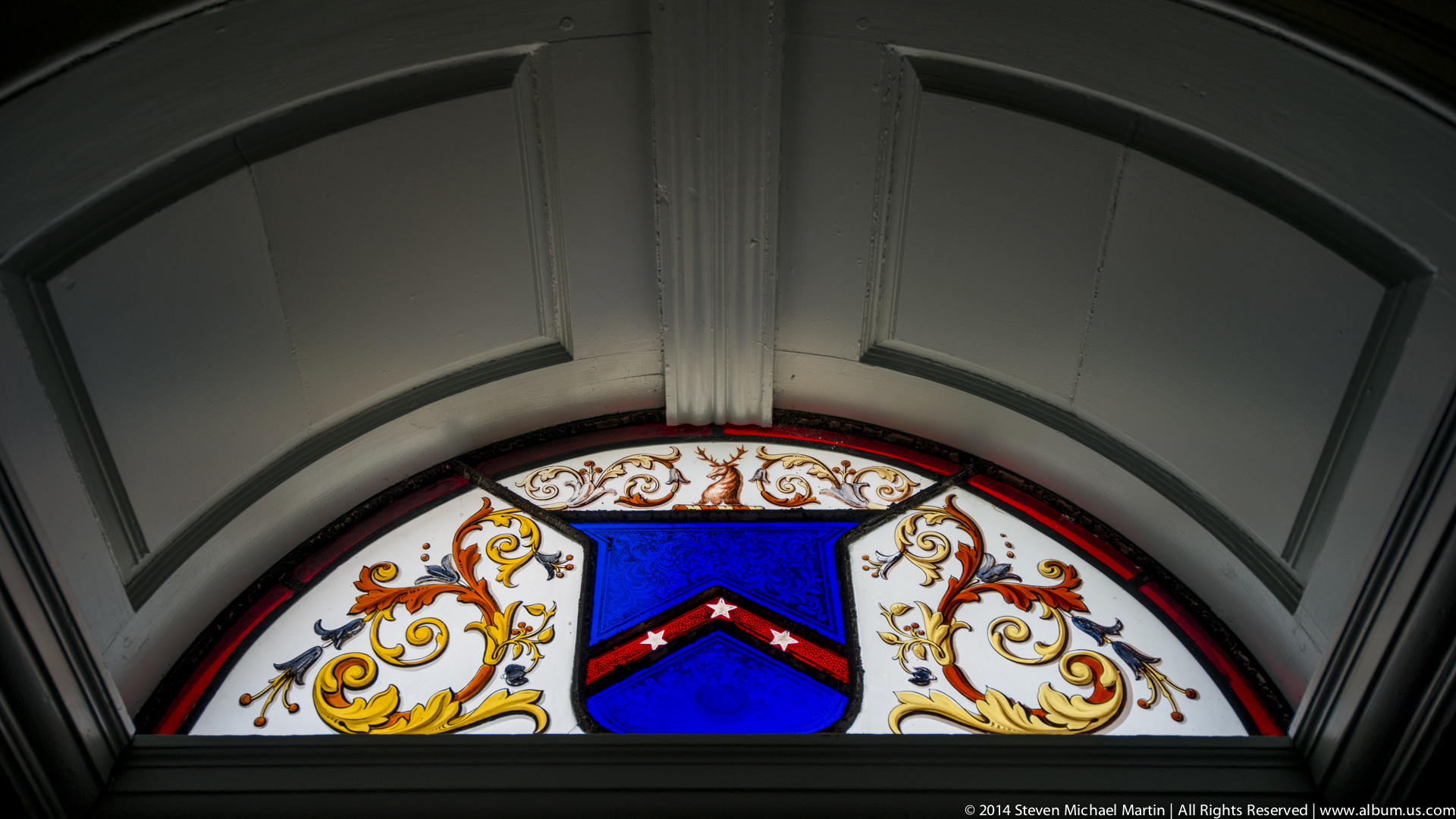
Hampton National Historic Site preserves one of the largest historic estates in the United States, reflecting the agricultural, economic, and social structures that shaped the Chesapeake region during the eighteenth and nineteenth centuries. Established by the Ridgely family in the mid-eighteenth century, the estate included extensive farmland, formal gardens, and a grand Georgian mansion that illustrated the wealth generated through tobacco cultivation, iron production, and other commercial enterprises. The property demonstrates how plantation landscapes functioned as centers of both economic activity and architectural patronage.
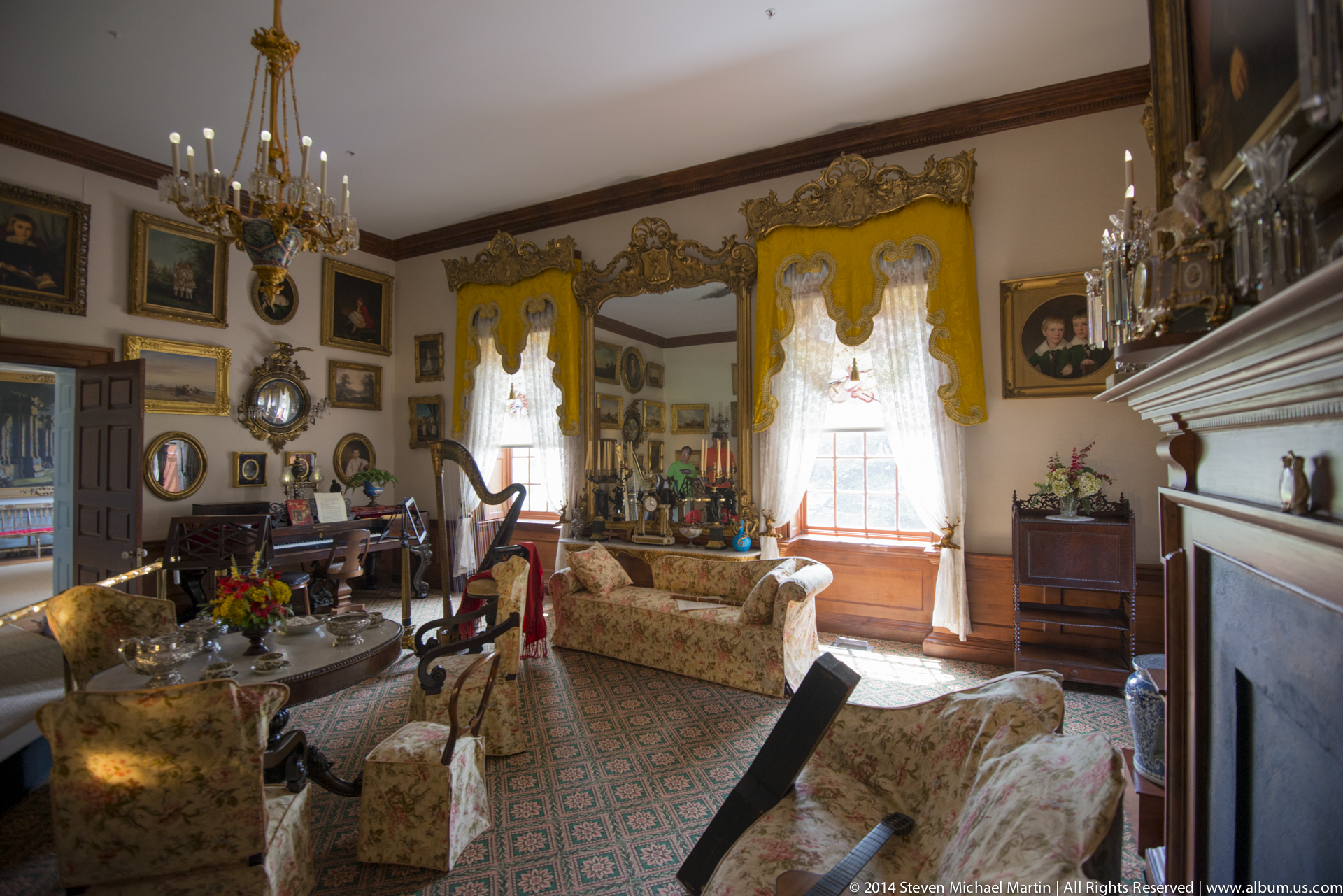
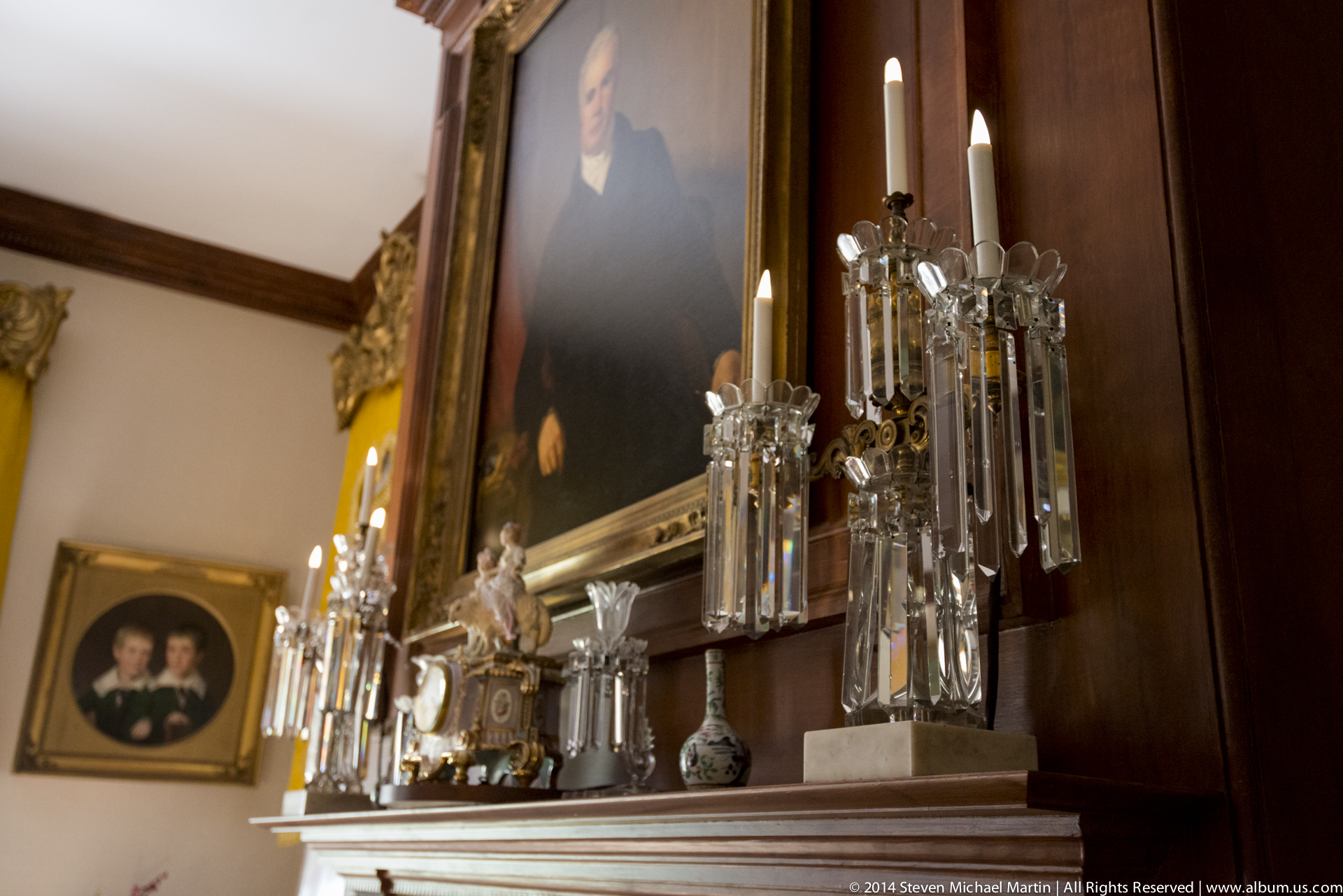
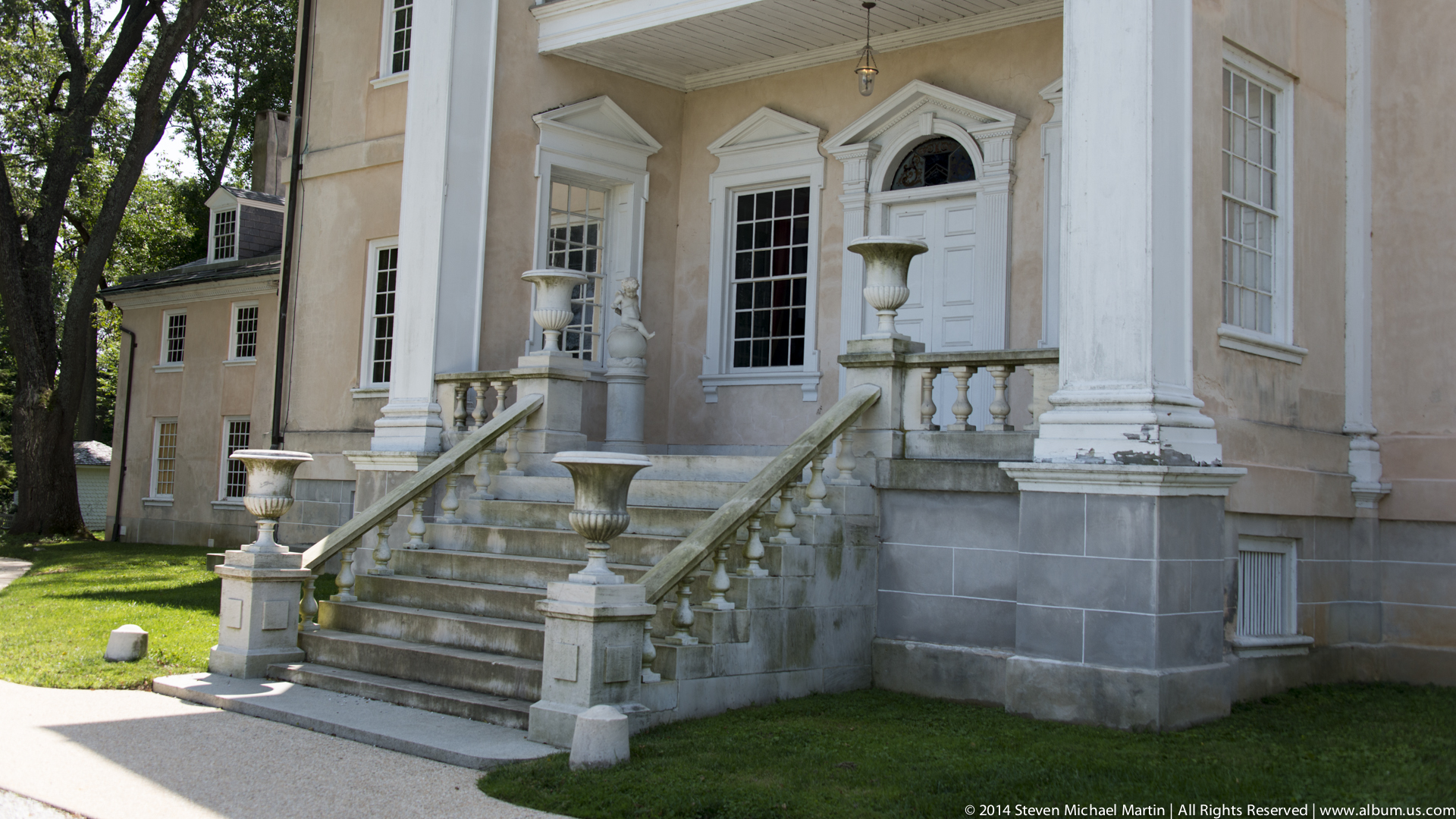
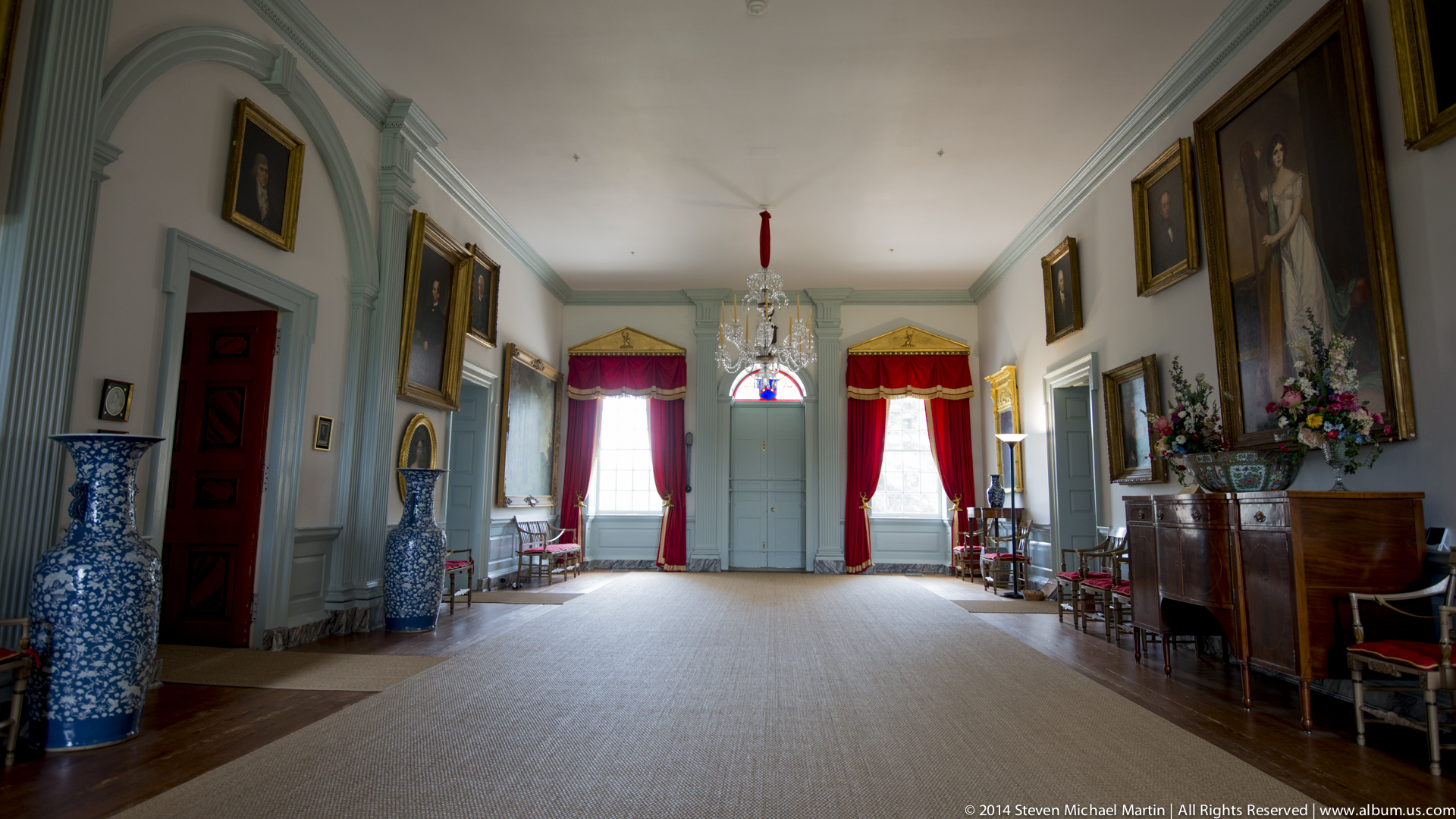
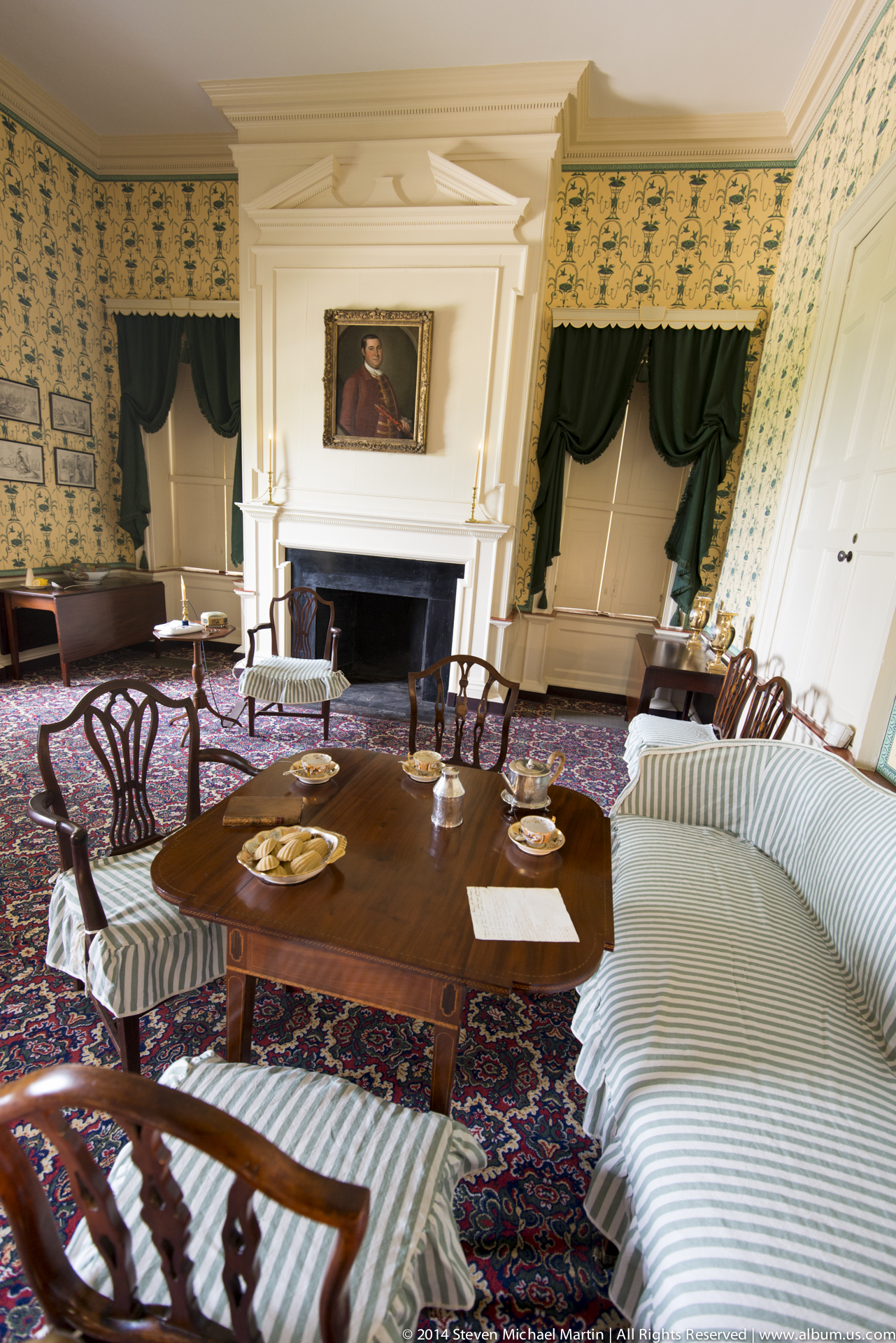
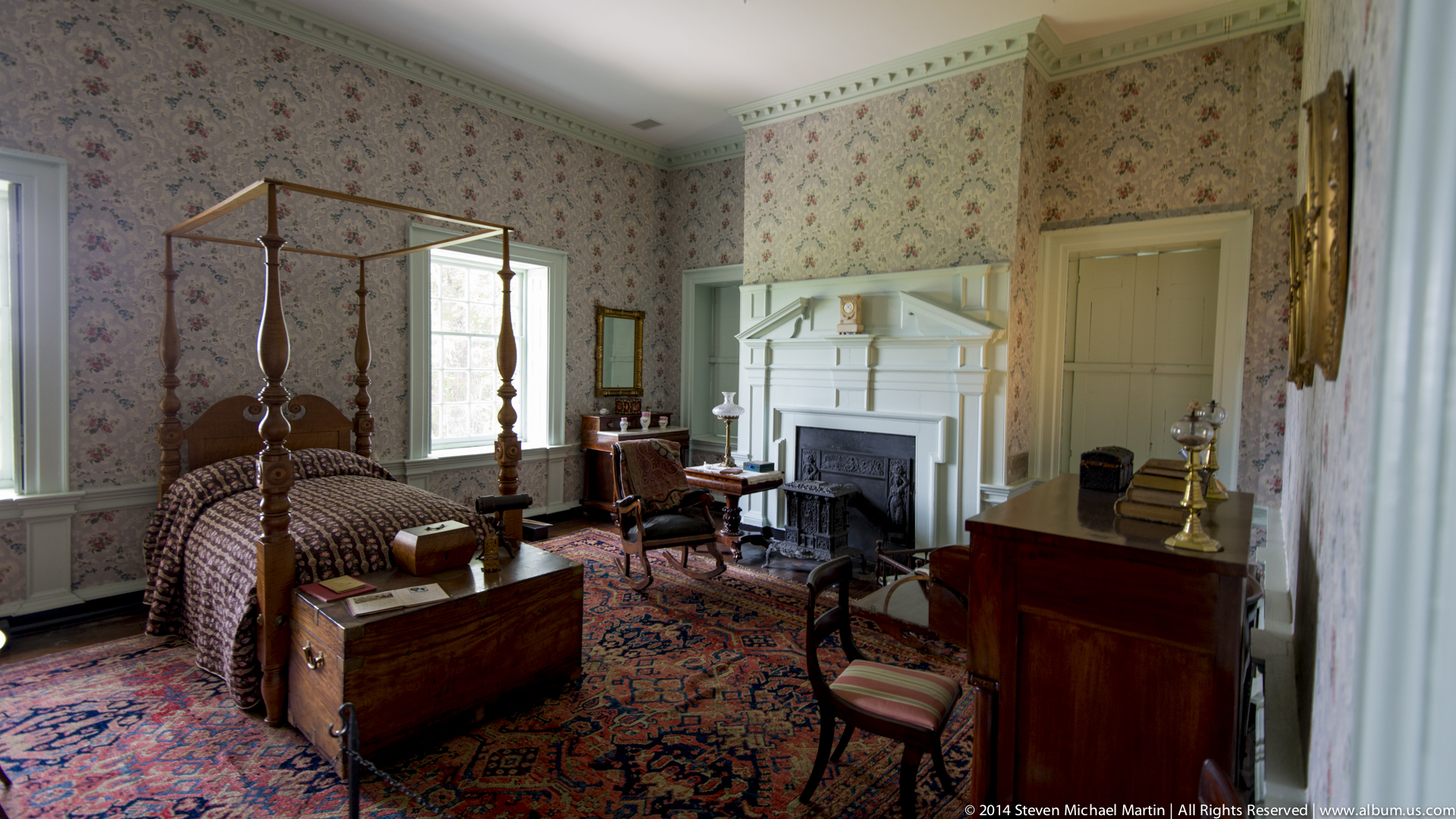
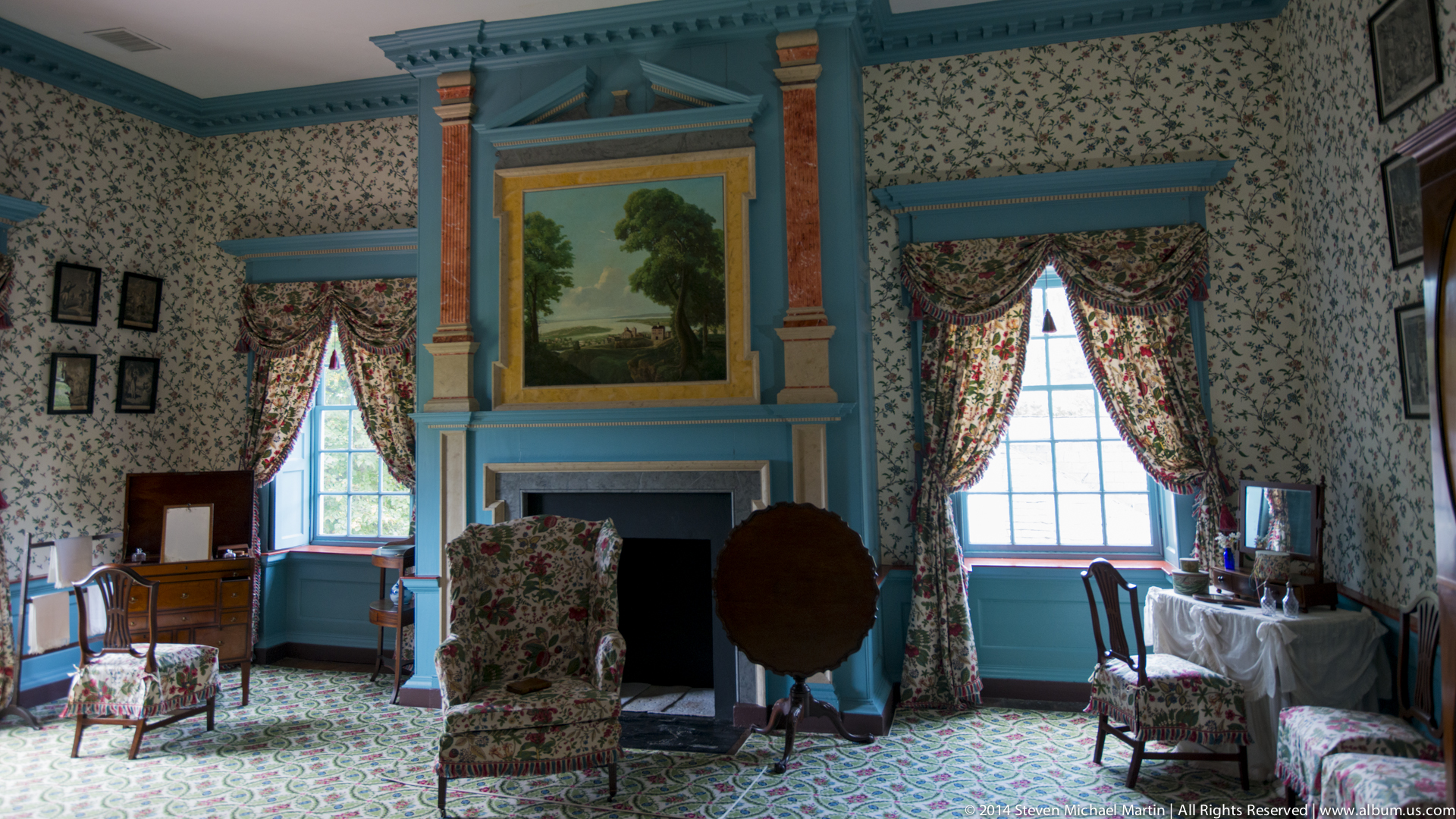
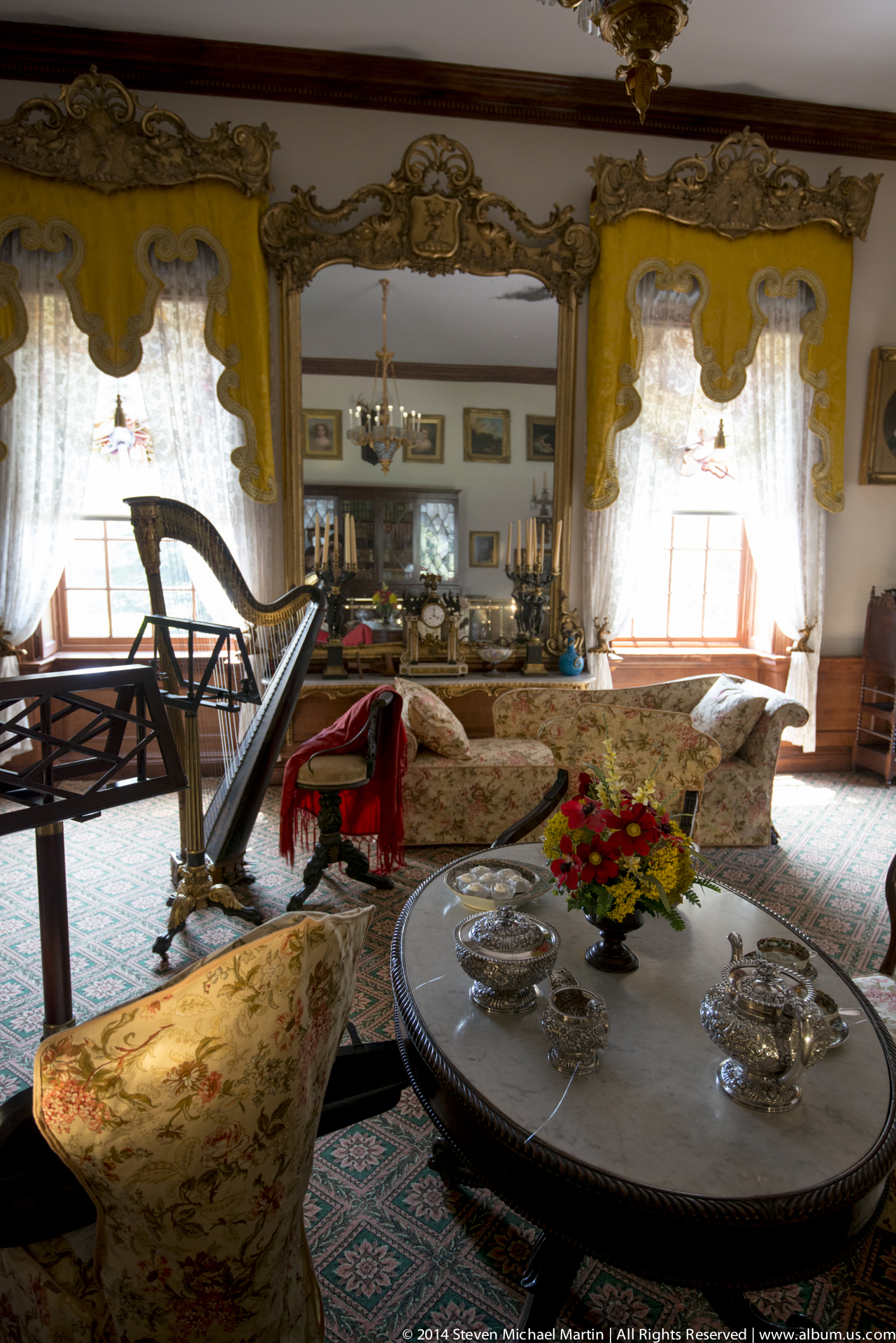
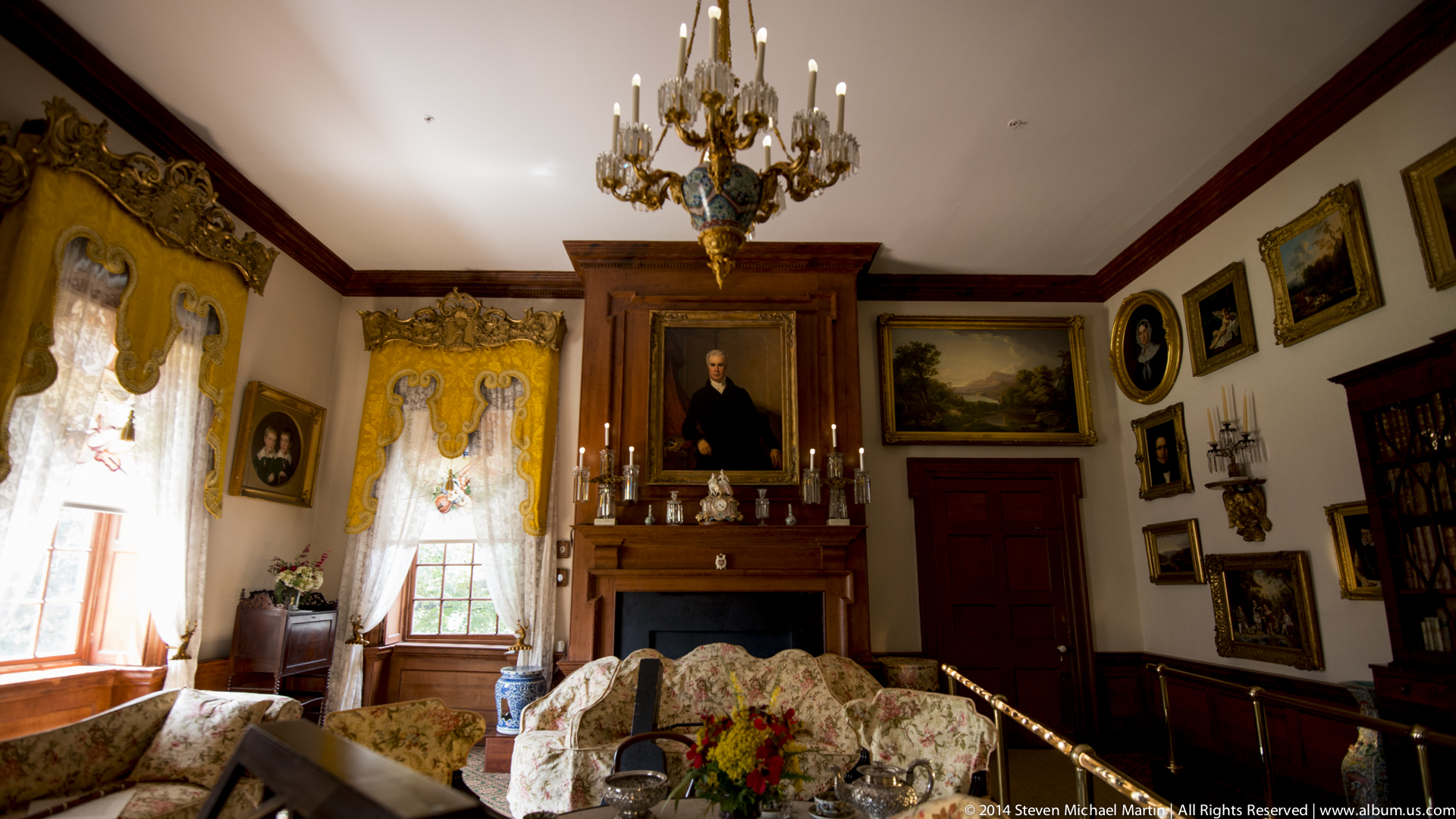
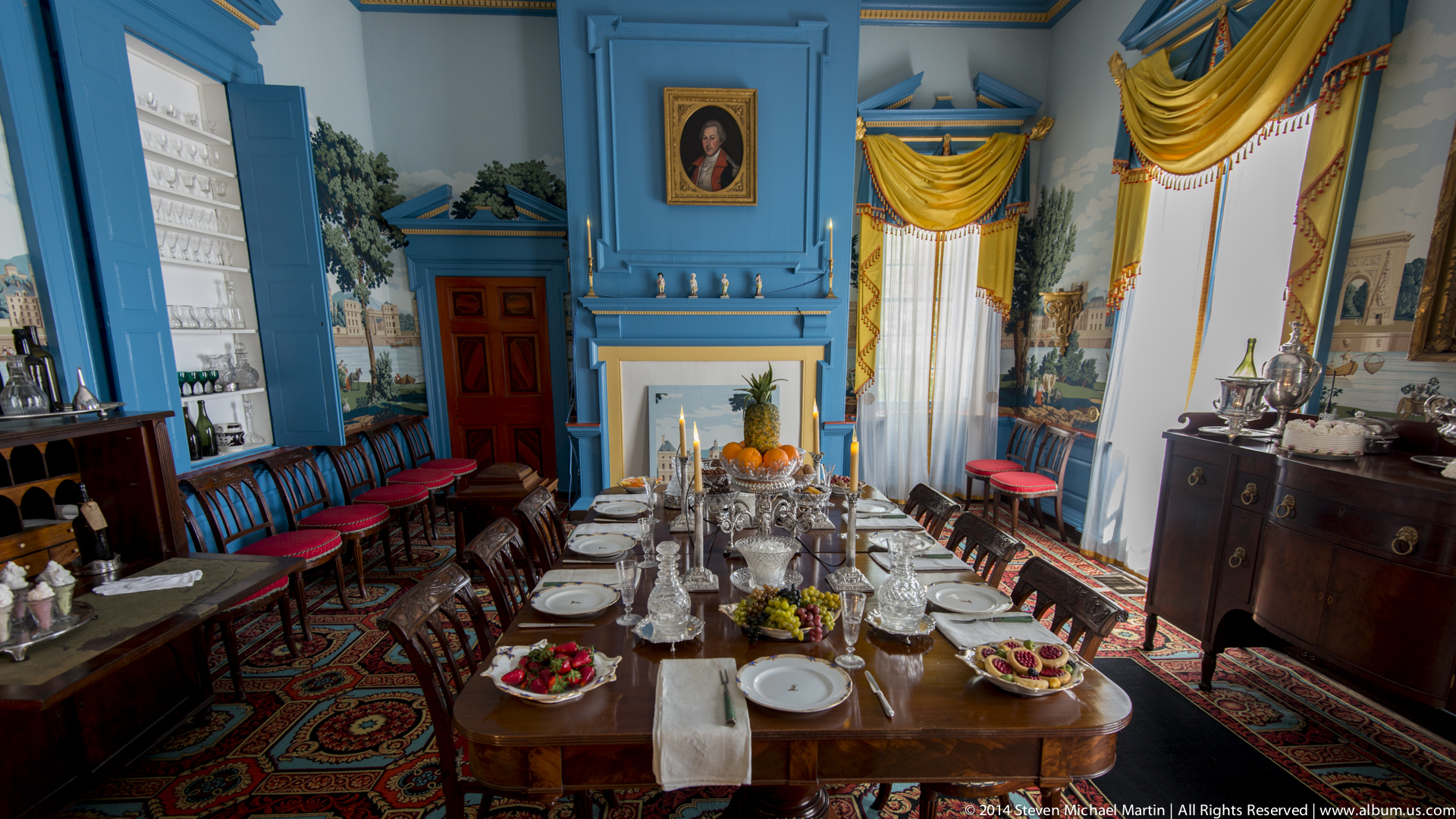
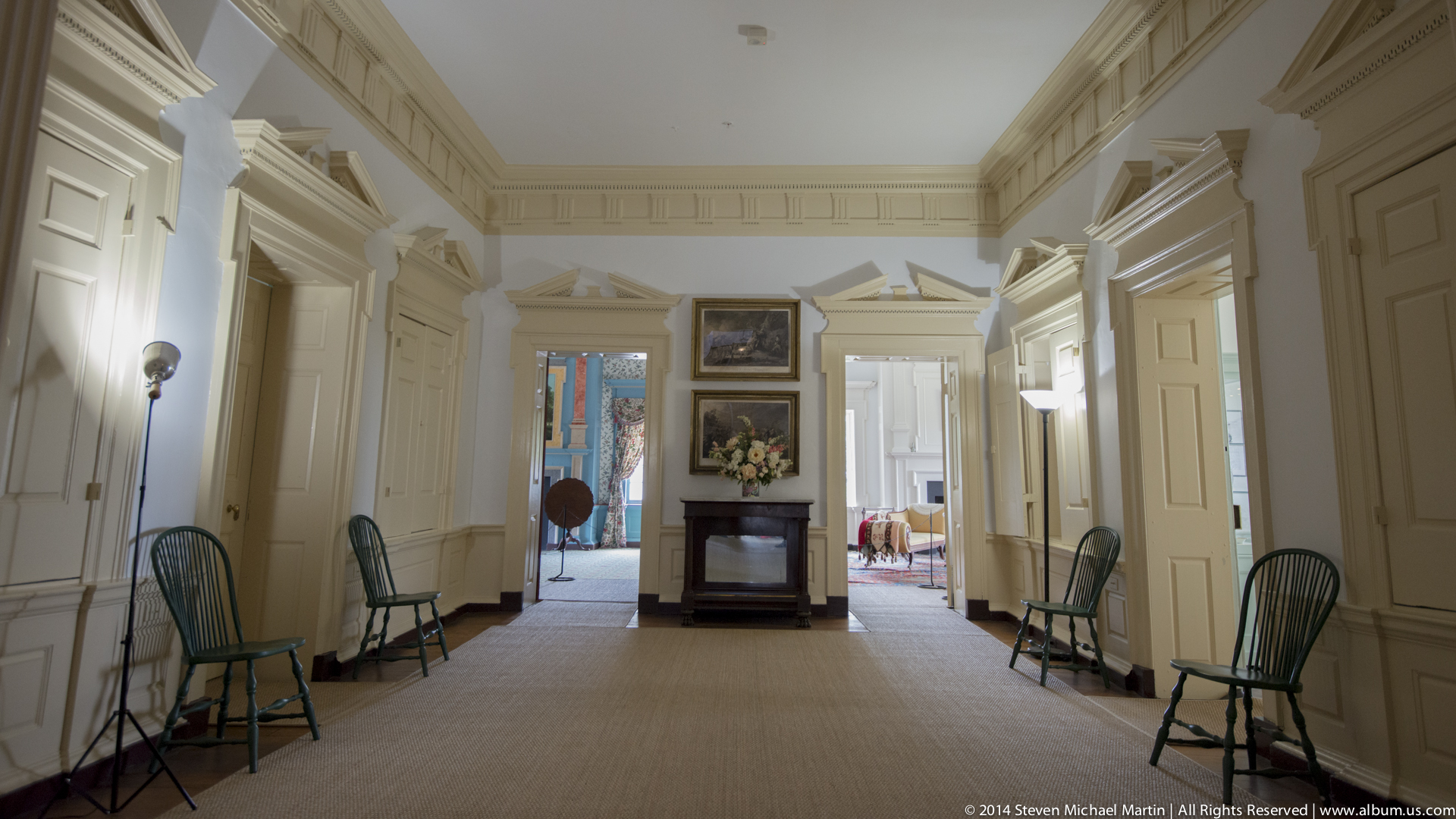
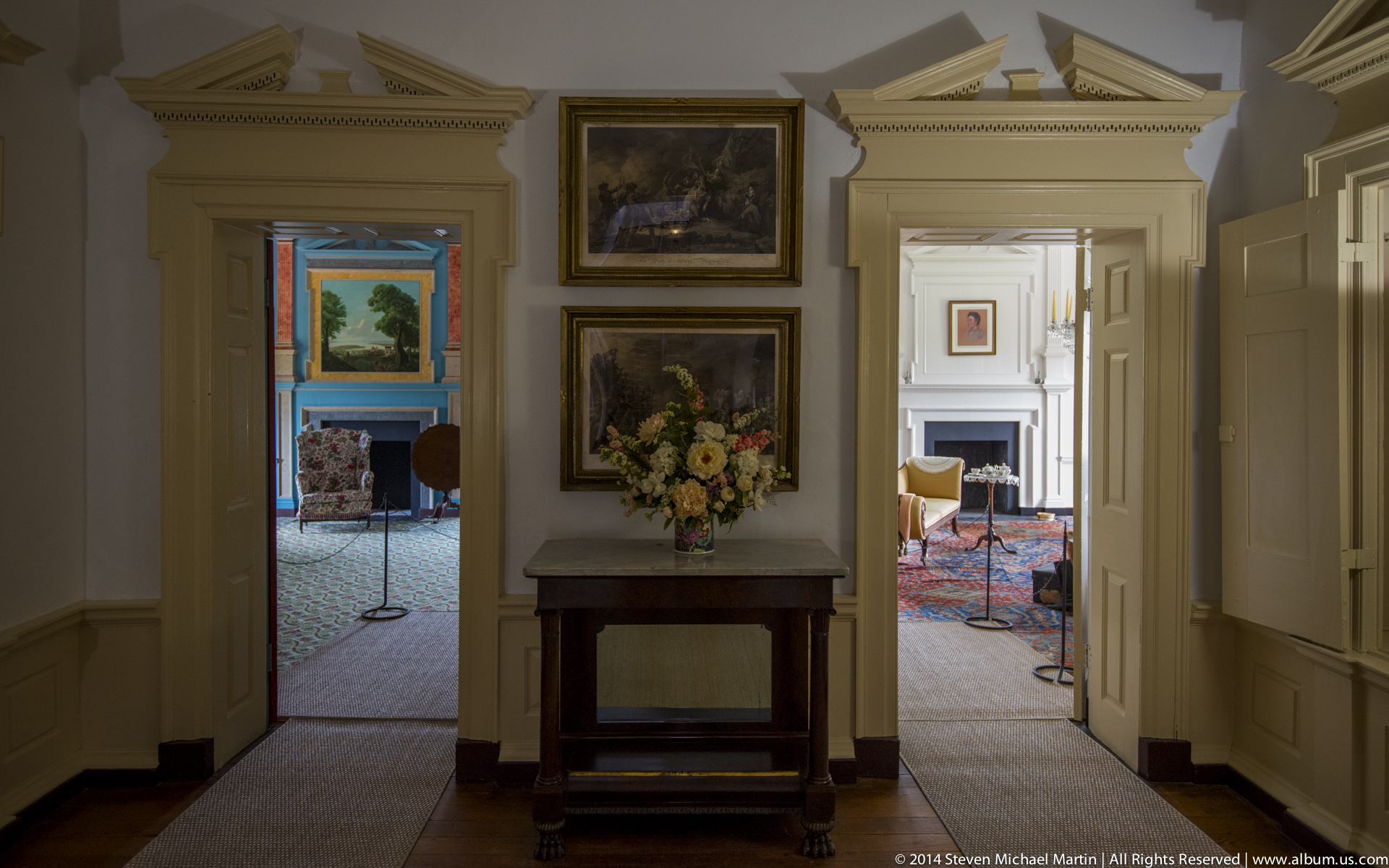
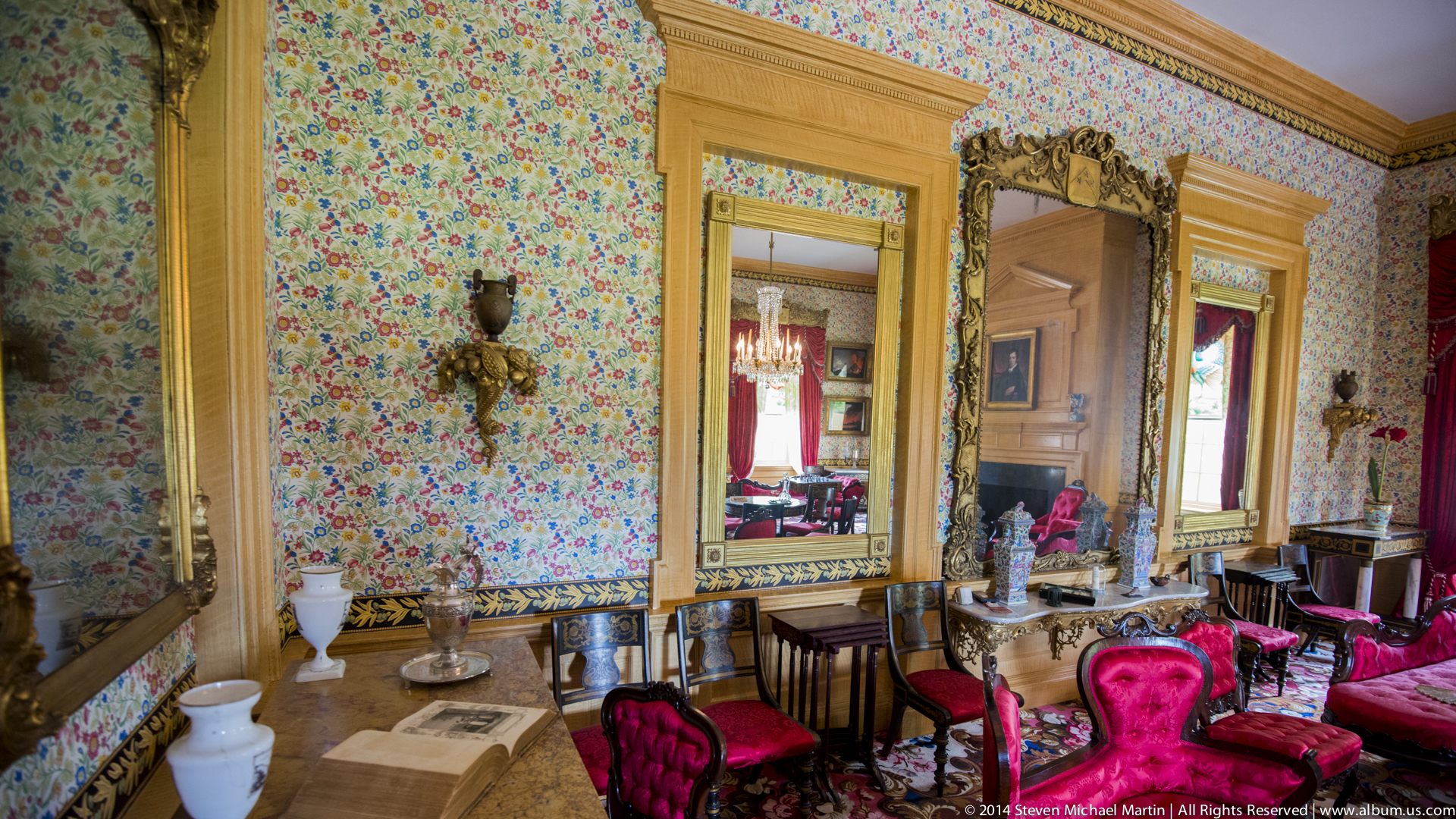
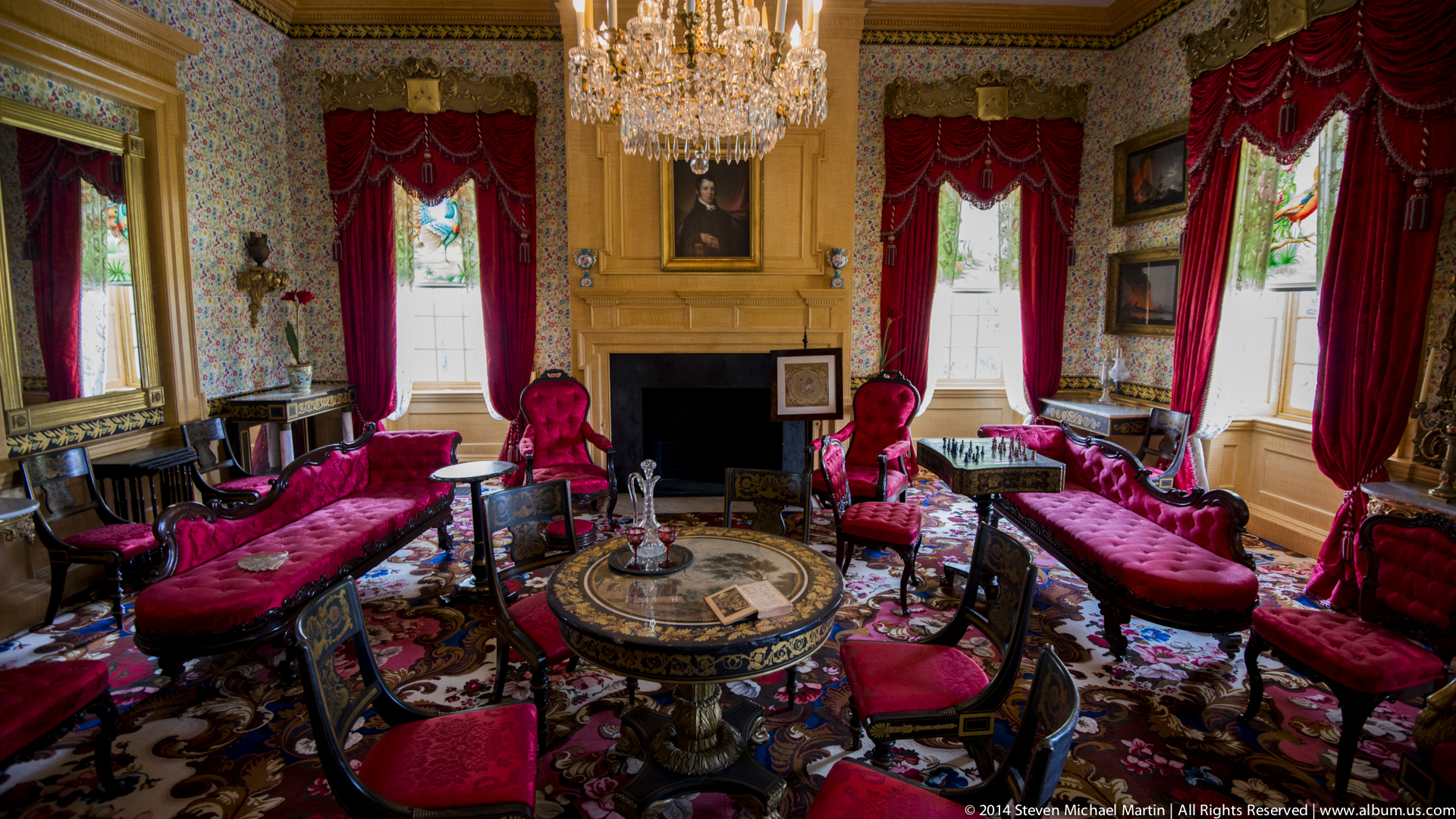
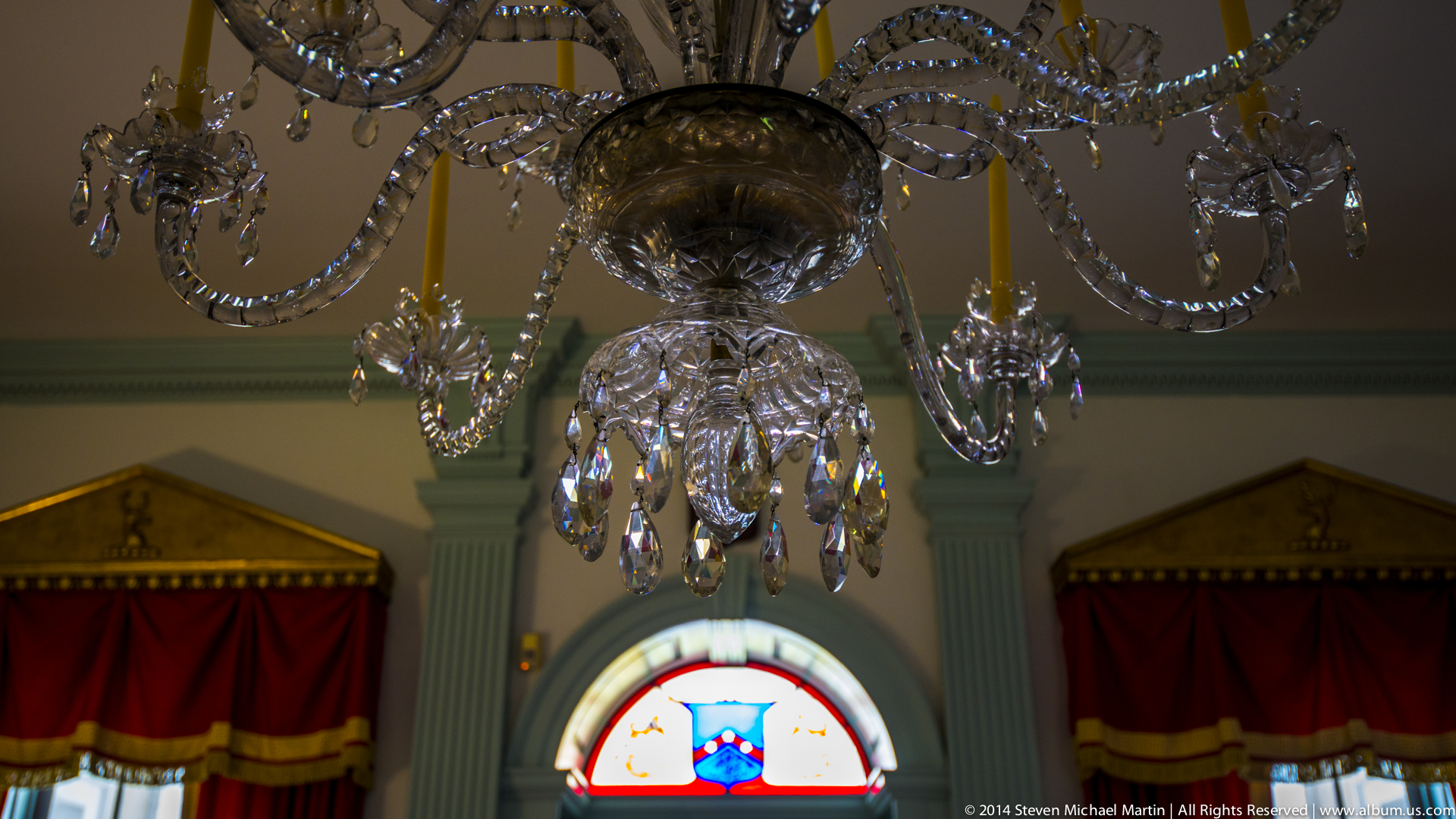
The mansion’s architectural design incorporates classical proportions, formal symmetry, and interior decorative elements associated with elite domestic architecture of the early republic. Surrounding gardens, agricultural fields, and surviving outbuildings illustrate the broader operational landscape of a large estate dependent upon enslaved labor prior to the Civil War. The preservation of Hampton allows interpretation of both the architectural achievements and the complex social history associated with plantation life in the mid-Atlantic.
Hampton contributes to understanding the interconnected economic and social systems that shaped early American society. The estate illustrates the relationship between agricultural production, architectural expression, and evolving patterns of land ownership in the Chesapeake region. Its preservation provides insight into how landscapes associated with wealth and labor reflect broader historical developments that influenced the formation of the United States.