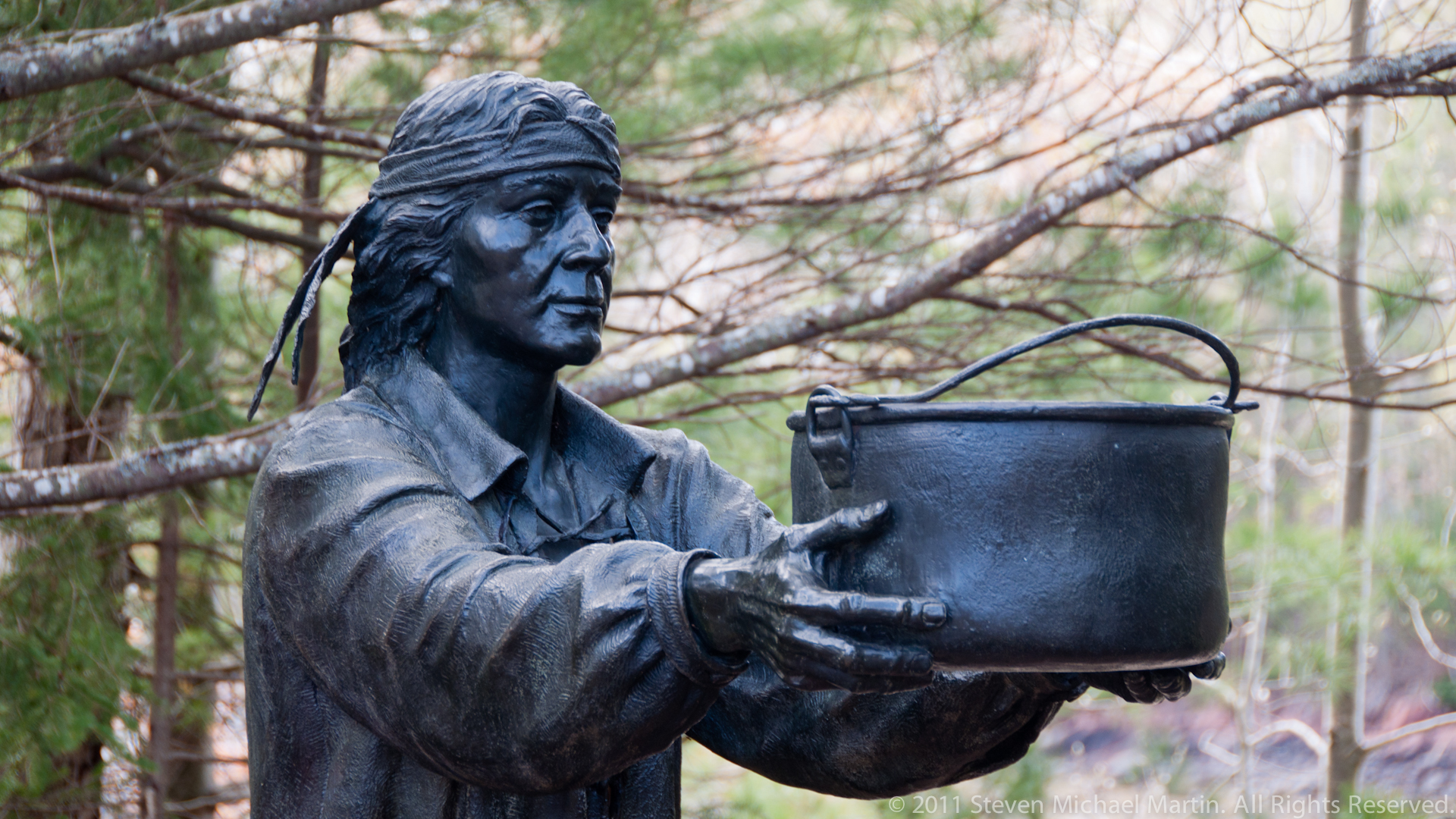
Fire Island — The Pines The Pines is a residential community located within Fire Island National Seashore, a protected barrier island environment established in 1964 to preserve coastal ecosystems and maritime landscapes along the southern shore of Long Island. The island’s elongated form, extending approximately 30 miles, reflects the accumulation of sand transported by ocean […]
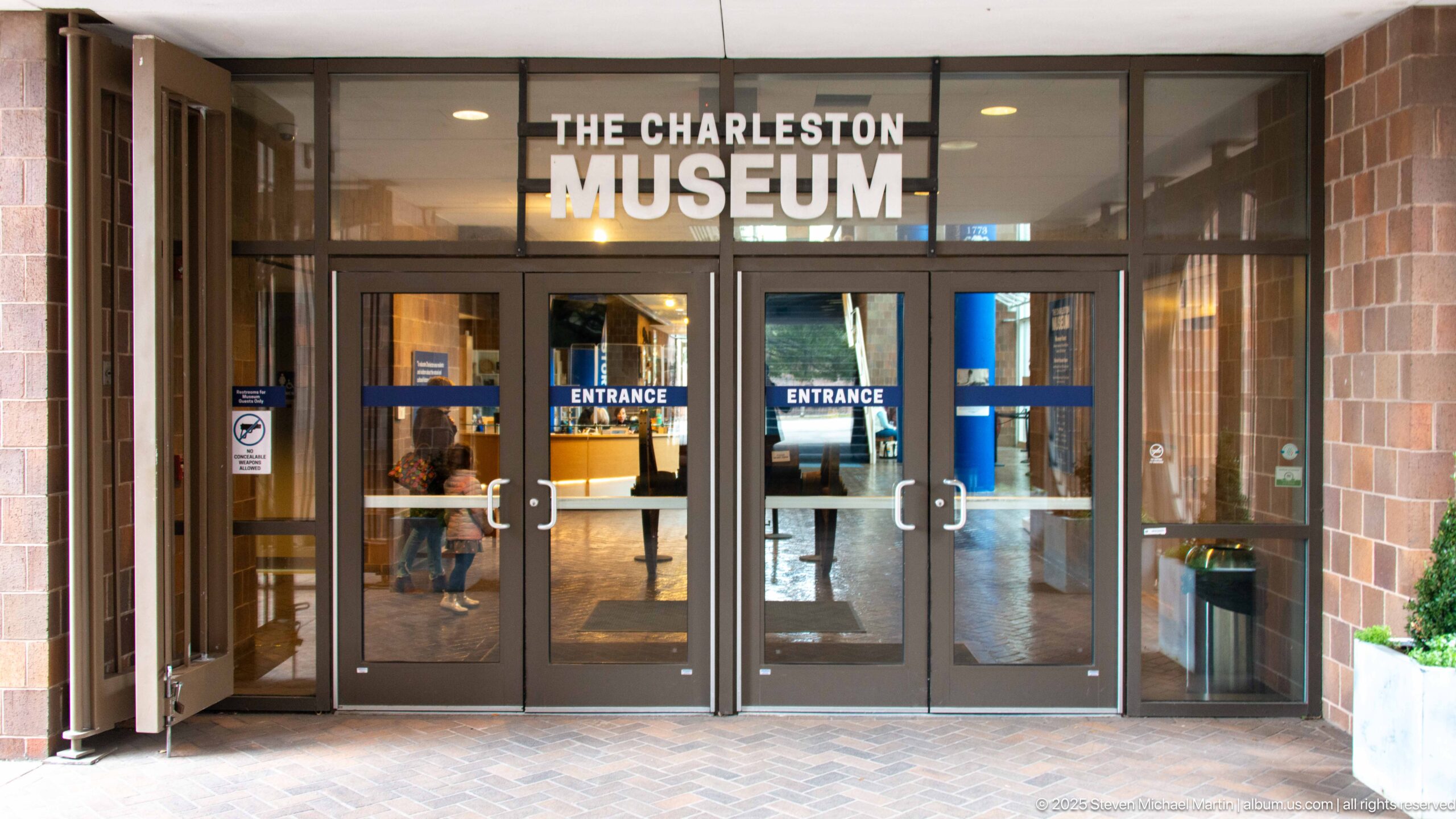
Charleston Museum The Charleston Museum, founded in 1773, is widely recognized as the oldest museum in the United States and reflects early efforts to collect and interpret natural history, cultural artifacts, and regional heritage in the American colonies. Located within the historic district of Charleston, the institution developed during a period of growing interest in […]
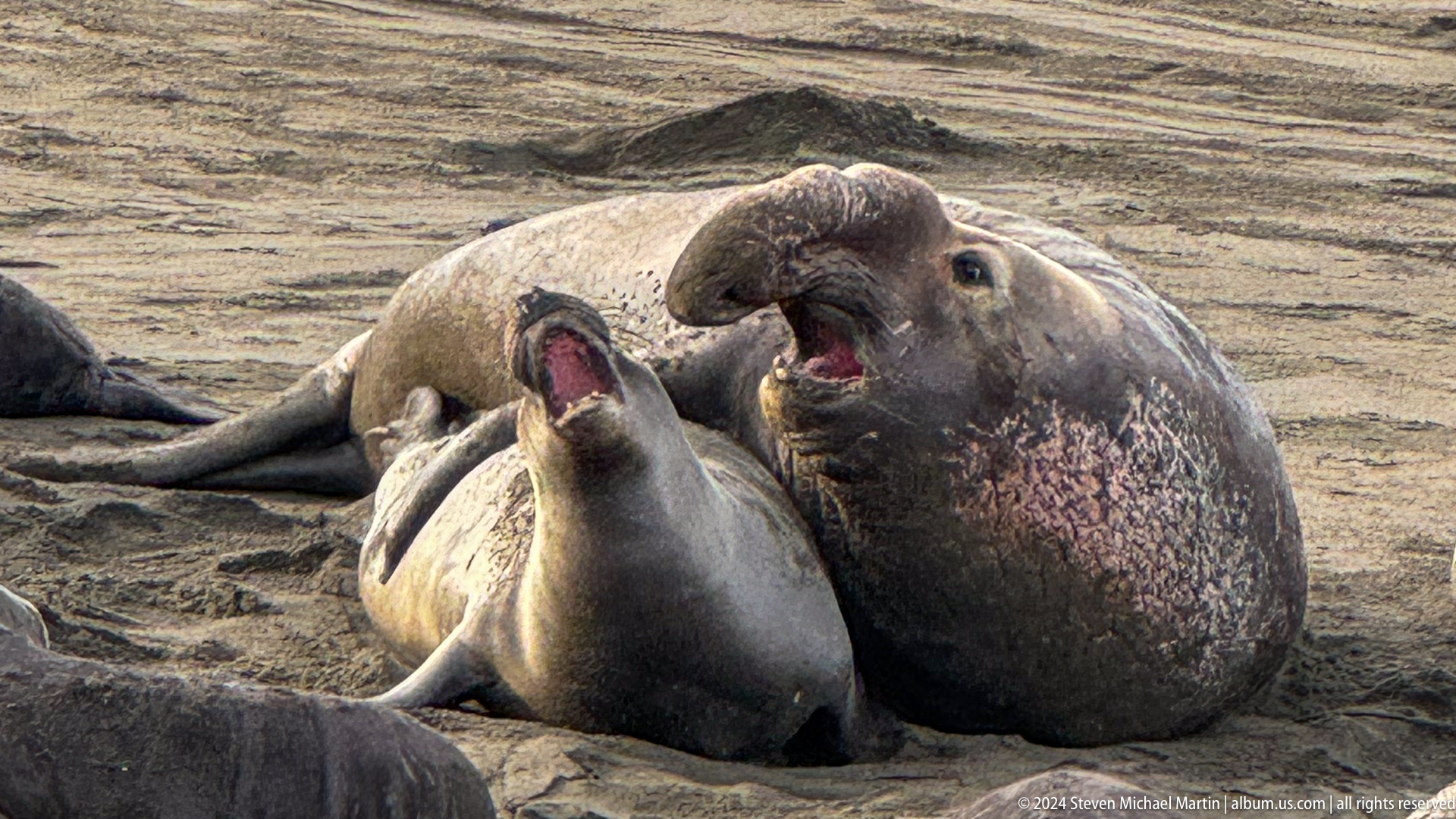
California Coastal National Monument The California Coastal National Monument protects thousands of offshore rocks, reefs, and small islands extending along the entire length of California’s Pacific shoreline. These isolated formations support seabirds, marine mammals, and coastal ecosystems shaped by tectonic uplift, ocean currents, and long-term erosion along the Pacific margin. Although much of the monument […]
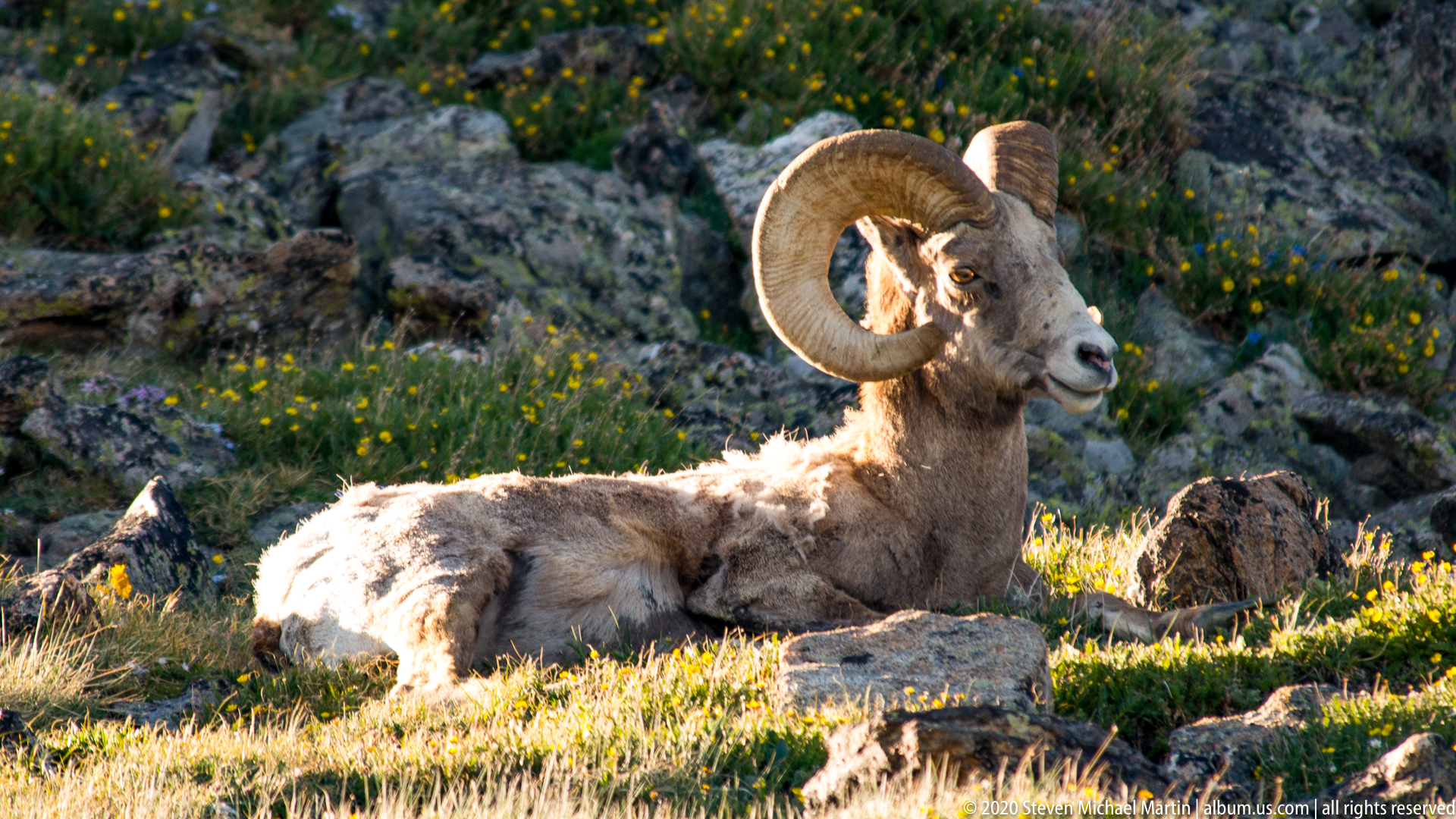
Alpine Meadows – Rocky Mountain National Park Alpine meadows within Rocky Mountain National Park preserve high elevation tundra environments shaped by cold temperatures, strong winds, and short growing seasons. Vegetation in these areas adapts to harsh climatic conditions, producing low-growing plants that can survive exposure to snow and wind. The meadows illustrate the ecological influence […]
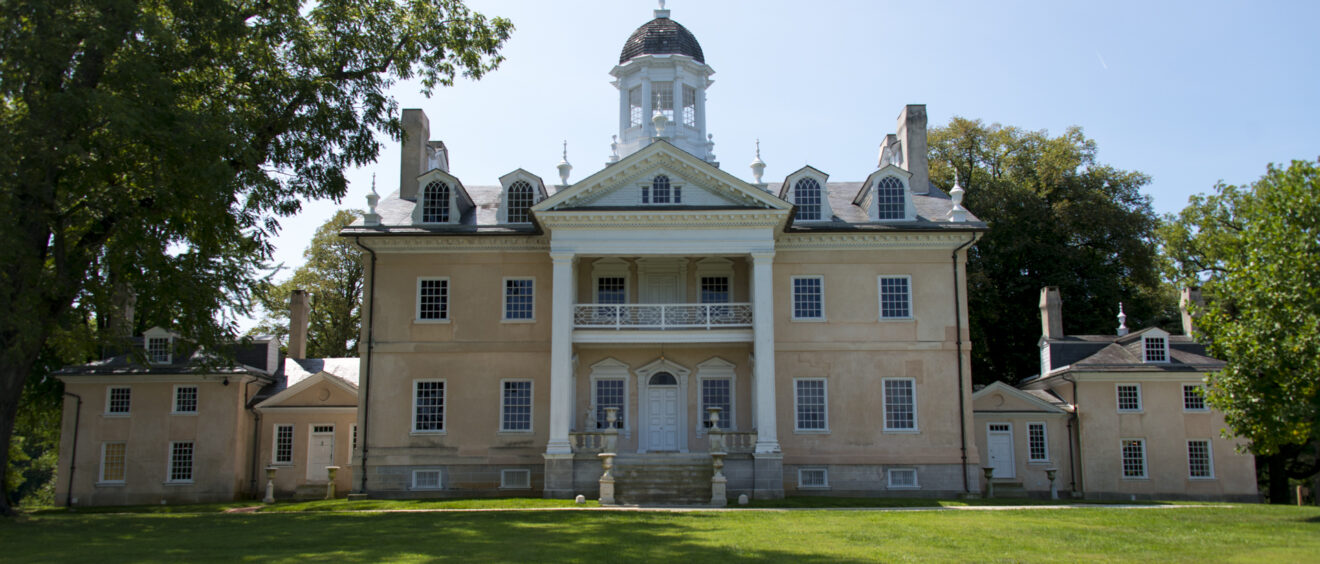
Hampton National Historic Site Hampton National Historic Site preserves one of the largest historic estates in the United States, reflecting the agricultural, economic, and social structures that shaped the Chesapeake region during the eighteenth and nineteenth centuries. Established by the Ridgely family in the mid-eighteenth century, the estate included extensive farmland, formal gardens, and a […]
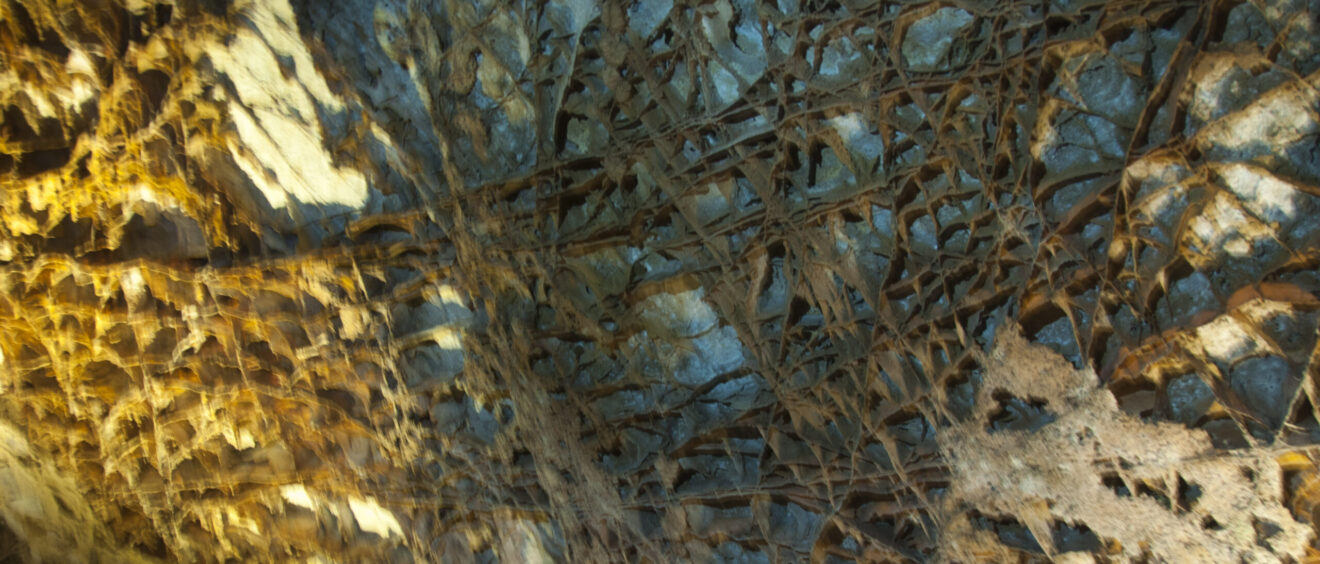
Wind Cave National Park Wind Cave National Park preserves one of the longest cave systems in the world, notable for rare boxwork formations created by mineral deposits within cracks in the limestone bedrock. The cave developed as groundwater dissolved soluble rock layers, gradually forming underground chambers and passageways. Unique mineral structures illustrate geological processes that […]
Saint Croix Island International Historic Site Saint Croix Island International Historic Site commemorates one of the earliest European settlements in northern North America, established in 1604 by French explorers including Pierre Dugua and Samuel Champlain. The island lies within the Saint Croix River, which today forms part of the boundary between the United States and […]