
California Coastal National Monument
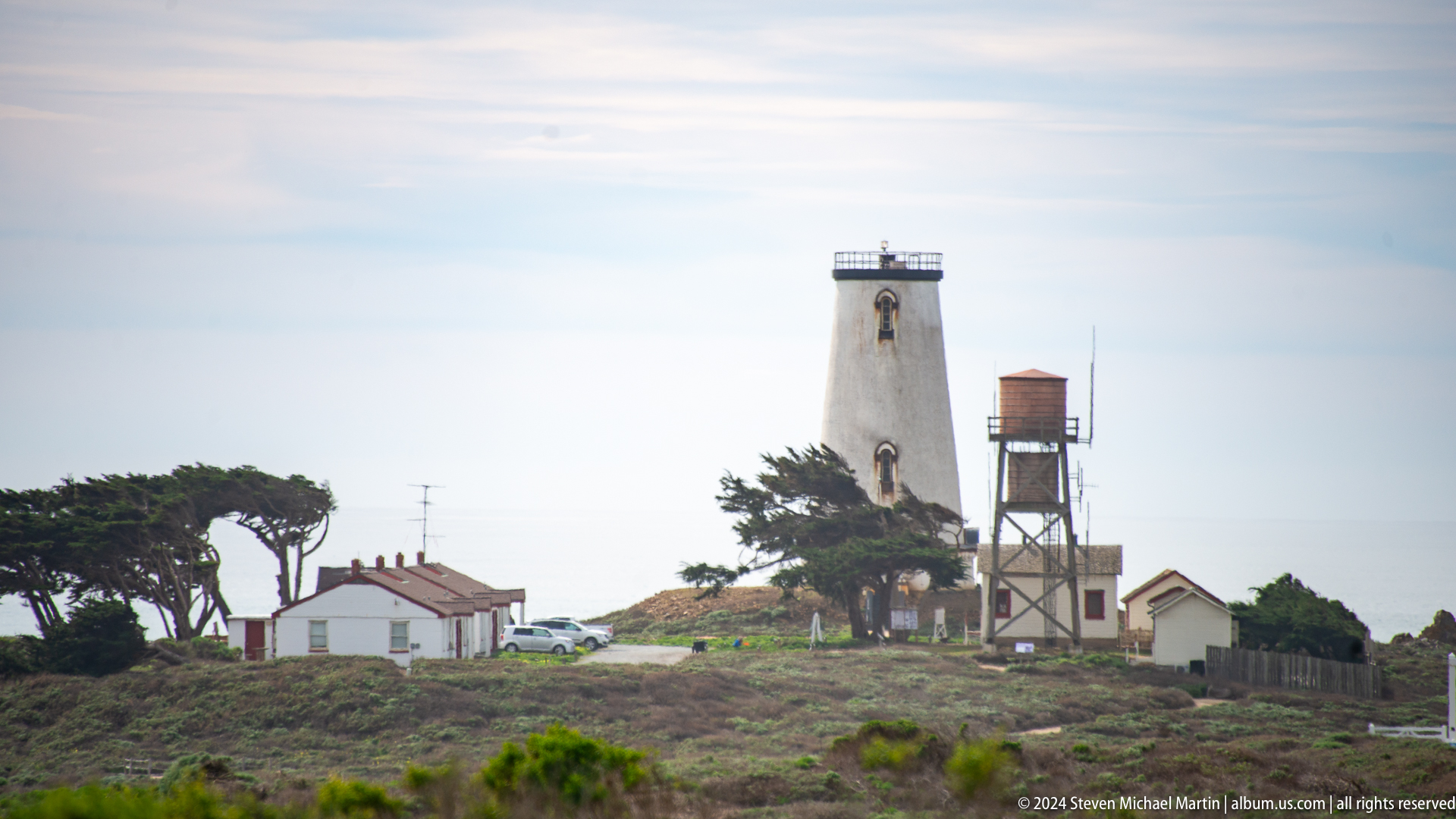
The California Coastal National Monument protects thousands of offshore rocks, reefs, and small islands extending along the entire length of California’s Pacific shoreline. These isolated formations support seabirds, marine mammals, and coastal ecosystems shaped by tectonic uplift, ocean currents, and long-term erosion along the Pacific margin. Although much of the monument lies offshore, numerous public access points allow visitors to experience the ecological diversity of California’s coastal landscapes.
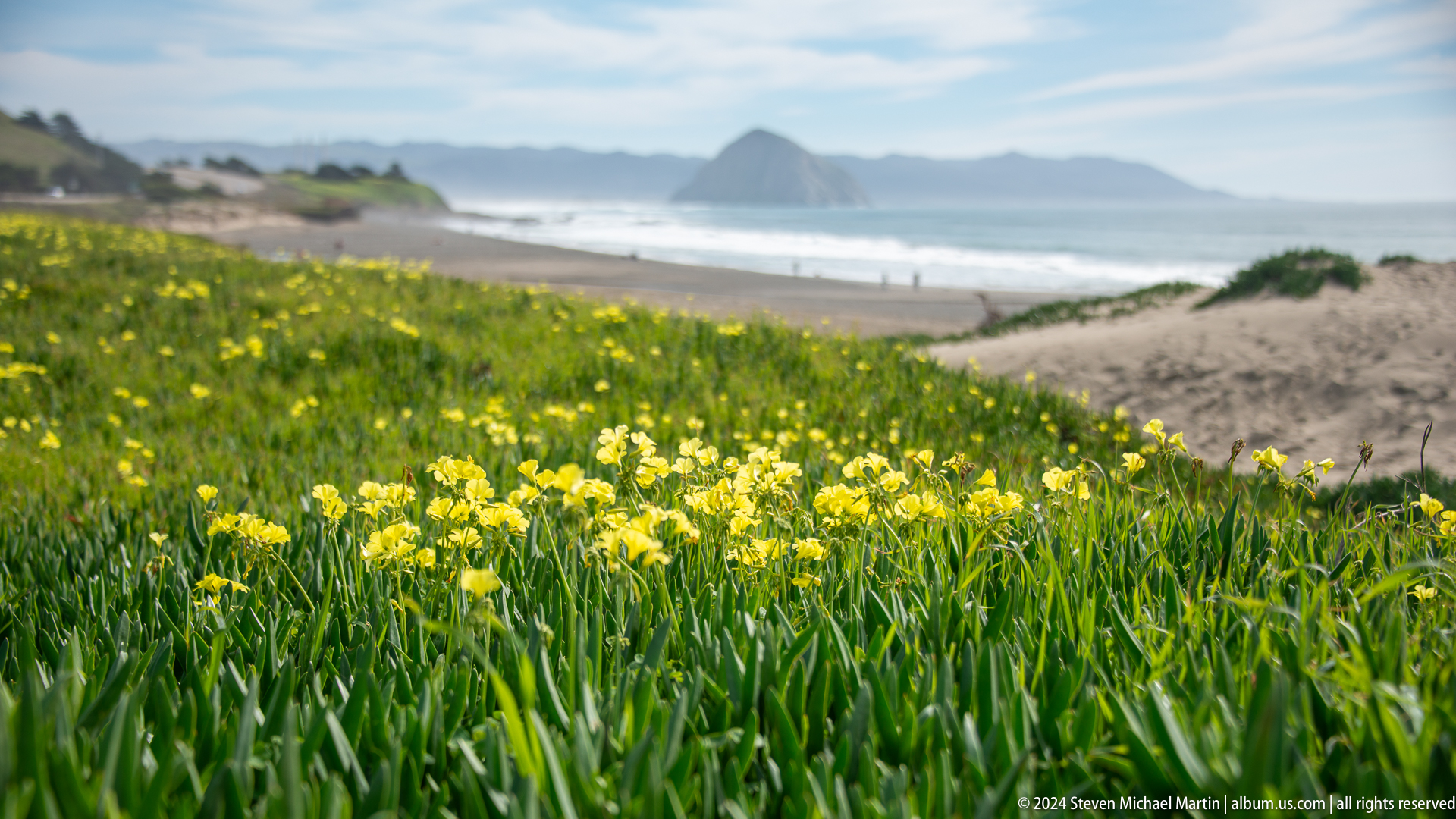
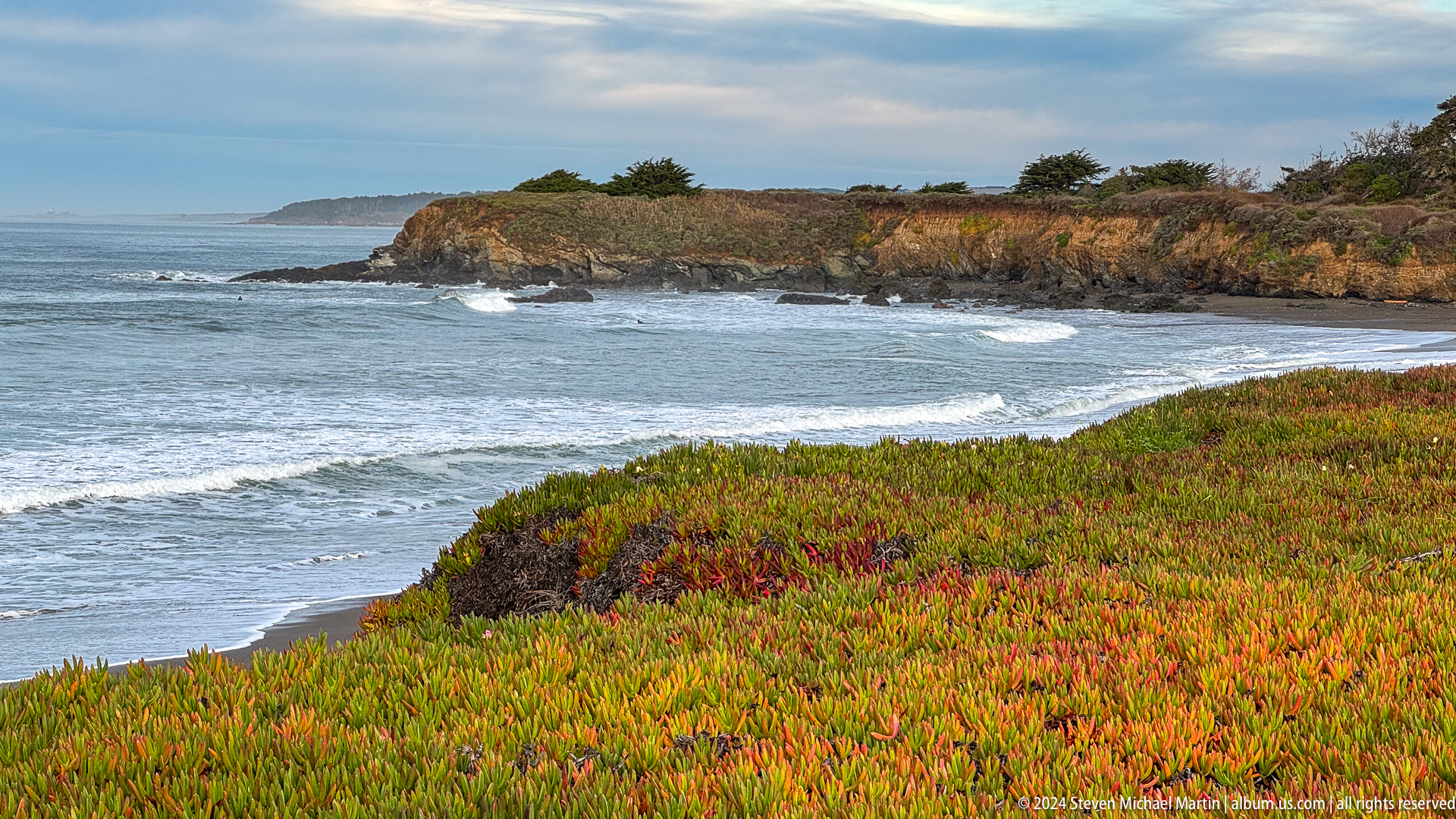
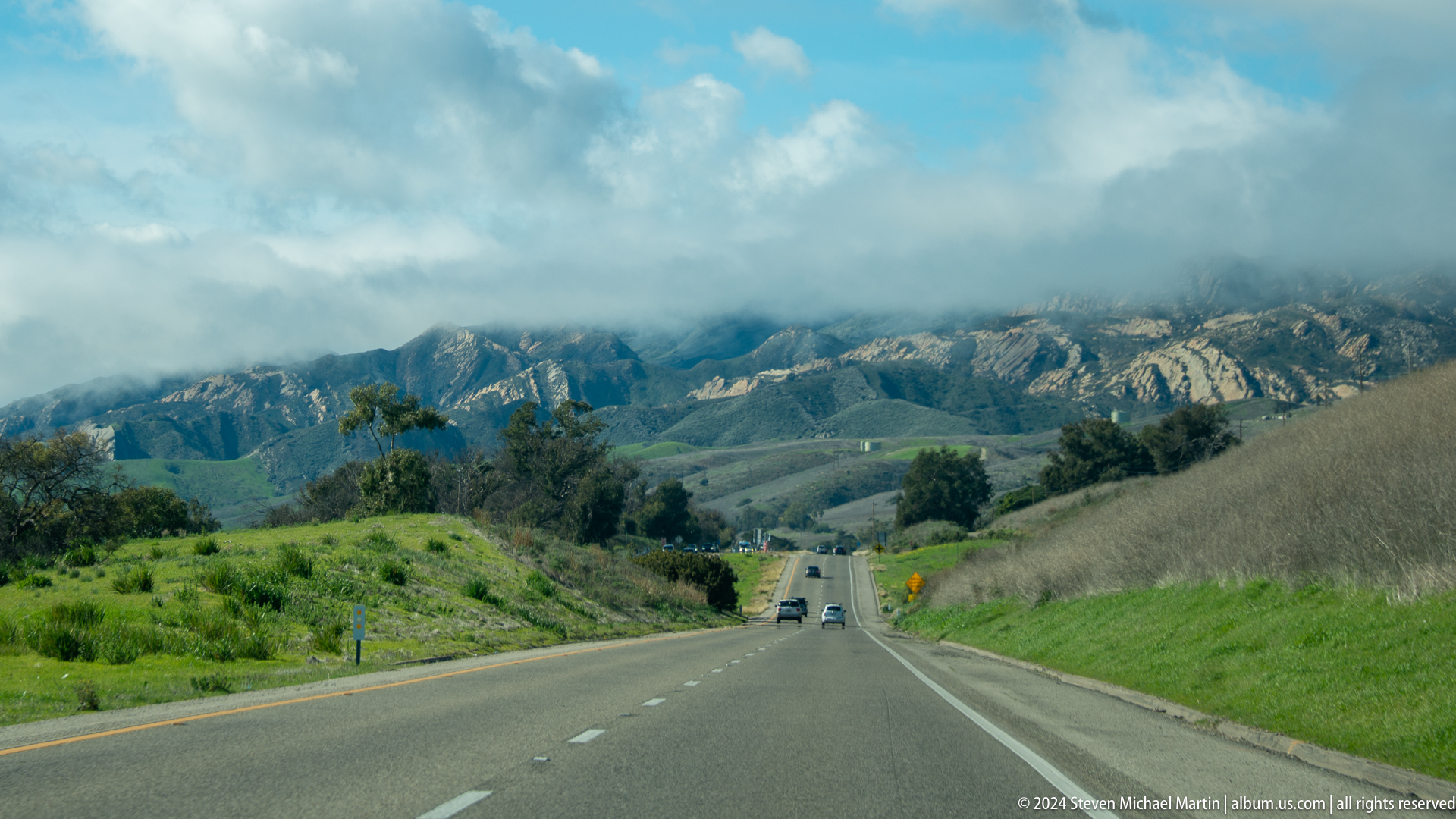
Driving along Highway 1 toward the central coast, the landscape gradually opens into broad ocean views, coastal bluffs, and seasonal wildflower displays covering the hillsides in yellow and green. Offshore rock formations rise from the Pacific, creating landmarks such as Morro Rock that illustrate the volcanic origins of the coastline. The transition from inland valleys to open ocean emphasizes the scale of the Pacific margin and the dynamic interaction between land and sea.
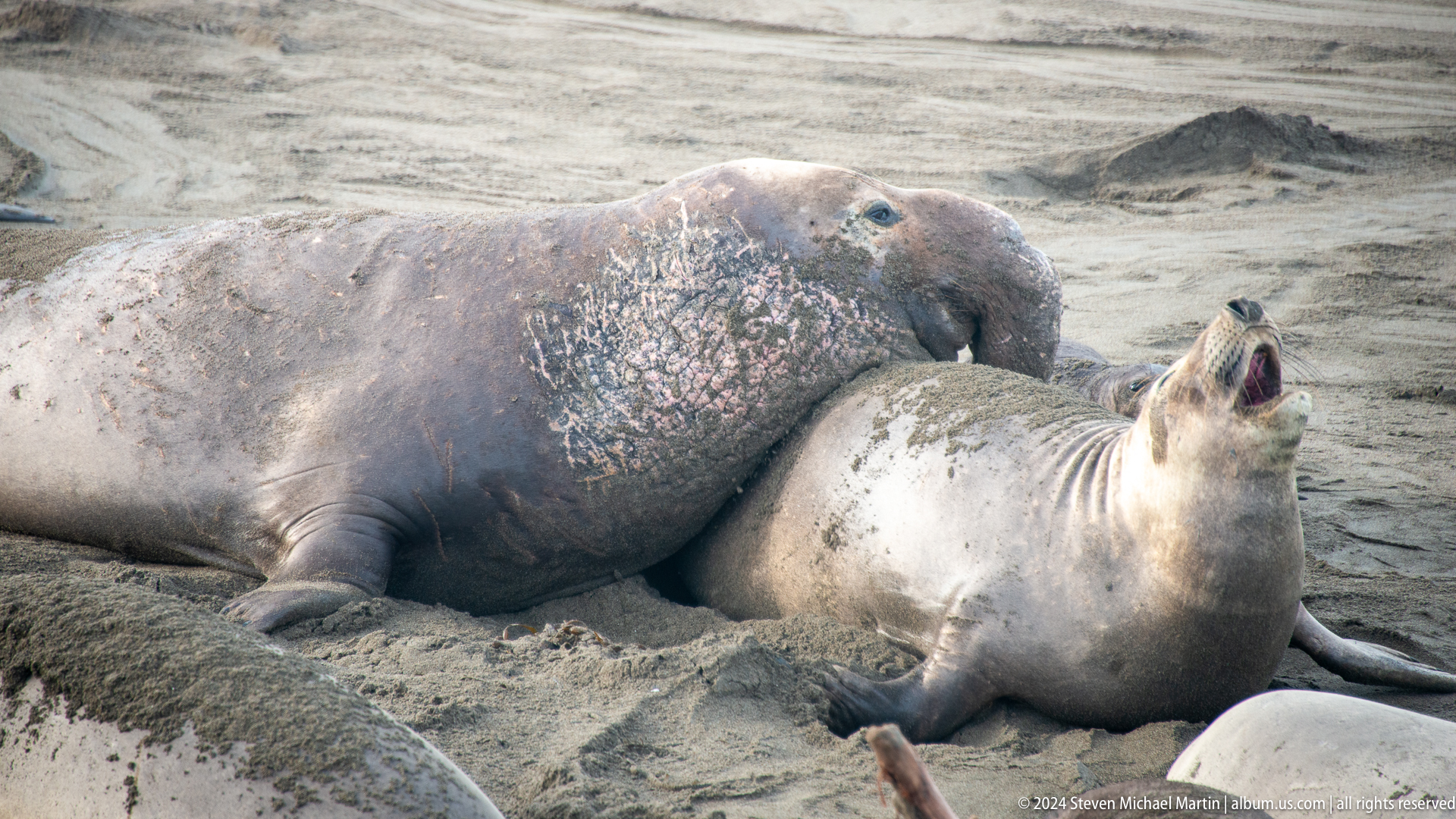
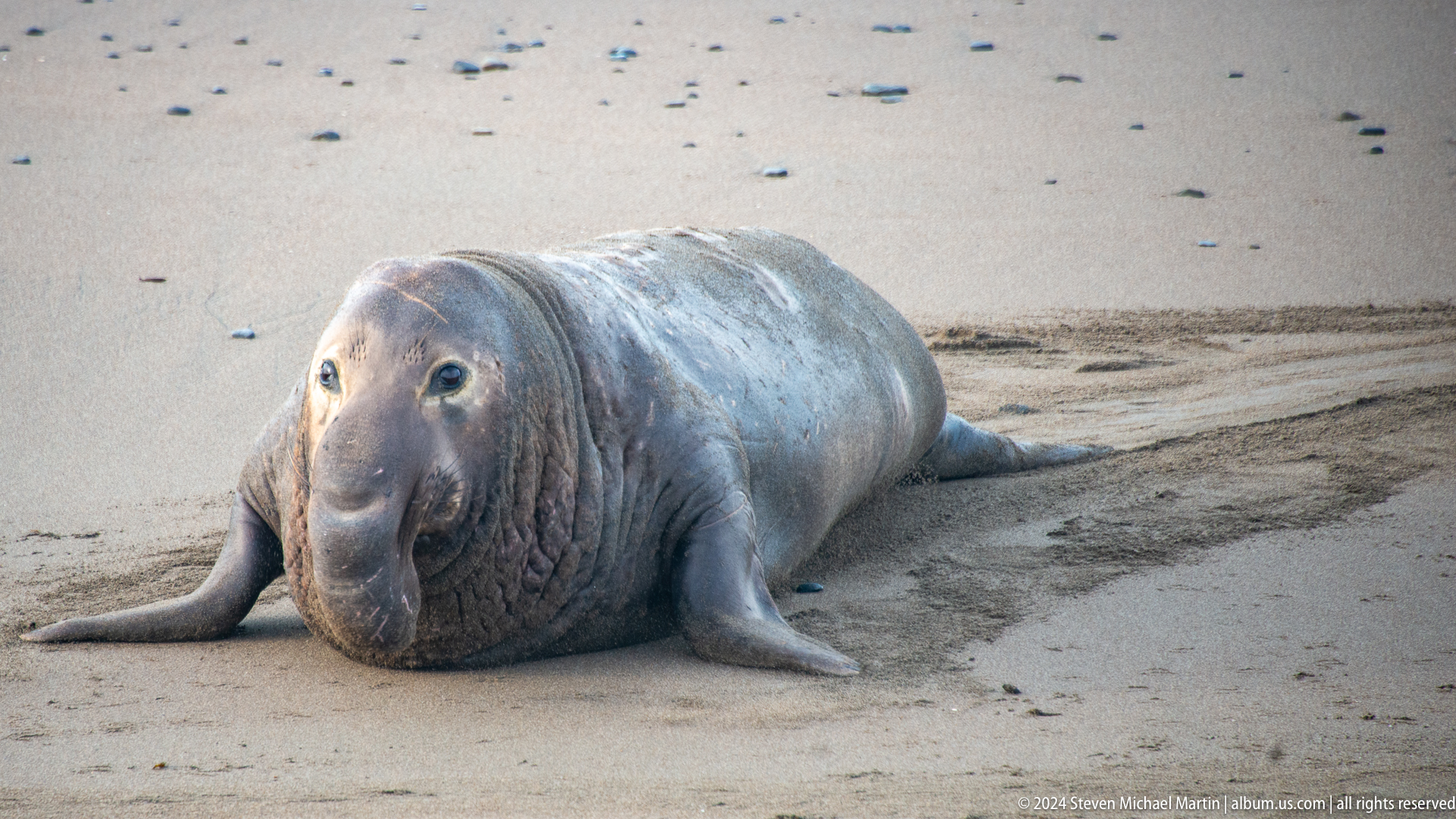
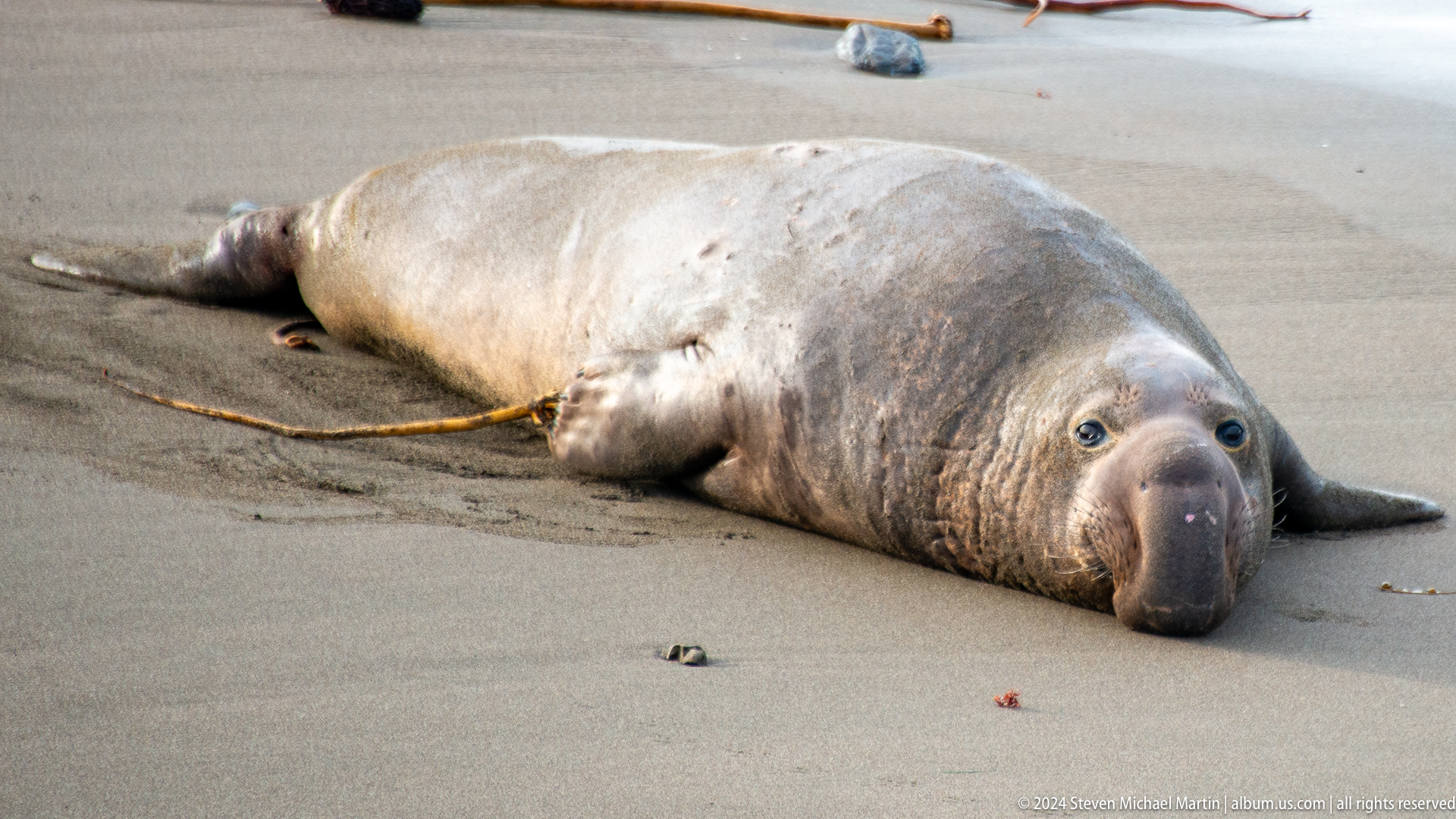
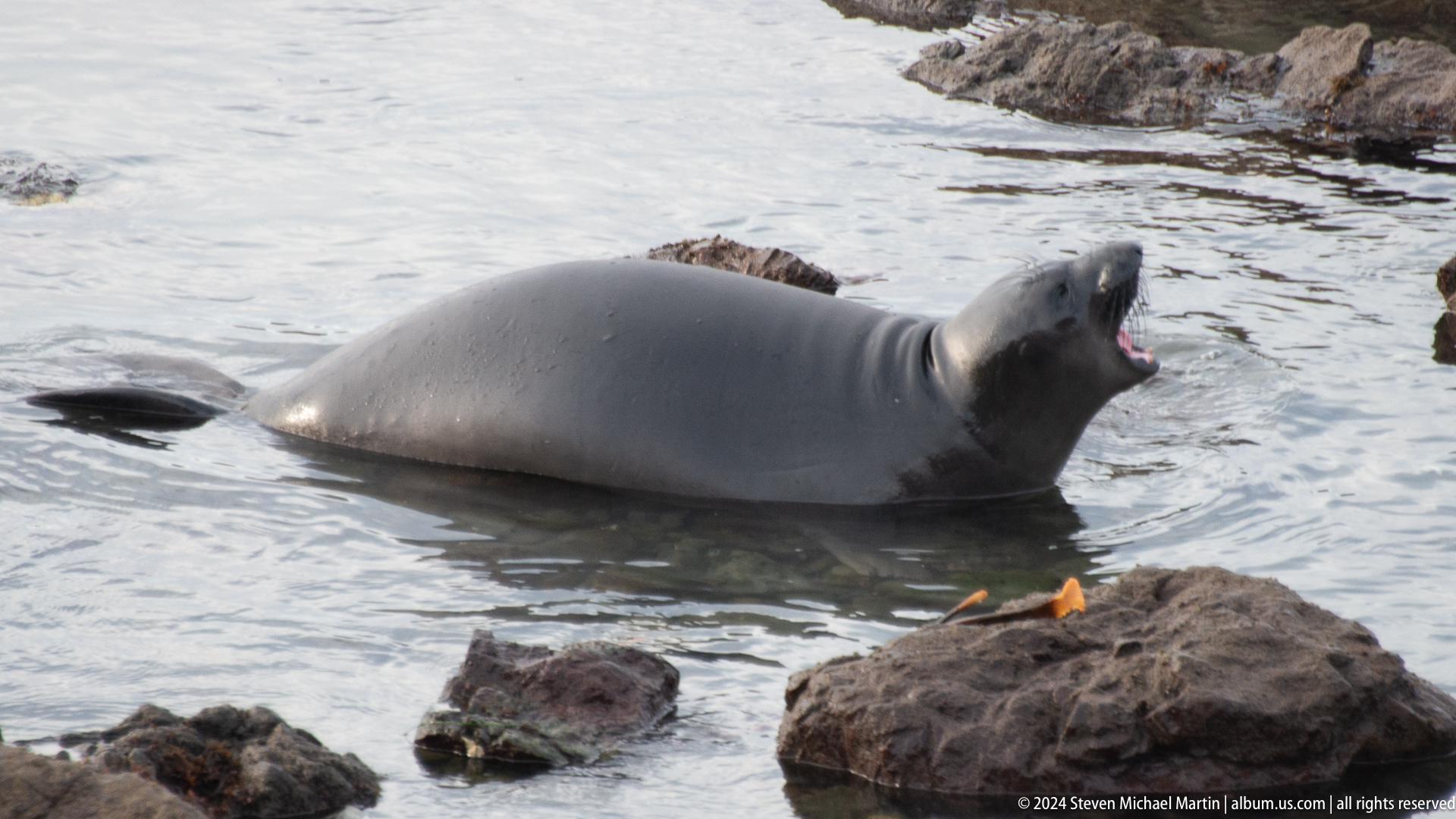
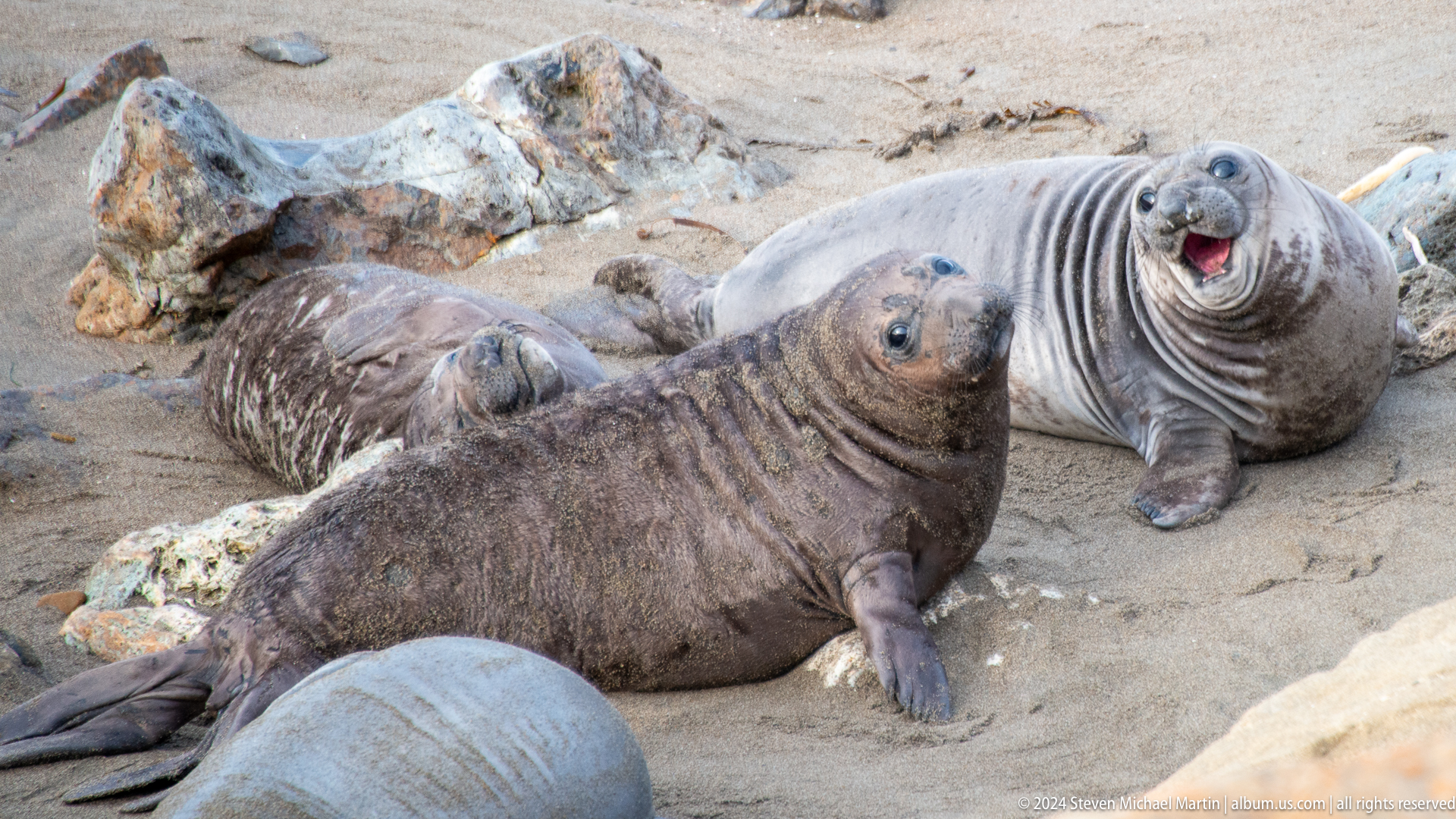
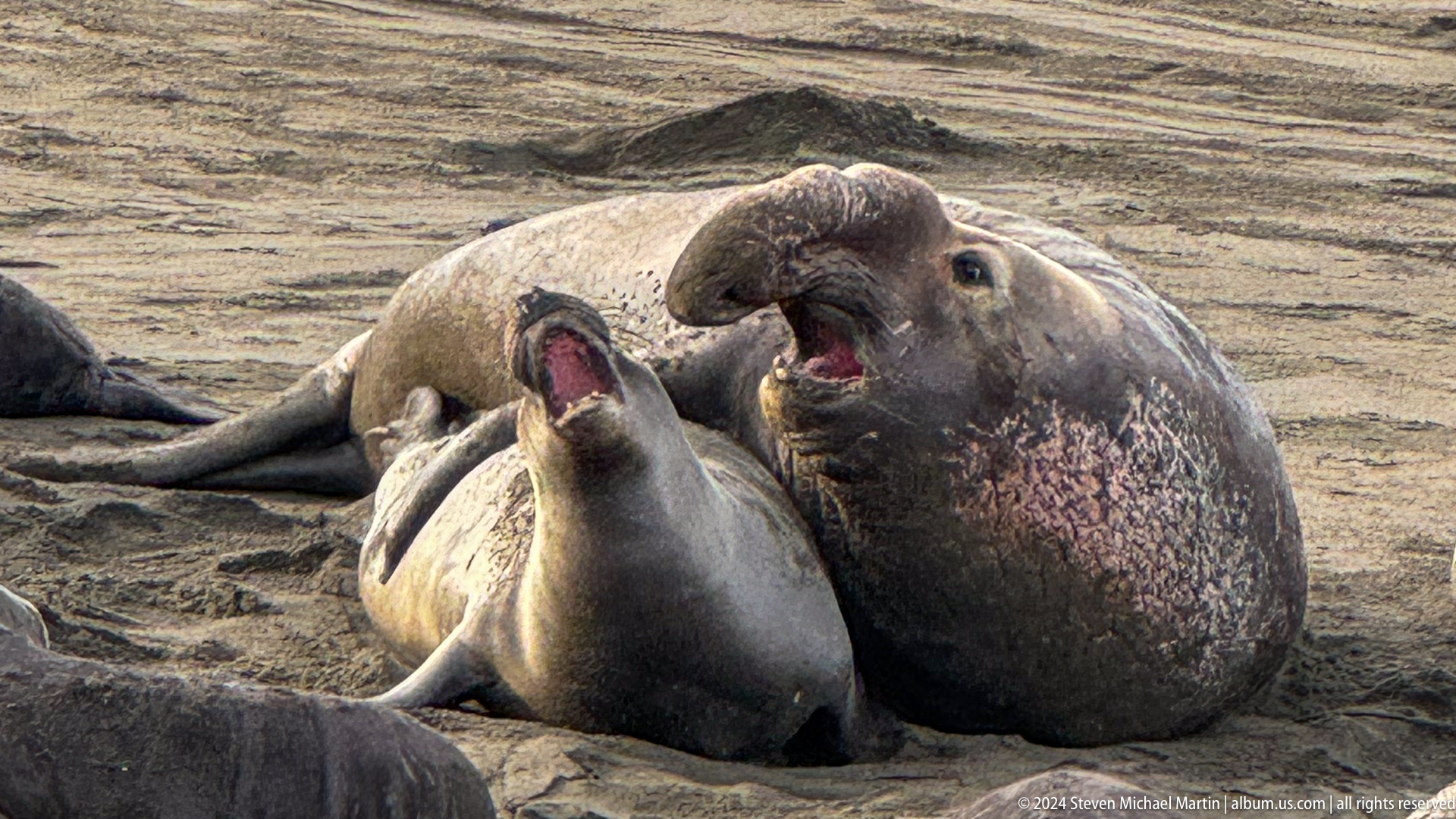
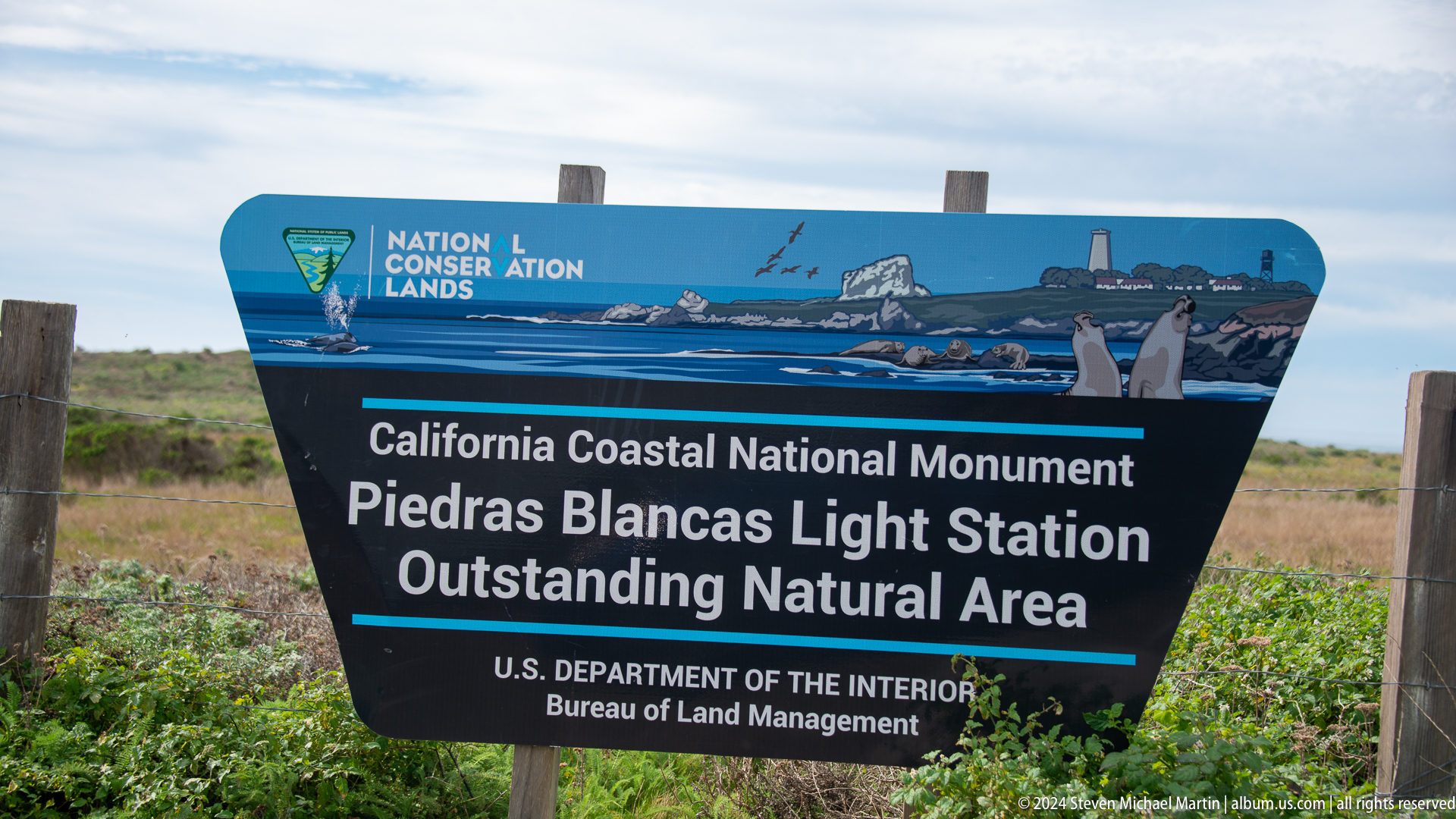
The most memorable experience occurs near Piedras Blancas, where large colonies of northern elephant seals gather along the shoreline. These massive marine mammals, once hunted nearly to extinction, have returned to the California coast in large numbers and now form one of the most accessible wildlife viewing opportunities in North America. From the bluff above the beach, the colony appears almost prehistoric — enormous bulls resting in the sand, juveniles sparring, and mothers nursing pups along the tide line. During molting season, the seals remain ashore for extended periods as they shed outer skin layers and conserve energy between migrations that can span thousands of miles across the Pacific Ocean.
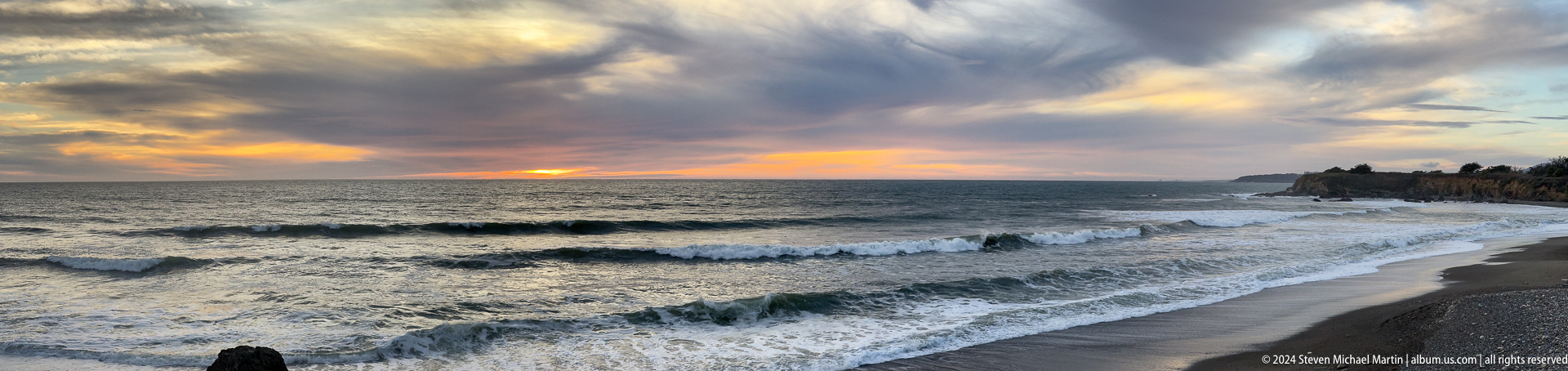
As evening approaches, the coastal atmosphere changes as low light spreads across the Pacific horizon. Waves reflect shifting colors of sunset while marine air softens the contours of cliffs and shoreline grasses. The combination of wildlife encounter and coastal landscape demonstrates the ecological continuity of California’s Pacific coast, where protected offshore formations support habitats extending from seabird nesting sites to marine mammal rookeries.




















Wildlife Field Guide – Northern Elephant Seal
🦭 Species
Northern Elephant Seal (Mirounga angustirostris)
📍 Habitat
Elephant seals gather along protected beaches of the California coast, particularly near Piedras Blancas, where sandy shoreline provides space for breeding, molting, and resting between ocean migrations.
👁 Observations
Large bulls dominate sections of beach while juveniles and females rest in dense groups along the shoreline. Vocalizations and posturing behavior are common, especially among younger males establishing position within the colony.
⭐ Notable Encounter
- Large colony visible from bluff overlook
- Juvenile seals interacting and sparring
- Mothers resting beside nursing pups
- Molting seals shedding outer skin layer
- Colony spread across several hundred meters of shoreline
📷 Photography Notes
- Telephoto lens recommended for wildlife detail
- Morning light provides soft contrast on sand
- Behavioral interaction produces dynamic compositions
- Elevated viewing platforms allow safe observation
- Overcast skies reduce glare on wet skin
📚 Summary
The Piedras Blancas rookery illustrates the recovery of northern elephant seals after near extinction in the nineteenth century. Today, thousands of animals return annually to the California coast to breed and molt.
California Coastal National Monument Field Guide
📍 Location
The California Coastal National Monument extends along the entire Pacific coastline of California, protecting offshore rocks, reefs, and islands located within twelve nautical miles of shore. /p>
🌎 Landscape
The monument protects more than 20,000 offshore formations shaped by tectonic uplift, marine erosion, and sediment deposition along the Pacific margin. These coastal environments support diverse marine ecosystems and seabird nesting habitats.
🦭 Wildlife
Marine mammals commonly observed along monument shorelines include northern elephant seals, sea lions, harbor seals, and migrating whales. Elephant seals haul out seasonally to breed, molt, and rest after long-distance ocean migrations.
⭐ Highlights
- Elephant seal rookery at Piedras Blancas
- Offshore rock formations and sea stacks
- Seasonal coastal wildflowers
- Pacific shoreline and marine terraces
- Highway 1 coastal views
📷 Photography Notes
- Morning fog softens coastal light
- Telephoto lenses useful for wildlife viewing
- Spring wildflowers add foreground color
- Sunset light enhances ocean reflections
- Elevated bluffs provide wide coastal perspectives
📚 Summary
The California Coastal National Monument preserves the ecological connection between offshore marine environments and coastal landscapes along the Pacific margin.