Bettles – Gates of the Arctic National Park and Preserve
Bettles serves as one of the primary gateway communities for access to Gates of the Arctic National Park and Preserve. Located along the Koyukuk River north of the Arctic Circle, the settlement developed as a transportation and supply point for exploration and resource activity in the surrounding region. Today, Bettles functions as an important logistical hub for visitors traveling by small aircraft into remote wilderness areas.
The surrounding environment includes boreal forest transitioning into tundra landscapes as elevation increases toward the Brooks Range. Seasonal variation strongly influences accessibility, with winter conditions supporting different transportation methods than summer months. The community reflects adaptation to environmental conditions that shape travel and settlement patterns in northern Alaska.
Visitors often encounter Bettles as a staging location before traveling deeper into the park’s undeveloped landscapes. The small scale of the community and the surrounding natural environment reinforce the sense of transition from inhabited areas to expansive wilderness terrain.
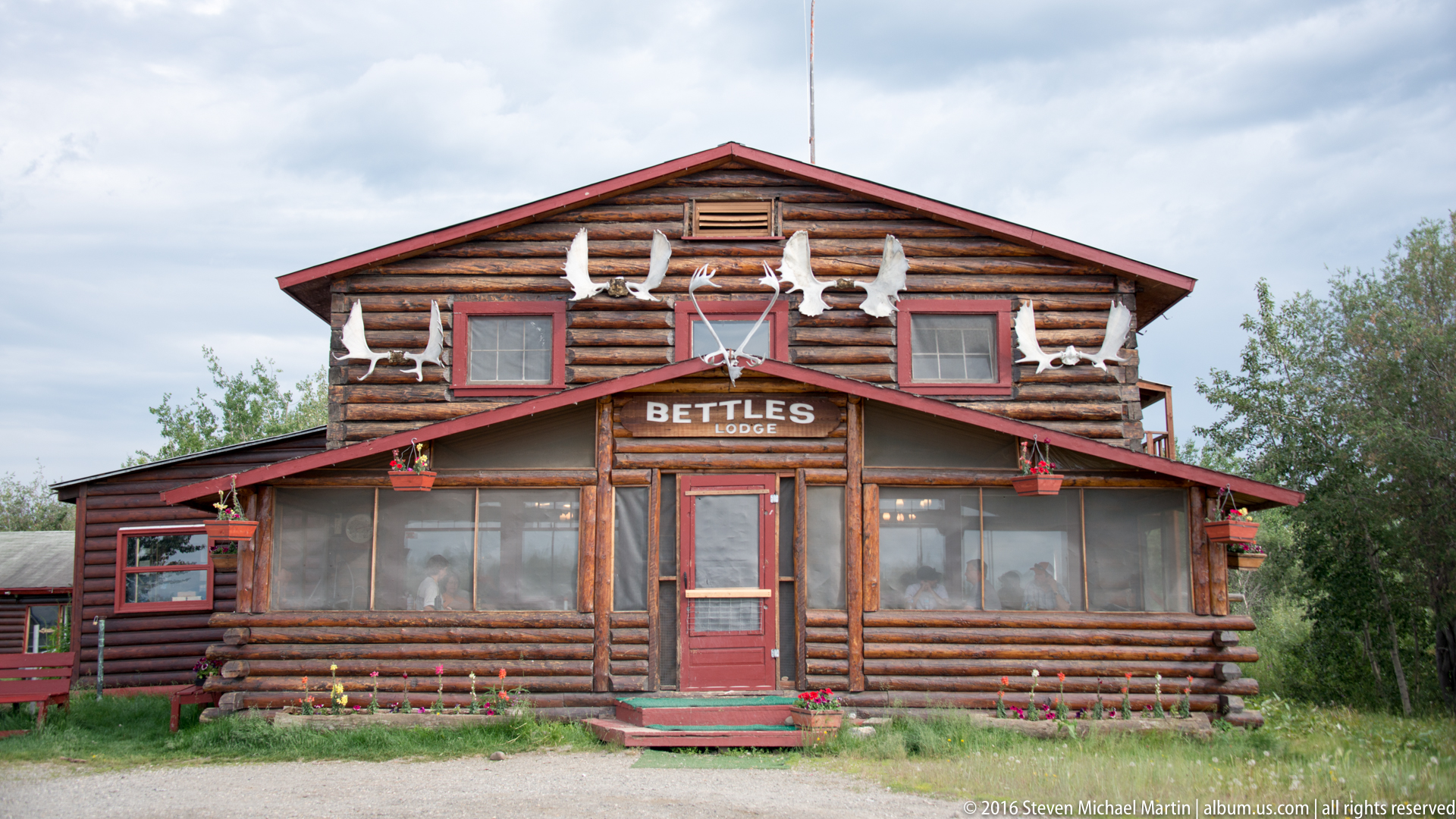
The front elevation of Bettles Lodge is framed around a central red door, screened porch, and shallow roof overhang. Log walls and red trim define the façade, while several pale skulls or antlers mounted above the porch create a strong decorative band. The head-on viewpoint emphasizes the building’s symmetry and layered entrance rather than its relationship to the airfield.
Caption
The front elevation of Bettles Lodge is framed around a central red door, screened porch, and shallow roof overhang. Log walls and red trim define the façade, while several pale skulls or antlers mounted above the porch create a strong decorative band. The head-on viewpoint emphasizes the building’s symmetry and layered entrance rather than its relationship to the airfield.

A steep-sided valley opens toward a blue lake, with jagged, partly snow-streaked peaks rising beyond it. The foreground water reflects the mountains and pale sky, creating a second line of ridges across the lower half of the composition. The high, centered viewpoint connects the lake, glacially carved slopes, and distant alpine skyline.
Caption
A steep-sided valley opens toward a blue lake, with jagged, partly snow-streaked peaks rising beyond it. The foreground water reflects the mountains and pale sky, creating a second line of ridges across the lower half of the composition. The high, centered viewpoint connects the lake, glacially carved slopes, and distant alpine skyline.

A stack of folded sweatshirts fills the frame, with “Bettles, Alaska” printed prominently across a blue garment and a larger landscape graphic visible on the top shirt. The close crop emphasizes wearable souvenirs and place-name lettering, while the shop setting remains softly out of focus.
Caption
A stack of folded sweatshirts fills the frame, with “Bettles, Alaska” printed prominently across a blue garment and a larger landscape graphic visible on the top shirt. The close crop emphasizes wearable souvenirs and place-name lettering, while the shop setting remains softly out of focus.

A narrow river enters a mountain lake beneath a chain of steep, treeless peaks. Seen from above, the foreground tundra gives way to dark water that mirrors the ridgeline and broken clouds. The layered valley and broad reflection place the lake within the immense, largely roadless landscape of Alaska’s Brooks Range.
Caption
A narrow river enters a mountain lake beneath a chain of steep, treeless peaks. Seen from above, the foreground tundra gives way to dark water that mirrors the ridgeline and broken clouds. The layered valley and broad reflection place the lake within the immense, largely roadless landscape of Alaska’s Brooks Range.

A white step-through bicycle stands on a broad gravel apron, its curved frame and rear rack in sharp focus. Behind it, a small airplane and weathered shed sit near the tree line, linking an everyday local mode of transport with the airfield setting. The open foreground and distant structures give the bicycle unusual prominence in this remote settlement view.
Caption
A white step-through bicycle stands on a broad gravel apron, its curved frame and rear rack in sharp focus. Behind it, a small airplane and weathered shed sit near the tree line, linking an everyday local mode of transport with the airfield setting. The open foreground and distant structures give the bicycle unusual prominence in this remote settlement view.

From above, steep rock ridges and narrow peaks divide shadowed valleys dotted with patches of snow and small blue lakes. The oblique aerial viewpoint reveals the scale and folded relief of the alpine terrain, with successive ranges fading into the distance. The scene fits the mountainous Arctic landscape of the portfolio, though no individual summit can be identified from this view.
Caption
From above, steep rock ridges and narrow peaks divide shadowed valleys dotted with patches of snow and small blue lakes. The oblique aerial viewpoint reveals the scale and folded relief of the alpine terrain, with successive ranges fading into the distance. The scene fits the mountainous Arctic landscape of the portfolio, though no individual summit can be identified from this view.
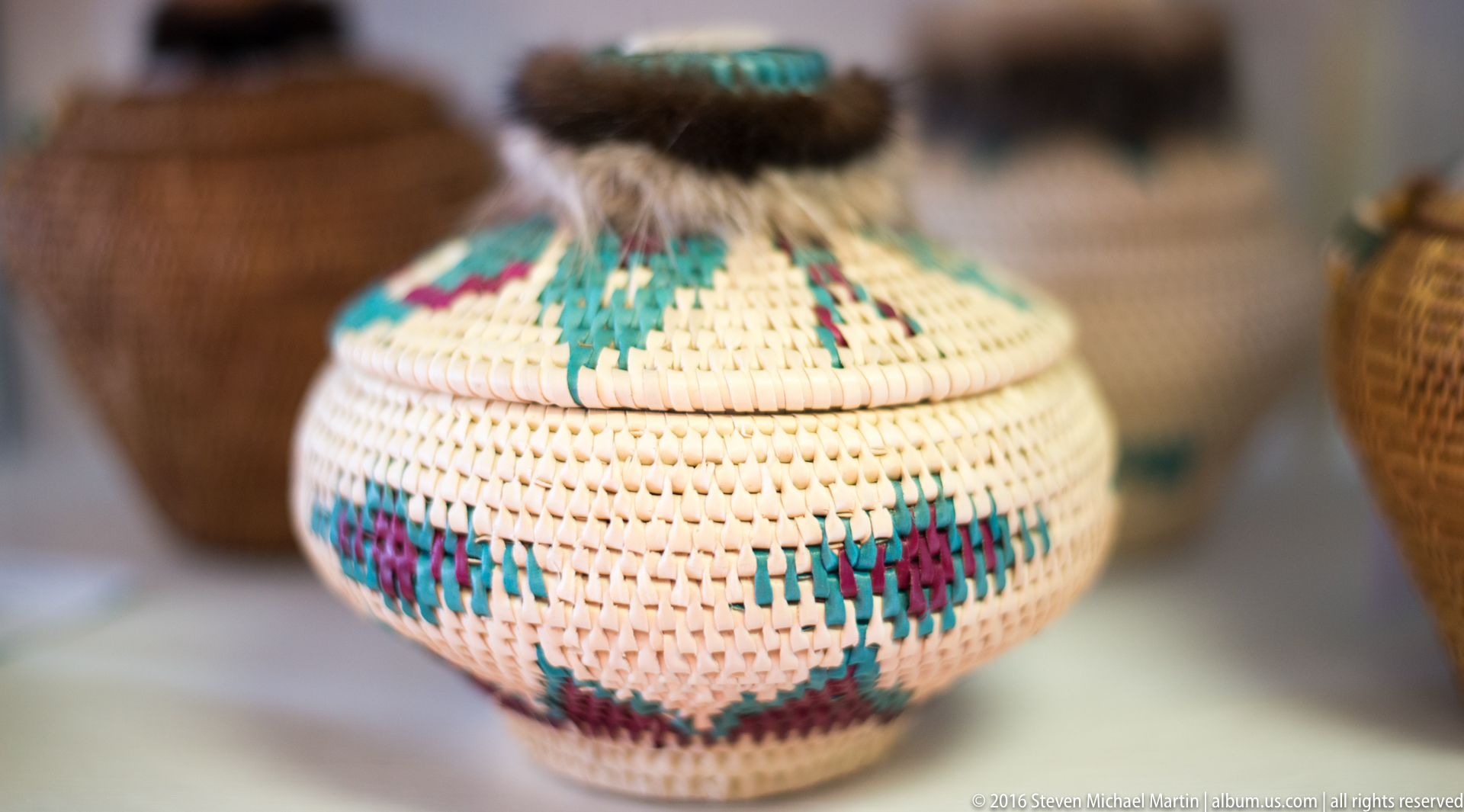
A small round lidded basket sits in shallow focus, its pale woven surface crossed by turquoise and magenta geometric bands. A looped knob tops the lid, and other craft objects blur into the background. The close composition emphasizes the basket’s shape, tight weave, and colored pattern.
Caption
A small round lidded basket sits in shallow focus, its pale woven surface crossed by turquoise and magenta geometric bands. A looped knob tops the lid, and other craft objects blur into the background. The close composition emphasizes the basket’s shape, tight weave, and colored pattern.
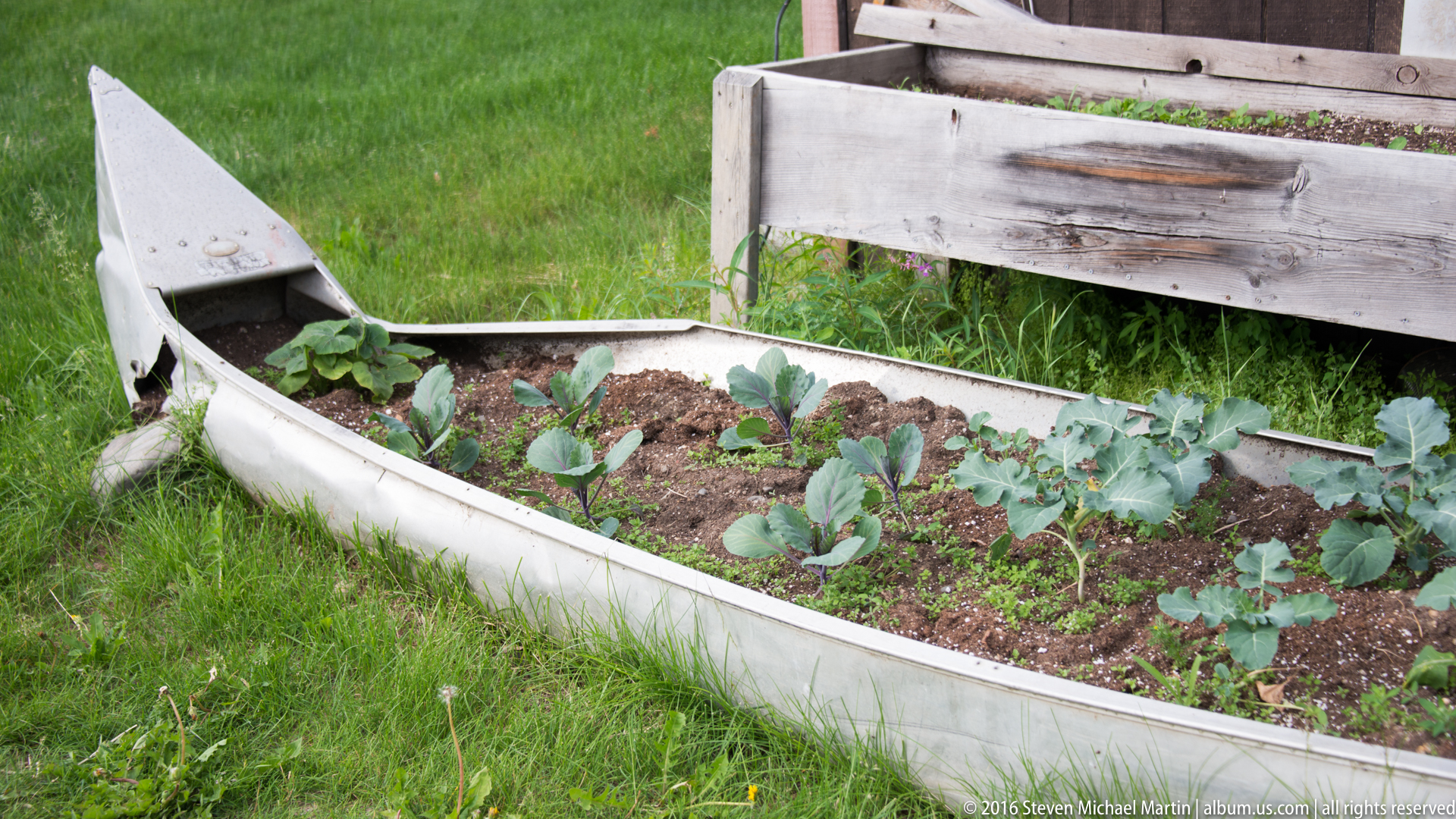
A pale canoe has been filled with soil and planted with leafy vegetables, turning its long narrow hull into a raised garden bed. The bow points toward the lower left while a weathered wooden bench or work surface stands close behind it. Grass and small weeds surround the improvised planter, giving the image a practical, resourceful character.
Caption
A pale canoe has been filled with soil and planted with leafy vegetables, turning its long narrow hull into a raised garden bed. The bow points toward the lower left while a weathered wooden bench or work surface stands close behind it. Grass and small weeds surround the improvised planter, giving the image a practical, resourceful character.
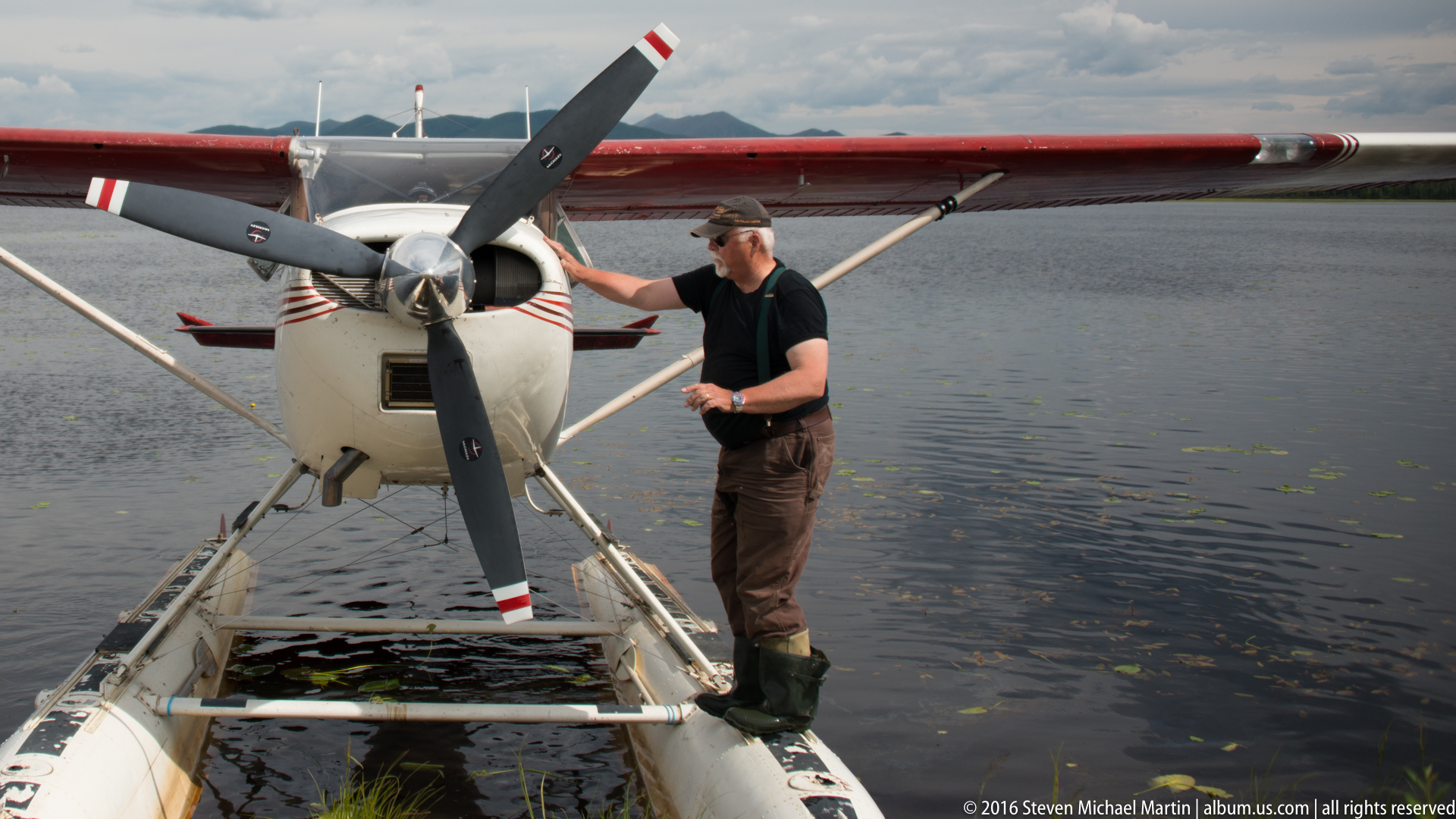
A man in waders stands on the pontoon of a single-engine floatplane, reaching toward its propeller while the aircraft rests on a calm river. The close arrangement of wing, struts, propeller, and floats shows the practical setup for travel by air and water in this remote Alaska community. The still surface and low shoreline place the scene at a riverside landing.
Caption
A man in waders stands on the pontoon of a single-engine floatplane, reaching toward its propeller while the aircraft rests on a calm river. The close arrangement of wing, struts, propeller, and floats shows the practical setup for travel by air and water in this remote Alaska community. The still surface and low shoreline place the scene at a riverside landing.

An open illustrated book rests on a patterned tablecloth, its pages pairing a photograph of people beside a canoe with a chapter headed “Social Sciences in Gates of the Arctic National Park and Preserve.” The spread frames the park through human and community perspectives, while the small print and surrounding room remain secondary.
Caption
An open illustrated book rests on a patterned tablecloth, its pages pairing a photograph of people beside a canoe with a chapter headed “Social Sciences in Gates of the Arctic National Park and Preserve.” The spread frames the park through human and community perspectives, while the small print and surrounding room remain secondary.
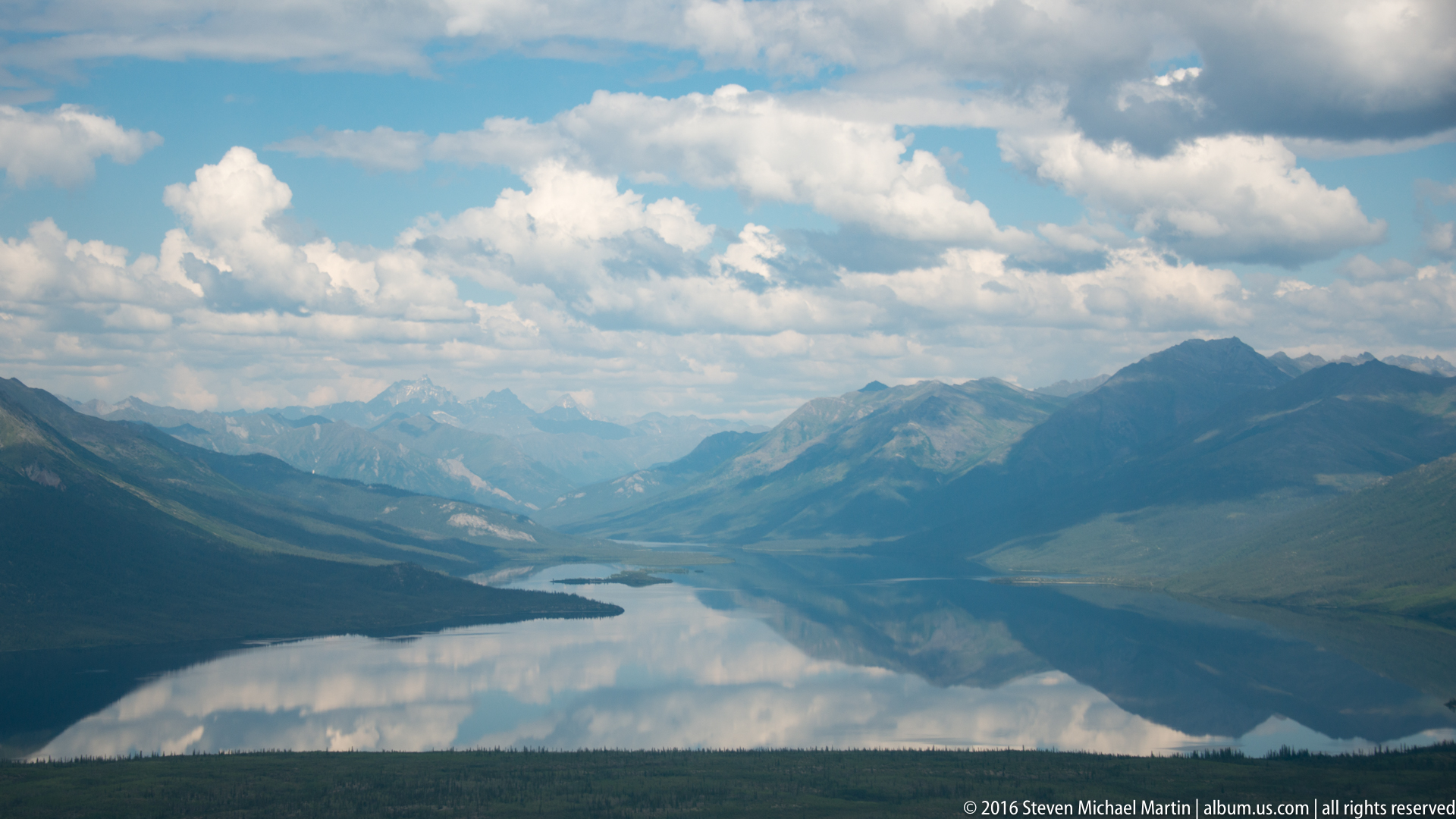
Clouds fill a bright summer sky above a long lake enclosed by dark mountain slopes. The water reflects the cloud forms and the opening between the ranges, while the elevated viewpoint reveals a sequence of smaller lakes receding into the valley. This wide view emphasizes the scale and depth of the Brooks Range landscape around Bettles.
Caption
Clouds fill a bright summer sky above a long lake enclosed by dark mountain slopes. The water reflects the cloud forms and the opening between the ranges, while the elevated viewpoint reveals a sequence of smaller lakes receding into the valley. This wide view emphasizes the scale and depth of the Brooks Range landscape around Bettles.

A dark, sinuous stream cuts through an expansive patchwork of low green tundra. Narrow bands of shrubs or small trees follow portions of the channel, while soft cloud shadows cross the open ground. The elevated angle makes the stream’s branching bends and the nearly treeless character of the terrain the defining features of this interior Alaska scene.
Caption
A dark, sinuous stream cuts through an expansive patchwork of low green tundra. Narrow bands of shrubs or small trees follow portions of the channel, while soft cloud shadows cross the open ground. The elevated angle makes the stream’s branching bends and the nearly treeless character of the terrain the defining features of this interior Alaska scene.
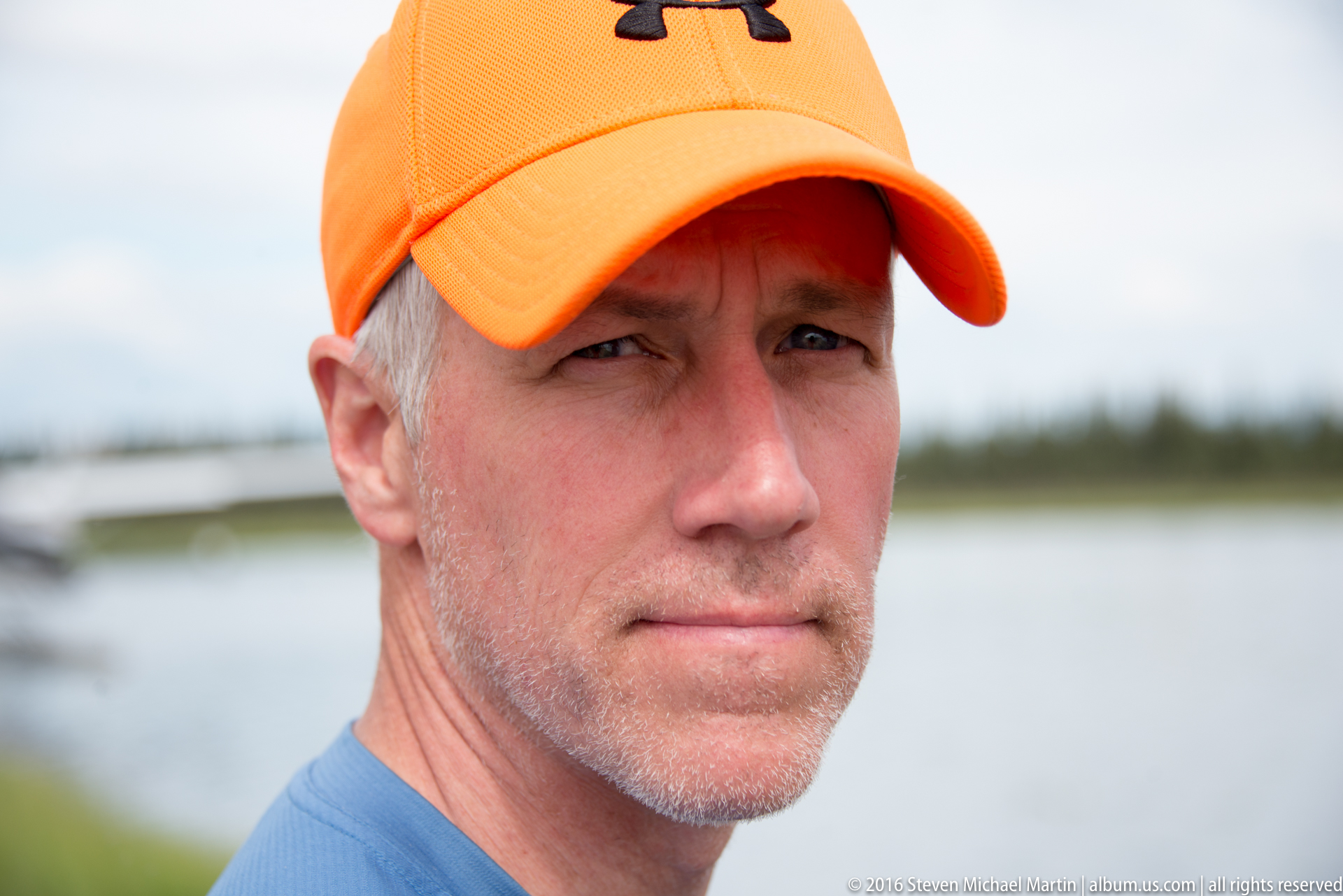
A close portrait frames a man in a vivid orange cap and blue shirt against a softly blurred waterside setting. His face turns toward the camera, while the muted shoreline behind him keeps the attention on his expression and outdoor clothing. The cap’s bright color contrasts with the pale sky and water, making this personal portrait distinct from the surrounding landscape views.
Caption
A close portrait frames a man in a vivid orange cap and blue shirt against a softly blurred waterside setting. His face turns toward the camera, while the muted shoreline behind him keeps the attention on his expression and outdoor clothing. The cap’s bright color contrasts with the pale sky and water, making this personal portrait distinct from the surrounding landscape views.

A single pale, silky seed head rises in sharp focus from a patch of Arctic vegetation. Its fine fibers form a rounded plume, while reddish-brown flower heads and green stems blur into the background. The shallow focus isolates the plant’s delicate texture and the small scale of tundra flora within a landscape otherwise presented through sweeping aerial views.
Caption
A single pale, silky seed head rises in sharp focus from a patch of Arctic vegetation. Its fine fibers form a rounded plume, while reddish-brown flower heads and green stems blur into the background. The shallow focus isolates the plant’s delicate texture and the small scale of tundra flora within a landscape otherwise presented through sweeping aerial views.
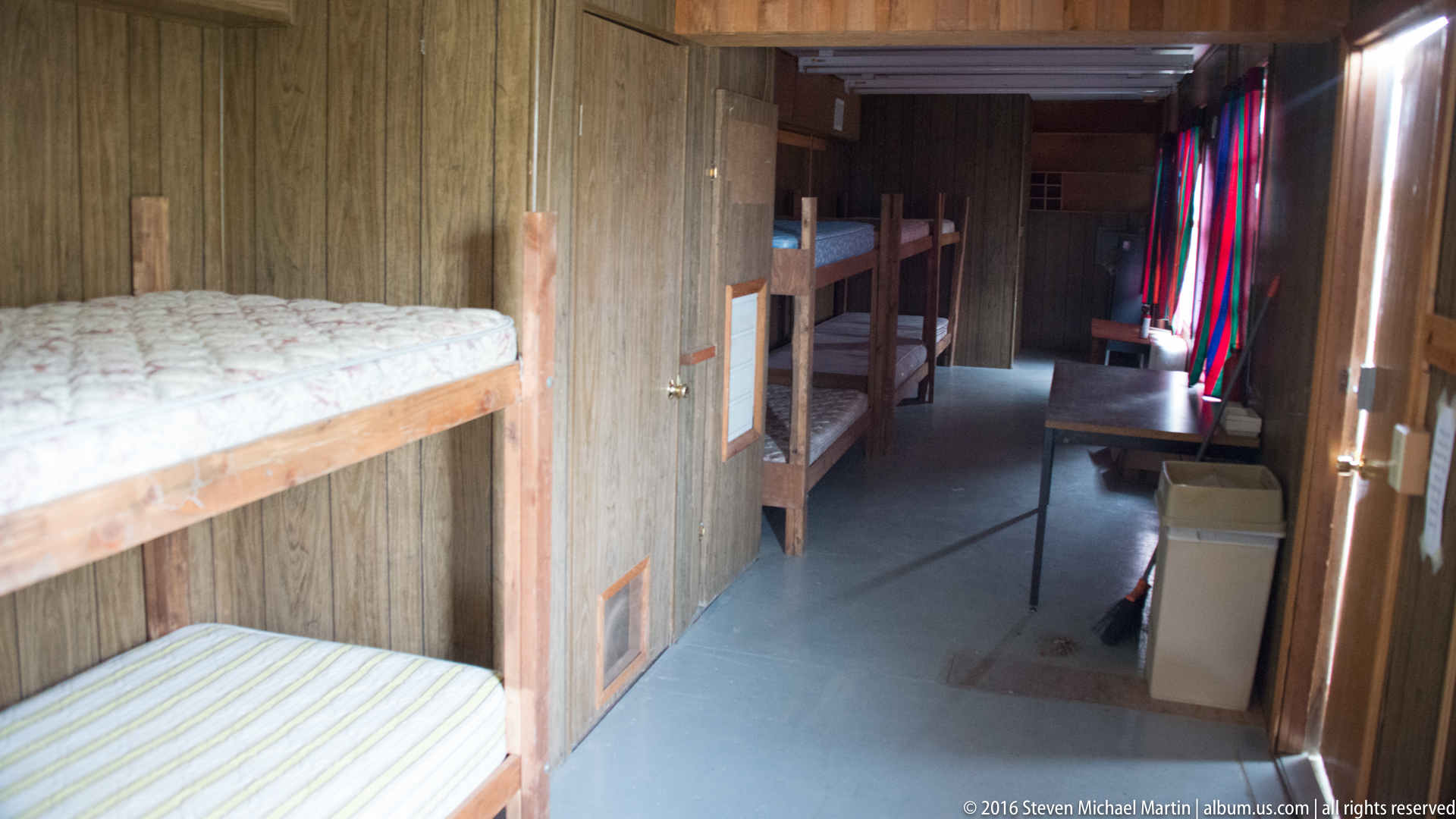
A narrow wooden bunkroom extends toward a rear doorway, with simple built-in beds arranged along both sides of the central aisle. Bare wood walls, exposed beams, and a plain floor give the shared sleeping space a practical, cabin-like character. Striped curtains at the far end add color to an otherwise restrained interior associated with lodging in a remote northern setting.
Caption
A narrow wooden bunkroom extends toward a rear doorway, with simple built-in beds arranged along both sides of the central aisle. Bare wood walls, exposed beams, and a plain floor give the shared sleeping space a practical, cabin-like character. Striped curtains at the far end add color to an otherwise restrained interior associated with lodging in a remote northern setting.
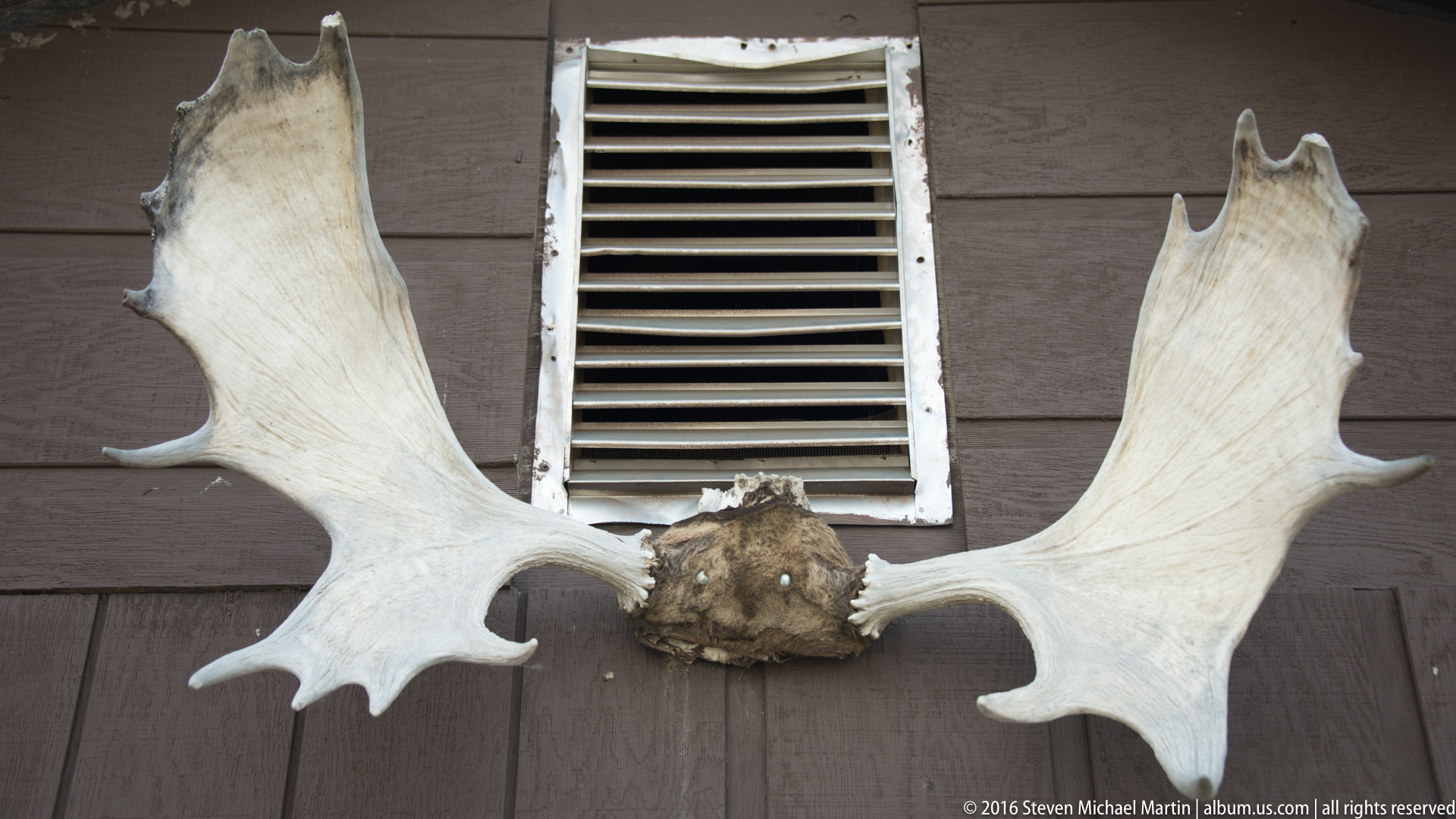
A broad set of pale antlers is mounted across the brown exterior siding of a building, centered beneath a narrow louvered vent. The long palms and projecting points form a nearly symmetrical silhouette against the horizontal boards. Displayed outdoors, the rack connects the lodge setting with the large mammals and hunting heritage associated with Alaska, though the image alone does not establish how or where it was obtained.
Caption
A broad set of pale antlers is mounted across the brown exterior siding of a building, centered beneath a narrow louvered vent. The long palms and projecting points form a nearly symmetrical silhouette against the horizontal boards. Displayed outdoors, the rack connects the lodge setting with the large mammals and hunting heritage associated with Alaska, though the image alone does not establish how or where it was obtained.
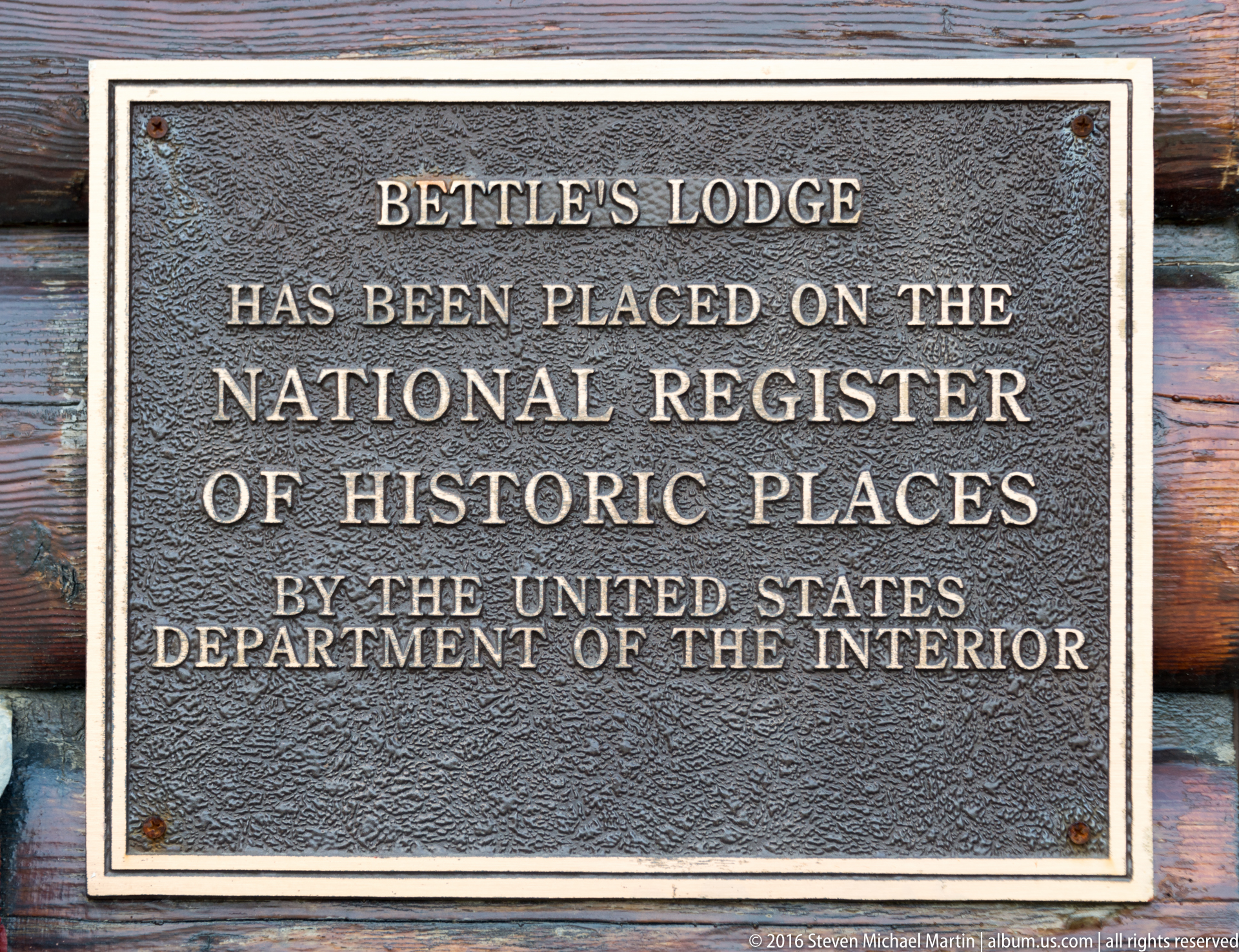
A cast-metal plaque identifies Bettles Lodge as listed on the National Register of Historic Places by the United States Department of the Interior. The close framing makes the raised lettering, inset border, and fasteners legible against weathered log siding. Rather than a general view of the building, this detail records the lodge’s formal historic designation and its connection to Bettles.
Caption
A cast-metal plaque identifies Bettles Lodge as listed on the National Register of Historic Places by the United States Department of the Interior. The close framing makes the raised lettering, inset border, and fasteners legible against weathered log siding. Rather than a general view of the building, this detail records the lodge’s formal historic designation and its connection to Bettles.

Wooden chairs and small tables cluster around the window in a compact lodge sitting room. Dark wainscoting, pale upper walls, patterned curtains, and a moose head mounted above the seating establish a rustic interior without obscuring its everyday use. The arrangement reads as a shared gathering space, distinct from the dormitory corridor shown nearby.
Caption
Wooden chairs and small tables cluster around the window in a compact lodge sitting room. Dark wainscoting, pale upper walls, patterned curtains, and a moose head mounted above the seating establish a rustic interior without obscuring its everyday use. The arrangement reads as a shared gathering space, distinct from the dormitory corridor shown nearby.
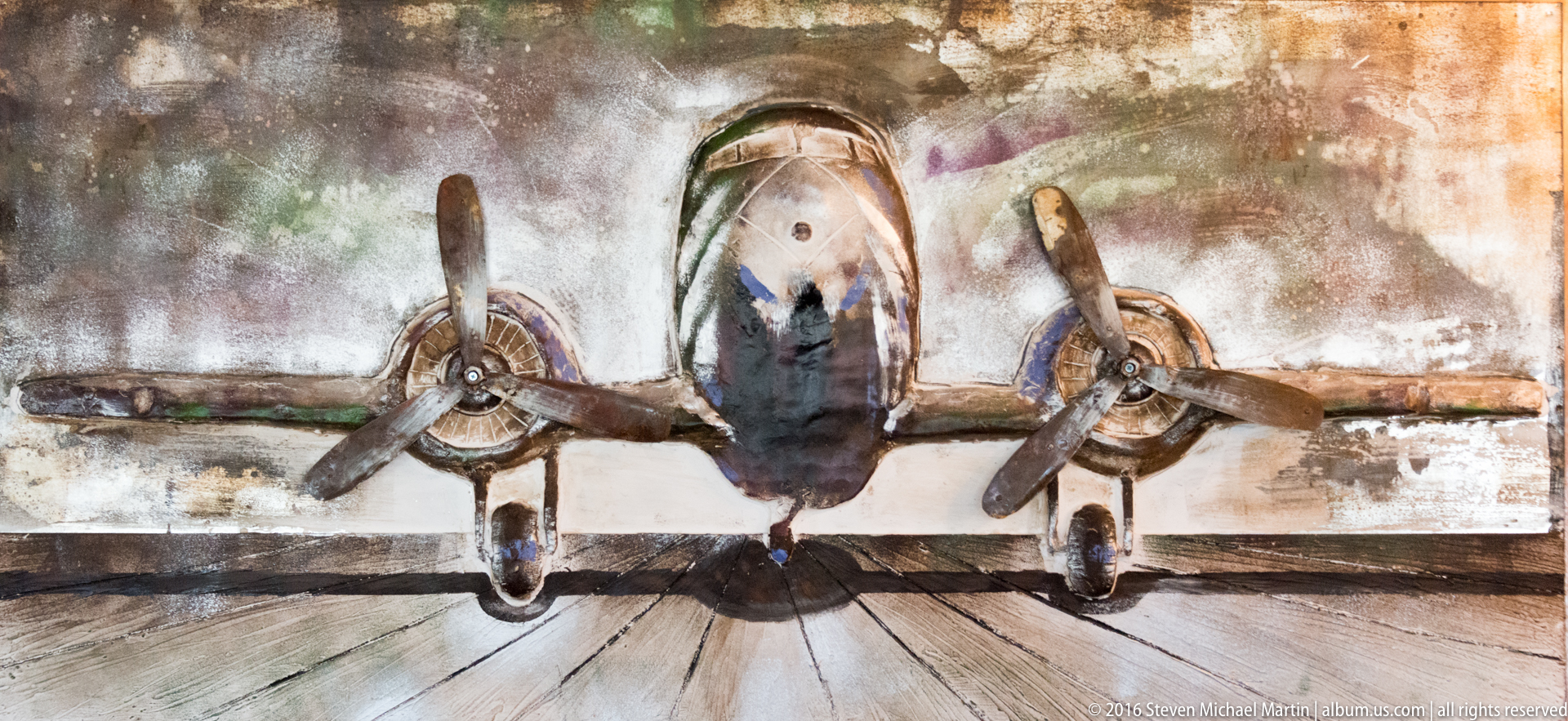
A painted head-on view of a twin-engine propeller aircraft fills a curved interior wall. The plane’s wings stretch almost edge to edge, while the central nose and three-bladed propellers anchor a deliberately symmetrical composition. Distressed, mottled colors suggest a decorative mural rather than an actual aircraft; the image makes aviation a visual theme within the lodge or visitor setting.
Caption
A painted head-on view of a twin-engine propeller aircraft fills a curved interior wall. The plane’s wings stretch almost edge to edge, while the central nose and three-bladed propellers anchor a deliberately symmetrical composition. Distressed, mottled colors suggest a decorative mural rather than an actual aircraft; the image makes aviation a visual theme within the lodge or visitor setting.

Three small single-engine aircraft stand in a row on a gravel airstrip, their high wings and fixed landing gear visible against a dark tree line. The soft, slightly blurred image gives the lineup a fleeting quality, as if seen during aircraft activity rather than staged as a technical portrait. In Bettles, where air travel links remote destinations, the parked planes define the local transportation landscape.
Caption
Three small single-engine aircraft stand in a row on a gravel airstrip, their high wings and fixed landing gear visible against a dark tree line. The soft, slightly blurred image gives the lineup a fleeting quality, as if seen during aircraft activity rather than staged as a technical portrait. In Bettles, where air travel links remote destinations, the parked planes define the local transportation landscape.
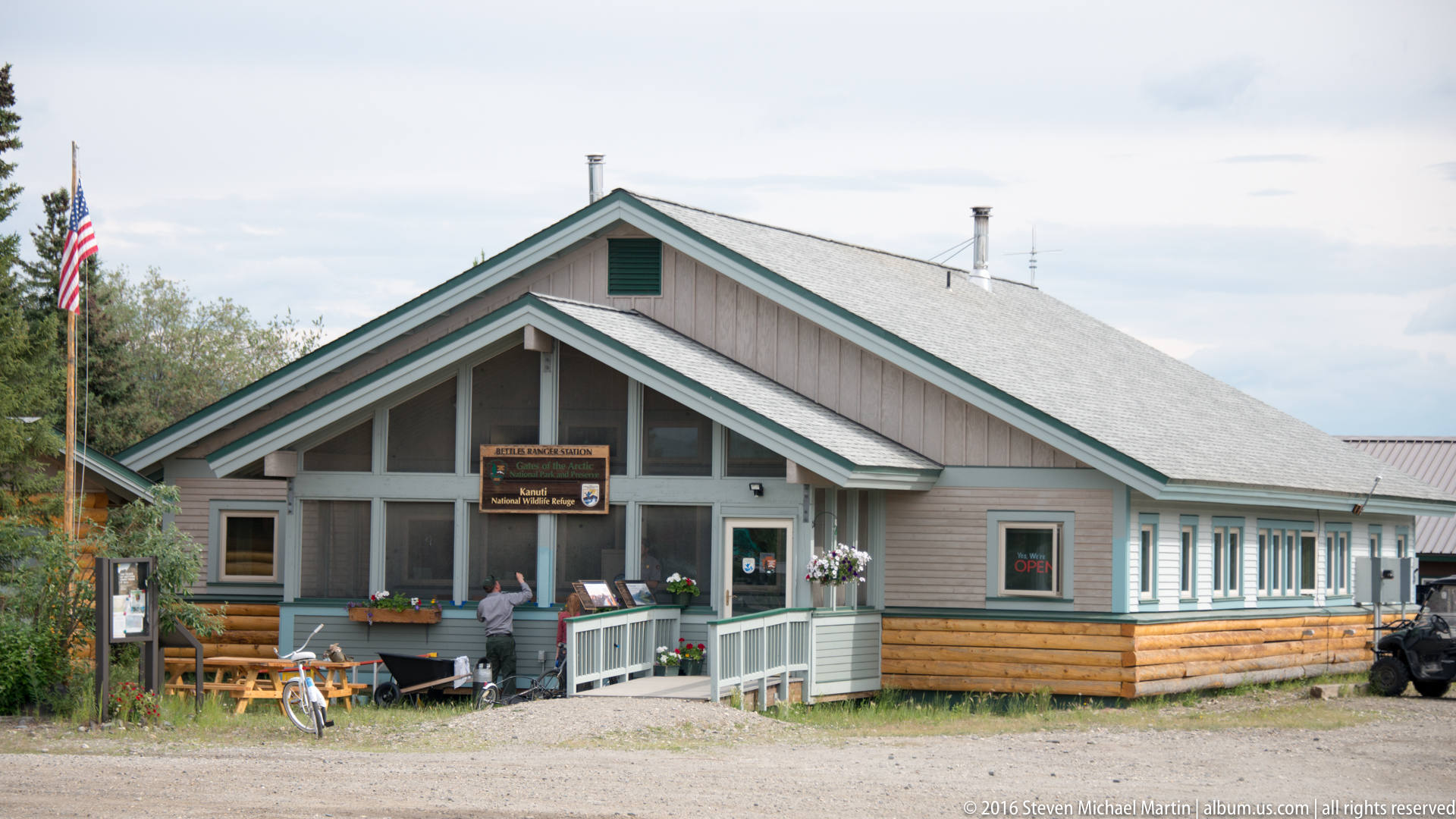
A low, broad gabled building faces a gravel lane, with a covered porch, central entrance, and a long row of windows along its right wing. Pale siding contrasts with horizontal log cladding at the base; an American flag stands near the entry and bicycles rest by the porch. The modest scale and practical form suit a community building in Bettles, though the sign is too small to read here.
Caption
A low, broad gabled building faces a gravel lane, with a covered porch, central entrance, and a long row of windows along its right wing. Pale siding contrasts with horizontal log cladding at the base; an American flag stands near the entry and bicycles rest by the porch. The modest scale and practical form suit a community building in Bettles, though the sign is too small to read here.
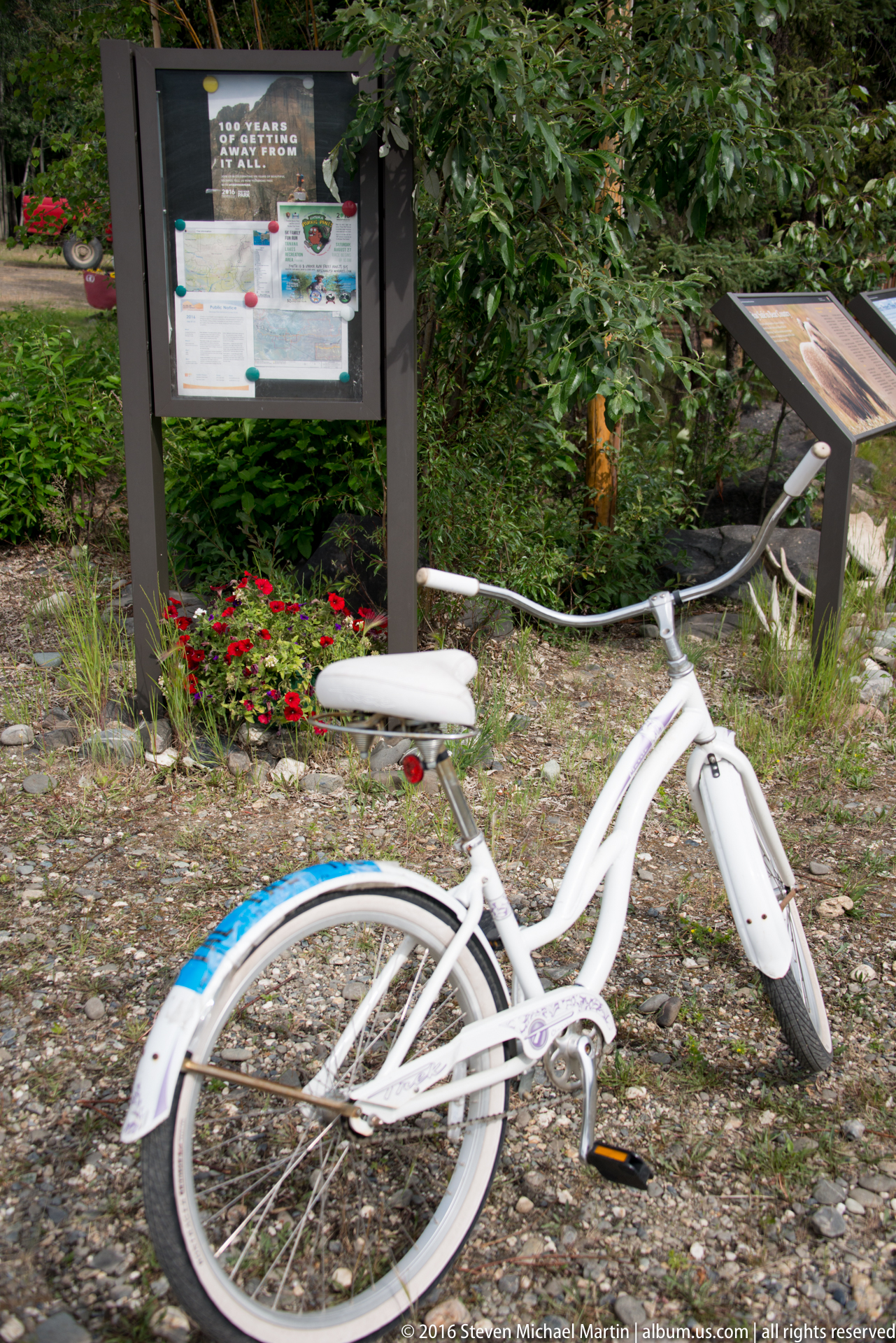
A white step-through bicycle leans near an outdoor information board and a separate angled interpretive panel. Low groundcover, red flowers, and surrounding shrubs soften the display area, while the bicycle fills the foreground as the strongest visual element. The scene records a small-scale visitor amenity and offers a contrast to the aircraft that serve as Bettles’ larger transportation link.
Caption
A white step-through bicycle leans near an outdoor information board and a separate angled interpretive panel. Low groundcover, red flowers, and surrounding shrubs soften the display area, while the bicycle fills the foreground as the strongest visual element. The scene records a small-scale visitor amenity and offers a contrast to the aircraft that serve as Bettles’ larger transportation link.
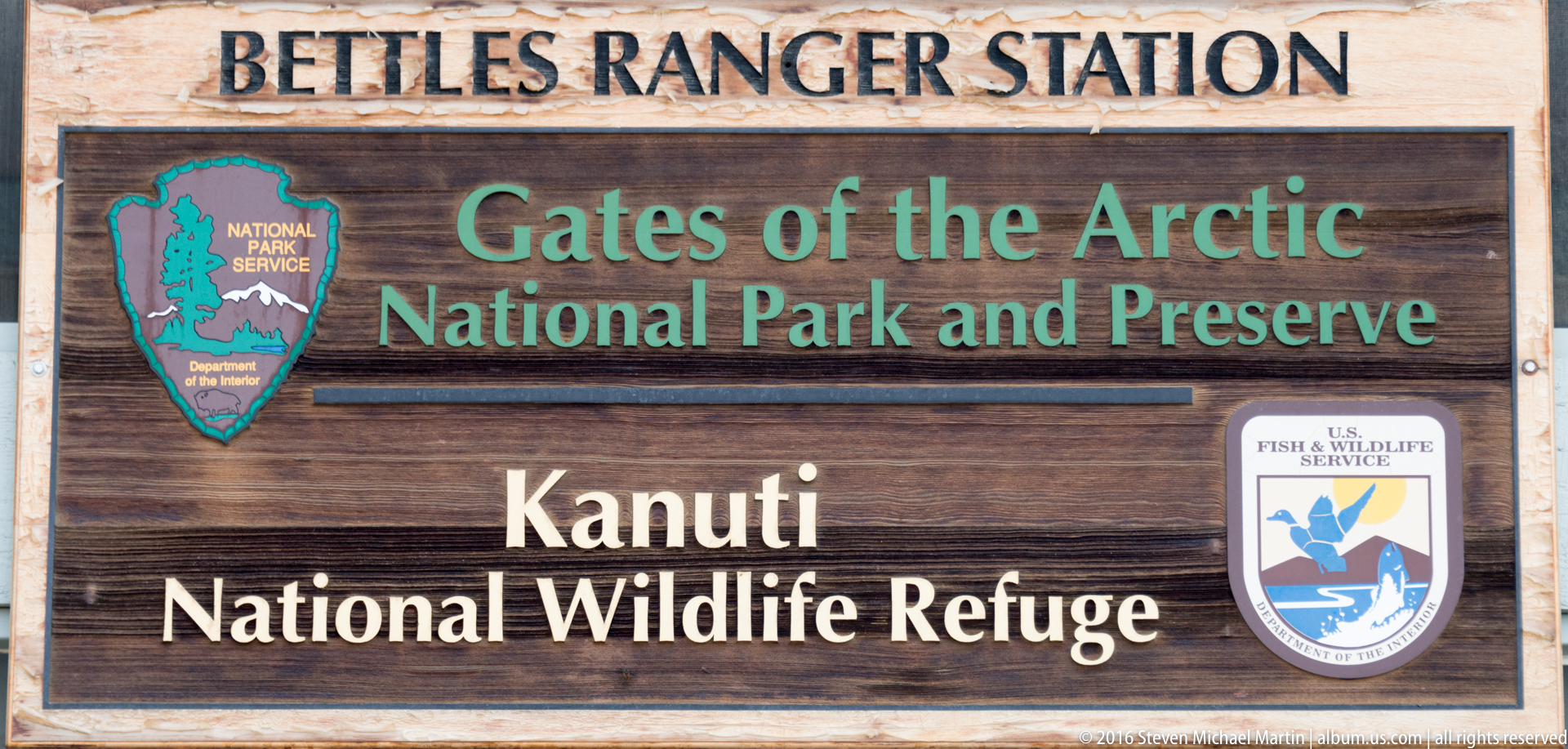
A wooden sign announces Gates of the Arctic National Park and Preserve and Kanuti National Wildlife Refuge. The National Park Service arrowhead appears at left, with a U.S. Fish and Wildlife Service emblem at right, bringing two federal conservation agencies into one frame. The paired names situate Bettles within a broader network of protected lands and wildlife refuges in interior Alaska.
Caption
A wooden sign announces Gates of the Arctic National Park and Preserve and Kanuti National Wildlife Refuge. The National Park Service arrowhead appears at left, with a U.S. Fish and Wildlife Service emblem at right, bringing two federal conservation agencies into one frame. The paired names situate Bettles within a broader network of protected lands and wildlife refuges in interior Alaska.
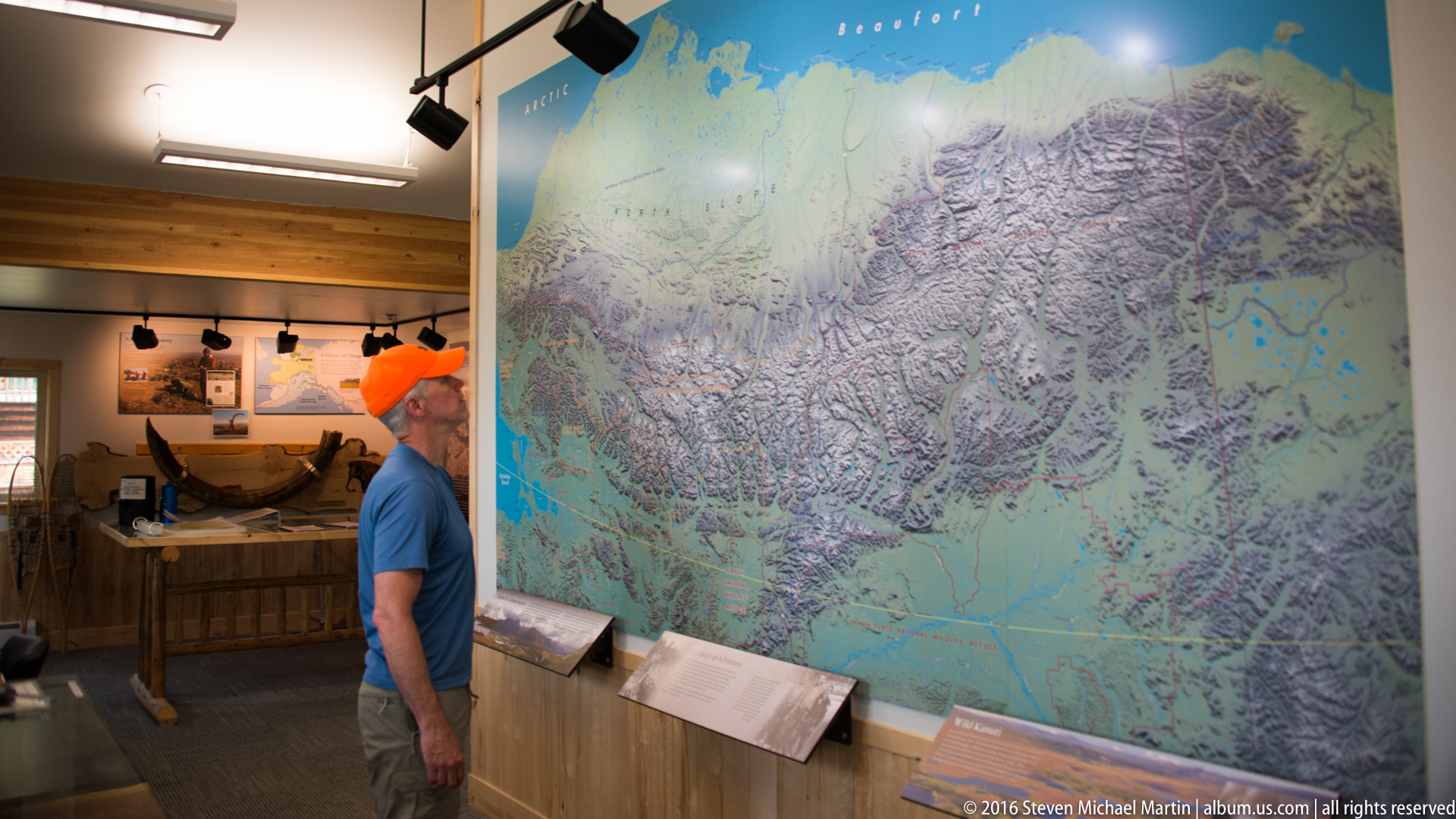
A visitor in a bright orange cap stands beside an oversized relief-style map covering most of the wall. Low exhibit labels and photographs line the timber-paneled room, while the person’s scale gives a sense of the map’s reach across northern Alaska. The scene shifts from map detail to the act of orientation, showing how visitors encounter the region before traveling into the park.
Caption
A visitor in a bright orange cap stands beside an oversized relief-style map covering most of the wall. Low exhibit labels and photographs line the timber-paneled room, while the person’s scale gives a sense of the map’s reach across northern Alaska. The scene shifts from map detail to the act of orientation, showing how visitors encounter the region before traveling into the park.
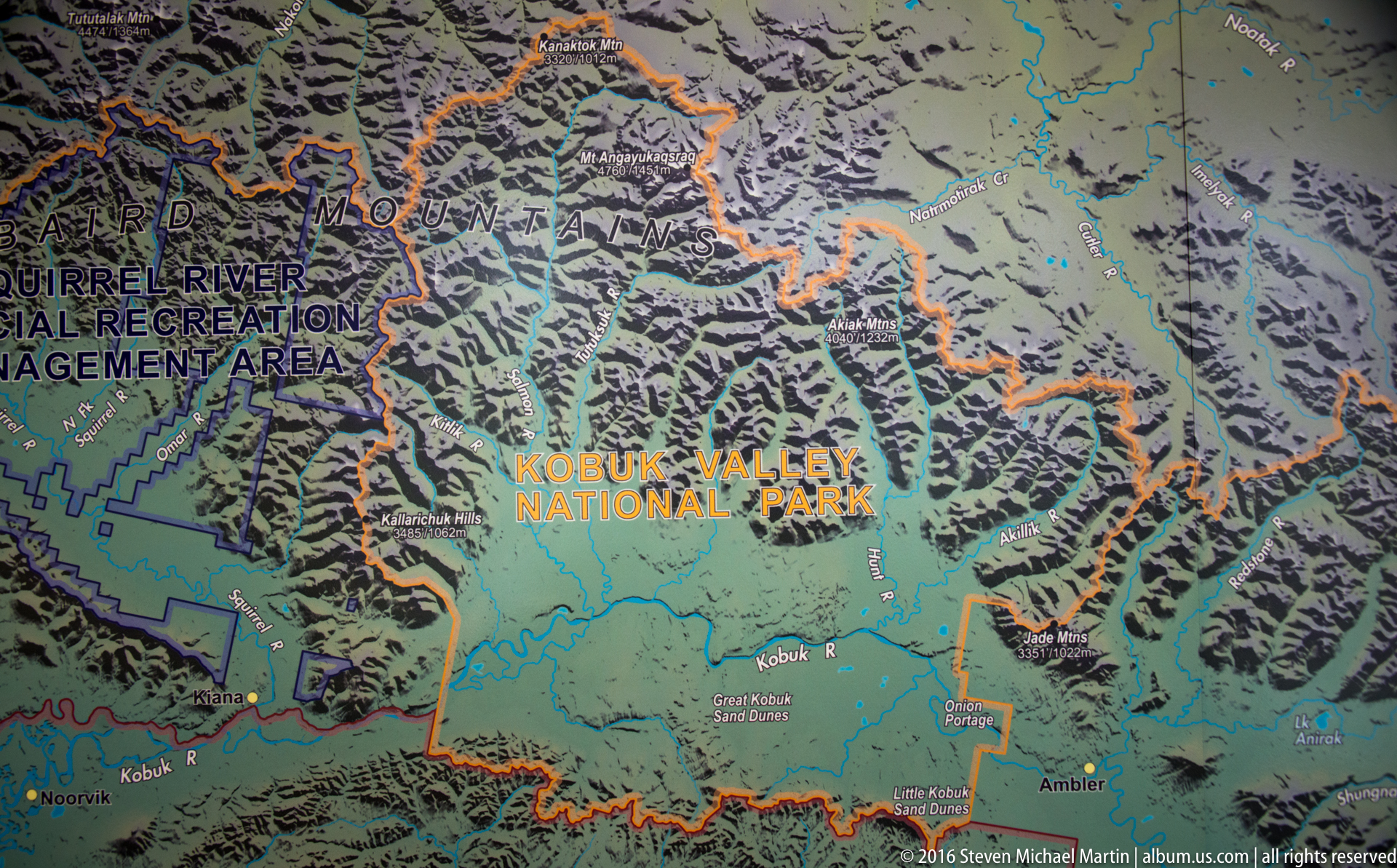
A shaded-relief map centers Kobuk Valley National Park within a complex patchwork of mountain terrain, rivers, and outlined public lands. The park boundary is picked out in orange, while names for neighboring units and recreation areas appear around it. The close view turns the map’s boundary lines and geographic relationships into the subject, linking Bettles-area travel with Alaska’s wider system of protected landscapes.
Caption
A shaded-relief map centers Kobuk Valley National Park within a complex patchwork of mountain terrain, rivers, and outlined public lands. The park boundary is picked out in orange, while names for neighboring units and recreation areas appear around it. The close view turns the map’s boundary lines and geographic relationships into the subject, linking Bettles-area travel with Alaska’s wider system of protected landscapes.
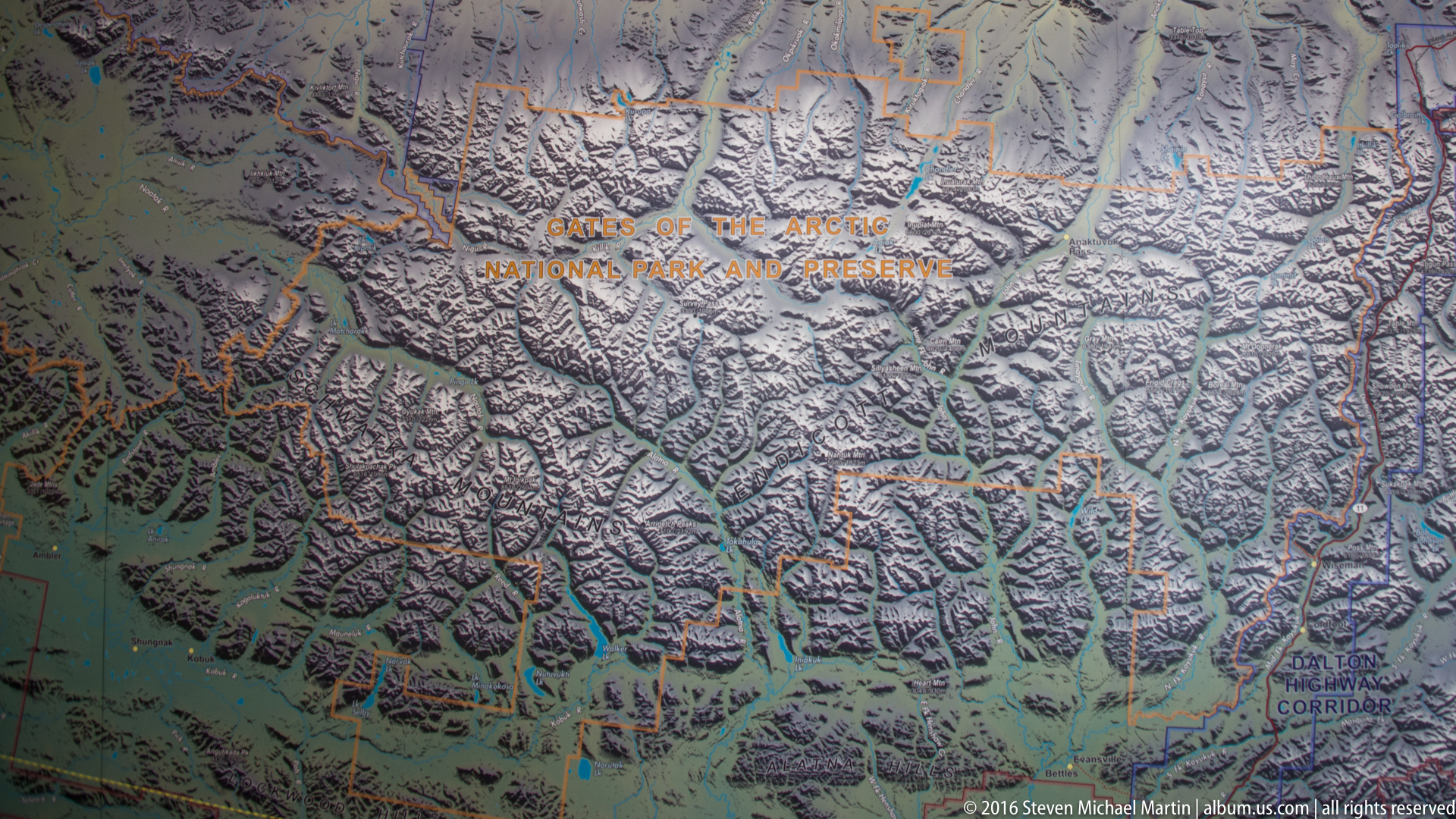
A close view of a shaded-relief map shows the rugged ridges and valleys of northern Alaska, with the Gates of the Arctic National Park and Preserve label crossing the mountainous terrain. Colored boundary lines distinguish the park from neighboring lands, while rivers trace routes through the range. The map conveys the park’s vast, mountainous setting more directly than a ground-level landscape view.
Caption
A close view of a shaded-relief map shows the rugged ridges and valleys of northern Alaska, with the Gates of the Arctic National Park and Preserve label crossing the mountainous terrain. Colored boundary lines distinguish the park from neighboring lands, while rivers trace routes through the range. The map conveys the park’s vast, mountainous setting more directly than a ground-level landscape view.

An open binder holds a yellow map divided into numbered and lettered grid squares, with place names including Chandler Lake, Killik River, Survey Pass, and Ambler River. The north arrow and scale provide practical orientation for reading the sheet. Its marked grid makes the image a record of navigation and planning, where access to remote country depends on detailed map references.
Caption
An open binder holds a yellow map divided into numbered and lettered grid squares, with place names including Chandler Lake, Killik River, Survey Pass, and Ambler River. The north arrow and scale provide practical orientation for reading the sheet. Its marked grid makes the image a record of navigation and planning, where access to remote country depends on detailed map references.
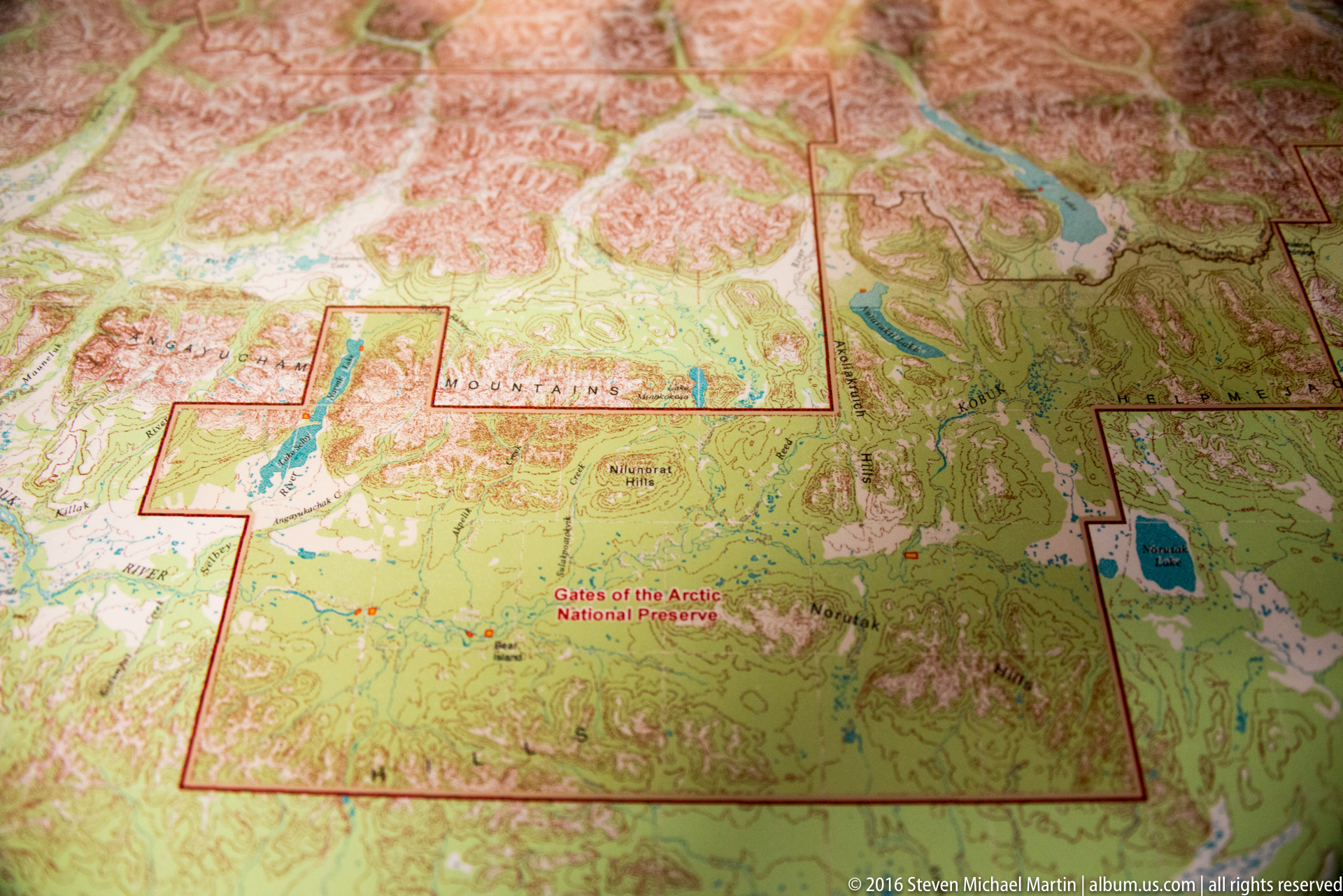
A colorful regional map marks the irregular boundary of Gates of the Arctic National Park and Preserve with a dark red line. The park name sits within the outlined area, while rivers, lakes, and surrounding terrain remain visible beneath the boundary. The framing focuses on the park’s shape and extent, complementing the mountain relief map and grid reference sheet nearby.
Caption
A colorful regional map marks the irregular boundary of Gates of the Arctic National Park and Preserve with a dark red line. The park name sits within the outlined area, while rivers, lakes, and surrounding terrain remain visible beneath the boundary. The framing focuses on the park’s shape and extent, complementing the mountain relief map and grid reference sheet nearby.
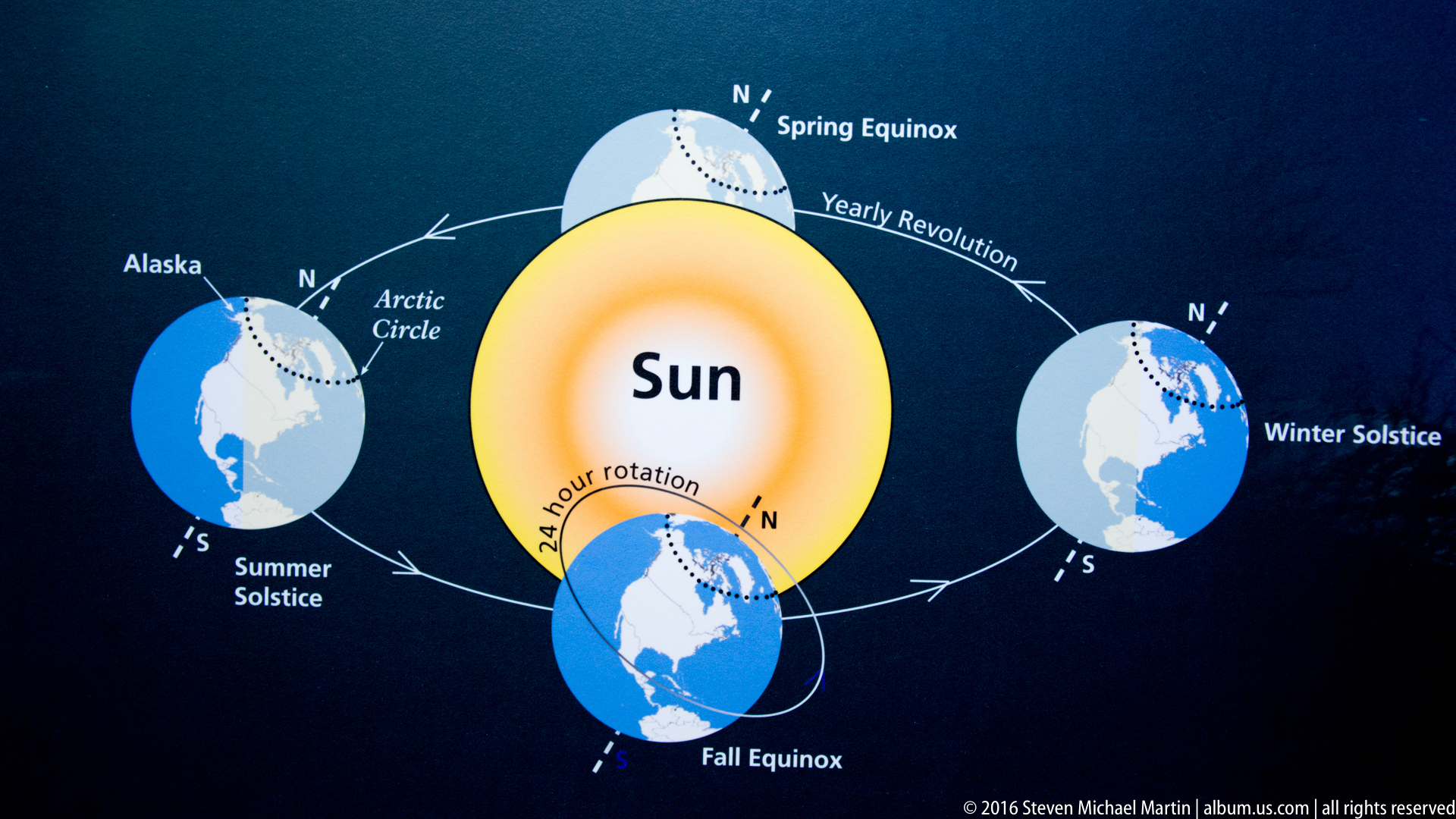
A blue educational panel places the sun at the center of an orbital diagram, with Earth shown at the spring equinox, summer solstice, fall equinox, and winter solstice. Labels identify Alaska and the Arctic Circle, while arrows indicate yearly revolution and Earth’s rotation. The graphic explains seasonal changes in sunlight at high latitudes, a defining environmental context for an Arctic park.
Caption
A blue educational panel places the sun at the center of an orbital diagram, with Earth shown at the spring equinox, summer solstice, fall equinox, and winter solstice. Labels identify Alaska and the Arctic Circle, while arrows indicate yearly revolution and Earth’s rotation. The graphic explains seasonal changes in sunlight at high latitudes, a defining environmental context for an Arctic park.
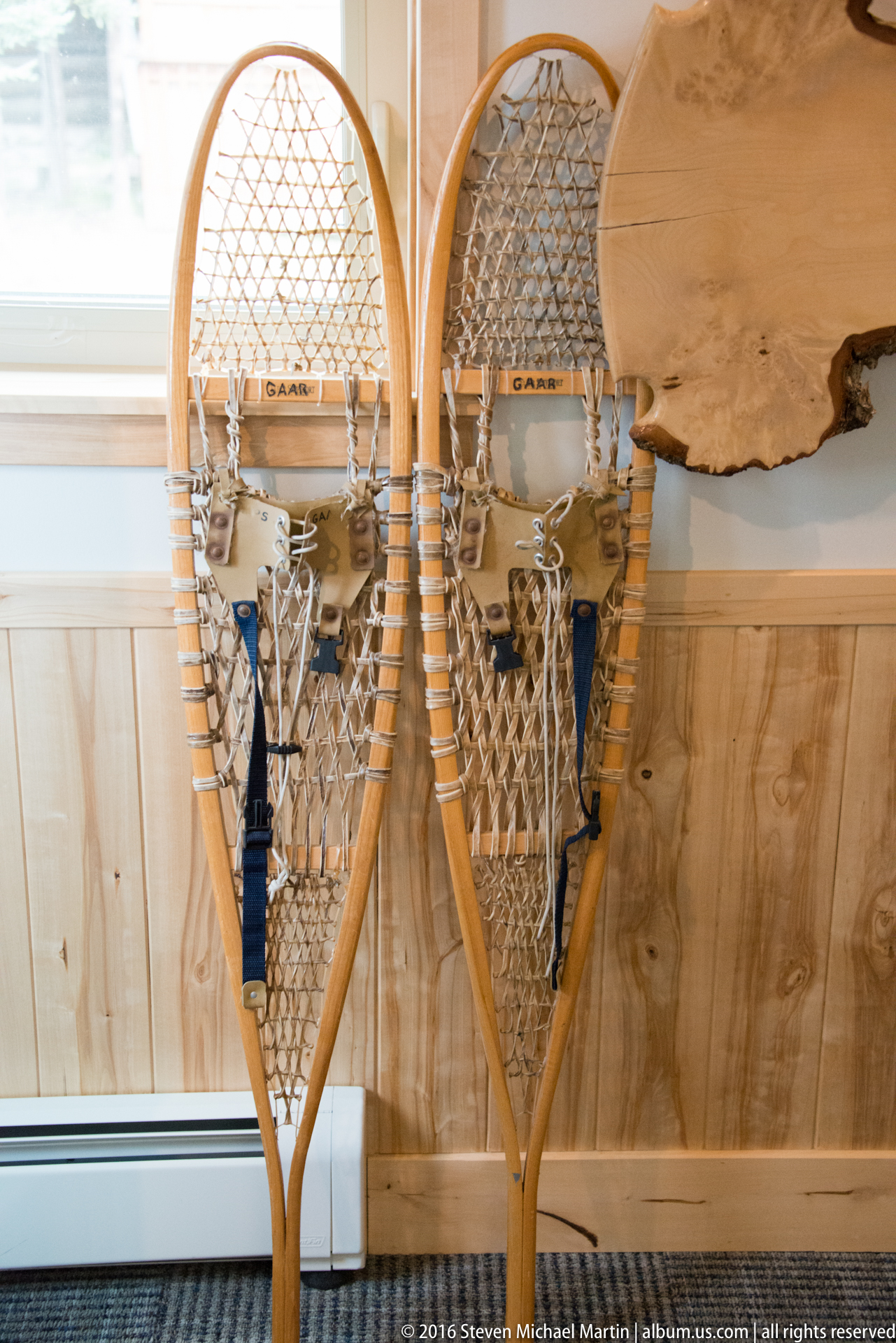
Two large snowshoes with curved wooden frames and woven webbing hang vertically on a pale wood-paneled wall. Their elongated oval shapes and tightly laced centers are clearly visible behind glass or a display barrier. The pair presents winter travel technology as both functional equipment and museum object, an apt counterpoint to the maps and aviation displays in this remote Arctic region.
Caption
Two large snowshoes with curved wooden frames and woven webbing hang vertically on a pale wood-paneled wall. Their elongated oval shapes and tightly laced centers are clearly visible behind glass or a display barrier. The pair presents winter travel technology as both functional equipment and museum object, an apt counterpoint to the maps and aviation displays in this remote Arctic region.
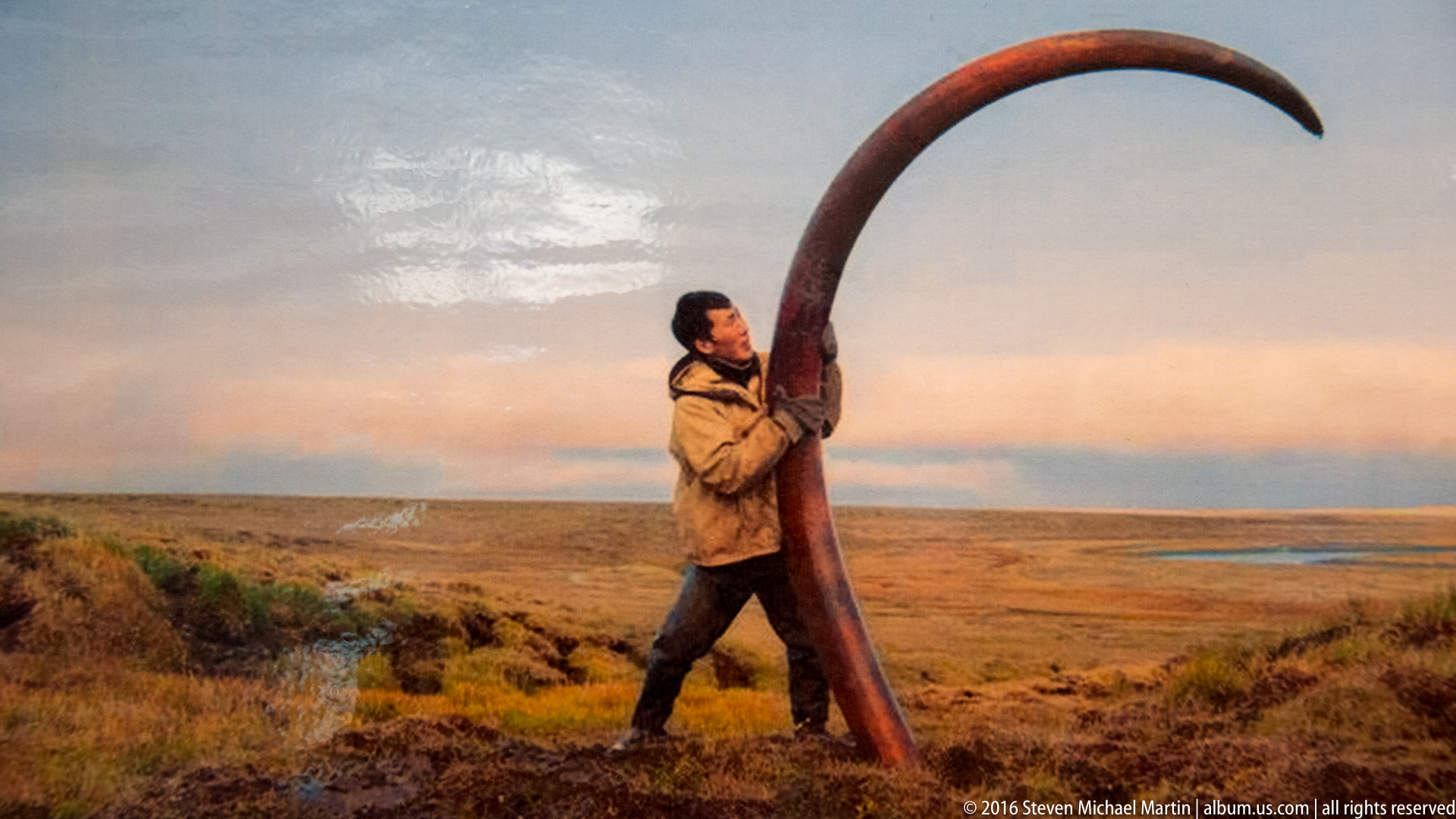
A man in a tan jacket braces a tall, curved object against his shoulder as he walks across low tundra. The object arches high over him and dominates the composition, while a flat river plain and pastel evening sky stretch behind. Its shape resembles a large tusk, but the photograph does not establish its material or origin; the human figure provides scale against the open landscape.
Caption
A man in a tan jacket braces a tall, curved object against his shoulder as he walks across low tundra. The object arches high over him and dominates the composition, while a flat river plain and pastel evening sky stretch behind. Its shape resembles a large tusk, but the photograph does not establish its material or origin; the human figure provides scale against the open landscape.

A brown, shaggy mammoth with long, sweeping tusks strides across a pale background dotted with small plants. The image is a signed illustration rather than a photograph of a specimen, presenting the extinct animal in profile with its dense coat and curved tusks as defining features. Its presence in the exhibit connects northern Alaska’s contemporary landscapes with the Ice Age animals that once inhabited the region.
Caption
A brown, shaggy mammoth with long, sweeping tusks strides across a pale background dotted with small plants. The image is a signed illustration rather than a photograph of a specimen, presenting the extinct animal in profile with its dense coat and curved tusks as defining features. Its presence in the exhibit connects northern Alaska’s contemporary landscapes with the Ice Age animals that once inhabited the region.
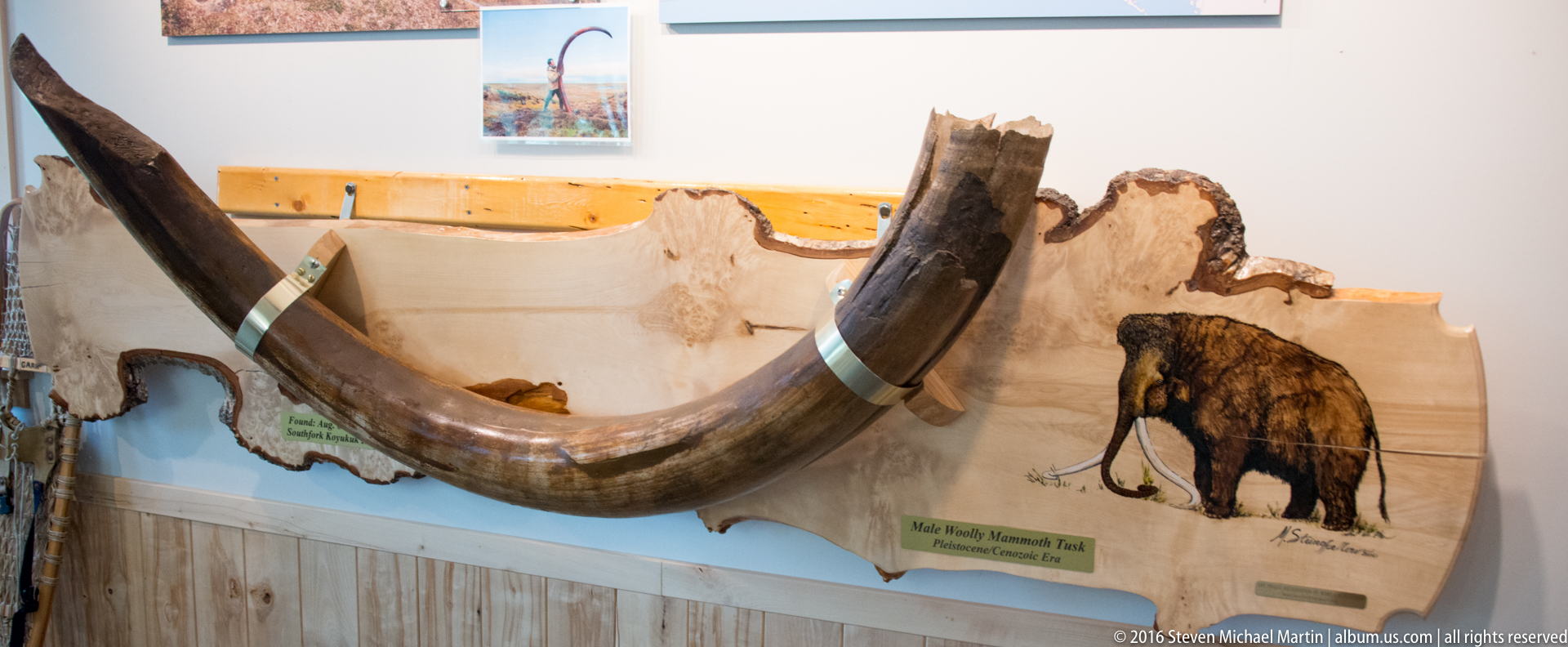
Two long, dark tusks sweep upward from a broad display board illustrated with a mammoth. A smaller image of a mammoth stands at the right, helping establish the tusks’ scale and presumed source. The display emphasizes the dramatic curve and length of the fossil ivory; the thumbnail supports a mammoth association but does not reveal the exhibit label’s exact identification or provenance.
Caption
Two long, dark tusks sweep upward from a broad display board illustrated with a mammoth. A smaller image of a mammoth stands at the right, helping establish the tusks’ scale and presumed source. The display emphasizes the dramatic curve and length of the fossil ivory; the thumbnail supports a mammoth association but does not reveal the exhibit label’s exact identification or provenance.

A colorful emblem on dark fabric reads “Gates of the Arctic National Park & Preserve.” Its graphic combines a mountain scene, a figure or animal form in the foreground, and a bright yellow title. The close crop turns the park identity mark into the subject, distinct from the official park sign and maps shown elsewhere in the sequence.
Caption
A colorful emblem on dark fabric reads “Gates of the Arctic National Park & Preserve.” Its graphic combines a mountain scene, a figure or animal form in the foreground, and a bright yellow title. The close crop turns the park identity mark into the subject, distinct from the official park sign and maps shown elsewhere in the sequence.

A red pickup is parked side-on before a steep-roofed log building with a green metal roof. Branches and leafy cuttings lie across the truck bed and cab, while the cabin’s simple dormer and front porch remain visible behind it. The ordinary vehicle and working yard offer a grounded view of Bettles’ small settlement, rather than the wilderness scenery associated with the nearby park.
Caption
A red pickup is parked side-on before a steep-roofed log building with a green metal roof. Branches and leafy cuttings lie across the truck bed and cab, while the cabin’s simple dormer and front porch remain visible behind it. The ordinary vehicle and working yard offer a grounded view of Bettles’ small settlement, rather than the wilderness scenery associated with the nearby park.
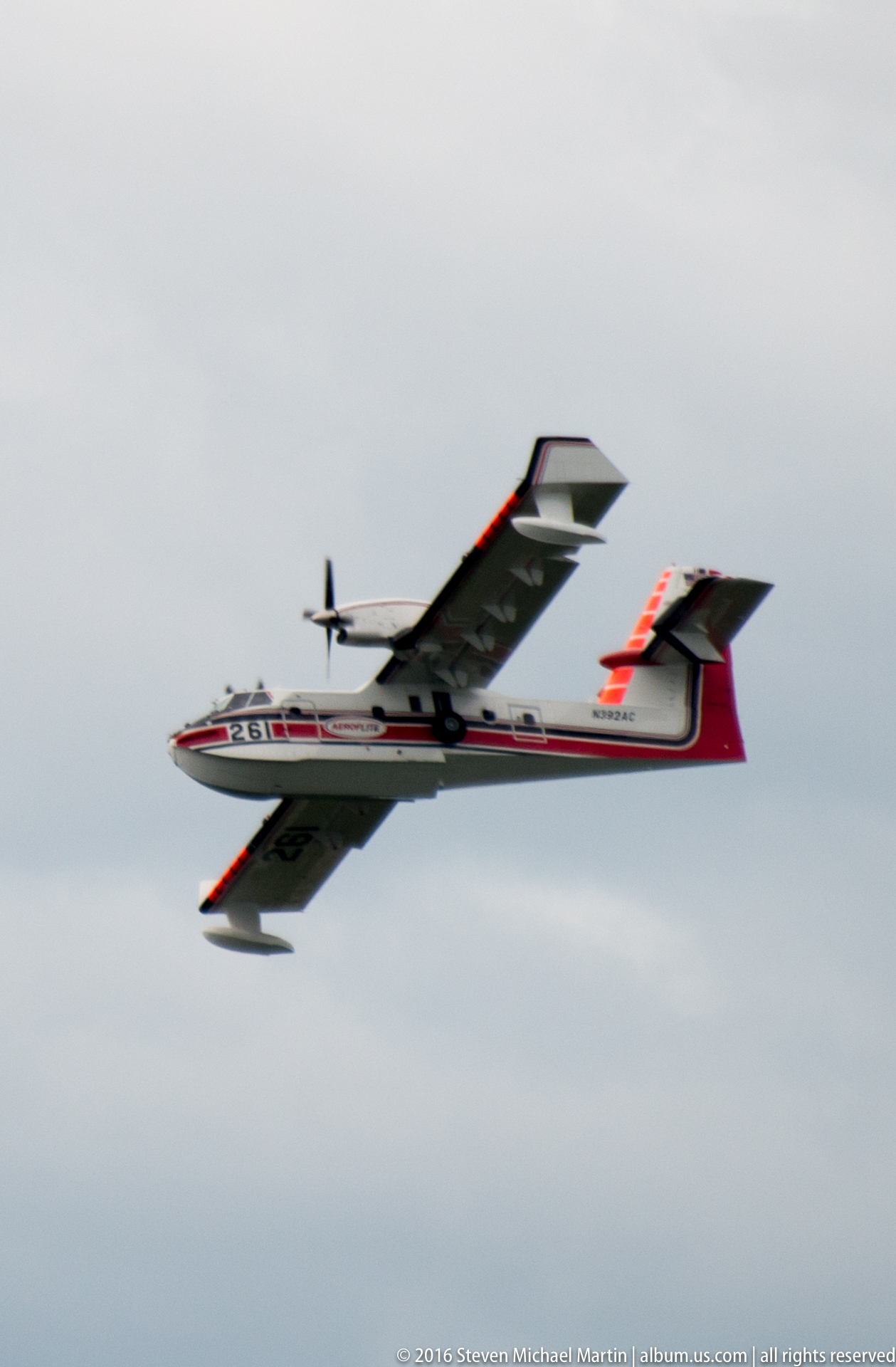
A small red, white, and dark-colored propeller aircraft passes across an overcast sky, isolated from any visible runway or landscape. The side view makes its compact fuselage, single propeller, and high-set wing easy to read. In Bettles, aircraft are a prominent means of reaching places beyond the road network, but this image does not identify a route or aircraft model.
Caption
A small red, white, and dark-colored propeller aircraft passes across an overcast sky, isolated from any visible runway or landscape. The side view makes its compact fuselage, single propeller, and high-set wing easy to read. In Bettles, aircraft are a prominent means of reaching places beyond the road network, but this image does not identify a route or aircraft model.

A red canoe has been repurposed as a flower planter, with bright yellow and purple blooms arranged among pale antlers and skulls. Smooth stones edge the display, and a second carved or mounted wildlife form sits nearby. The unusual combination turns outdoor ornament into a local decorative tableau, pairing cultivated flowers with reminders of northern wildlife.
Caption
A red canoe has been repurposed as a flower planter, with bright yellow and purple blooms arranged among pale antlers and skulls. Smooth stones edge the display, and a second carved or mounted wildlife form sits nearby. The unusual combination turns outdoor ornament into a local decorative tableau, pairing cultivated flowers with reminders of northern wildlife.

The Old Sour Dough Lodge is identified by large white lettering across its weathered log façade. A broad staircase climbs the right side to an upper level, while a smaller entrance porch displays a yellow local-honey notice and a glowing open sign. Antlers mounted above the doorway reinforce the rustic commercial character of this Bettles landmark, distinct from the more formal historic plaque shown earlier.
Caption
The Old Sour Dough Lodge is identified by large white lettering across its weathered log façade. A broad staircase climbs the right side to an upper level, while a smaller entrance porch displays a yellow local-honey notice and a glowing open sign. Antlers mounted above the doorway reinforce the rustic commercial character of this Bettles landmark, distinct from the more formal historic plaque shown earlier.

The Old Dough Lodge combines a broad green metal roof, log siding, a raised entrance stair, and a red pickup parked on the gravel forecourt. Its hand-painted name and small OPEN sign place the building in the working settlement of Bettles, where lodging and local services support travel into the surrounding Arctic region.
Caption
The Old Dough Lodge combines a broad green metal roof, log siding, a raised entrance stair, and a red pickup parked on the gravel forecourt. Its hand-painted name and small OPEN sign place the building in the working settlement of Bettles, where lodging and local services support travel into the surrounding Arctic region.

A yellow GMC fire engine marked for the State of Alaska Department of Transportation and Public Facilities stands beside a wooden building. Its roof lights, side compartments, and emergency equipment distinguish it from the lodge and aircraft scenes nearby, offering a glimpse of the public-service vehicles operating in this remote community.
Caption
A yellow GMC fire engine marked for the State of Alaska Department of Transportation and Public Facilities stands beside a wooden building. Its roof lights, side compartments, and emergency equipment distinguish it from the lodge and aircraft scenes nearby, offering a glimpse of the public-service vehicles operating in this remote community.
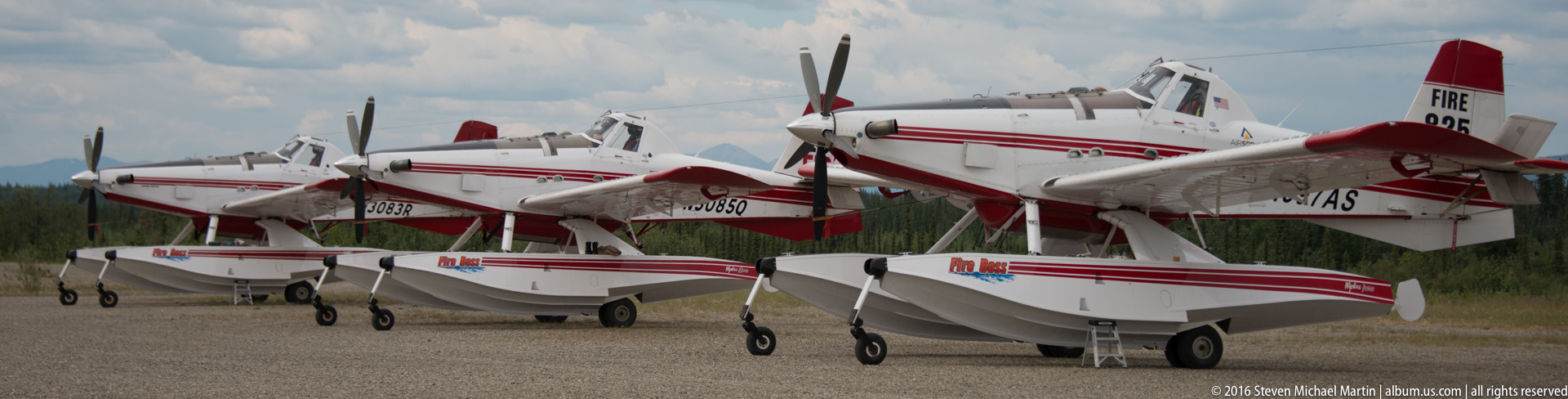
Several red-and-white utility airplanes stand nose to tail on a gravel apron, their high wings and landing gear aligned in a tight row. Red tail markings and the repeated Alaska lettering connect the aircraft visually, while the close viewpoint emphasizes the fleet’s practical, service-oriented character rather than a single plane.
Caption
Several red-and-white utility airplanes stand nose to tail on a gravel apron, their high wings and landing gear aligned in a tight row. Red tail markings and the repeated Alaska lettering connect the aircraft visually, while the close viewpoint emphasizes the fleet’s practical, service-oriented character rather than a single plane.
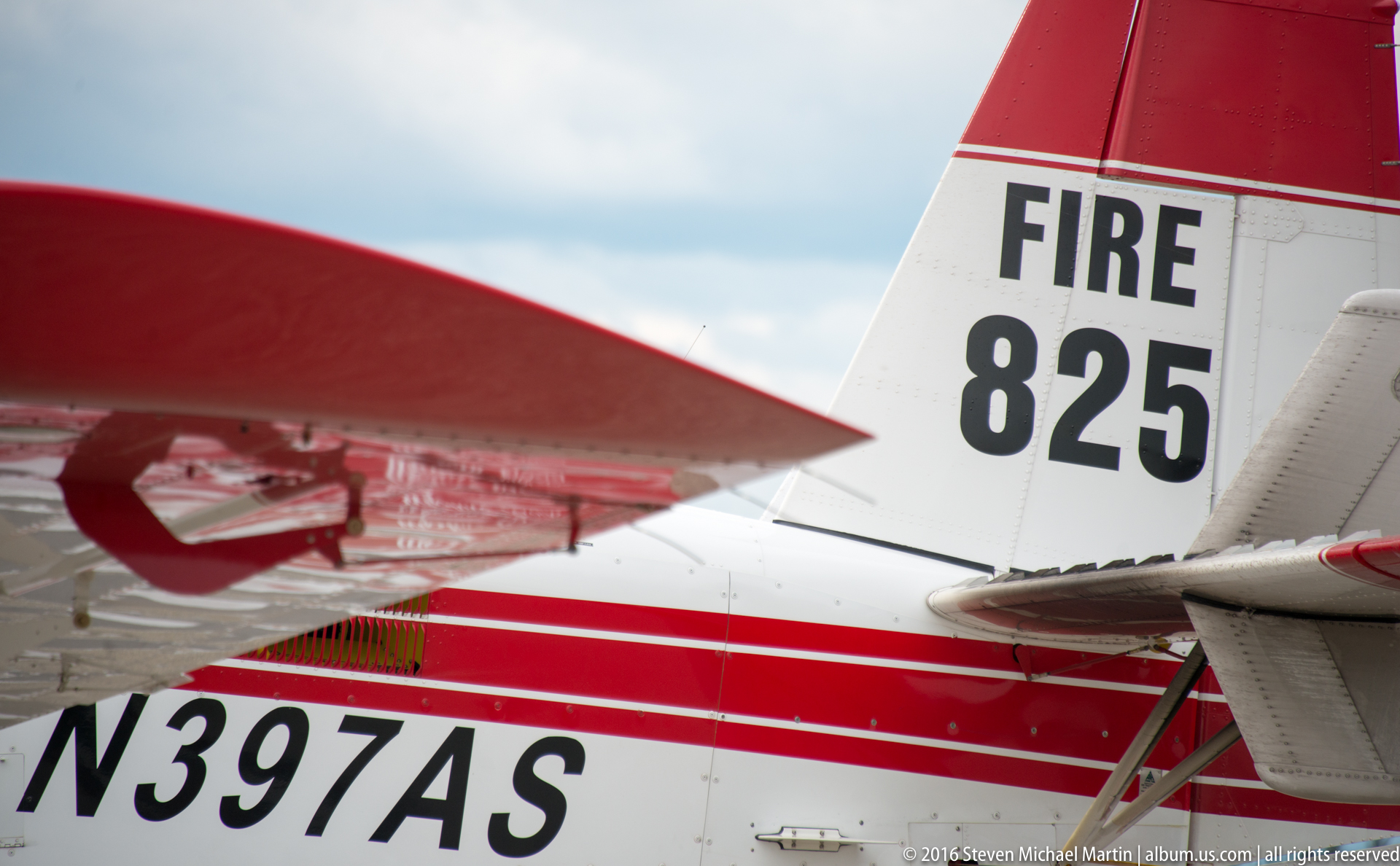
The close crop isolates the tail assembly of a red-and-white aircraft, where the large words FIRE 825 and registration N3974AS are plainly visible. Overlapping wing and fuselage surfaces turn the image into a study of markings and paint rather than a complete aircraft portrait; the exact operational role is suggested by the lettering but not established here.
Caption
The close crop isolates the tail assembly of a red-and-white aircraft, where the large words FIRE 825 and registration N3974AS are plainly visible. Overlapping wing and fuselage surfaces turn the image into a study of markings and paint rather than a complete aircraft portrait; the exact operational role is suggested by the lettering but not established here.
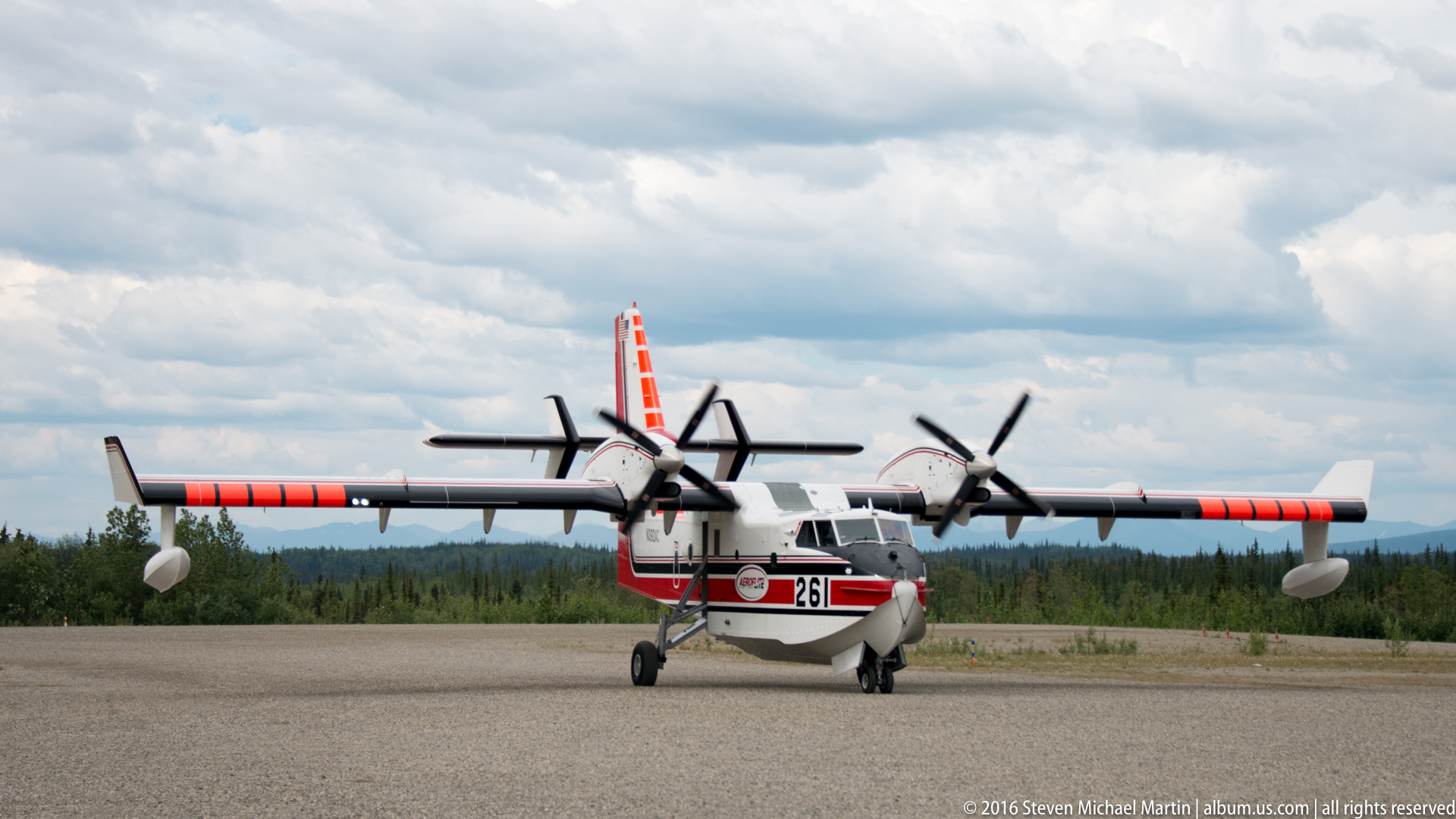
A red-and-white high-wing aircraft faces the camera from a gravel strip, with its two propellers, tricycle landing gear, and bright orange tail visible against a low tree line. The frontal composition clarifies the plane’s twin-engine configuration and substantial cabin, while the open runway setting evokes the practical air connections serving Bettles.
Caption
A red-and-white high-wing aircraft faces the camera from a gravel strip, with its two propellers, tricycle landing gear, and bright orange tail visible against a low tree line. The frontal composition clarifies the plane’s twin-engine configuration and substantial cabin, while the open runway setting evokes the practical air connections serving Bettles.

A large sign on a gabled wooden building points visitors toward Bettles Lodge and advertises an air charter, restaurant, and tavern. Two pale animal silhouettes sit above the lettering, while orange arrows direct attention to the right. Framed straight on, the sign acts as a compact guide to the mix of travel and hospitality services concentrated in Bettles.
Caption
A large sign on a gabled wooden building points visitors toward Bettles Lodge and advertises an air charter, restaurant, and tavern. Two pale animal silhouettes sit above the lettering, while orange arrows direct attention to the right. Framed straight on, the sign acts as a compact guide to the mix of travel and hospitality services concentrated in Bettles.
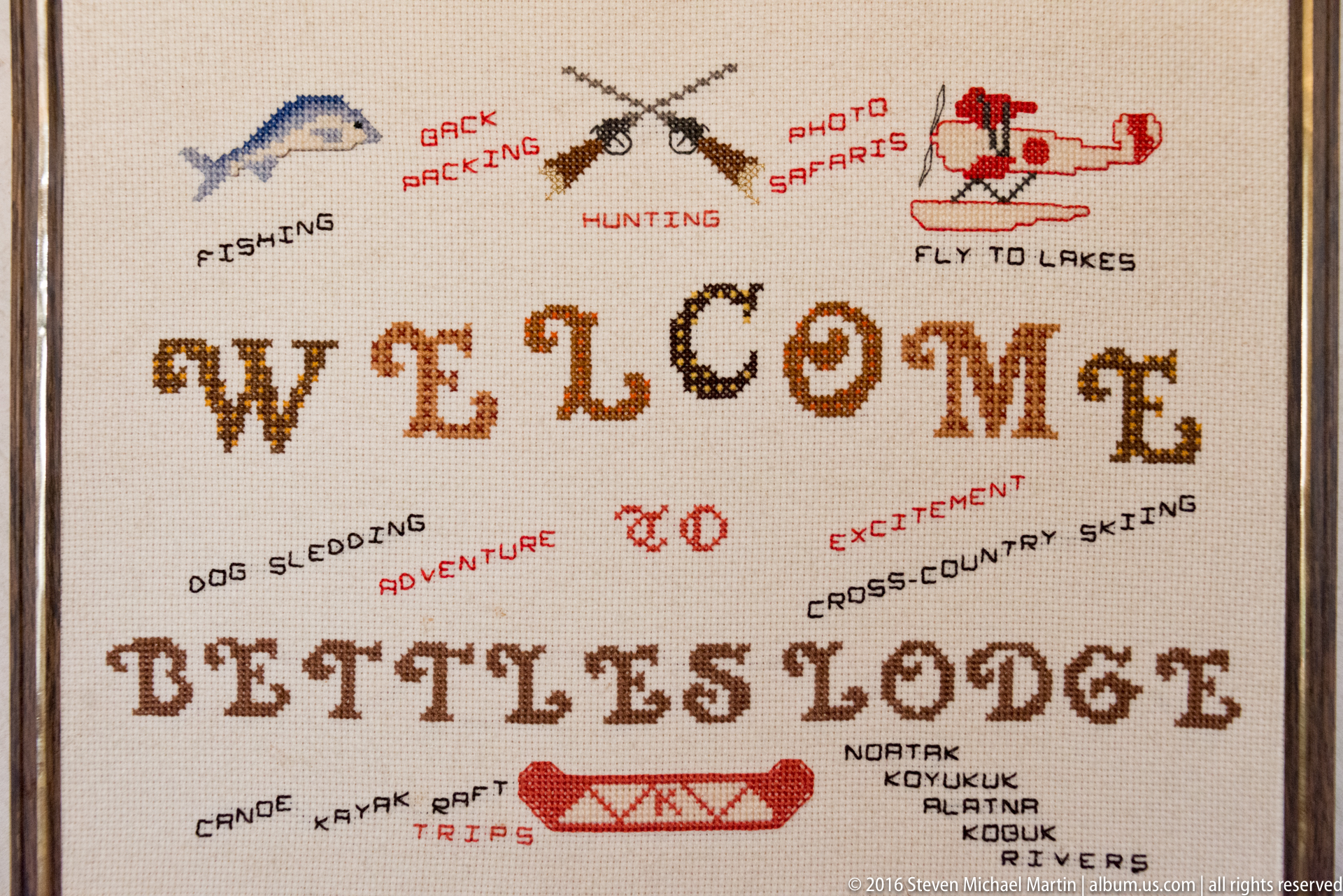
A framed textile sign welcomes visitors to Bettles Lodge with large stitched lettering and smaller labels for activities including fishing, backpacking, hunting, photo safaris, dog sledding, and canoe or kayak trips. A small embroidered aircraft and other motifs turn the sign into a handmade inventory of experiences promoted by the lodge, rather than a view of the activities themselves.
Caption
A framed textile sign welcomes visitors to Bettles Lodge with large stitched lettering and smaller labels for activities including fishing, backpacking, hunting, photo safaris, dog sledding, and canoe or kayak trips. A small embroidered aircraft and other motifs turn the sign into a handmade inventory of experiences promoted by the lodge, rather than a view of the activities themselves.
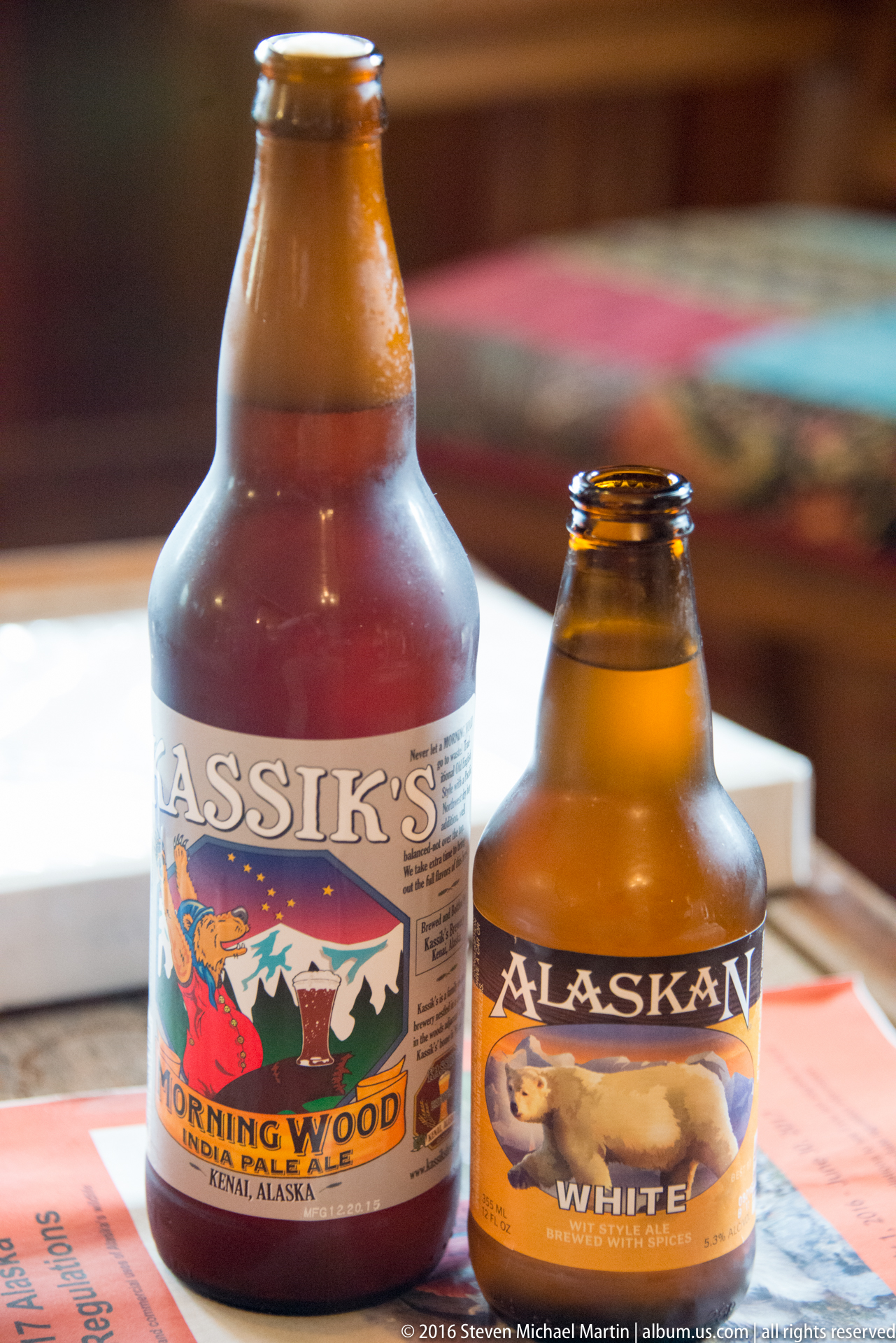
Two amber glass bottles stand on a tabletop, their colorful illustrated labels facing the camera. One is larger and nearly full in the frame; the shorter bottle sits beside it, with printed papers and a soft, warmly colored interior behind them. The labels suggest Alaska-themed products, but the small text does not support a more specific identification of their contents.
Caption
Two amber glass bottles stand on a tabletop, their colorful illustrated labels facing the camera. One is larger and nearly full in the frame; the shorter bottle sits beside it, with printed papers and a soft, warmly colored interior behind them. The labels suggest Alaska-themed products, but the small text does not support a more specific identification of their contents.
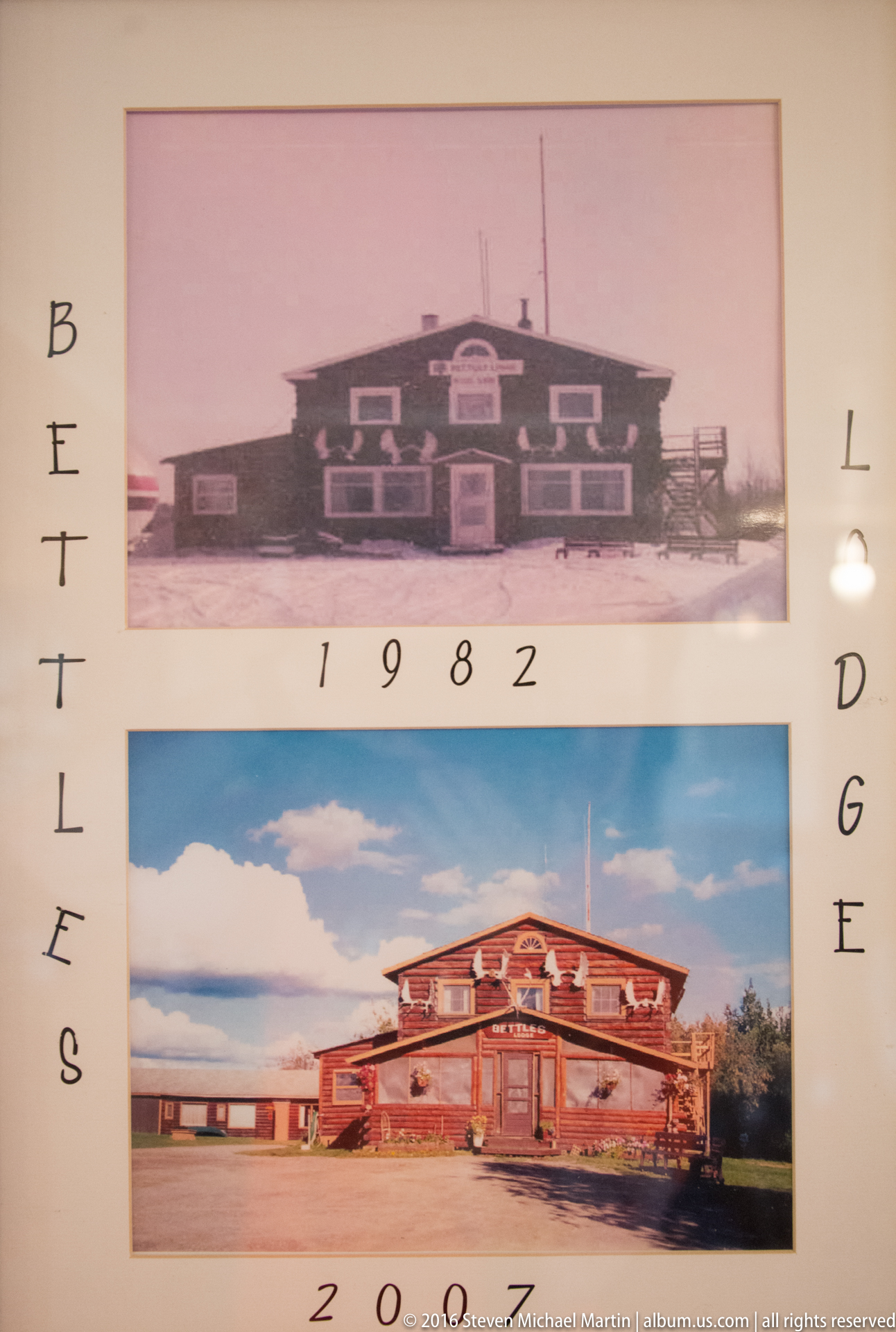
A display board pairs two photographs of a lodge building: a monochrome winter view labeled 1982 above a color exterior labeled 2007. The stacked images give a direct visual comparison across twenty-five years, while the vertical word BETTLES and the word LODGE frame the display. It documents the business through dated images without showing the changes in detail.
Caption
A display board pairs two photographs of a lodge building: a monochrome winter view labeled 1982 above a color exterior labeled 2007. The stacked images give a direct visual comparison across twenty-five years, while the vertical word BETTLES and the word LODGE frame the display. It documents the business through dated images without showing the changes in detail.
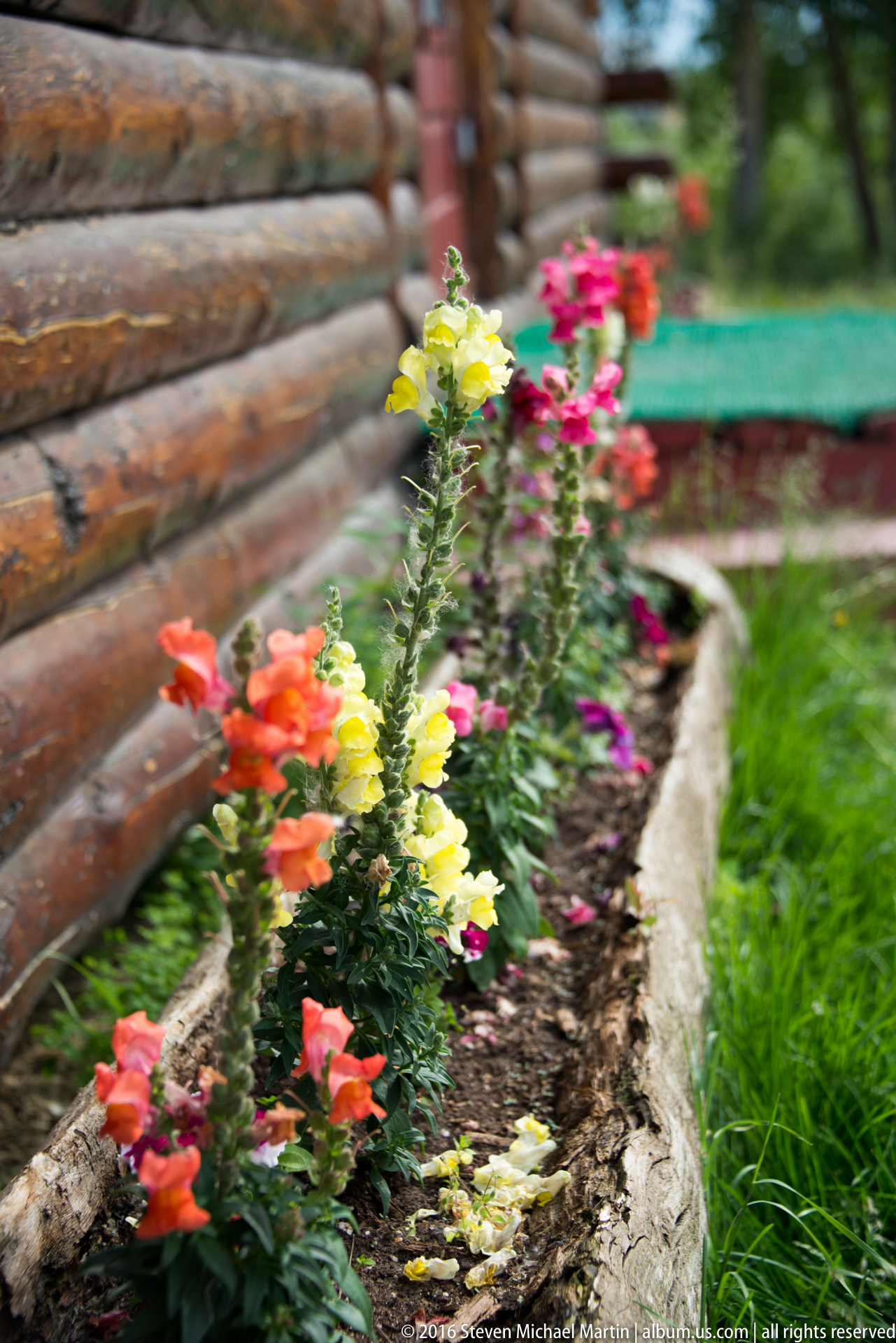
A narrow timber-edged flower bed runs diagonally beside the lodge’s dark log wall. Orange, yellow, pink, and red blossoms rise from green foliage, with shallow focus softening both the foreground and background. The close composition brings a small cultivated garden into view against the rugged, functional architecture of the settlement.
Caption
A narrow timber-edged flower bed runs diagonally beside the lodge’s dark log wall. Orange, yellow, pink, and red blossoms rise from green foliage, with shallow focus softening both the foreground and background. The close composition brings a small cultivated garden into view against the rugged, functional architecture of the settlement.
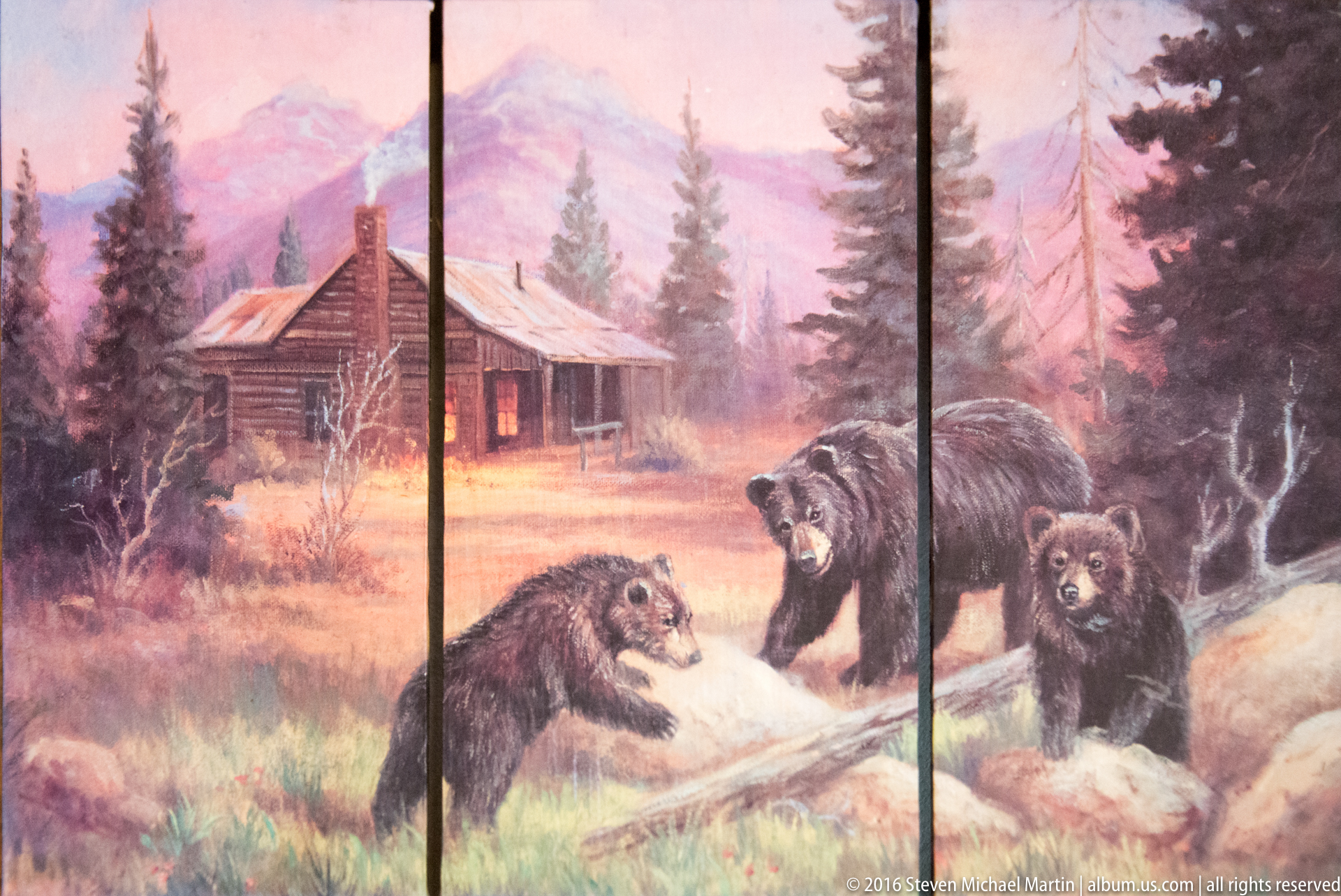
A three-panel painting presents a log cabin in a wooded clearing alongside several brown bears, including a large adult and smaller cubs. The warm pink and violet light, repeated tree forms, and split-panel composition mark the scene as decorative artwork rather than a wildlife photograph. A lodge setting is suggested by the cabin imagery, but the painting’s maker and title are not shown.
Caption
A three-panel painting presents a log cabin in a wooded clearing alongside several brown bears, including a large adult and smaller cubs. The warm pink and violet light, repeated tree forms, and split-panel composition mark the scene as decorative artwork rather than a wildlife photograph. A lodge setting is suggested by the cabin imagery, but the painting’s maker and title are not shown.

A curved wooden counter anchors a compact, wood-paneled room furnished with chairs, small display items, maps, and printed materials. The view looks toward an open doorway and adjoining spaces, suggesting a reception or visitor-service area within the lodge. Warm wood surfaces and practical furnishings make this interior distinct from the outdoor airfield and building views elsewhere in the sequence.
Caption
A curved wooden counter anchors a compact, wood-paneled room furnished with chairs, small display items, maps, and printed materials. The view looks toward an open doorway and adjoining spaces, suggesting a reception or visitor-service area within the lodge. Warm wood surfaces and practical furnishings make this interior distinct from the outdoor airfield and building views elsewhere in the sequence.
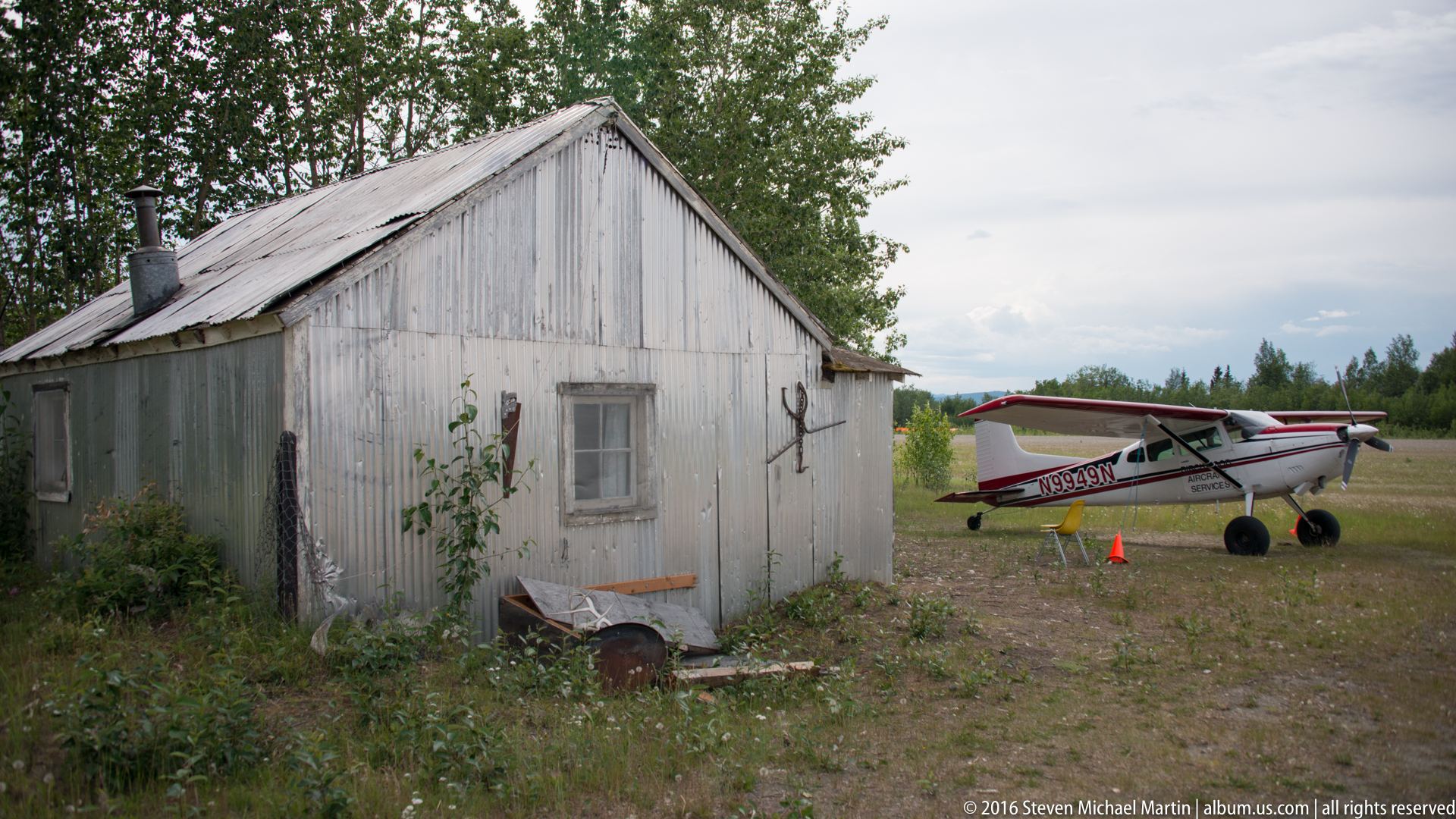
A weathered gray shed with a steep roof and stovepipe occupies the left side of the view, while a small red-and-white airplane sits on the open gravel strip to the right. The distance between the two structures and the aircraft leaves the setting legible as a modest airfield edge; birch-like trees and low vegetation enclose the clearing.
Caption
A weathered gray shed with a steep roof and stovepipe occupies the left side of the view, while a small red-and-white airplane sits on the open gravel strip to the right. The distance between the two structures and the aircraft leaves the setting legible as a modest airfield edge; birch-like trees and low vegetation enclose the clearing.
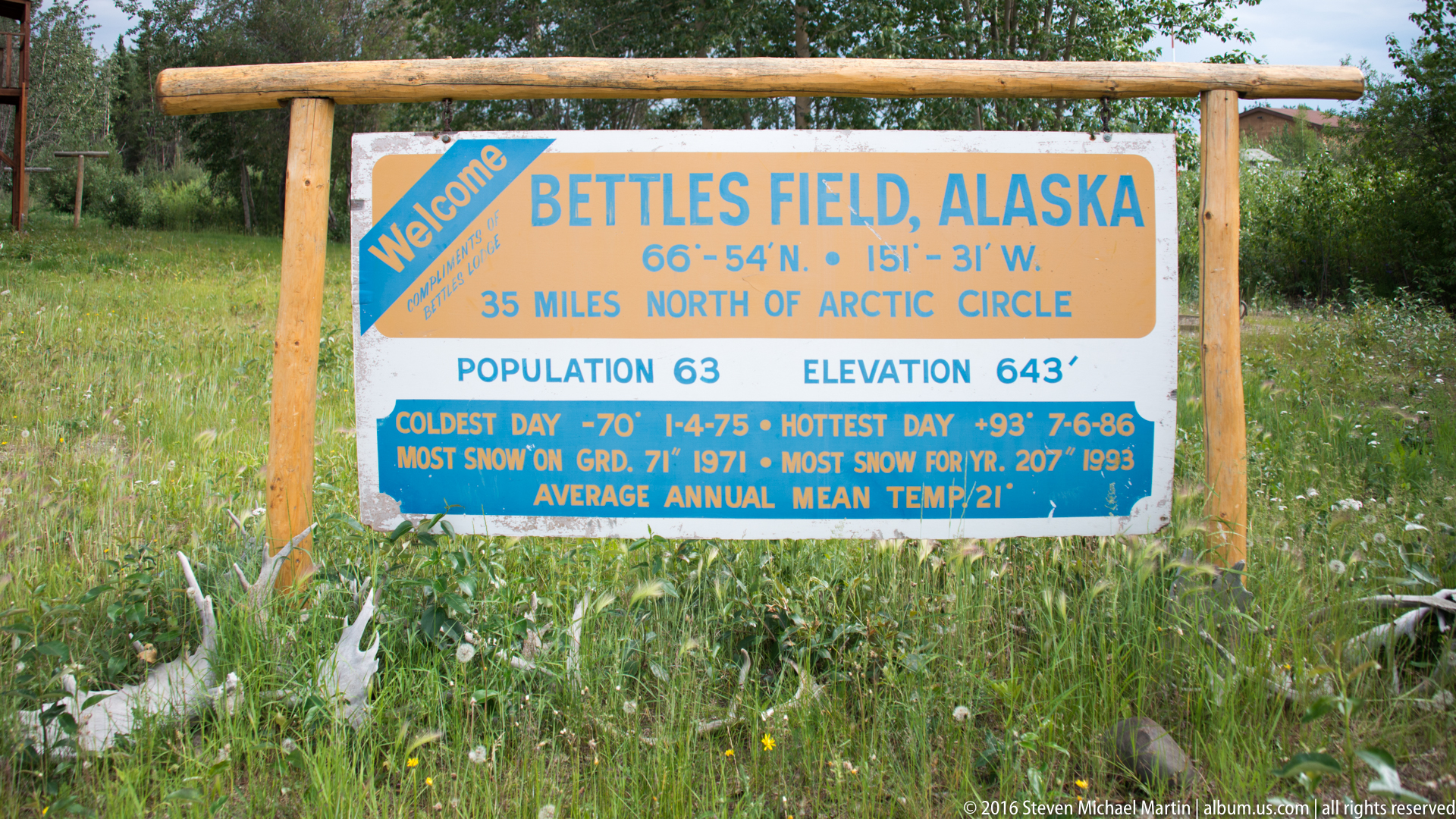
A blue-and-yellow sign welcomes visitors to Bettles Field, Alaska, and lists its coordinates, a position 35 miles north of the Arctic Circle, population, elevation, and weather records. Set in a grassy roadside clearing, the sign makes the settlement’s remote northern location explicit through both measured details and a short profile of local extremes.
Caption
A blue-and-yellow sign welcomes visitors to Bettles Field, Alaska, and lists its coordinates, a position 35 miles north of the Arctic Circle, population, elevation, and weather records. Set in a grassy roadside clearing, the sign makes the settlement’s remote northern location explicit through both measured details and a short profile of local extremes.

A close upward view isolates a row of pale antlers mounted across the log façade above the red-trimmed porch roof. A darker set of antlers sits near the center, and the carved or painted BETTLES LODGE sign anchors the lower edge. The crop emphasizes the lodge’s decorative use of antlers and the contrast between the light mounts and dark logs.
Caption
A close upward view isolates a row of pale antlers mounted across the log façade above the red-trimmed porch roof. A darker set of antlers sits near the center, and the carved or painted BETTLES LODGE sign anchors the lower edge. The crop emphasizes the lodge’s decorative use of antlers and the contrast between the light mounts and dark logs.

A carved wooden sign welcomes visitors to the Koyukuk Kennel and asks them to schedule through Bettles Lodge for a visit with the dogs or a ride. Paw prints and a warm-toned timber frame reinforce the kennel’s identity, while the lettering provides the clearest information about how visitors can take part.
Caption
A carved wooden sign welcomes visitors to the Koyukuk Kennel and asks them to schedule through Bettles Lodge for a visit with the dogs or a ride. Paw prints and a warm-toned timber frame reinforce the kennel’s identity, while the lettering provides the clearest information about how visitors can take part.

The cropped façade centers the word LODGE above a broad red-framed window. Reflections of the gravel apron and surrounding light mingle with items displayed behind the glass, creating a layered view that moves between the interior and airfield outside. The close framing reduces the building to its lettering, painted trim, and reflective glazing.
Caption
The cropped façade centers the word LODGE above a broad red-framed window. Reflections of the gravel apron and surrounding light mingle with items displayed behind the glass, creating a layered view that moves between the interior and airfield outside. The close framing reduces the building to its lettering, painted trim, and reflective glazing.

A handwritten “OUT OF ORDER” sheet covers the face of a public telephone. Coins and operating instructions remain visible above it, while the handset and coiled cord hang below. The direct, frontal view turns a small piece of travel infrastructure into the photograph’s subject.
Caption
A handwritten “OUT OF ORDER” sheet covers the face of a public telephone. Coins and operating instructions remain visible above it, while the handset and coiled cord hang below. The direct, frontal view turns a small piece of travel infrastructure into the photograph’s subject.
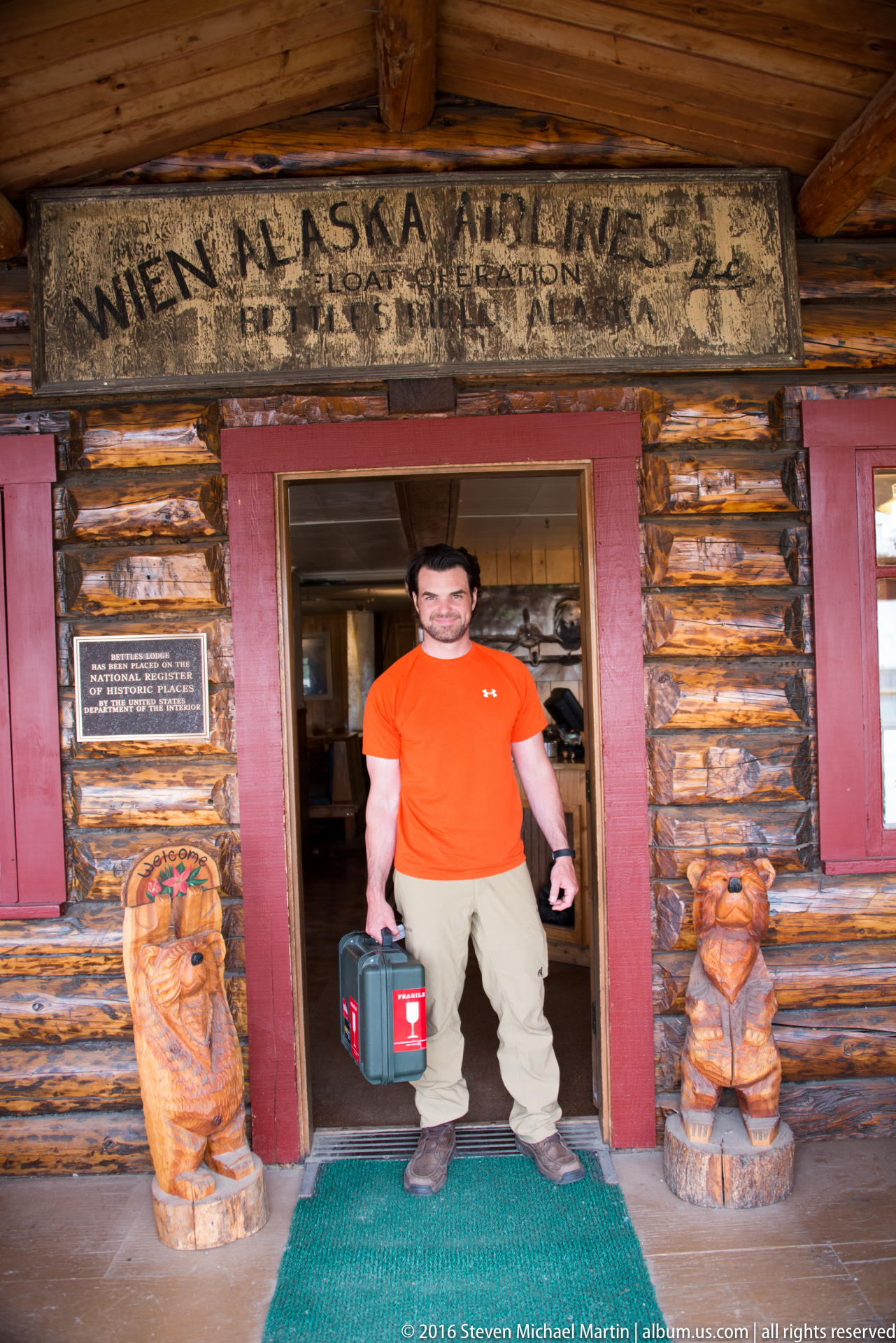
A man in a bright orange shirt stands in the doorway of a log-fronted building, holding a small case. Two carved wooden figures flank the entrance beneath a weathered sign reading “Wien Alaska Airlines … Bettles Field, Alaska.” The composition links the visitor, carved entryway, and local aviation history.
Caption
A man in a bright orange shirt stands in the doorway of a log-fronted building, holding a small case. Two carved wooden figures flank the entrance beneath a weathered sign reading “Wien Alaska Airlines … Bettles Field, Alaska.” The composition links the visitor, carved entryway, and local aviation history.
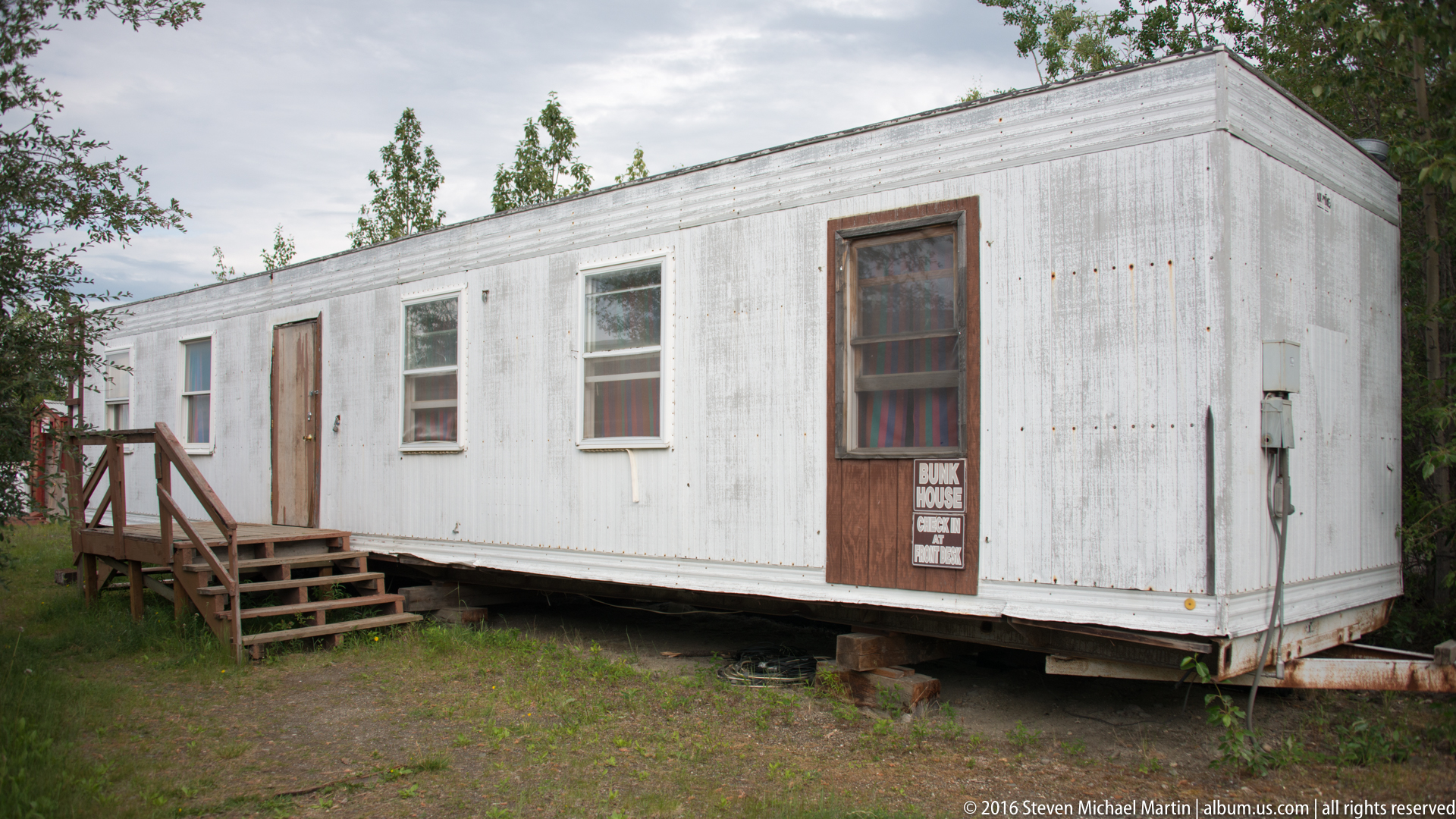
A long, low rectangular building stands on short supports above the ground, with simple white siding, several windows, a small stair landing, and a brown door marked BUNK HOUSE. Its plain modular form contrasts with the neighboring log lodge architecture, suggesting utilitarian guest or staff accommodation without establishing who uses it.
Caption
A long, low rectangular building stands on short supports above the ground, with simple white siding, several windows, a small stair landing, and a brown door marked BUNK HOUSE. Its plain modular form contrasts with the neighboring log lodge architecture, suggesting utilitarian guest or staff accommodation without establishing who uses it.
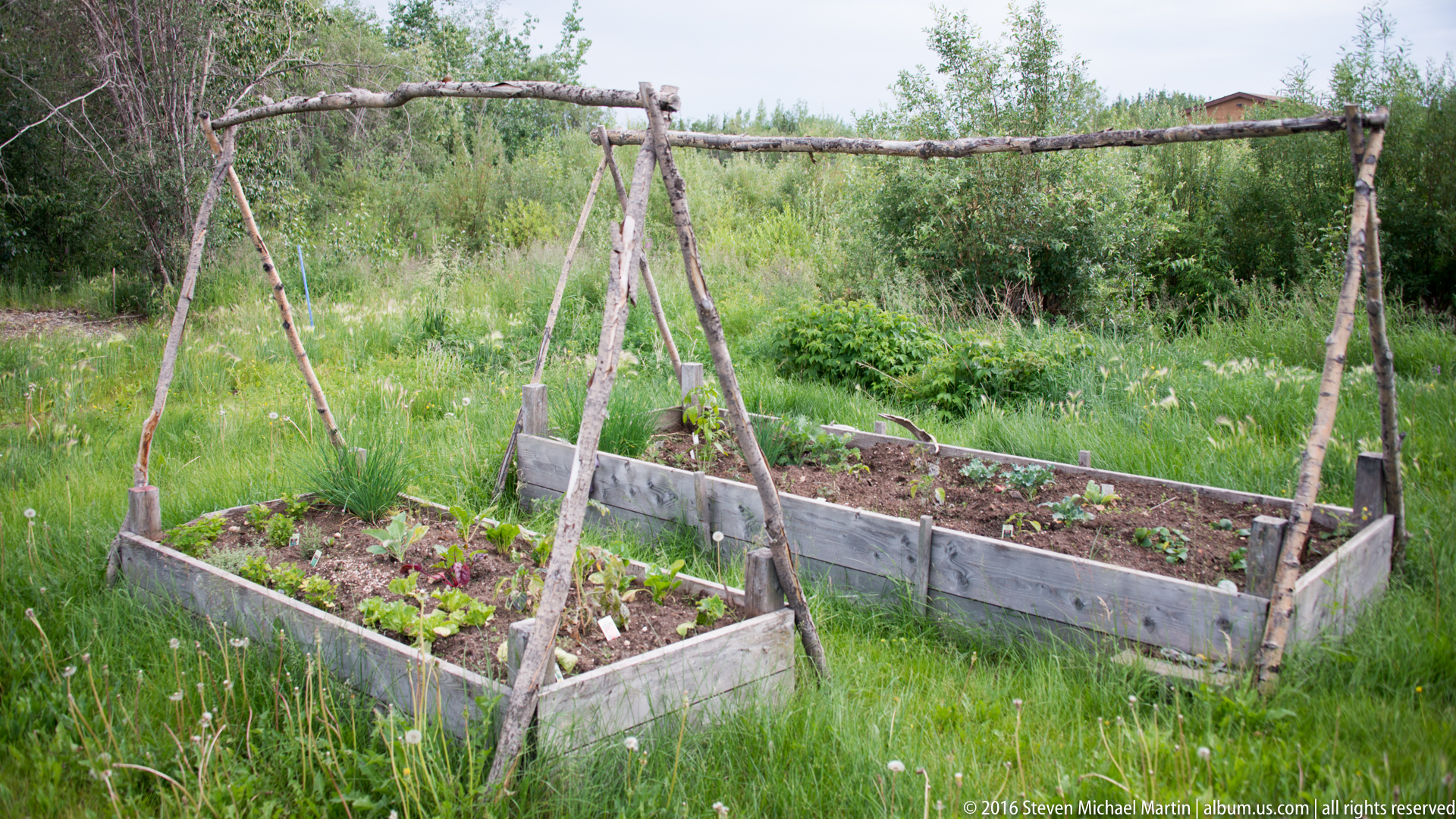
Several raised beds contain low green plants beneath a rough timber structure made from upright poles and crosspieces. The open frame spans the garden without a visible covering, while grasses and dense shrubs form a soft boundary behind it. The wider view reveals an organized growing area rather than the single repurposed canoe planter seen nearby.
Caption
Several raised beds contain low green plants beneath a rough timber structure made from upright poles and crosspieces. The open frame spans the garden without a visible covering, while grasses and dense shrubs form a soft boundary behind it. The wider view reveals an organized growing area rather than the single repurposed canoe planter seen nearby.
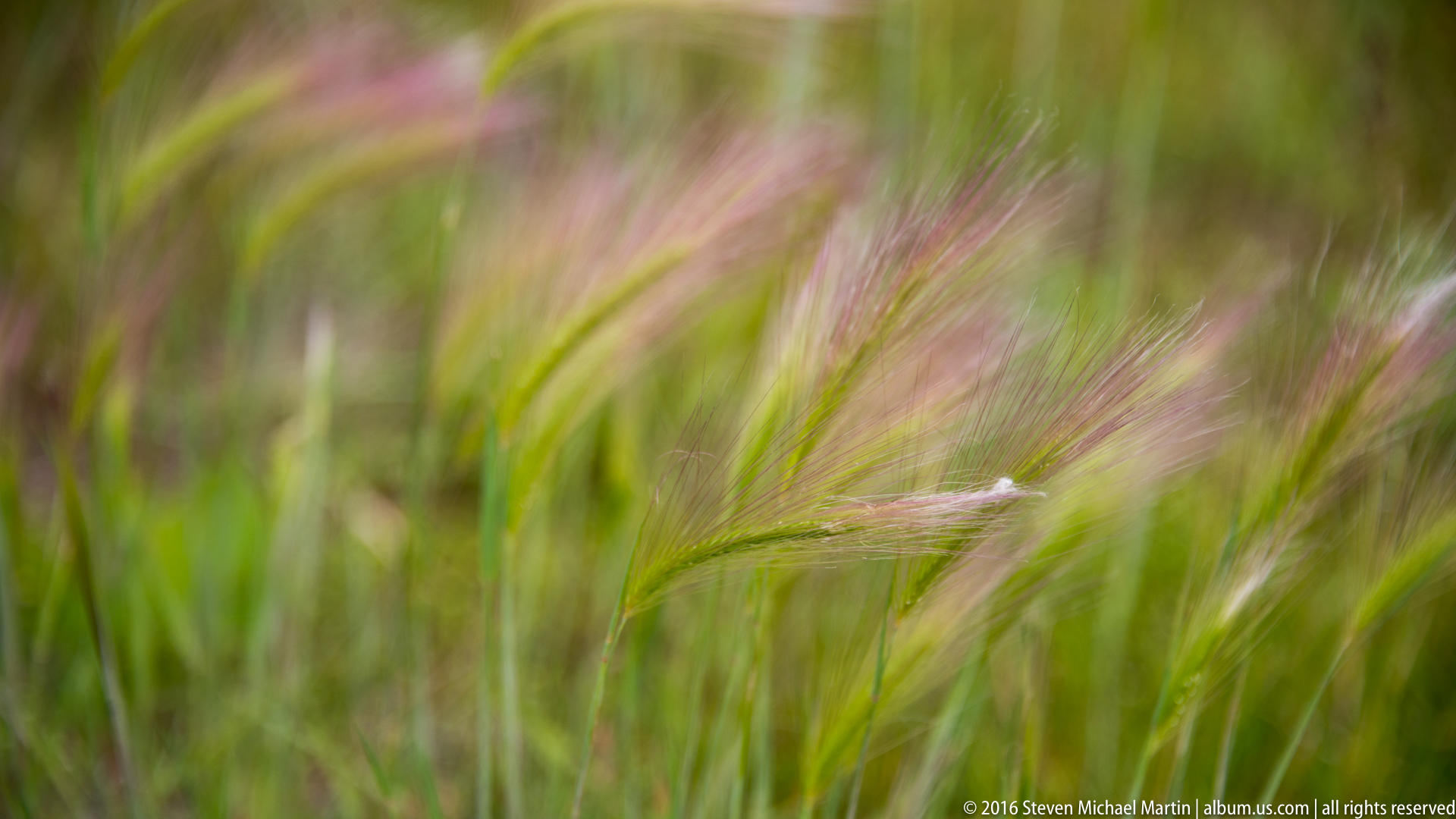
Slender green stems and delicate pinkish seed heads fill the frame, with a narrow band of sharper detail set against a softly blurred background. The image turns from the lodge and airfield to small-scale vegetation, emphasizing texture and color rather than a landscape or identifiable plant species.
Caption
Slender green stems and delicate pinkish seed heads fill the frame, with a narrow band of sharper detail set against a softly blurred background. The image turns from the lodge and airfield to small-scale vegetation, emphasizing texture and color rather than a landscape or identifiable plant species.

A red-painted wooden bench sits directly against a dark log wall, with a black flower box of magenta and pink blooms resting on its seat. The composition joins simple outdoor seating with a small cultivated display, while grass at the base softens the hard line of the bench legs and wall.
Caption
A red-painted wooden bench sits directly against a dark log wall, with a black flower box of magenta and pink blooms resting on its seat. The composition joins simple outdoor seating with a small cultivated display, while grass at the base softens the hard line of the bench legs and wall.
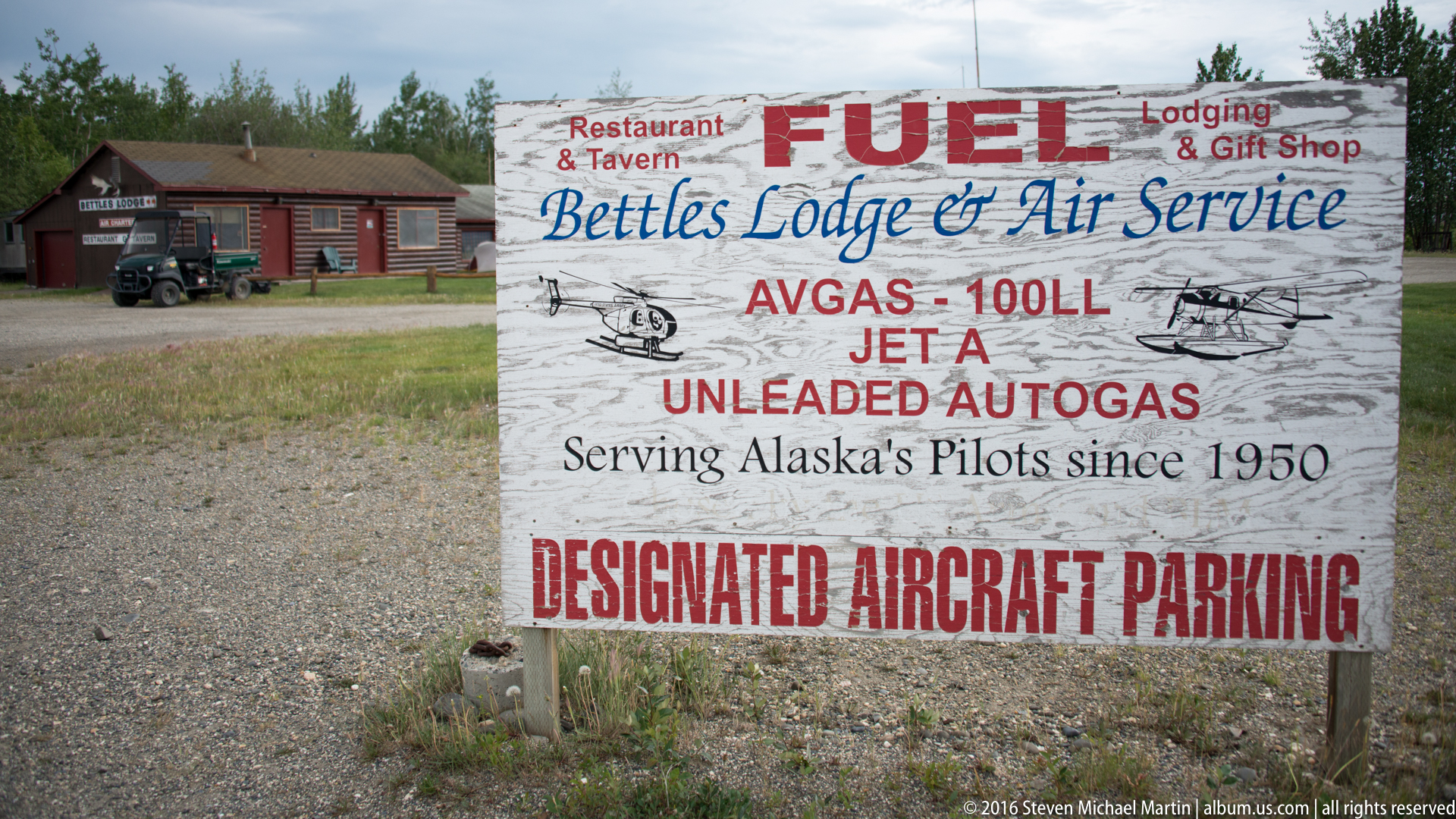
A large weathered sign advertises Bettles Lodge and Air Service, listing lodging, a gift shop, restaurant and tavern, aviation fuel grades, and designated aircraft parking. A smaller view of the lodge appears on the sign’s left side, with an aircraft illustration reinforcing its airfield role. The foreground lettering makes this a useful record of the services offered at Bettles.
Caption
A large weathered sign advertises Bettles Lodge and Air Service, listing lodging, a gift shop, restaurant and tavern, aviation fuel grades, and designated aircraft parking. A smaller view of the lodge appears on the sign’s left side, with an aircraft illustration reinforcing its airfield role. The foreground lettering makes this a useful record of the services offered at Bettles.
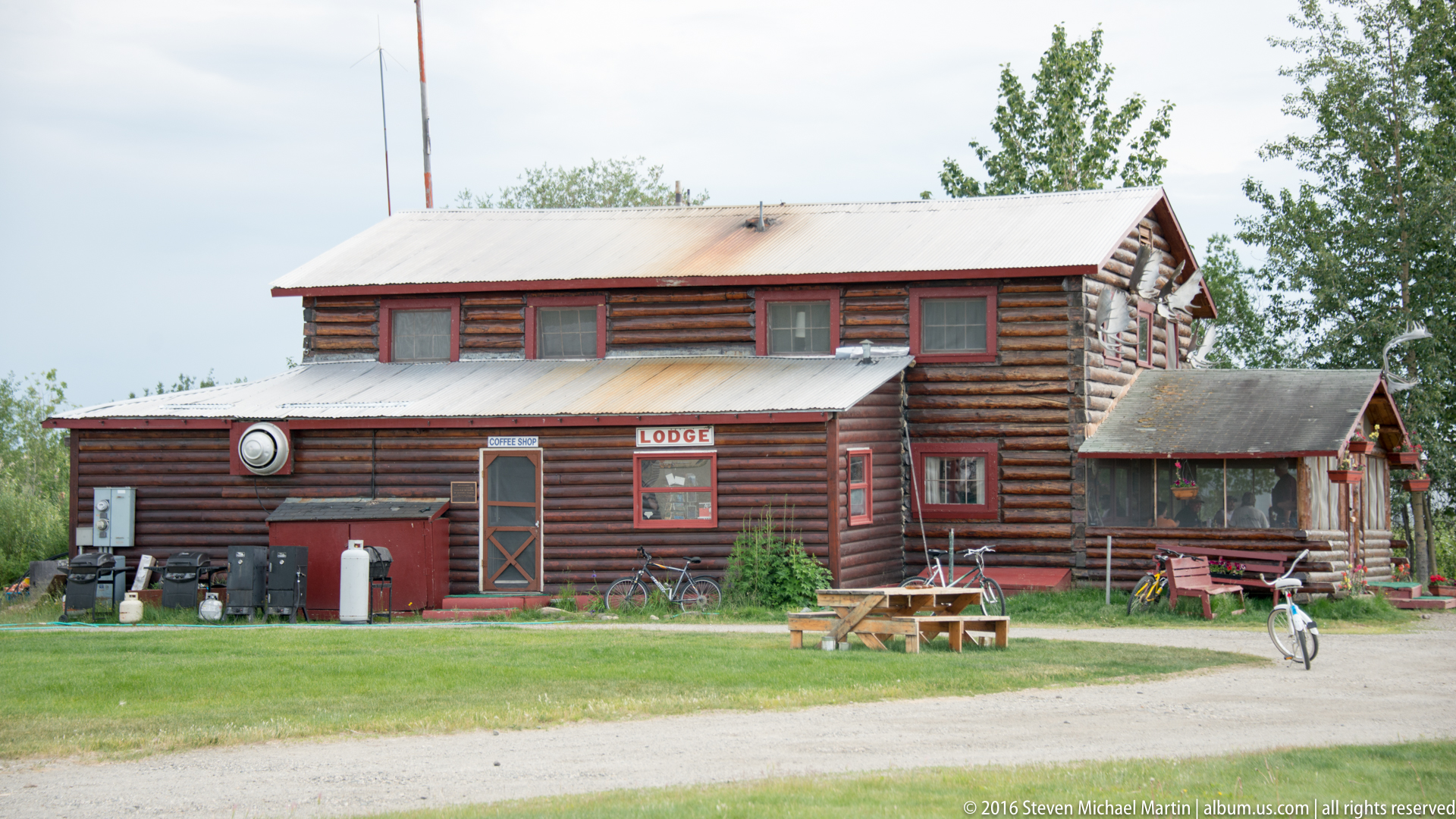
Seen from the side, Bettles Lodge extends as a two-story log building with red-trimmed windows, a covered entrance, and a corrugated metal roof. Utility tanks and equipment line the wall, while a bicycle and picnic seating occupy the grass in front. The oblique view reveals the building’s length and everyday service infrastructure beyond its more formal front façade.
Caption
Seen from the side, Bettles Lodge extends as a two-story log building with red-trimmed windows, a covered entrance, and a corrugated metal roof. Utility tanks and equipment line the wall, while a bicycle and picnic seating occupy the grass in front. The oblique view reveals the building’s length and everyday service infrastructure beyond its more formal front façade.
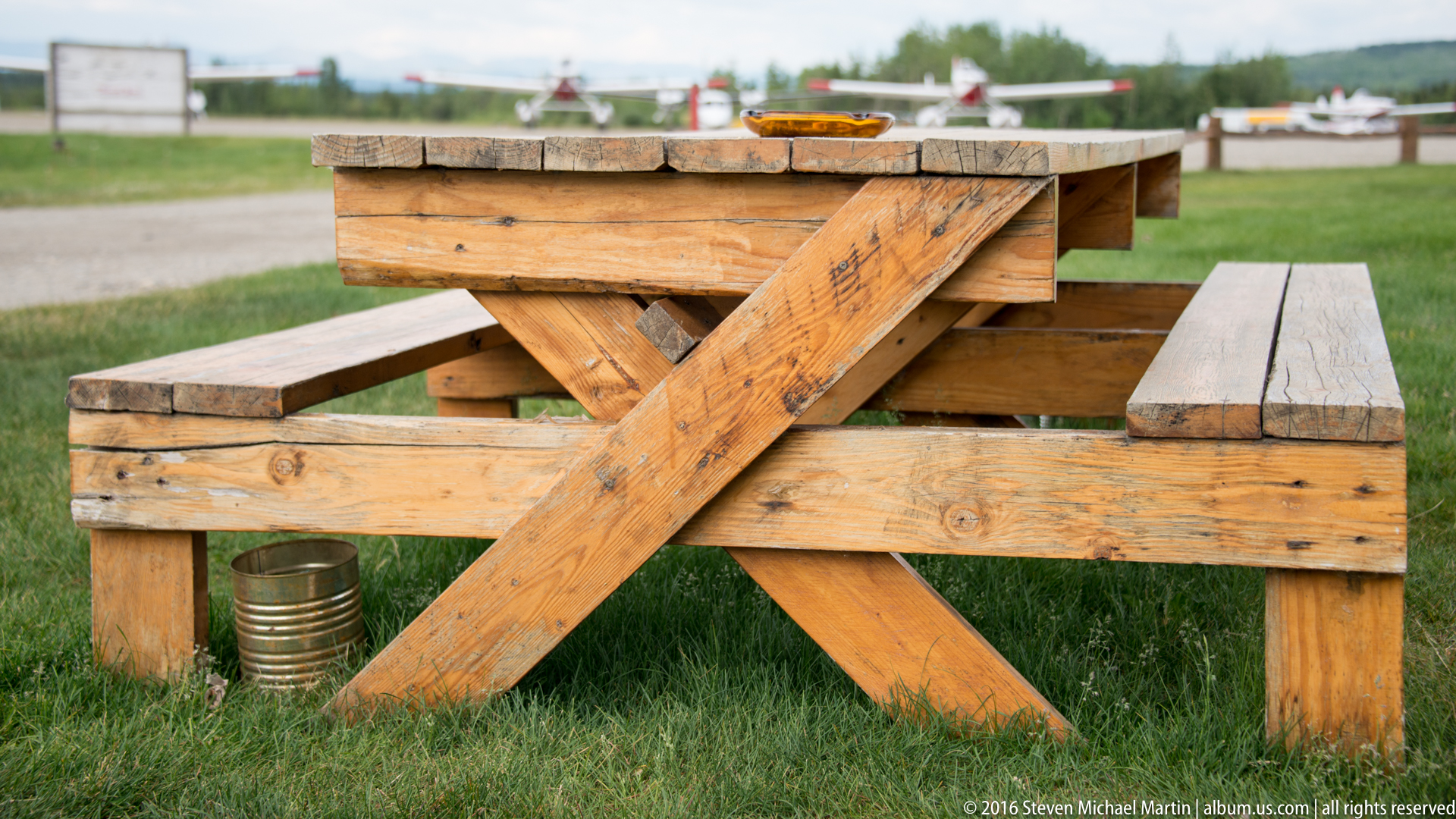
A heavy timber picnic table dominates the foreground, its crossed supports and weathered plank surfaces sharply visible. Beyond it, an airfield apron and several parked aircraft blur into the background. This layered composition connects a casual outdoor resting place with the aviation activity that defines the surrounding settlement.
Caption
A heavy timber picnic table dominates the foreground, its crossed supports and weathered plank surfaces sharply visible. Beyond it, an airfield apron and several parked aircraft blur into the background. This layered composition connects a casual outdoor resting place with the aviation activity that defines the surrounding settlement.

A pair of large antlers rises above the red-trimmed gable at Bettles Lodge, silhouetted against a pale cloudy sky. The upward angle places the roof peak and bold lodge lettering beneath the mount, isolating this decorative feature from the broader façade. The antlers’ form is clear, though the animal species is not established by this crop.
Caption
A pair of large antlers rises above the red-trimmed gable at Bettles Lodge, silhouetted against a pale cloudy sky. The upward angle places the roof peak and bold lodge lettering beneath the mount, isolating this decorative feature from the broader façade. The antlers’ form is clear, though the animal species is not established by this crop.

A large, weathered wooden sign hangs beneath a timber roof, its faded lettering naming Wien Alaska Airlines and Bettles Field, Alaska. The close view isolates the sign’s worn surface and hand-painted text, preserving a local aviation reference without assigning a date or exact operating history.
Caption
A large, weathered wooden sign hangs beneath a timber roof, its faded lettering naming Wien Alaska Airlines and Bettles Field, Alaska. The close view isolates the sign’s worn surface and hand-painted text, preserving a local aviation reference without assigning a date or exact operating history.
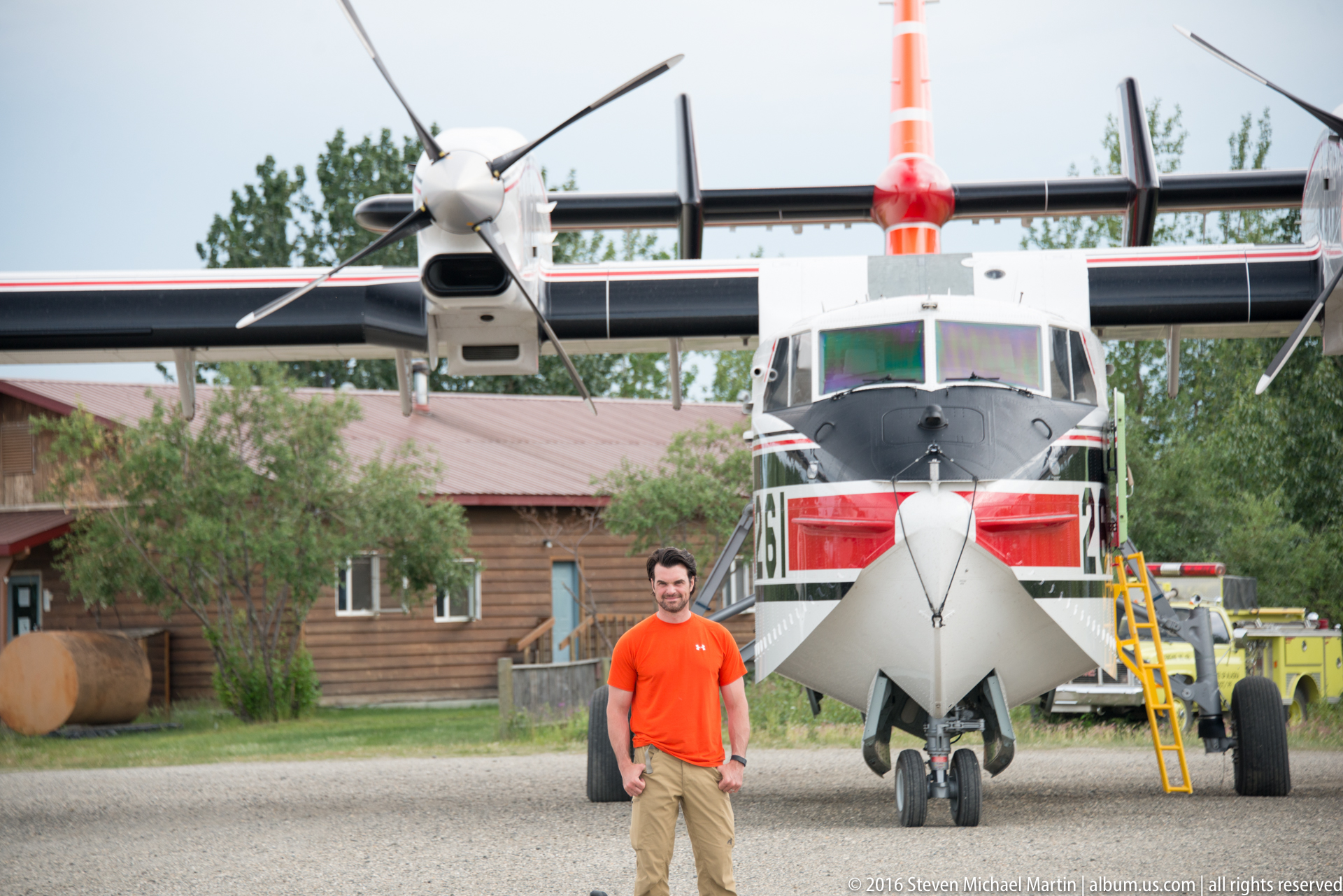
A man in an orange shirt stands beside the nose of a parked aircraft, whose three propellers and high wings dominate the frame. A ladder, utility equipment, and low timber buildings fill the background. The person provides scale for the aircraft and its working airfield setting.
Caption
A man in an orange shirt stands beside the nose of a parked aircraft, whose three propellers and high wings dominate the frame. A ladder, utility equipment, and low timber buildings fill the background. The person provides scale for the aircraft and its working airfield setting.
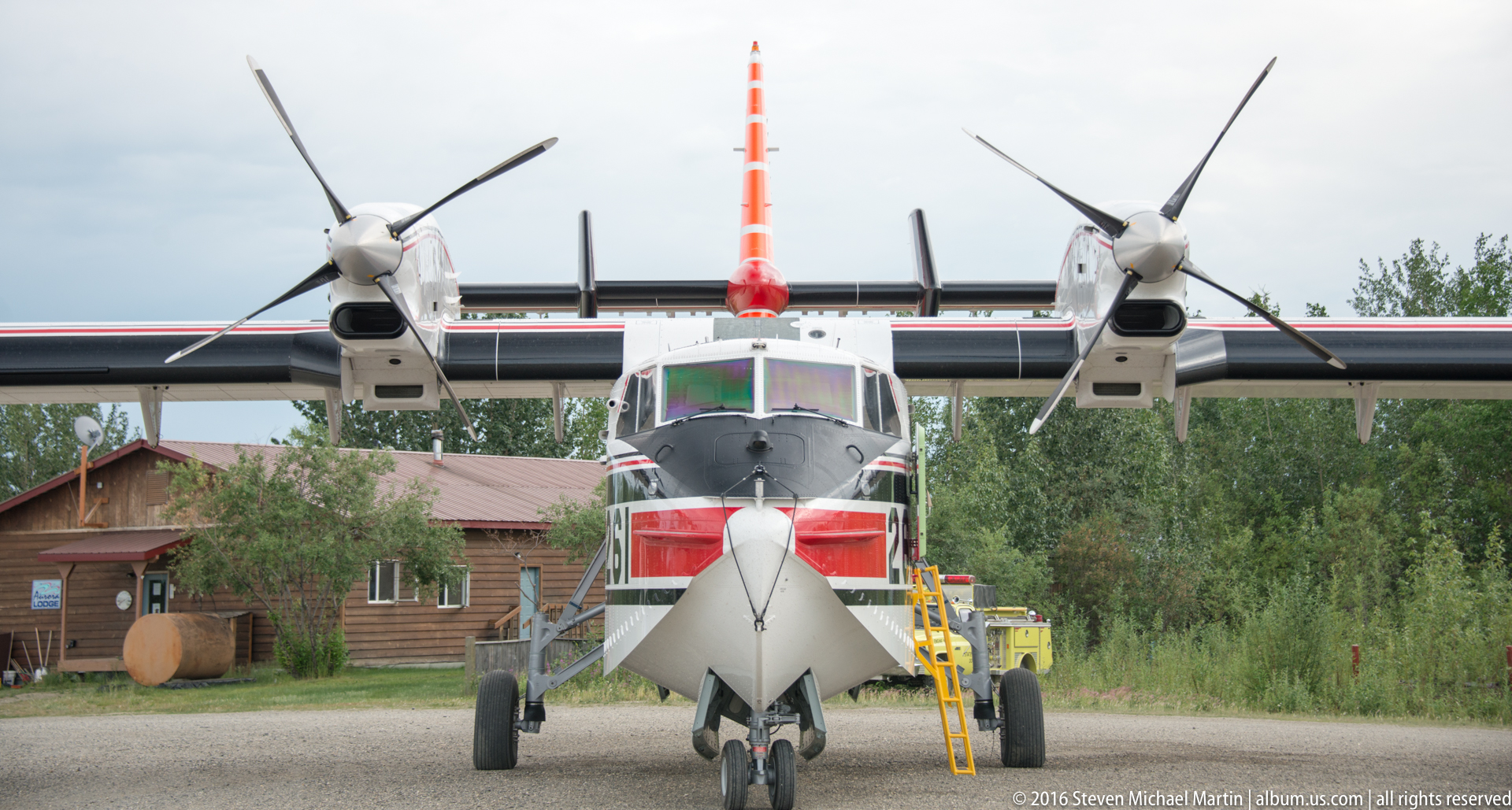
Seen head-on, the parked aircraft presents a centered nose, broad high wings, and three propellers against a pale sky. A timber building and ground equipment sit behind it, while no person appears in this frame. Its balanced composition emphasizes the plane’s scale and symmetry.
Caption
Seen head-on, the parked aircraft presents a centered nose, broad high wings, and three propellers against a pale sky. A timber building and ground equipment sit behind it, while no person appears in this frame. Its balanced composition emphasizes the plane’s scale and symmetry.
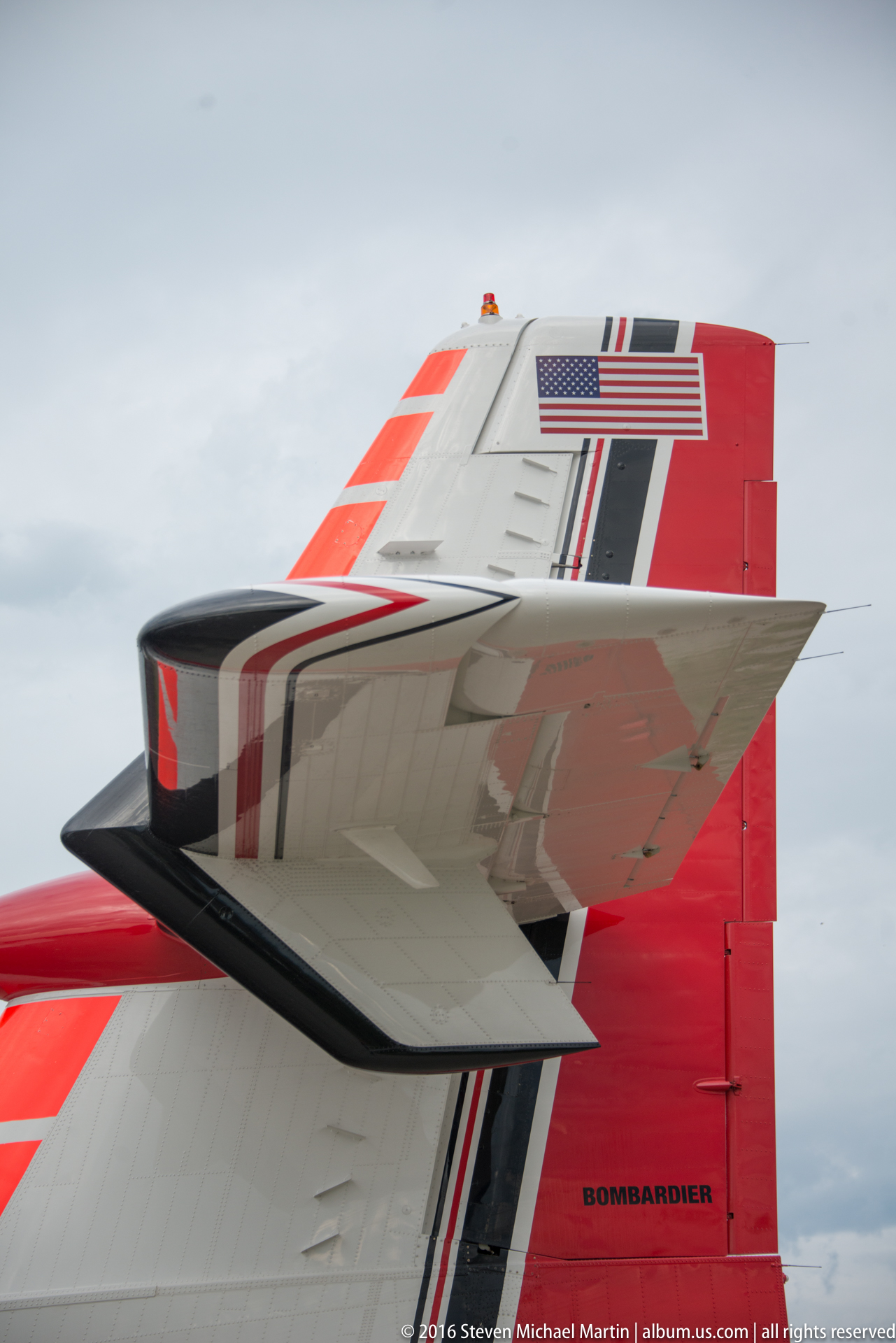
A close side view isolates the broad wing and red-and-gray tail of a parked aircraft. “BOMBARDIER” lettering and a United States flag are visible on the bodywork, while the cropped framing excludes most of the plane and airfield. The image emphasizes paint, insignia, and the geometry of the wing.
Caption
A close side view isolates the broad wing and red-and-gray tail of a parked aircraft. “BOMBARDIER” lettering and a United States flag are visible on the bodywork, while the cropped framing excludes most of the plane and airfield. The image emphasizes paint, insignia, and the geometry of the wing.
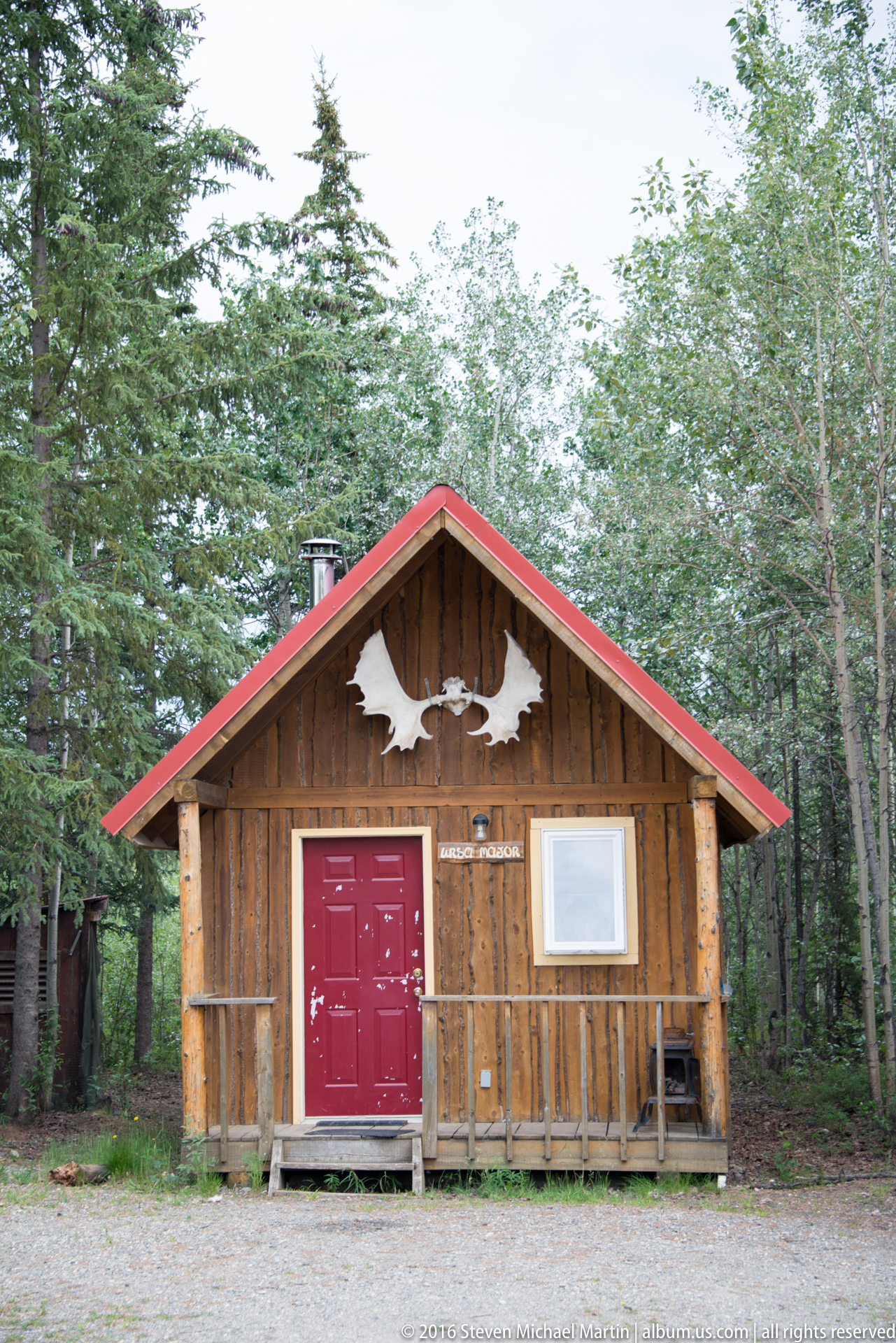
A low log cabin faces the camera beneath a broad gabled roof with red trim. Red double doors sit at the center, flanked by windows and a simple porch; a pale antler-shaped ornament spans the upper façade. The straight-on view records the building’s materials and front elevation.
Caption
A low log cabin faces the camera beneath a broad gabled roof with red trim. Red double doors sit at the center, flanked by windows and a simple porch; a pale antler-shaped ornament spans the upper façade. The straight-on view records the building’s materials and front elevation.
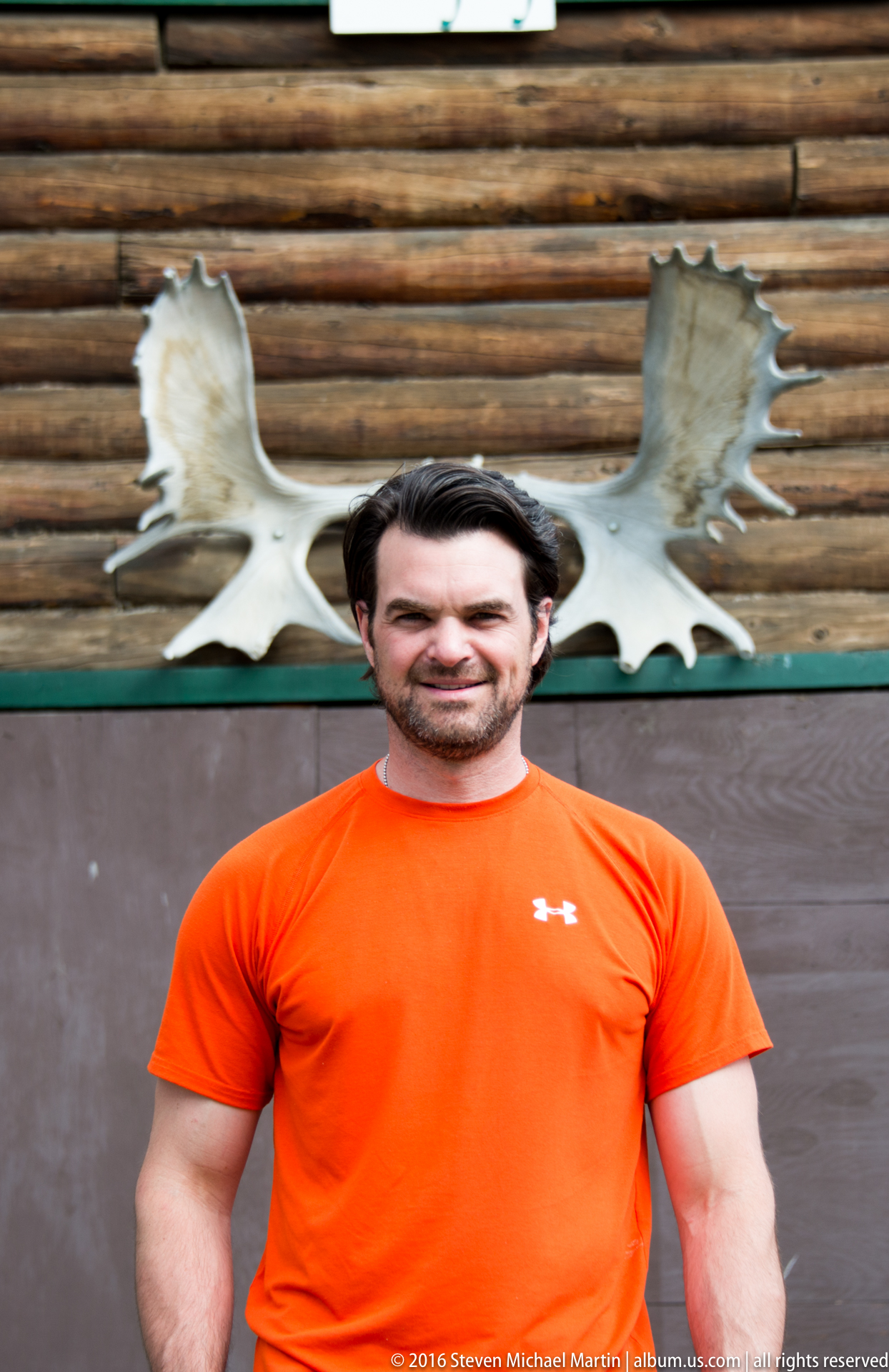
A man in a bright orange shirt faces the camera against a log wall, with a large pale moose-antler plaque mounted directly behind his head and shoulders. The tight portrait makes the antlers a defining backdrop while keeping the person’s expression and clothing prominent.
Caption
A man in a bright orange shirt faces the camera against a log wall, with a large pale moose-antler plaque mounted directly behind his head and shoulders. The tight portrait makes the antlers a defining backdrop while keeping the person’s expression and clothing prominent.
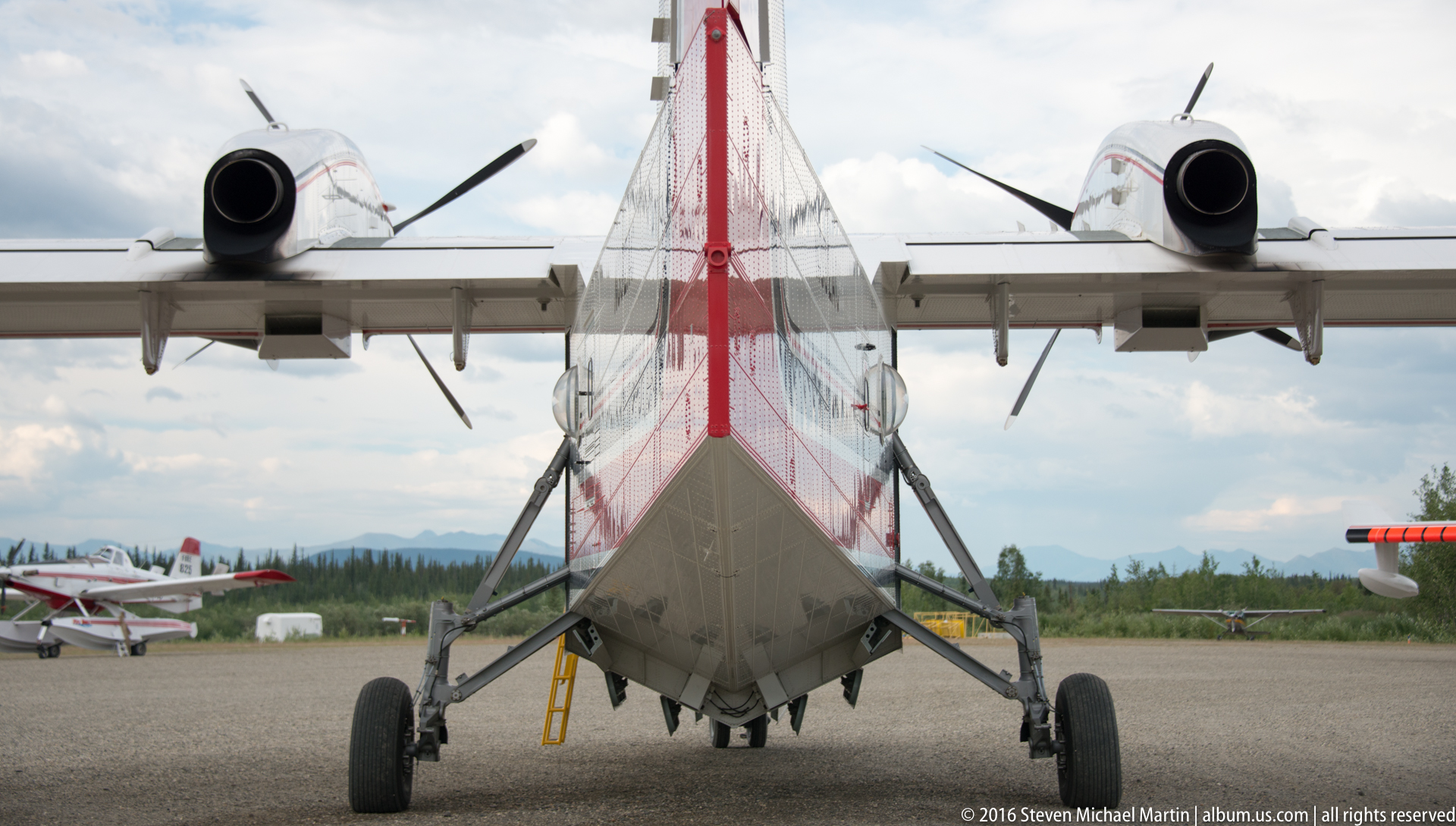
From low behind the aircraft, the photograph looks beneath its tail toward the landing gear and broad wings. Two propeller assemblies and the central fuselage create a nearly symmetrical arrangement, with smaller aircraft and airfield structures scattered across the distant apron. The viewpoint makes the plane’s undercarriage the main feature.
Caption
From low behind the aircraft, the photograph looks beneath its tail toward the landing gear and broad wings. Two propeller assemblies and the central fuselage create a nearly symmetrical arrangement, with smaller aircraft and airfield structures scattered across the distant apron. The viewpoint makes the plane’s undercarriage the main feature.
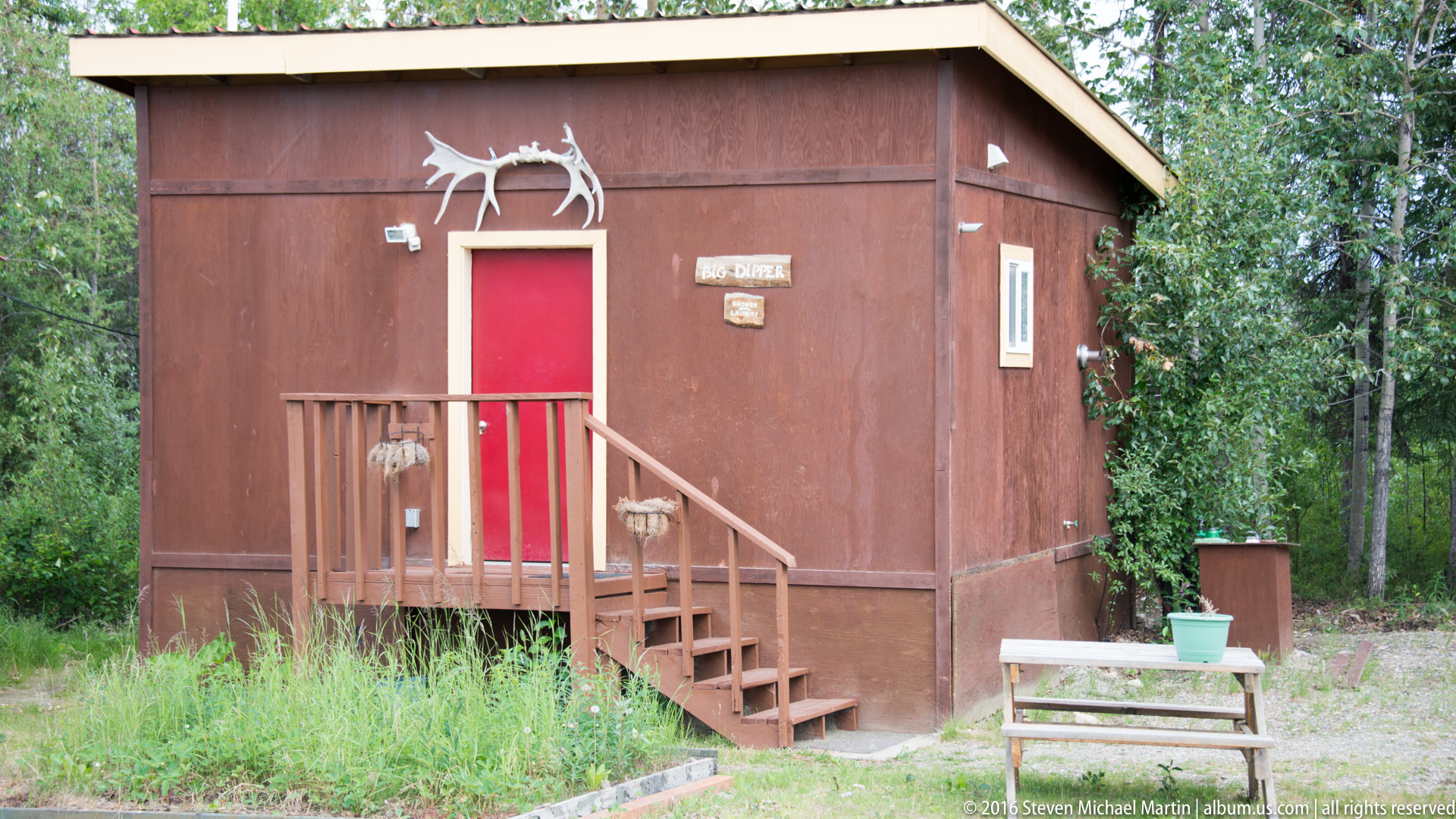
A compact brown cabin stands among birch and evergreen trees, reached by a short wooden stair and porch. A white animal silhouette and small nameplate decorate the façade above a red door. Tall grass and a picnic table place the simple building within a wooded settlement setting.
Caption
A compact brown cabin stands among birch and evergreen trees, reached by a short wooden stair and porch. A white animal silhouette and small nameplate decorate the façade above a red door. Tall grass and a picnic table place the simple building within a wooded settlement setting.
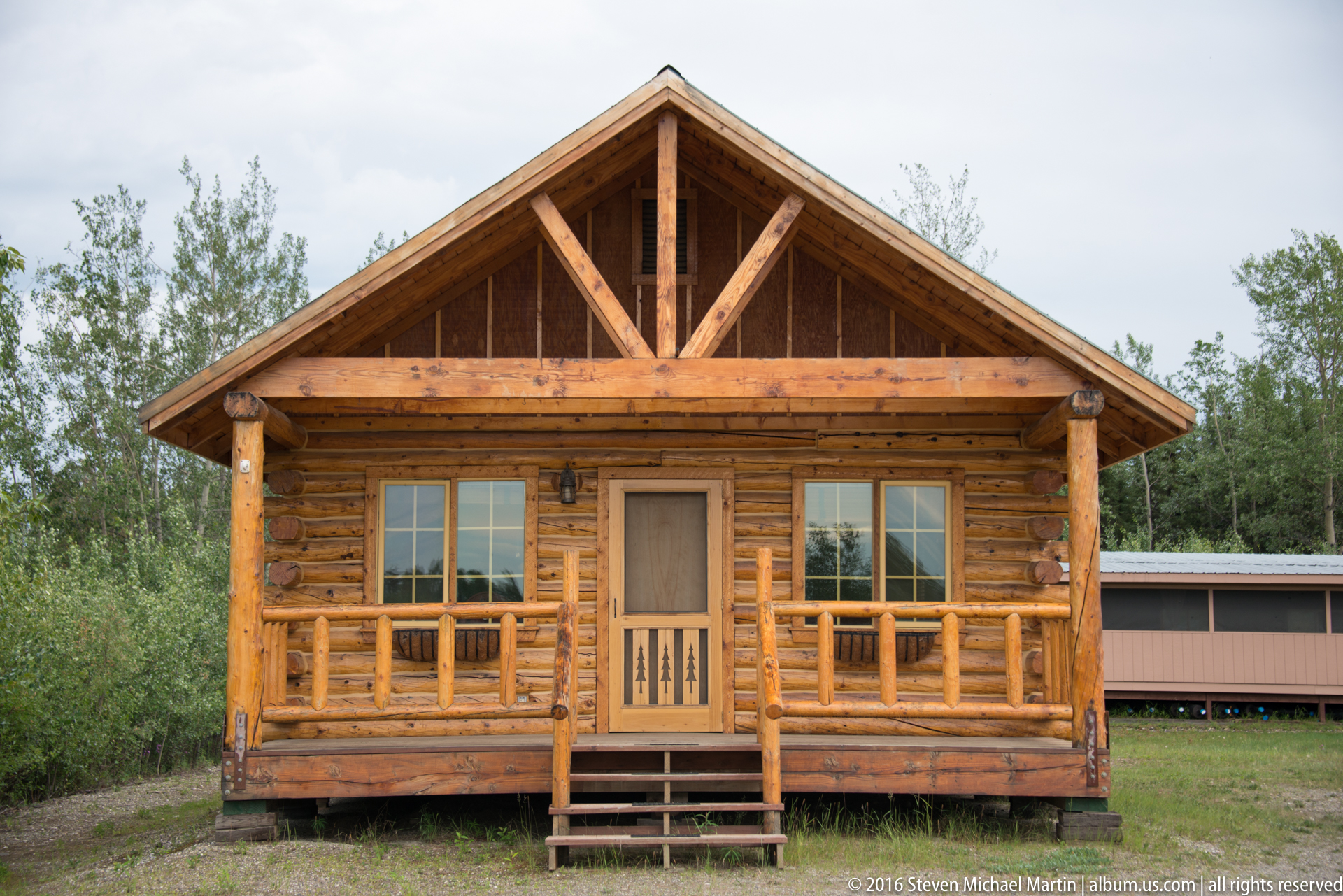
Warm-toned log walls and a deep covered porch define this cabin’s front elevation. Exposed triangular trusses rise above the entry, while a central door and paired windows organize the façade. Low vegetation and a neighboring structure appear at the edges, situating the cabin in a small settlement.
Caption
Warm-toned log walls and a deep covered porch define this cabin’s front elevation. Exposed triangular trusses rise above the entry, while a central door and paired windows organize the façade. Low vegetation and a neighboring structure appear at the edges, situating the cabin in a small settlement.

The camera moves closer beneath the cabin’s porch roof, emphasizing the triangular timber trusses, crossbeam, and underside of the gable. Log ends and the entry windows remain along the lower edge, tying the structural detail to the larger cabin. This tighter angle distinguishes construction from the preceding full elevation.
Caption
The camera moves closer beneath the cabin’s porch roof, emphasizing the triangular timber trusses, crossbeam, and underside of the gable. Log ends and the entry windows remain along the lower edge, tying the structural detail to the larger cabin. This tighter angle distinguishes construction from the preceding full elevation.

Pale, branching growth forms a dense network across green ground cover in this overhead close-up. The irregular white-gray strands contrast with the low vegetation beneath them, while no larger landscape feature provides scale. The exact organism is not certain from the thumbnail, so the caption stays with visible texture and pattern.
Caption
Pale, branching growth forms a dense network across green ground cover in this overhead close-up. The irregular white-gray strands contrast with the low vegetation beneath them, while no larger landscape feature provides scale. The exact organism is not certain from the thumbnail, so the caption stays with visible texture and pattern.
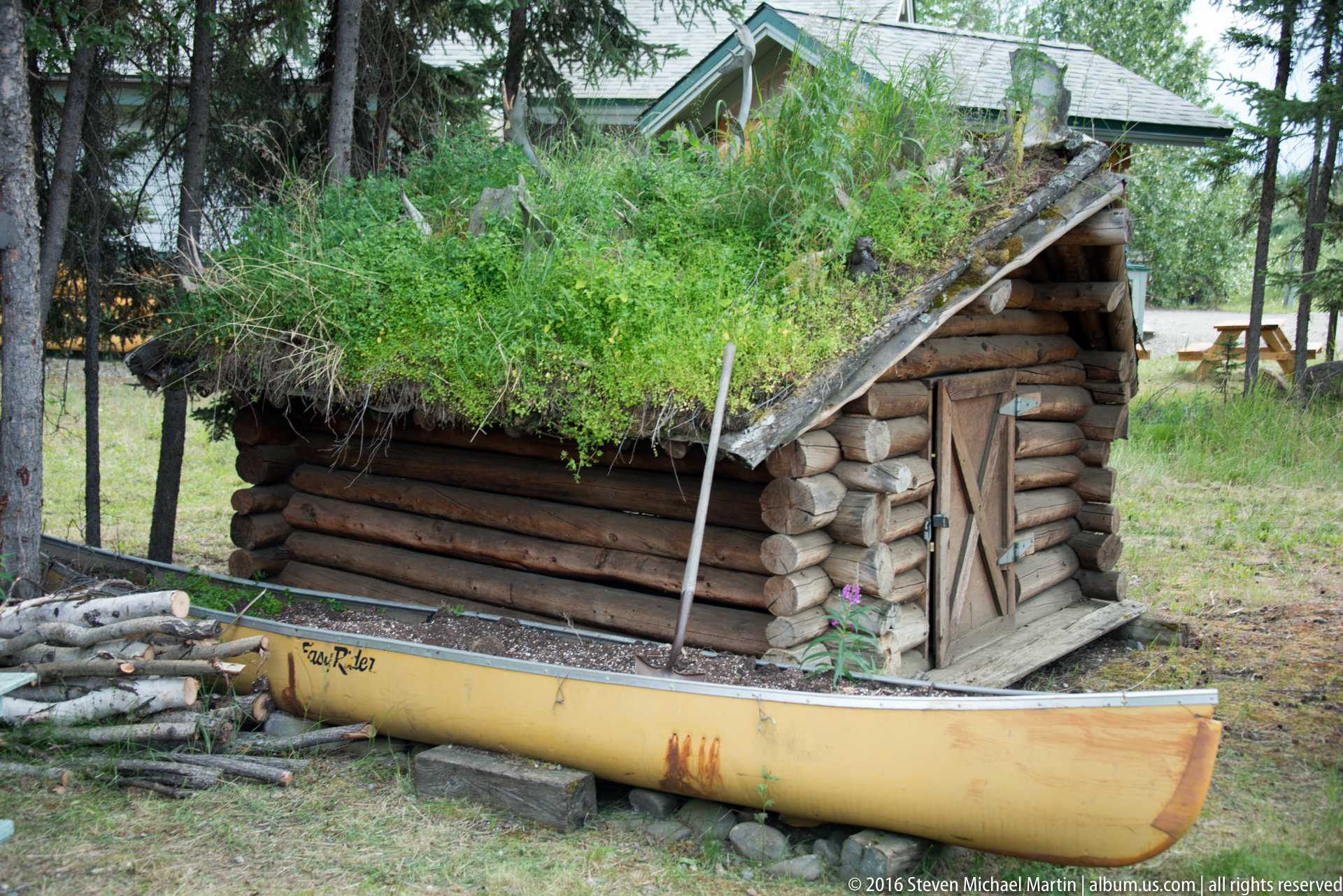
A yellow canoe rests on the ground beside a low log shelter whose roof is covered in vegetation. Cut branches lie nearby, and trees and a second building fill the background. The canoe and earth-covered roof connect outdoor travel equipment with a small wooded homestead or visitor-site setting.
Caption
A yellow canoe rests on the ground beside a low log shelter whose roof is covered in vegetation. Cut branches lie nearby, and trees and a second building fill the background. The canoe and earth-covered roof connect outdoor travel equipment with a small wooded homestead or visitor-site setting.
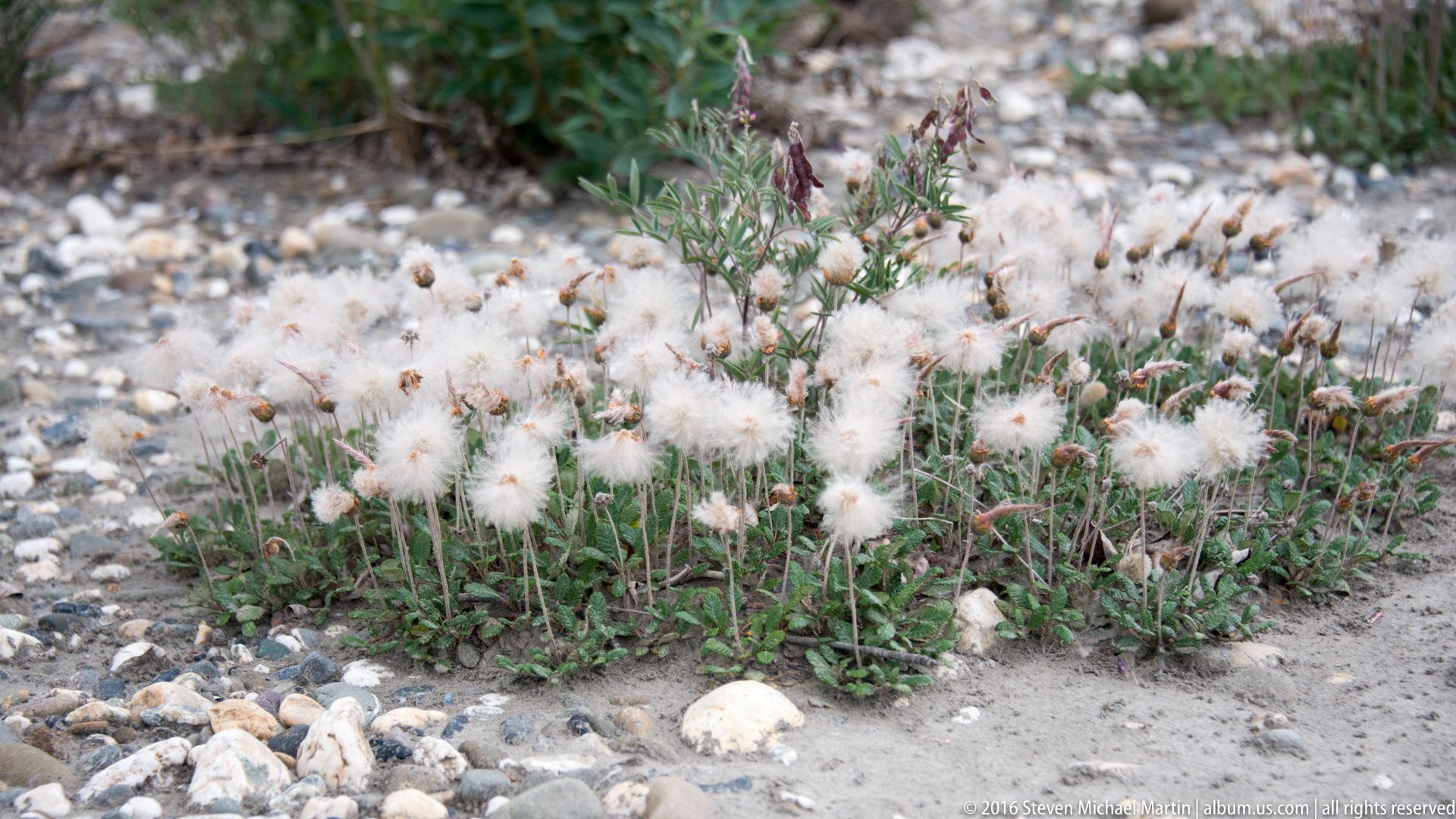
A close view of upright stems bearing white cottony tufts rises from gravel and scattered stones. Several reddish flower heads stand above the soft seed-like clusters. The low angle and shallow focus isolate the plants from their surroundings; the species is not confidently identifiable at this scale.
Caption
A close view of upright stems bearing white cottony tufts rises from gravel and scattered stones. Several reddish flower heads stand above the soft seed-like clusters. The low angle and shallow focus isolate the plants from their surroundings; the species is not confidently identifiable at this scale.

A lone person in a blue top walks across an expansive gravel bar toward a low band of shrubs and trees. Cloud cover leaves the stones and distant vegetation in muted light. The wide framing gives the figure little scale against the open riverbed, making the crossing and breadth of the terrain central.
Caption
A lone person in a blue top walks across an expansive gravel bar toward a low band of shrubs and trees. Cloud cover leaves the stones and distant vegetation in muted light. The wide framing gives the figure little scale against the open riverbed, making the crossing and breadth of the terrain central.
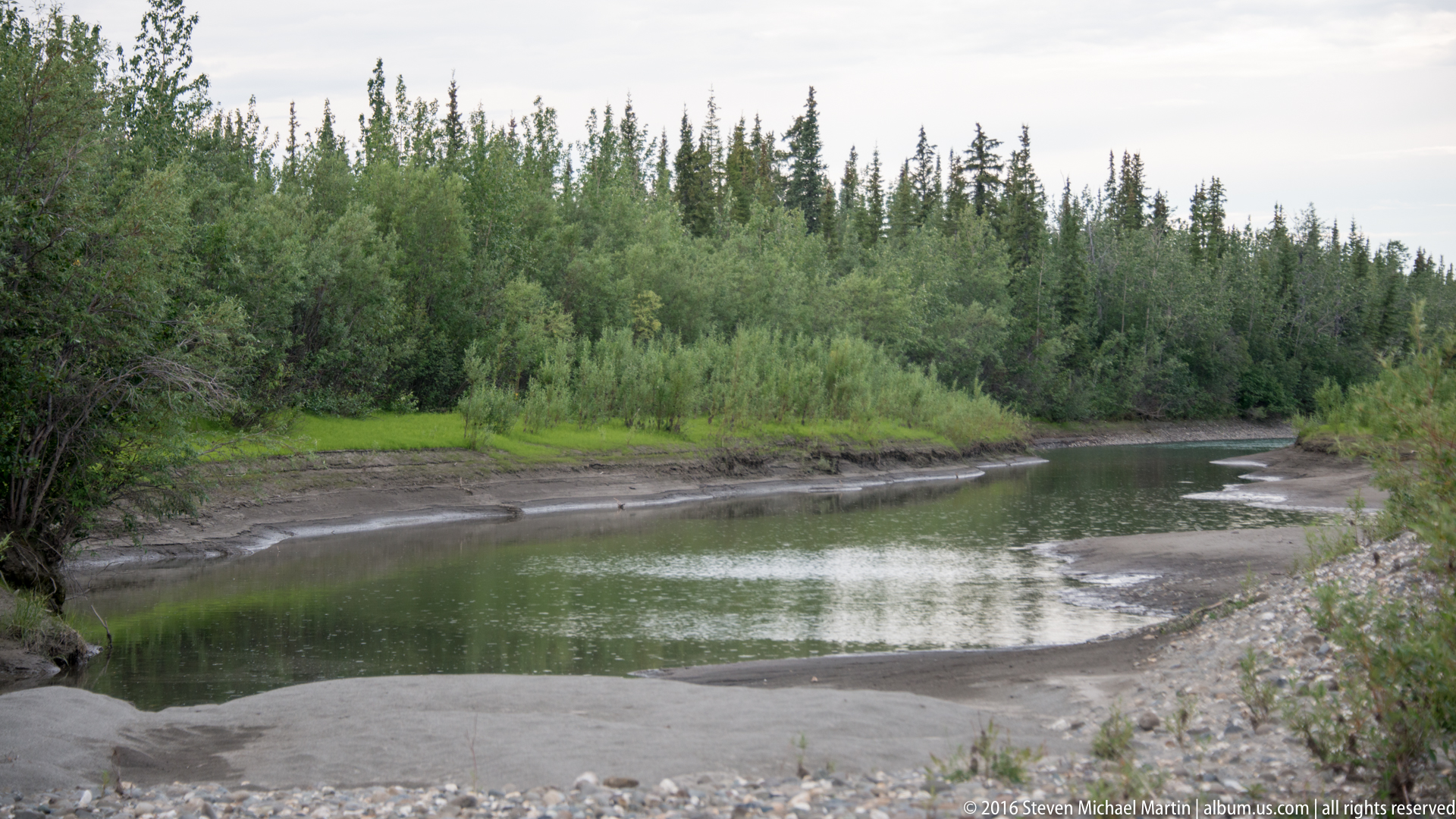
A shallow green stream curves around a pale gravel-and-sand bank, with exposed muddy edges marking the waterline. Dense birch and evergreen growth encloses the channel, and a quiet reflection softens the foreground. The view concentrates on the river’s low-flow shape and wooded margin rather than distant mountains.
Caption
A shallow green stream curves around a pale gravel-and-sand bank, with exposed muddy edges marking the waterline. Dense birch and evergreen growth encloses the channel, and a quiet reflection softens the foreground. The view concentrates on the river’s low-flow shape and wooded margin rather than distant mountains.

A painted wooden face with bright blue eyes, a curled moustache, and a dark cap is shown straight on. The cropped composition removes the body and setting, emphasizing the figure’s carefully simplified facial features and layered paint. Its role or named character is not established by the image.
Caption
A painted wooden face with bright blue eyes, a curled moustache, and a dark cap is shown straight on. The cropped composition removes the body and setting, emphasizing the figure’s carefully simplified facial features and layered paint. Its role or named character is not established by the image.
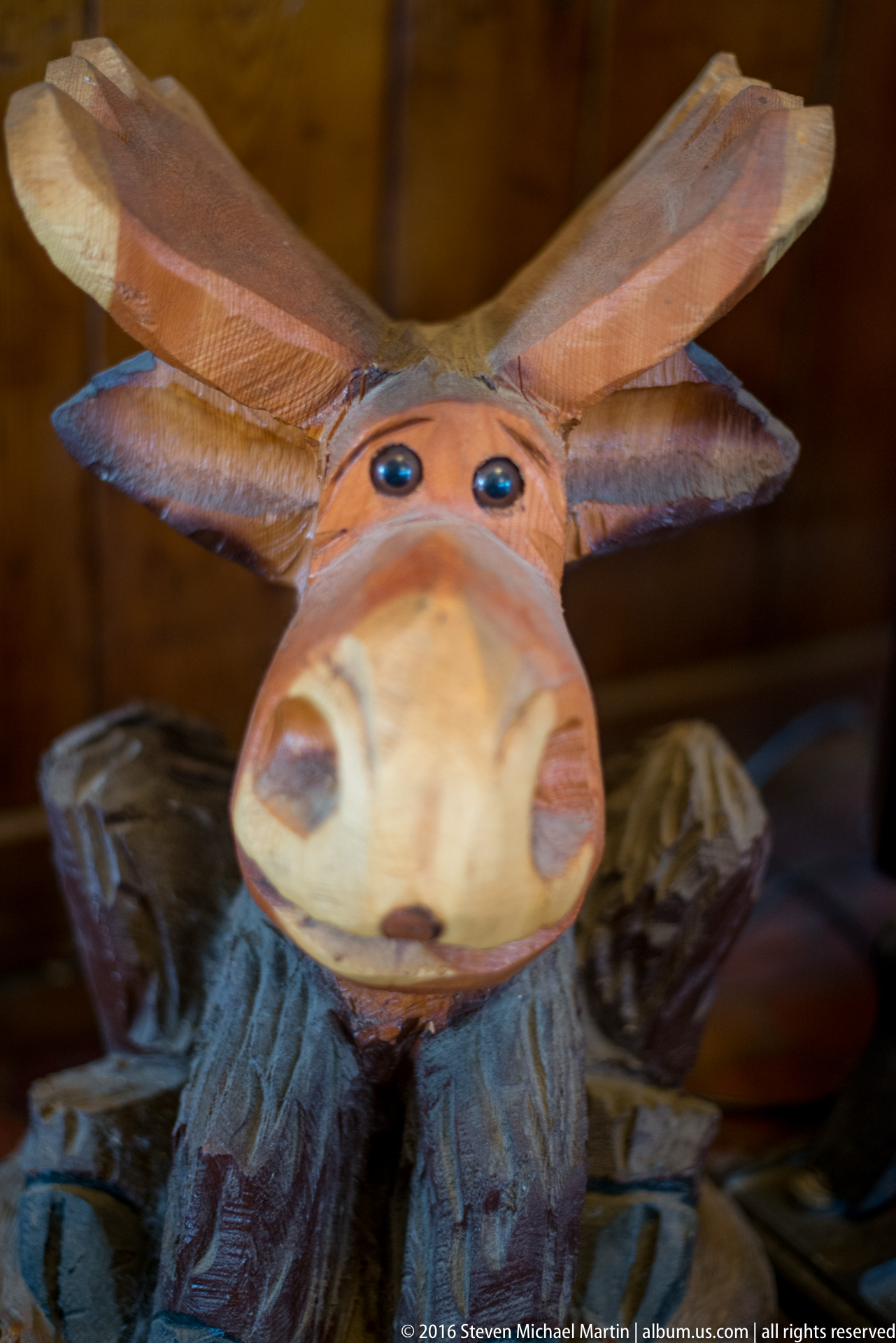
A carved wooden moose figure fills the frame, its broad muzzle and raised antlers rendered in warm, polished wood. Painted dark eyes and lighter details accent the face, while another carved object is partly visible behind it. The close view focuses on the figure’s stylized features and wood grain.
Caption
A carved wooden moose figure fills the frame, its broad muzzle and raised antlers rendered in warm, polished wood. Painted dark eyes and lighter details accent the face, while another carved object is partly visible behind it. The close view focuses on the figure’s stylized features and wood grain.
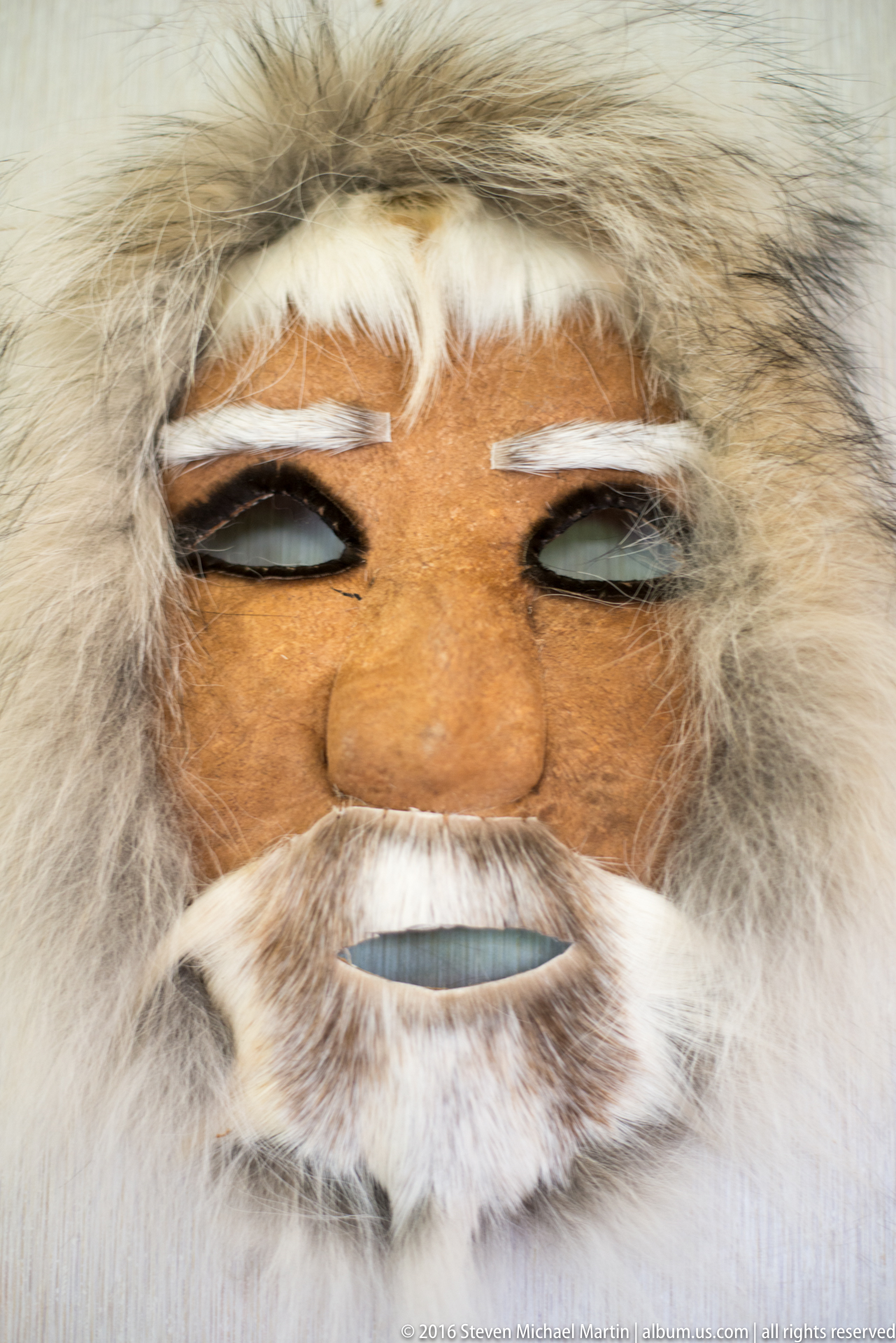
Pale fur frames a carved face with dark eye openings, light eyebrows, and a white moustache and beard. The tight frontal view reveals the mask’s layered materials and expression but excludes its full shape and any identifying label. The specific cultural origin and intended use cannot be determined from this view.
Caption
Pale fur frames a carved face with dark eye openings, light eyebrows, and a white moustache and beard. The tight frontal view reveals the mask’s layered materials and expression but excludes its full shape and any identifying label. The specific cultural origin and intended use cannot be determined from this view.
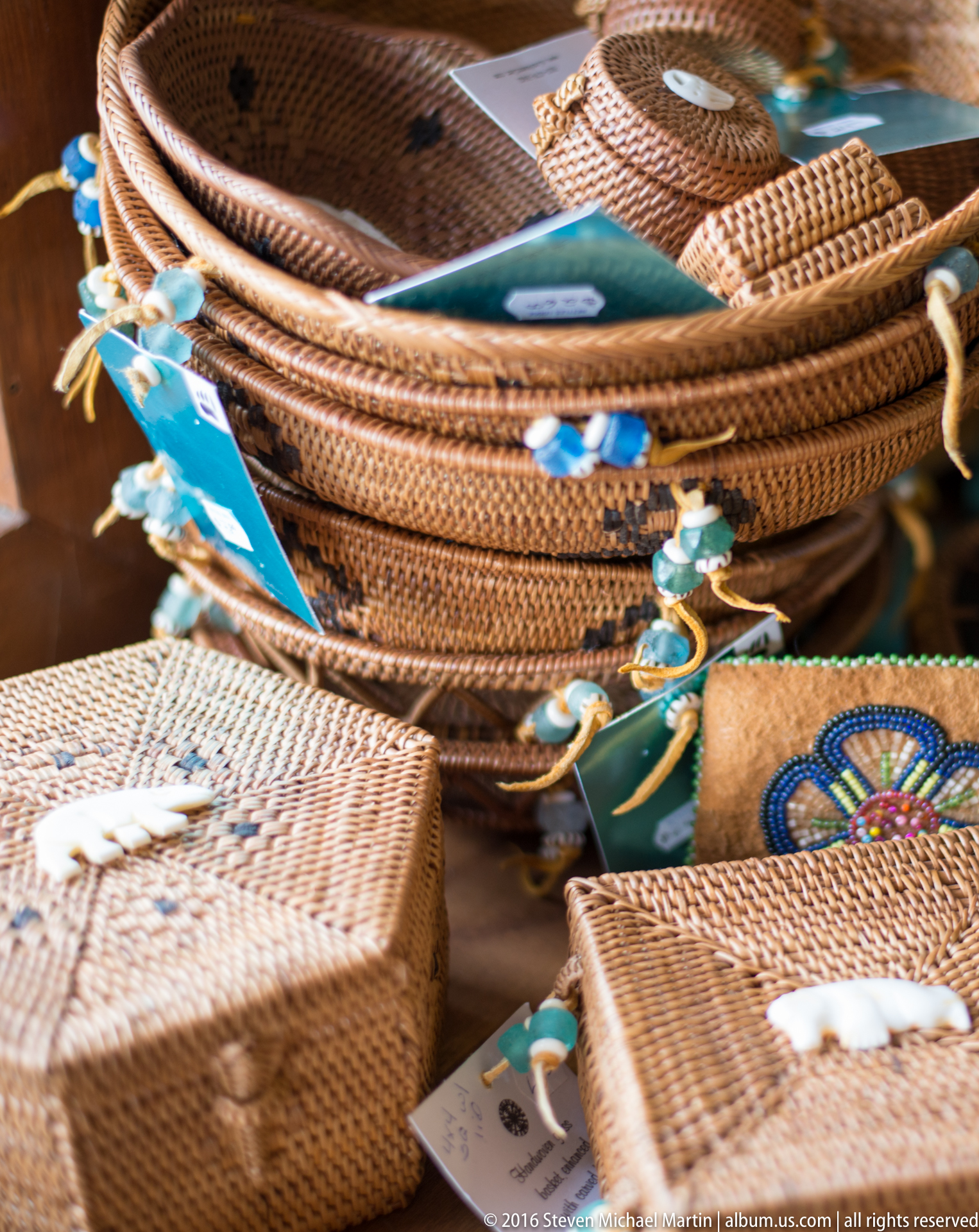
Several coiled woven baskets are stacked and grouped on a tabletop, with blue and white decorative elements attached to their rims and sides. Smaller woven pieces fill the foreground, and product tags are tucked among them. The photograph records a craft display without assigning a specific maker or cultural tradition.
Caption
Several coiled woven baskets are stacked and grouped on a tabletop, with blue and white decorative elements attached to their rims and sides. Smaller woven pieces fill the foreground, and product tags are tucked among them. The photograph records a craft display without assigning a specific maker or cultural tradition.
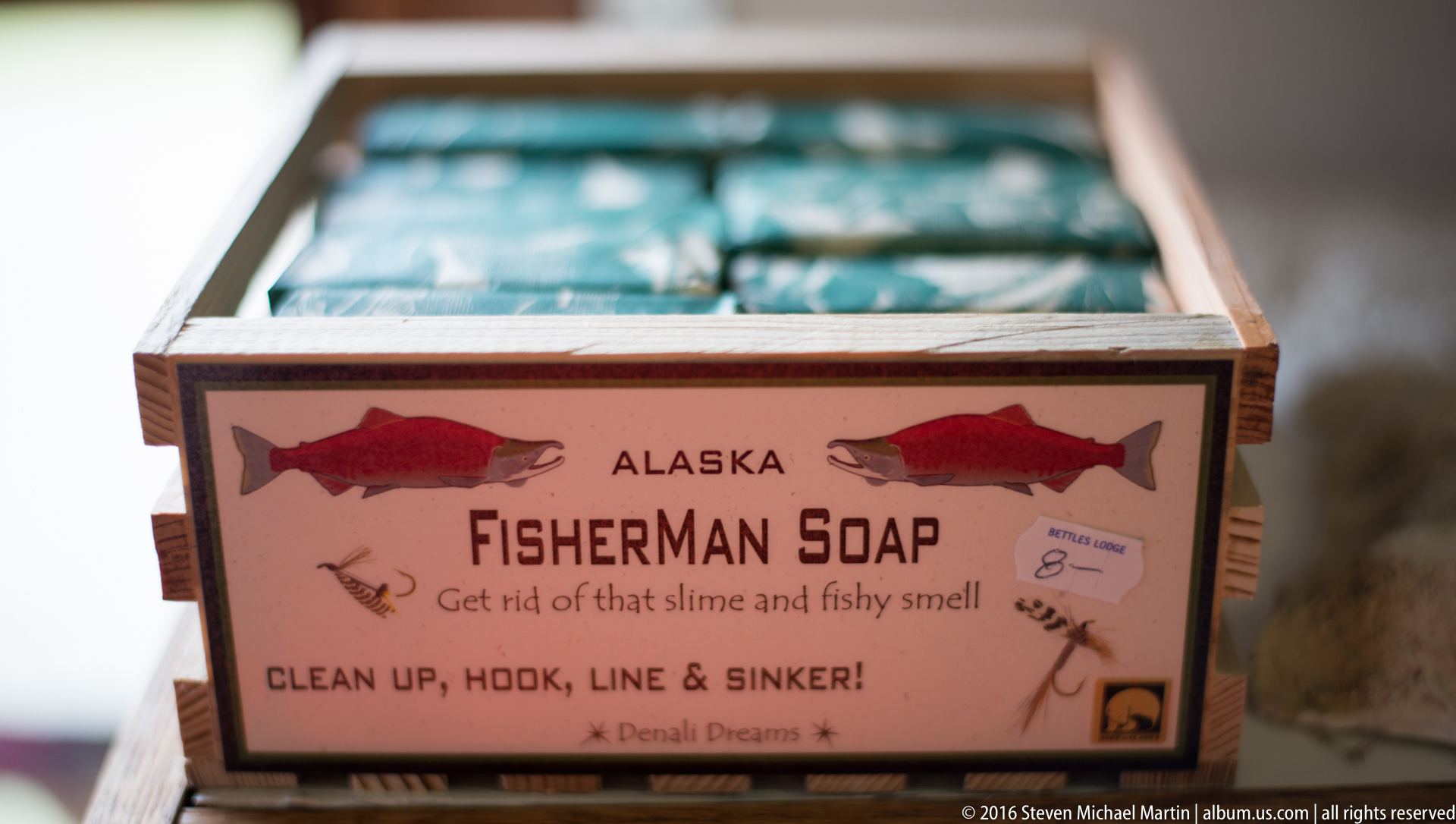
A shallow wooden display box holds wrapped bars beneath a sign reading “Alaska Fisherman Soap.” Fish illustrations and humorous copy advertise the product, while the box sits among other shop goods. The close framing makes the printed label and commercial presentation more important than the surrounding interior.
Caption
A shallow wooden display box holds wrapped bars beneath a sign reading “Alaska Fisherman Soap.” Fish illustrations and humorous copy advertise the product, while the box sits among other shop goods. The close framing makes the printed label and commercial presentation more important than the surrounding interior.
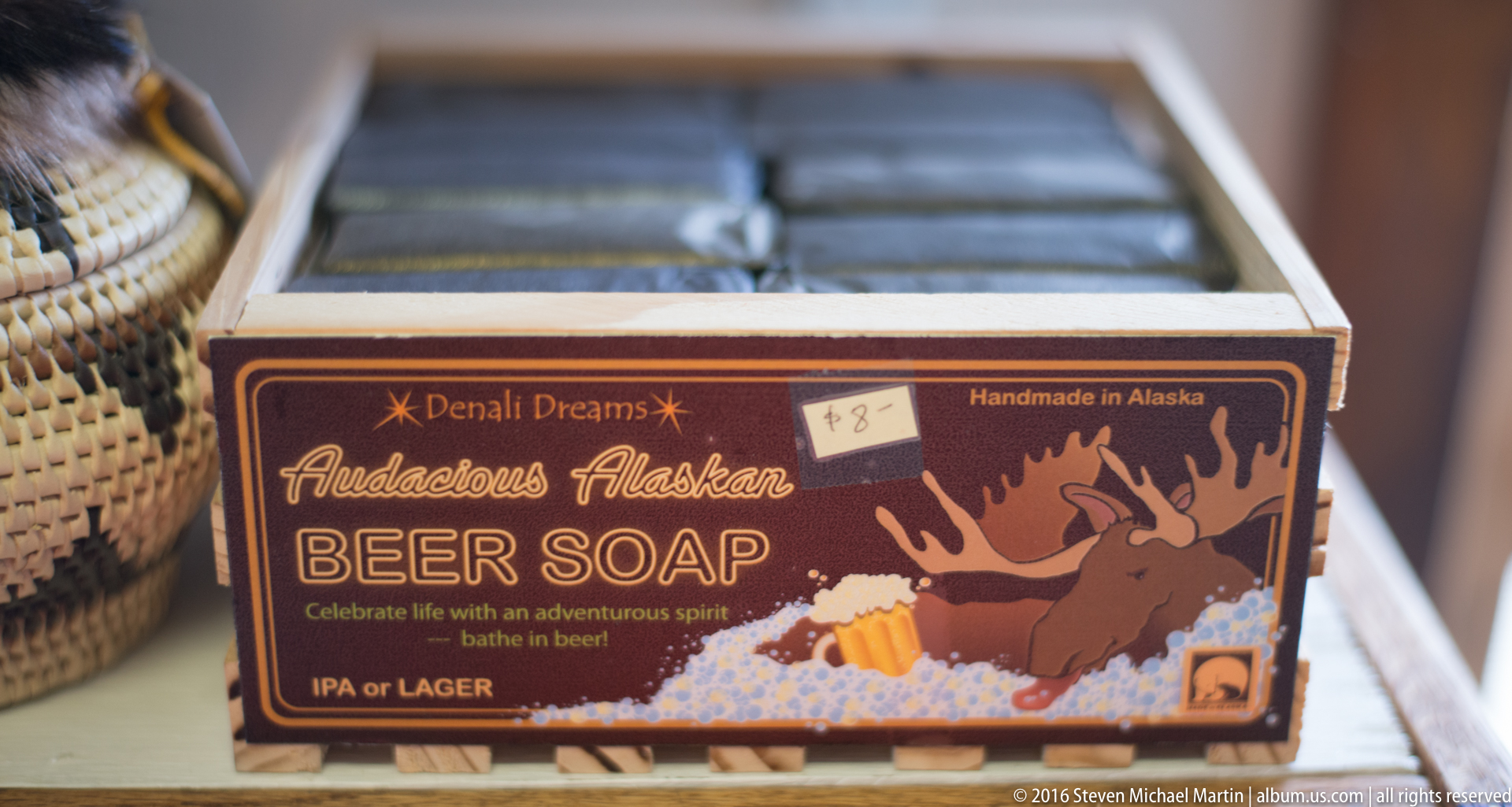
Wrapped bars fill a wooden display box labeled “Adventurous Alaskan Beer Soap,” with a cartoon moose and beer imagery on the sign. A price sticker and a nearby basket are also visible. The product’s playful packaging is the subject, linking local souvenir retail with the fishing-themed soap display on the previous page.
Caption
Wrapped bars fill a wooden display box labeled “Adventurous Alaskan Beer Soap,” with a cartoon moose and beer imagery on the sign. A price sticker and a nearby basket are also visible. The product’s playful packaging is the subject, linking local souvenir retail with the fishing-themed soap display on the previous page.
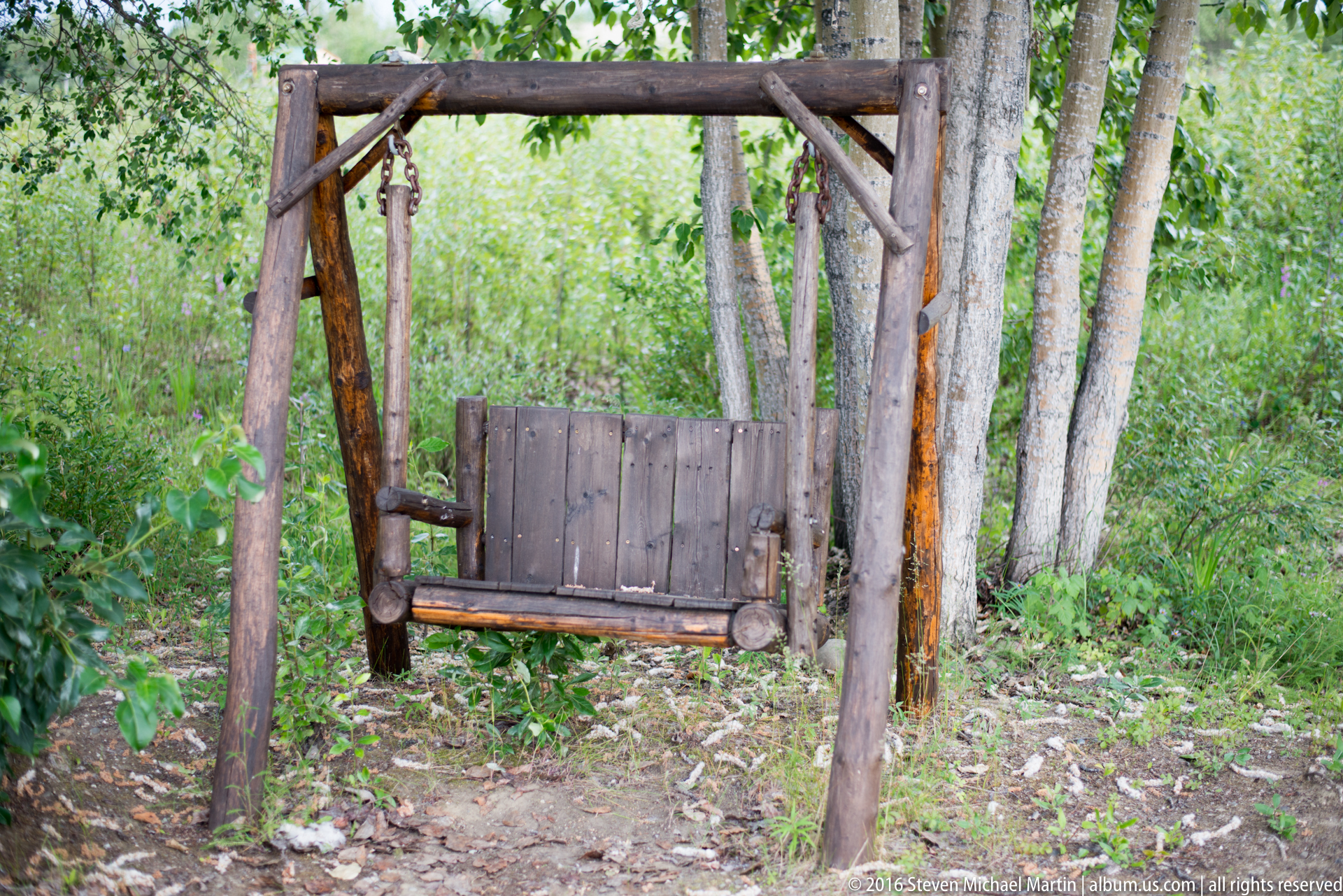
A weathered plank swing hangs from a heavy timber frame among slender birch trunks and green understory. Its empty seat is centered in the shaded grove, with no people or surrounding structures in view. The photograph focuses on a quiet outdoor feature and its rough-hewn construction.
Caption
A weathered plank swing hangs from a heavy timber frame among slender birch trunks and green understory. Its empty seat is centered in the shaded grove, with no people or surrounding structures in view. The photograph focuses on a quiet outdoor feature and its rough-hewn construction.
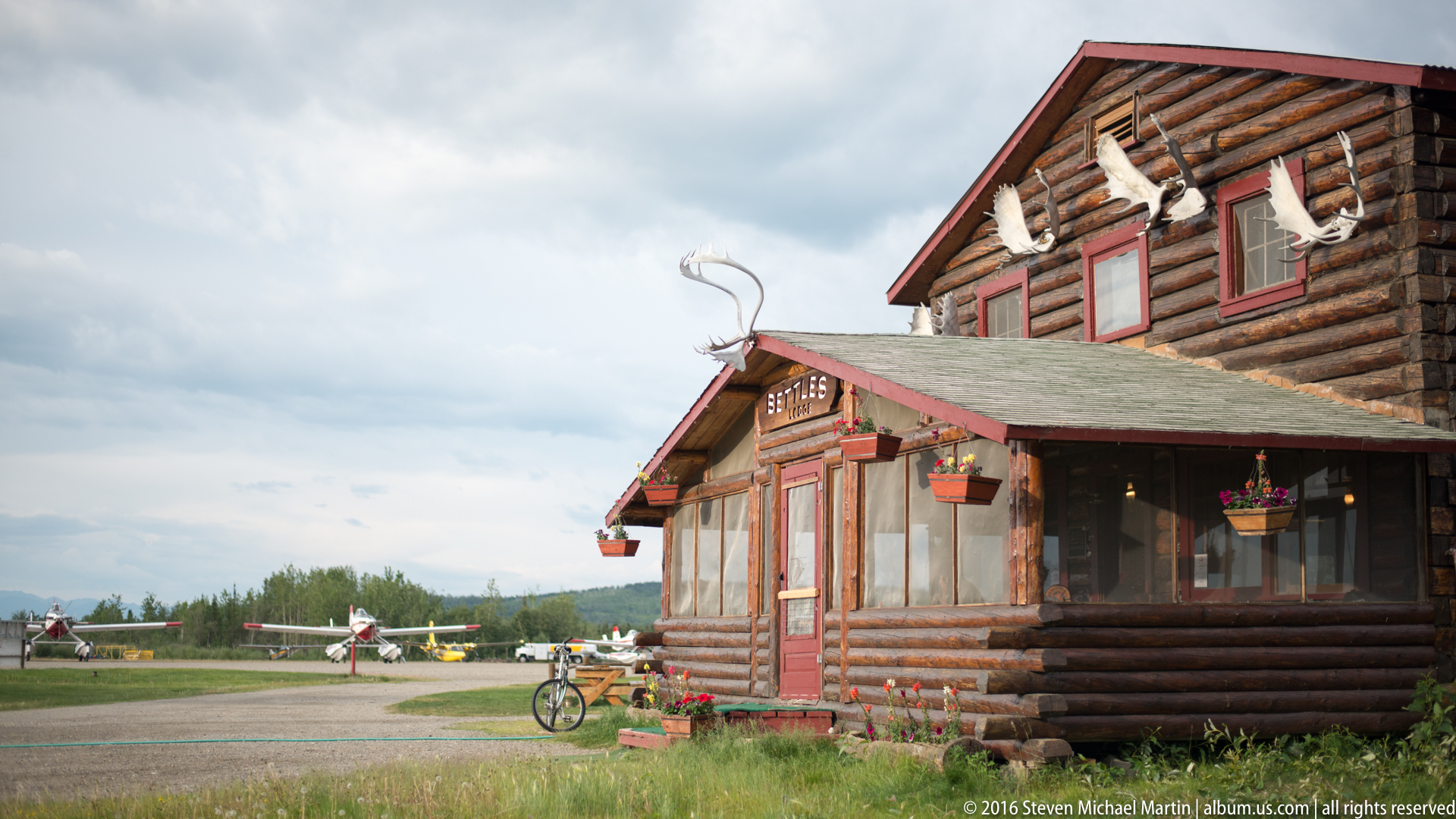
A substantial log-fronted building with red window trim stands beside an open airfield. Antler-like decorations project from the roofline, while small aircraft, a bicycle, and flower planters occupy the foreground. The oblique view links the rustic building to the settlement’s aviation setting without identifying its exact business or function.
Caption
A substantial log-fronted building with red window trim stands beside an open airfield. Antler-like decorations project from the roofline, while small aircraft, a bicycle, and flower planters occupy the foreground. The oblique view links the rustic building to the settlement’s aviation setting without identifying its exact business or function.

Red-orange blossoms rise along a slender green stem beside a blurred building wall. The shallow depth of field isolates the flowers, leaving the walkway and background soft and indistinct. Their color and clustered form are clear, but the proof-sheet view does not support a confident species identification.
Caption
Red-orange blossoms rise along a slender green stem beside a blurred building wall. The shallow depth of field isolates the flowers, leaving the walkway and background soft and indistinct. Their color and clustered form are clear, but the proof-sheet view does not support a confident species identification.
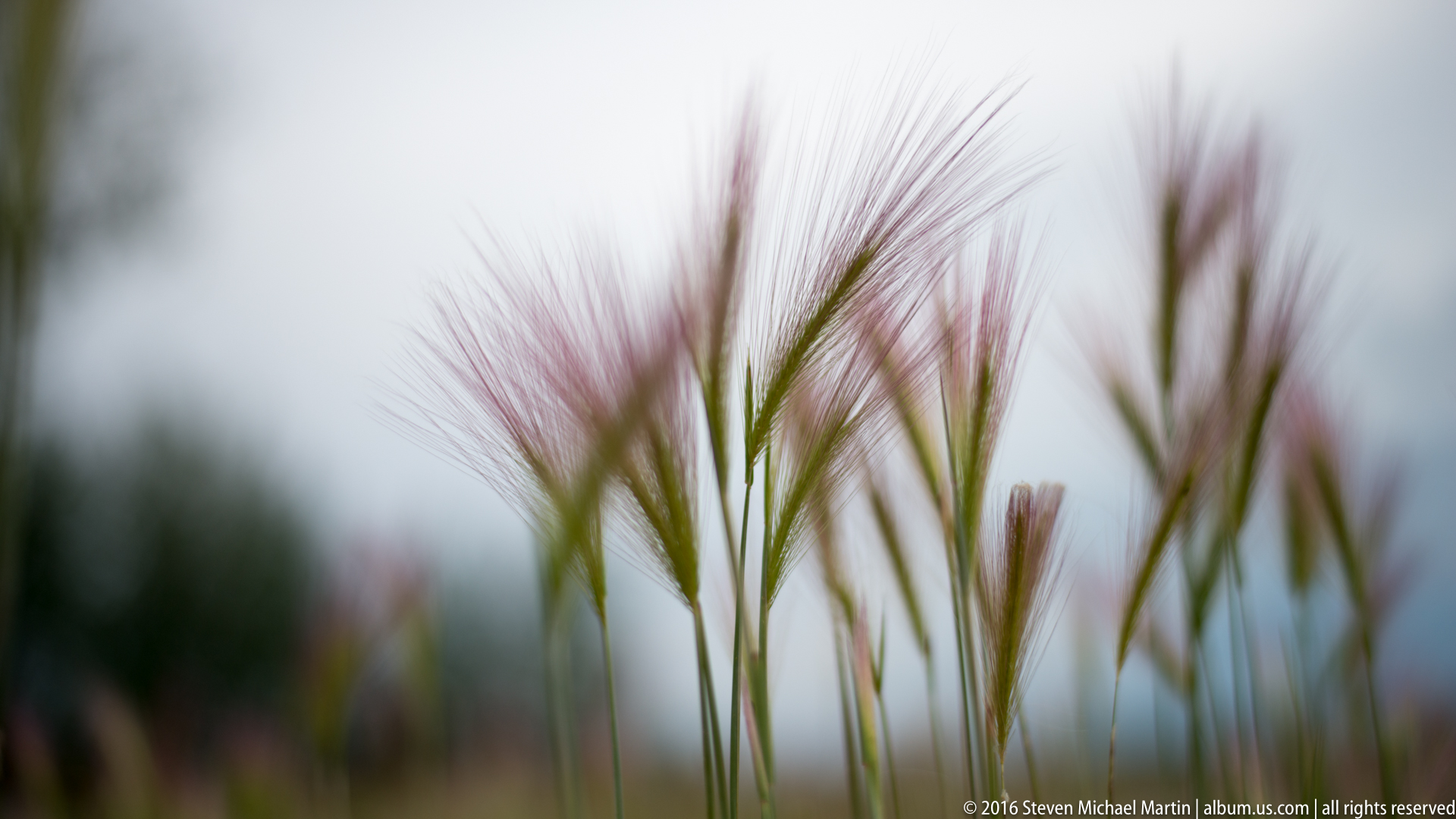
Fine grass stems and feathery seed heads rise against a pale sky, with the nearest plumes catching soft light. Shallow focus turns the background into a muted blur and emphasizes the delicate texture and upright movement of the grasses. The species cannot be determined from this close view.
Caption
Fine grass stems and feathery seed heads rise against a pale sky, with the nearest plumes catching soft light. Shallow focus turns the background into a muted blur and emphasizes the delicate texture and upright movement of the grasses. The species cannot be determined from this close view.
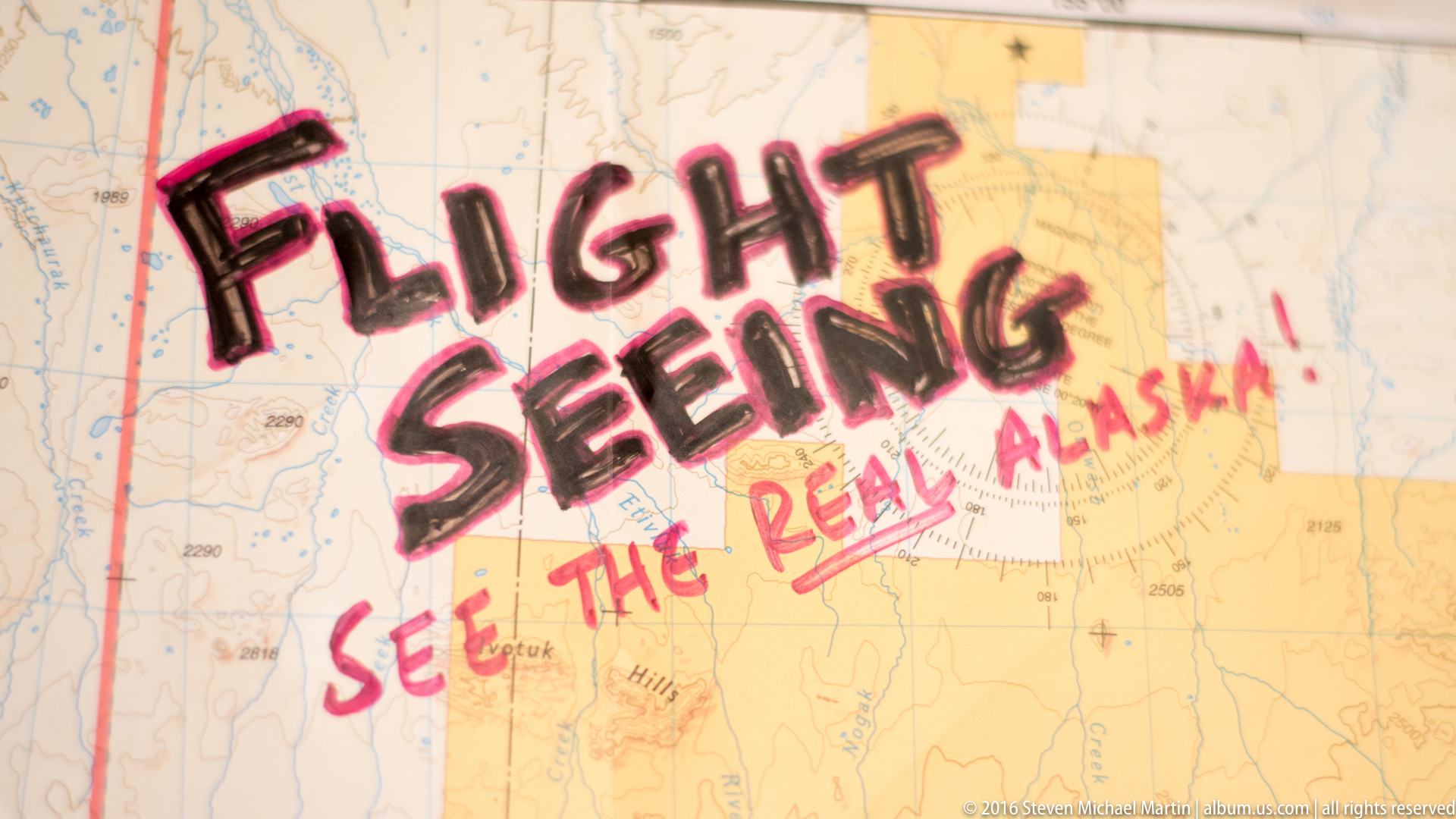
Bold black and pink lettering turns a map into a flightseeing invitation: “FLIGHT SEEING — SEE THE REAL ALASKA!” The words sit diagonally across the mapped terrain, with the oversized lettering partly obscuring place names and routes. Its close framing makes the handwritten promotional message, rather than the map’s geography, the dominant subject.
Caption
Bold black and pink lettering turns a map into a flightseeing invitation: “FLIGHT SEEING — SEE THE REAL ALASKA!” The words sit diagonally across the mapped terrain, with the oversized lettering partly obscuring place names and routes. Its close framing makes the handwritten promotional message, rather than the map’s geography, the dominant subject.
Gates of the Arctic National Park and Preserve — Field Guide
National Park Field Guide
📍 Overview
Gates of the Arctic National Park and Preserve protects one of the largest undeveloped wilderness areas in the United States. Located north of the Arctic Circle, the park includes rugged mountain ranges, broad river valleys, and tundra landscapes shaped by glacial and geological processes. The absence of roads and developed trails contributes to a strong sense of isolation and environmental continuity.
The Brooks Range forms the central geographic feature of the park, creating dramatic transitions between interior forest ecosystems and northern tundra environments. Wildlife including caribou, wolves, and bears inhabit the region, reflecting ecological relationships shaped by seasonal migration and climate conditions. Archaeological evidence indicates long-standing human presence connected to subsistence traditions adapted to Arctic environments.
⭐ Highlights
- One of the most remote national parks in the United States
- Brooks Range mountain landscapes
- Large-scale wilderness with minimal development
- Wildlife habitats shaped by seasonal migration
- River systems flowing through Arctic valleys
🔎 Key Features
- Mountain ranges formed by geological uplift
- Remote tundra and river valley ecosystems
- Archaeological evidence of early human activity
- Landscape shaped by glacial processes
- Minimal infrastructure emphasizing wilderness preservation
📷 Photography Notes
- Wide compositions help convey the scale of the landscape
- Low-angle light can emphasize mountain textures
- Weather changes can create dramatic atmosphere
- Foreground elements help add depth to expansive views
- Seasonal colors can vary significantly across tundra terrain
- Look for compositions that emphasize isolation and scale

A printed page pairs a snow-covered mountain panorama with a lone hiker crossing the foreground. Smaller photographs of wildlife, plants, and terrain sit above columns of explanatory text, arranging the Arctic landscape as both a vast setting and a place encountered on foot. The tiny print is not legible in this view, so the page’s precise publication title and claims remain unidentified.
Caption
A printed page pairs a snow-covered mountain panorama with a lone hiker crossing the foreground. Smaller photographs of wildlife, plants, and terrain sit above columns of explanatory text, arranging the Arctic landscape as both a vast setting and a place encountered on foot. The tiny print is not legible in this view, so the page’s precise publication title and claims remain unidentified.

The map traces the extensive, irregular boundary of Gates of the Arctic National Park and Preserve across a relief-rendered section of northern Alaska. Green lines enclose a broad central area and several separated units, while nearby preserves, wilderness areas, rivers, and settlements place the protected lands in regional context. The park’s name is printed prominently within the shaded mountain terrain.
Caption
The map traces the extensive, irregular boundary of Gates of the Arctic National Park and Preserve across a relief-rendered section of northern Alaska. Green lines enclose a broad central area and several separated units, while nearby preserves, wilderness areas, rivers, and settlements place the protected lands in regional context. The park’s name is printed prominently within the shaded mountain terrain.