American Samoa NP — Taʻū Island
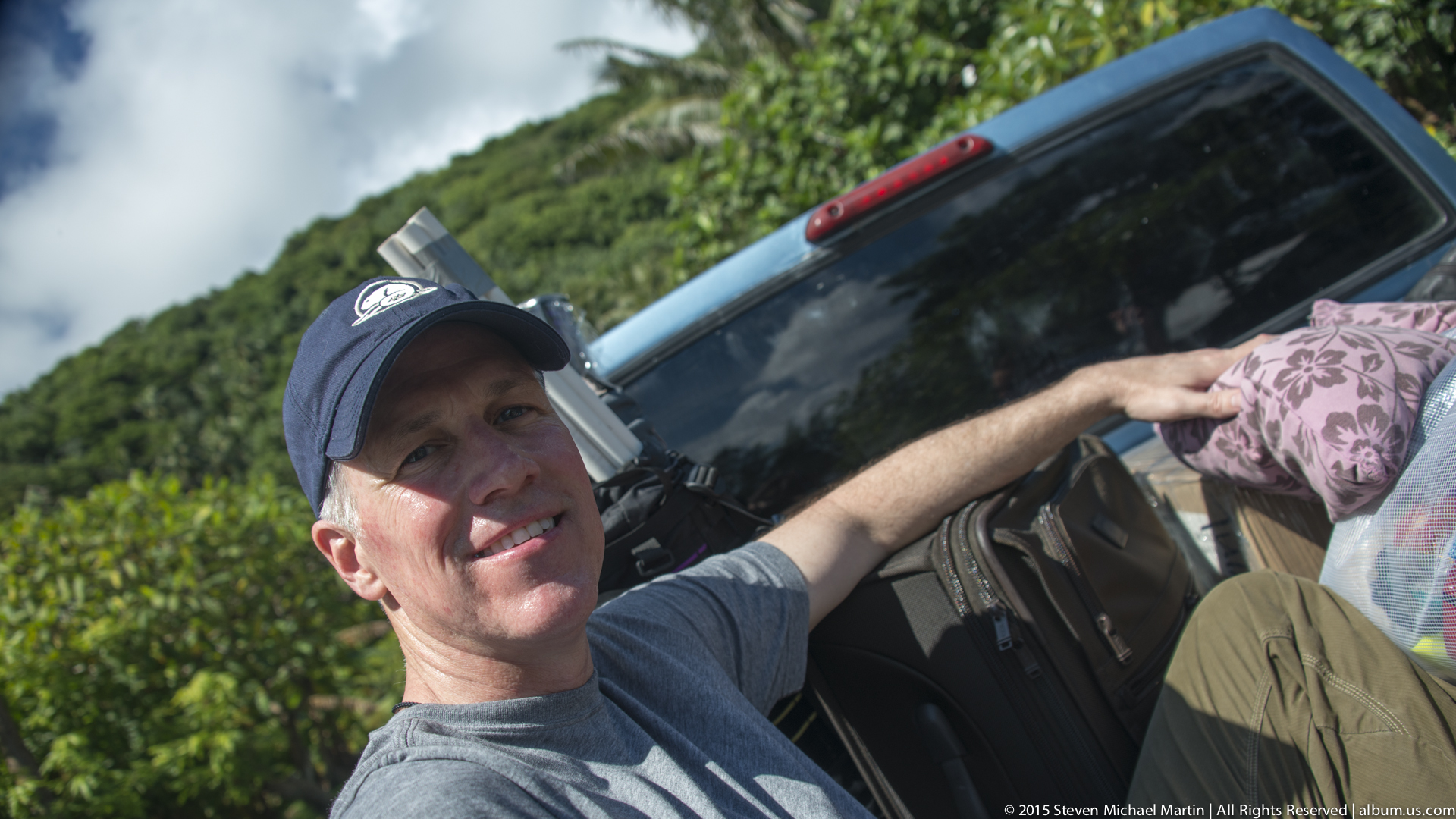
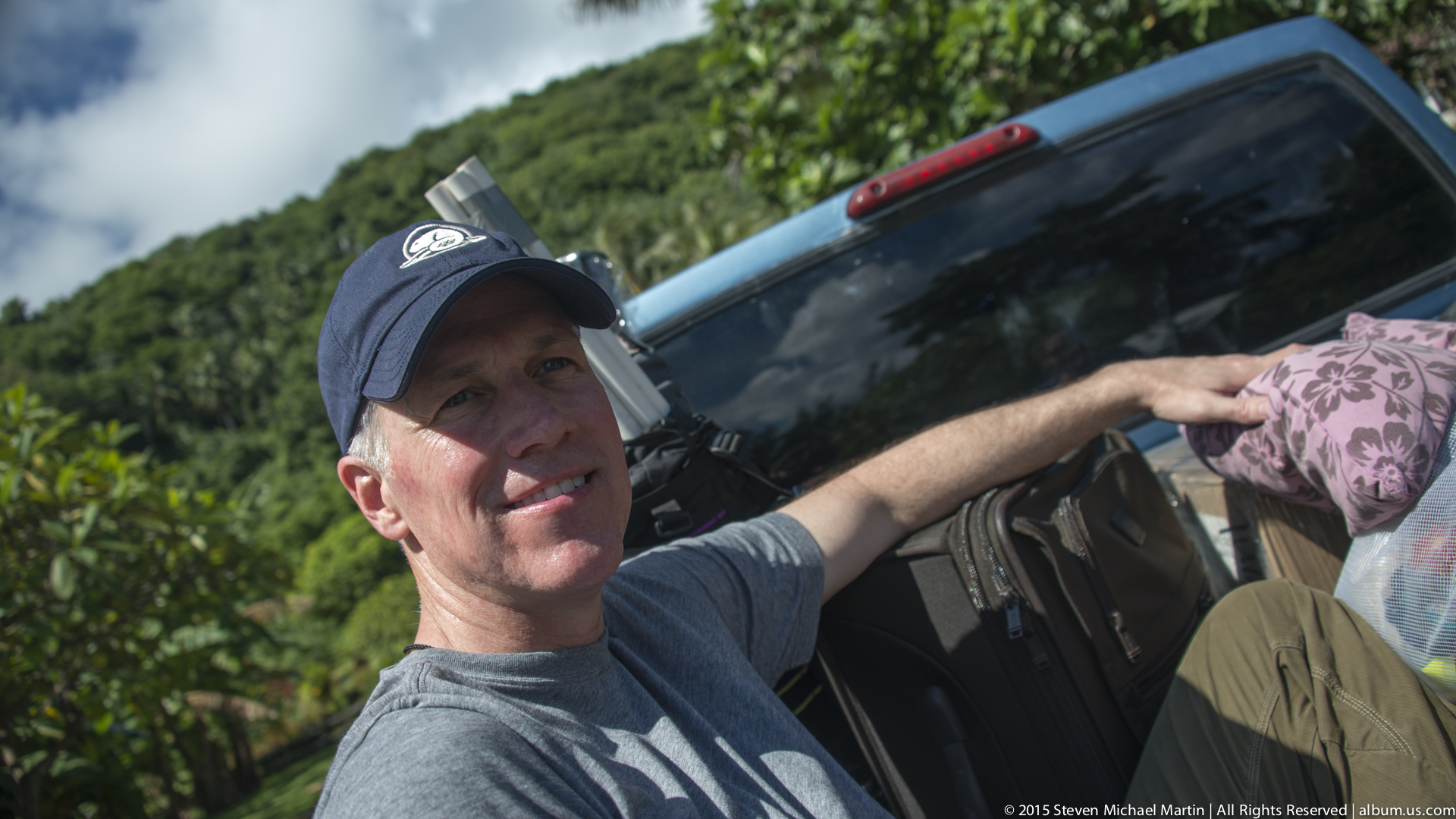
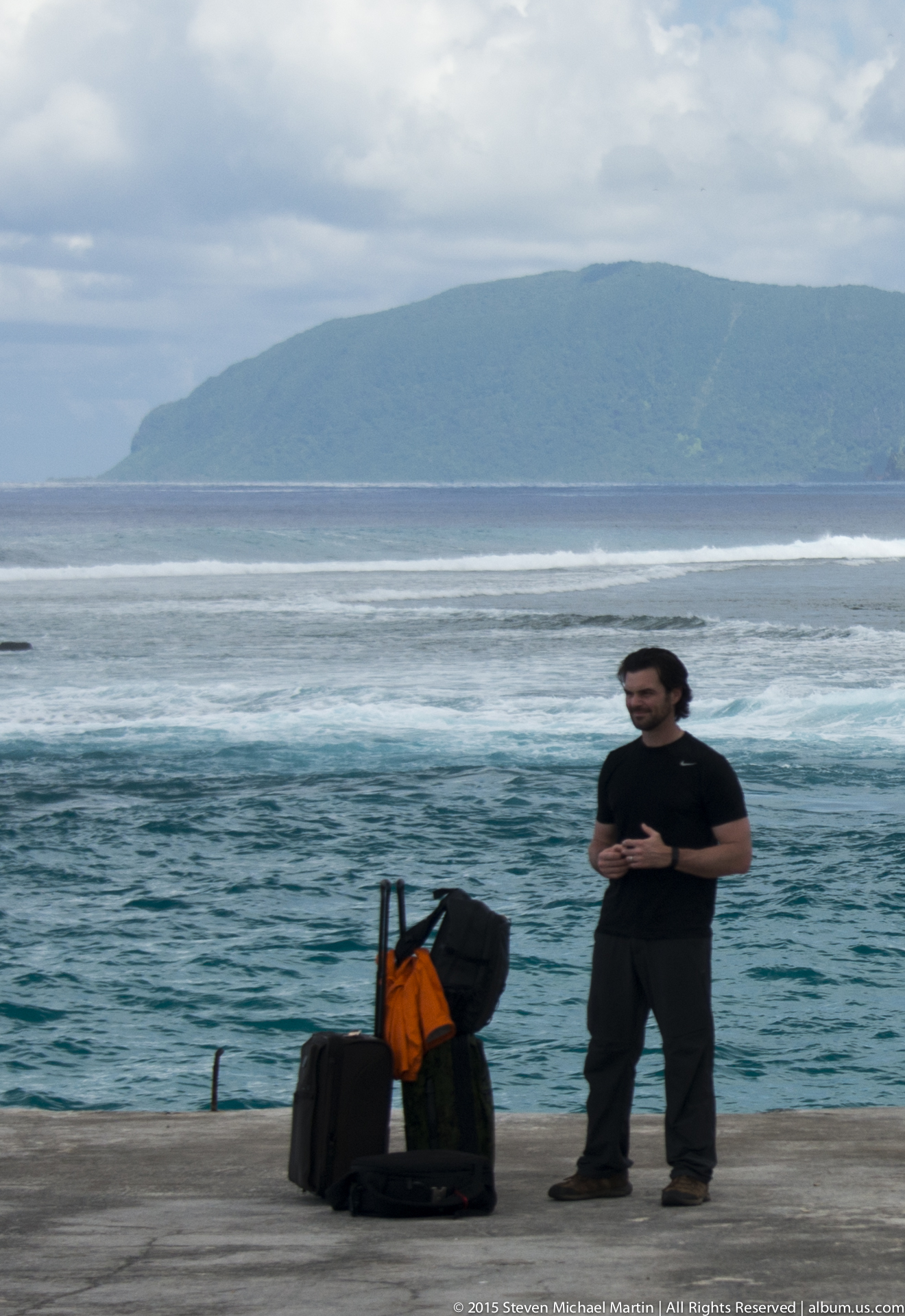
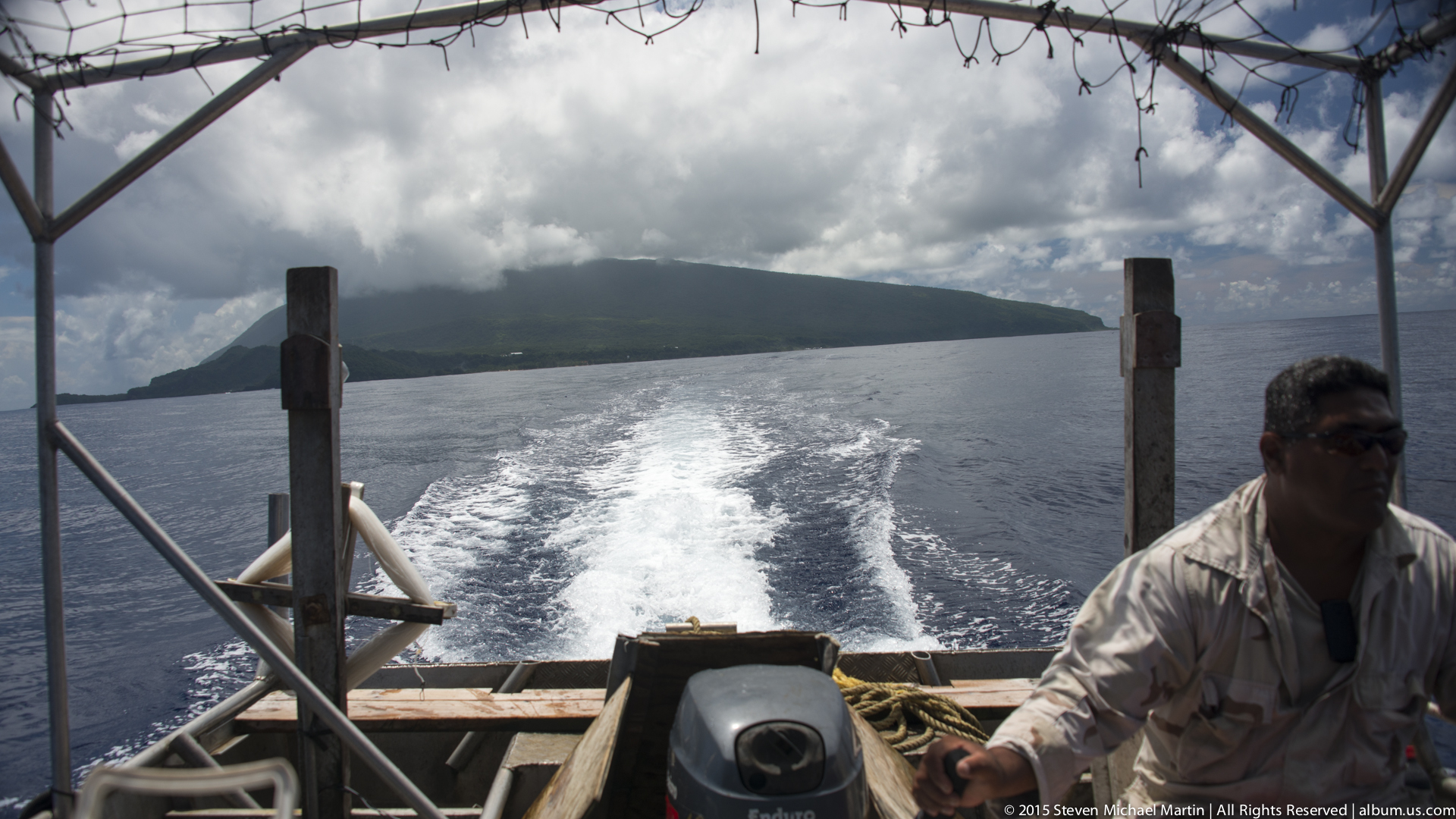
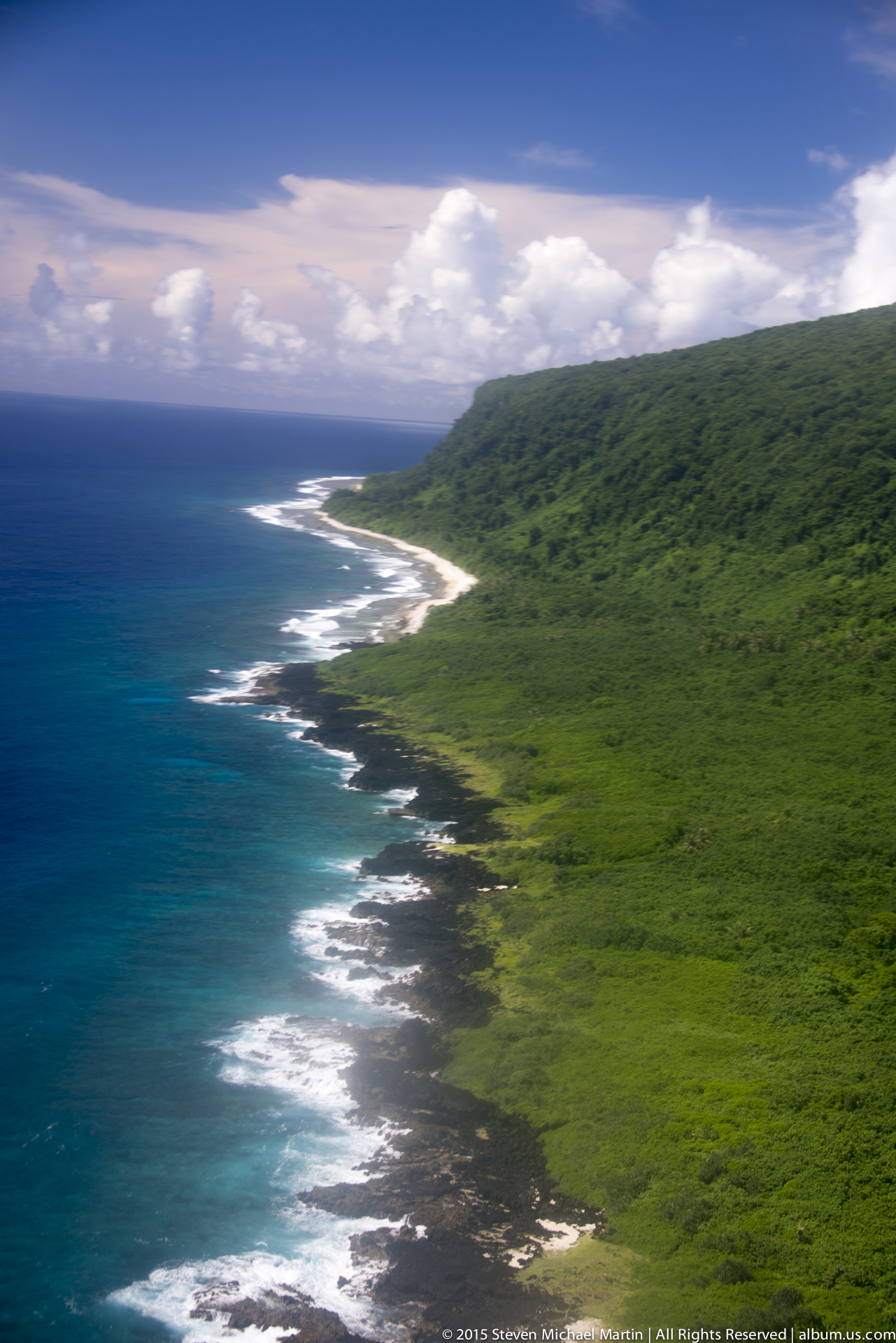
Taʻū Island represents one of the most remote and visually dramatic environments within the National Park of American Samoa. The island rises steeply from the Pacific Ocean, with rugged volcanic cliffs and dense tropical vegetation covering much of the landscape. Limited development preserves the natural character of the island, allowing the terrain to reflect the geologic processes that shaped Polynesia’s volcanic island chains.
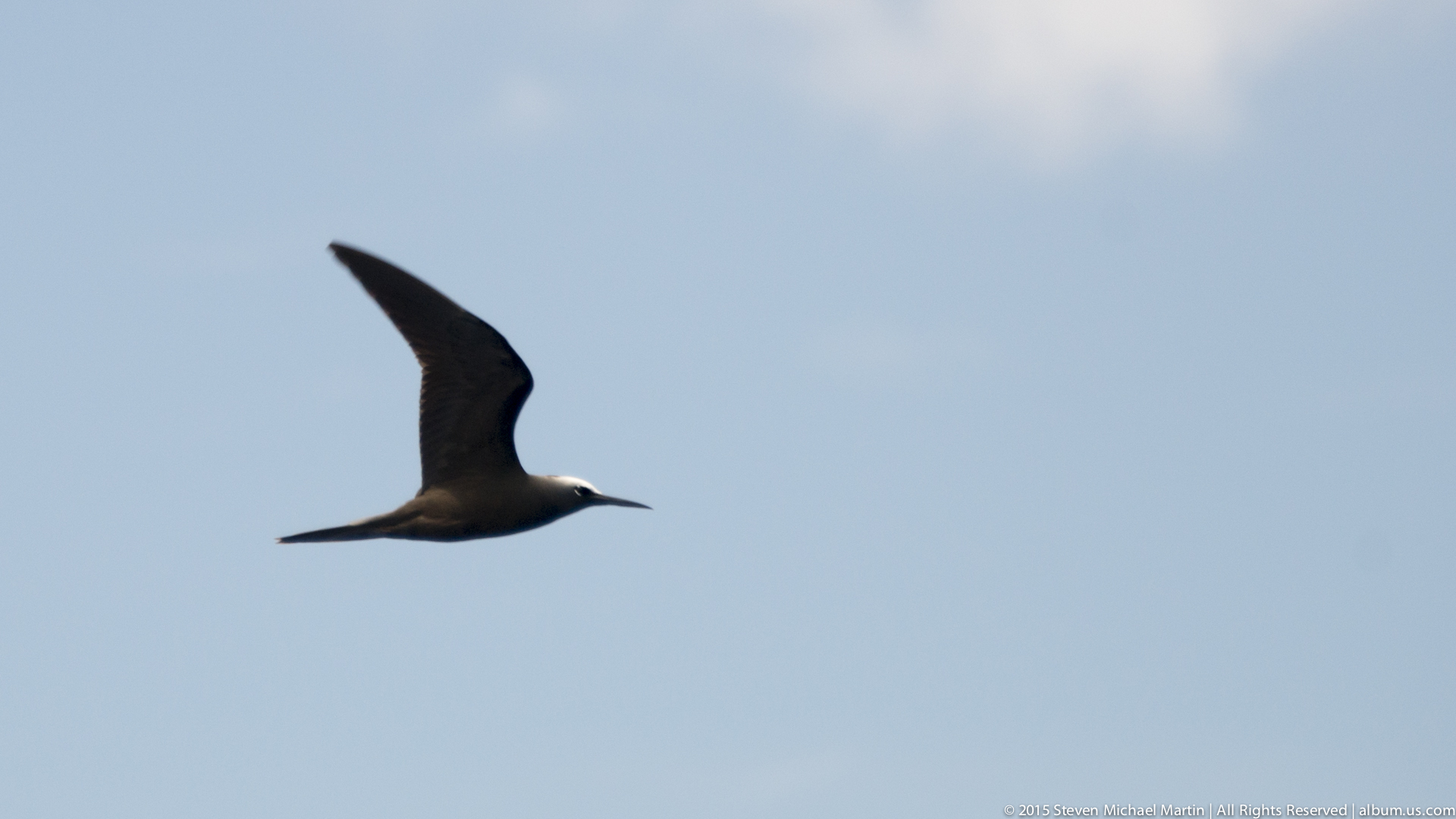
The island’s rainforest ecosystem supports a variety of plant and animal life adapted to humid tropical conditions. Coastal rock formations and wave-carved shoreline features illustrate the ongoing interaction between volcanic geology and ocean forces. The isolation of Taʻū contributes to the preservation of traditional village patterns and the continuation of long-standing cultural practices within the island community.
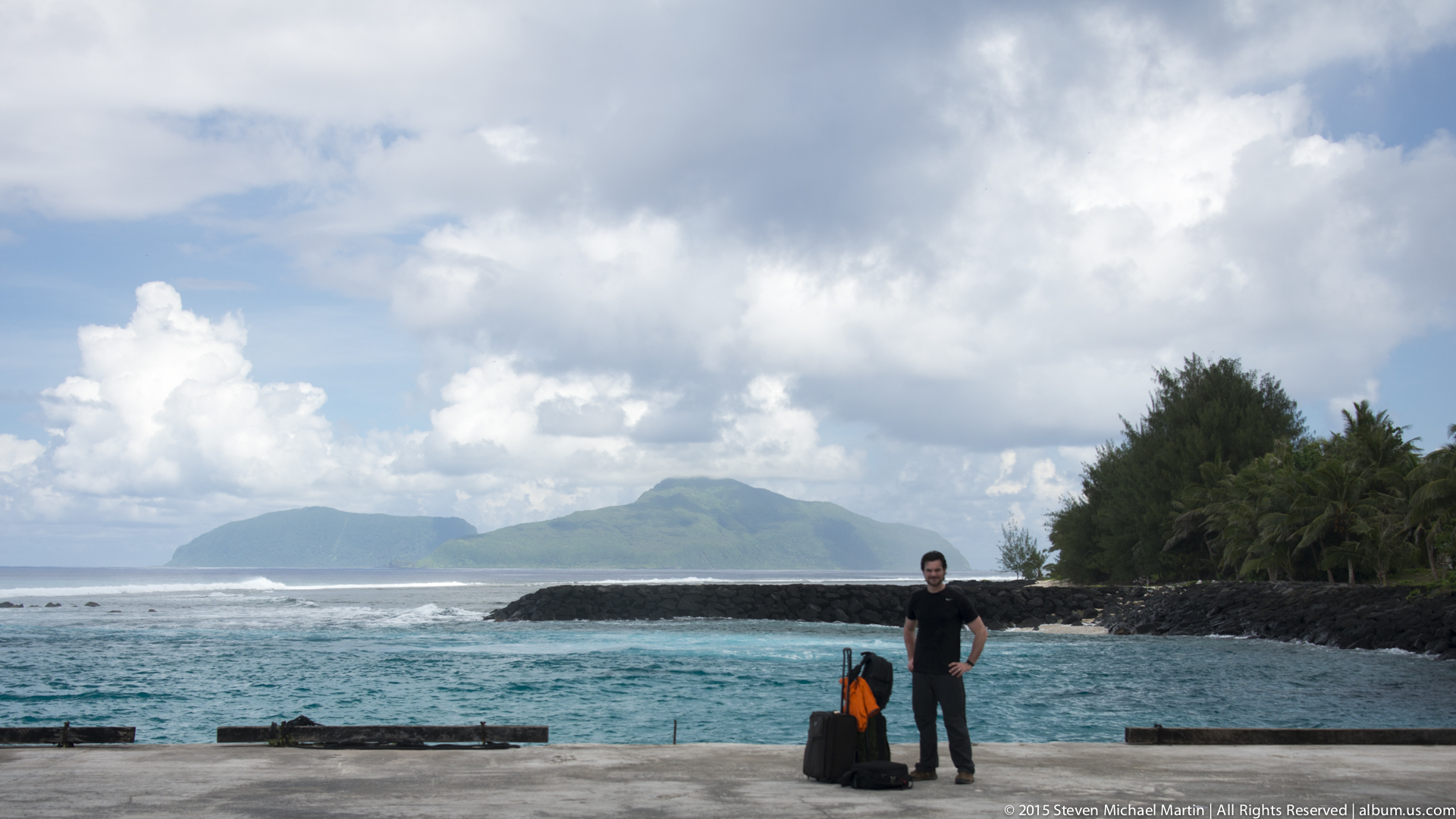
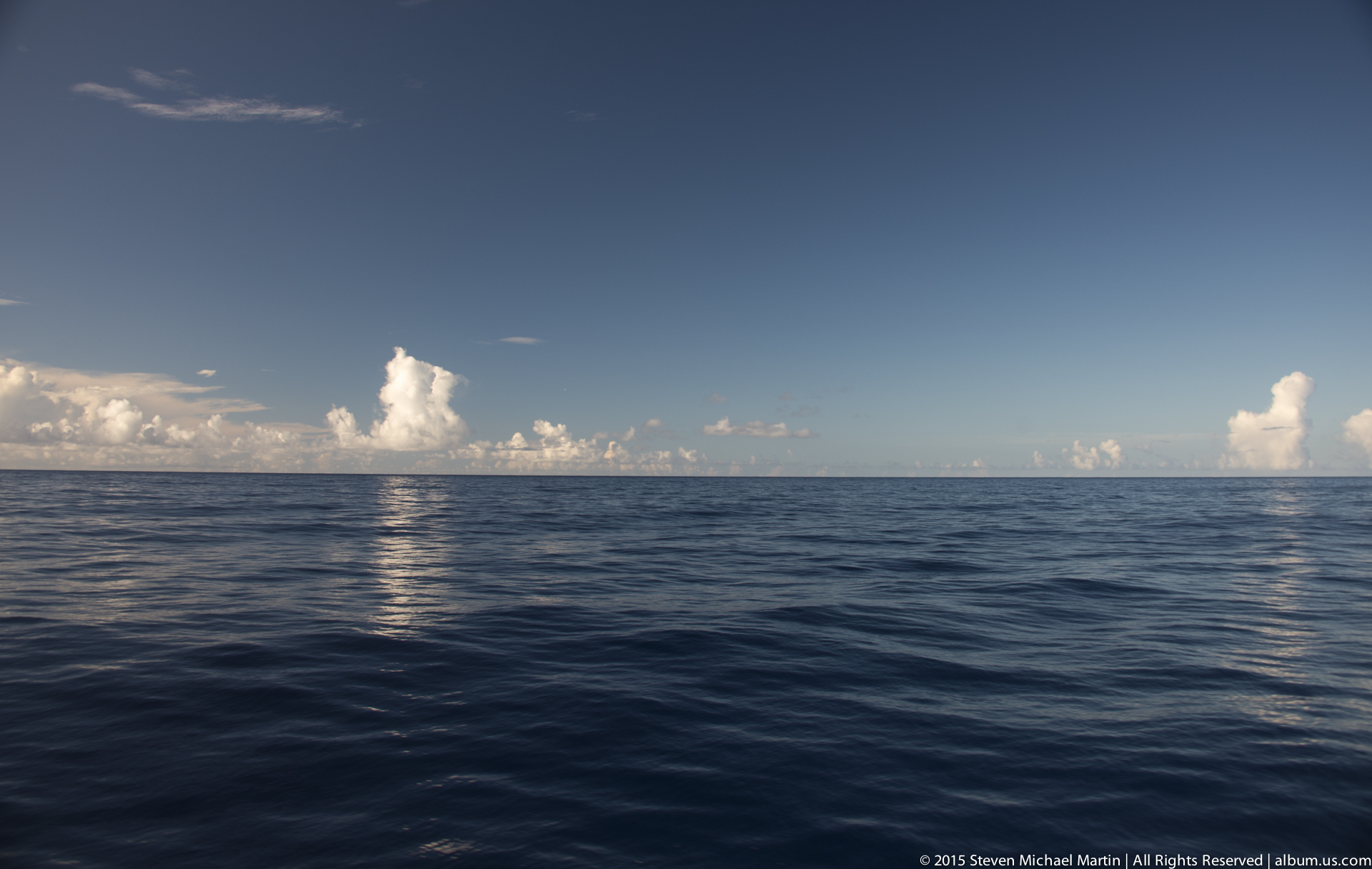
Taʻū provides a perspective on Polynesia that emphasizes geographic remoteness and environmental continuity. Steep ridgelines, dense vegetation, and expansive ocean views create a landscape defined by both natural processes and cultural history. The island environment demonstrates how volcanic terrain and tropical climate combine to shape the distinctive ecosystems found throughout the South Pacific.







🧭 Field Guide
Landscape Type: Volcanic island rainforest ecosystem
Primary Features: steep ridges, tropical forest, coastal cliffs
Best Time to Visit: stable weather periods for clearer mountain views
Conditions: warm temperatures with humid tropical atmosphere
✨ Highlights
- Volcanic Mountain Terrain – steep slopes rise directly from the Pacific Ocean.
- Dense Tropical Vegetation – rainforest canopy covers much of the island landscape.
- Remote Island Geography – limited development preserves natural environmental character.
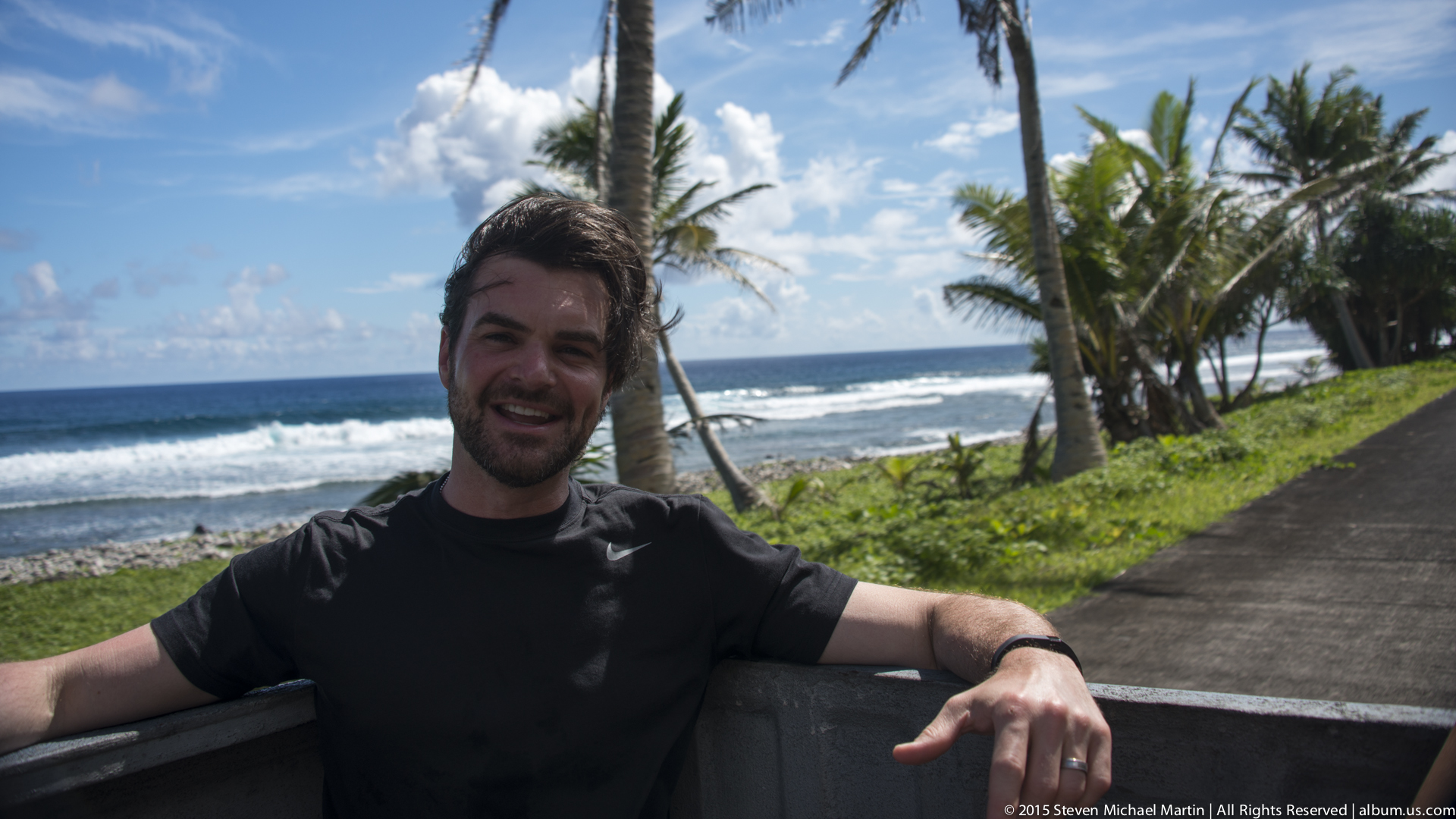
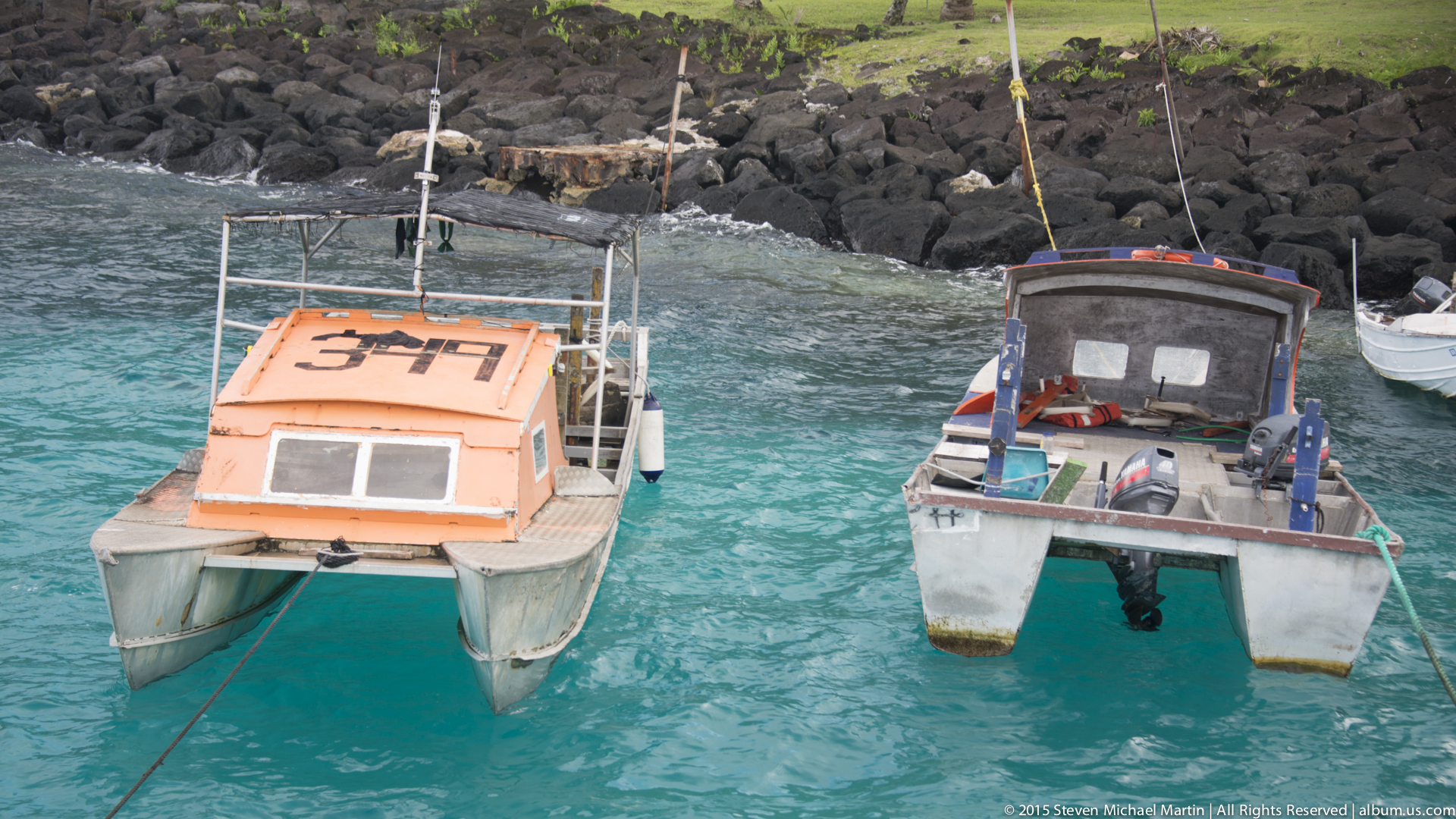
- Wave-Shaped Coastline – erosion patterns visible along rugged shoreline formations.
- Pacific Ocean Views – open horizons emphasize geographic isolation.
- Traditional Village Setting – settlement patterns reflect long cultural continuity.
📷 Photography Notes
- Cloud cover often moves quickly across mountainous terrain.
- Wide views emphasize contrast between forest and ocean.
- Tropical haze may soften distant detail.
- Vegetation textures provide layered foreground elements.
- Changing weather conditions can influence lighting rapidly.