Fort Washington Park
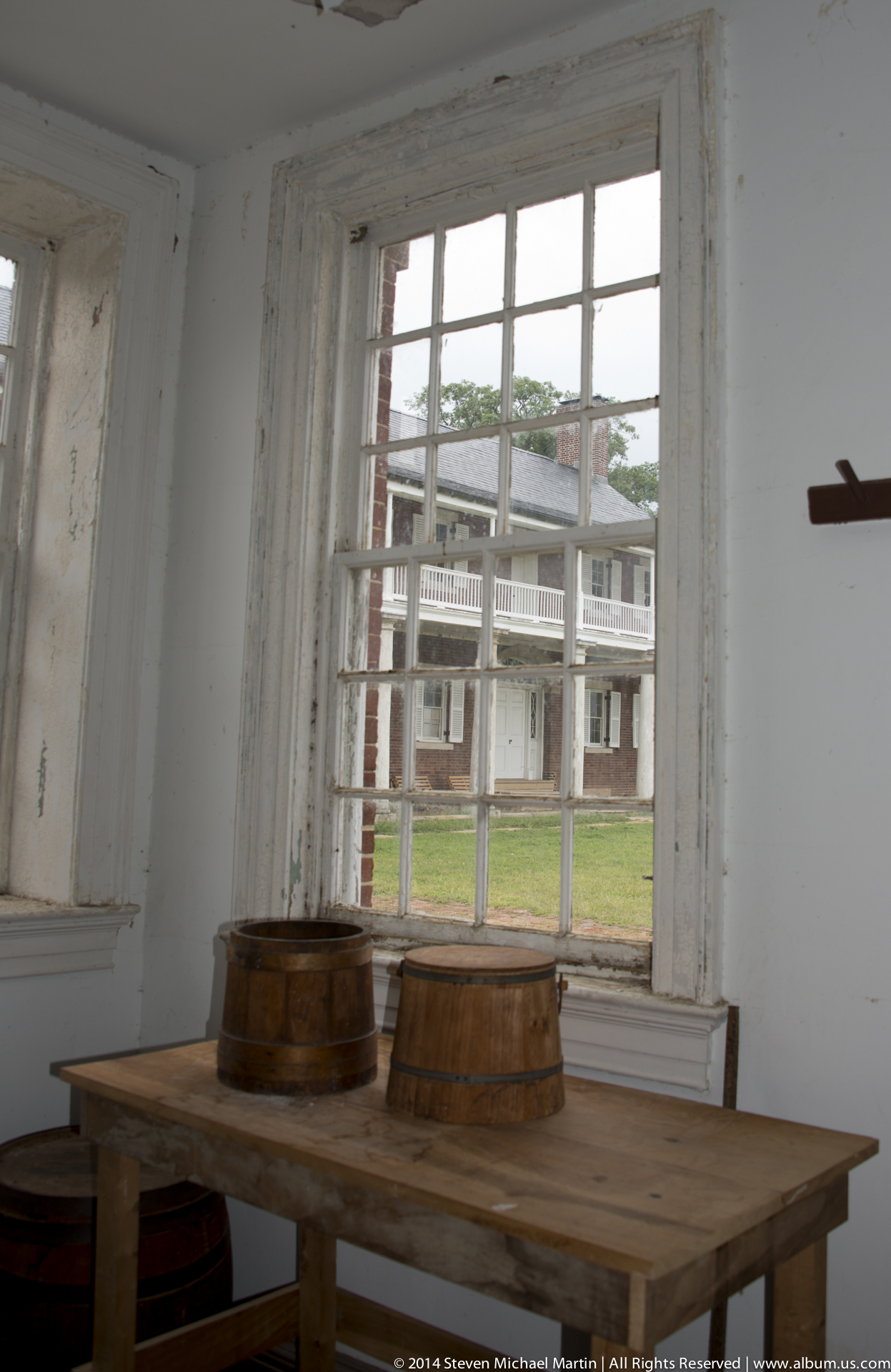
Fort Washington Park preserves a nineteenth-century coastal fortification overlooking the Potomac River south of Washington, DC, representing the only defensive structure specifically designed to protect the nation’s capital for much of the nineteenth century. The original fort, begun in 1808 and later reconstructed in stone in 1824, reflects evolving approaches to military engineering following the War of 1812, when weaknesses in coastal defenses became apparent. Its elevated position provided commanding views of the river corridor forming a principal approach to the federal city.
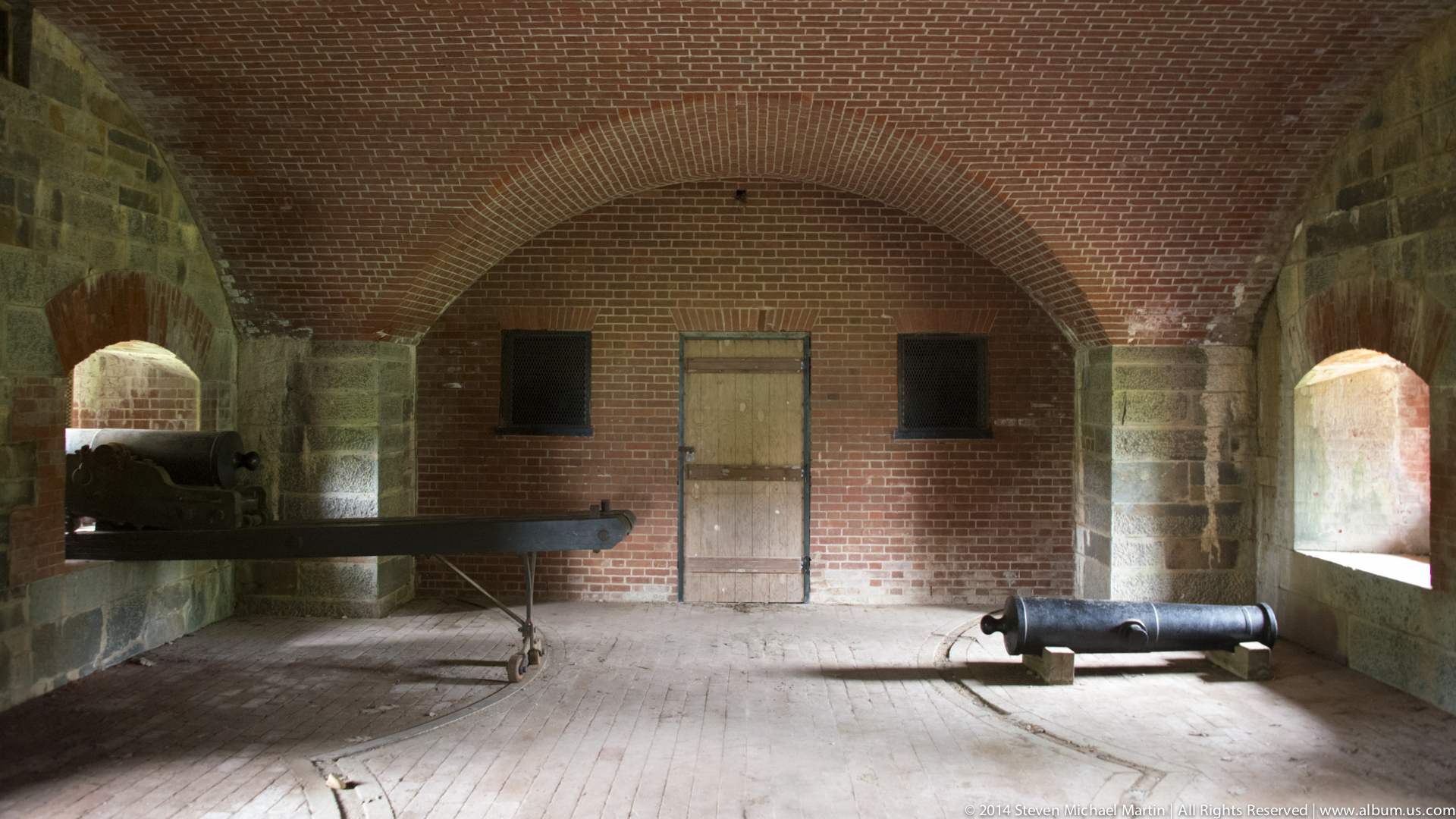
The fort’s design incorporates masonry walls, artillery positions, and defensive earthworks that illustrate nineteenth-century adaptations to changing military technologies. Over time the site evolved from an active military installation into a preserved historic landscape administered by the National Park Service, where the relationship between topography and defense strategy can be clearly observed. The surrounding parkland now supports recreation and interpretation of the long history of coastal fortifications in the mid-Atlantic region.
Fort Washington contributes to understanding how the geography of the Potomac River shaped defensive planning for the early United States. The preserved fort demonstrates continuity between early national security concerns and later historic preservation efforts. The site illustrates how military landscapes become part of broader cultural memory within the national capital region.