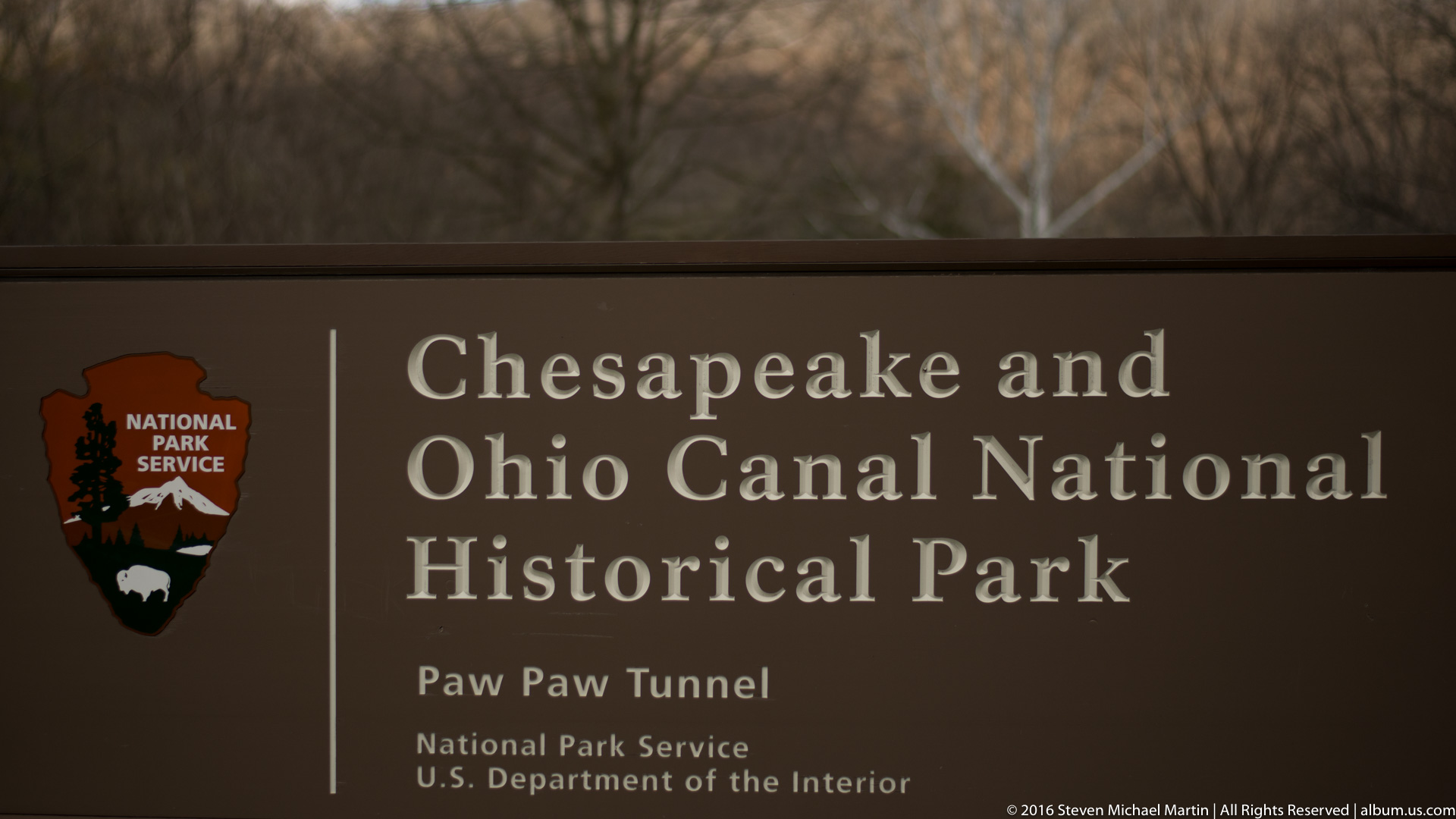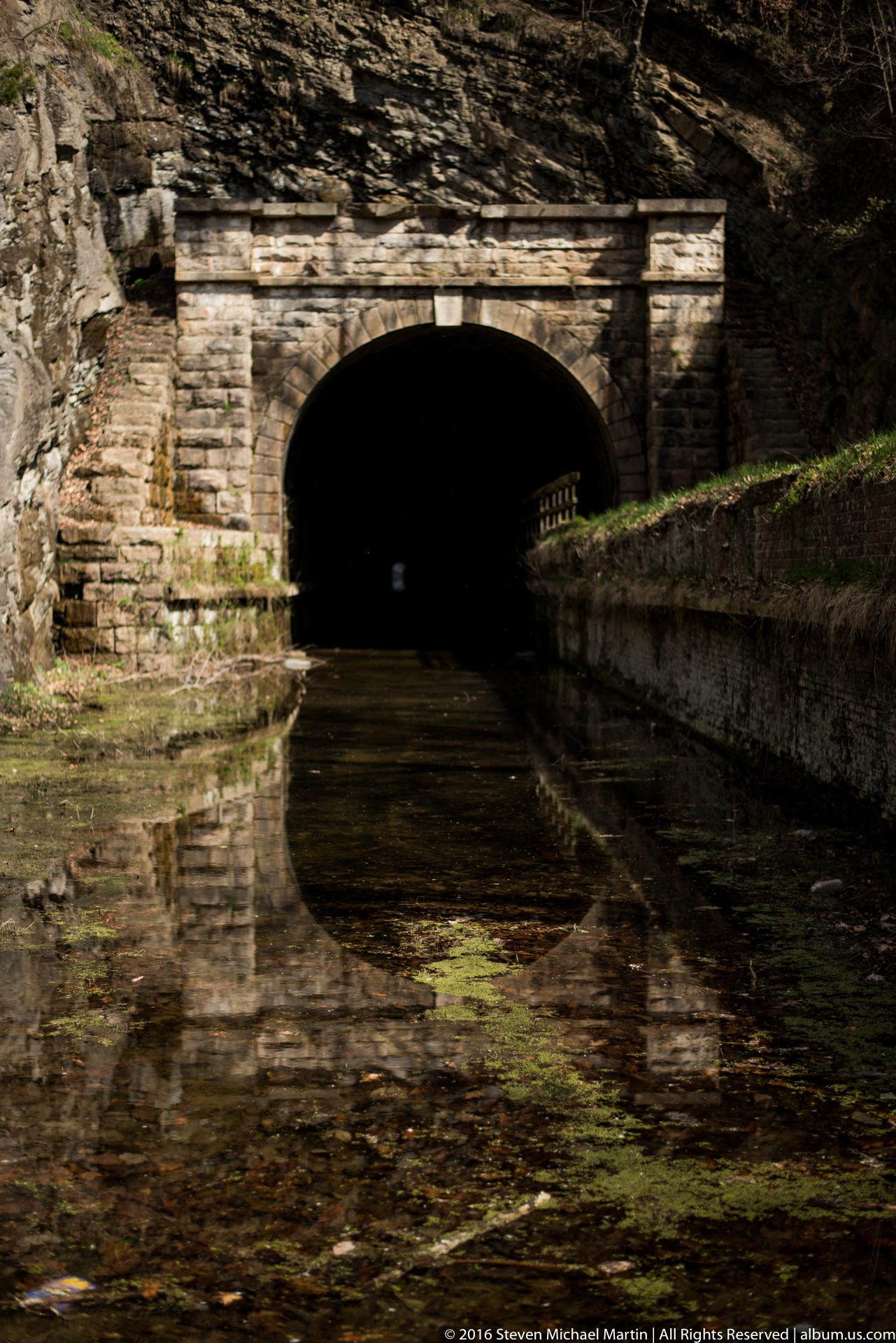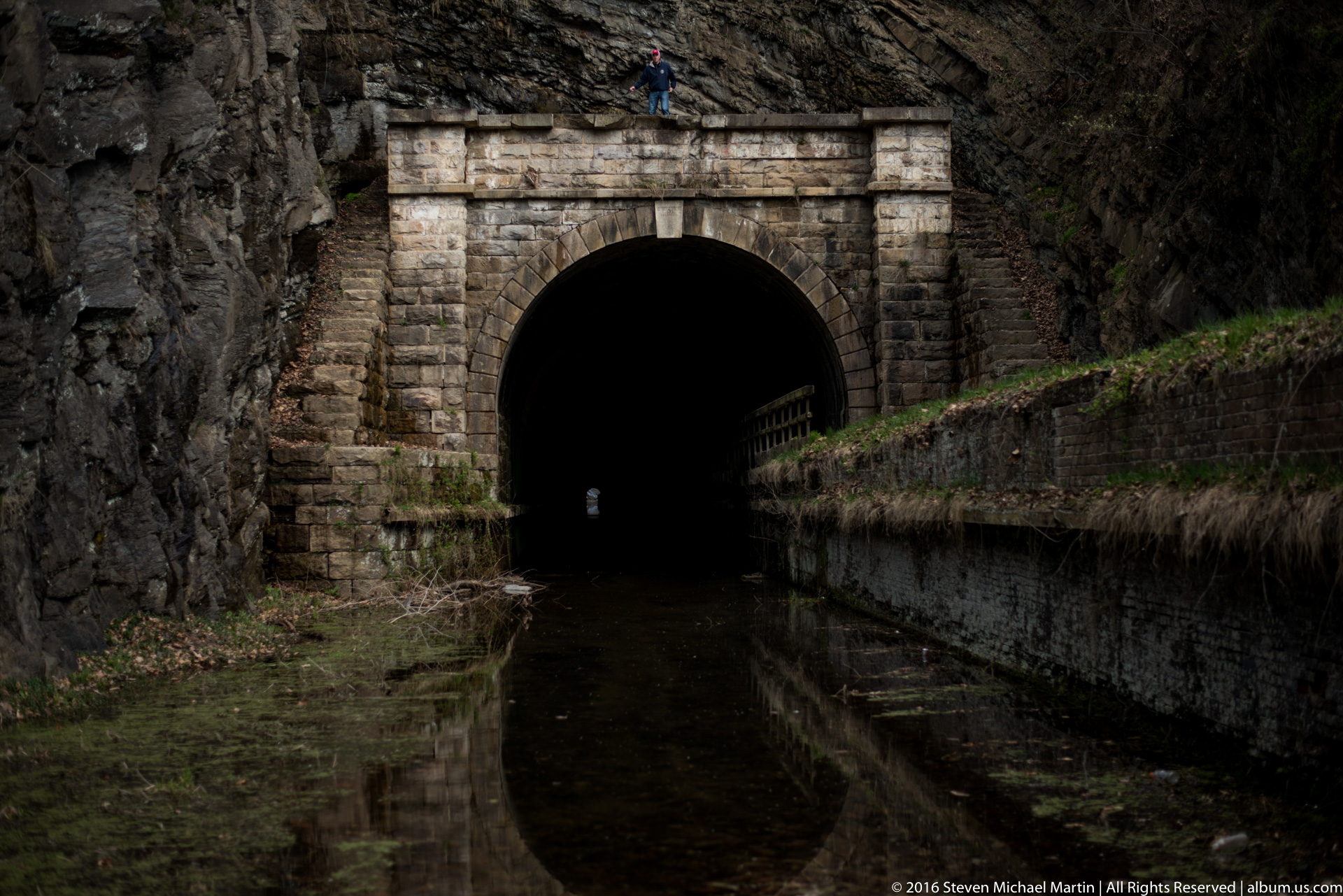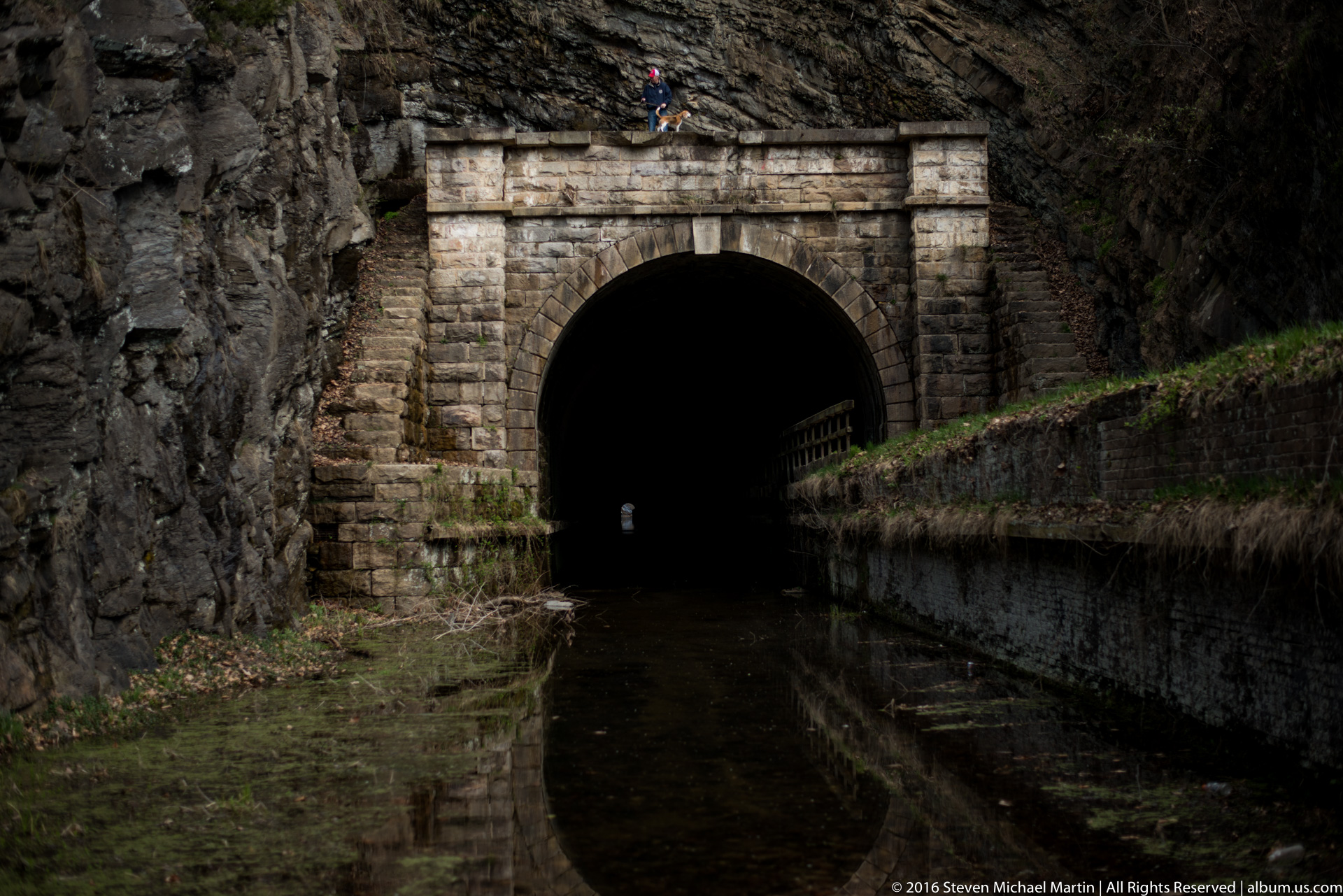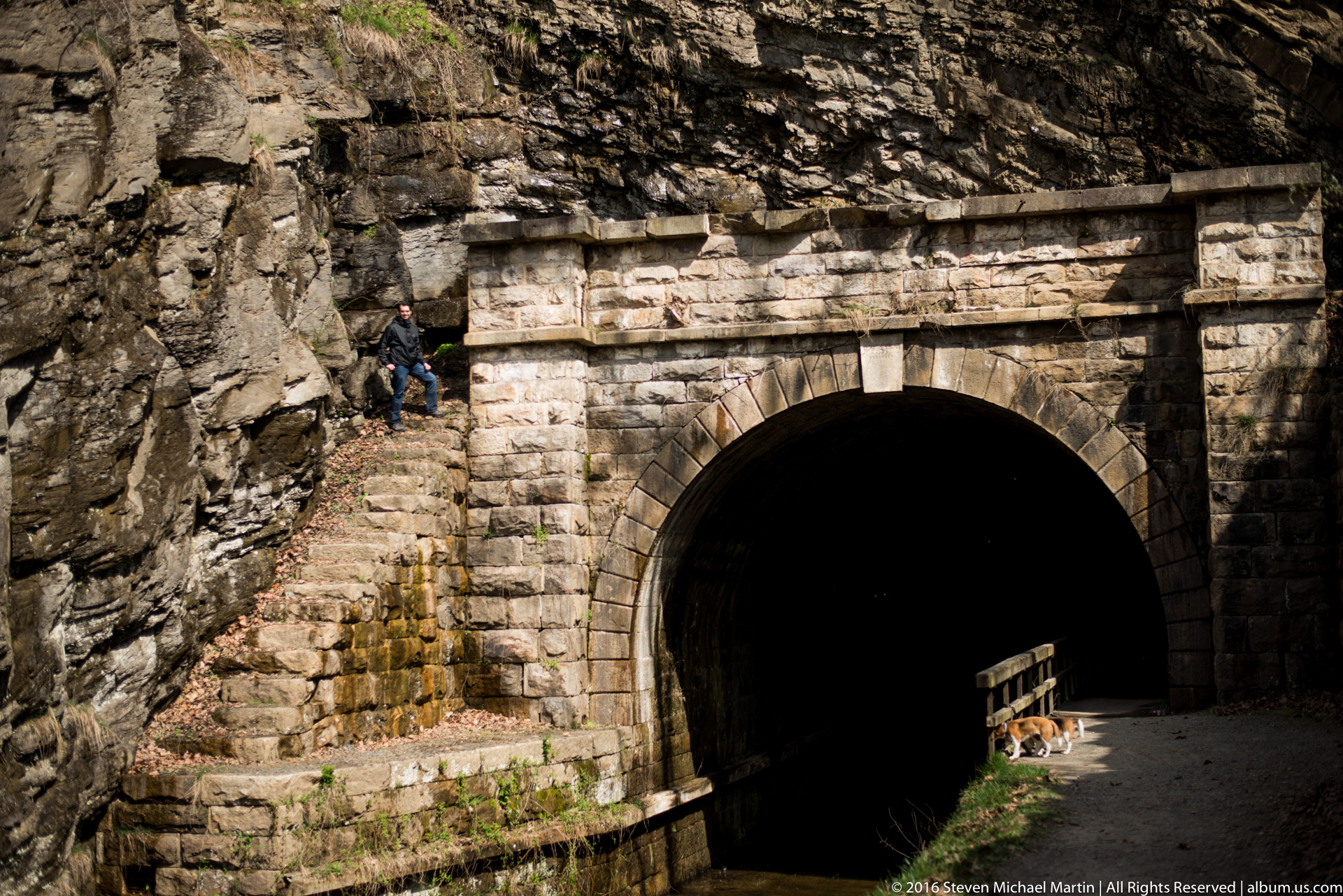
Chesapeake and Ohio Canal National Historical Park and Cumberland
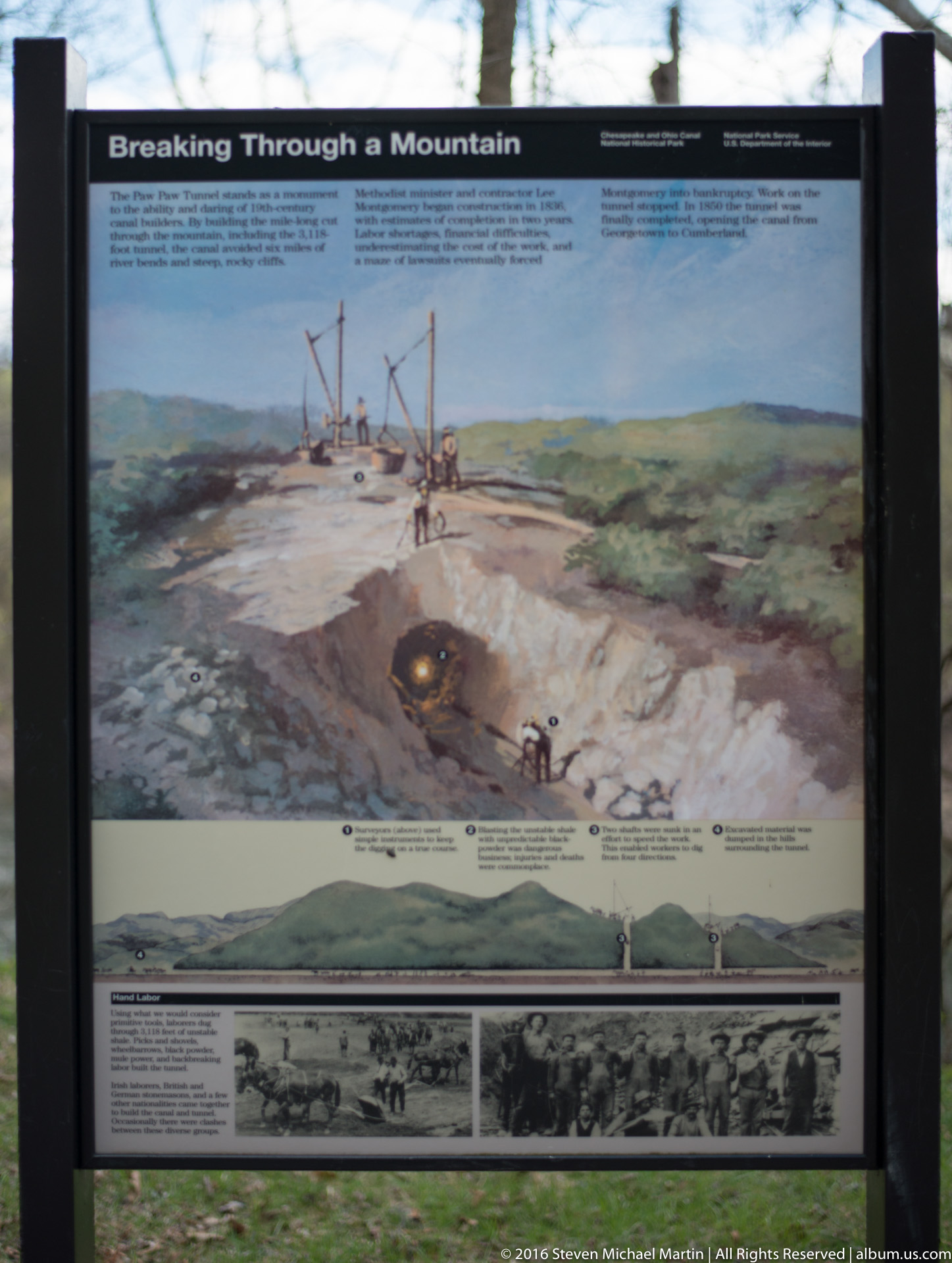
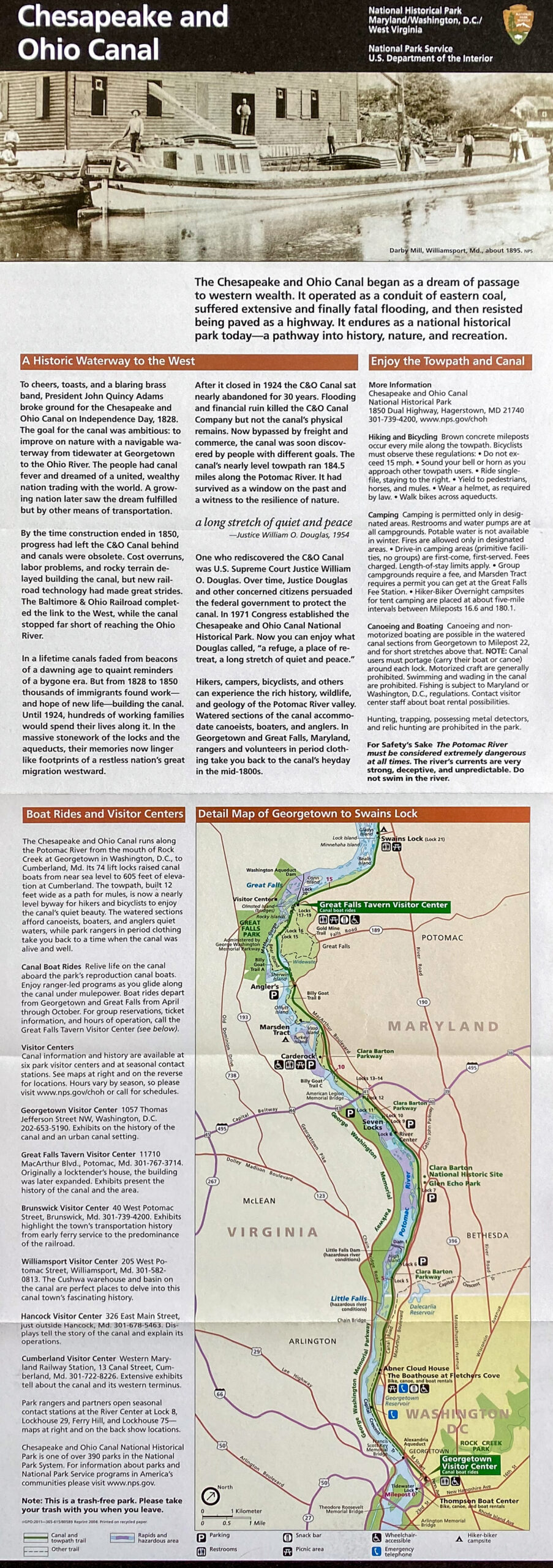
The Chesapeake and Ohio Canal reflects early nineteenth-century efforts to establish reliable transportation routes linking the interior of the United States with Atlantic ports. Construction began in 1828 with the goal of creating a navigable waterway extending from Washington, DC to the Ohio River, facilitating trade between the Chesapeake region and the expanding western frontier. Although the canal ultimately reached Cumberland, Maryland in 1850, the rise of rail transportation soon reduced its commercial viability. }
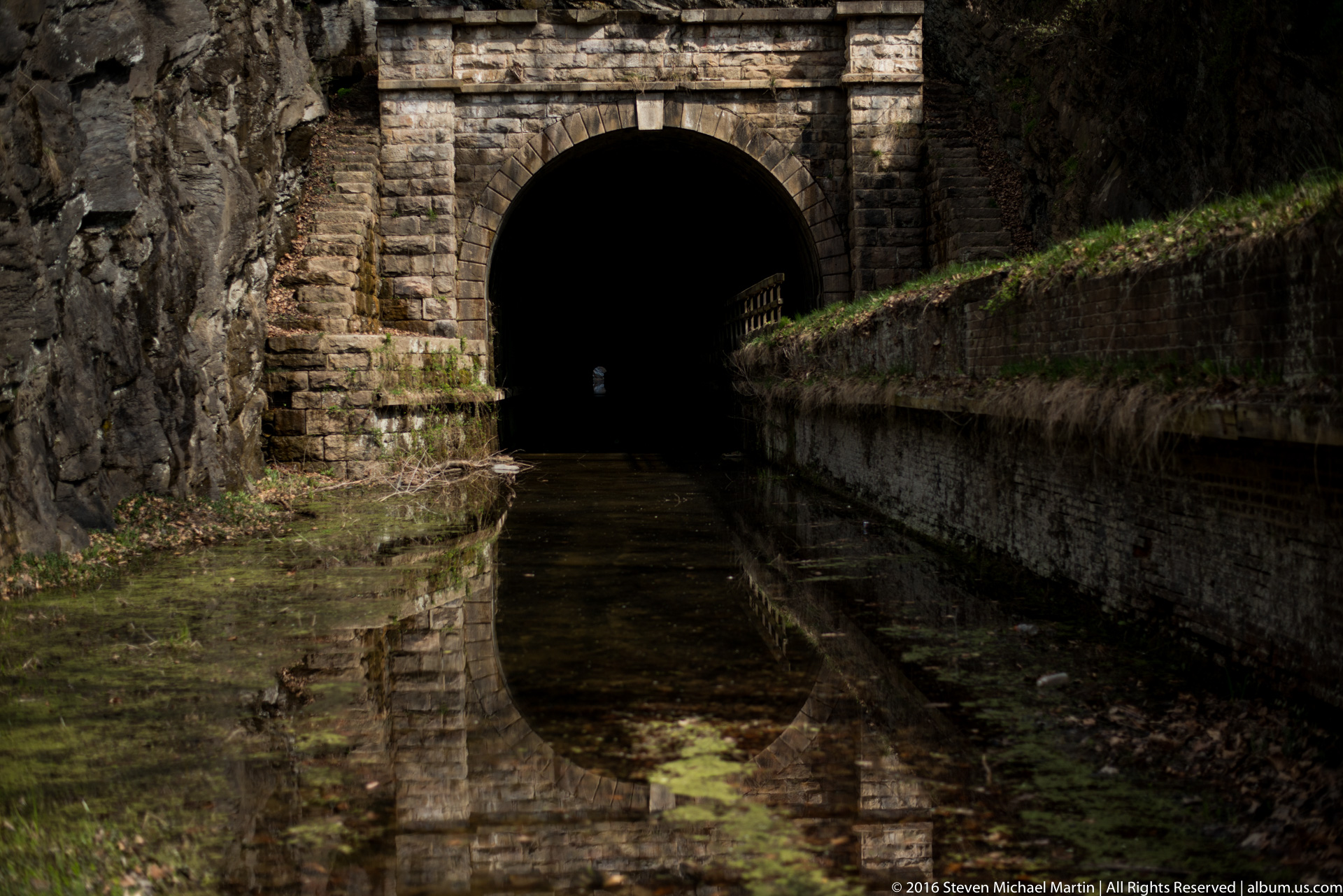
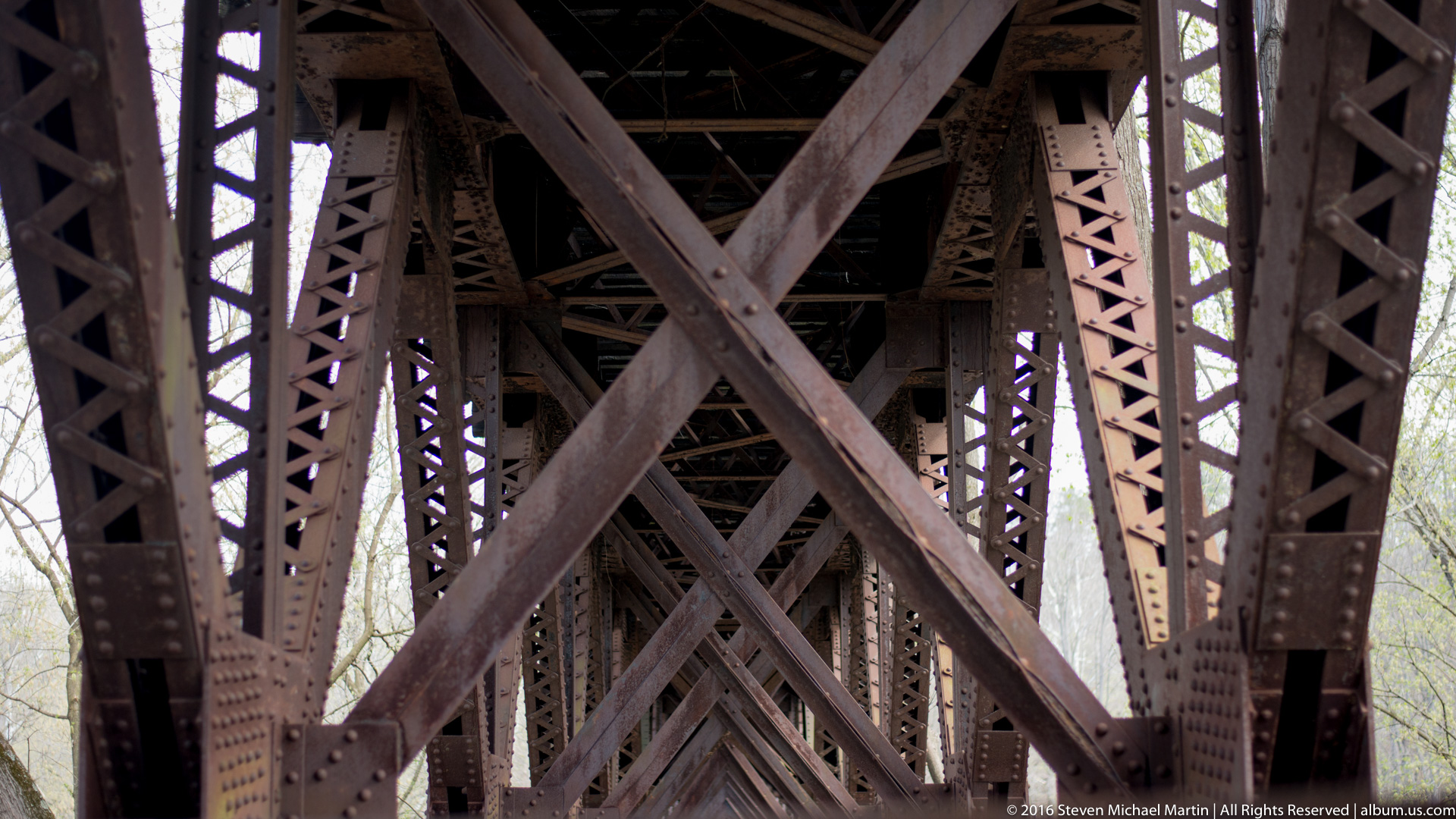
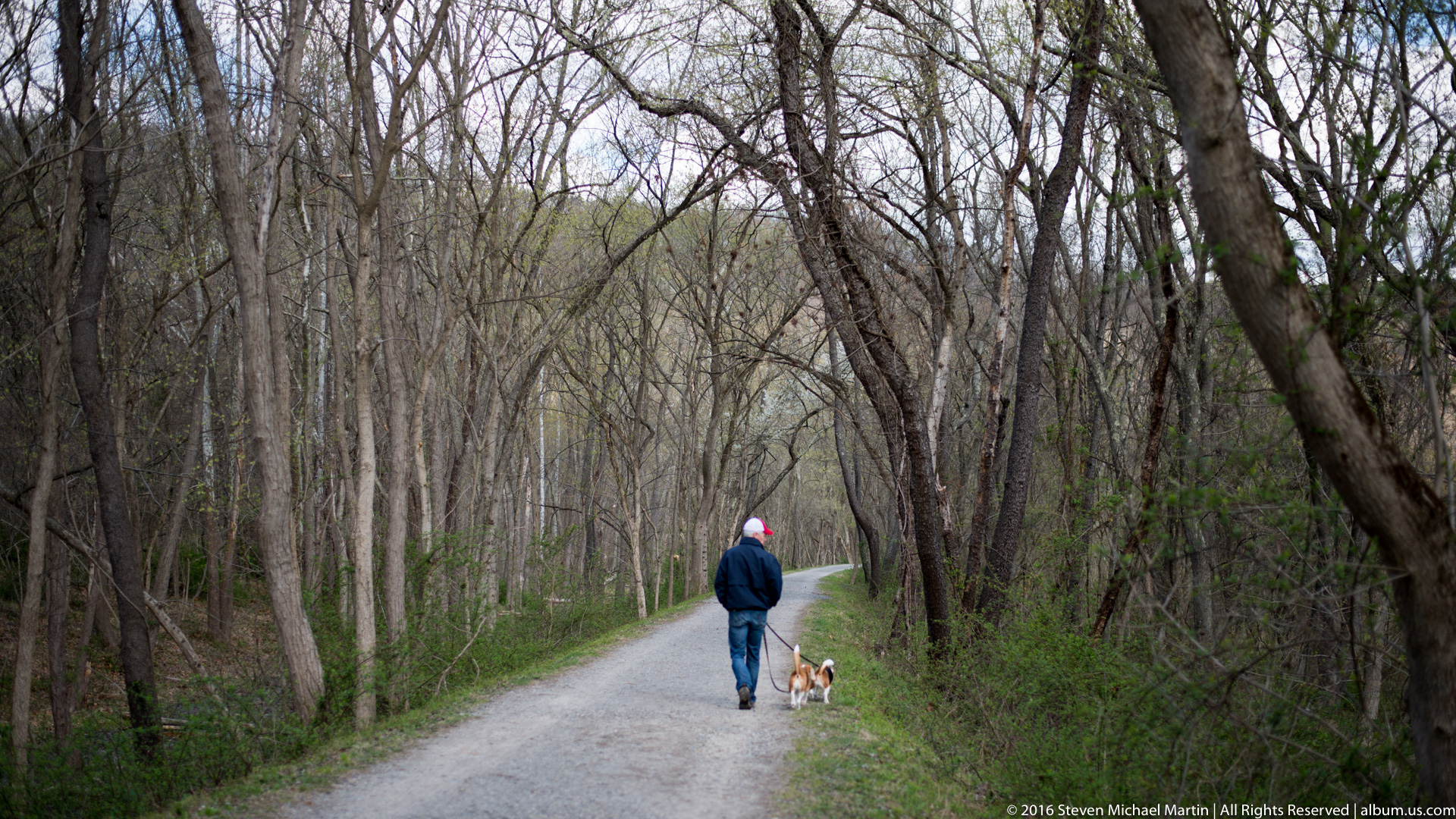
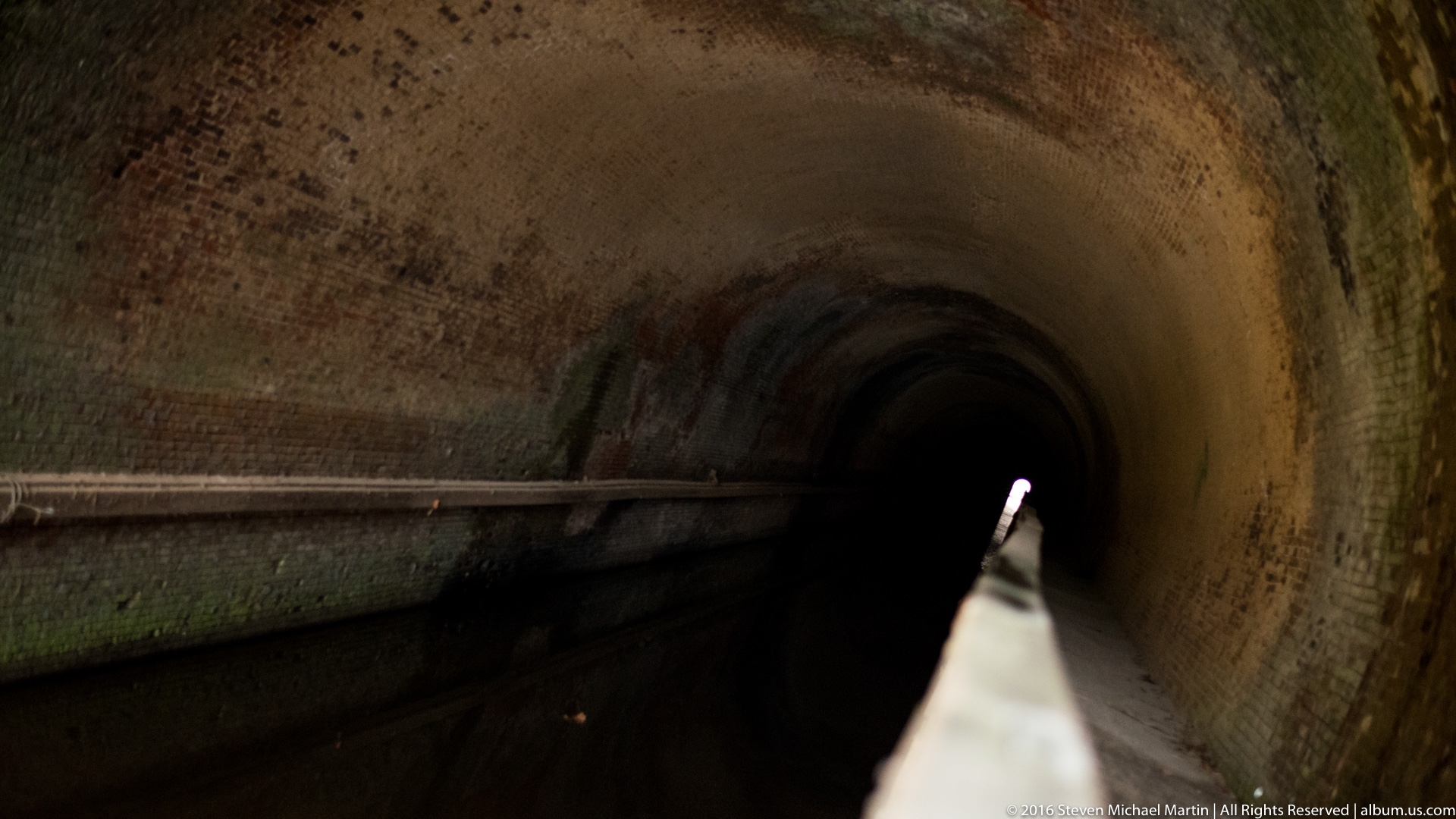
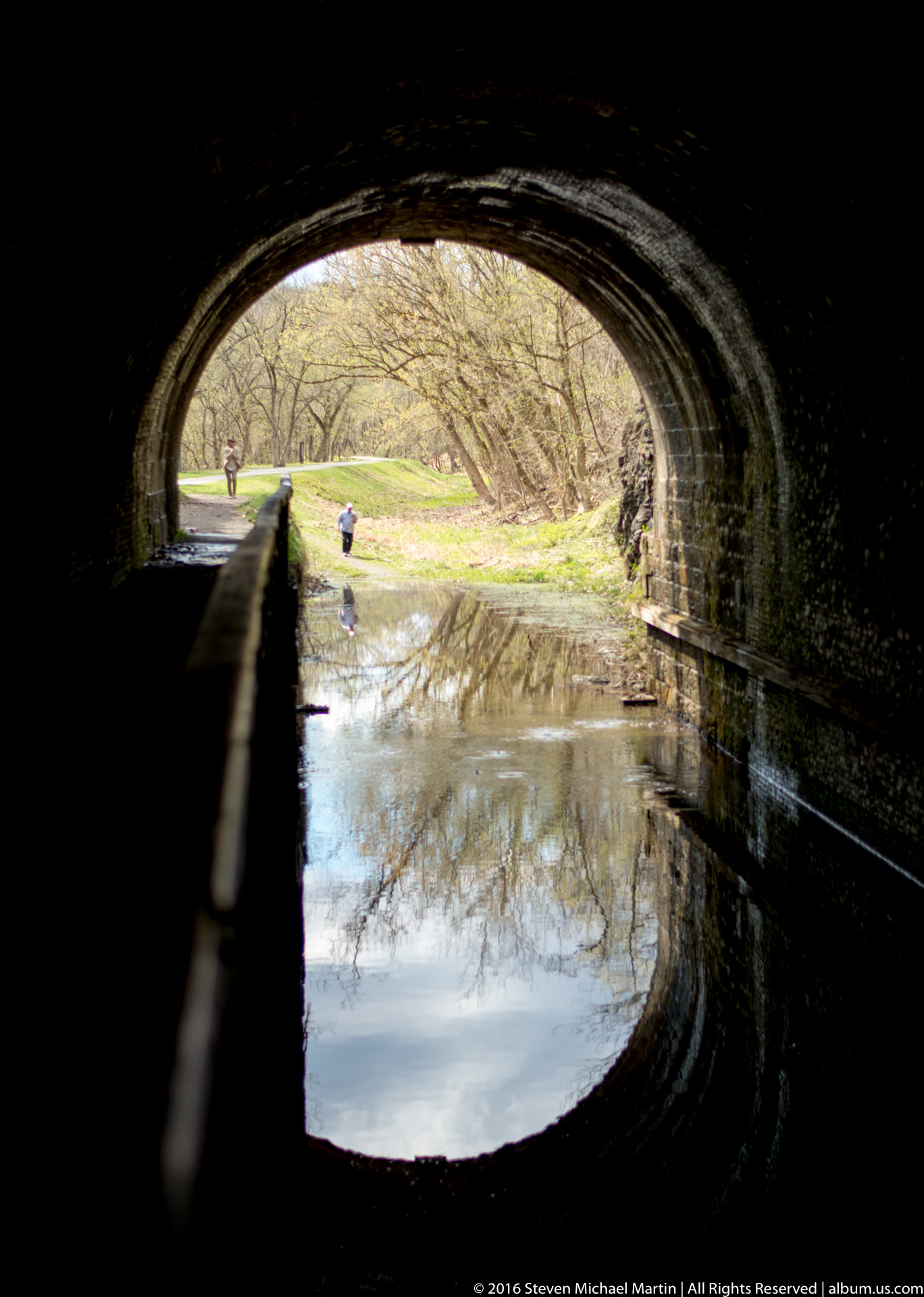
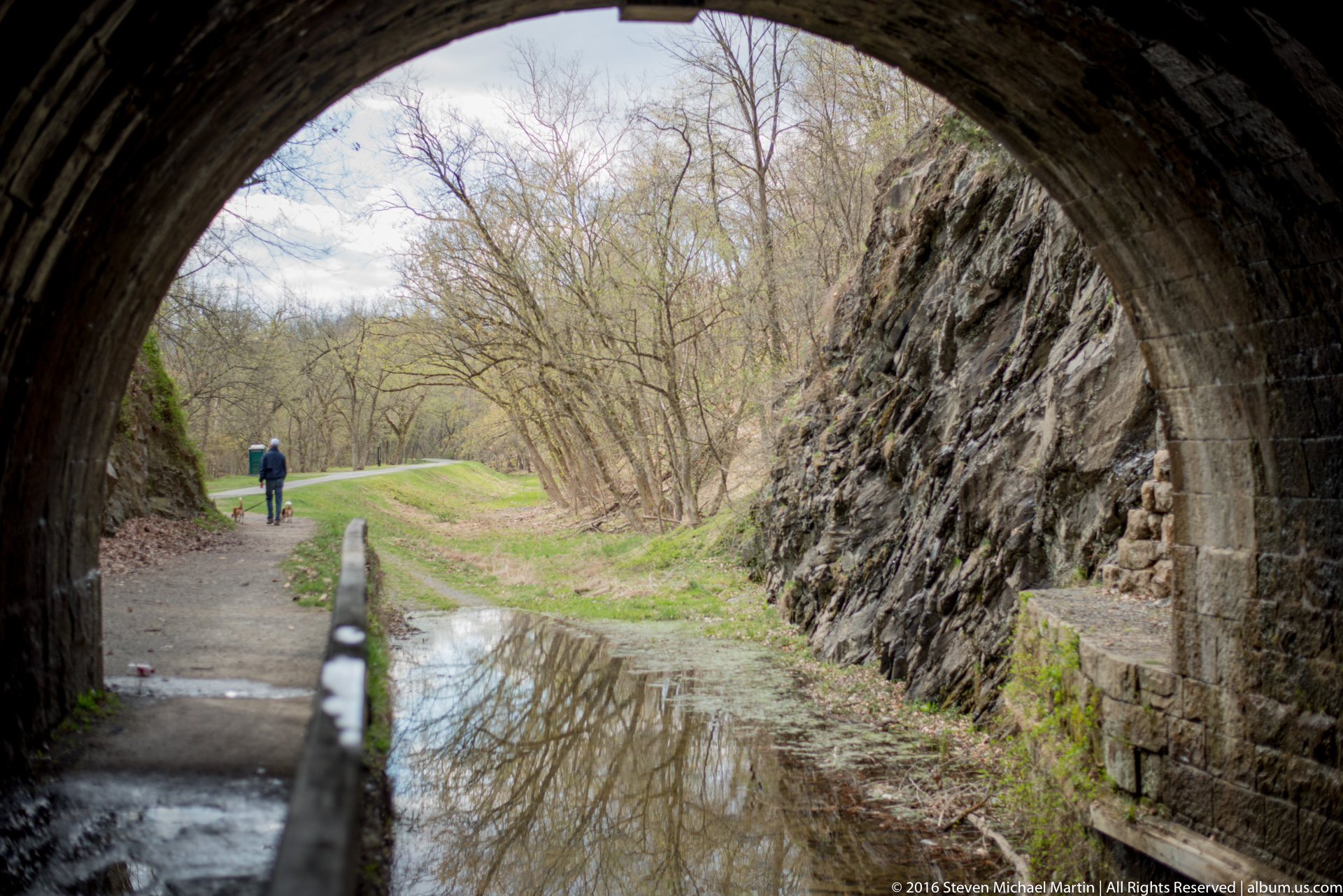
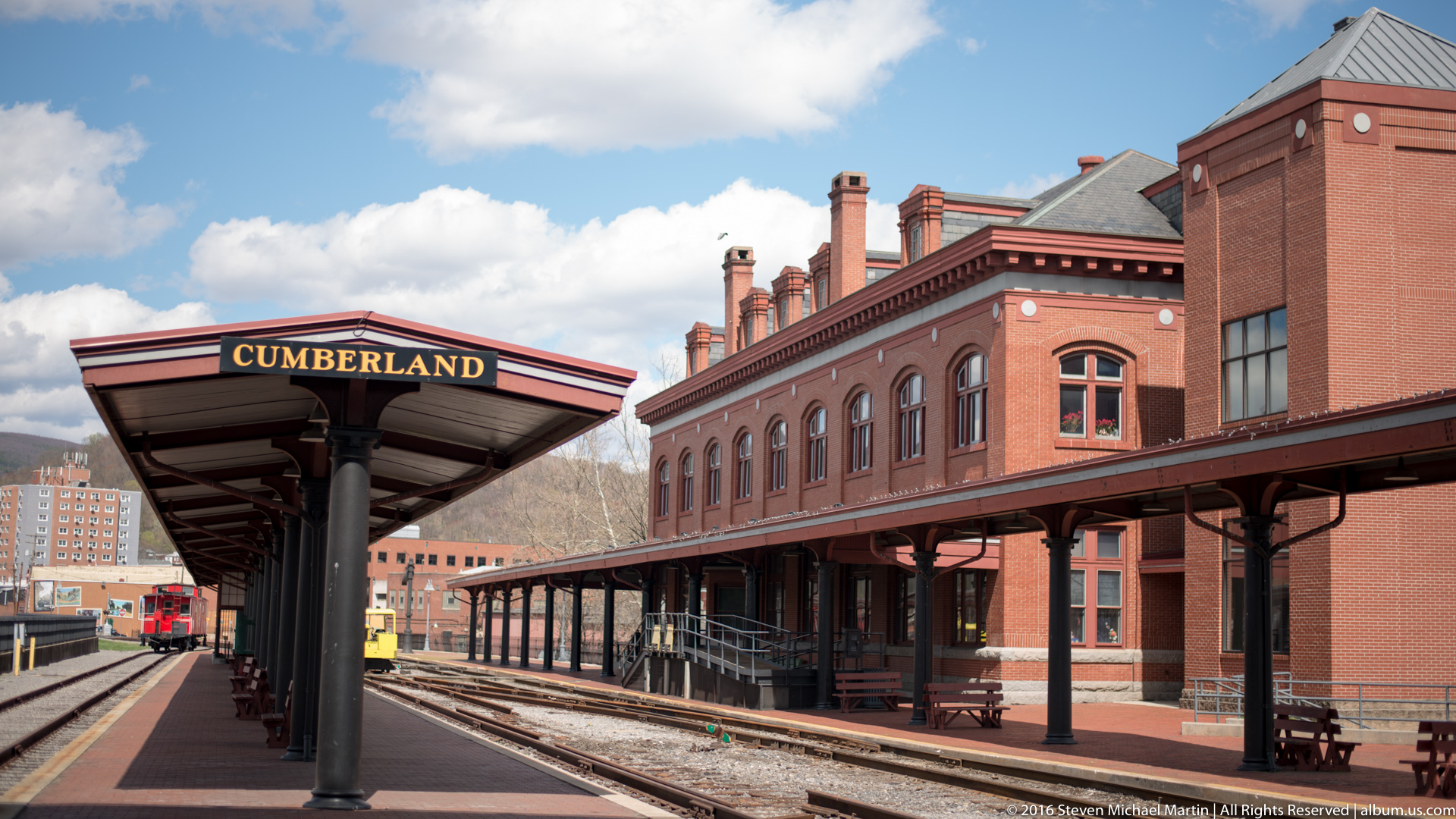
Operating for nearly a century, the canal transported coal, agricultural products, and manufactured goods along a towpath system supported by locks, aqueducts, and tunnels engineered to accommodate changes in elevation along the Potomac River valley. The surviving towpath now forms a continuous recreational corridor that allows visitors to observe the engineering features and river landscapes that shaped early American commerce. Cumberland, located at the western terminus of the canal, illustrates the historic connection between transportation infrastructure and regional economic development.
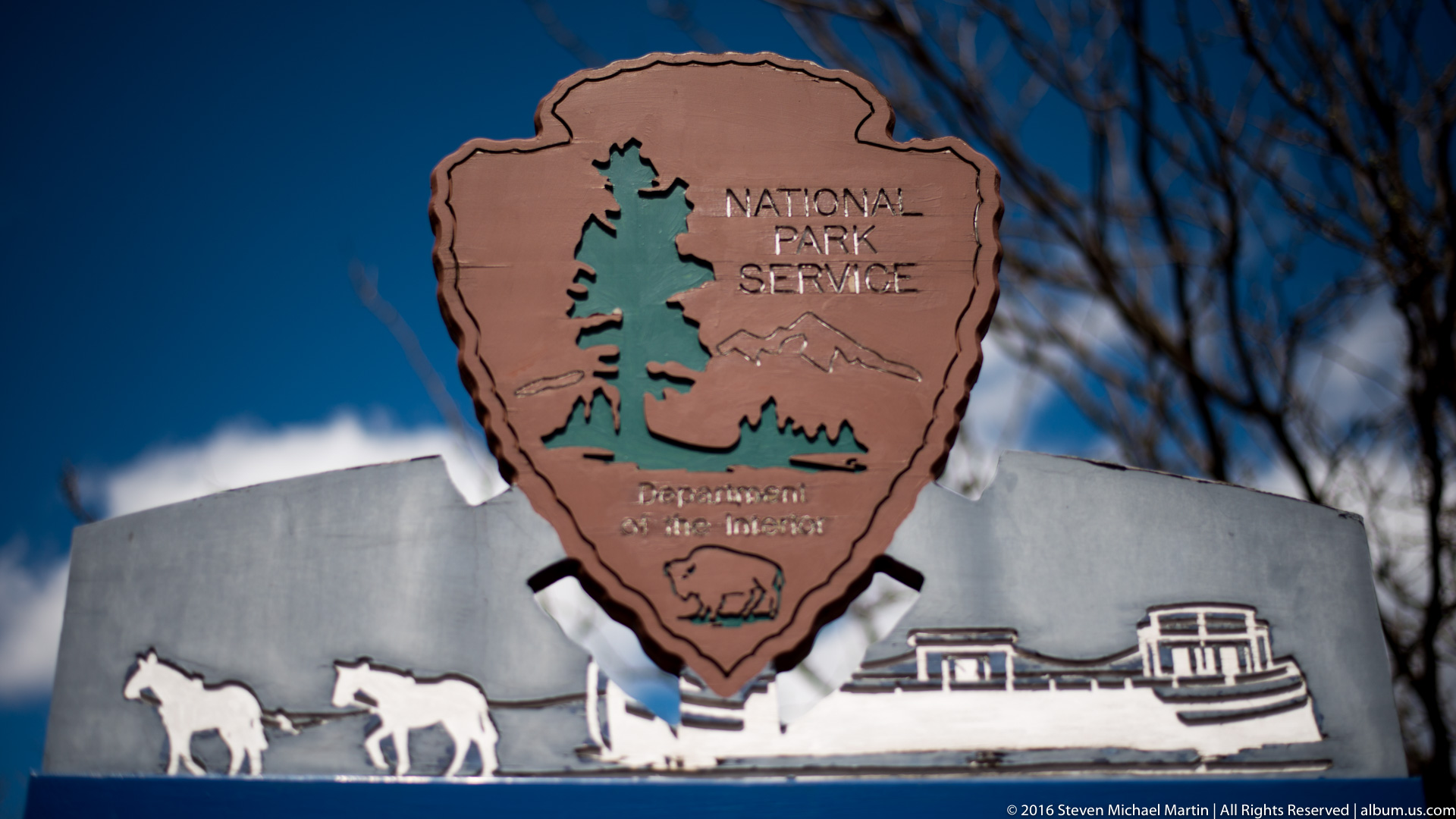
The Chesapeake and Ohio Canal contributes to understanding how transportation networks influenced patterns of settlement, trade, and industrial growth in the early United States. The preserved canal corridor demonstrates the interaction between engineering innovation and geographic constraint within the Appalachian region. As part of the National Park System, the canal provides insight into the transformation of early infrastructure into a landscape valued for both historical interpretation and environmental conservation.