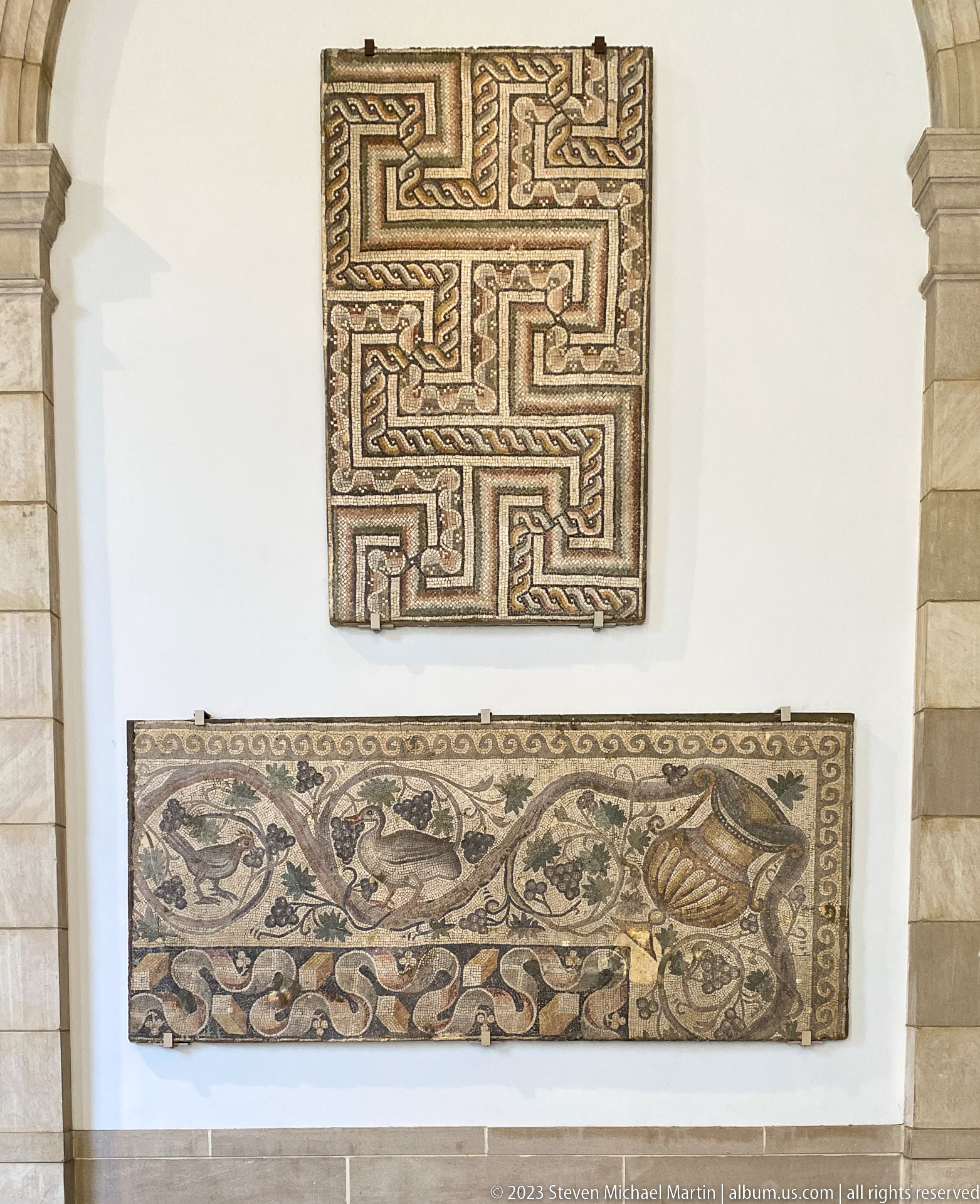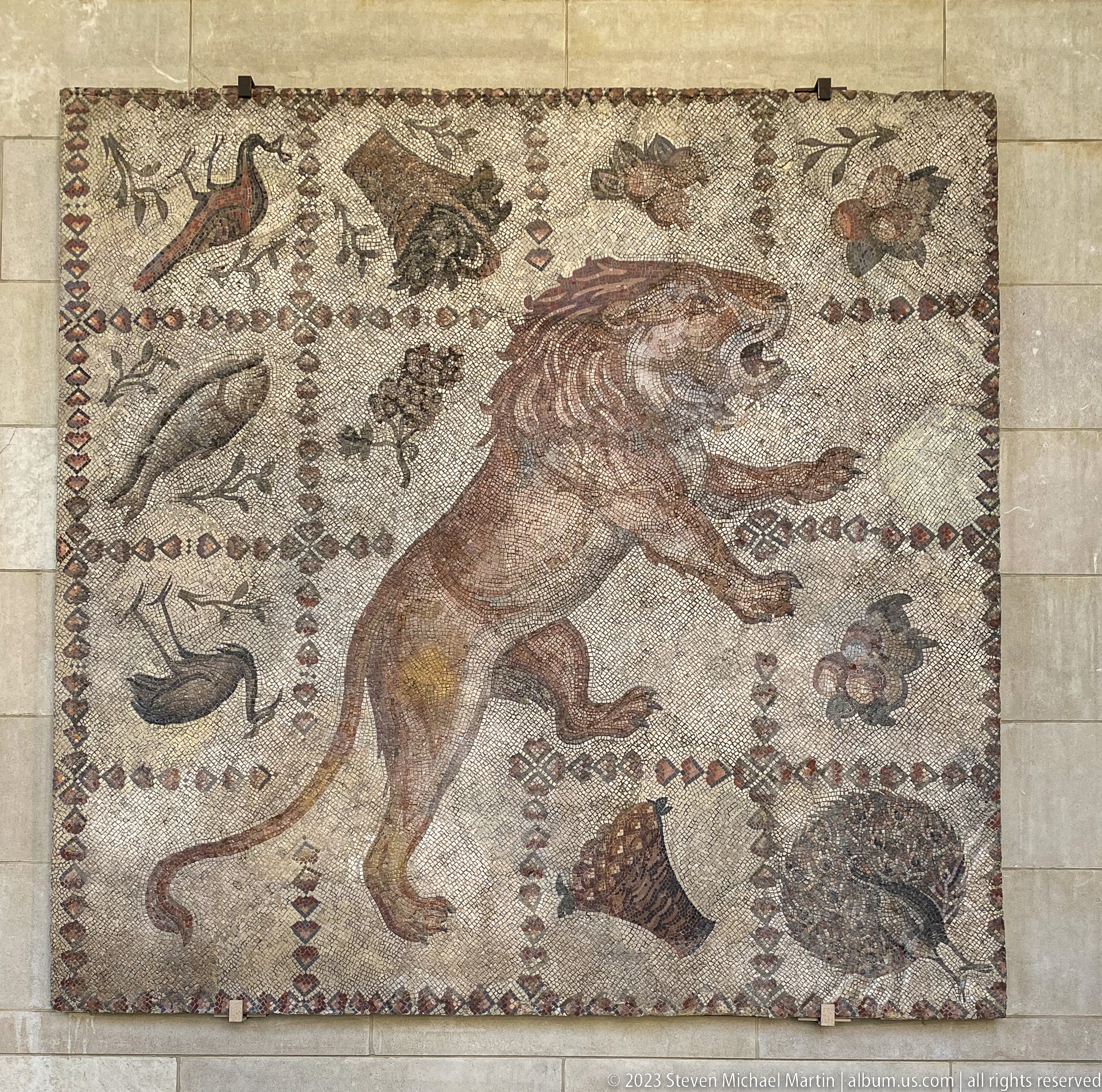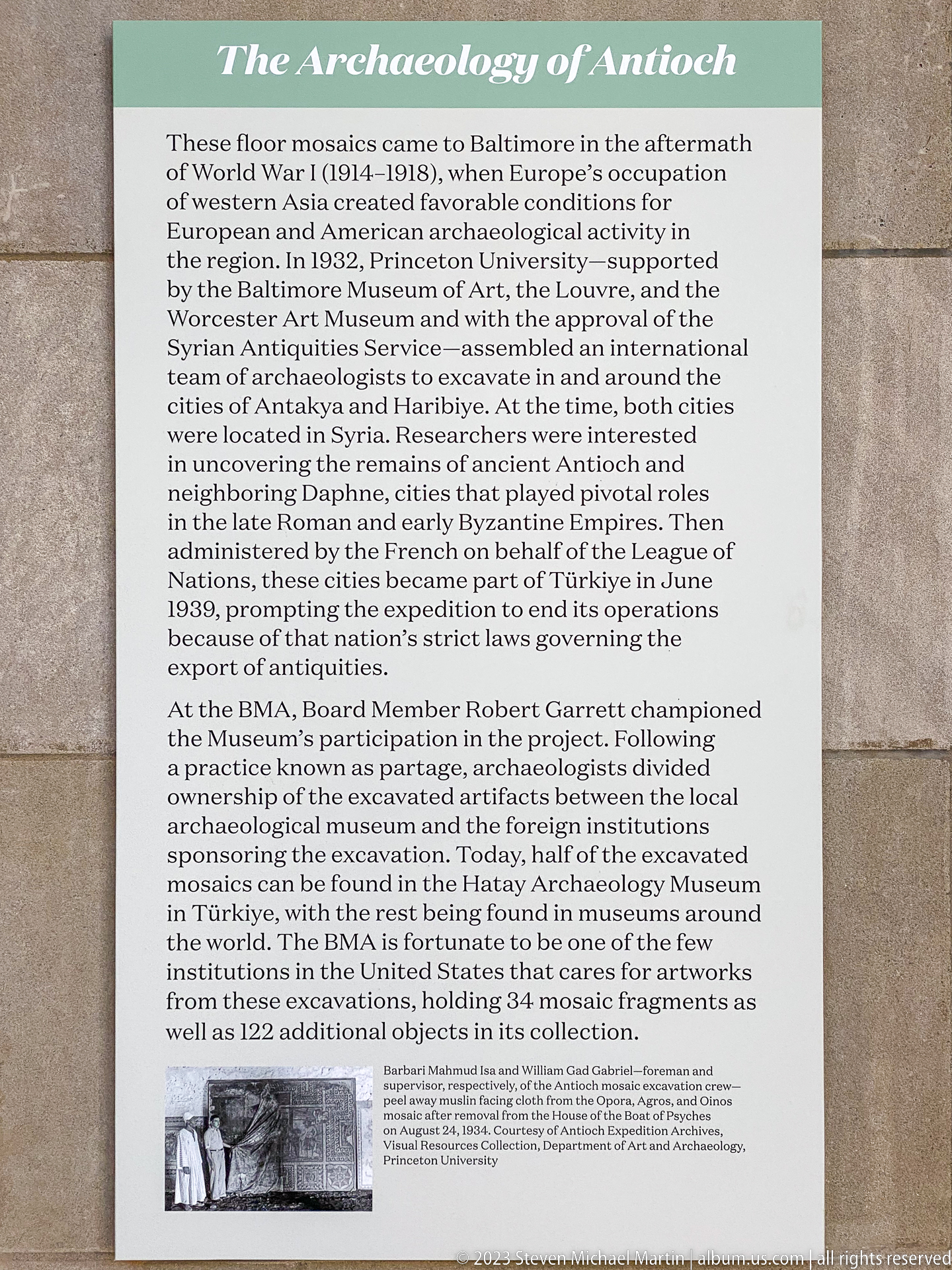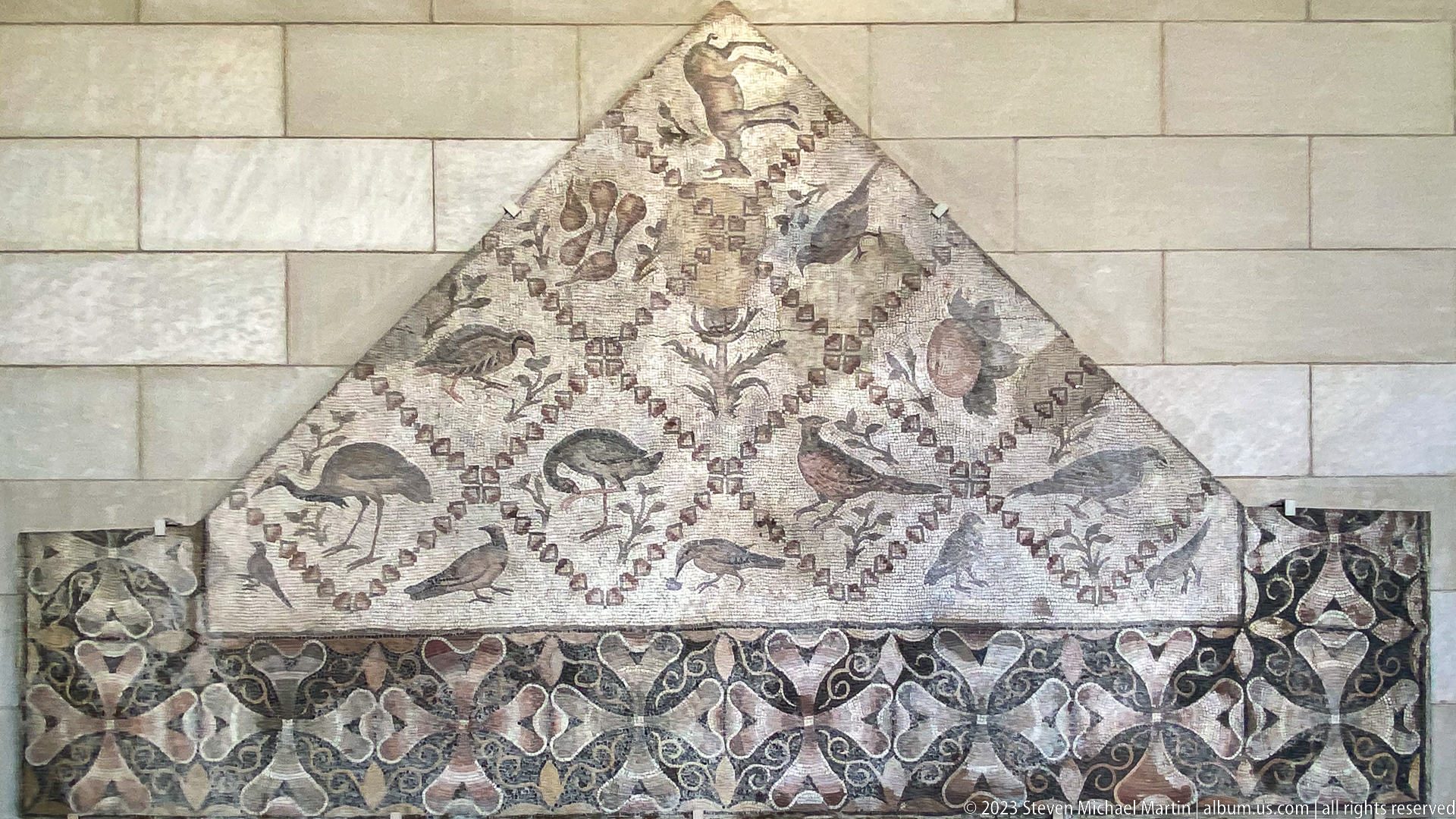
Baltimore Museum of Art
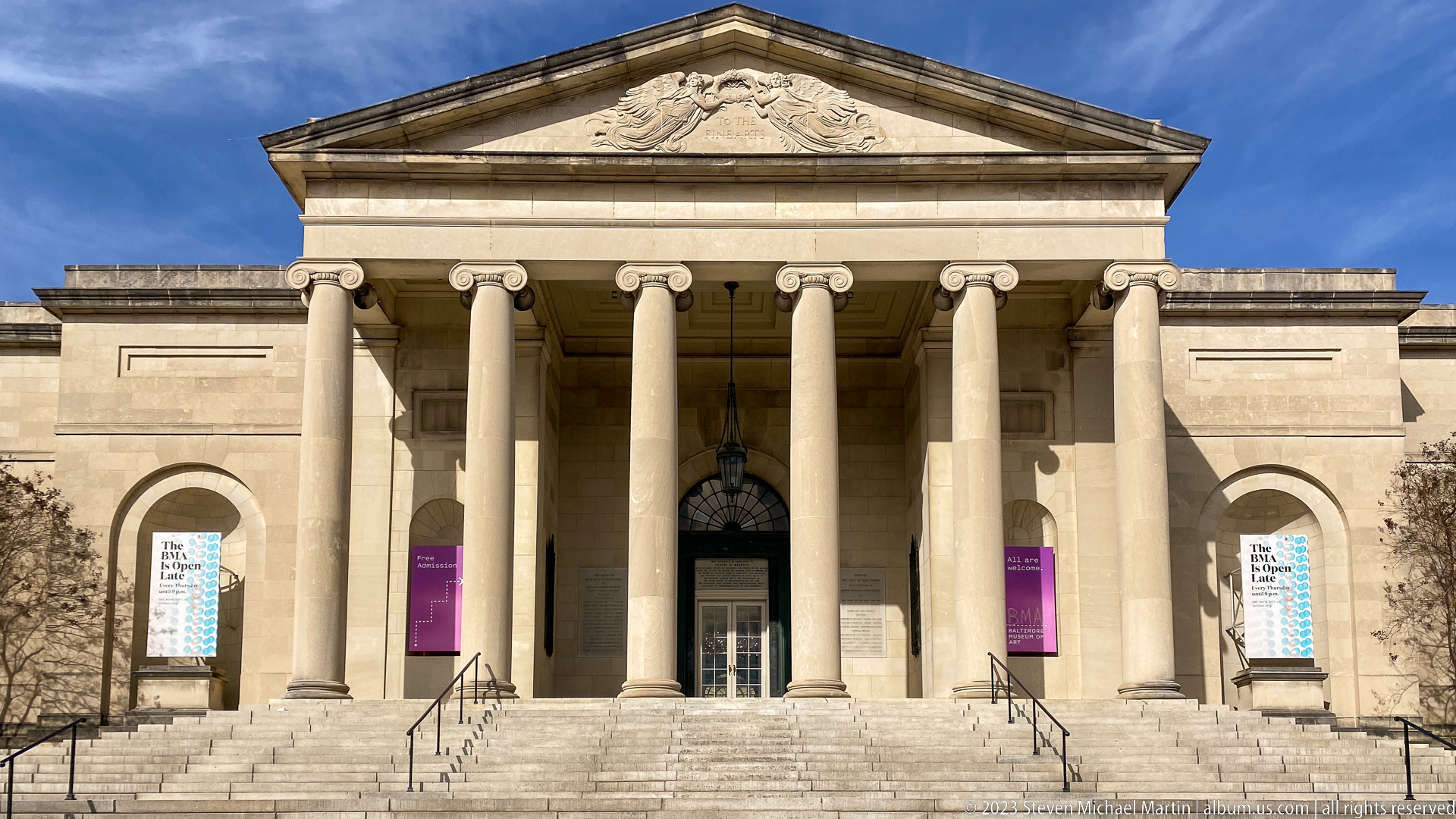
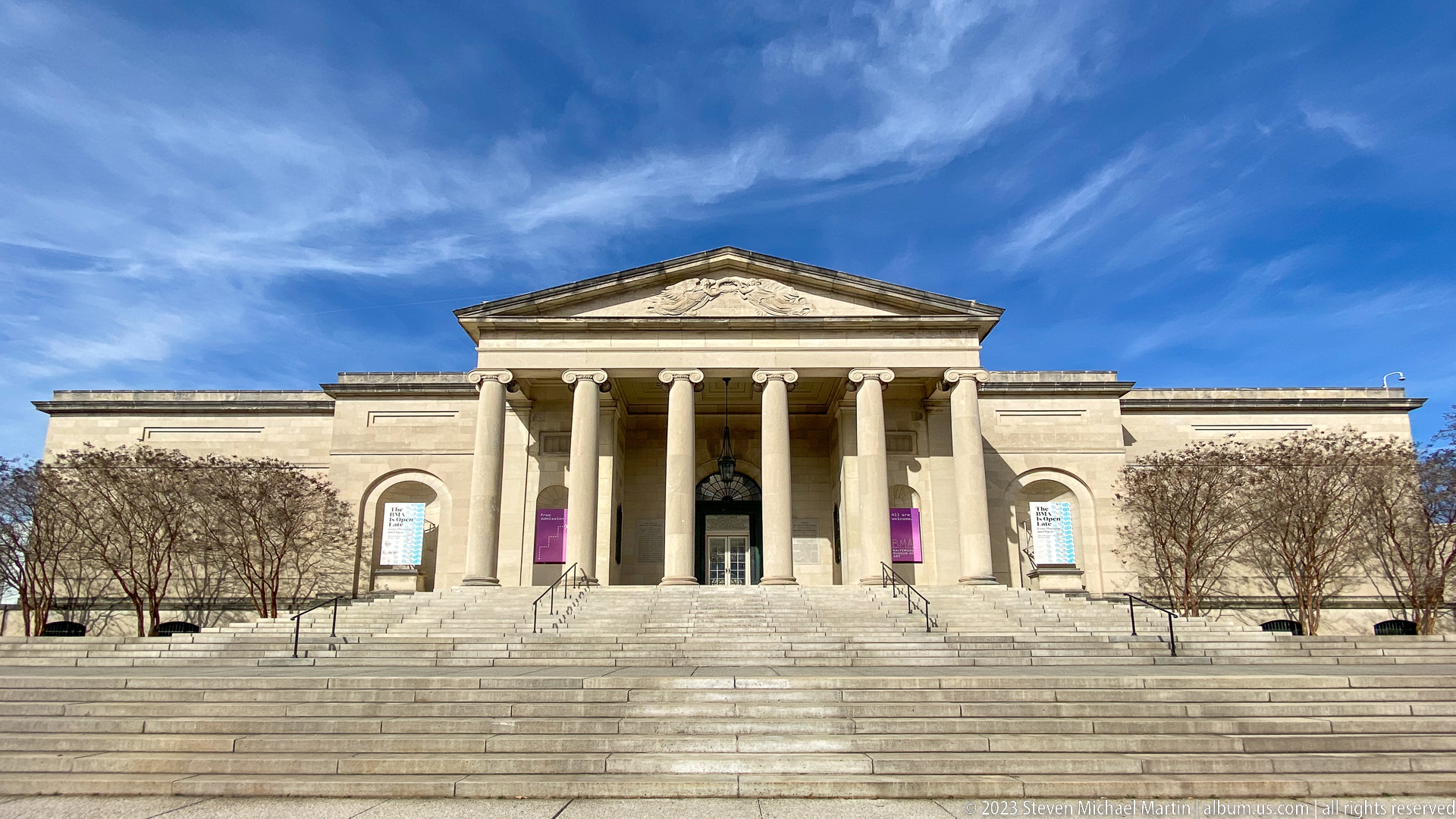
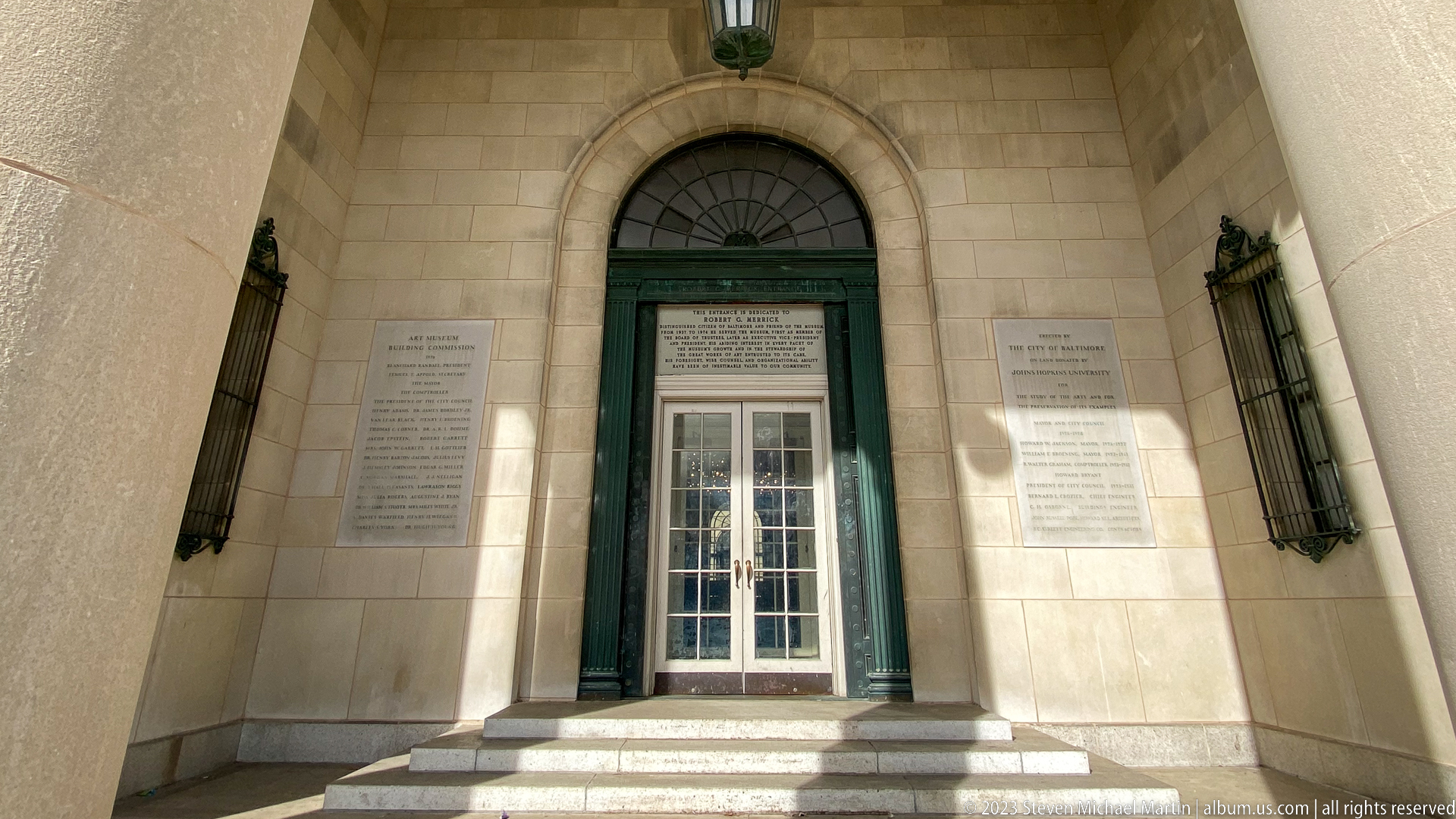
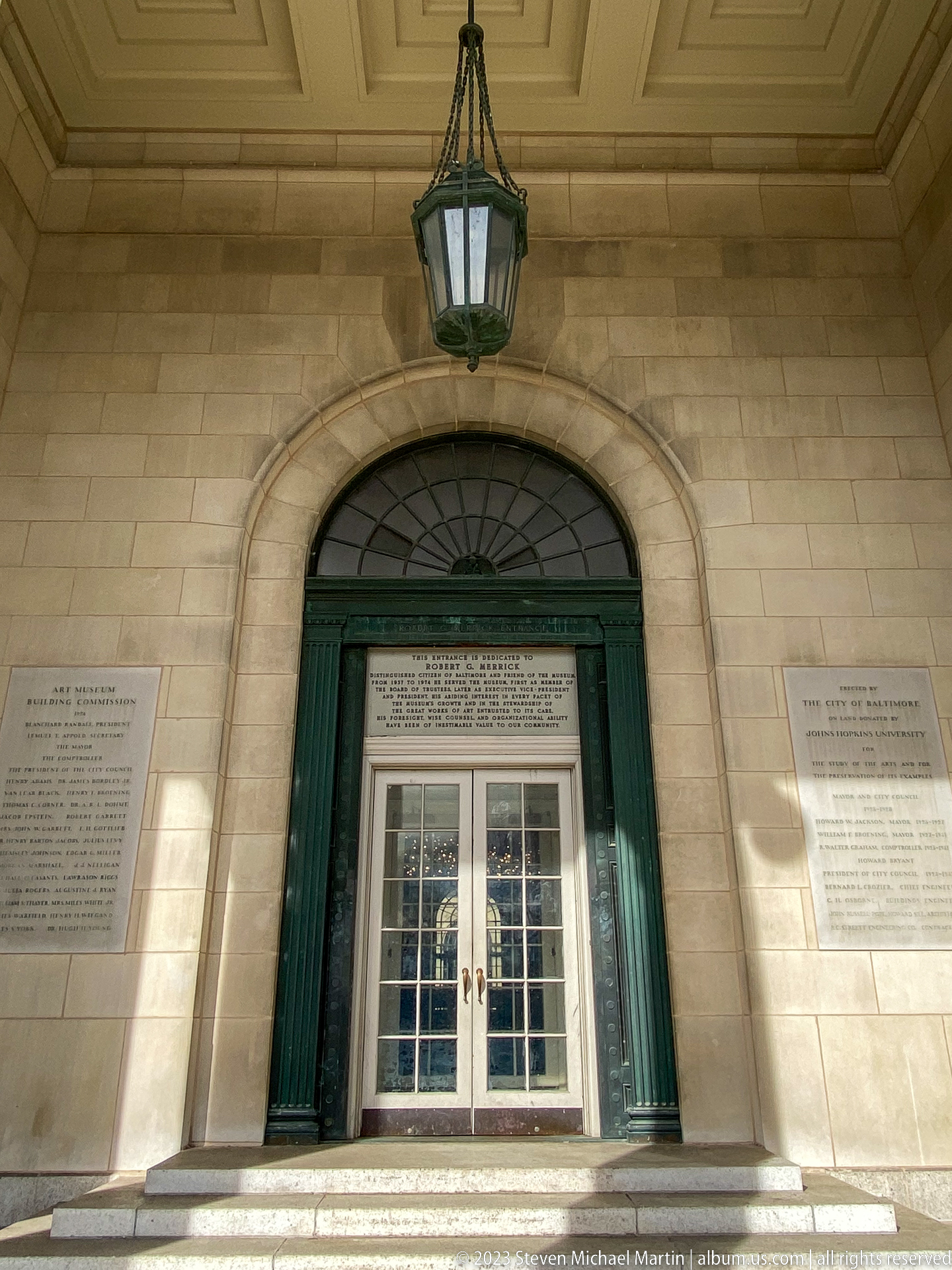
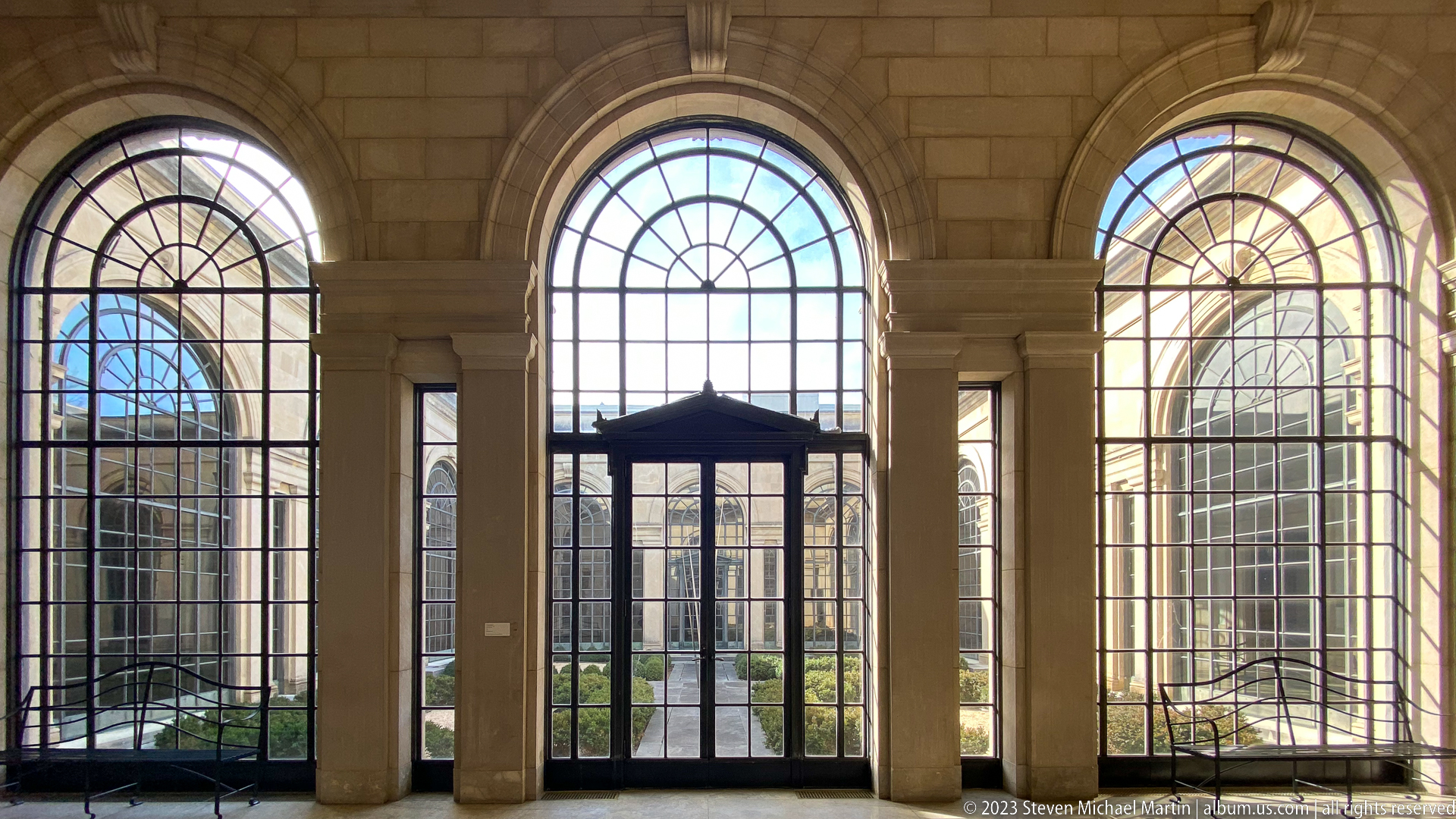
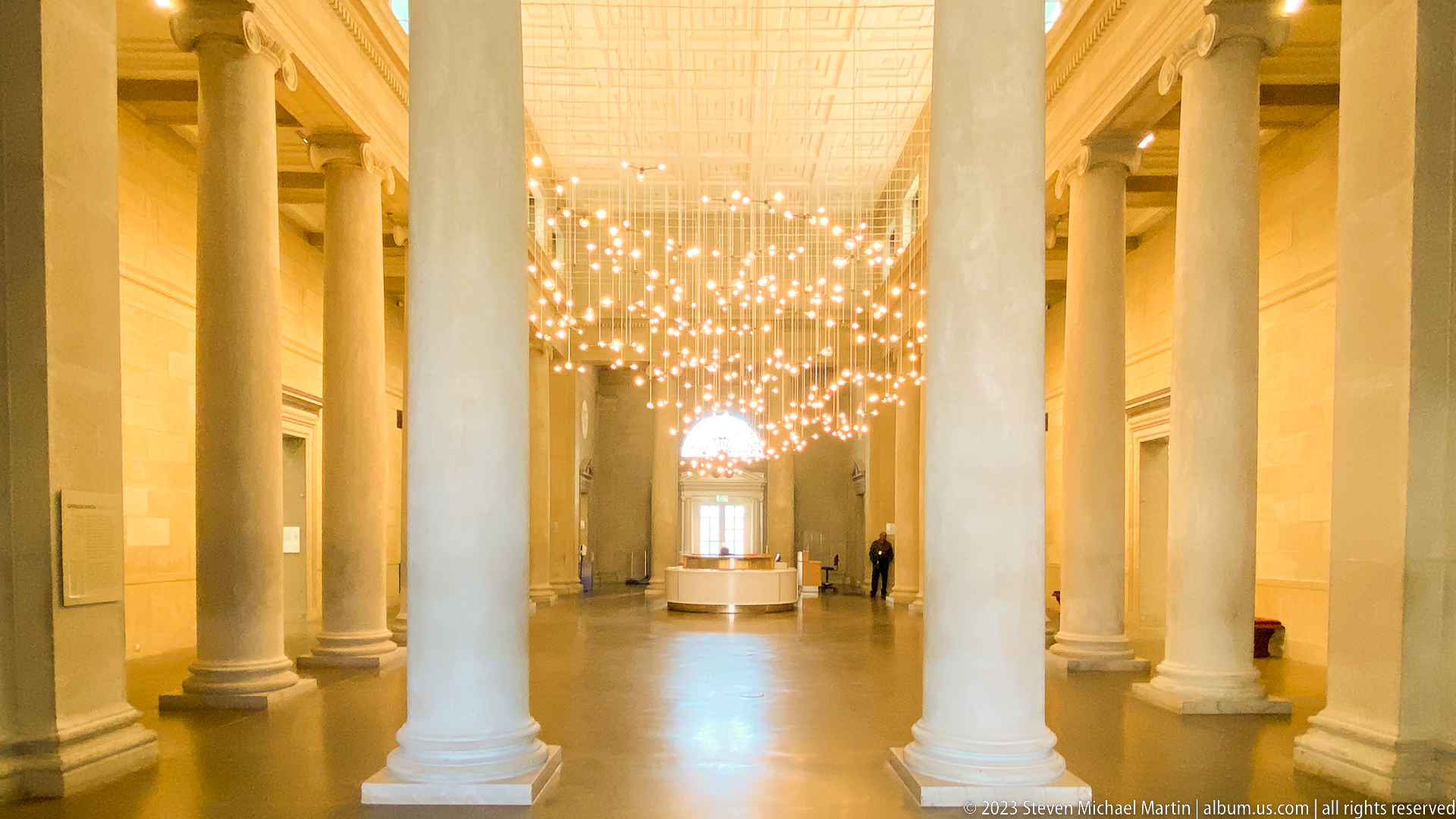
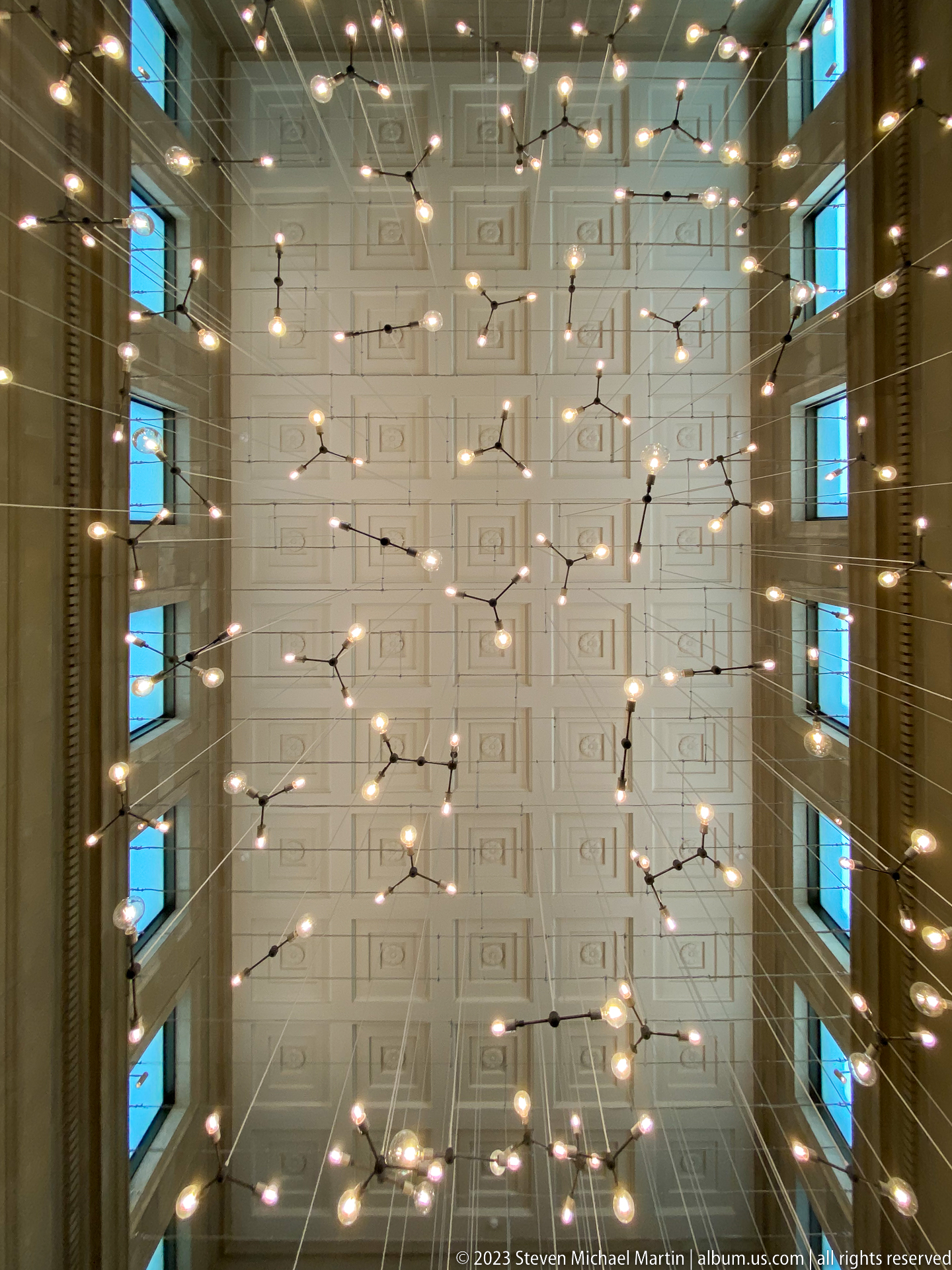
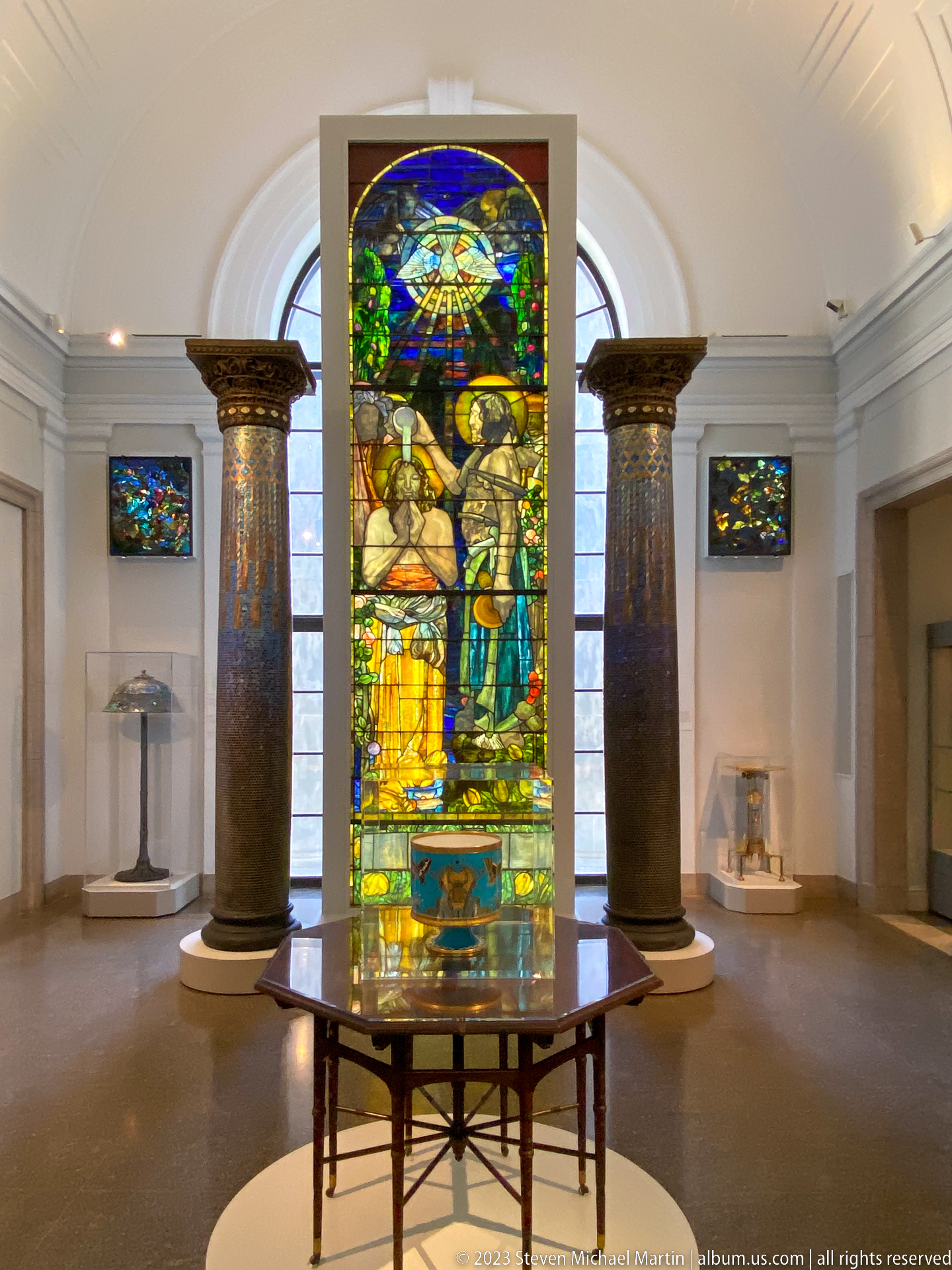
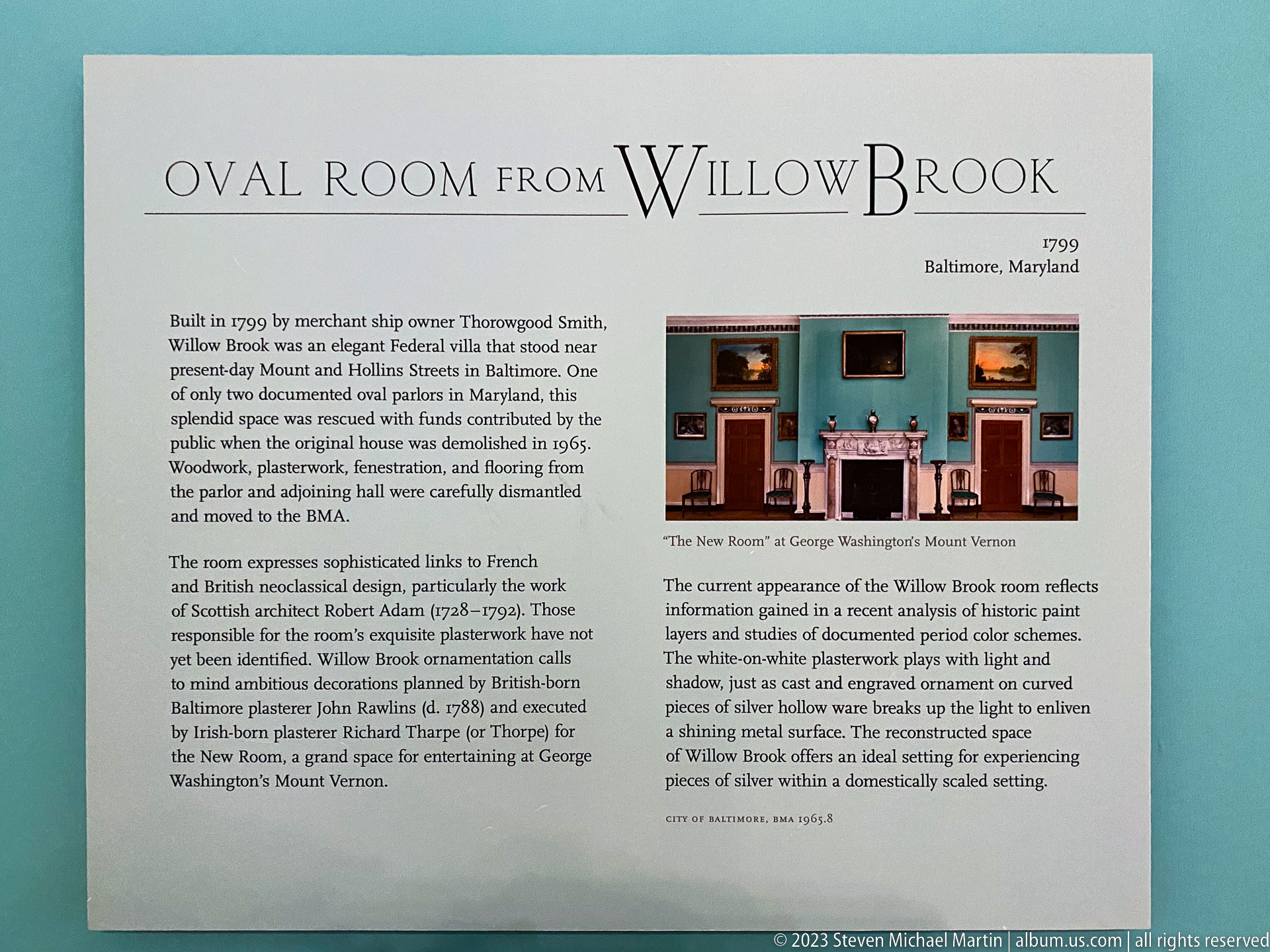
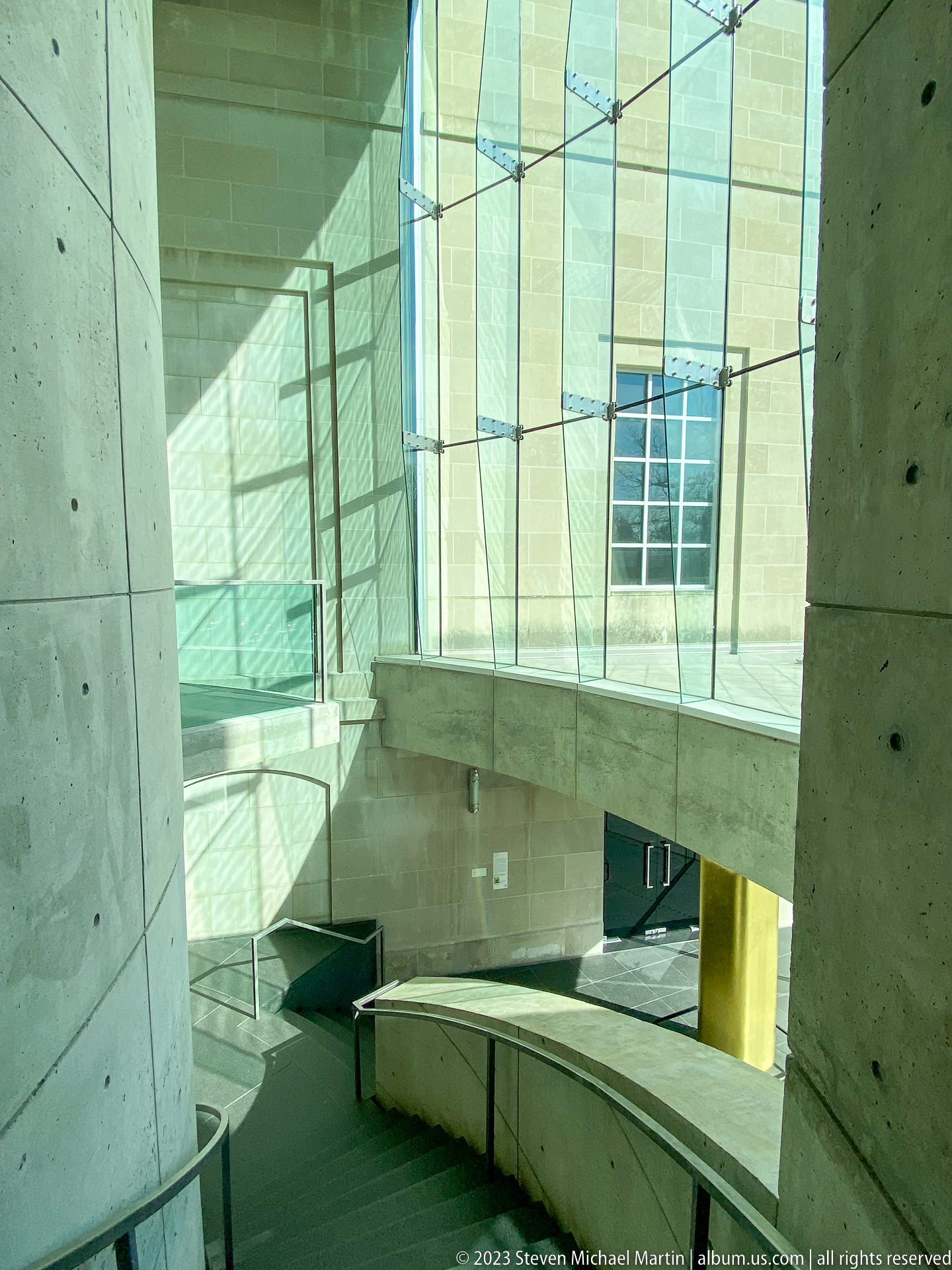
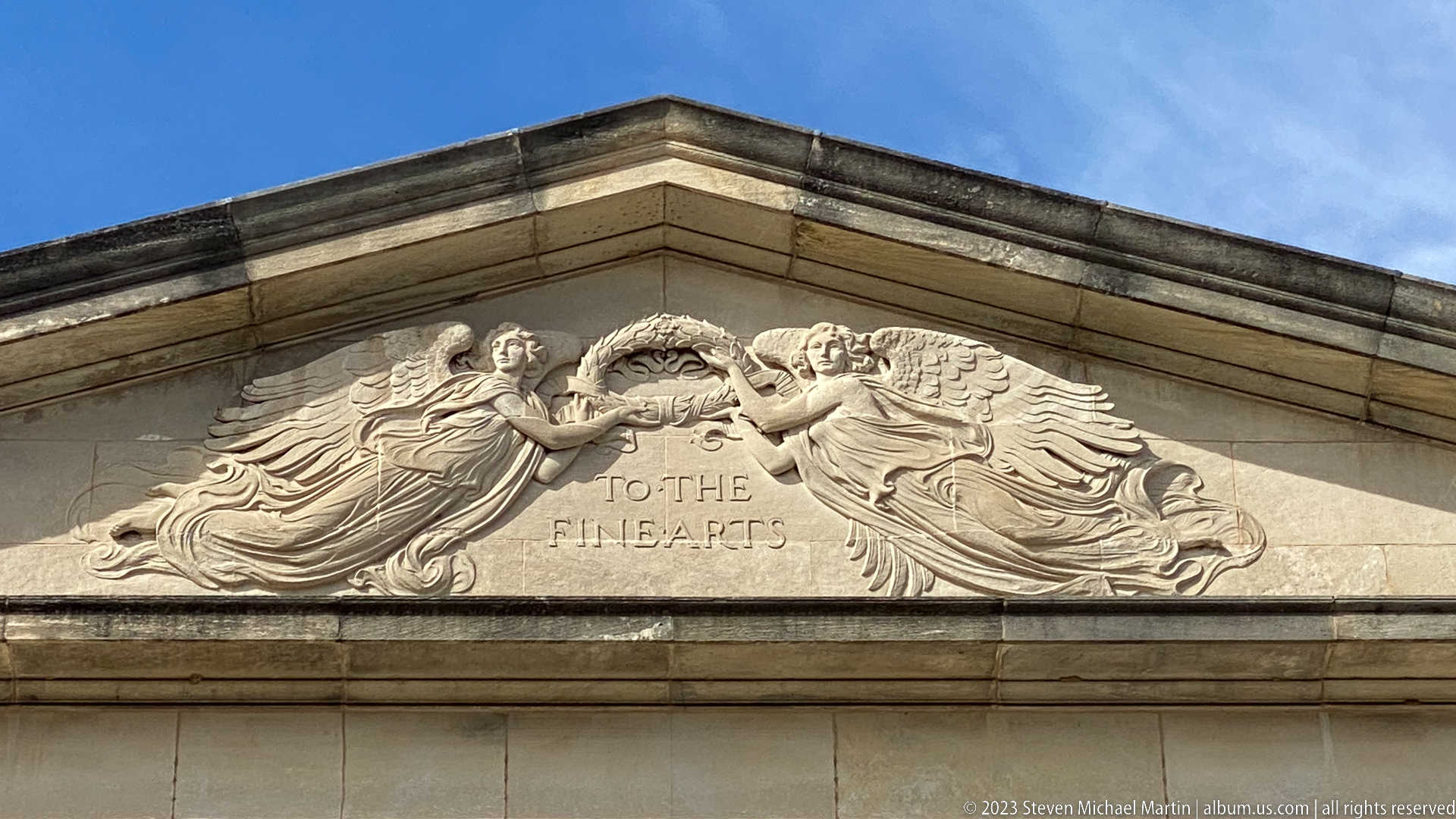
The Baltimore Museum of Art reflects early twentieth-century efforts to establish major cultural institutions that would expand public access to artistic traditions in American cities. Founded in 1914 and later housed in a neoclassical building near Johns Hopkins University, the museum developed as part of a broader movement to promote education through public collections of painting, sculpture, and decorative arts. Its location within the cultural landscape of Baltimore demonstrates the growing importance of museums as civic institutions supporting artistic scholarship and public engagement.
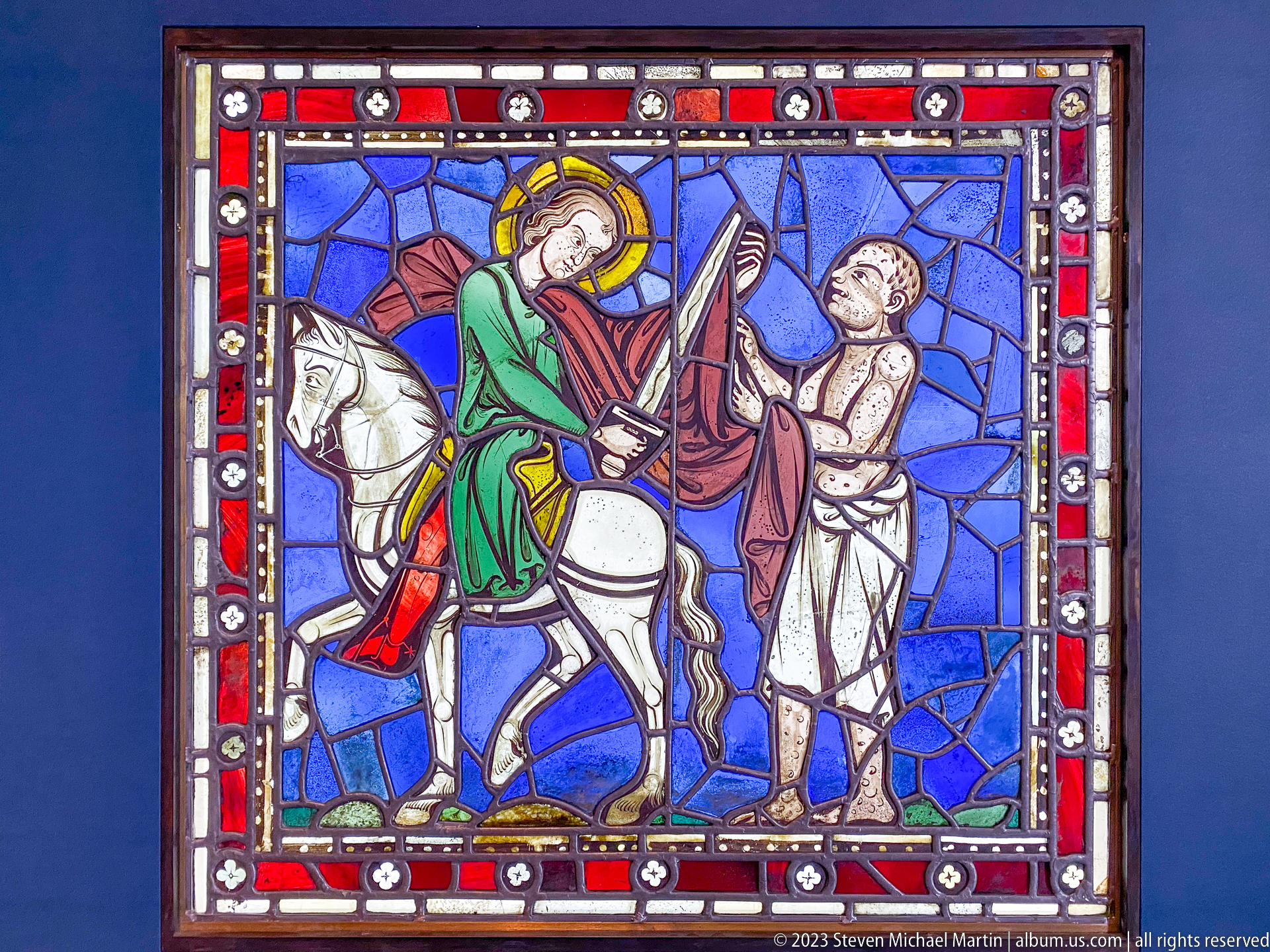
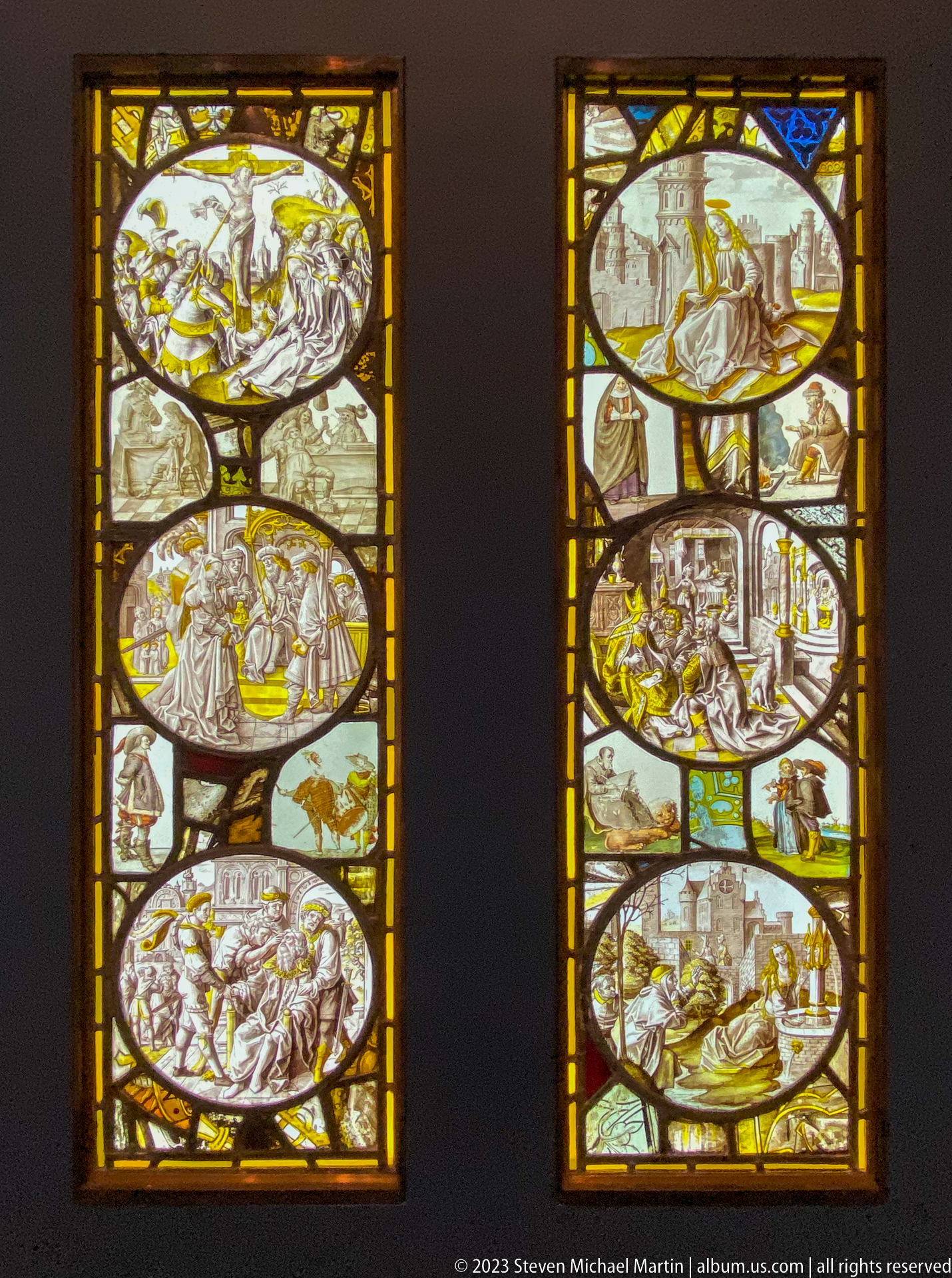
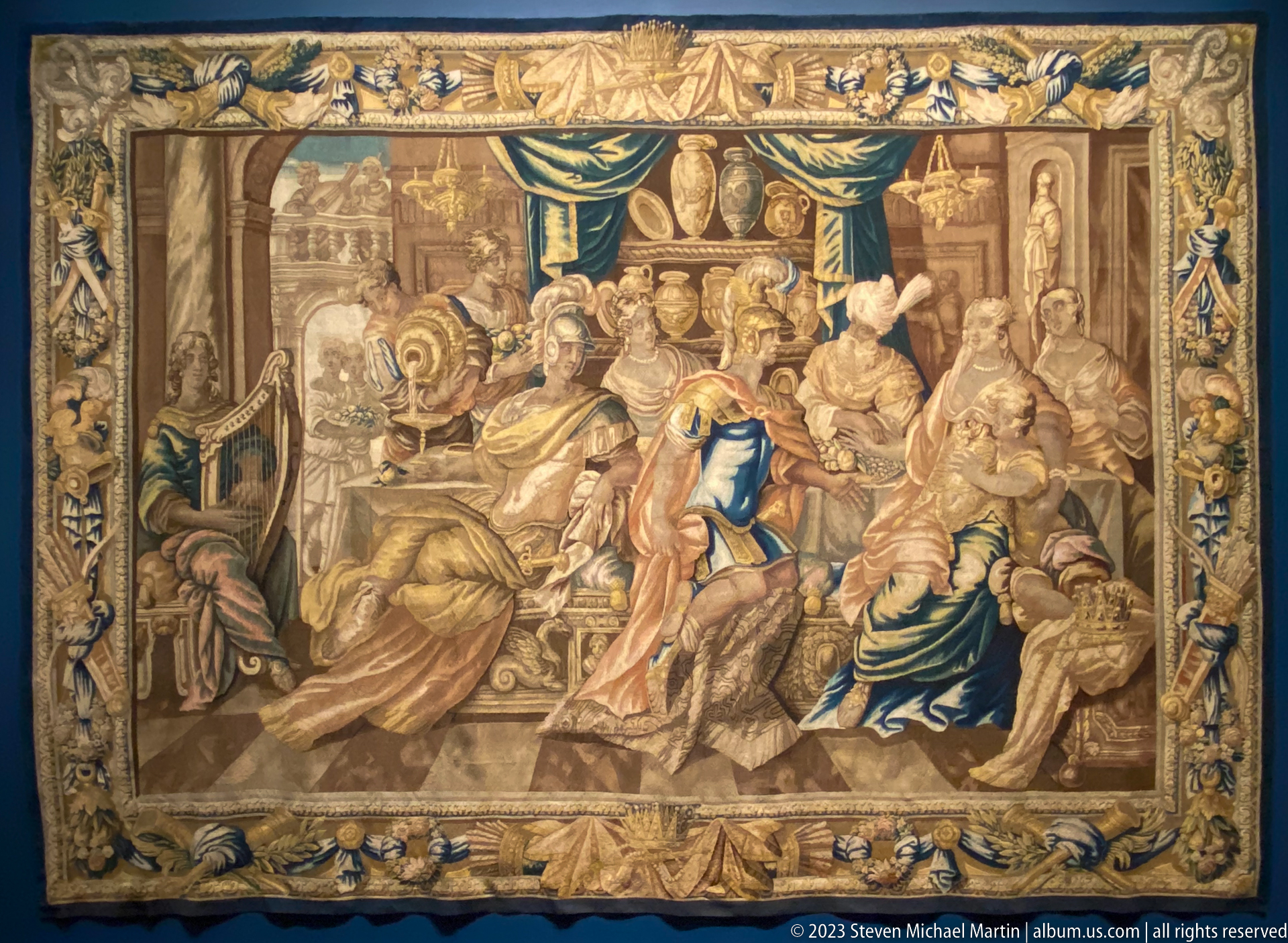
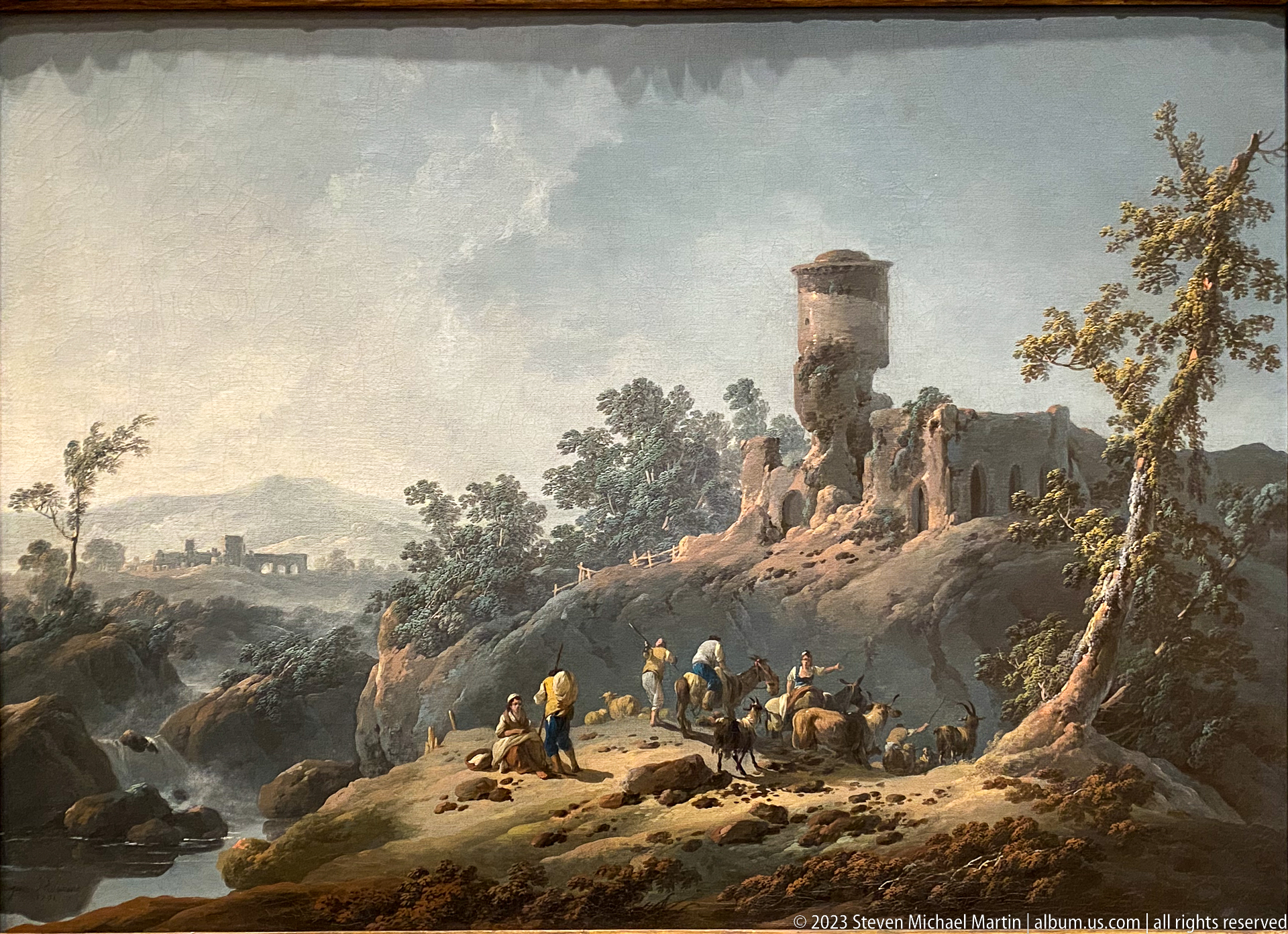
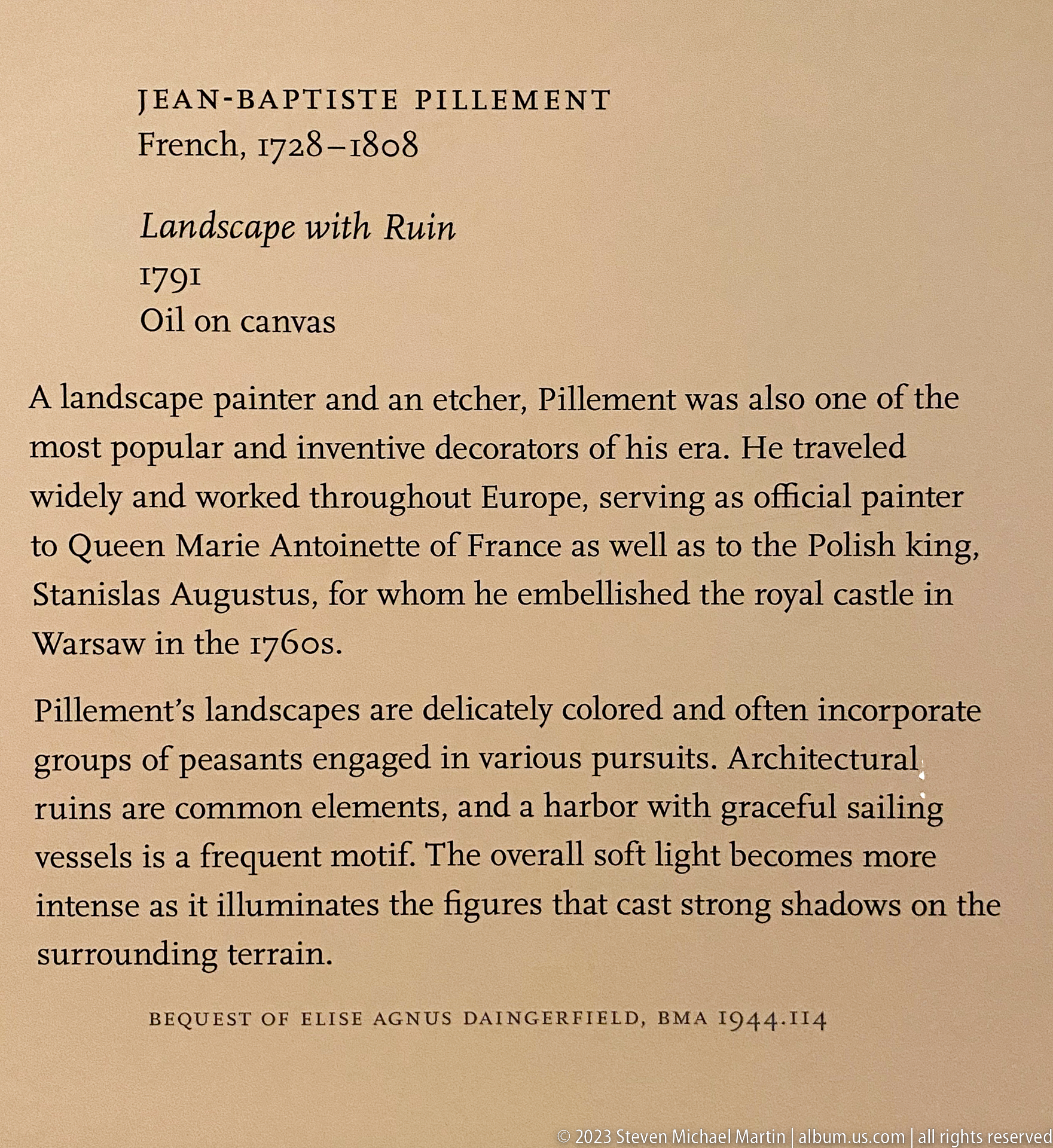
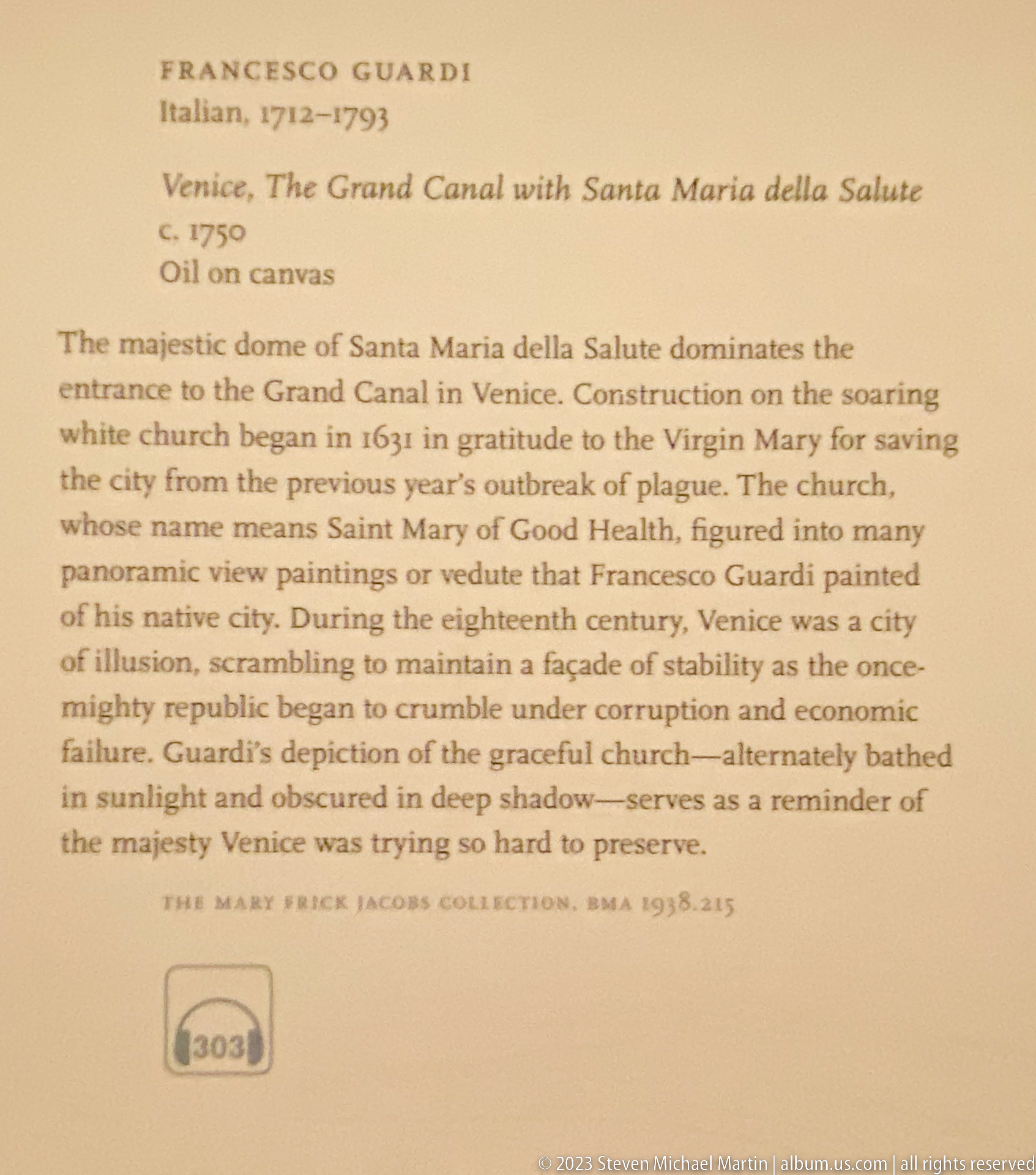
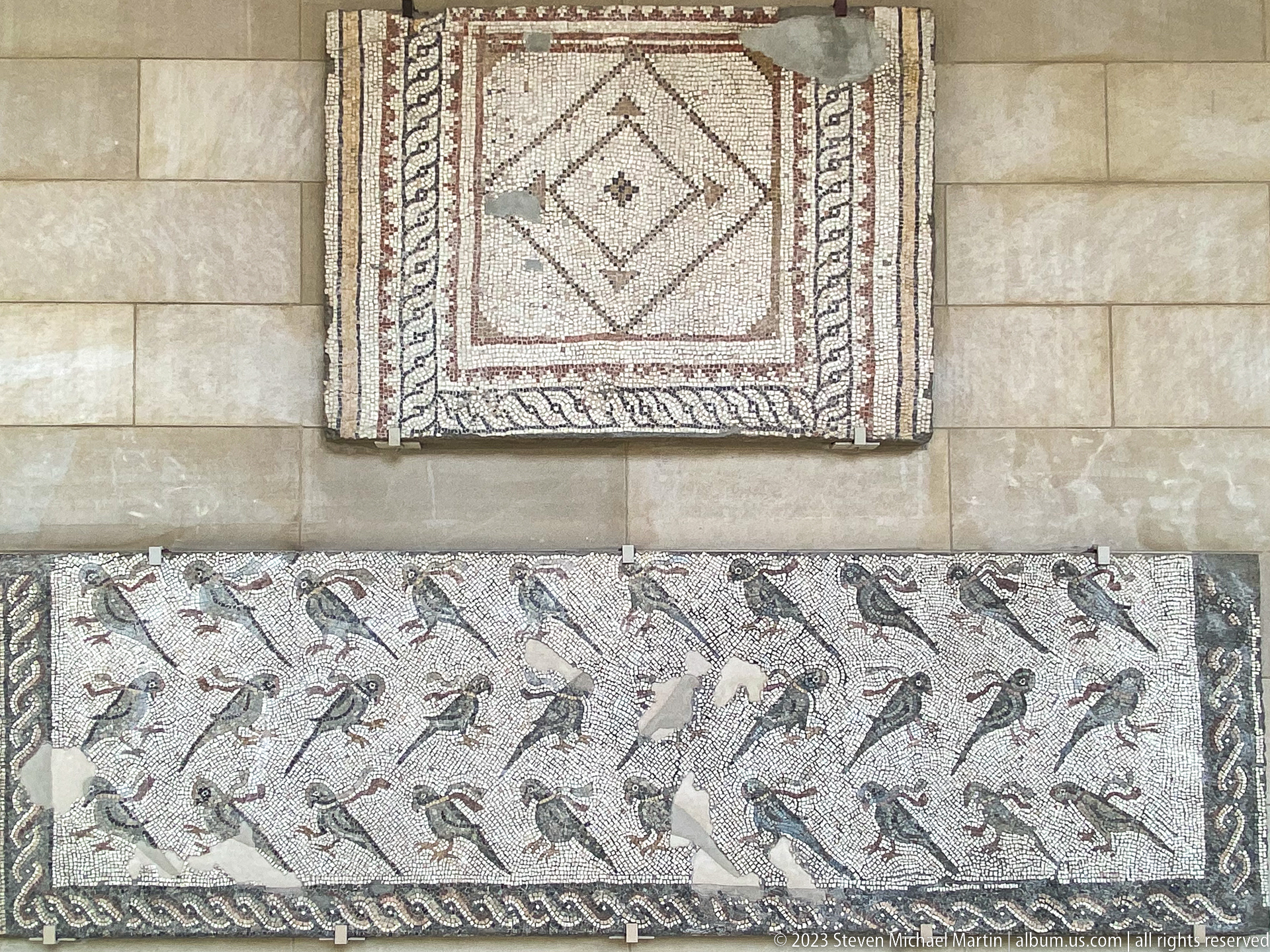
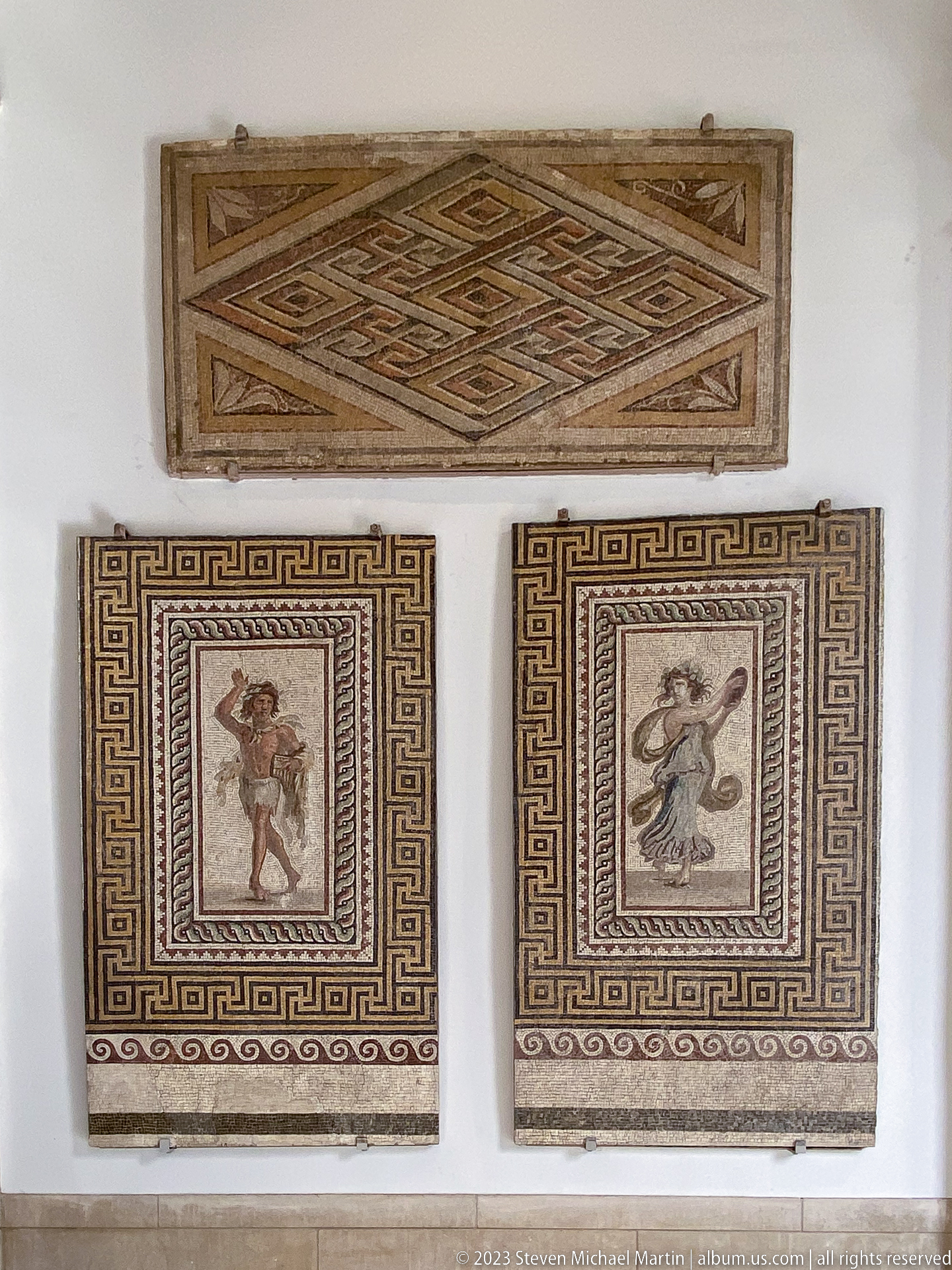
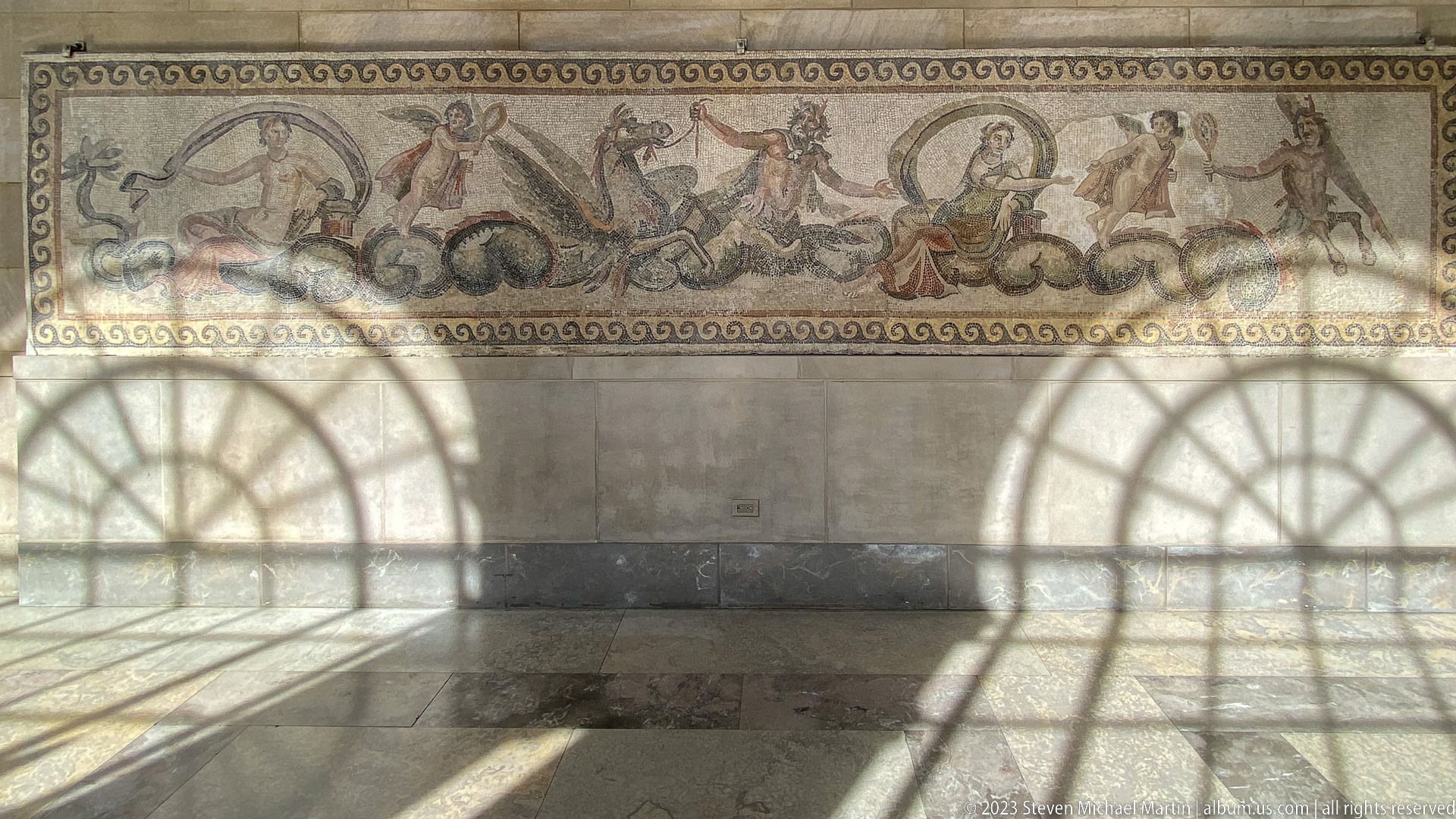
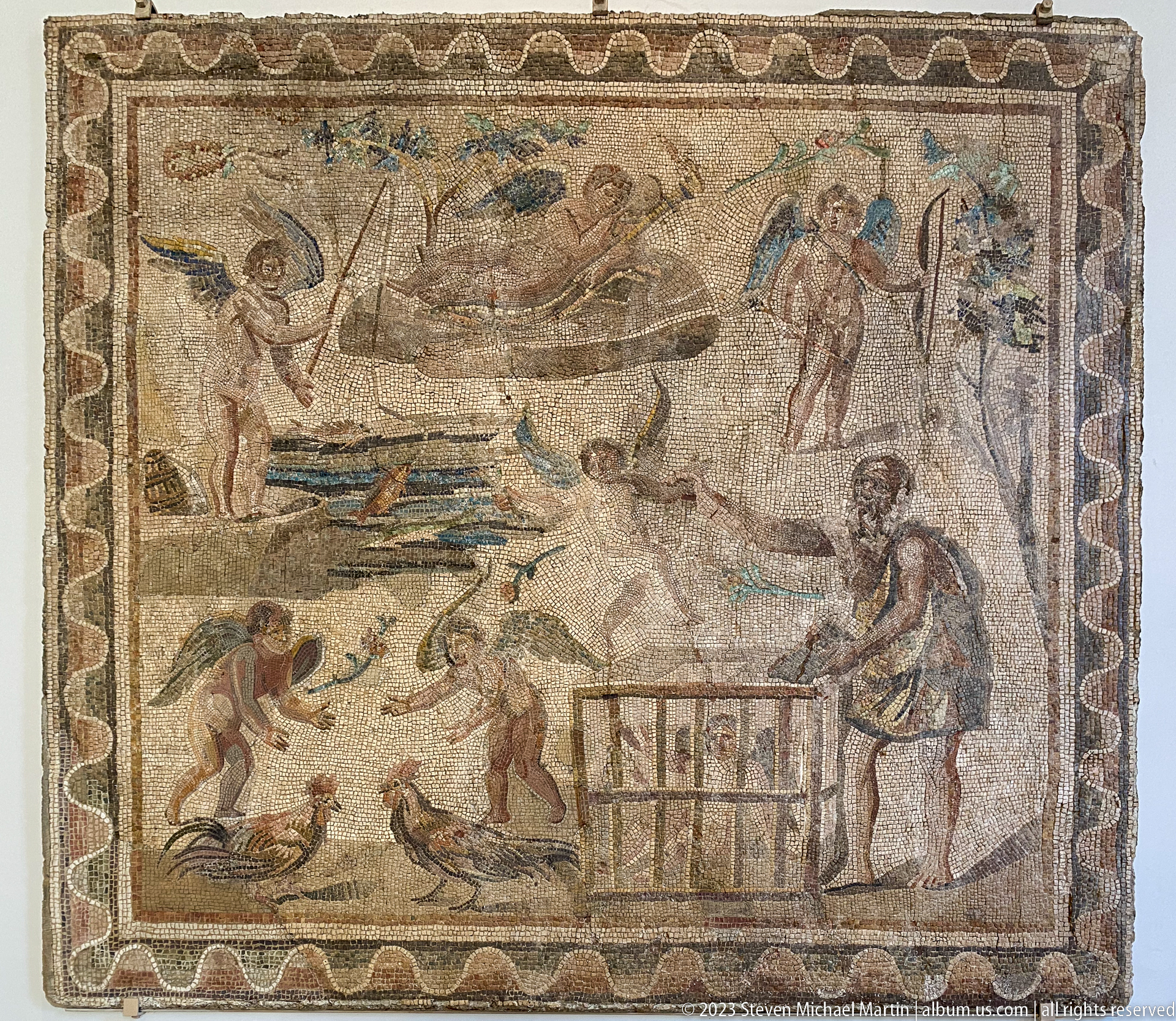
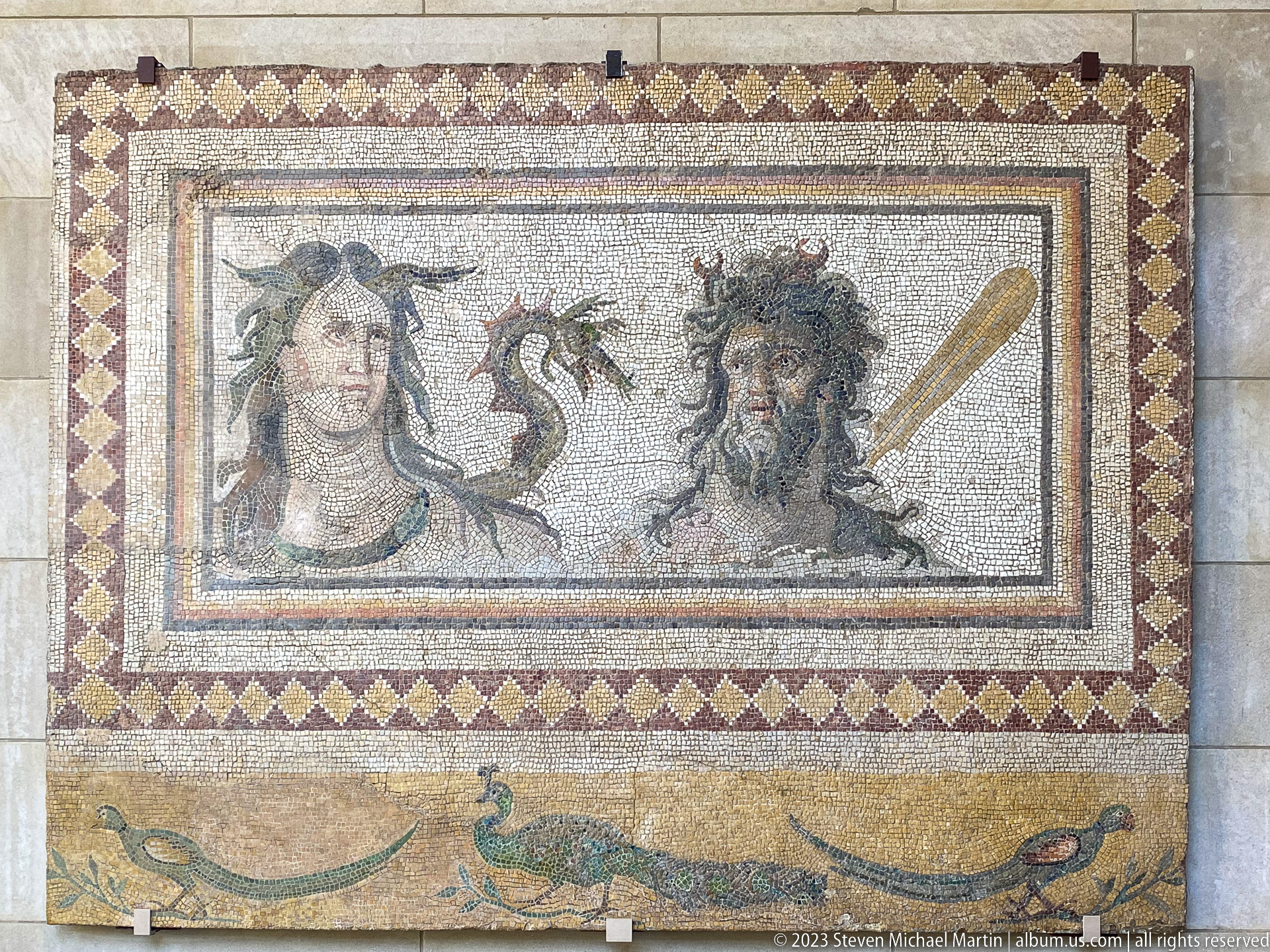
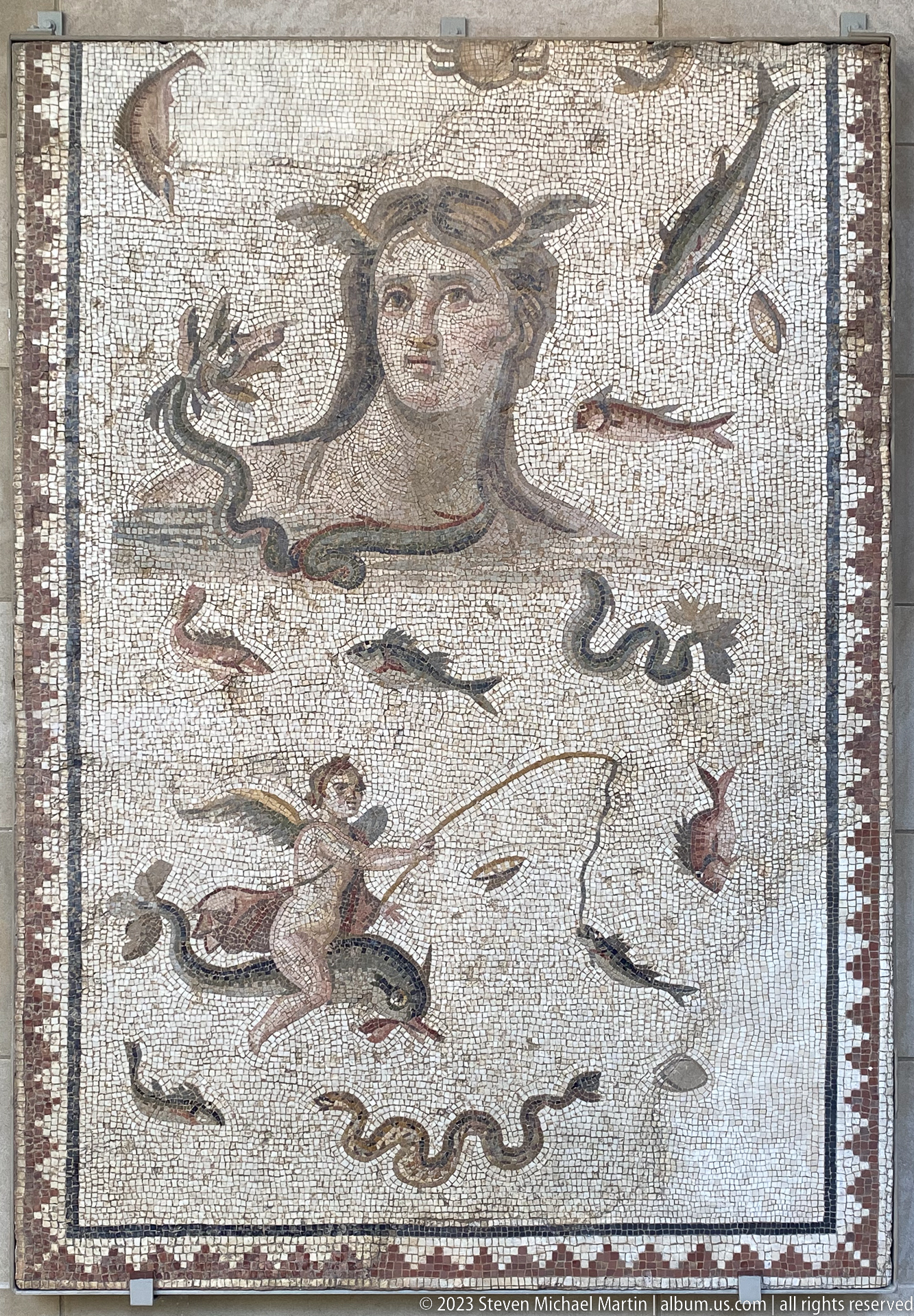
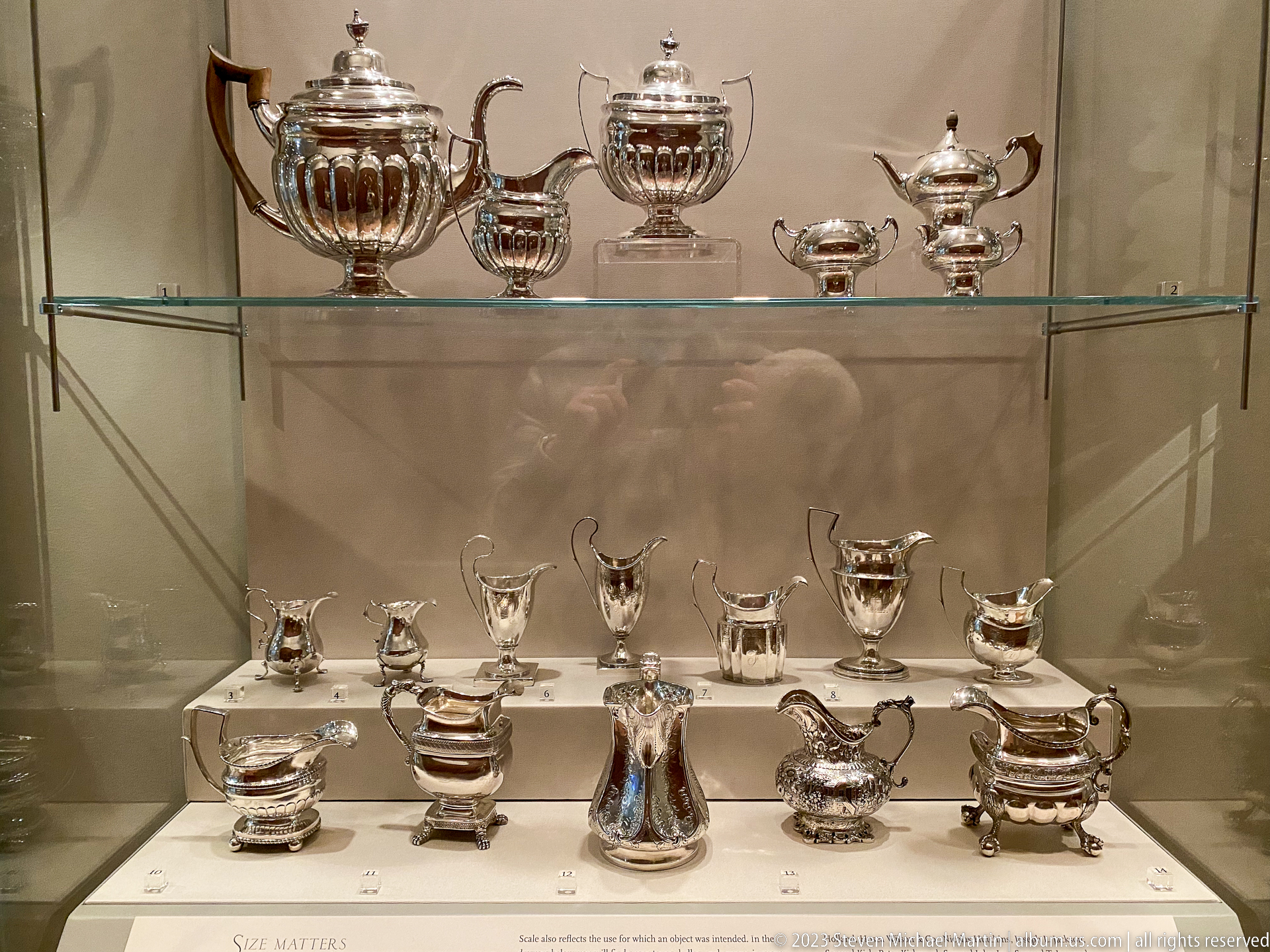
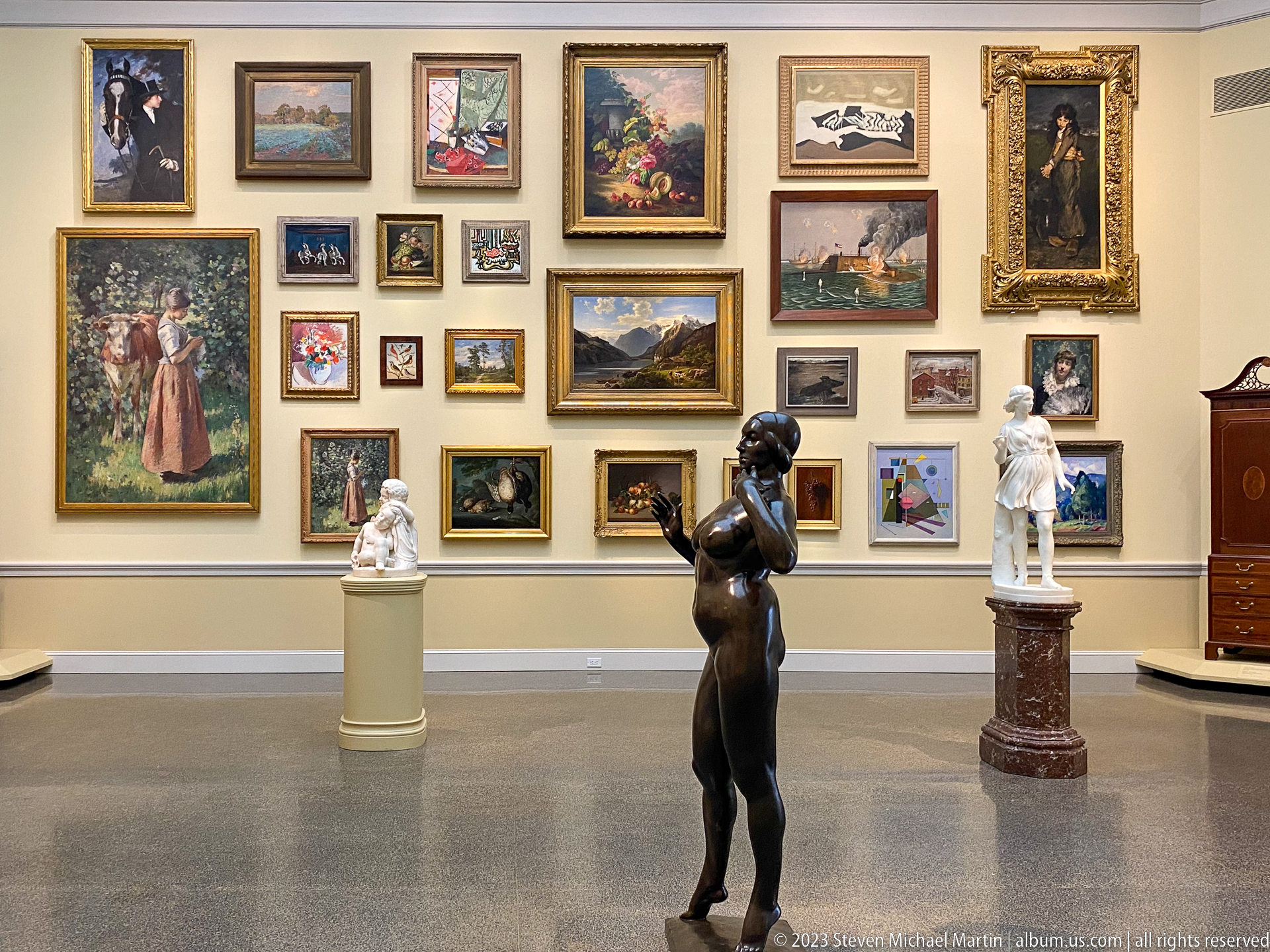
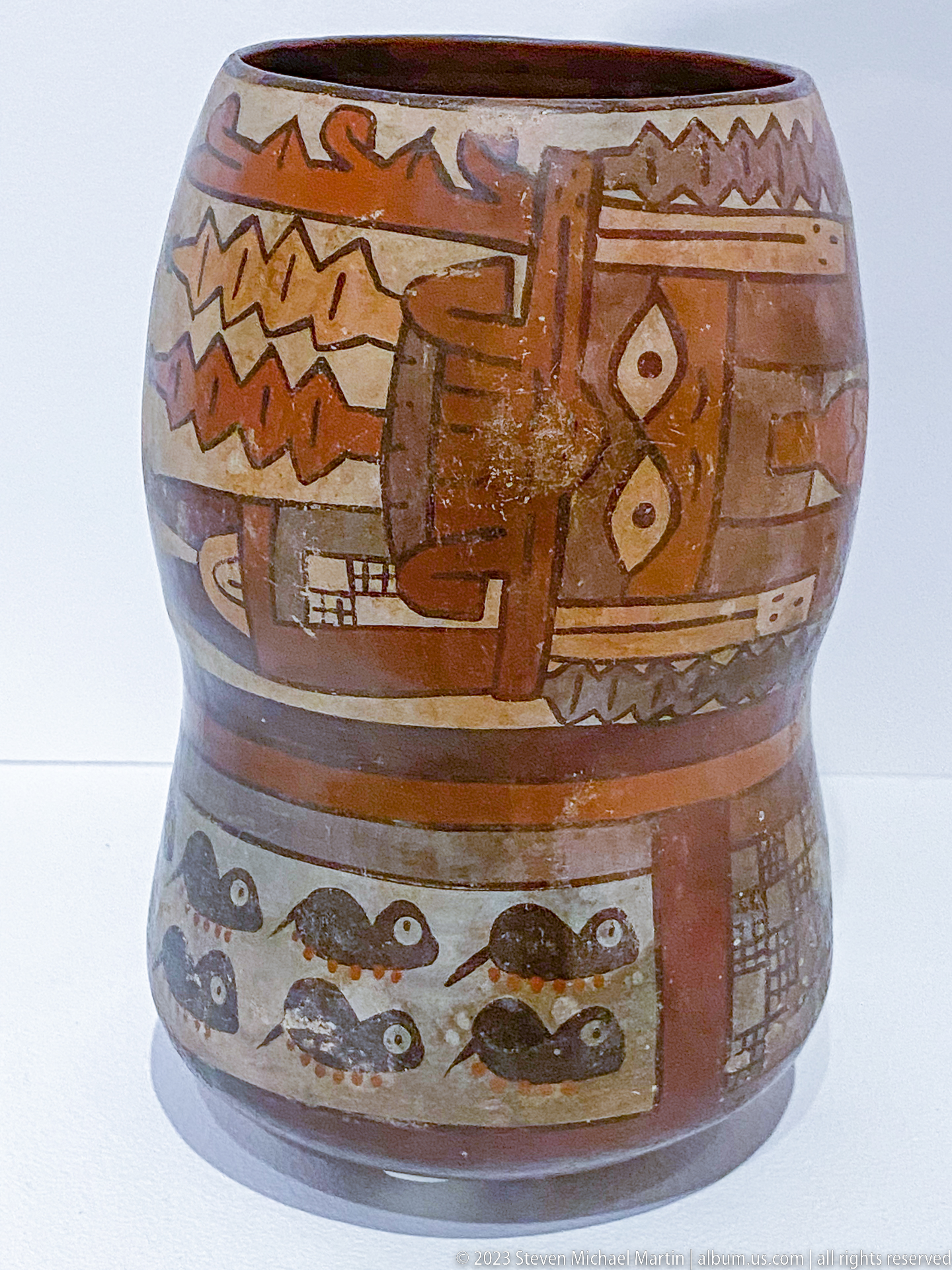
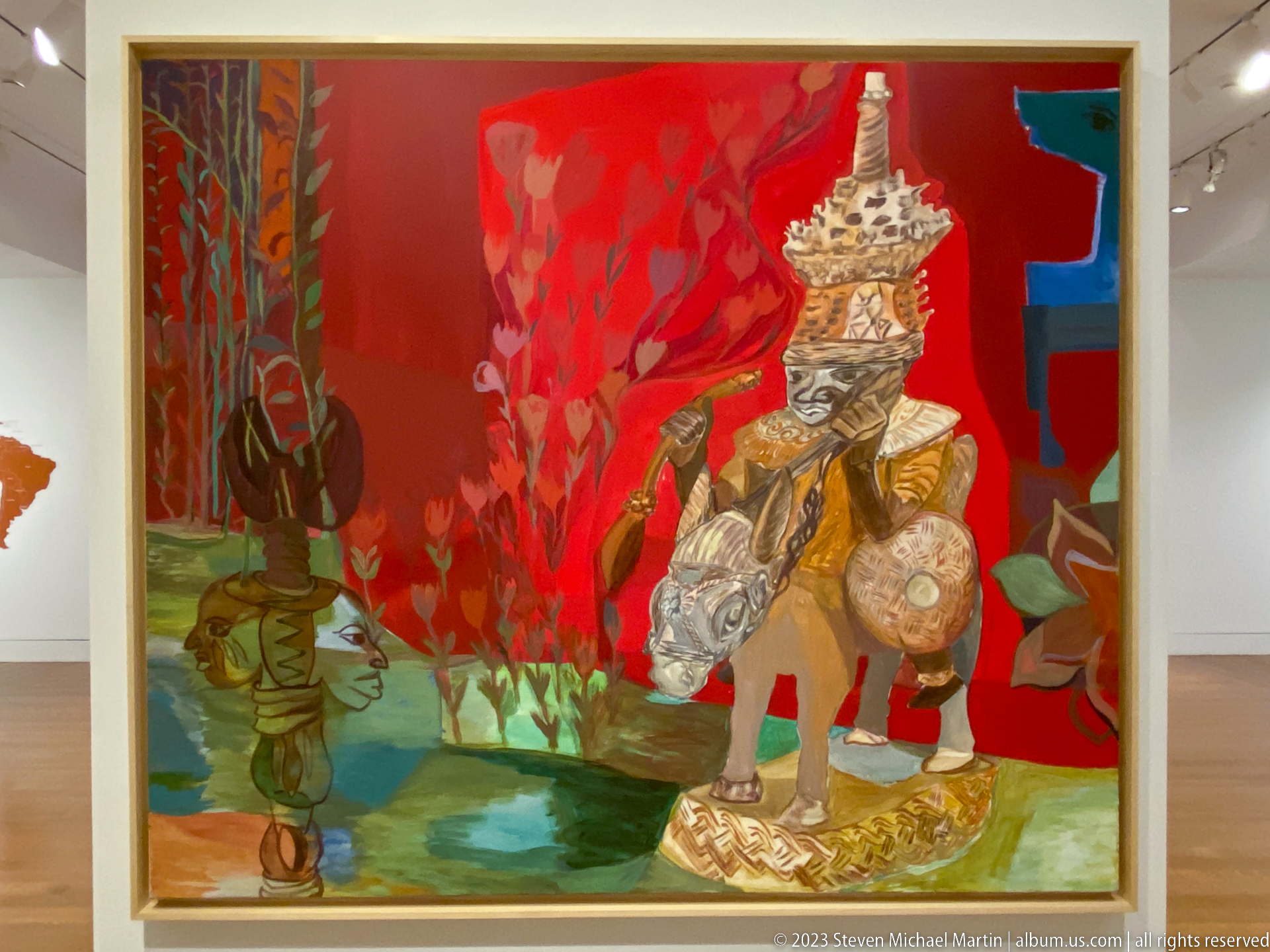
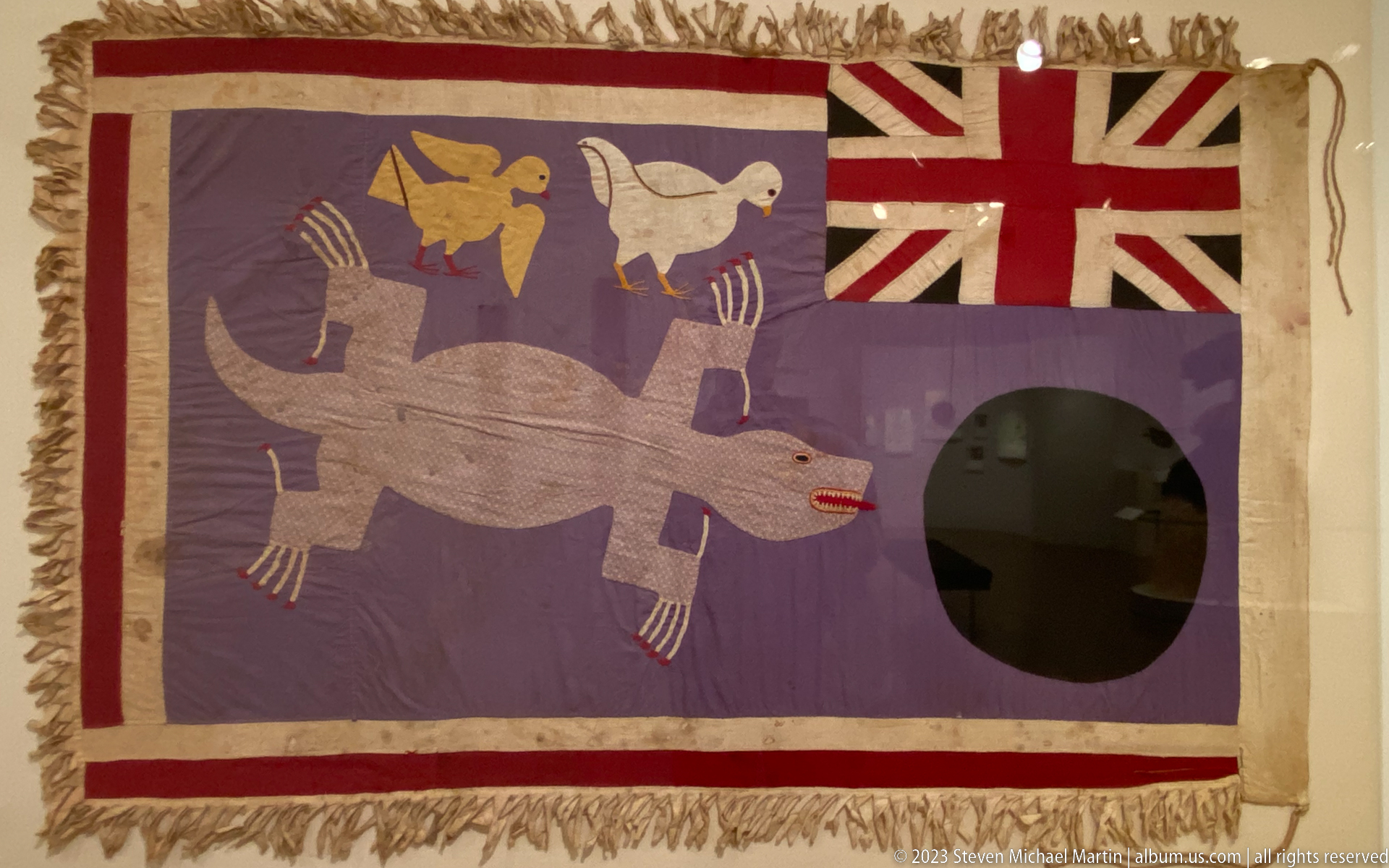
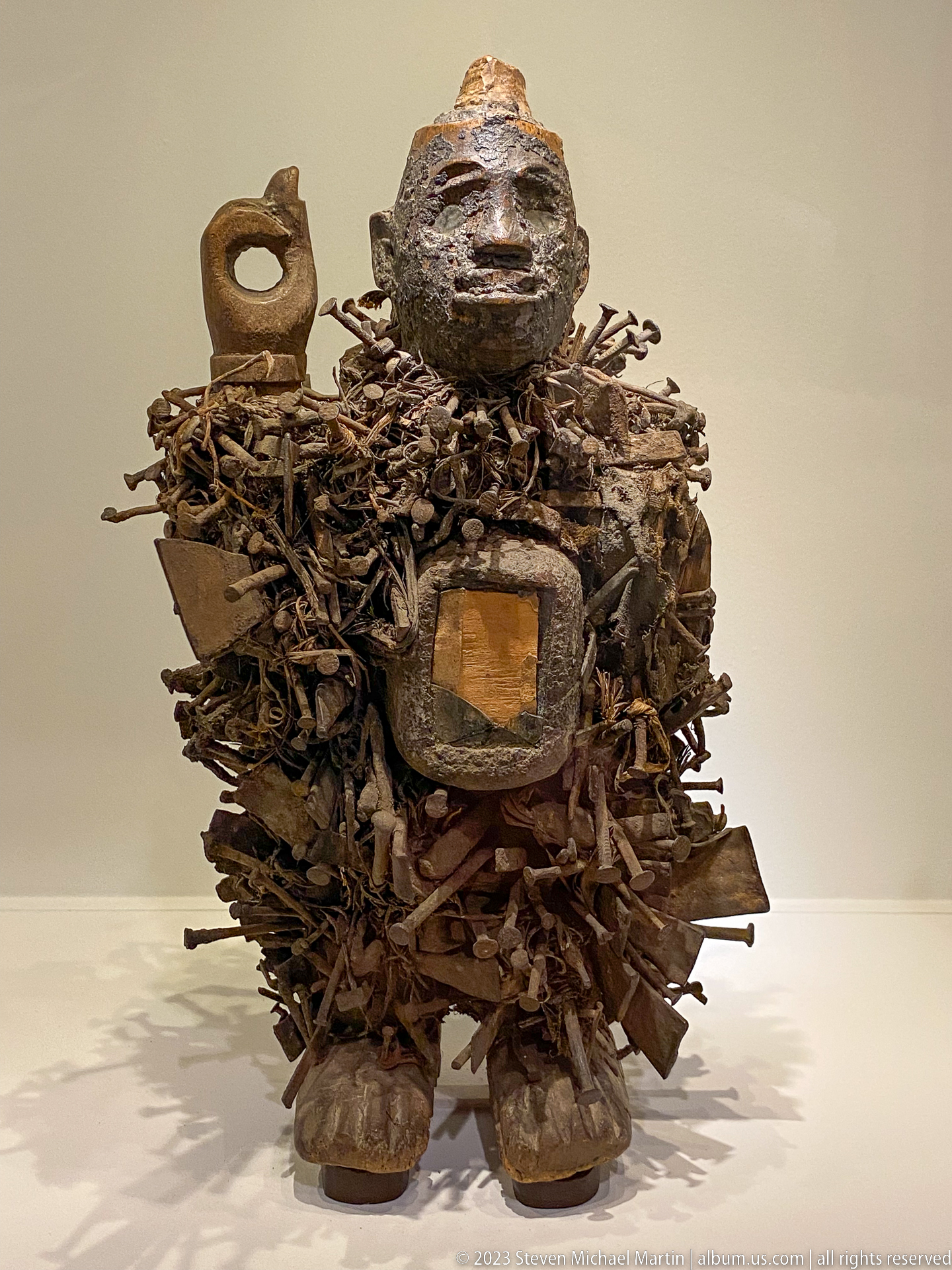
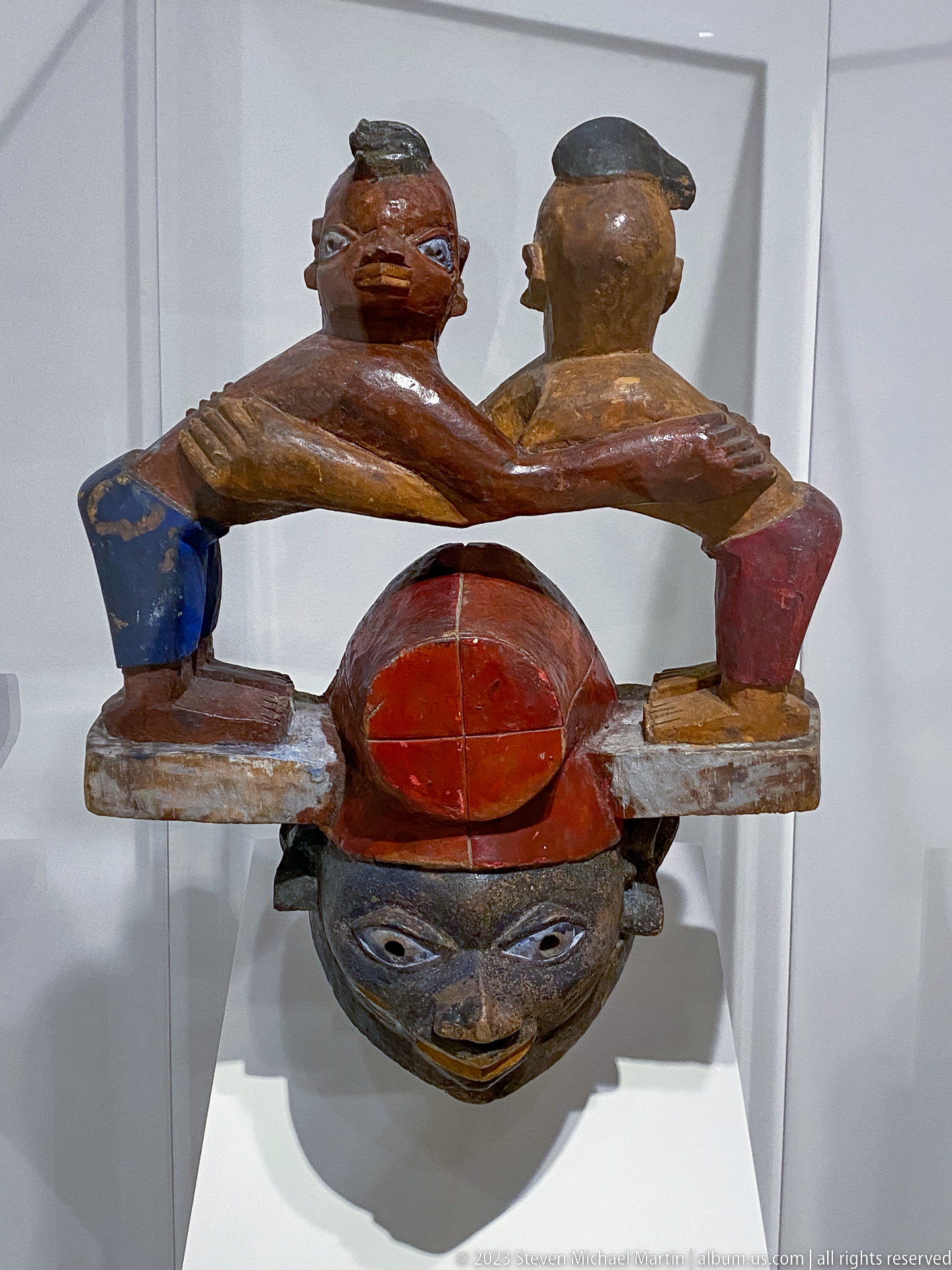
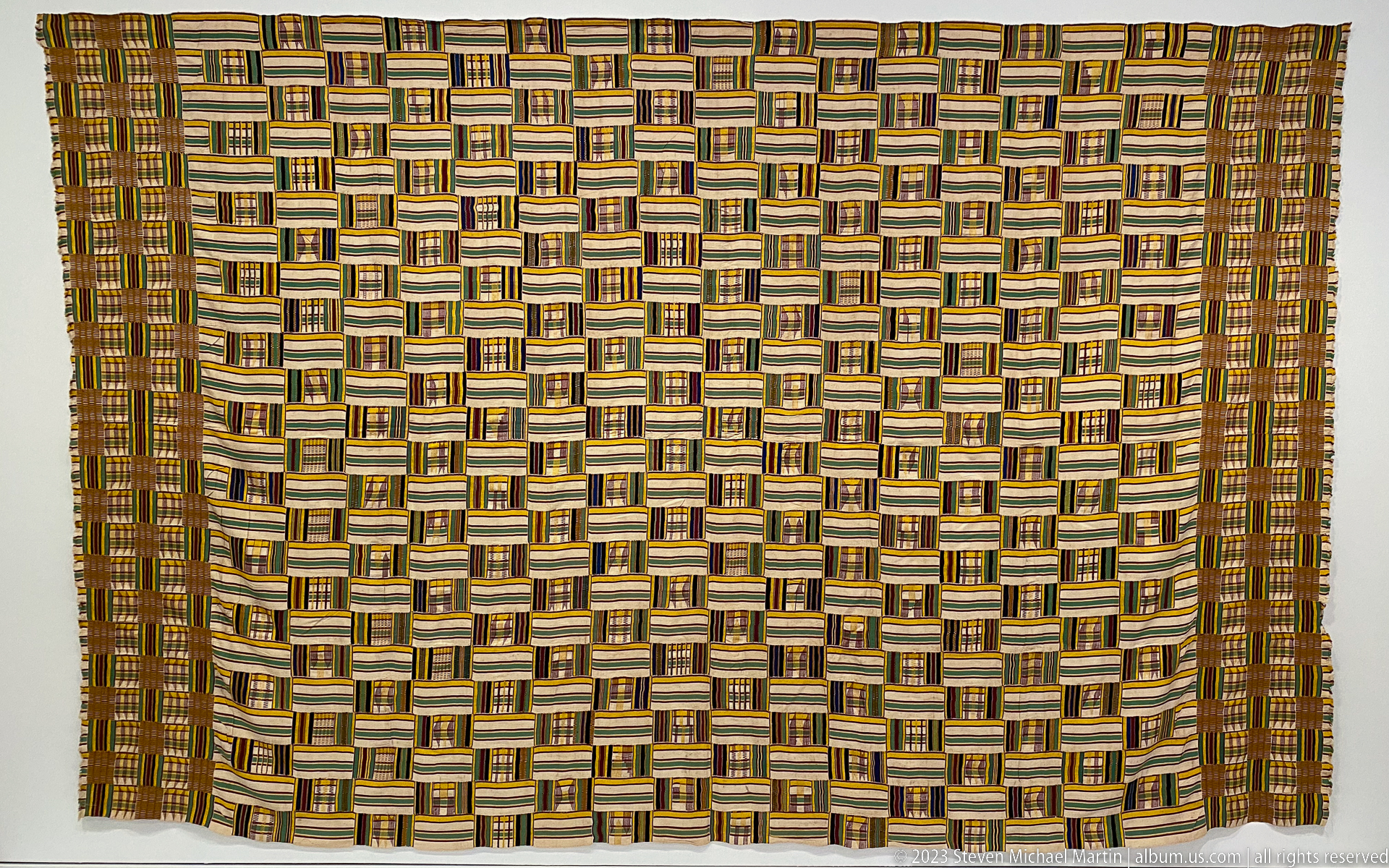
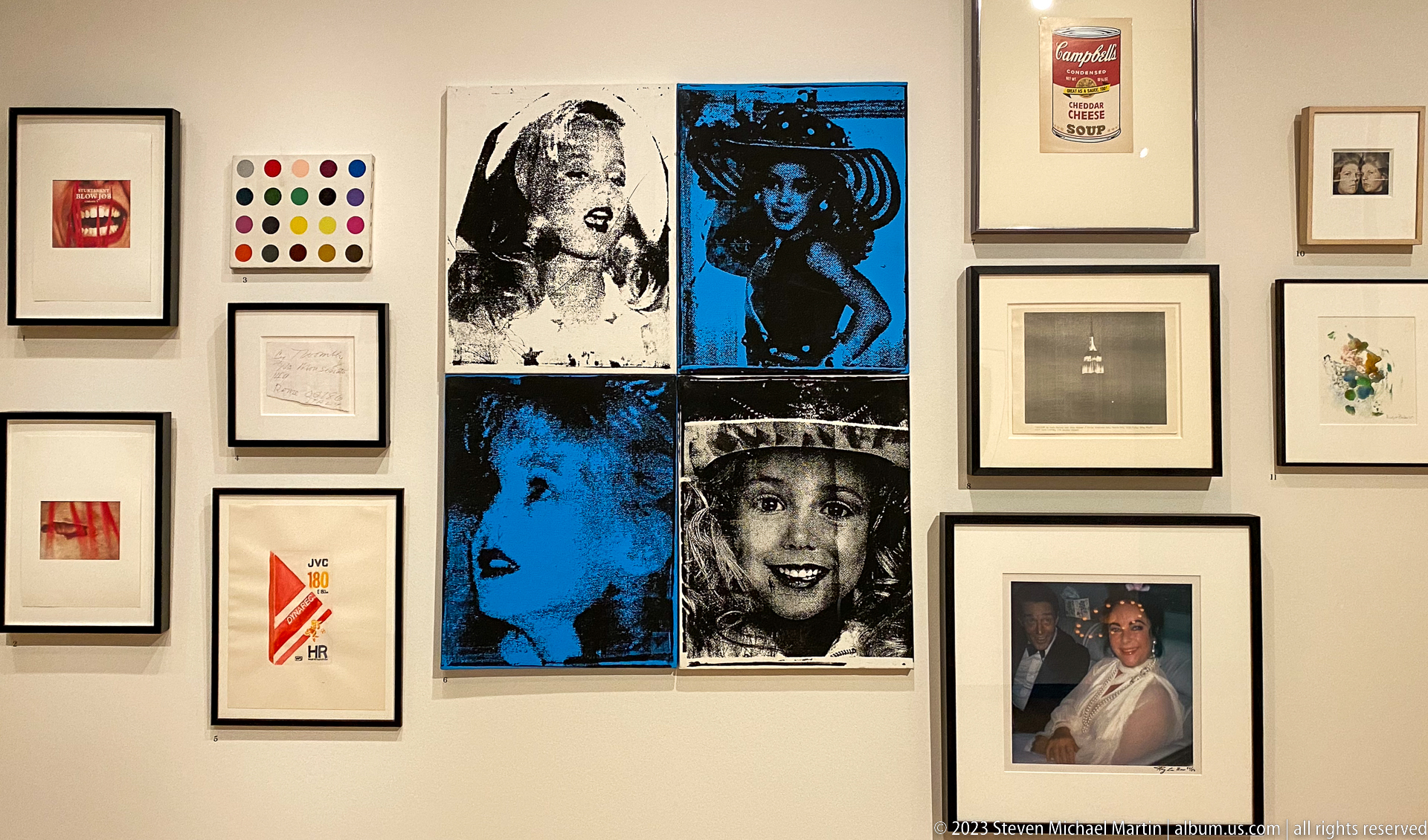
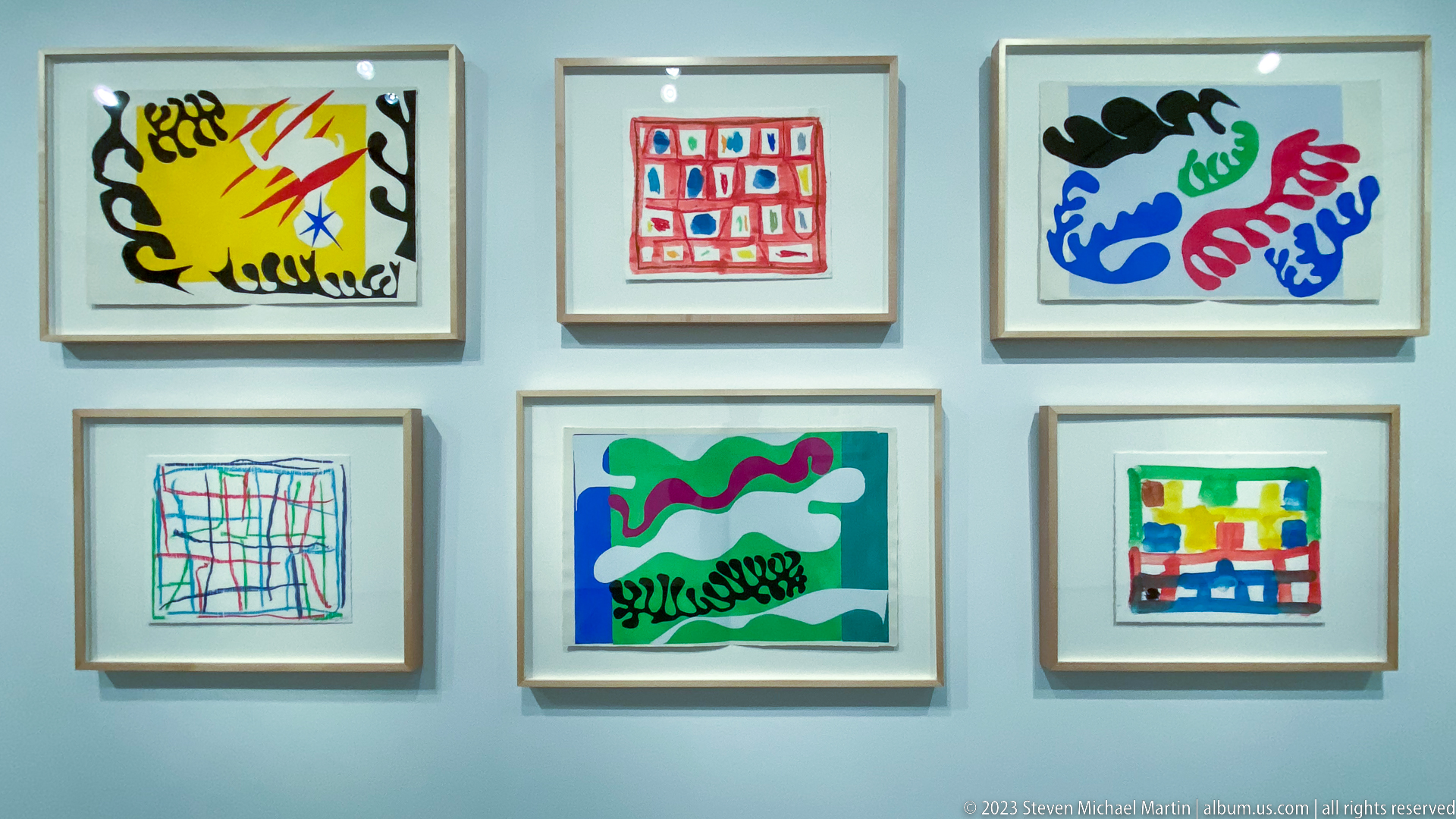
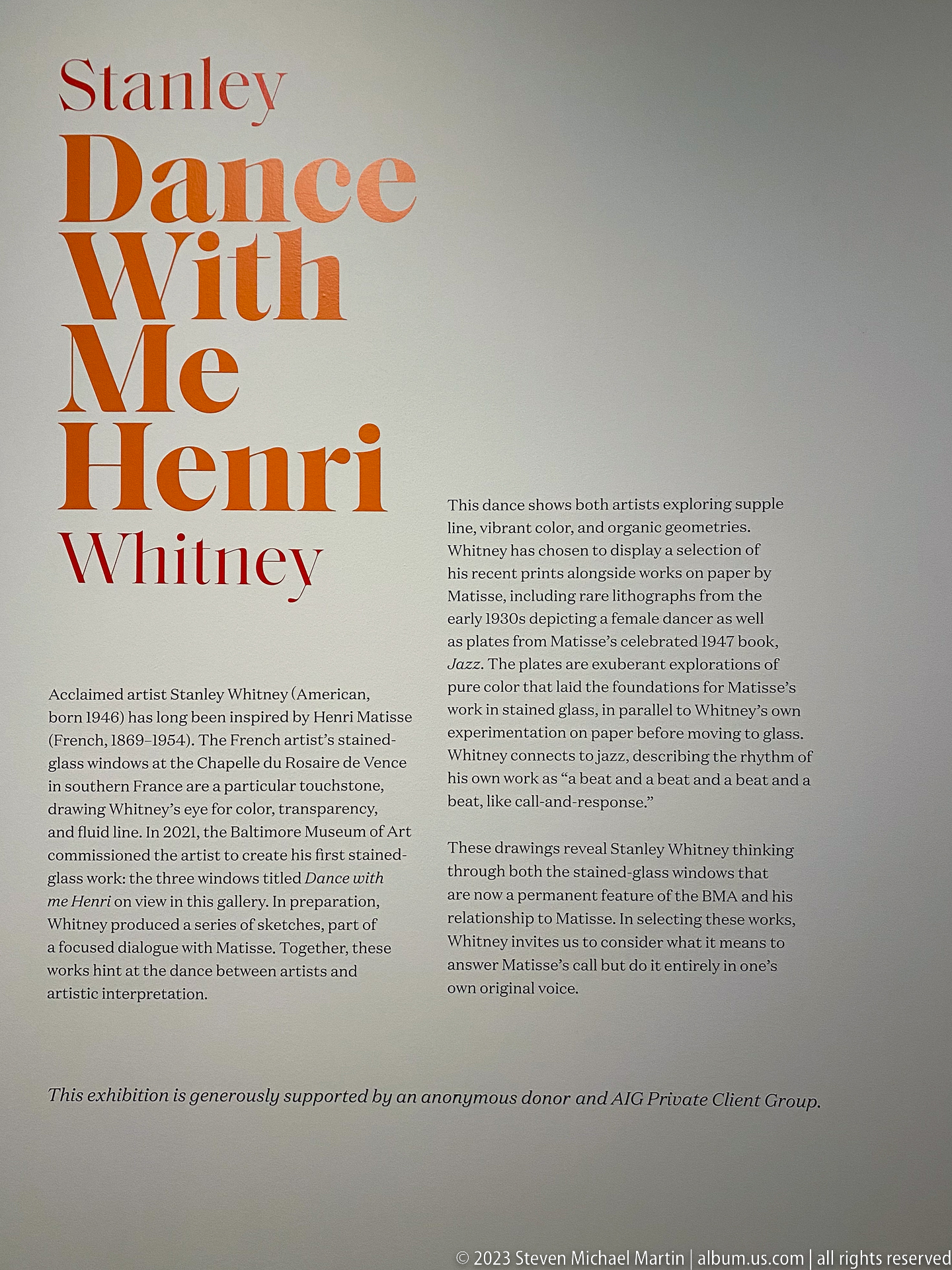
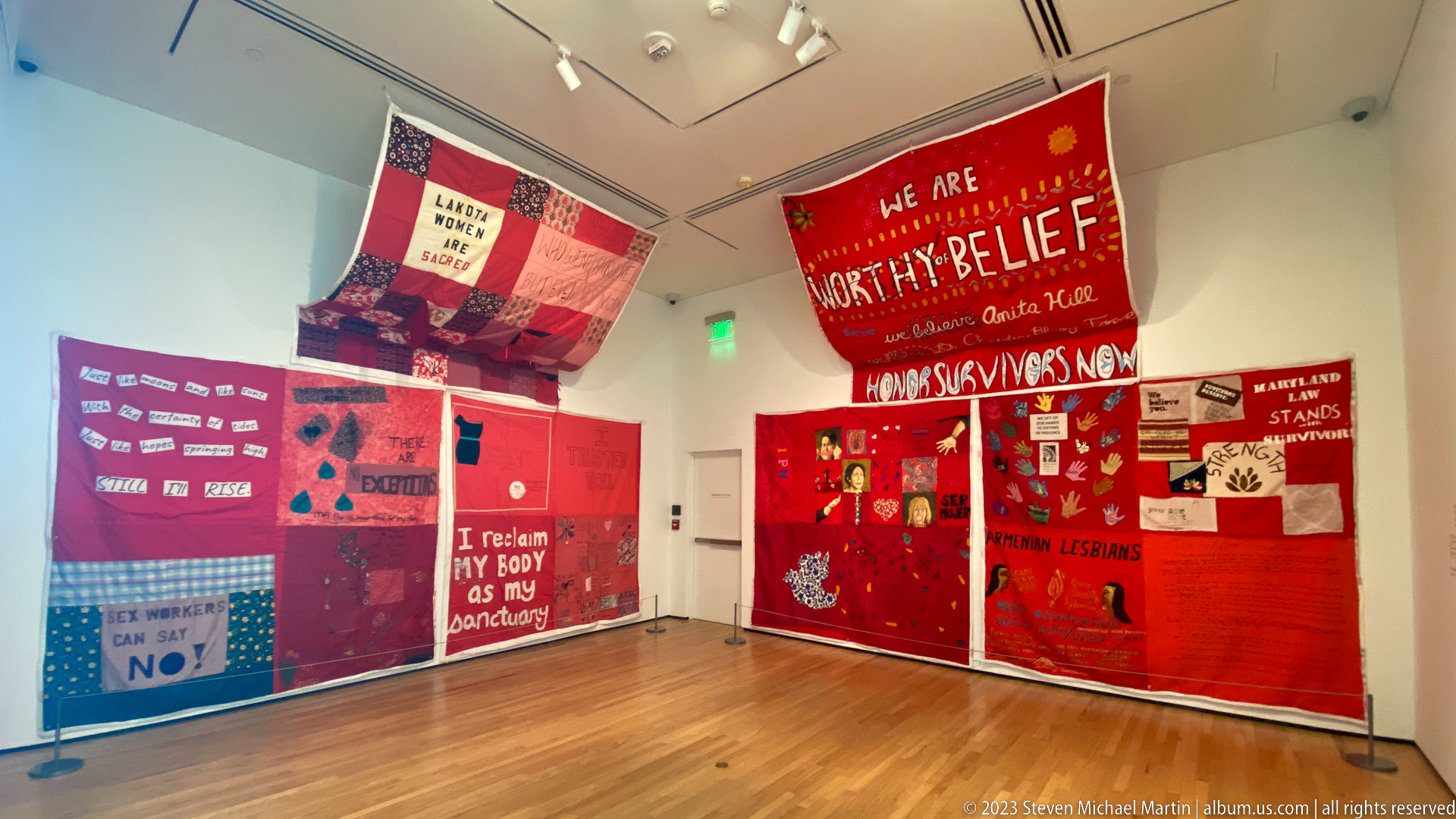
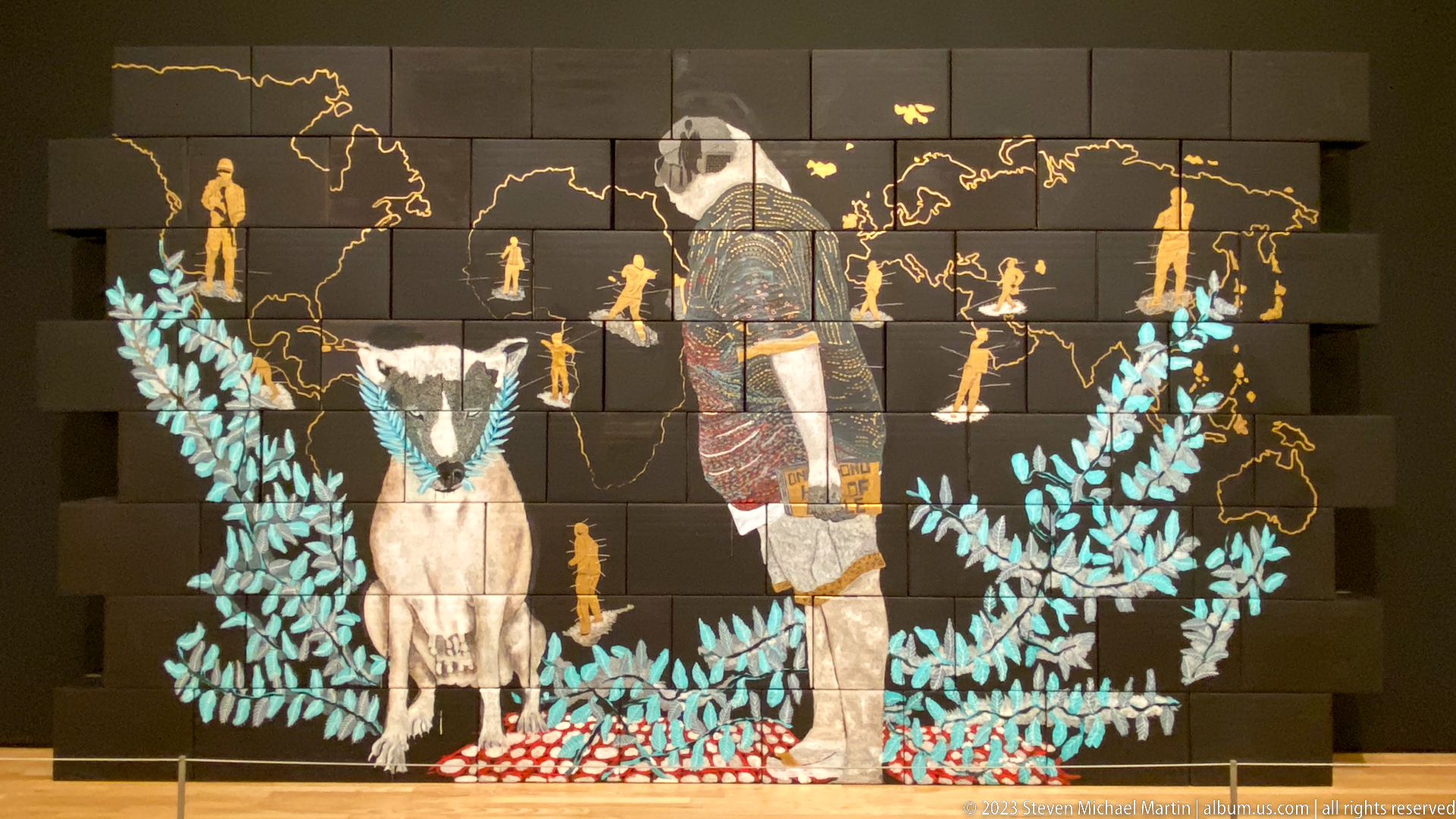
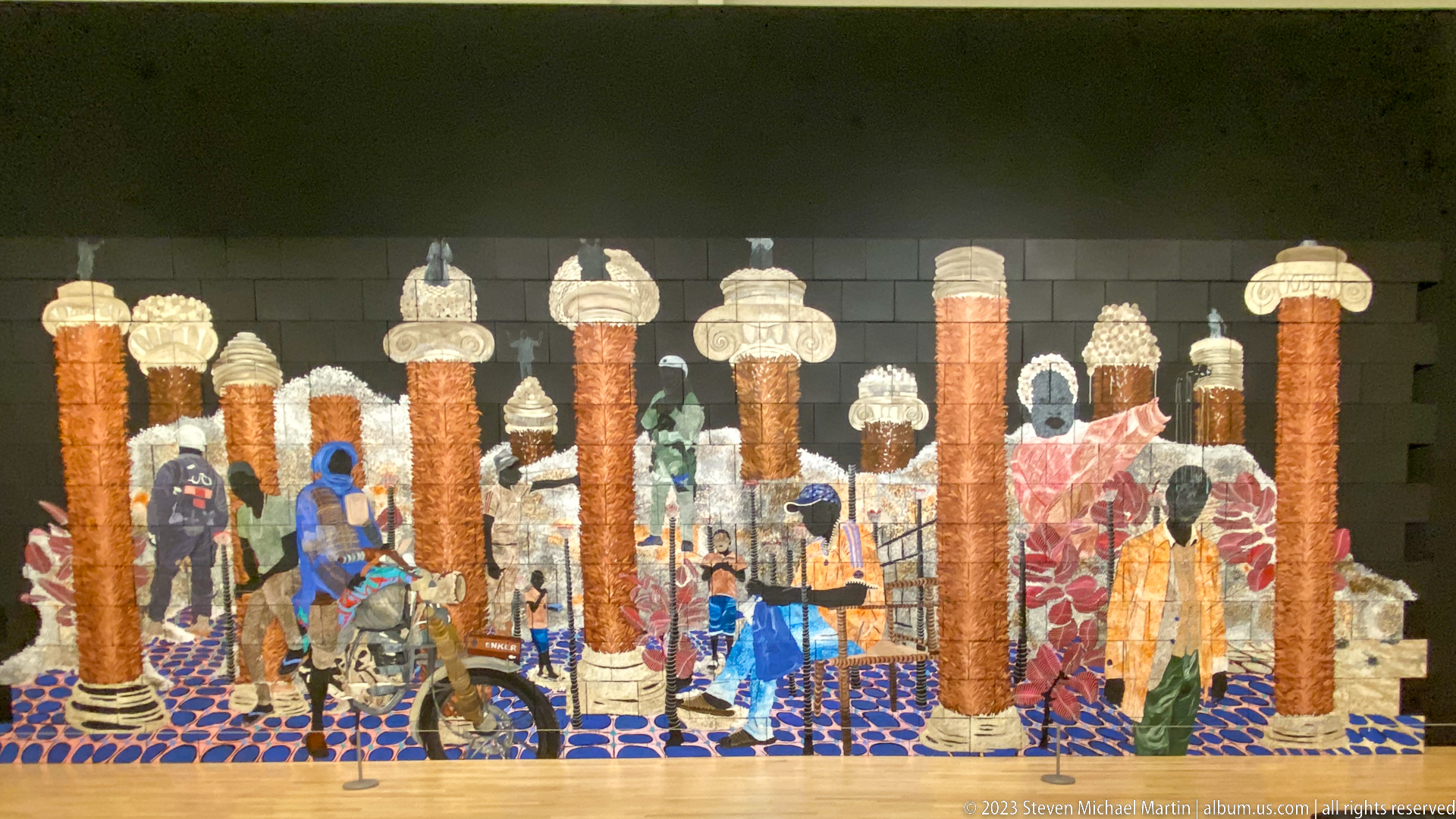
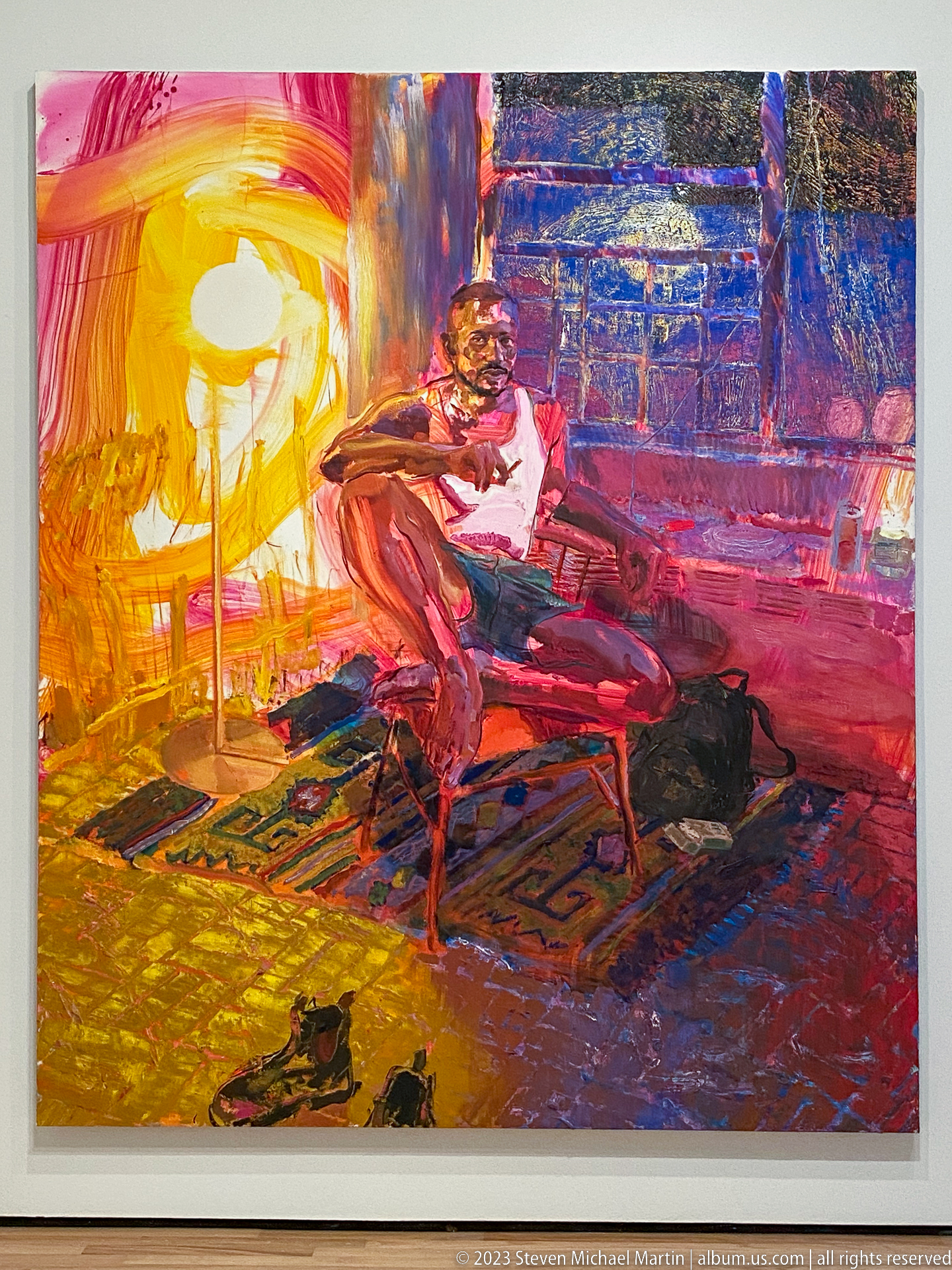
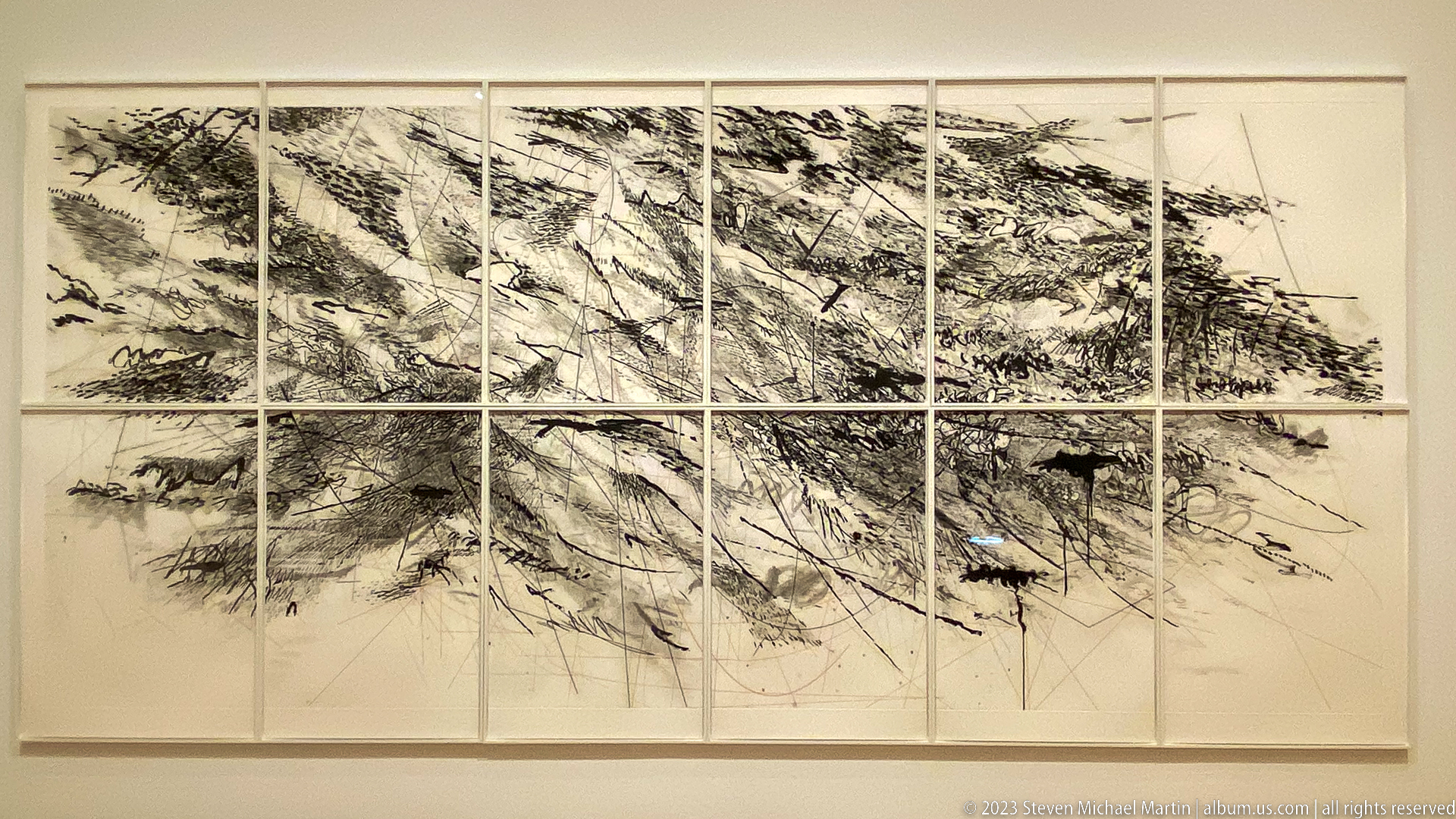
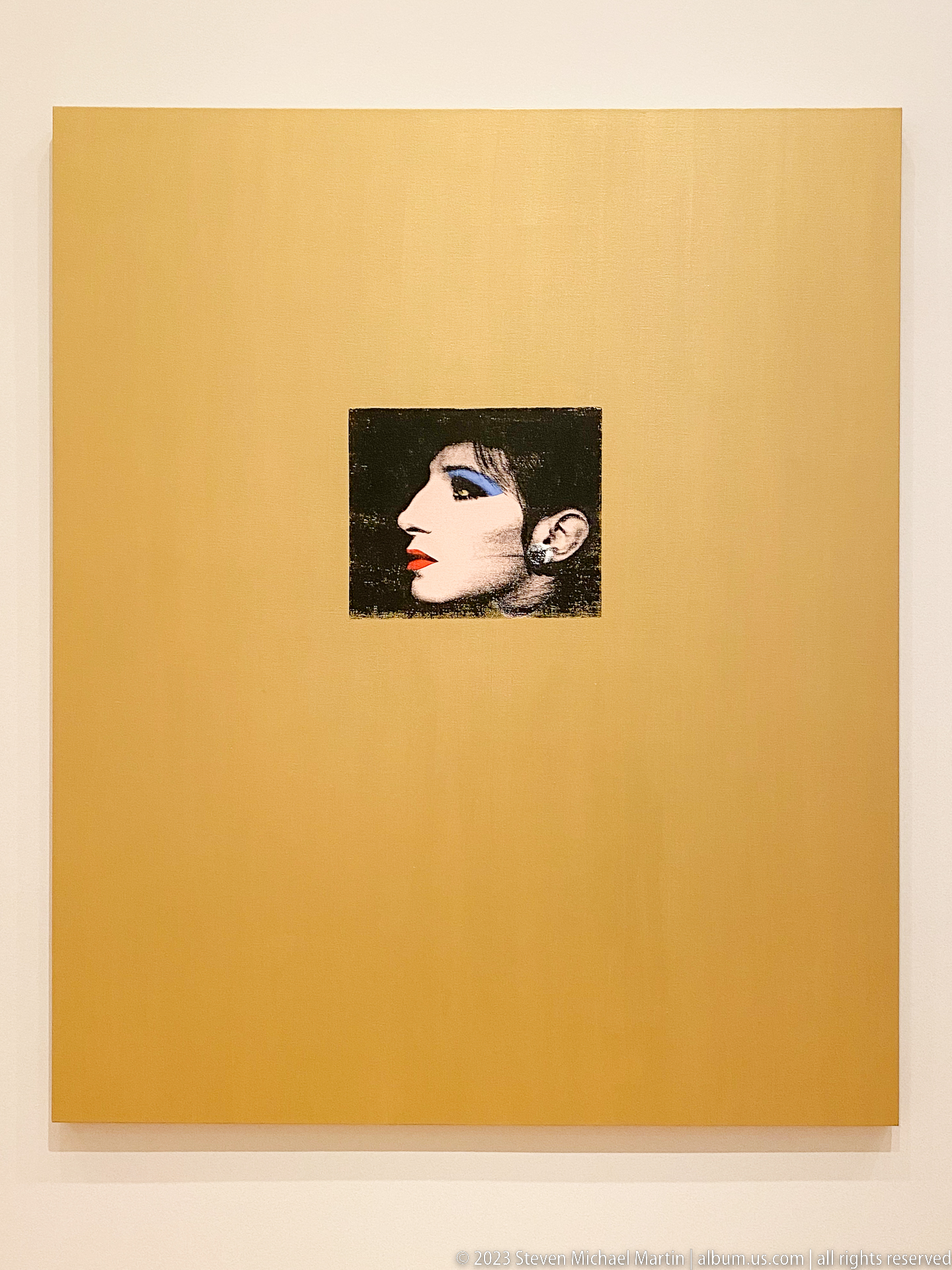
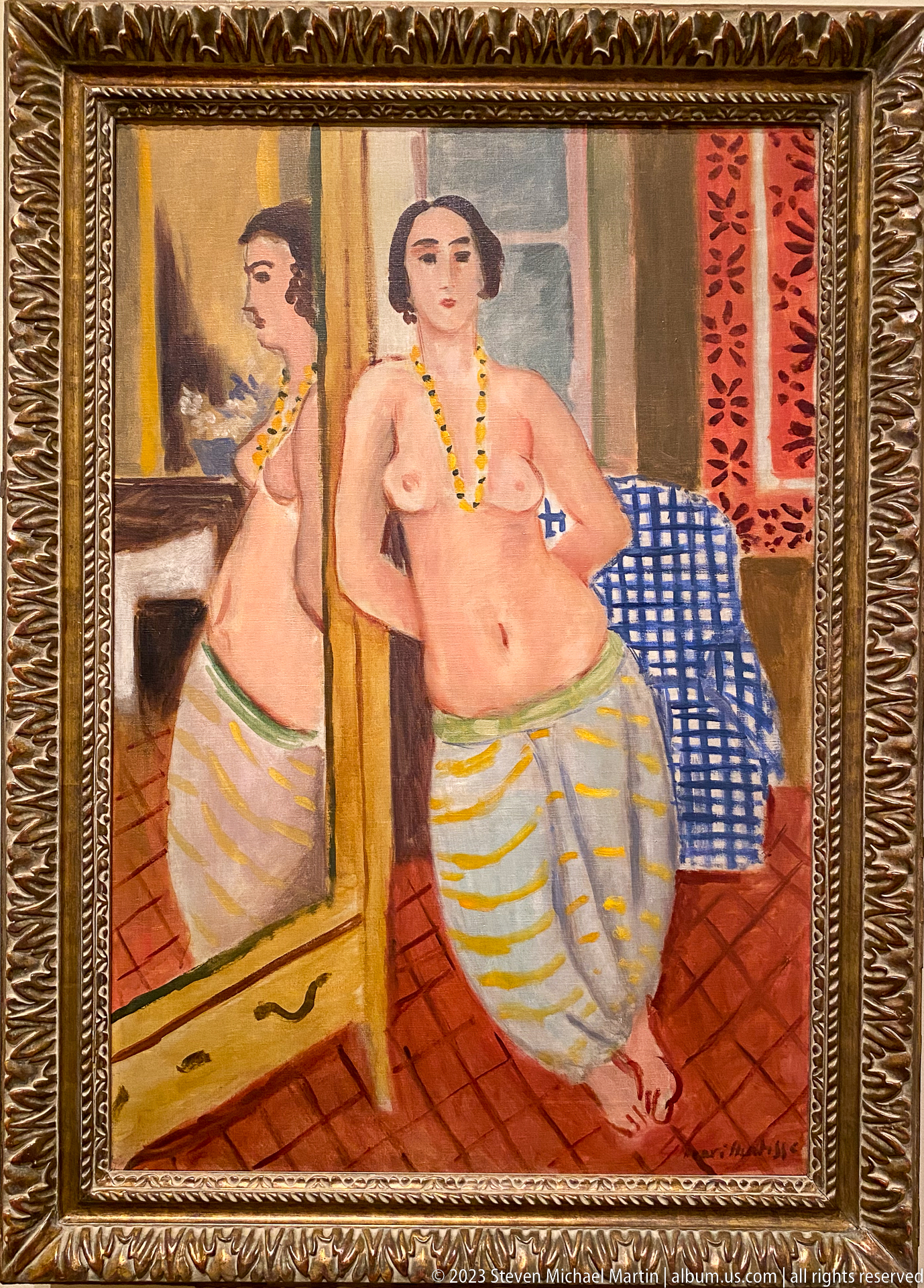
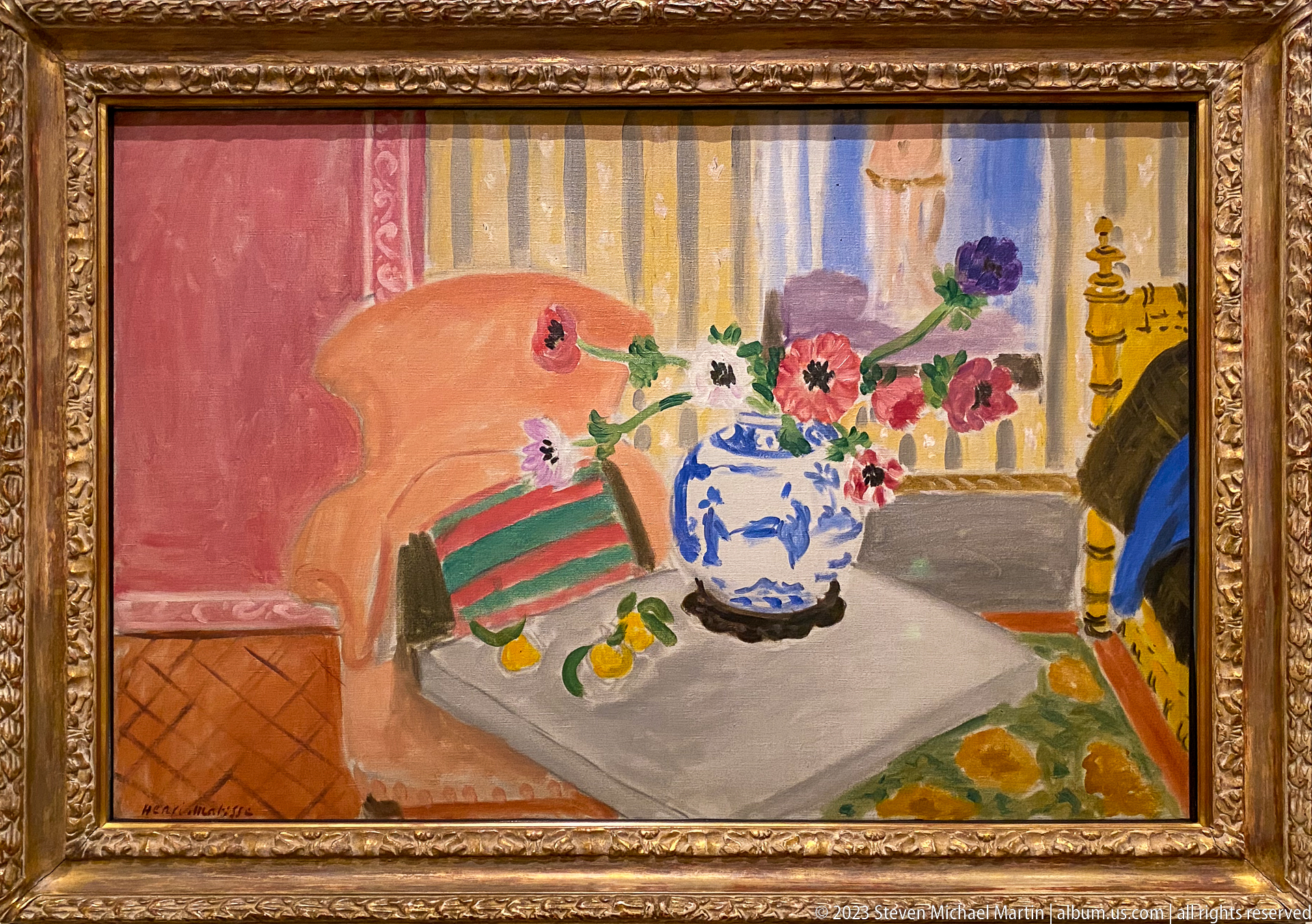
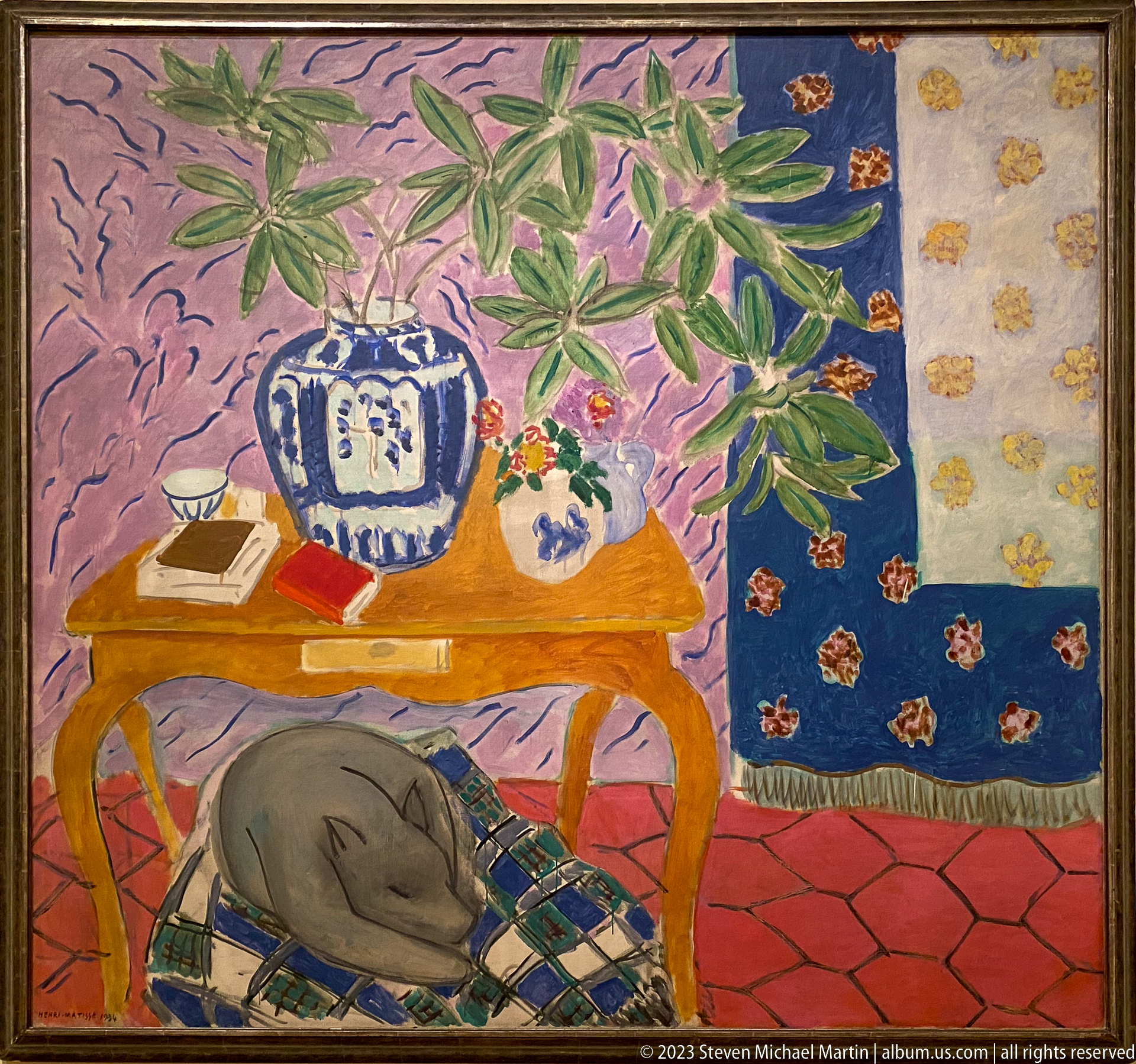
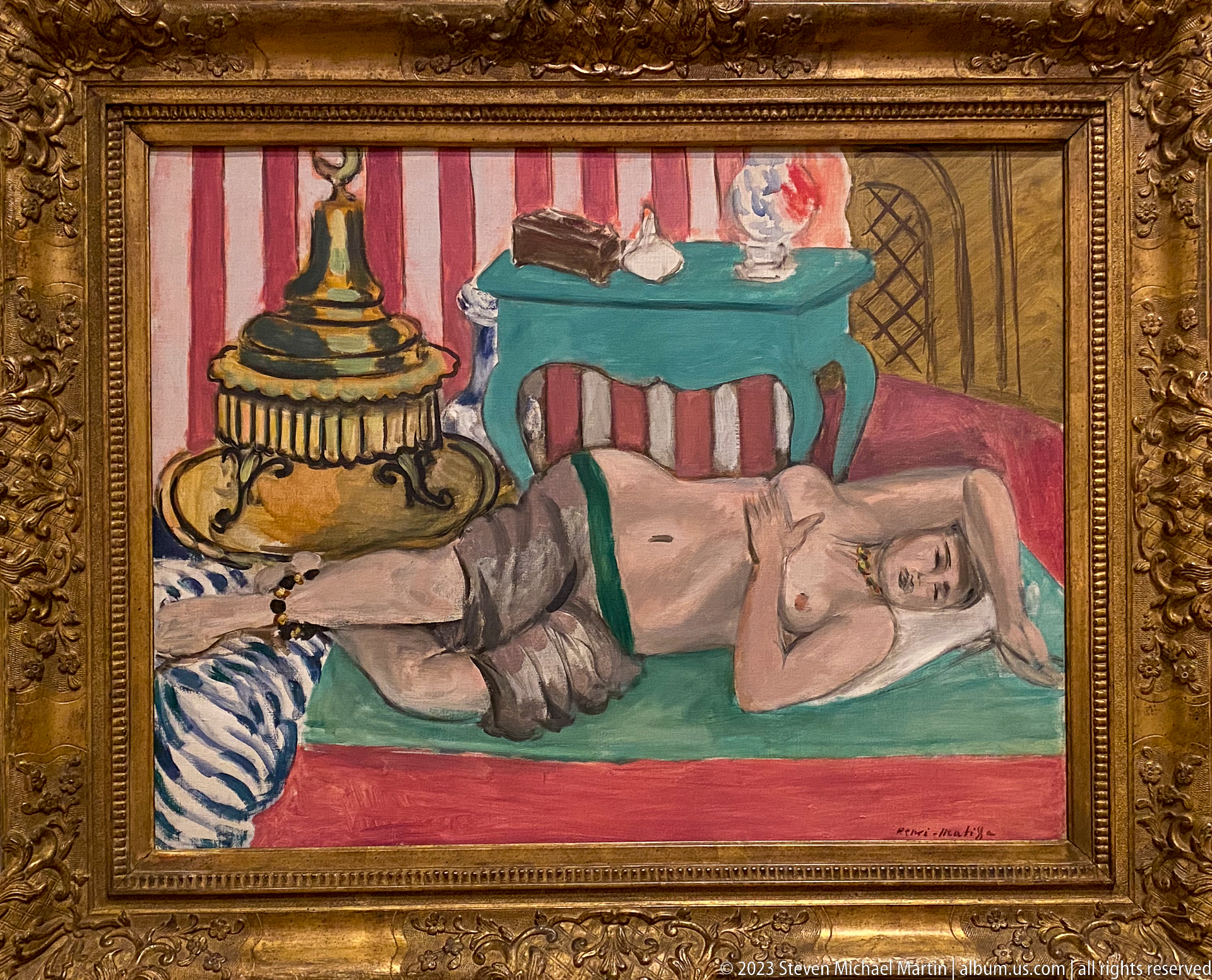
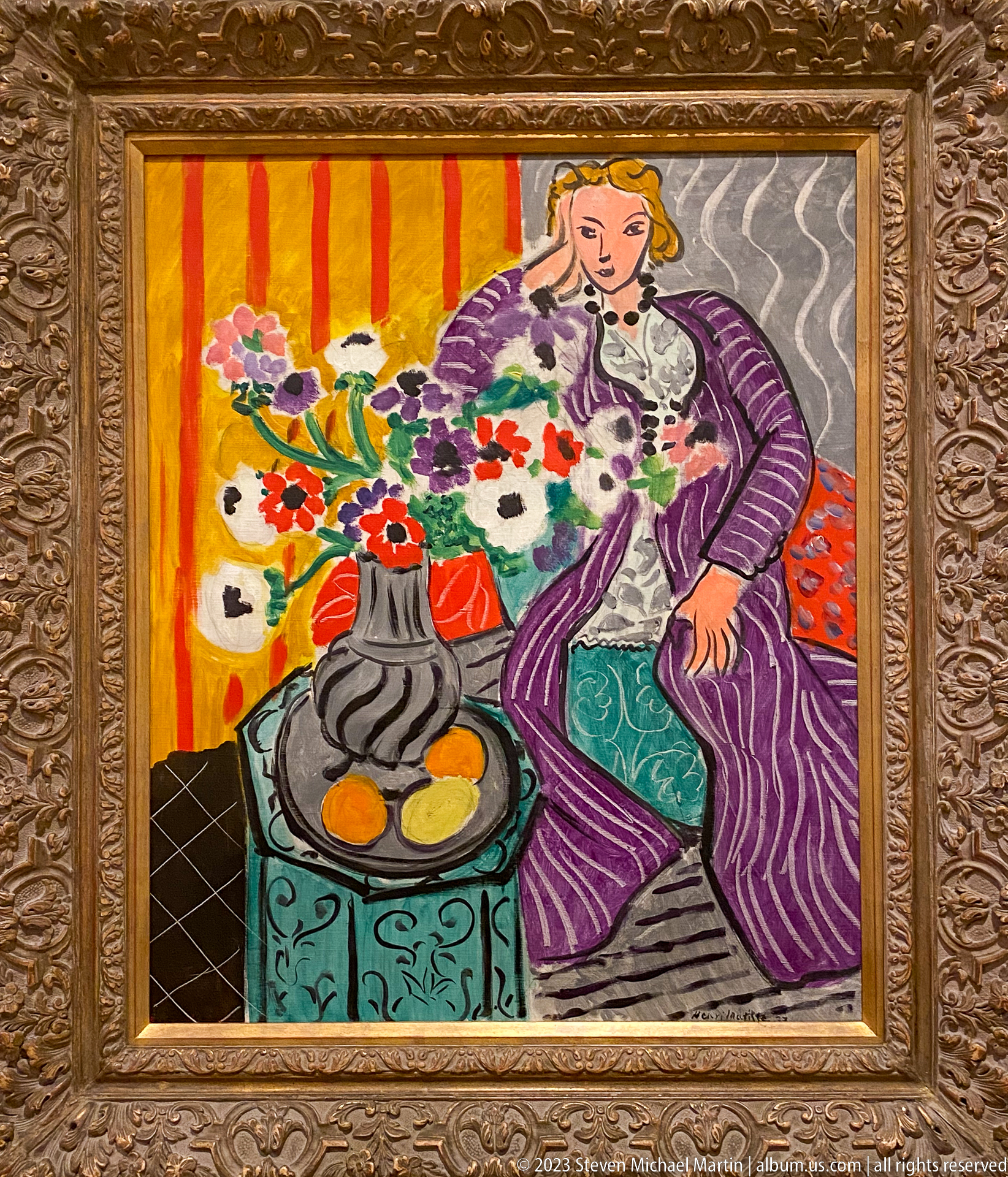
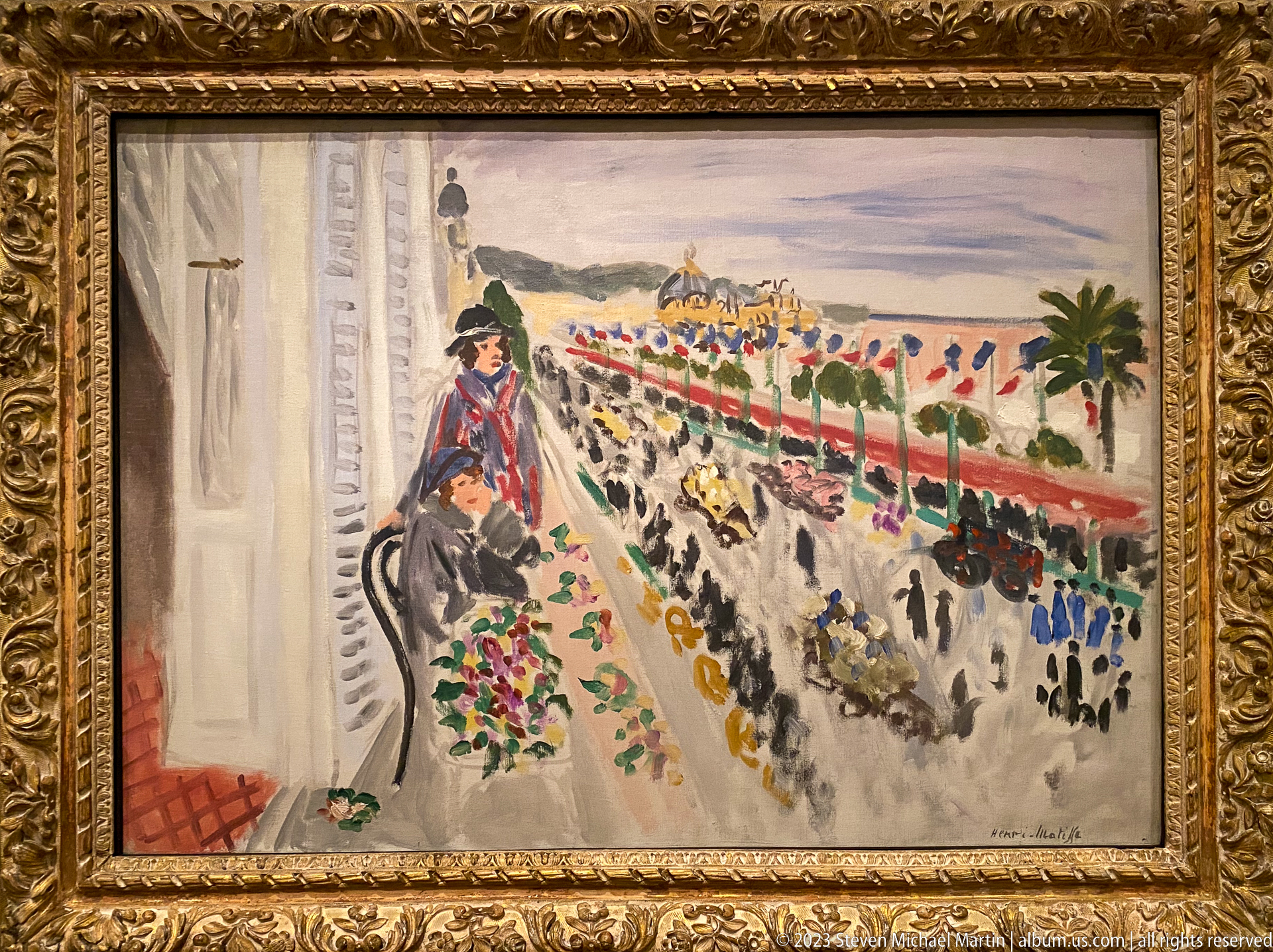
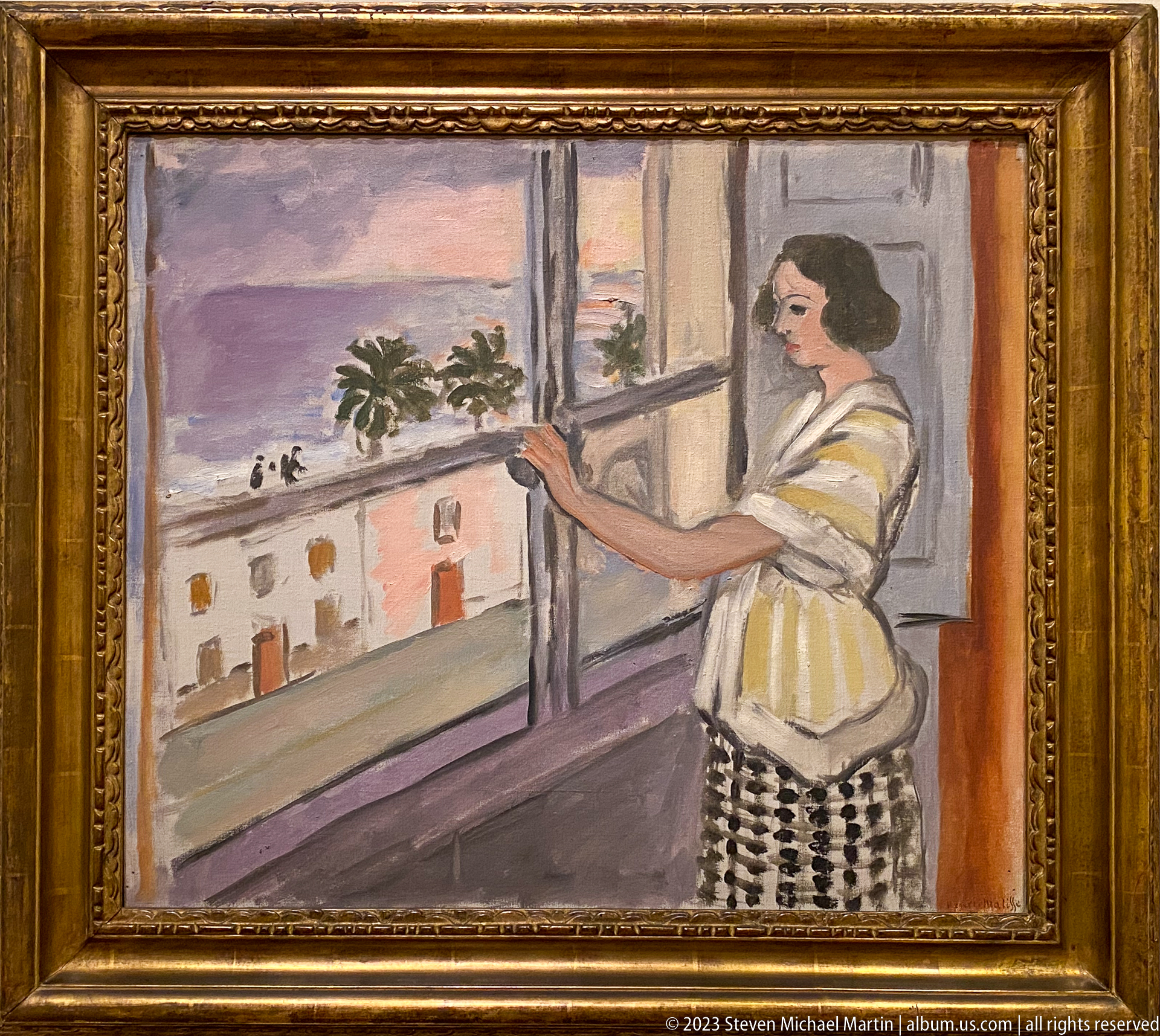
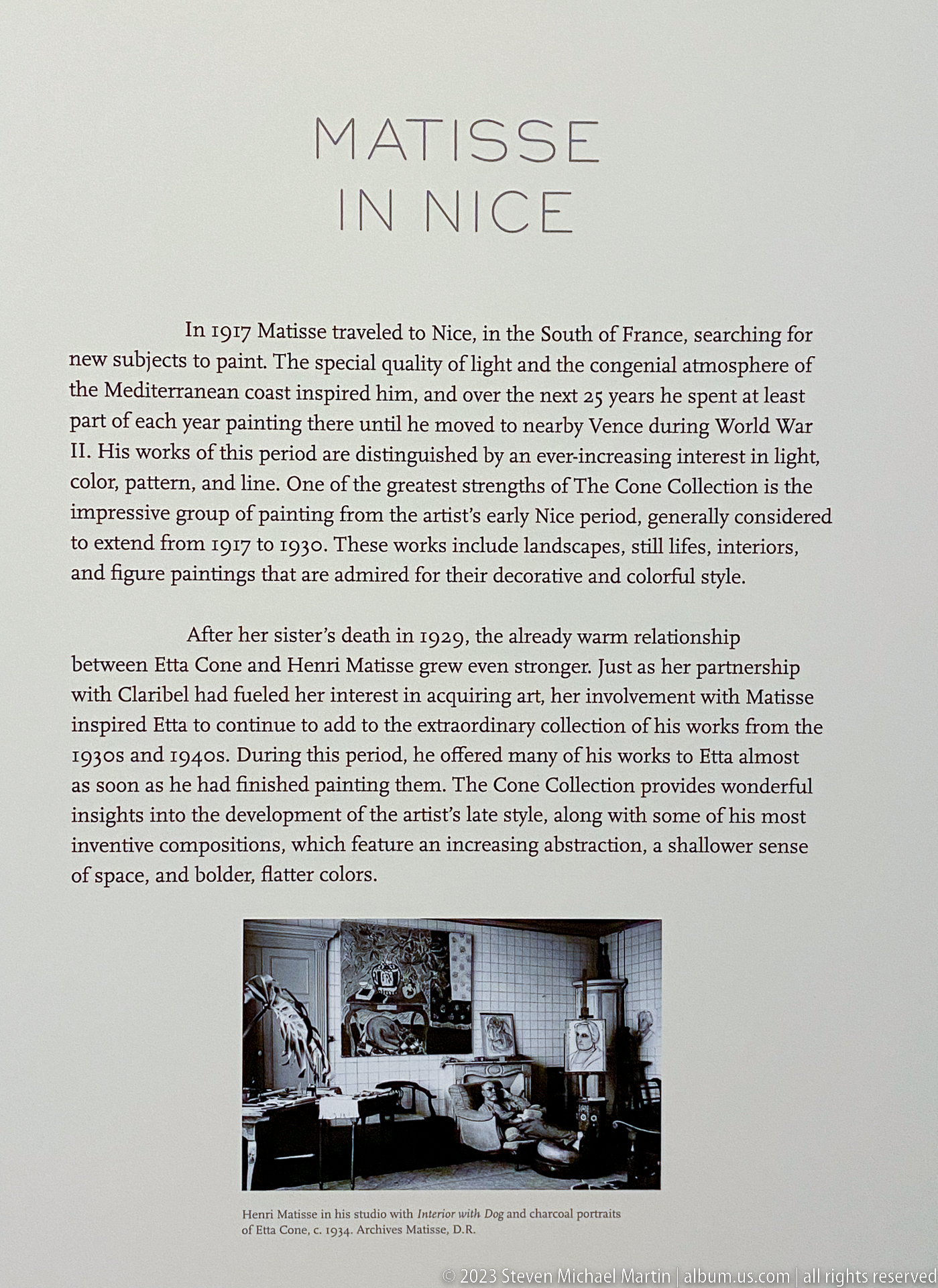
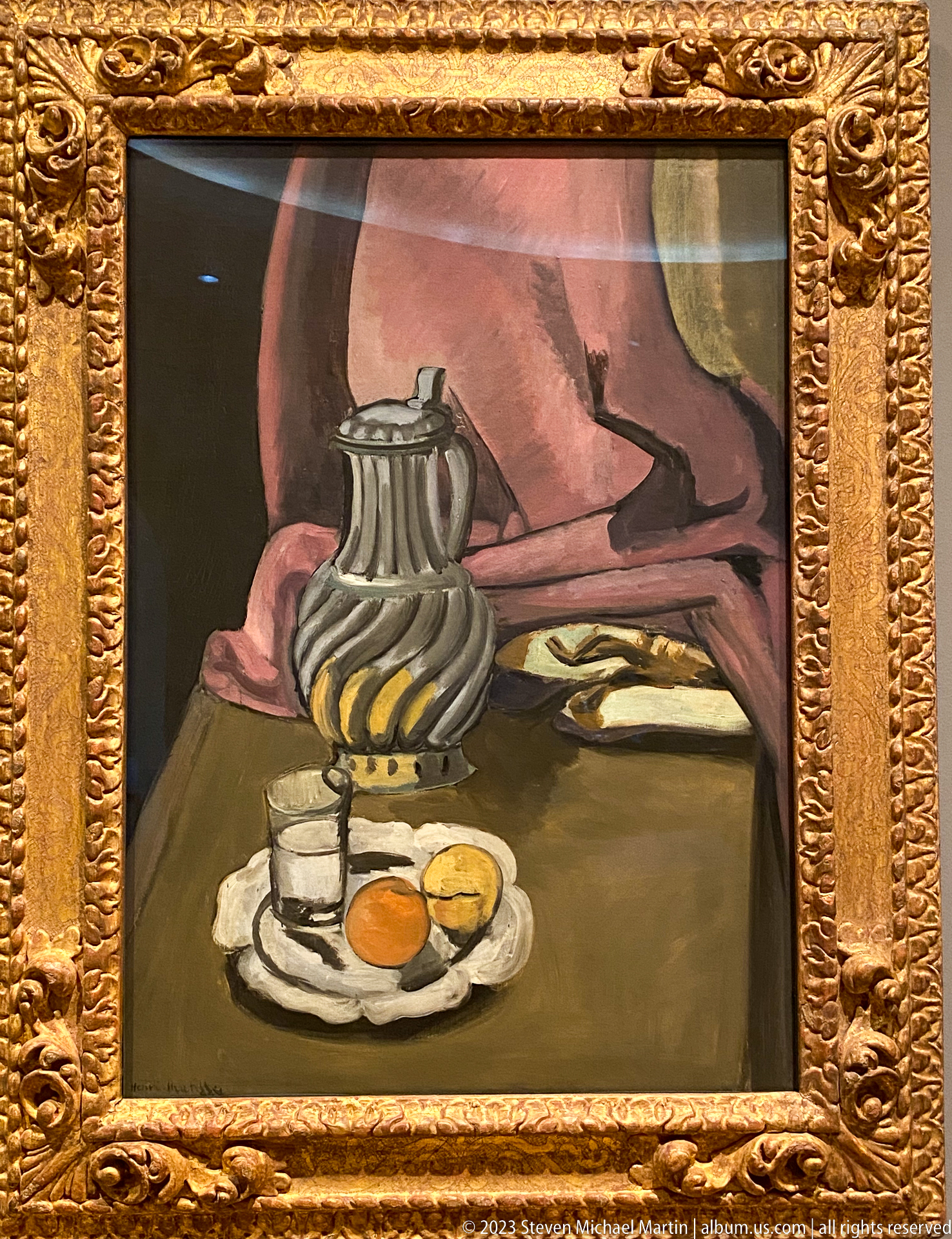
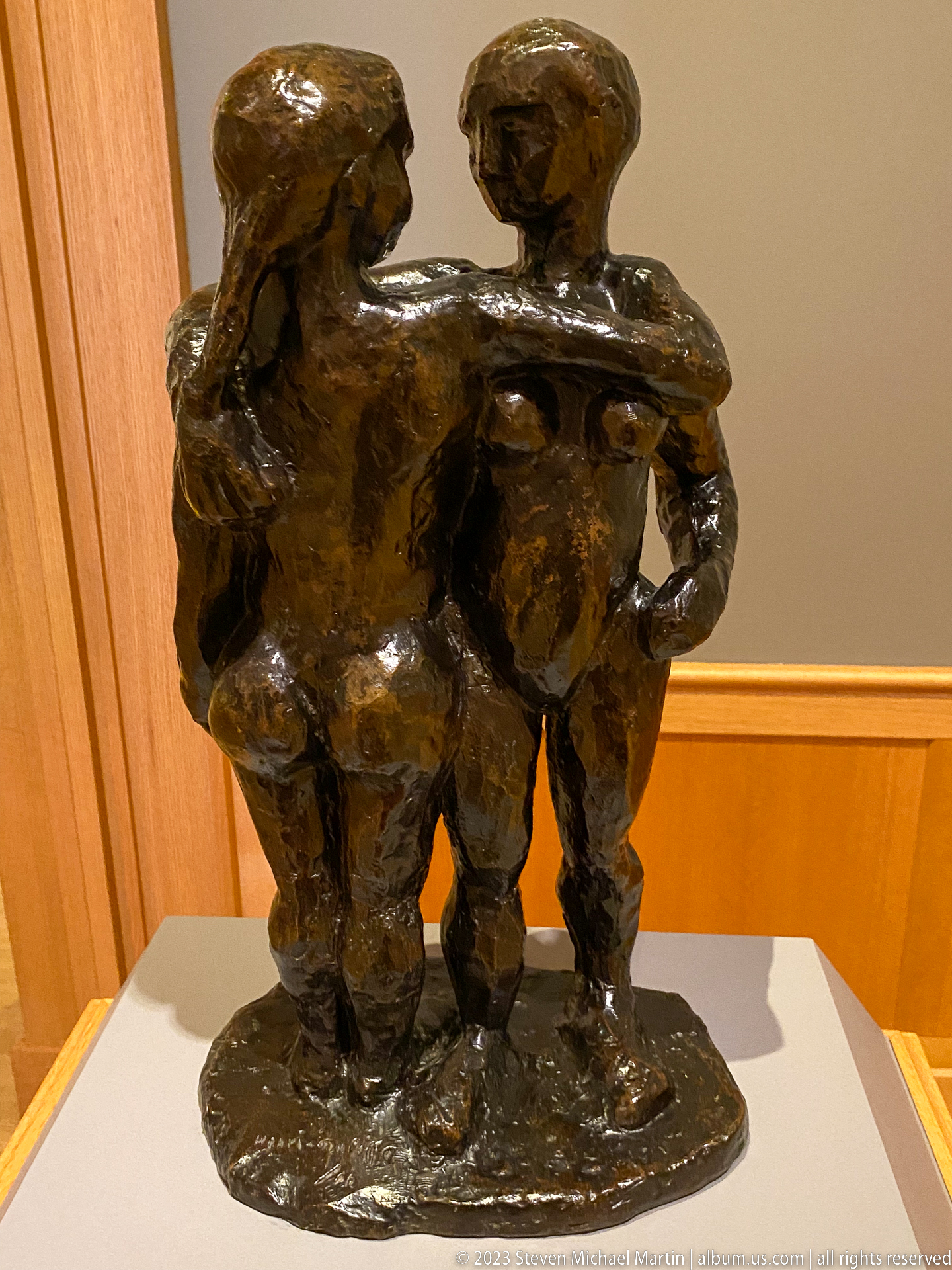
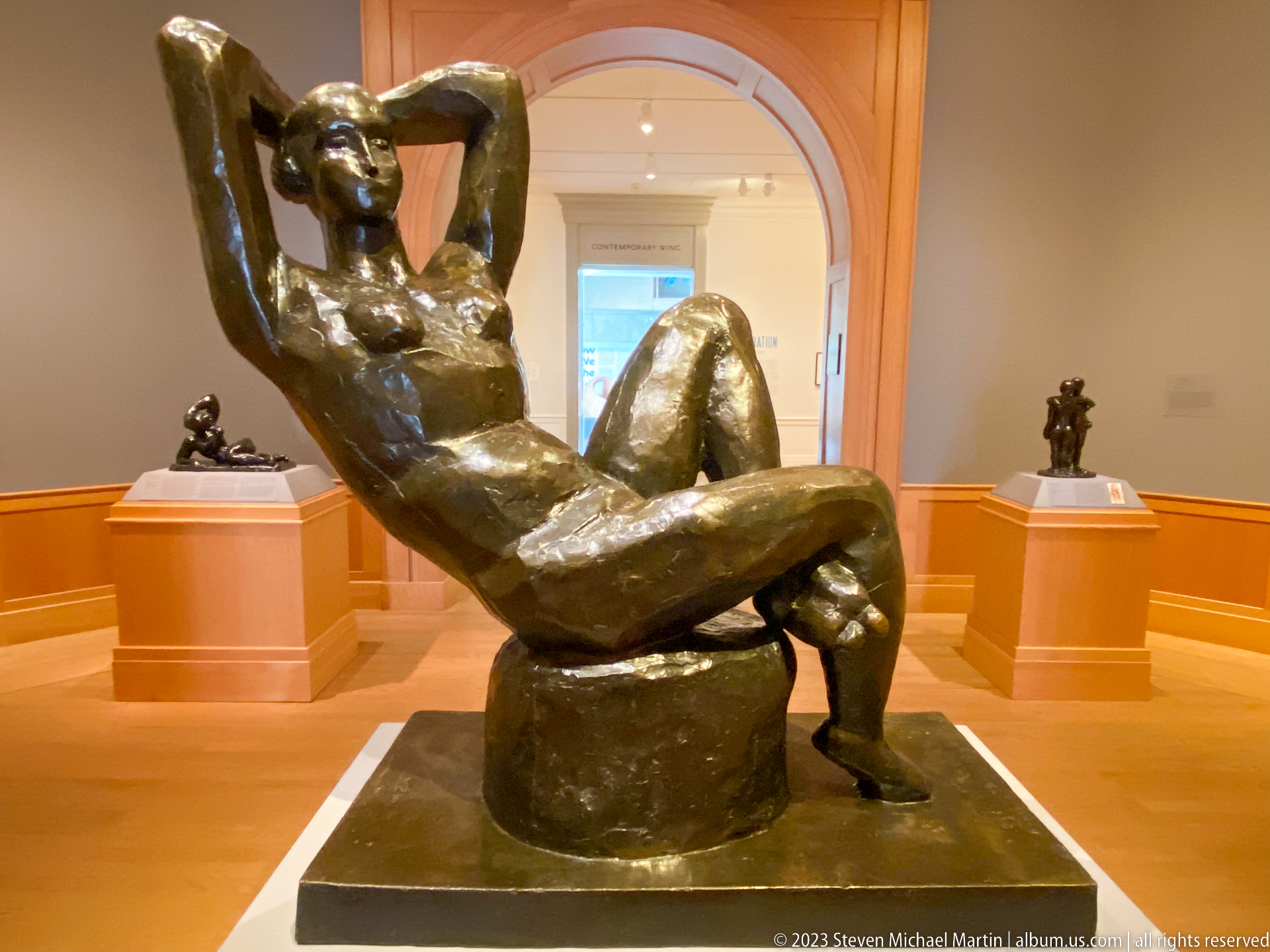
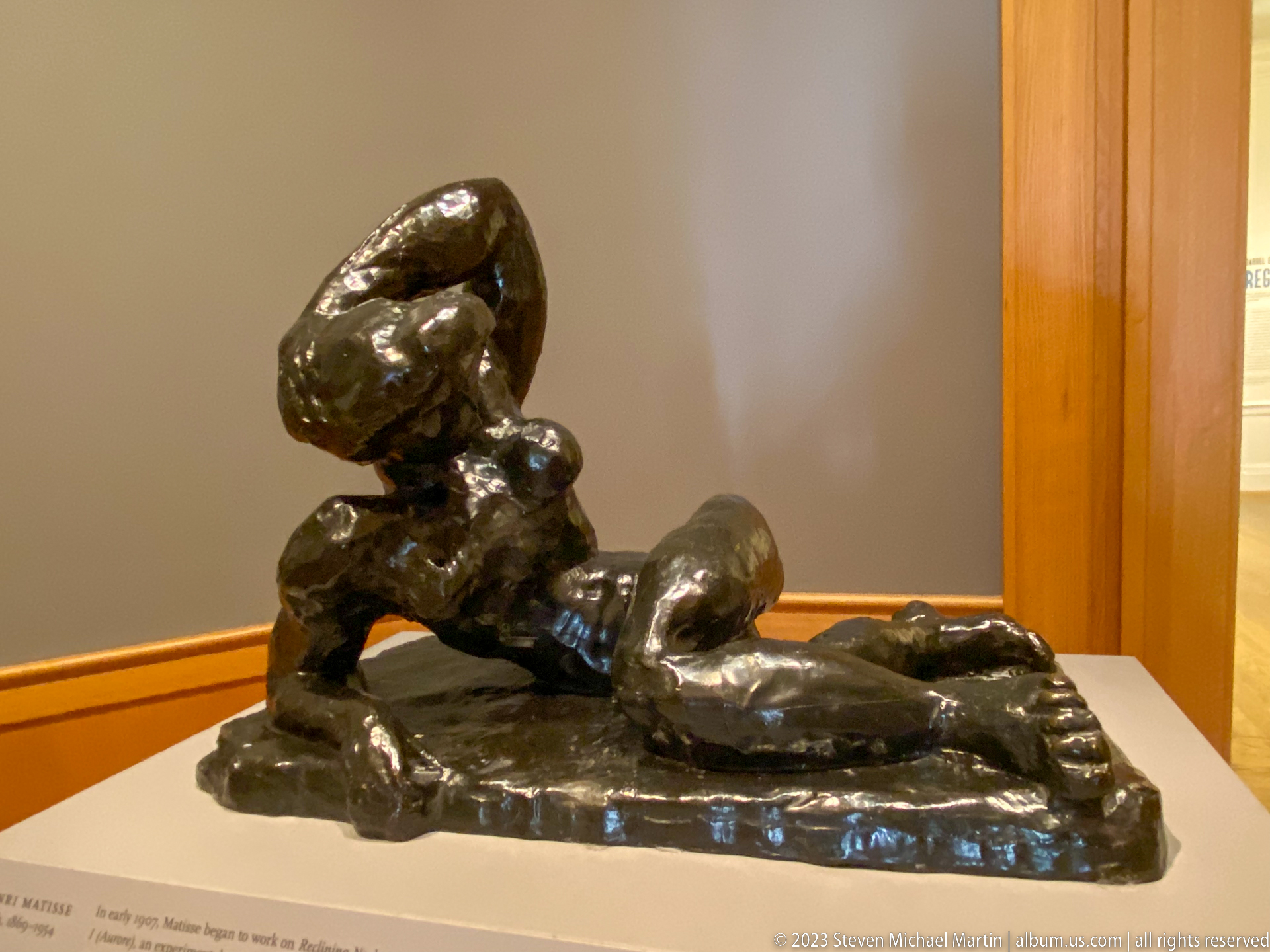
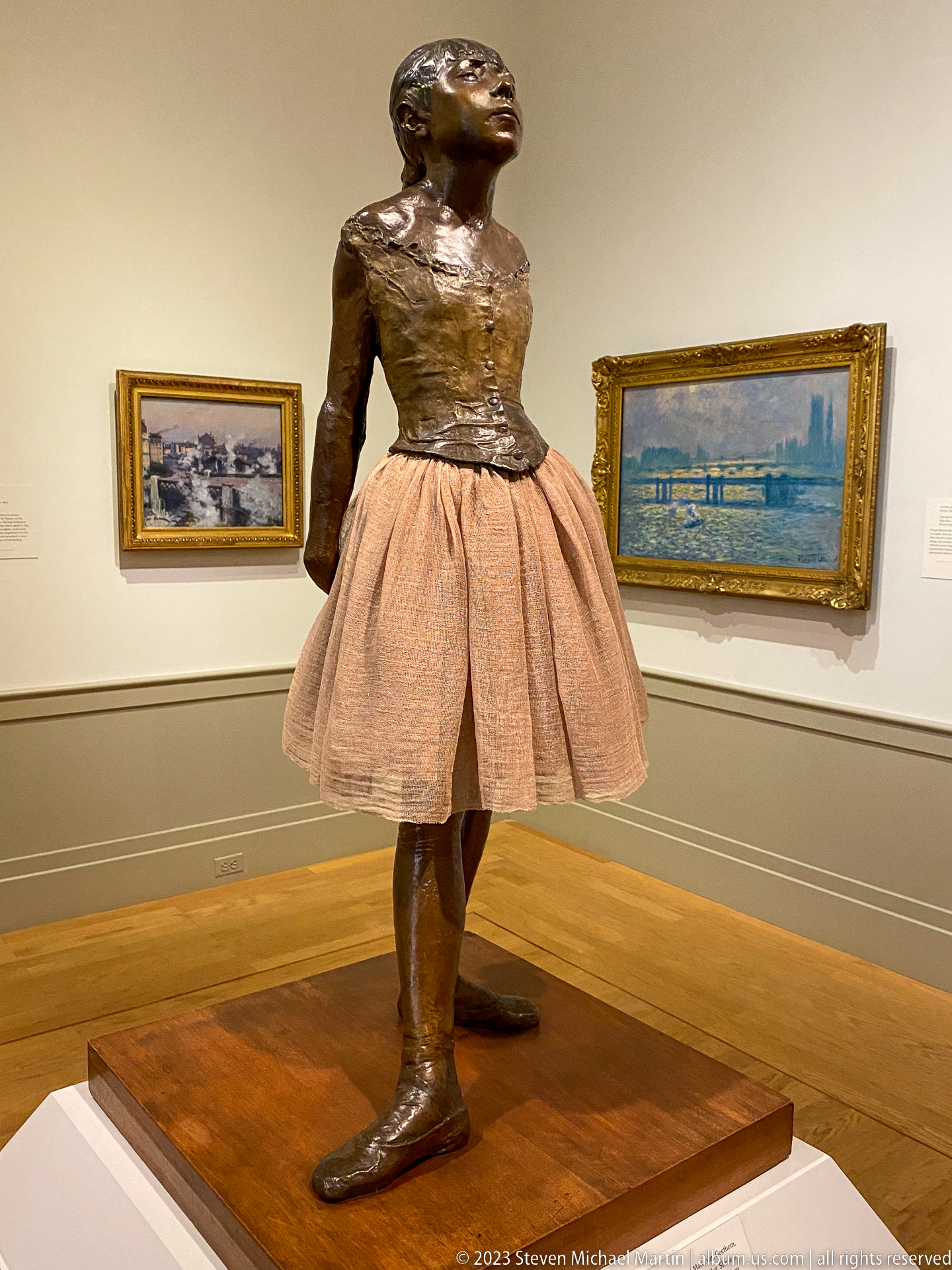
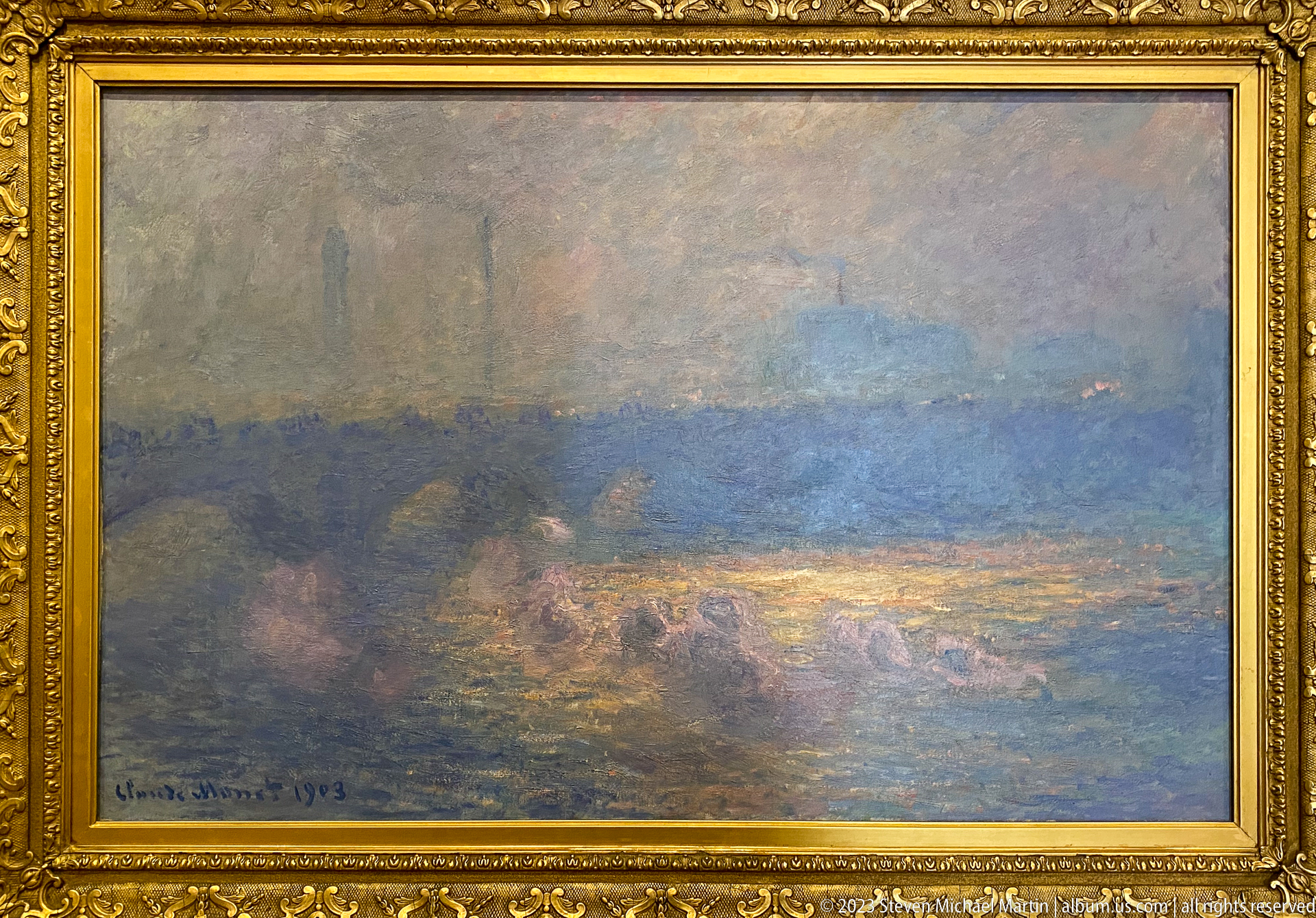
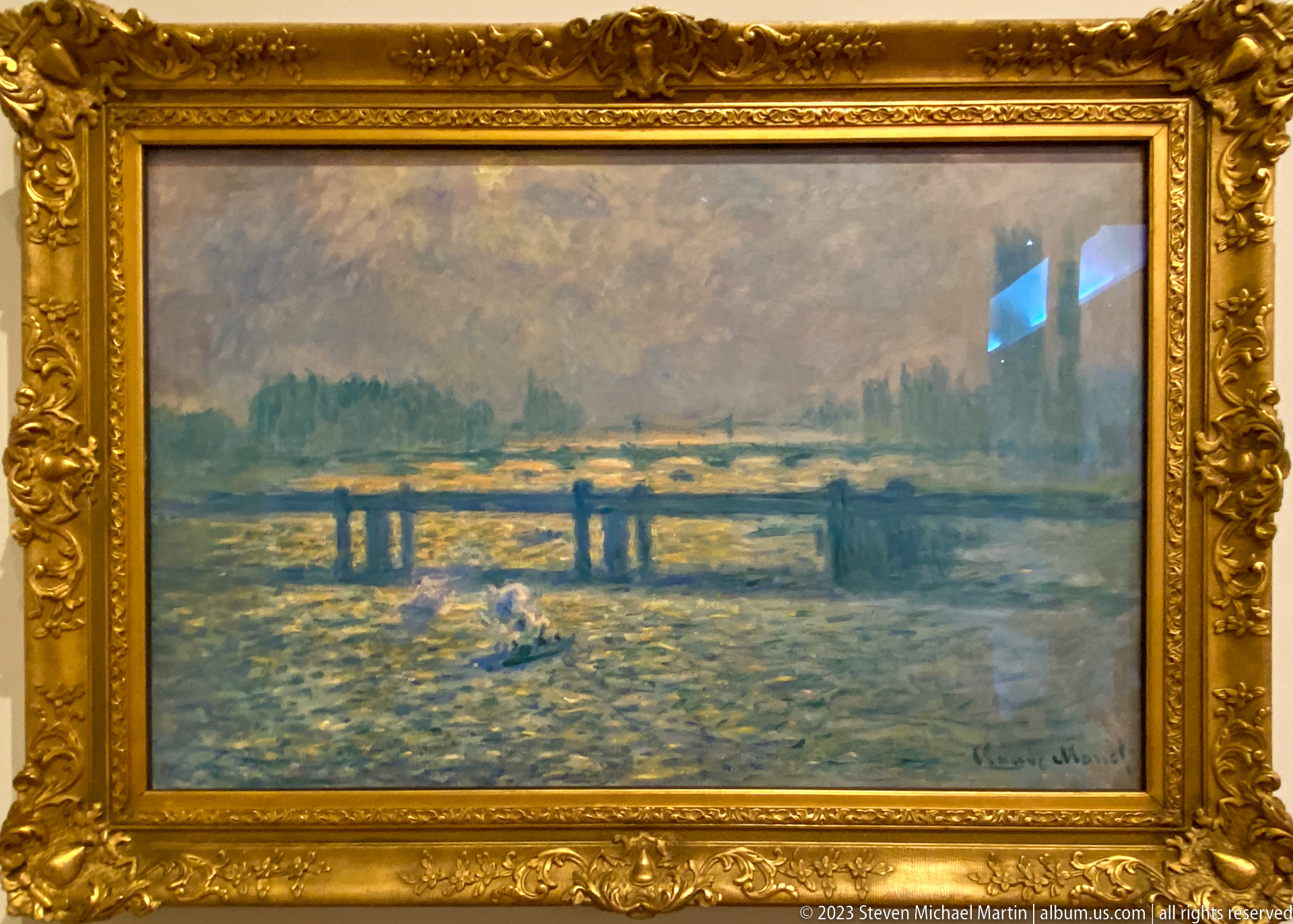
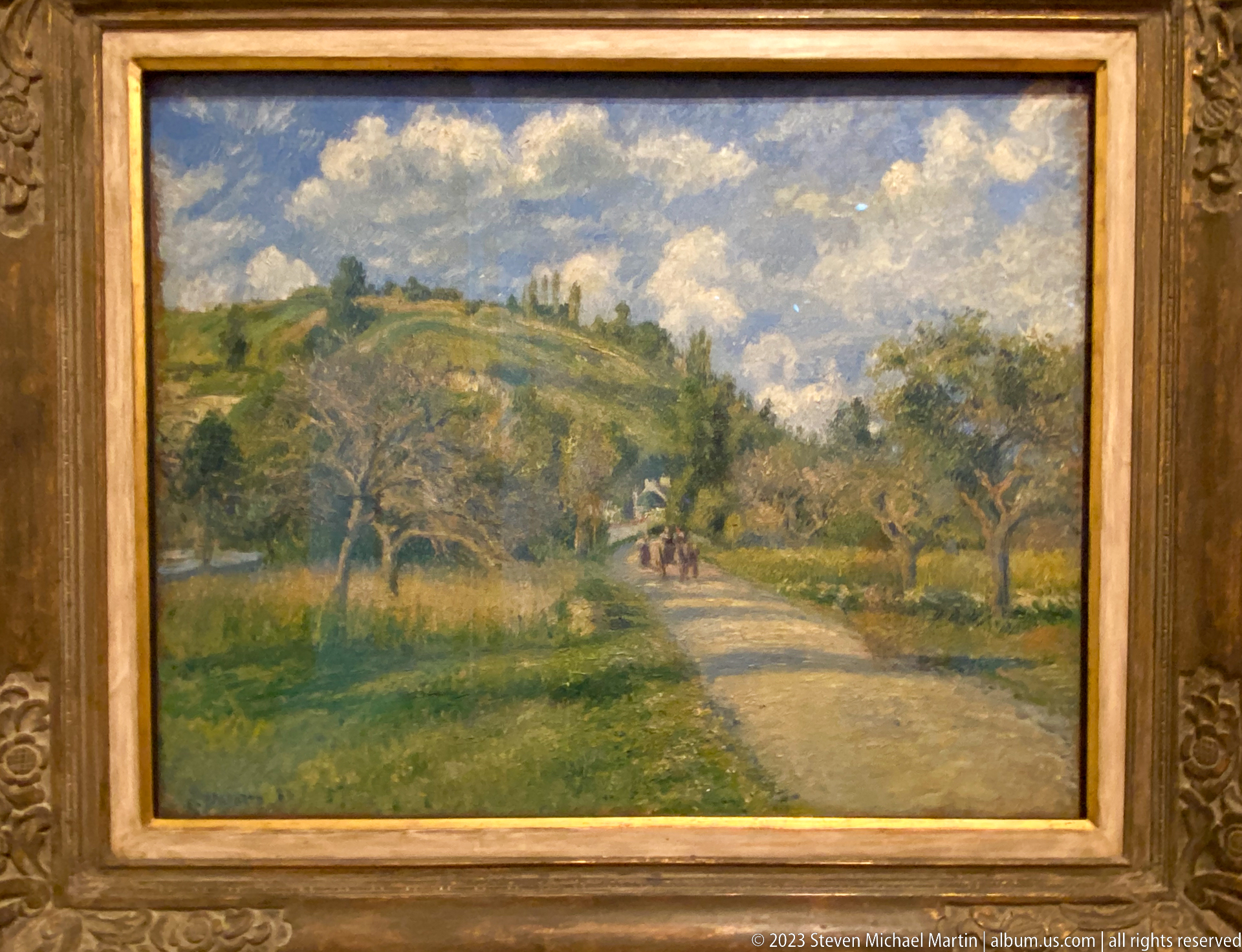
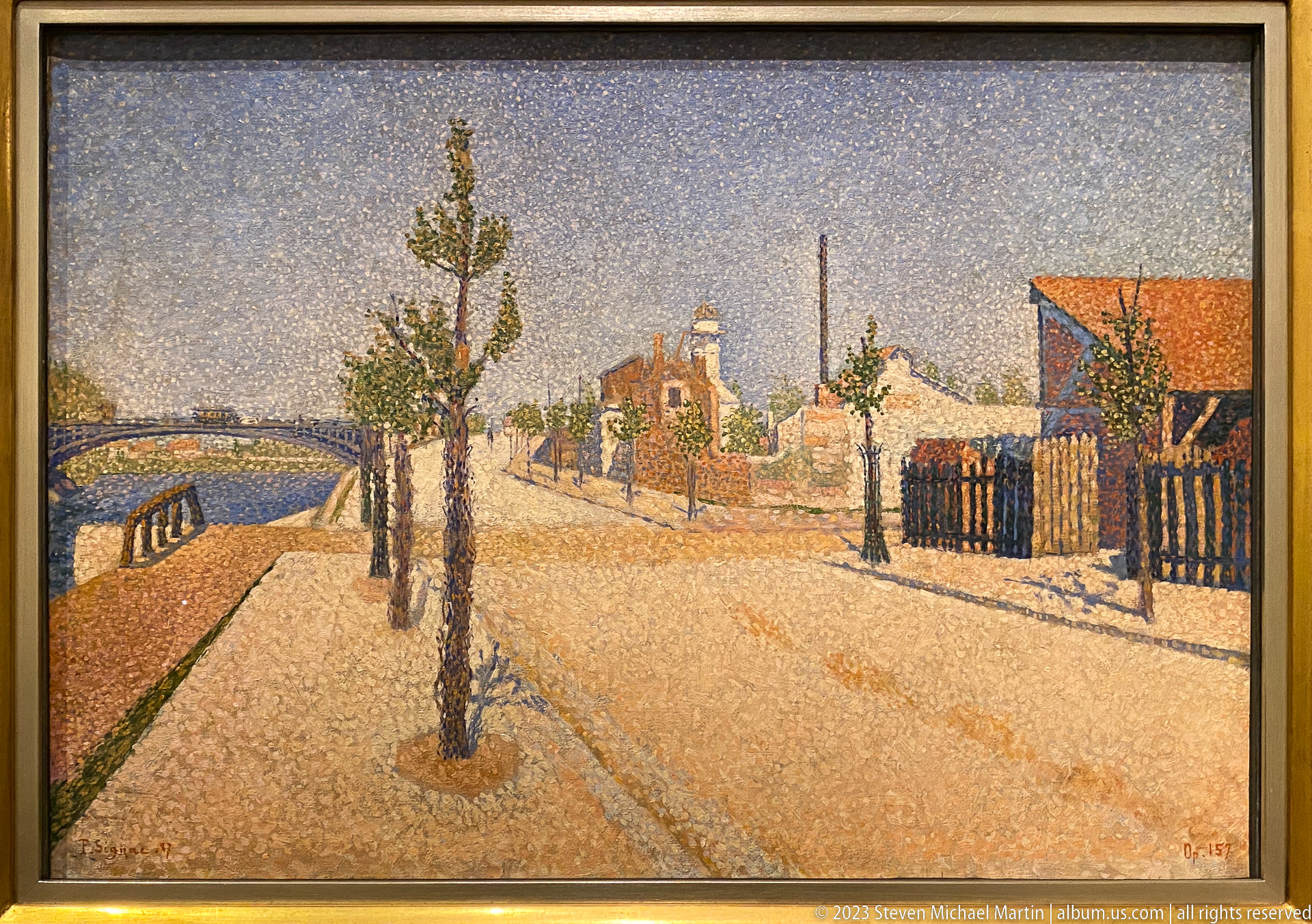
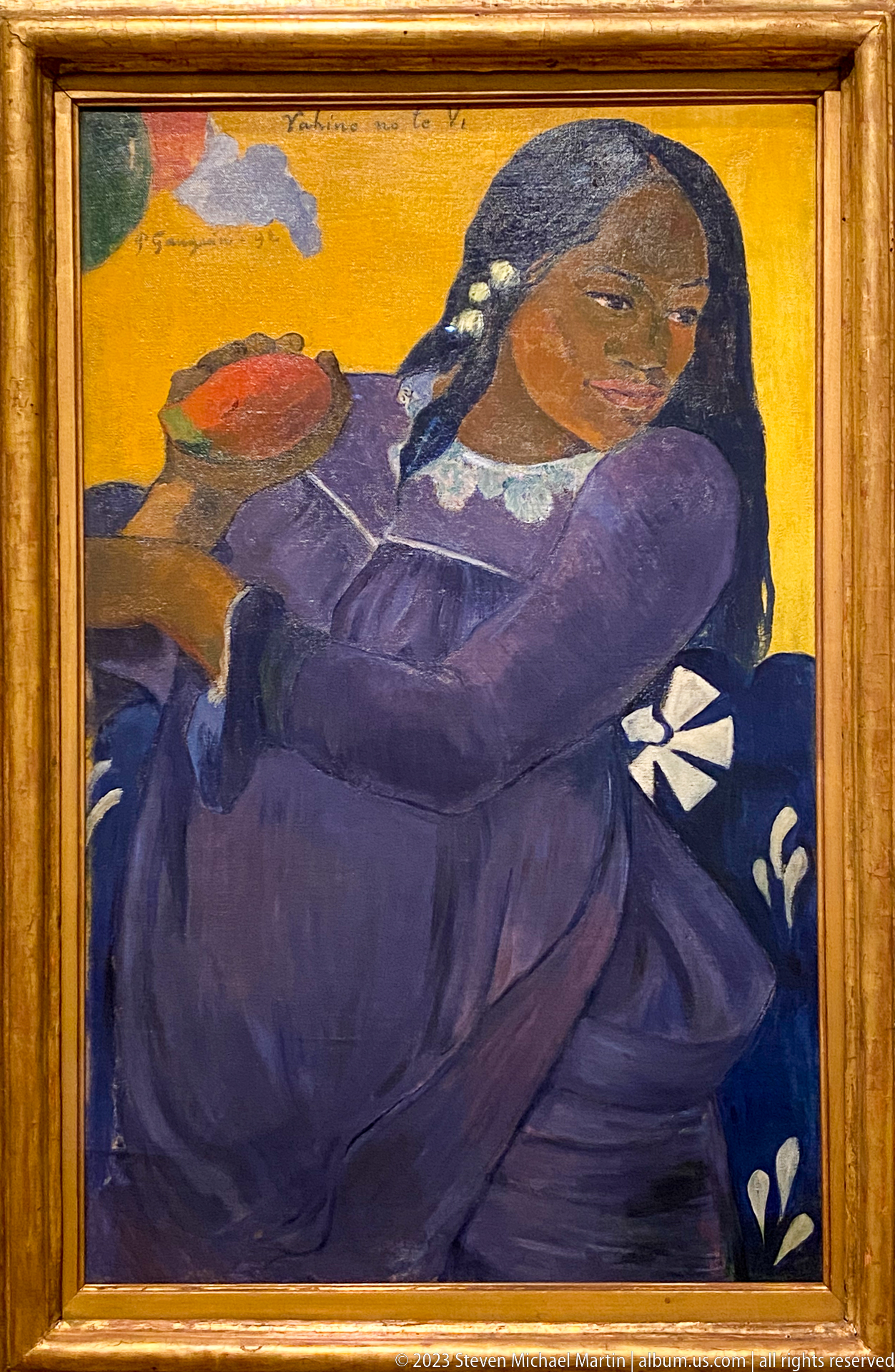
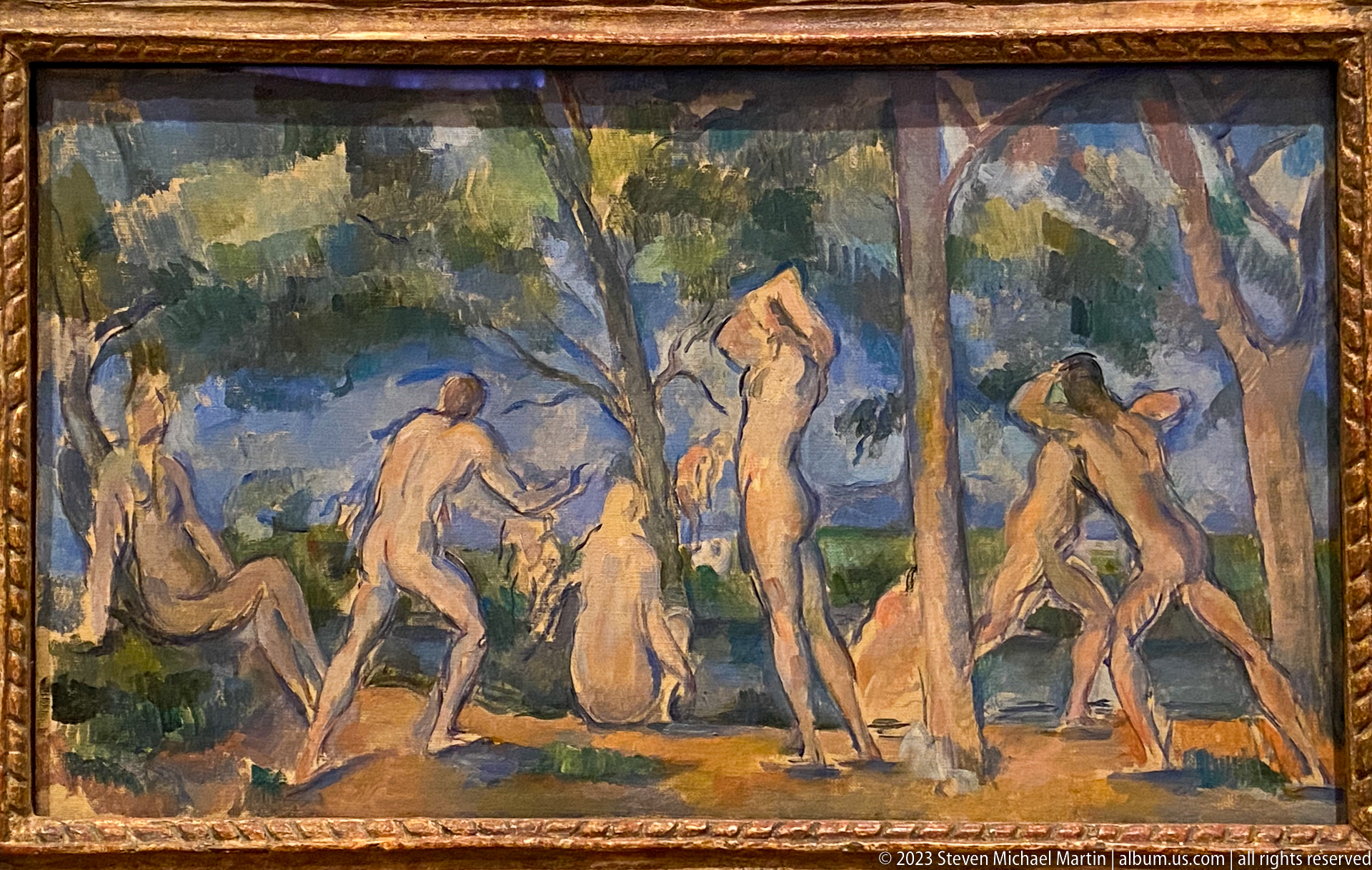
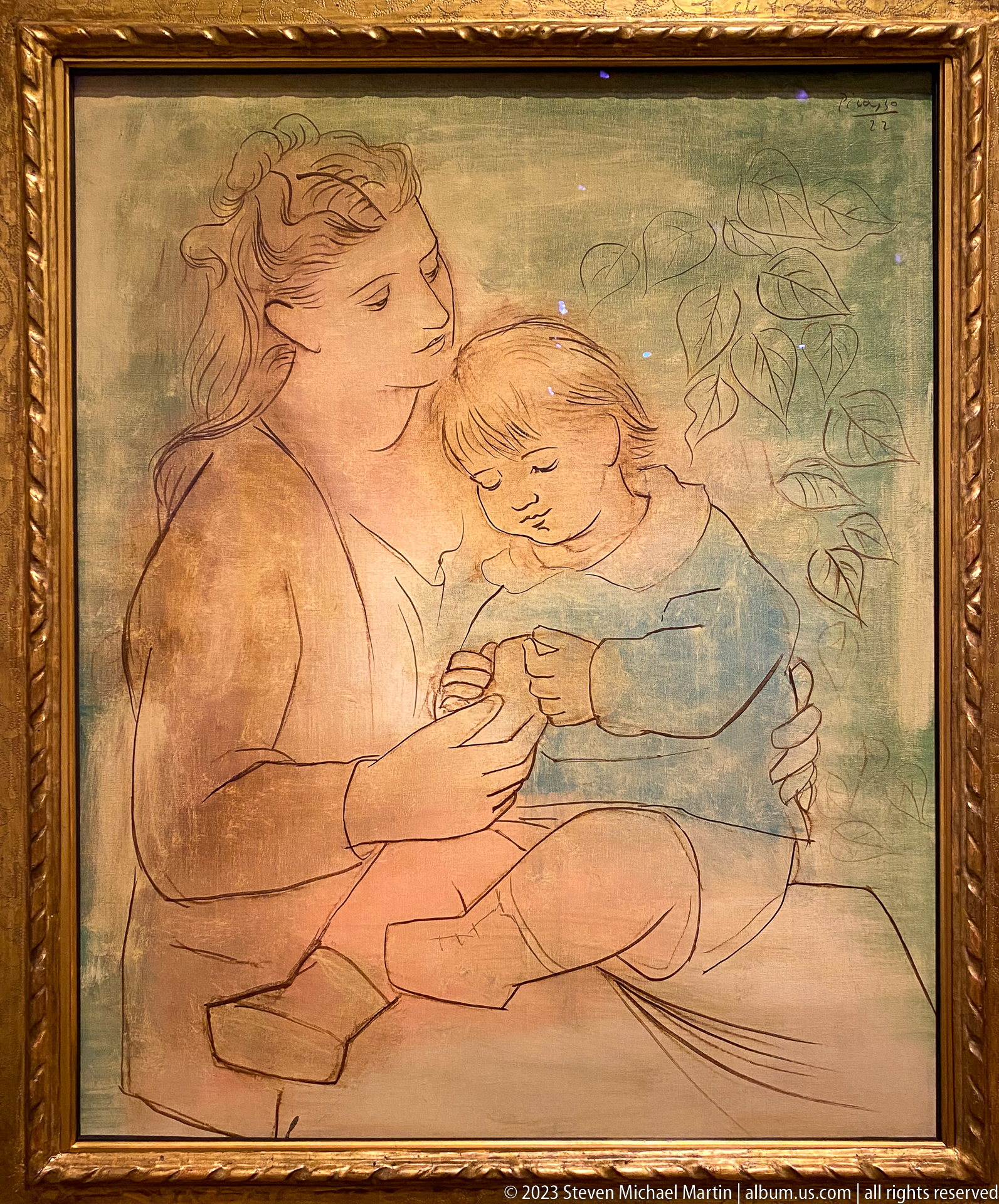
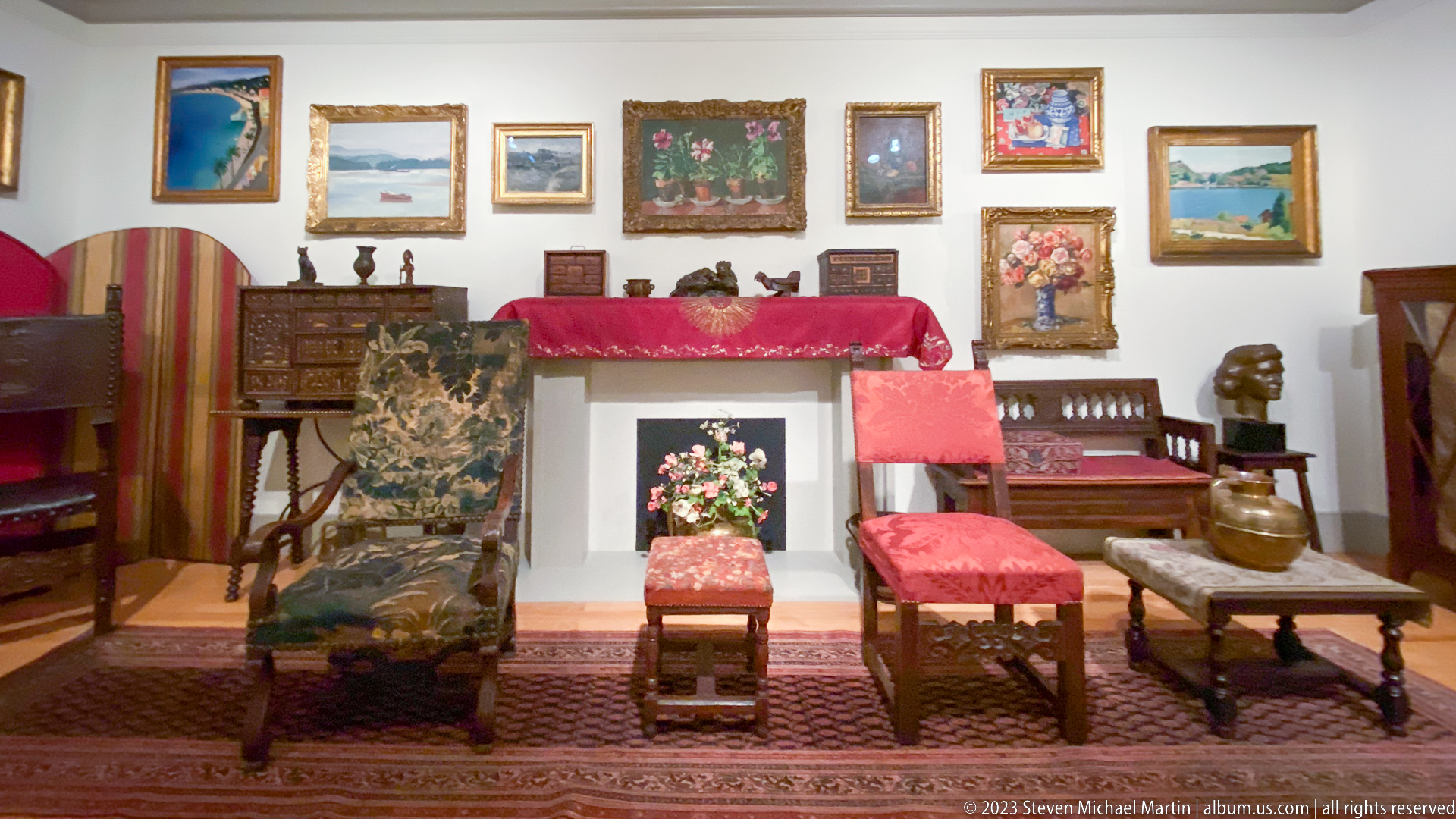
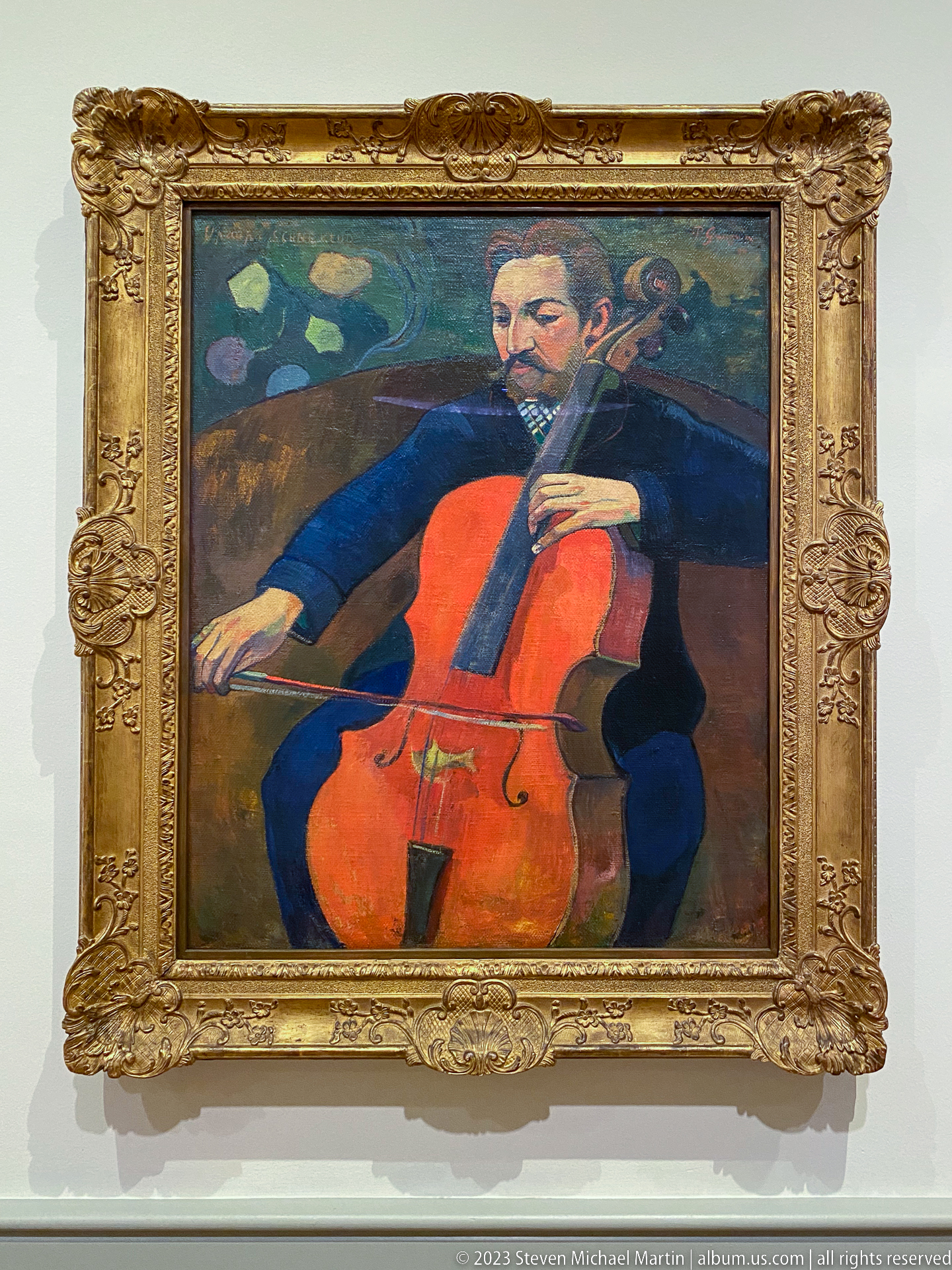
The museum’s collections include works spanning multiple centuries and geographic regions, with particular strength in modern art, European painting, and decorative arts. Significant holdings of works by Henri Matisse and other modern artists illustrate the evolution of artistic expression during the late nineteenth and twentieth centuries. The museum’s galleries demonstrate how artistic movements responded to industrialization, global exchange, and changing interpretations of form, color, and abstraction.
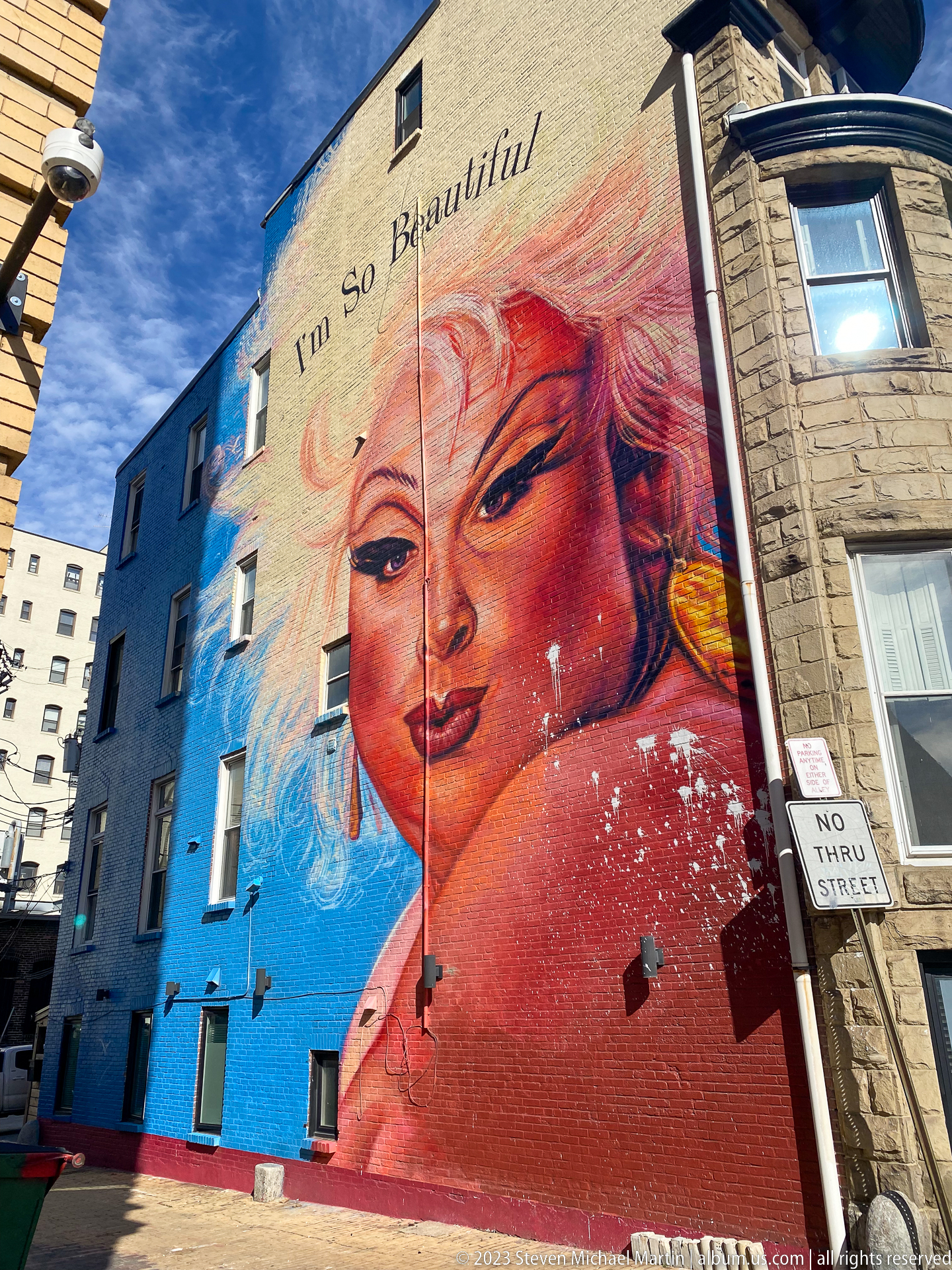
The Baltimore Museum of Art contributes to understanding how public institutions interpret artistic heritage across time and place. Its collections illustrate the relationship between regional cultural identity and international artistic traditions. As part of the broader network of museums in the Chesapeake region, the institution reflects the continuing role of art in shaping intellectual life and public education.