Walters Art Museum
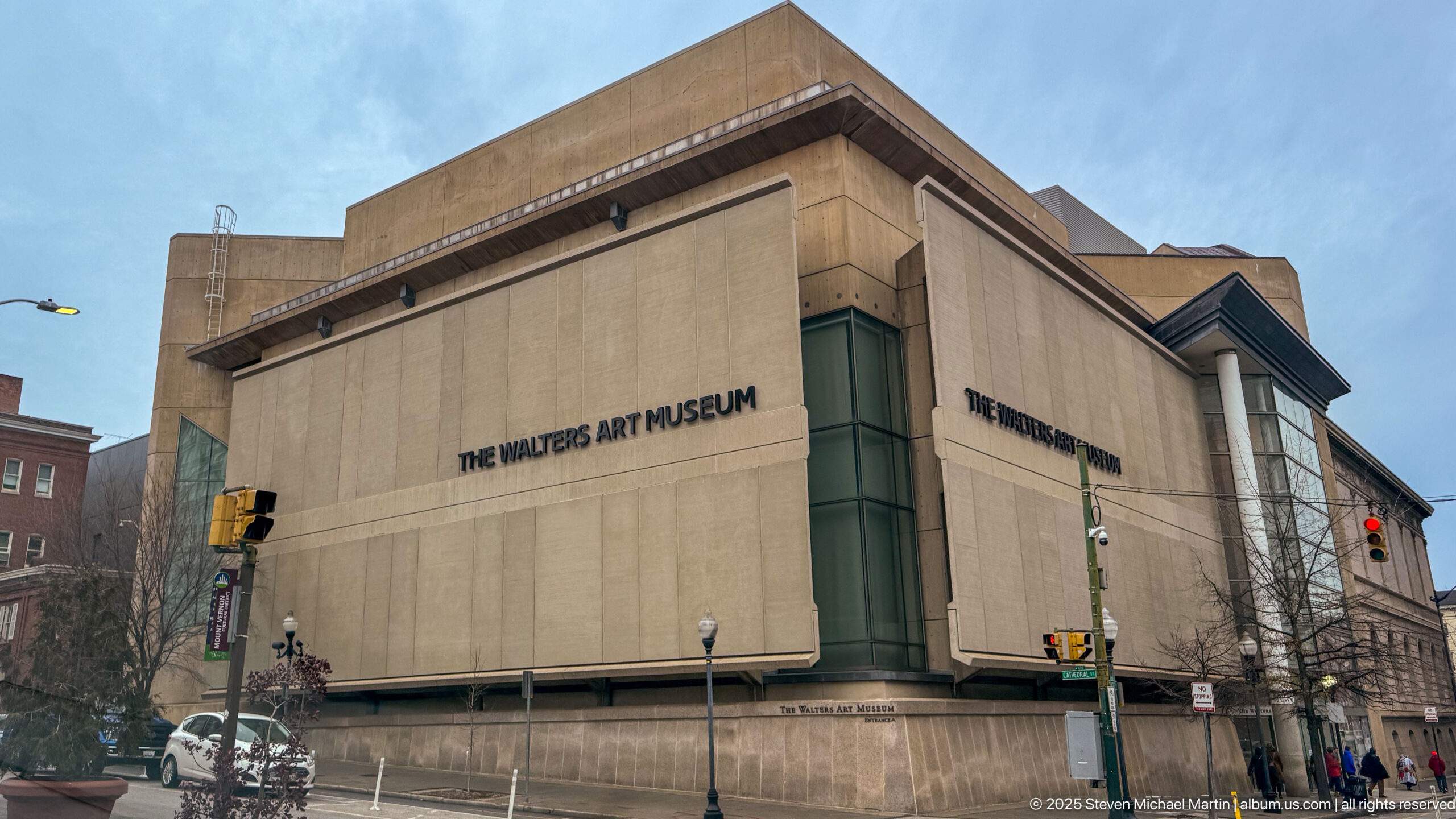
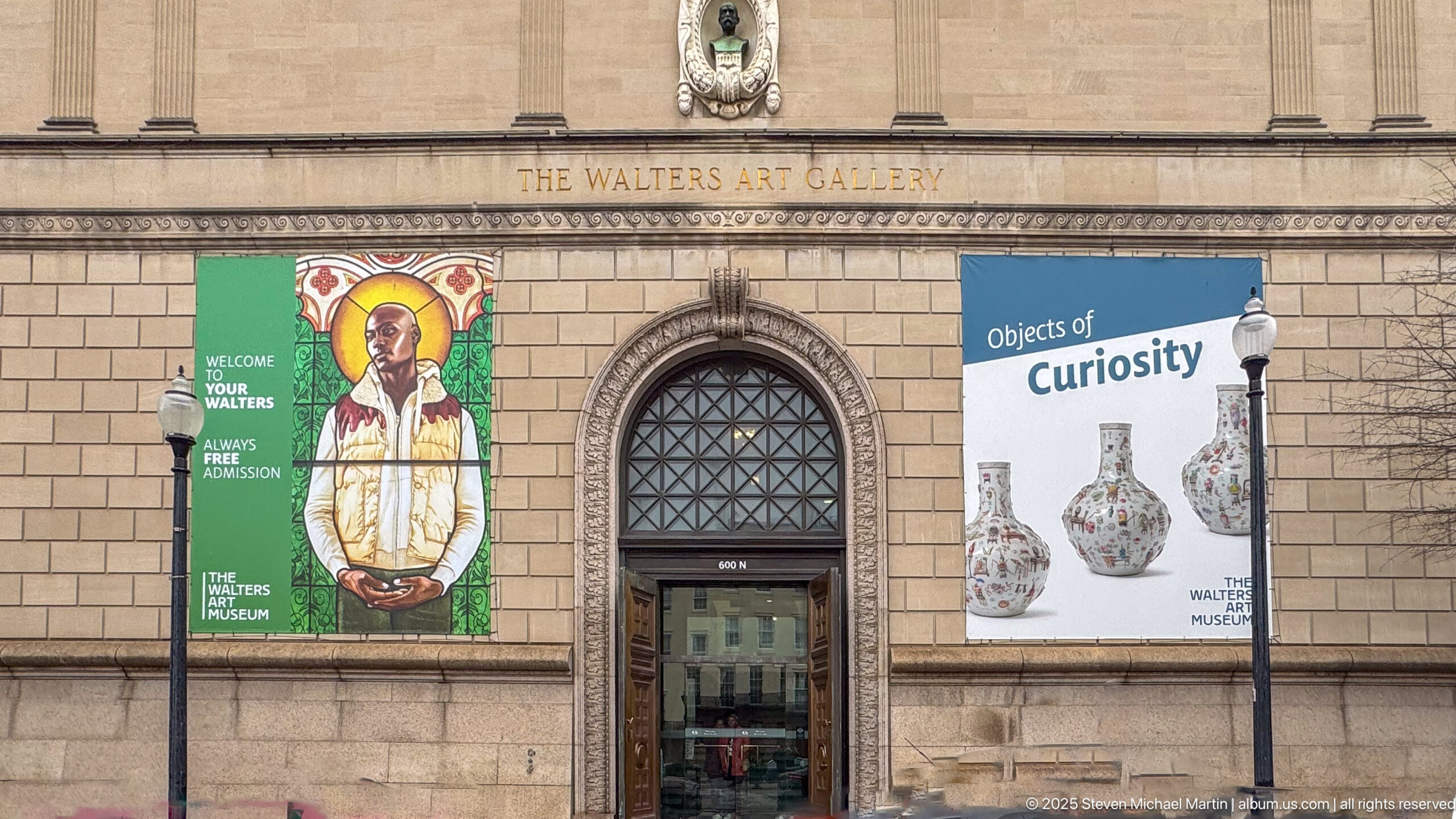
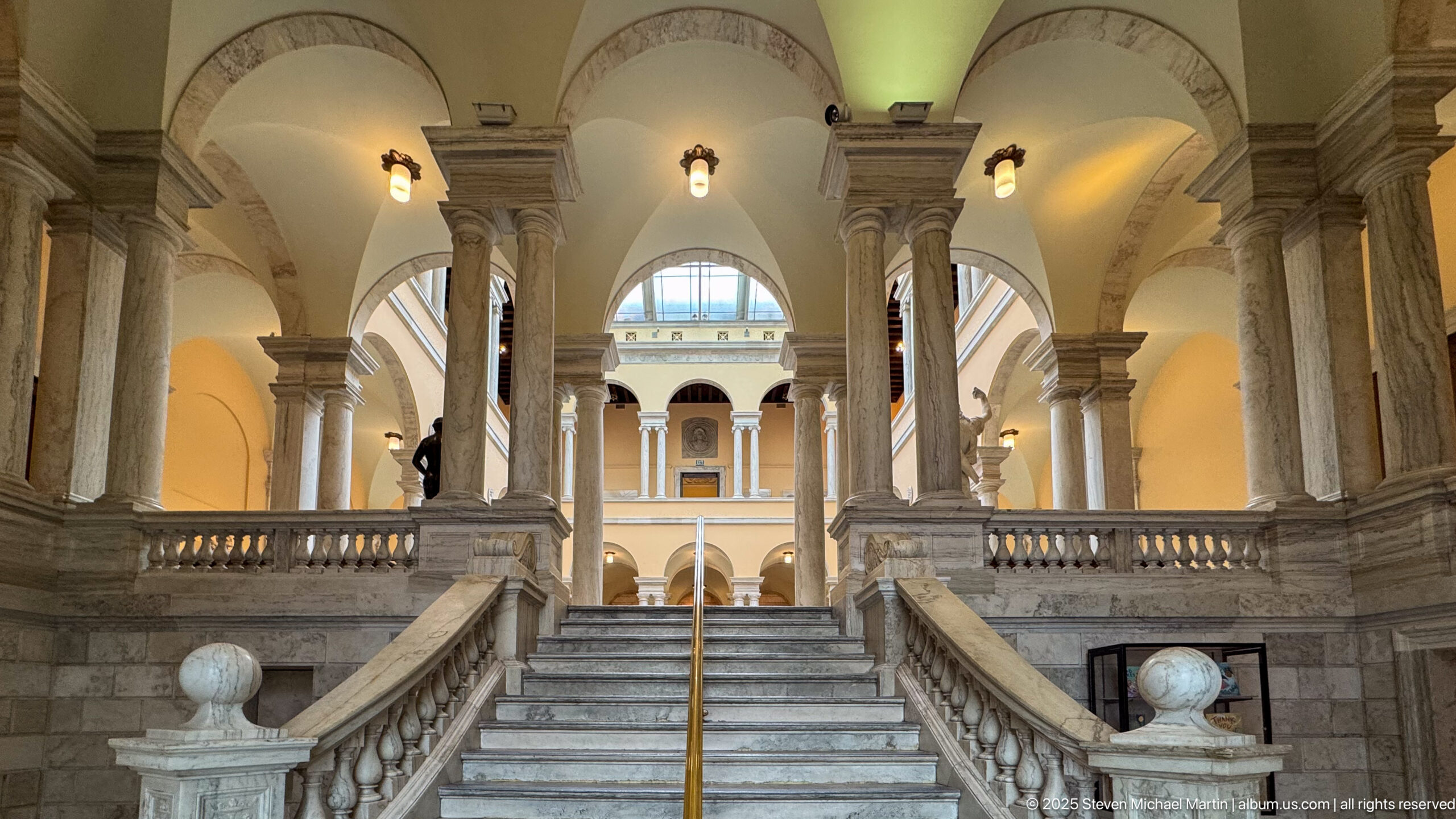
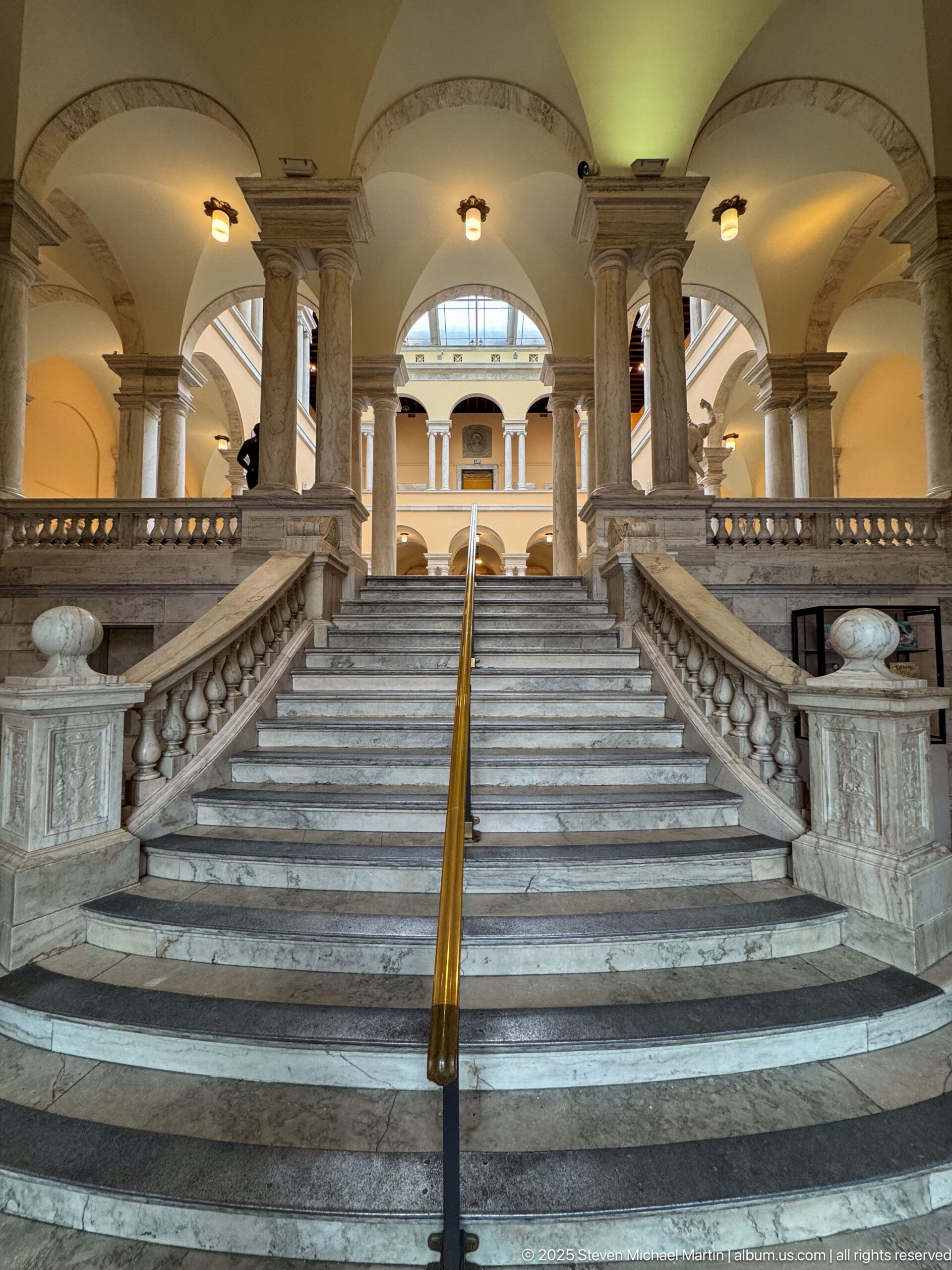
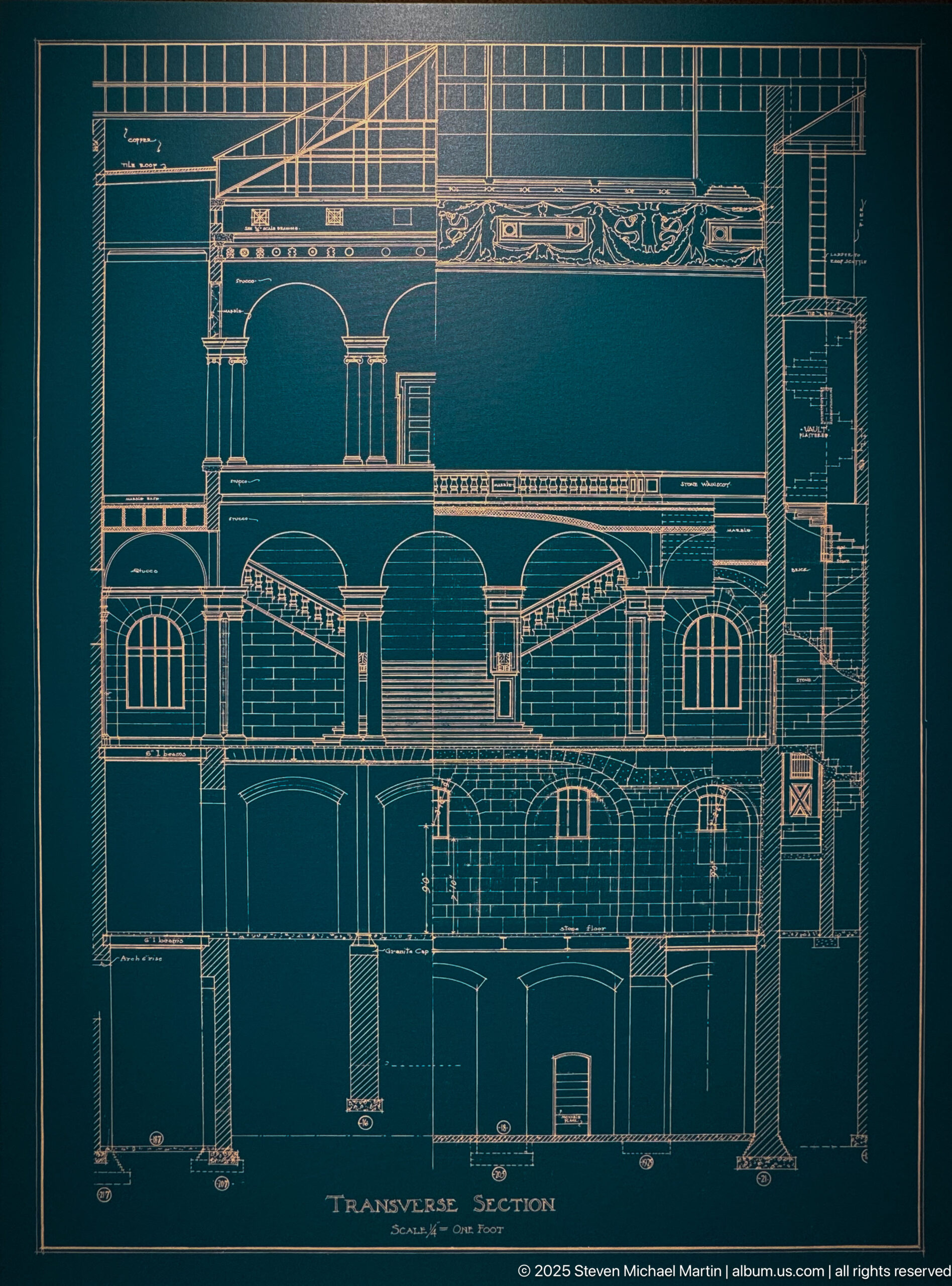
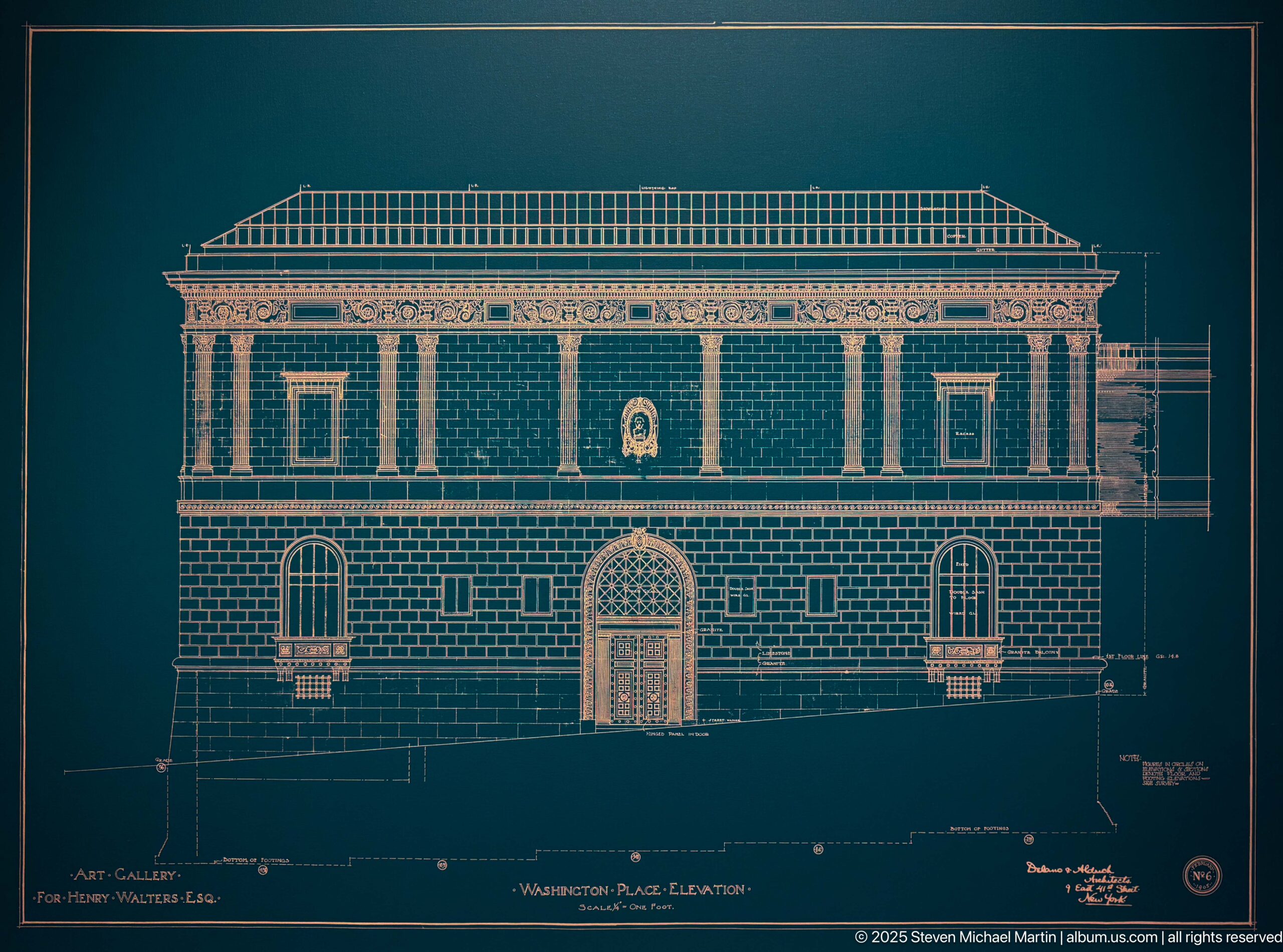
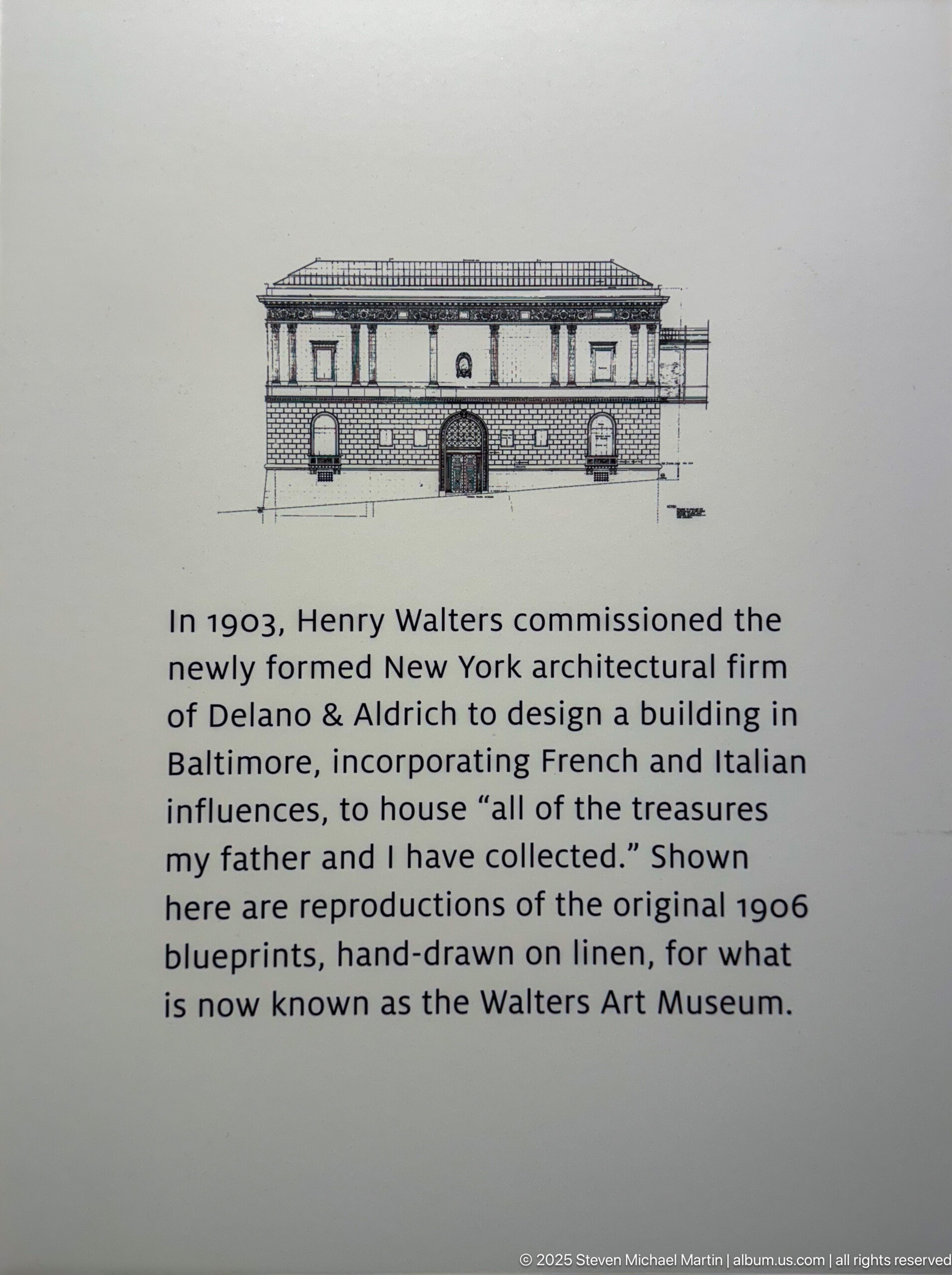
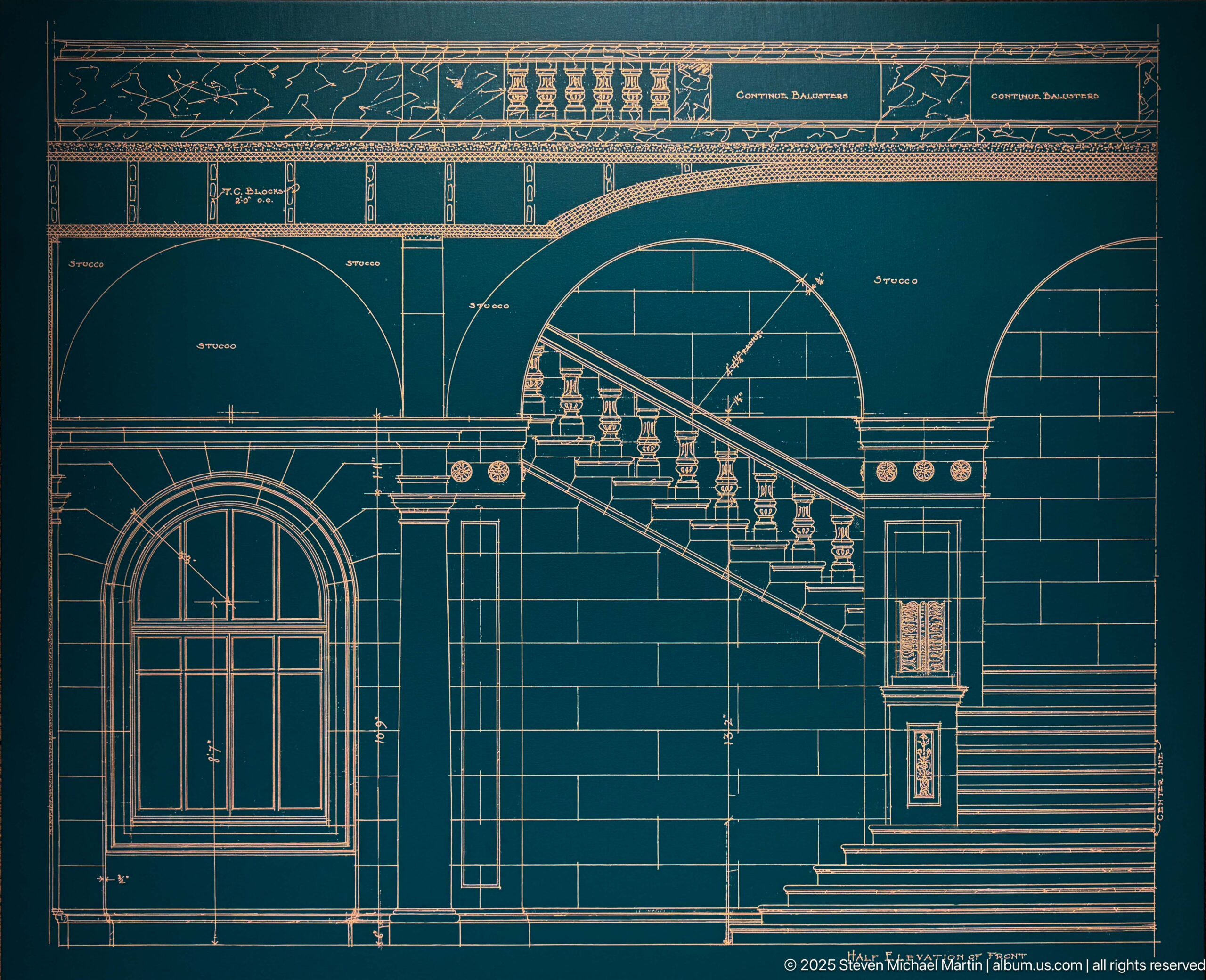
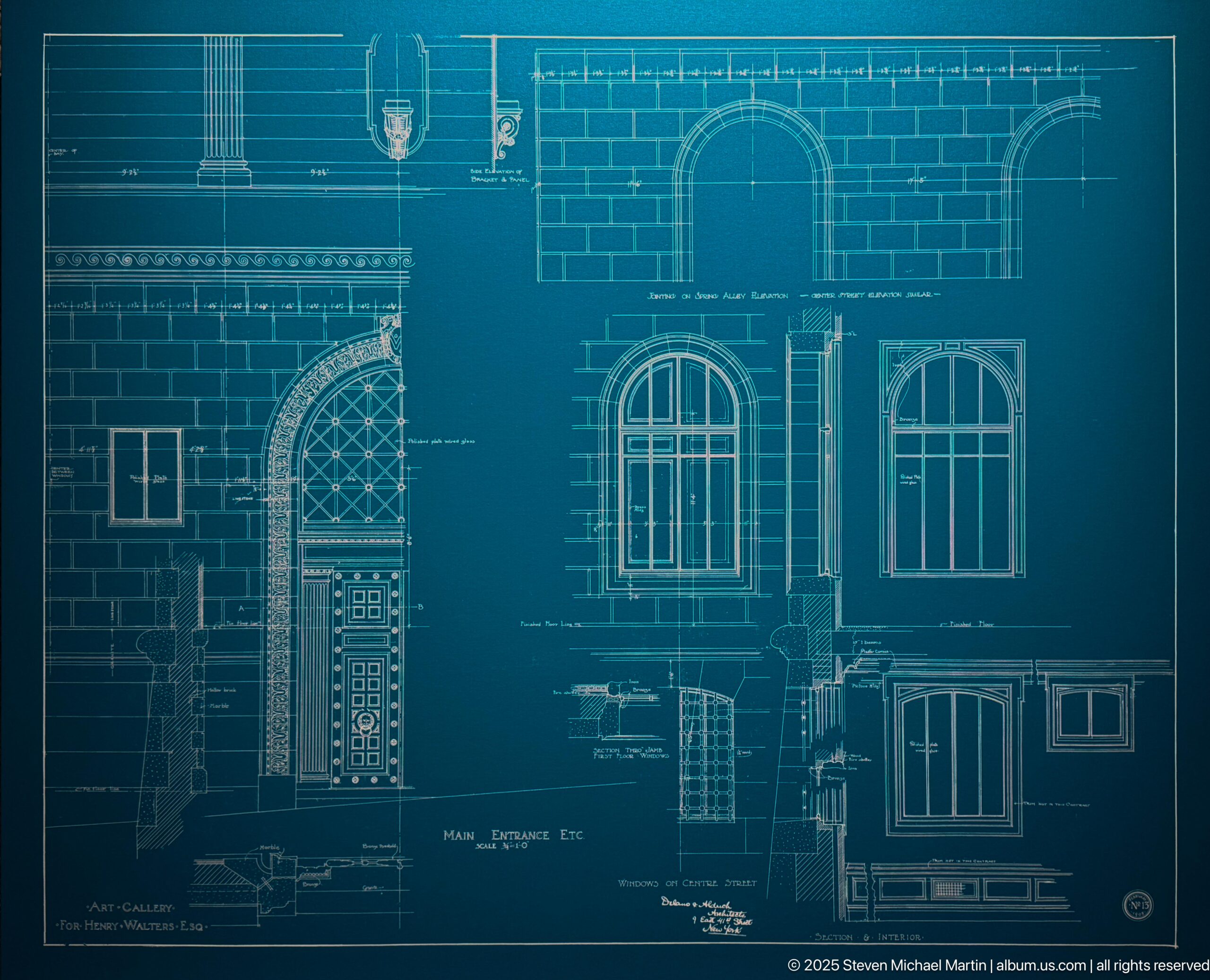
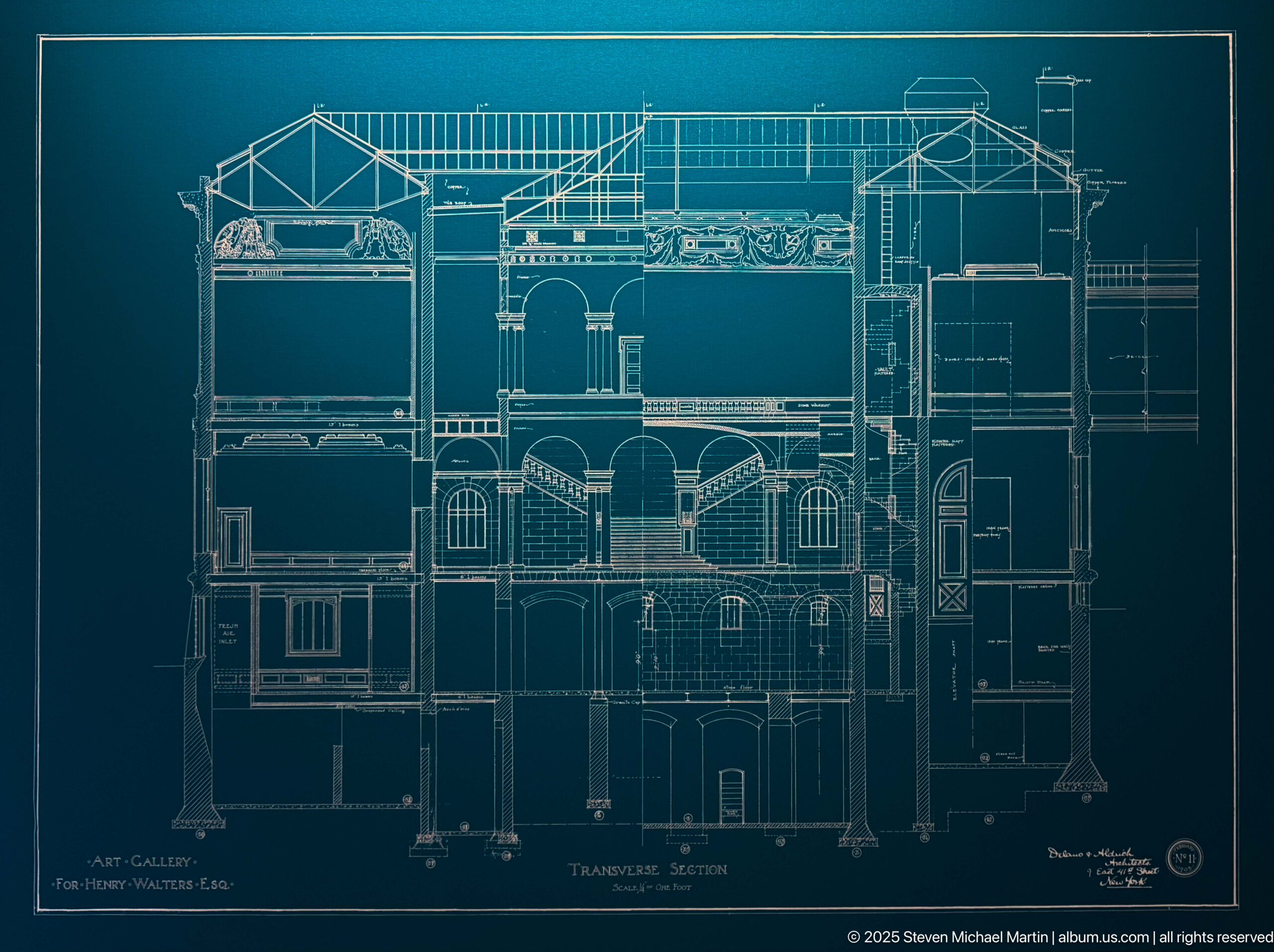
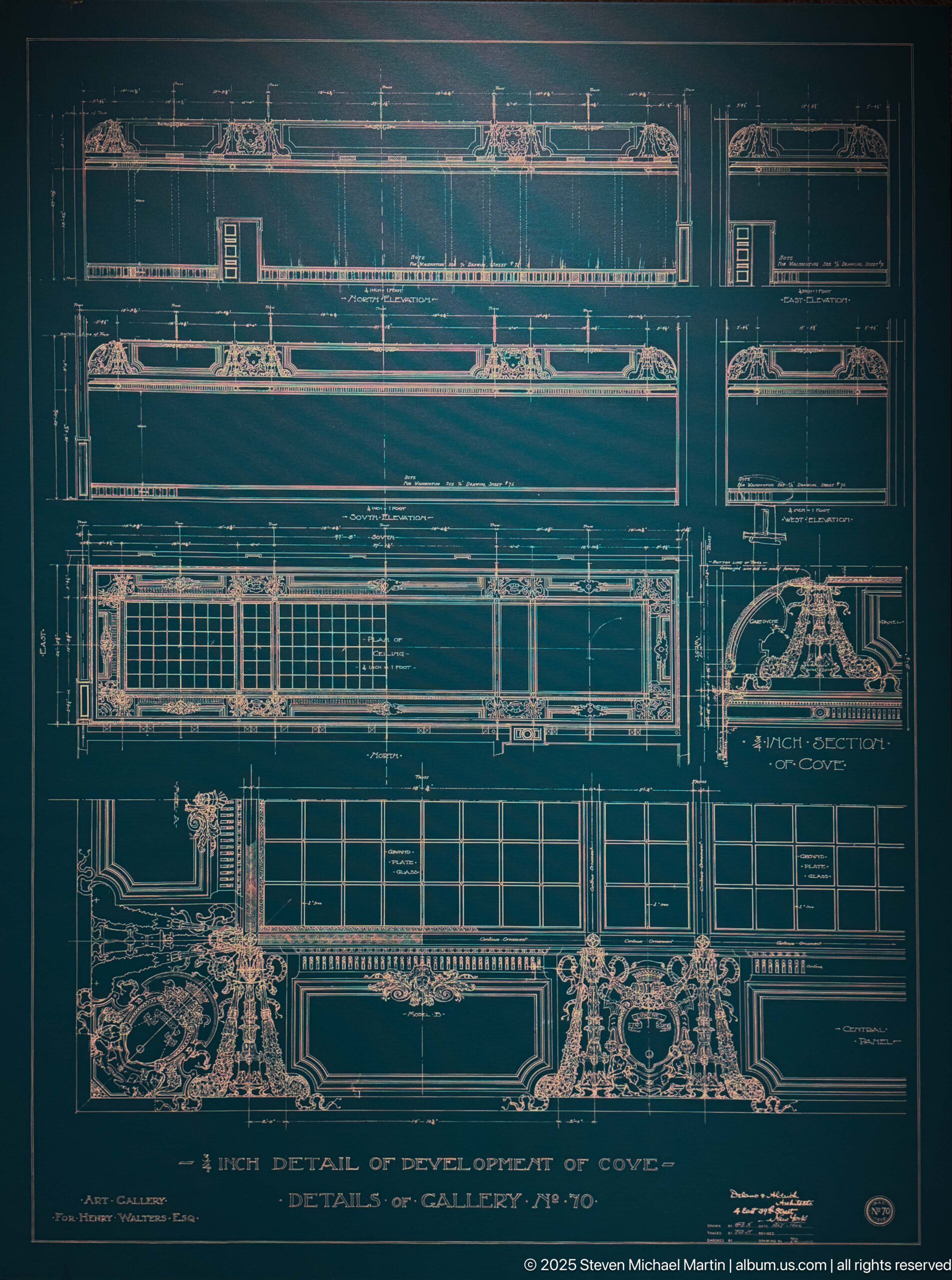
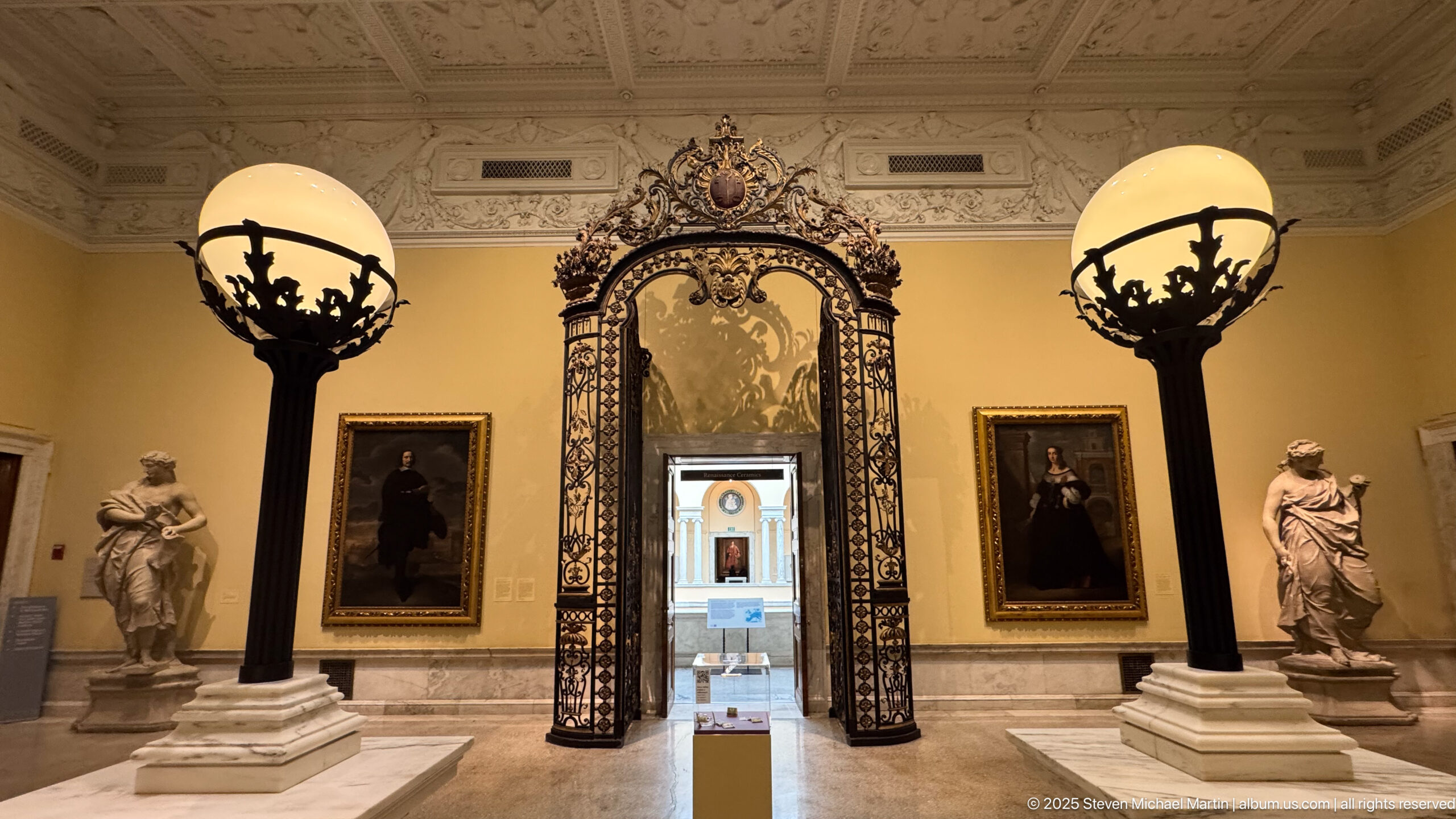
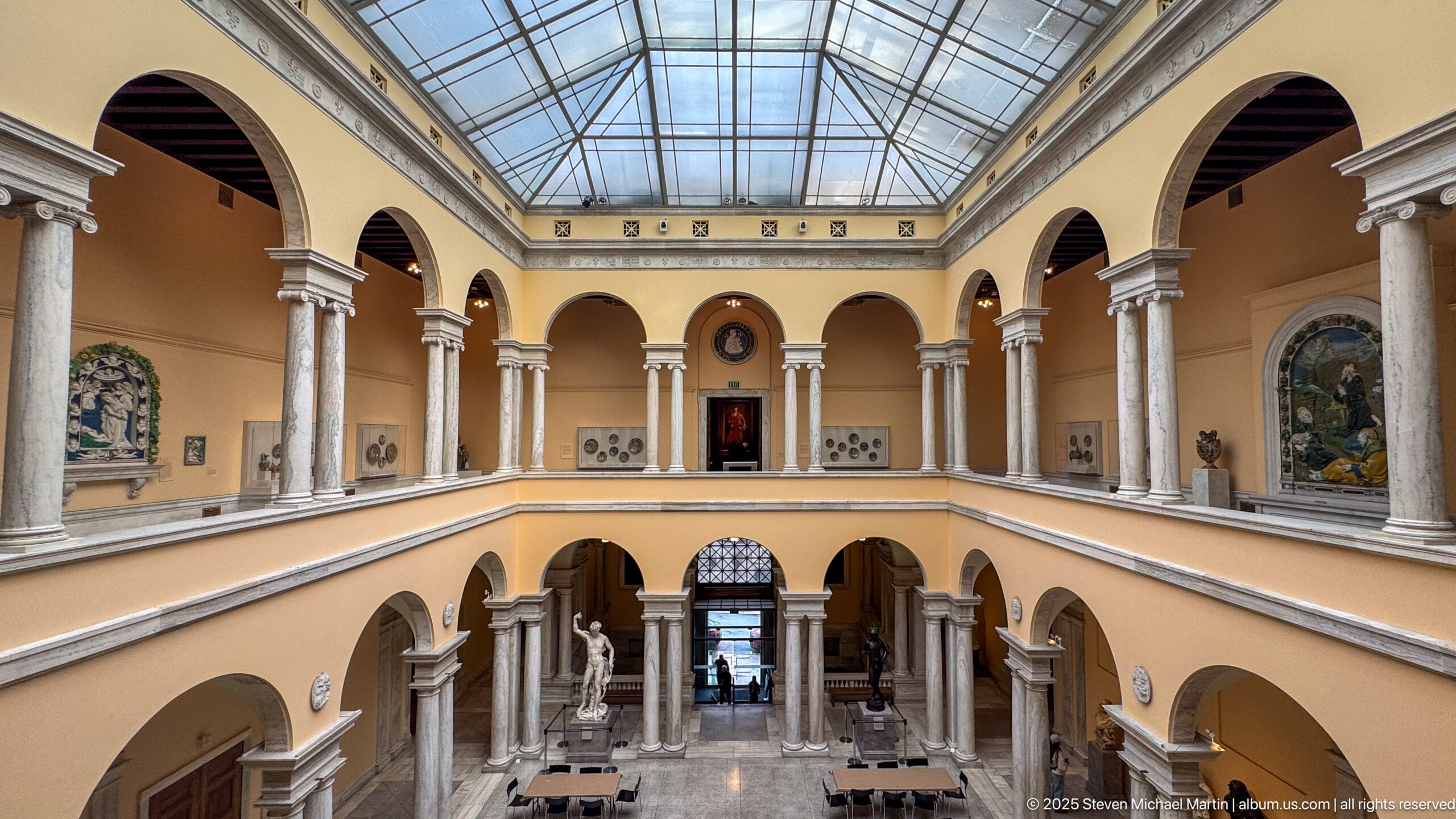
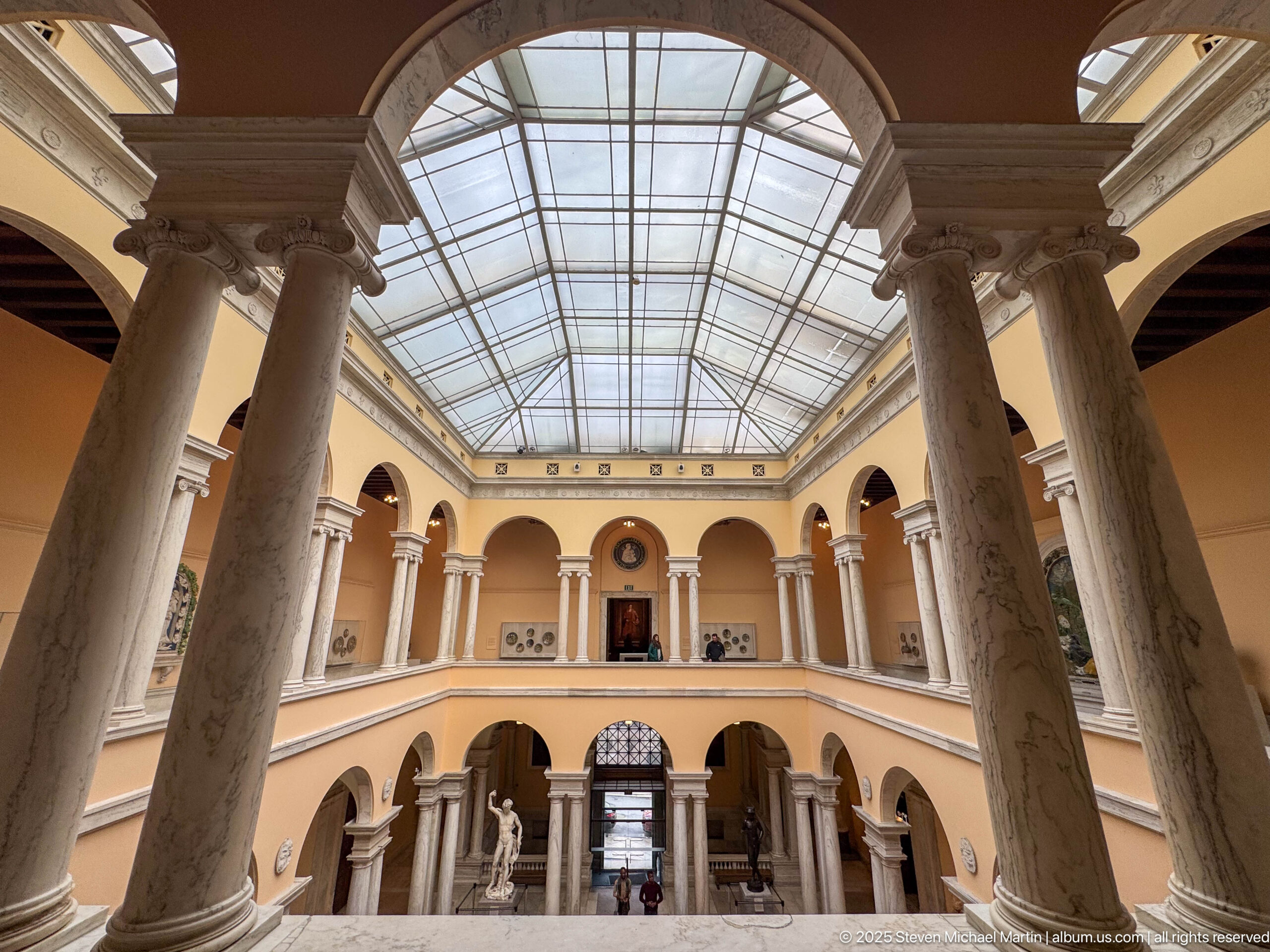
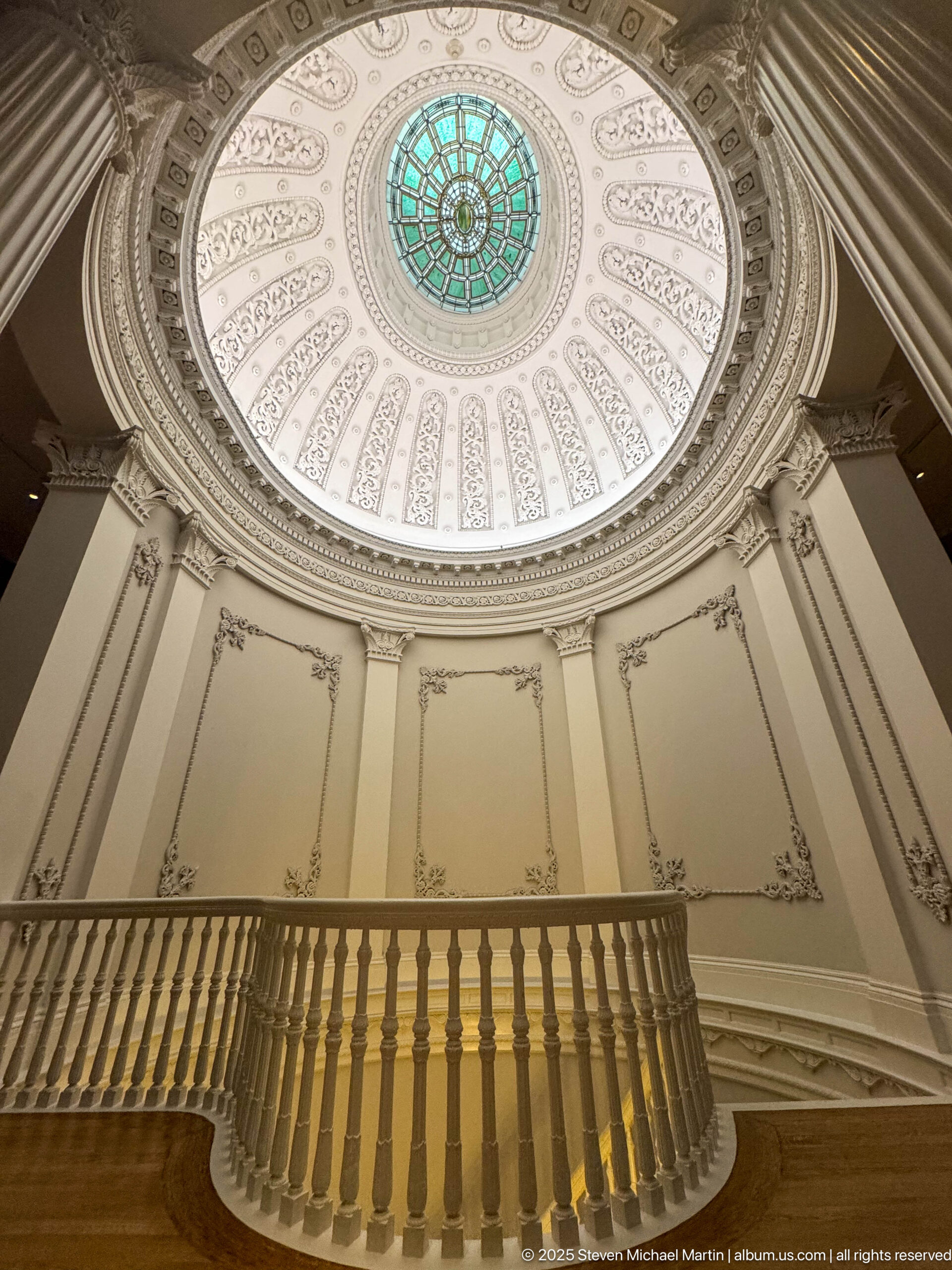
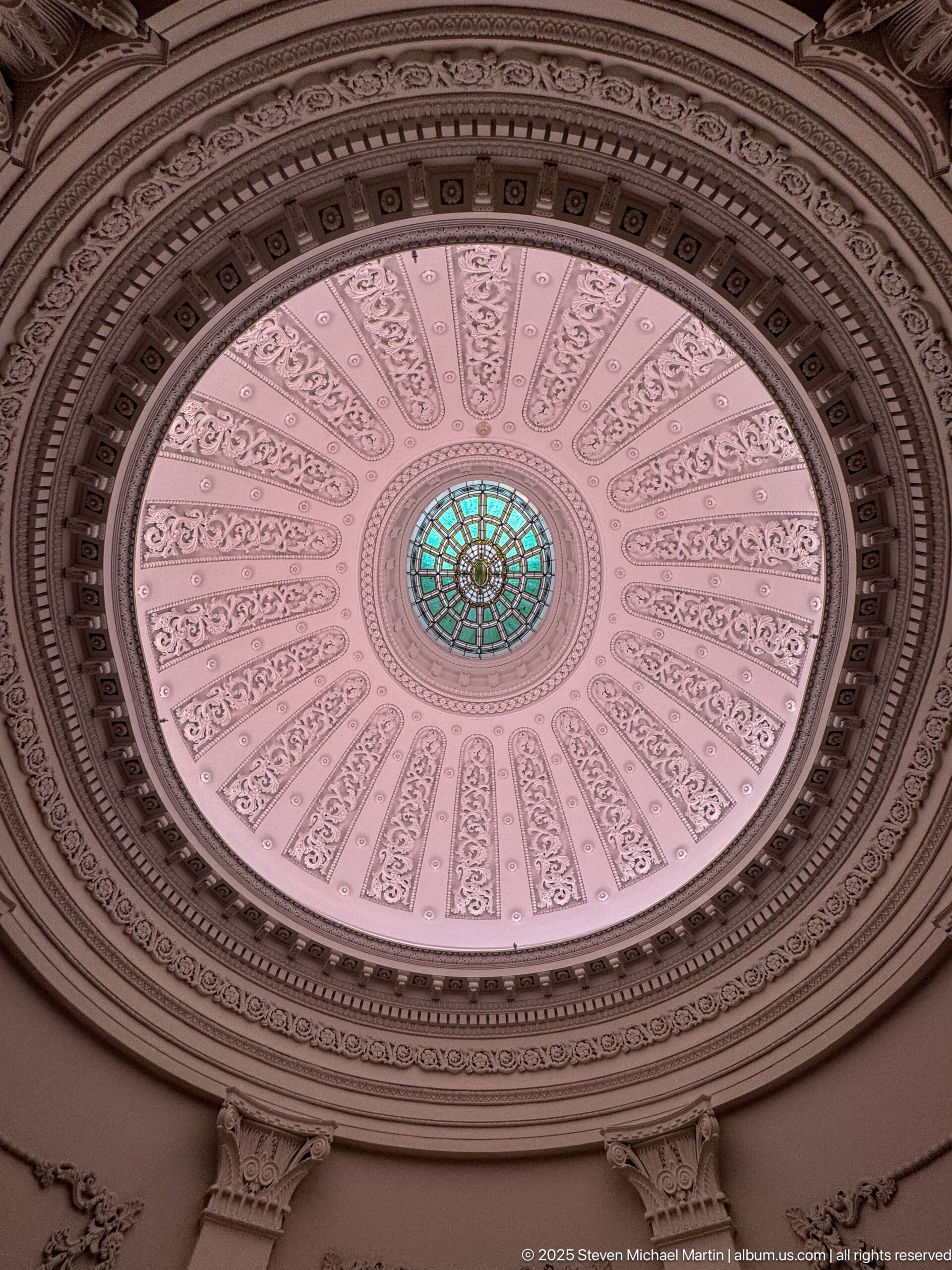
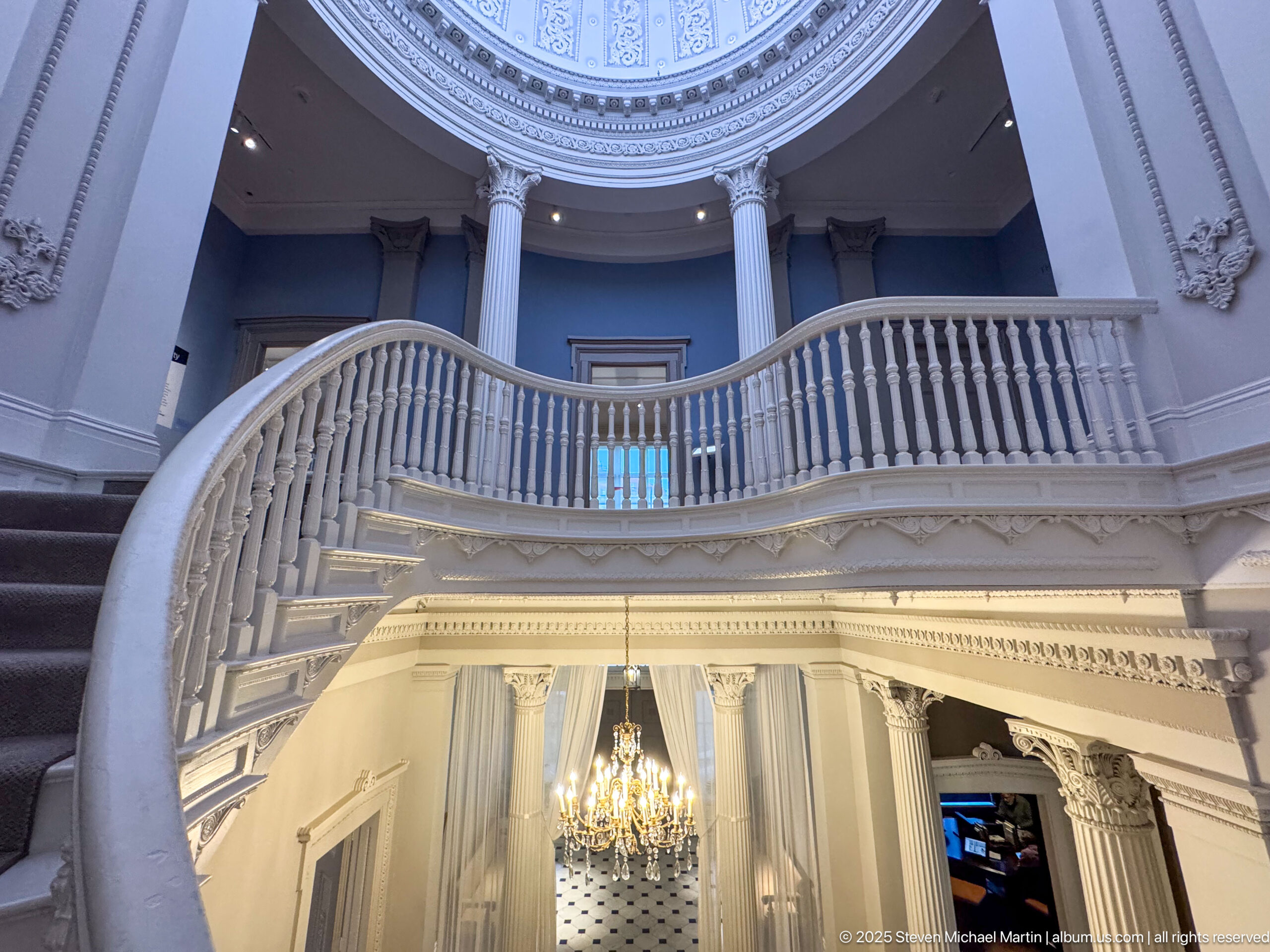
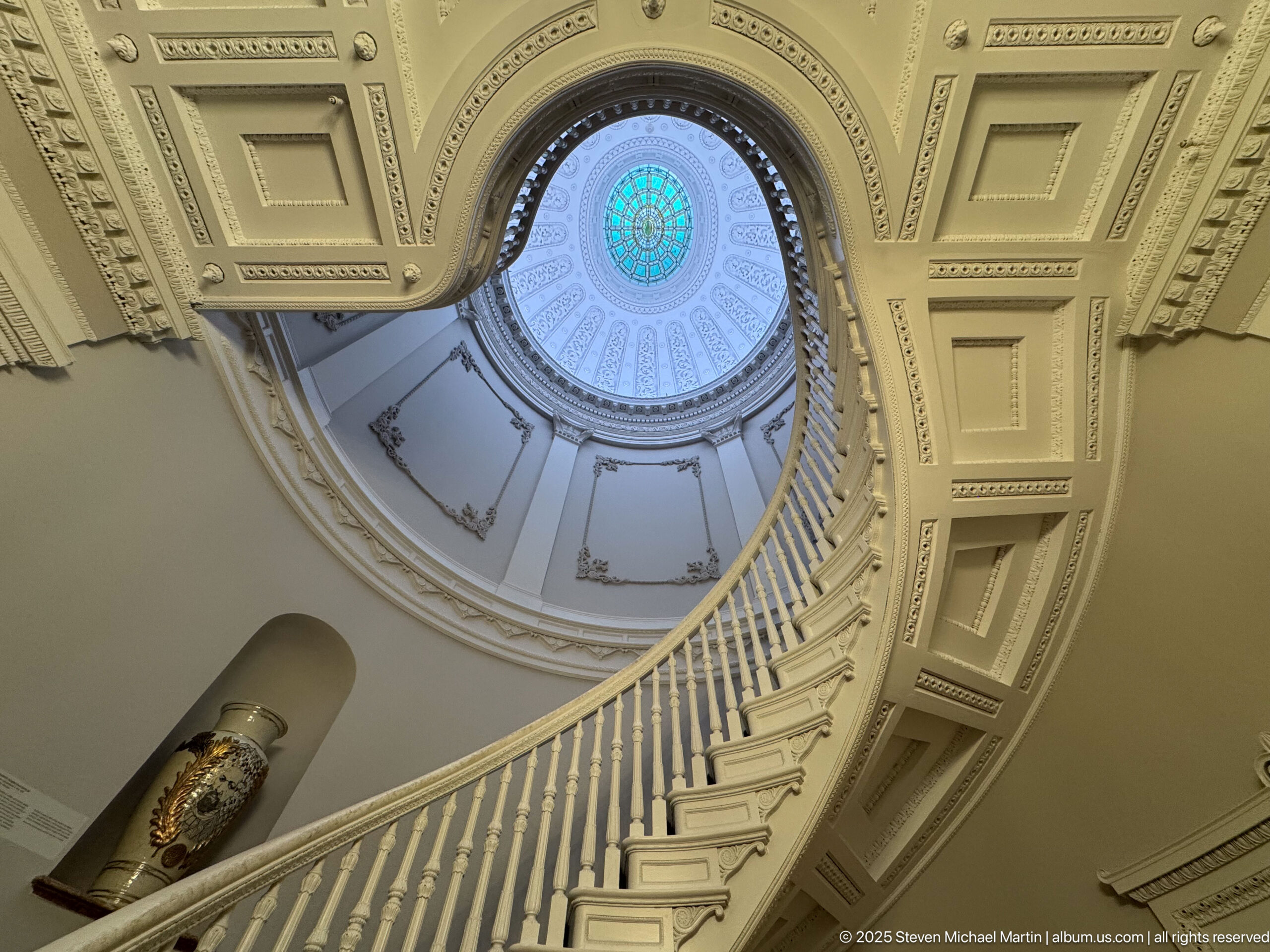
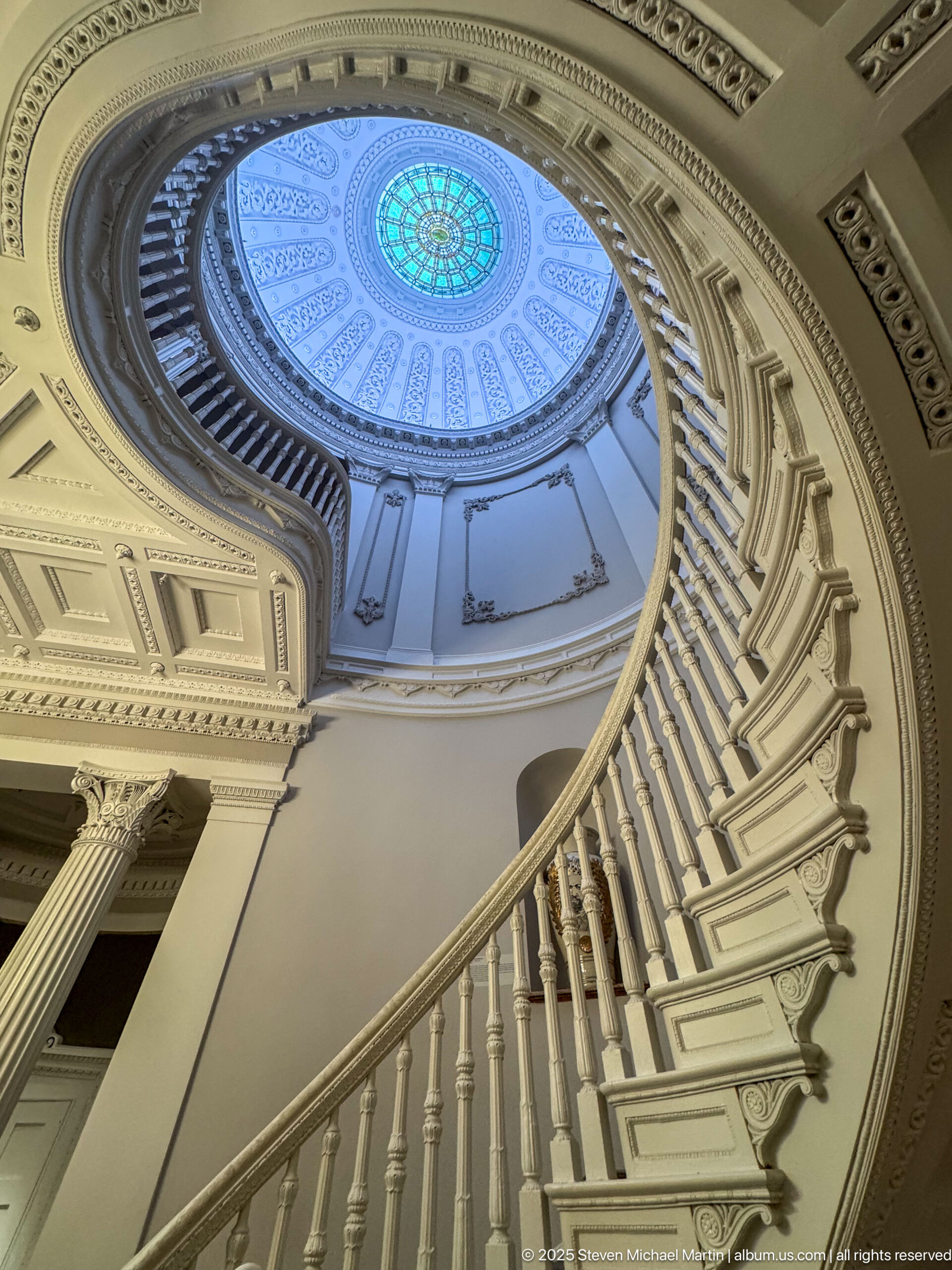
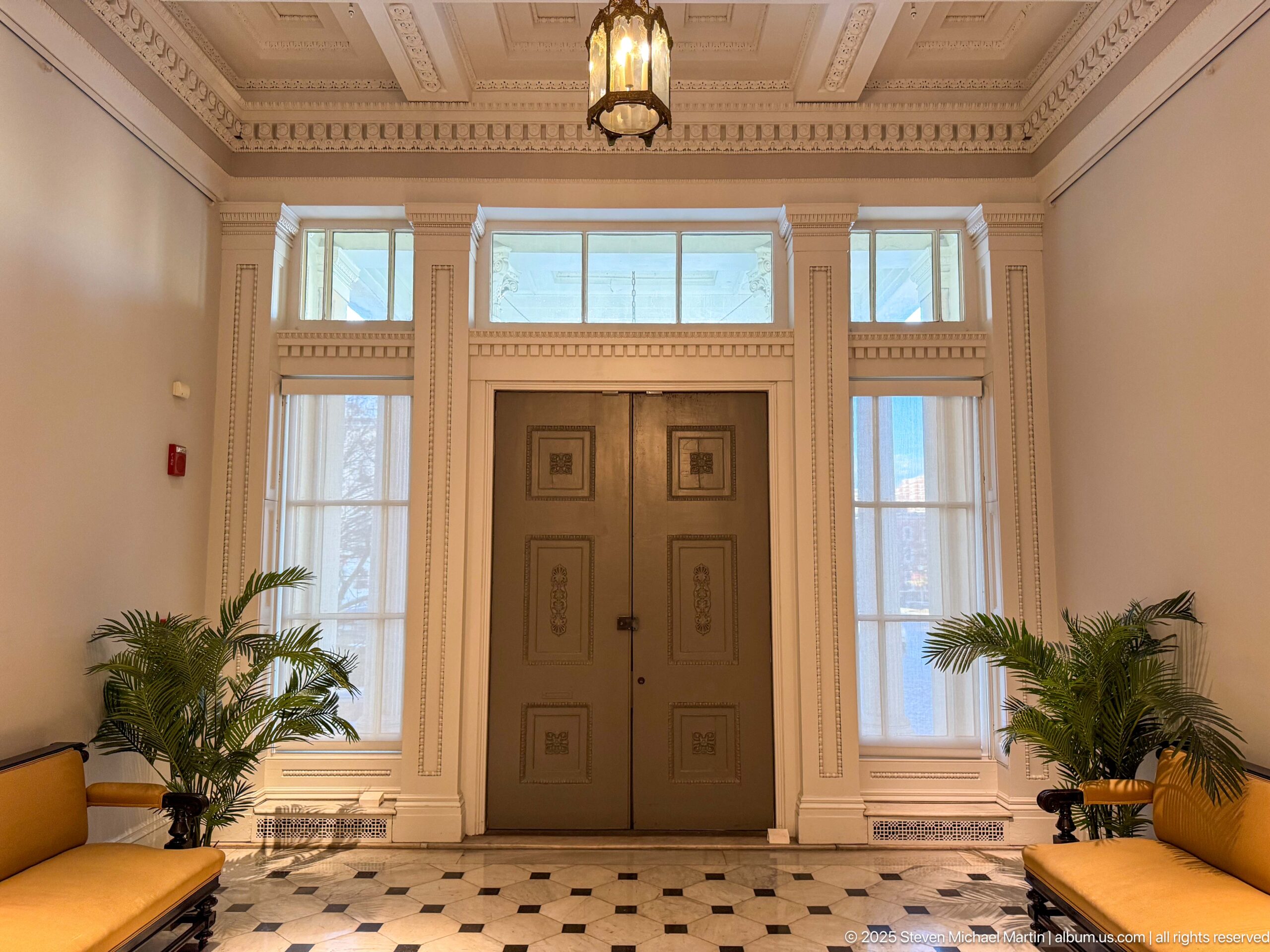
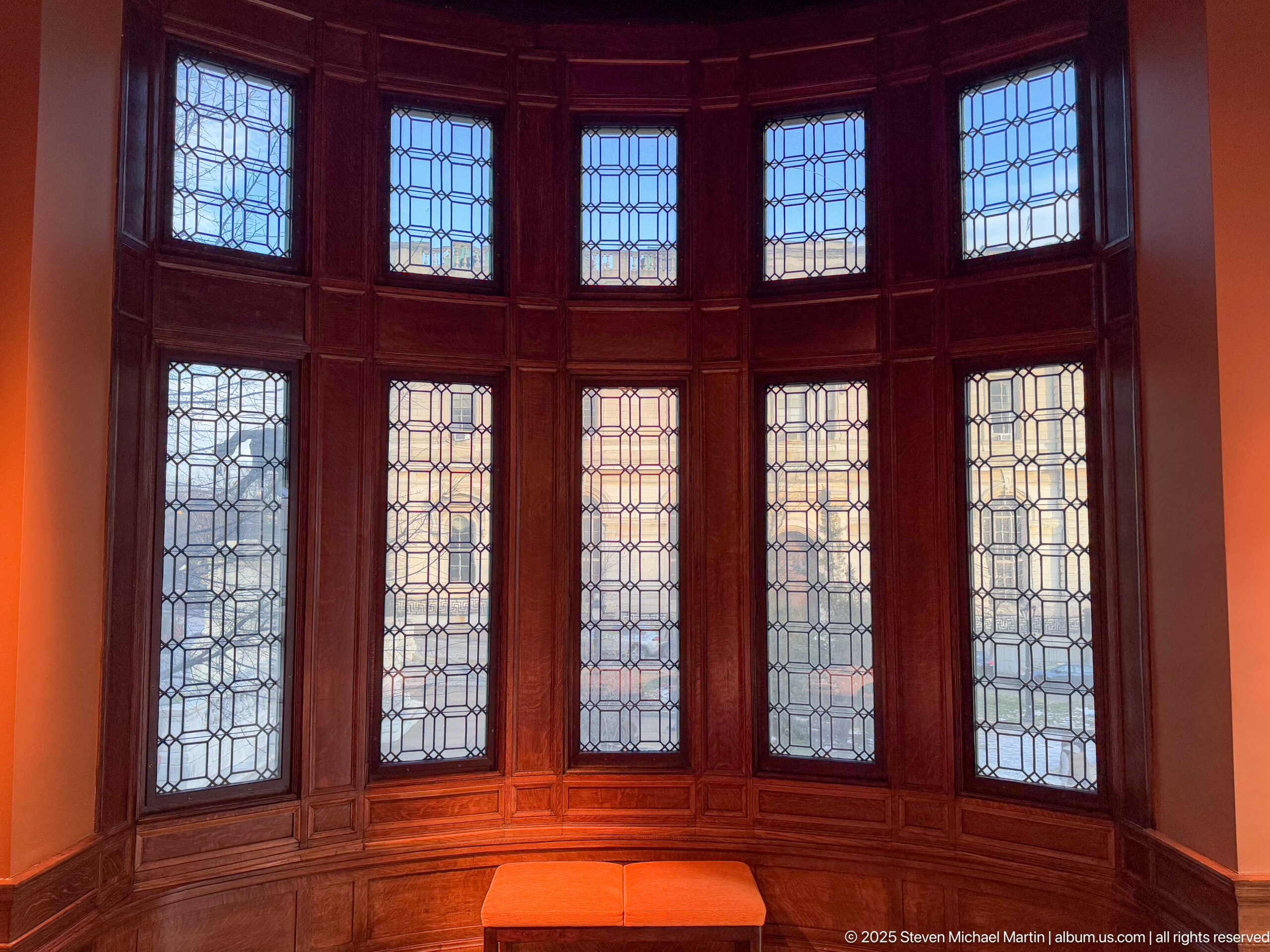
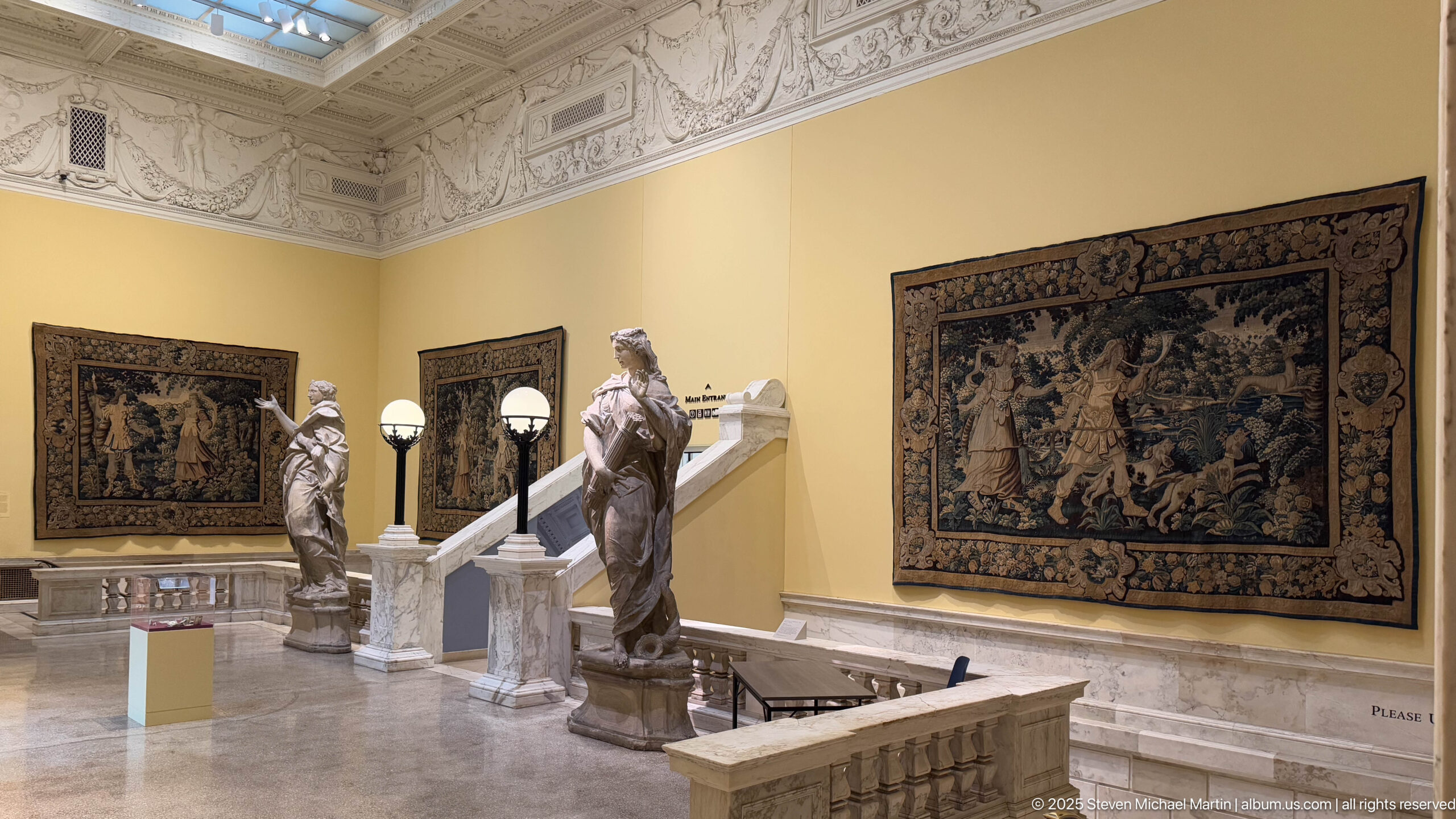
The Walters Art Museum forms part of Baltimore’s Mount Vernon cultural district, reflecting the development of private art collecting into public institutions during the late nineteenth and early twentieth centuries. The original palazzo-style building, completed in 1909 and inspired by Italian Renaissance architecture, was designed to house the collection assembled by William T. Walters and his son Henry Walters. The museum’s architectural design reflects European precedents adapted to an American urban setting, illustrating how cultural patronage contributed to the creation of major public collections.
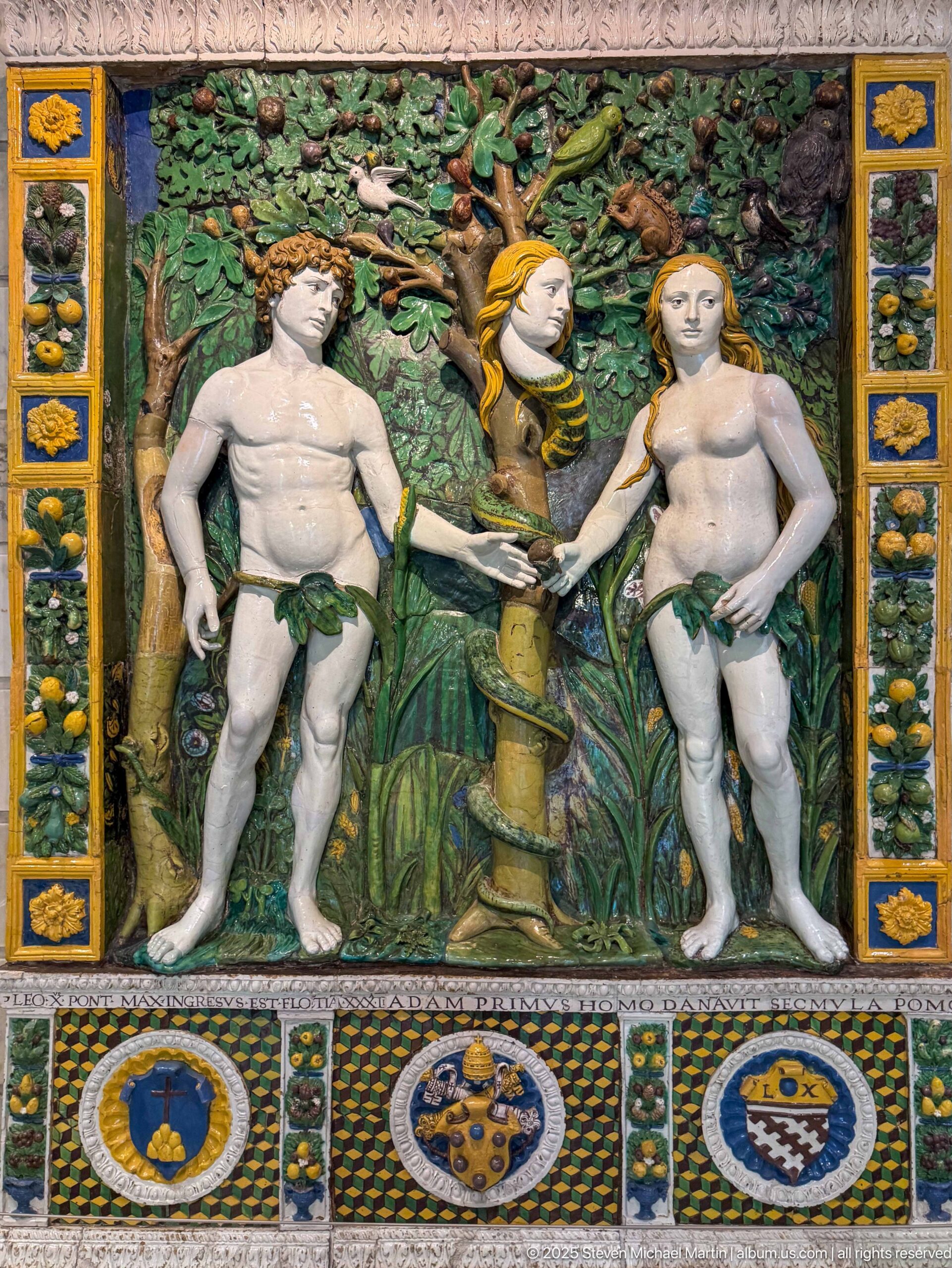
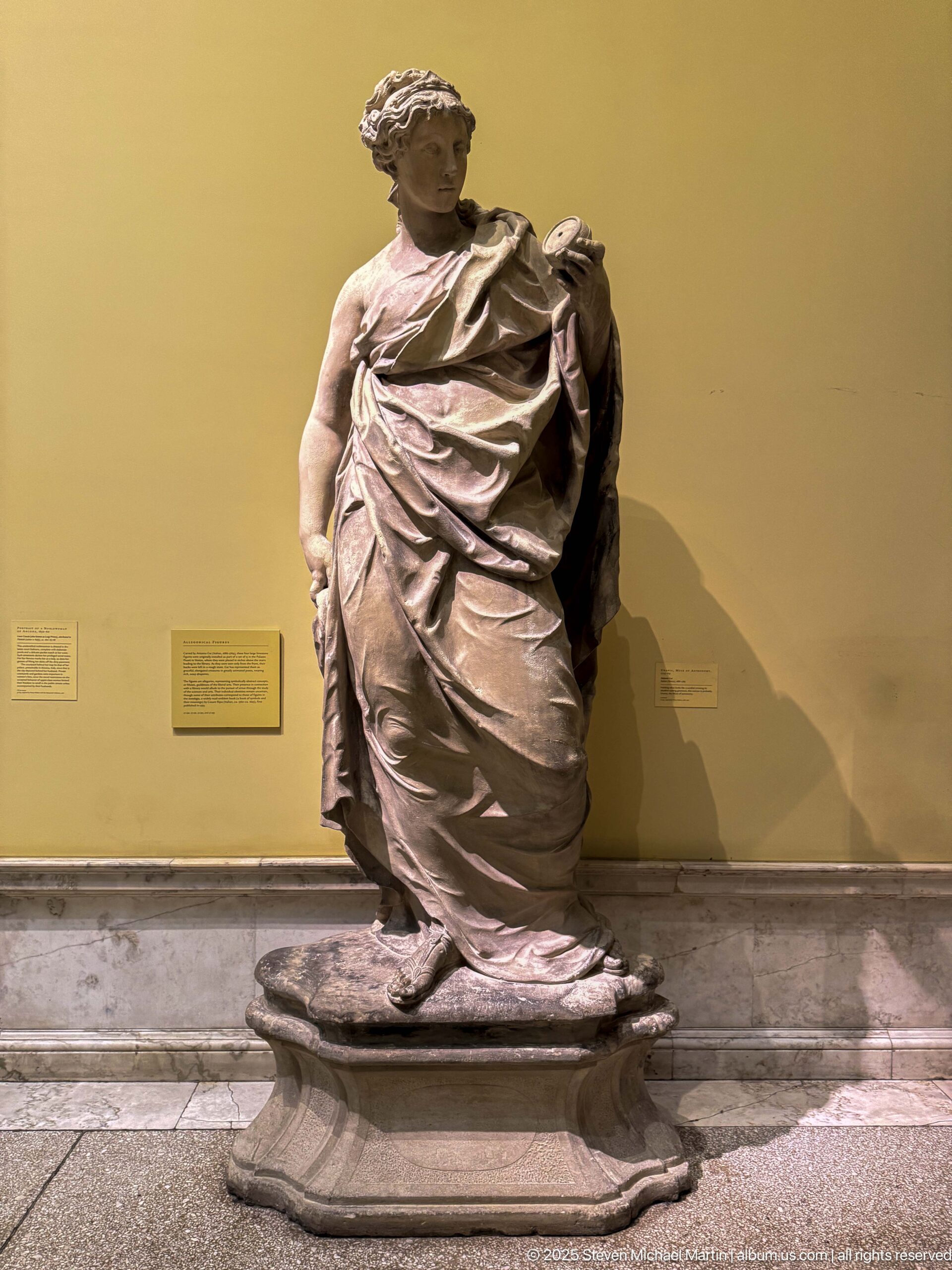
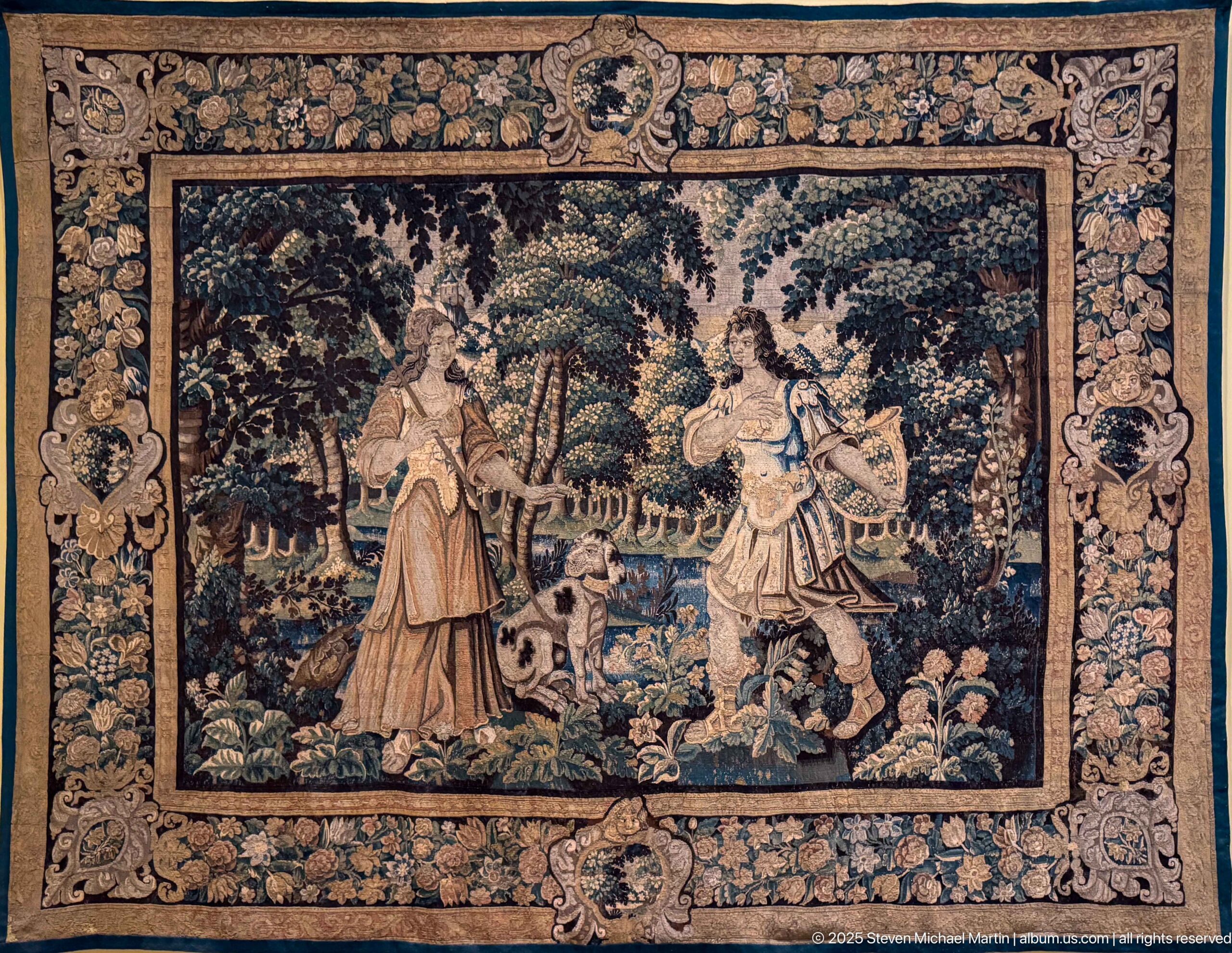
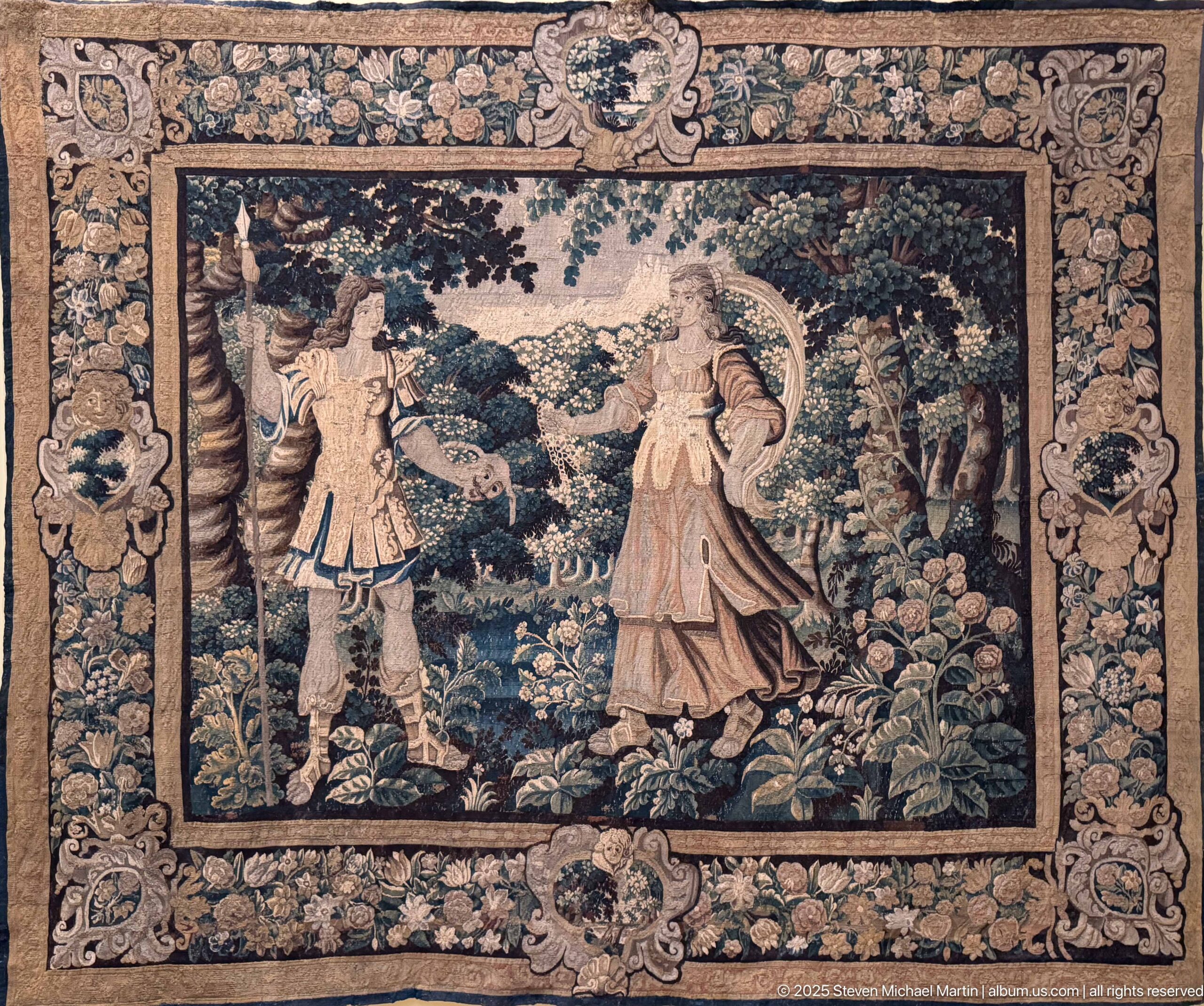
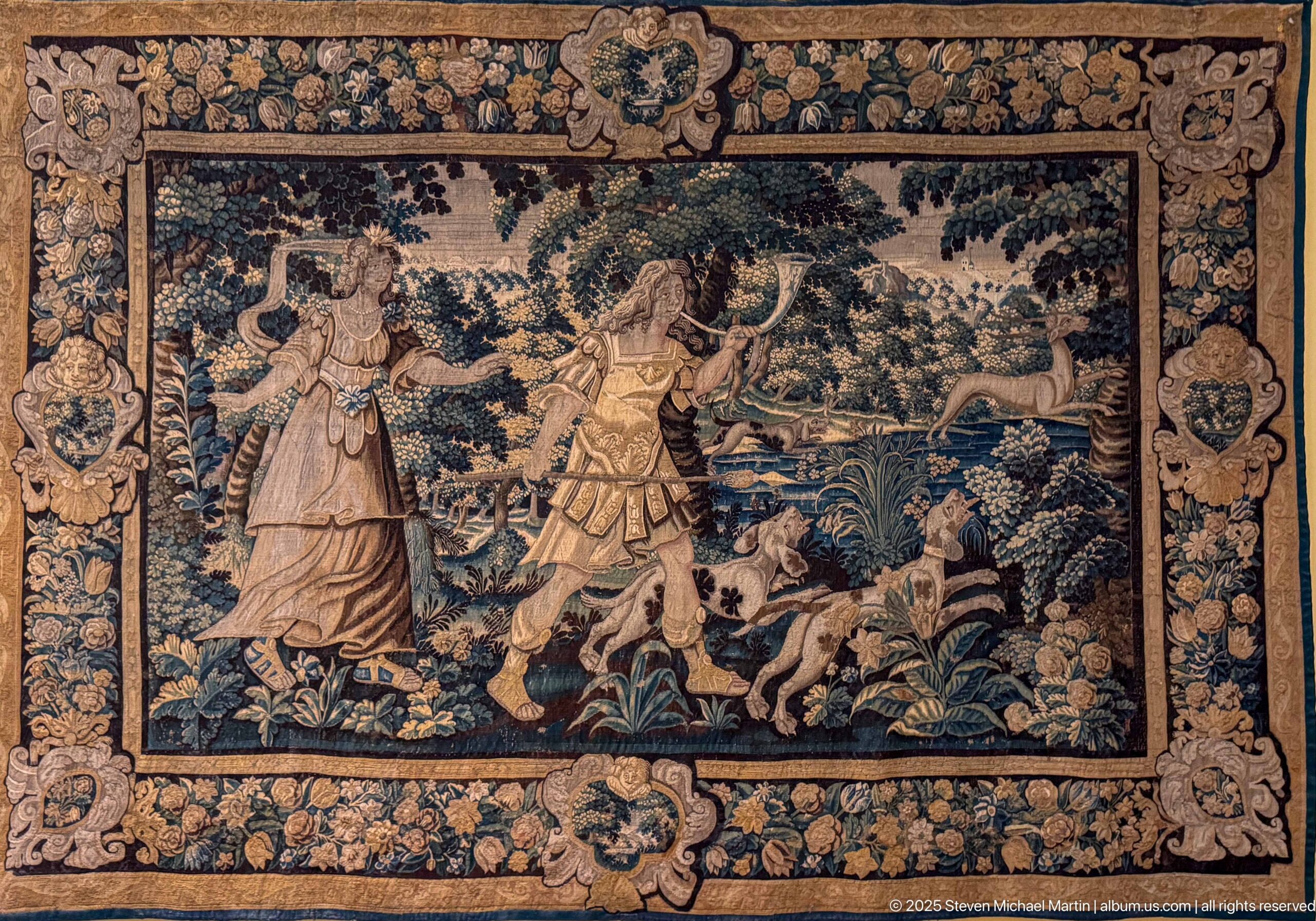
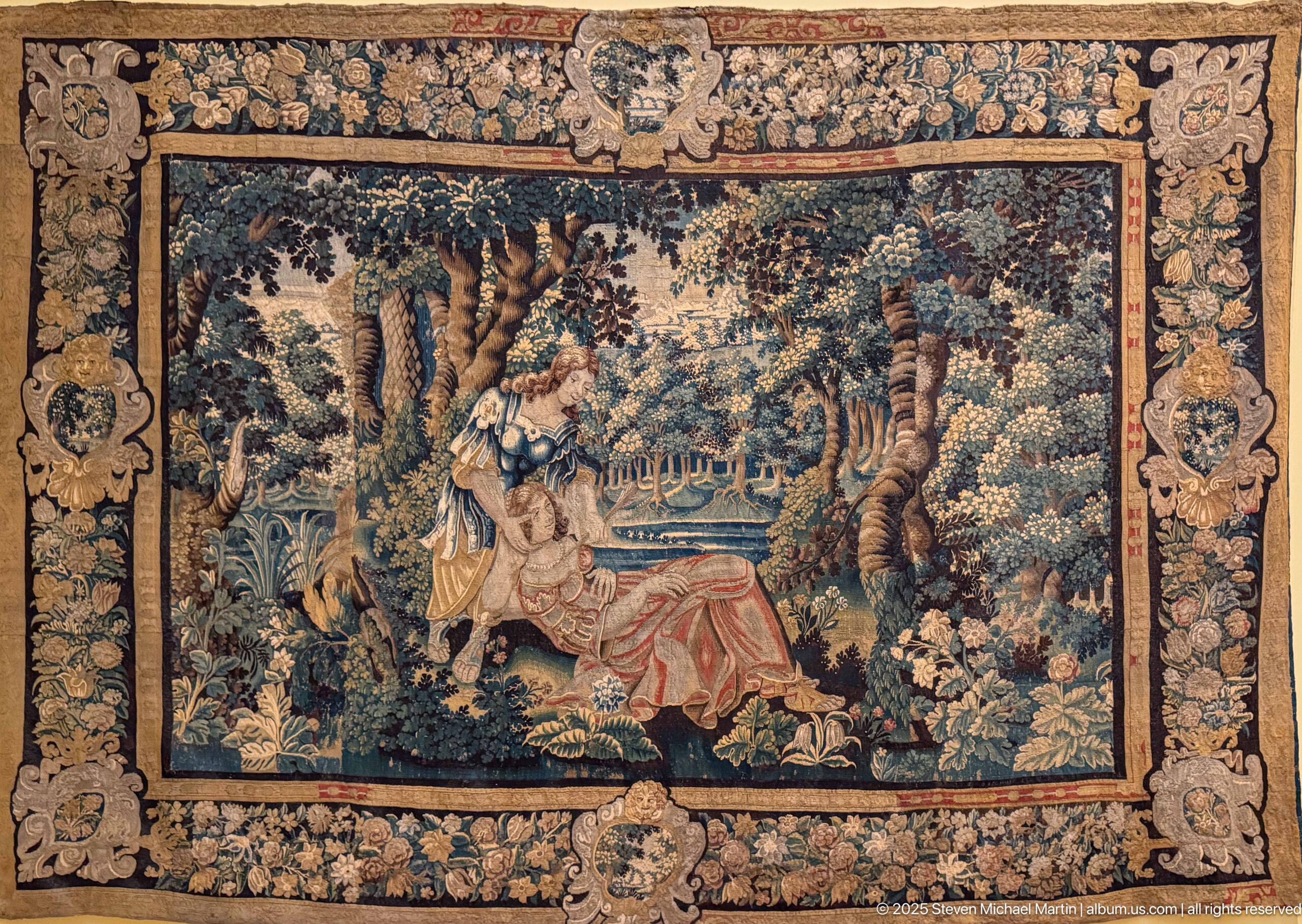
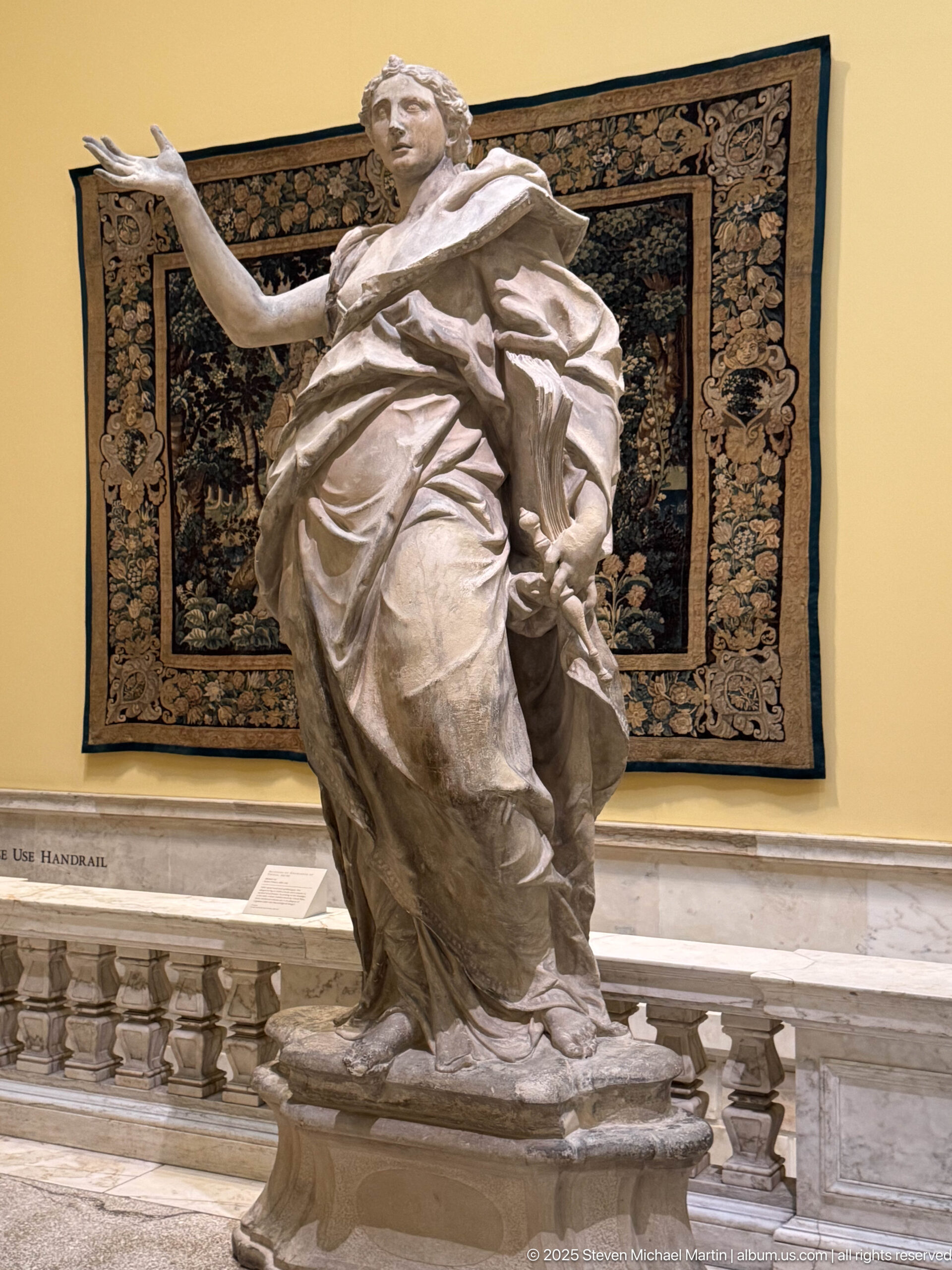
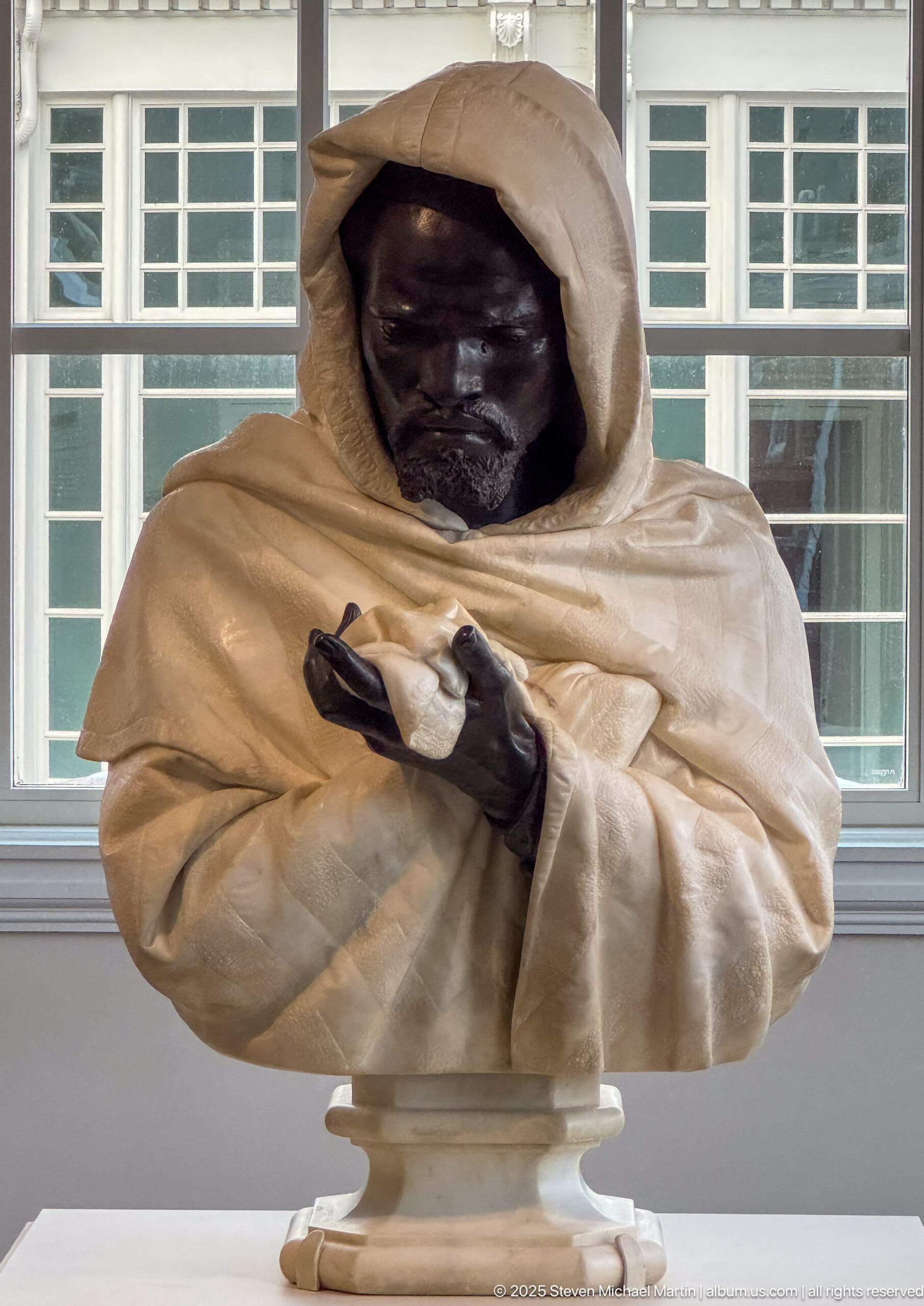
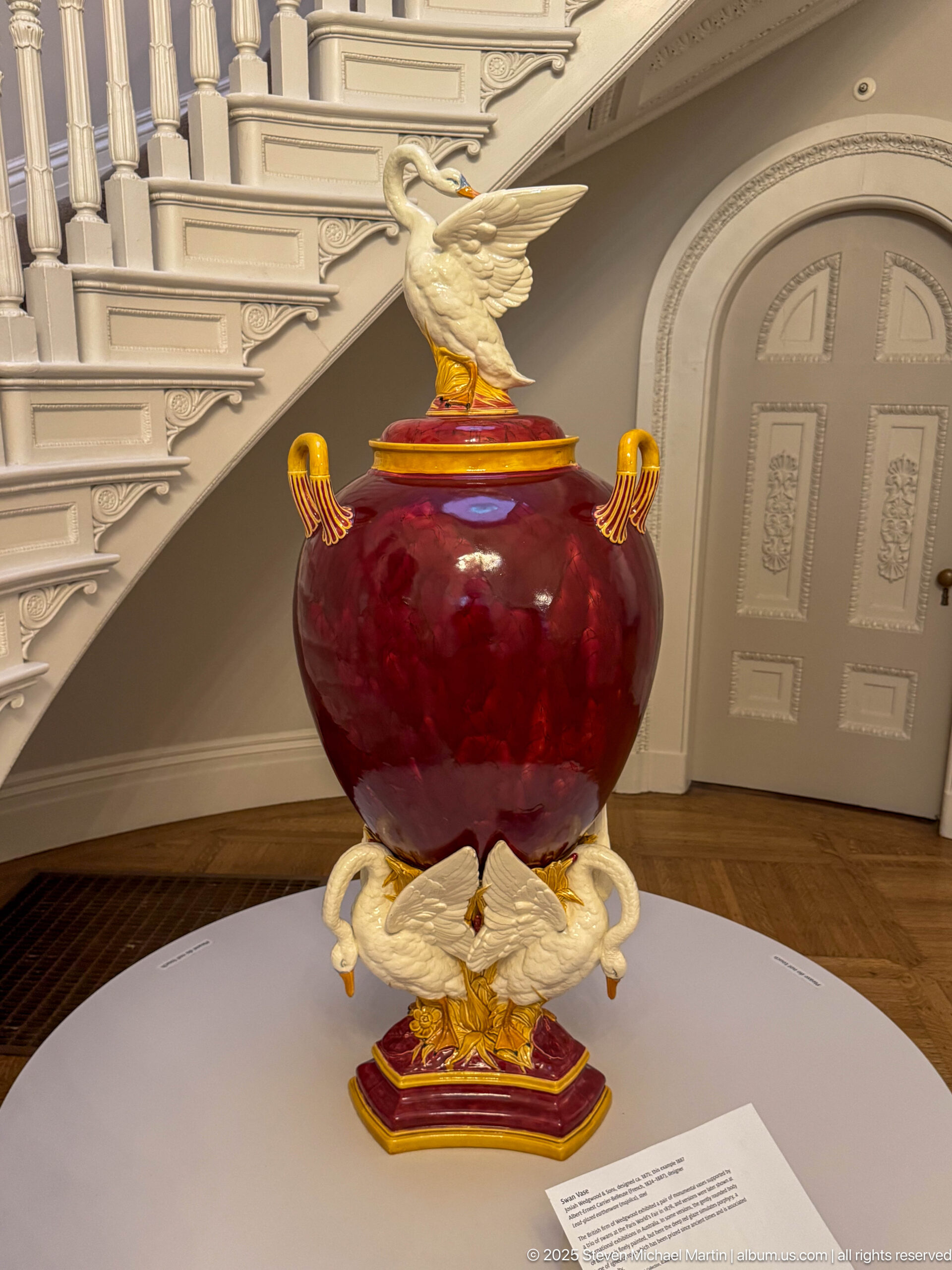
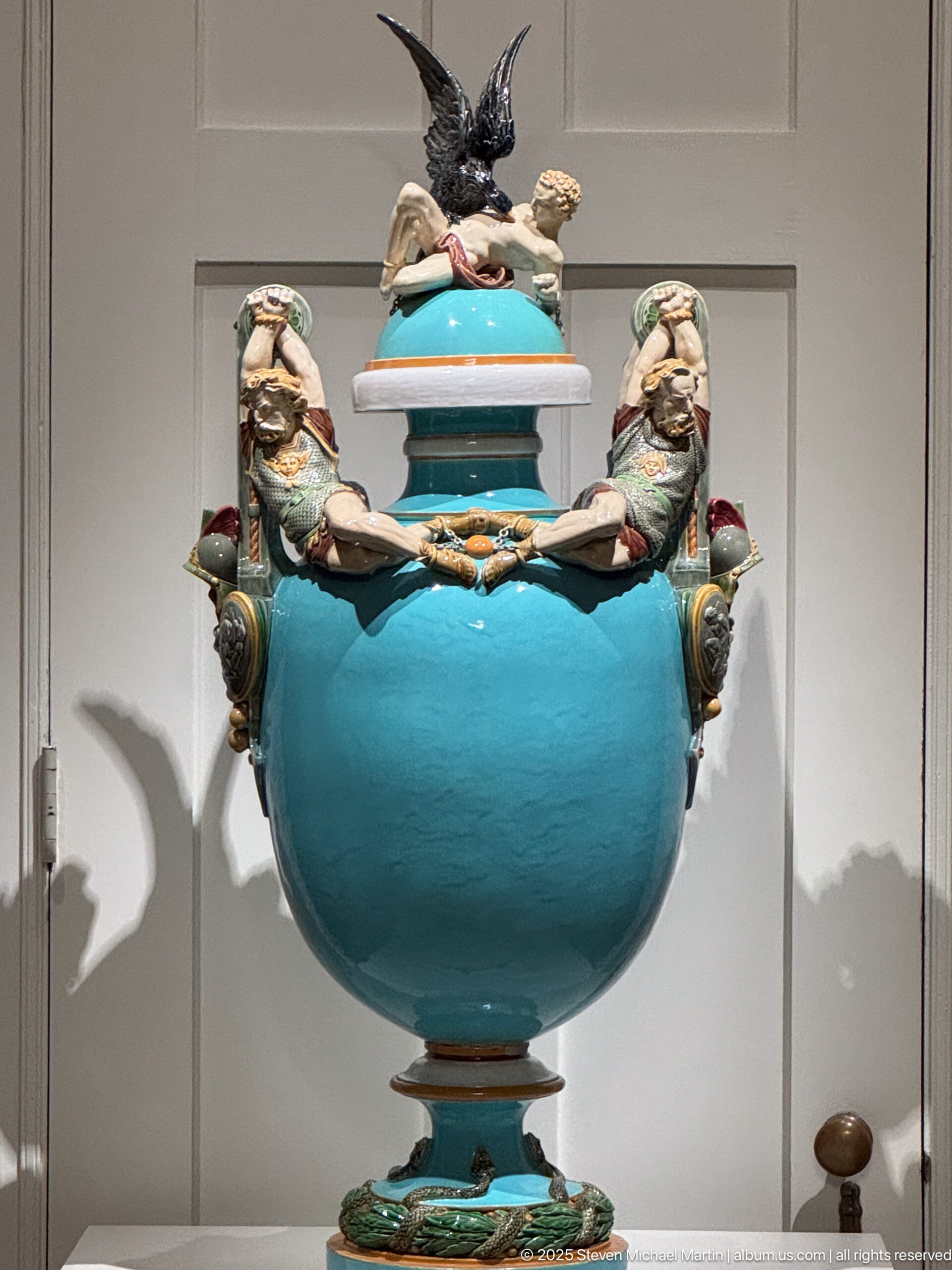
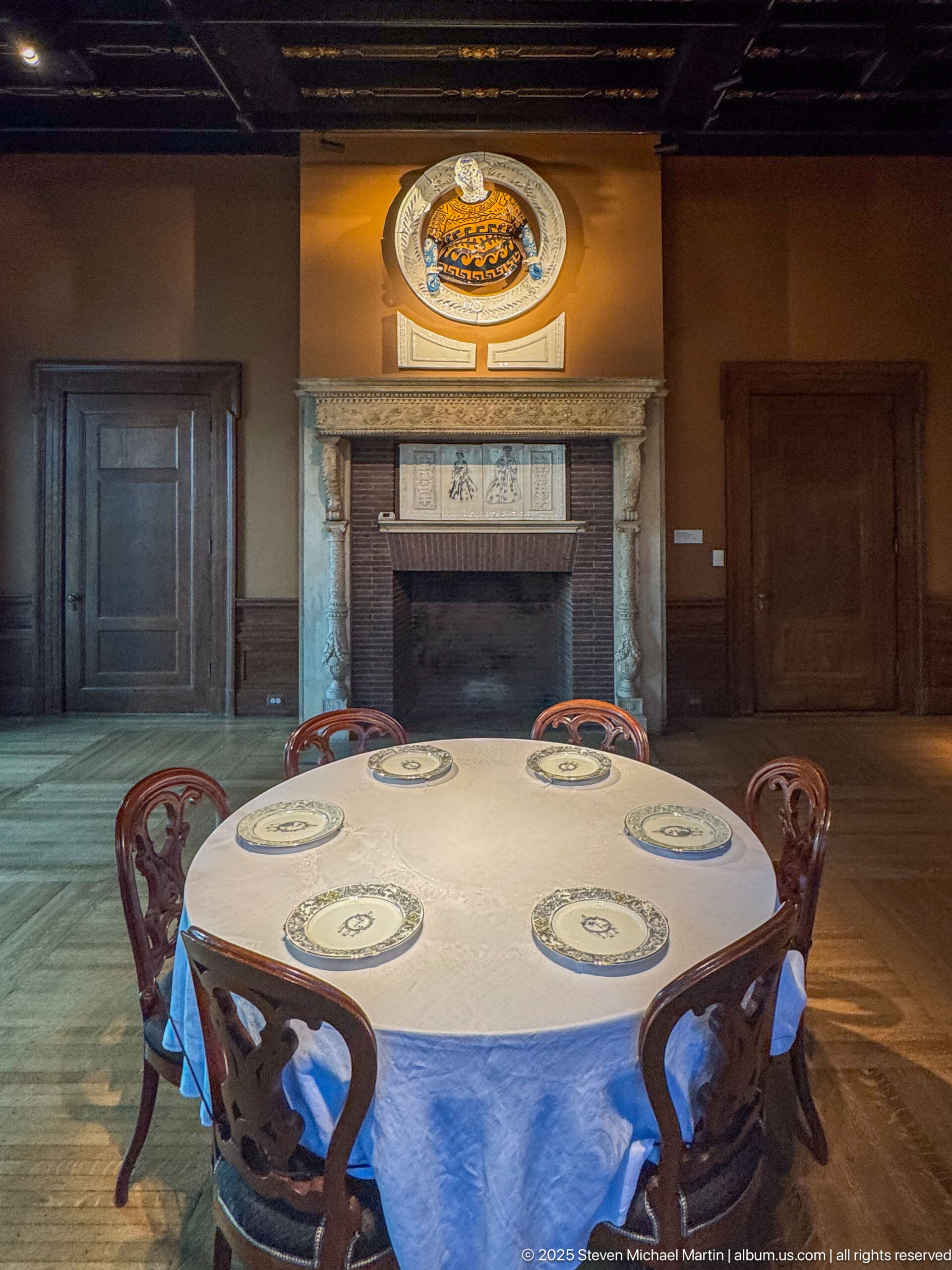
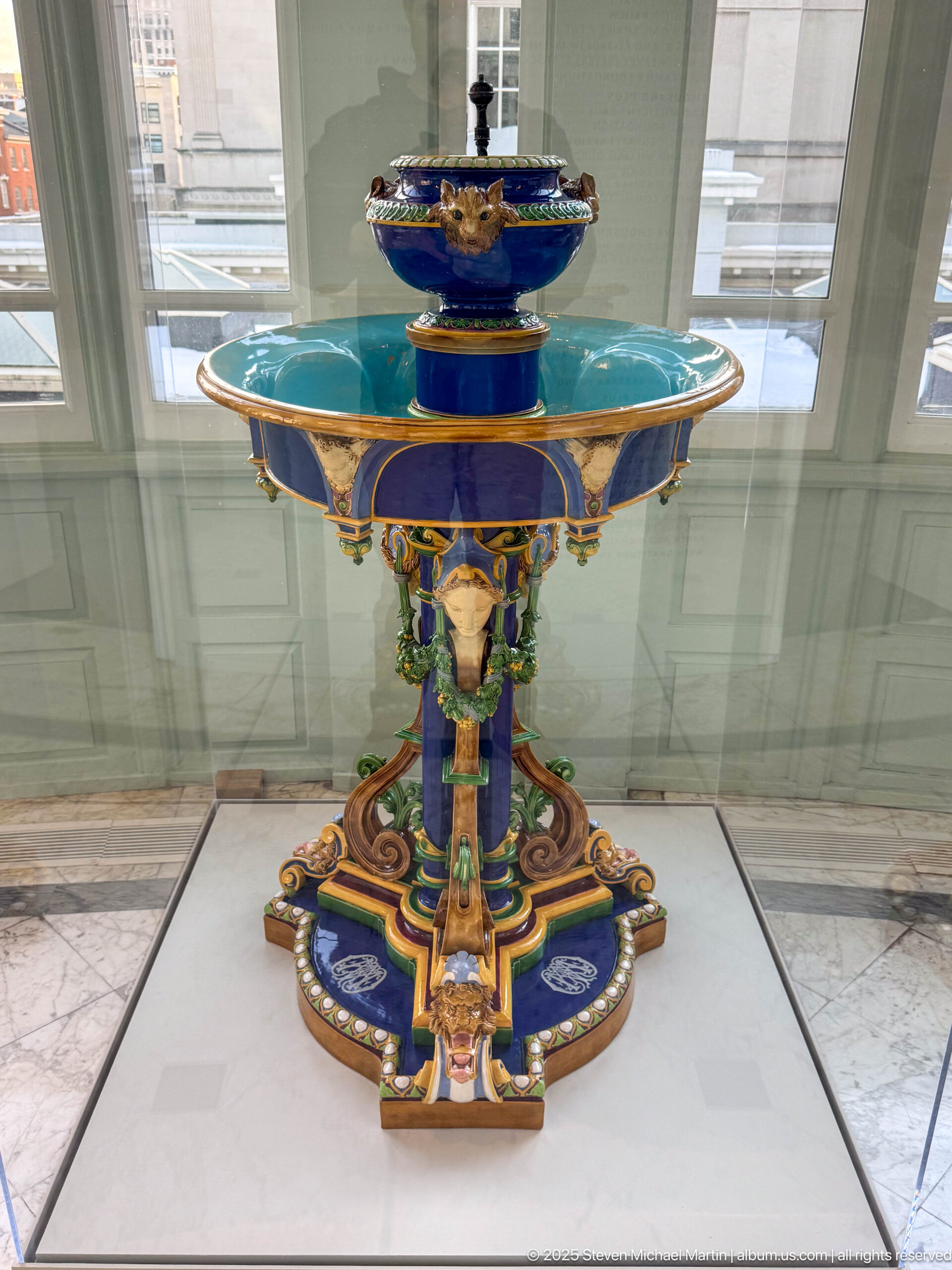
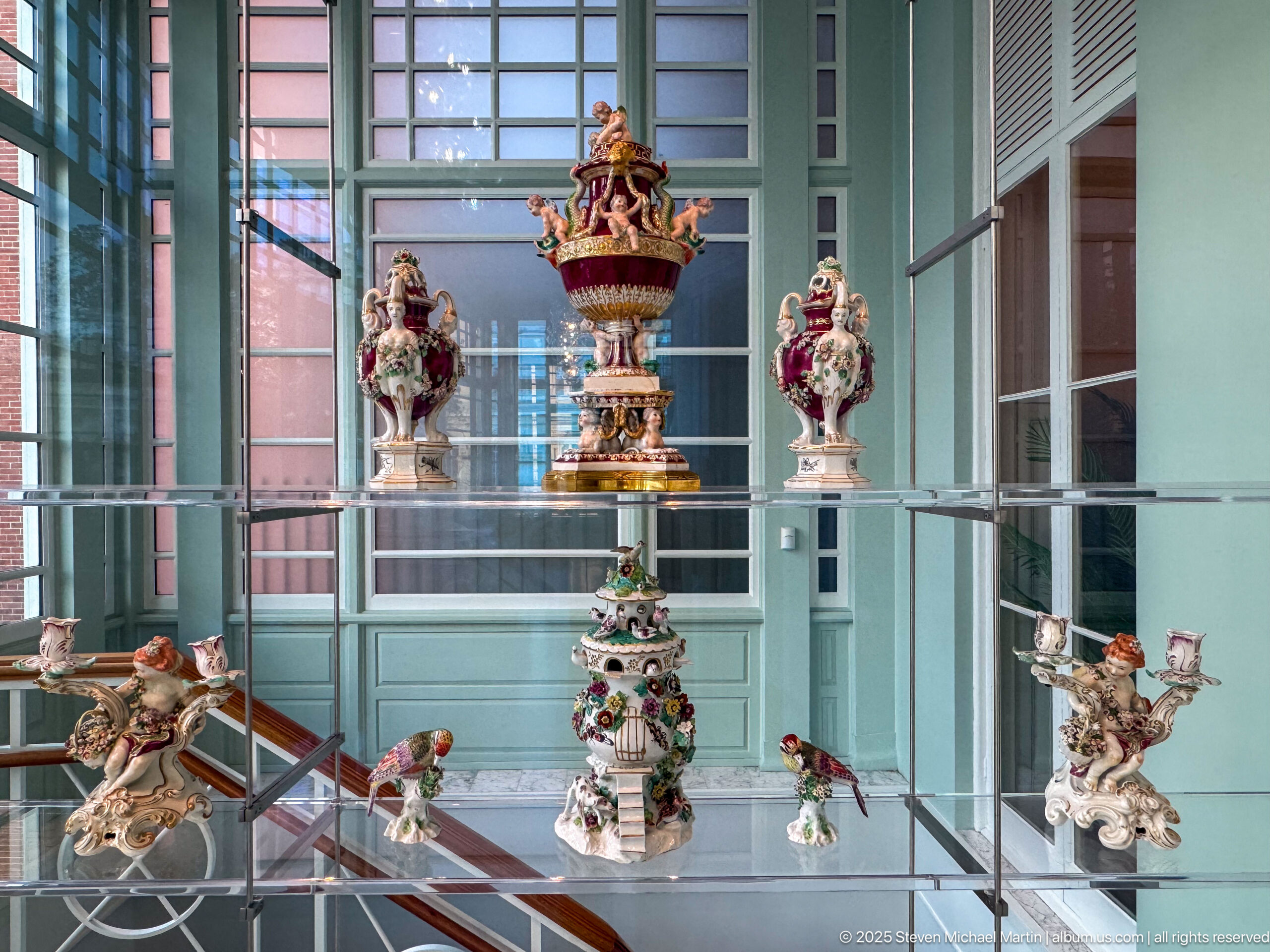
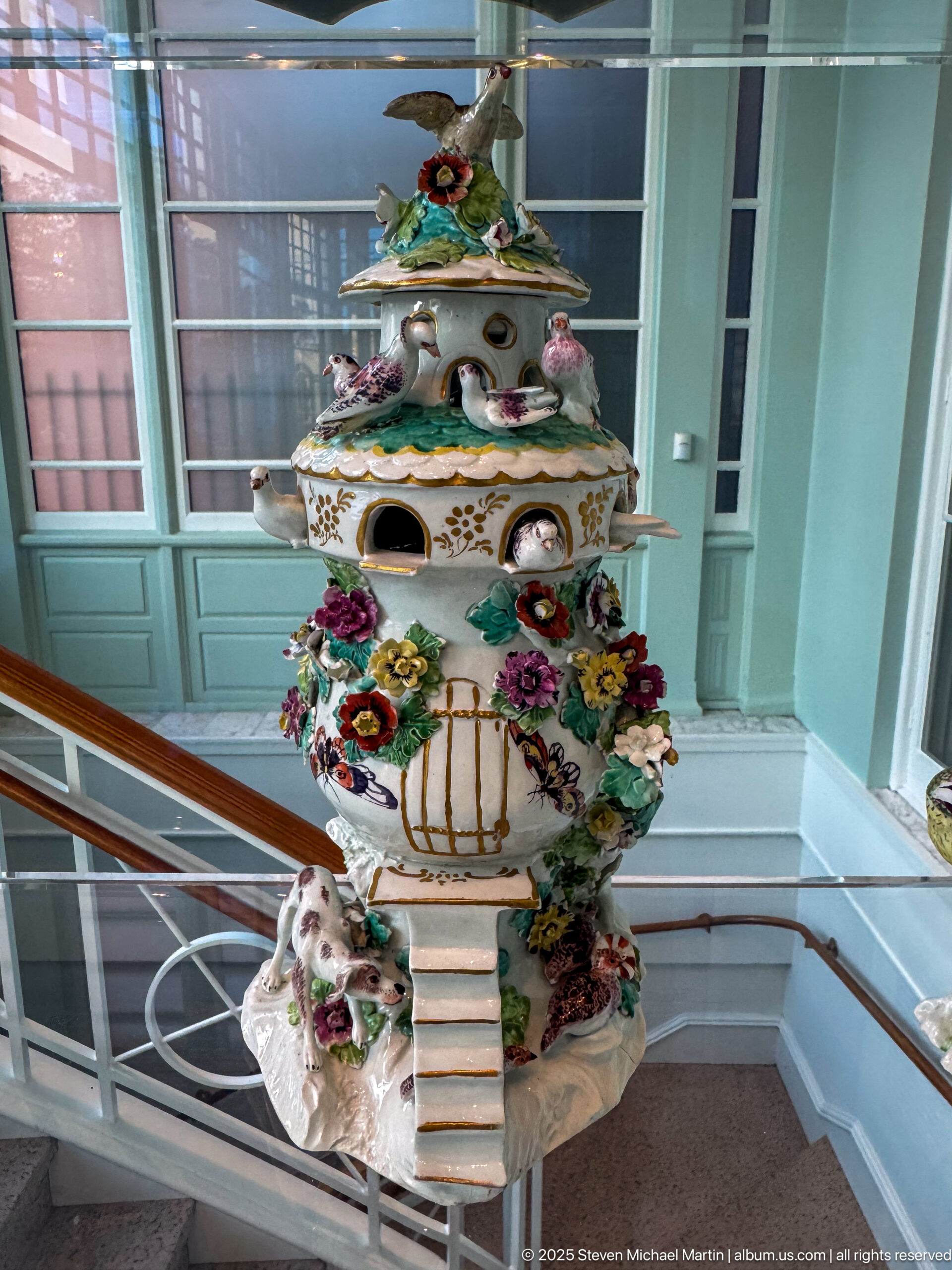
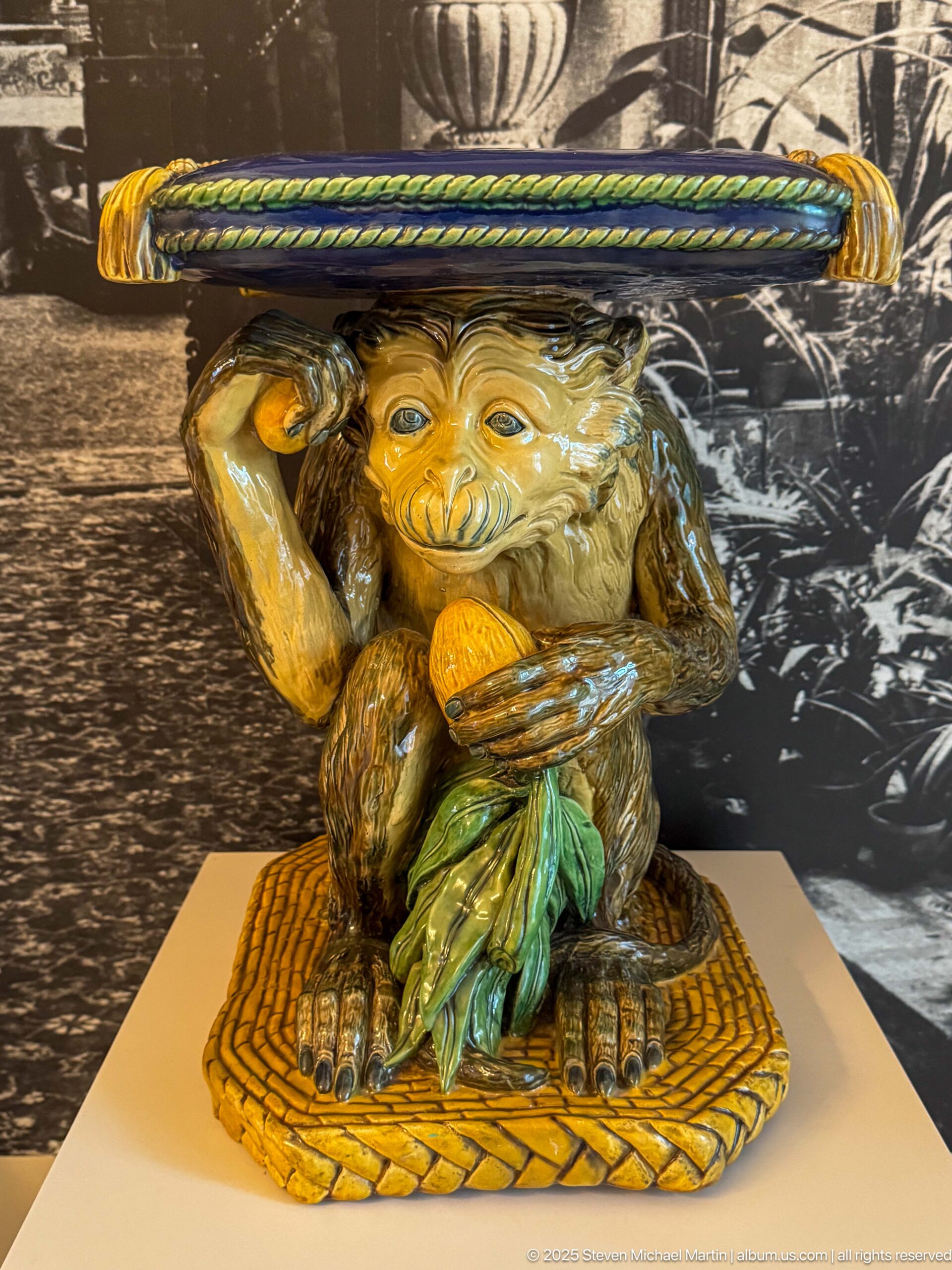
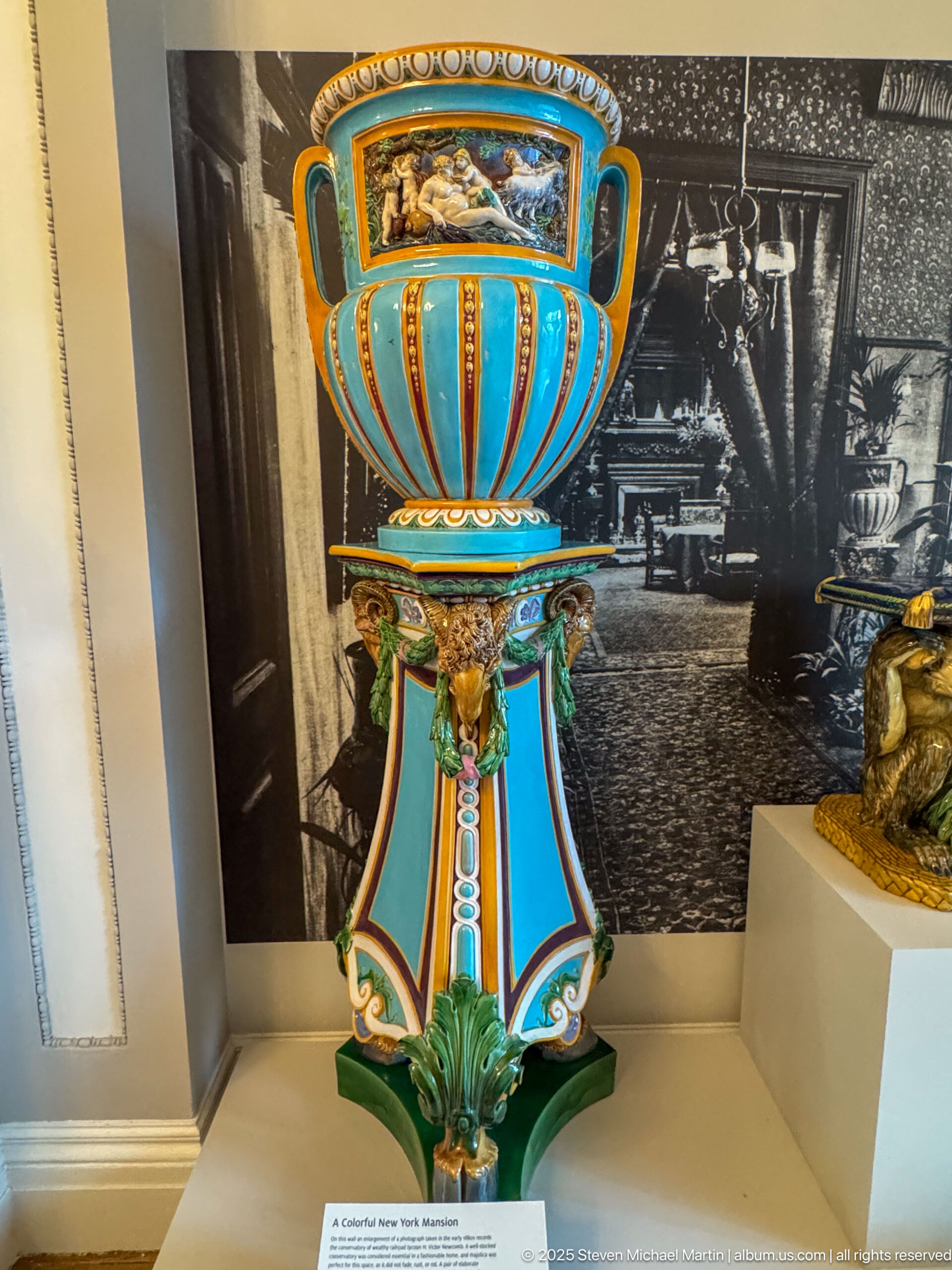
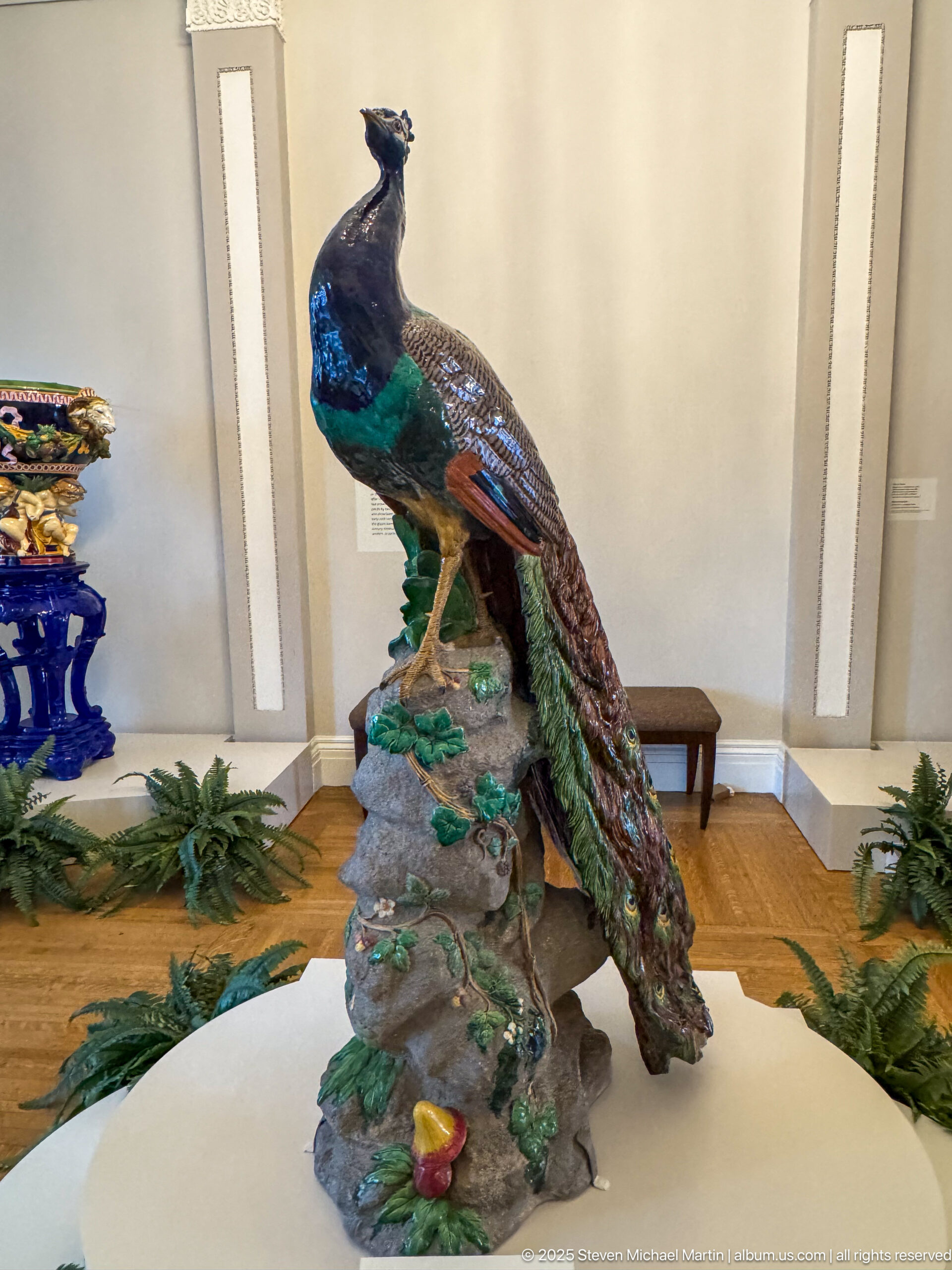
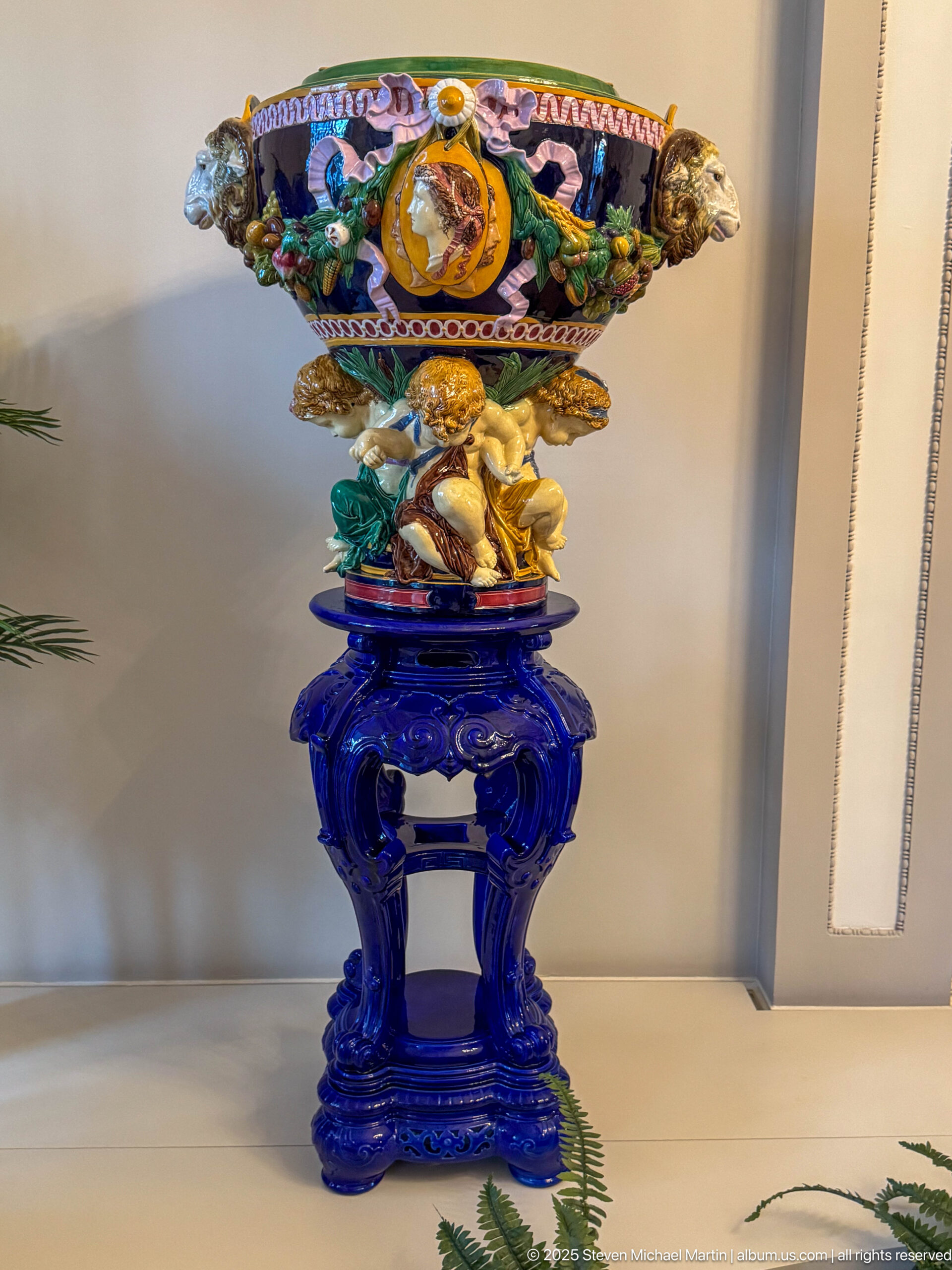
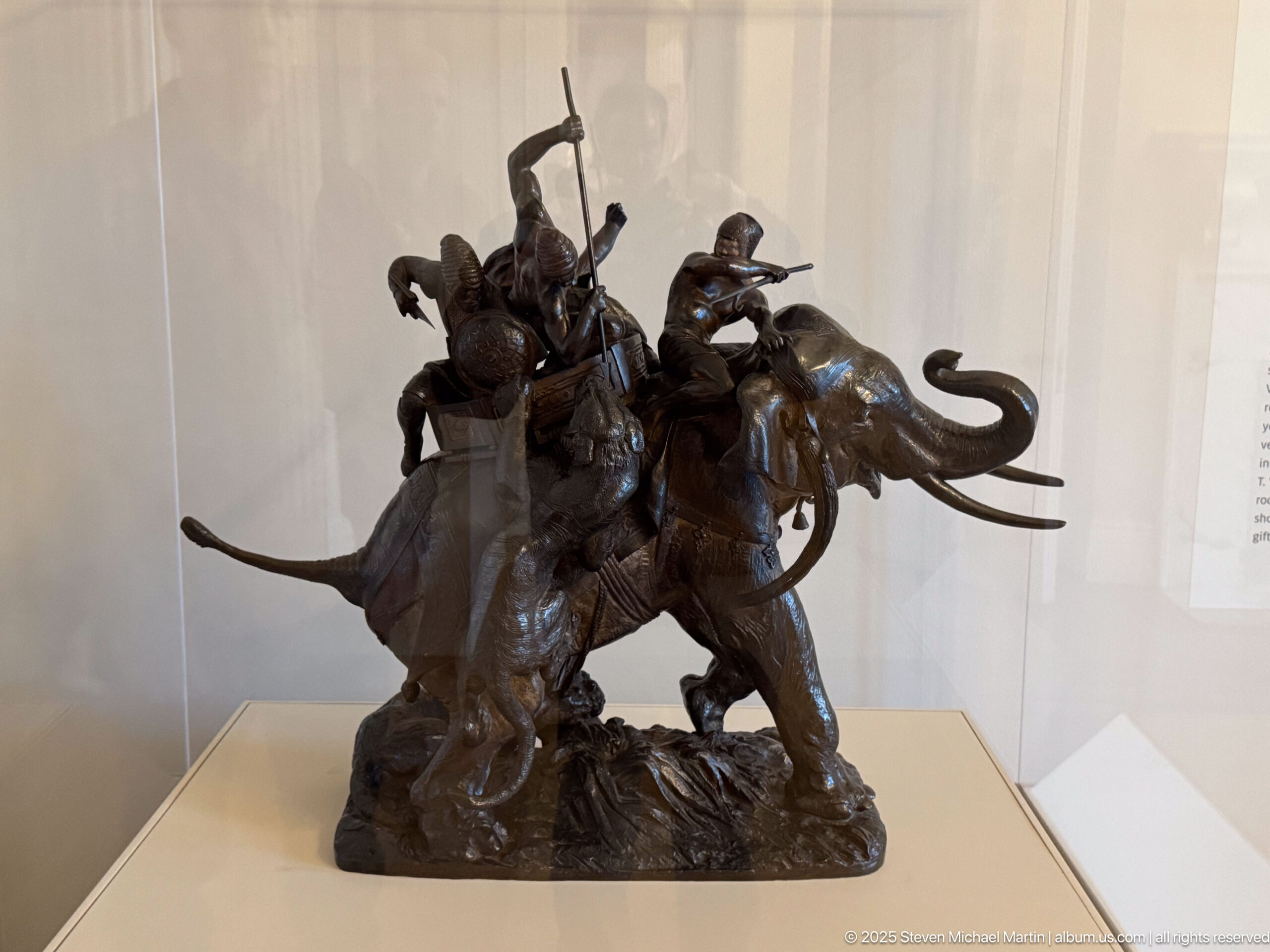
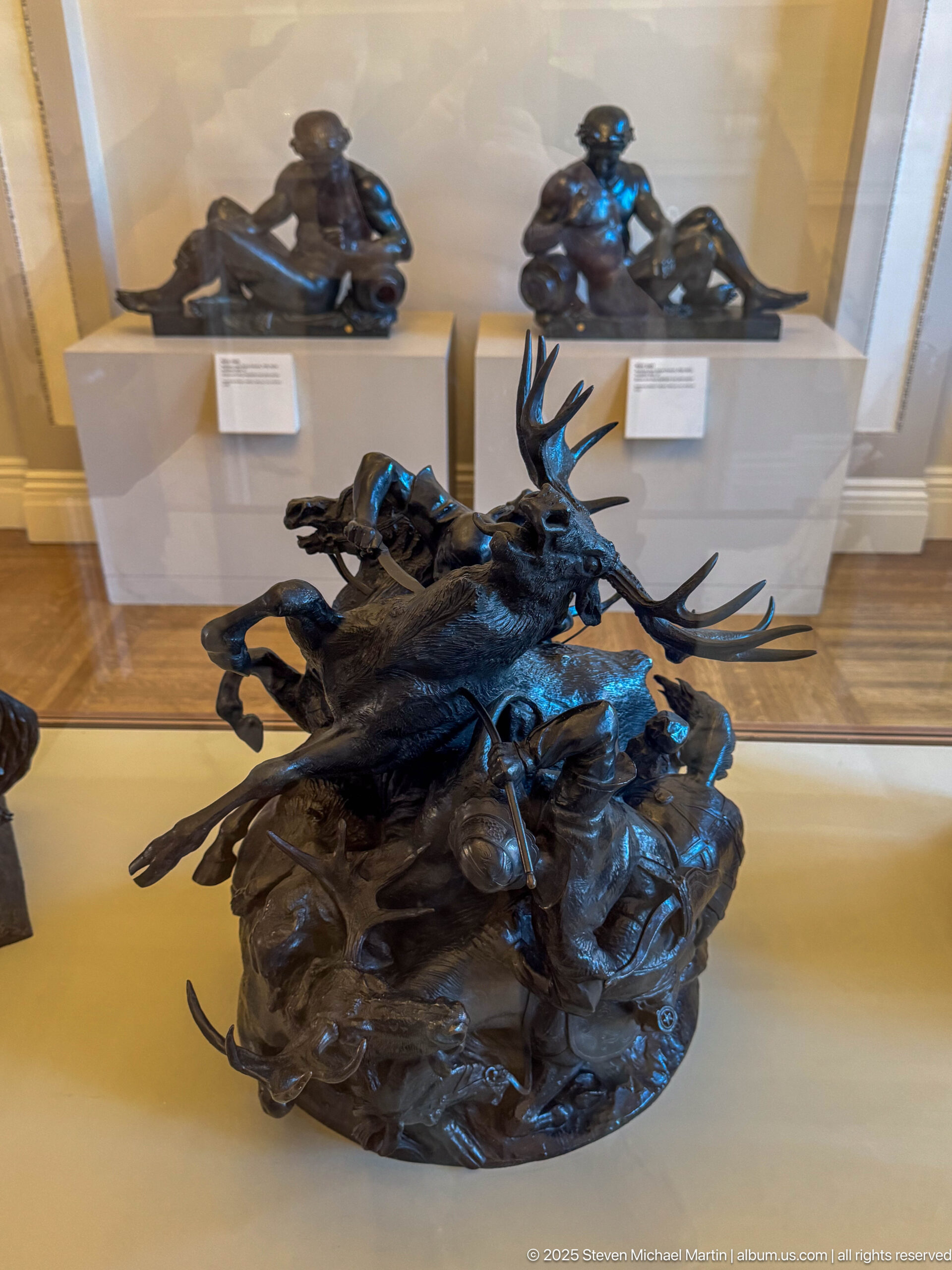
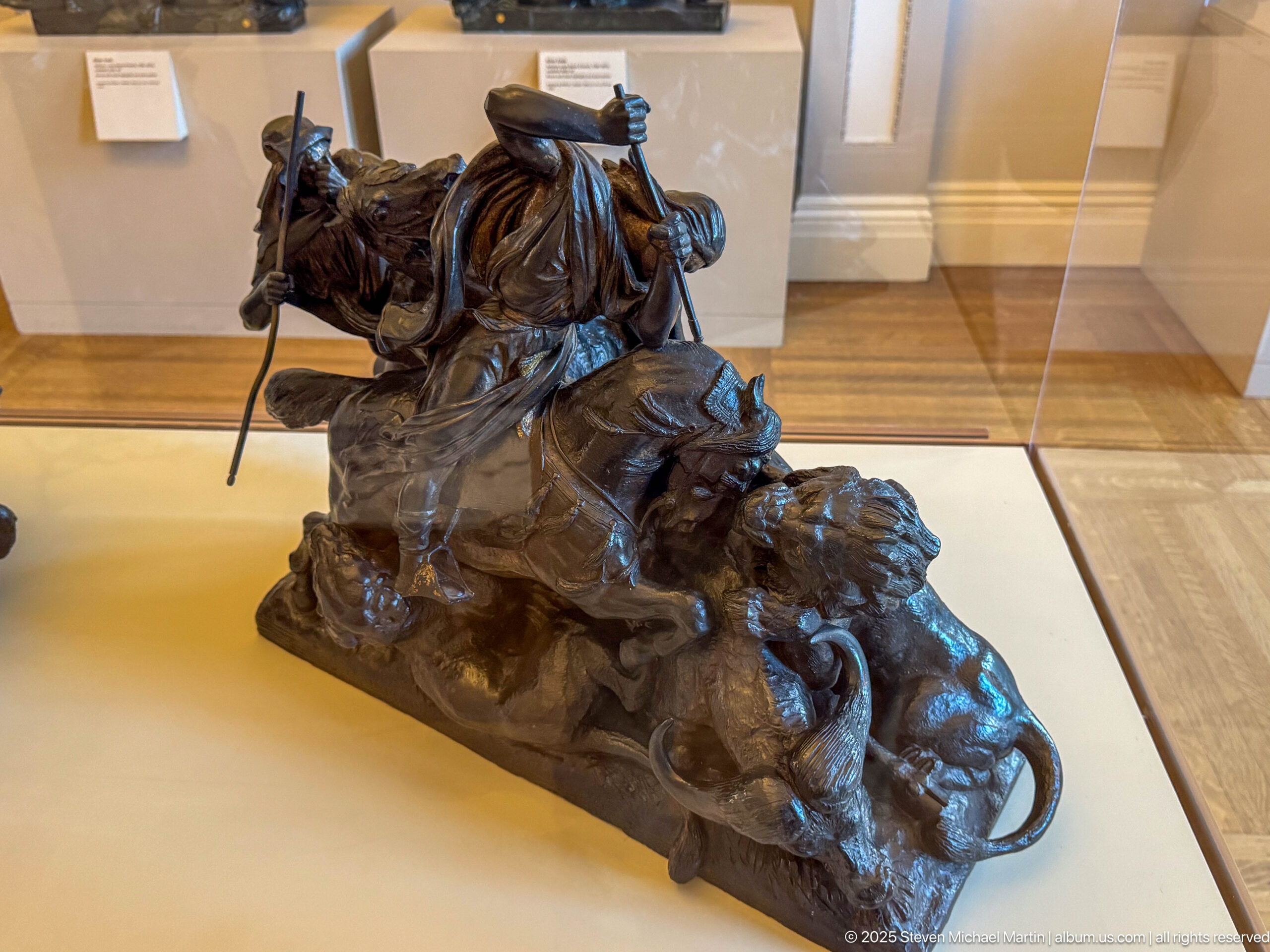
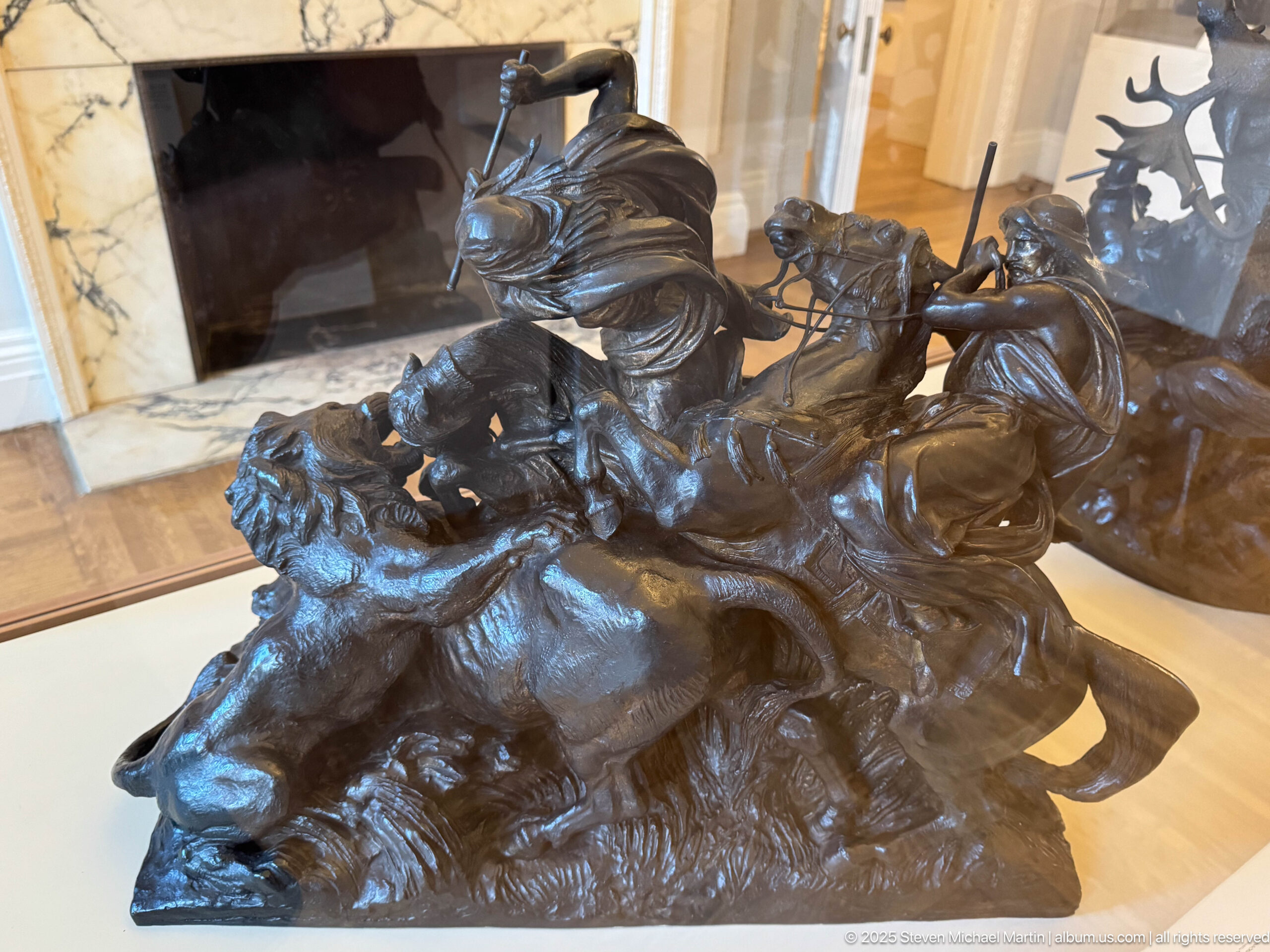
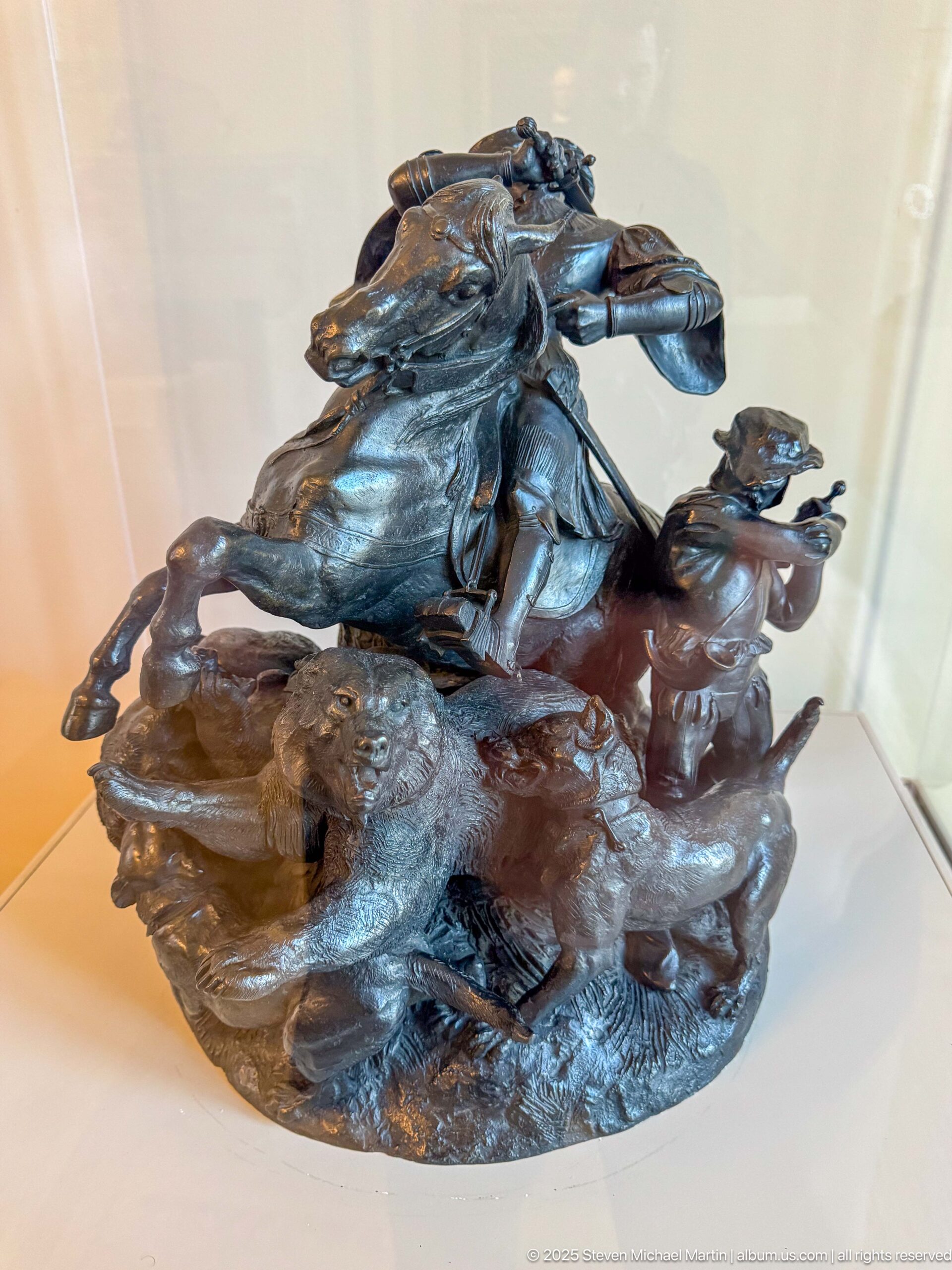
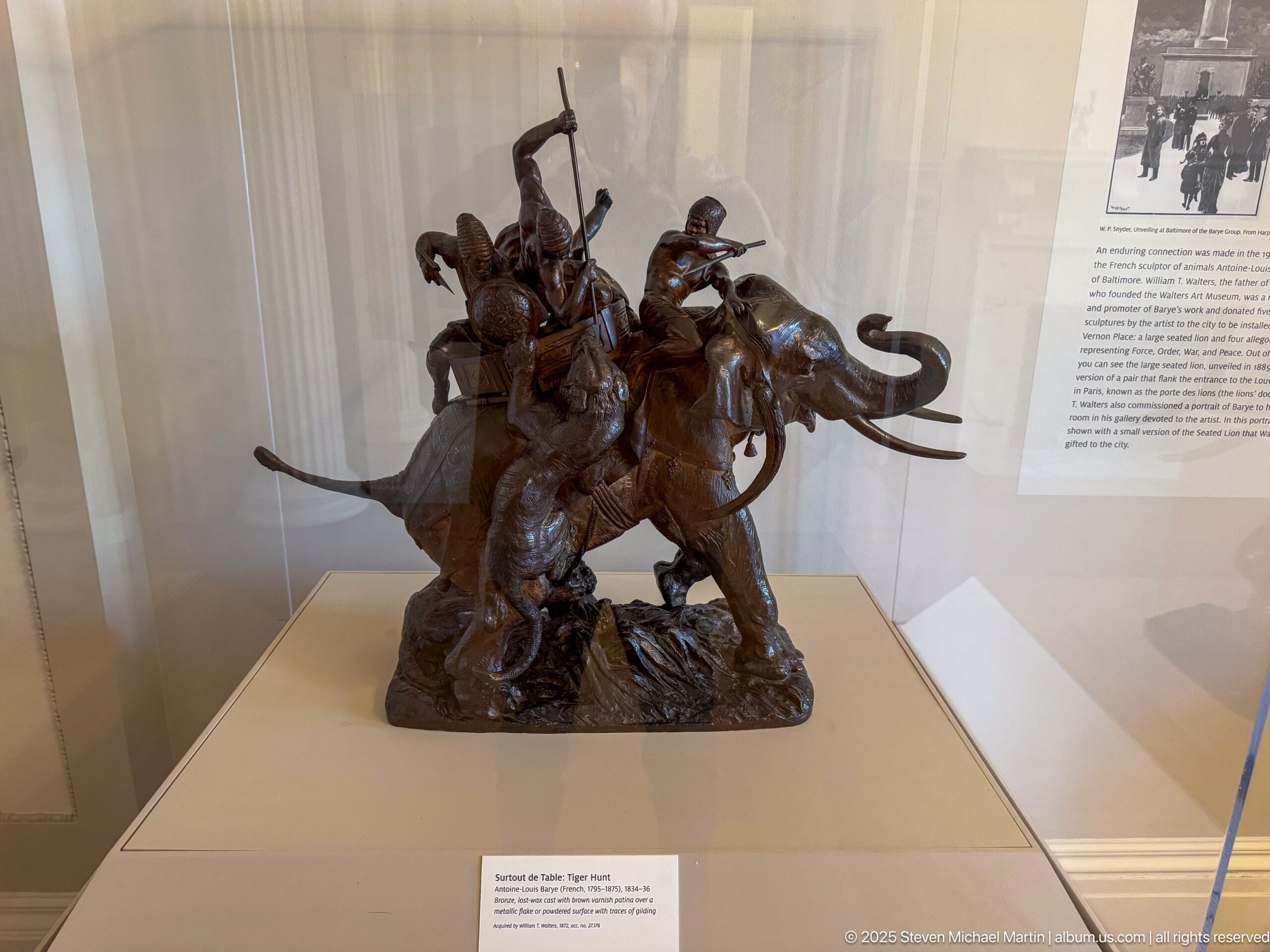
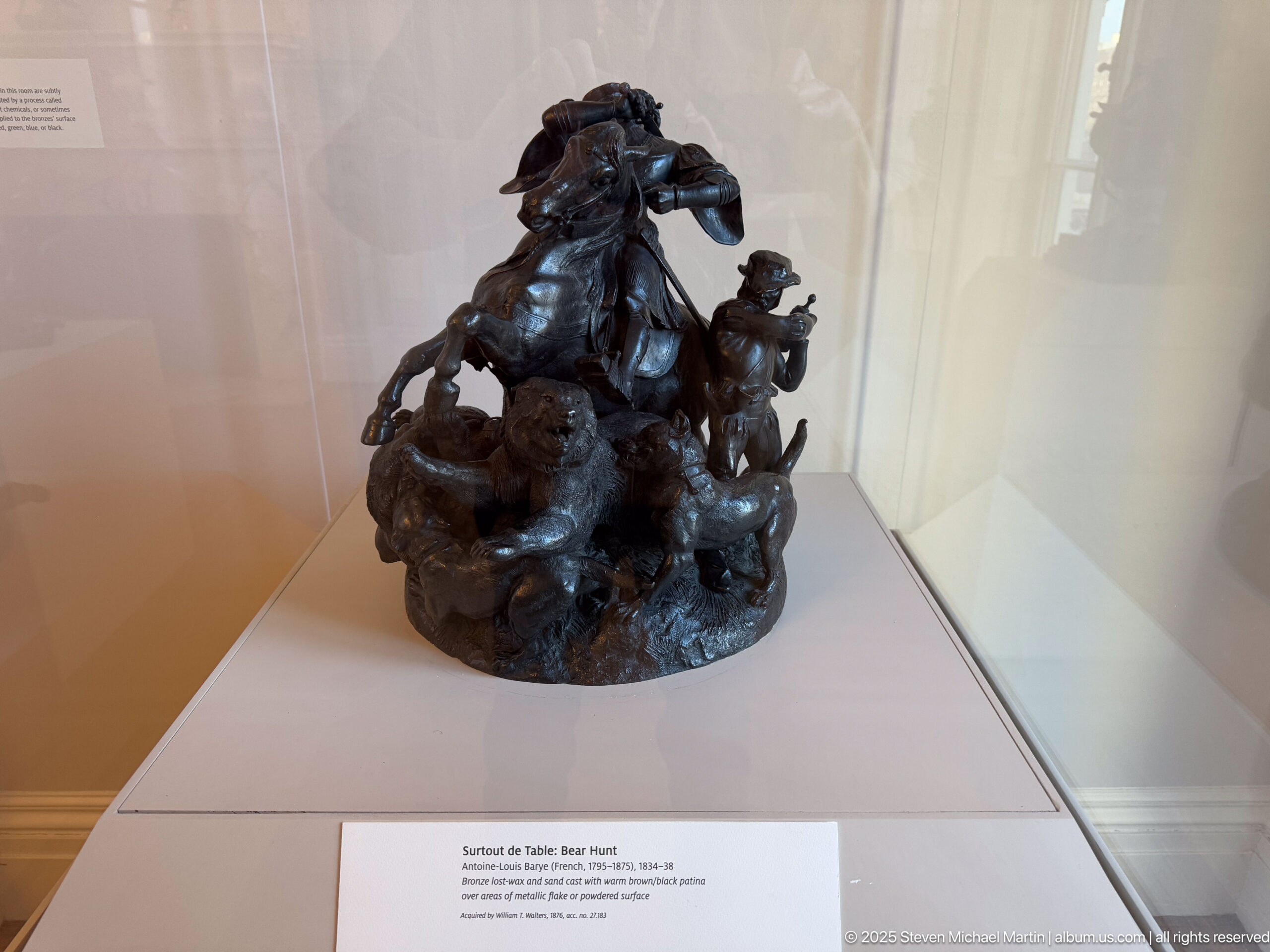
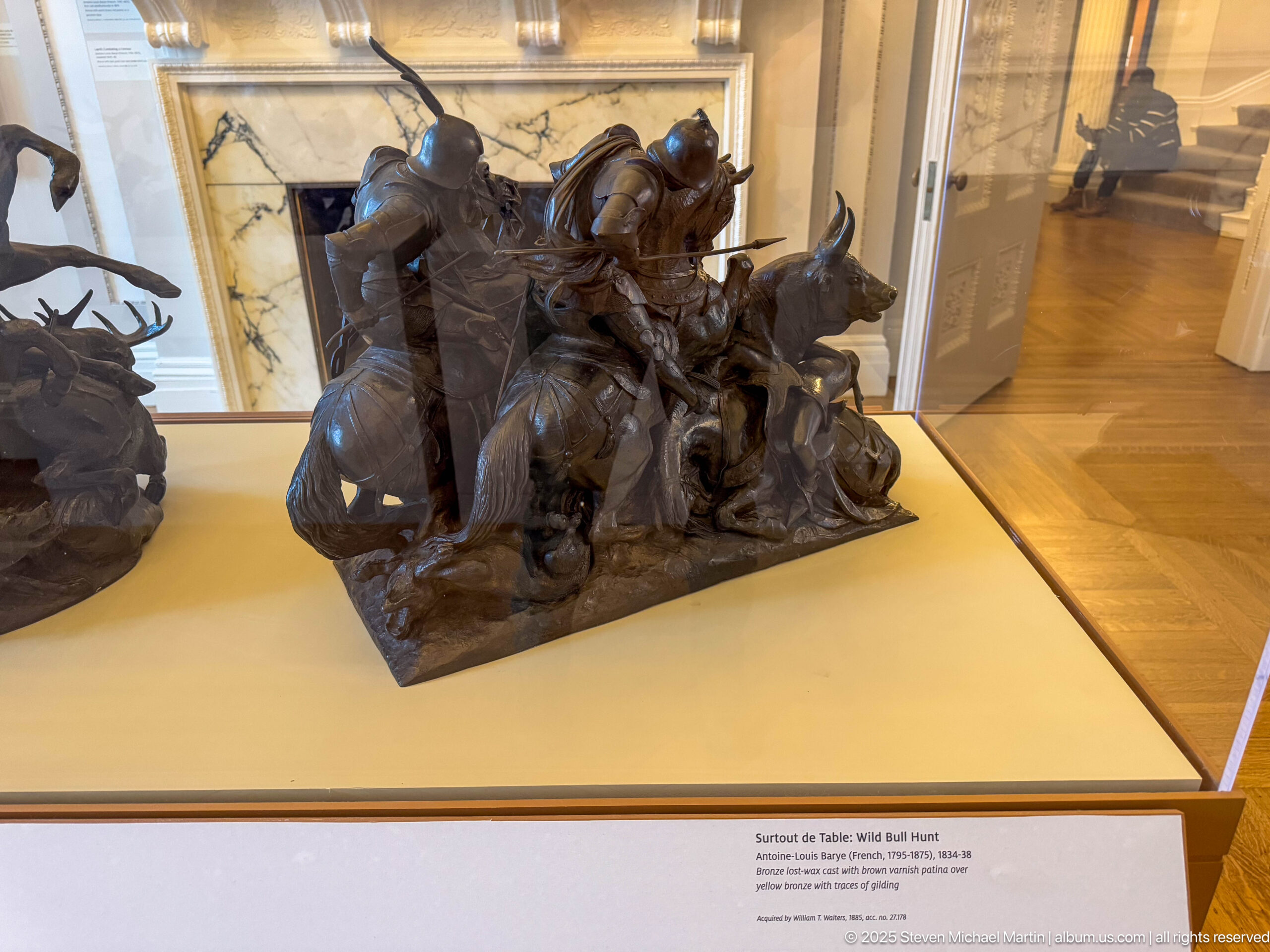
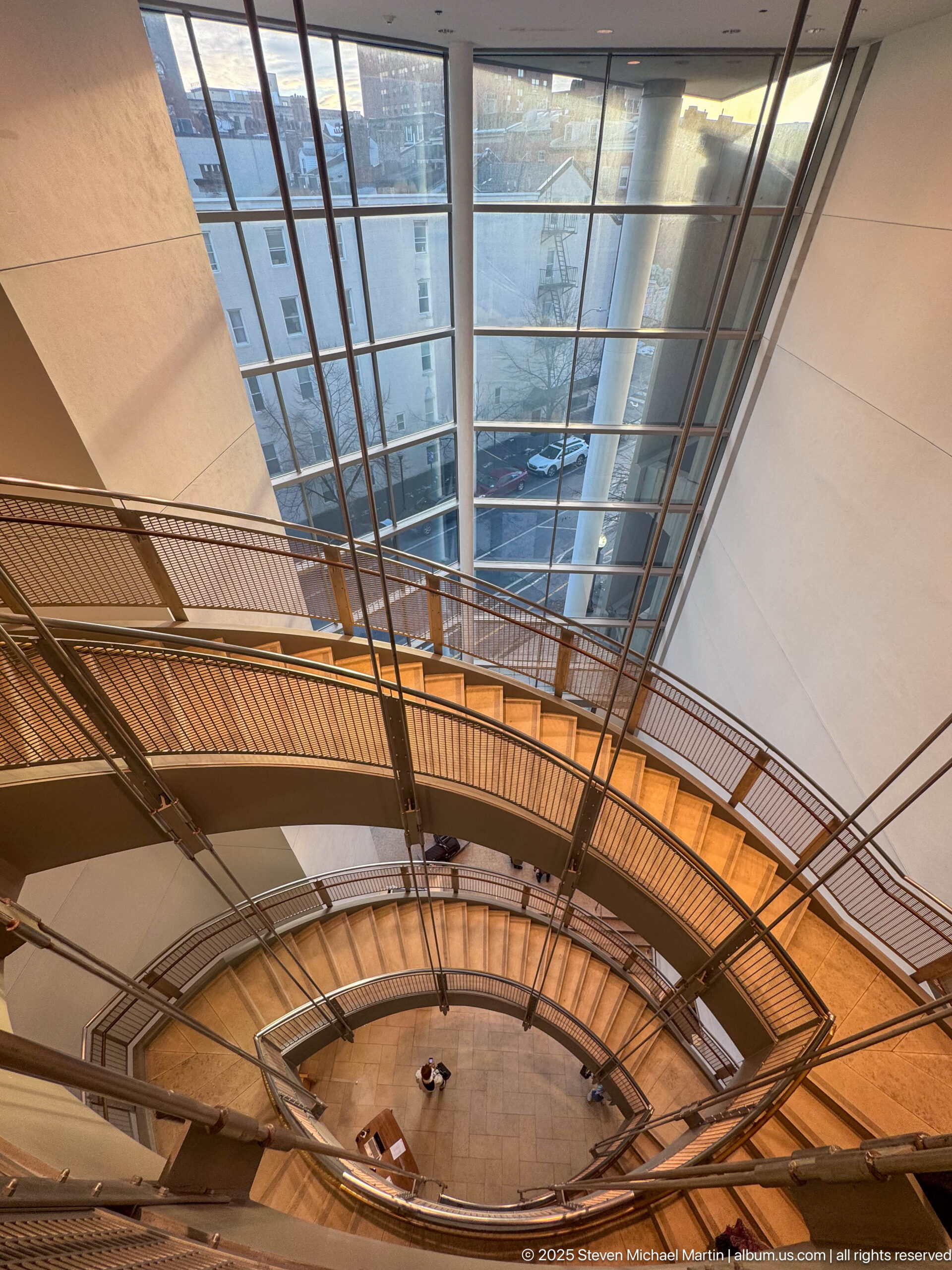
The Walters collection spans more than seven millennia of artistic production, including ancient Mediterranean objects, medieval manuscripts, Renaissance painting, Asian art, and decorative works from multiple traditions. The museum complex includes several historic structures connected through later additions, demonstrating the evolving nature of museum design as collections expanded. Its galleries illustrate how private collecting practices shaped the early formation of American art institutions and contributed to the preservation of global cultural heritage.
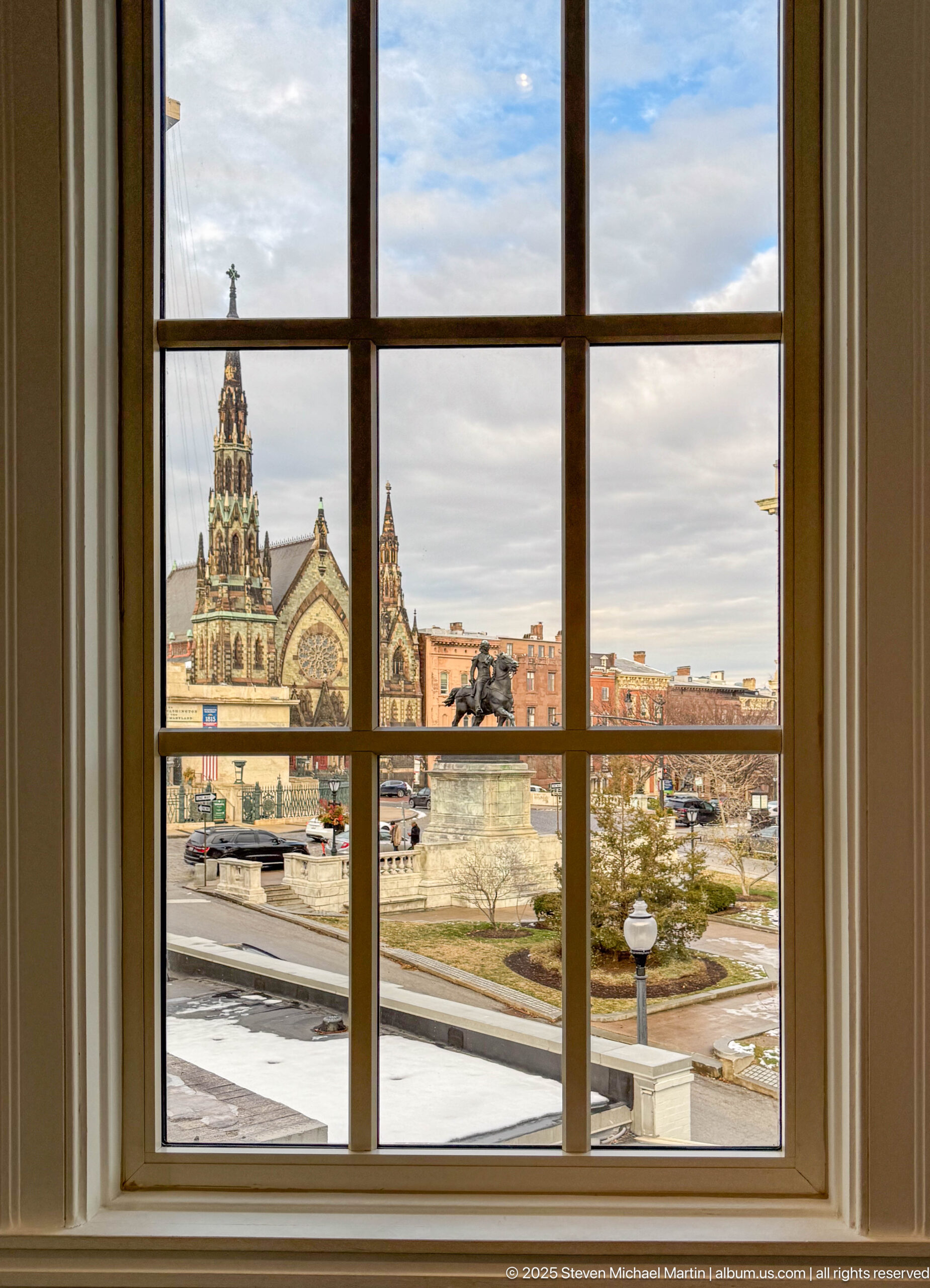
The Walters Art Museum contributes to understanding how artistic traditions from diverse regions have been interpreted within American cultural institutions. The museum’s architecture and collections illustrate the relationship between philanthropy, scholarship, and public education in shaping access to artistic heritage. Its presence within Baltimore reinforces the city’s historical role as an important center for cultural and intellectual life in the mid-Atlantic region.