Baltimore Cathedrals
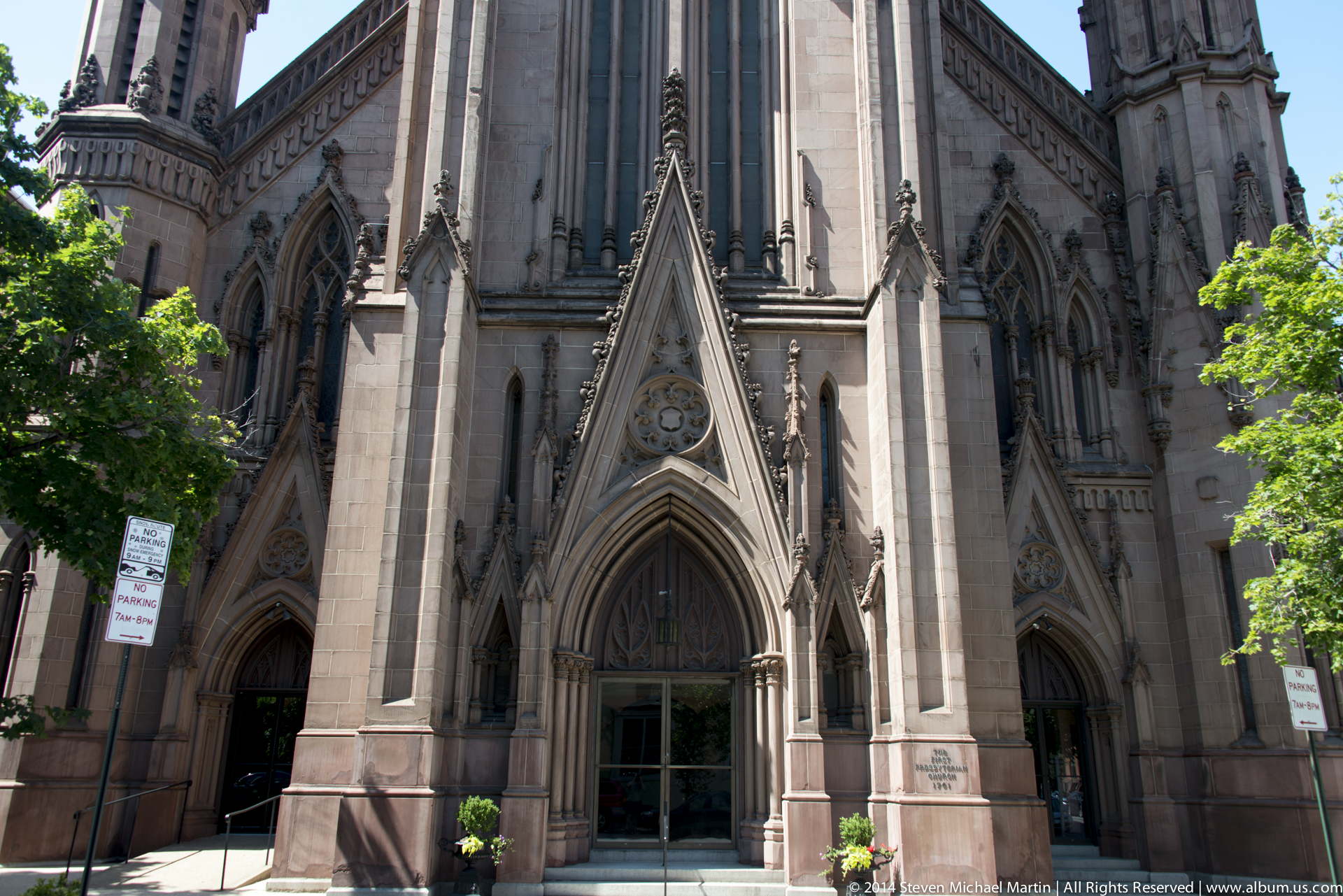
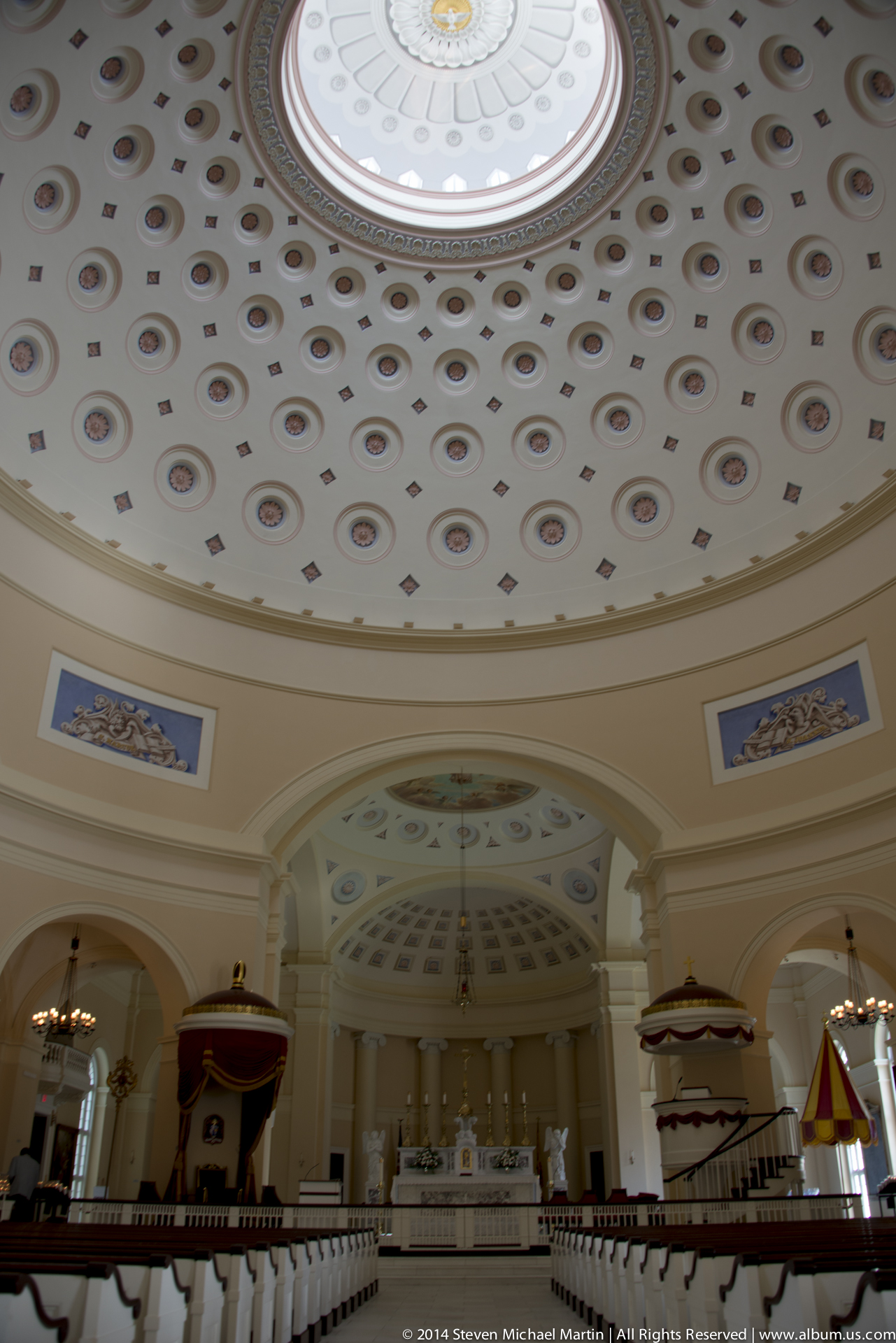
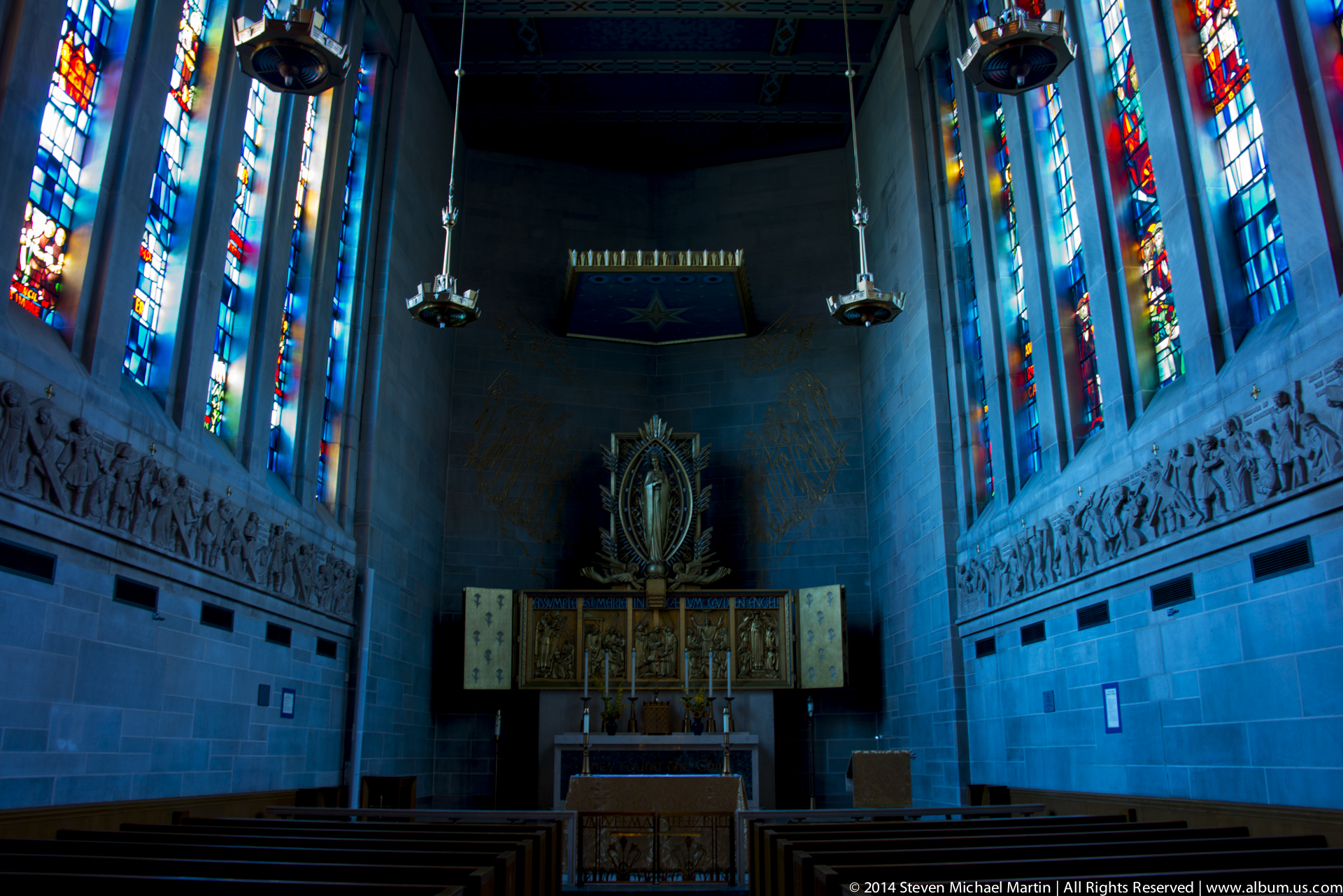
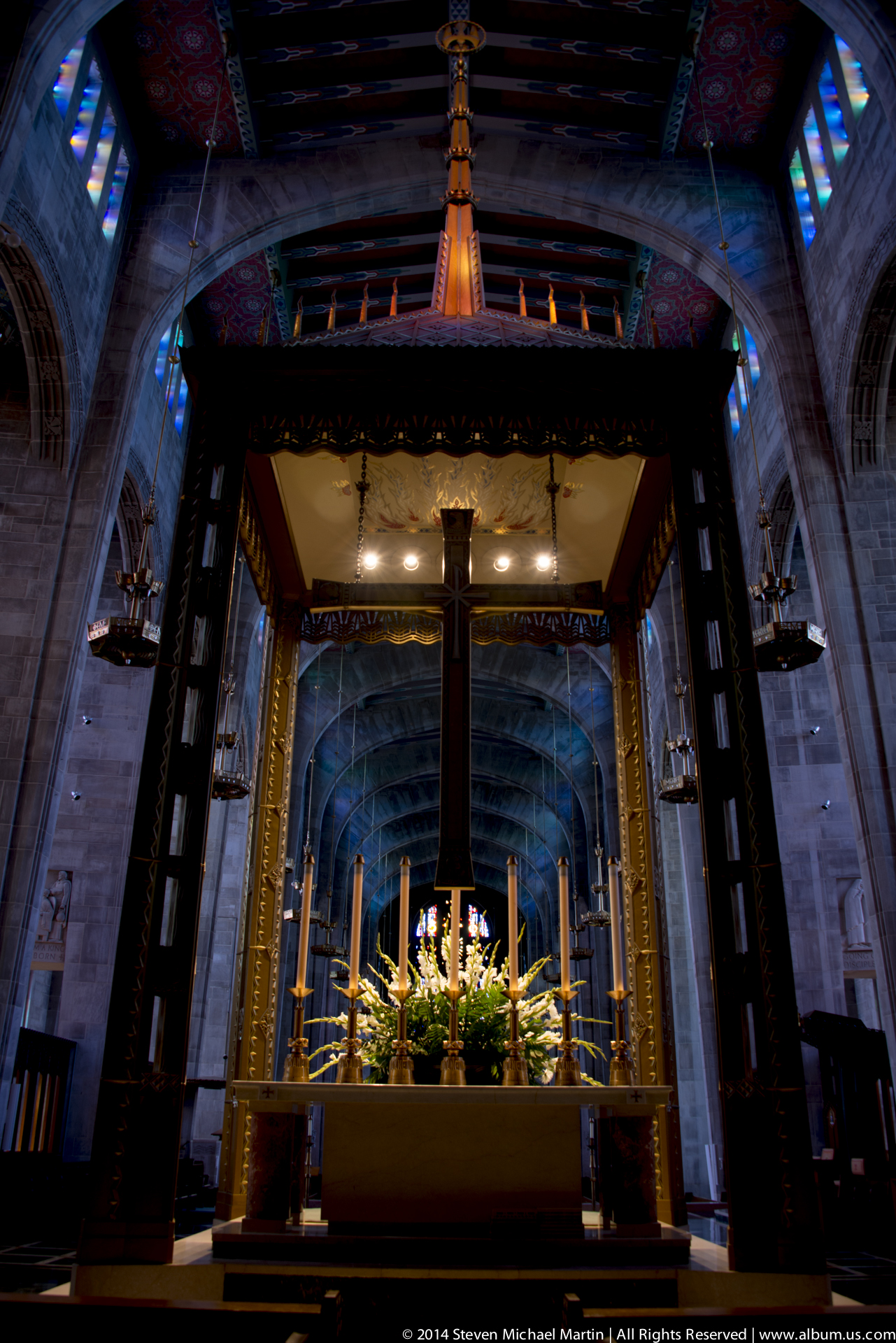
Baltimore contains some of the most significant ecclesiastical architecture in the United States, reflecting the city’s early importance as a center of Catholic life in the early republic. The Basilica of the National Shrine of the Assumption of the Blessed Virgin Mary, completed in 1821 and designed by Benjamin Henry Latrobe, represents one of the earliest major Roman Catholic cathedrals constructed after independence and illustrates the adaptation of neoclassical architectural traditions to American religious institutions. Later structures such as the Baltimore Cathedral of Mary Our Queen demonstrate the continued development of monumental religious architecture into the twentieth century, reflecting evolving stylistic influences and the growth of Catholic communities in the mid-Atlantic region.
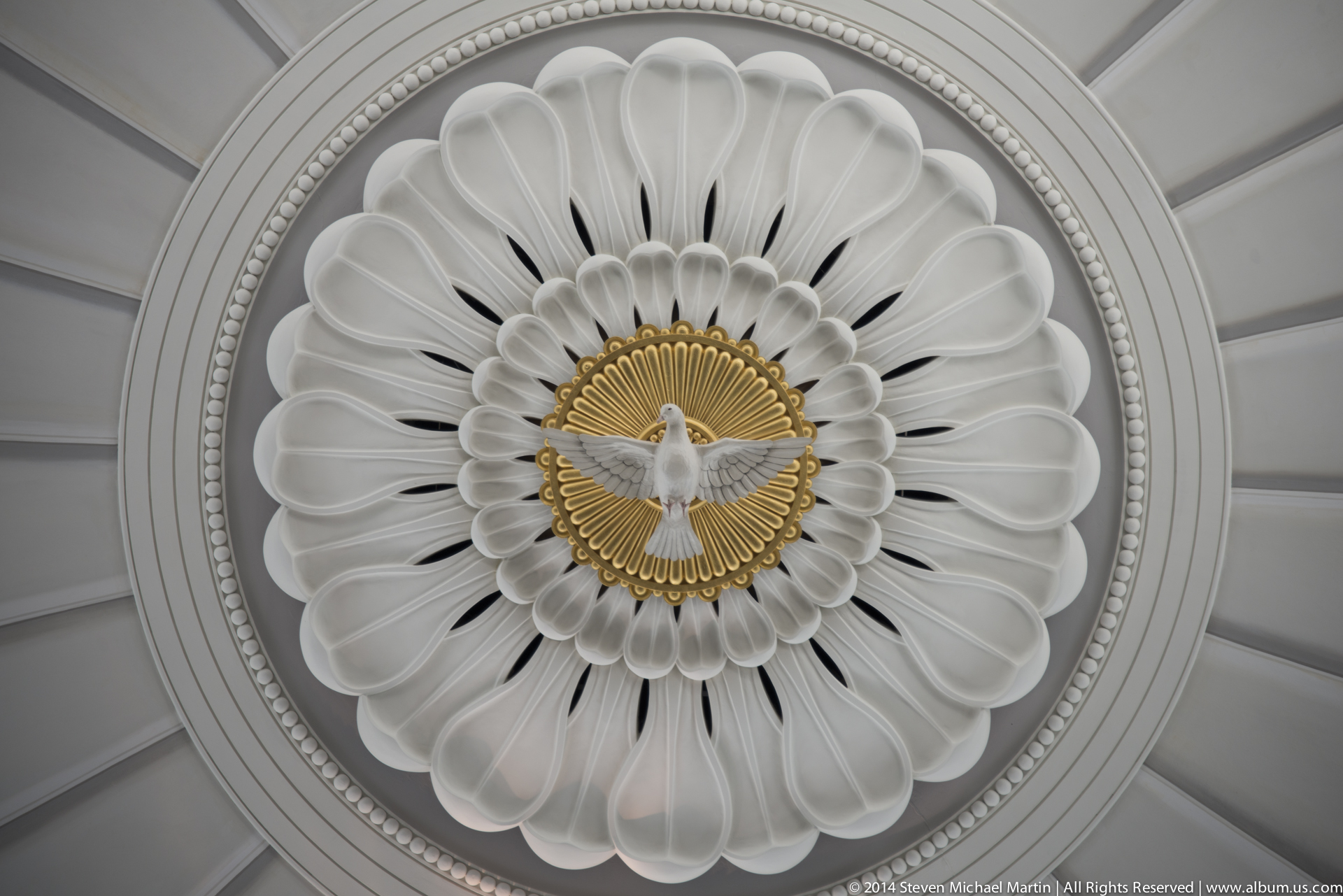
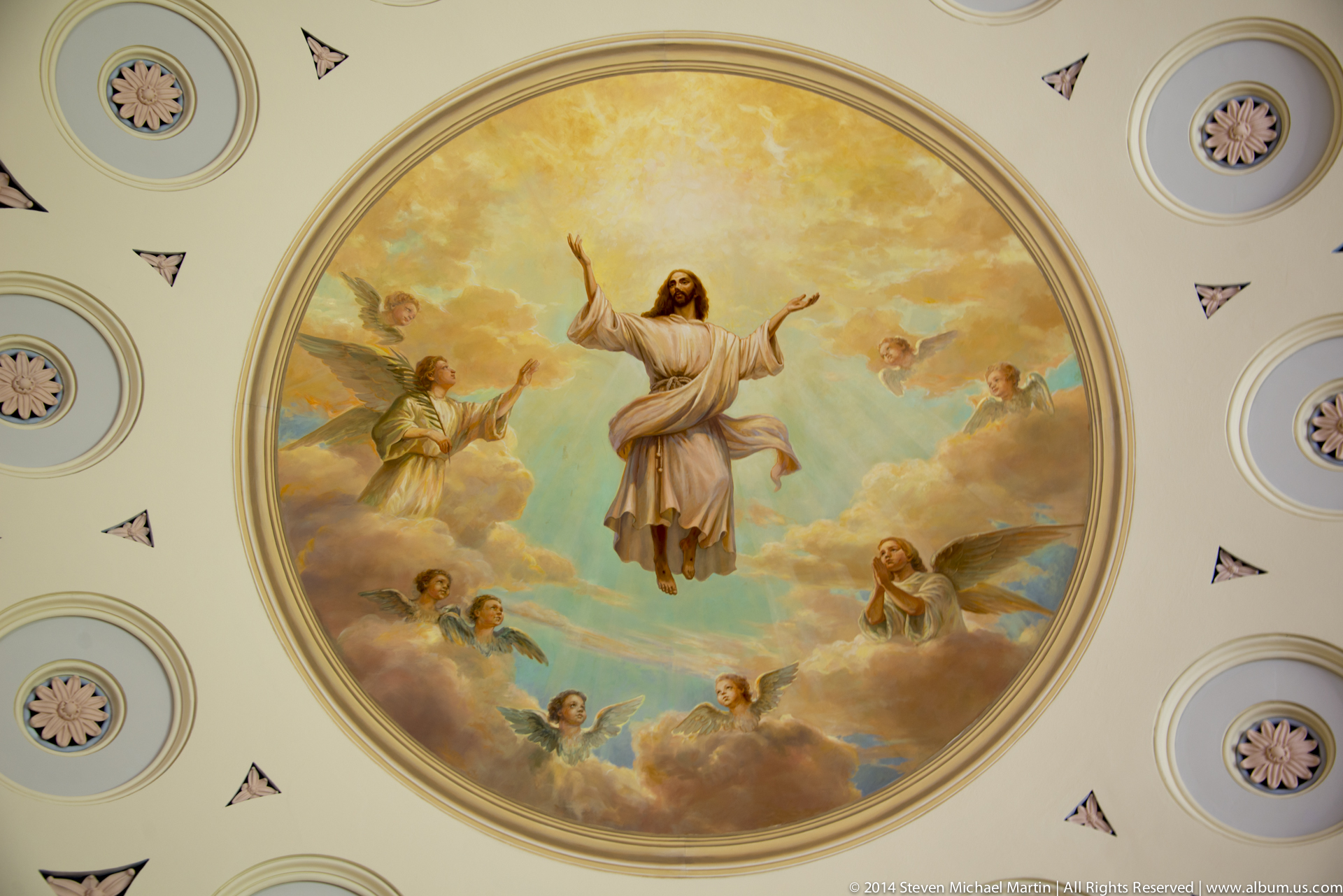
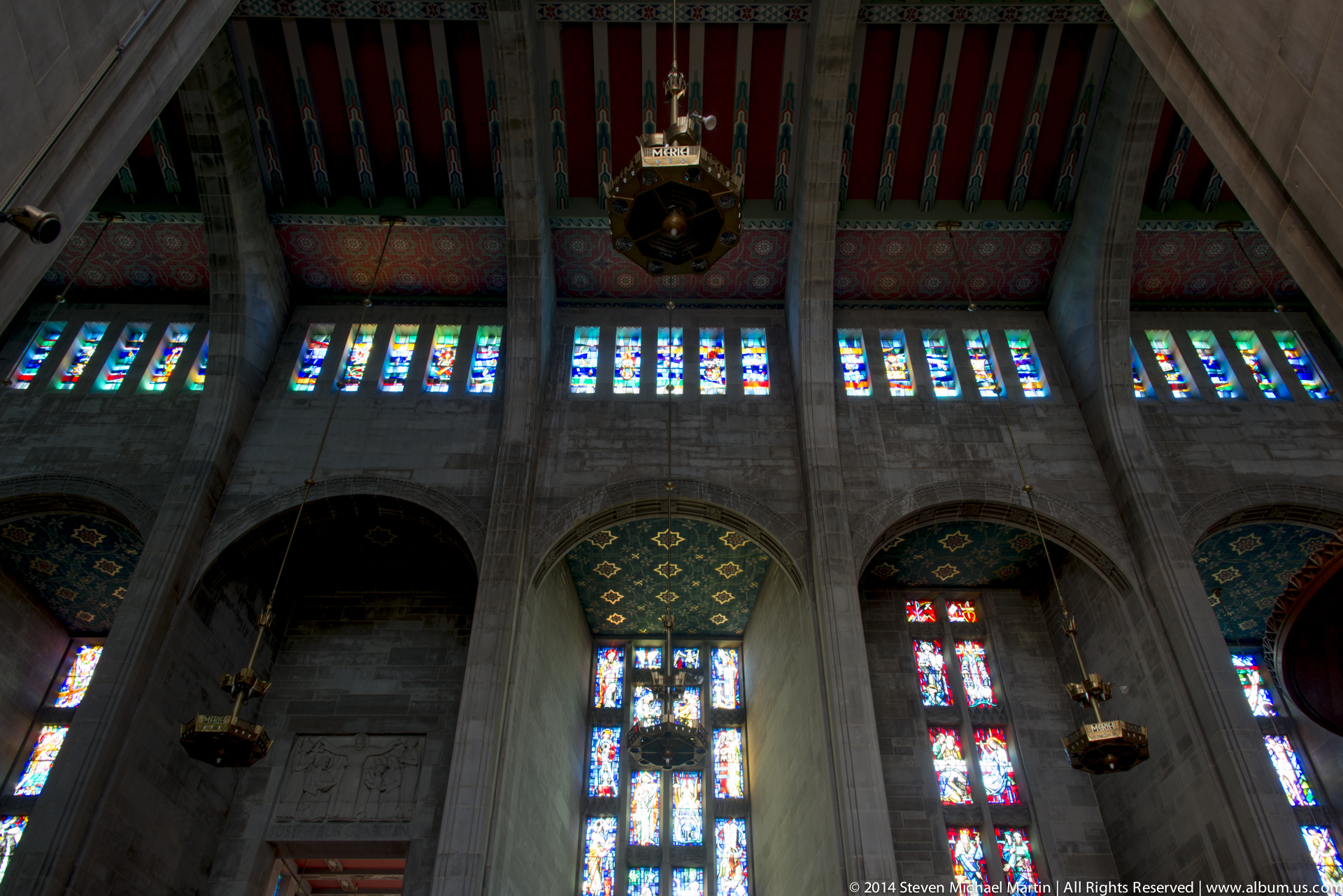
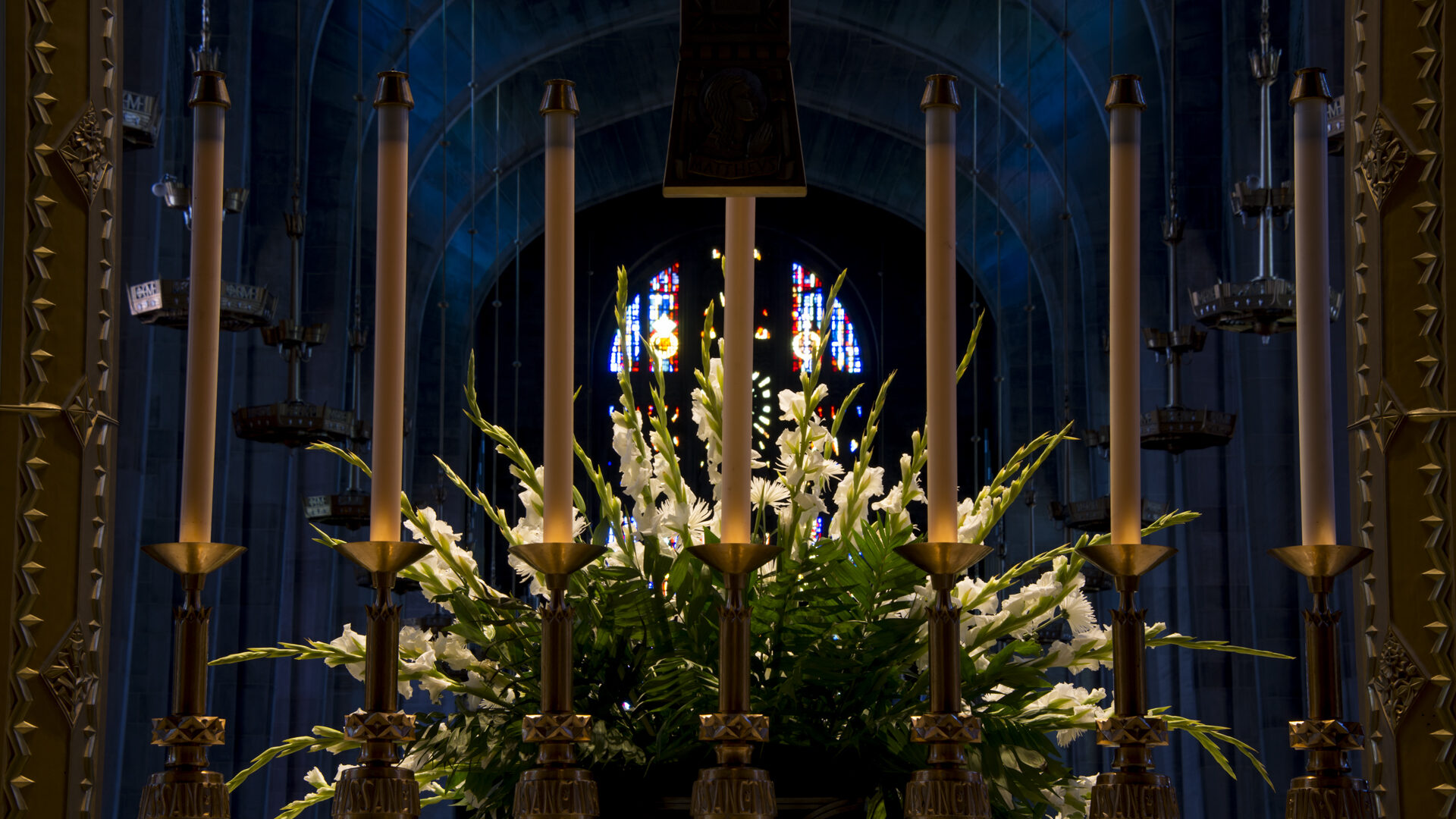
These cathedrals illustrate the role of Baltimore as an early focal point for religious organization and architectural experimentation in the United States. The spatial organization of domes, vaulted ceilings, and axial interior plans reflects continuity with European precedents while adapting to local materials and construction techniques. Together the buildings demonstrate how sacred architecture contributes to the broader urban landscape through scale, ornamentation, and symbolic presence.
The Baltimore cathedrals contribute to understanding how religious institutions influenced the cultural development of early American cities. Their preservation provides insight into architectural traditions that shaped civic identity during the nineteenth and twentieth centuries. The structures reflect the continuity of religious practice and artistic craftsmanship within the historical geography of the Chesapeake region.