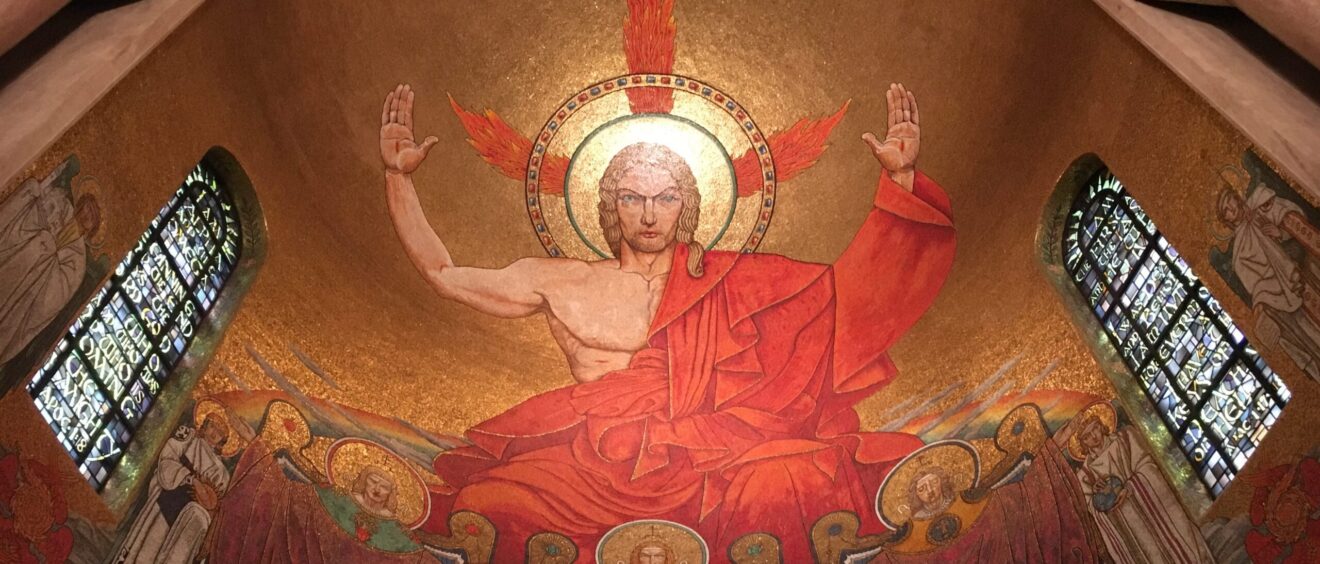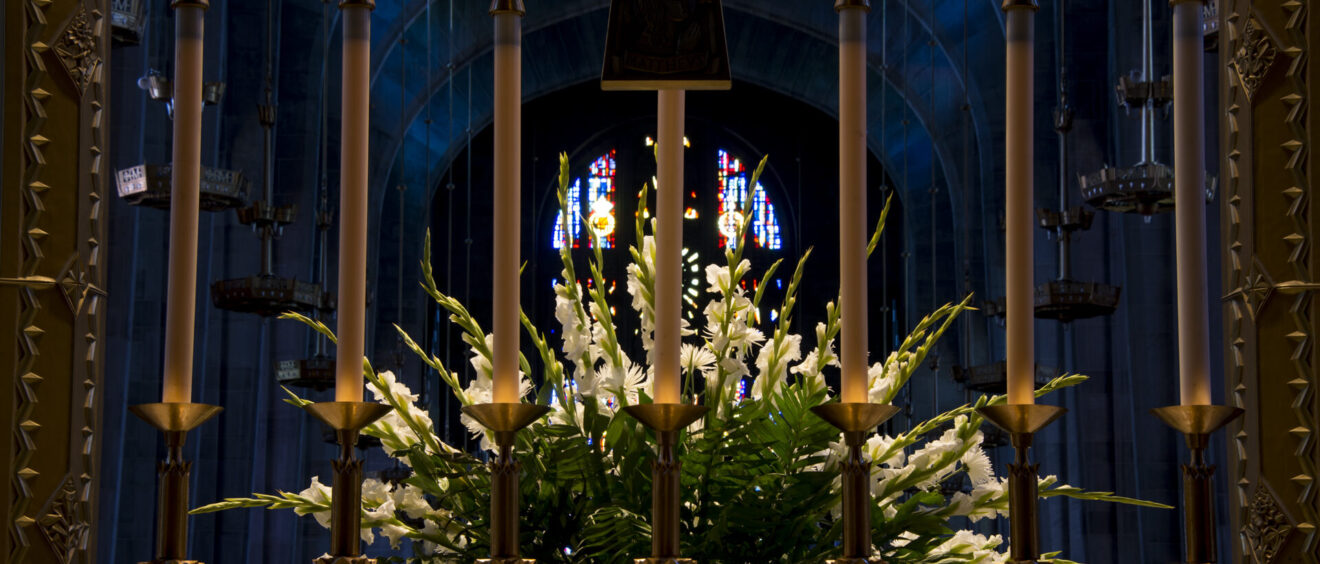
Cathedral of Saint Matthew the Apostle The Cathedral of Saint Matthew the Apostle occupies an important place within the religious and architectural landscape of Washington, DC, serving as the seat of the Roman Catholic Archdiocese of Washington. Constructed in the early twentieth century, the cathedral reflects Romanesque Revival design enriched by Byzantine influences, combining a […]
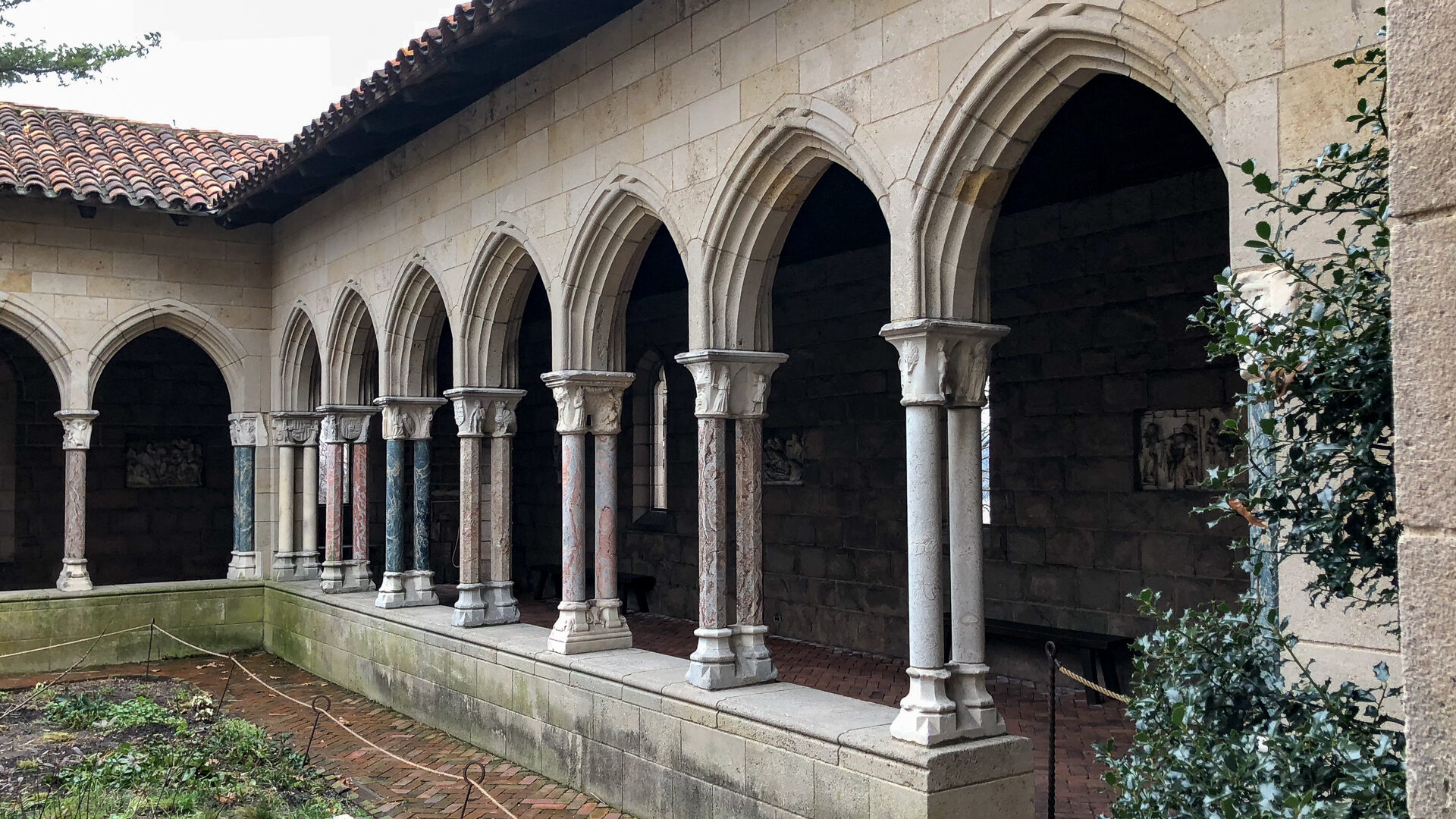
The Cloisters The Cloisters museum occupies a hilltop site in Fort Tryon Park overlooking the Hudson River, where architecture and landscape combine to evoke the form of a medieval European monastic complex. Developed in the early twentieth century as part of the Metropolitan Museum of Art, the structure incorporates architectural elements acquired from several French […]
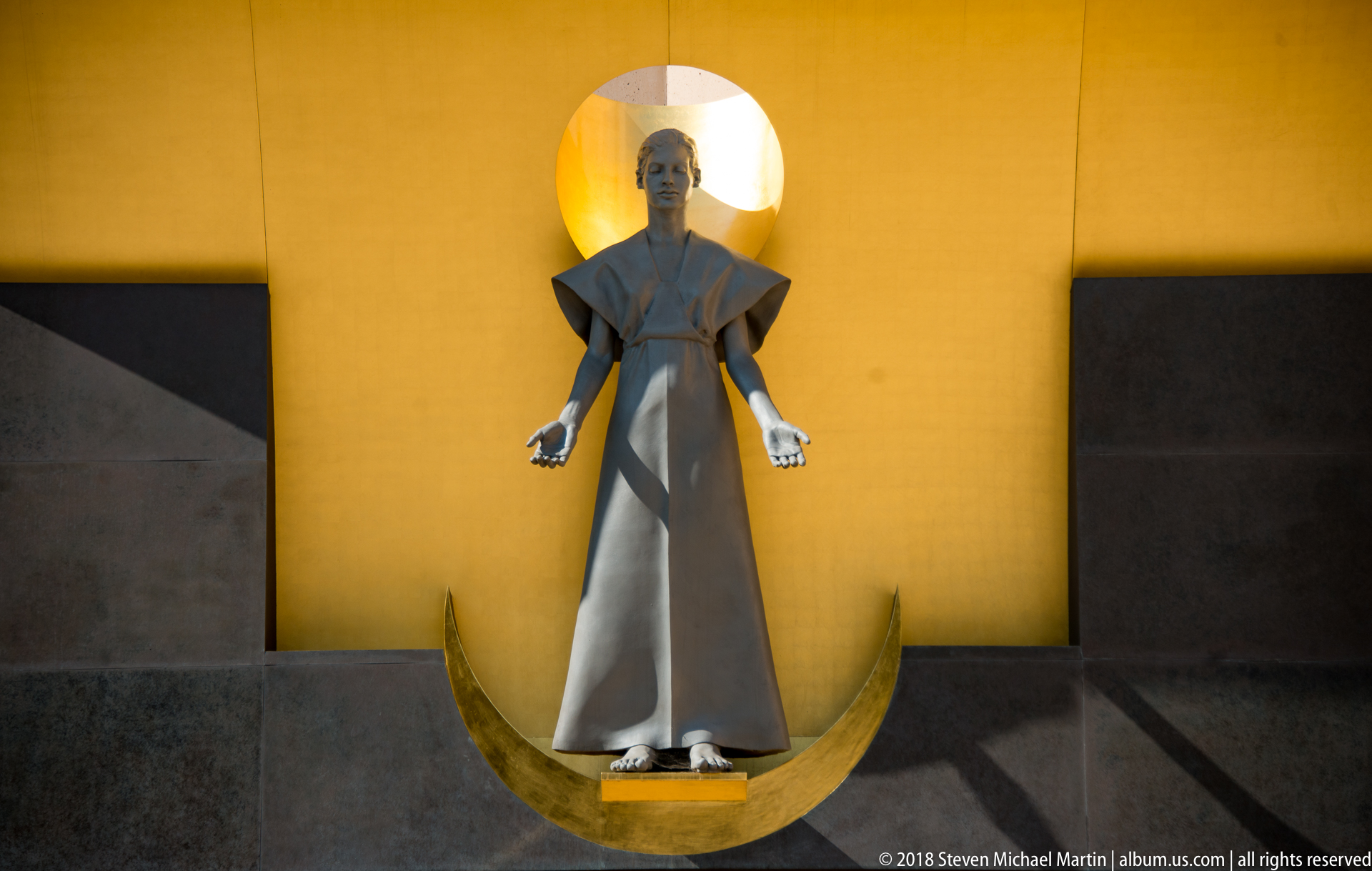
Cathedral of Our Lady of the Angels The Cathedral of Our Lady of the Angels is located in downtown Los Angeles near the historic center of the city, where civic and religious architecture reflects the development of modern cultural institutions in southern California. Completed in 2002 and designed by architect Rafael Moneo, the cathedral serves […]
Mission San Gabriel Arcángel Mission San Gabriel Arcángel is located in the San Gabriel Valley east of Los Angeles, where fertile plains and river systems supported early Spanish colonial settlement in Alta California. Founded in 1771 as the fourth mission in the California mission chain, the site formed part of a broader network of religious […]
Basilica of the National Shrine of the Immaculate Conception The Basilica of the National Shrine of the Immaculate Conception is one of the largest churches in North America and represents a major example of Romanesque-Byzantine architectural design in the United States. Constructed during the twentieth century, the basilica reflects long traditions of sacred architecture adapted […]
Mepkin Abbey Mepkin Abbey is located along the Cooper River northwest of Charleston within the South Carolina Lowcountry, where tidal waterways and fertile floodplain soils supported plantation agriculture during the colonial period. The property originated as Mepkin Plantation, associated with rice cultivation typical of the coastal region shaped by river hydrology and Atlantic trade networks. […]
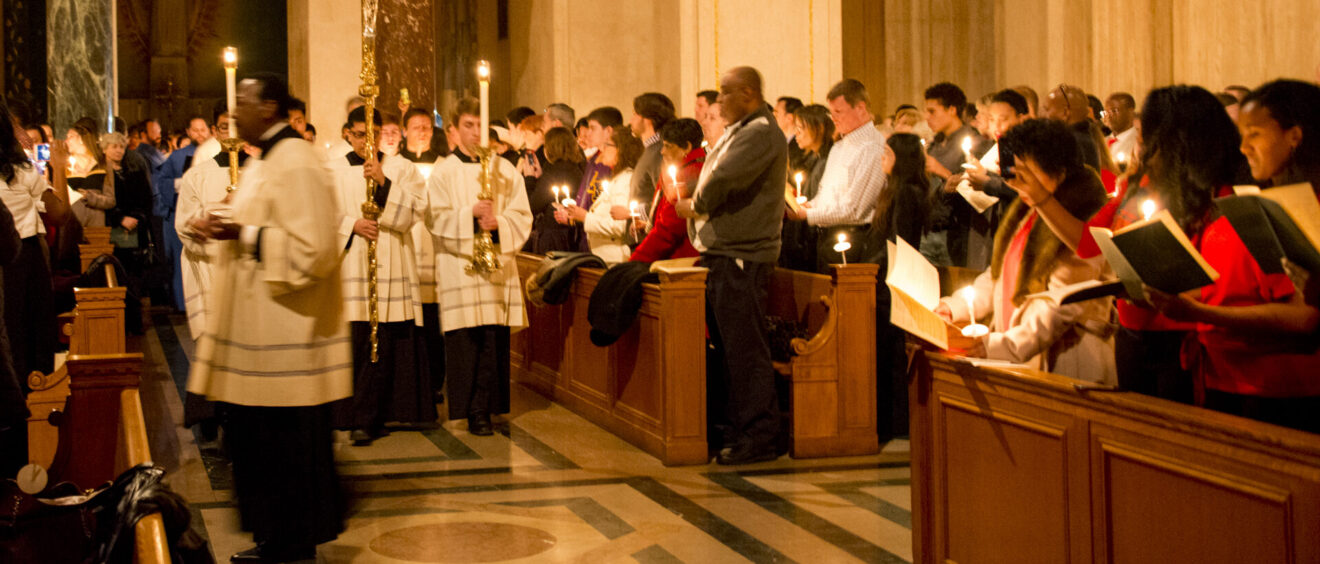
Christmas Midnight Mass at the Basilica The Basilica of the National Shrine of the Immaculate Conception is one of the most significant religious structures in the United States, combining Romanesque and Byzantine architectural influences within a monumental setting in Washington, DC. Constructed in the twentieth century as a national Catholic shrine, the basilica reflects long […]
Baltimore Cathedrals Baltimore contains some of the most significant ecclesiastical architecture in the United States, reflecting the city’s early importance as a center of Catholic life in the early republic. The Basilica of the National Shrine of the Assumption of the Blessed Virgin Mary, completed in 1821 and designed by Benjamin Henry Latrobe, represents one […]
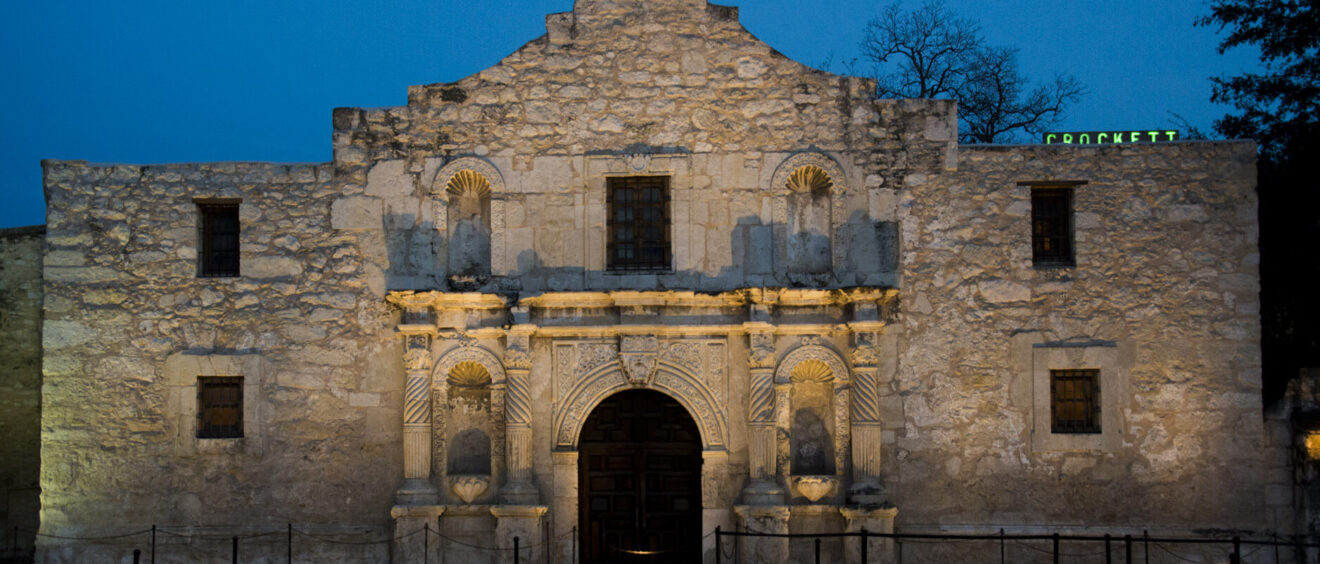
San Antonio Missions National Historical Park San Antonio Missions National Historical Park preserves a group of eighteenth-century Spanish colonial mission complexes located along the San Antonio River in southern Texas. These mission communities formed part of a broader network of religious and cultural institutions established by Spain to support colonization of the Southwest and to […]