Cathedral of Saint Matthew the Apostle
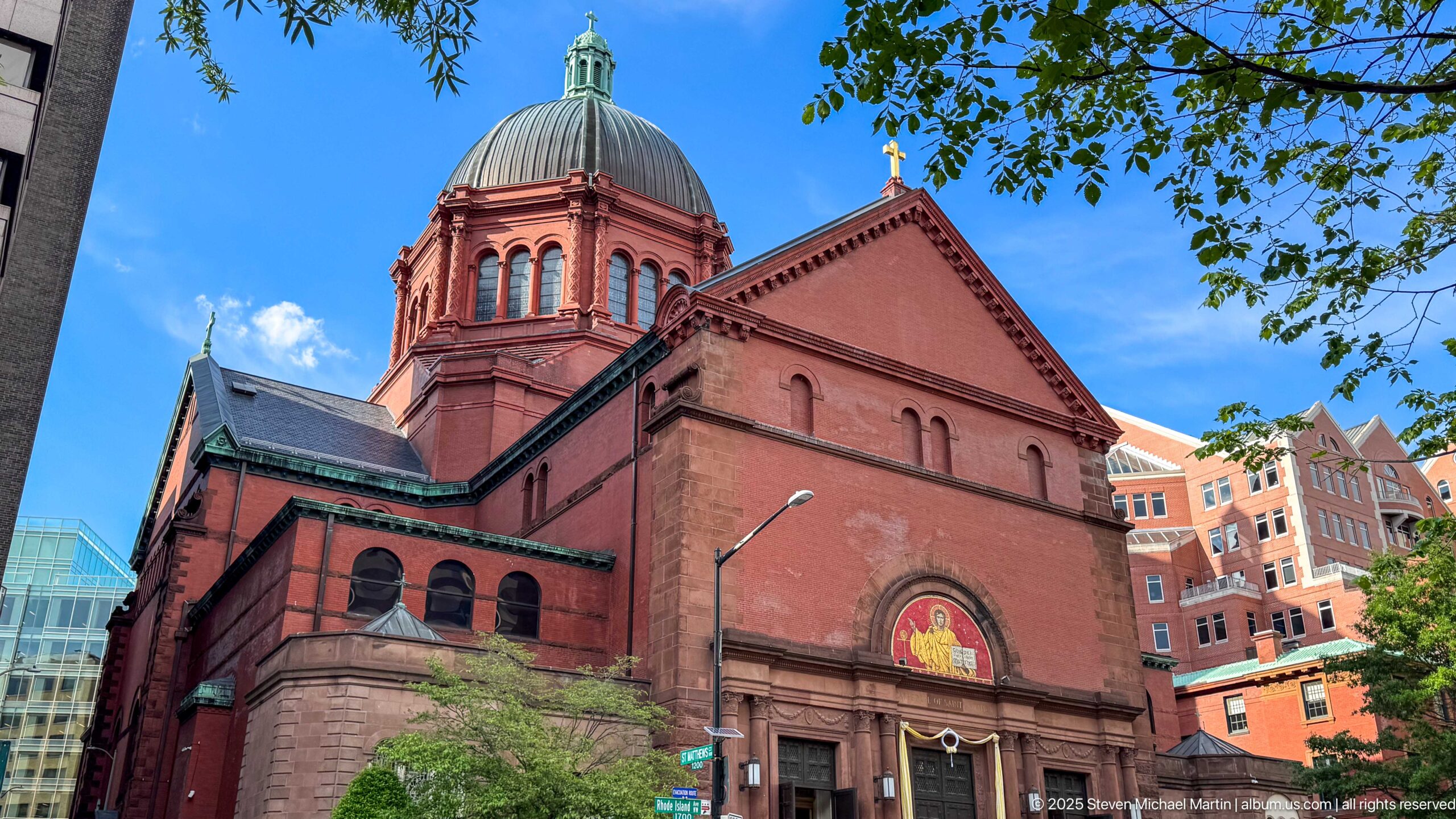
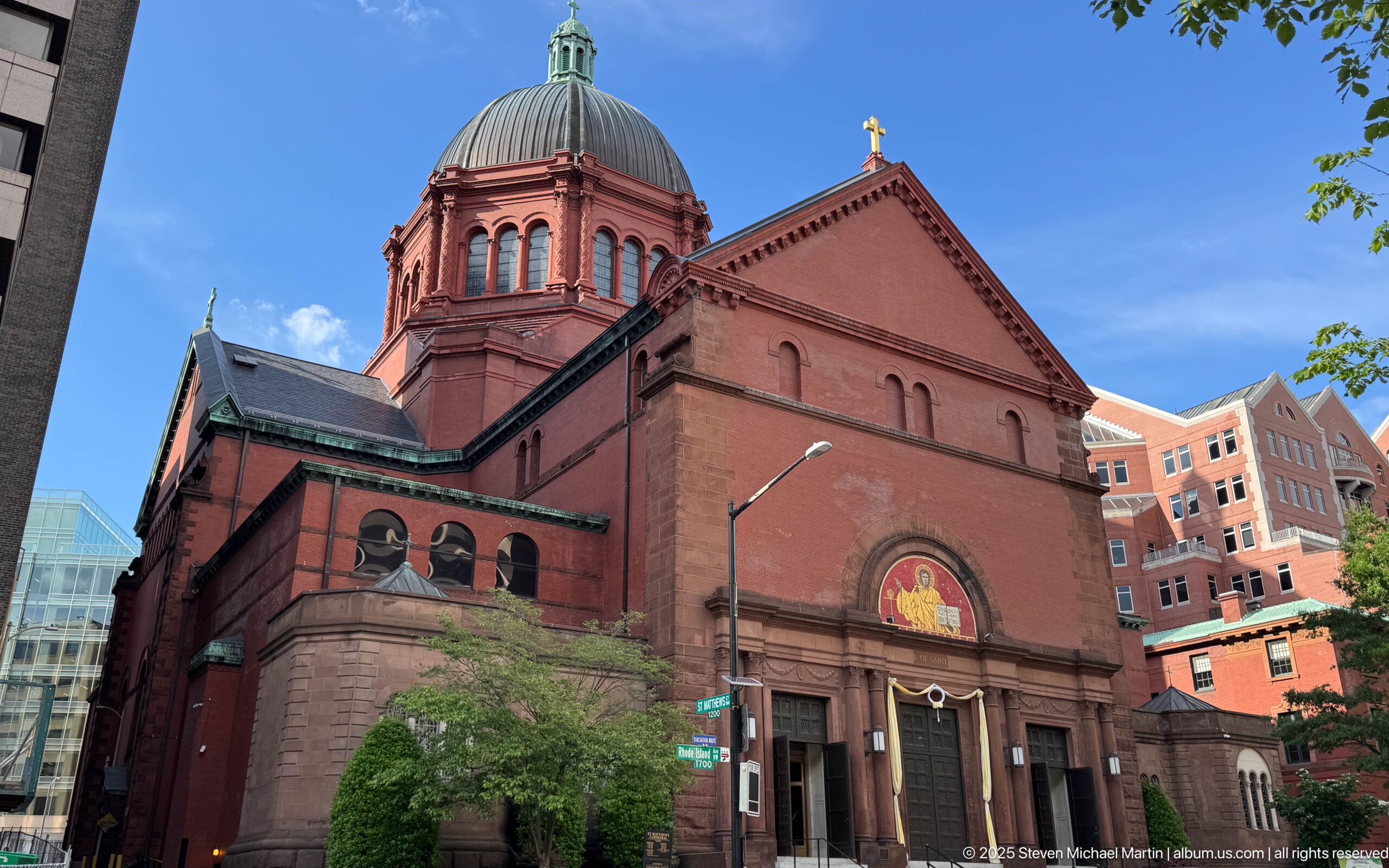
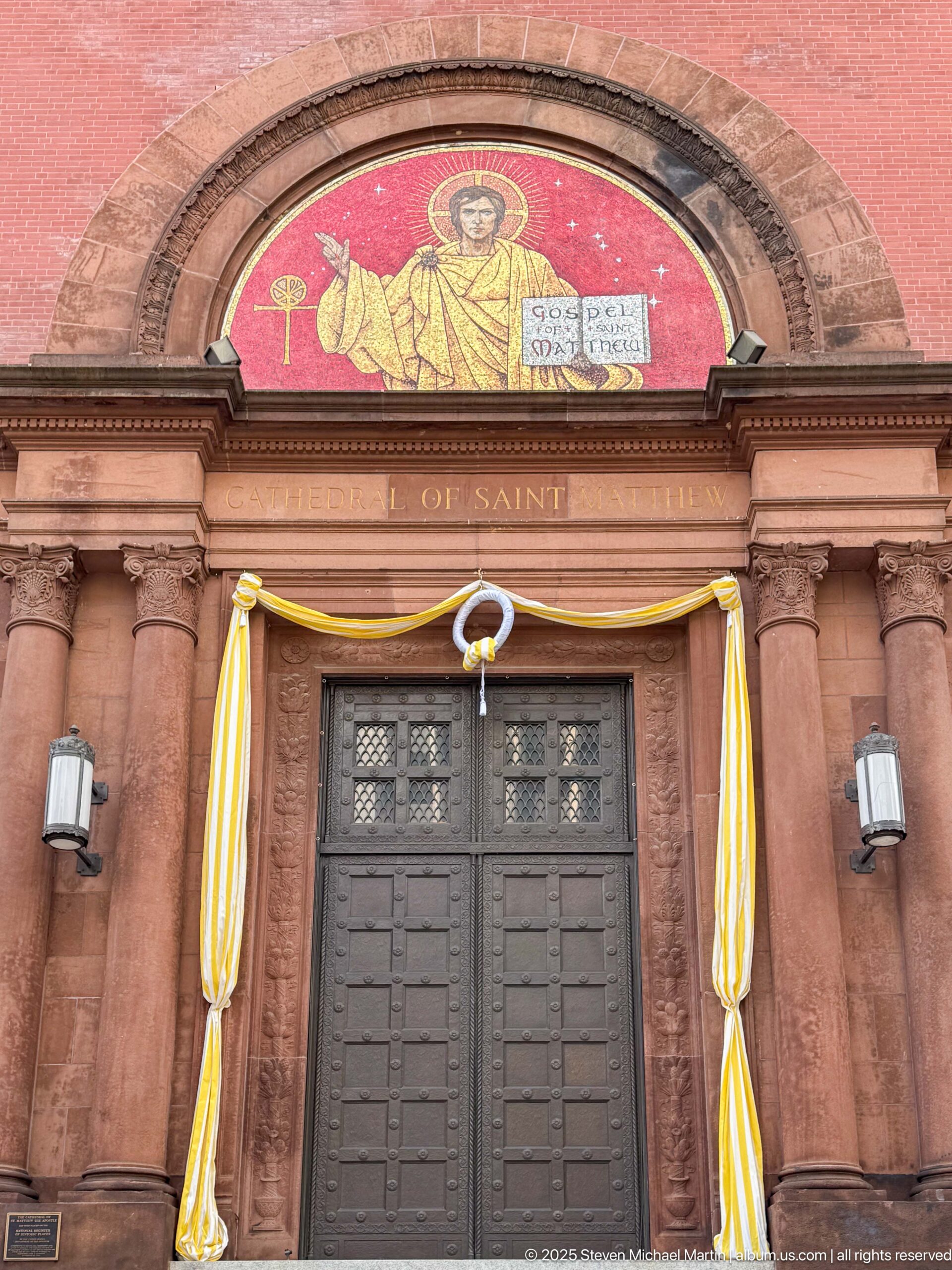
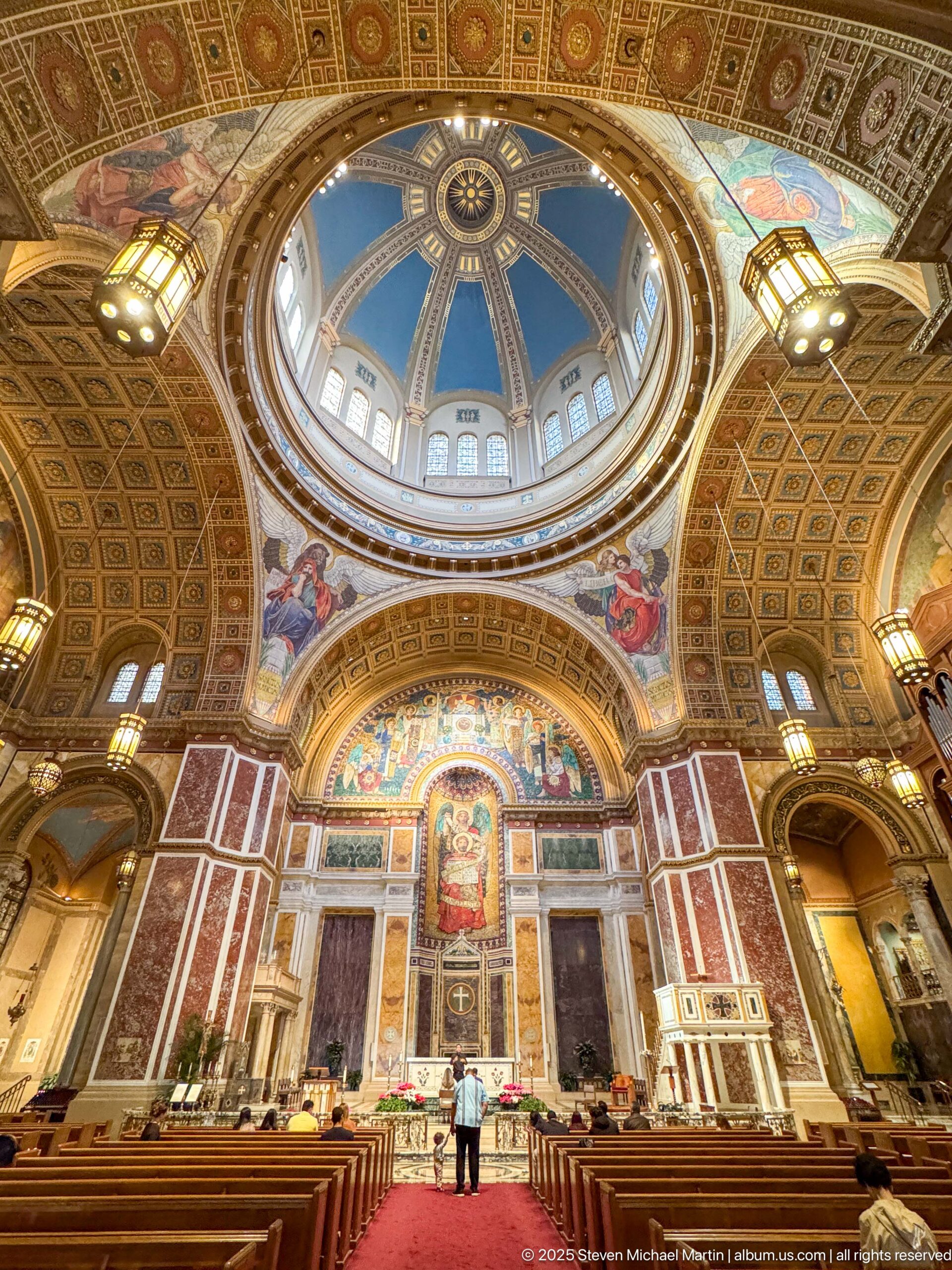
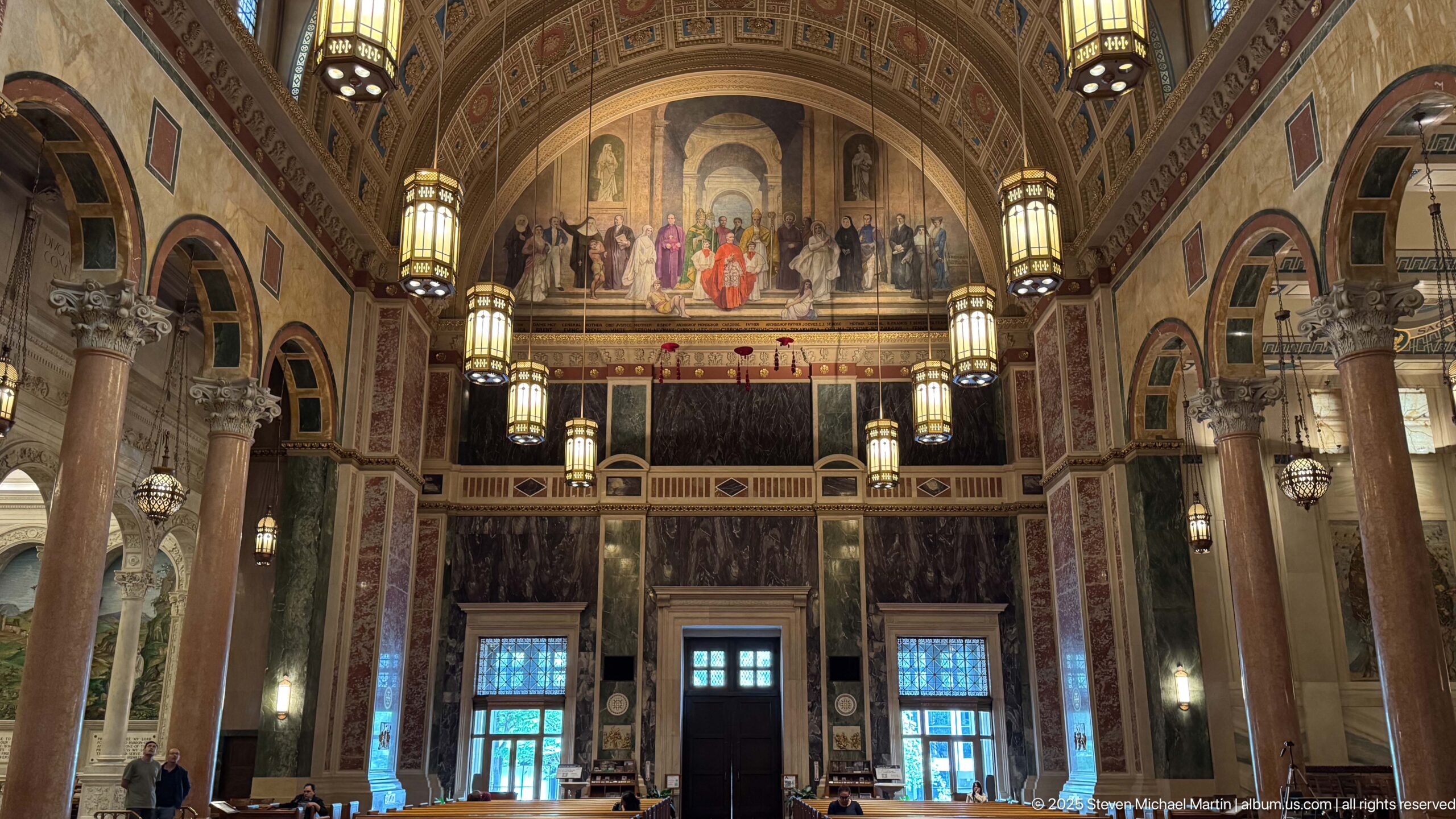
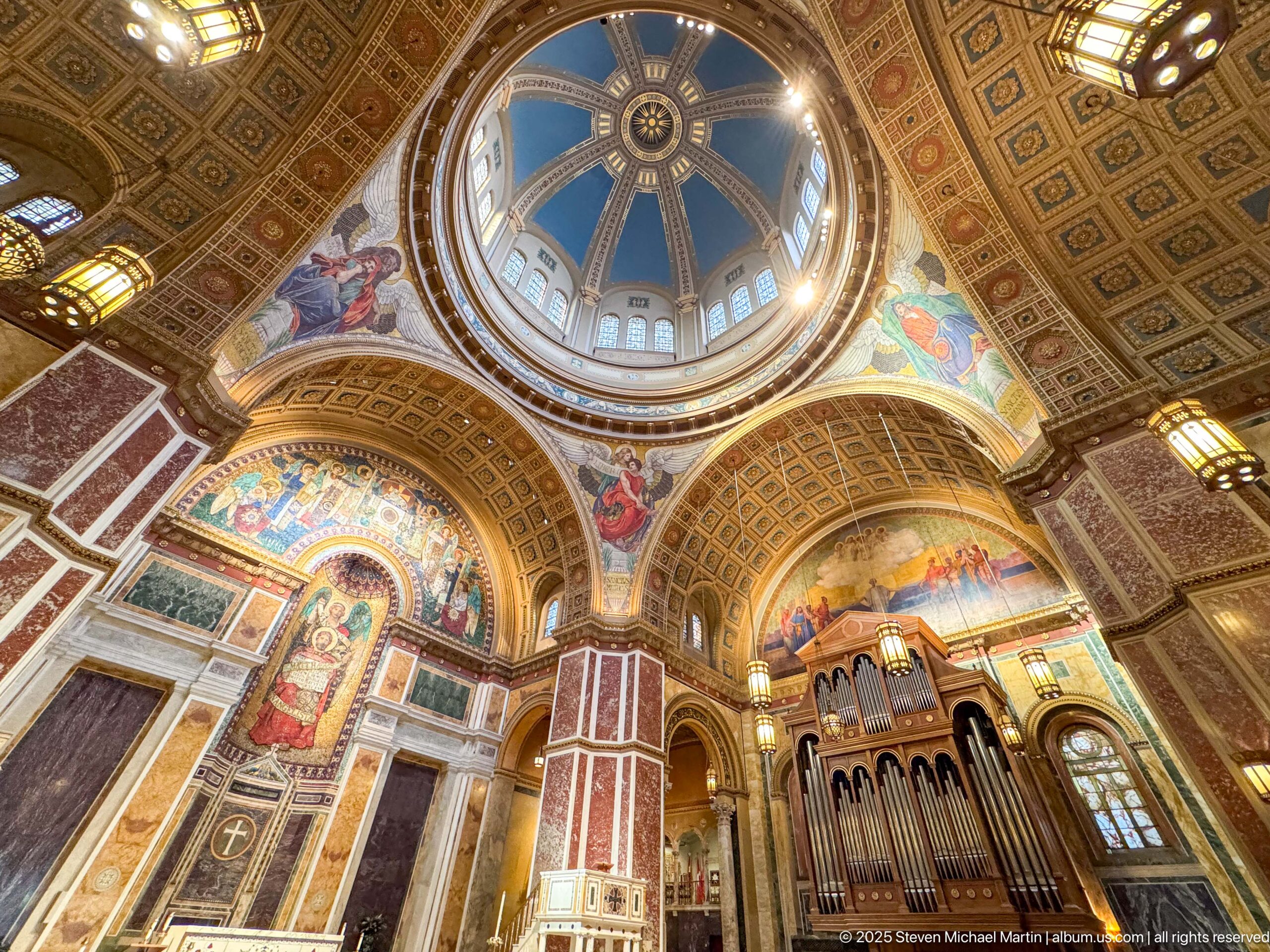
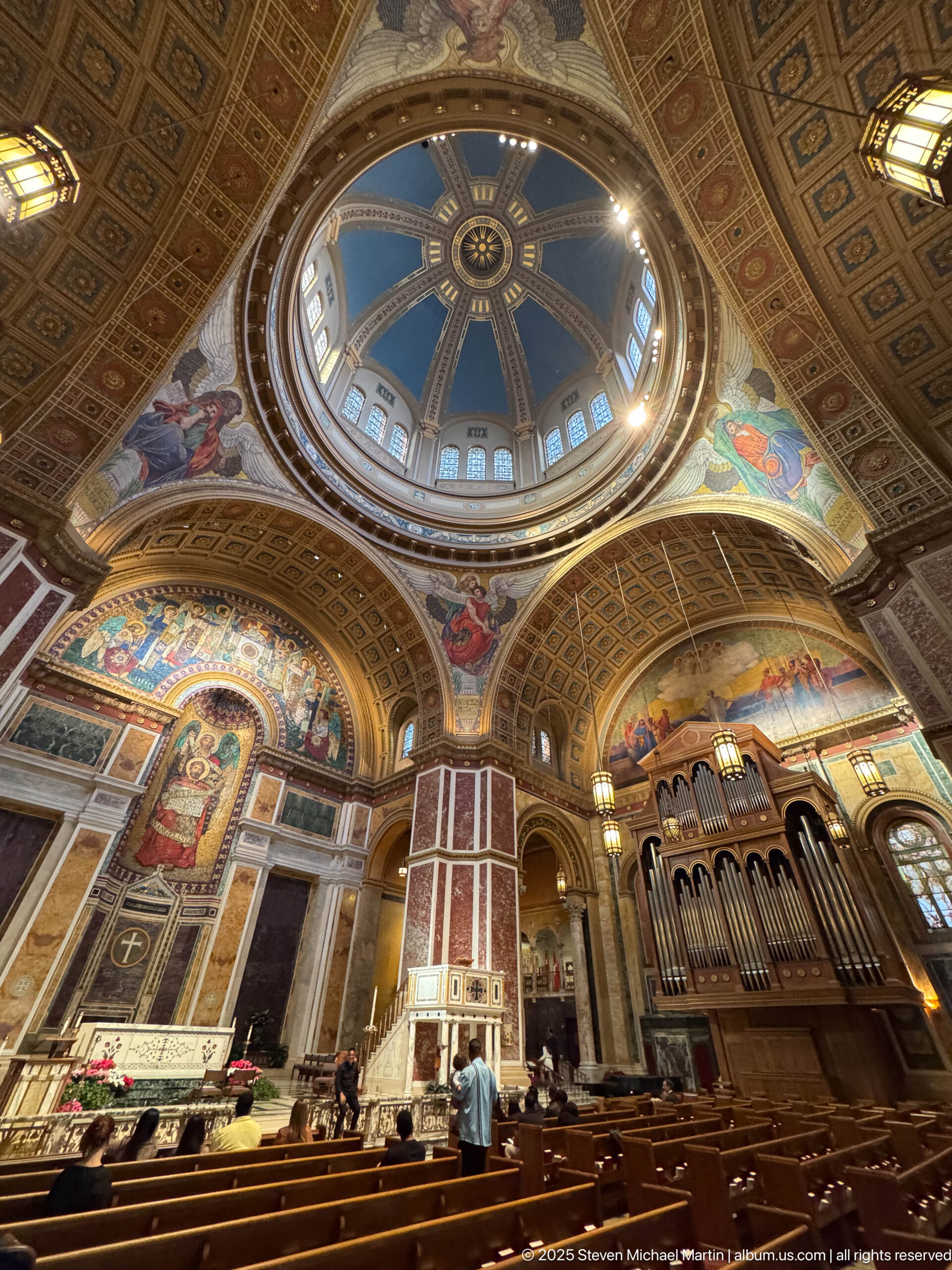
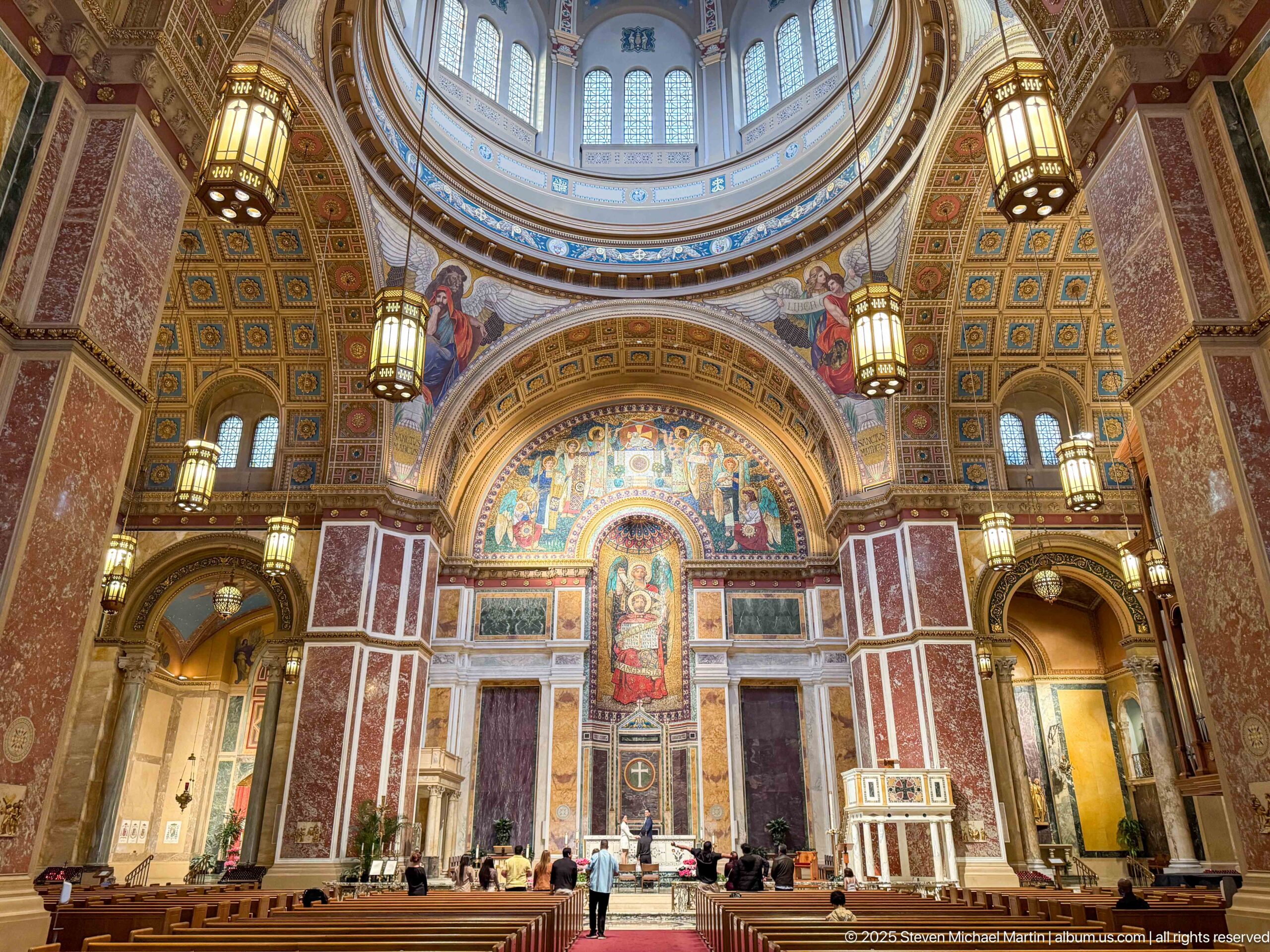
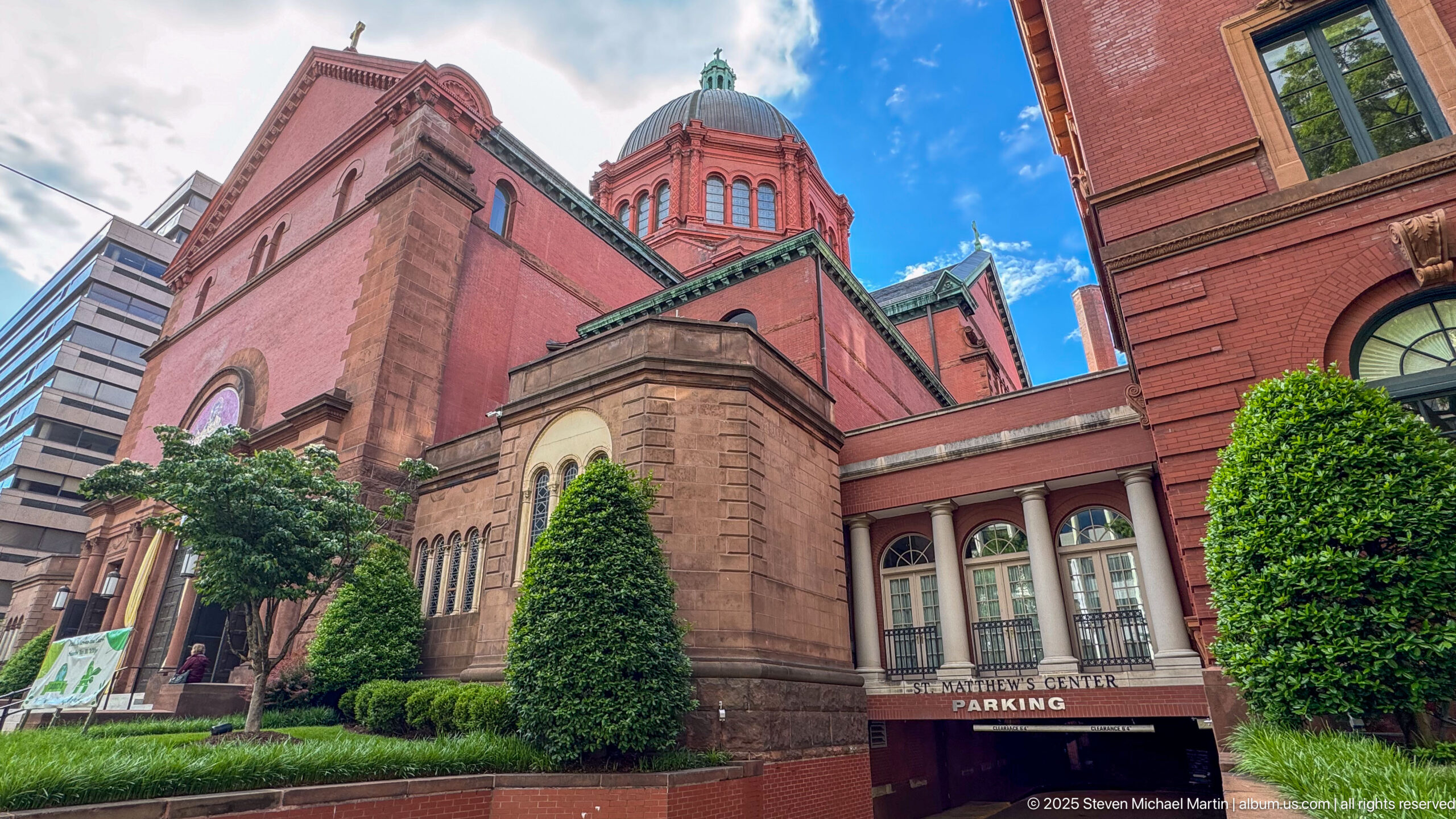
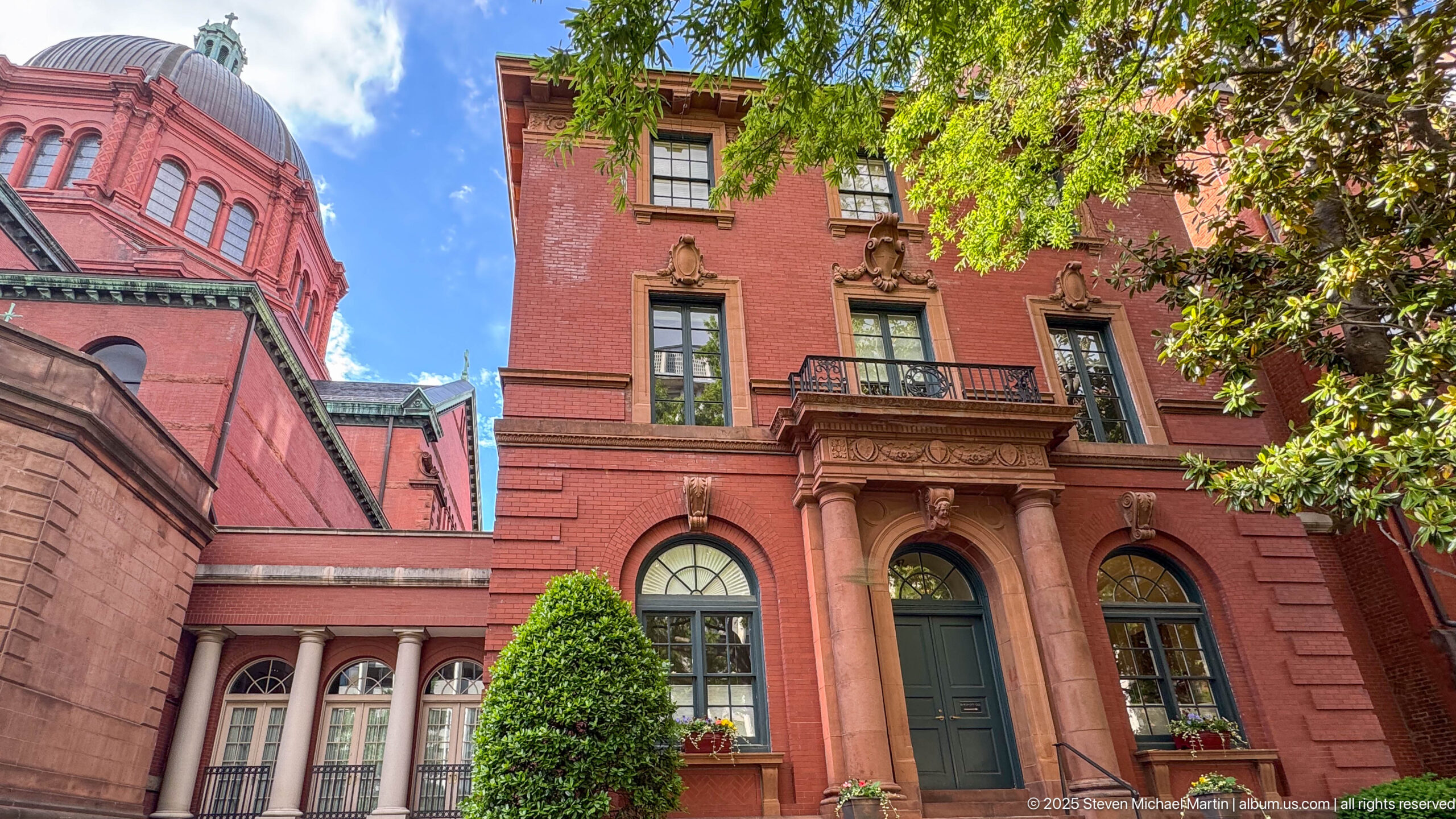
The Cathedral of Saint Matthew the Apostle occupies an important place within the religious and architectural landscape of Washington, DC, serving as the seat of the Roman Catholic Archdiocese of Washington. Constructed in the early twentieth century, the cathedral reflects Romanesque Revival design enriched by Byzantine influences, combining a monumental exterior with a richly decorated interior intended to express continuity with longstanding traditions of sacred architecture. Its location near the civic core of the capital illustrates the presence of major religious institutions within a city more often interpreted through government and memorial architecture.
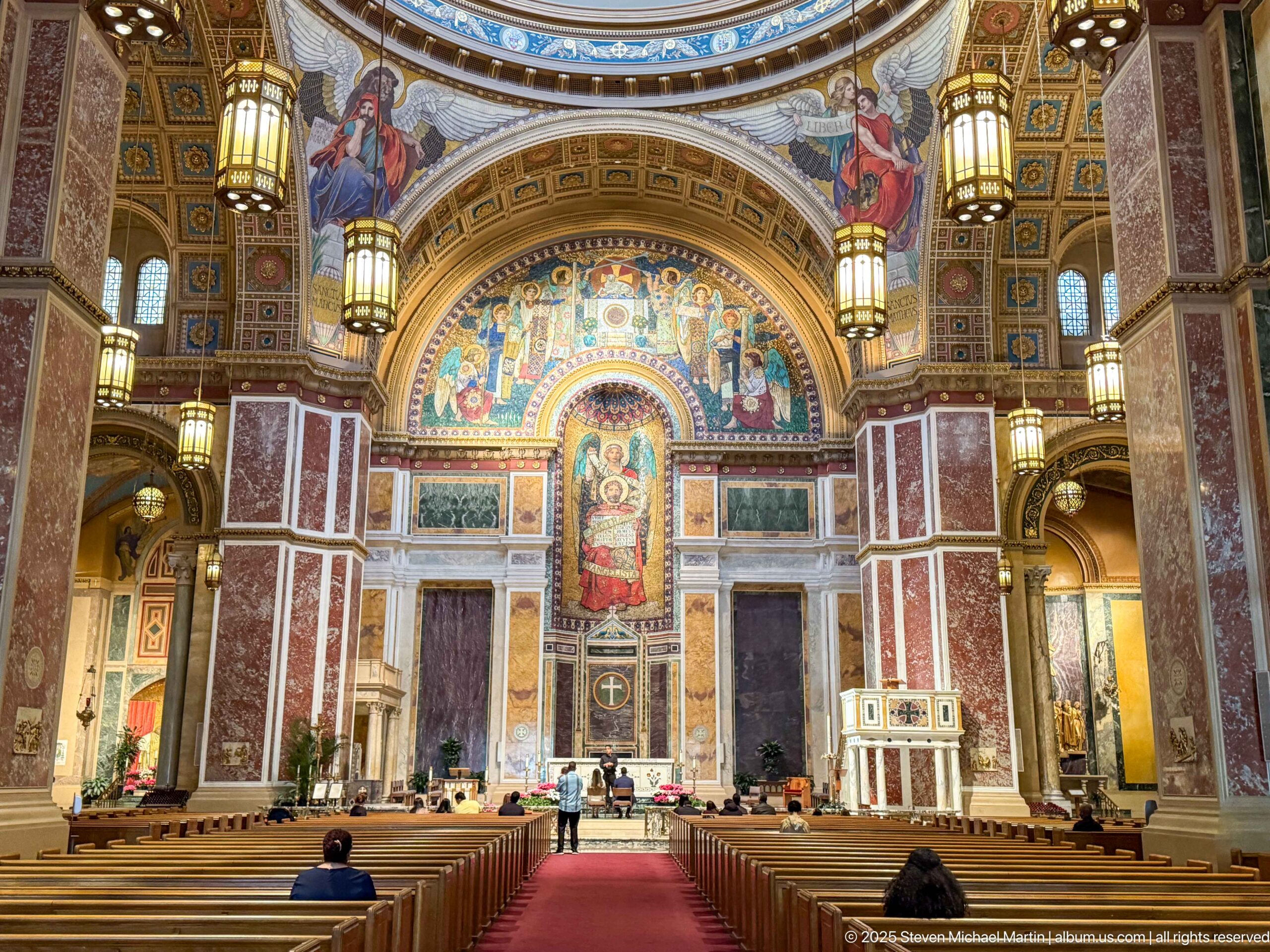
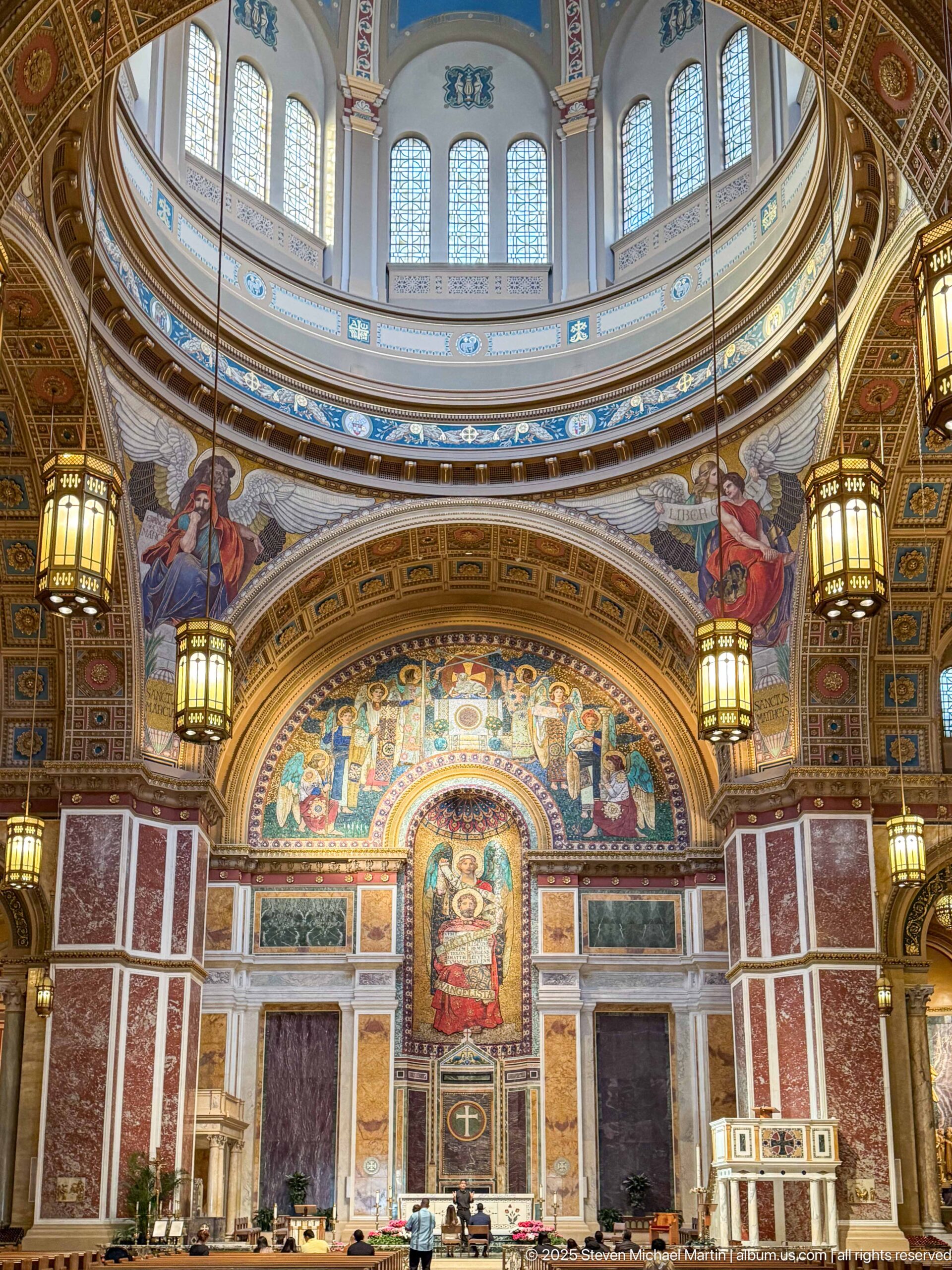
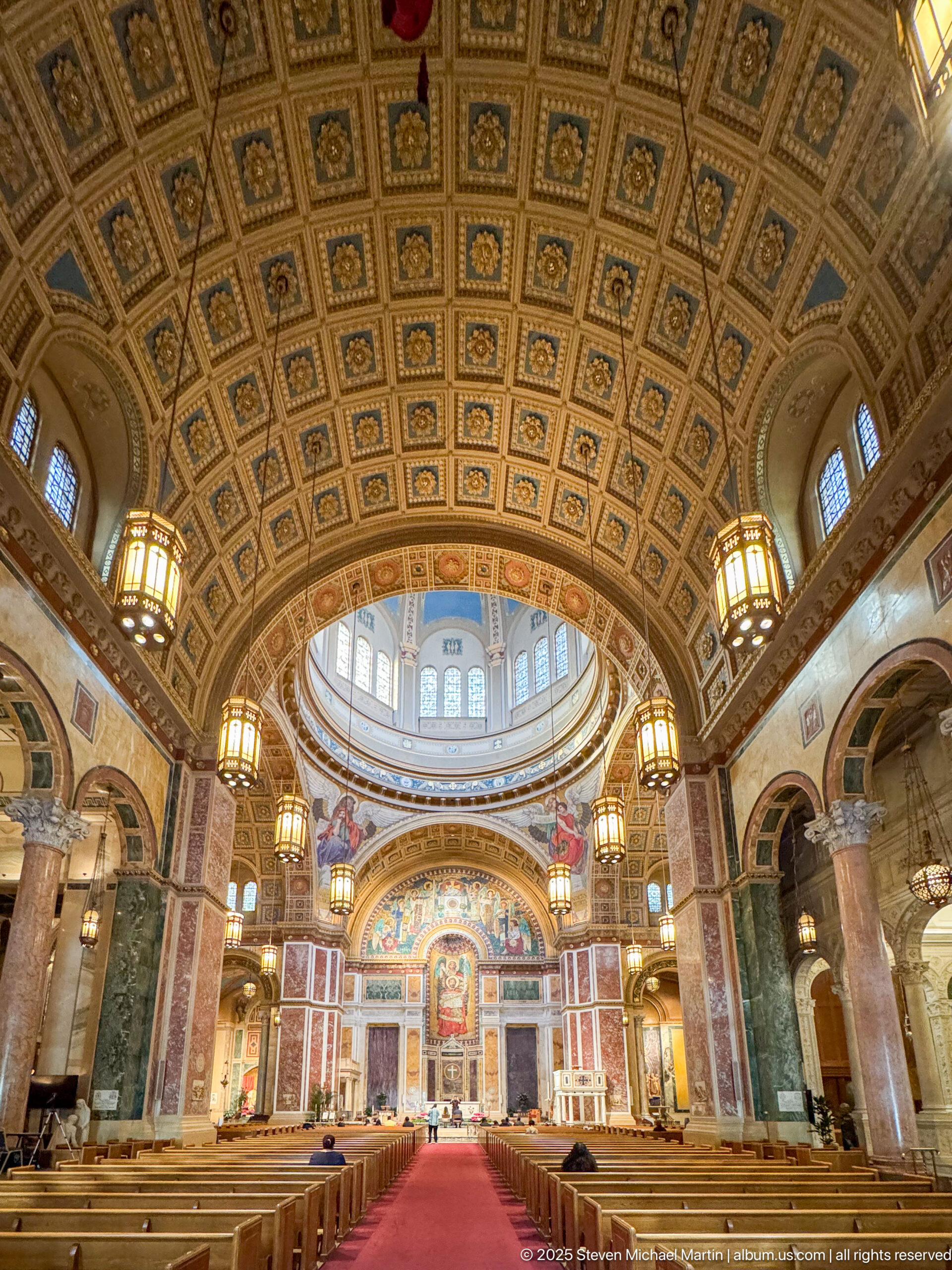
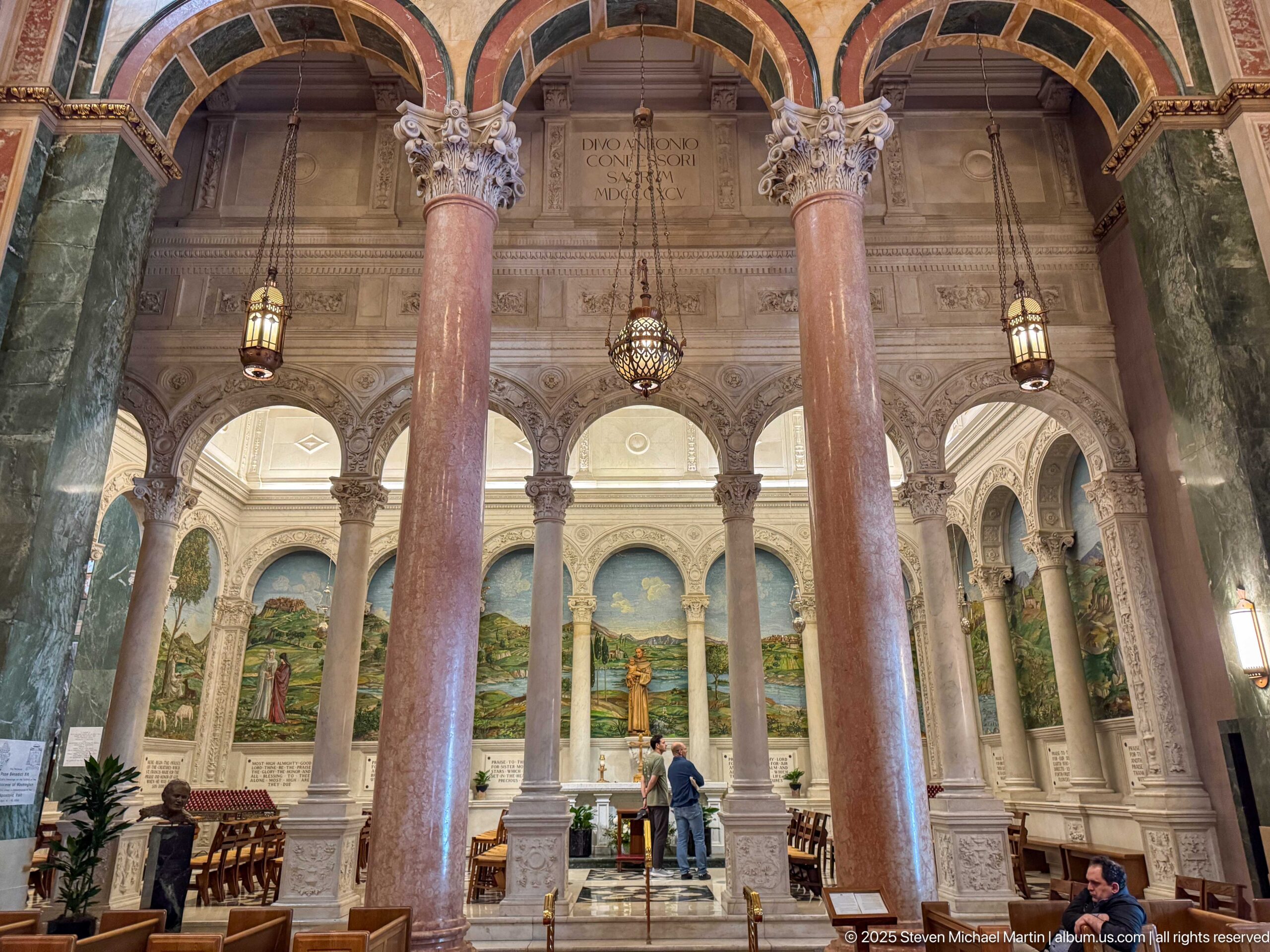
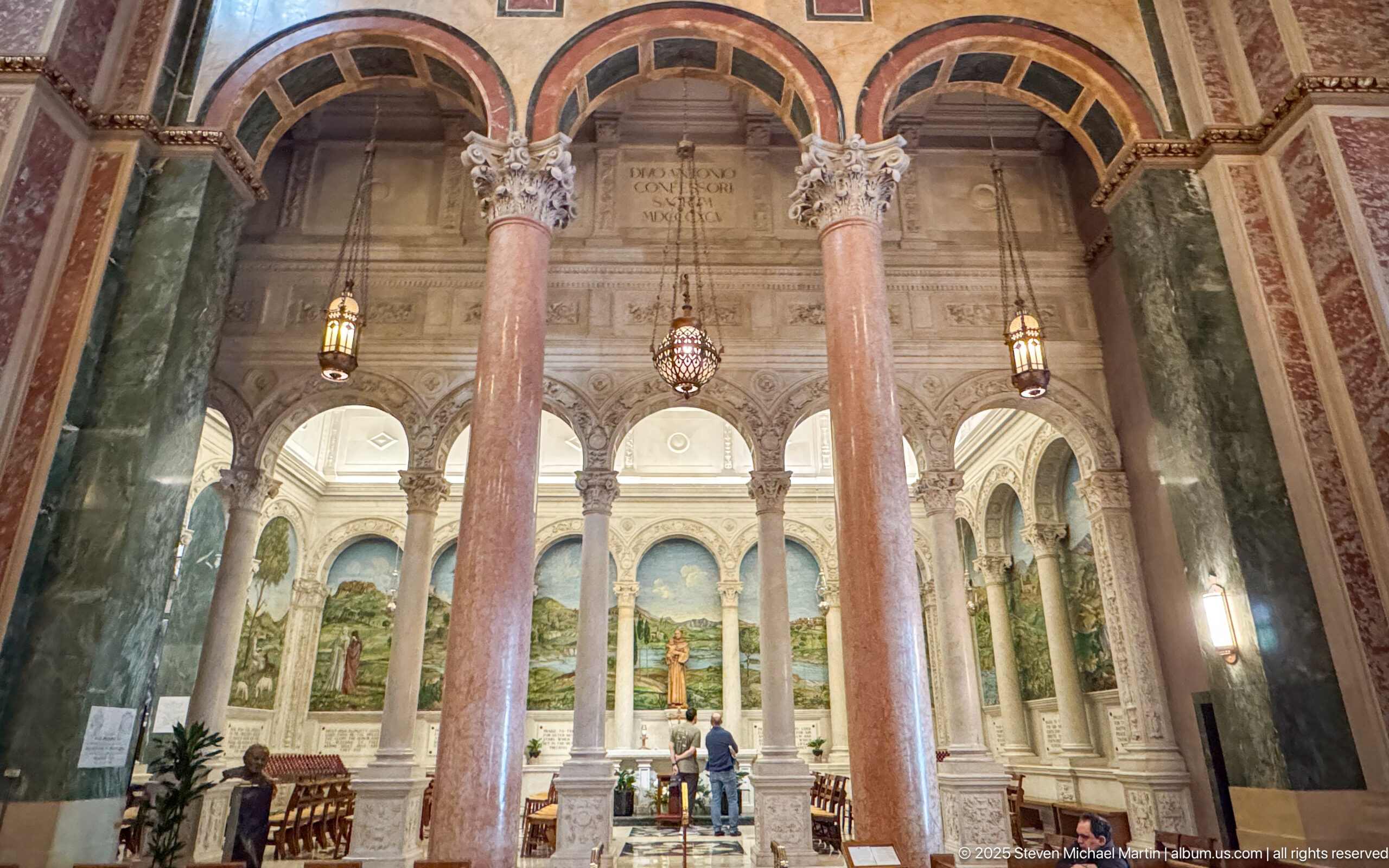
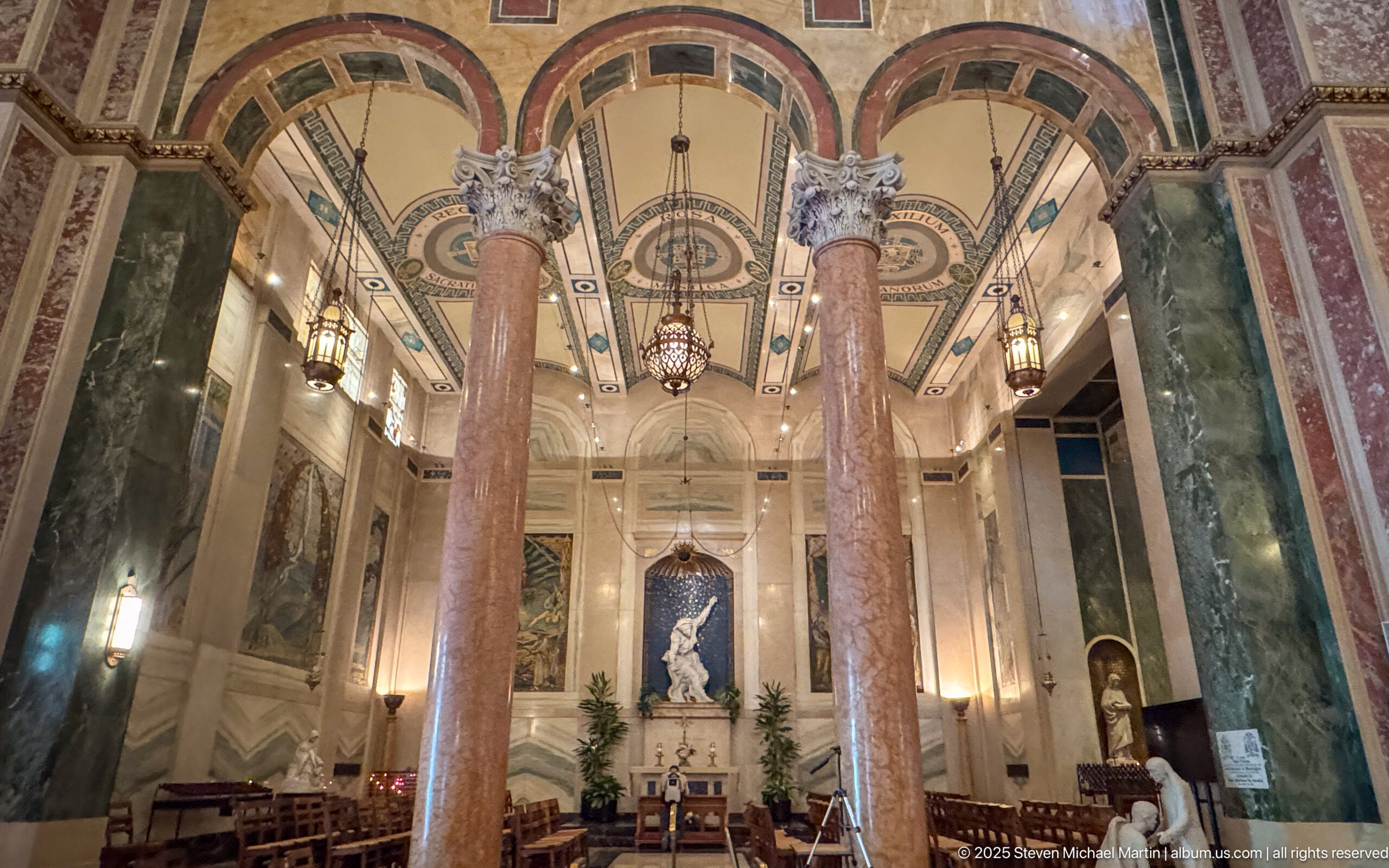
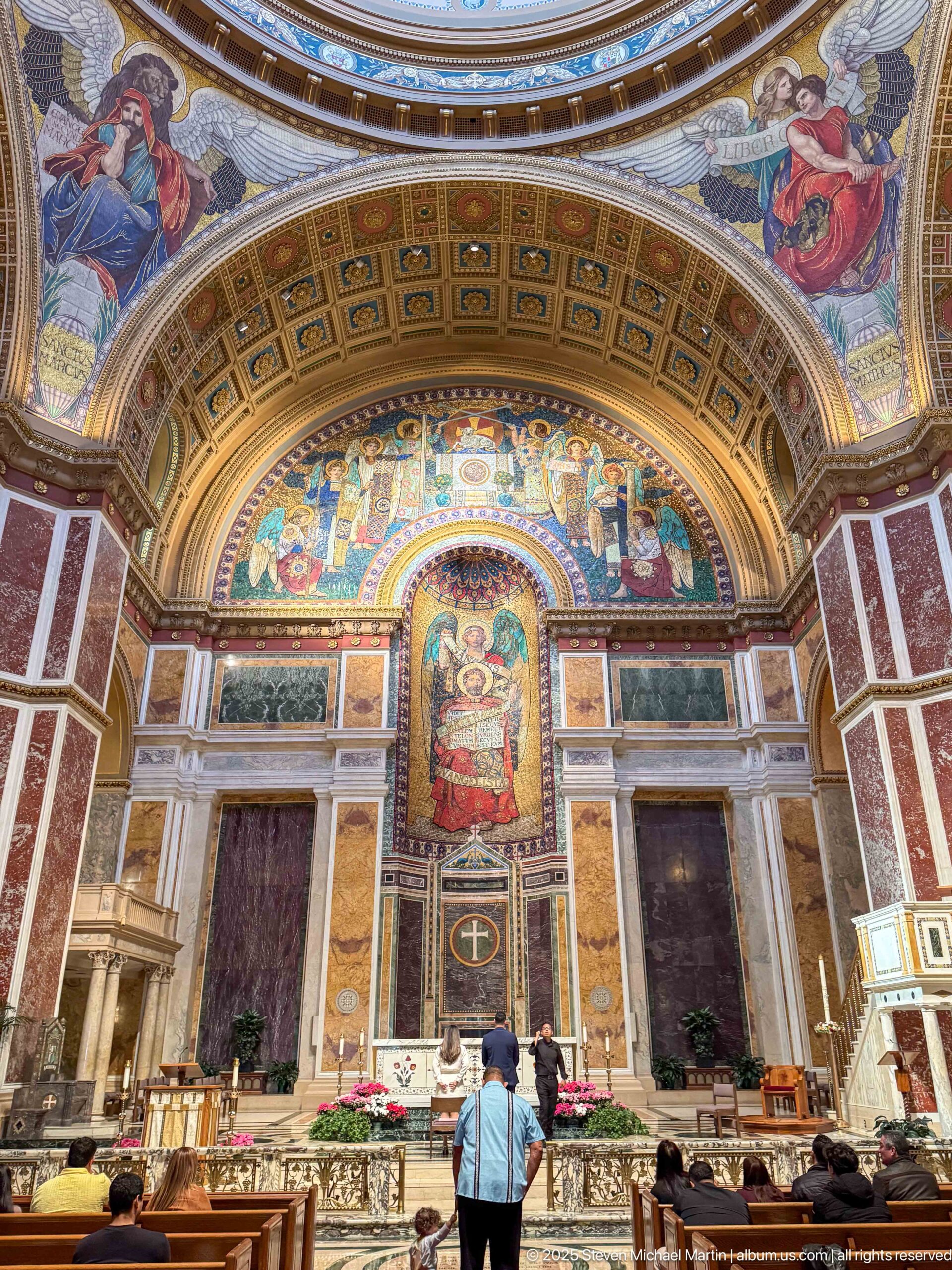
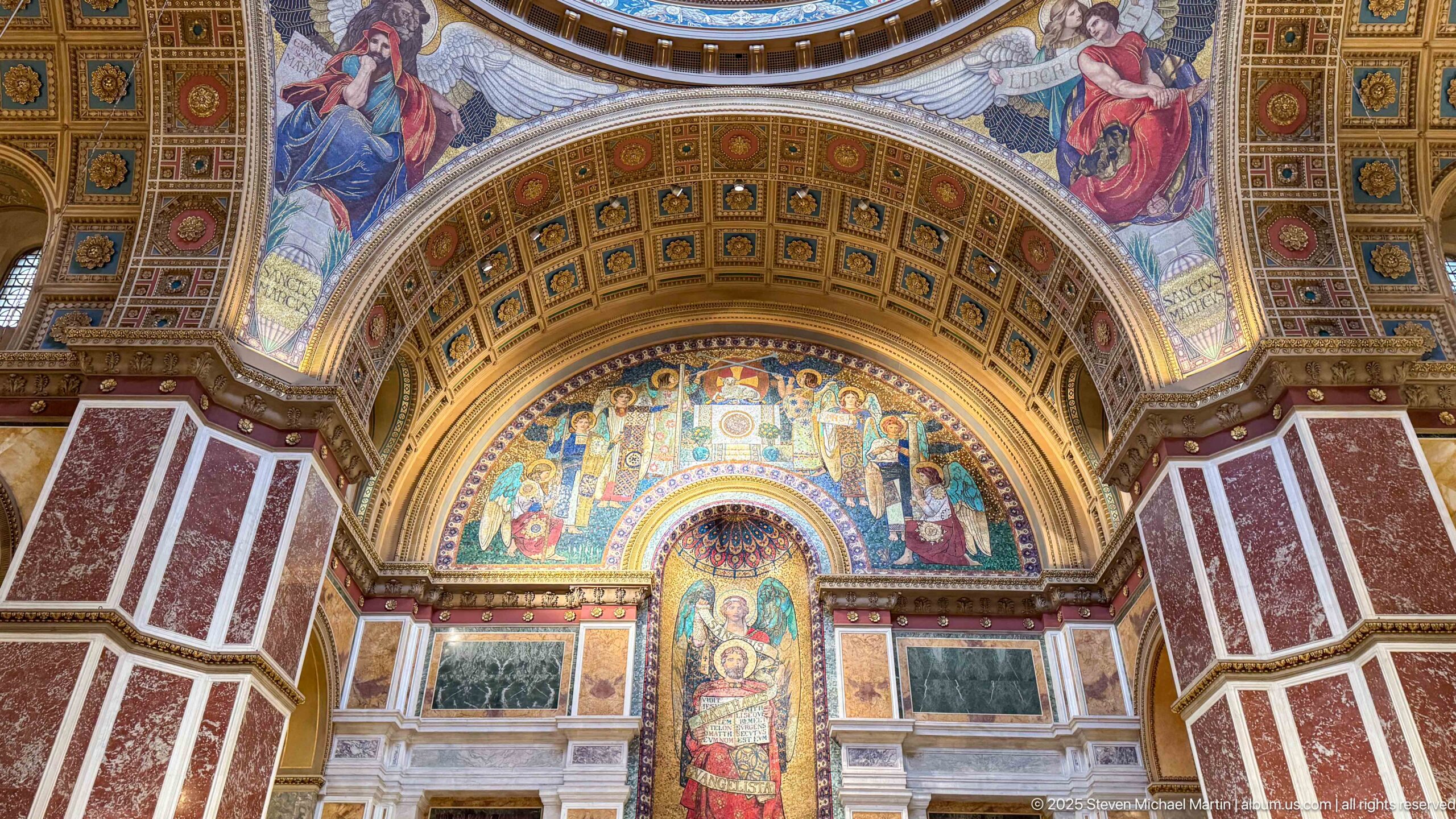
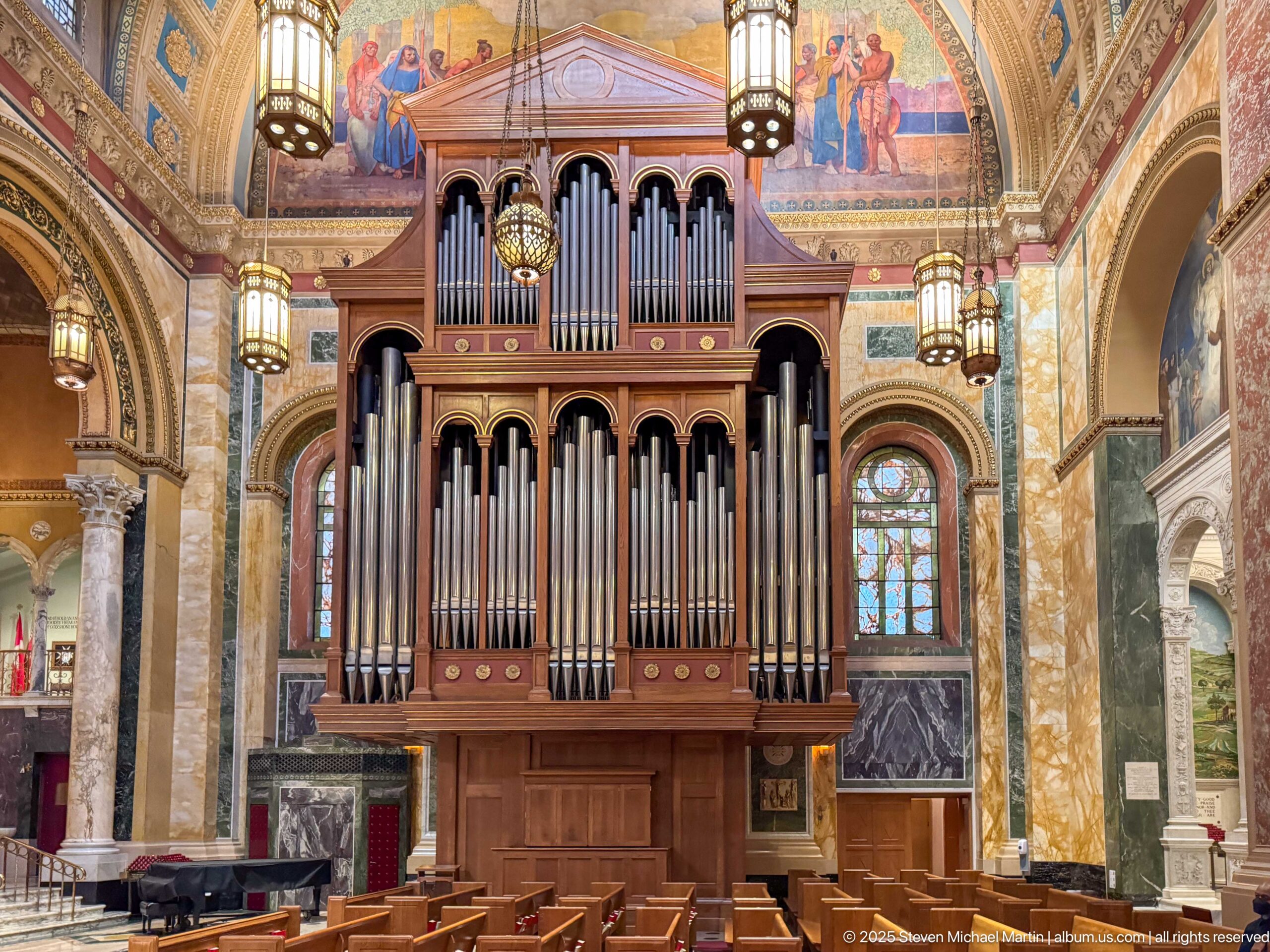
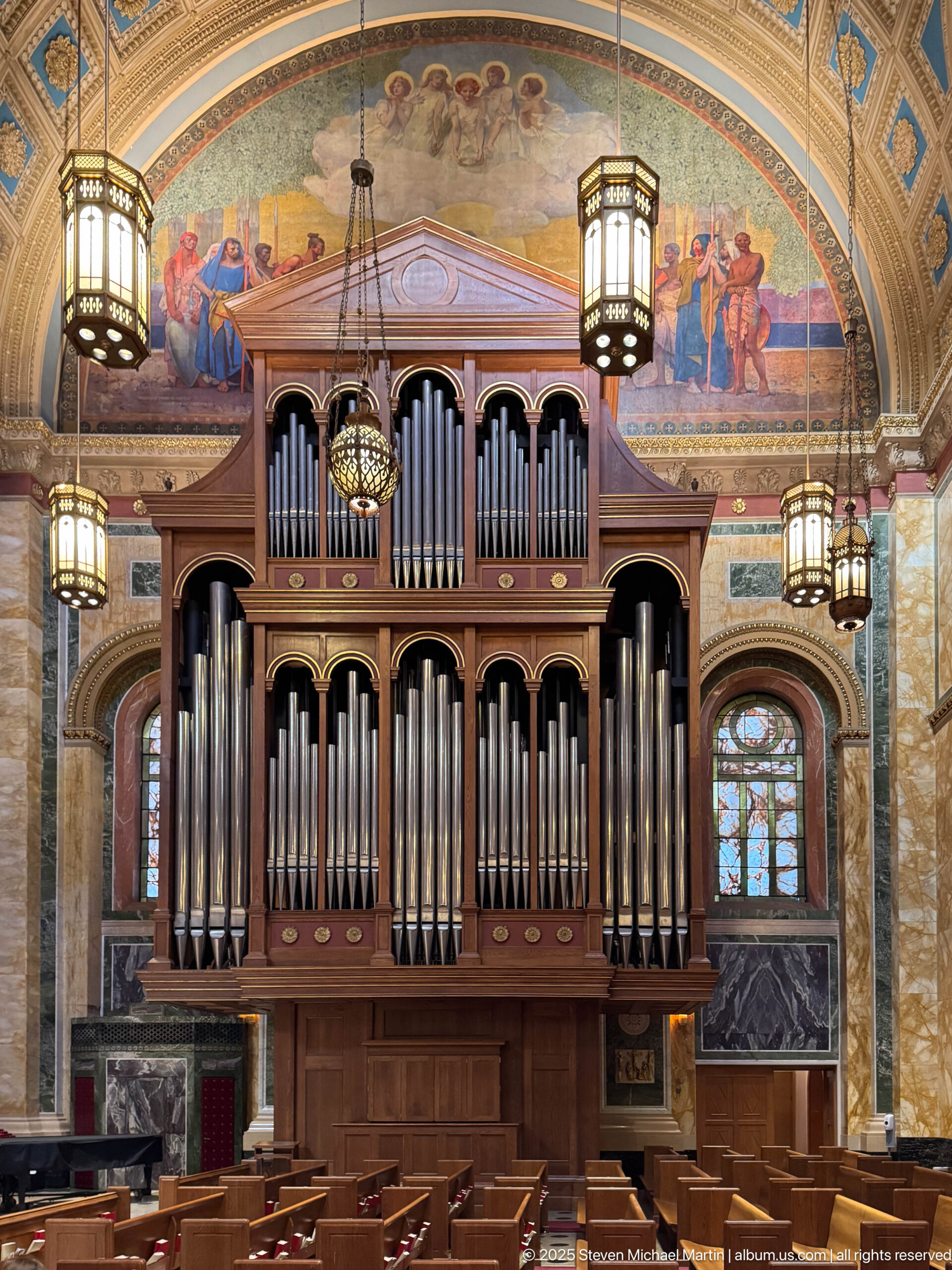
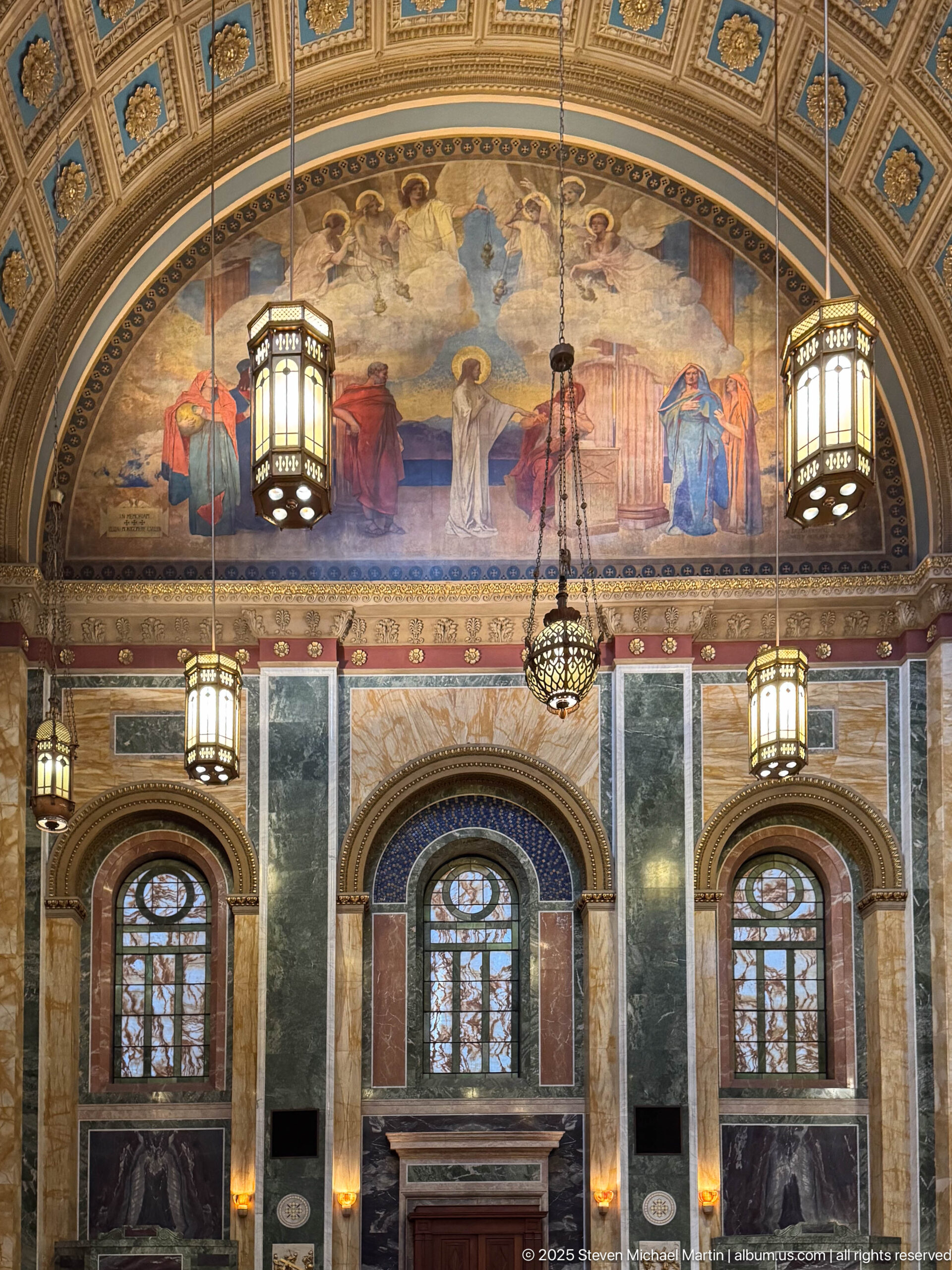
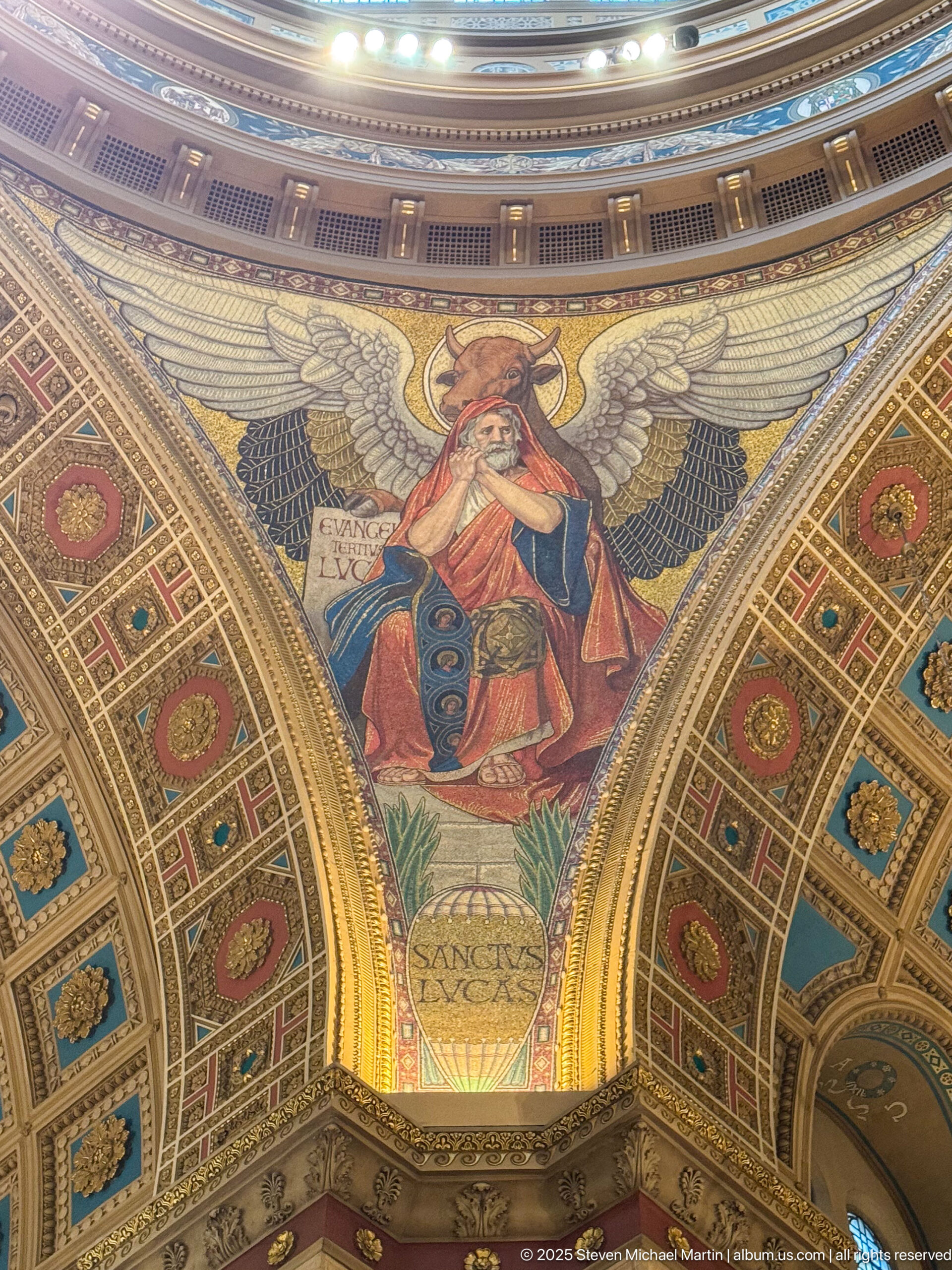
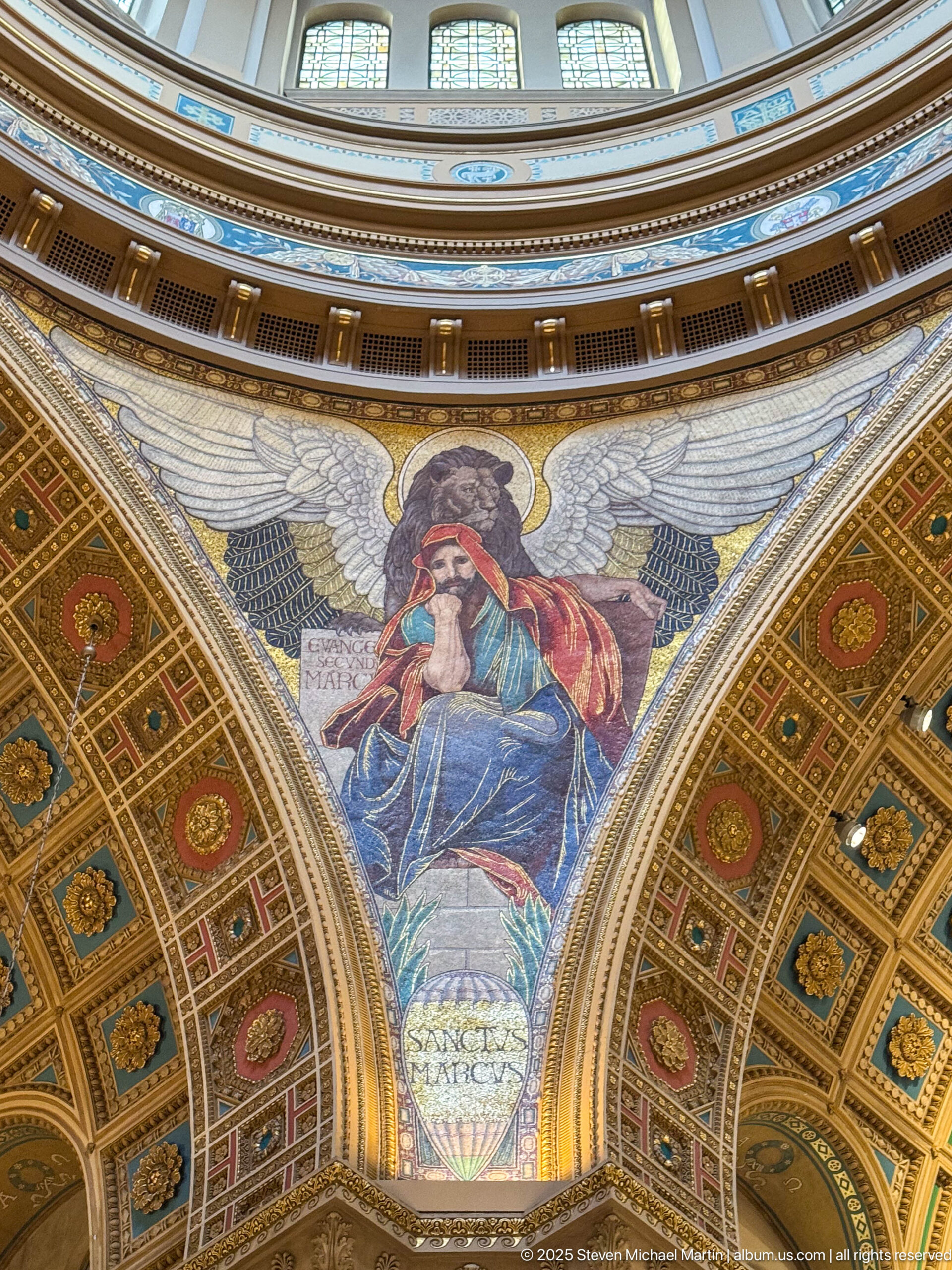
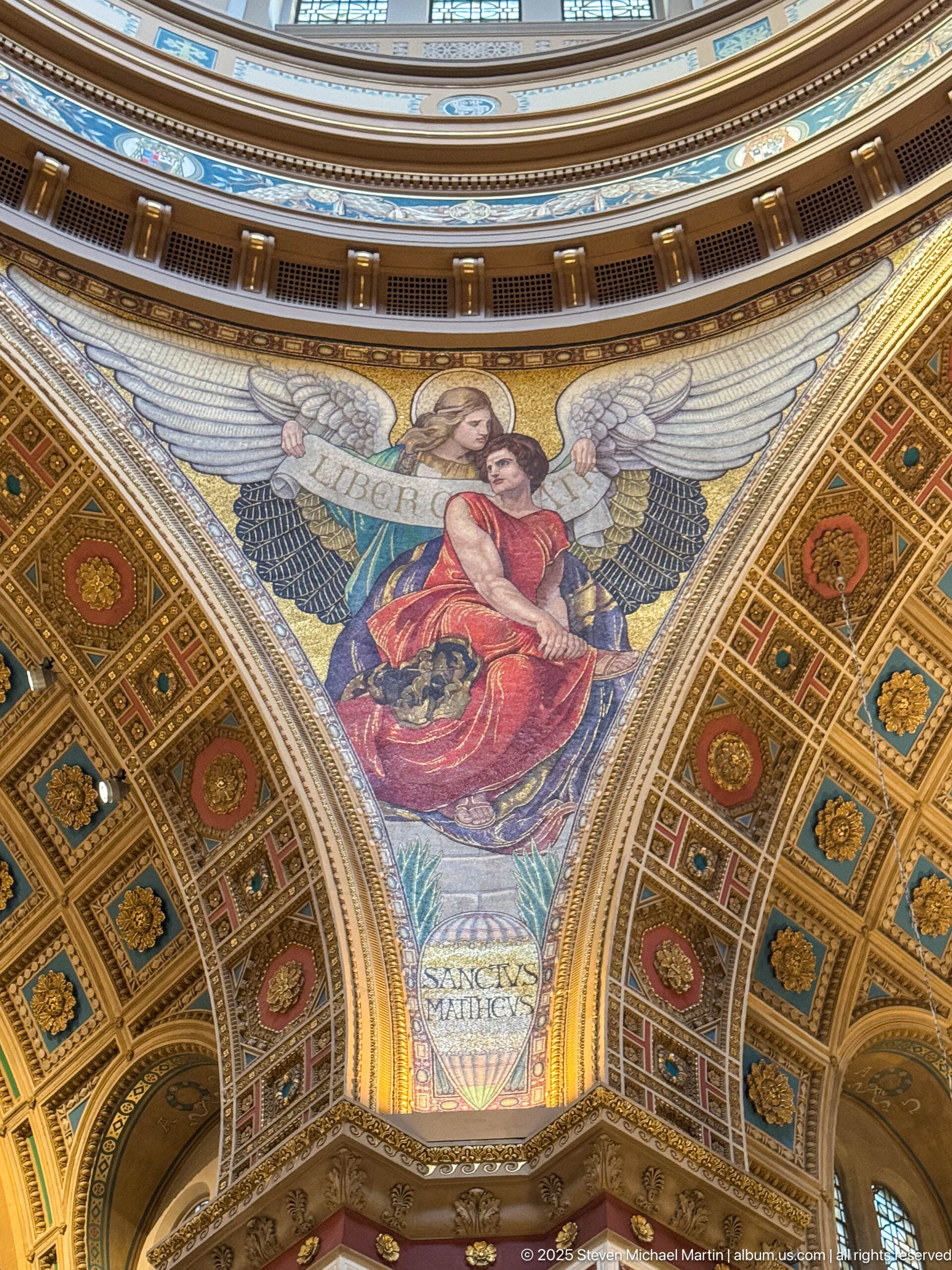
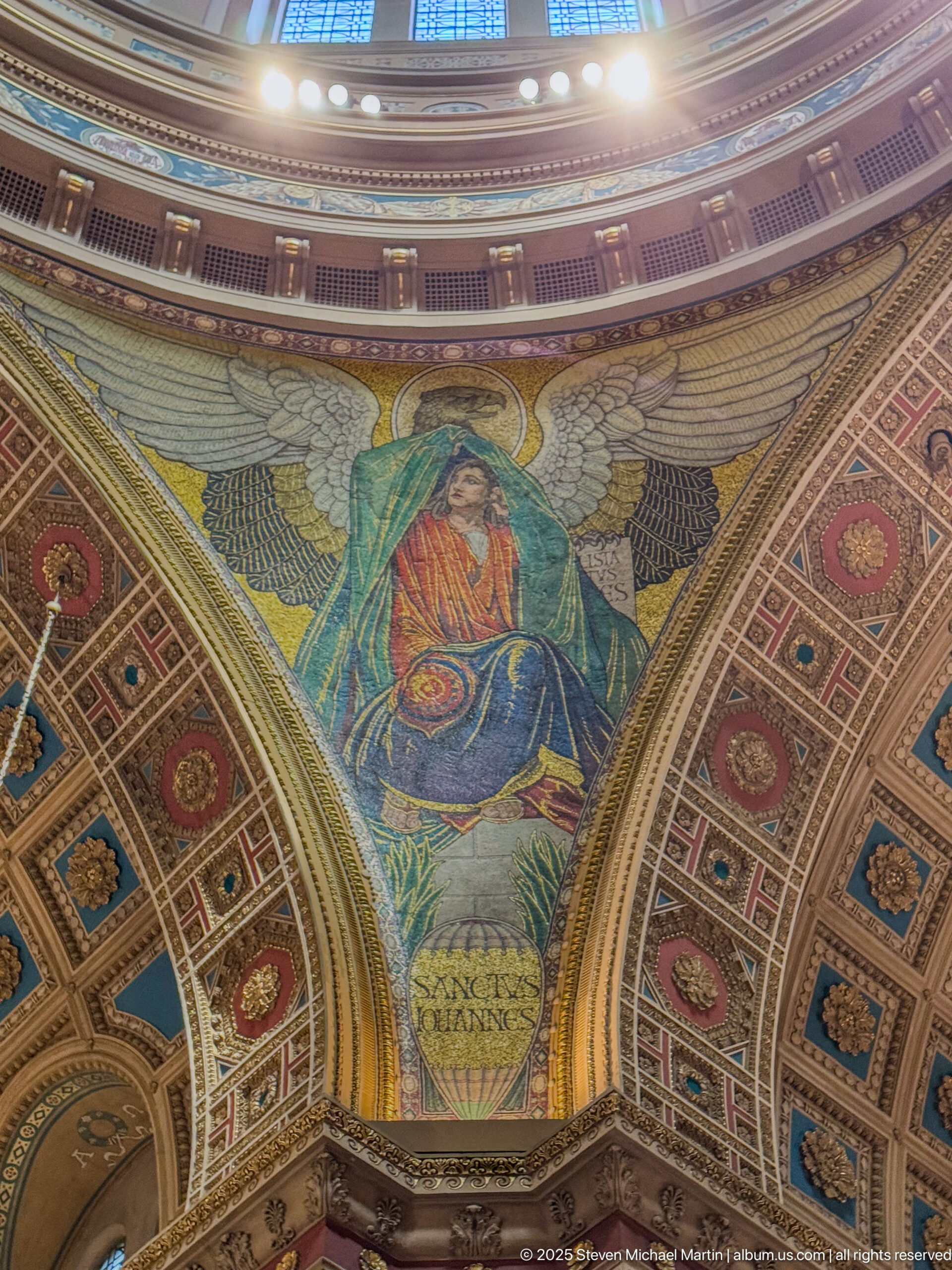
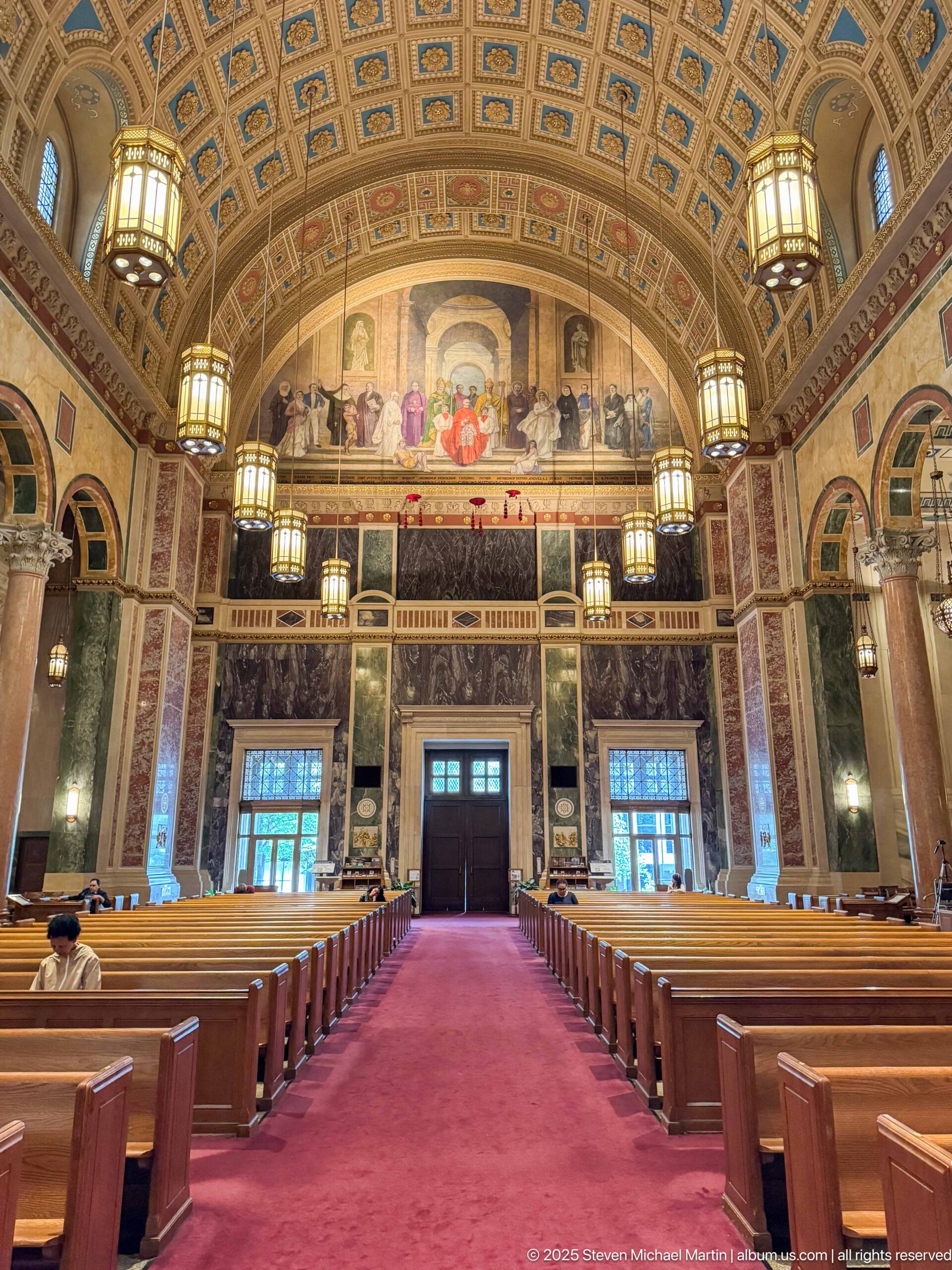
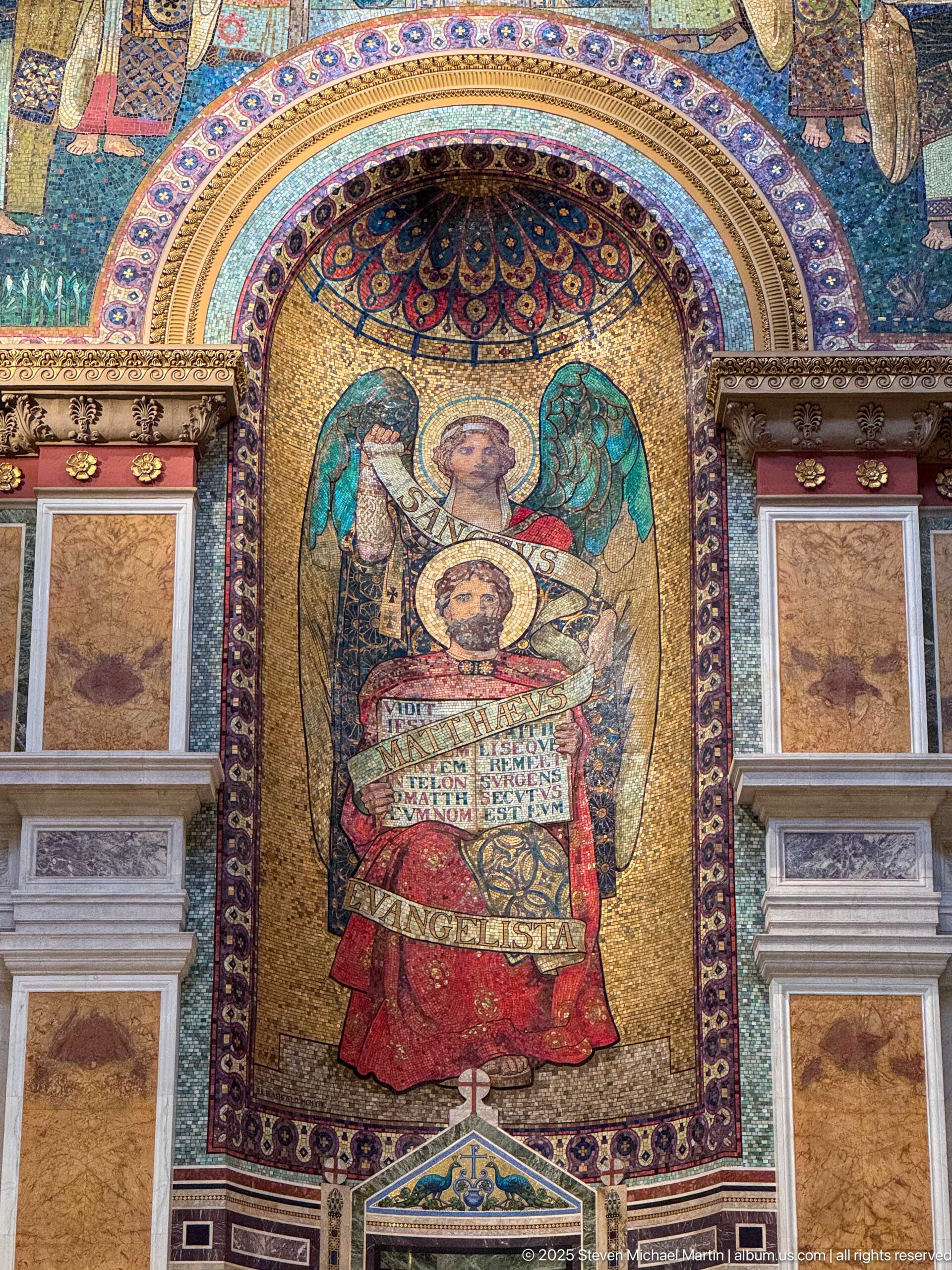
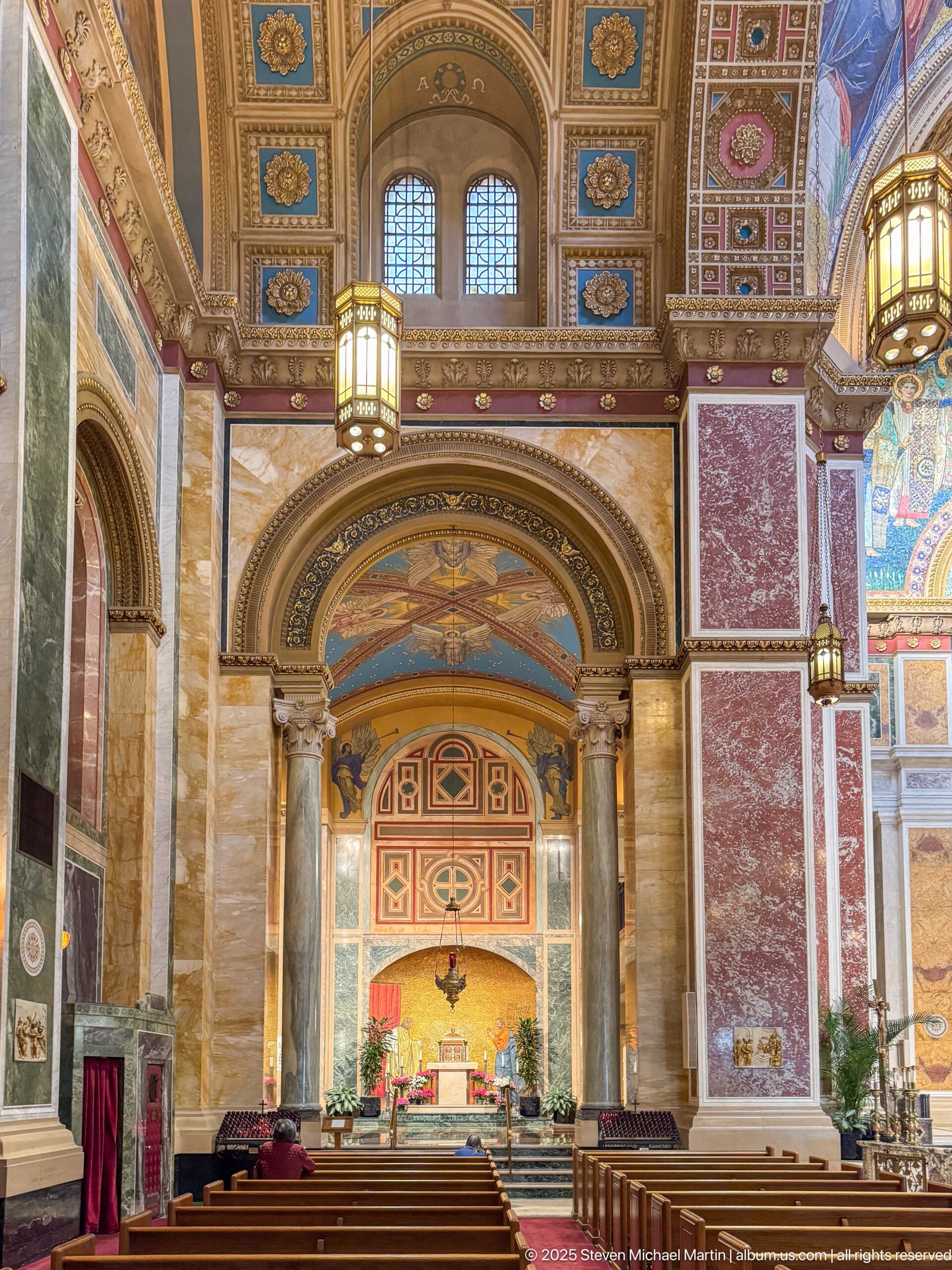
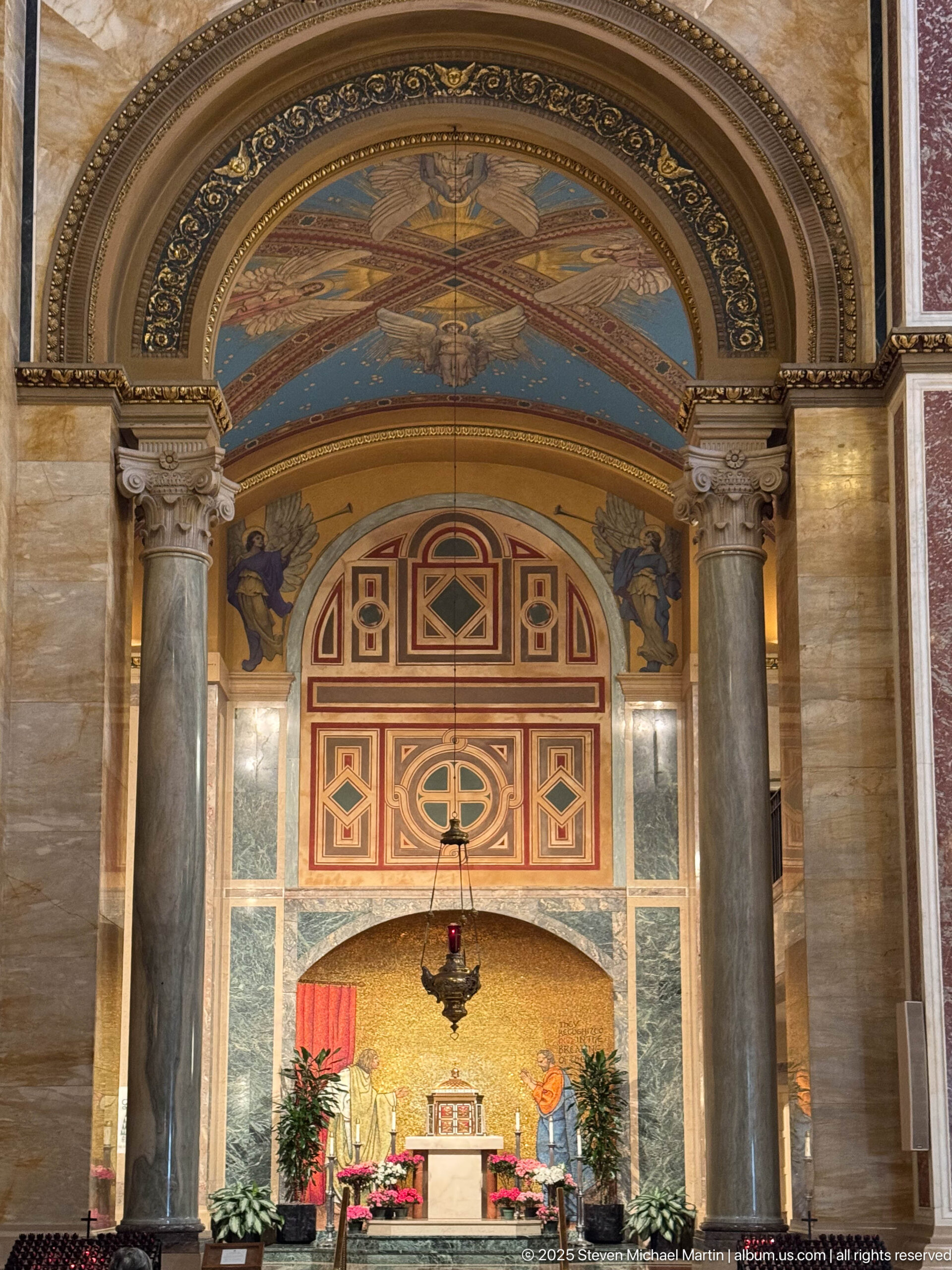
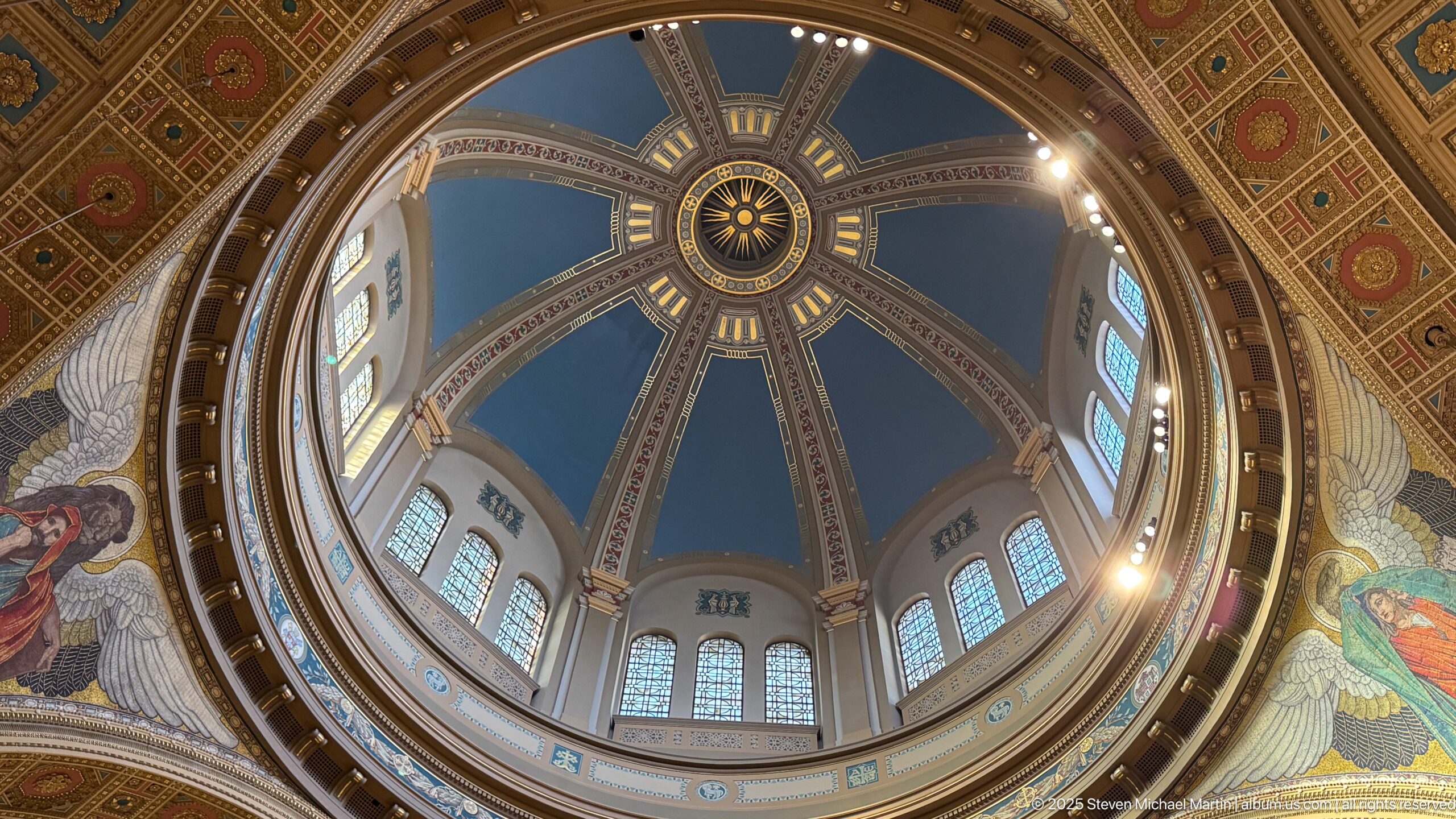
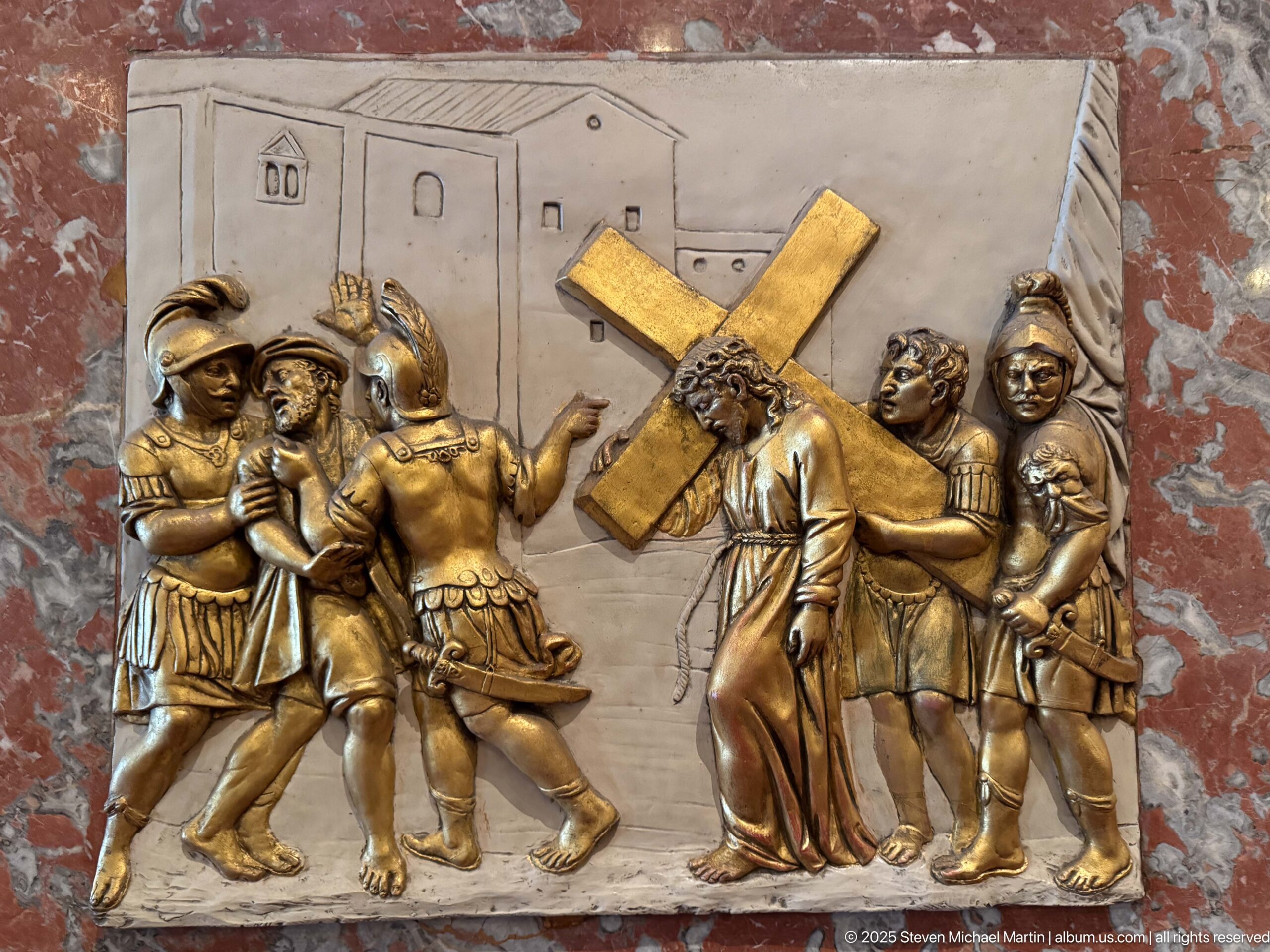
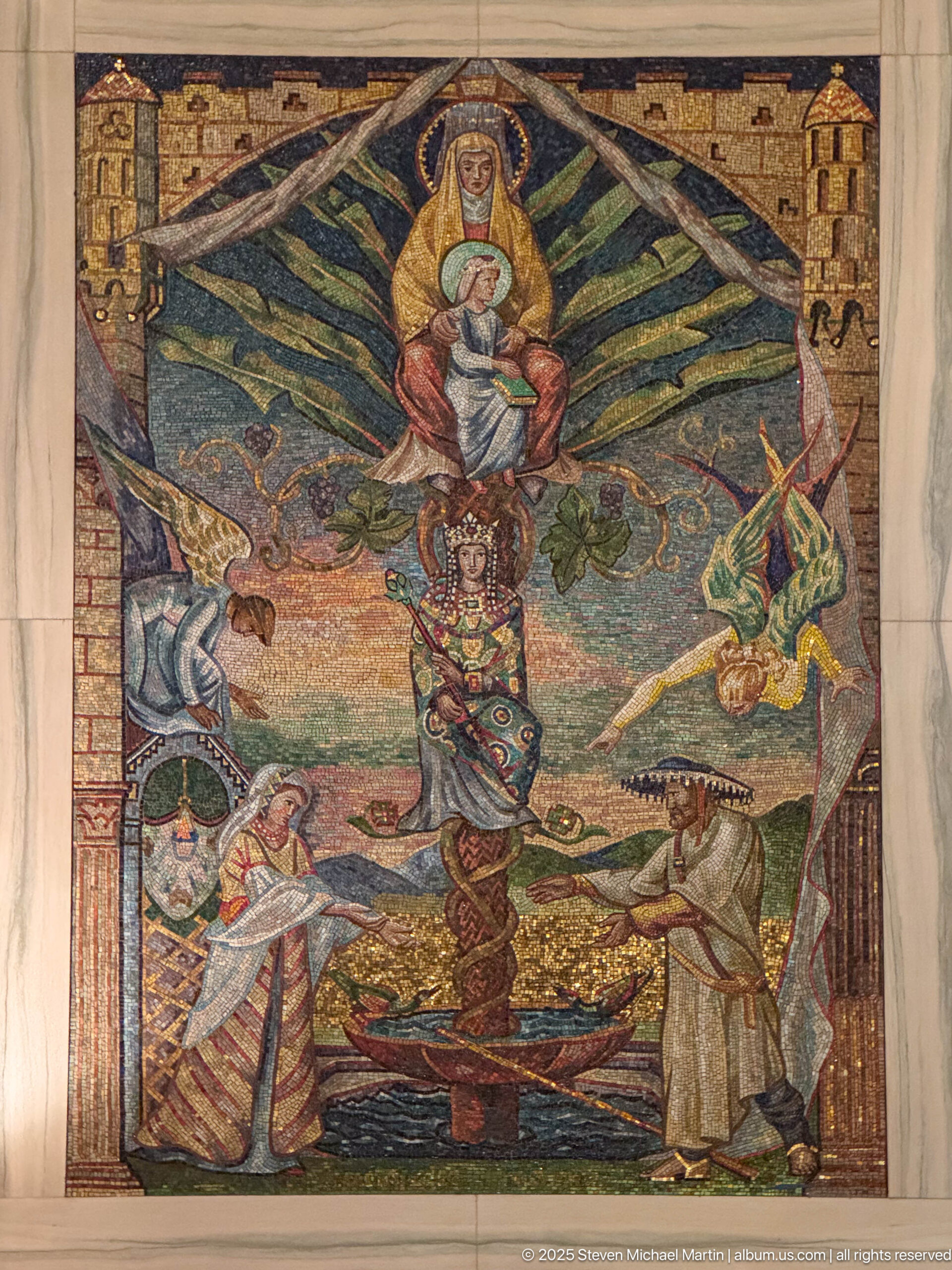
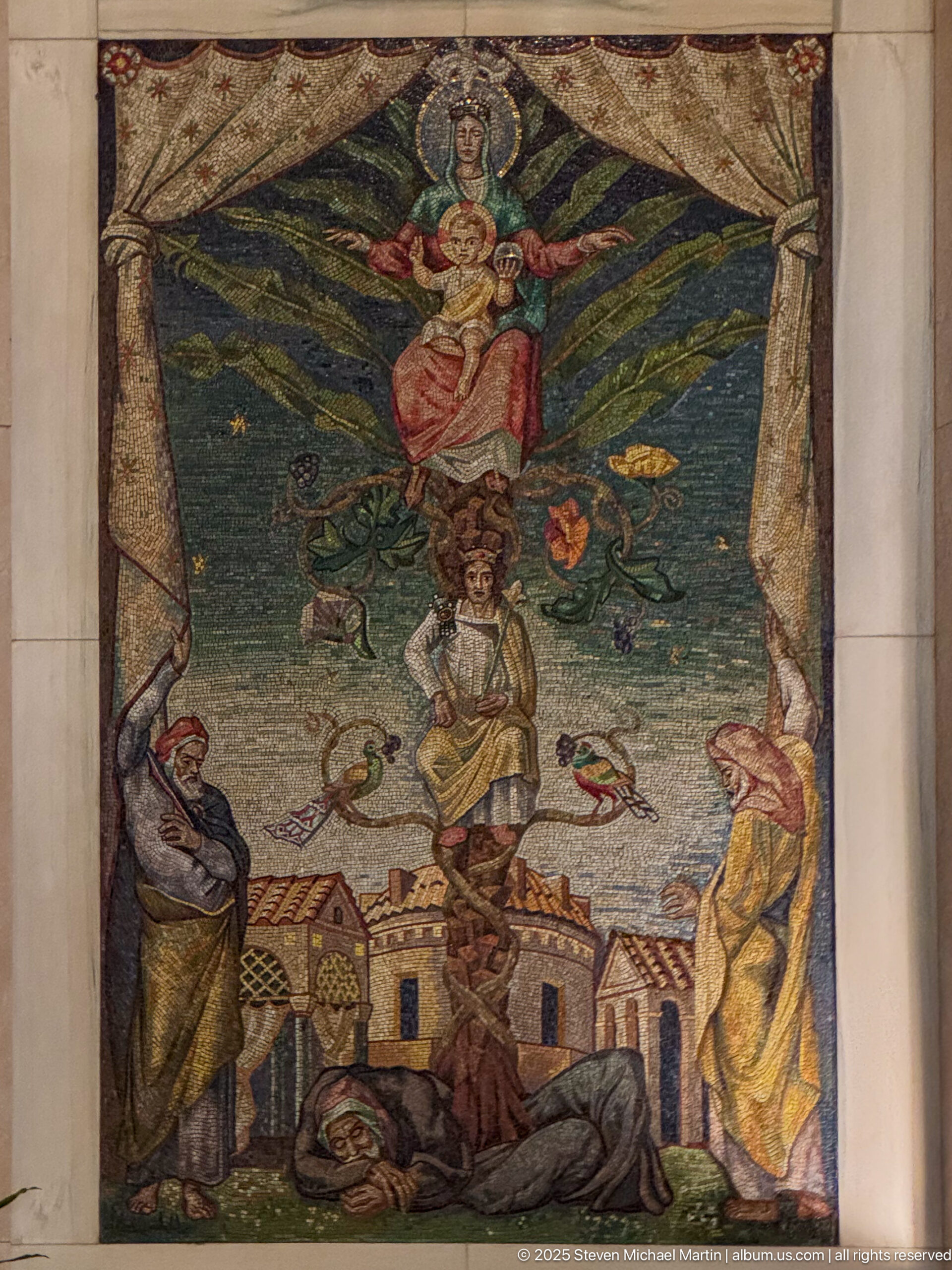
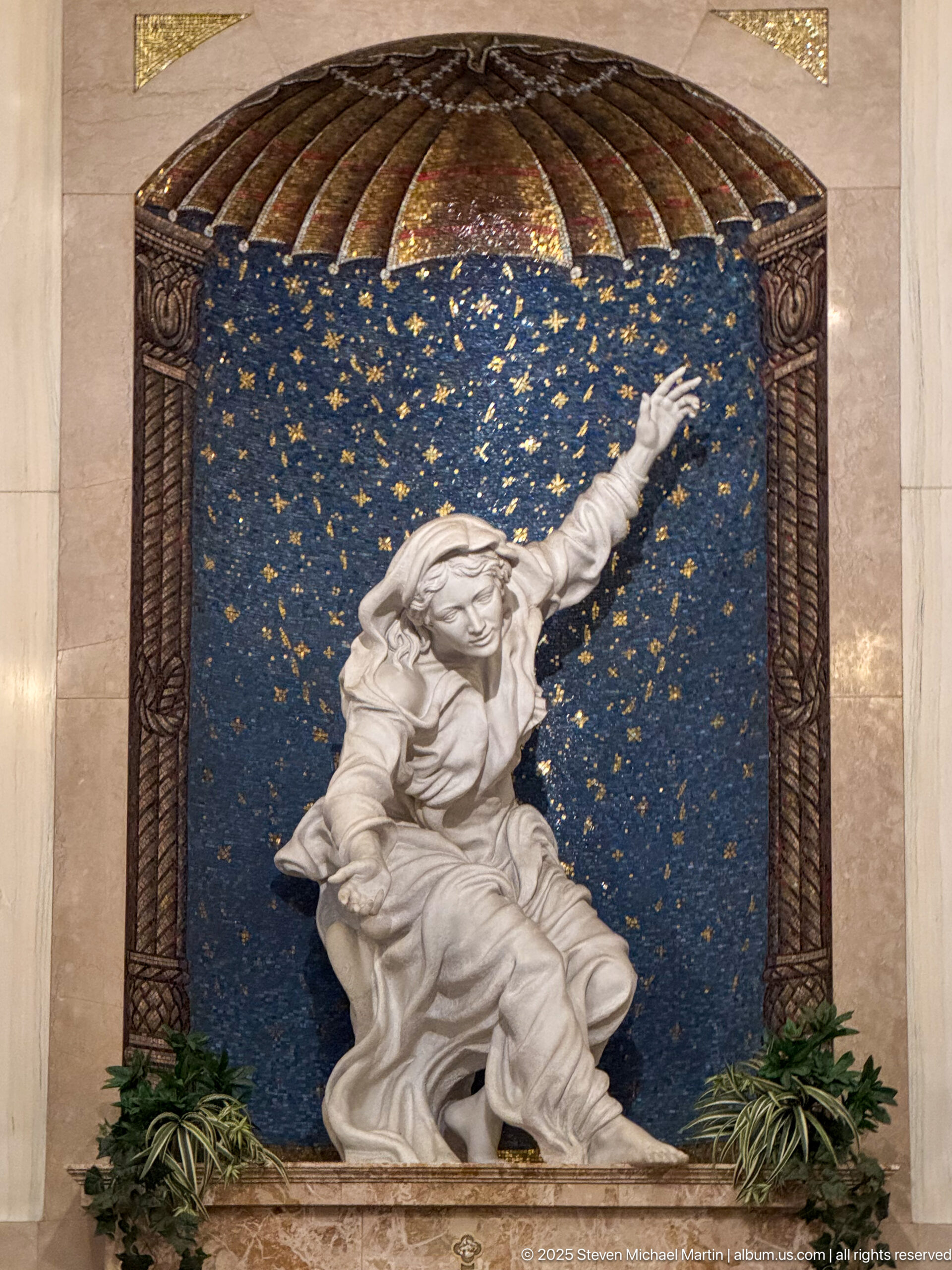
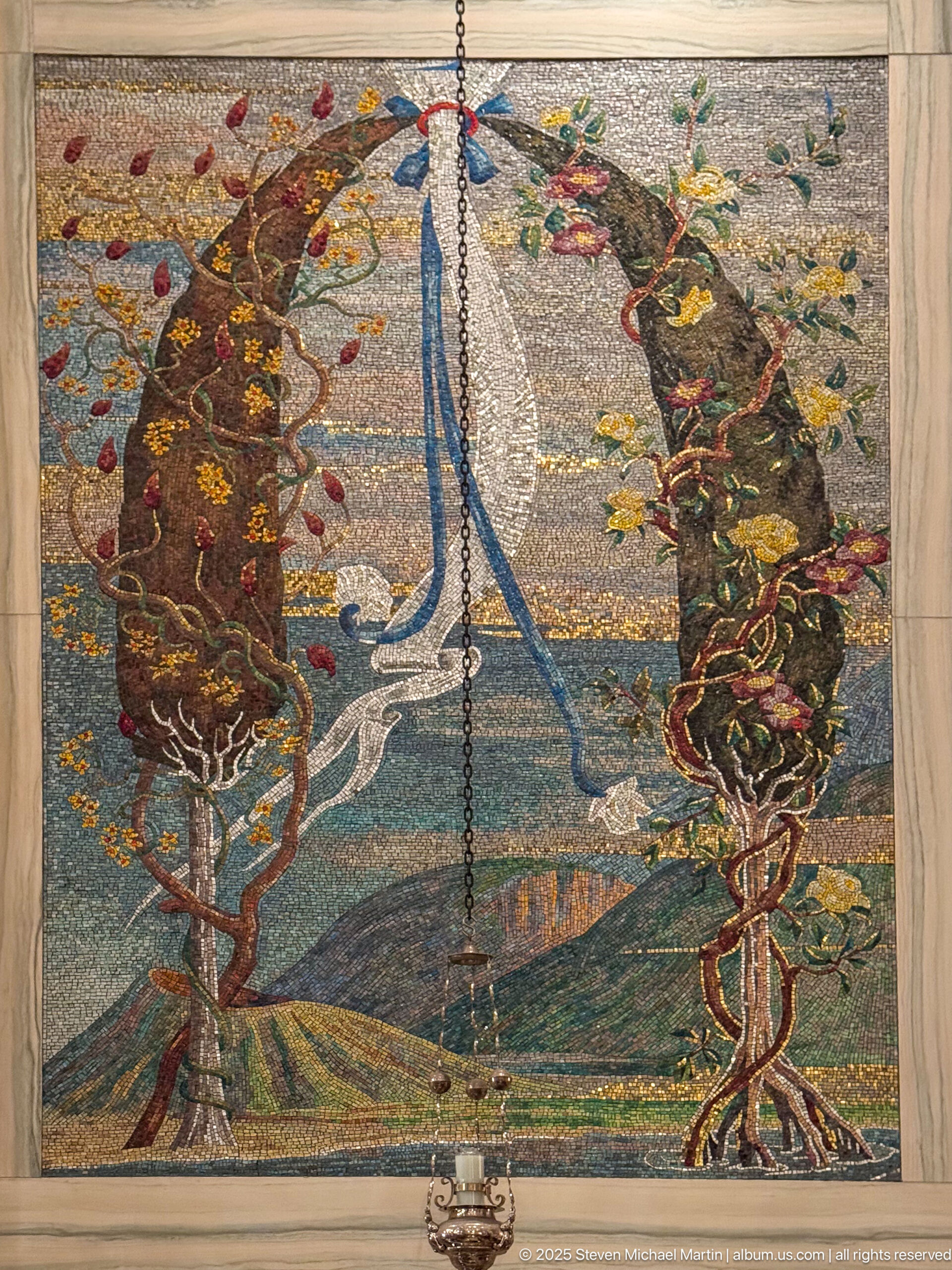
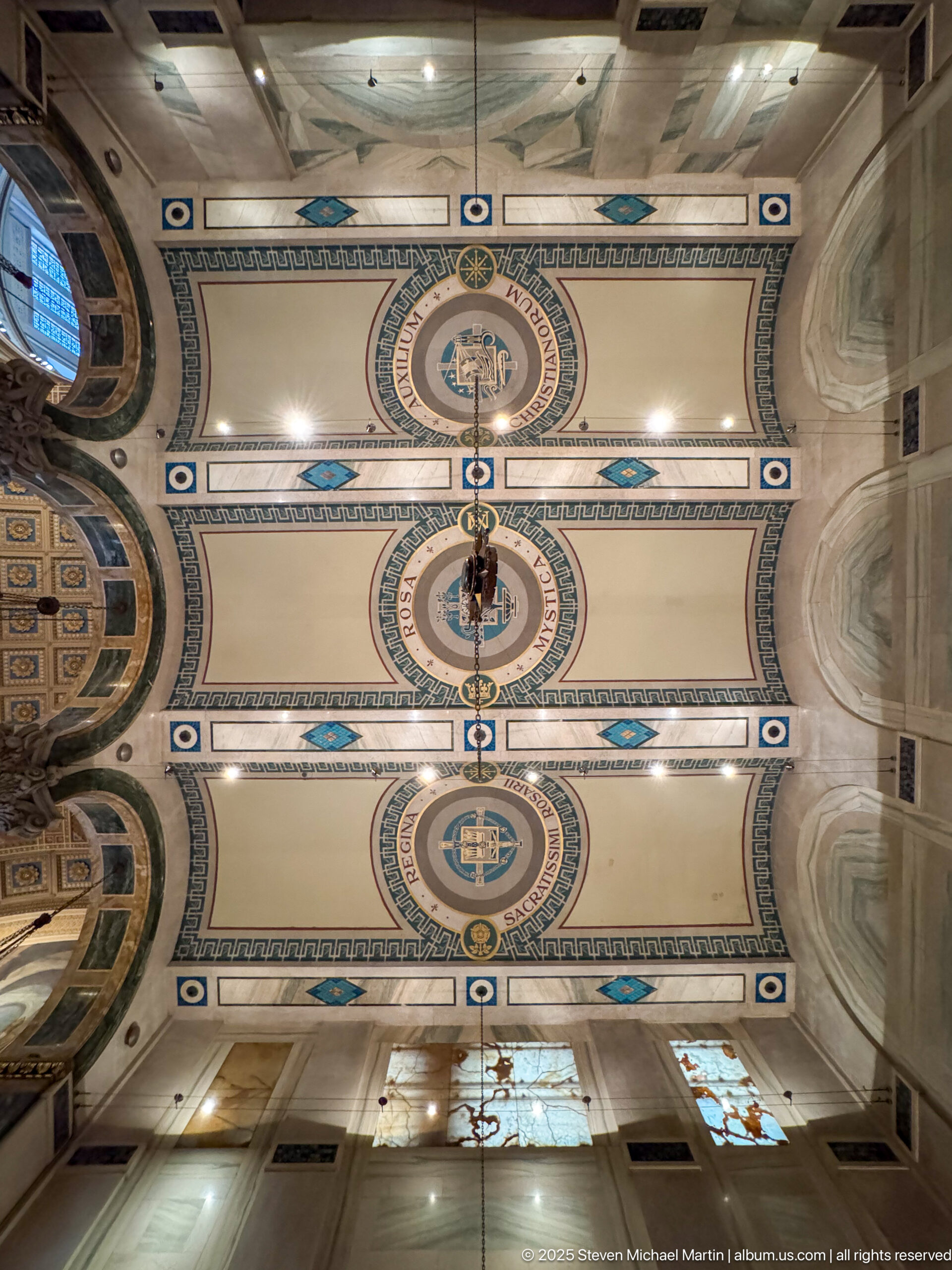
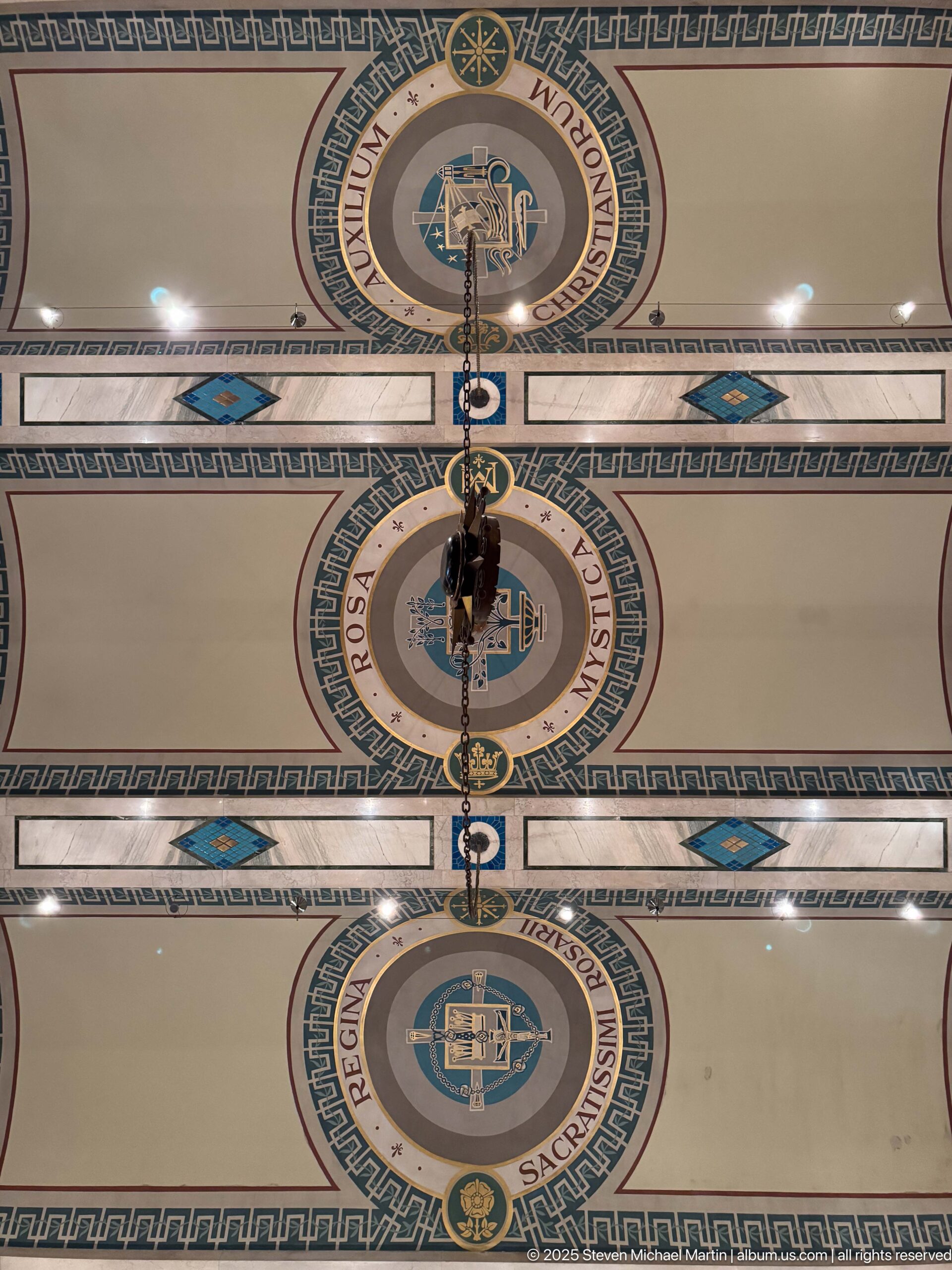
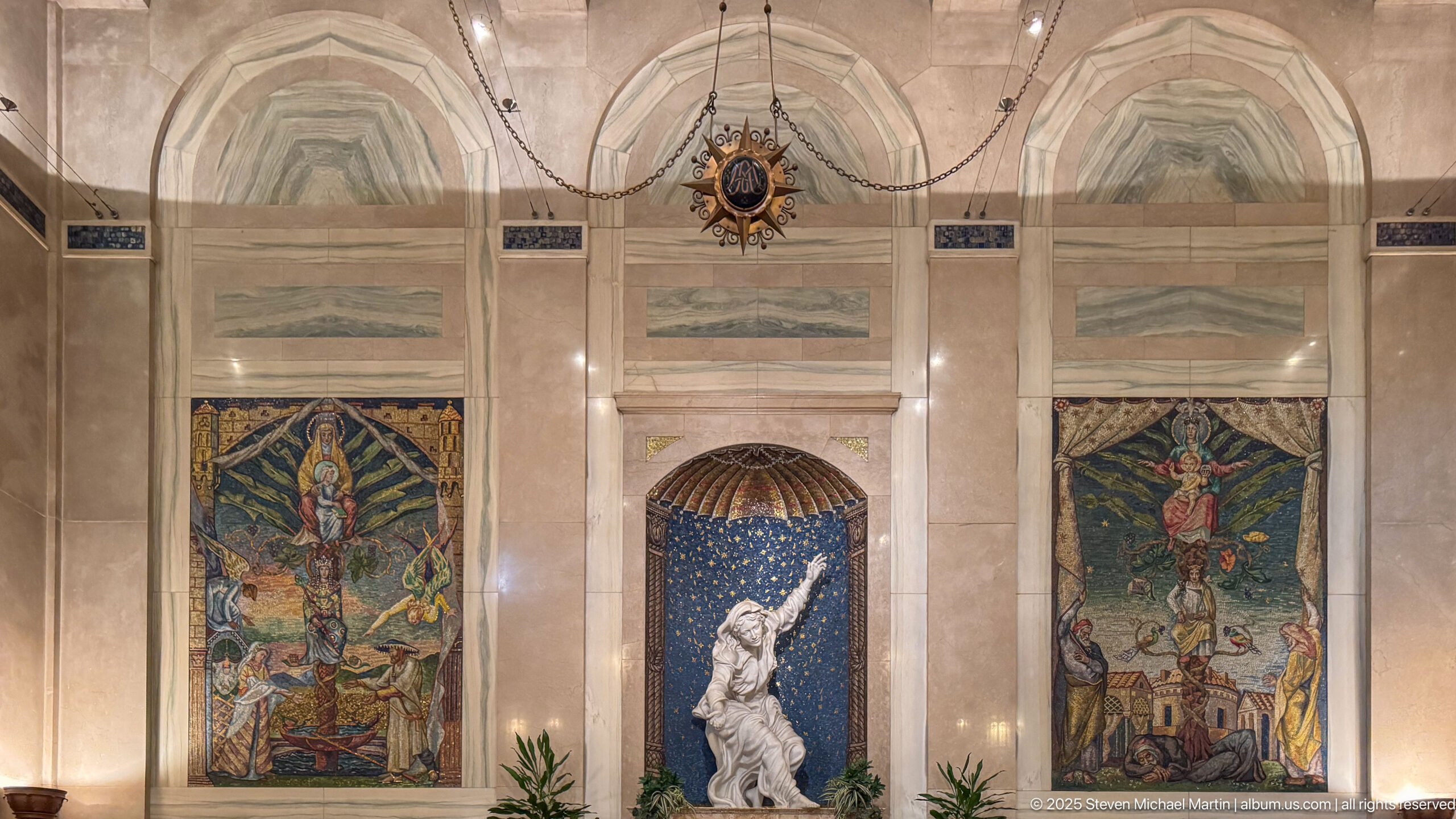
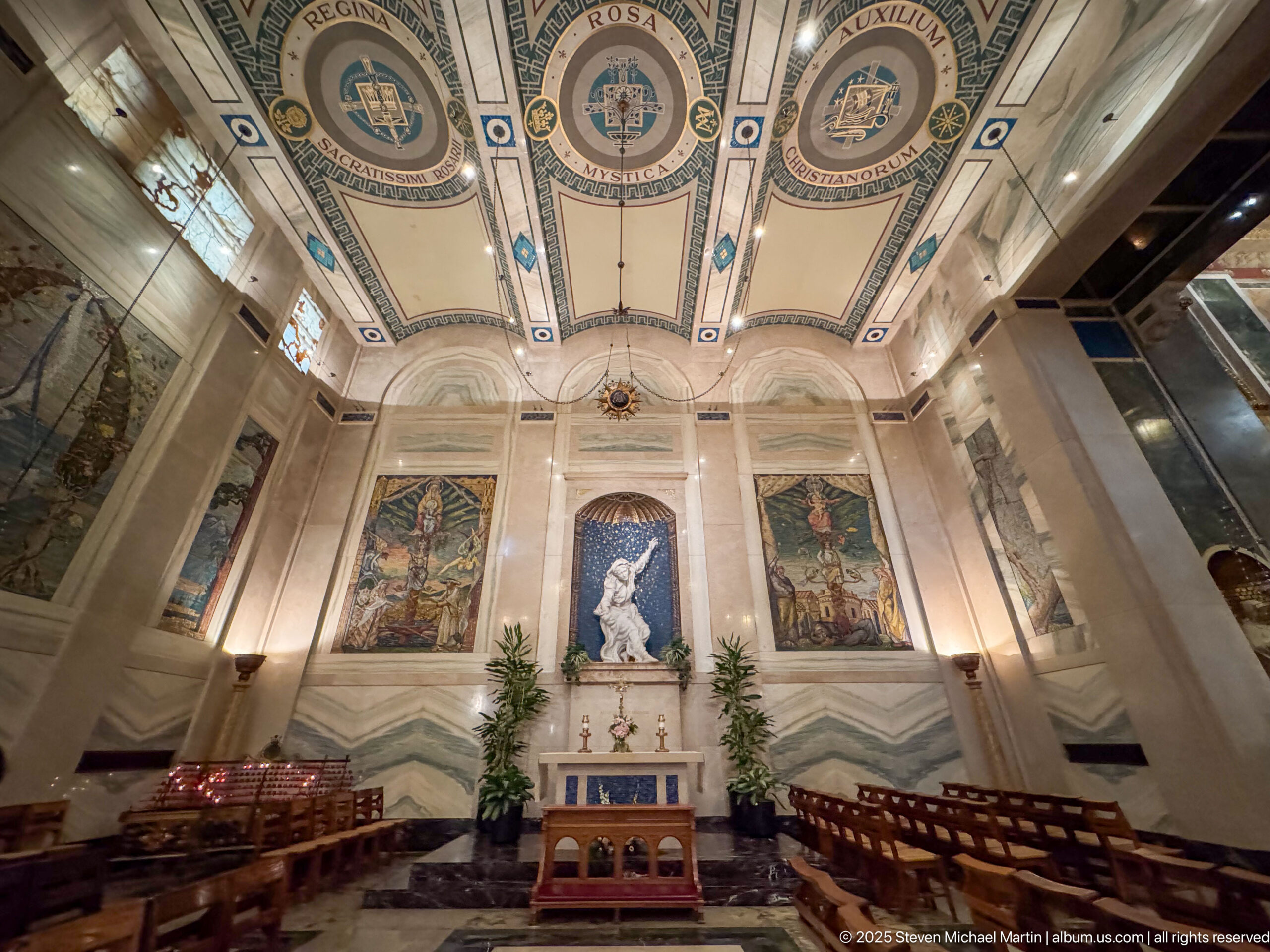
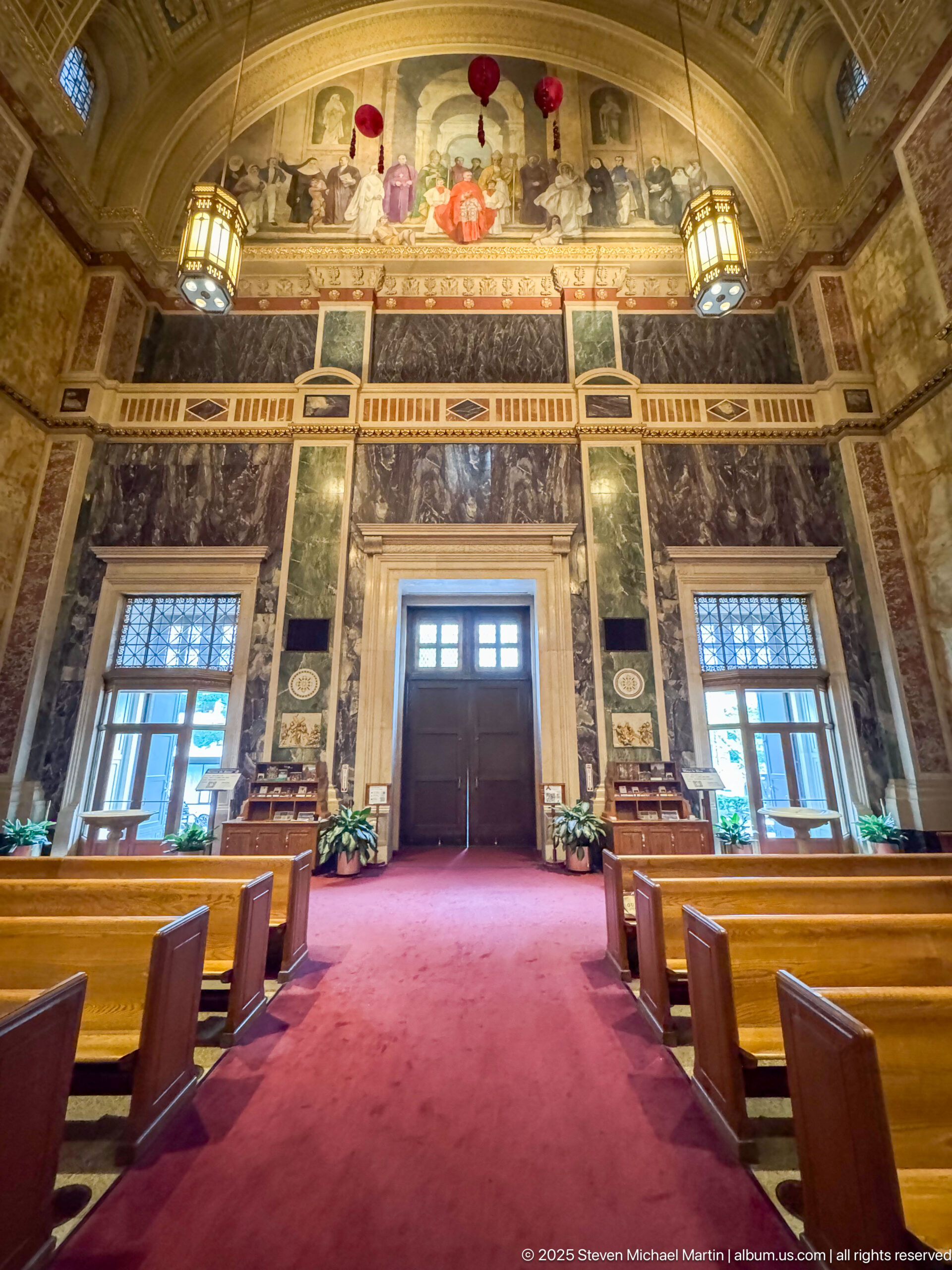
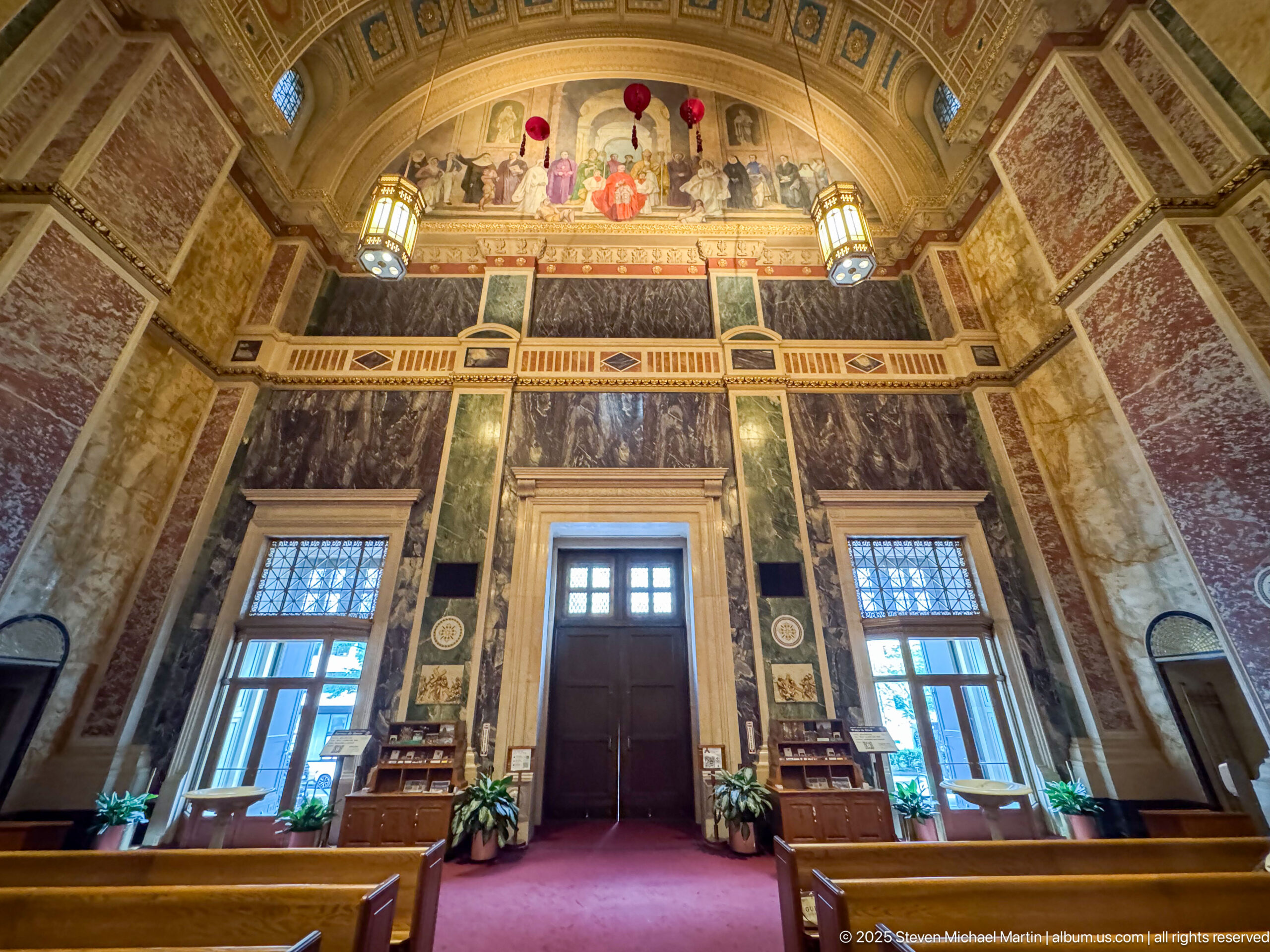
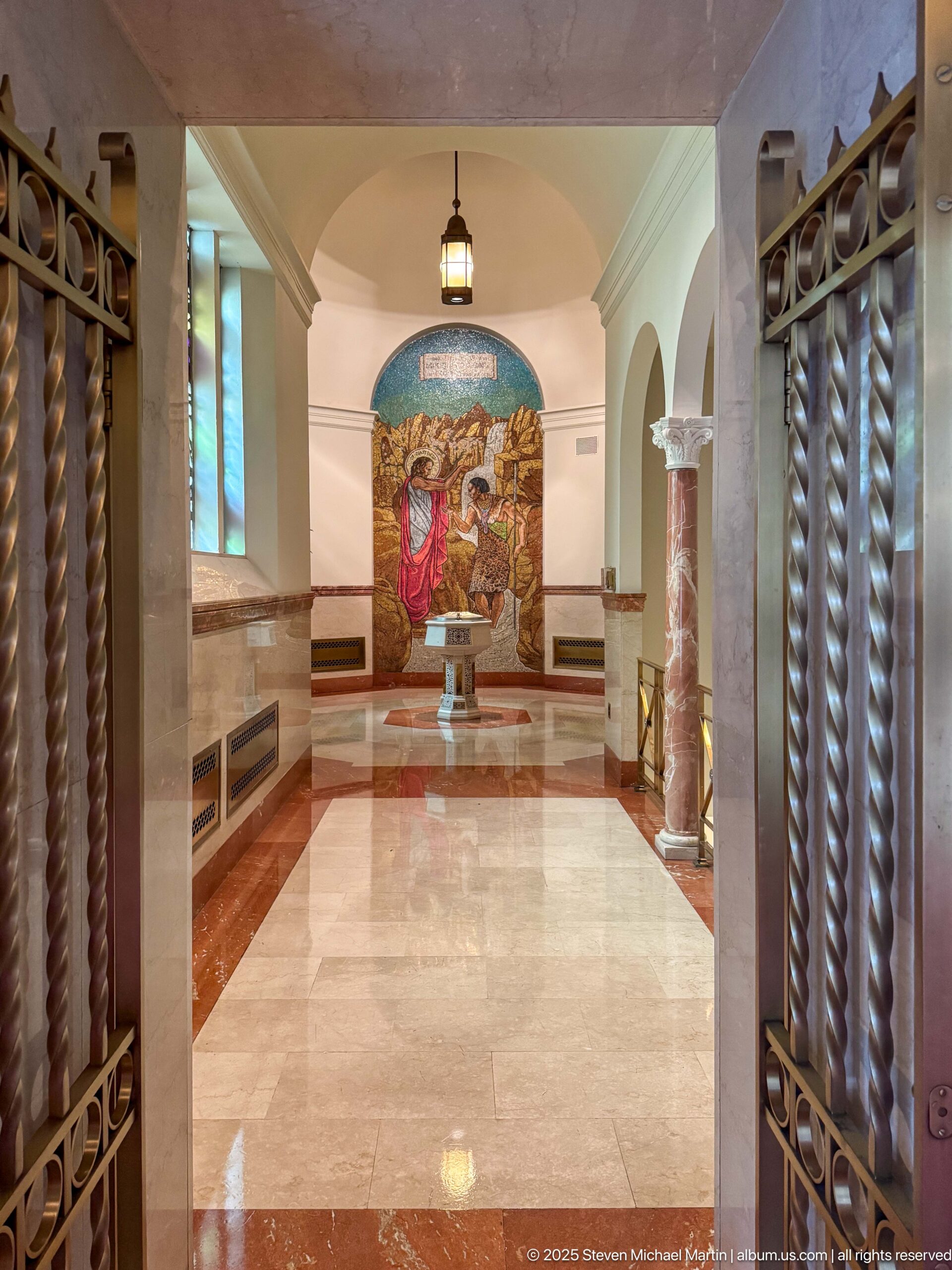
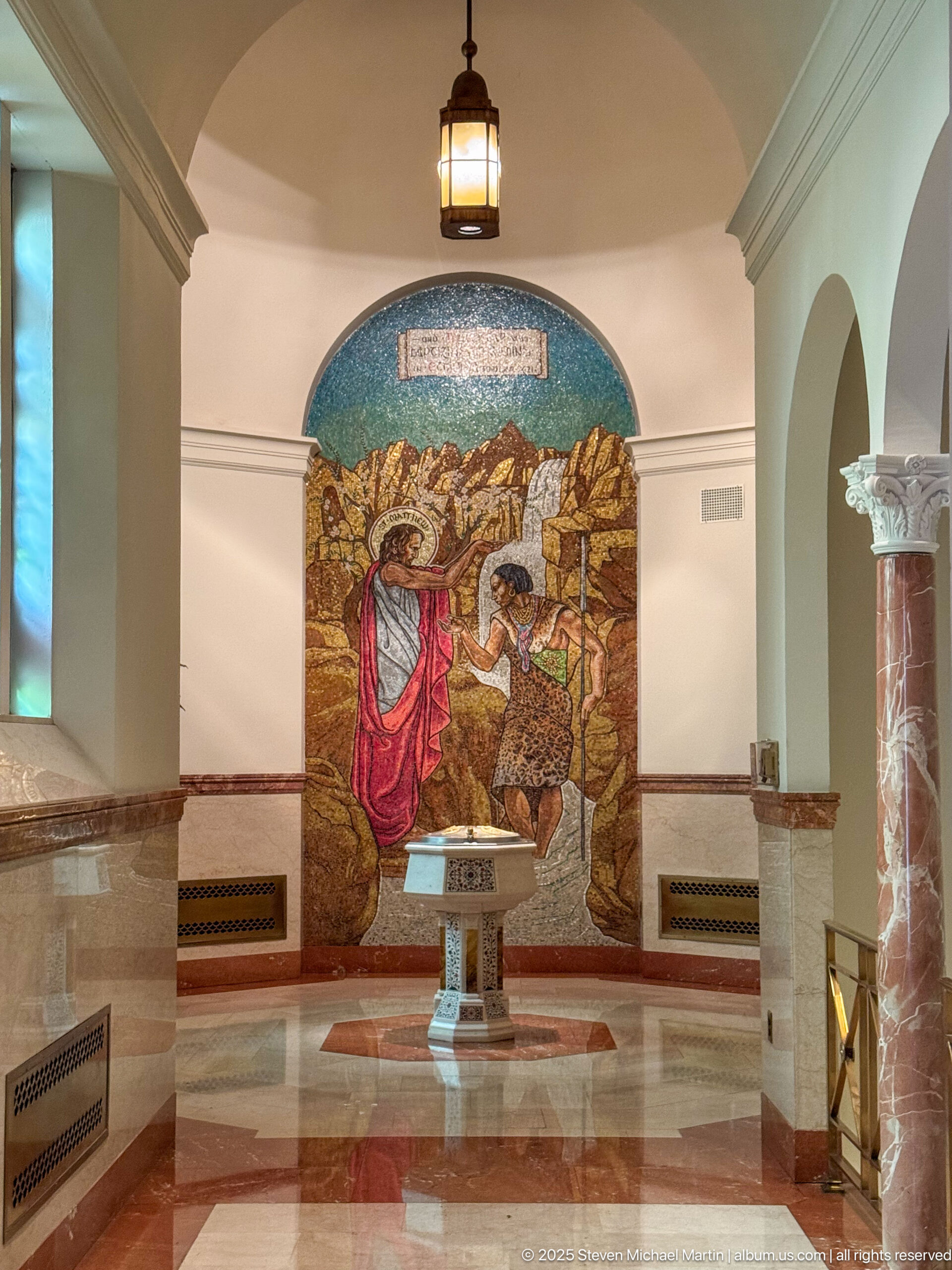
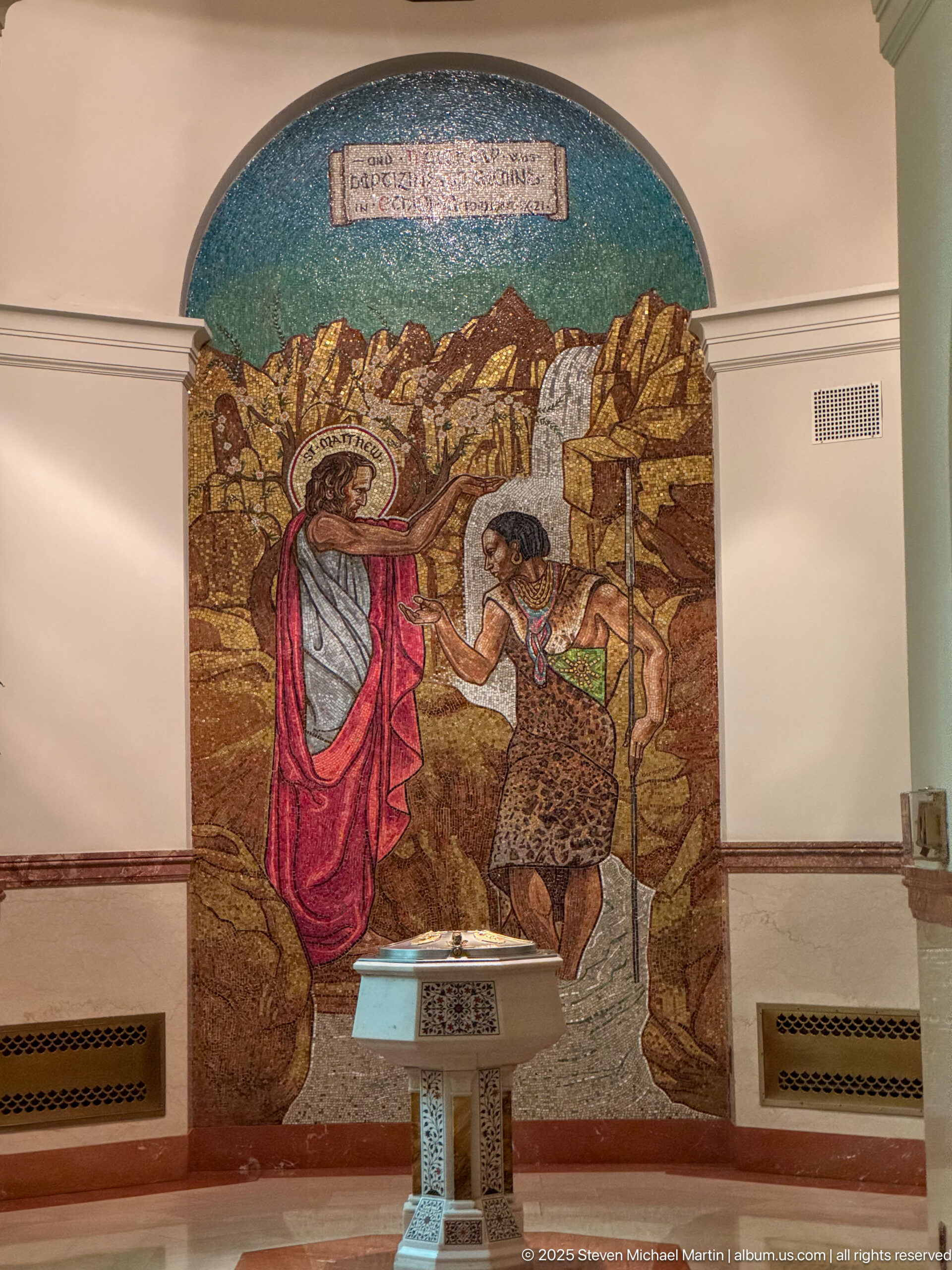
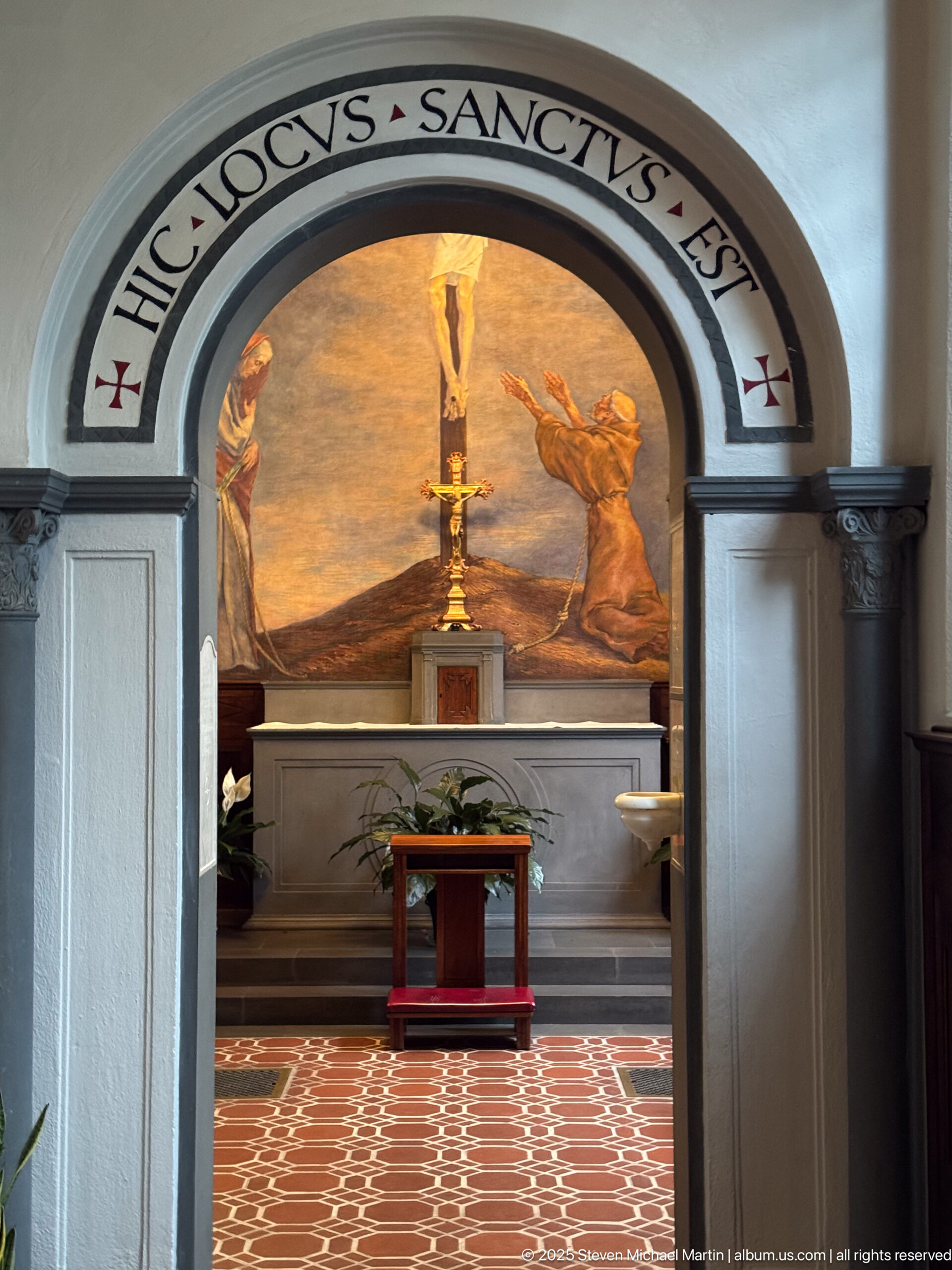
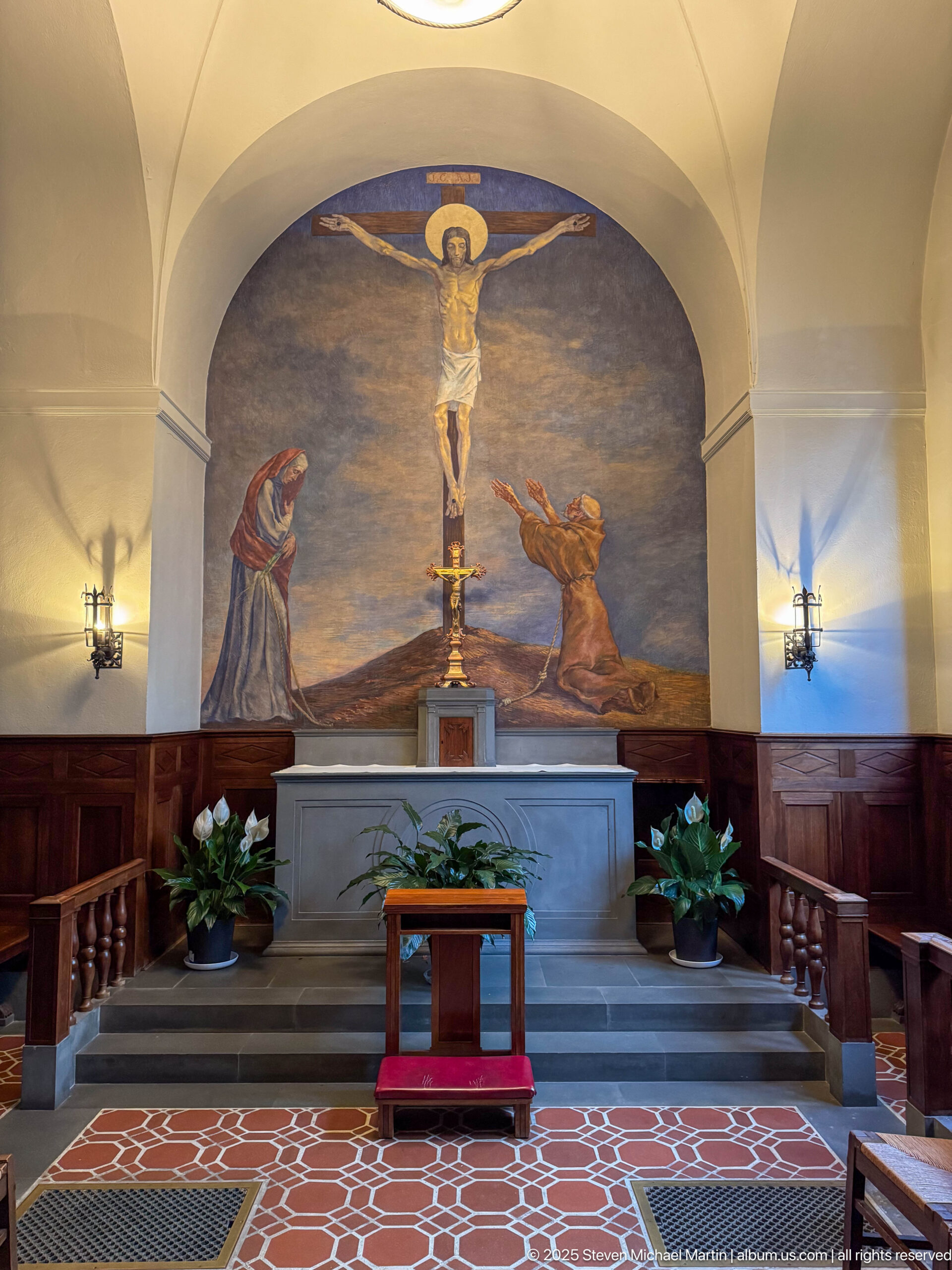
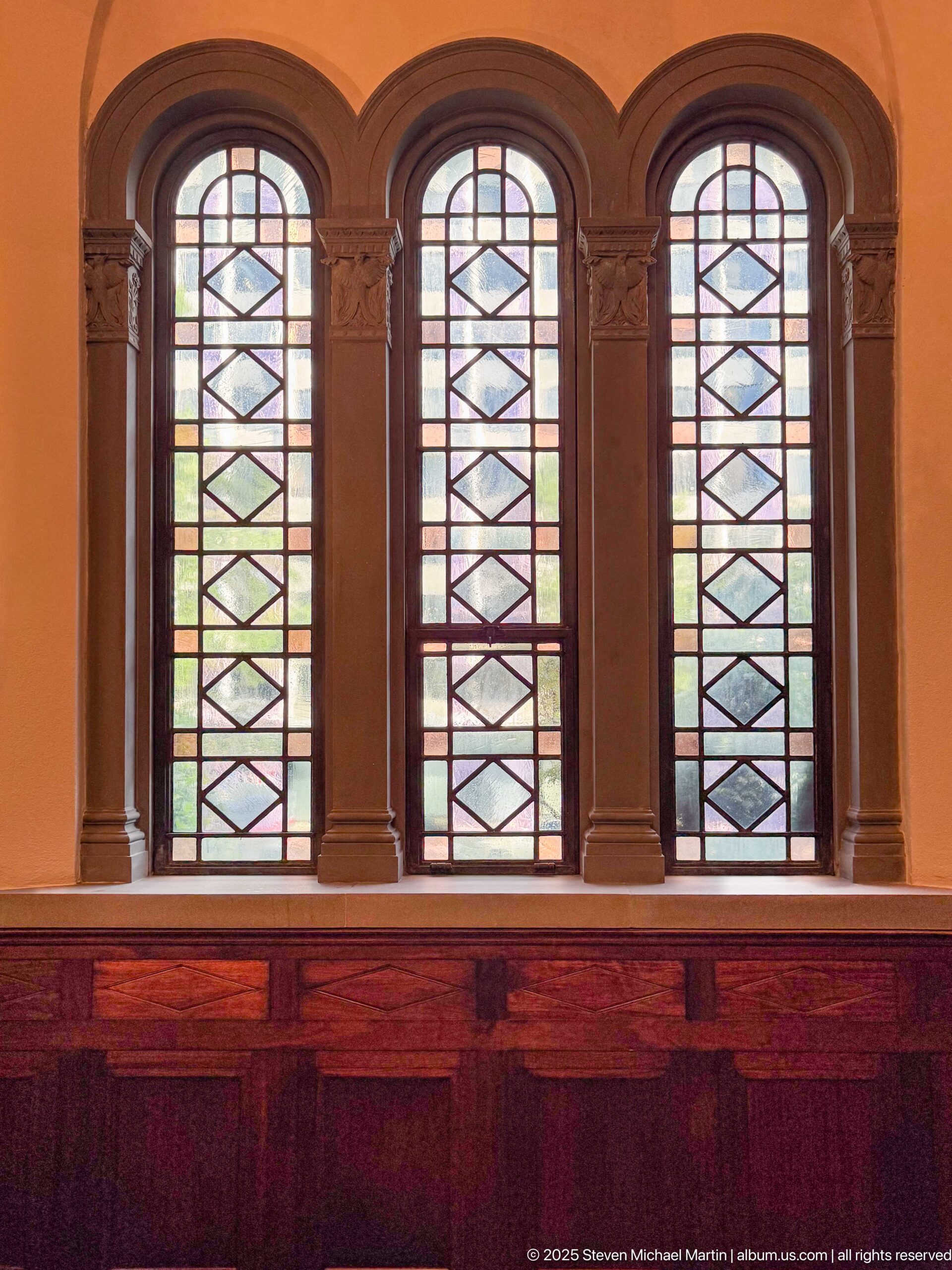
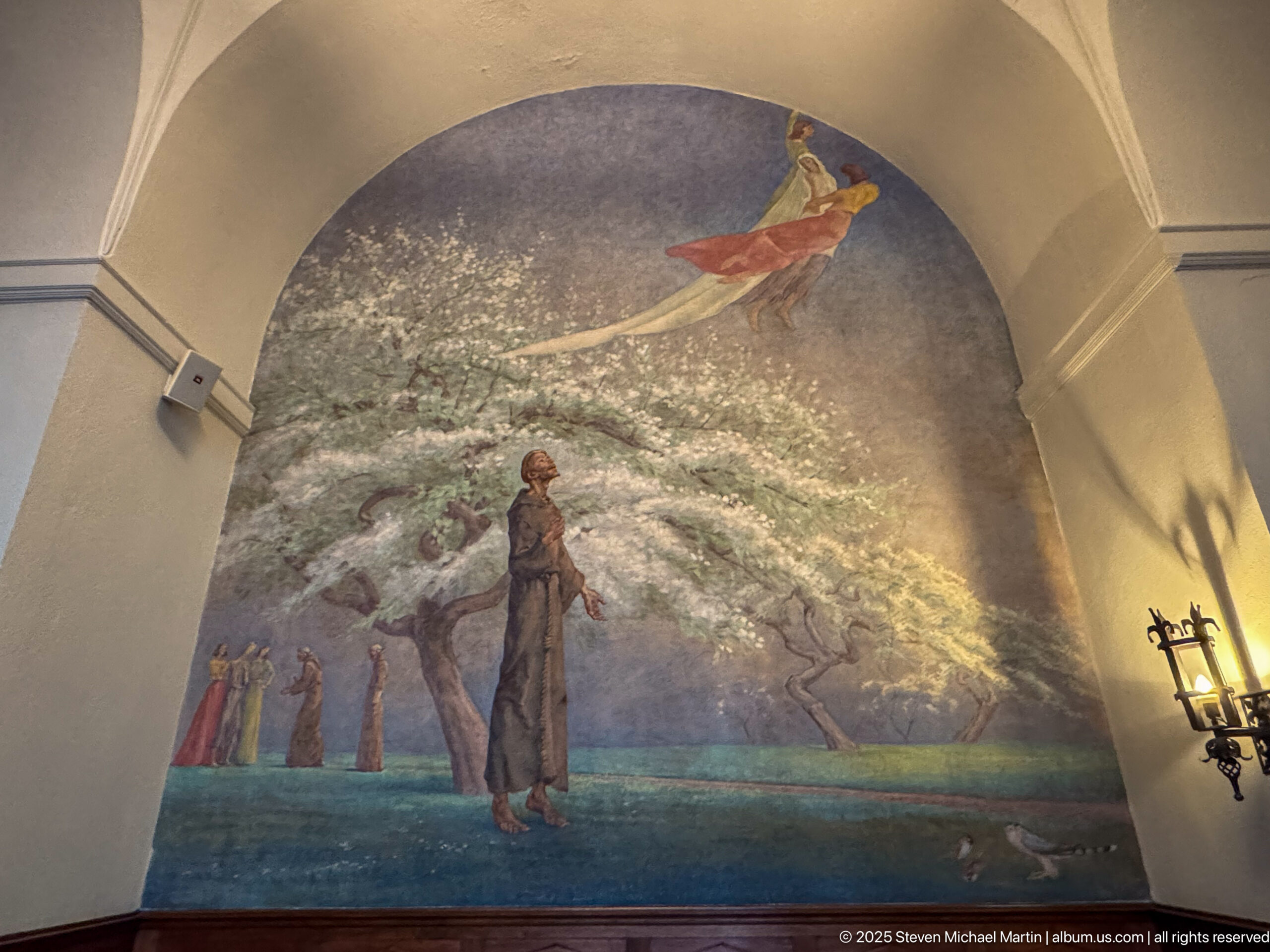
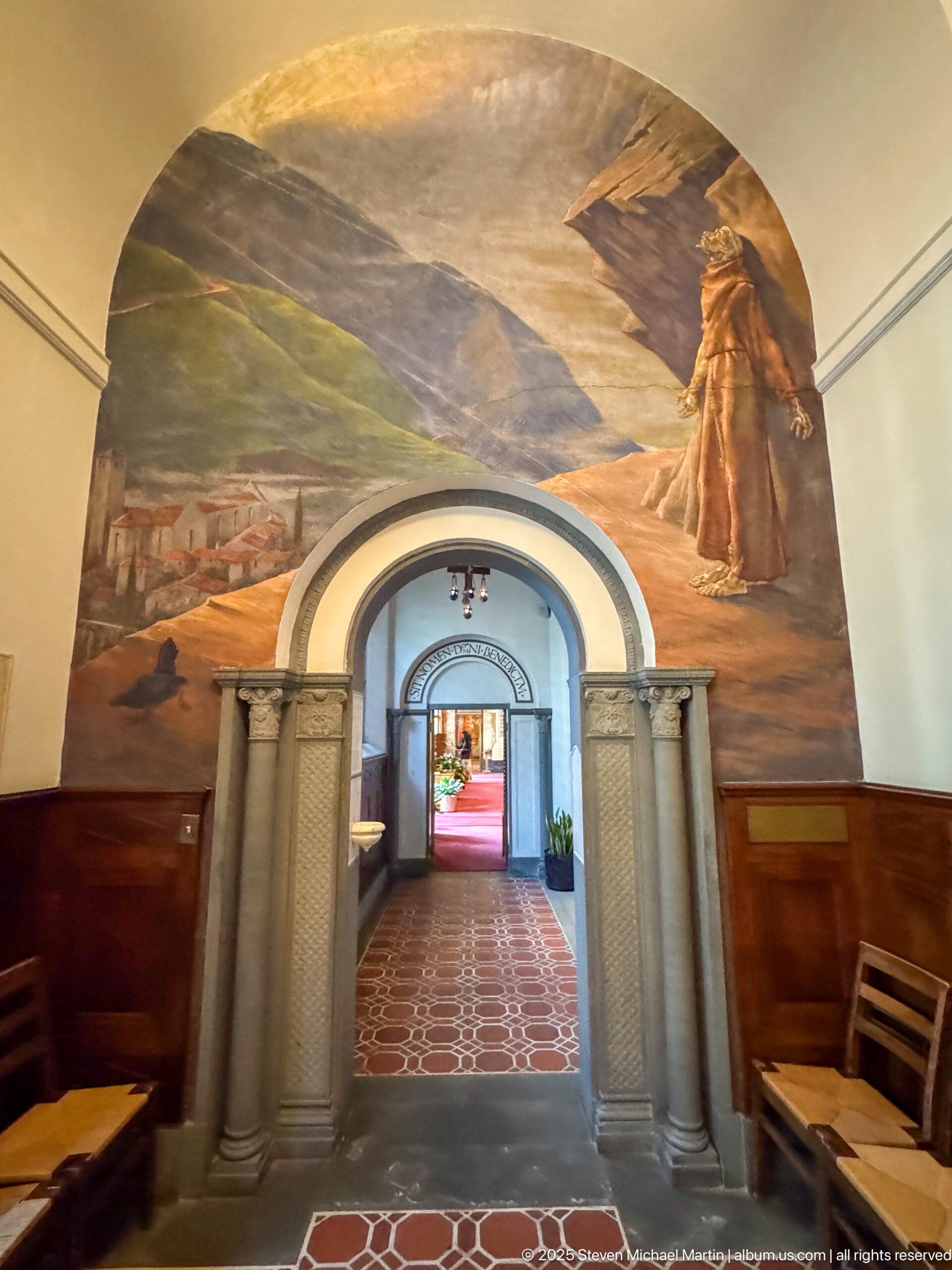
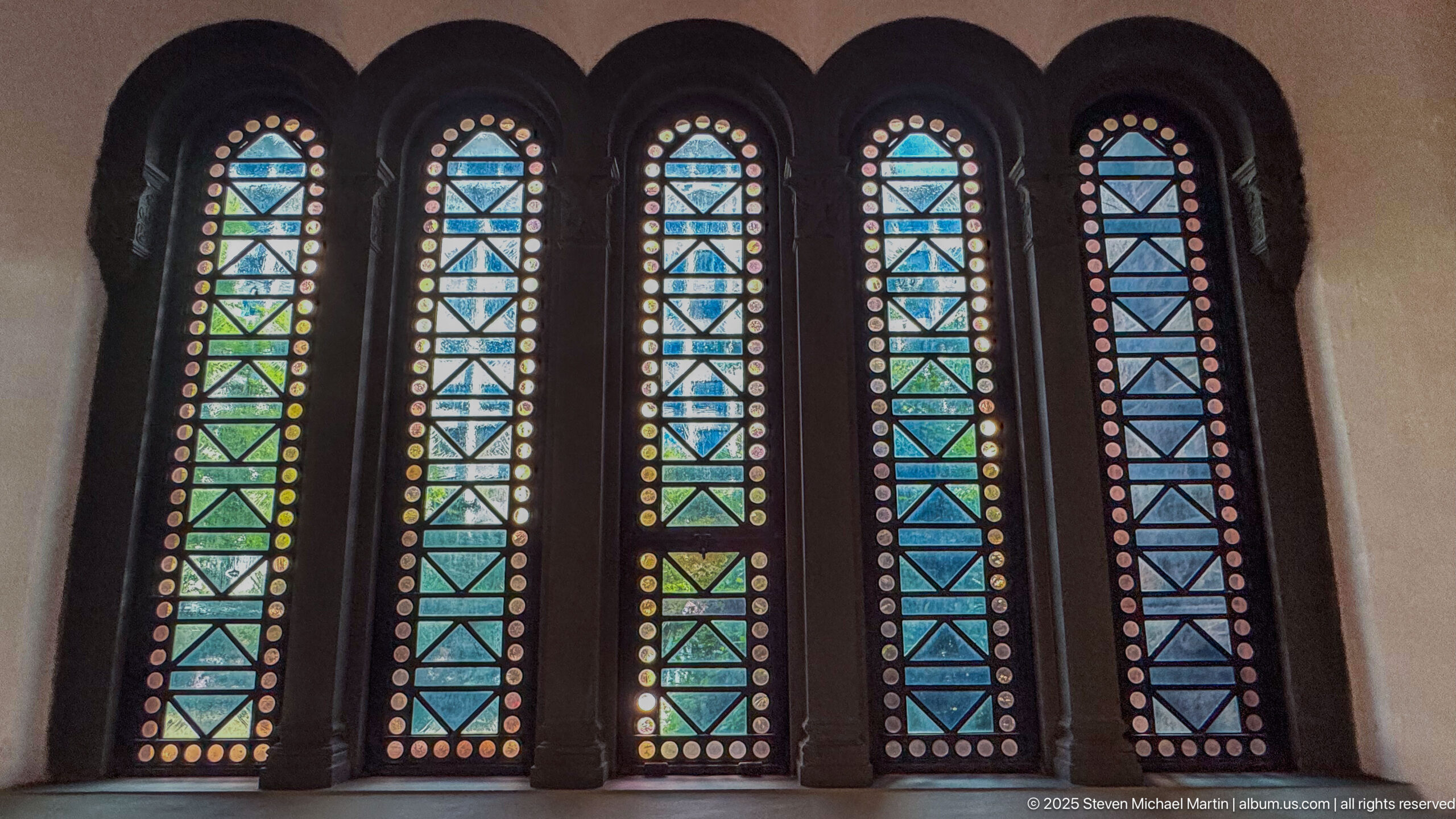
The cathedral’s interior is distinguished by marble surfaces, mosaics, and domed spaces that create a strong sense of ceremonial order and visual depth. Decorative programs throughout the sanctuary and chapels emphasize the role of sacred art in shaping liturgical space, while the building’s plan supports both large public worship services and quieter devotional use. The cathedral is also associated with significant moments in national life, reflecting how religious settings in Washington often intersect with public memory and civic ritual.
The Cathedral of Saint Matthew contributes to understanding the role of ecclesiastical architecture within the broader cultural environment of the nation’s capital. Its design demonstrates how sacred buildings employ historic forms and artistic detail to create spaces of reflection within an urban setting. The cathedral reinforces the continuity between religious tradition, architectural expression, and the ceremonial life of Washington.