National Capitol Columns
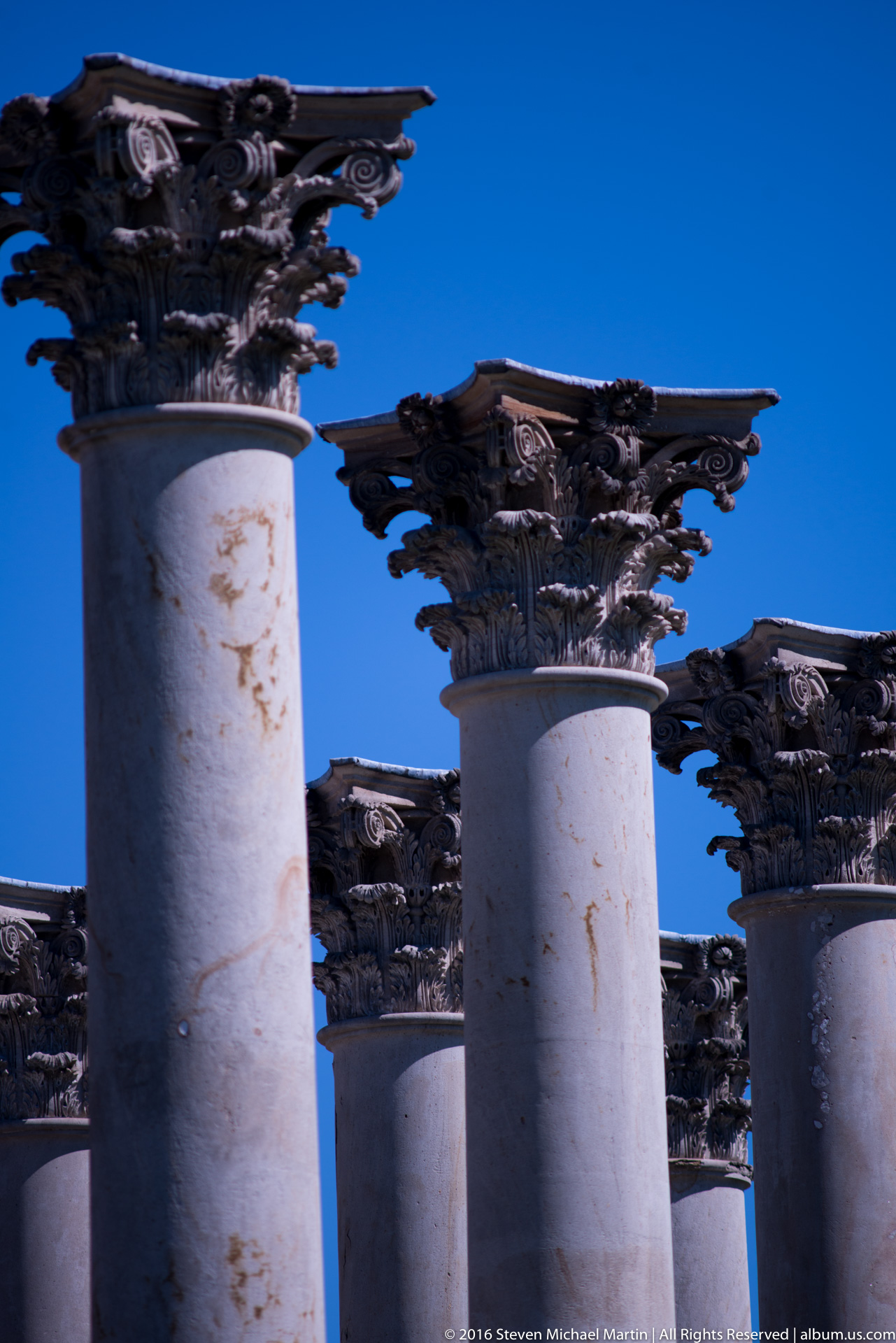
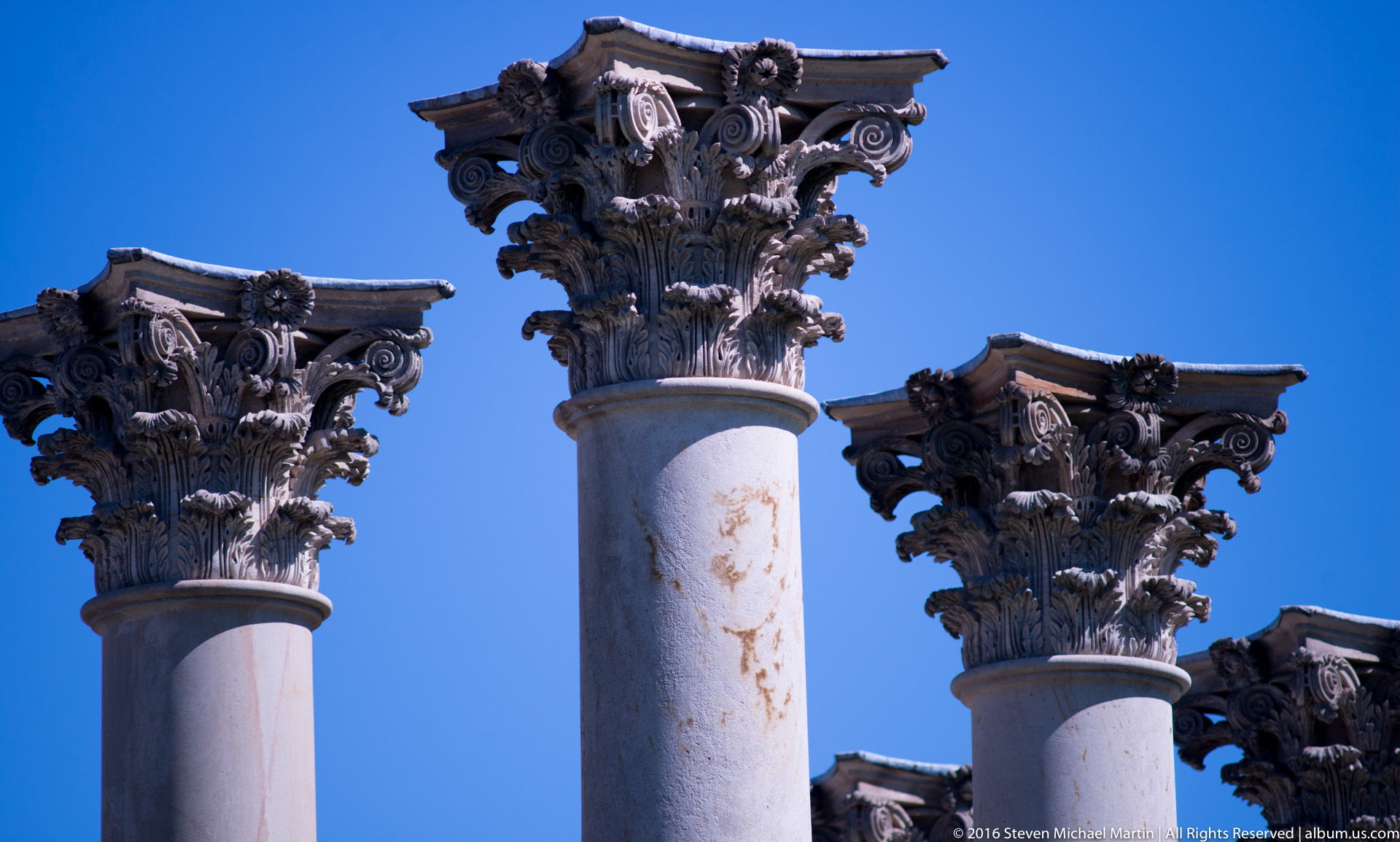
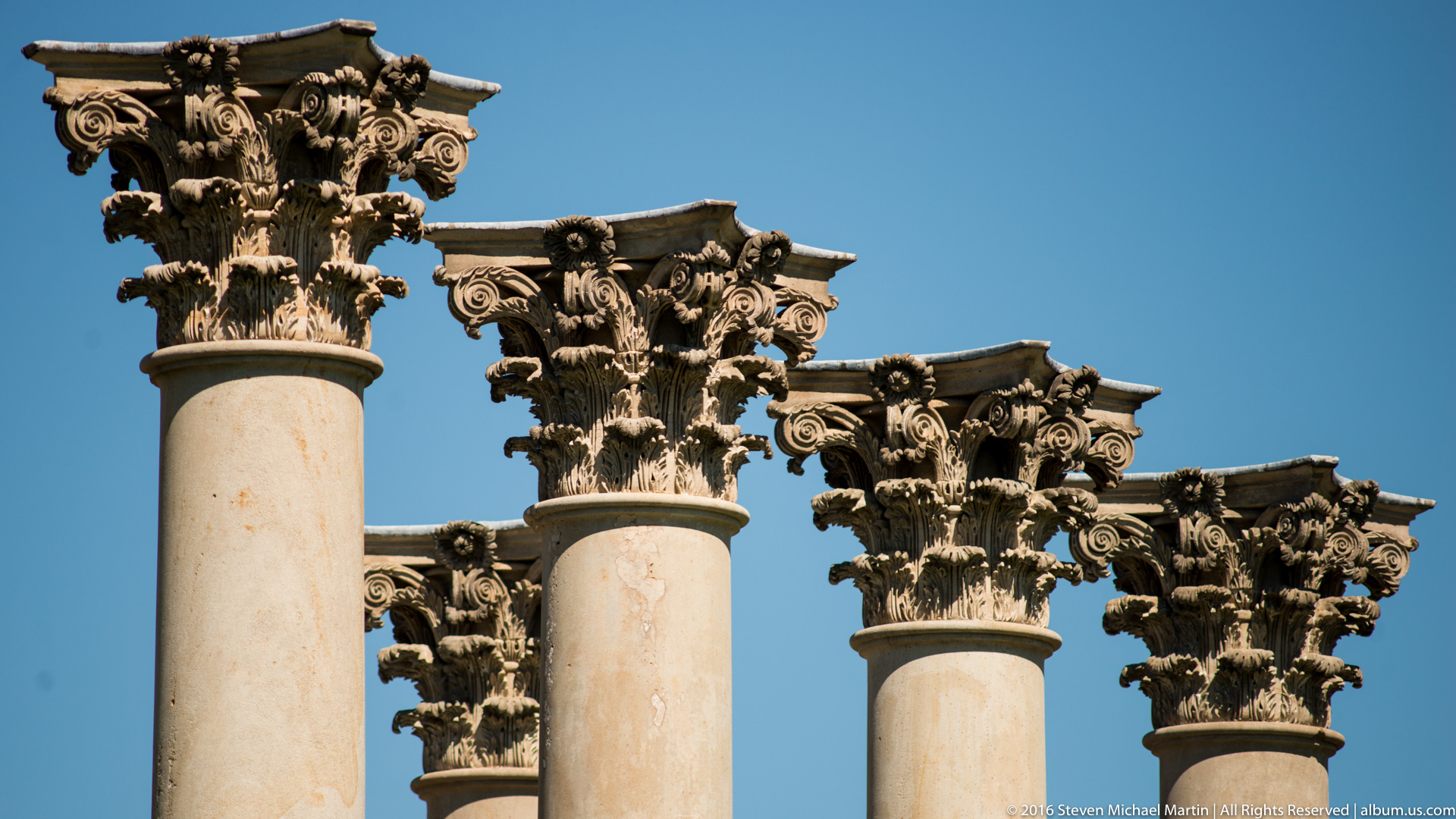
The National Capitol Columns stand within the United States National Arboretum as architectural remnants of the east portico of the United States Capitol, originally constructed in 1828 as part of the building’s early expansion. When the Capitol dome and wings were enlarged in the mid-nineteenth century, the original sandstone columns were removed and later preserved within the Arboretum landscape. Their relocation illustrates the evolving architectural history of the Capitol and the continuing preservation of materials associated with the development of the federal government’s physical environment.
Arranged in an open meadow within the Arboretum, the columns create a visual connection between botanical landscape and architectural heritage. Their classical form reflects the influence of Greco-Roman design traditions that shaped early American civic architecture, reinforcing associations between democratic governance and classical antiquity. The surrounding gardens provide seasonal variation that contrasts with the permanence of the stone structure, demonstrating the interaction between designed landscape and historic artifact.
The National Capitol Columns contribute to understanding how architectural fragments can acquire new interpretive meaning when preserved within a landscape dedicated to scientific research and public education. Their presence within the Arboretum reinforces continuity between the early architectural development of the Capitol and contemporary efforts to conserve cultural resources. The site illustrates how historic materials can be integrated into new environments while maintaining their symbolic connection to national history.