Washington National Cathedral Lighting The Cathedral Church of Saint Peter and Saint Paul in the City and Diocese of Washington, commonly known as Washington National Cathedral, stands as one of the largest Gothic Revival structures in the United States. Construction began in 1907 and continued for more than eight decades, reflecting sustained efforts to establish […]
ZooLights at the National Zoological Park The Smithsonian National Zoological Park forms part of the network of scientific and educational institutions located throughout Washington, DC, reflecting the role of public research organizations in advancing knowledge of wildlife and conservation. Established in 1889, the zoo supports research in animal biology, habitat preservation, and biodiversity, contributing to […]
Folger Shakespeare Library Concert The Folger Shakespeare Library, located on Capitol Hill near the Library of Congress, preserves the world’s largest collection of works related to William Shakespeare and the early modern period. Established in 1932 by Henry and Emily Folger, the institution reflects the importance of literary scholarship within the intellectual framework of the […]
Tudor Lights The Tudor Place Historic House and Garden preserves one of Washington’s most significant early nineteenth-century estates, reflecting the domestic architecture and landscape traditions of the early republic. Located in Georgetown, the house was constructed in the Federal style and remained connected to prominent political and social networks that shaped the development of the […]
Cathedral of Saint Matthew the Apostle The Cathedral of Saint Matthew the Apostle occupies an important place within the religious and architectural landscape of Washington, DC, serving as the seat of the Roman Catholic Archdiocese of Washington. Constructed in the early twentieth century, the cathedral reflects Romanesque Revival design enriched by Byzantine influences, combining a […]
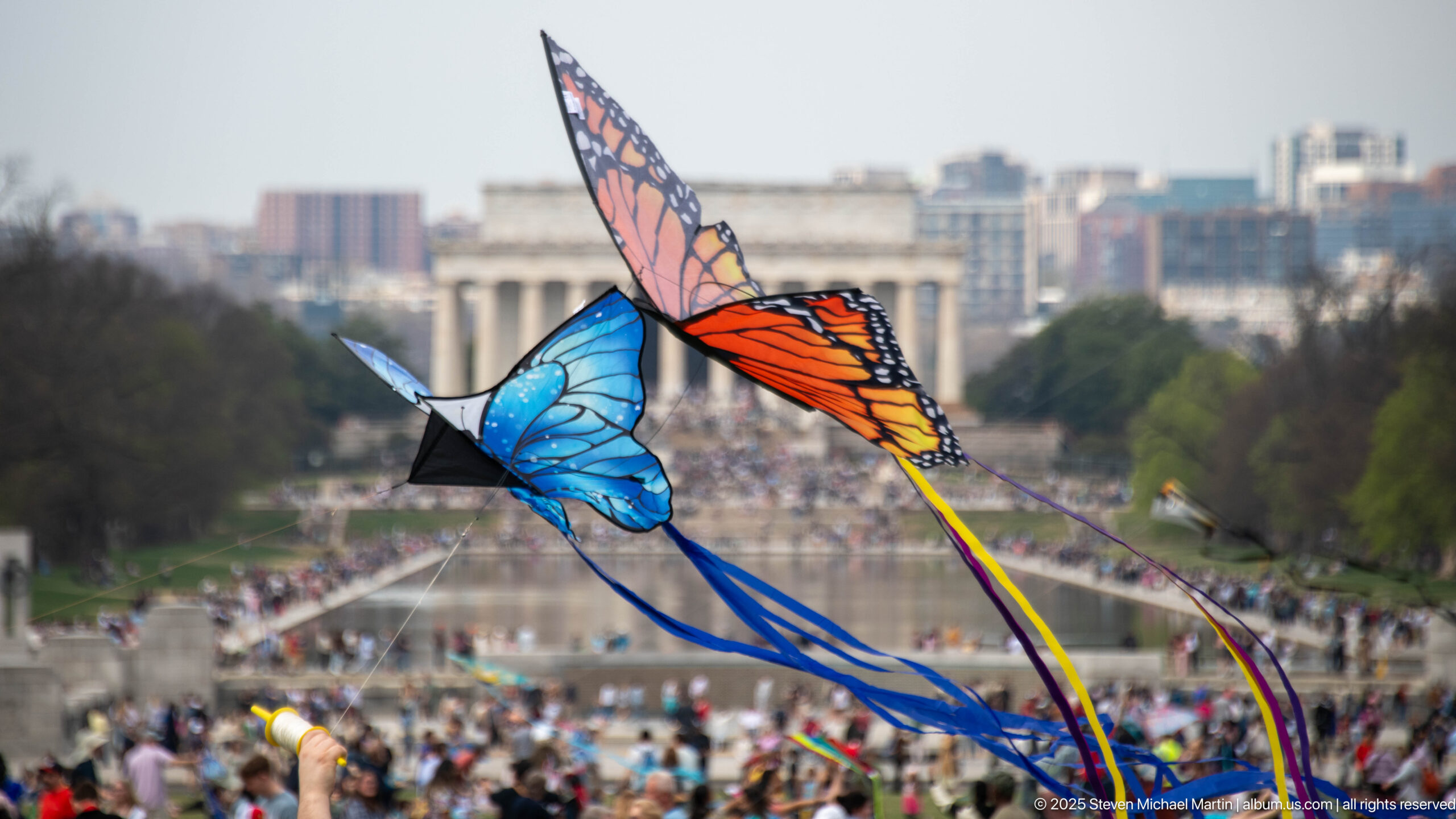
Kites and Cherry Blossoms Spring in Washington, DC brings together seasonal landscape design and civic tradition within the monumental setting of the National Mall. Flowering cherry trees surrounding the Tidal Basin and open lawns near the Washington Monument create one of the most recognizable spring environments in the United States, where horticultural planning and ceremonial […]
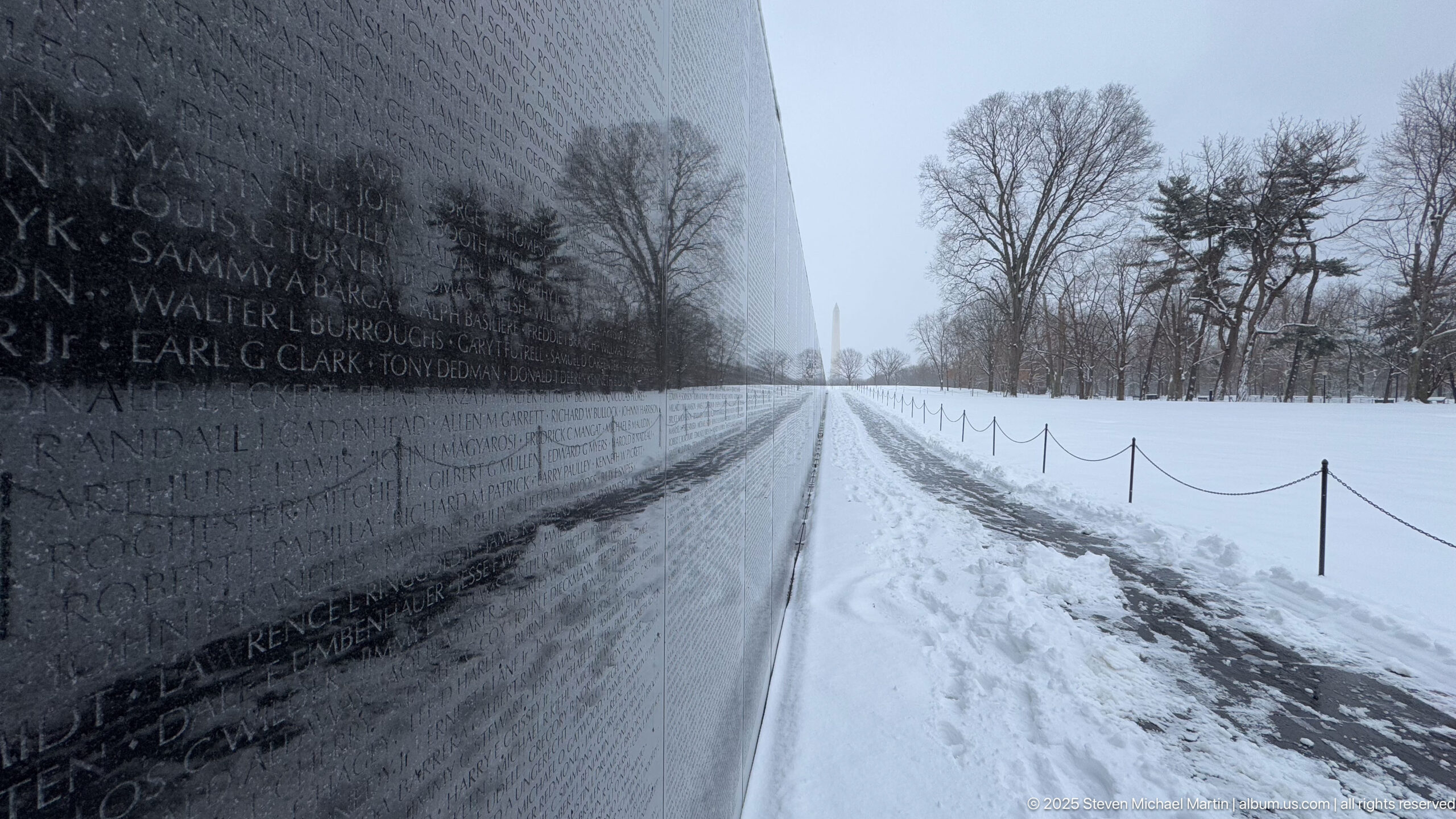
Washington, DC Snow Storm Winter snowstorms periodically transform the monumental landscape of Washington, DC, altering the visual character of the capital’s formal architecture and planned open spaces. The city’s broad avenues, neoclassical buildings, and commemorative landscapes reflect nineteenth- and early twentieth-century urban planning traditions that emphasize symmetry and long sightlines. Snow accumulation softens architectural detail […]
Christmas Market at Heurich House The Heurich House Museum preserves the late nineteenth-century residence of German immigrant brewer Christian Heurich, whose business became one of the largest private employers in Washington, DC. Constructed between 1892 and 1894 in the Late Victorian architectural style, the house reflects the influence of European craftsmanship and the role of […]
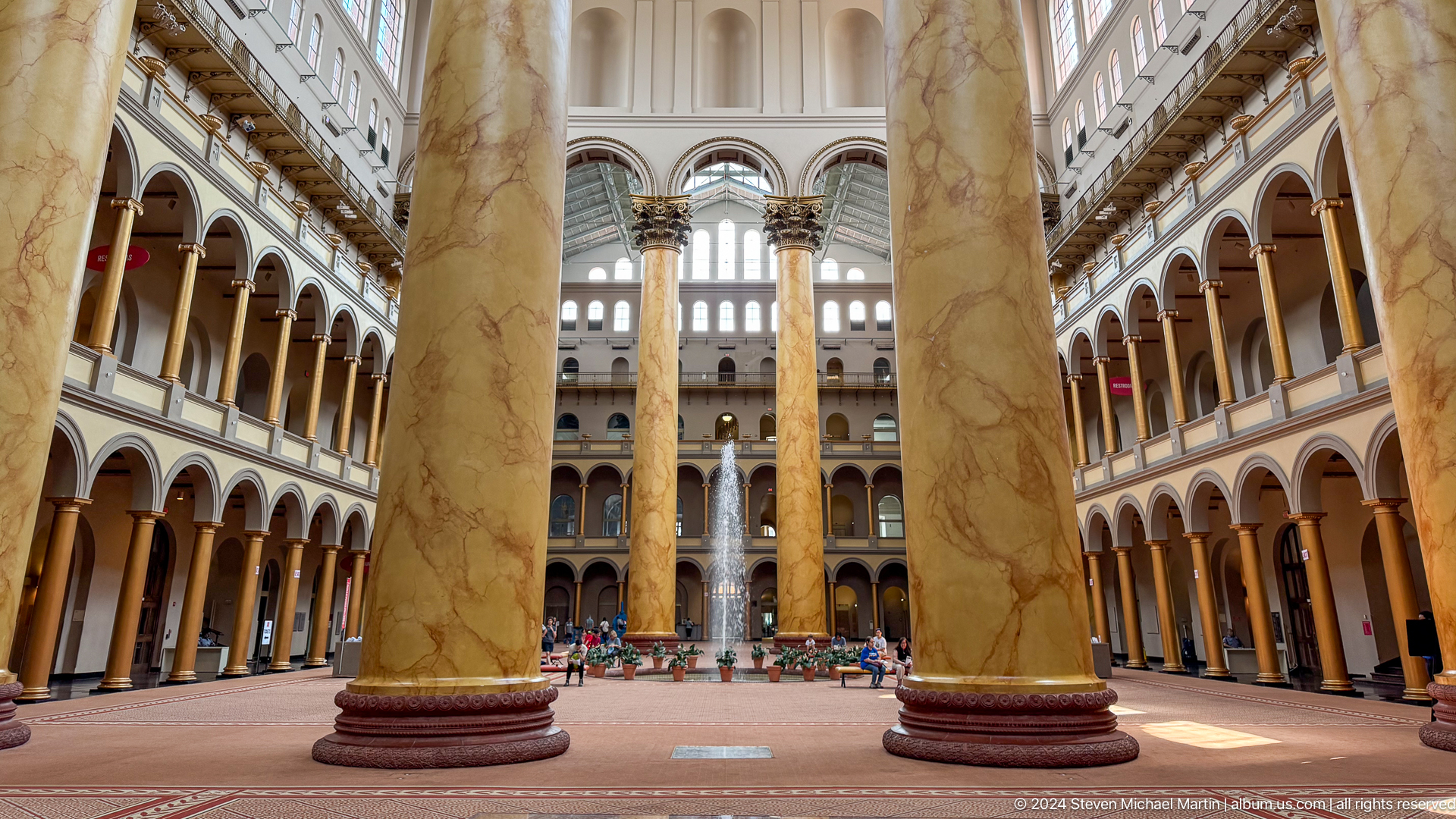
National Building Museum The National Building Museum occupies one of the most significant nineteenth-century government buildings in Washington, DC, originally constructed between 1882 and 1887 as the headquarters of the United States Pension Bureau. Designed by architect Montgomery C. Meigs, the structure reflects the Italian Renaissance Revival style and demonstrates the use of monumental scale […]
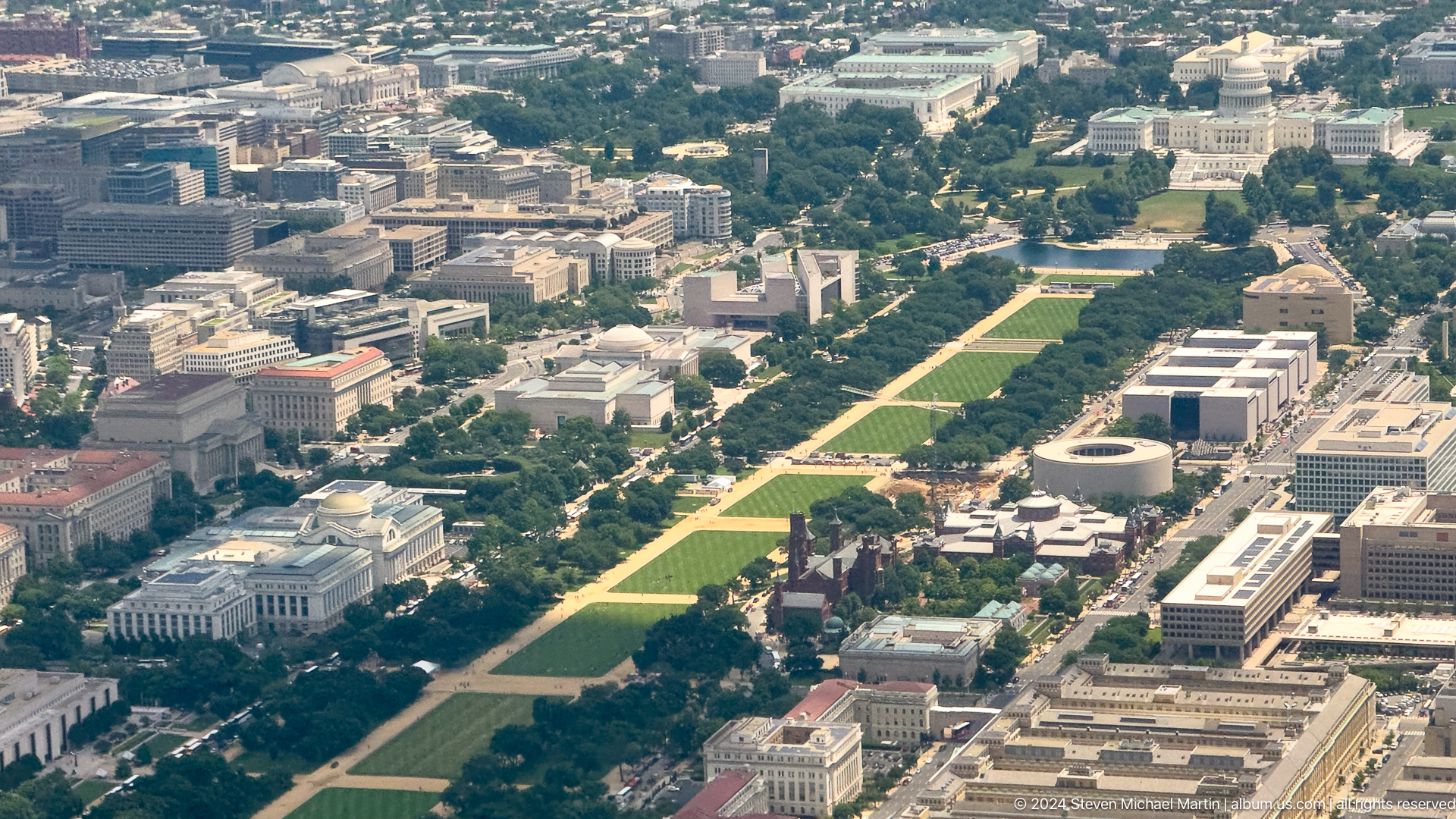
National Mall from the Air The National Mall forms the central ceremonial landscape of Washington, DC, extending from the United States Capitol westward toward the Potomac River. Planned in accordance with Pierre Charles L’Enfant’s original design for the federal city and later refined by the McMillan Plan of 1902, the Mall reflects the use of […]