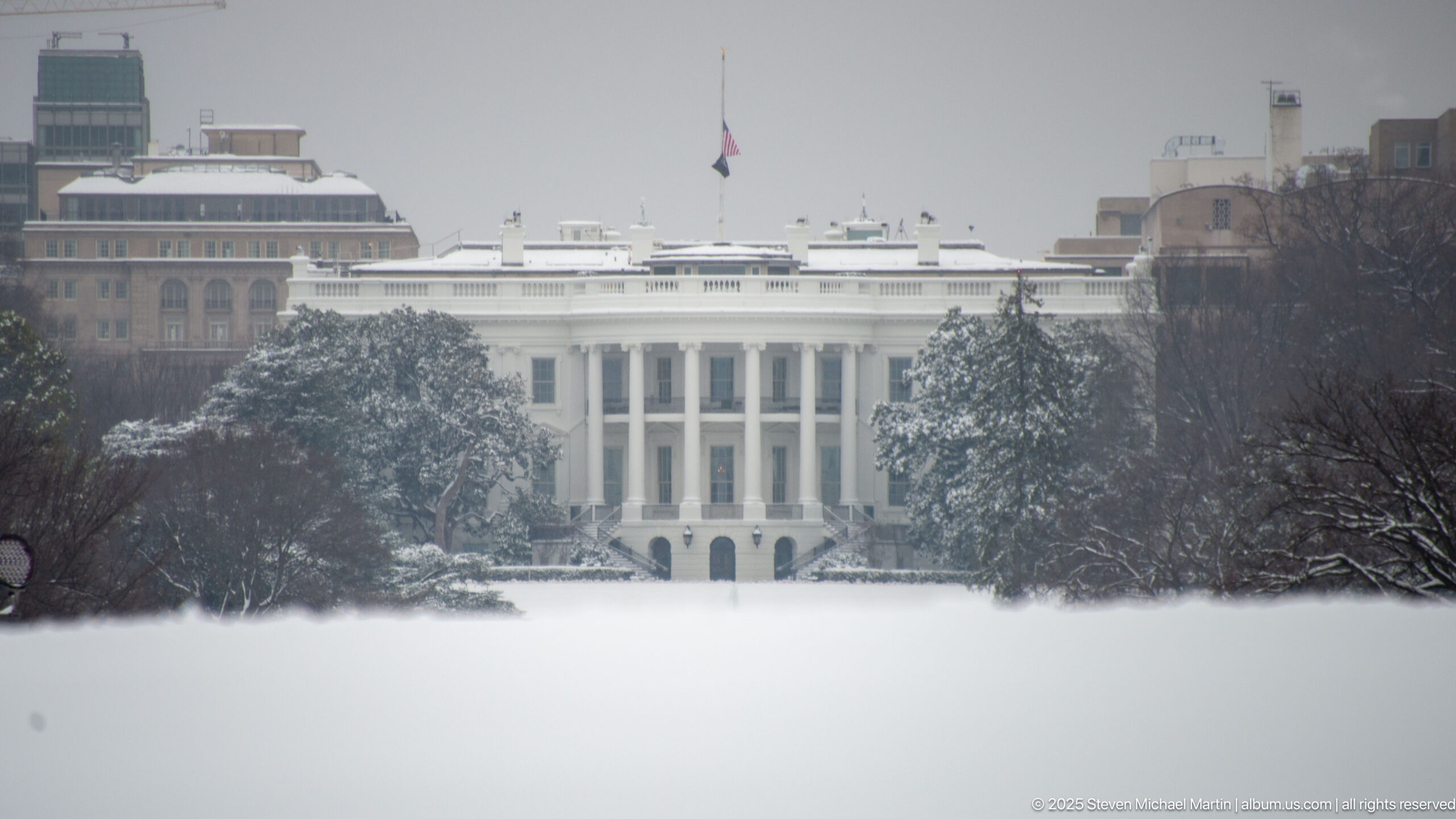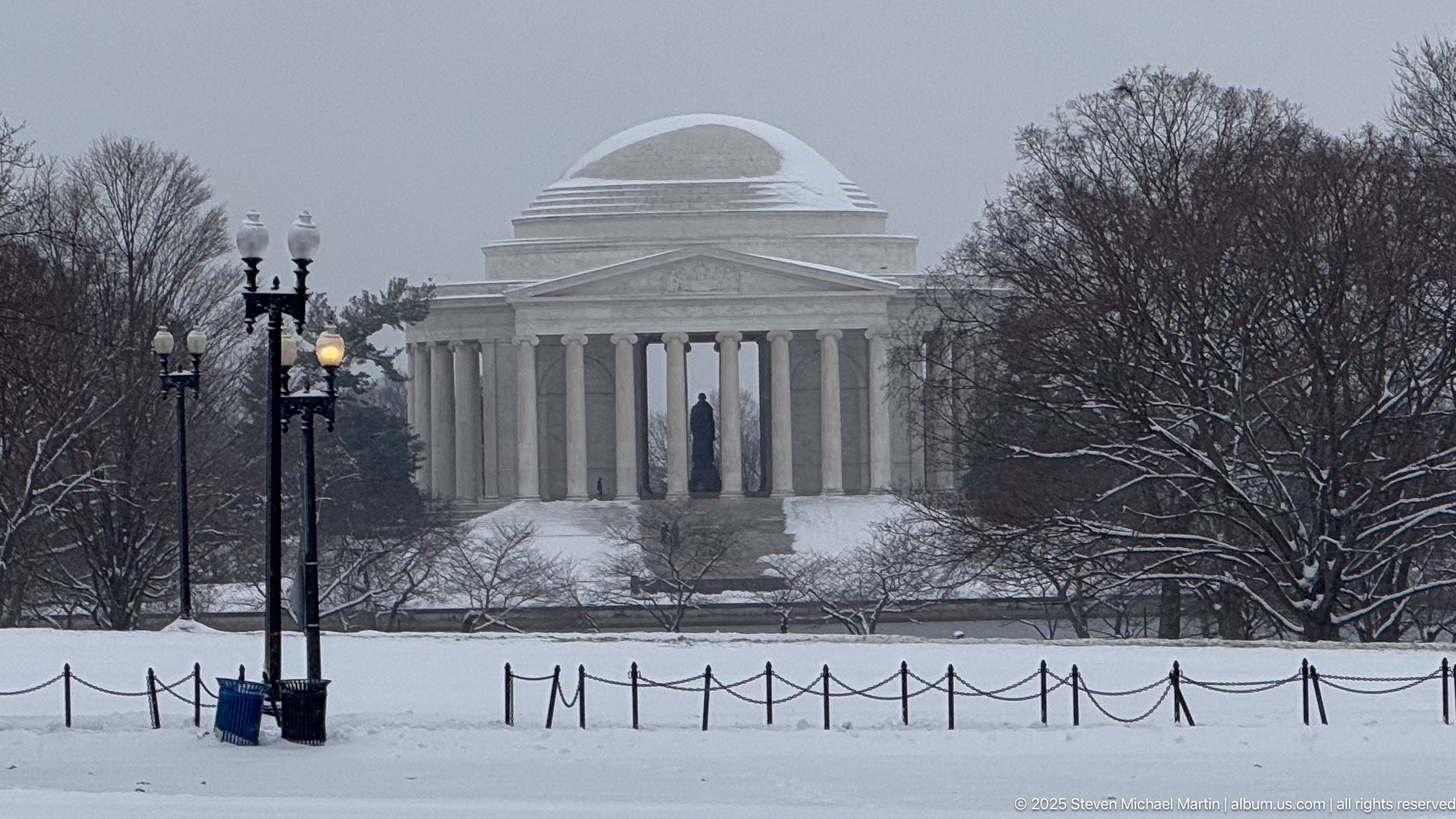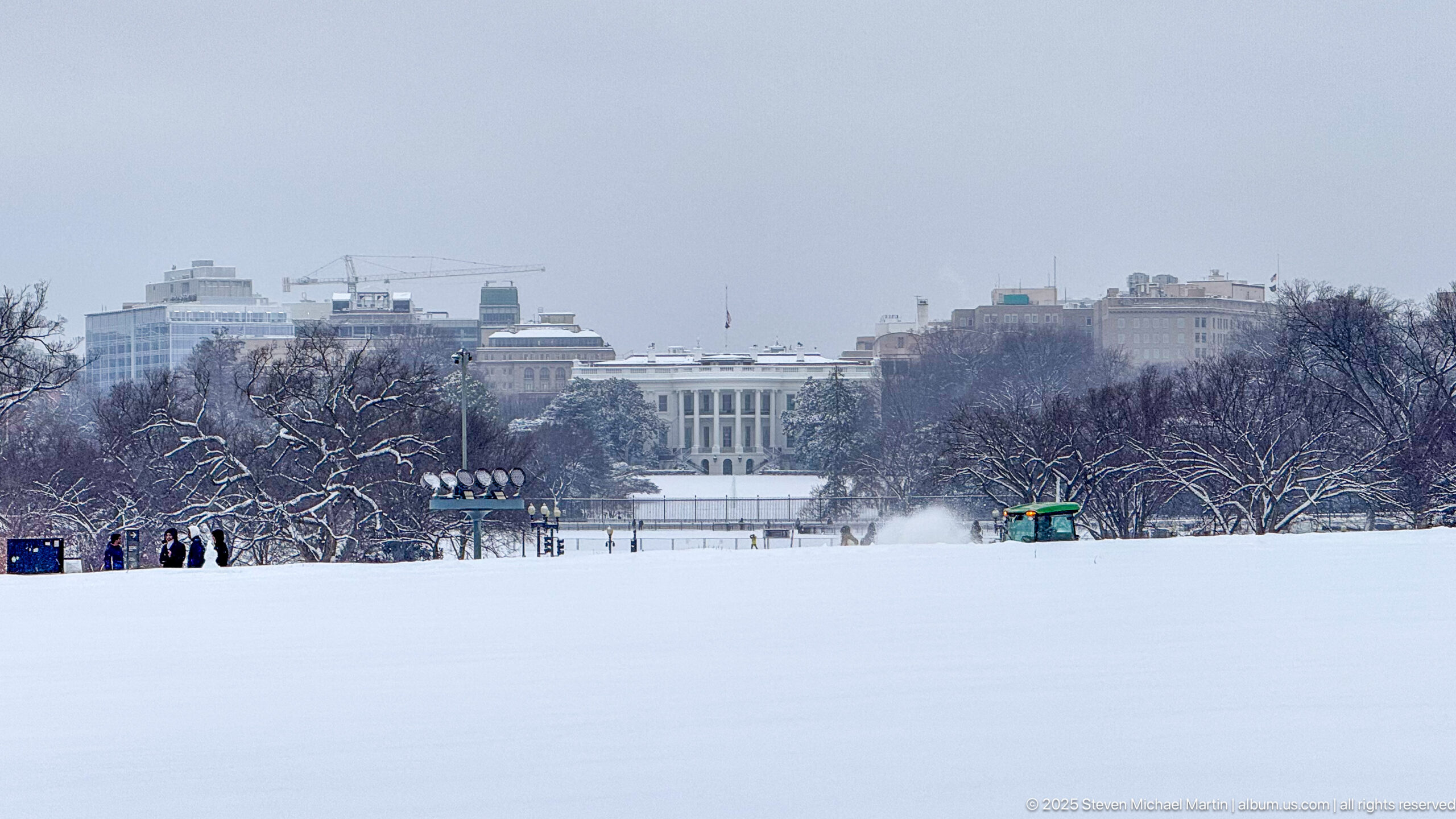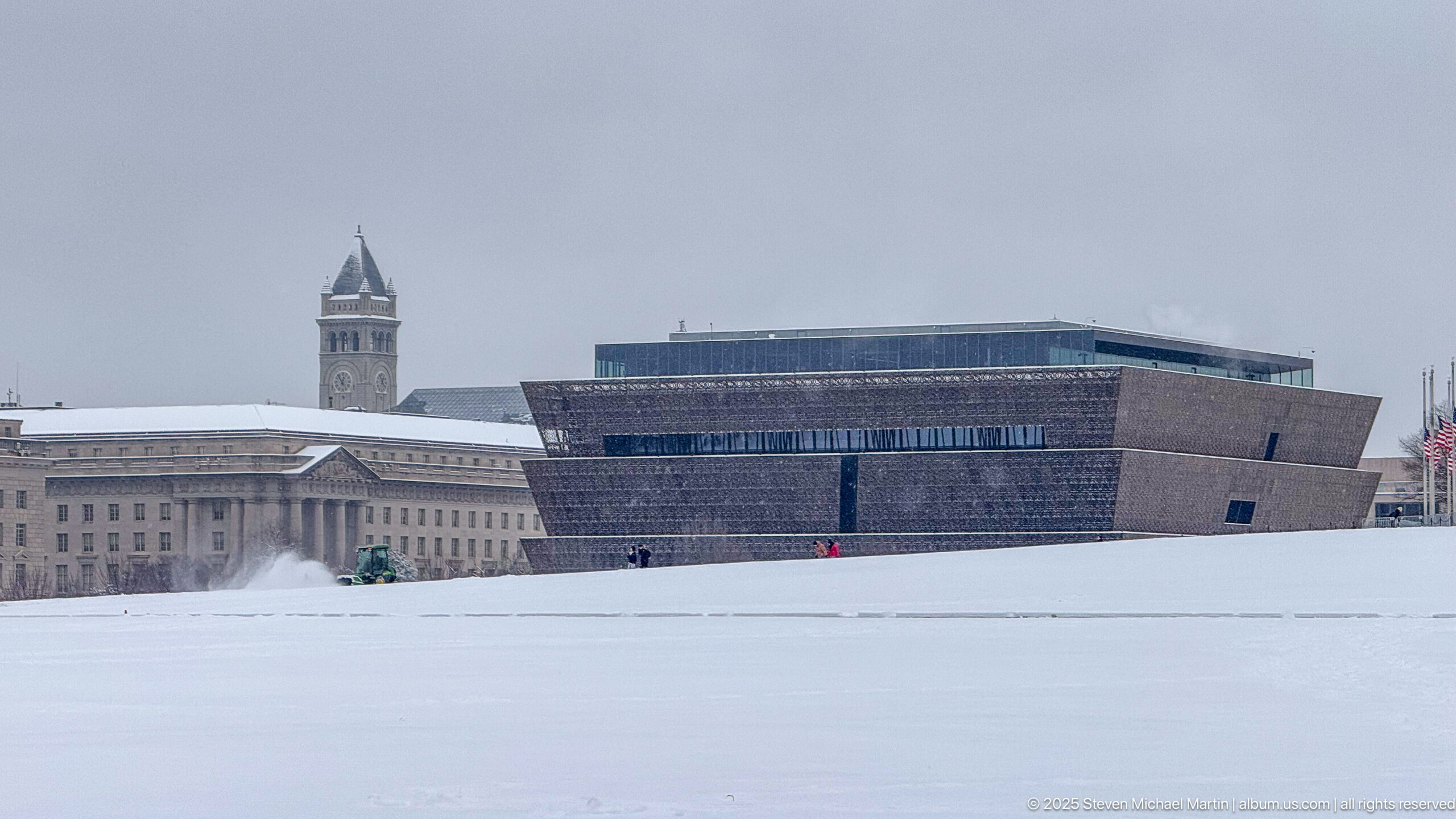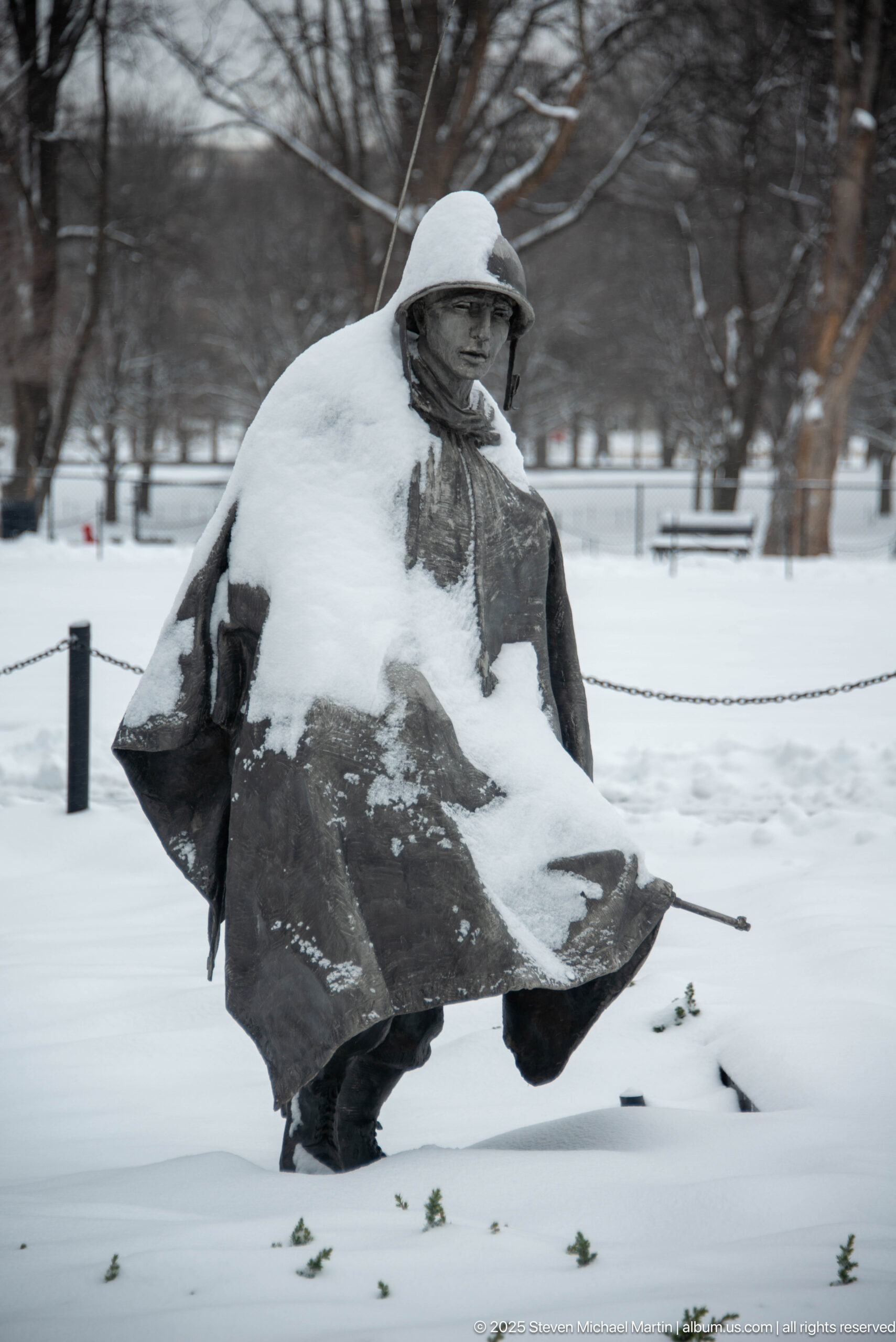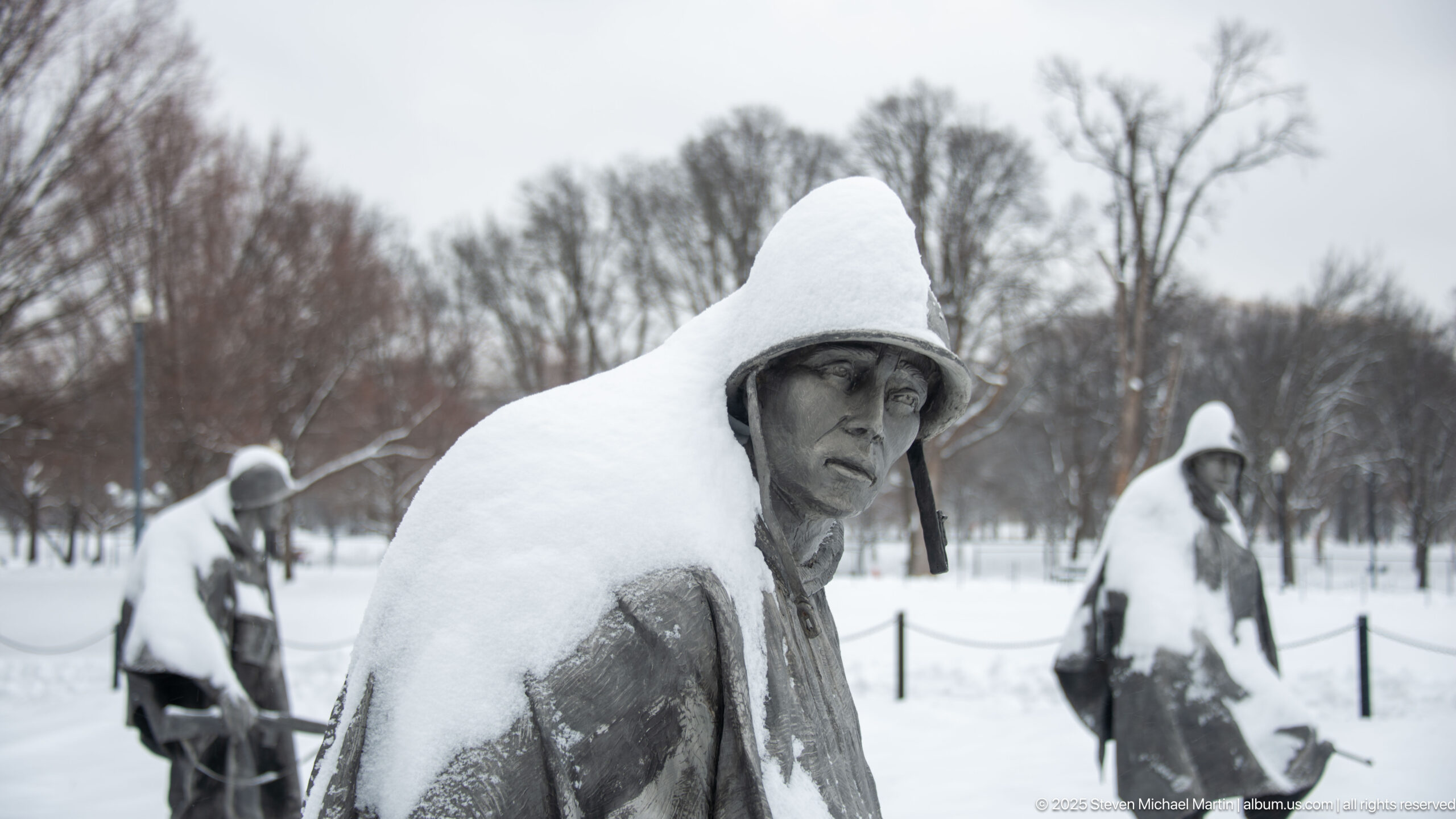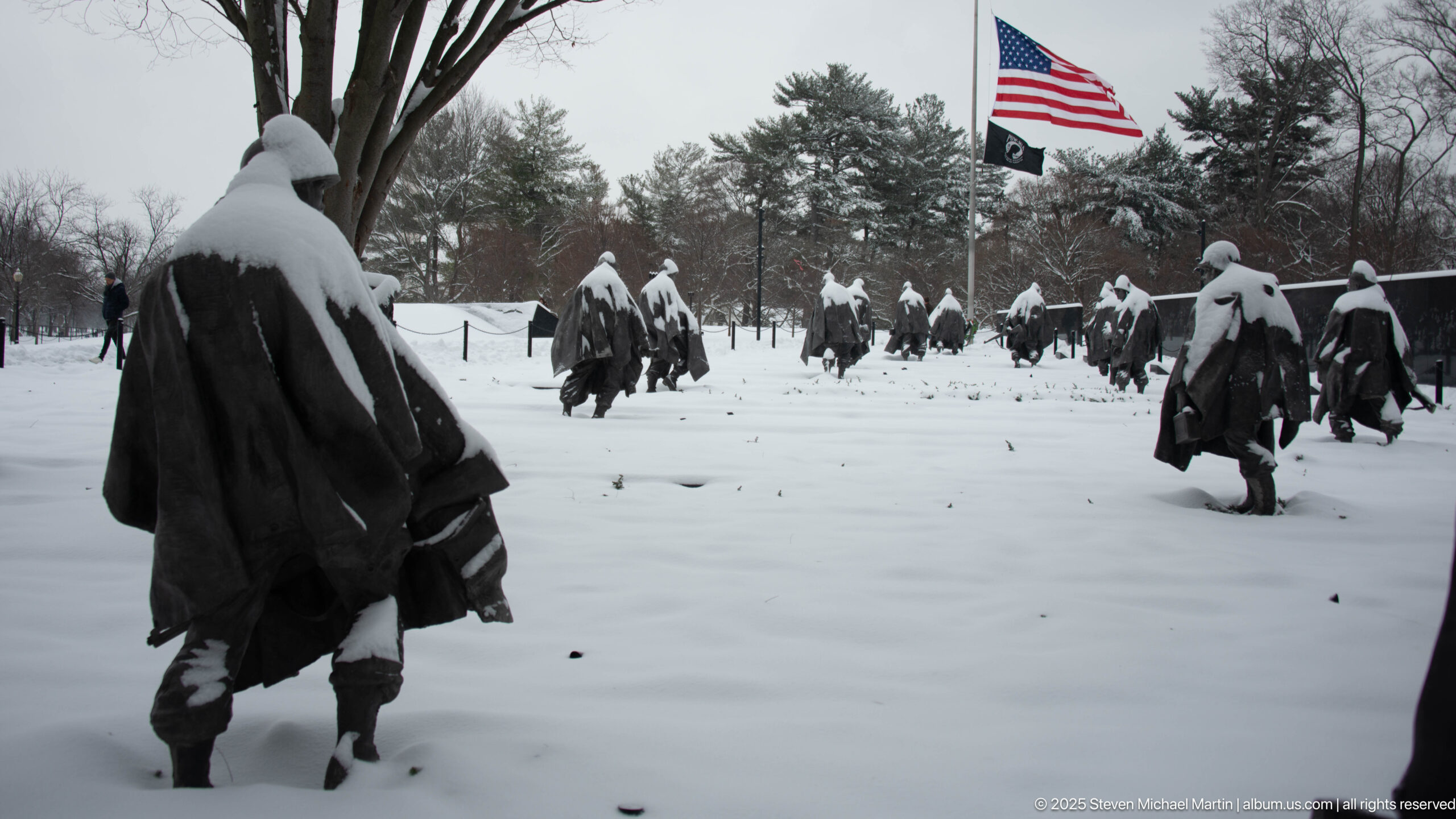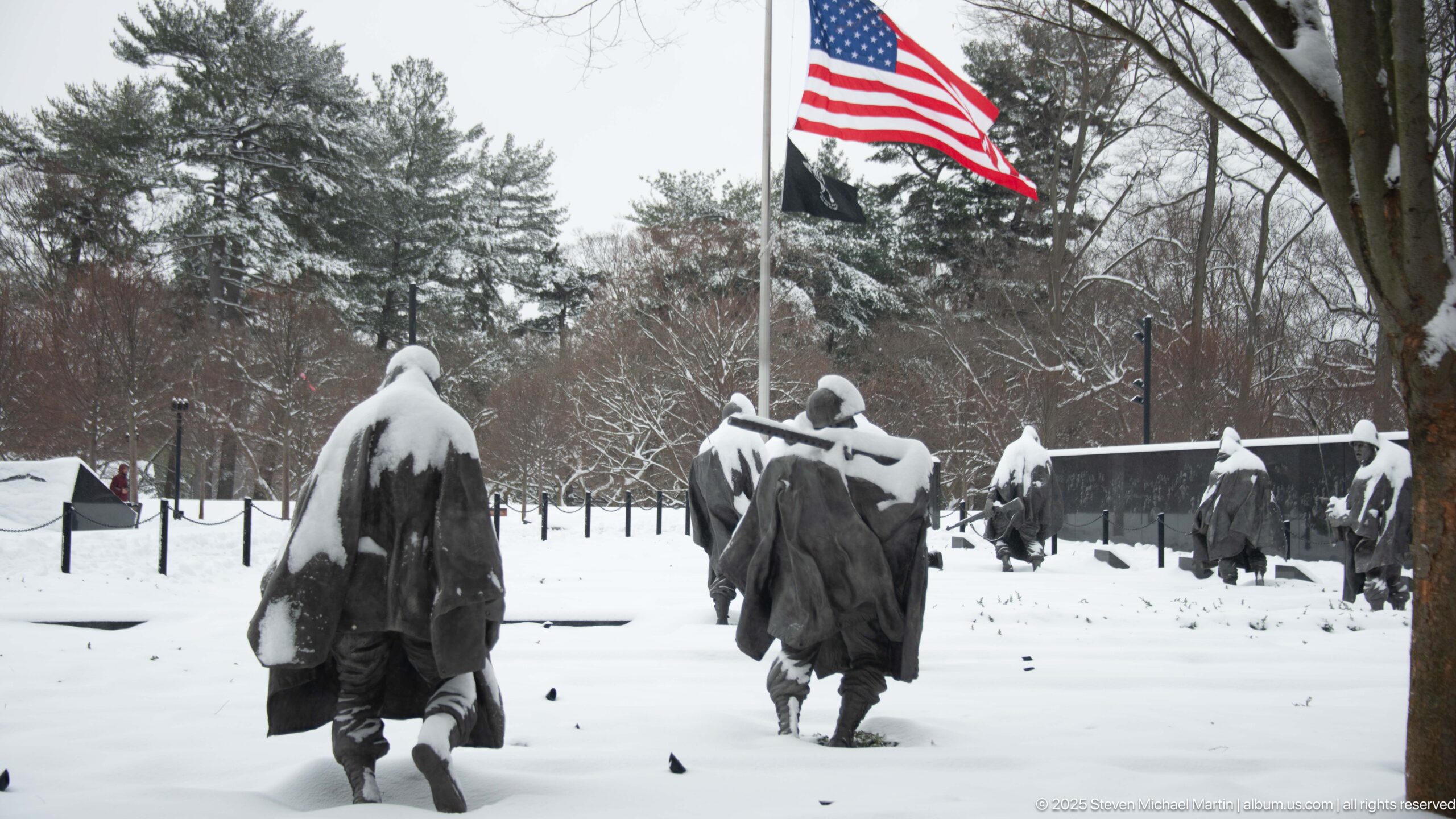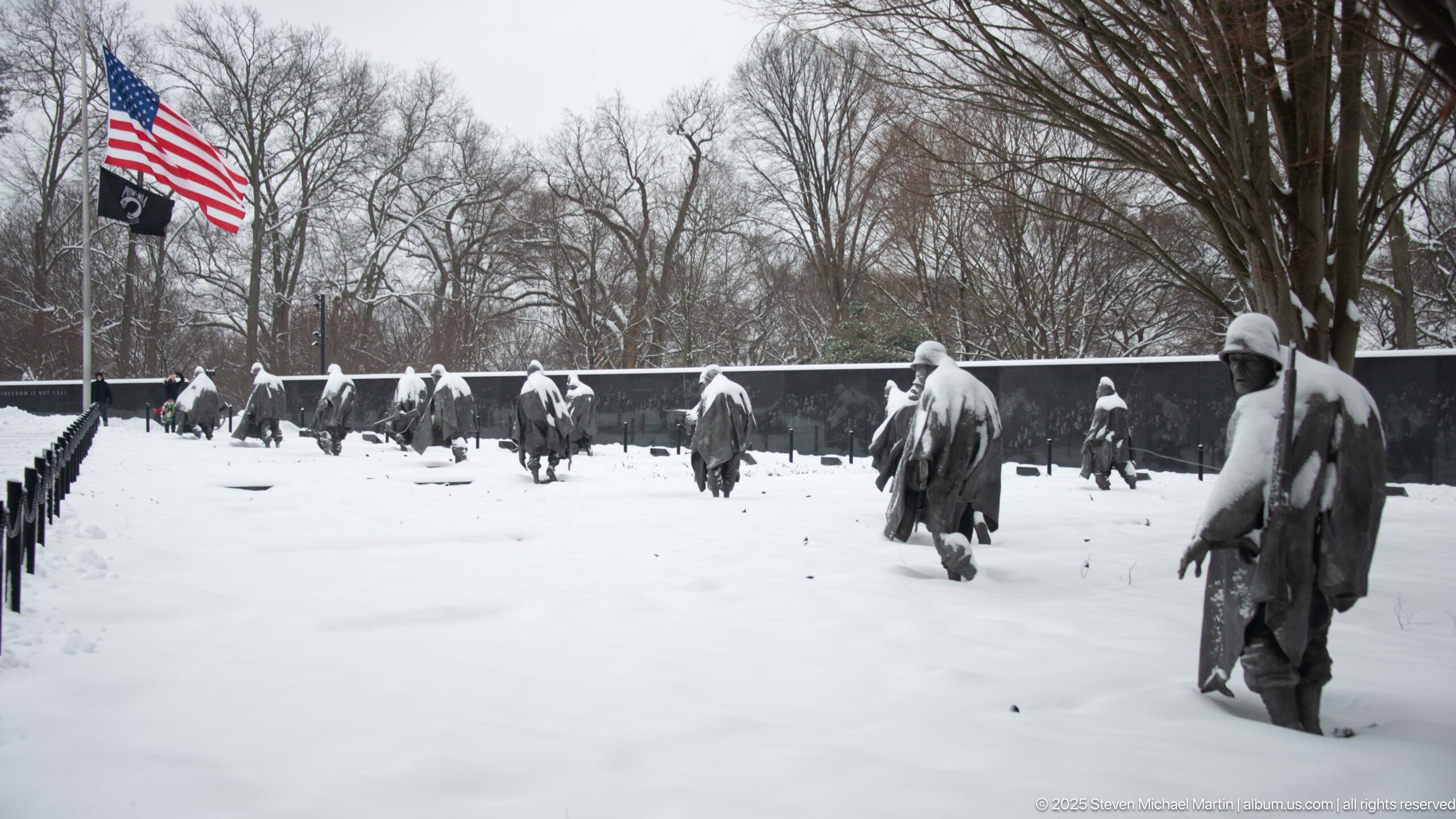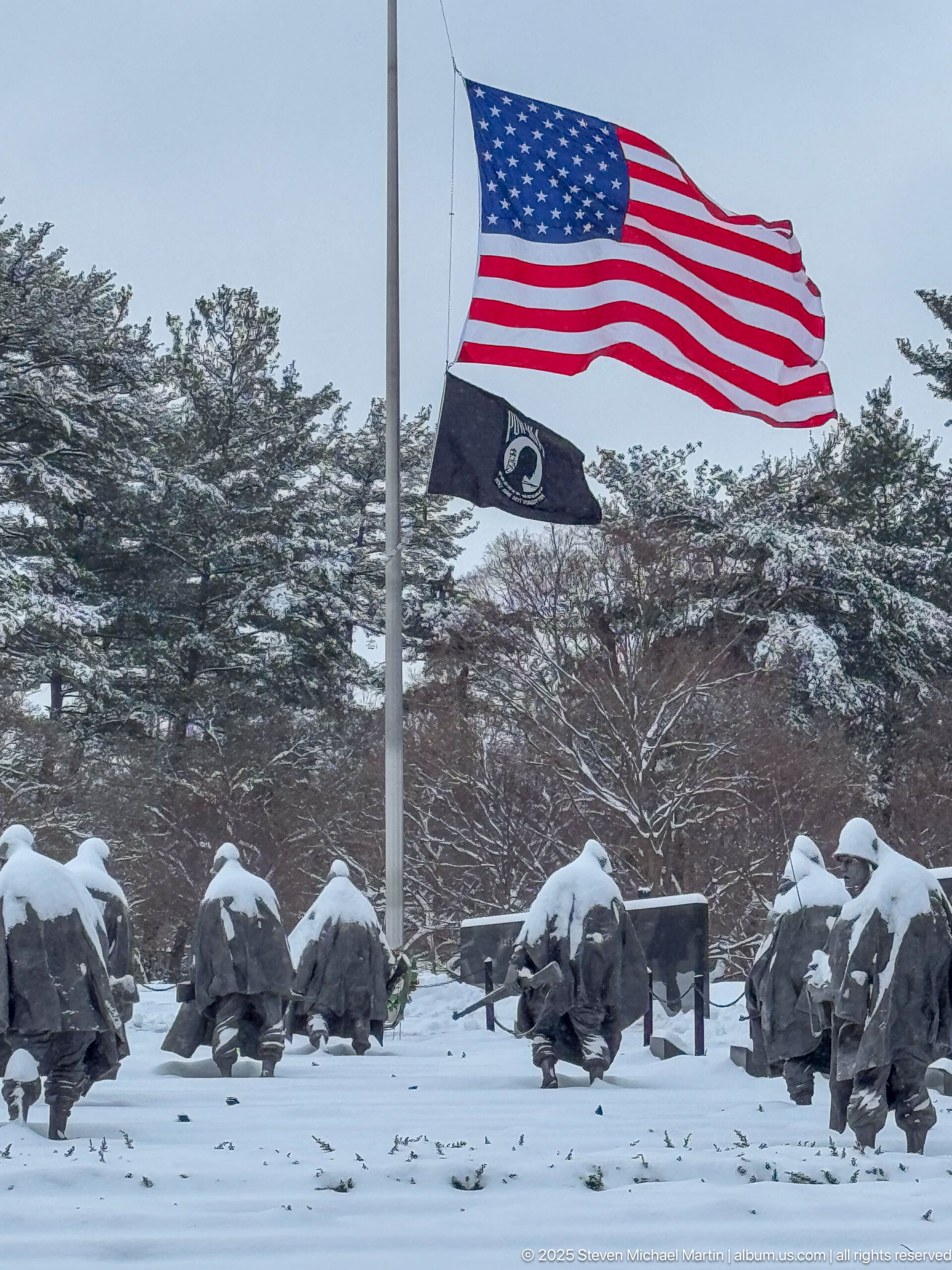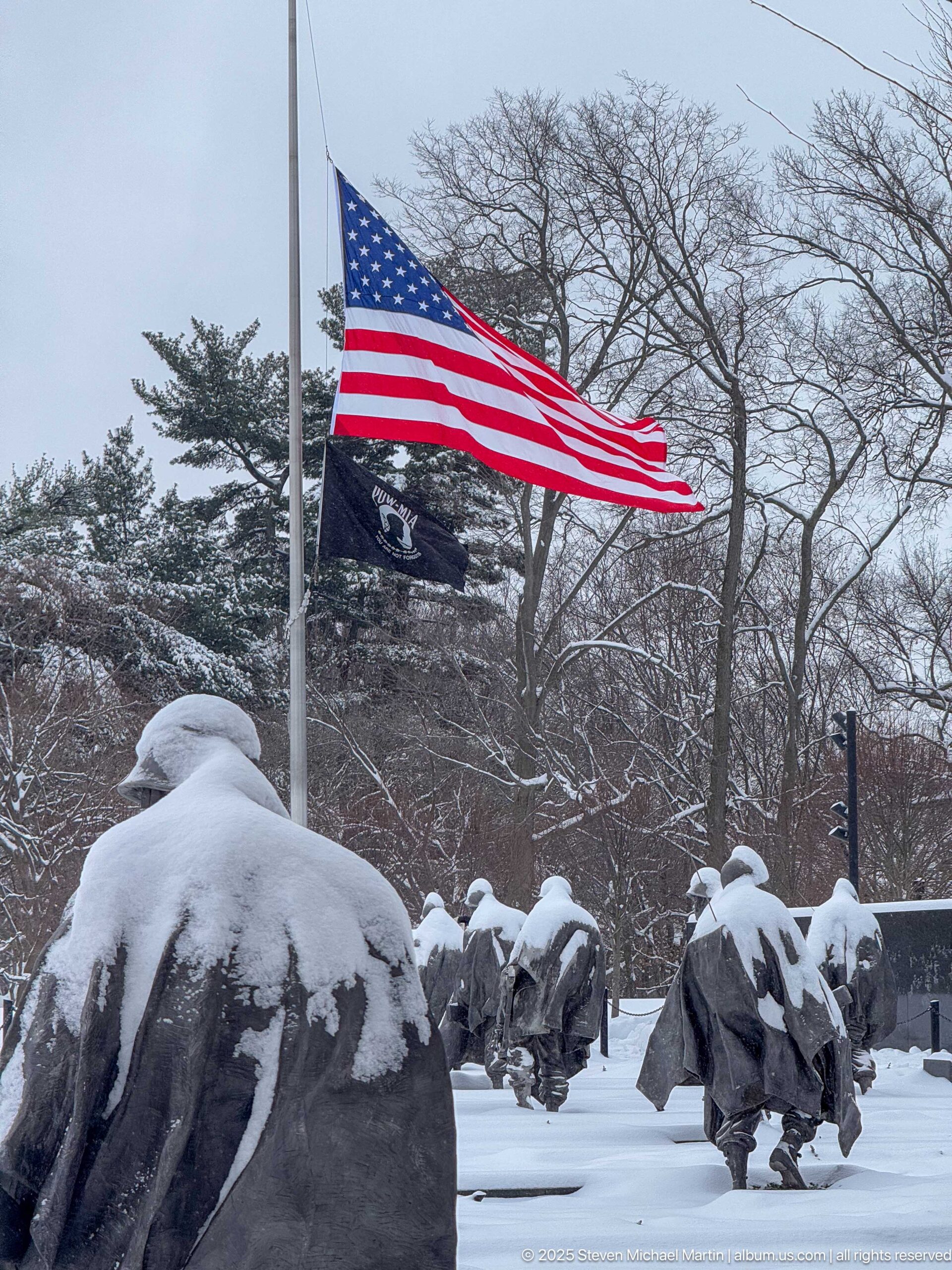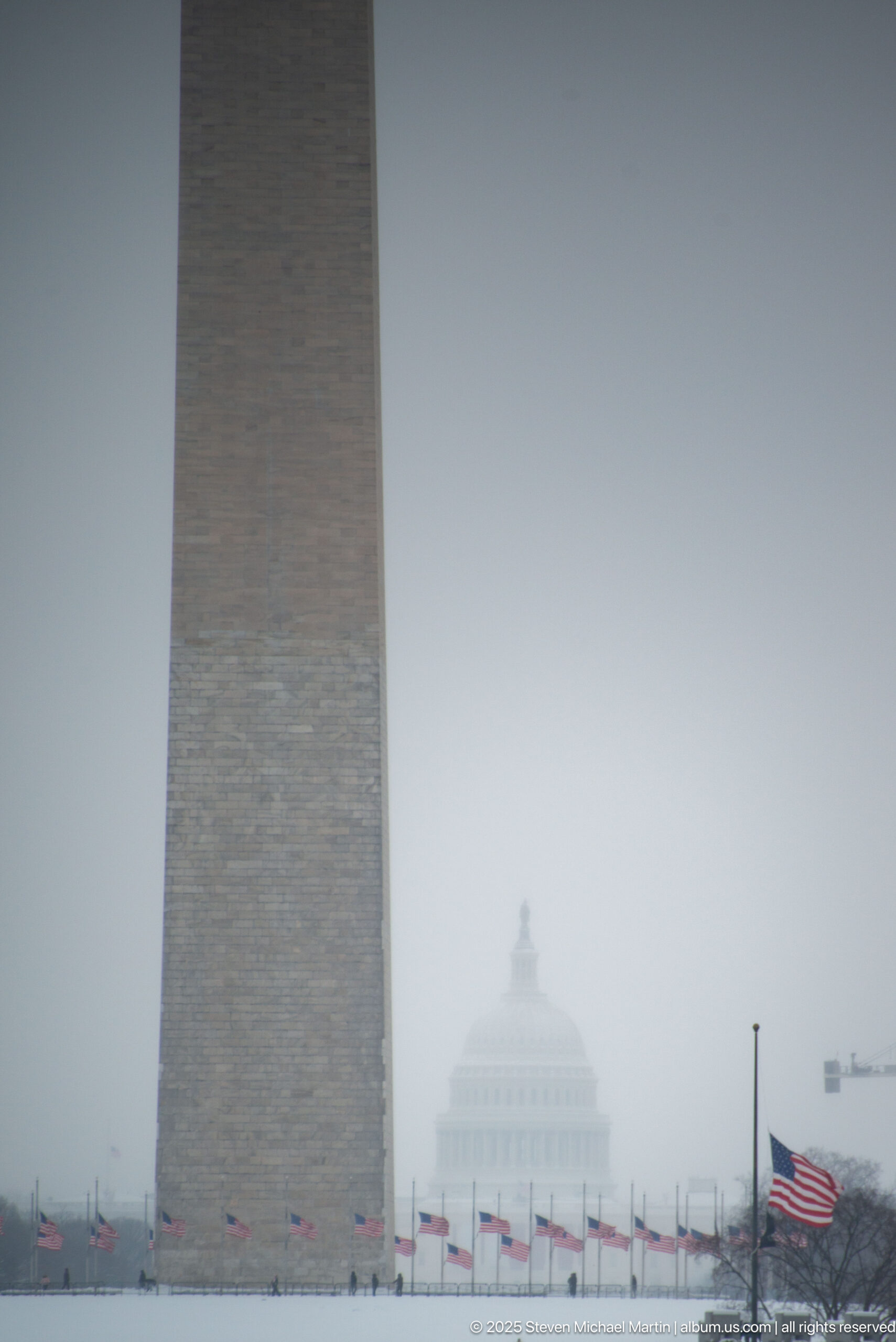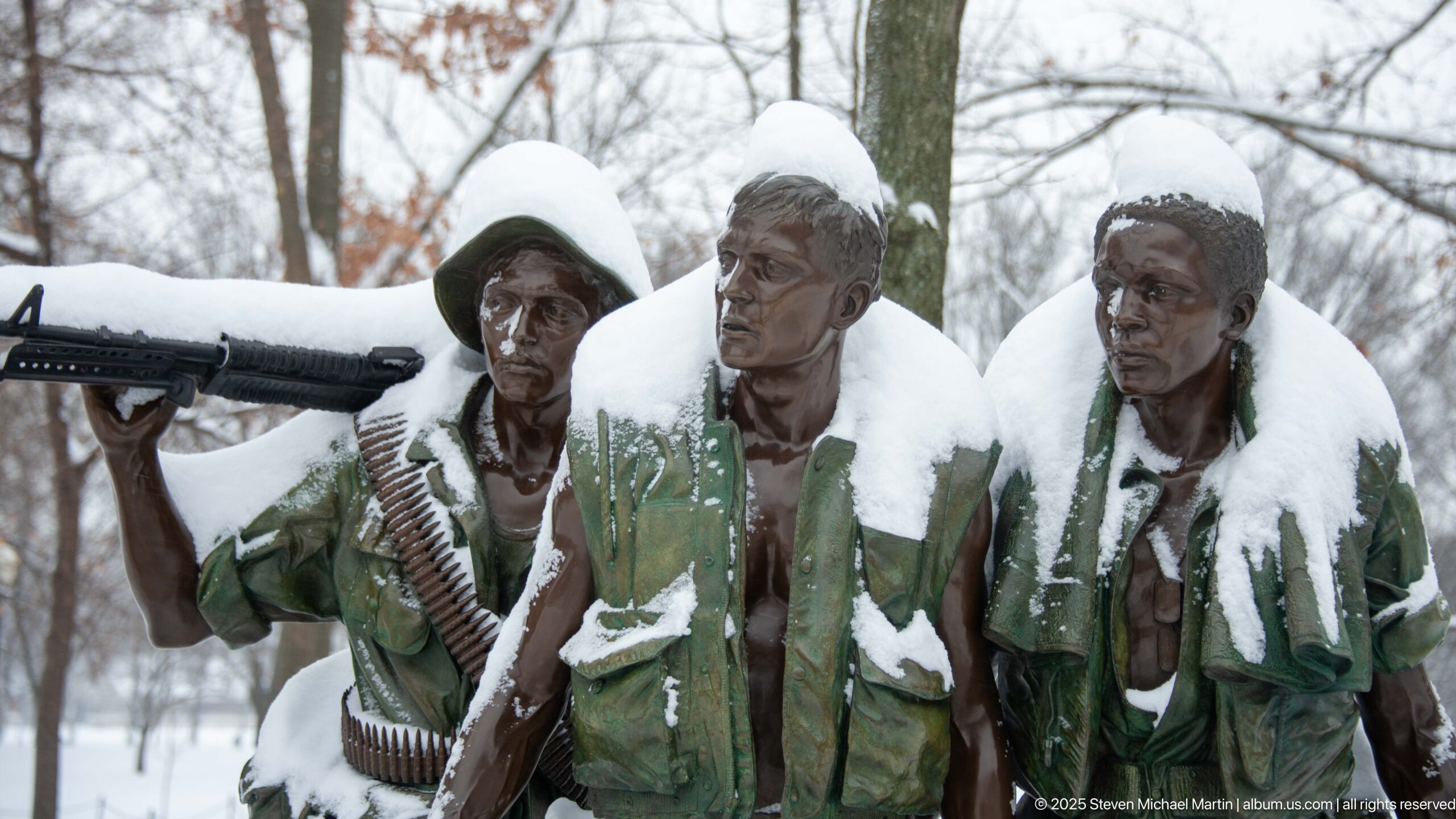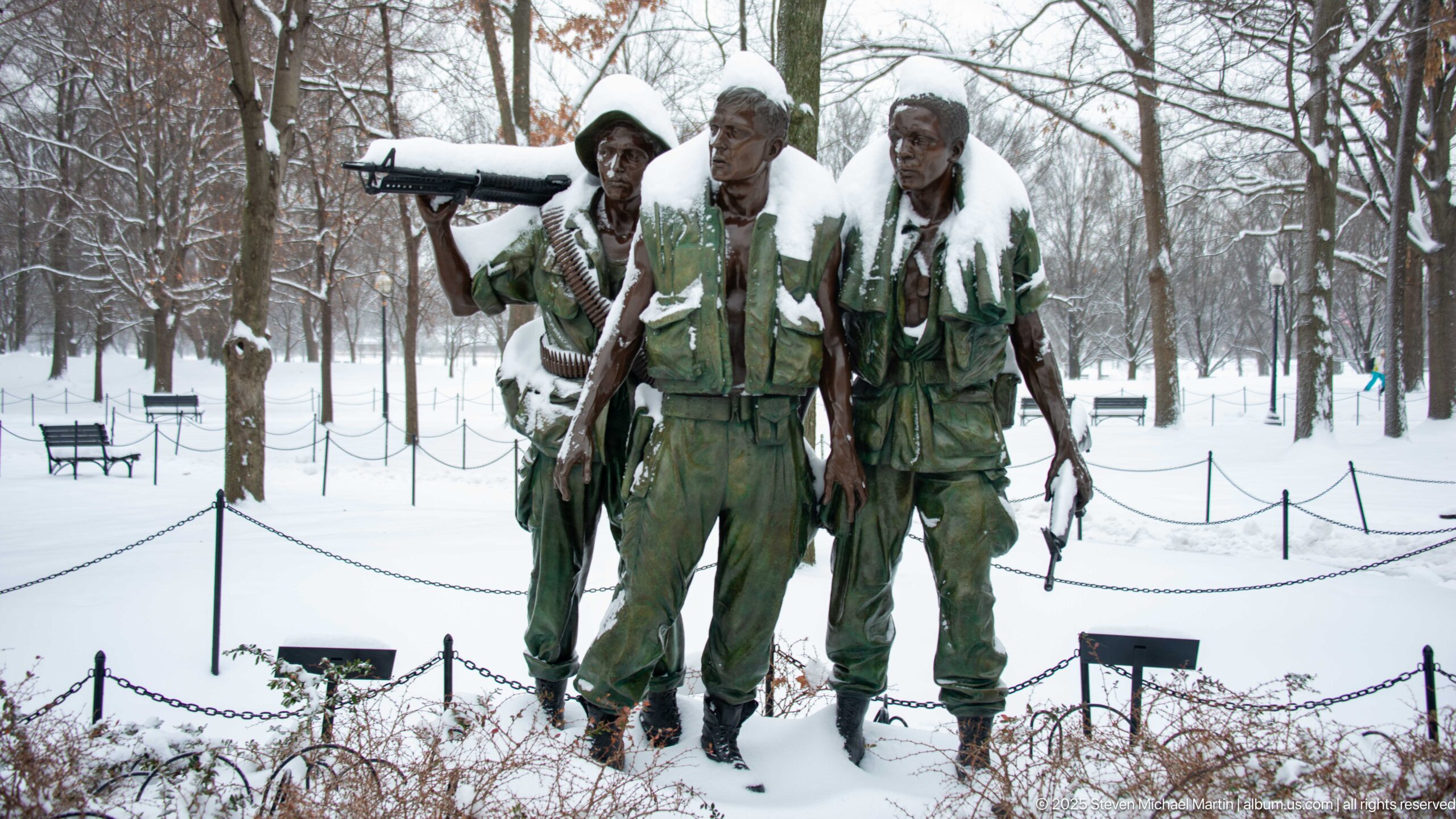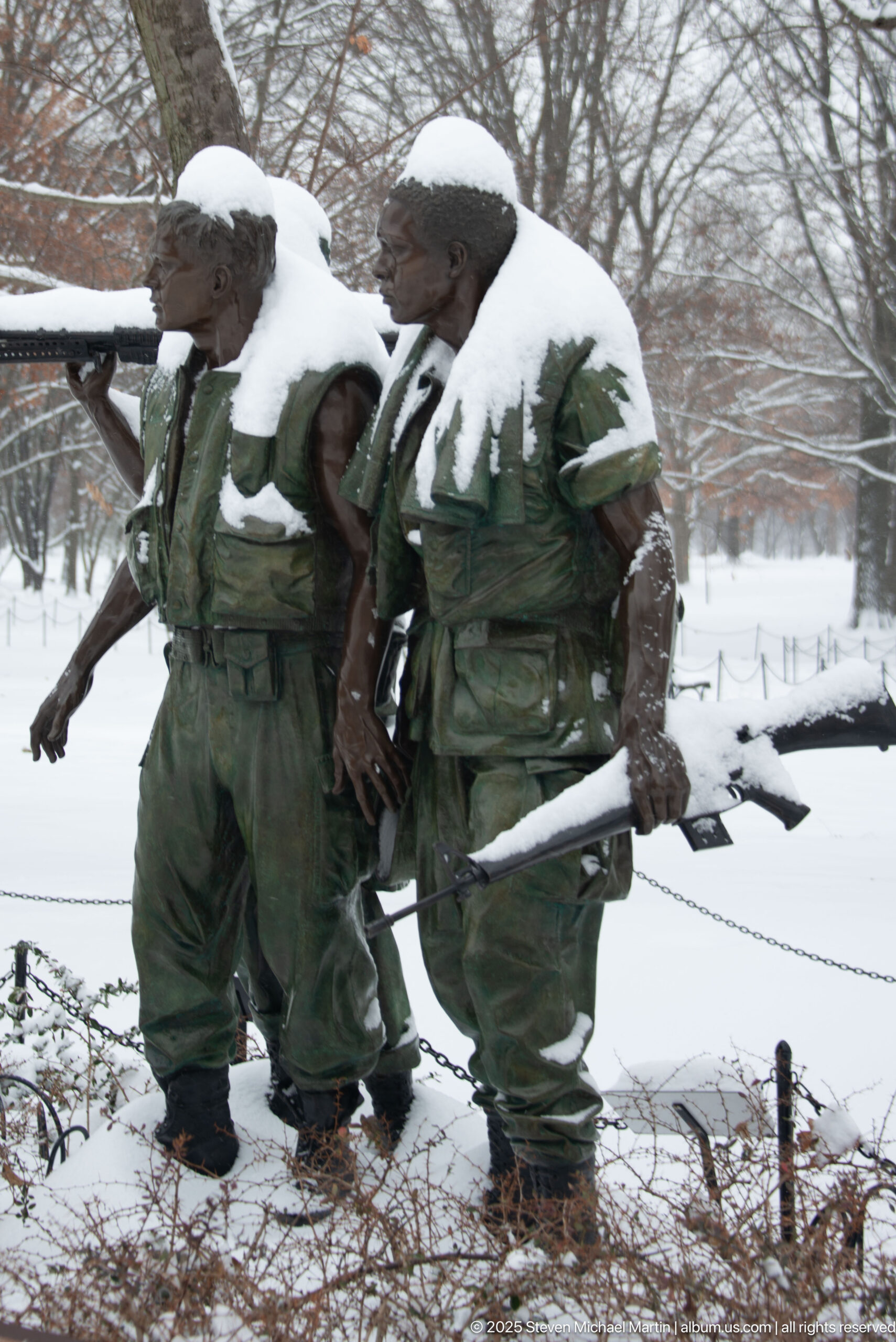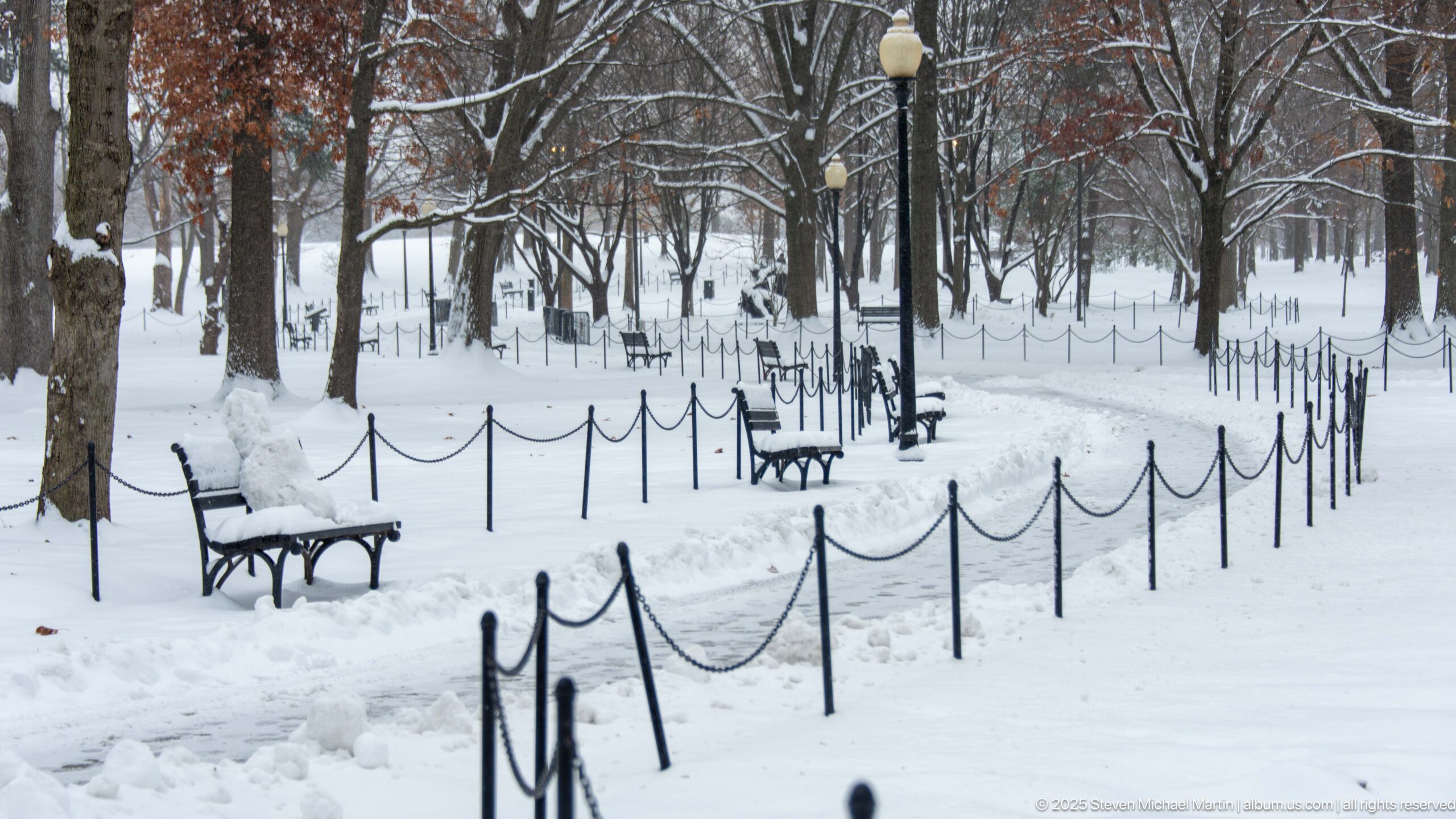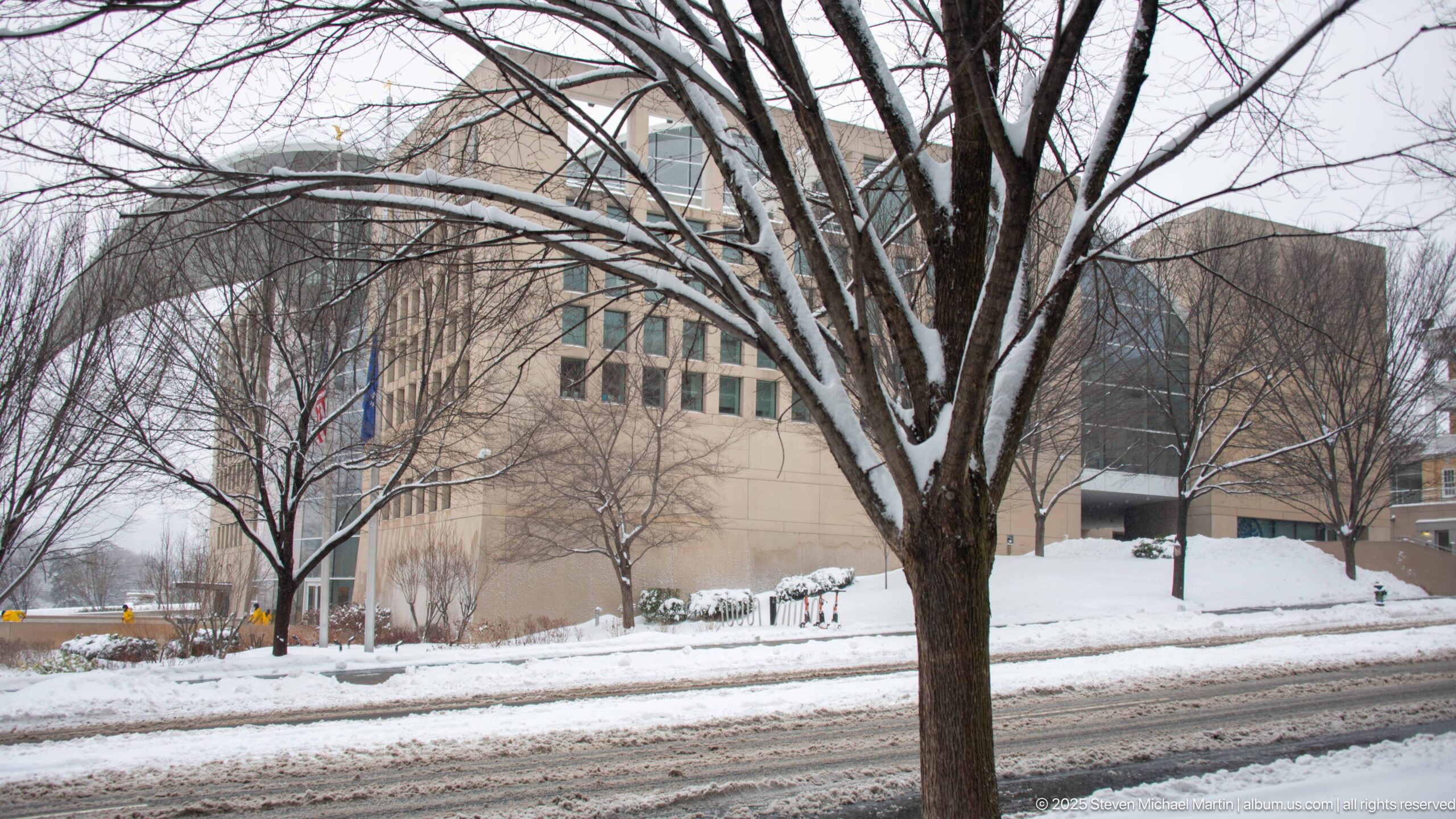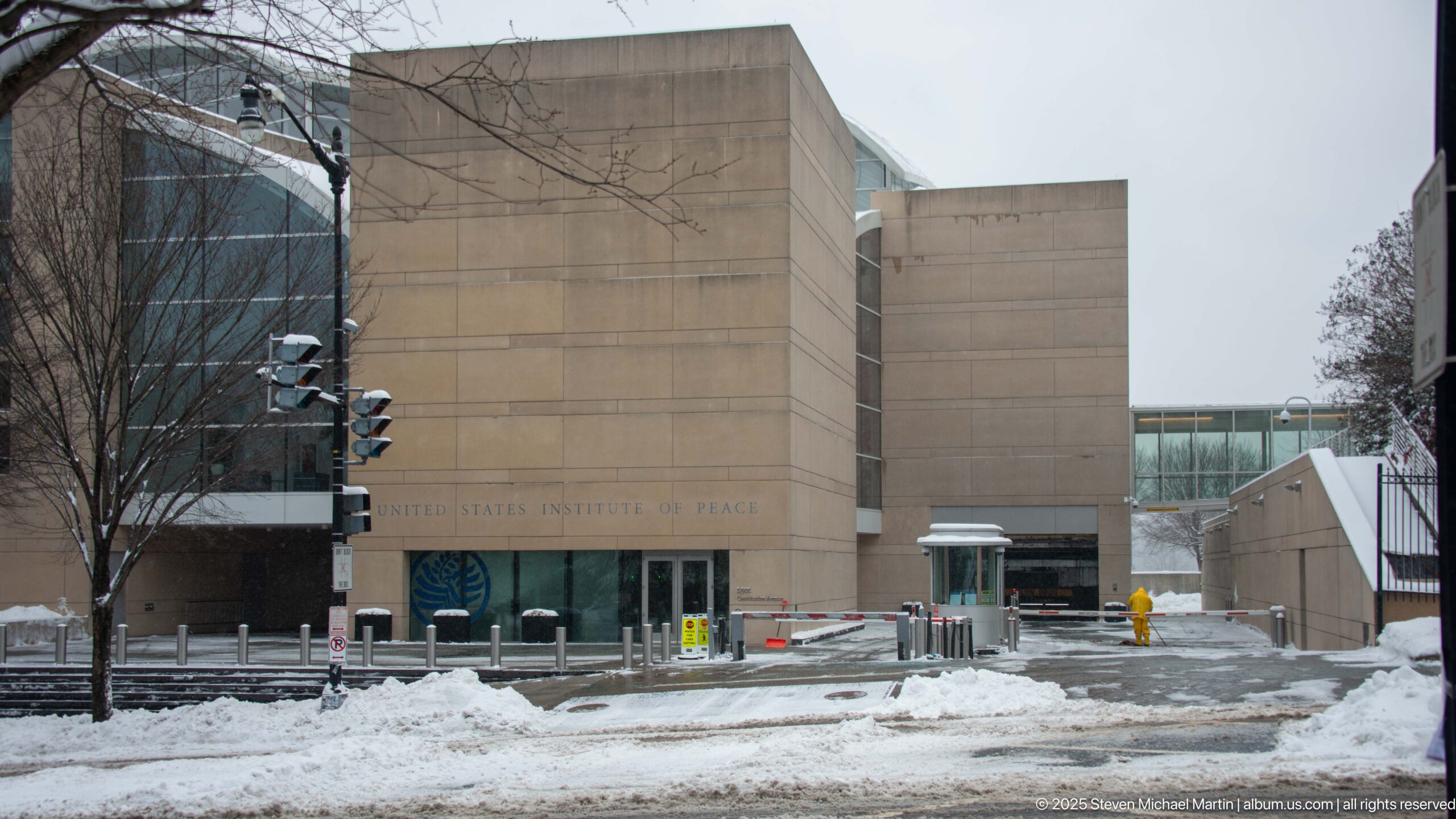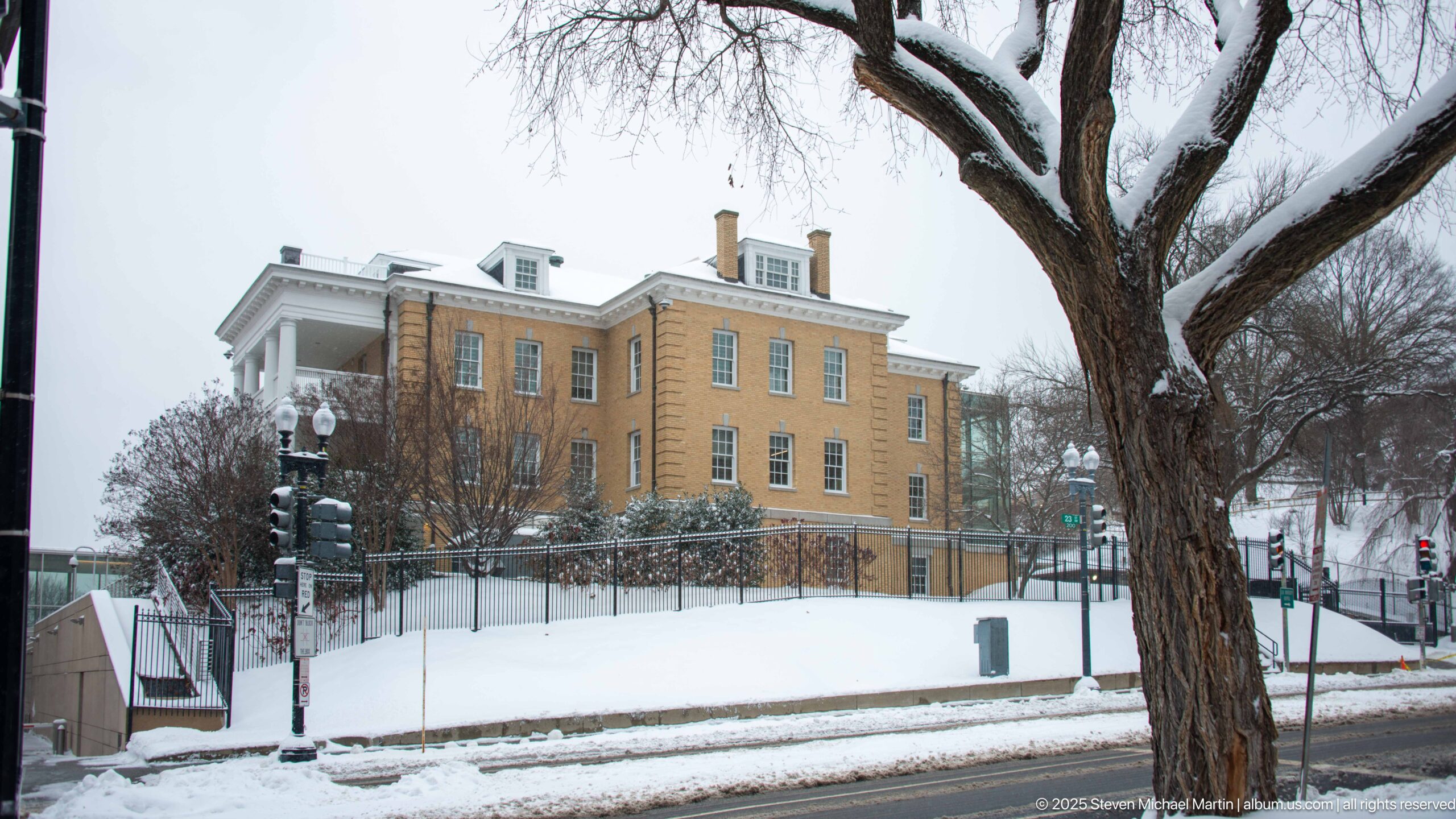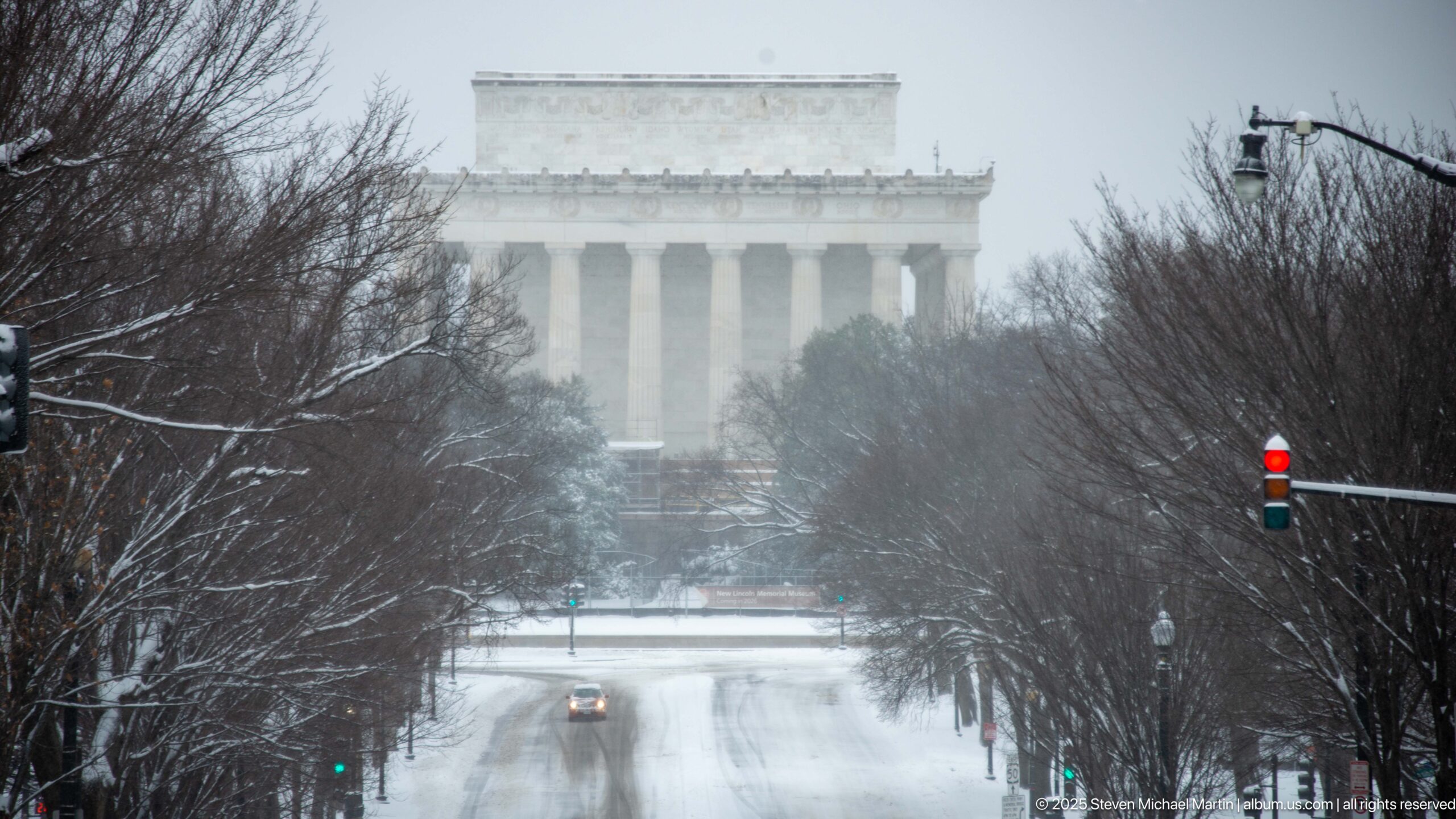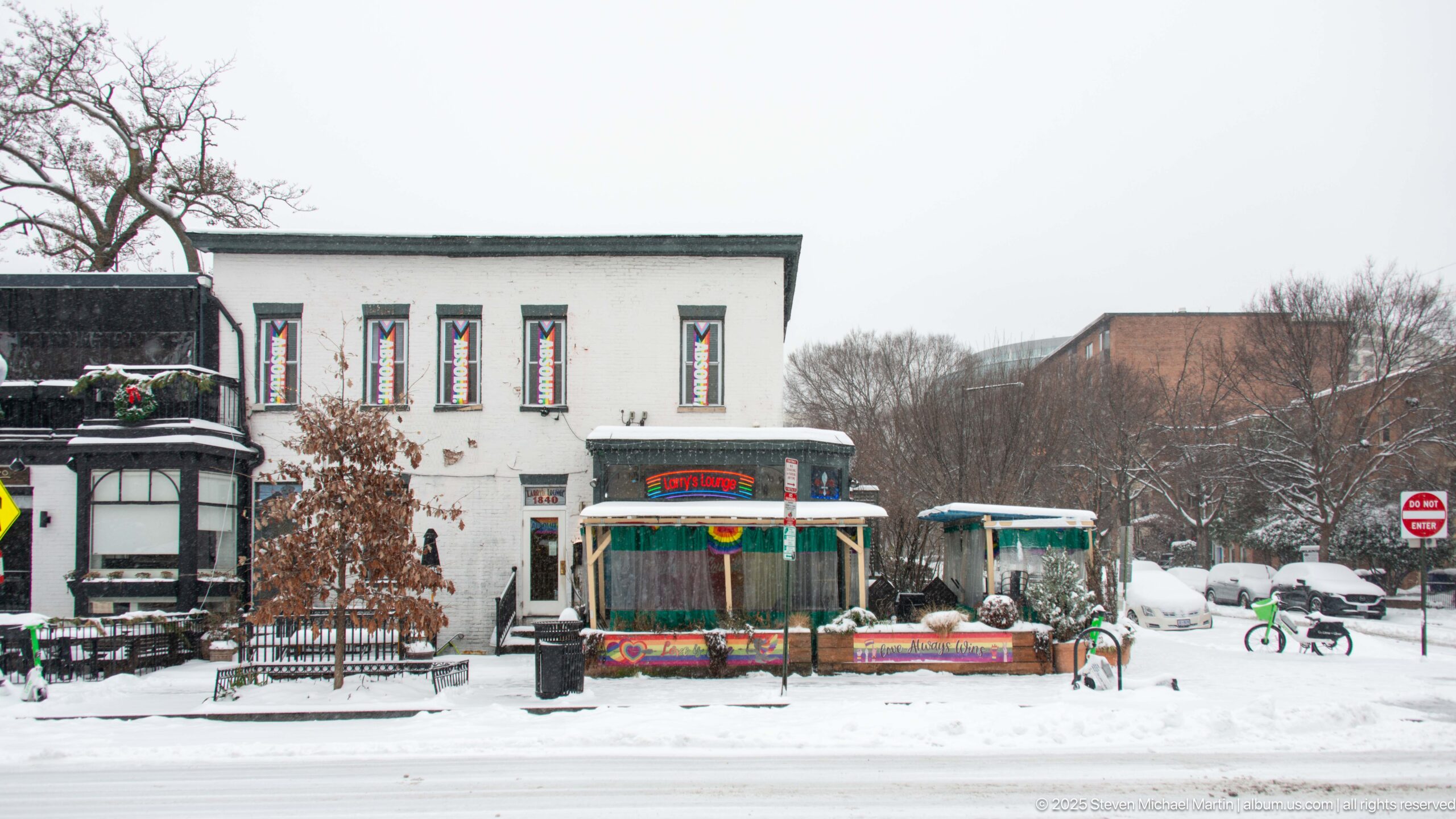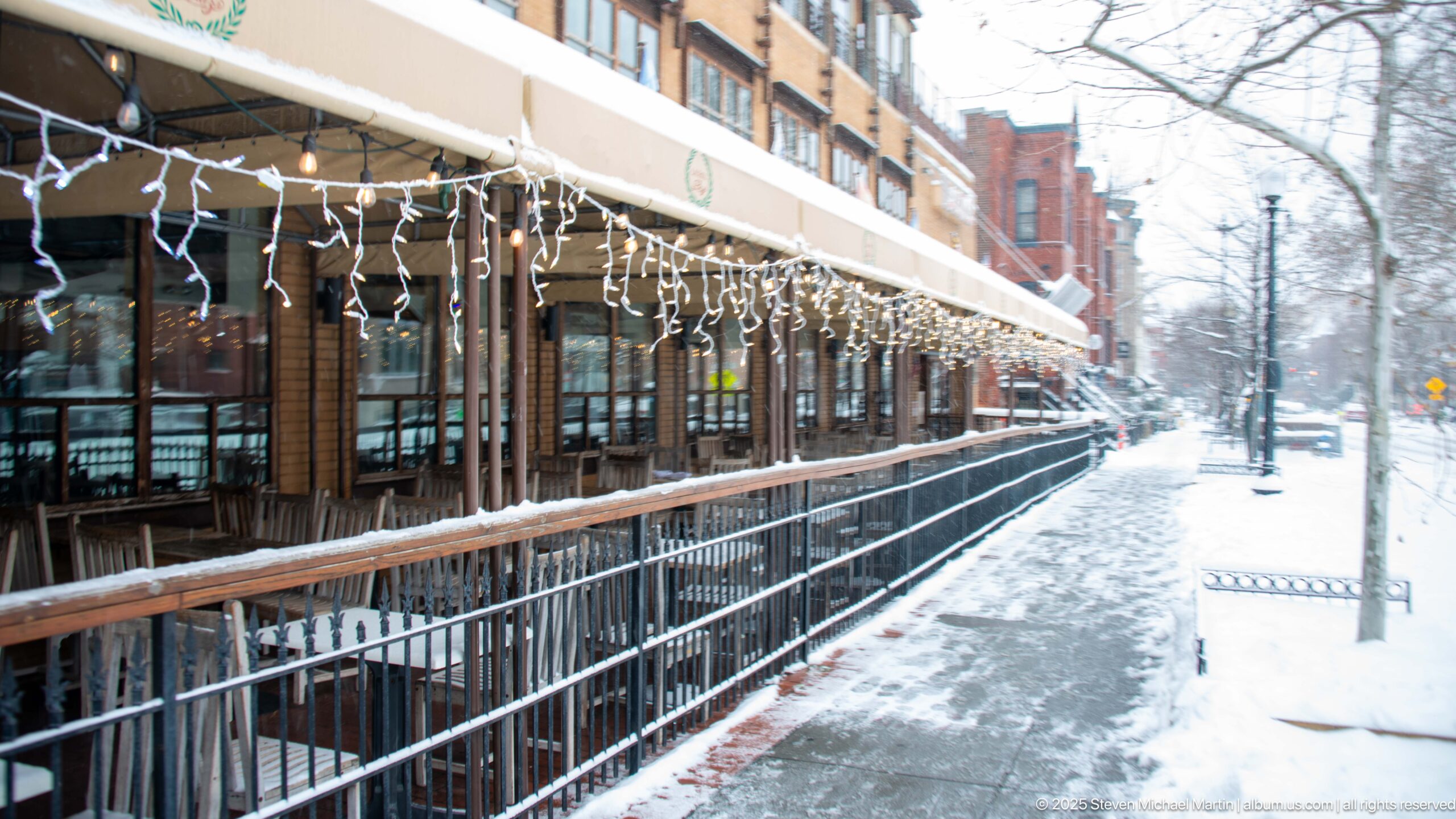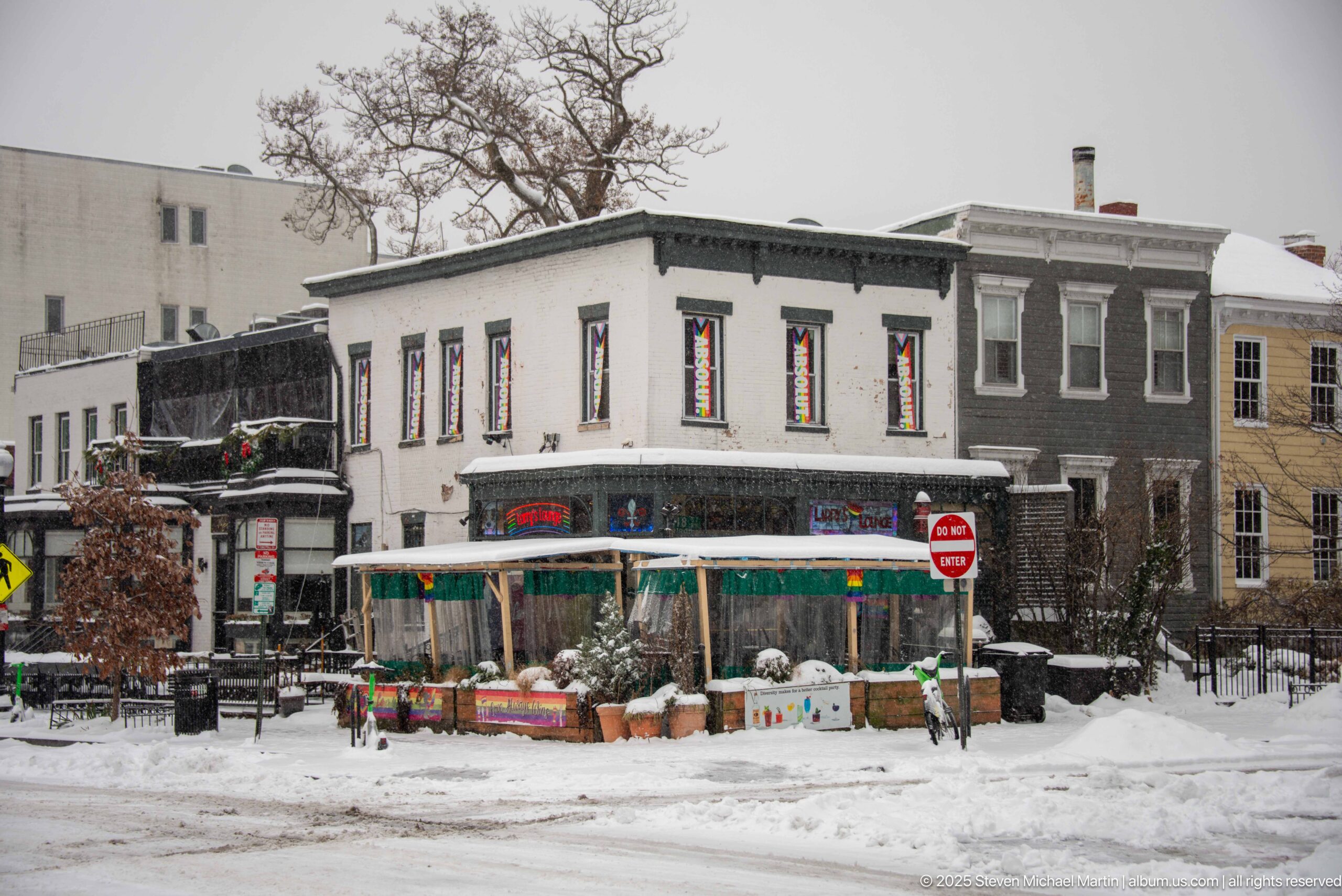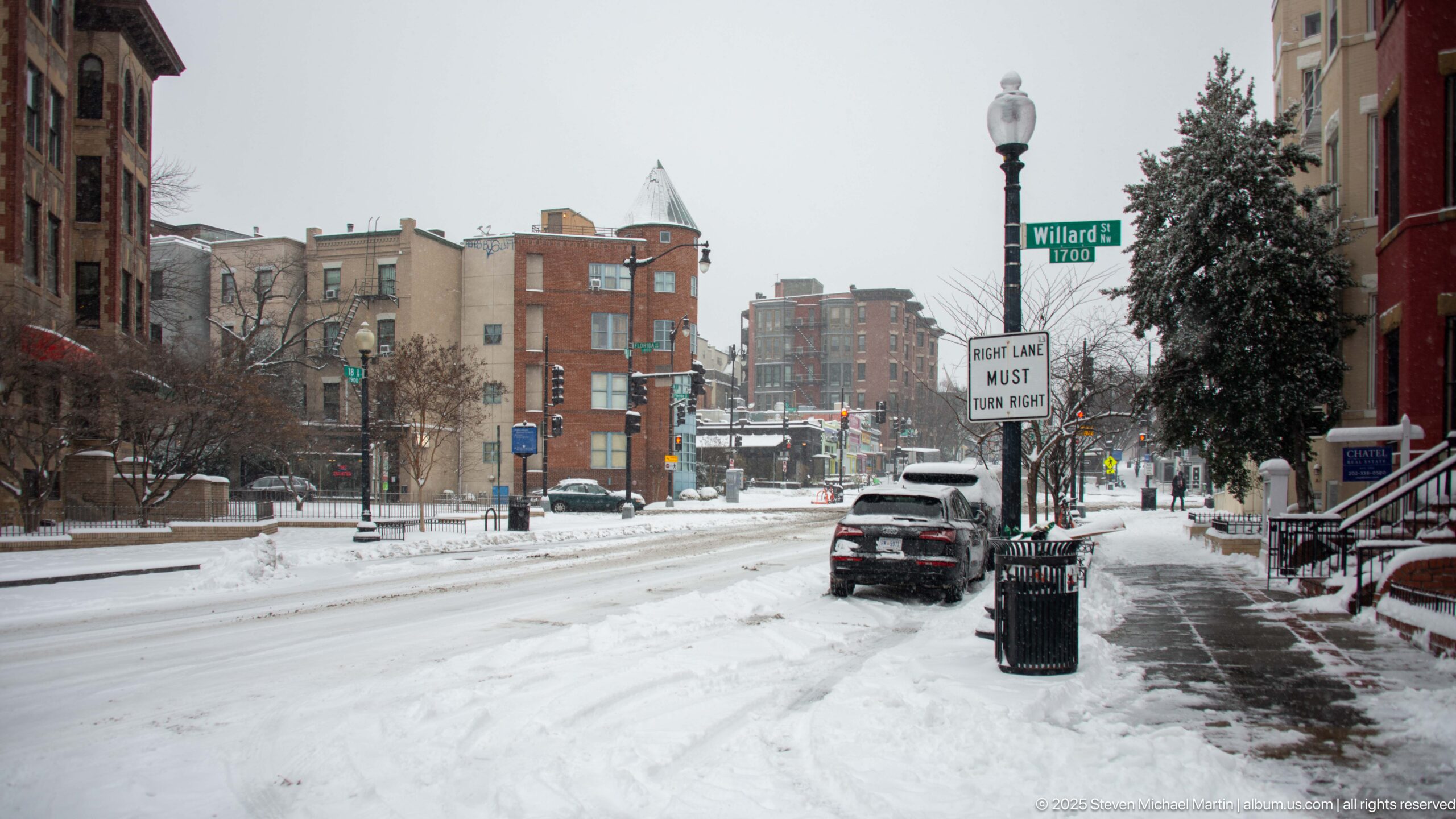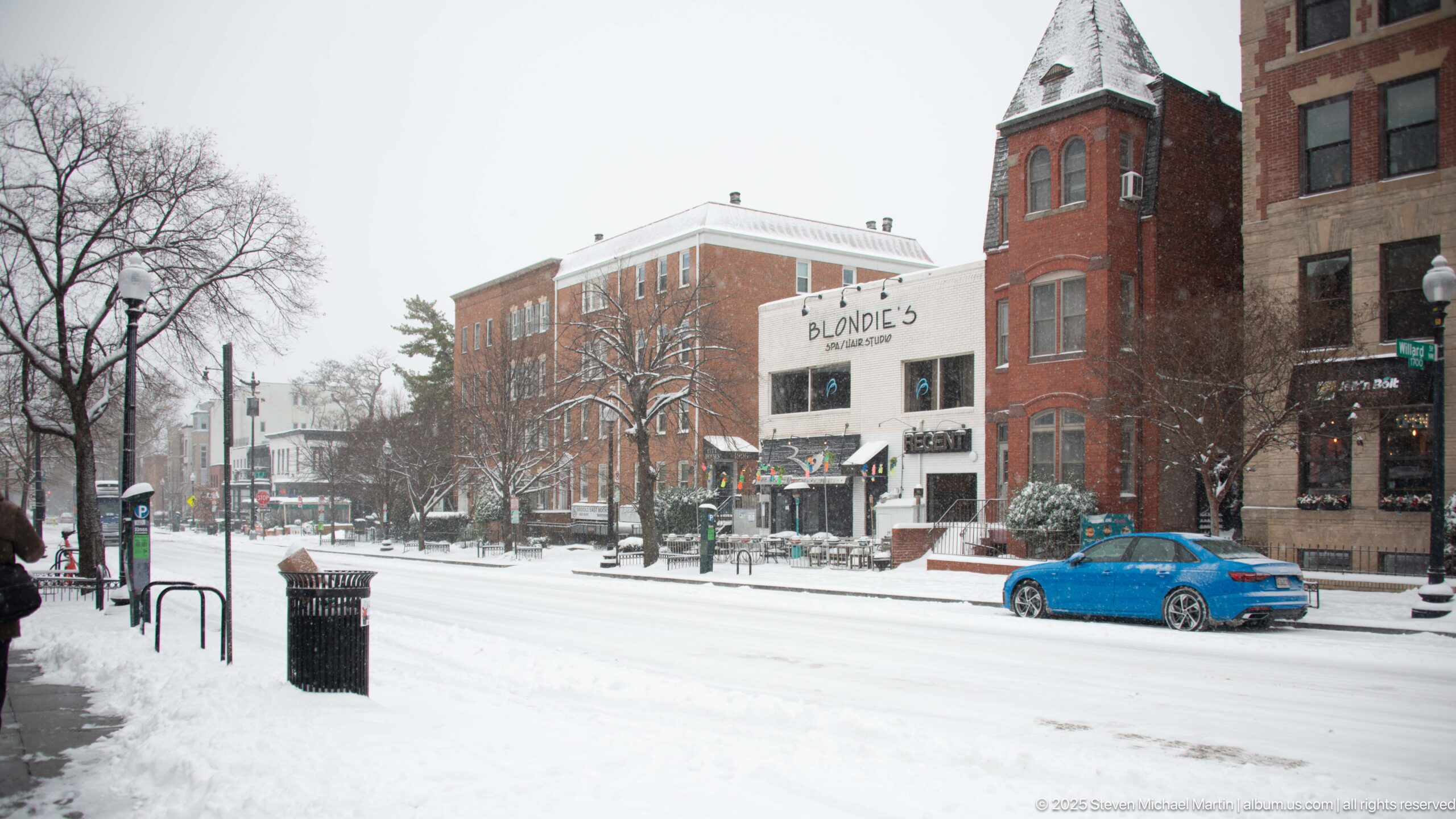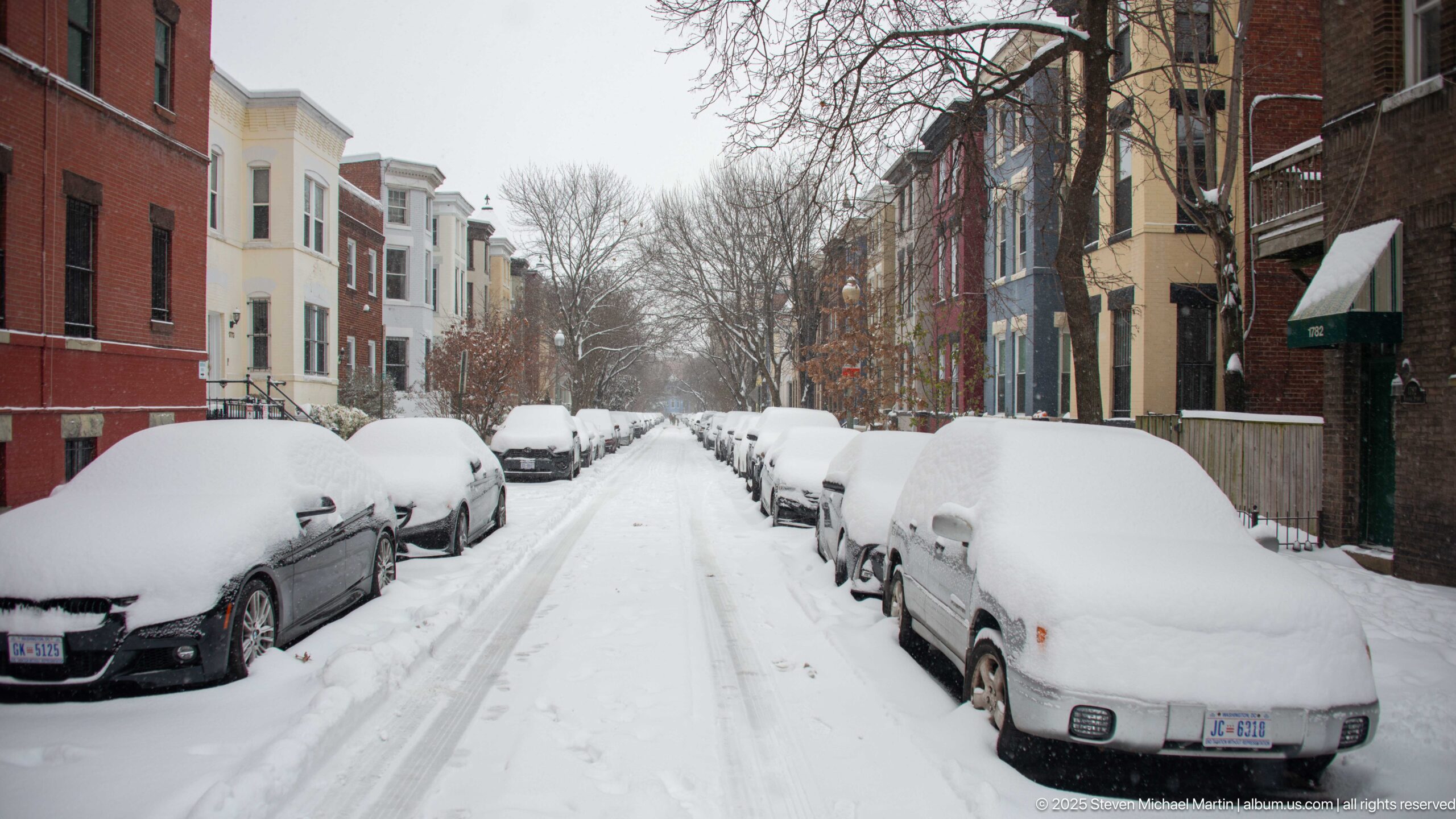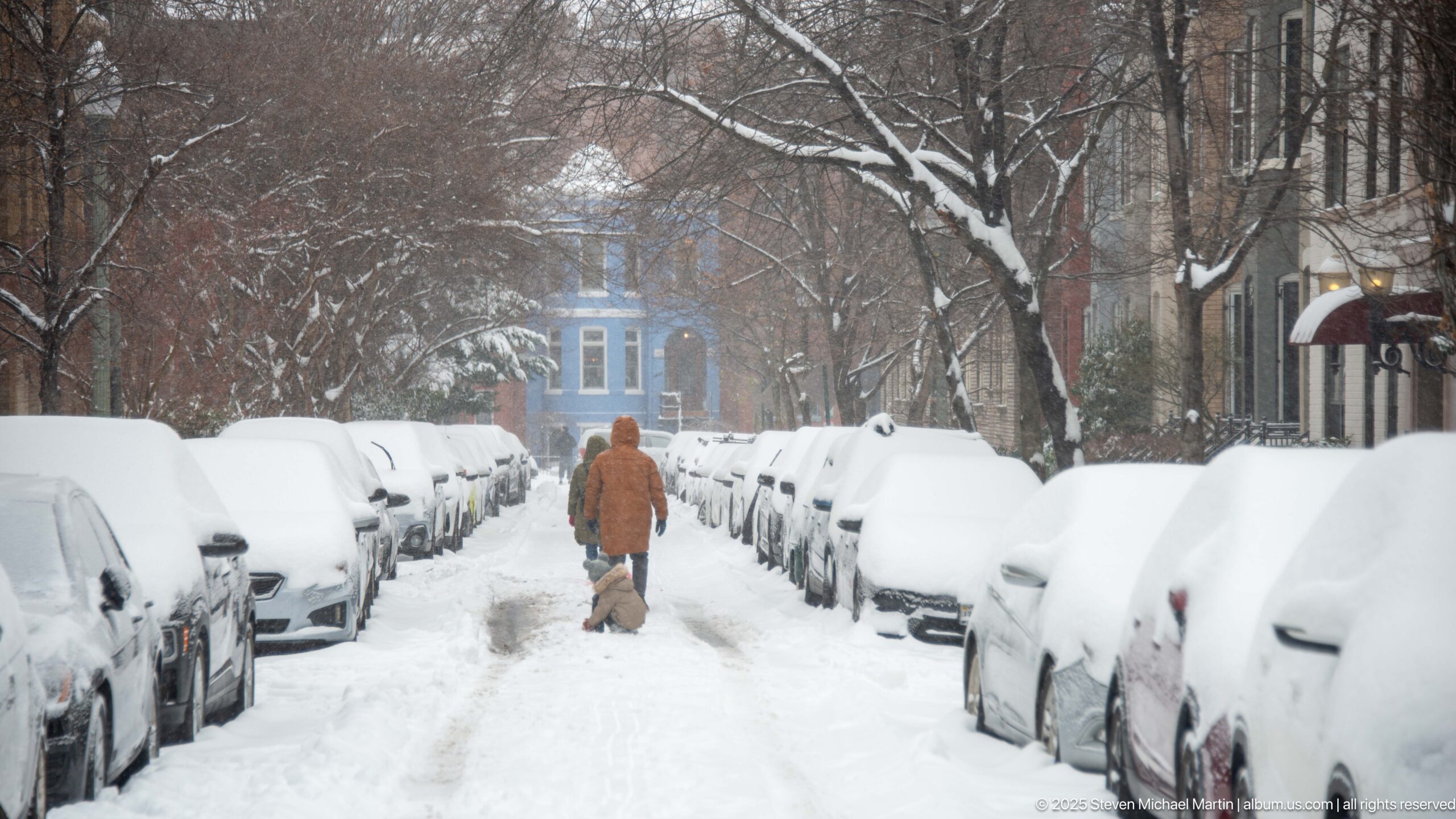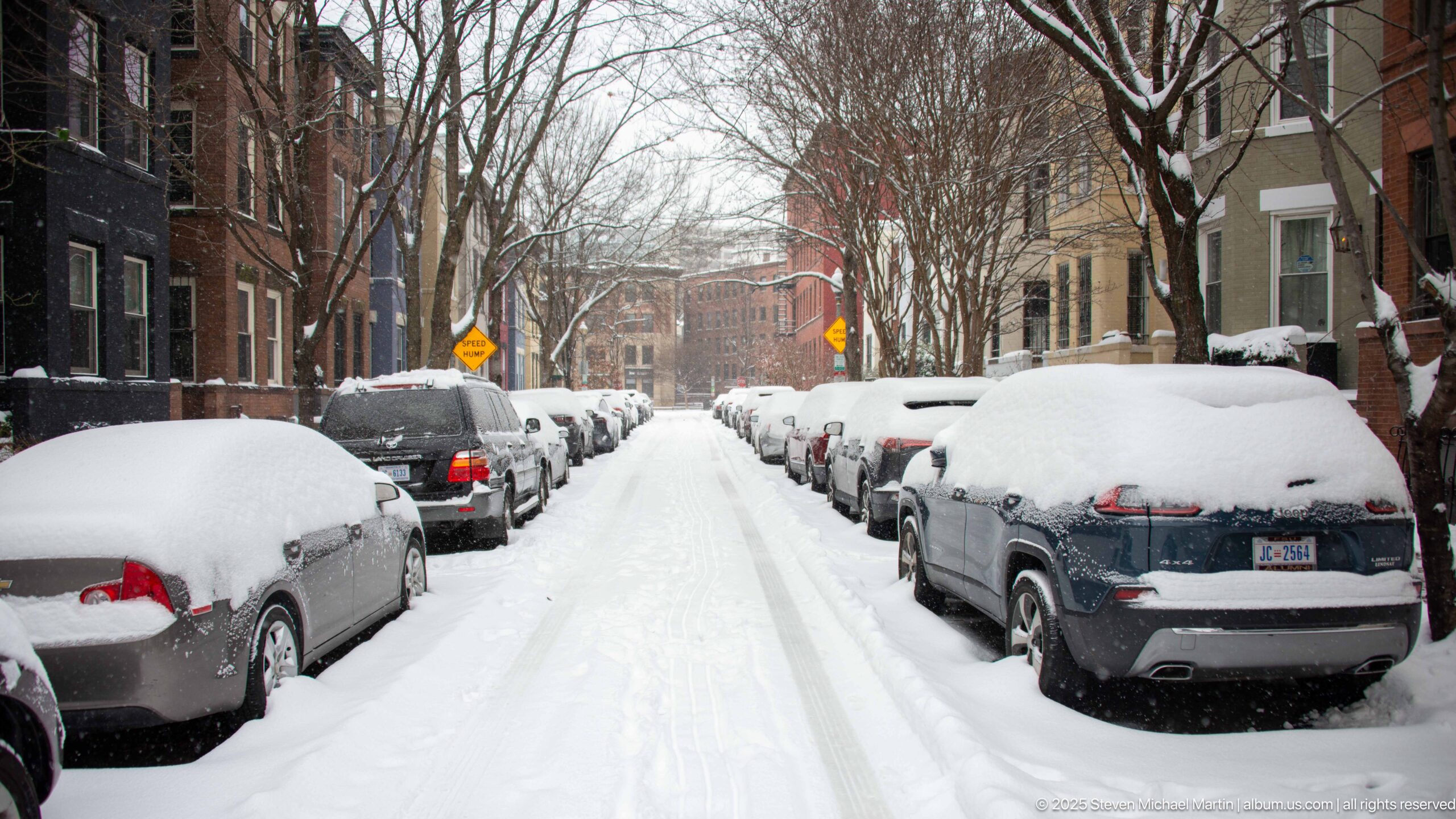
Washington, DC Snow Storm
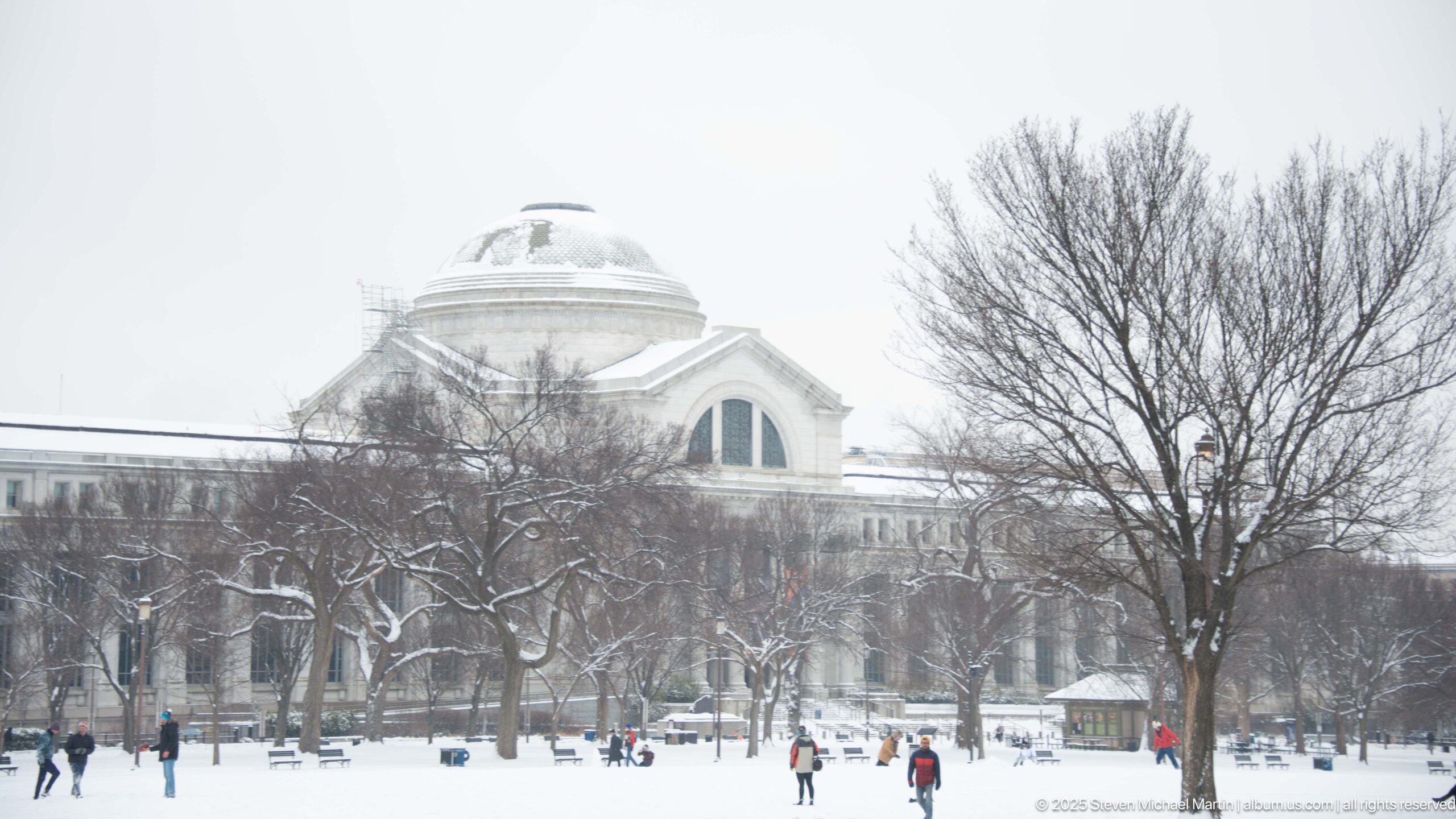
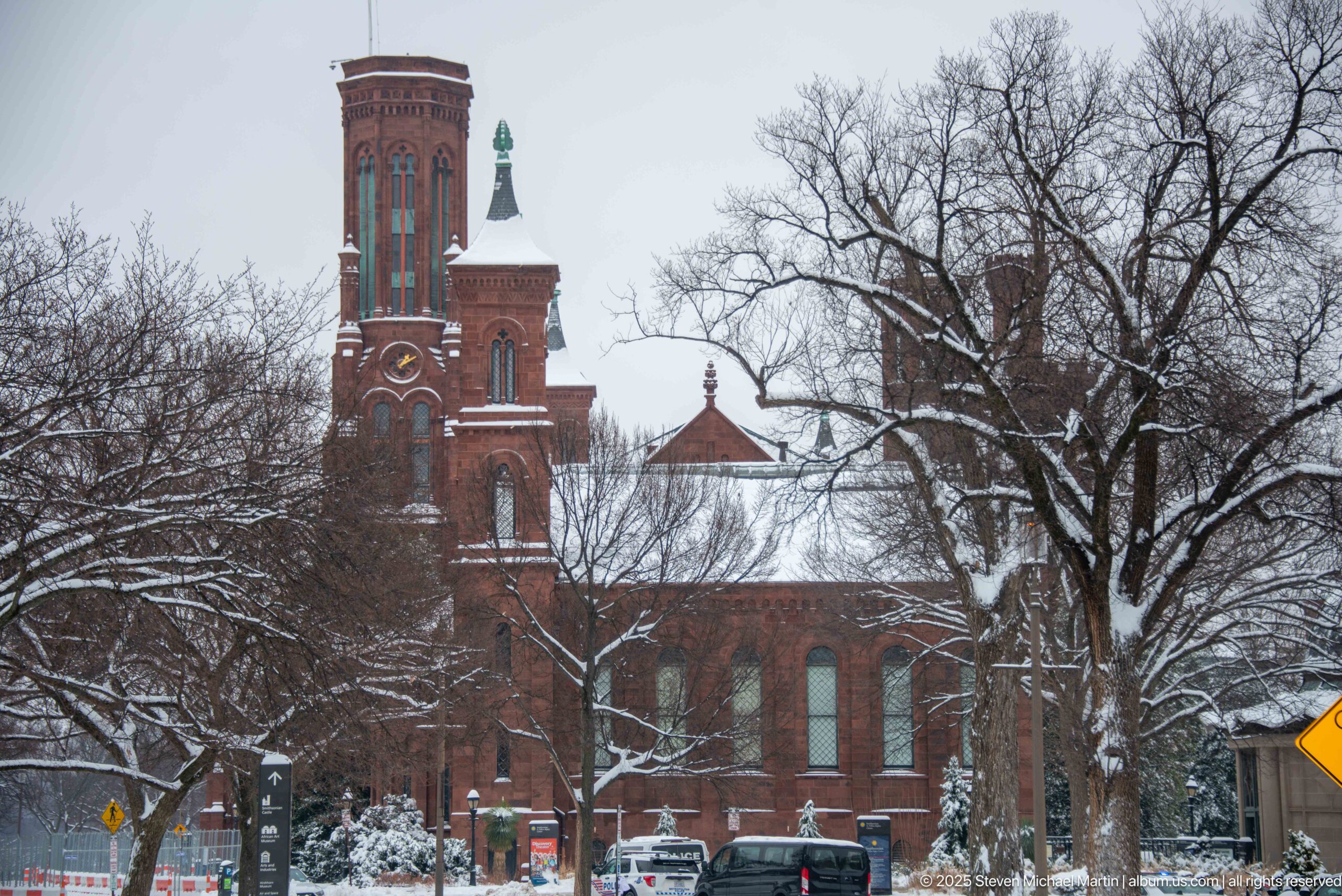
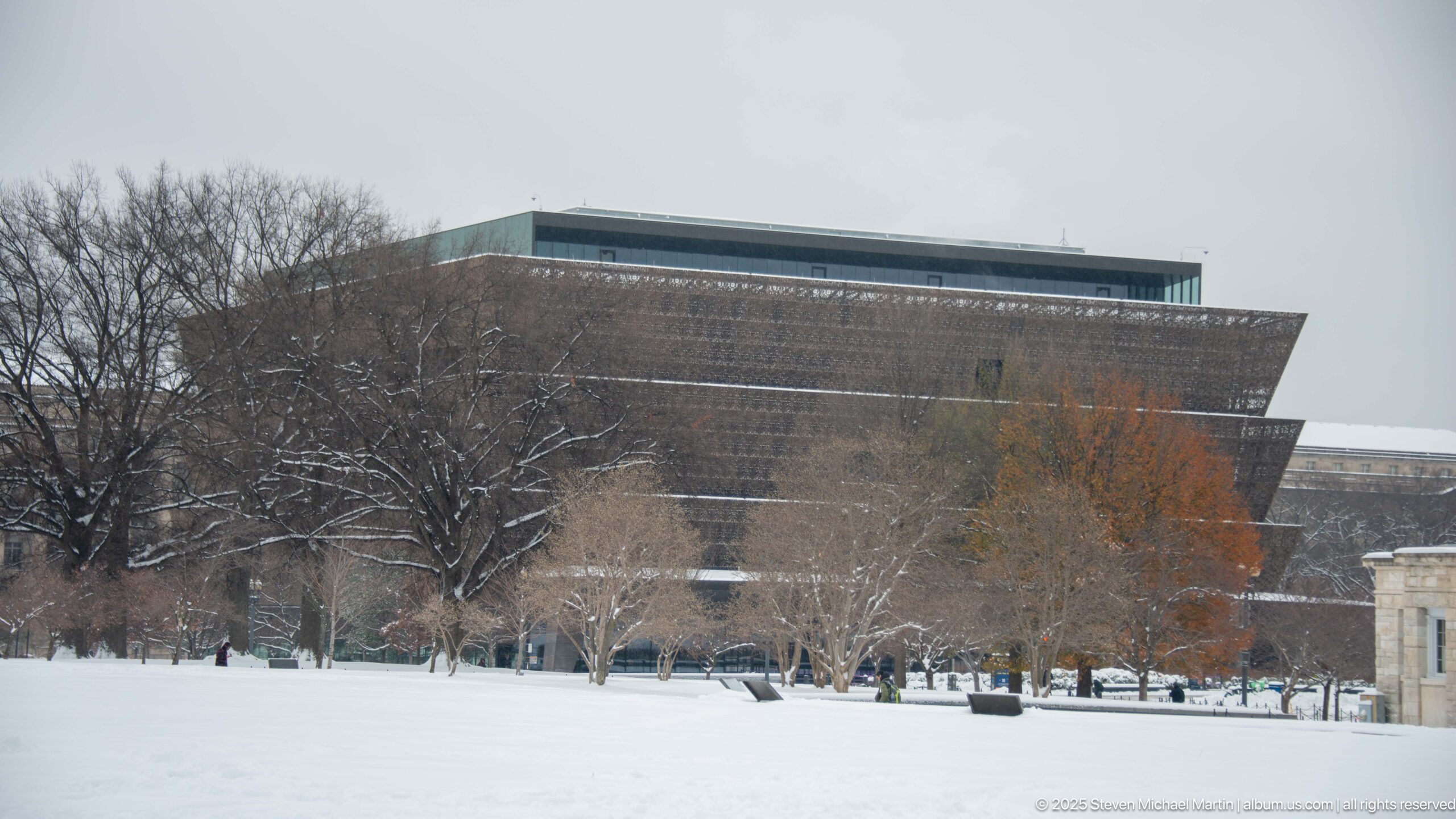
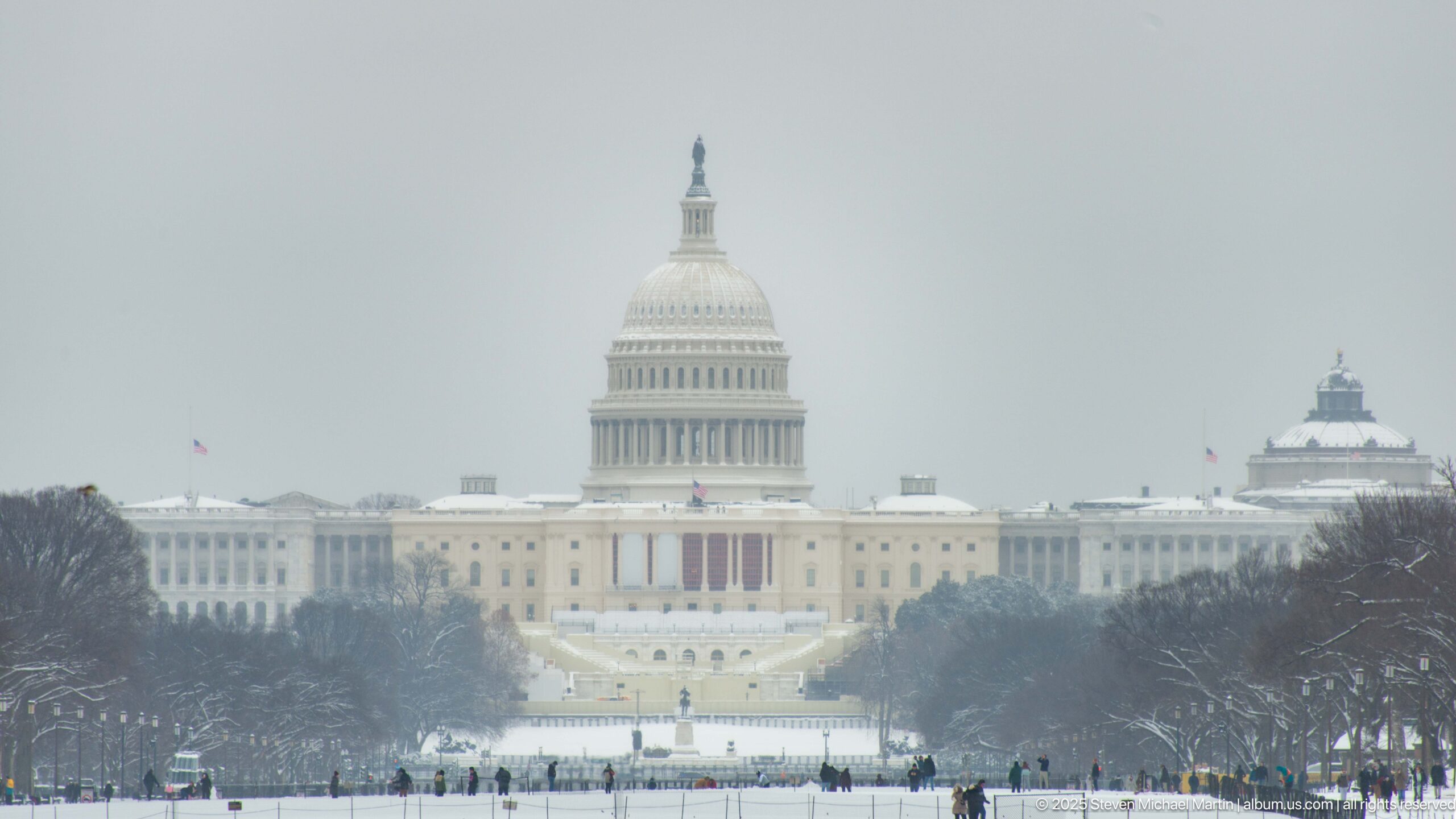
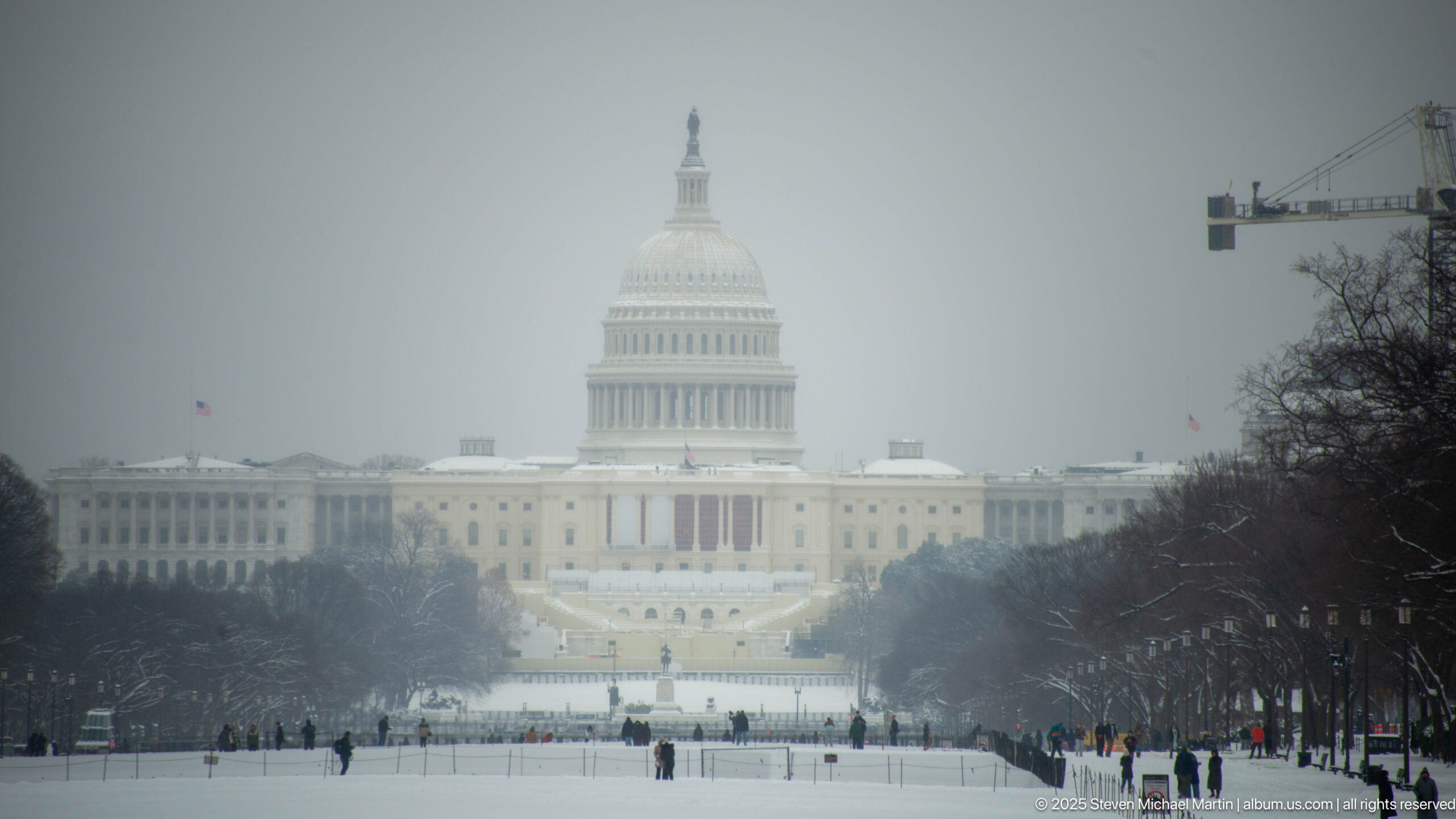
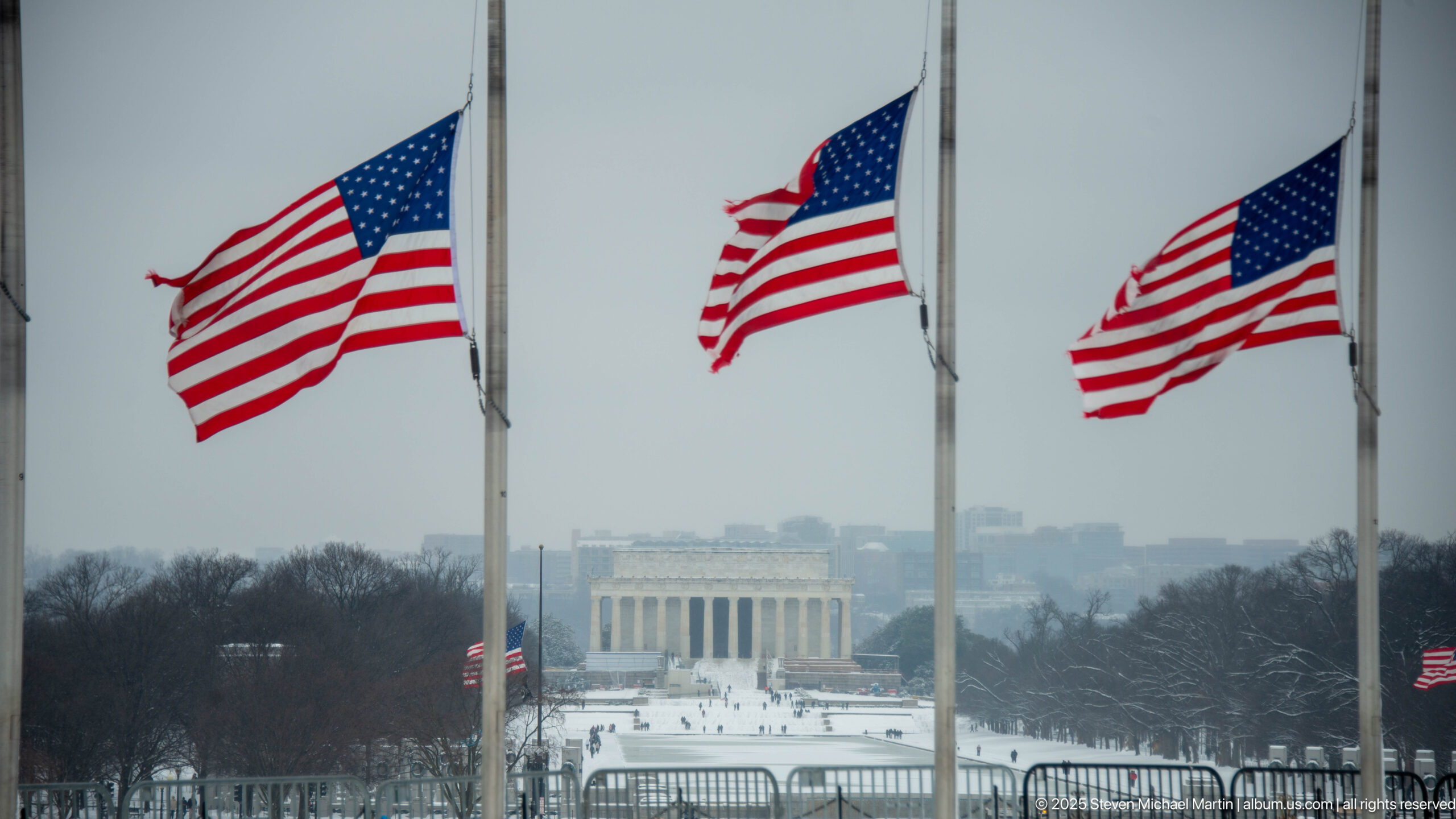
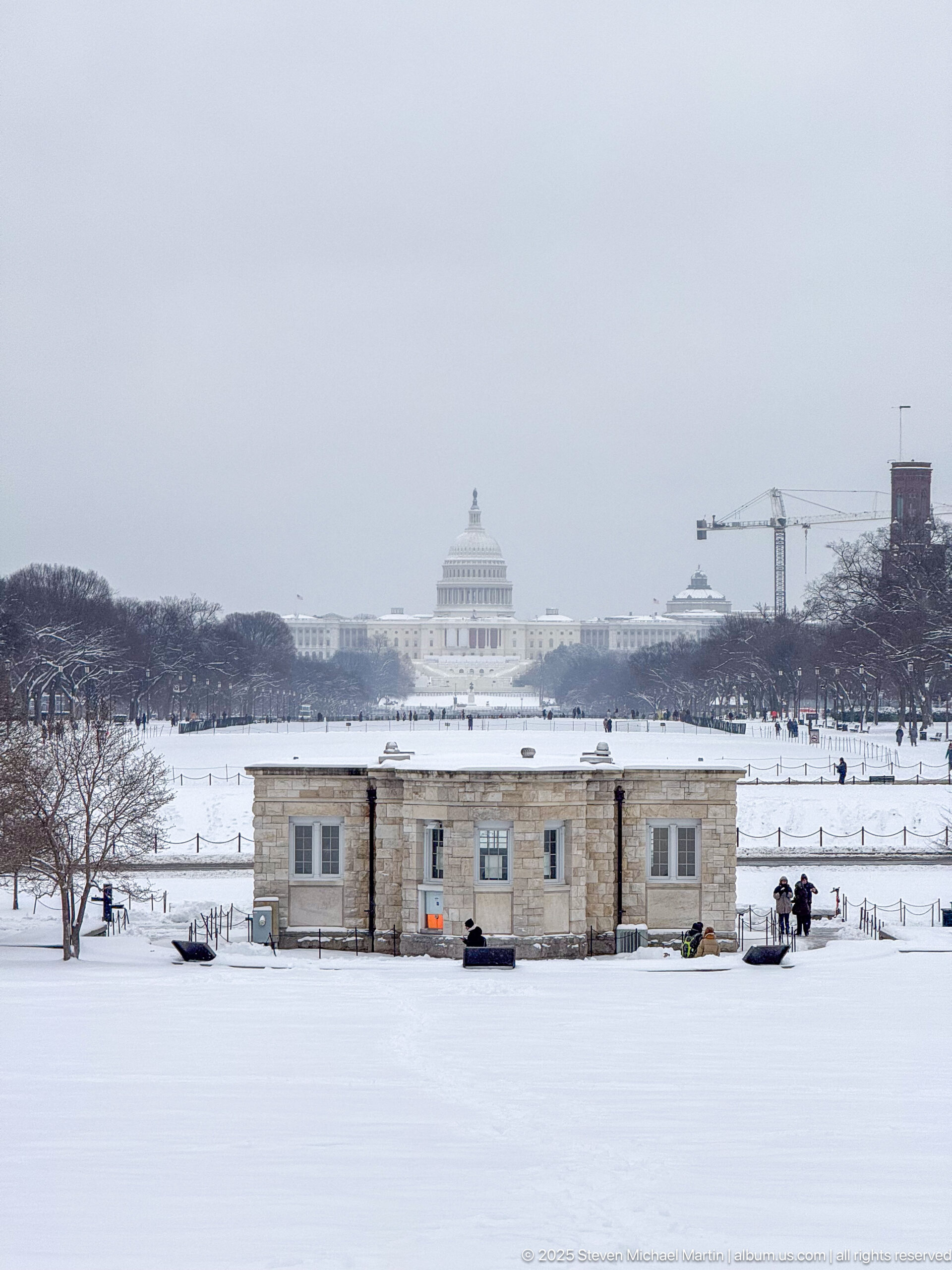
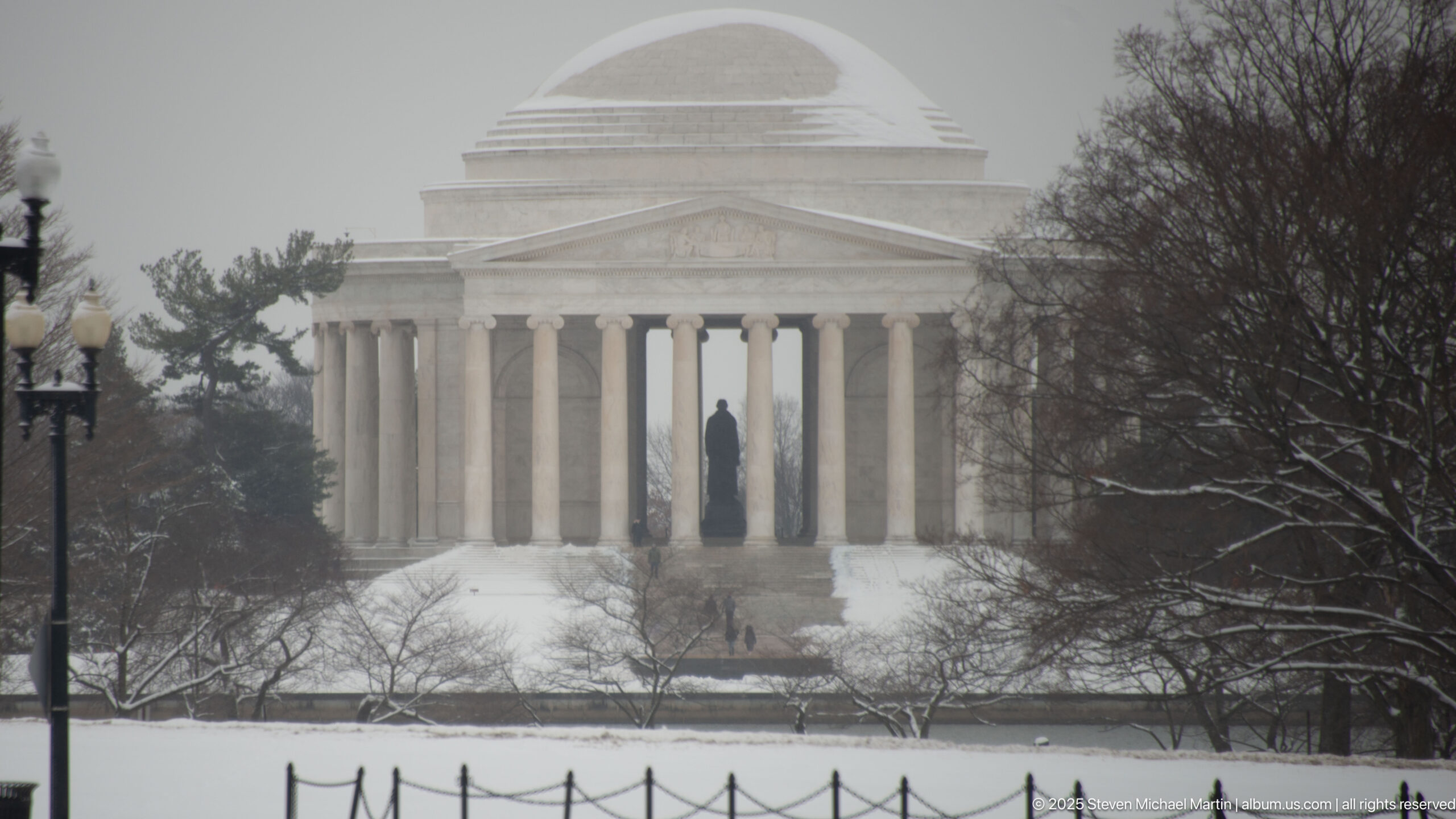
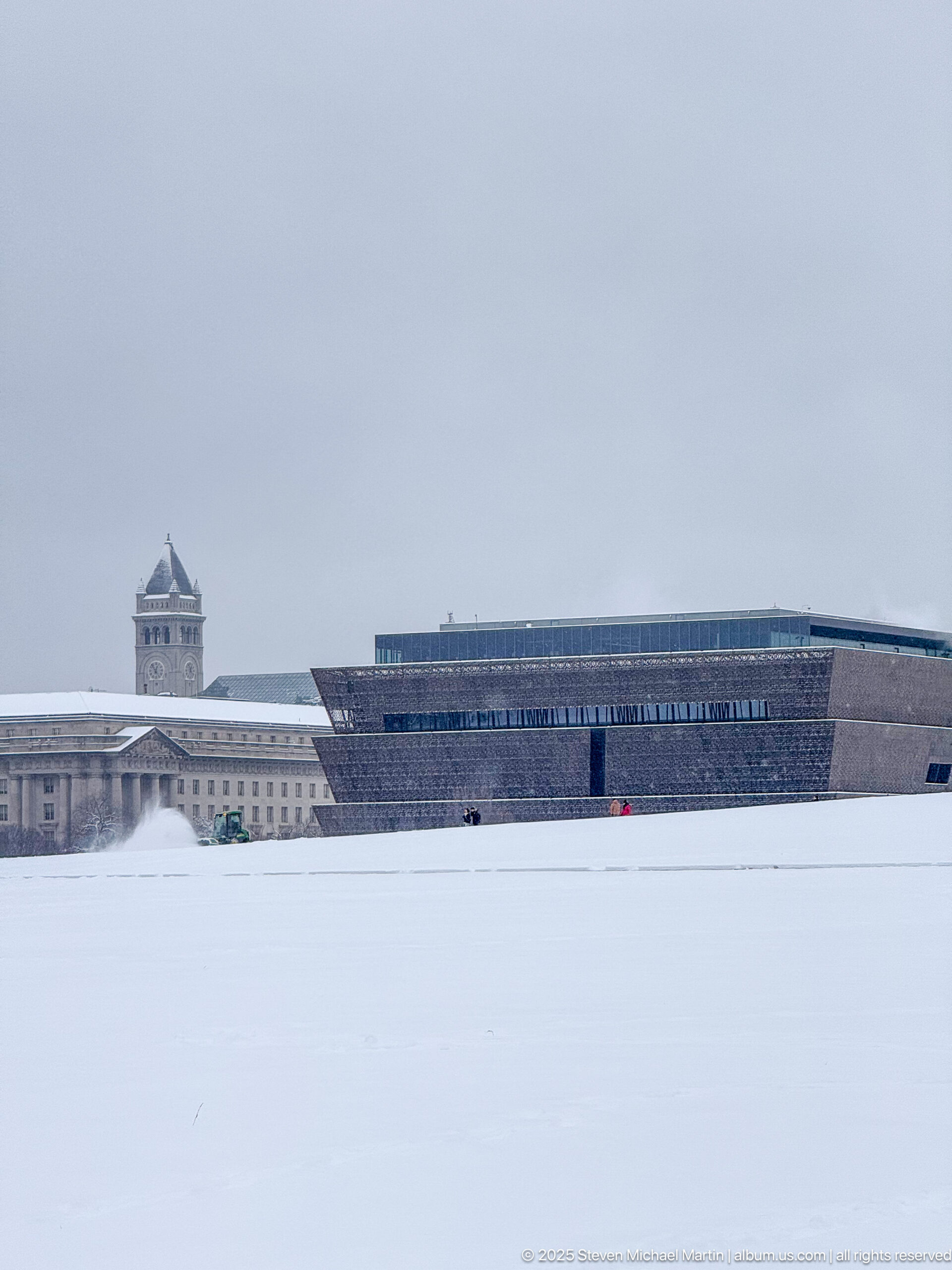
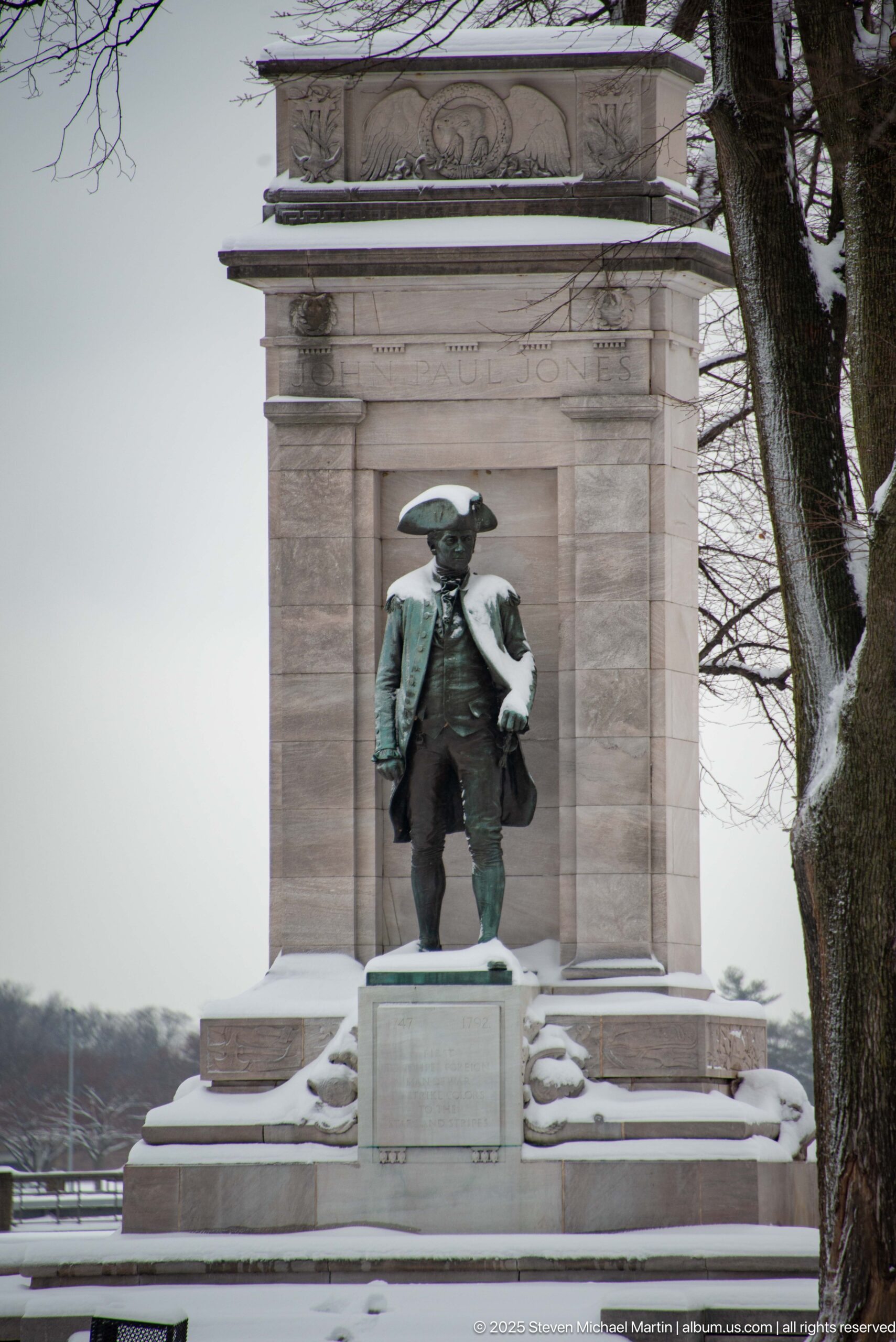
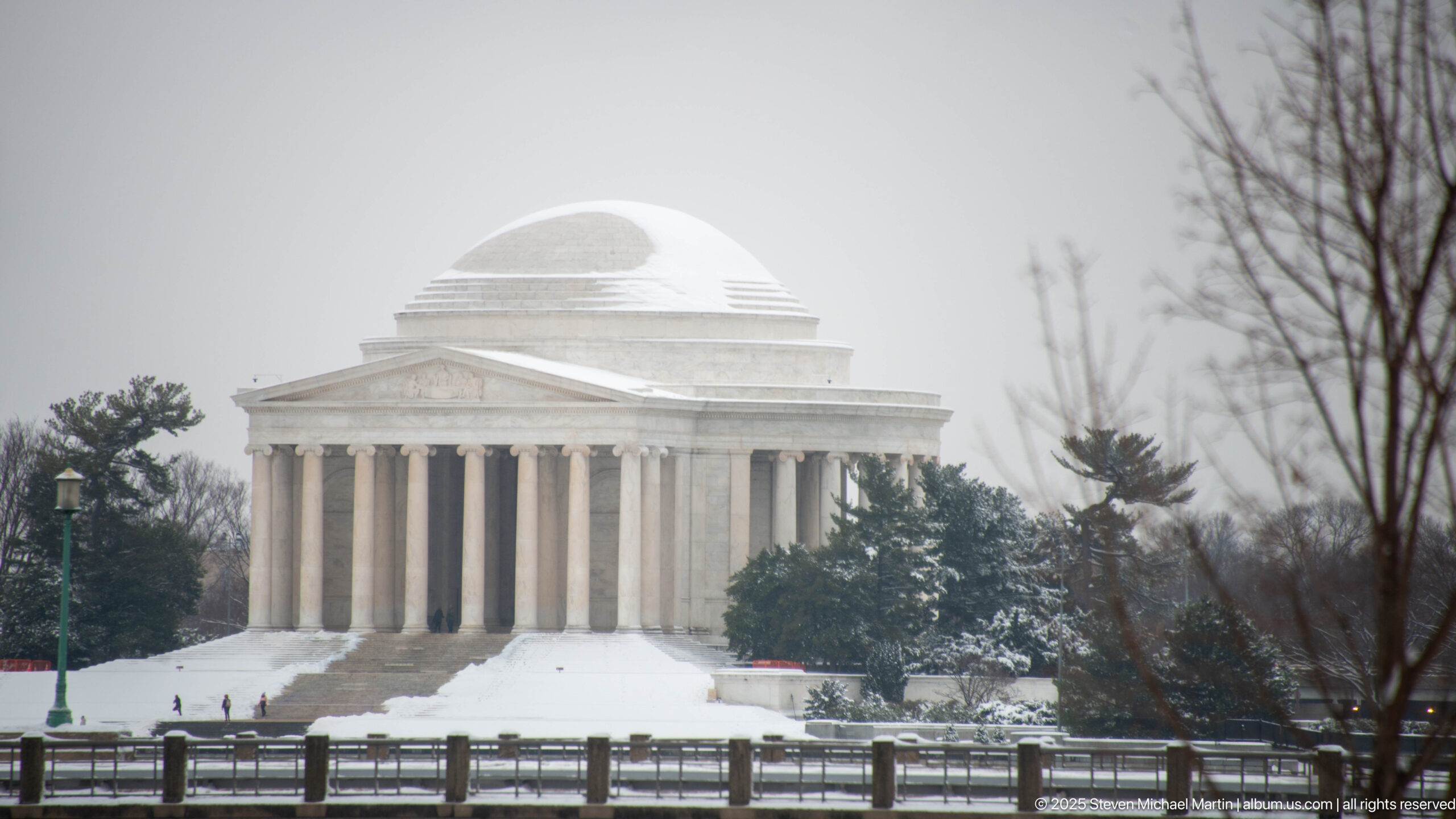
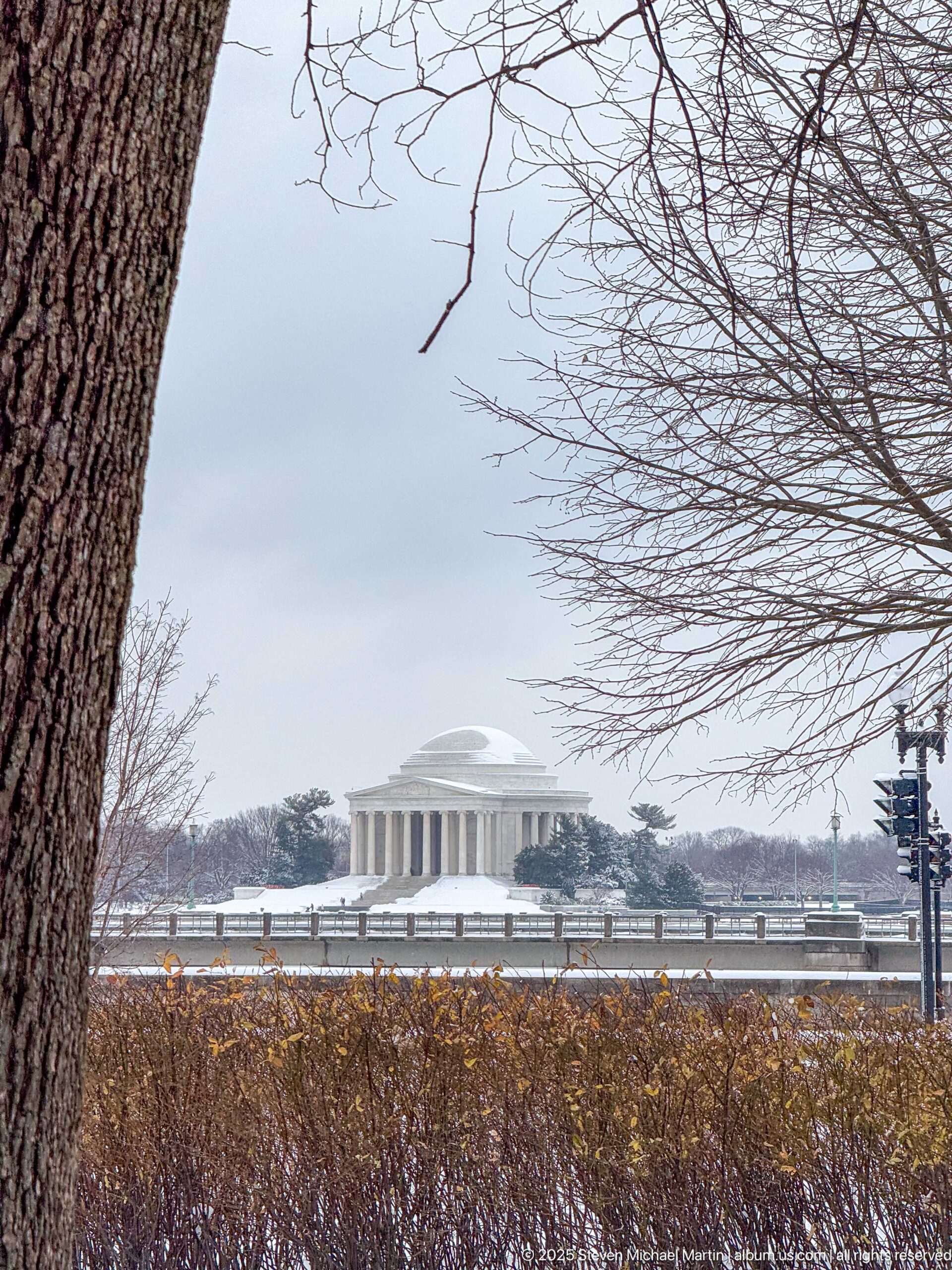
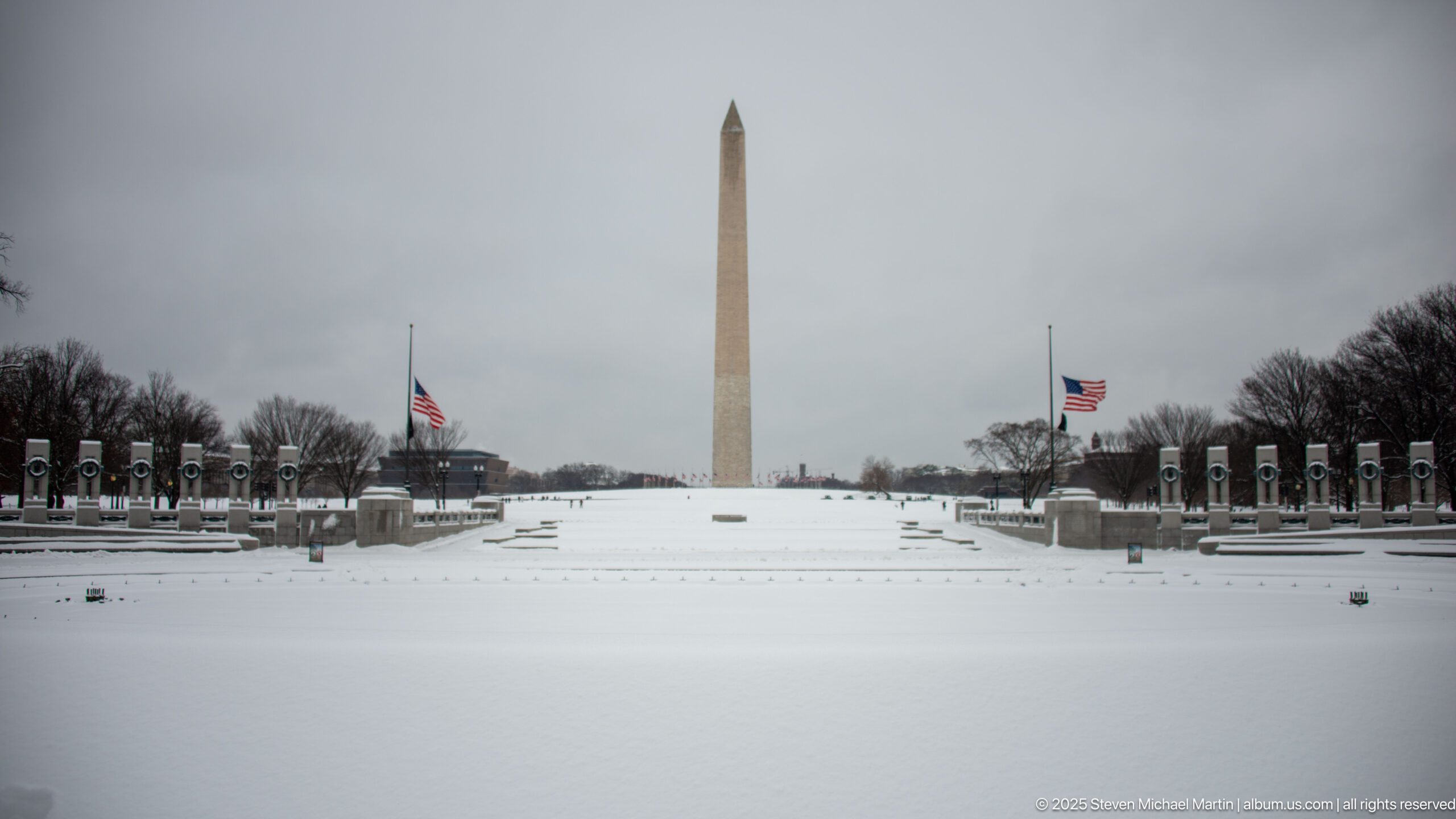
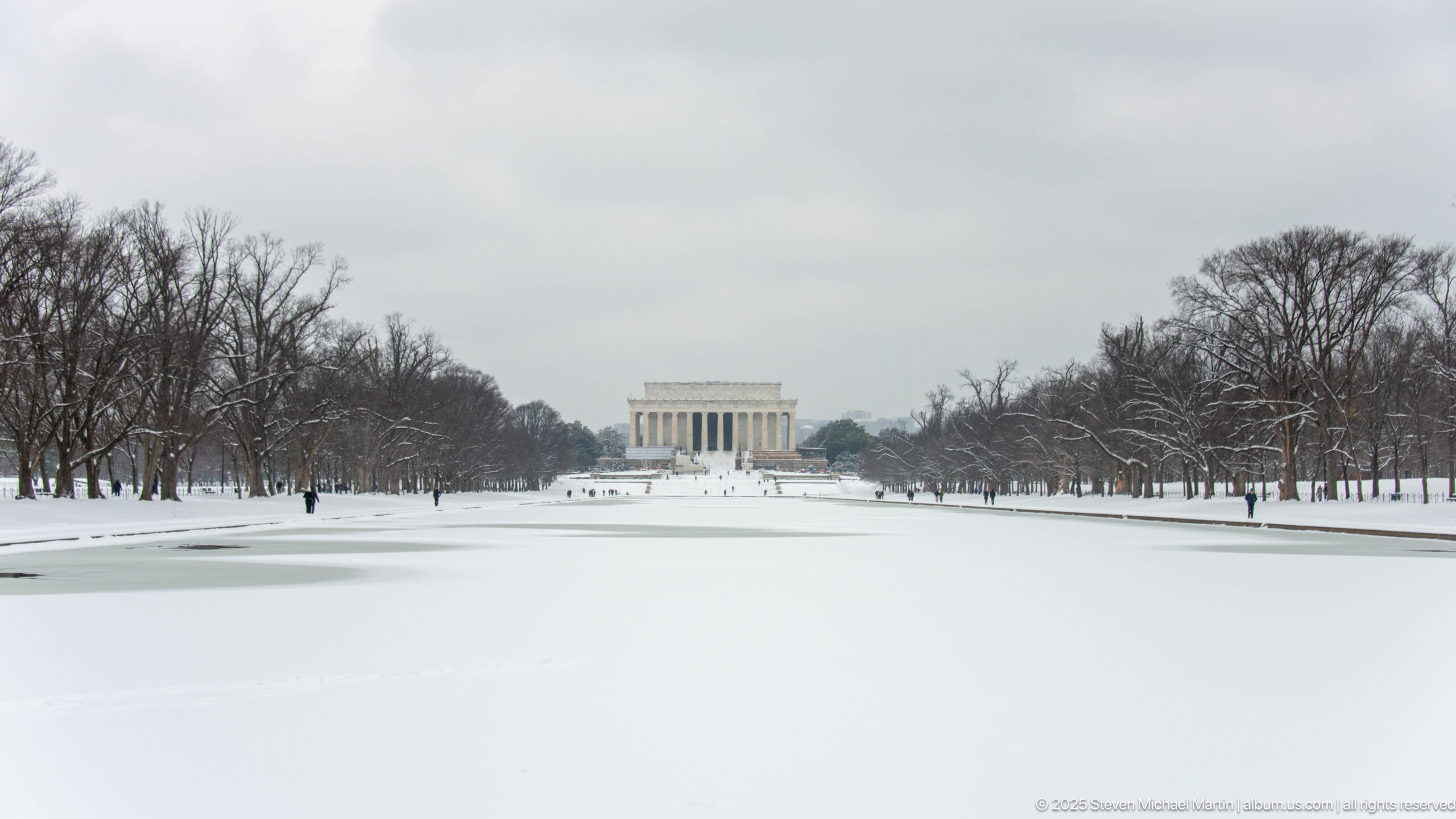
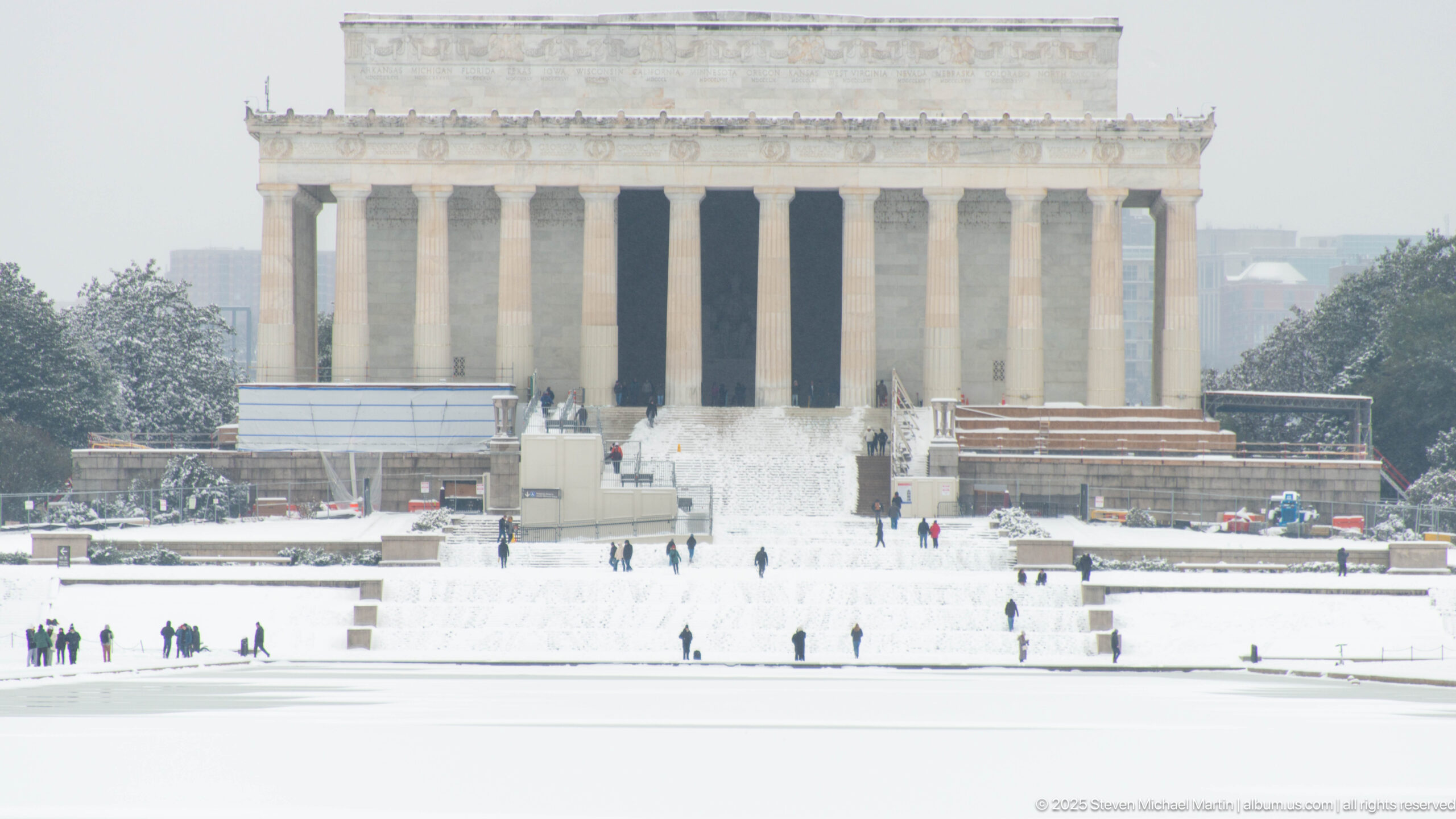
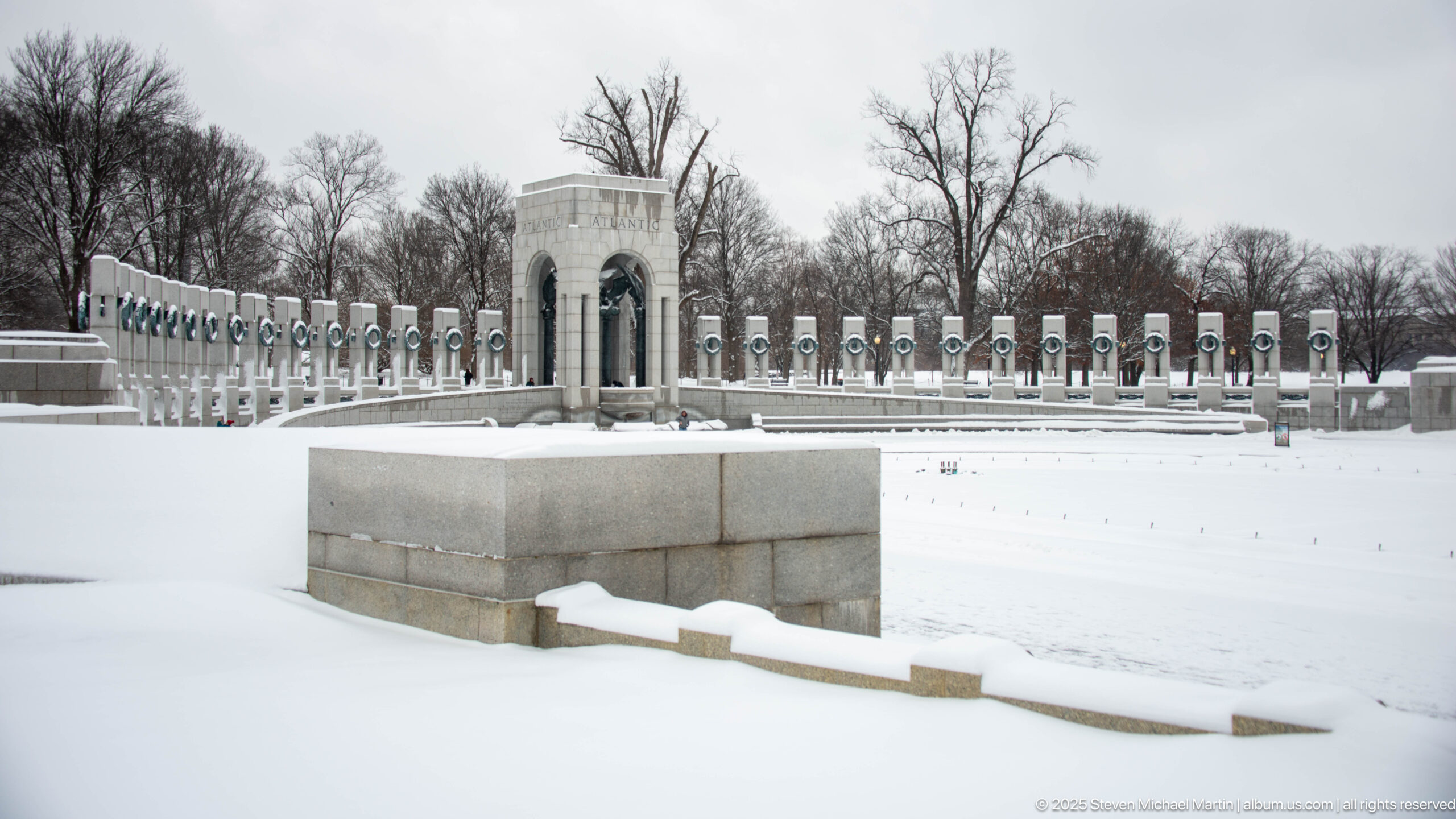
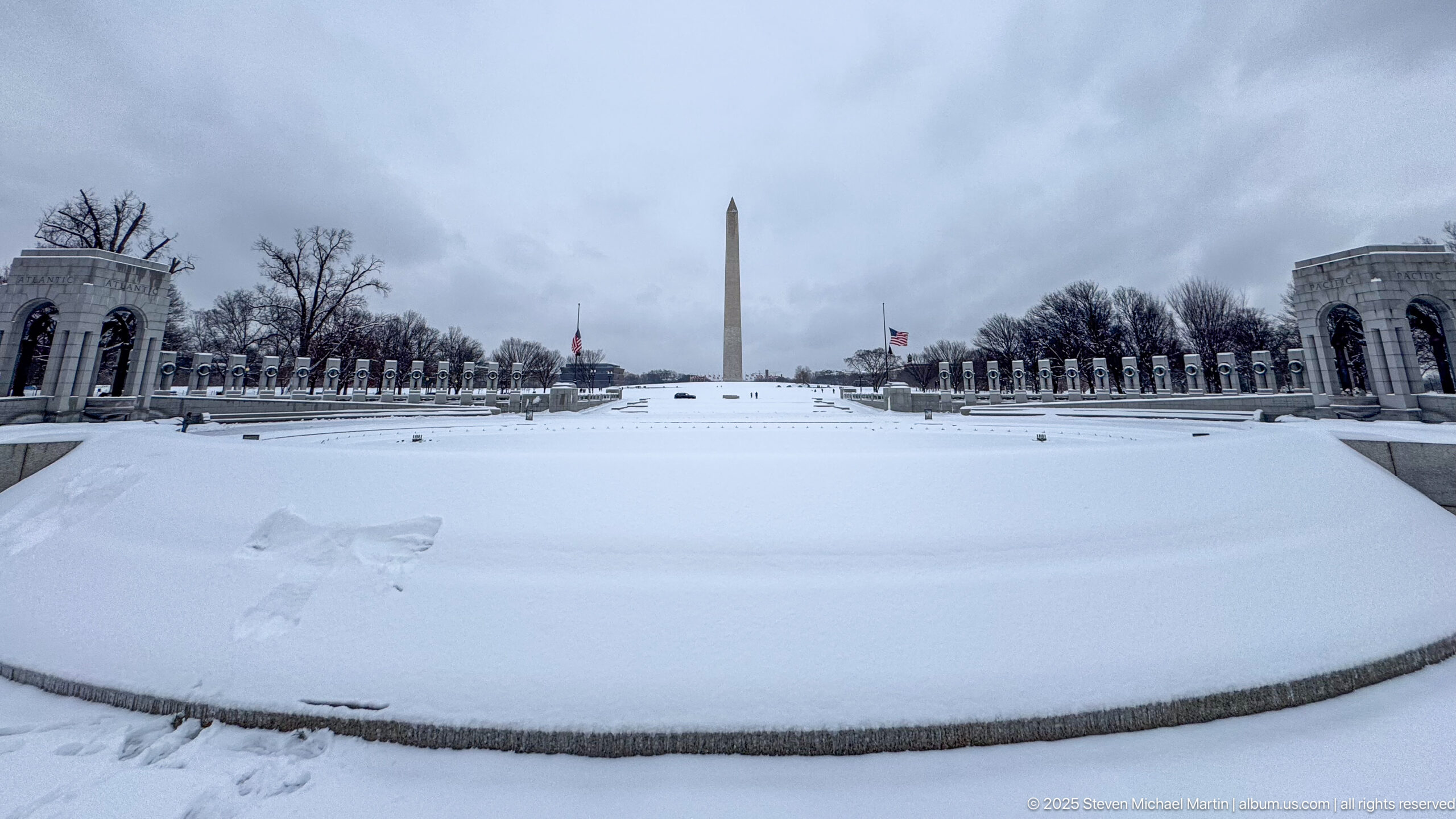
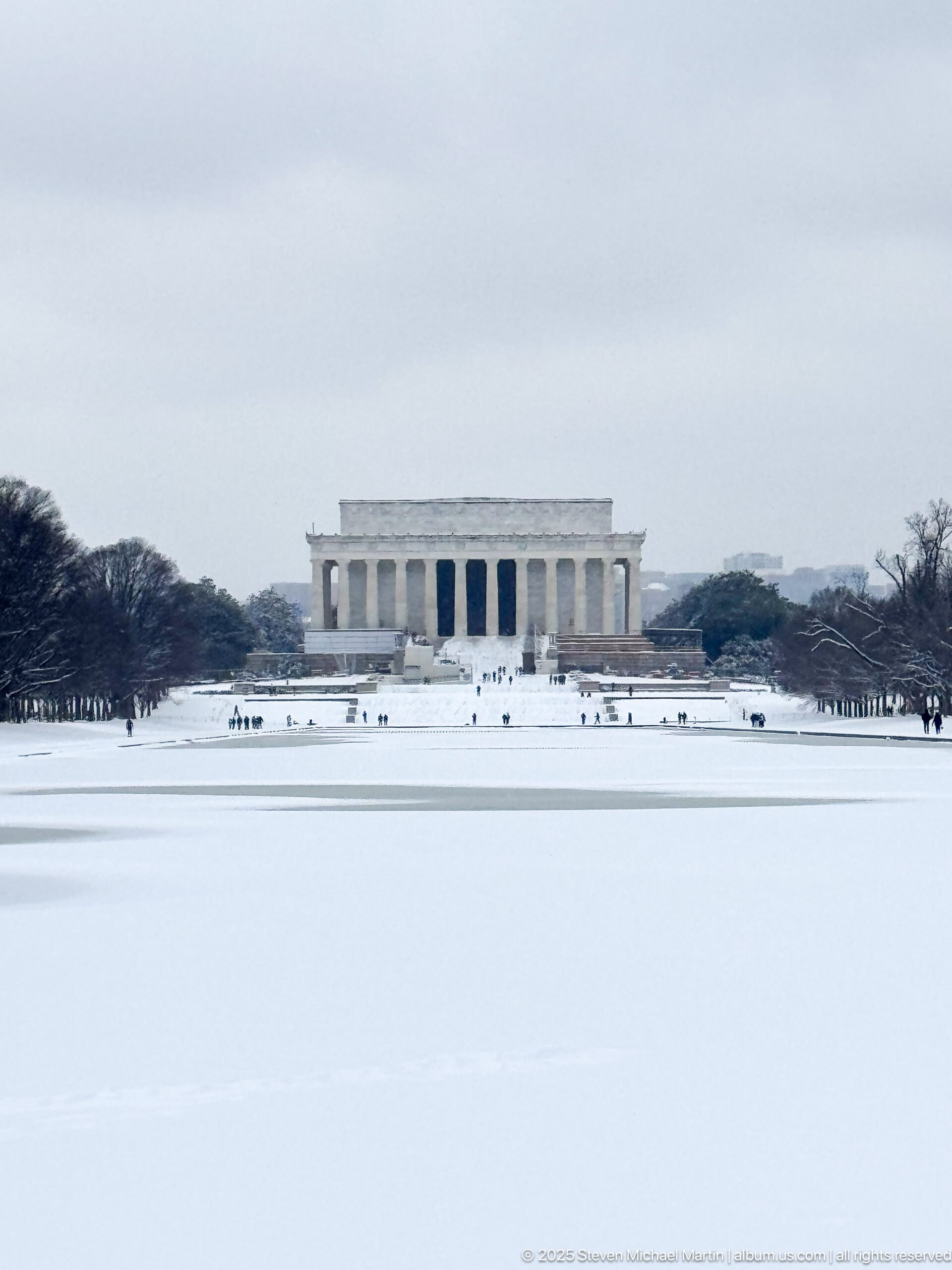
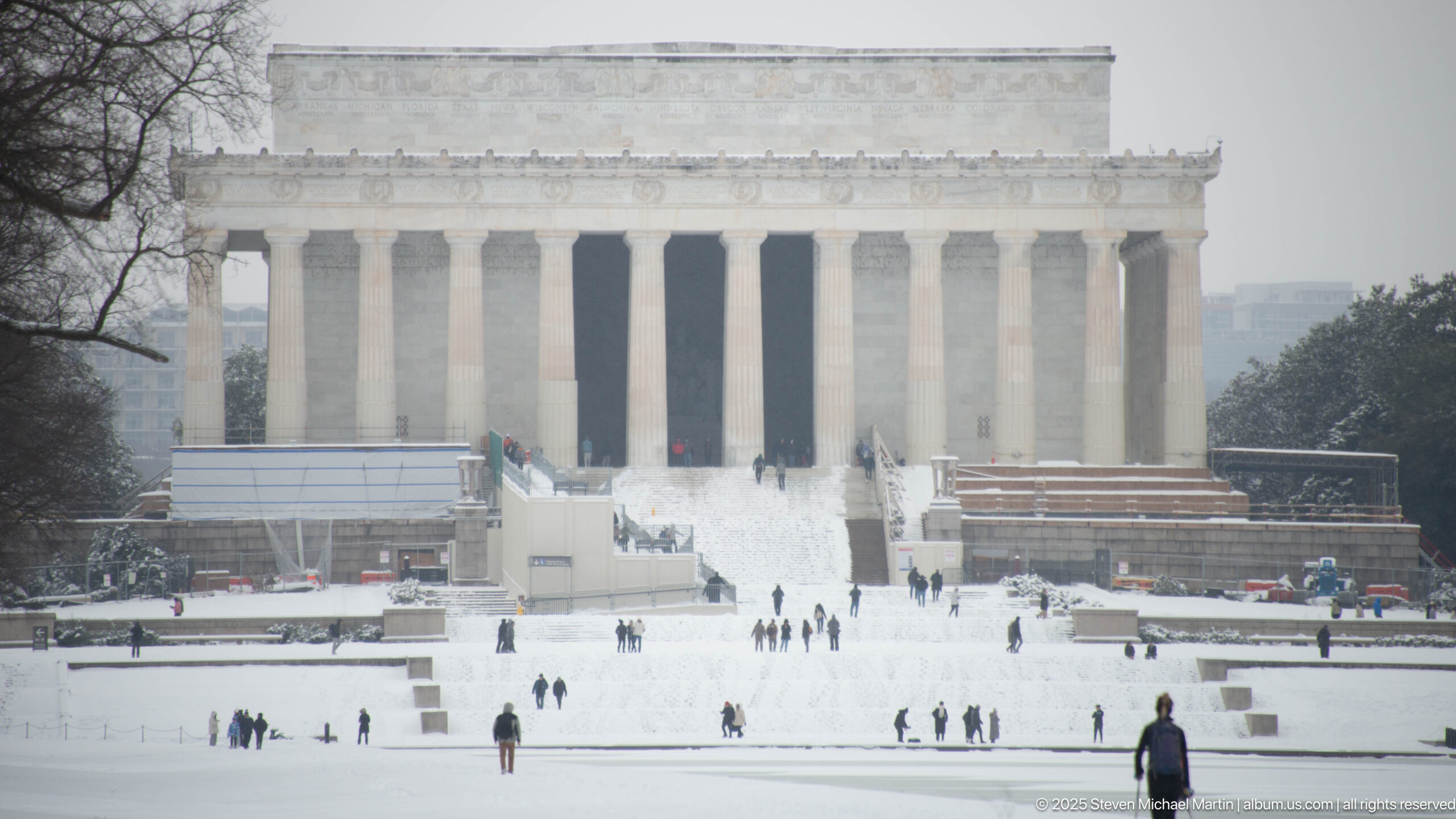
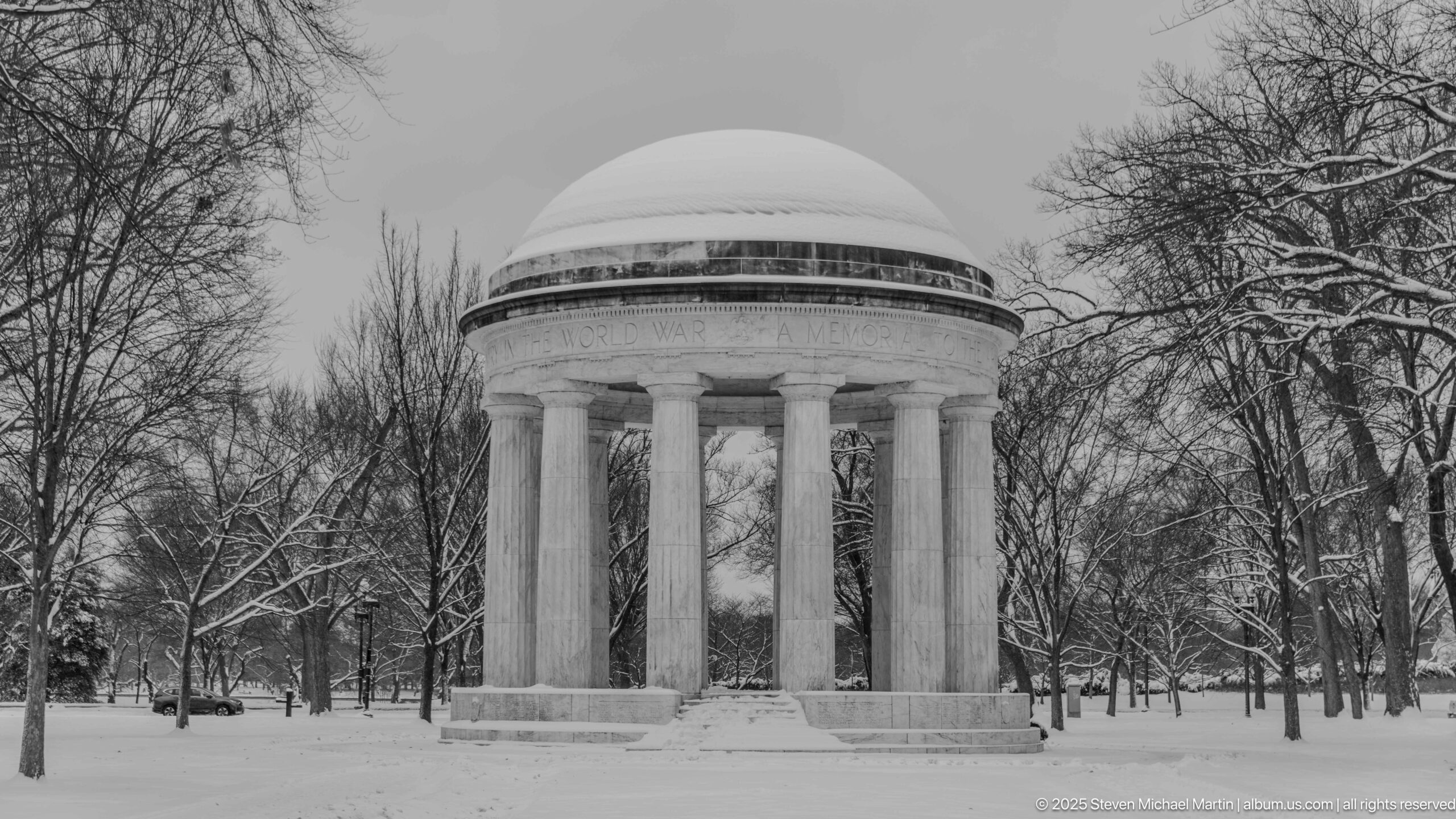
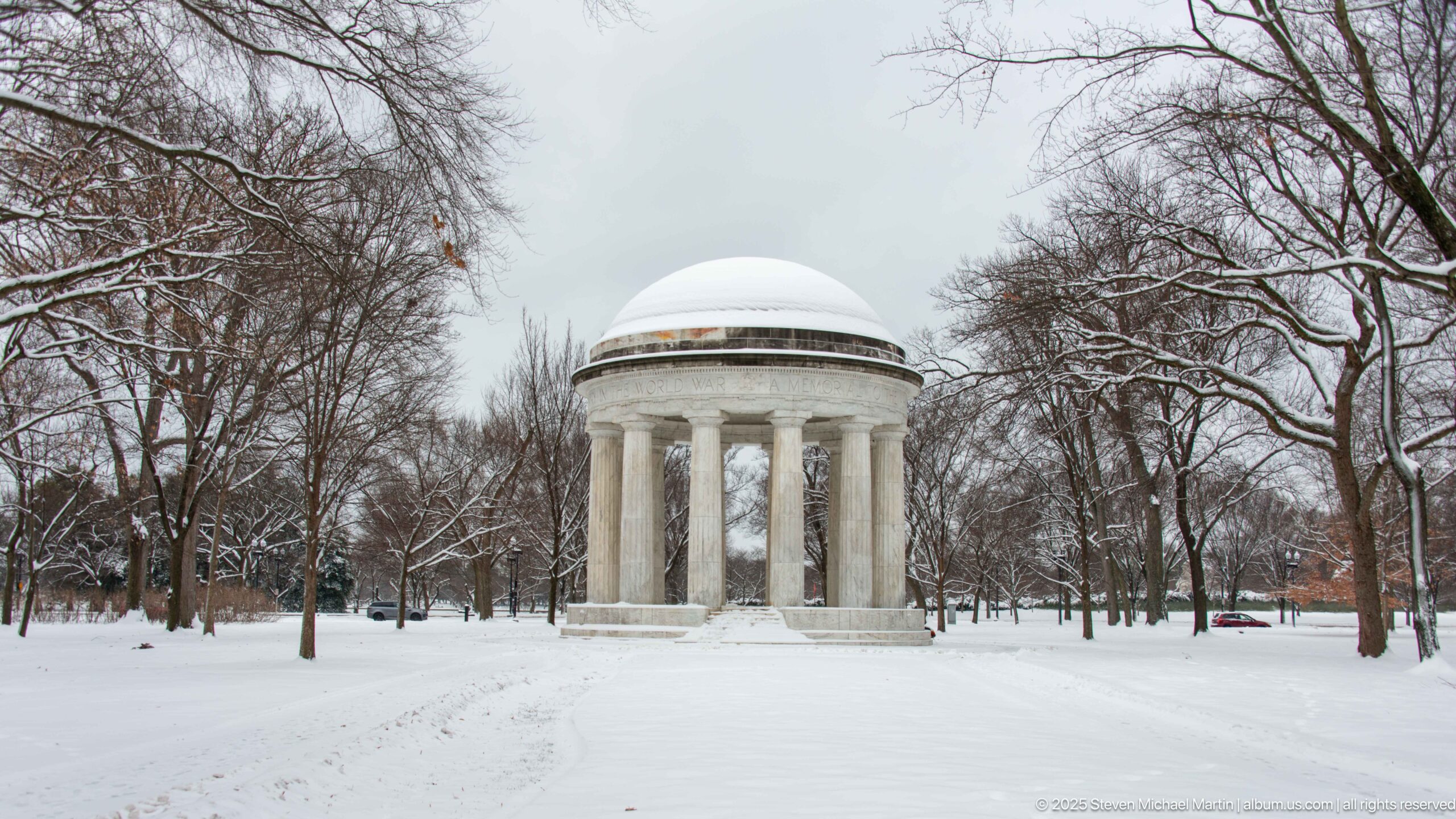
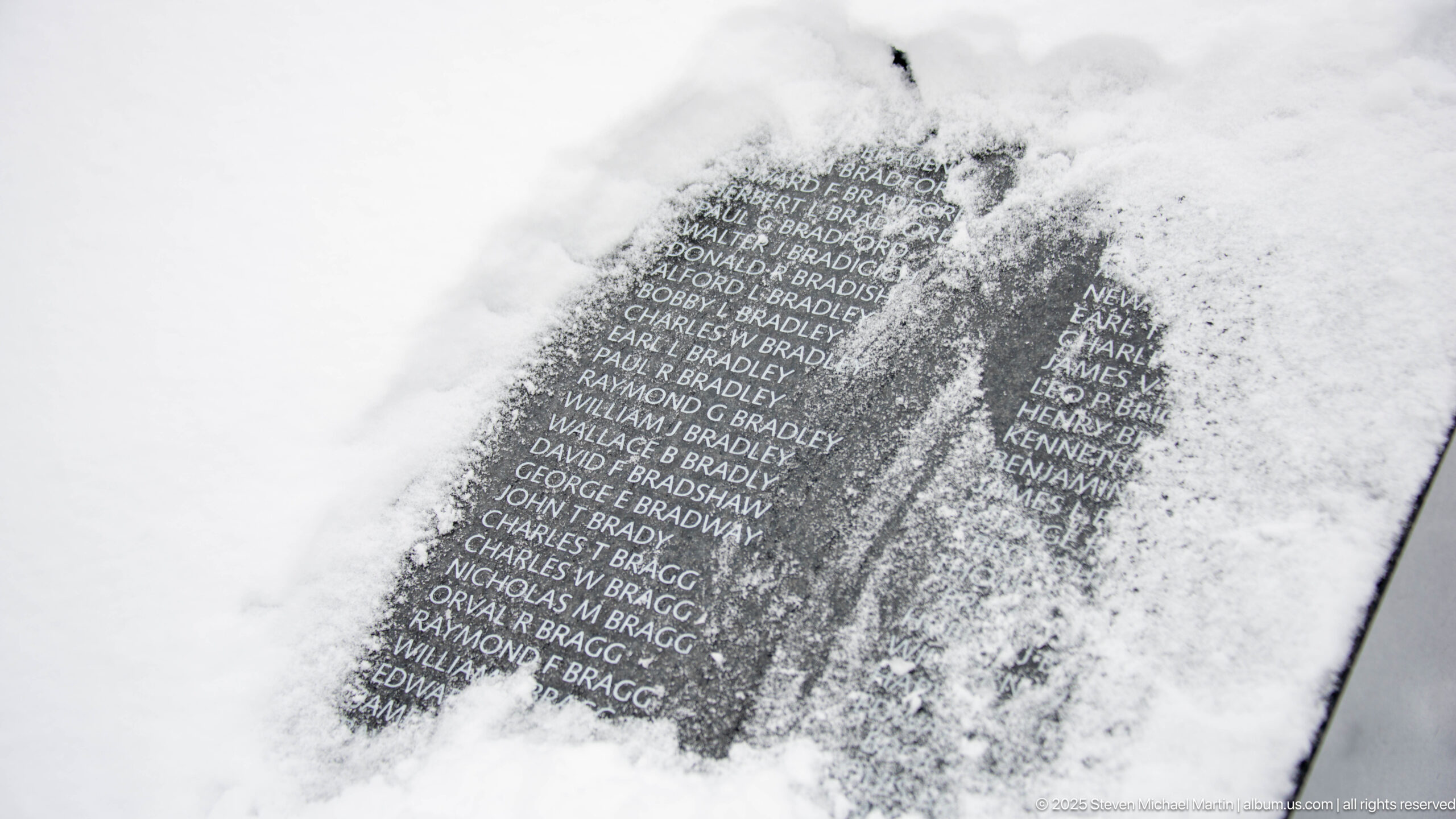
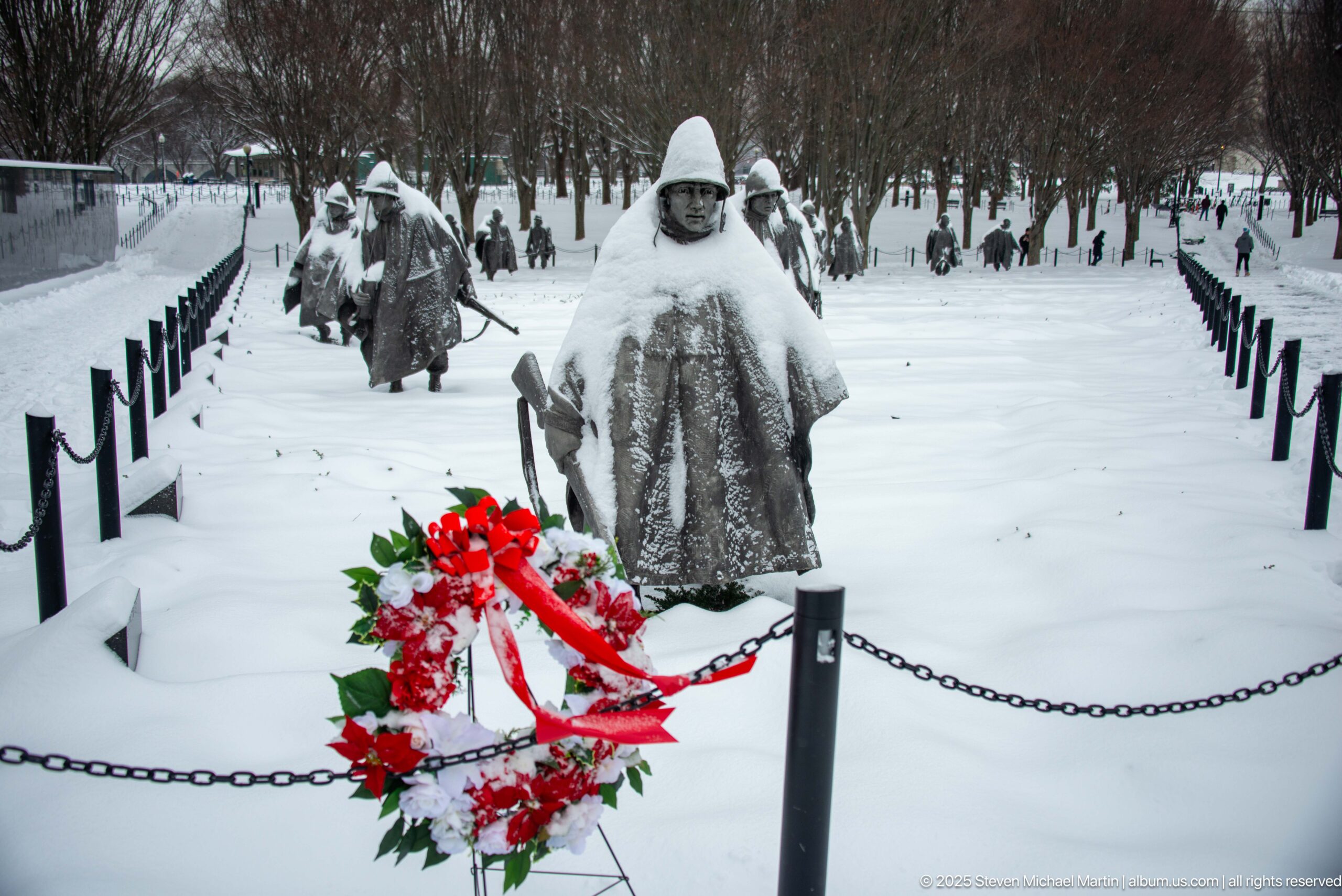
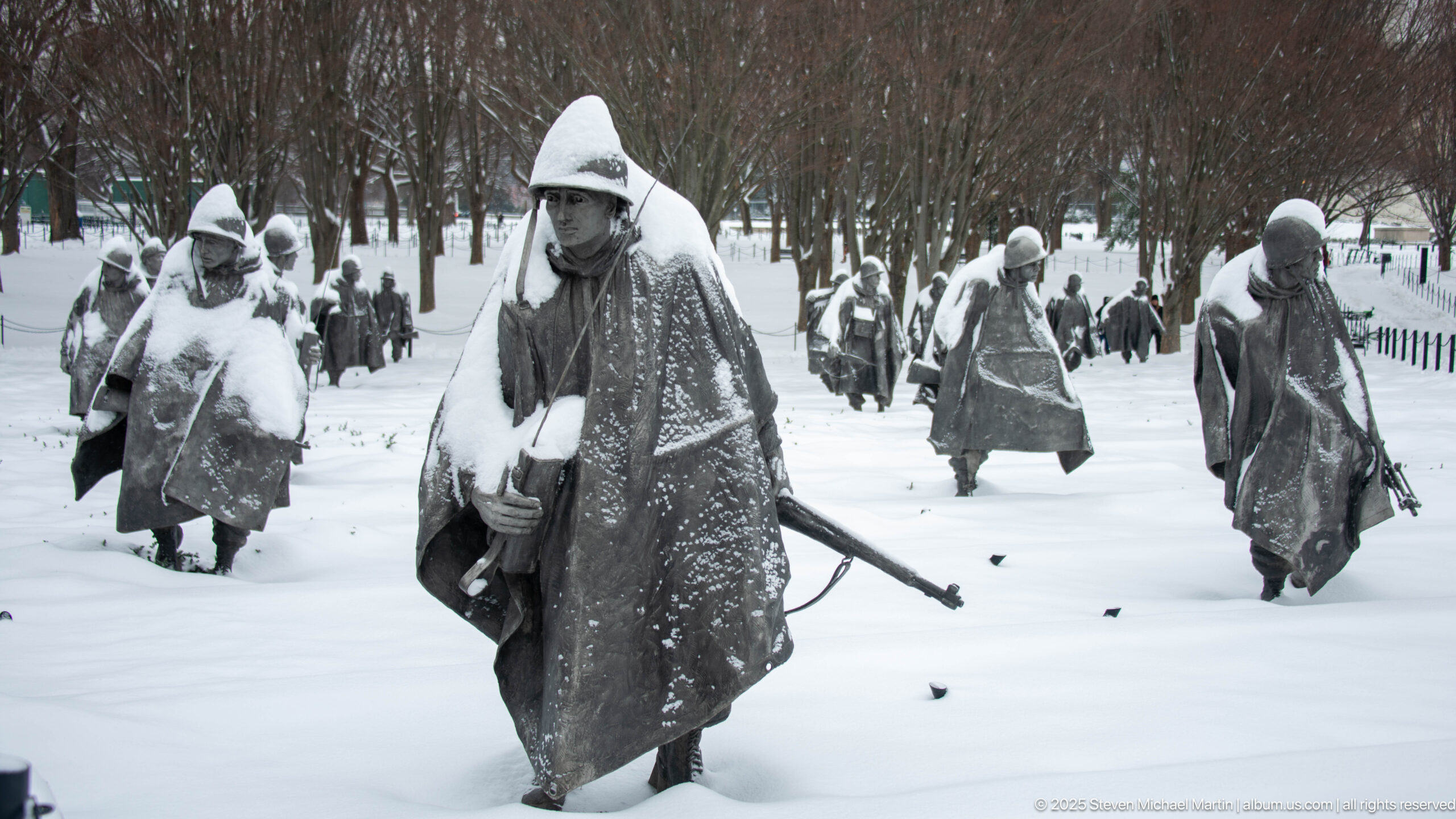
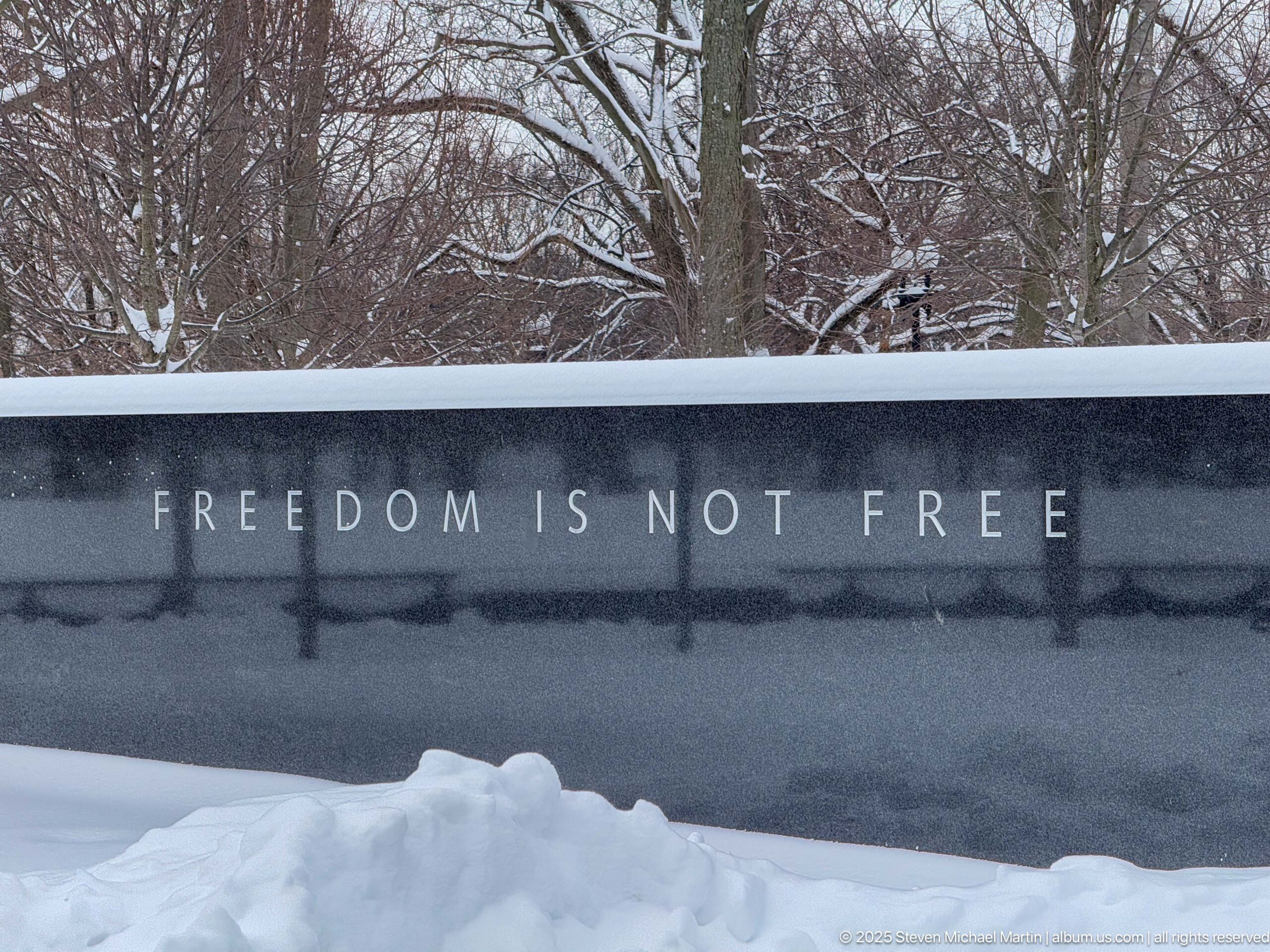
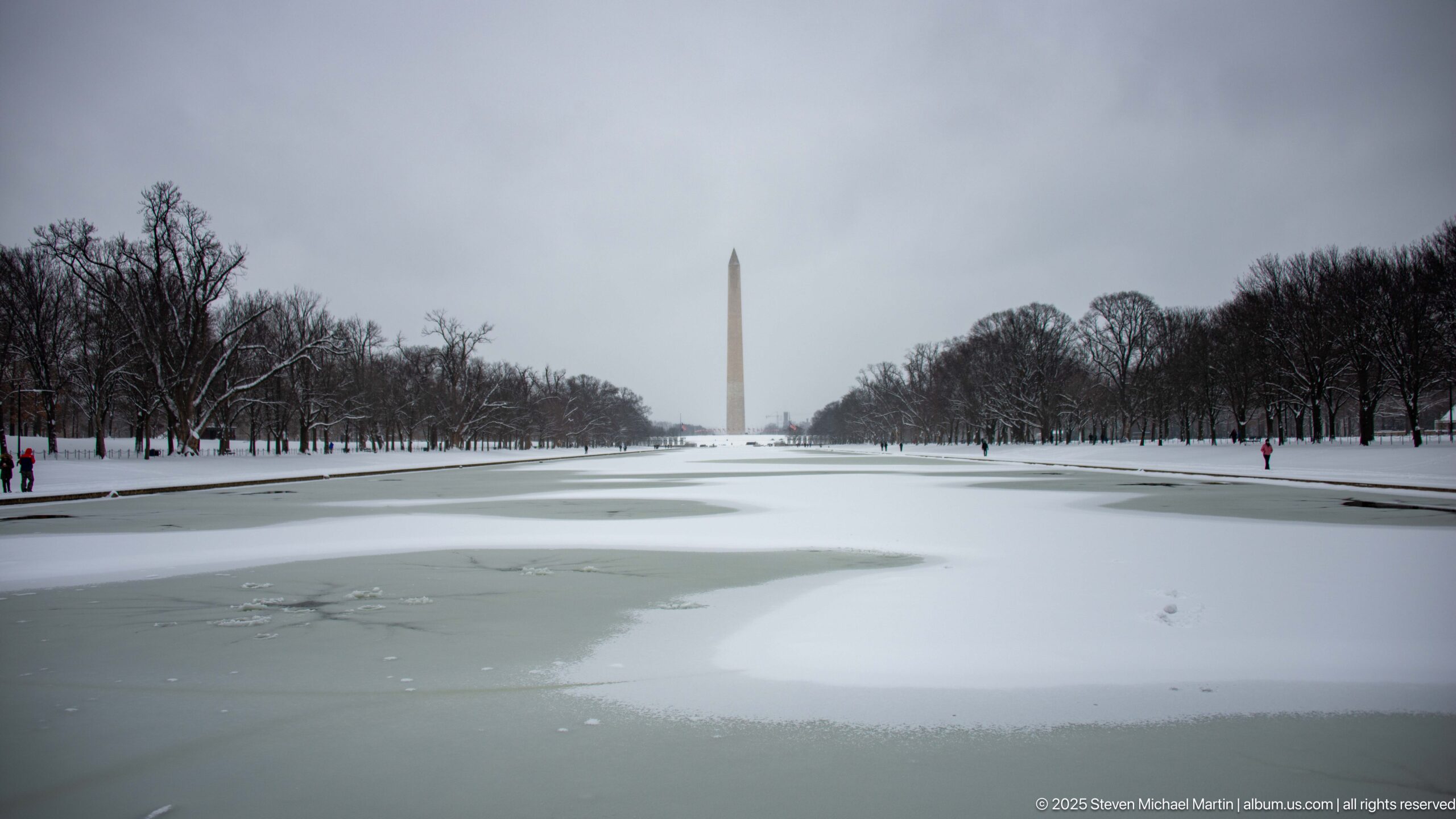
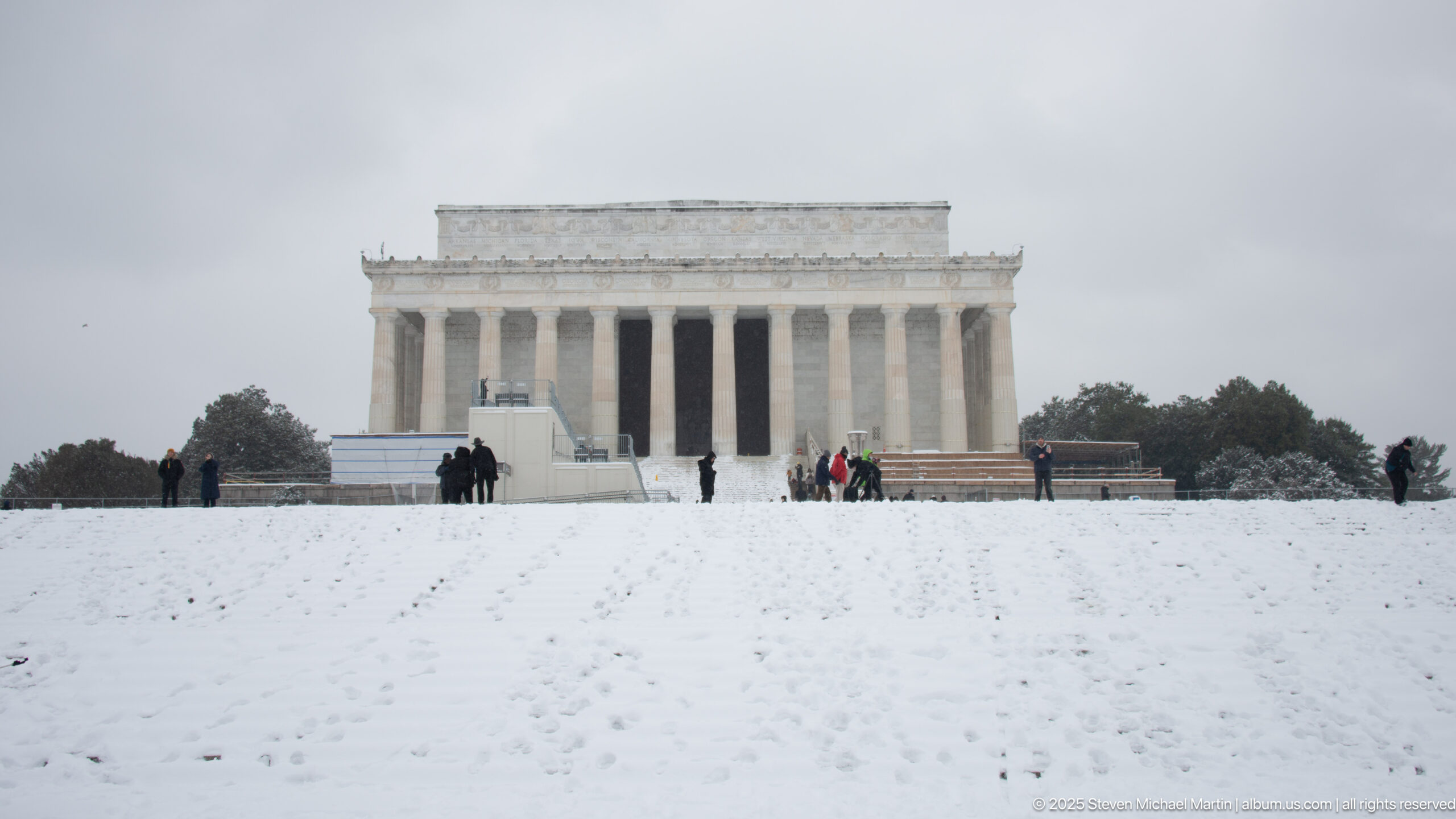
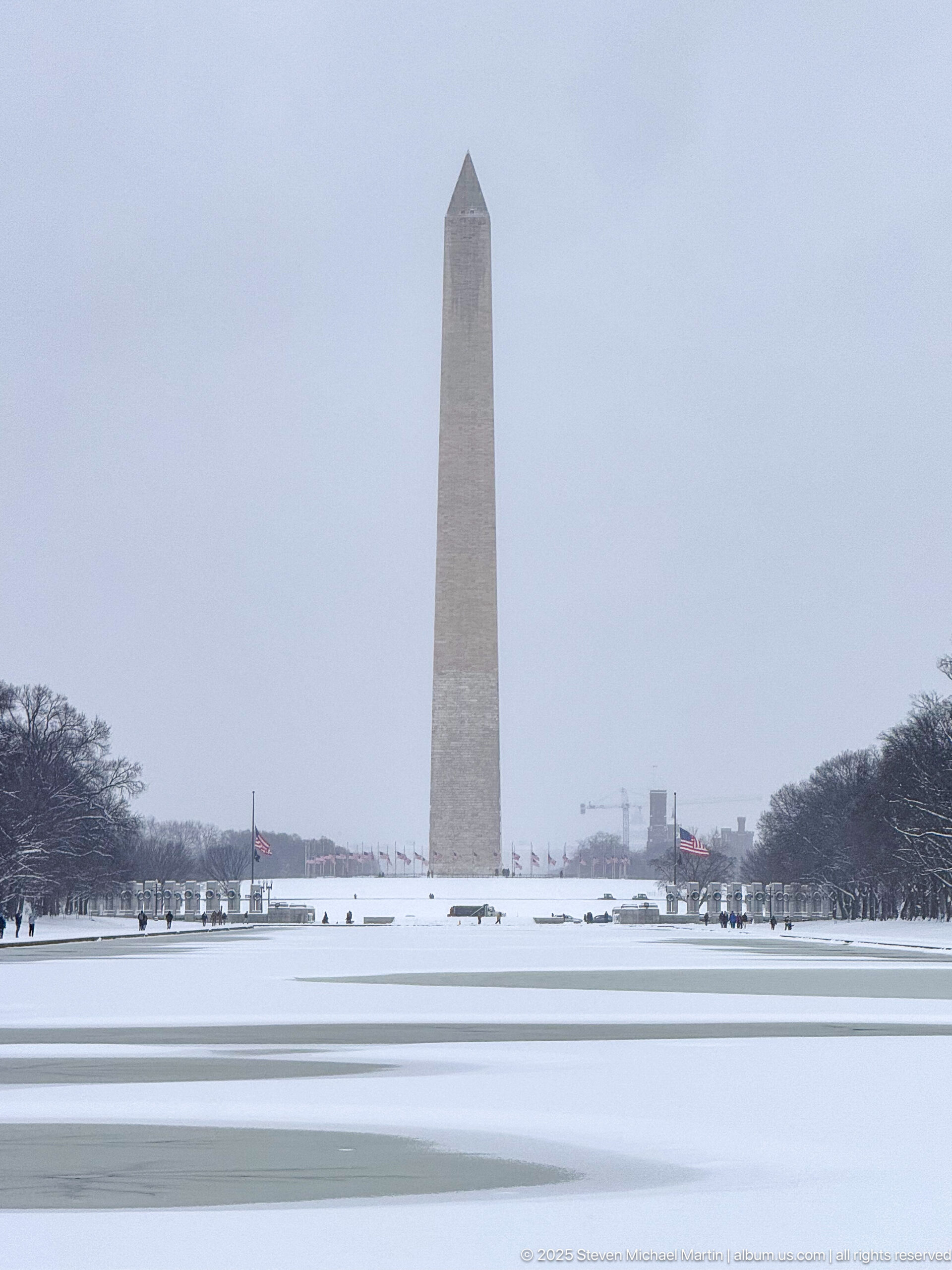
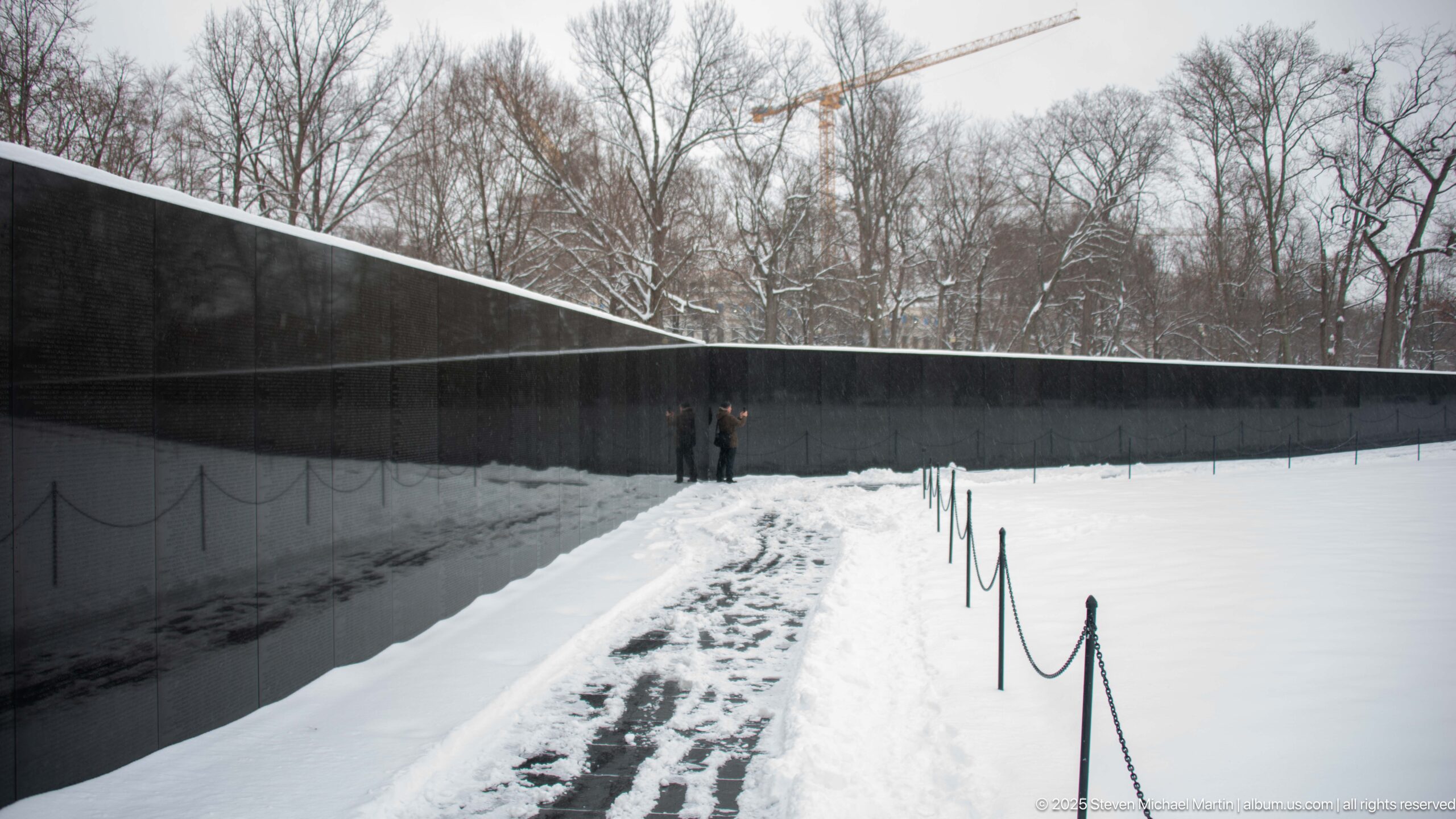
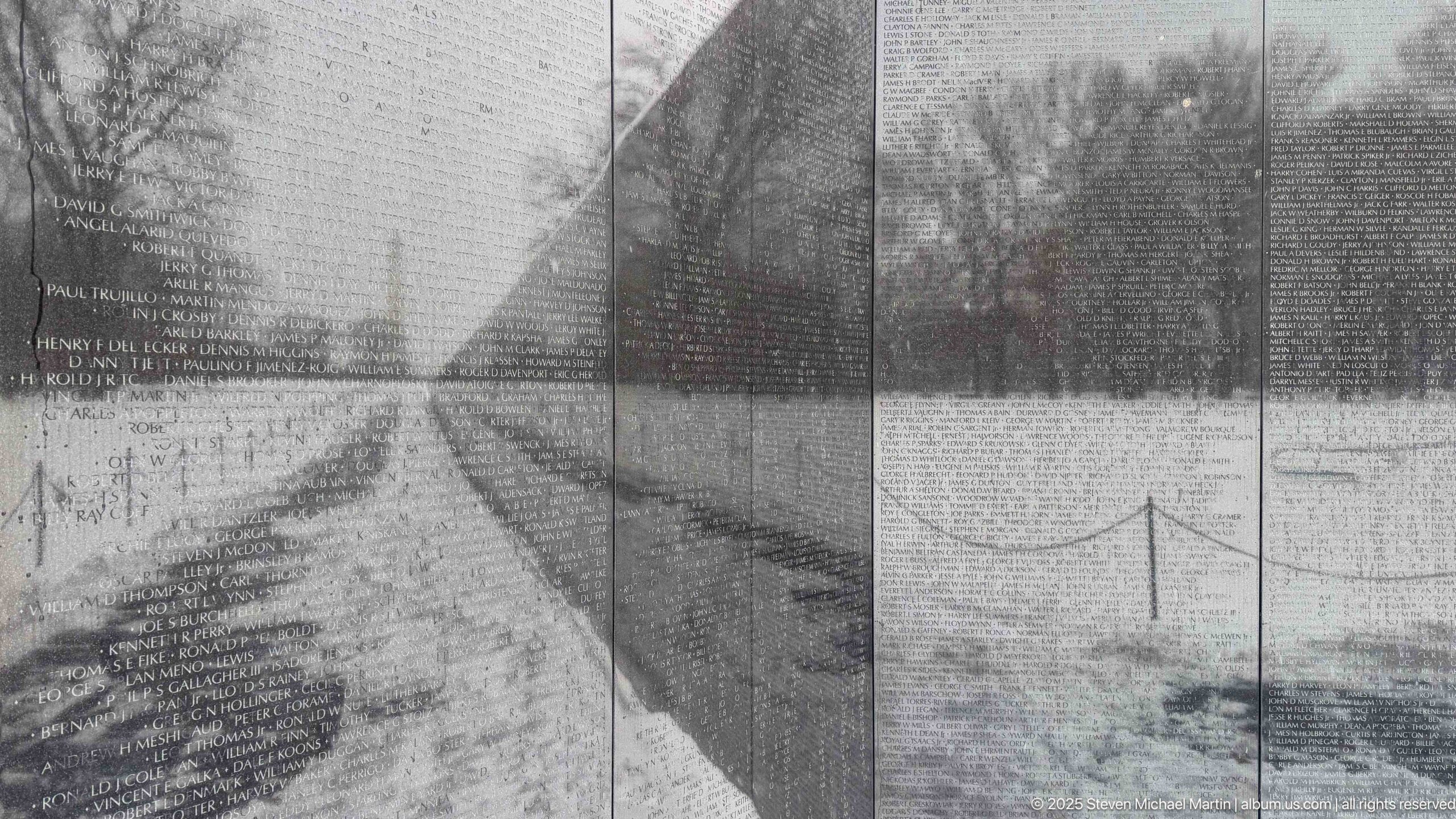
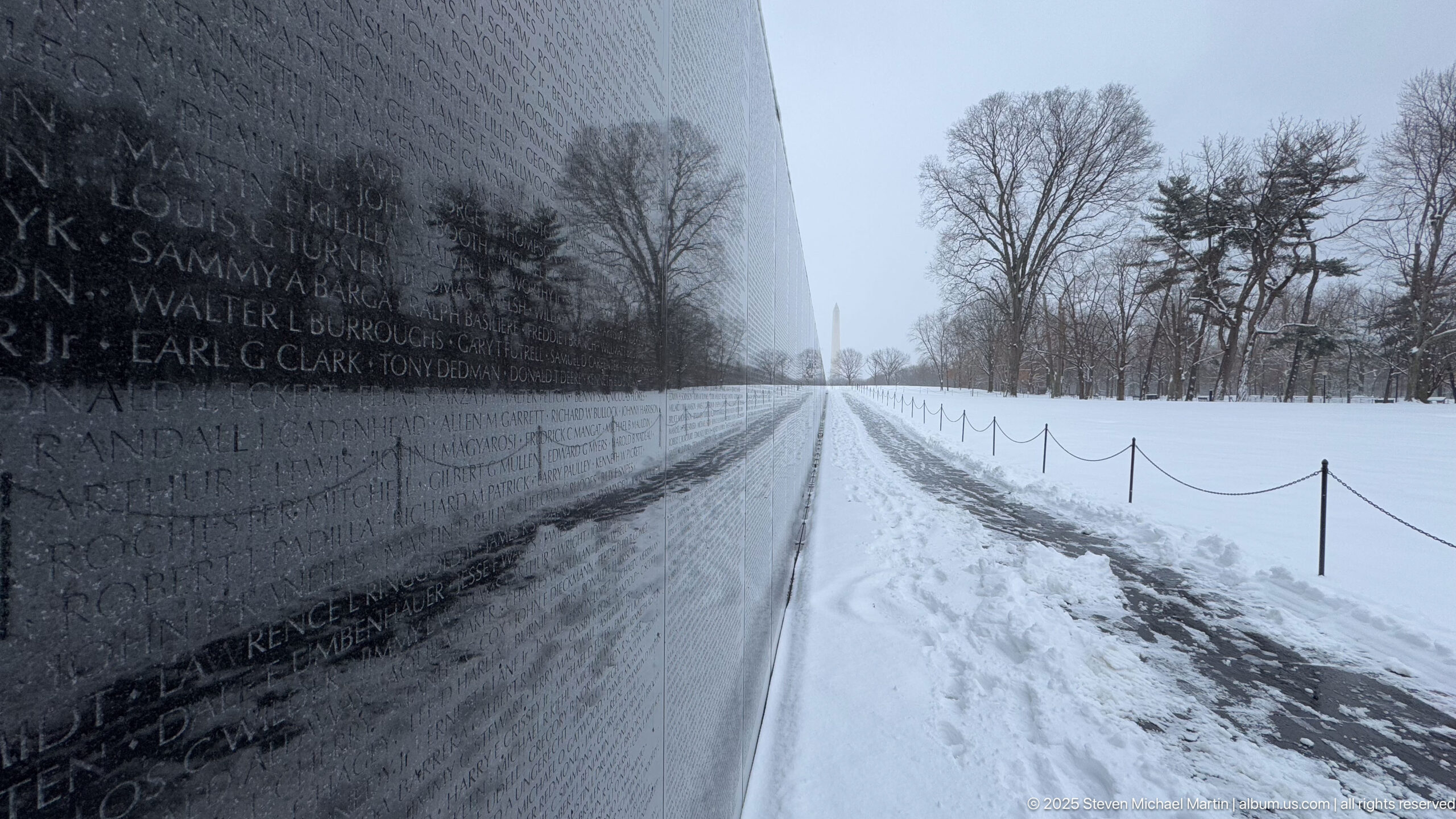
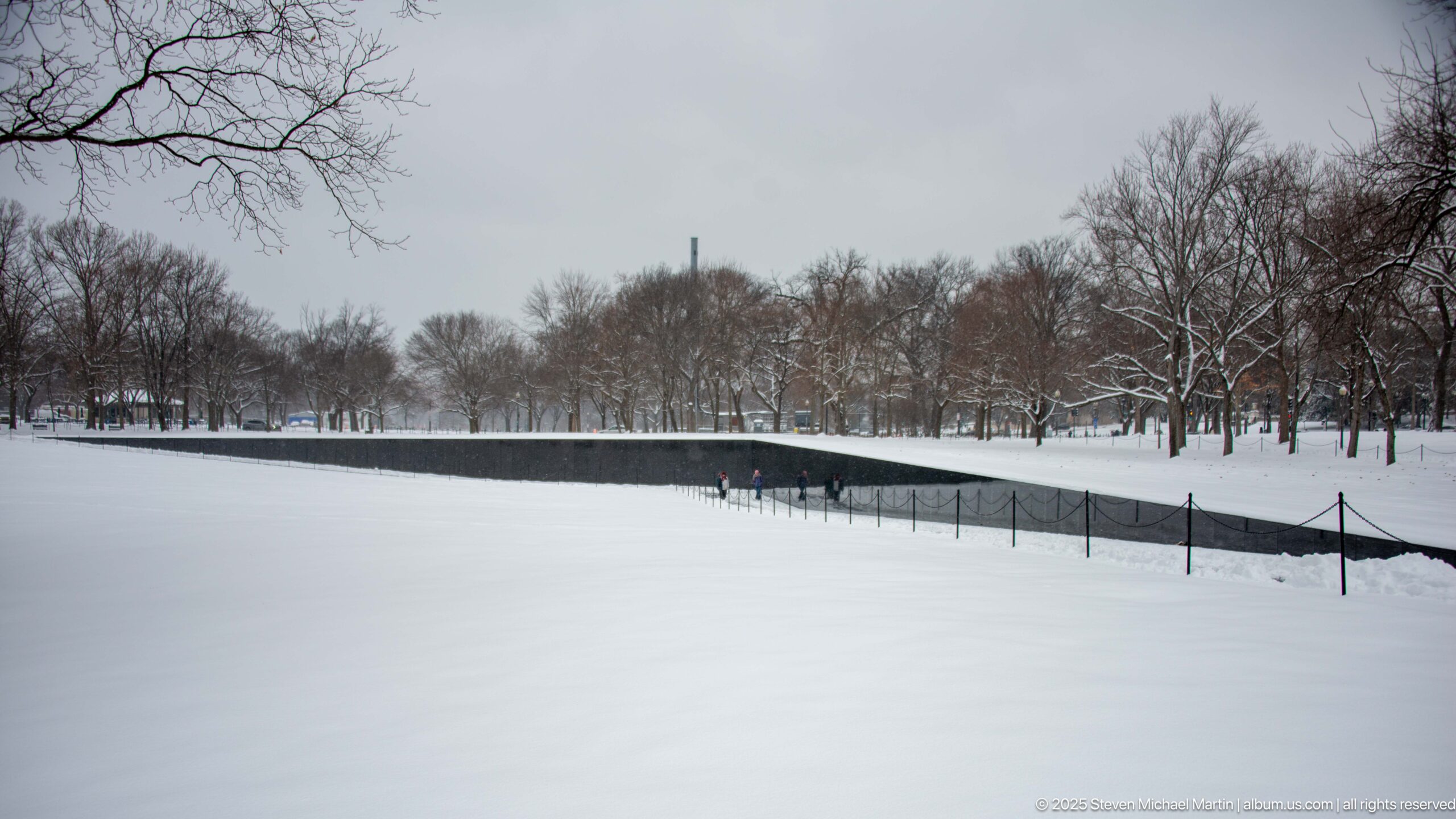
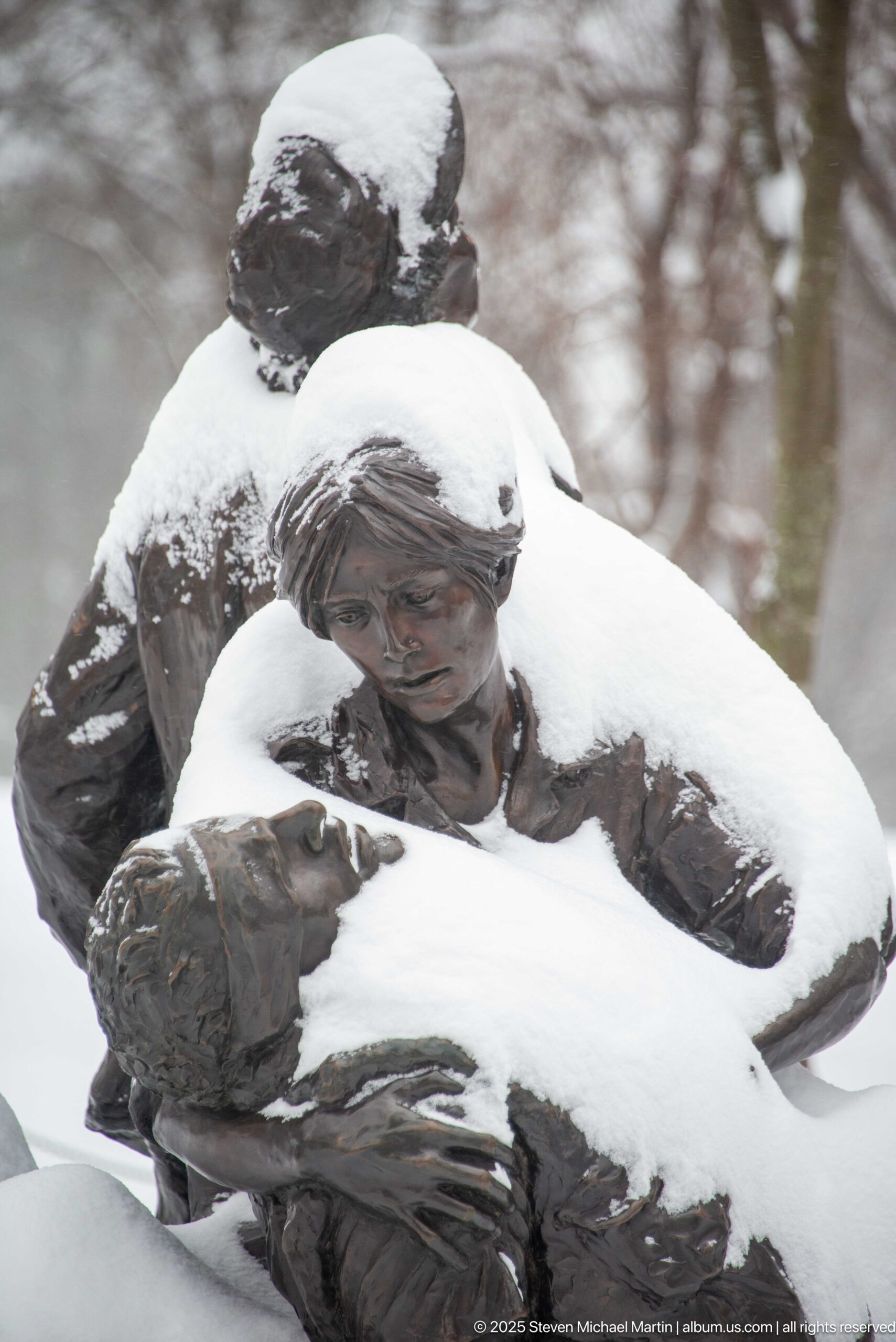
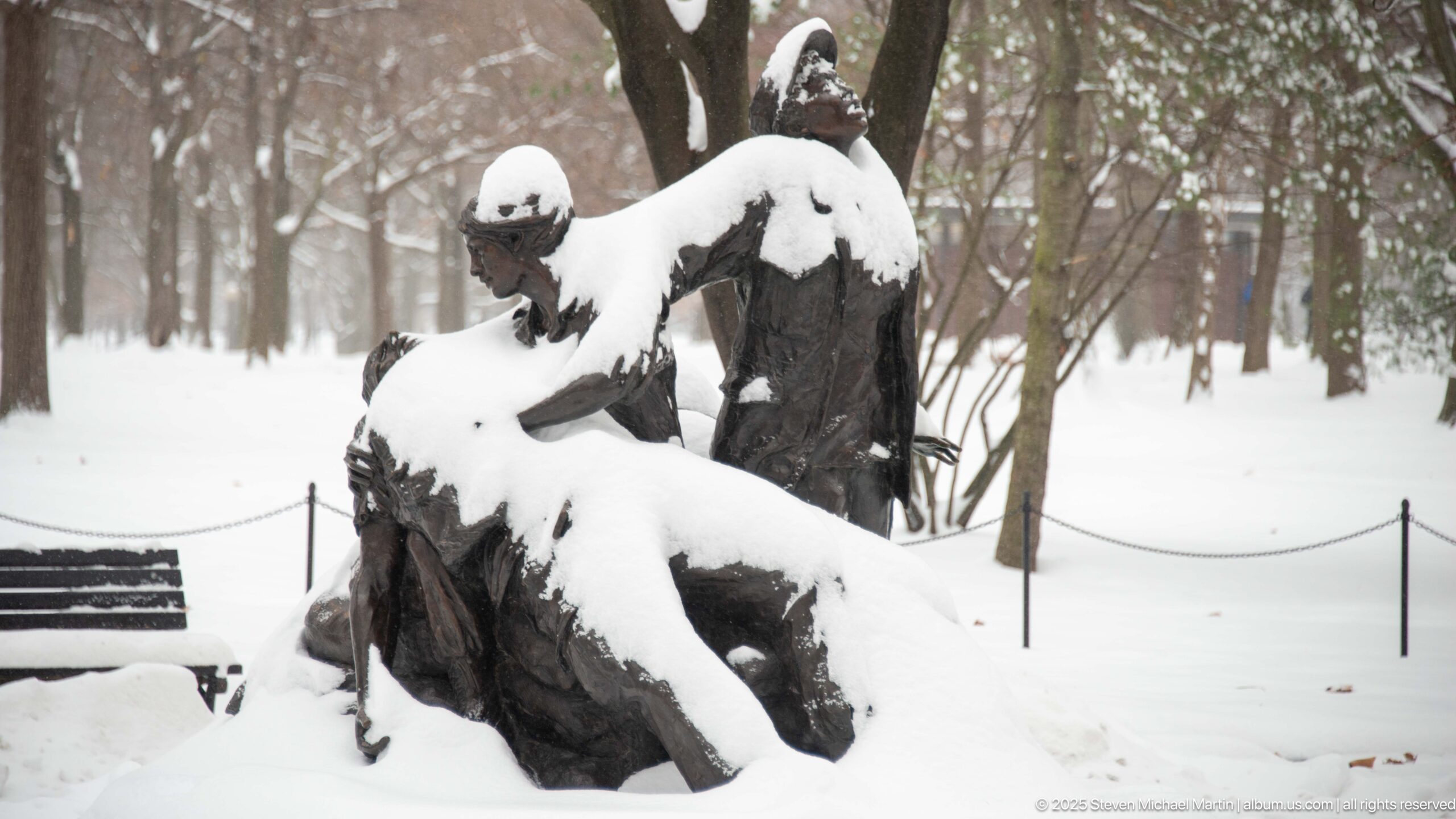
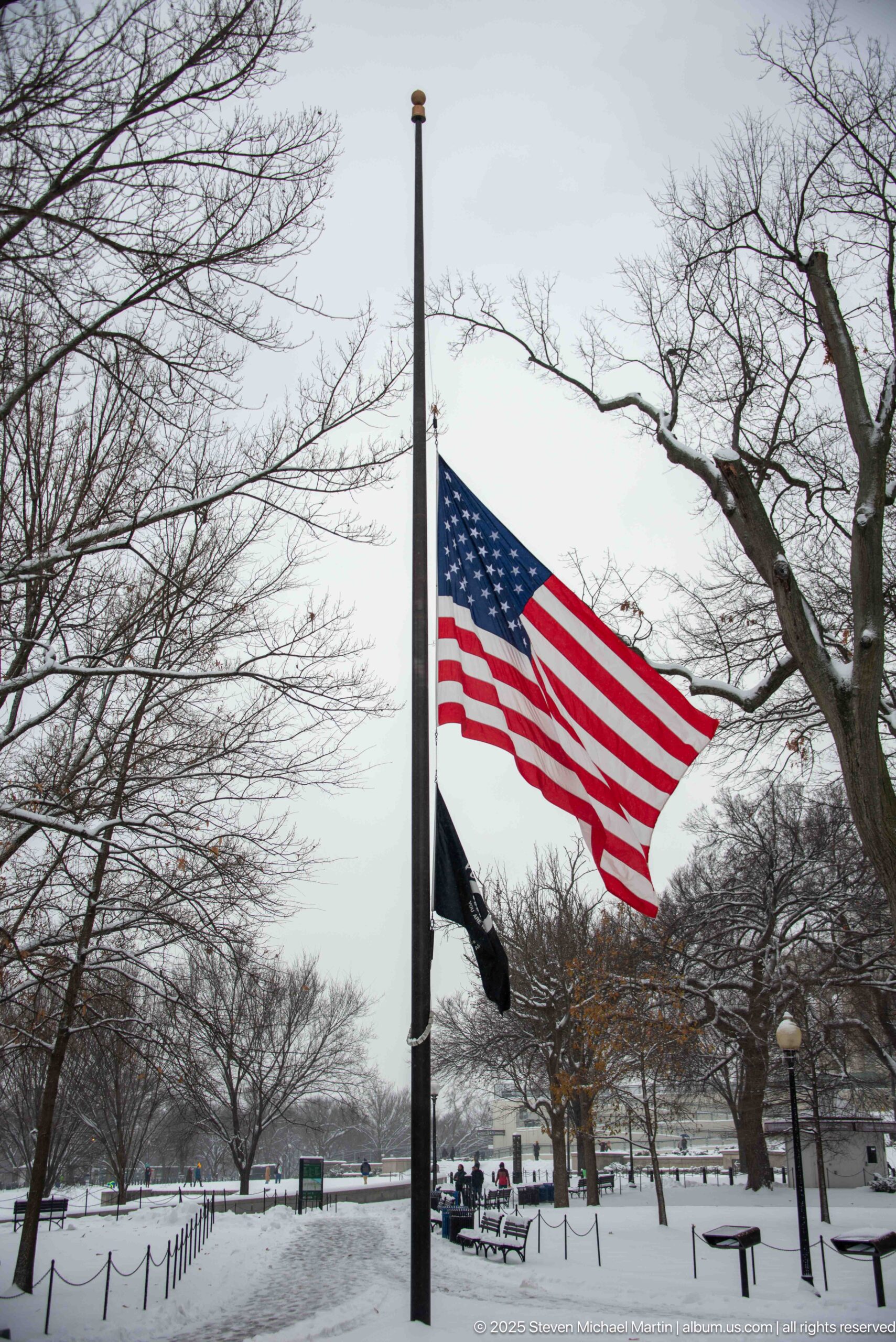
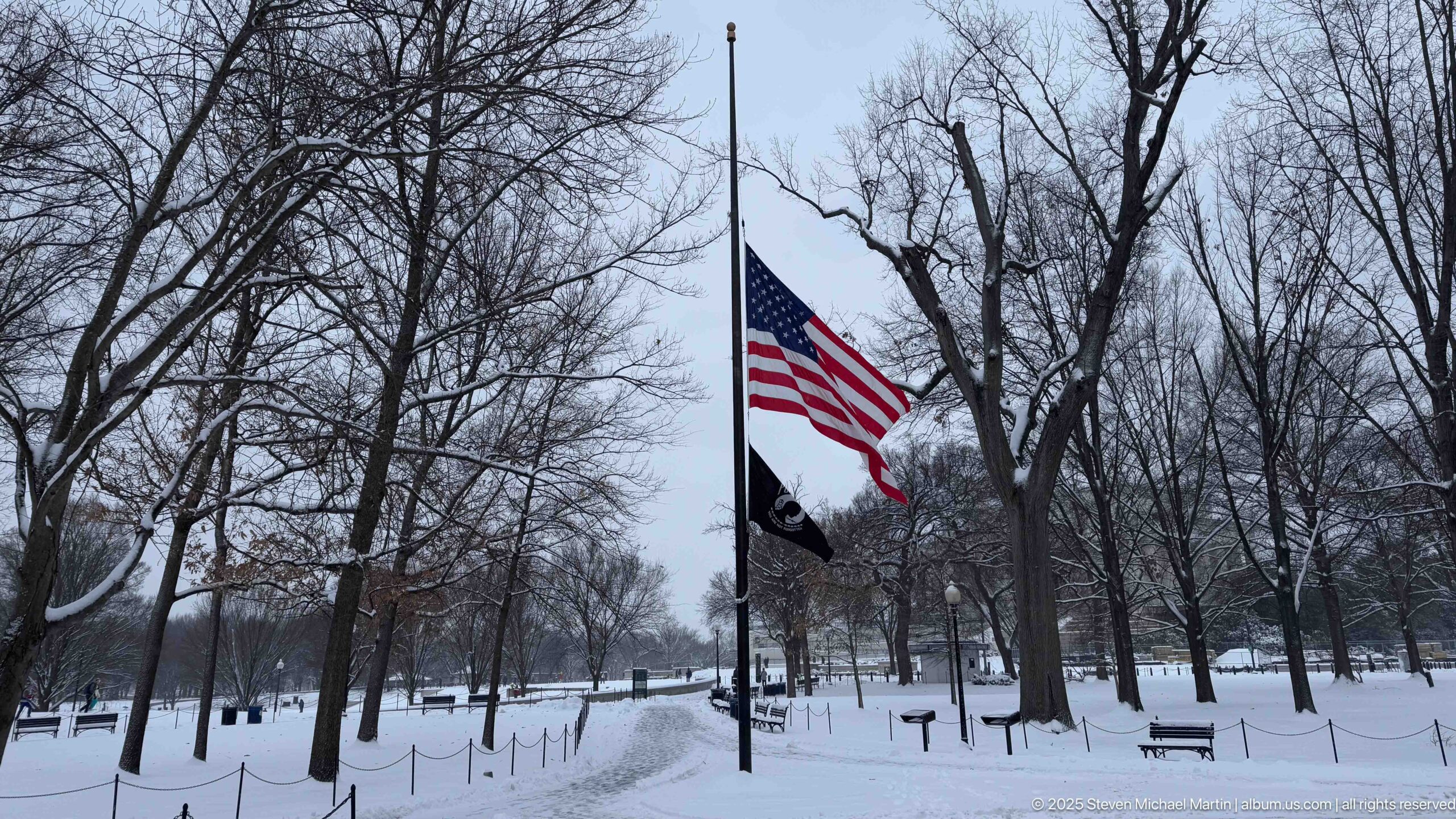
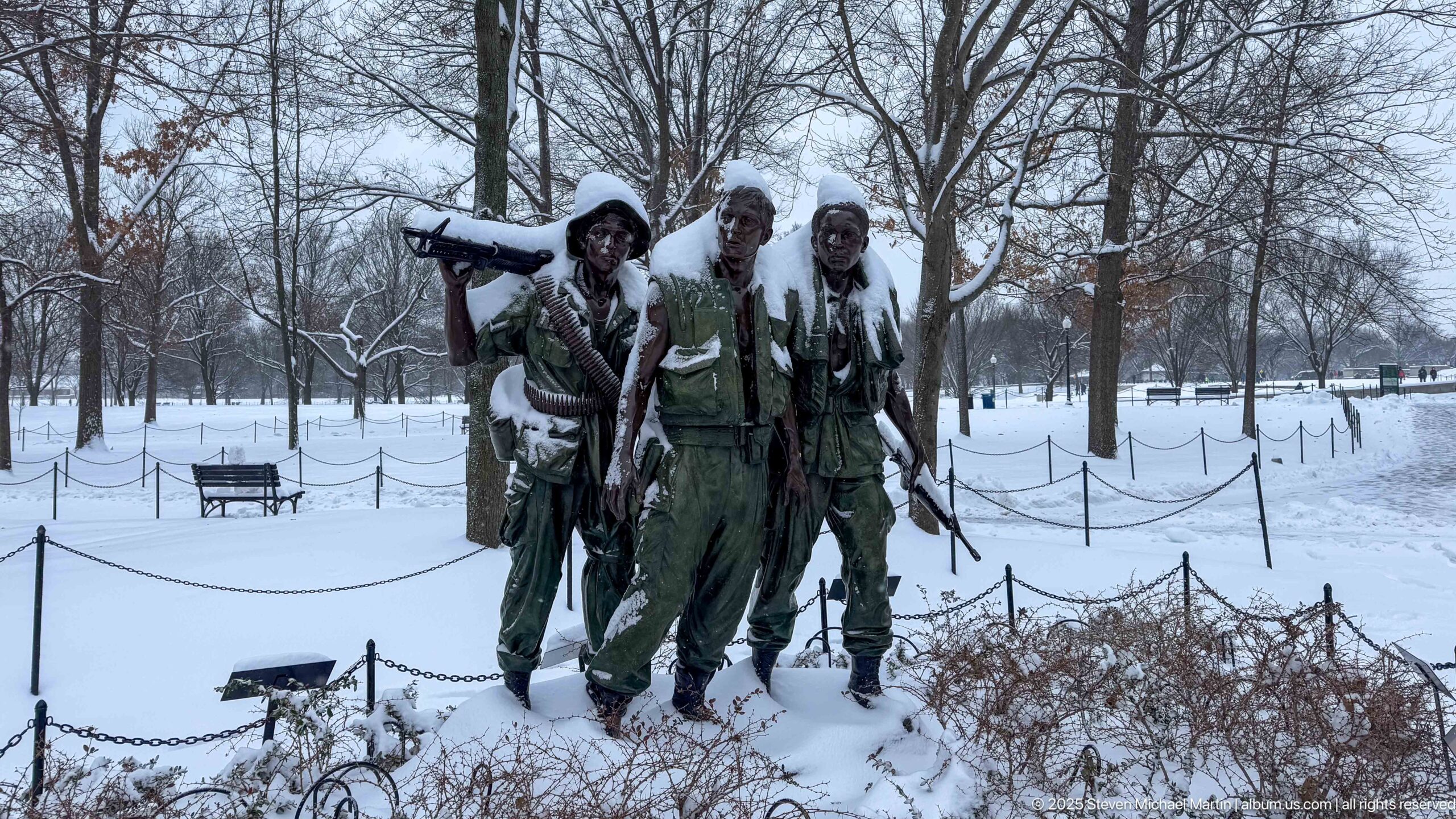
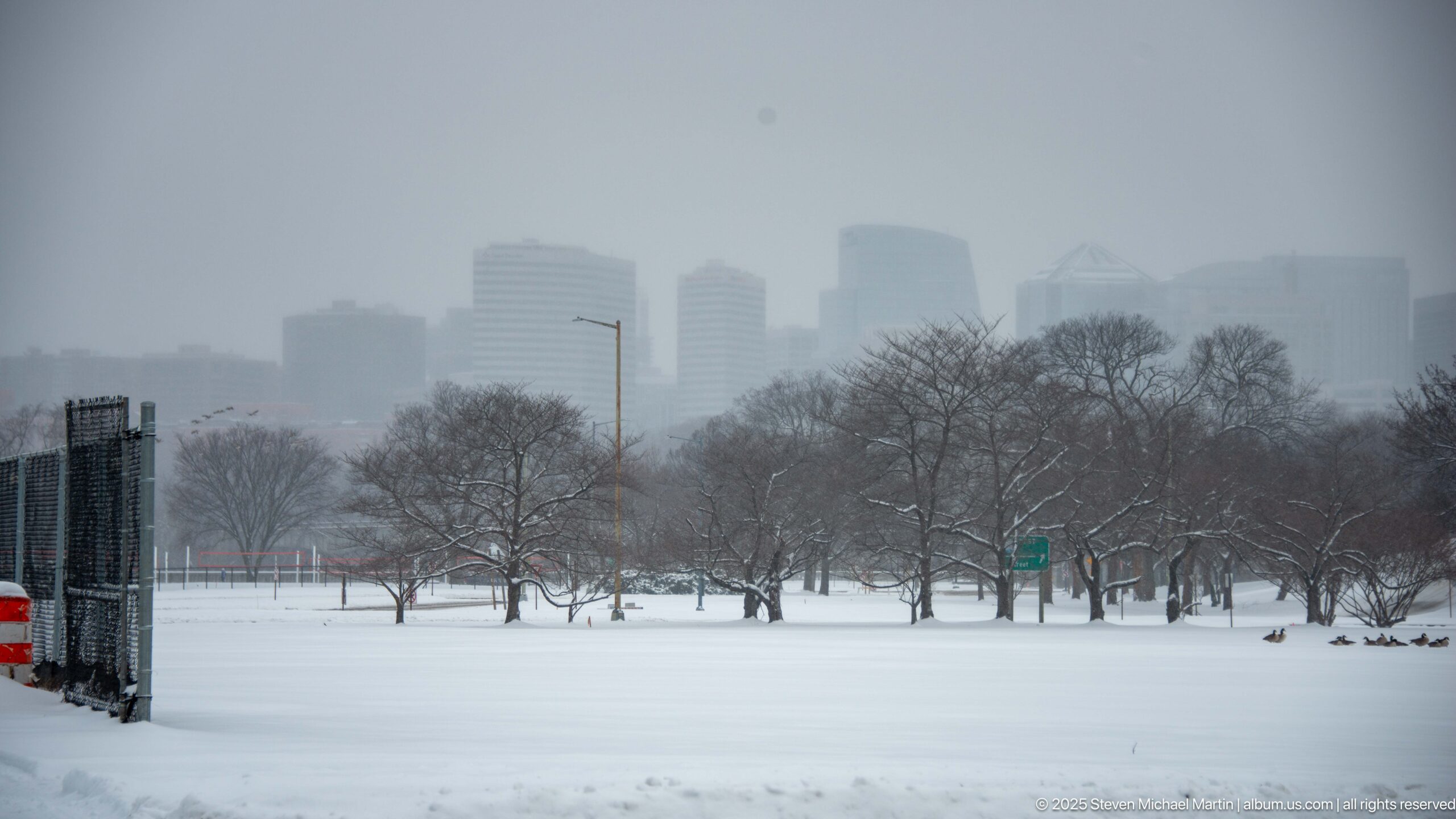
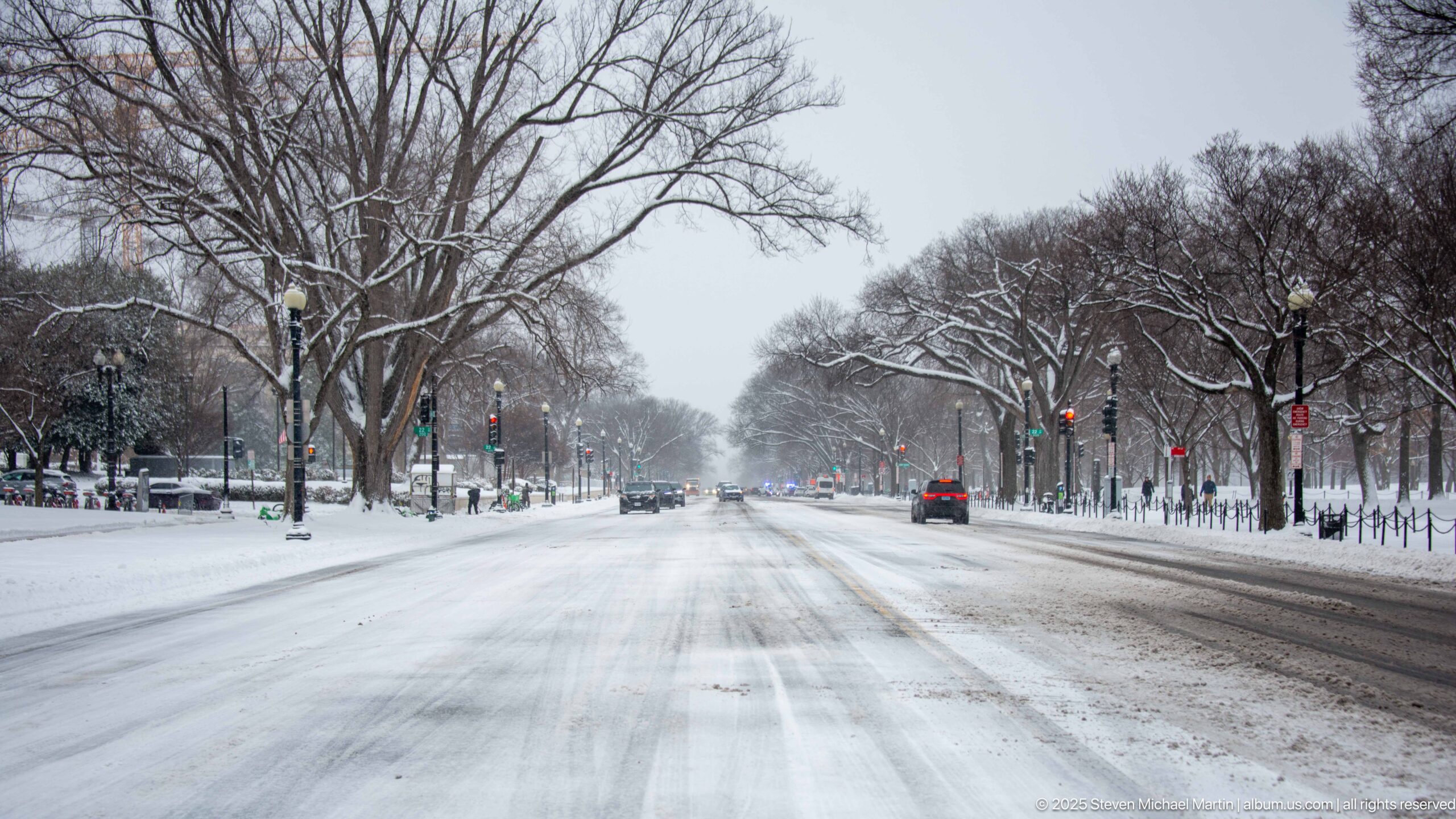
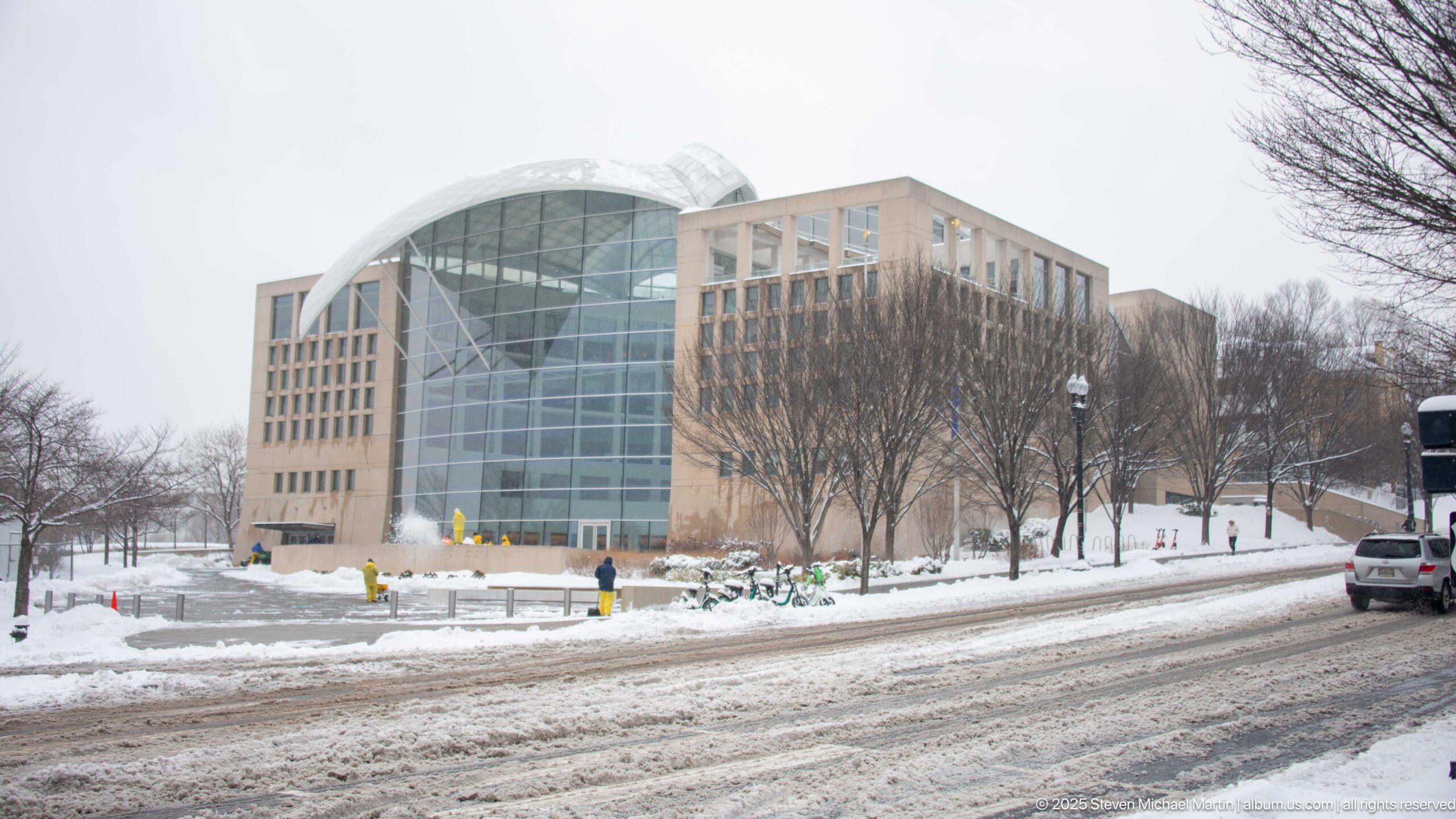
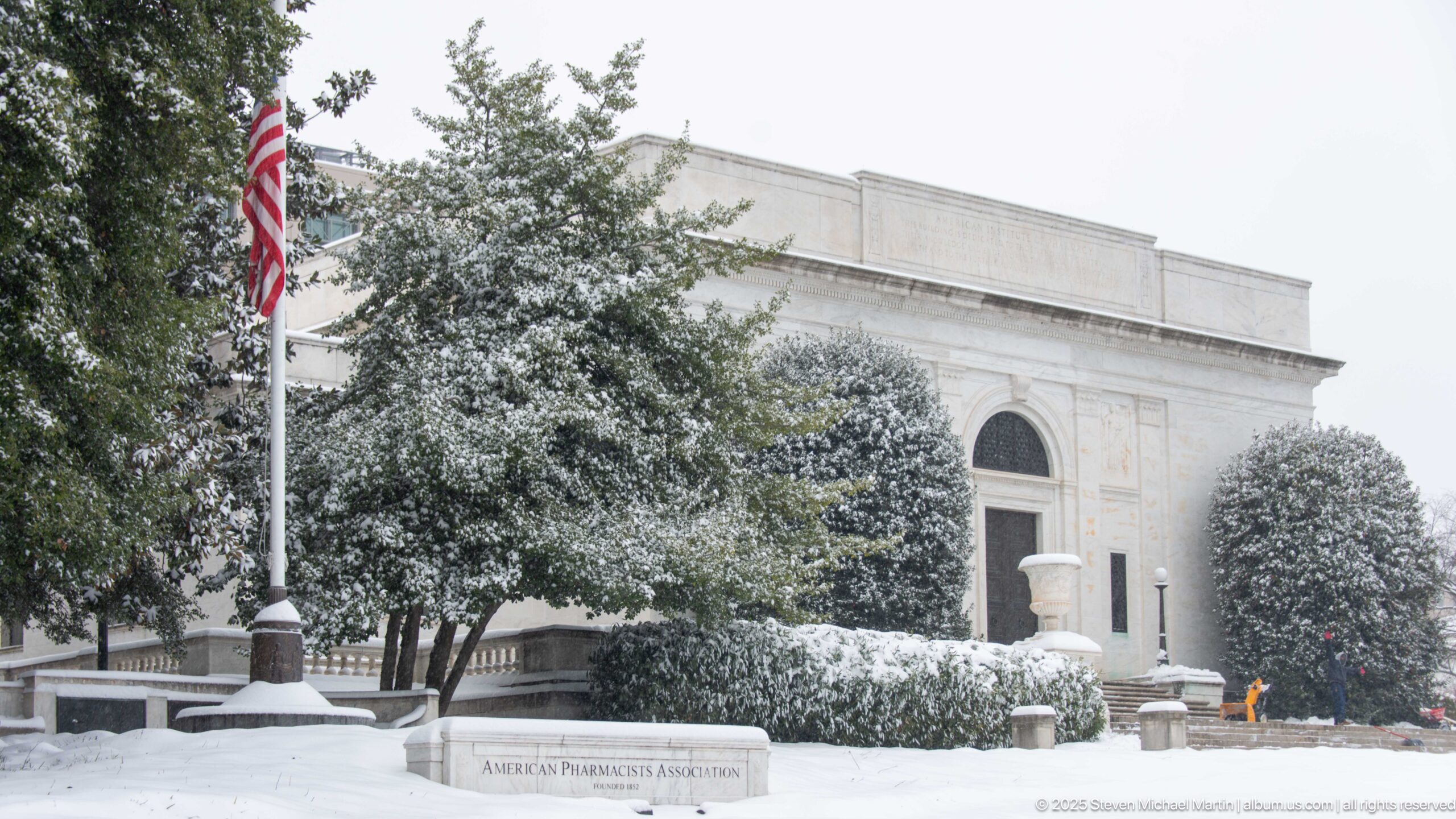
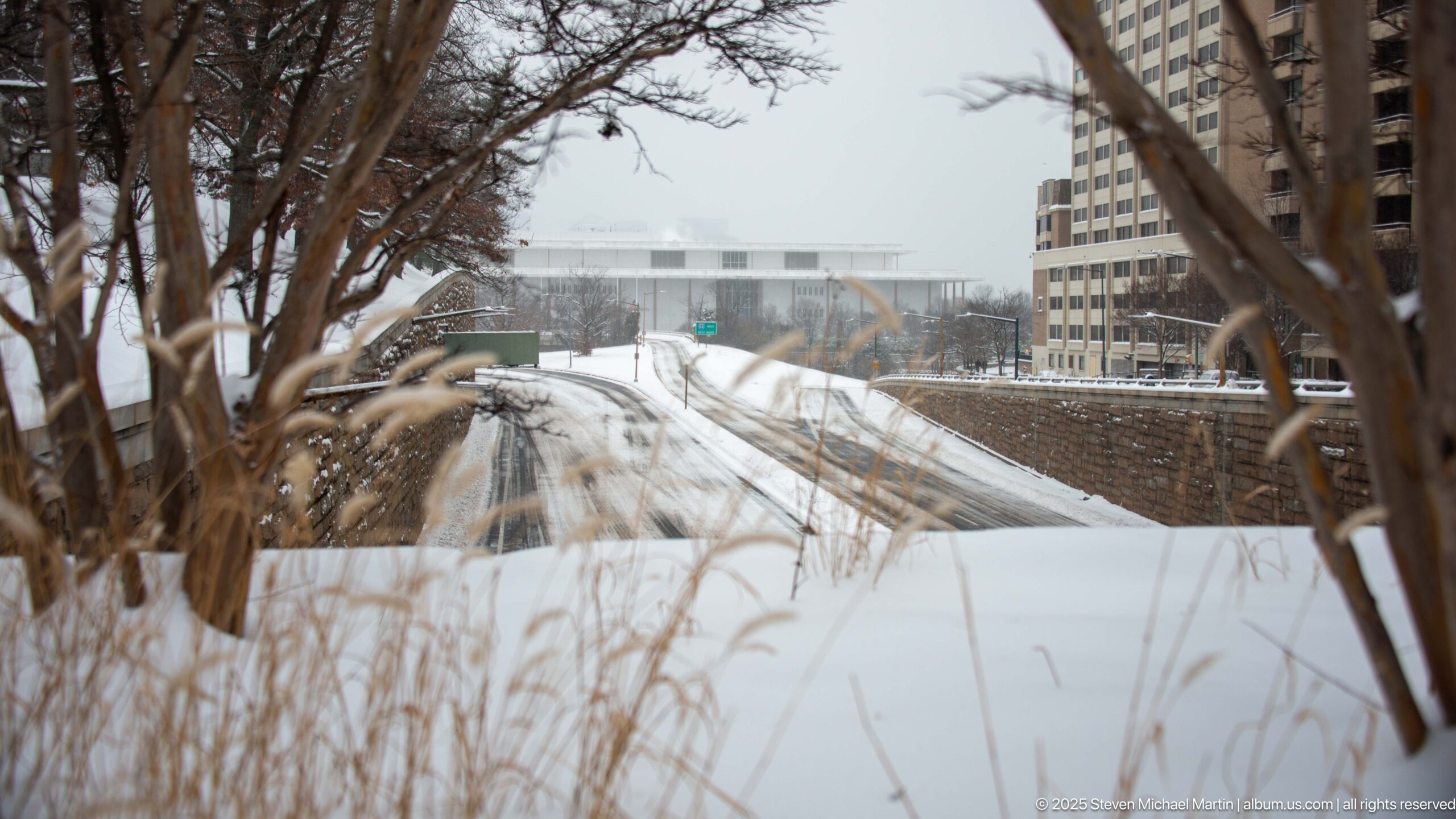
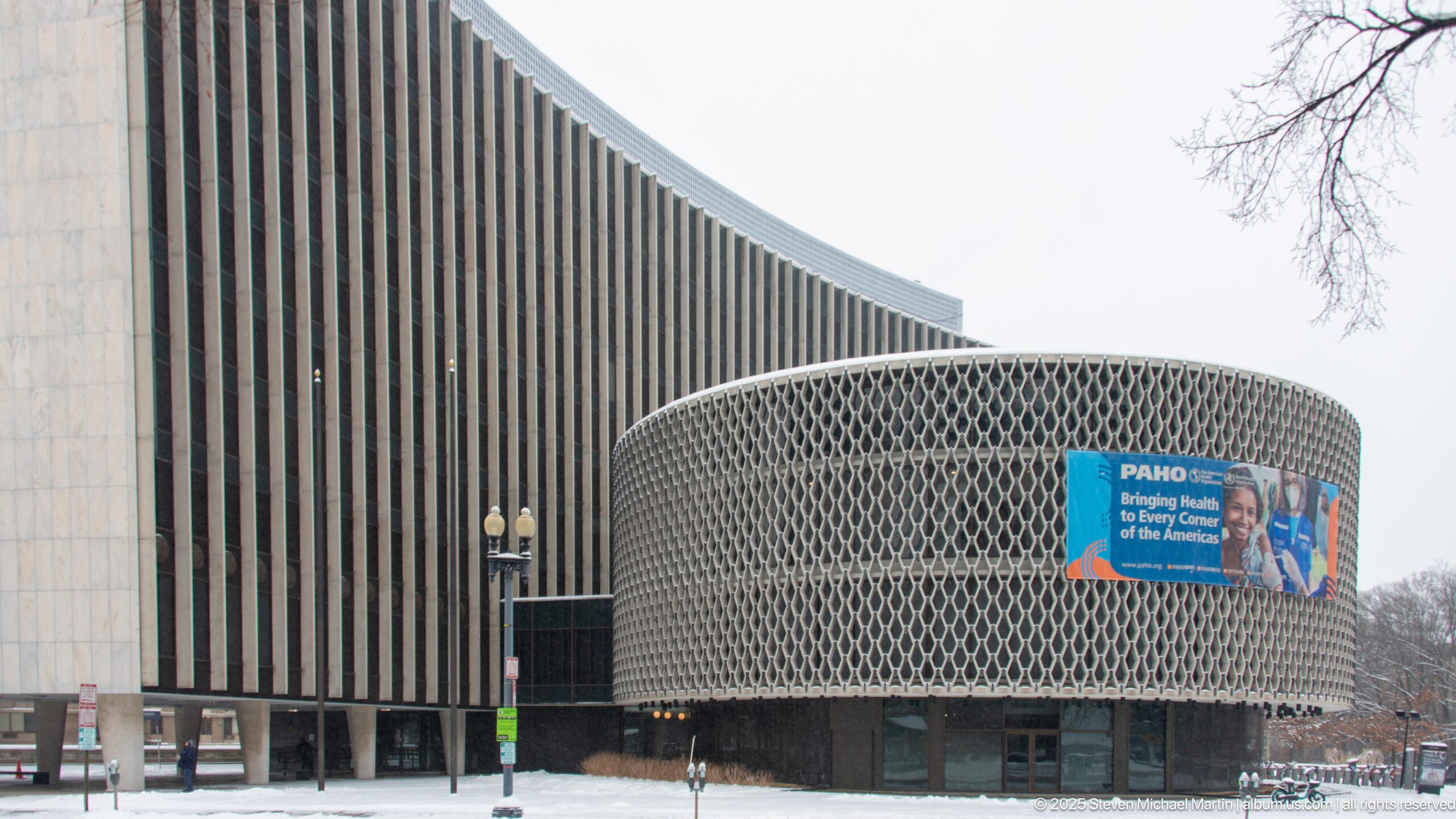
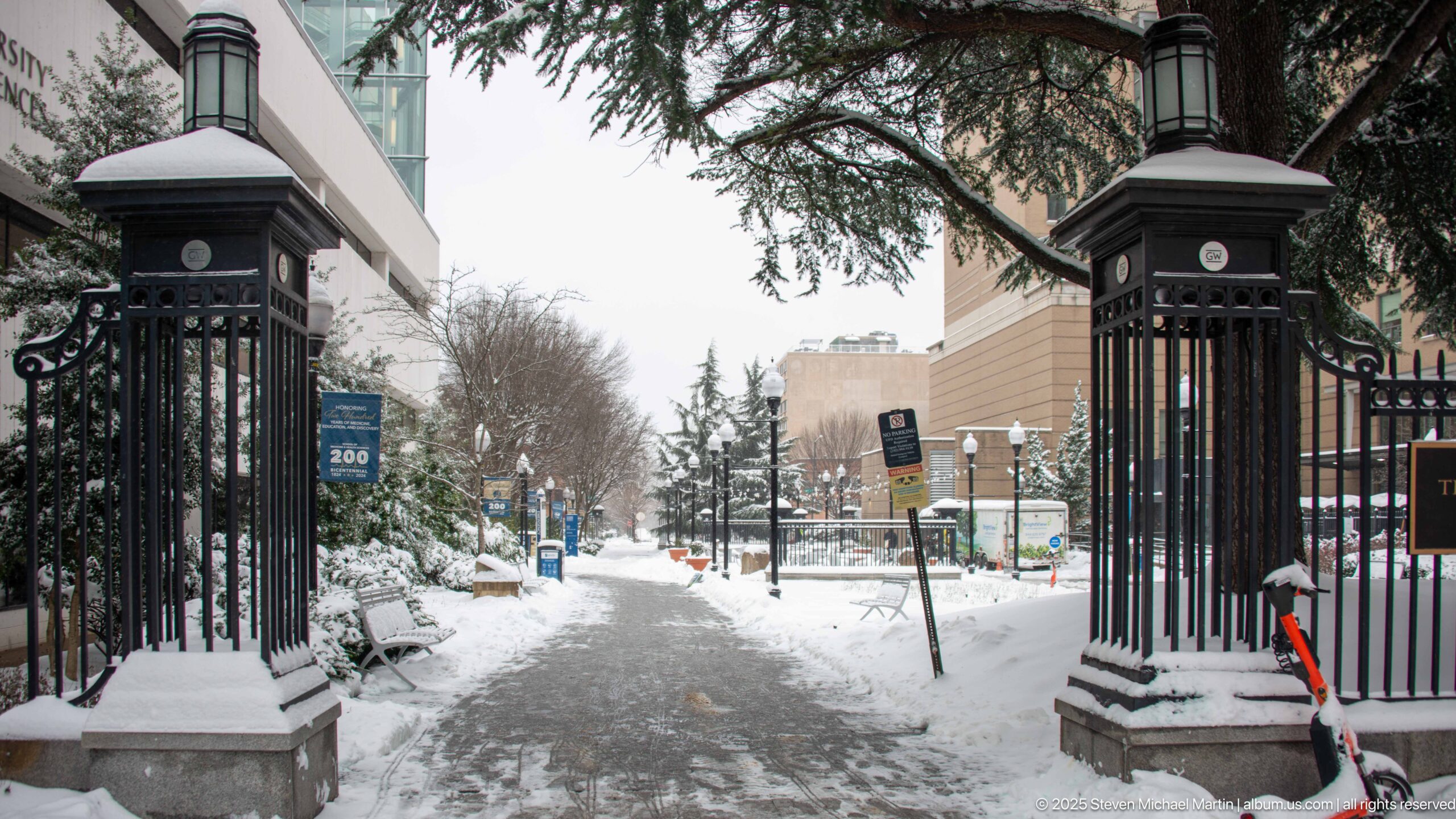
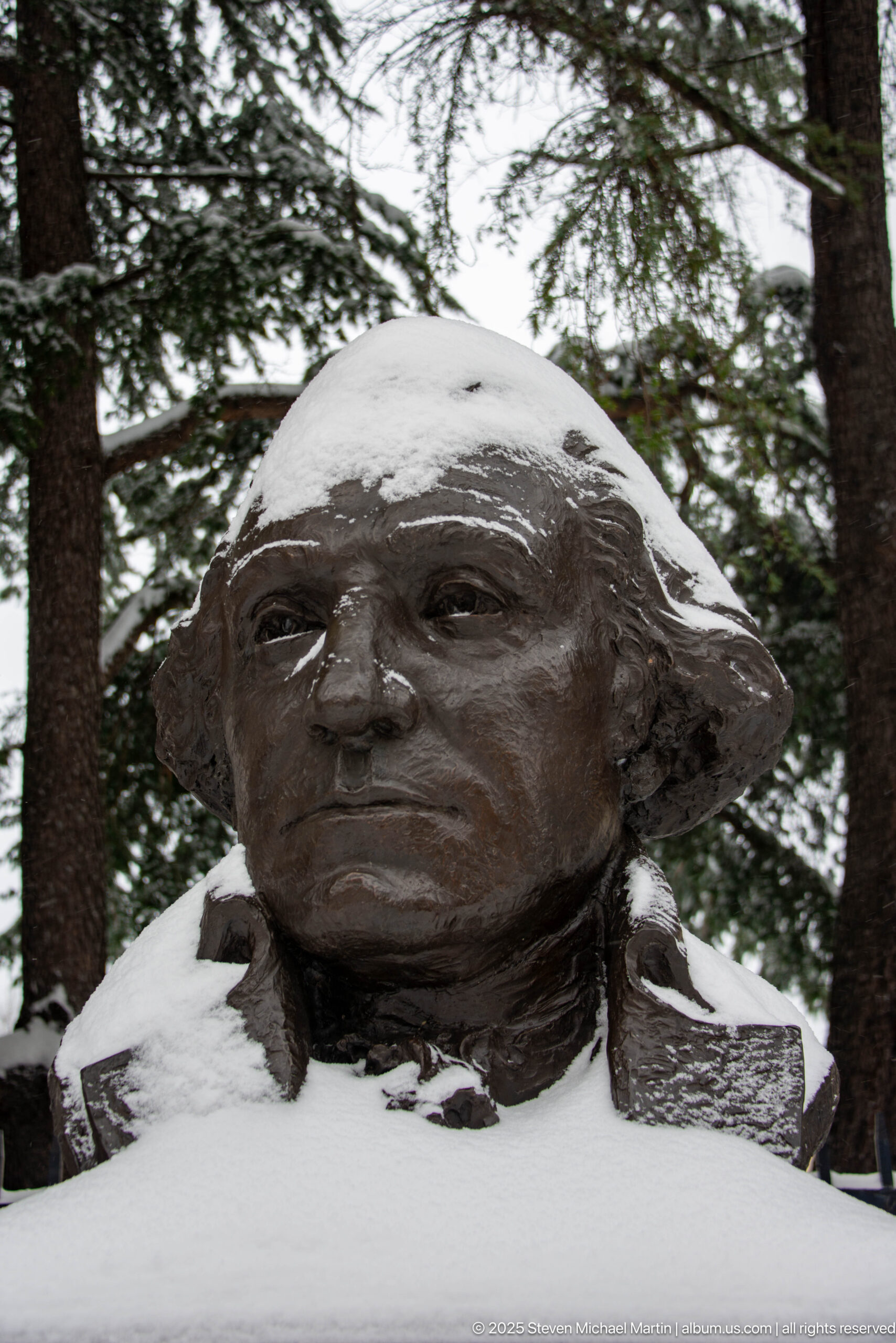
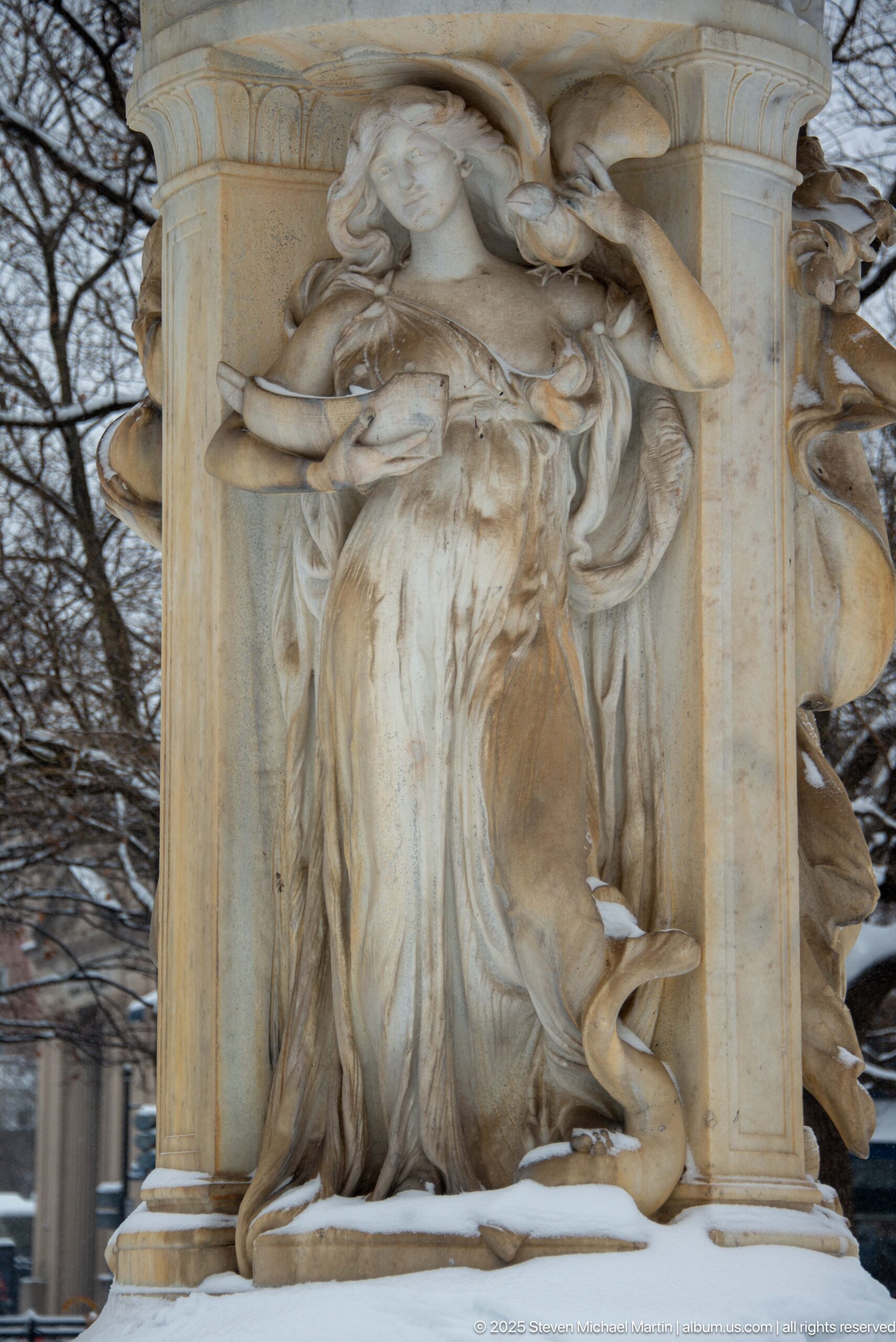
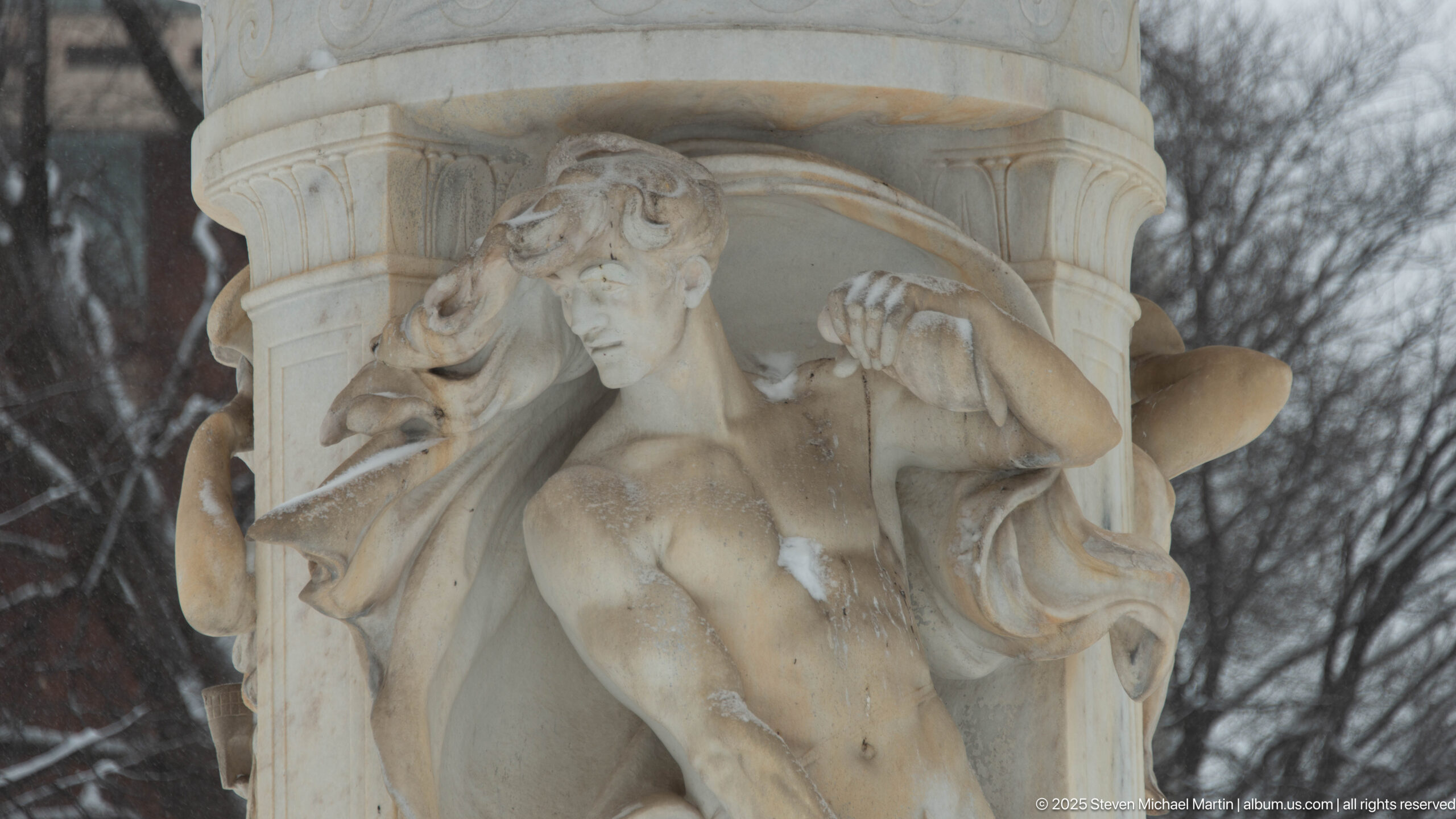
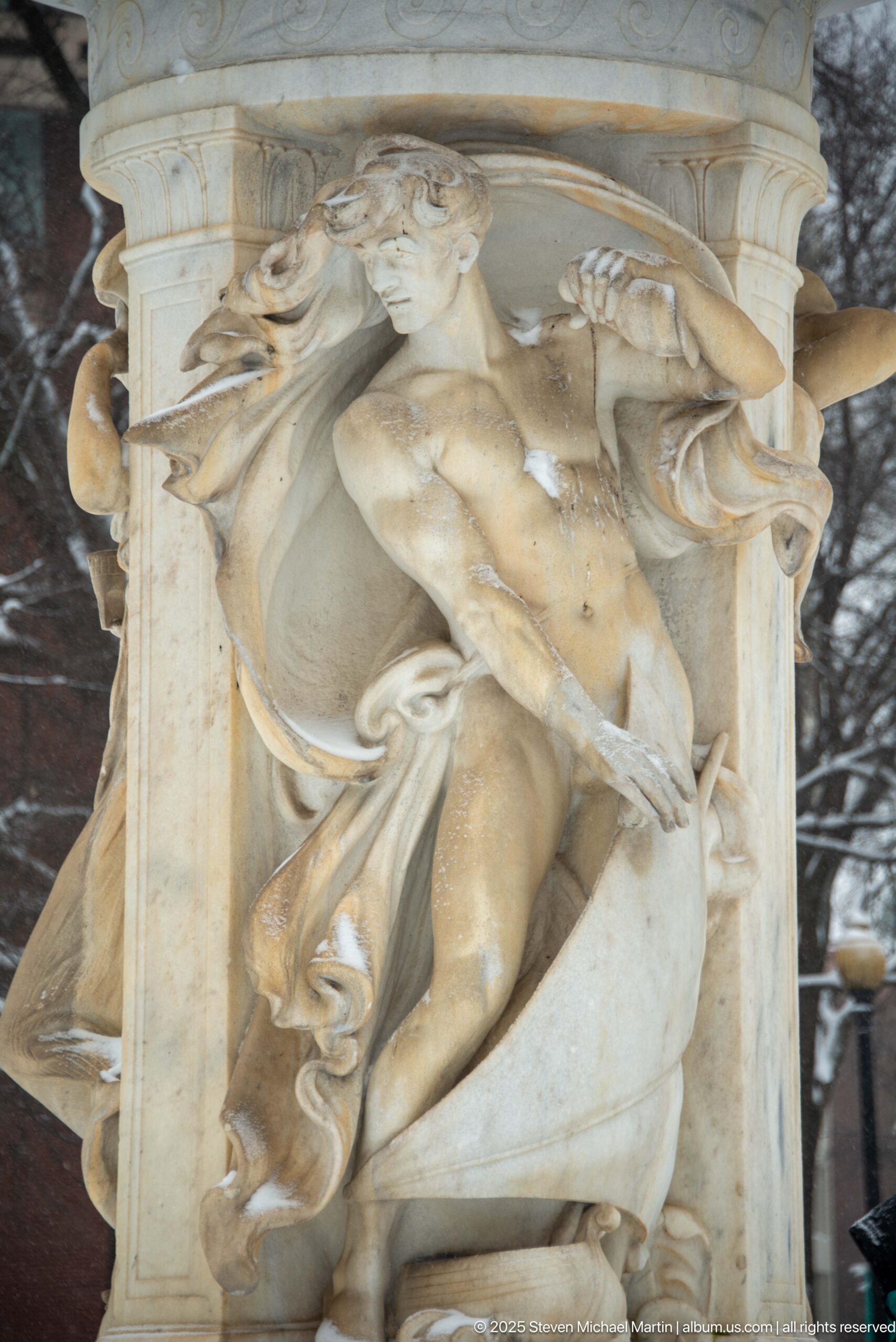
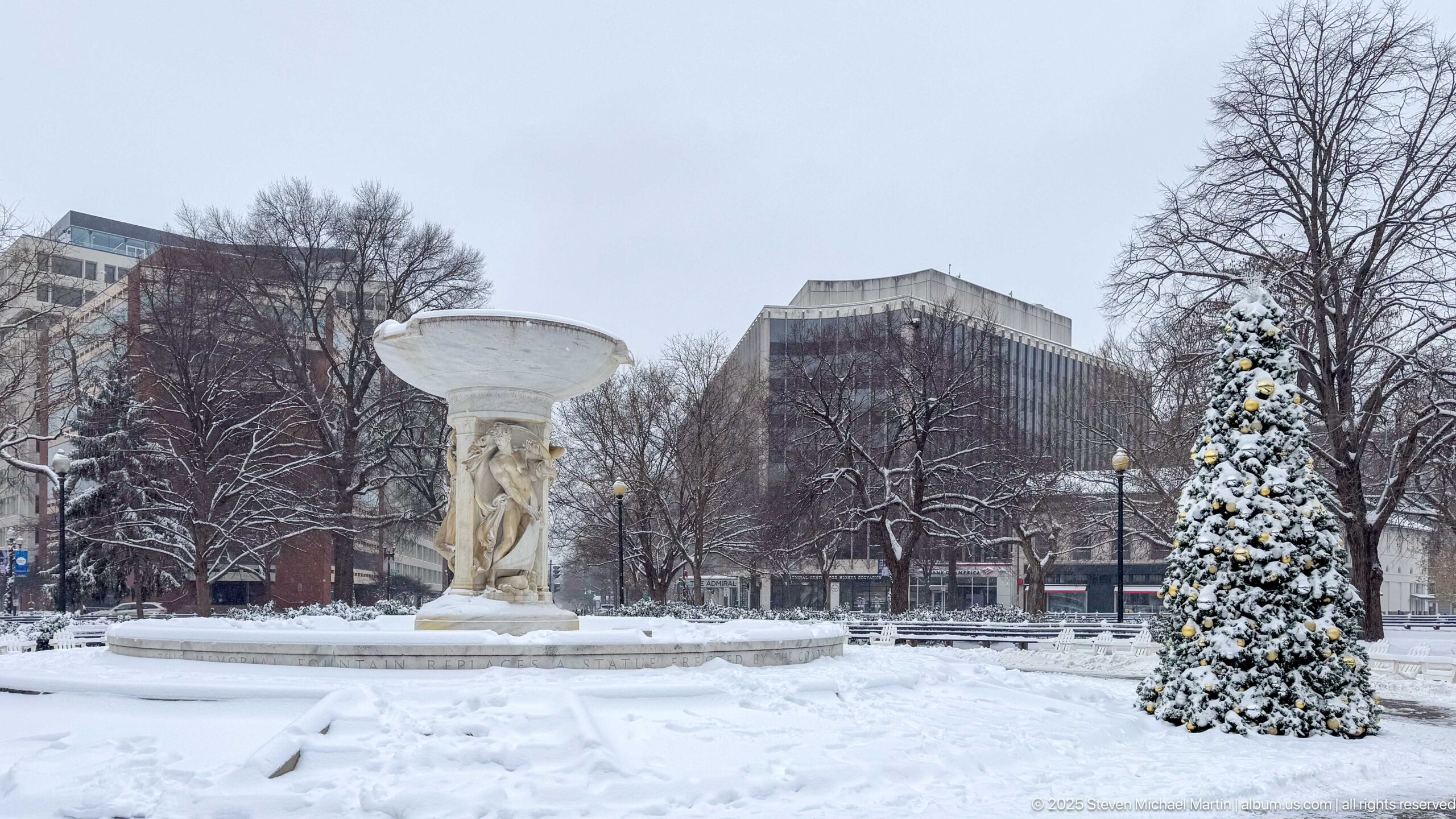
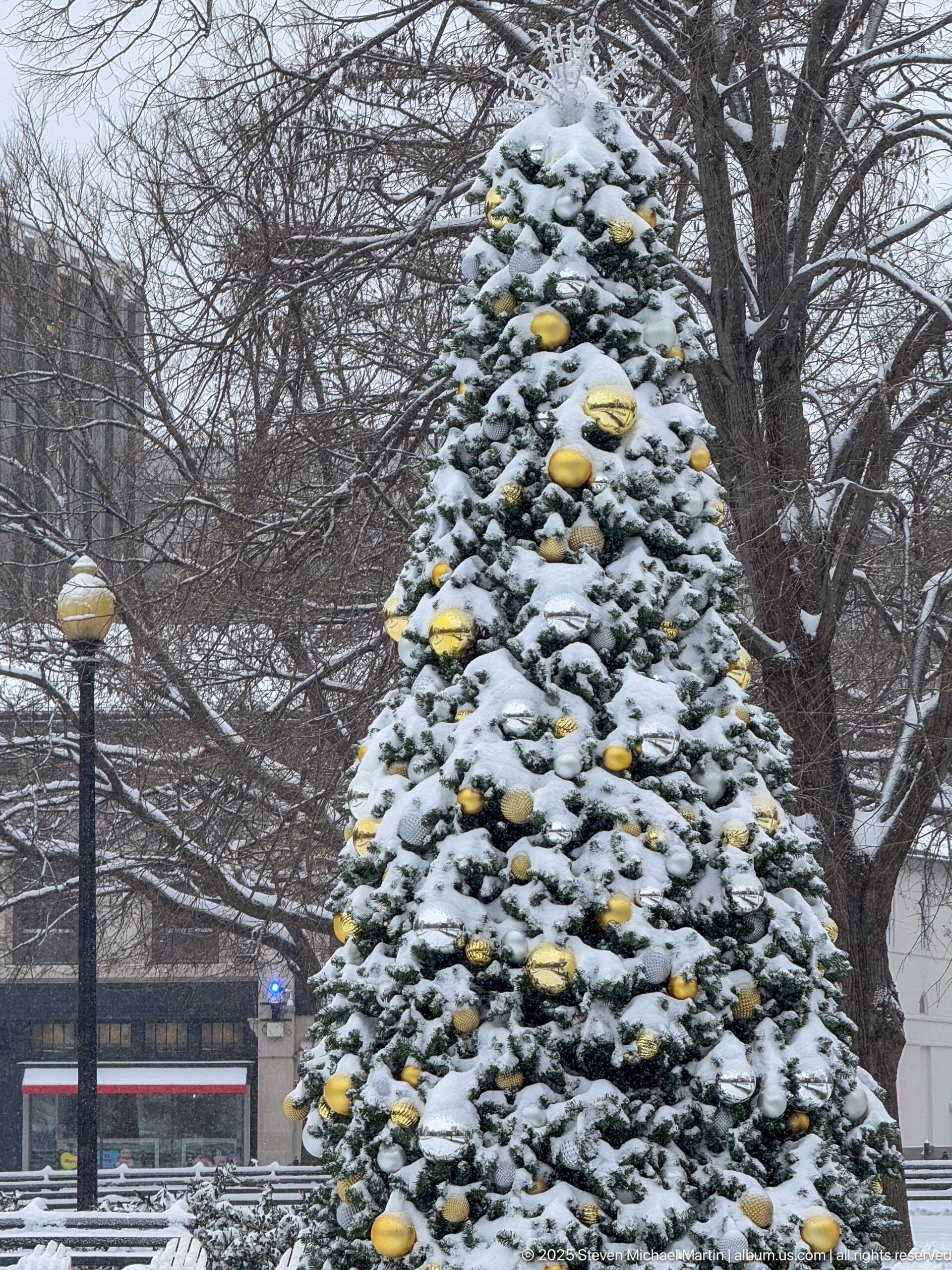
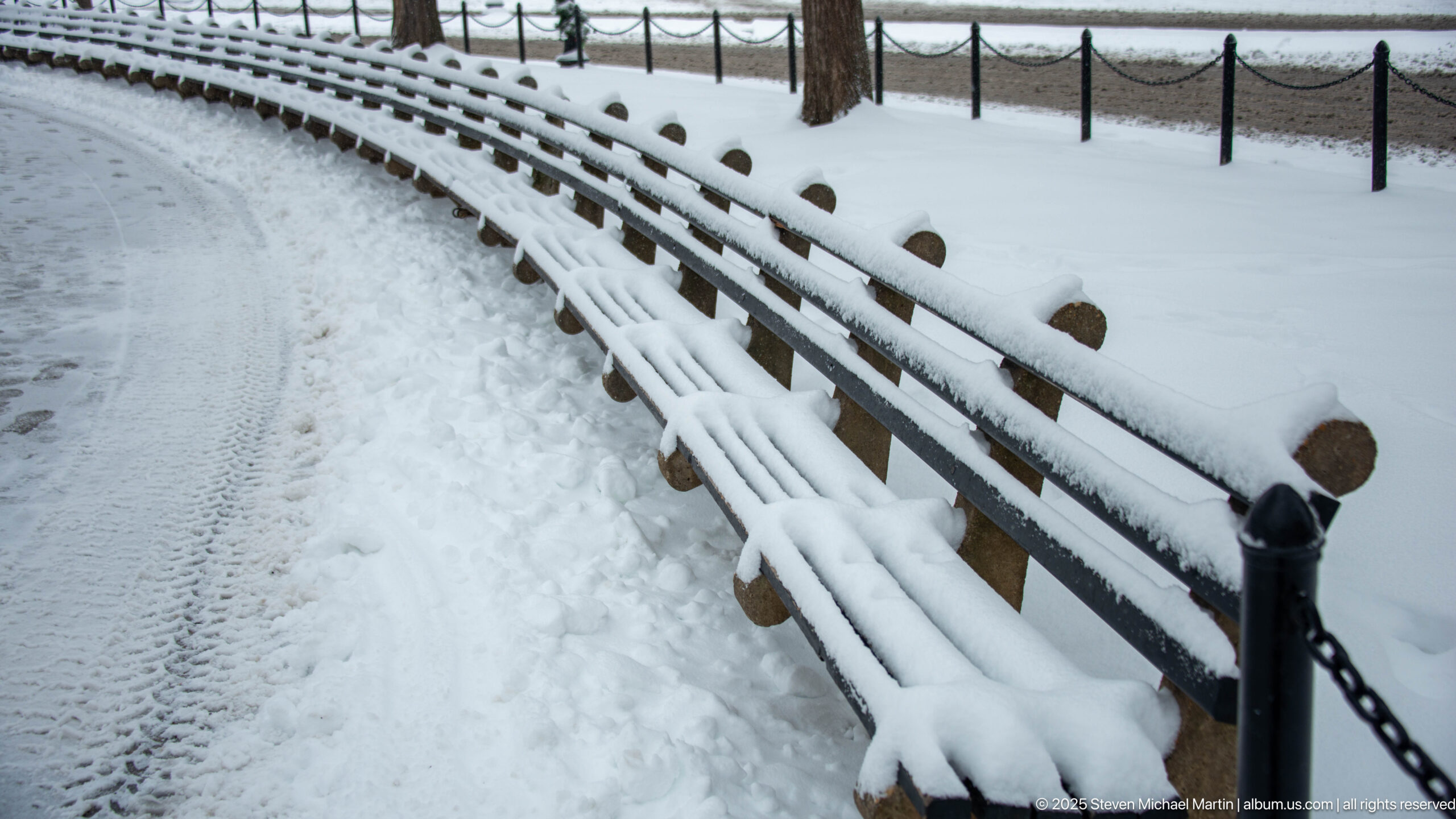
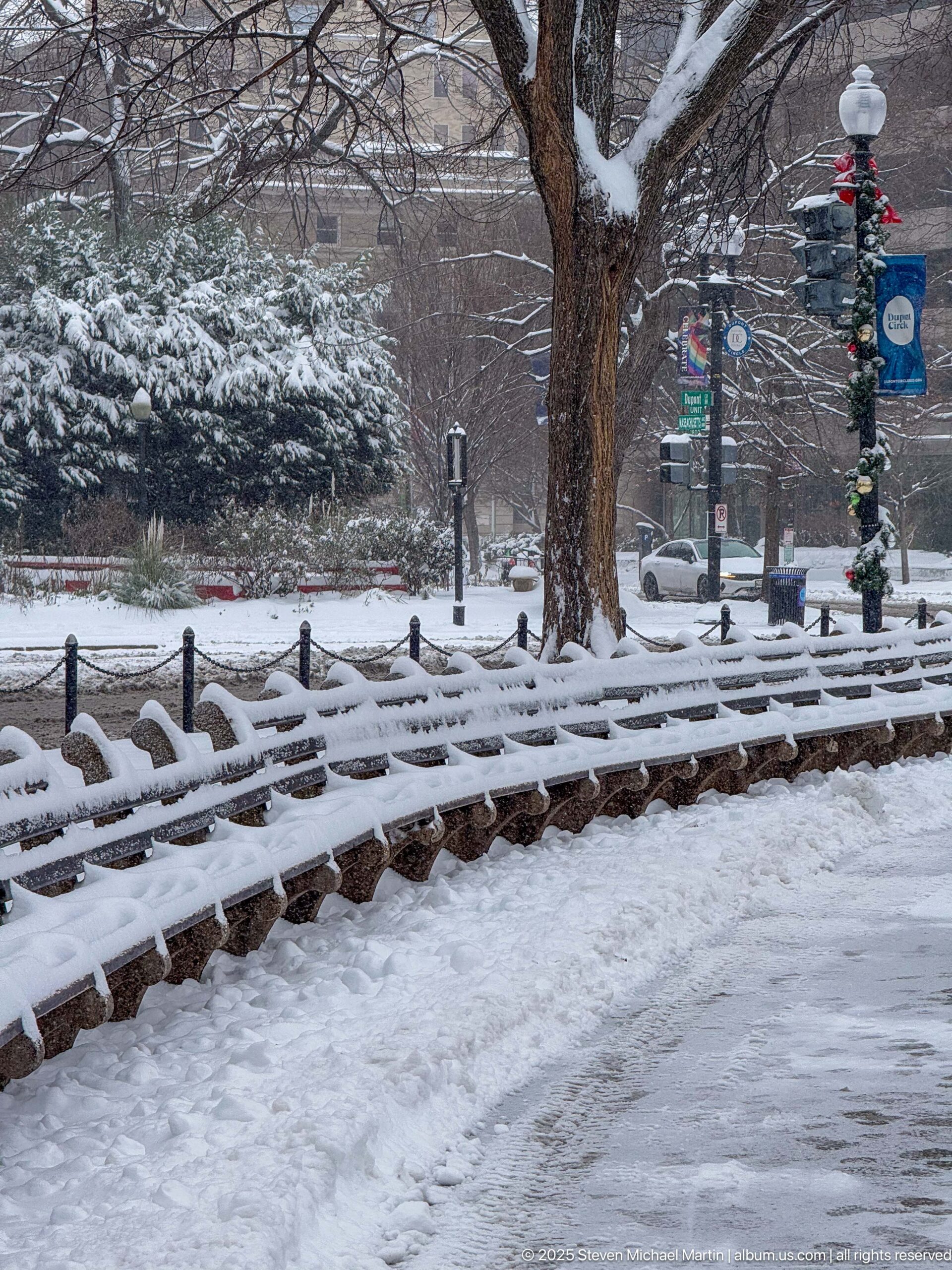
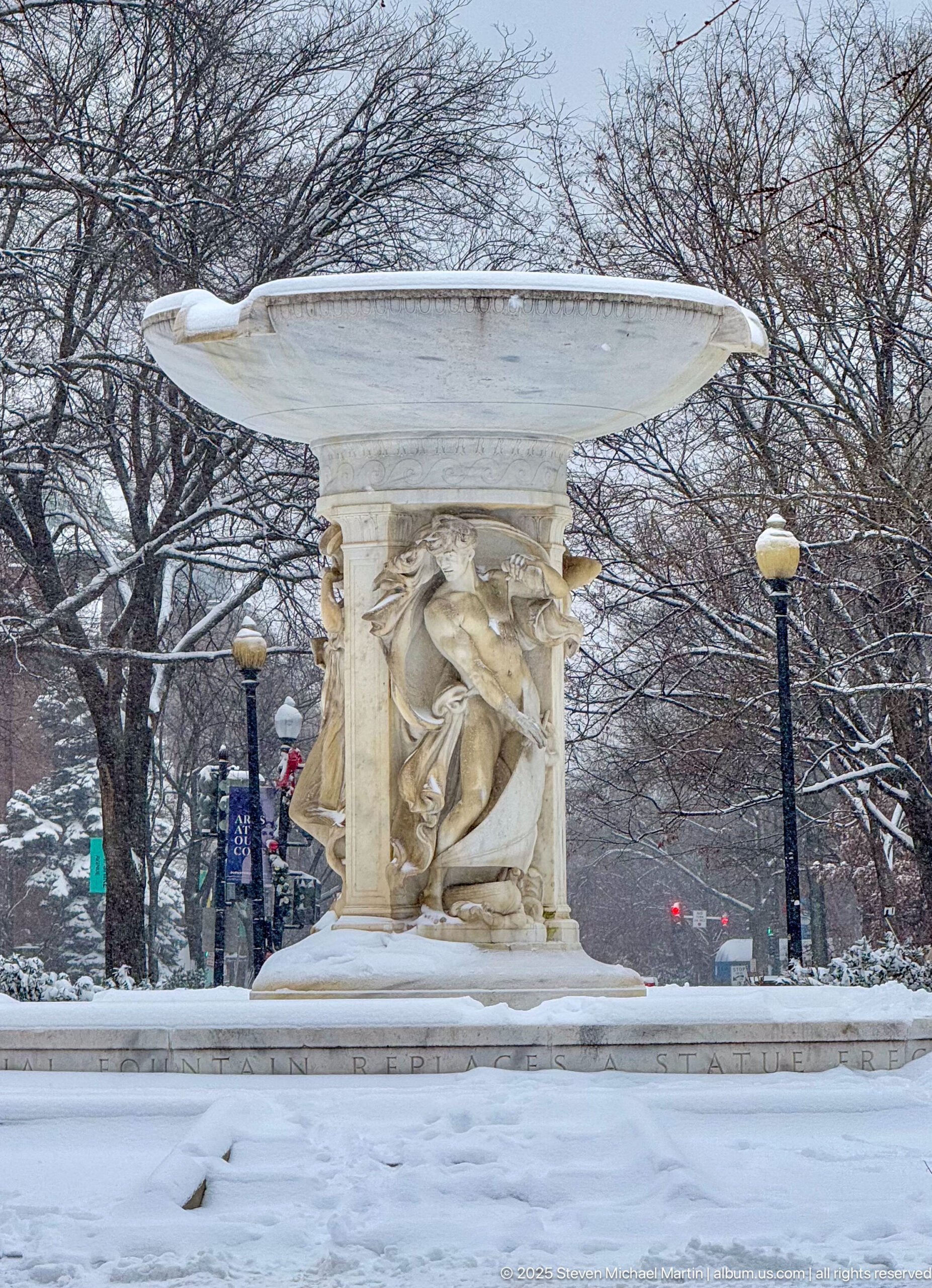
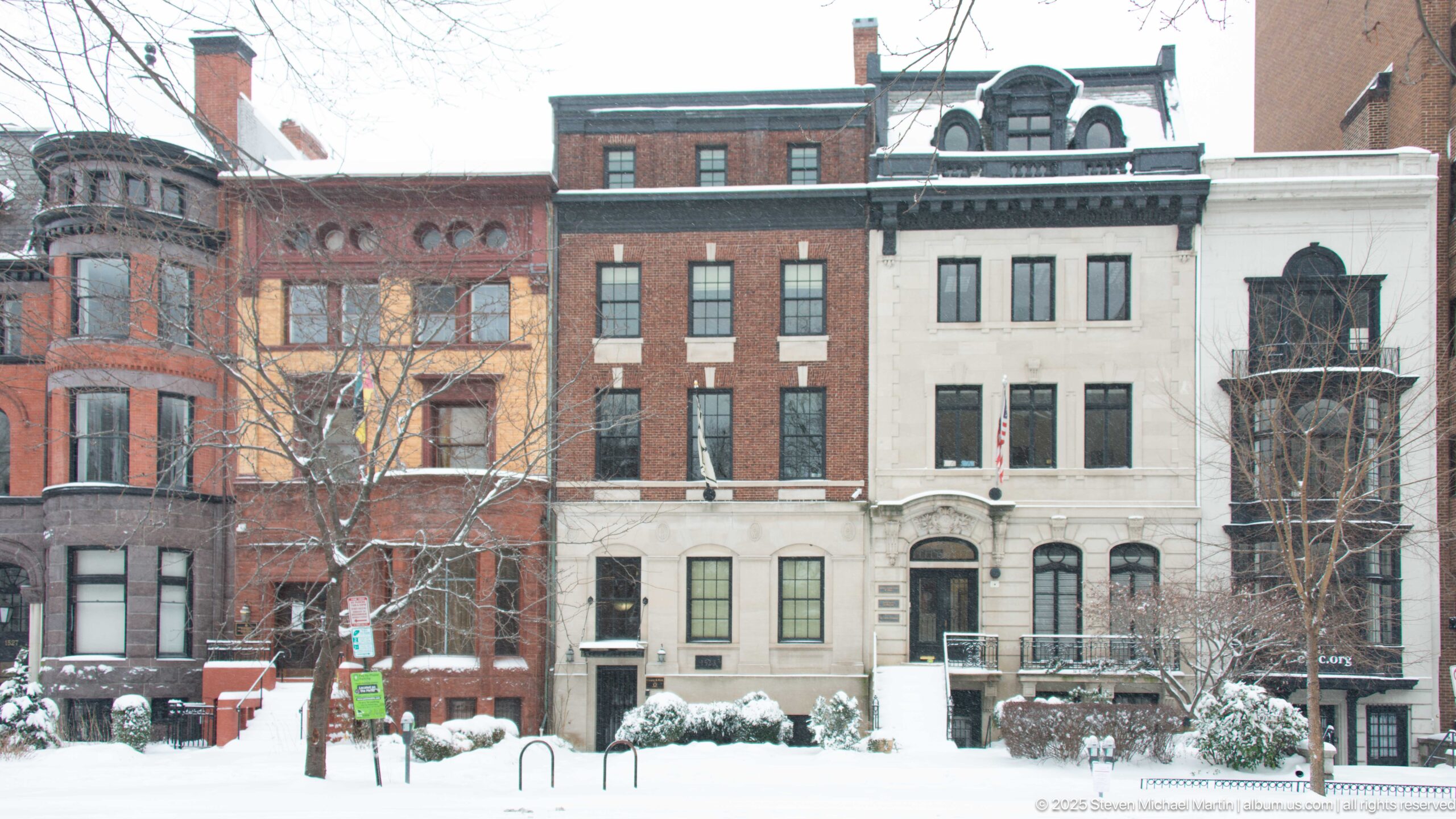
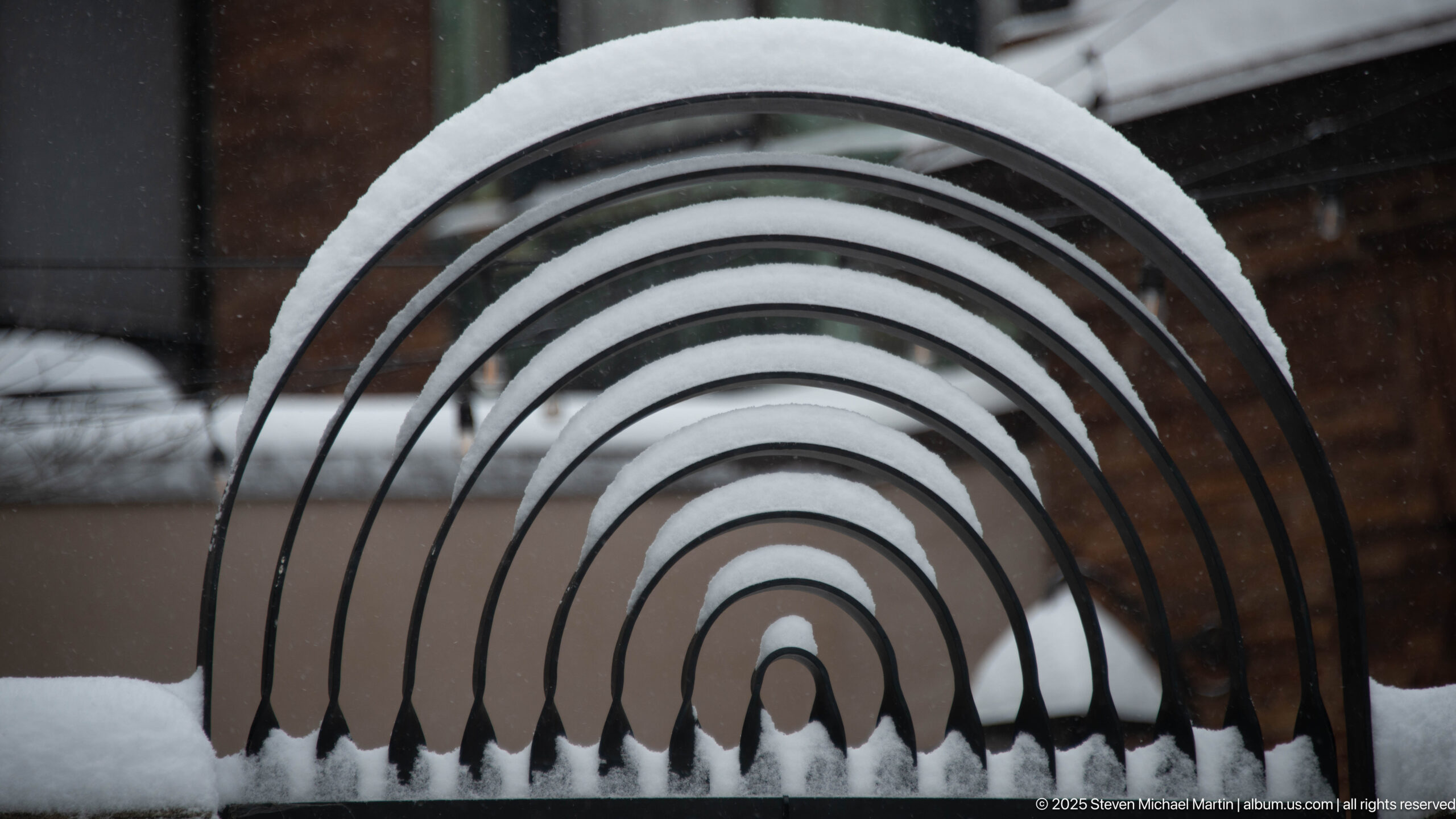
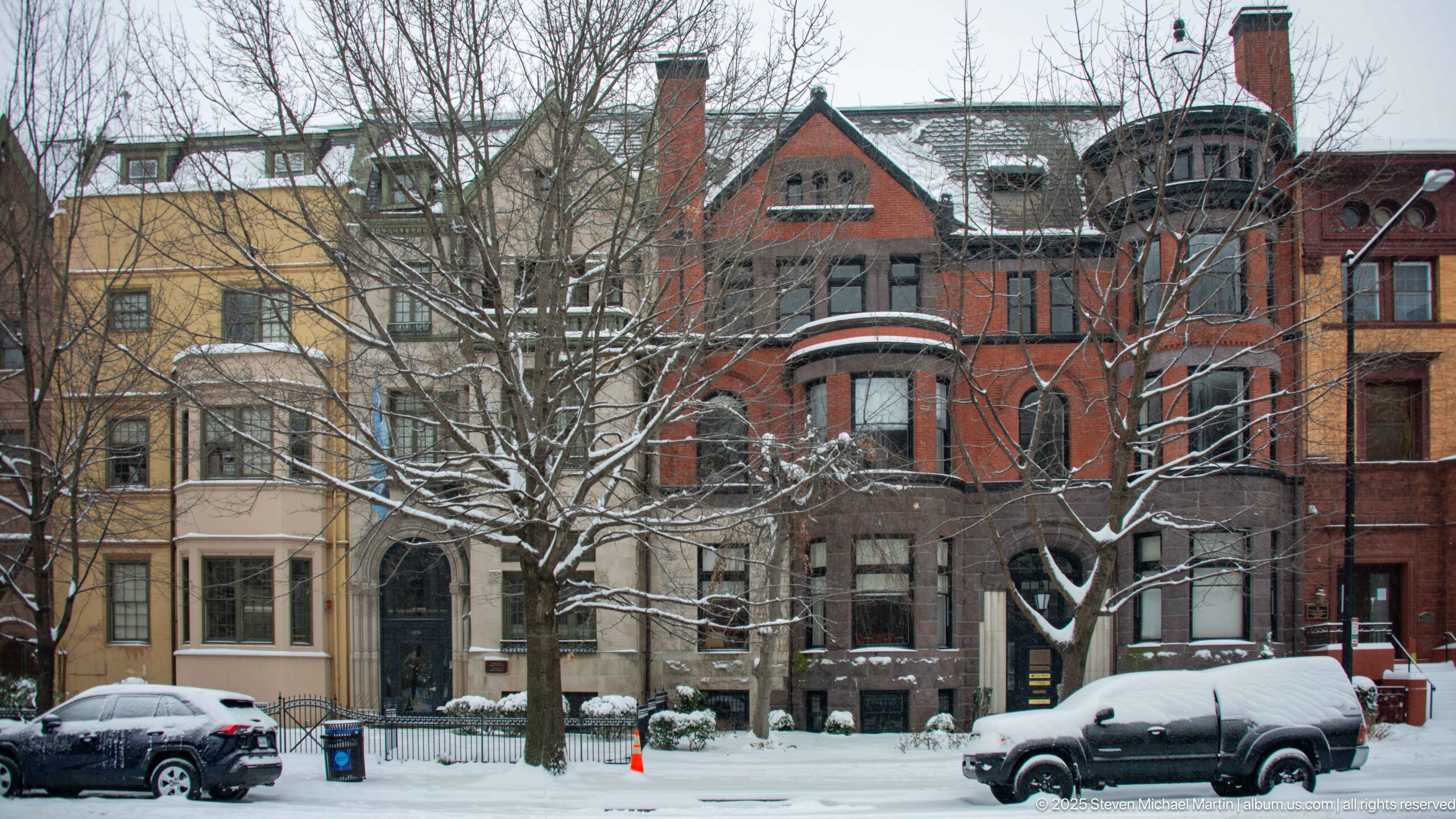
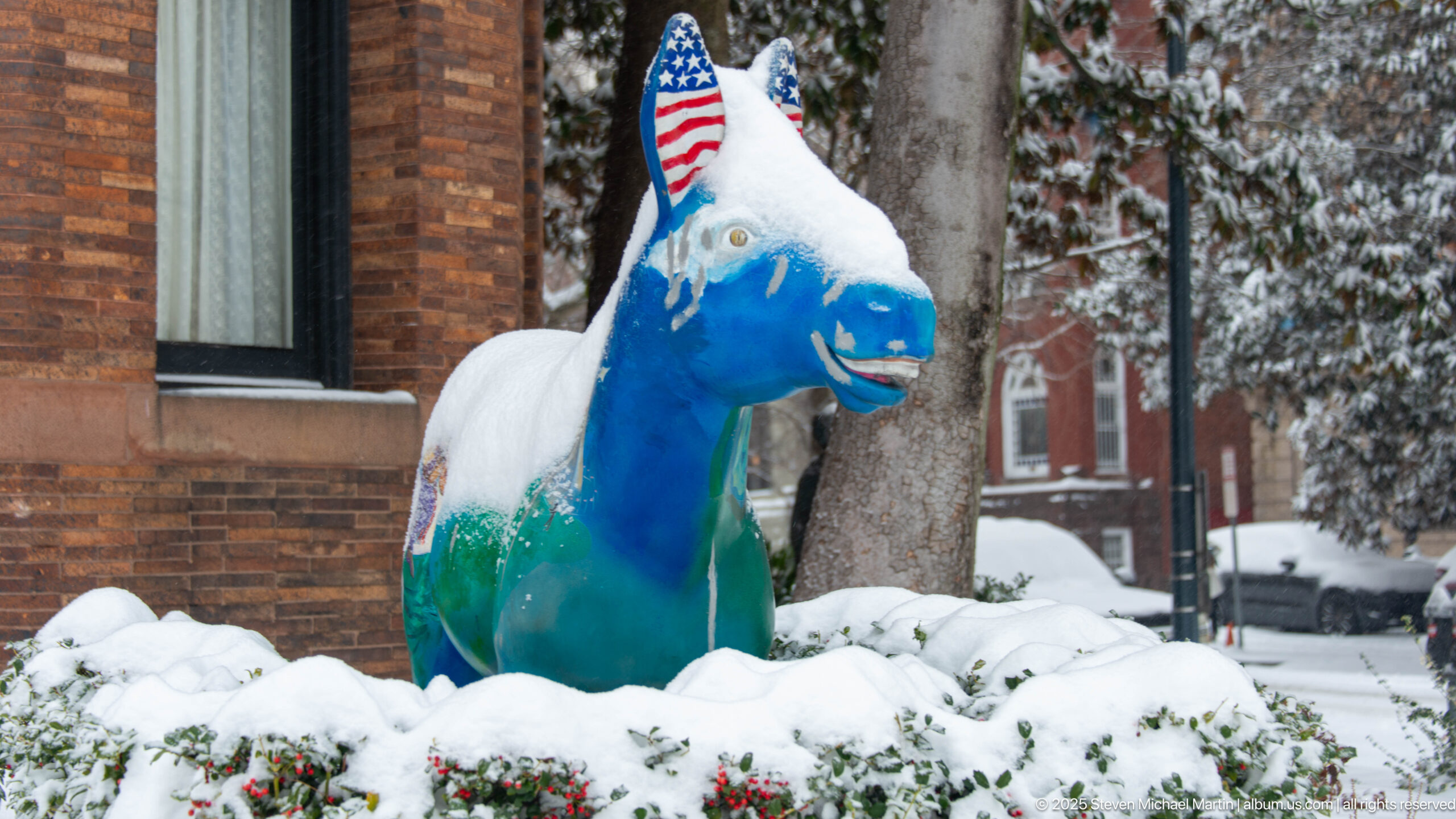
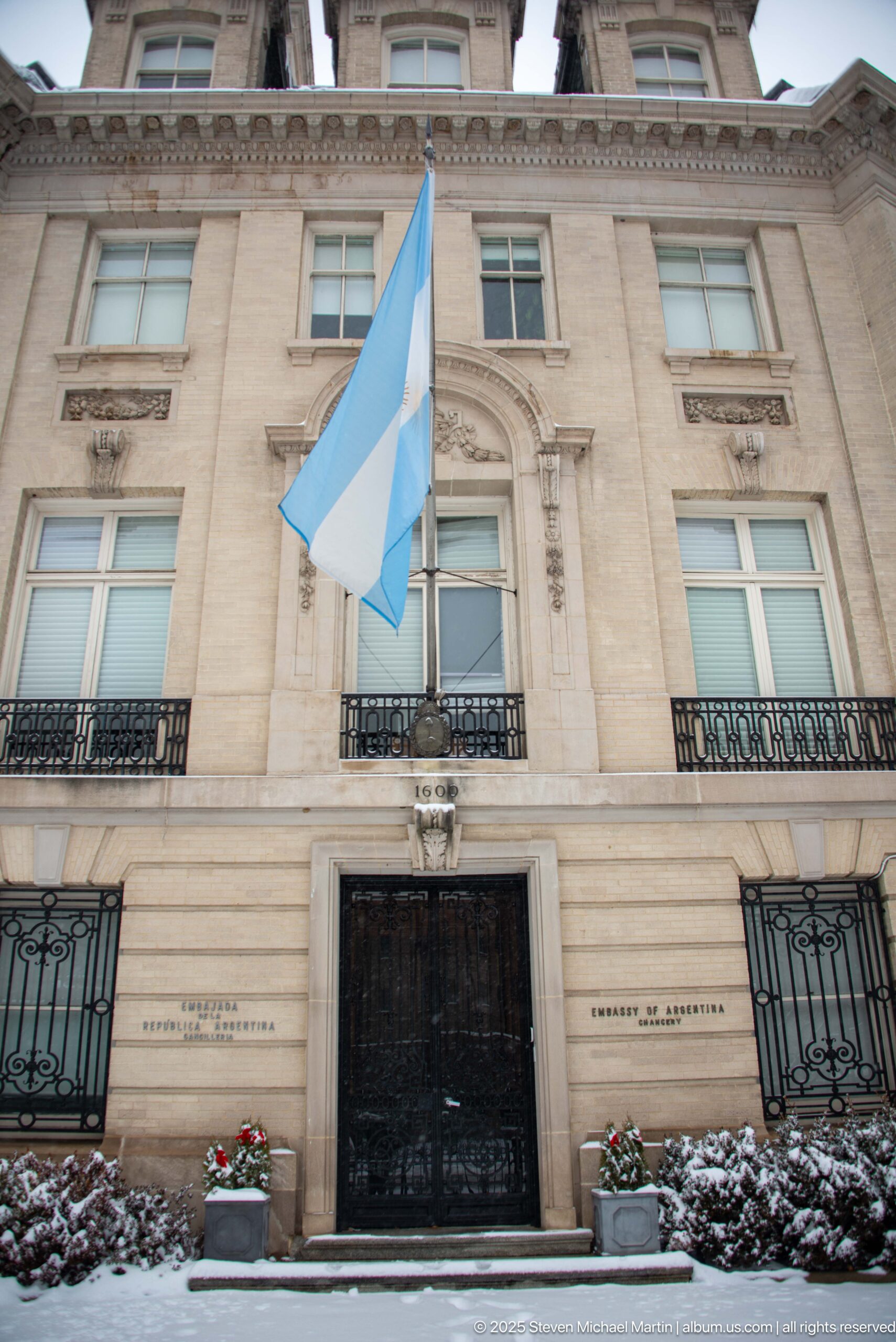
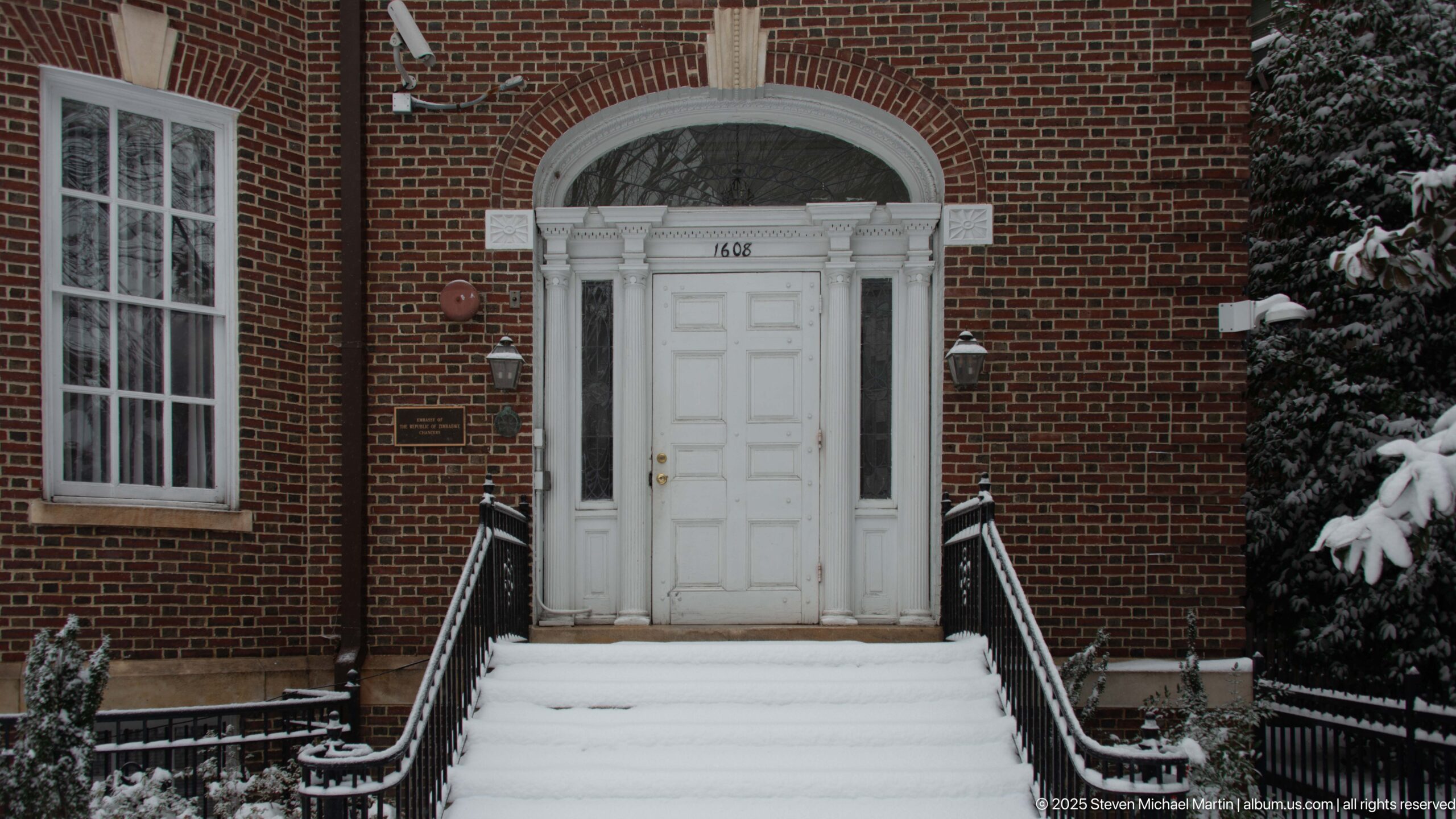
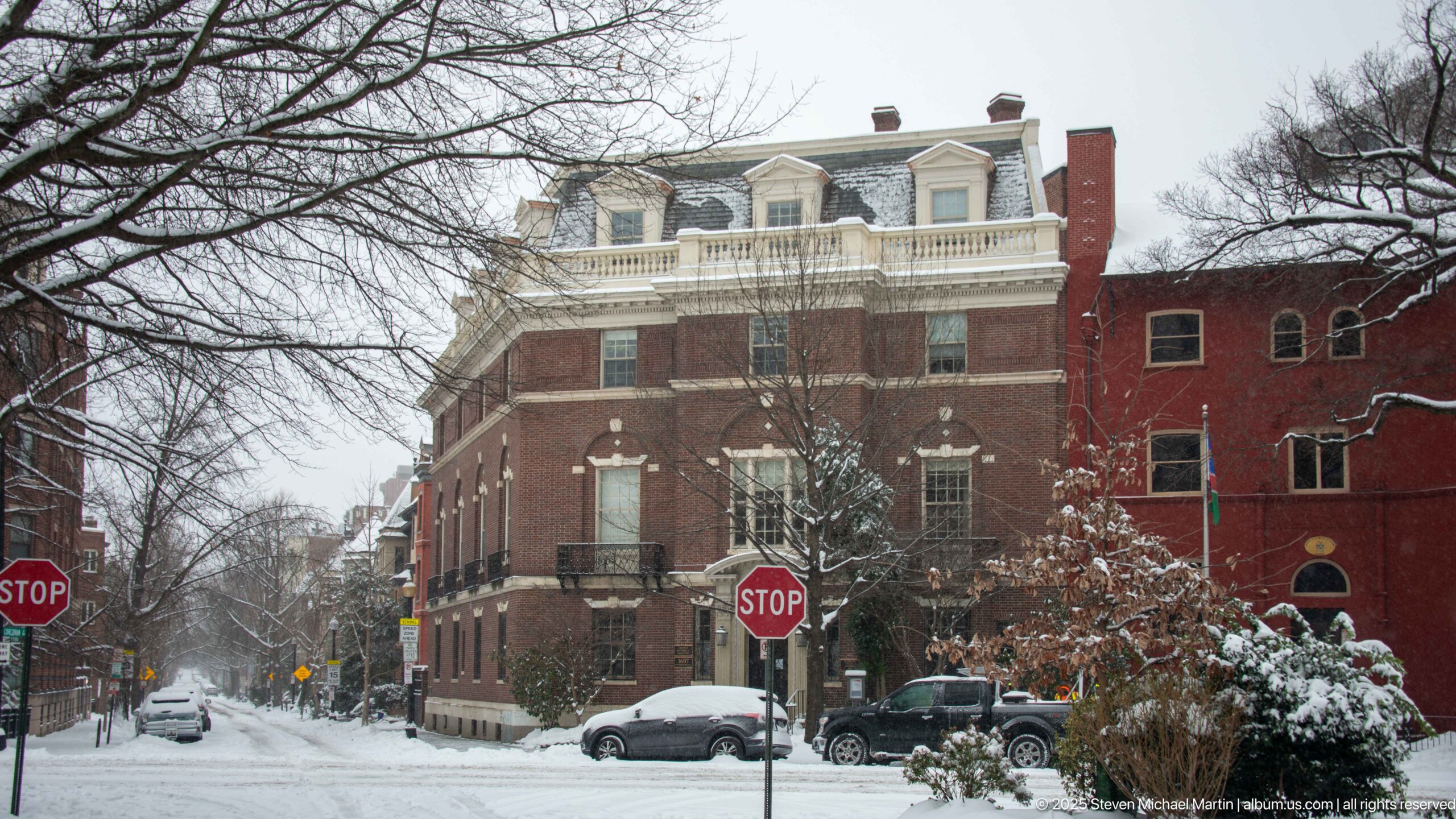
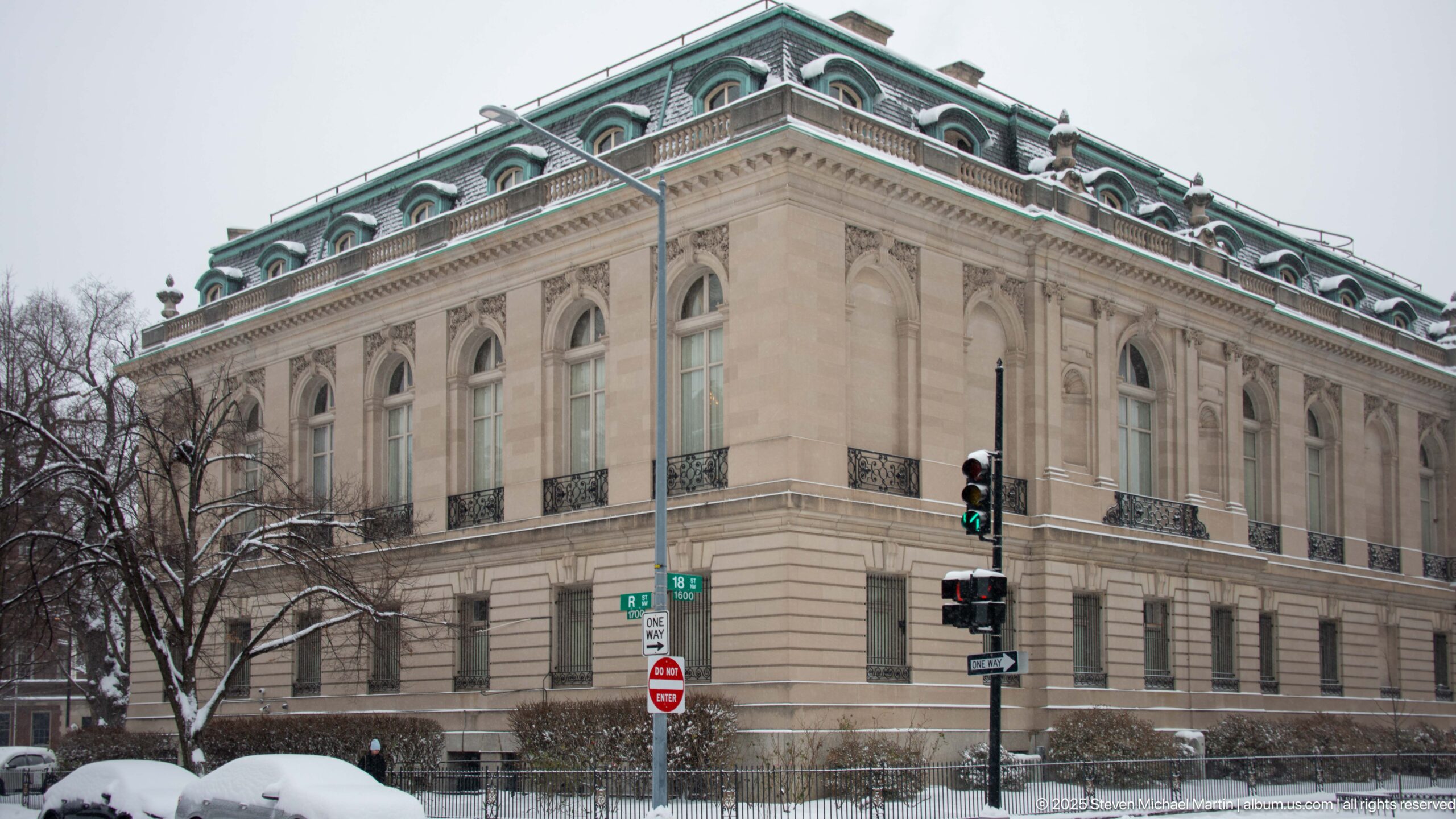
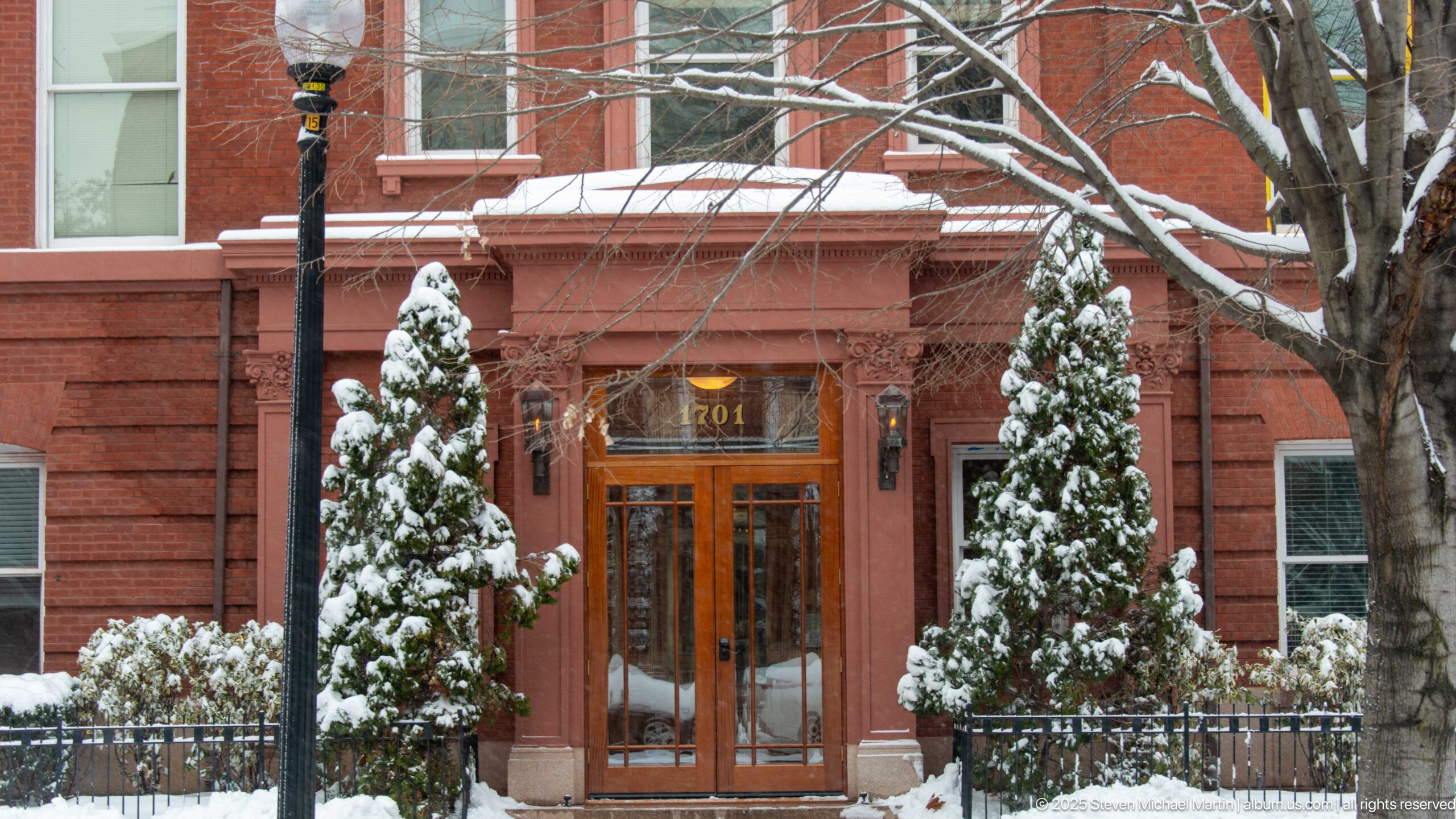
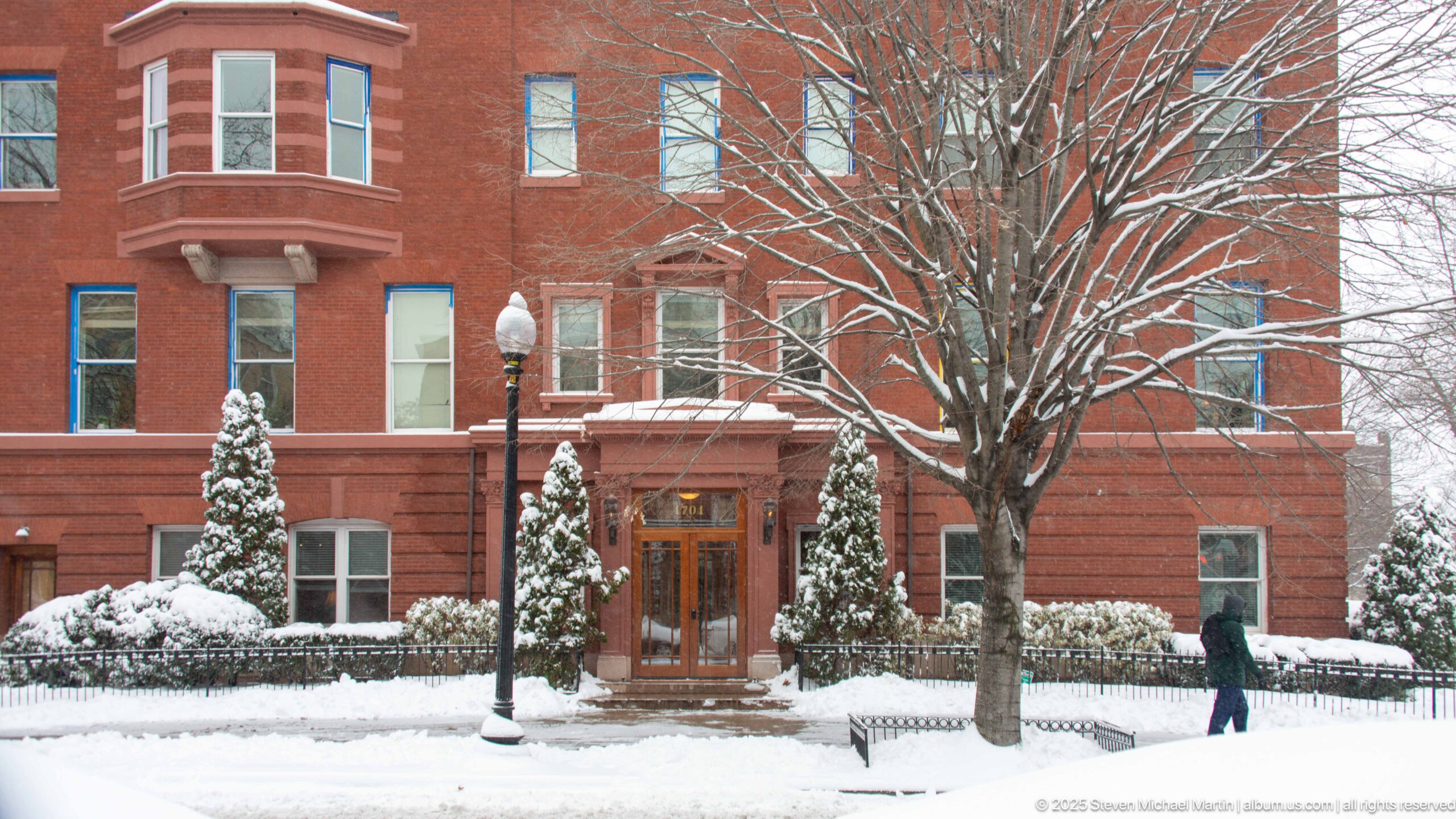
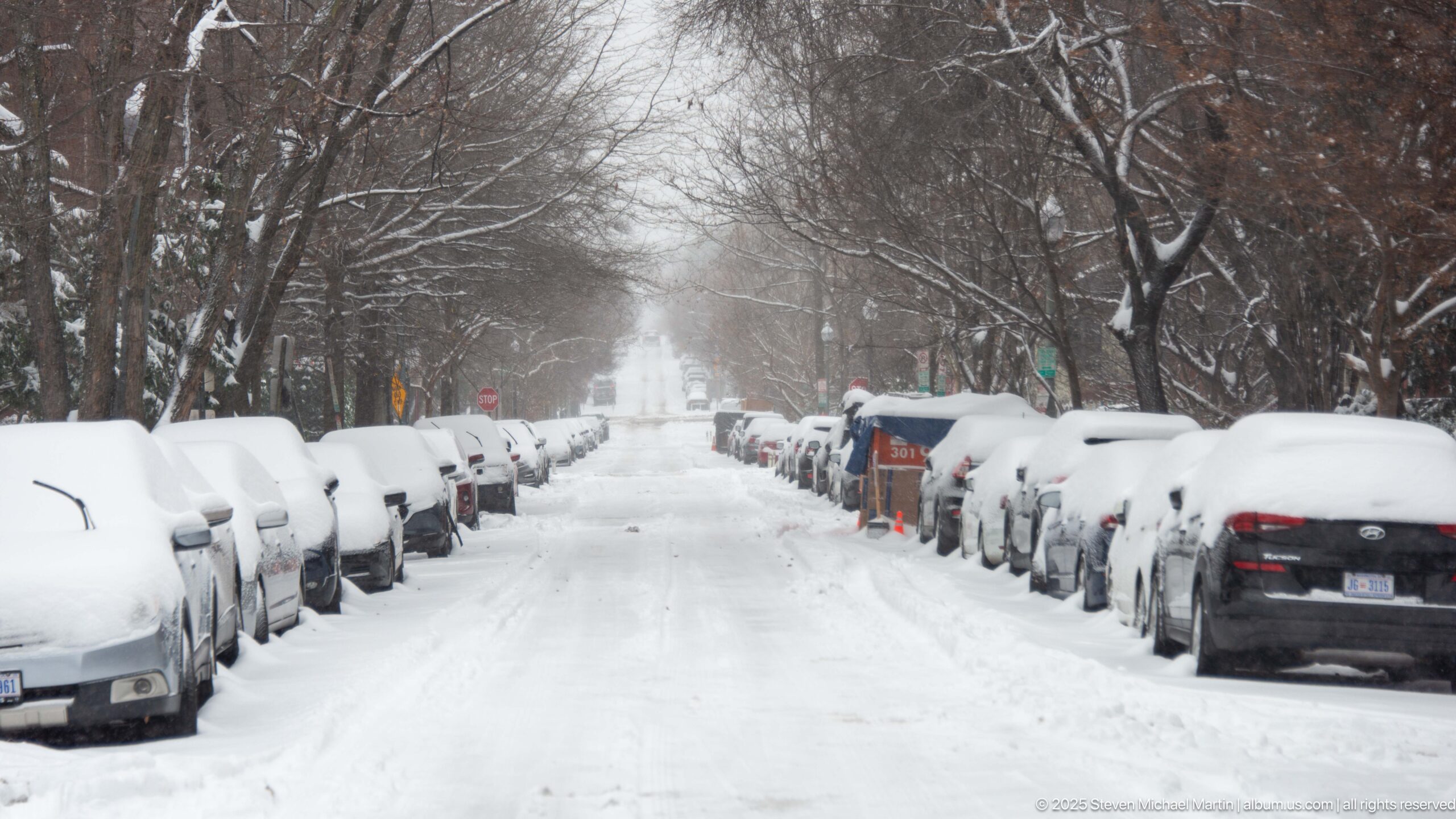
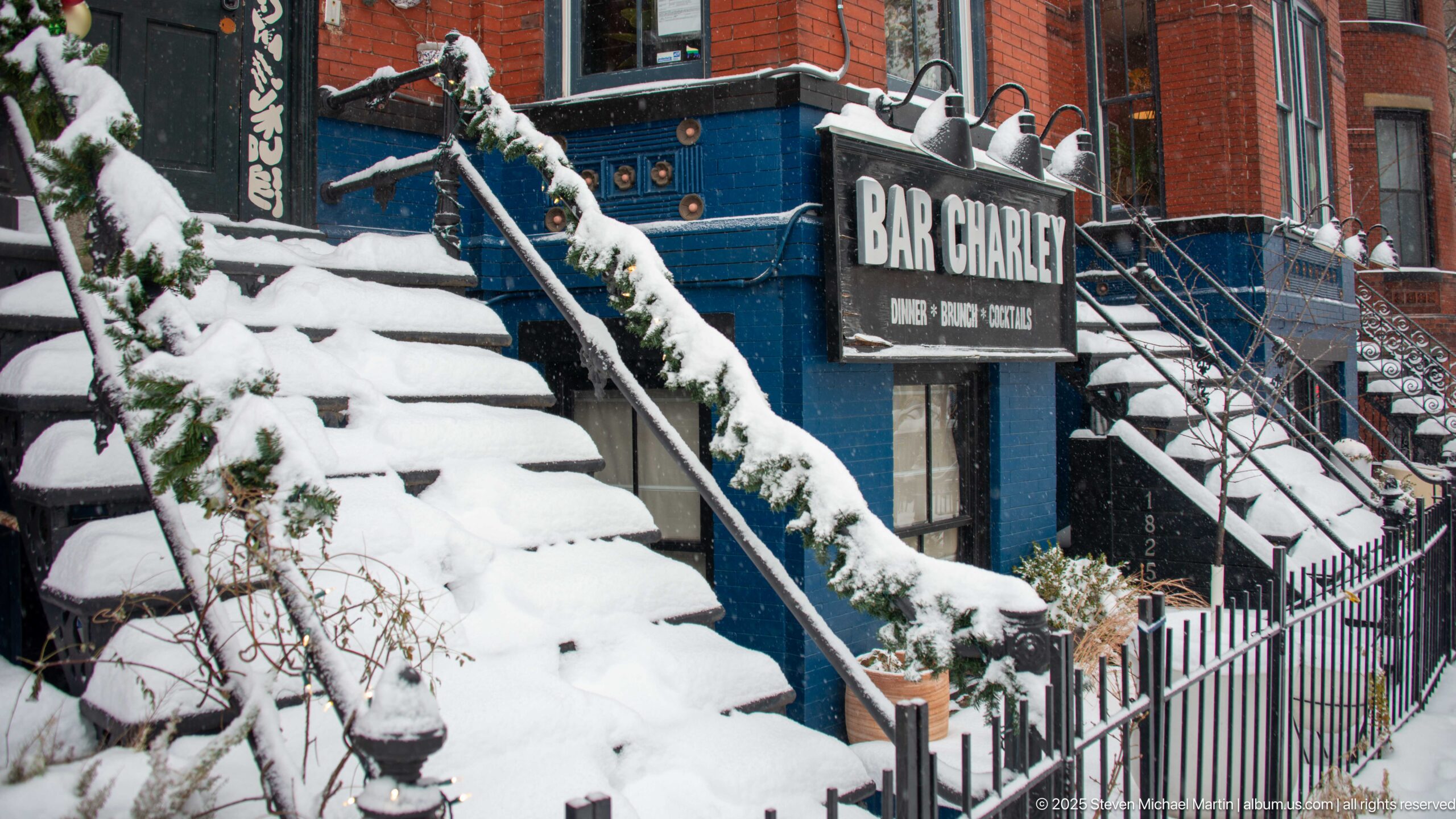
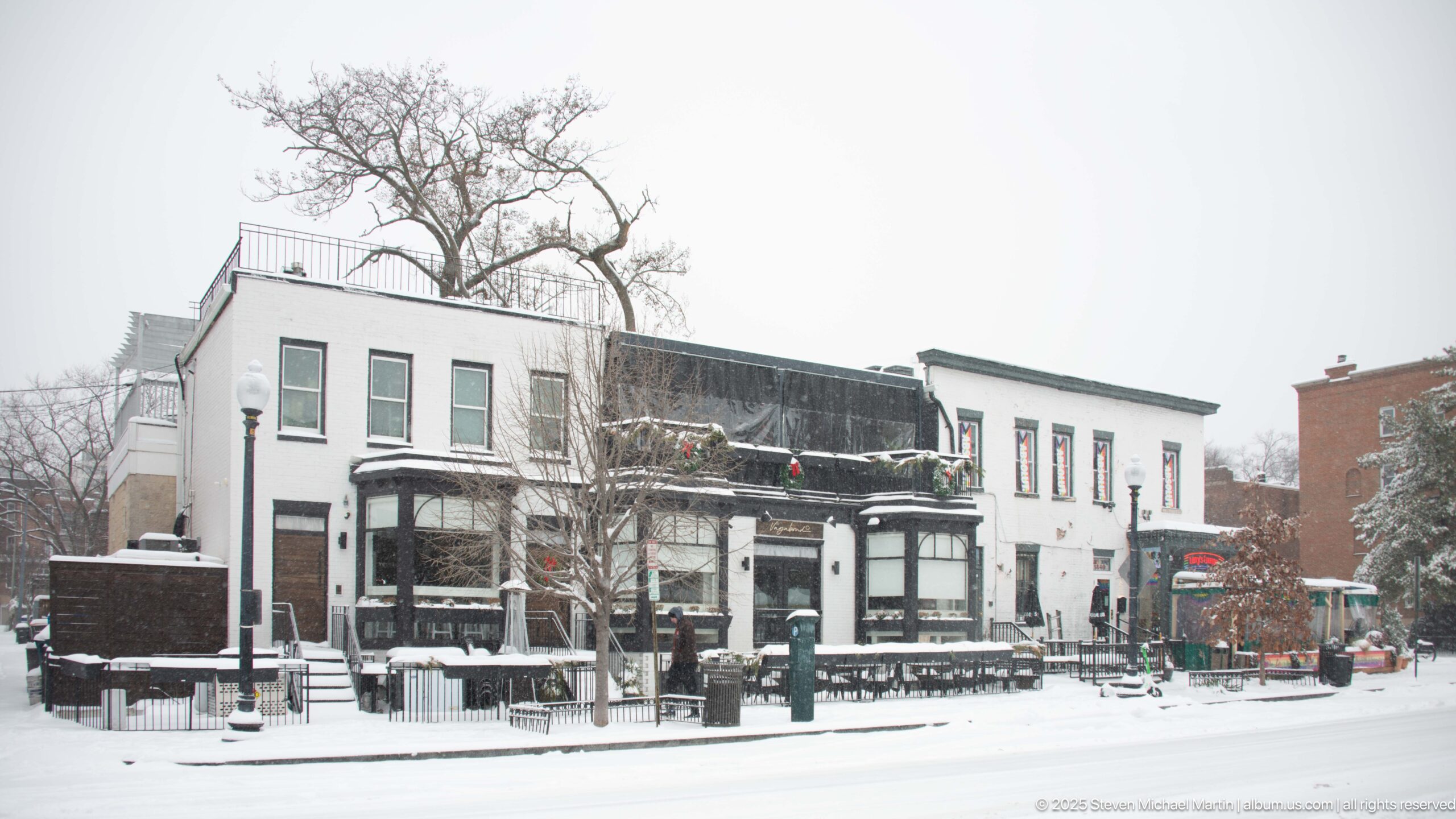
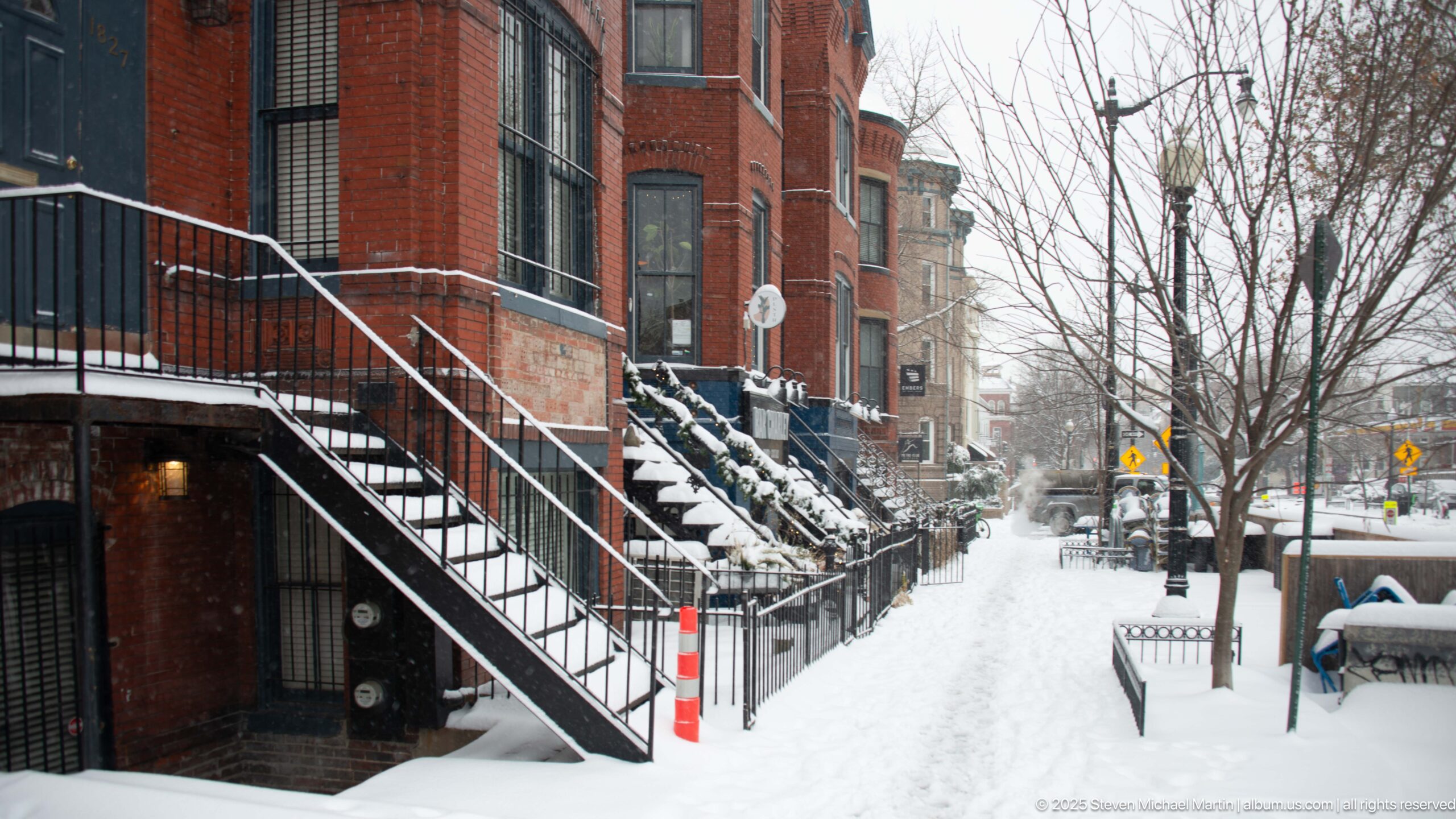
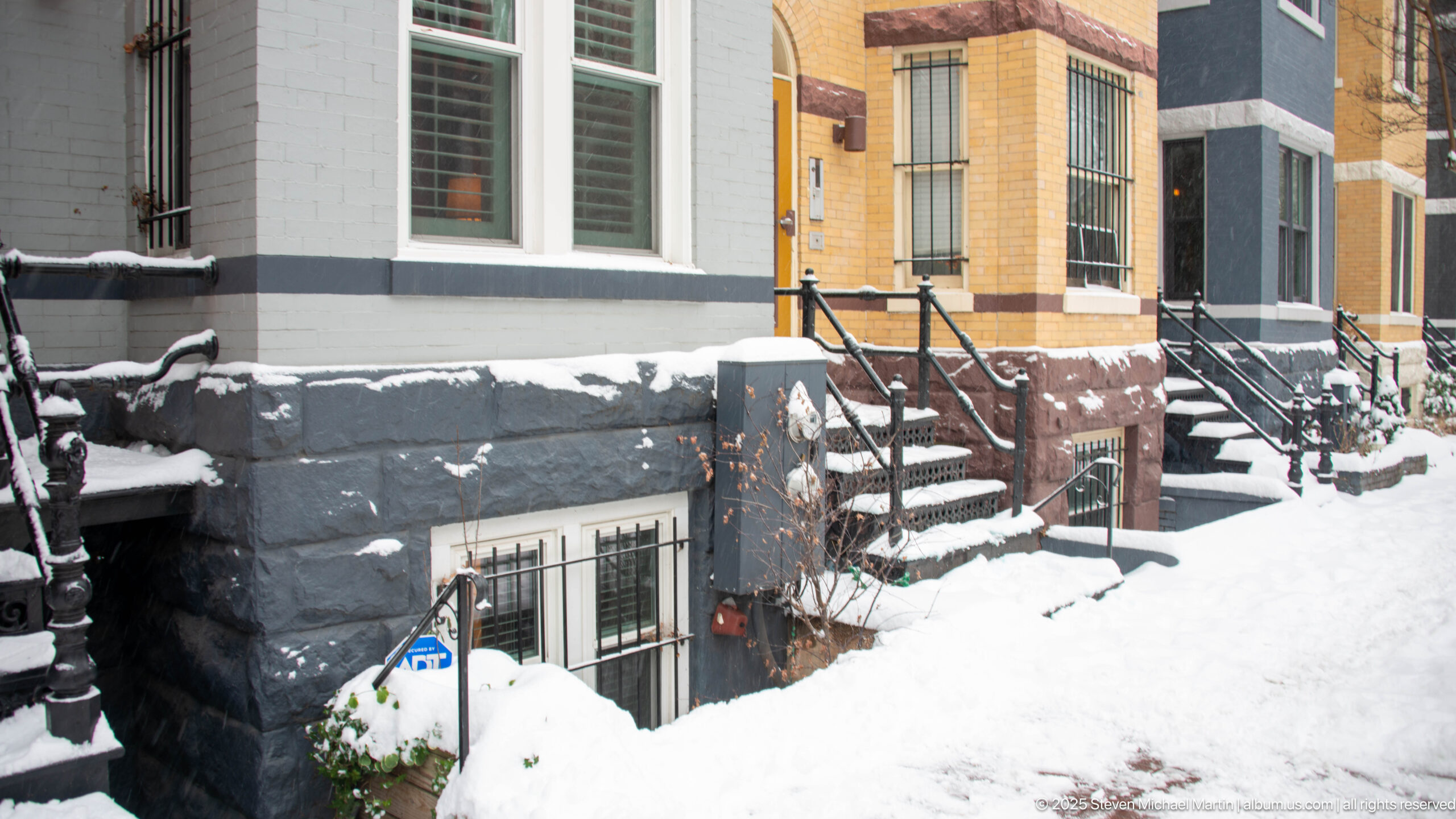
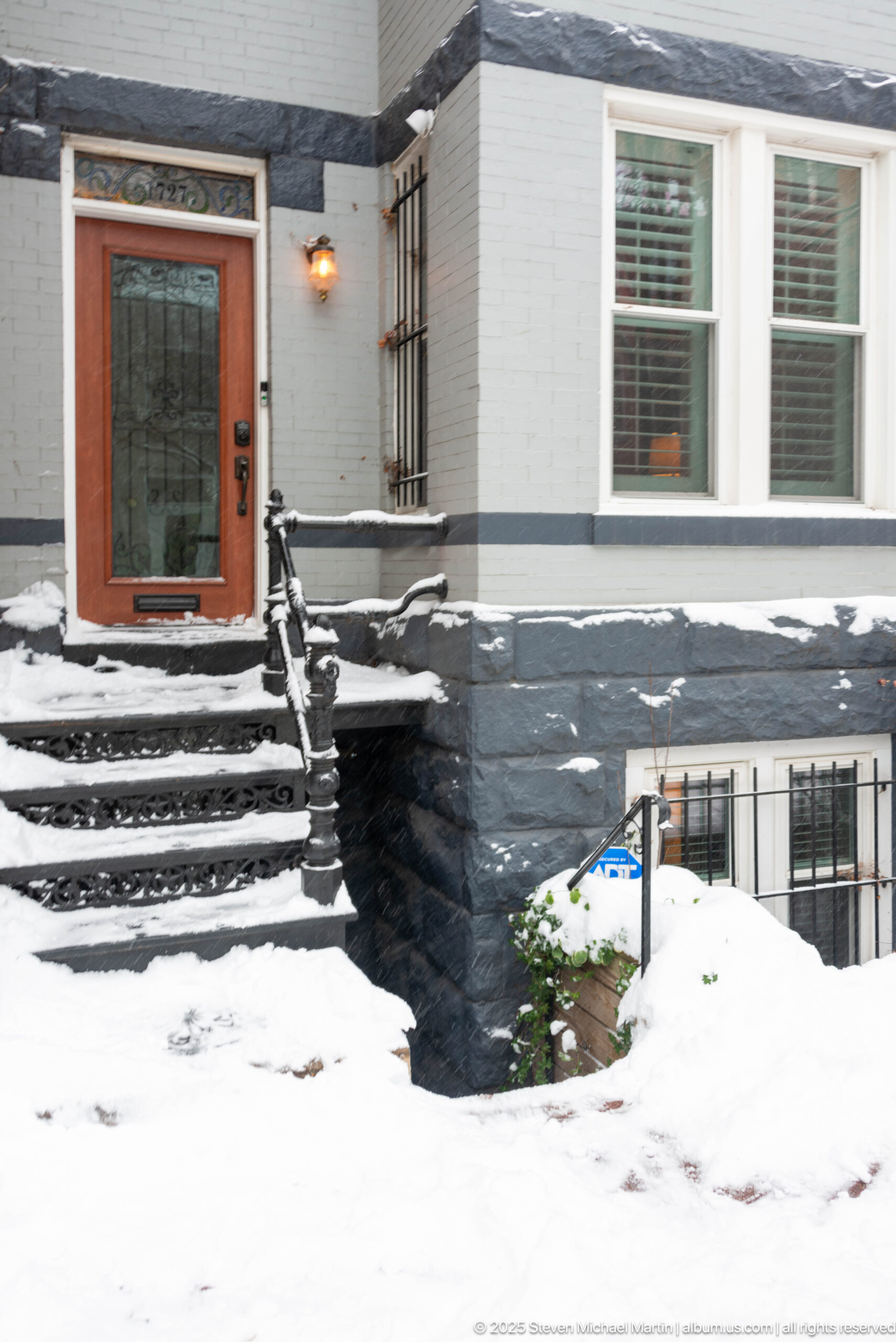
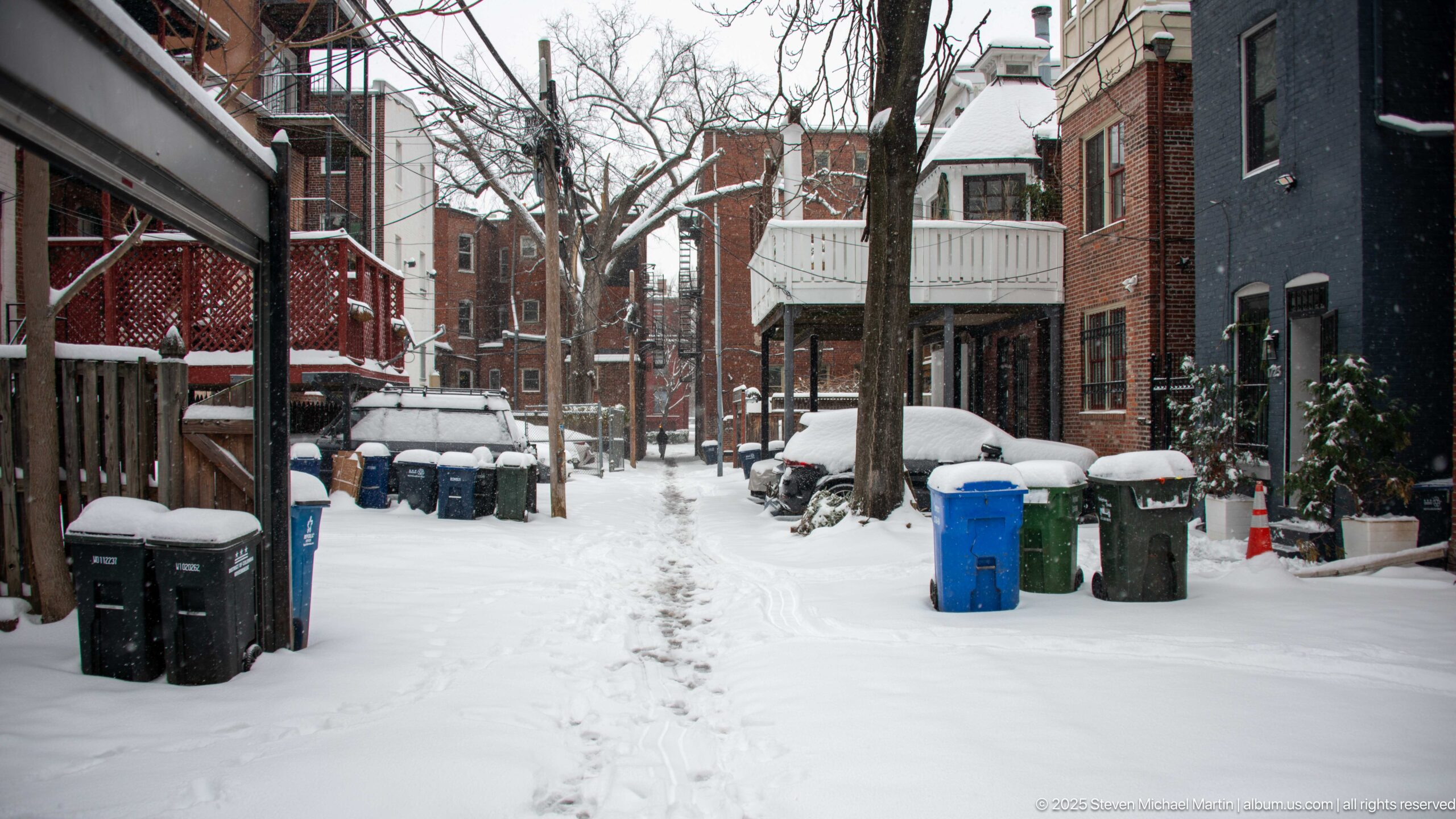
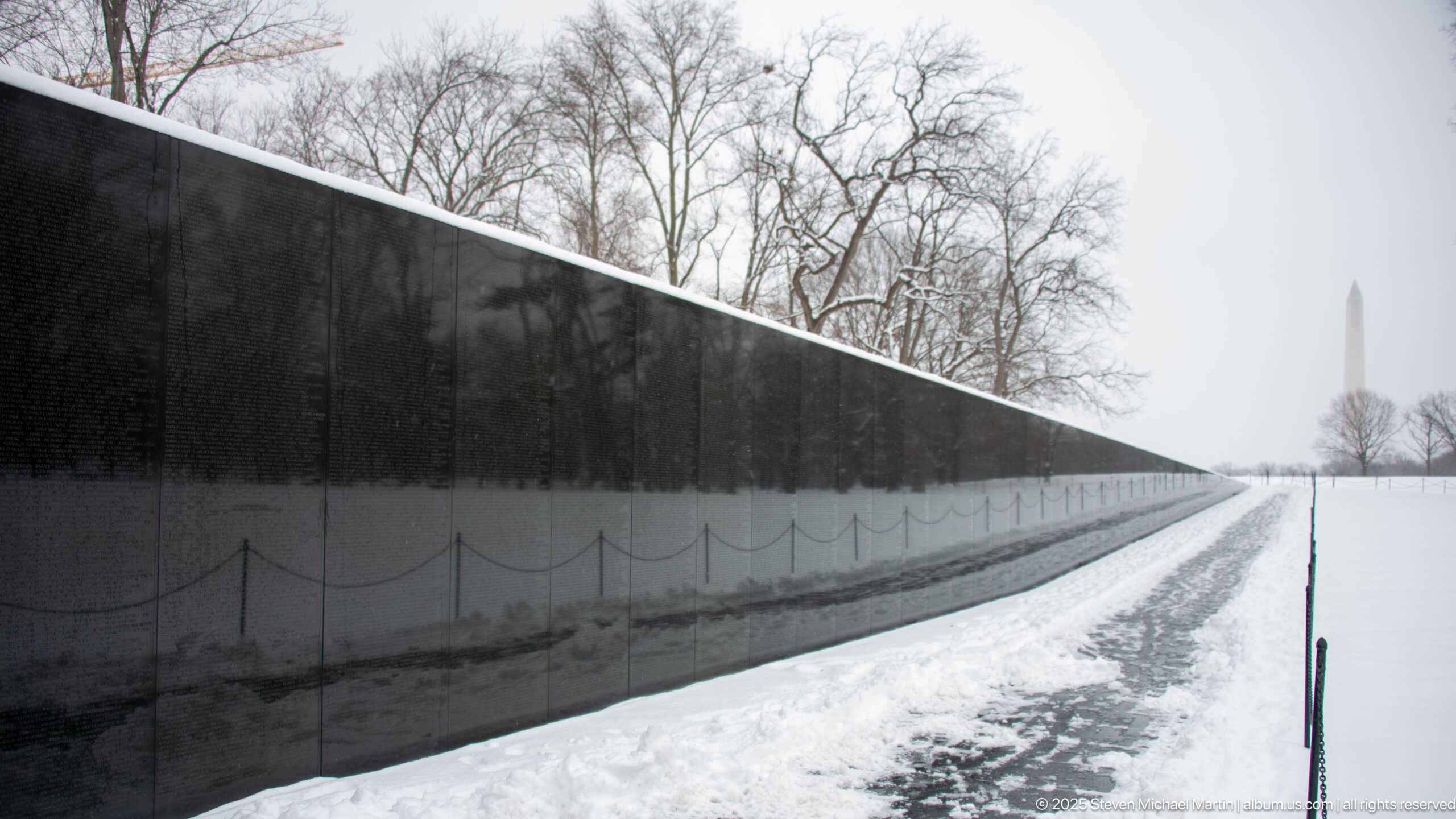
Winter snowstorms periodically transform the monumental landscape of Washington, DC, altering the visual character of the capital’s formal architecture and planned open spaces. The city’s broad avenues, neoclassical buildings, and commemorative landscapes reflect nineteenth- and early twentieth-century urban planning traditions that emphasize symmetry and long sightlines. Snow accumulation softens architectural detail and reduces visual contrast, revealing the underlying geometry of the federal city’s design.
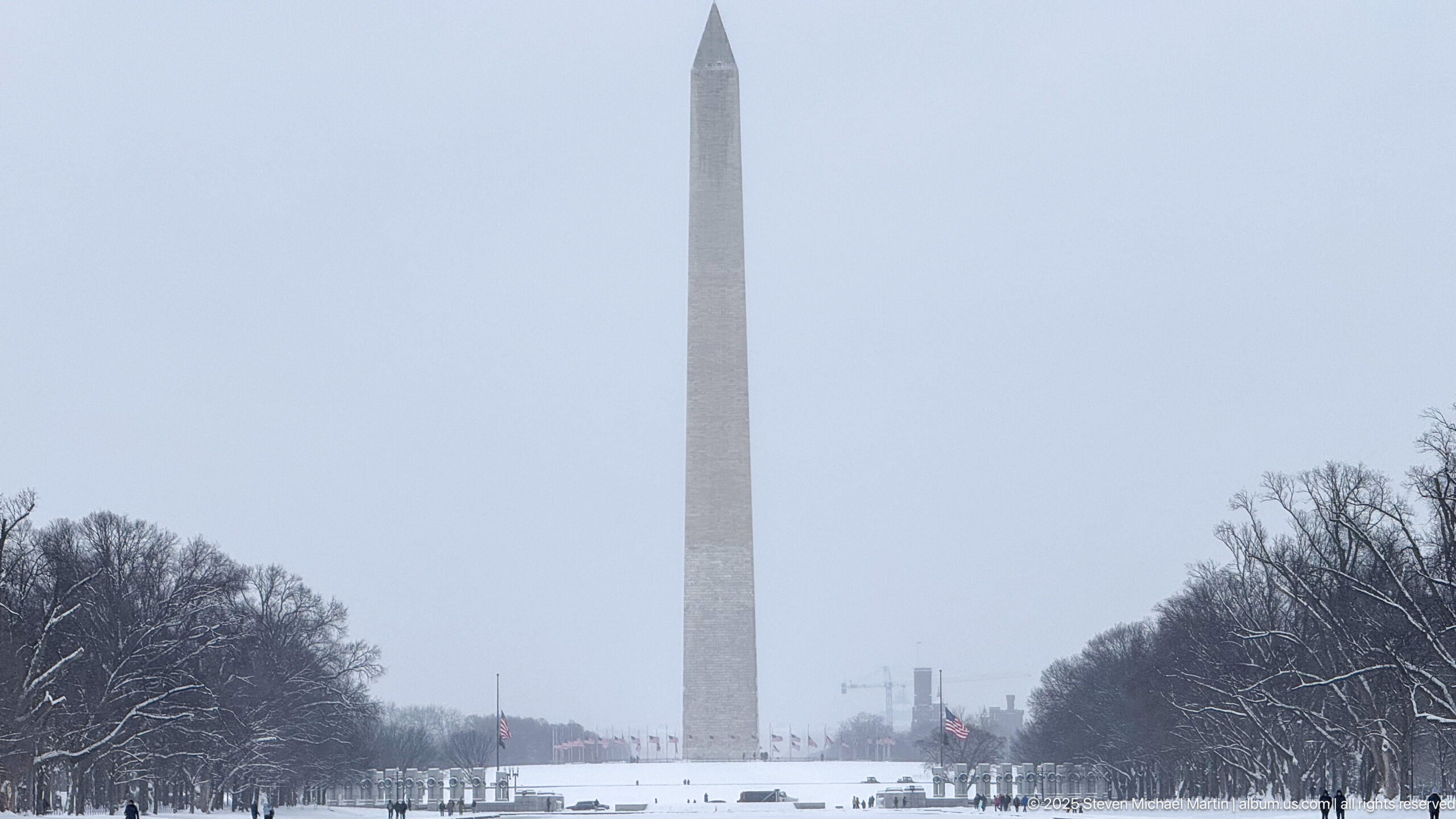
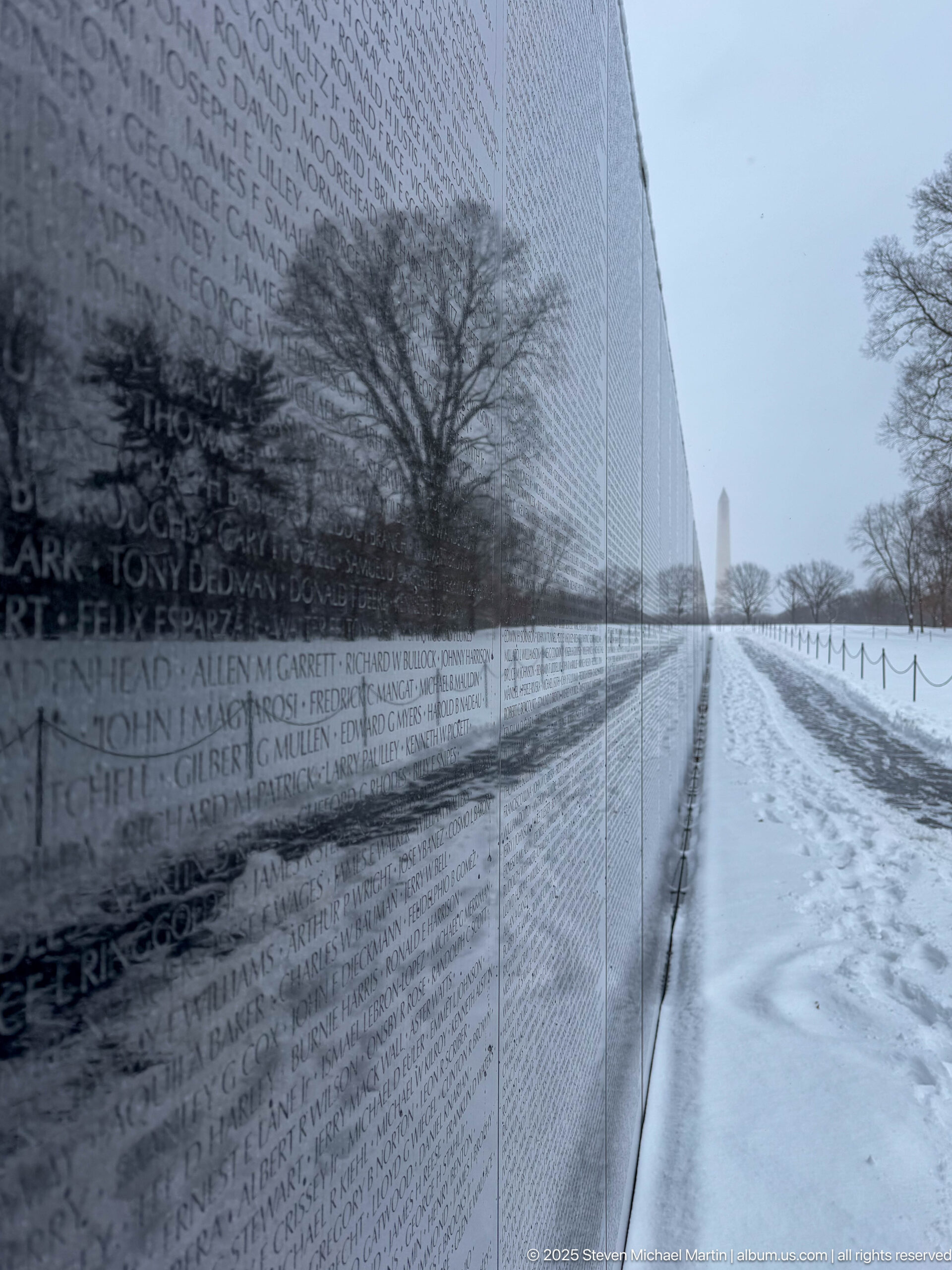
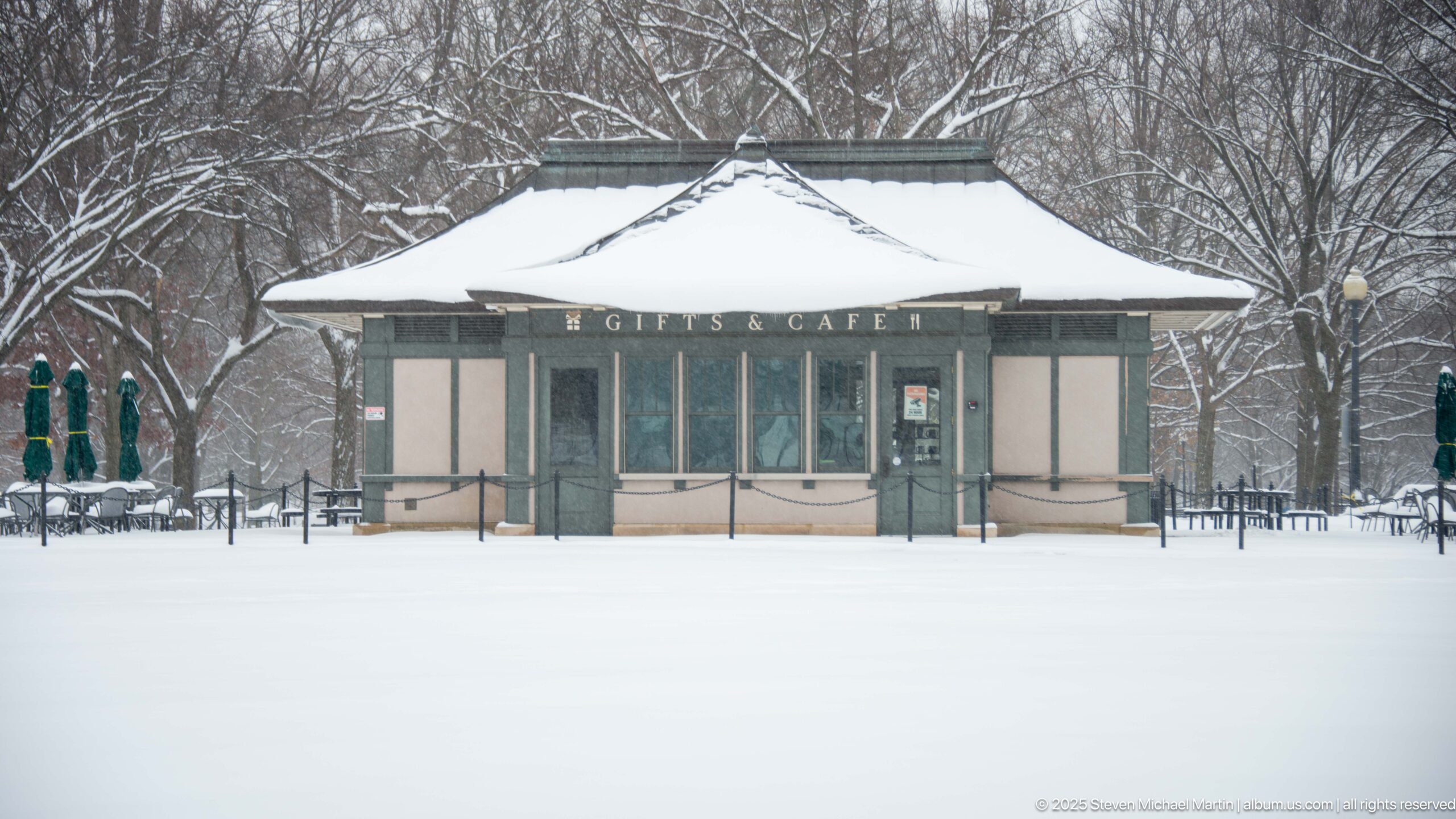
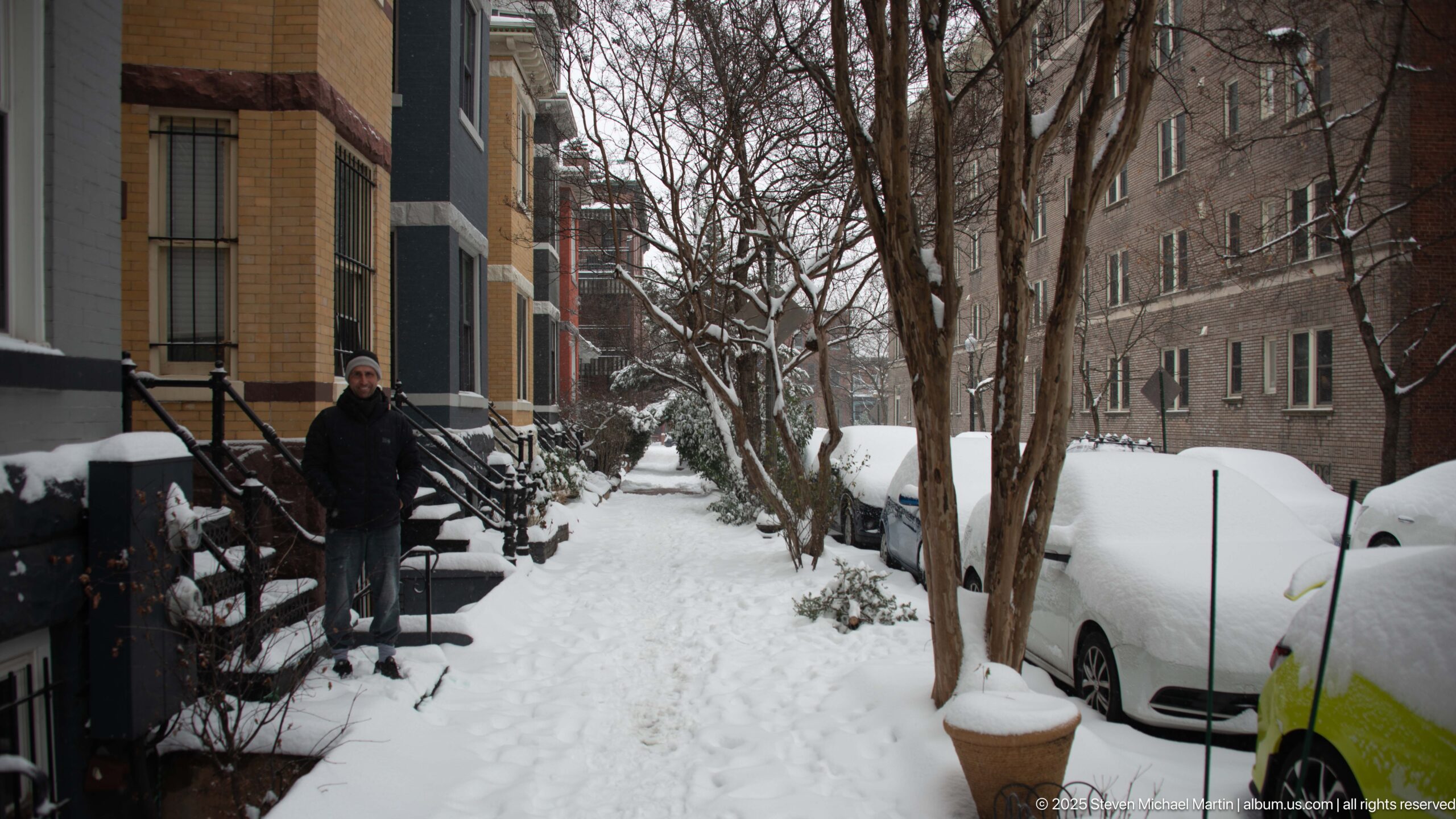
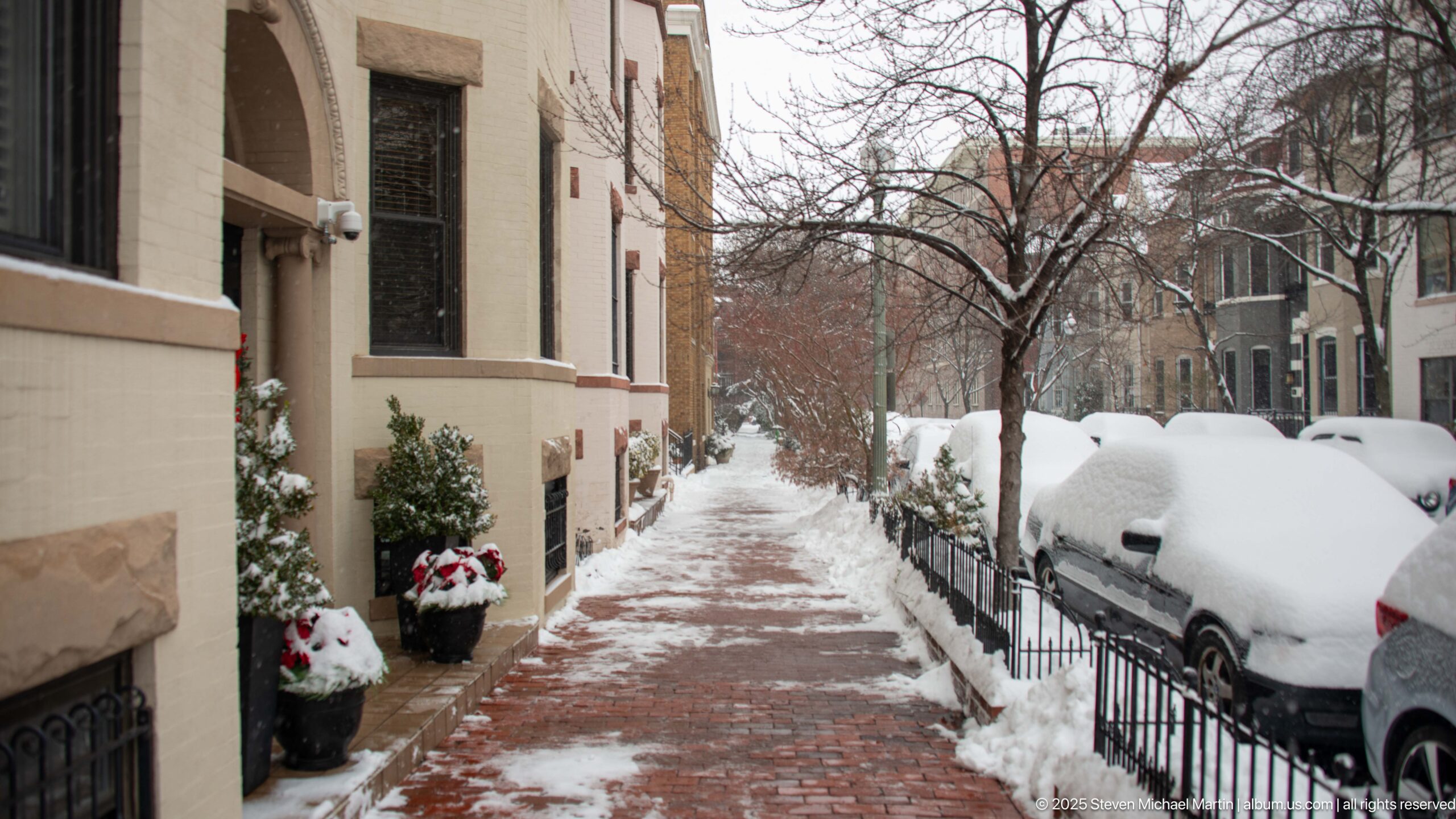
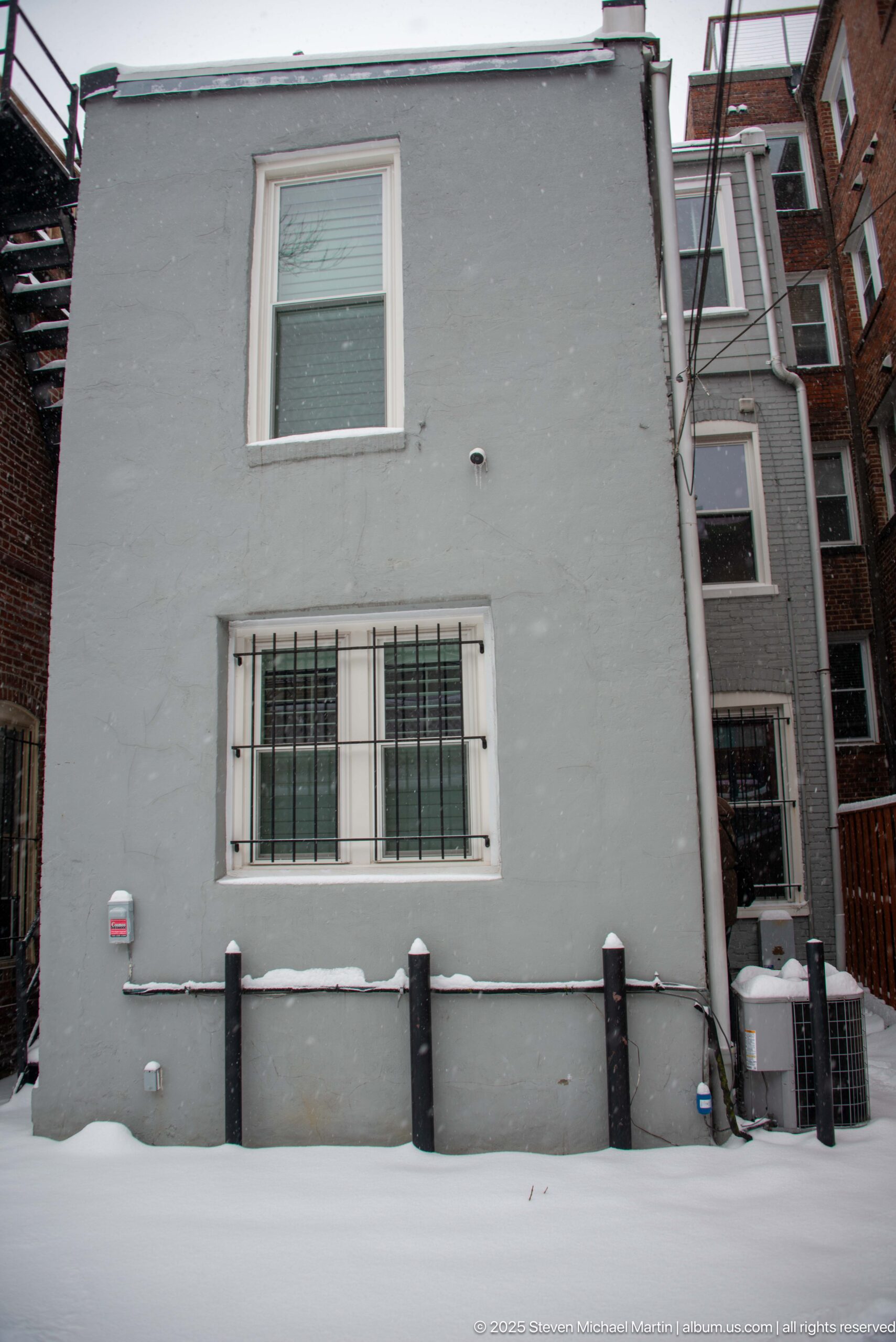
Major winter storms occasionally disrupt transportation and daily activity throughout the mid-Atlantic region, illustrating the interaction between climate patterns and urban infrastructure. Snow-covered views of the National Mall, government buildings, and residential streets demonstrate how environmental conditions influence the experience of civic space. Reduced traffic and quieter streets allow architectural forms to be observed with greater clarity, emphasizing the spatial relationships between monuments and landscape.
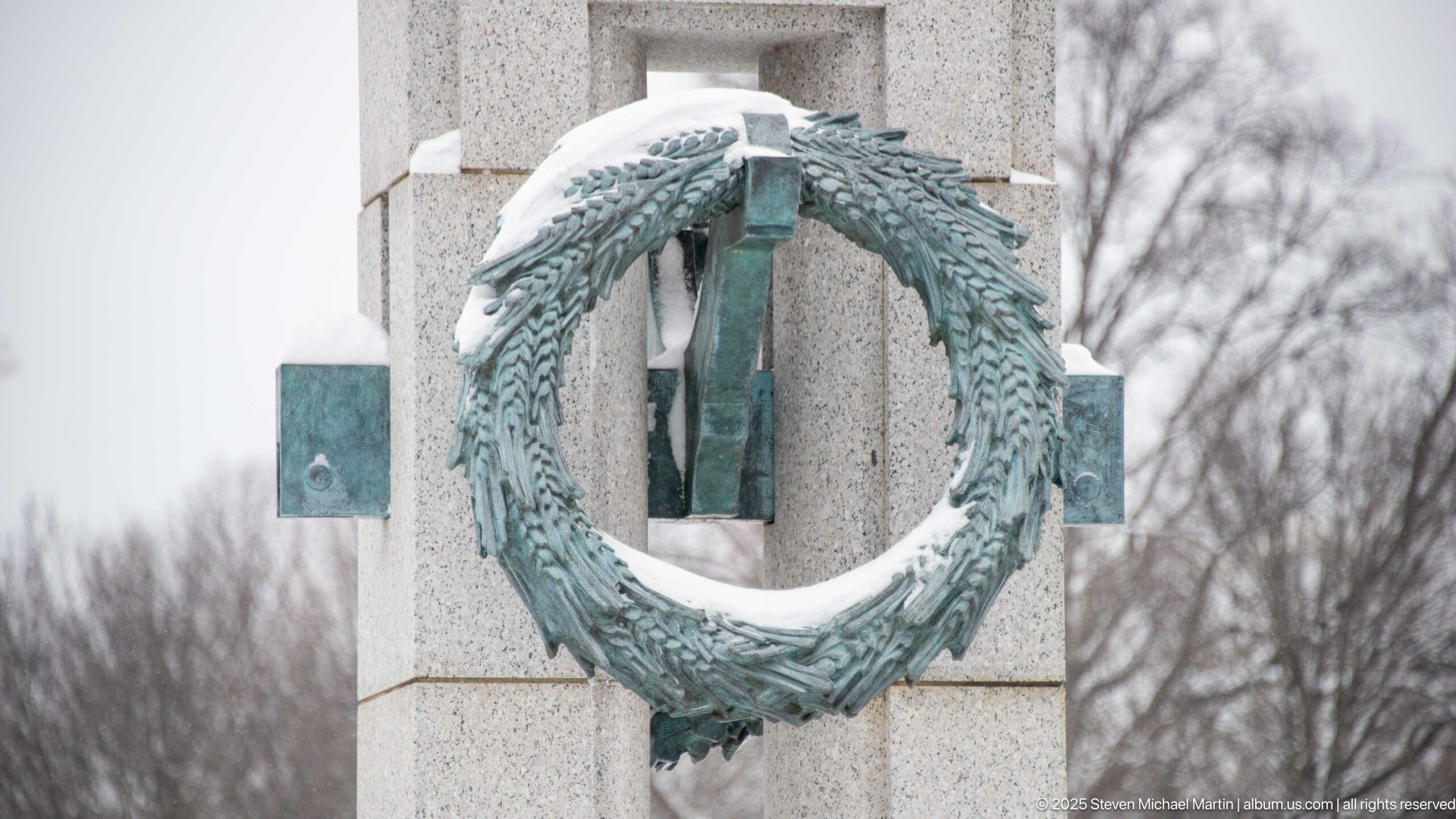
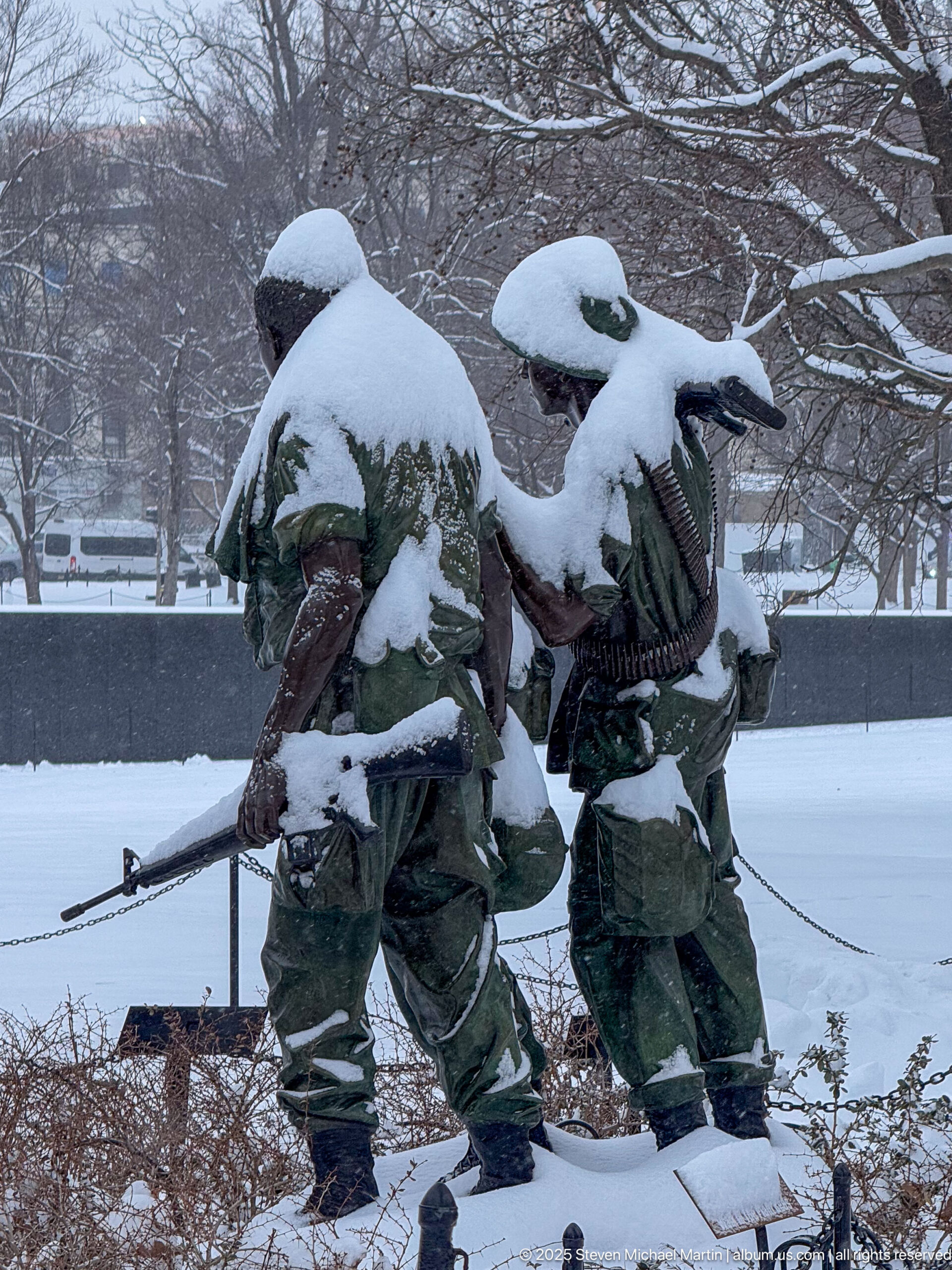
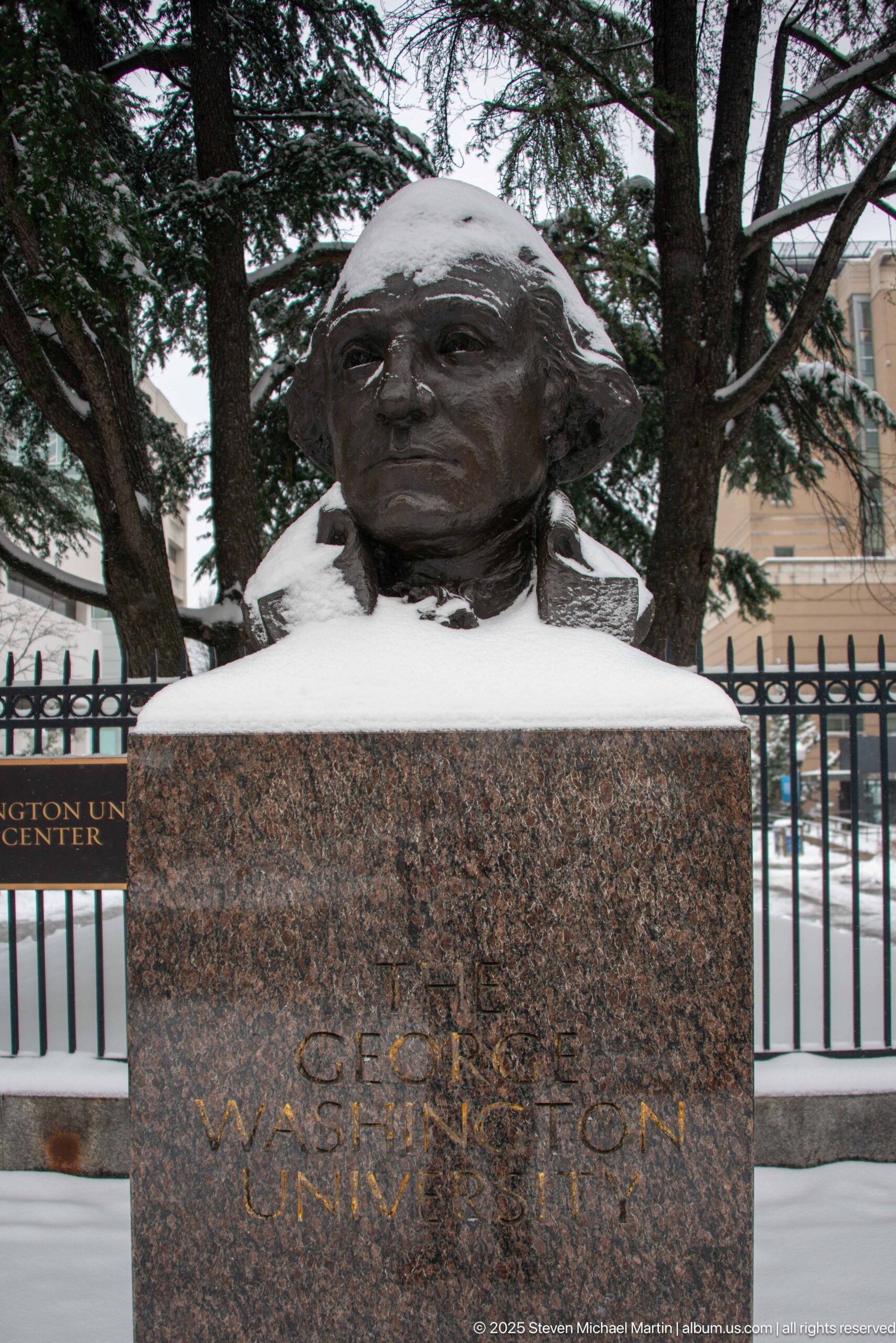
Snowfall in Washington contributes to understanding how seasonal weather conditions influence the perception of historic environments. The temporary transformation of familiar landmarks highlights the relationship between natural processes and built space. Observing the capital during winter conditions reinforces the role of environmental change in shaping the visual identity of urban landscapes.