
National Building Museum
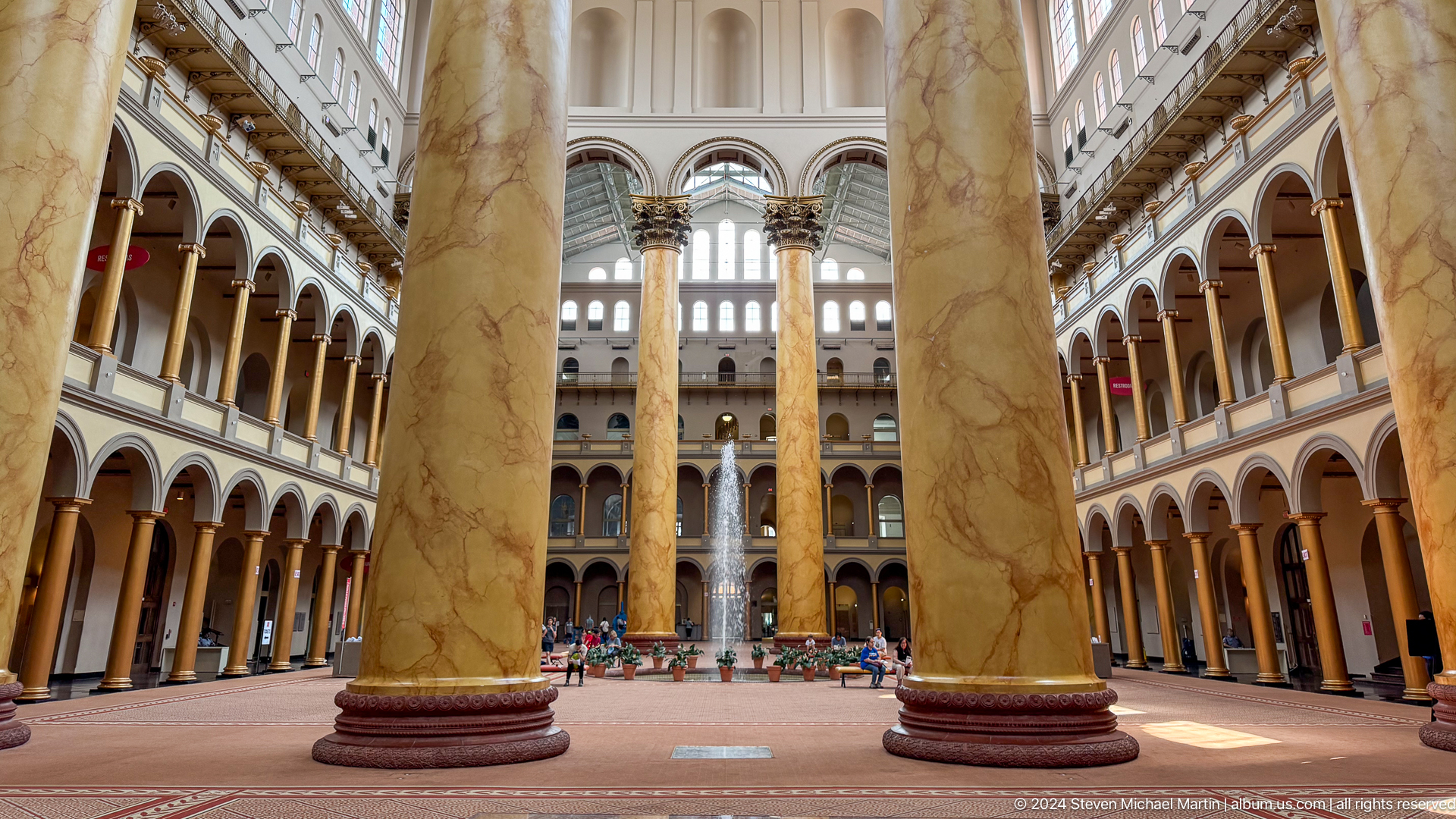
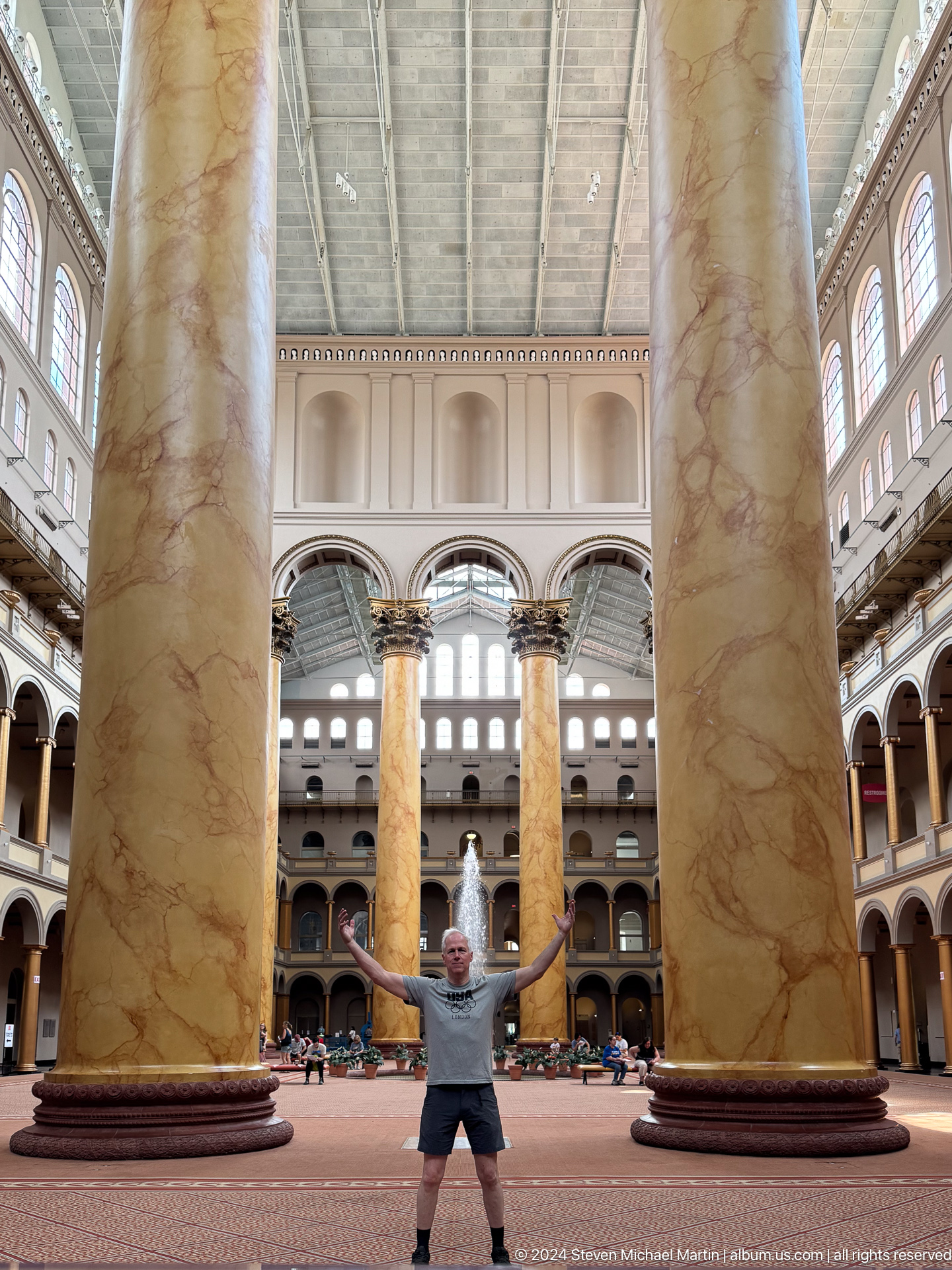
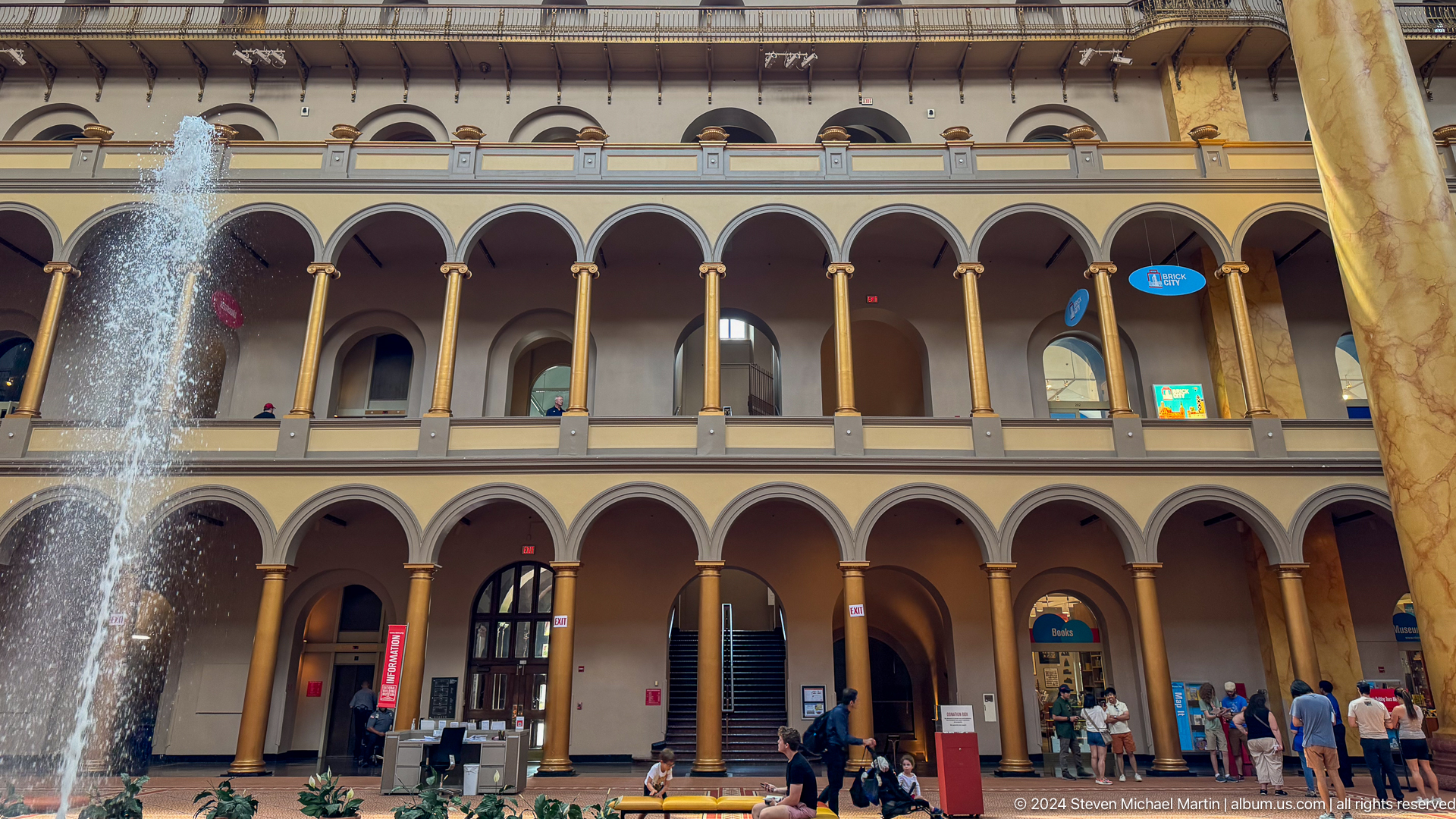
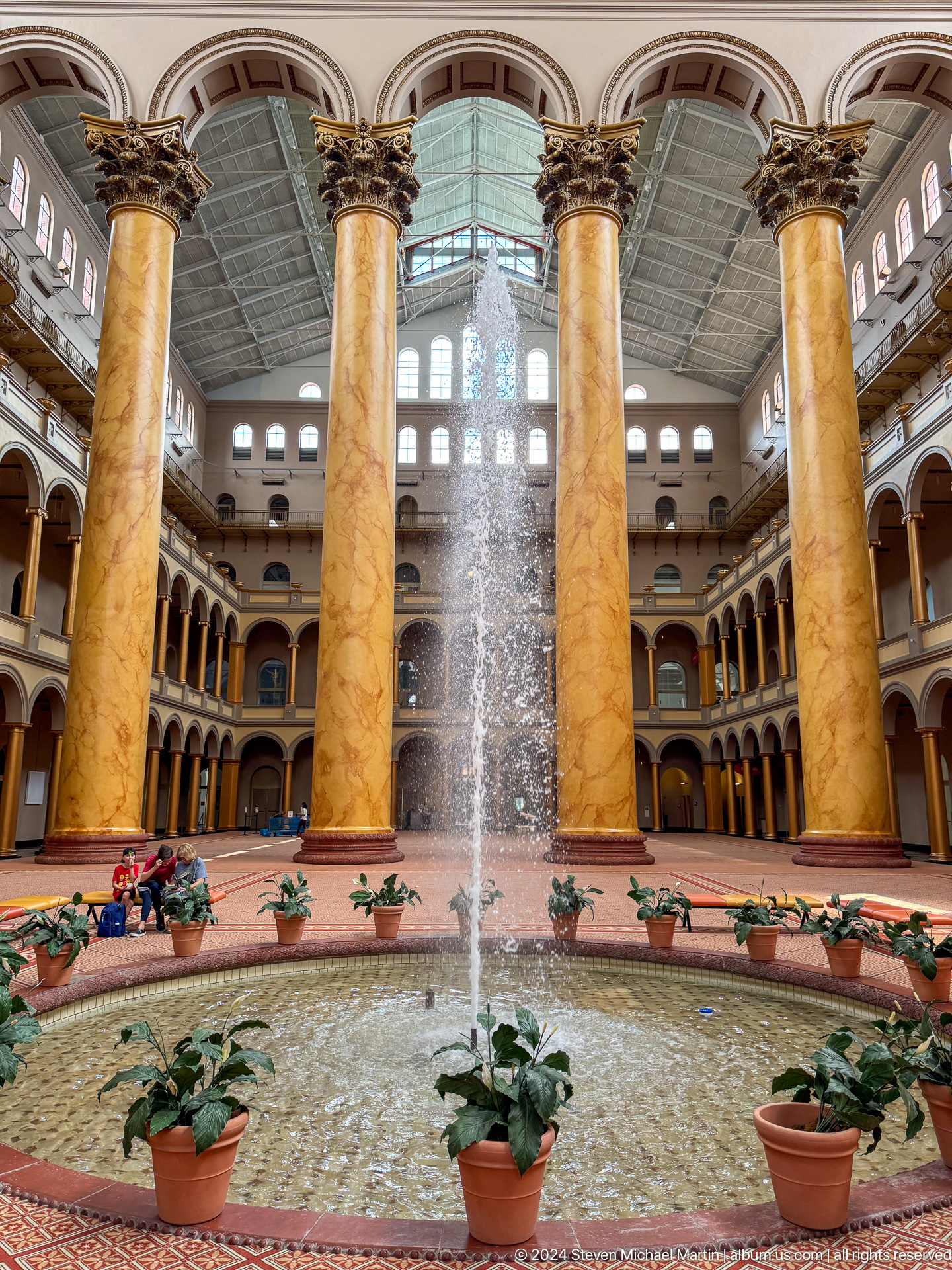
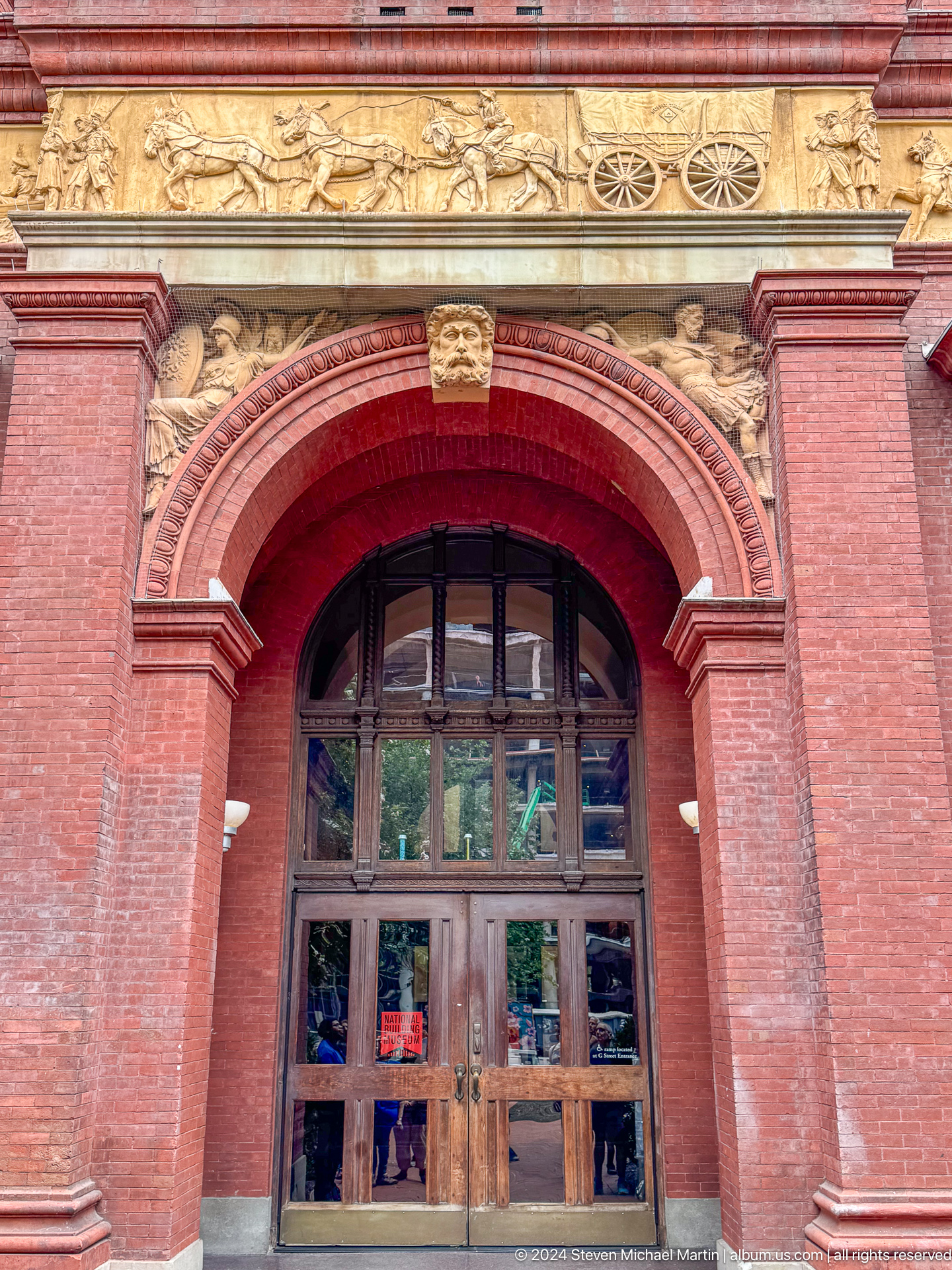
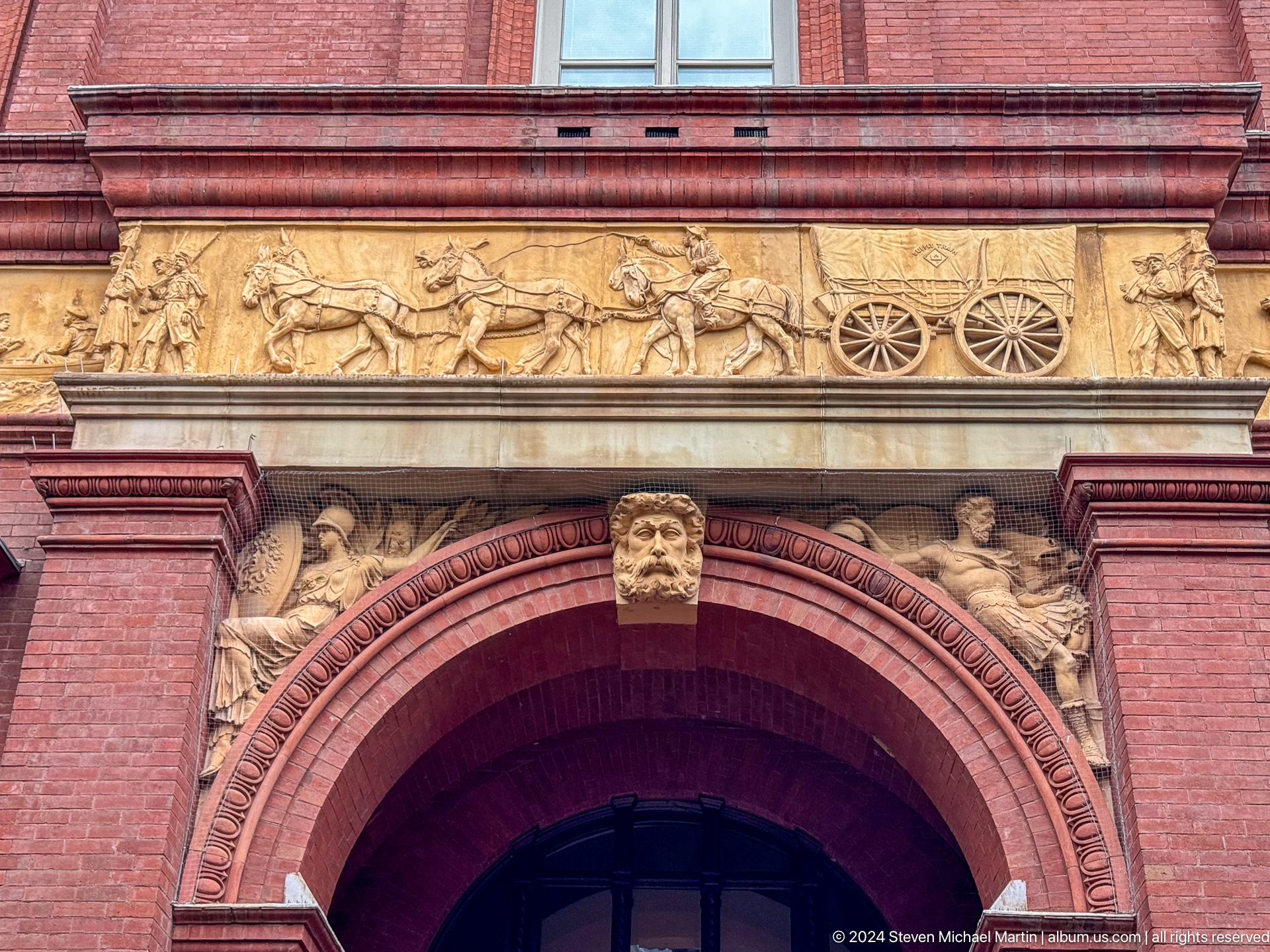
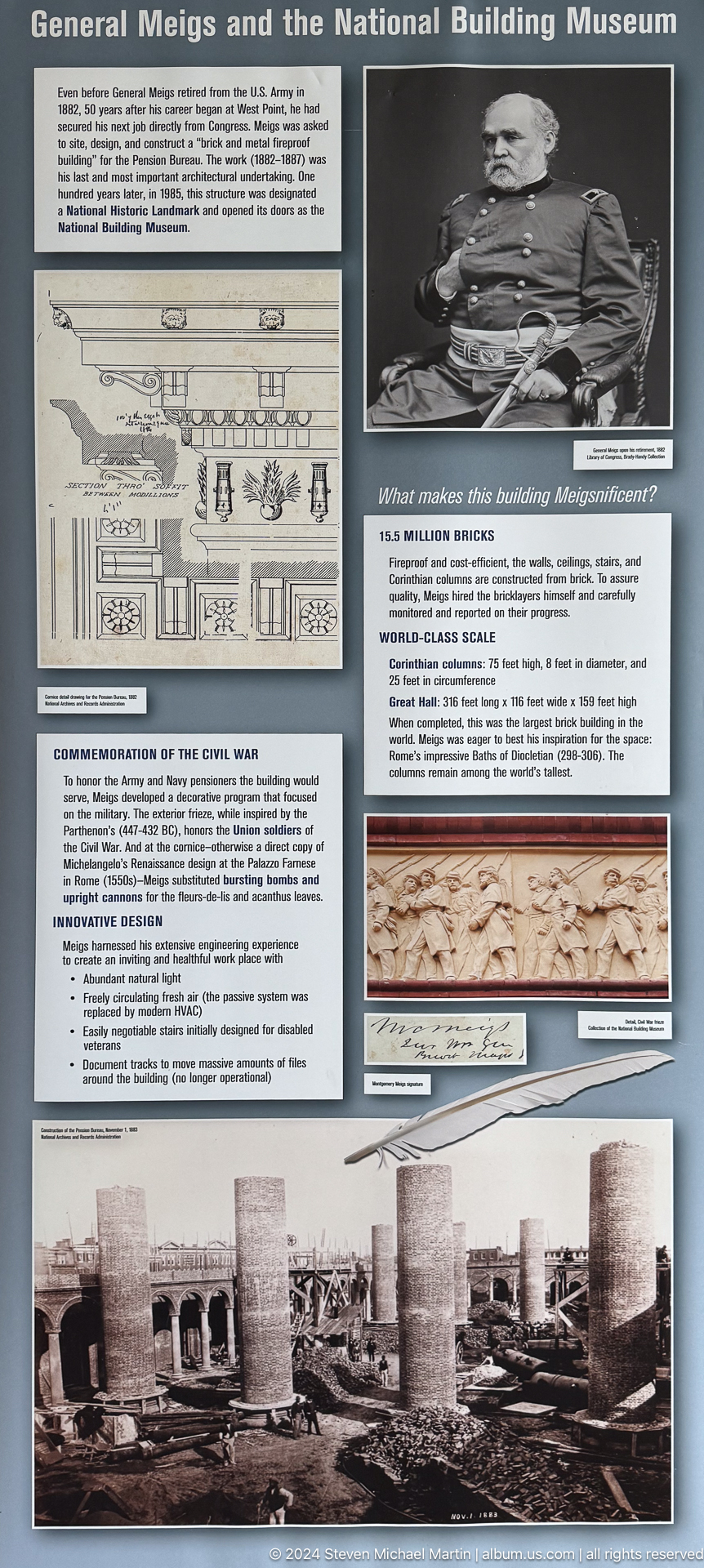
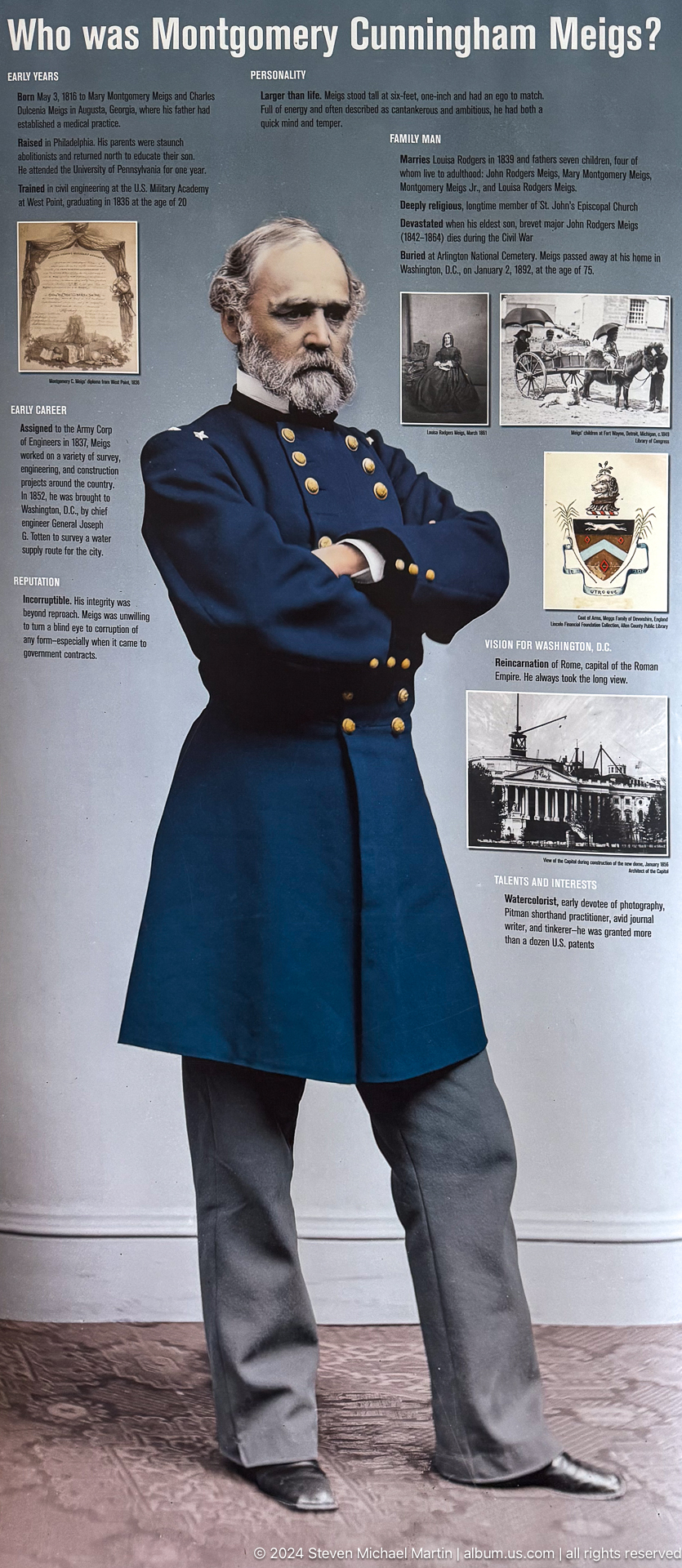
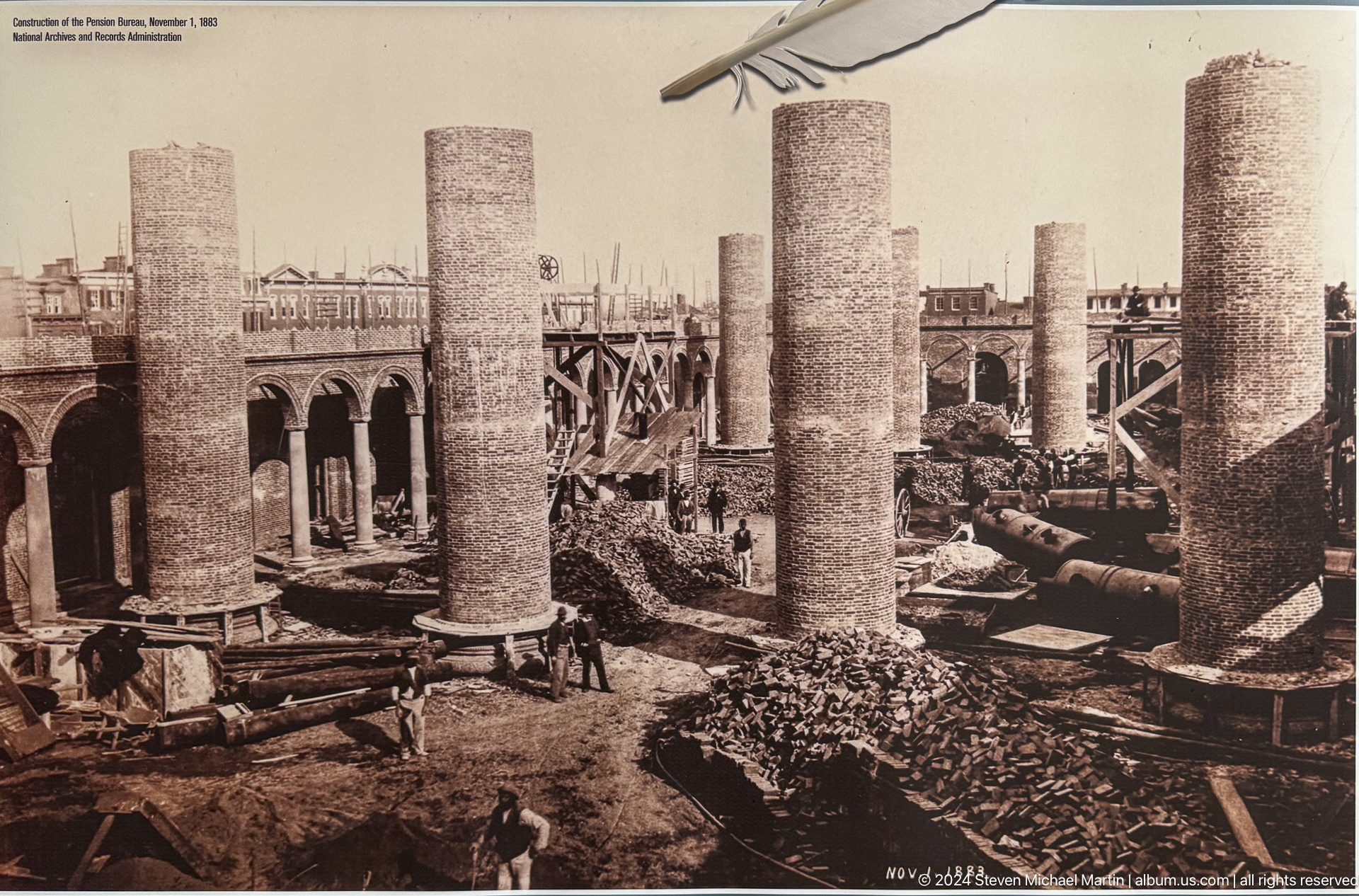
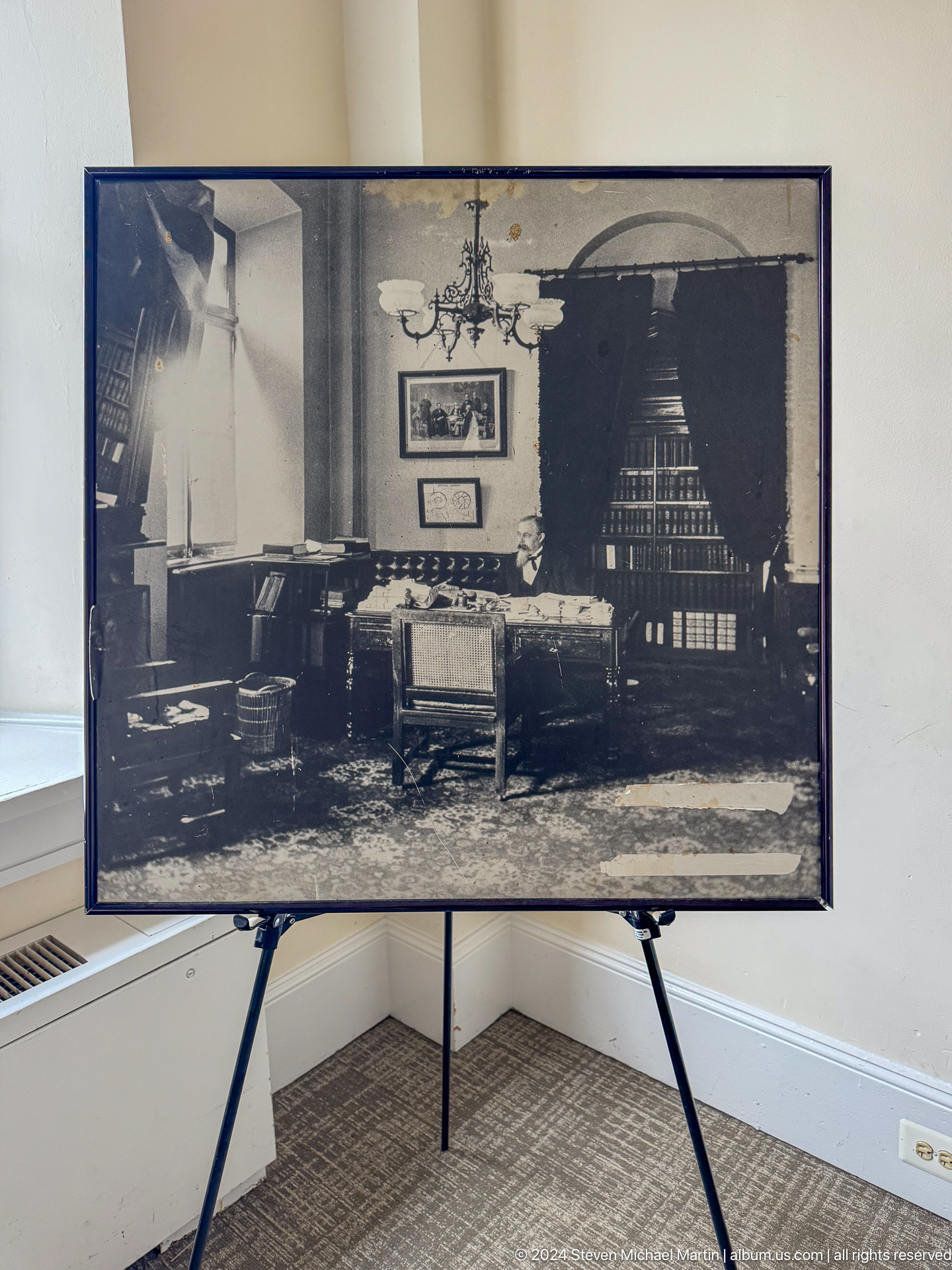
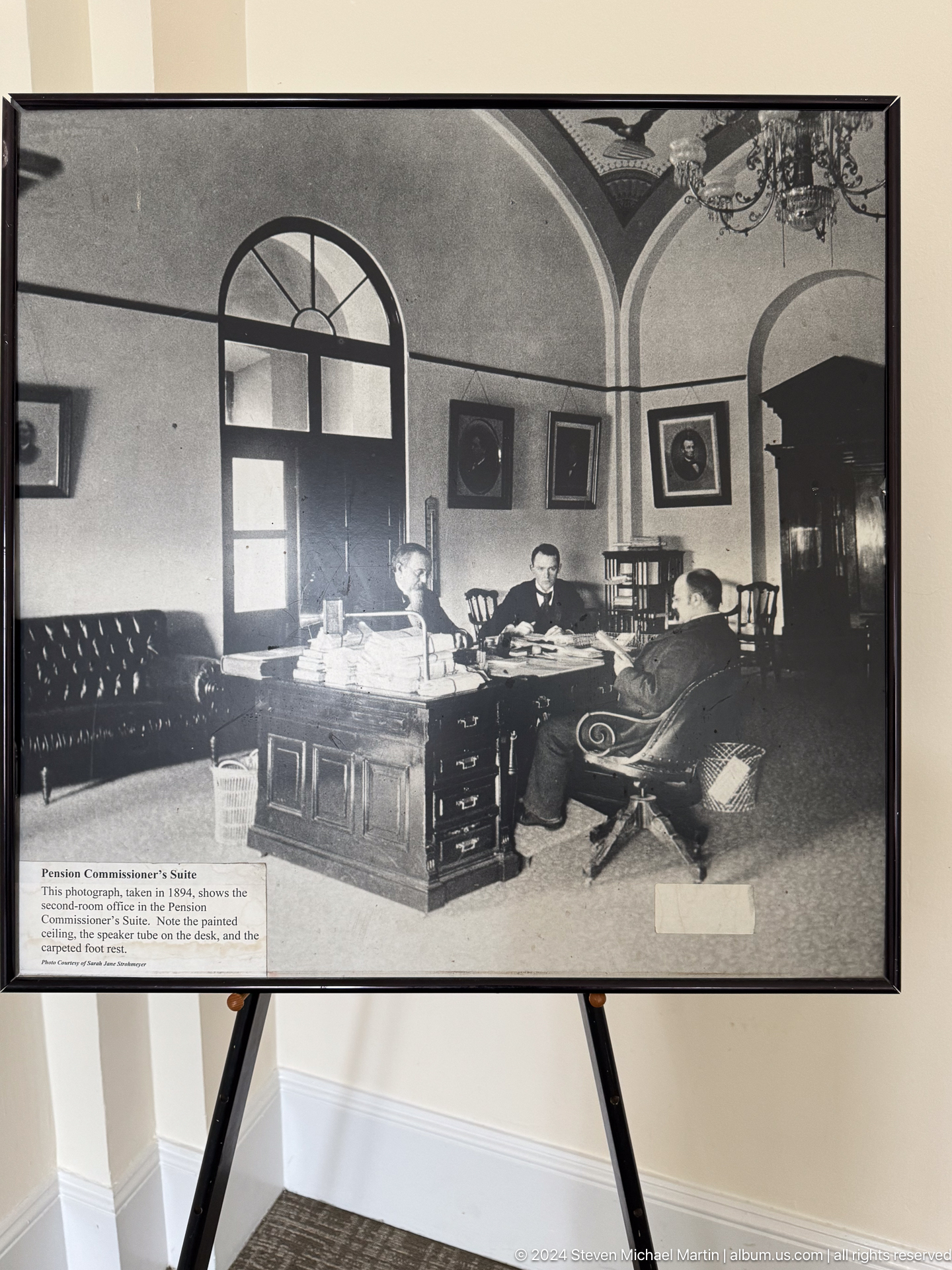
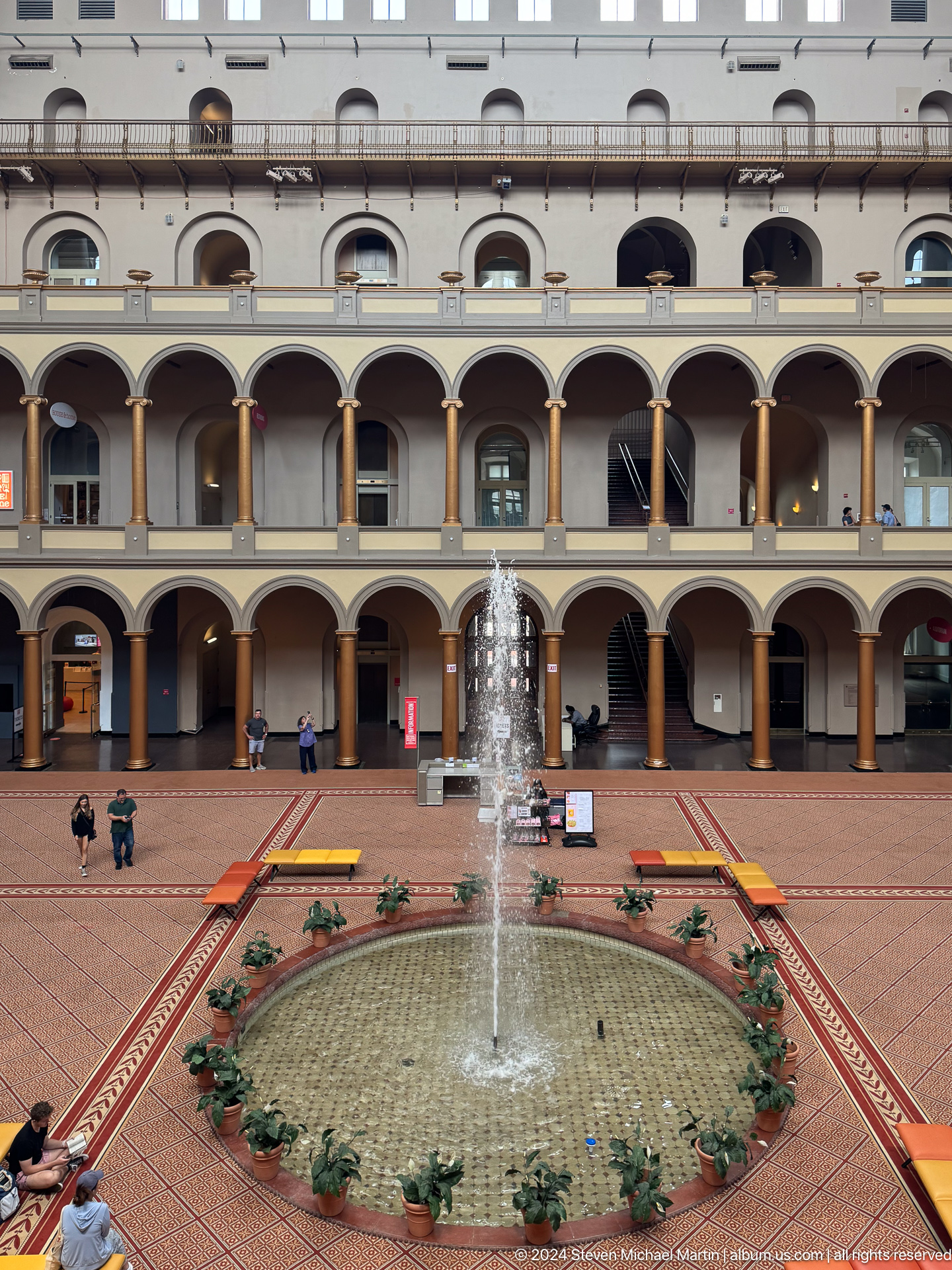
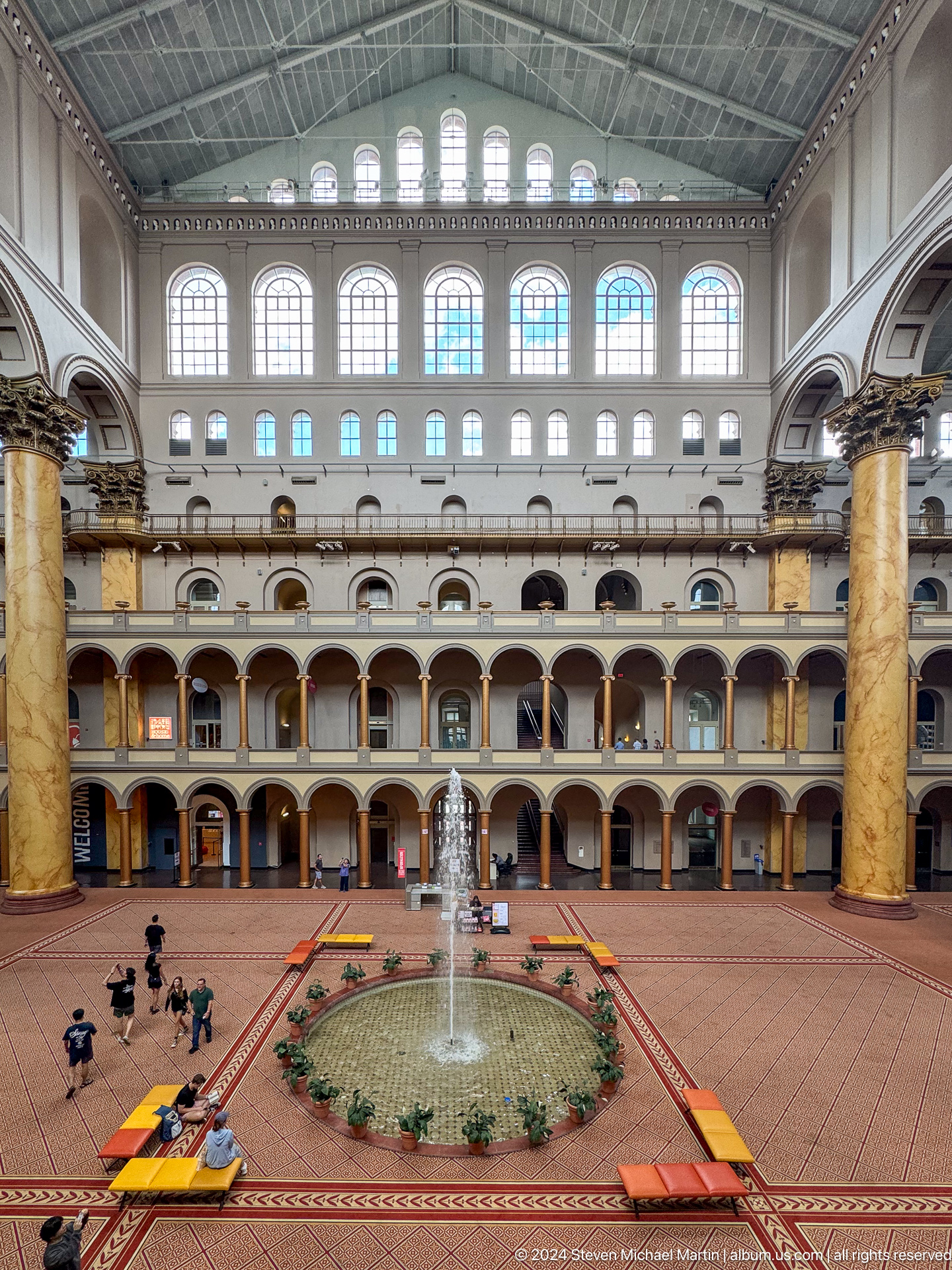
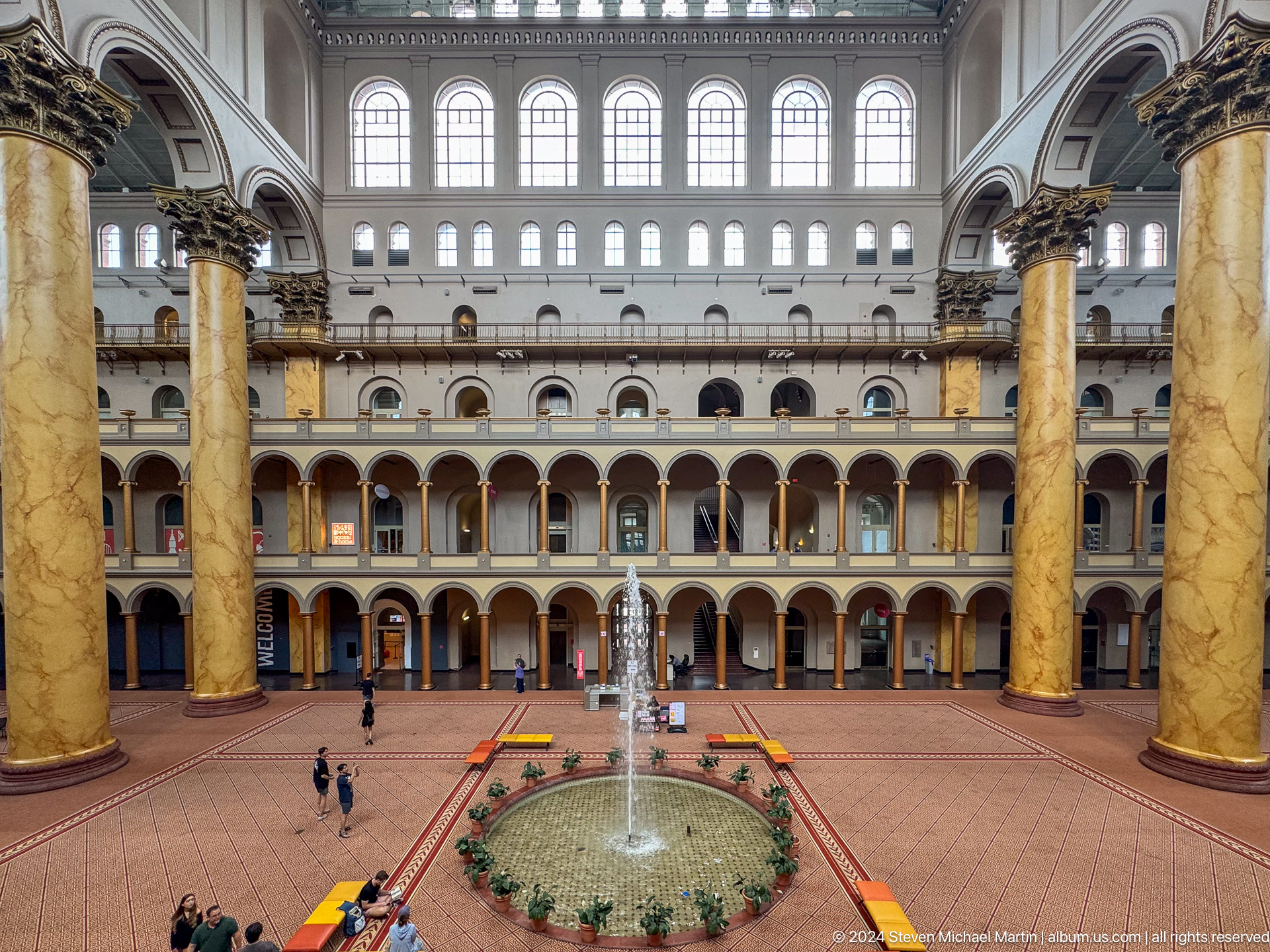
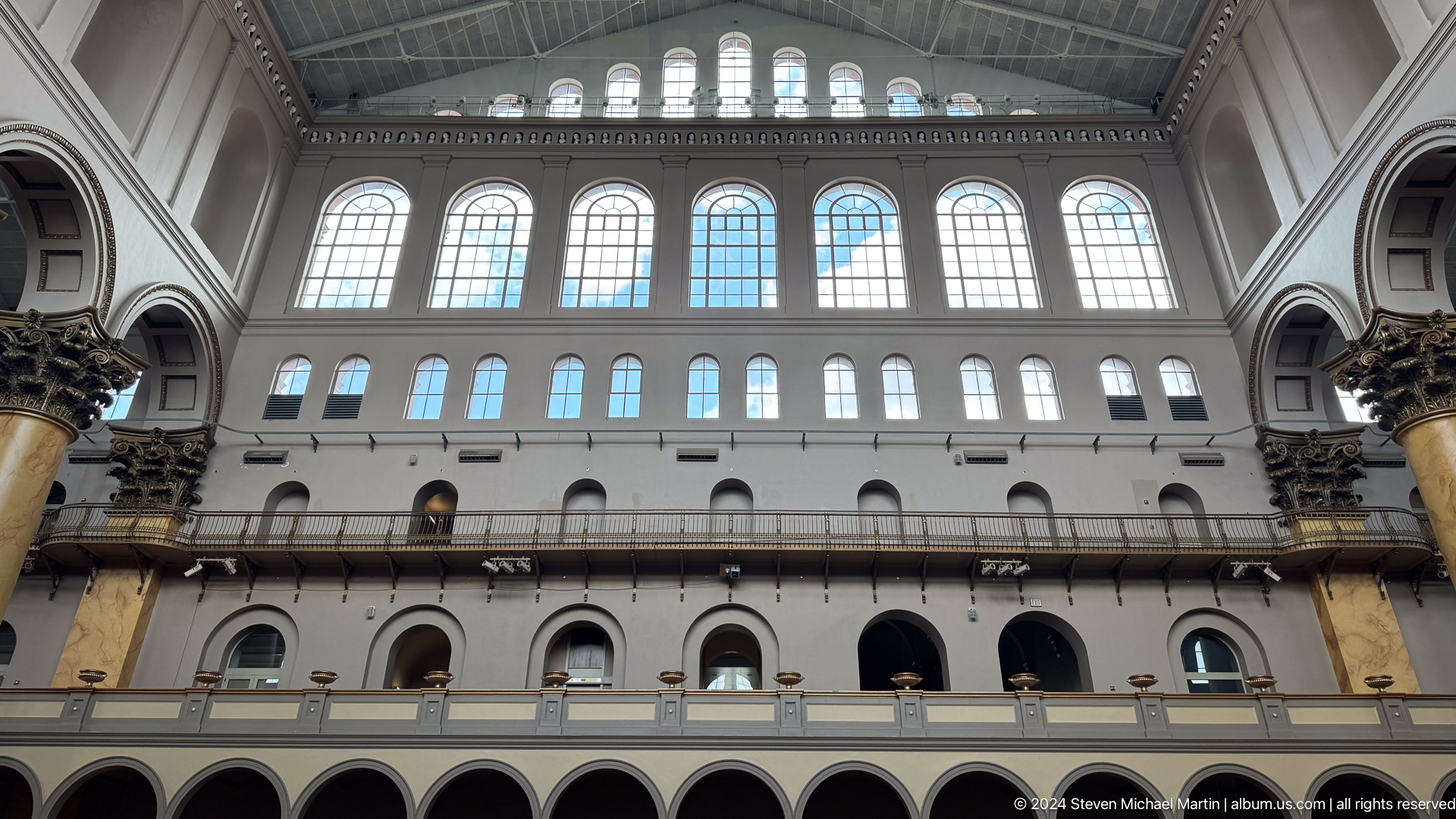
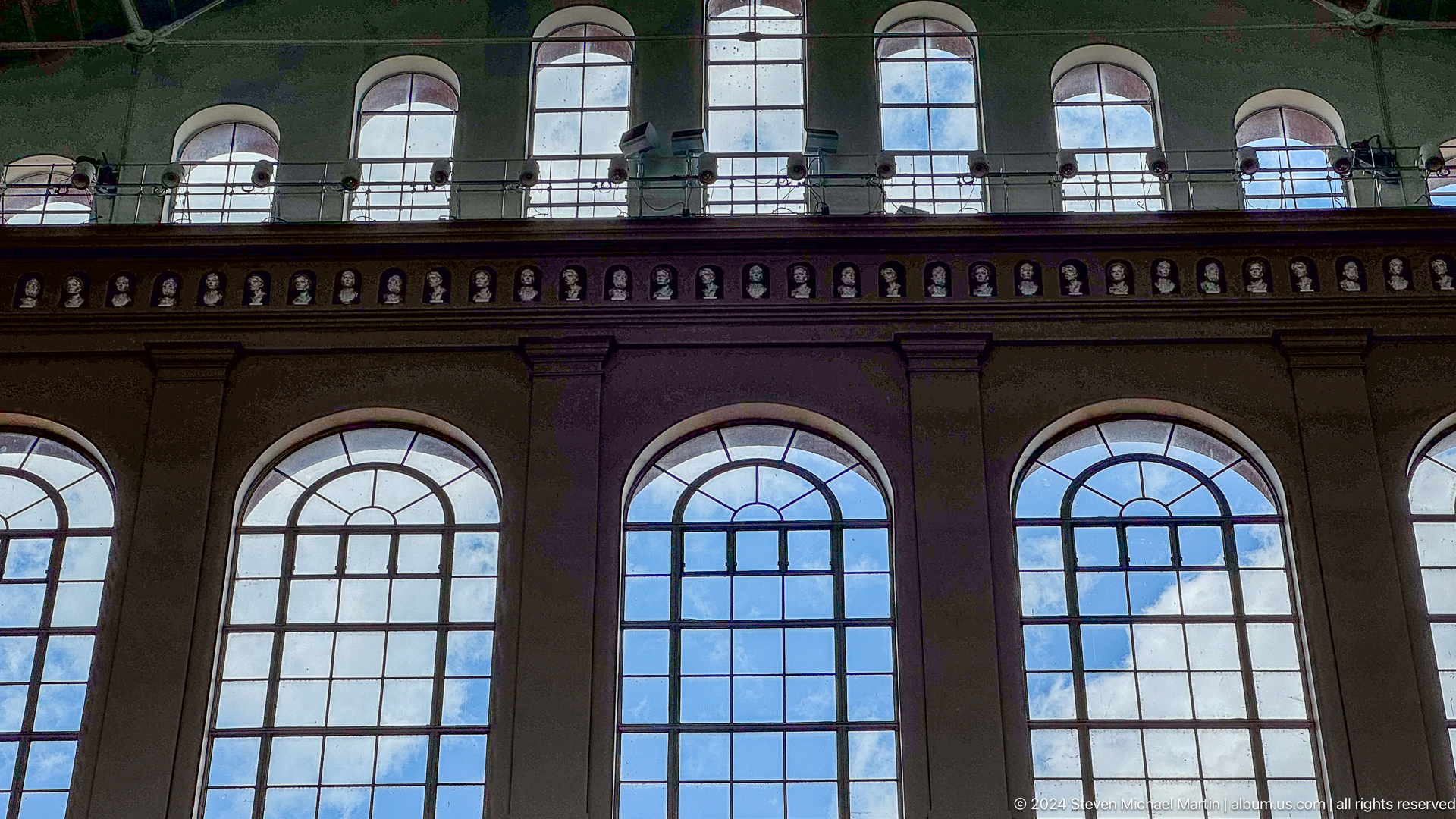
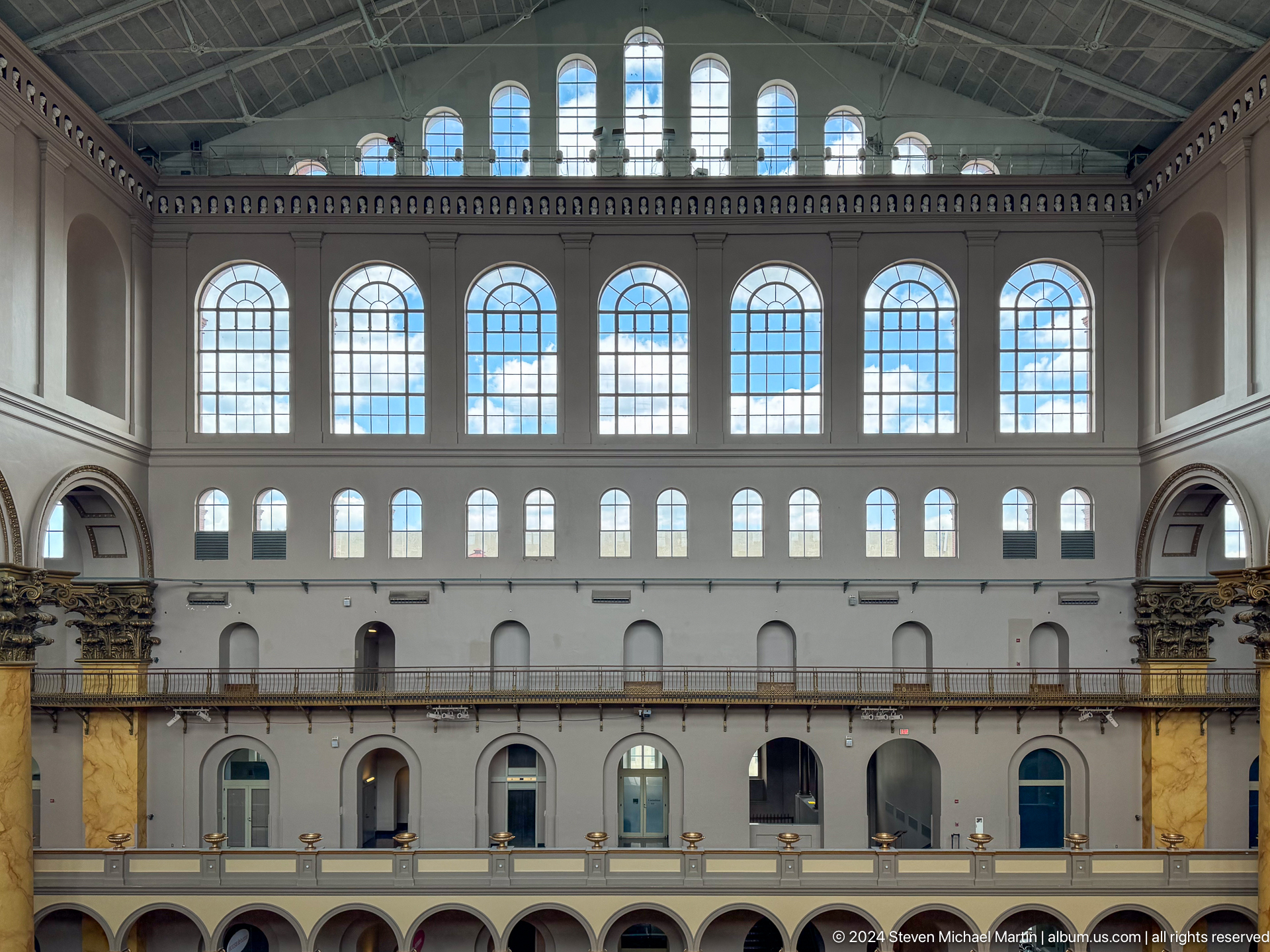
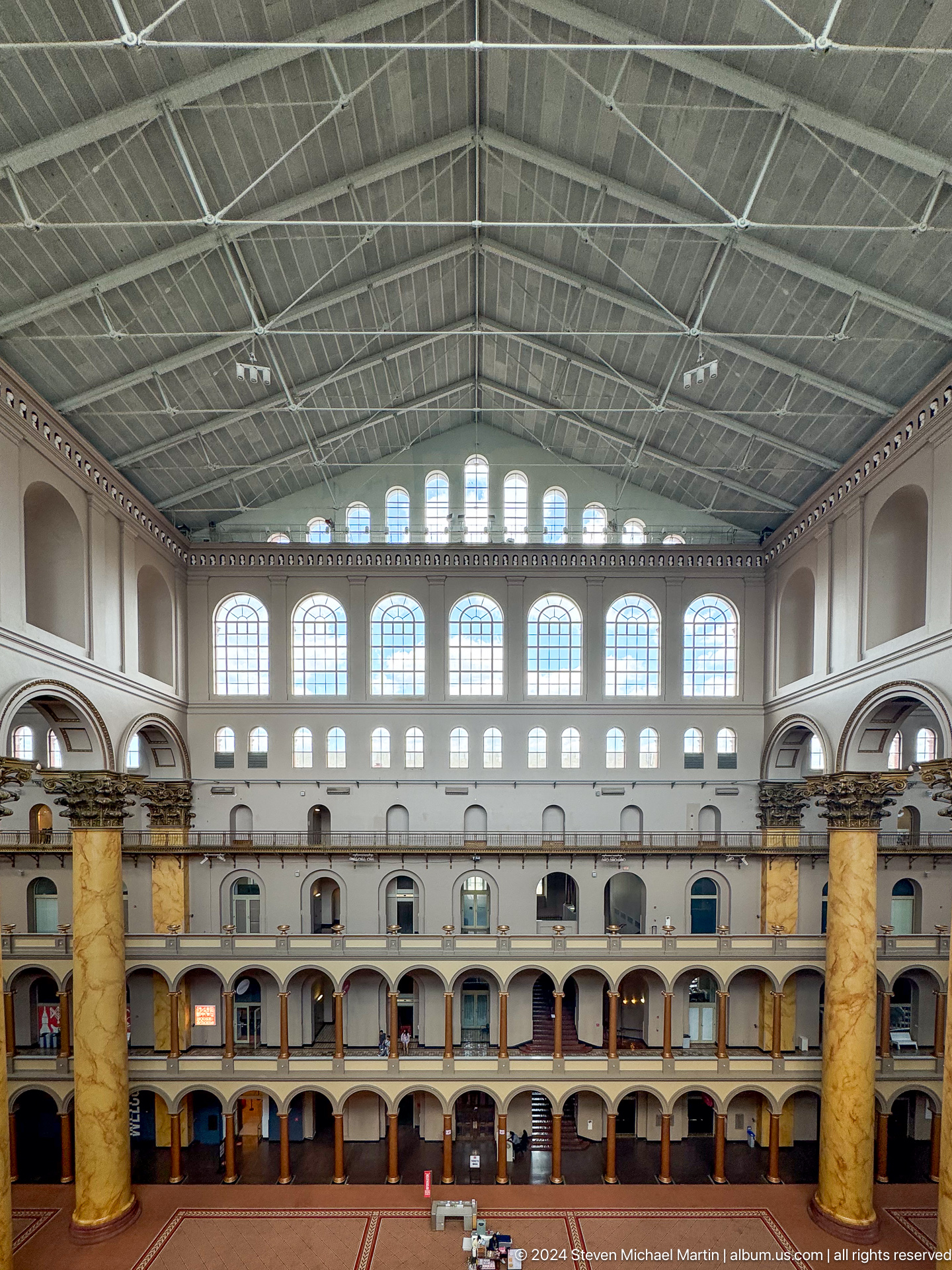
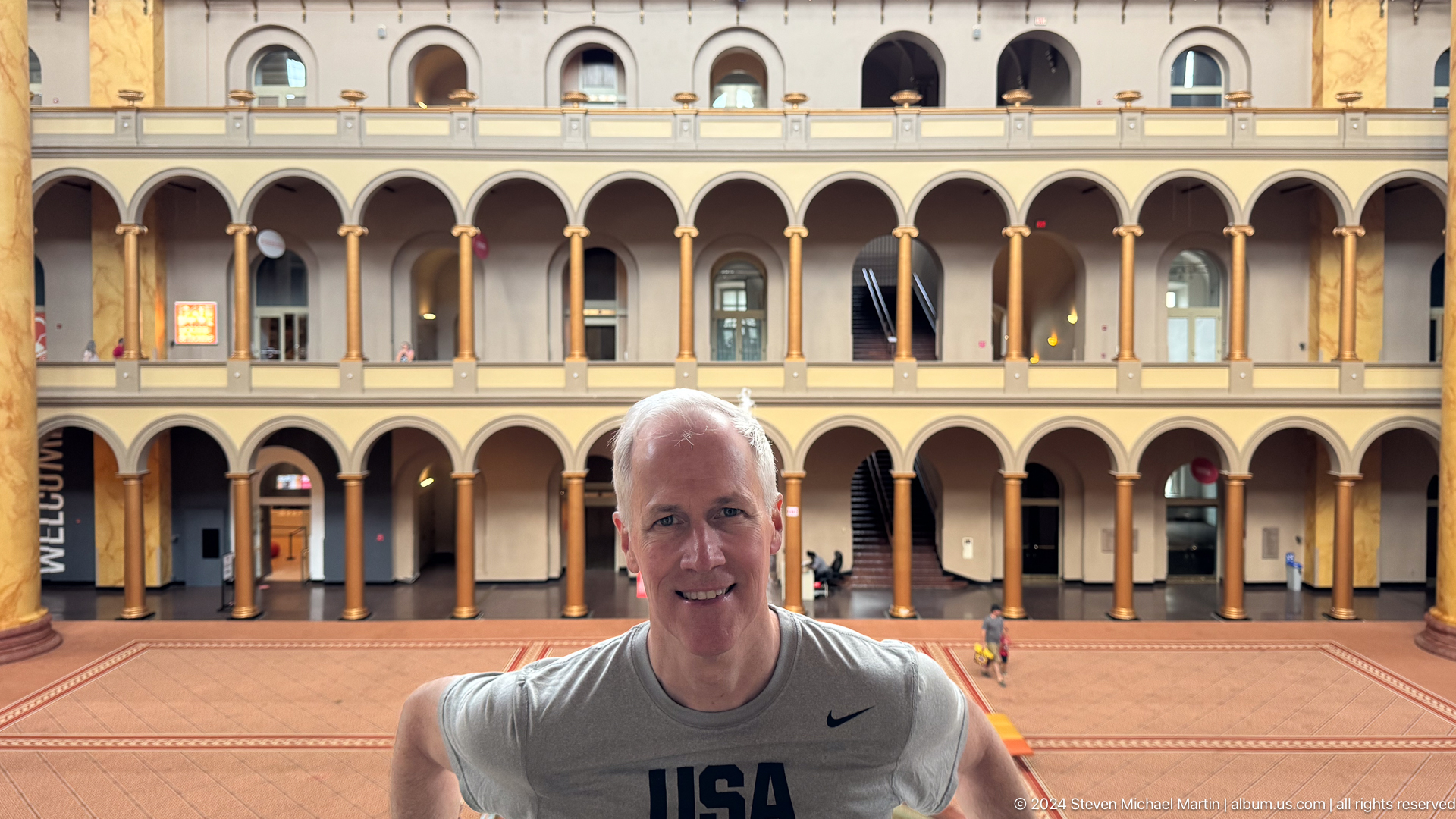
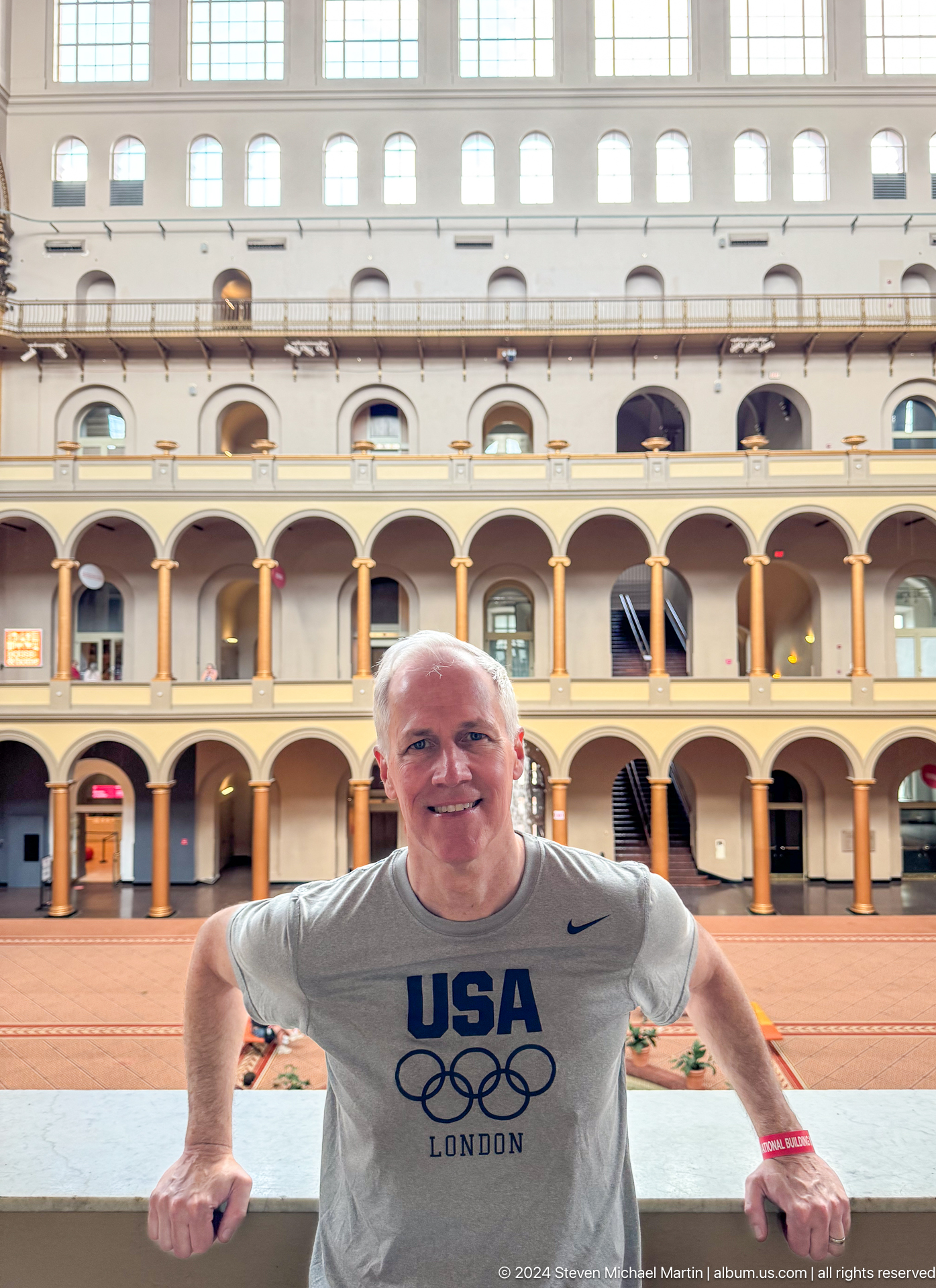
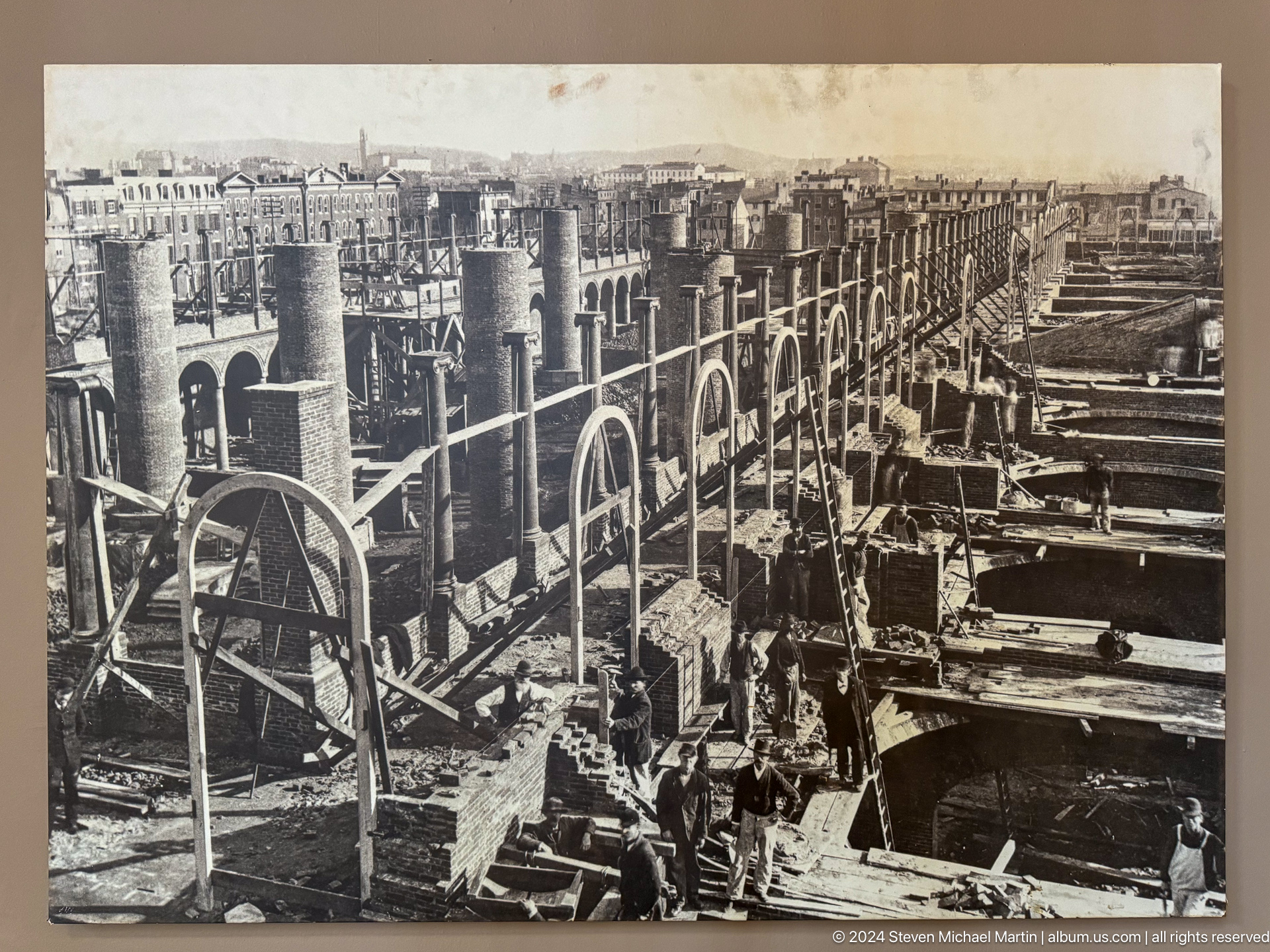
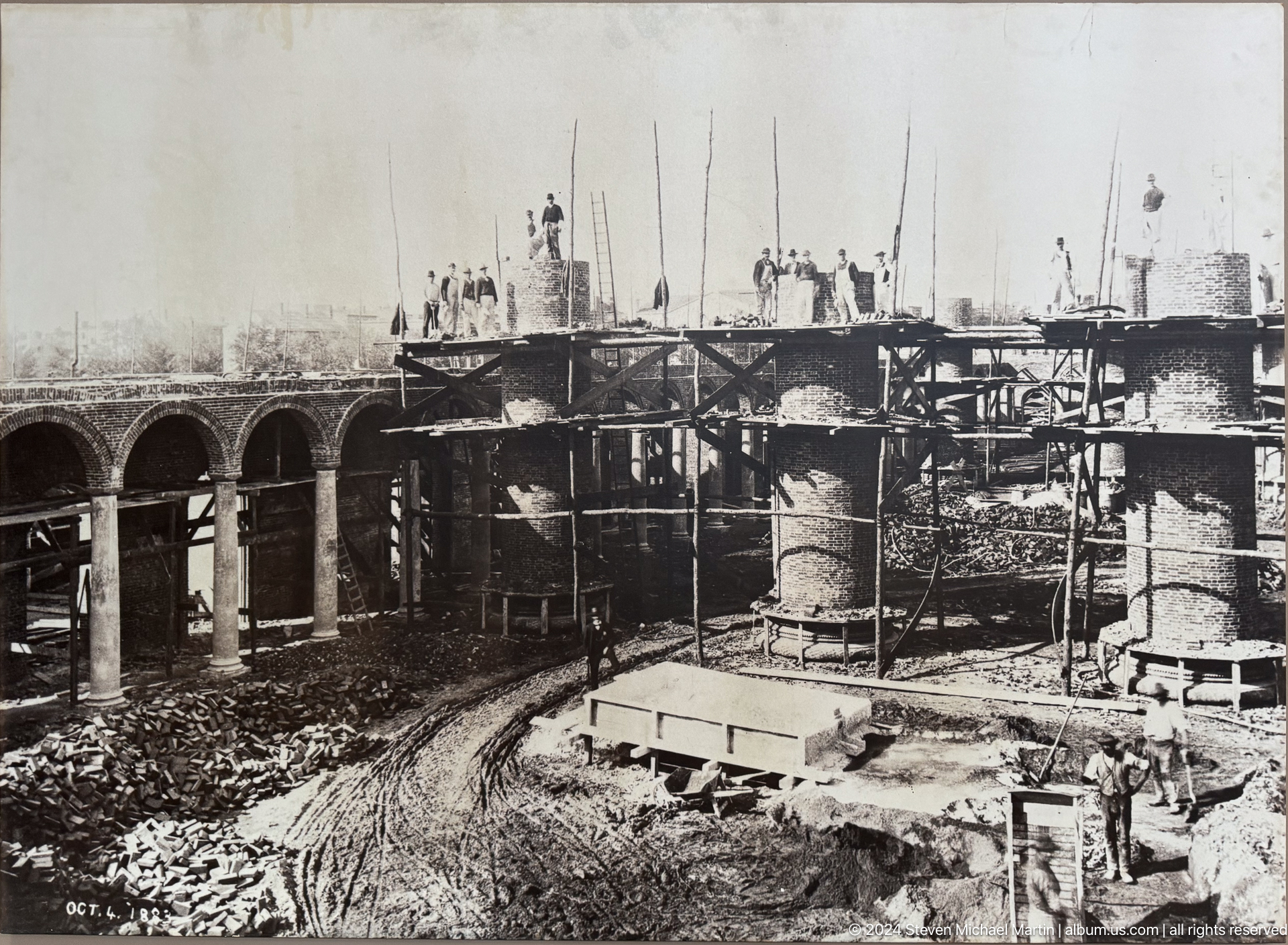
The National Building Museum occupies one of the most significant nineteenth-century government buildings in Washington, DC, originally constructed between 1882 and 1887 as the headquarters of the United States Pension Bureau. Designed by architect Montgomery C. Meigs, the structure reflects the Italian Renaissance Revival style and demonstrates the use of monumental scale to convey institutional permanence following the Civil War. The building’s massive Corinthian columns and grand interior hall illustrate the importance of architecture in expressing national stability and civic identity. :
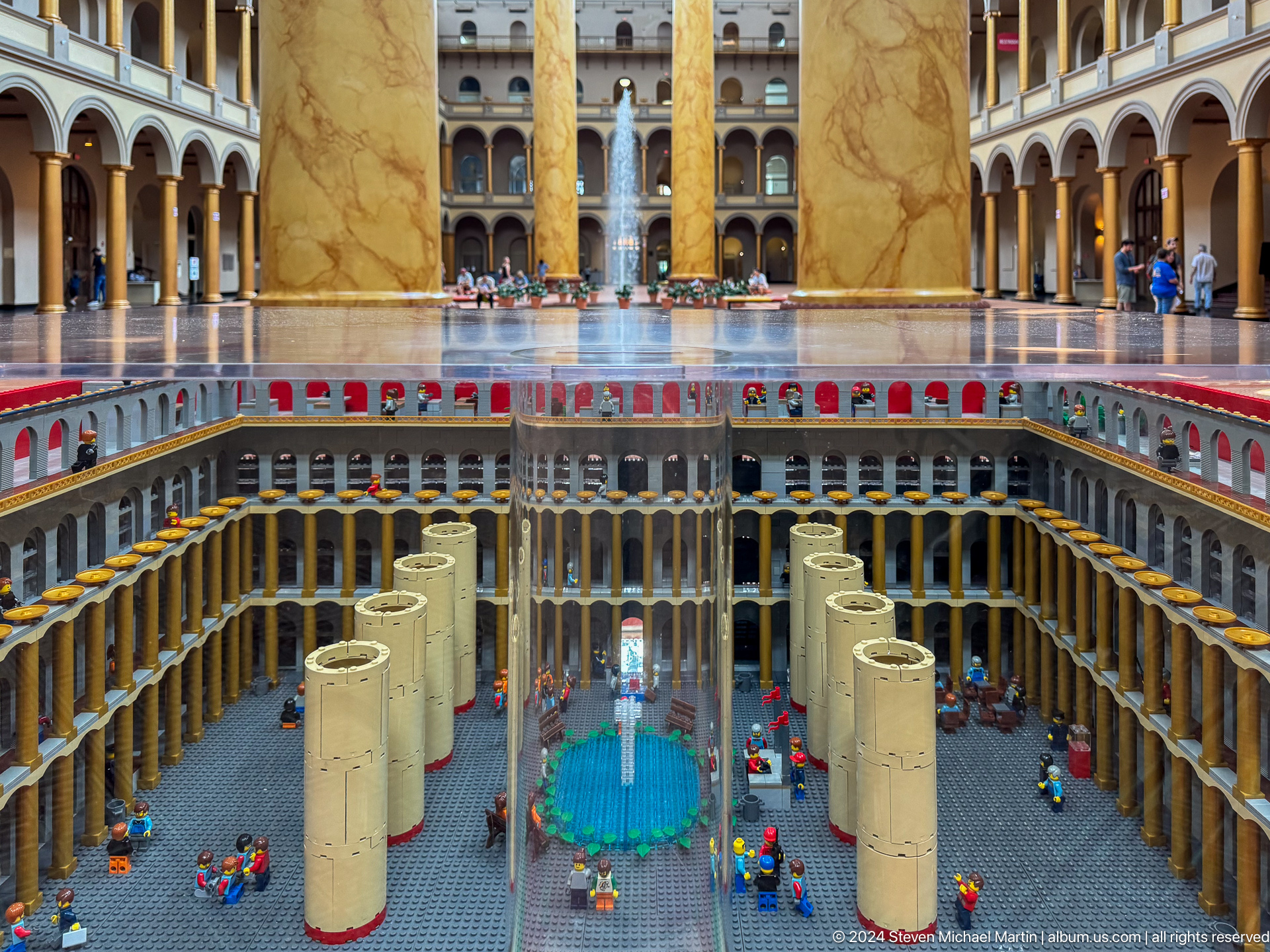
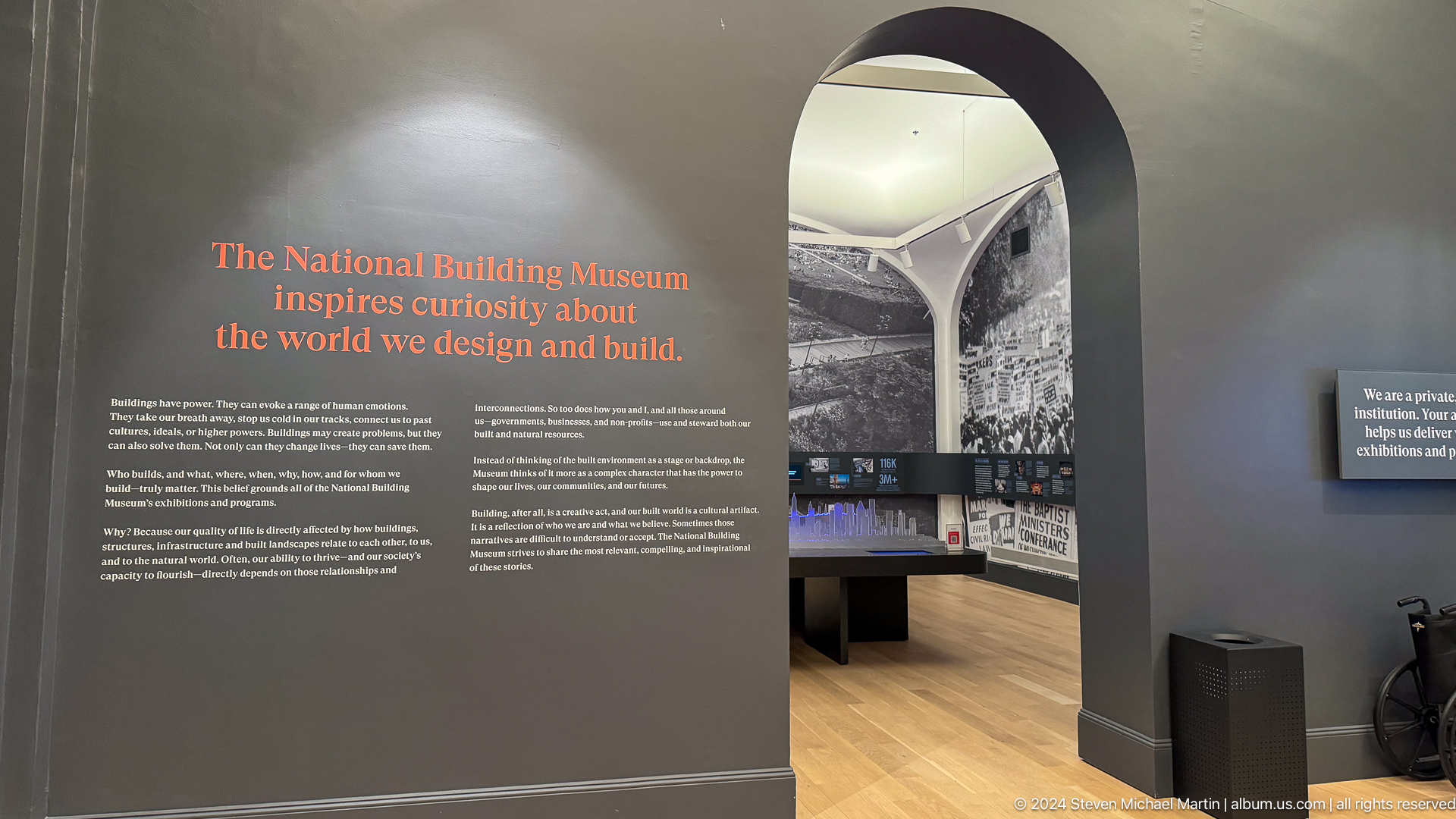
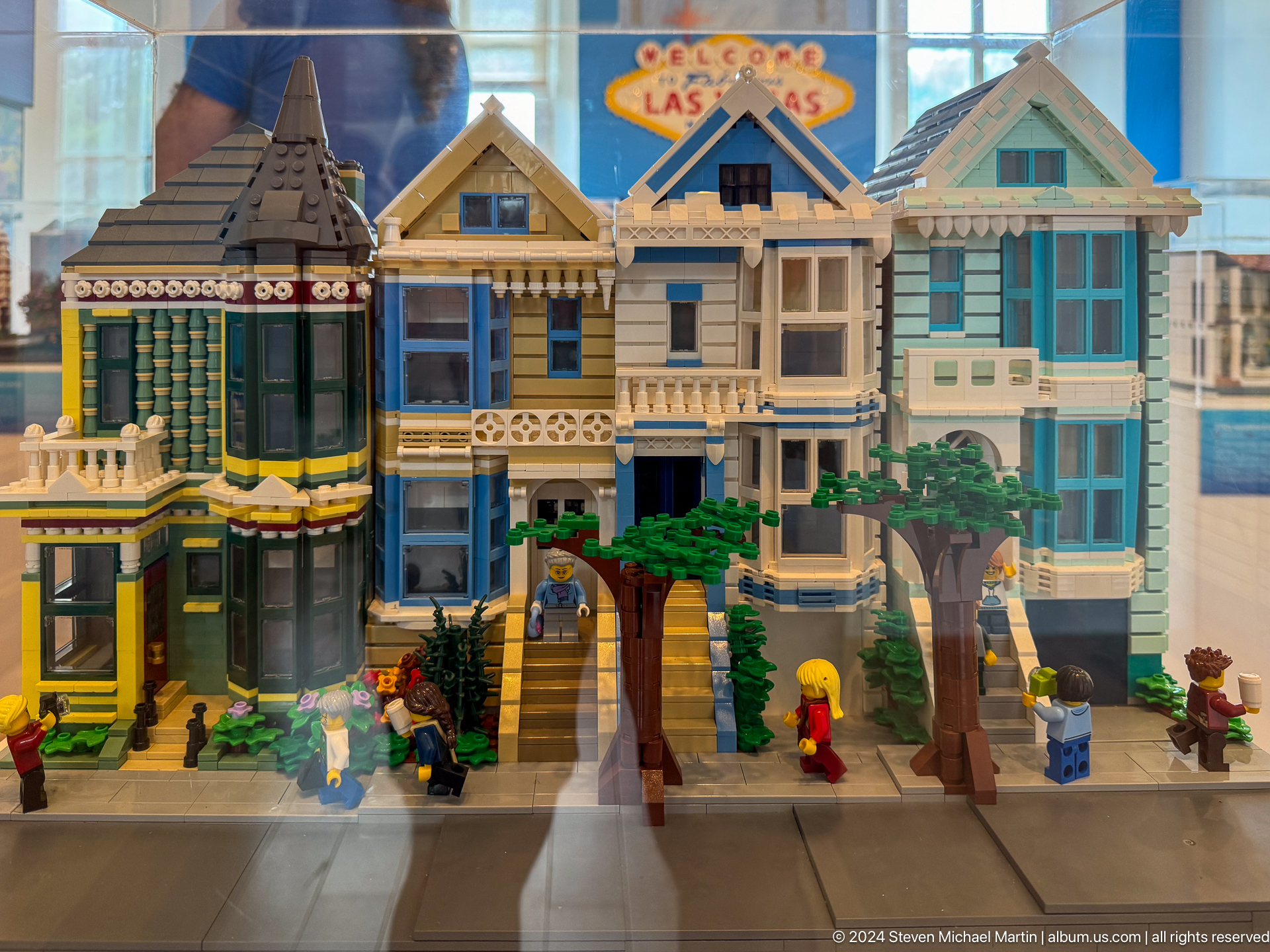
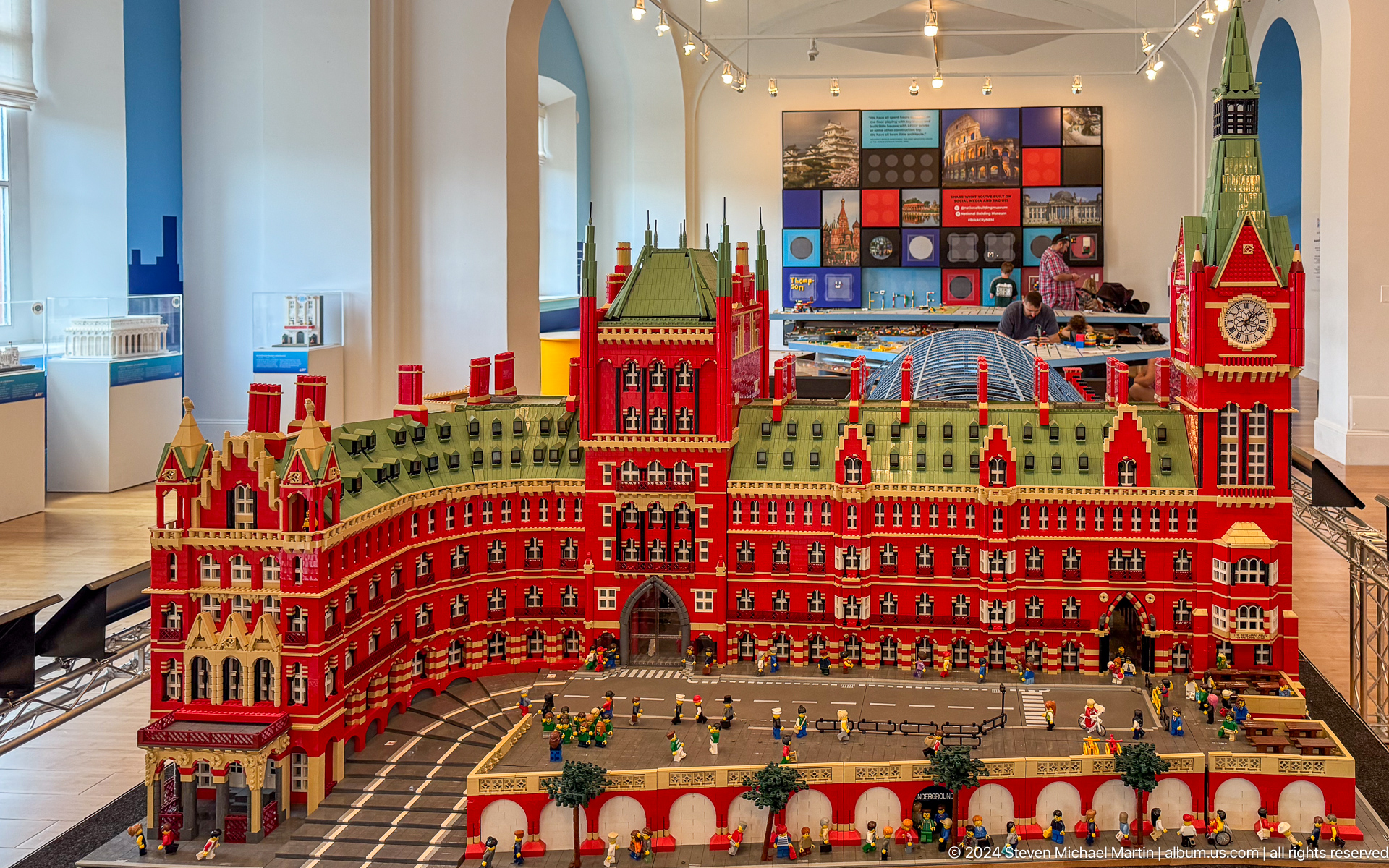
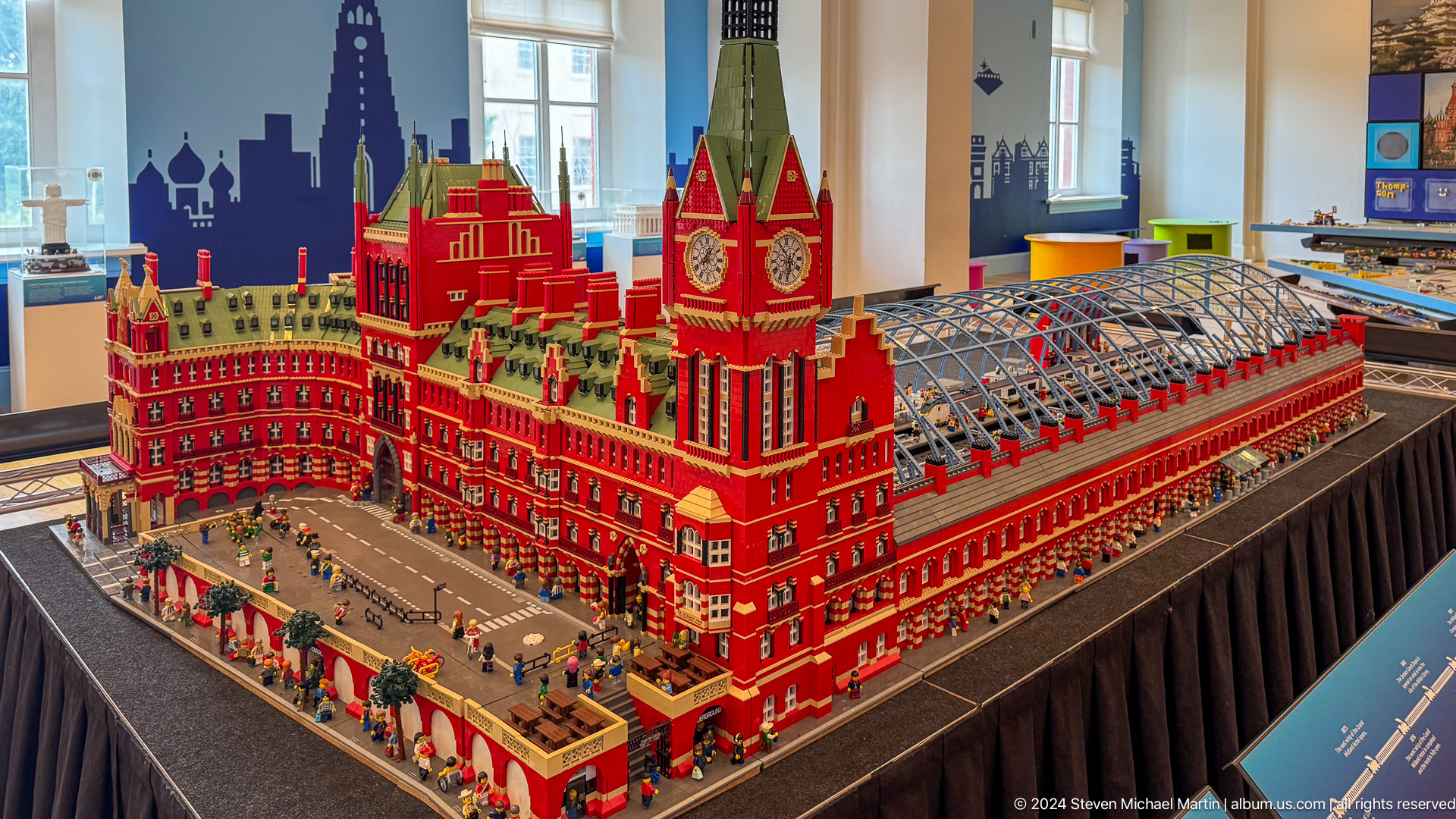
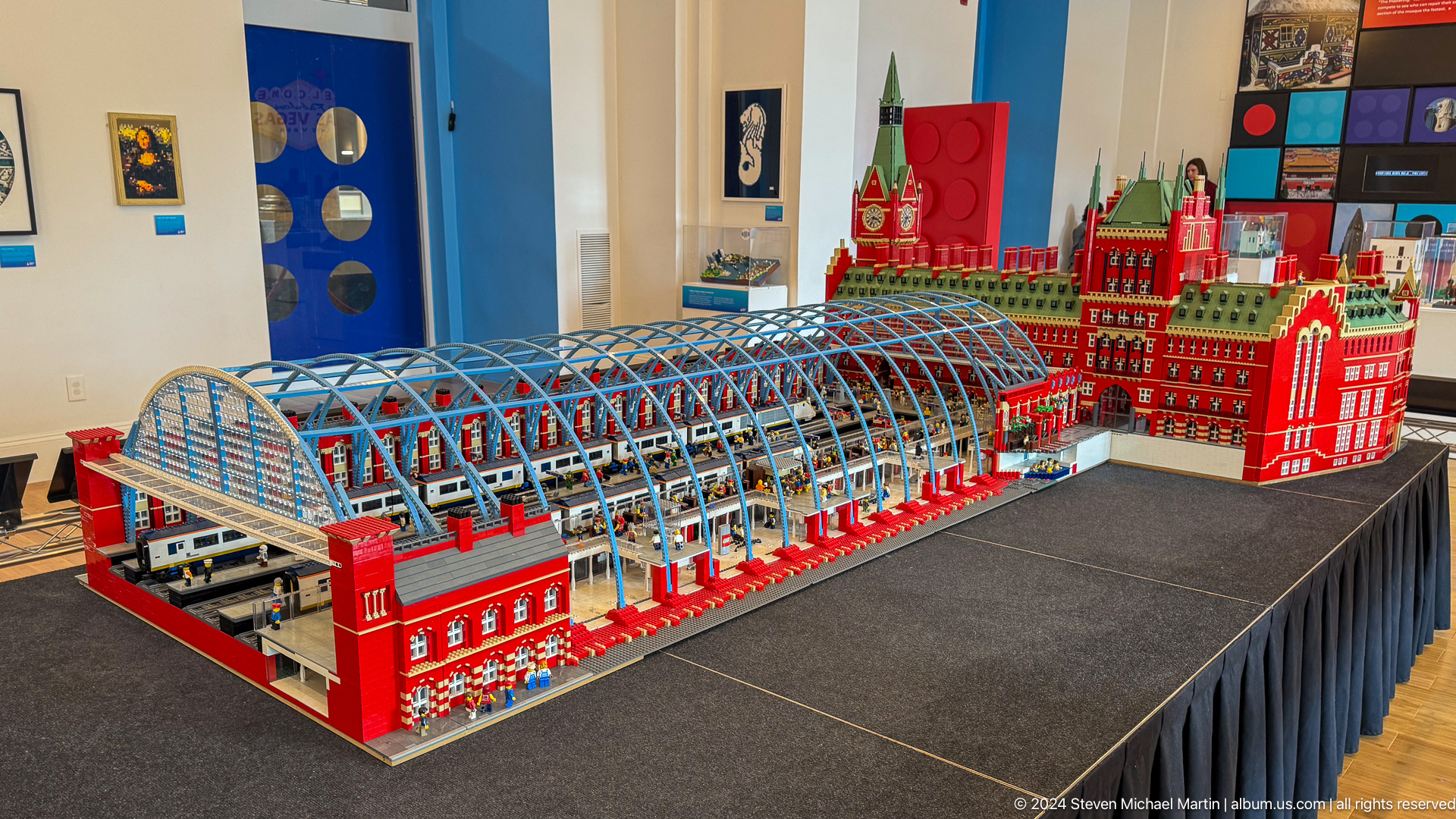
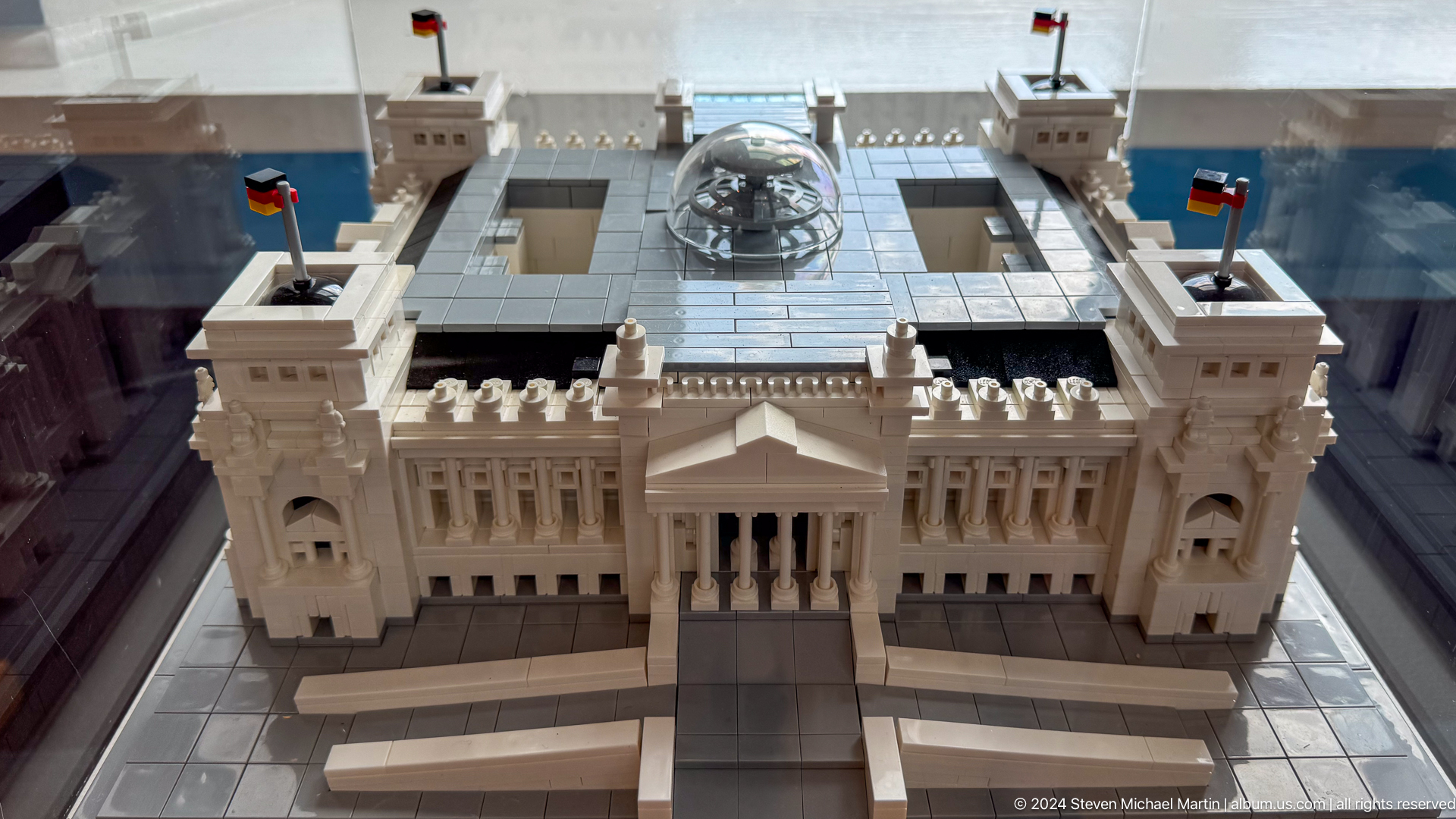
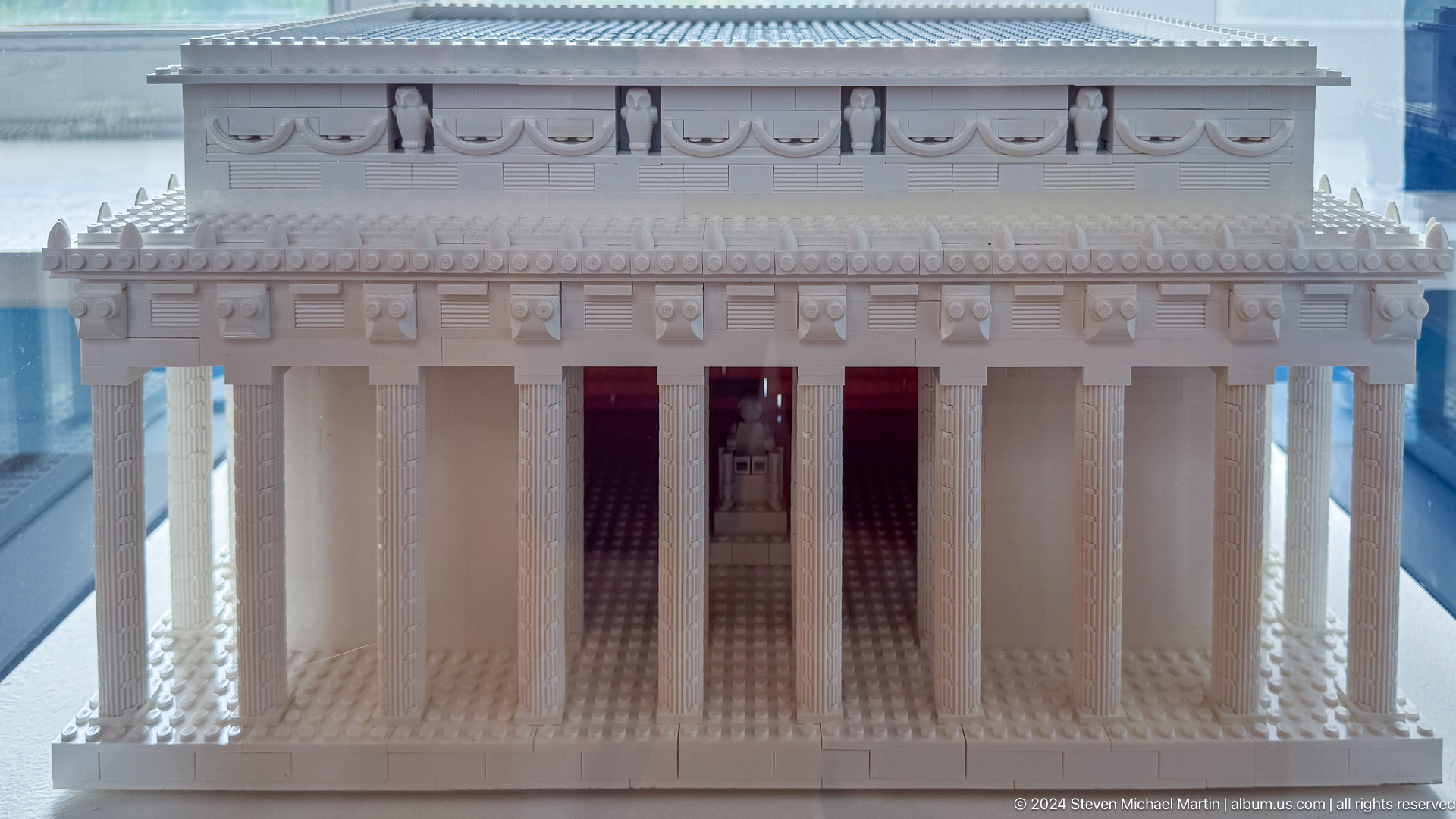
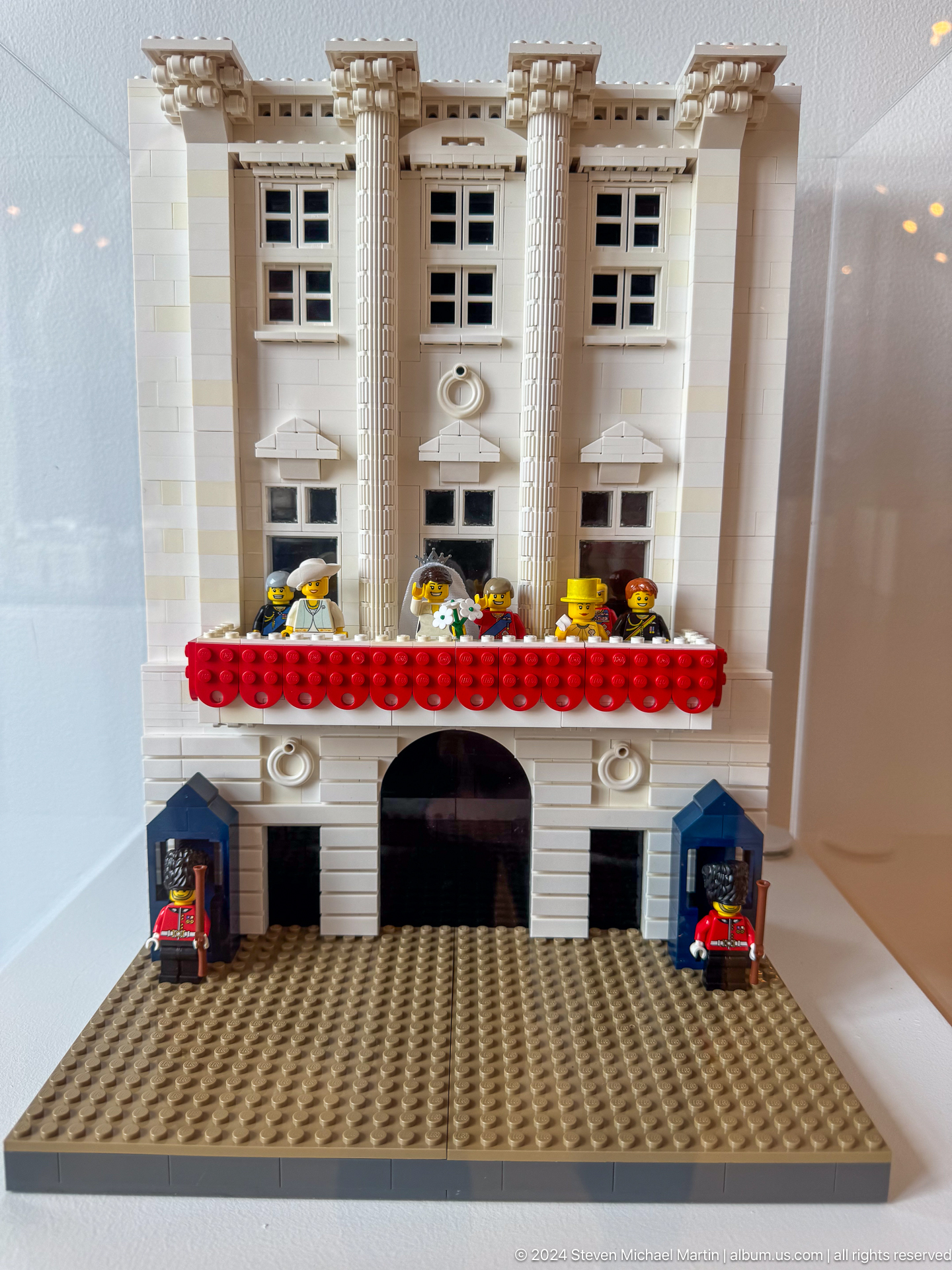
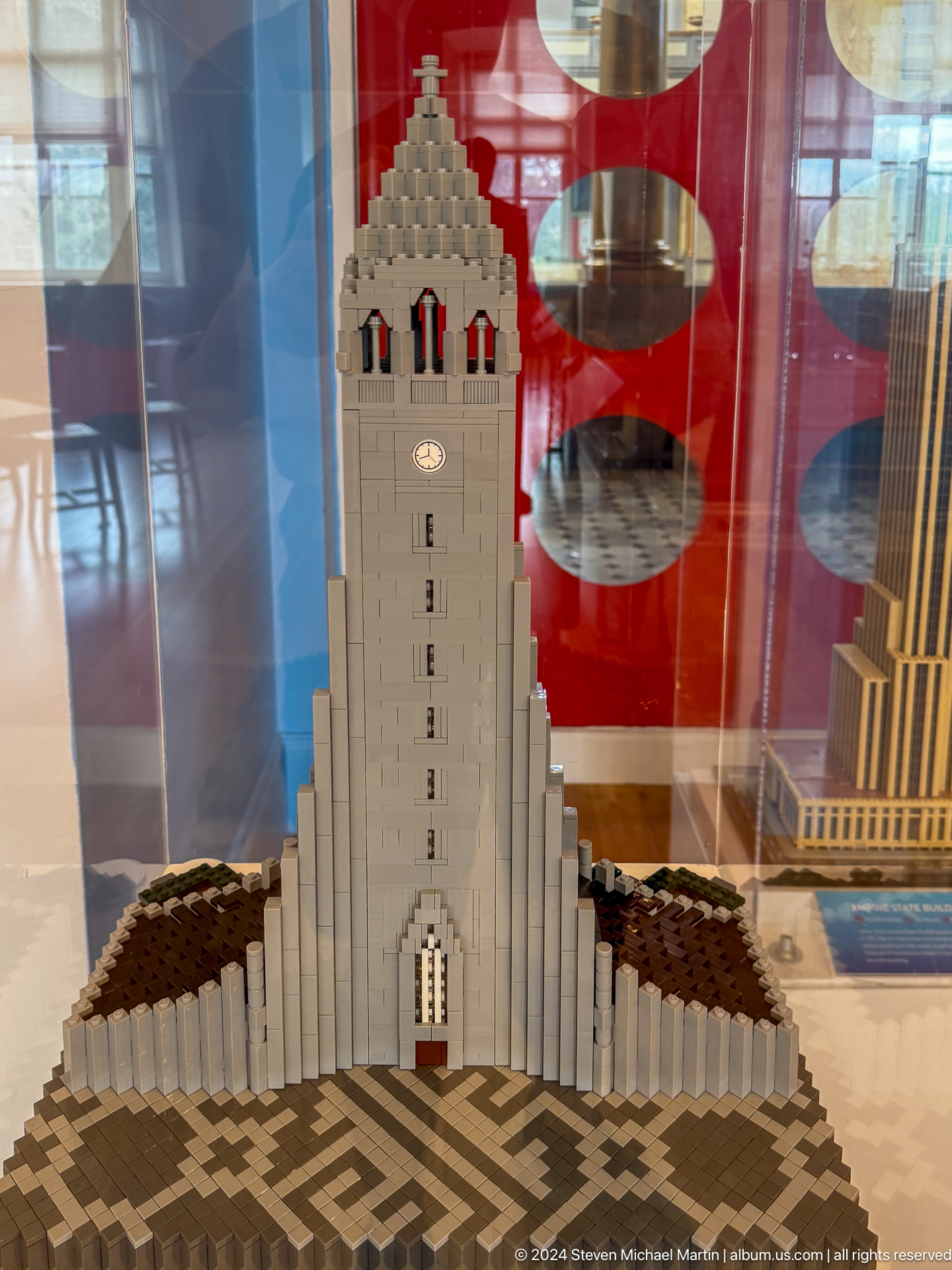
The museum today is dedicated to the study of architecture, urban planning, engineering, and design, presenting exhibitions that explore how the built environment shapes daily life. Its Great Hall, one of the largest interior spaces in Washington, has been used for public events and exhibitions that interpret the relationship between construction, infrastructure, and cultural development. Through its programming, the museum demonstrates how architectural innovation reflects technological progress and changing patterns of urban growth.
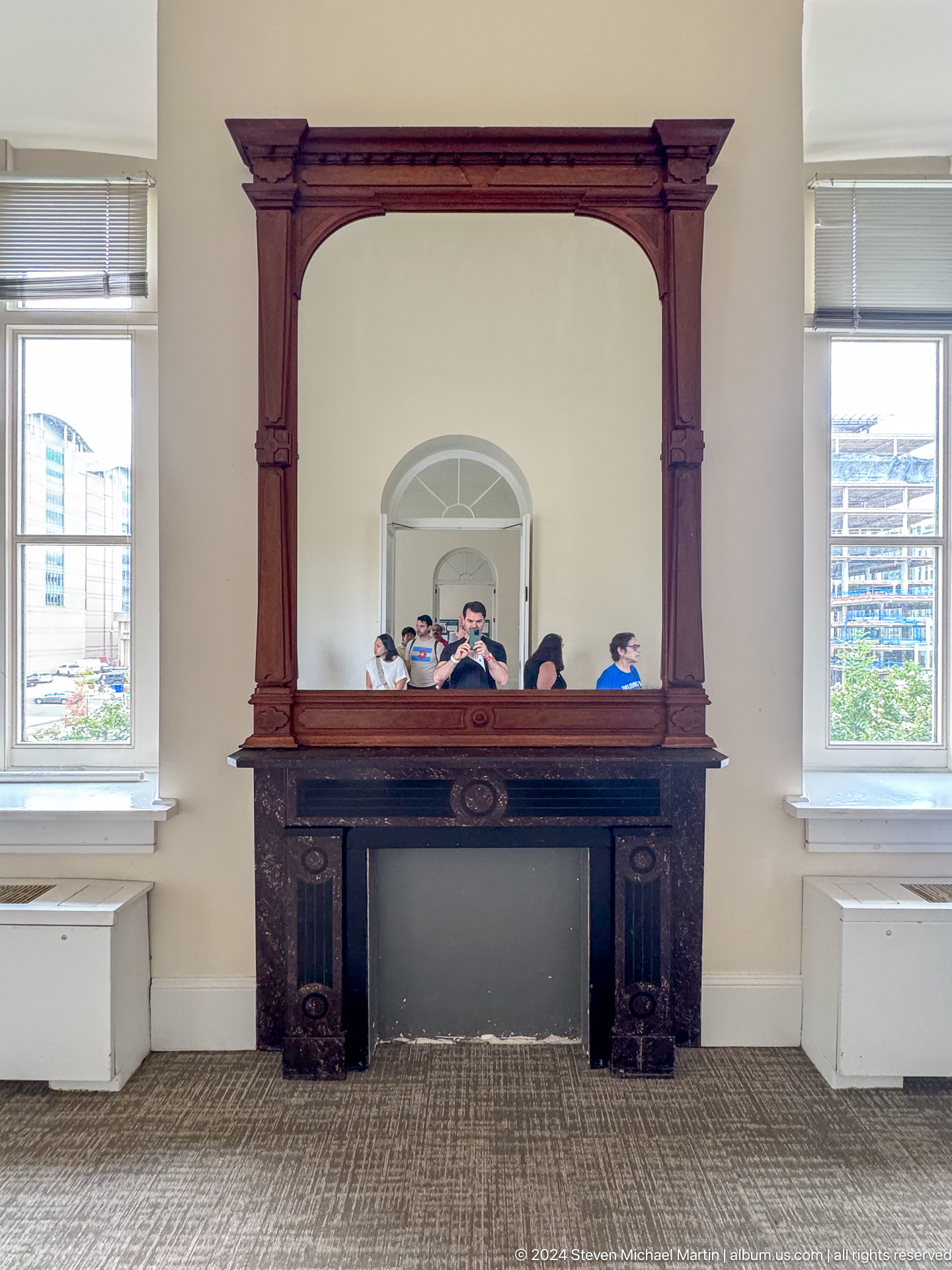
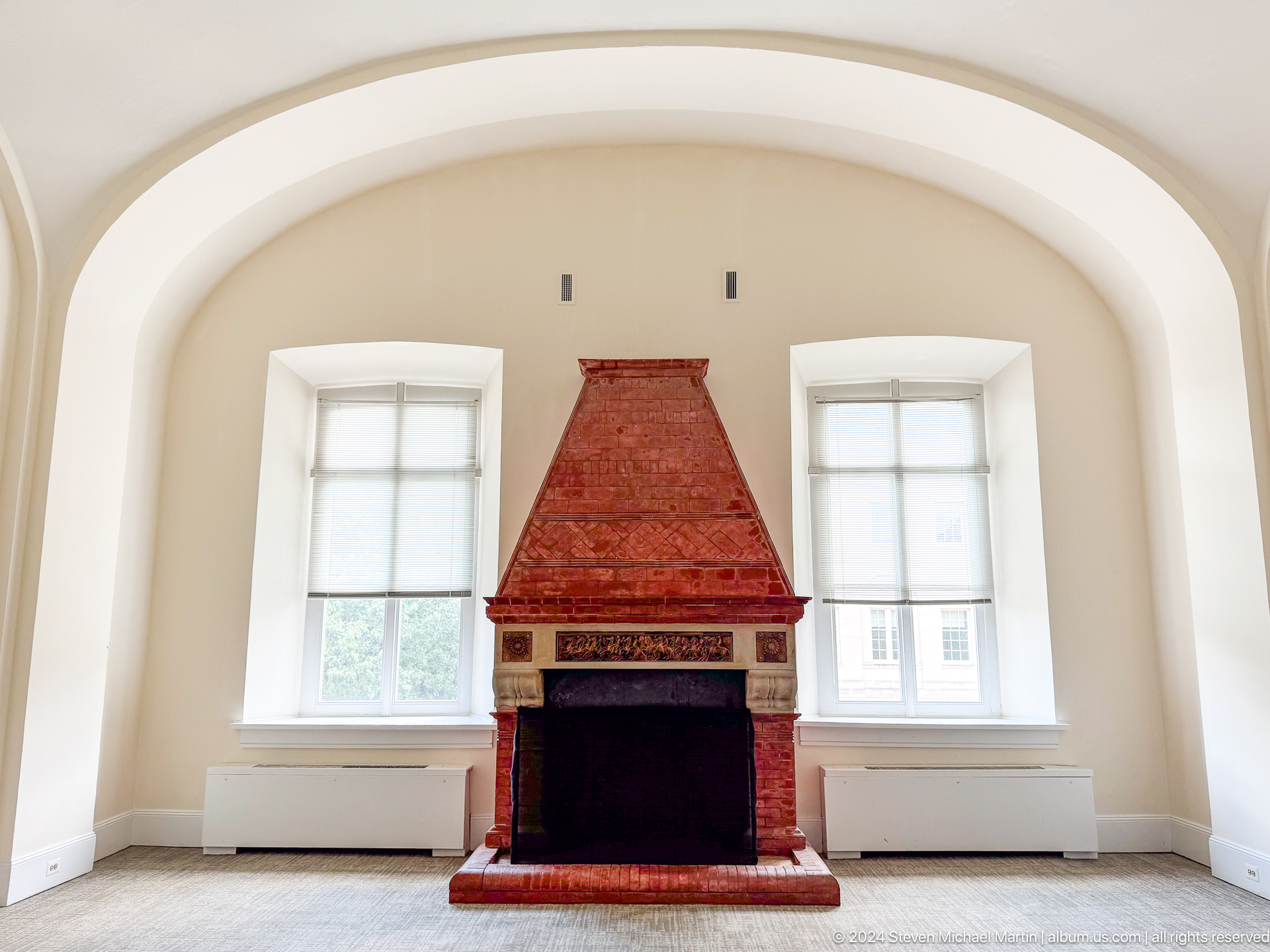
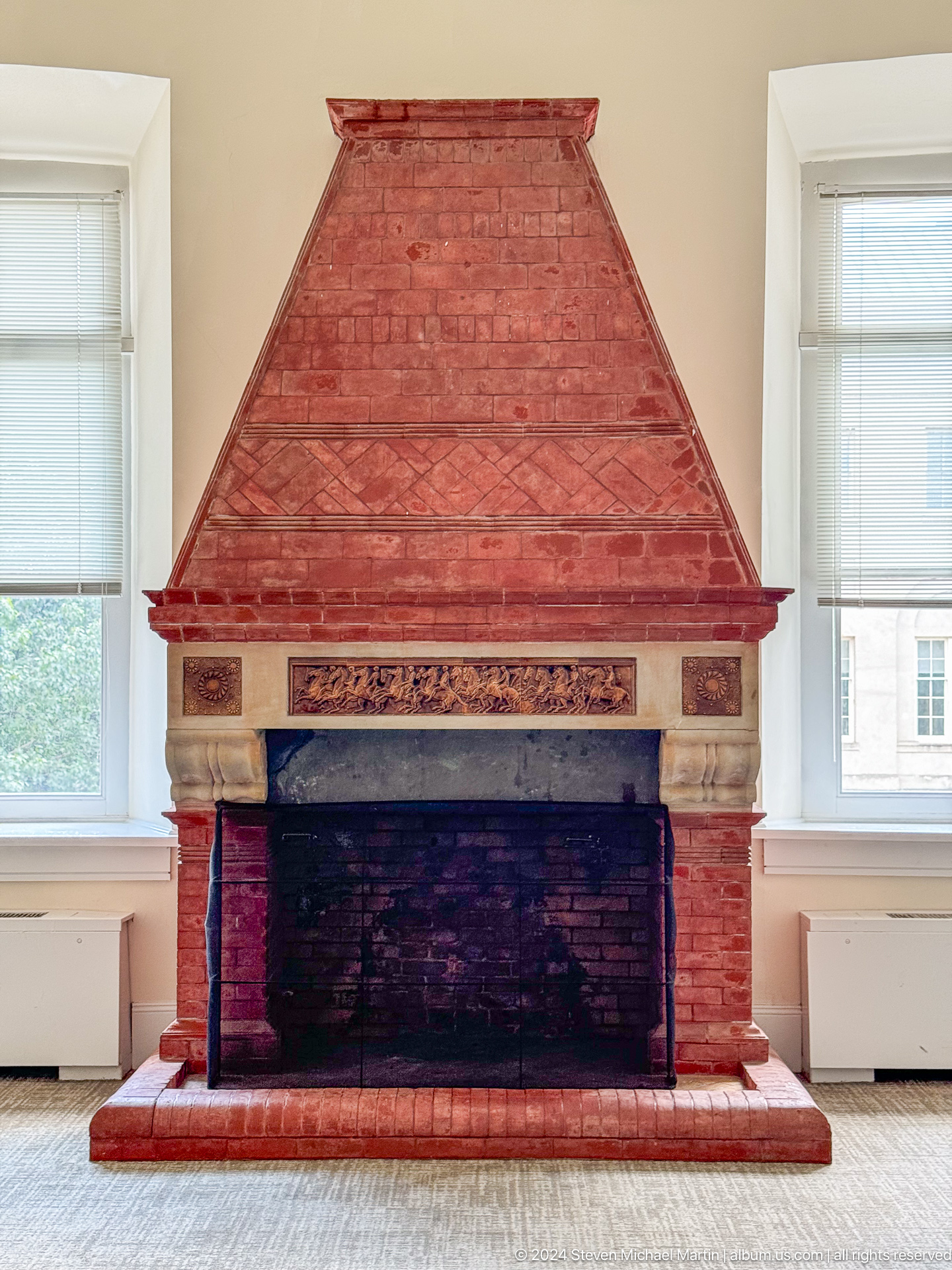
The National Building Museum contributes to understanding how physical structures influence the development of communities and institutions. By examining architecture as both artistic expression and functional design, the museum illustrates the connections between engineering, aesthetics, and public life. The preserved building itself serves as an artifact that reflects the evolving architectural history of the United States capital.