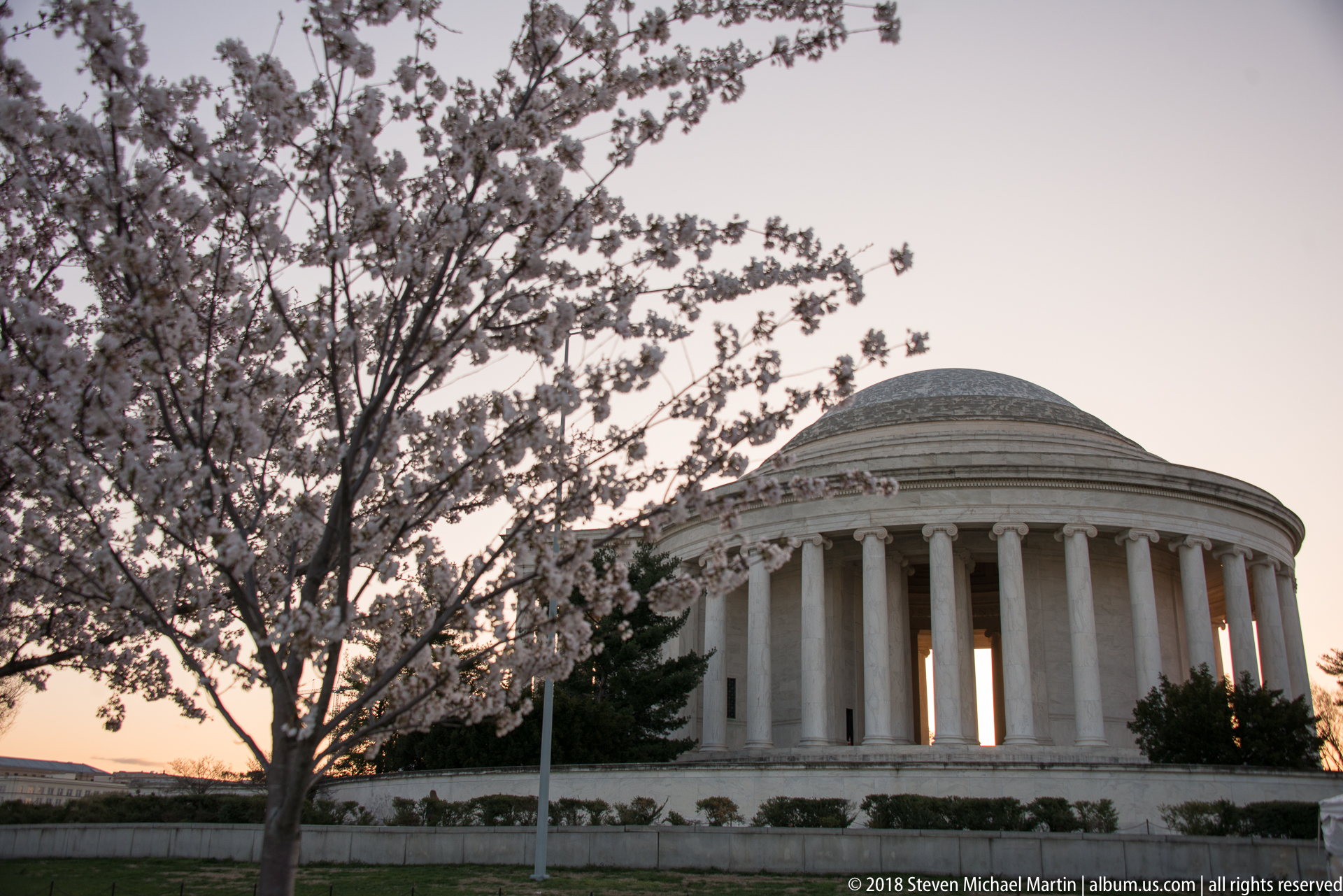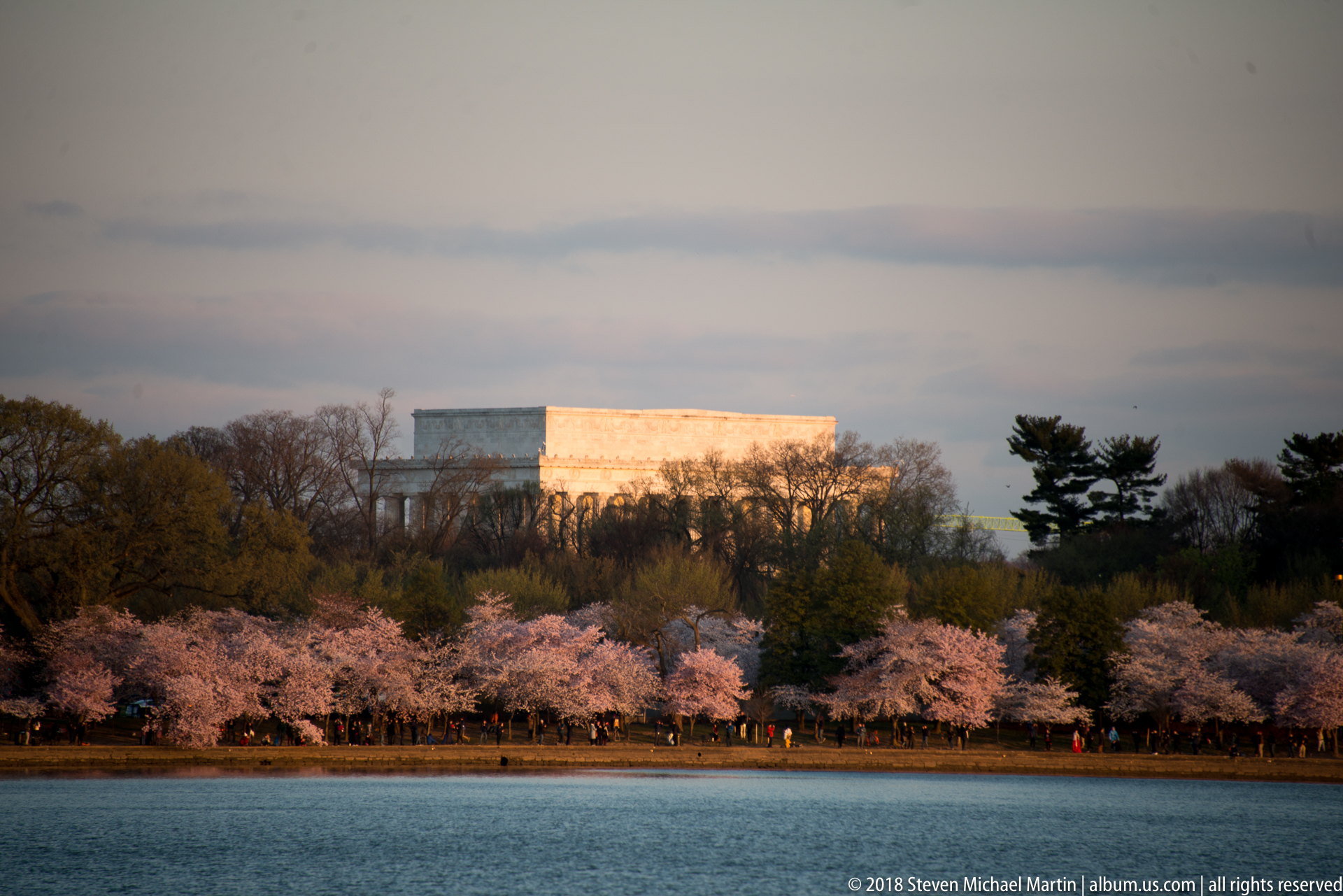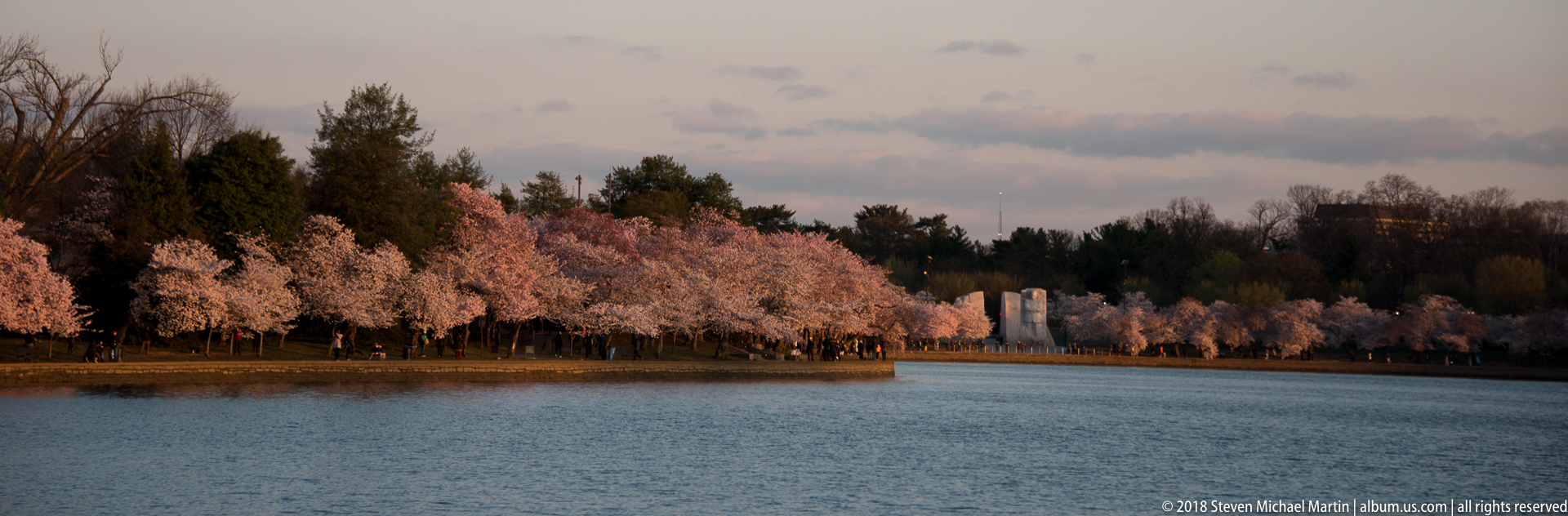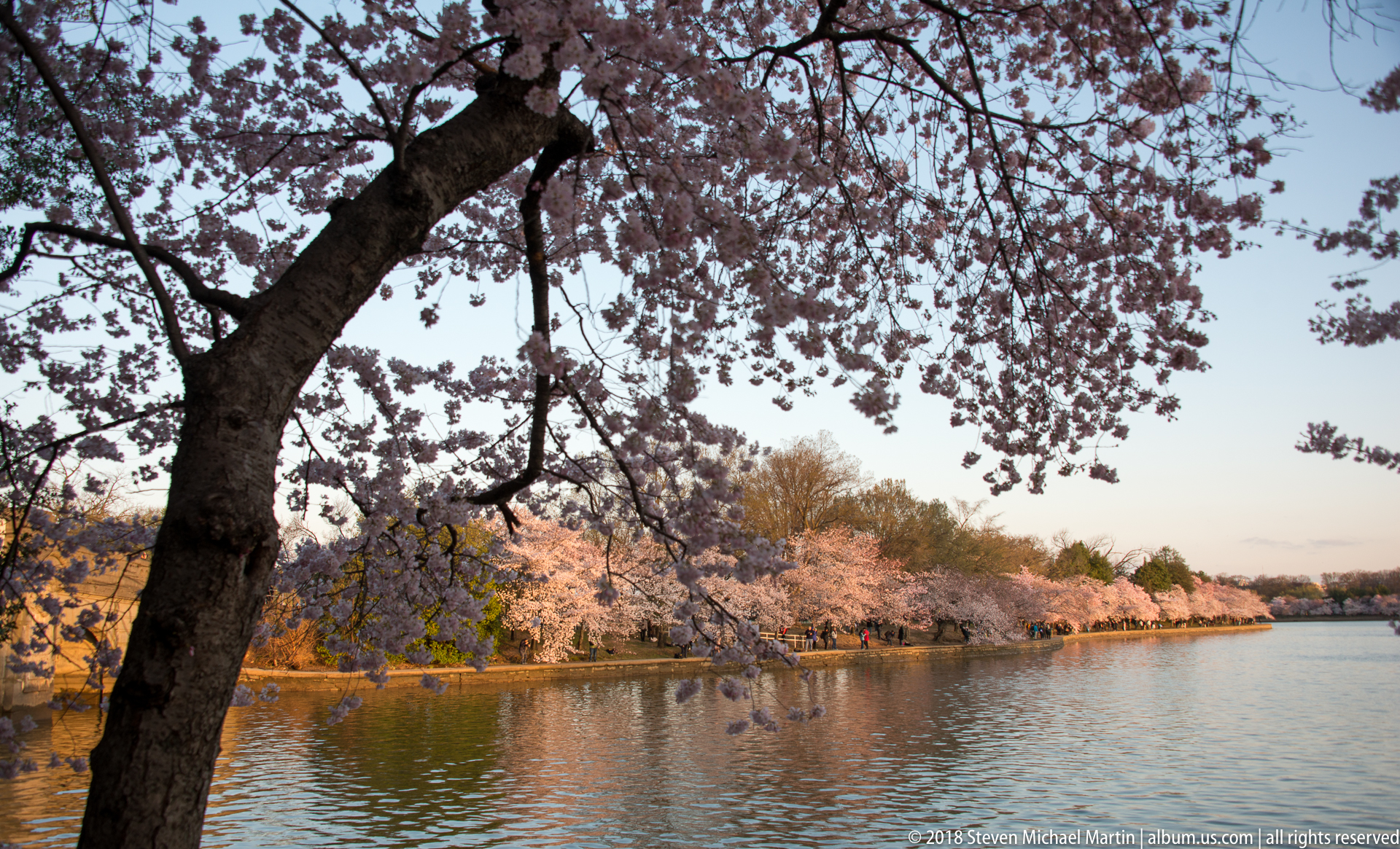
Tidal Basin Cherry Blossoms
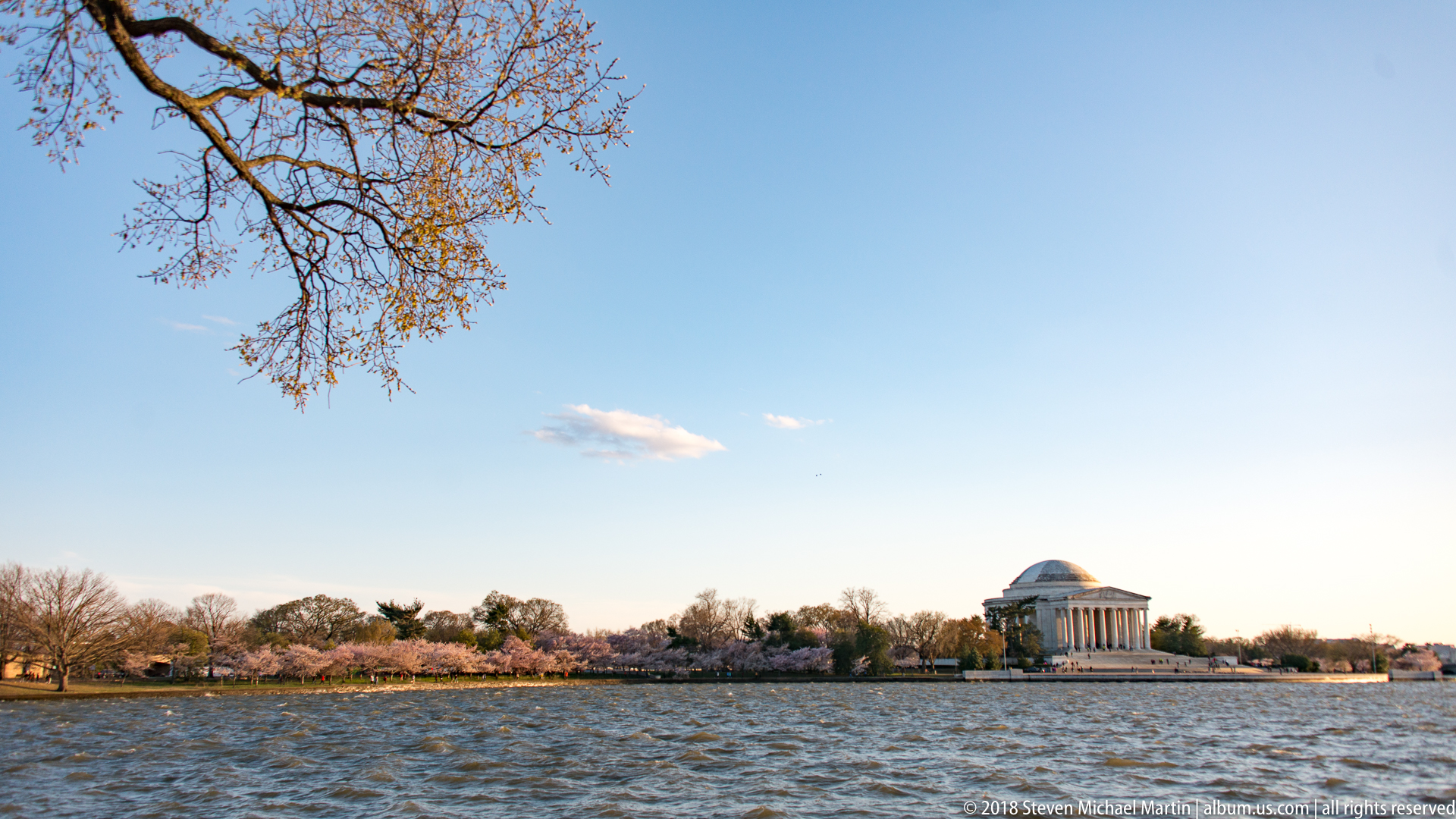
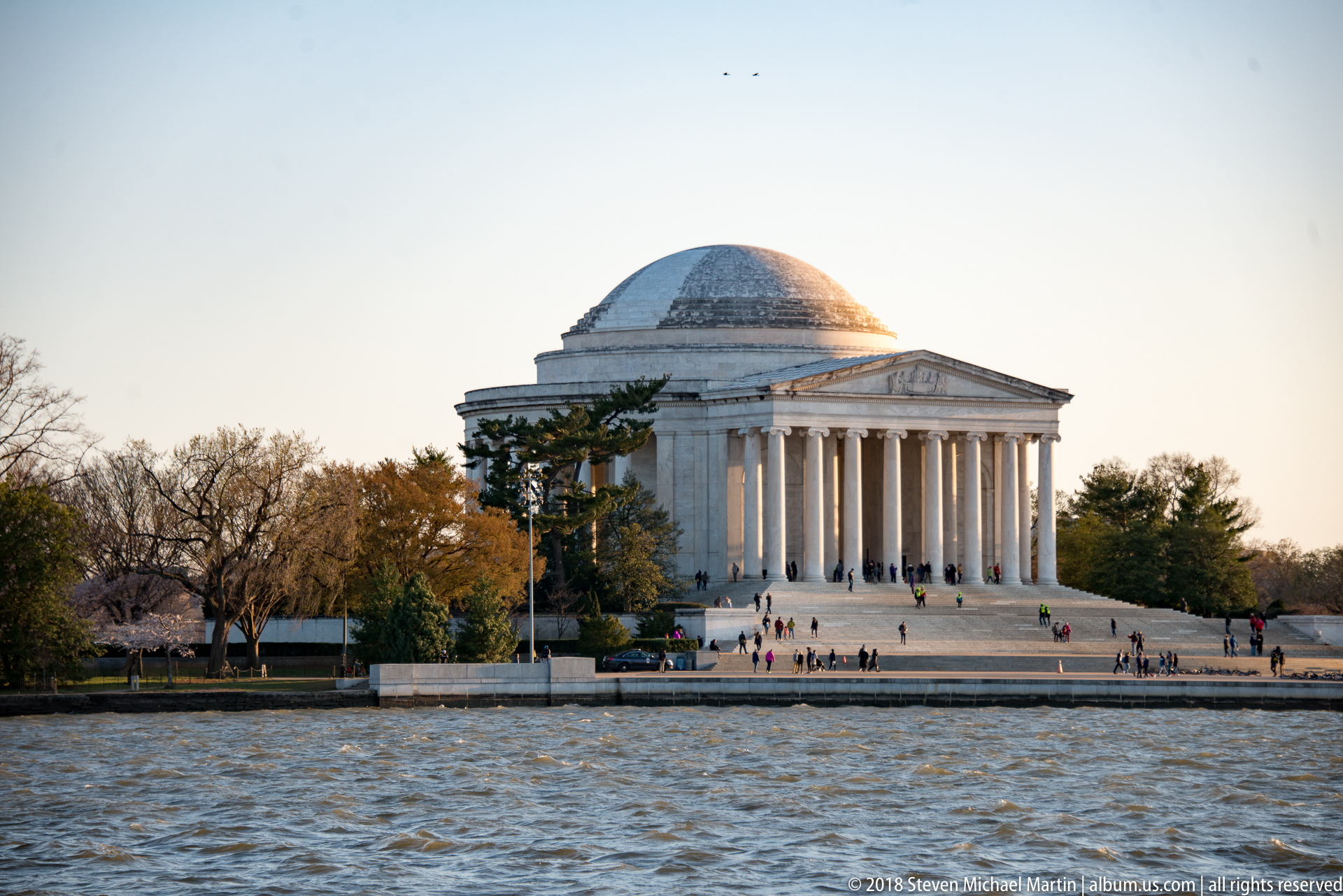
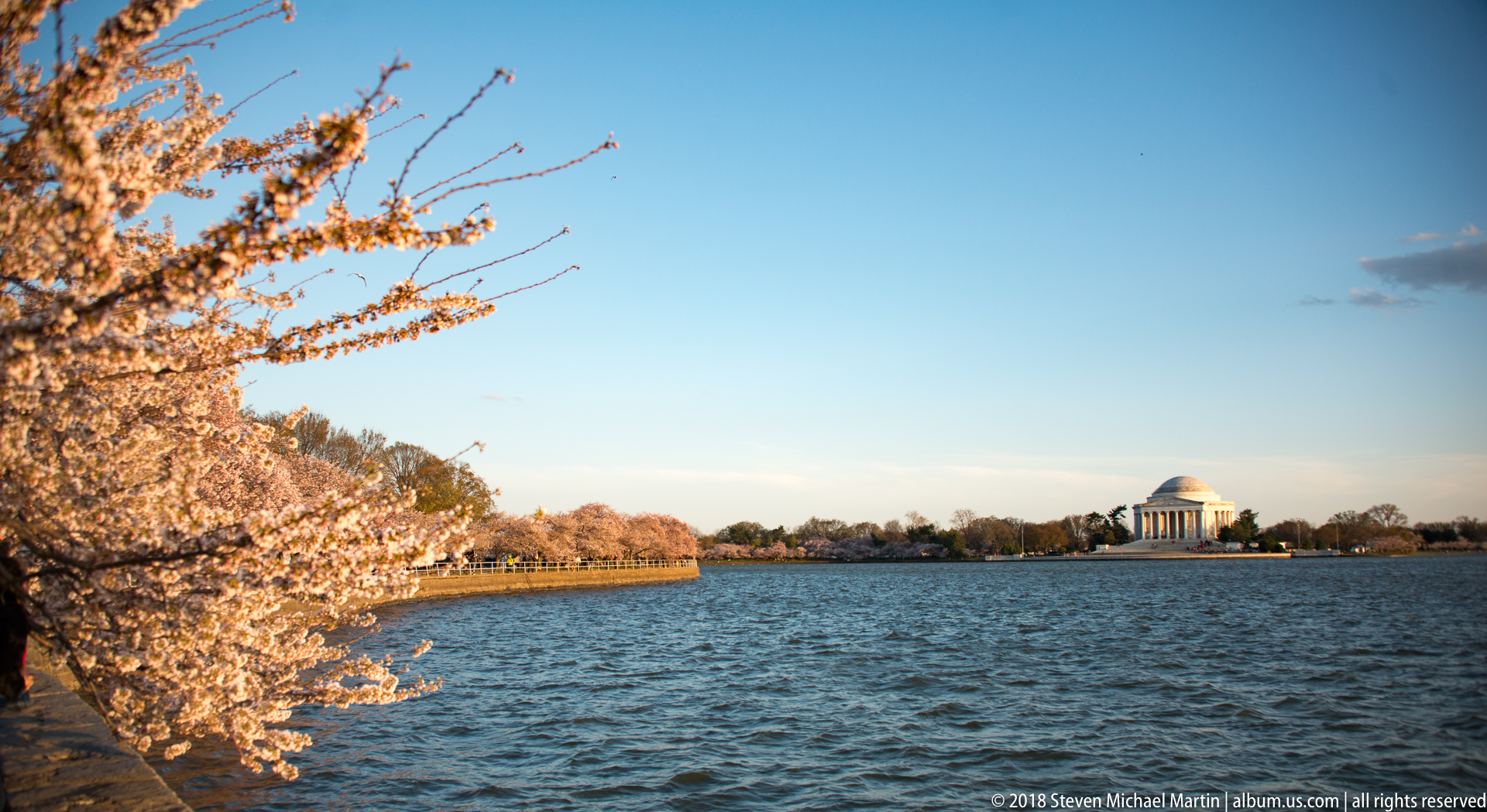
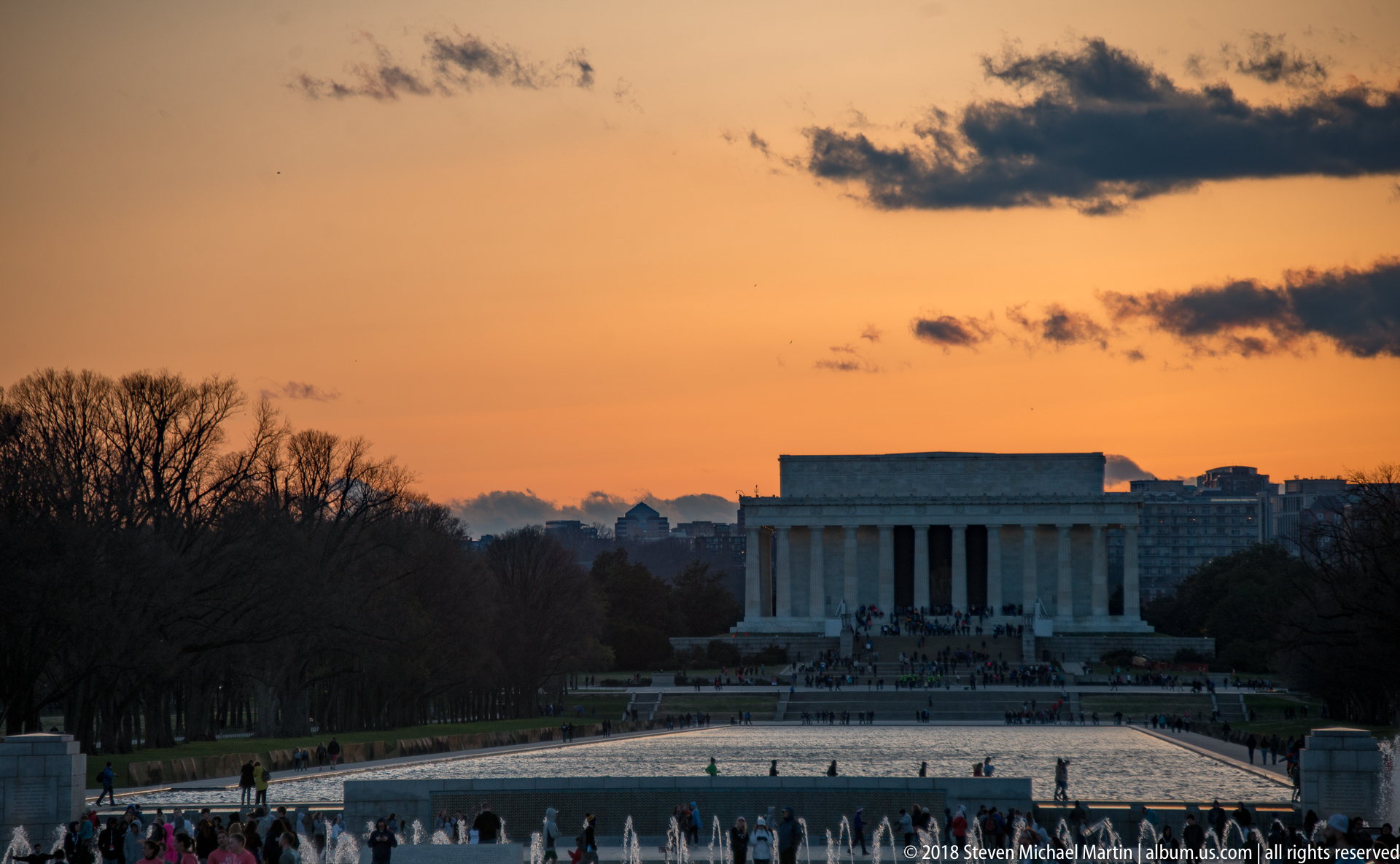
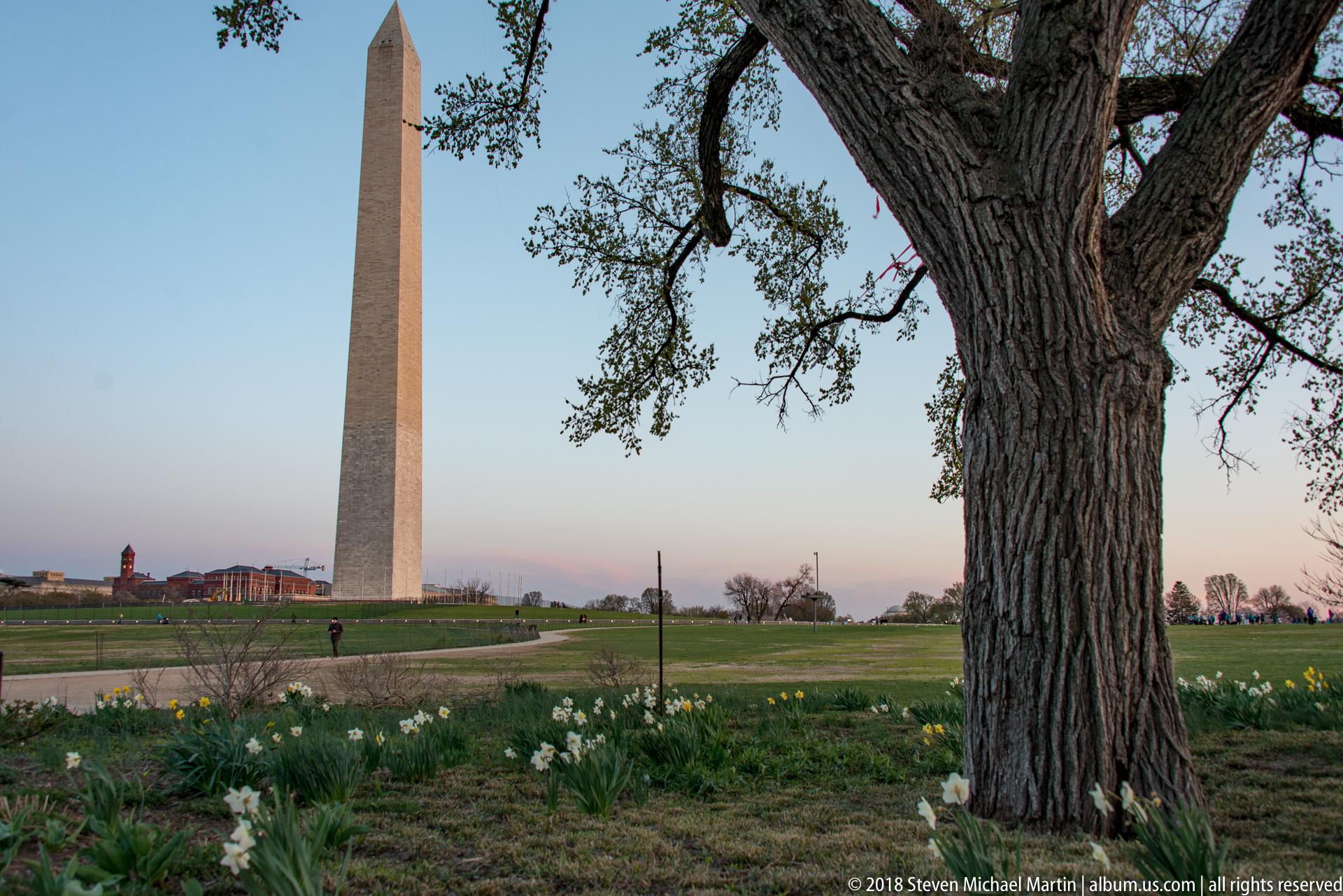
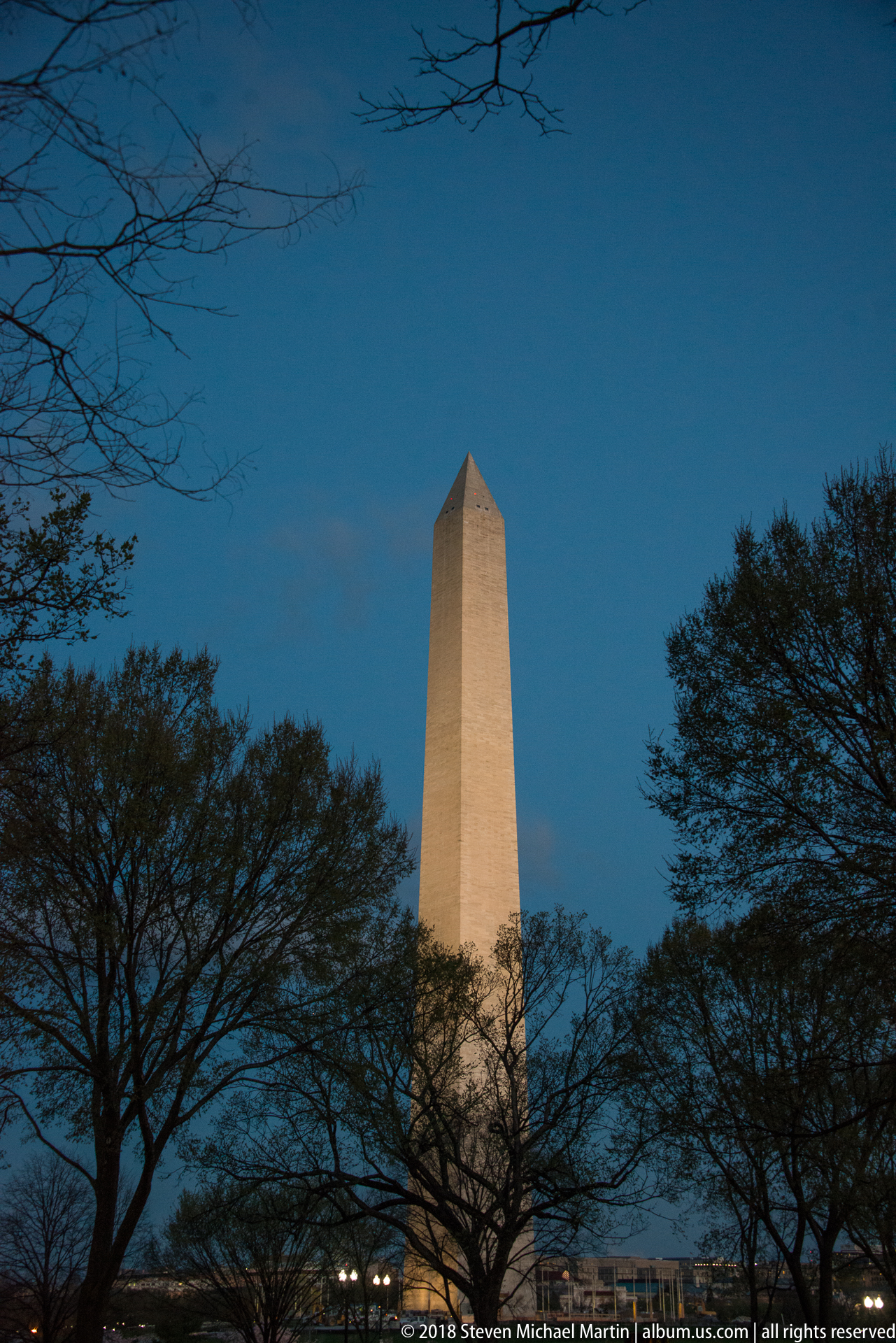
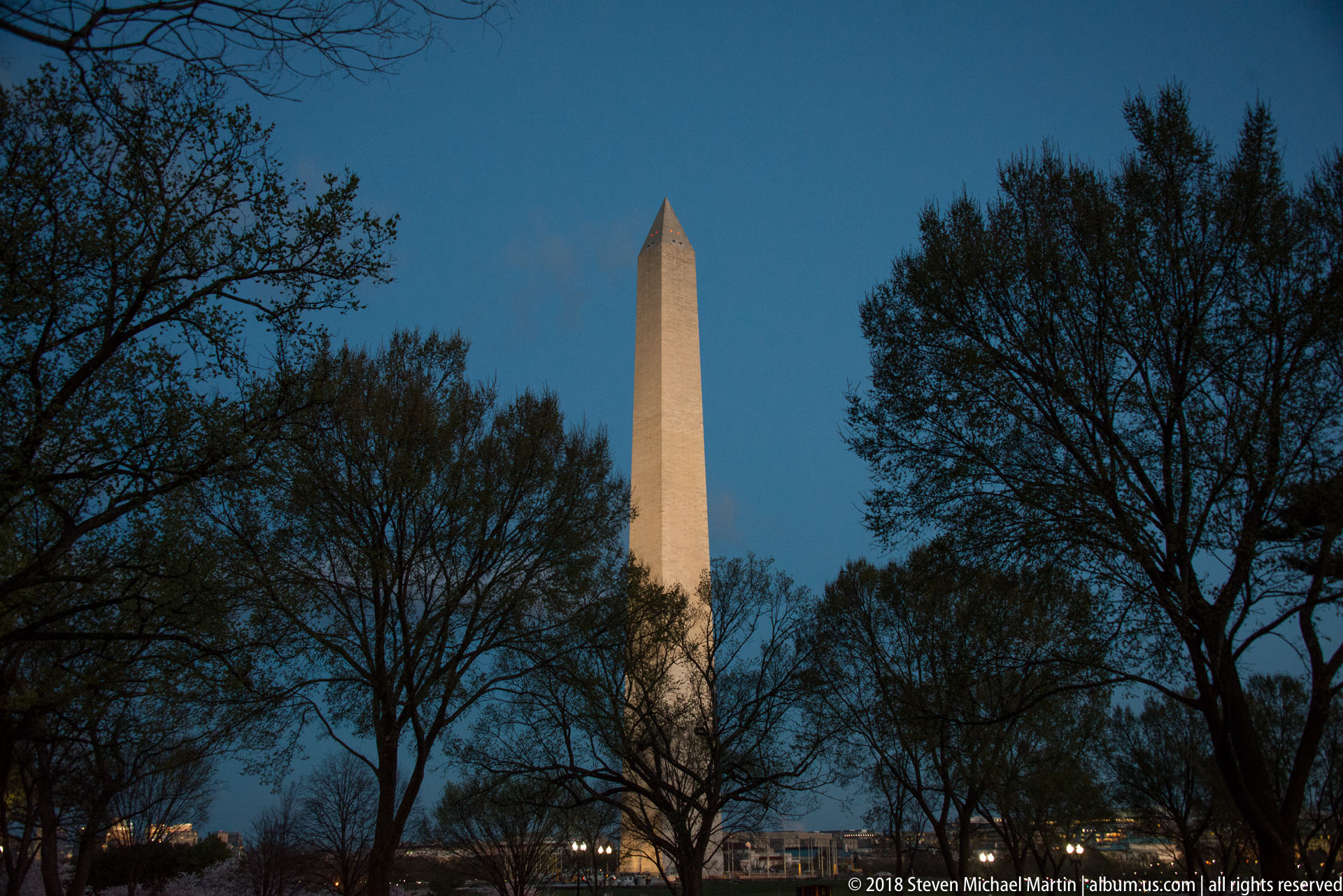
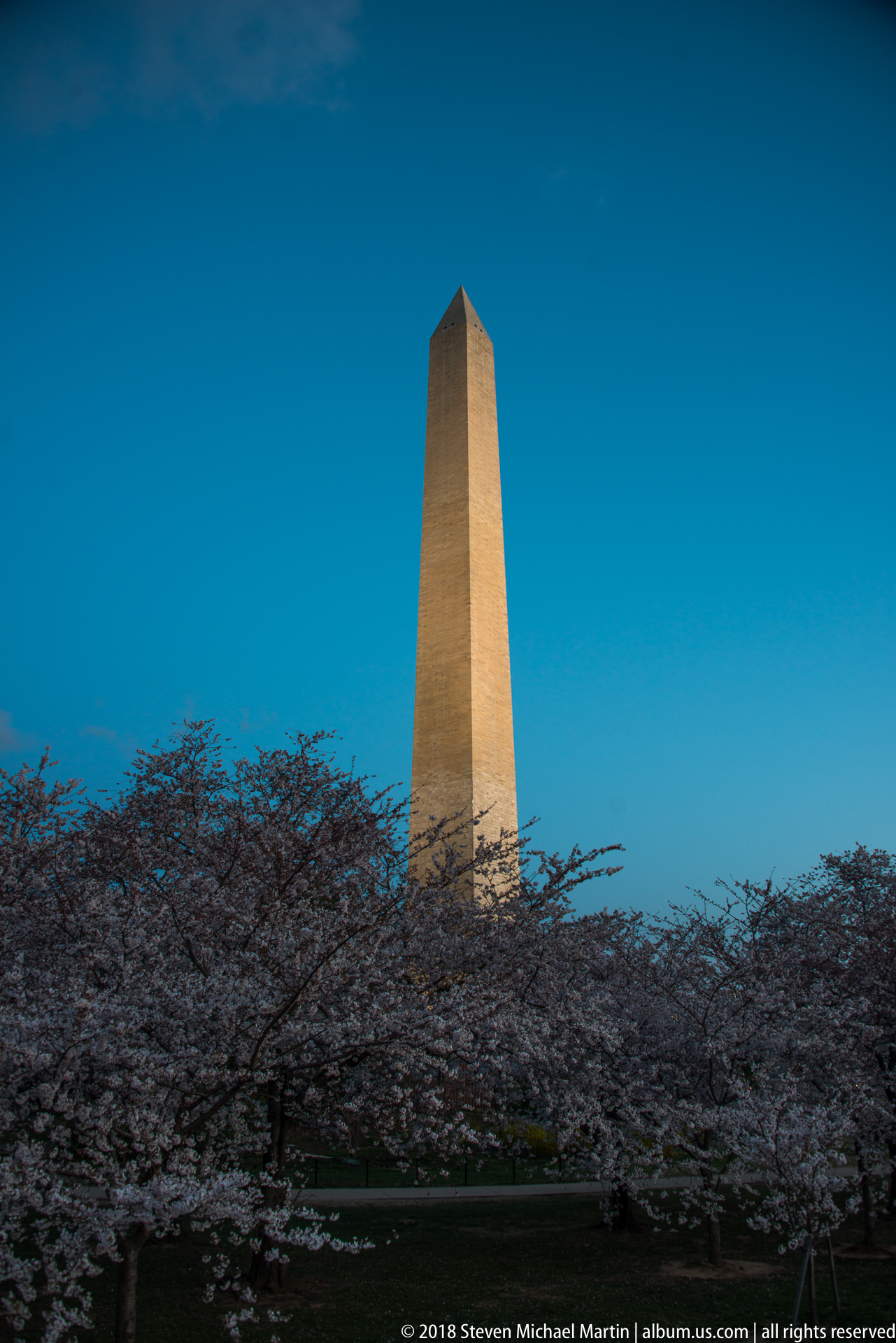
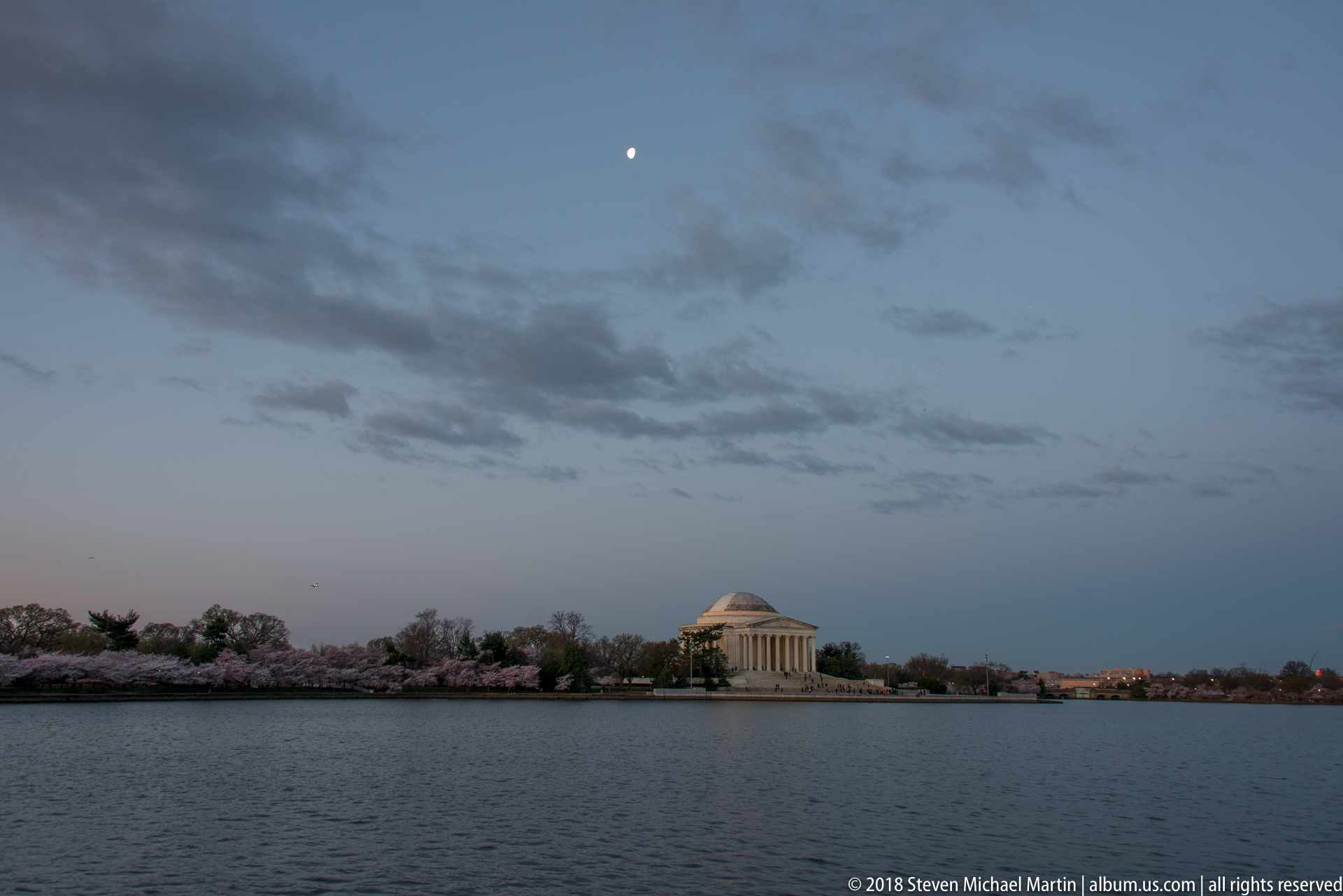
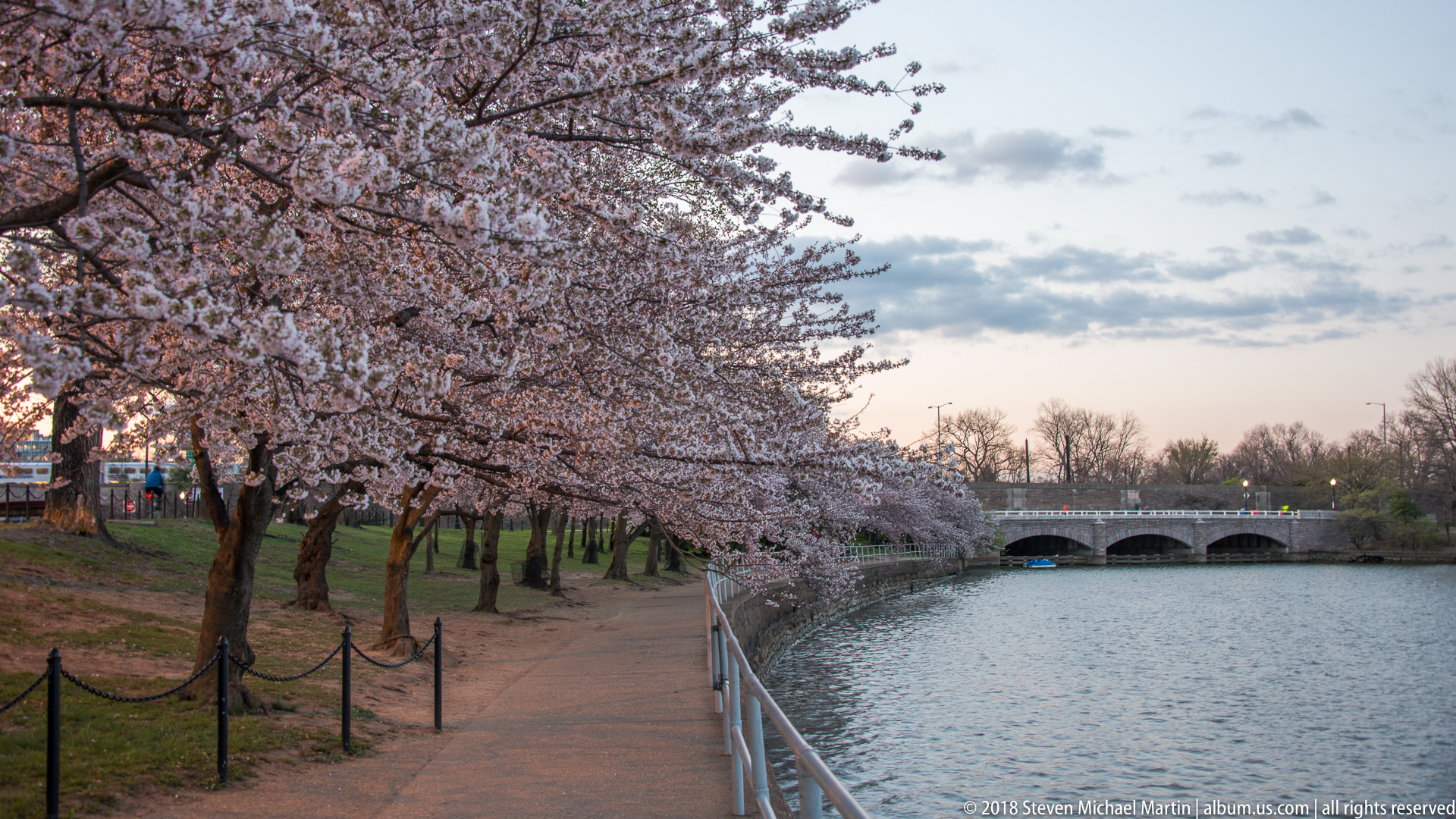
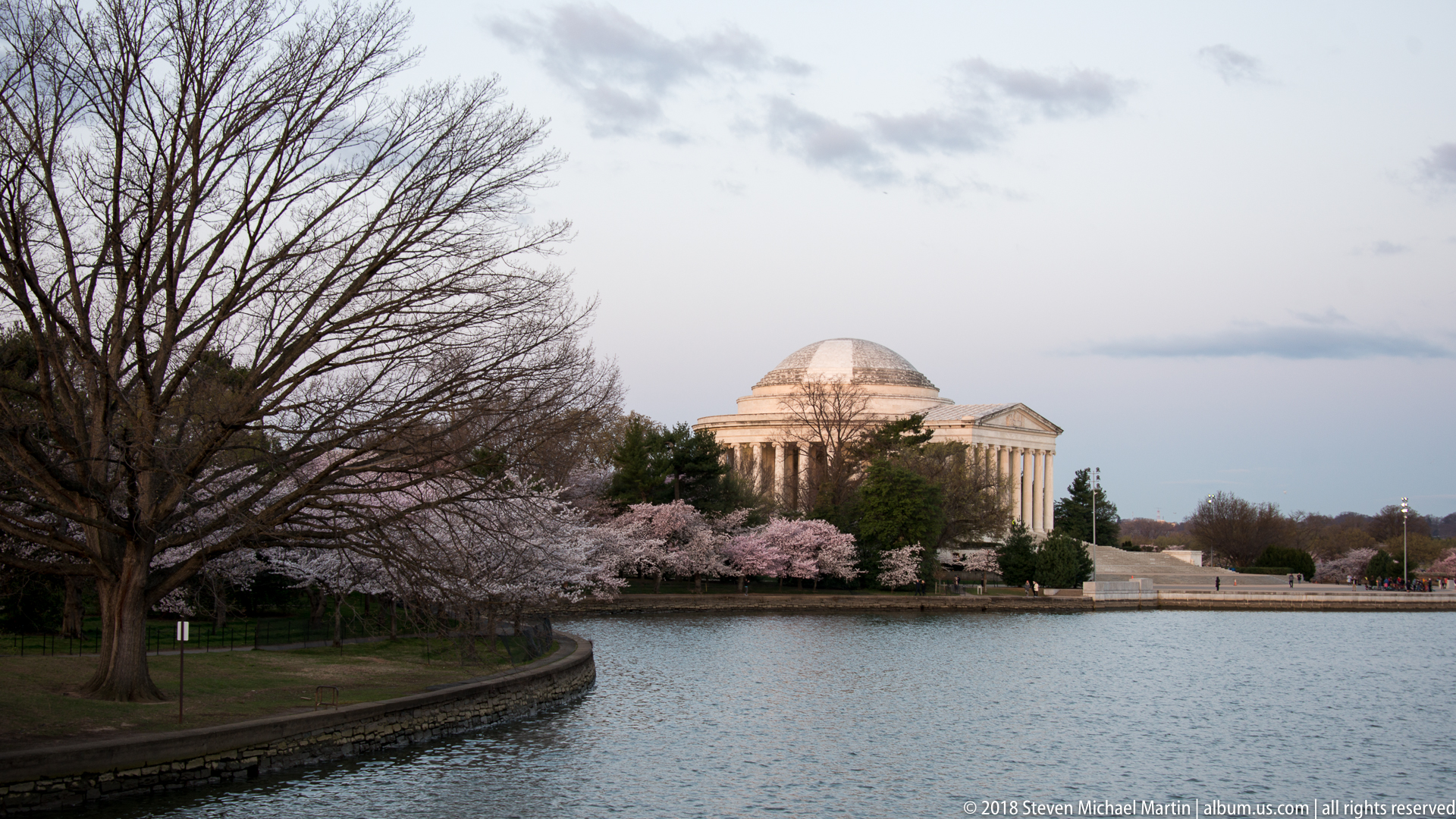
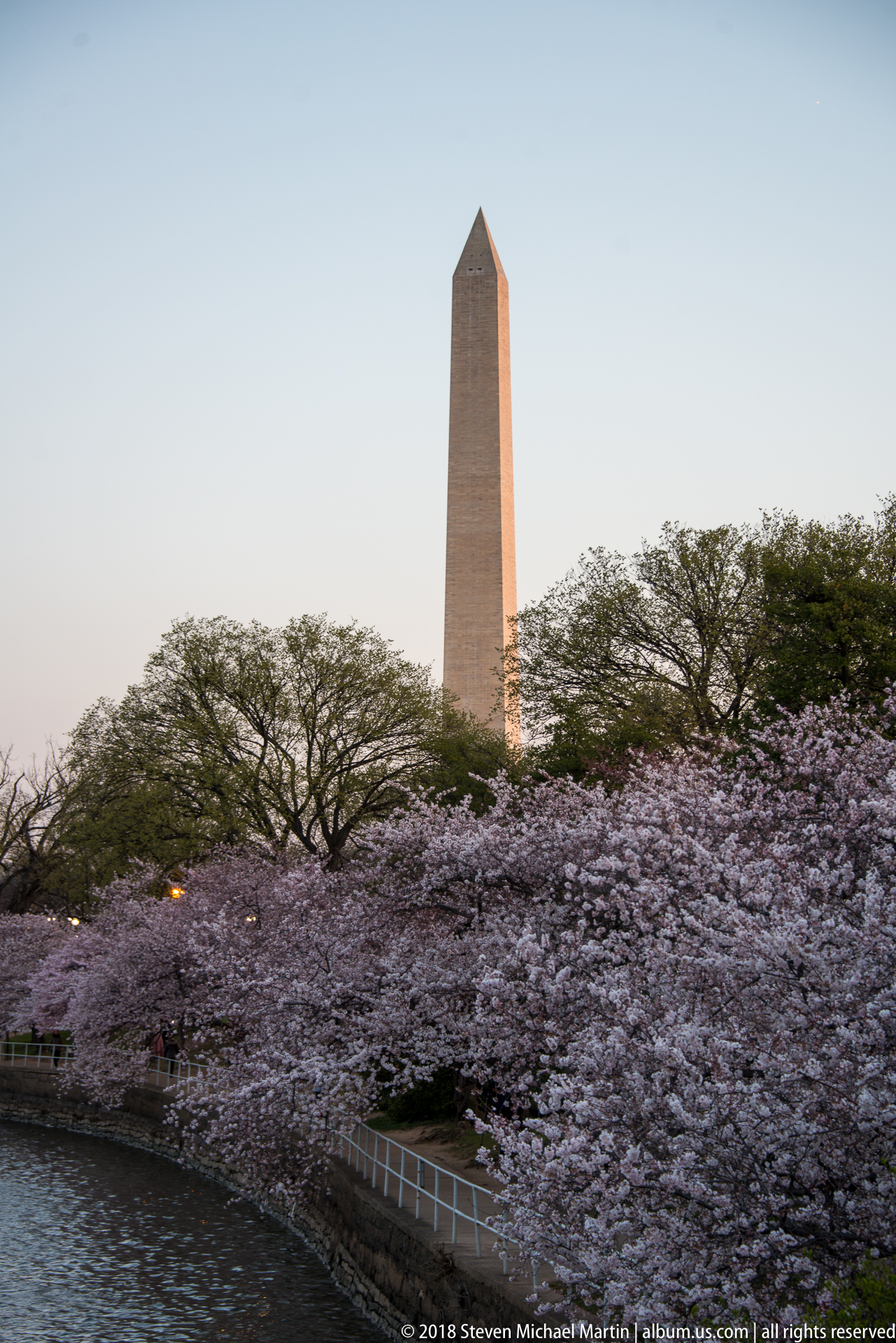
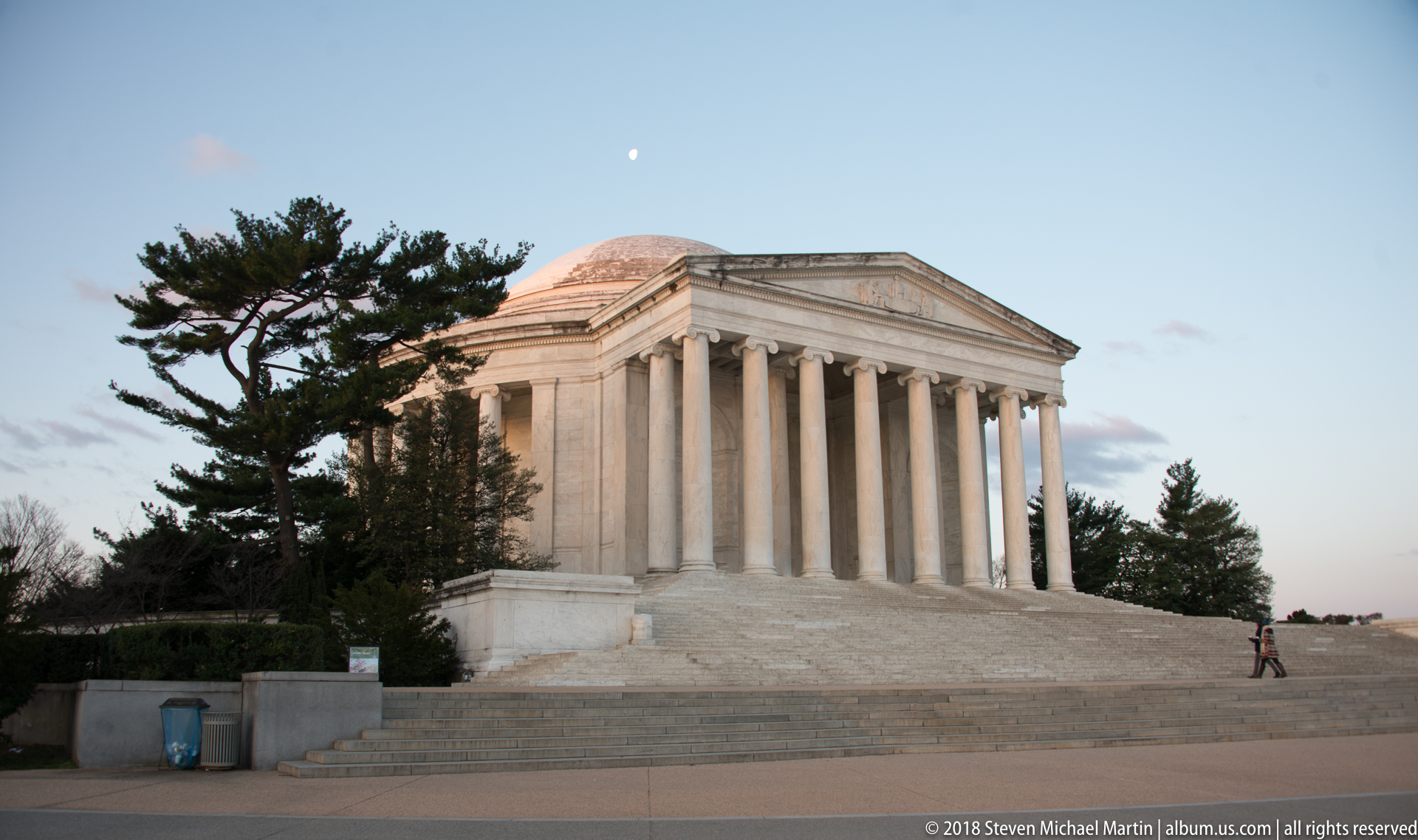
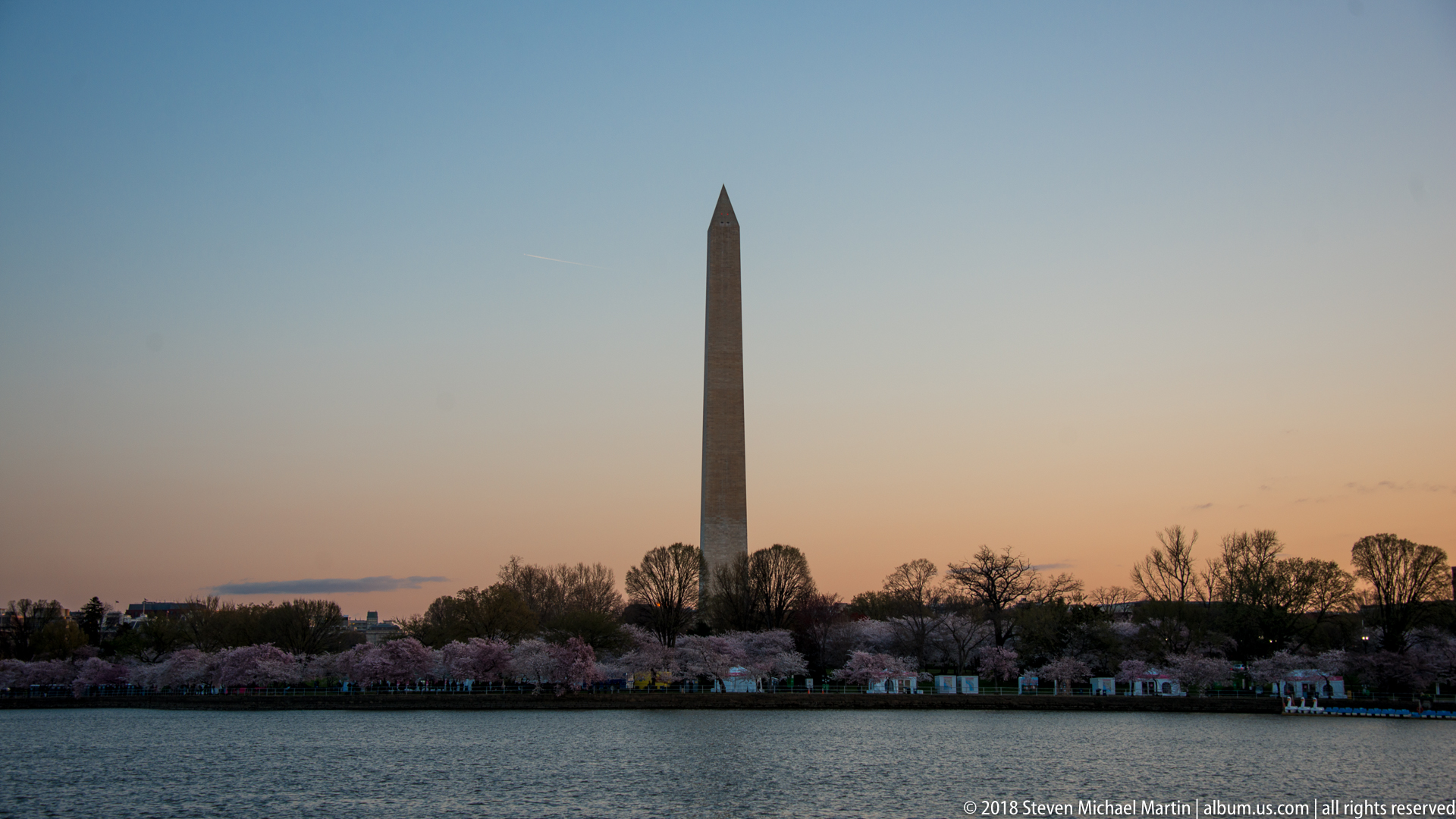
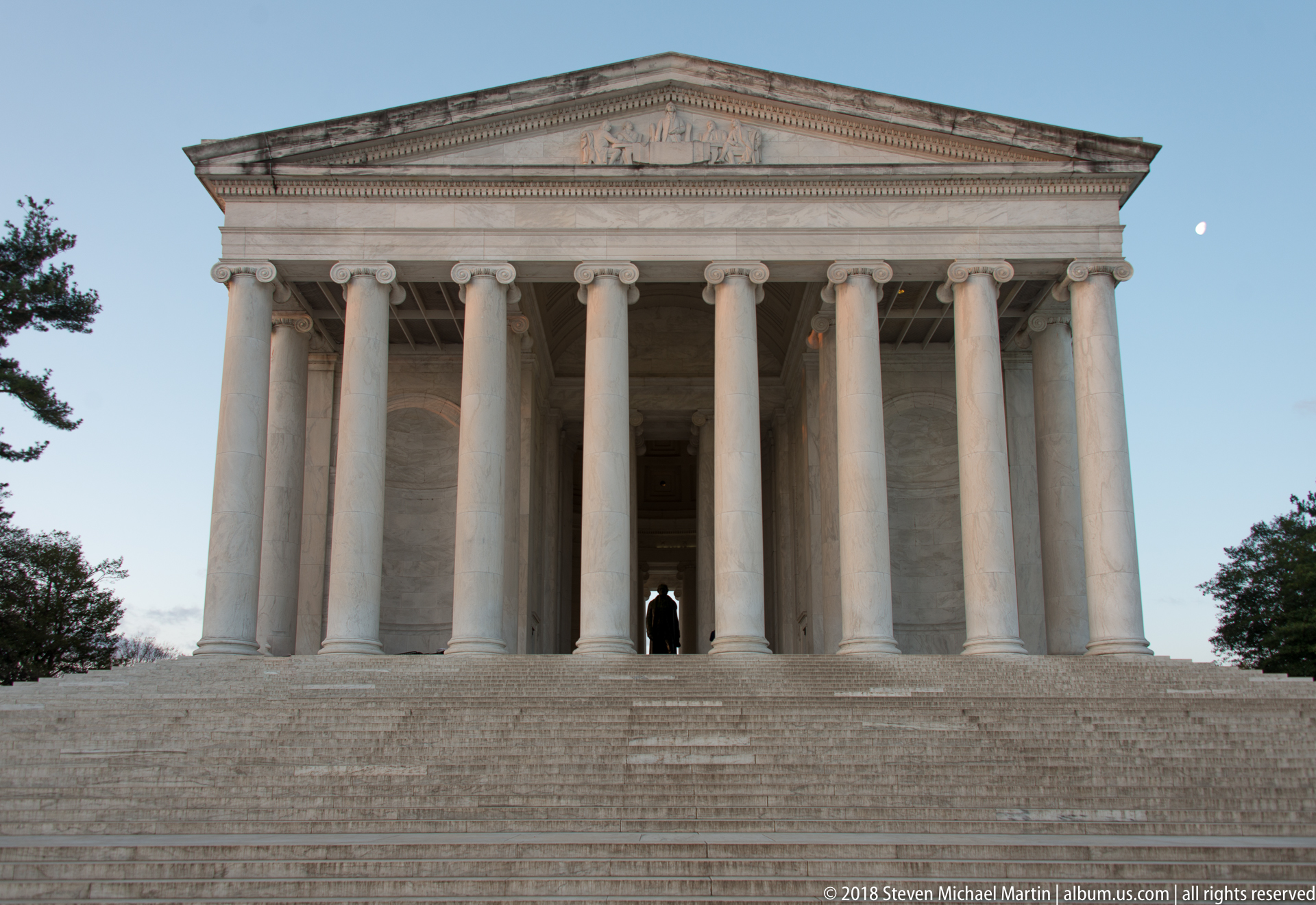
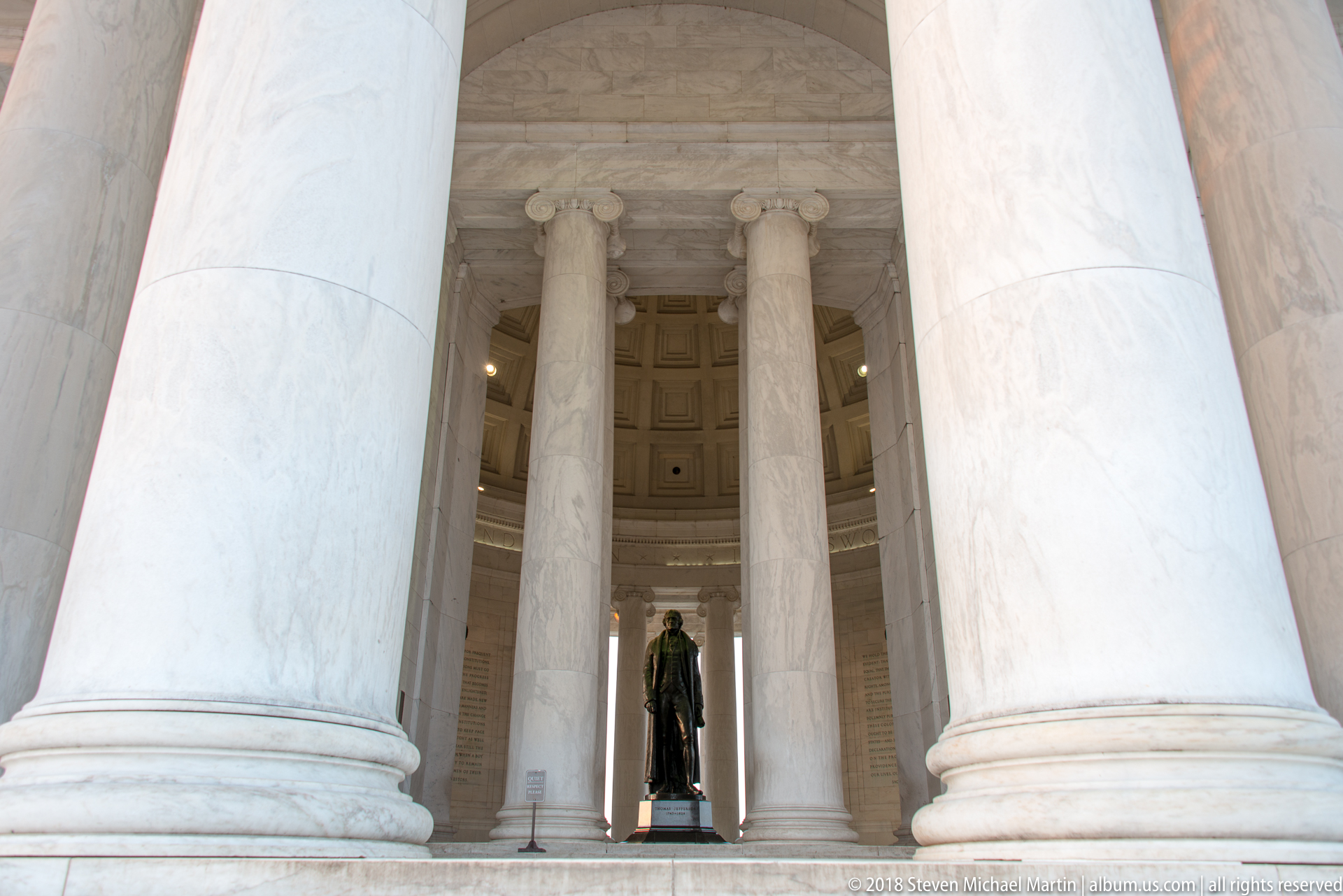
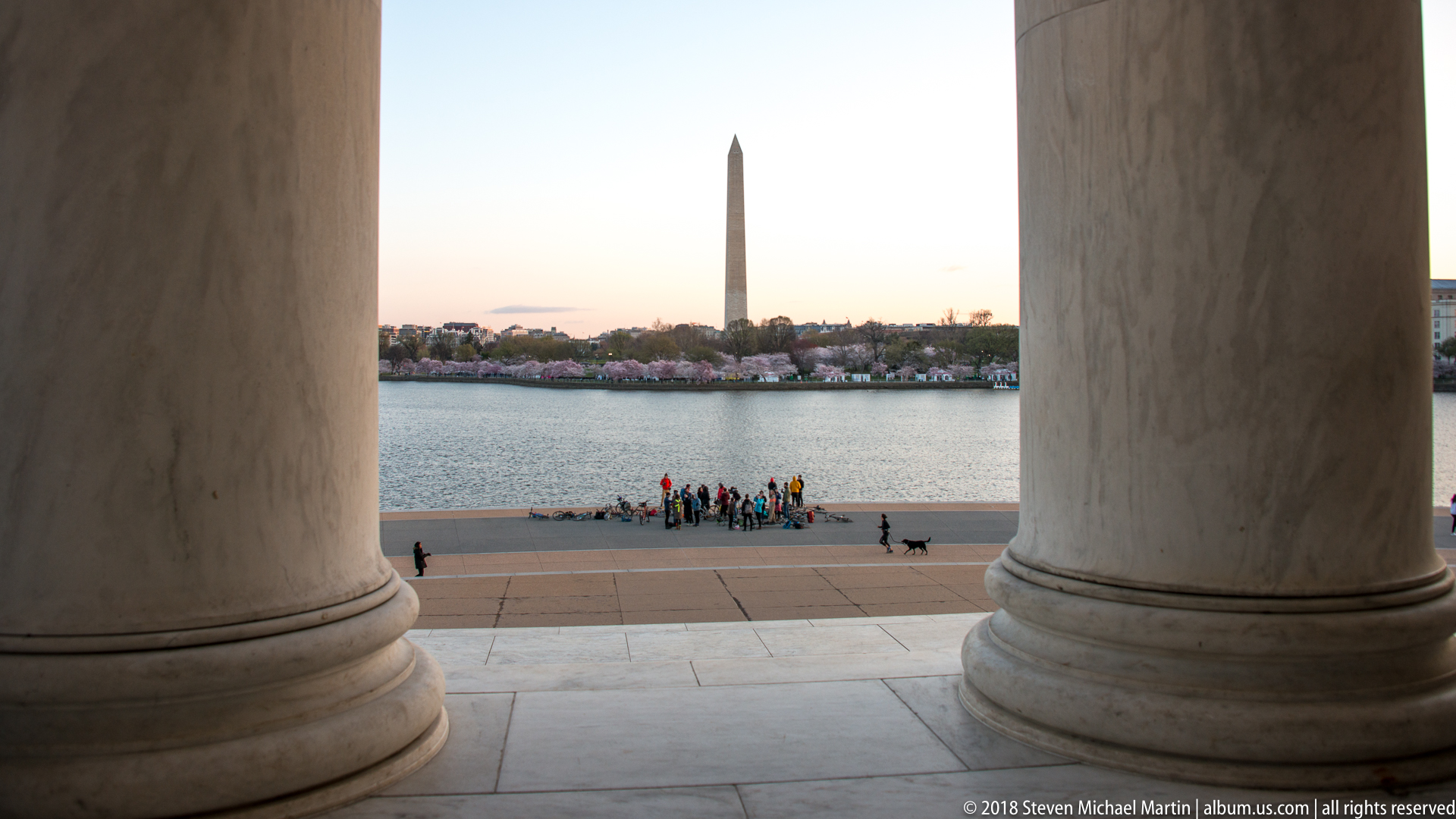
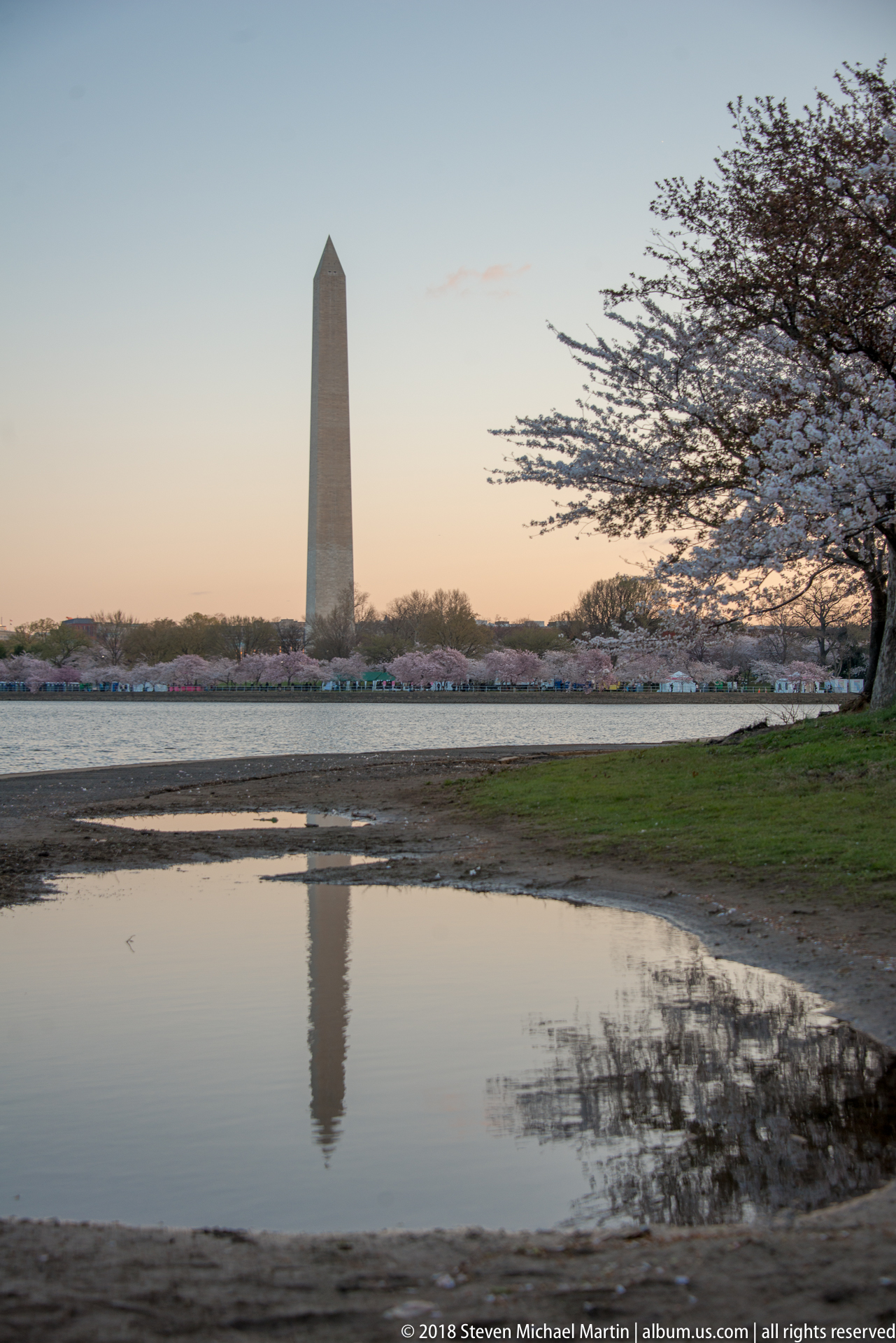
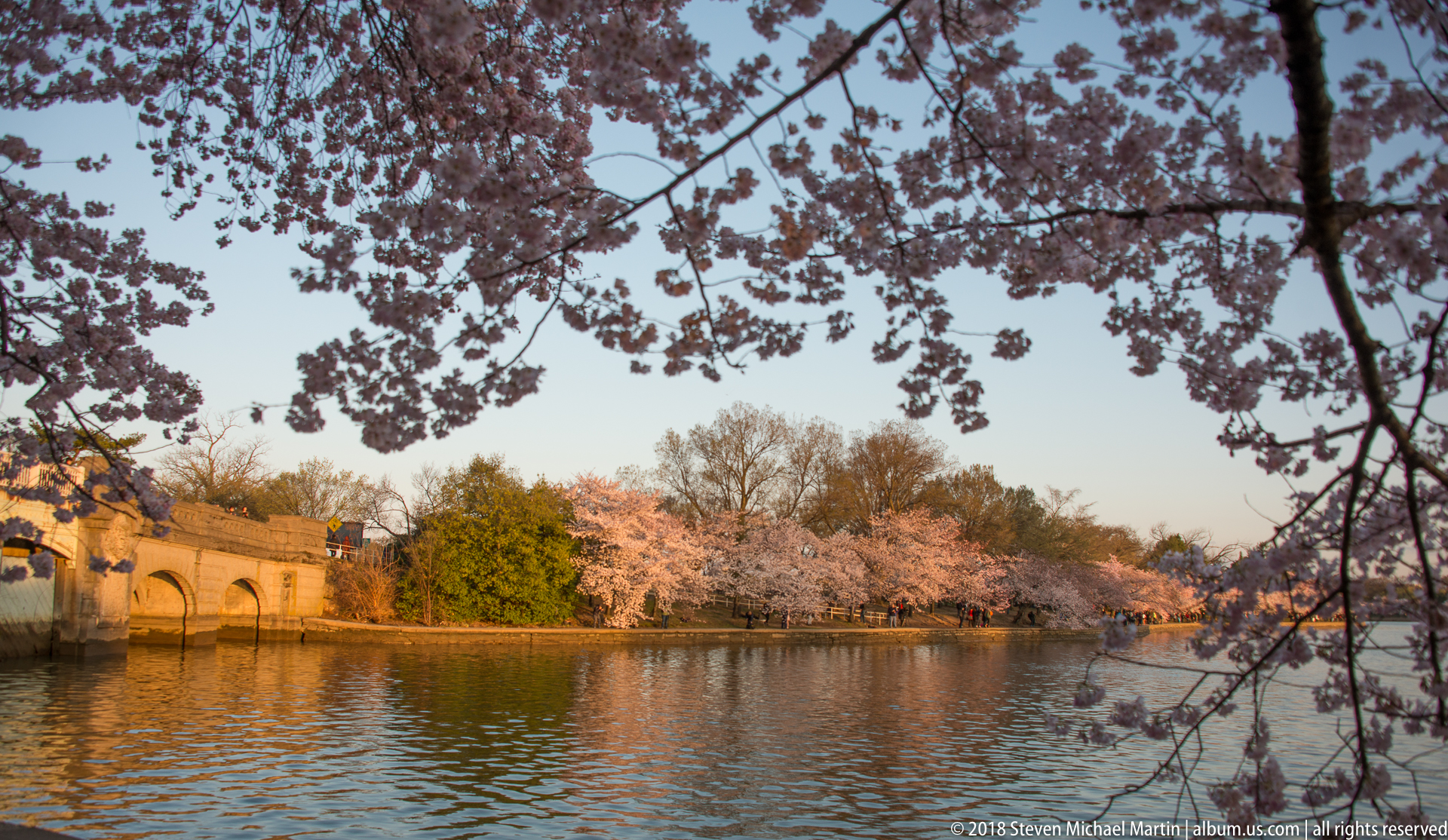
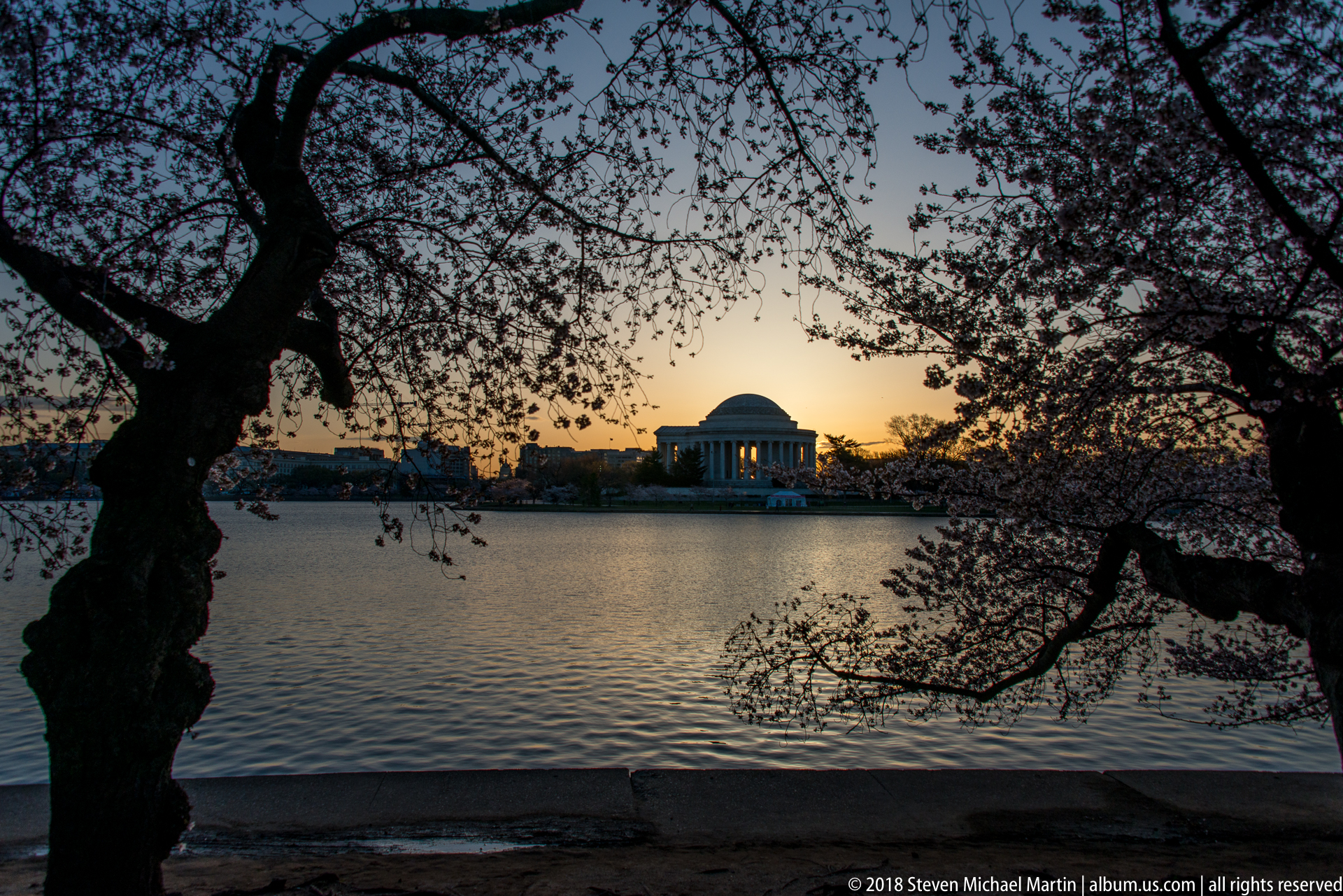
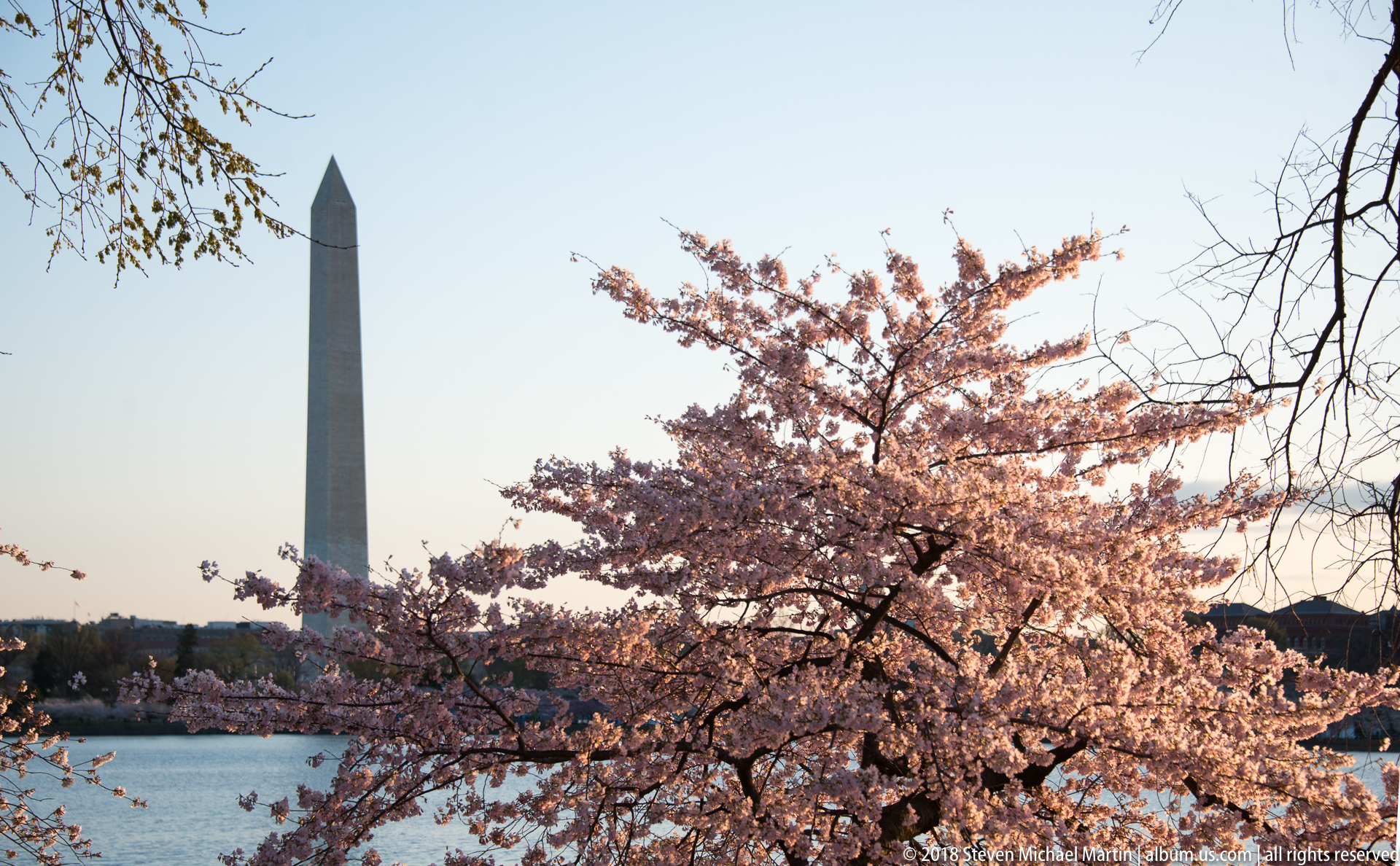
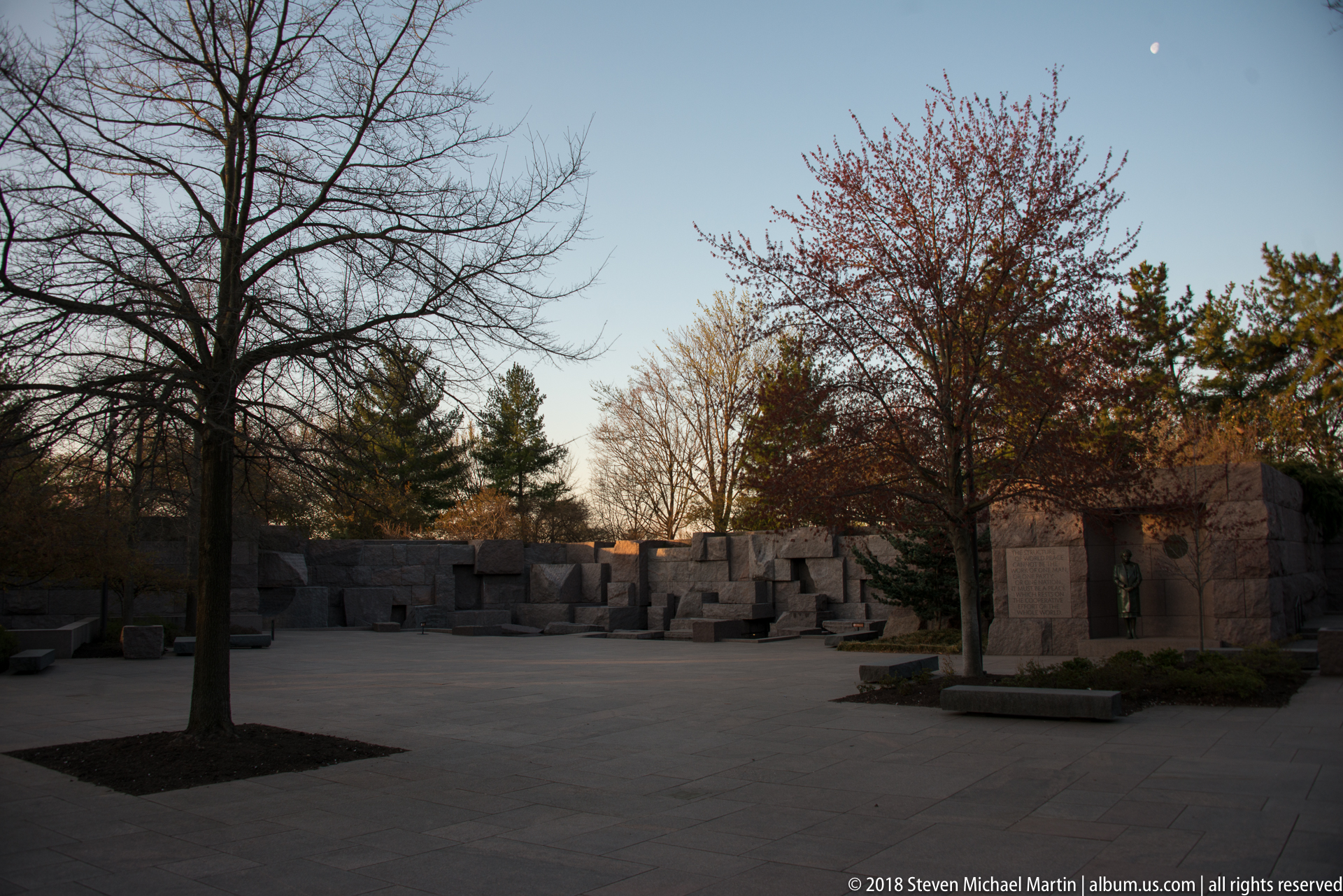
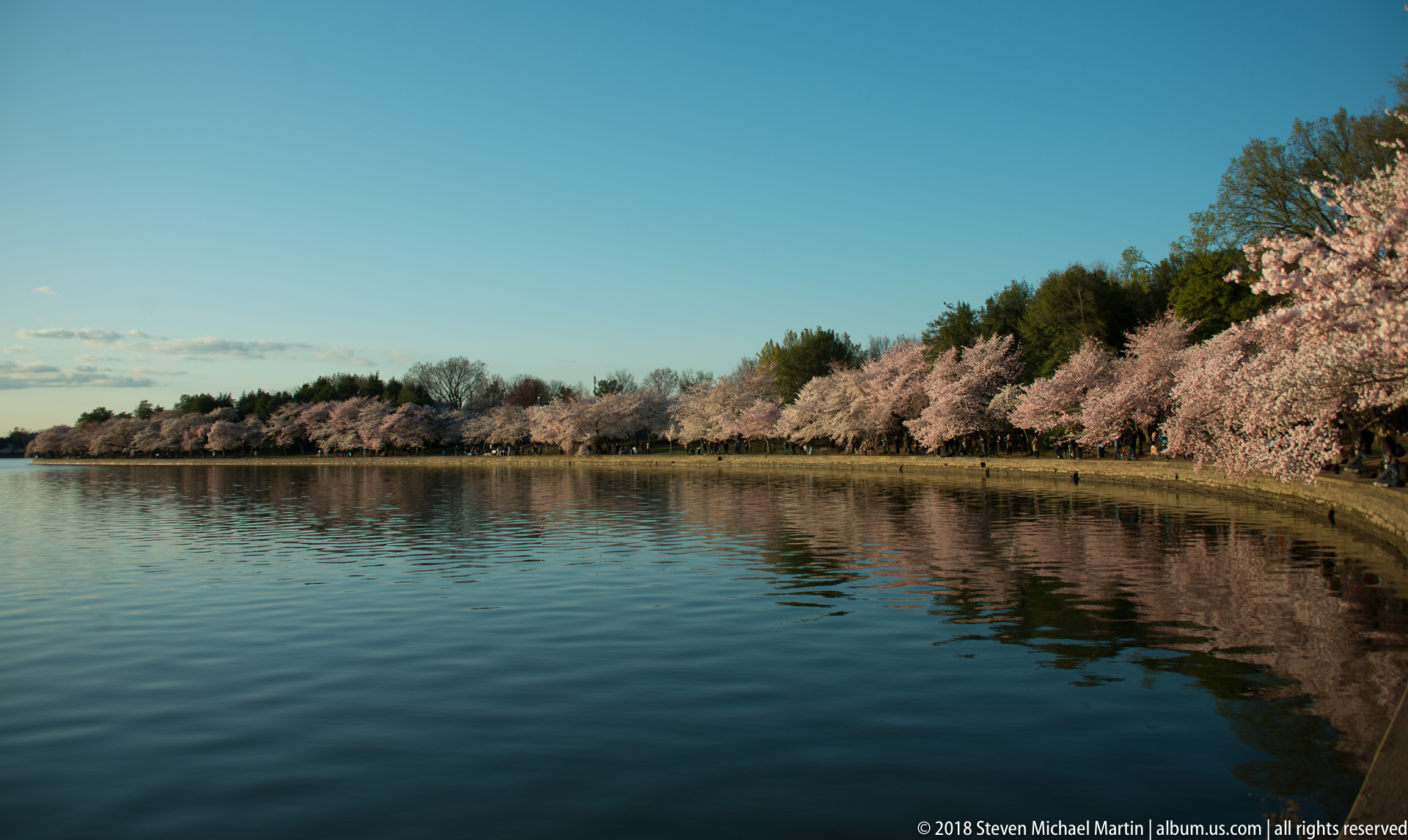
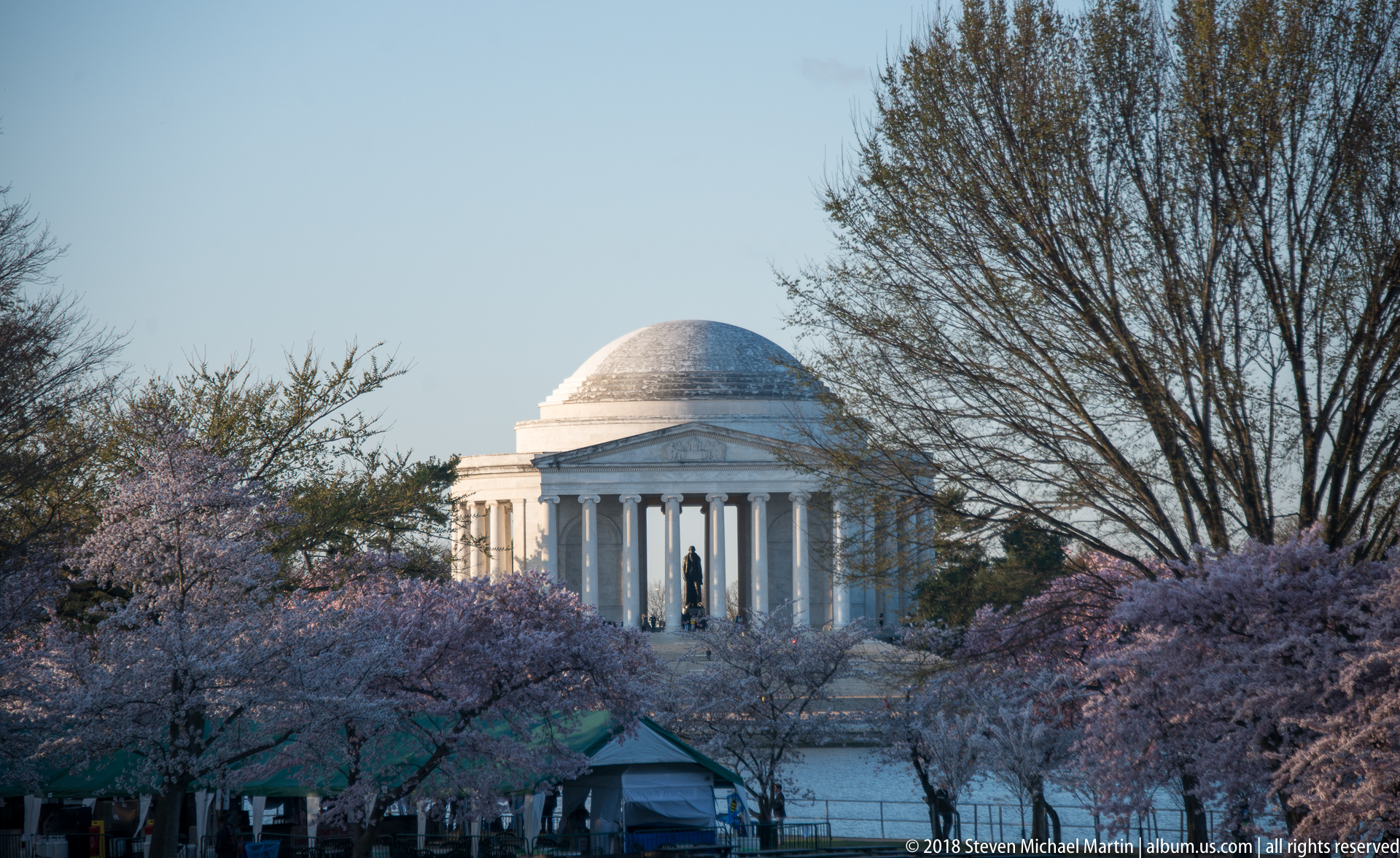
The Tidal Basin forms part of the monumental landscape of Washington, DC, situated between the Jefferson Memorial and the Washington Monument within the broader framework of the National Mall. The basin was engineered in the nineteenth century as part of a system designed to regulate water levels along the Potomac River, later becoming one of the most recognizable ceremonial landscapes in the United States. The surrounding parkland integrates neoclassical memorial architecture with carefully planned horticultural design, creating a setting where seasonal change contributes to the visual identity of the federal capital.
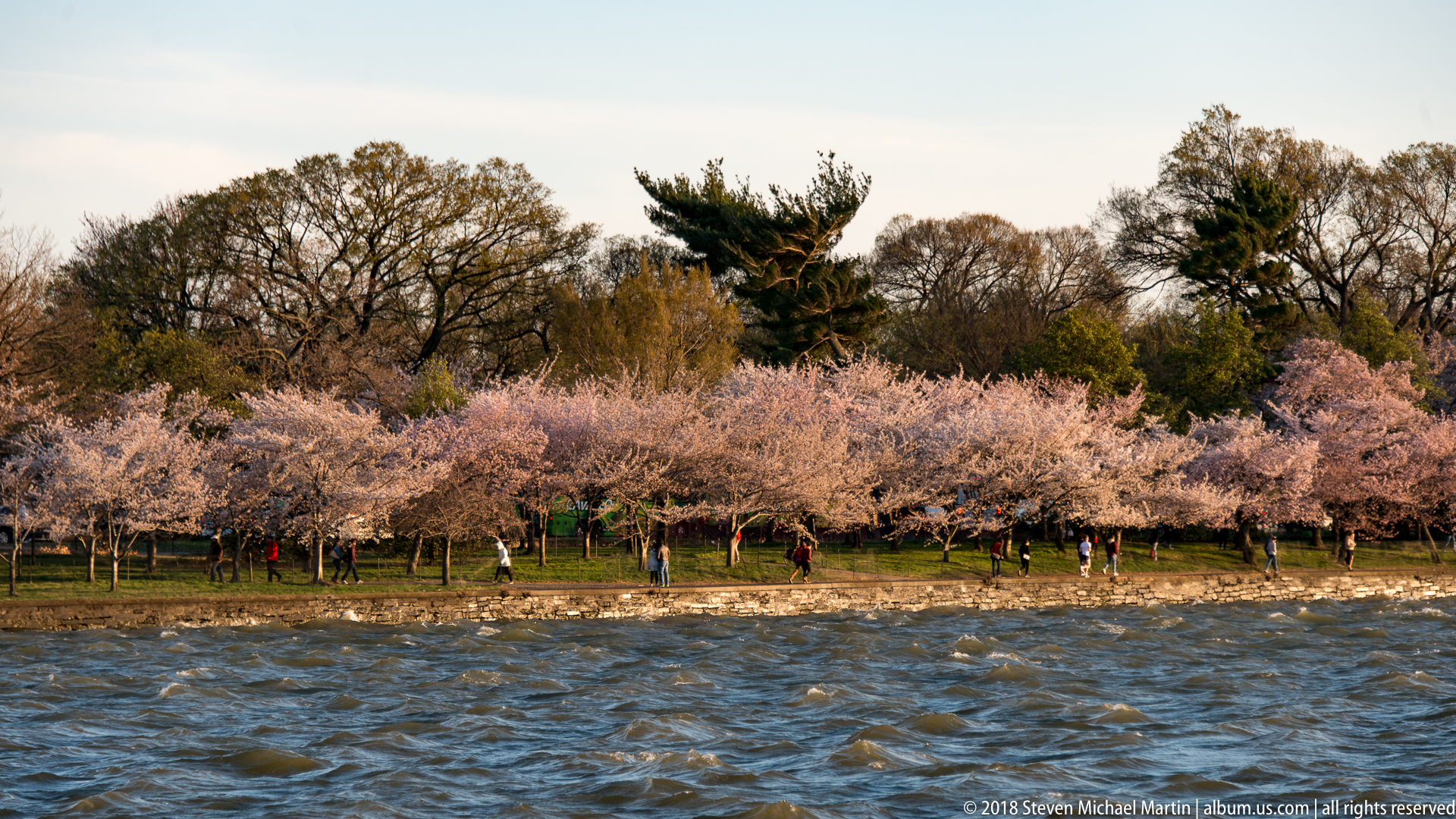
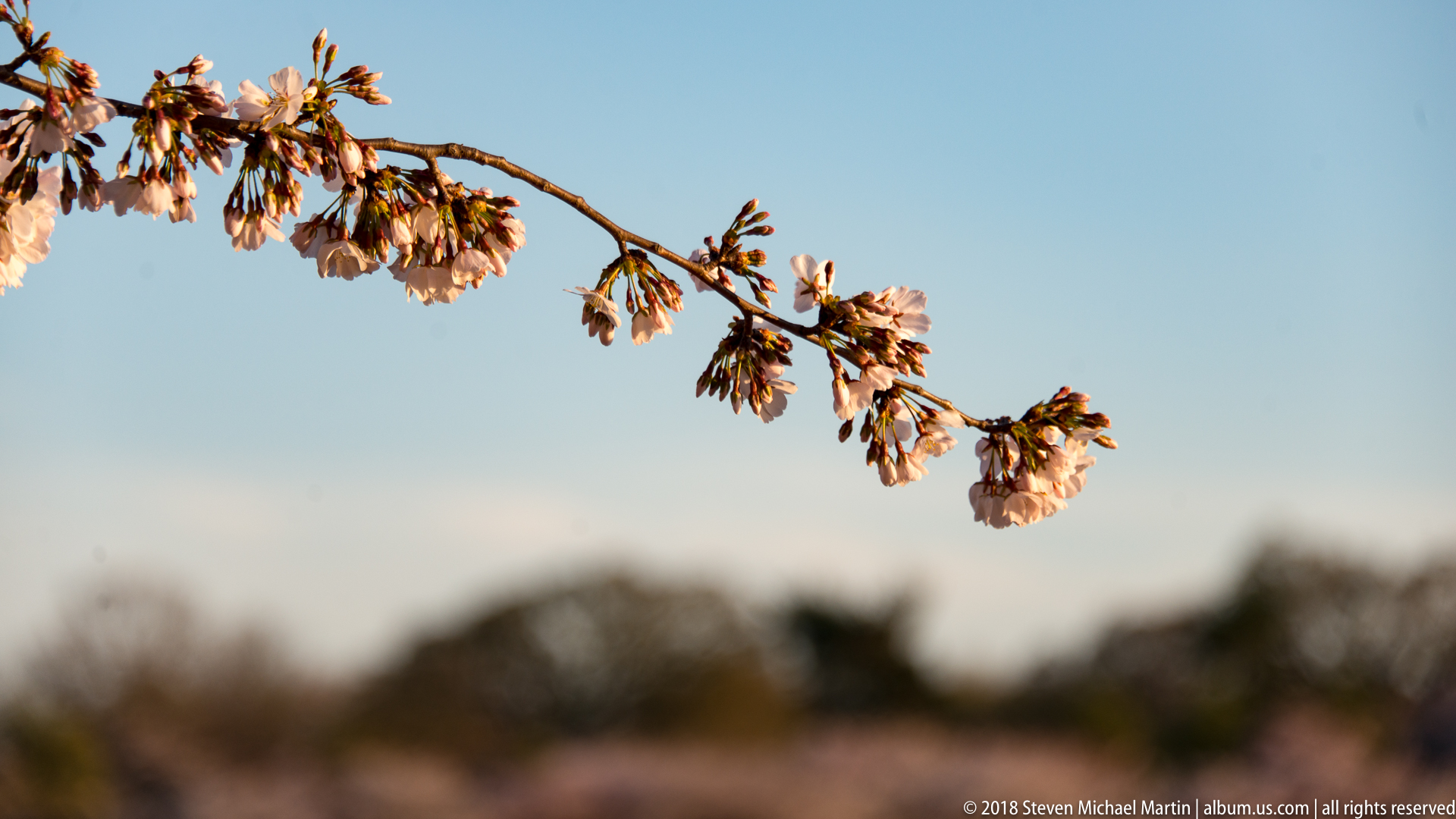
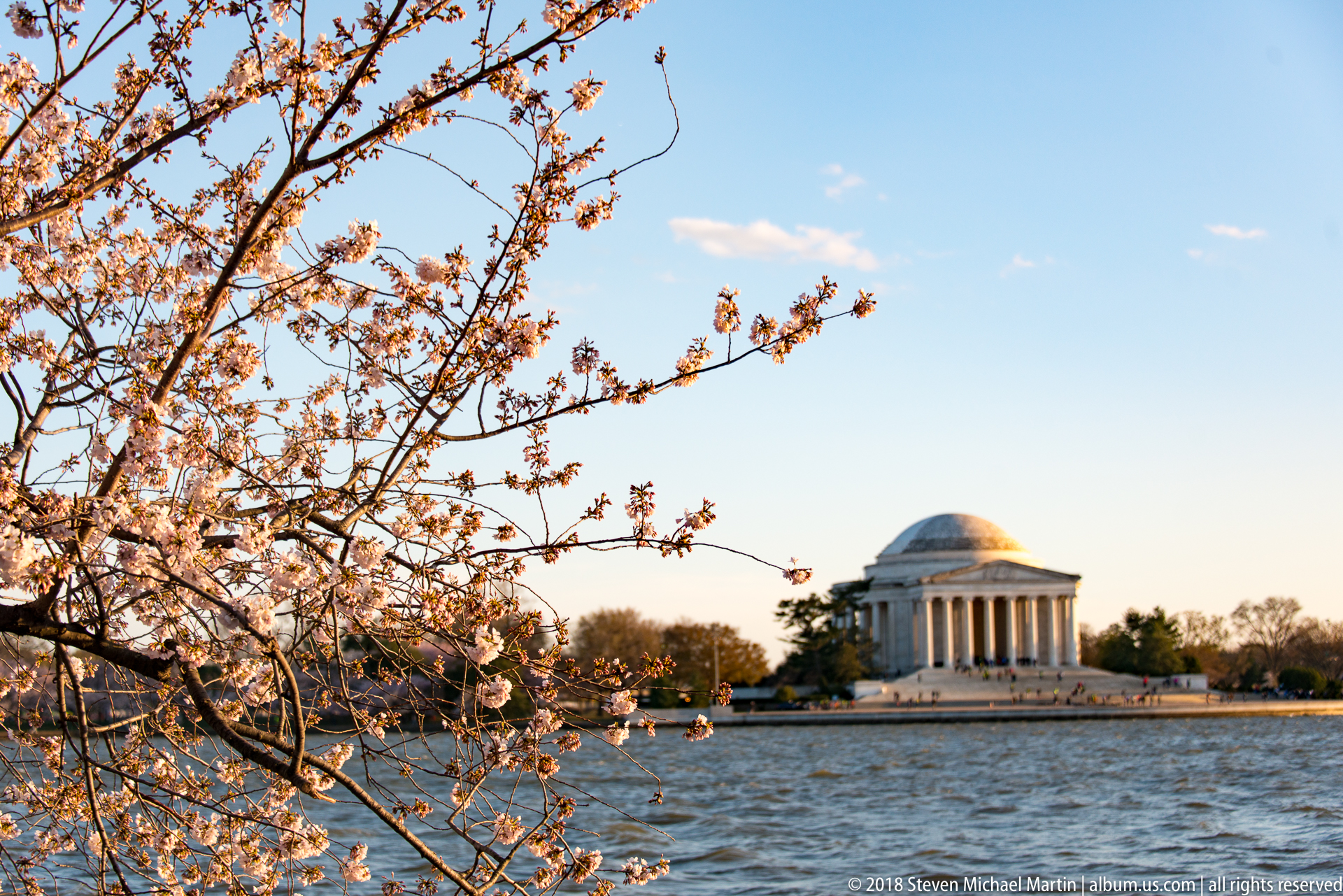
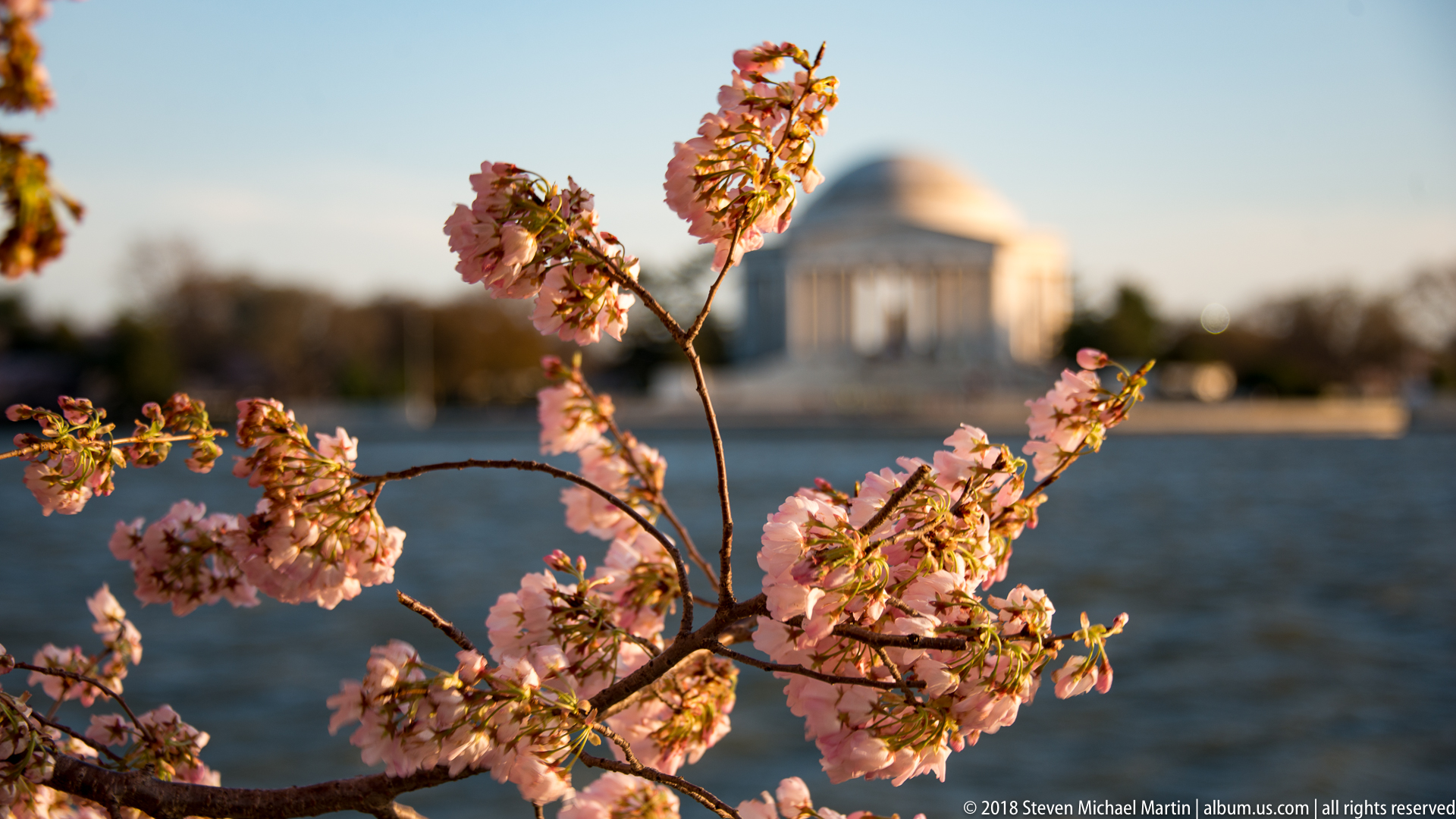
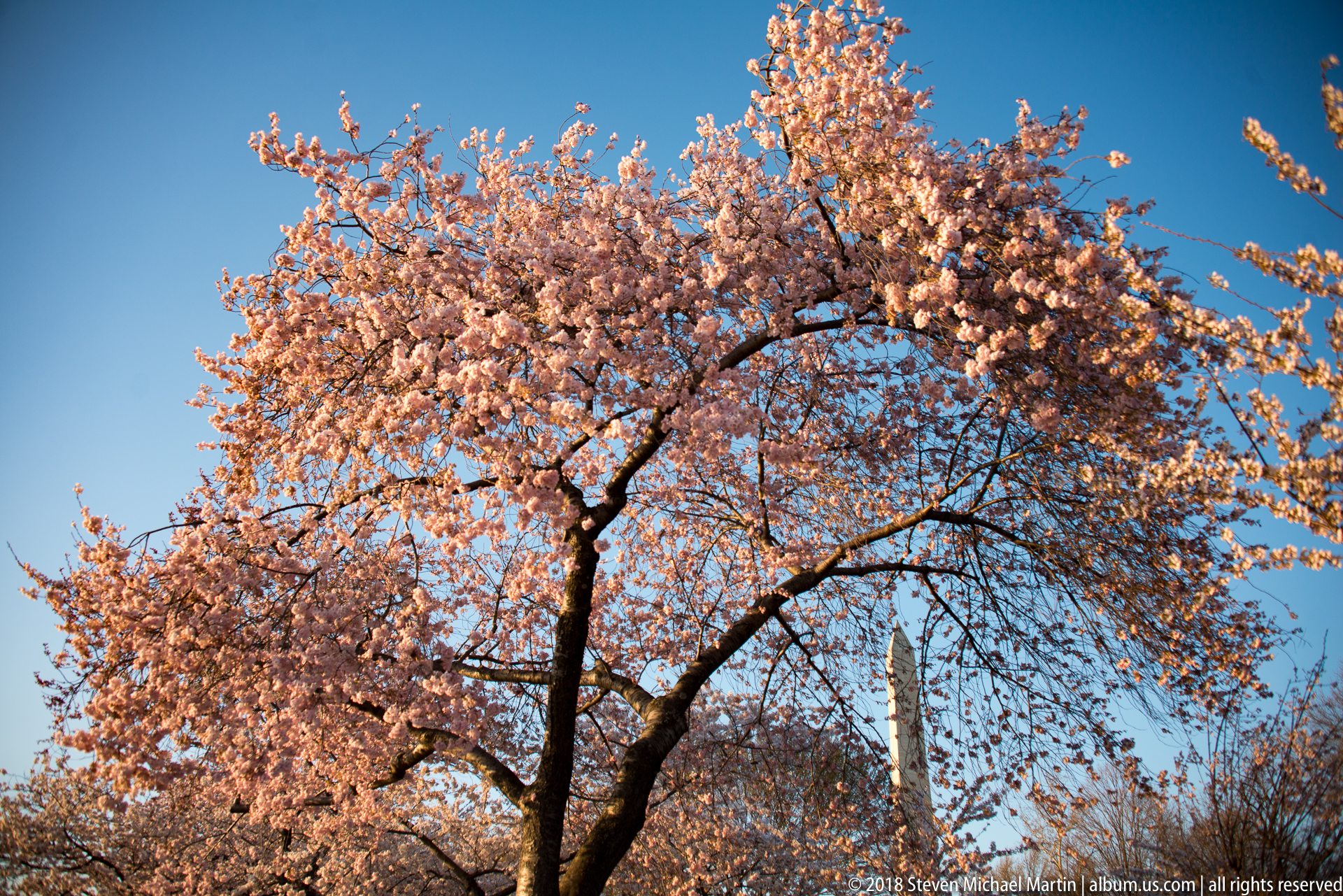
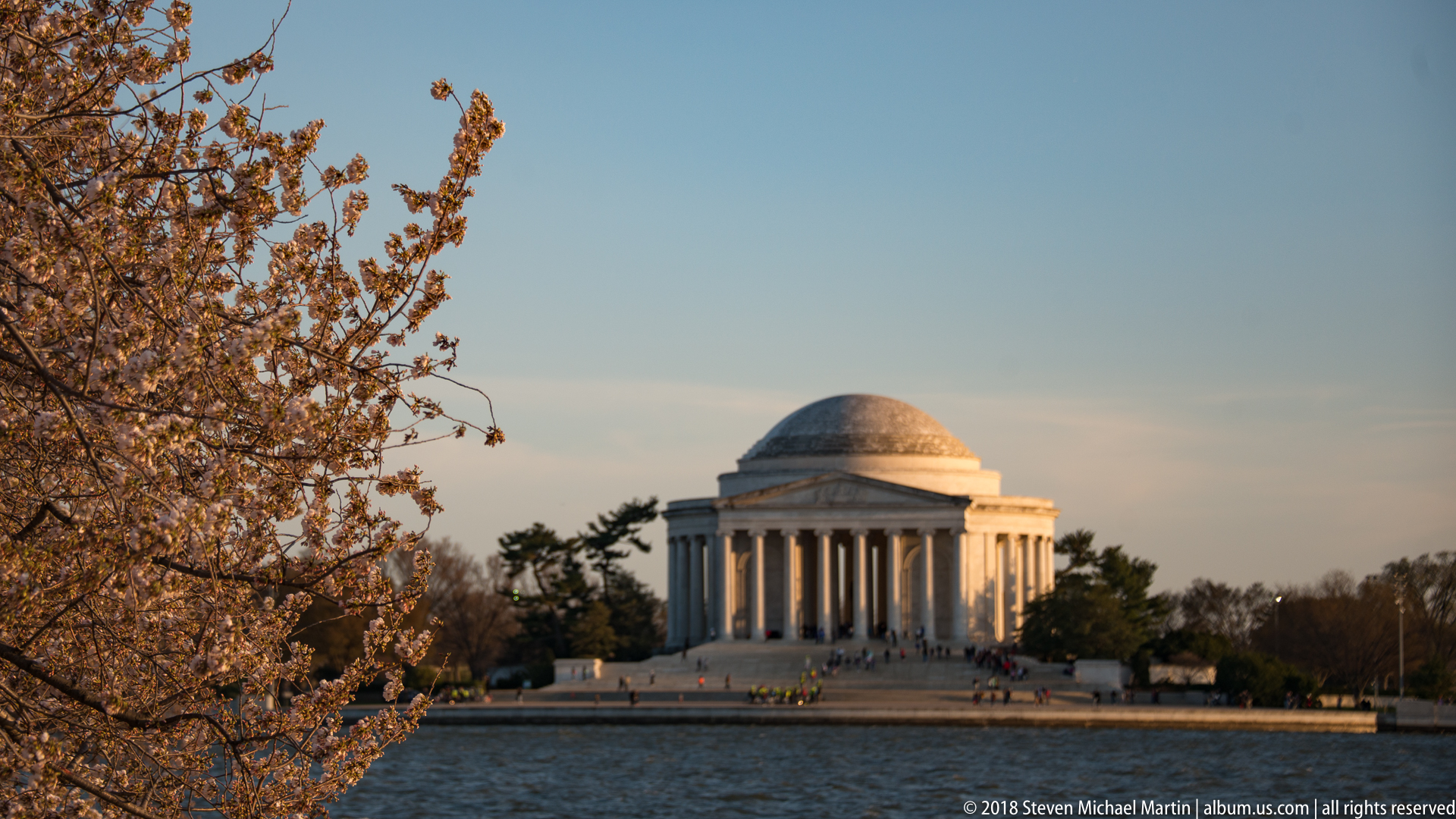
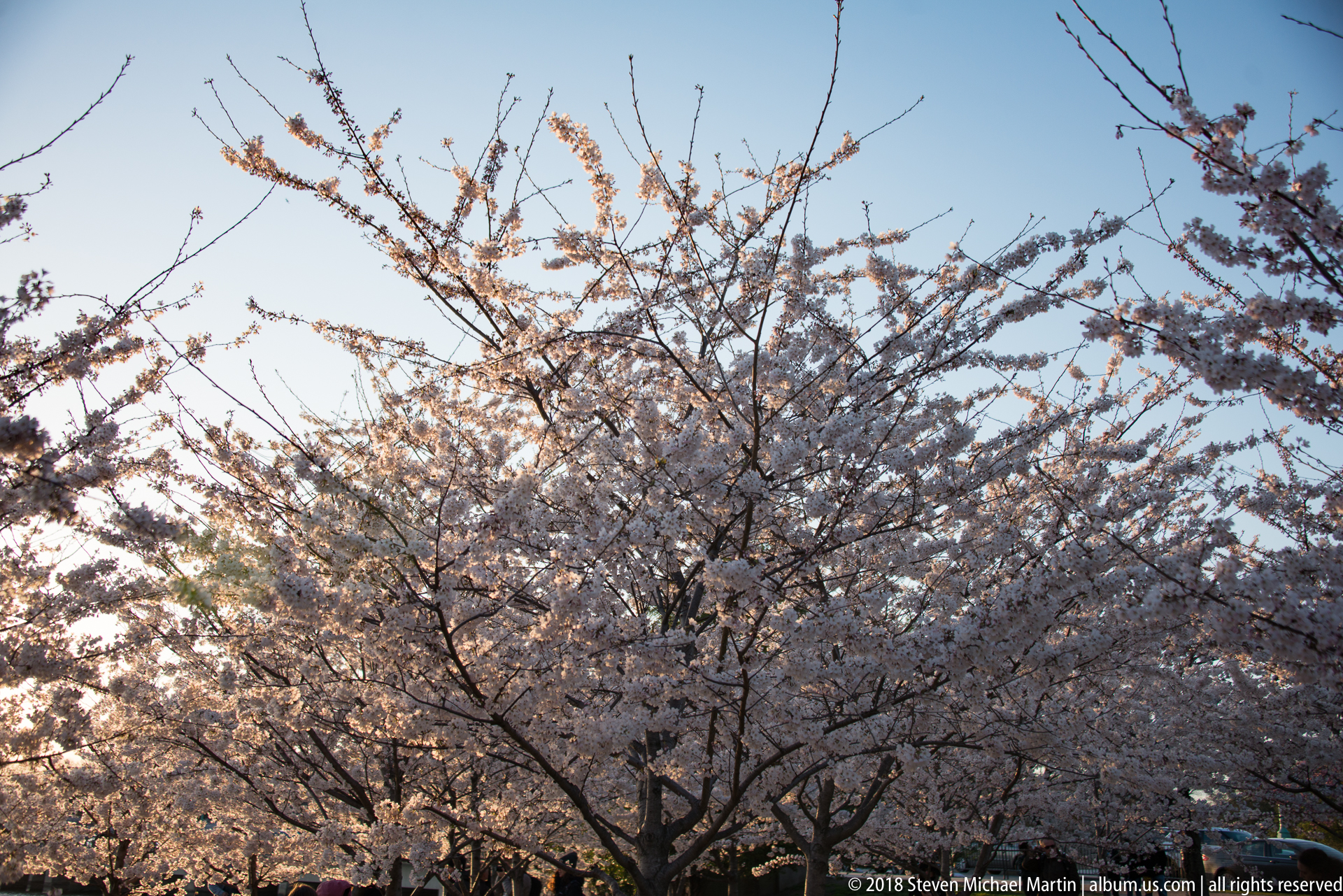
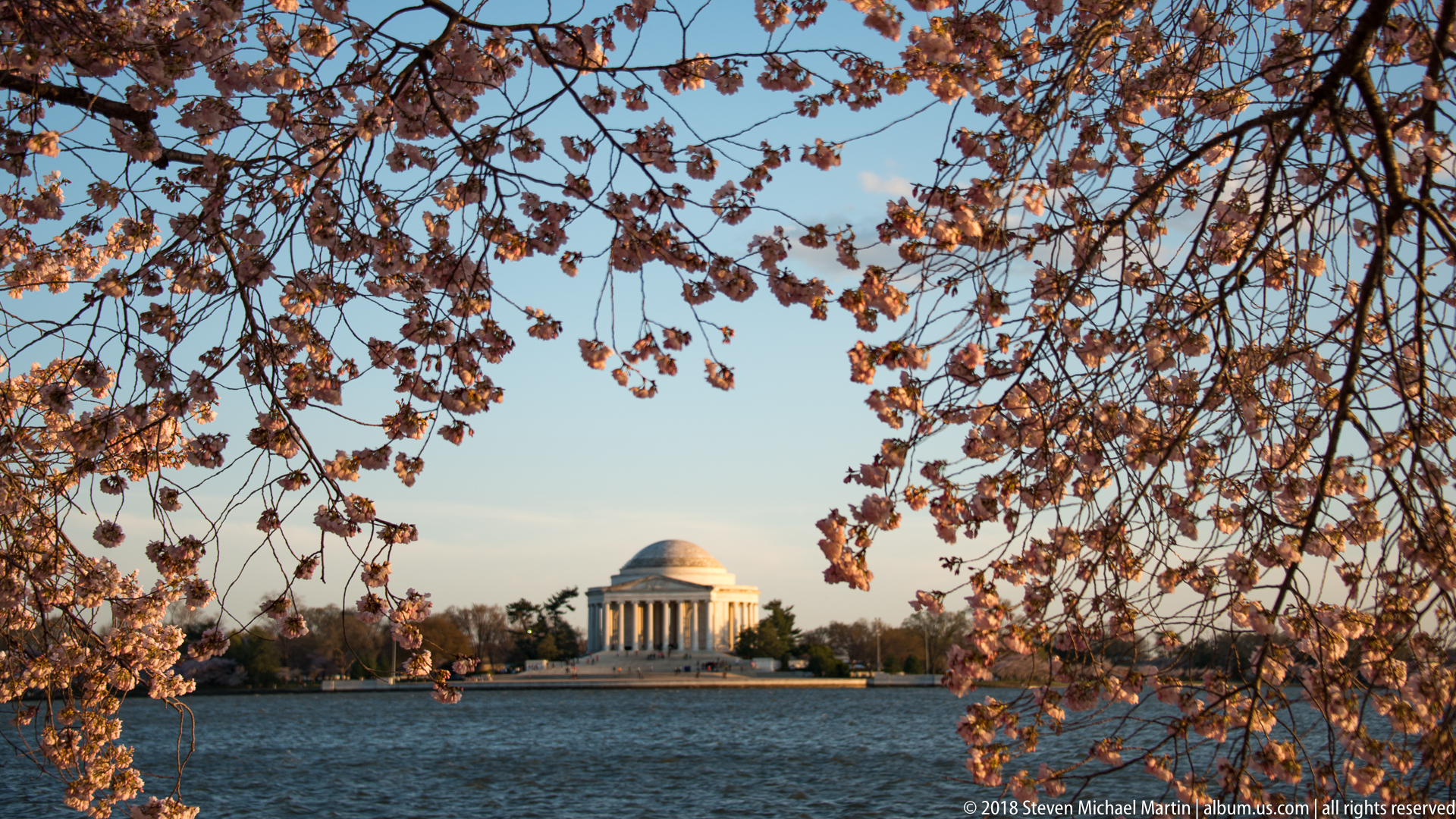
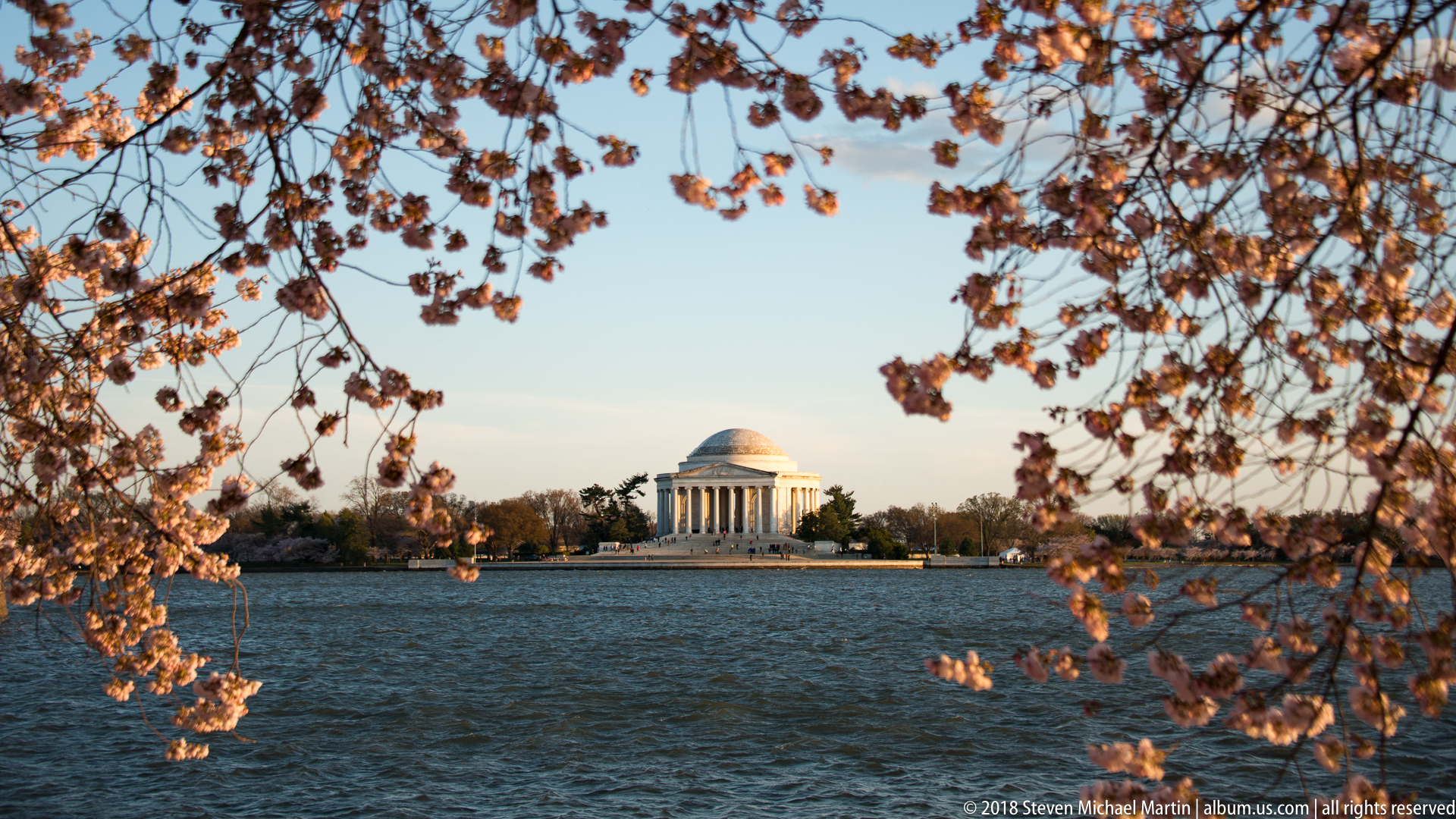
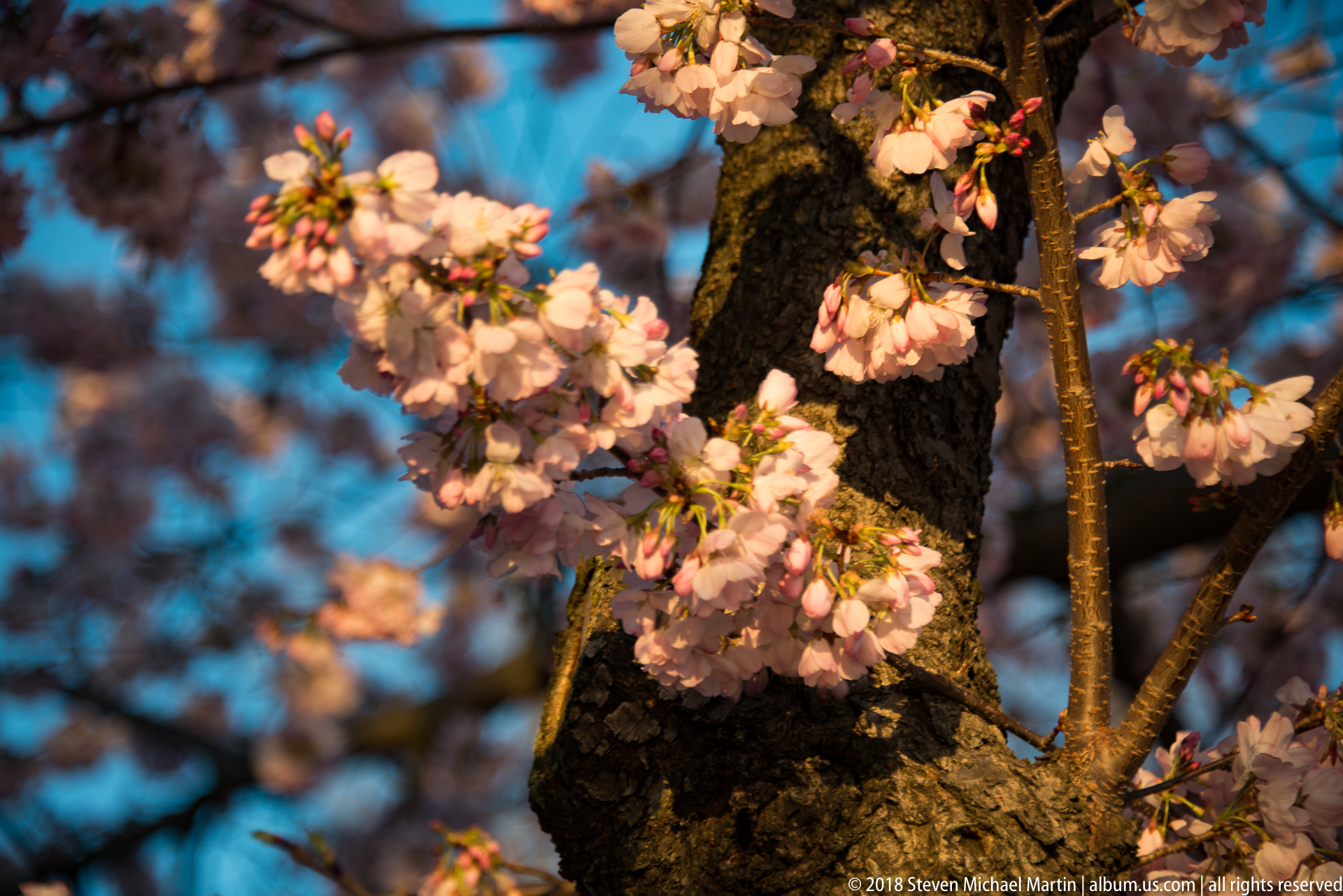
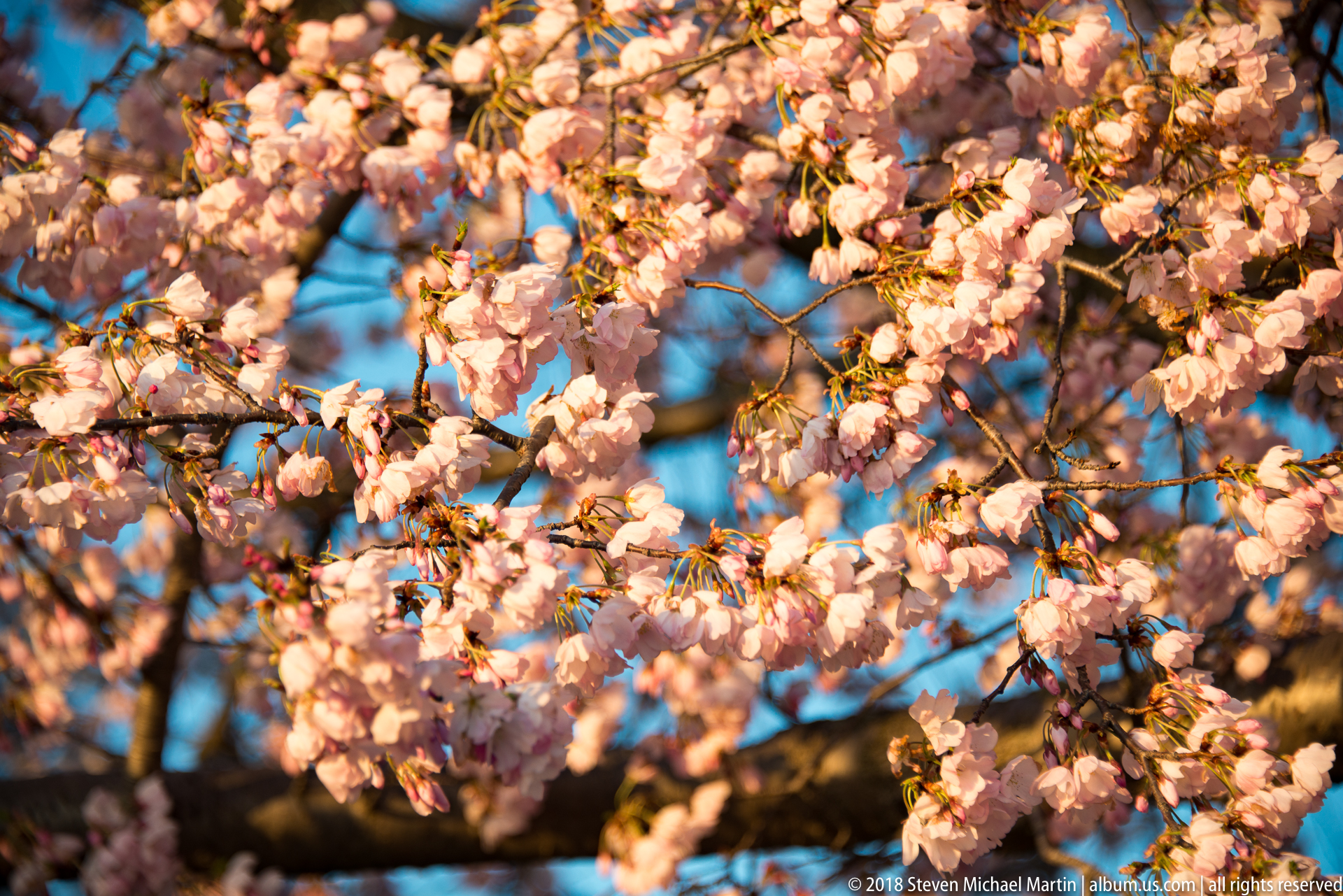
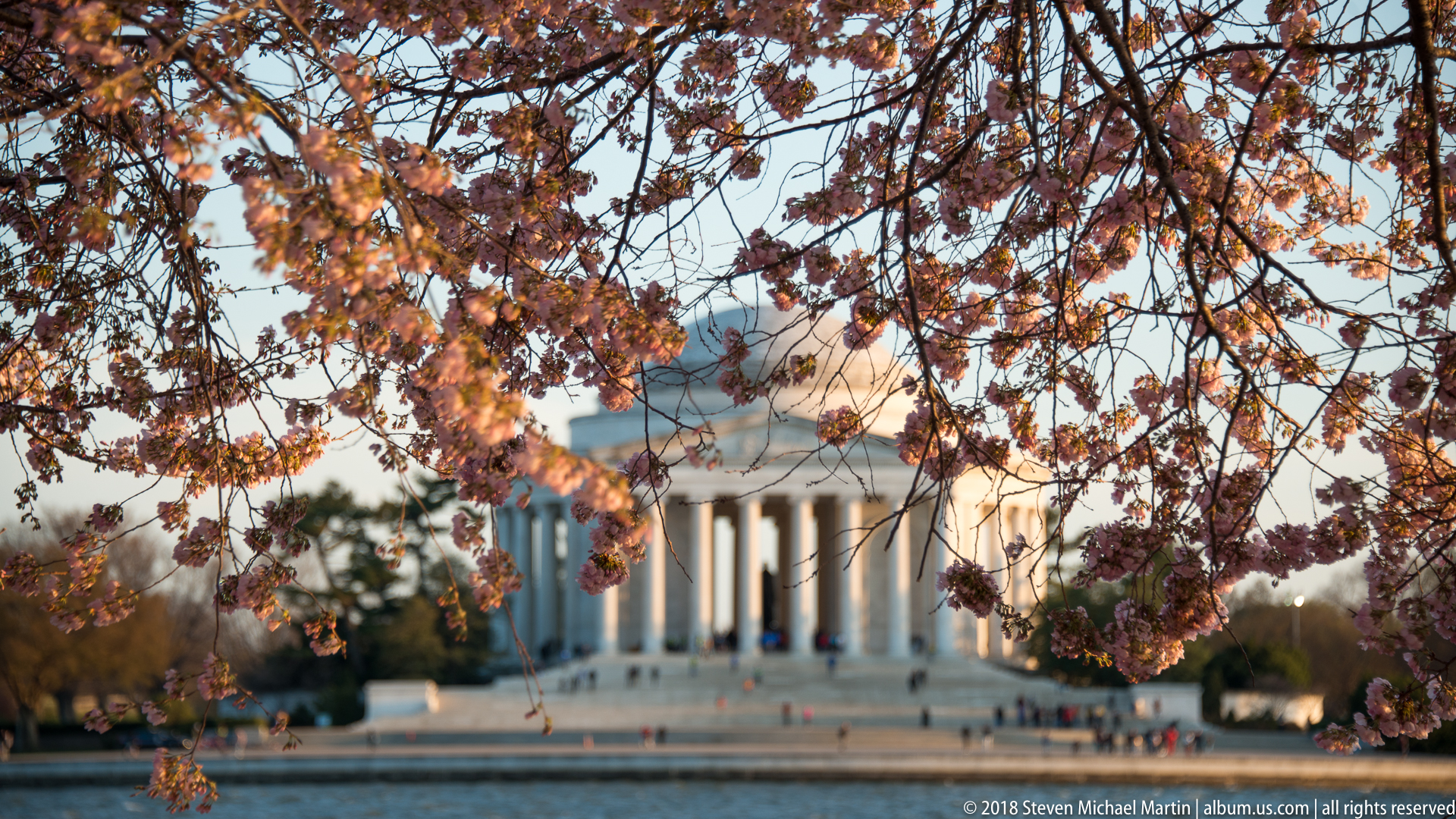
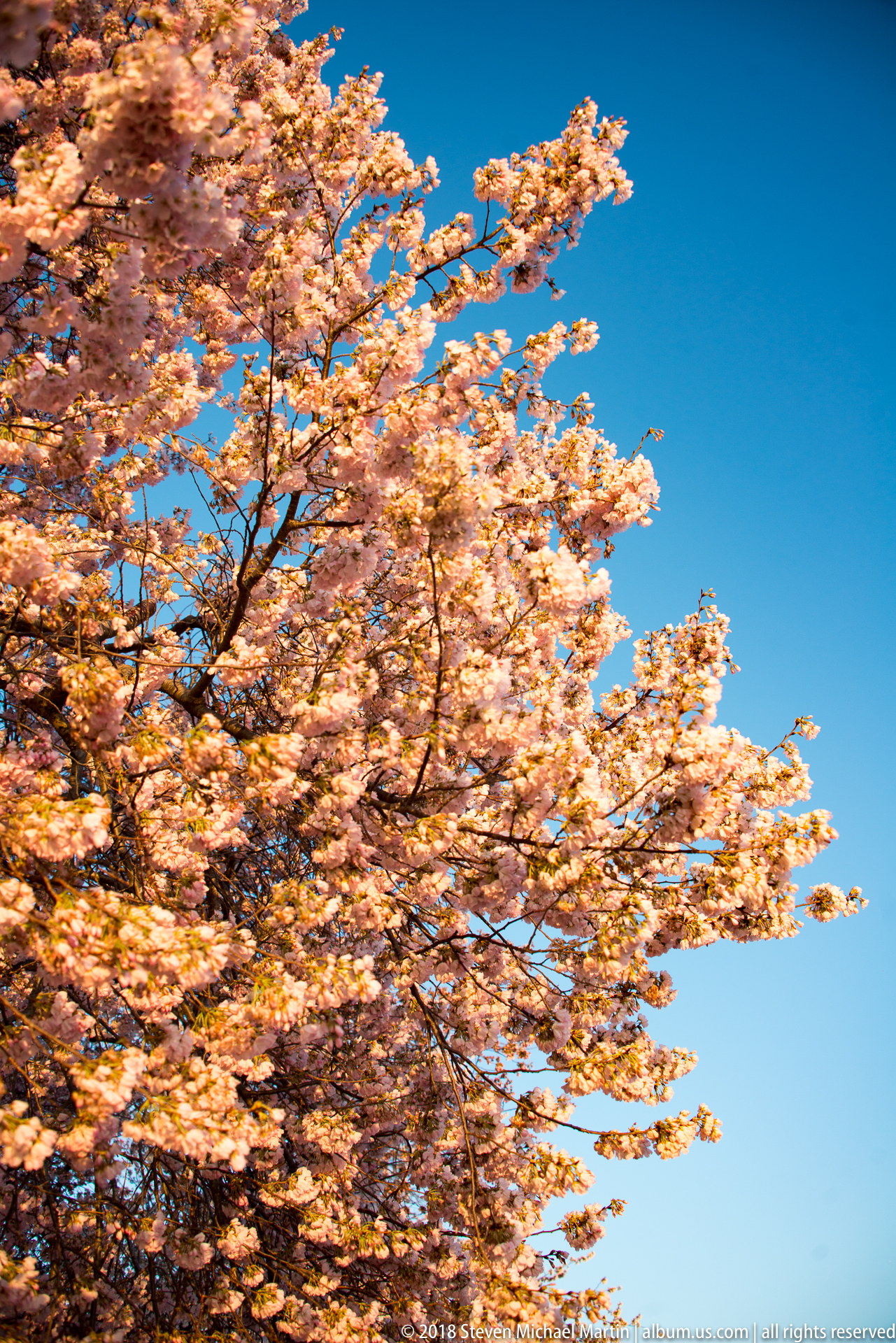
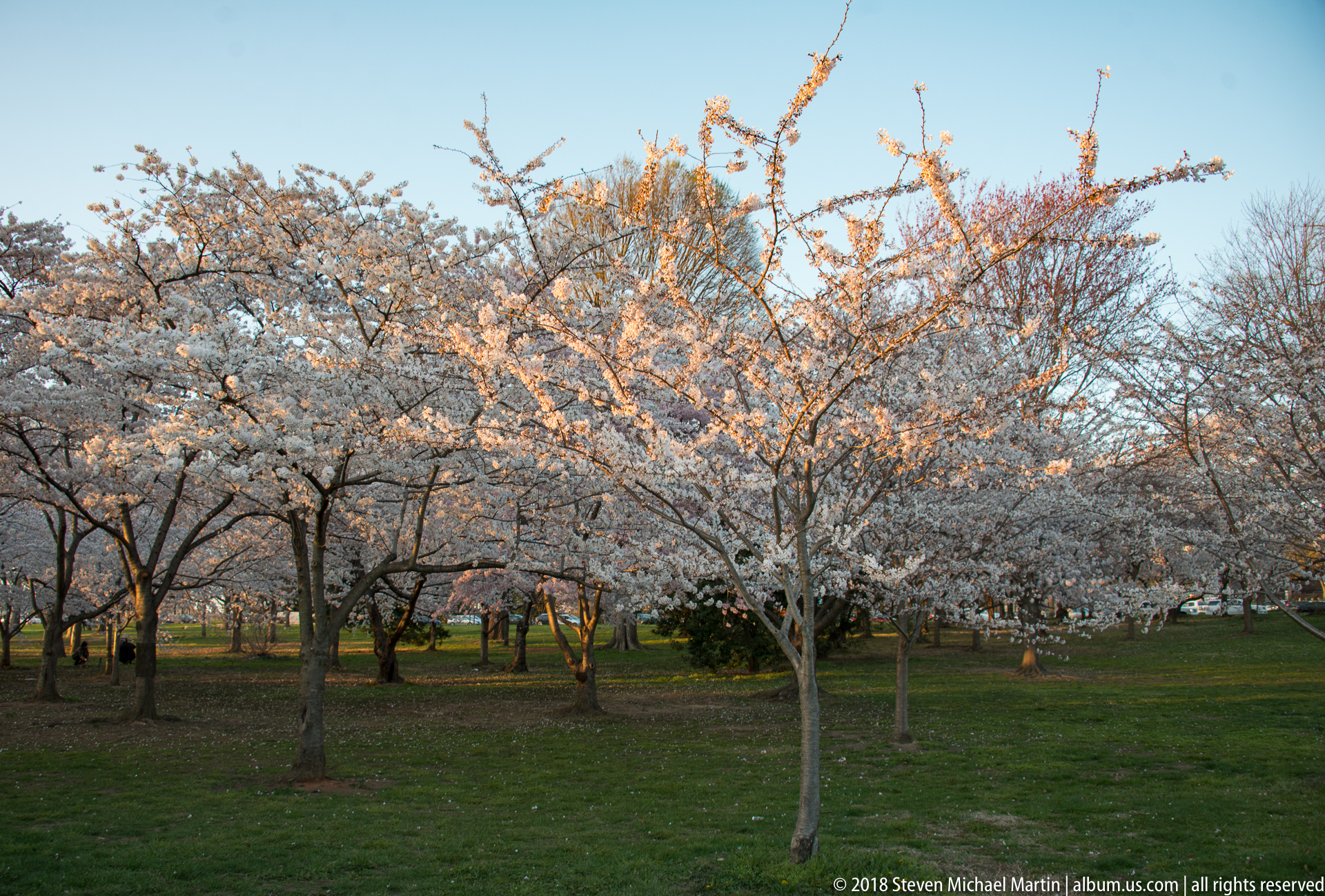
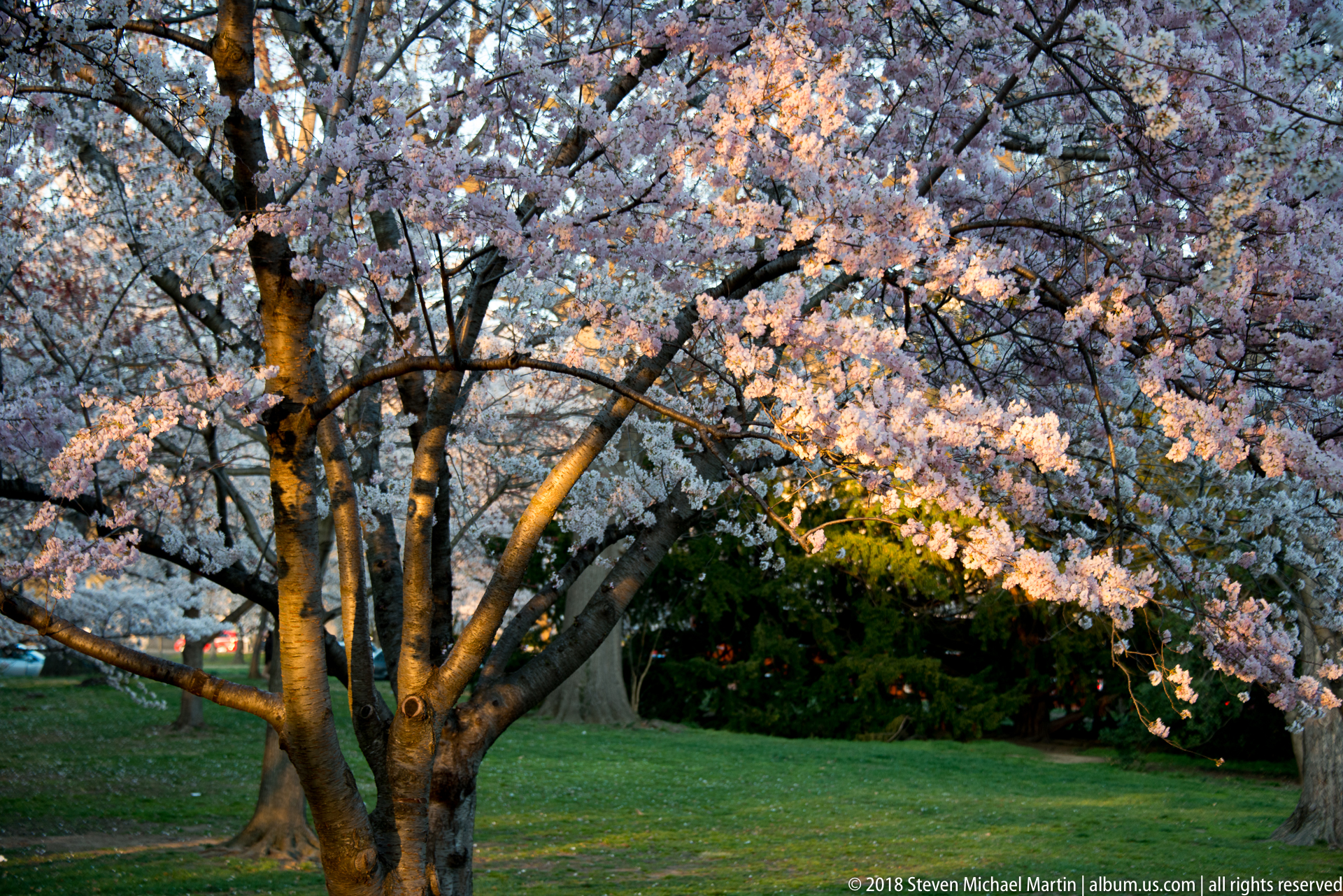
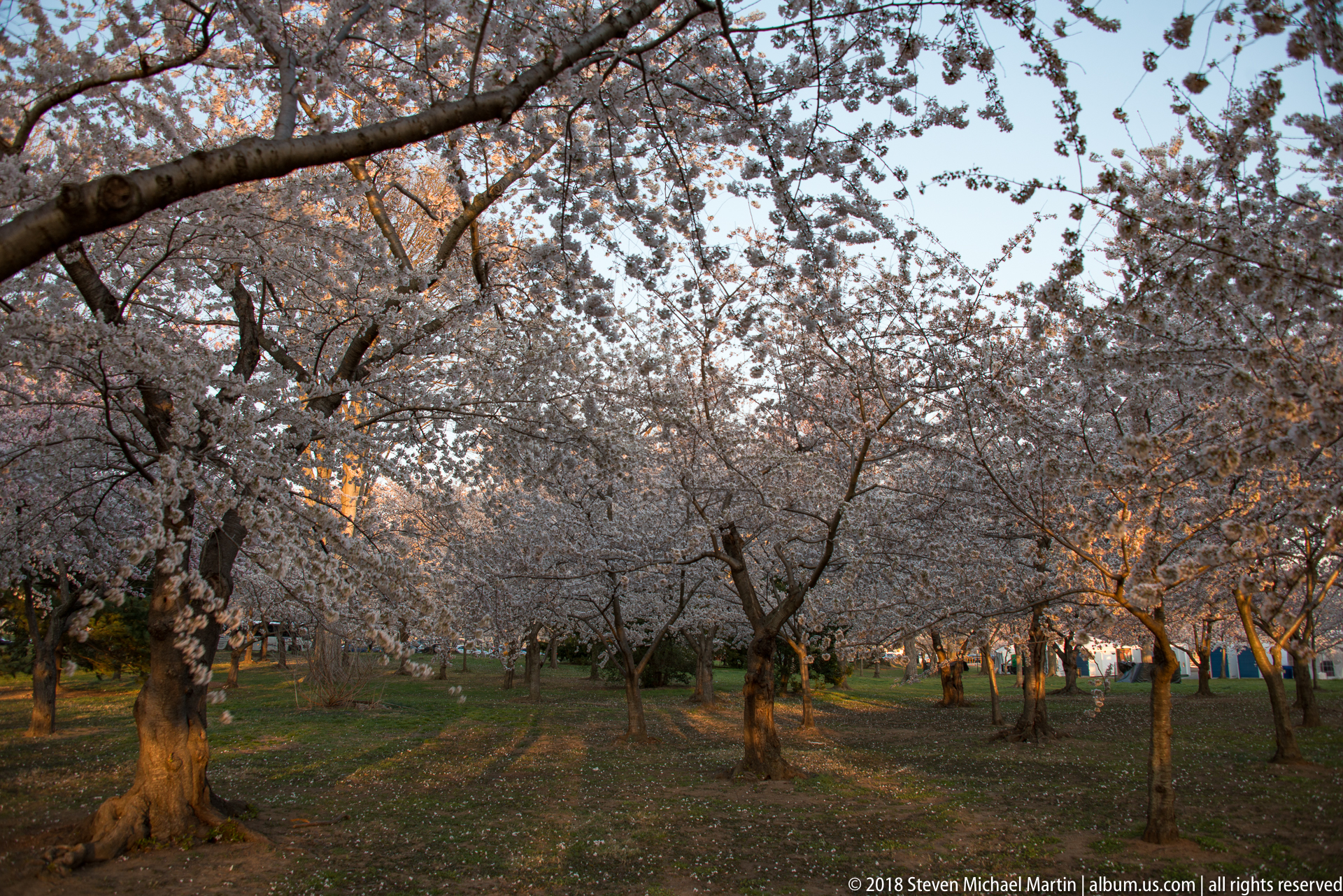
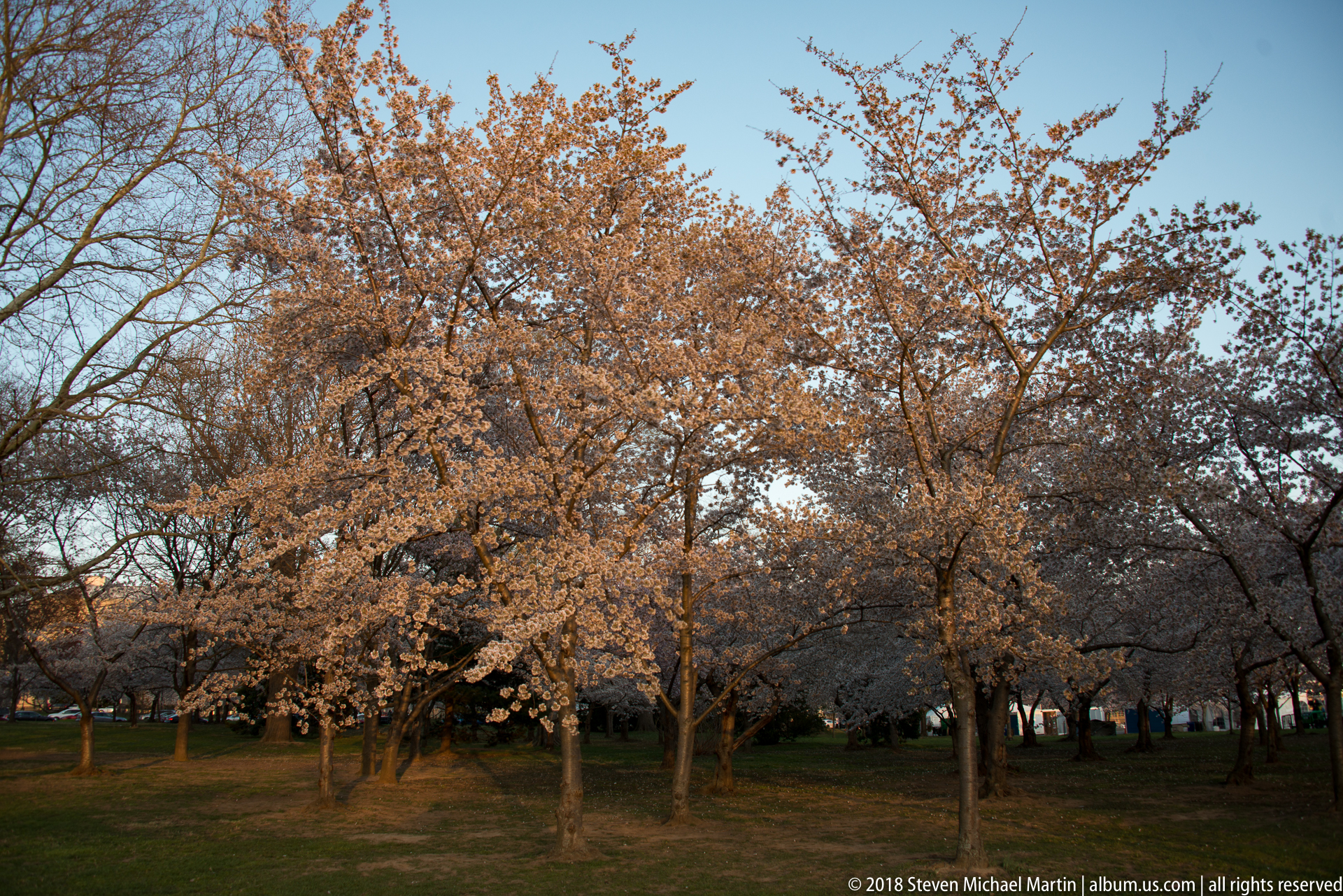
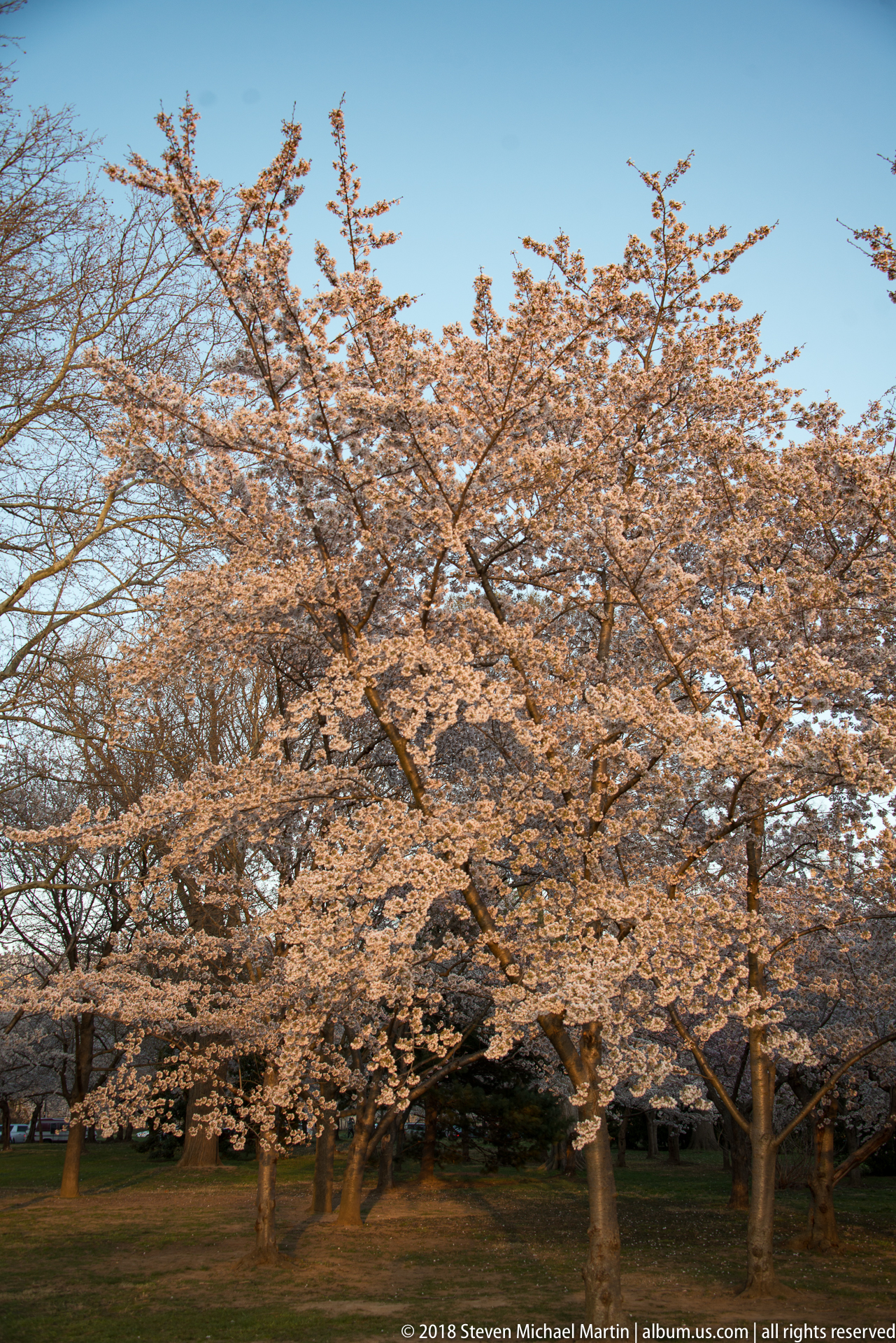
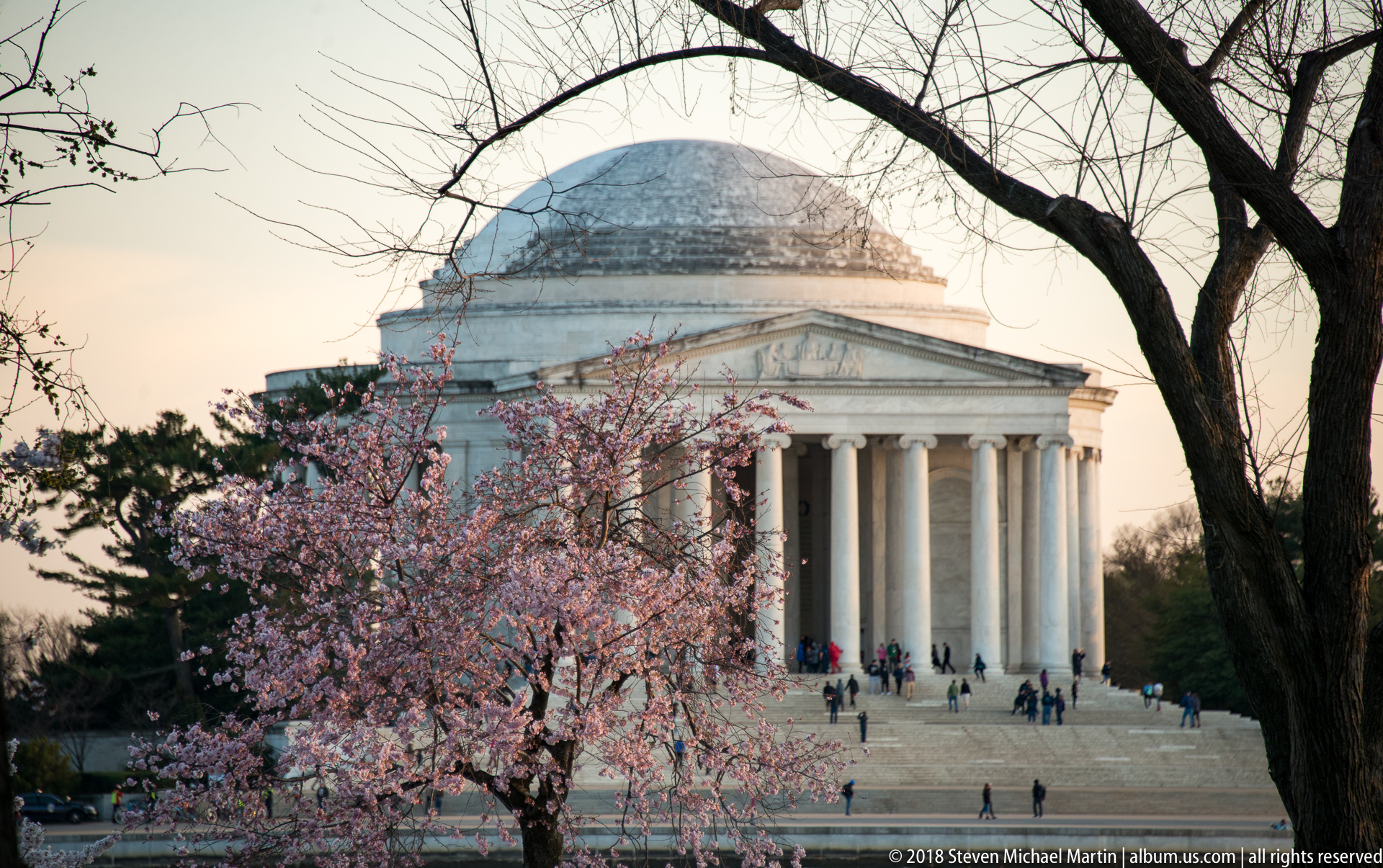
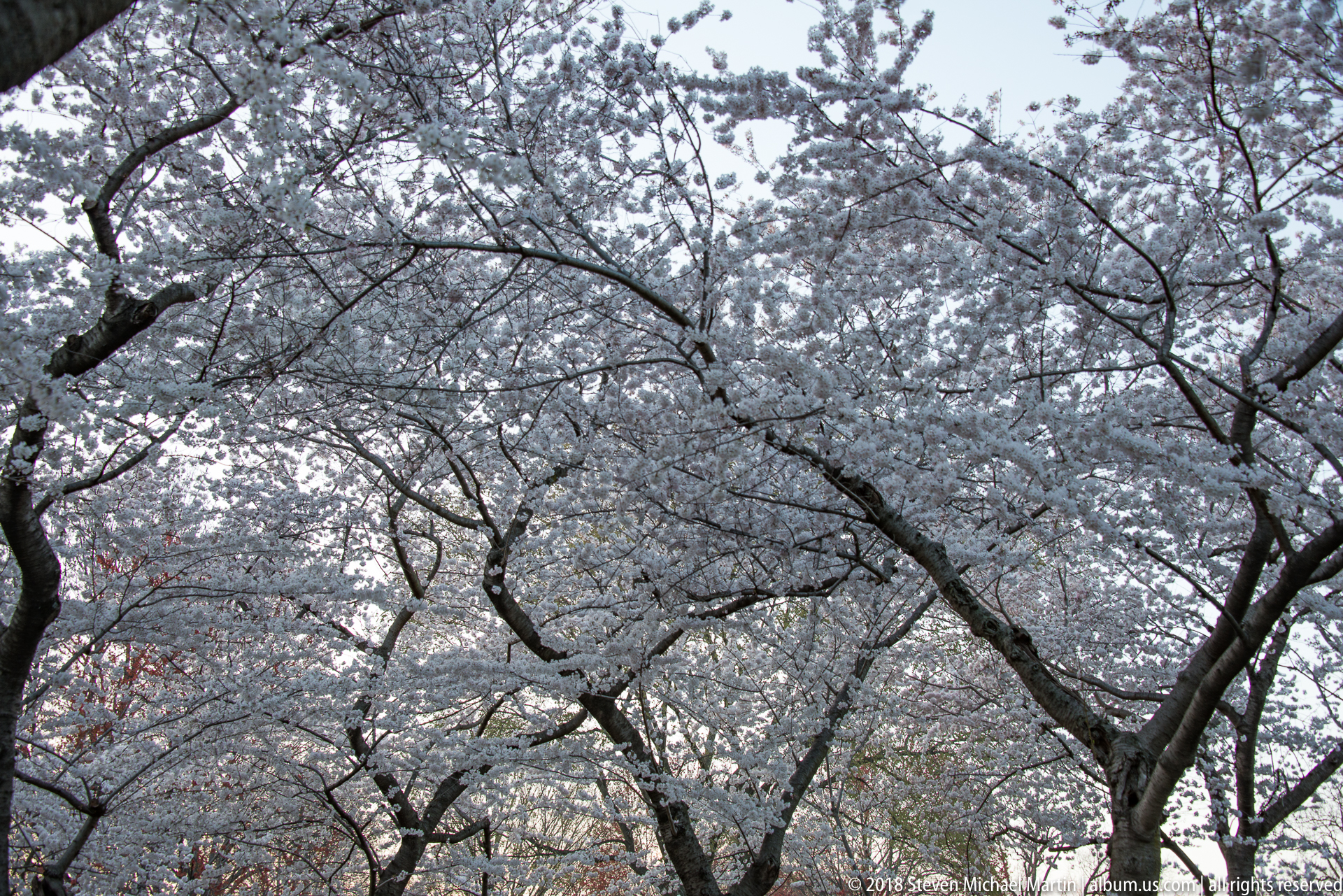
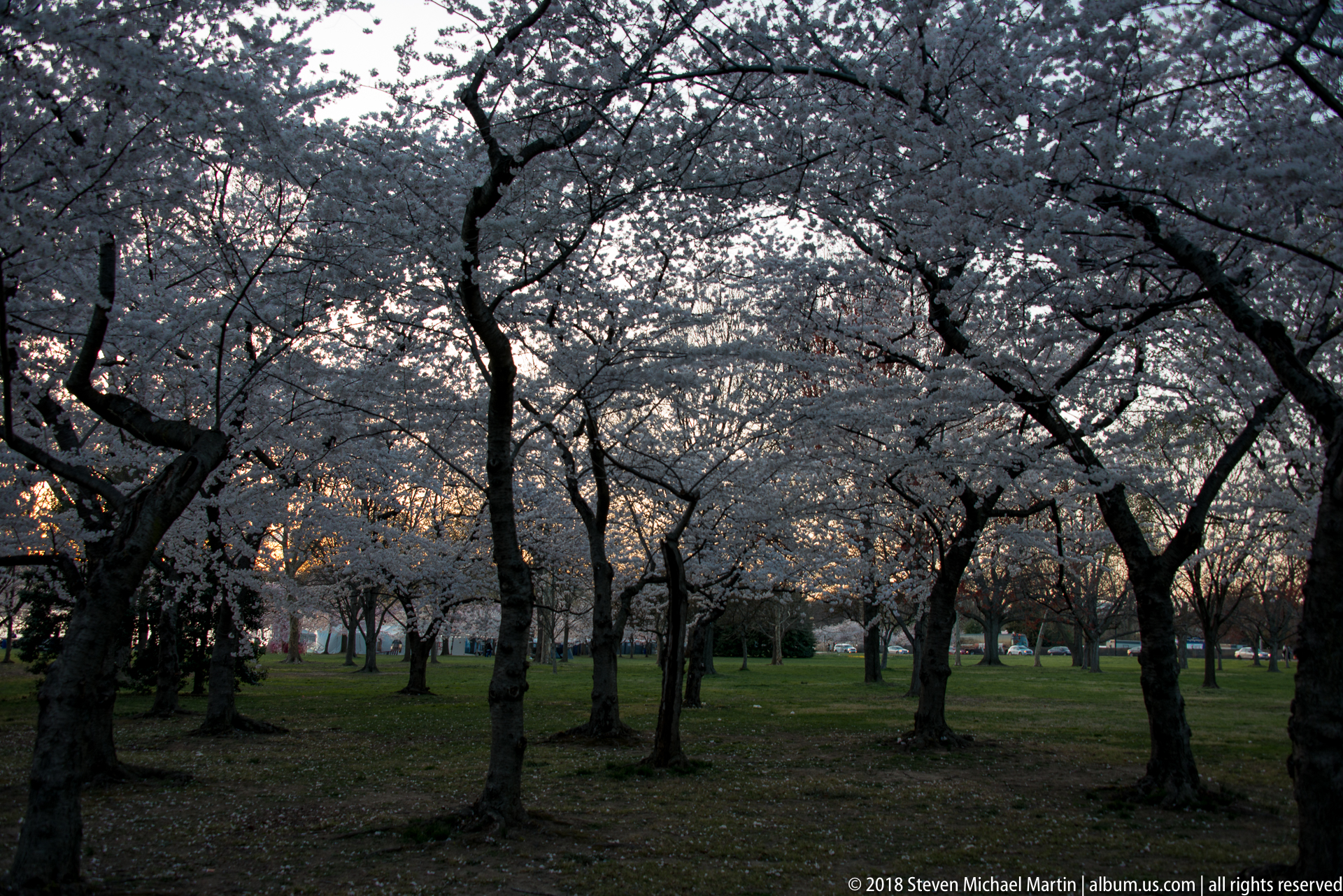
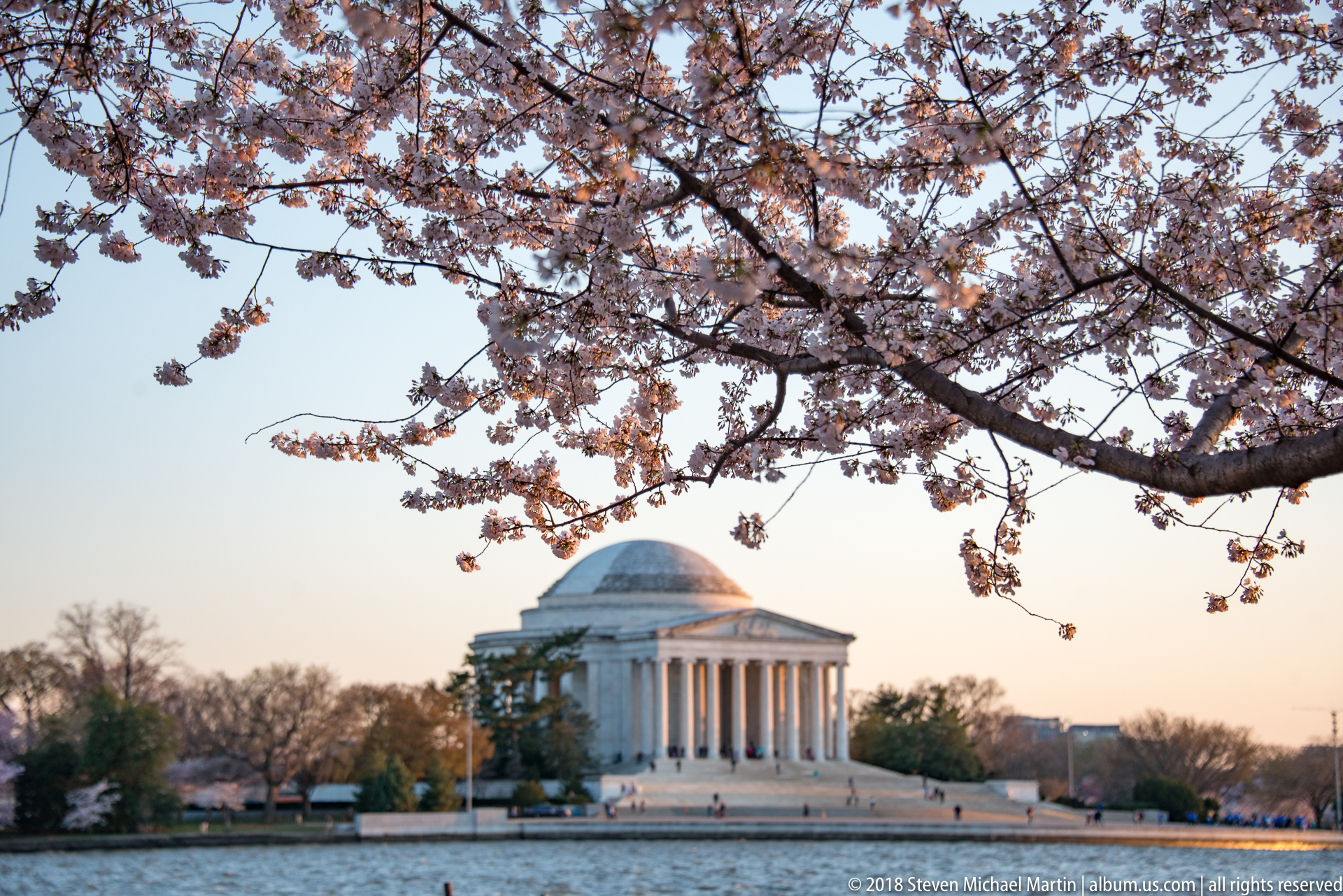
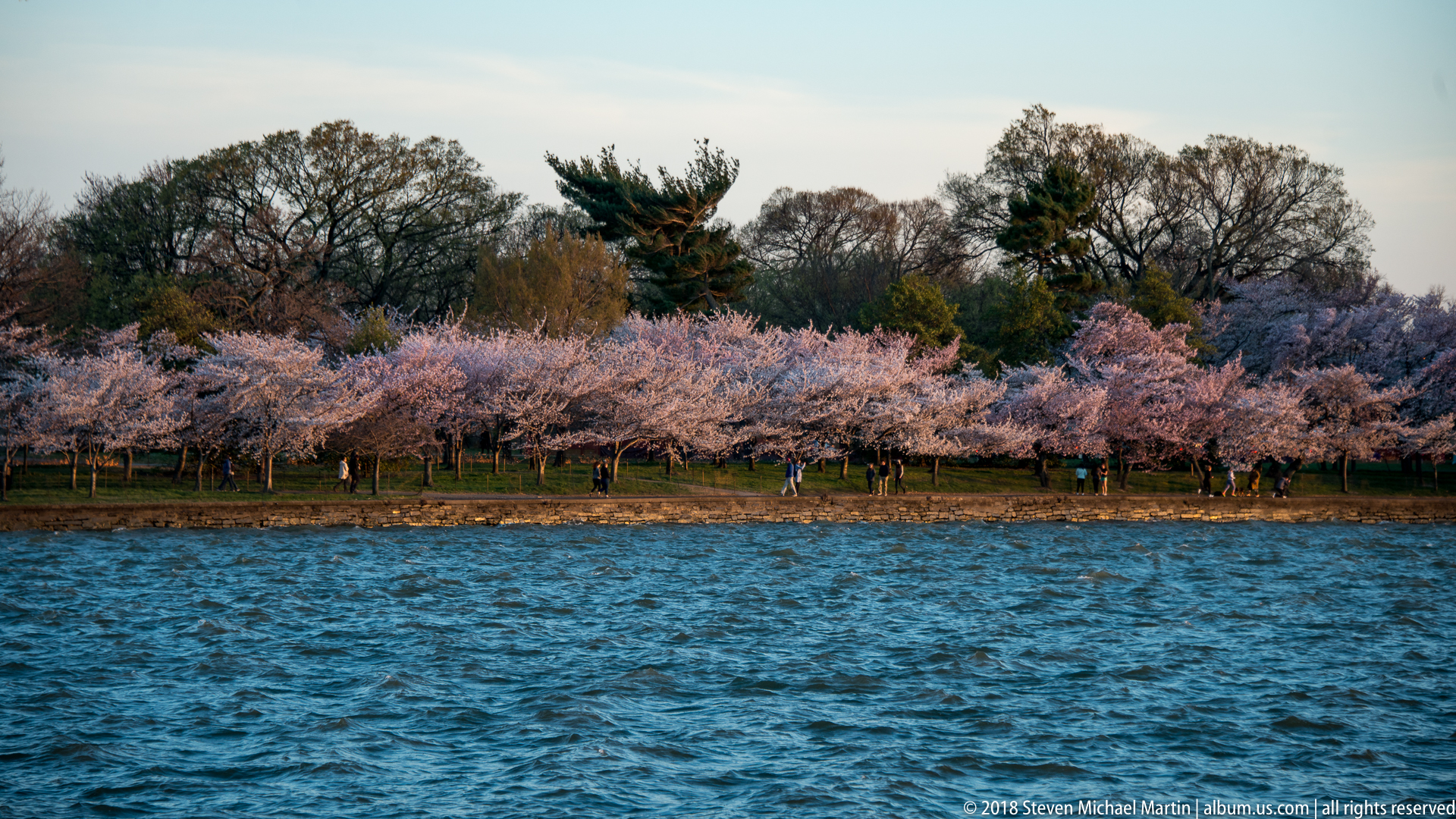
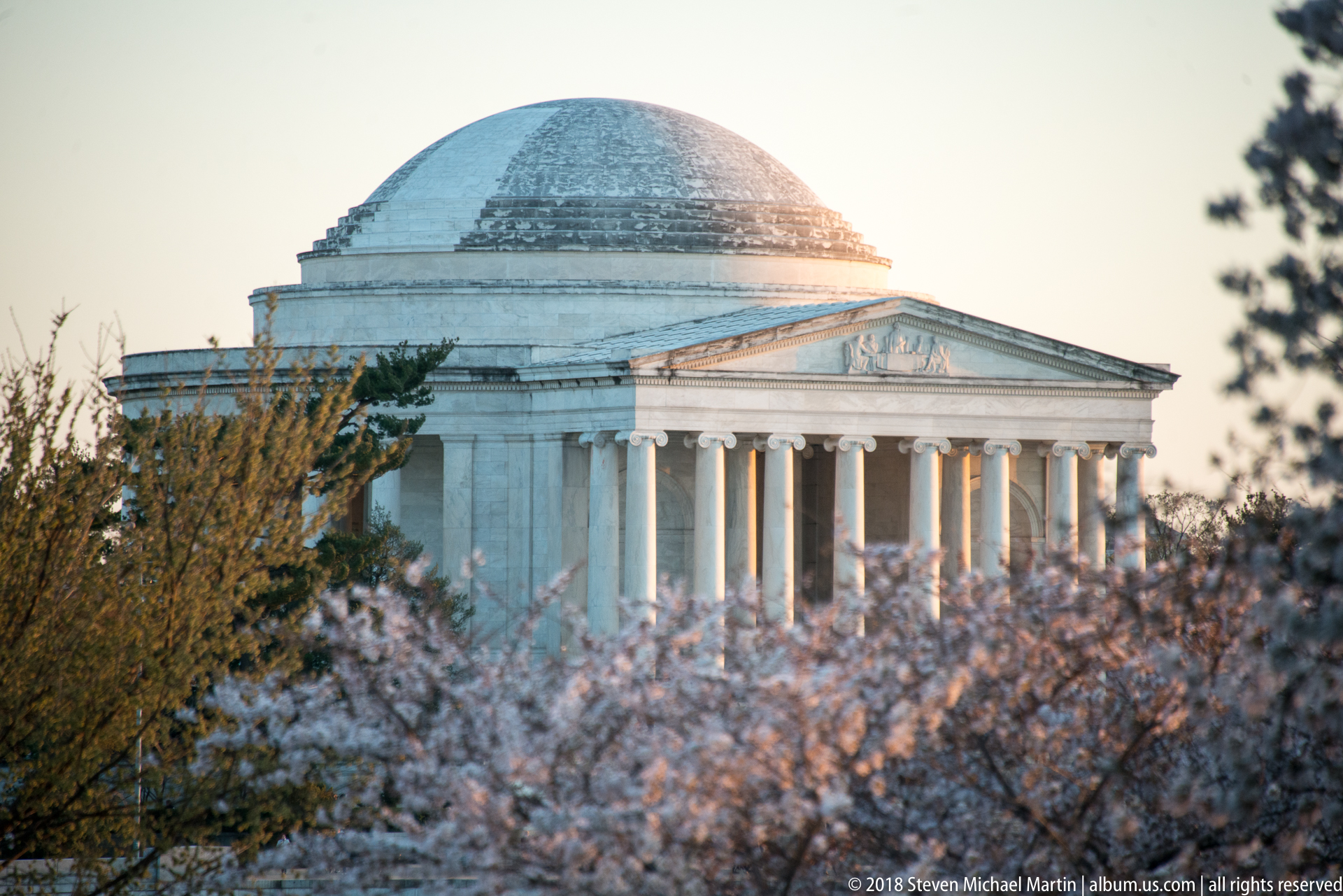
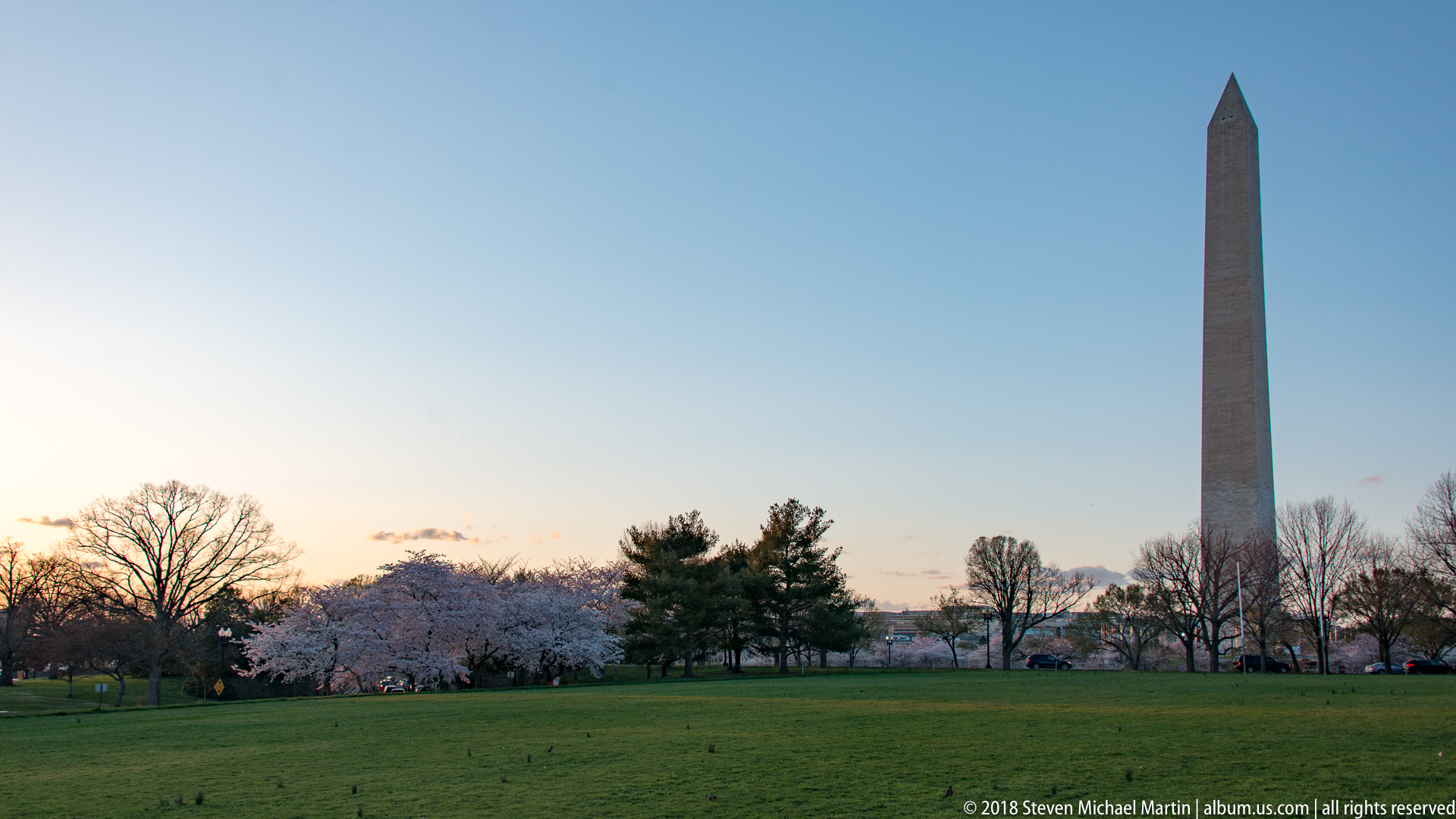
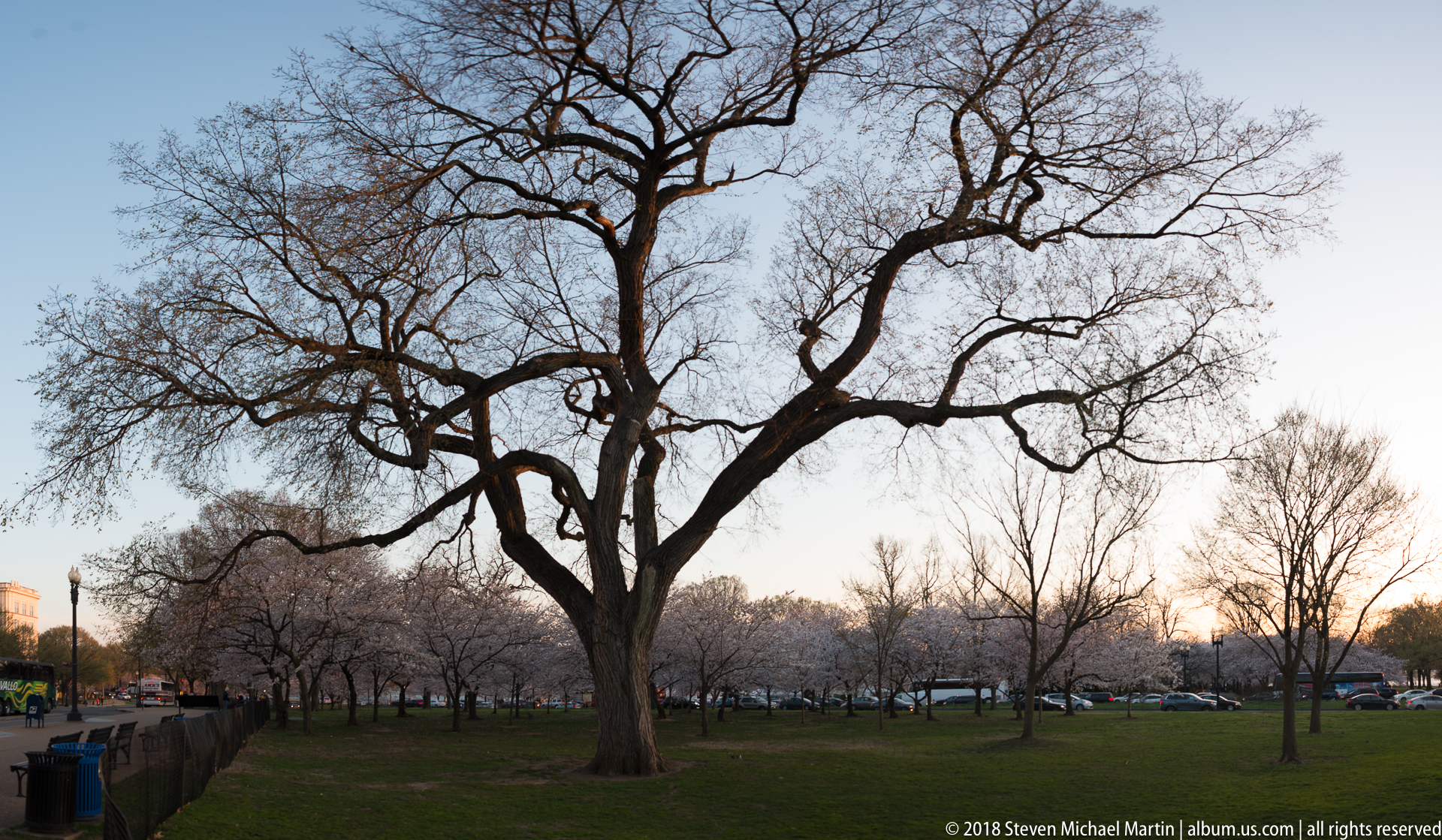
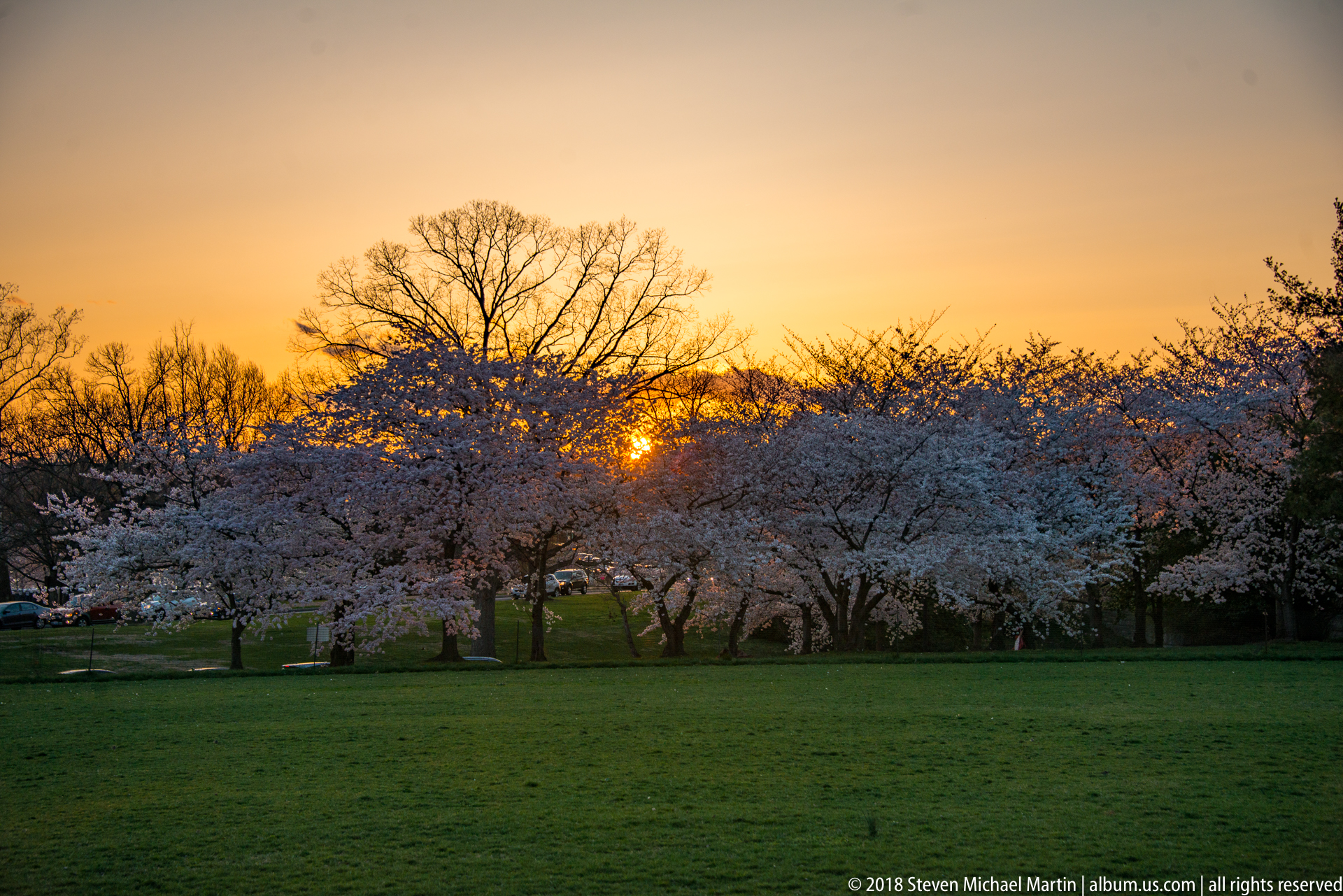
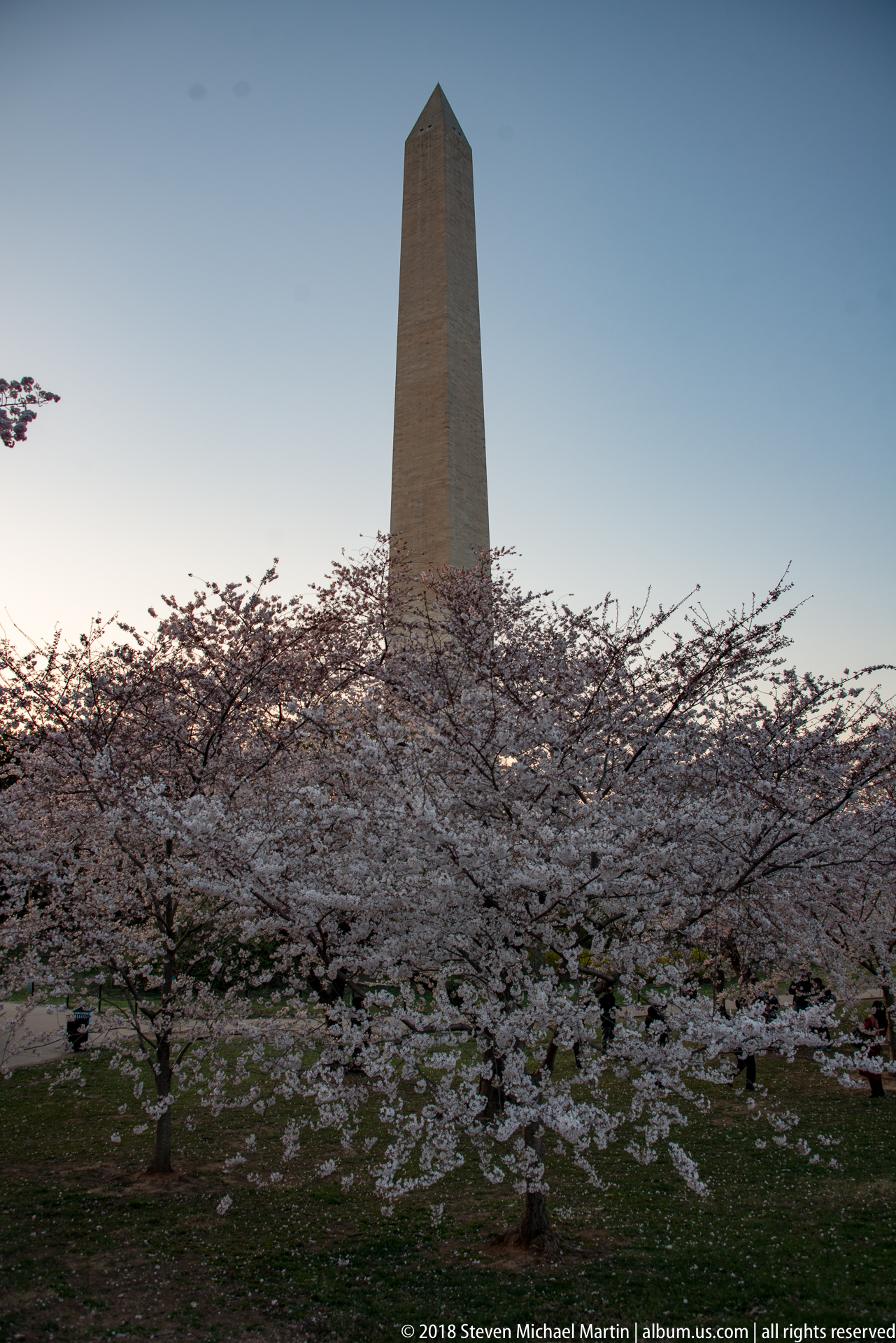
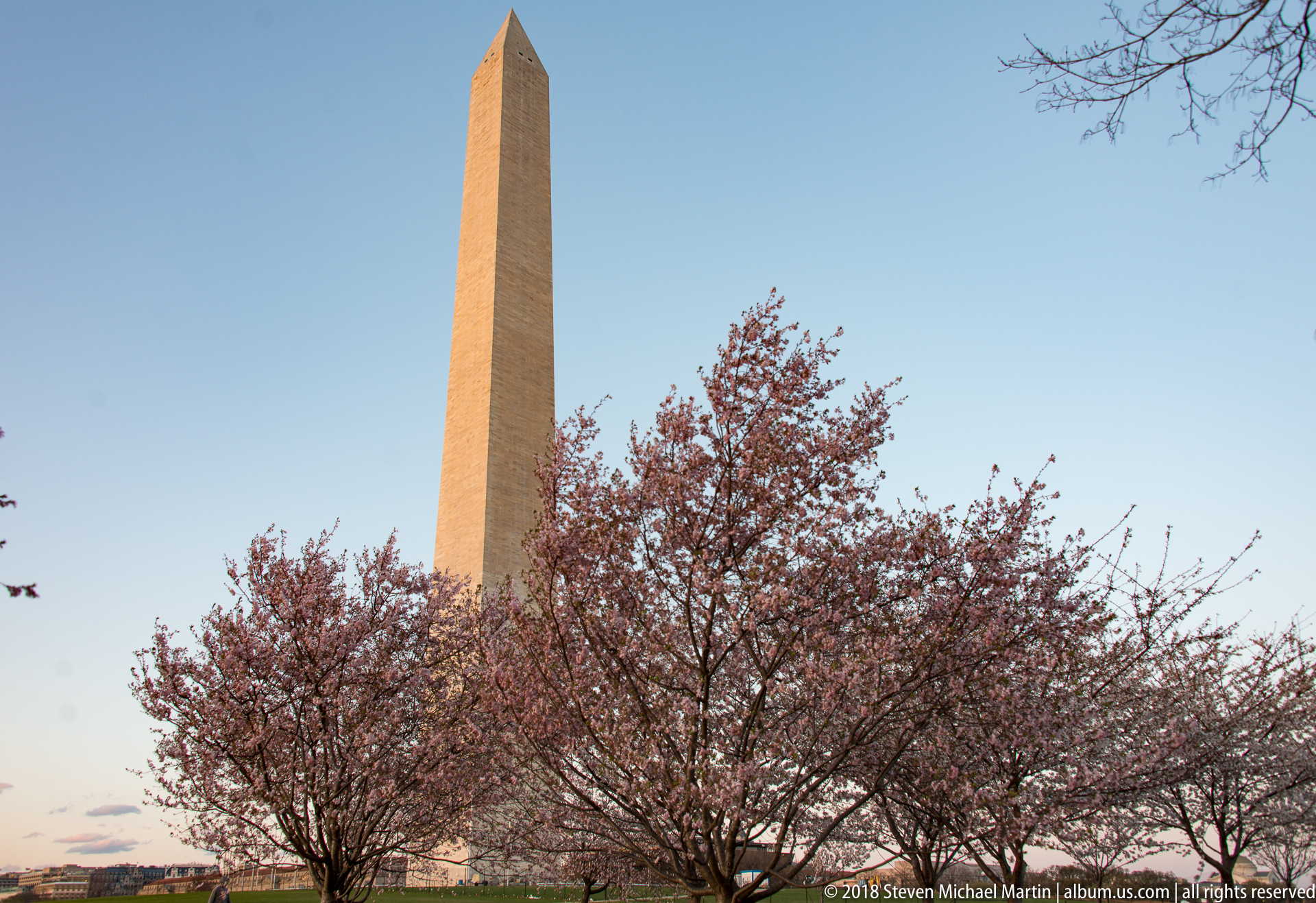
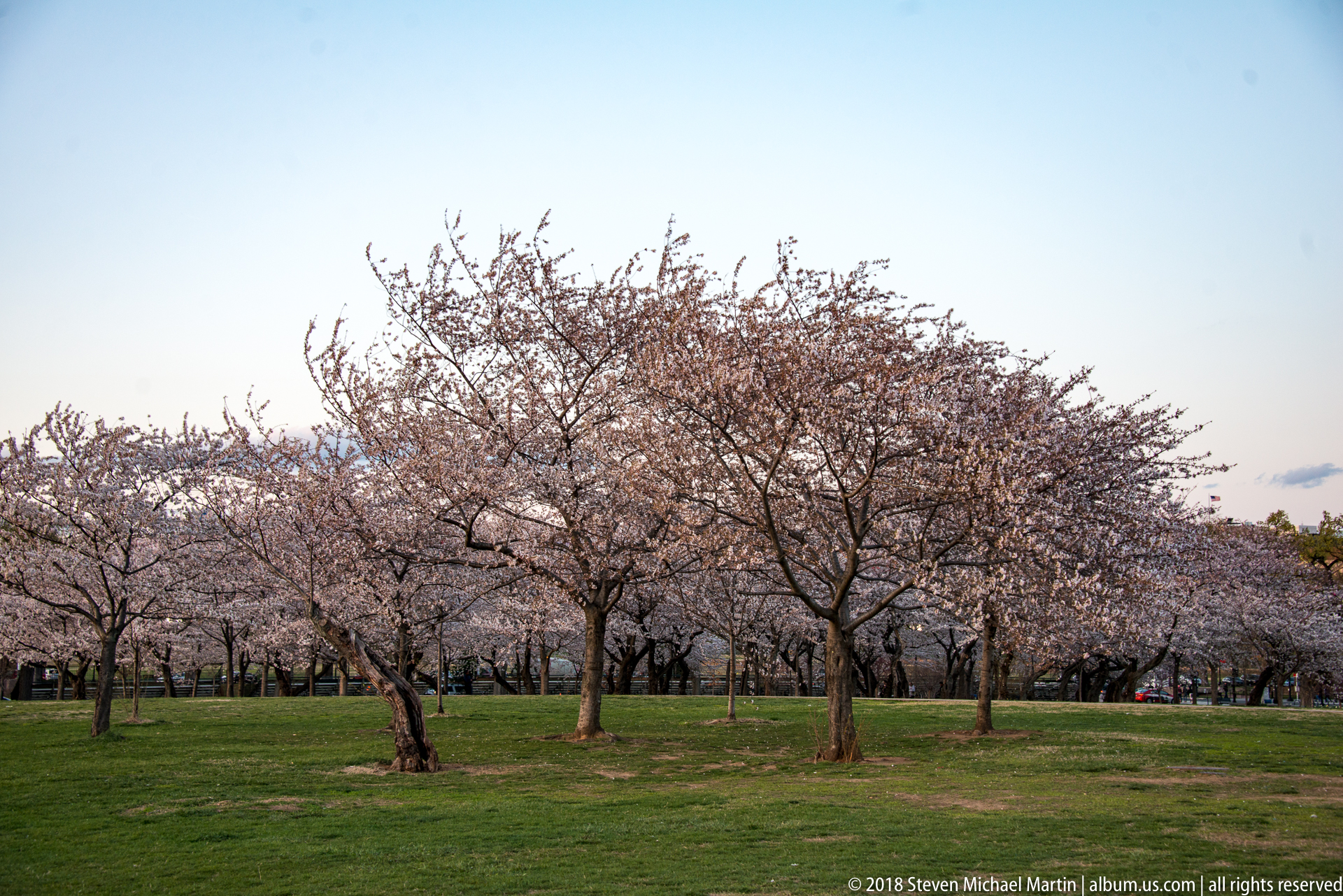
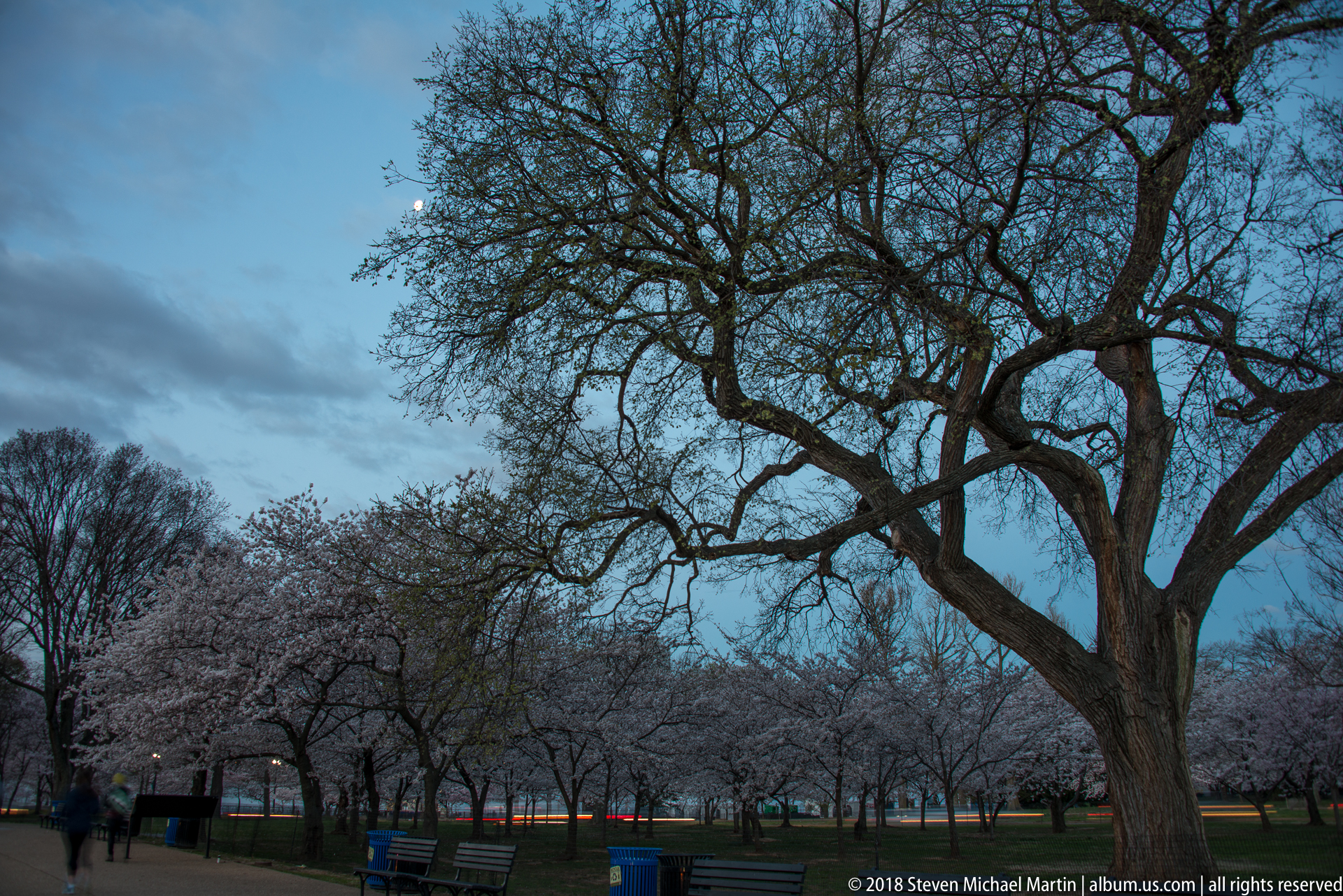
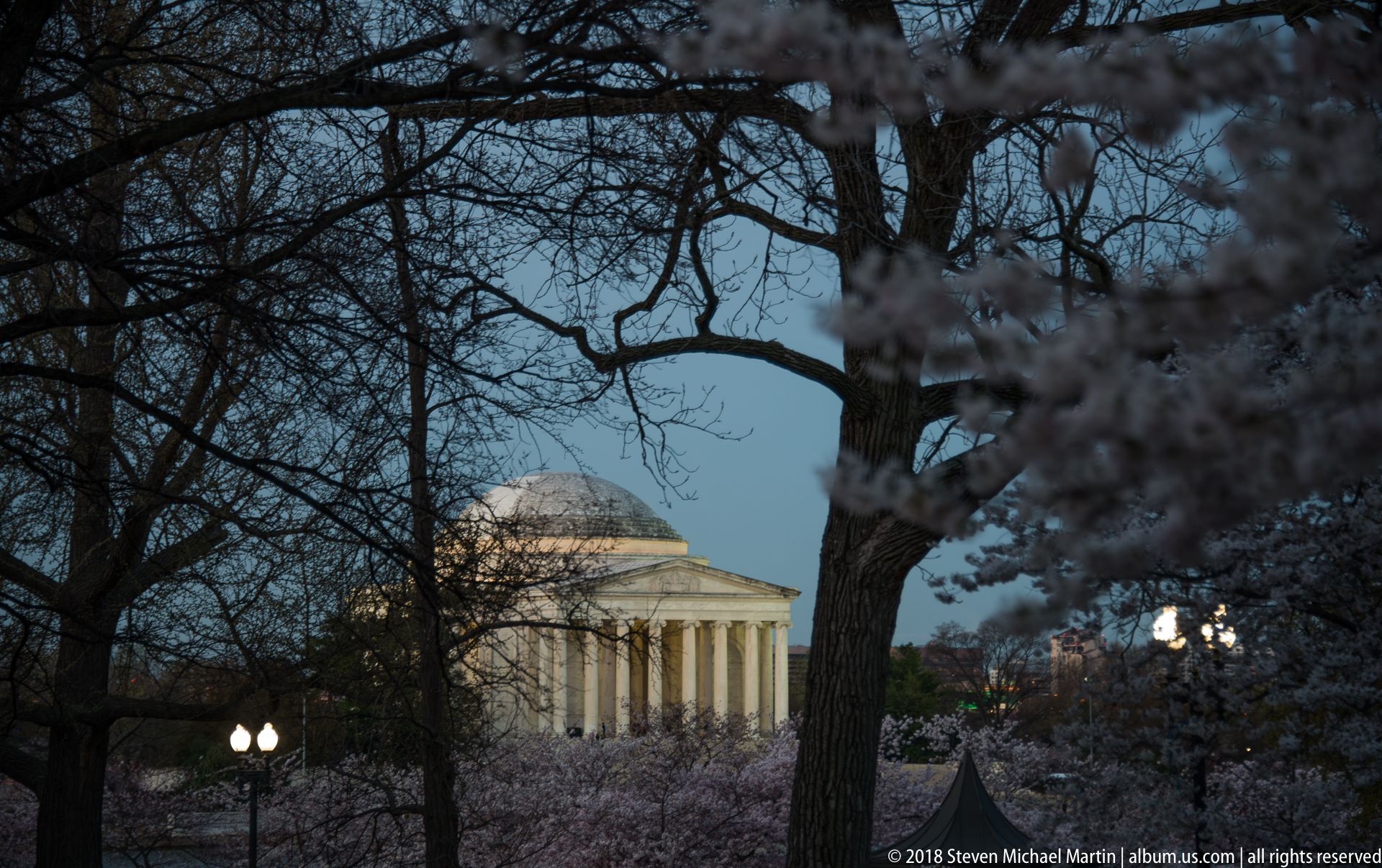
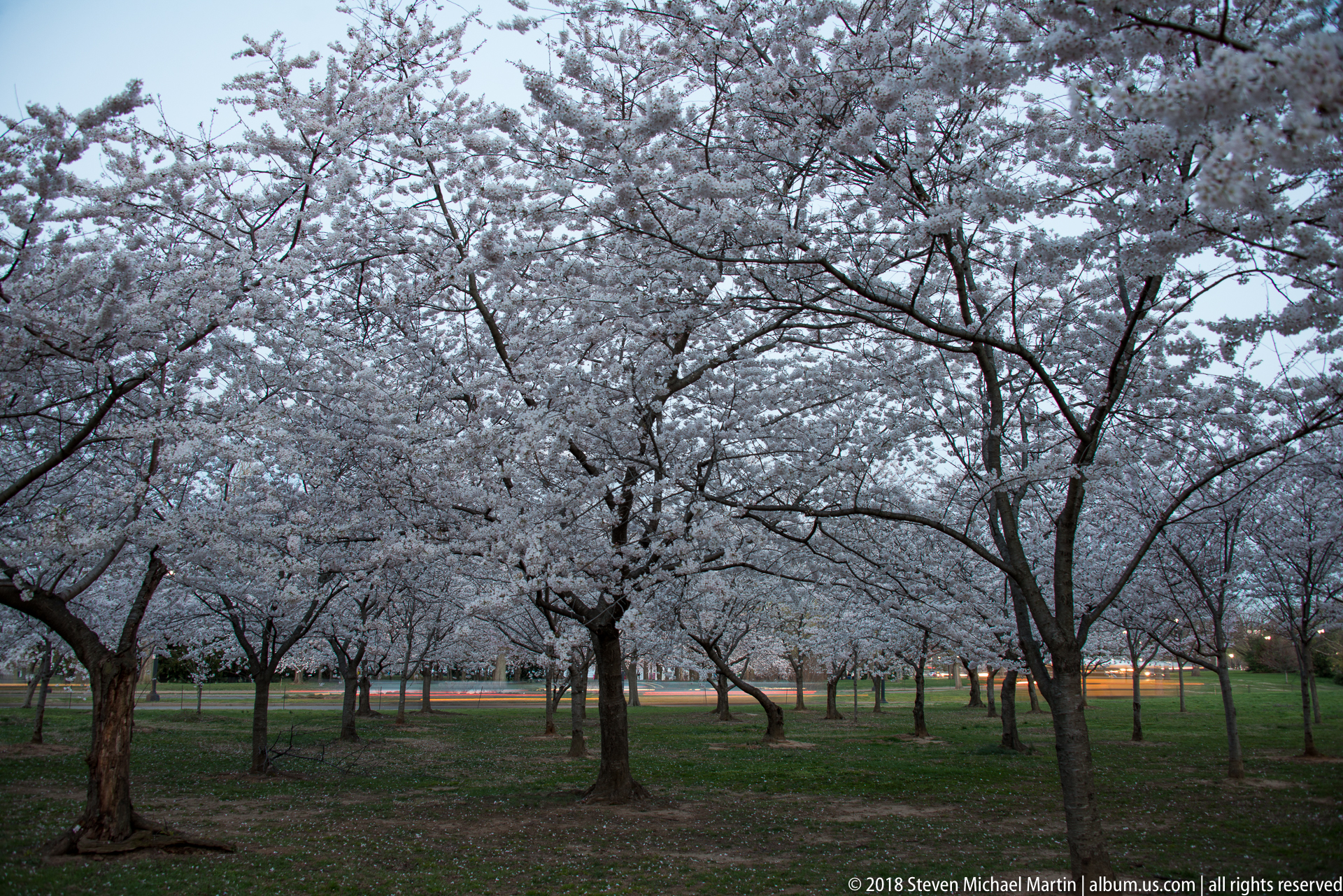
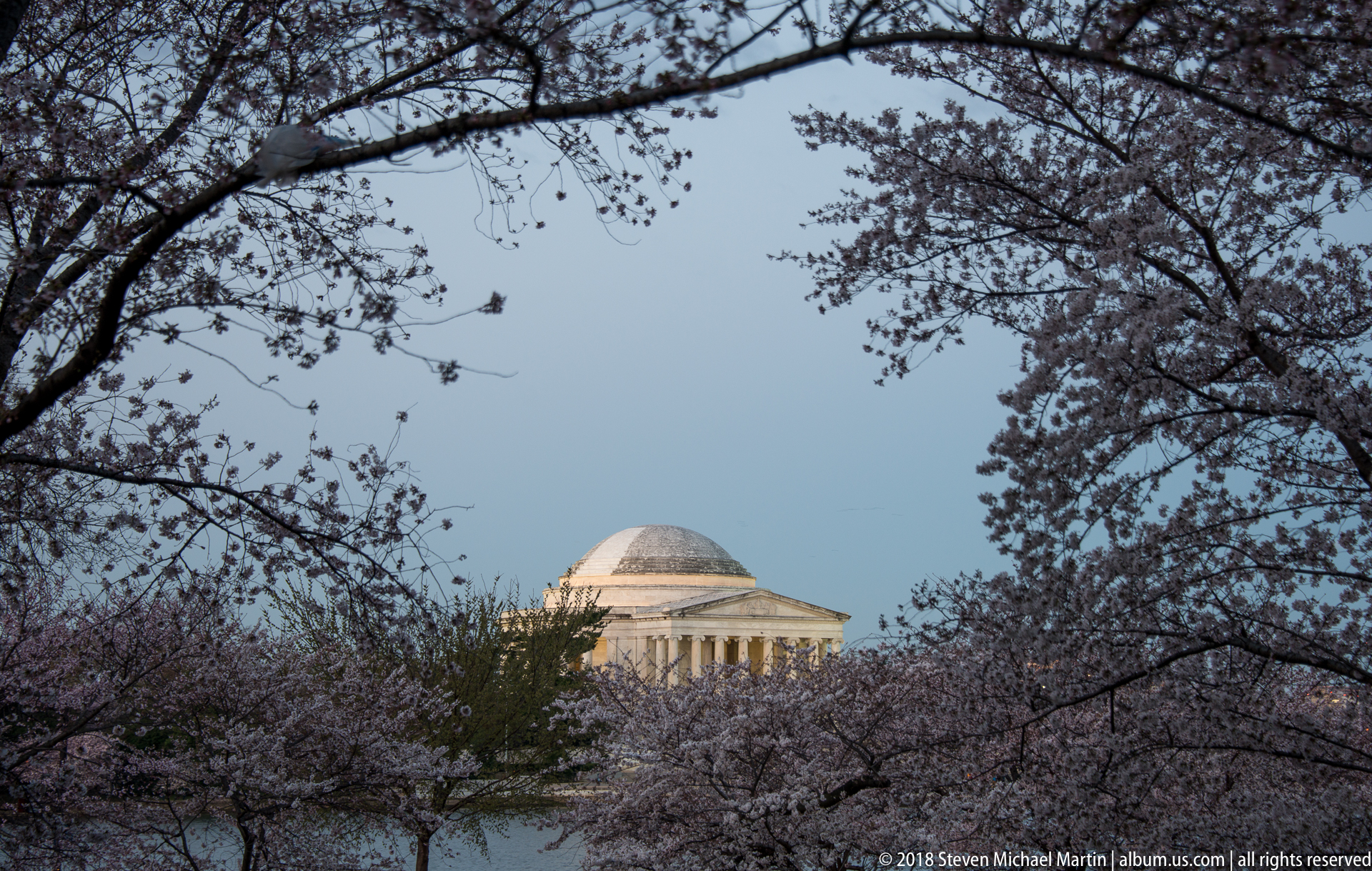
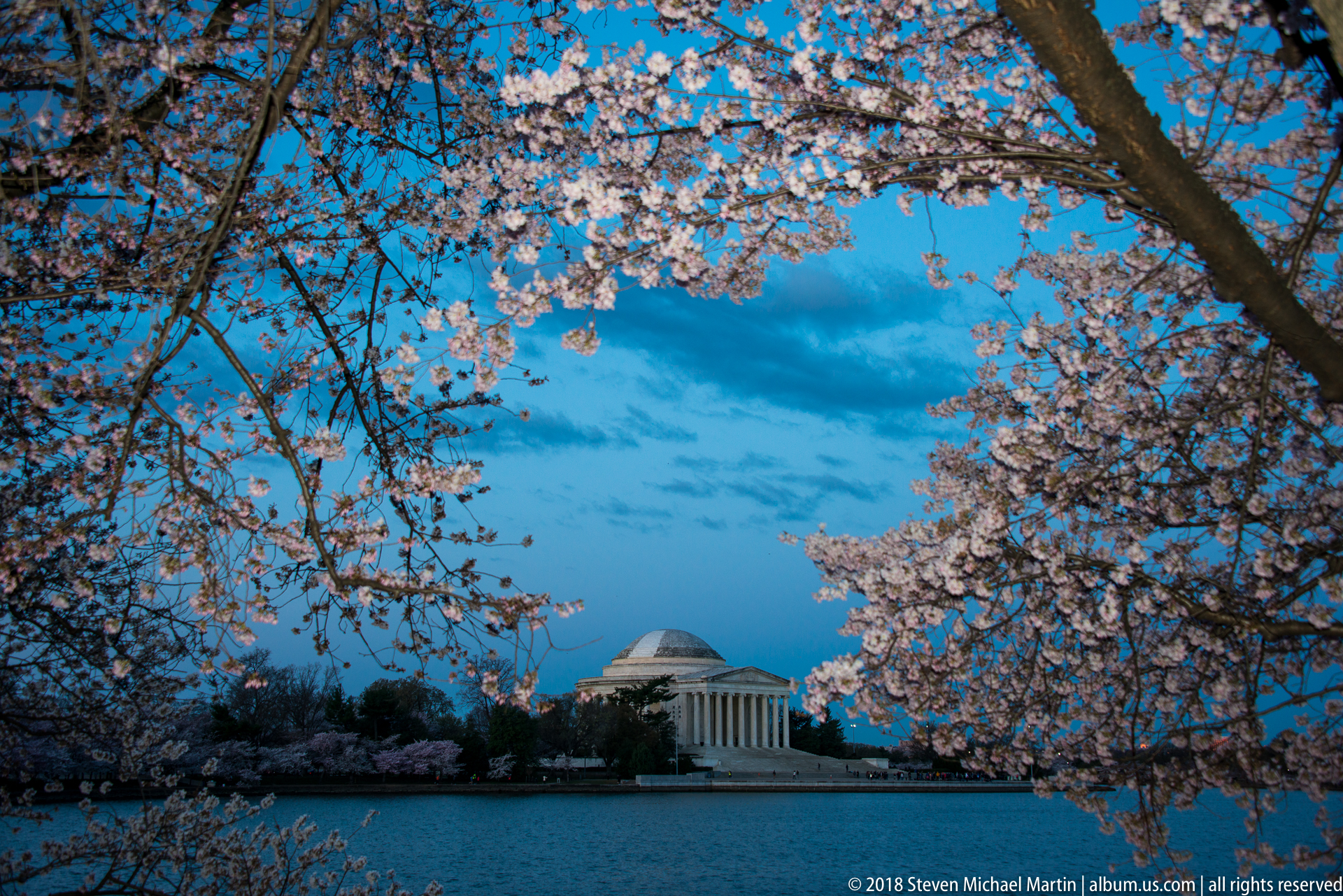
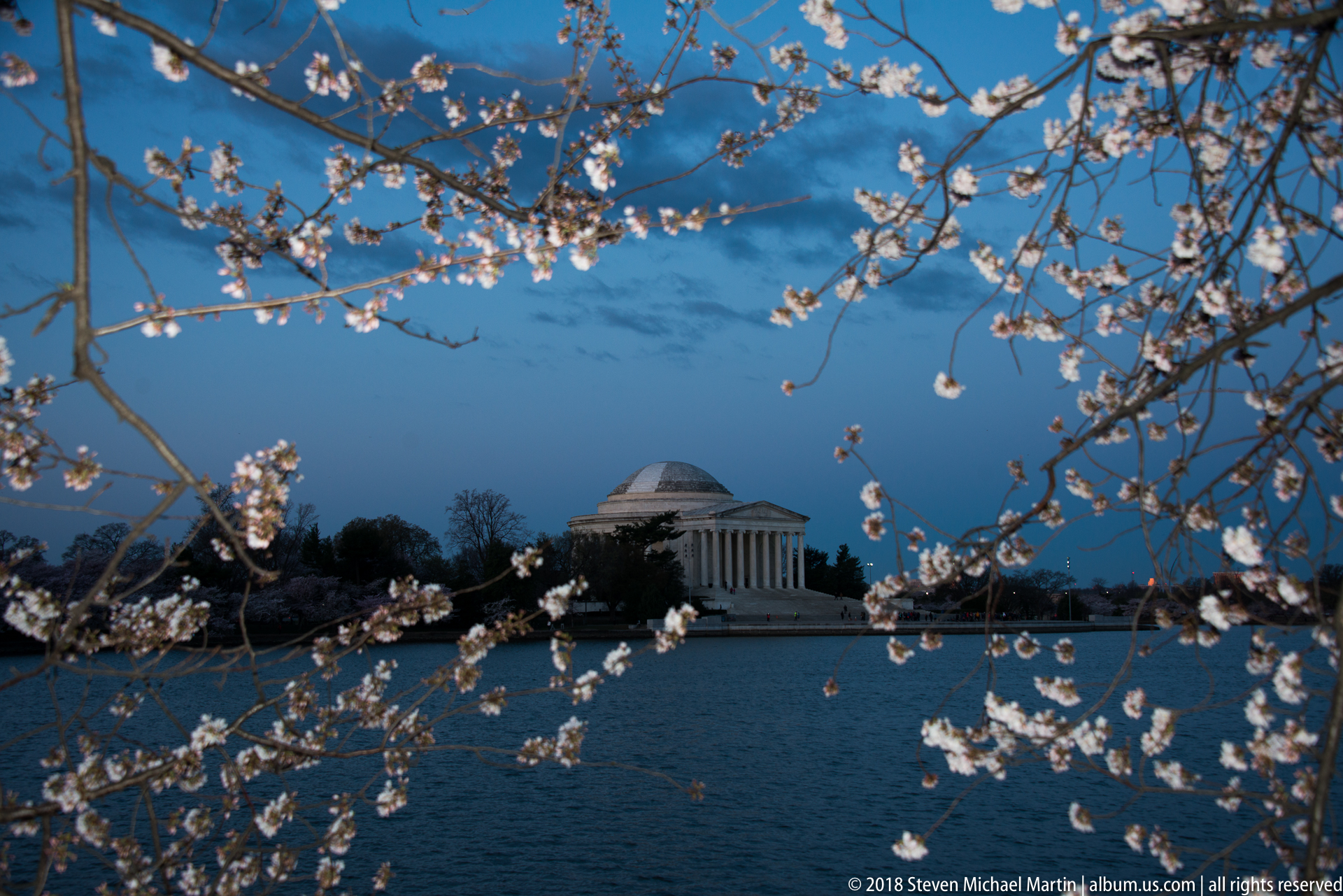
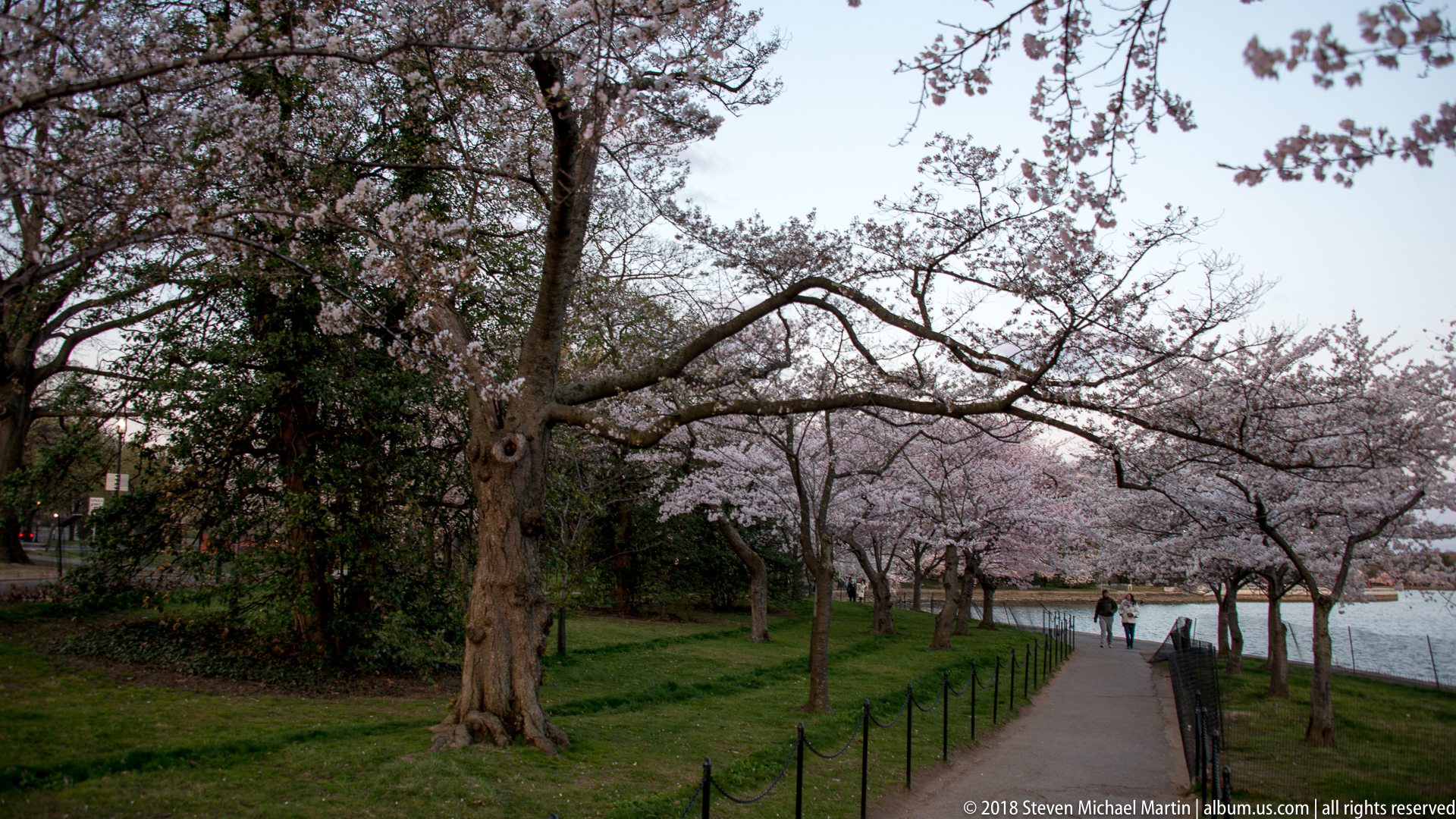
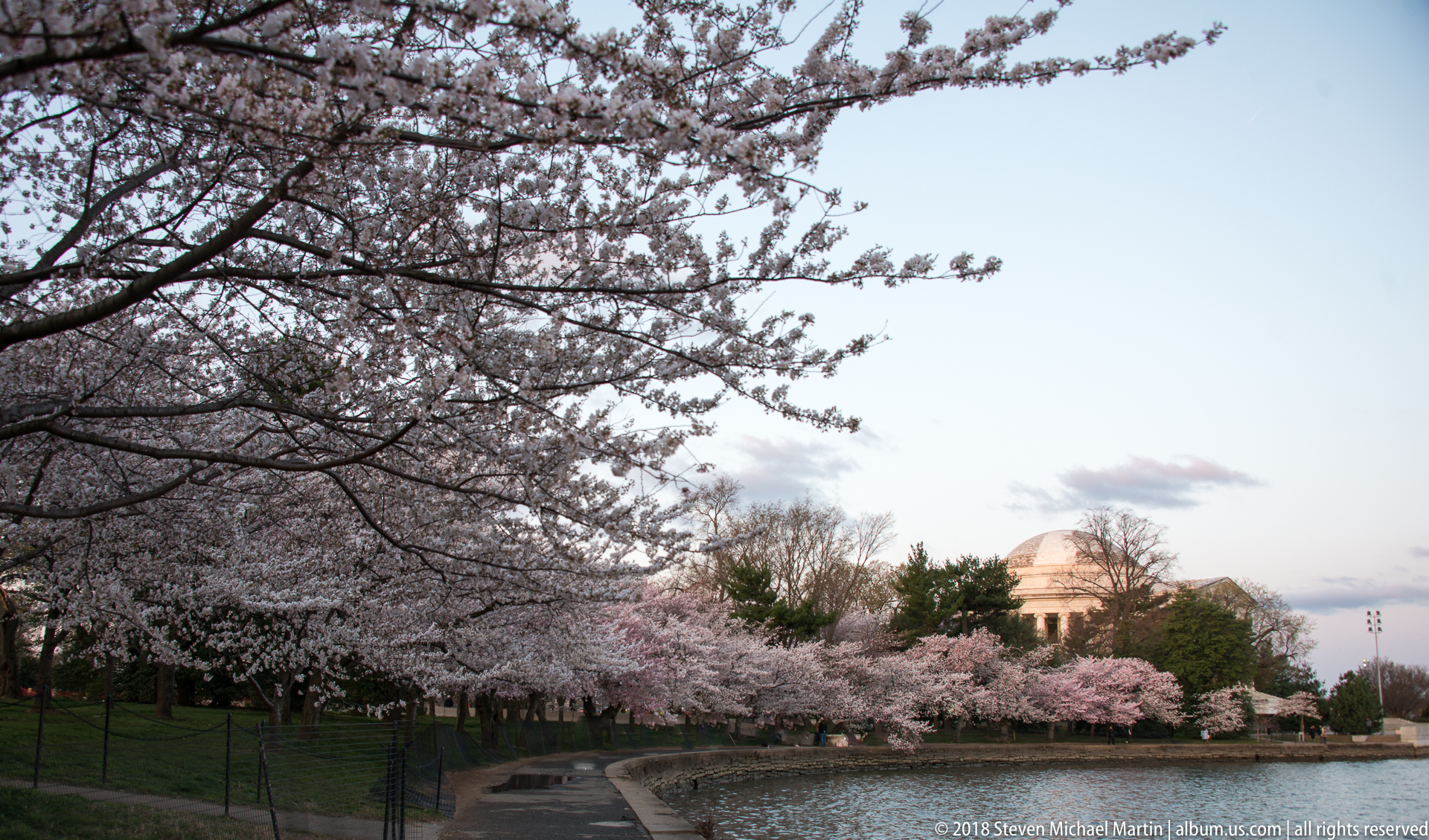
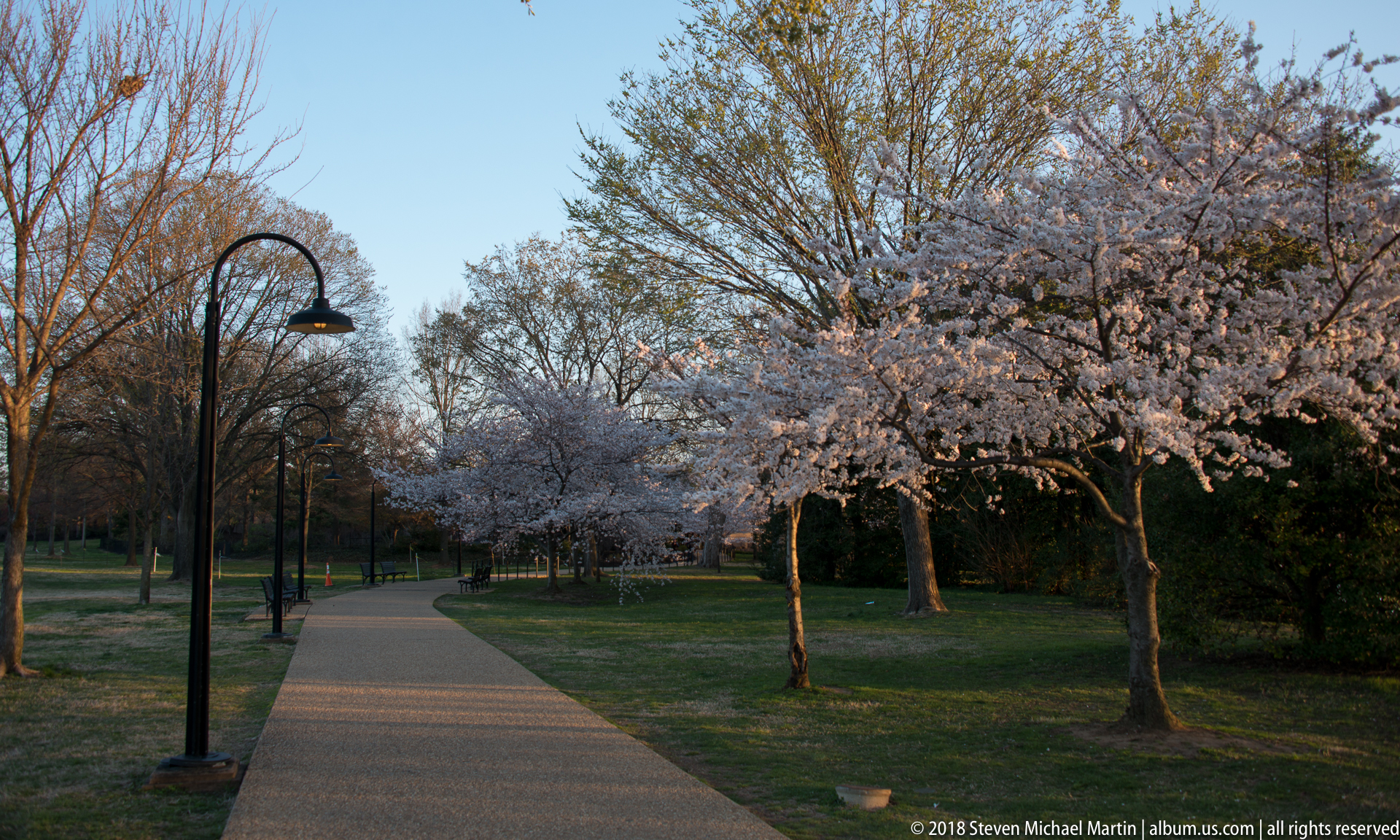
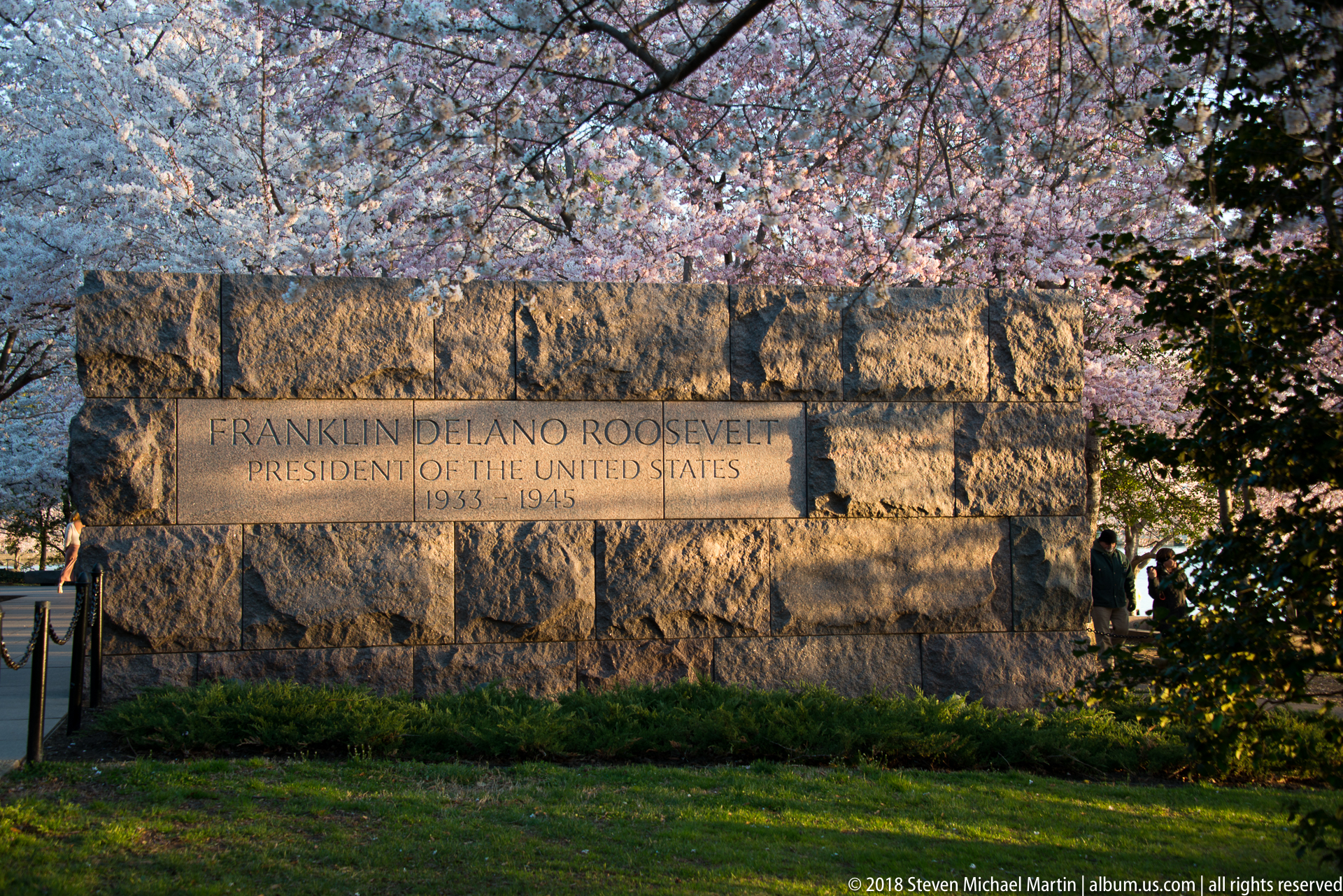
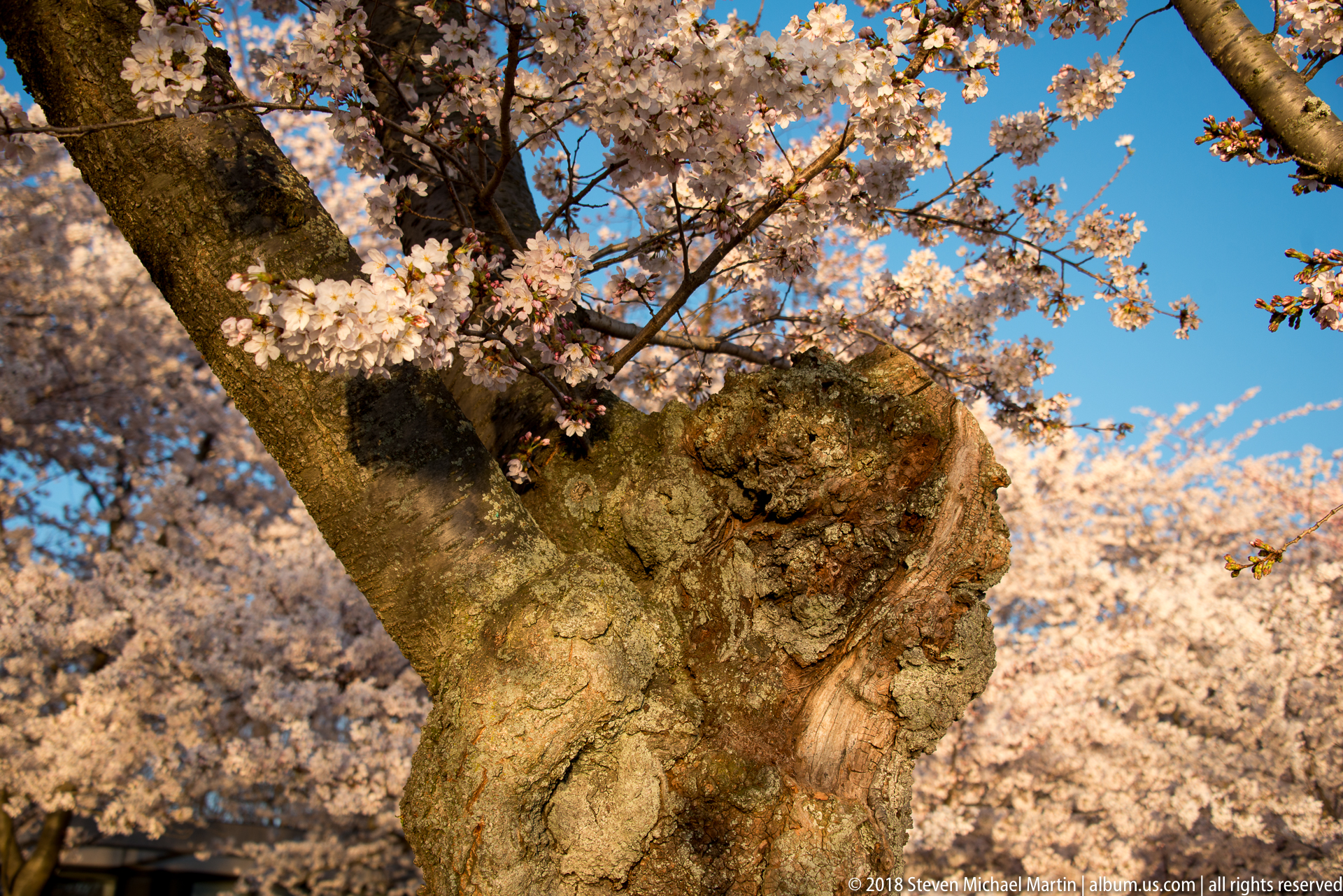
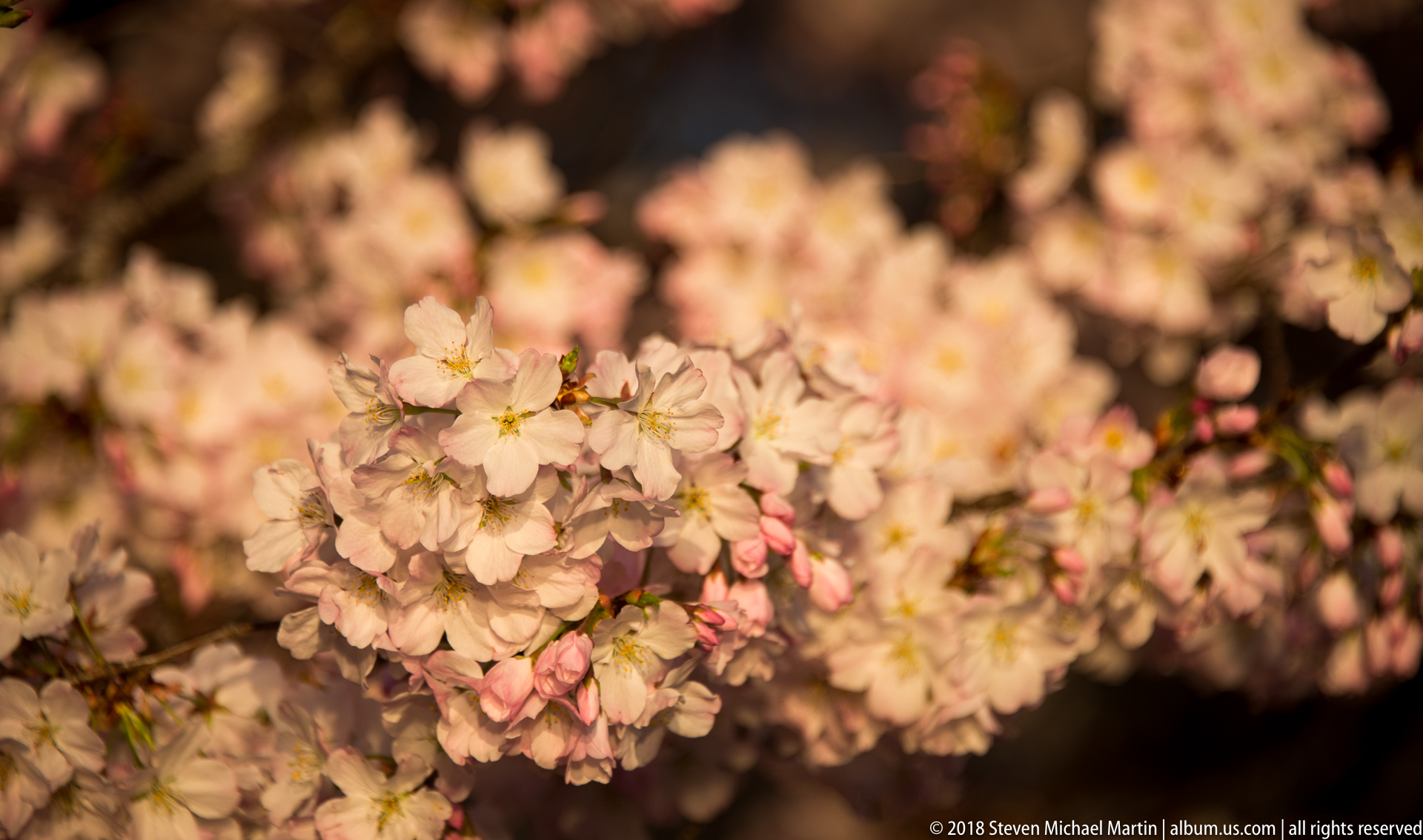
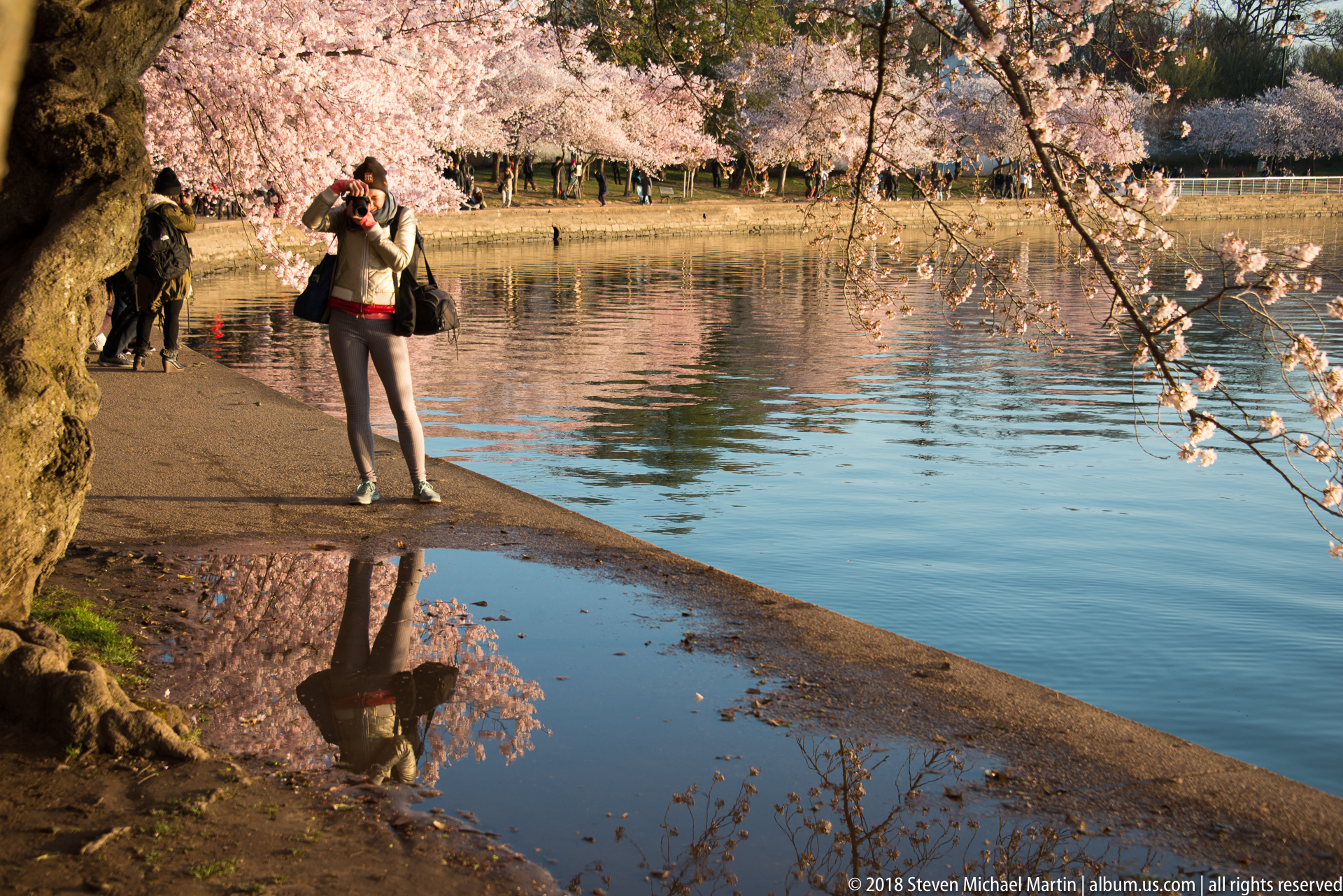
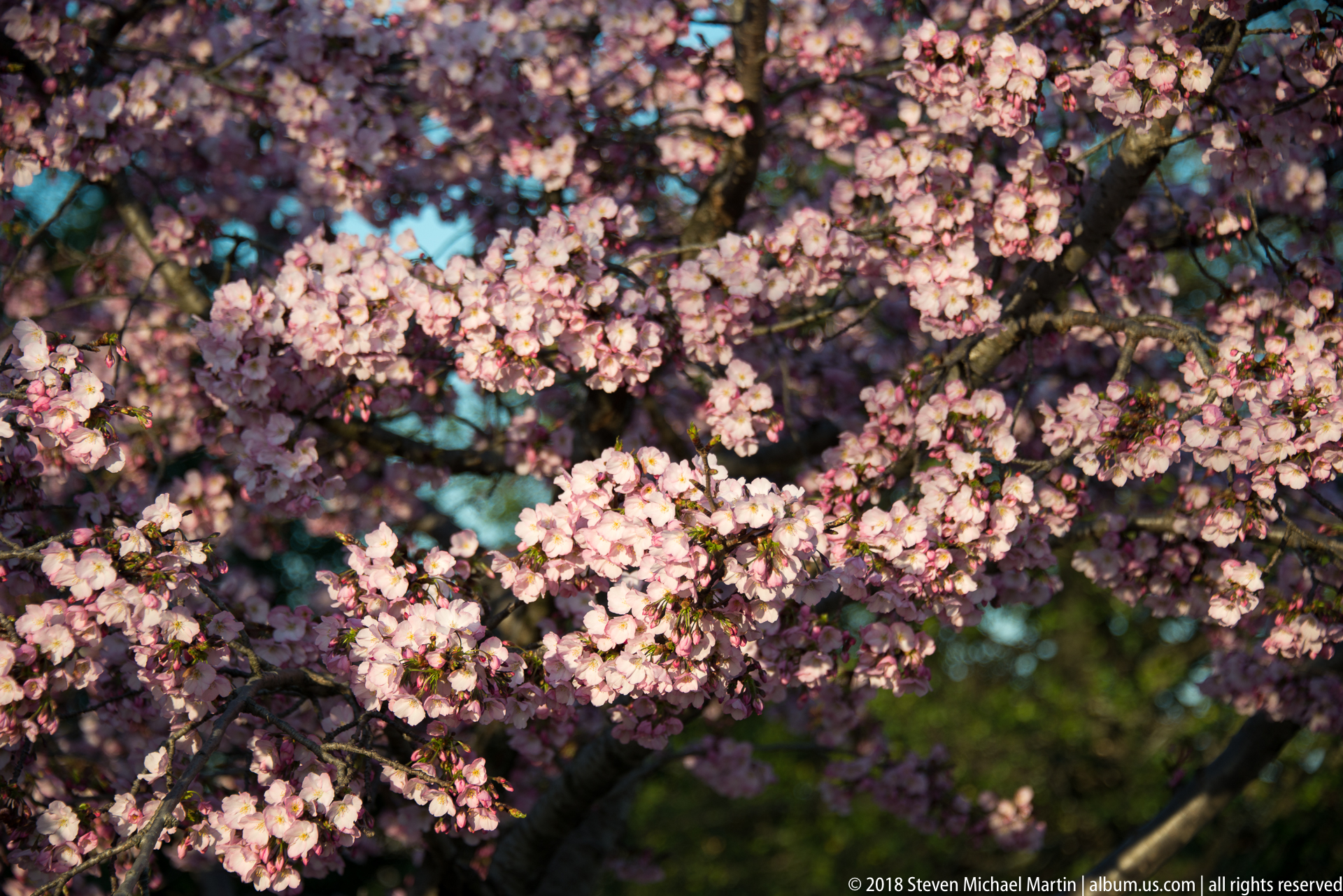
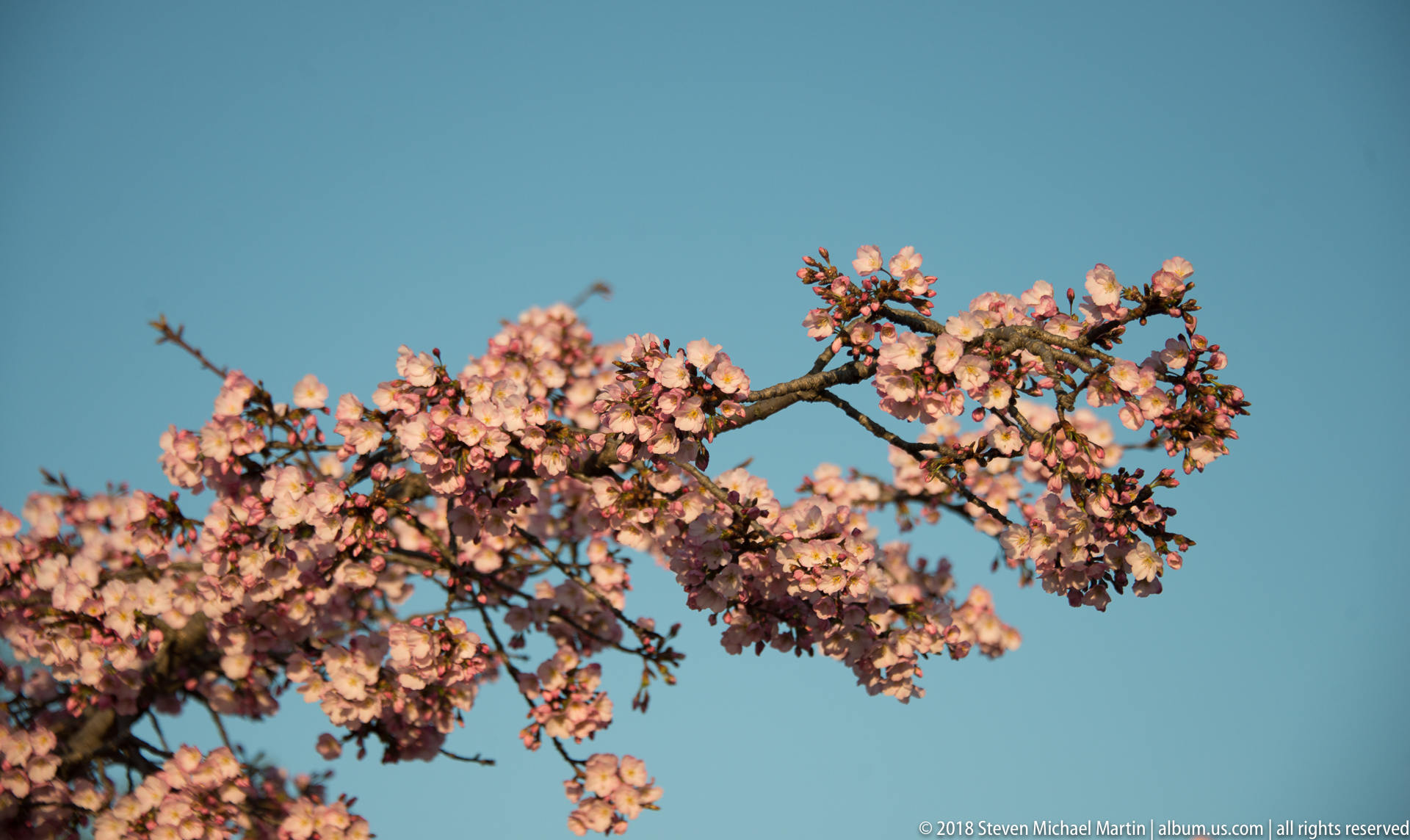
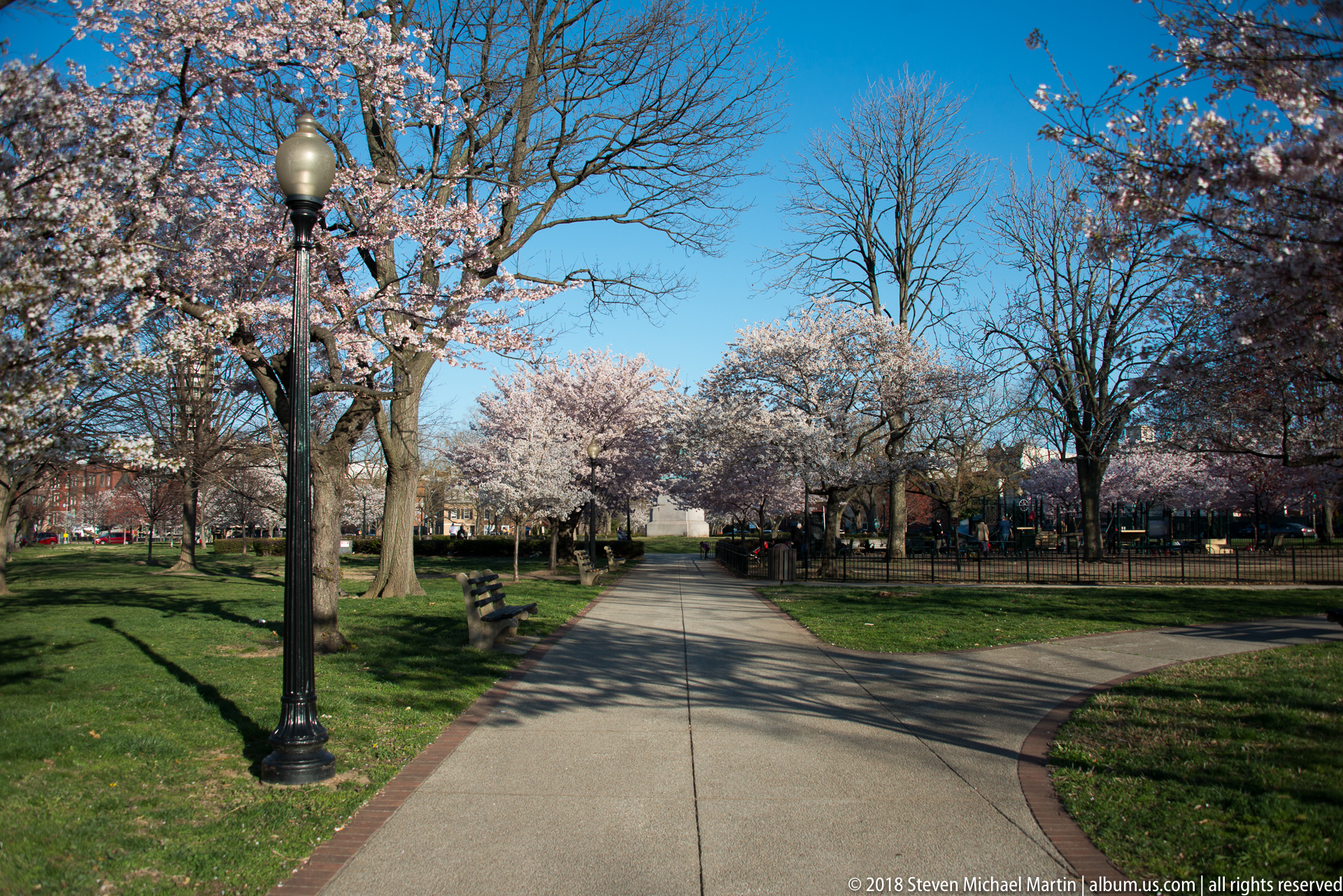
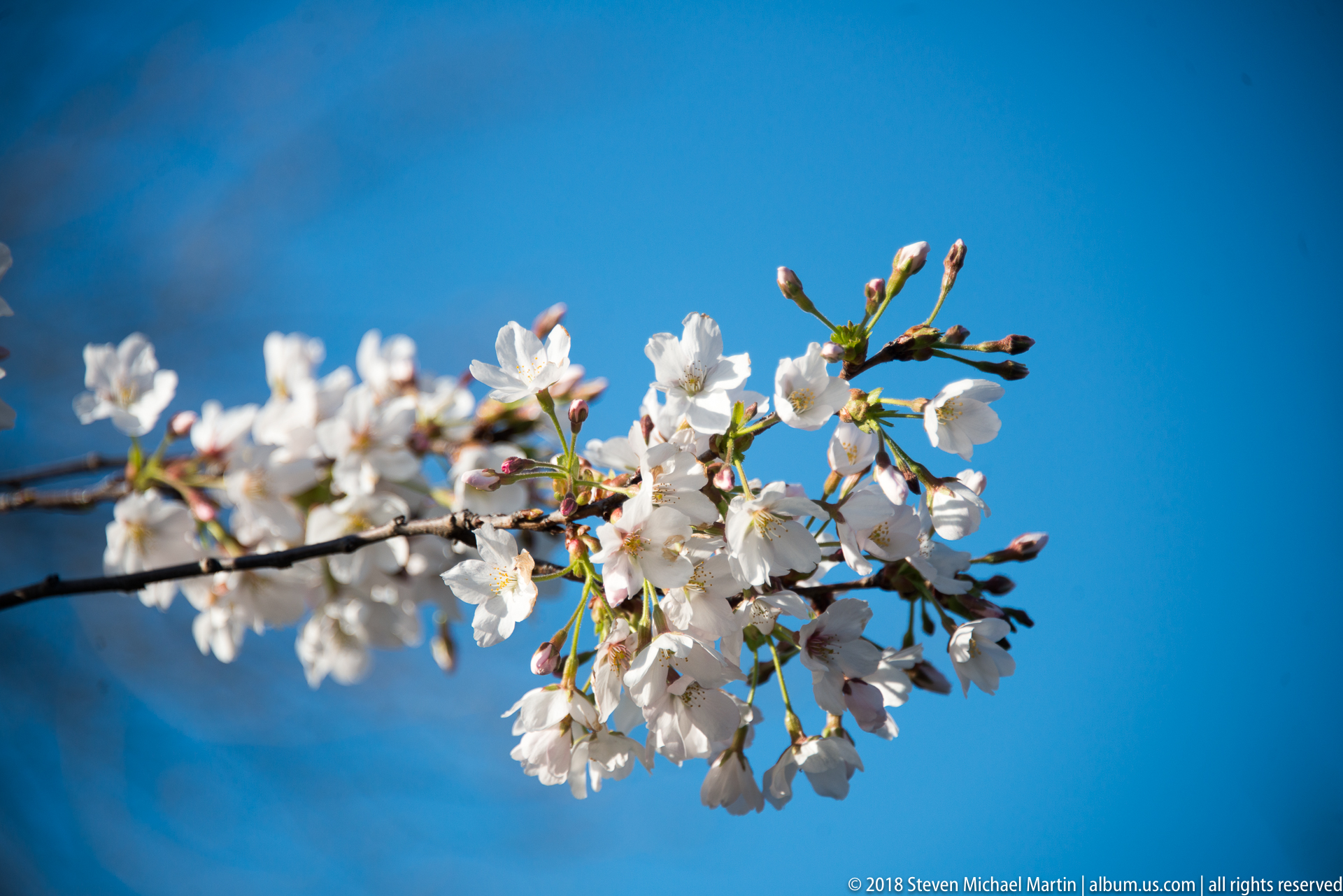
Flowering cherry trees encircling the basin were presented in 1912 as a diplomatic gift from Japan, symbolizing international friendship and cultural exchange. Each spring, the blooming trees frame views of the Jefferson Memorial and surrounding water, demonstrating how landscape design can enhance the symbolic presence of civic monuments. Variations in climate conditions influence the timing and duration of peak bloom, producing subtle differences in appearance from year to year while maintaining continuity in seasonal tradition.
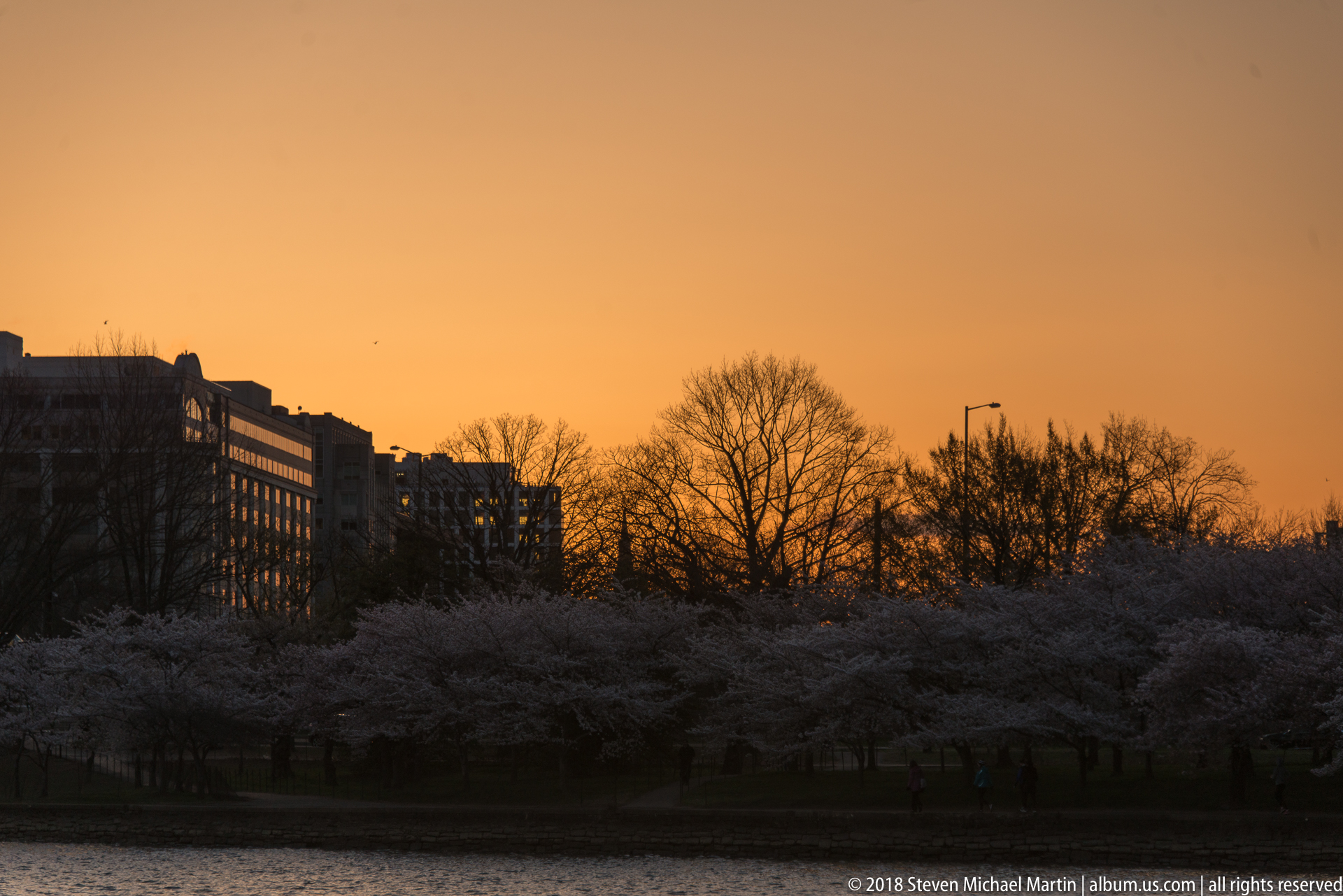
The Tidal Basin cherry blossoms contribute to understanding how designed landscapes evolve through the layering of natural cycles and historical symbolism. The convergence of horticulture, architecture, and diplomacy reflects the interconnected cultural relationships that shaped the twentieth-century capital. Seasonal transformation of the basin reinforces the role of landscape architecture in shaping public experience within one of the most historically significant environments in the United States.