Library of Congress
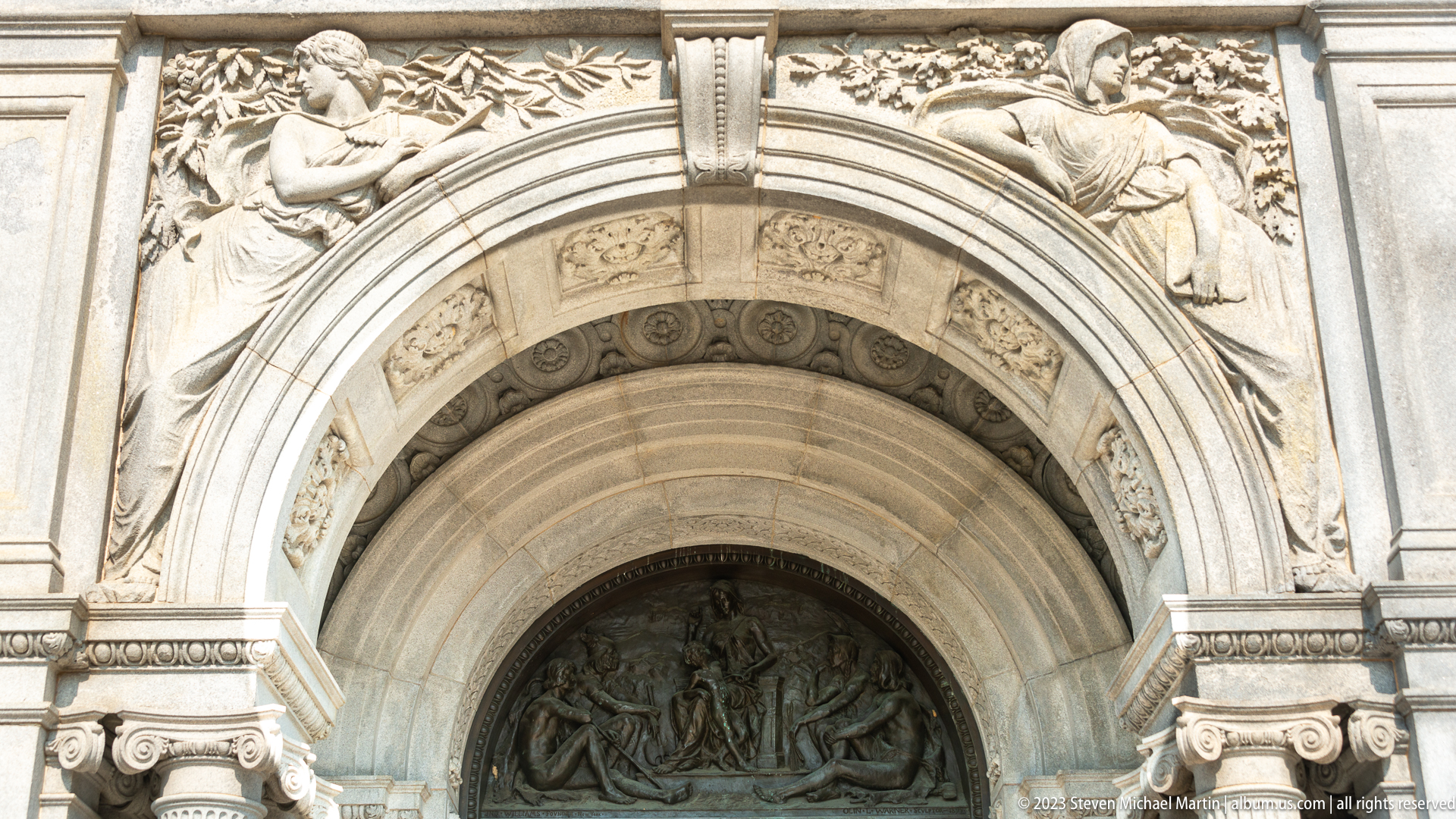
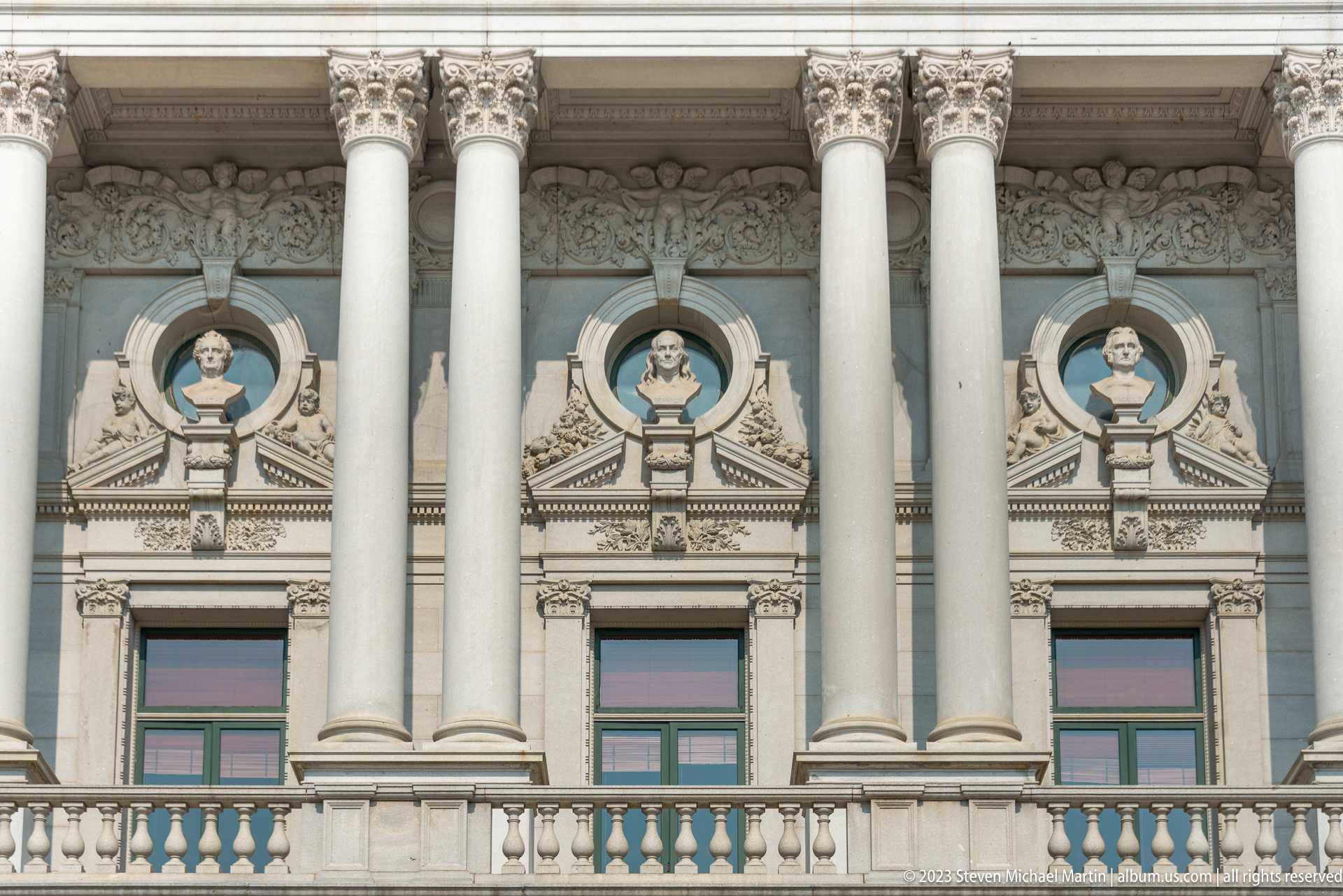
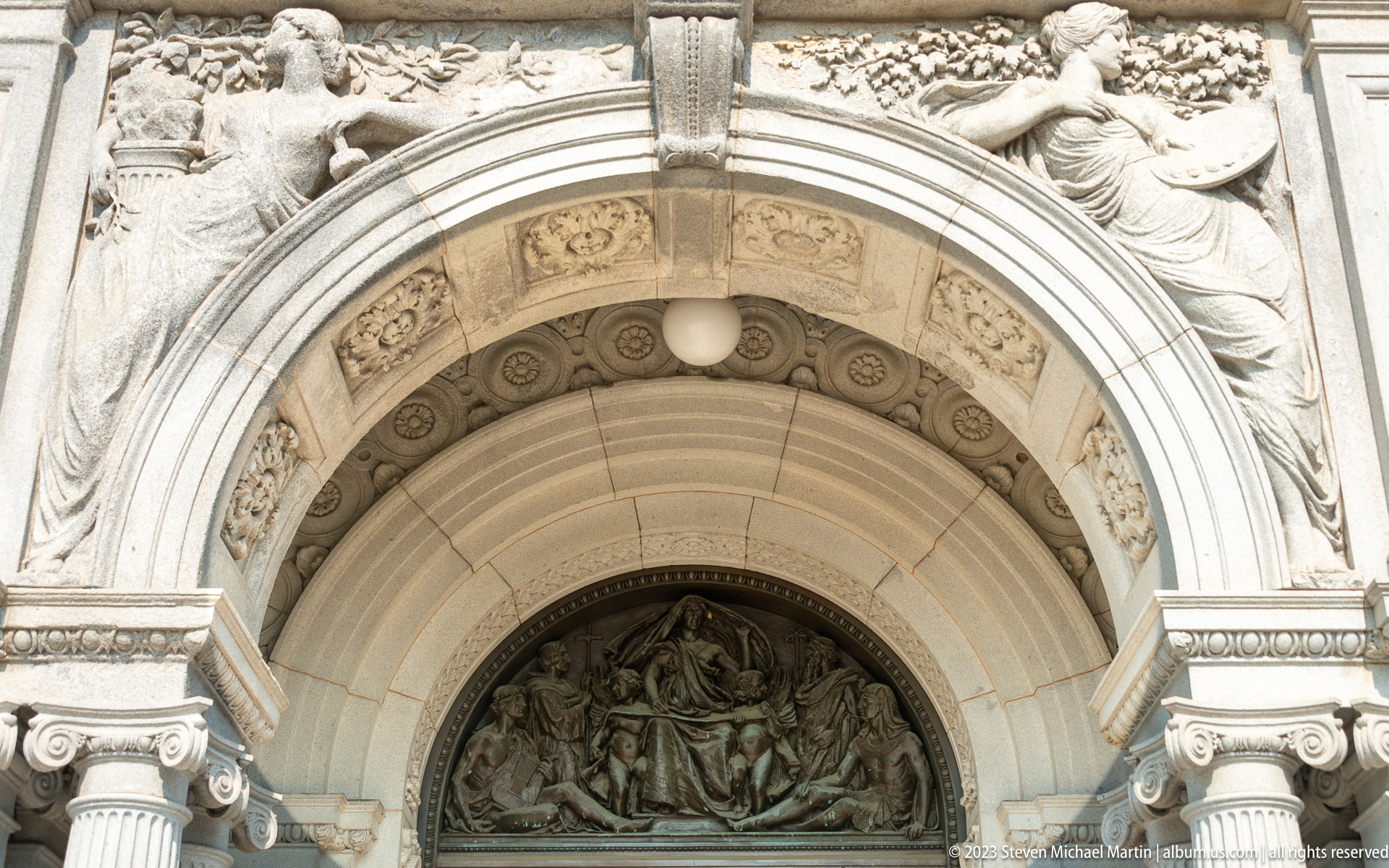
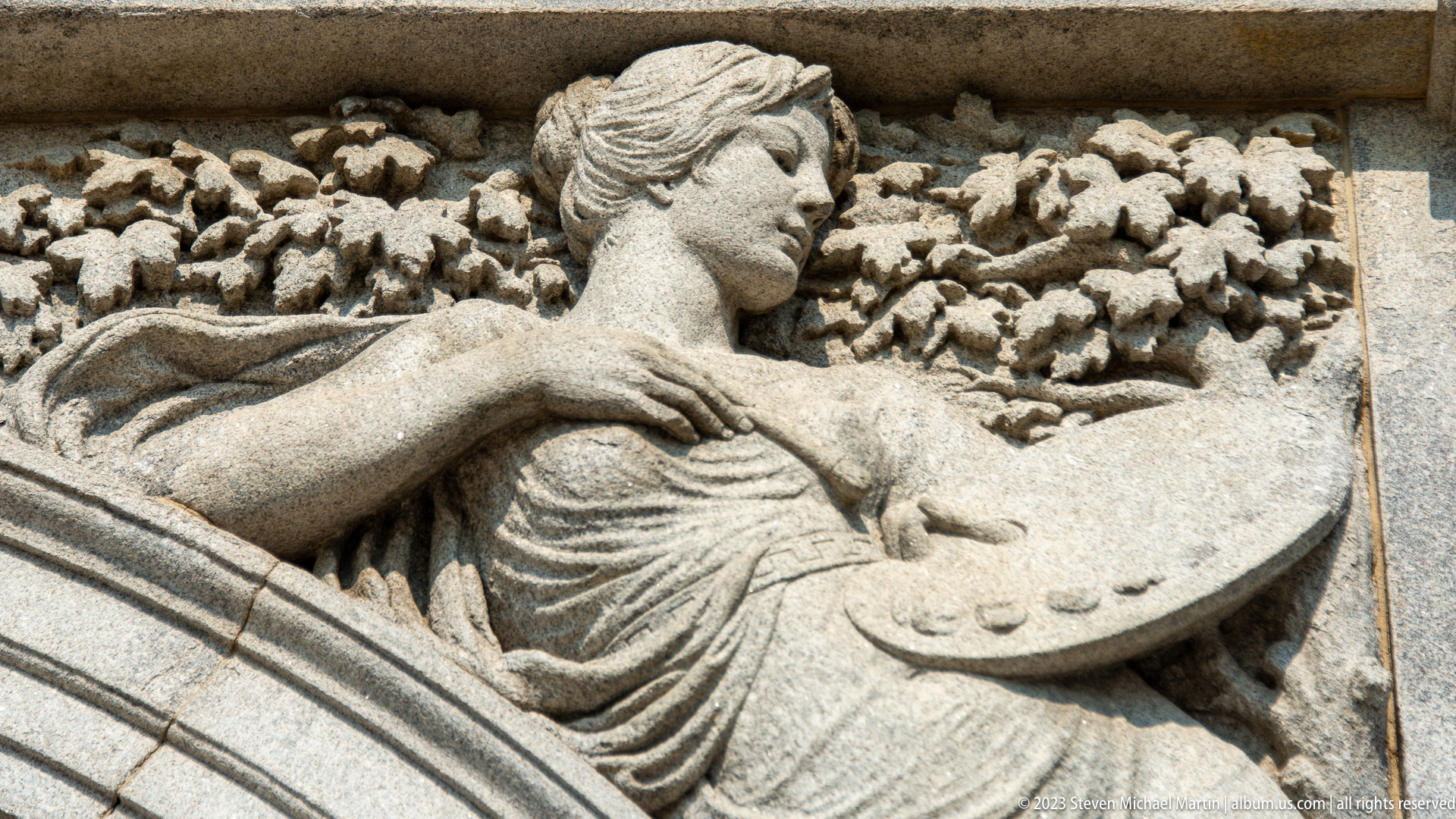
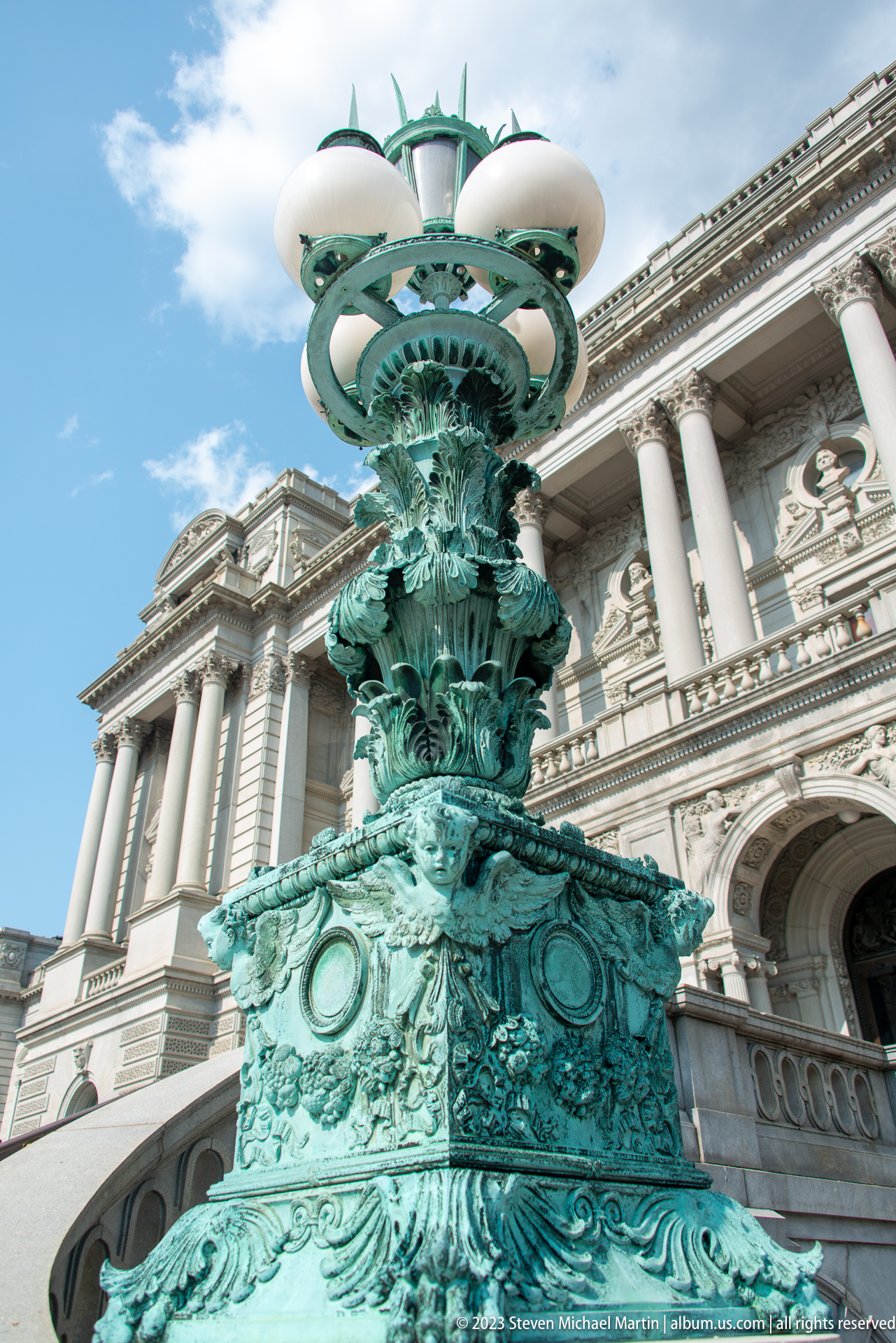
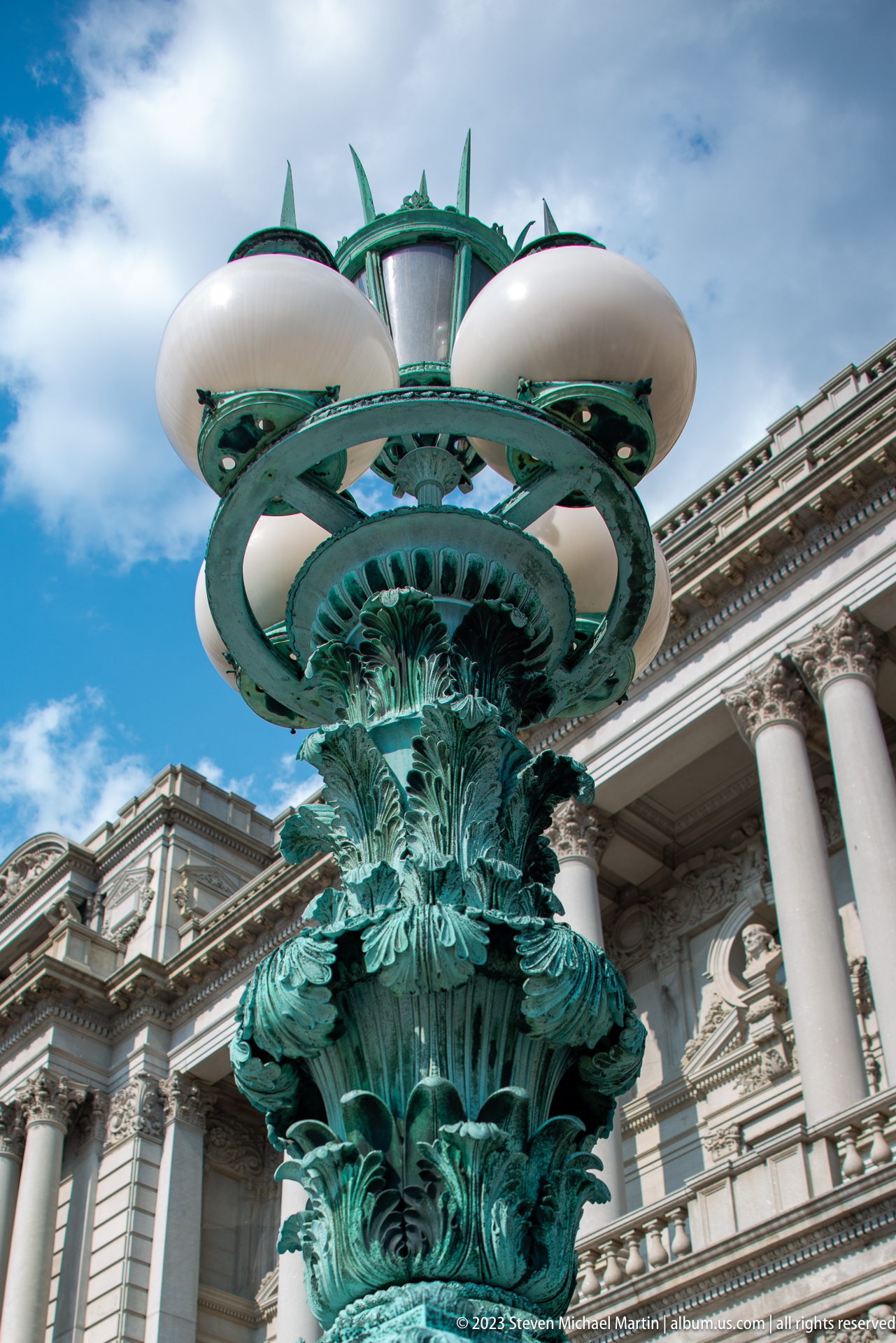
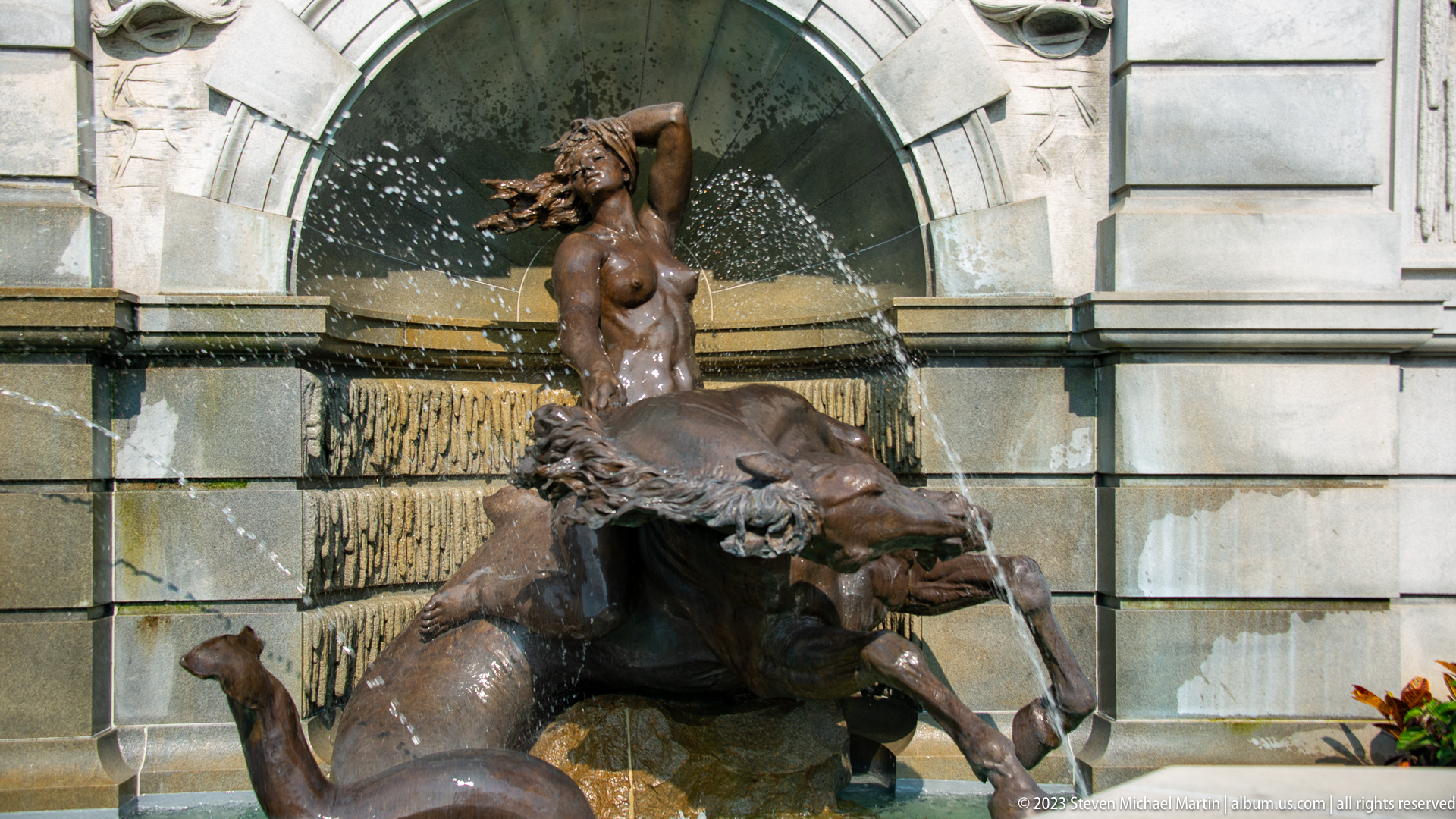
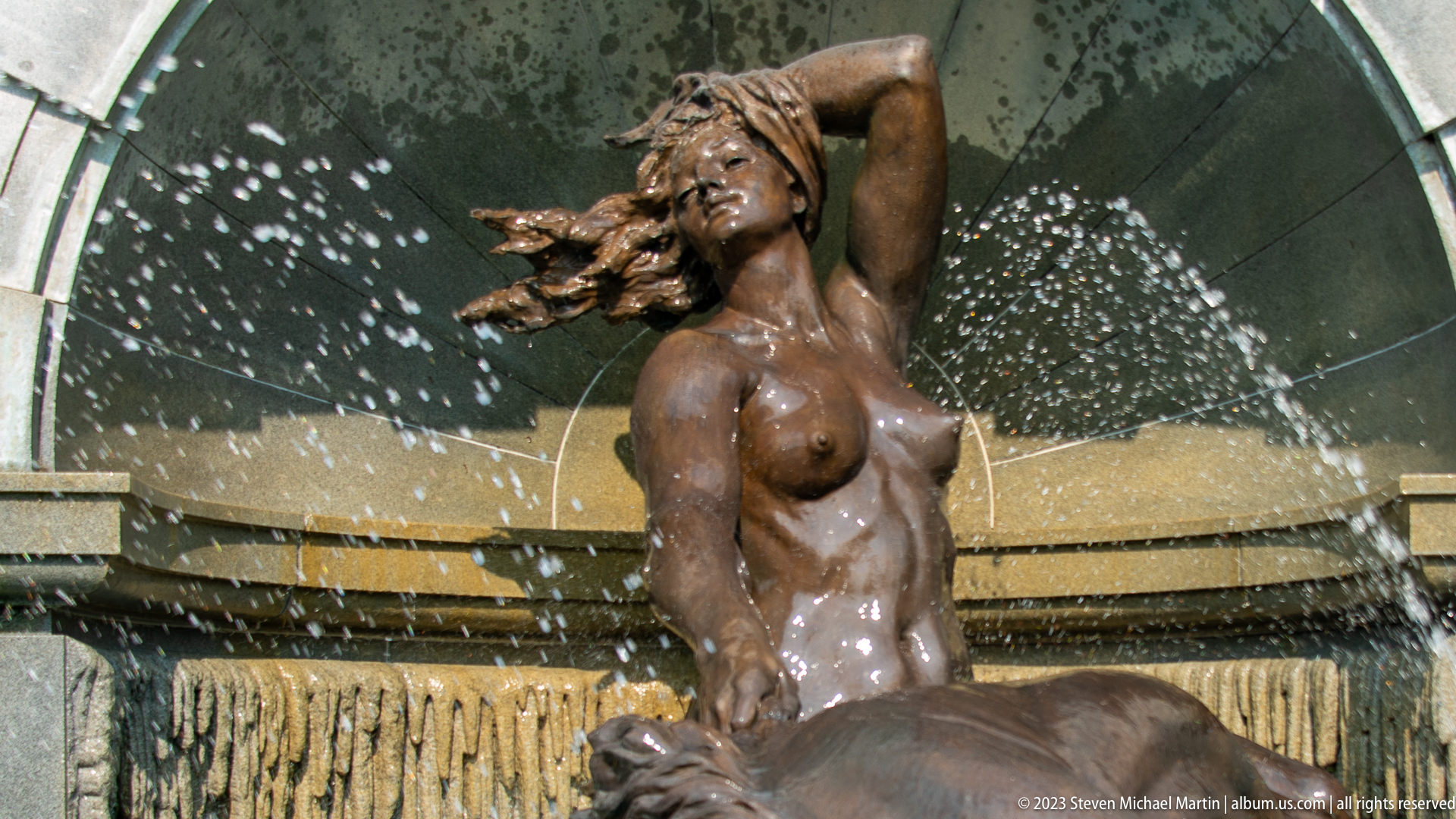
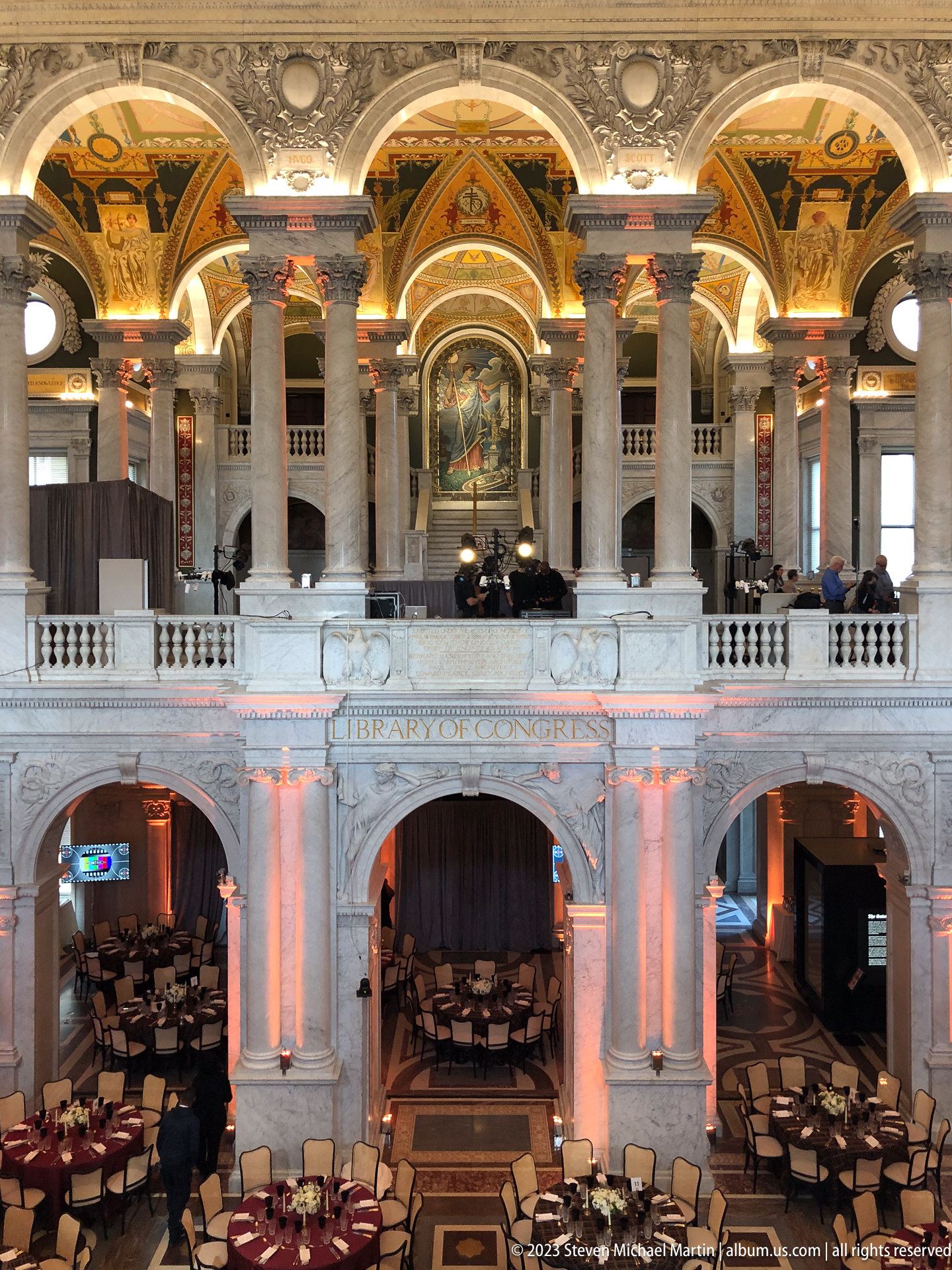
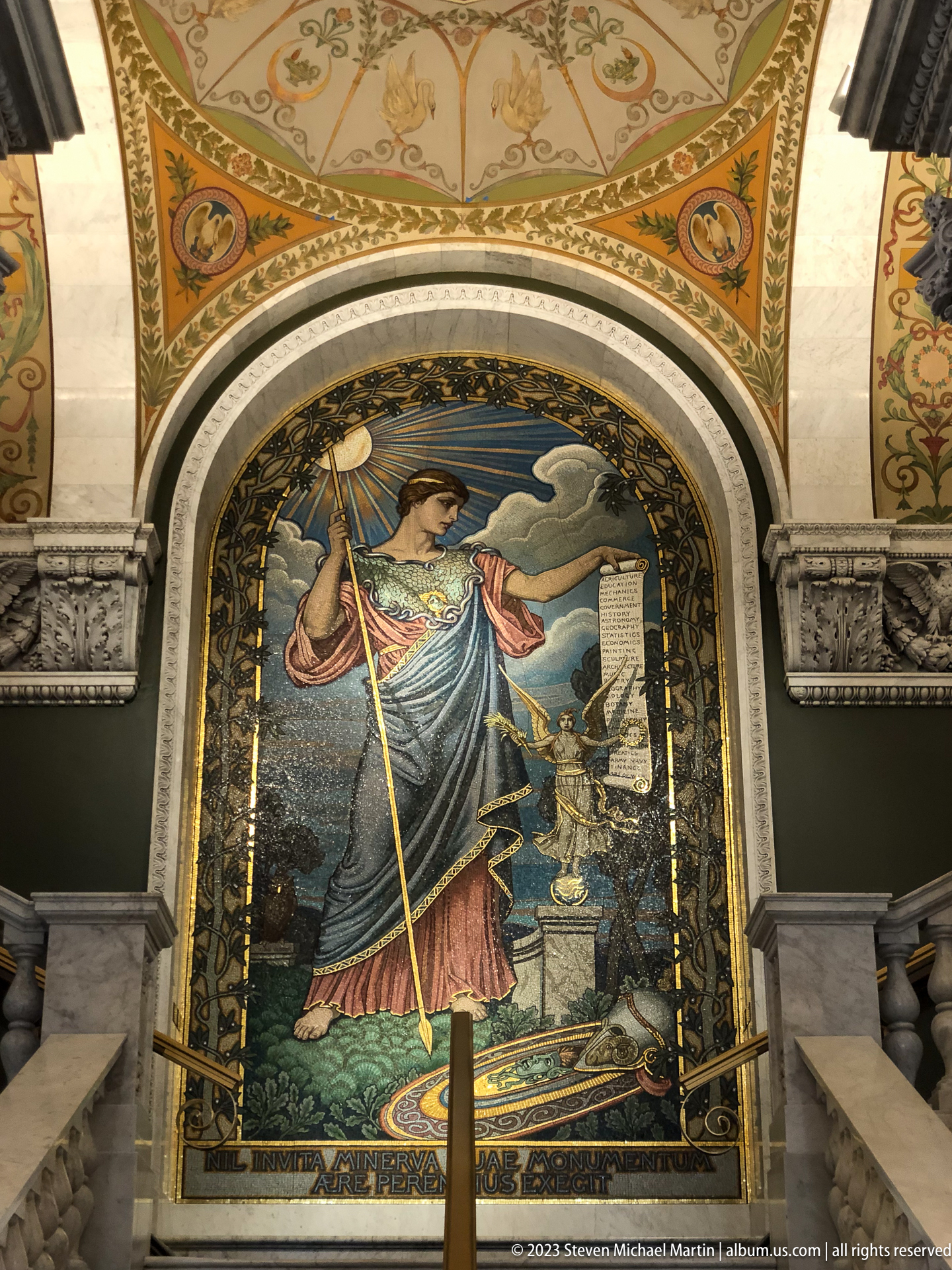
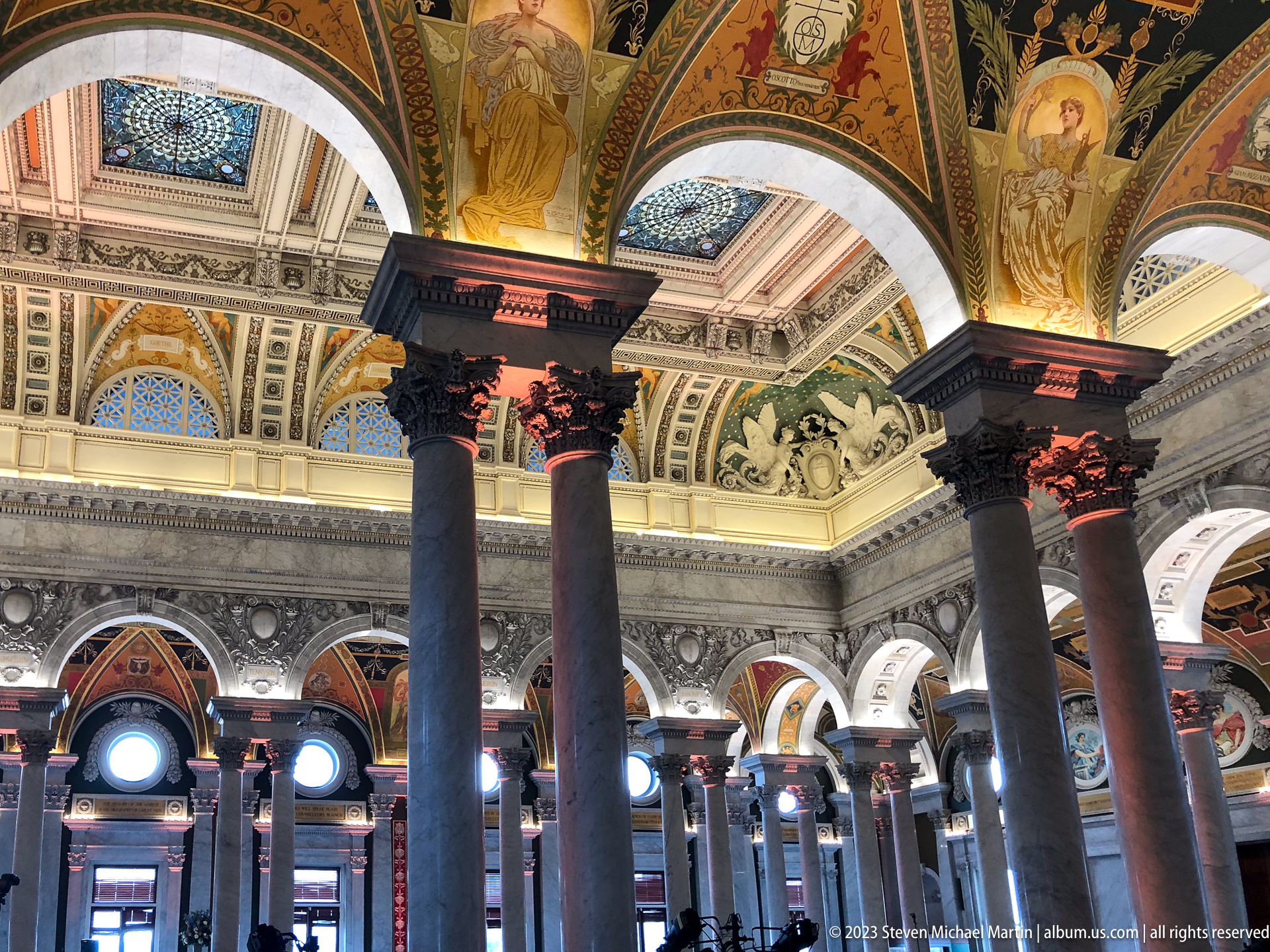
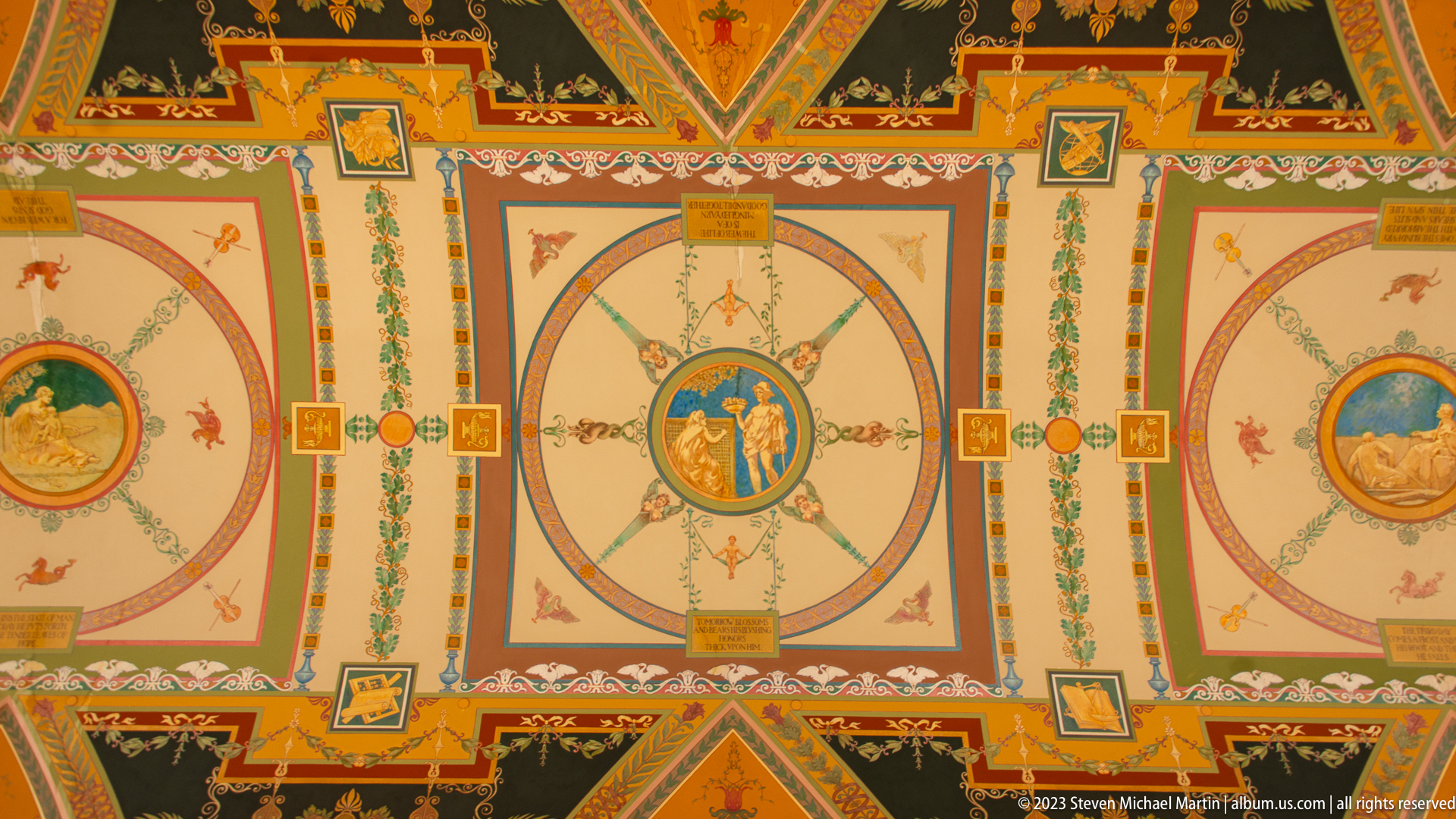
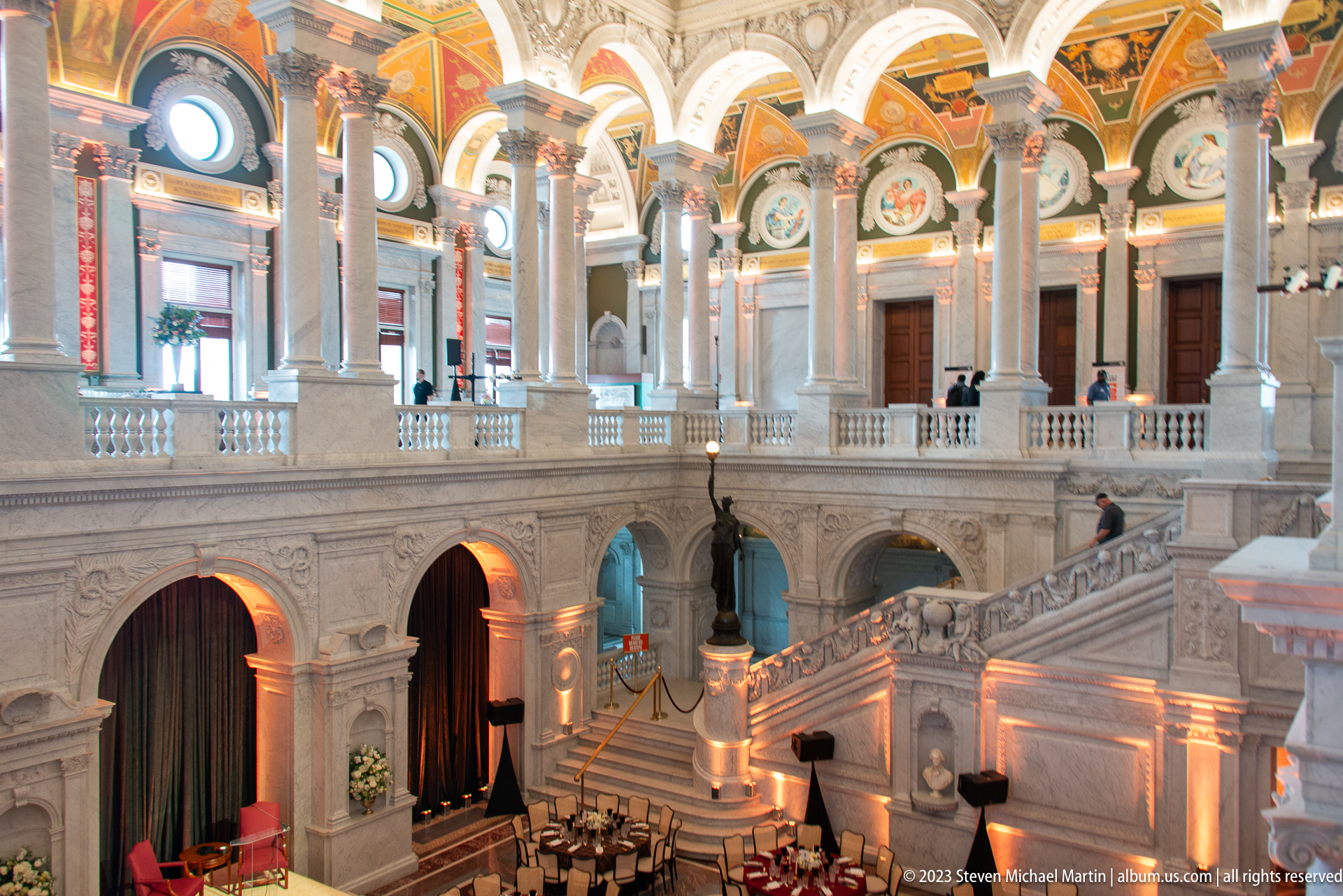
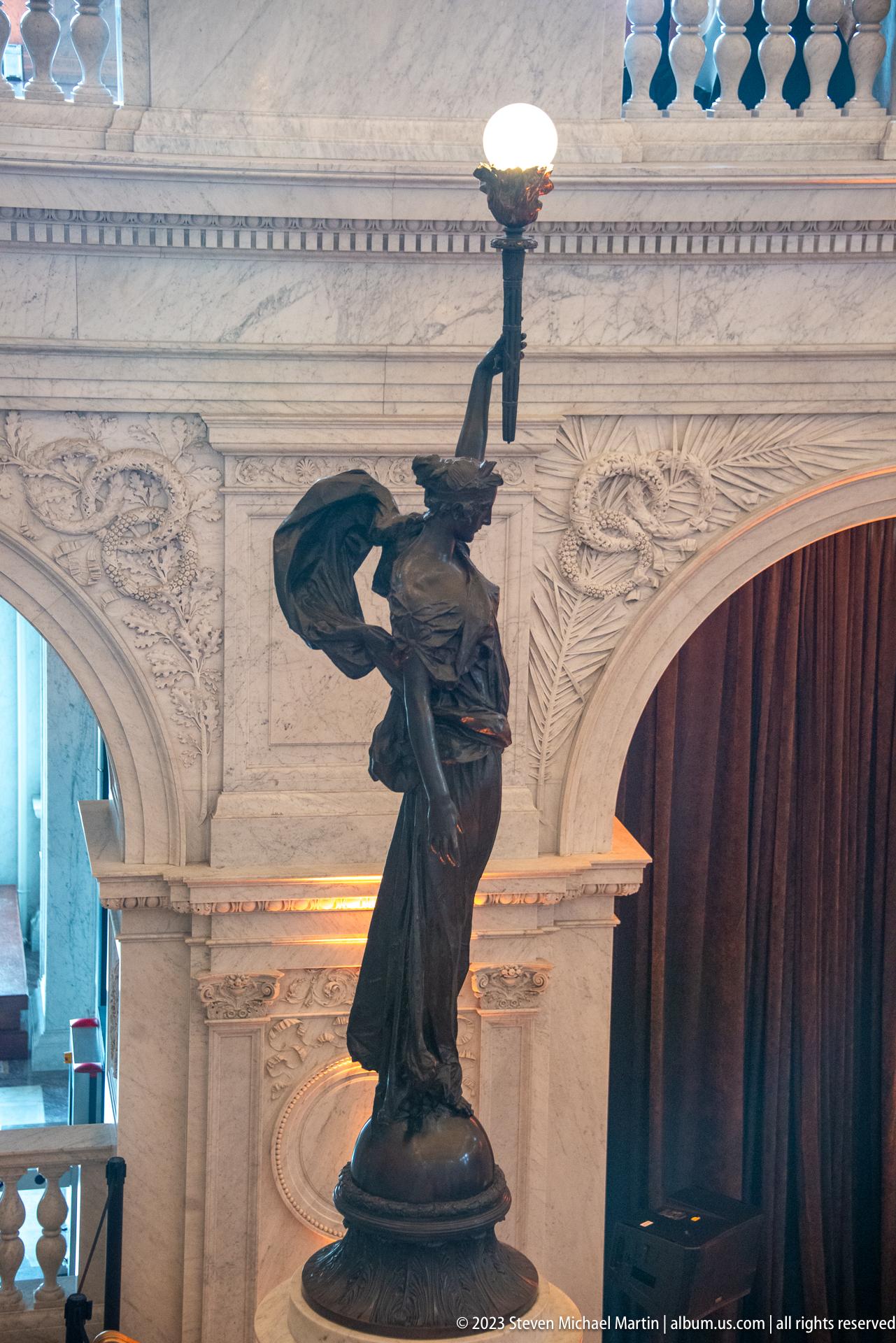
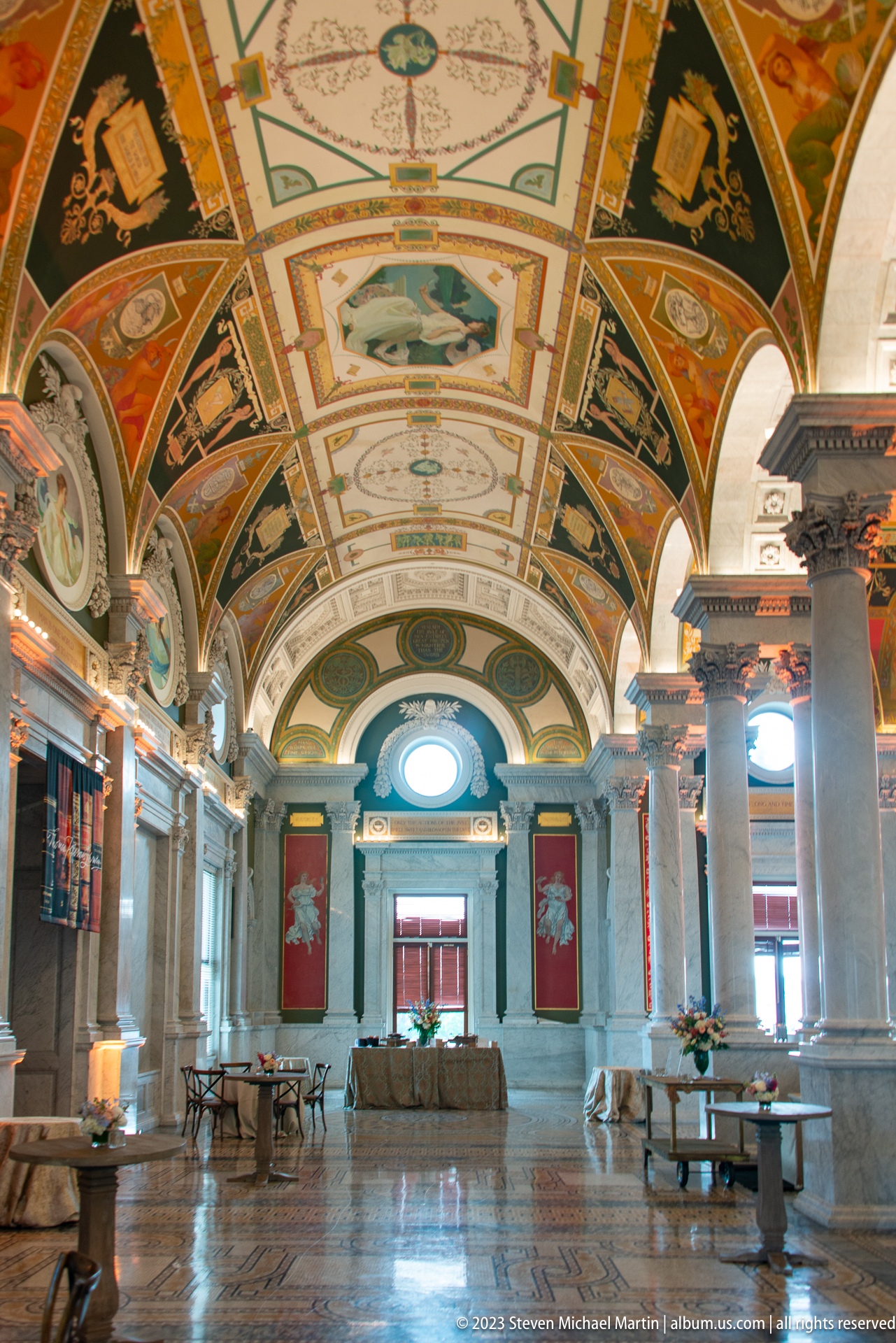
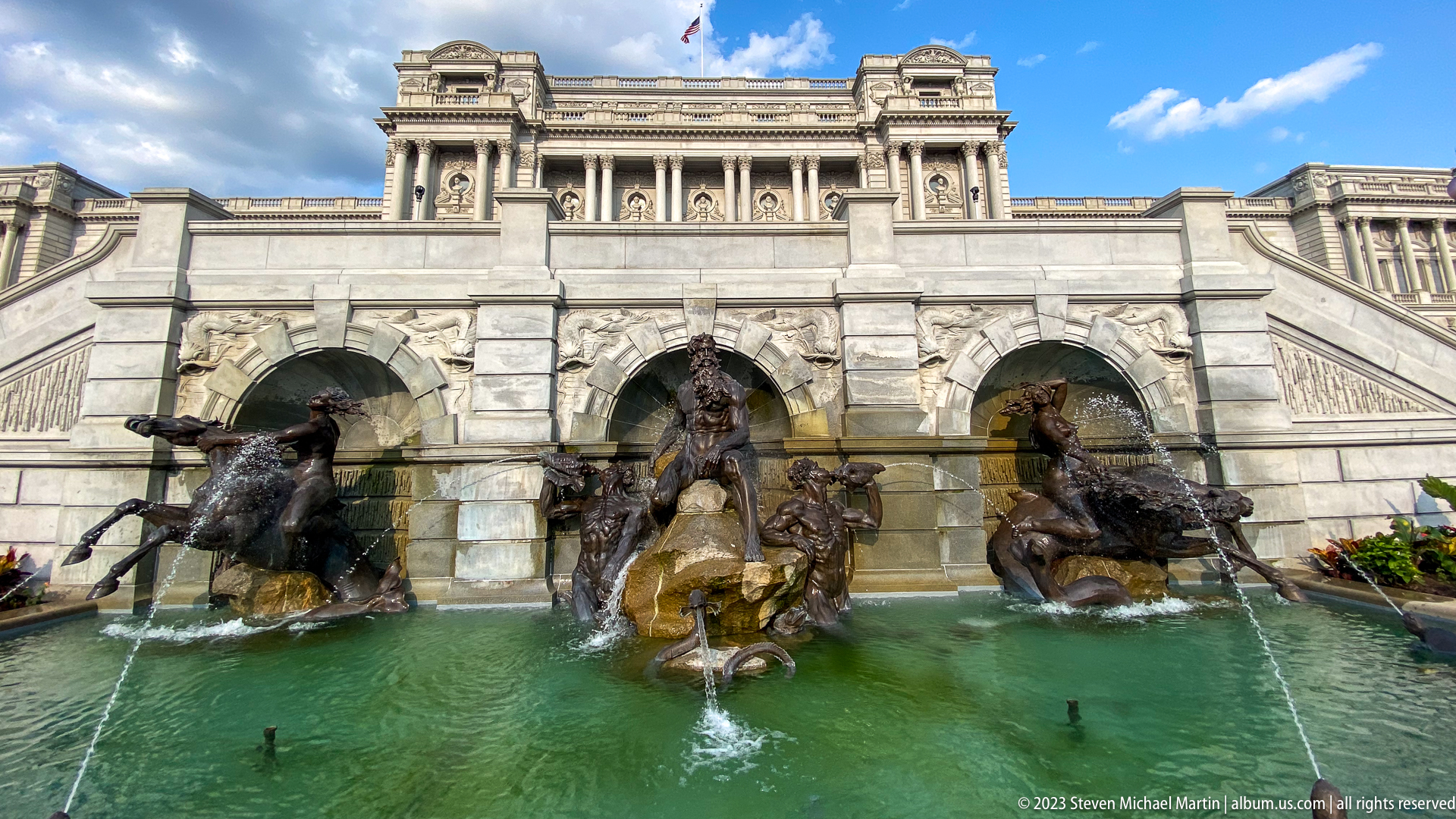
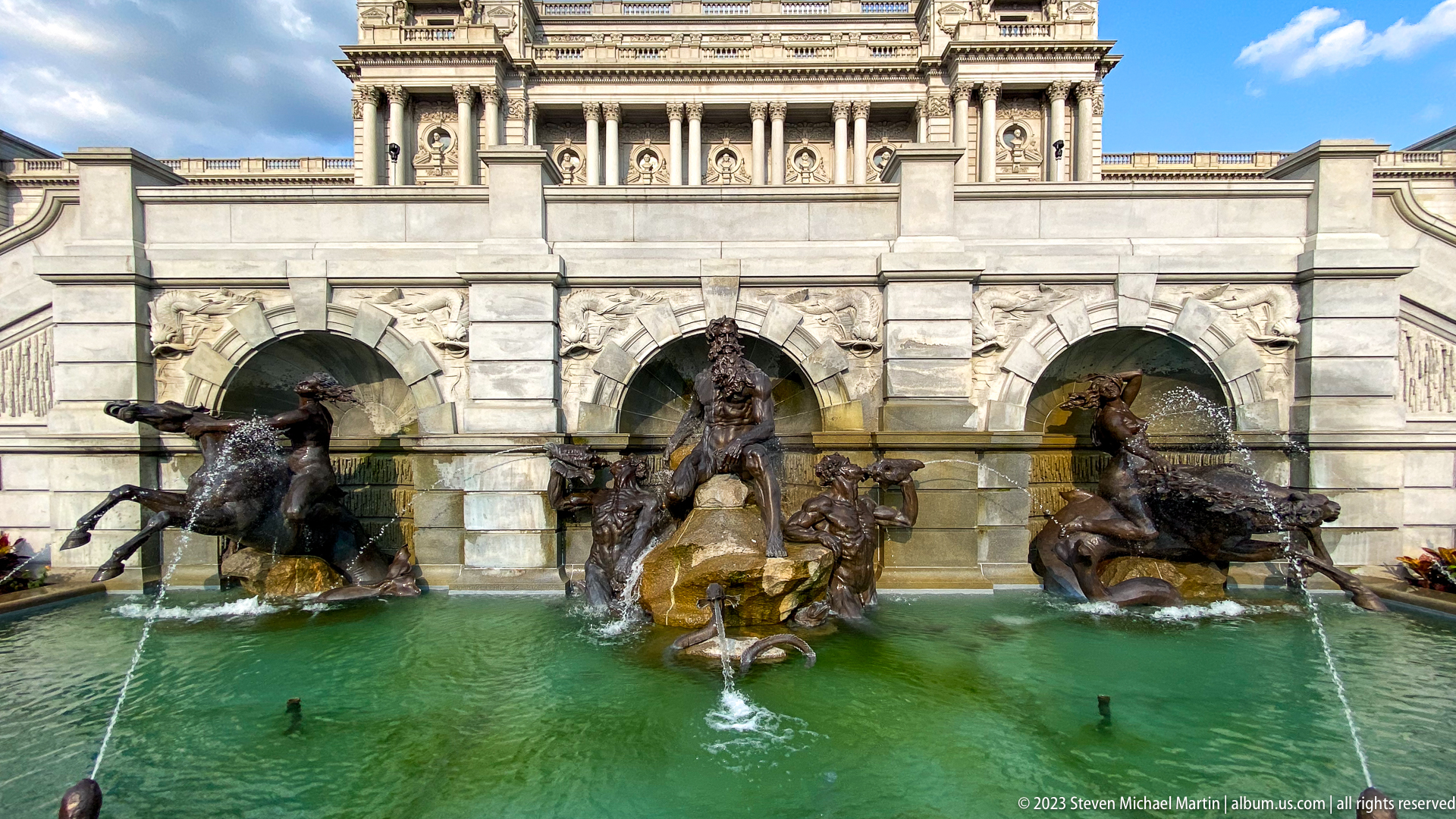
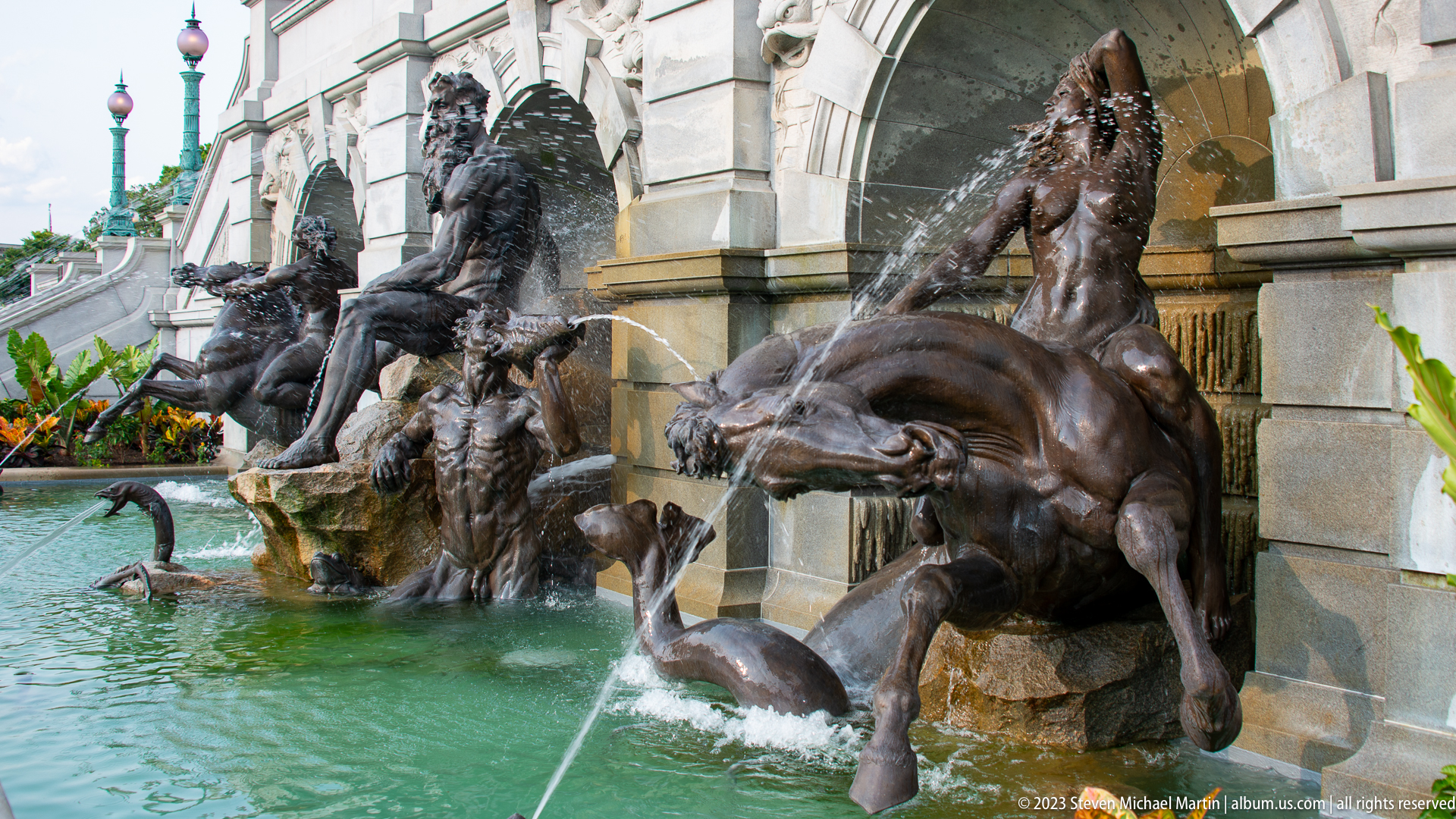
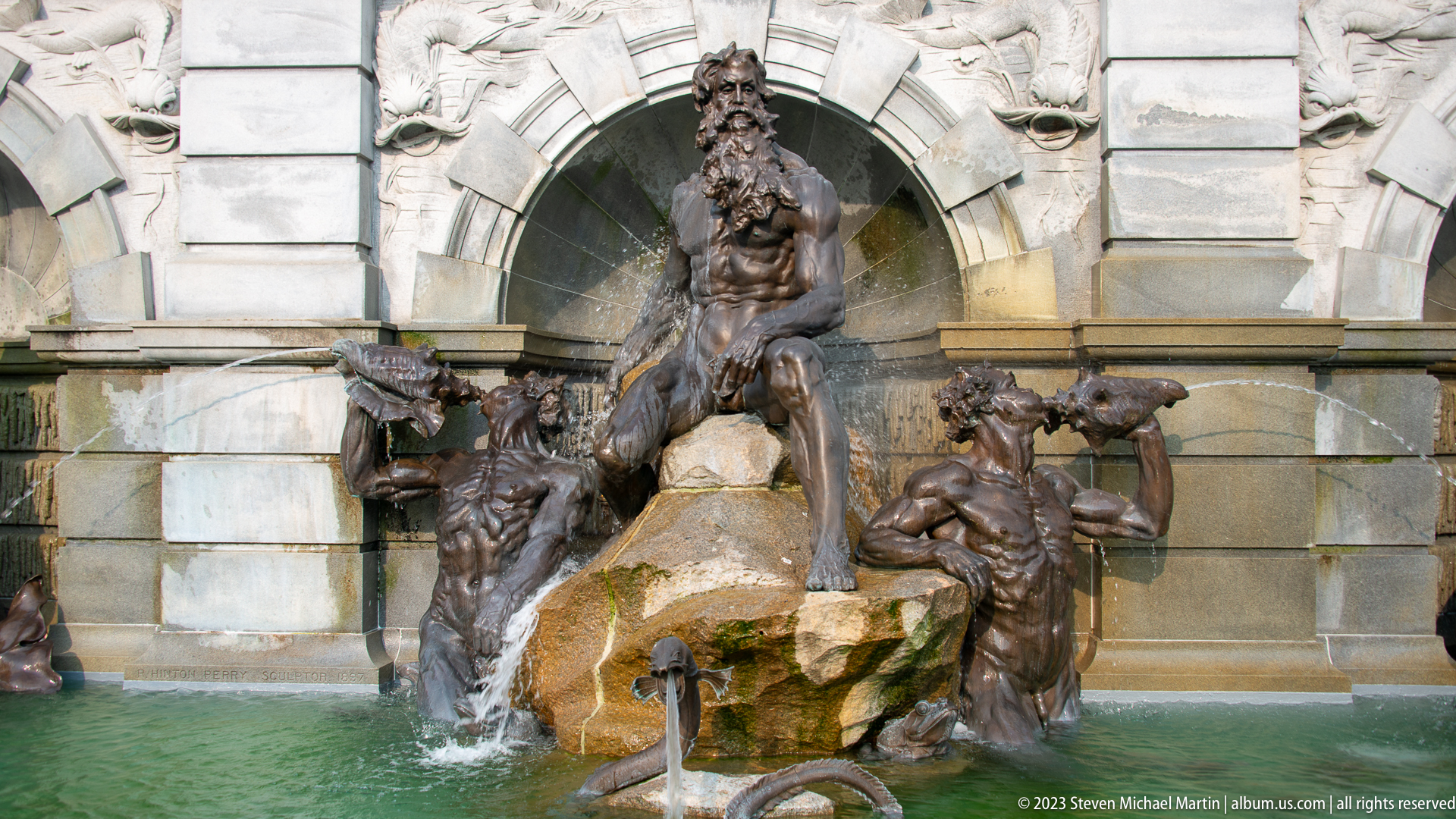
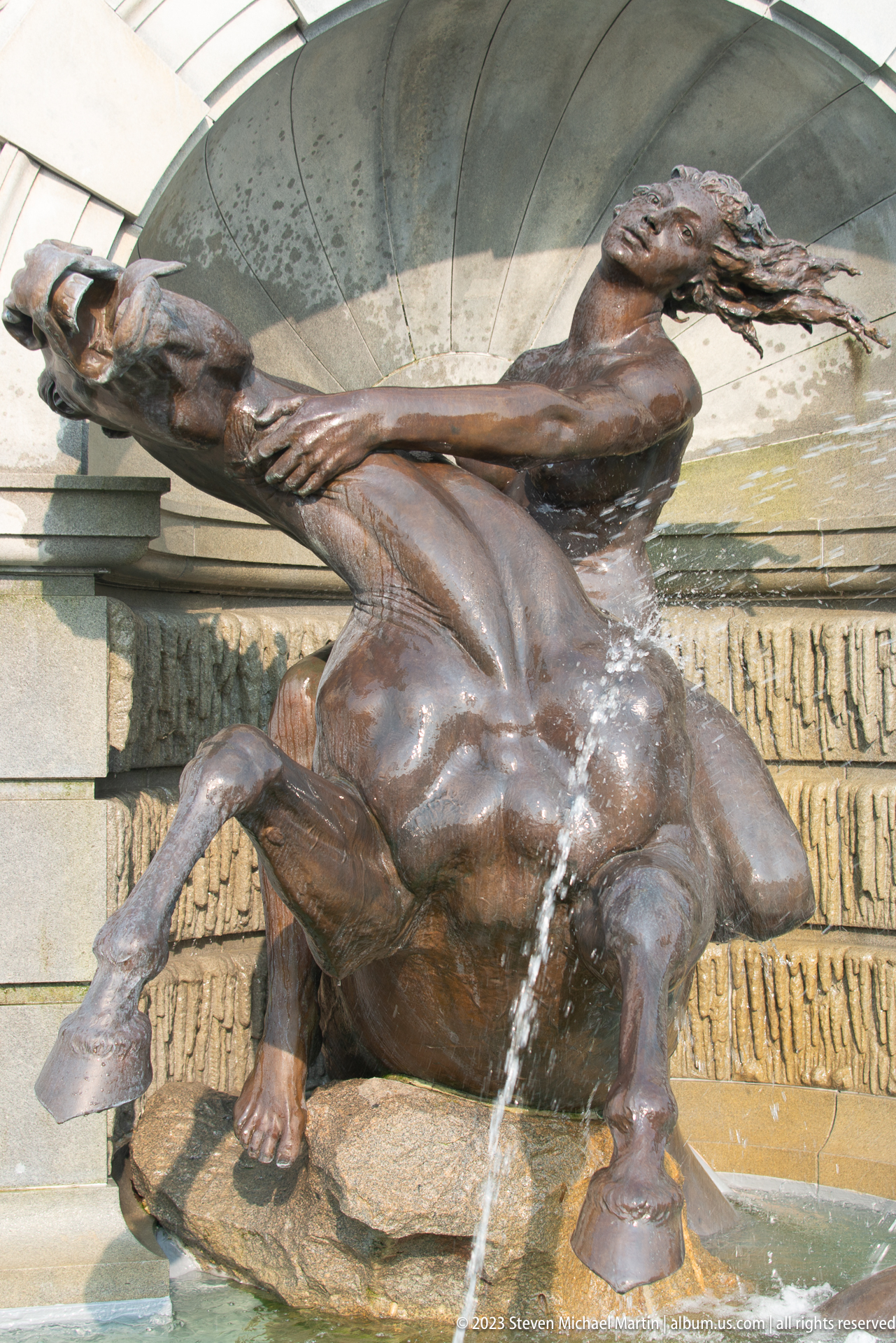
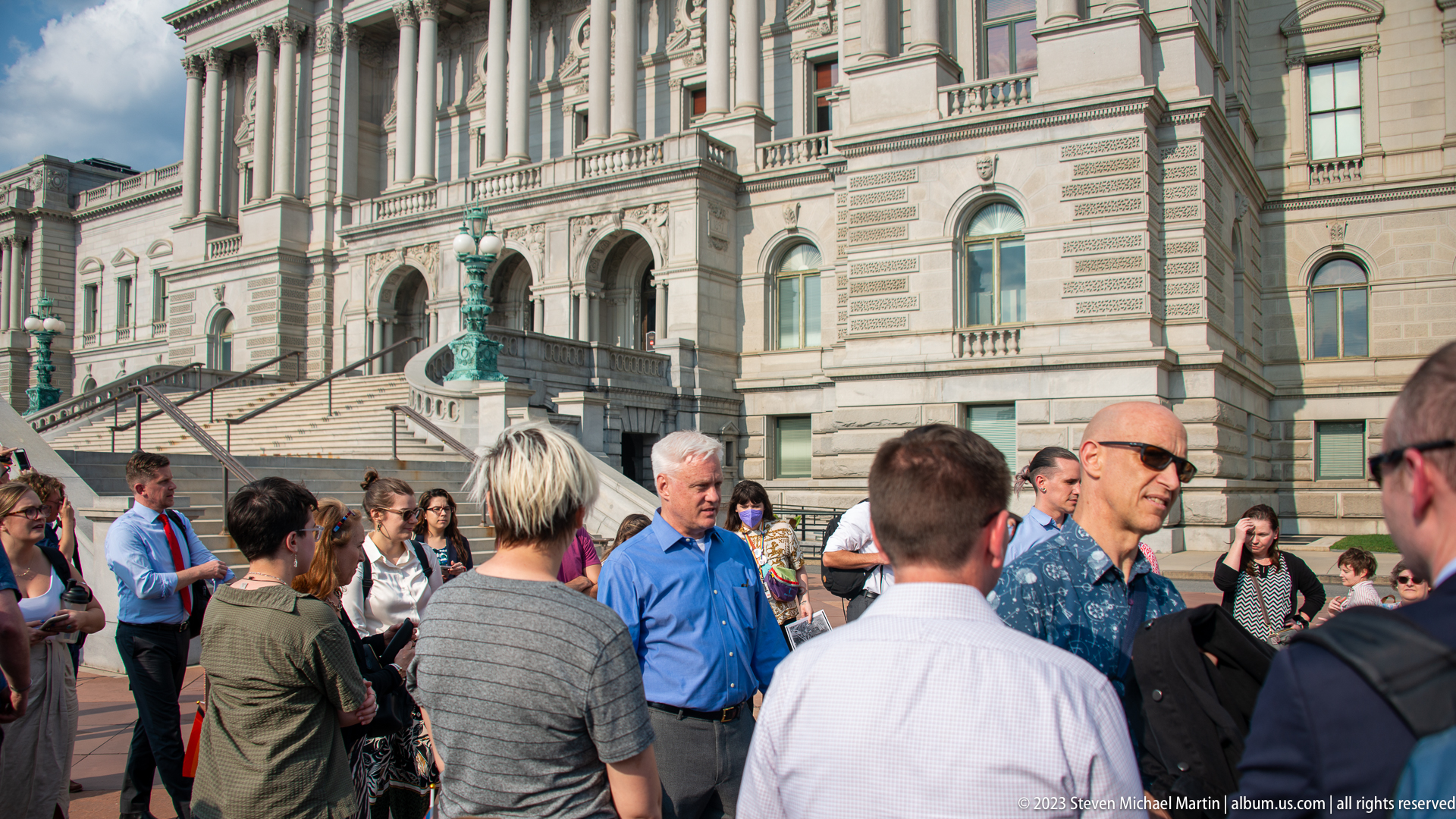
The Library of Congress serves as the research library of the United States Congress and one of the largest libraries in the world, preserving extensive collections that document the intellectual and cultural development of the nation and the broader global community. The Thomas Jefferson Building, completed in 1897 in the Beaux-Arts architectural style, reflects late nineteenth-century efforts to express knowledge and civic identity through monumental design. Richly decorated interiors incorporate sculpture, murals, and classical symbolism intended to convey the importance of learning, law, and democratic governance within the federal capital.
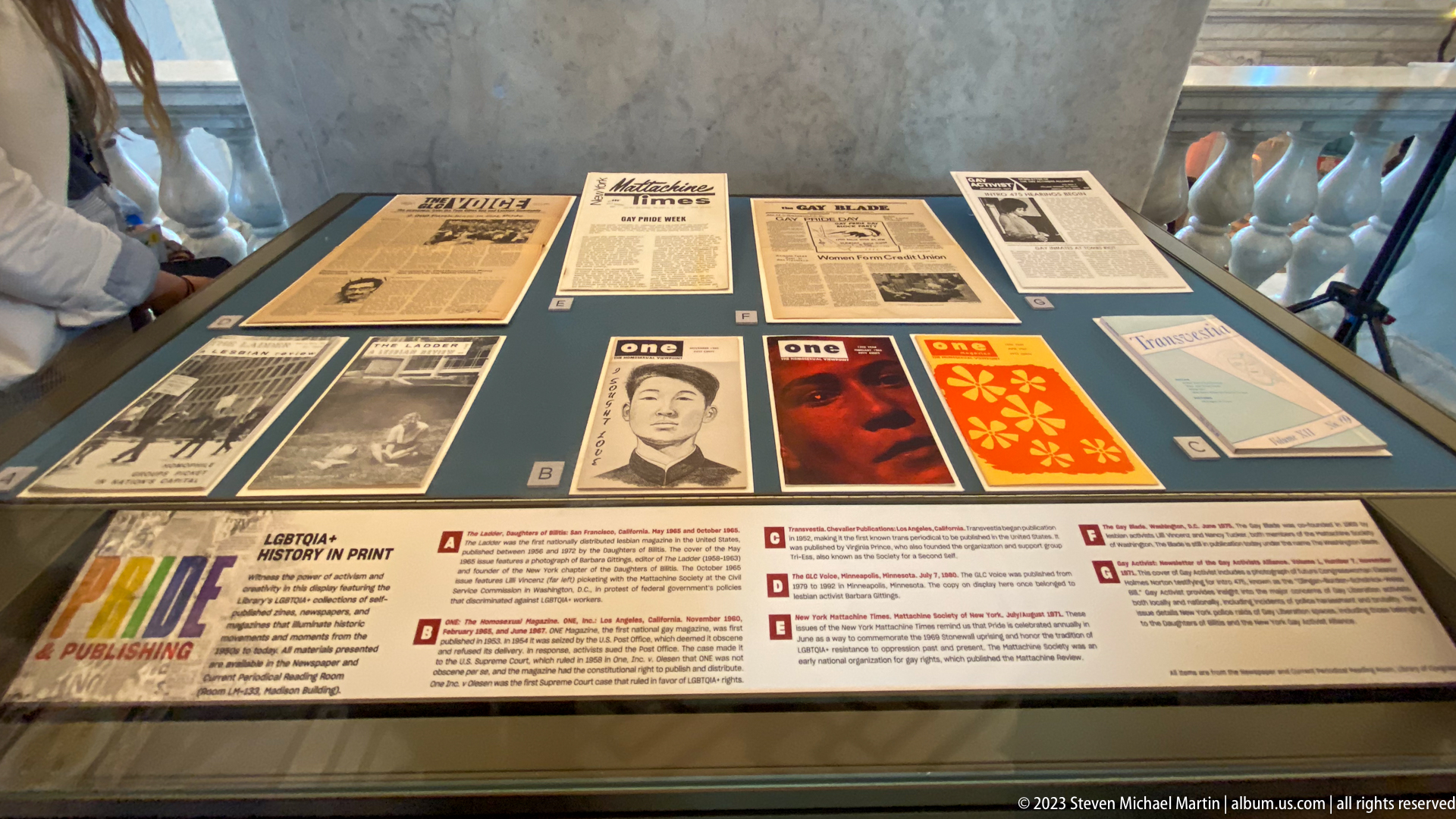
The library’s collections include millions of books, manuscripts, maps, photographs, and recordings that support scholarly research across numerous disciplines. Thomas Jefferson’s personal library, acquired by Congress after the War of 1812, helped shape the institution’s early intellectual framework by emphasizing the value of broad inquiry across fields of knowledge. The building’s grand reading rooms and galleries illustrate the relationship between architecture and intellectual pursuit within the cultural landscape of Washington.
The Library of Congress contributes to understanding the role of knowledge institutions in supporting democratic society. Its collections reflect the continuity of intellectual traditions that inform legislation, scholarship, and cultural expression. The preservation of written and recorded history within a monumental architectural setting reinforces the connection between learning and civic identity in the United States.