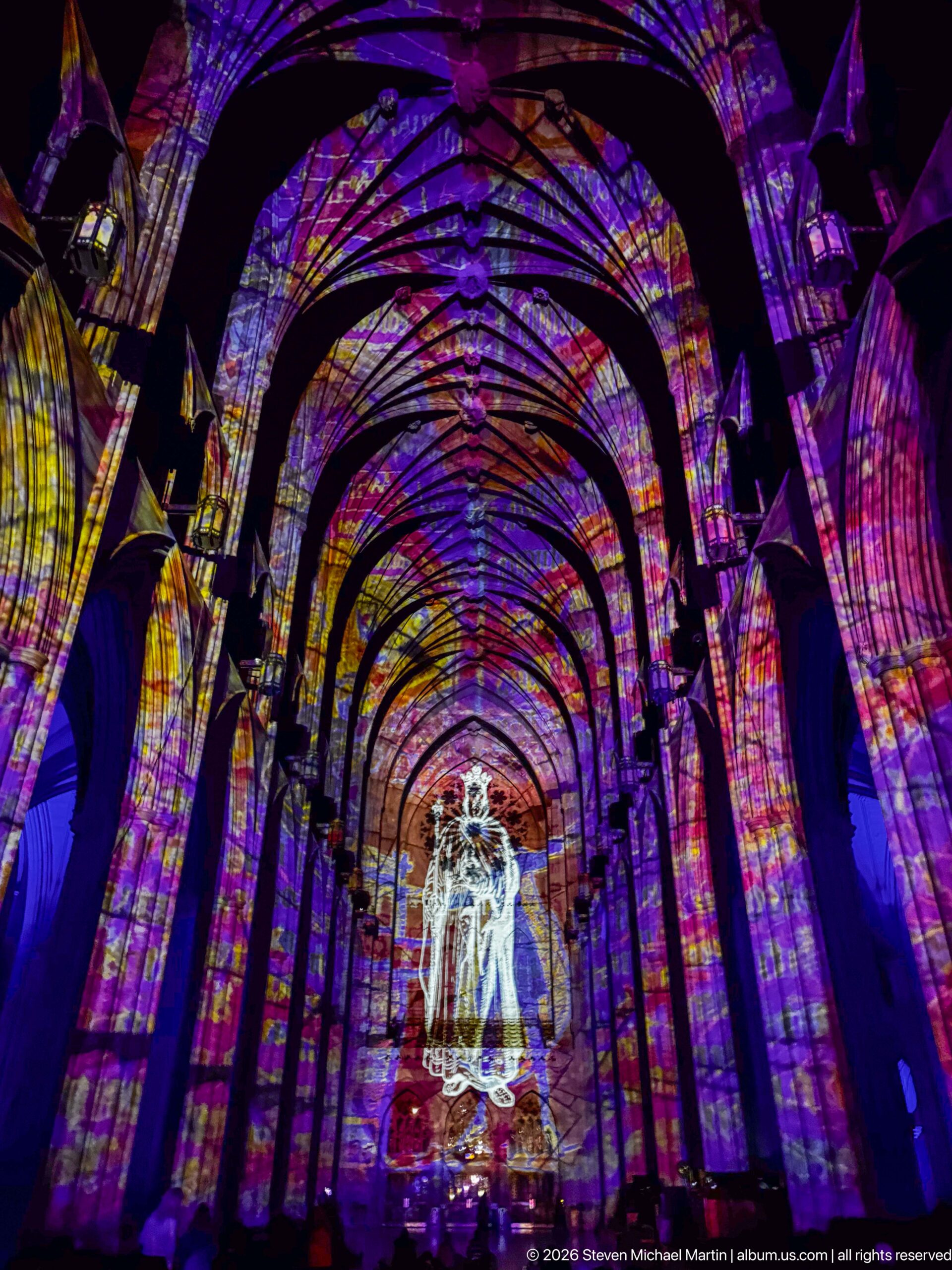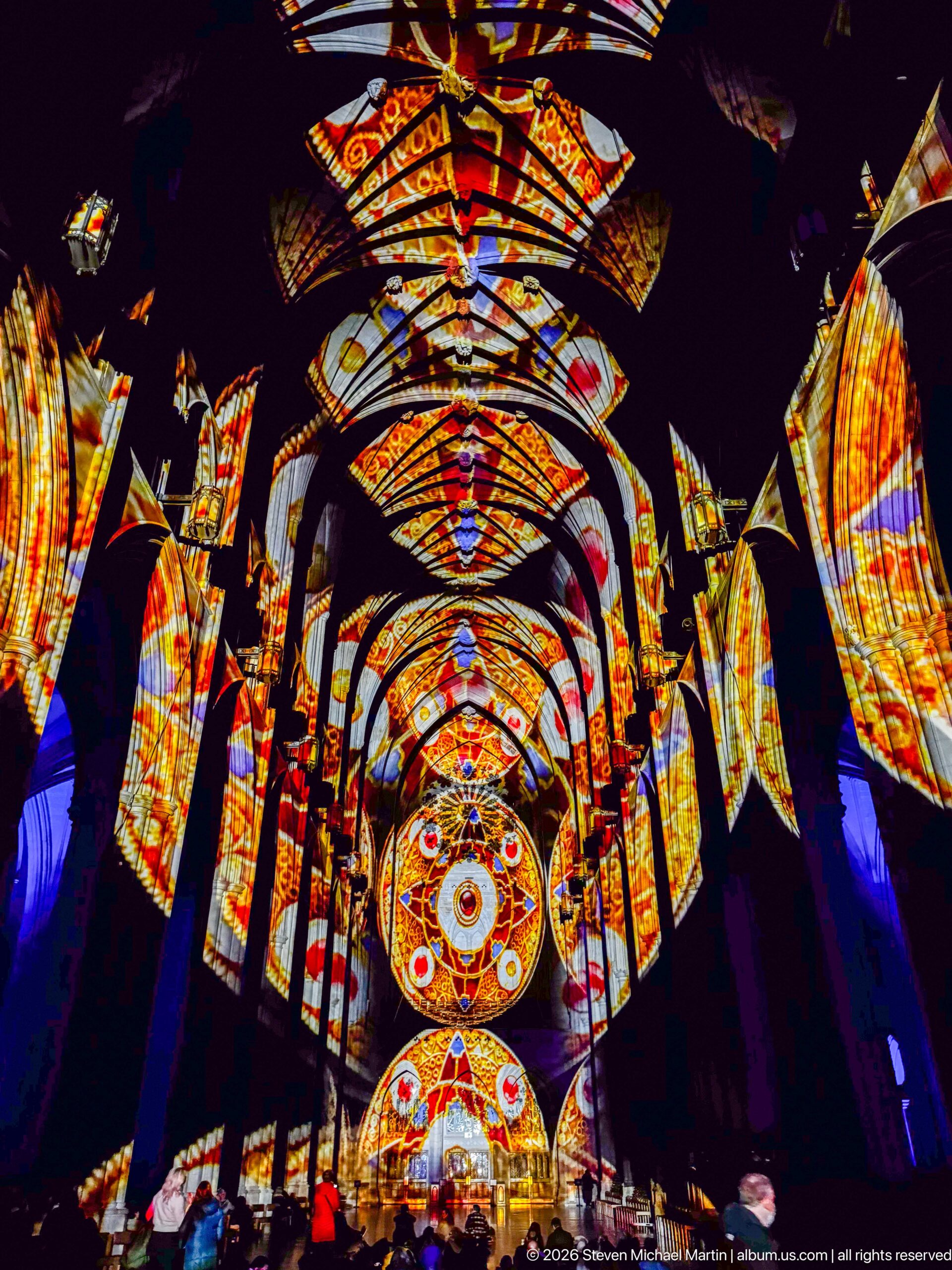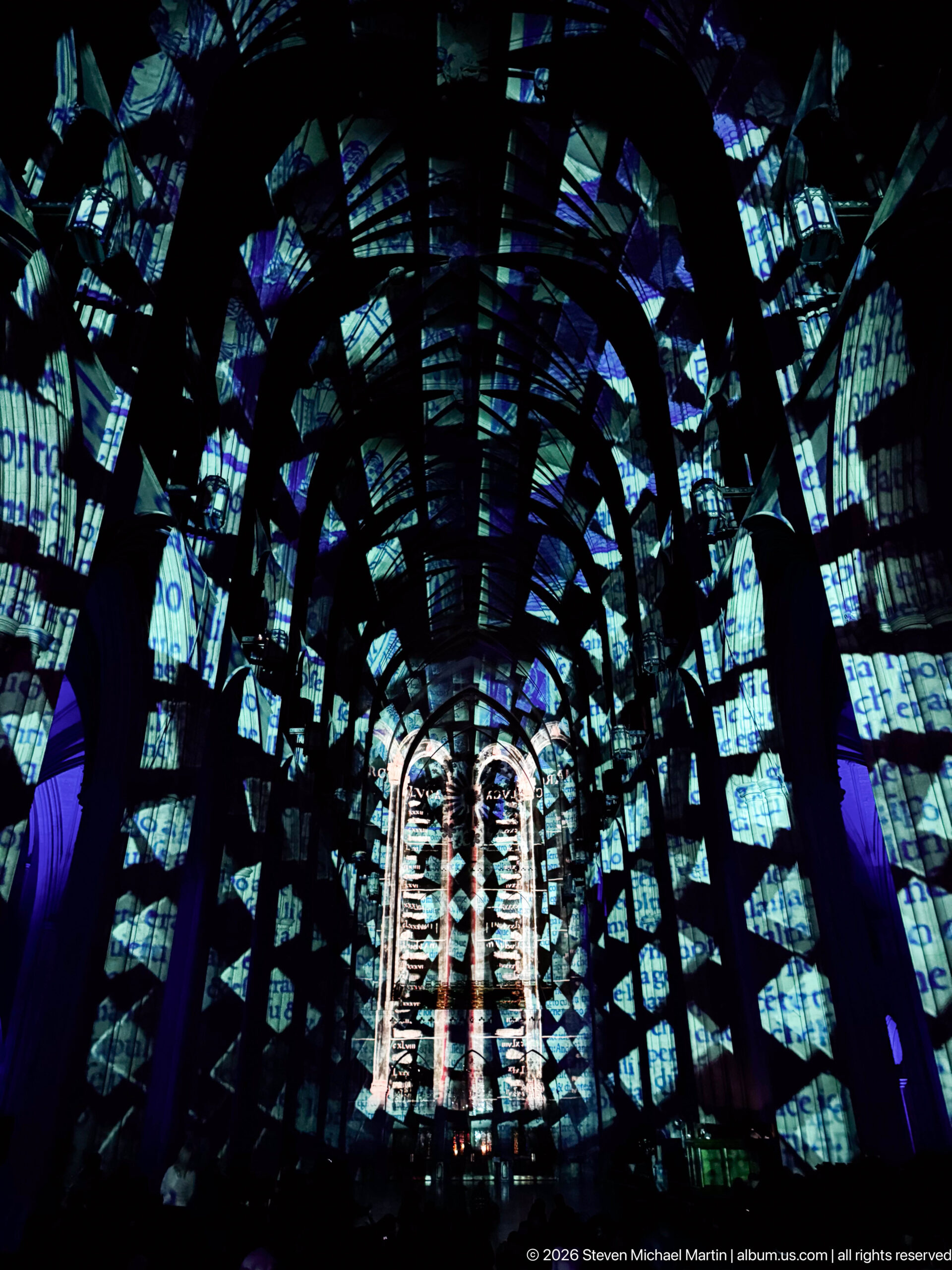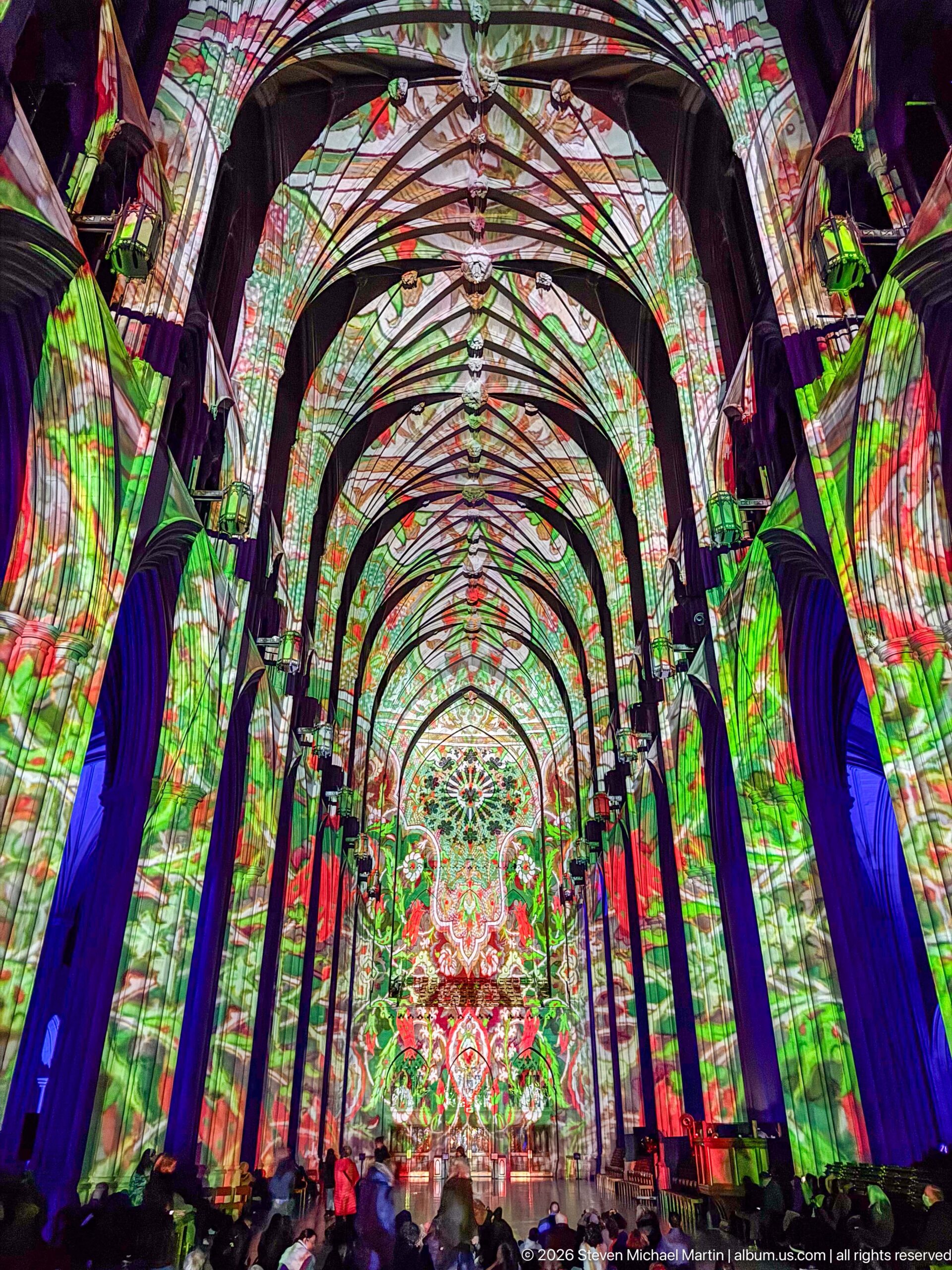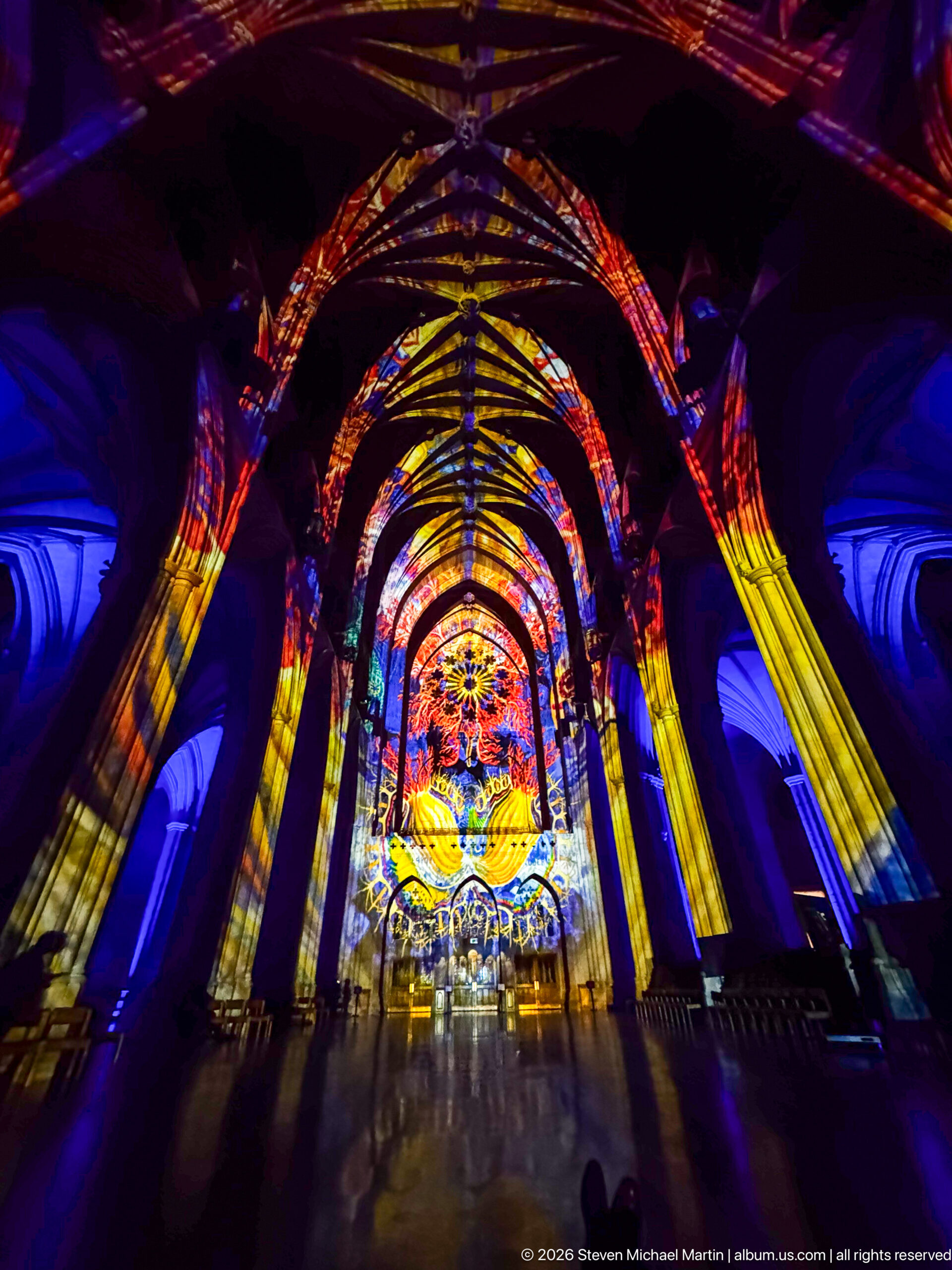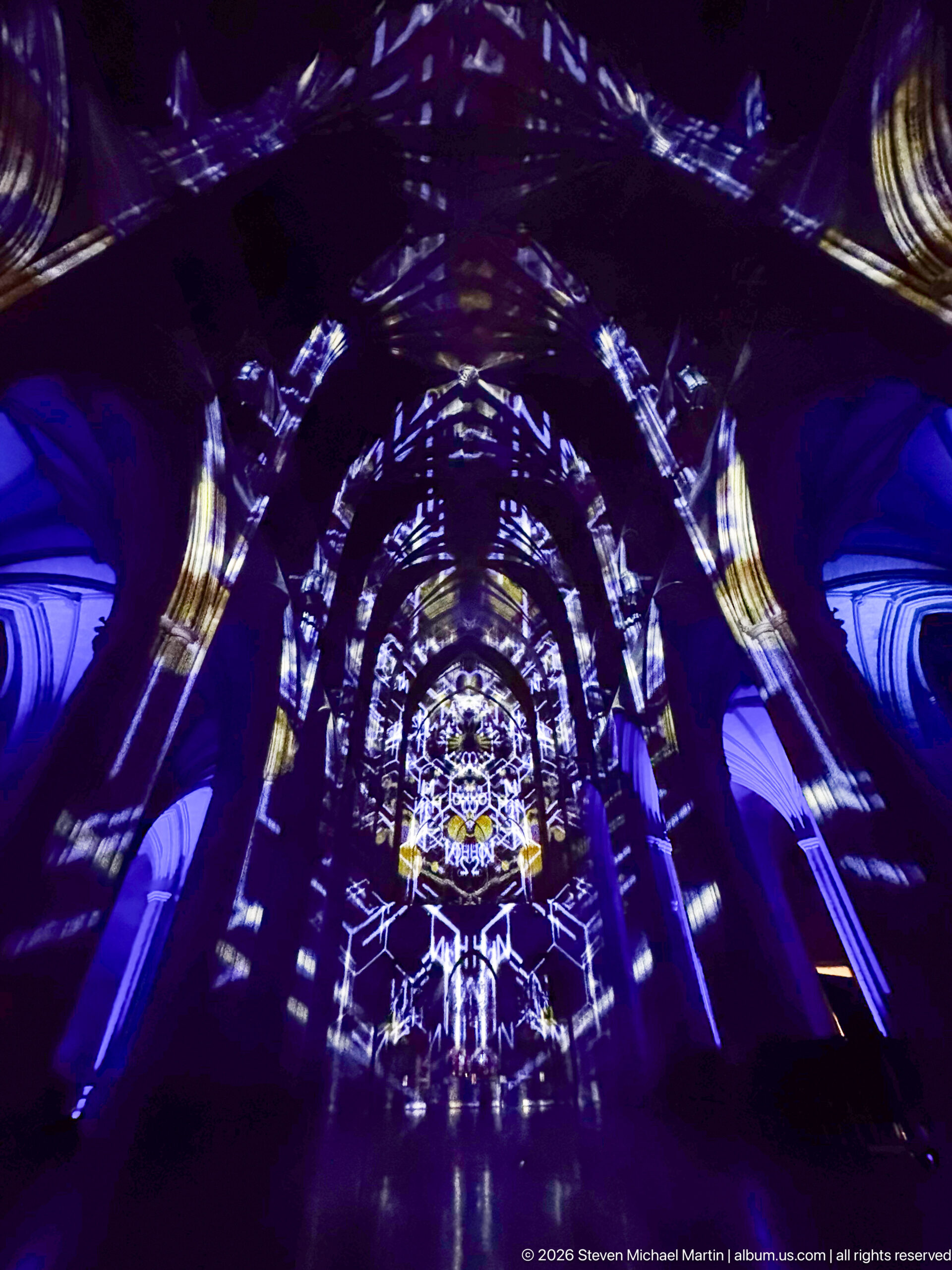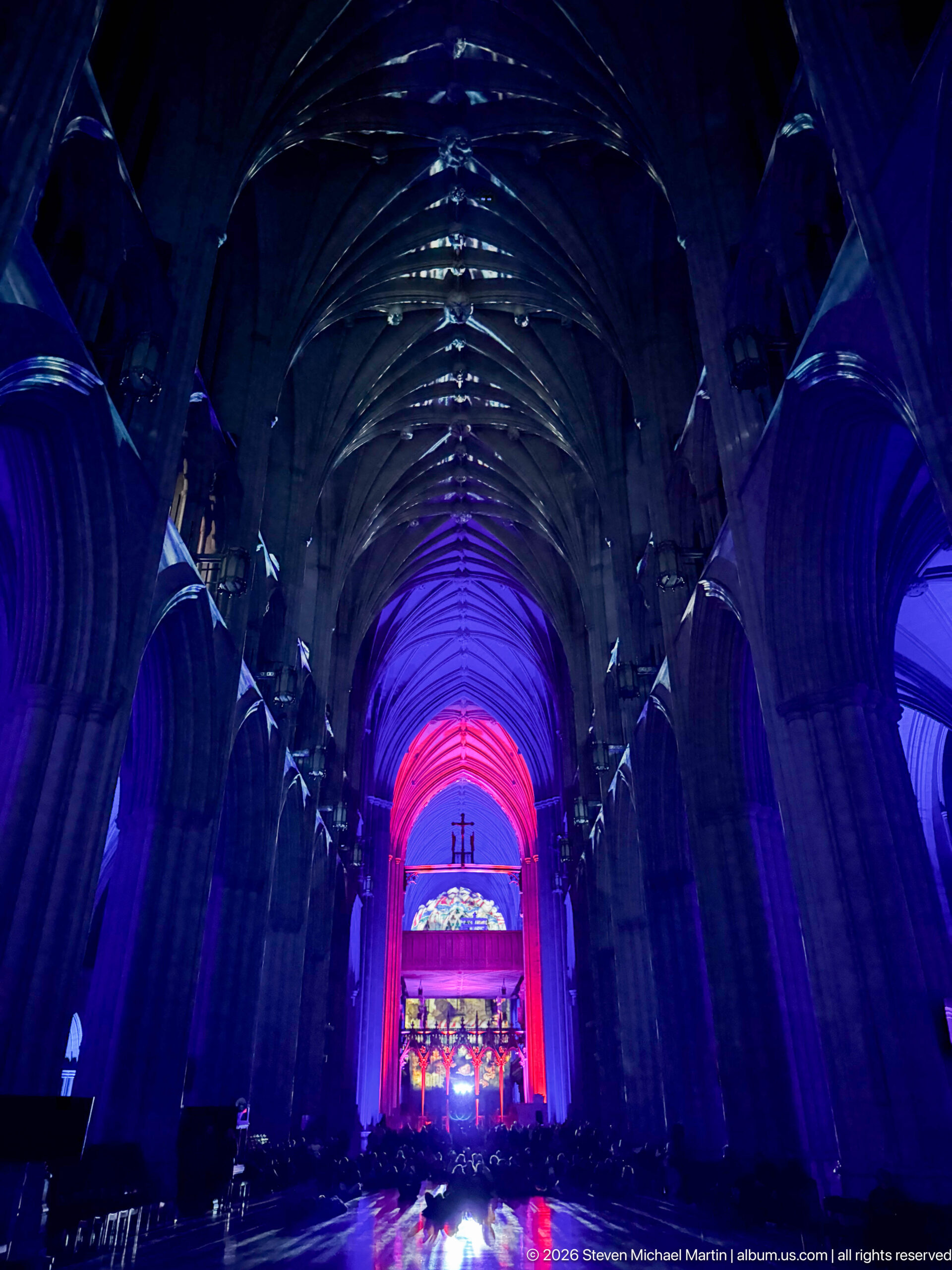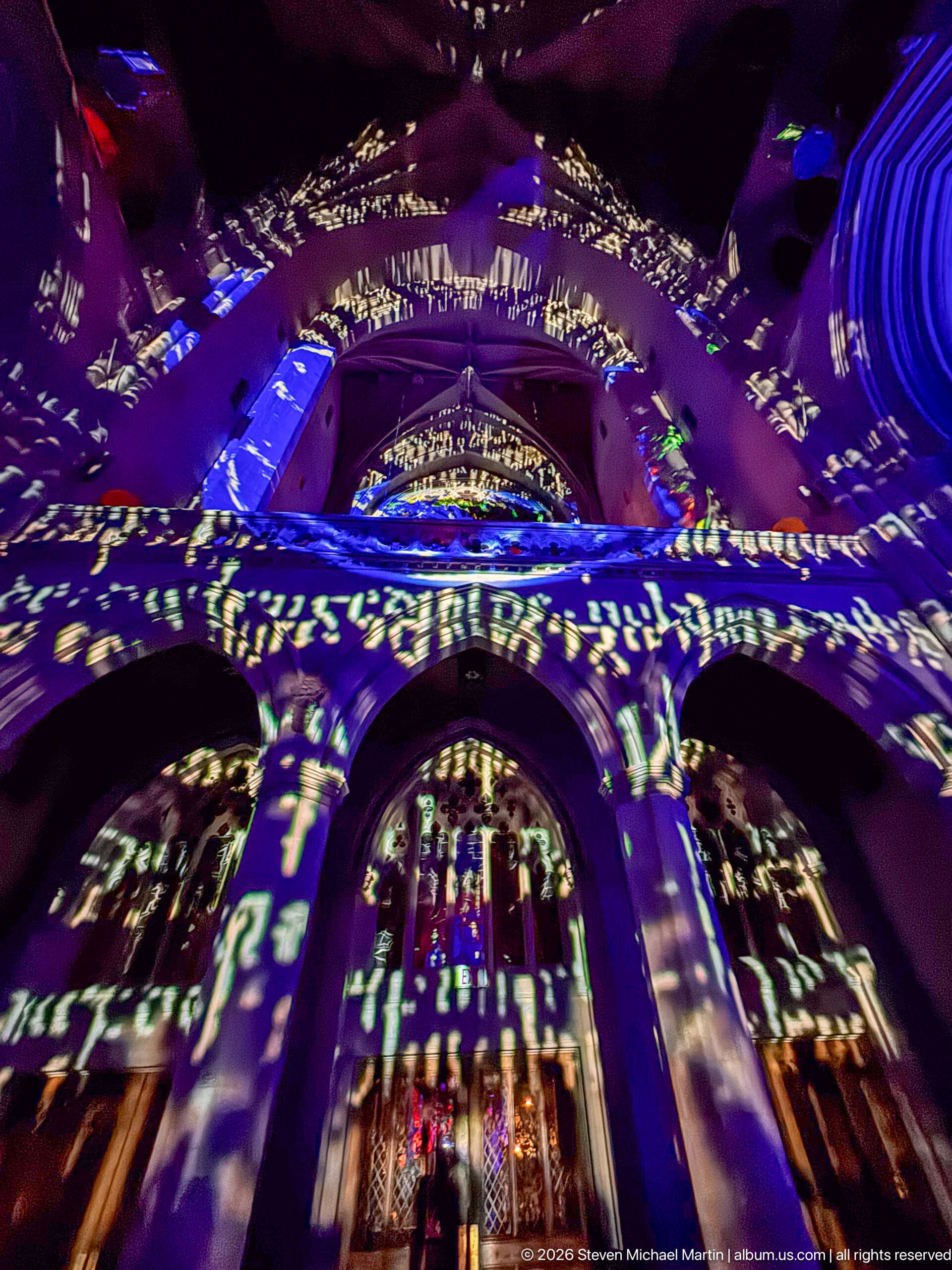
Washington National Cathedral Lighting
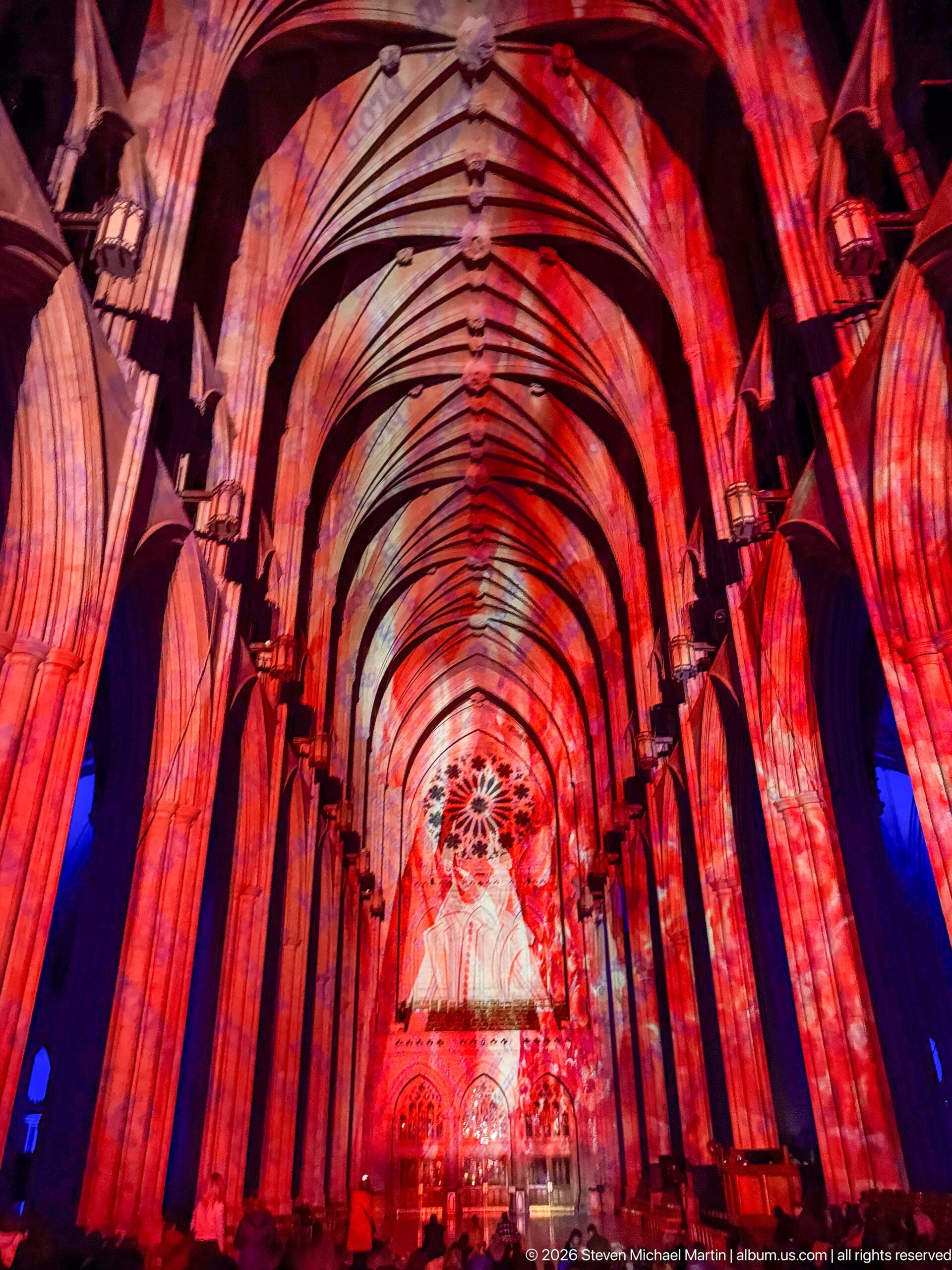
The Cathedral Church of Saint Peter and Saint Paul in the City and Diocese of Washington, commonly known as Washington National Cathedral, stands as one of the largest Gothic Revival structures in the United States. Construction began in 1907 and continued for more than eight decades, reflecting sustained efforts to establish a national house of worship that would serve both religious and ceremonial functions. The cathedral’s pointed arches, ribbed vaults, and extensive sculptural ornamentation draw upon medieval English precedents adapted to the architectural traditions of the twentieth century.
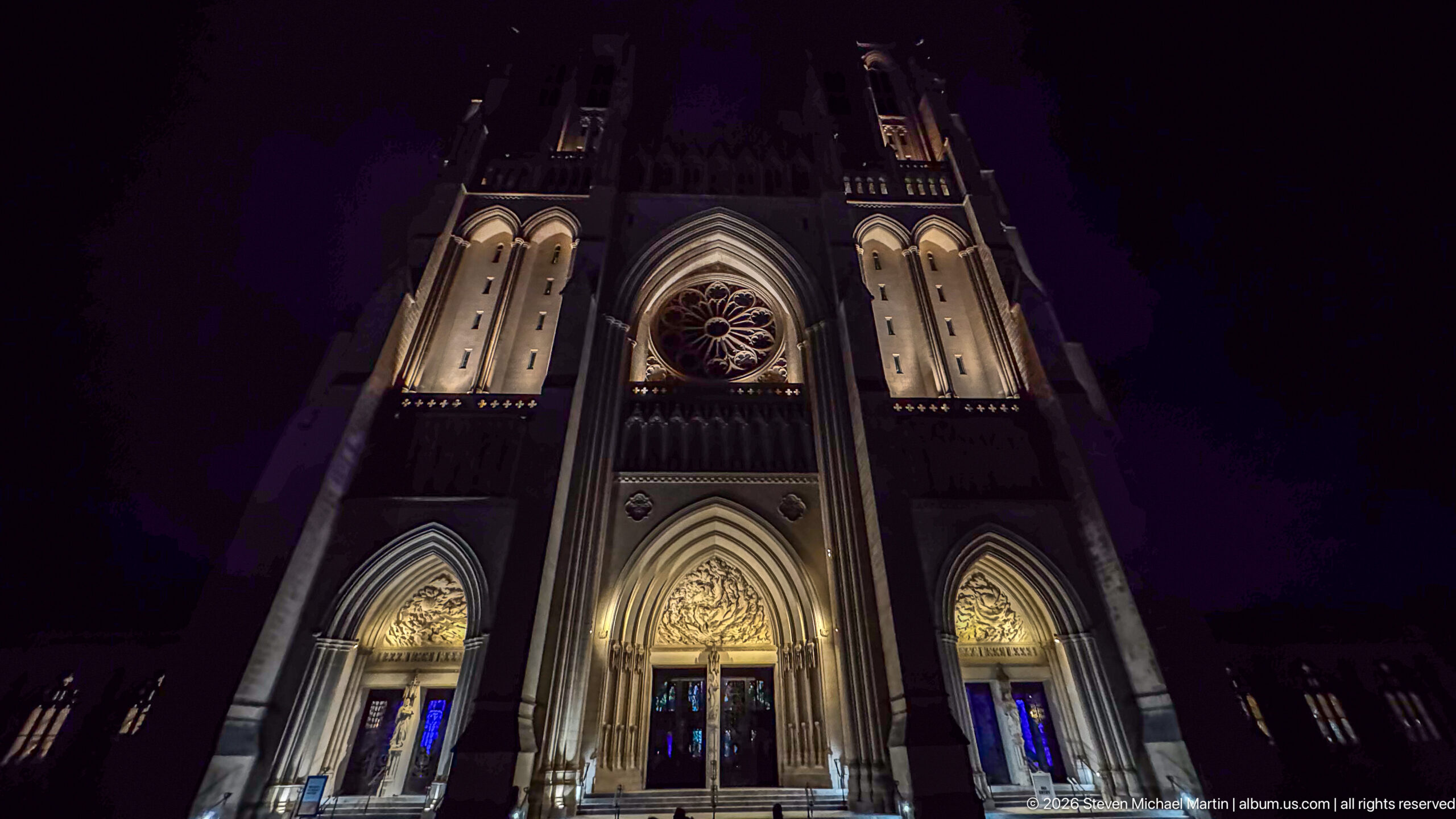
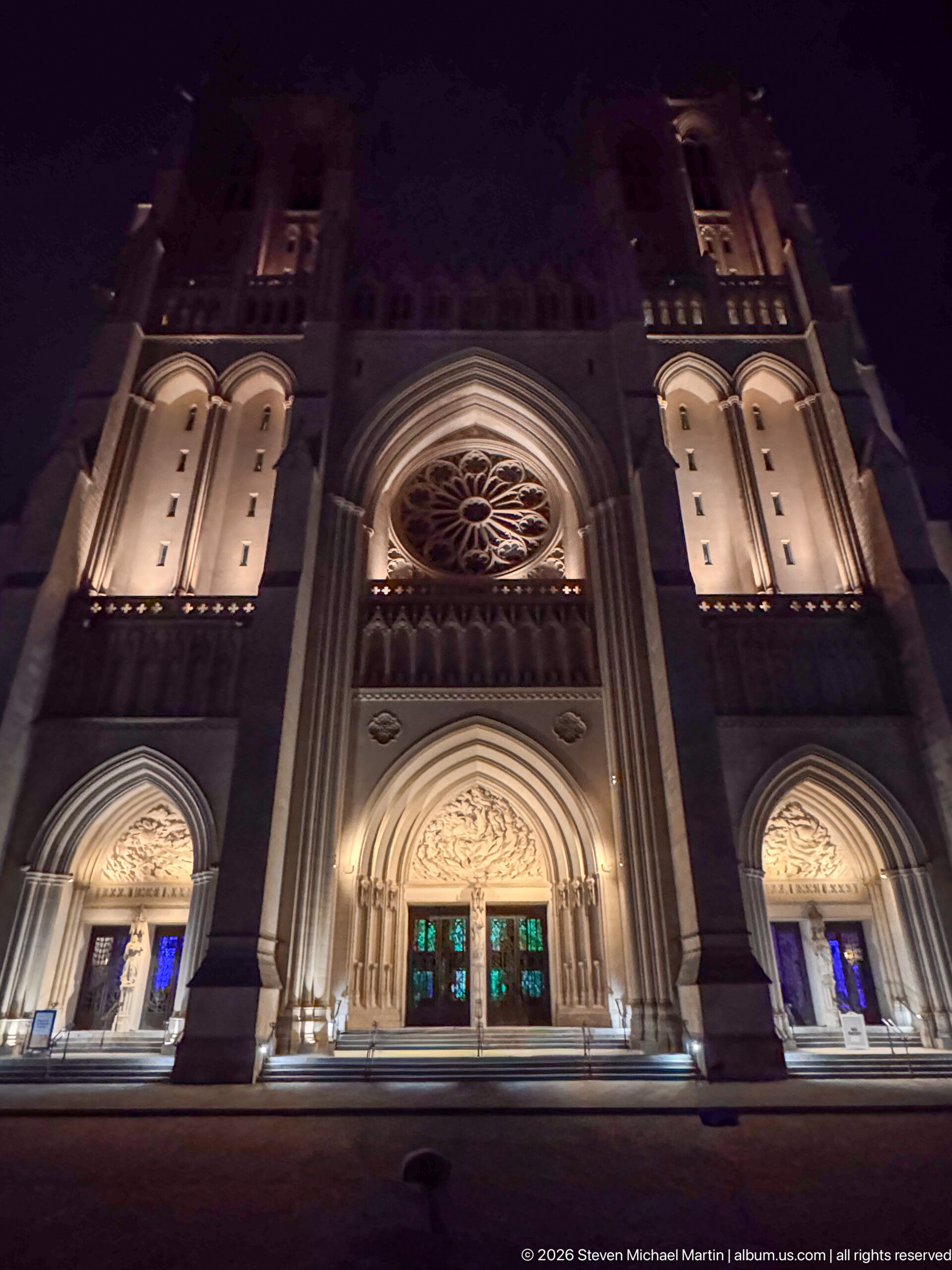
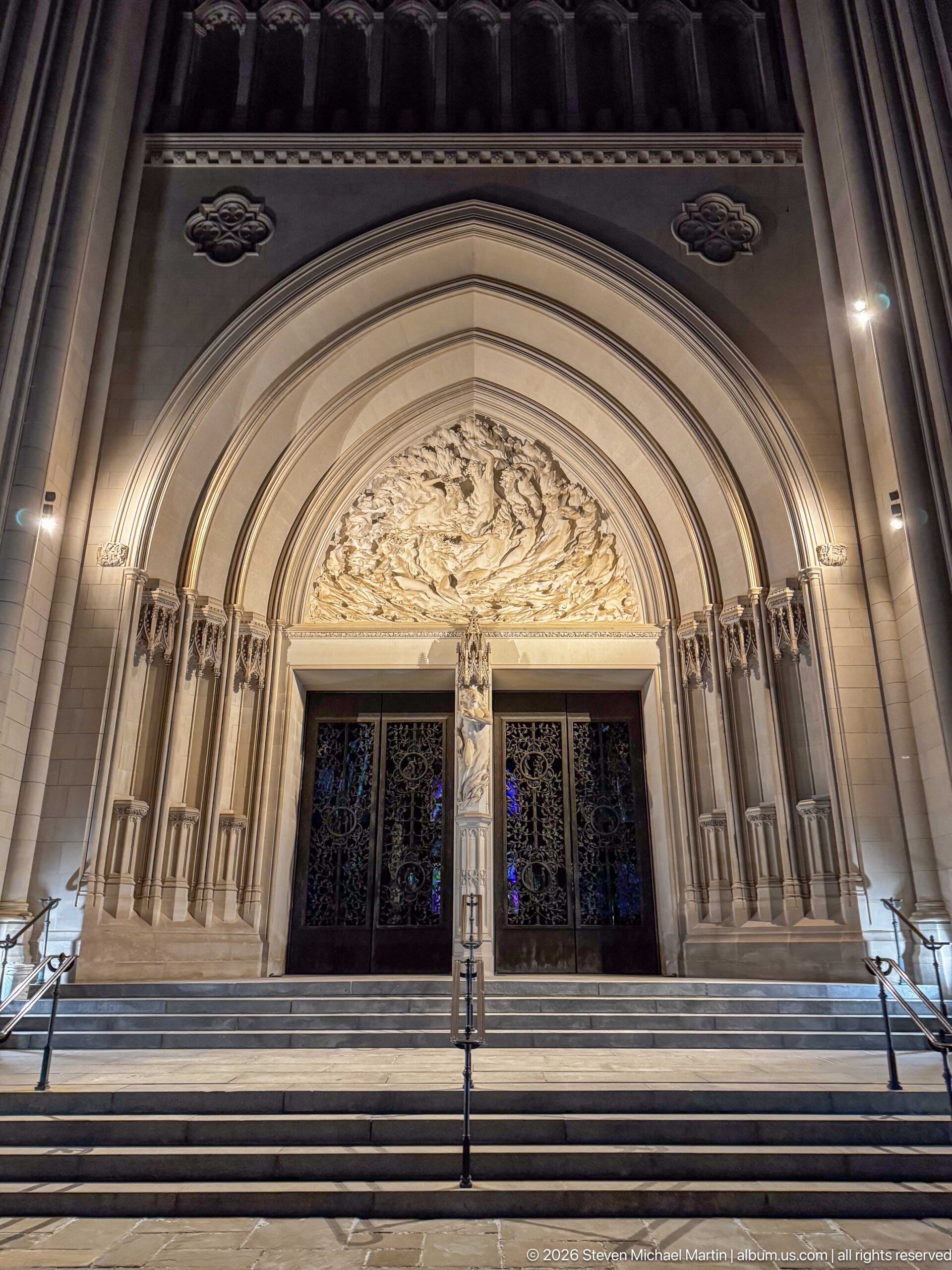
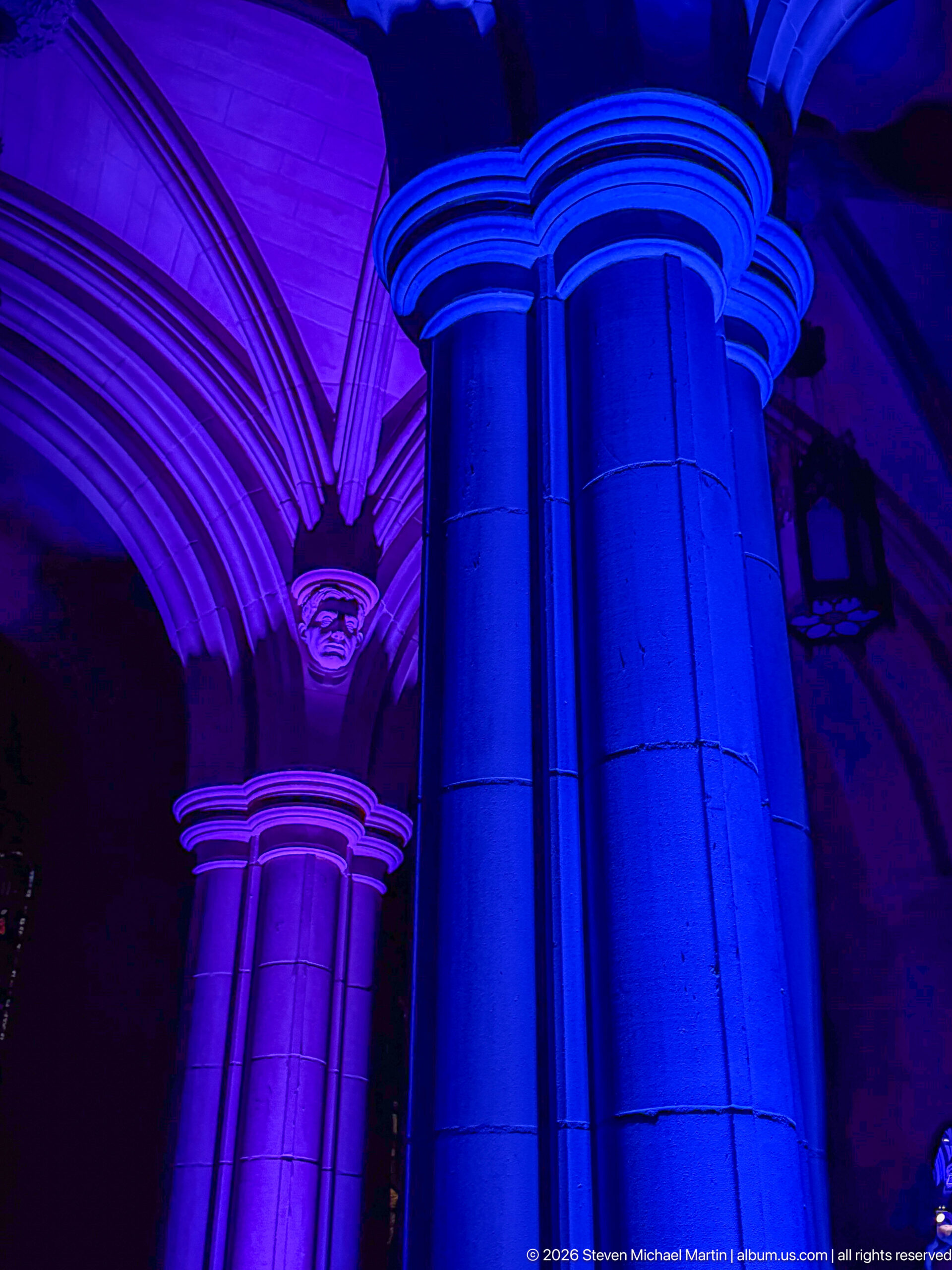
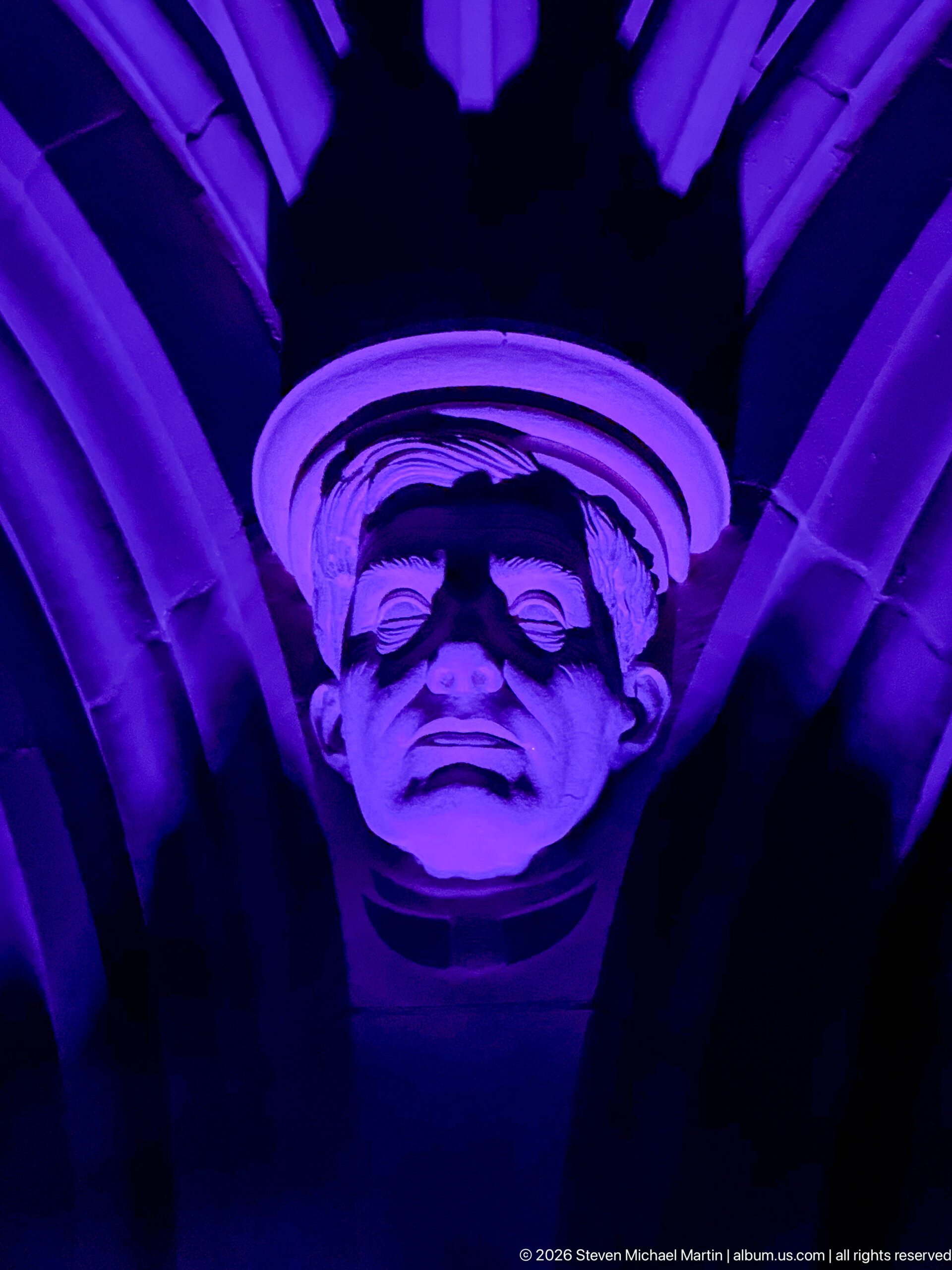
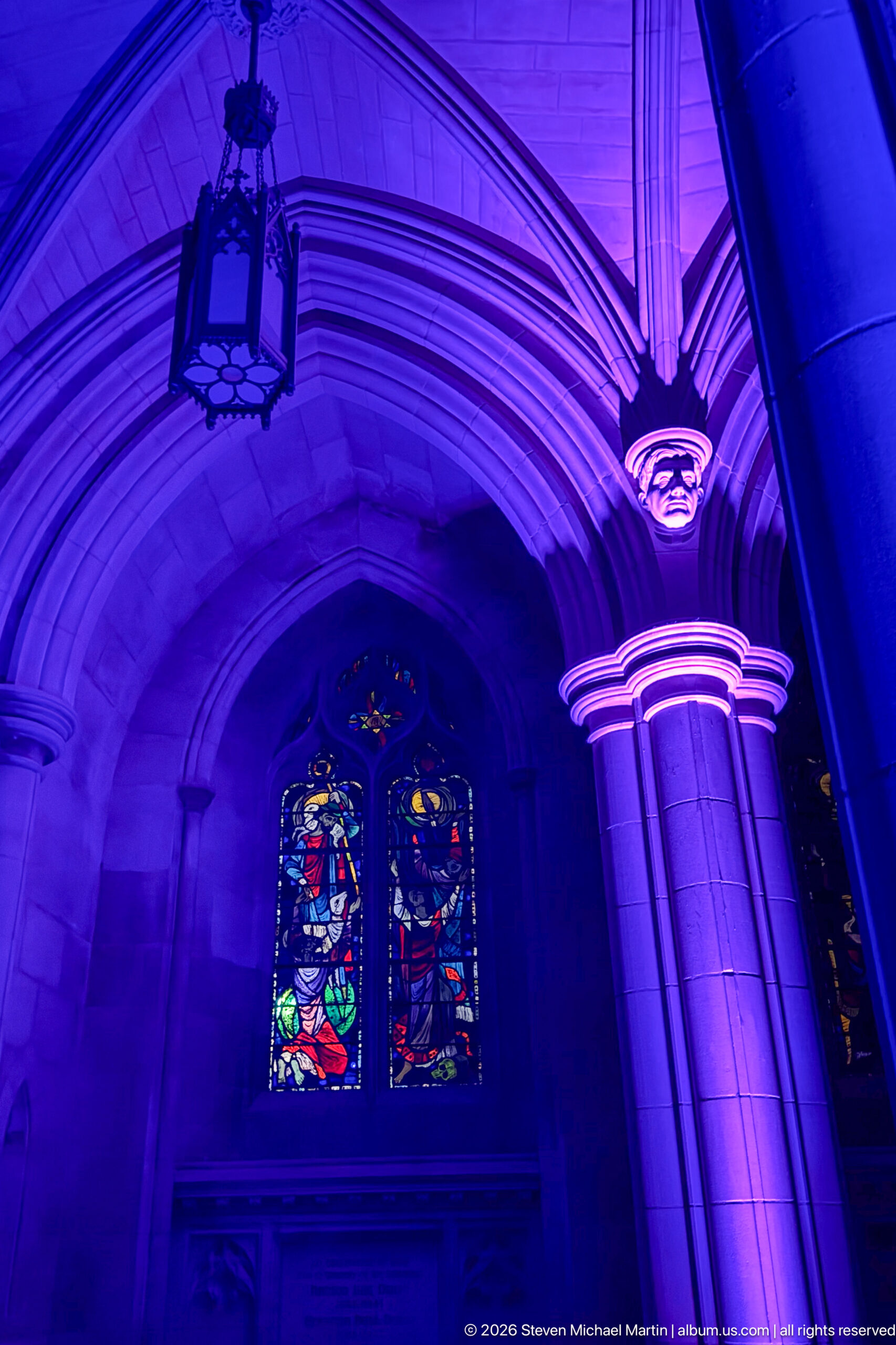
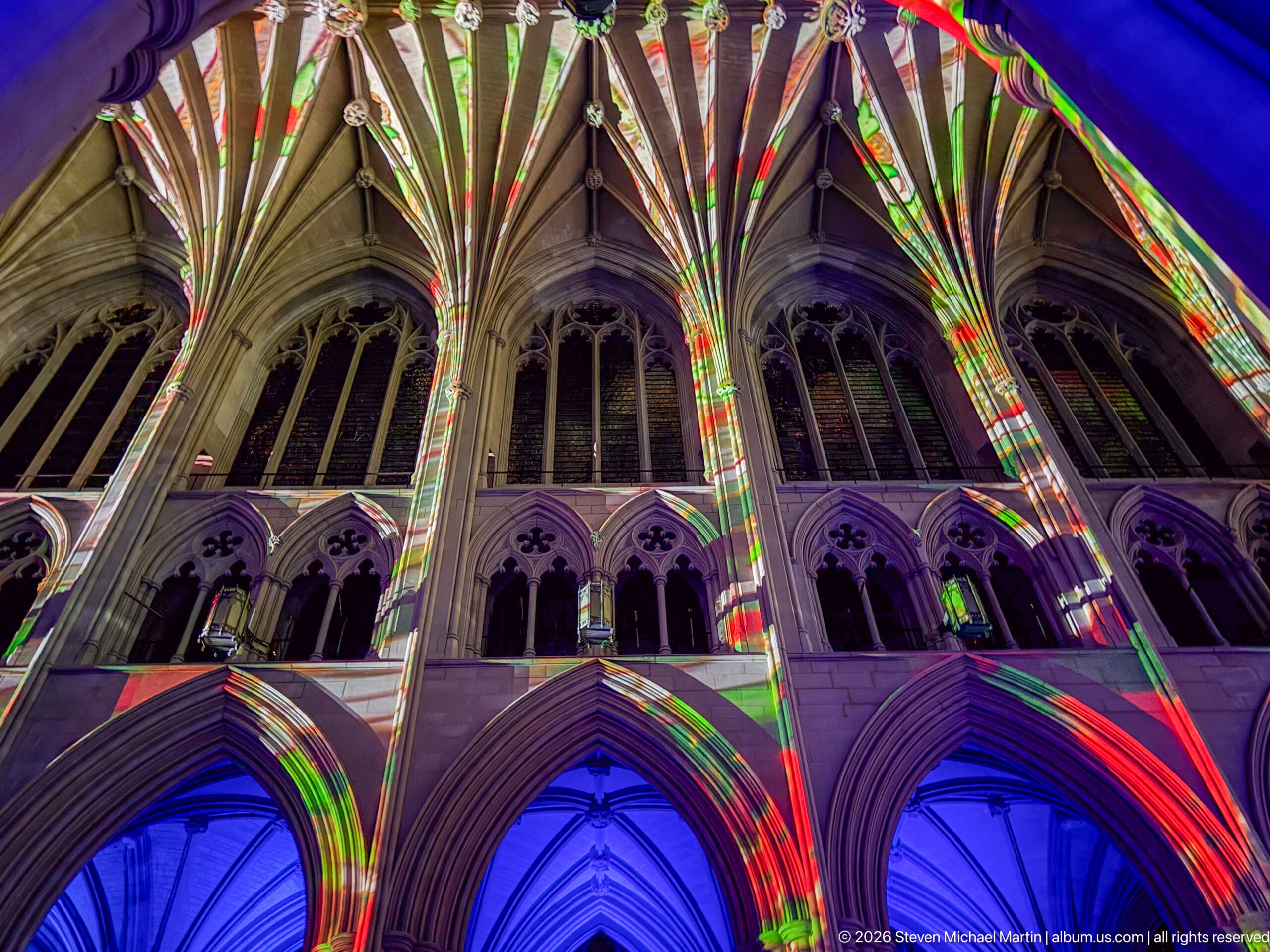
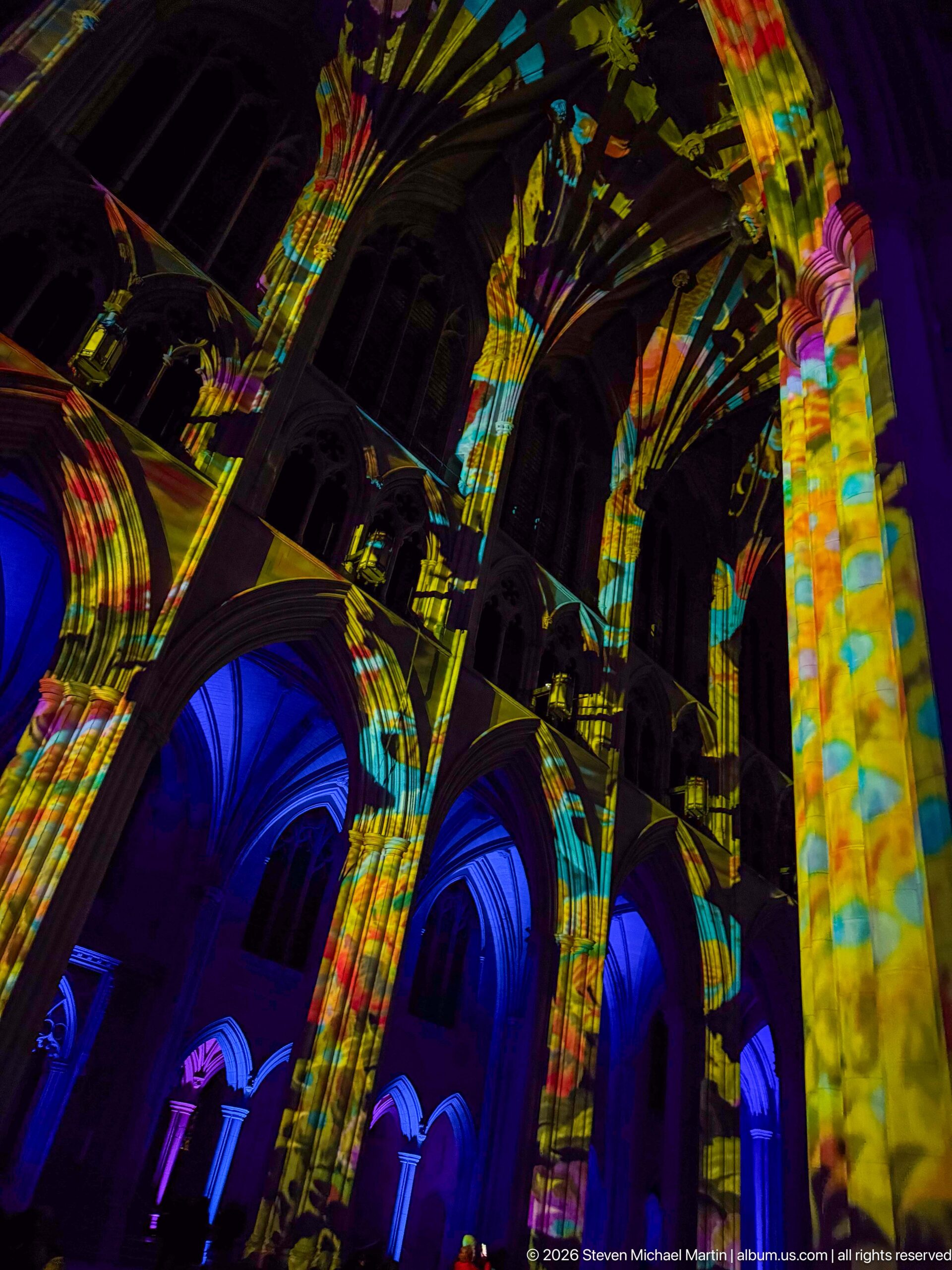
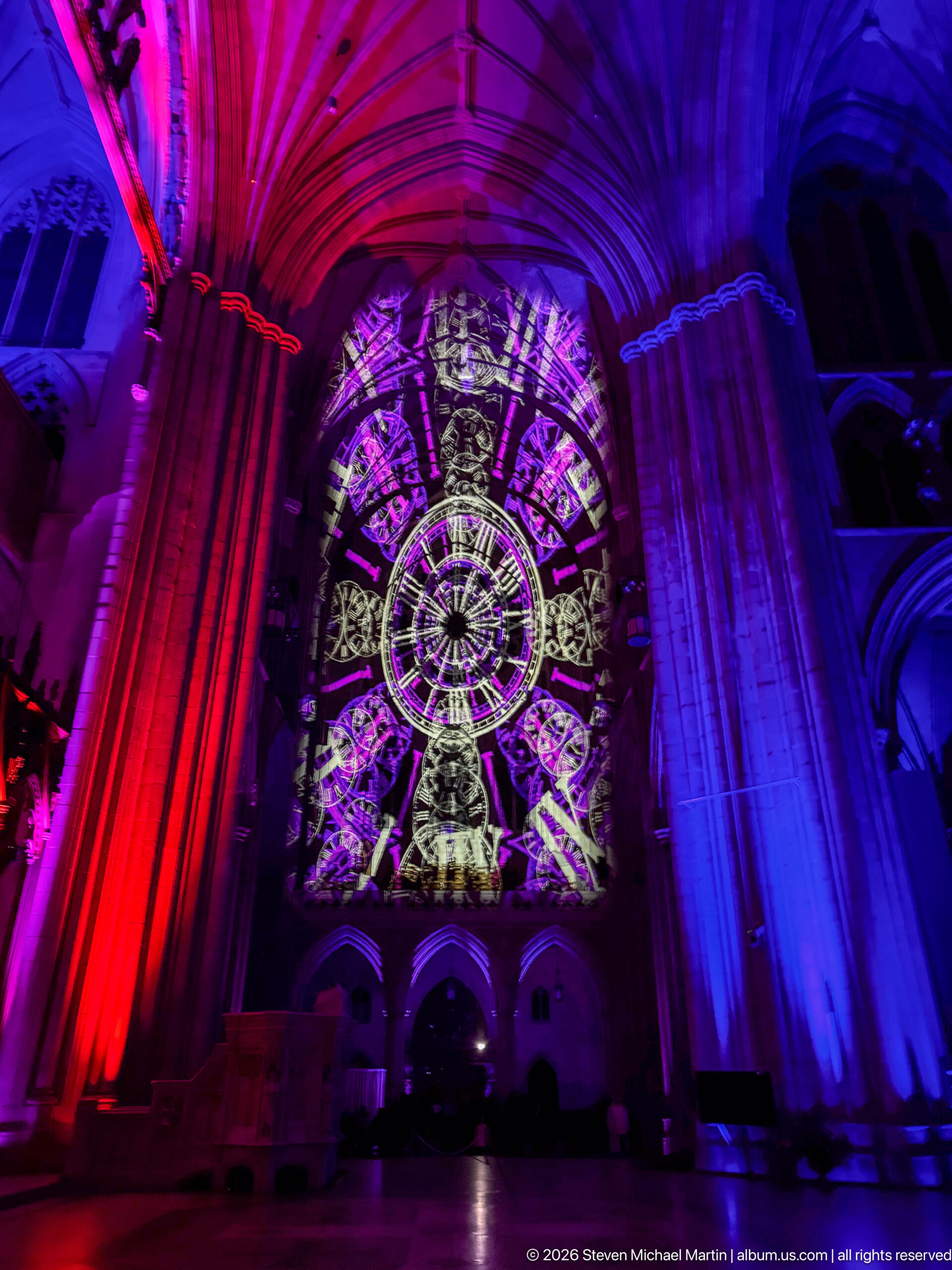
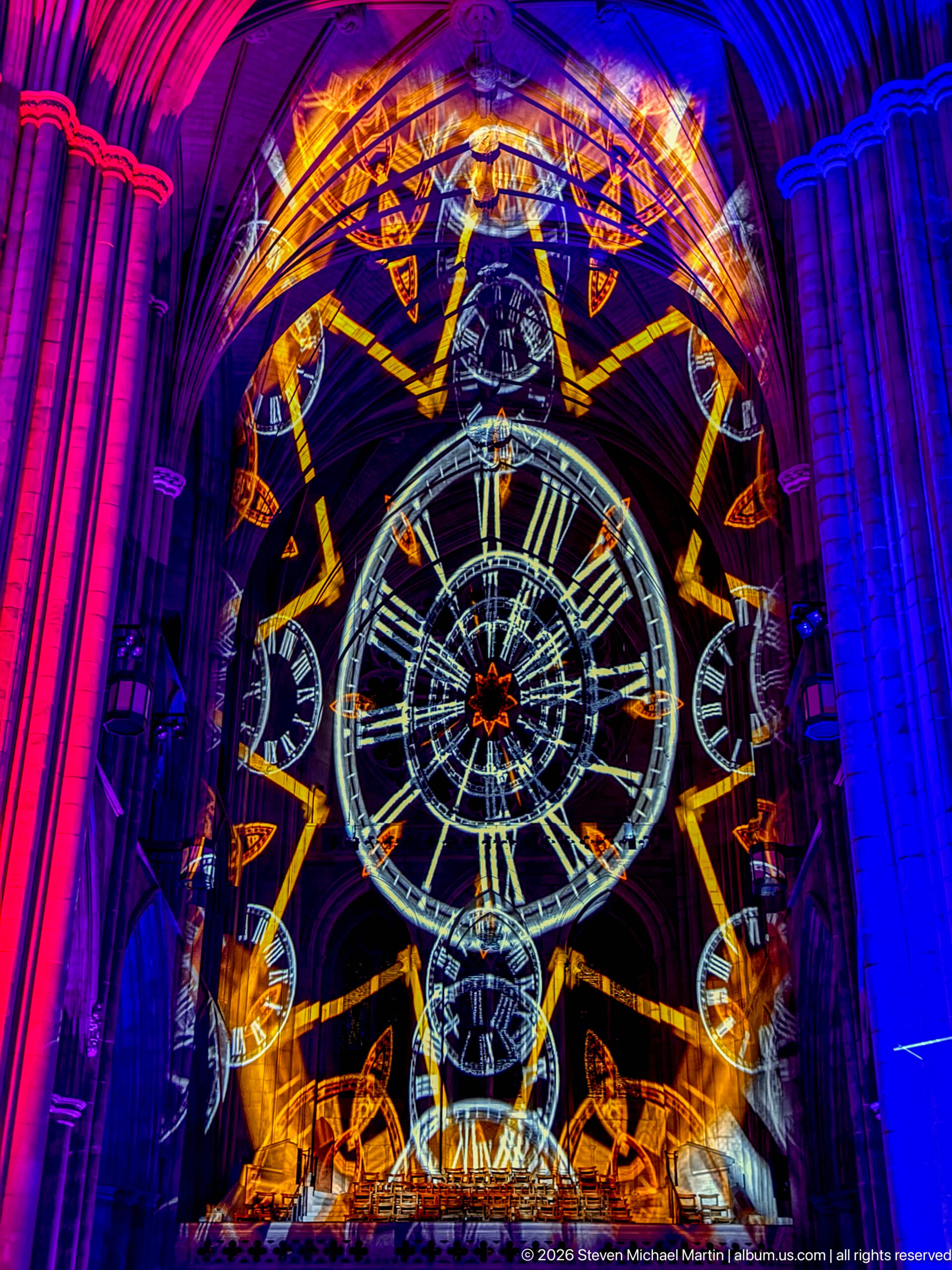
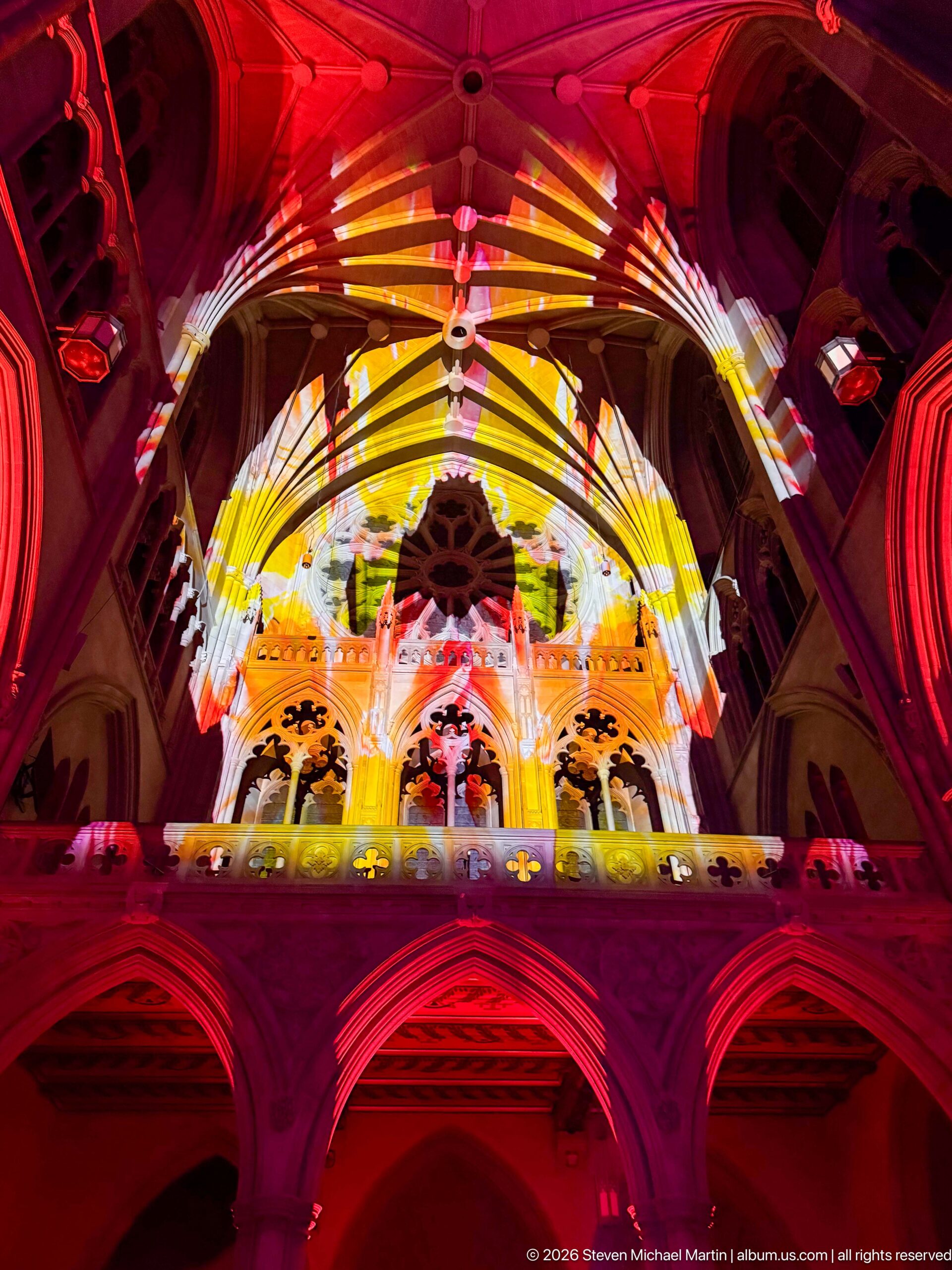
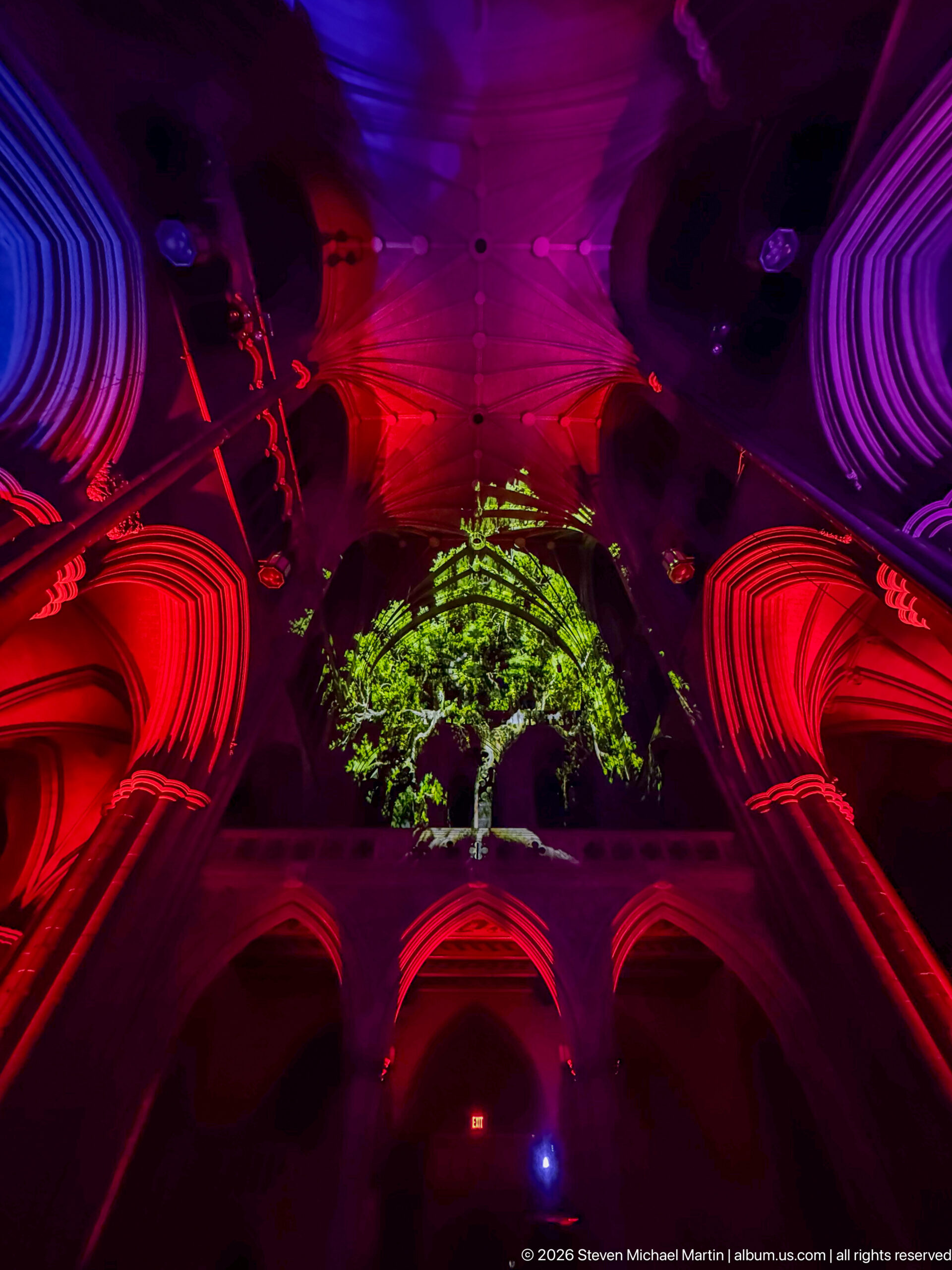
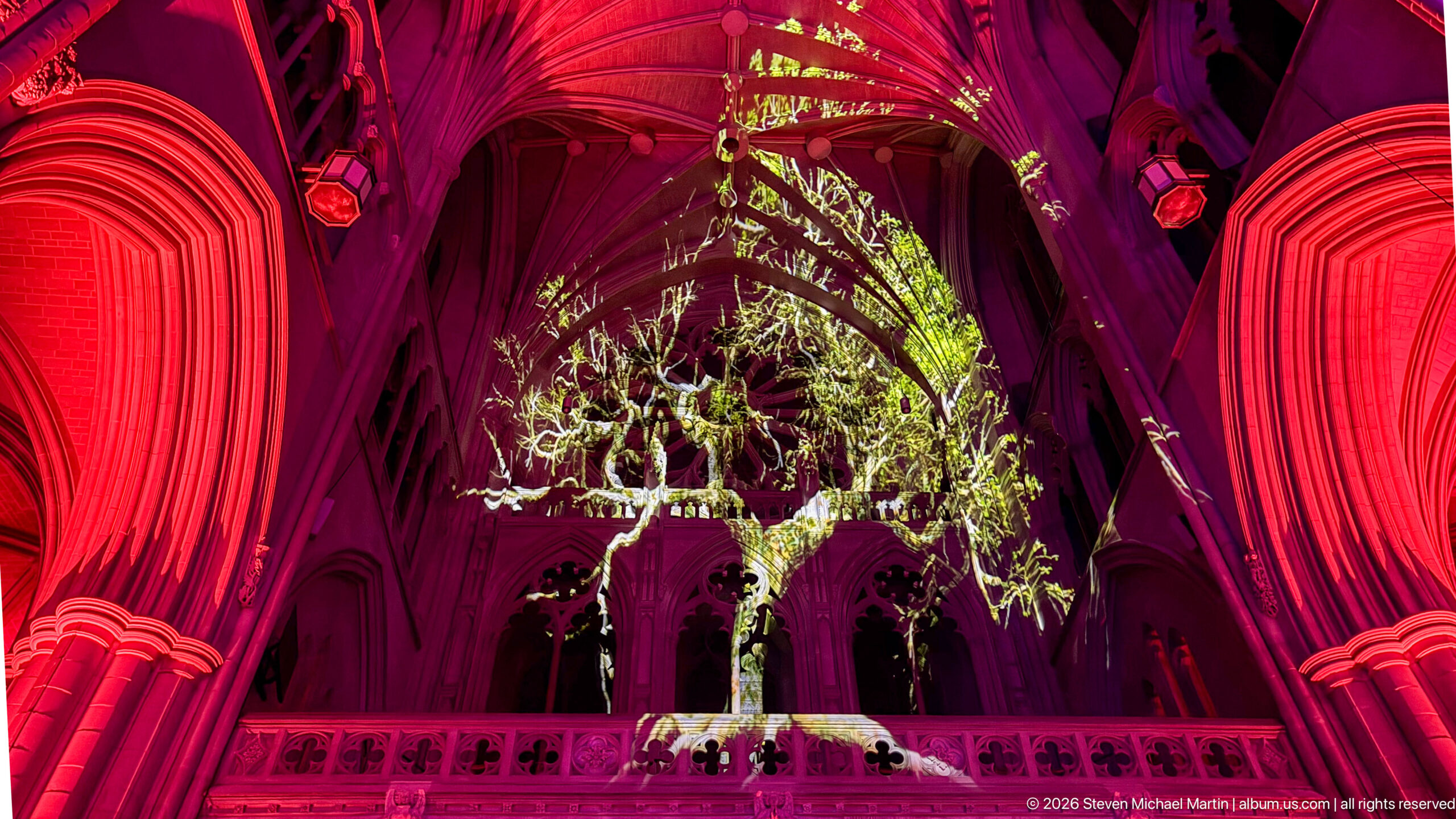
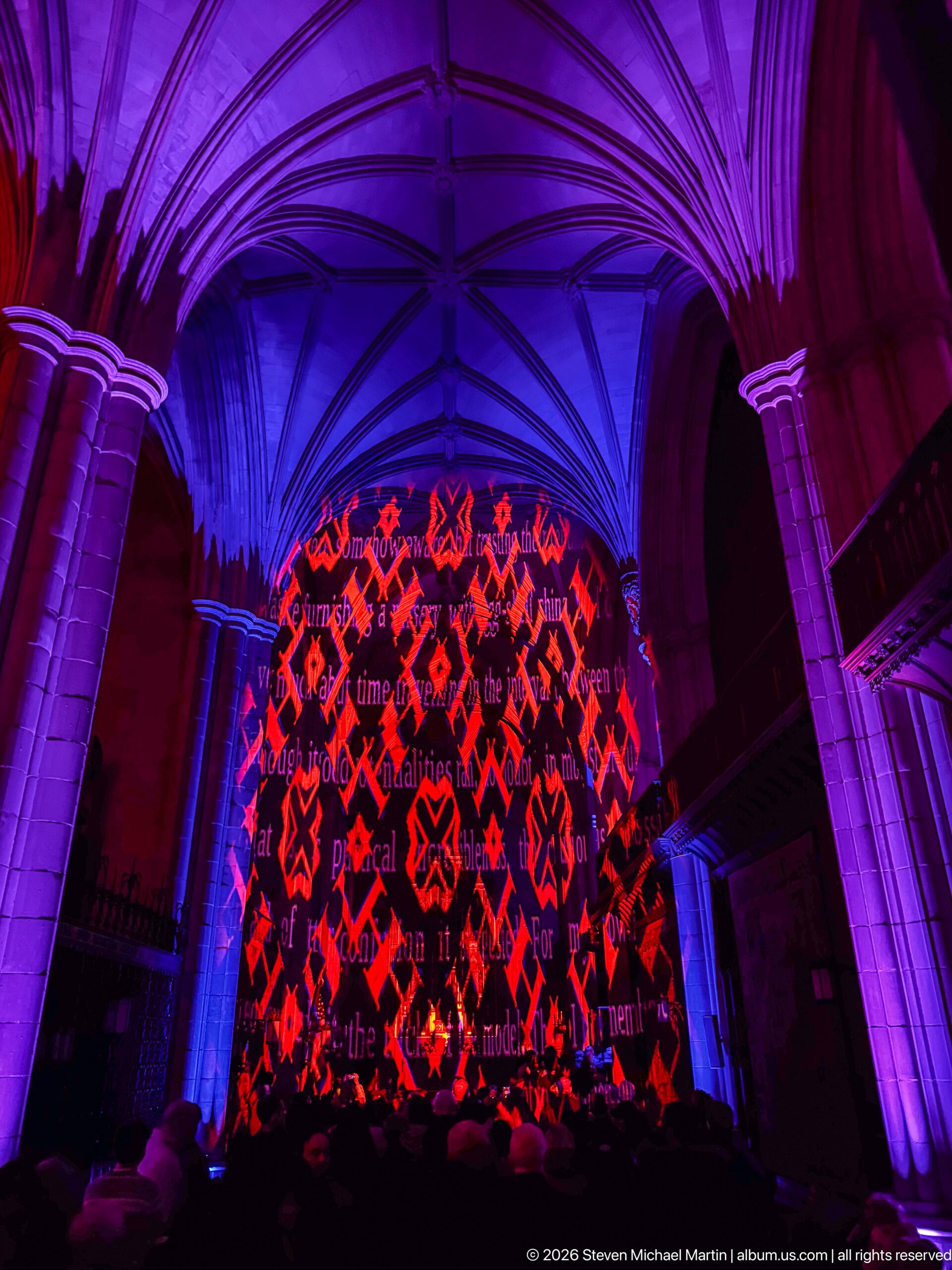
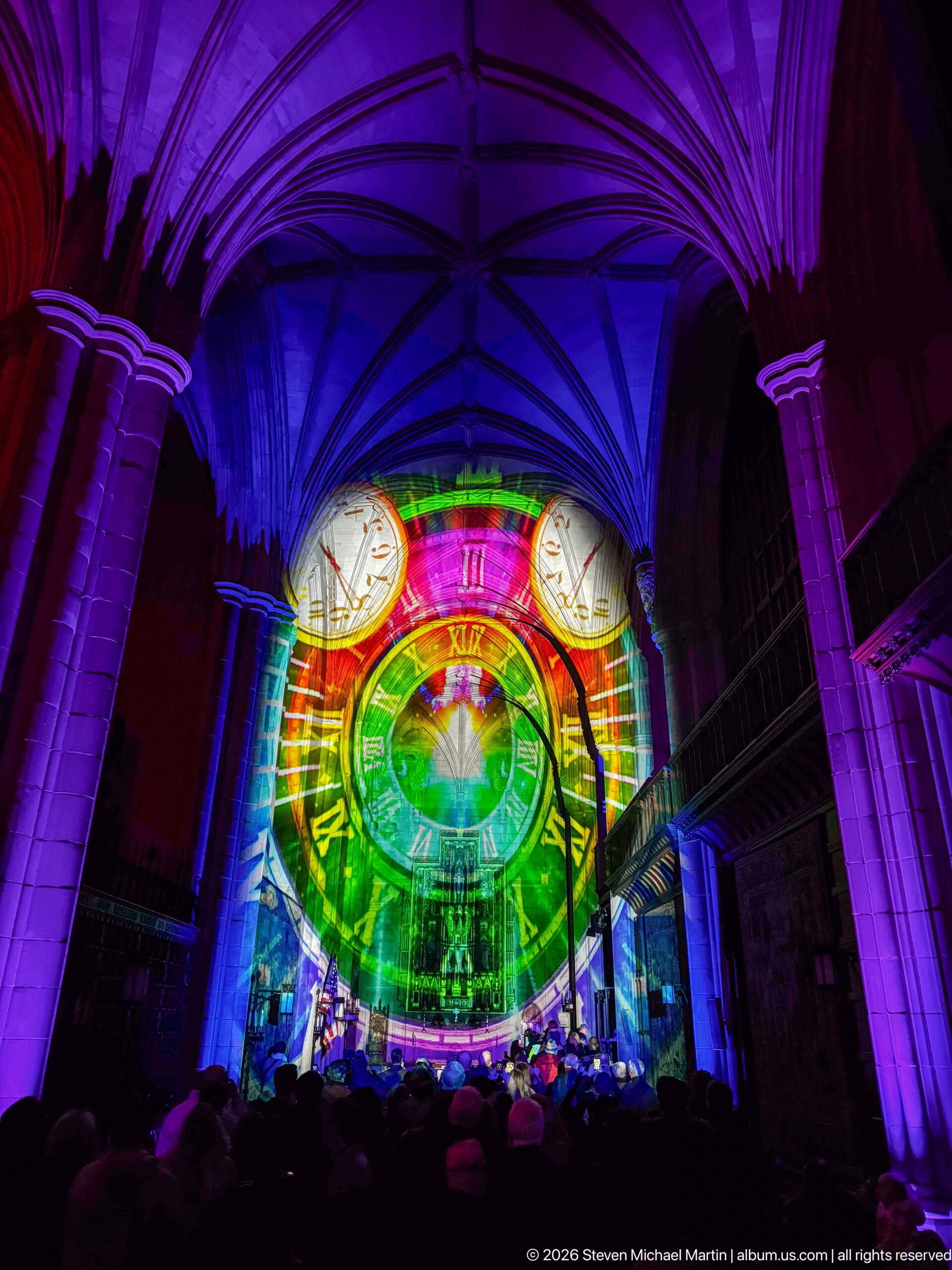
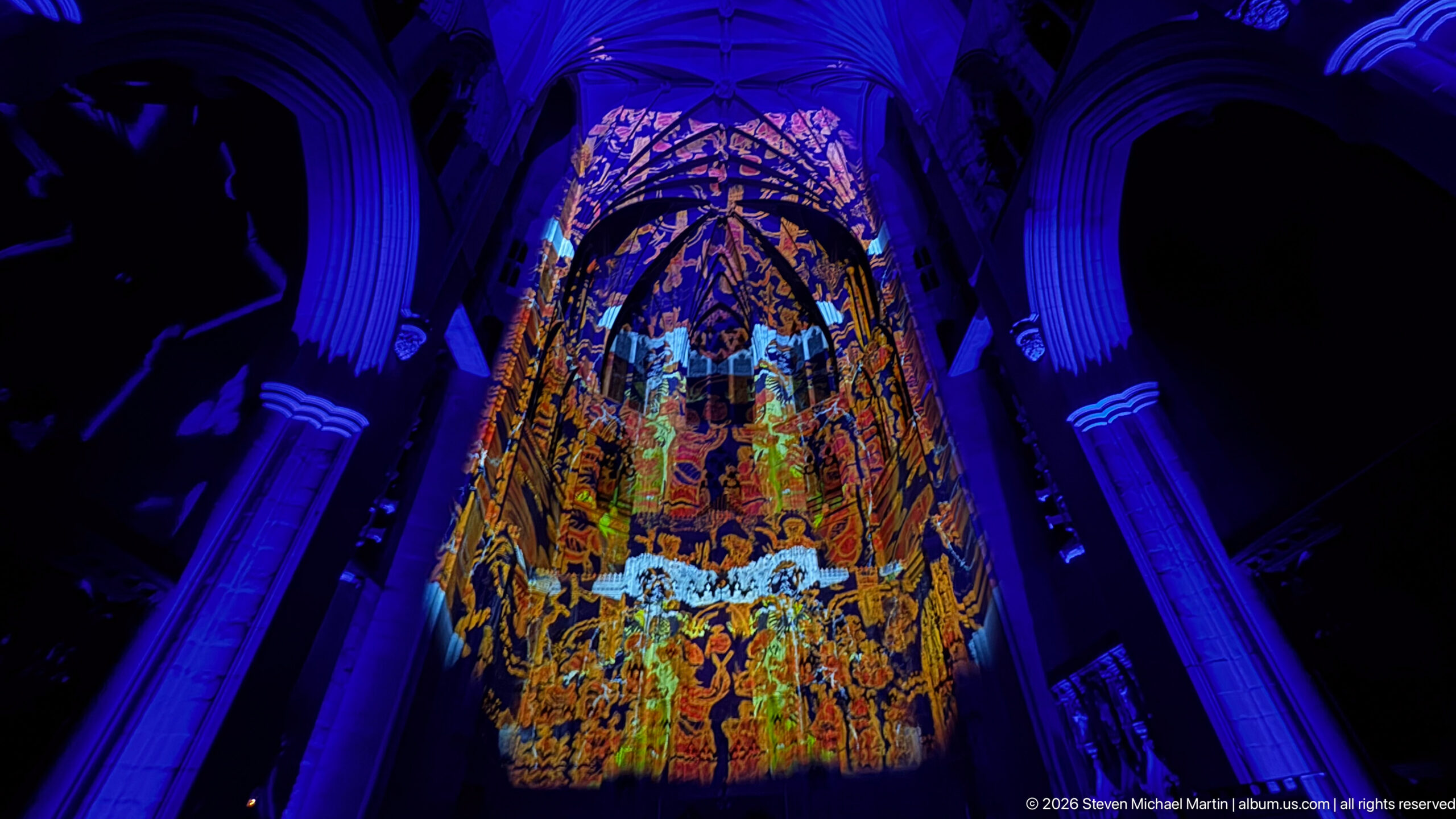
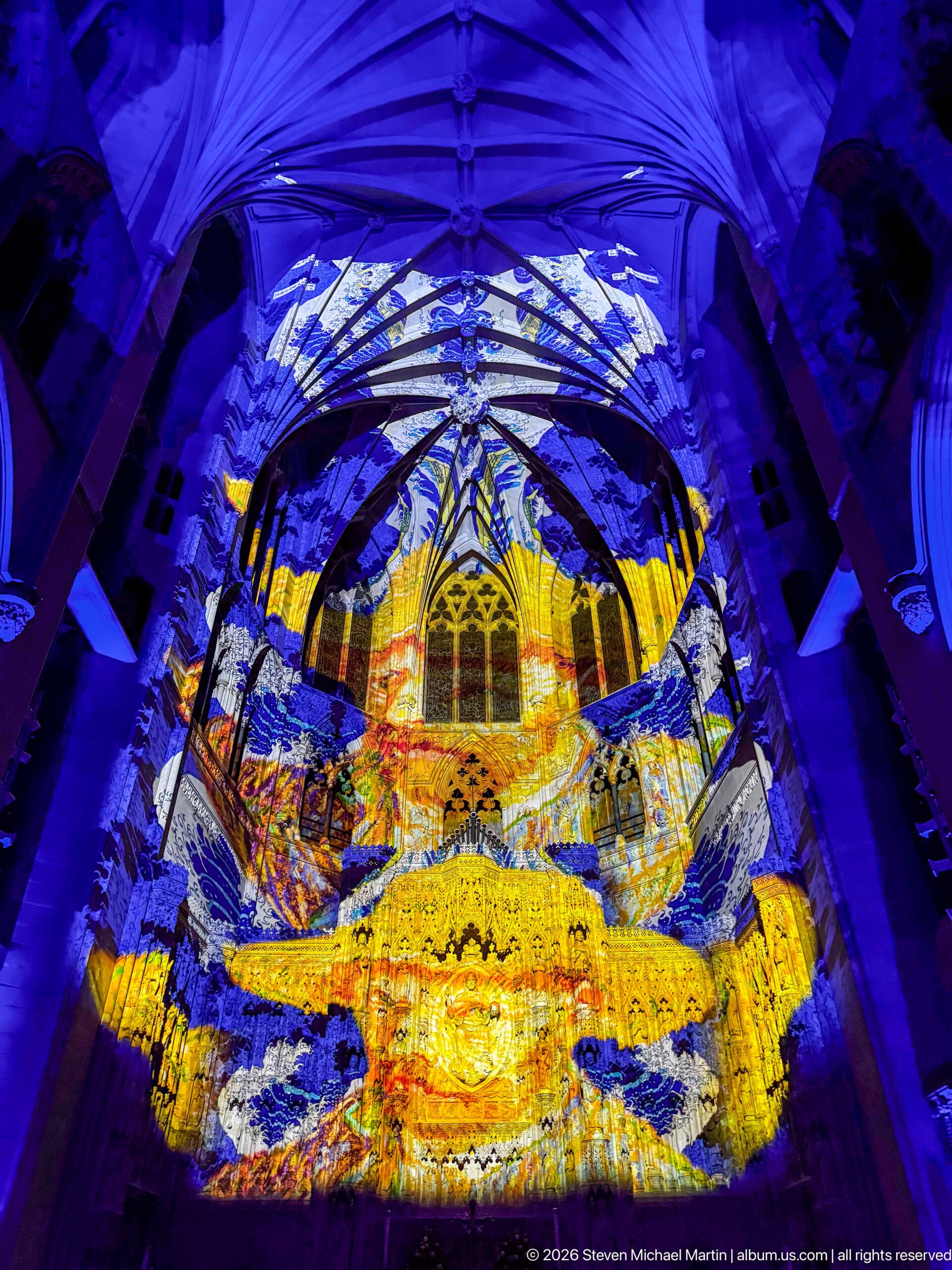
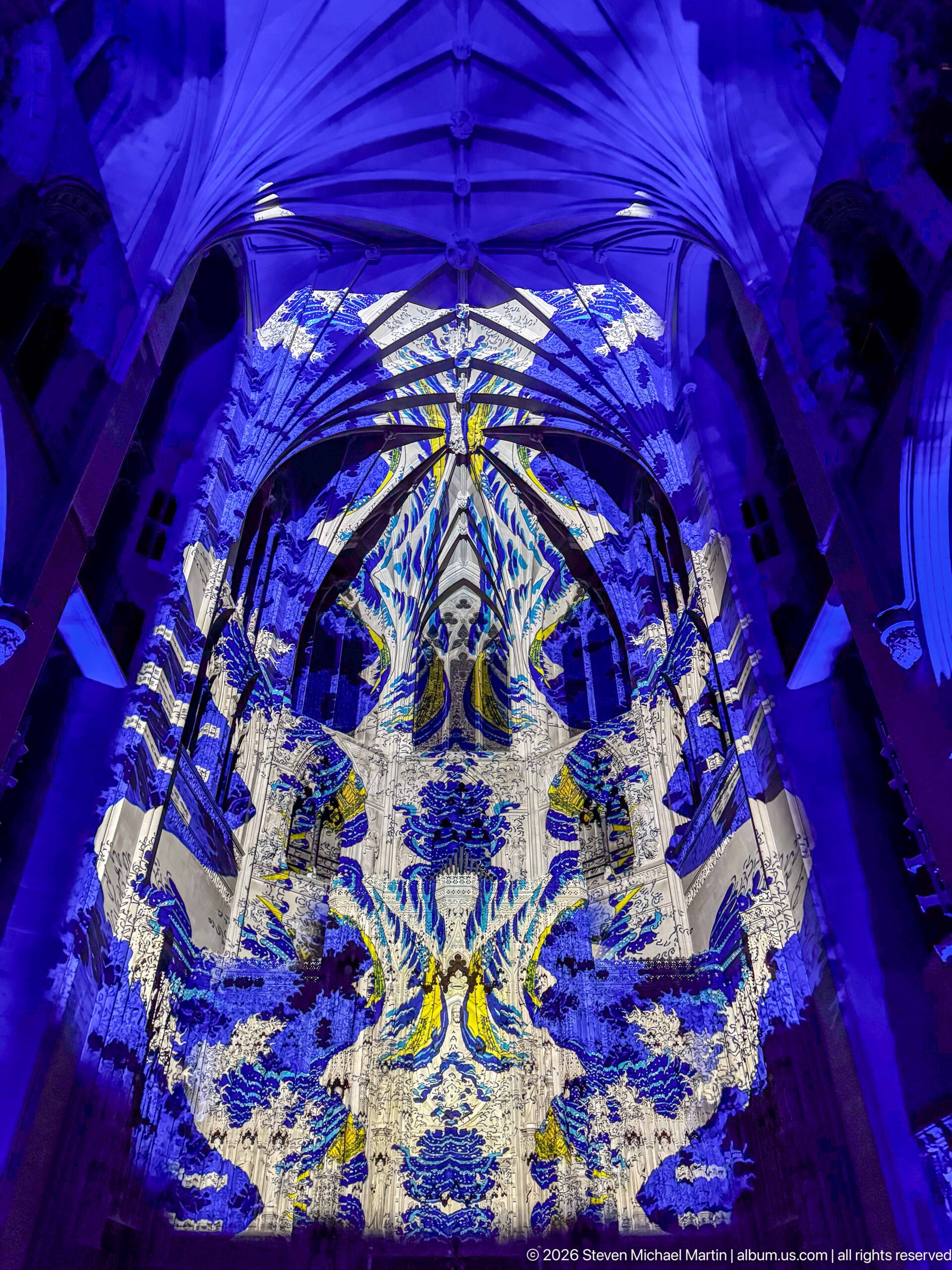
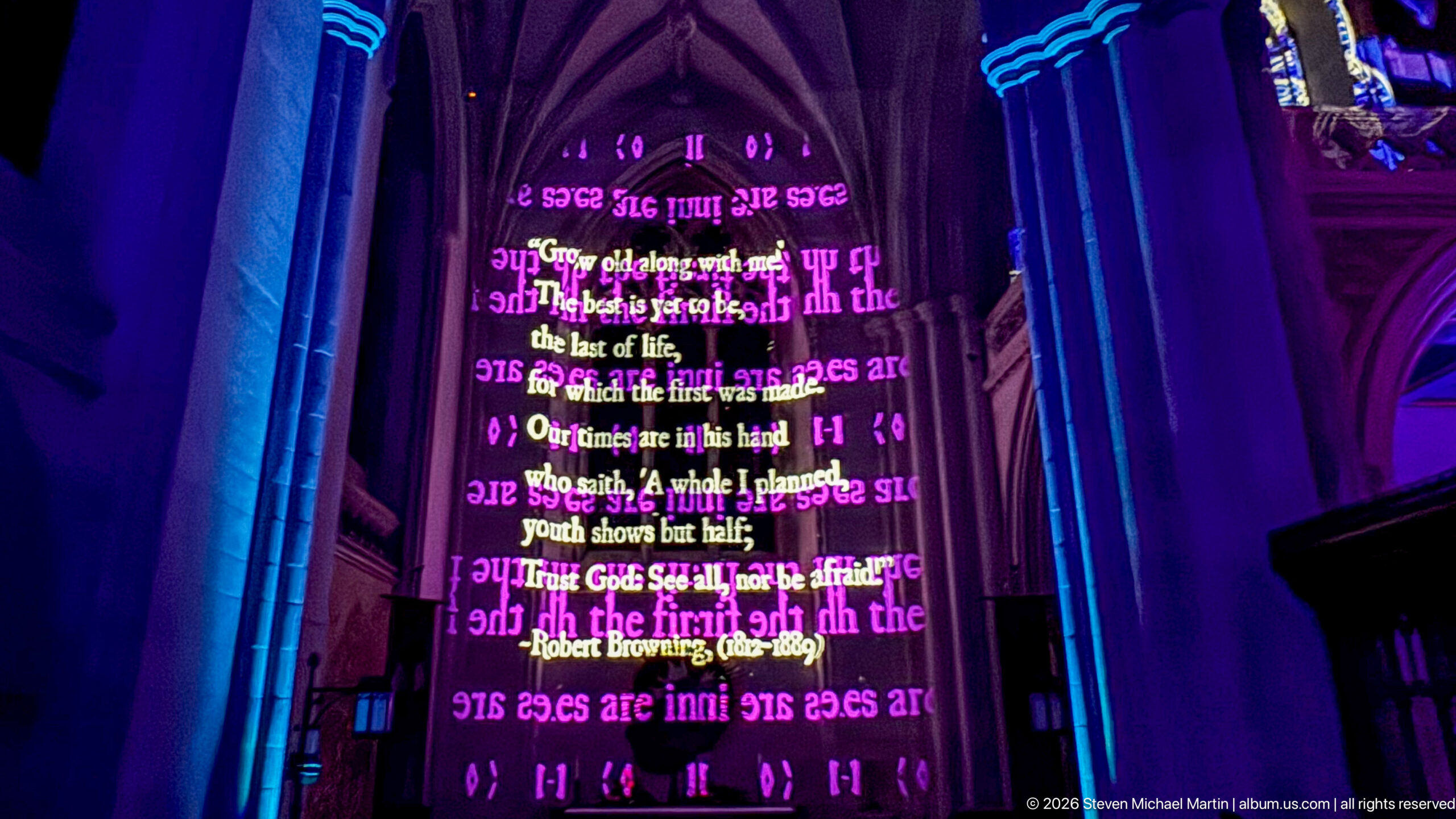
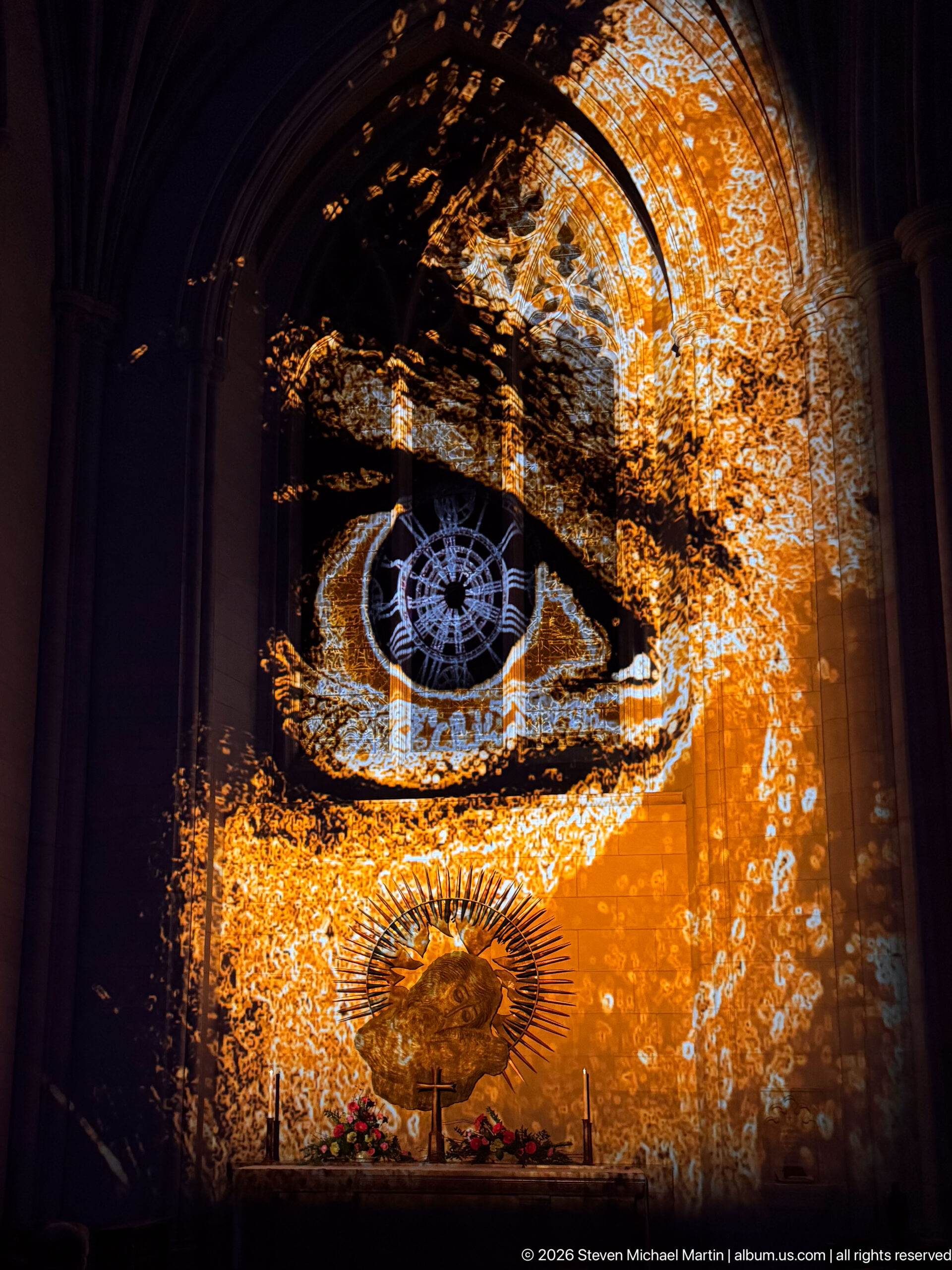
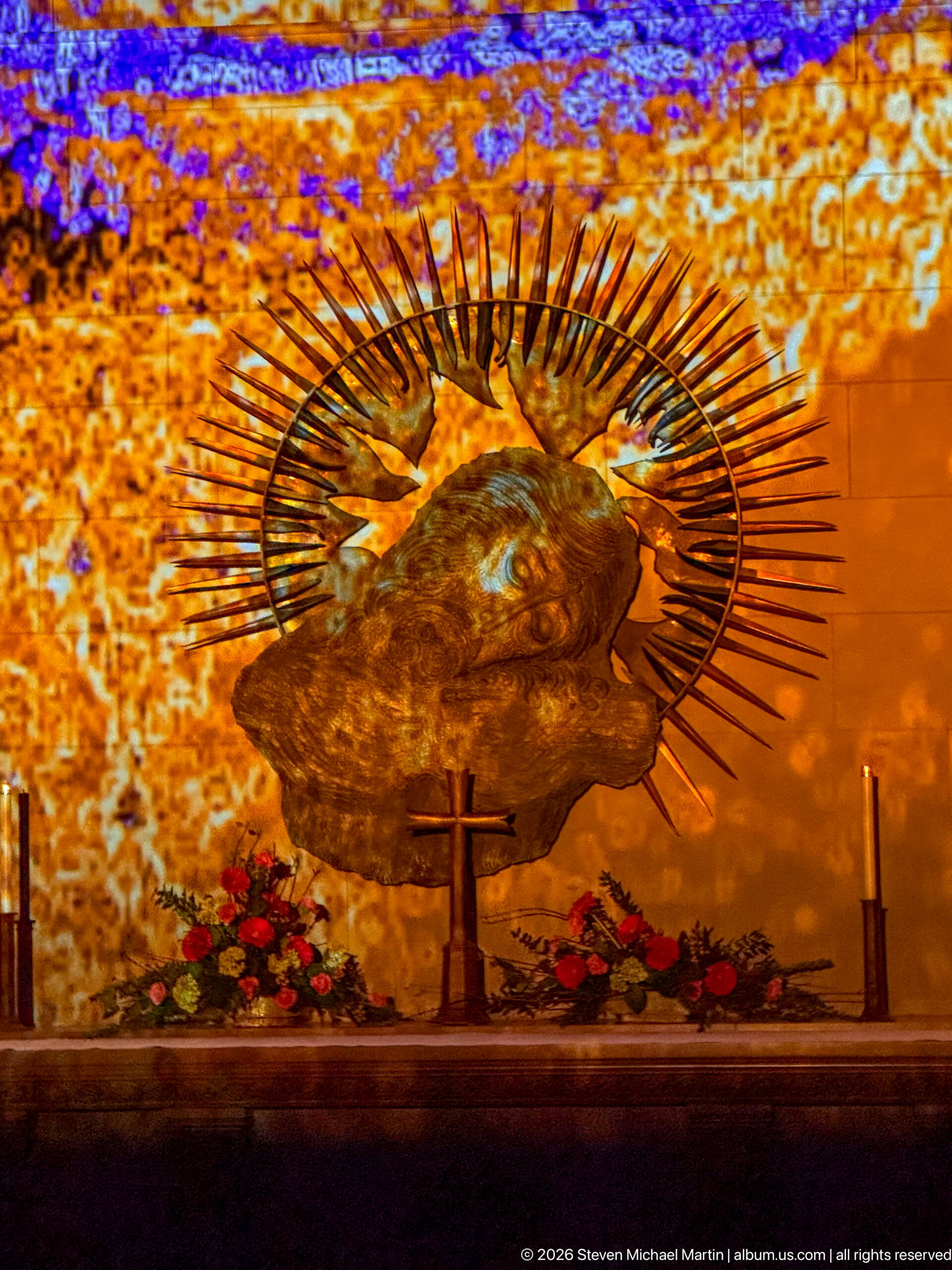
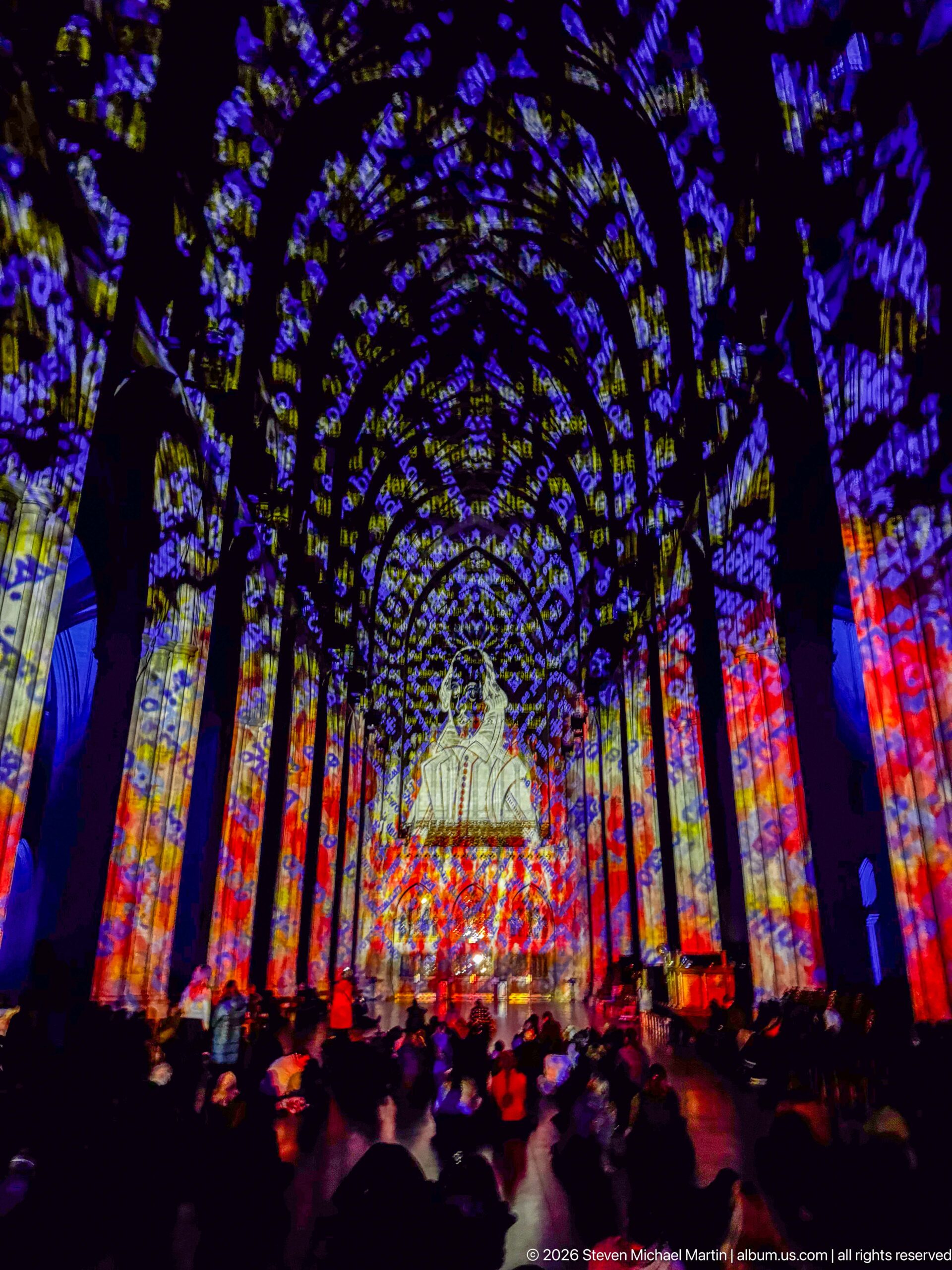
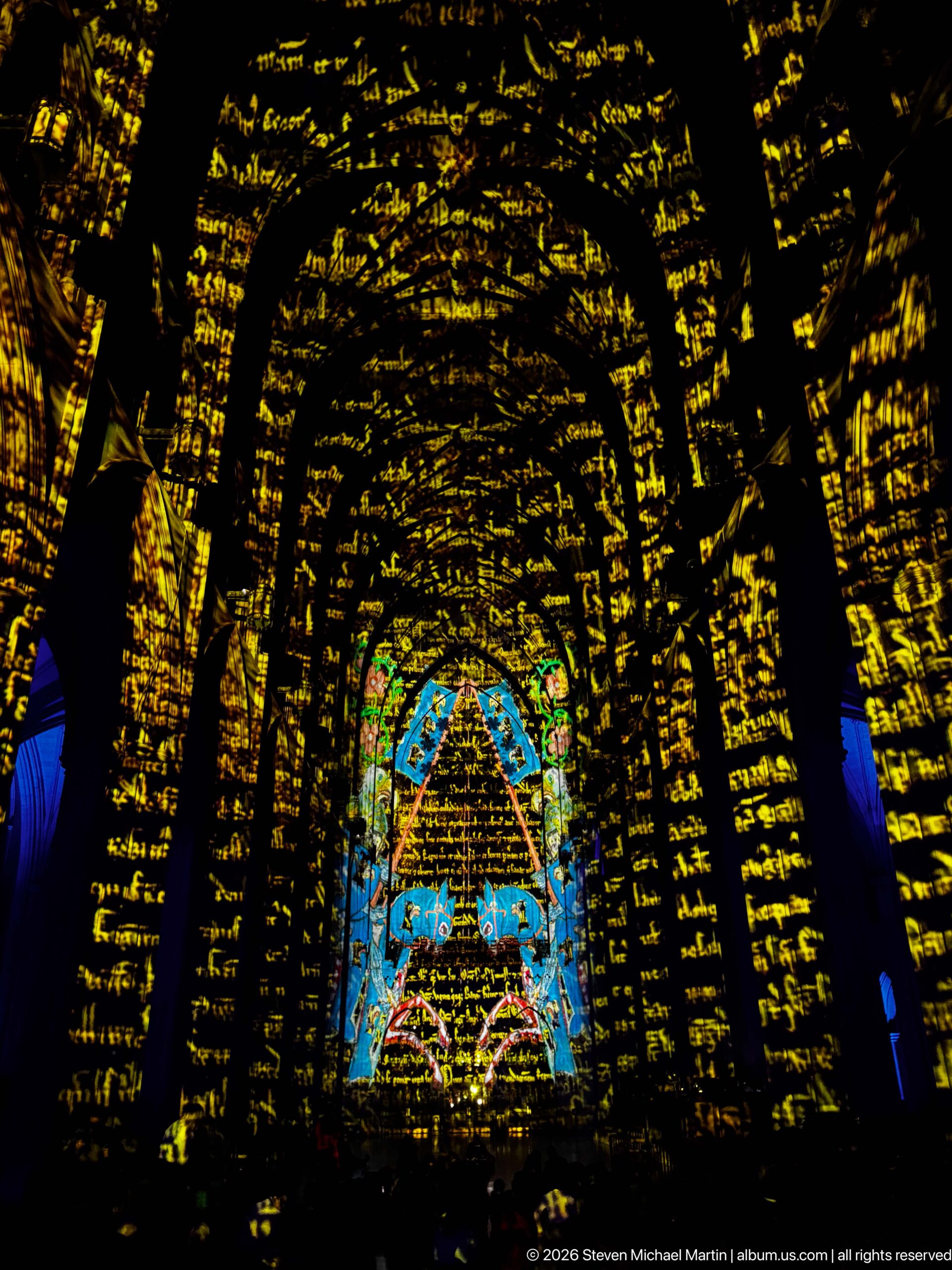
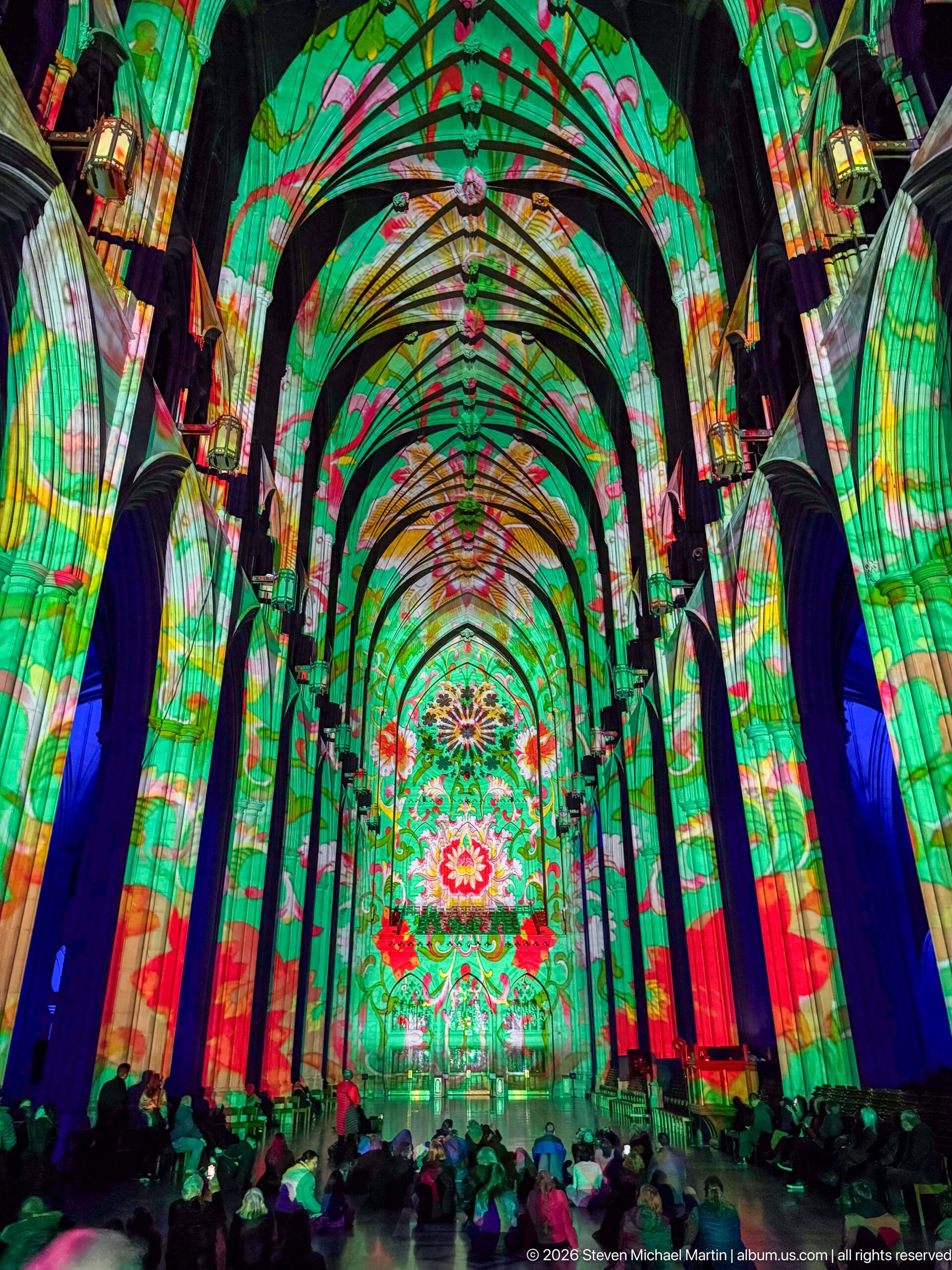
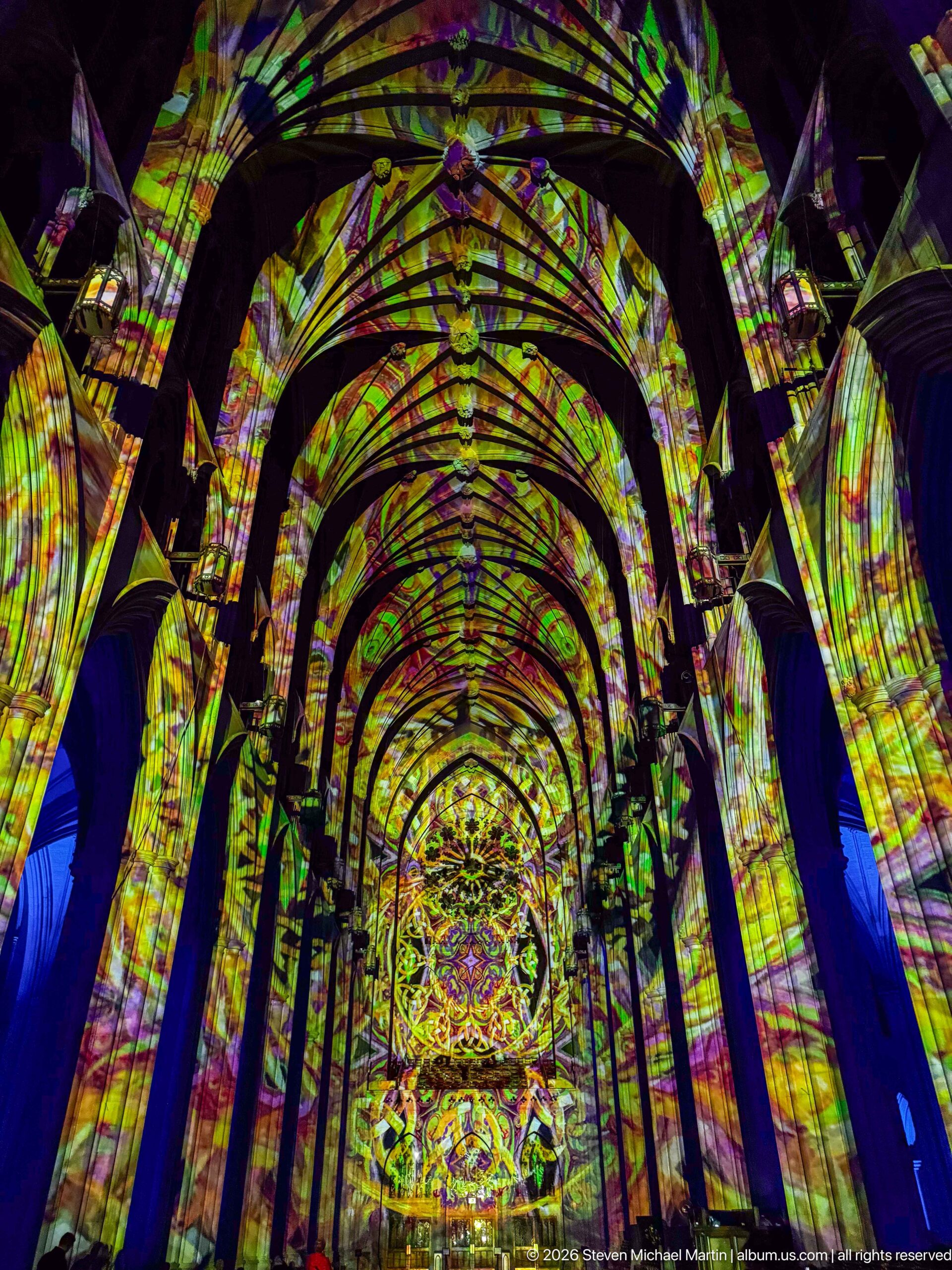
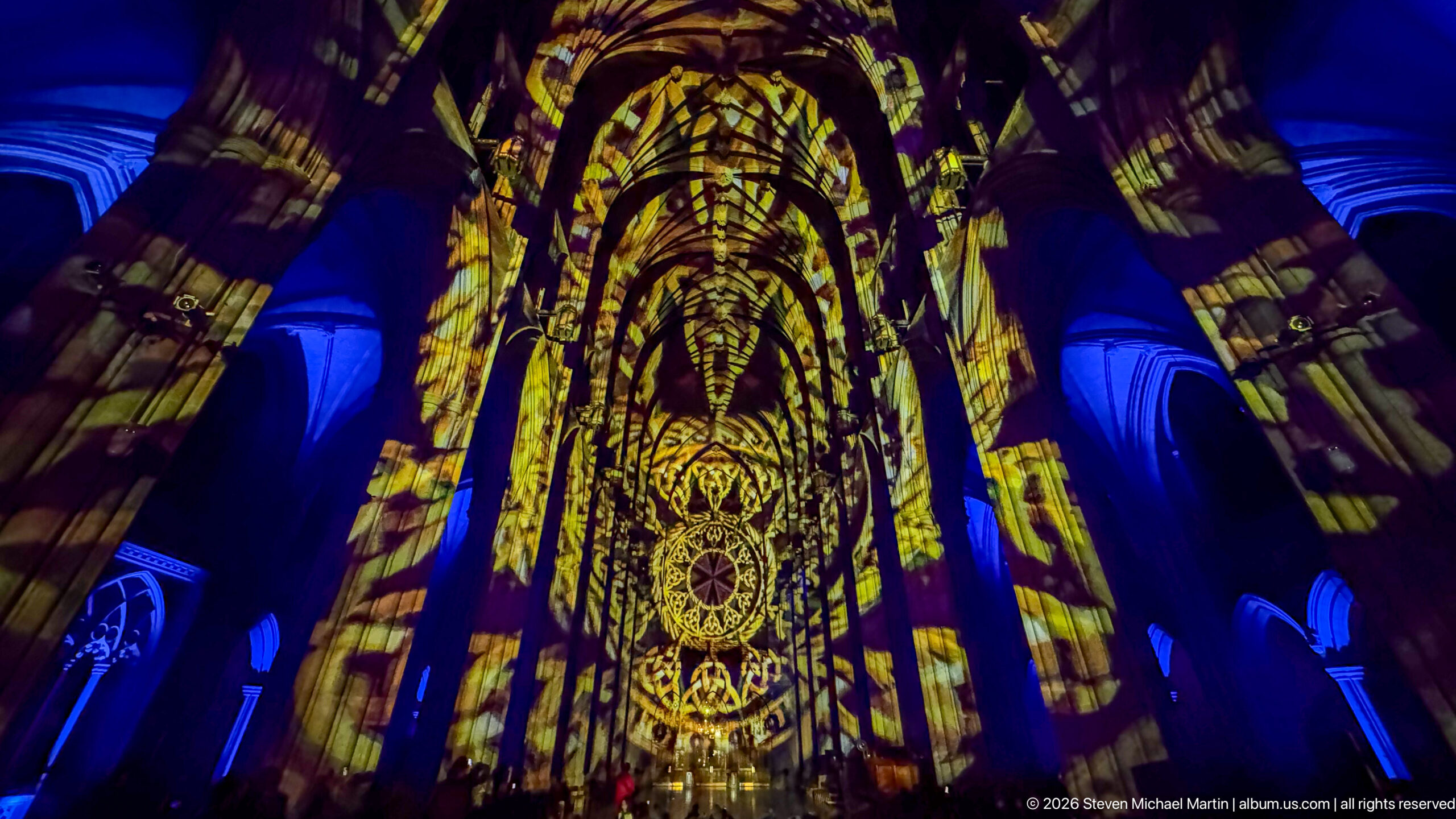
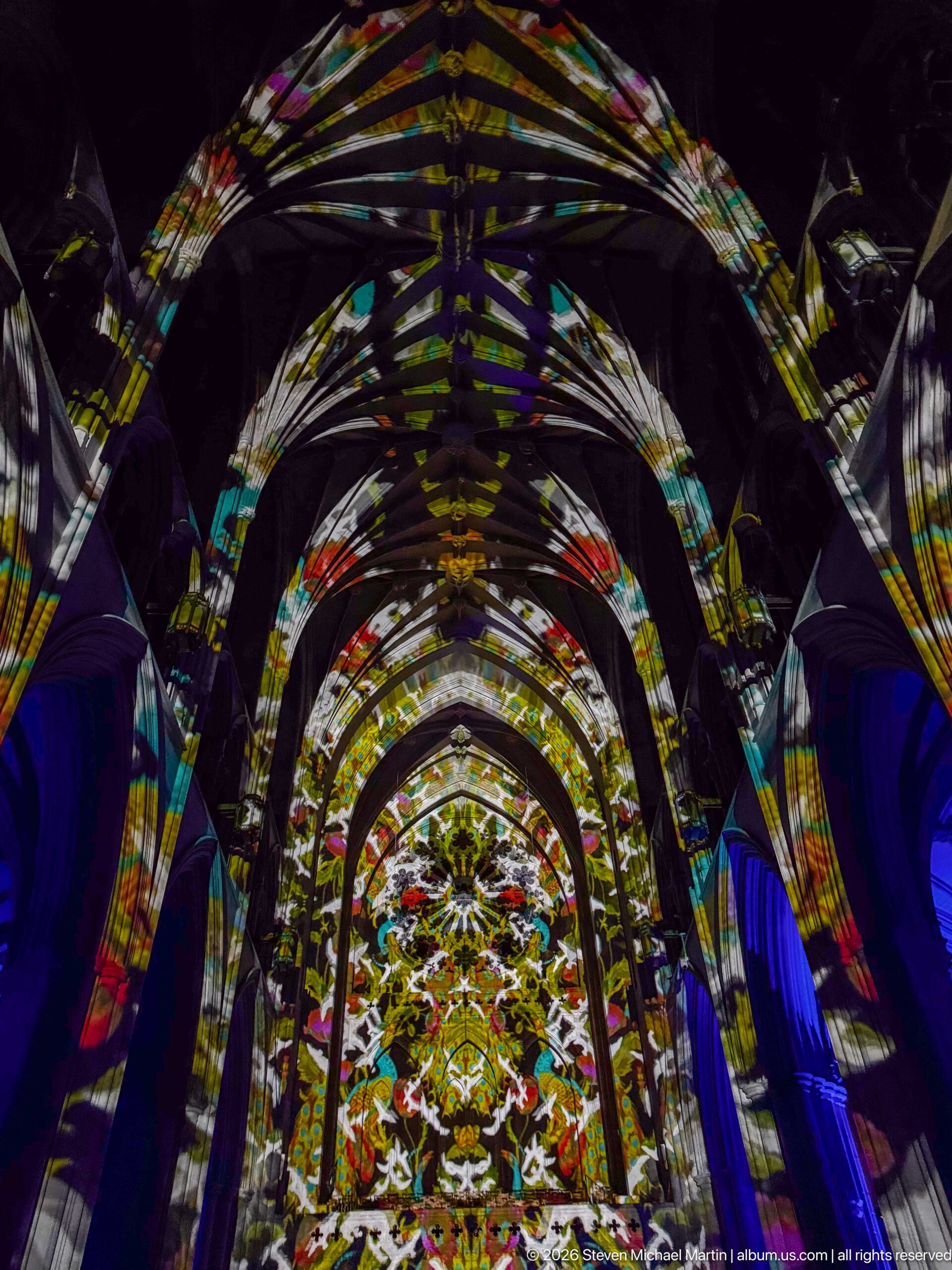
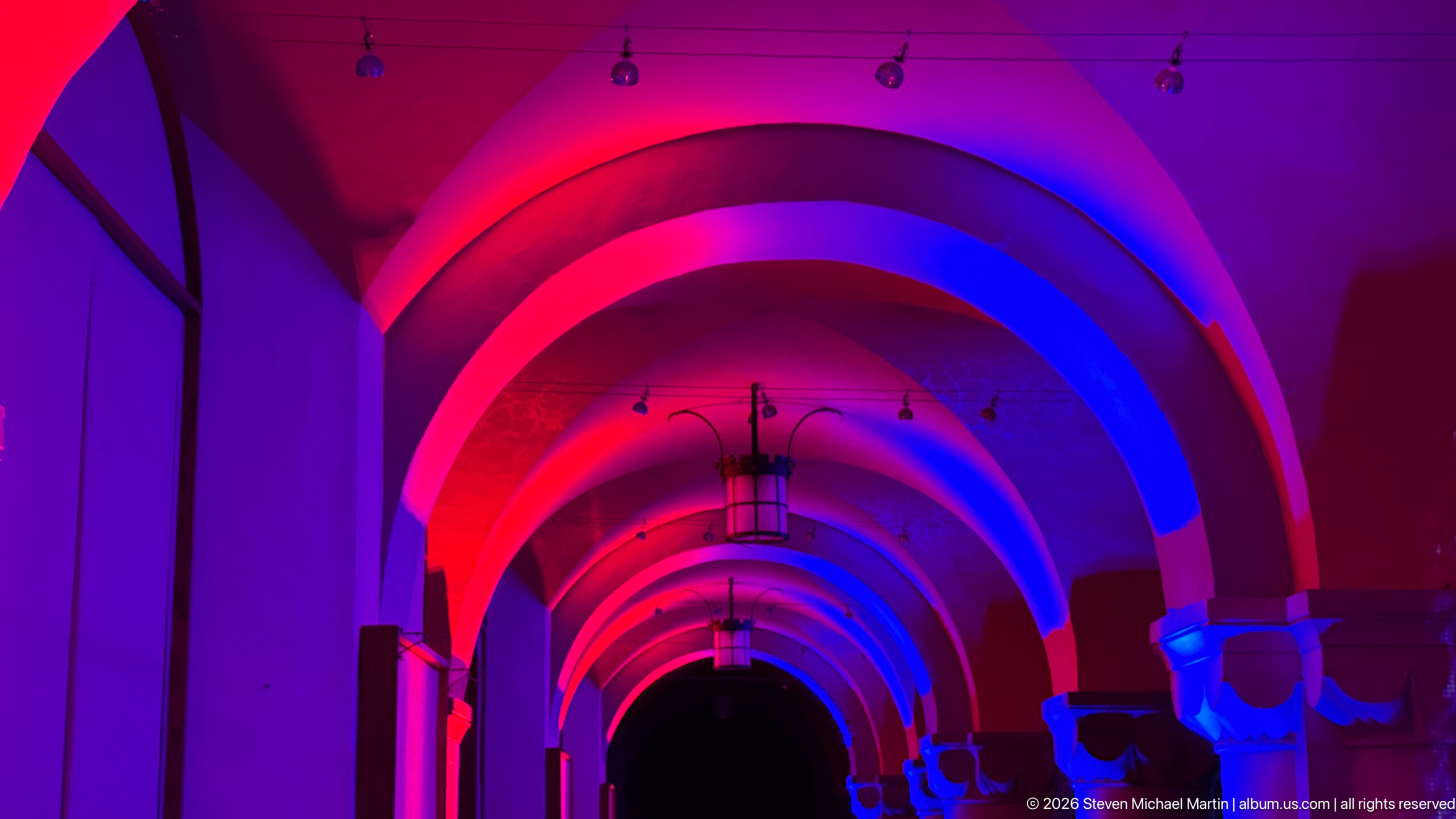
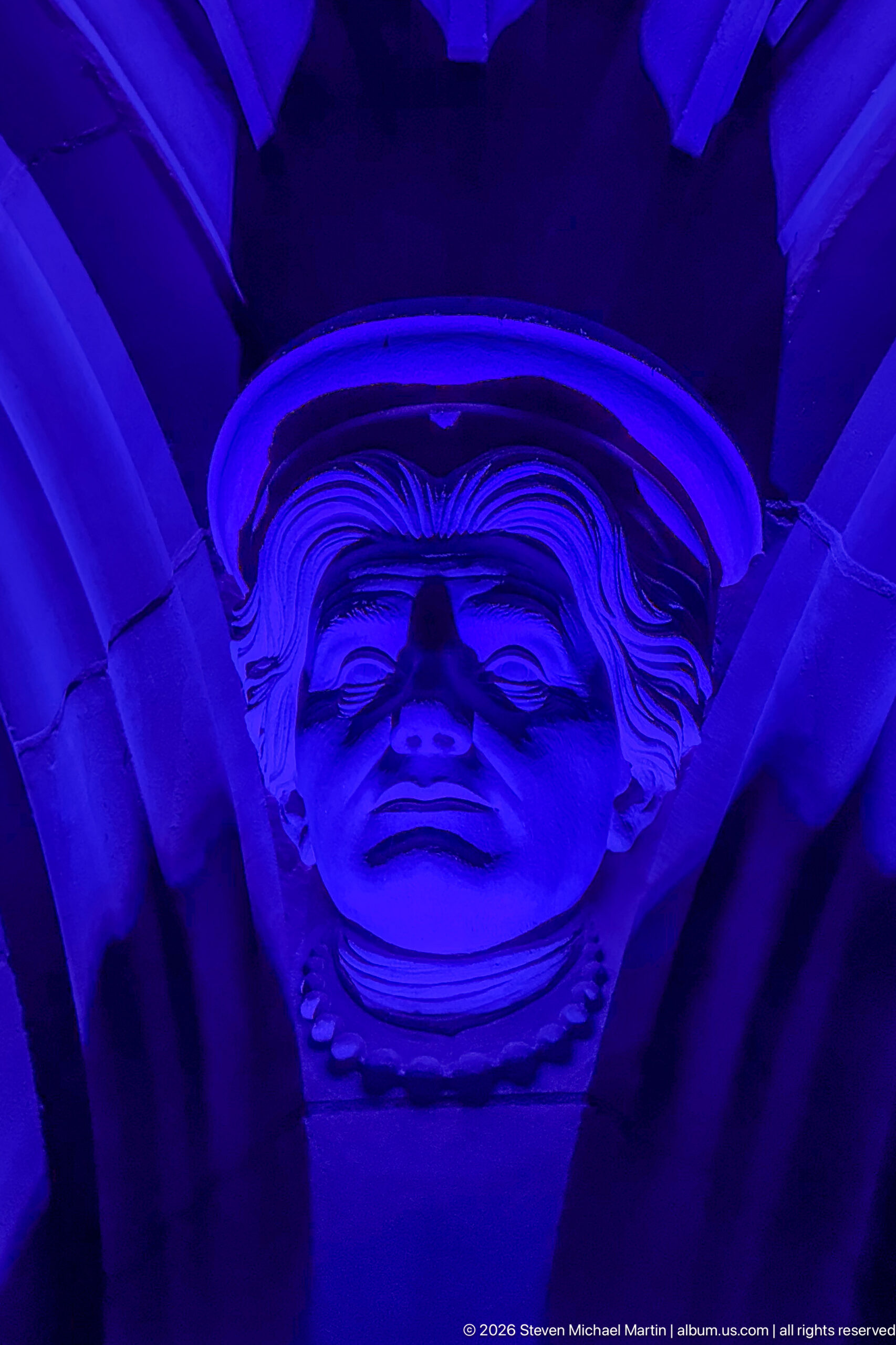
Exterior and interior lighting emphasizes the vertical lines and sculptural detail characteristic of Gothic architecture, particularly during evening hours when illumination reveals the depth of stone carving and stained glass design. The cathedral’s elevated position on Mount Saint Alban allows its illuminated tower to function as a landmark visible from multiple areas of the city. Changes in seasonal light conditions influence the perception of architectural form, highlighting the relationship between structure and atmosphere.
The illuminated cathedral contributes to understanding how architectural design interacts with changing environmental conditions to shape visual experience. The building’s scale and craftsmanship reflect continuity between historic European architectural traditions and modern American religious architecture. Observing the cathedral under evening illumination reinforces the role of light in revealing the symbolic qualities of monumental structures within the capital region.