UNESCO World Heritage Site

Glacier Bay NP – Humpbacks

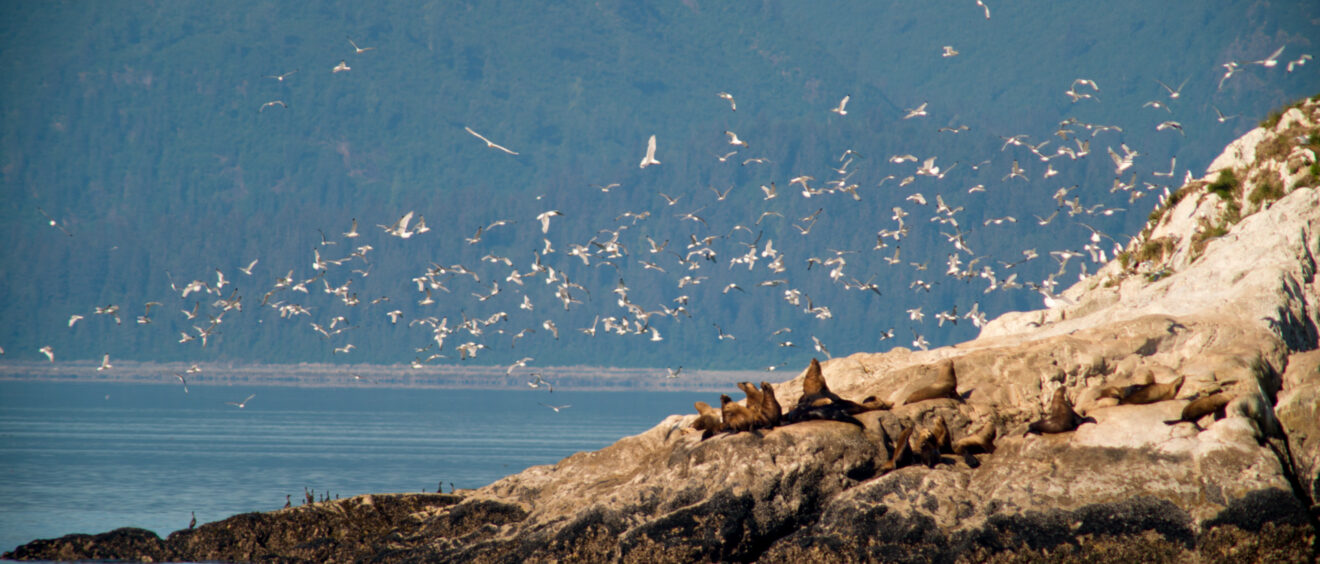
Glacier Bay National Park — Humpback Whales Glacier Bay provides favorable feeding conditions for humpback whales due to nutrient circulation influenced by tides and glacial sediment. Seasonal migrations bring whales to these waters where fish populations concentrate in protected channels. The fjord environment supports productive marine ecosystems that sustain large marine mammals. Whale sightings often […]
Explore Portfolio

Glacier Bay NP

Glacier Bay National Park Glacier Bay National Park protects an extensive system of fjords formed by glaciers that advanced and retreated over the past several centuries. As ice receded, deep valleys filled with seawater, creating narrow channels bordered by steep mountain slopes. The park provides one of the most visible examples of recent glacial change […]

Explore Portfolio

Hawaii Volcanoes NP

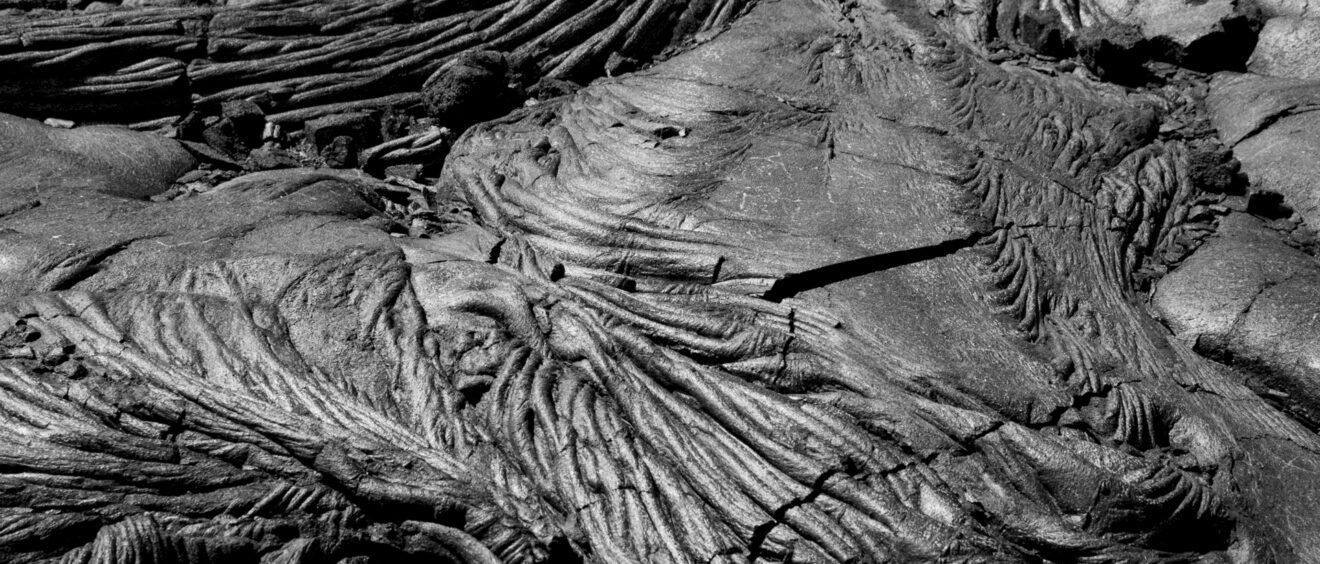
Hawaiʻi Volcanoes NP Hawaiʻi Volcanoes National Park presents one of the most geologically dynamic landscapes in the Pacific, where volcanic forces continue to shape the island environment. Vast lava fields, steam vents, and crater formations illustrate the processes that created the Hawaiian archipelago over millions of years. The terrain often feels stark and elemental, revealing […]

Explore Portfolio

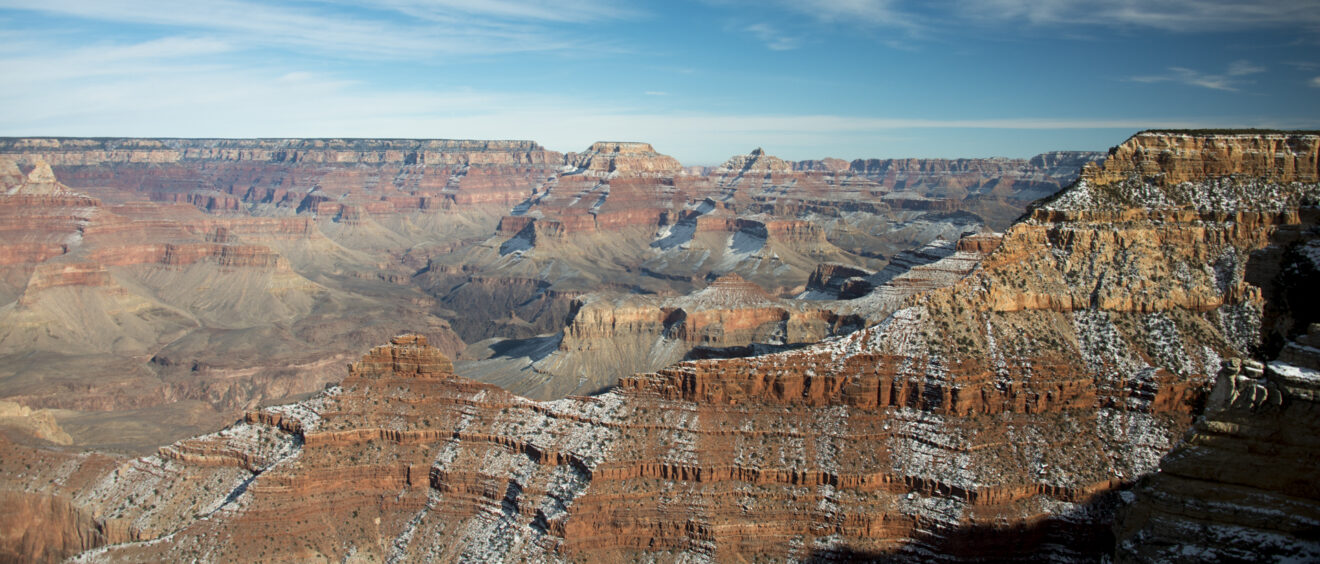
Grand Canyon NP

Grand Canyon National Park Grand Canyon National Park preserves one of the most extensive canyon systems in the world, carved by the Colorado River through layered sedimentary rock exposed by uplift of the Colorado Plateau. Over millions of years, flowing water eroded rock layers, revealing geological formations that record environmental conditions extending far into the […]

Explore Portfolio

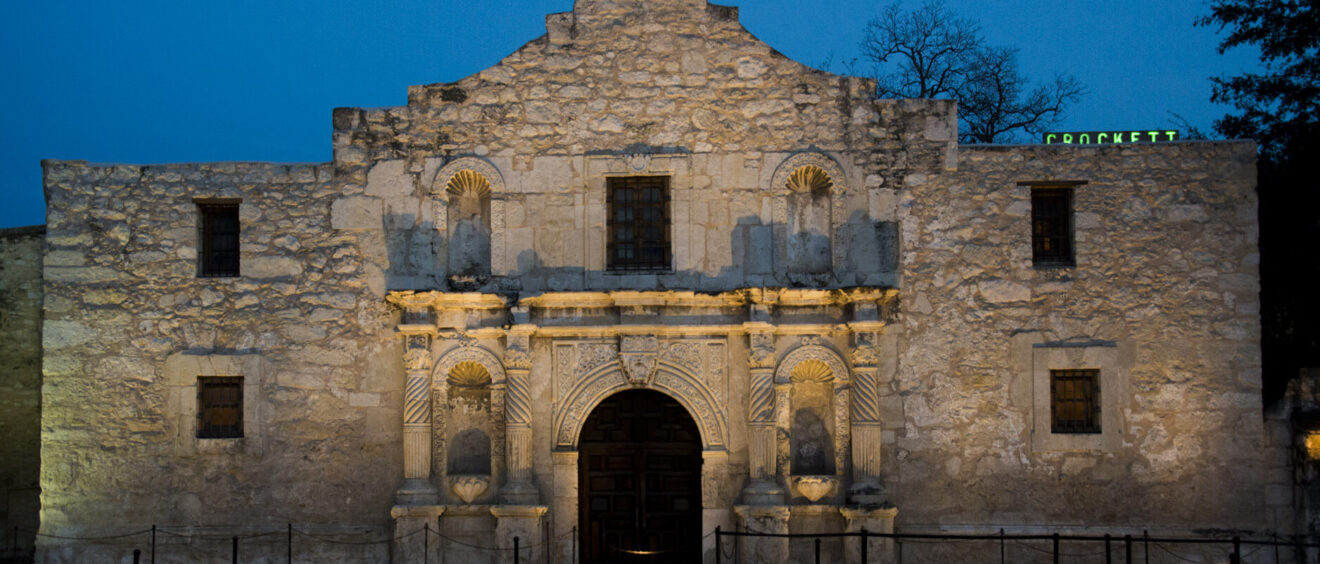
San Antonio Missions NHP

San Antonio Missions National Historical Park San Antonio Missions National Historical Park preserves a group of eighteenth-century Spanish colonial mission complexes located along the San Antonio River in southern Texas. These mission communities formed part of a broader network of religious and cultural institutions established by Spain to support colonization of the Southwest and to […]

Explore Portfolio

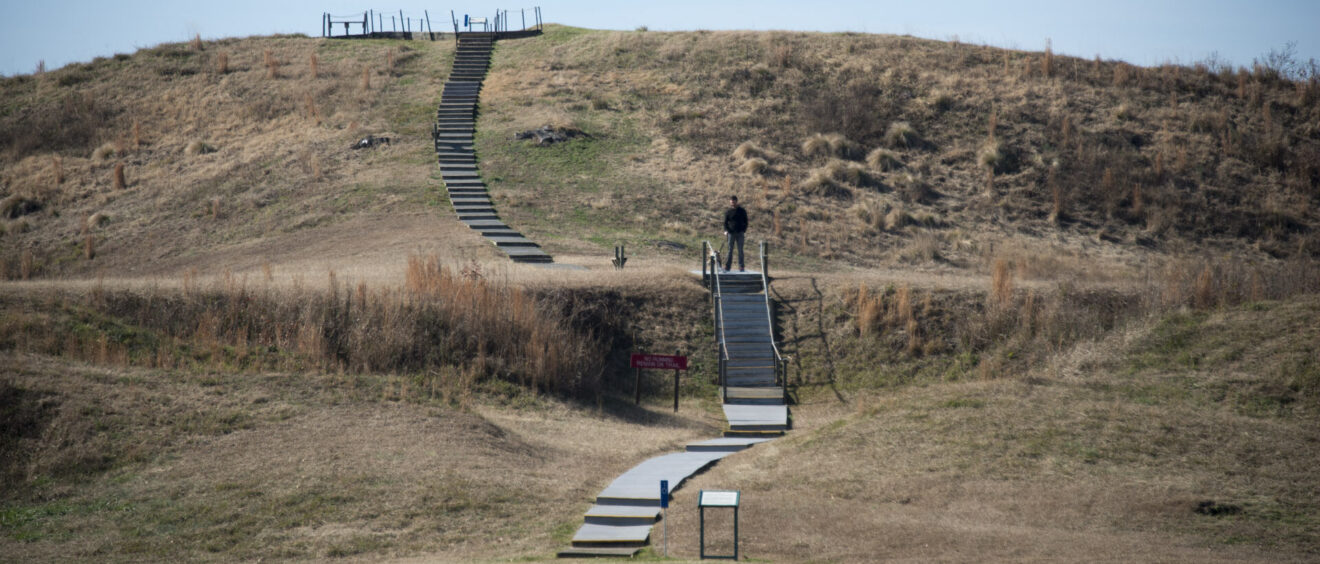
Poverty Point NM

Poverty Point National Monument Poverty Point National Monument preserves earthworks constructed by Indigenous communities using soil transported from surrounding areas. The site includes concentric ridges and mounds that required coordinated labor and planning. The earthworks illustrate organized settlement patterns developed thousands of years ago. Archaeological evidence indicates long-distance trade networks that connected the site to […]

Explore Portfolio

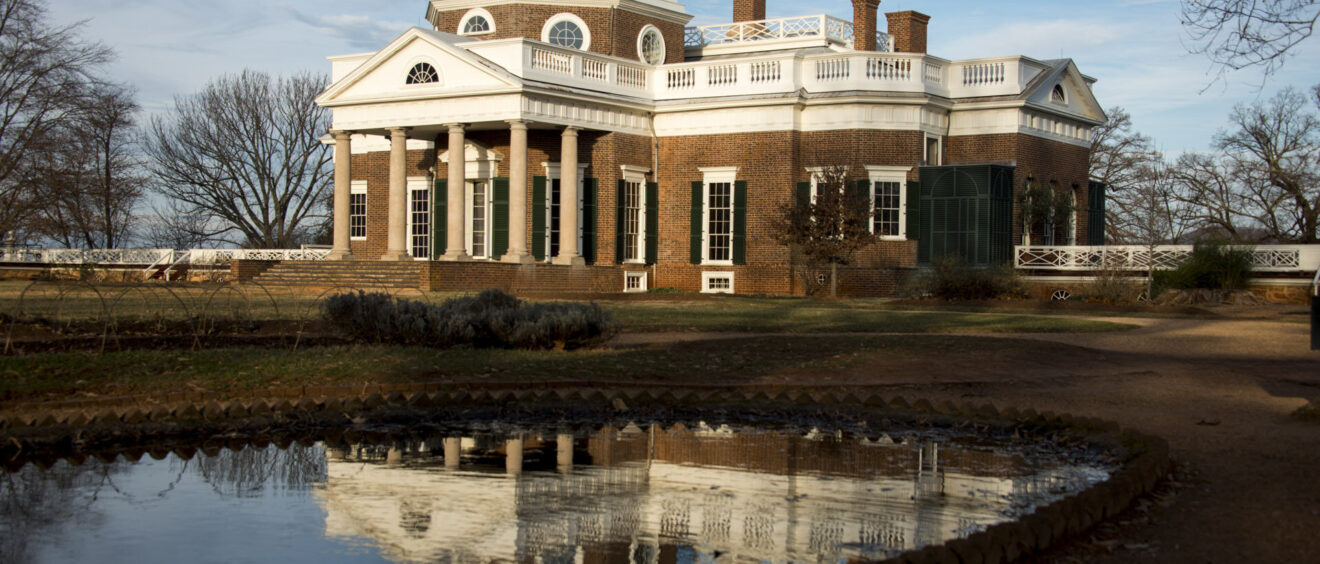
Monticello

Monticello Monticello, the plantation home of Thomas Jefferson, reflects the architectural ideals and intellectual influences that shaped the early United States. Designed by Jefferson beginning in the late eighteenth century, the house incorporates neoclassical principles inspired by the work of Renaissance architect Andrea Palladio, demonstrating how classical architectural traditions were adapted to the cultural aspirations […]

Explore Portfolio

Yellowstone NP

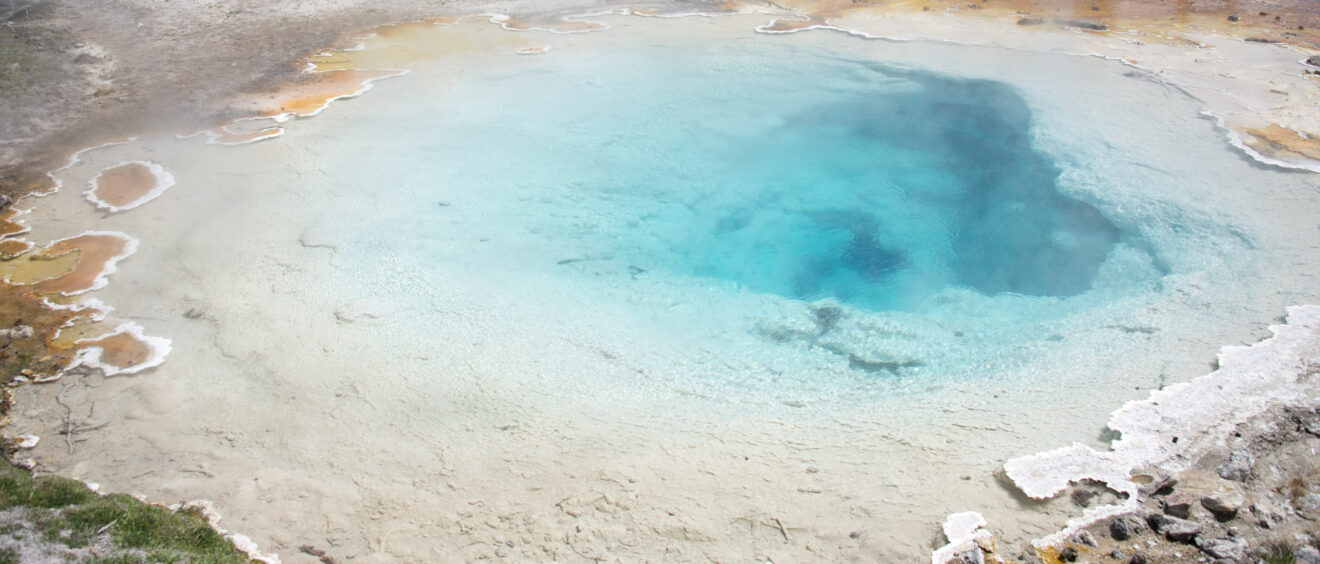
Yellowstone National Park Yellowstone National Park contains one of the most geologically dynamic landscapes in the world, shaped by volcanic activity beneath the Yellowstone Plateau. The park sits above a large volcanic caldera that produces geothermal features including geysers, hot springs, and fumaroles. These features illustrate ongoing geological processes driven by heat within the earth’s […]

Explore Portfolio

Mammoth Cave NP

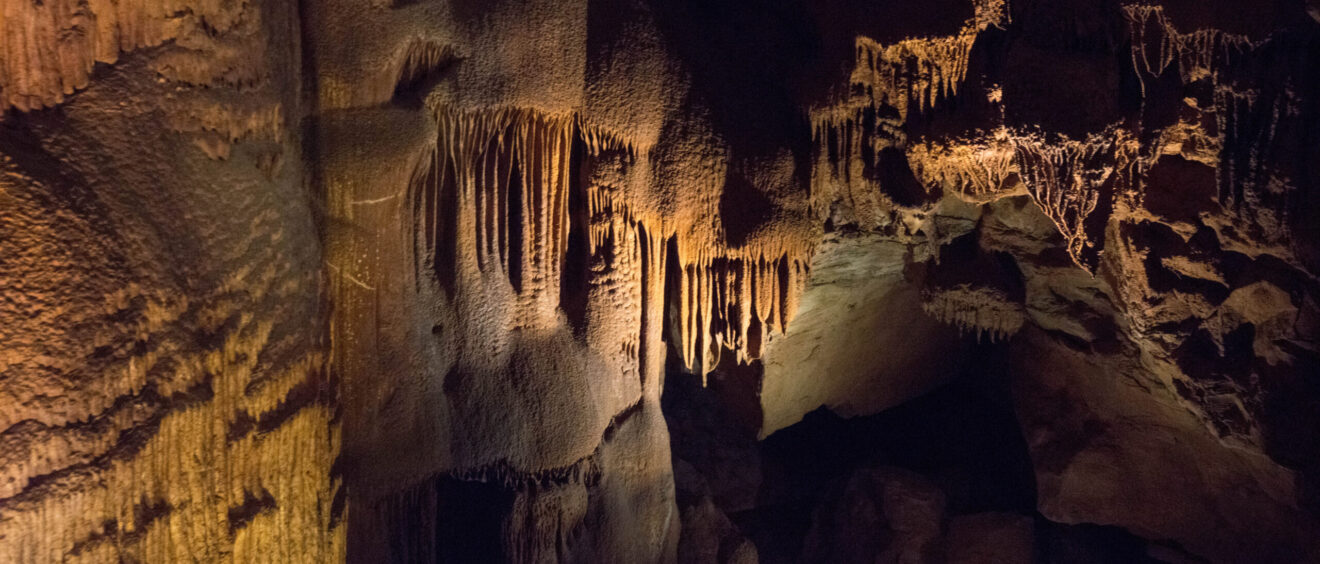
Mammoth Cave Mammoth Cave contains the longest known cave system in the world, with more than four hundred miles of mapped underground passages formed through the gradual dissolution of limestone bedrock. Over millions of years, slightly acidic groundwater carved tunnels, chambers, and passageways that created a complex subterranean landscape. The cave system illustrates how geological […]

Explore Portfolio

San Juan NHS – Puerto Rico

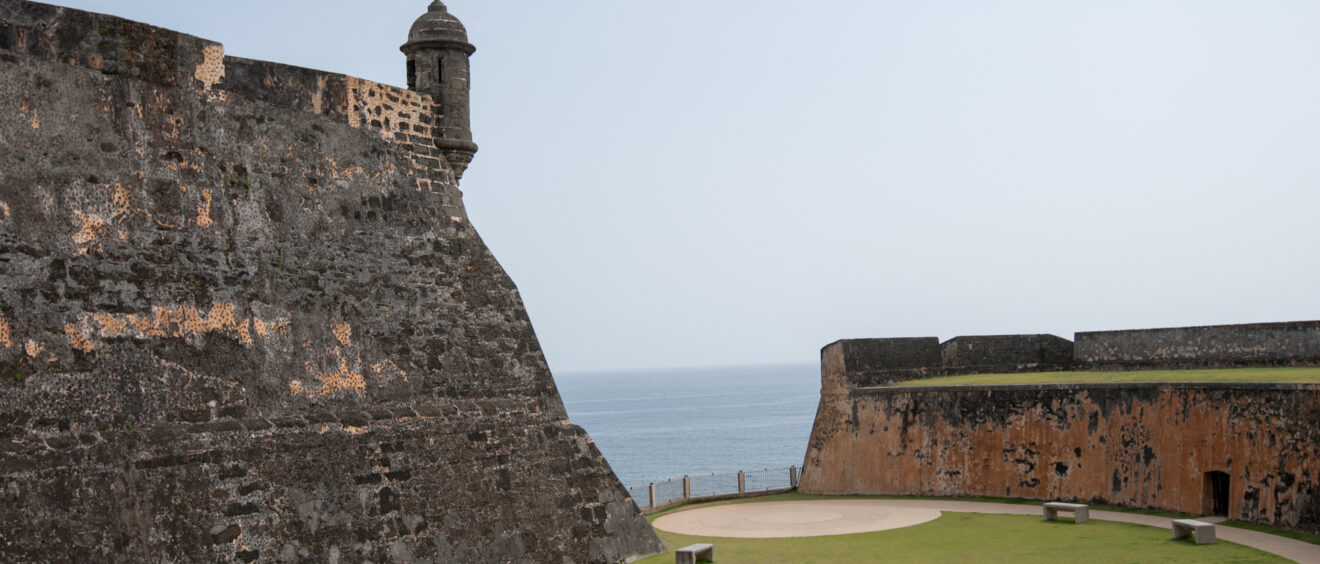
San Juan National Historic Site San Juan National Historic Site preserves one of the most extensive systems of Spanish colonial fortifications in the Americas, constructed to defend a strategic Caribbean port that connected transatlantic trade routes between Europe and the New World. Beginning in the sixteenth century, Spanish engineers developed massive defensive walls, bastions, and […]

Explore Portfolio