Glacier Bay National Park
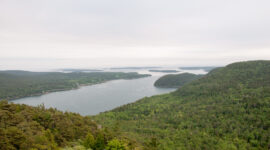
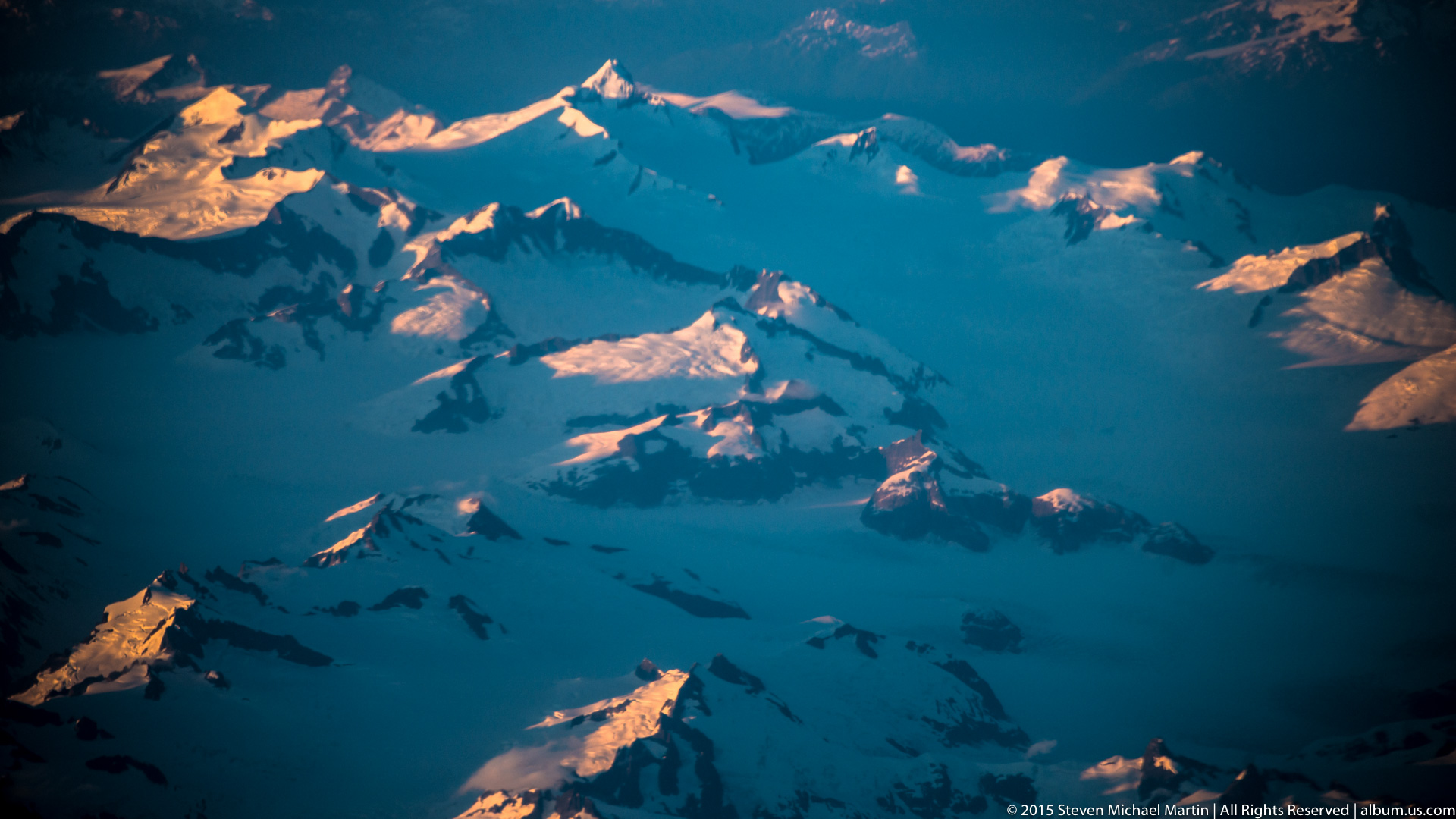
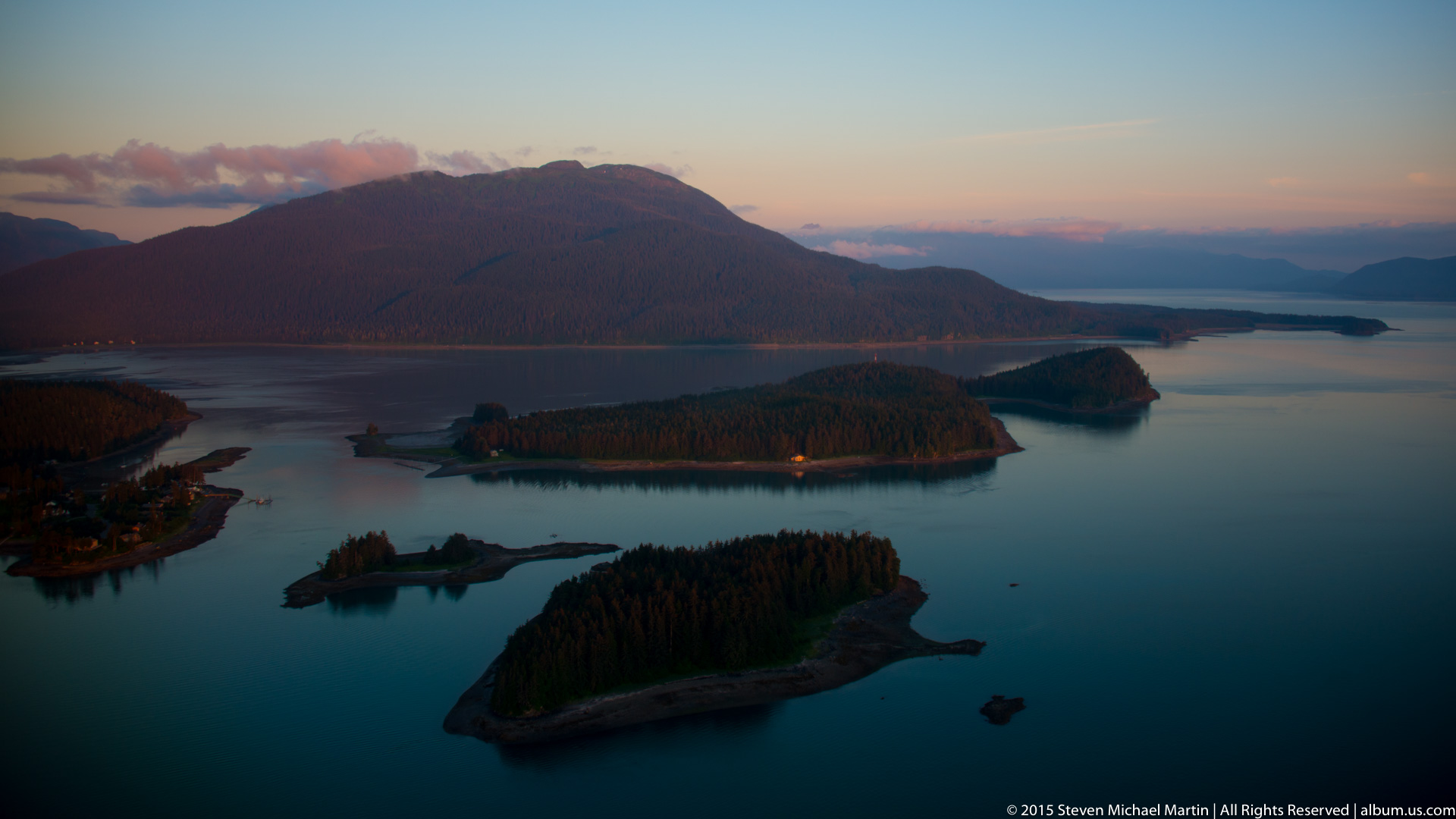
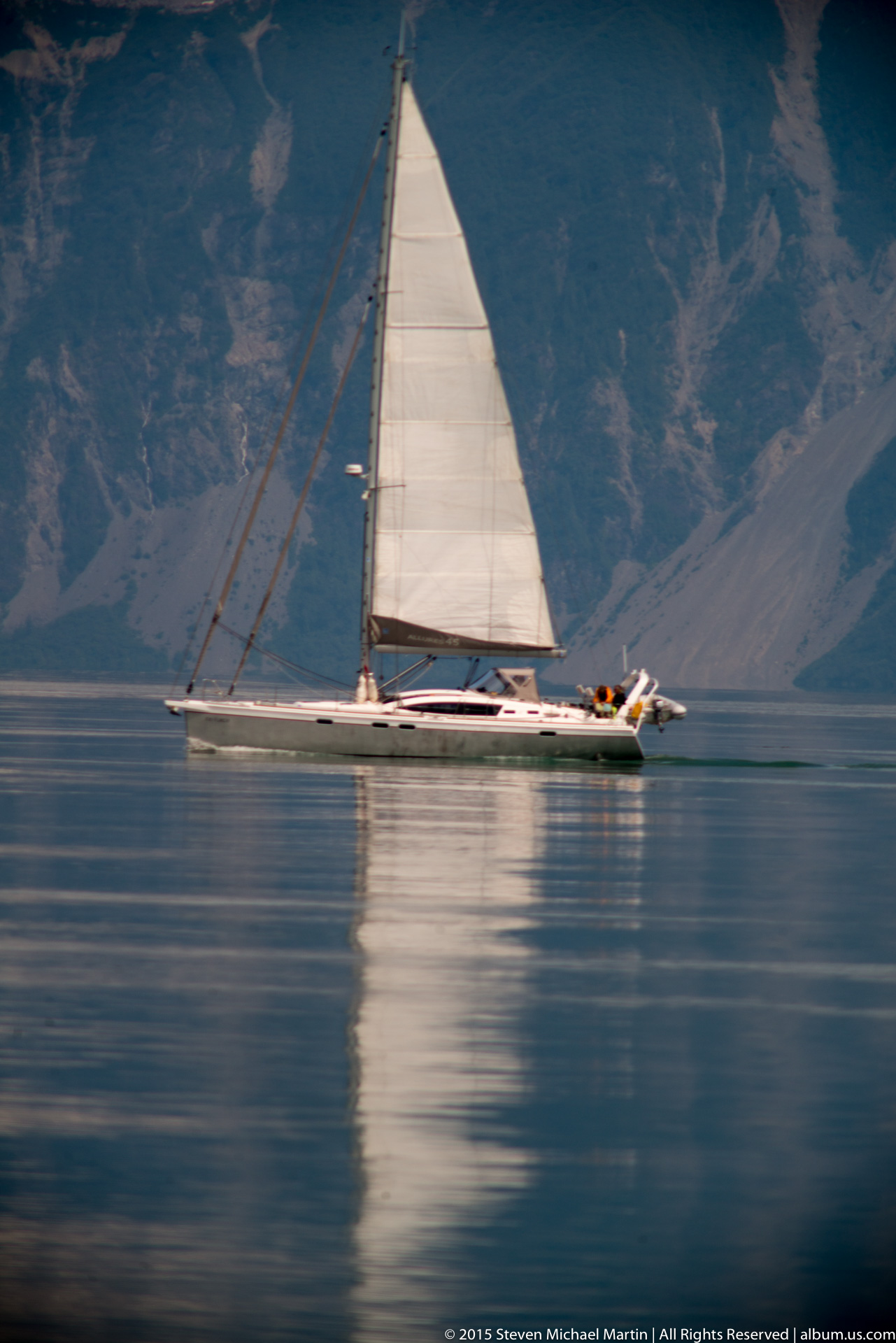
Glacier Bay National Park protects an extensive system of fjords formed by glaciers that advanced and retreated over the past several centuries. As ice receded, deep valleys filled with seawater, creating narrow channels bordered by steep mountain slopes. The park provides one of the most visible examples of recent glacial change in North America.
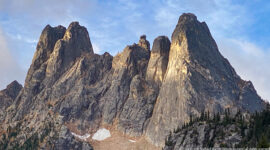
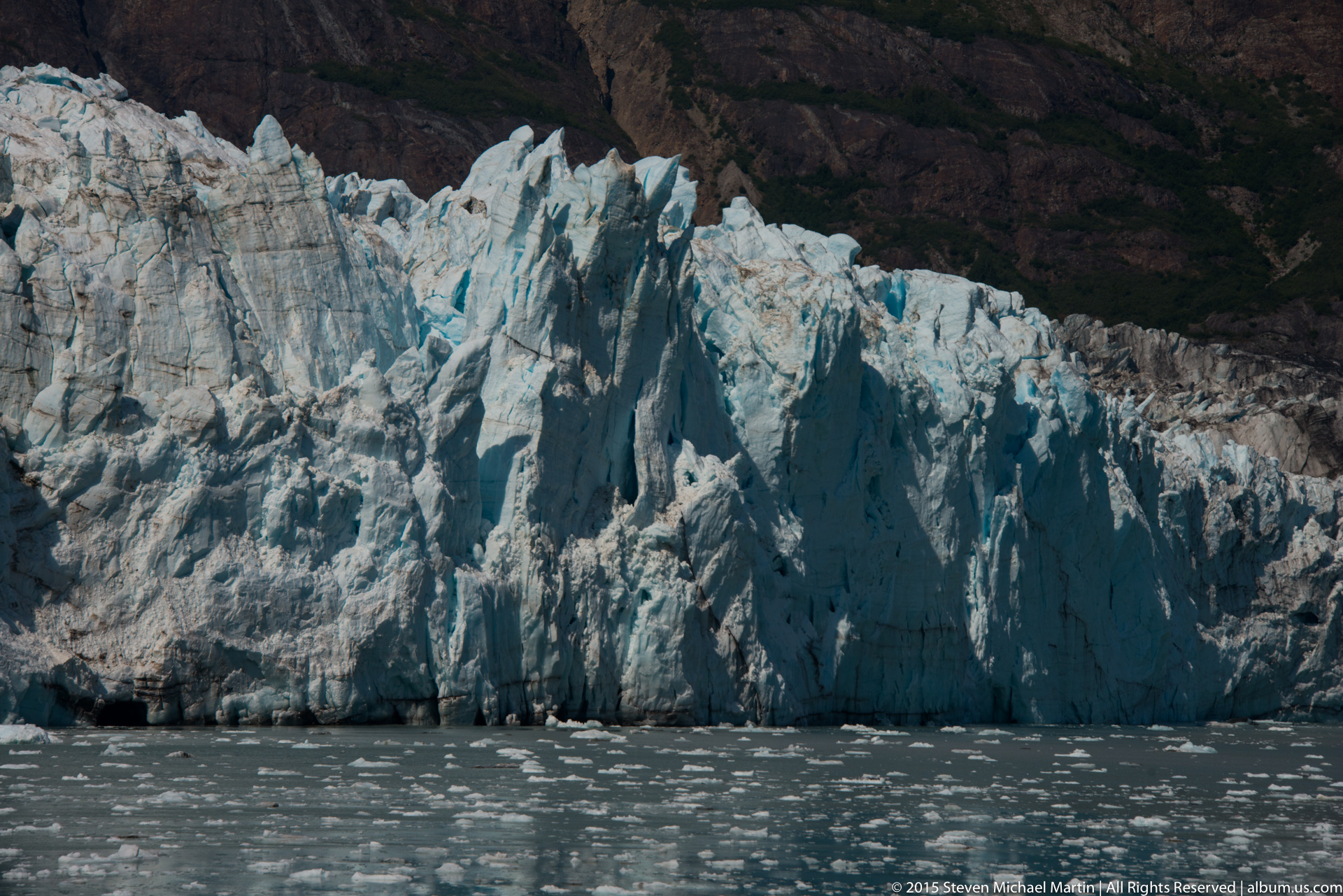
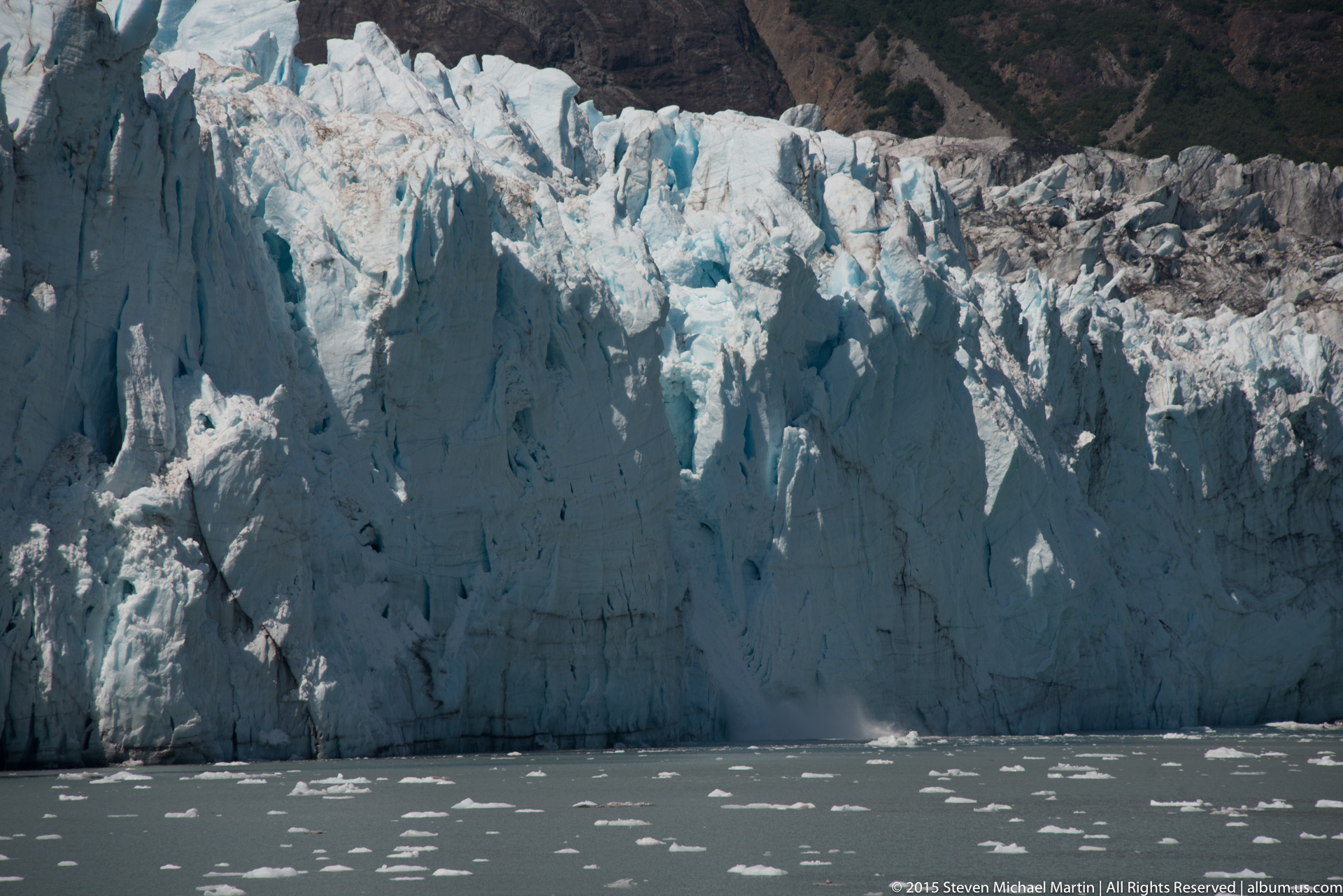
Tidewater glaciers continue to reshape the coastline through calving events that release ice into the surrounding water. The surrounding mountains reveal exposed rock surfaces that were once covered by thick ice sheets. Newly formed landscapes support developing plant communities that gradually expand as conditions stabilize.
Visitors experience Glacier Bay as a landscape defined by motion and transformation. Ice, water, and weather combine to produce constantly changing conditions that reflect ongoing geological processes shaping the region.
Aircraft Wreck Site
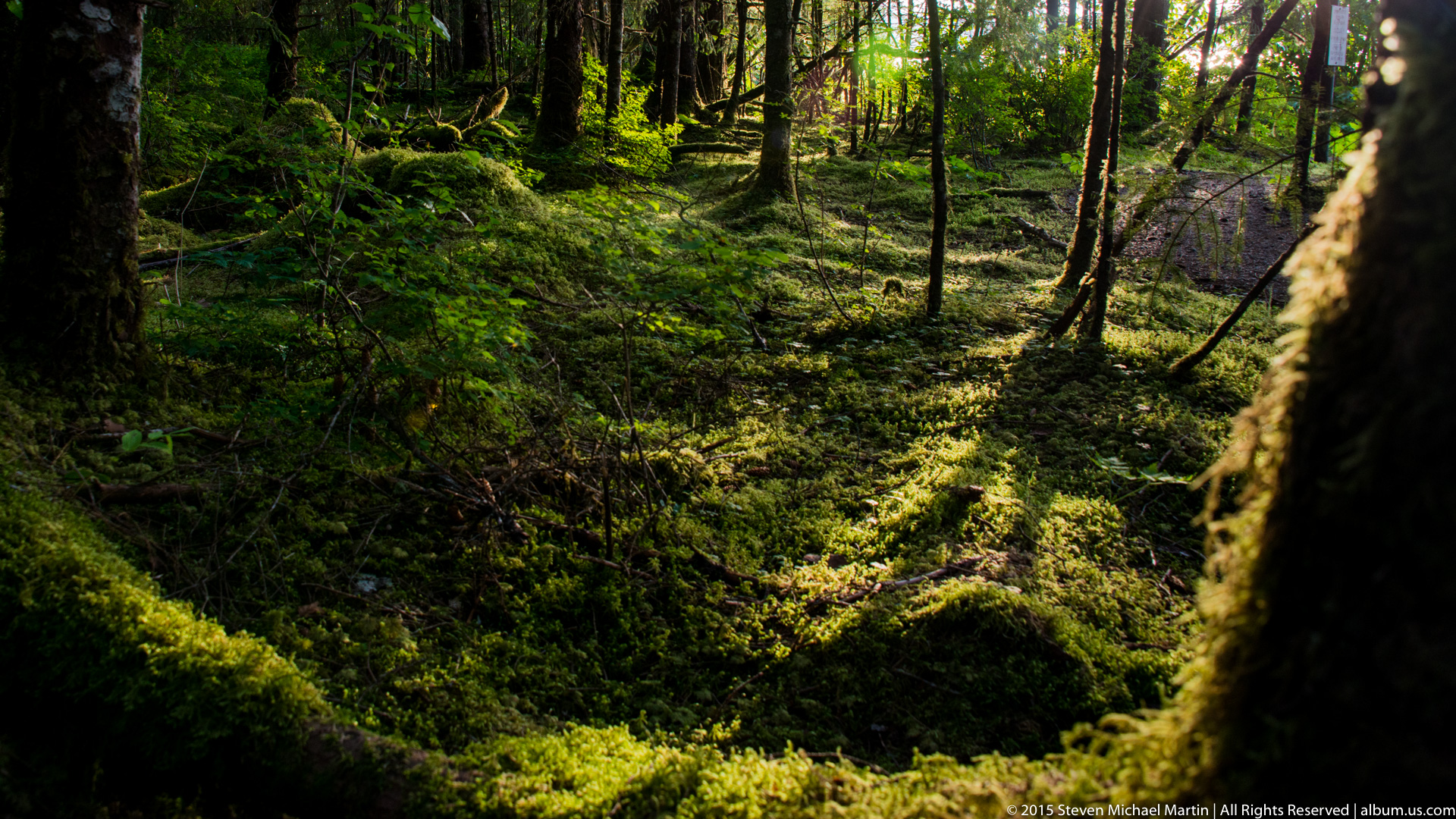
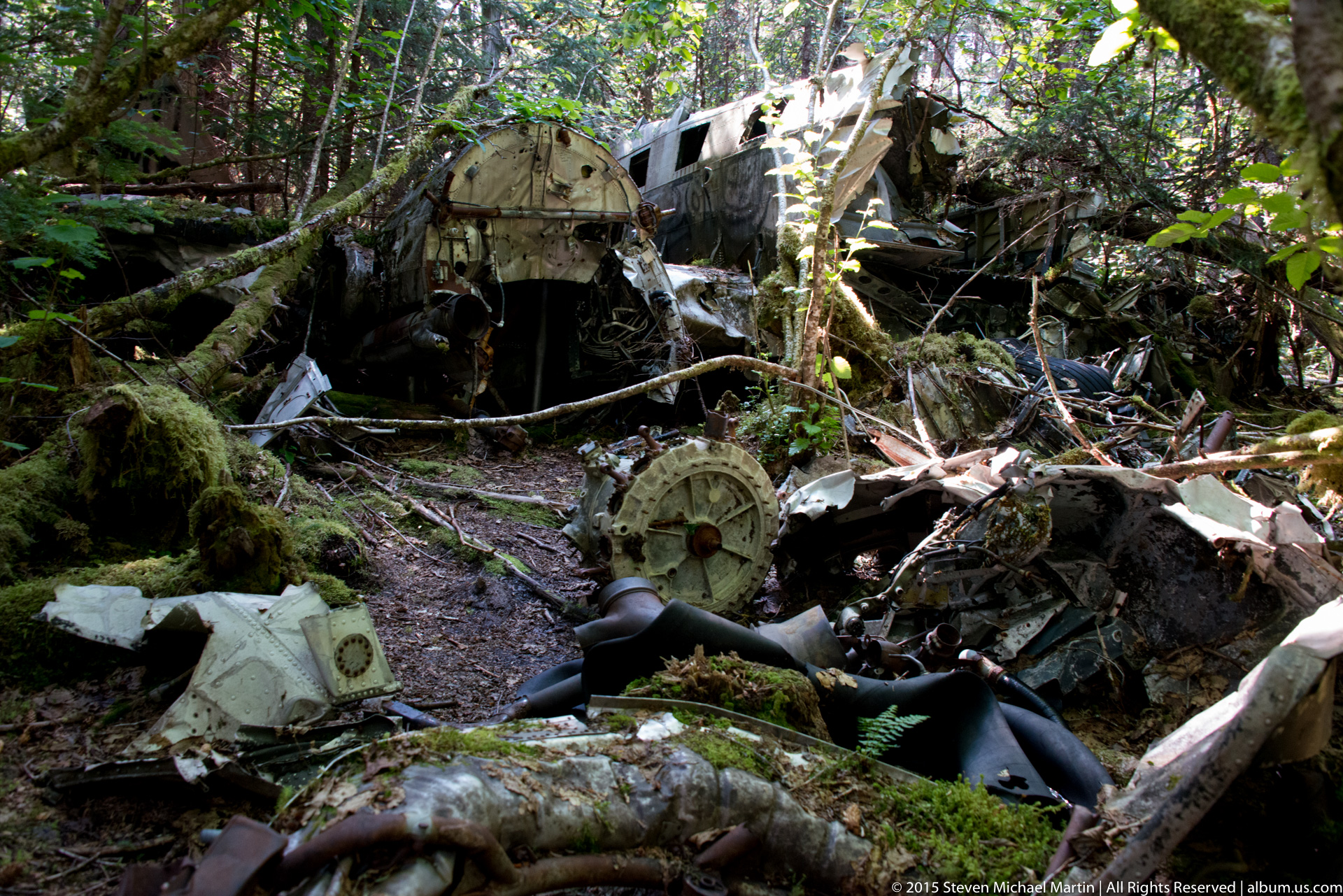
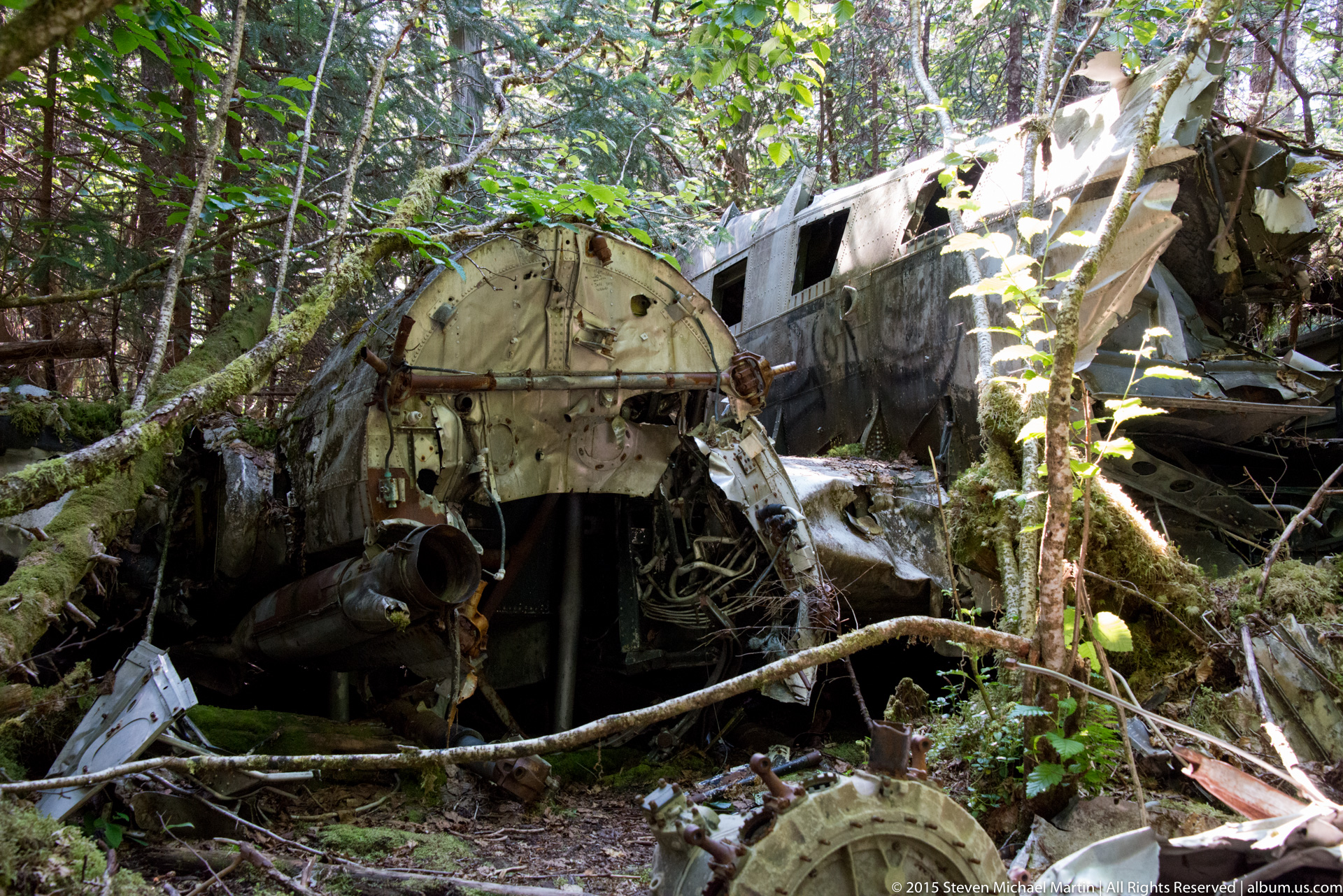
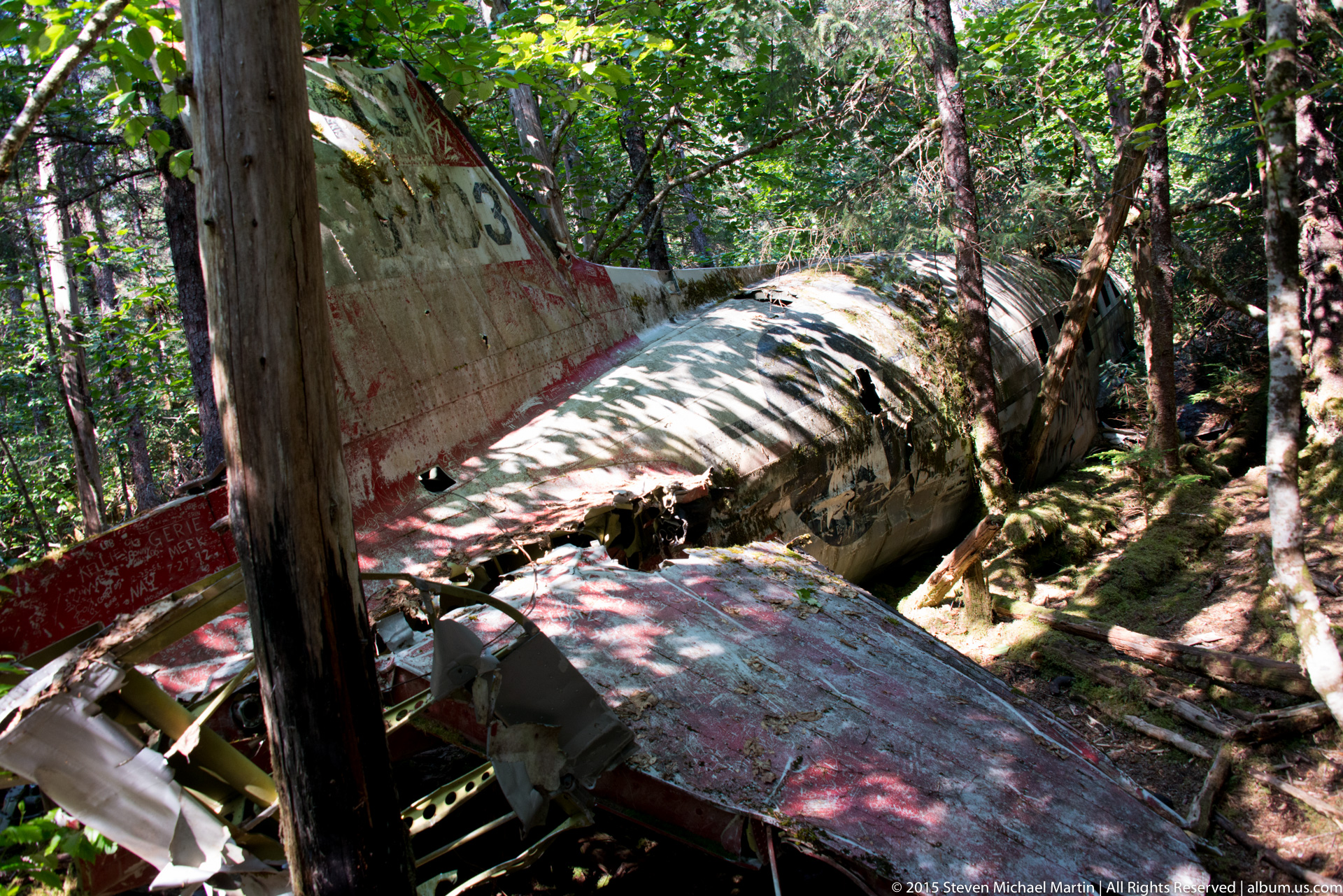
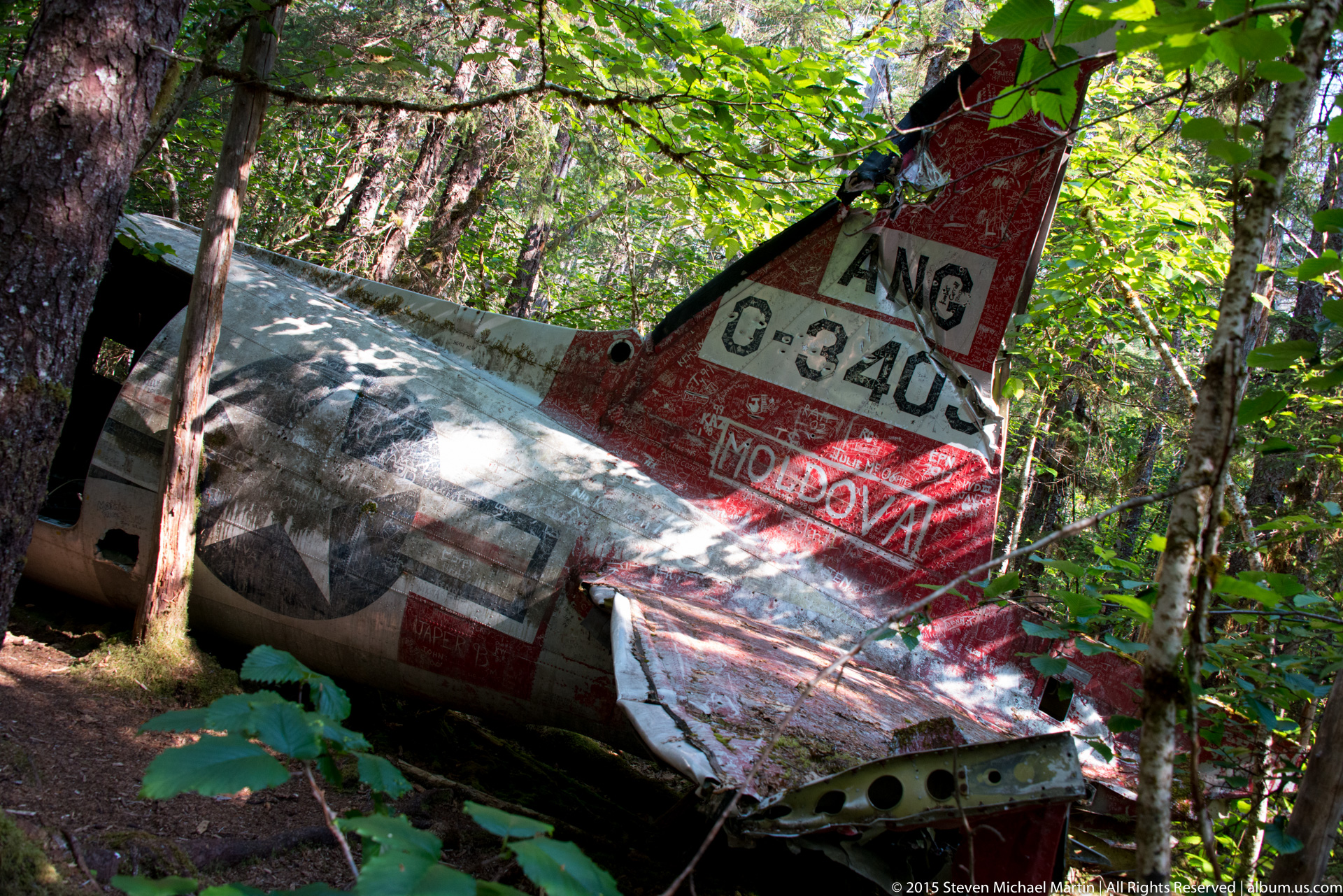
Scattered remains of an aircraft lie within dense coastal forest, partially hidden by vegetation that has grown steadily around the site over time. Metal fragments, engine components, and sections of fuselage illustrate the structure of the aircraft while also showing the effects of prolonged exposure to moisture and plant growth. The surrounding environment reflects the persistence of natural processes in remote areas of southeastern Alaska.
The presence of the wreck introduces a historical dimension to the Misty Fjords landscape, demonstrating how human activity has occasionally intersected with otherwise isolated terrain. Over time, forest growth has softened the visual impact of the debris, blending manufactured materials into an environment shaped primarily by geology and climate.
Visitors encountering the site often observe how quickly vegetation adapts to occupy available space. Moss, shrubs, and tree growth gradually incorporate the structure into the forest floor, reinforcing the sense that Misty Fjords remains a landscape where natural processes continue largely uninterrupted.

















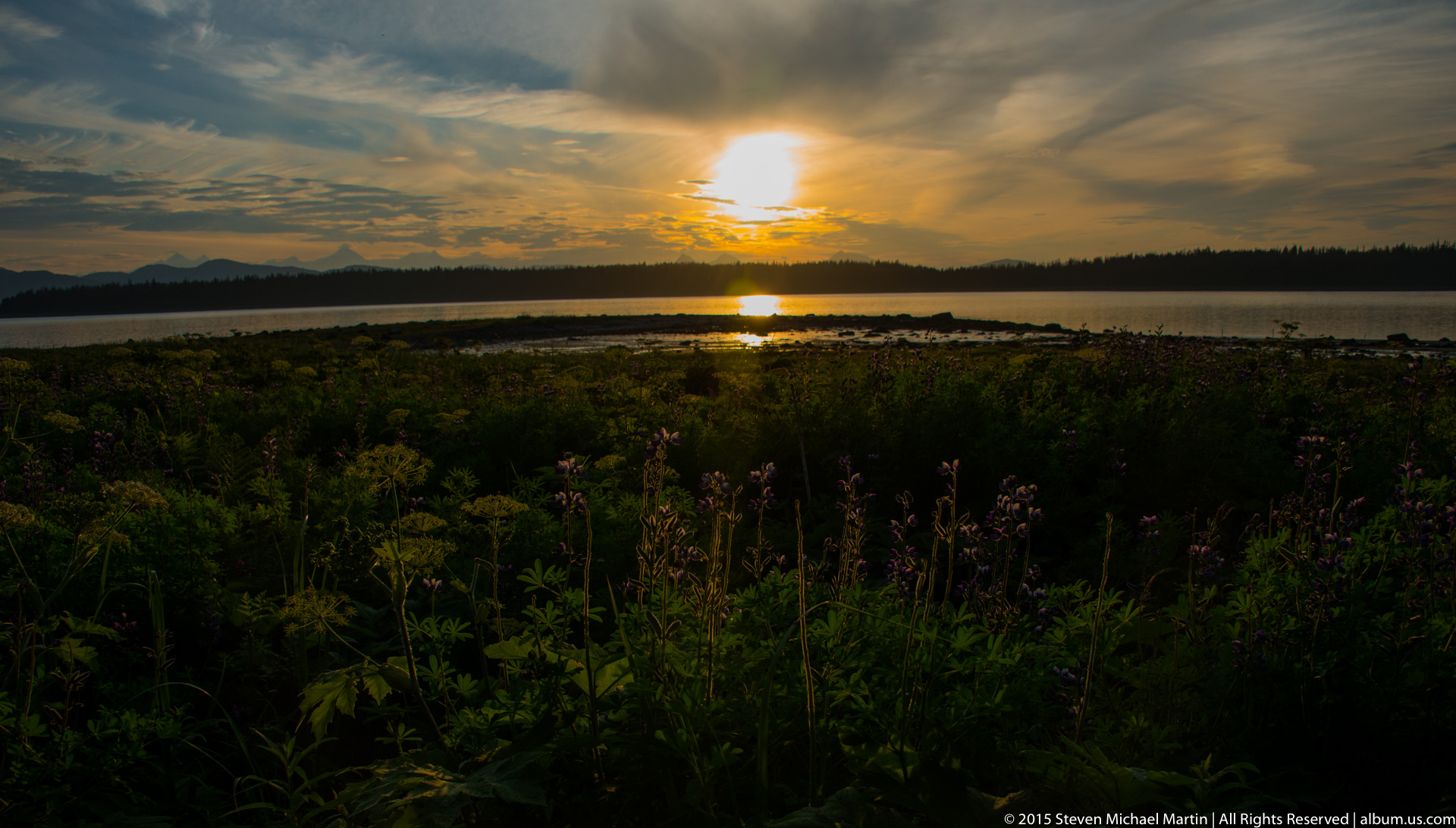
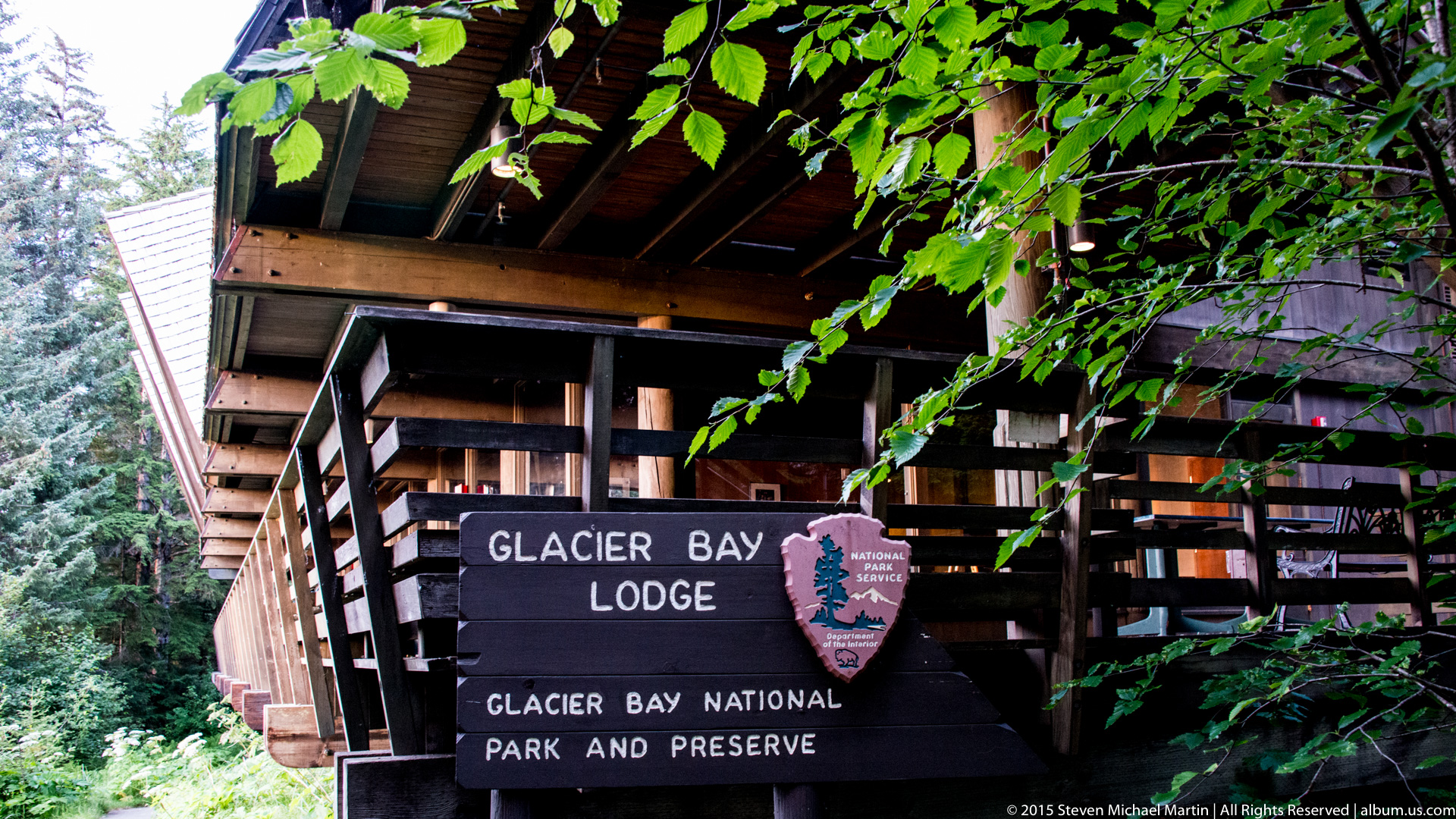



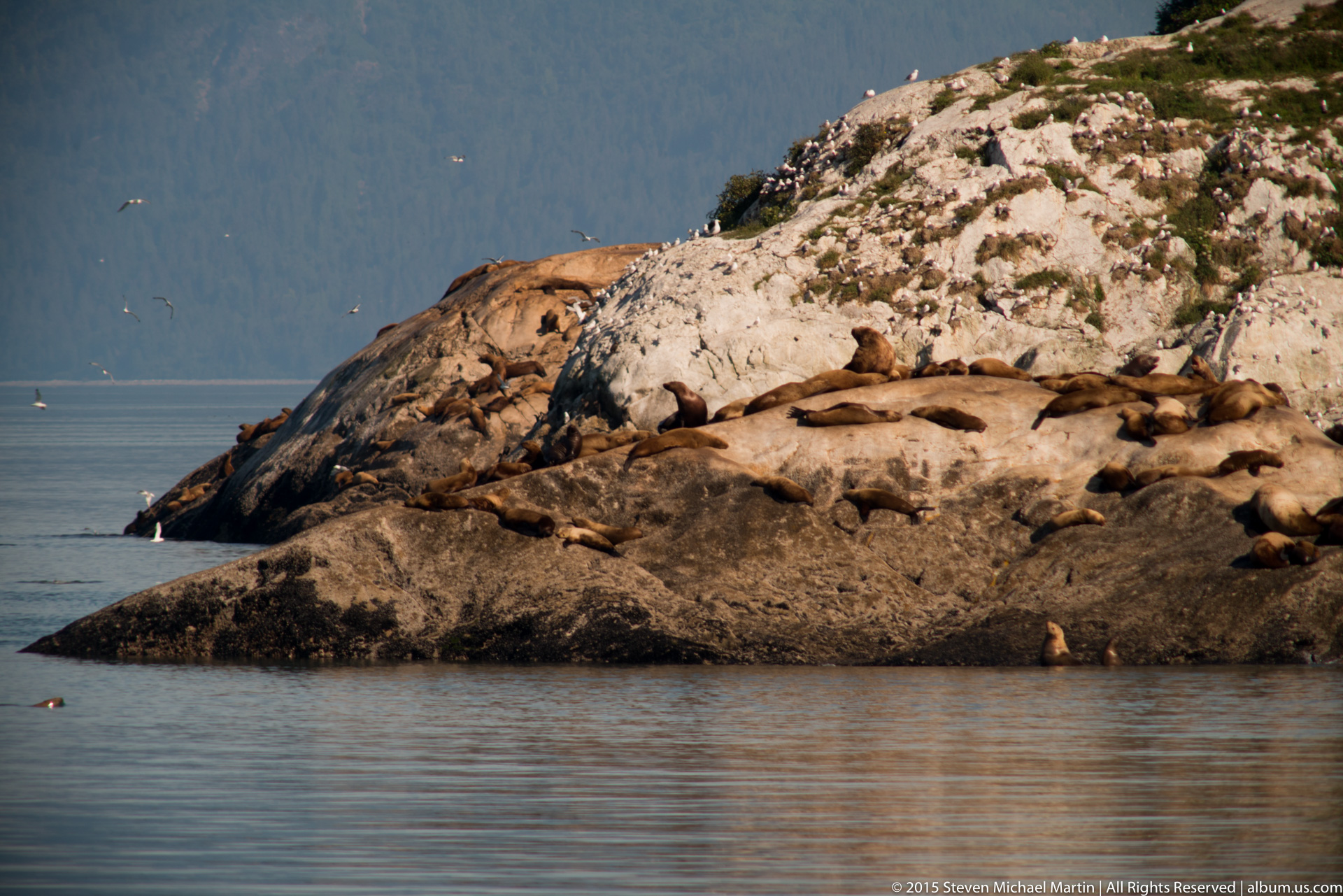

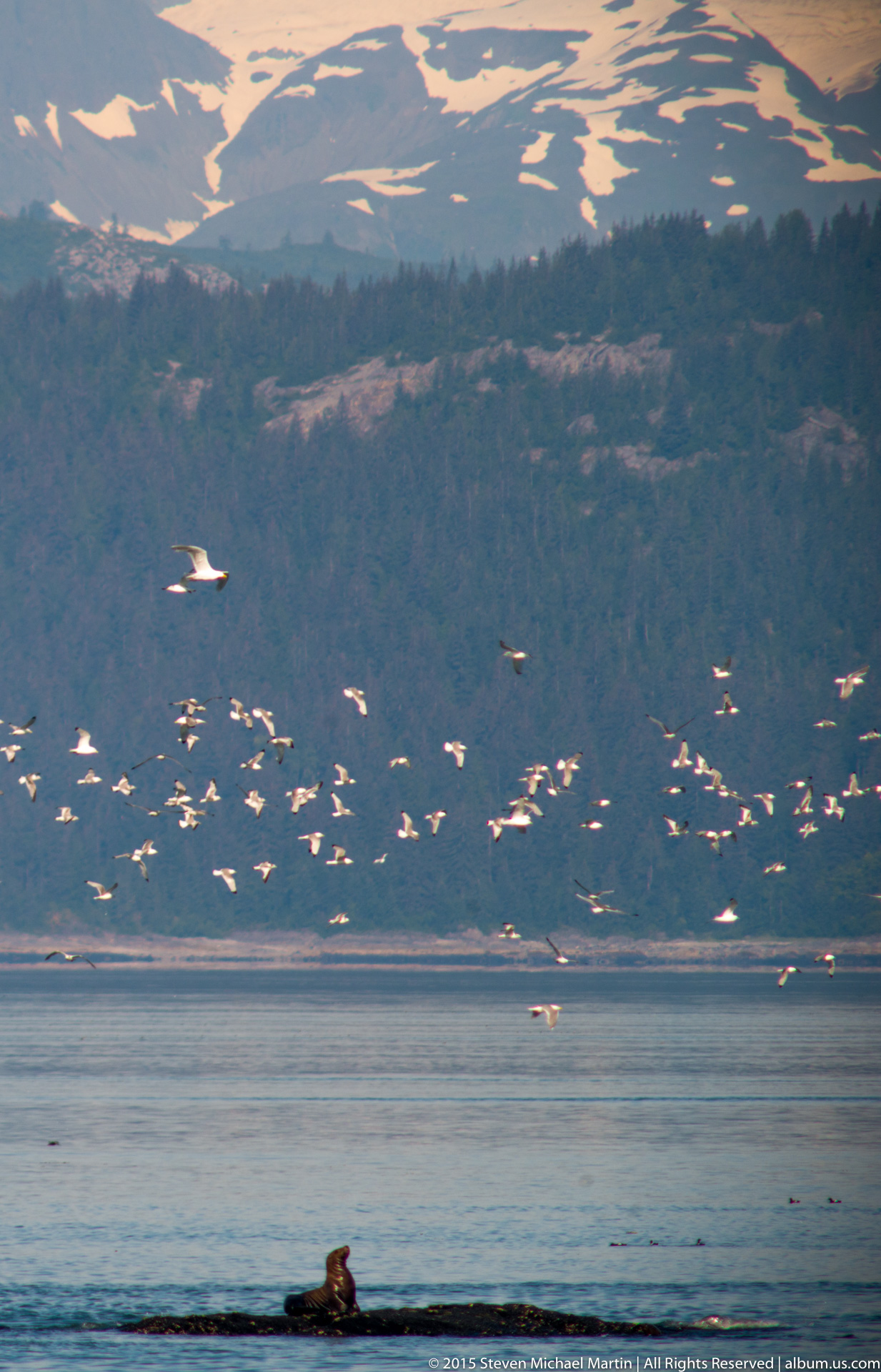



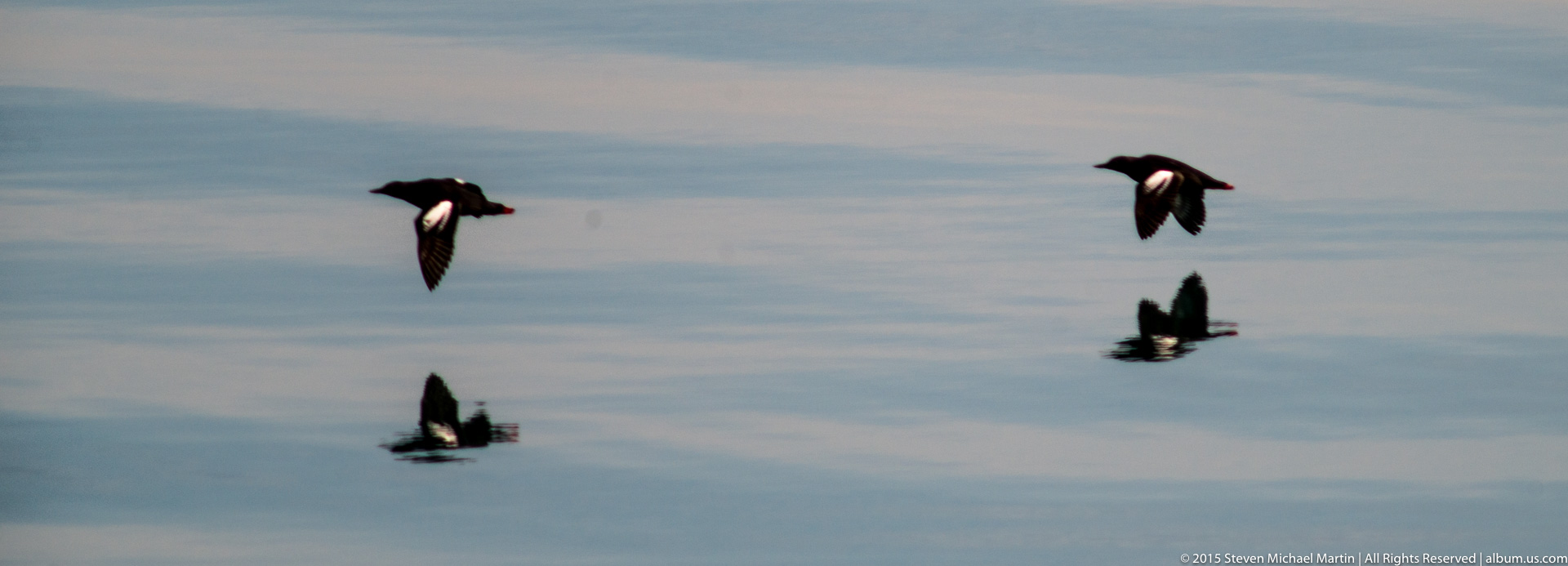

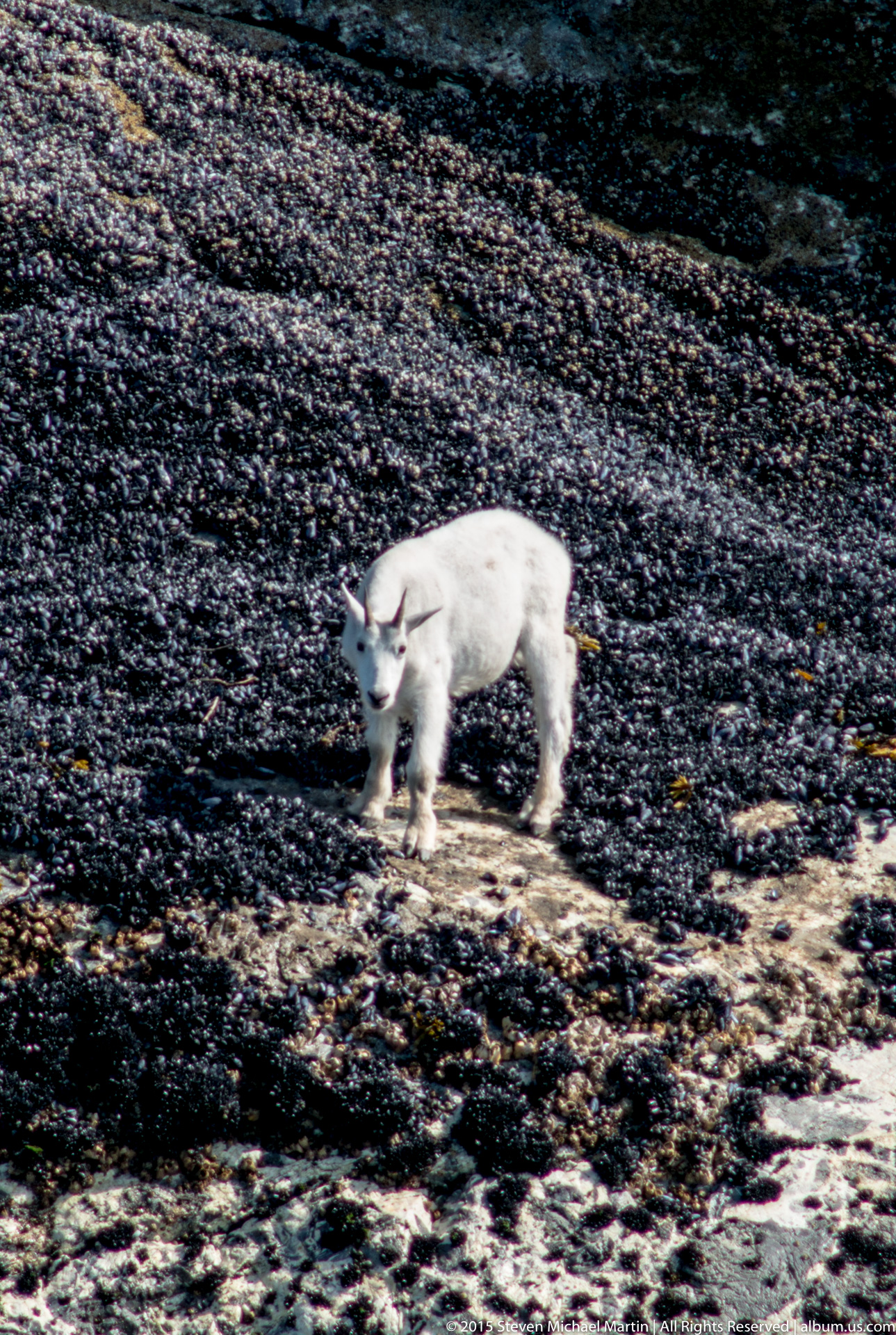
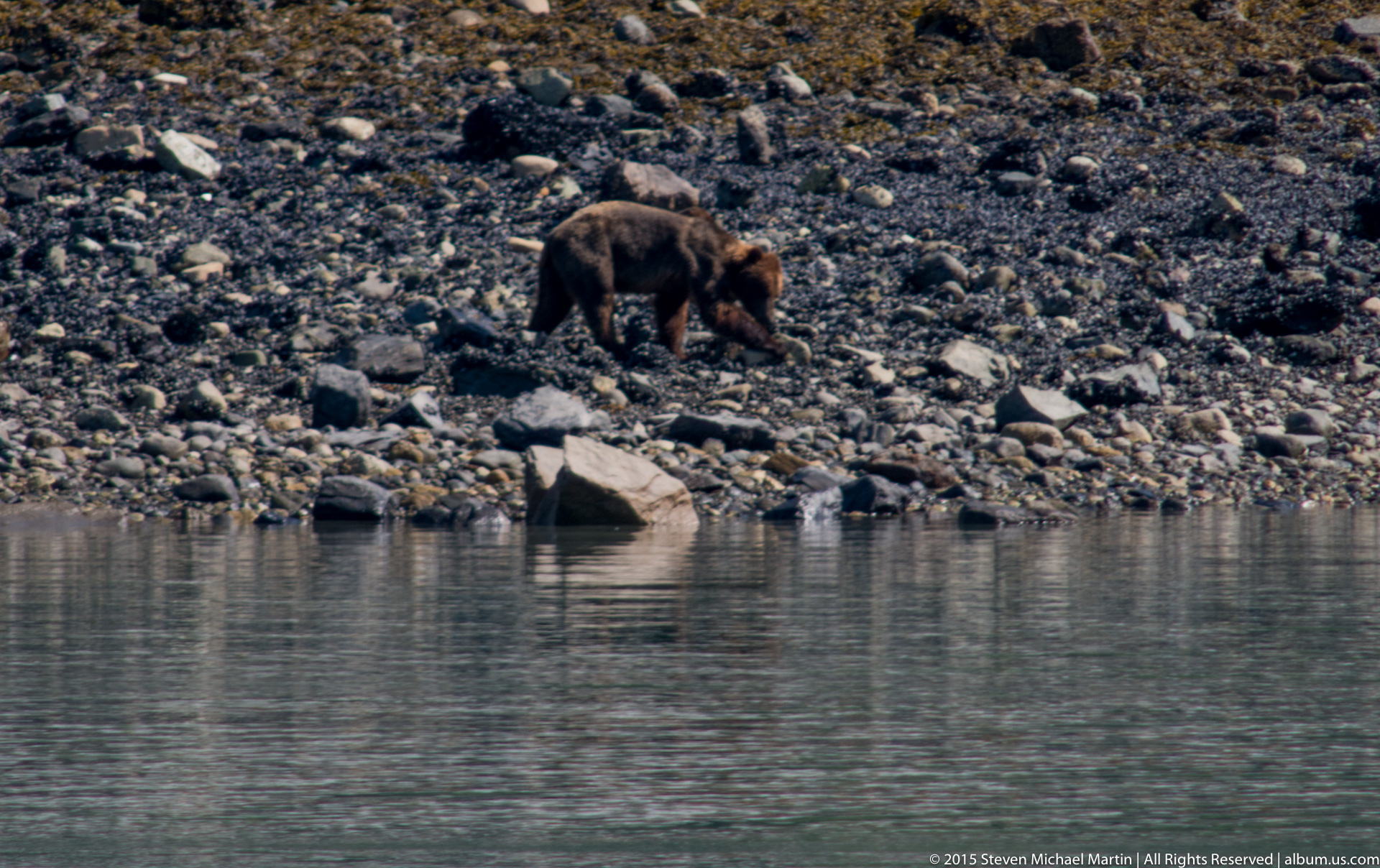
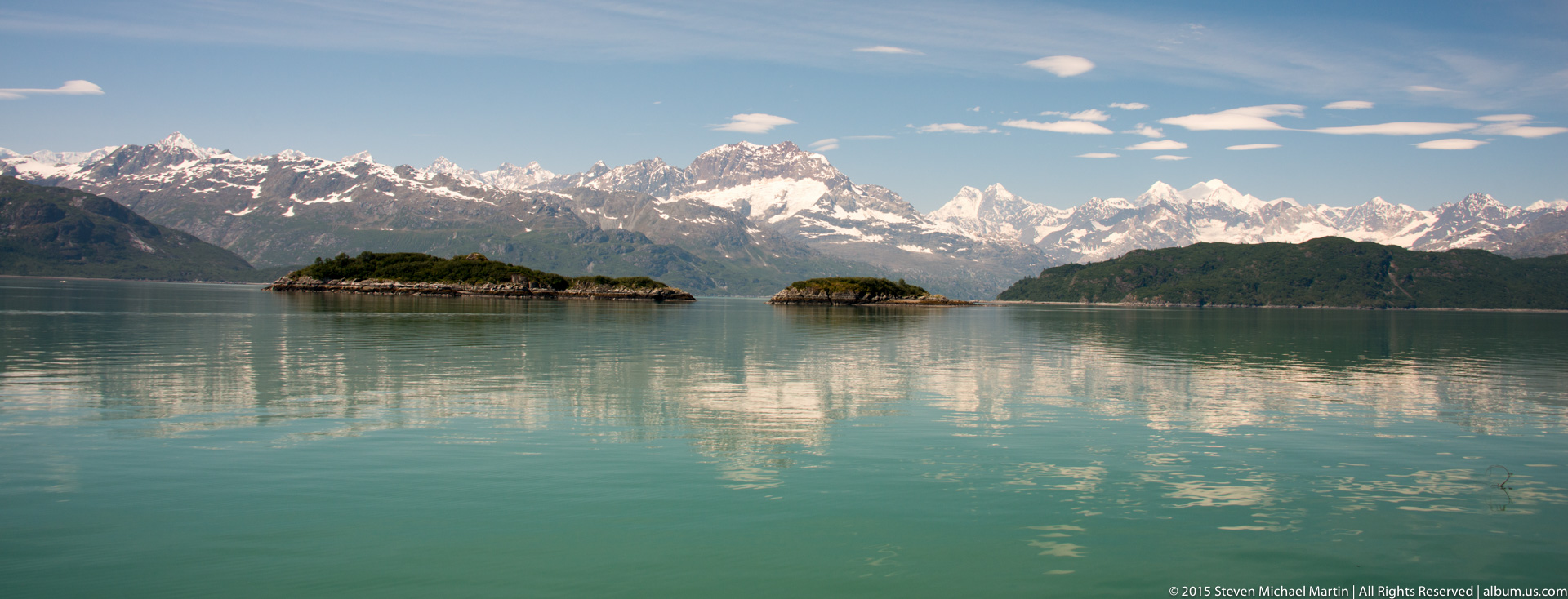








Glacier Bay National Park — Field Guide
🏞️ National Park Field Guide
📍 Overview
Glacier Bay National Park preserves fjord landscapes formed by recent glacial retreat. Tidewater glaciers descend from mountain icefields into protected marine waters, illustrating the ongoing influence of climate and geological change.
The park demonstrates how rapidly landscapes can transform following glacial retreat. Newly exposed terrain gradually supports vegetation and wildlife as ecosystems adapt to changing environmental conditions.
⭐ Highlights
- Tidewater glaciers
- Deep fjord landscapes
- Evidence of recent glacial retreat
- Mountain and coastal ecosystems
- Dynamic environmental change
🔎 Key Features
- Active glacier calving
- Glacially carved fjords
- Newly forming ecosystems
- Coastal mountain terrain
- Long-term environmental change
🦅 Wildlife Encounters
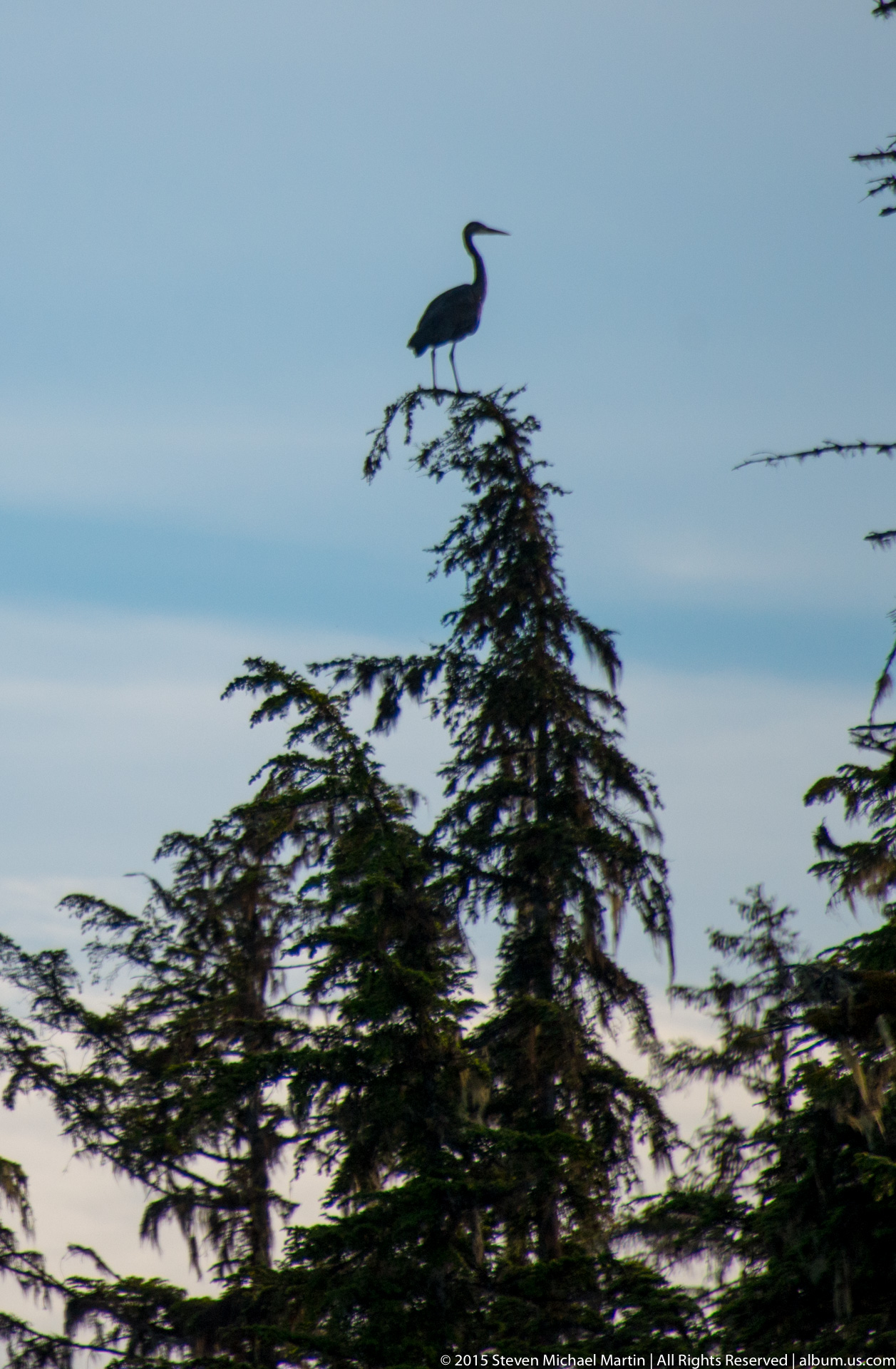
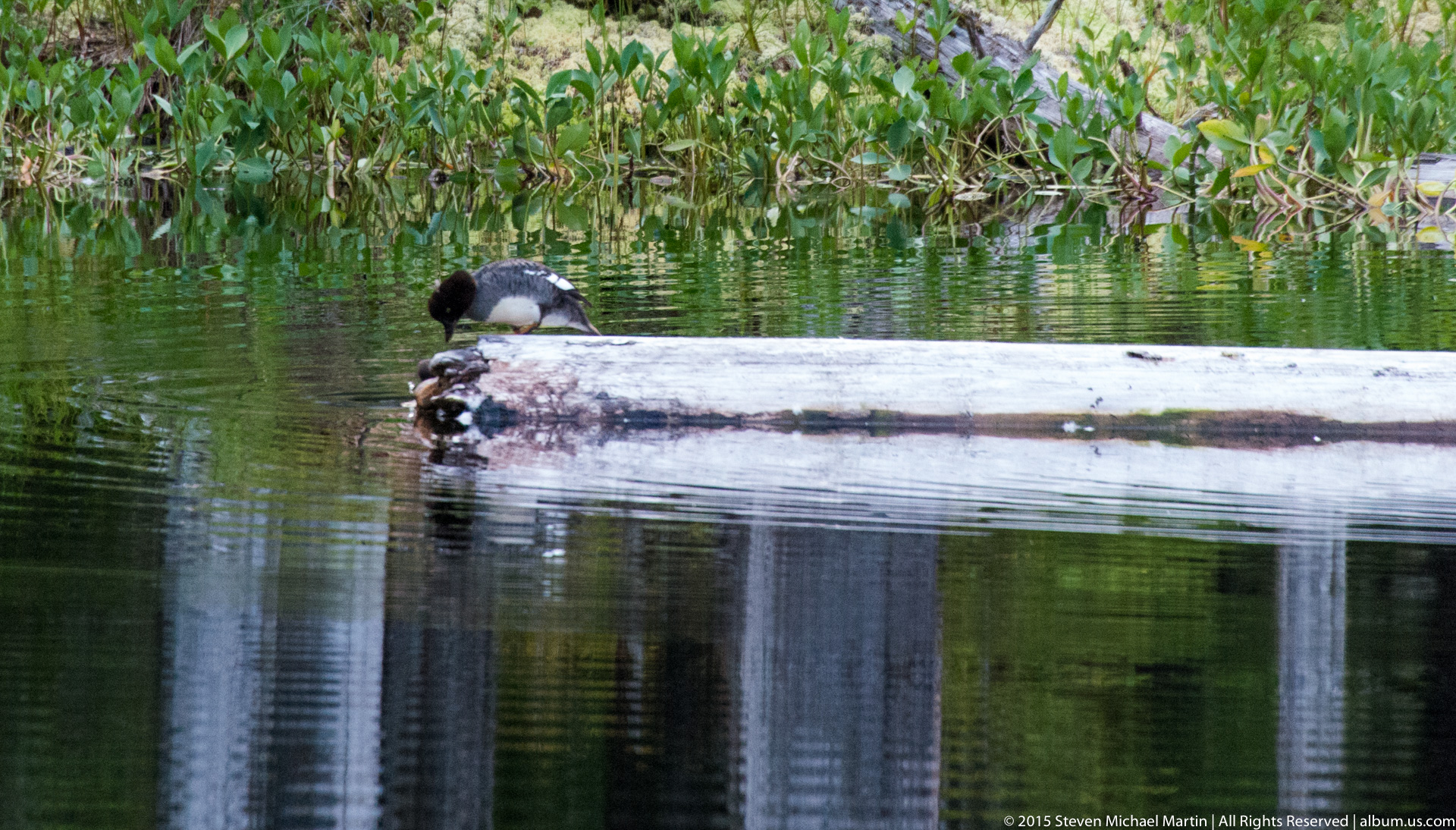
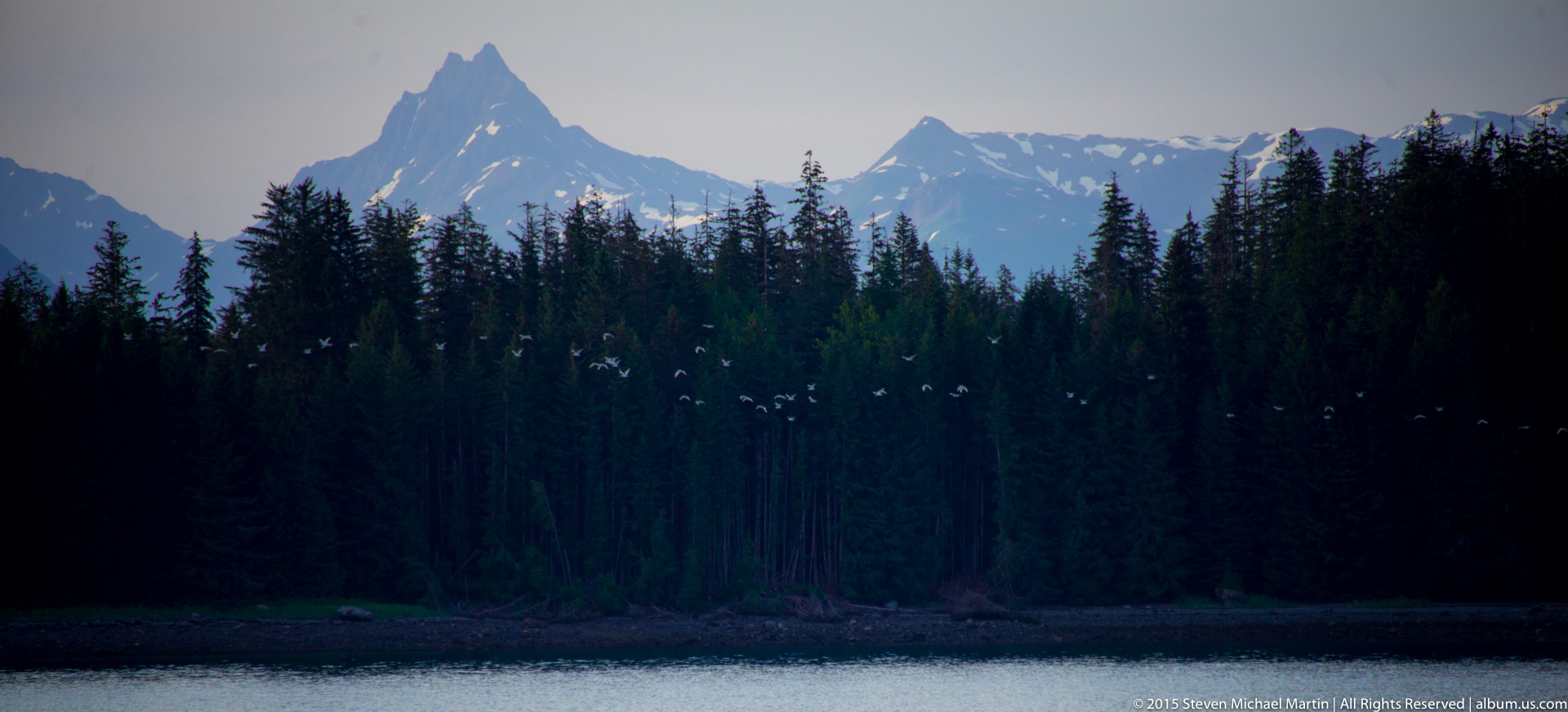
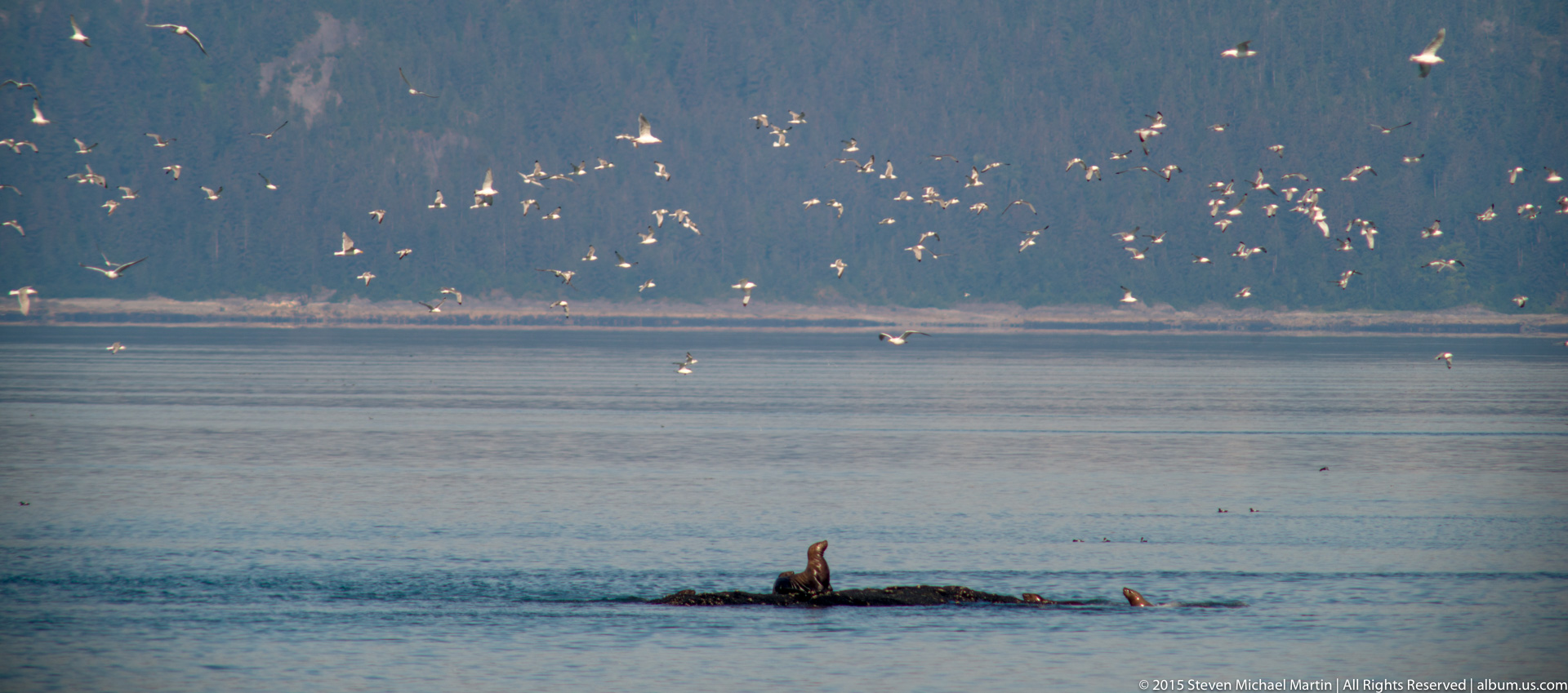
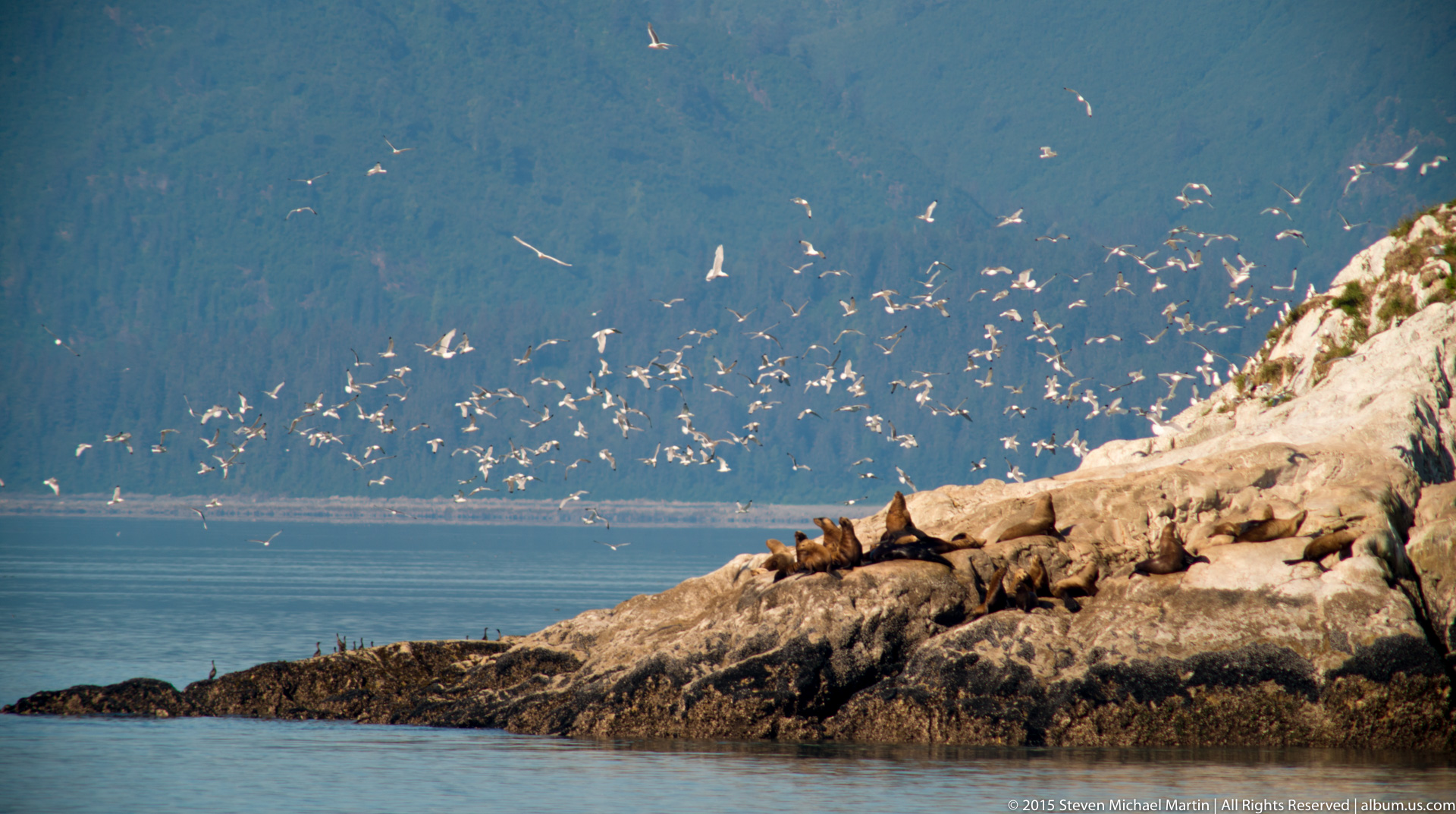
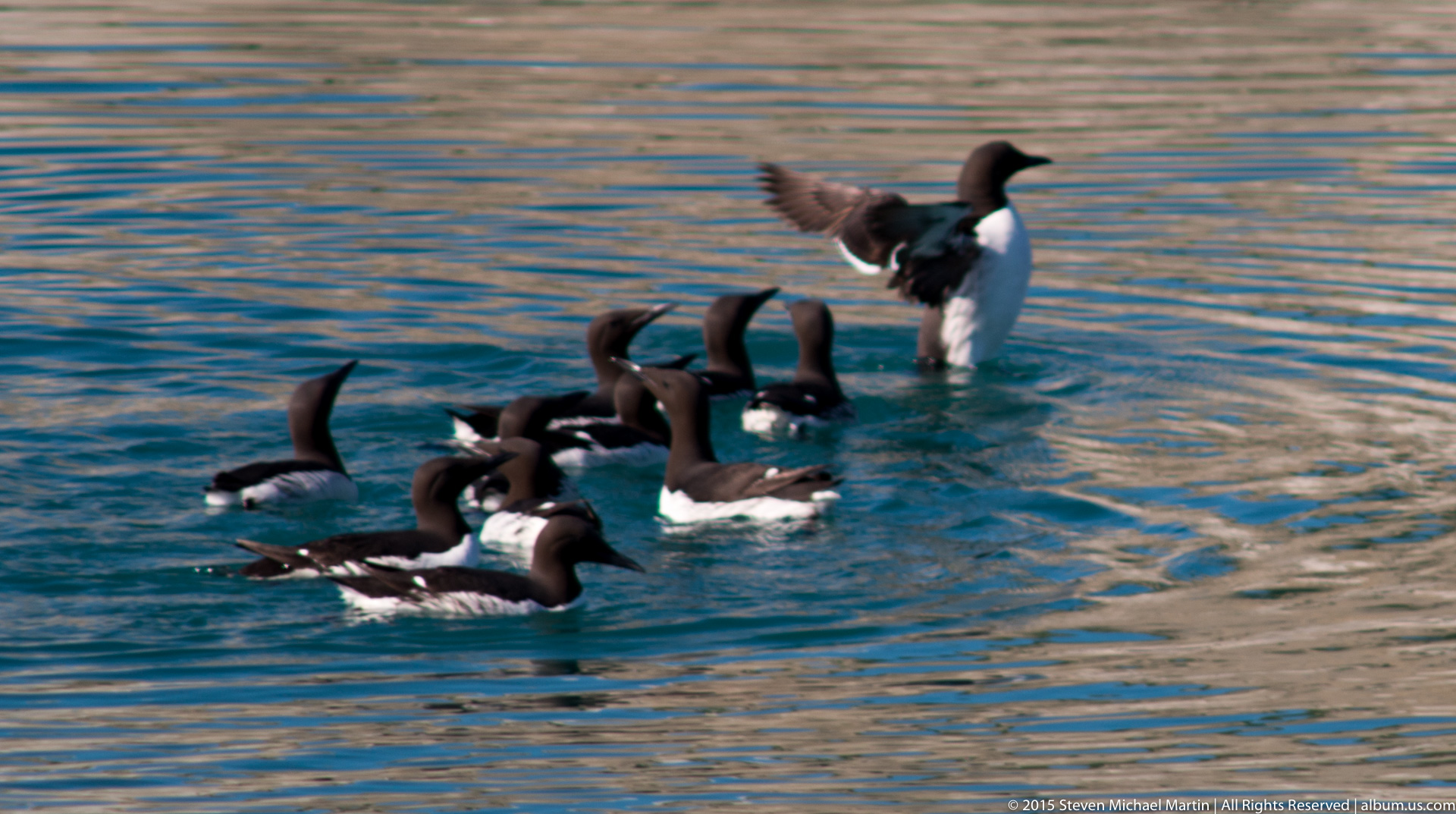
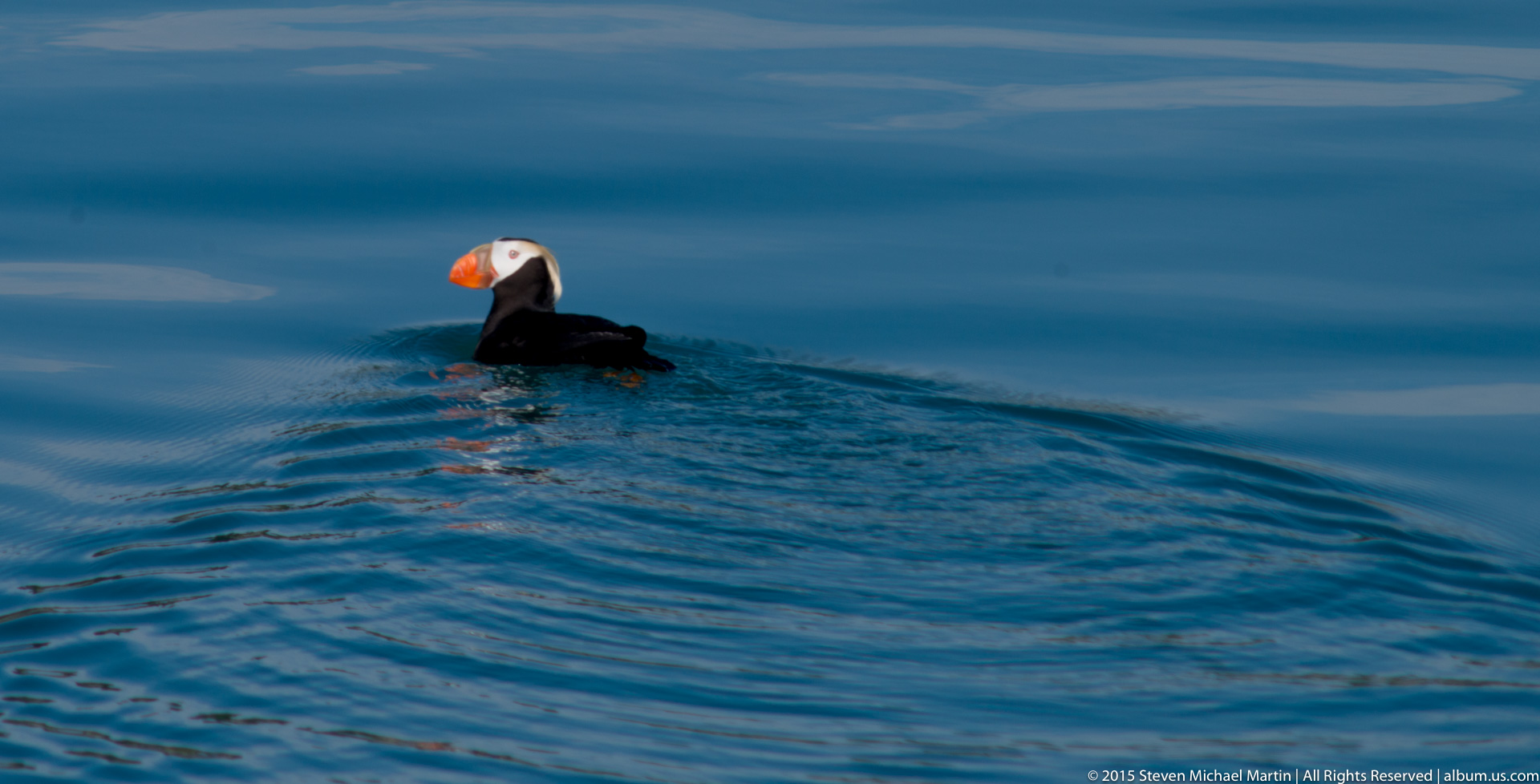
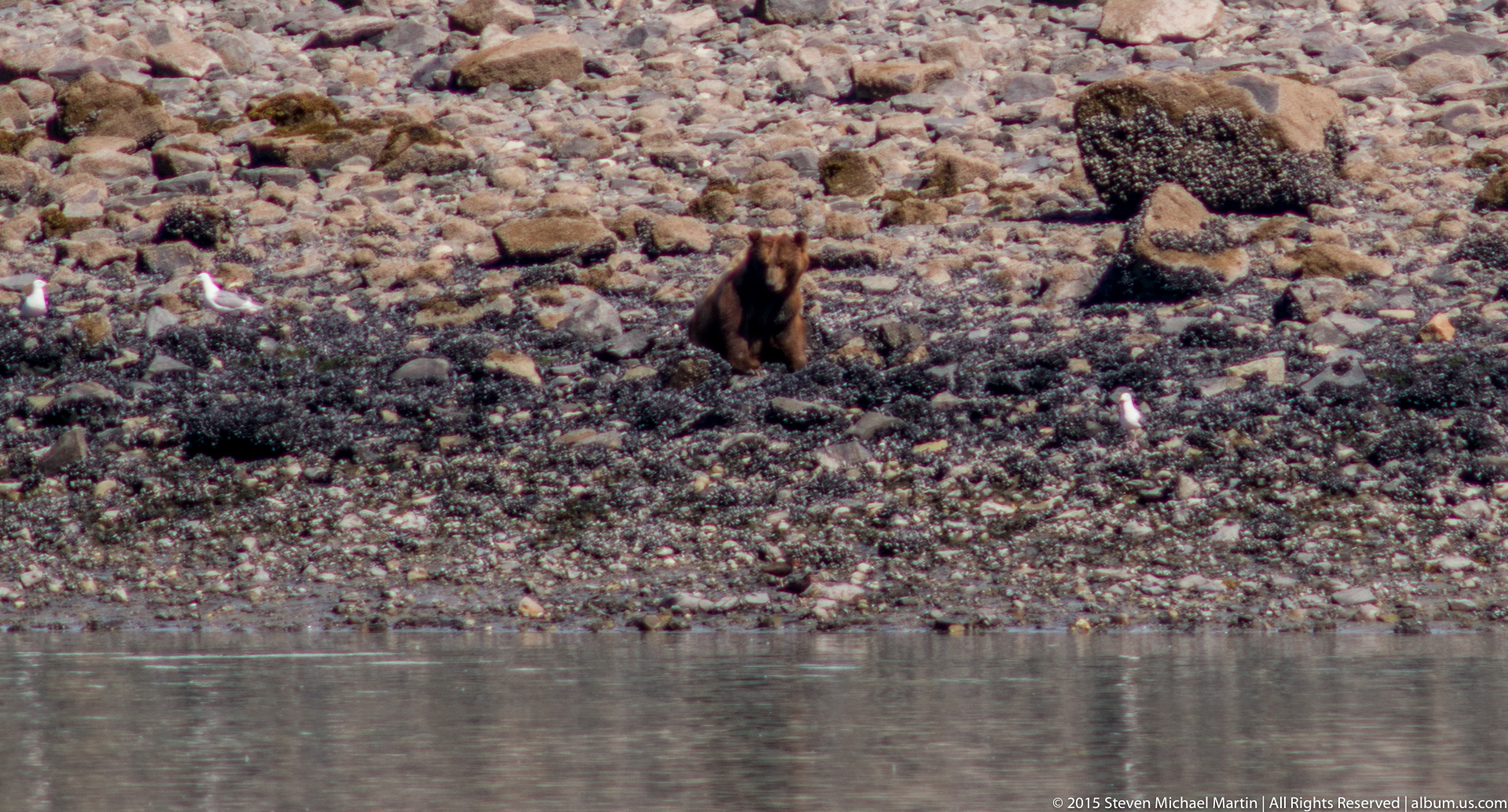
Wildlife activity near the forest edge often appears subtle, revealed through small movements among branches or the sound of birds traveling overhead. Bald eagles are frequently seen gliding along the coastline, using rising air currents near steep terrain to maintain altitude with little effort. Their presence reinforces the connection between forest ecosystems and nearby marine environments.
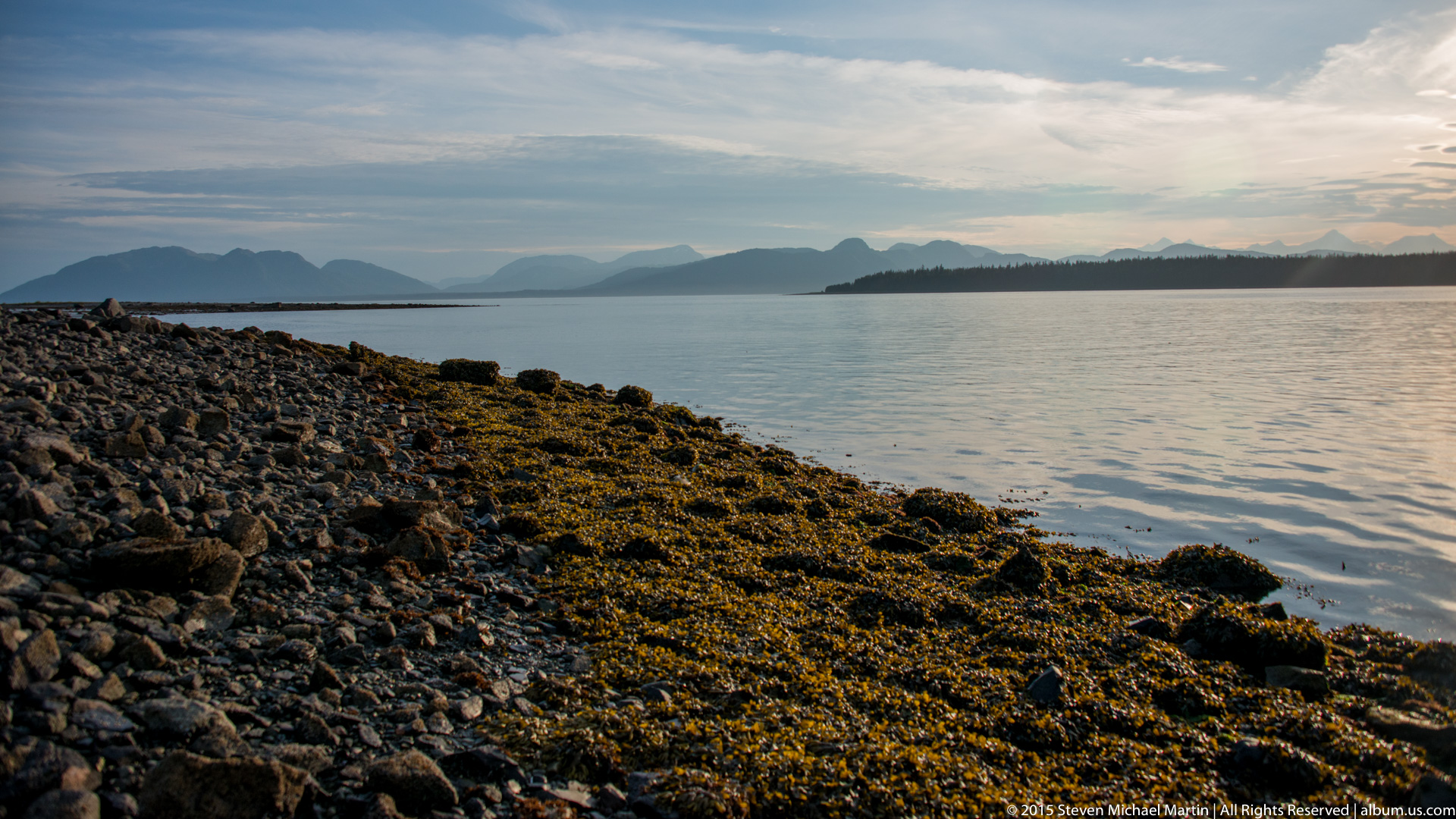
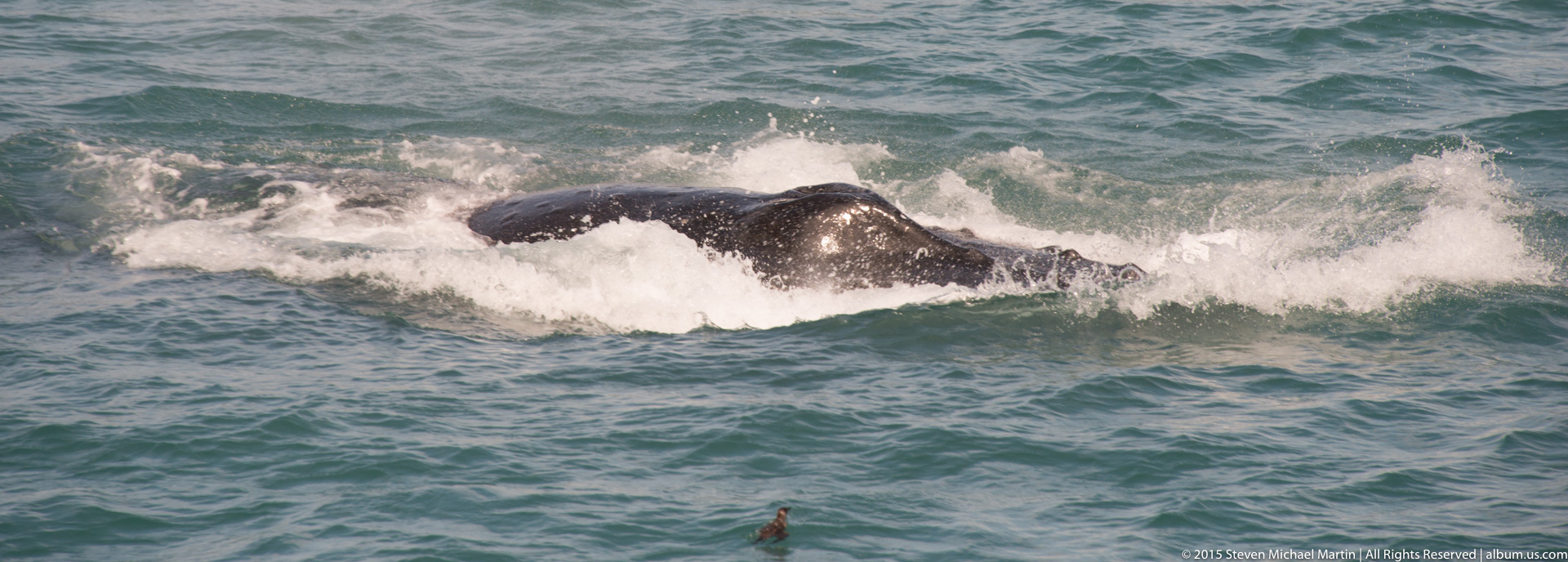
Along sheltered shorelines, occasional whale activity may be visible as distant surface disturbance or the brief appearance of a dorsal fin. These moments often occur unexpectedly, contrasting with long periods where the water appears nearly motionless. The scale of the fjord environment allows wildlife to move freely across large areas with minimal human presence.
Encounters in Misty Fjords tend to unfold gradually, reflecting the quiet character of the landscape. The combination of dense forest, calm water, and shifting cloud cover creates an environment where wildlife activity feels integrated into the broader natural setting rather than isolated from it.
📷 Photography Notes
- Overcast light enhances glacier color
- Wide framing shows fjord scale
- Ice textures create strong detail
- Cloud layers add atmosphere
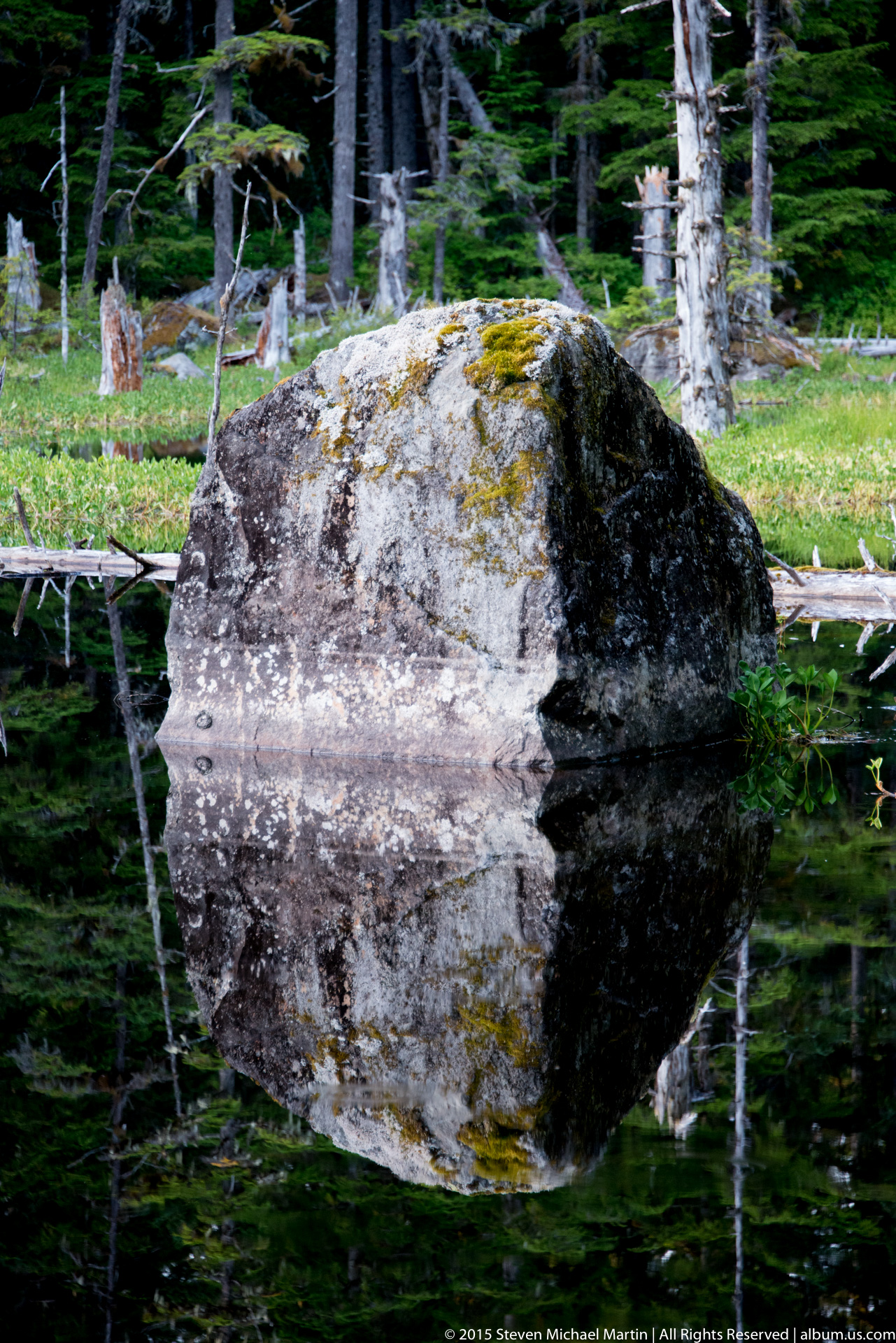
- Foreground water adds depth
- Simple compositions emphasize scale