North Cascades NP – Washington Pass
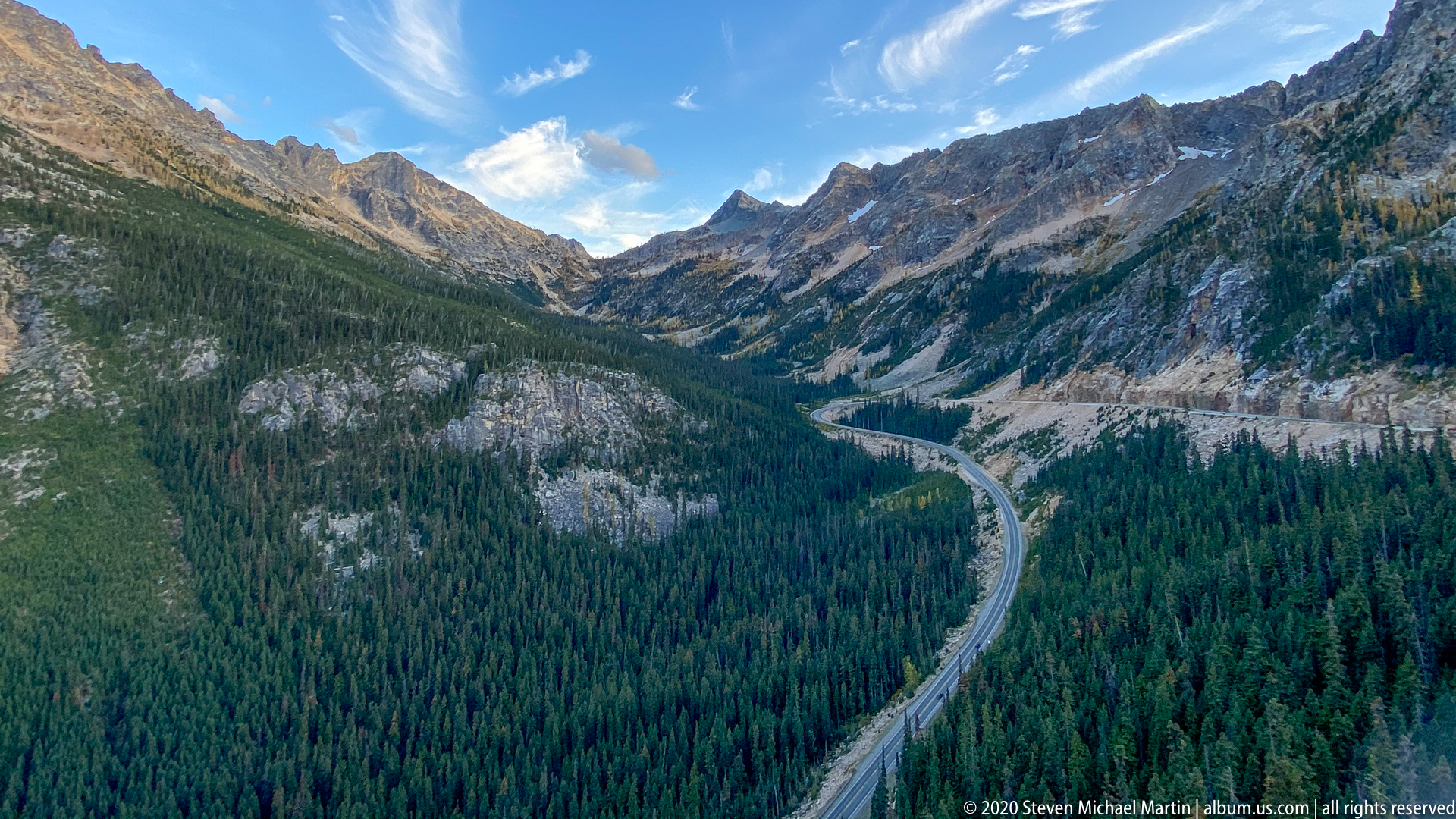
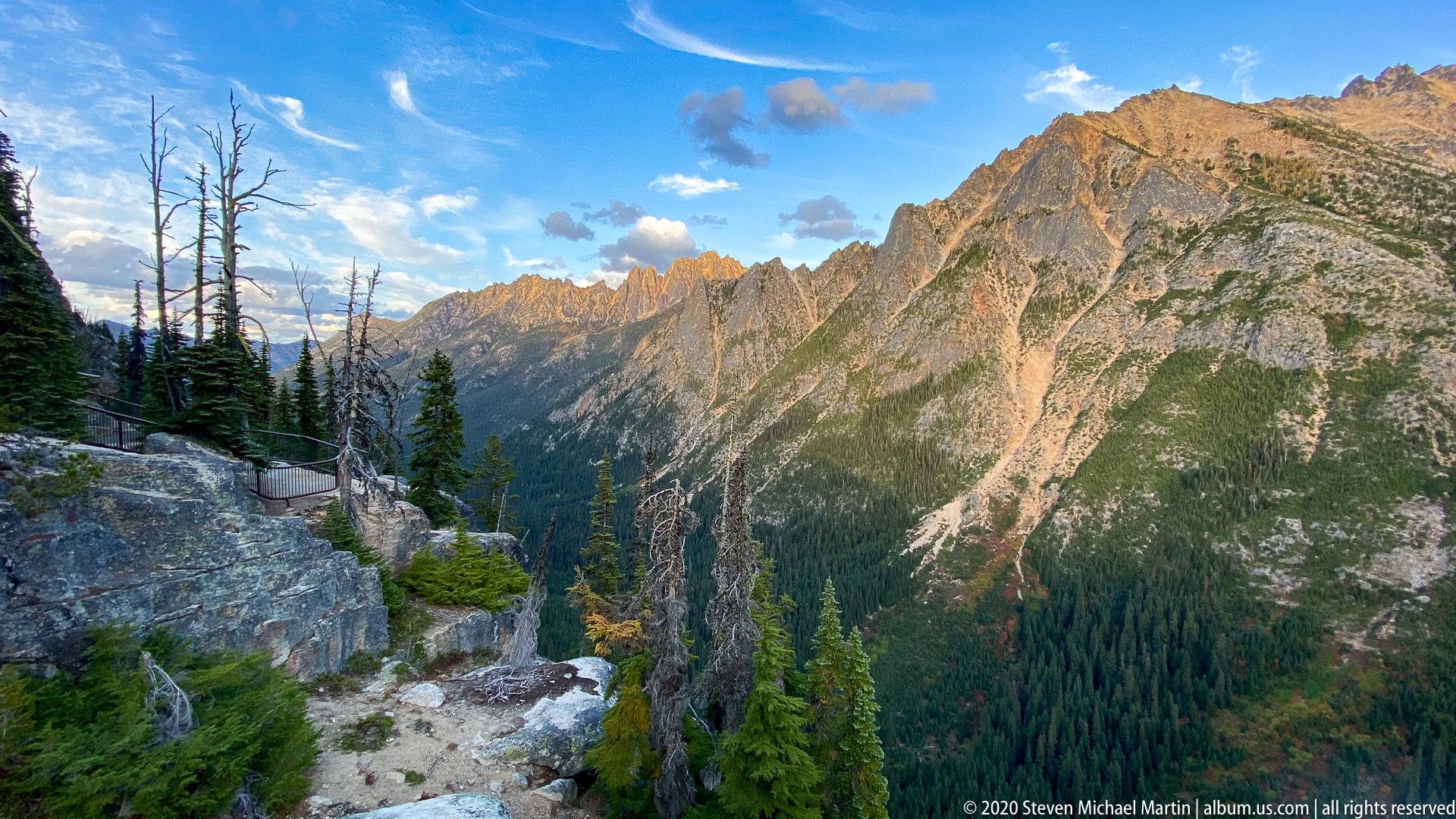
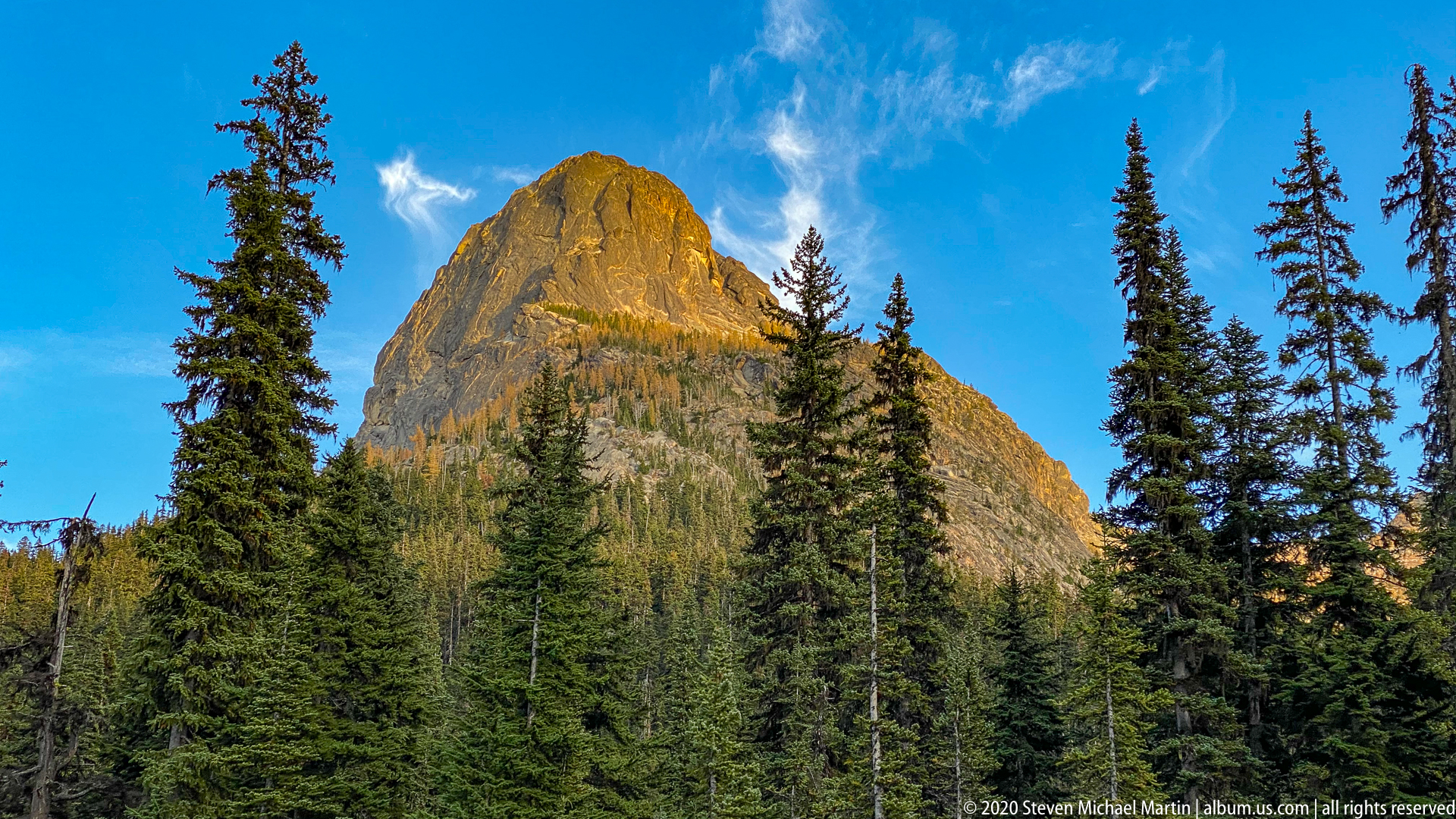
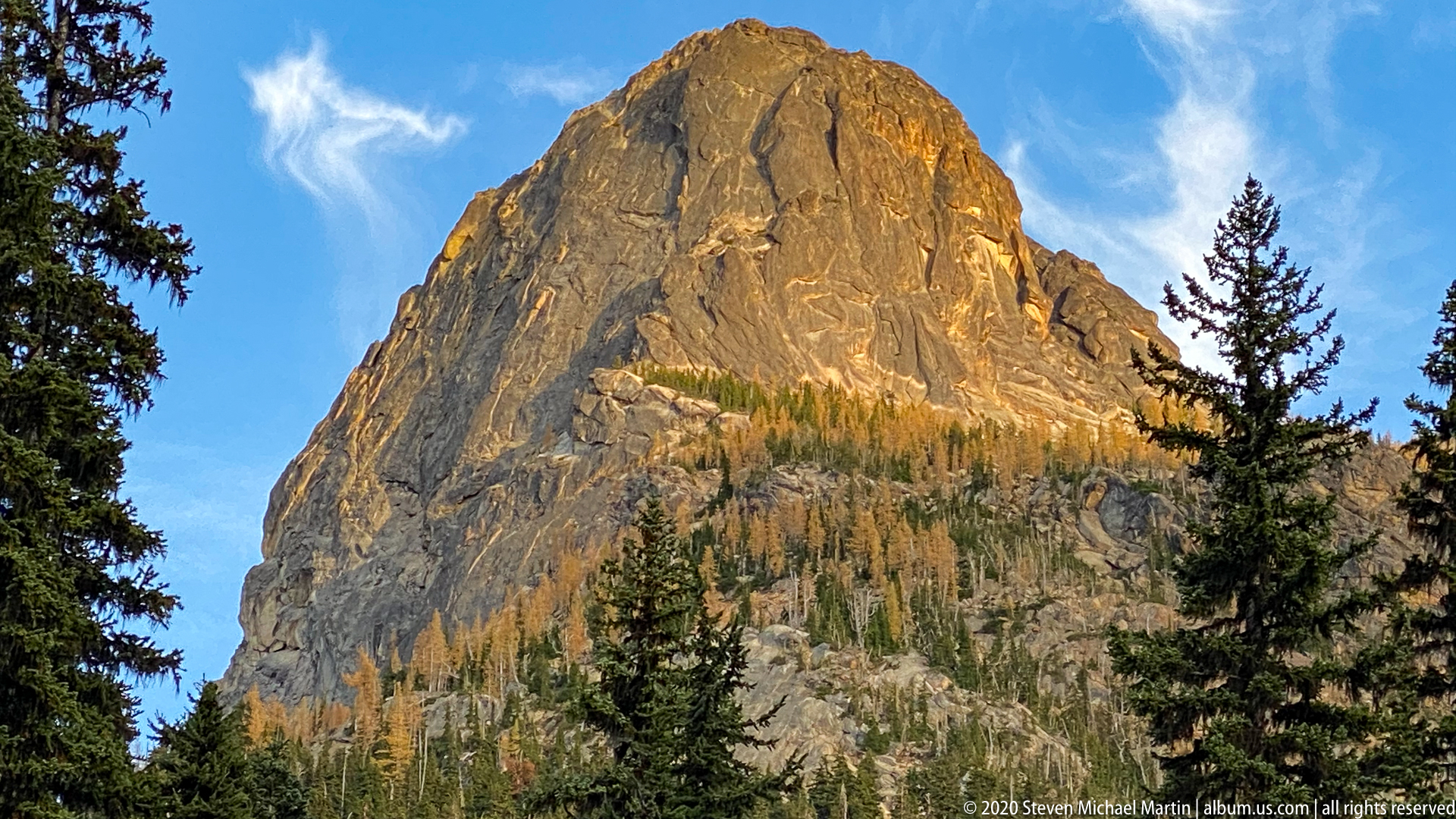
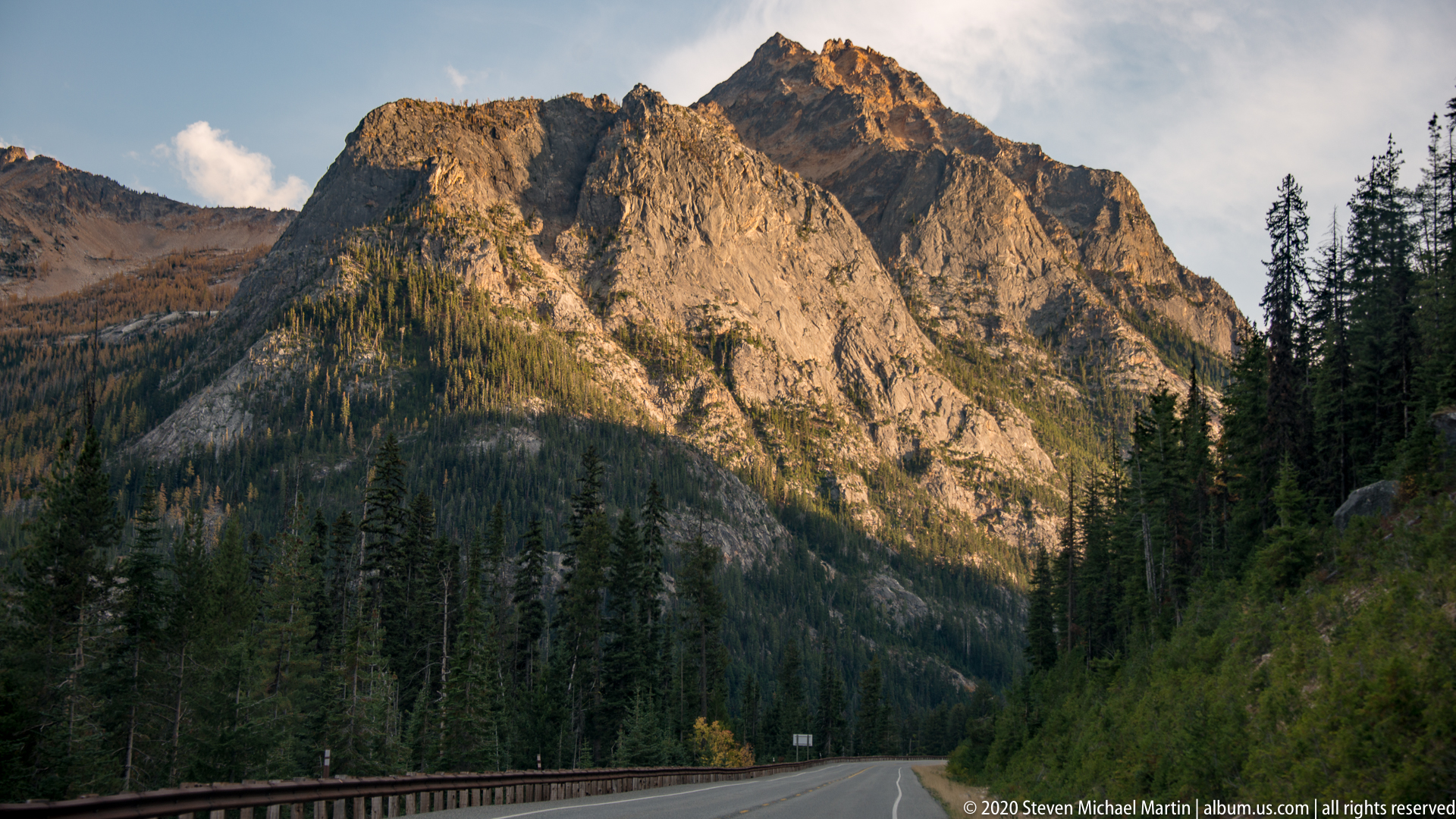
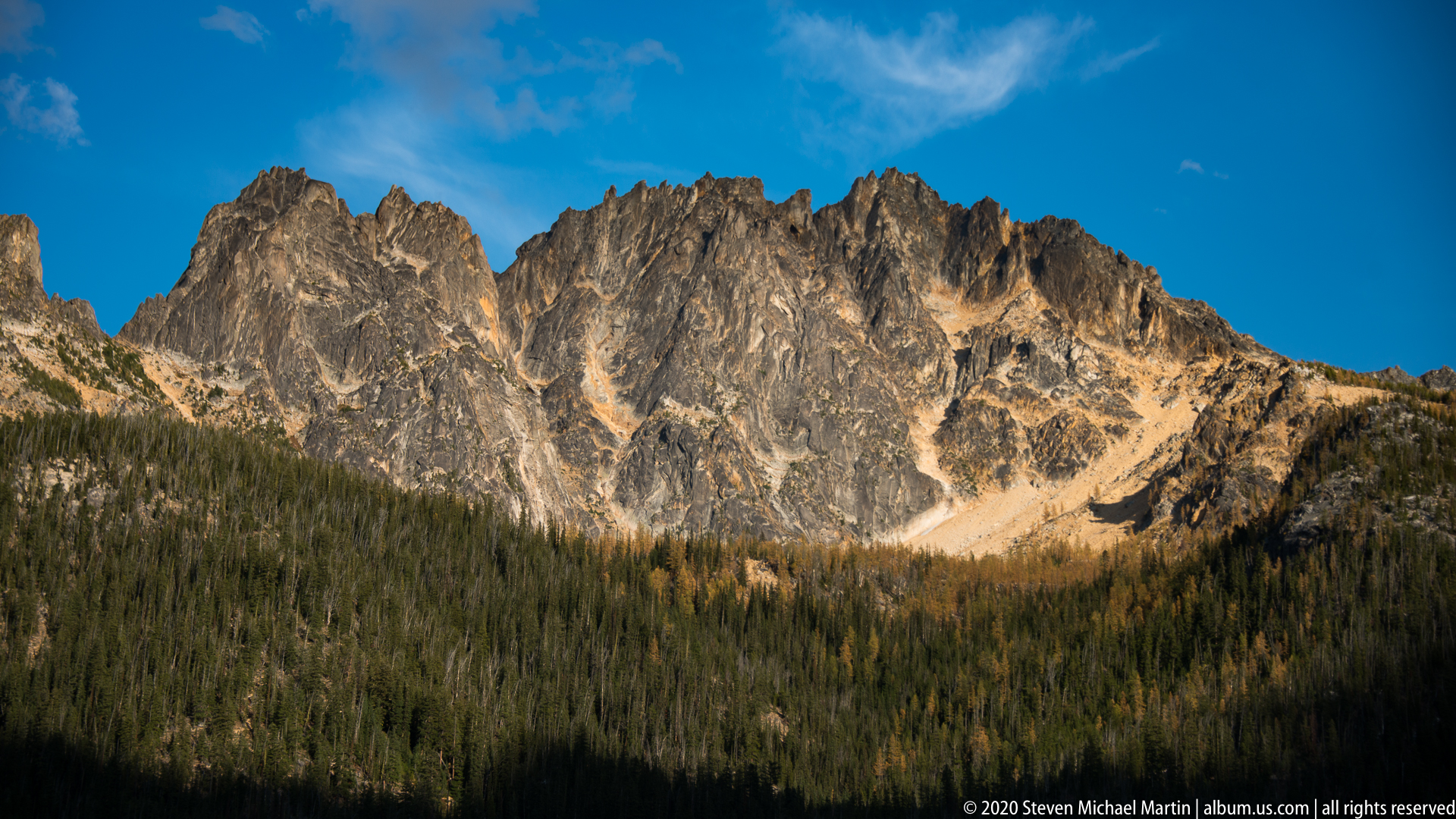
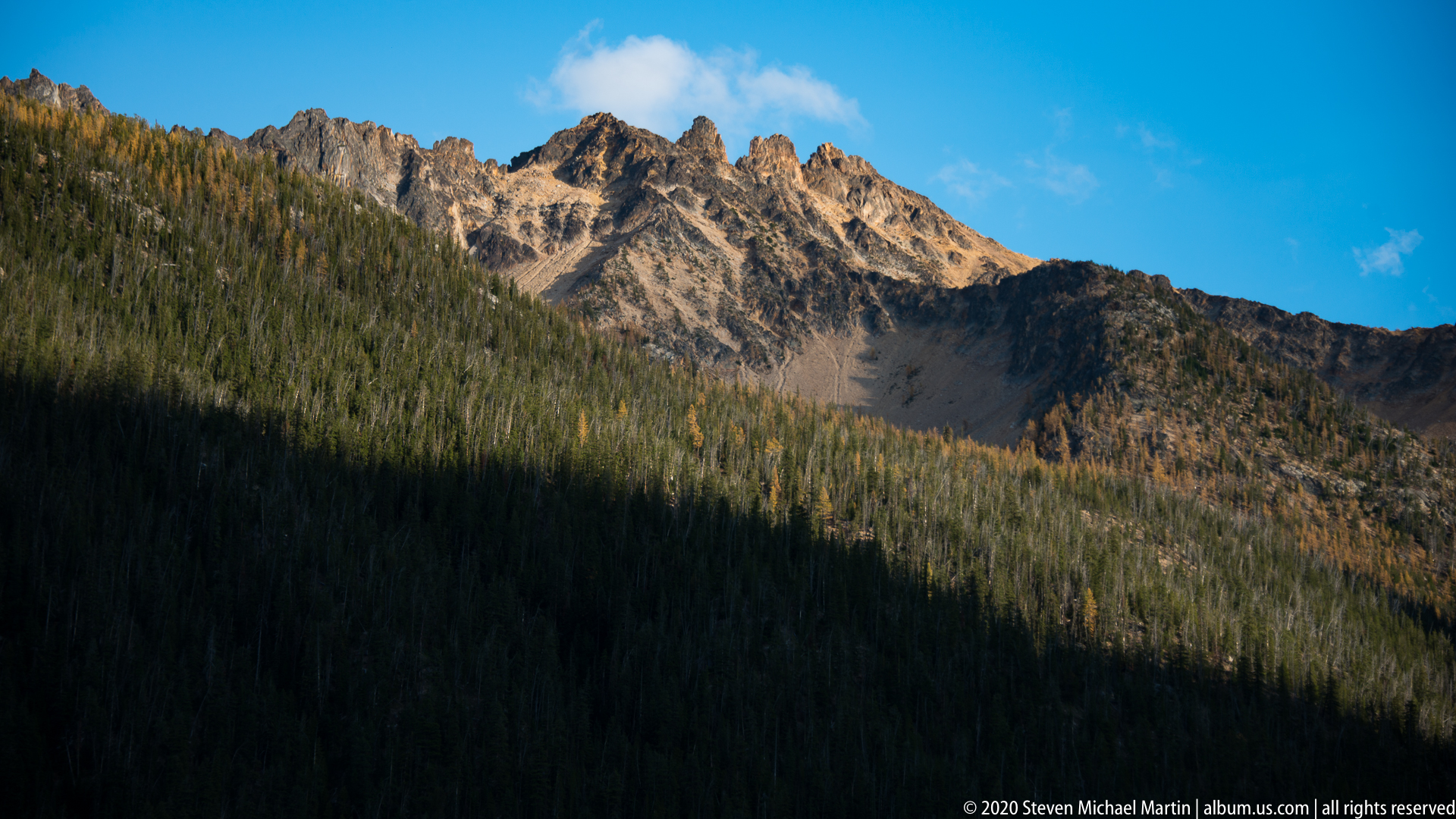
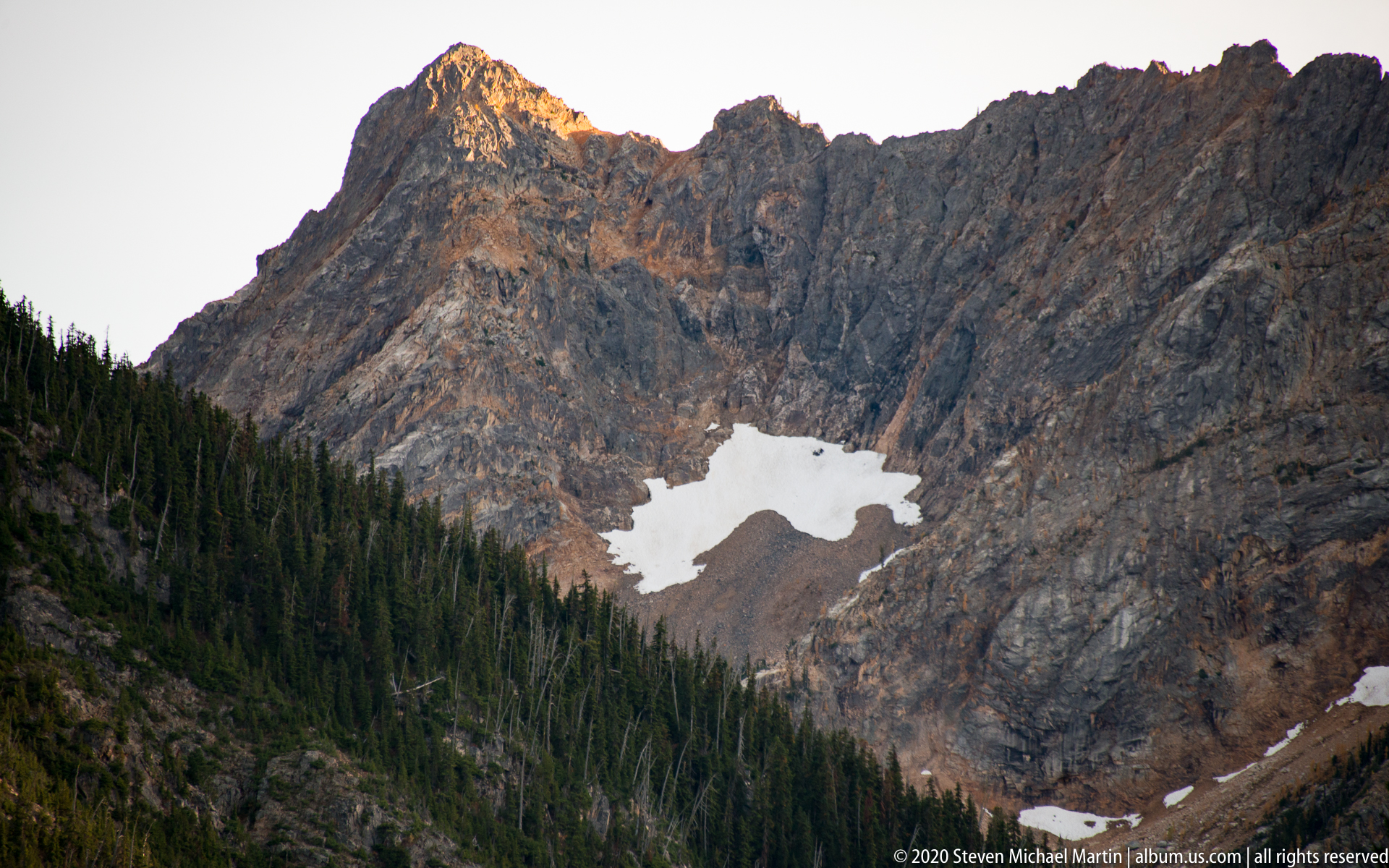
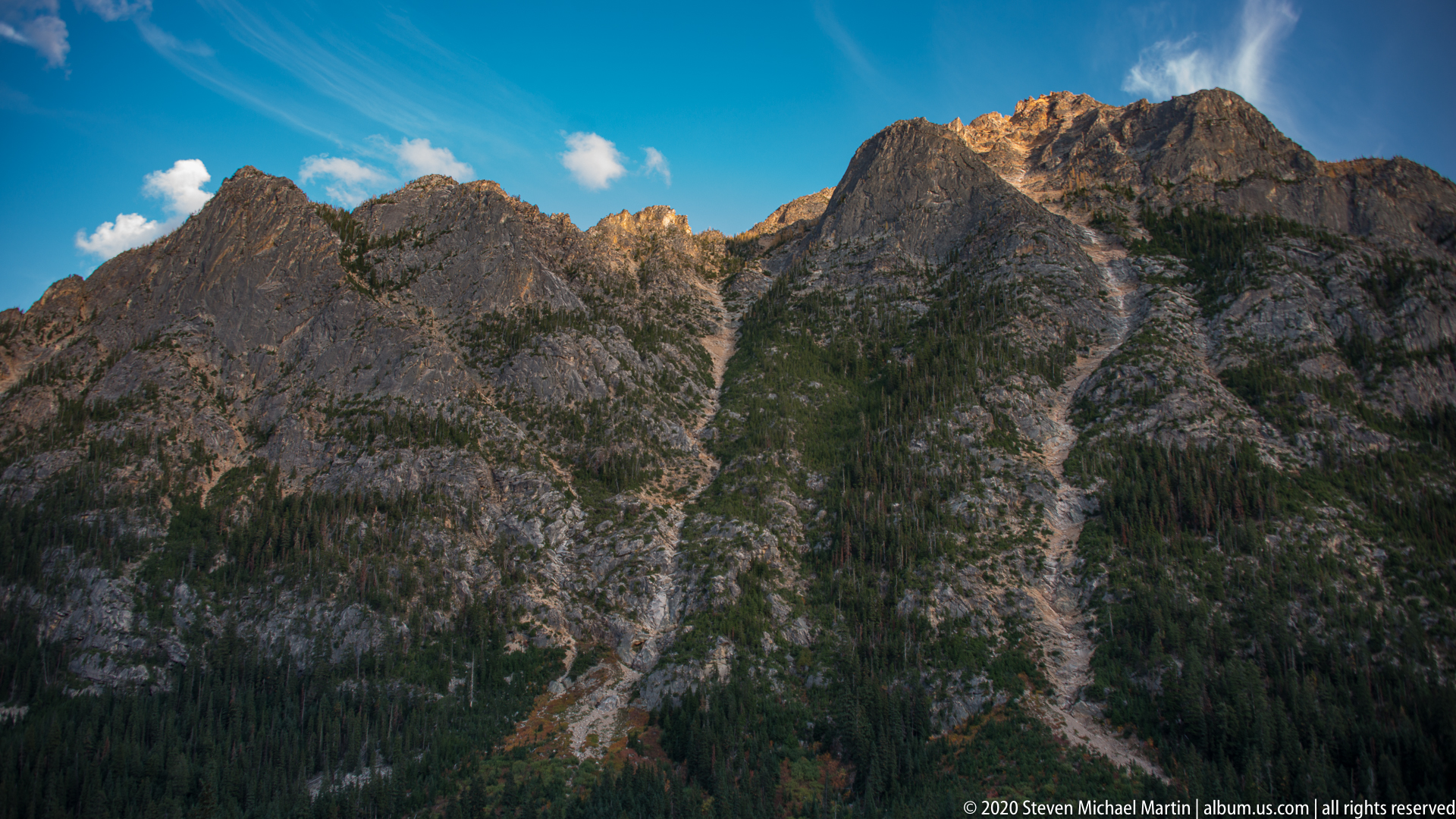
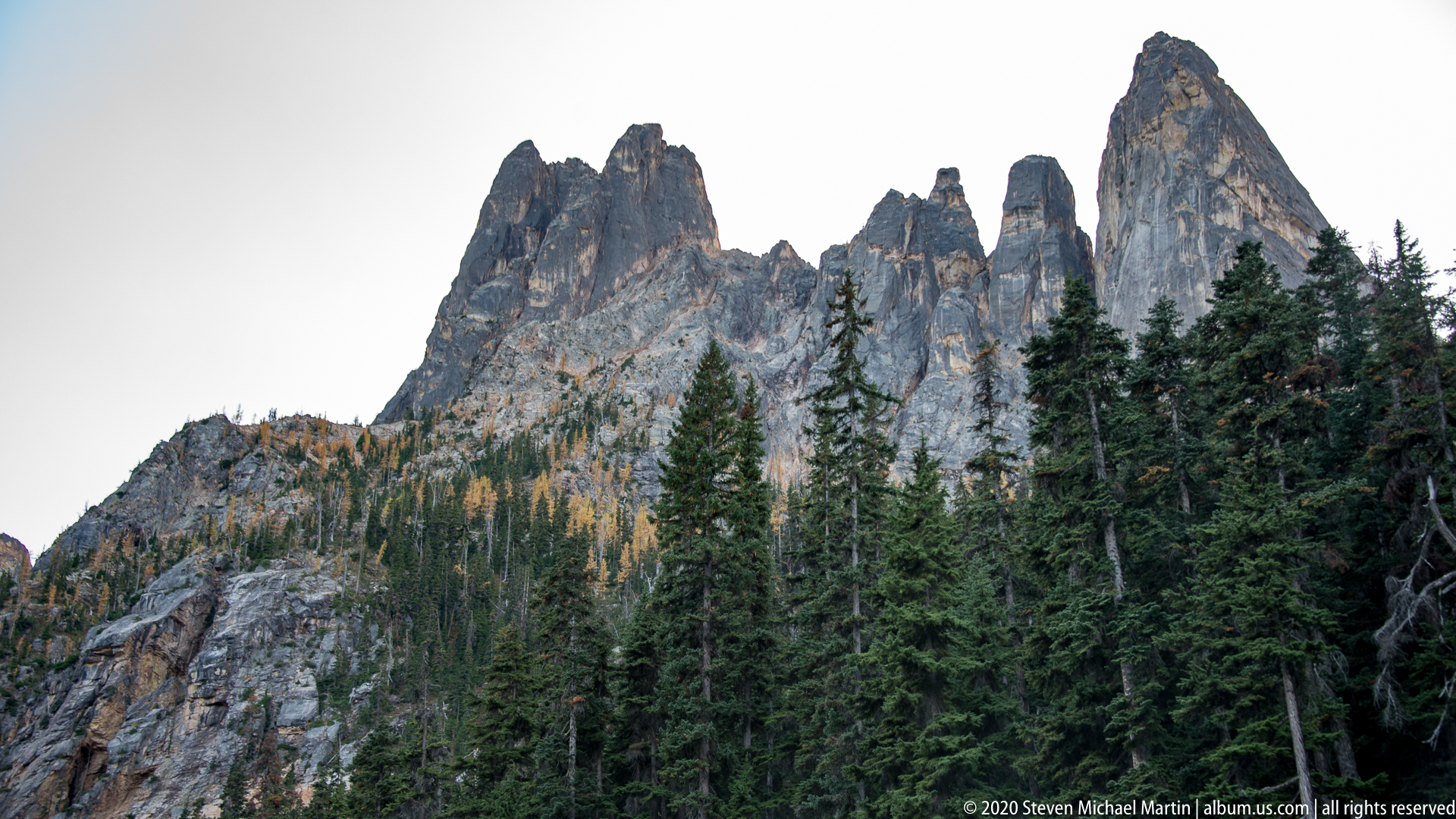
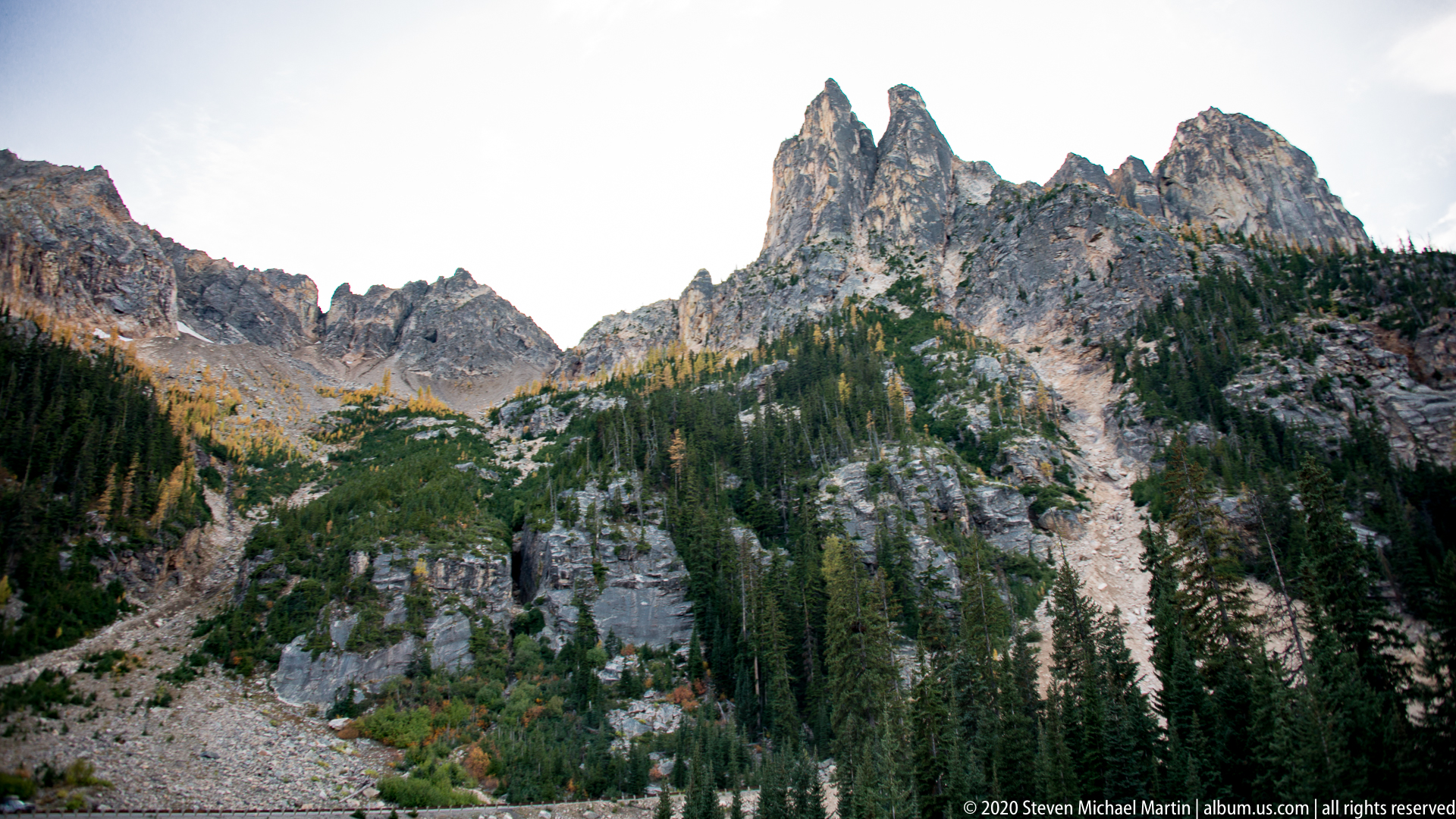
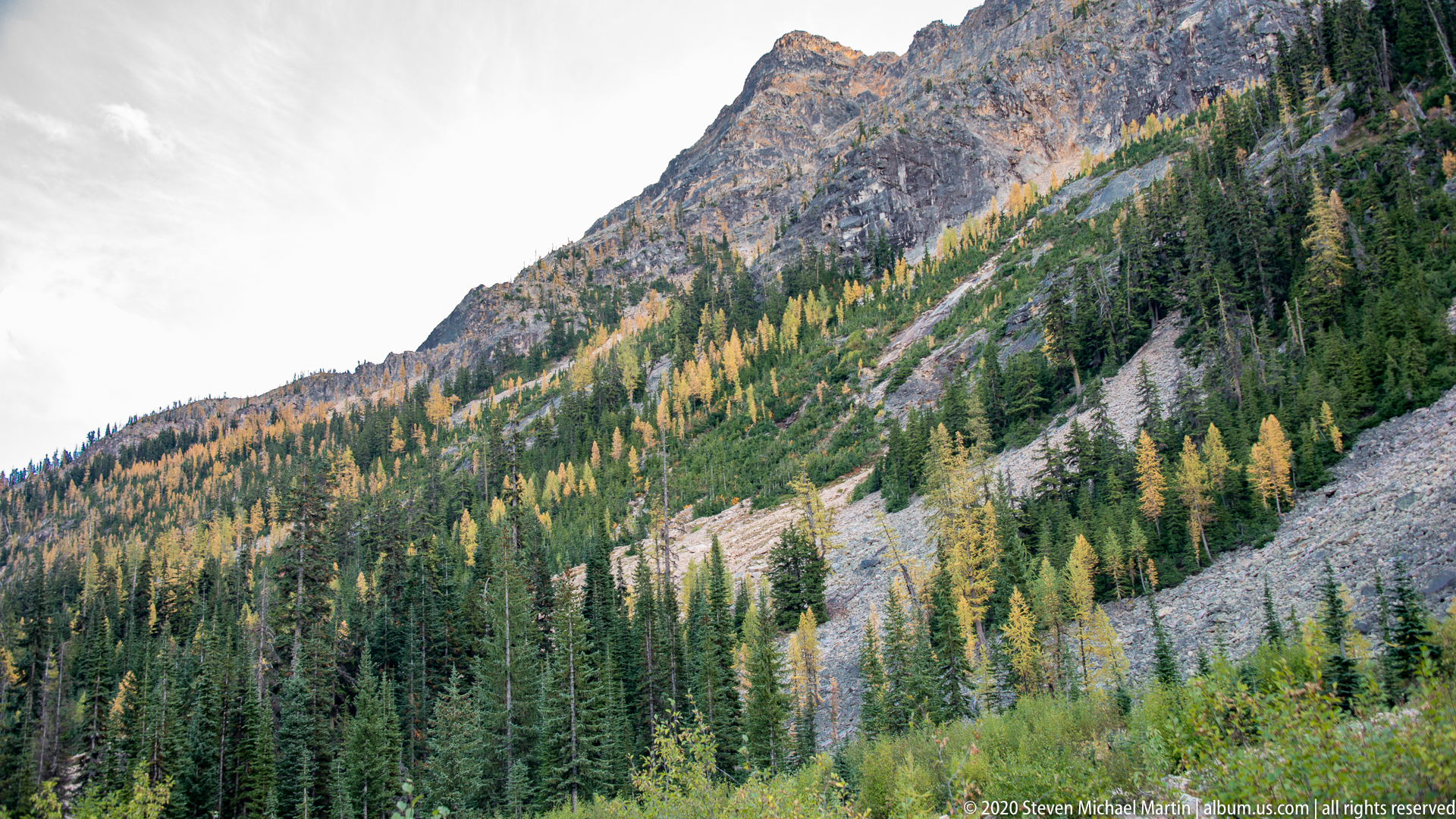
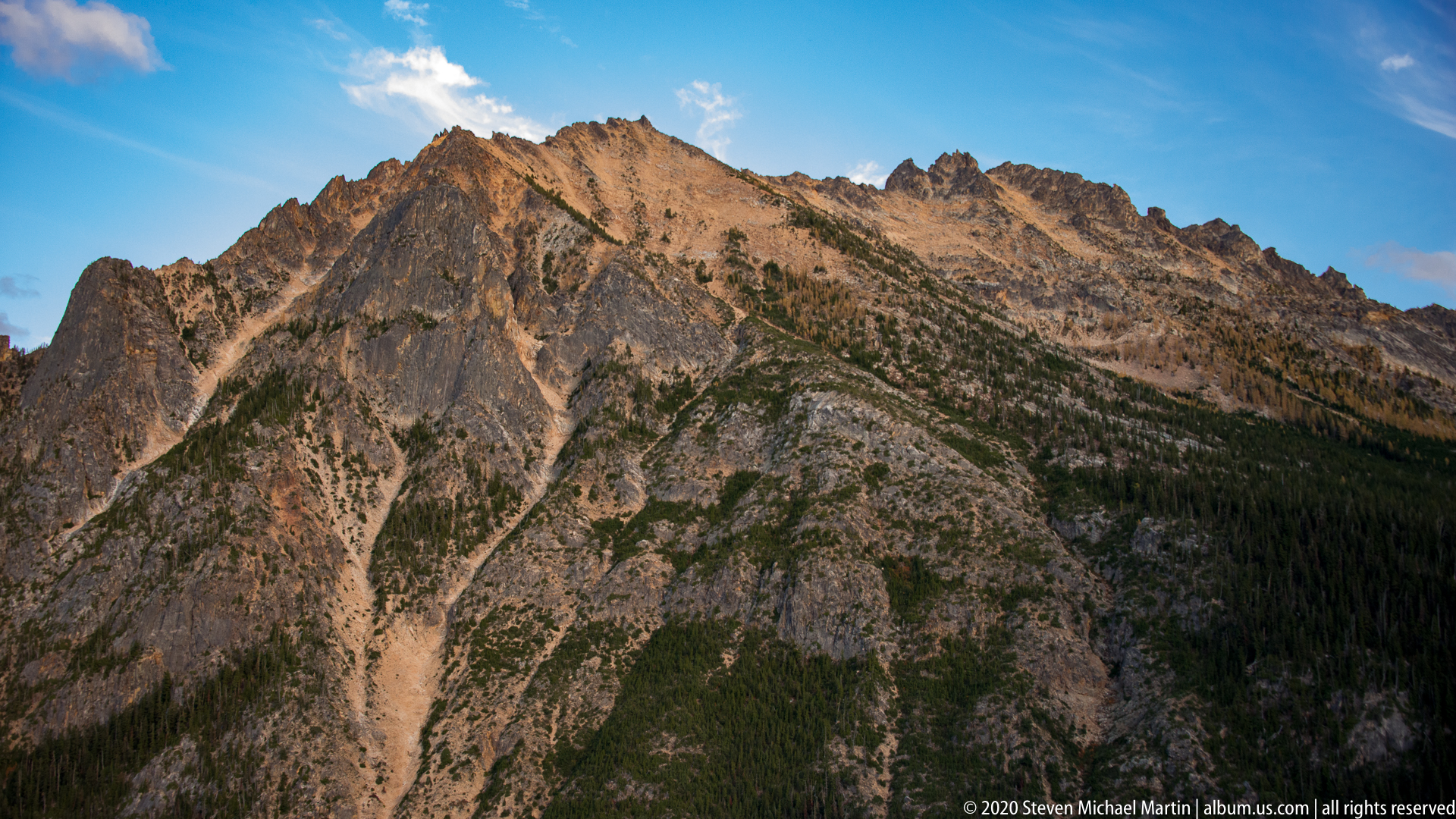
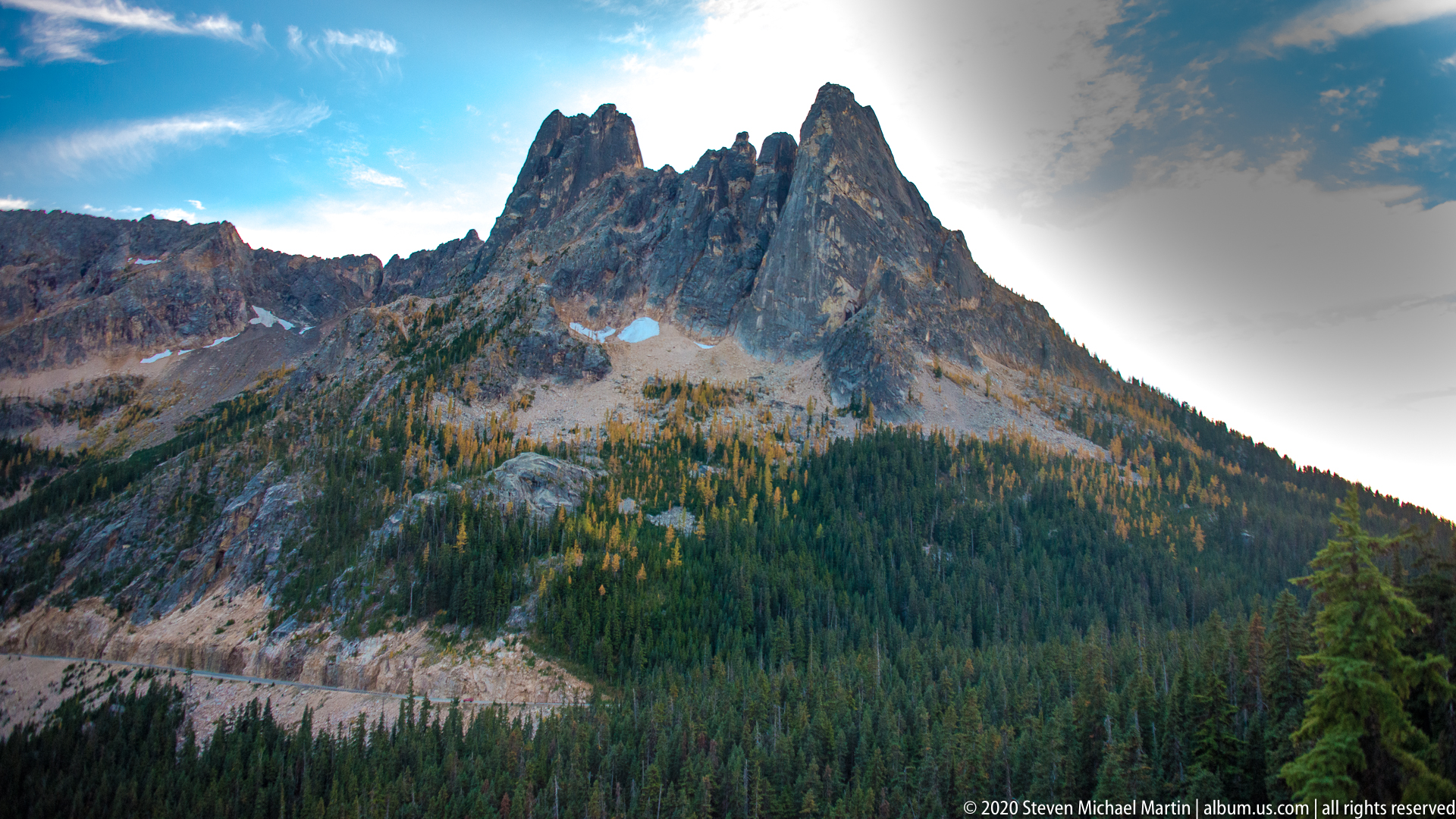
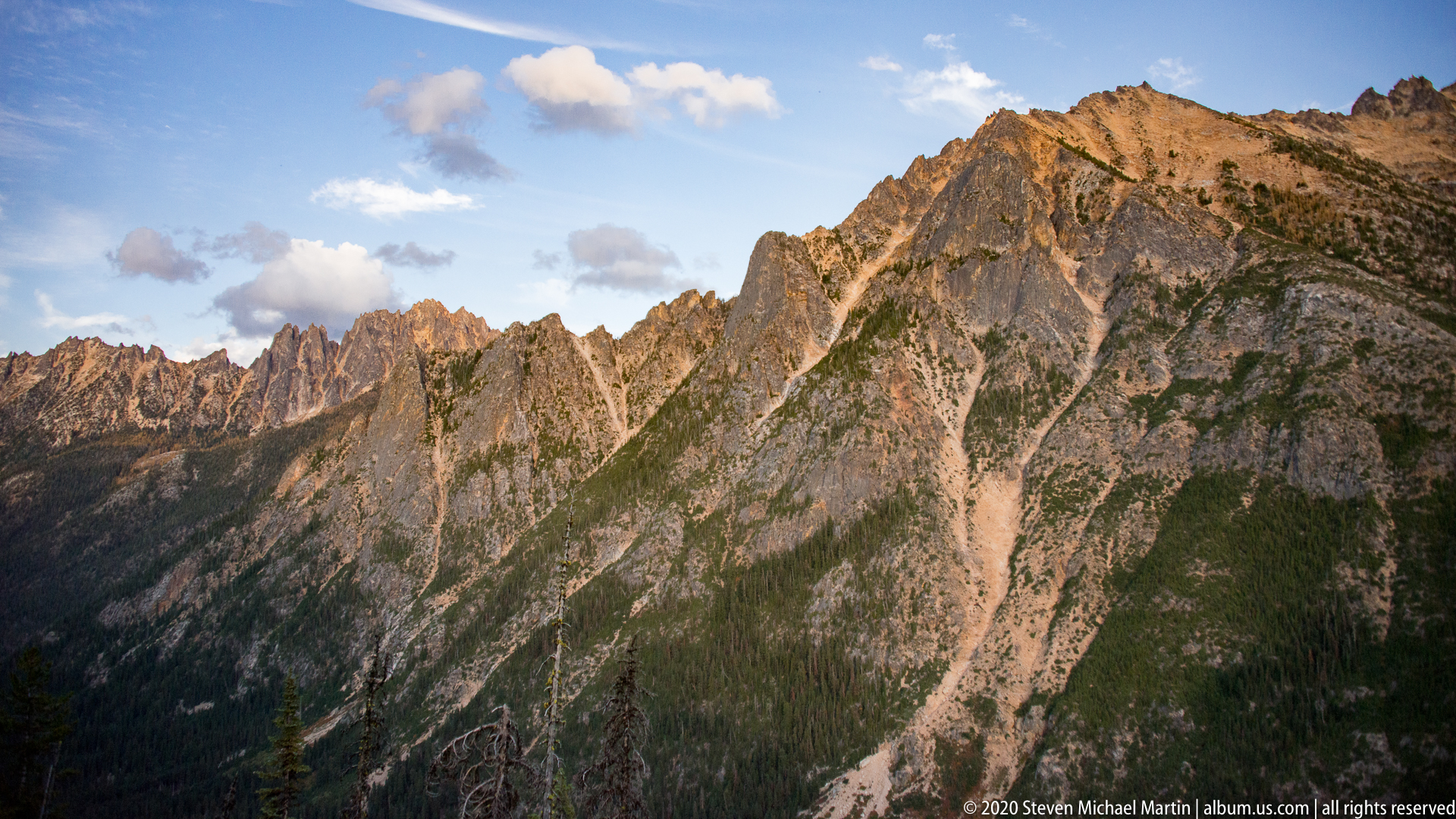
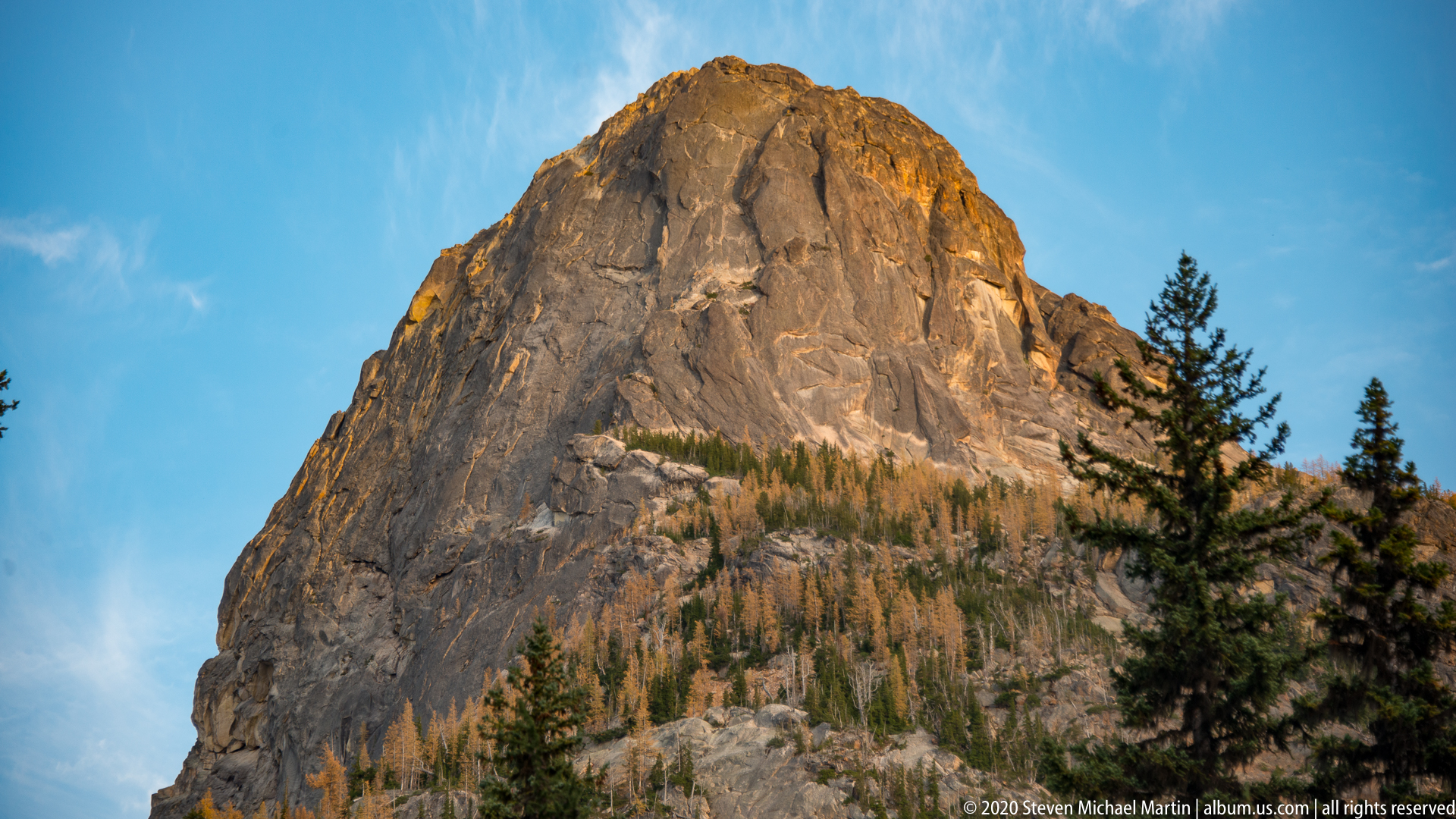
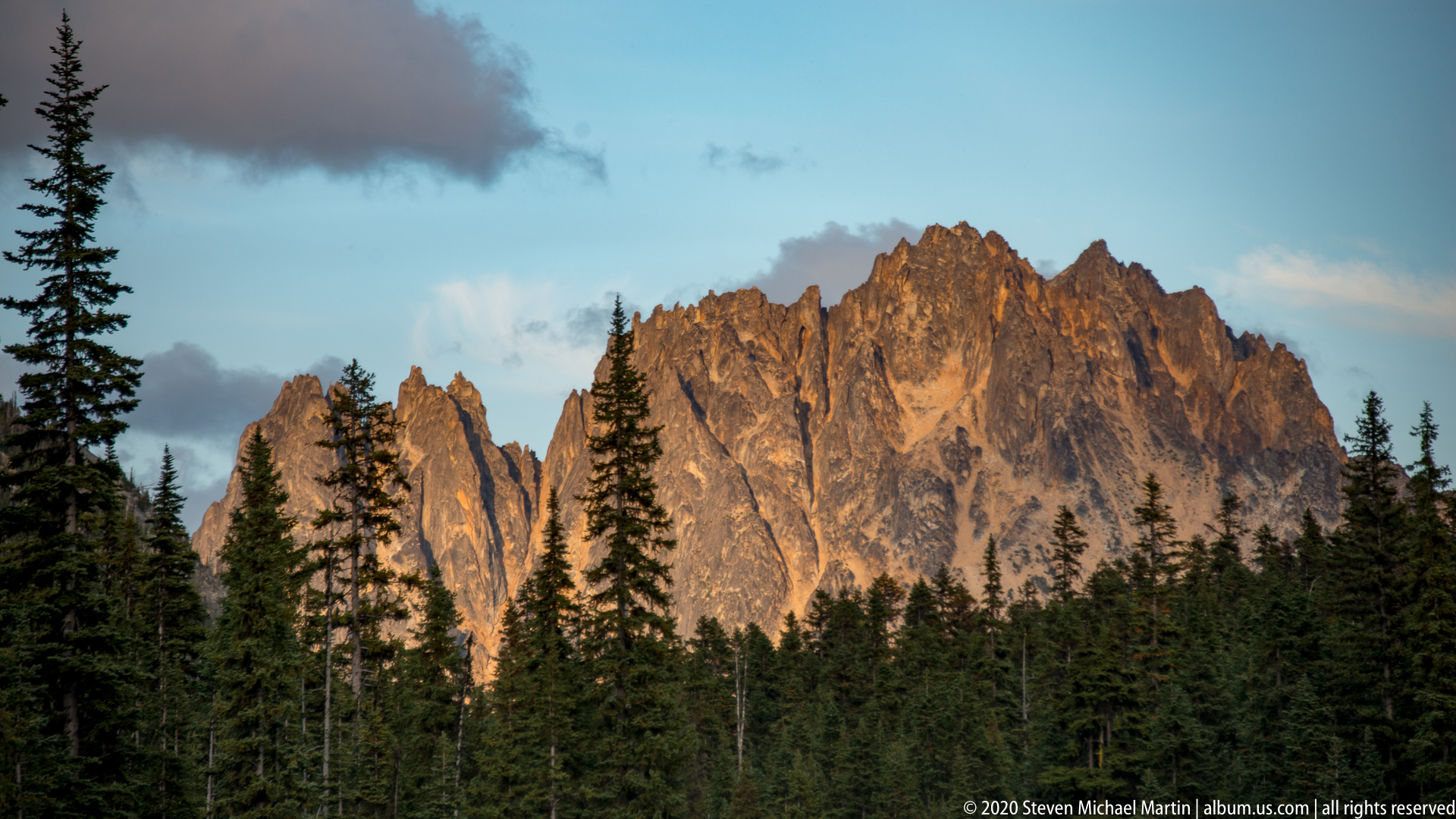
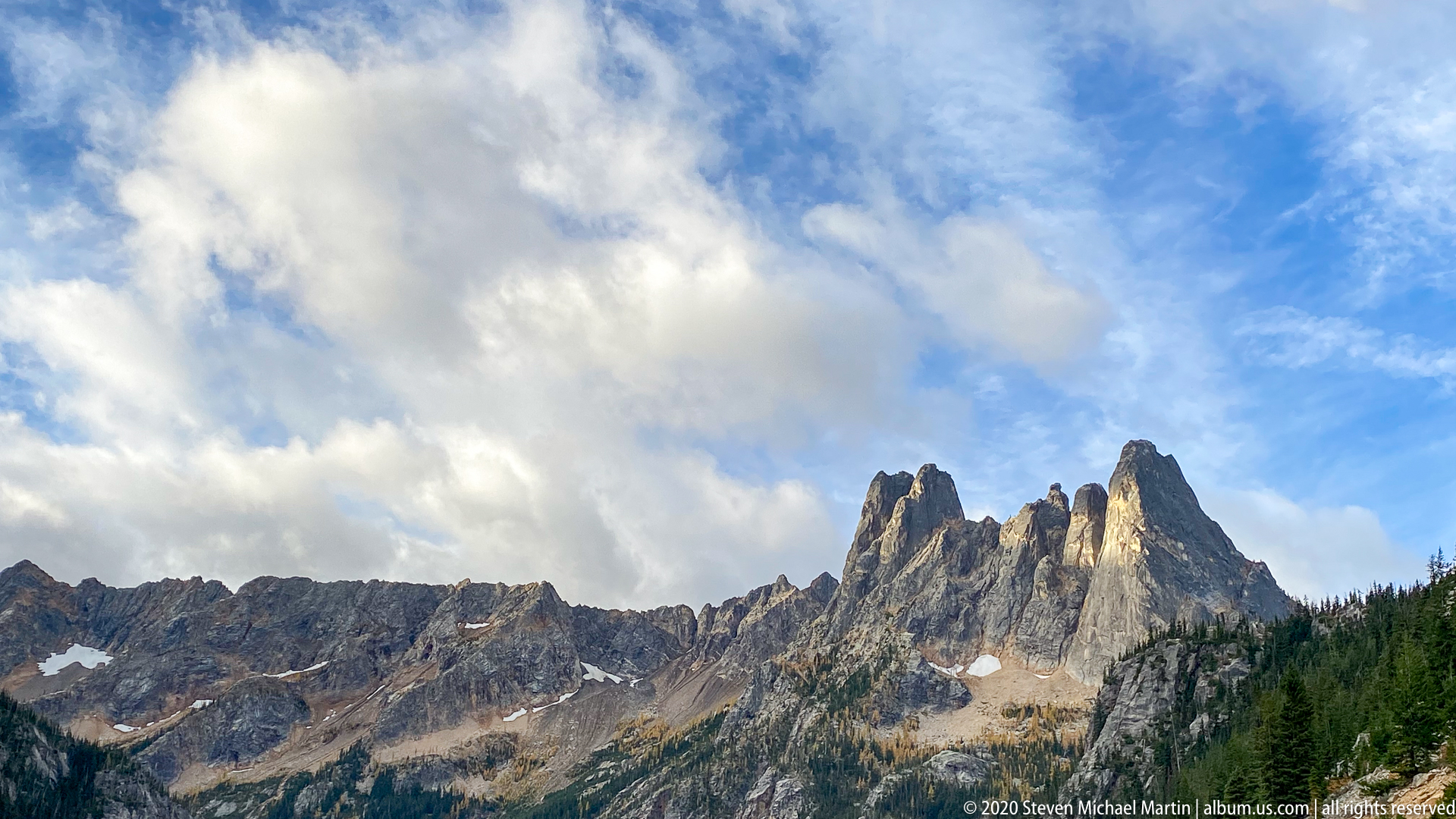
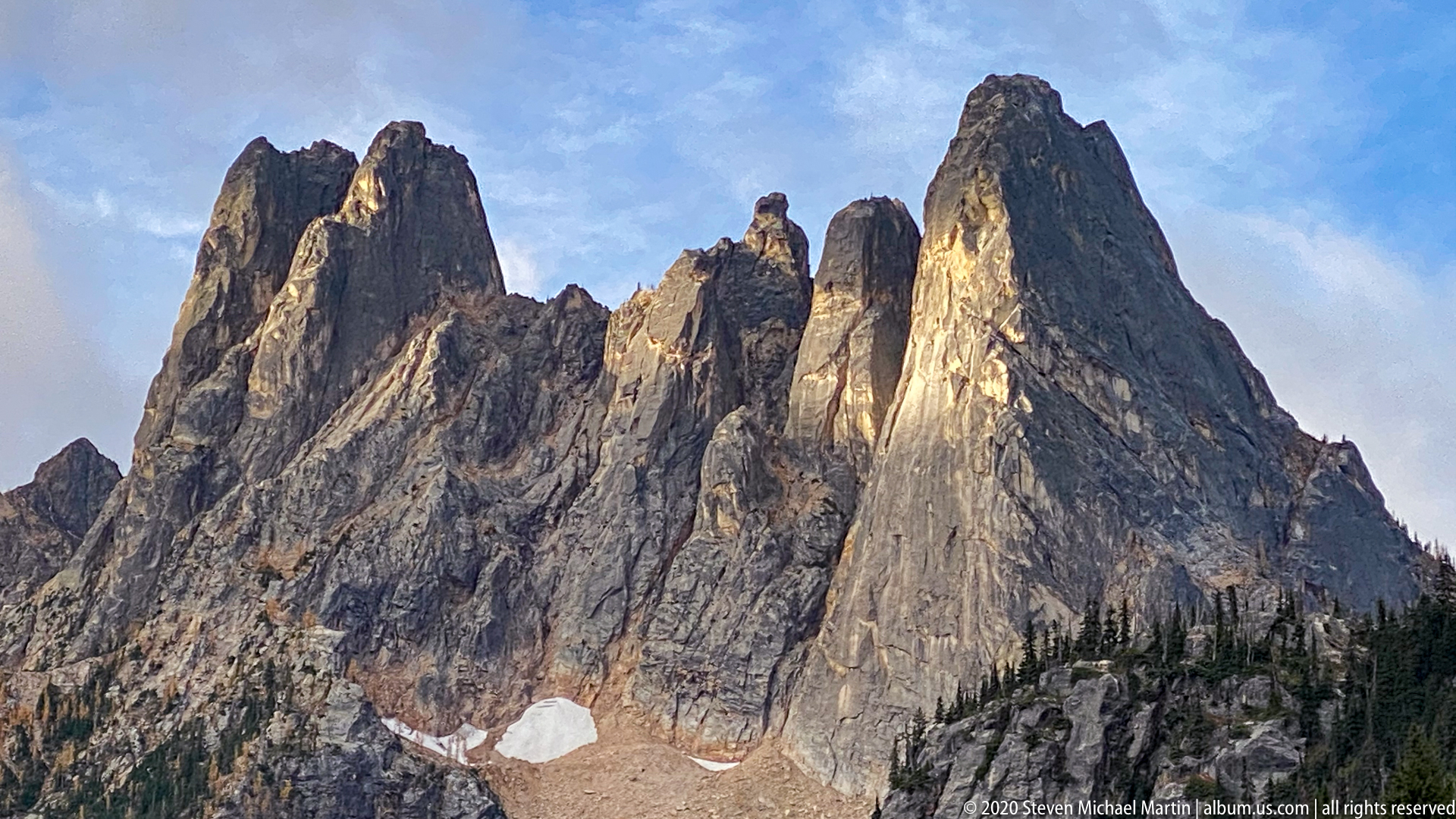
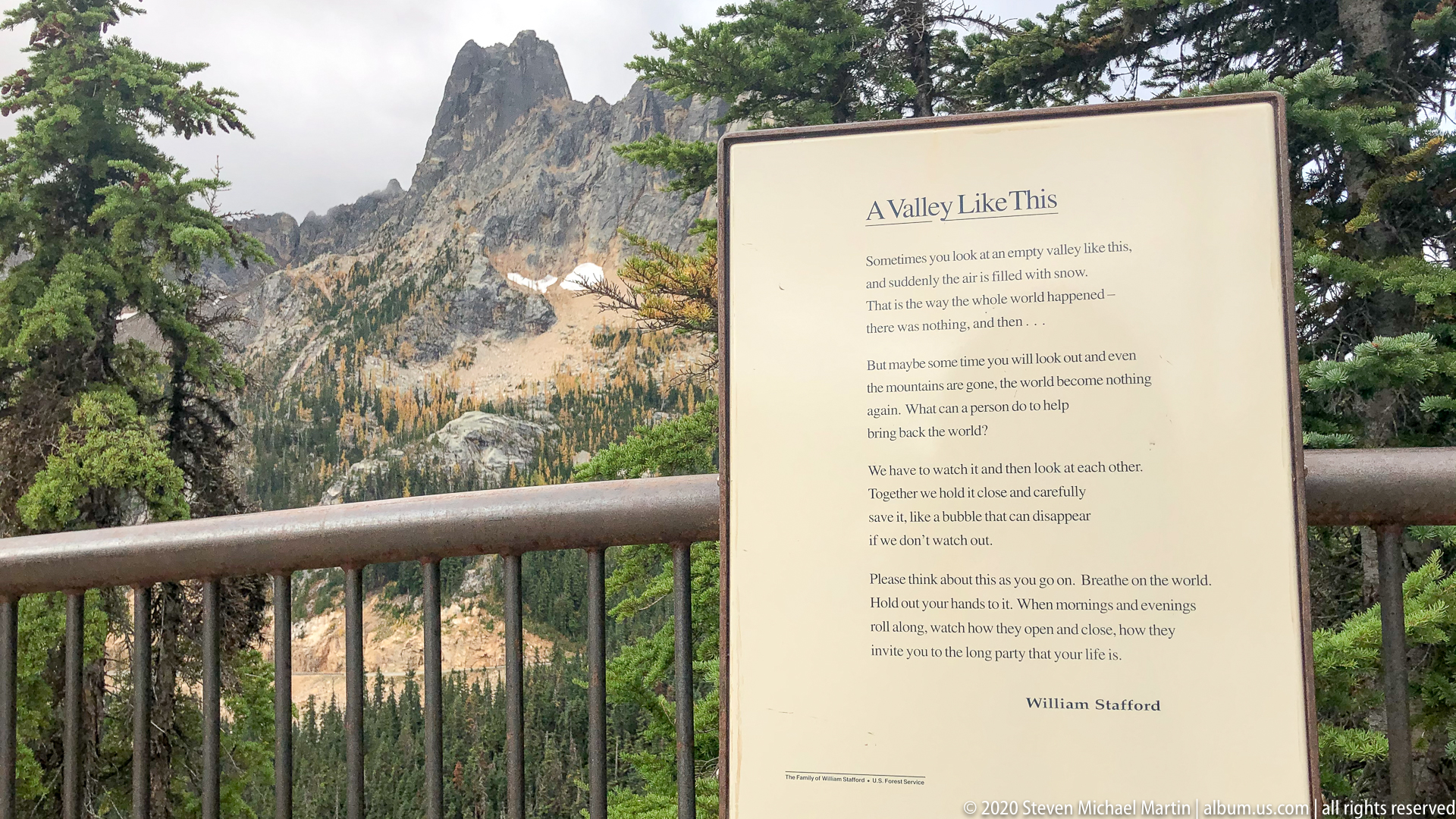
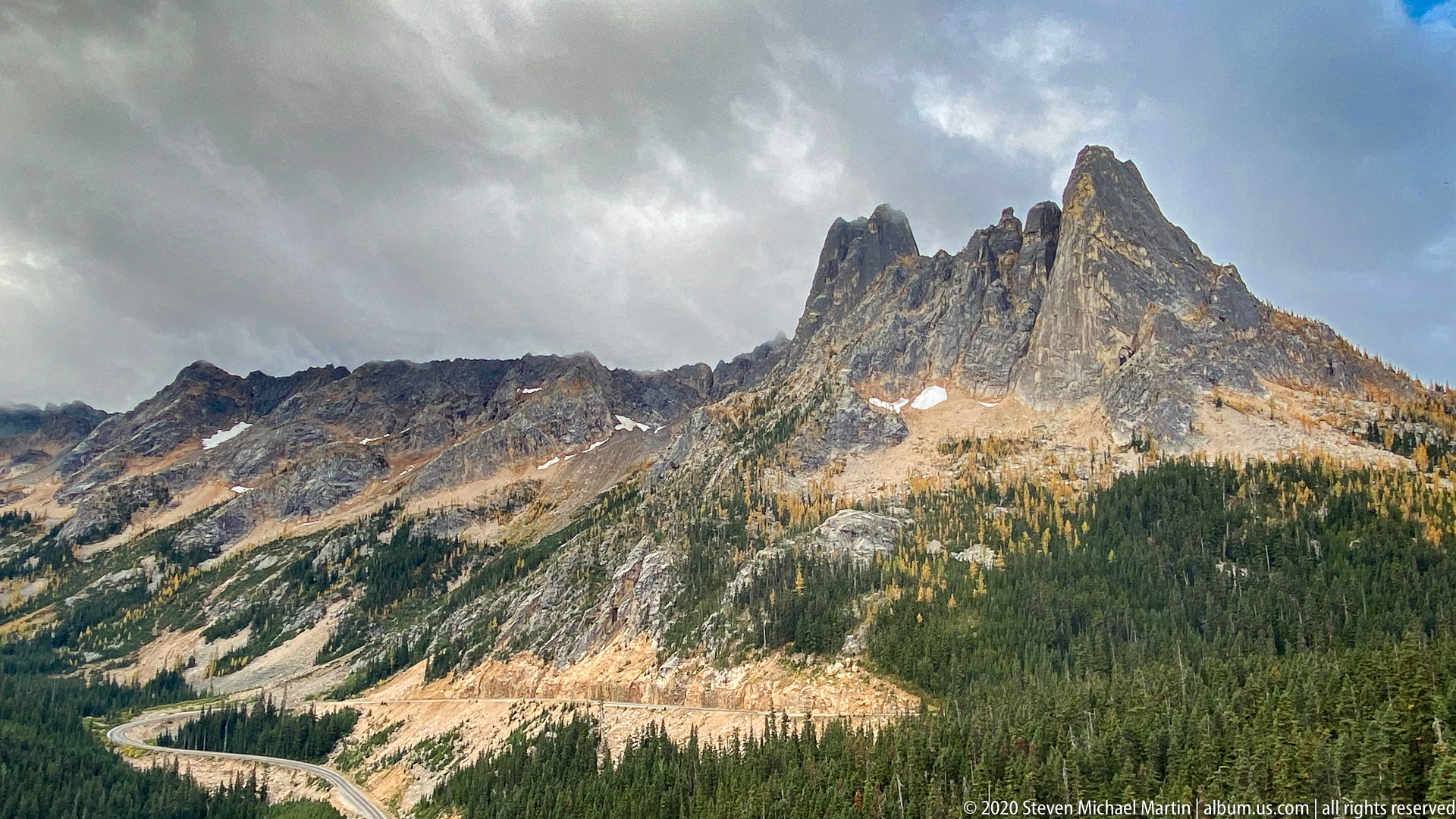
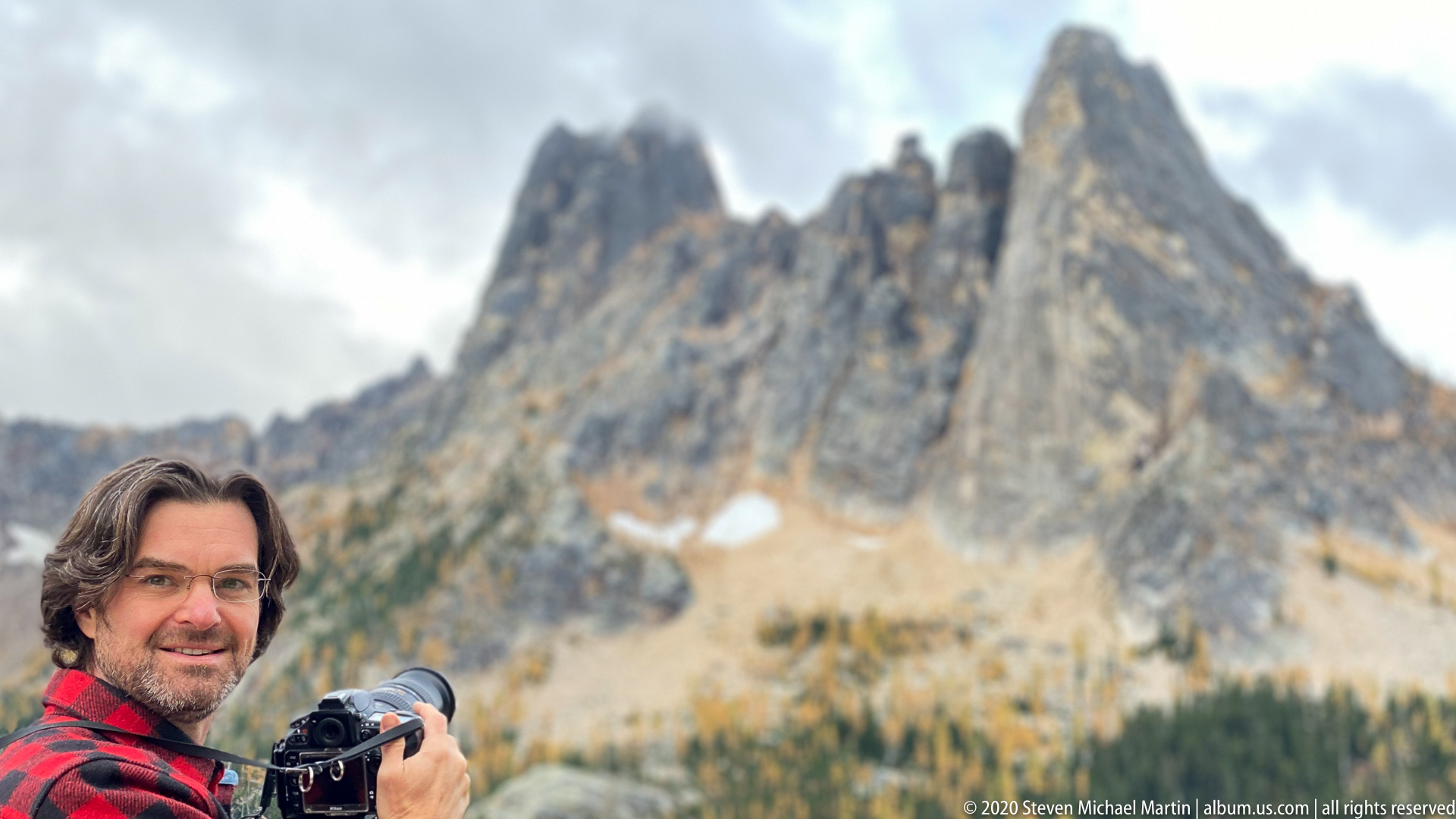
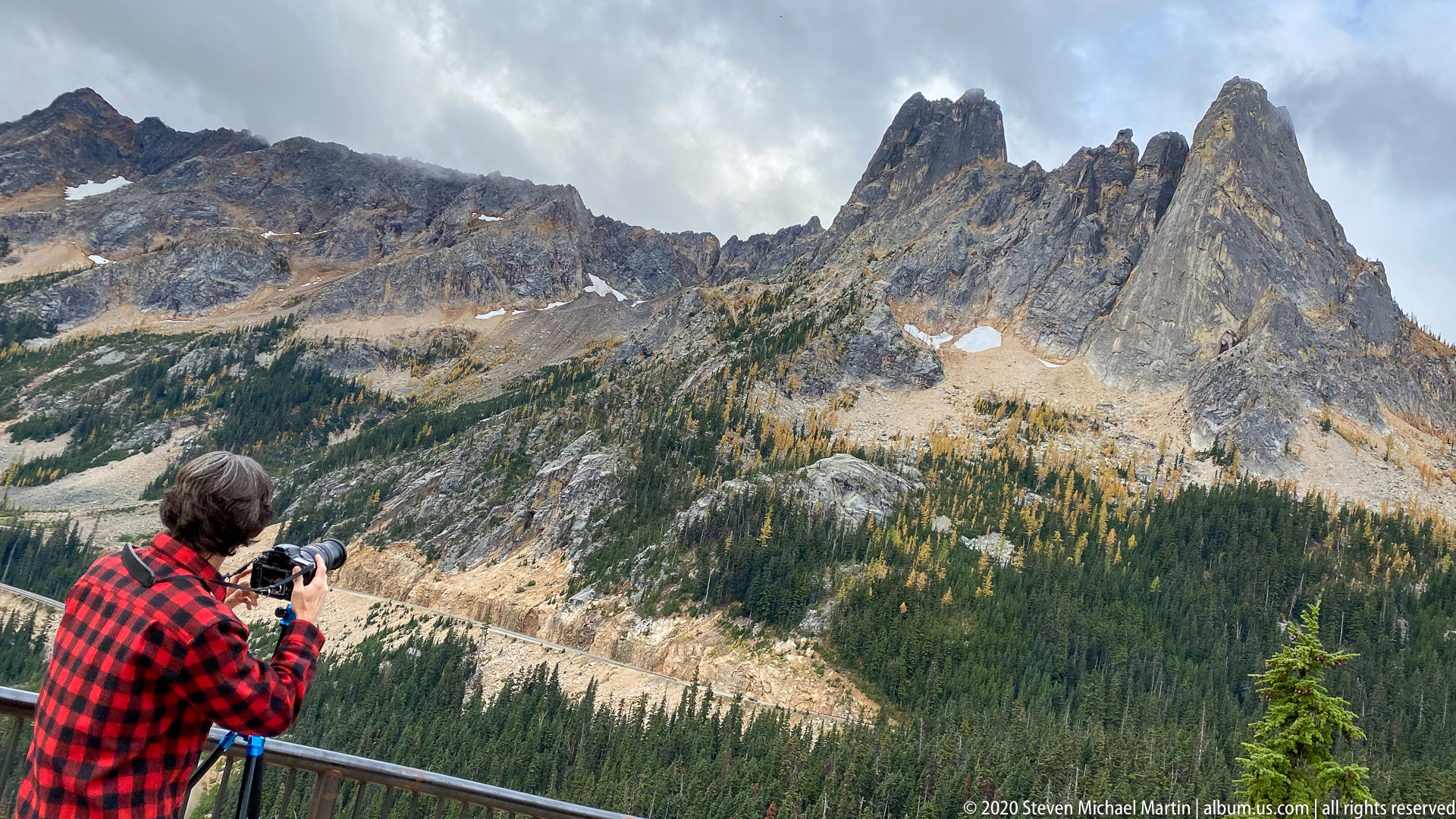
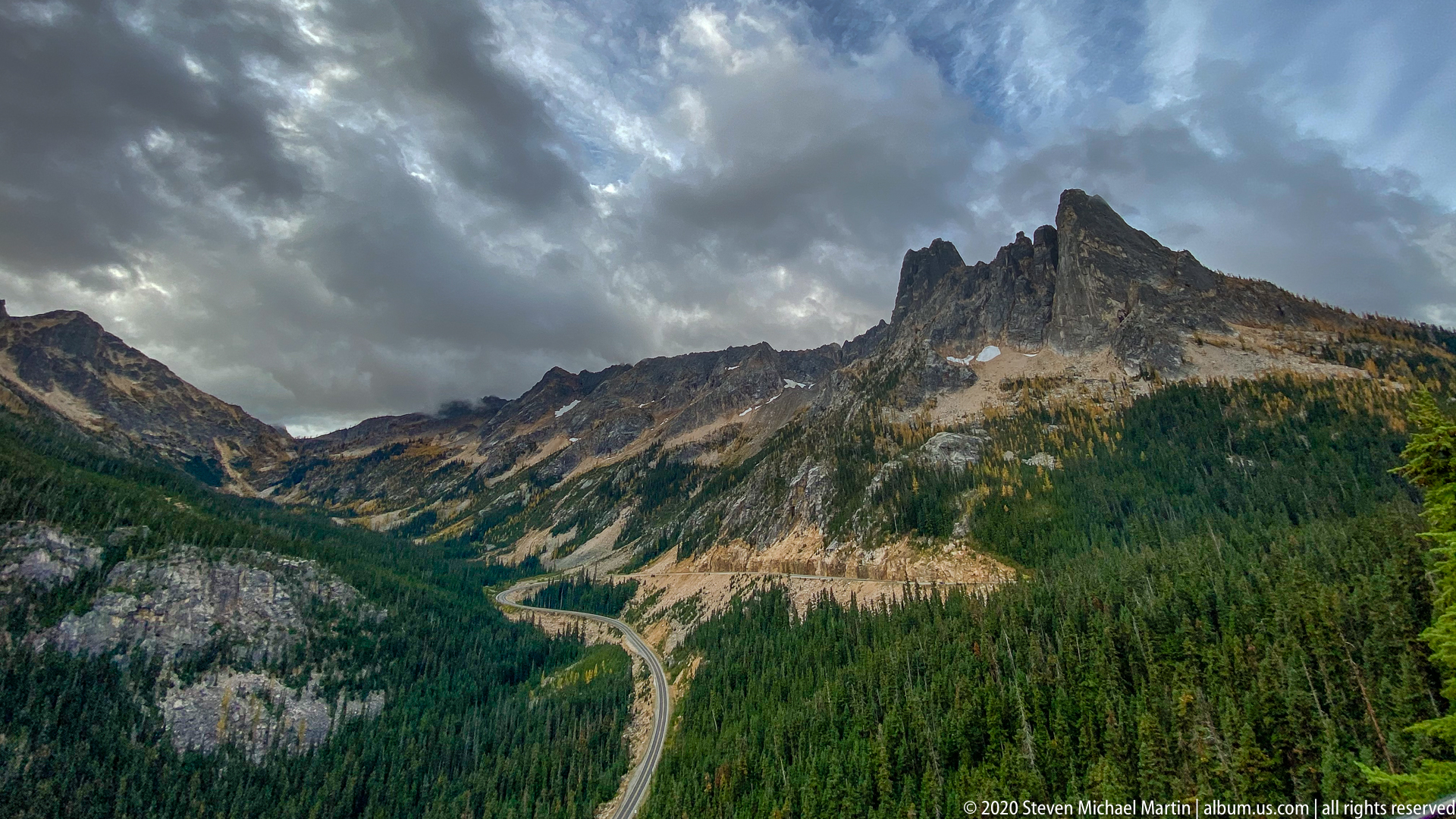
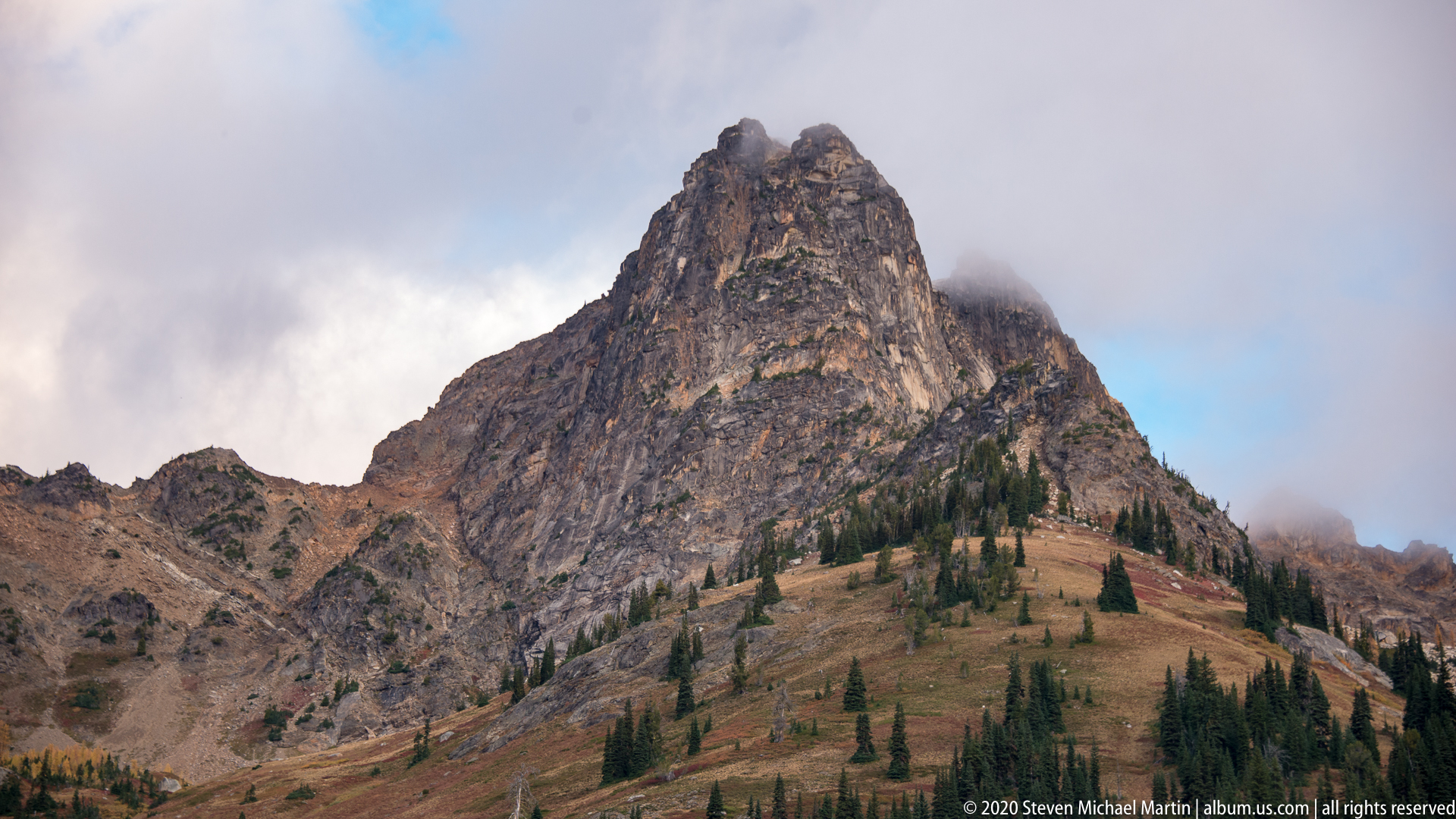
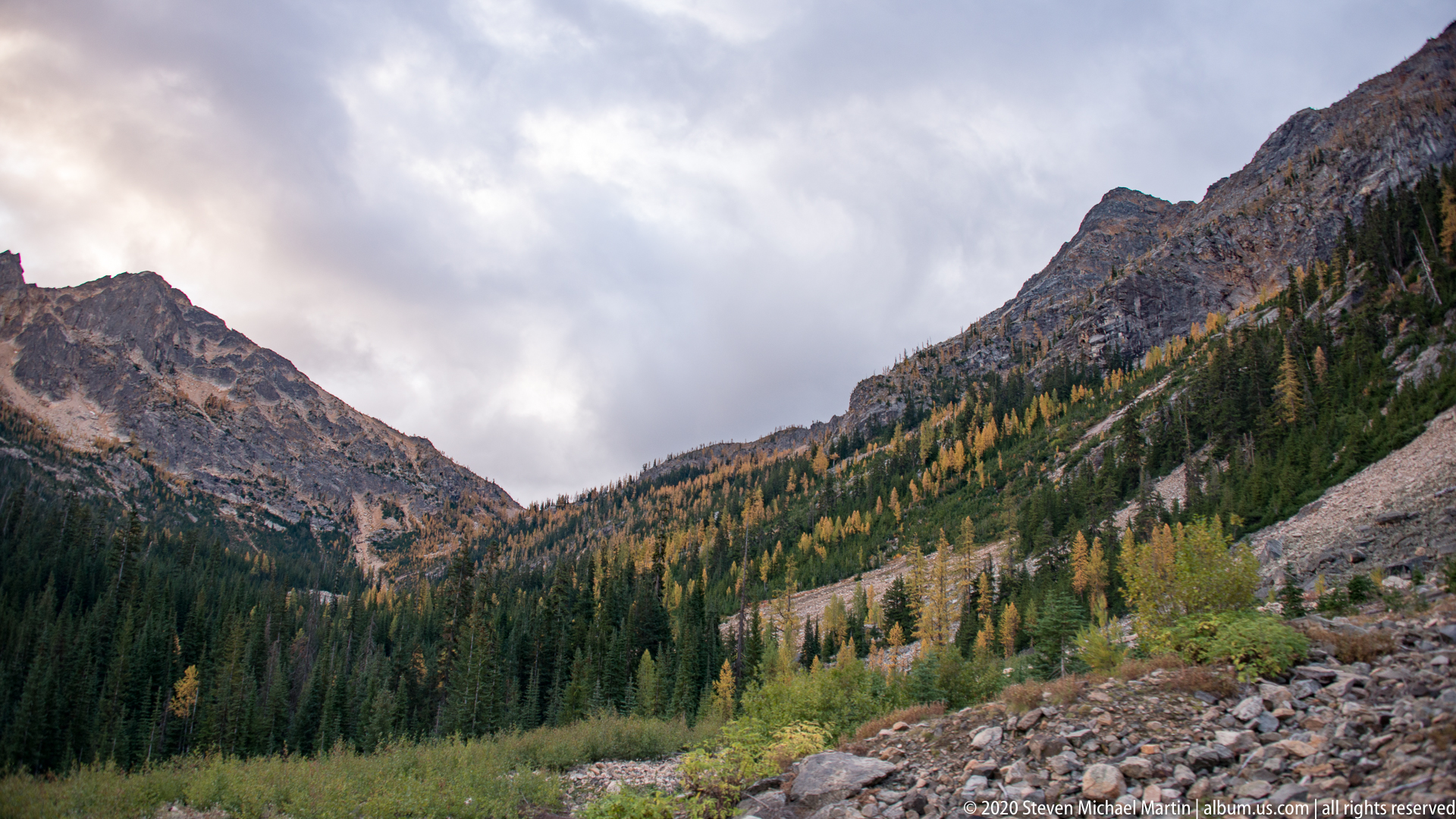
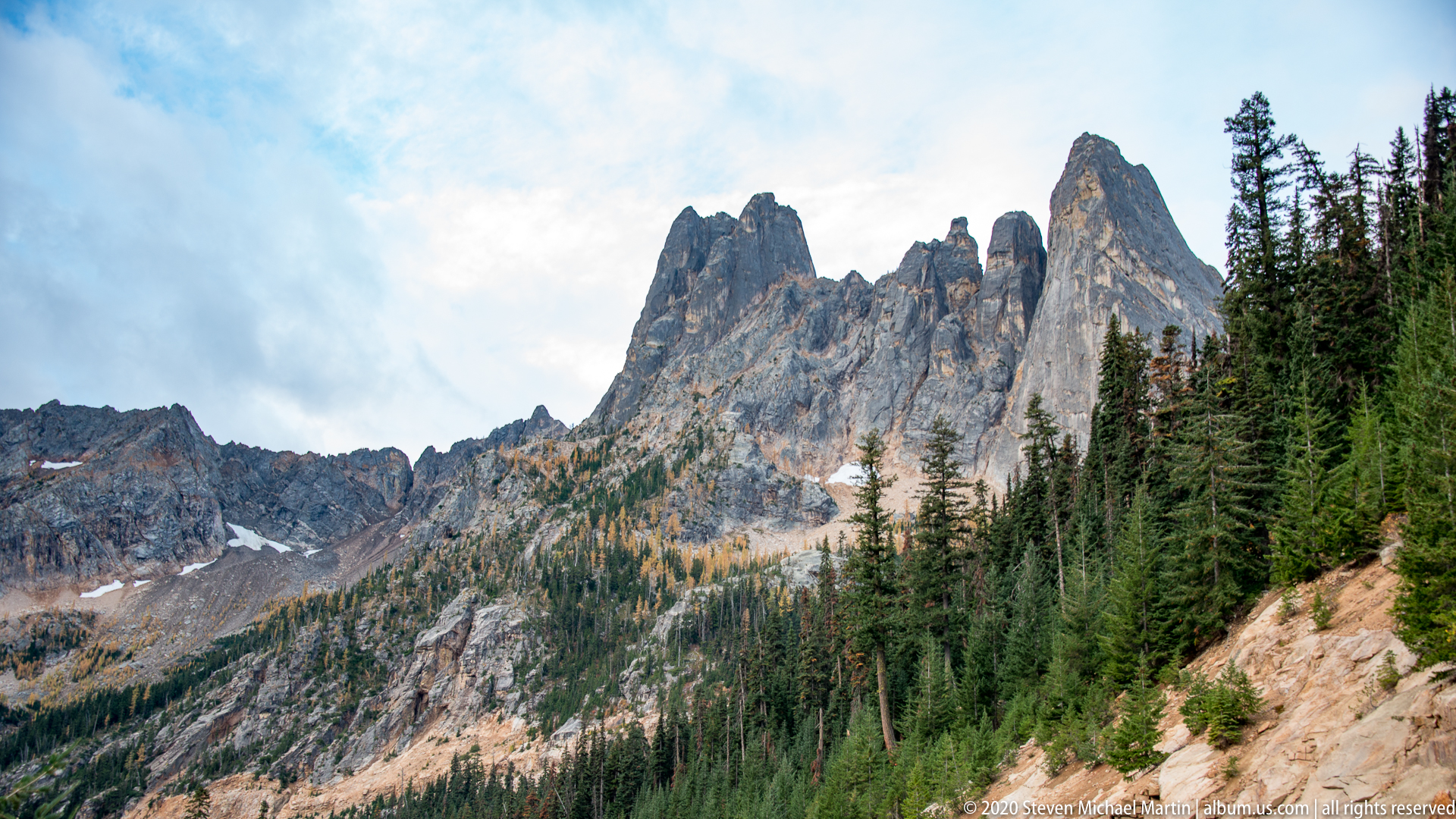
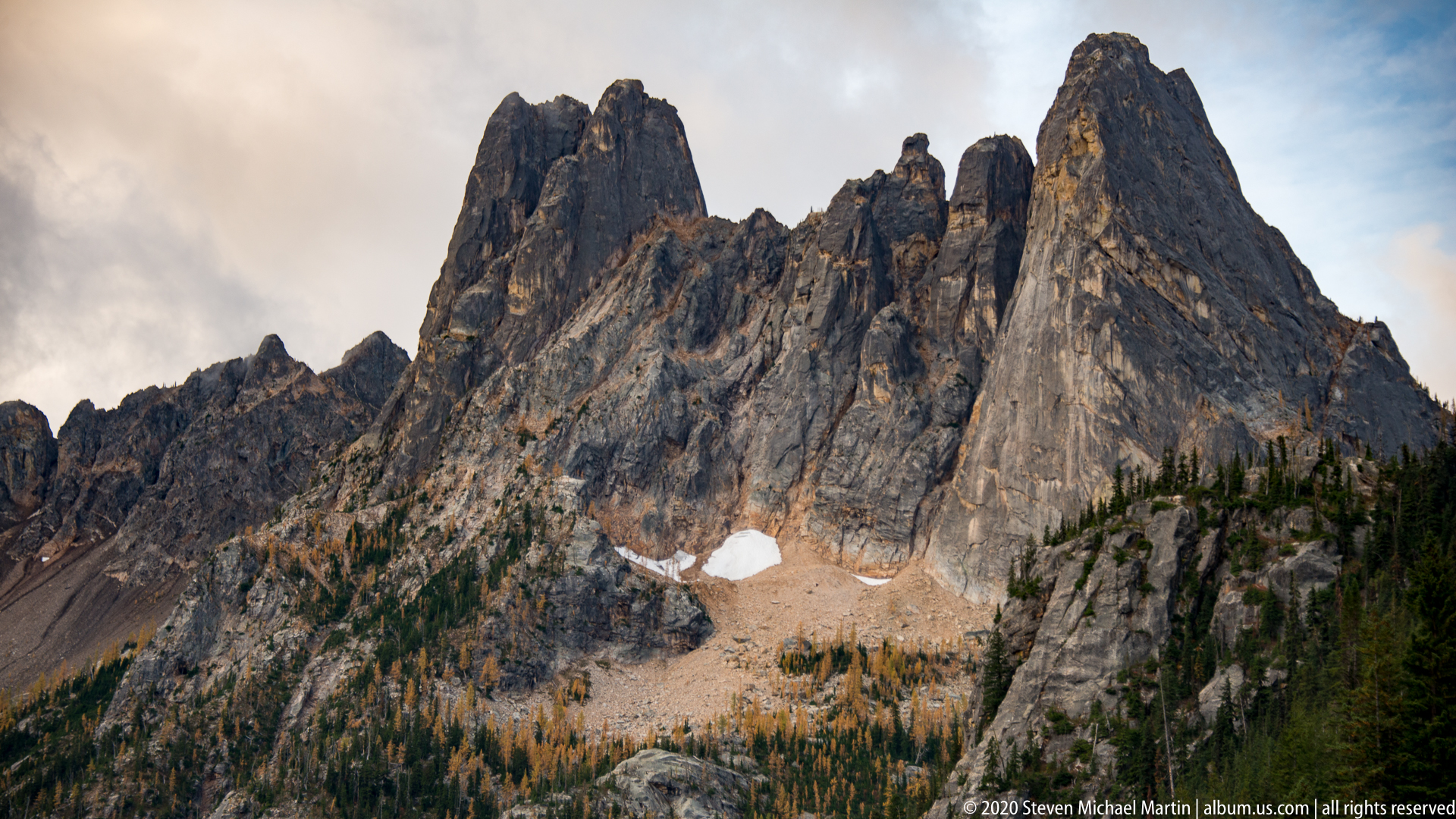
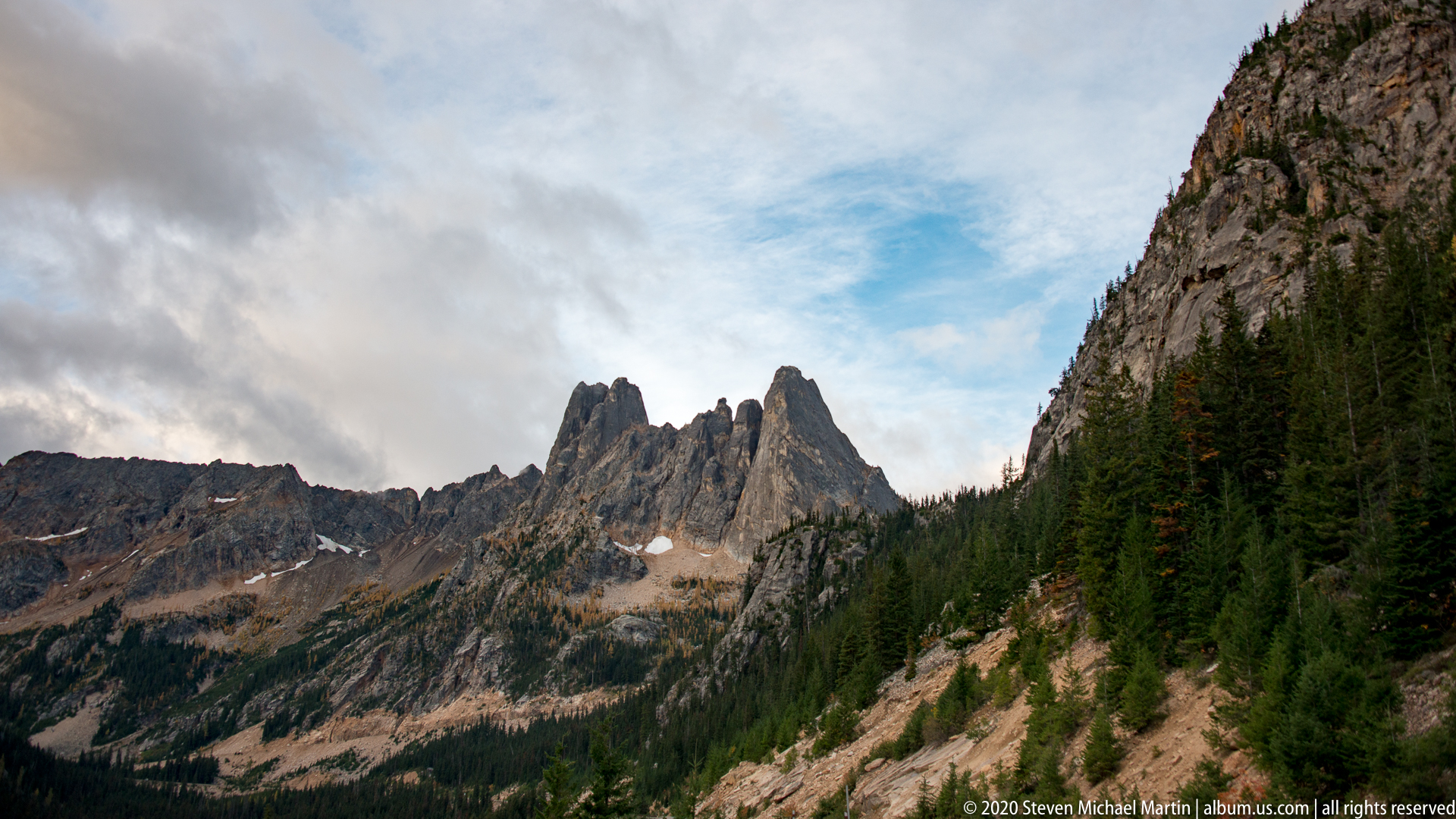
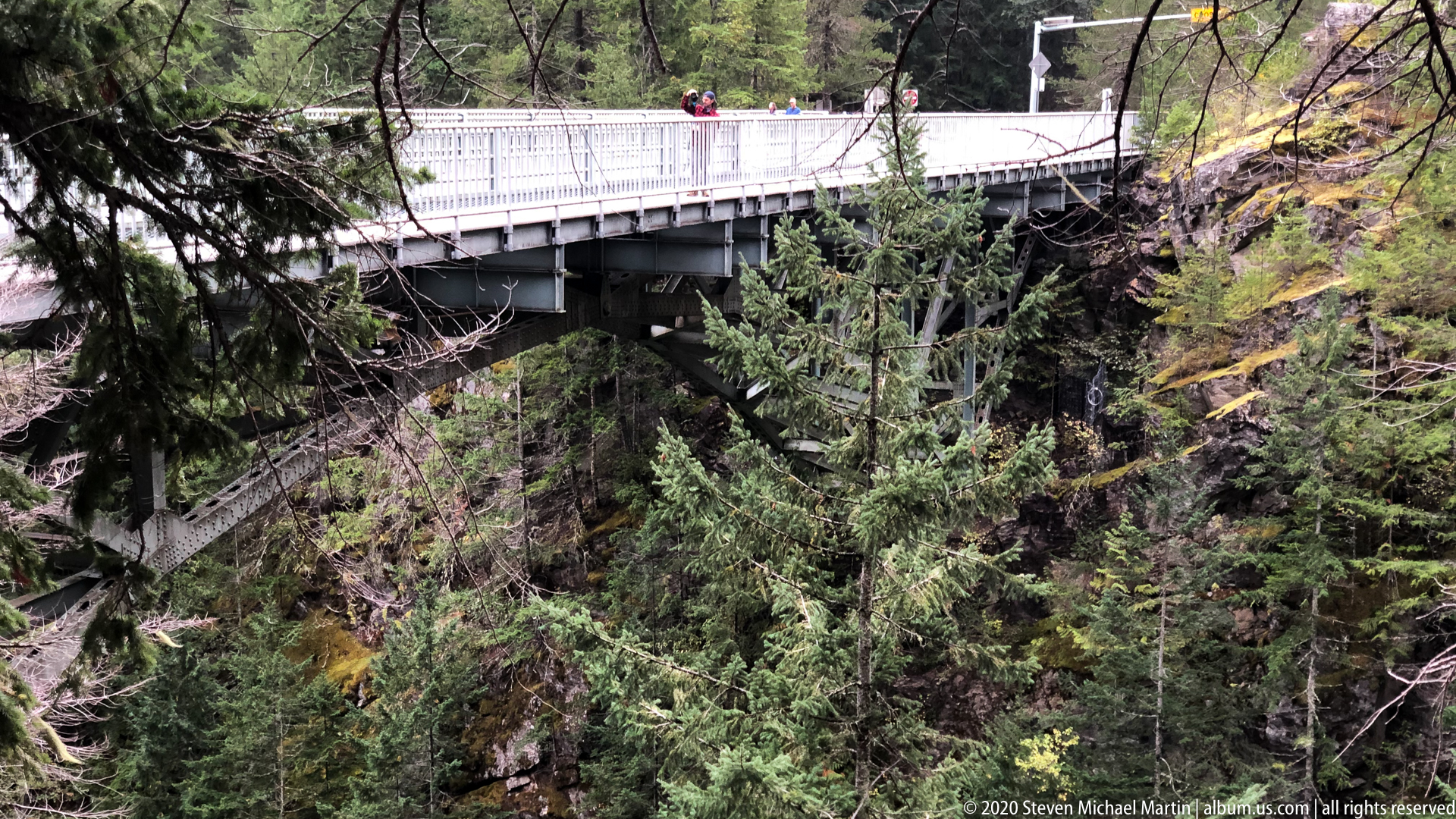
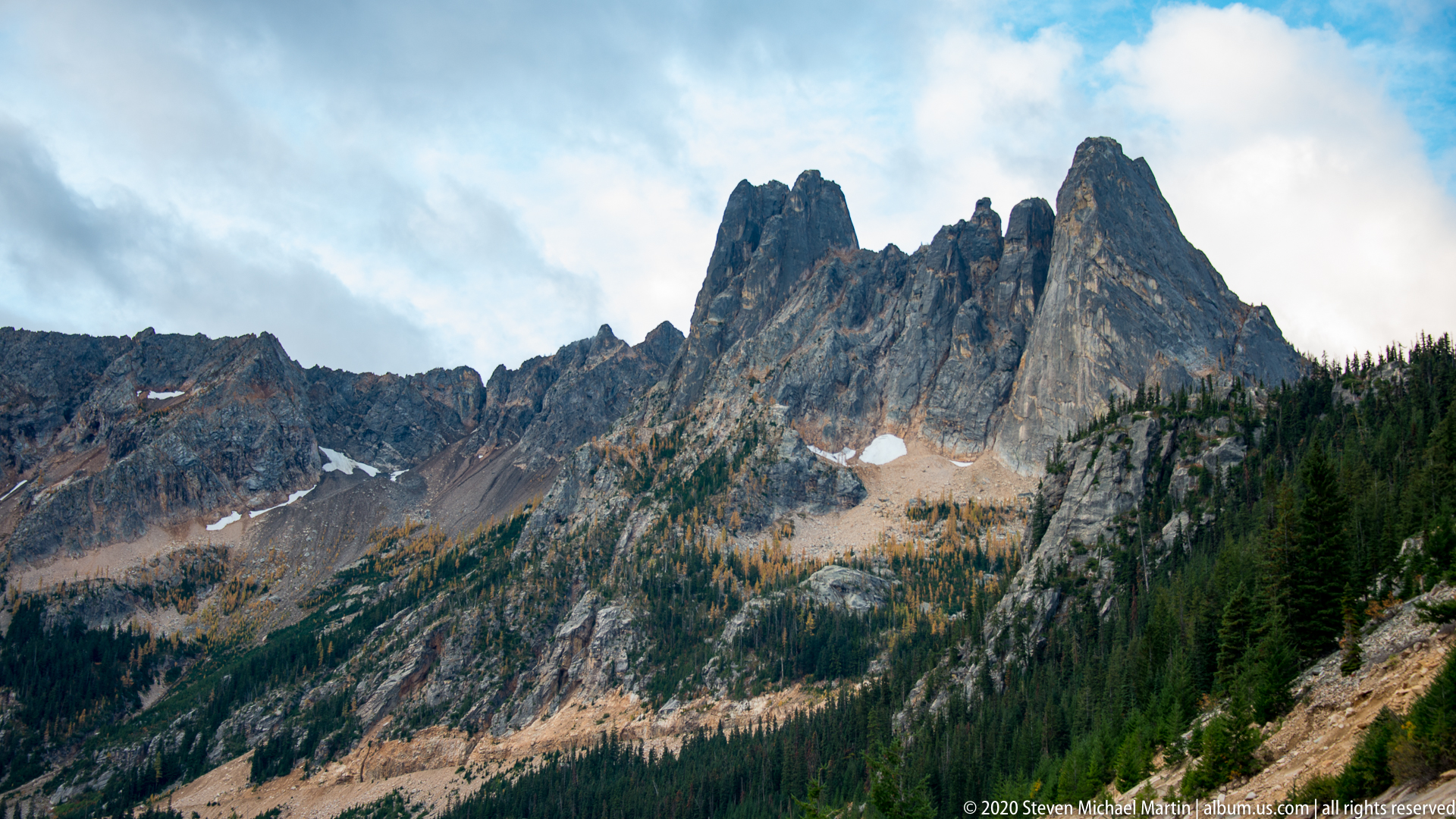
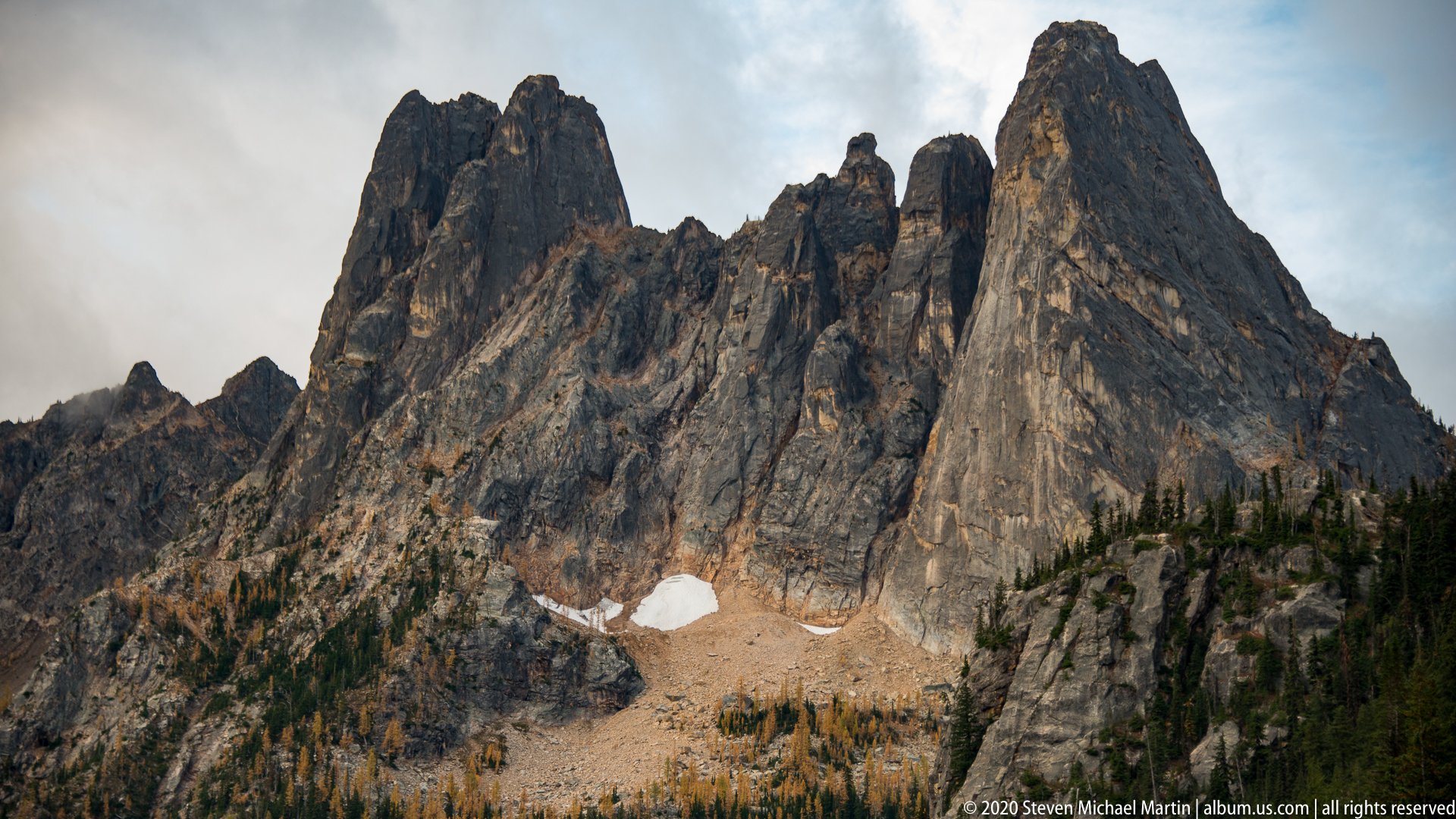
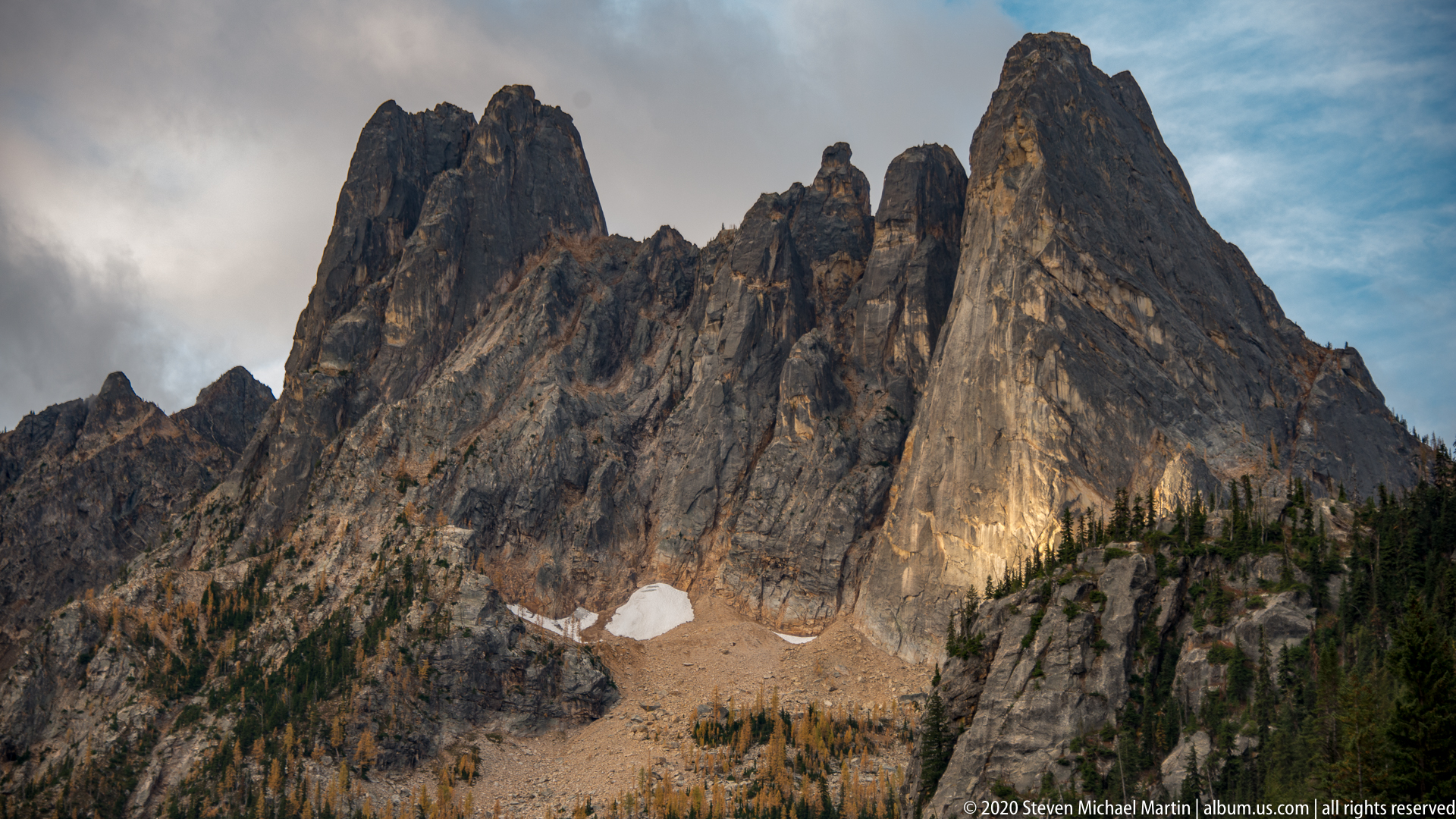
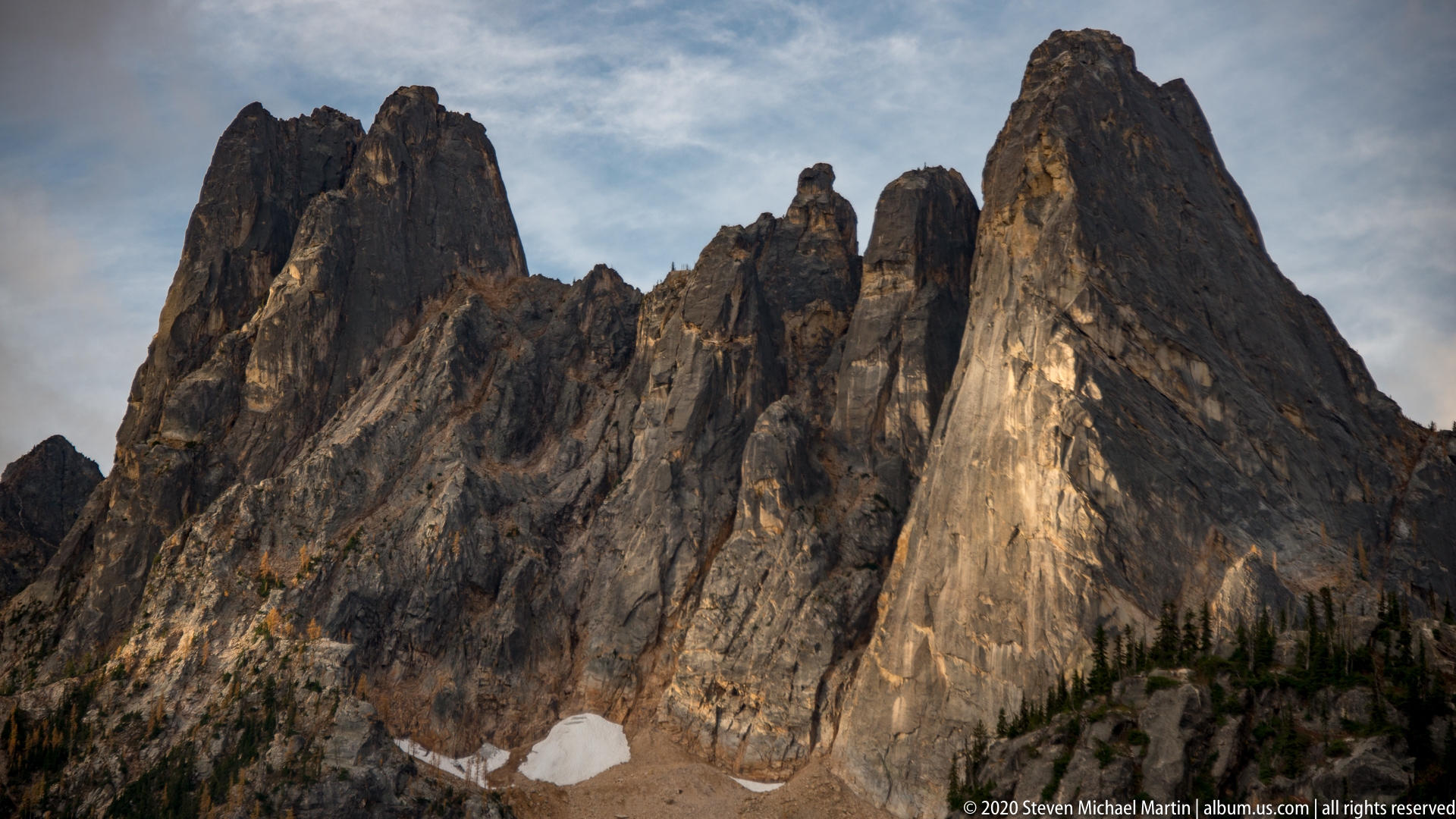
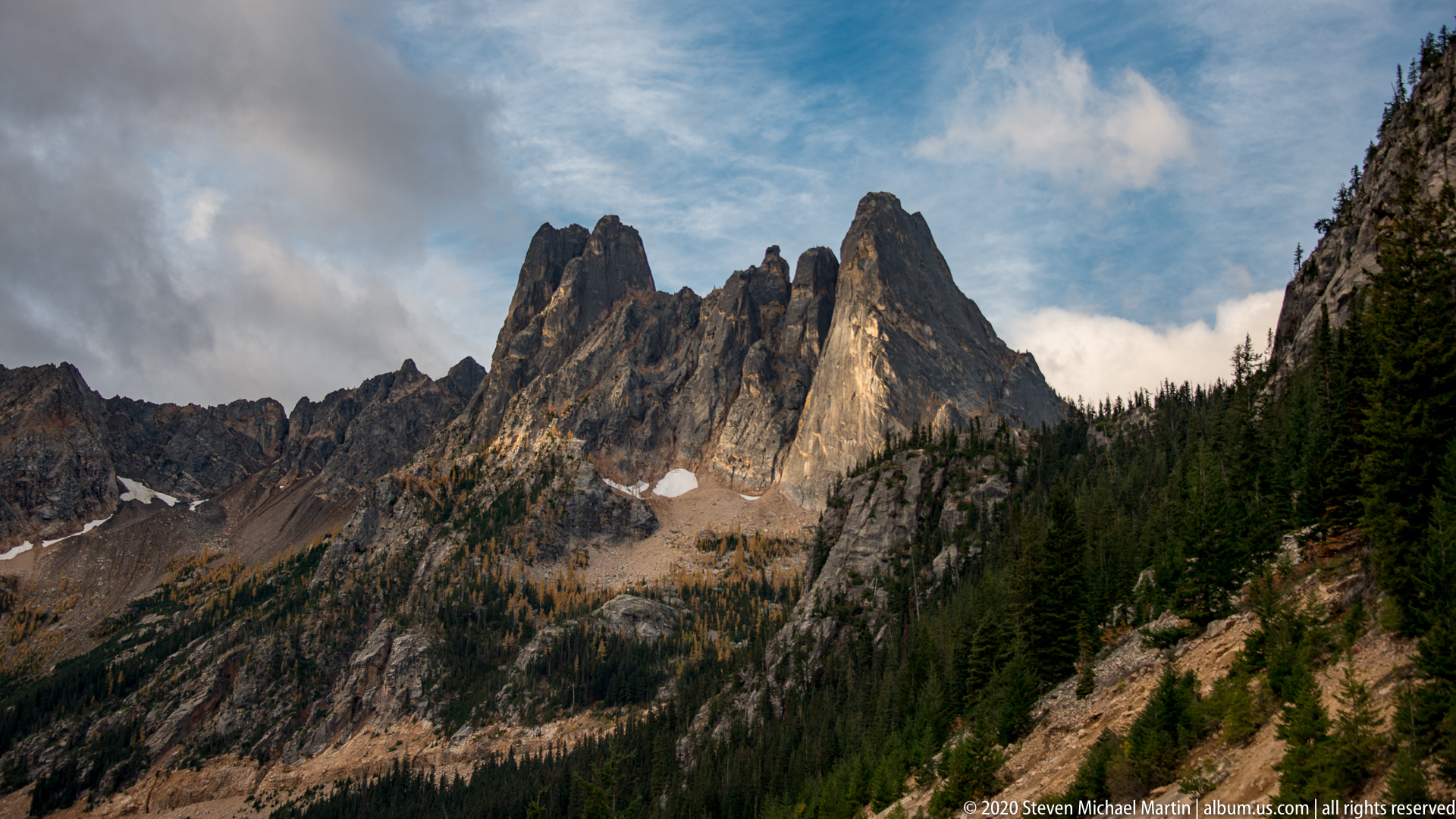
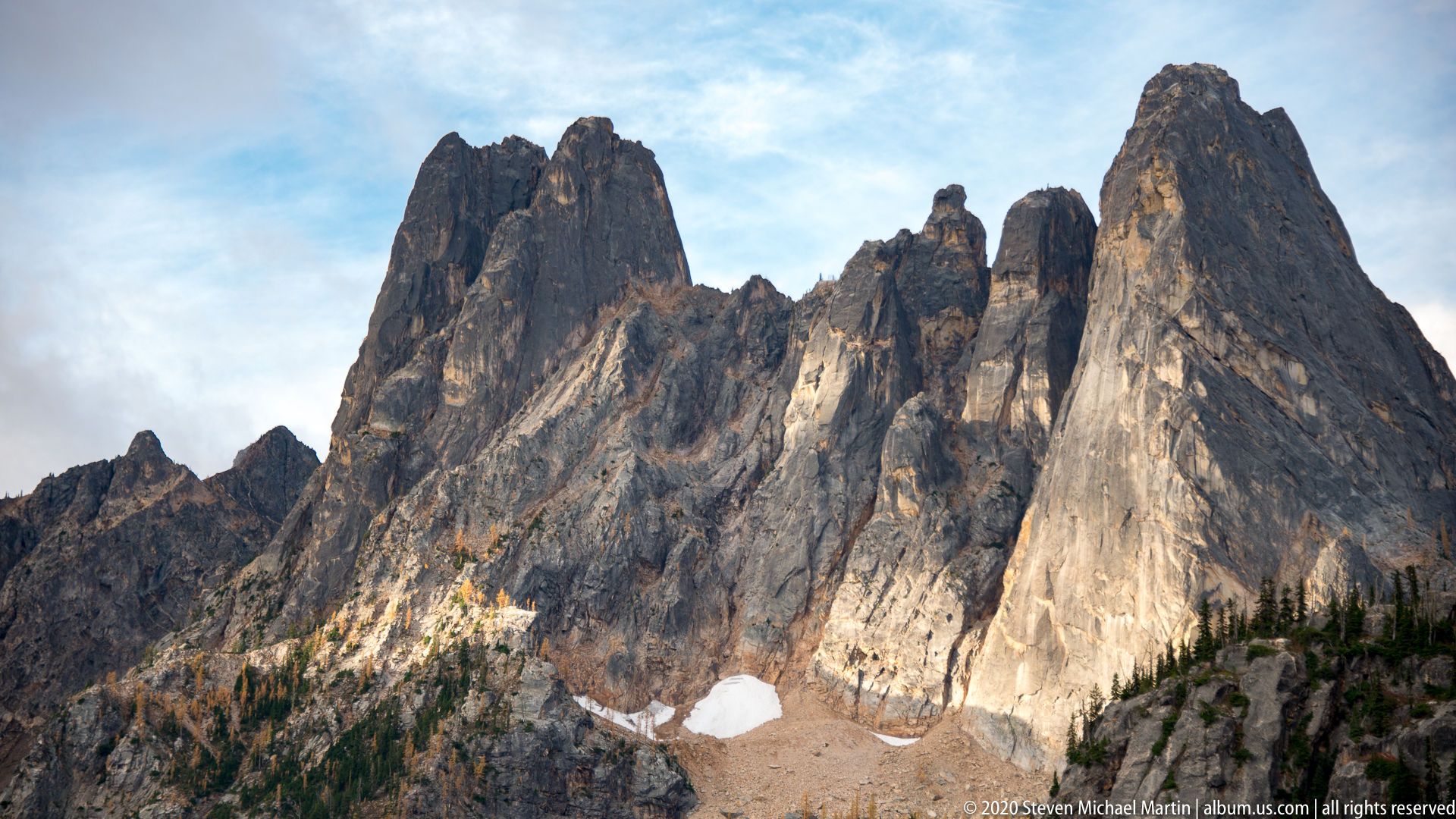
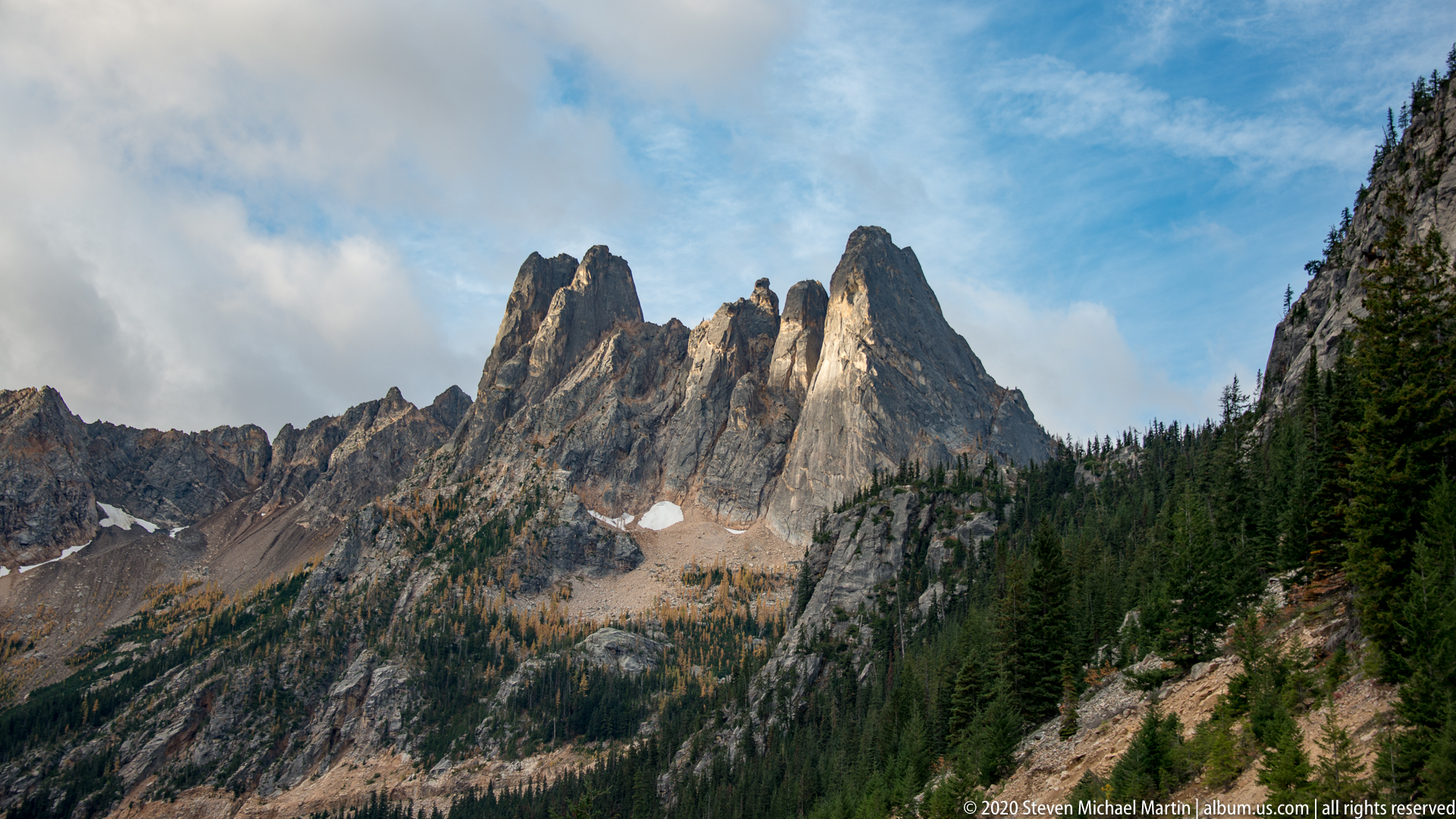
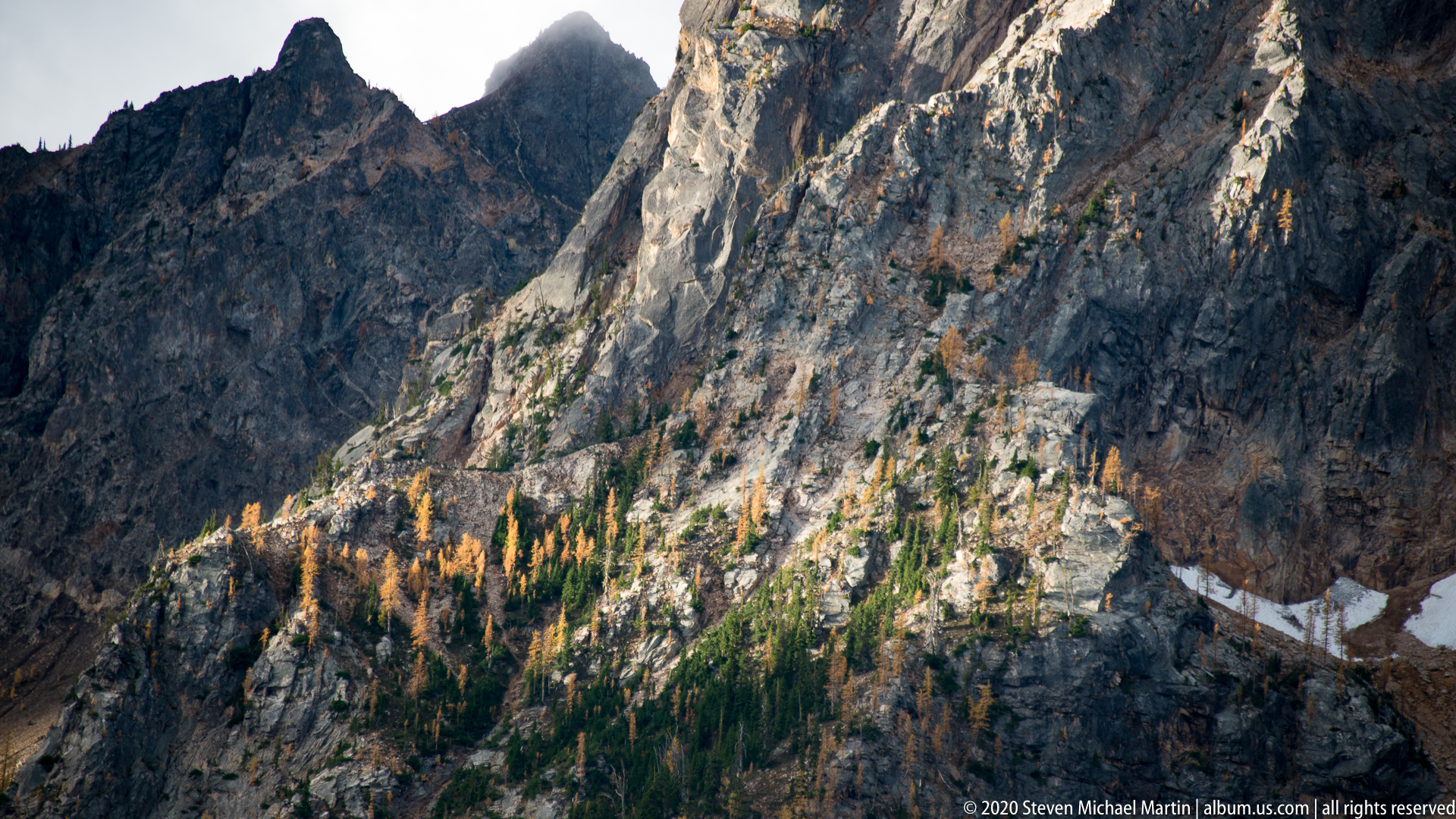
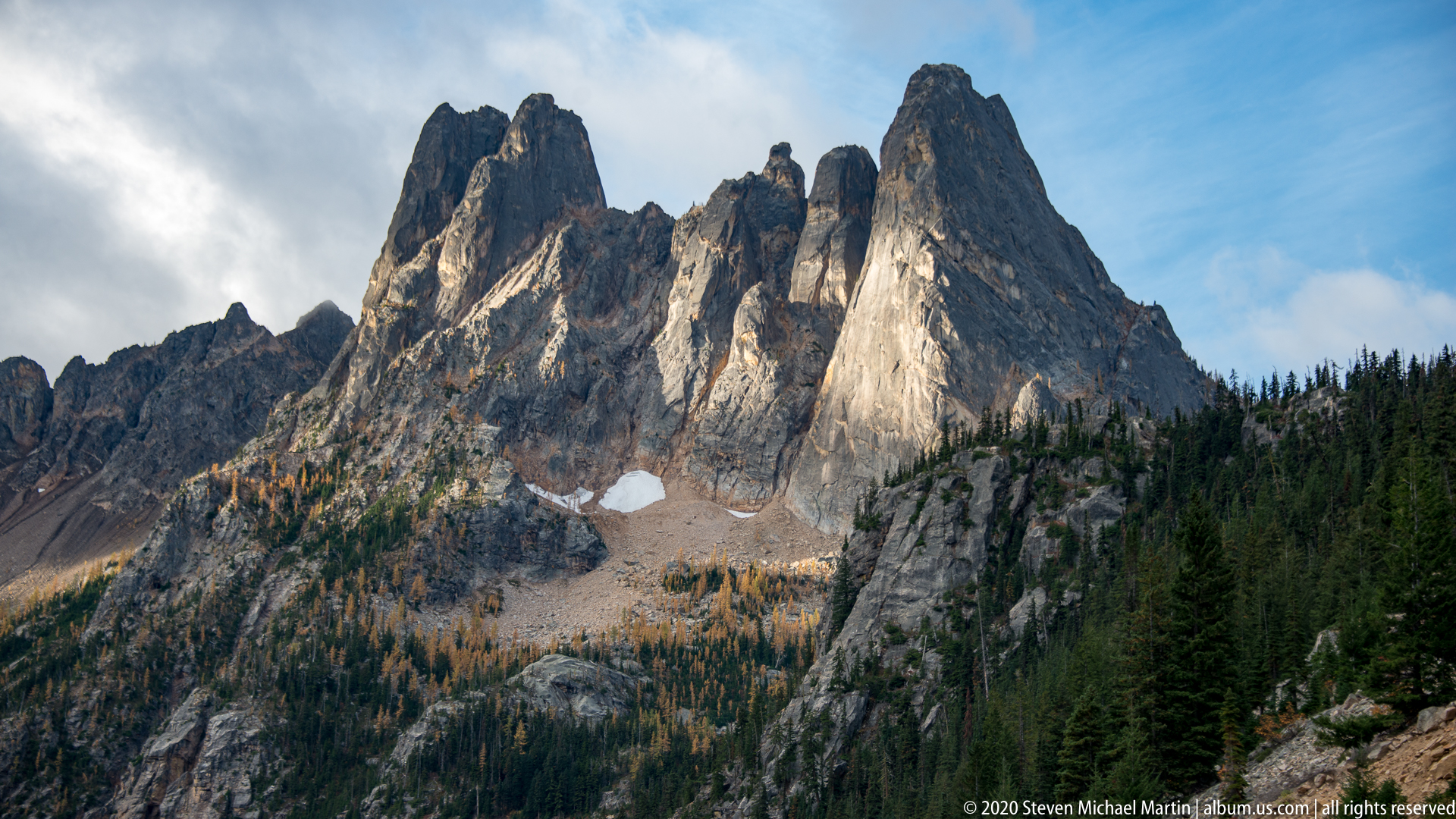
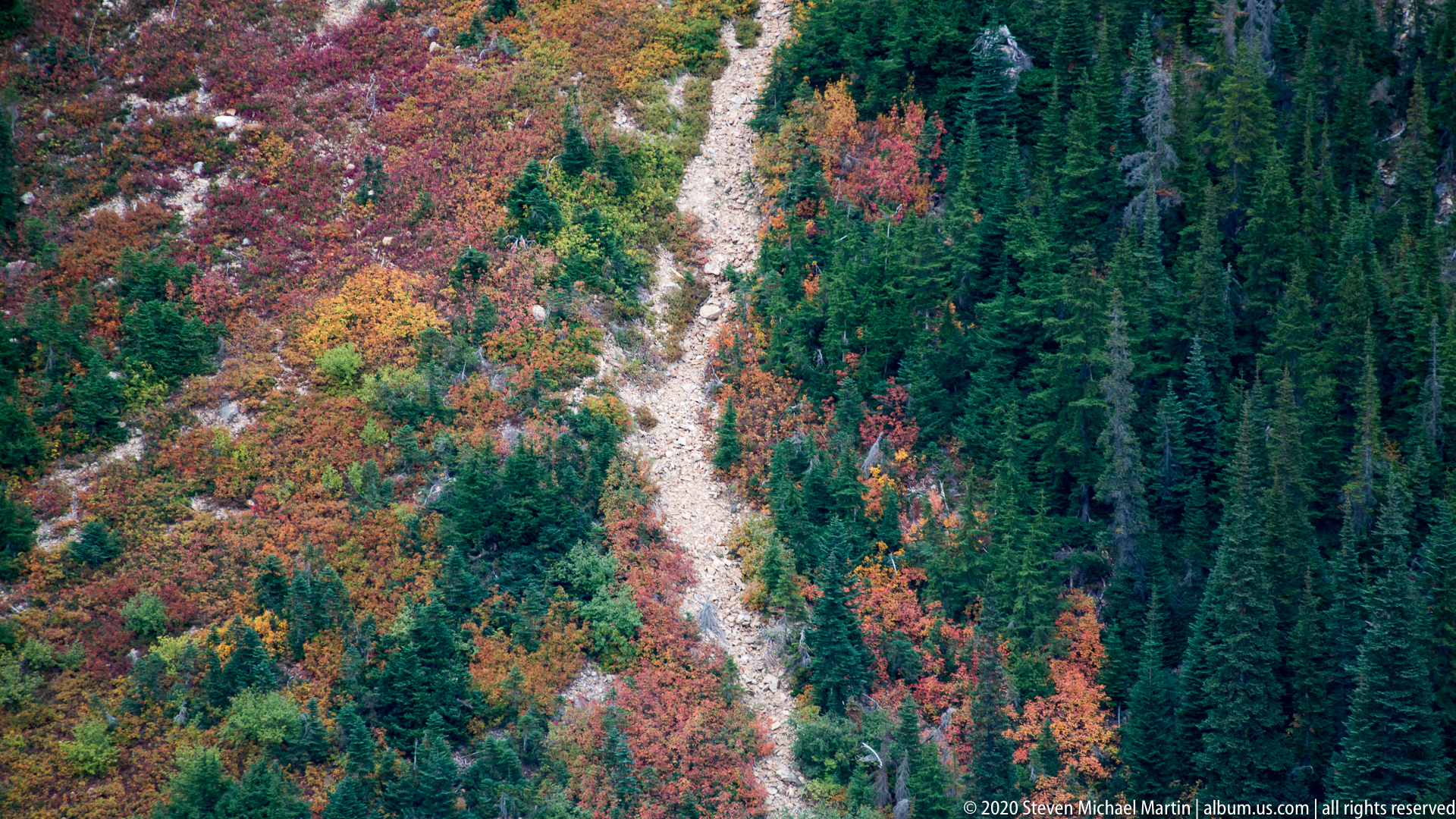
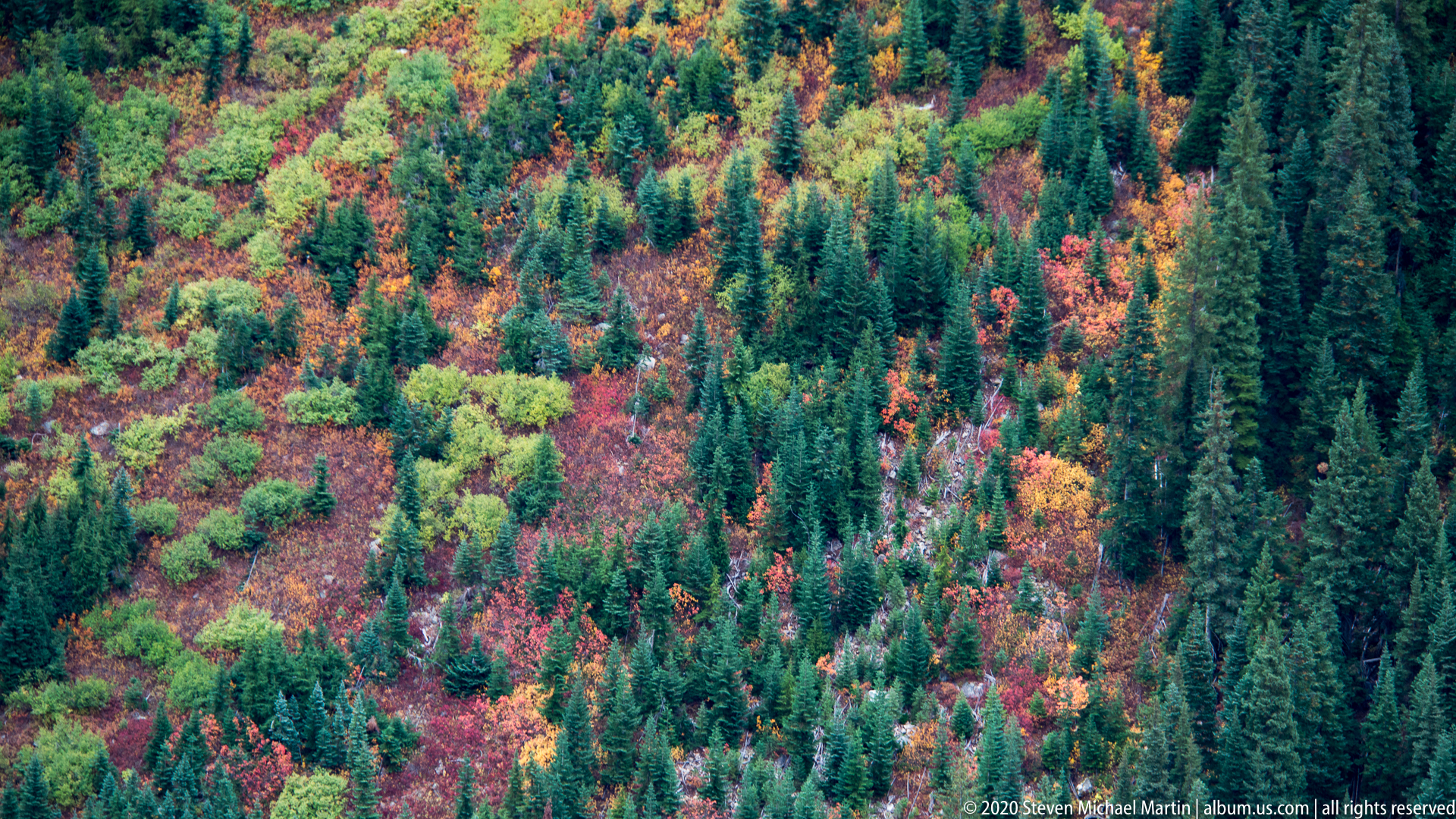
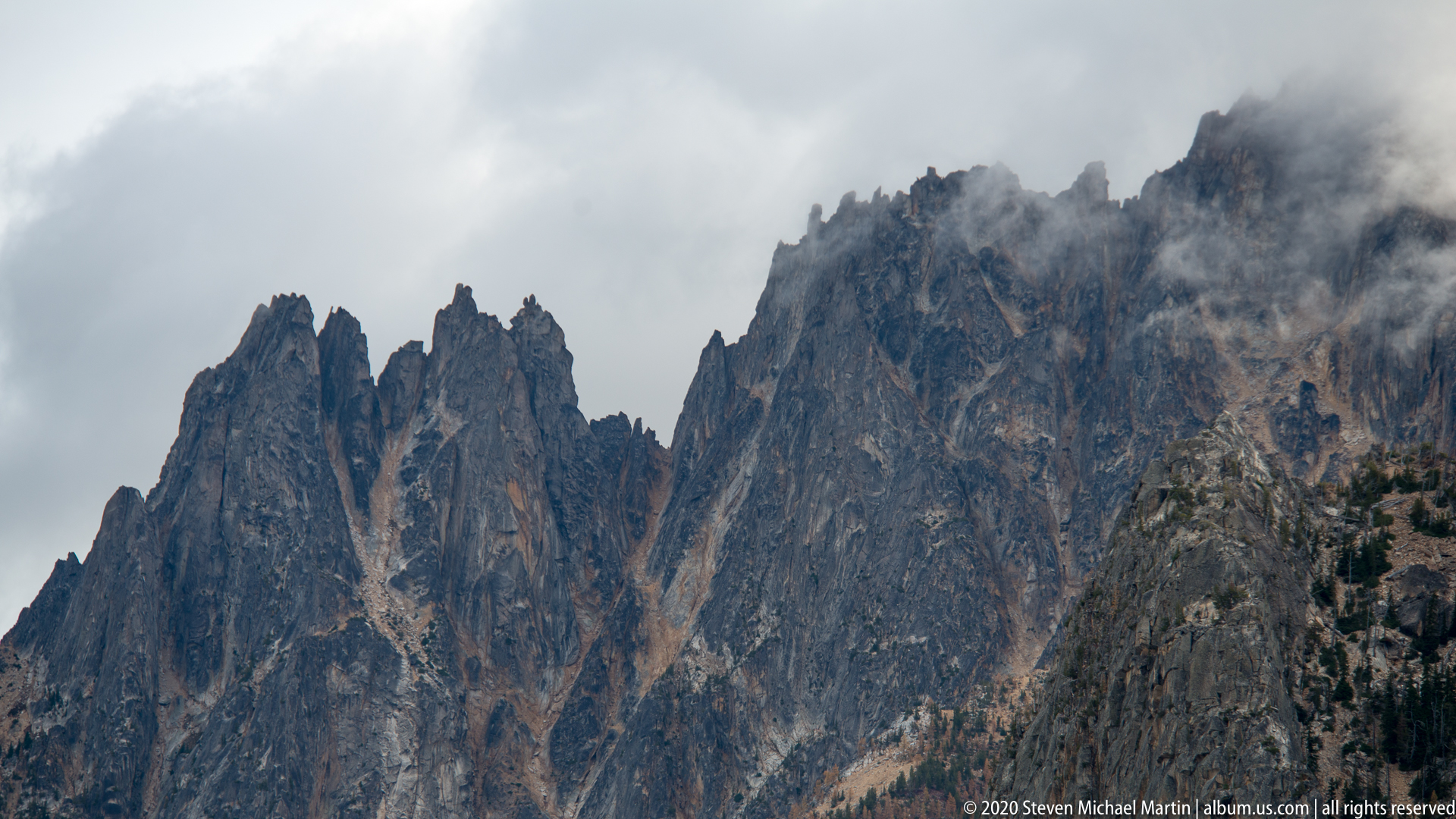
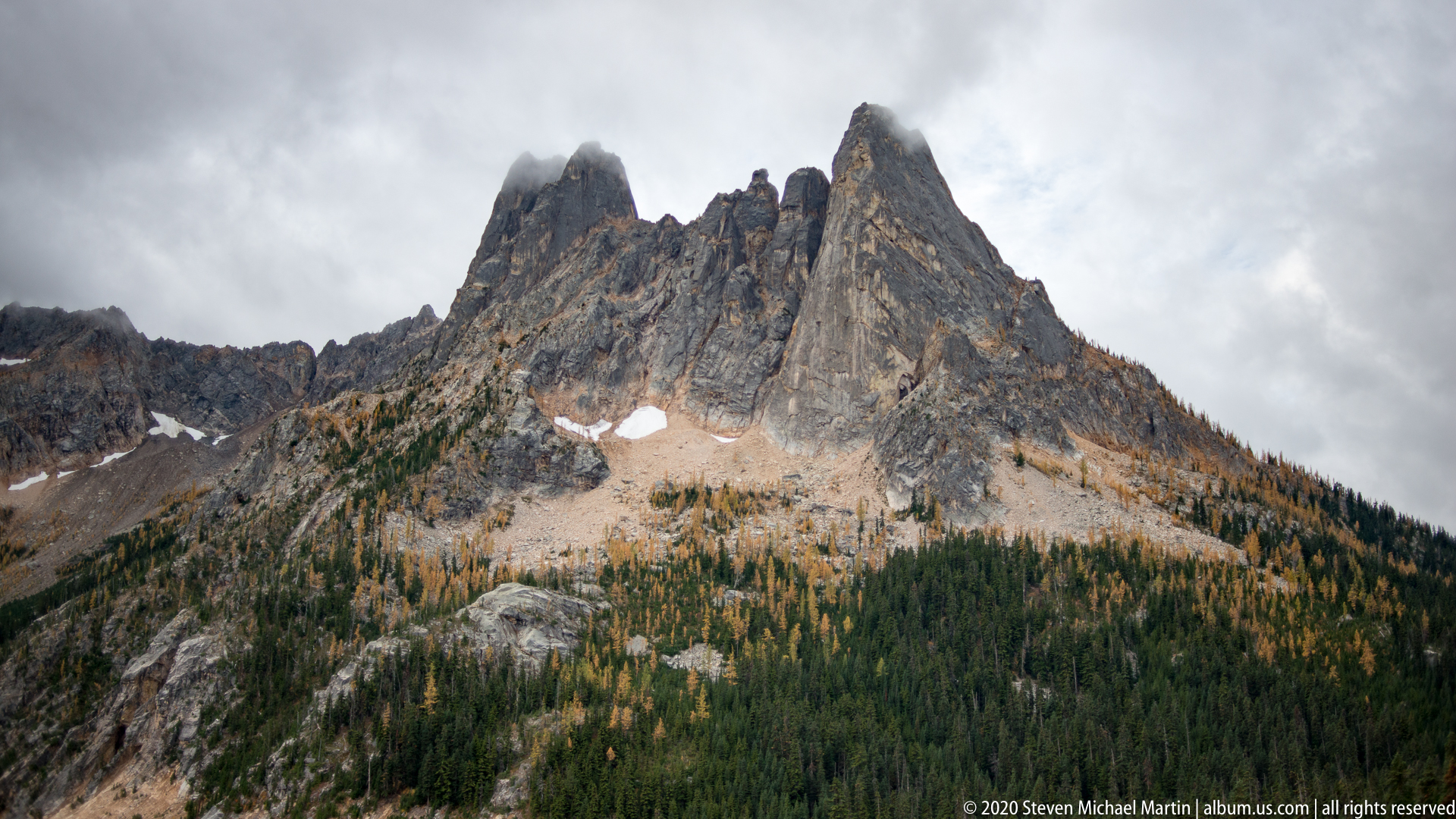
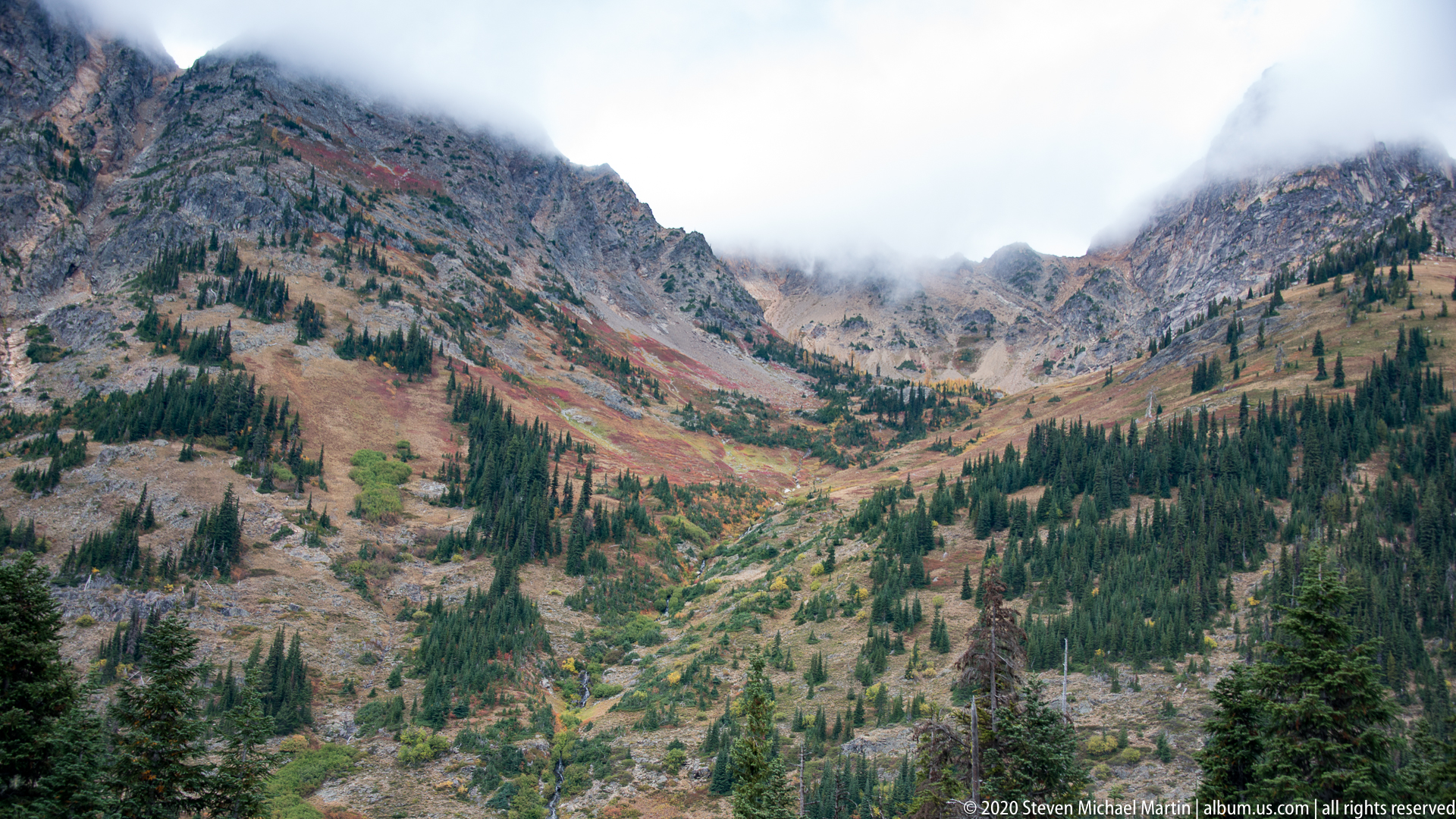
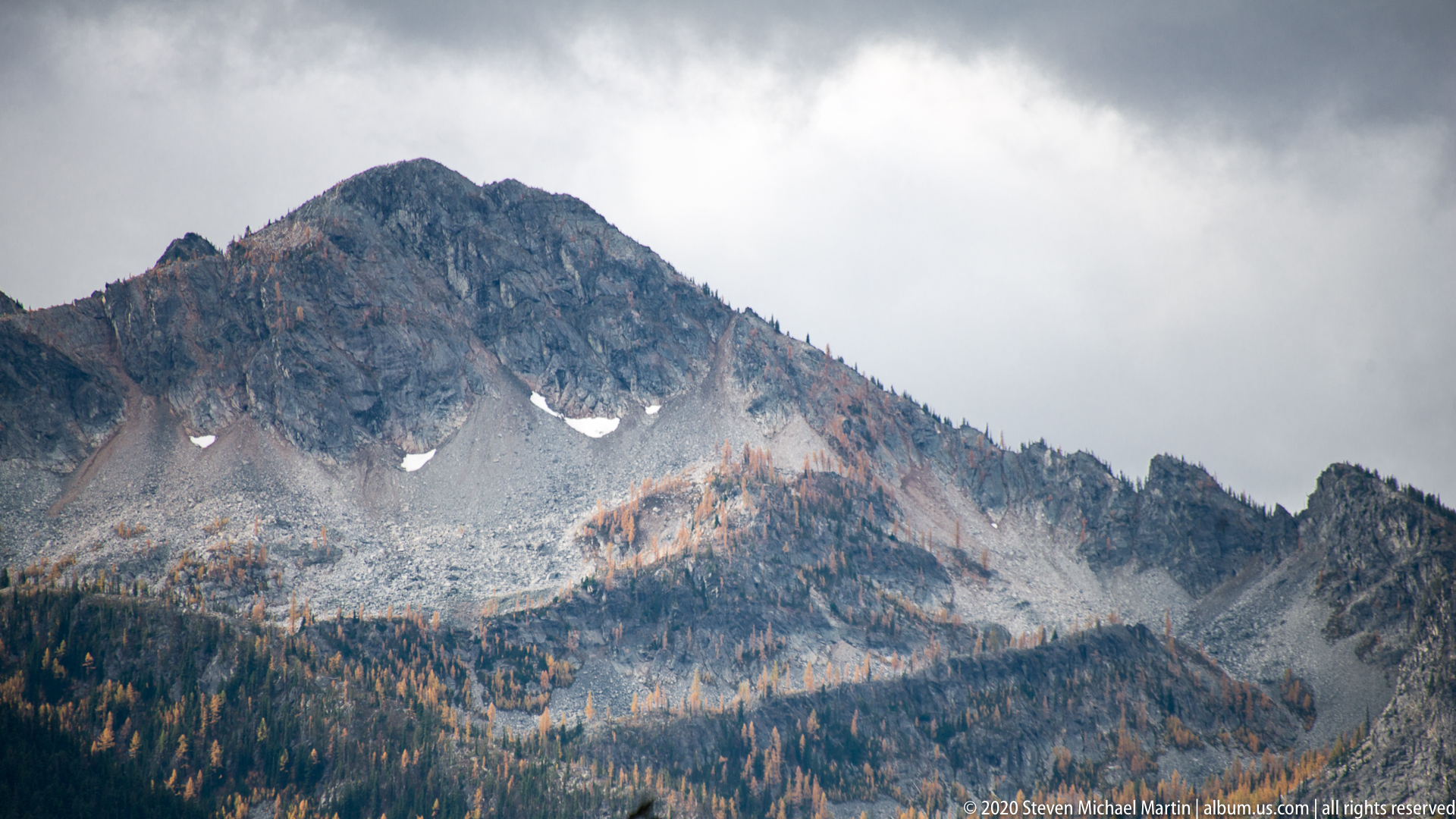
Washington Pass offers one of the most expansive mountain viewpoints in North Cascades National Park, where rugged peaks rise sharply above alpine terrain shaped by glacial and geologic forces. The high-elevation perspective reveals a dramatic landscape defined by steep slopes, exposed rock, and distant ridgelines.
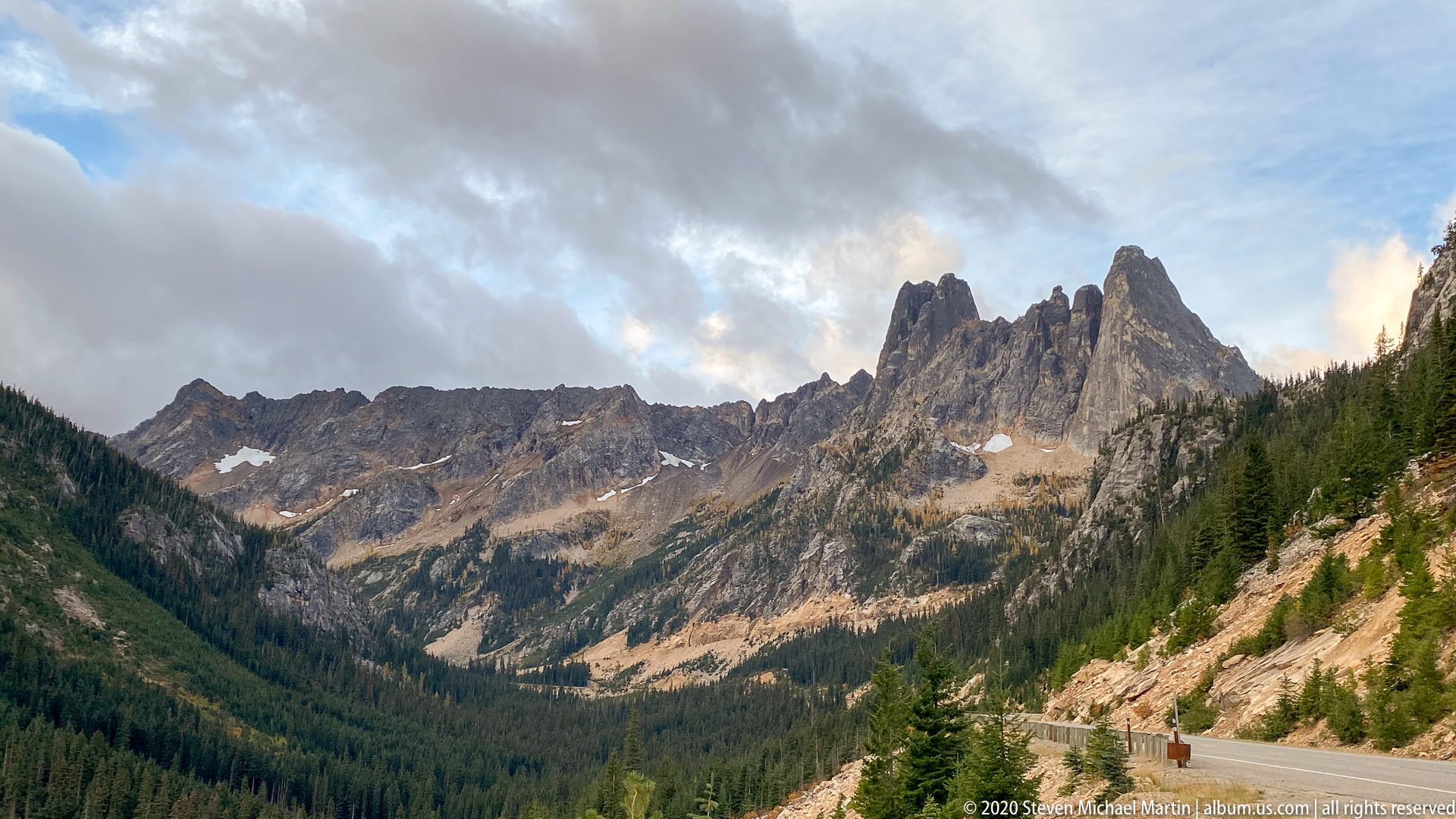
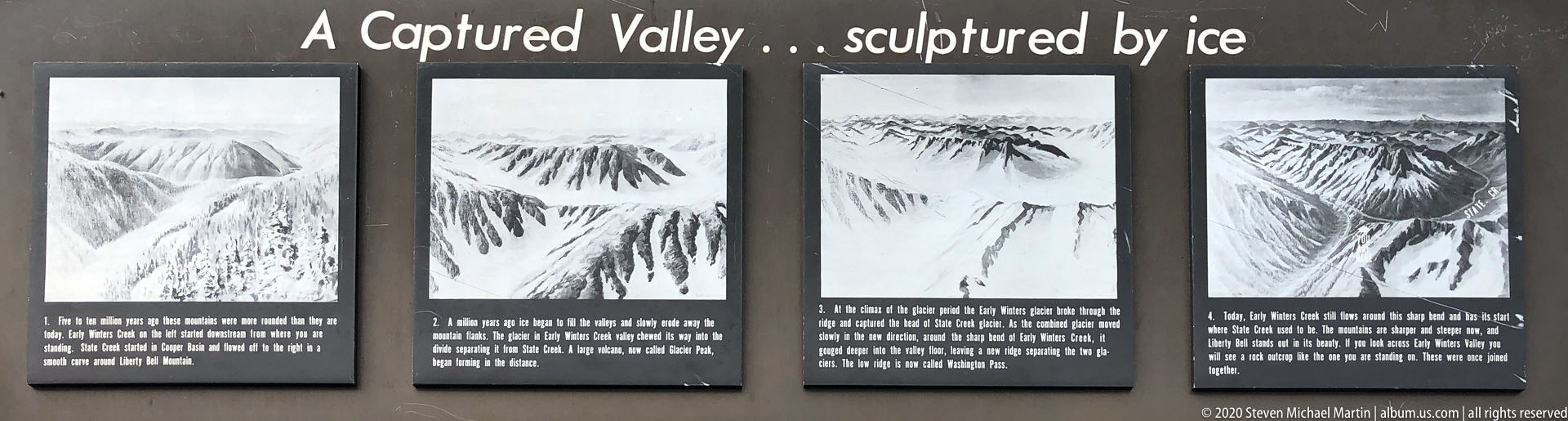
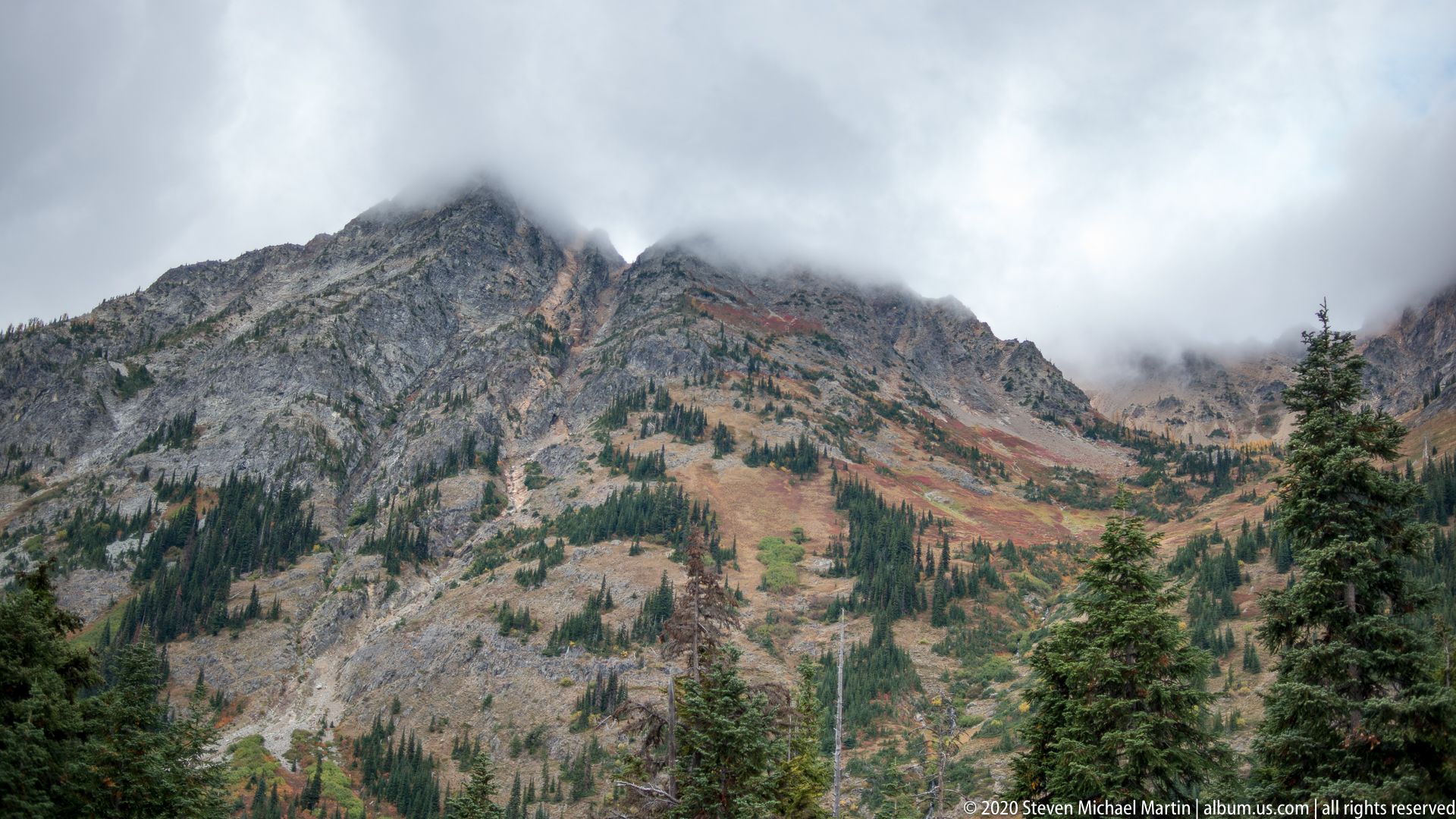
The surrounding mountains display the complex structure of the North Cascades, with sharply defined summits and deep valleys that reflect the region’s tectonic and glacial history. Changing weather conditions often influence visibility, with shifting clouds altering the perception of distance and scale.
The elevated vantage point provides broad views across the surrounding wilderness, emphasizing the remoteness and rugged character of the range. Washington Pass highlights the dramatic relief that distinguishes the North Cascades from many other mountain environments in the United States.




















🧭 Field Guide
Landscape Type: Alpine mountain wilderness
Primary Features: Rugged peaks, glacial valleys, alpine lakes, night skies
Best Time to Visit: Summer through early fall for clearer access and visibility
Conditions: Highly variable mountain weather with rapid changes in light and cloud cover
✨ Highlights
- Jagged Mountain Peaks – One of the most rugged mountain landscapes in the continental United States.
- Glacial Valleys – Evidence of historic and ongoing glacial activity visible throughout the range.
- Remote Wilderness Character – Limited development contributes to a strong sense of isolation and scale.
- Alpine Lakes – Mountain lakes reflecting surrounding peaks and changing sky conditions.
- Night Sky Visibility – Minimal light pollution allows exceptional views of stars and the Milky Way.
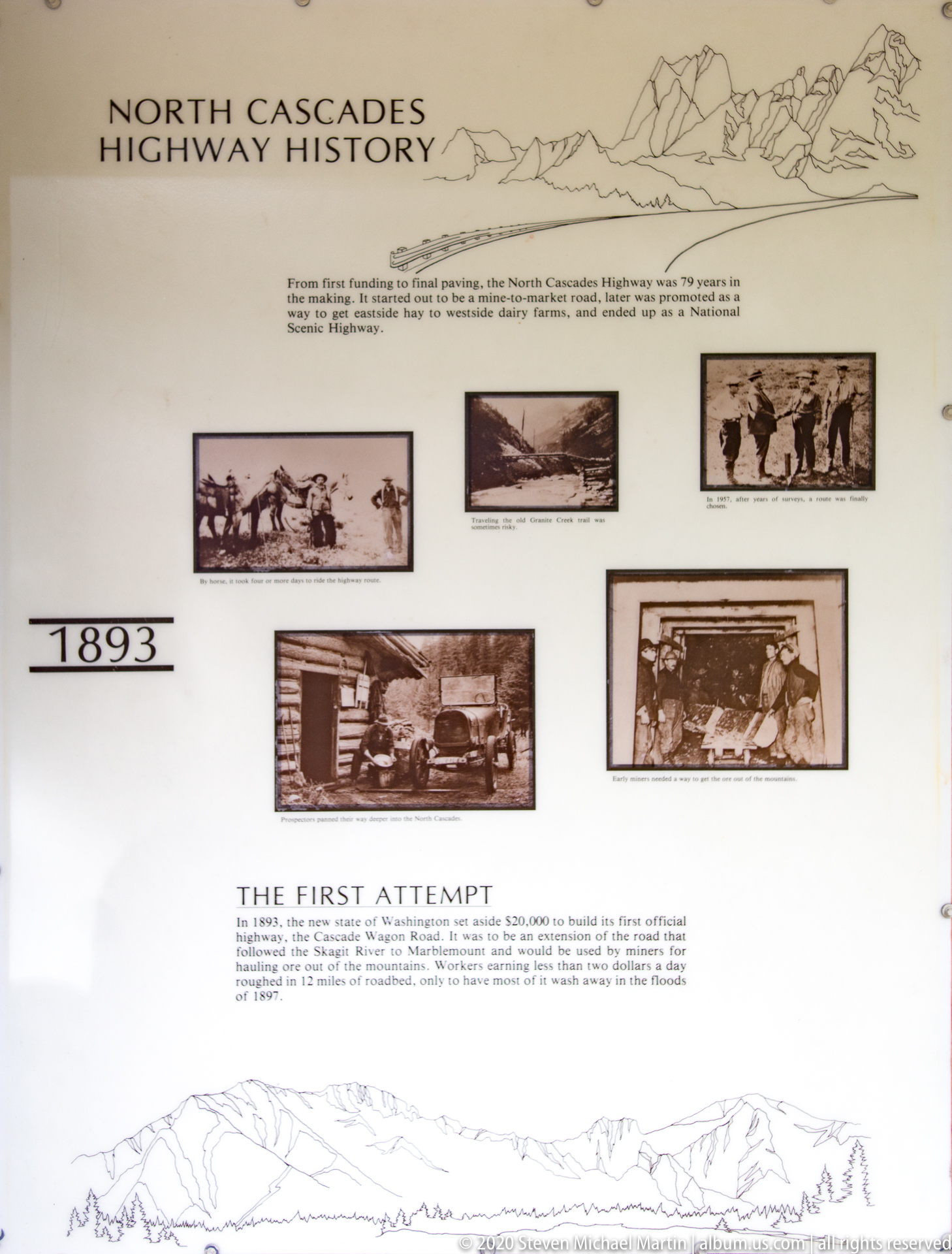
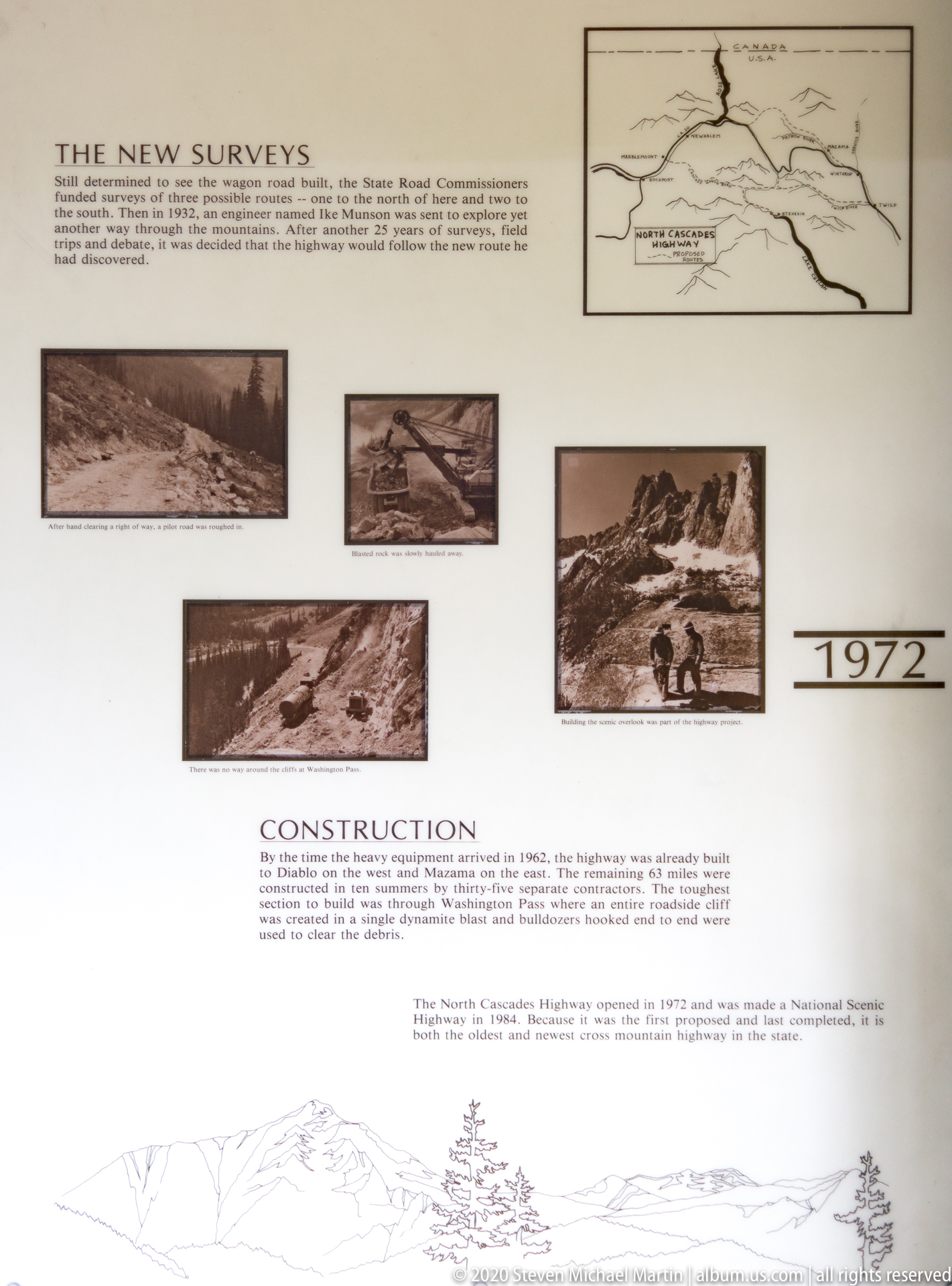
- North Cascades Highway Views – Scenic roadway providing access to dramatic mountain viewpoints.
🔎 Notable Encounters
- Layered Mountain Ridges – Overlapping peaks create visual depth across the landscape.
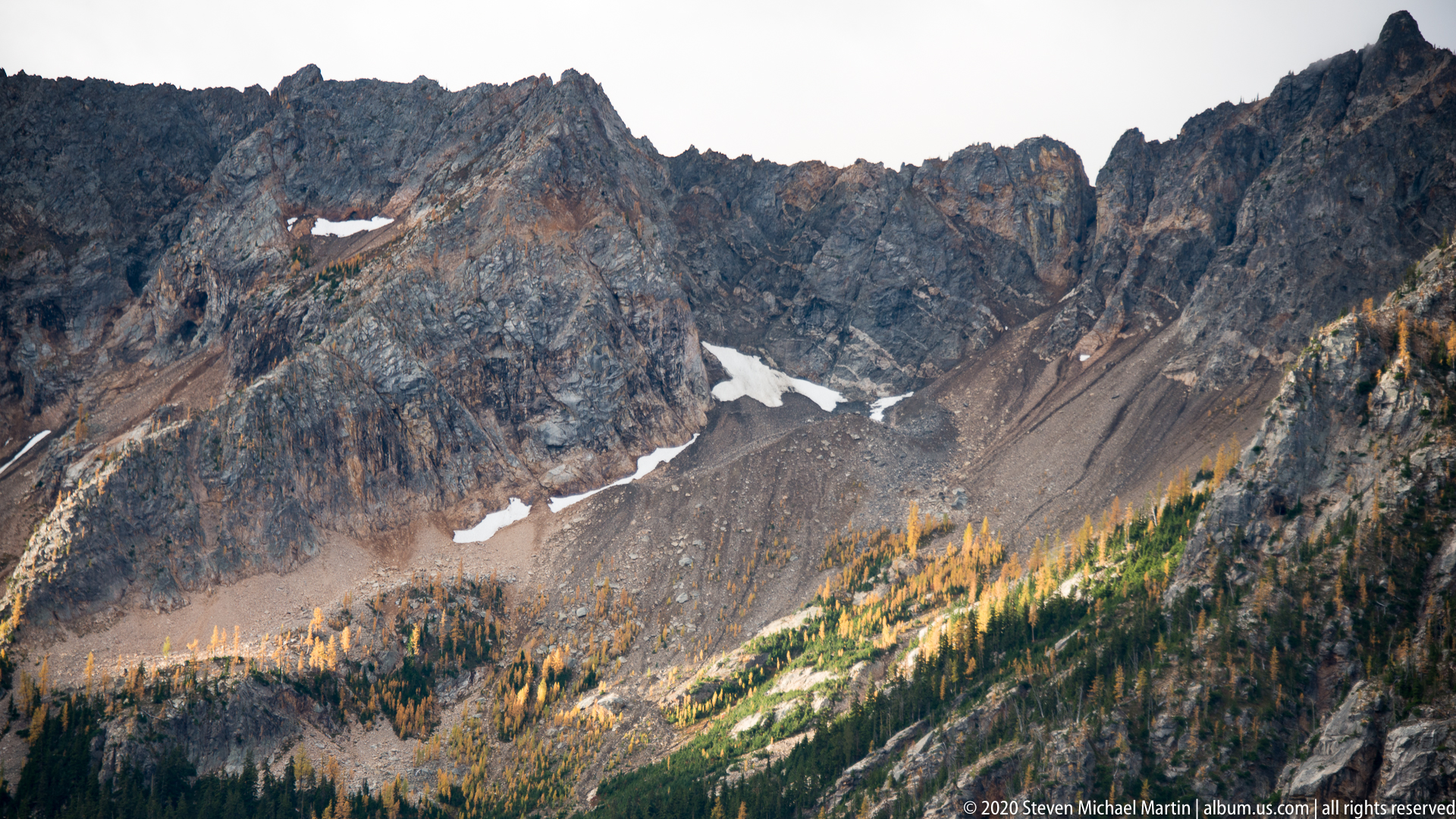
- Glacial Features – Snowfields and ice formations visible at higher elevations.
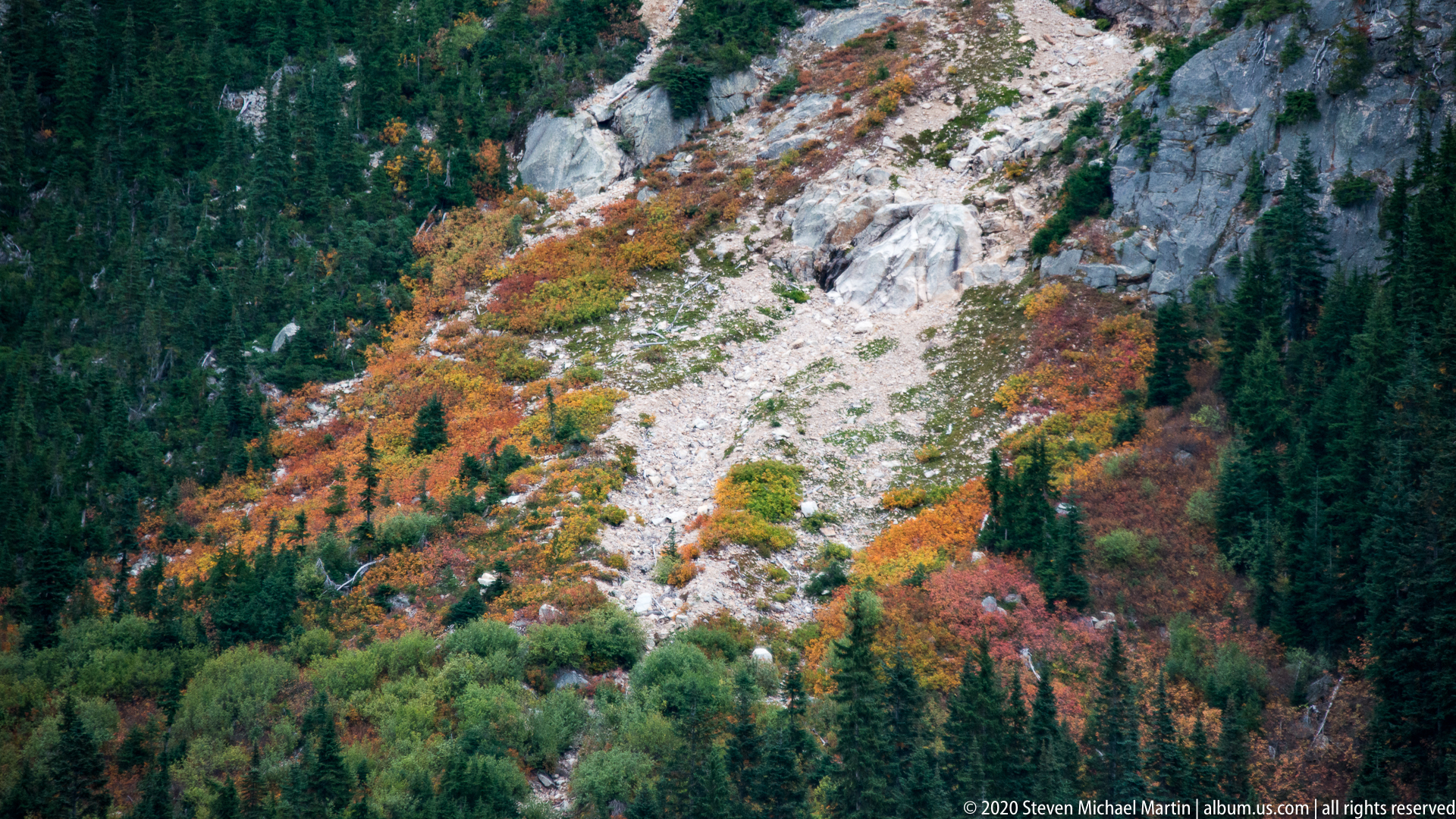
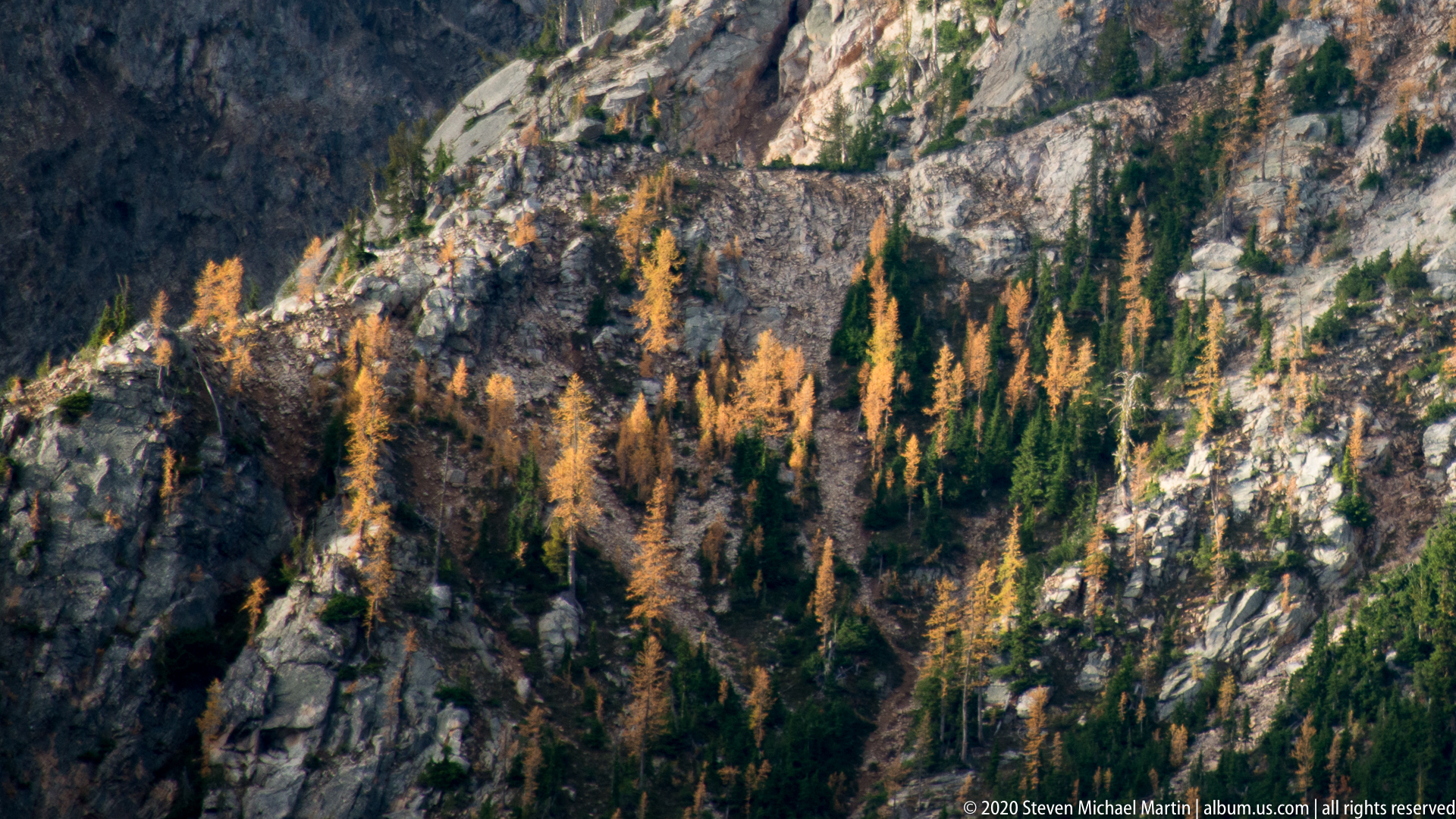
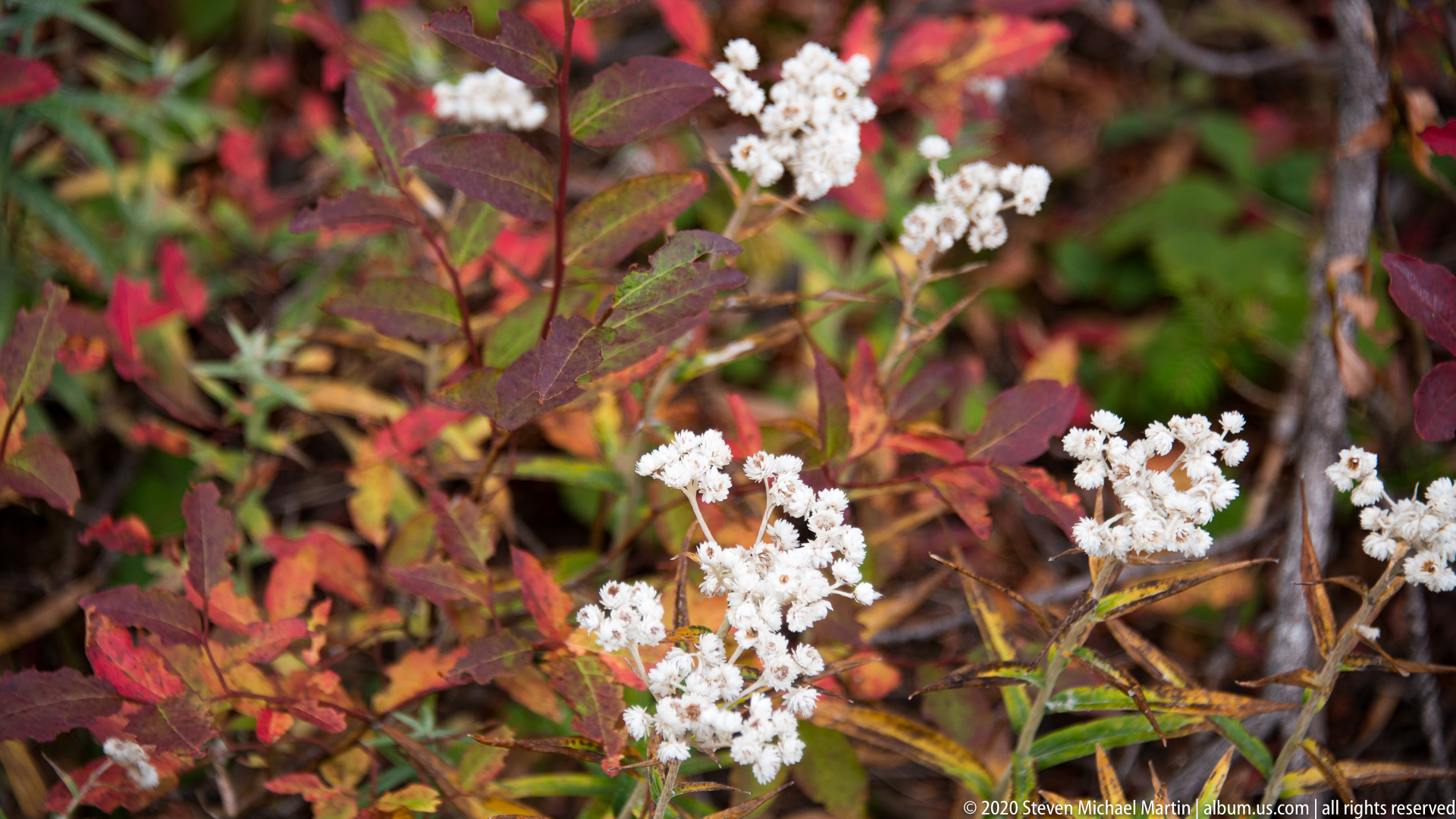
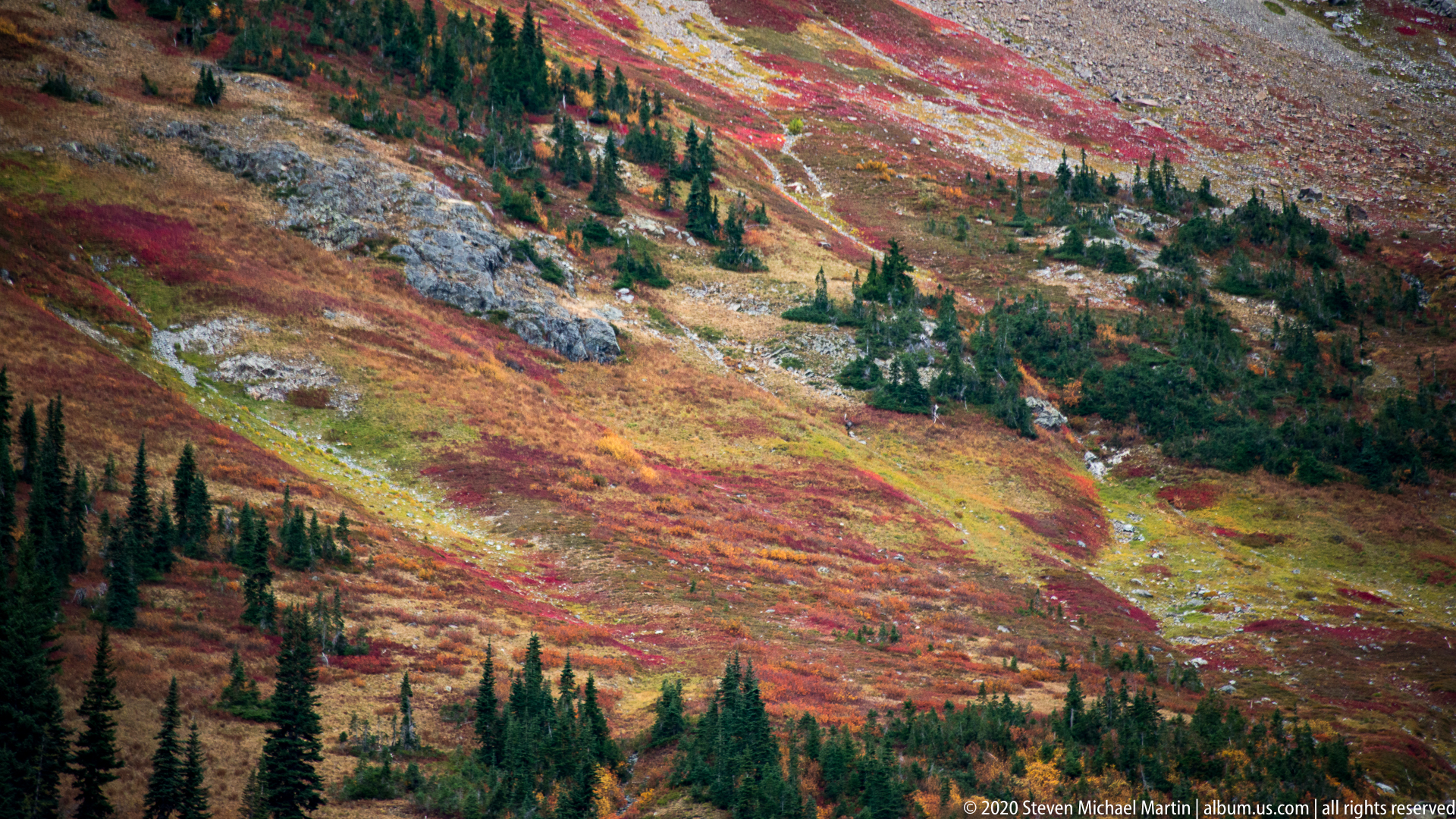
- Alpine Vegetation – Plant life adapted to shorter growing seasons and harsher conditions.
- Changing Mountain Light – Cloud movement alters contrast and visibility throughout the day.
- Night Sky Atmosphere – Increasing visibility of stars as eyes adjust to darkness.
📷 Photography Notes
- Changing weather conditions can quickly alter visibility of mountain peaks.
- Layered ridgelines help convey depth and scale.
- Early morning and late-day light often emphasize terrain texture.
- Wide-angle compositions help capture expansive mountain scenery.
- Clear nights allow visibility of dense star fields.
- Cloud patterns can add structure to otherwise open sky compositions.