
Blue Ridge Parkway
Blue Ridge Parkway The Blue Ridge Parkway follows the crest of the Appalachian Mountains, a landscape shaped by some of […]
Explore Portfolio
This itinerary explores Cajun Mardi Gras traditions in southern Louisiana, where descendants of Acadian settlers preserved language, music, and cultural practices carried from France and Atlantic Canada. Rural celebrations known as Courir de Mardi Gras reflect centuries-old customs adapted to the landscapes of the American Gulf Coast. These traditions illustrate how migration and cultural continuity shaped a distinctive regional identity rooted in the history of Acadia.
Cajun Mardi Gras traditions developed in southern Louisiana among descendants of Acadian settlers who were displaced from Atlantic Canada during the Great Deportation of 1755. Many Acadians eventually resettled in Louisiana during the late 18th century, where they adapted their language, agricultural practices, and religious customs to a new environment. Over time, Acadian identity evolved into what is now commonly known as Cajun culture, reflecting continuity with earlier French-speaking communities of New France.
One of the most distinctive expressions of this cultural heritage is the Courir de Mardi Gras, or “Mardi Gras run,” a rural celebration rooted in medieval French traditions. Participants dressed in colorful costumes travel through the countryside gathering ingredients for a communal meal, often accompanied by music, dancing, and symbolic rituals. These customs reflect European pre-Lenten festivals that emphasized renewal, community cooperation, and seasonal celebration.
Unlike the large parades associated with urban Mardi Gras celebrations in New Orleans, Cajun Mardi Gras emphasizes local participation and preservation of historical tradition. Communities across the Acadiana region continue to celebrate in ways that reflect both continuity and adaptation, demonstrating how cultural practices can evolve while maintaining connections to earlier generations. These events illustrate how migration shaped regional identity across North America.
Cajun culture developed directly from the migration of Acadian families who were expelled from Atlantic Canada during the mid-18th century. Many Acadians eventually settled in southern Louisiana, where their language evolved from Acadian French into Cajun French and their traditions adapted to new environmental conditions. Festivals such as Cajun Mardi Gras preserve elements of medieval French celebration carried to North America by early settlers and maintained across generations despite displacement.
Understanding Cajun Mardi Gras helps illustrate how Acadian identity continued to develop long after the original settlements in Nova Scotia and New Brunswick. Together, these itineraries reveal a broader narrative linking France, Acadia, and Louisiana through migration, language, and cultural continuity.
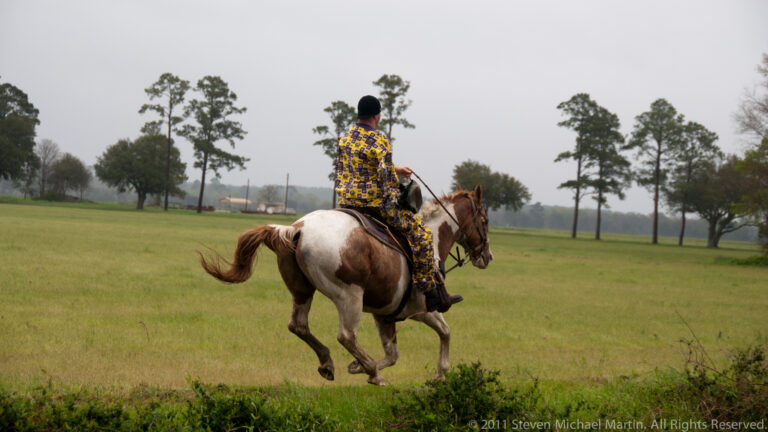


The itinerary explores regions of southern Louisiana associated with Cajun cultural traditions that developed from Acadian migration patterns. Following displacement from Nova Scotia and surrounding areas, Acadian families settled in rural Louisiana communities where they established agricultural villages and maintained French linguistic traditions. Over time, these communities developed distinctive music, cuisine, and seasonal festivals that continue to shape regional identity.
Travel through the Acadiana region highlights landscapes shaped by river systems, wetlands, and agricultural environments that influenced patterns of settlement. These environments differ significantly from the coastal marshlands of Nova Scotia yet reflect similar themes of adaptation to local geography. Cultural traditions preserved in these communities demonstrate how language and identity persisted despite displacement and geographic change.
Together, these sites provide insight into how migration reshaped cultural geography across North America. Cajun Mardi Gras illustrates how traditions carried across the Atlantic world continue to evolve while preserving connections to earlier historical experiences shared by Acadian communities.