New Orleans
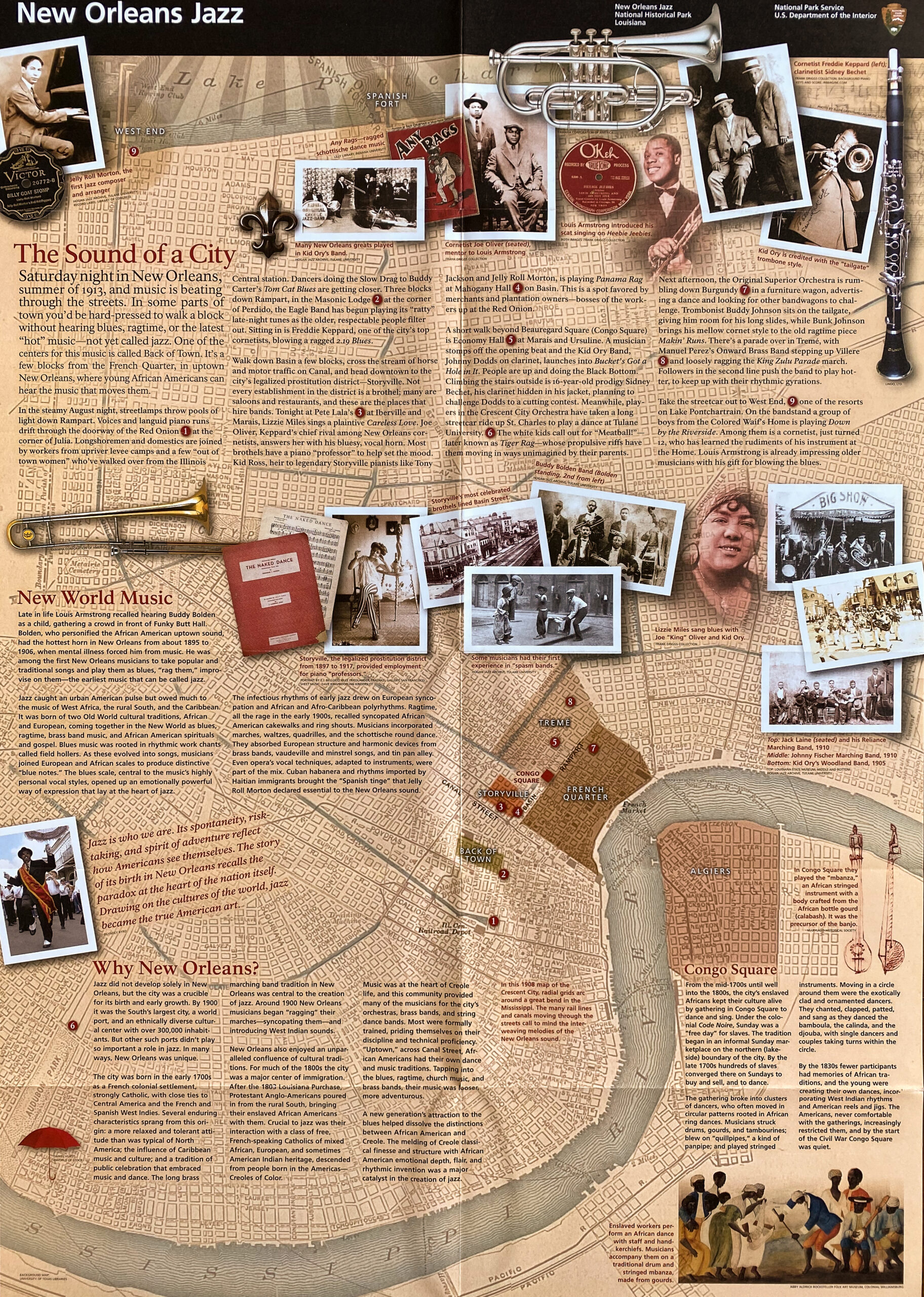
New Orleans occupies a strategic location near the mouth of the Mississippi River, one of the most important waterways in North America. Founded by the French in 1718, the city became an important port linking the interior of the continent with global trade networks. Its position along the Mississippi River allowed goods, people, and cultural traditions to move between distant regions, shaping the economic and social development of Louisiana.
Following the migration of Acadian families to Louisiana in the late 18th century, New Orleans became part of a broader cultural landscape influenced by French language, Catholic religious traditions, and agricultural practices adapted to the Gulf Coast environment. Although Cajun culture developed primarily in rural regions, the city played an important role as a commercial and cultural center connecting communities throughout the region.
Today, New Orleans reflects a layered history shaped by colonial competition, trade networks, and cultural exchange. Architecture, cuisine, music, and seasonal festivals illustrate the diverse influences that contributed to the development of one of the most historically distinctive cities in the United States.
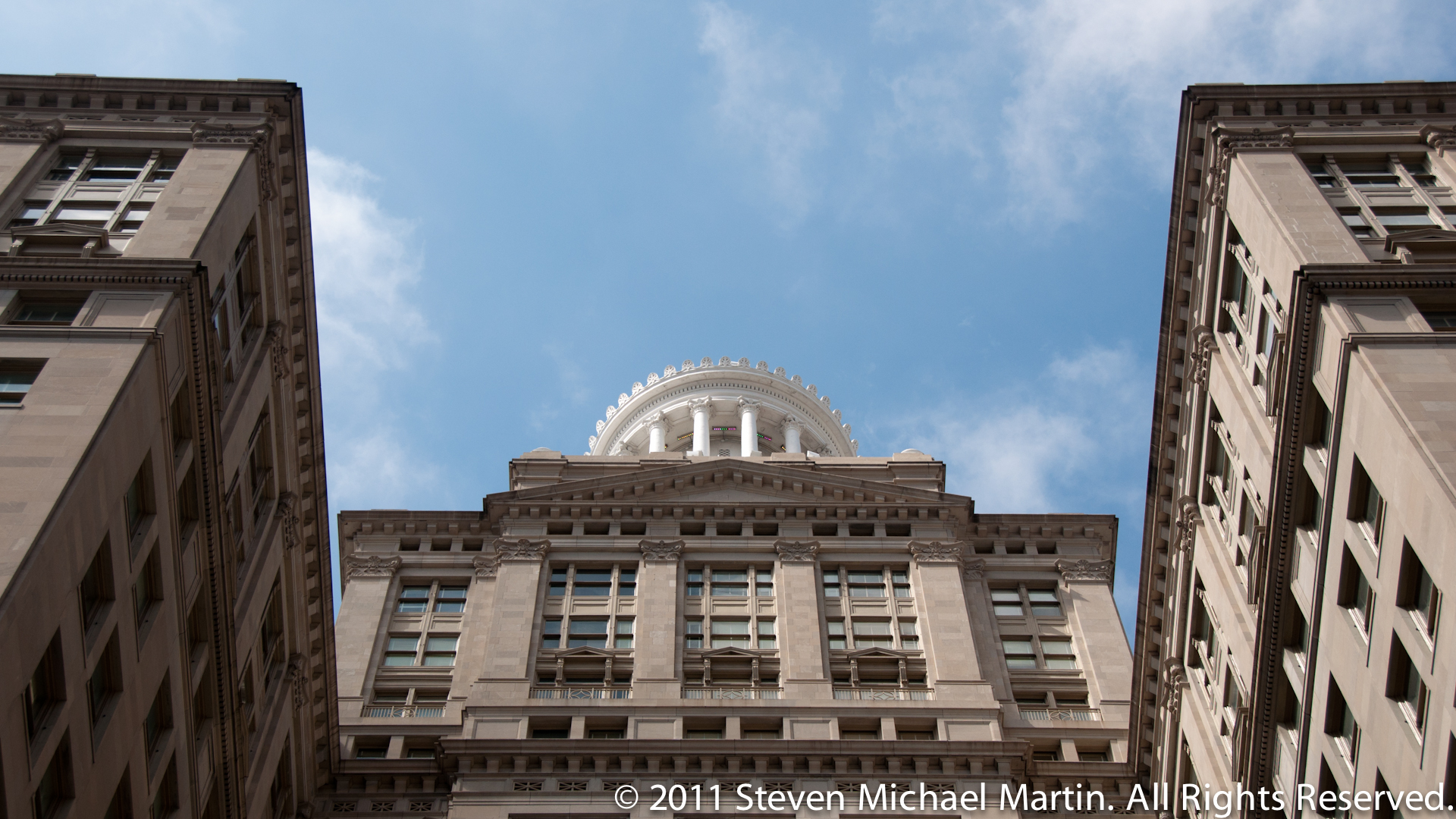
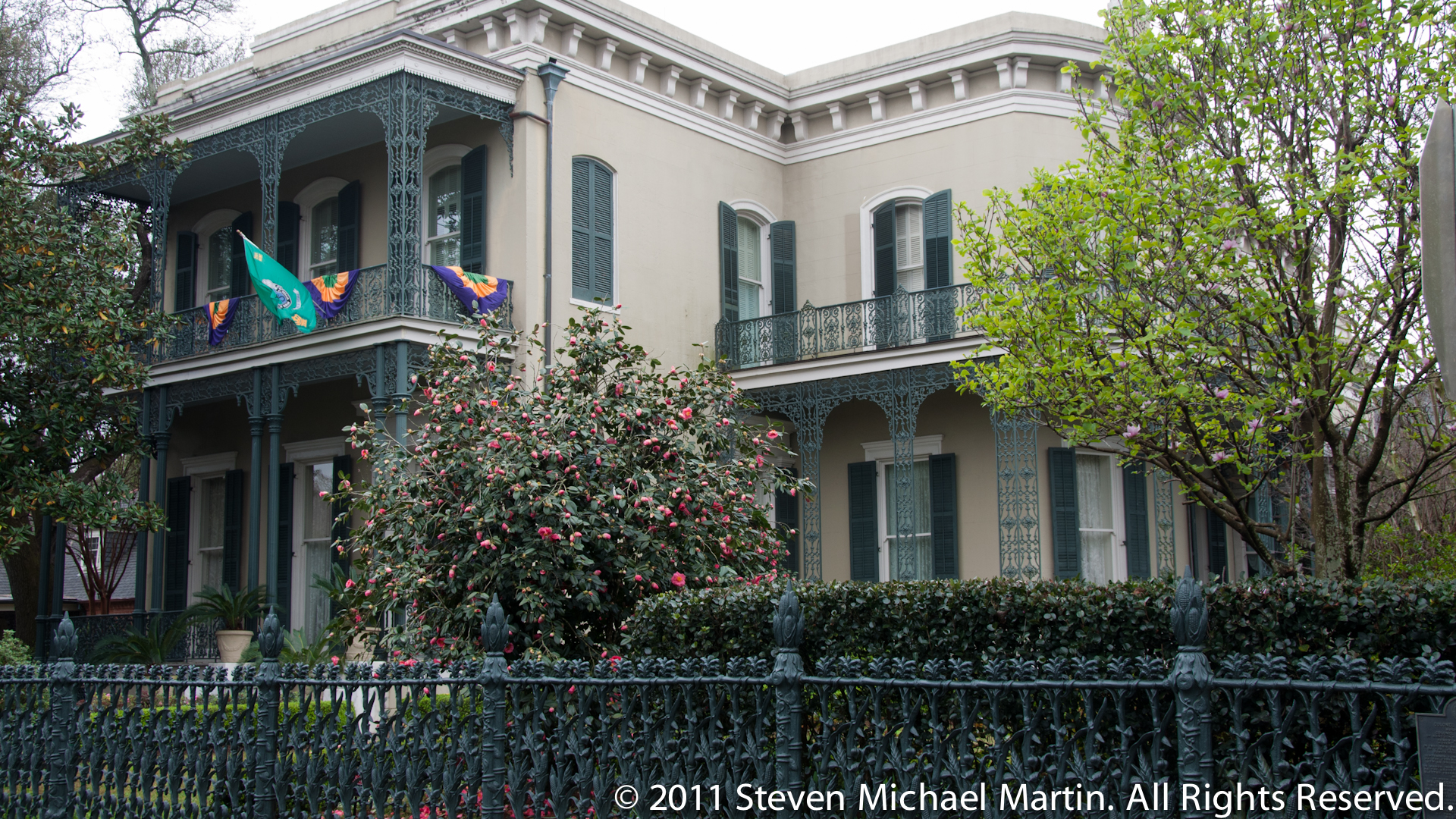
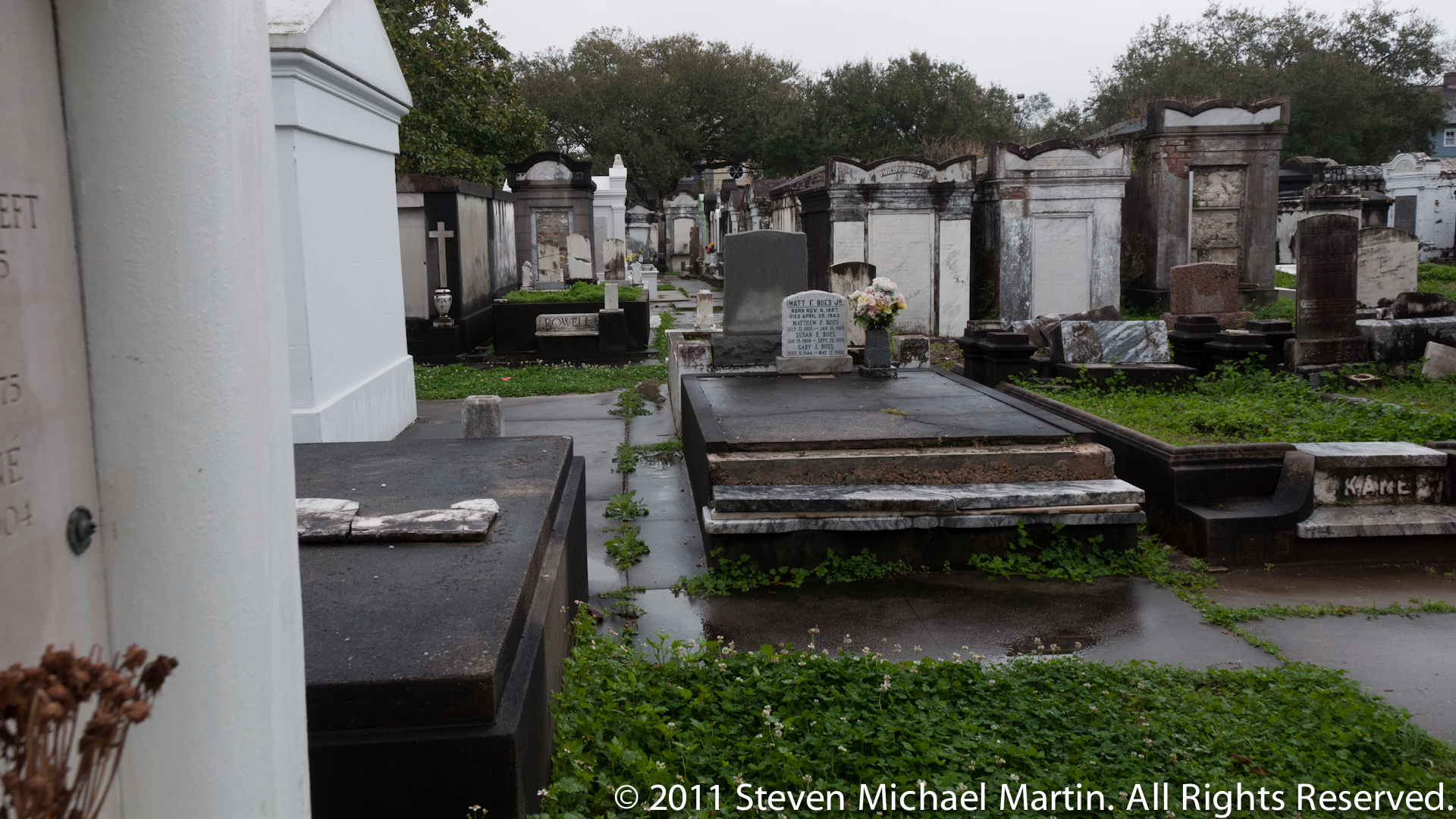
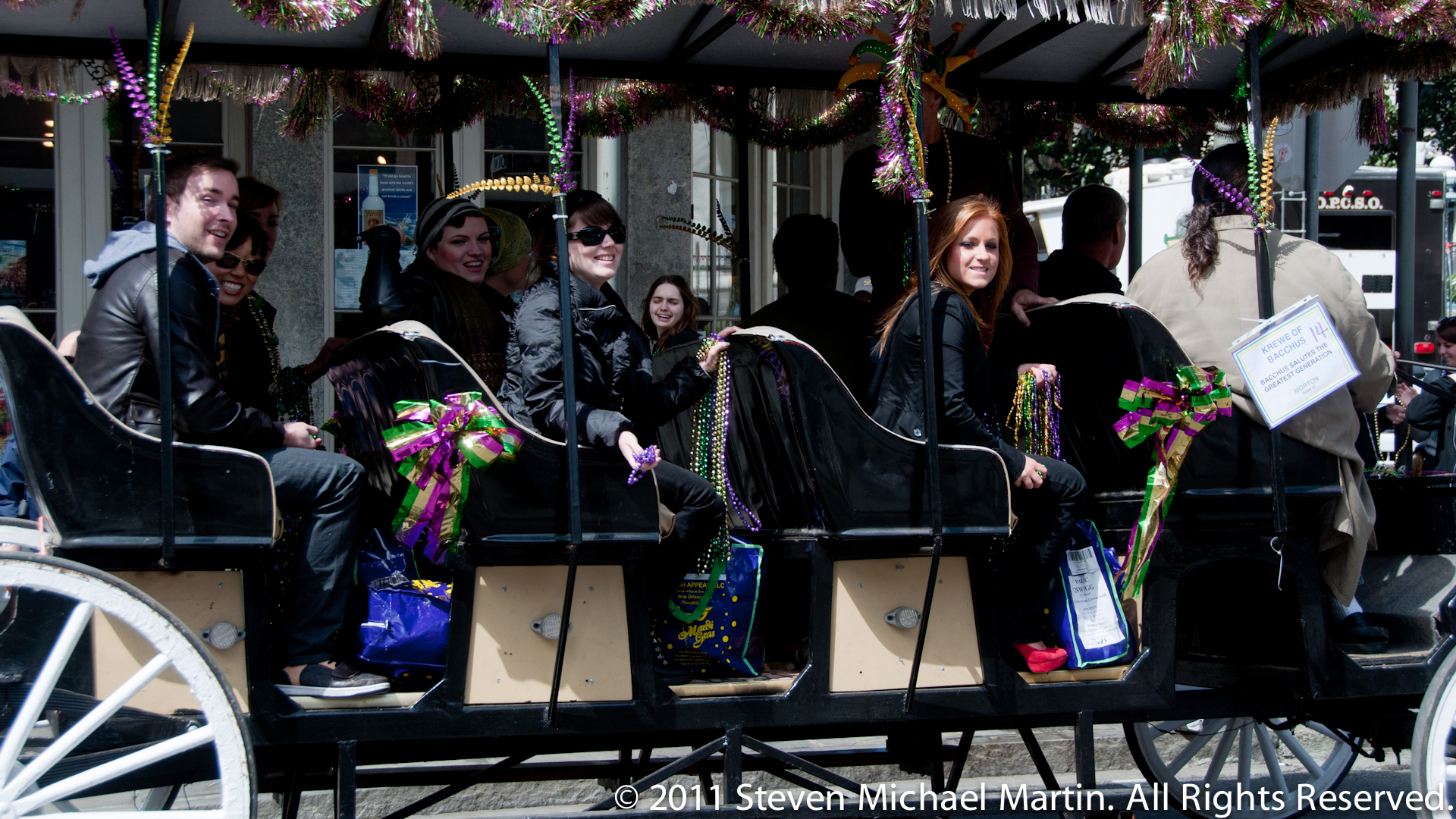
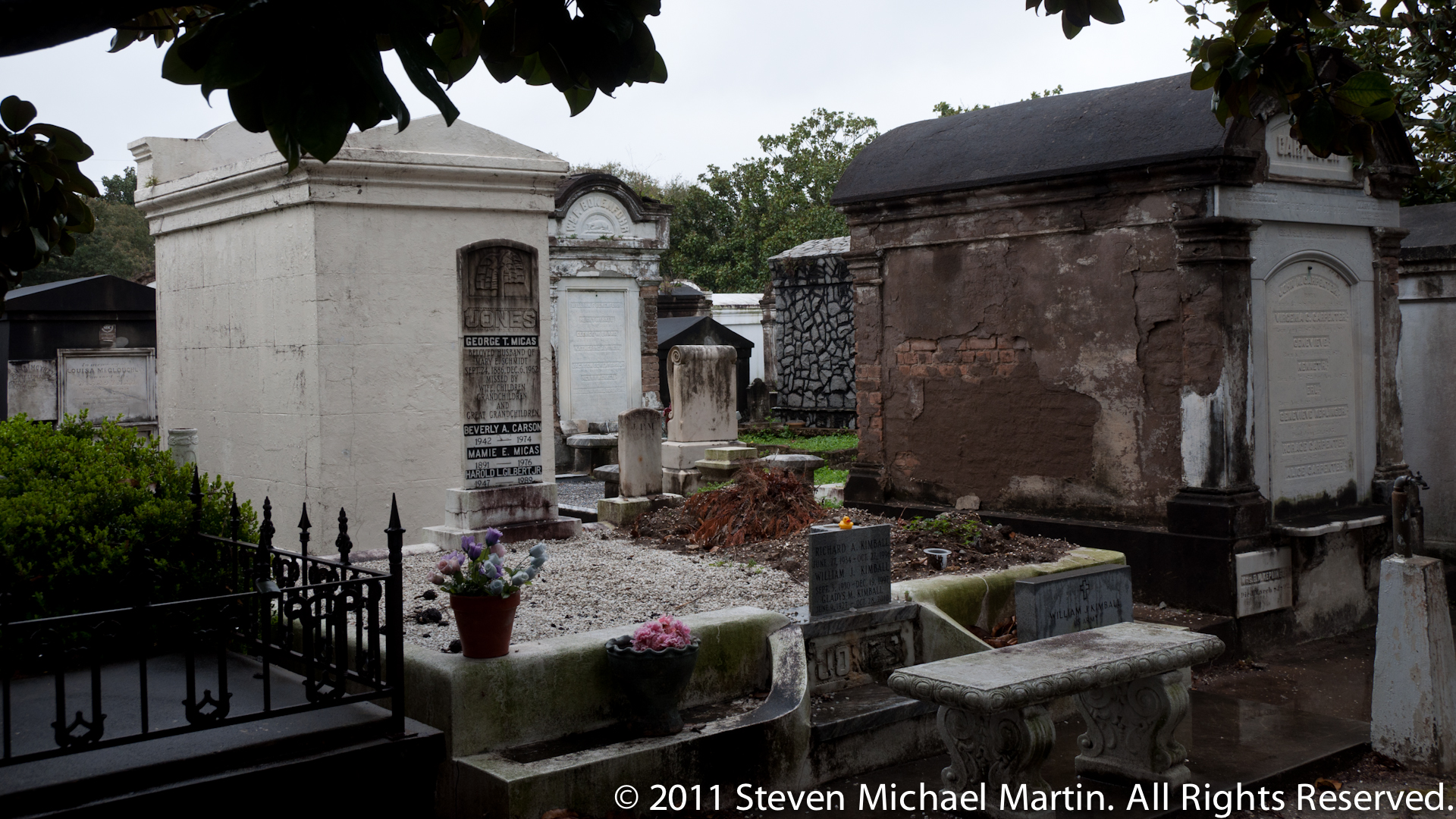
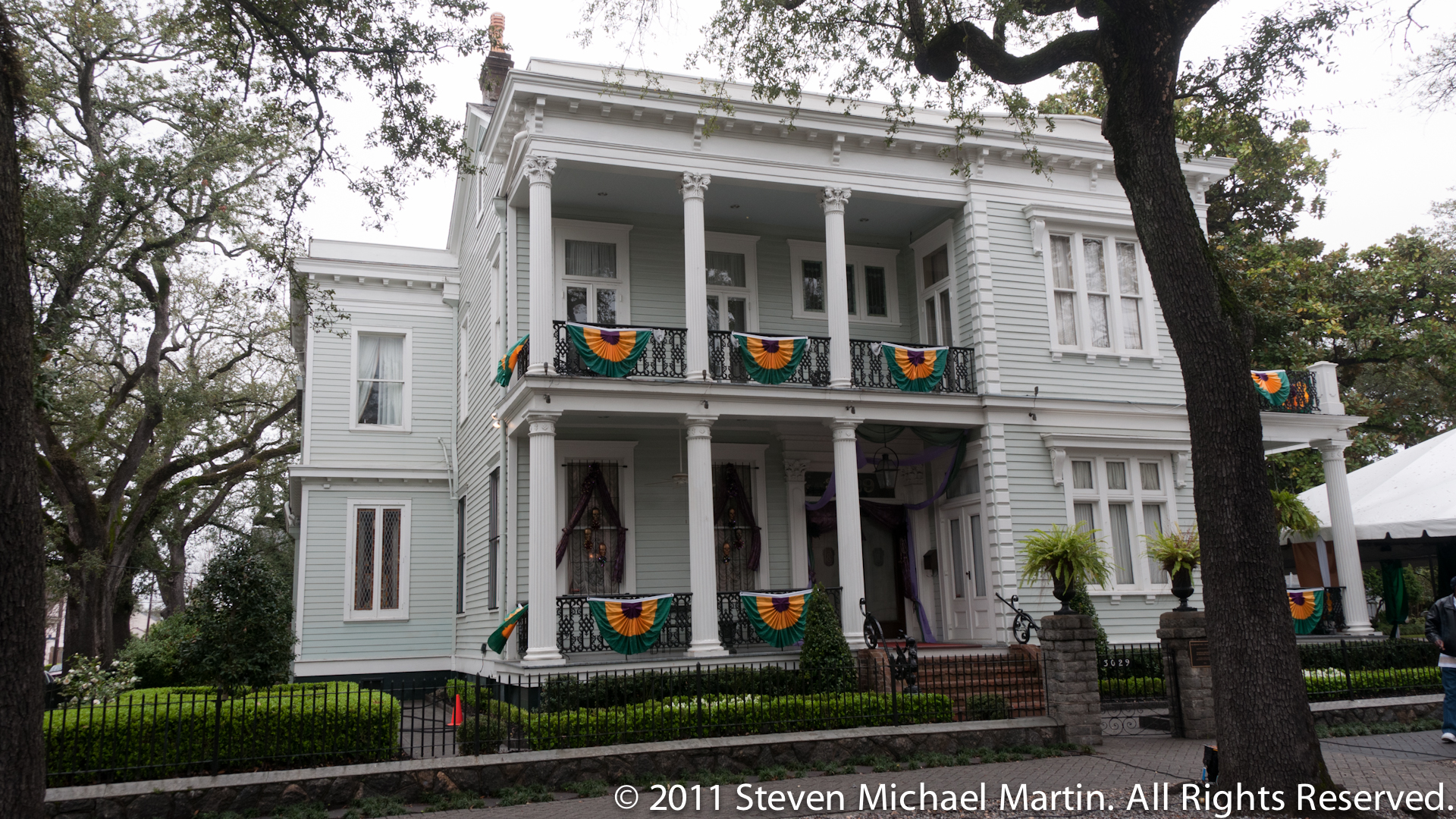
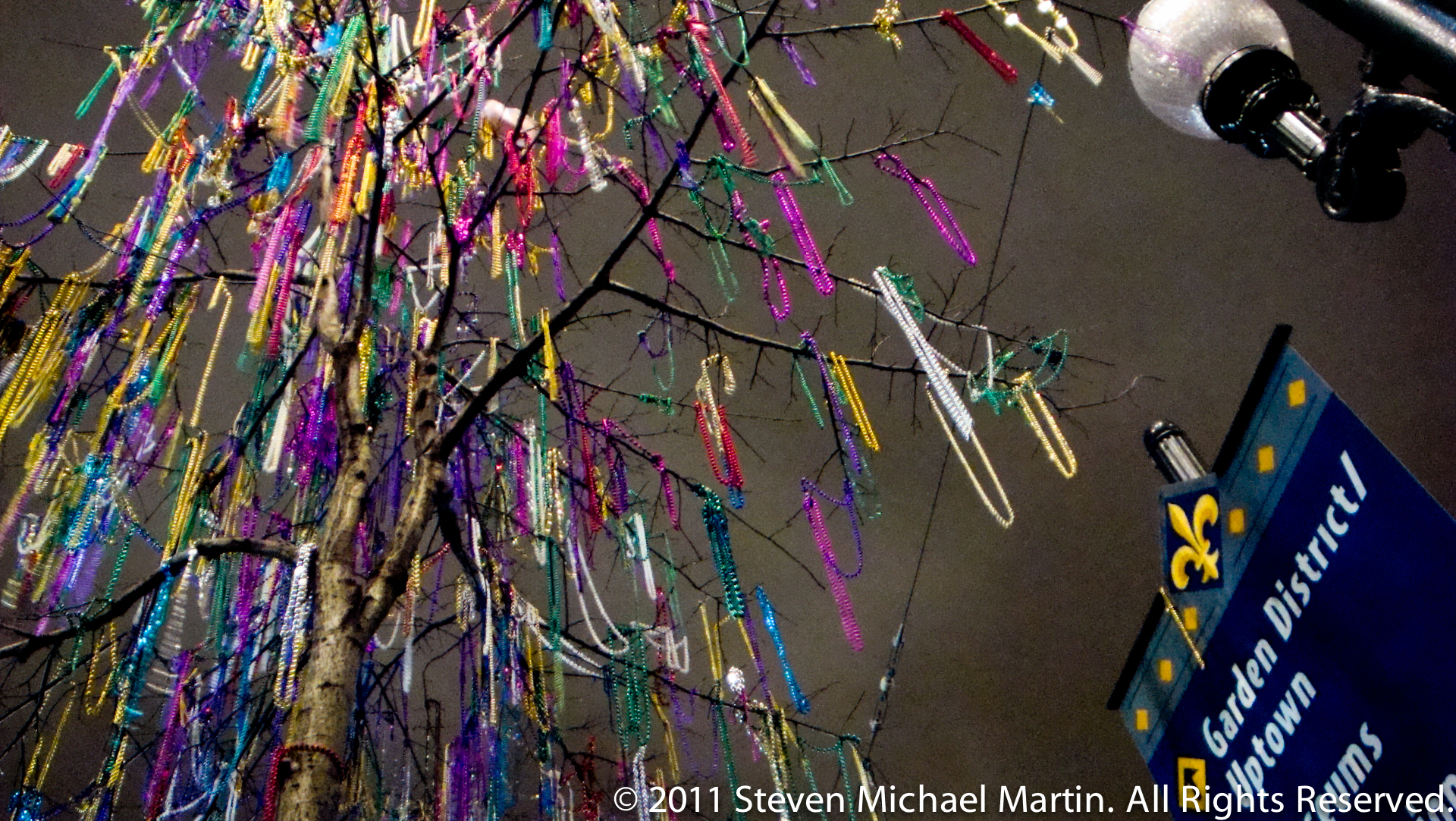
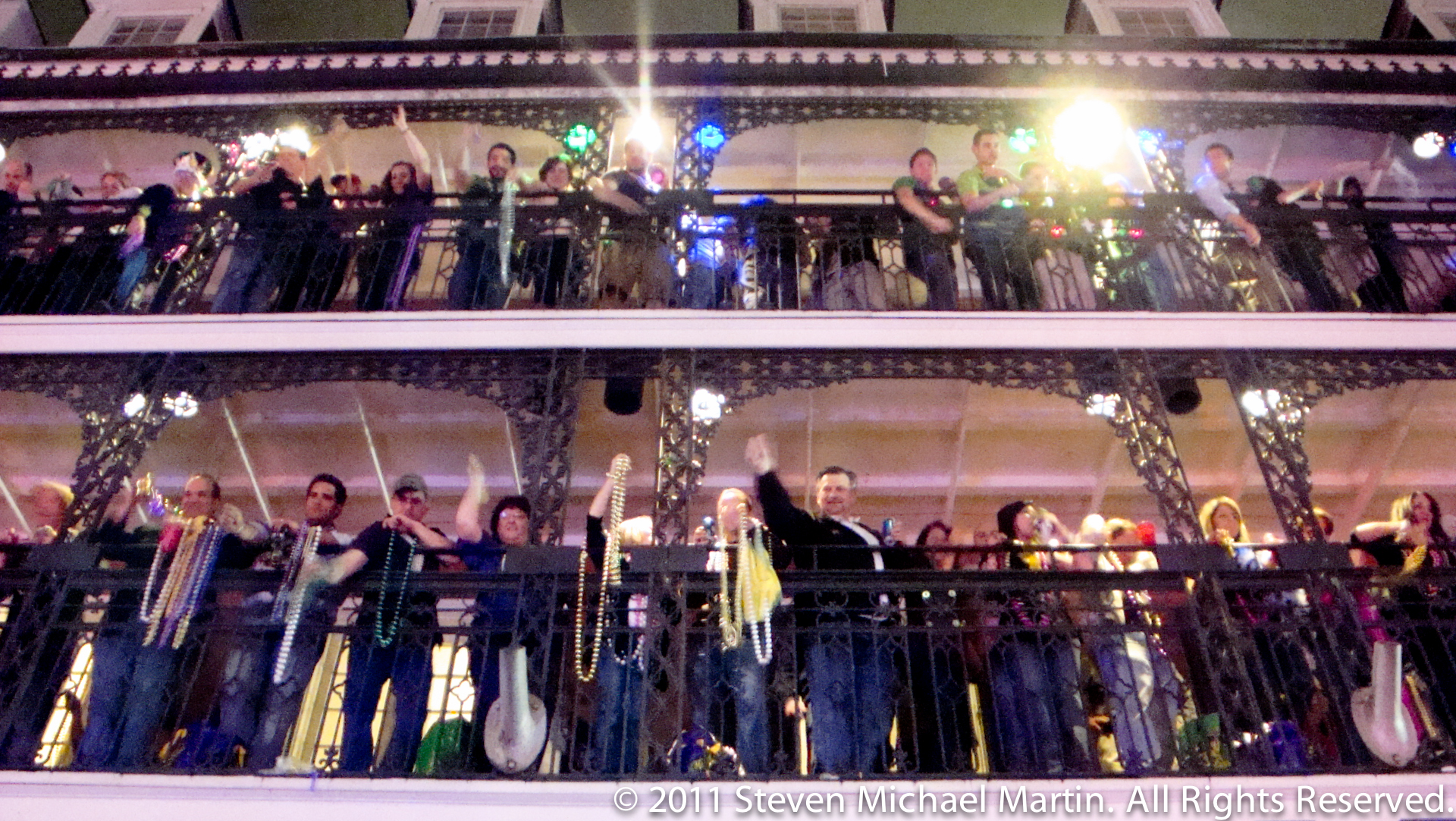
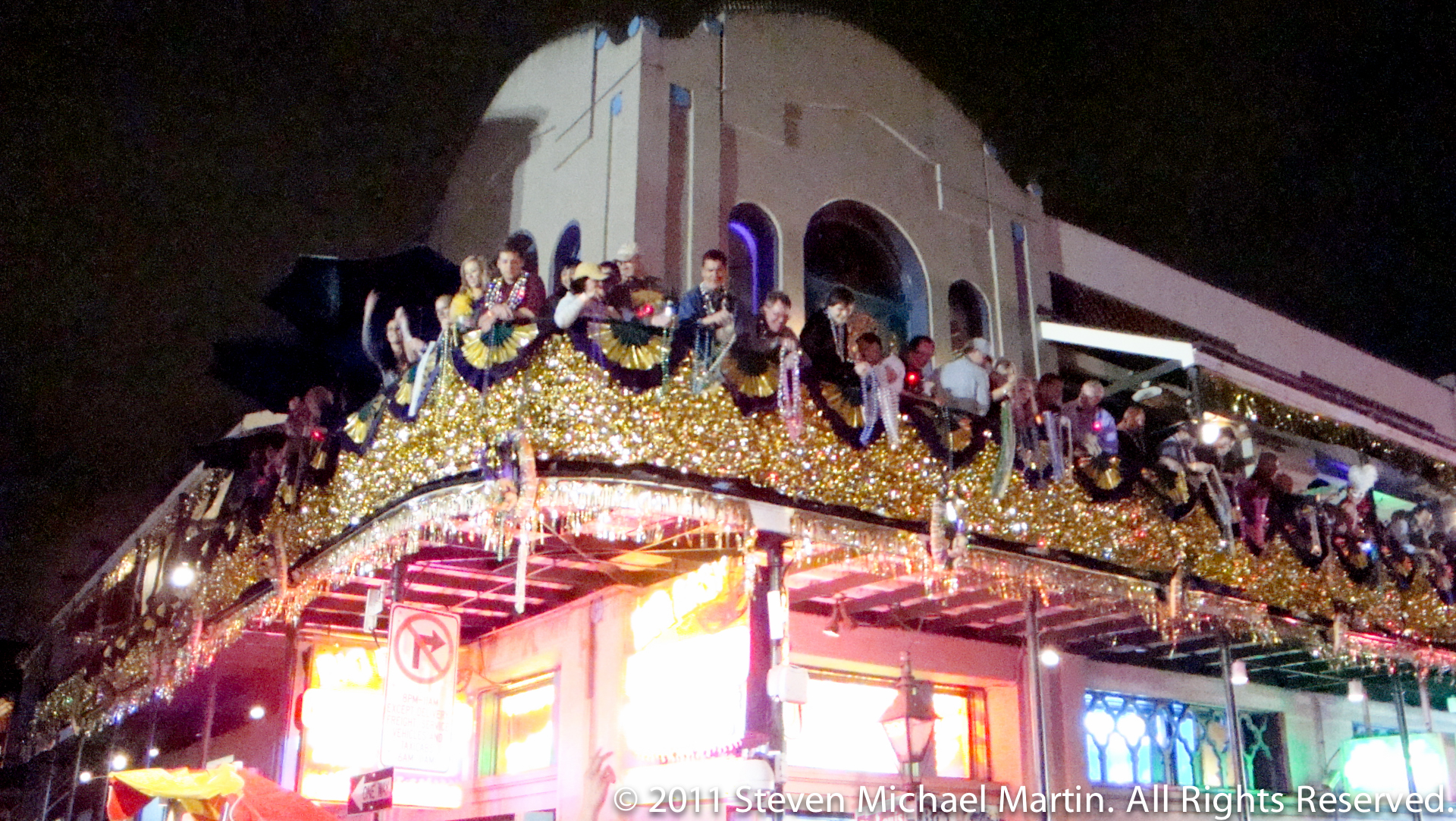
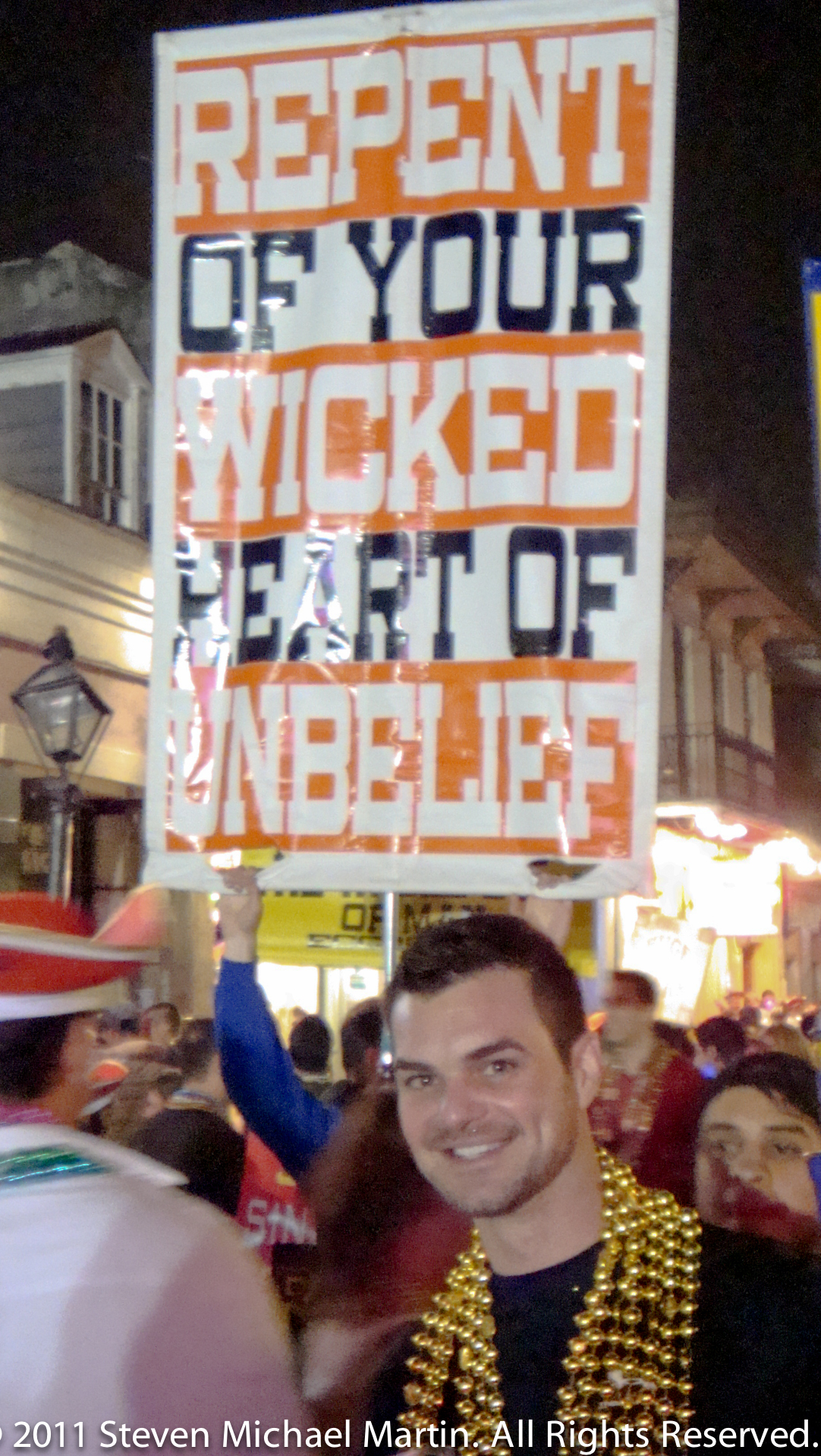
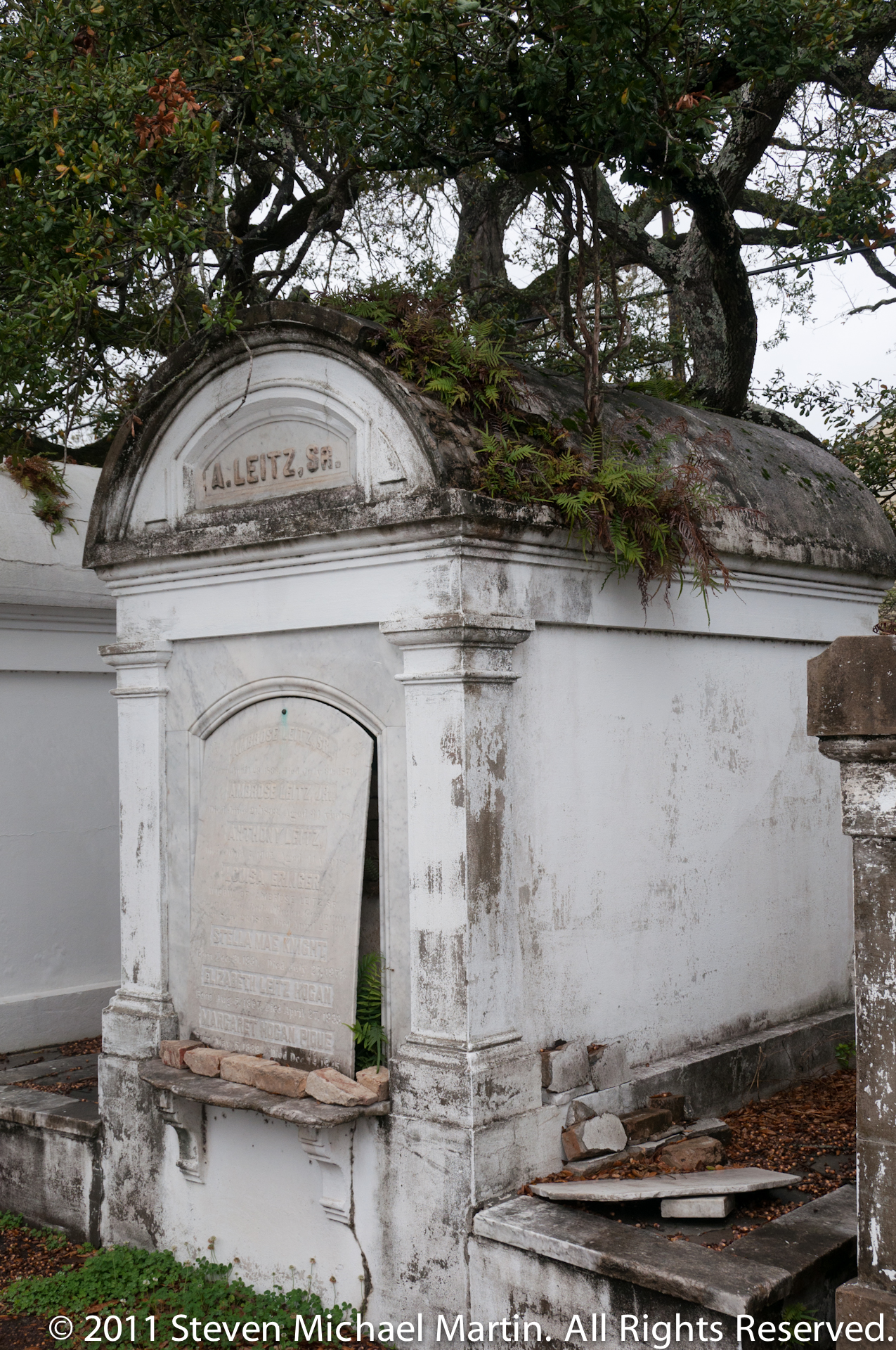
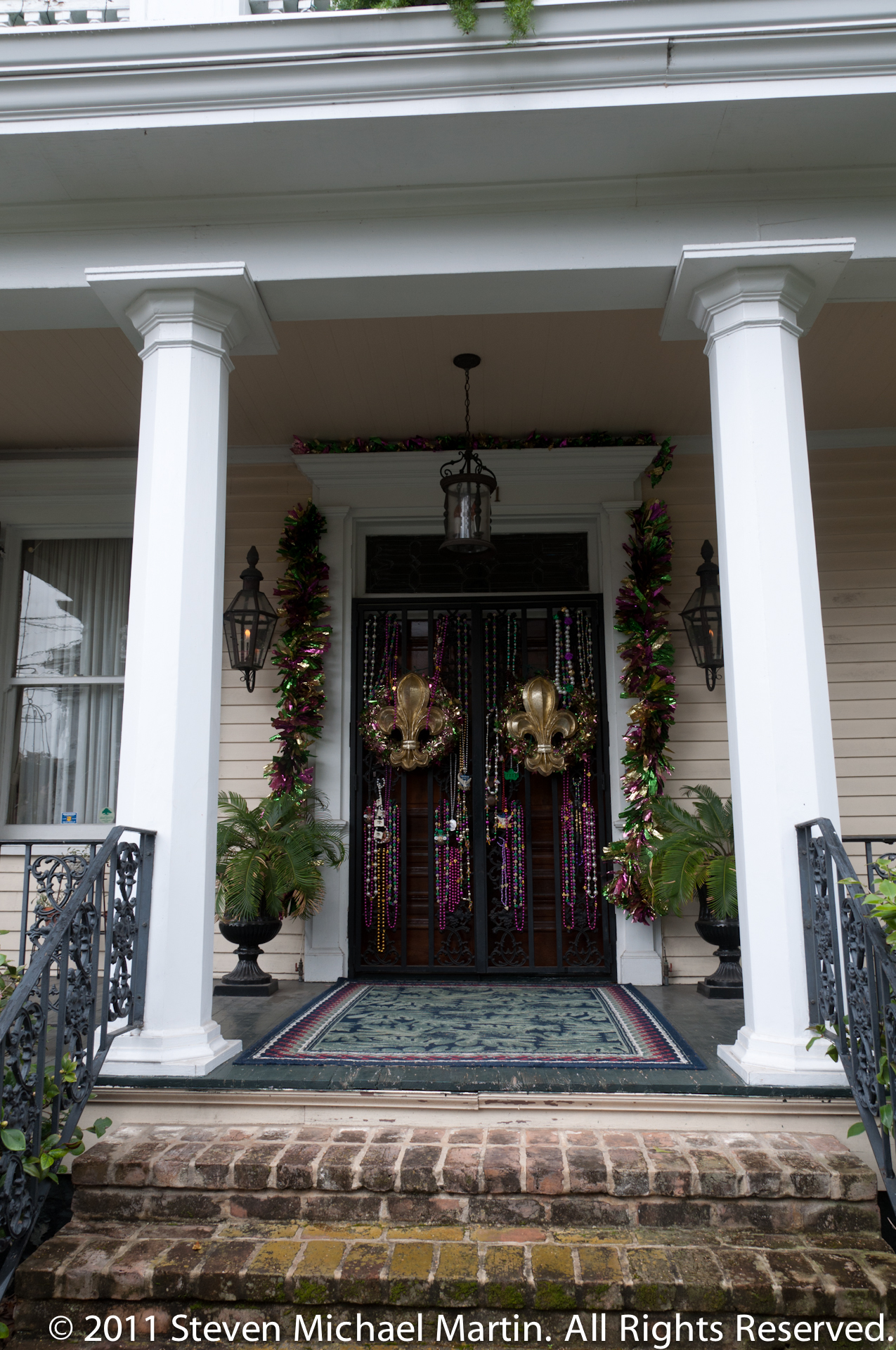
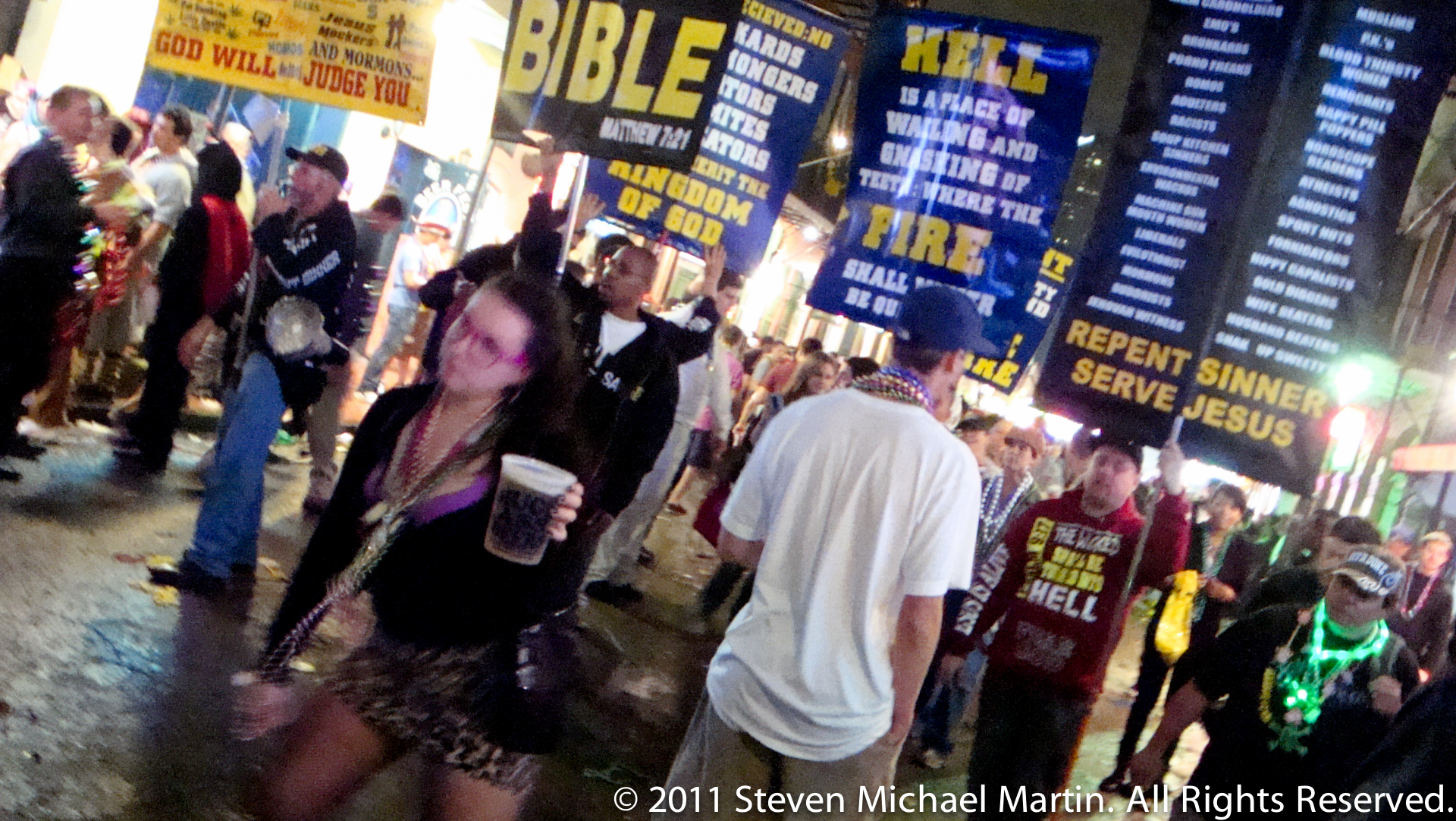
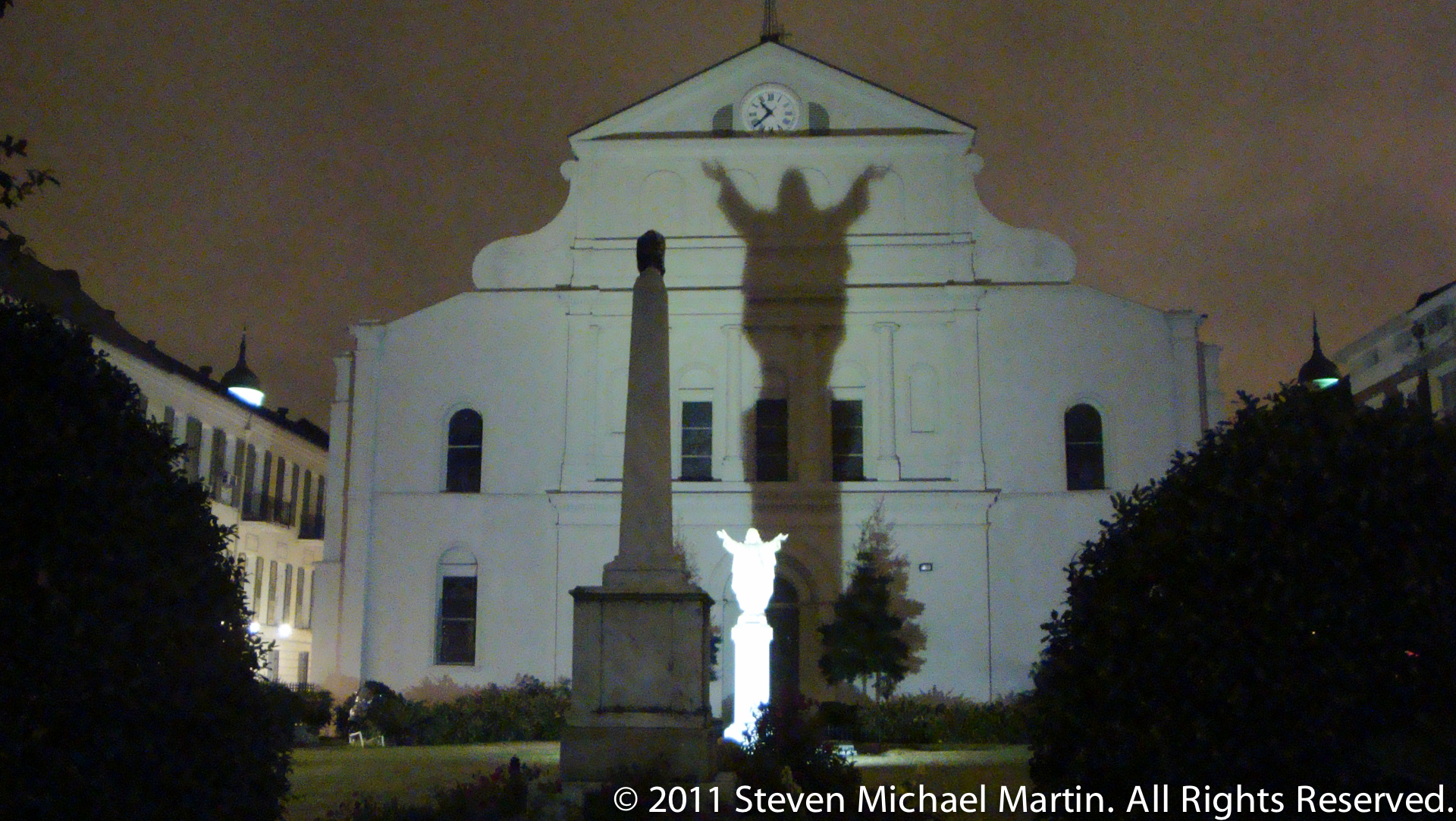
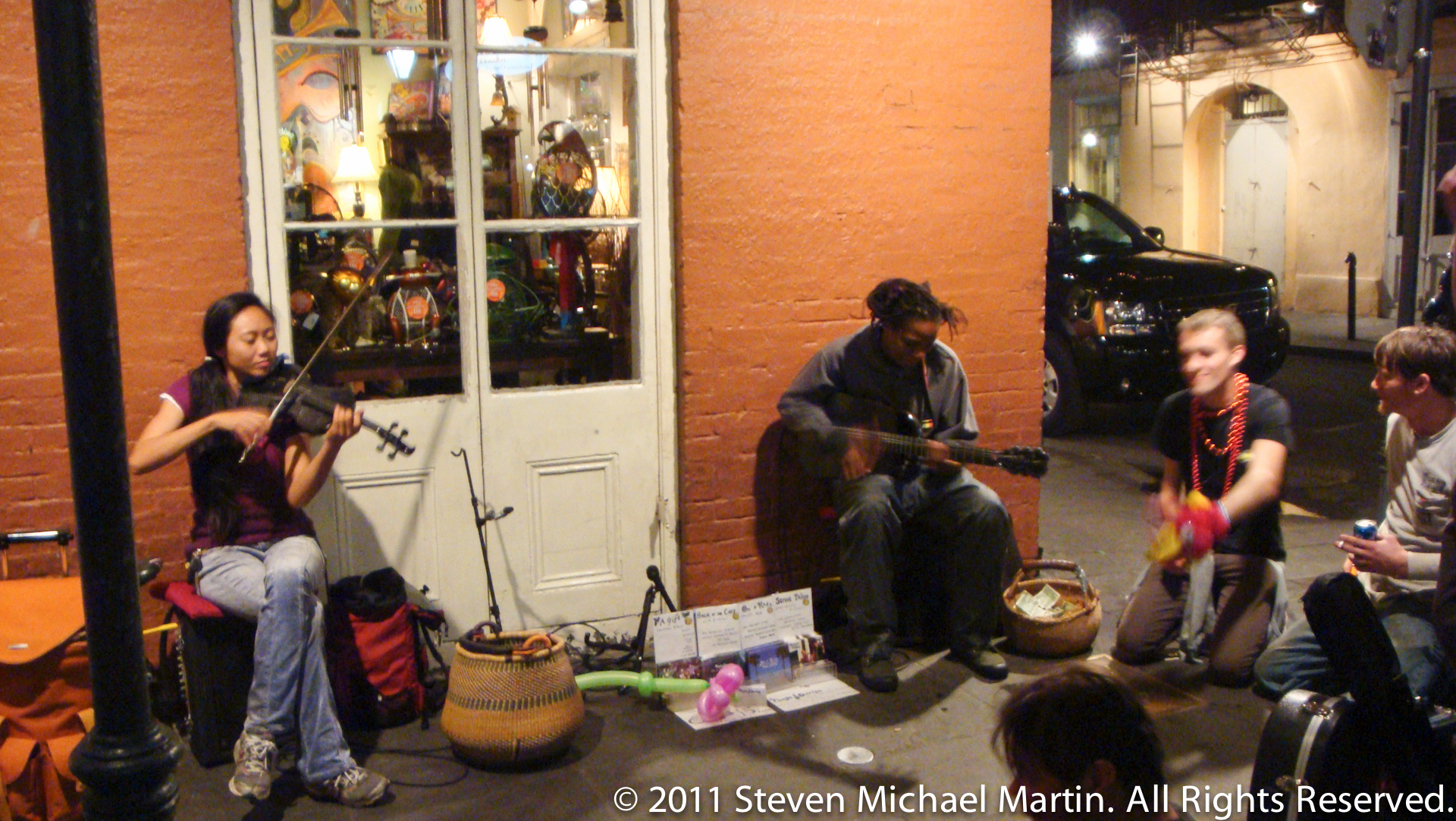
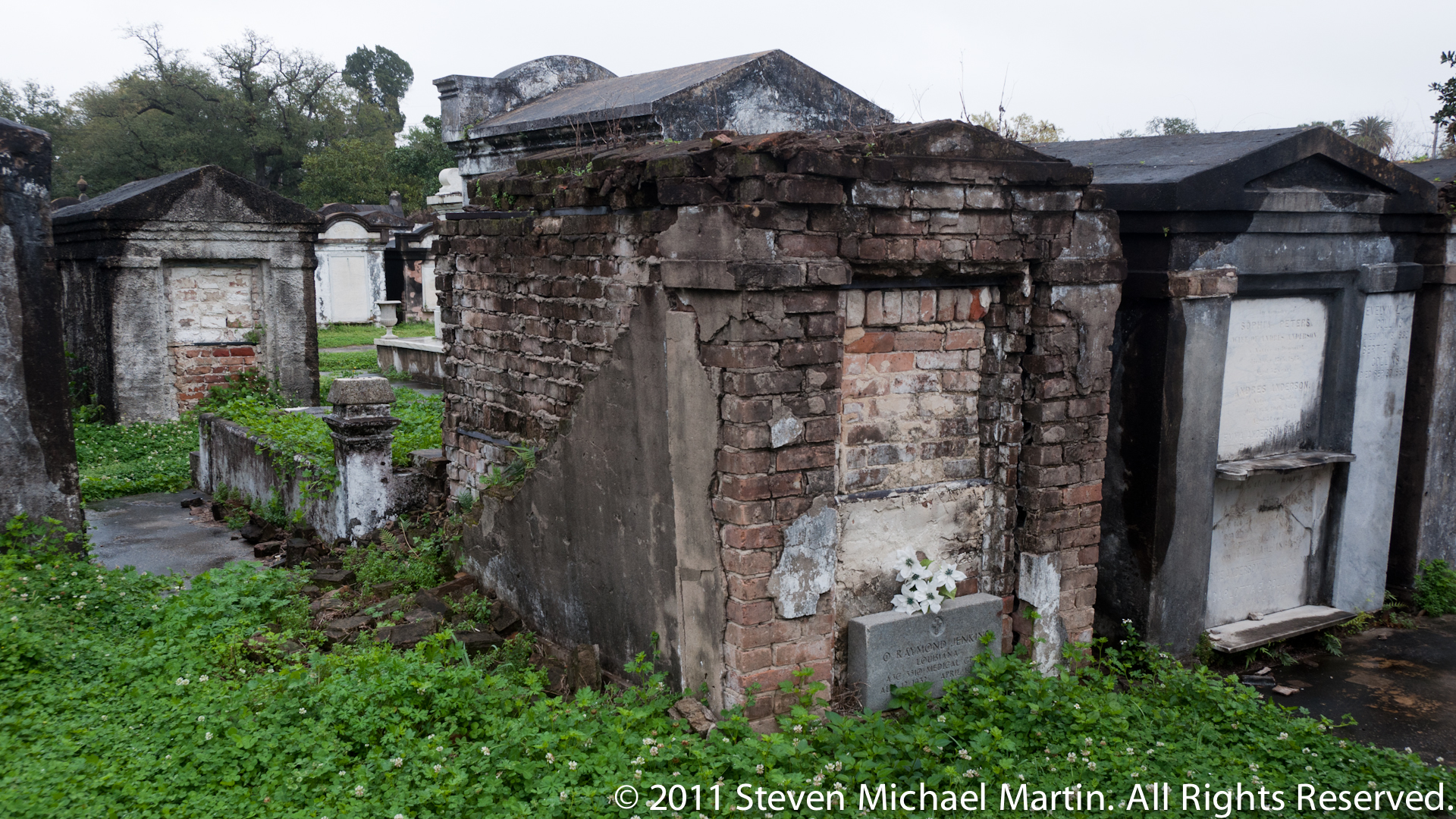
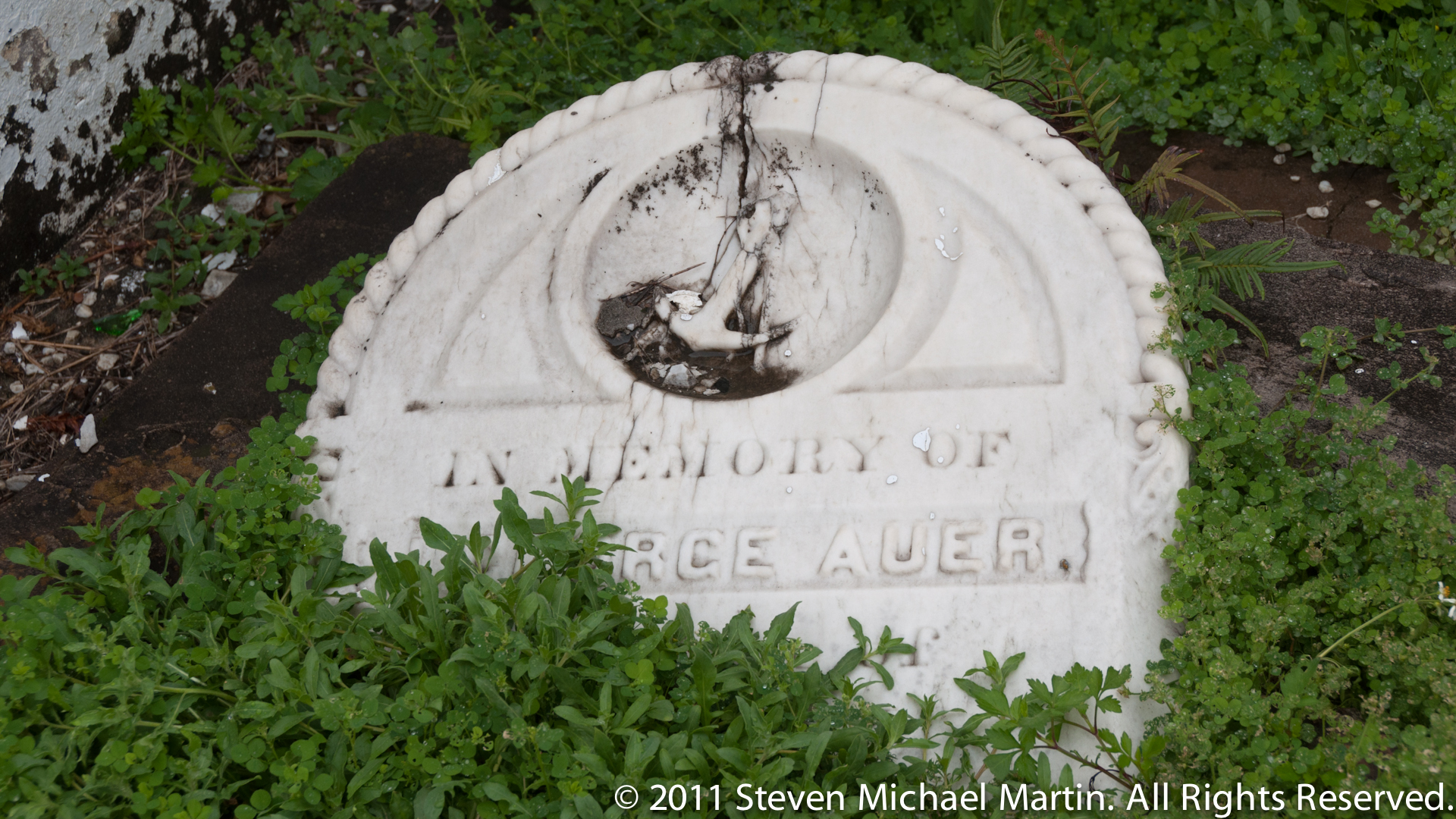
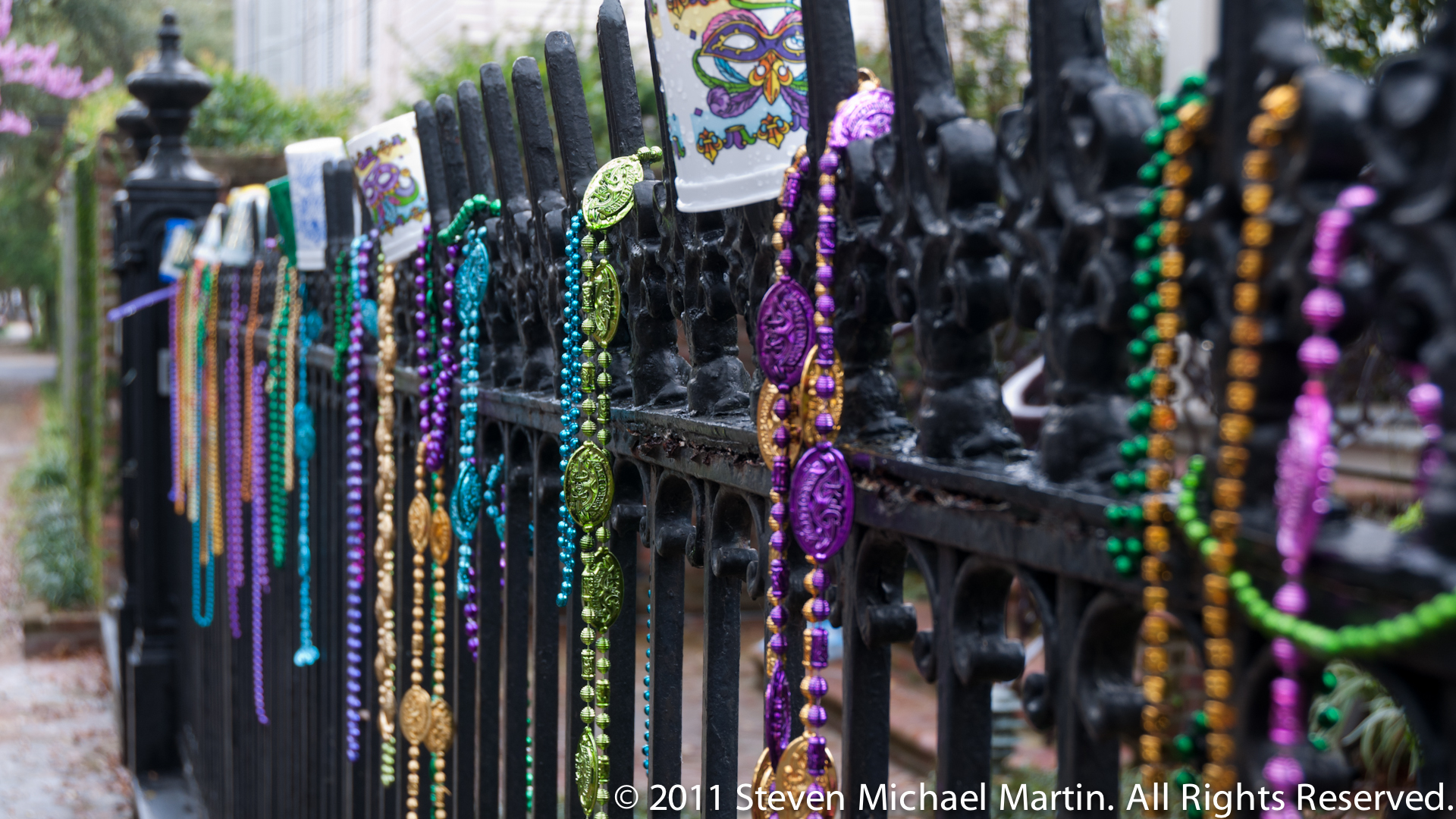
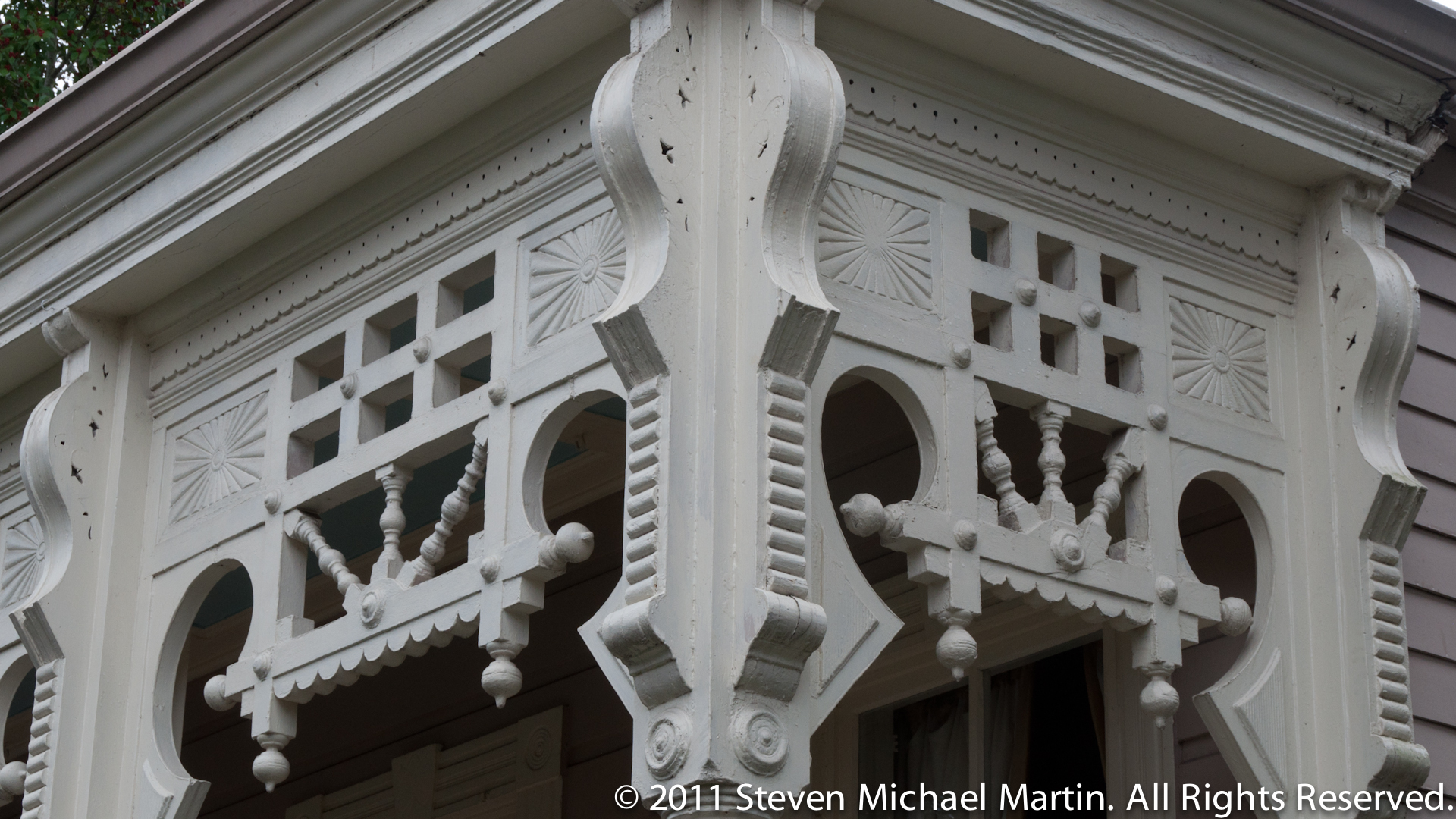
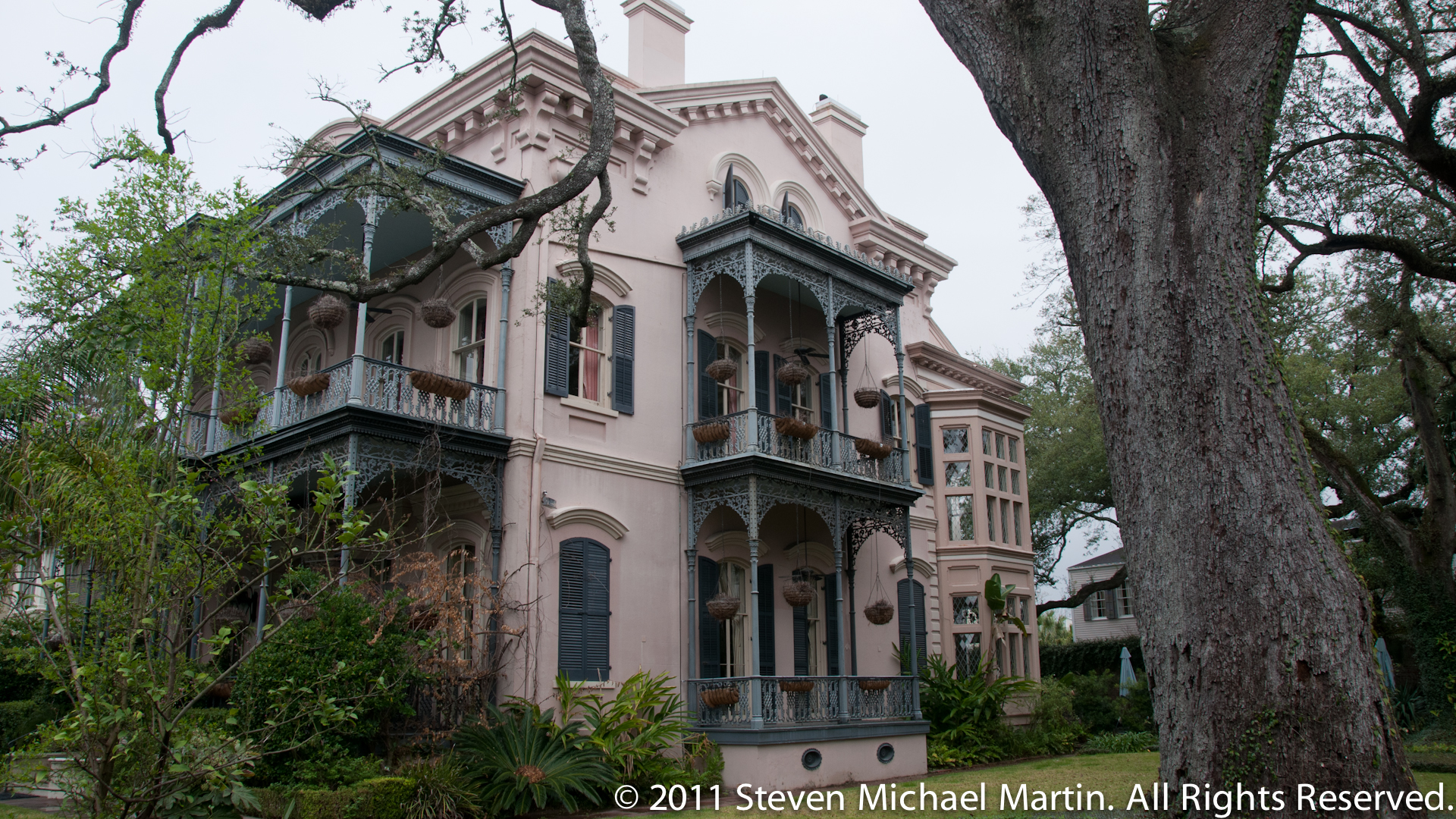
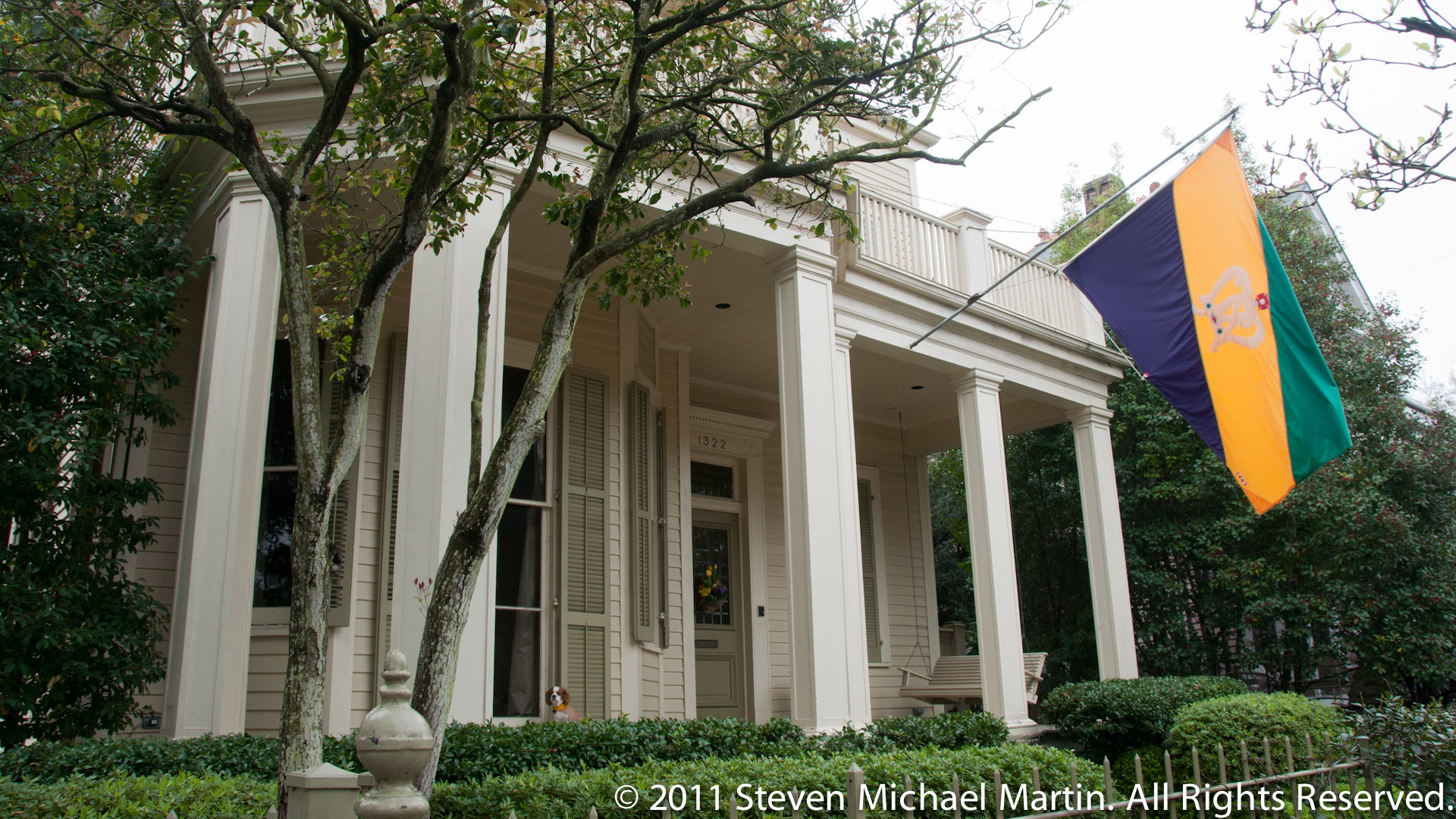
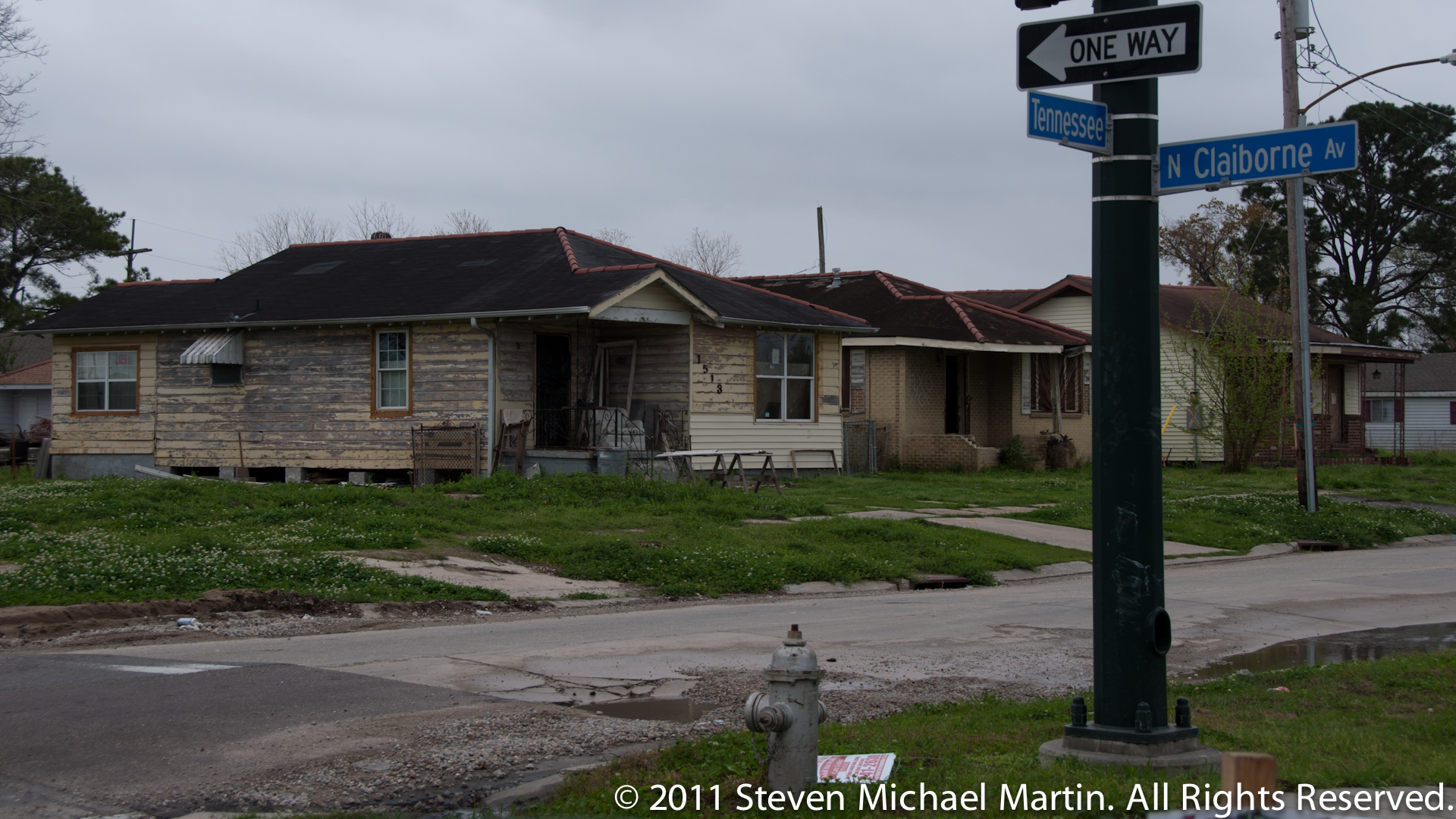
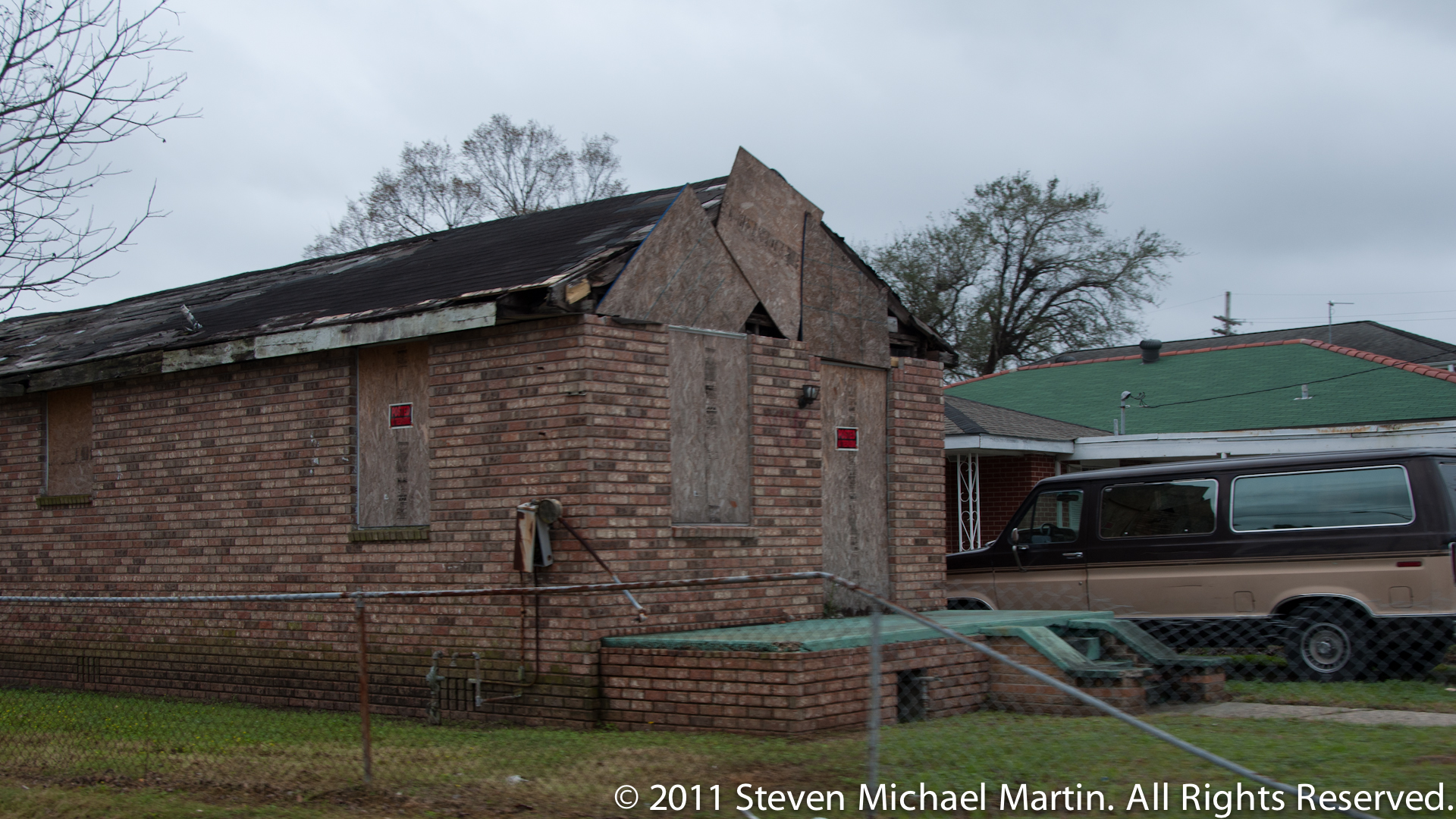
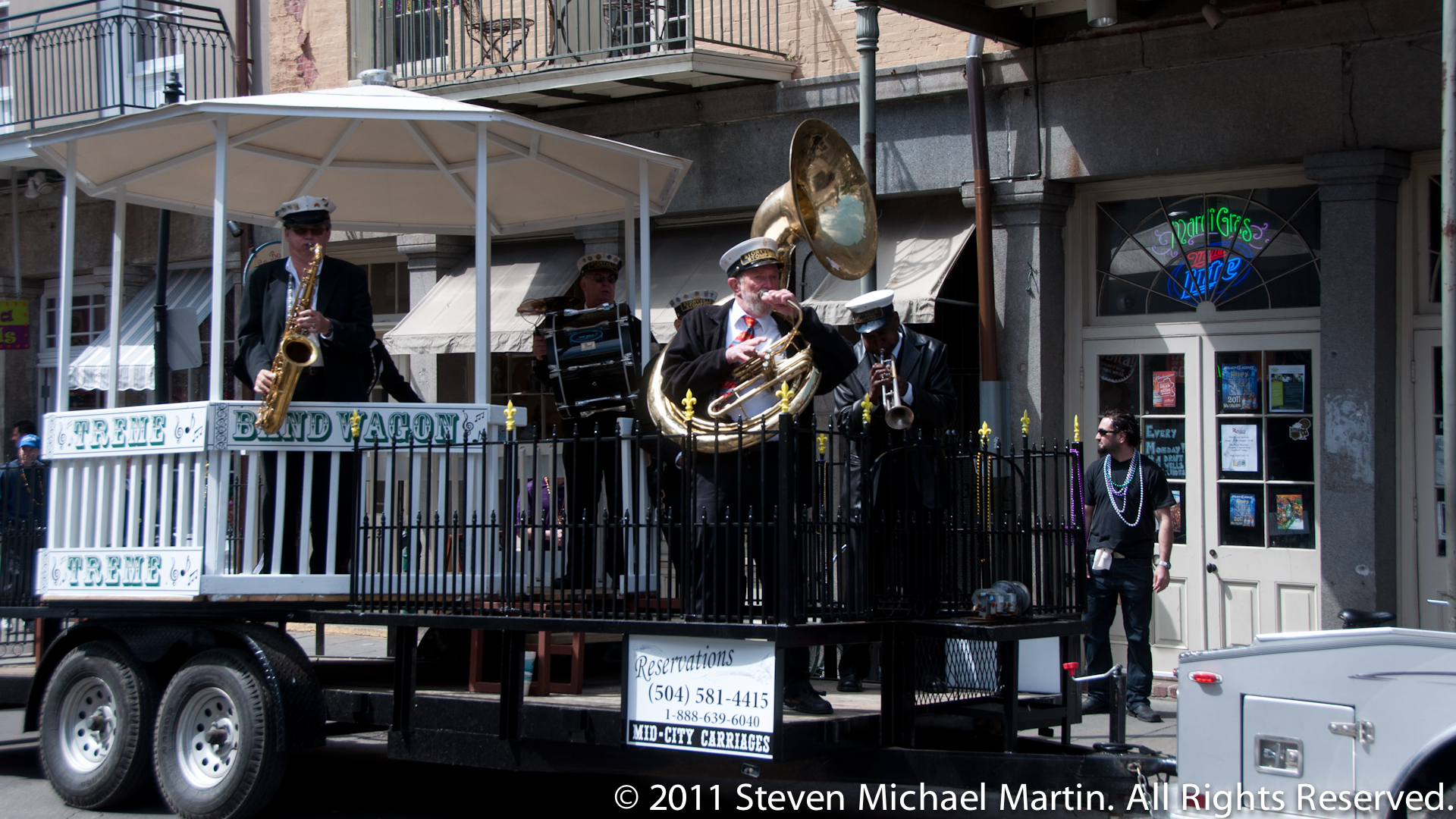
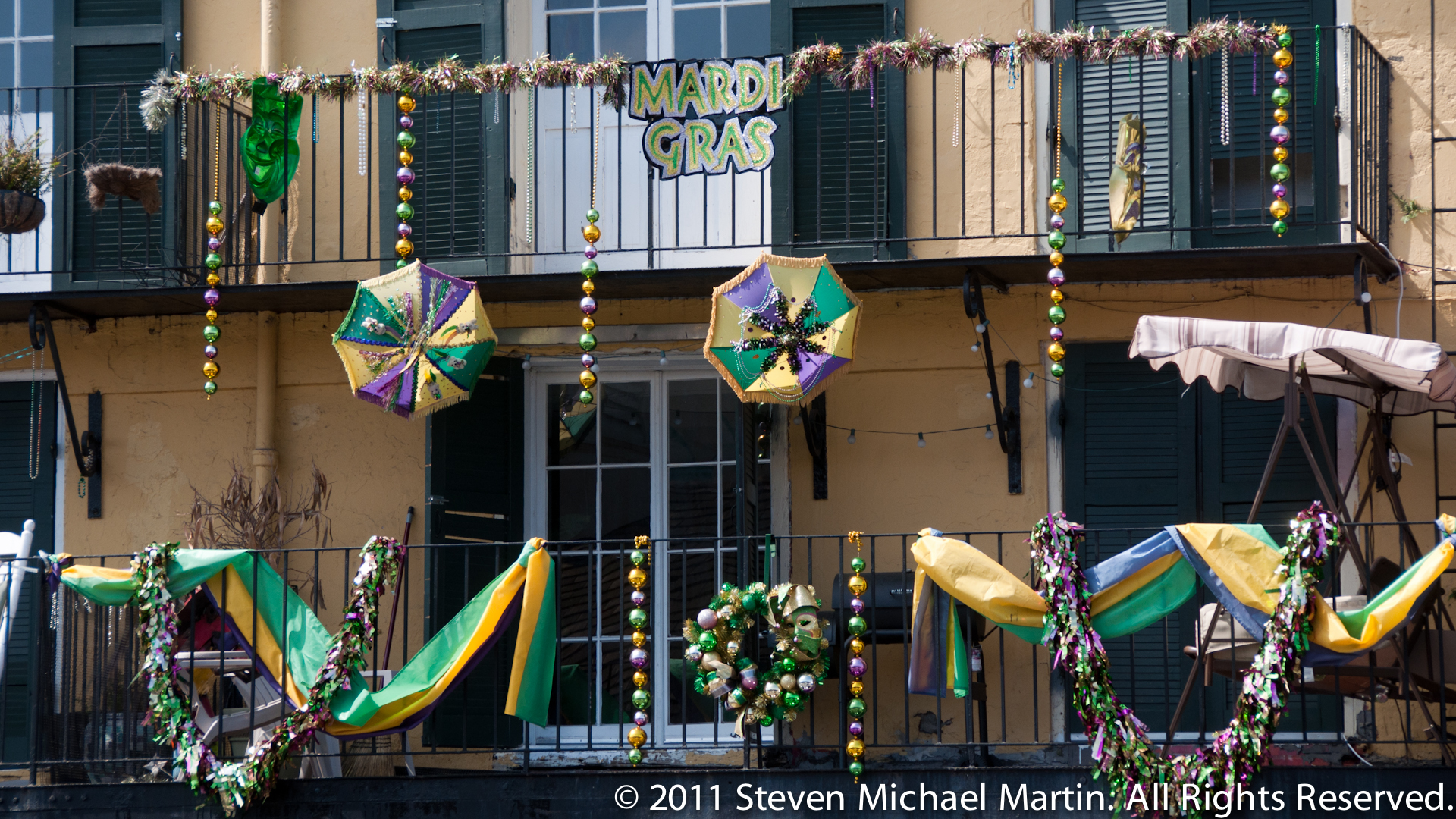
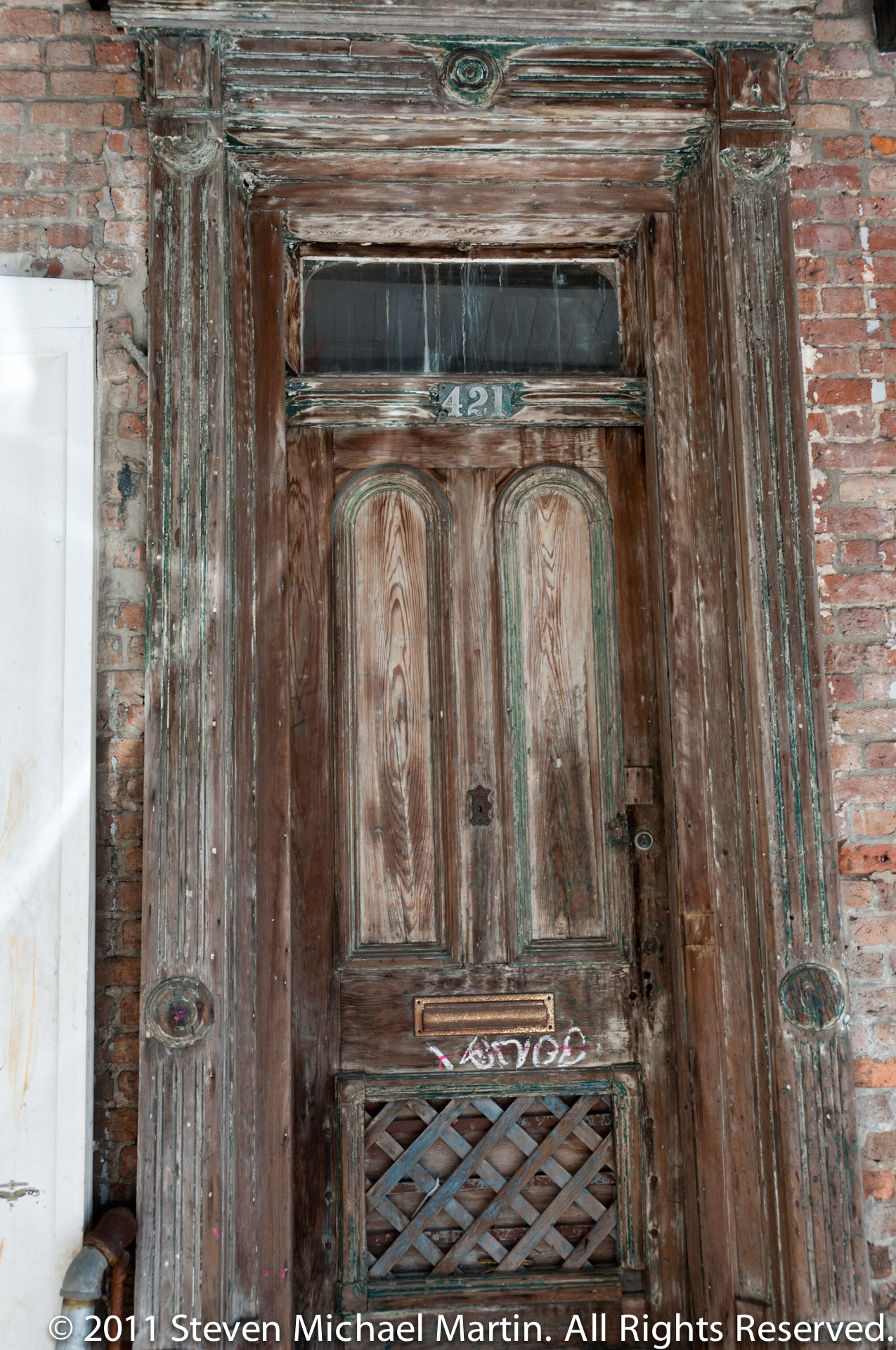
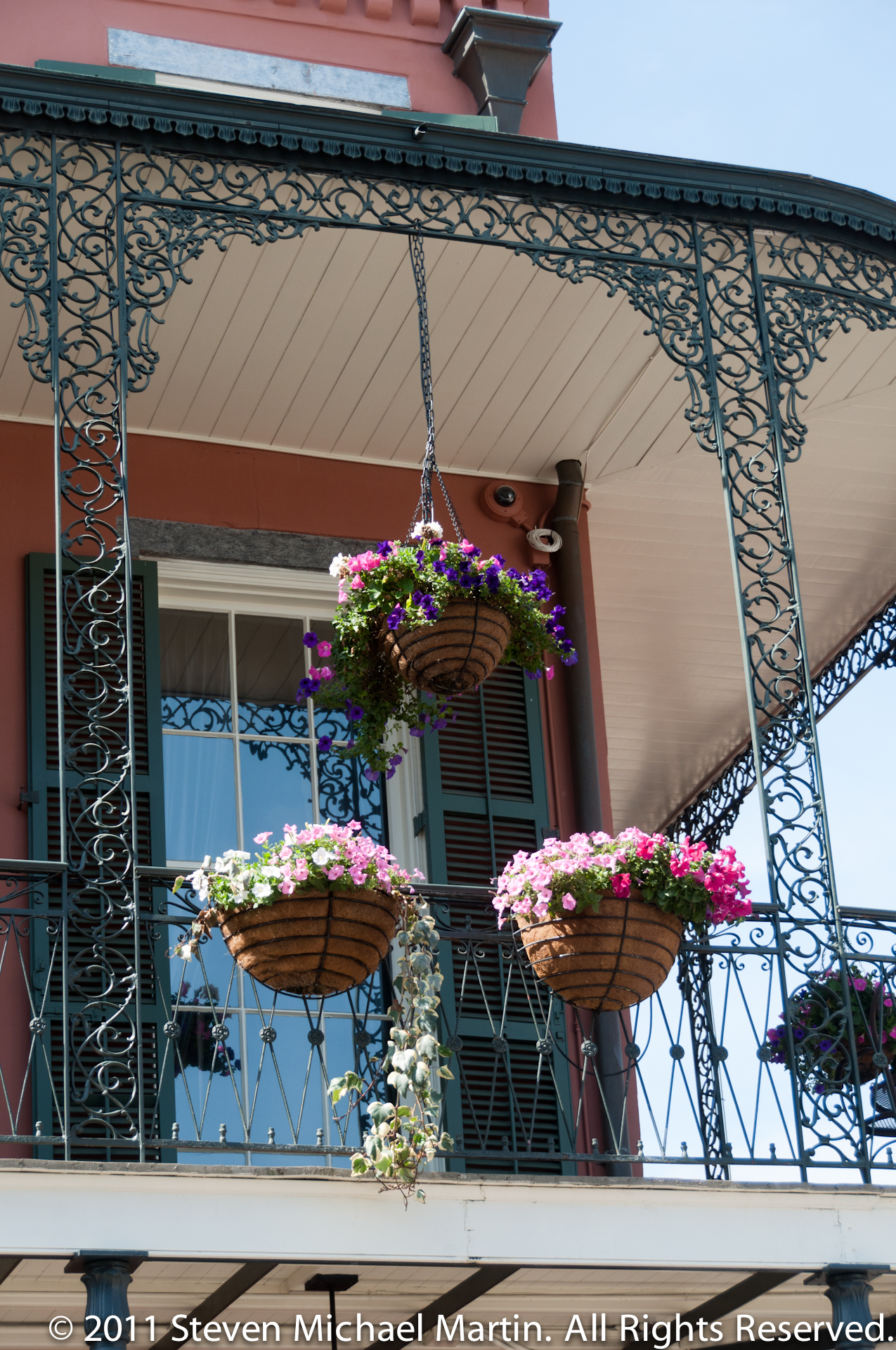
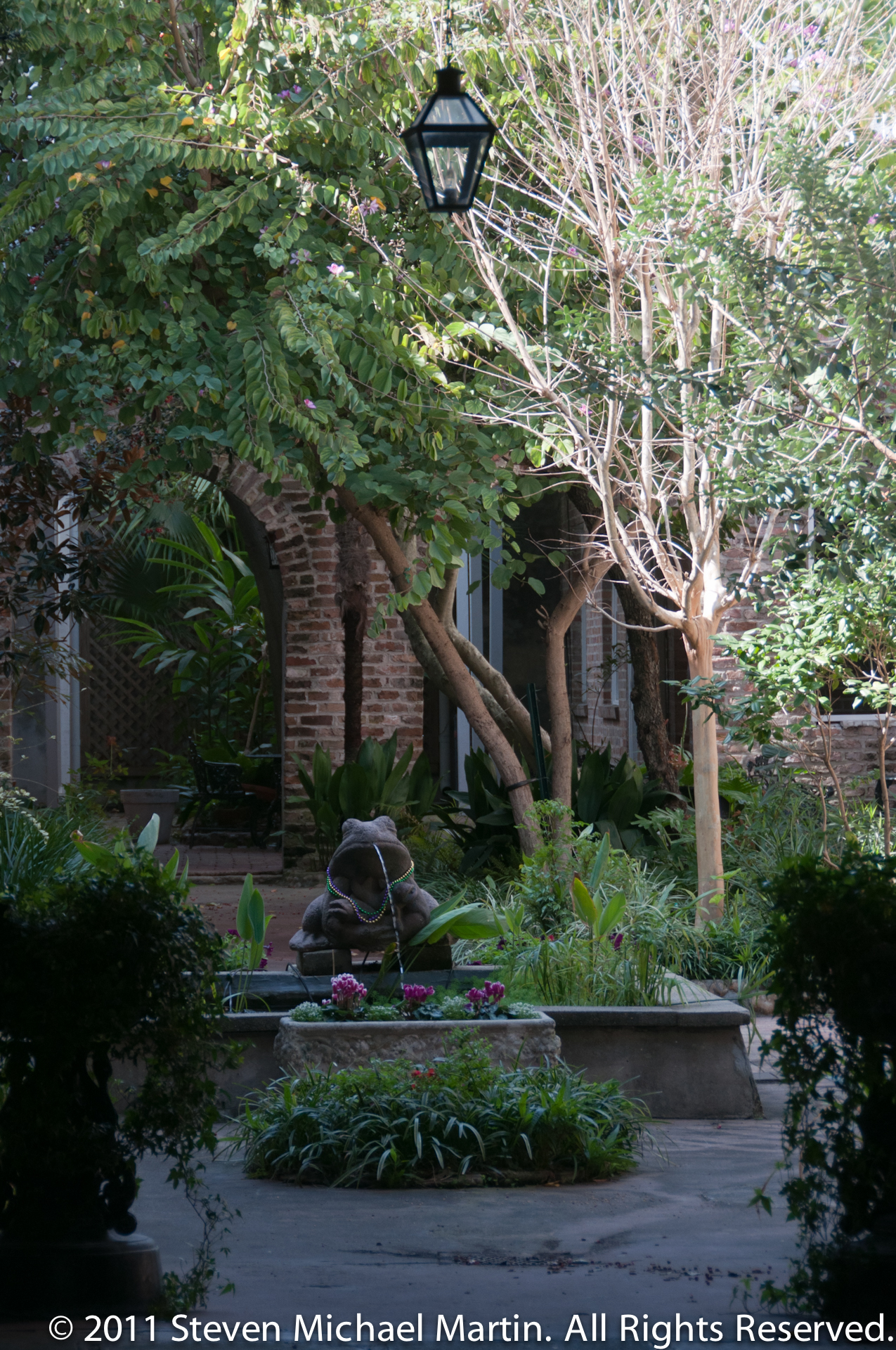
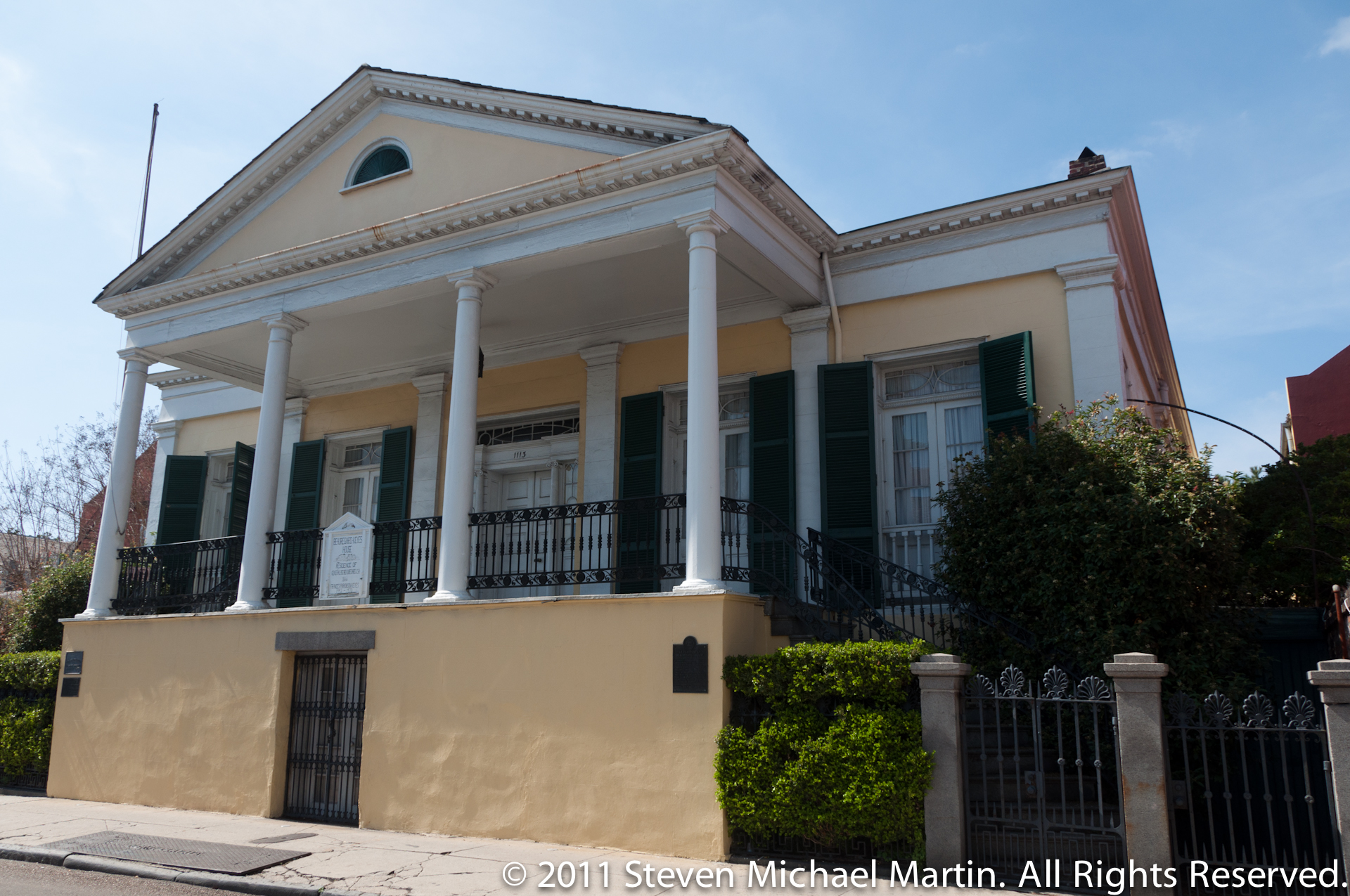
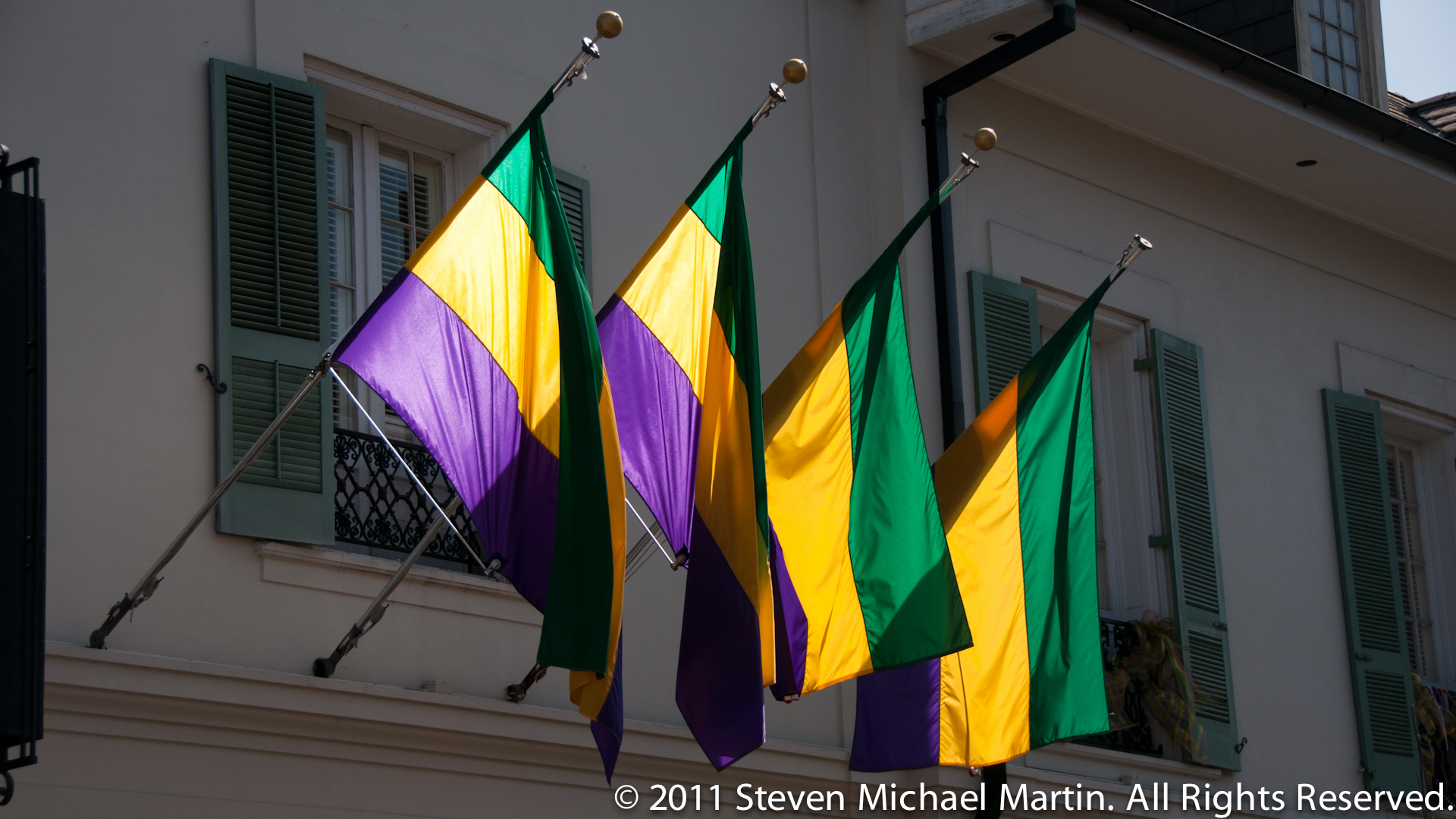
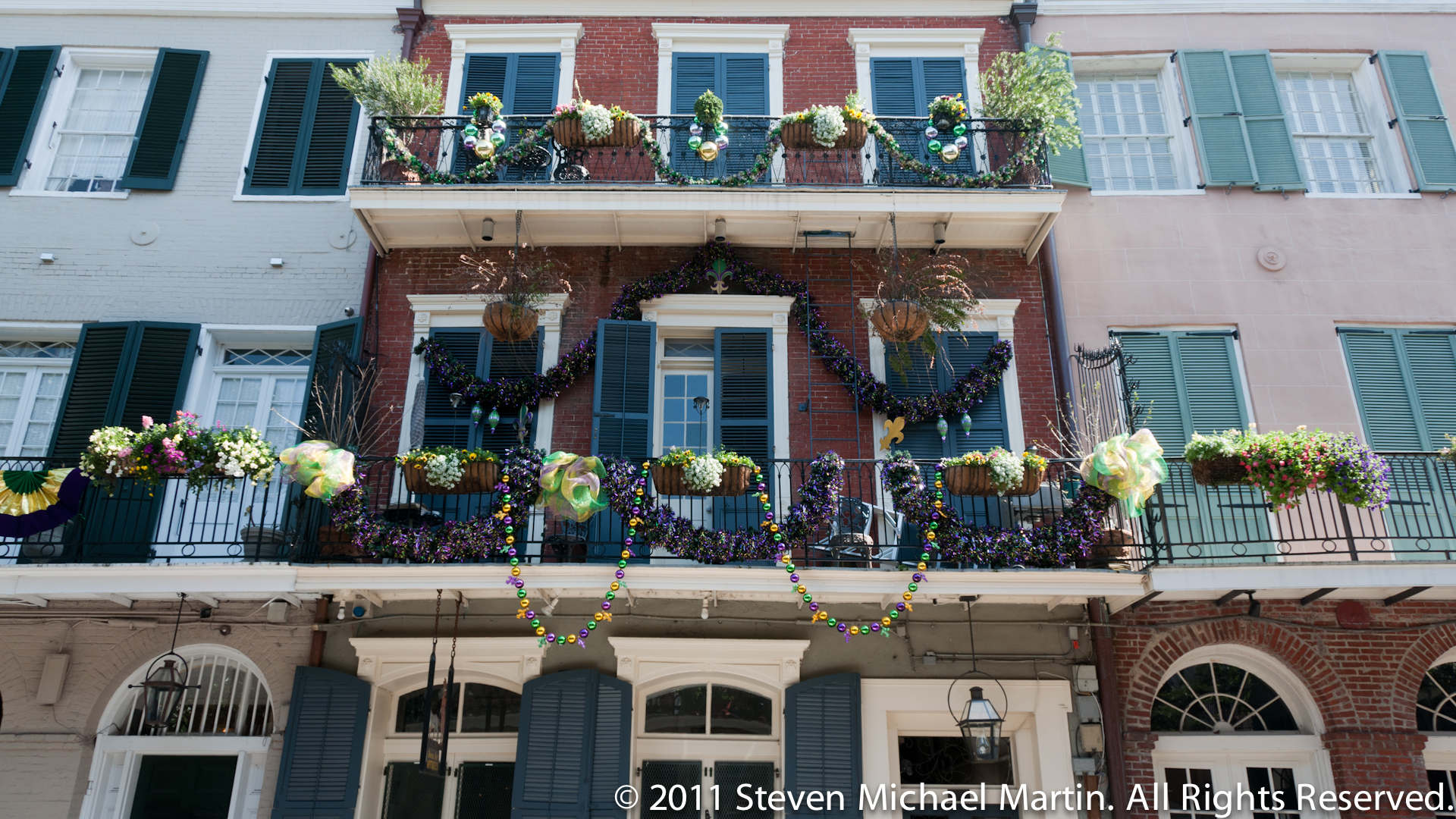
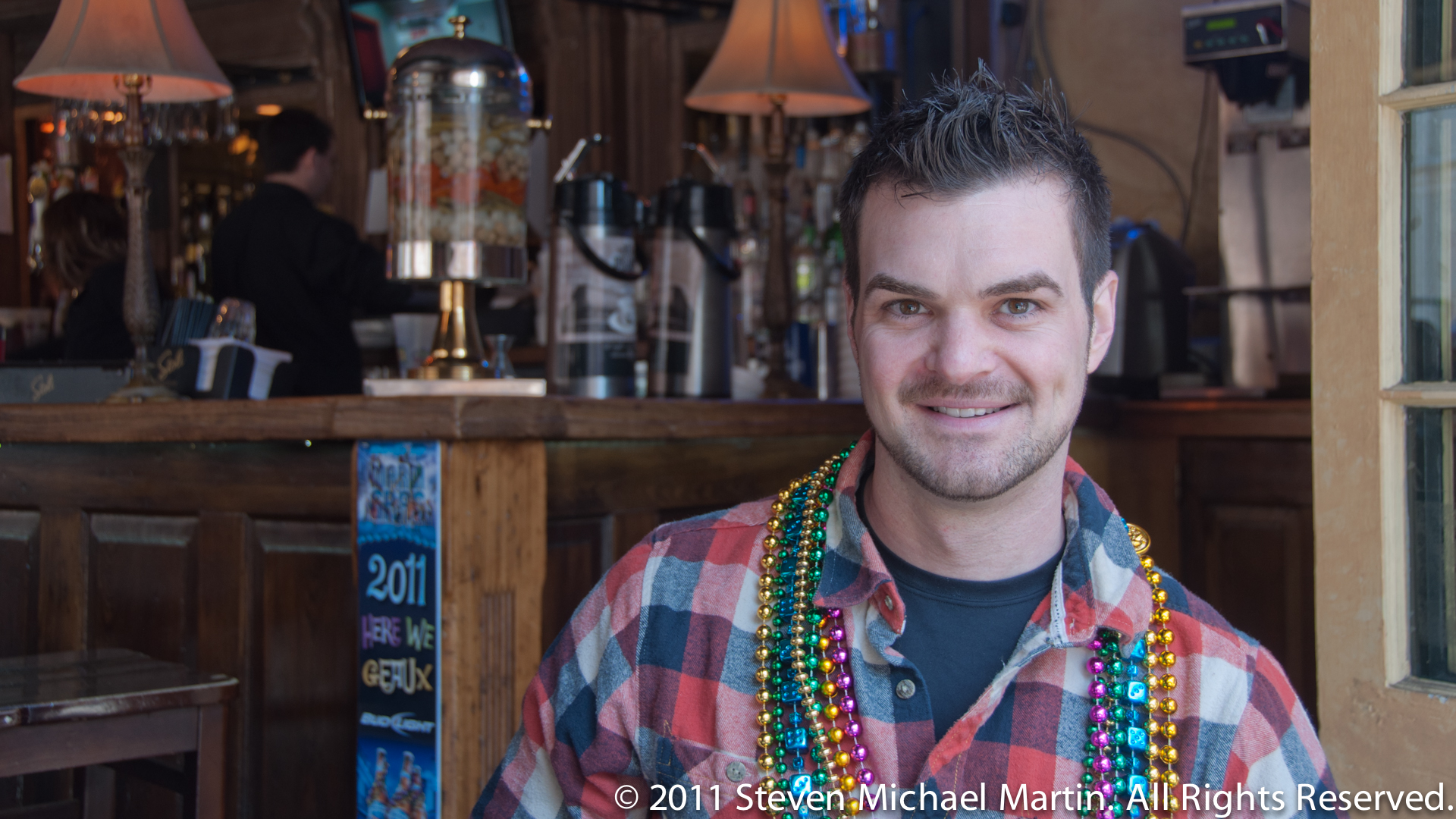
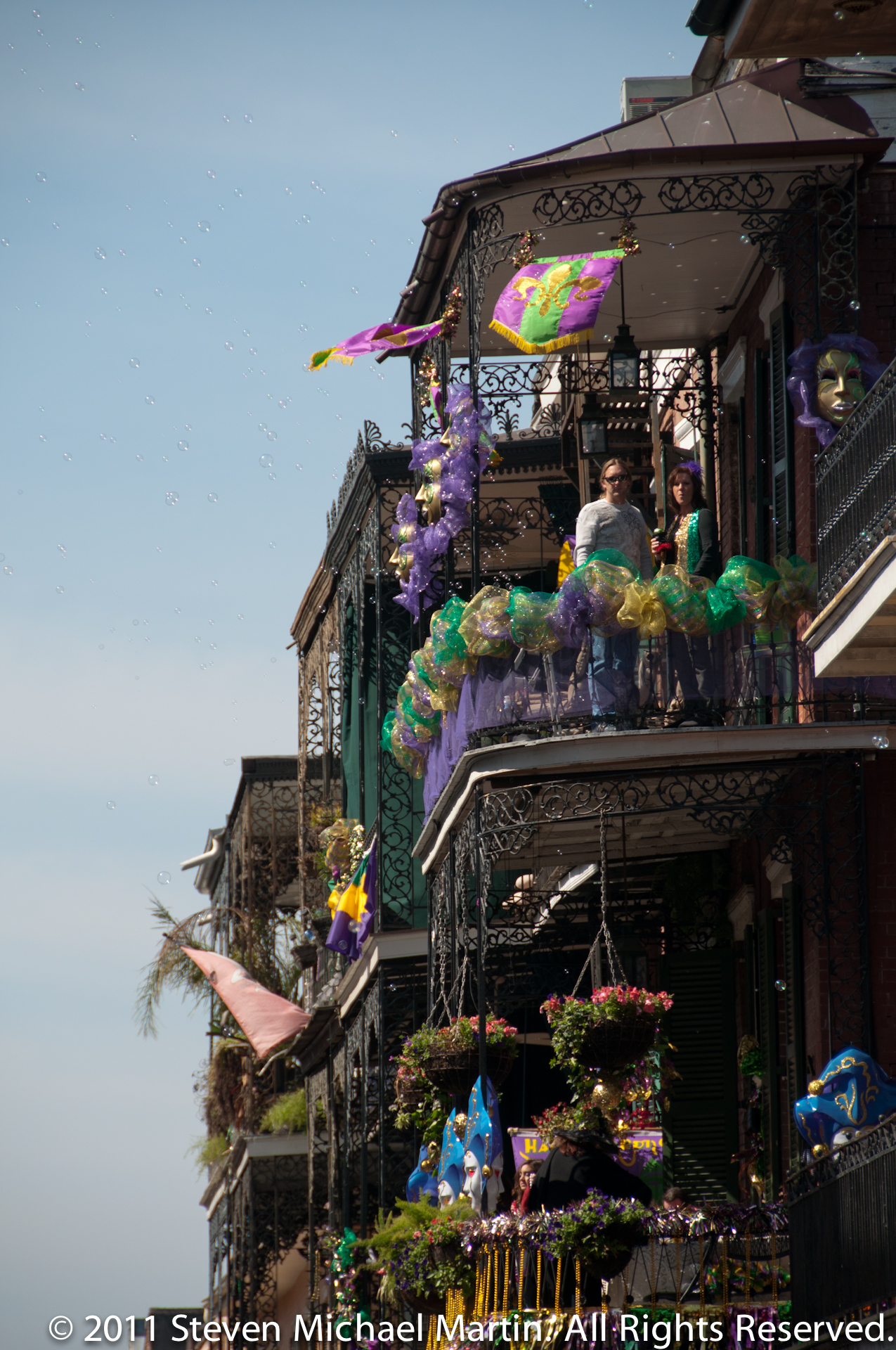
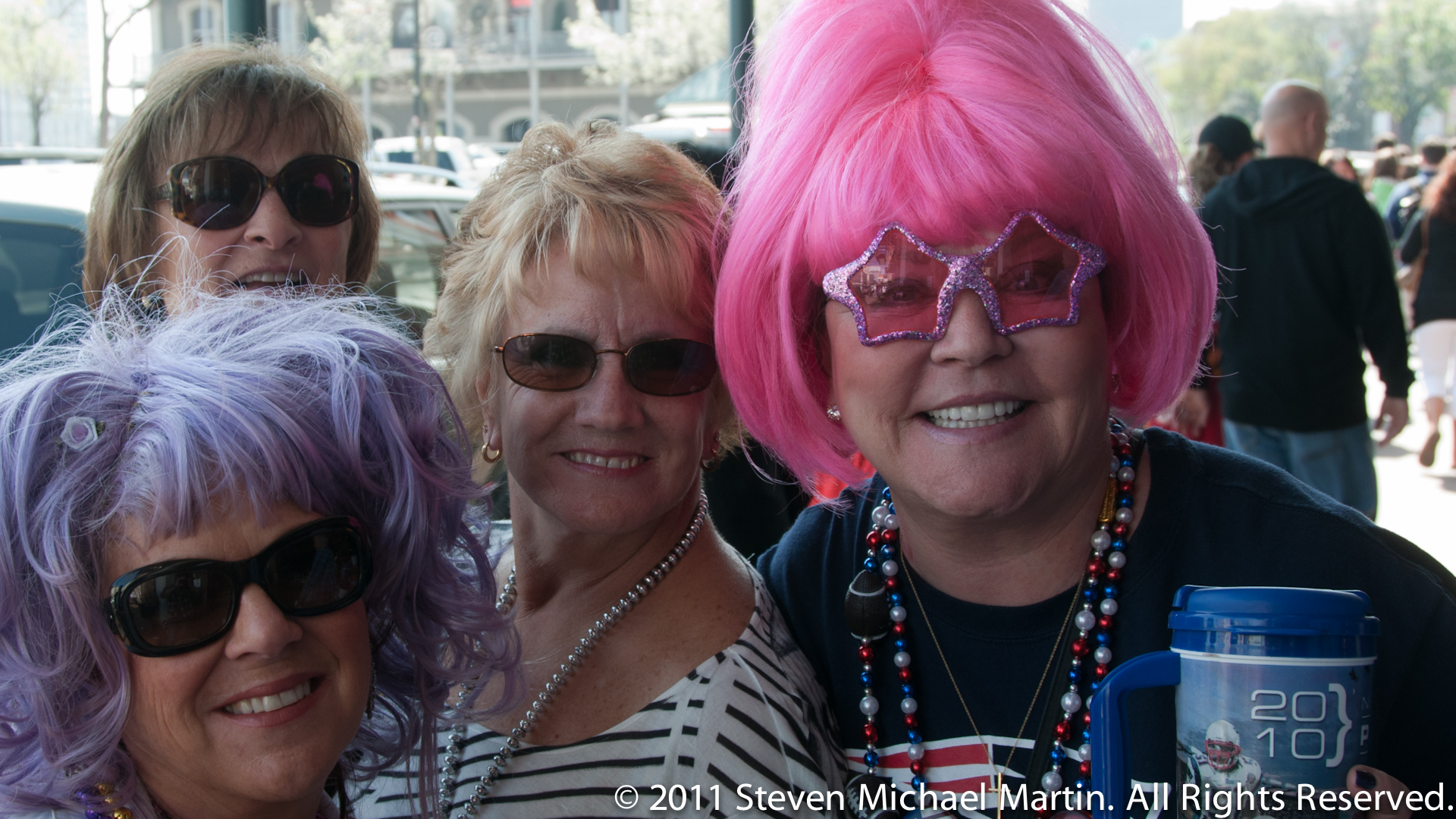
A small blue-gray house with a shallow gabled porch faces a patchy front yard, its siding and neighboring façades visibly worn. The concrete walk and driveway are cracked, and exposed soil interrupts the grass beneath an overcast sky. The straightforward street view records the building’s present condition and close spacing within the block without attributing that condition to a particular event. A small blue-gray house with a shallow gabled porch faces a patchy front yard, its siding and neighboring façades visibly worn. The concrete walk and driveway are cracked, and exposed soil interrupts the grass beneath an overcast sky. The straightforward street view records the building’s present condition and close spacing within the block without attributing that condition to a particular event. Viewed from the street canyon, a stone high-rise fills the center beneath a bright blue sky, its uppermost level crowned by a circular domed lantern. Neighboring office façades frame the scene on both sides, directing attention toward the tower’s symmetrical crown and vertical rise. The broader composition clarifies the building’s urban setting and scale, complementing the closer architectural details nearby. Viewed from the street canyon, a stone high-rise fills the center beneath a bright blue sky, its uppermost level crowned by a circular domed lantern. Neighboring office façades frame the scene on both sides, directing attention toward the tower’s symmetrical crown and vertical rise. The broader composition clarifies the building’s urban setting and scale, complementing the closer architectural details nearby. A pale two-story house fills the frame behind a black iron fence, its upper gallery lined with green shutters and decorated with purple, green, and gold flags. A camellia shrub covered in pink blooms partly screens the lower façade, while an adjacent tree frames the right edge. The view balances architectural detail with seasonal planting and neighborhood scale, presenting the decorated home as part of a lived-in streetscape. A pale two-story house fills the frame behind a black iron fence, its upper gallery lined with green shutters and decorated with purple, green, and gold flags. A camellia shrub covered in pink blooms partly screens the lower façade, while an adjacent tree frames the right edge. The view balances architectural detail with seasonal planting and neighborhood scale, presenting the decorated home as part of a lived-in streetscape. The supplied proof sheet contains a blank placeholder for this record, so the photograph’s subject, setting, and composition cannot be assessed. The printed attachment number and source filename identify the record, but they do not establish what the image contains. Editorial description must wait until the original photograph or a readable thumbnail is available. The supplied proof sheet contains a blank placeholder for this record, so the photograph’s subject, setting, and composition cannot be assessed. The printed attachment number and source filename identify the record, but they do not establish what the image contains. Editorial description must wait until the original photograph or a readable thumbnail is available. The cemetery stretches away in tight rows of above-ground tombs, with a tall white vault filling the left foreground and a succession of low markers leading toward the rear wall. Grass grows between the paved paths and stone bases, softening the rigid grid. The perspective emphasizes the narrow circulation space and repeated burial forms characteristic of this visible urban cemetery landscape. The cemetery stretches away in tight rows of above-ground tombs, with a tall white vault filling the left foreground and a succession of low markers leading toward the rear wall. Grass grows between the paved paths and stone bases, softening the rigid grid. The perspective emphasizes the narrow circulation space and repeated burial forms characteristic of this visible urban cemetery landscape. A sprawling live oak sends thick limbs across the courtyard, shading a broad lawn bordered by dense tropical planting. A pale stucco residence with arched windows appears behind the shrubs, and a person stands partly concealed beneath the canopy. The image brings together the tree’s horizontal reach, cultivated garden, and domestic architecture in a sheltered urban landscape. A sprawling live oak sends thick limbs across the courtyard, shading a broad lawn bordered by dense tropical planting. A pale stucco residence with arched windows appears behind the shrubs, and a person stands partly concealed beneath the canopy. The image brings together the tree’s horizontal reach, cultivated garden, and domestic architecture in a sheltered urban landscape. A uniform pale gray placeholder fills the image area for this attachment. The proof sheet supplies its ID and filename but no visual evidence about subject, setting, activity, or viewpoint. Any more specific editorial identification would be speculative, so the record remains explicitly unresolved for review against the original photograph. A uniform pale gray placeholder fills the image area for this attachment. The proof sheet supplies its ID and filename but no visual evidence about subject, setting, activity, or viewpoint. Any more specific editorial identification would be speculative, so the record remains explicitly unresolved for review against the original photograph. No image content is visible in this proof-sheet slot: the thumbnail is a uniform blank placeholder. Without visible subject matter, a reliable caption, literal alt text, or image-specific keywords cannot be produced. The attachment ID and printed filename preserve the record’s place in the batch while awaiting inspection of the original image. No image content is visible in this proof-sheet slot: the thumbnail is a uniform blank placeholder. Without visible subject matter, a reliable caption, literal alt text, or image-specific keywords cannot be produced. The attachment ID and printed filename preserve the record’s place in the batch while awaiting inspection of the original image. A narrow path opens among densely arranged tombs, from low rectangular vaults to larger above-ground mausoleums with curved and pitched roofs. Potted flowers and small offerings punctuate the pale stone and dark brick, while trees enclose the cemetery beyond. The wider view makes the repeated forms and close spacing of the burial ground legible, adding context to the preceding details of individual markers. A narrow path opens among densely arranged tombs, from low rectangular vaults to larger above-ground mausoleums with curved and pitched roofs. Potted flowers and small offerings punctuate the pale stone and dark brick, while trees enclose the cemetery beyond. The wider view makes the repeated forms and close spacing of the burial ground legible, adding context to the preceding details of individual markers. A large white residence stands behind live oaks, its two-story gallery supported by tall columns and edged with wrought-iron railings. Green, gold, and purple bunting hangs from both levels, marking the approach of Carnival while leaving the building’s formal classical façade legible. The broad sidewalk and iron fence place the house within a leafy urban streetscape rather than an isolated architectural setting. A large white residence stands behind live oaks, its two-story gallery supported by tall columns and edged with wrought-iron railings. Green, gold, and purple bunting hangs from both levels, marking the approach of Carnival while leaving the building’s formal classical façade legible. The broad sidewalk and iron fence place the house within a leafy urban streetscape rather than an isolated architectural setting. Long strands of purple, green, gold, and blue beads hang from bare branches beside a streetlamp. A blue street sign at the lower right reads “Garden District Uptown,” tying the festive debris to a specific New Orleans neighborhood. The close upward angle turns the beads into a bright canopy against the gray sky, while the lamp and sign anchor the scene in the public streetscape. Long strands of purple, green, gold, and blue beads hang from bare branches beside a streetlamp. A blue street sign at the lower right reads “Garden District Uptown,” tying the festive debris to a specific New Orleans neighborhood. The close upward angle turns the beads into a bright canopy against the gray sky, while the lamp and sign anchor the scene in the public streetscape. People line two levels of ornate iron balconies at night, leaning over the railings and holding strings of beads as bright parade lights flare behind them. The stacked galleries and close crowd create a compressed street view, with spectators positioned above and below one another. Rather than centering a float, the photograph records the elevated audience and the architecture that shapes the celebration. People line two levels of ornate iron balconies at night, leaning over the railings and holding strings of beads as bright parade lights flare behind them. The stacked galleries and close crowd create a compressed street view, with spectators positioned above and below one another. Rather than centering a float, the photograph records the elevated audience and the architecture that shapes the celebration. A large illuminated float fills the street, its curved gold-covered structure carrying a row of riders dressed in colorful costumes. People gather along its edges and watch from the nearby building, while a road sign and bright storefront lights crowd the lower frame. The high viewpoint and close crop emphasize the float’s glittering surface and the density of the nighttime parade rather than the route or procession as a whole. A large illuminated float fills the street, its curved gold-covered structure carrying a row of riders dressed in colorful costumes. People gather along its edges and watch from the nearby building, while a road sign and bright storefront lights crowd the lower frame. The high viewpoint and close crop emphasize the float’s glittering surface and the density of the nighttime parade rather than the route or procession as a whole. A man wearing multiple strands of gold beads faces the camera beneath a large orange-and-white religious warning sign. The sign’s oversized words, including “repent,” “wicked,” and “unbelief,” dominate the composition, while other people and bright street lights crowd the background. The image records a visible clash of messages in a festive street environment without assuming the man’s identity or the reactions of passersby. A man wearing multiple strands of gold beads faces the camera beneath a large orange-and-white religious warning sign. The sign’s oversized words, including “repent,” “wicked,” and “unbelief,” dominate the composition, while other people and bright street lights crowd the background. The image records a visible clash of messages in a festive street environment without assuming the man’s identity or the reactions of passersby. A white above-ground tomb sits beneath a sprawling tree whose low branches shade the arched name panel. The inscription “A. Leitz, Sr.” is visible above the sealed front, while weathering and dark marks trace the pale masonry. The close, frontal view brings the tomb’s façade and its placement among mature cemetery trees into focus without inferring the family’s history from the name alone. A white above-ground tomb sits beneath a sprawling tree whose low branches shade the arched name panel. The inscription “A. Leitz, Sr.” is visible above the sealed front, while weathering and dark marks trace the pale masonry. The close, frontal view brings the tomb’s façade and its placement among mature cemetery trees into focus without inferring the family’s history from the name alone. A deep porch framed by tall white columns leads to dark double doors draped with long strands of beads. Small purple, green, and gold decorations climb the posts and flank the entry, while a patterned rug and potted plants soften the broad steps. The centered, frontal composition treats a private home’s threshold as a display surface for Carnival, distinct from beads scattered on trees or street railings. A deep porch framed by tall white columns leads to dark double doors draped with long strands of beads. Small purple, green, and gold decorations climb the posts and flank the entry, while a patterned rug and potted plants soften the broad steps. The centered, frontal composition treats a private home’s threshold as a display surface for Carnival, distinct from beads scattered on trees or street railings. A dense nighttime crowd passes a cluster of tall black and blue placards bearing biblical warnings and references to hell, repentance, and salvation. A woman near the foreground turns toward the camera with a drink in hand, while a man in a pale shirt faces the signs. Mardi Gras beads and glowing shopfronts establish the festive street context; the photograph holds the competing messages and pedestrian flow in one frame. A dense nighttime crowd passes a cluster of tall black and blue placards bearing biblical warnings and references to hell, repentance, and salvation. A woman near the foreground turns toward the camera with a drink in hand, while a man in a pale shirt faces the signs. Mardi Gras beads and glowing shopfronts establish the festive street context; the photograph holds the competing messages and pedestrian flow in one frame. A pale, symmetrical building rises behind a small illuminated statue, with a clock set into the triangular pediment above. Strong nighttime lighting throws an enlarged human-shaped shadow across the upper façade, while hedges and neighboring wings frame the central approach. The architecture is clearly civic in scale and composition, but the image provides no readable sign or detail sufficient to identify the building securely. A pale, symmetrical building rises behind a small illuminated statue, with a clock set into the triangular pediment above. Strong nighttime lighting throws an enlarged human-shaped shadow across the upper façade, while hedges and neighboring wings frame the central approach. The architecture is clearly civic in scale and composition, but the image provides no readable sign or detail sufficient to identify the building securely. A seated violinist and guitarist play on a sidewalk beside an orange-brick wall and a brightly lit shop window. Their open instrument cases, small signs, and a basket sit on the pavement as a few listeners pause nearby. This intimate street-level scene contrasts with the broad parade views: performance, informal work, and the historic commercial frontage share the same narrow public space. A seated violinist and guitarist play on a sidewalk beside an orange-brick wall and a brightly lit shop window. Their open instrument cases, small signs, and a basket sit on the pavement as a few listeners pause nearby. This intimate street-level scene contrasts with the broad parade views: performance, informal work, and the historic commercial frontage share the same narrow public space. Rows of above-ground tombs crowd a narrow cemetery passage, their brick, stone, and plaster surfaces marked by stains and repairs. A dark, rough-faced vault dominates the foreground, while white and gray monuments recede between patches of grass. The view emphasizes the compact arrangement of burial structures and the varied condition of their masonry rather than a single named grave. Rows of above-ground tombs crowd a narrow cemetery passage, their brick, stone, and plaster surfaces marked by stains and repairs. A dark, rough-faced vault dominates the foreground, while white and gray monuments recede between patches of grass. The view emphasizes the compact arrangement of burial structures and the varied condition of their masonry rather than a single named grave. Several pale marble grave tablets stand upright in a row, their engraved names and dates softened by age and the shallow focus. The nearest marker is cropped at left, while taller tablets lean slightly against one another farther back. This close detail shifts the cemetery sequence from architecture to personal inscriptions, showing how individual names are embedded within the dense field of above-ground burials. Several pale marble grave tablets stand upright in a row, their engraved names and dates softened by age and the shallow focus. The nearest marker is cropped at left, while taller tablets lean slightly against one another farther back. This close detail shifts the cemetery sequence from architecture to personal inscriptions, showing how individual names are embedded within the dense field of above-ground burials. A pale marble memorial lies low among dense greenery, its upper panel enclosing a carved human figure beneath a curved border. The words “In Memory of” and the name “George Auer” remain visible across the face, though parts of the lettering are weathered. The close view draws attention to the combination of sculpted imagery and epitaph, while plants partially reclaim the edges of the stone. A pale marble memorial lies low among dense greenery, its upper panel enclosing a carved human figure beneath a curved border. The words “In Memory of” and the name “George Auer” remain visible across the face, though parts of the lettering are weathered. The close view draws attention to the combination of sculpted imagery and epitaph, while plants partially reclaim the edges of the stone. Purple, green, blue, and gold bead strands hang from a black wrought-iron fence, several ending in large molded medallions. The shallow depth of field brings the closest strands into focus while the repeating iron bars and street beyond dissolve behind them. This detail isolates the material traces of Carnival, showing how necklaces become temporary decoration on the city’s residential boundaries. Purple, green, blue, and gold bead strands hang from a black wrought-iron fence, several ending in large molded medallions. The shallow depth of field brings the closest strands into focus while the repeating iron bars and street beyond dissolve behind them. This detail isolates the material traces of Carnival, showing how necklaces become temporary decoration on the city’s residential boundaries. A close upward view isolates white painted woodwork beneath a porch roof: pierced geometric panels, small turned balusters, scalloped edging, and a large curved bracket meet at the corner. Repeated circles and sunburst-like cutouts enliven the façade without obscuring its structural framework. The detail reveals the craftsmanship of a New Orleans residential gallery more clearly than a full-street view could. A close upward view isolates white painted woodwork beneath a porch roof: pierced geometric panels, small turned balusters, scalloped edging, and a large curved bracket meet at the corner. Repeated circles and sunburst-like cutouts enliven the façade without obscuring its structural framework. The detail reveals the craftsmanship of a New Orleans residential gallery more clearly than a full-street view could. A pale pink multi-story residence rises behind a massive live oak whose trunk fills the right foreground. Dark cast-iron balconies and arched openings articulate the façade, while shrubs and palmettos crowd the base of the building. The low street angle makes the tree and house compete for scale, showing how mature canopy and historic architecture shape the Garden District streetscape. A pale pink multi-story residence rises behind a massive live oak whose trunk fills the right foreground. Dark cast-iron balconies and arched openings articulate the façade, while shrubs and palmettos crowd the base of the building. The low street angle makes the tree and house compete for scale, showing how mature canopy and historic architecture shape the Garden District streetscape. A green, gold, and purple Carnival flag hangs from the front of a white residence, its steeply angled fabric set against a tall columned porch. A leafless tree and a neighboring live oak partially screen the façade, while clipped shrubs and a stone urn line the entry. The flag provides a clear seasonal marker within a quieter residential streetscape, rather than a parade scene. A green, gold, and purple Carnival flag hangs from the front of a white residence, its steeply angled fabric set against a tall columned porch. A leafless tree and a neighboring live oak partially screen the façade, while clipped shrubs and a stone urn line the entry. The flag provides a clear seasonal marker within a quieter residential streetscape, rather than a parade scene. A one-way arrow and blue street blades identify Tennessee Street and North Claiborne Avenue at a residential intersection. Across the road, low houses with patched siding and shallow porches stand behind a narrow lawn; a fire hydrant sits near the curb. The street furniture makes location and orientation the subject, while the ordinary neighborhood fabric contrasts with the city’s more ornamented historic districts. A one-way arrow and blue street blades identify Tennessee Street and North Claiborne Avenue at a residential intersection. Across the road, low houses with patched siding and shallow porches stand behind a narrow lawn; a fire hydrant sits near the curb. The street furniture makes location and orientation the subject, while the ordinary neighborhood fabric contrasts with the city’s more ornamented historic districts. A low brick house stands behind a chain-link fence, its windows covered with plywood and its steep front gable faced with rough boards. A parked van and neighboring homes crowd the narrow lot, while a small concrete stair and green-painted retaining edge mark the entrance. The view documents a boarded residential building within an occupied neighborhood; no visible evidence identifies why the windows were sealed. A low brick house stands behind a chain-link fence, its windows covered with plywood and its steep front gable faced with rough boards. A parked van and neighboring homes crowd the narrow lot, while a small concrete stair and green-painted retaining edge mark the entrance. The view documents a boarded residential building within an occupied neighborhood; no visible evidence identifies why the windows were sealed. Tall fluted columns frame a recessed entrance beneath a carved stone panel reading “Ad Majorem Dei Gloriam.” A central window bears the words “Scottish Rite Temple” and references the Grand Consistory of Louisiana, identifying the building more precisely than its classical façade alone. The frontal crop emphasizes the temple’s monumental entry and its combination of religious Latin inscription and fraternal organization signage. Tall fluted columns frame a recessed entrance beneath a carved stone panel reading “Ad Majorem Dei Gloriam.” A central window bears the words “Scottish Rite Temple” and references the Grand Consistory of Louisiana, identifying the building more precisely than its classical façade alone. The frontal crop emphasizes the temple’s monumental entry and its combination of religious Latin inscription and fraternal organization signage. Seen from above, two men pause on a broad sidewalk as two small dogs on leashes move toward the camera. Cars line the adjoining street, and a high black iron fence borders the right side of the scene. The elevated viewpoint makes the sidewalk geometry and everyday encounter unusually clear, placing people and dogs within the flow of a dense urban block. Seen from above, two men pause on a broad sidewalk as two small dogs on leashes move toward the camera. Cars line the adjoining street, and a high black iron fence borders the right side of the scene. The elevated viewpoint makes the sidewalk geometry and everyday encounter unusually clear, placing people and dogs within the flow of a dense urban block. A pale circular cupola rises above a large stone office block, its ring of slender columns and domed crown sharply outlined against a saturated blue sky. The upward viewpoint reveals the tower’s tiered transition from the heavy masonry base to the lighter open lantern. The photograph isolates the roofline and its architectural silhouette, leaving the exact building name unconfirmed by visible signage. A pale circular cupola rises above a large stone office block, its ring of slender columns and domed crown sharply outlined against a saturated blue sky. The upward viewpoint reveals the tower’s tiered transition from the heavy masonry base to the lighter open lantern. The photograph isolates the roofline and its architectural silhouette, leaving the exact building name unconfirmed by visible signage. A sculpted stone crest crowns the words “The Hibernia National Bank,” with two winged figures flanking a central shield and elaborate scrollwork below. The close frontal view makes the carved emblem and engraved lettering legible while cropping away most of the building. The ornamental panel joins institutional identity with classical allegory, offering a precise architectural detail rather than a general façade view. A sculpted stone crest crowns the words “The Hibernia National Bank,” with two winged figures flanking a central shield and elaborate scrollwork below. The close frontal view makes the carved emblem and engraved lettering legible while cropping away most of the building. The ornamental panel joins institutional identity with classical allegory, offering a precise architectural detail rather than a general façade view. A deeply carved stone ornament projects from the façade, combining curled foliage, a central mask-like form, and layered acanthus leaves. Beneath it, a dark band carries a repeating Greek-key pattern, while pale masonry frames the relief above. The close perspective reveals the depth of the carving and the contrast between organic forms and strict geometric trim; the crop does not establish the detail’s original symbolic meaning. A deeply carved stone ornament projects from the façade, combining curled foliage, a central mask-like form, and layered acanthus leaves. Beneath it, a dark band carries a repeating Greek-key pattern, while pale masonry frames the relief above. The close perspective reveals the depth of the carving and the contrast between organic forms and strict geometric trim; the crop does not establish the detail’s original symbolic meaning. The low viewpoint looks along a narrow lane where wrought-iron balconies and hanging planters project above the pavement. Potted palms cluster beside deep green doors at right, while a black streetlamp and brighter façades recede toward the far end. Strong contrasts of shade and sun make this a view of the street’s layered edges and scale. The low viewpoint looks along a narrow lane where wrought-iron balconies and hanging planters project above the pavement. Potted palms cluster beside deep green doors at right, while a black streetlamp and brighter façades recede toward the far end. Strong contrasts of shade and sun make this a view of the street’s layered edges and scale. A man wearing a brimmed hat moves through a pedestrian crowd with a large drum strapped to his back. The angled harness, drumhead, and bundled equipment make the performer’s mobile setup central to the frame. Blurred figures and storefronts establish a lively public setting, while the tight view focuses on the working musician rather than the surrounding streetscape. A man wearing a brimmed hat moves through a pedestrian crowd with a large drum strapped to his back. The angled harness, drumhead, and bundled equipment make the performer’s mobile setup central to the frame. Blurred figures and storefronts establish a lively public setting, while the tight view focuses on the working musician rather than the surrounding streetscape. A dark metal wall lantern projects from a pale stucco façade beside a tall window. Its curled bracket, flared glass housing, and layered cap cast sharp midday shadows that reveal the fixture’s sculptural profile. The close architectural detail contrasts the old-fashioned ironwork with the smooth wall and deep, dark window opening. A dark metal wall lantern projects from a pale stucco façade beside a tall window. Its curled bracket, flared glass housing, and layered cap cast sharp midday shadows that reveal the fixture’s sculptural profile. The close architectural detail contrasts the old-fashioned ironwork with the smooth wall and deep, dark window opening. A paved pedestrian lane runs between balcony-lined buildings toward a modern high-rise in the distance. A sign at left states that vehicles are prohibited, while awnings and flower boxes shade the walkway. The view sets the intimate historic-scale streetscape against the taller downtown skyline, making the layered urban setting the subject. A paved pedestrian lane runs between balcony-lined buildings toward a modern high-rise in the distance. A sign at left states that vehicles are prohibited, while awnings and flower boxes shade the walkway. The view sets the intimate historic-scale streetscape against the taller downtown skyline, making the layered urban setting the subject. Three arched ground-floor openings with metal grilles punctuate a weathered brick wall beneath a pale upper story. A green-painted iron gallery and shutters extend across the façade, with part of the balcony and doorway cropped at the top. The close view draws attention to the contrast between masonry, plaster, and ornamental ironwork. Three arched ground-floor openings with metal grilles punctuate a weathered brick wall beneath a pale upper story. A green-painted iron gallery and shutters extend across the façade, with part of the balcony and doorway cropped at the top. The close view draws attention to the contrast between masonry, plaster, and ornamental ironwork. The thumbnail is rendered as an empty pale gray box, leaving the underlying photograph unavailable for visual review. The proof sheet’s printed record information preserves its sequence, but it cannot support a subject identification. This record is held for human review before its caption, alt text, and keywords are finalized. The thumbnail is rendered as an empty pale gray box, leaving the underlying photograph unavailable for visual review. The proof sheet’s printed record information preserves its sequence, but it cannot support a subject identification. This record is held for human review before its caption, alt text, and keywords are finalized. A gilded equestrian statue rises against a clear blue sky, showing an armored rider on a rearing horse and holding a long banner. The close, upward angle emphasizes the sculpted horse and windblown flag, while a shield-like form appears near the rider. The figure resembles Joan of Arc, though the identification is not confirmed by visible inscription. A gilded equestrian statue rises against a clear blue sky, showing an armored rider on a rearing horse and holding a long banner. The close, upward angle emphasizes the sculpted horse and windblown flag, while a shield-like form appears near the rider. The figure resembles Joan of Arc, though the identification is not confirmed by visible inscription. Several uniformed musicians play brass instruments from a raised, trailer-mounted platform beside a storefront. A tuba bell, saxophone, and smaller horns are visible behind a black railing, while another person stands on the pavement. The compact mobile stage brings live music directly to the street and links performance with the surrounding commercial block. Several uniformed musicians play brass instruments from a raised, trailer-mounted platform beside a storefront. A tuba bell, saxophone, and smaller horns are visible behind a black railing, while another person stands on the pavement. The compact mobile stage brings live music directly to the street and links performance with the surrounding commercial block. The proof sheet shows a blank placeholder instead of a photograph in this position. No person, object, architecture, or landscape can be identified from the supplied visual. The record is retained in its printed order with a review flag so that accurate publication metadata can be written after the image itself is available. The proof sheet shows a blank placeholder instead of a photograph in this position. No person, object, architecture, or landscape can be identified from the supplied visual. The record is retained in its printed order with a review flag so that accurate publication metadata can be written after the image itself is available. This position in the supplied proof sheet contains only a blank placeholder. It provides no visible basis for identifying the photograph or composing publication-ready descriptive metadata. The attachment ID and image number are legible, but the source image must be inspected before a curator can describe its subject or distinguishing details. This position in the supplied proof sheet contains only a blank placeholder. It provides no visible basis for identifying the photograph or composing publication-ready descriptive metadata. The attachment ID and image number are legible, but the source image must be inspected before a curator can describe its subject or distinguishing details. Purple, green, and gold umbrellas, beads, and streamers hang from a multi-story balcony during Mardi Gras season. The decorations stretch across the iron railings and frame shuttered windows, while the “Mardi Gras” sign anchors the upper level. The straight-on view records the festive treatment of a residential façade rather than a parade scene. Purple, green, and gold umbrellas, beads, and streamers hang from a multi-story balcony during Mardi Gras season. The decorations stretch across the iron railings and frame shuttered windows, while the “Mardi Gras” sign anchors the upper level. The straight-on view records the festive treatment of a residential façade rather than a parade scene. A tall, weathered wooden double door fills the center of a narrow entrance framed by exposed brick and worn plaster. The transom above bears the number 421, and a small metal grille covers the lower panels. Peeling paint, patched masonry, and the tightly cropped view make the age and layered repairs of the doorway especially apparent. A tall, weathered wooden double door fills the center of a narrow entrance framed by exposed brick and worn plaster. The transom above bears the number 421, and a small metal grille covers the lower panels. Peeling paint, patched masonry, and the tightly cropped view make the age and layered repairs of the doorway especially apparent. Ornamental ironwork outlines a projecting balcony above dark green shutters, while three hanging baskets overflow with pink and purple flowers. The upward viewpoint compresses the gallery, canopy, and upper story into a decorative architectural study. Painted peach and cream surfaces set off the black metalwork and bright floral color. Ornamental ironwork outlines a projecting balcony above dark green shutters, while three hanging baskets overflow with pink and purple flowers. The upward viewpoint compresses the gallery, canopy, and upper story into a decorative architectural study. Painted peach and cream surfaces set off the black metalwork and bright floral color. Dense tropical planting fills a shaded courtyard before a brick arcade and dark doorway. A small basin or fountain sits among the foliage, while a hanging lantern and branches frame the upper edge. The enclosed garden offers a quiet contrast to the decorated public balconies, with layered leaves obscuring much of the surrounding architecture. Dense tropical planting fills a shaded courtyard before a brick arcade and dark doorway. A small basin or fountain sits among the foliage, while a hanging lantern and branches frame the upper edge. The enclosed garden offers a quiet contrast to the decorated public balconies, with layered leaves obscuring much of the surrounding architecture. A broad portico supported by tall white columns fronts a pale two-story residence with green shutters and a dark iron balcony. The low angle makes the pediment and deep porch dominate the façade, while a clipped hedge and gated entry occupy the foreground. The house’s formal symmetry contrasts with the more intimate balcony views nearby. A broad portico supported by tall white columns fronts a pale two-story residence with green shutters and a dark iron balcony. The low angle makes the pediment and deep porch dominate the façade, while a clipped hedge and gated entry occupy the foreground. The house’s formal symmetry contrasts with the more intimate balcony views nearby. Three purple, green, and gold flags project diagonally from poles above a French Quarter street. Their fabric fills the foreground against a pale building with green shutters and an iron balcony, making the seasonal colors the focus of this upward architectural view. No parade or crowd is visible in the frame. Three purple, green, and gold flags project diagonally from poles above a French Quarter street. Their fabric fills the foreground against a pale building with green shutters and an iron balcony, making the seasonal colors the focus of this upward architectural view. No parade or crowd is visible in the frame. A row of adjoining pastel façades rises above the street, their iron balconies dressed with flower baskets, bead garlands, and purple, green, and gold decorations. The nearly frontal view emphasizes the repeated doors and windows across several levels. Festive adornment transforms the continuous residential frontage into a broad seasonal display. A row of adjoining pastel façades rises above the street, their iron balconies dressed with flower baskets, bead garlands, and purple, green, and gold decorations. The nearly frontal view emphasizes the repeated doors and windows across several levels. Festive adornment transforms the continuous residential frontage into a broad seasonal display. A smiling man in a plaid shirt faces the camera with several bead necklaces around his neck. A wooden bar, metal counter equipment, and another patron recede behind him, placing the portrait inside a busy hospitality interior. The direct gaze and close framing give the scene a personal, social focus amid Mardi Gras festivities. A smiling man in a plaid shirt faces the camera with several bead necklaces around his neck. A wooden bar, metal counter equipment, and another patron recede behind him, placing the portrait inside a busy hospitality interior. The direct gaze and close framing give the scene a personal, social focus amid Mardi Gras festivities. A low-angle view follows dark wrought-iron galleries stacked along a corner building. Purple, green, and gold streamers, beads, and small flags drape the railings, while flower baskets punctuate the façade. Open sky occupies the left side, making the dense architectural layers and celebratory ornament stand out against the building’s dark ironwork. A low-angle view follows dark wrought-iron galleries stacked along a corner building. Purple, green, and gold streamers, beads, and small flags drape the railings, while flower baskets punctuate the façade. Open sky occupies the left side, making the dense architectural layers and celebratory ornament stand out against the building’s dark ironwork. Three women pose close together outdoors, smiling in brightly colored wigs and festive glasses. Bead necklaces hang over their patterned tops, and pedestrians blur in the background. The tight group portrait records the playful personal costumes of Mardi Gras, with the pink wig and star-shaped glasses drawing the eye to the woman at center. Three women pose close together outdoors, smiling in brightly colored wigs and festive glasses. Bead necklaces hang over their patterned tops, and pedestrians blur in the background. The tight group portrait records the playful personal costumes of Mardi Gras, with the pink wig and star-shaped glasses drawing the eye to the woman at center.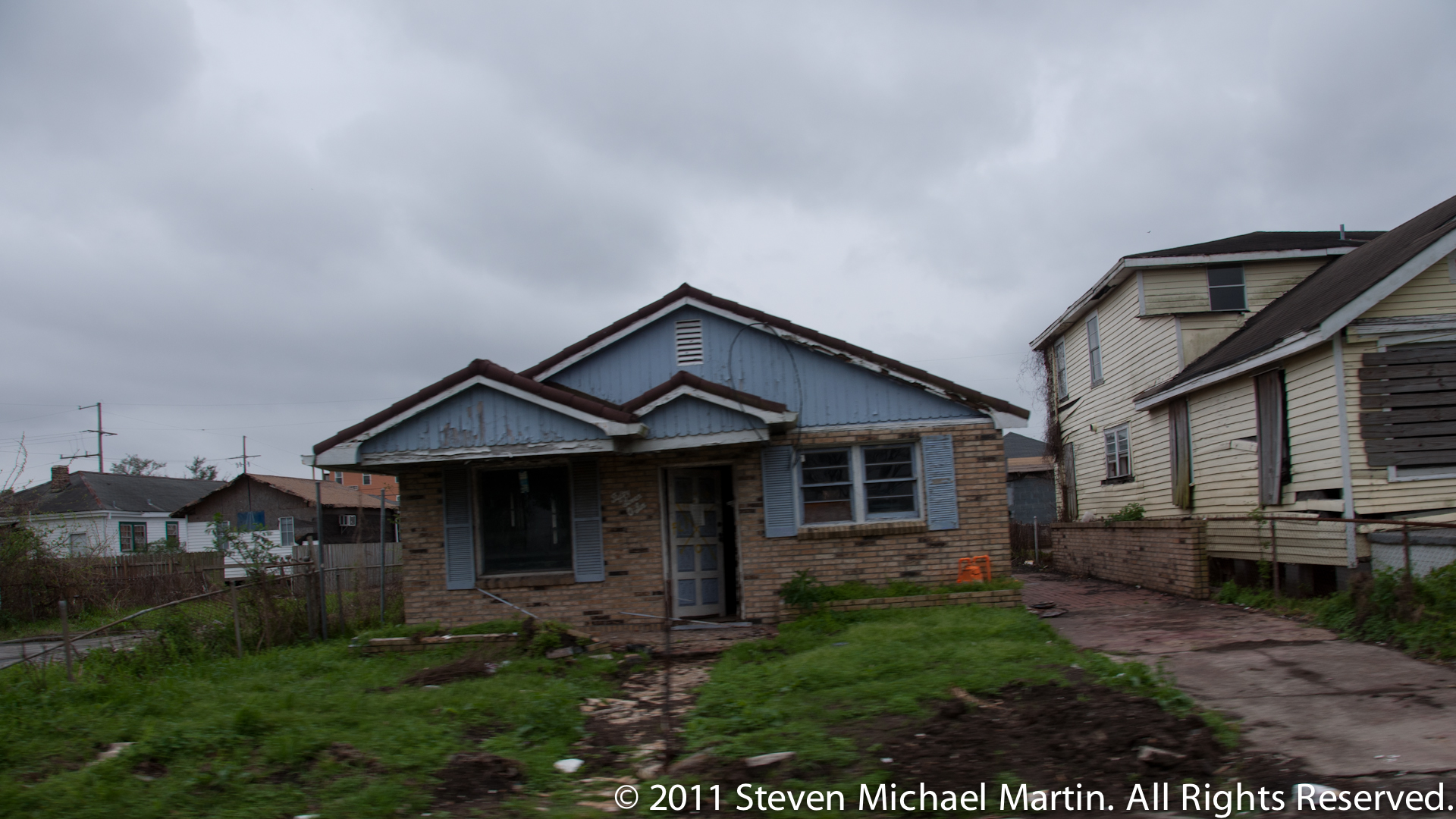
Caption
Caption
Caption
Caption
Caption

Caption

Caption
Caption
Caption
Caption
Caption
Caption
Caption
Caption
Caption
Caption
Caption
Caption
Caption
Caption

Caption
Caption
Caption
Caption
Caption
Caption
Caption
Caption
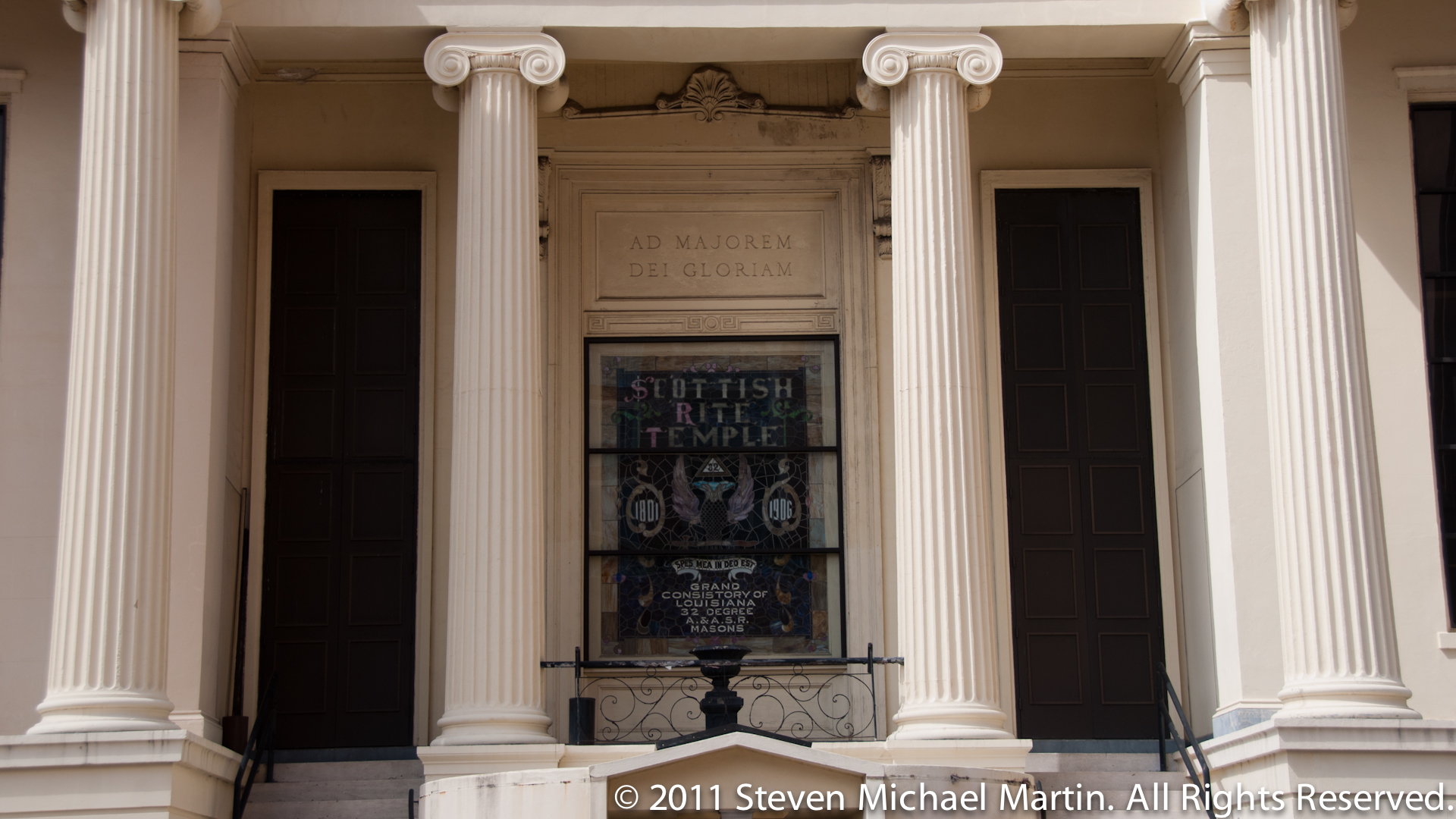
Caption
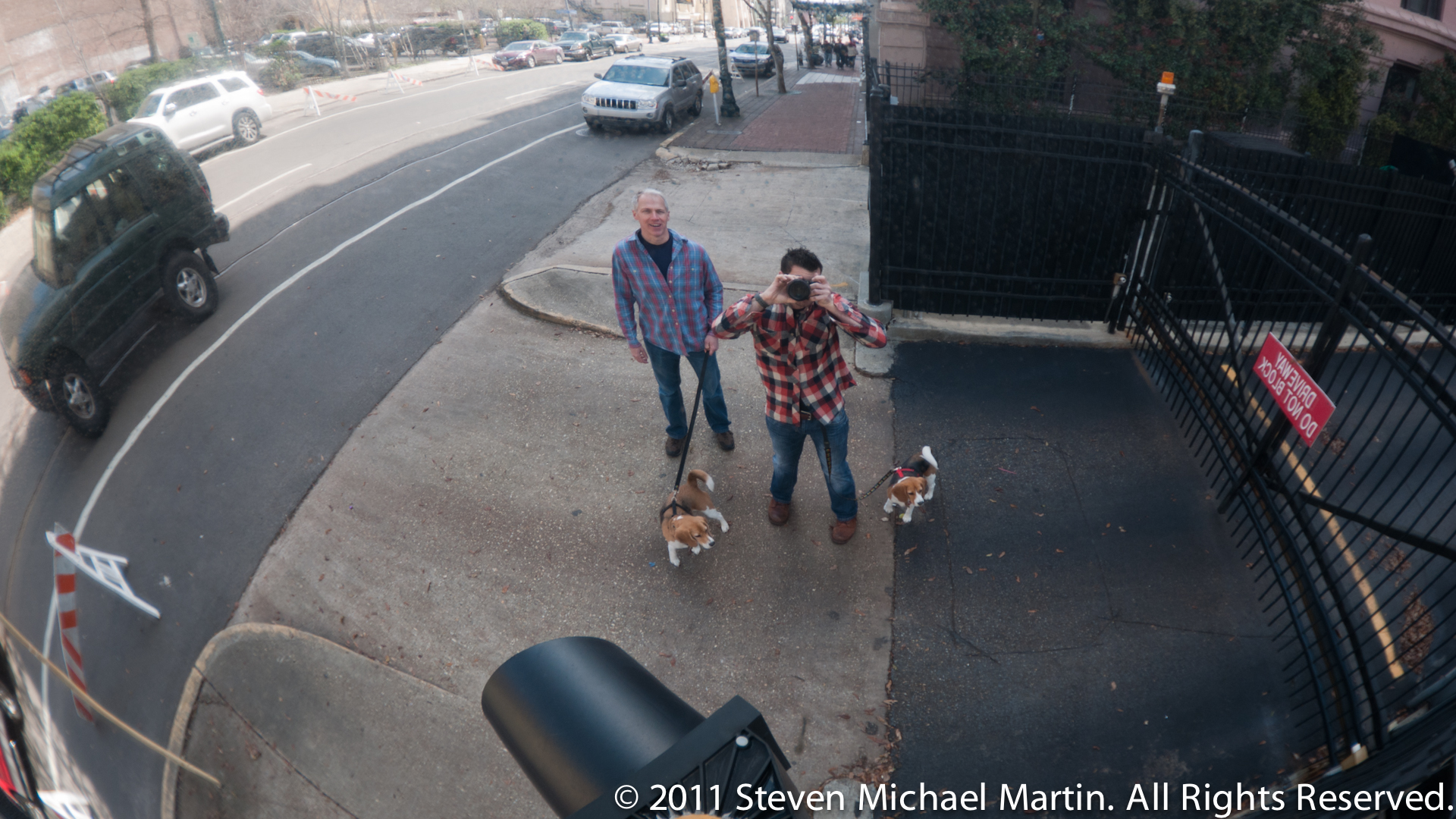
Caption
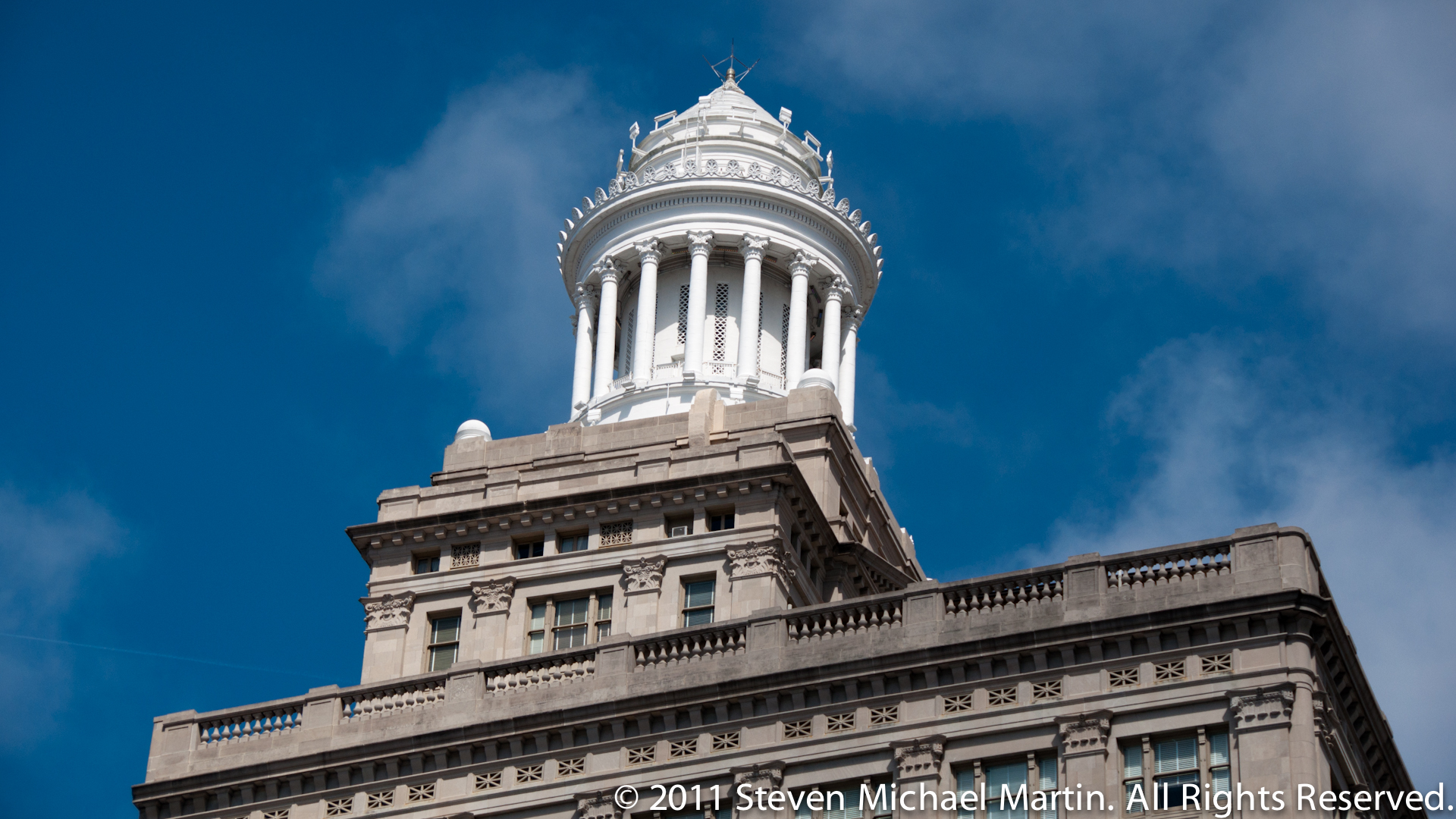
Caption
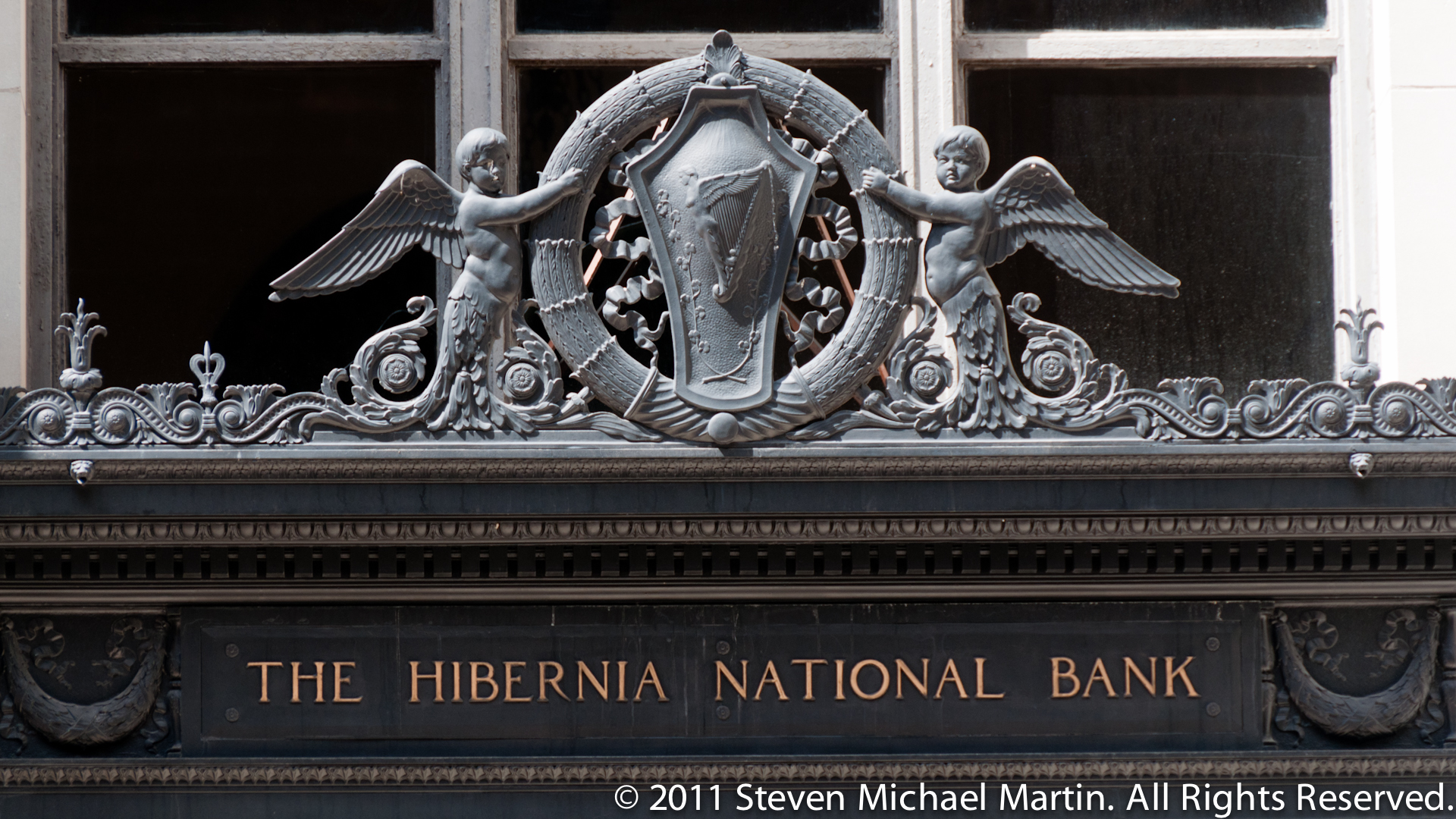
Caption
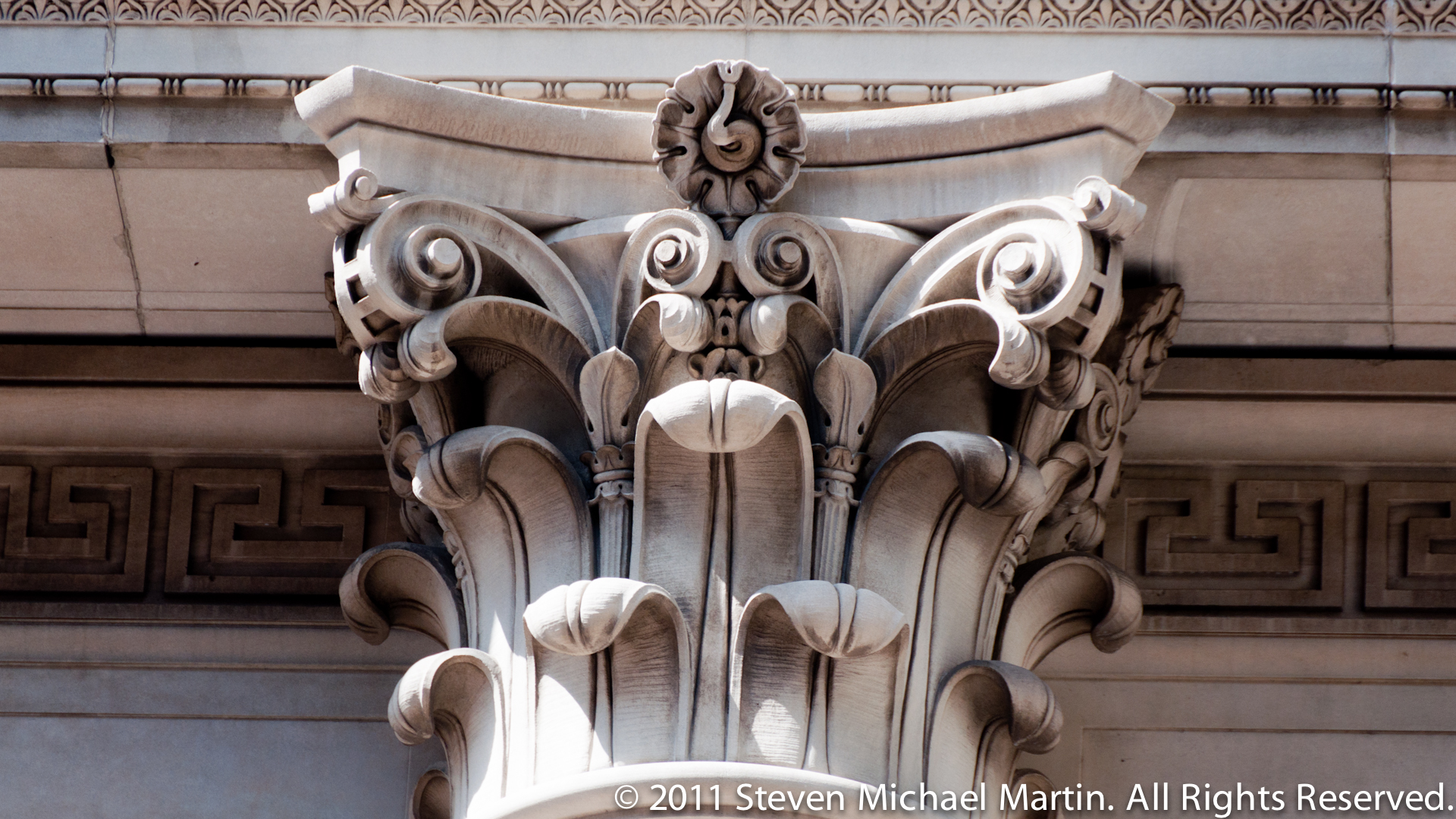
Caption
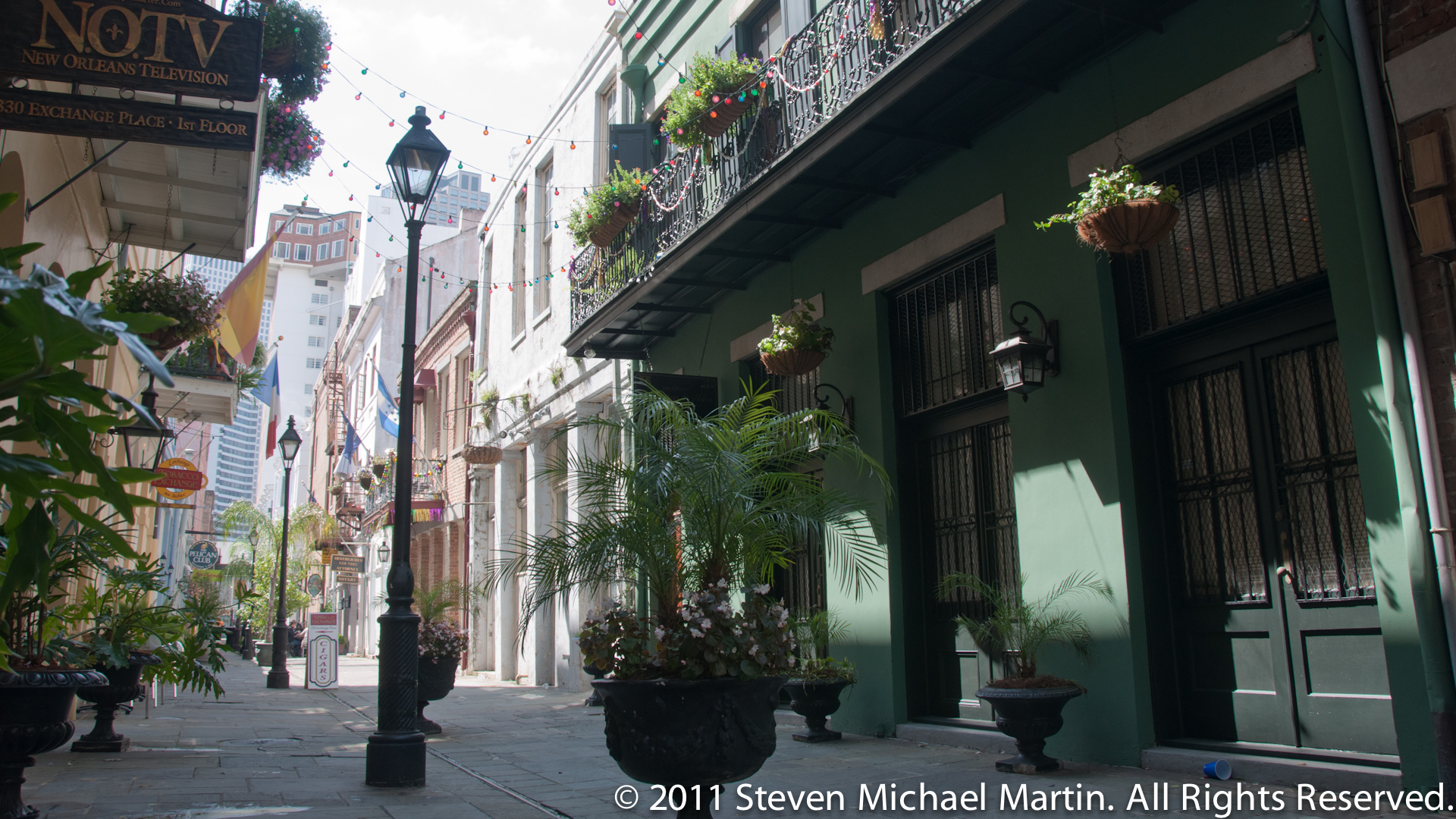
Caption
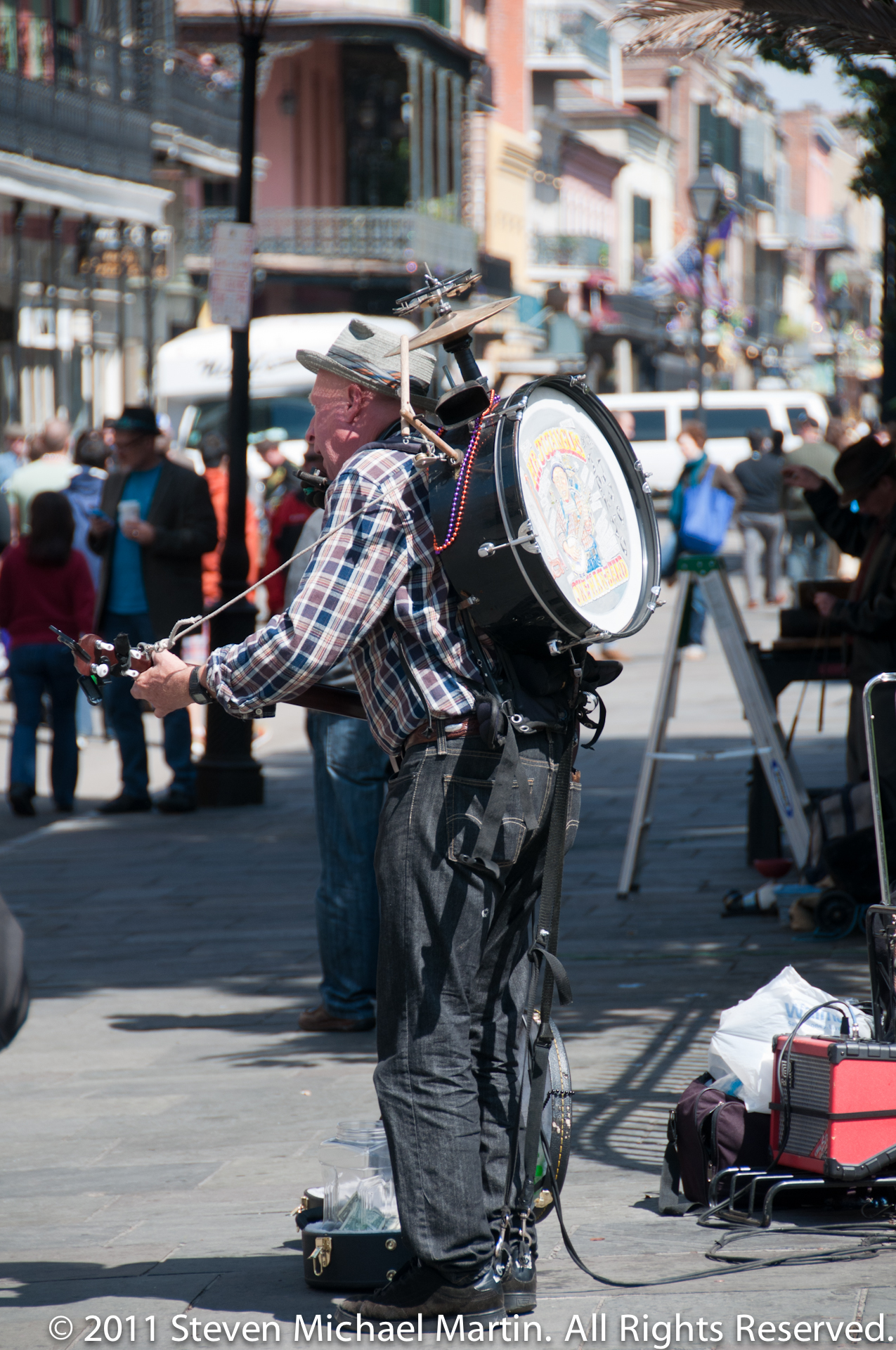
Caption
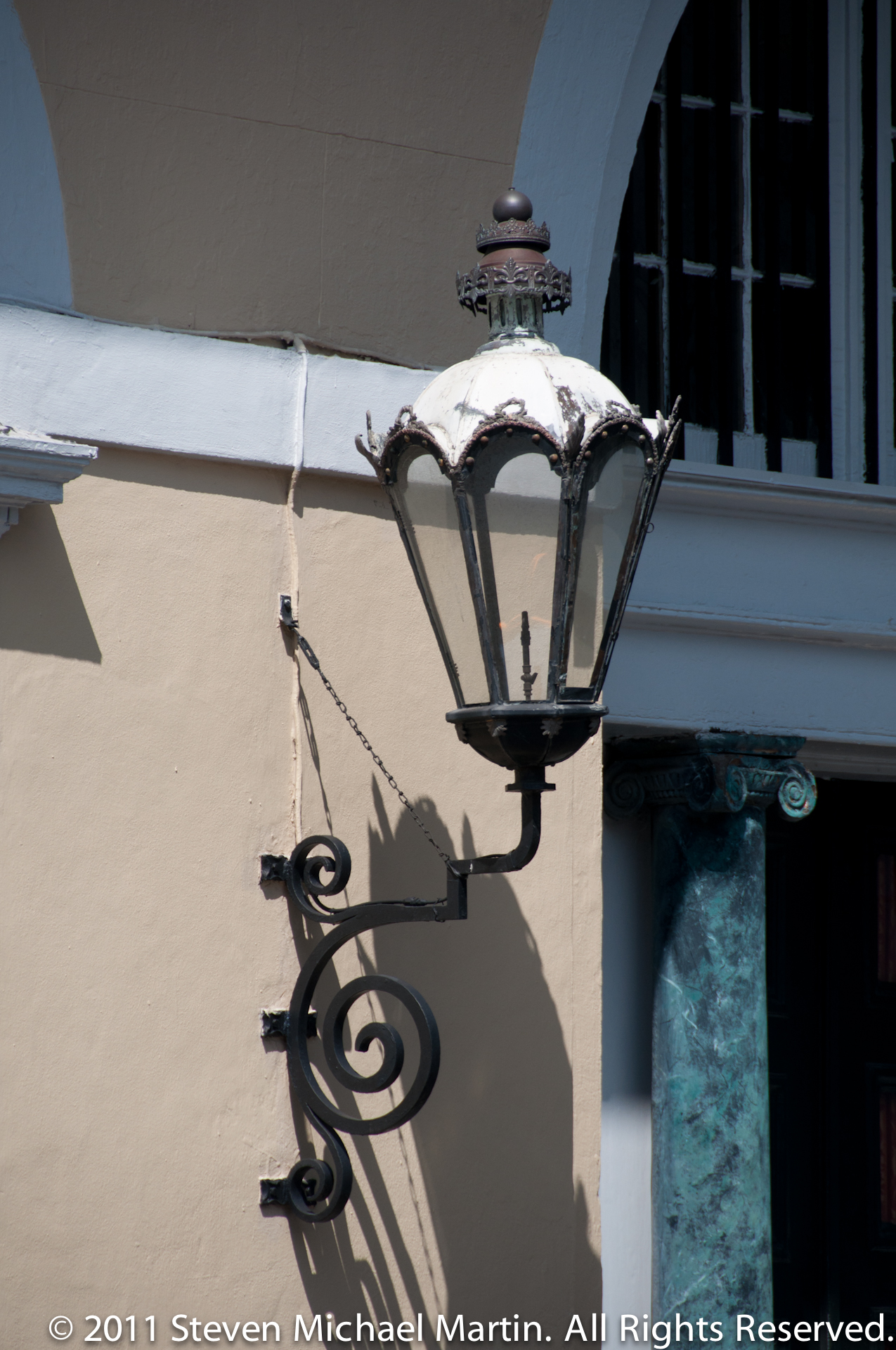
Caption
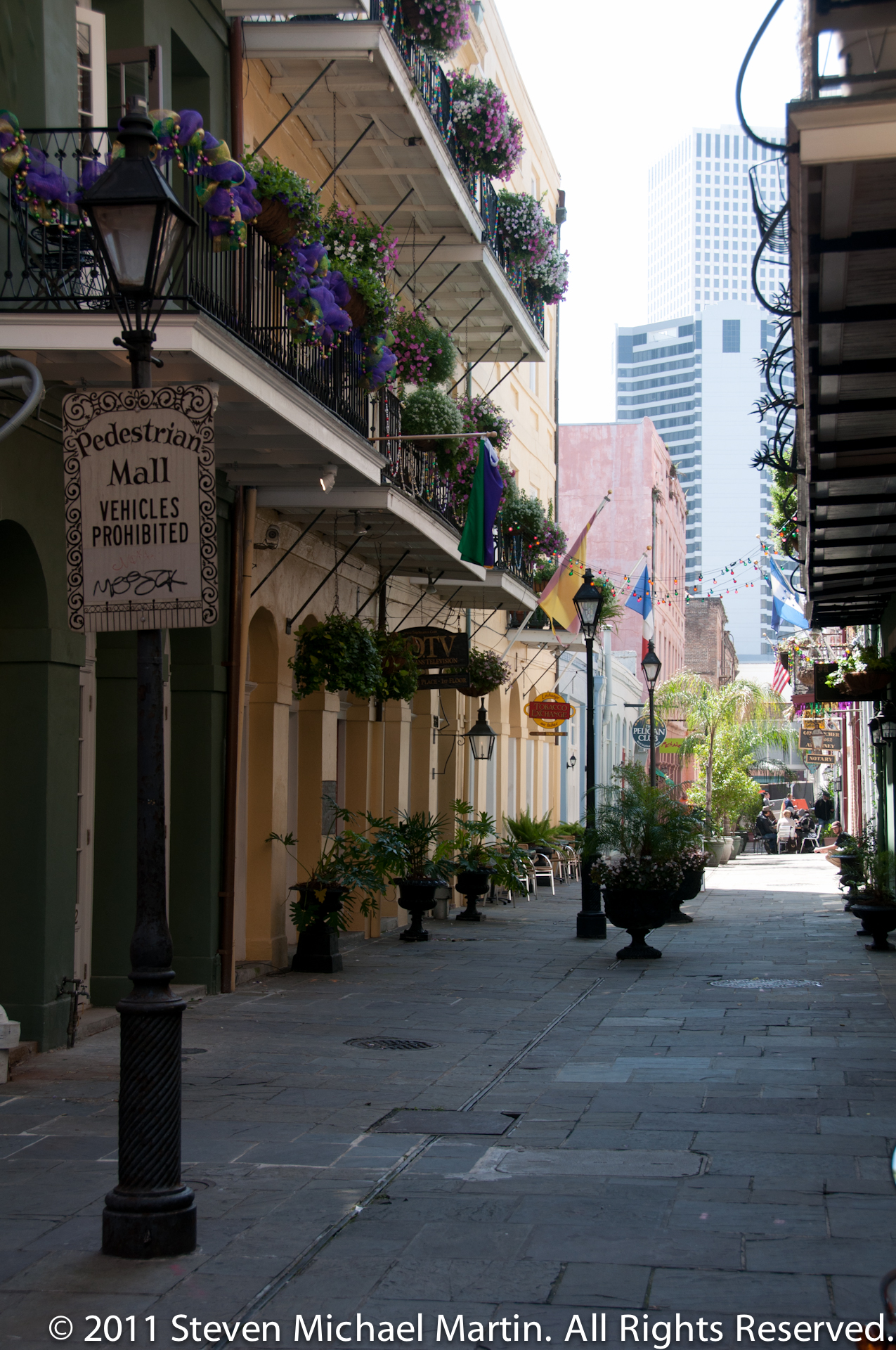
Caption
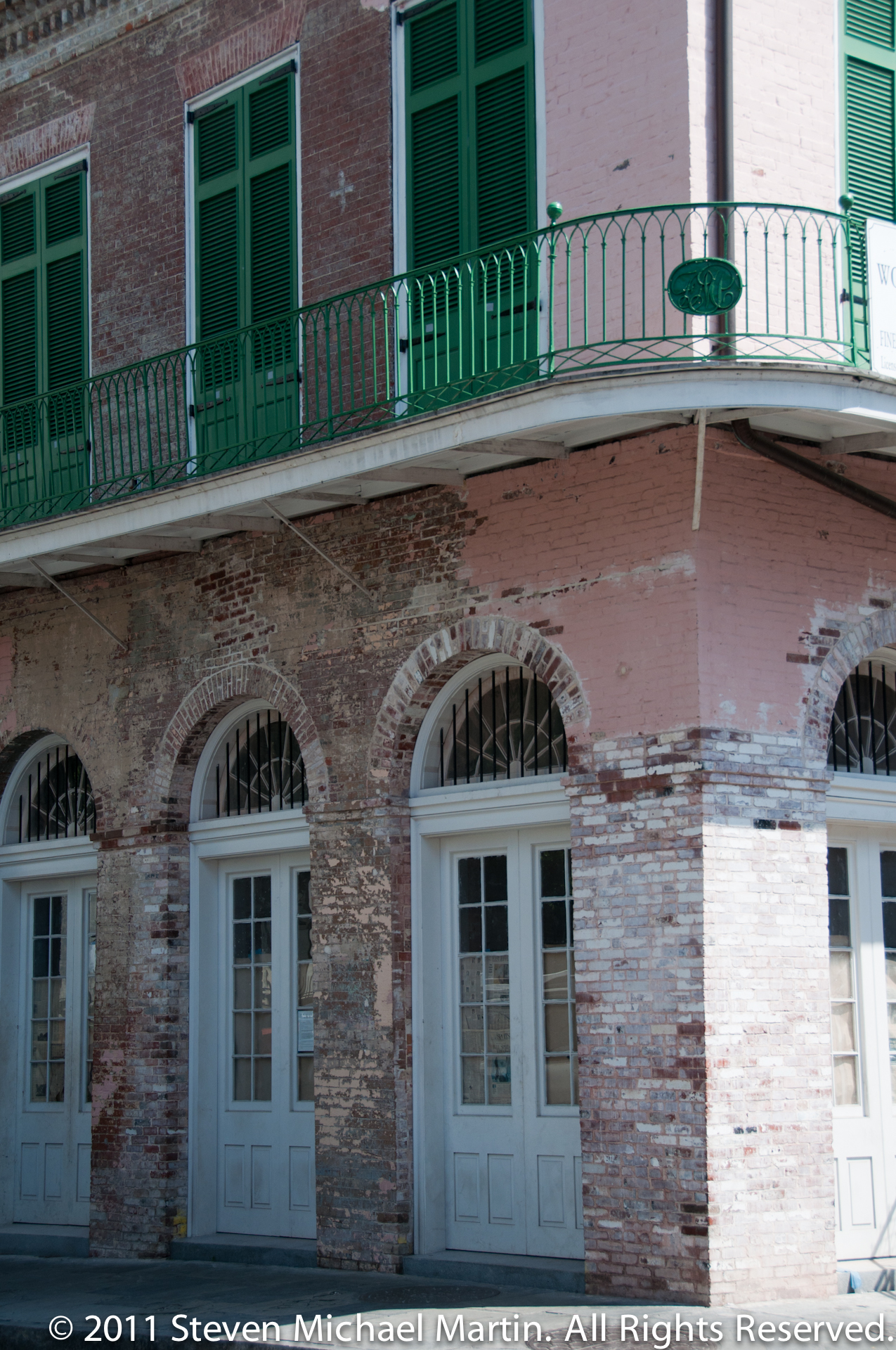
Caption
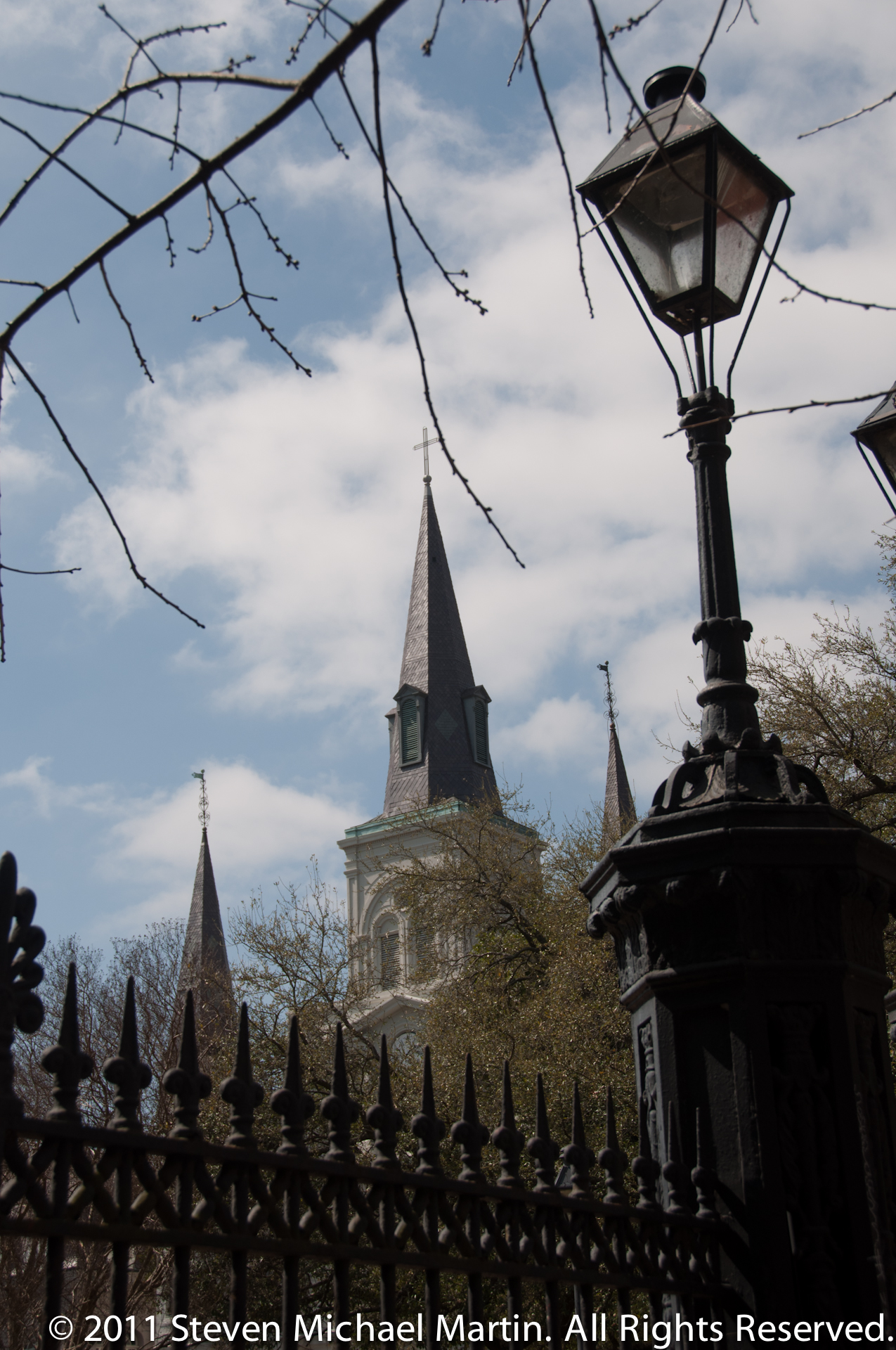
Caption
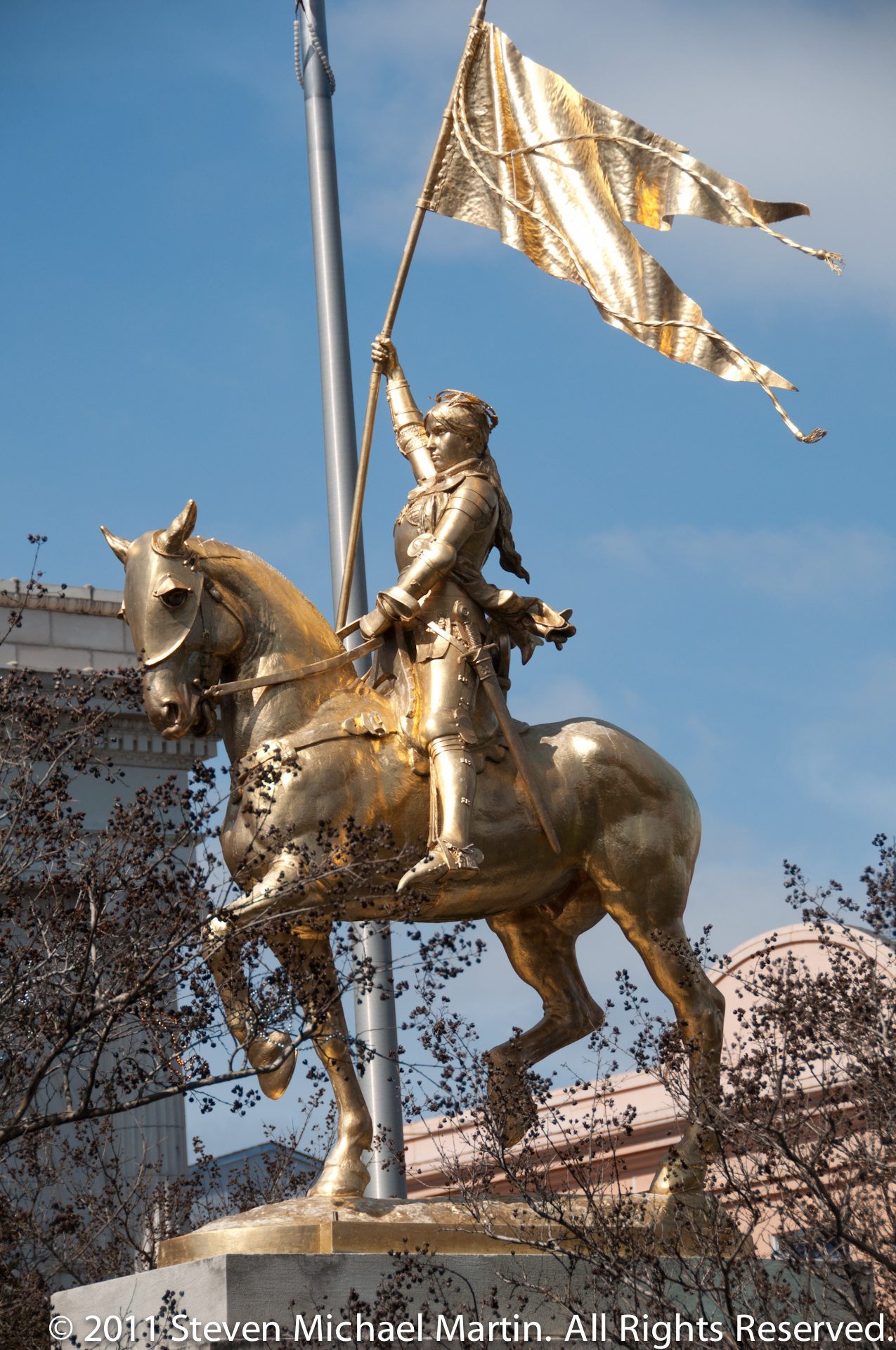
Caption
Caption
Caption
Caption
Caption
Caption
Caption
Caption
Caption
Caption
Caption
Caption
Caption
Caption