
Poverty Point National Monument
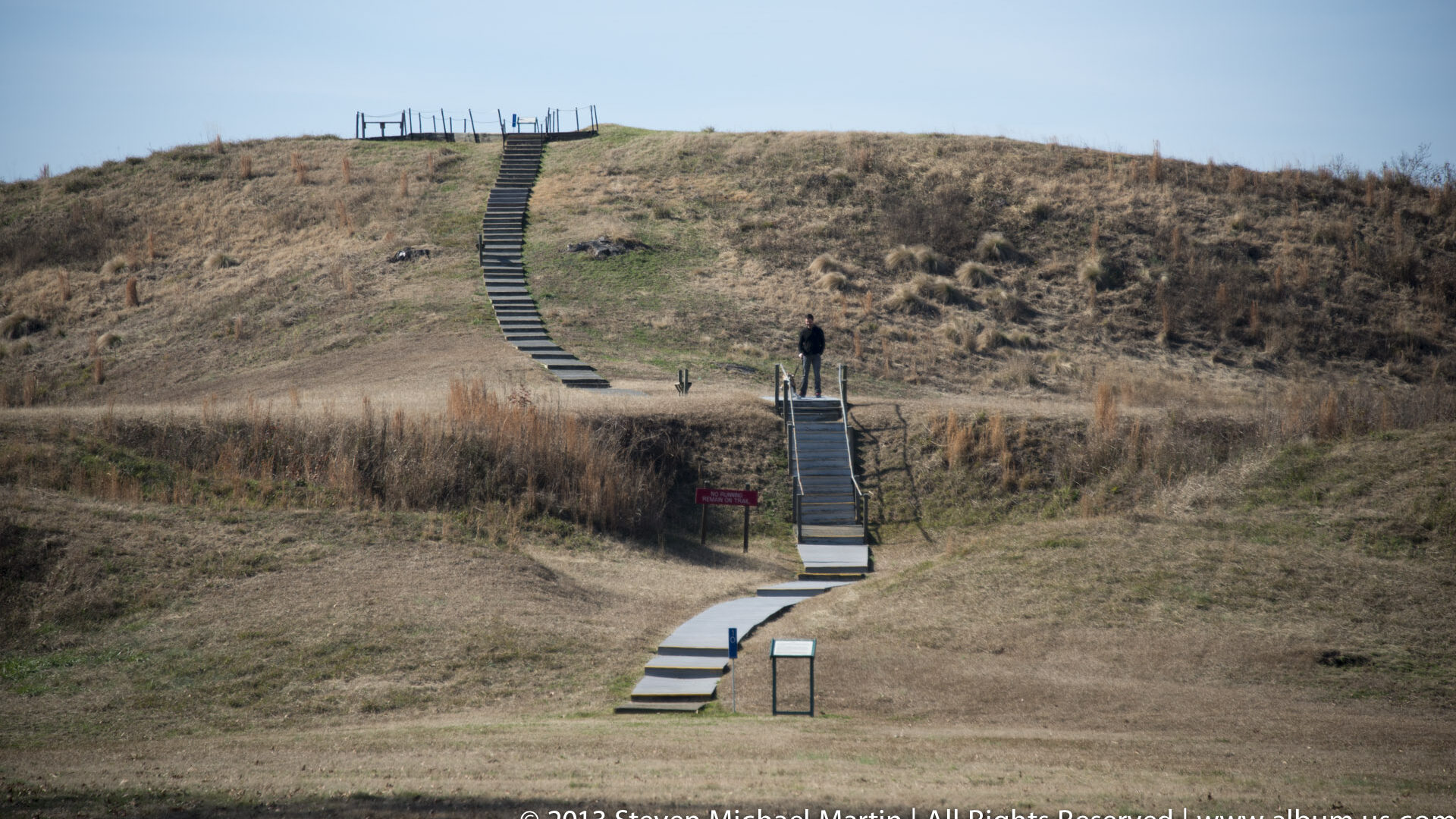
Poverty Point National Monument preserves earthworks constructed by Indigenous communities using soil transported from surrounding areas. The site includes concentric ridges and mounds that required coordinated labor and planning. The earthworks illustrate organized settlement patterns developed thousands of years ago.
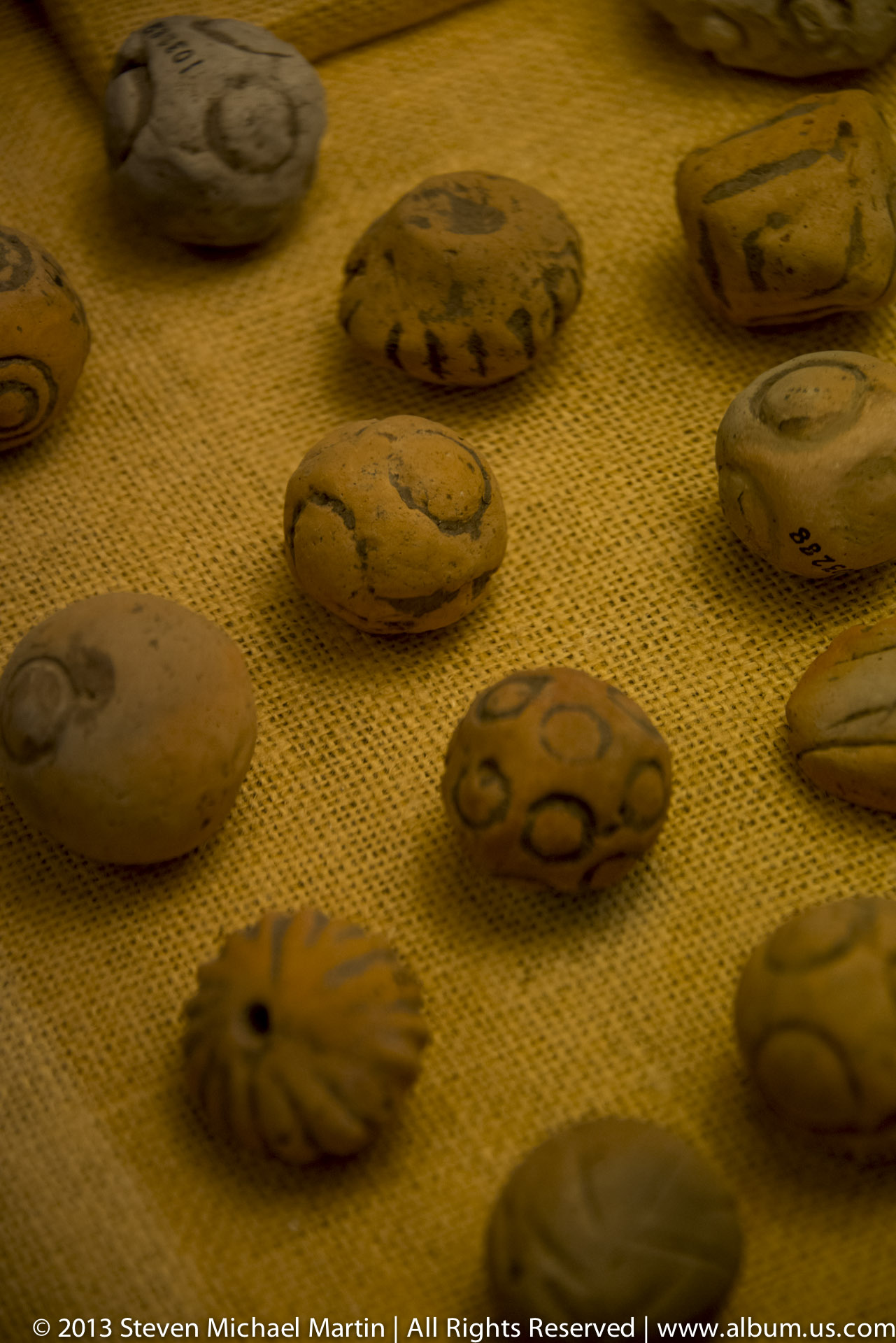
Archaeological evidence indicates long-distance trade networks that connected the site to regions across North America. Materials found at the site demonstrate movement of goods over large distances prior to the development of later transportation systems.
Today, Poverty Point illustrates how early communities organized construction and trade networks. The preserved earthworks demonstrate social organization within prehistoric societies.









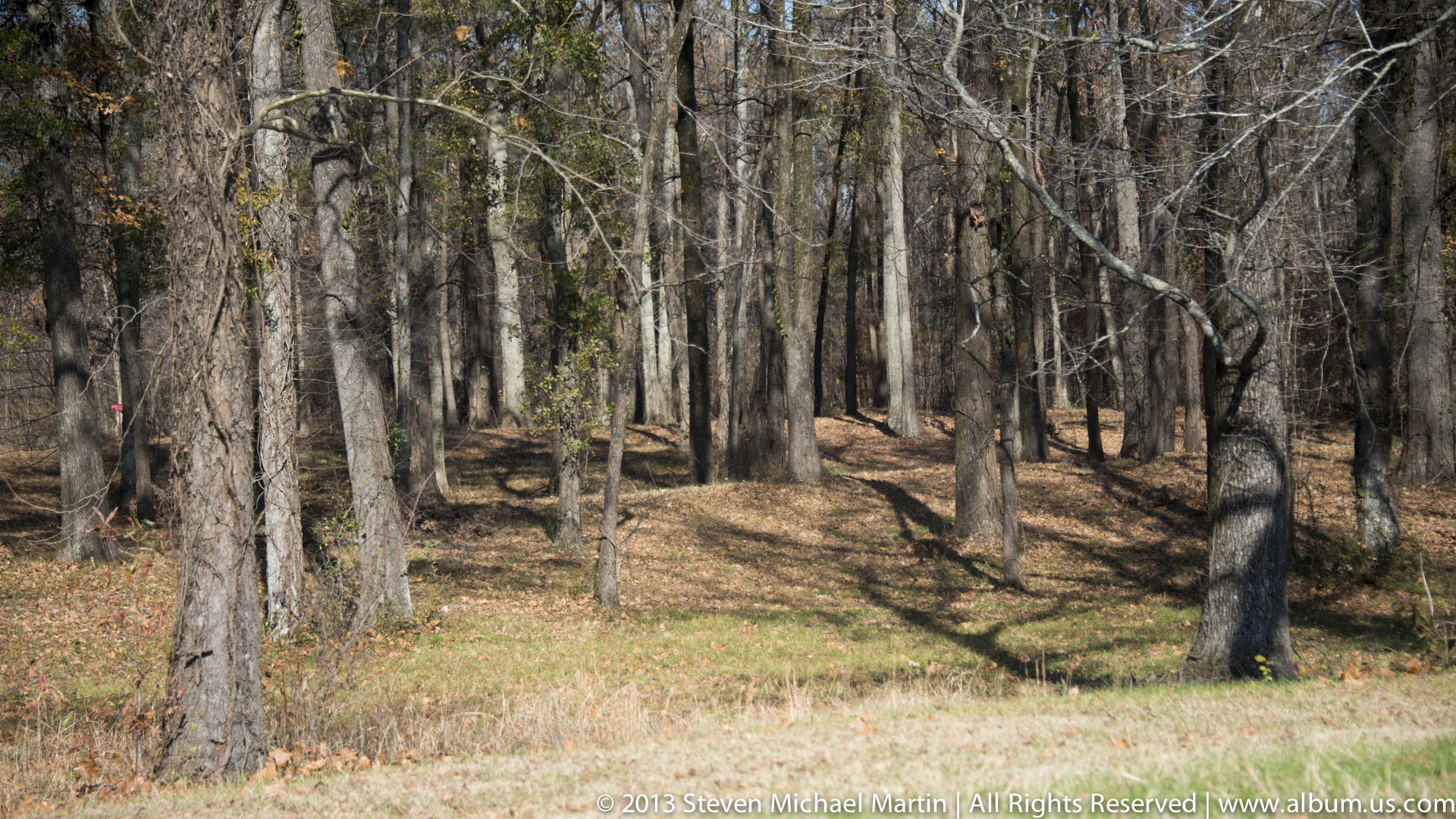
National Monument Field Guide
Poverty Point National Monument preserves earthworks constructed by Indigenous communities using transported soil. The site demonstrates early settlement planning and long-distance trade networks.
🏺 Key Significance
- Large earthworks constructed from transported soil
- Concentric ridges forming settlement structure
- Evidence of coordinated labor
- Long-distance trade networks
- Prehistoric community organization
📖 Interpretive Context
Materials found at the site indicate exchange networks connecting distant regions. Earthwork construction required planning and organized labor.
📷 Photography Notes
- Aerial perspective reveals earthwork patterns
- Low-angle light emphasizes ridge structure
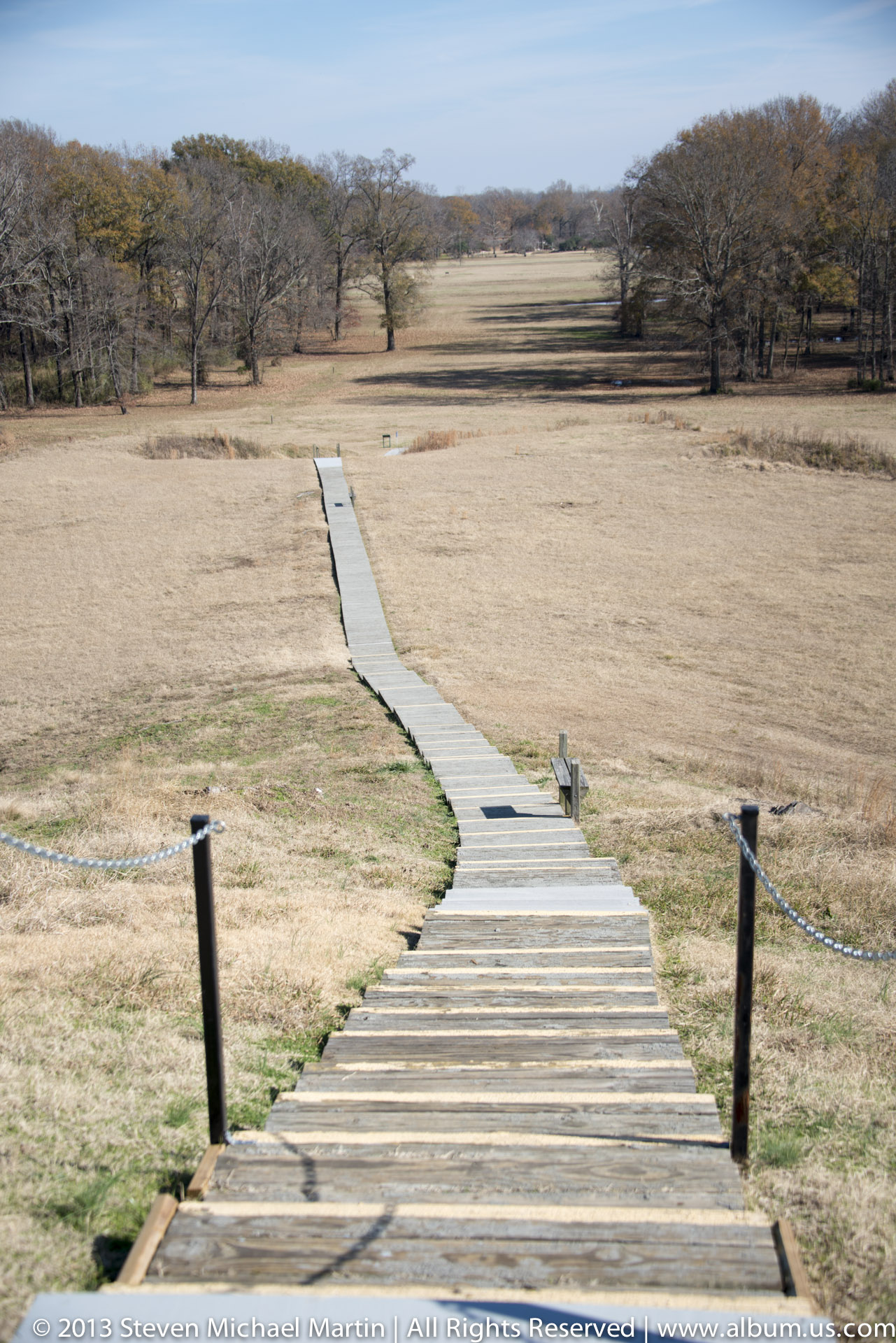
- Wide views show scale of construction
- Look for geometric layout of mounds