Scenic Landscapes
The Scenic Landscapes itineraries highlight environments where geology, climate, and natural processes create distinctive visual character across a wide range of geographic settings. These routes emphasize mountain ranges, coastal environments, volcanic formations, desert plateaus, glacial valleys, and river corridors shaped by long-term tectonic activity and erosion. Many of these landscapes illustrate the interaction between elevation, climate, and hydrology in forming ecosystems that vary dramatically over relatively short distances.
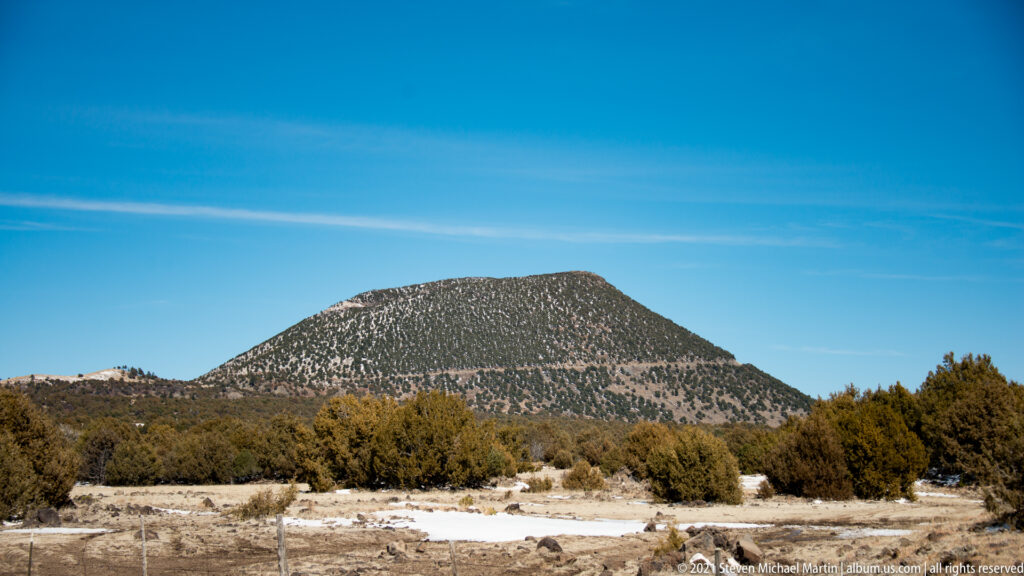
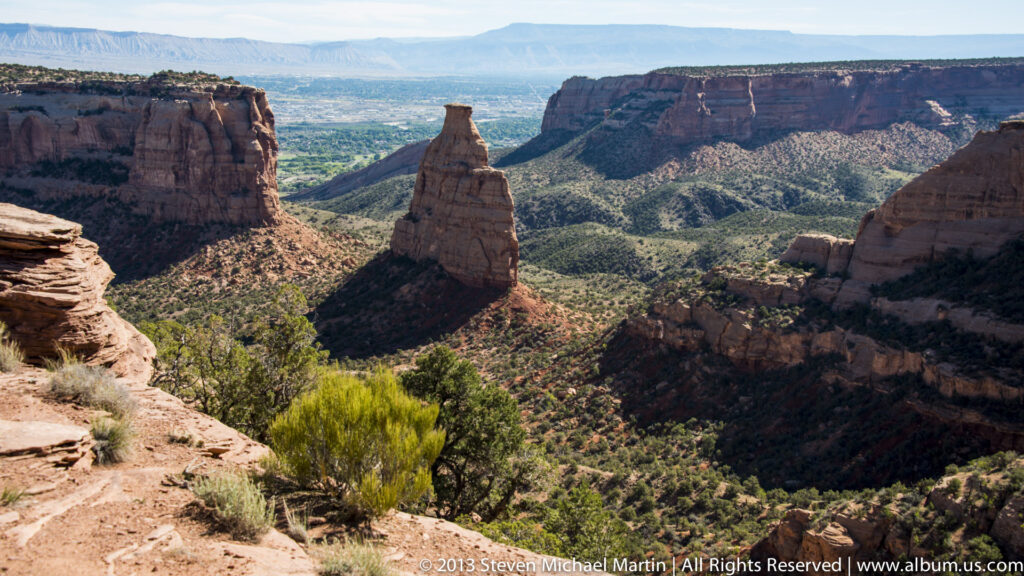
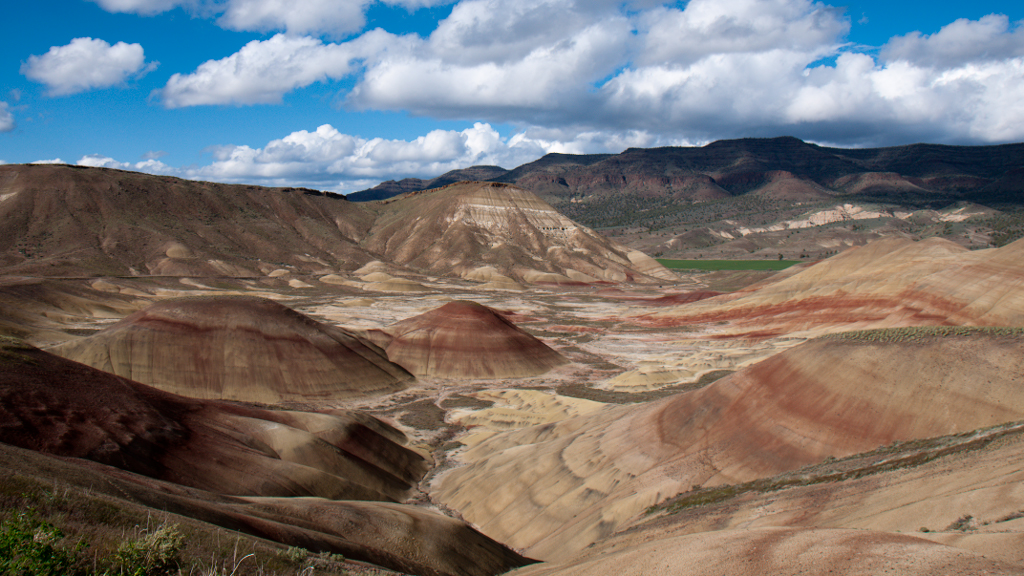
Western itineraries such as Colorado Plateau, Calderas, Folds, and Canyons, and Colorful Colorado and Arizona explore landscapes shaped by uplift and erosion across sedimentary rock formations characteristic of the American Southwest. The Colorado Plateau region alone contains one of the highest concentrations of protected landscapes in North America, where layered sandstone formations, canyons, and mesas reveal millions of years of geologic history. :contentReference[oaicite:0]{index=0}
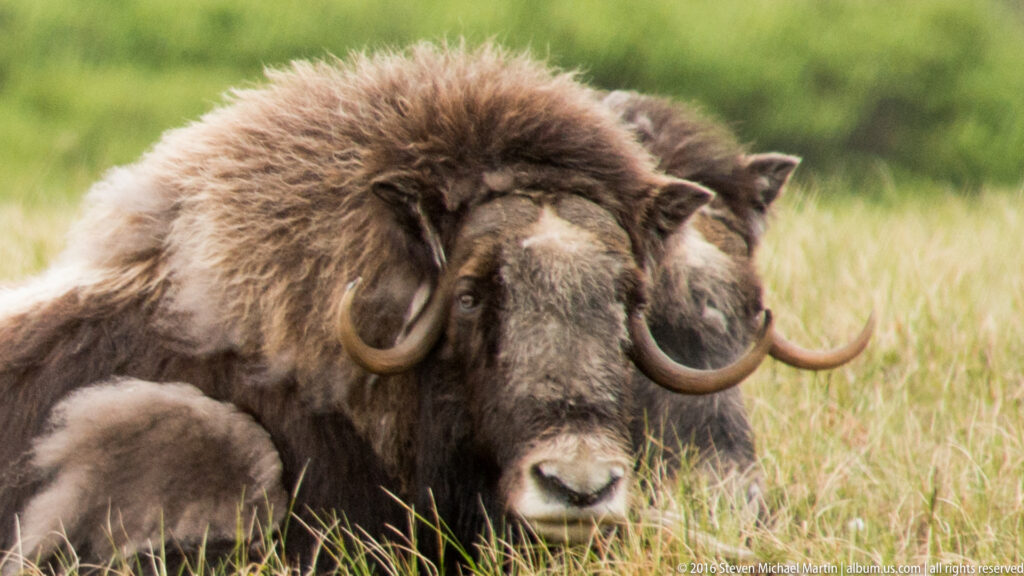
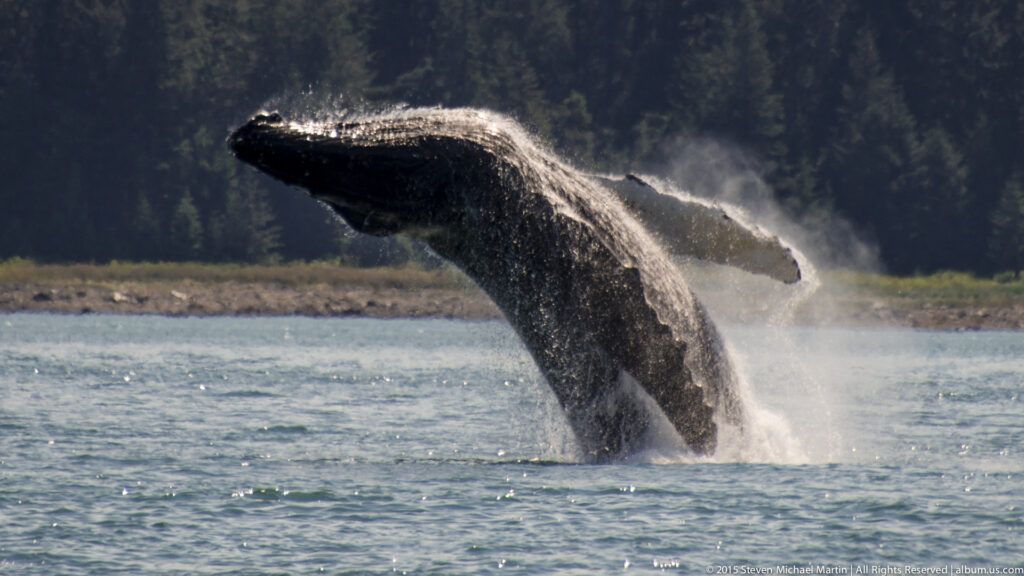
Northern and coastal environments are represented in itineraries such as Northwest Wilderness, Inside Passage, and Arctic Alaska, where glaciation, marine climate, and tectonic processes have produced fjords, alpine peaks, temperate rainforest, and tundra ecosystems. These environments illustrate the influence of plate tectonics and Ice Age glaciation in shaping the mountainous terrain of the Pacific margin.
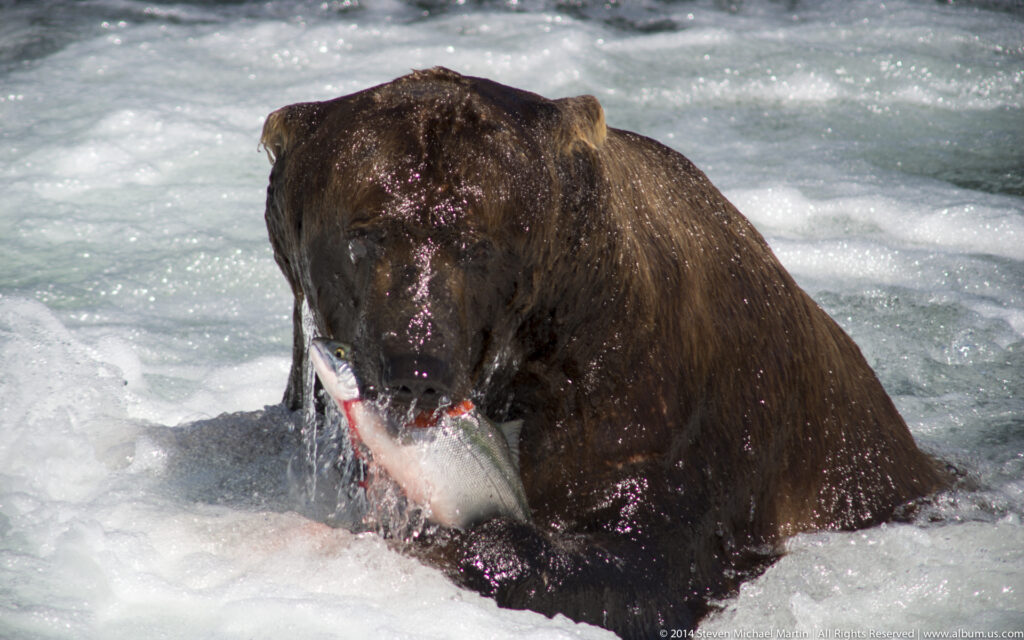
Additional itineraries emphasize ecological transitions and landscape diversity across forest, river, and coastal environments. Routes such as Fossils and Giants, Salmon Run, and Polynesian Island Hop illustrate how biodiversity, climate variation, and geological processes combine to create visually distinctive environments across both continental and island landscapes.
Together, the Scenic Landscapes itineraries emphasize the visual and environmental diversity of natural settings shaped by long-term geological change. By linking individual sites within broader geographic routes, these journeys provide context for understanding how mountain systems, coastlines, volcanic islands, and desert plateaus contribute to the varied character of landscapes across the United States and beyond.