Bears Ears National Monument
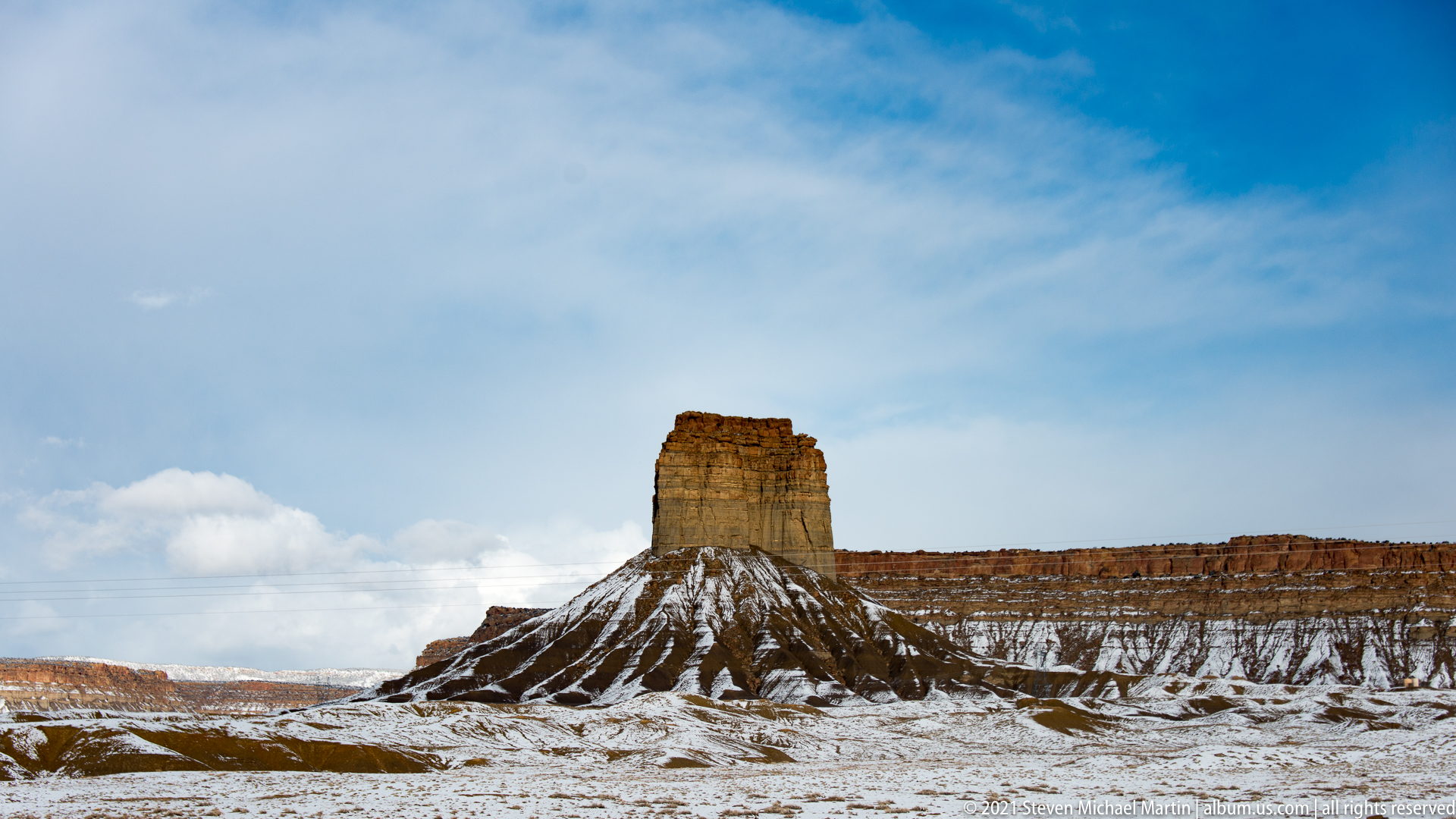
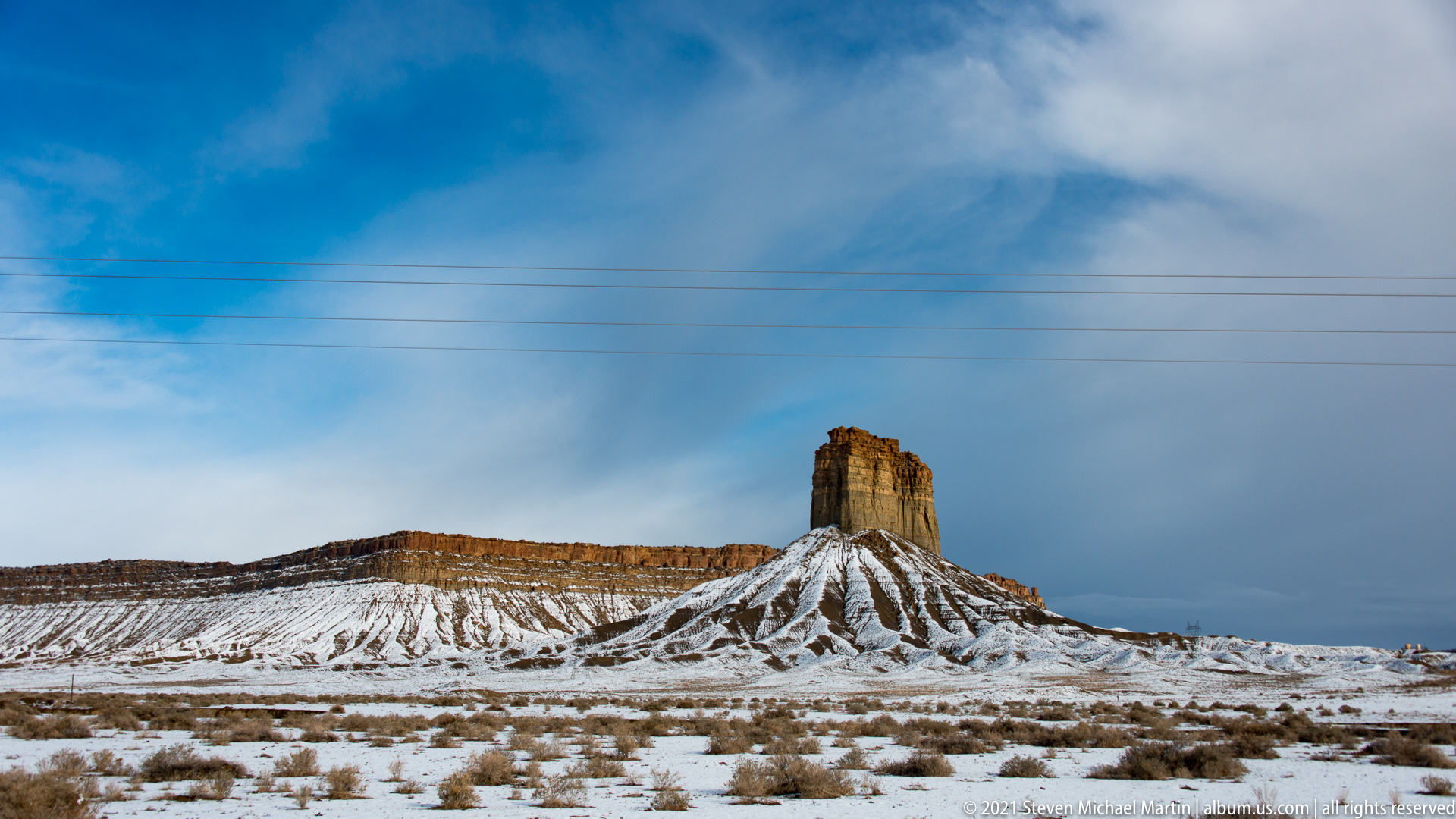
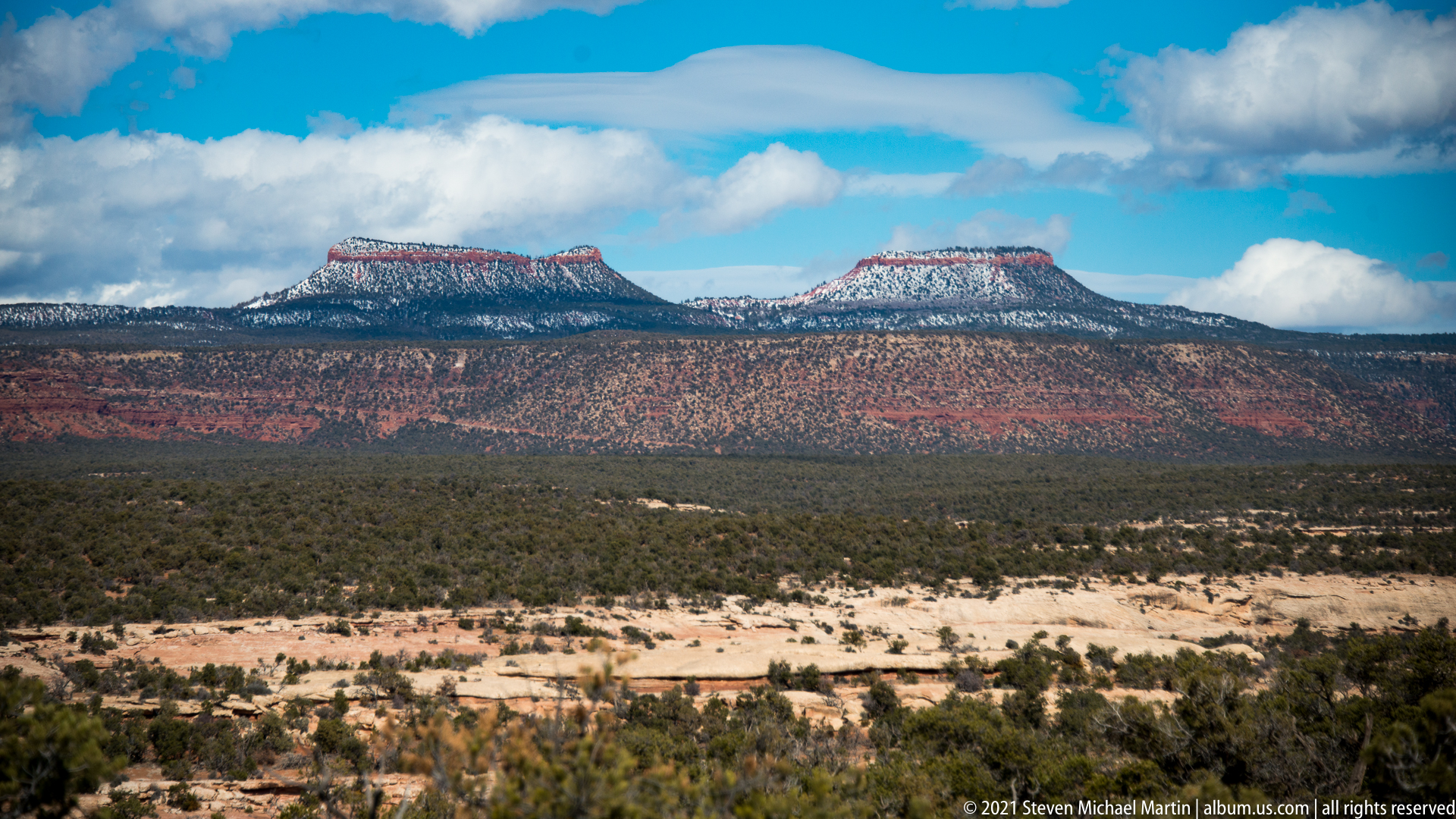
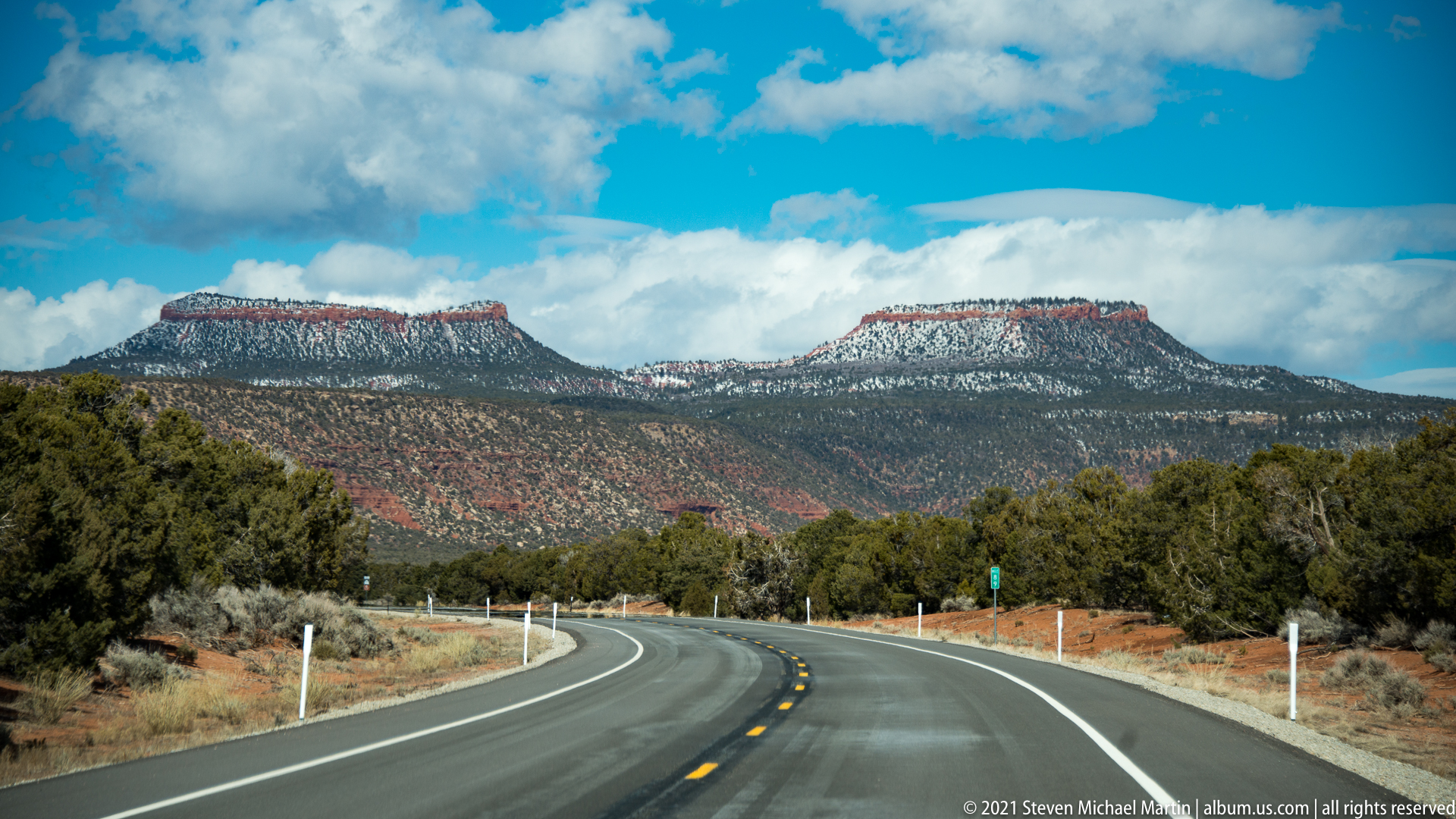
Bears Ears National Monument protects a large and diverse landscape of mesas, canyons, and archaeological sites associated with Indigenous cultural traditions extending back thousands of years. The twin buttes known as Bears Ears form a distinctive geographic landmark visible across the surrounding region. The monument preserves both natural and cultural resources that illustrate long-term human presence in the Colorado Plateau.
Rock art panels, cliff dwellings, and artifact scatters demonstrate the depth of cultural history across the monument landscape. Geological features including sandstone formations and canyon systems reflect long-term erosion and tectonic uplift that shaped the plateau environment. The site reflects both environmental diversity and cultural continuity across multiple generations.
Visitors encounter expansive desert views and varied terrain characterized by mesas, buttes, and canyon corridors. The monument emphasizes the importance of preserving archaeological resources and respecting landscapes that continue to hold cultural significance for Indigenous communities.
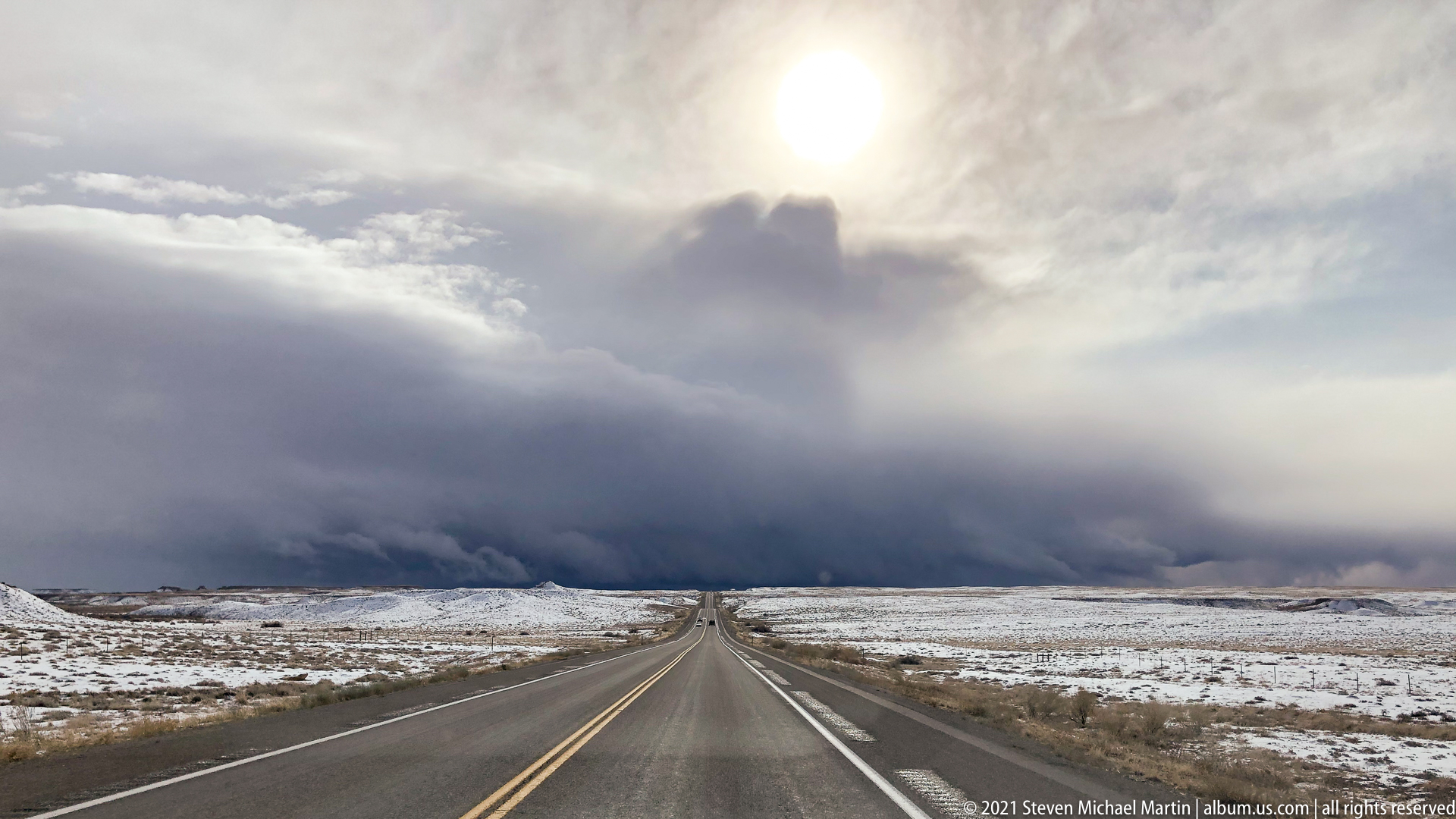

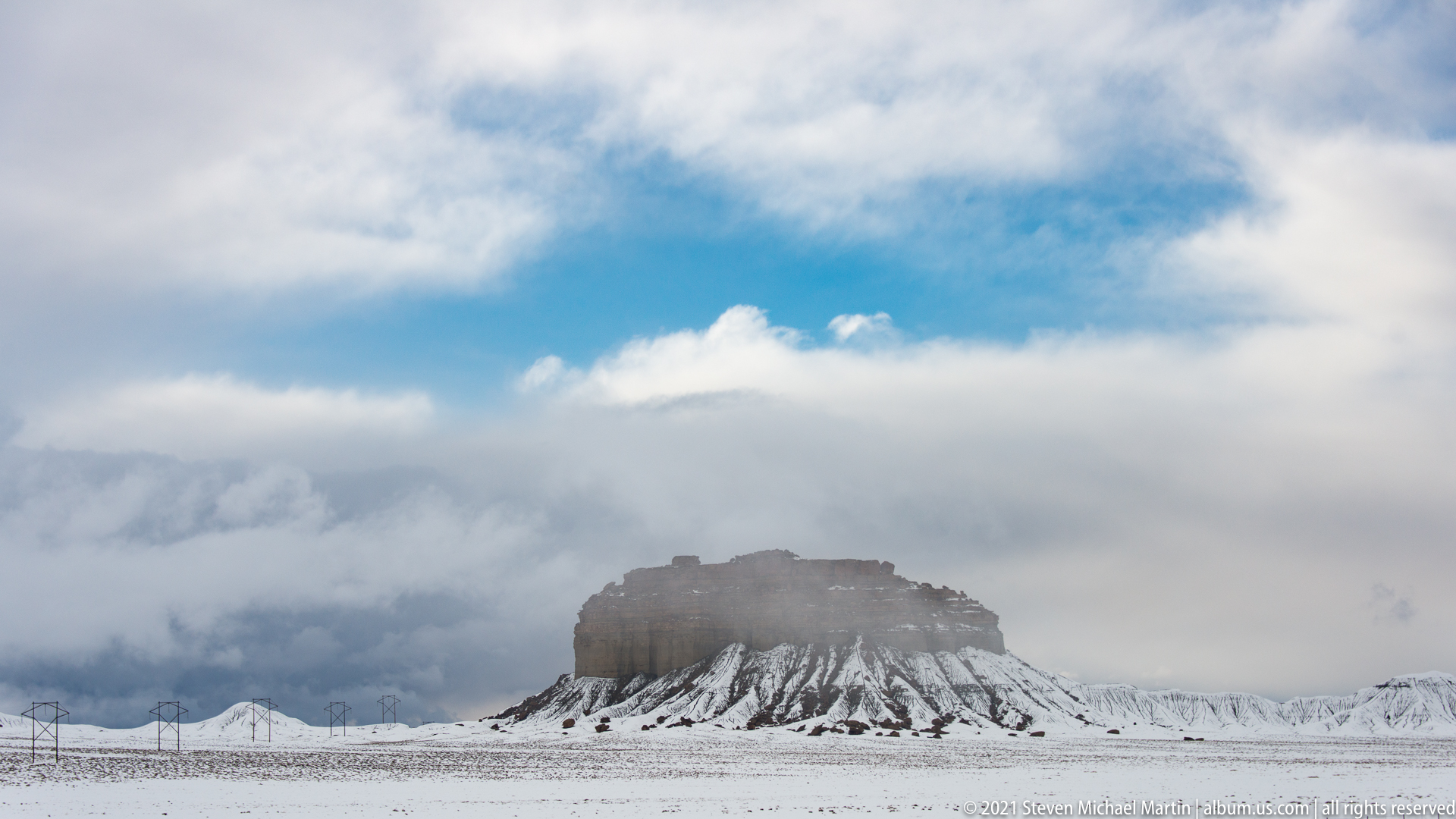
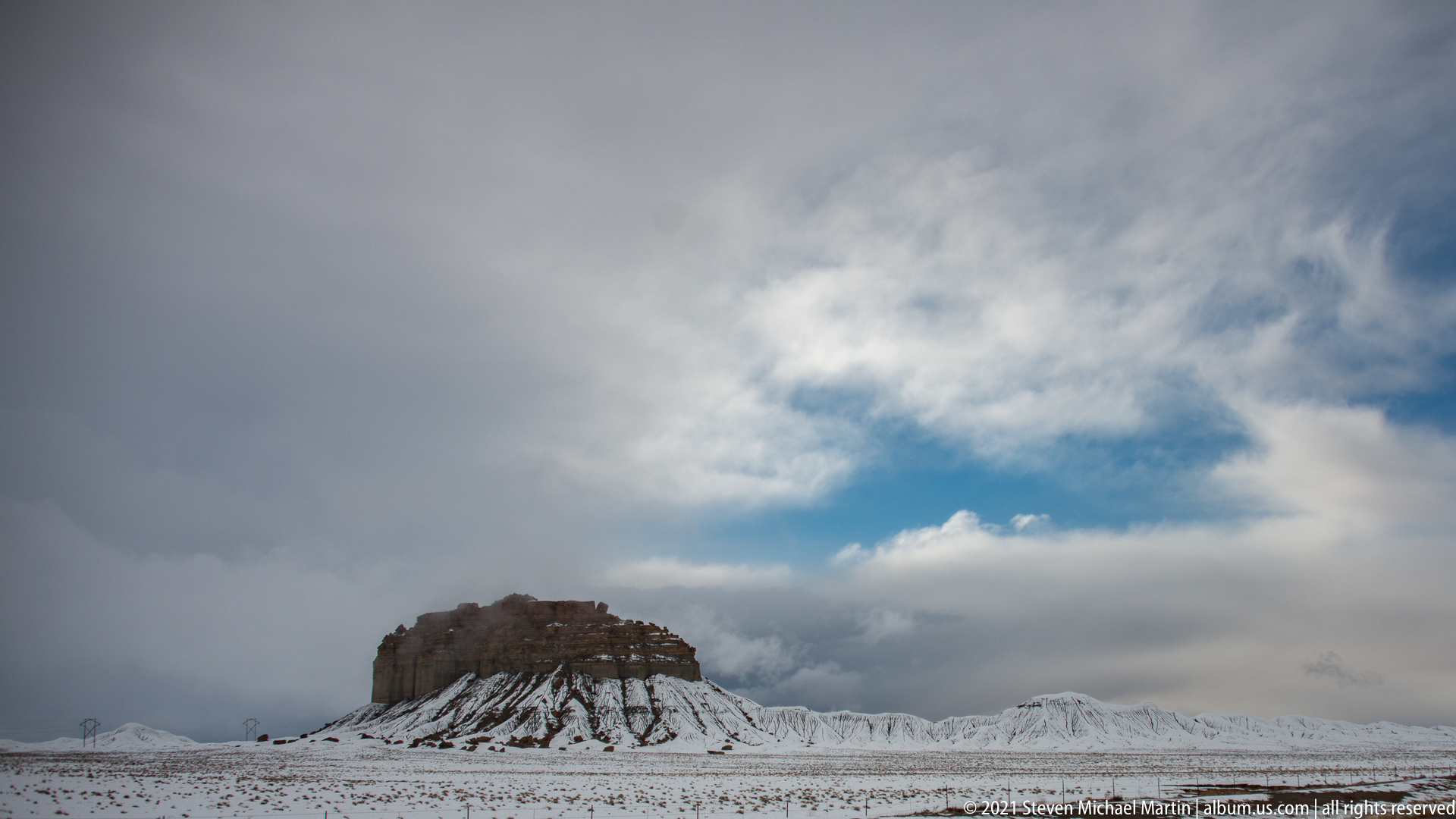
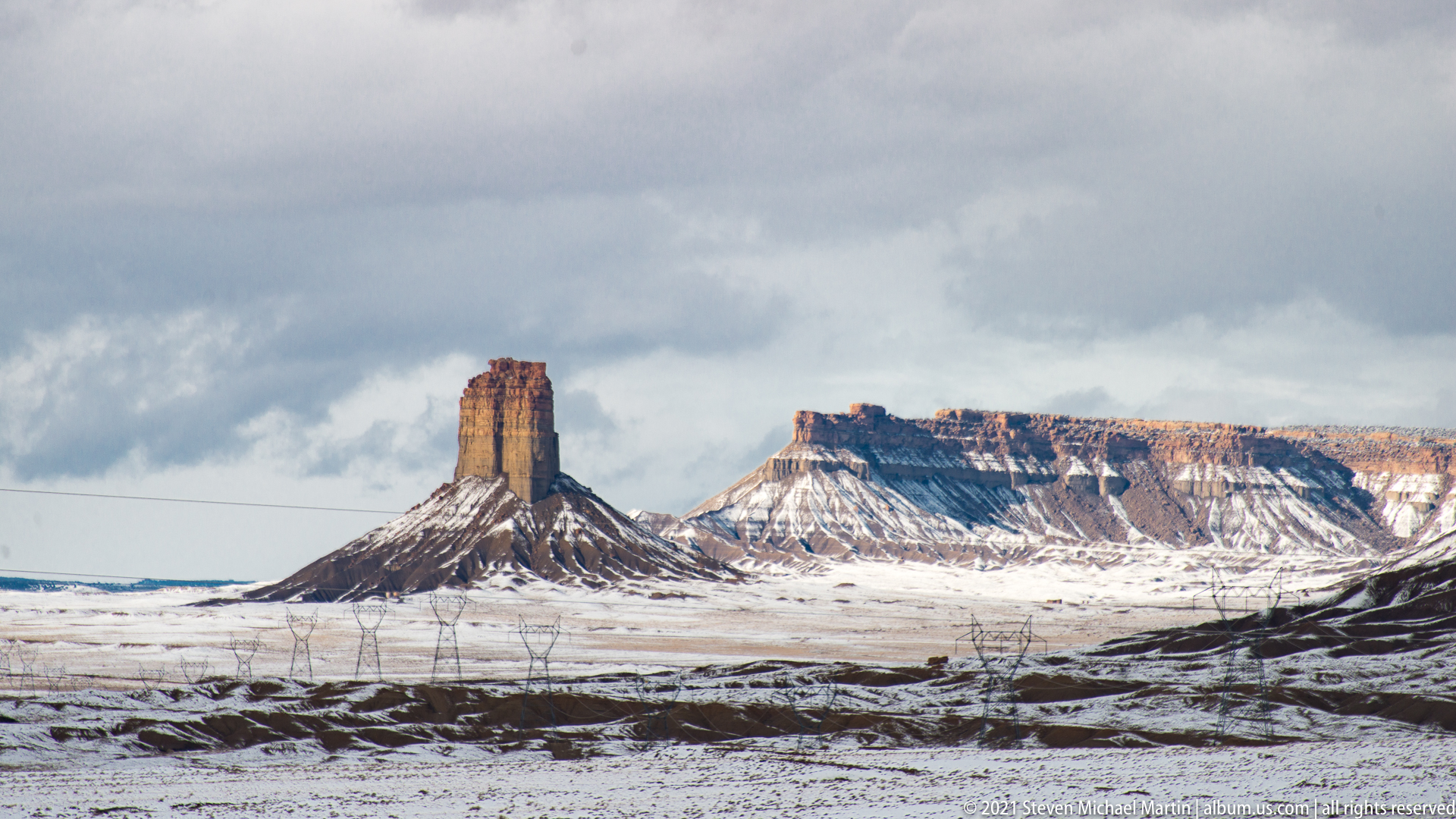
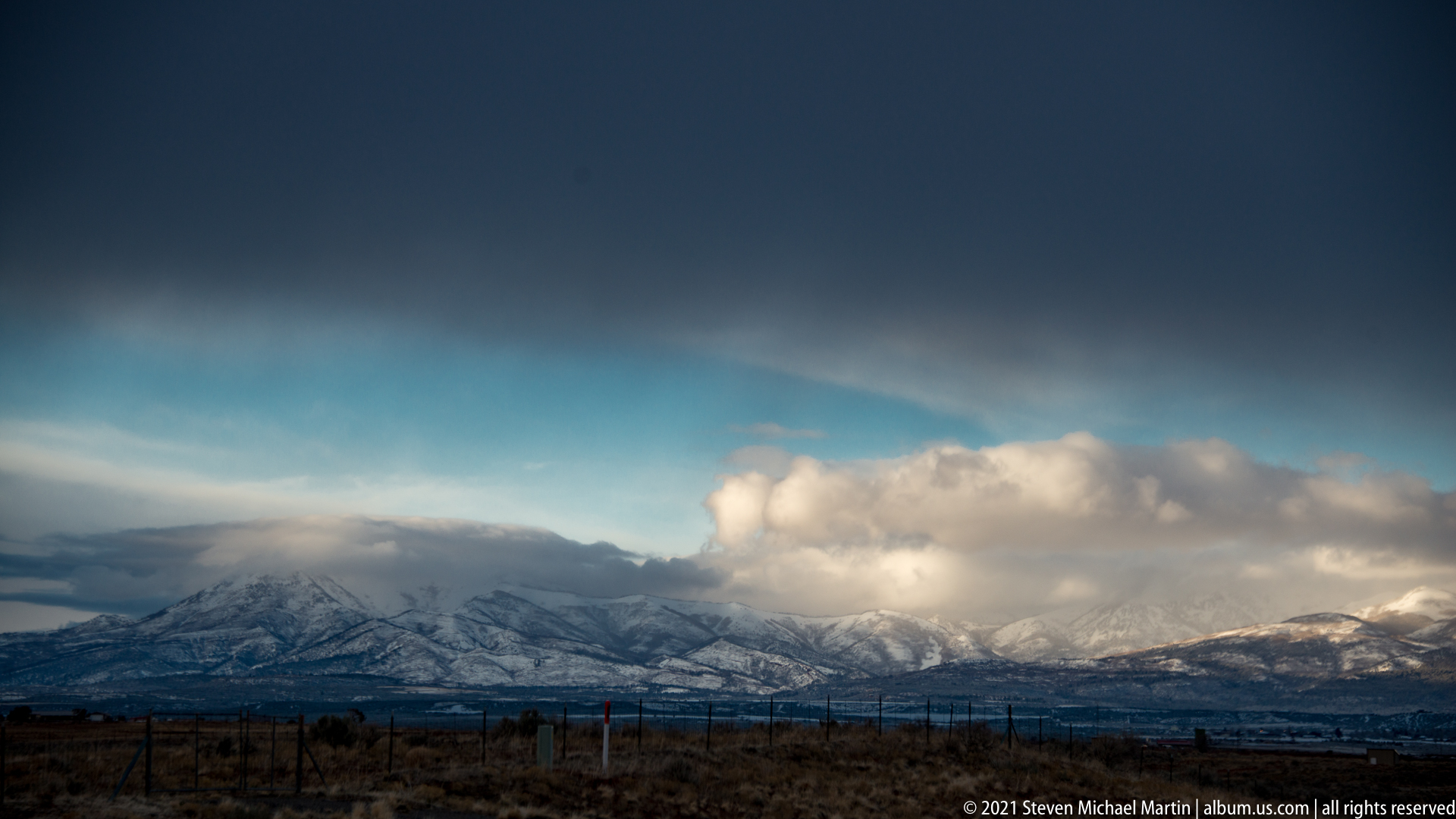
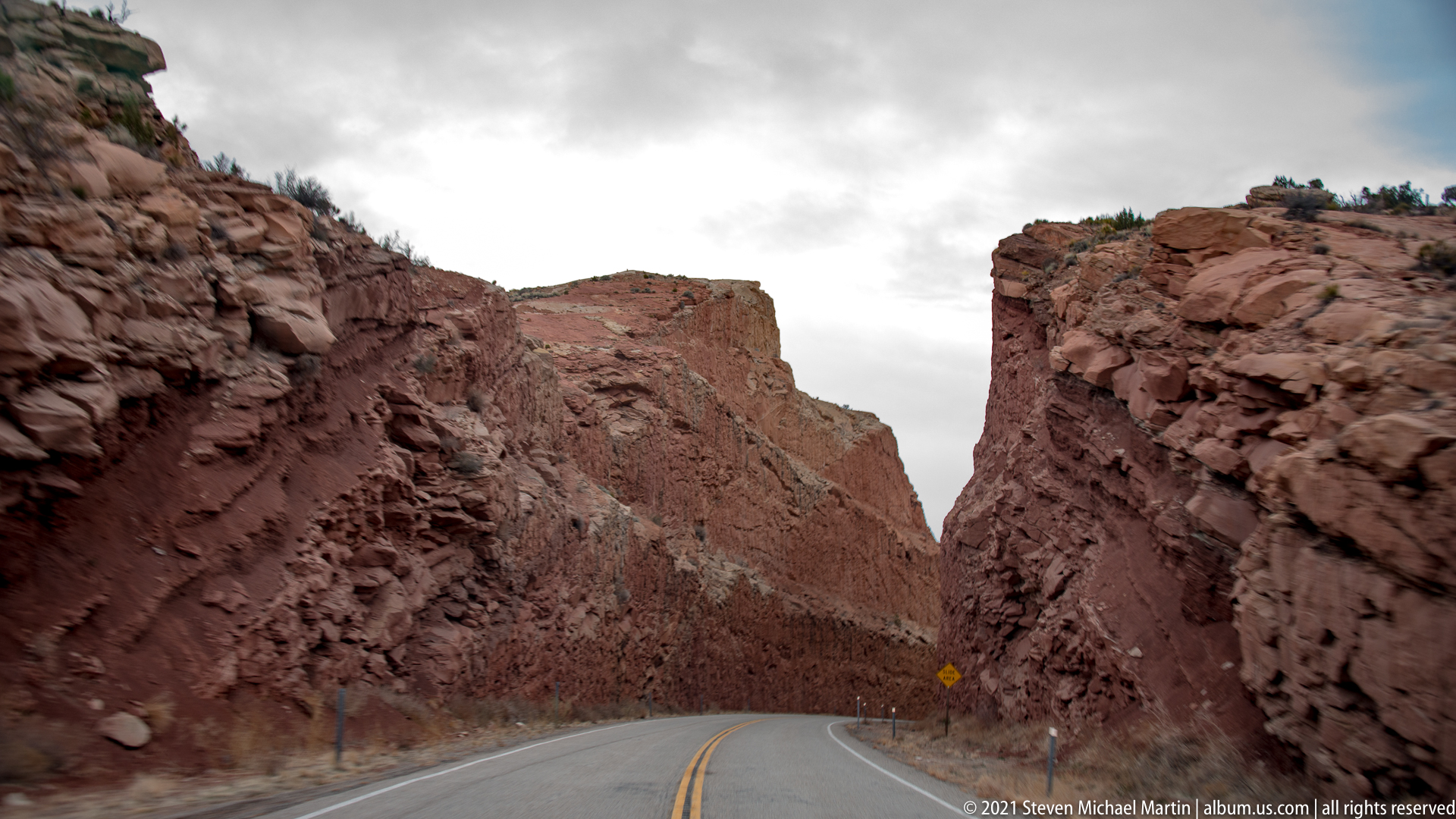
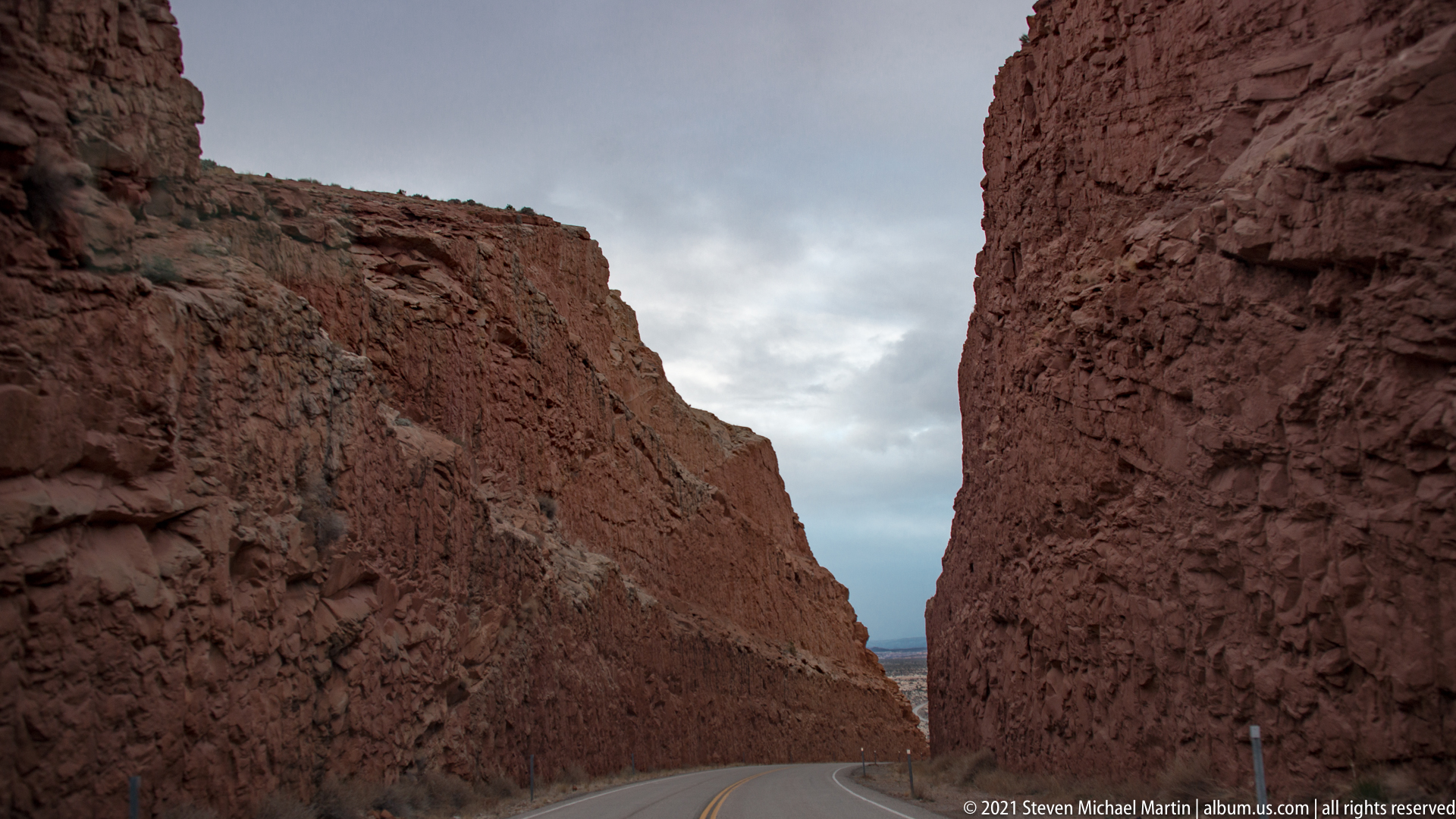
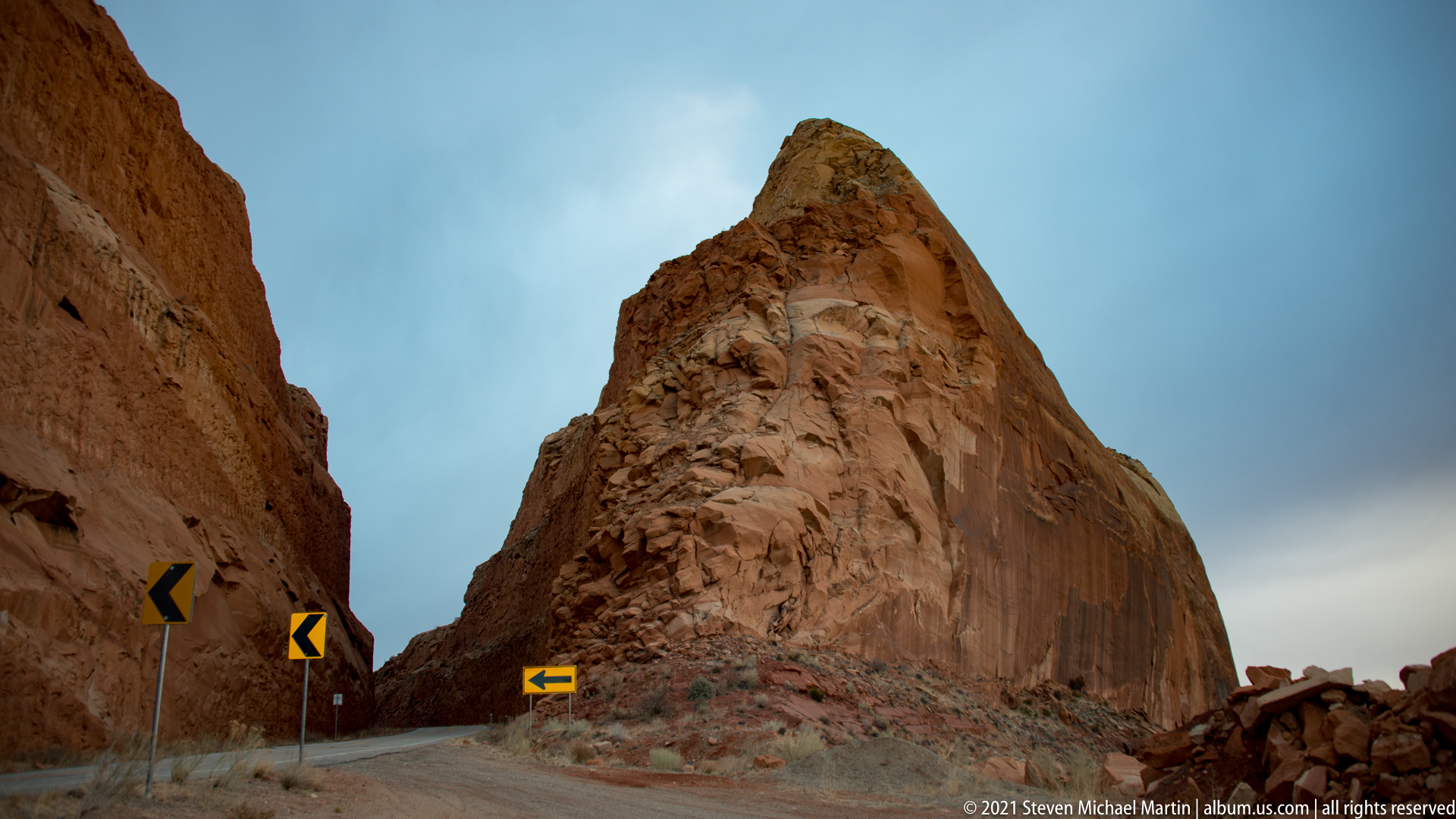
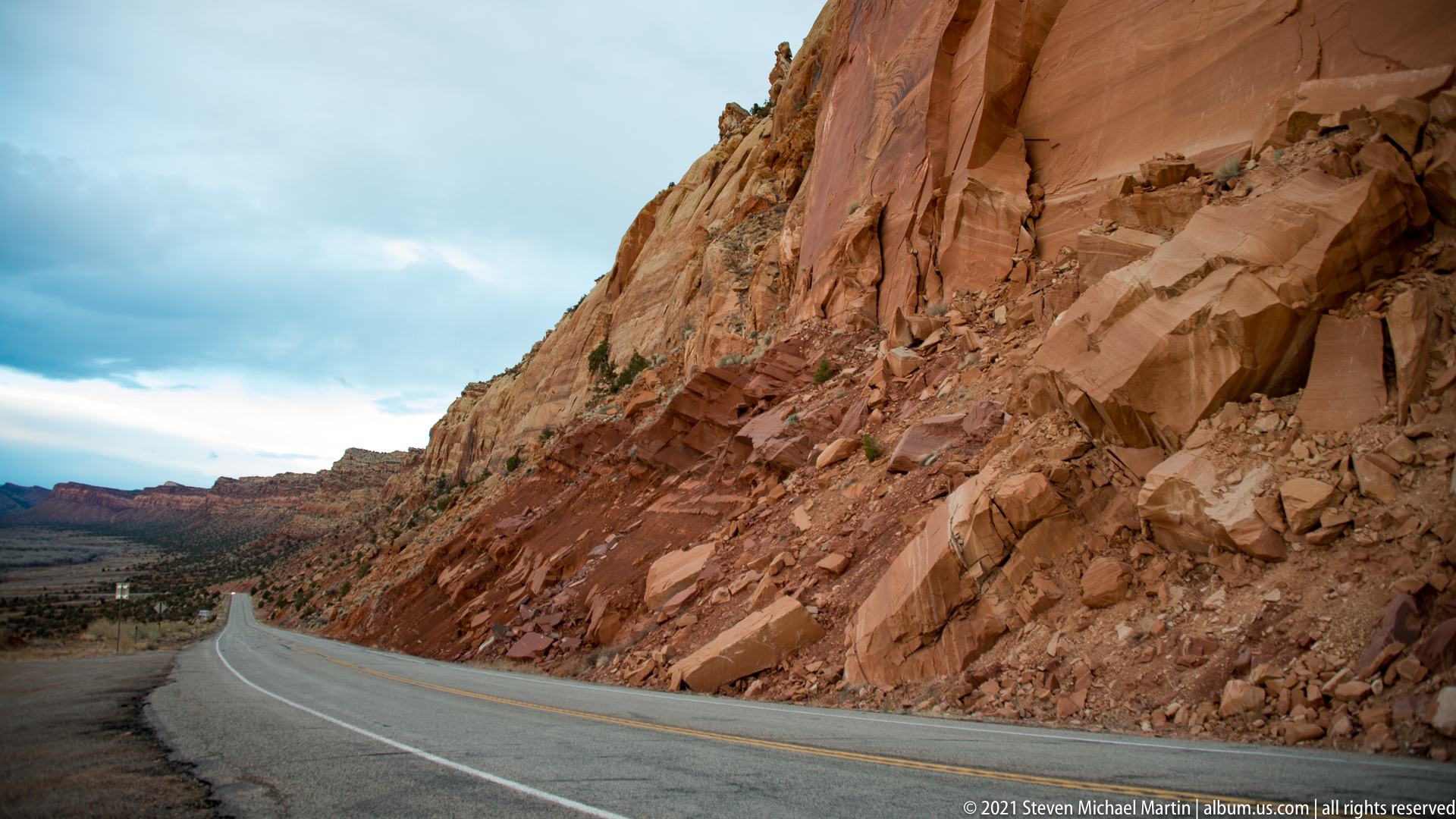
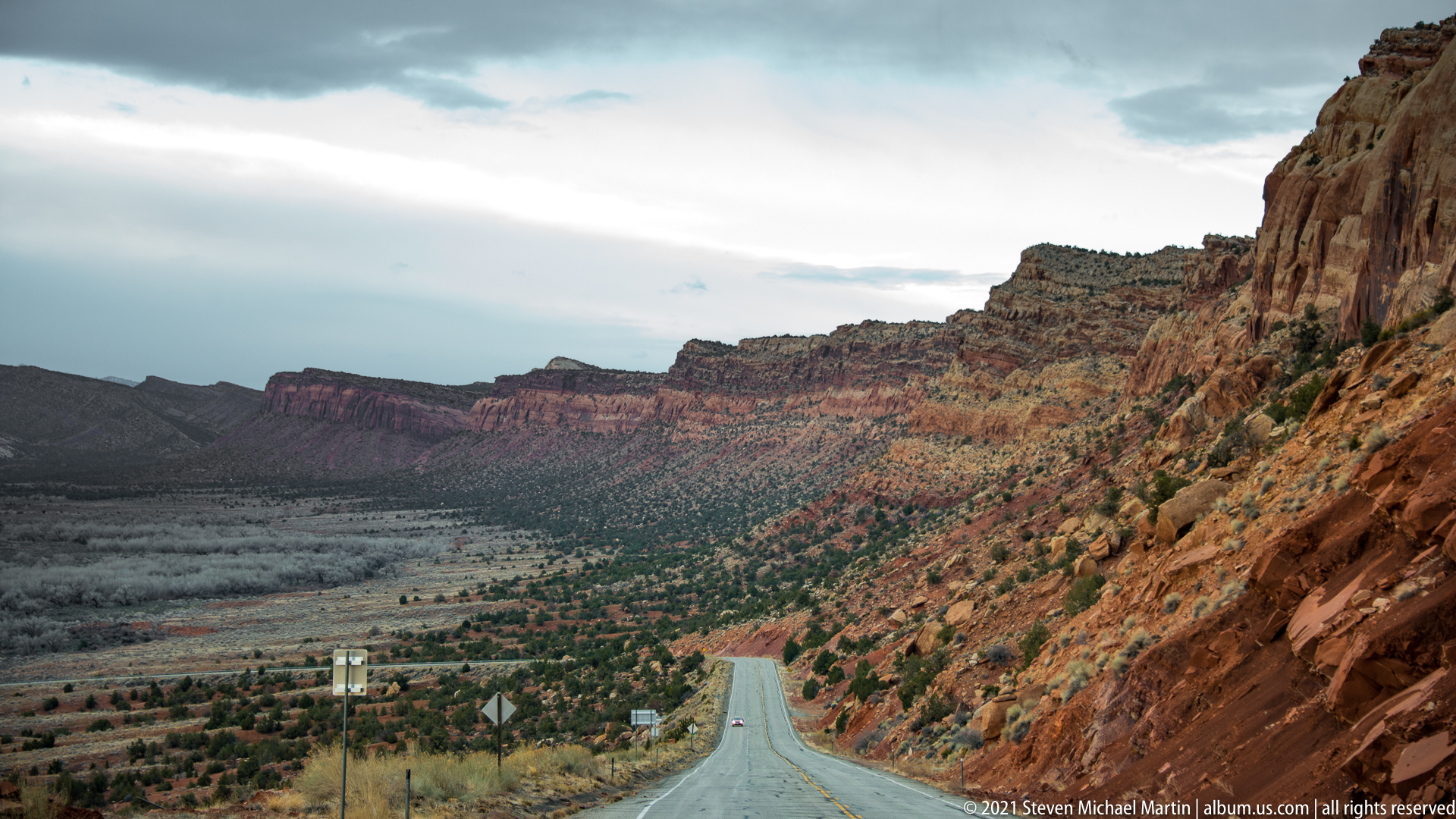
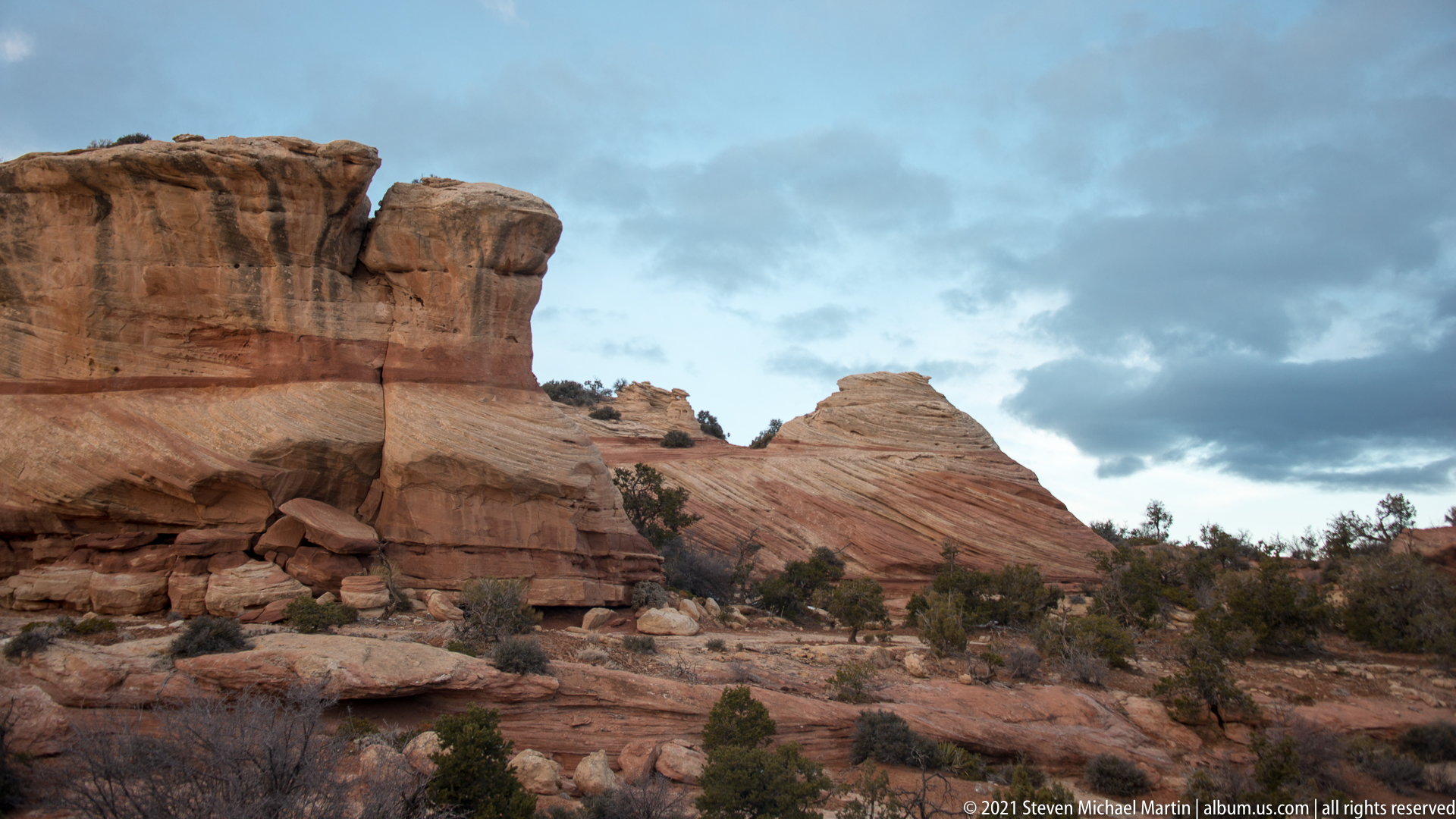
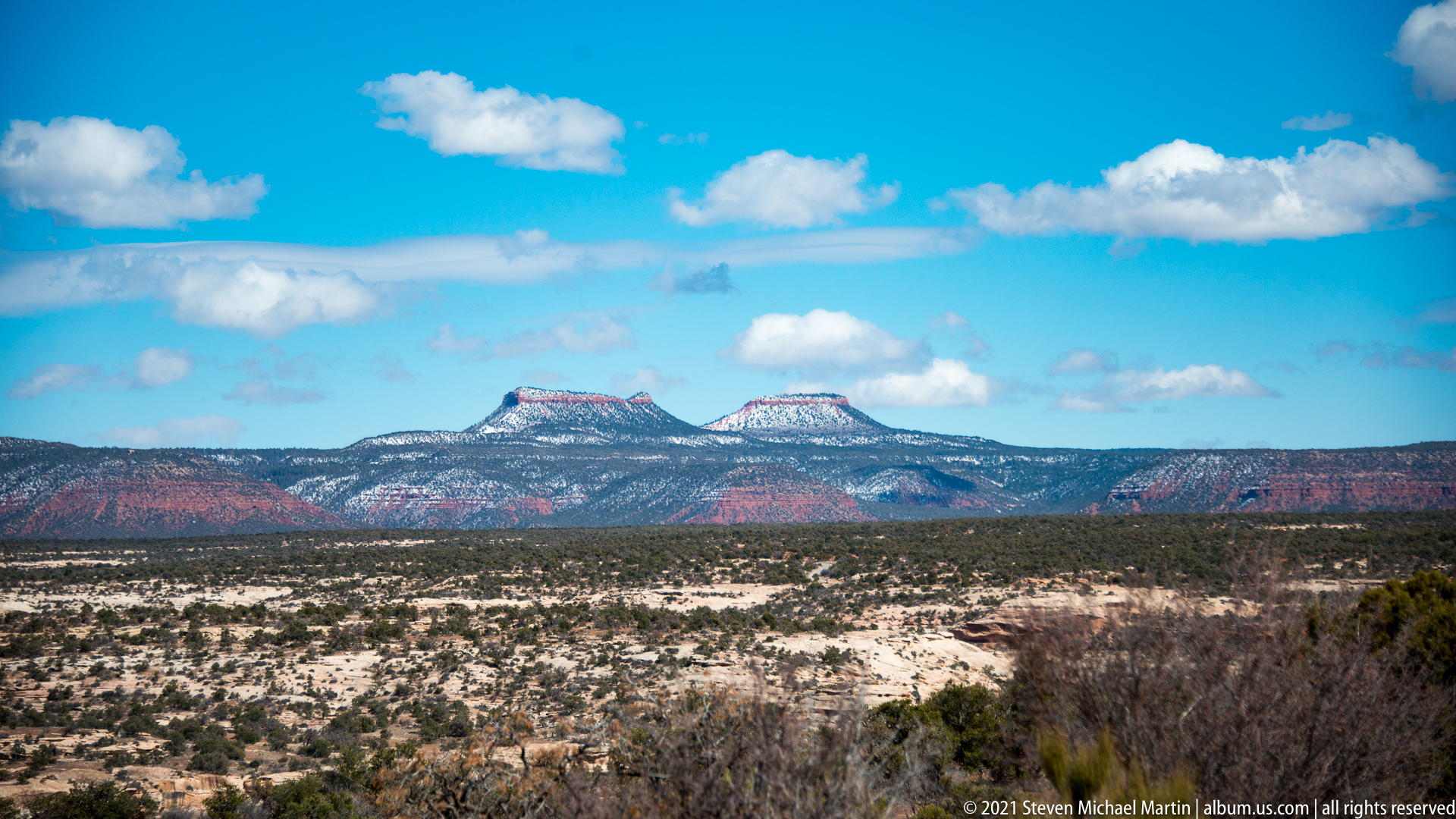
Bears Ears National Monument — Field Guide
National Monument Field Guide
📍 Overview
Bears Ears National Monument protects a landscape of mesas, canyons, and archaeological sites reflecting long-standing Indigenous cultural traditions. The twin buttes known as Bears Ears form a prominent landmark across the Colorado Plateau. The region preserves both geological formations and cultural sites associated with ancestral Puebloan communities.
Cliff dwellings, rock art panels, and artifact sites illustrate thousands of years of human presence. Sandstone formations shaped by erosion create varied terrain including mesas, canyon corridors, and high desert plateaus. The landscape reflects both geological processes and cultural continuity.
⭐ Highlights
- Twin buttes forming the Bears Ears landmark
- Cliff dwellings and rock art panels
- Expansive canyon and mesa landscapes
- Archaeological sites reflecting ancestral Puebloan culture
- Colorado Plateau geological formations
🔎 Key Features
- Sandstone formations shaped by erosion
- Cultural sites spanning thousands of years
- High desert plateau landscapes
- Geographic landmark visible across the region
- Preserved archaeological environments
📷 Photography Notes
- Side lighting emphasizes texture in sandstone formations
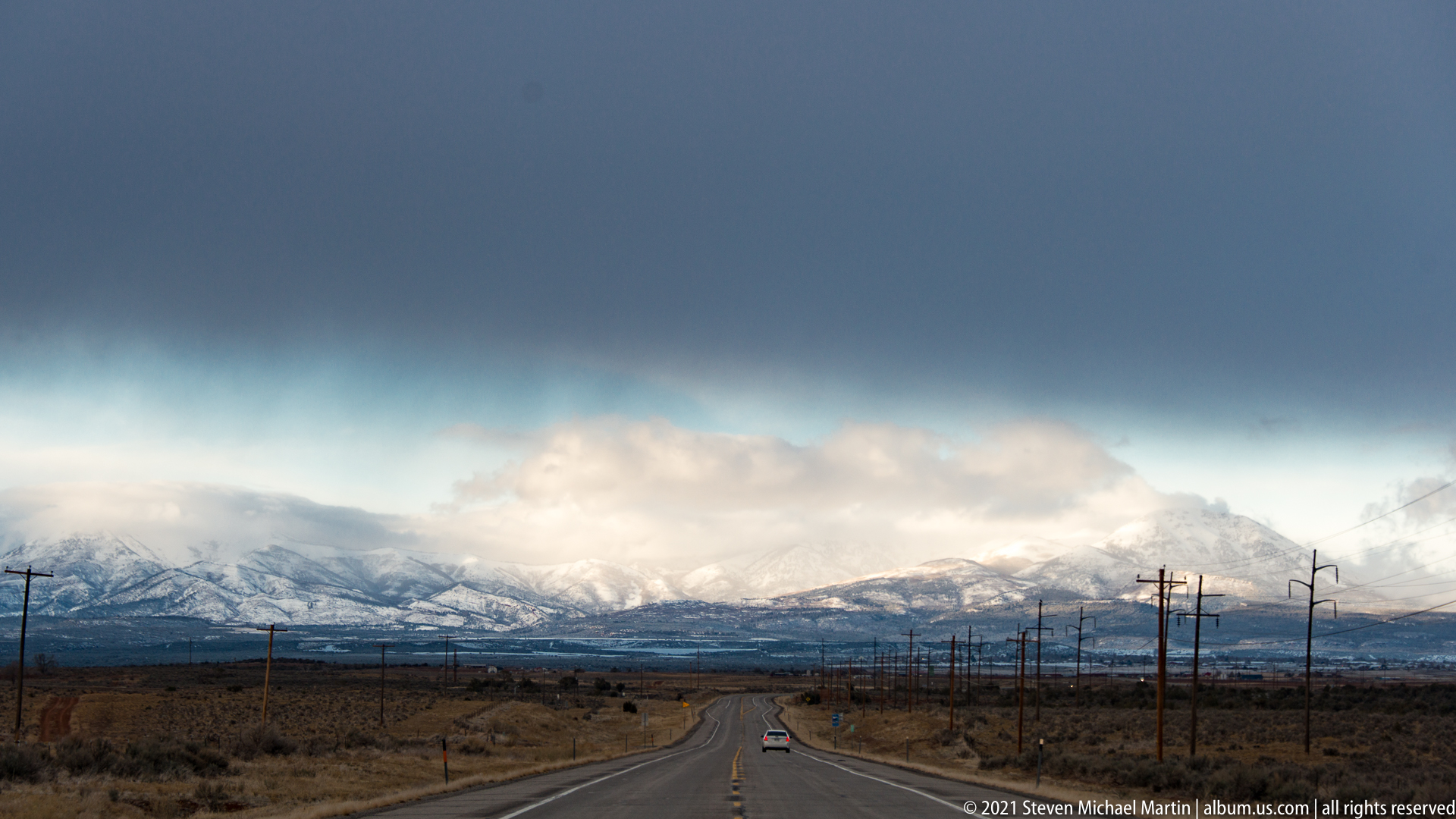
- Wide compositions convey scale of plateau landscapes
- Morning light produces softer tonal contrast
- Foreground rock elements help frame distant mesas
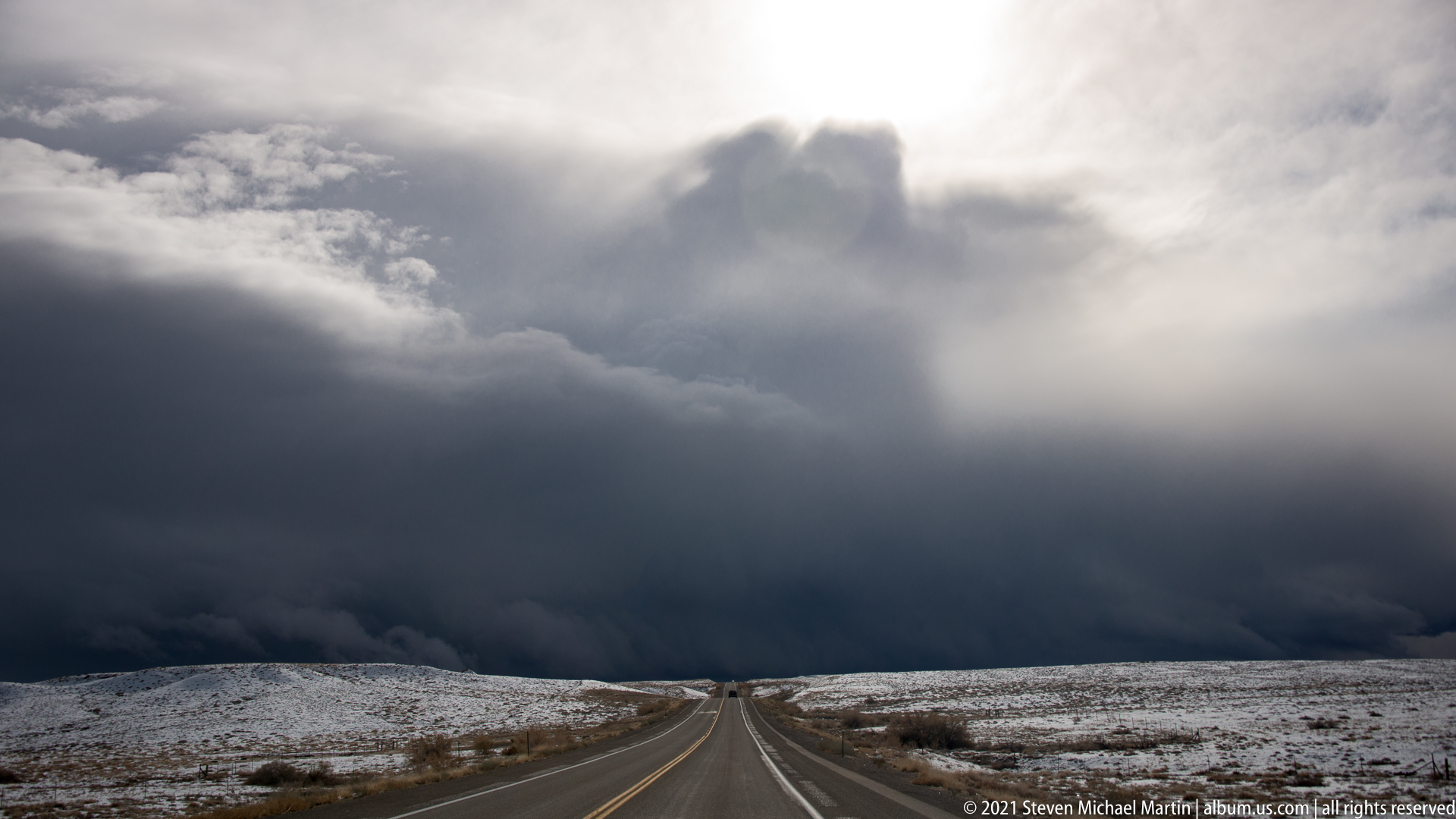
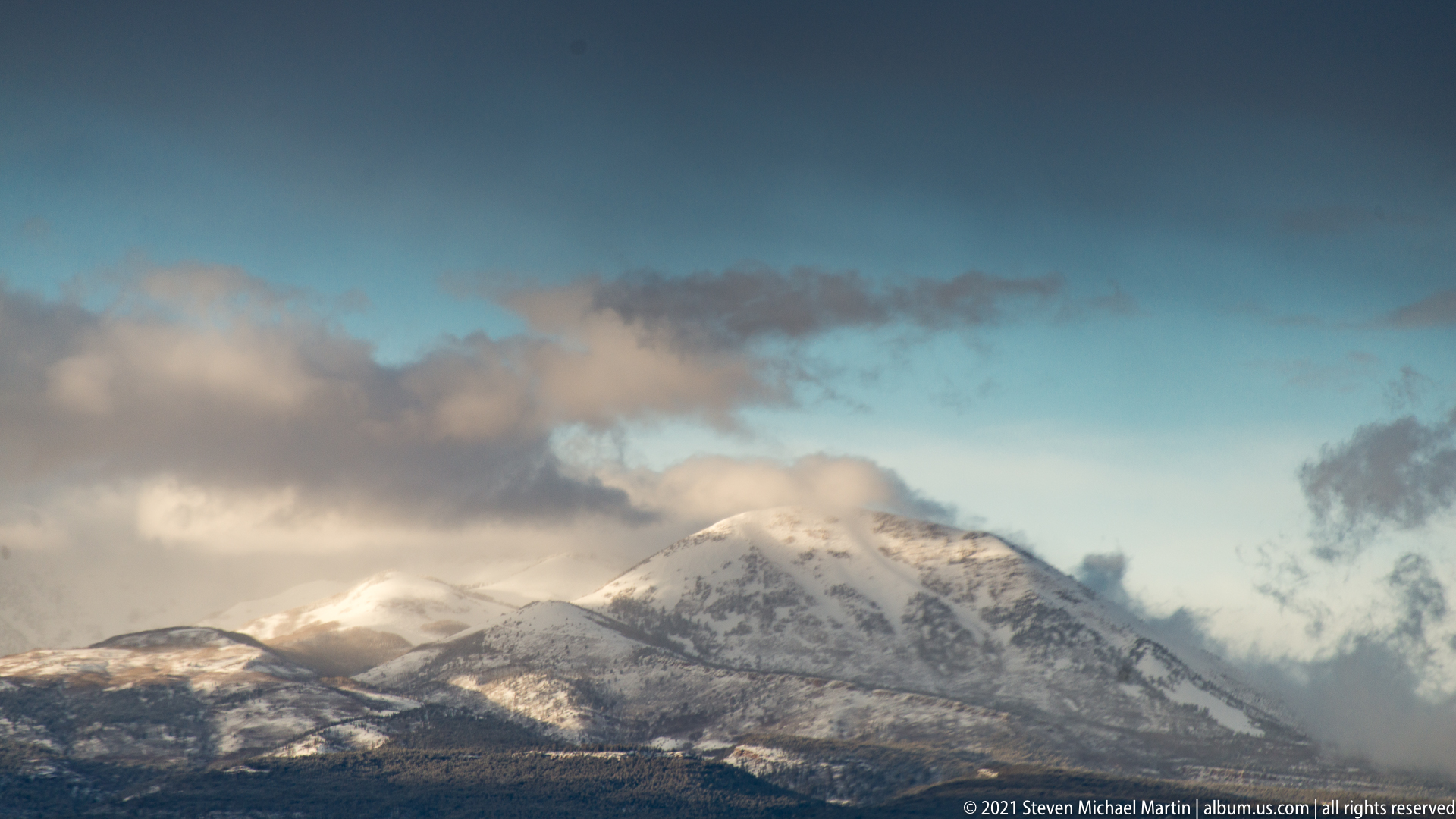
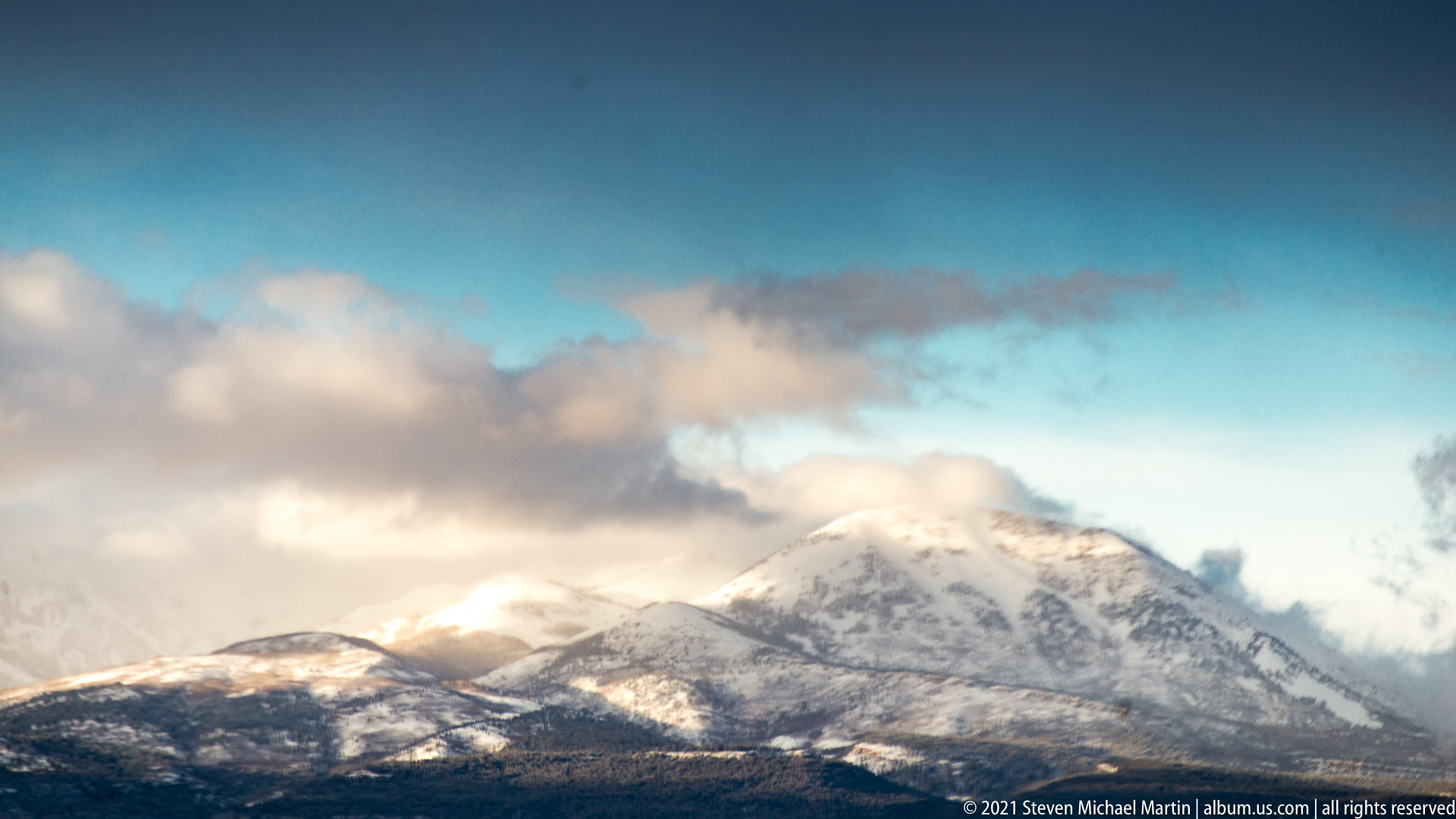
- Cloud shadows can add depth to desert terrain
- Look for simple compositions highlighting landforms