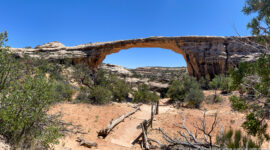
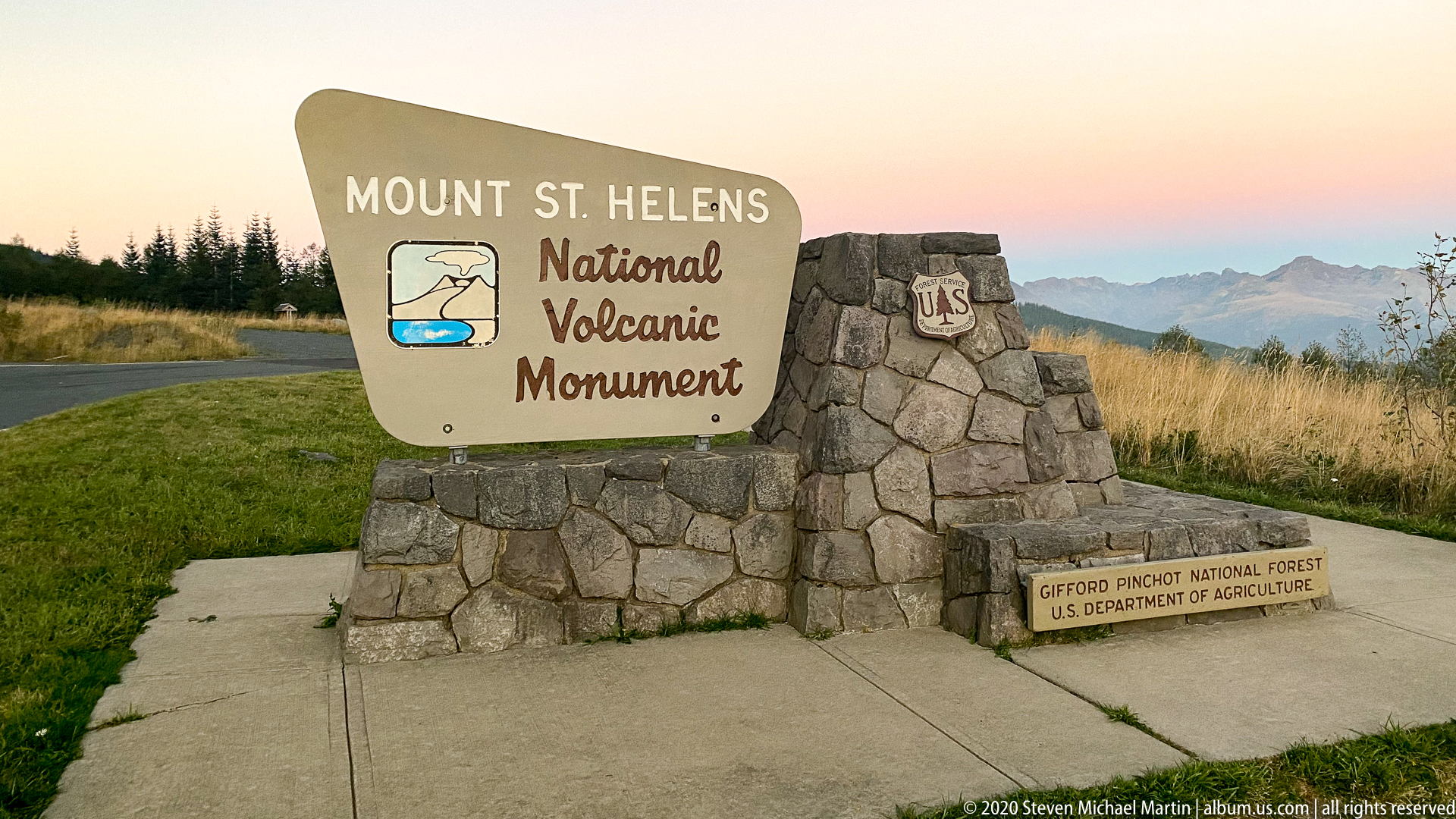
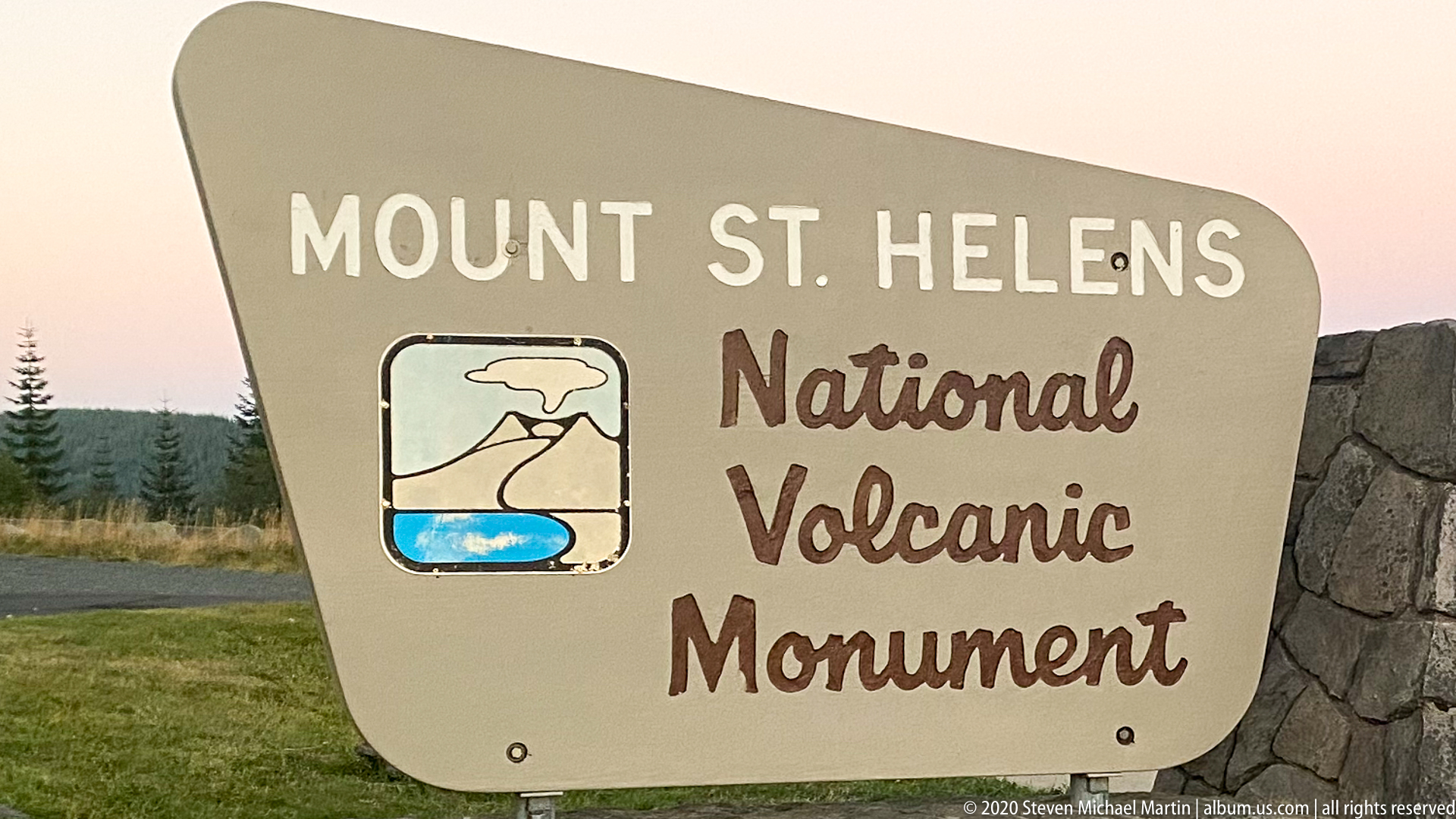
Mount St. Helens National Volcanic Monument
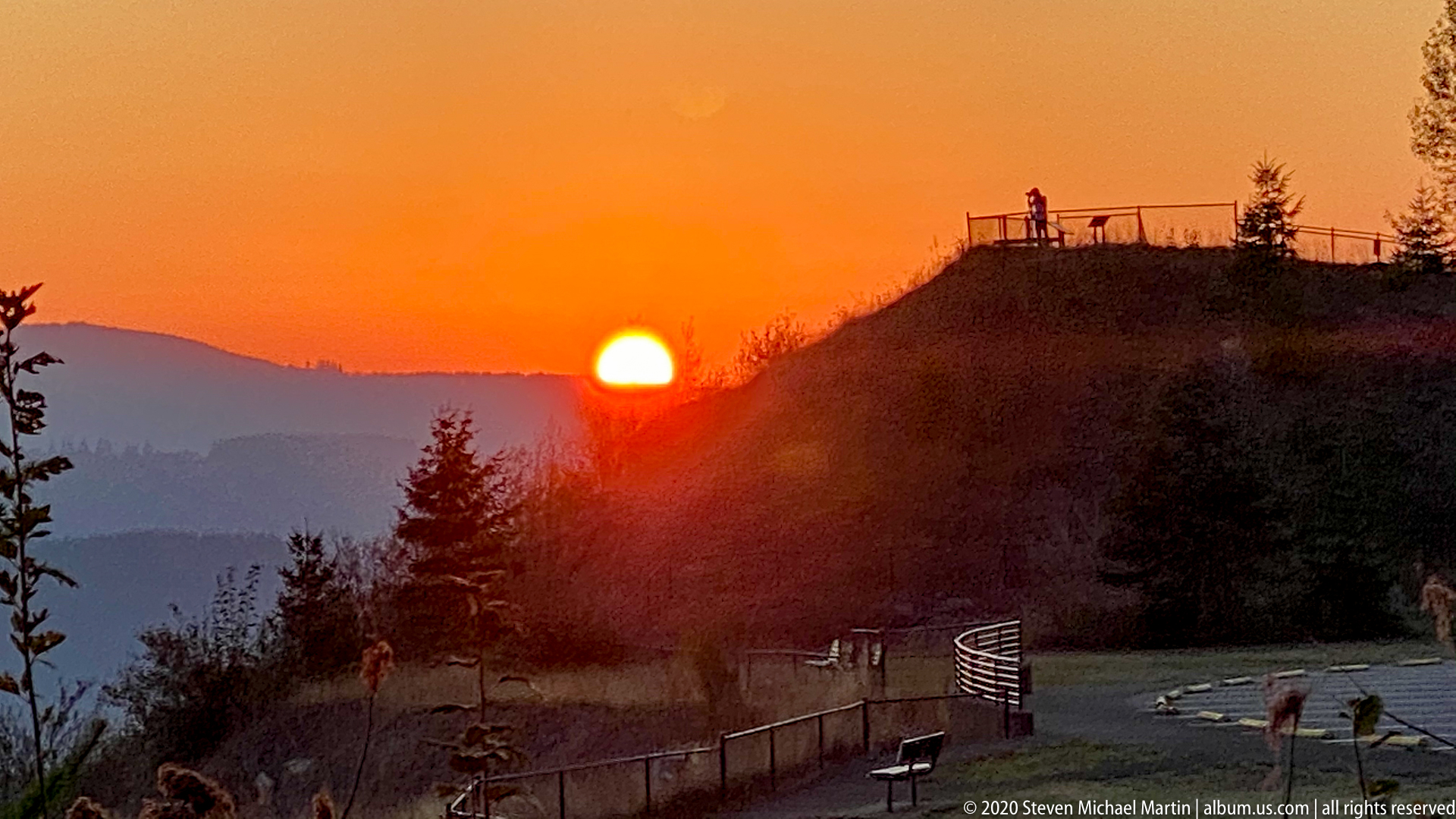
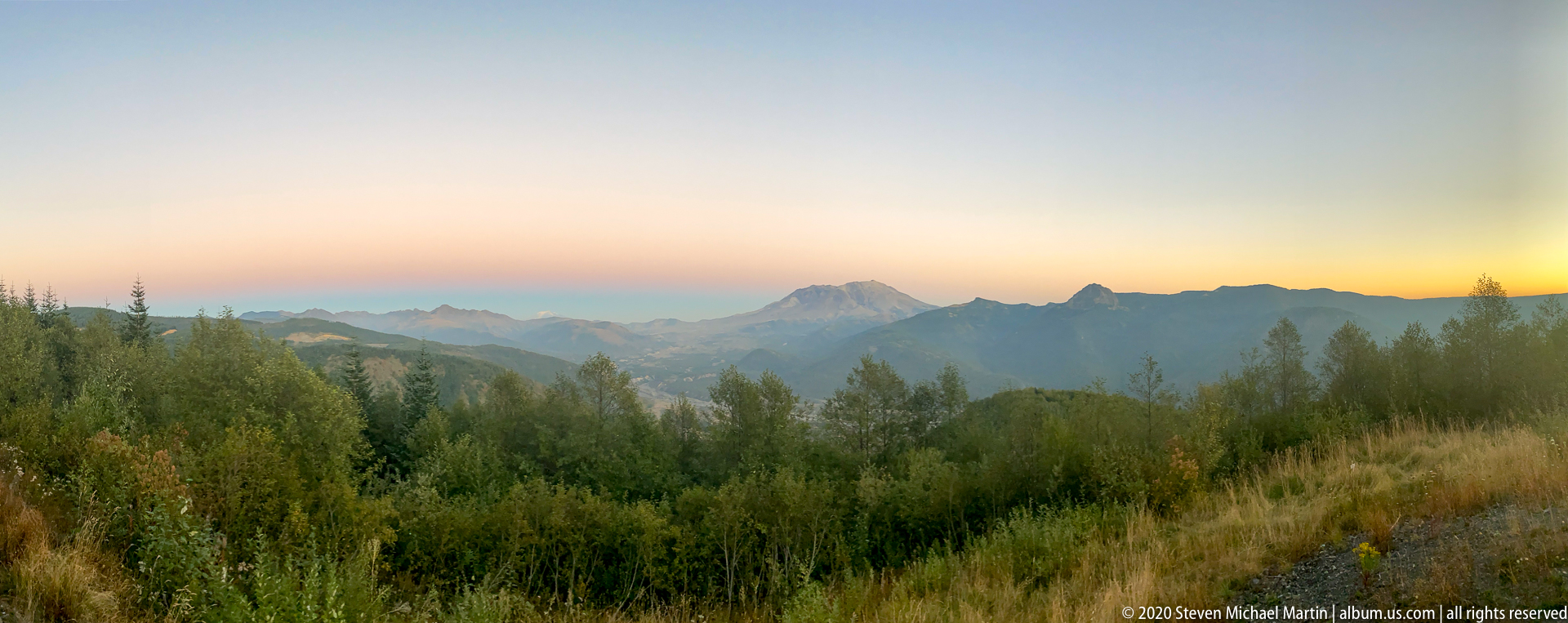
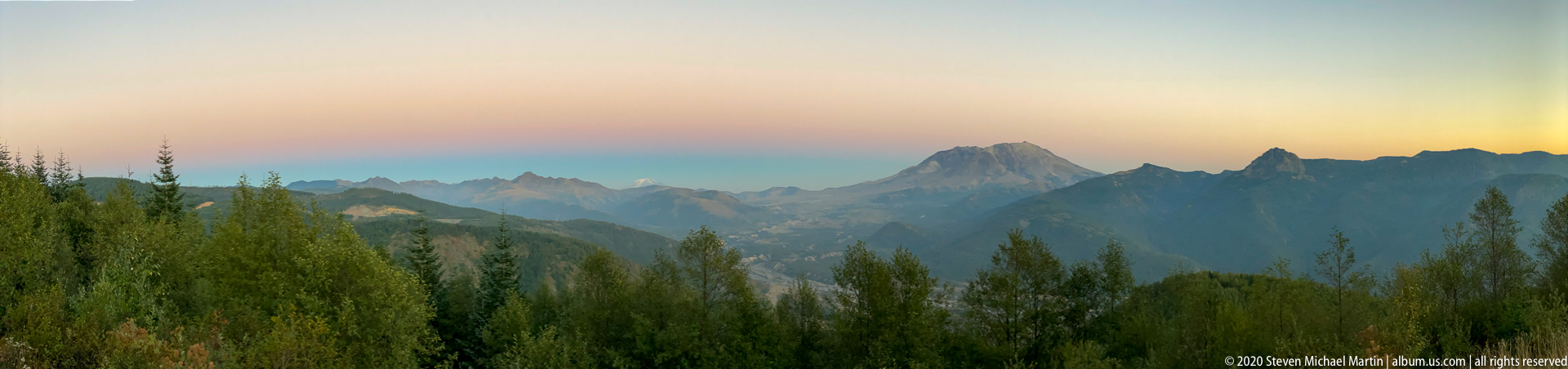
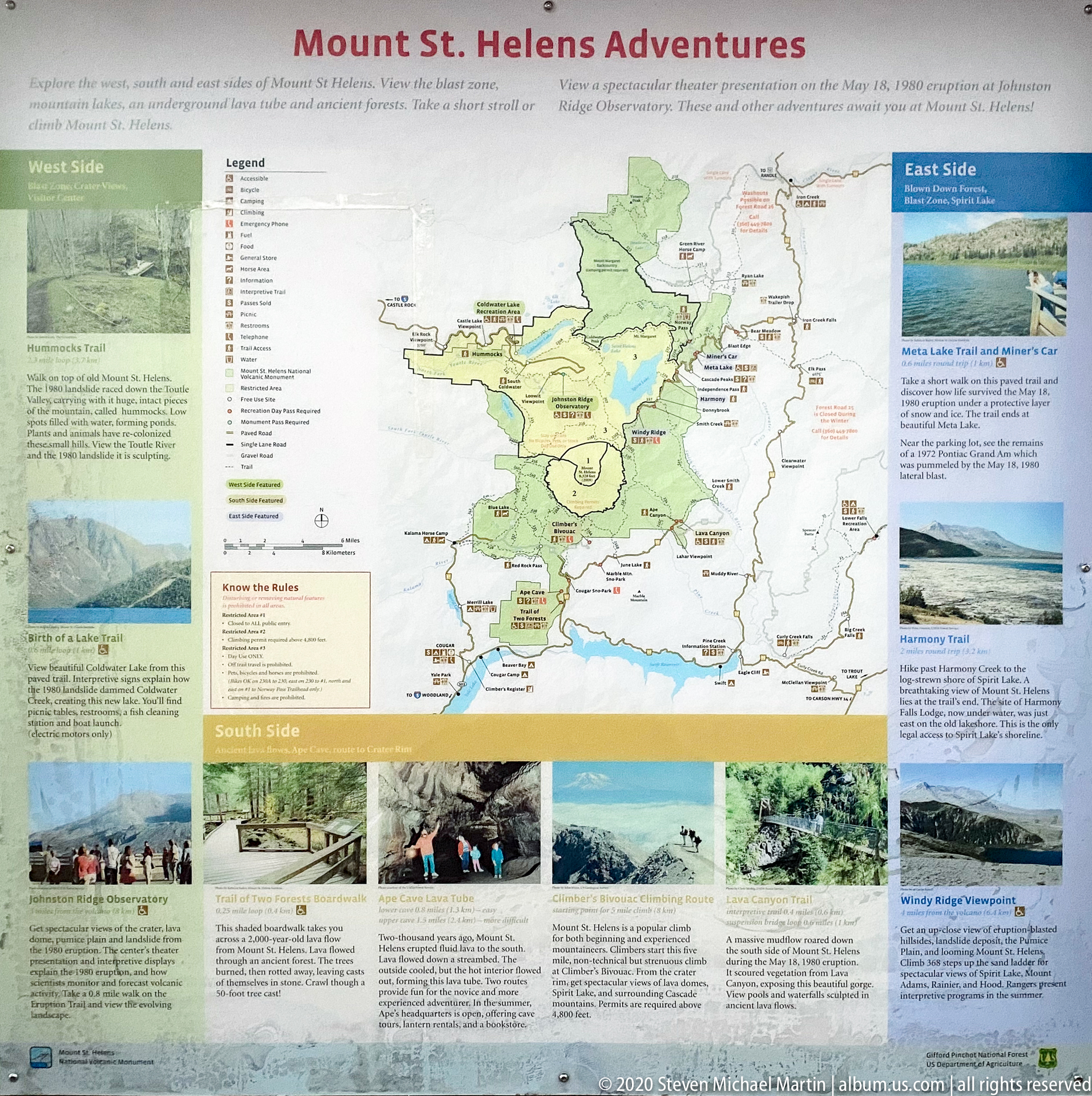
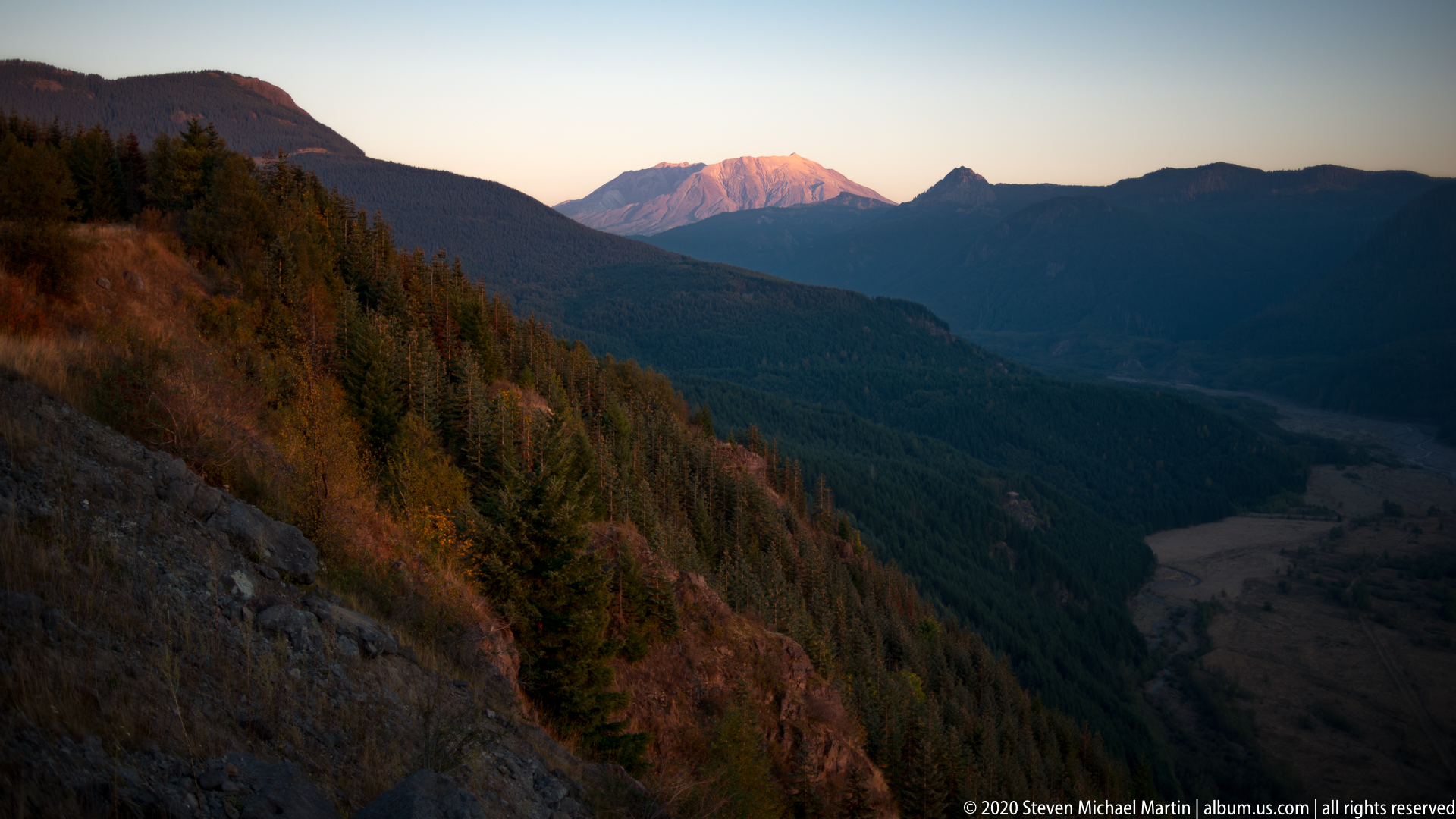
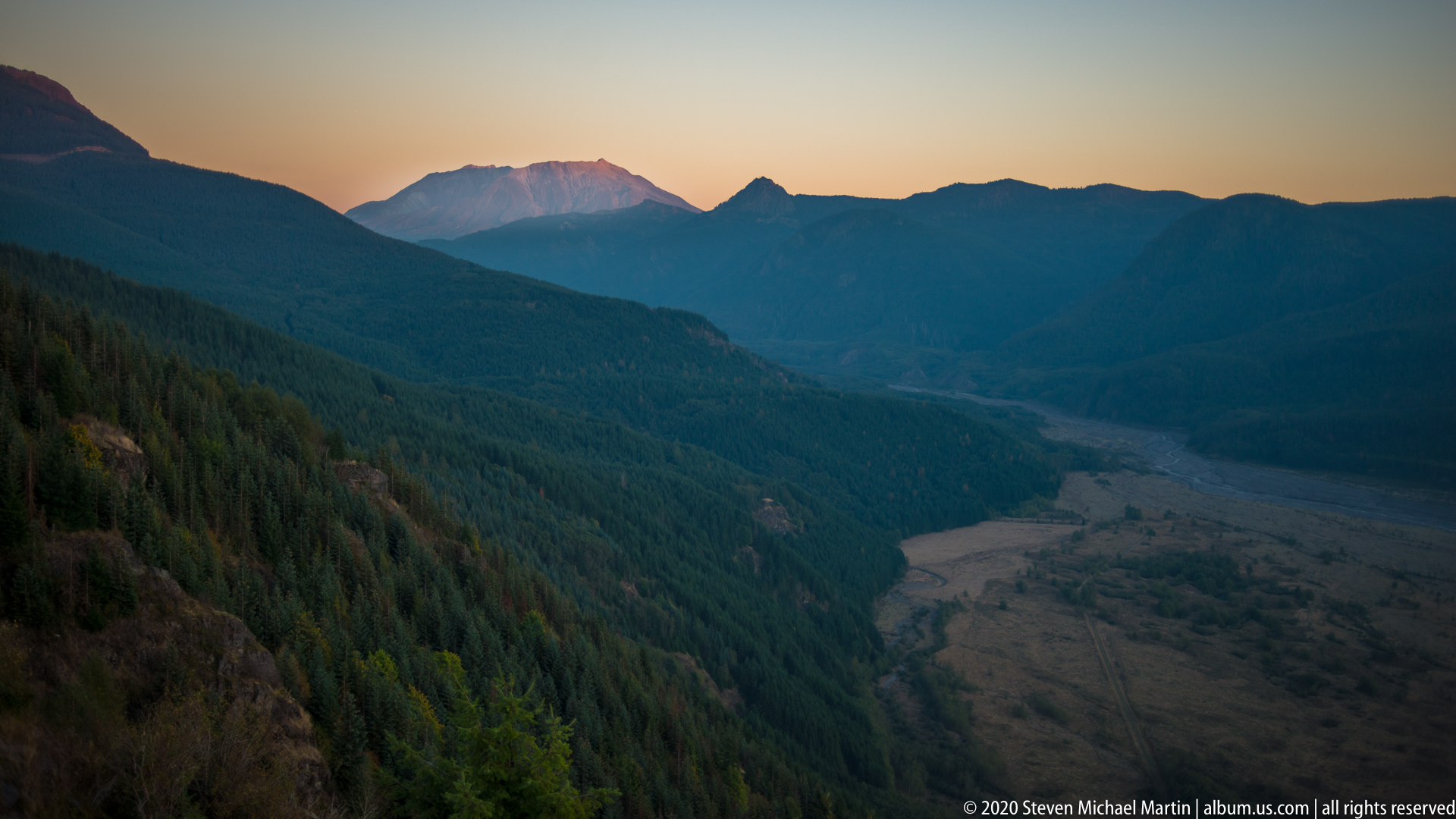
Mount St. Helens National Volcanic Monument presents a landscape dramatically shaped by volcanic forces, where exposed slopes, scattered tree remains, and open vistas illustrate the lasting impact of the 1980 eruption. The terrain conveys a sense of both destruction and renewal, with young vegetation gradually reestablishing itself across the altered environment.
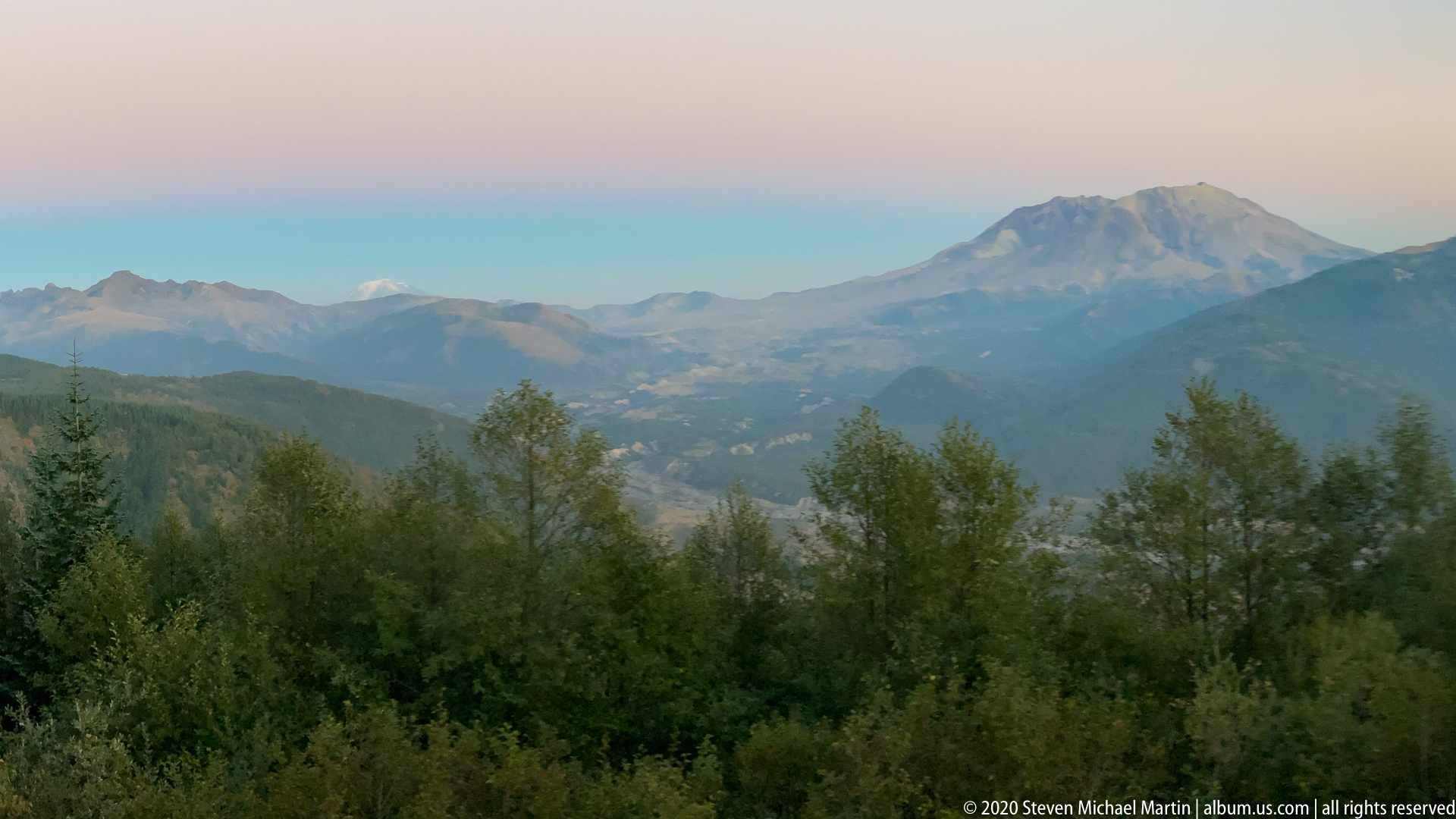
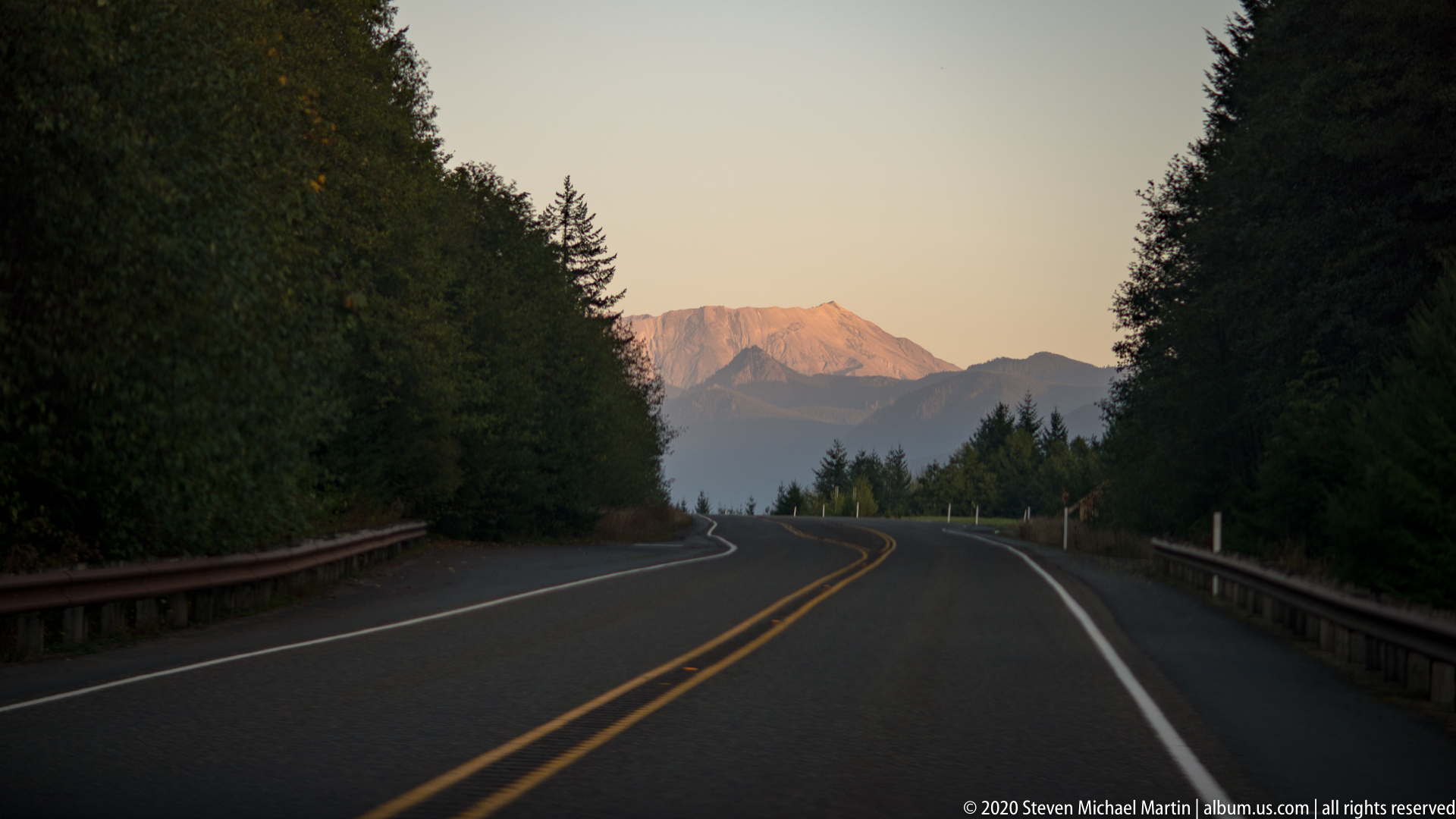
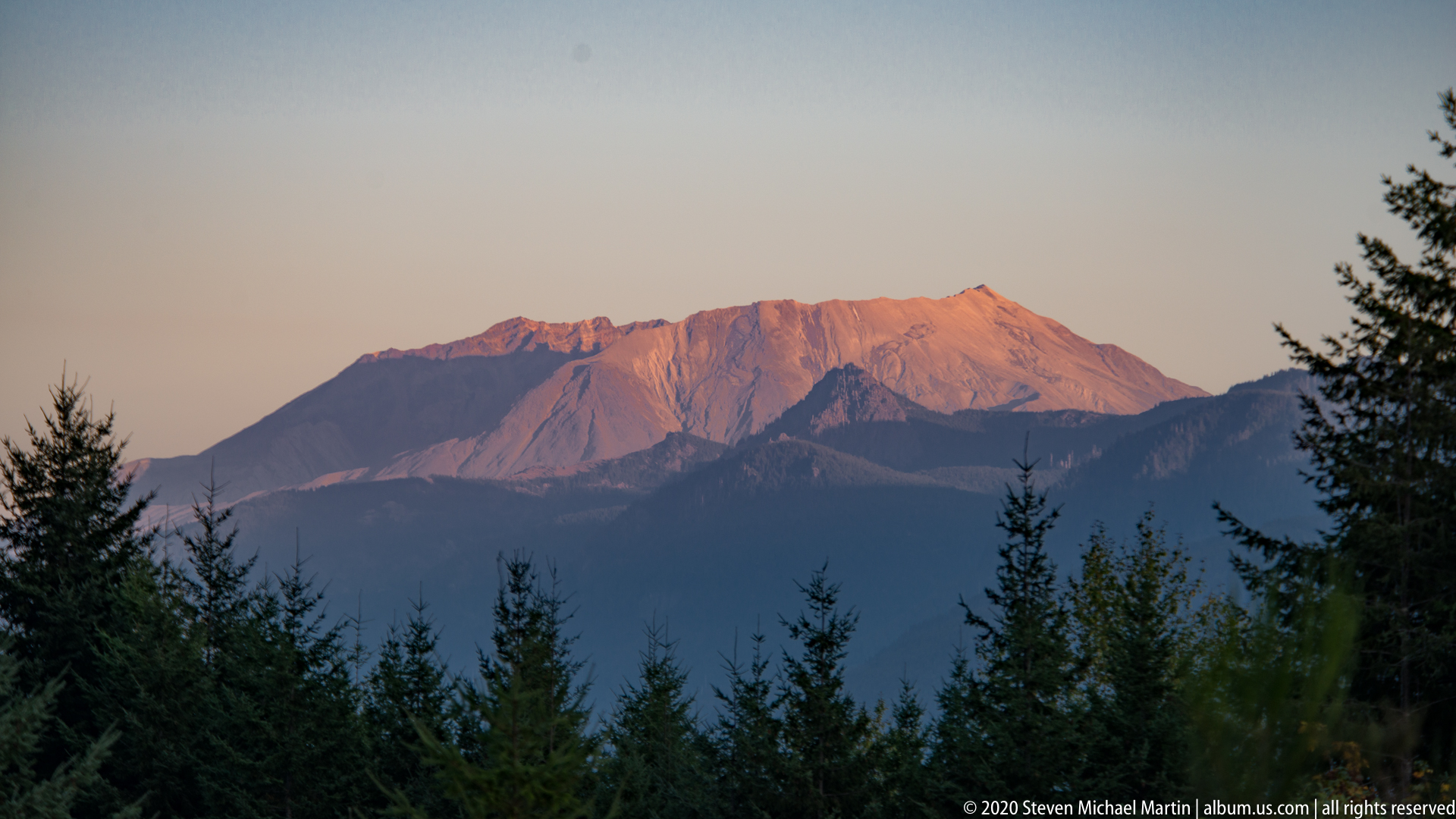
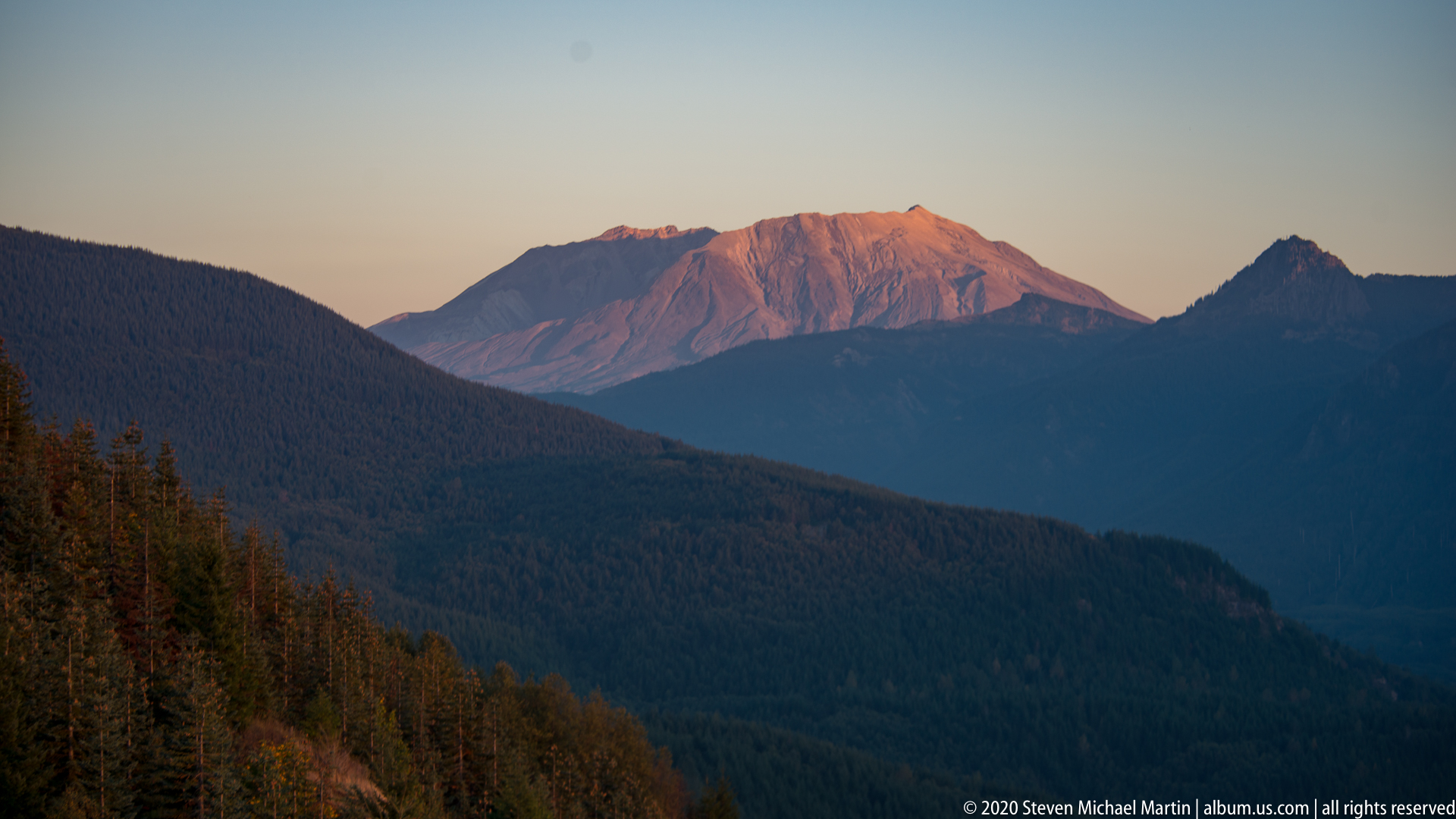
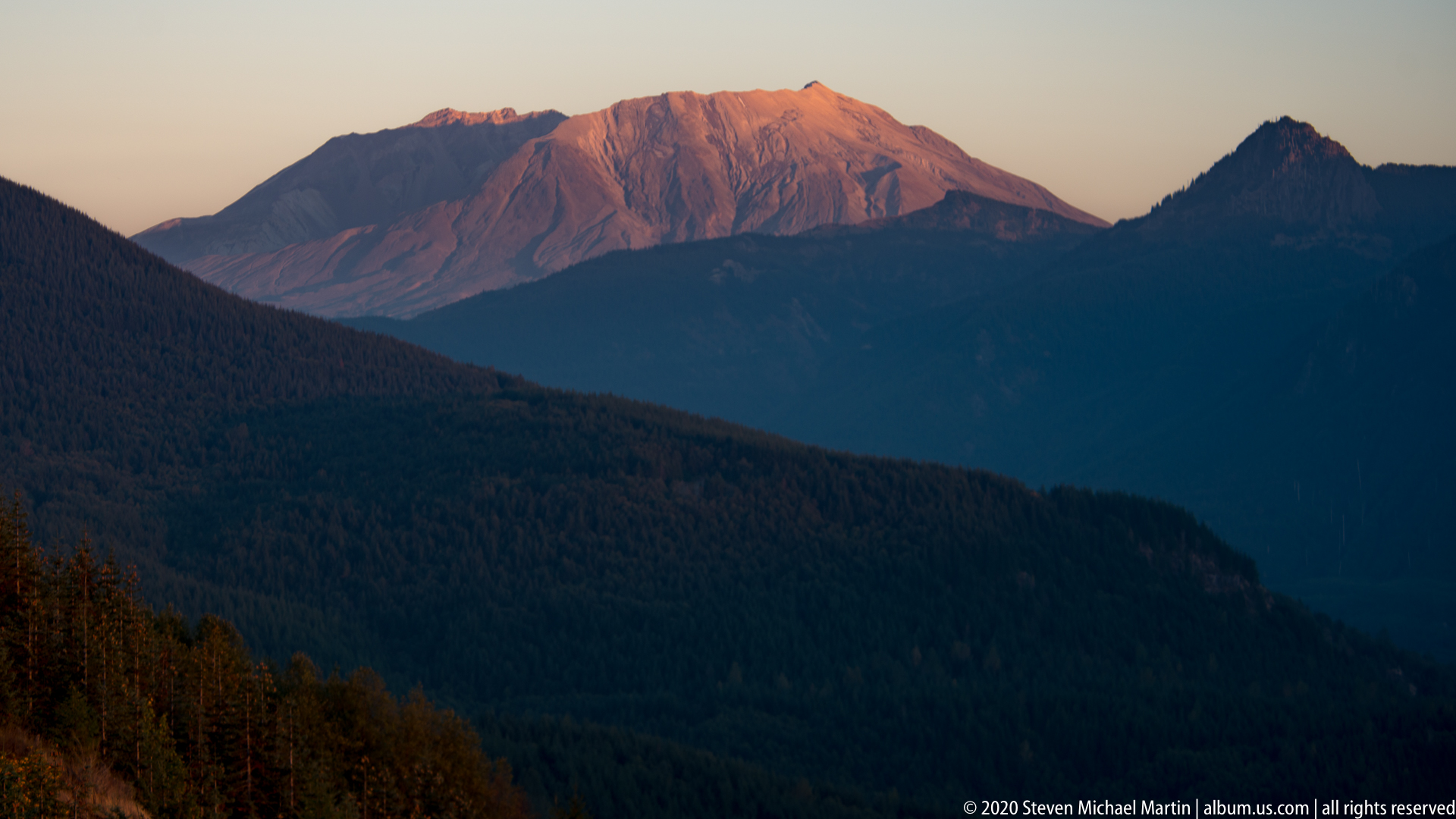
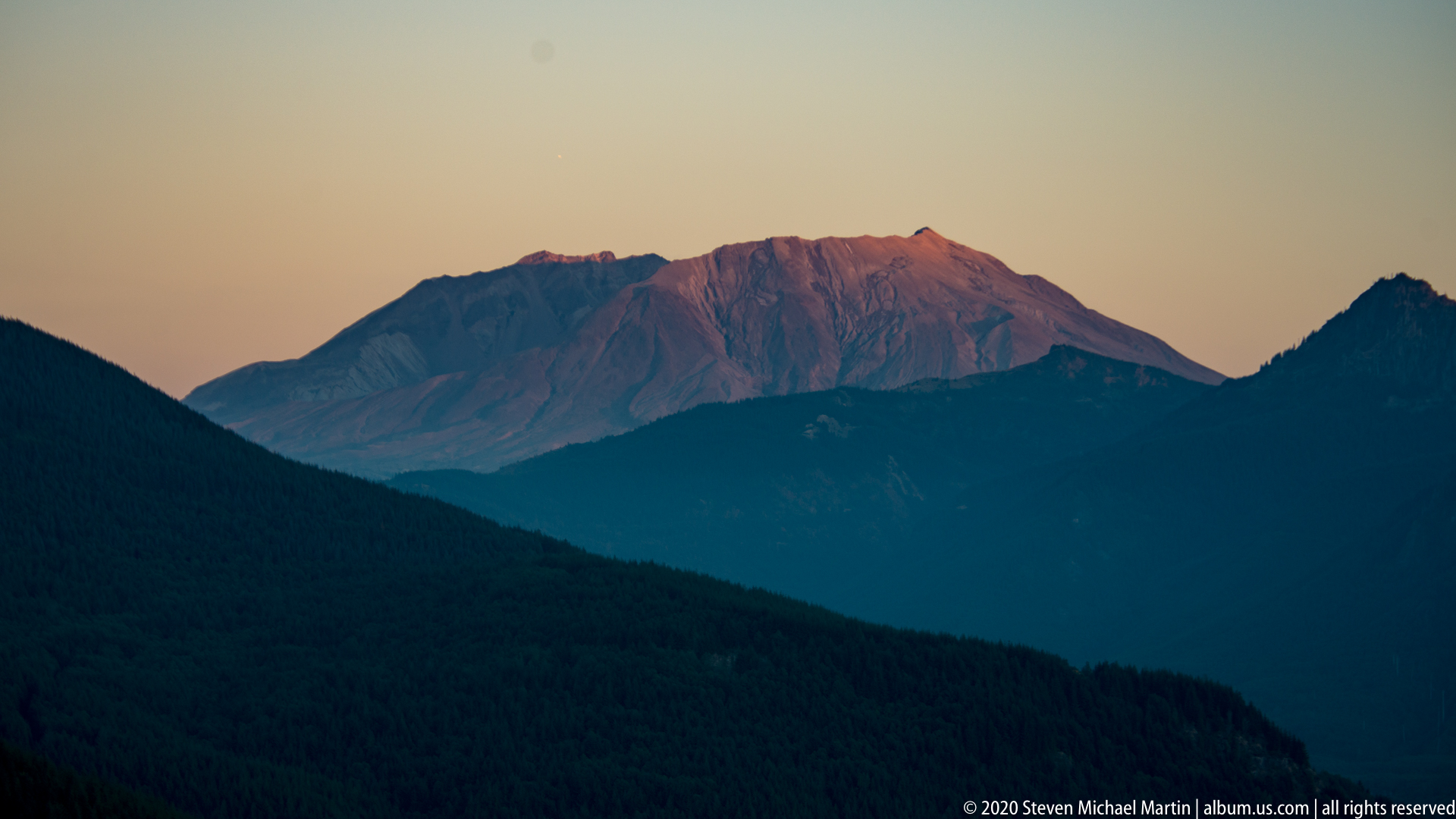
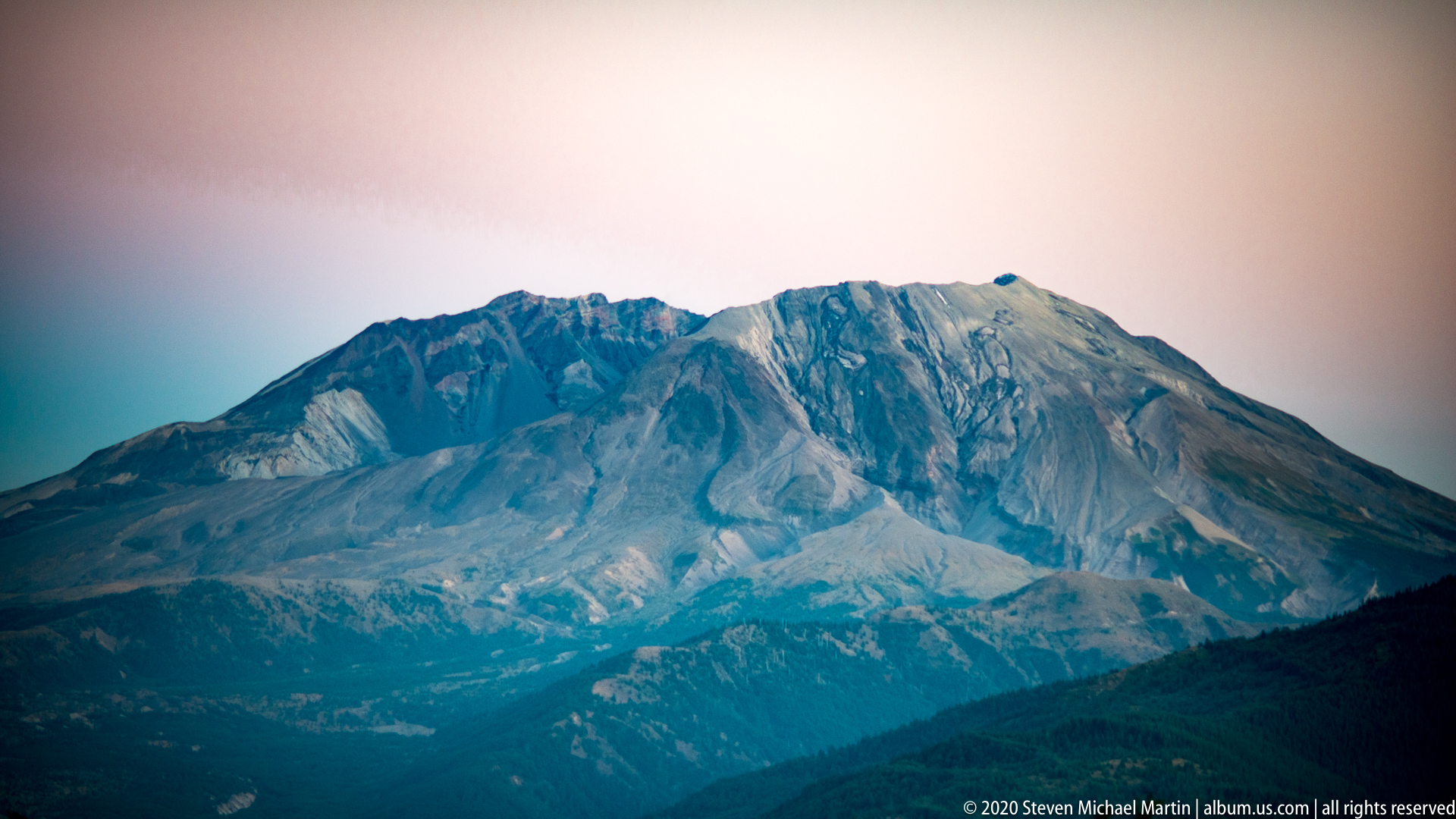
Views toward the mountain reveal the distinctive crater formed by the eruption, a reminder of the powerful geologic processes that continue to shape the Cascade Range. Interpretive viewpoints and trails allow visitors to observe the evolving landscape while gaining perspective on the scale of the volcanic event and its lasting environmental effects.
The combination of stark terrain, distant mountain views, and emerging plant life creates a landscape that feels both raw and reflective. Mount St. Helens stands as a compelling example of natural transformation, where geologic change is visible in forms rarely observed so clearly elsewhere.


🧭 Field Guide
Landscape Type: Volcanic terrain
Primary Features: Crater, lava flows, recovering forest
Best Time to Visit: Late spring through fall for clearer mountain views
Conditions: Open terrain with limited tree cover and expansive viewpoints
✨ Highlights
- Volcanic Crater Views – Distinctive mountain profile shaped by the 1980 eruption.
- Blast Zone Landscape – Visible evidence of geologic change including fallen trees and exposed slopes.
- Ecological Recovery – Gradual return of vegetation illustrating natural resilience.
- Expansive Viewpoints – Broad perspectives across valleys affected by volcanic activity.
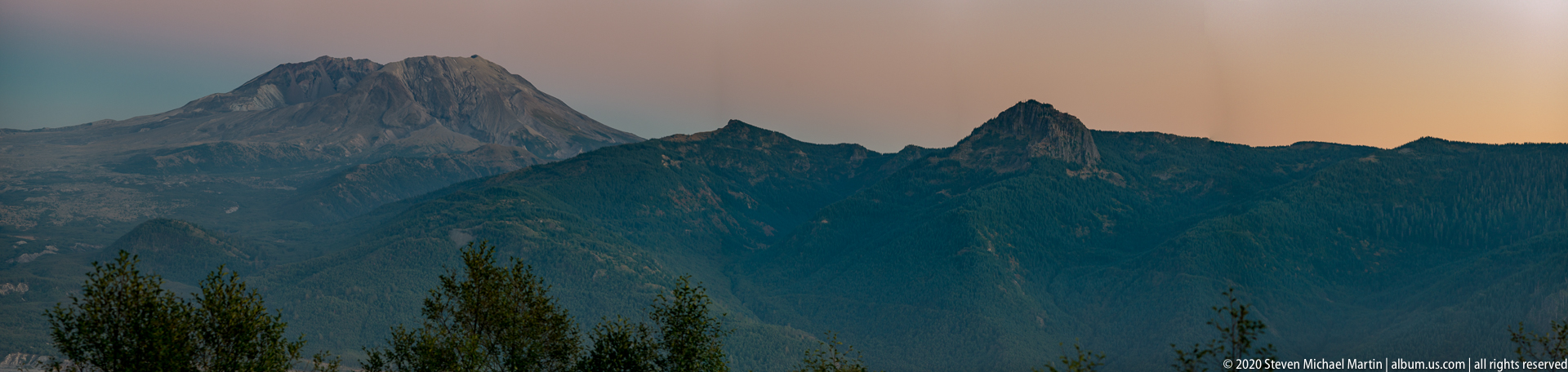
- Cascade Range Setting – Surrounding peaks provide geographic context for the volcanic system.
🔎 Notable Encounters
- Volcanic Terrain Textures – Ash, rock, and regrowth patterns create visually distinctive ground surfaces.
- Standing Dead Trees – Remnants of forest impacted by the eruption remain visible in some areas.
- Wildflower Regrowth – Seasonal plant life demonstrates the gradual return of ecological diversity.
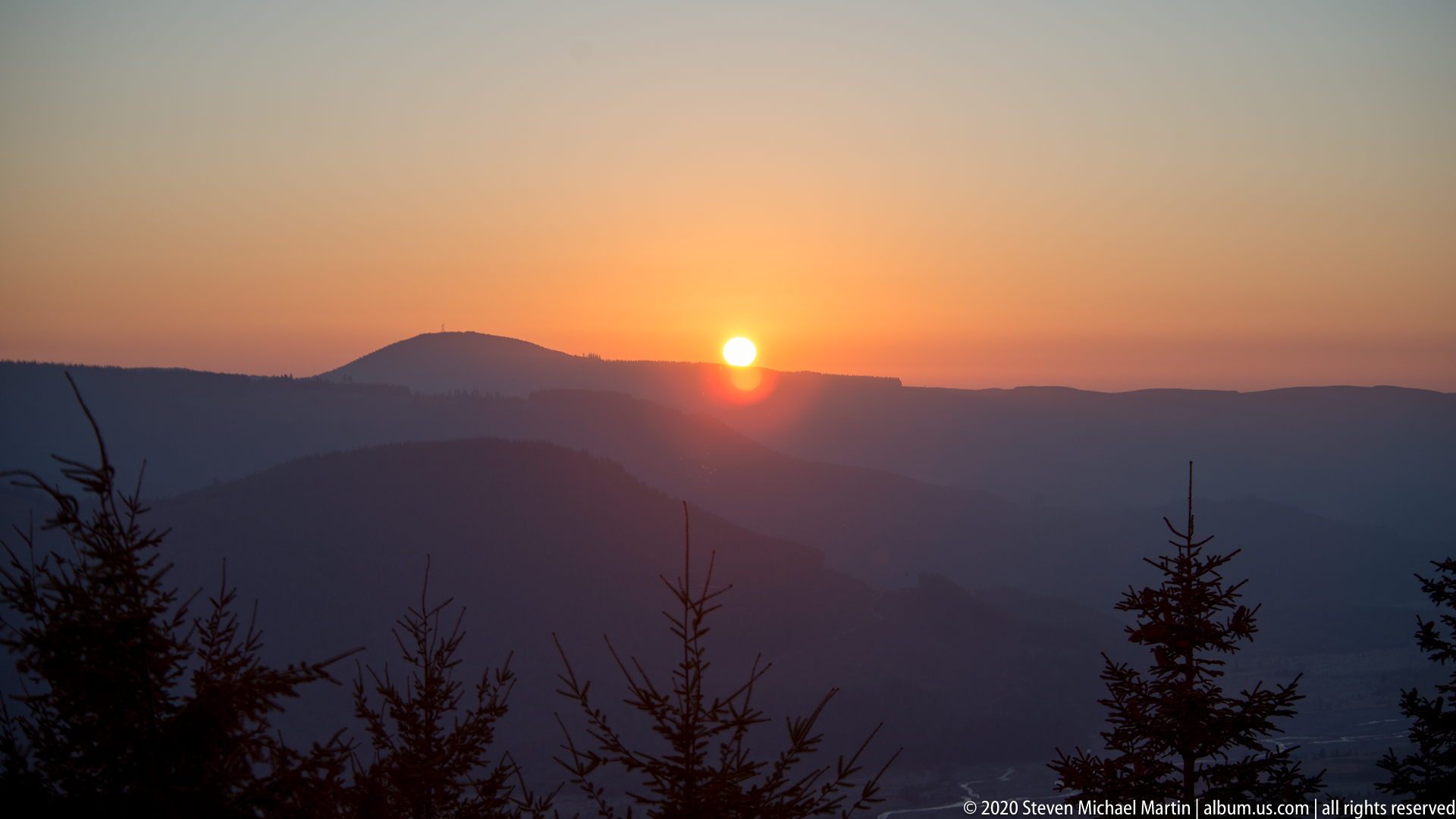
- Layered Mountain Atmosphere – Changing visibility and light alter the perception of scale.
📷 Photography Notes
- Cloud cover can partially obscure the crater; patience often improves visibility.
- Wide-angle compositions help convey the scale of the blast zone.
- Foreground textures add depth to distant mountain views.
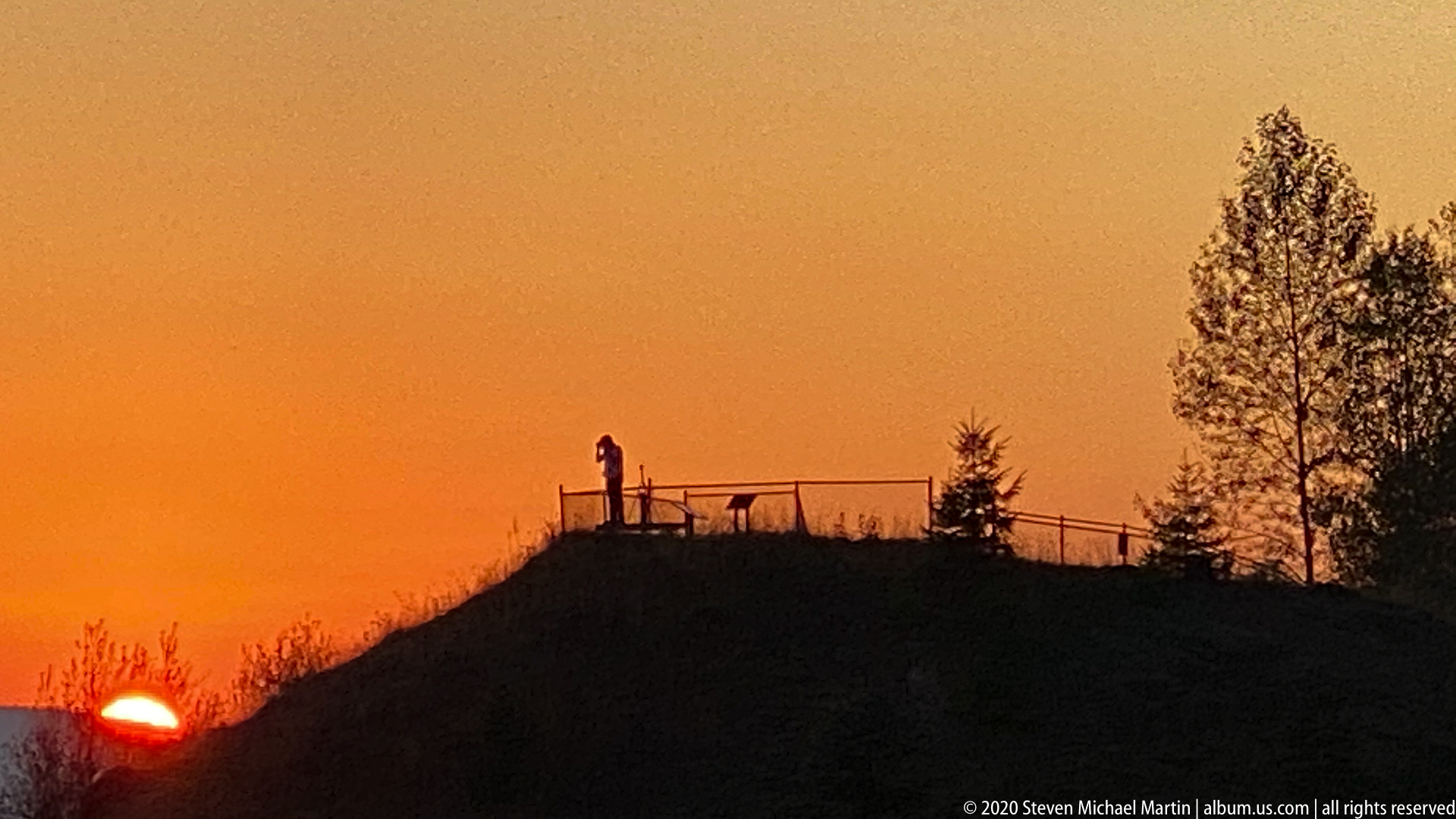
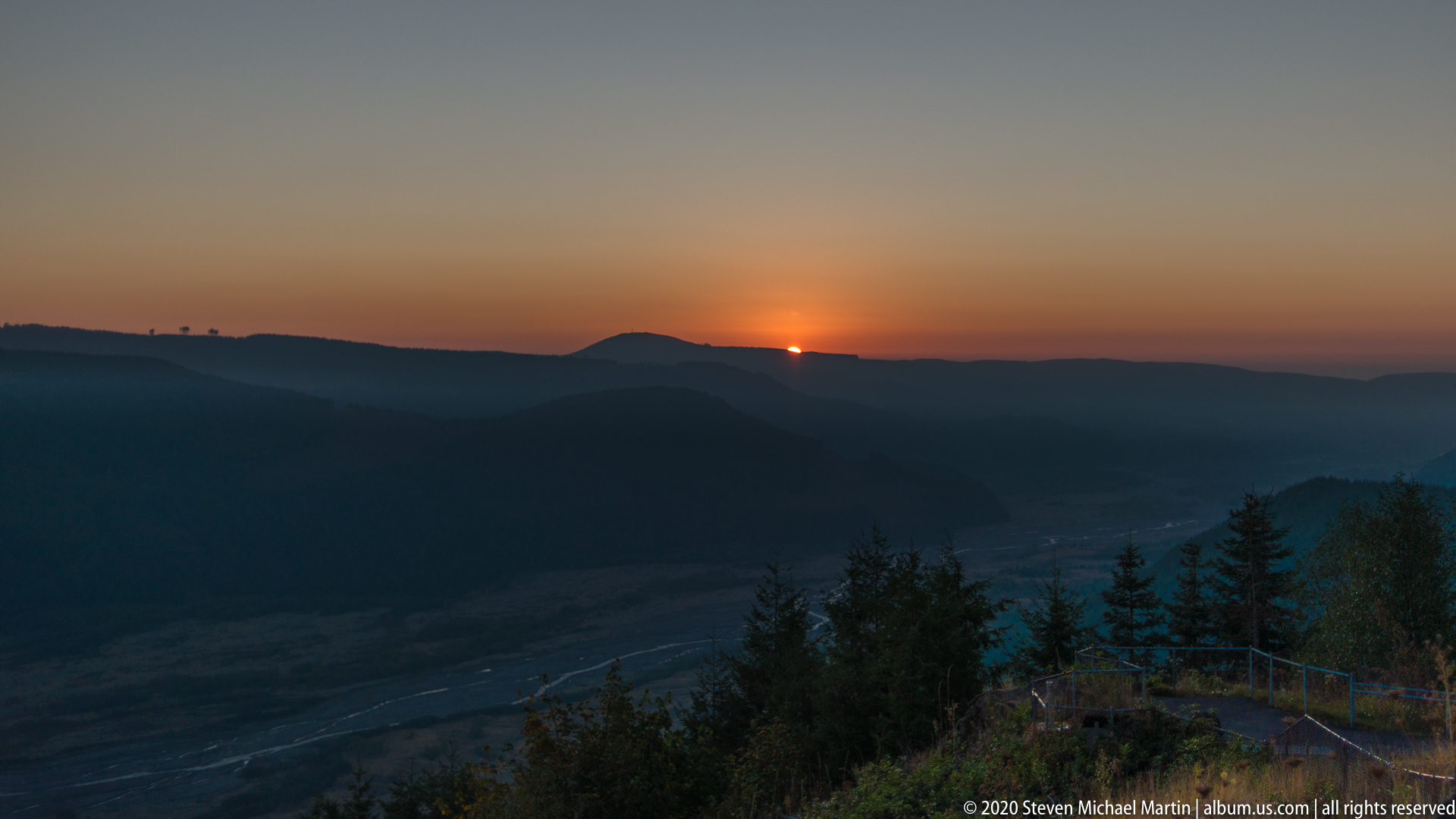
- Changing weather conditions can create dramatic lighting contrasts.
- Morning or late afternoon light often provides more dimensional shadows.
- Even partially obscured views can emphasize the atmospheric character of the landscape.