
Fort Monroe National Monument
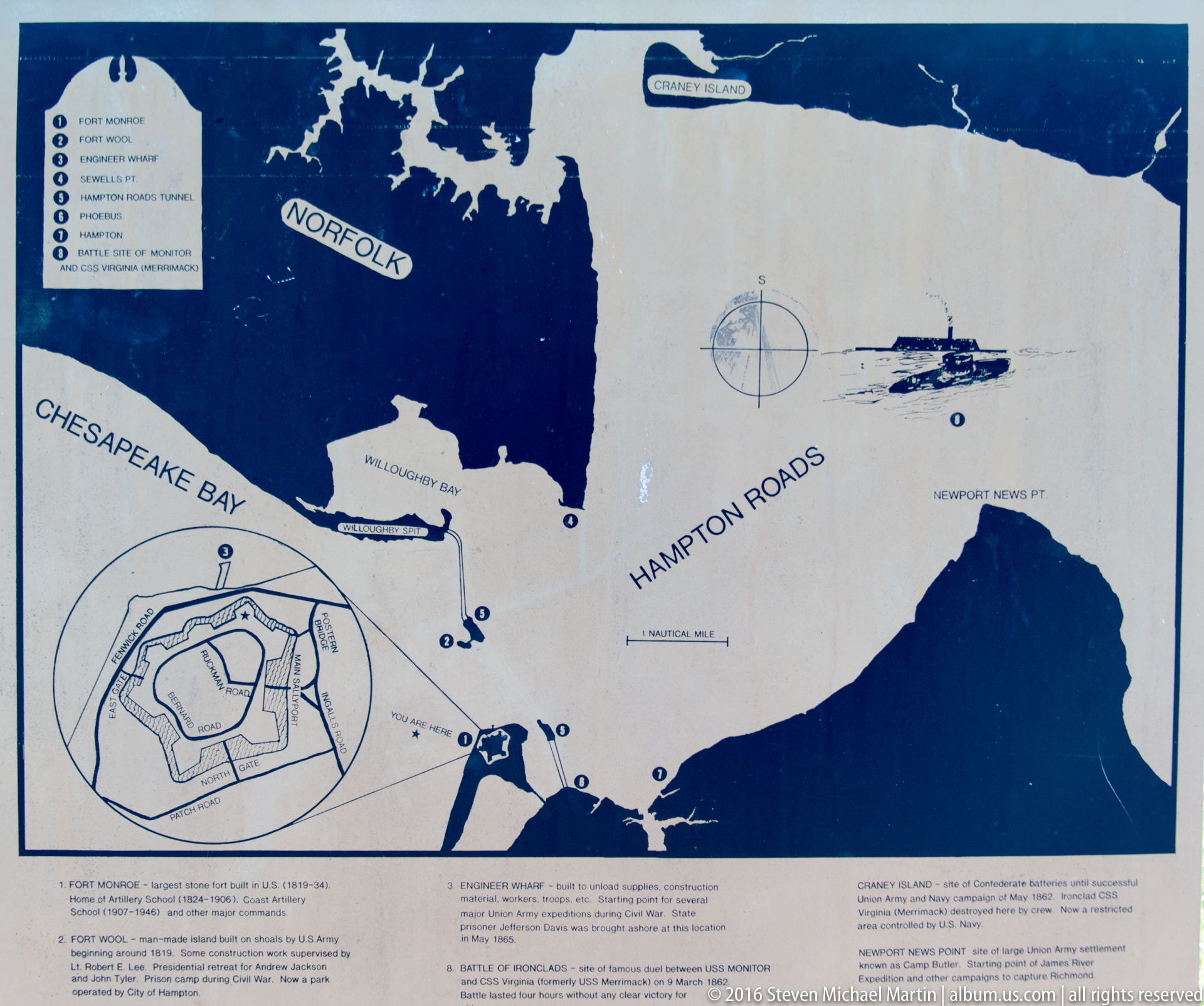
Fort Monroe occupies a strategic position at Old Point Comfort where the Chesapeake Bay meets the James River, a location recognized for its defensive importance since the earliest years of English colonization in Virginia. Successive fortifications were constructed on this site beginning in the early seventeenth century to protect maritime access to the interior of the colony. The present stone fort, completed in the nineteenth century, reflects coastal defense strategies designed to control access to major waterways and protect naval approaches. :
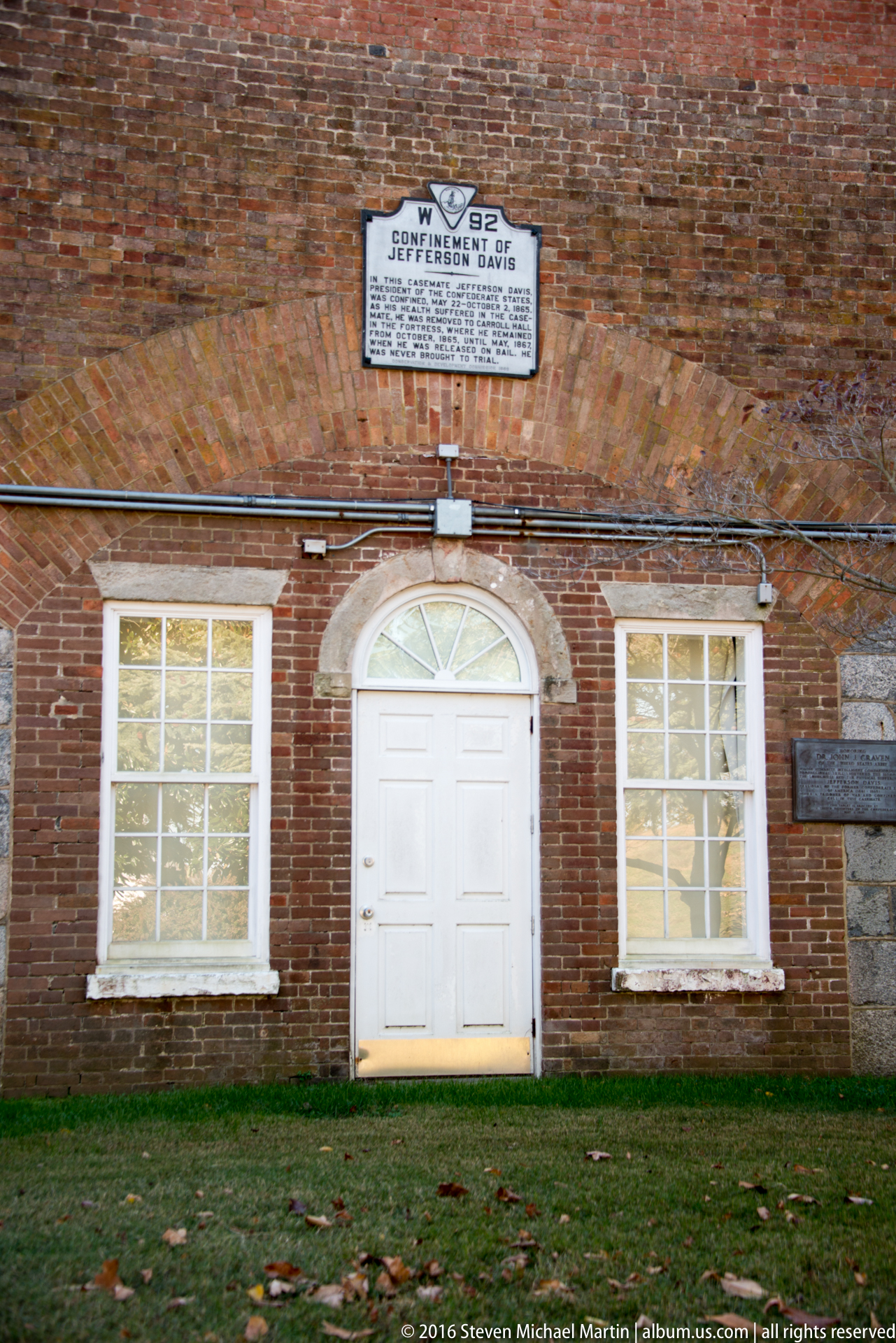
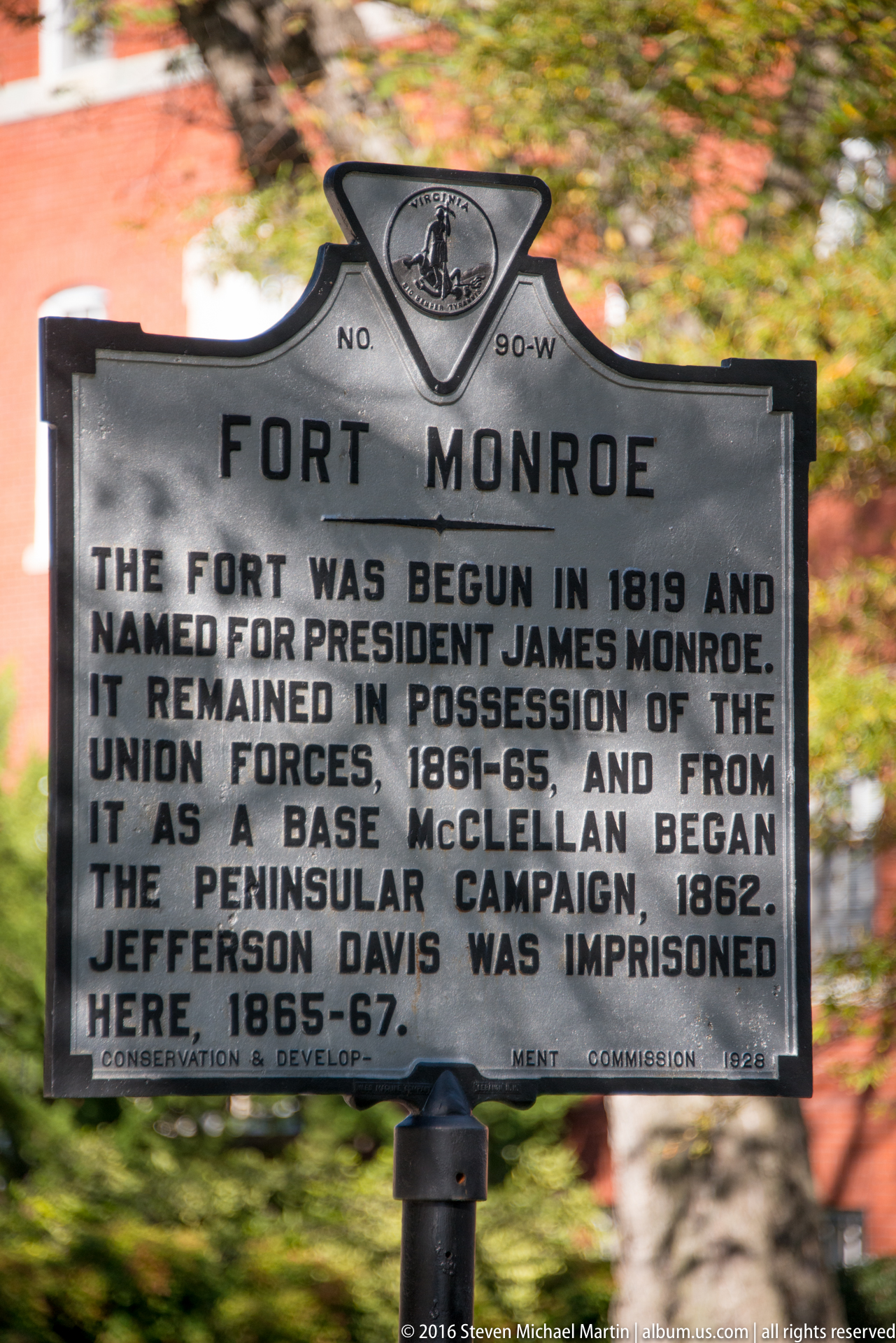
During the Civil War, Fort Monroe became known as “Freedom’s Fortress” when enslaved individuals who reached Union lines were declared contraband of war and not returned to Confederate control. This policy contributed to the erosion of slavery in Confederate territories and connected the site to broader developments in emancipation policy. The fort continued to serve military purposes into the twentieth century, illustrating the continuity of coastal defense infrastructure across multiple historical periods.
Fort Monroe contributes to understanding the relationship between geography, military strategy, and the transition from colonial fortifications to modern national defense systems. The site illustrates how control of waterways influenced both settlement and conflict throughout American history. Its preserved architecture and landscape demonstrate the evolving role of military installations within the development of the United States.













Fort Monroe National Monument
📍 Overview
Fort Monroe preserves a large coastal fortress built to defend the entrance to the Chesapeake Bay and protect access to the interior waterways of Virginia.
🧭 Quick Facts
- Location: Hampton, Virginia
- Designation: National Monument
- Original fortifications: early 1600s
- Major construction: 19th century
🏛️ Historical Features
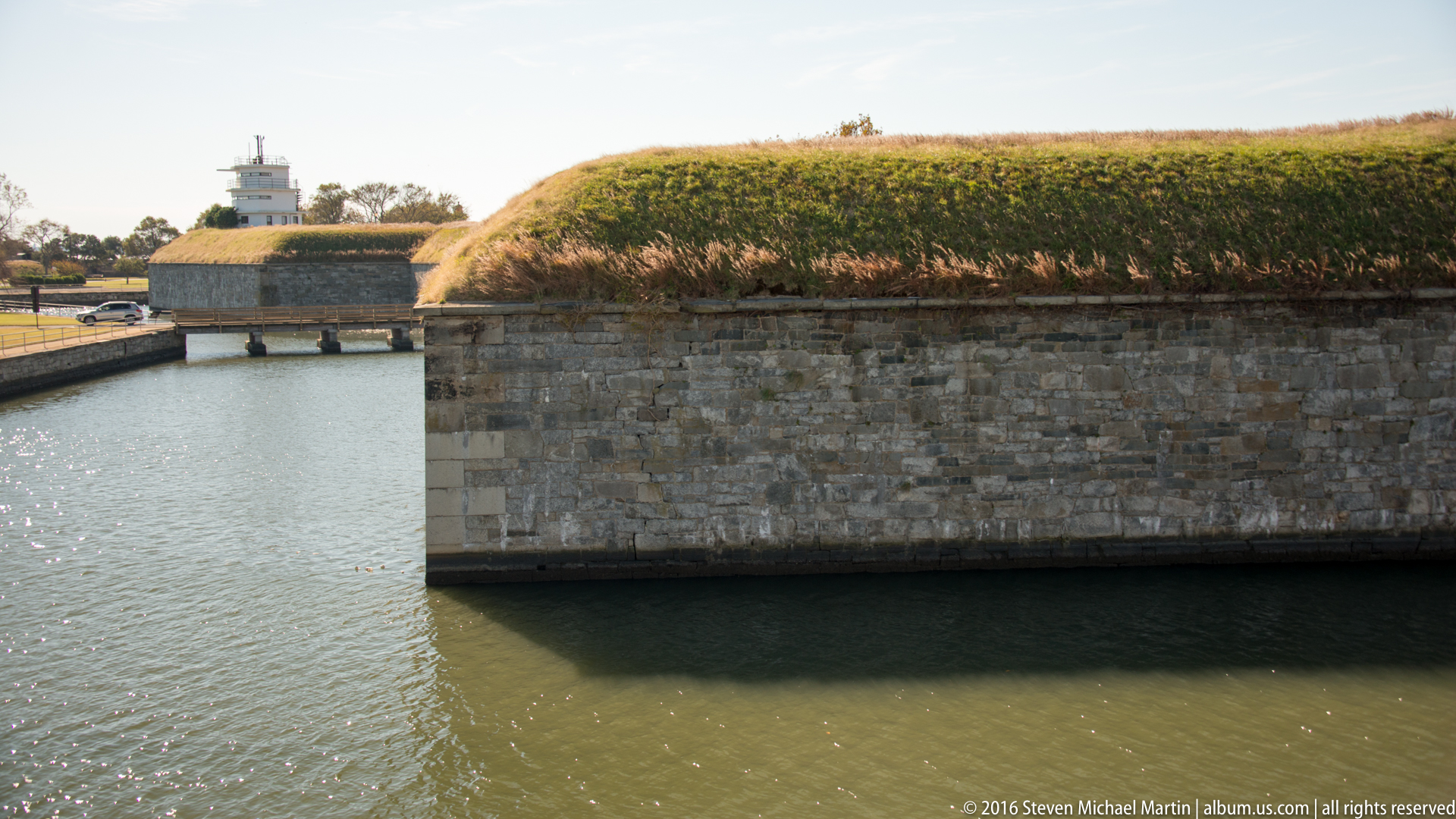
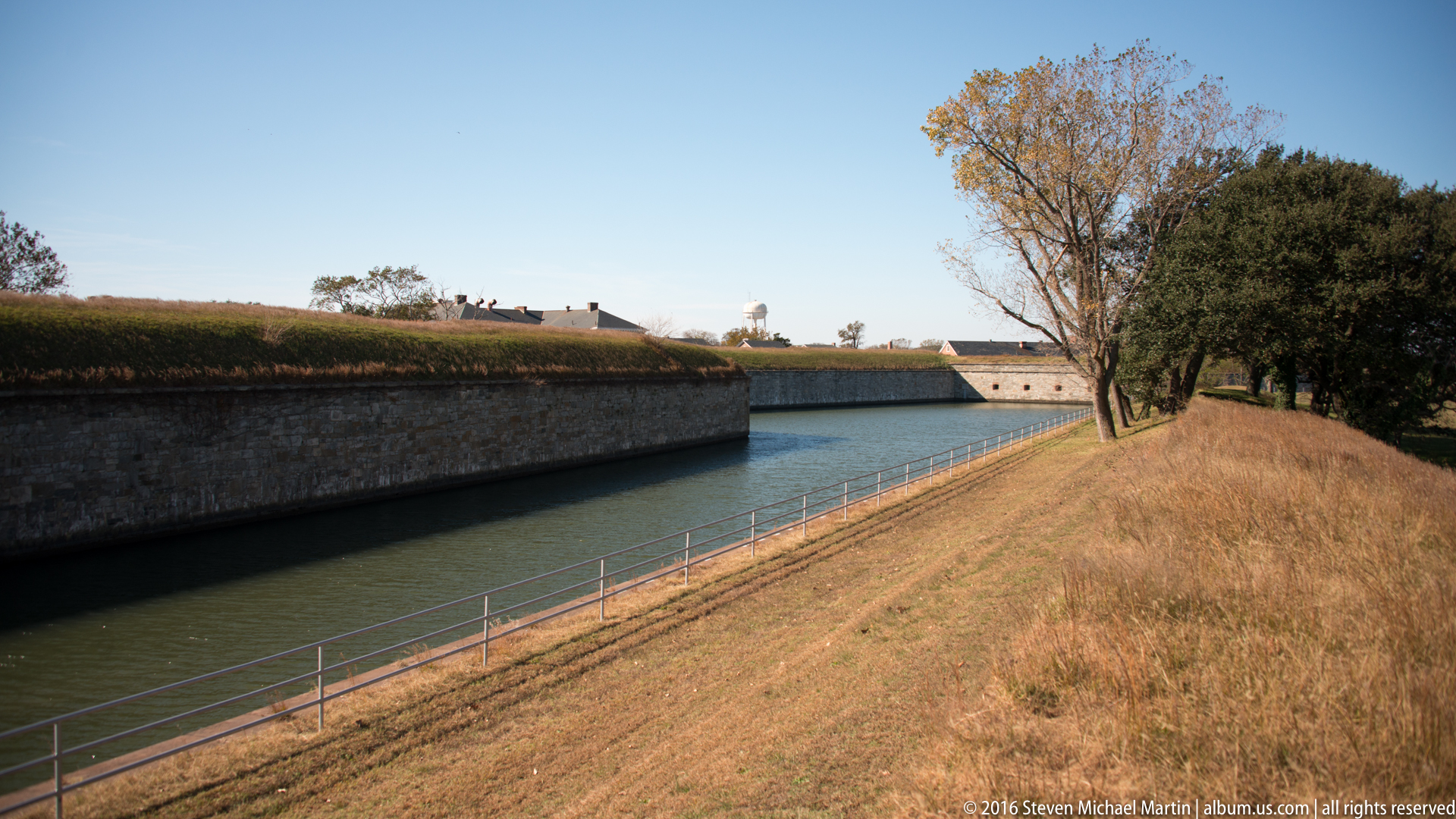
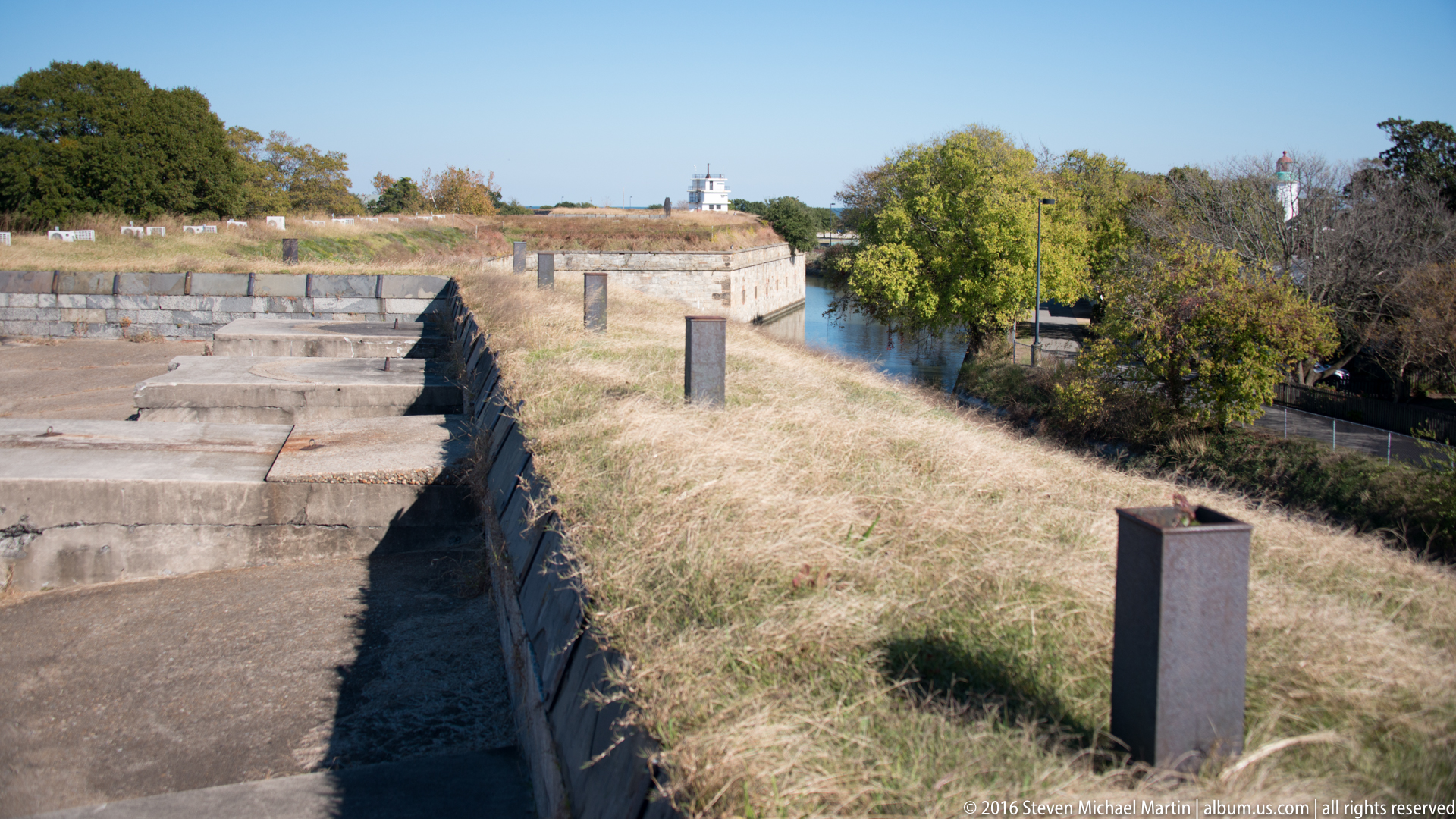
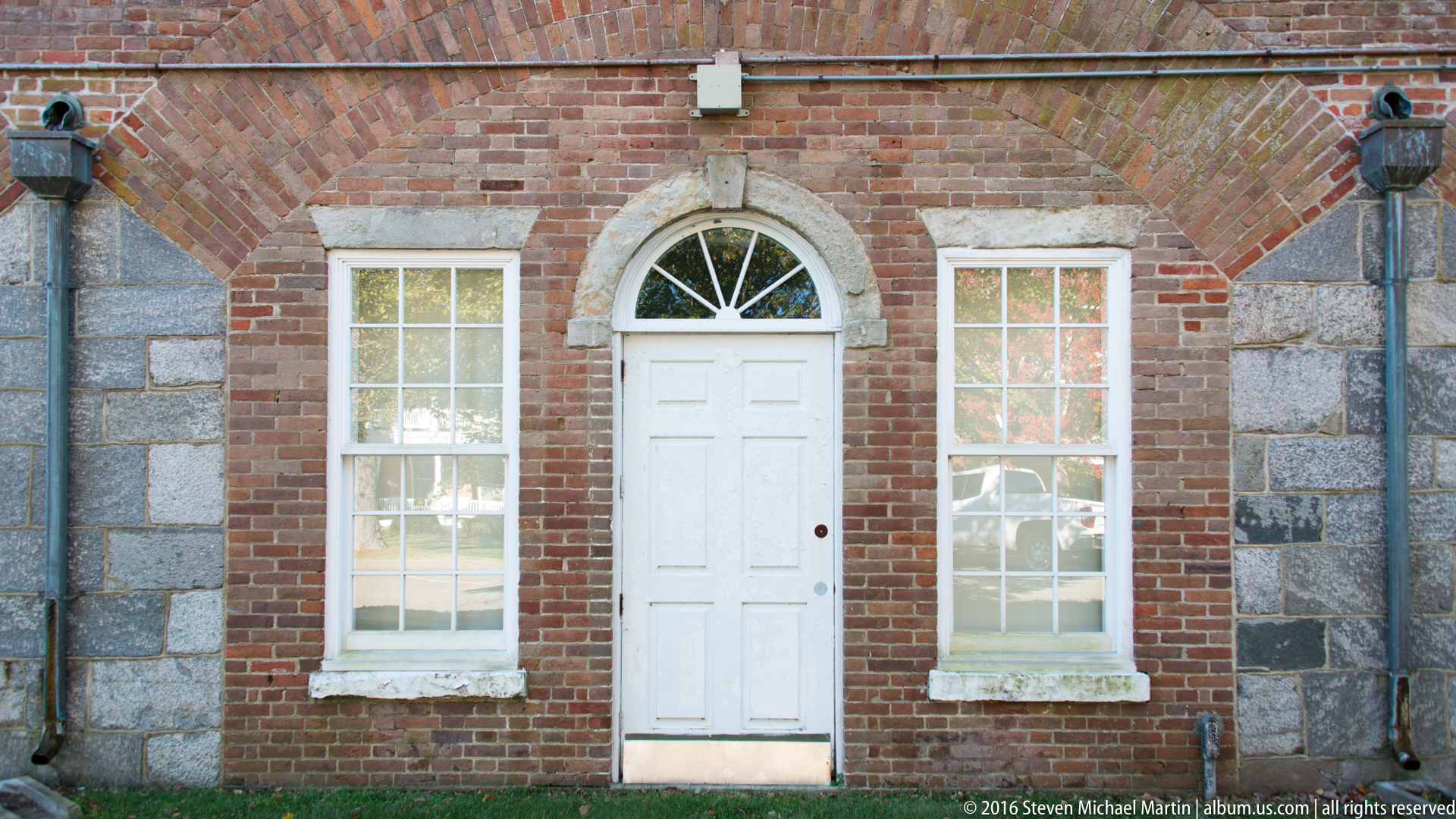
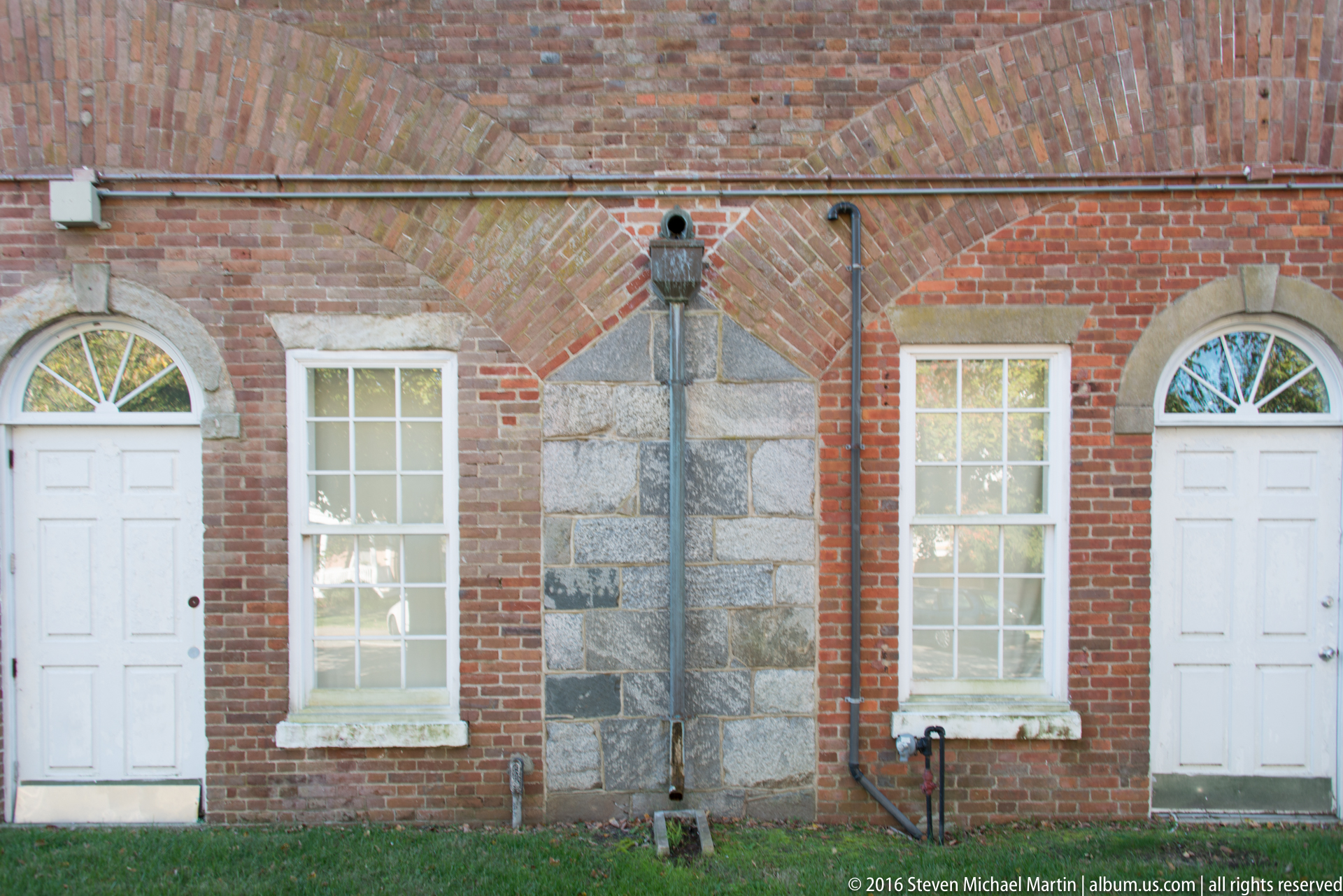
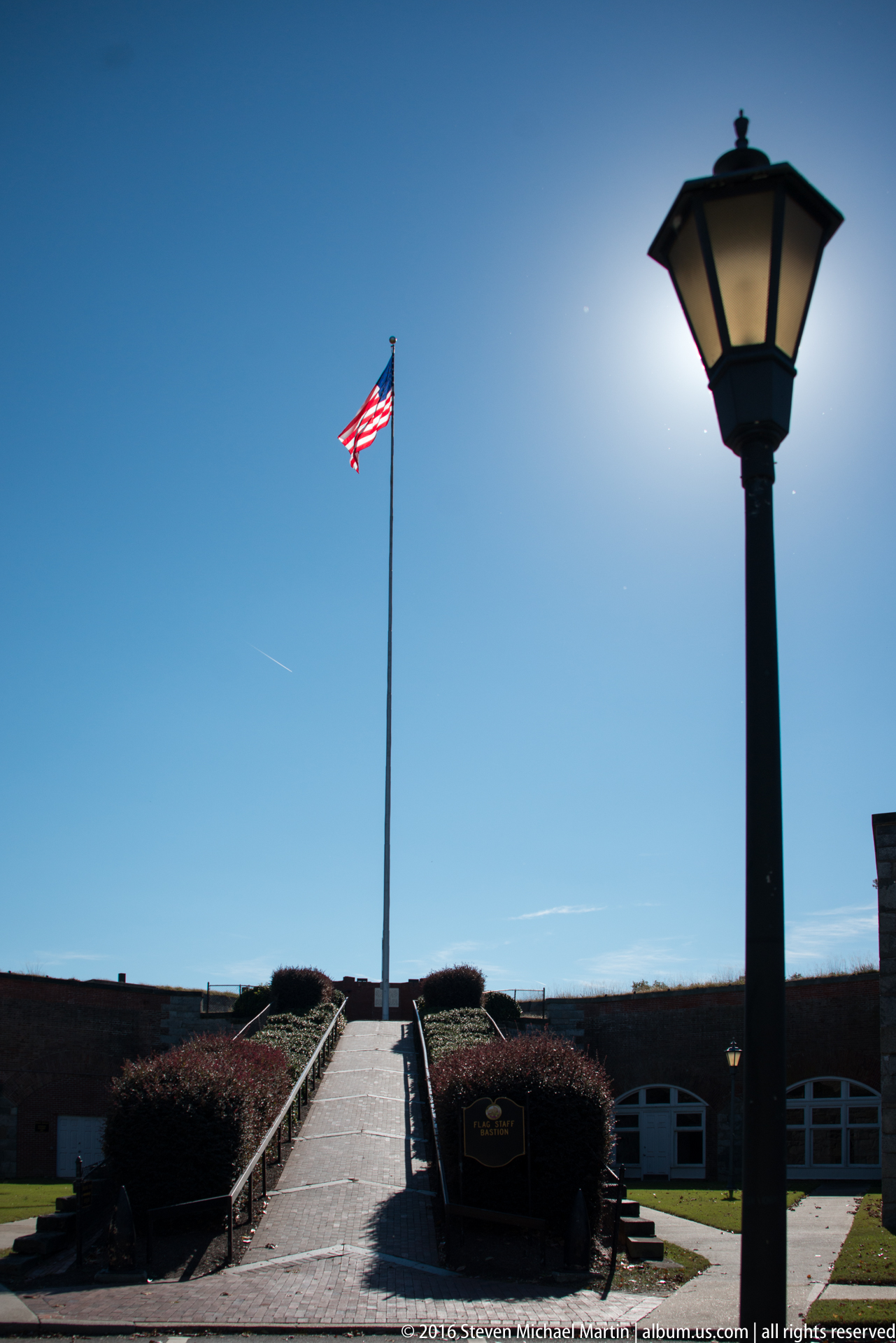
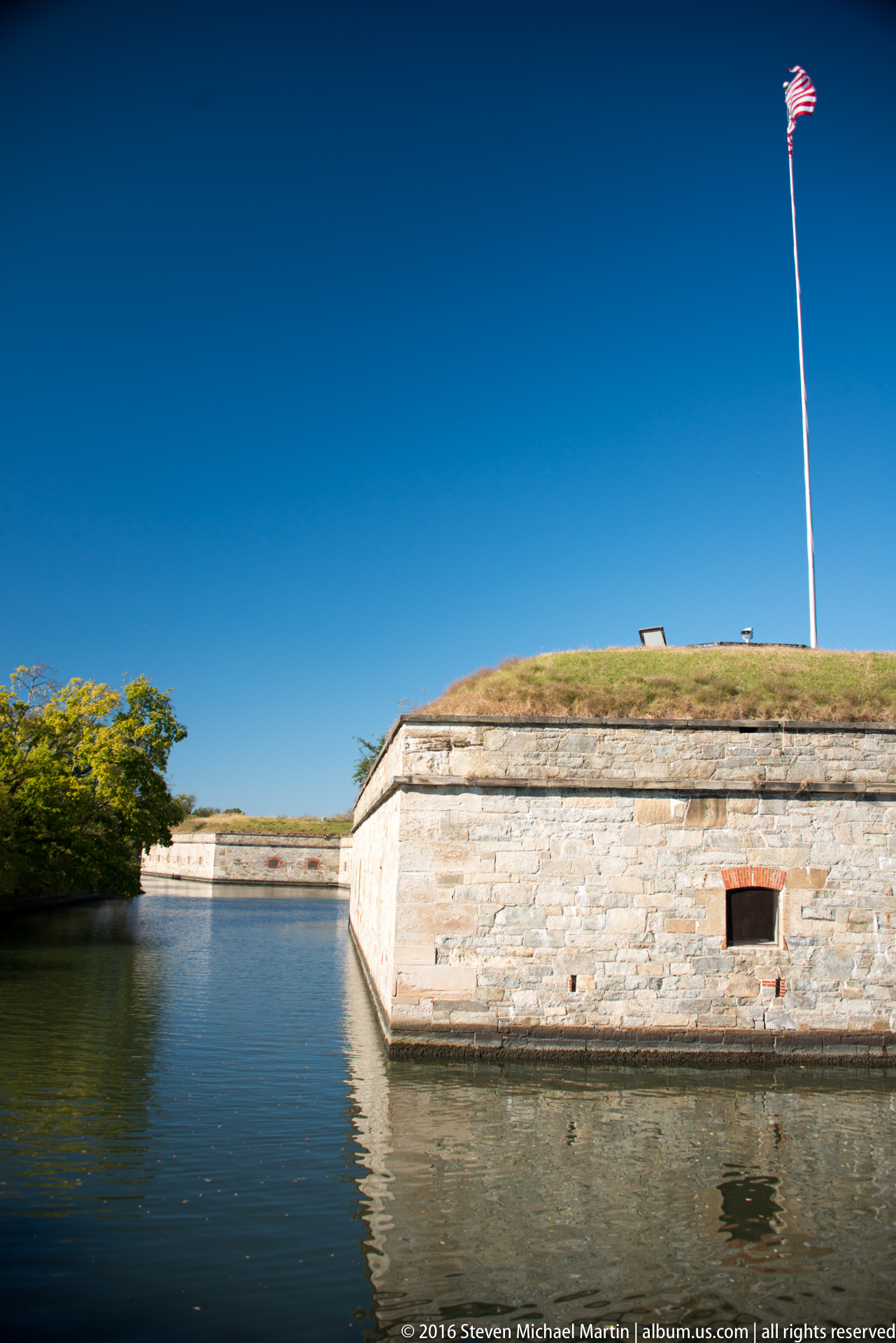
- Stone bastion fort design
- Moat and defensive earthworks
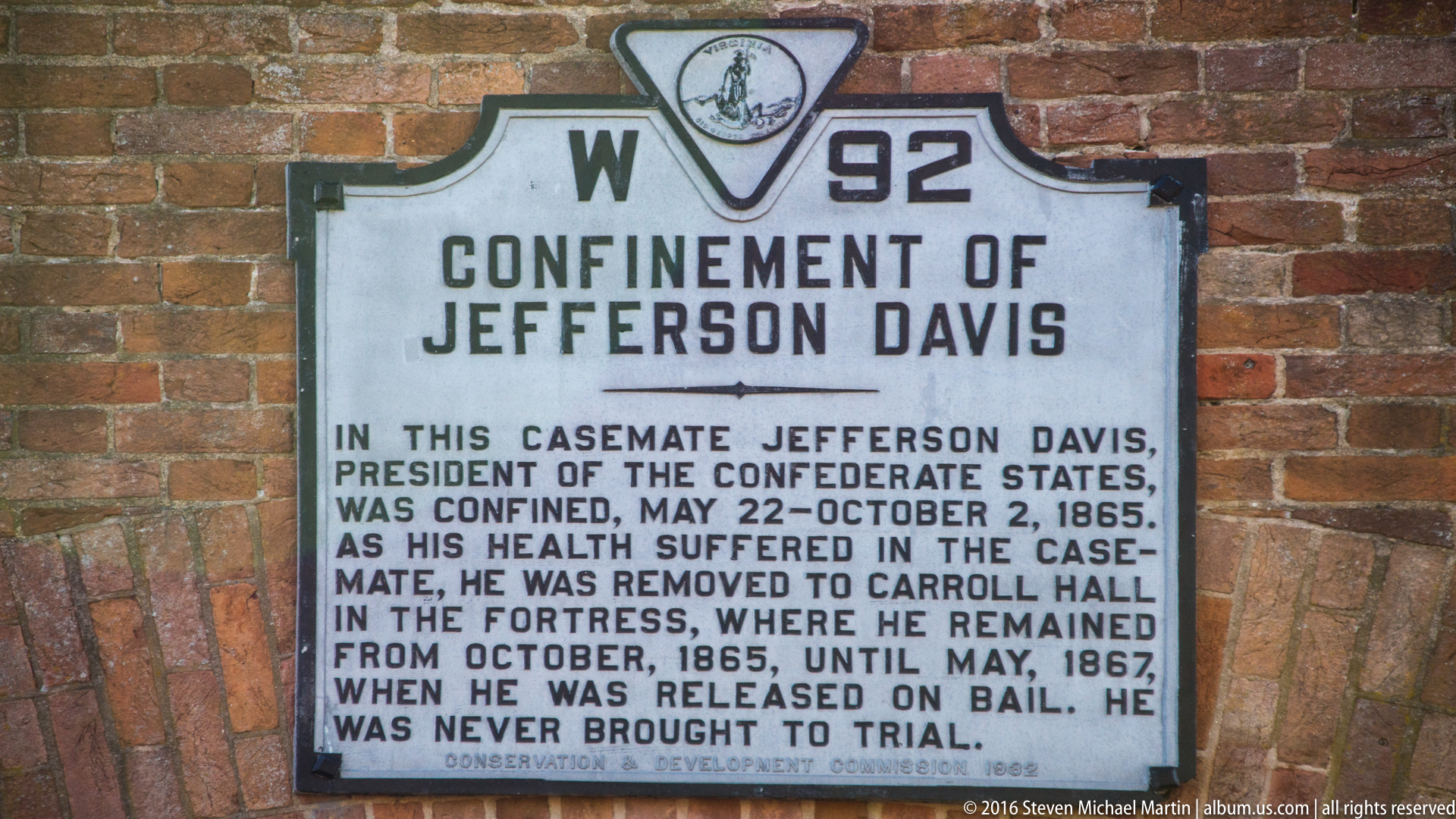
- Casemate Museum
- Civil War contraband decision site
📚 Historical Significance
- Key coastal defense installation
- Associated with early emancipation policy
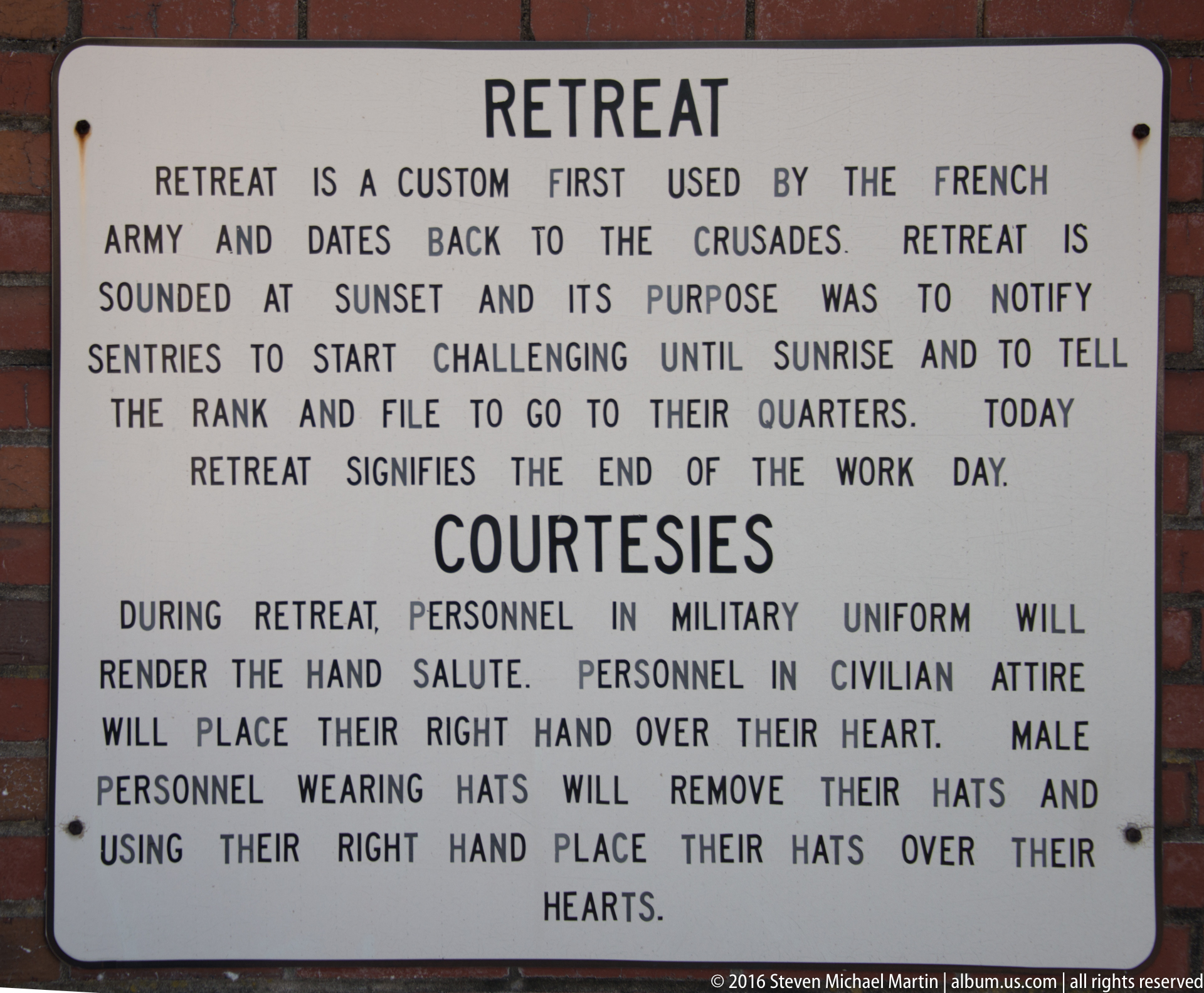
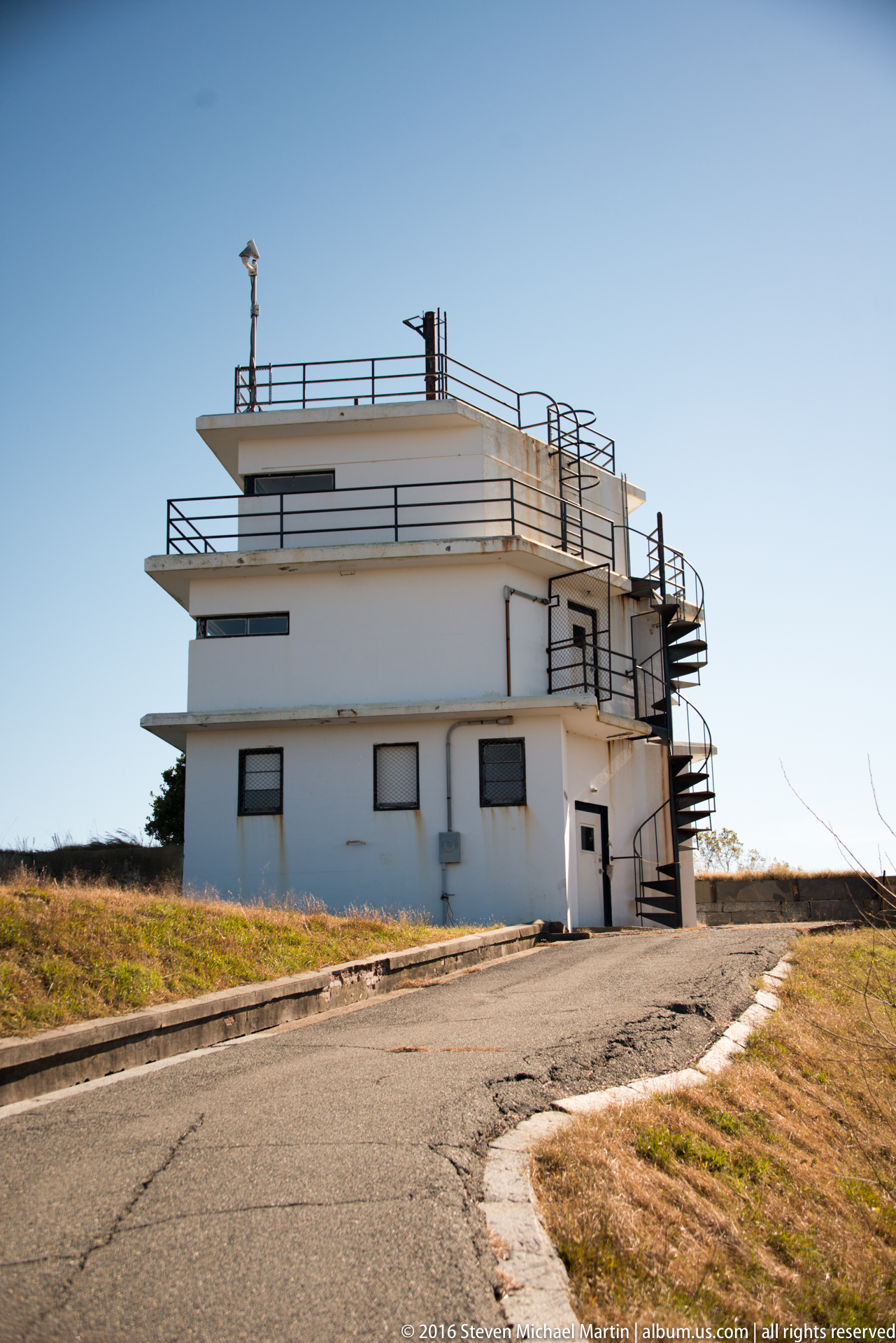
- Continuous military use across centuries
- Strategic Chesapeake Bay location
📷 Photography Notes
- Fort walls create geometric compositions
- Water surroundings provide reflective surfaces
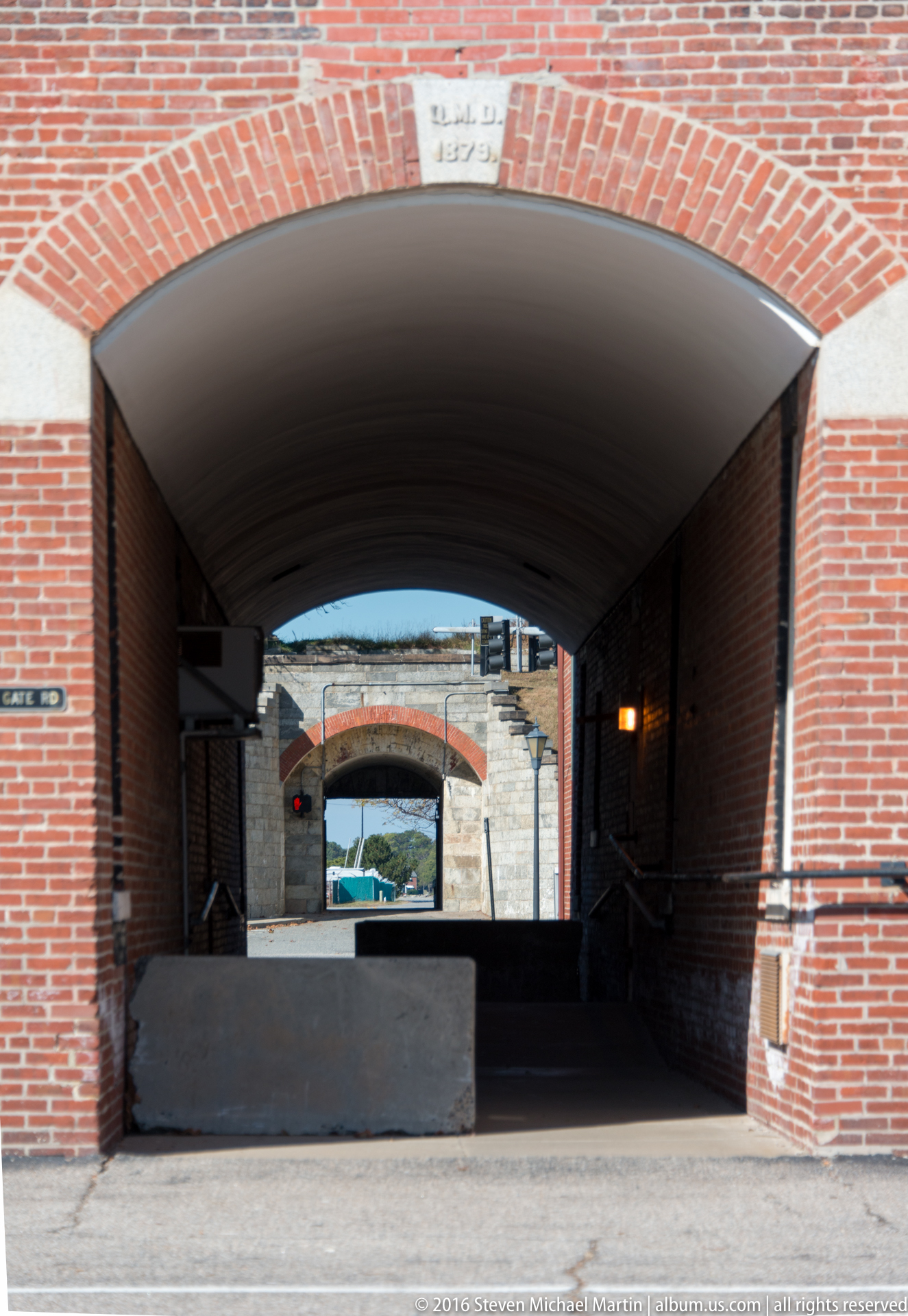
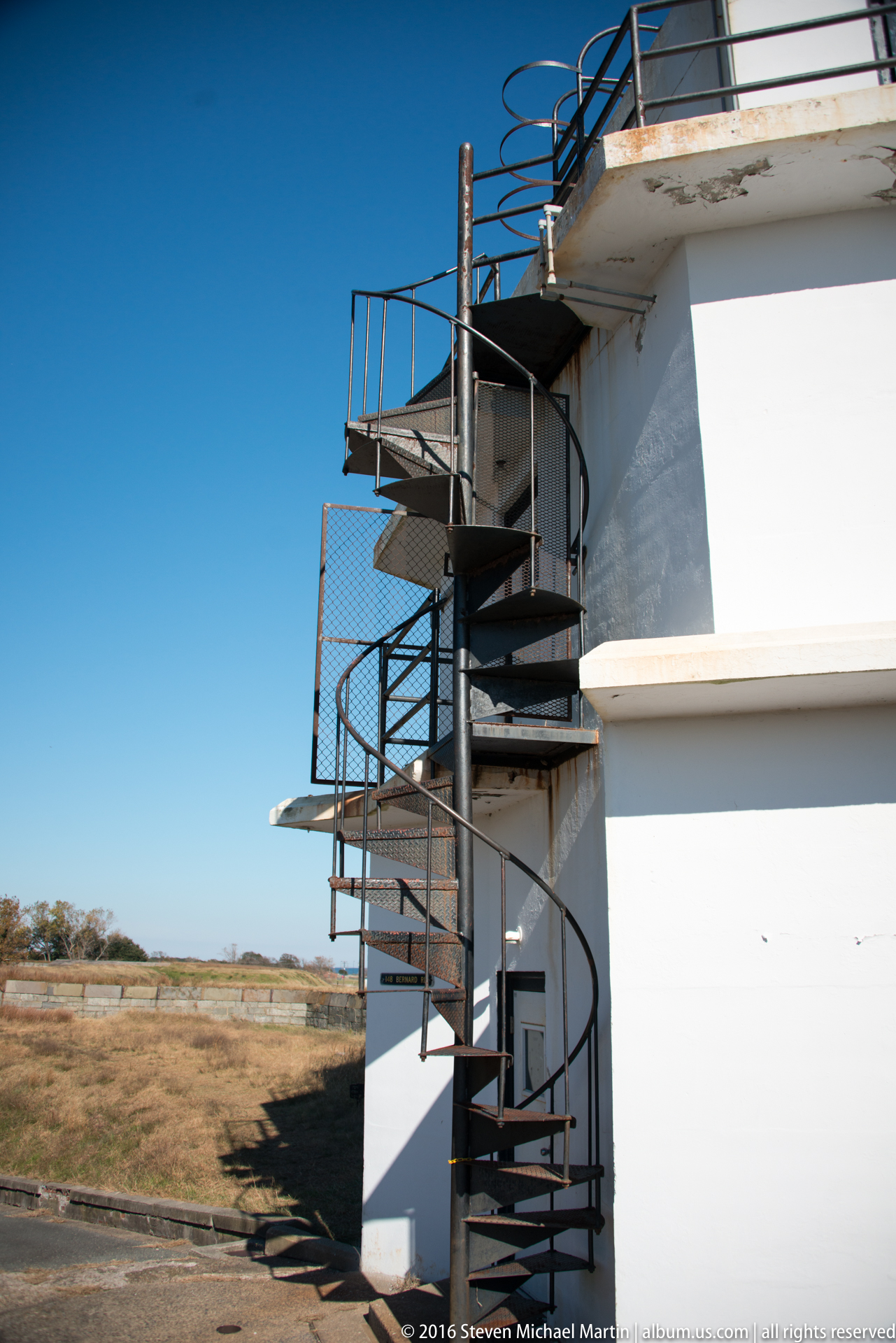
- Historic masonry textures visible in angled light
- Wide perspectives show scale of defensive design