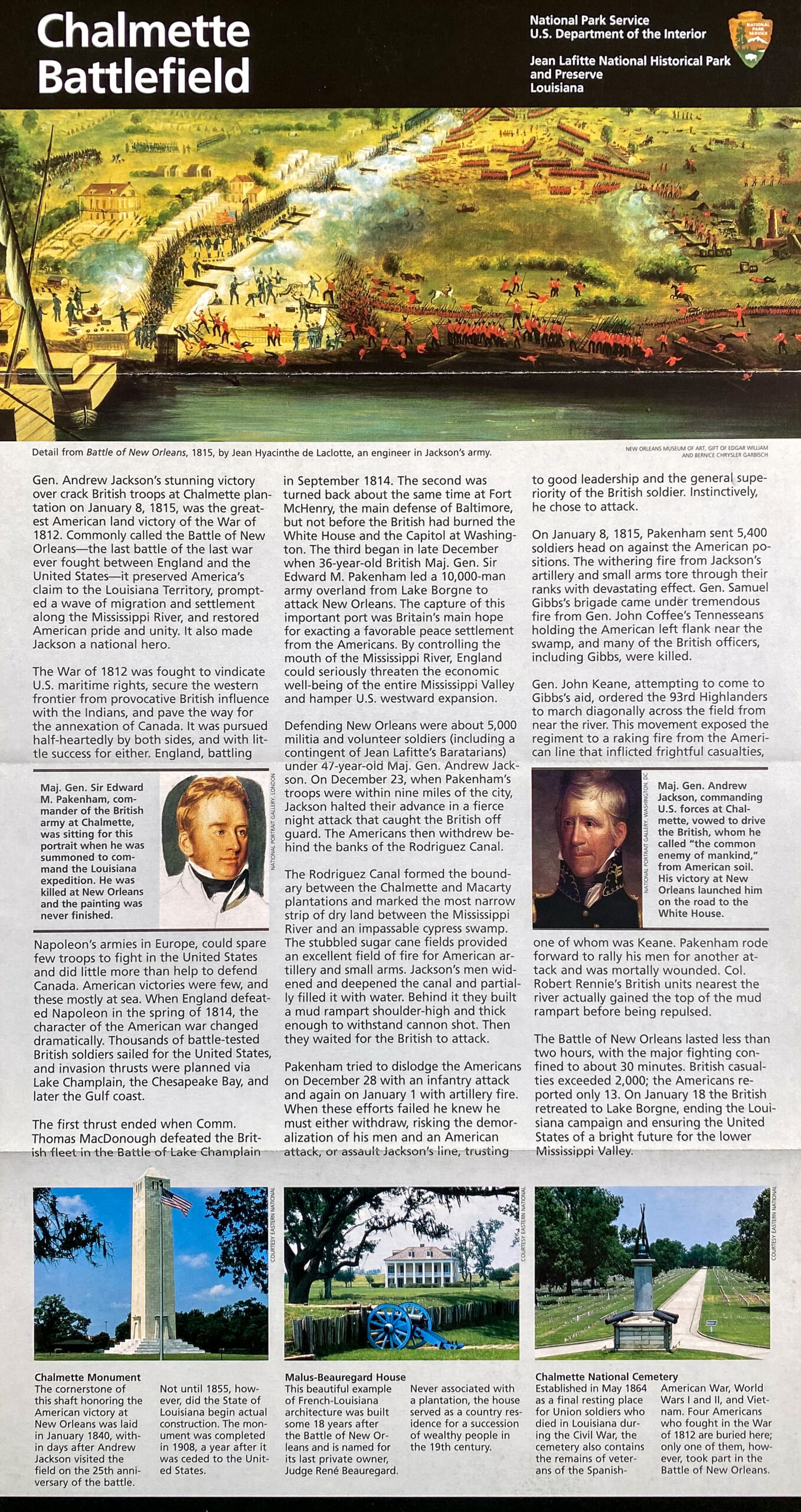
Jean Lafitte – Lafayette and Martin Lake
The Lafayette region lies within the cultural heart of Acadiana, an area where descendants of Acadian settlers established communities following their migration to Louisiana in the late 18th century. The landscape surrounding Martin Lake illustrates environmental conditions that influenced settlement patterns in the region, including wetlands, bayous, and forested waterways. These environments supported agriculture, fishing, and transportation systems that allowed Cajun communities to maintain cultural traditions across generations.
Jean Lafitte National Historical Park and Preserve interprets the history of Cajun communities through cultural exhibits, environmental preservation, and educational programs that explain how migration shaped regional identity. The wetlands ecosystem demonstrates how Acadian settlers adapted to new geographic conditions while preserving language, music, and religious traditions rooted in earlier French-speaking societies of North America.
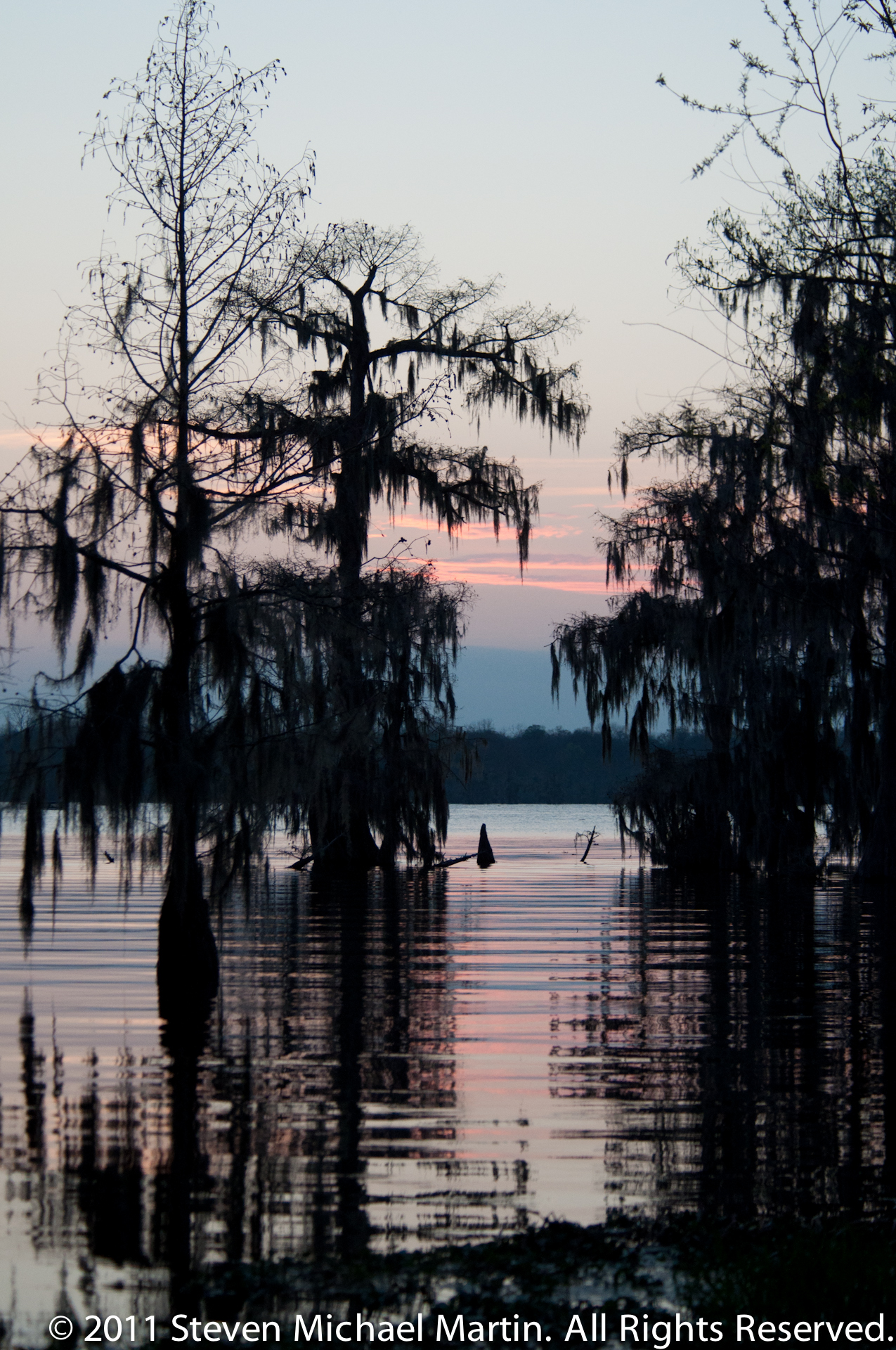
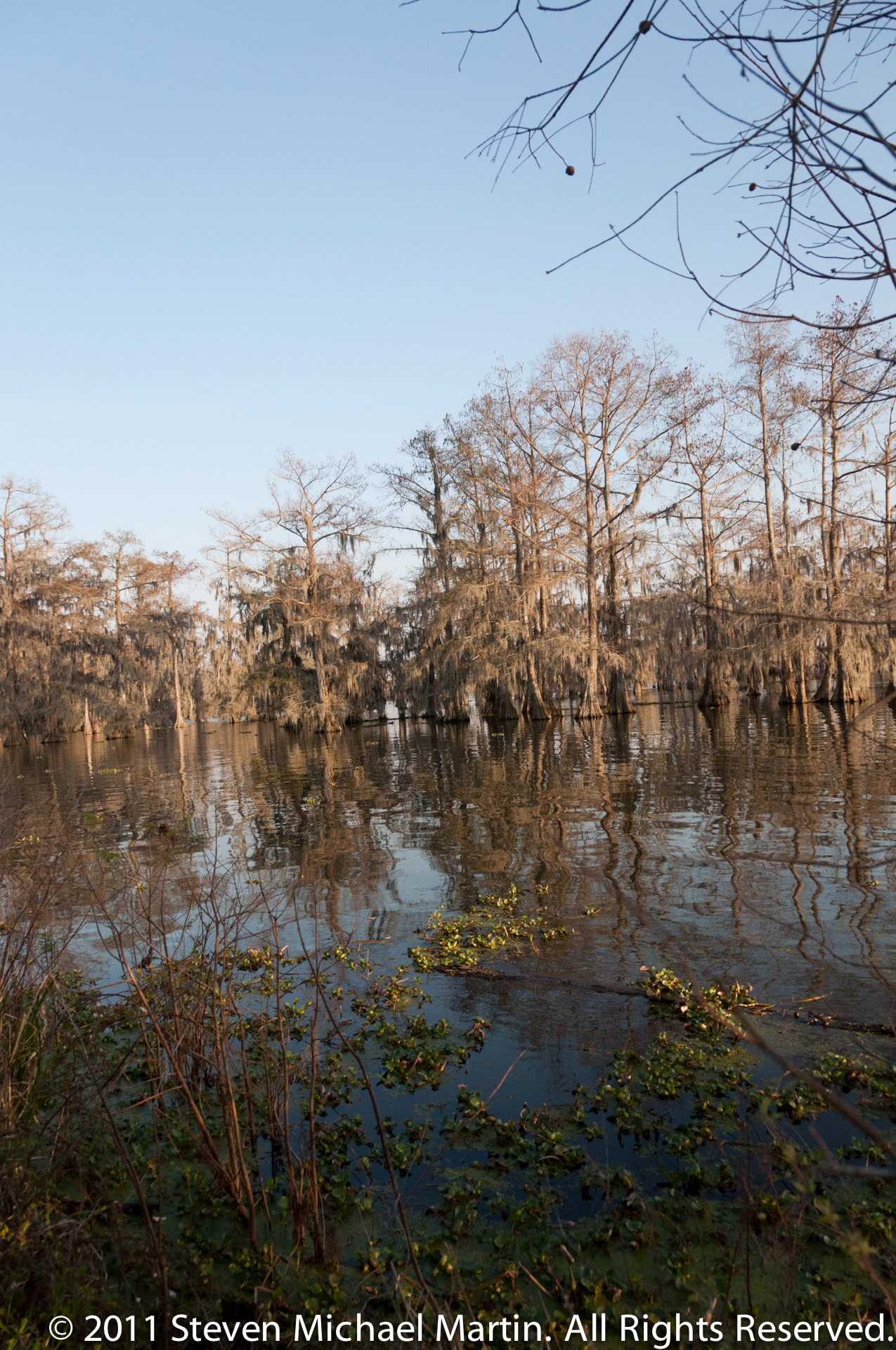
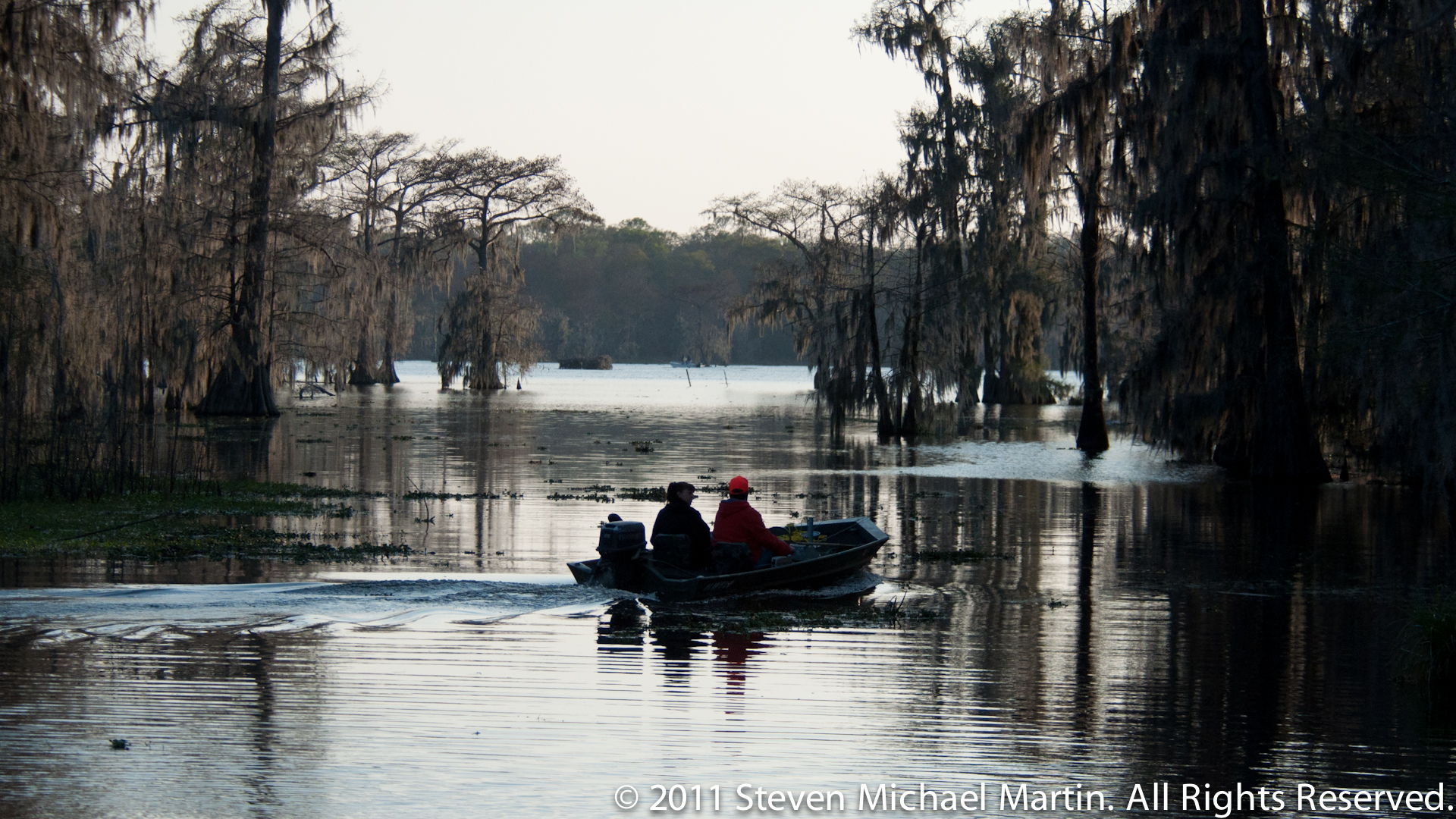
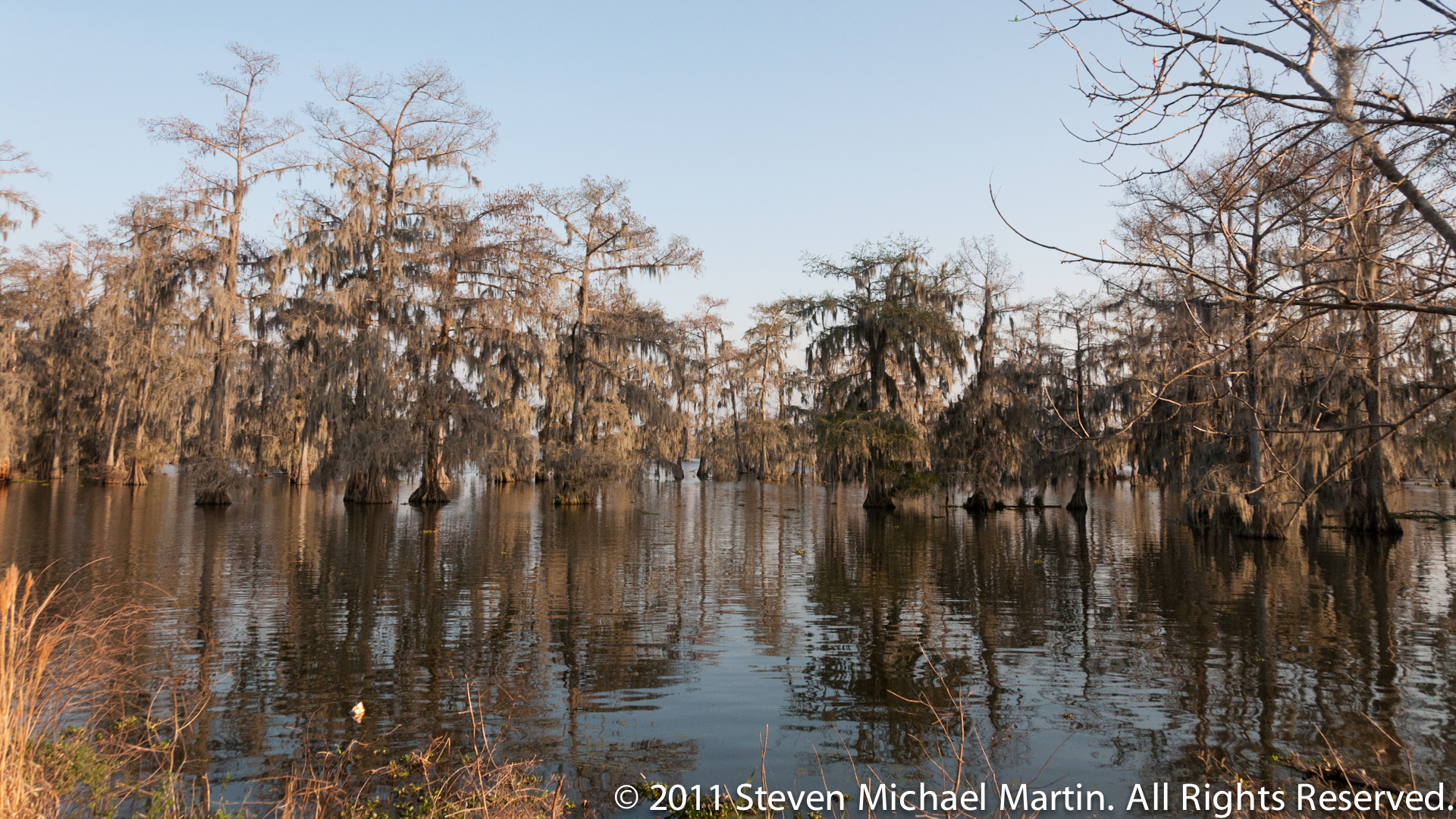
Martin Lake provides a visual example of the bayou environments that became central to Cajun cultural life. Cypress trees, slow-moving waterways, and abundant wildlife illustrate the ecological context in which Acadian traditions evolved into Cajun culture. The landscape reflects continuity between maritime environments of Atlantic Canada and the wetlands of southern Louisiana.
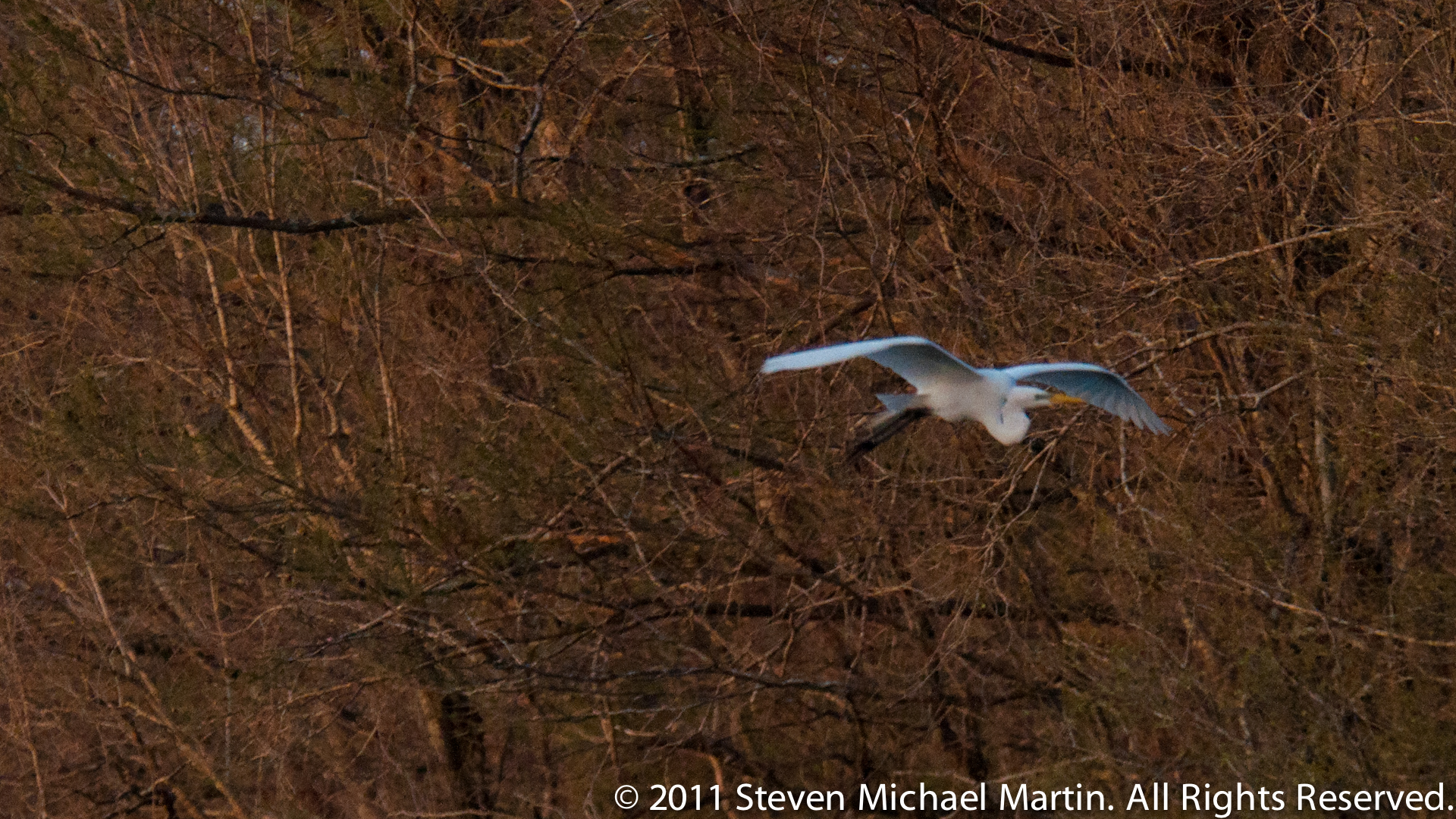
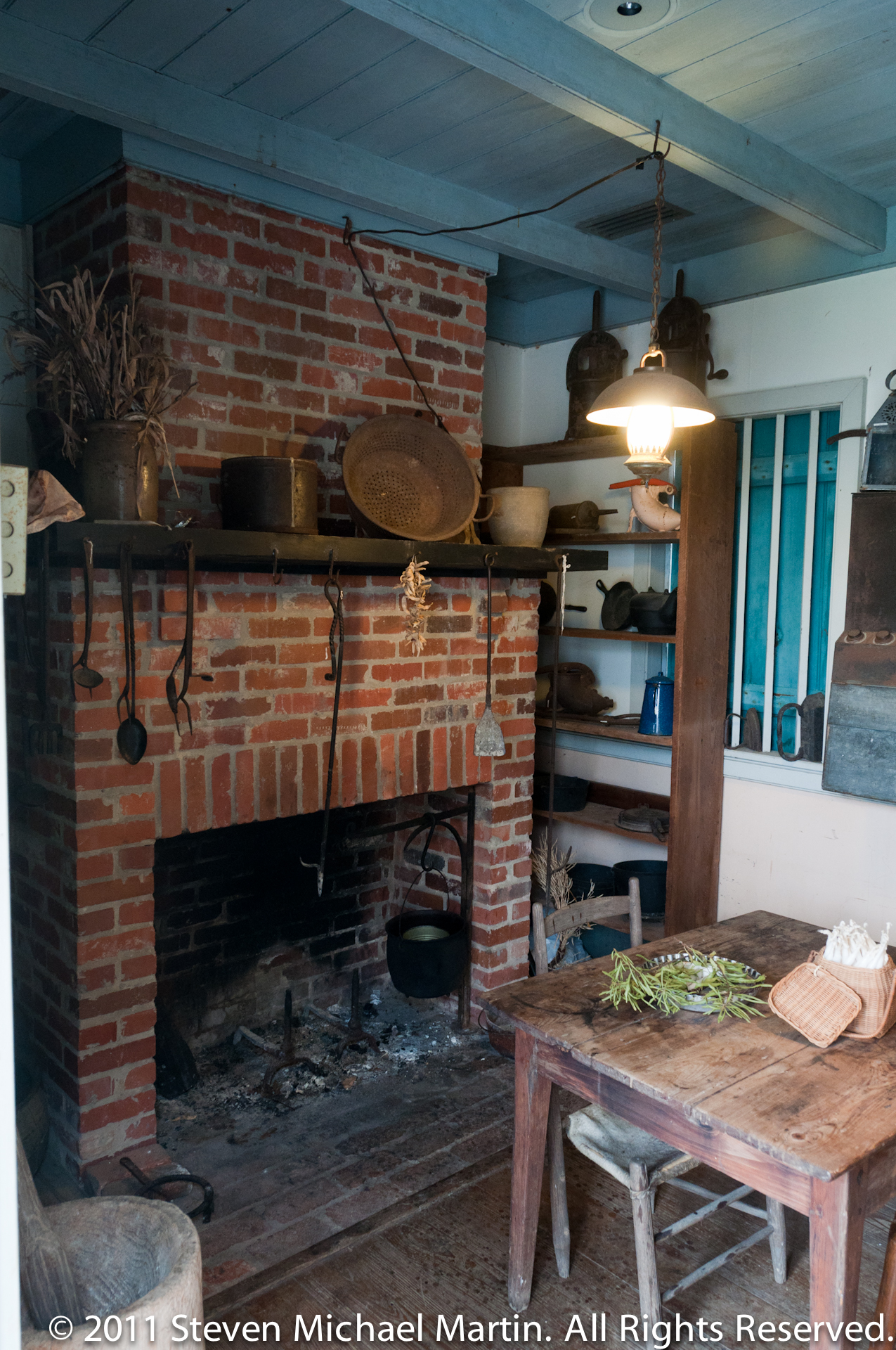
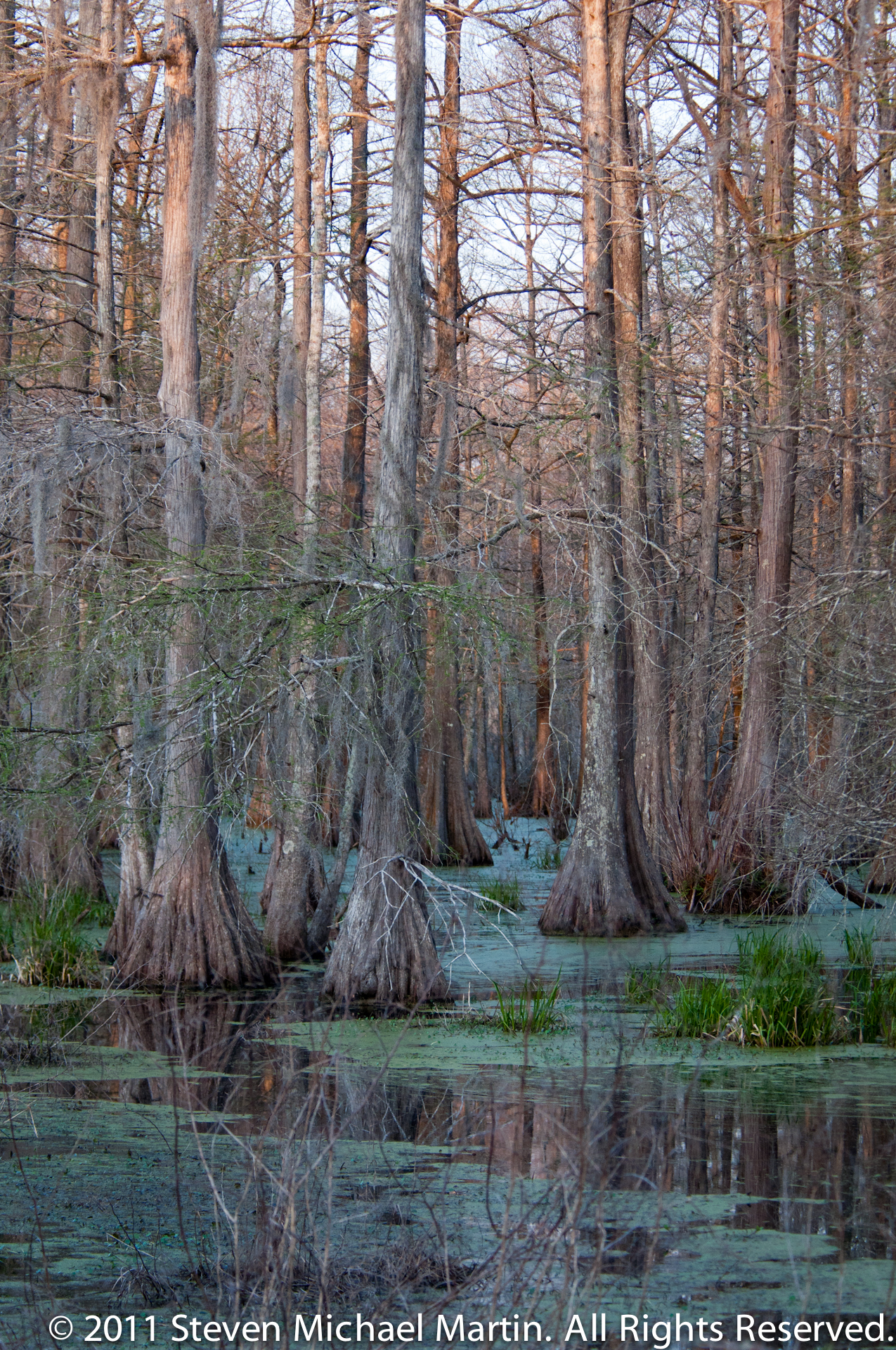
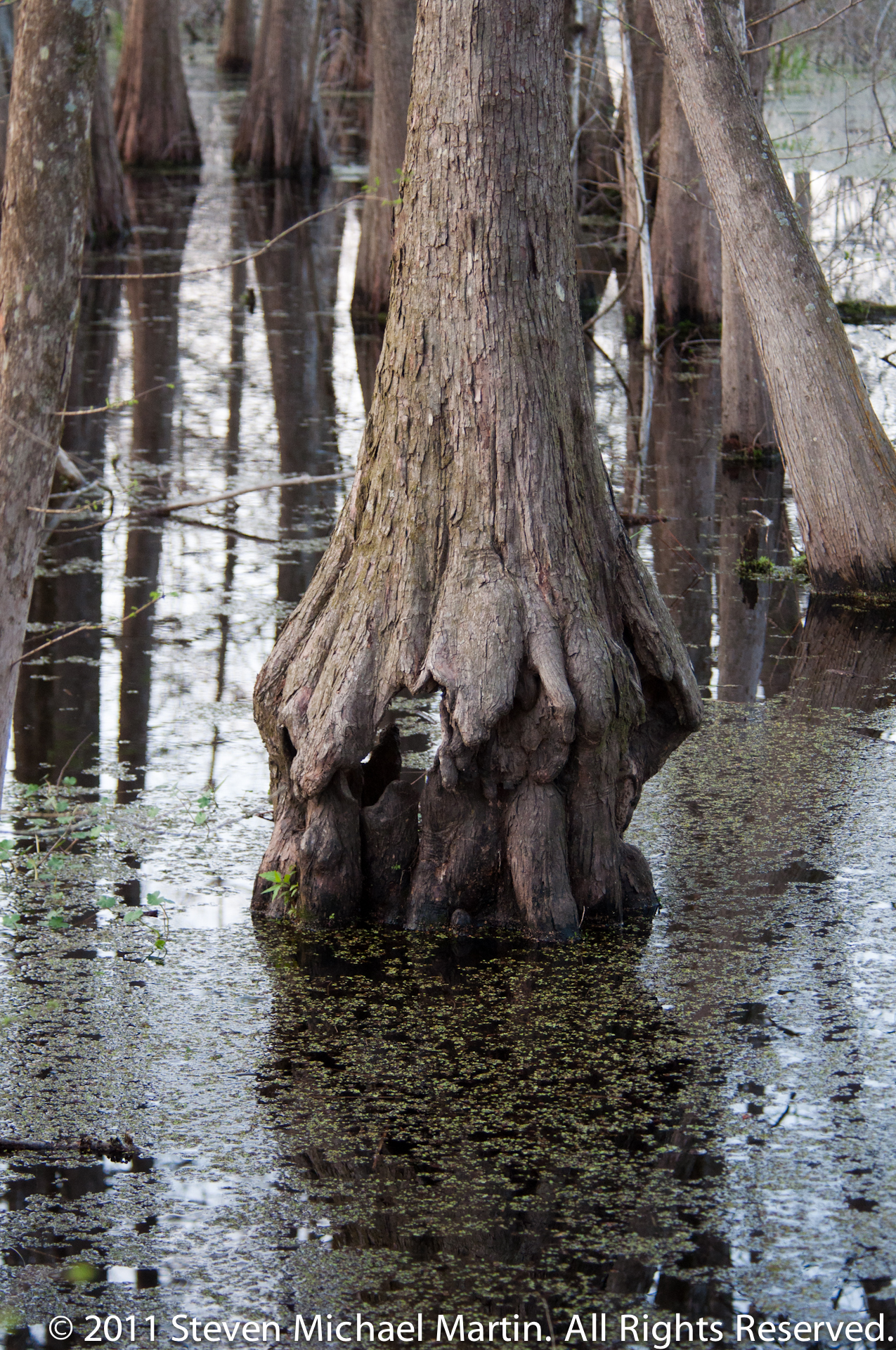
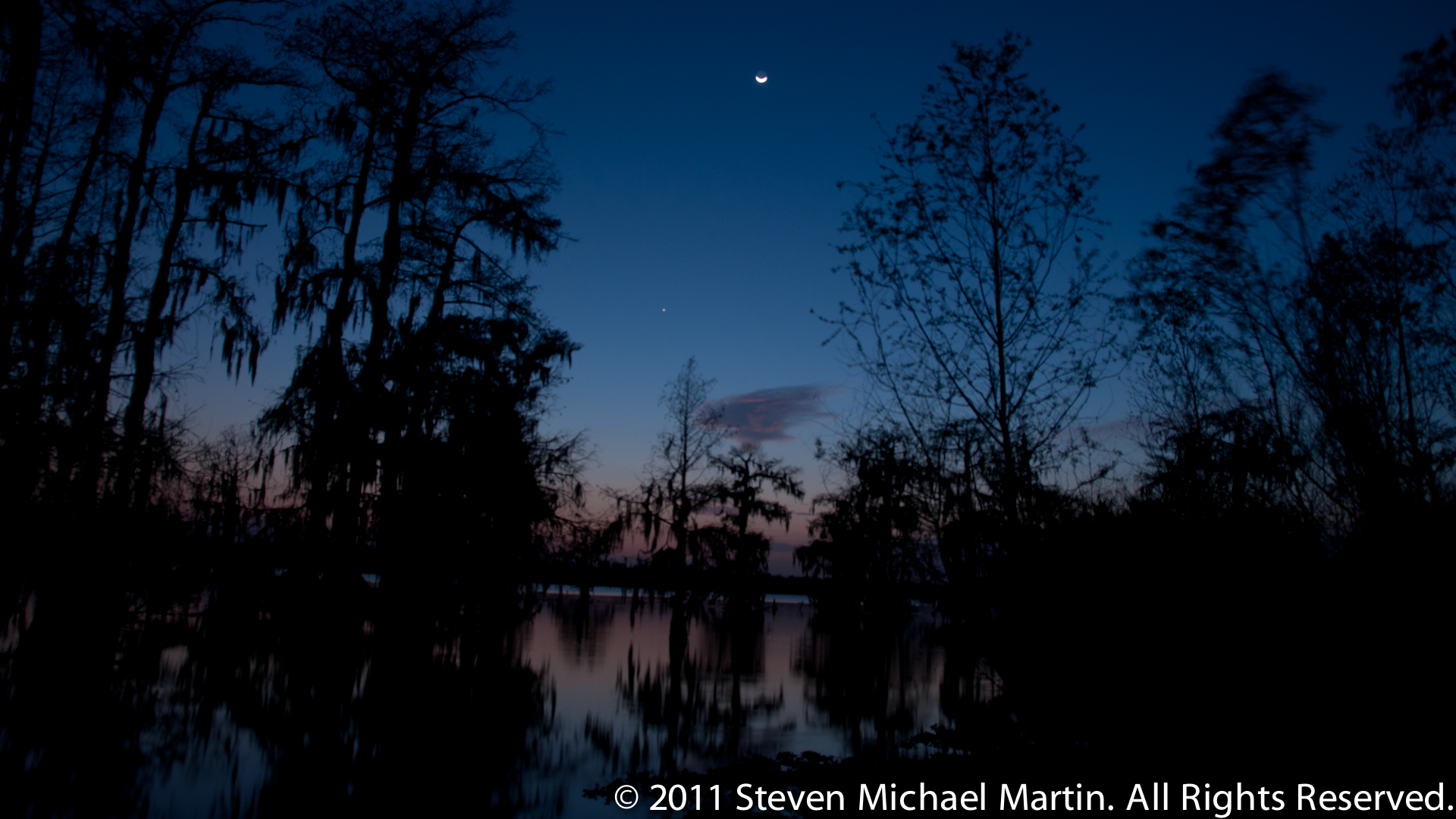
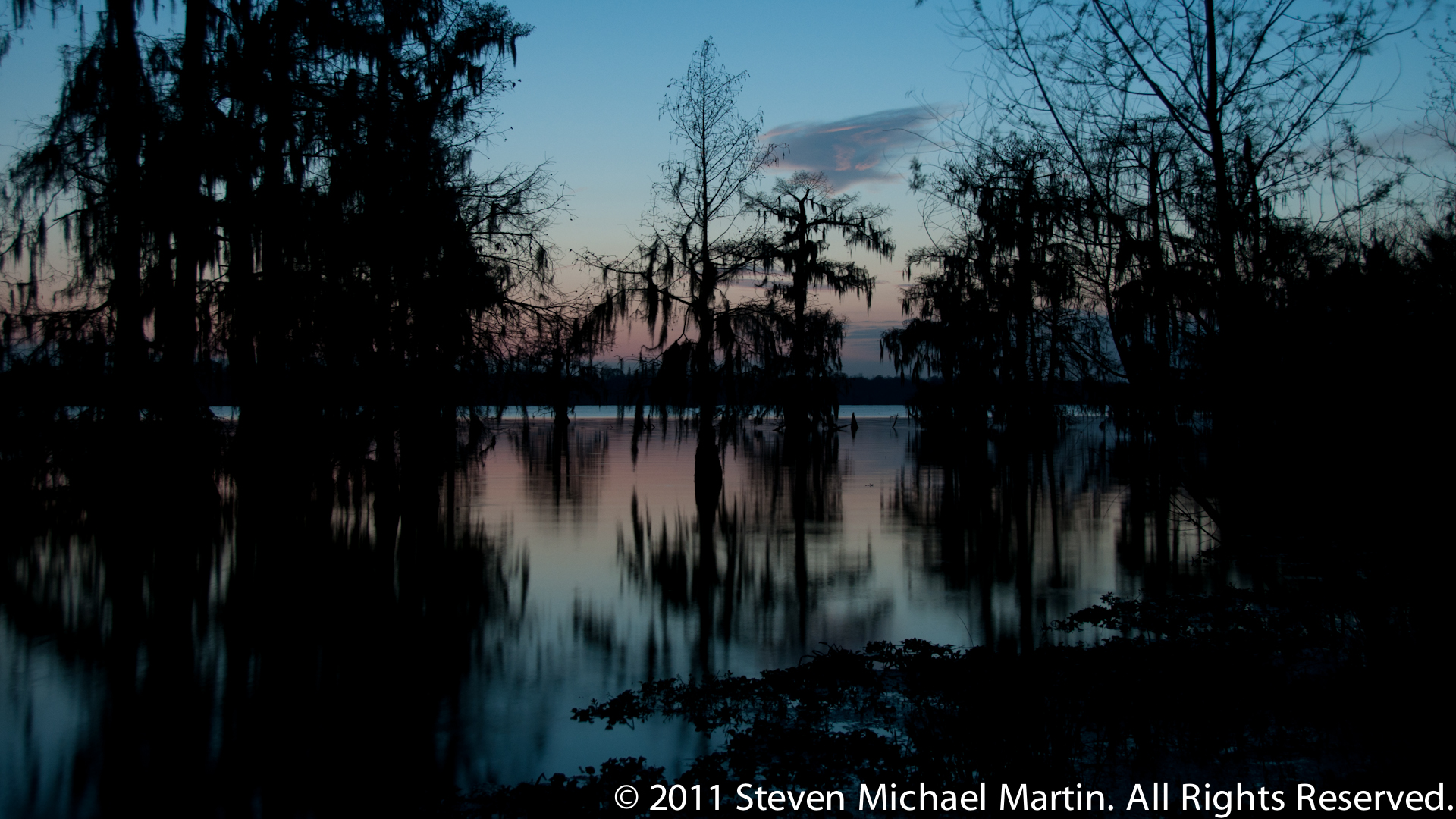
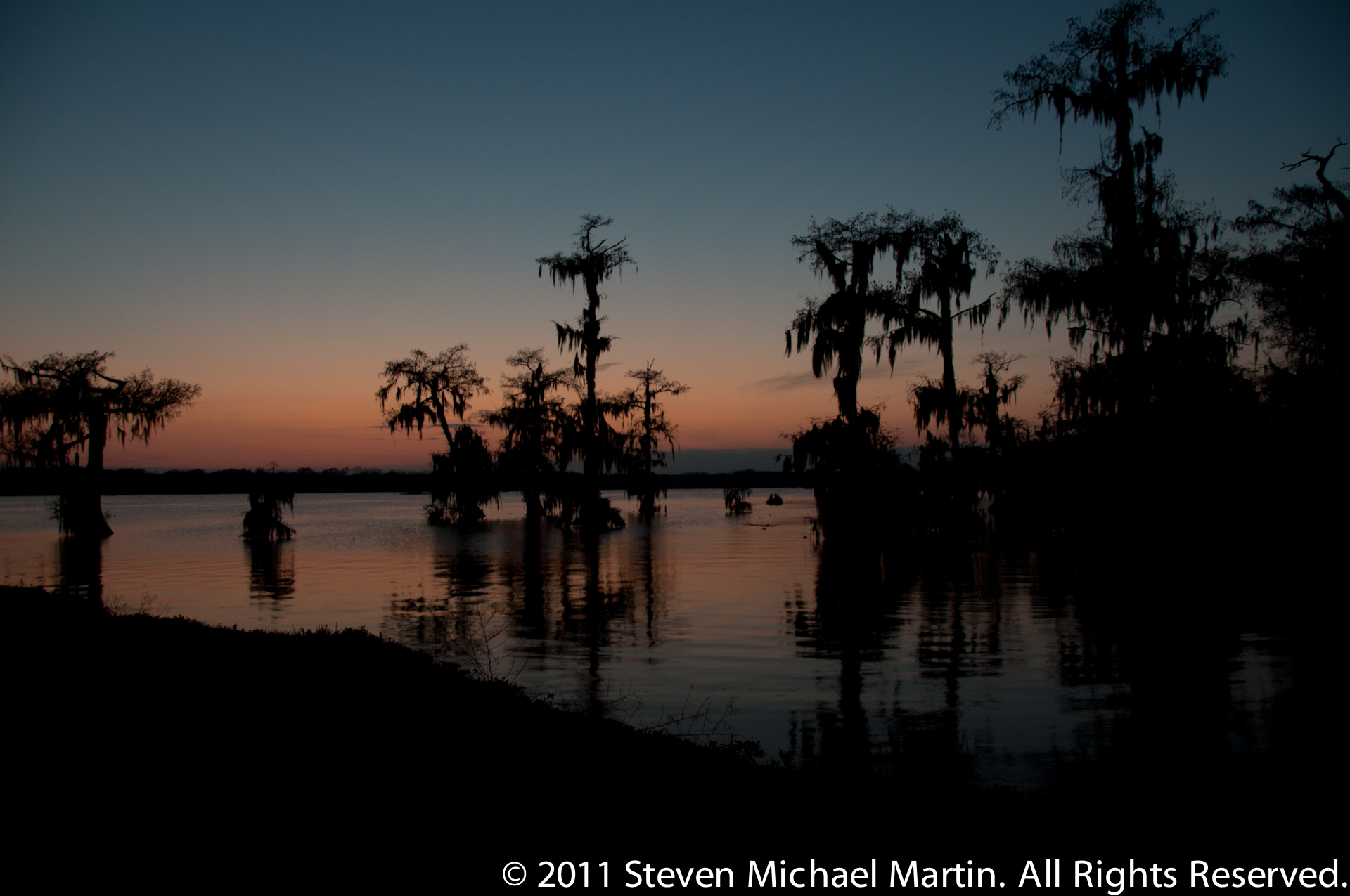
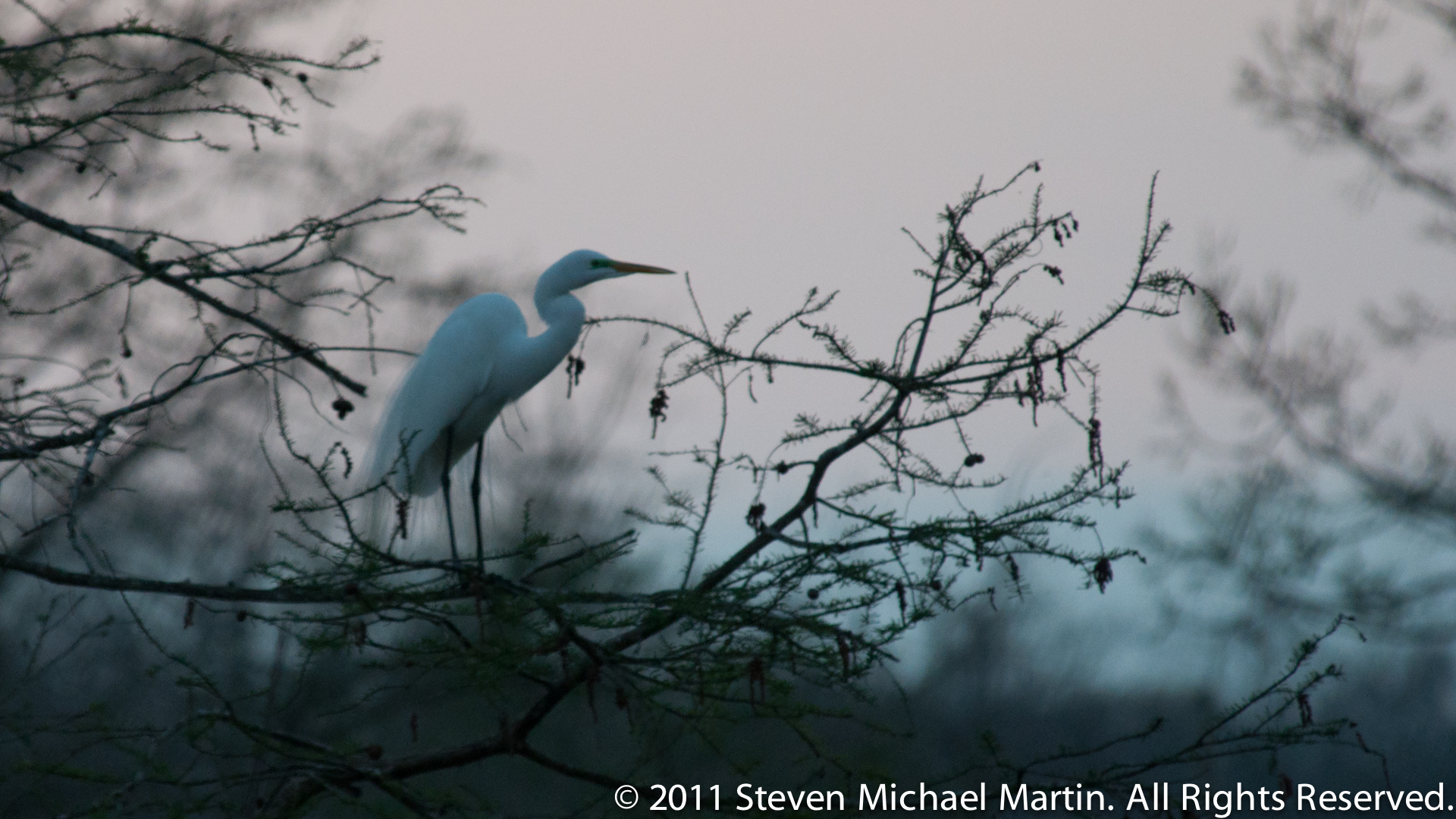
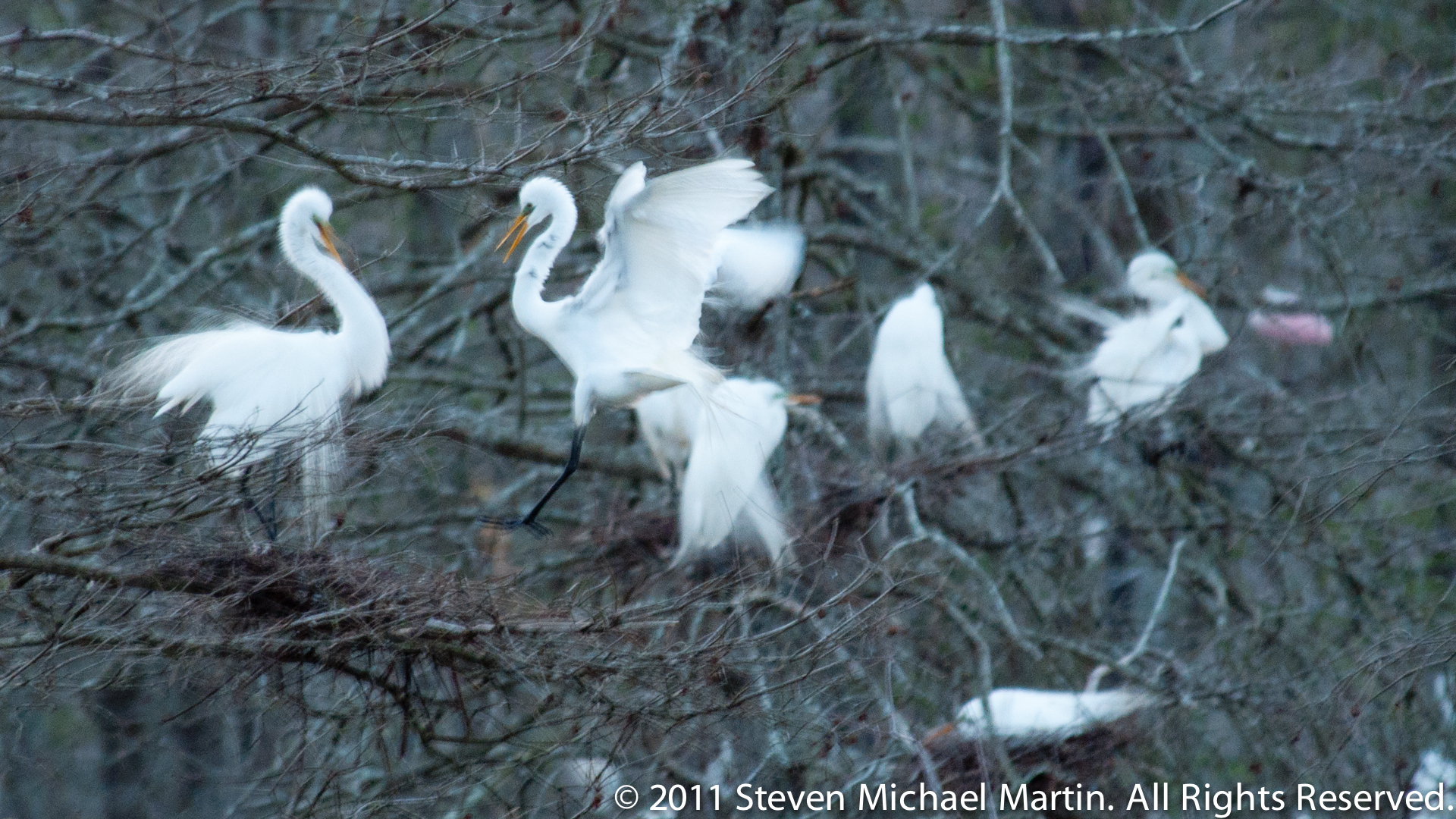
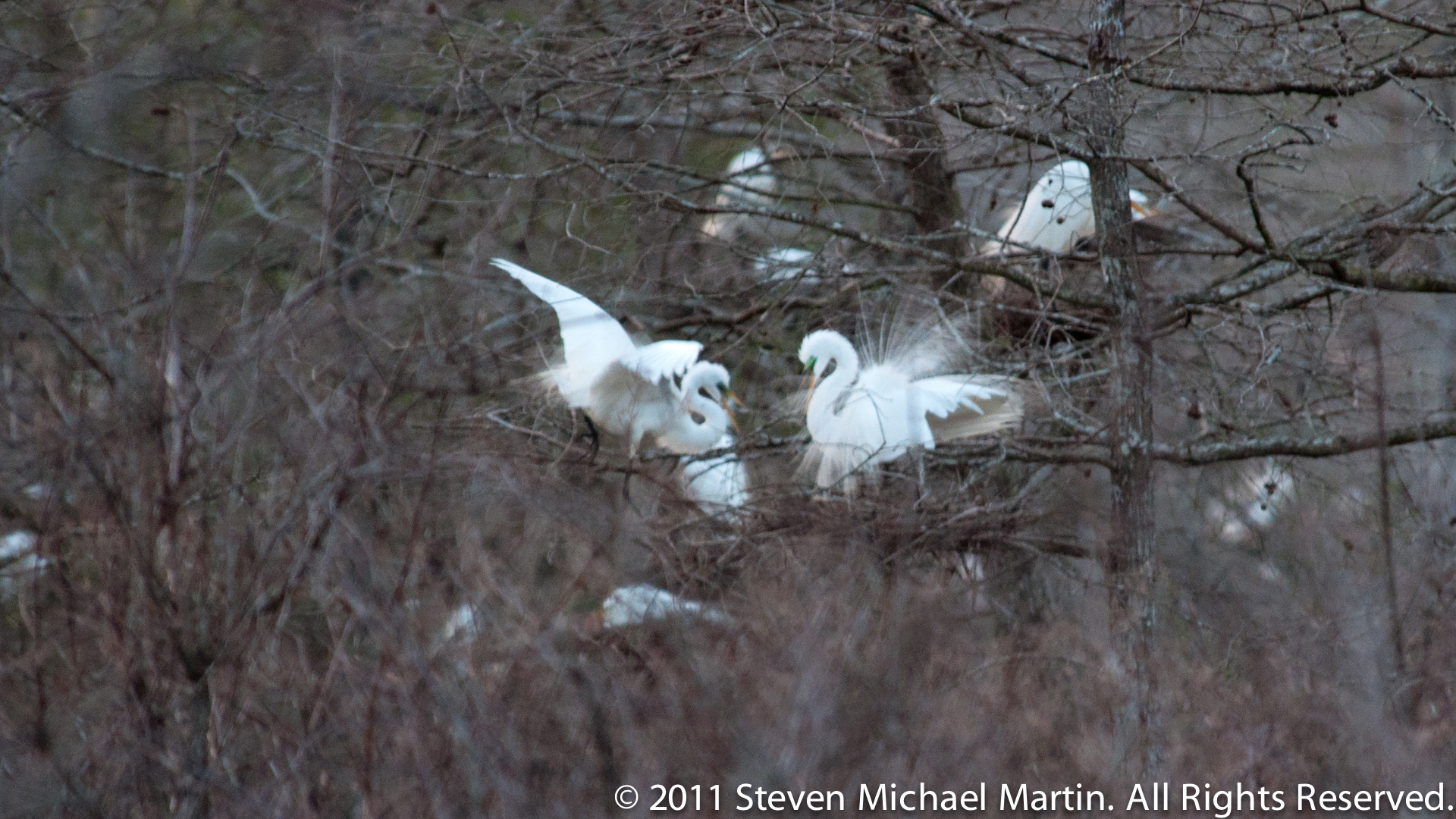
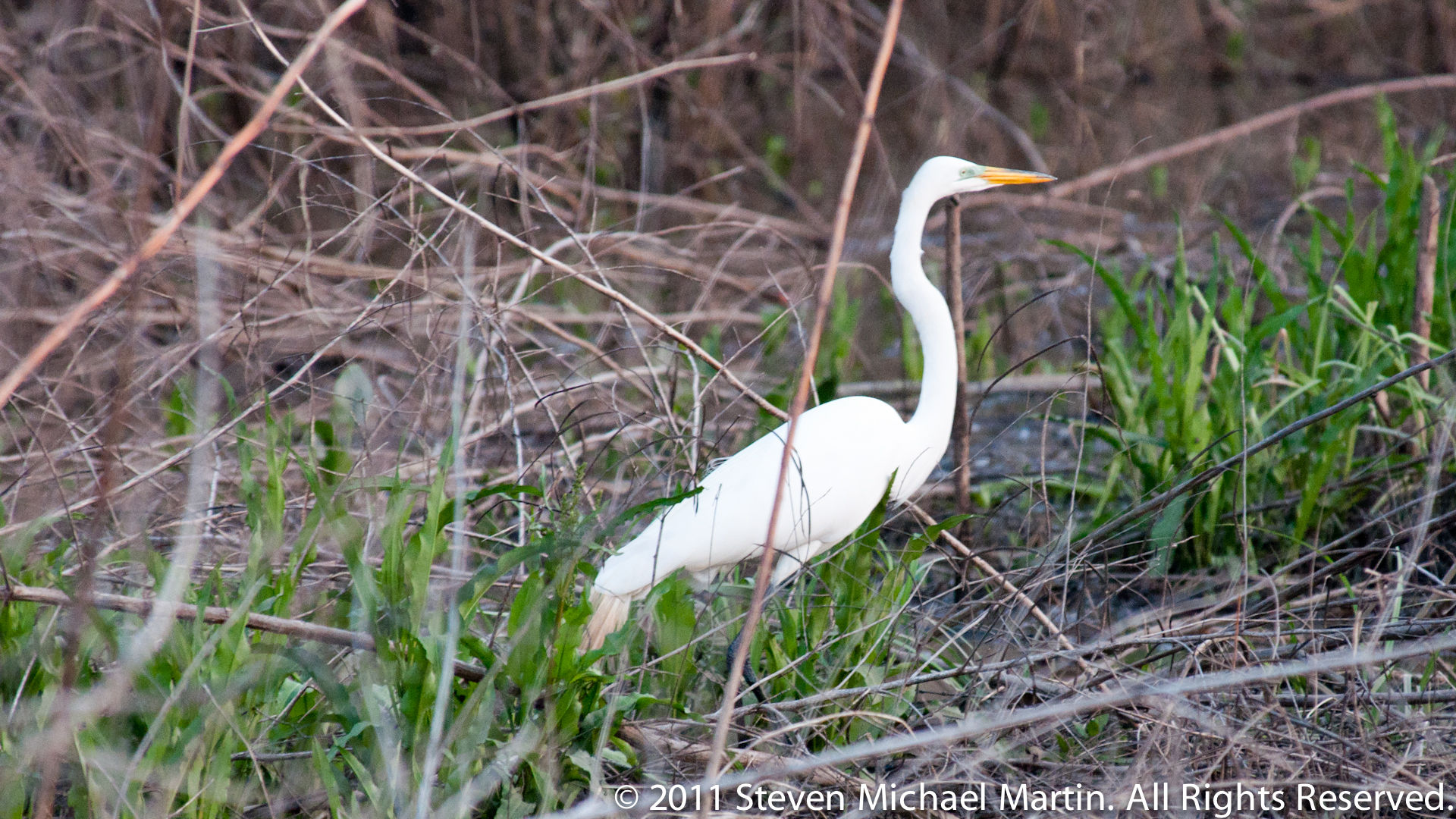
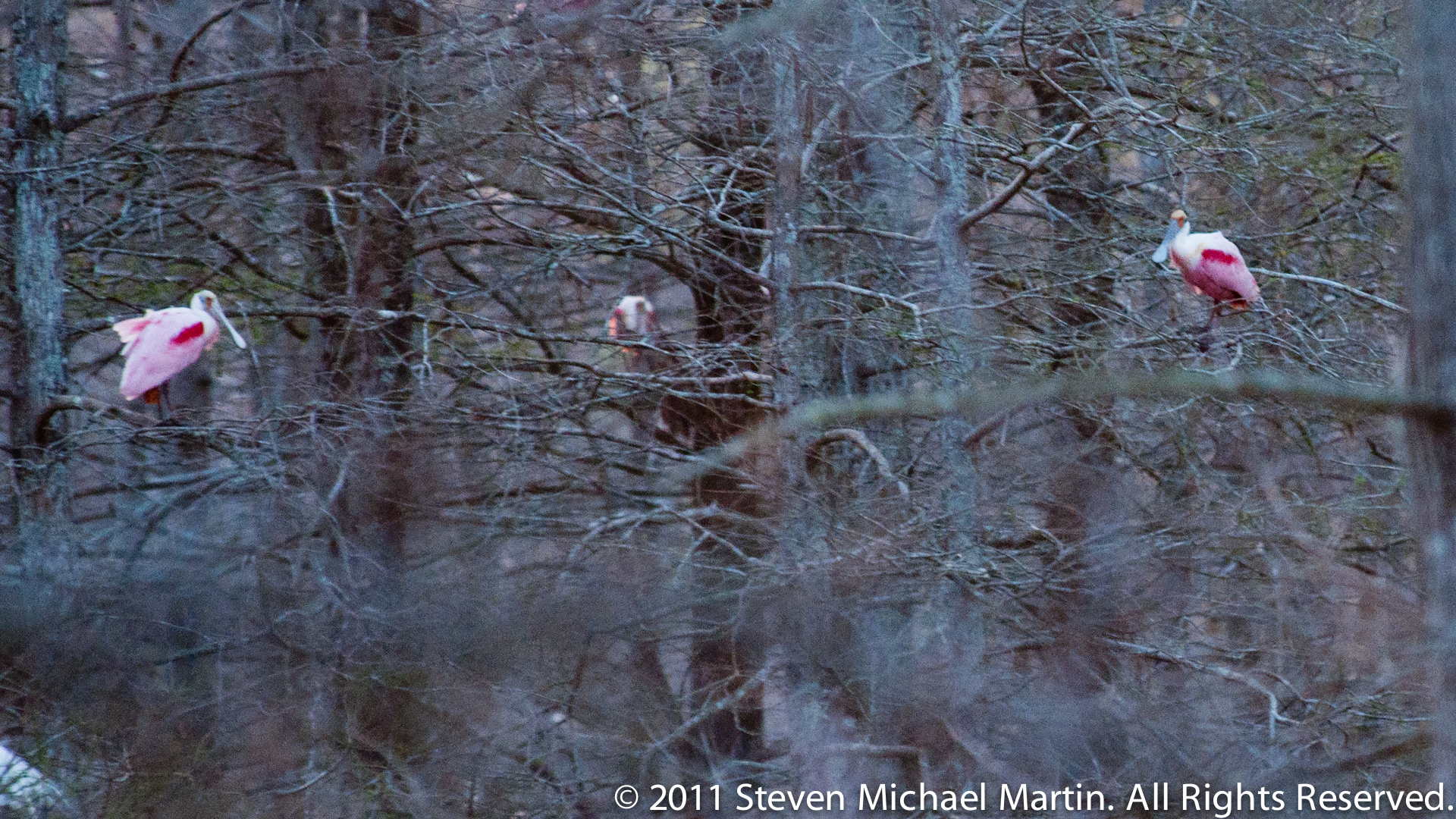
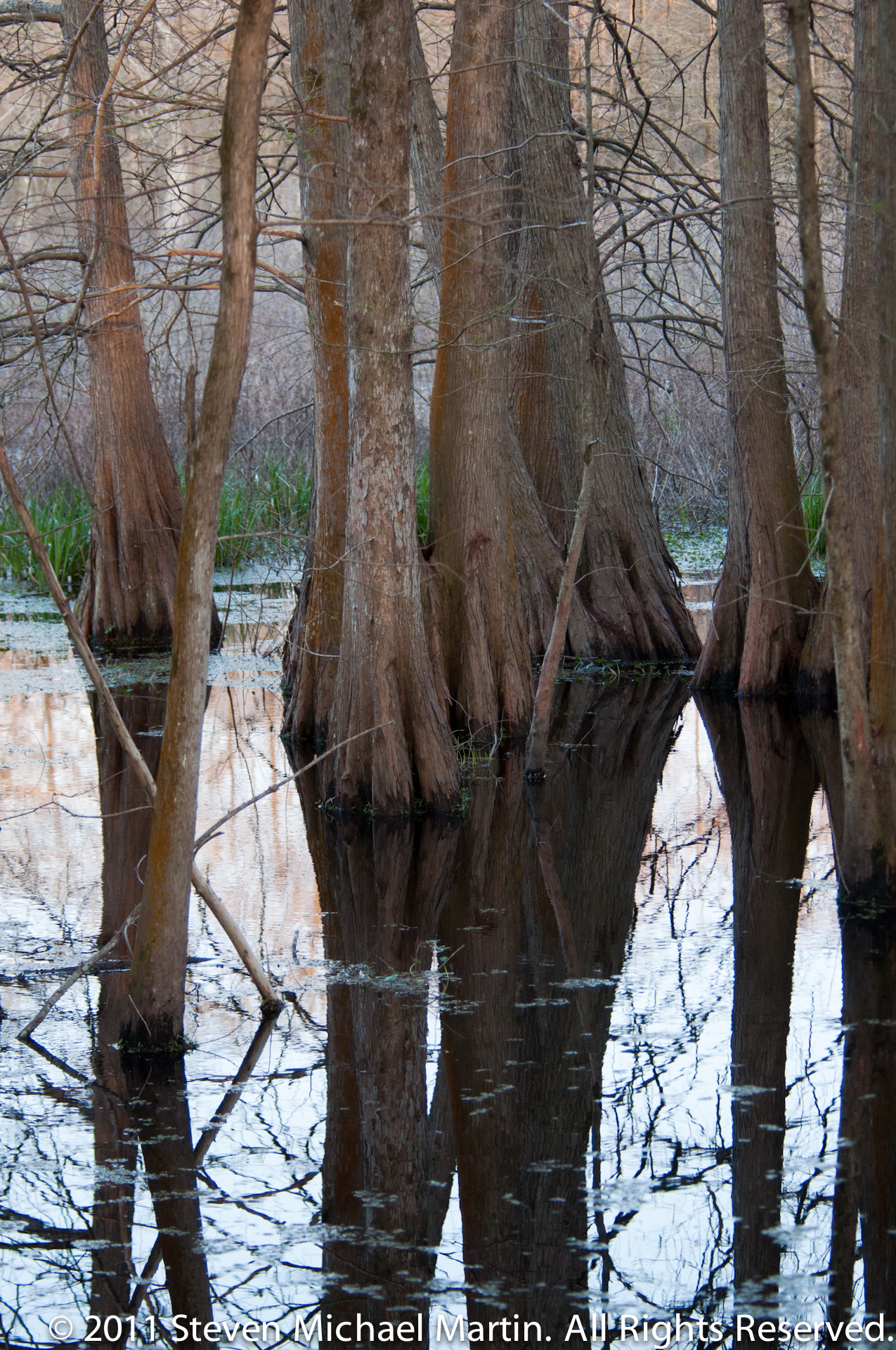
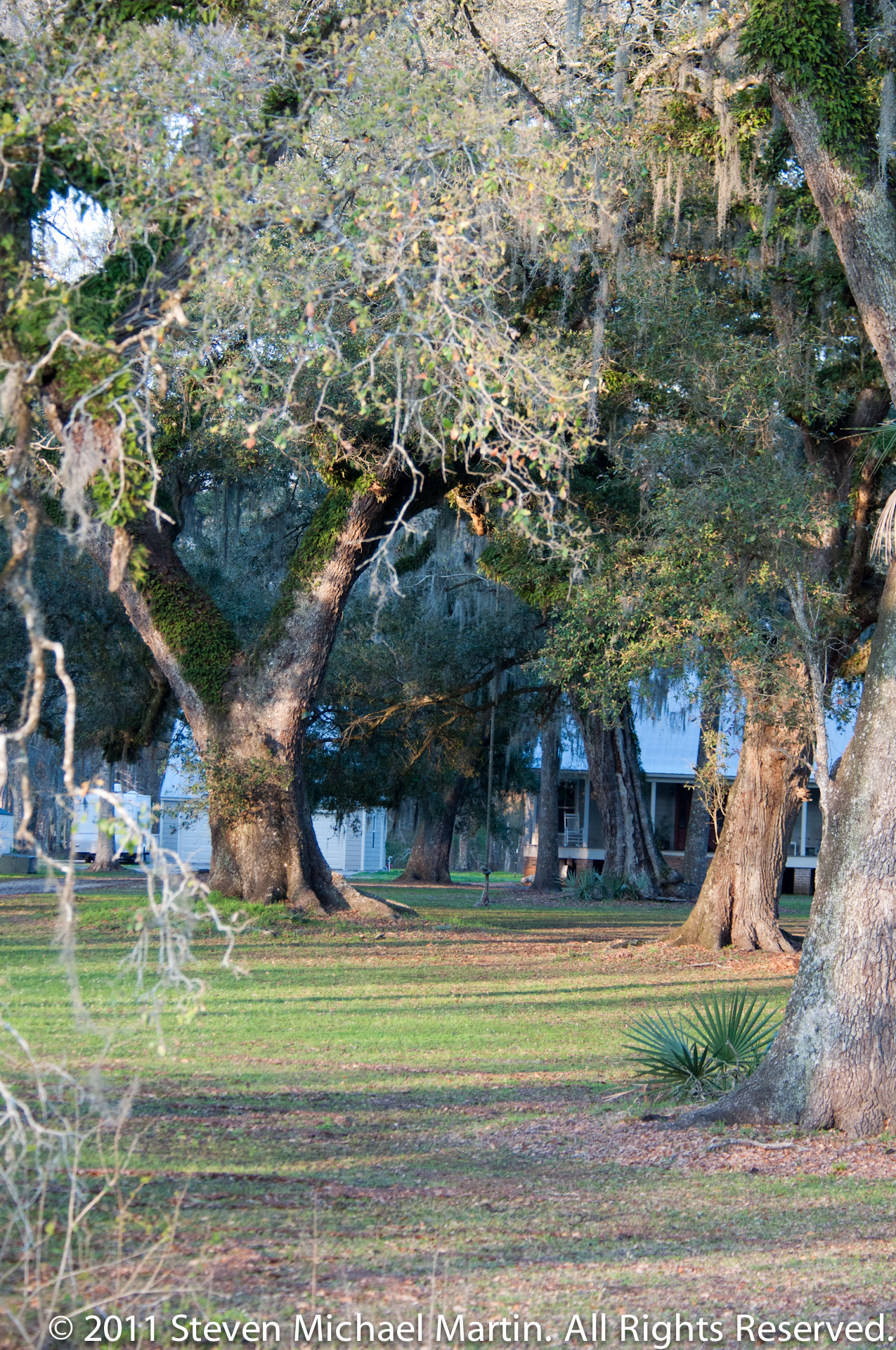
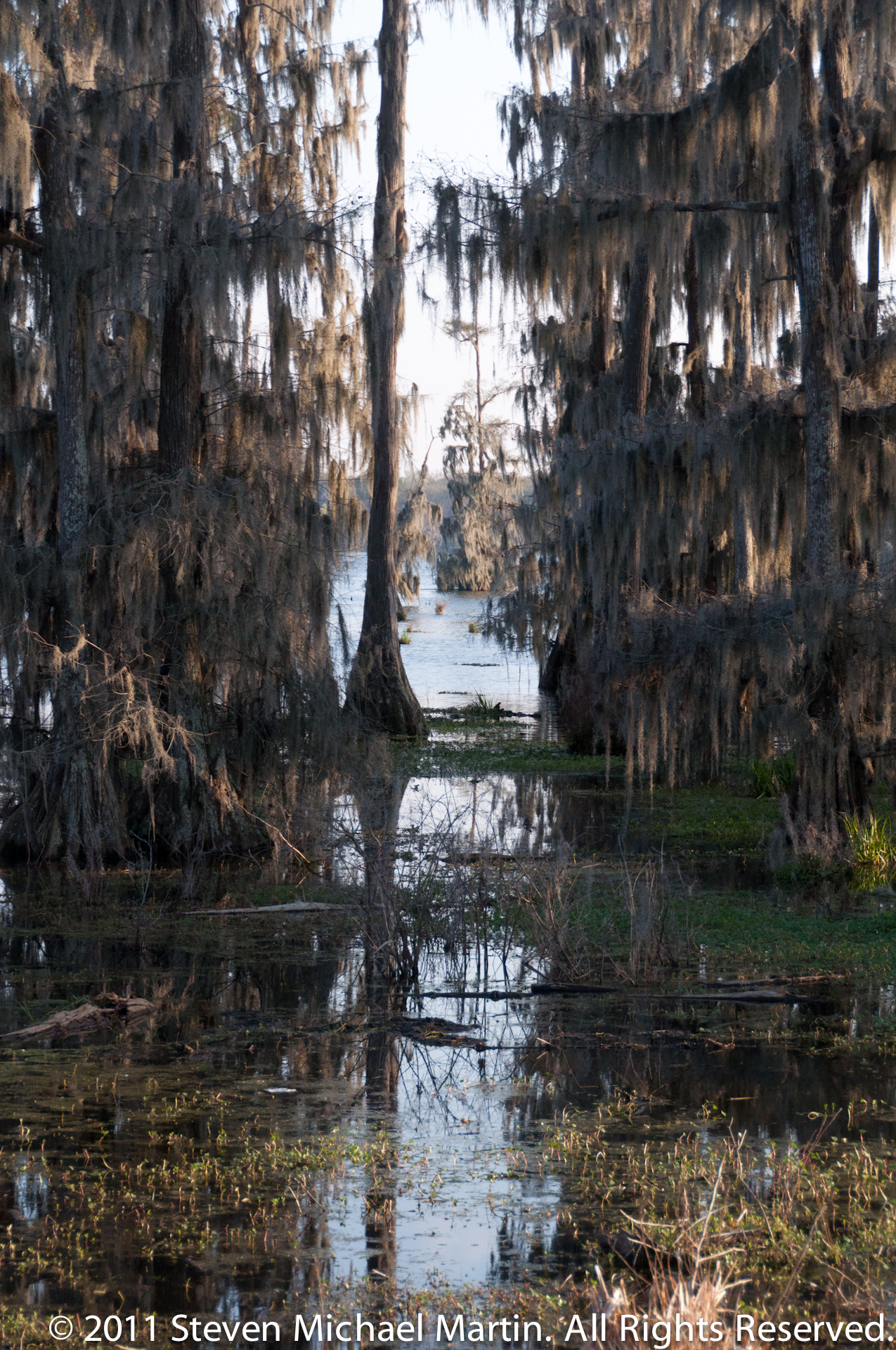
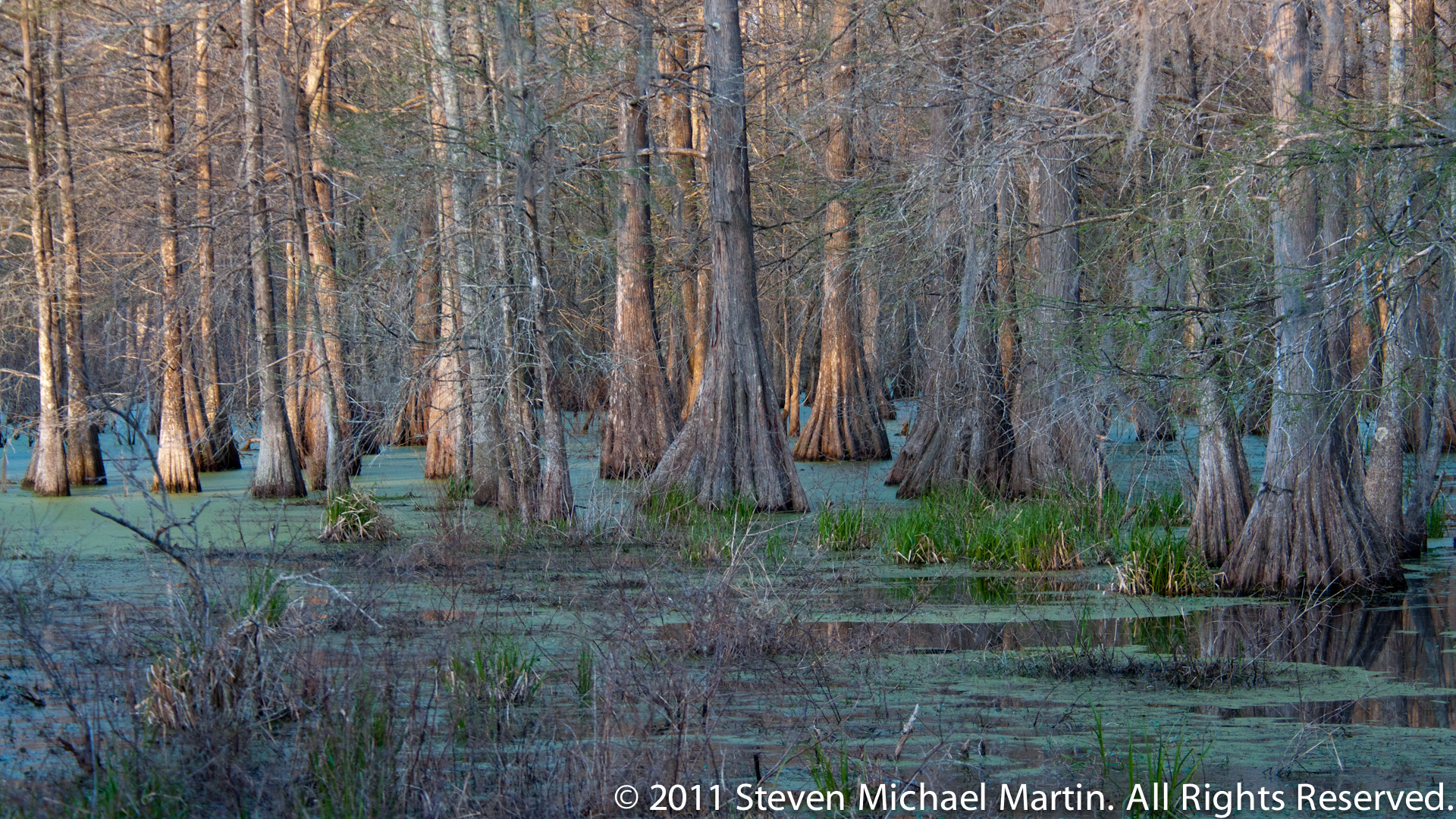
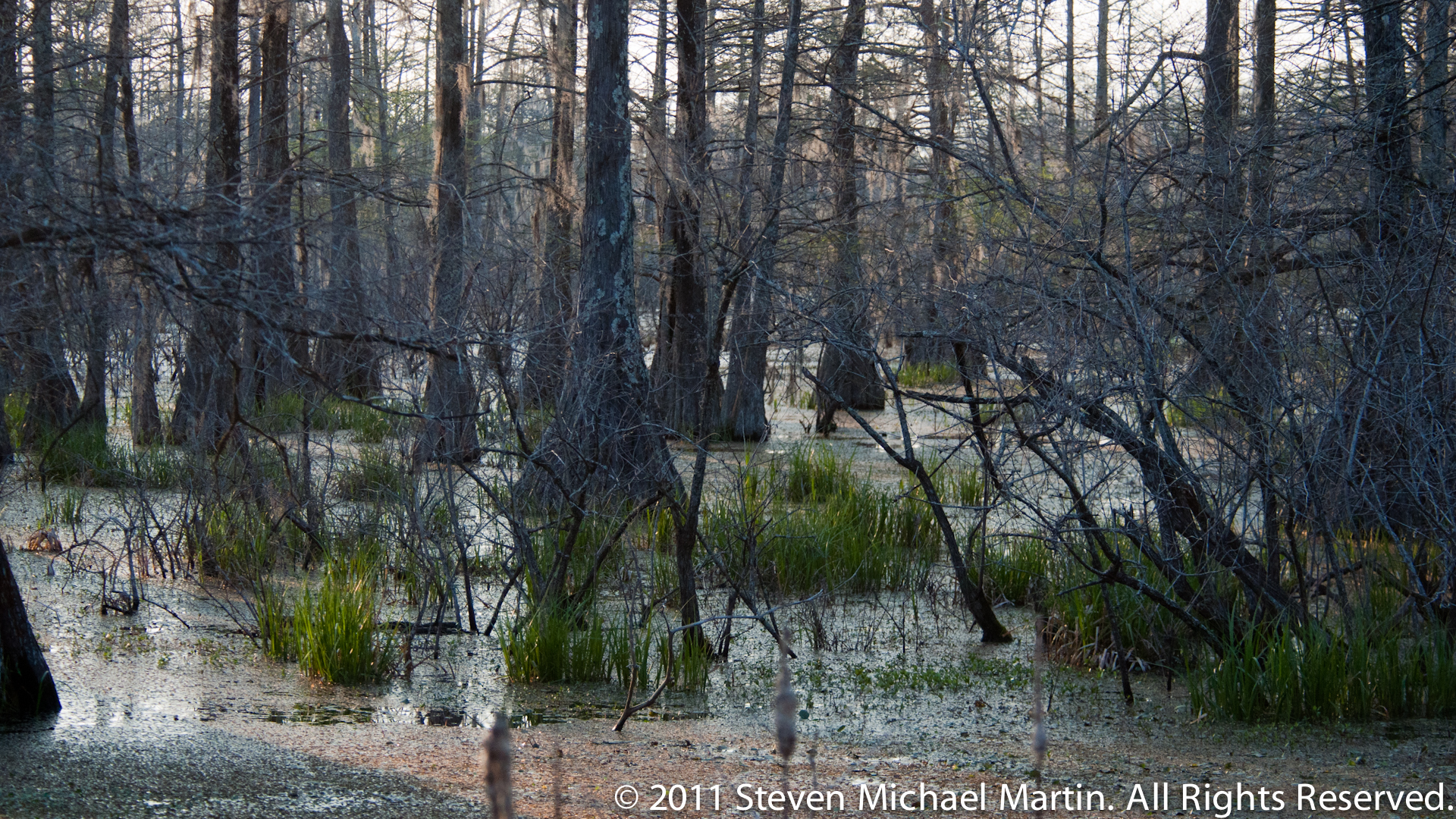
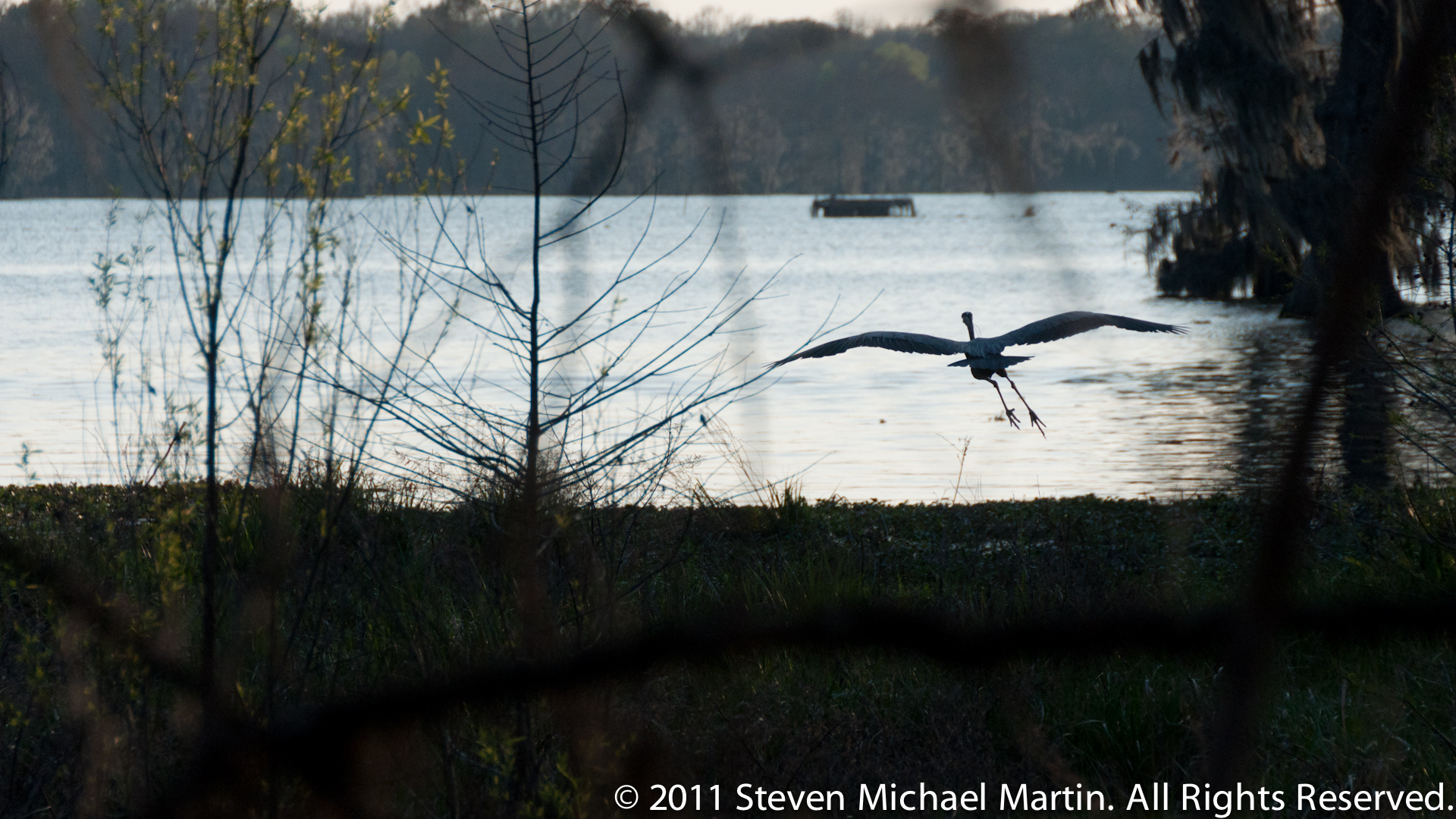
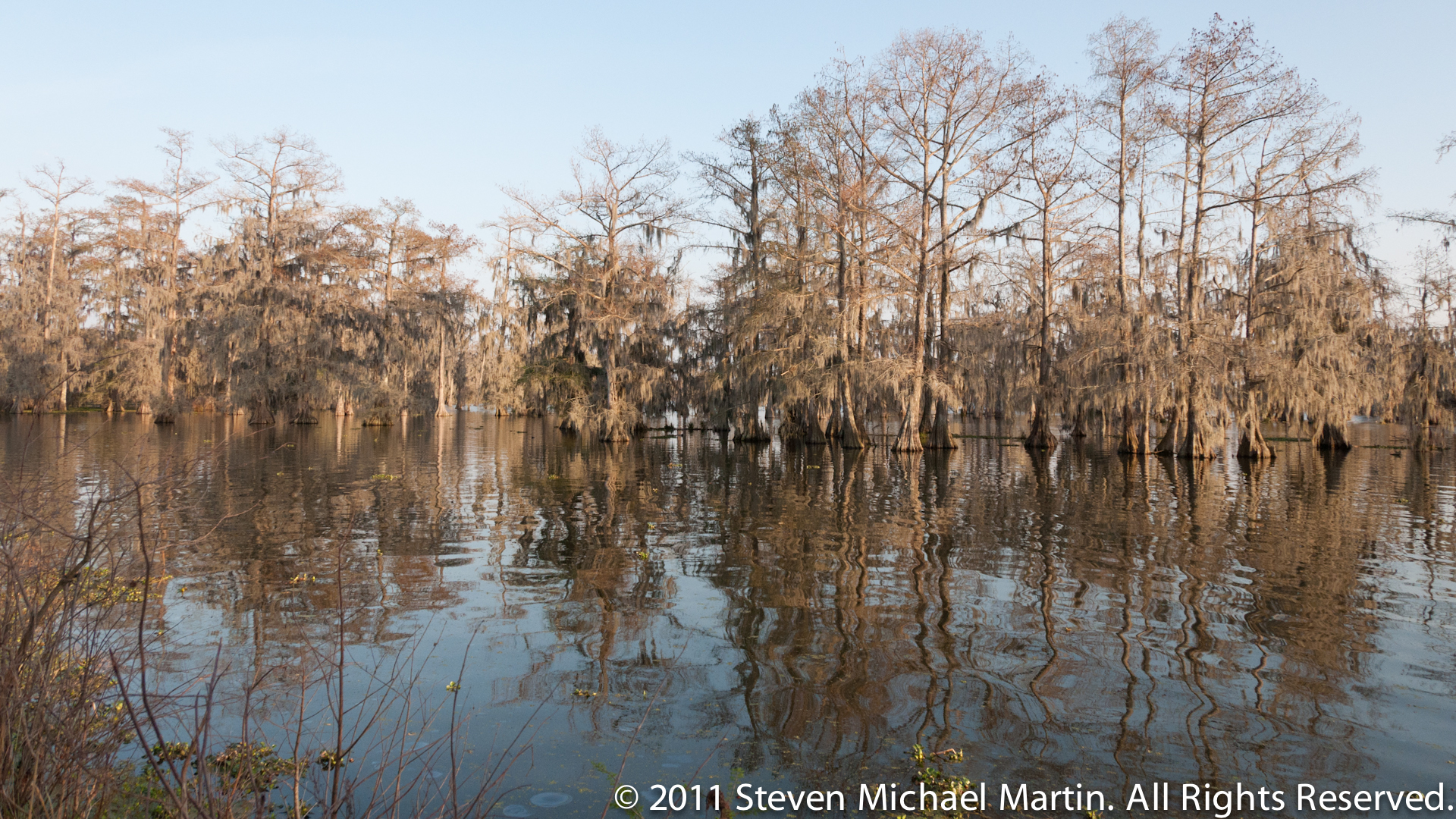
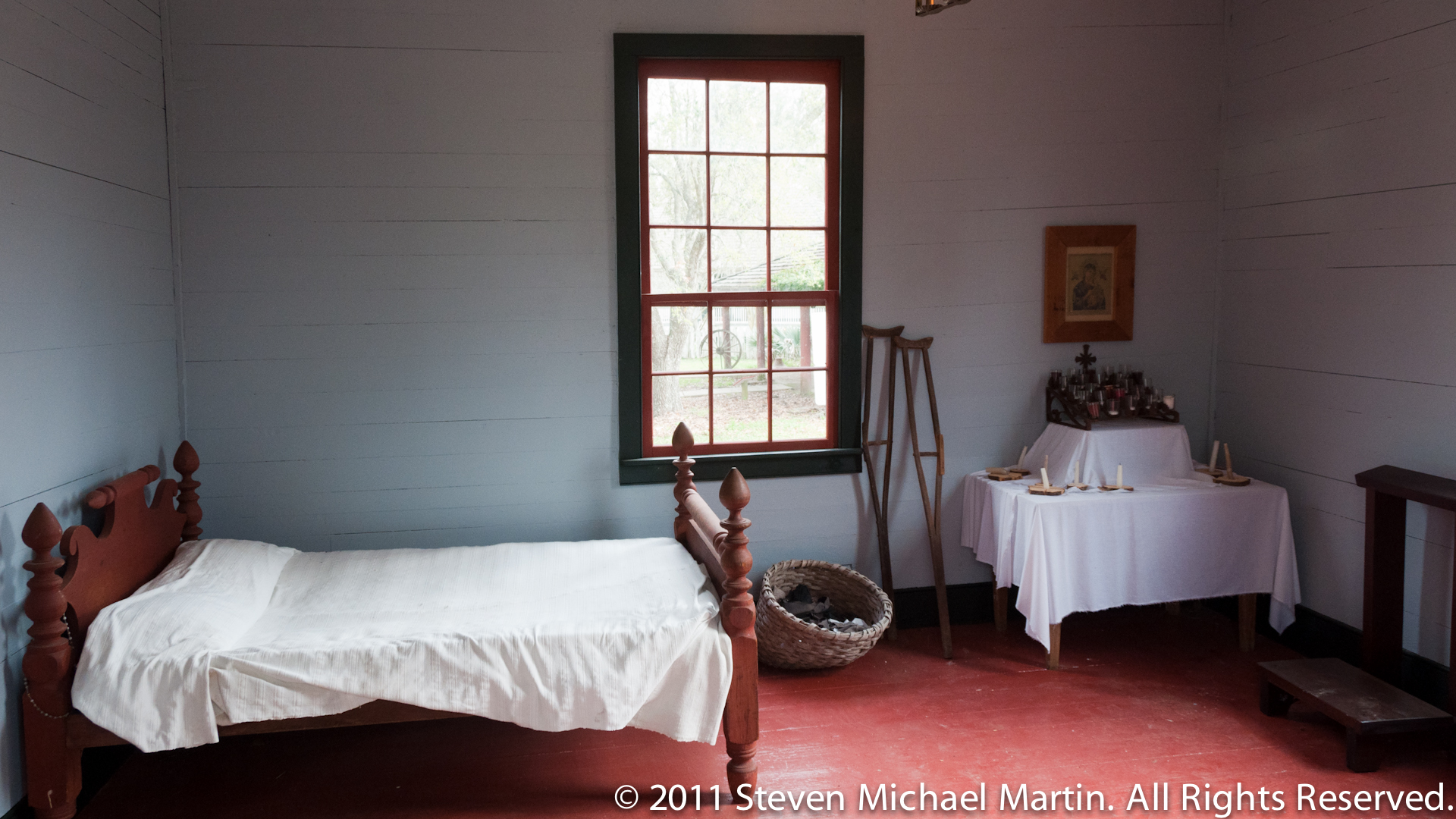
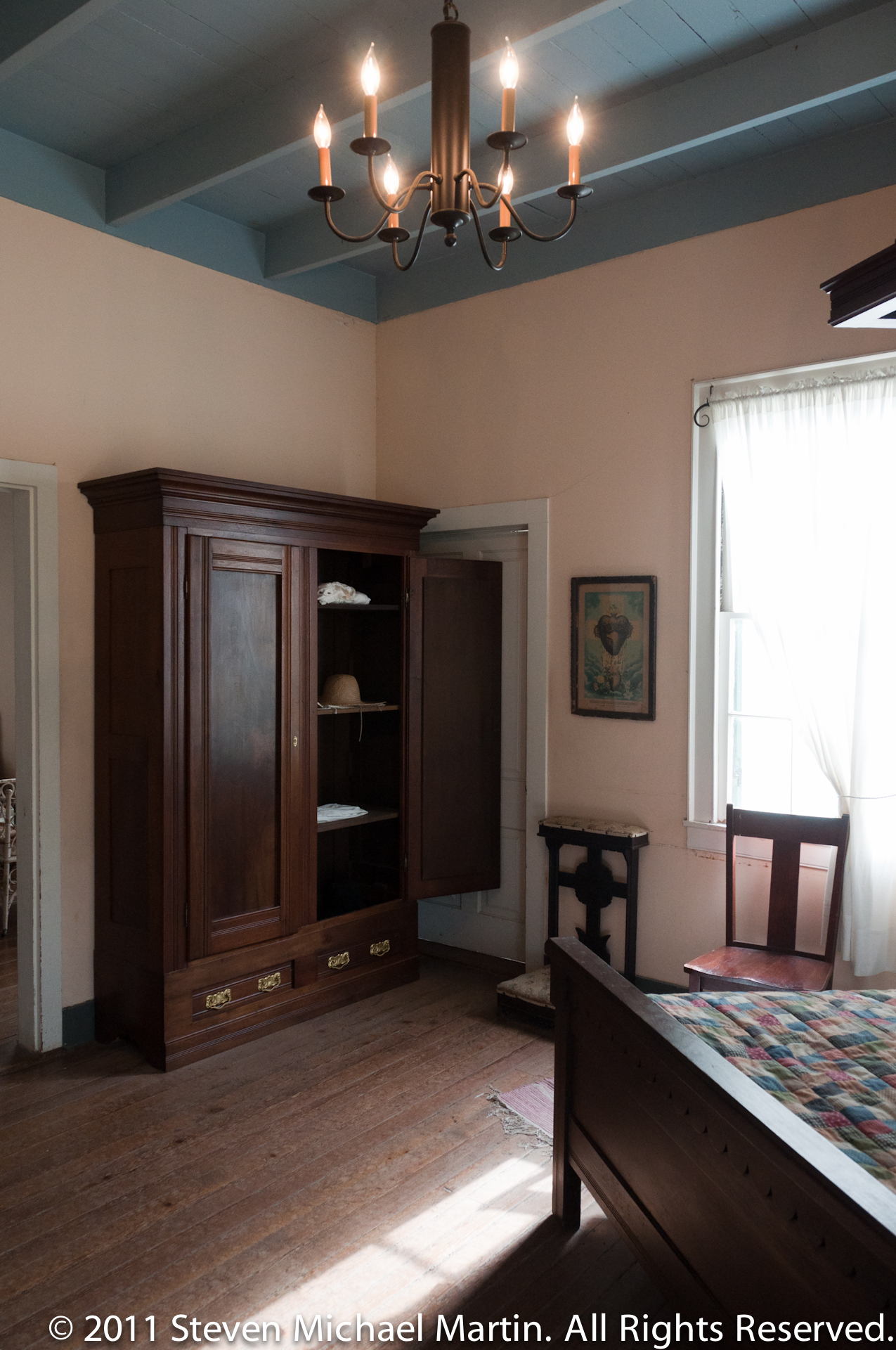
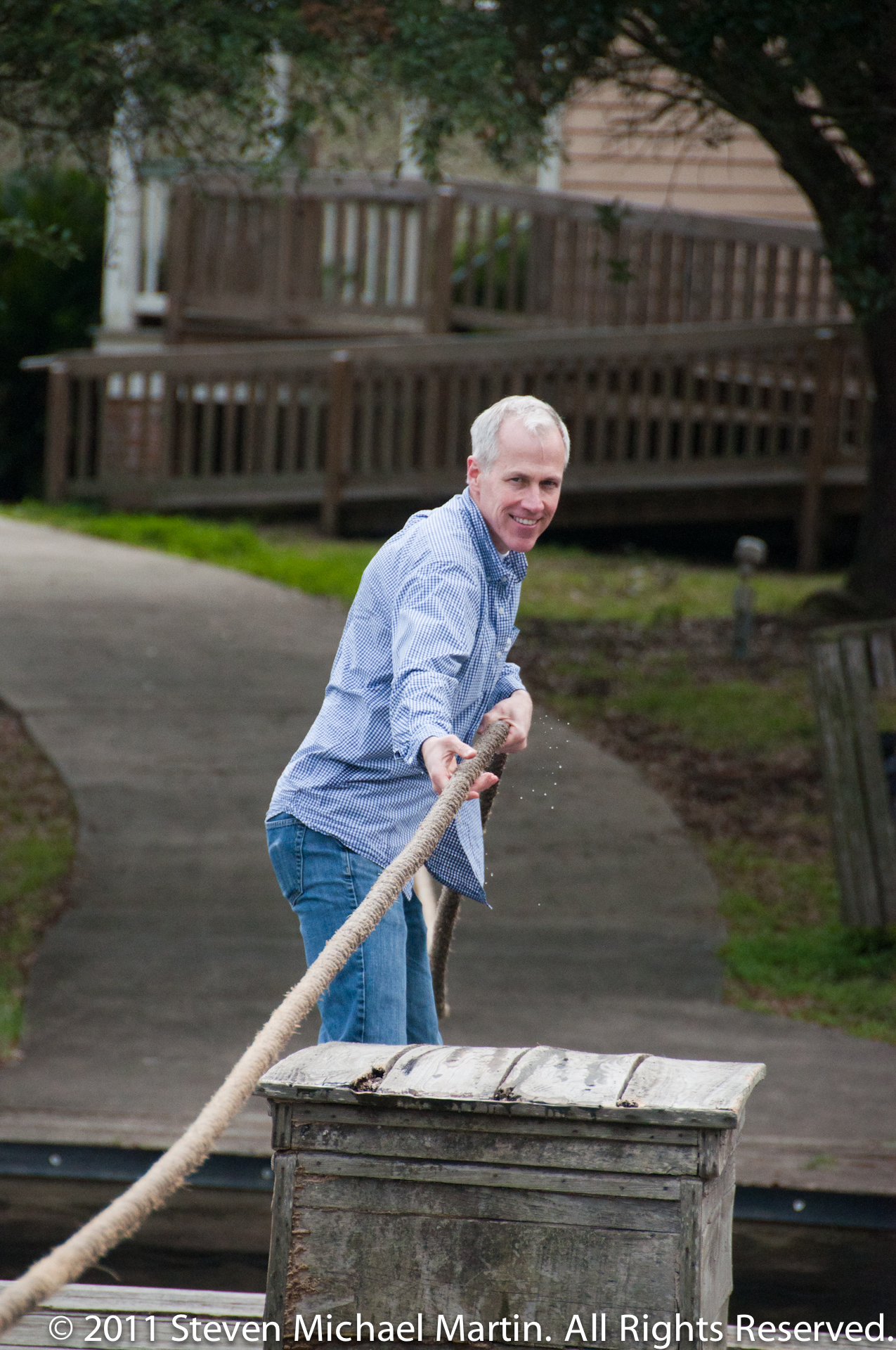
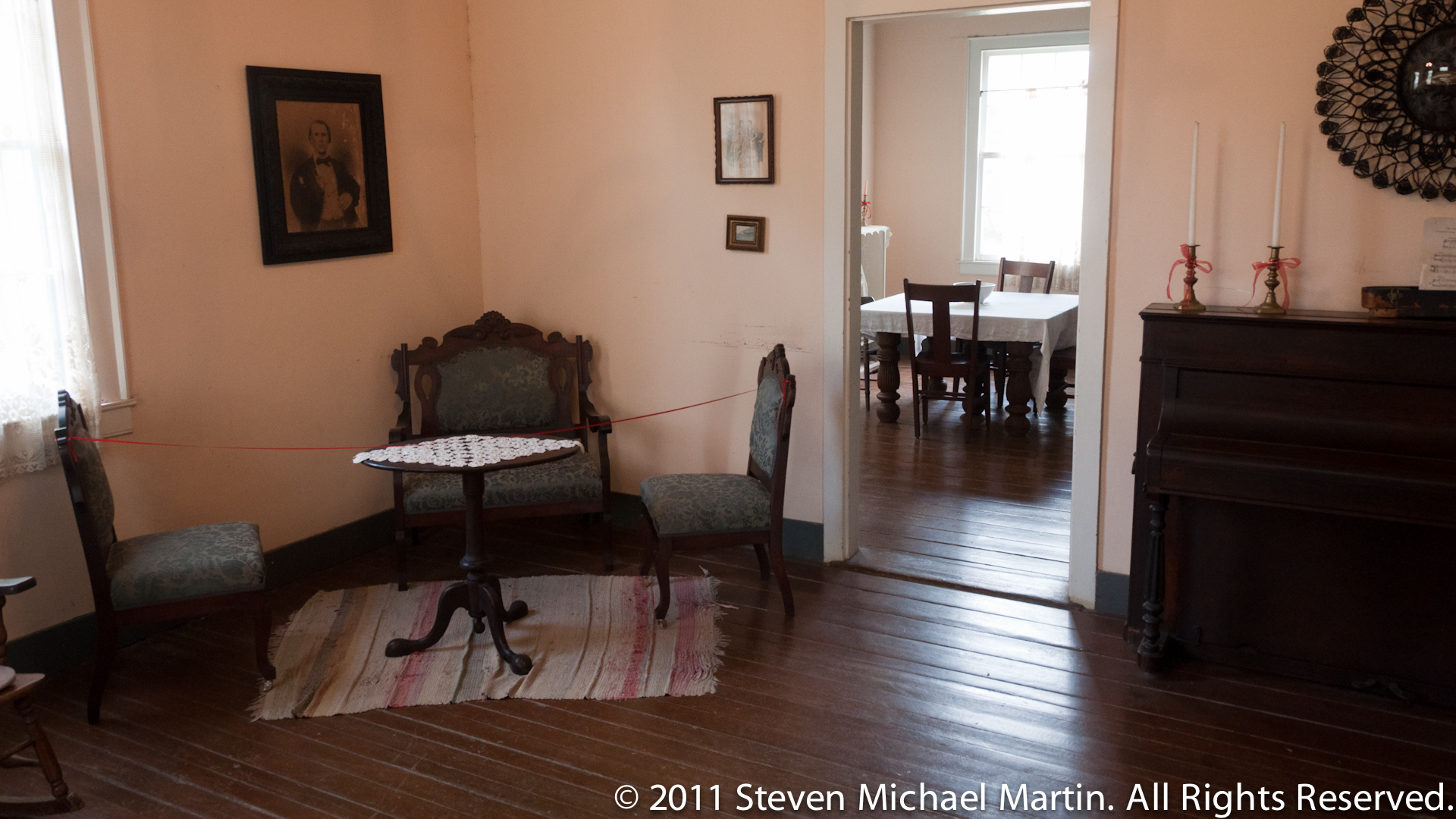
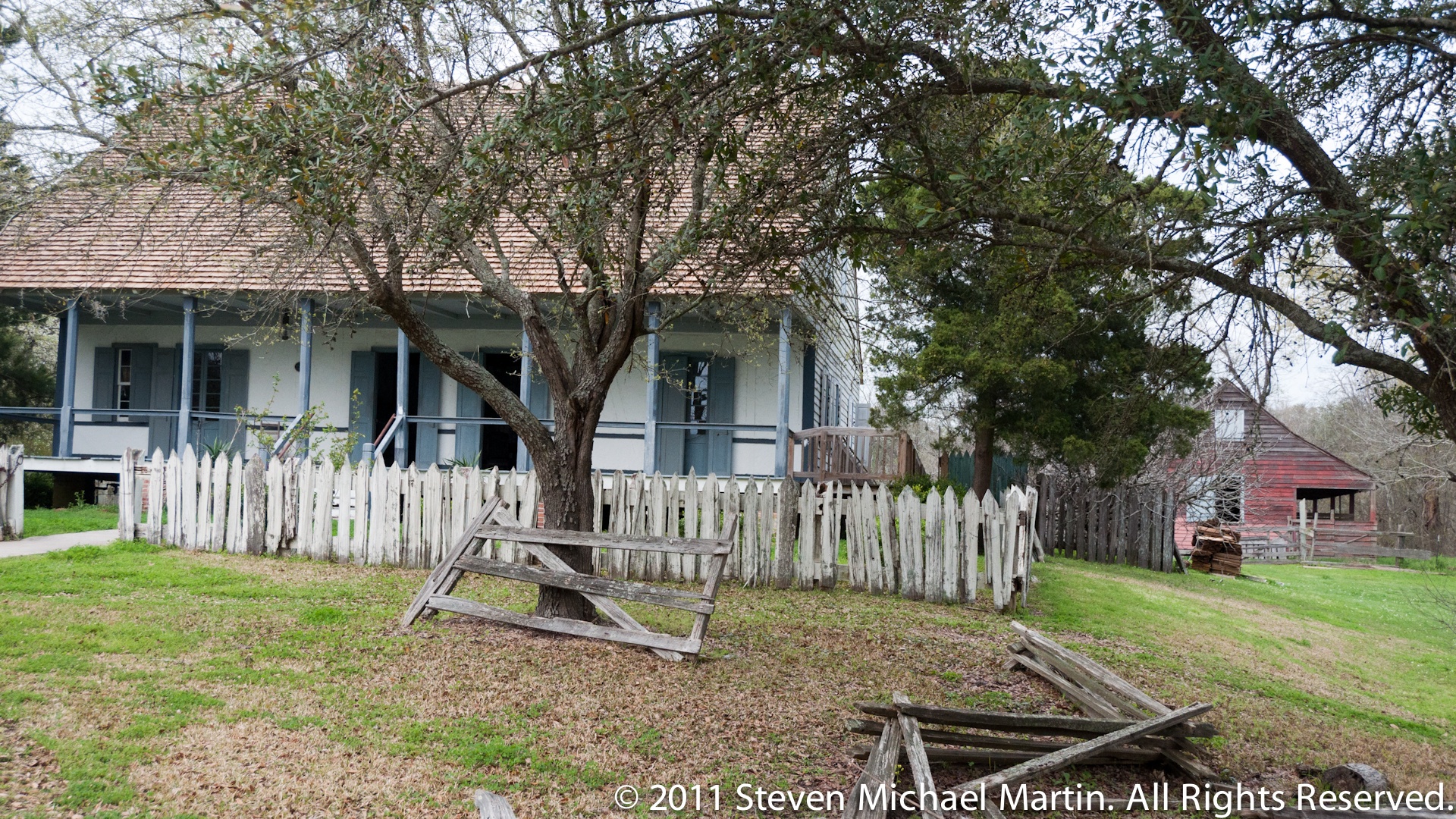
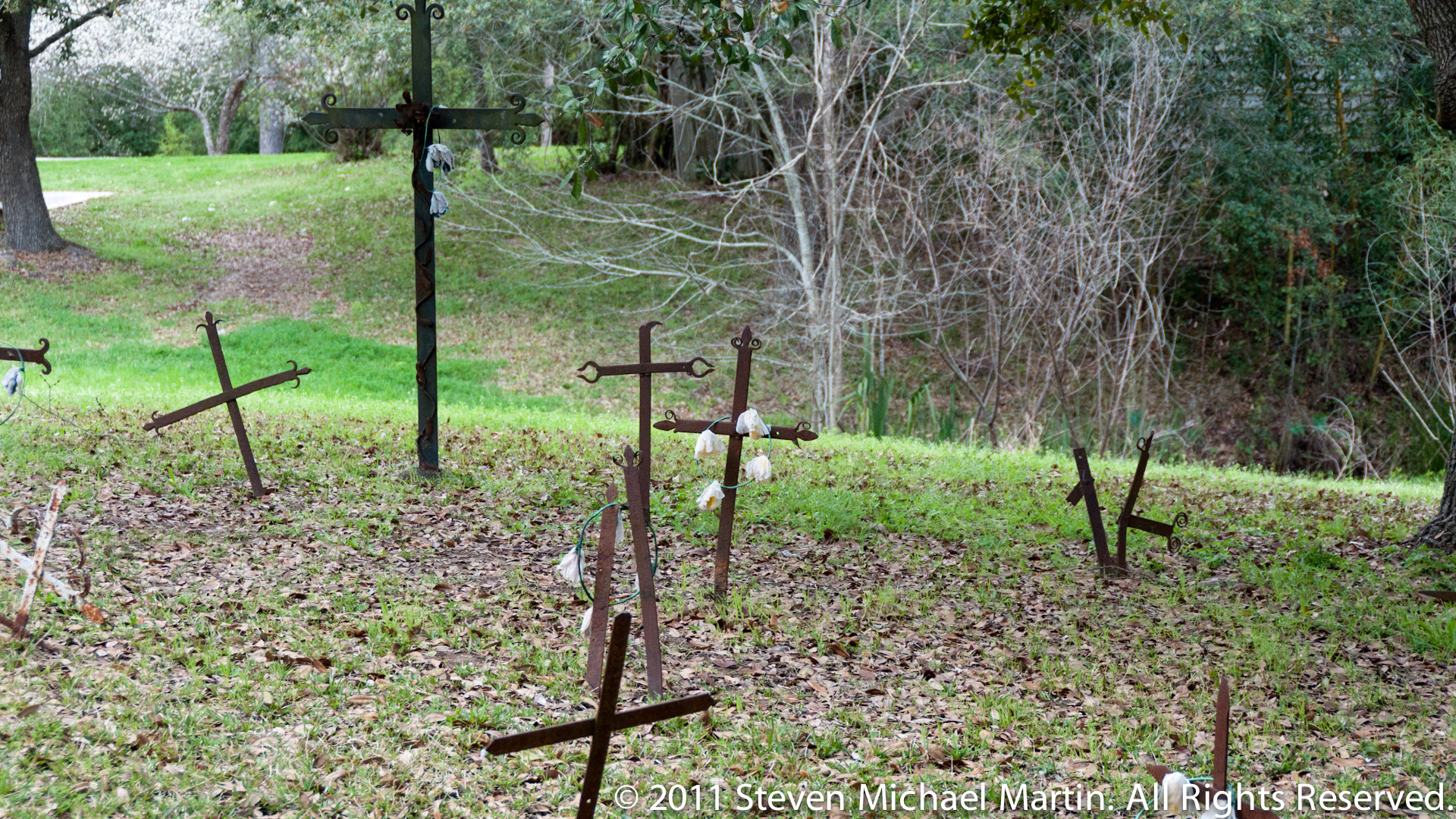
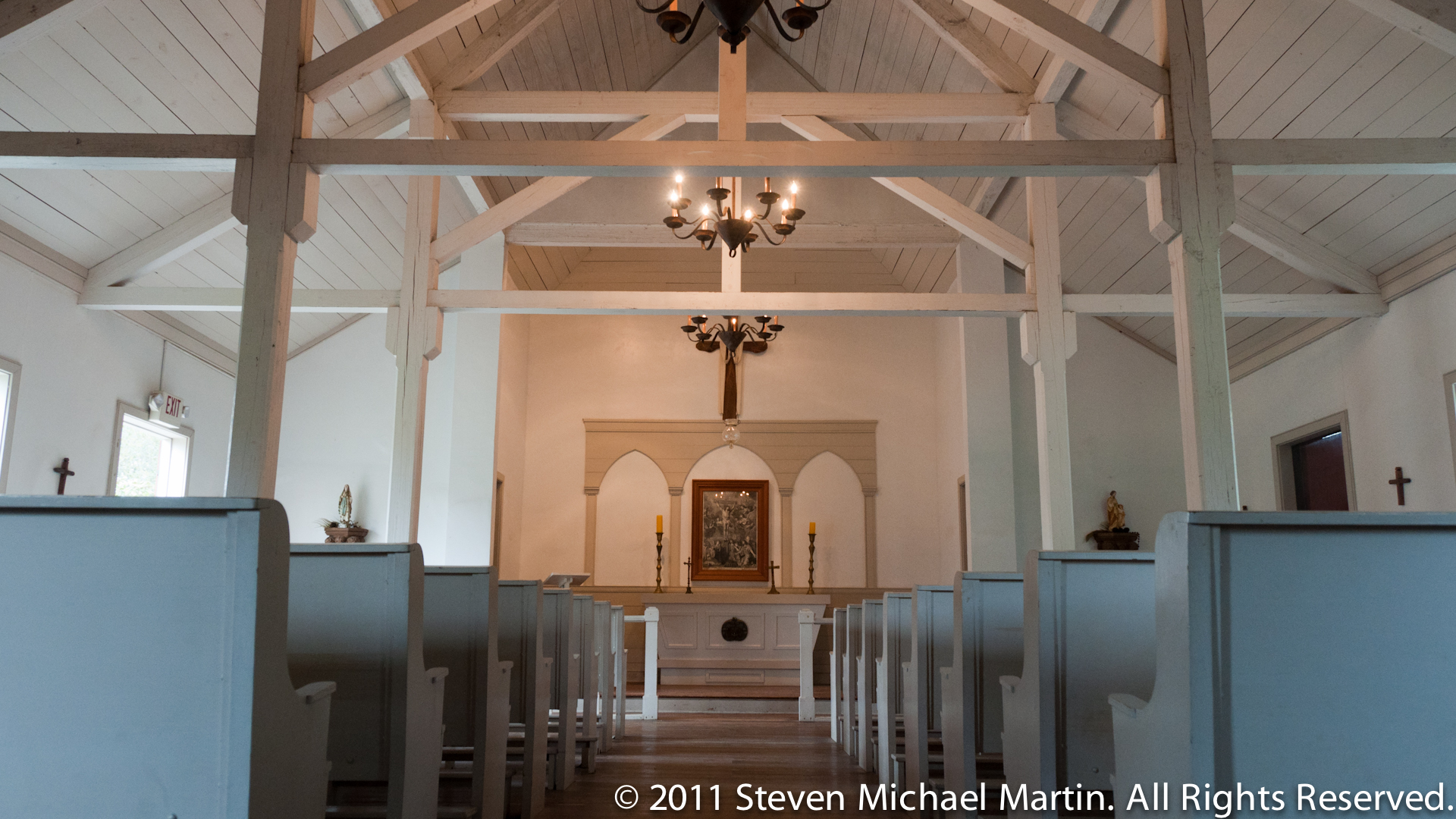
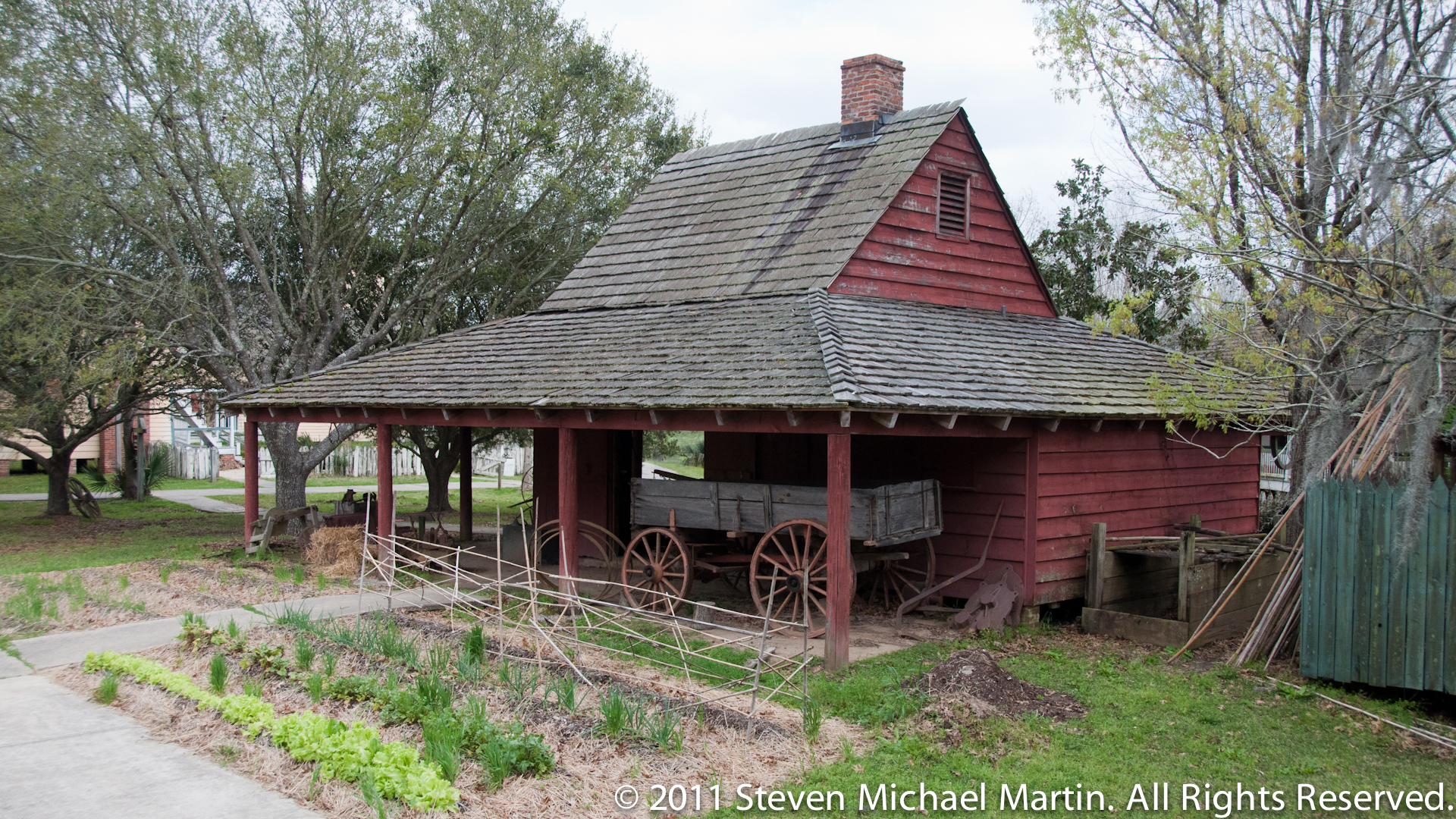
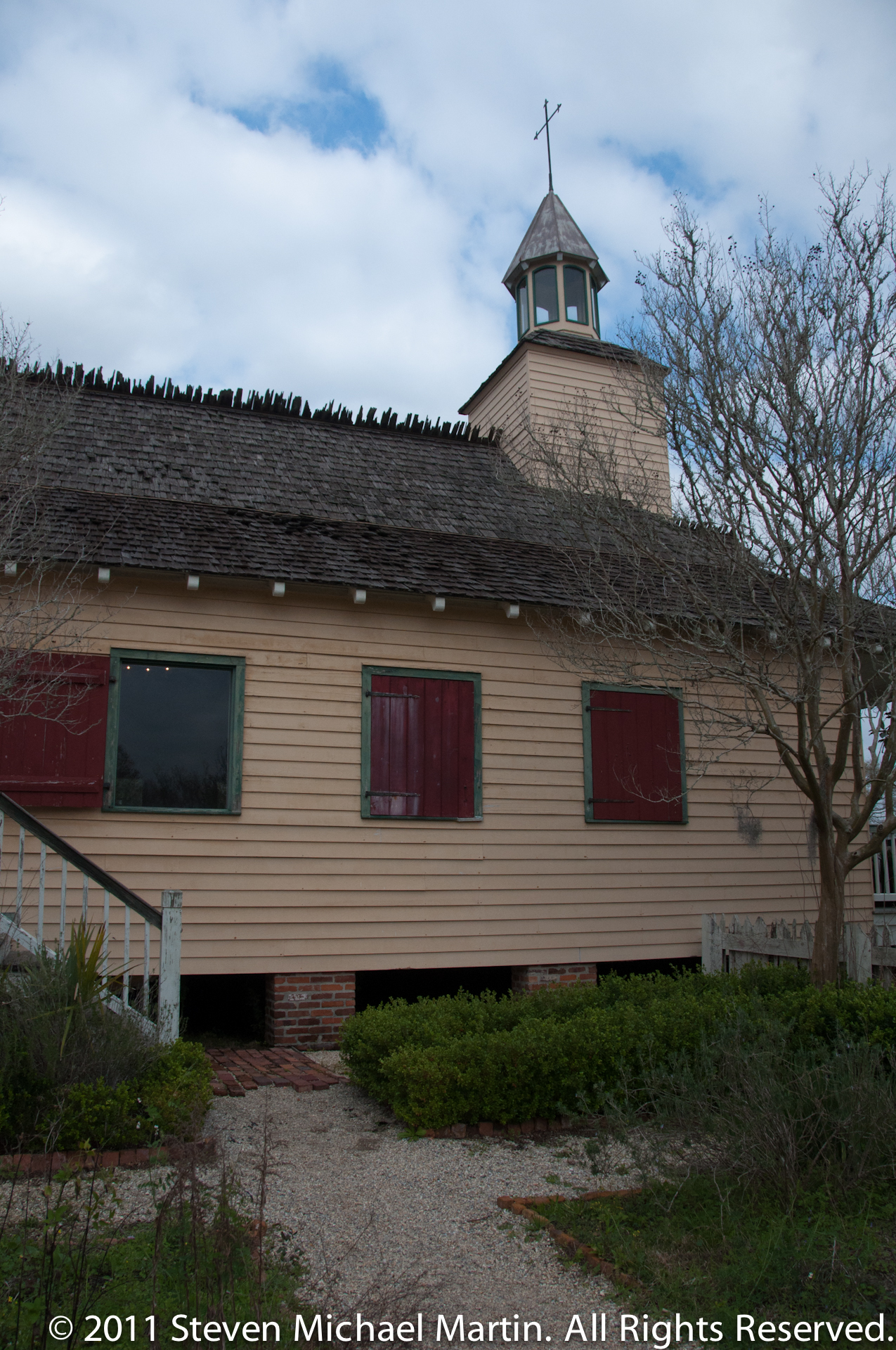
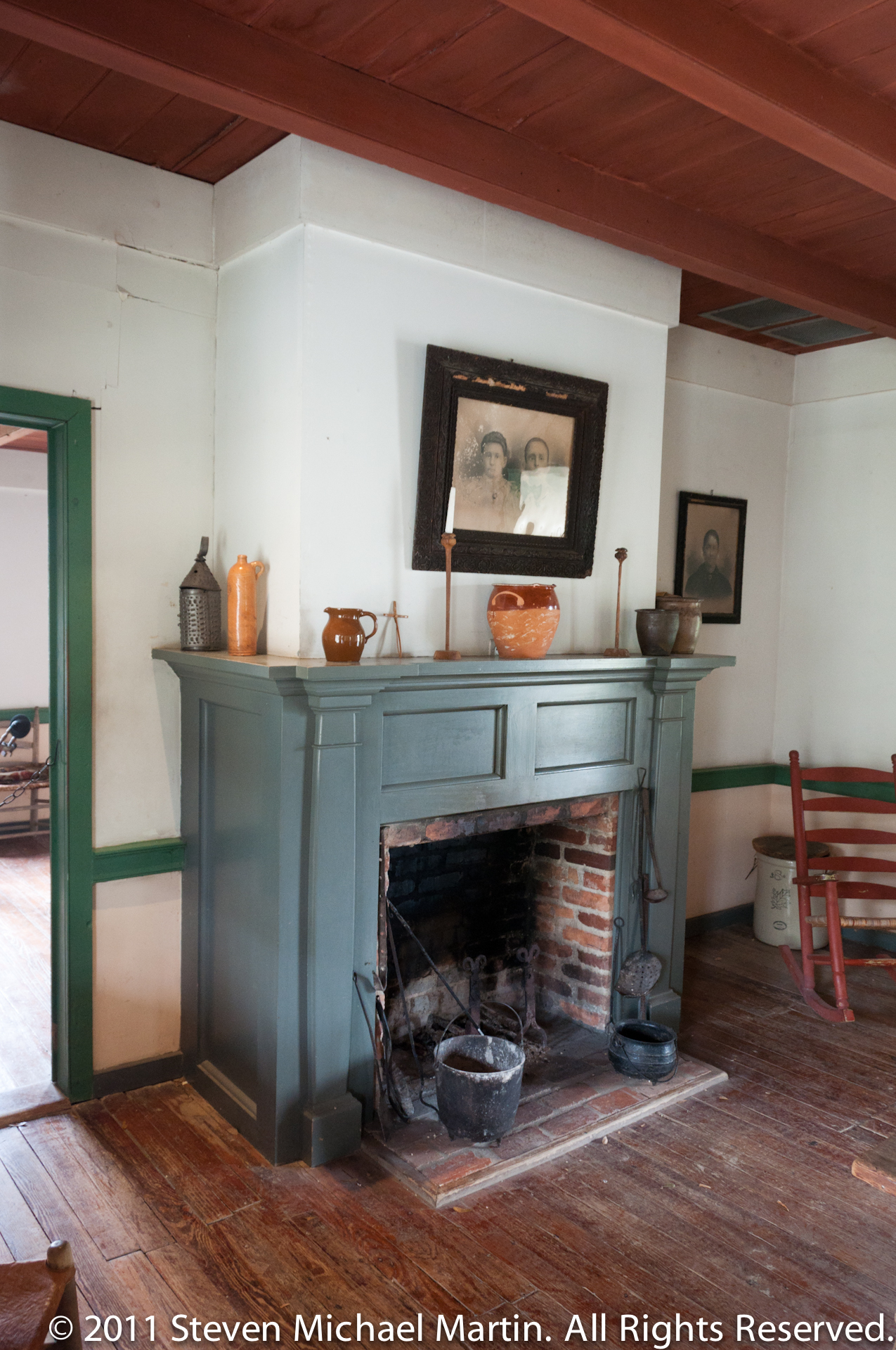
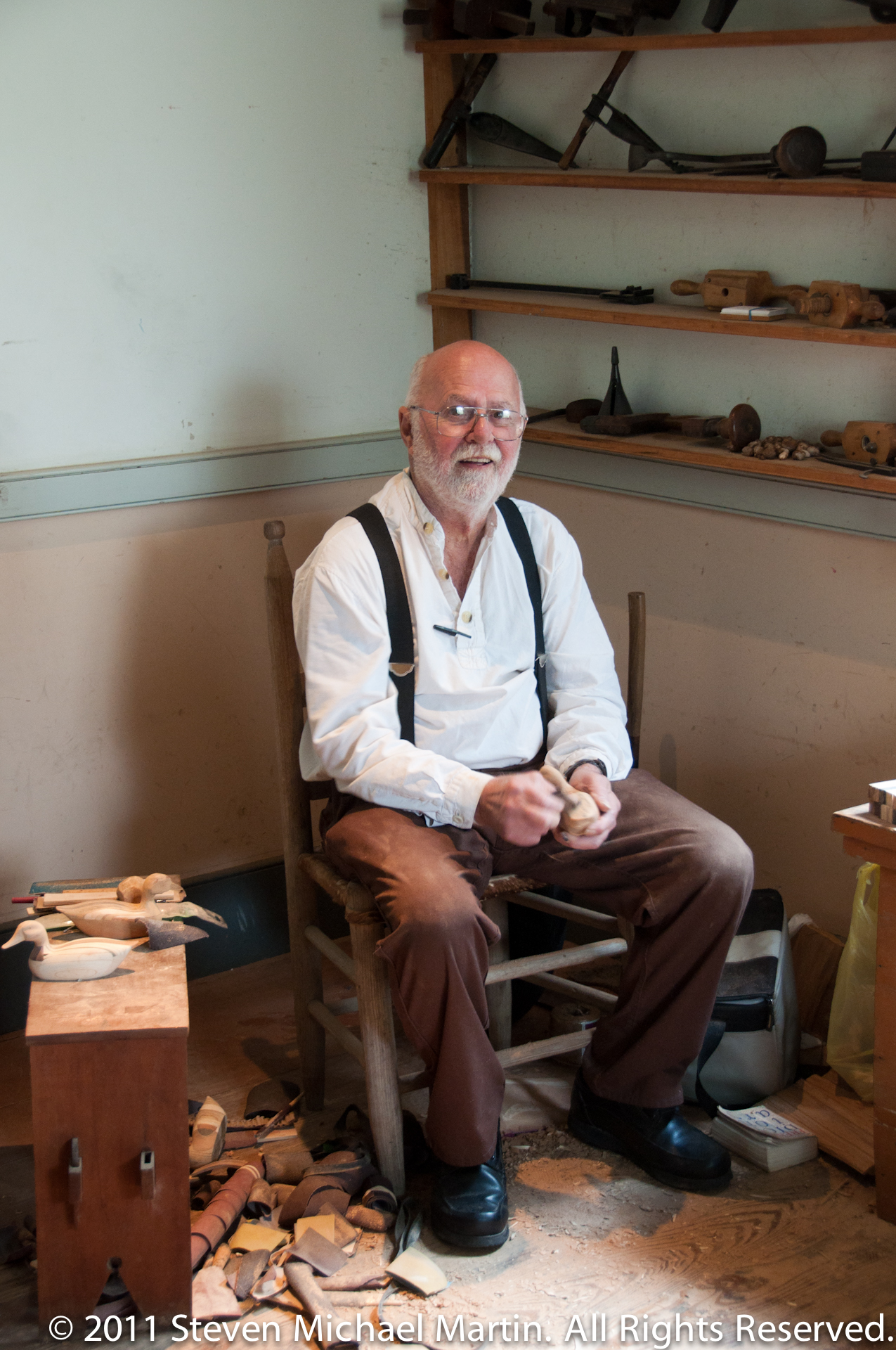
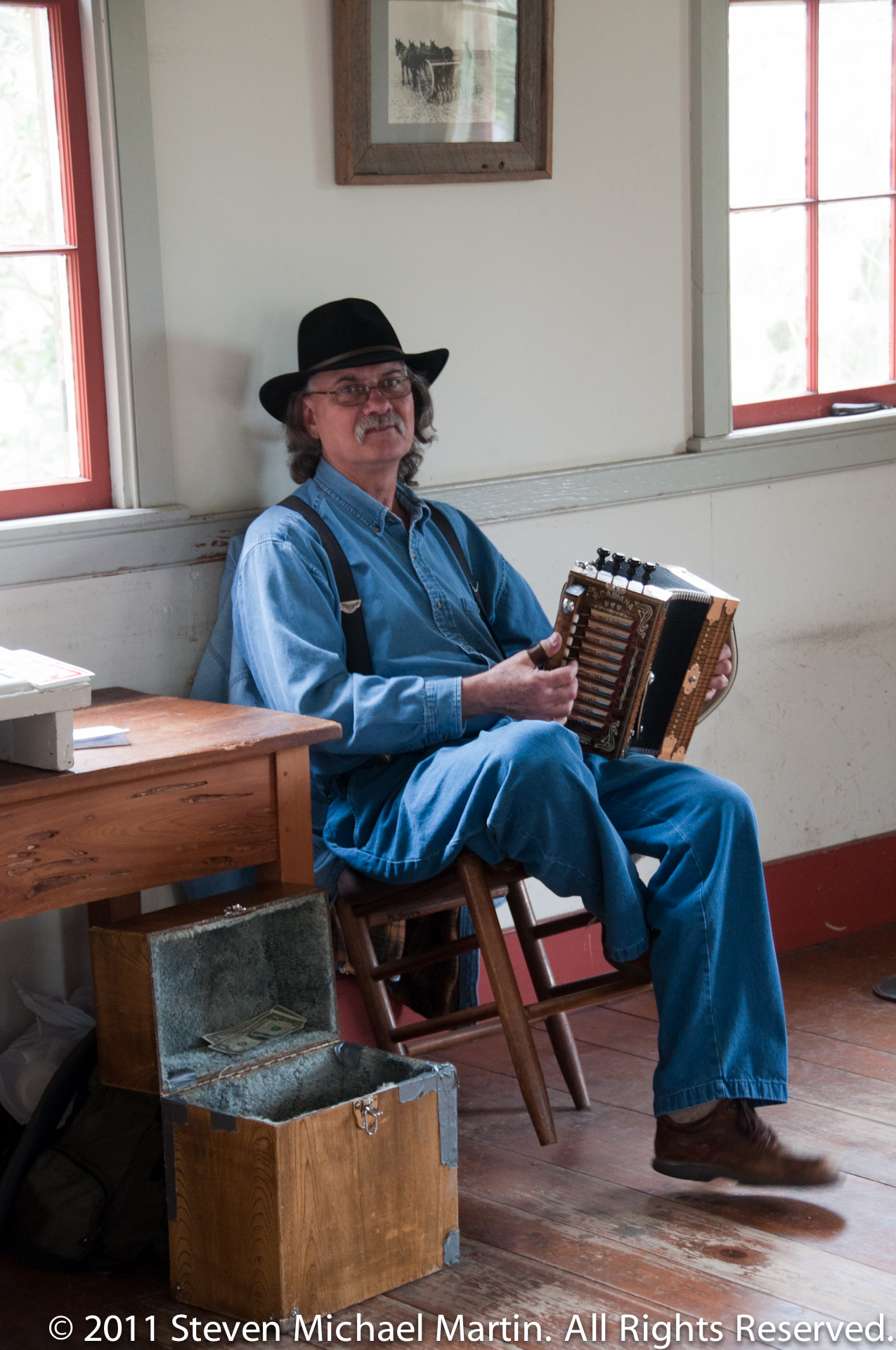
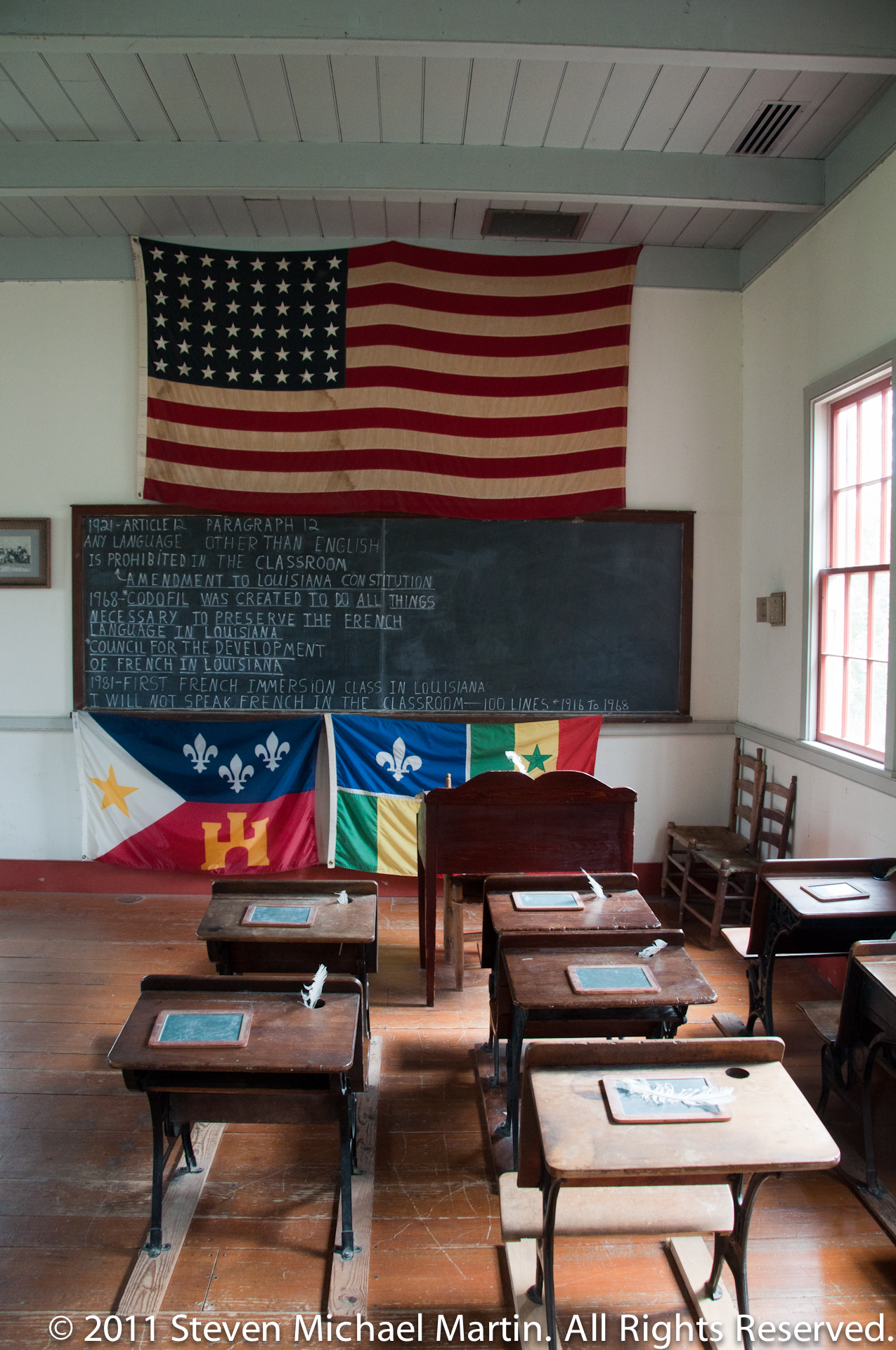
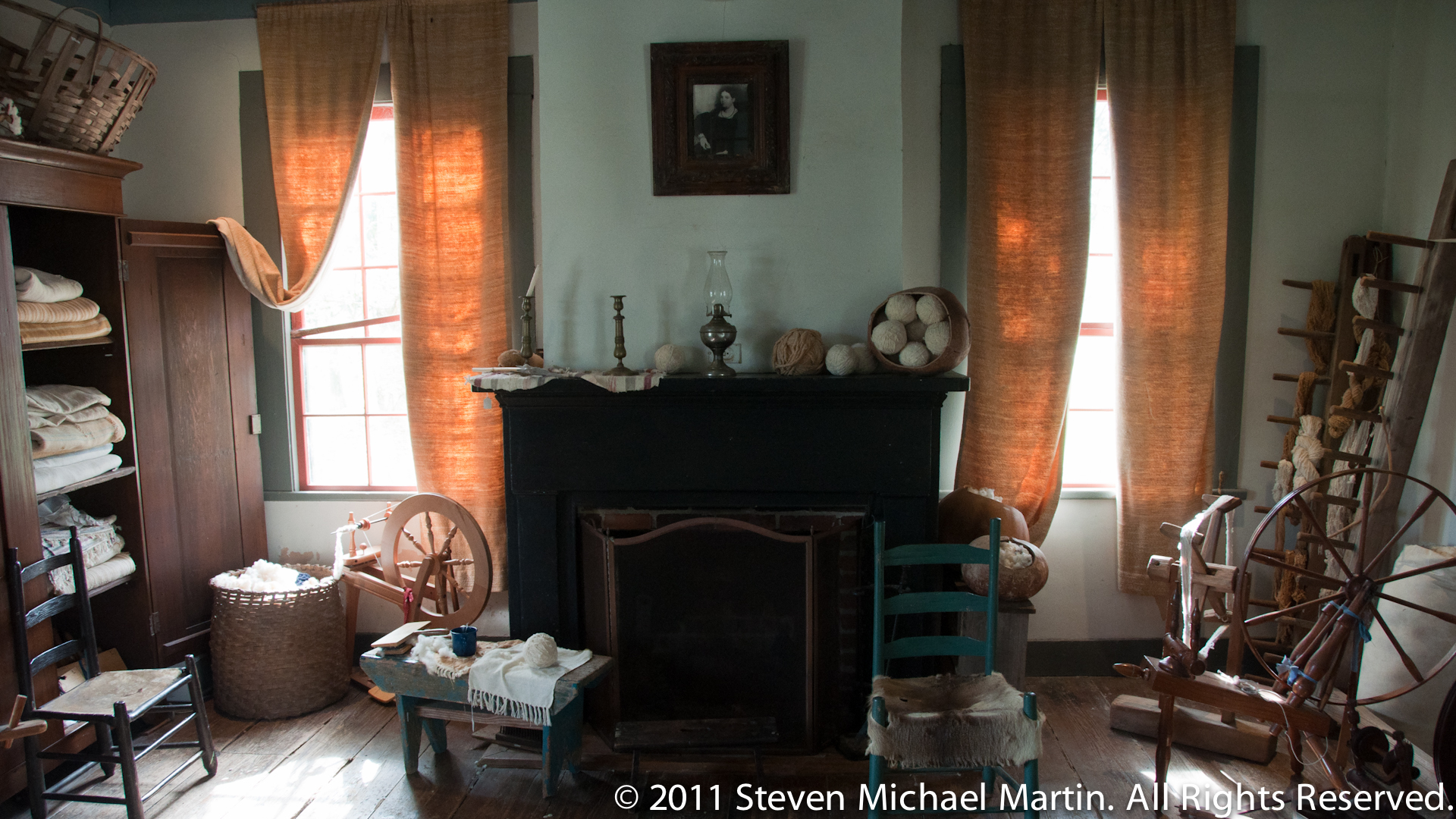
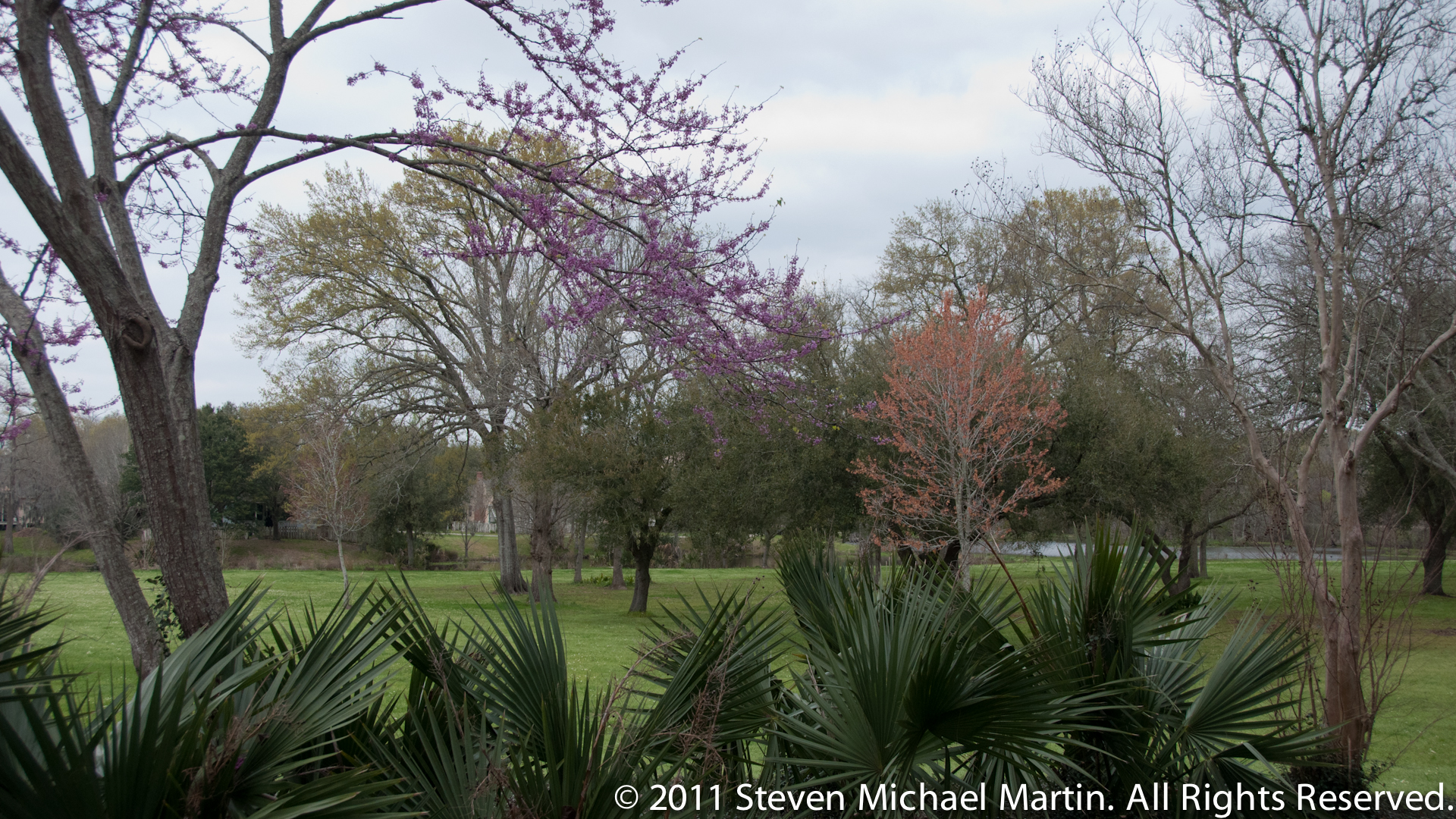
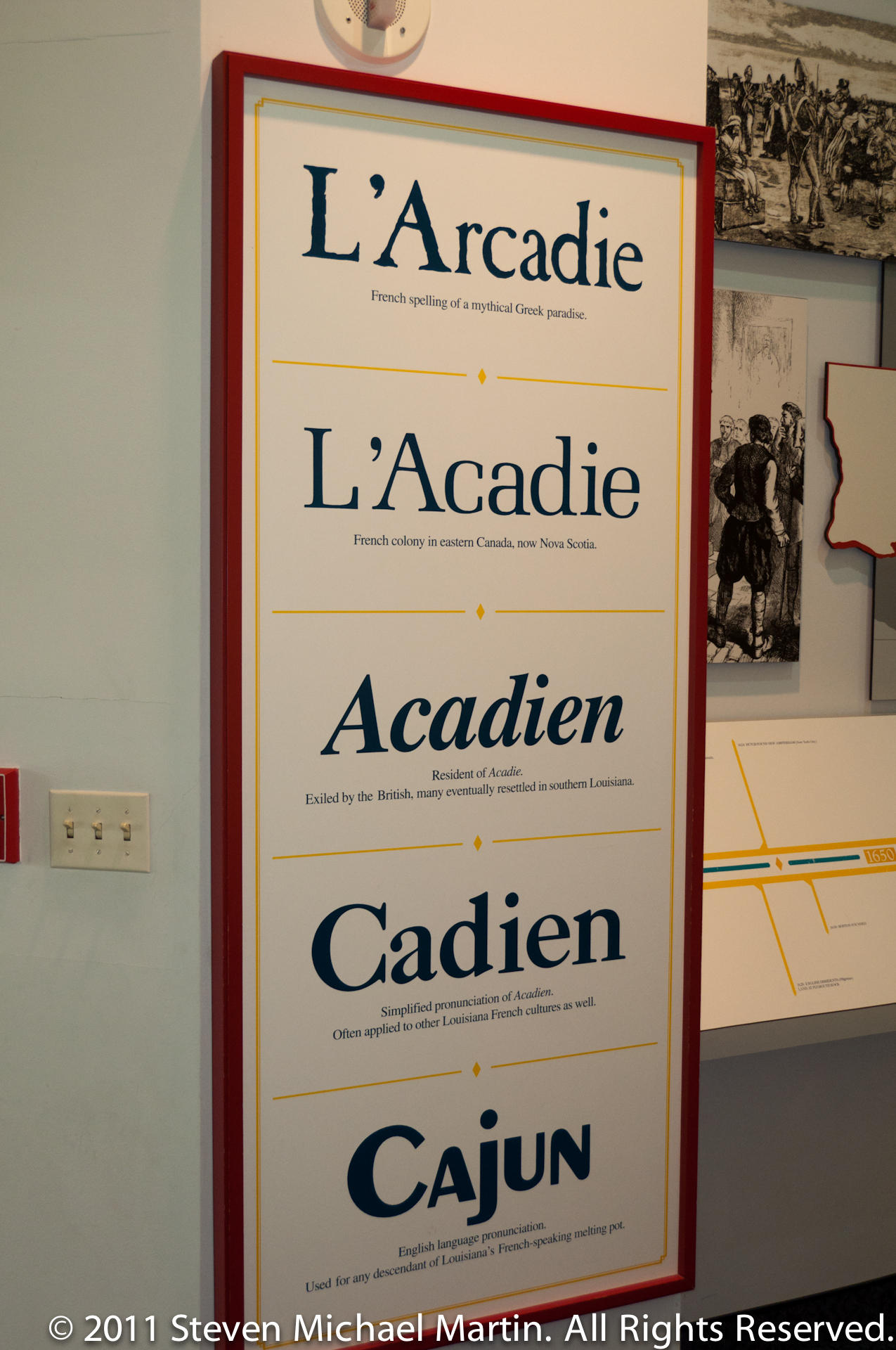
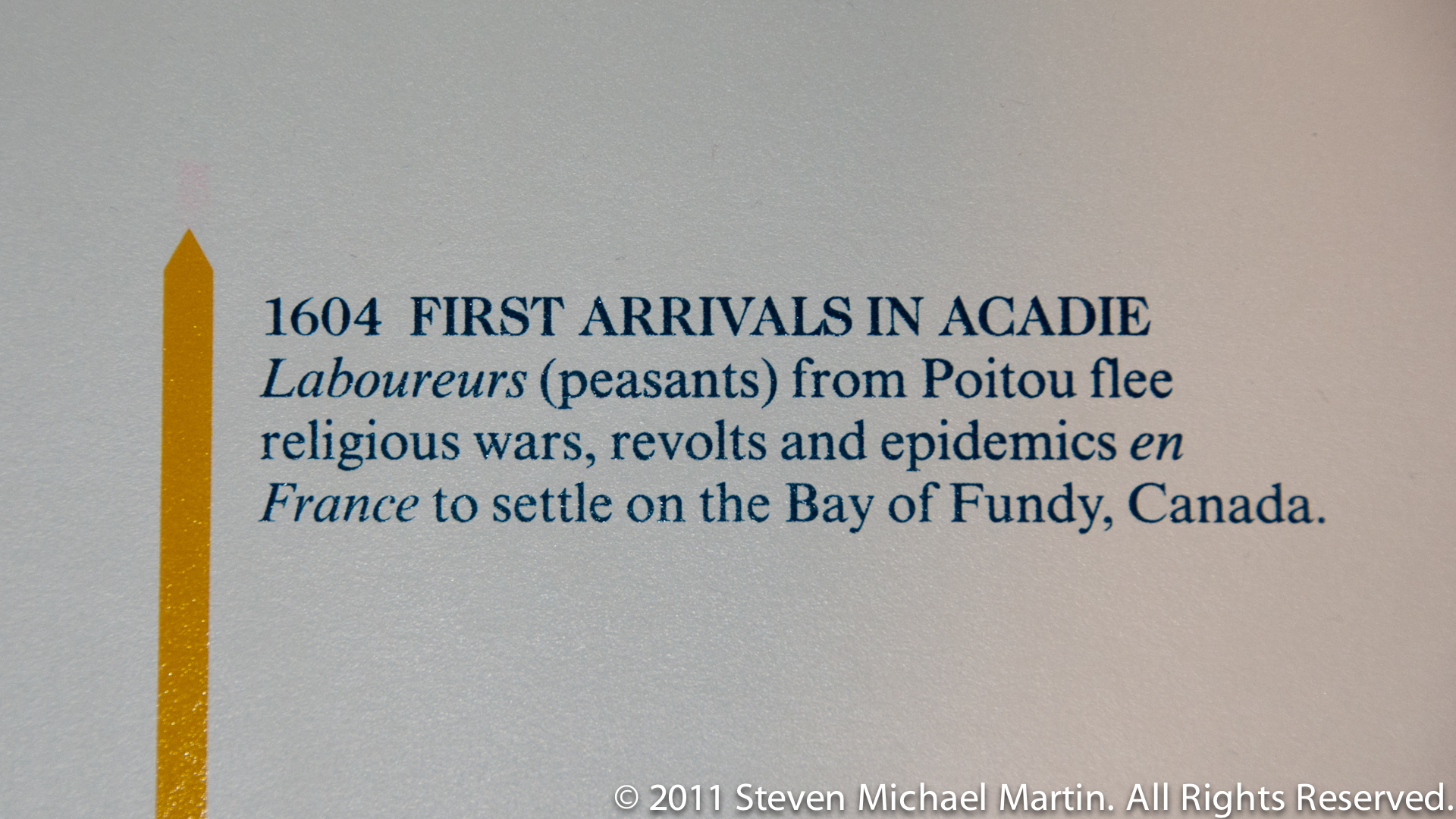
An open stretch of lake extends toward a low tree line, with moss-draped cypress framing the water from both sides. Fresh green foliage brightens the left bank, contrasting with the bare, gray-brown trees across the channel. Gentle ripples soften the reflections and lead into the distance, making this a broad habitat view rather than a close study of roots or wildlife. An open stretch of lake extends toward a low tree line, with moss-draped cypress framing the water from both sides. Fresh green foliage brightens the left bank, contrasting with the bare, gray-brown trees across the channel. Gentle ripples soften the reflections and lead into the distance, making this a broad habitat view rather than a close study of roots or wildlife. A broad view across the lake holds the last blue light of evening, with cypress silhouettes spaced along the far shore and reflected in the calm foreground. A small amber light near the right edge creates a bright vertical streak on the water, introducing a human presence without interrupting the wetland’s dark outline. The open composition contrasts with the tighter tree-framed views nearby. A broad view across the lake holds the last blue light of evening, with cypress silhouettes spaced along the far shore and reflected in the calm foreground. A small amber light near the right edge creates a bright vertical streak on the water, introducing a human presence without interrupting the wetland’s dark outline. The open composition contrasts with the tighter tree-framed views nearby. A large cypress limb stretches across the center of the frame, its hanging moss silhouetted against a narrow band of coral light. Below, the lake mirrors both the branches and the pastel sky, with a dark stump breaking the reflection near the middle. The composition uses the low branch as a strong horizontal divider, balancing the upright trunks and rippling water in this close wetland view. A large cypress limb stretches across the center of the frame, its hanging moss silhouetted against a narrow band of coral light. Below, the lake mirrors both the branches and the pastel sky, with a dark stump breaking the reflection near the middle. The composition uses the low branch as a strong horizontal divider, balancing the upright trunks and rippling water in this close wetland view. Aquatic plants gather along the near edge of a still Louisiana wetland, while cypress trees line the opposite bank. Their bare, spreading crowns and reflections organize the broad horizontal view; a few branches enter from above. The photograph records a quiet seasonal aspect of the park’s water-rich landscape, with no people or built structures visible. Aquatic plants gather along the near edge of a still Louisiana wetland, while cypress trees line the opposite bank. Their bare, spreading crowns and reflections organize the broad horizontal view; a few branches enter from above. The photograph records a quiet seasonal aspect of the park’s water-rich landscape, with no people or built structures visible. Seen from a wider angle, a man stands at the far end of a wooden dock and draws a rope toward himself. The rope spans the open foreground between weathered planks, making the dock’s construction part of the action. Trees and a paved park path surround the small water feature, connecting the demonstration to its landscaped setting. Seen from a wider angle, a man stands at the far end of a wooden dock and draws a rope toward himself. The rope spans the open foreground between weathered planks, making the dock’s construction part of the action. Trees and a paved park path surround the small water feature, connecting the demonstration to its landscaped setting. A small motorboat carries two passengers through a corridor of cypress, leaving a widening wake across the reflective water. Moss hangs from trees along both banks, and the open channel draws the eye toward the distant bend. The human figures remain in silhouette, so the image emphasizes movement and scale: the boat appears modest within the broad, quiet wetland landscape. A small motorboat carries two passengers through a corridor of cypress, leaving a widening wake across the reflective water. Moss hangs from trees along both banks, and the open channel draws the eye toward the distant bend. The human figures remain in silhouette, so the image emphasizes movement and scale: the boat appears modest within the broad, quiet wetland landscape. Pale pink and blue light spreads between close cypress trunks, while fine ripples break the reflections across the lake. Hanging Spanish moss fills the upper foreground and partially veils the open water beyond, creating a layered frame rather than a distant panorama. The image’s strongest detail is the contrast between the dark, textured trunks and the horizontal, luminous bands on the surface. Pale pink and blue light spreads between close cypress trunks, while fine ripples break the reflections across the lake. Hanging Spanish moss fills the upper foreground and partially veils the open water beyond, creating a layered frame rather than a distant panorama. The image’s strongest detail is the contrast between the dark, textured trunks and the horizontal, luminous bands on the surface. A close view isolates a tricolor flag mounted against a wood-paneled wall. A gold star sits on the pale upper field, while a gold emblem and fleur-de-lis appear on the red and dark blue sections below. The tight crop emphasizes its colors and symbols, making the flag’s design the defining subject. A close view isolates a tricolor flag mounted against a wood-paneled wall. A gold star sits on the pale upper field, while a gold emblem and fleur-de-lis appear on the red and dark blue sections below. The tight crop emphasizes its colors and symbols, making the flag’s design the defining subject. A white great egret crosses the frame in flight, wings extended and long legs trailing behind its body. The bird is small against the warm brown mesh of leafless trees, making its movement across the woodland more important than feather detail. The side-on flight silhouette and trailing legs distinguish this image from the nearby close views of egrets perched or feeding. A white great egret crosses the frame in flight, wings extended and long legs trailing behind its body. The bird is small against the warm brown mesh of leafless trees, making its movement across the woodland more important than feather detail. The side-on flight silhouette and trailing legs distinguish this image from the nearby close views of egrets perched or feeding. A broad brick hearth anchors this furnished kitchen, where iron pots, long-handled tools, woven trays, and bowls line the mantel and shelves. A worktable in the foreground holds plant material and a shallow basket, while the open firebox and heavy masonry make the room’s cooking equipment the focus. The view connects domestic food preparation with the region’s historic material culture. A broad brick hearth anchors this furnished kitchen, where iron pots, long-handled tools, woven trays, and bowls line the mantel and shelves. A worktable in the foreground holds plant material and a shallow basket, while the open firebox and heavy masonry make the room’s cooking equipment the focus. The view connects domestic food preparation with the region’s historic material culture. A stand of bald cypress rises from shallow water coated with green duckweed, its flared bases and knees breaking the surface between slender trunks. The sparse winter canopy exposes the vertical structure of the swamp, while warm light touches the bark and waterline. The wide composition records the dense stand as habitat rather than isolating a single tree or bird. A stand of bald cypress rises from shallow water coated with green duckweed, its flared bases and knees breaking the surface between slender trunks. The sparse winter canopy exposes the vertical structure of the swamp, while warm light touches the bark and waterline. The wide composition records the dense stand as habitat rather than isolating a single tree or bird. A close view centers on the flared roots and knobby knees of a cypress, where bark ridges descend into dark water. Small patches of floating vegetation gather at the base, and neighboring trunks recede behind it. The low framing gives the roots unusual prominence, recording the forms where tree and flooded ground meet without overextending their ecological interpretation. A close view centers on the flared roots and knobby knees of a cypress, where bark ridges descend into dark water. Small patches of floating vegetation gather at the base, and neighboring trunks recede behind it. The low framing gives the roots unusual prominence, recording the forms where tree and flooded ground meet without overextending their ecological interpretation. A thin crescent moon hangs above a dark, tree-lined stretch of water at blue hour. Bald cypress silhouettes, some draped with Spanish moss, frame a narrow reflection of the fading pink horizon. The restrained exposure leaves much of the wetland in shadow, making the small moon and its clear separation from the treetops the defining details of this quiet evening view. A thin crescent moon hangs above a dark, tree-lined stretch of water at blue hour. Bald cypress silhouettes, some draped with Spanish moss, frame a narrow reflection of the fading pink horizon. The restrained exposure leaves much of the wetland in shadow, making the small moon and its clear separation from the treetops the defining details of this quiet evening view. Moss-hung cypress branches cut across a softly colored evening sky, with their trunks and lower limbs reflected in the water. A pink cloud sits above the low horizon, while the dark foreground shoreline encloses the scene. Compared with a broad lake view, this composition concentrates on the vertical trees and mirrored color, turning the wetland canopy into a layered silhouette. Moss-hung cypress branches cut across a softly colored evening sky, with their trunks and lower limbs reflected in the water. A pink cloud sits above the low horizon, while the dark foreground shoreline encloses the scene. Compared with a broad lake view, this composition concentrates on the vertical trees and mirrored color, turning the wetland canopy into a layered silhouette. From close to the water, the cypress trunks form a dense screen across a pale blue and rose dusk sky. Their hanging moss and reflections create repeated vertical bands, while a brighter opening at center reveals the lake beyond. The low viewpoint makes the water’s mirrored surface as important as the trees, giving this frame a more enclosed character than the adjacent wide sunset views. From close to the water, the cypress trunks form a dense screen across a pale blue and rose dusk sky. Their hanging moss and reflections create repeated vertical bands, while a brighter opening at center reveals the lake beyond. The low viewpoint makes the water’s mirrored surface as important as the trees, giving this frame a more enclosed character than the adjacent wide sunset views. At sunset, a line of cypress trees rises from the water, their moss-laden crowns breaking an orange band at the horizon. Dark trunks and low branches repeat in the lake as soft reflections, while an overhanging limb enters from the upper right. The warm sky and low, nearly level viewpoint shift attention from the wetland’s depth to the graphic rhythm of trees against open water. At sunset, a line of cypress trees rises from the water, their moss-laden crowns breaking an orange band at the horizon. Dark trunks and low branches repeat in the lake as soft reflections, while an overhanging limb enters from the upper right. The warm sky and low, nearly level viewpoint shift attention from the wetland’s depth to the graphic rhythm of trees against open water. A white great egret perches on a slender branch amid a web of bare twigs, its long neck curved and yellow bill visible against the soft, cool background. The bird is isolated from the busier colony scenes that follow, allowing its upright body and fine dark legs to read clearly. The shallow focus softens the surrounding marsh vegetation without obscuring the egret’s identifying shape. A white great egret perches on a slender branch amid a web of bare twigs, its long neck curved and yellow bill visible against the soft, cool background. The bird is isolated from the busier colony scenes that follow, allowing its upright body and fine dark legs to read clearly. The shallow focus softens the surrounding marsh vegetation without obscuring the egret’s identifying shape. Several white great egrets occupy a dense tangle of branches, some standing upright while others bend or tend their plumage. Their bright bodies and long yellow bills punctuate the gray-brown nesting cover; the crowded arrangement suggests a rookery, although individual nests are not clearly resolved at this distance. The frame emphasizes the colony’s density and the birds’ contrasting postures rather than a single portrait. Several white great egrets occupy a dense tangle of branches, some standing upright while others bend or tend their plumage. Their bright bodies and long yellow bills punctuate the gray-brown nesting cover; the crowded arrangement suggests a rookery, although individual nests are not clearly resolved at this distance. The frame emphasizes the colony’s density and the birds’ contrasting postures rather than a single portrait. Two great egrets face one another among the branches, their curved necks forming opposing arcs as one lifts and spreads its wings. Other white birds remain partly visible around them, placing the interaction within a crowded rookery. The wing display and close spacing give this frame a more active, social emphasis than the neighboring views of resting or perched birds. Two great egrets face one another among the branches, their curved necks forming opposing arcs as one lifts and spreads its wings. Other white birds remain partly visible around them, placing the interaction within a crowded rookery. The wing display and close spacing give this frame a more active, social emphasis than the neighboring views of resting or perched birds. A vivid roseate spoonbill stands among the gray branches, its pink body and broad spatulate bill providing the only saturated color in the scene. The bird faces left and is partly screened by twigs, while a second pale bird is faintly visible lower in the frame. This close view makes the spoonbill’s distinctive color and bill shape the central evidence for identification. A vivid roseate spoonbill stands among the gray branches, its pink body and broad spatulate bill providing the only saturated color in the scene. The bird faces left and is partly screened by twigs, while a second pale bird is faintly visible lower in the frame. This close view makes the spoonbill’s distinctive color and bill shape the central evidence for identification. White egrets cluster in a shadowed canopy, with two birds in the foreground lifting their wings and stretching their necks toward one another. A third bird is partly hidden behind the branches. The interlaced twigs obscure the colony’s structure but make the birds’ movement stand out; this is an active moment within a nesting area rather than a static portrait. White egrets cluster in a shadowed canopy, with two birds in the foreground lifting their wings and stretching their necks toward one another. A third bird is partly hidden behind the branches. The interlaced twigs obscure the colony’s structure but make the birds’ movement stand out; this is an active moment within a nesting area rather than a static portrait. A single great egret stands in profile among fresh green marsh shoots and fallen reeds, its long white neck upright and yellow bill pointing to the right. The bird’s clean outline contrasts with the brown, tangled stems around it. This open, ground-level setting differs from the crowded rookery images, showing a wading bird in the understory of the wetland. A single great egret stands in profile among fresh green marsh shoots and fallen reeds, its long white neck upright and yellow bill pointing to the right. The bird’s clean outline contrasts with the brown, tangled stems around it. This open, ground-level setting differs from the crowded rookery images, showing a wading bird in the understory of the wetland. Two roseate spoonbills perch at different heights in a leafless tree, their pink plumage and down-curved, spoon-shaped bills visible against the muted woodland. A third pale bird sits deeper in the branches. The broad view places the brightly colored waders within the nesting canopy, while their separated positions make the pair easier to distinguish than in the tighter colony photographs. Two roseate spoonbills perch at different heights in a leafless tree, their pink plumage and down-curved, spoon-shaped bills visible against the muted woodland. A third pale bird sits deeper in the branches. The broad view places the brightly colored waders within the nesting canopy, while their separated positions make the pair easier to distinguish than in the tighter colony photographs. The broad, buttressed base of a bald cypress fills the center, its reddish-brown bark flaring into the water above a ring of floating green plants. Reflections of neighboring trunks and branches create a dark frame around the tree. This close view isolates the tree’s distinctive root flare and the waterline, offering a structural detail within the larger swamp landscape. The broad, buttressed base of a bald cypress fills the center, its reddish-brown bark flaring into the water above a ring of floating green plants. Reflections of neighboring trunks and branches create a dark frame around the tree. This close view isolates the tree’s distinctive root flare and the waterline, offering a structural detail within the larger swamp landscape. Several cypress trunks stand close together in flooded woodland, their reddish bark and flared roots mirrored in unusually clear patches of water. Thin branches and floating greenery cross the reflections, producing intersecting vertical and diagonal lines. Rather than focusing on a single root base, this composition uses the repeated trunks and their doubled forms to describe the swamp’s interior. Several cypress trunks stand close together in flooded woodland, their reddish bark and flared roots mirrored in unusually clear patches of water. Thin branches and floating greenery cross the reflections, producing intersecting vertical and diagonal lines. Rather than focusing on a single root base, this composition uses the repeated trunks and their doubled forms to describe the swamp’s interior. Massive spreading oaks arch over a neatly kept lawn, their horizontal limbs forming a canopy above low, light-colored buildings. A palmetto grows near the right foreground, and the open grass contrasts with the flooded cypress scenes elsewhere in the batch. The view suggests a developed park setting, though no sign or architectural detail identifies the buildings more specifically. Massive spreading oaks arch over a neatly kept lawn, their horizontal limbs forming a canopy above low, light-colored buildings. A palmetto grows near the right foreground, and the open grass contrasts with the flooded cypress scenes elsewhere in the batch. The view suggests a developed park setting, though no sign or architectural detail identifies the buildings more specifically. The swamp’s trees double across dark water, their trunks and Spanish moss reflected almost continuously except where floating vegetation breaks the surface. A narrow opening in the middle distance reveals pale sky and a glimpse of the channel beyond. The low contrast and dense framing make this a study of reflection and enclosure, distinct from the broader, brighter lake panoramas. The swamp’s trees double across dark water, their trunks and Spanish moss reflected almost continuously except where floating vegetation breaks the surface. A narrow opening in the middle distance reveals pale sky and a glimpse of the channel beyond. The low contrast and dense framing make this a study of reflection and enclosure, distinct from the broader, brighter lake panoramas. A broad stand of bald cypress fills the view, with numerous flared trunks rising from green duckweed and scattered reed clumps. Warm light falls across the midground trees, while the foreground water remains cooler and darker. The wider framing reveals the spacing between trunks and patches of open water, making the wetland’s layered habitat the subject rather than a single tree detail. A broad stand of bald cypress fills the view, with numerous flared trunks rising from green duckweed and scattered reed clumps. Warm light falls across the midground trees, while the foreground water remains cooler and darker. The wider framing reveals the spacing between trunks and patches of open water, making the wetland’s layered habitat the subject rather than a single tree detail. White egrets occupy a dense lattice of branches, some upright and others bending down toward the limbs. One bird stands high at right while several others are partly obscured below, their white bodies appearing between dark trunks. The crowded composition makes the nesting cover and varied postures as important as individual identification, preserving the colony’s layered structure. White egrets occupy a dense lattice of branches, some upright and others bending down toward the limbs. One bird stands high at right while several others are partly obscured below, their white bodies appearing between dark trunks. The crowded composition makes the nesting cover and varied postures as important as individual identification, preserving the colony’s layered structure. A dark bird rests on a bare branch against a pale, nearly uniform sky. Its side profile shows a pointed bill and compact body, but the silhouette and distance conceal the markings needed for a secure species-level identification. Fine twigs radiate across the frame, giving the perched bird a stark, graphic setting within the surrounding wetland woodland. A dark bird rests on a bare branch against a pale, nearly uniform sky. Its side profile shows a pointed bill and compact body, but the silhouette and distance conceal the markings needed for a secure species-level identification. Fine twigs radiate across the frame, giving the perched bird a stark, graphic setting within the surrounding wetland woodland. An open patch of flooded woodland reveals pale water, floating duckweed, and small reed clumps beneath a sparse canopy of bare trees. Trunks recede in parallel rows toward a brighter clearing, while blurred branches at the bottom edge suggest a viewpoint from within the forest. This quieter habitat view shifts away from wildlife portraits to show water and vegetation across the swamp floor. An open patch of flooded woodland reveals pale water, floating duckweed, and small reed clumps beneath a sparse canopy of bare trees. Trunks recede in parallel rows toward a brighter clearing, while blurred branches at the bottom edge suggest a viewpoint from within the forest. This quieter habitat view shifts away from wildlife portraits to show water and vegetation across the swamp floor. A great egret rises above the marsh, its long wings angled down as it clears the low branches and reeds. The pale body contrasts with dark moss-draped trees behind it, while a second white bird is partly visible near the water. The frame records the moment of departure and the bird’s relationship to the rookery edge rather than a fully isolated flight portrait. A great egret rises above the marsh, its long wings angled down as it clears the low branches and reeds. The pale body contrasts with dark moss-draped trees behind it, while a second white bird is partly visible near the water. The frame records the moment of departure and the bird’s relationship to the rookery edge rather than a fully isolated flight portrait. A large dark waterbird flies low across the lake, wings fully spread and long legs trailing beneath its body. The backlit silhouette obscures plumage details, while the bird’s extended neck and dangling legs distinguish it from the pale egret in the neighboring frame. A distant boat and mossy shoreline remain small in the background, reinforcing the breadth of open water. A large dark waterbird flies low across the lake, wings fully spread and long legs trailing beneath its body. The backlit silhouette obscures plumage details, while the bird’s extended neck and dangling legs distinguish it from the pale egret in the neighboring frame. A distant boat and mossy shoreline remain small in the background, reinforcing the breadth of open water. A line of cypress trunks rises directly from the water, with pale Spanish moss and fine branches breaking the sky above. Their reflections fill much of the lower frame, creating a dense vertical pattern against the open water. The soft light and leafless crowns give this view a subdued seasonal character distinct from the plant-filled foreground nearby. A line of cypress trunks rises directly from the water, with pale Spanish moss and fine branches breaking the sky above. Their reflections fill much of the lower frame, creating a dense vertical pattern against the open water. The soft light and leafless crowns give this view a subdued seasonal character distinct from the plant-filled foreground nearby. A white coverlet spans a dark, turned-post bed beneath a tall red-trimmed window. At right, a cloth-covered table holds small domestic objects beneath a framed picture, while a woven basket and simple wooden furnishings complete the room. The balanced interior view presents a reconstructed or preserved historic domestic setting through its furnishings and plain painted walls. A white coverlet spans a dark, turned-post bed beneath a tall red-trimmed window. At right, a cloth-covered table holds small domestic objects beneath a framed picture, while a woven basket and simple wooden furnishings complete the room. The balanced interior view presents a reconstructed or preserved historic domestic setting through its furnishings and plain painted walls. The waterway bends between low, wooded banks, where cypress trees lean over the channel and their branches meet in reflection. Bright sky opens above the distant treeline, while the dark foreground water gives depth to the composition. This angled view emphasizes the passage through the wetland rather than a broad shoreline panorama. The waterway bends between low, wooded banks, where cypress trees lean over the channel and their branches meet in reflection. Bright sky opens above the distant treeline, while the dark foreground water gives depth to the composition. This angled view emphasizes the passage through the wetland rather than a broad shoreline panorama. A broad dark cupboard with open shelves anchors the far wall, opposite a dining table partly visible at right. Sunlight enters through a curtained window and falls across the plank floor, separating the bright window area from the room’s shaded corners. The view emphasizes storage furniture and the arrangement of a furnished domestic interior. A broad dark cupboard with open shelves anchors the far wall, opposite a dining table partly visible at right. Sunlight enters through a curtained window and falls across the plank floor, separating the bright window area from the room’s shaded corners. The view emphasizes storage furniture and the arrangement of a furnished domestic interior. A man in a pale blue shirt leans backward while pulling a thick rope attached to a weathered rectangular wooden structure. The close crop makes the rope’s diagonal line and his effort the center of the scene; a paved path and timber deck sit behind him. The activity suggests a hands-on demonstration of a traditional water-drawing mechanism. A man in a pale blue shirt leans backward while pulling a thick rope attached to a weathered rectangular wooden structure. The close crop makes the rope’s diagonal line and his effort the center of the scene; a paved path and timber deck sit behind him. The activity suggests a hands-on demonstration of a traditional water-drawing mechanism. Two upholstered chairs flank a small round table in a modest parlor. A framed portrait hangs above, while an open doorway reveals a dining table in the adjoining room; a dark cabinet fills the right foreground. The wood floor, braided rug, and restrained arrangement provide a clear view of how rooms connect within the historic house. Two upholstered chairs flank a small round table in a modest parlor. A framed portrait hangs above, while an open doorway reveals a dining table in the adjoining room; a dark cabinet fills the right foreground. The wood floor, braided rug, and restrained arrangement provide a clear view of how rooms connect within the historic house. A white picket fence encloses a low, light-colored cottage with a shaded front gallery. A large spreading tree partly conceals the façade, while a small red outbuilding stands farther back at right. Scattered timber pieces lie in the grassy foreground. The view places the house within its yard and shows the modest scale of the surrounding historic settlement. A white picket fence encloses a low, light-colored cottage with a shaded front gallery. A large spreading tree partly conceals the façade, while a small red outbuilding stands farther back at right. Scattered timber pieces lie in the grassy foreground. The view places the house within its yard and shows the modest scale of the surrounding historic settlement. A man holds a rope beside the corner of a weathered platform, with the line stretching toward the camera across the boards. Water and a second dock section frame the demonstration, while a curving path and lawn recede behind him. This wider composition shows the person, working line, and surrounding waterside setting together. A man holds a rope beside the corner of a weathered platform, with the line stretching toward the camera across the boards. Water and a second dock section frame the demonstration, while a curving path and lawn recede behind him. This wider composition shows the person, working line, and surrounding waterside setting together. Several simple iron crosses mark graves on a sloping, leaf-covered patch beneath trees. A dark upright post stands among the smaller markers, with sparse grass and low vegetation around them. The close landscape view conveys the cemetery’s informal arrangement and weathered condition without identifying individual graves or dates. Several simple iron crosses mark graves on a sloping, leaf-covered patch beneath trees. A dark upright post stands among the smaller markers, with sparse grass and low vegetation around them. The close landscape view conveys the cemetery’s informal arrangement and weathered condition without identifying individual graves or dates. Rows of pale blue pews frame a central aisle ending at a simple altar and framed religious image. Exposed white roof trusses rise overhead, and small crosses hang on the side walls. The centered viewpoint draws attention to the building’s timber structure and orderly worship space, with daylight entering through windows along the nave. Rows of pale blue pews frame a central aisle ending at a simple altar and framed religious image. Exposed white roof trusses rise overhead, and small crosses hang on the side walls. The centered viewpoint draws attention to the building’s timber structure and orderly worship space, with daylight entering through windows along the nave. A red board-sided outbuilding has a steep shingled roof and an open-sided shelter extending across its front. A covered wagon rests beneath the shelter, with its large wooden wheels visible between support posts. A narrow garden bed and walkway occupy the foreground, placing the utilitarian structure within a maintained historic site. A red board-sided outbuilding has a steep shingled roof and an open-sided shelter extending across its front. A covered wagon rests beneath the shelter, with its large wooden wheels visible between support posts. A narrow garden bed and walkway occupy the foreground, placing the utilitarian structure within a maintained historic site. The long, pale-sided church stands above a low foundation, its dark shingled roof rising to a small cupola topped by a cross. Red shutters punctuate the wall, and a bare tree partly screens the right side of the building. The oblique view records the church’s simple profile and raised construction within a landscaped yard. The long, pale-sided church stands above a low foundation, its dark shingled roof rising to a small cupola topped by a cross. Red shutters punctuate the wall, and a bare tree partly screens the right side of the building. The oblique view records the church’s simple profile and raised construction within a landscaped yard. Through a green-painted doorway, a large wooden spinning wheel stands beside a bright window in a sparsely furnished room. The doorway creates a dark frame around the wheel, while the plank floor leads the eye toward the equipment. This interior view focuses on a single tool associated with household textile work. Through a green-painted doorway, a large wooden spinning wheel stands beside a bright window in a sparsely furnished room. The doorway creates a dark frame around the wheel, while the plank floor leads the eye toward the equipment. This interior view focuses on a single tool associated with household textile work. A wide painted mantel spans a brick fireplace, with pottery, framed pictures, and small household objects arranged above it. A black kettle and other vessels sit near the hearth opening, while a red chair and doorway appear at the edges. The close room view foregrounds the fireplace as both a furnishing and a working feature of the house. A wide painted mantel spans a brick fireplace, with pottery, framed pictures, and small household objects arranged above it. A black kettle and other vessels sit near the hearth opening, while a red chair and doorway appear at the edges. The close room view foregrounds the fireplace as both a furnishing and a working feature of the house. An older man in a white shirt and dark suspenders sits among shelves of wooden tools and implements. More objects lie on the floor around his chair, and a small table at left holds additional pieces. His direct gaze and the dense workshop setting give the portrait an interpretive, human focus within the historic house. An older man in a white shirt and dark suspenders sits among shelves of wooden tools and implements. More objects lie on the floor around his chair, and a small table at left holds additional pieces. His direct gaze and the dense workshop setting give the portrait an interpretive, human focus within the historic house. A seated man in a black hat and blue work clothes holds an accordion across his lap beside a simple wooden table. The instrument’s bellows and keyboard face the viewer, while tall windows brighten the plain room. The portrait centers on the musician and his instrument, suggesting a demonstration of regional music rather than a staged landscape view. A seated man in a black hat and blue work clothes holds an accordion across his lap beside a simple wooden table. The instrument’s bellows and keyboard face the viewer, while tall windows brighten the plain room. The portrait centers on the musician and his instrument, suggesting a demonstration of regional music rather than a staged landscape view. Wooden desks and benches are arranged in rows facing a long chalkboard, with a United States flag above it and several colorful flags below. Light enters through the side windows and falls across the plank floor. The broad classroom view foregrounds the historic school setting and the display of national and community symbols. Wooden desks and benches are arranged in rows facing a long chalkboard, with a United States flag above it and several colorful flags below. Light enters through the side windows and falls across the plank floor. The broad classroom view foregrounds the historic school setting and the display of national and community symbols. A dark fireplace sits between tall windows dressed with orange curtains. Around it, a spinning wheel, baskets, chairs, pottery, and other domestic objects fill the room, while shelves and a cabinet frame the left side. The arrangement evokes household work and storage through visible artifacts, without isolating any single object as the subject. A dark fireplace sits between tall windows dressed with orange curtains. Around it, a spinning wheel, baskets, chairs, pottery, and other domestic objects fill the room, while shelves and a cabinet frame the left side. The arrangement evokes household work and storage through visible artifacts, without isolating any single object as the subject. Fan-shaped palmetto leaves fill the lower foreground, partially screening a lawn dotted with trees. Purple blossoms on a mature tree and fresh reddish growth on another add seasonal color among mostly bare branches. The layered composition looks across the grounds rather than toward a single building, pairing subtropical planting with deciduous trees. Fan-shaped palmetto leaves fill the lower foreground, partially screening a lawn dotted with trees. Purple blossoms on a mature tree and fresh reddish growth on another add seasonal color among mostly bare branches. The layered composition looks across the grounds rather than toward a single building, pairing subtropical planting with deciduous trees. A tall interpretive panel presents four related terms—L’Acadie, L’Acadien, Acadien, and Cajun—in large lettering, with smaller explanatory lines beneath each. A red border and surrounding museum graphics frame the sign. The photograph isolates the panel’s vocabulary, showing how the exhibit connects the names used for Acadian and Cajun identity. A tall interpretive panel presents four related terms—L’Acadie, L’Acadien, Acadien, and Cajun—in large lettering, with smaller explanatory lines beneath each. A red border and surrounding museum graphics frame the sign. The photograph isolates the panel’s vocabulary, showing how the exhibit connects the names used for Acadian and Cajun identity. The close view centers a printed chronology entry headed “1604 First Arrivals in Acadie.” Its text describes laborers from Poitou leaving France and settling on the Bay of Fundy in Canada. A narrow gold vertical bar marks the timeline at left. The photograph documents one legible interpretive passage within the park’s broader Acadian history exhibit. The close view centers a printed chronology entry headed “1604 First Arrivals in Acadie.” Its text describes laborers from Poitou leaving France and settling on the Bay of Fundy in Canada. A narrow gold vertical bar marks the timeline at left. The photograph documents one legible interpretive passage within the park’s broader Acadian history exhibit. Tall cypress trunks rise from a broad pool, with pale Spanish moss hanging from their limbs and reflections reaching across the calm water. A small patch of emergent vegetation enters at lower left. The eye-level view is wider and more open than the earlier wooded channels, presenting the wetland as an expansive stand of trees. Tall cypress trunks rise from a broad pool, with pale Spanish moss hanging from their limbs and reflections reaching across the calm water. A small patch of emergent vegetation enters at lower left. The eye-level view is wider and more open than the earlier wooded channels, presenting the wetland as an expansive stand of trees.
Caption

Caption
Caption
Caption

Caption
Caption

Caption

Caption
Caption
Caption
Caption
Caption
Caption

Caption
Caption
Caption
Caption

Caption
Caption

Caption
Caption
Caption
Caption

Caption
Caption
Caption
Caption
Caption

Caption

Caption
Caption

Caption
Caption
Caption
Caption

Caption
Caption
Caption
Caption
Caption

Caption
Caption
Caption
Caption
Caption

Caption
Caption
Caption
Caption
Caption
Caption
Caption
Caption
Caption
Caption