Glacier Bay National Park — Humpback Whales
Glacier Bay provides favorable feeding conditions for humpback whales due to nutrient circulation influenced by tides and glacial sediment. Seasonal migrations bring whales to these waters where fish populations concentrate in protected channels. The fjord environment supports productive marine ecosystems that sustain large marine mammals.
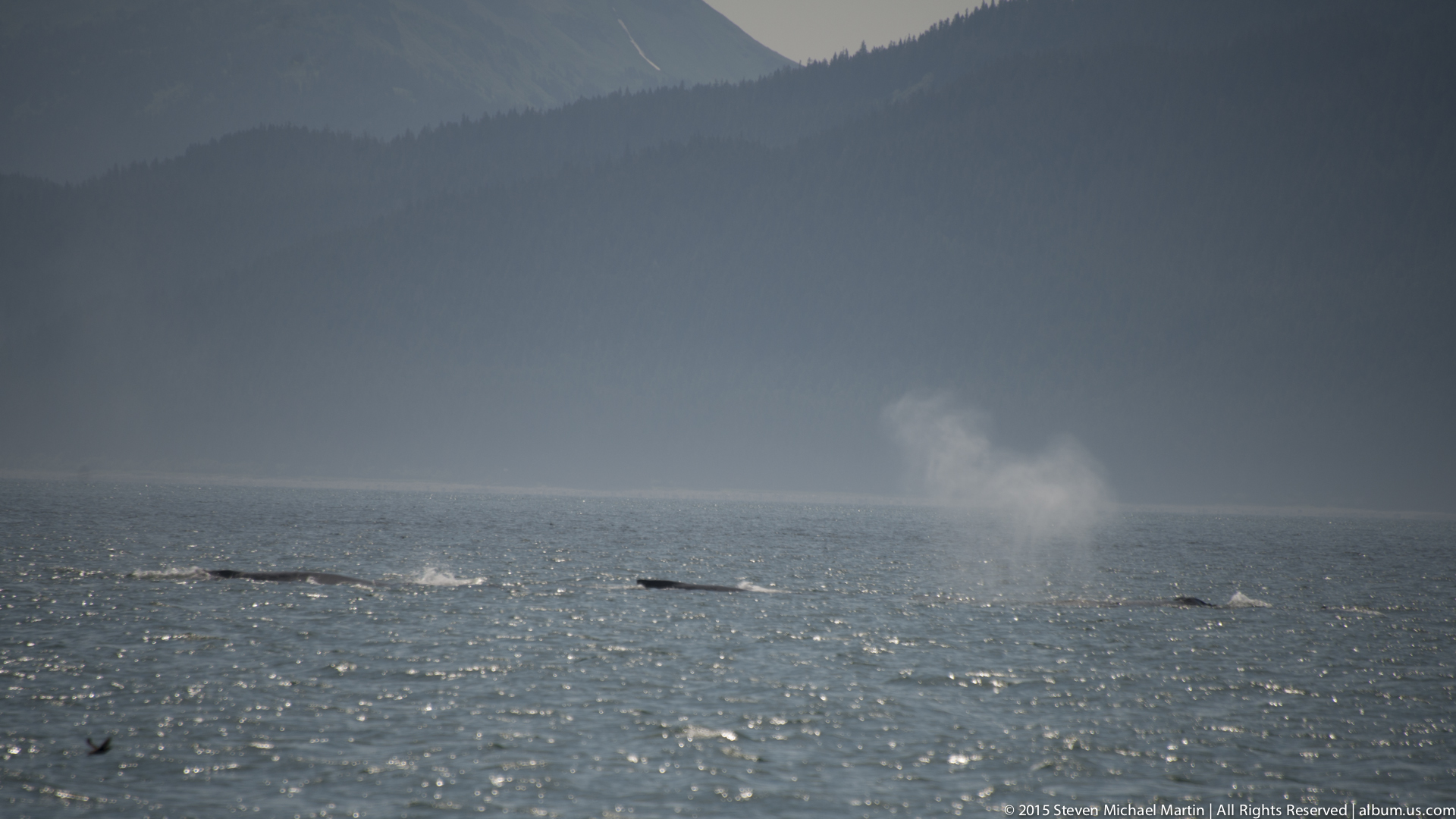
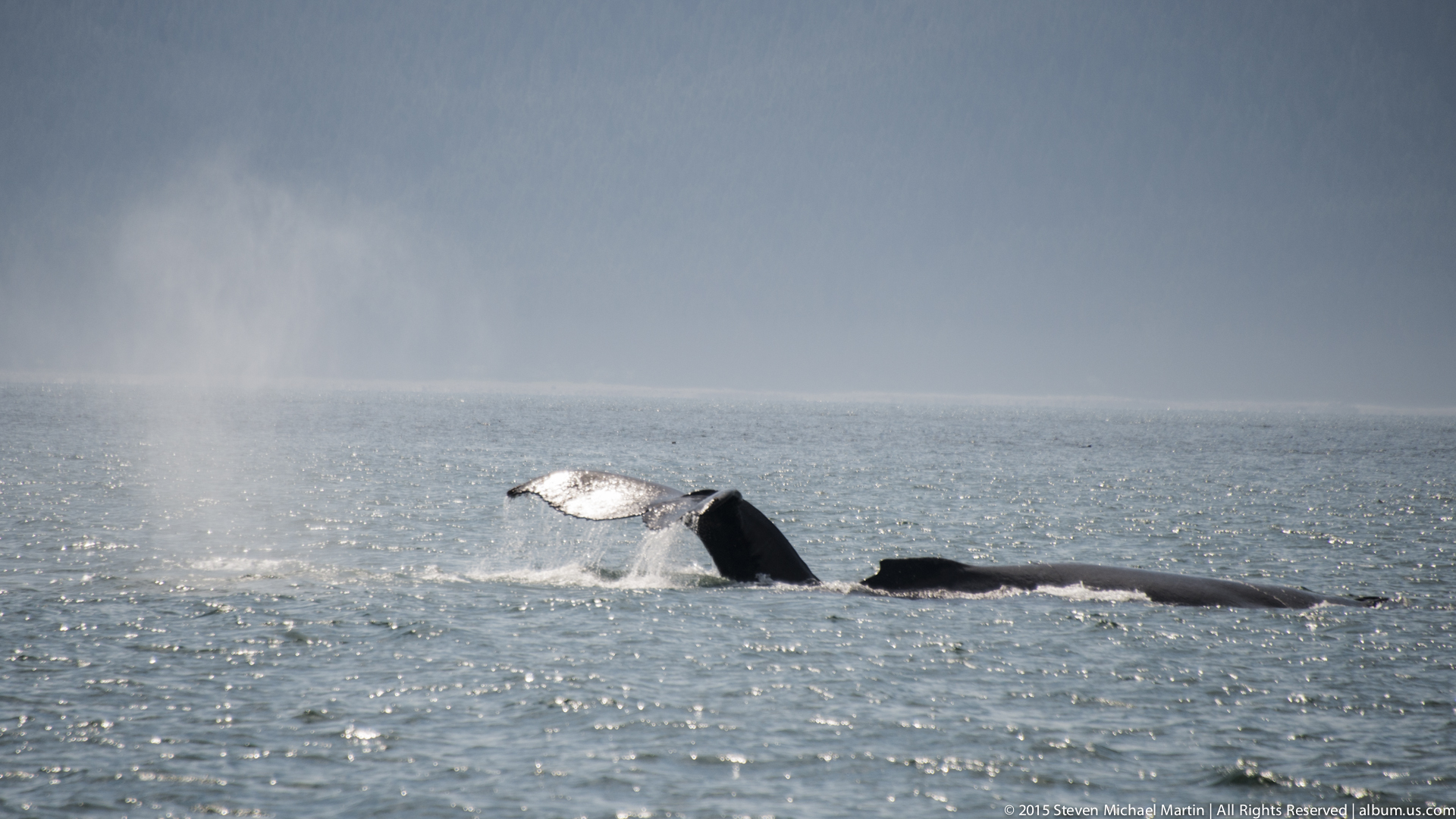
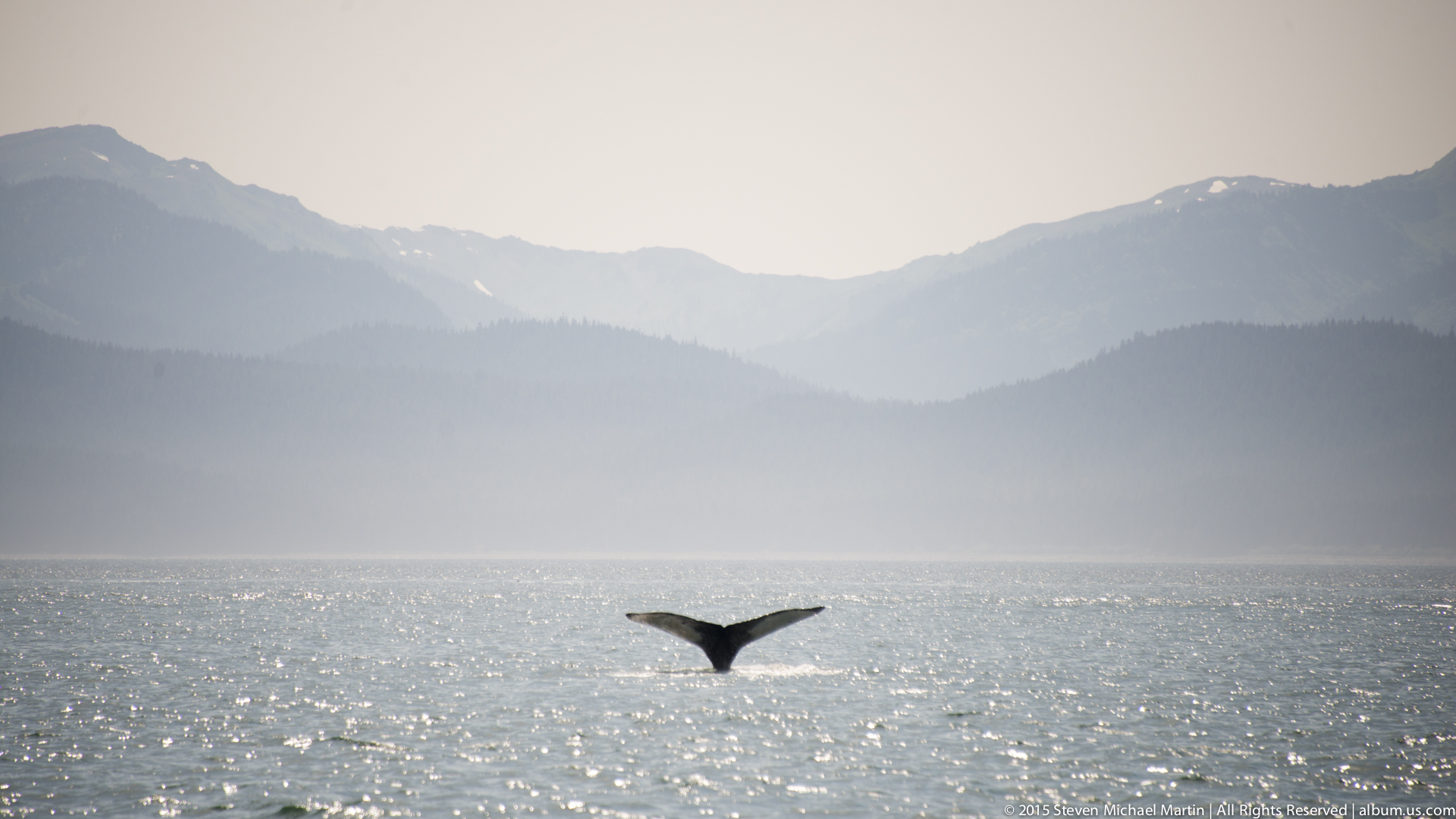
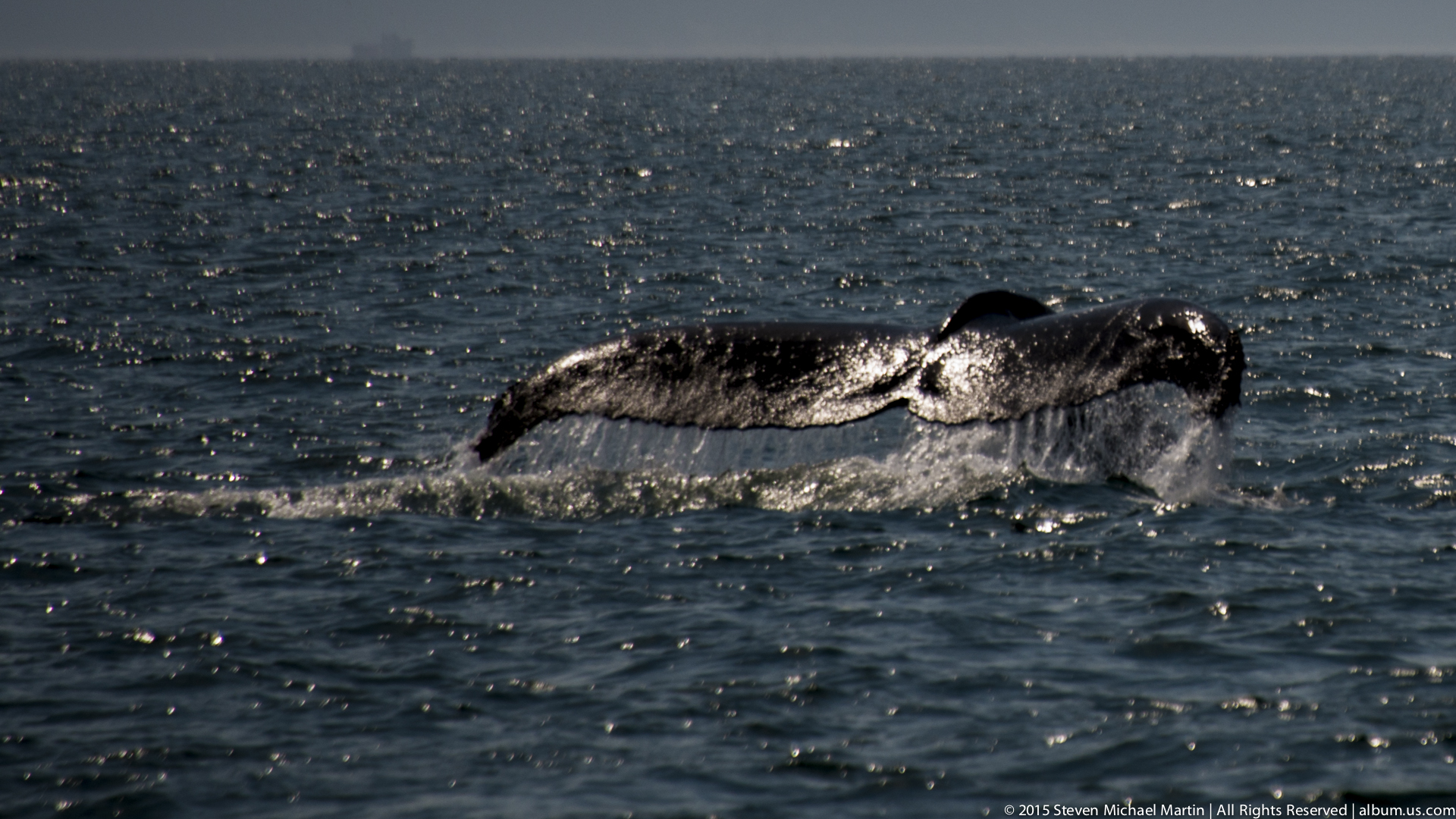
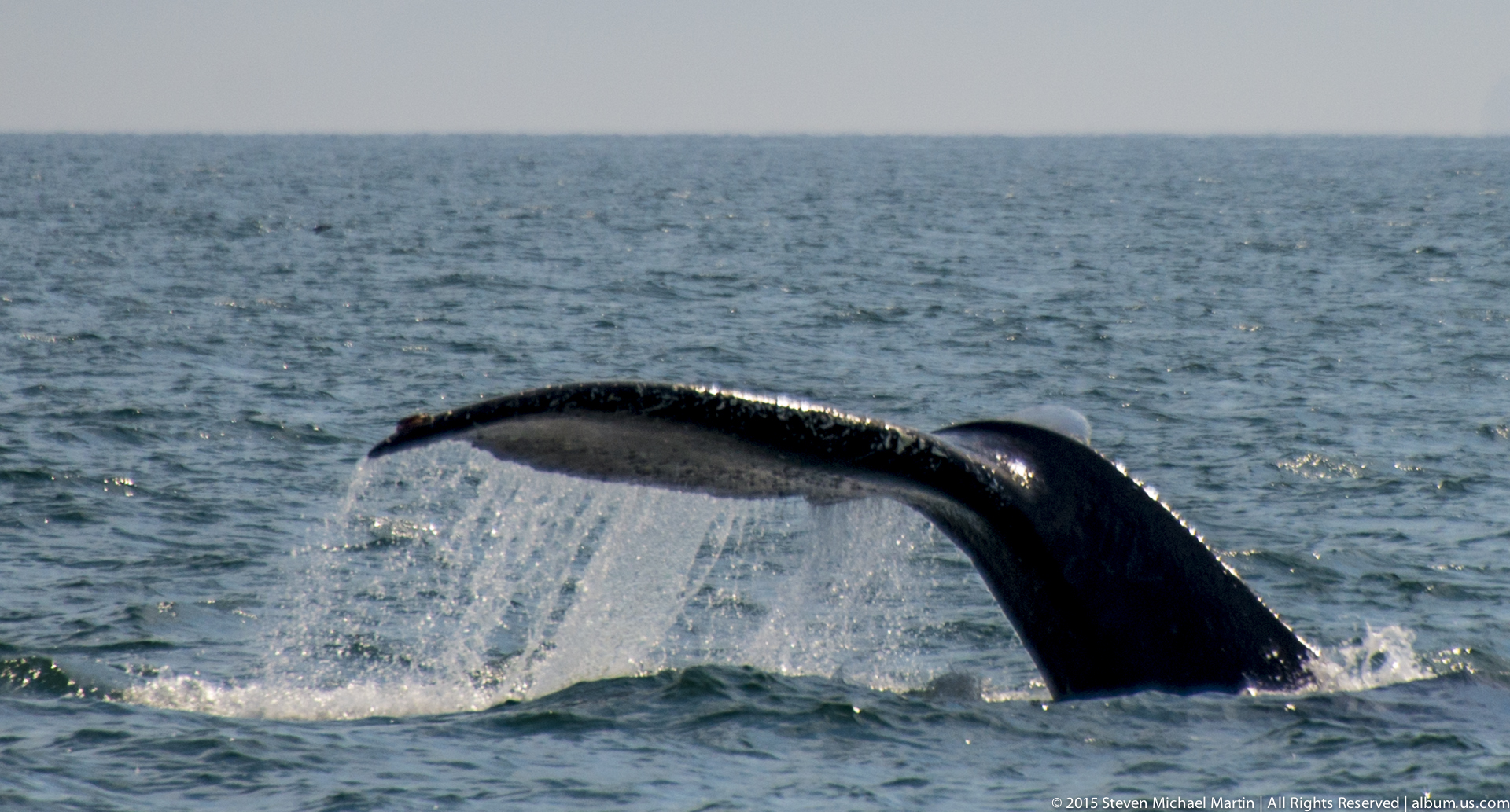
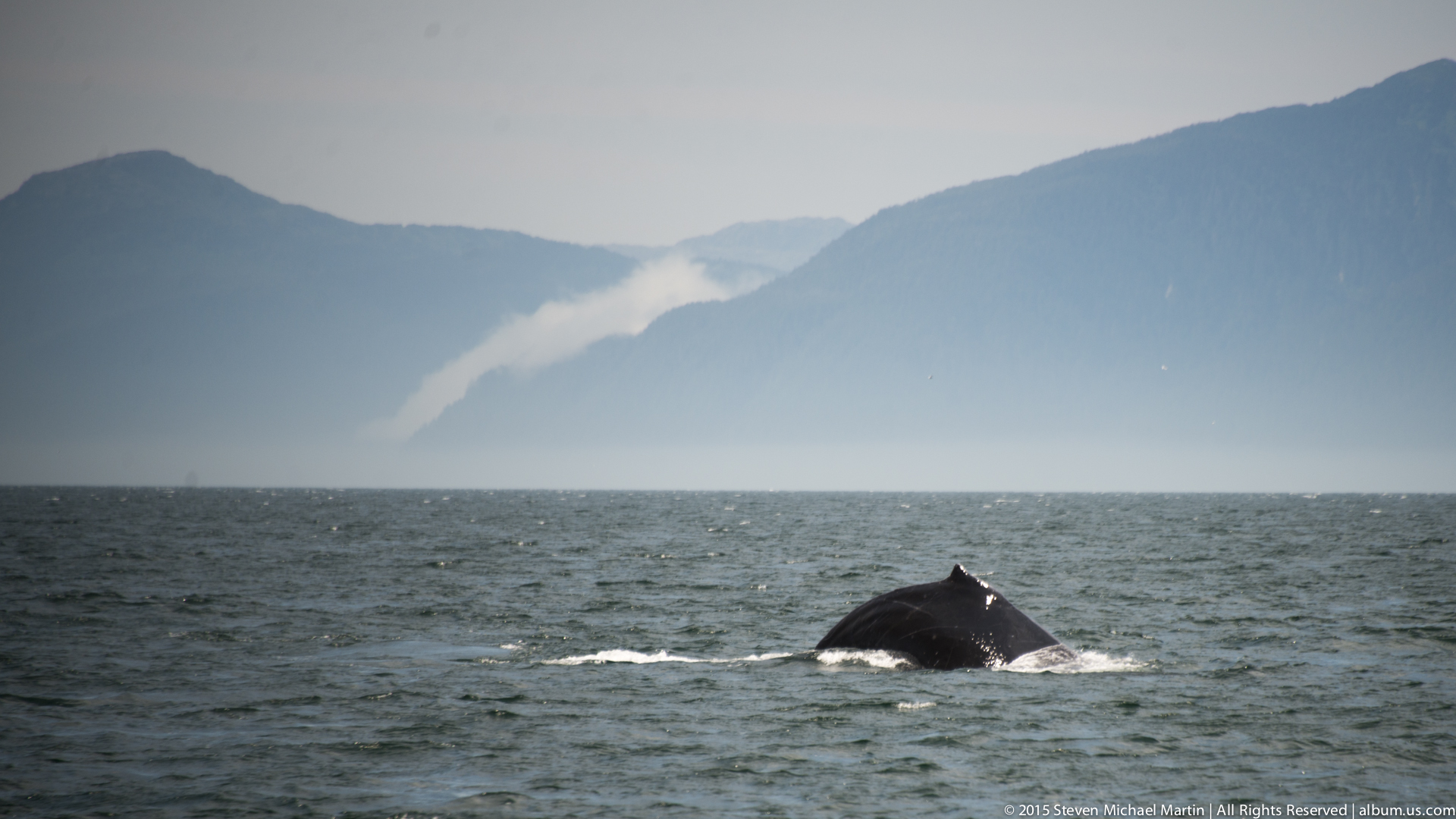
Whale sightings often begin with the distant sound of exhaled breath or the appearance of a dorsal fin breaking the surface. Tail flukes occasionally rise above the water as whales dive beneath the surface in search of food. These movements illustrate the scale and grace of animals adapted to marine environments.
Visitors observing whales in Glacier Bay often experience long periods of quiet scanning punctuated by brief moments of activity. The surrounding landscape of mountains and ice provides a dramatic setting for observing marine wildlife within a remote coastal ecosystem.














Glacier Bay National Park — Field Guide
🏞️ National Park Field Guide
📍 Overview
Glacier Bay National Park preserves fjord landscapes formed by recent glacial retreat. Tidewater glaciers descend from mountain icefields into protected marine waters, illustrating the ongoing influence of climate and geological change.
The park demonstrates how rapidly landscapes can transform following glacial retreat. Newly exposed terrain gradually supports vegetation and wildlife as ecosystems adapt to changing environmental conditions.
⭐ Highlights
- Tidewater glaciers
- Deep fjord landscapes
- Evidence of recent glacial retreat
- Mountain and coastal ecosystems
- Dynamic environmental change
🔎 Key Features
- Active glacier calving
- Glacially carved fjords
- Newly forming ecosystems
- Coastal mountain terrain
- Long-term environmental change
🐋 Wildlife Encounters
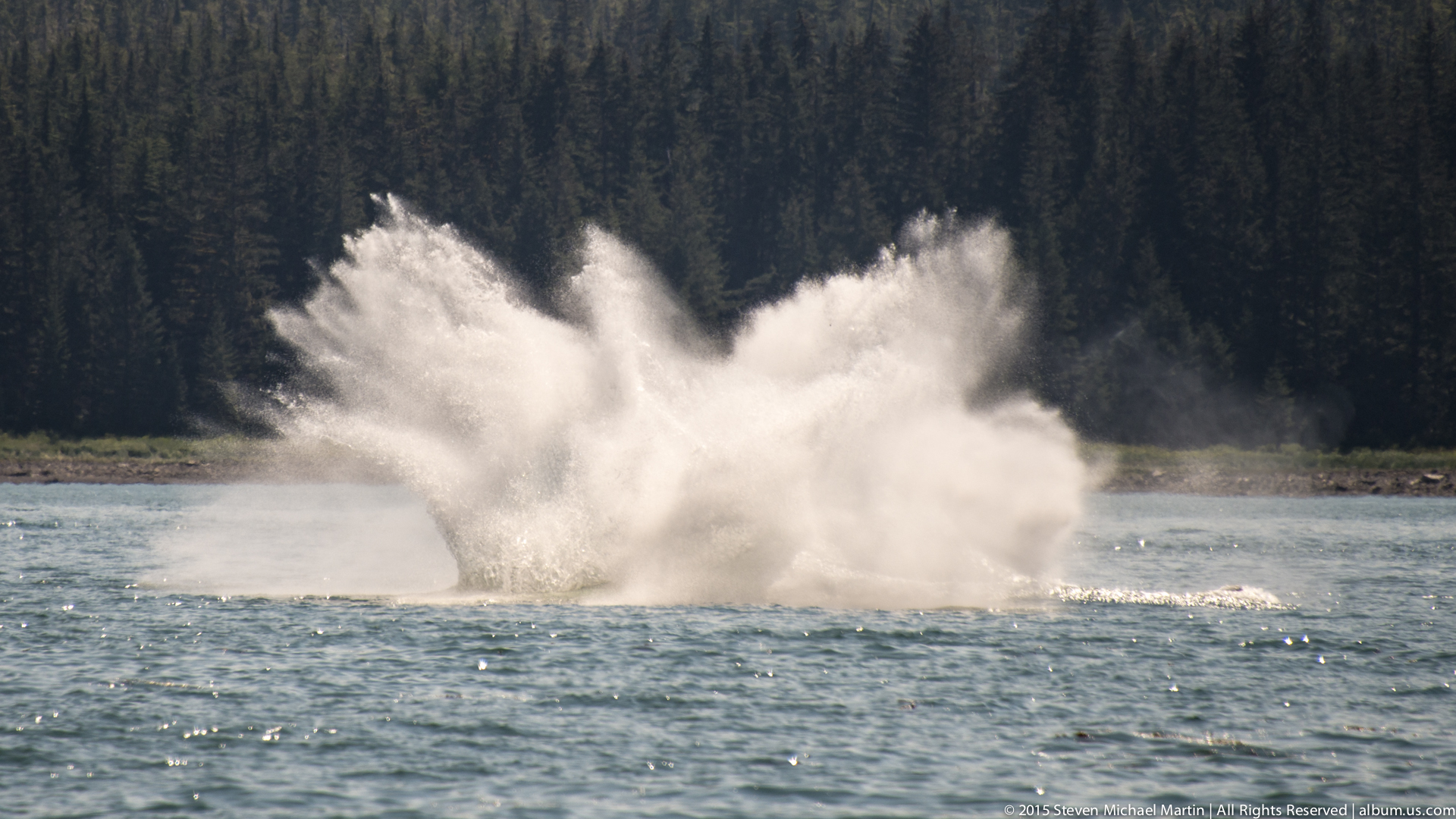
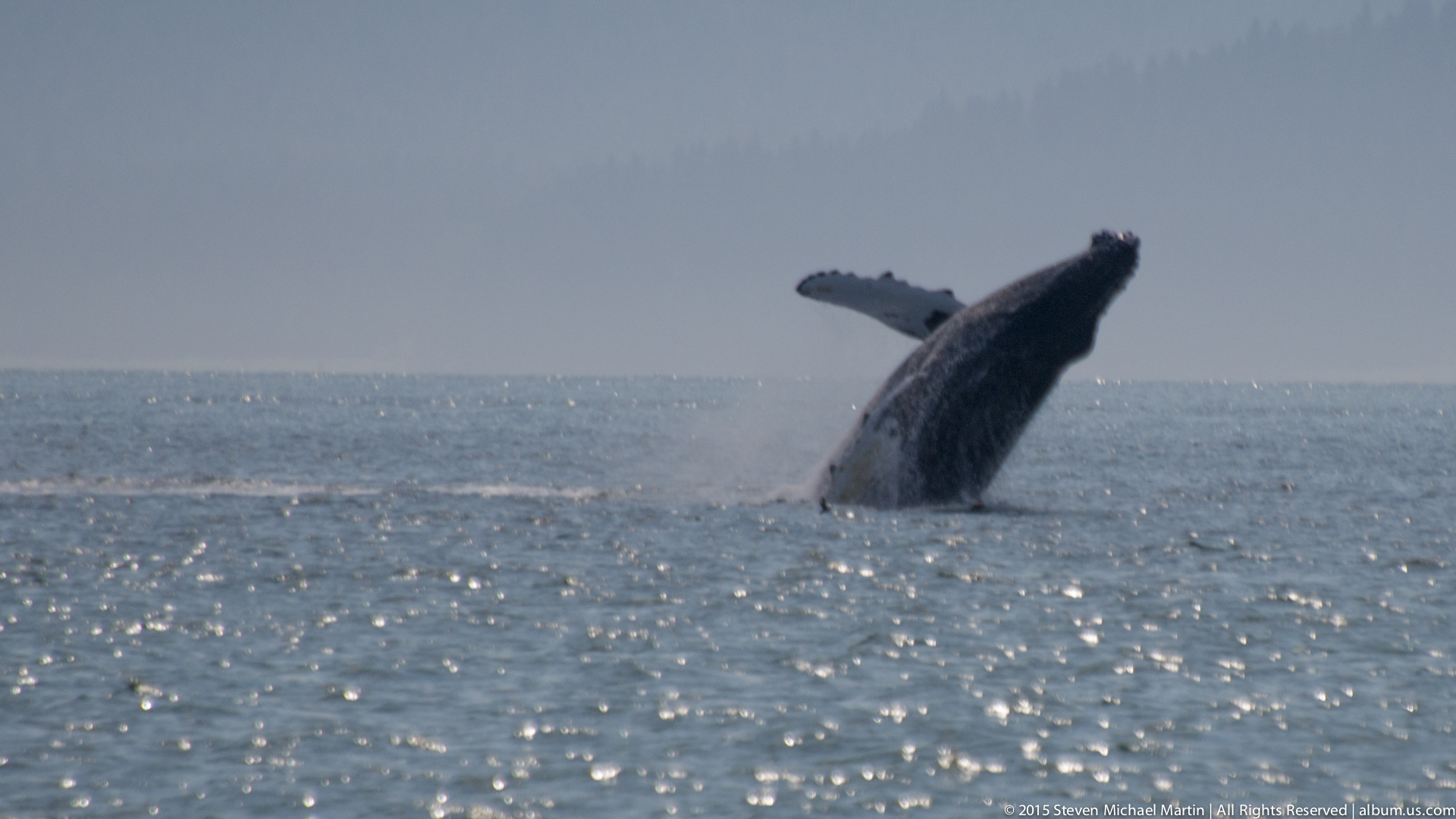
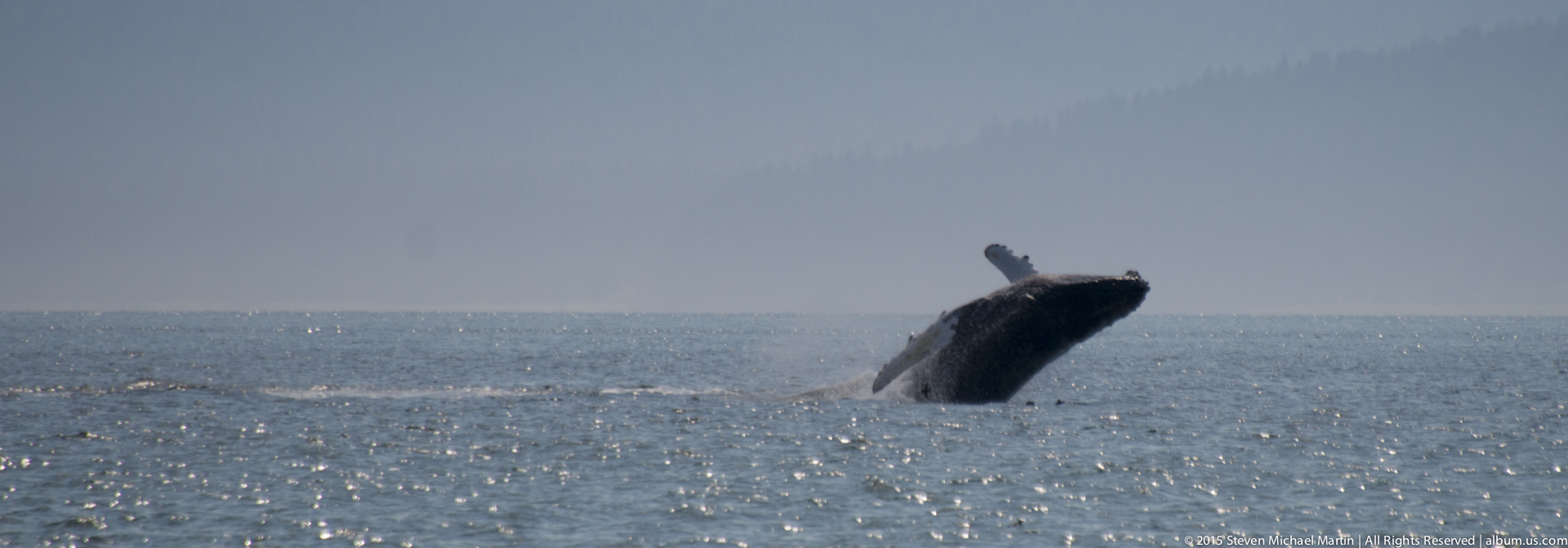
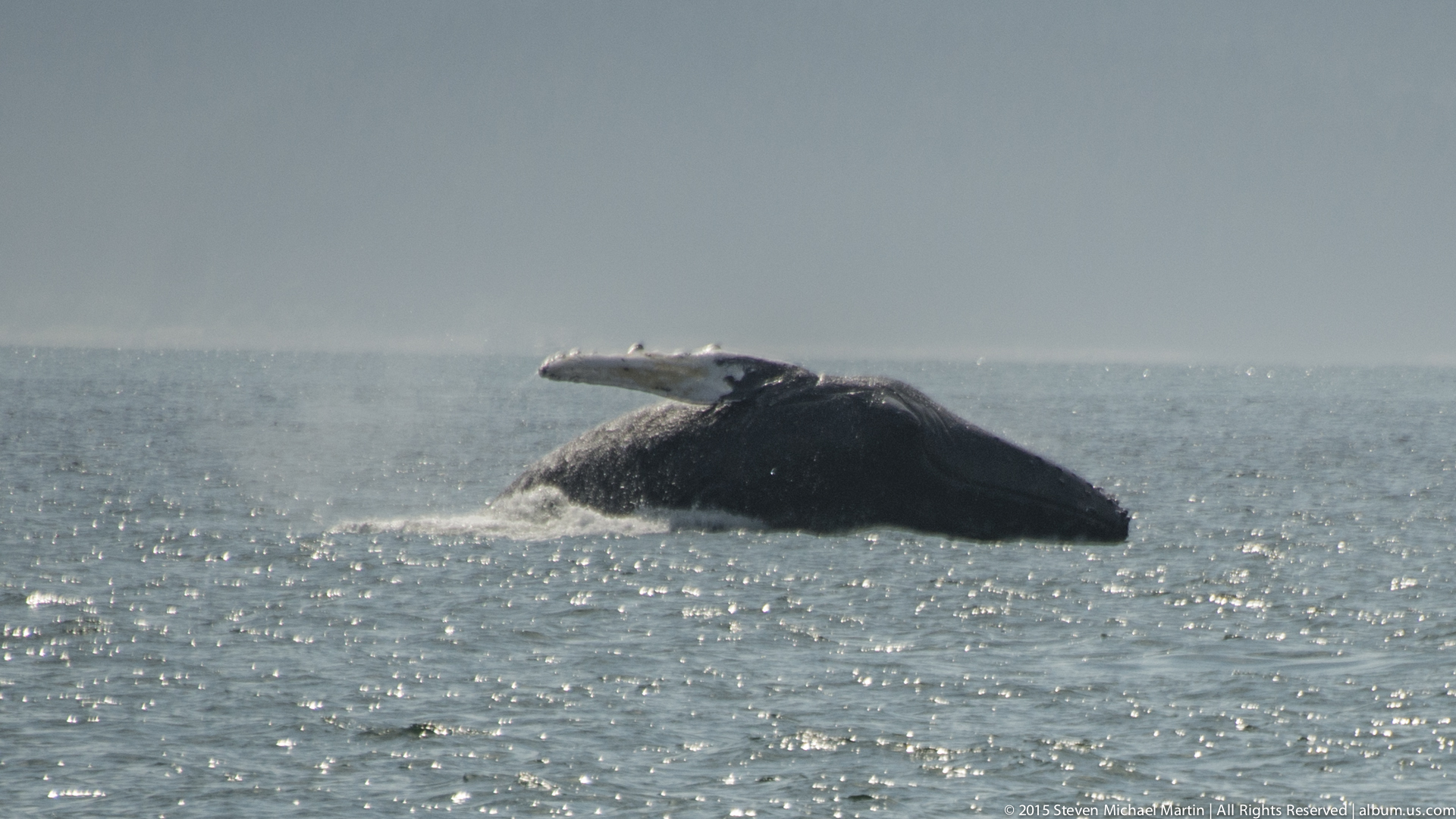
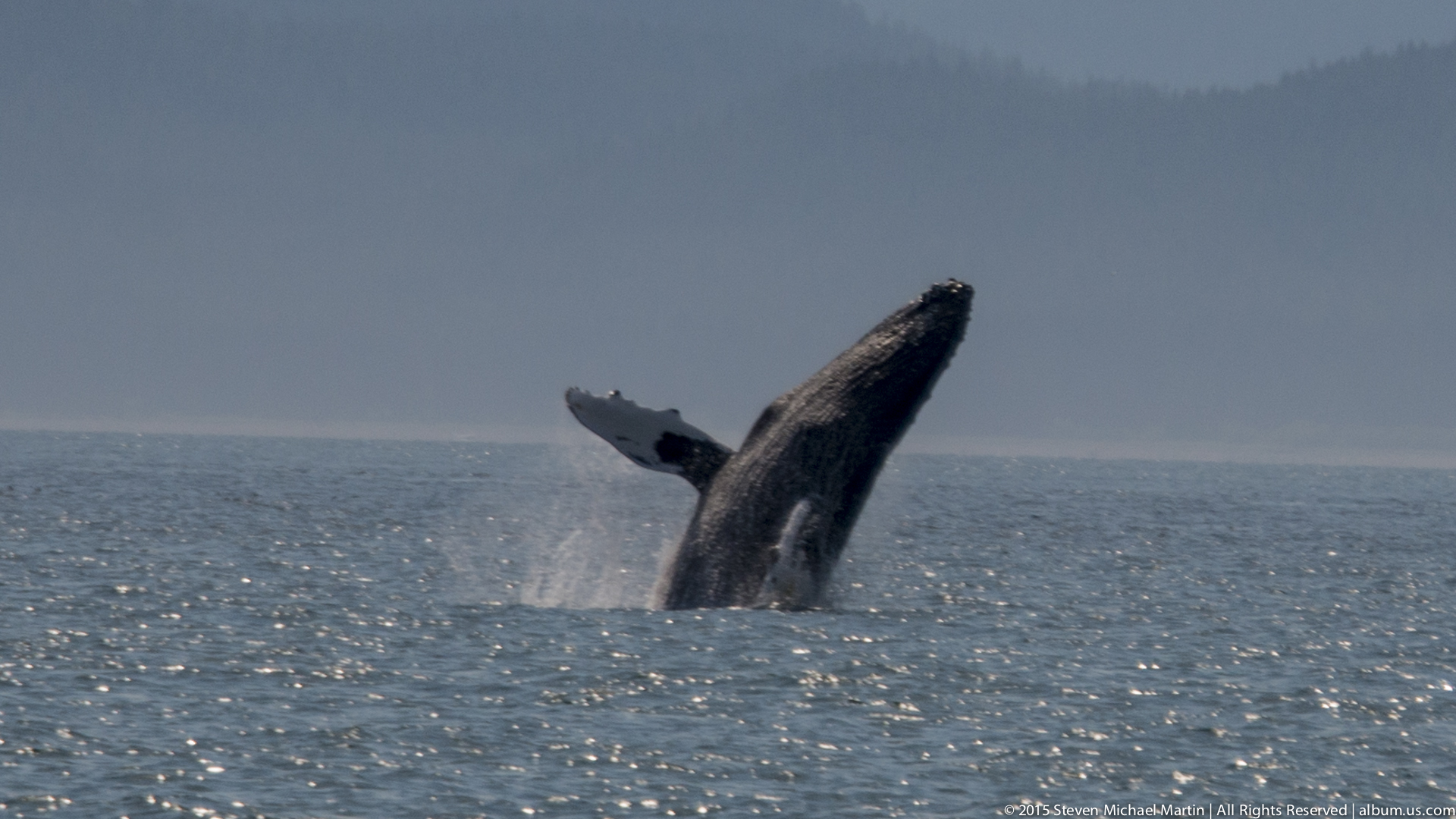
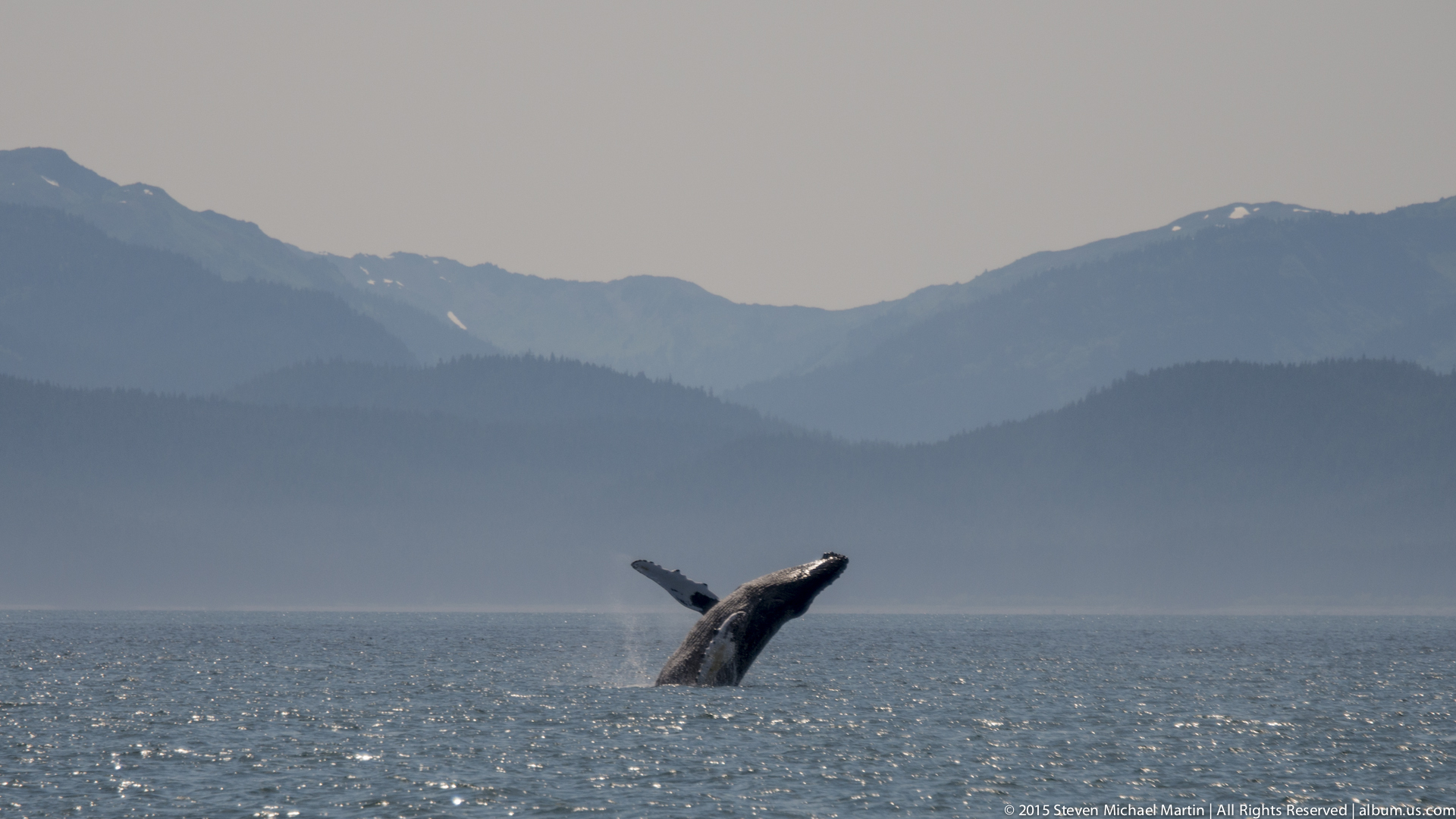
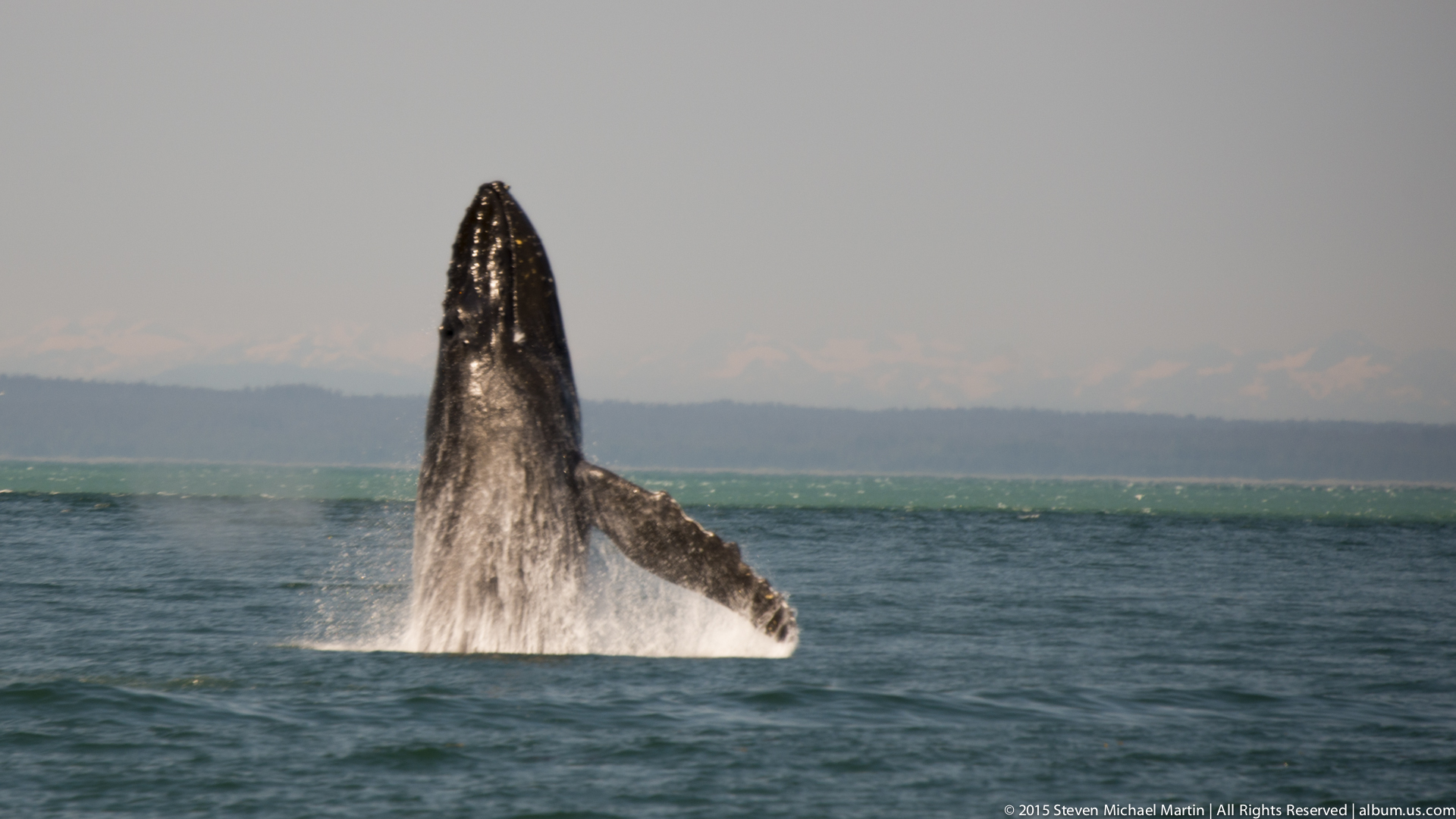
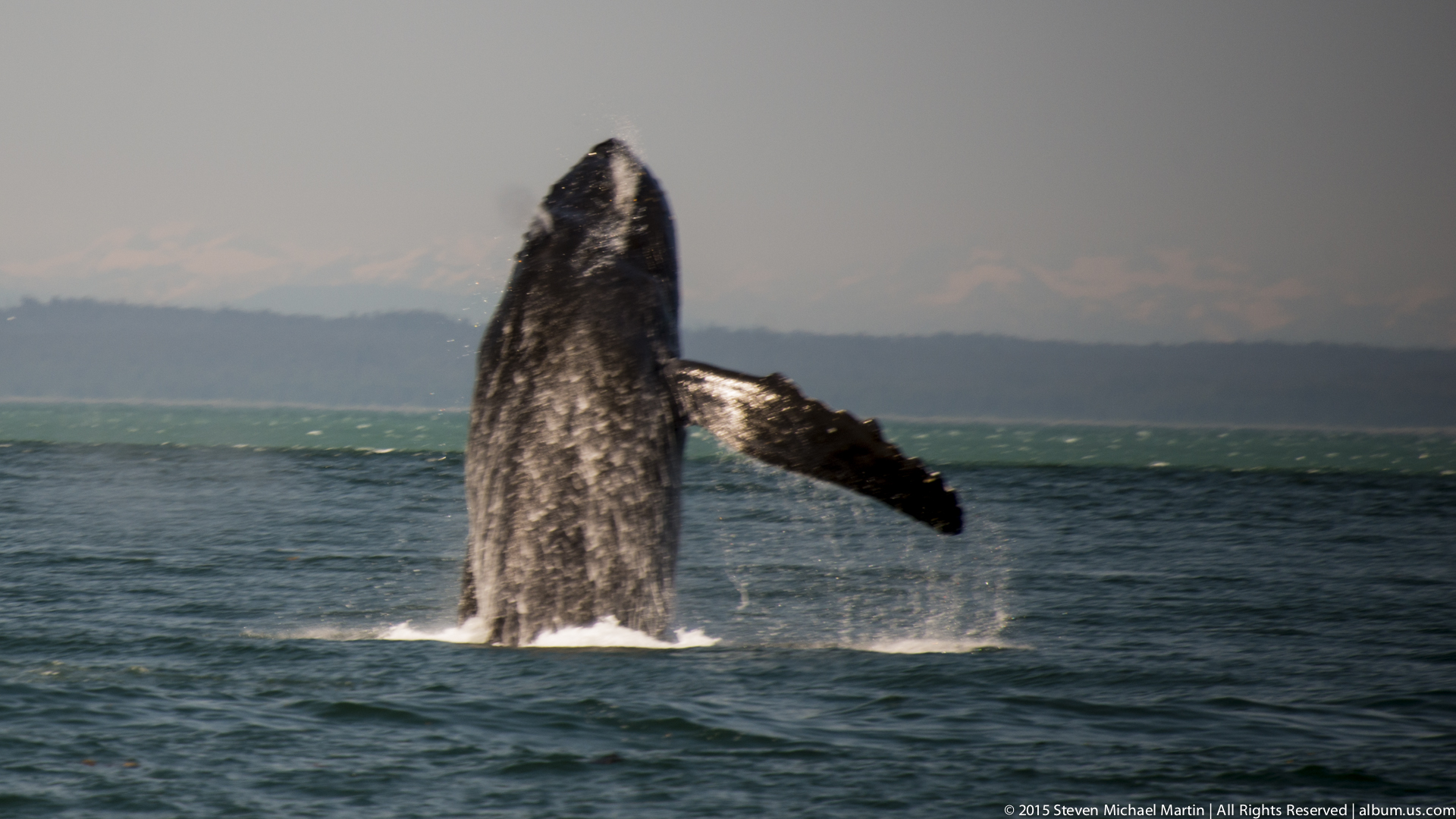
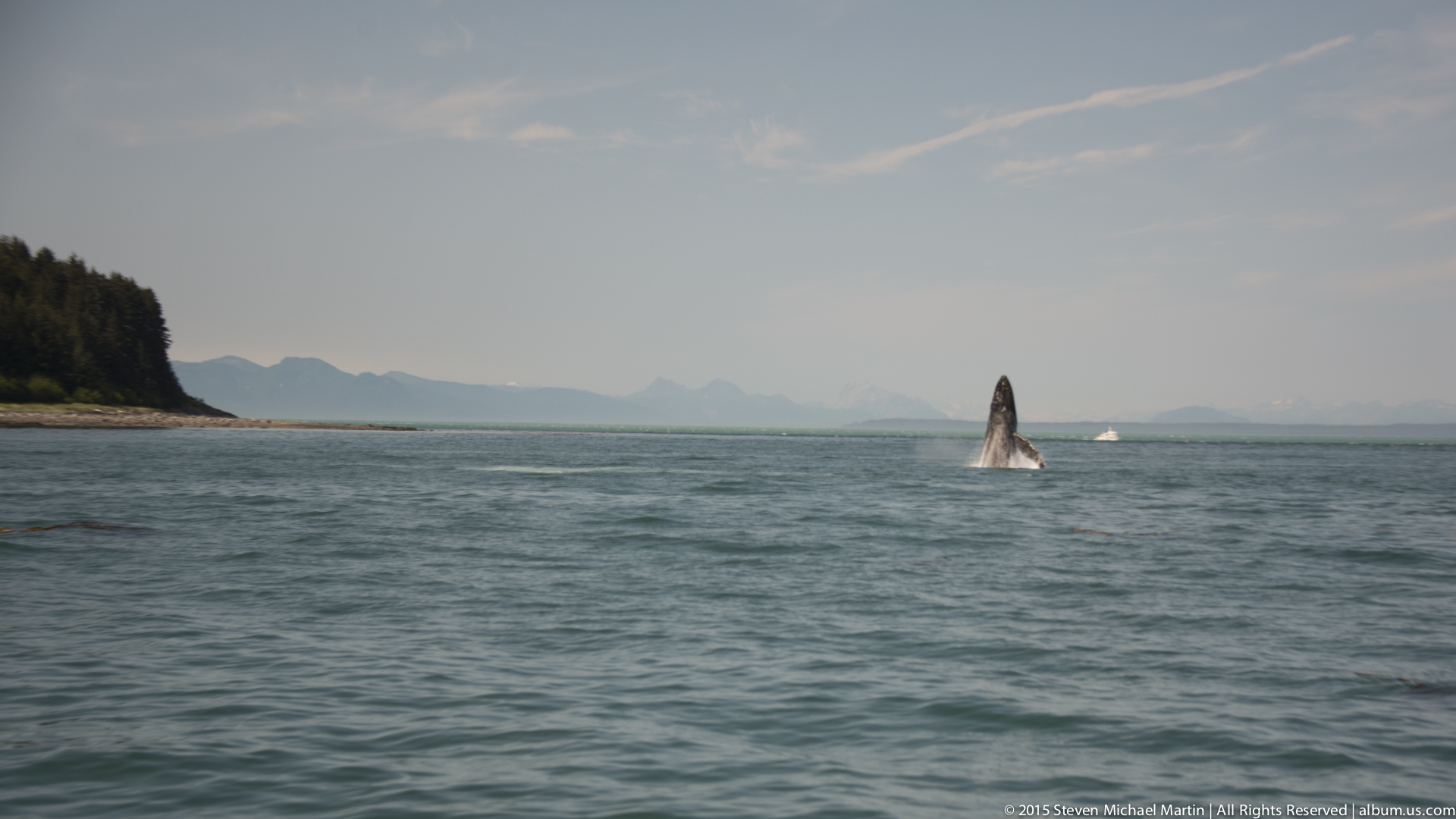
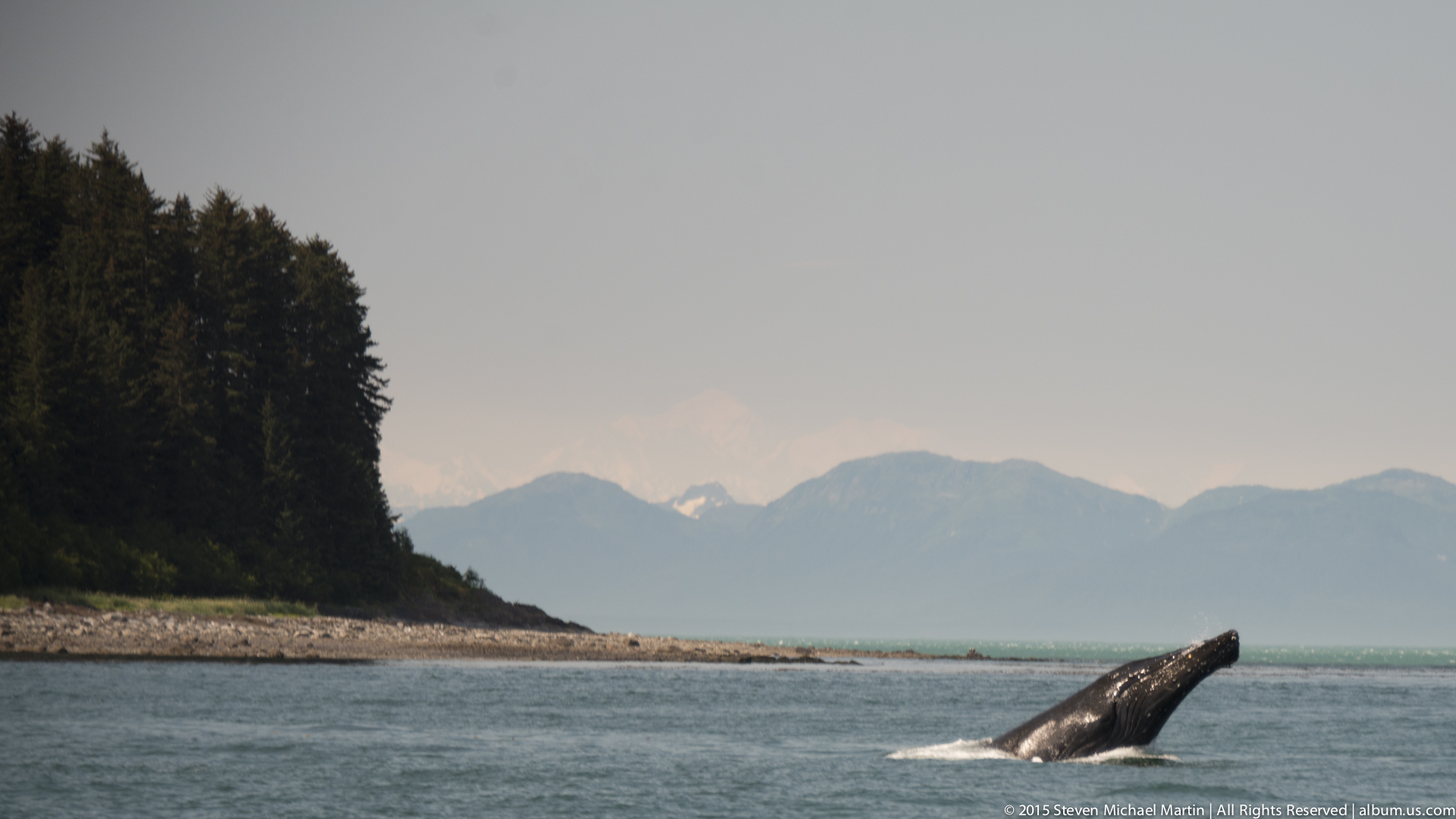
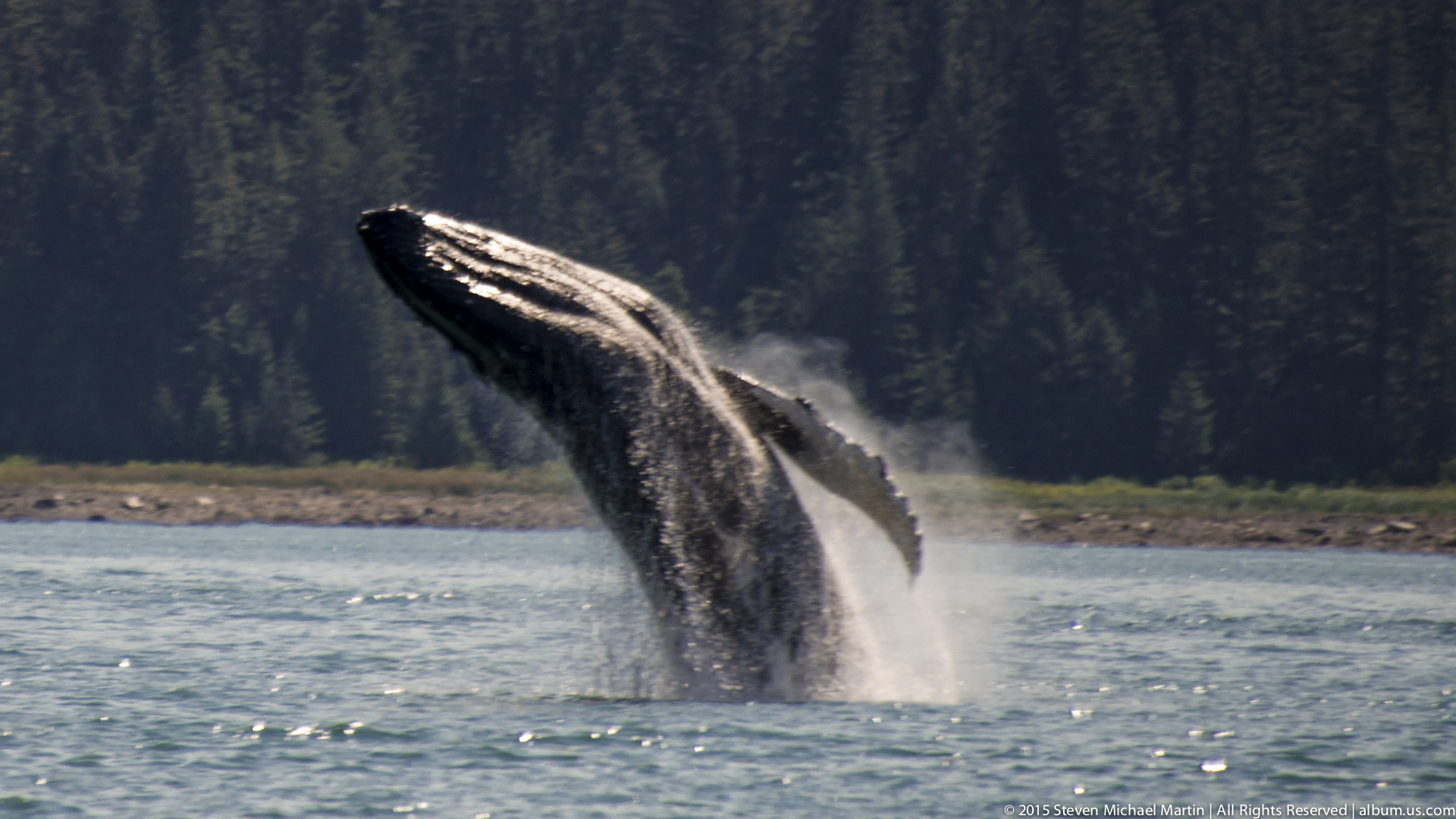
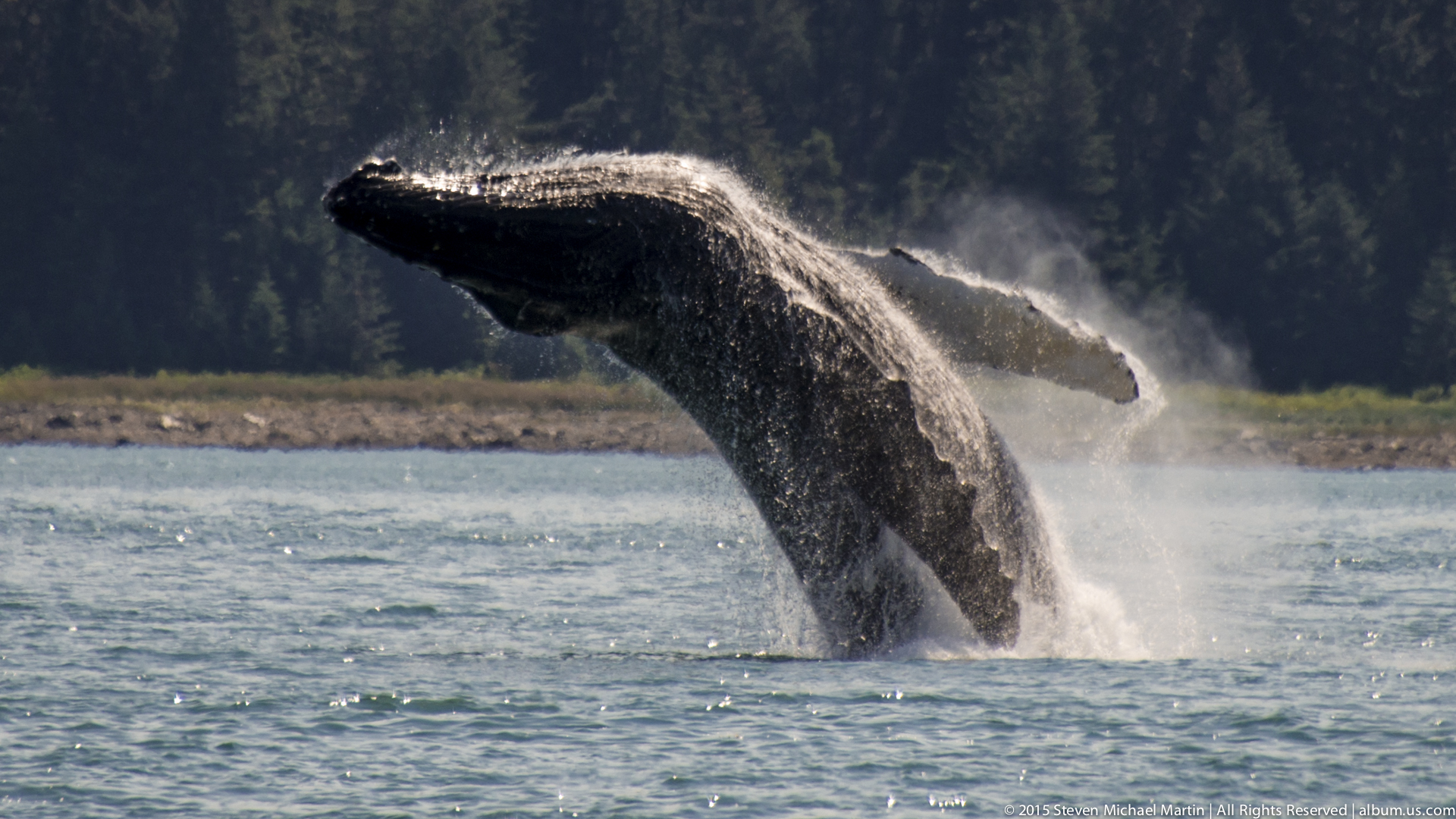
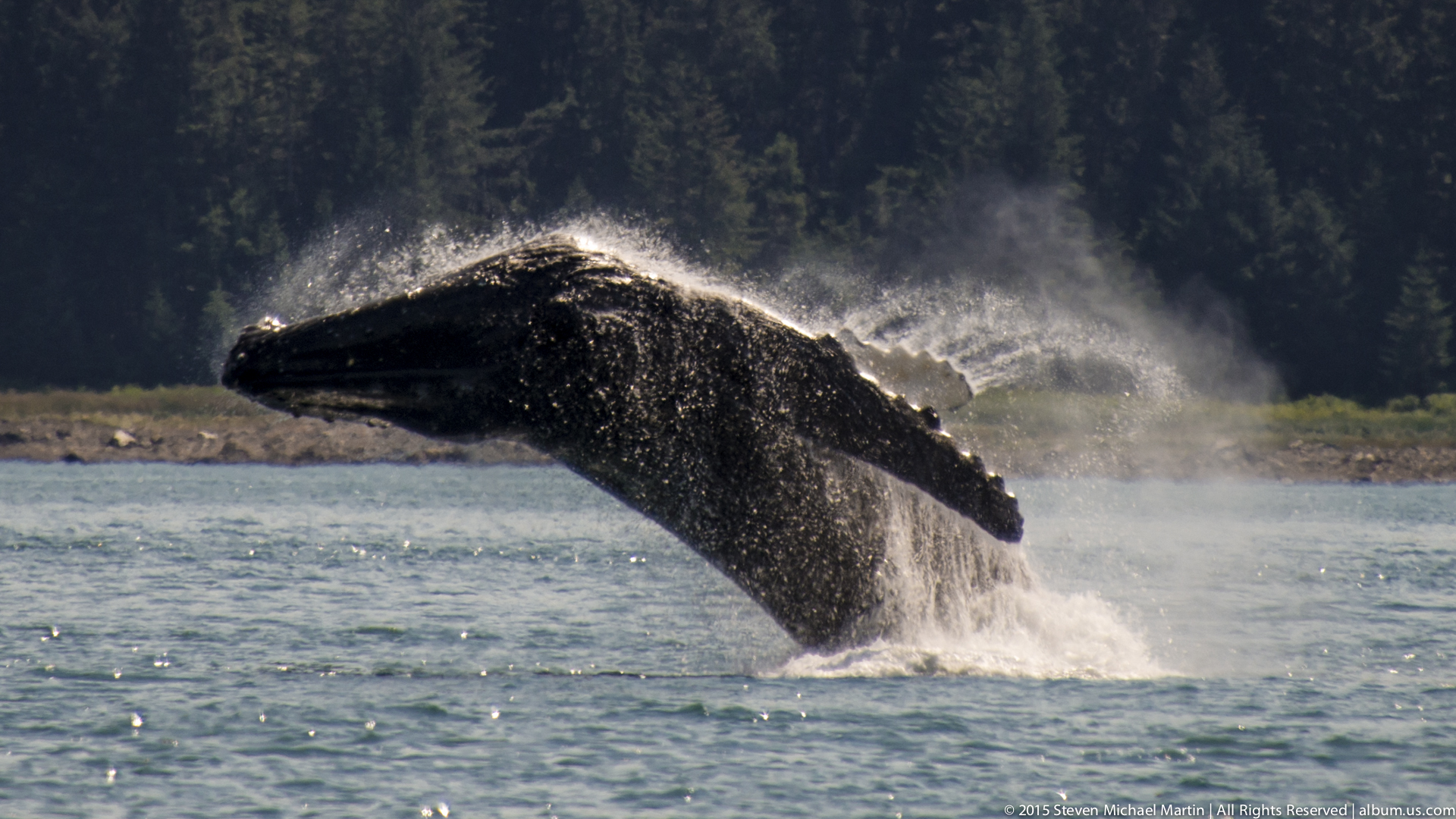
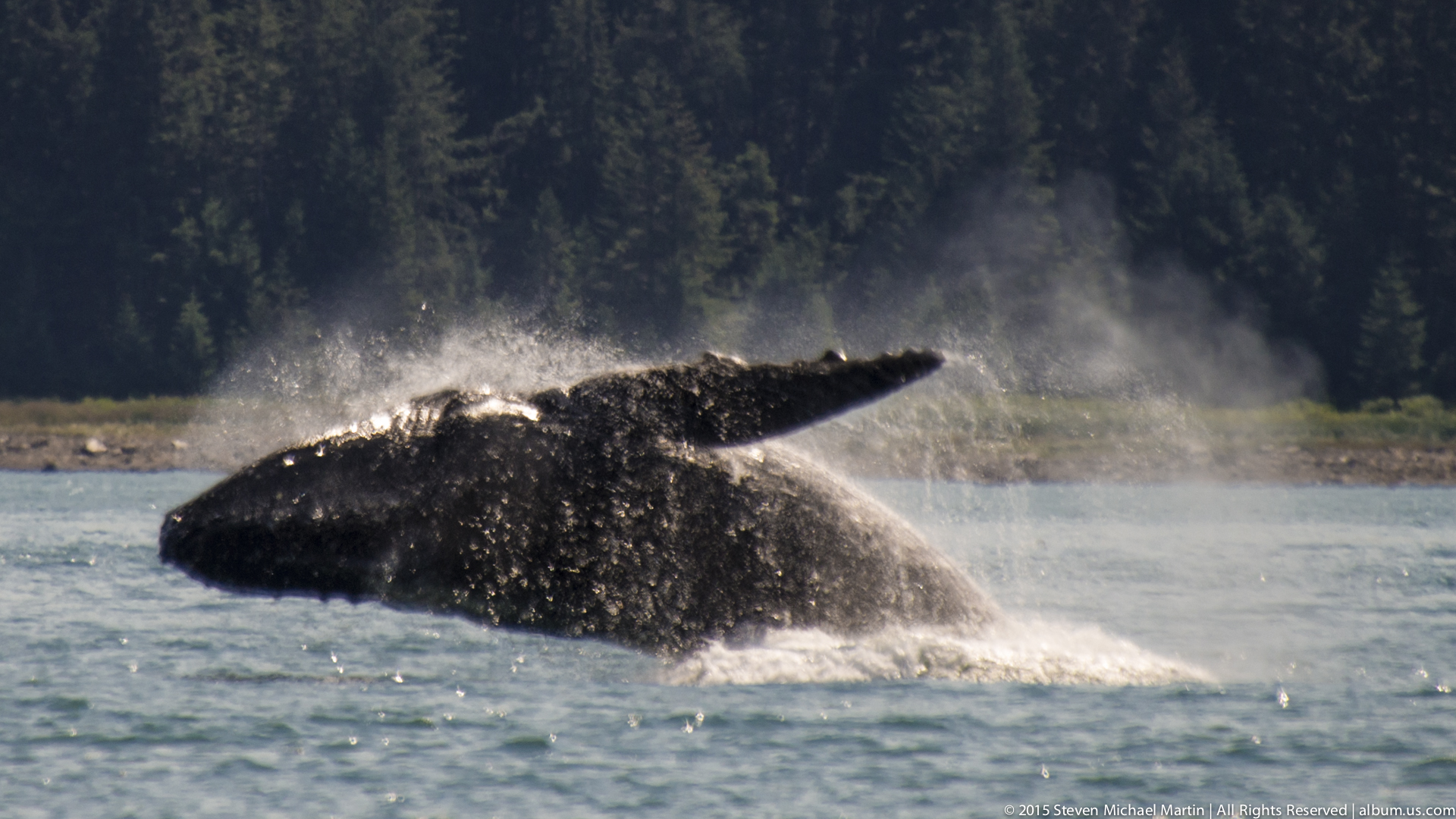
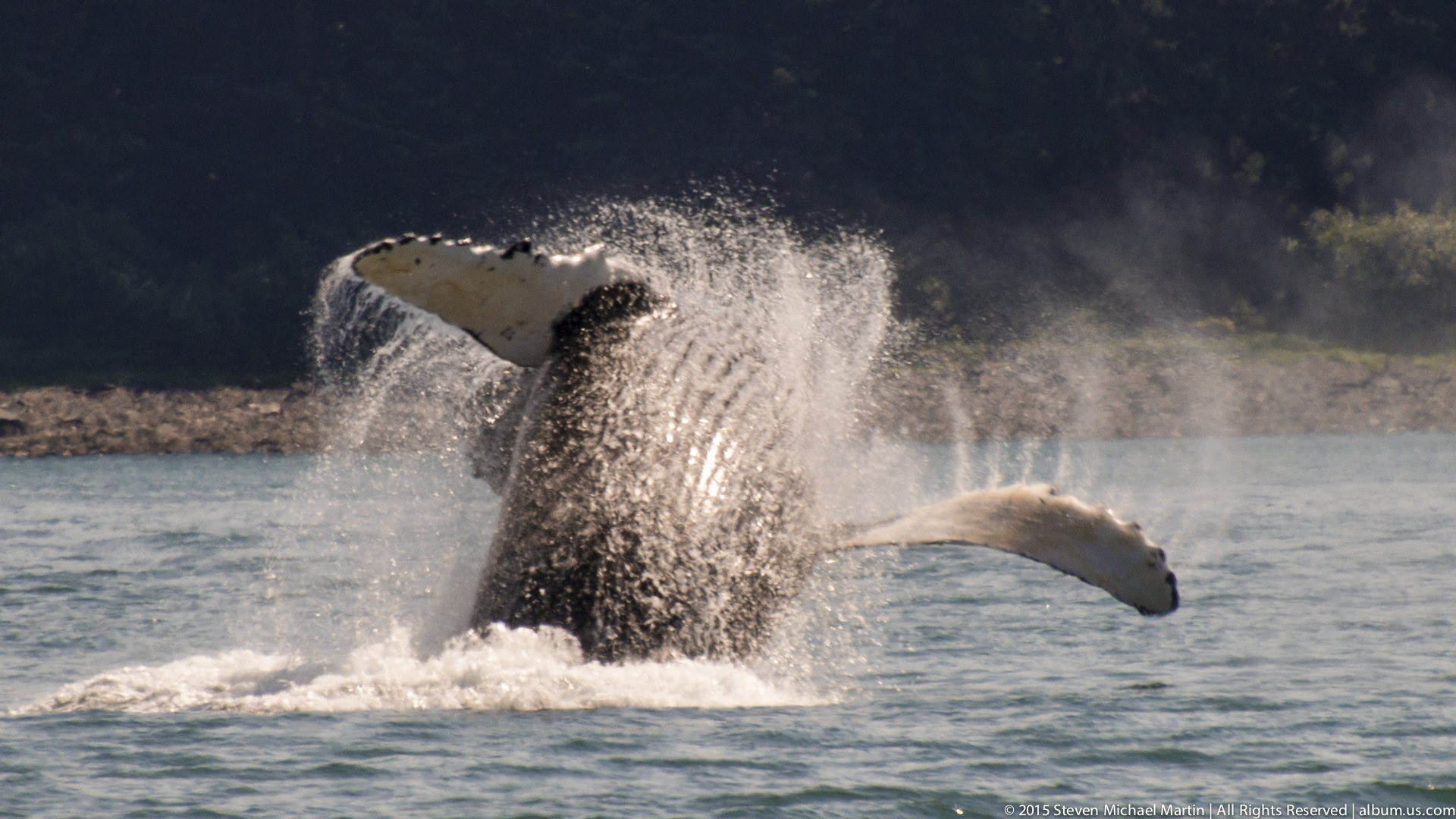
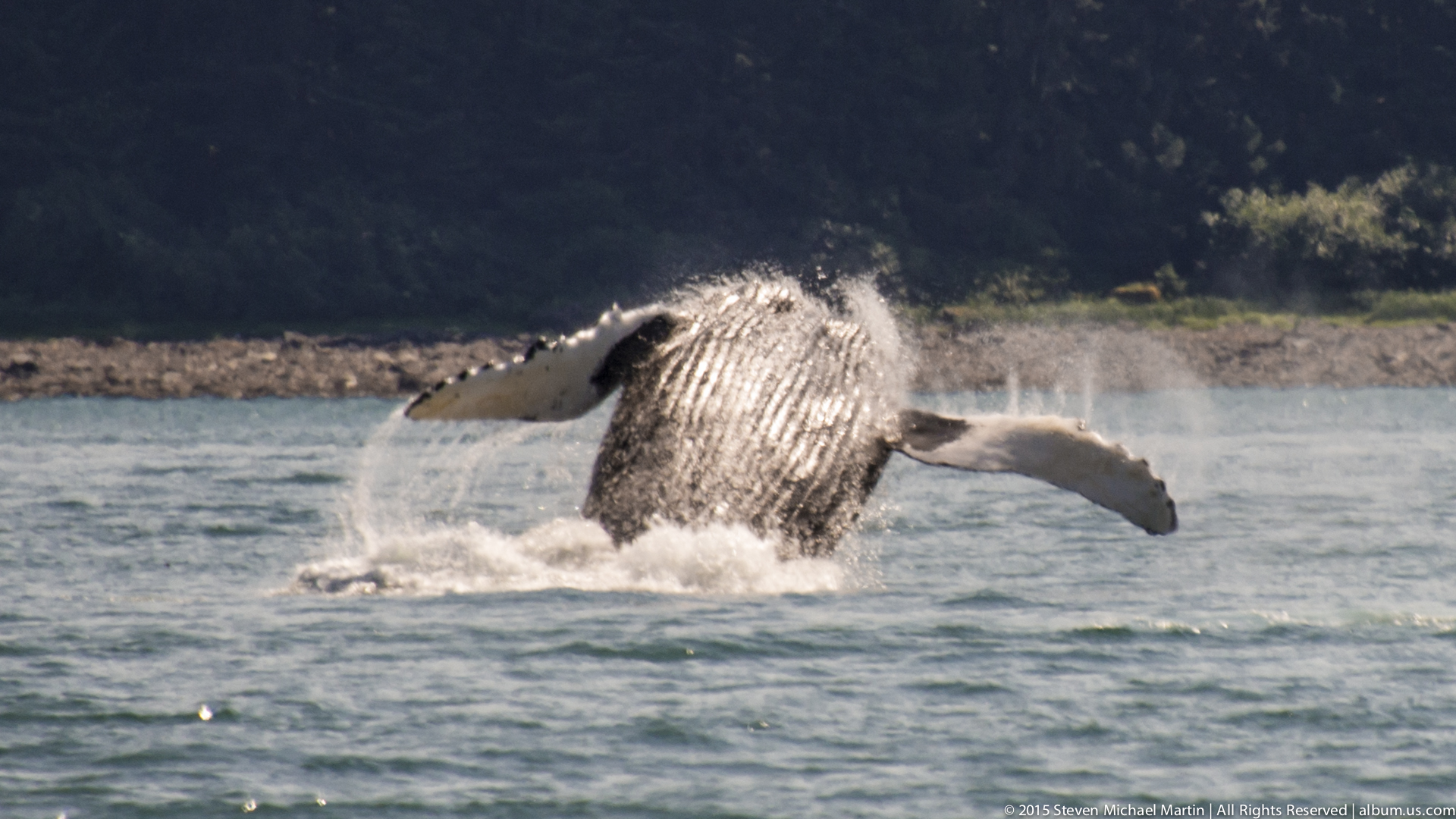
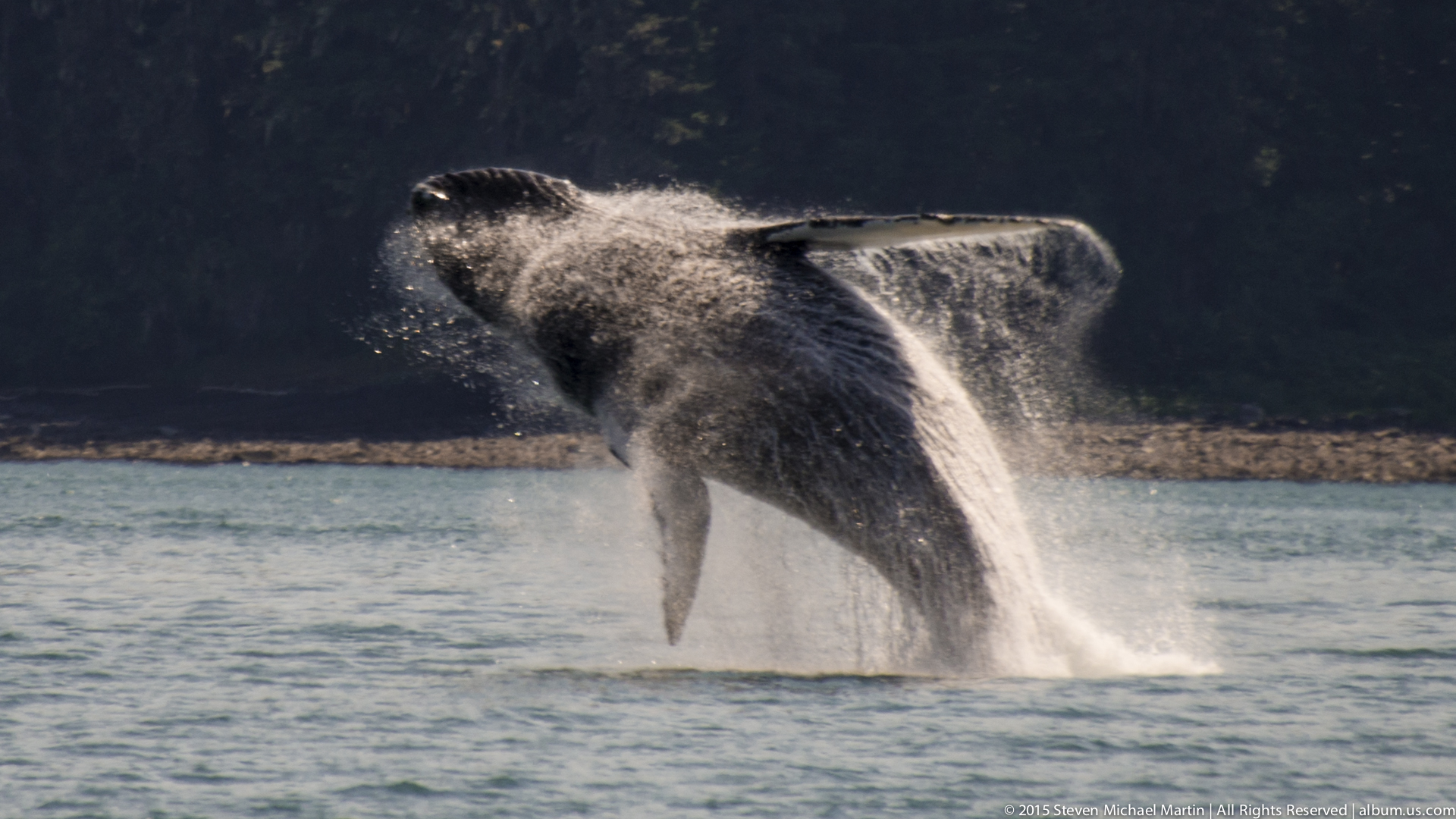
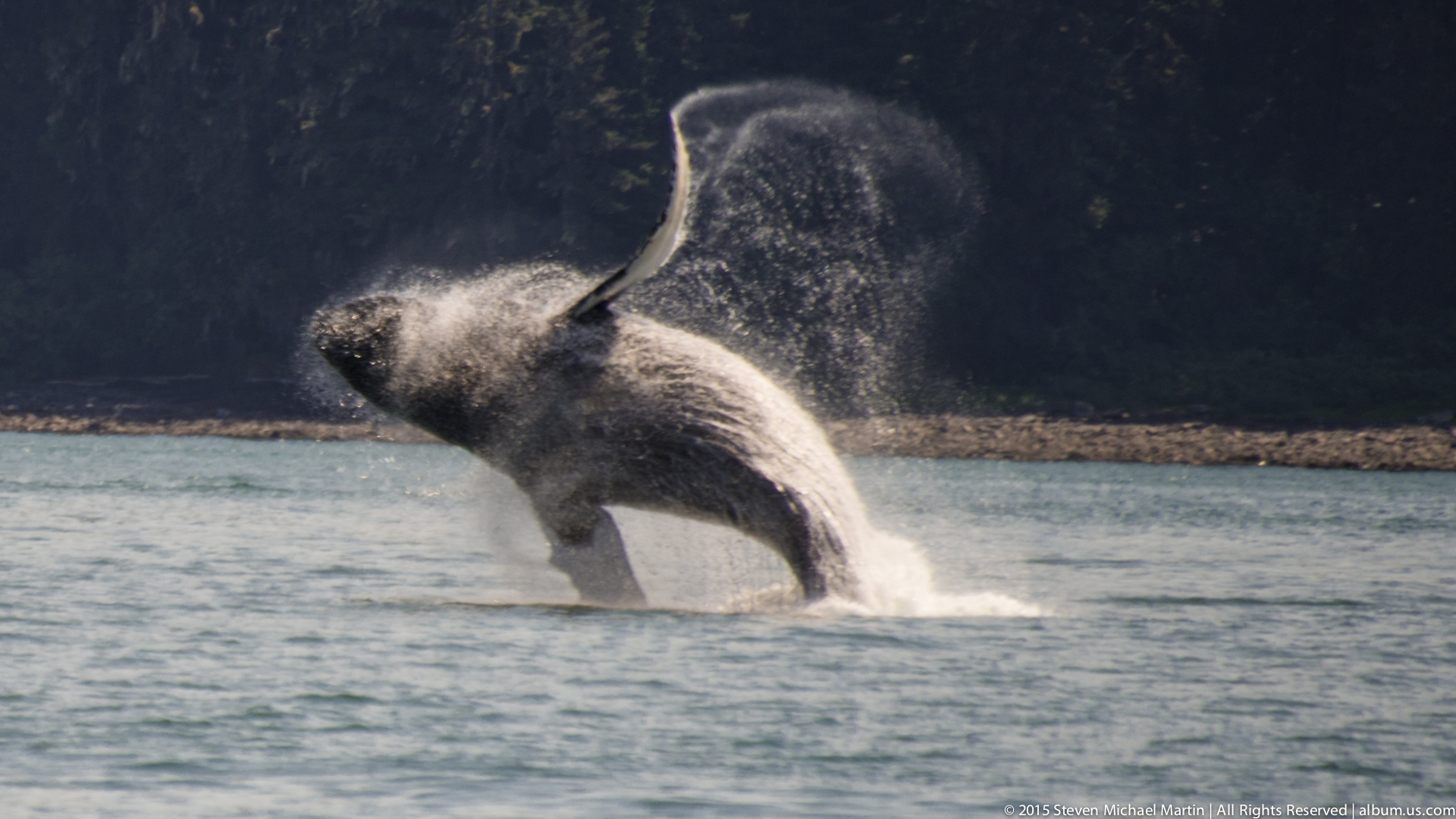
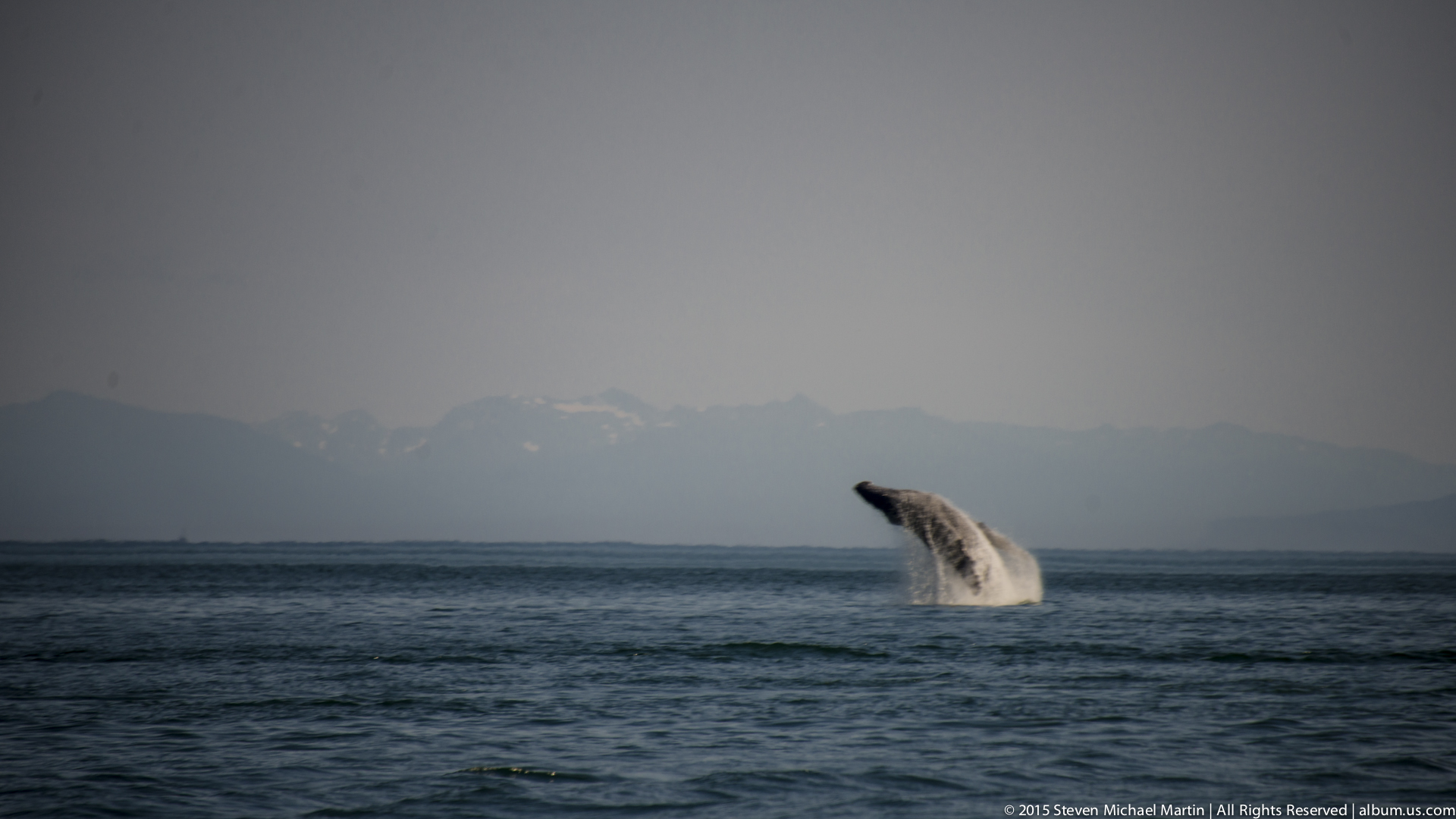
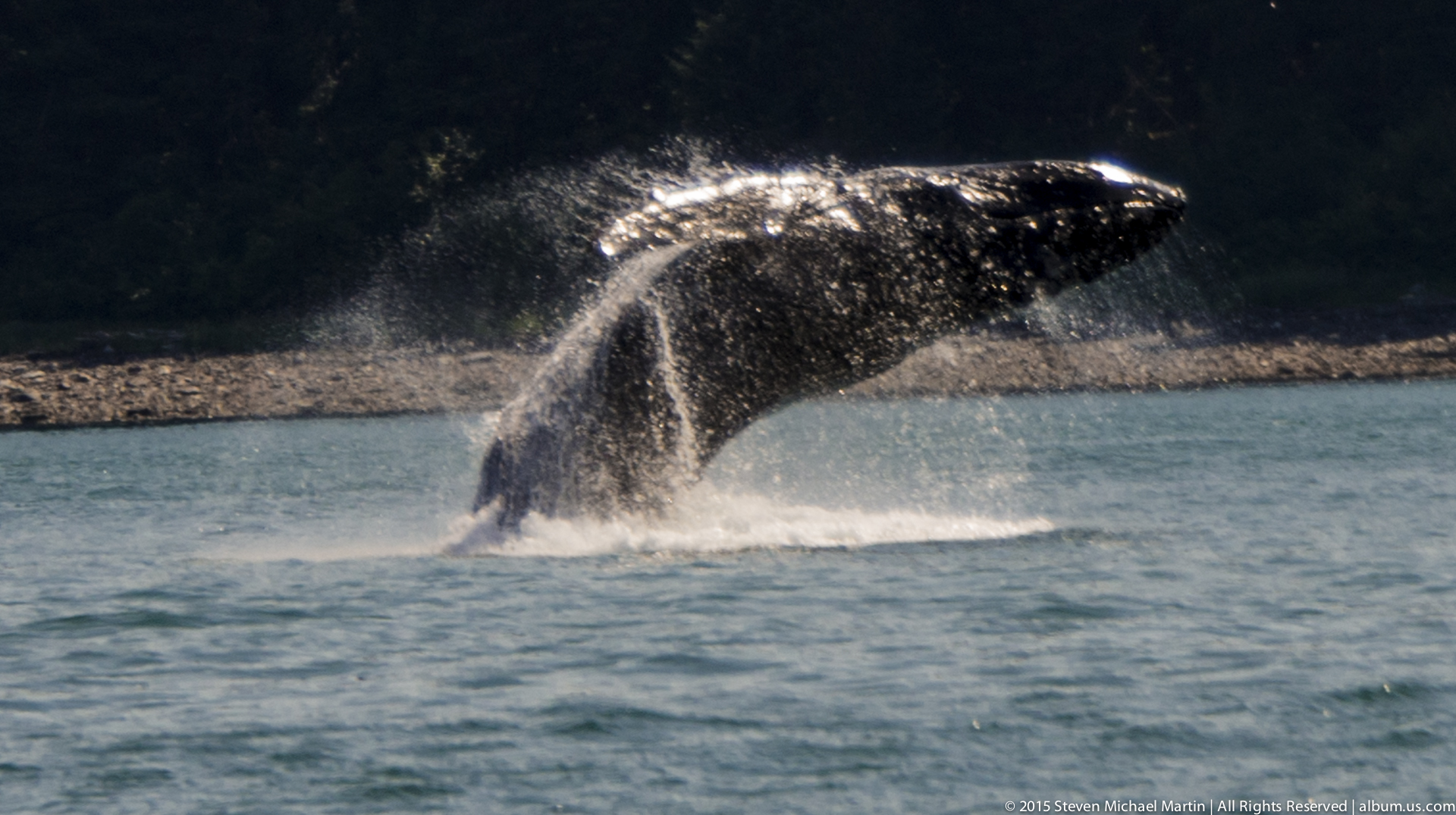
The water had been calm for some time, with only occasional movement across the surface. Then, without warning, a humpback whale rose from the water in a full breach, twisting slightly as it lifted into the air before crashing back down in a burst of spray. The sudden motion broke the stillness of the fjord, leaving only widening ripples where the whale had disappeared moments earlier.
What made the experience feel extraordinary was that the movement did not stop with a single breach. Again and again, the whale rose above the surface, sometimes lifting vertically, other times turning slightly midair before reentering the water with force. Each movement felt both powerful and fluid, as if the whale were moving through the water and air with equal ease. The repeated breaches created a rhythm — moments of quiet anticipation followed by sudden bursts of motion — drawing attention to a single place across the wide expanse of the bay.
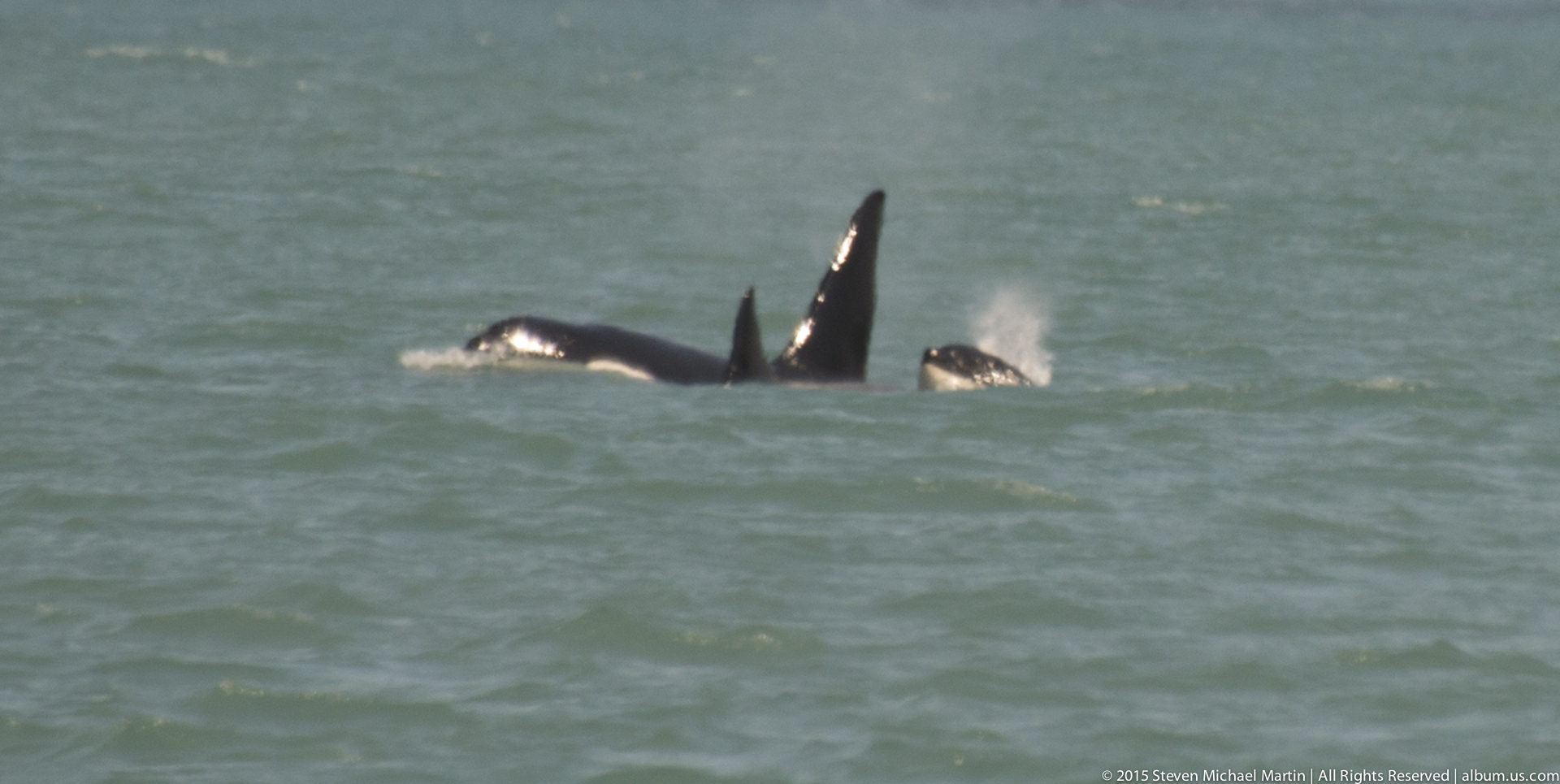
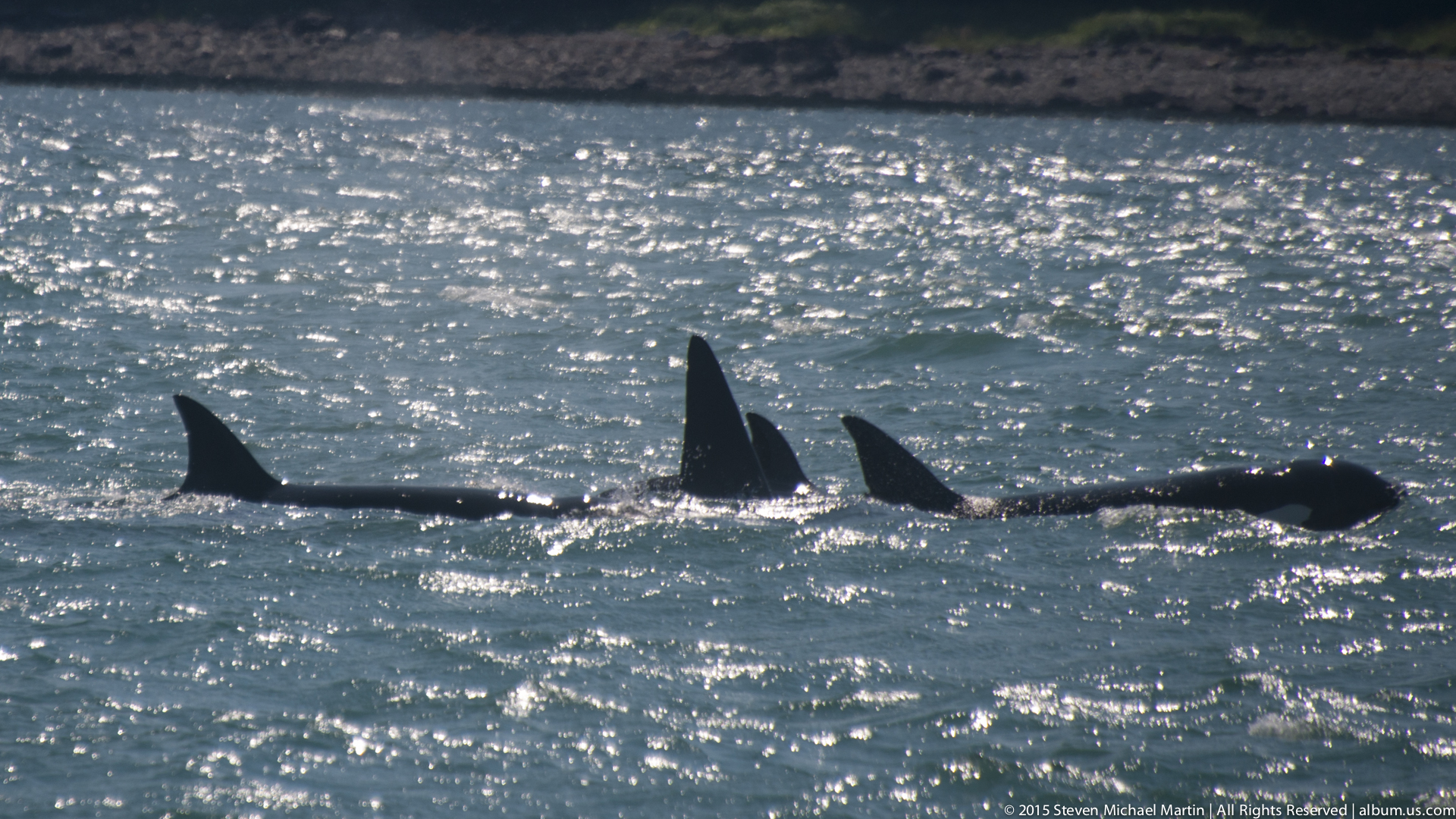
As the activity gradually slowed, the surface returned to stillness, revealing only a distant dorsal fin or tail before the whale disappeared again beneath the water. Not long after, several tall dorsal fins moved steadily across the bay, likely orcas traveling together through the same channel. Their appearance suggested a larger story unfolding beneath the surface, reinforcing the sense that these encounters are shaped by interactions we only partially see. The sequence of movement, stillness, and renewed activity created a moment that felt both unexpected and unforgettable within the quiet scale of the Inside Passage.
📷 Photography Notes
- Overcast light enhances glacier color
- Wide framing shows fjord scale
- Ice textures create strong detail
- Cloud layers add atmosphere
- Foreground water adds depth
- Simple compositions emphasize scale