North Cascades NP – Night Sky
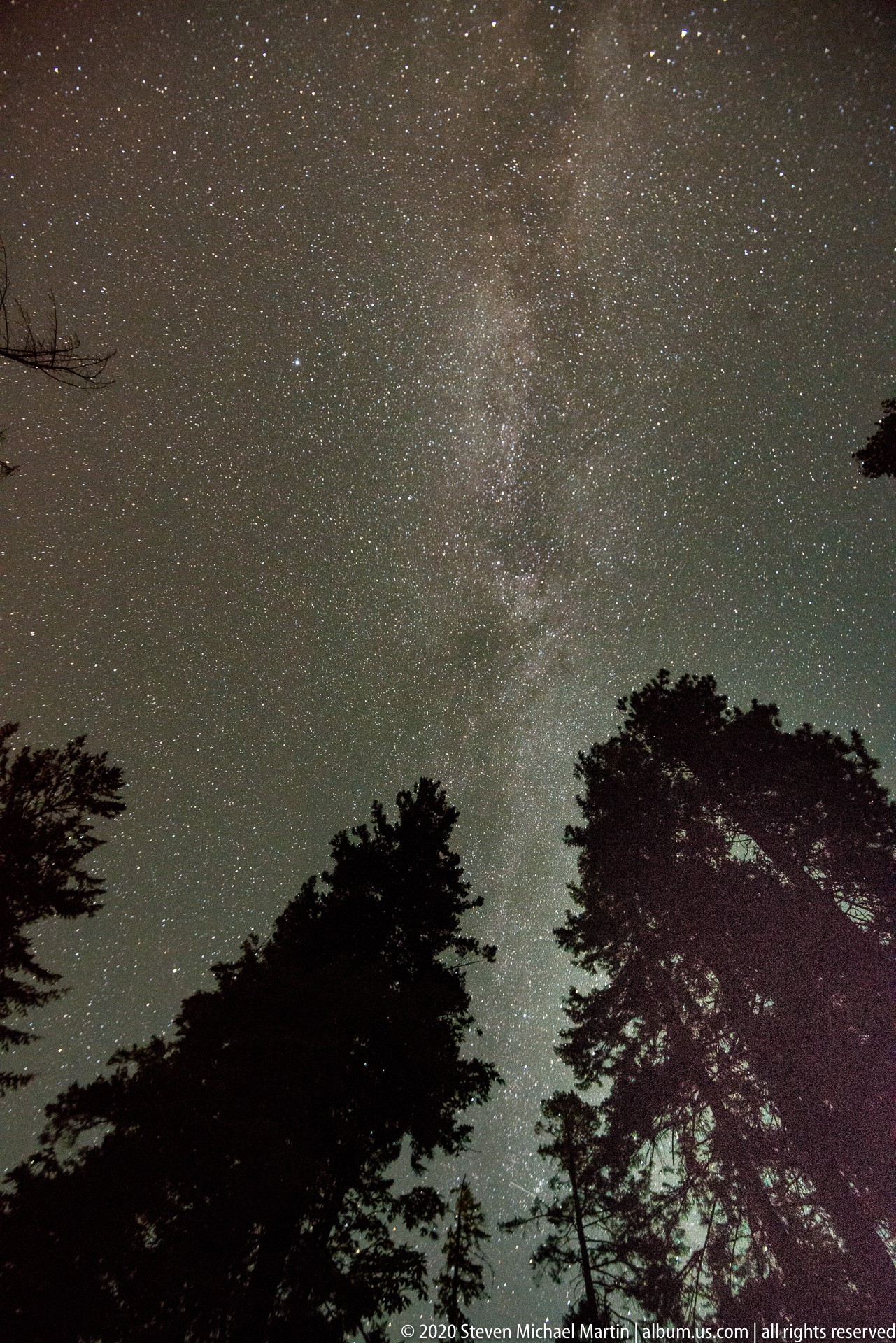
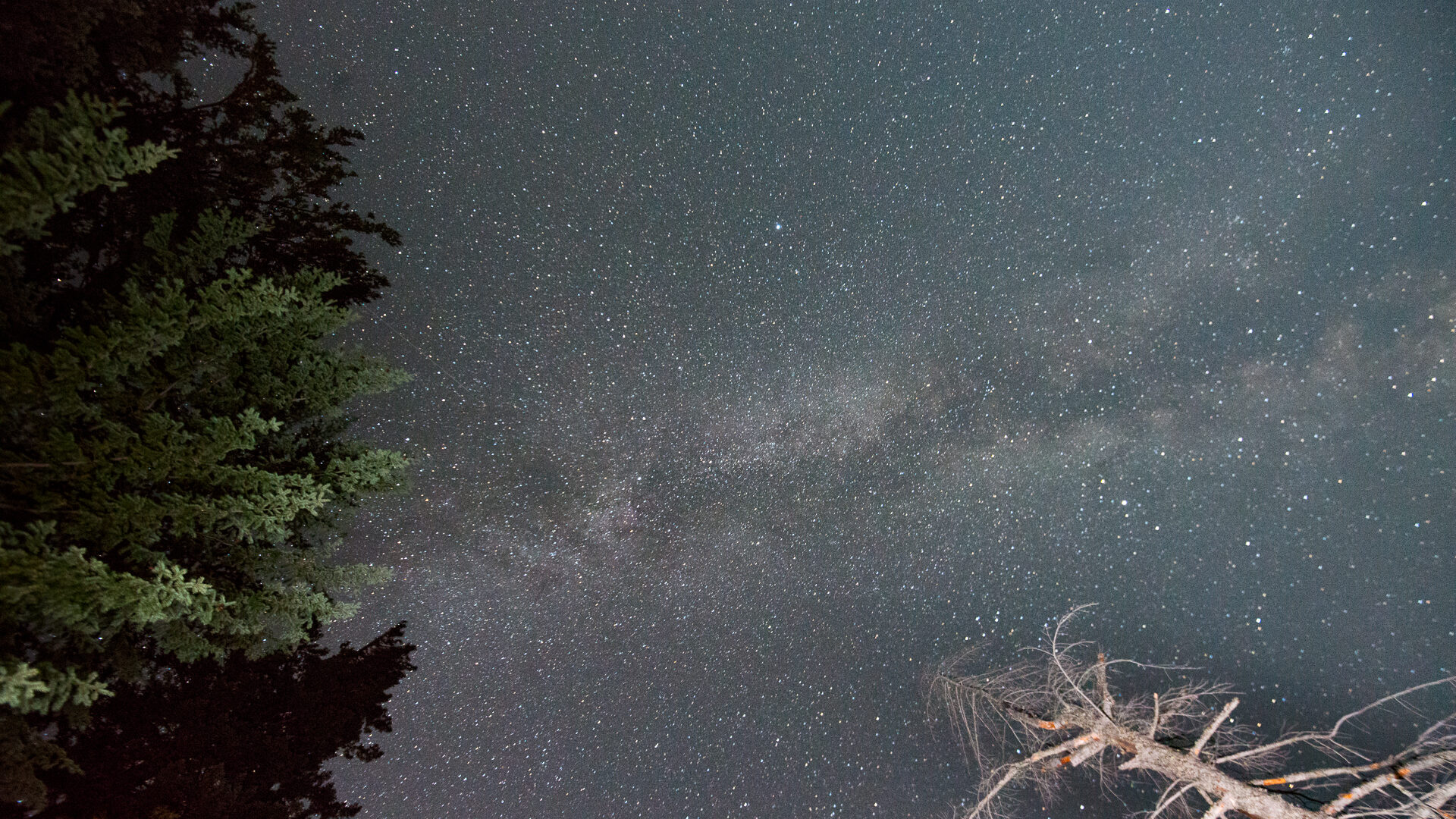
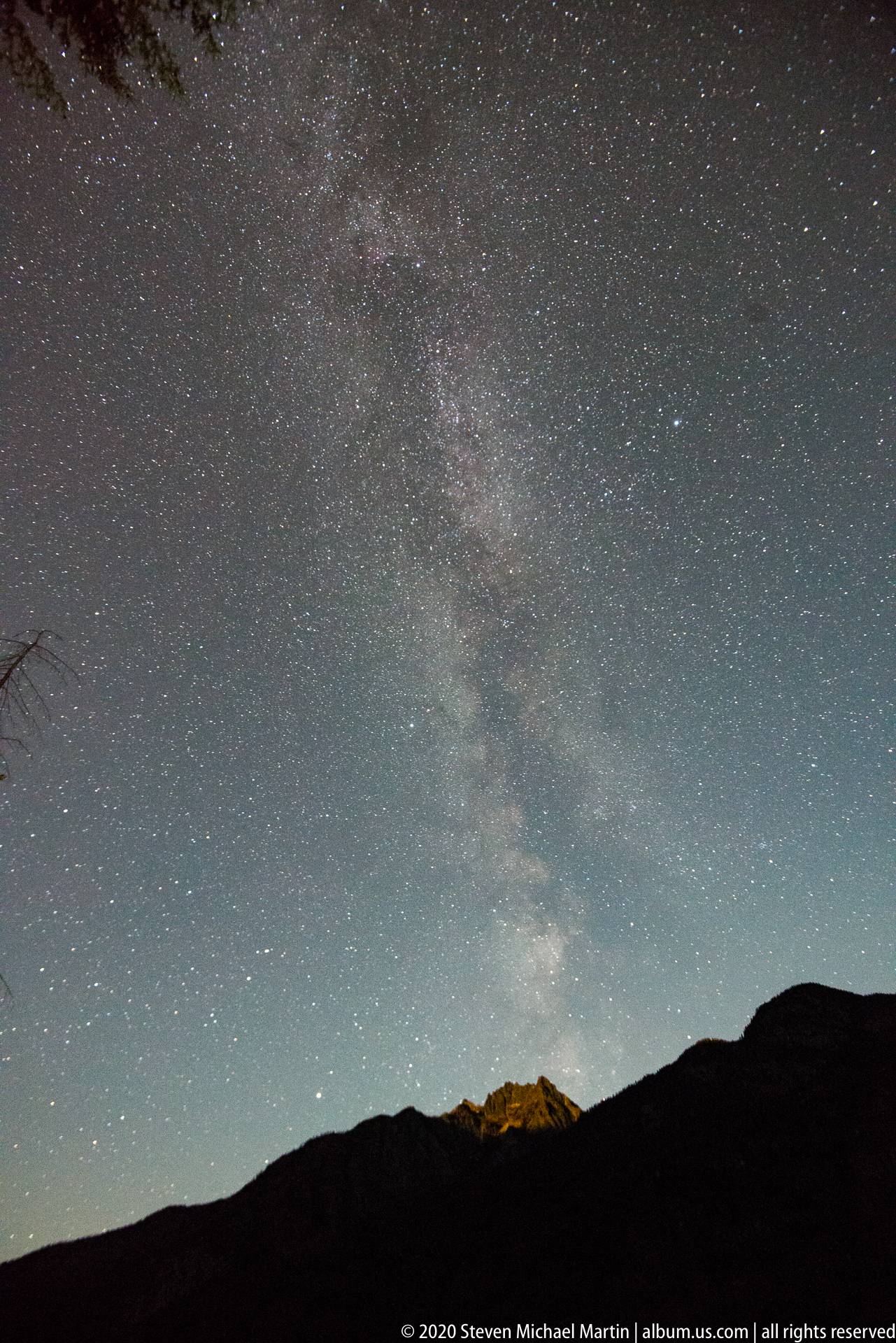
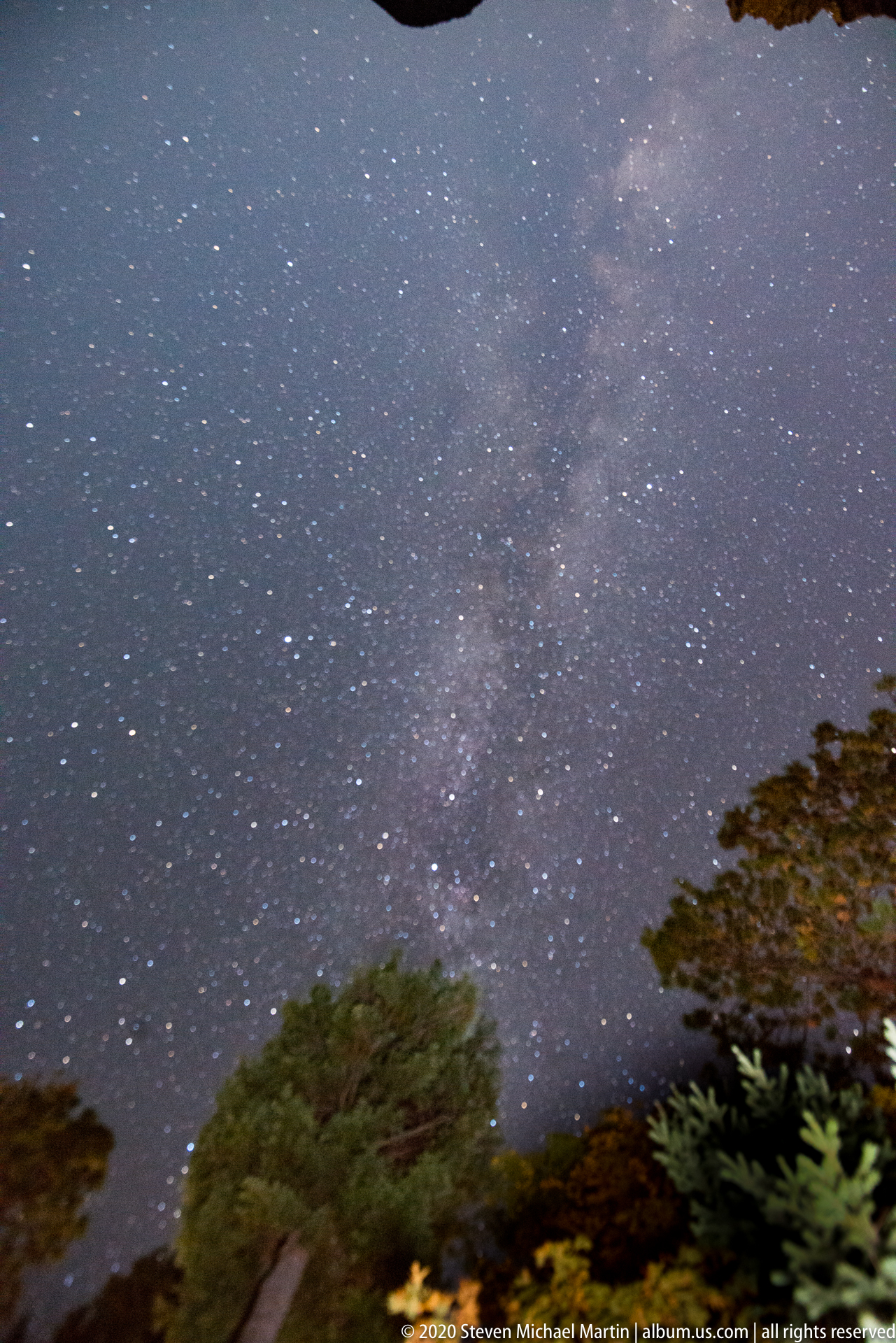
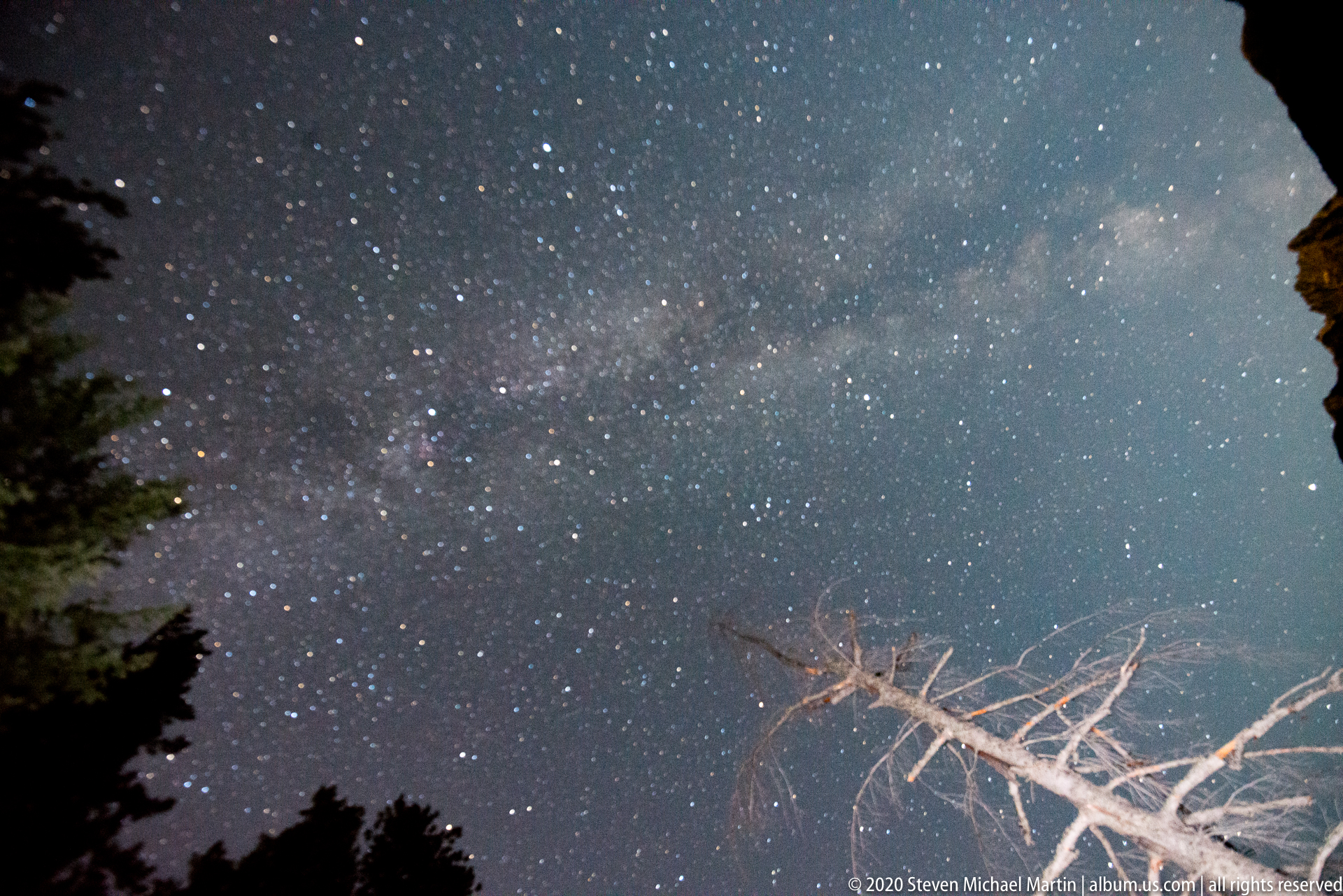
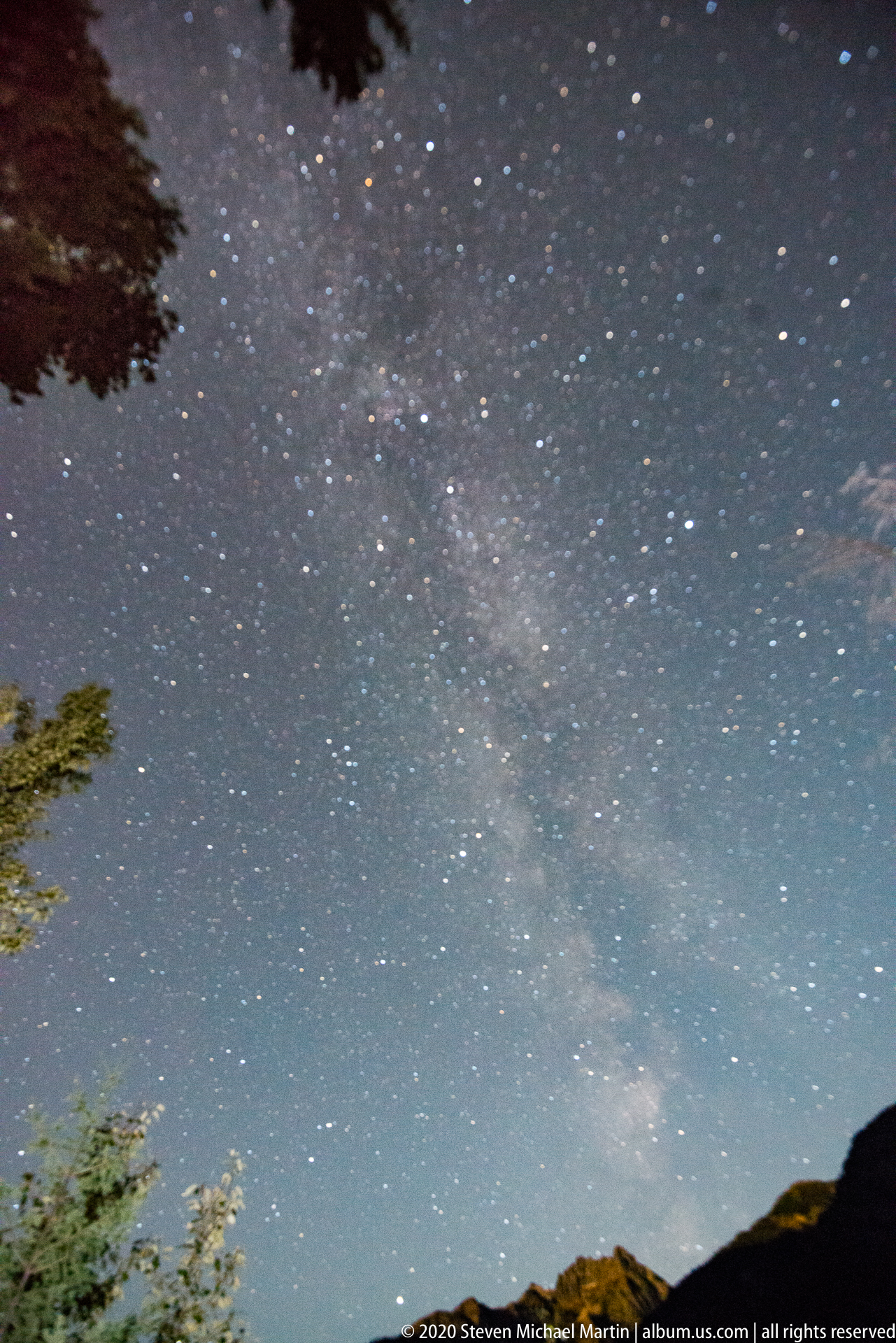
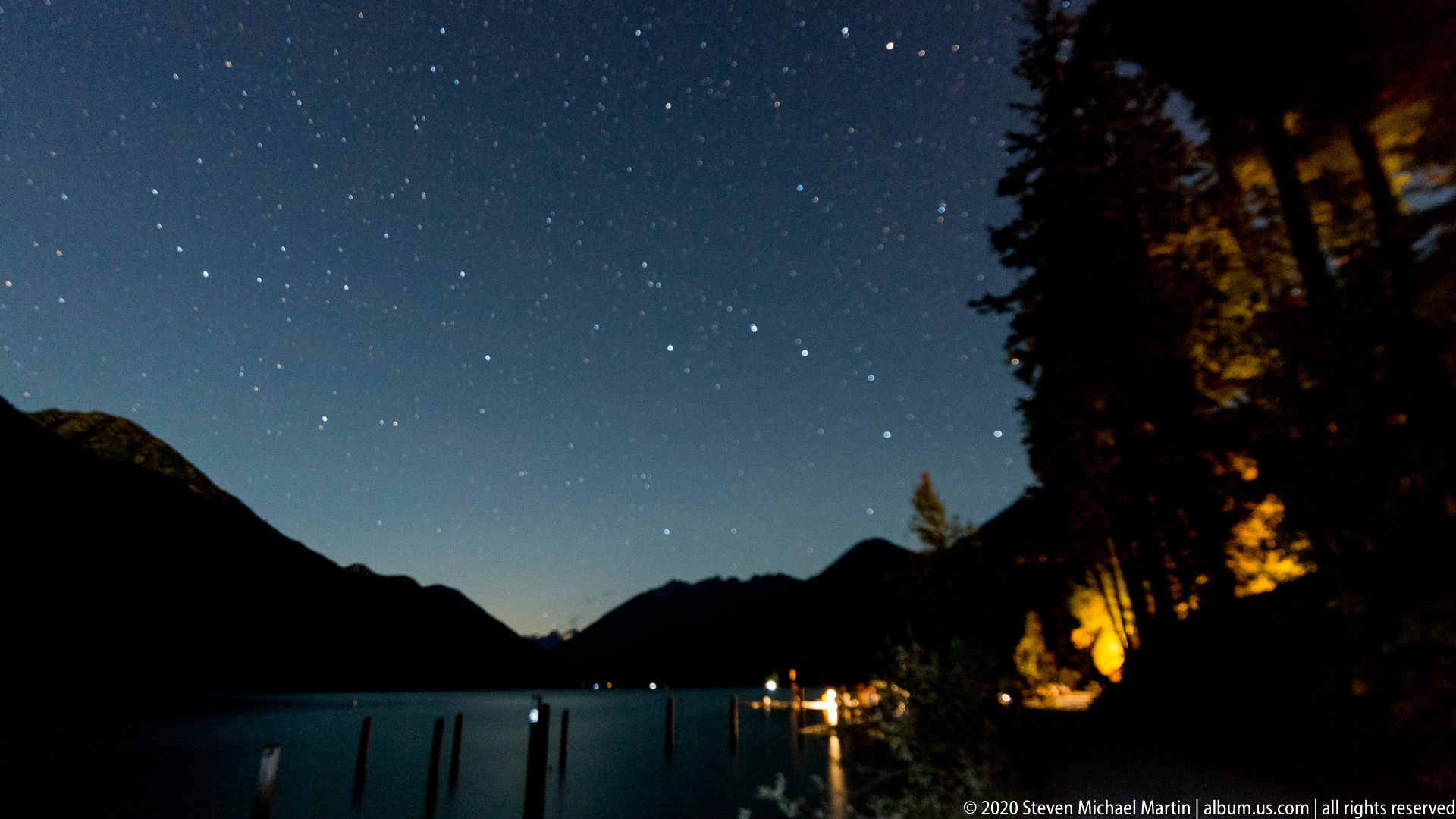
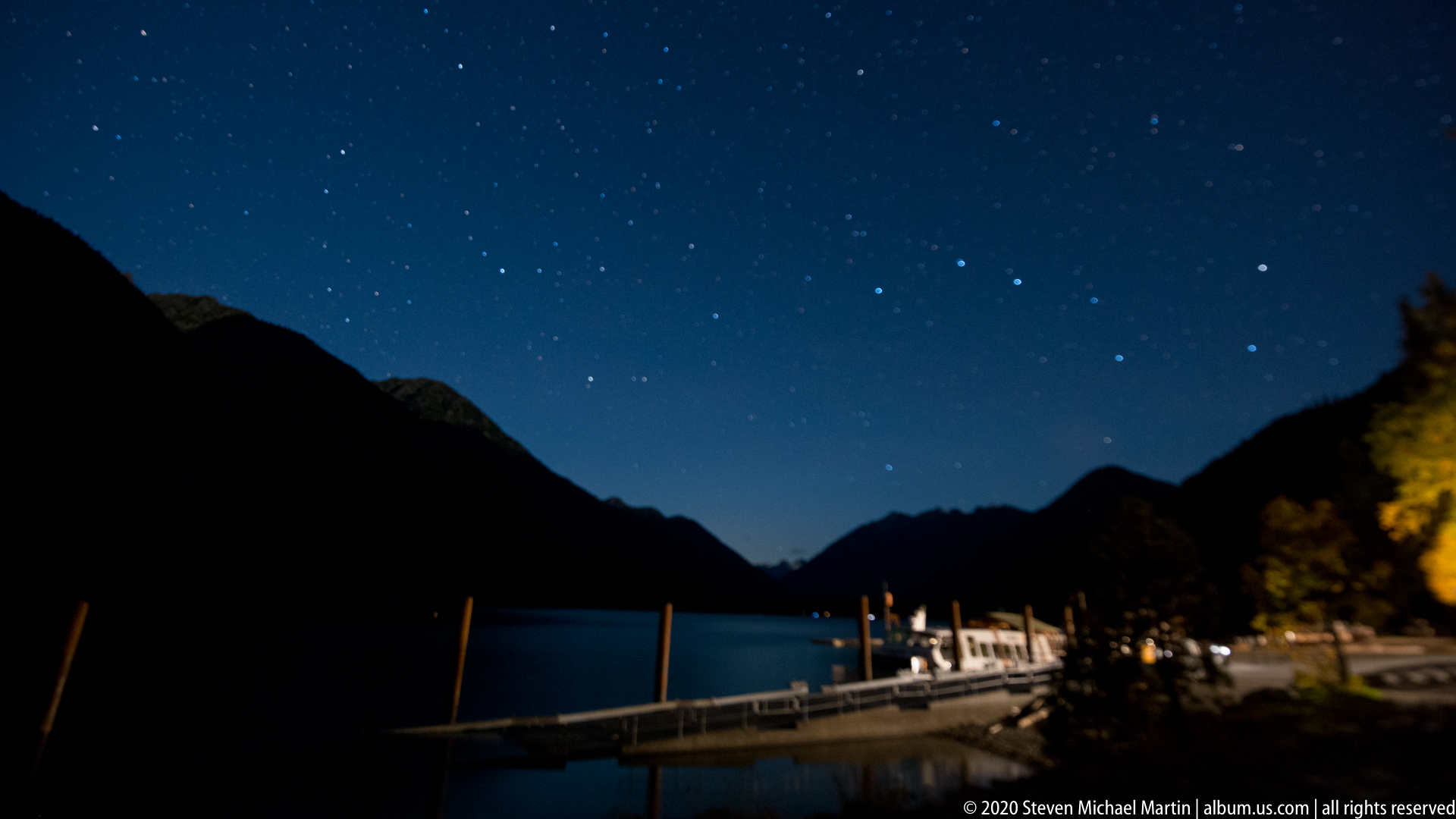
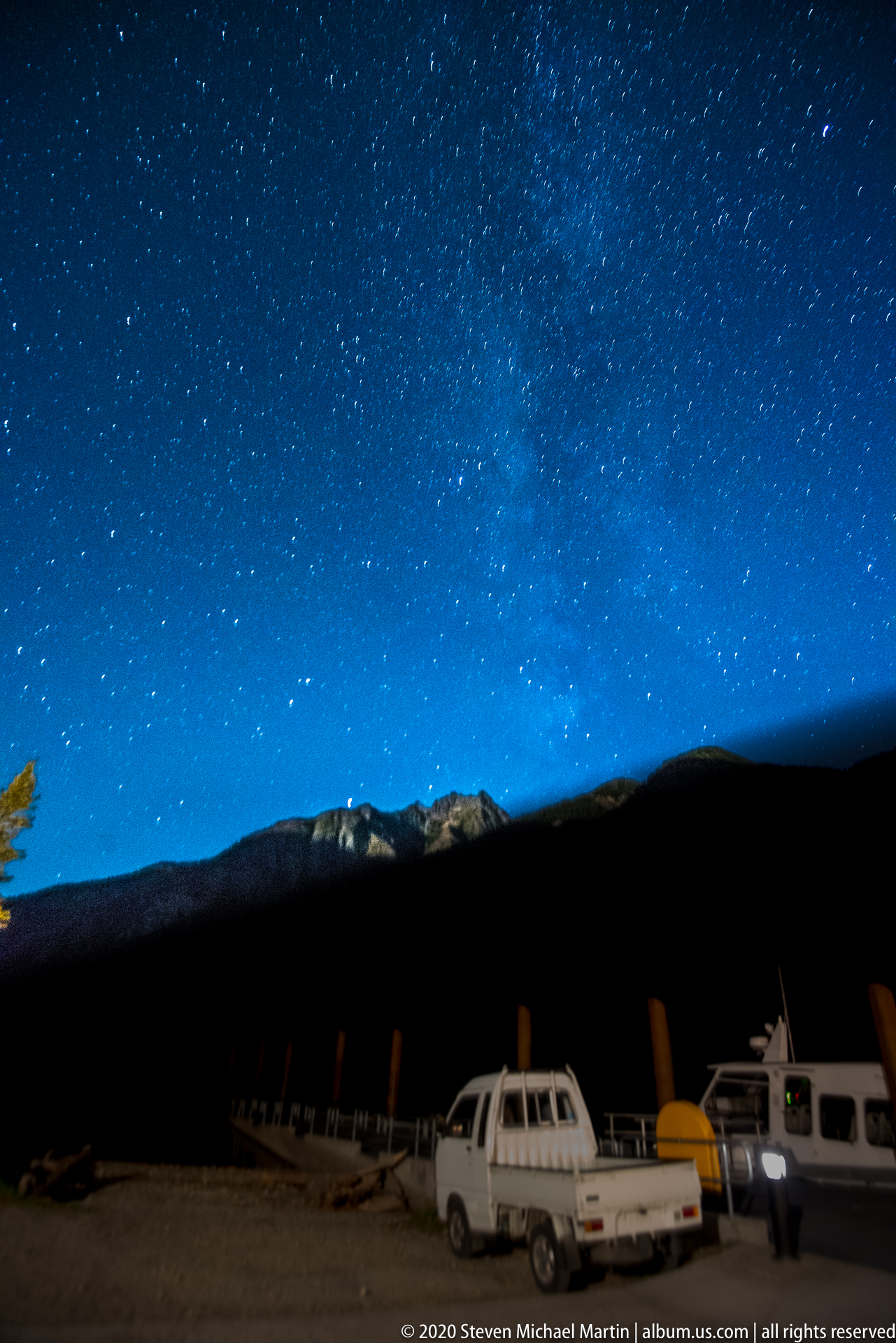
The night sky over North Cascades National Park reveals a level of darkness rarely experienced in more developed regions, where minimal artificial light allows stars to appear with remarkable clarity. Mountain silhouettes fade into shadow while the sky becomes the dominant visual element, emphasizing the remoteness of this wilderness landscape.
The rugged terrain and limited nearby development contribute to exceptionally low light pollution, creating favorable conditions for observing constellations, the Milky Way, and seasonal celestial patterns. The contrast between the dark landscape and illuminated sky highlights the scale and isolation of the North Cascades environment.
Eyes adjust to the darkness, increasing numbers of stars become visible, creating depth and texture across the sky. The stillness of the surrounding mountains reinforces the sense of quiet and distance, offering an experience defined as much by atmosphere as by visual detail.


🧭 Field Guide
Landscape Type: Alpine mountain wilderness
Primary Features: Rugged peaks, glacial valleys, alpine lakes, night skies
Best Time to Visit: Summer through early fall for clearer access and visibility
Conditions: Highly variable mountain weather with rapid changes in light and cloud cover
✨ Highlights
- Jagged Mountain Peaks – One of the most rugged mountain landscapes in the continental United States.
- Glacial Valleys – Evidence of historic and ongoing glacial activity visible throughout the range.
- Remote Wilderness Character – Limited development contributes to a strong sense of isolation and scale.
- Alpine Lakes – Mountain lakes reflecting surrounding peaks and changing sky conditions.
- Night Sky Visibility – Minimal light pollution allows exceptional views of stars and the Milky Way.
- North Cascades Highway Views – Scenic roadway providing access to dramatic mountain viewpoints.
🔎 Notable Encounters
- Layered Mountain Ridges – Overlapping peaks create visual depth across the landscape.
- Glacial Features – Snowfields and ice formations visible at higher elevations.
- Alpine Vegetation – Plant life adapted to shorter growing seasons and harsher conditions.
- Changing Mountain Light – Cloud movement alters contrast and visibility throughout the day.
- Night Sky Atmosphere – Increasing visibility of stars as eyes adjust to darkness.
📷 Photography Notes
- Changing weather conditions can quickly alter visibility of mountain peaks.
- Layered ridgelines help convey depth and scale.
- Early morning and late-day light often emphasize terrain texture.
- Wide-angle compositions help capture expansive mountain scenery.
- Clear nights allow visibility of dense star fields.
- Cloud patterns can add structure to otherwise open sky compositions.