Congaree National Park
Congaree National Park preserves one of the largest intact old-growth bottomland hardwood forests remaining in the southeastern United States, located within the floodplain of the Congaree and Wateree Rivers in central South Carolina. The landscape is shaped by periodic flooding that deposits nutrient-rich sediment, supporting the growth of exceptionally tall trees and diverse plant communities. The park protects a rare example of temperate floodplain forest ecosystem once common across the southeastern coastal plain. :
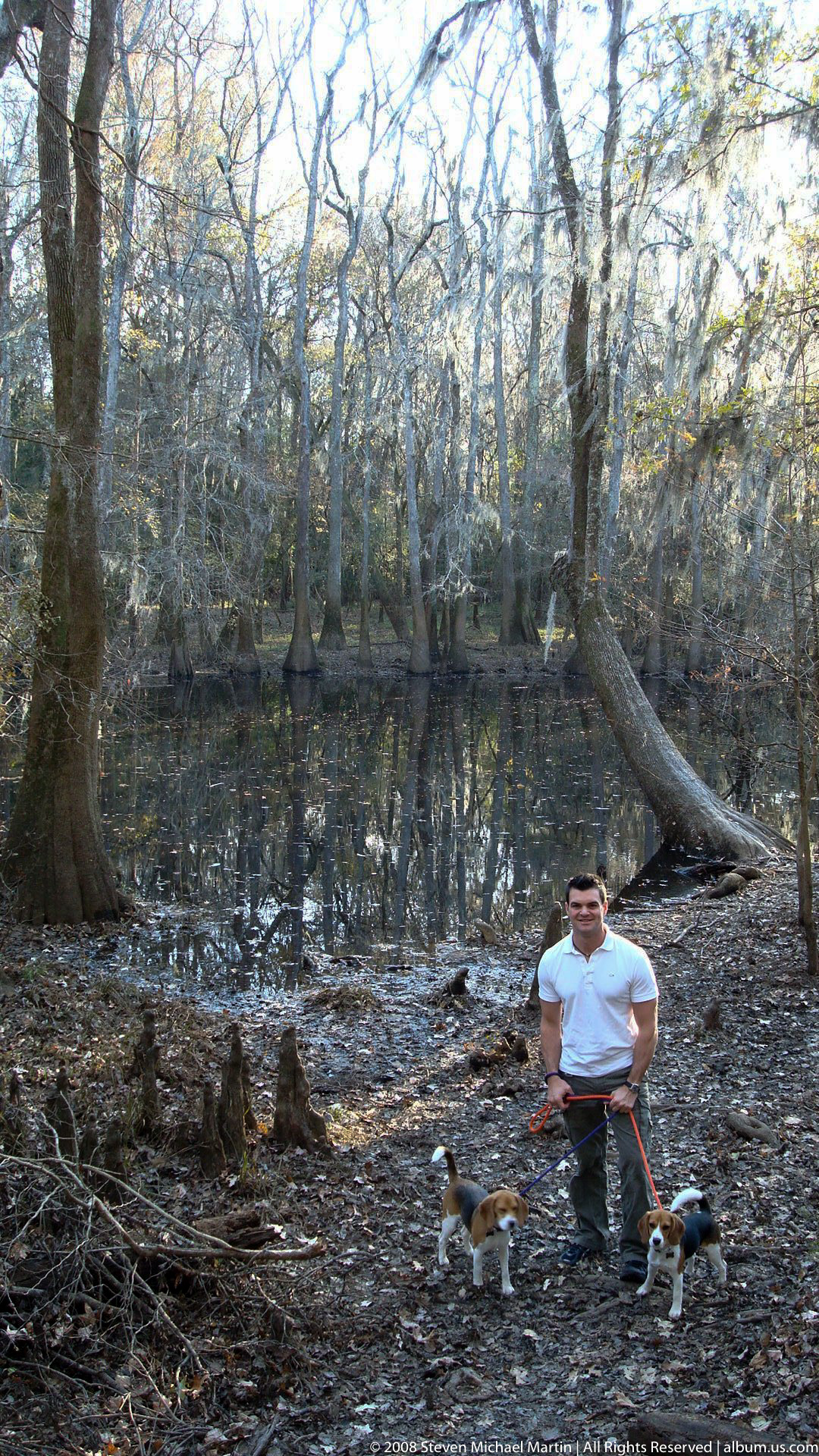
The forest environment includes bald cypress, water tupelo, and loblolly pine, forming one of the highest deciduous forest canopies in eastern North America. Boardwalk trails provide access through wetlands characterized by oxbow lakes, sloughs, and slow-moving waterways shaped by long-term hydrological processes. The protected landscape illustrates ecological relationships between river systems, seasonal flooding, and biodiversity within the southeastern United States.
Designated as a national park in 2003 following earlier protection as a national monument, Congaree represents a relatively recent addition to the National Park System and preserves an increasingly rare example of old-growth forest within a lowland floodplain environment. The site demonstrates the importance of conservation efforts aimed at protecting representative ecosystems of the southeastern coastal region.







Congaree National Park Field Guide
📍 Location
Congaree National Park is located in central South Carolina within the floodplain of the Congaree and Wateree Rivers. The park preserves one of the largest intact bottomland hardwood forests in the southeastern United States, shaped by periodic flooding that deposits nutrient-rich sediments across low-lying terrain. The landscape reflects long-term hydrological processes associated with river meanders, seasonal flood cycles, and sediment accumulation.
🌎 Landscape
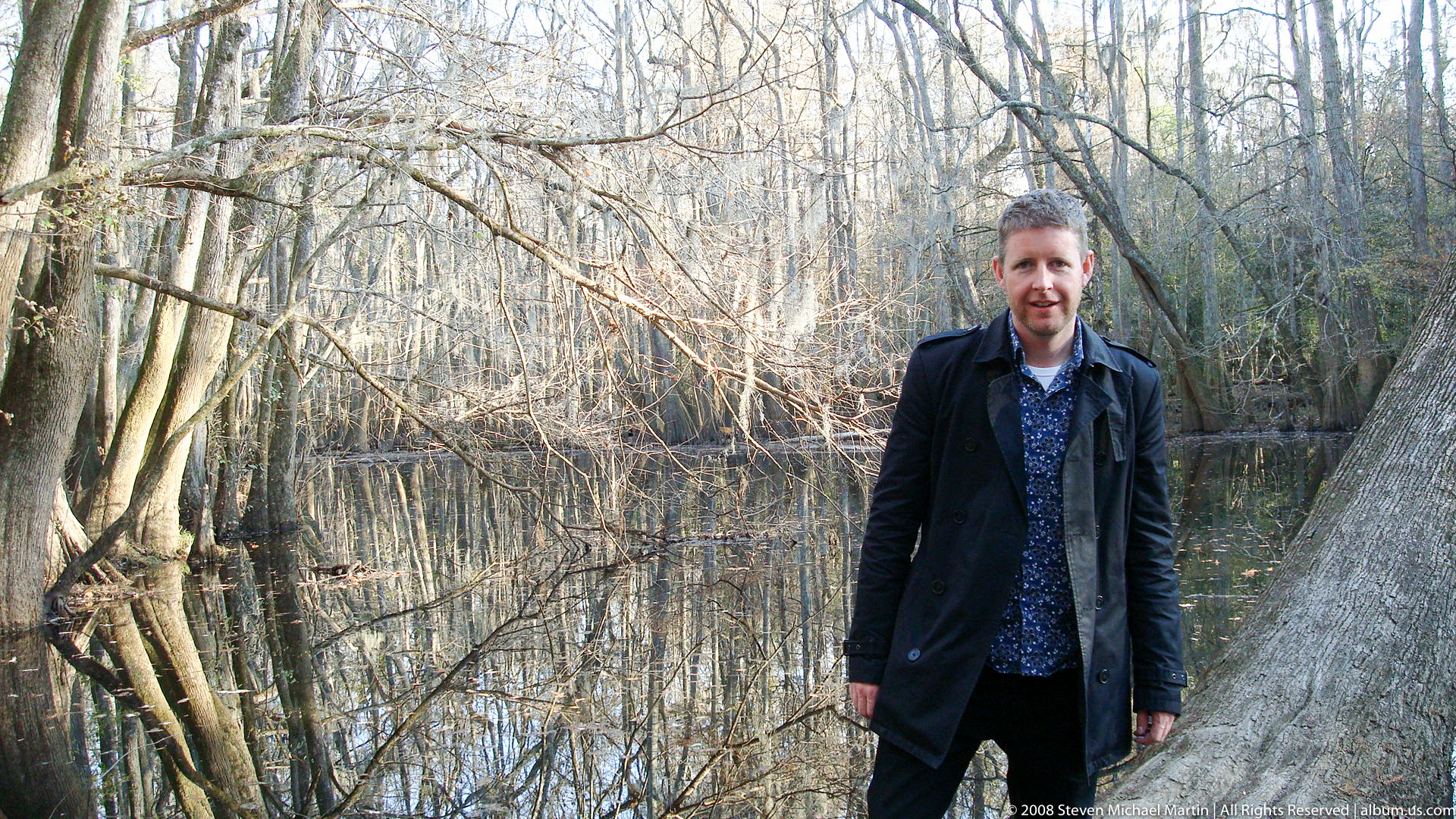
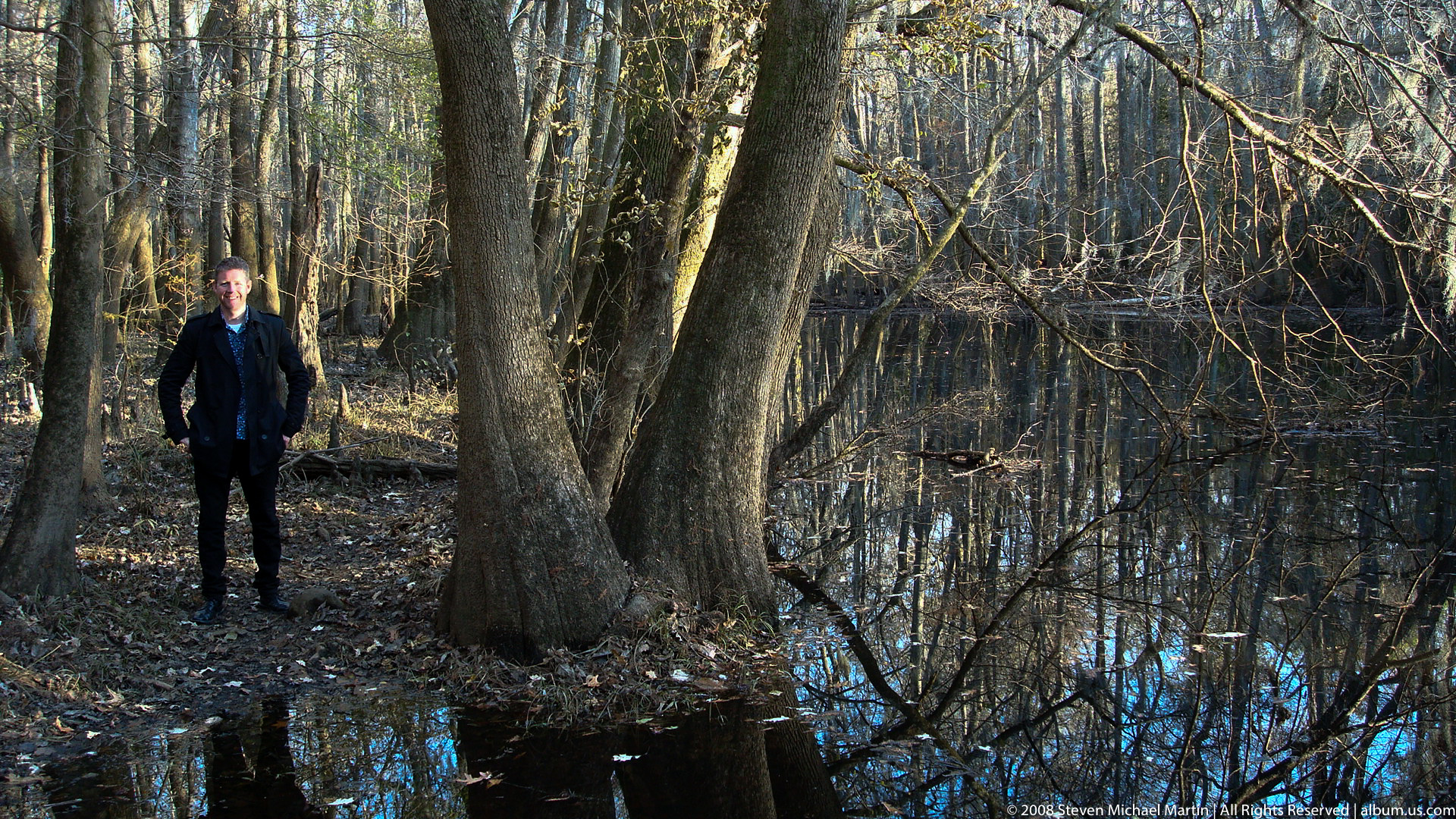
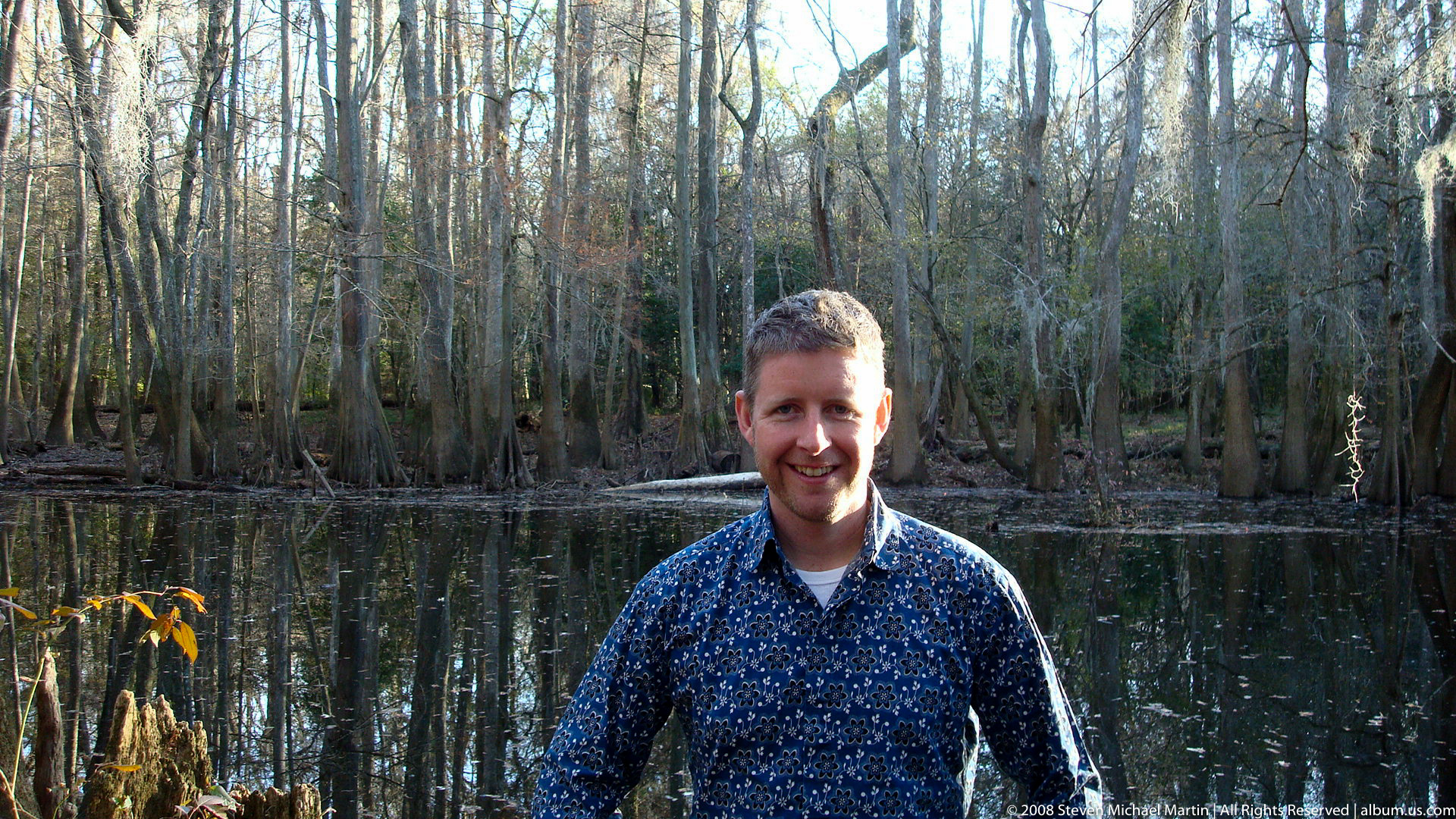
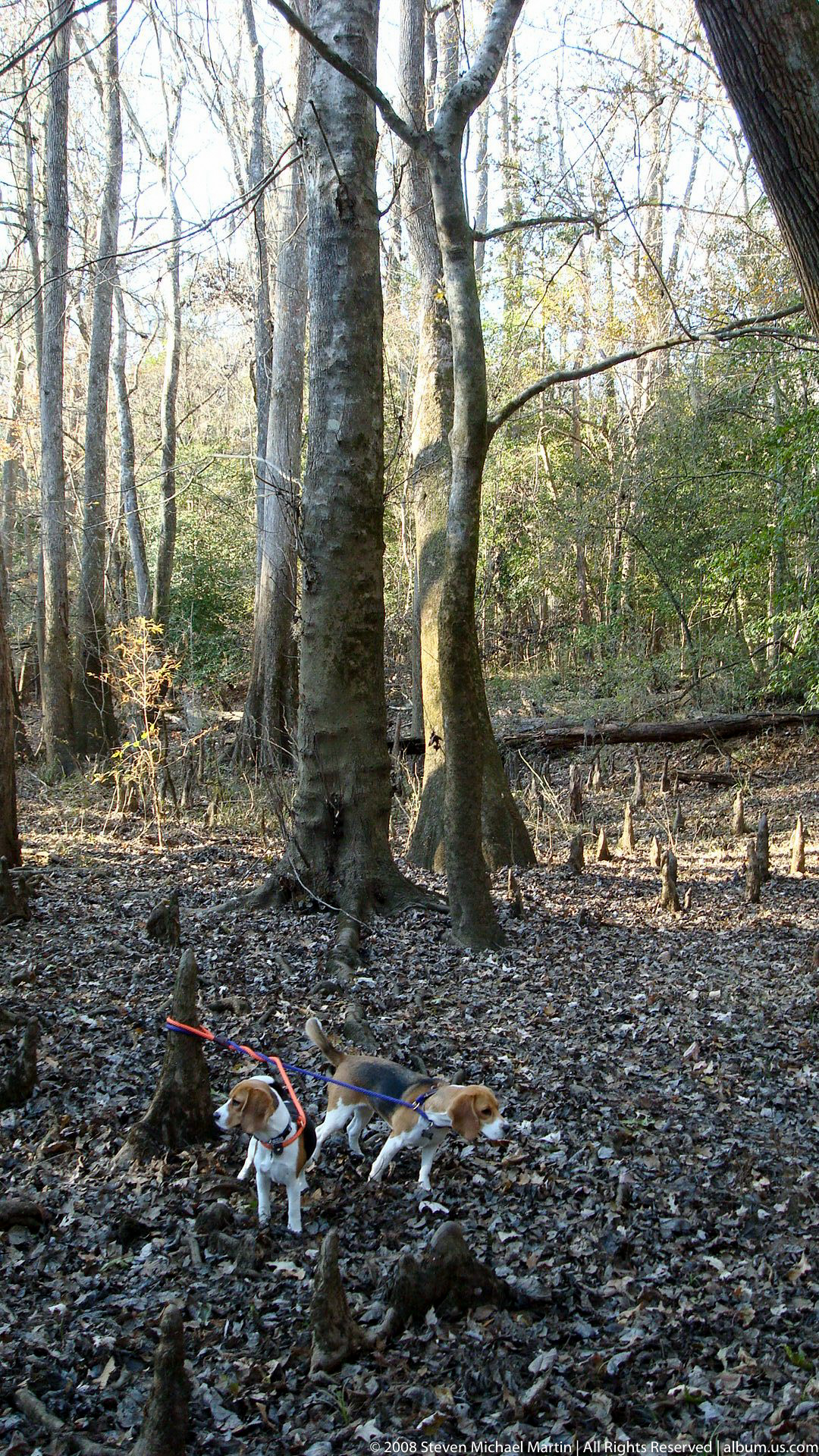
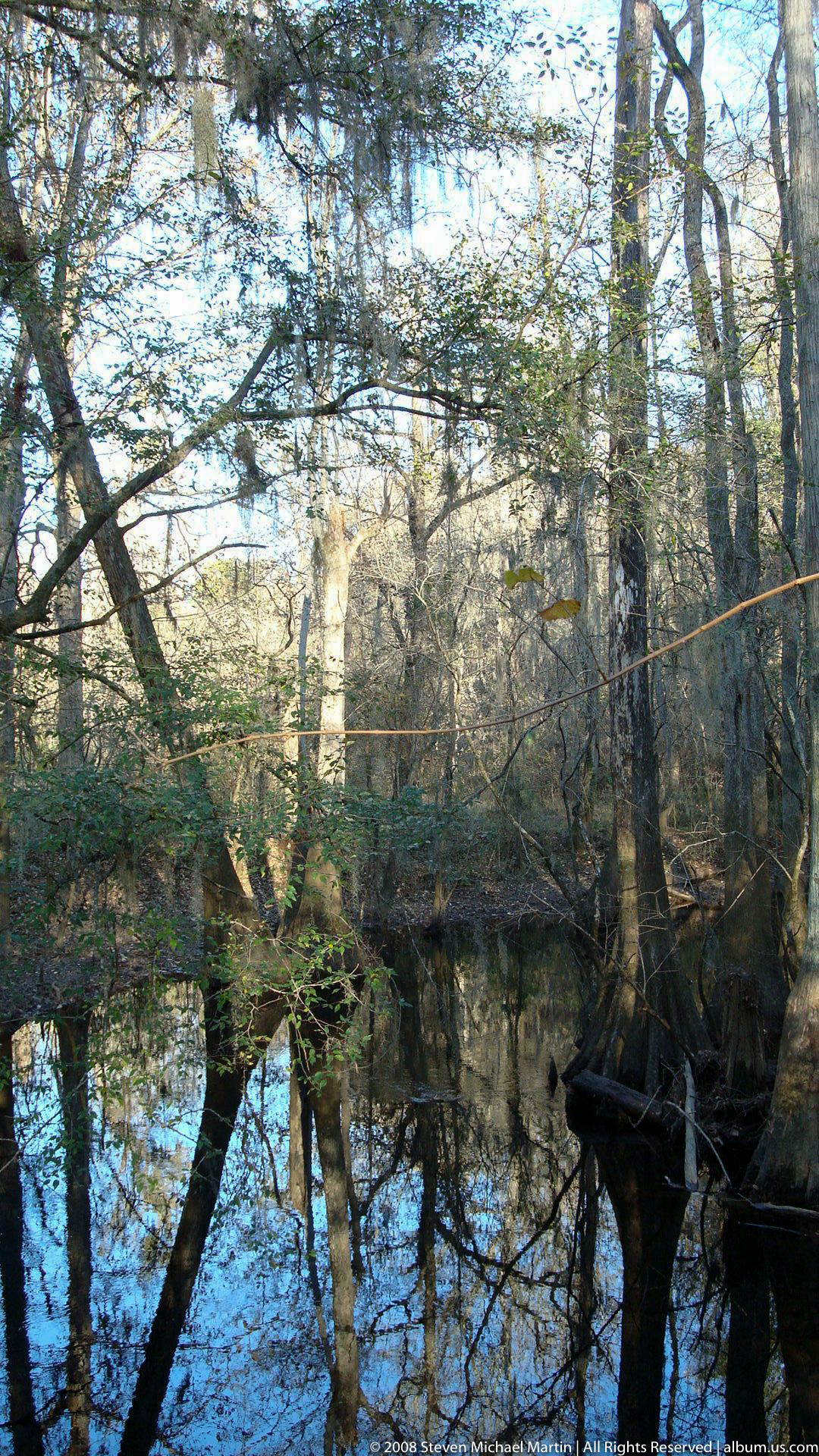
The park’s terrain consists of flat floodplain forest interspersed with oxbow lakes, sloughs, and slow-moving waterways. Seasonal flooding influences soil composition and vegetation patterns, allowing trees to reach exceptional height and density. Bald cypress and water tupelo are among the species adapted to wet conditions, forming distinctive forest communities characteristic of southeastern river systems.
🌿 Ecology
Congaree supports a diverse ecosystem containing a wide variety of plant and animal species associated with temperate floodplain forests. The interaction of abundant rainfall, rich alluvial soils, and minimal modern development has allowed ecological systems to remain relatively intact. The park is recognized for preserving old-growth forest conditions that were once more widespread across the southeastern coastal plain.
🏛 Conservation History
Originally designated as Congaree Swamp National Monument in 1976, the site was later redesignated as a national park in 2003 to recognize the ecological significance of its old-growth forest environment. Conservation efforts focused on protecting representative bottomland hardwood ecosystems that had become increasingly rare due to logging and land conversion in other regions of the Southeast.
⭐ Highlights
- Old-growth bottomland hardwood forest ecosystem
- Some of the tallest deciduous trees in eastern North America
- Boardwalk trails through floodplain forest environments
- Seasonal water levels shaping forest composition
- Quiet landscape illustrating natural river processes
🦌 Wildlife
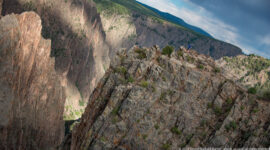
The floodplain environment supports a range of wildlife including white-tailed deer, river otters, wild turkeys, amphibians, and numerous bird species adapted to wetland habitats. Seasonal water levels create habitat conditions favorable for fish, reptiles, and invertebrates associated with slow-moving river systems.
📷 Photography Notes
- Boardwalk trails provide strong linear compositions through forest environment
- Soft light conditions enhance detail in bark textures and foliage
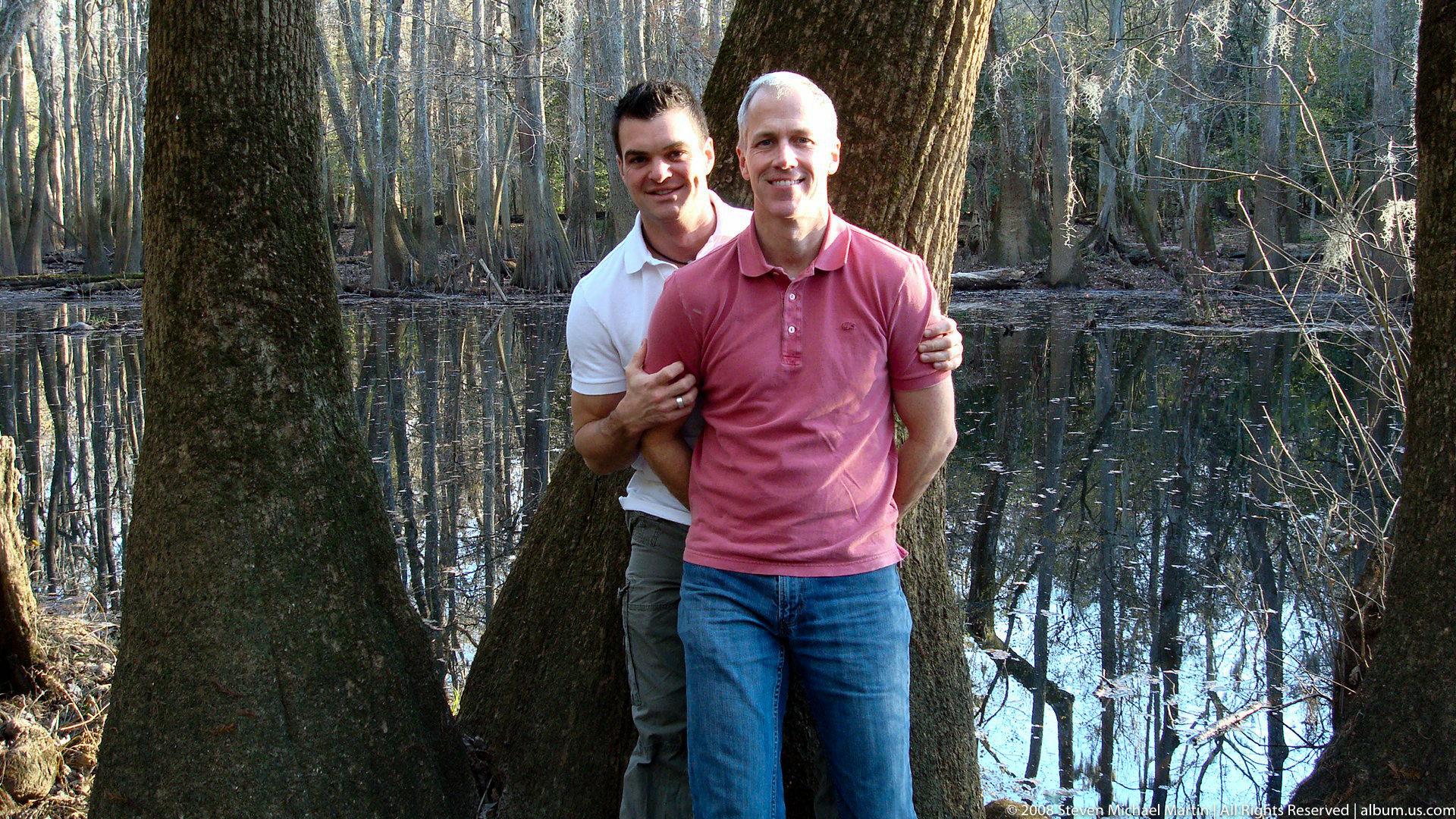
- Standing water can create reflections beneath cypress and tupelo trees
- Overcast skies often produce balanced contrast in dense forest scenes
- Wide-angle lenses help convey scale of tall hardwood canopy
- Subtle color palette reflects muted tones of wetland forest
📚 Summary
Congaree National Park preserves one of the most intact bottomland hardwood forest ecosystems in the southeastern United States, illustrating ecological relationships between river systems, seasonal flooding, and forest development. The protected landscape demonstrates the importance of conserving representative environments that reflect long-term natural processes within the Atlantic coastal plain.