El Malpais National Monument
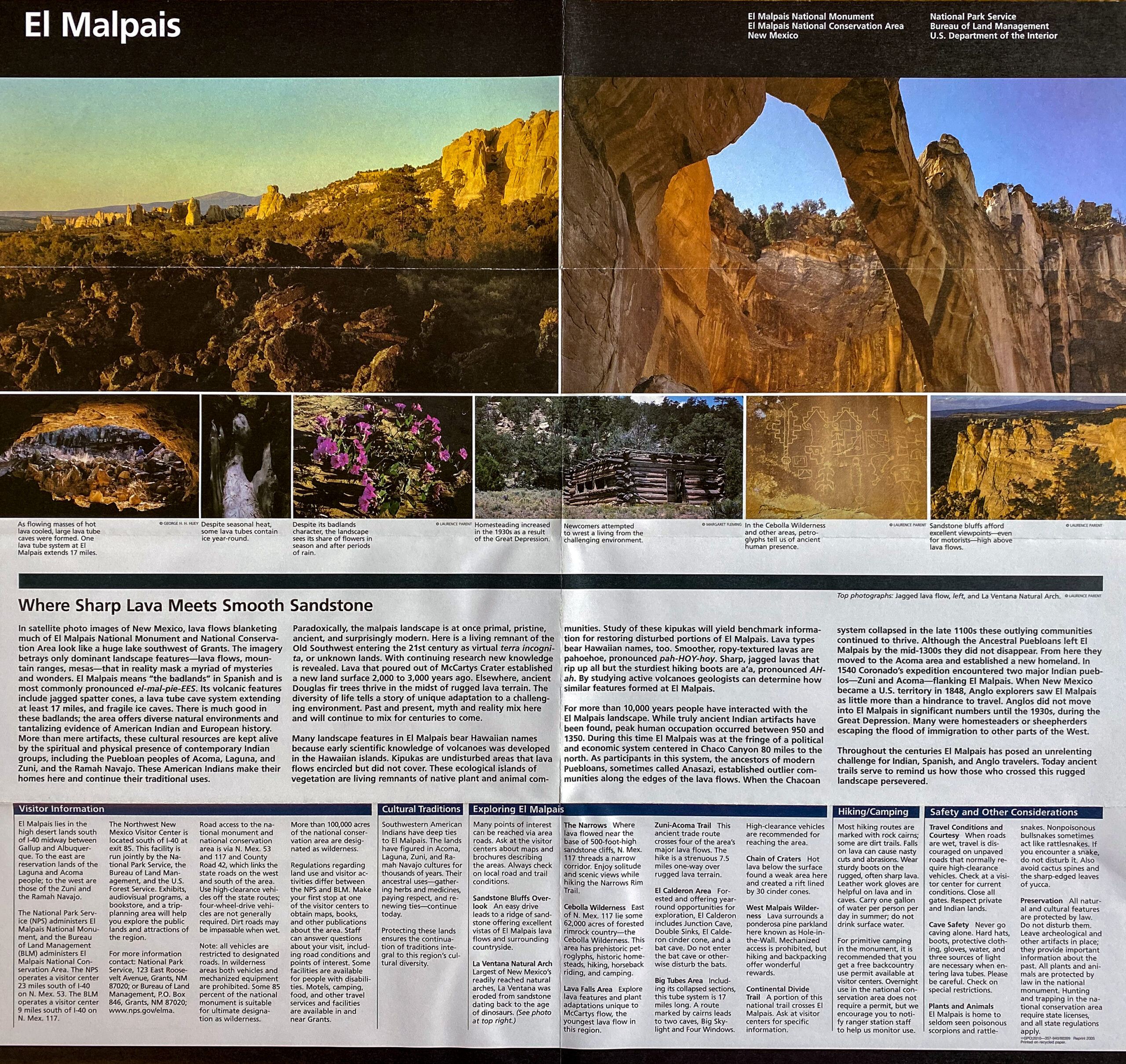
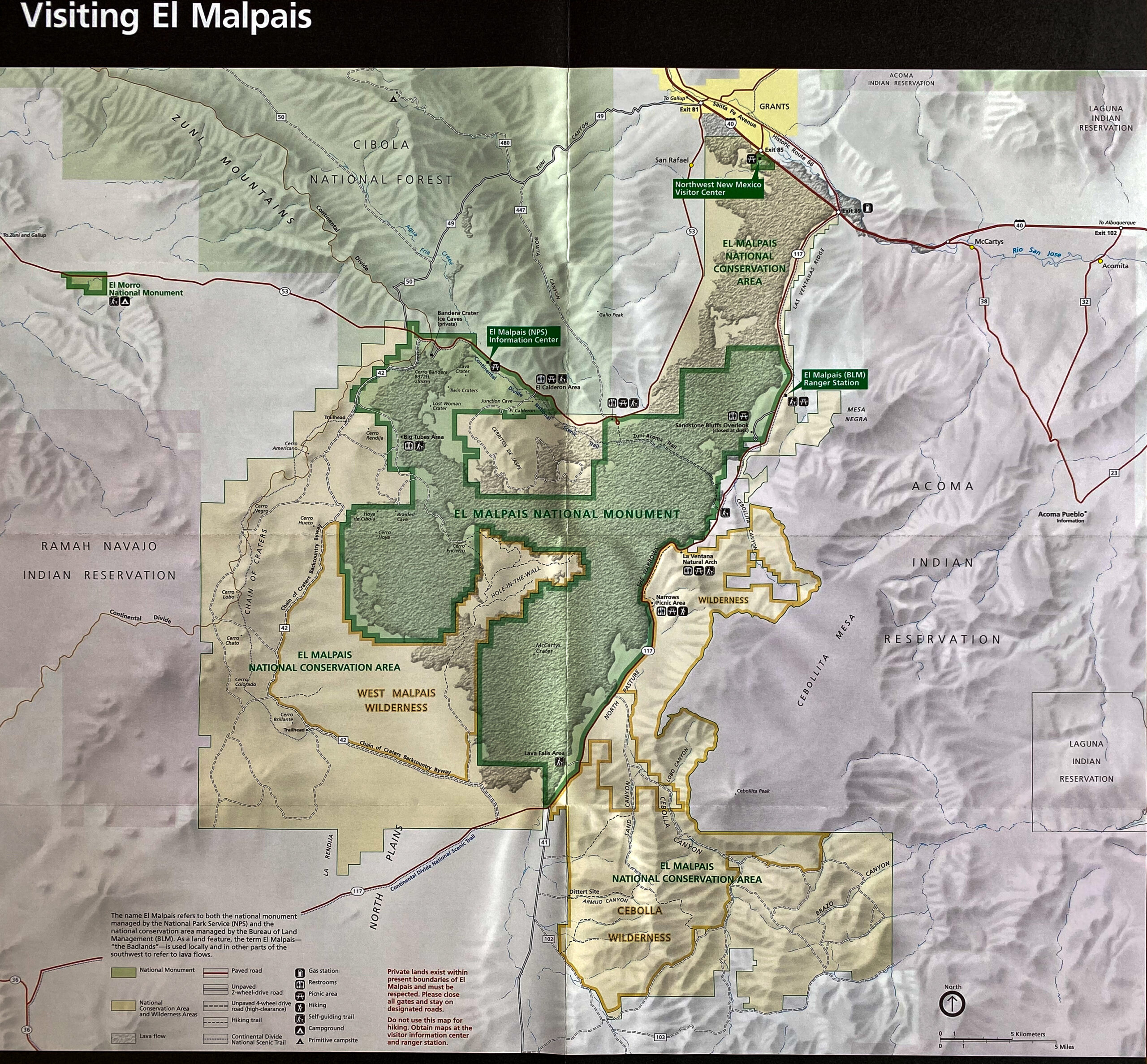
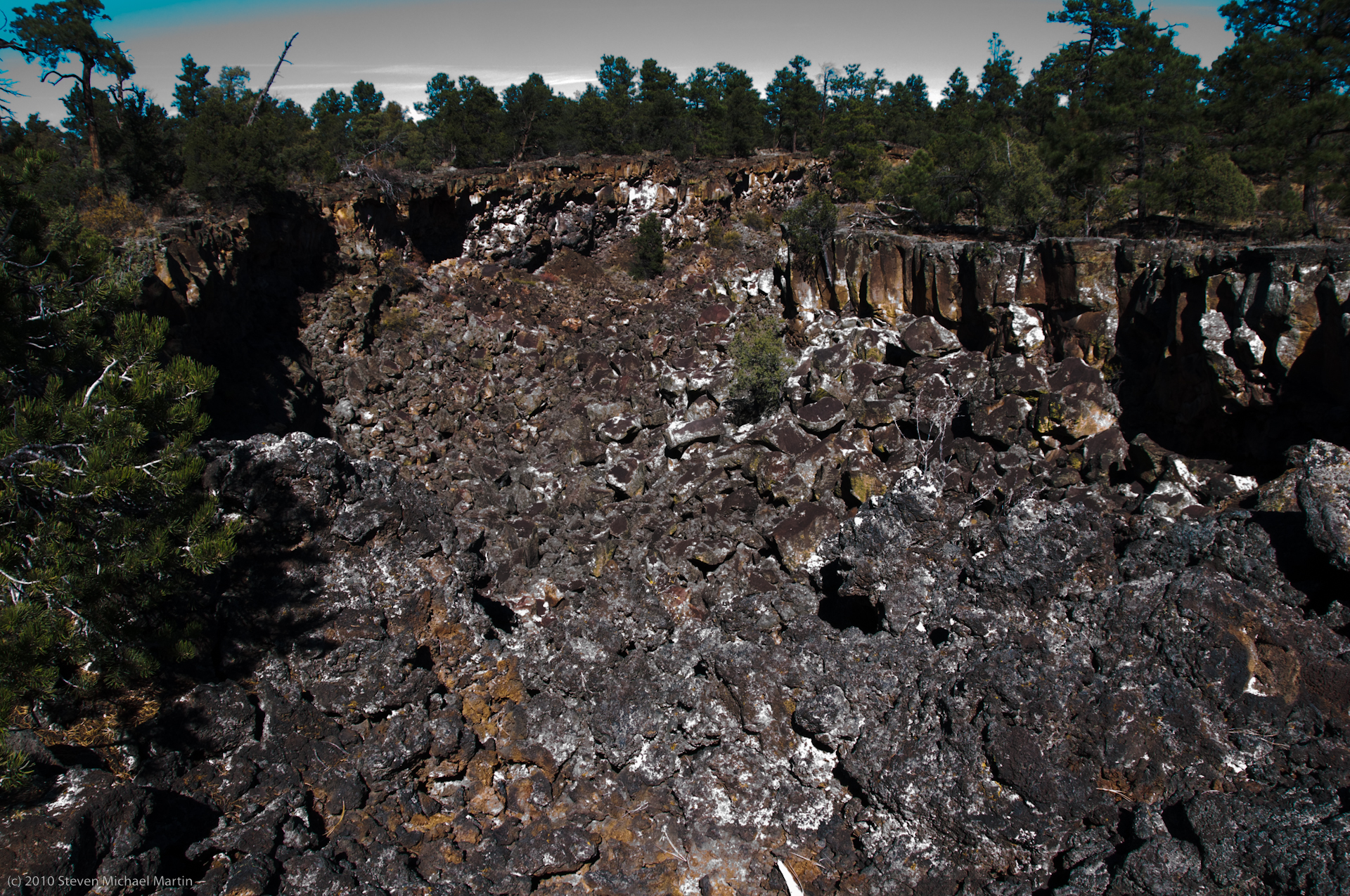
El Malpais National Monument preserves volcanic landscapes formed by lava flows that spread across the region during relatively recent geological periods. Basaltic lava cooled into rugged terrain characterized by lava tubes, fissures, and uneven surfaces shaped by flowing molten rock. The landscape illustrates how volcanic activity influences surface features in arid environments.
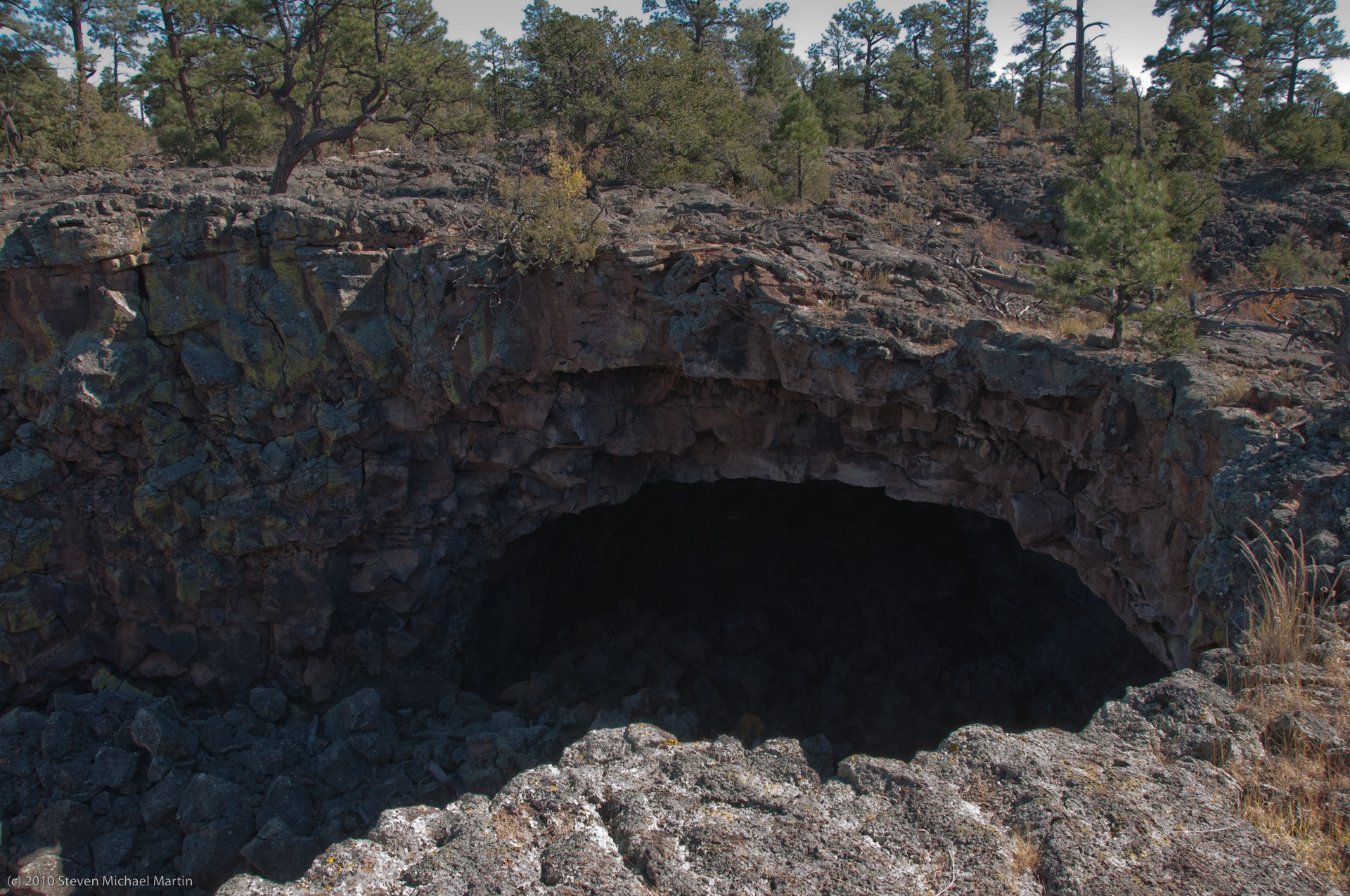
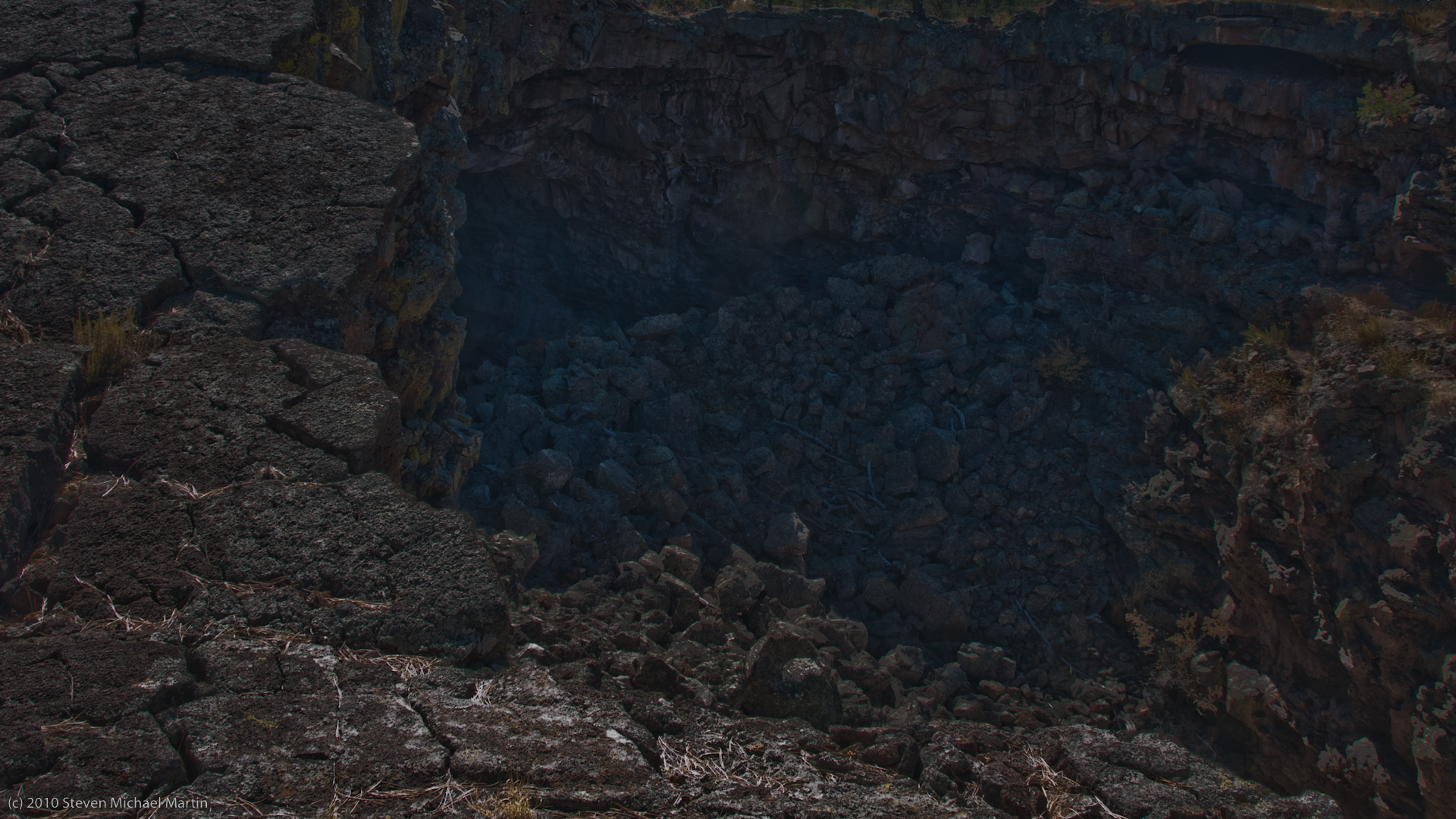
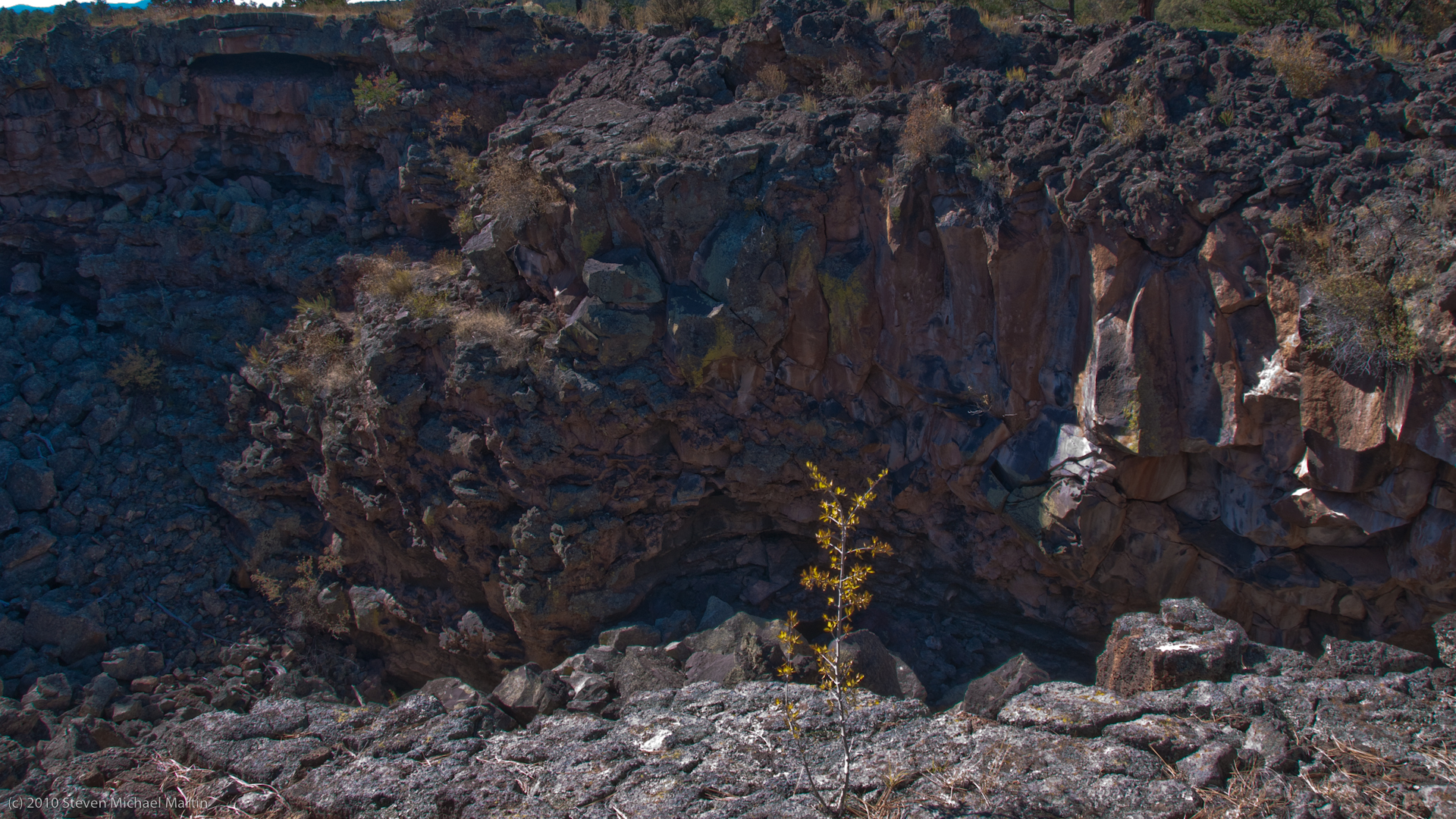
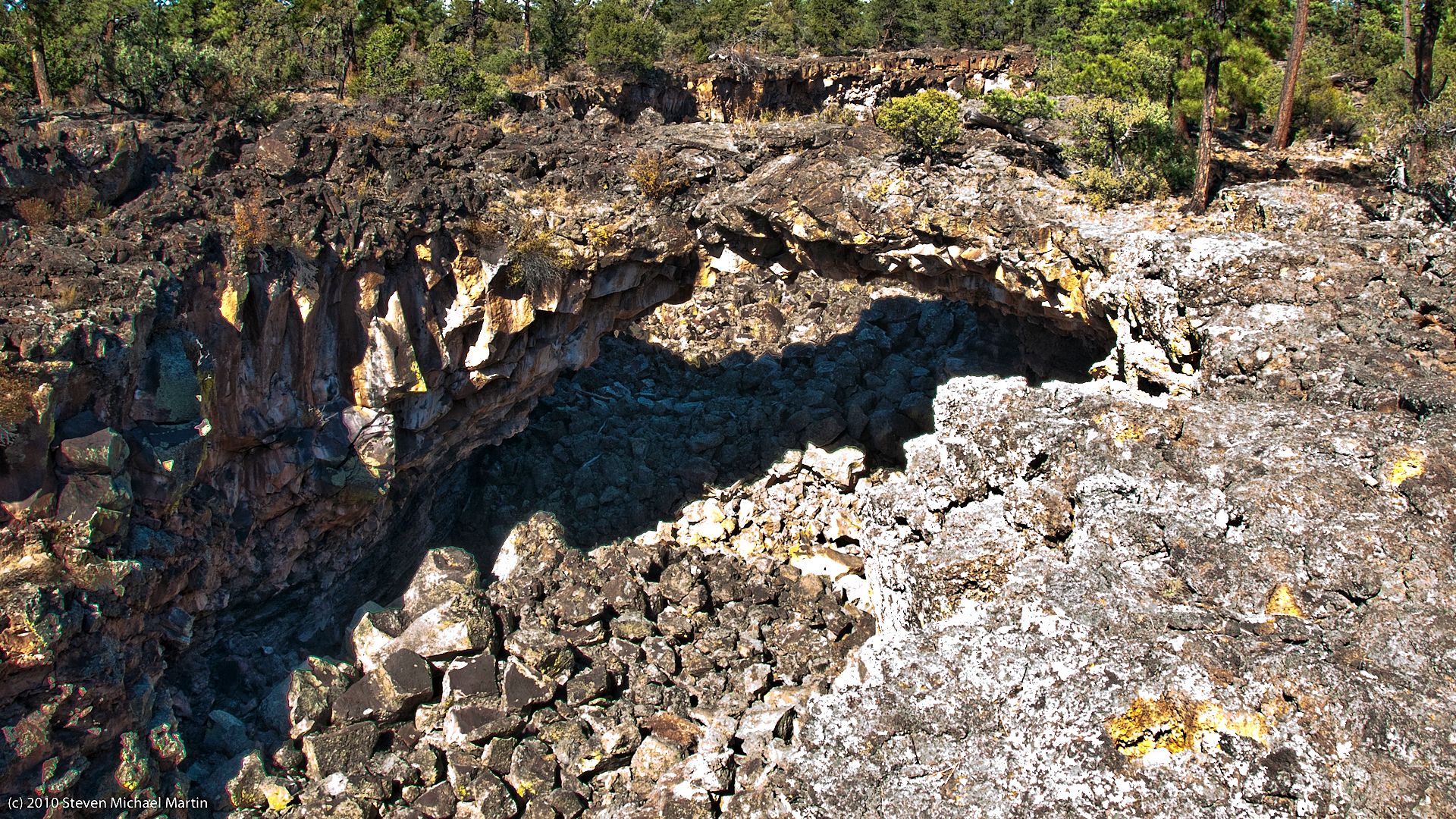
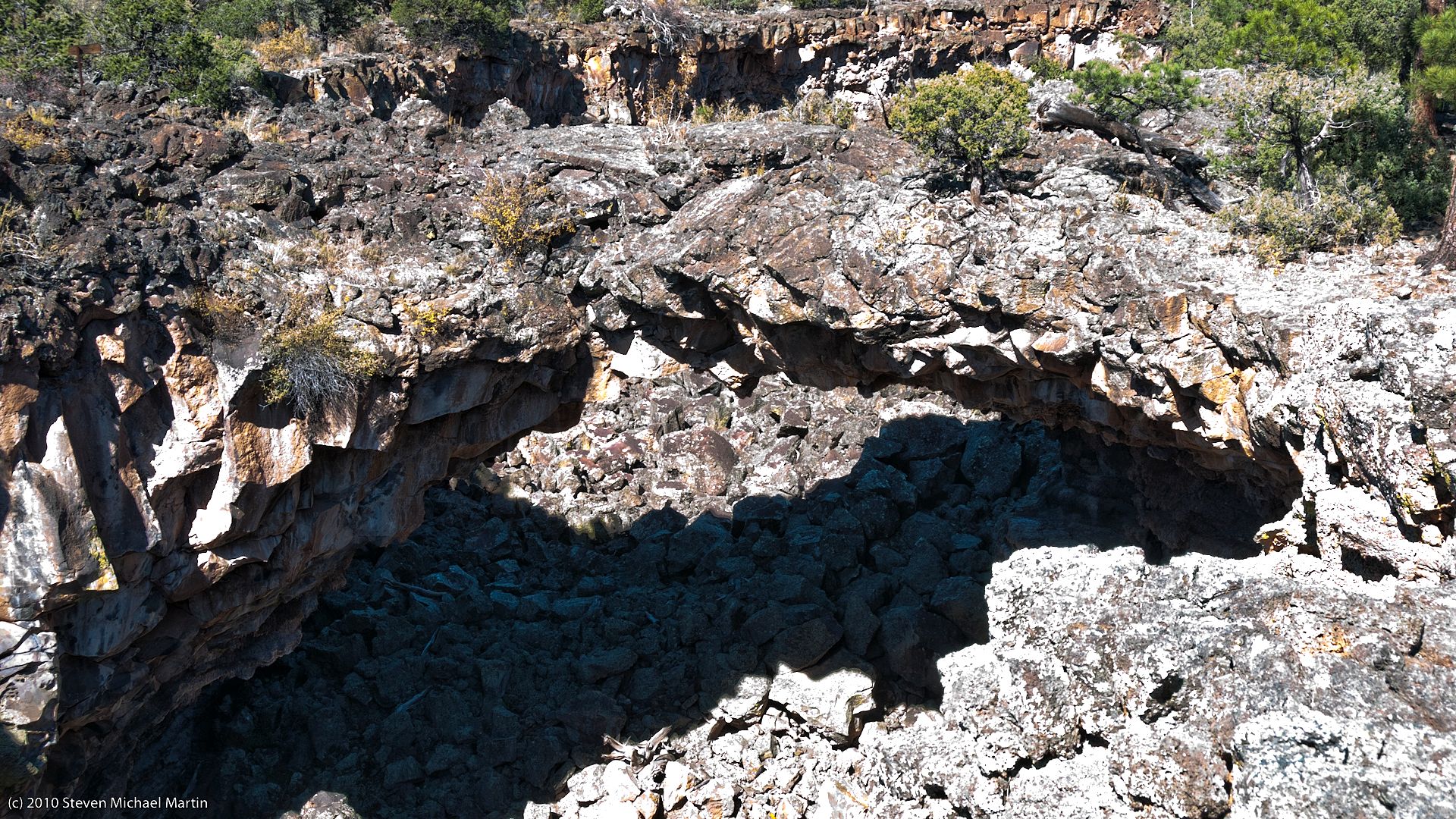
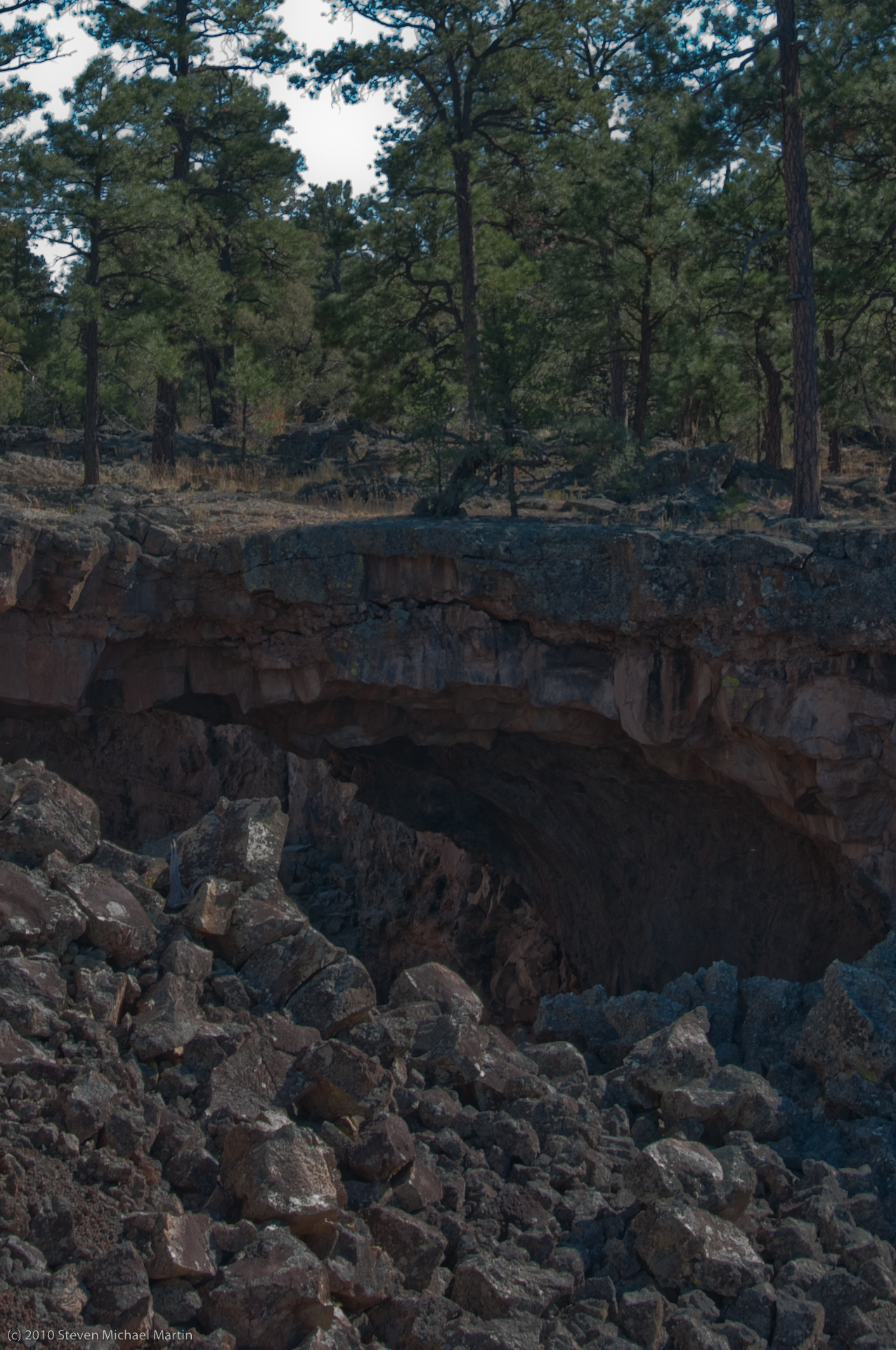
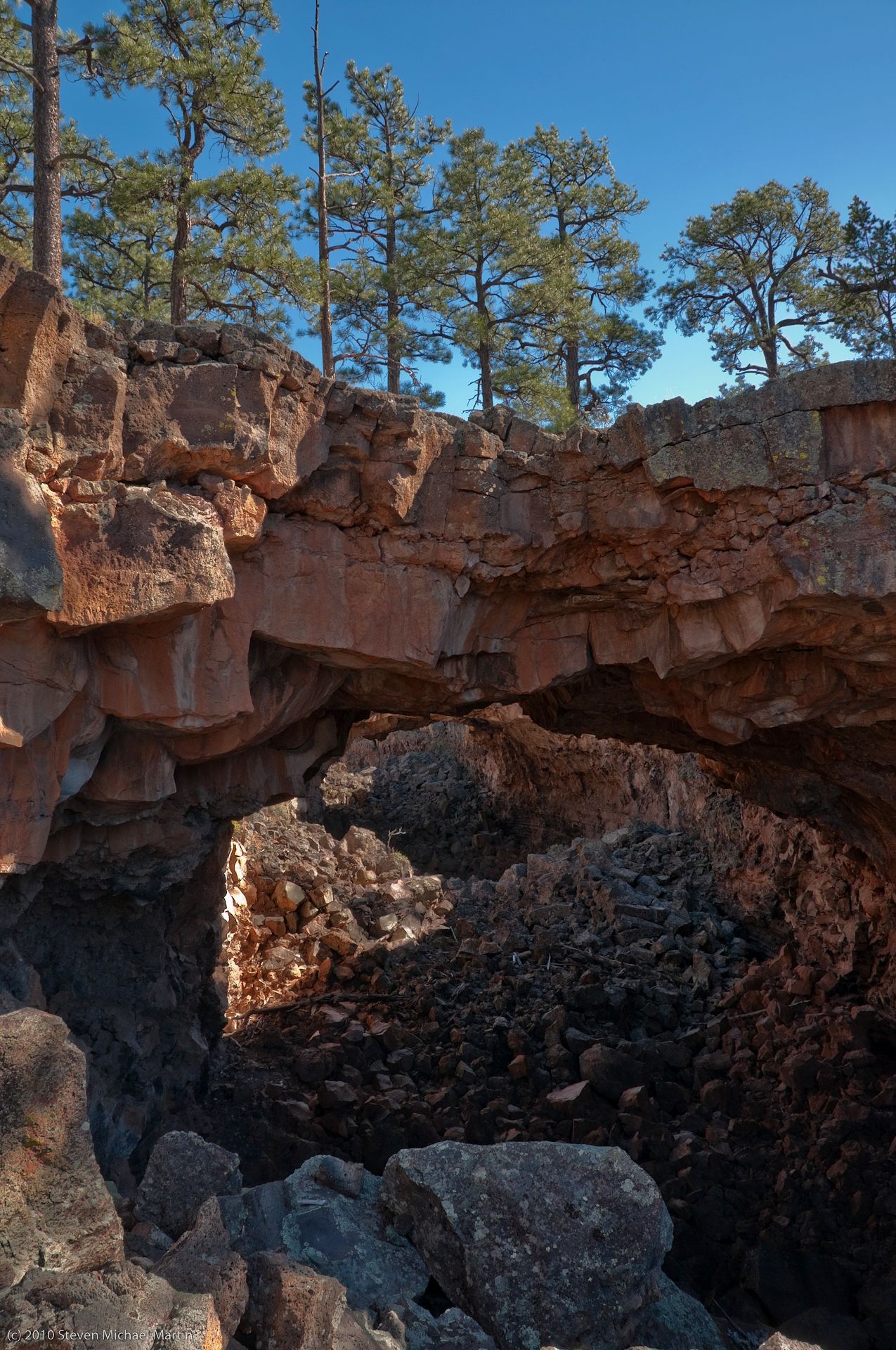
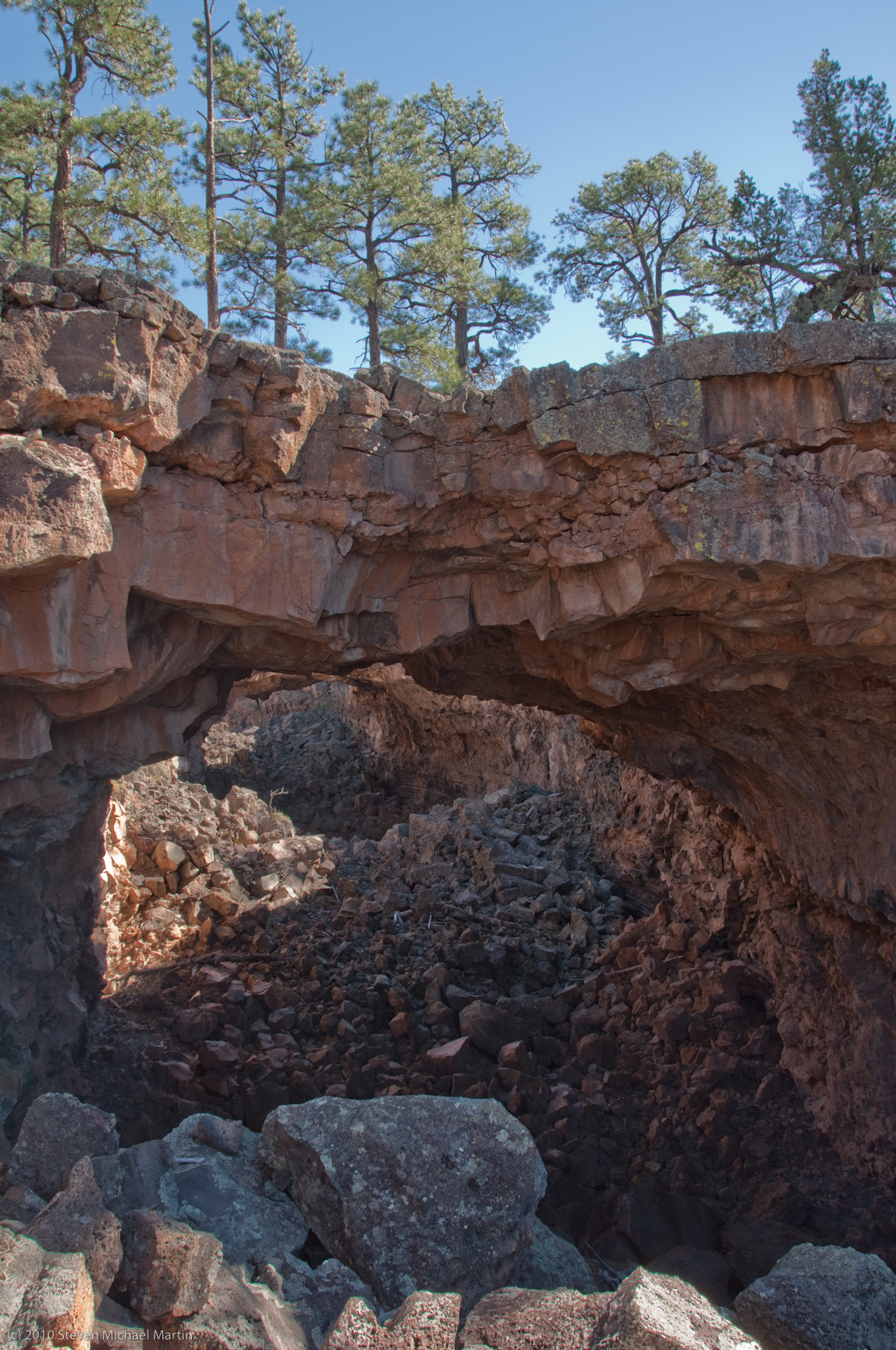
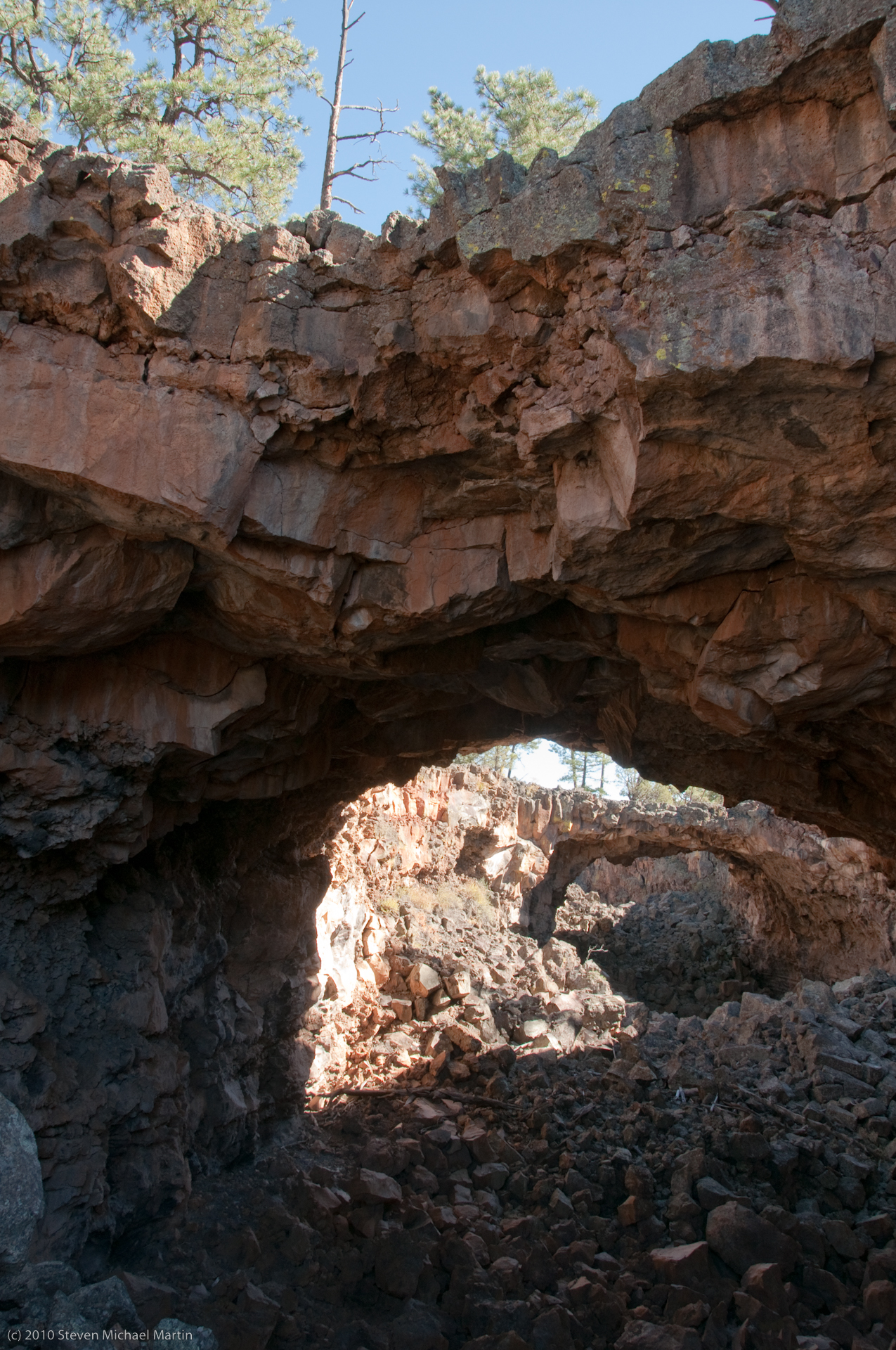
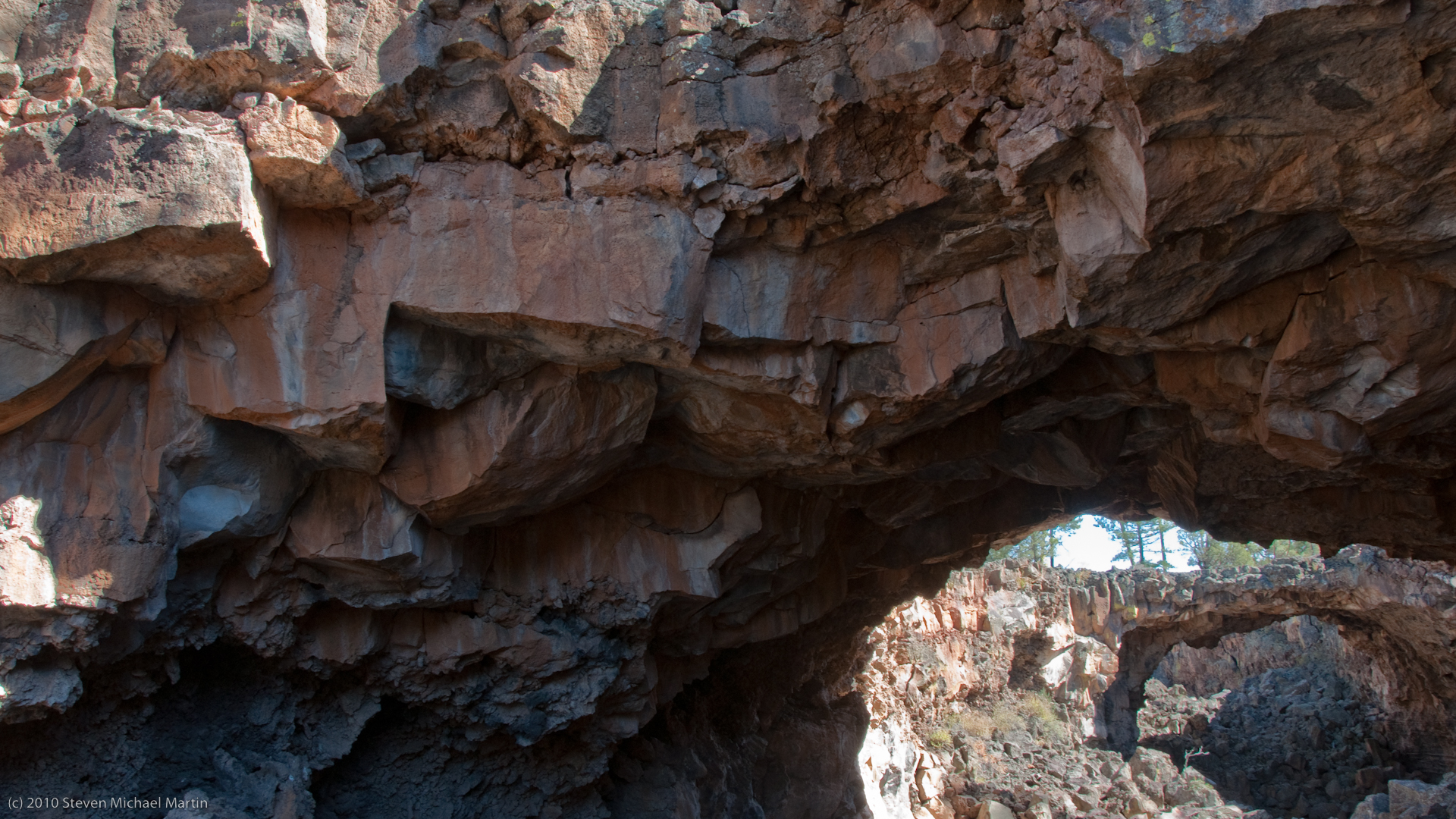
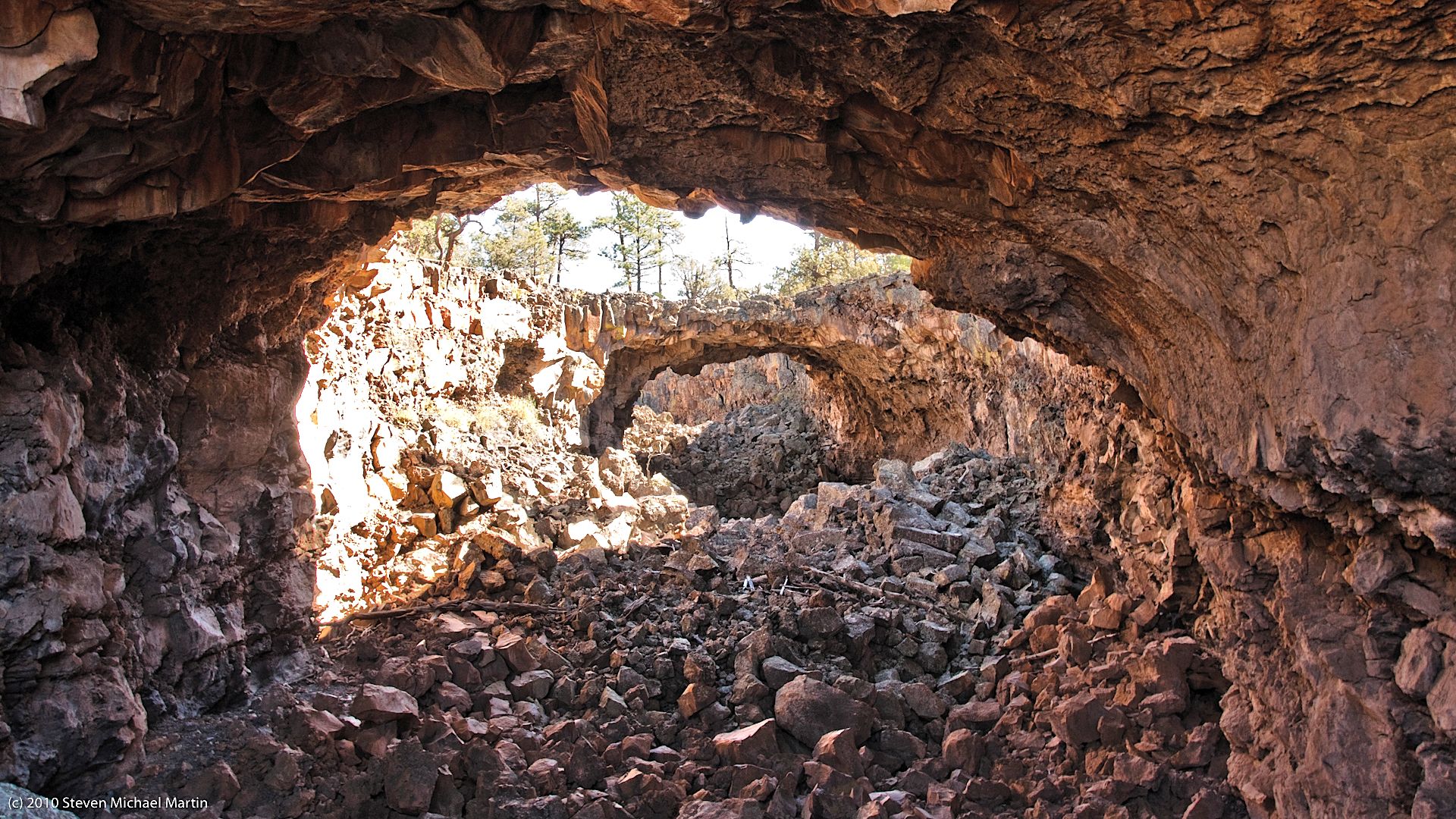
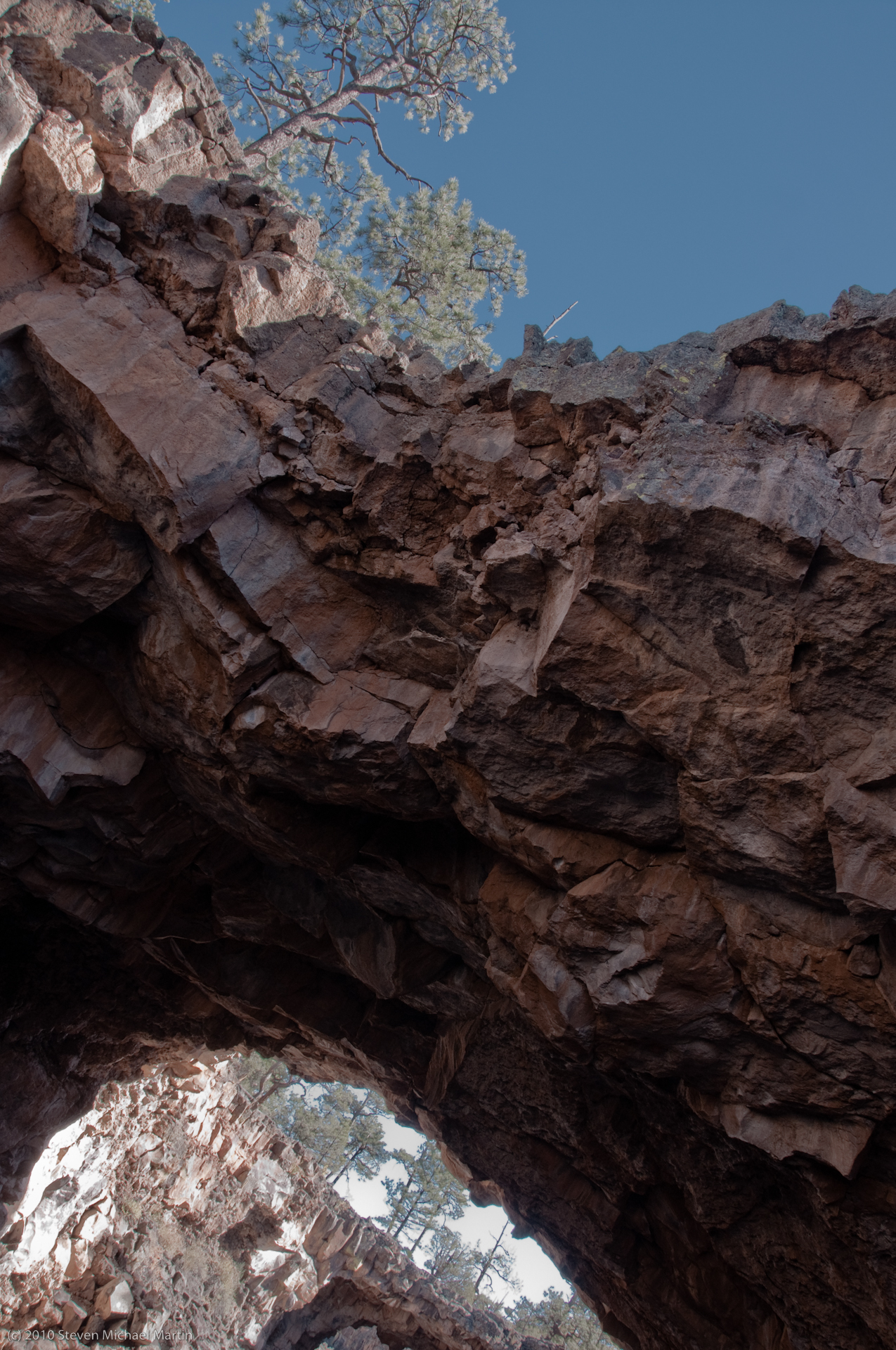
Lava tubes formed as outer layers of flowing lava cooled while molten rock continued to move beneath the surface. When the flow ceased, hollow tunnels remained. These subsurface features demonstrate how volcanic processes shape both surface and underground environments.
Today, El Malpais illustrates how volcanic activity and erosion interact to shape desert landscapes. The preserved lava fields provide insight into geological processes that continue to influence terrain across the Southwest.


National Monument Field Guide
El Malpais National Monument preserves basaltic lava flows and volcanic features formed through recent eruptions. The monument illustrates how molten rock shapes surface and subsurface landscapes across desert environments.
🌋 Key Significance
- Basaltic lava flows forming rugged terrain
- Lava tubes created by flowing molten rock
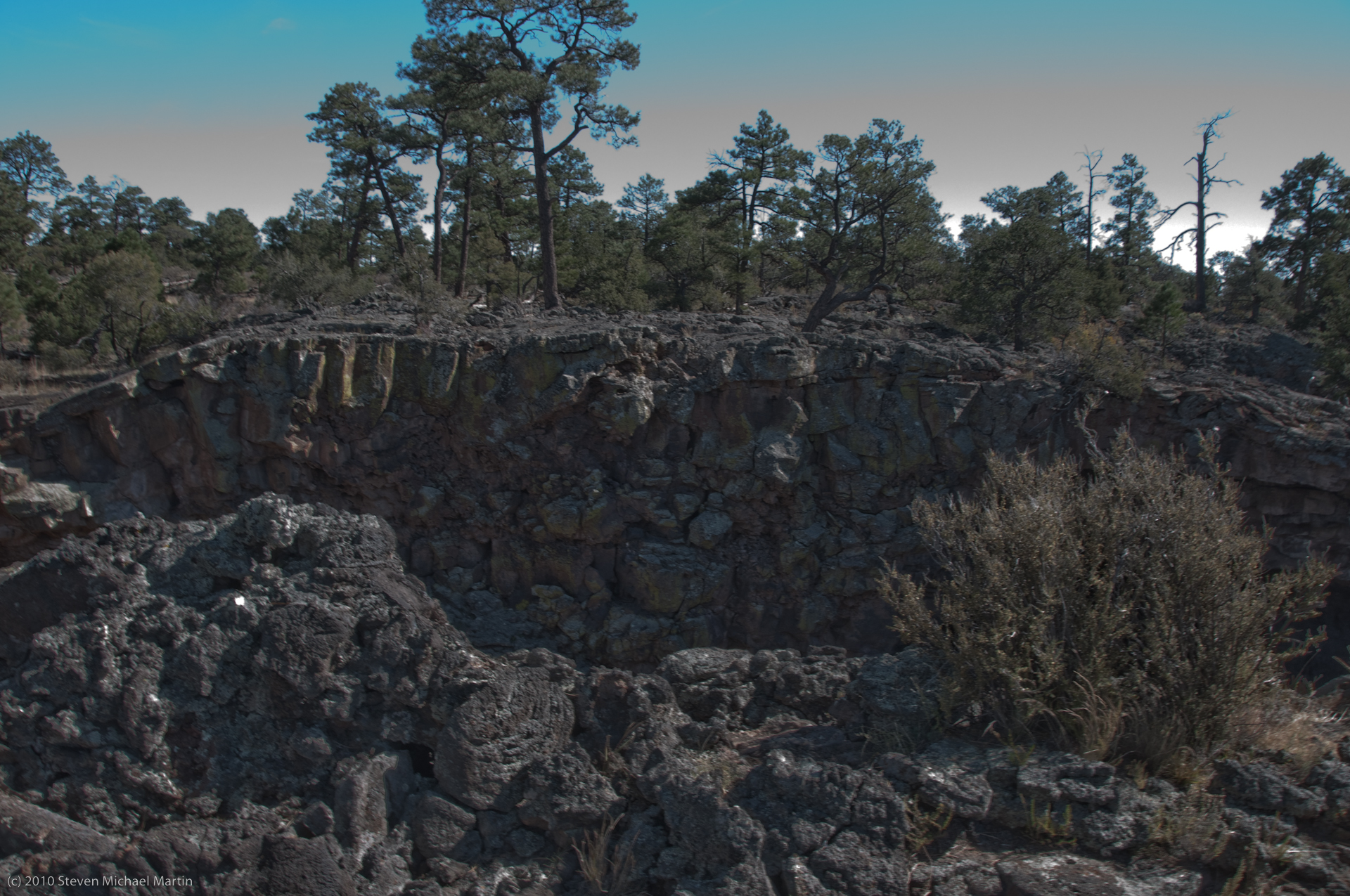
- Volcanic fissures and surface fractures
- Recent geological activity shaping landscape
- Interaction between volcanism and erosion
📖 Interpretive Context
Cooling lava formed hardened outer layers while molten rock continued to flow beneath, creating hollow tubes. Over time, erosion exposed volcanic features across the landscape.
📷 Photography Notes
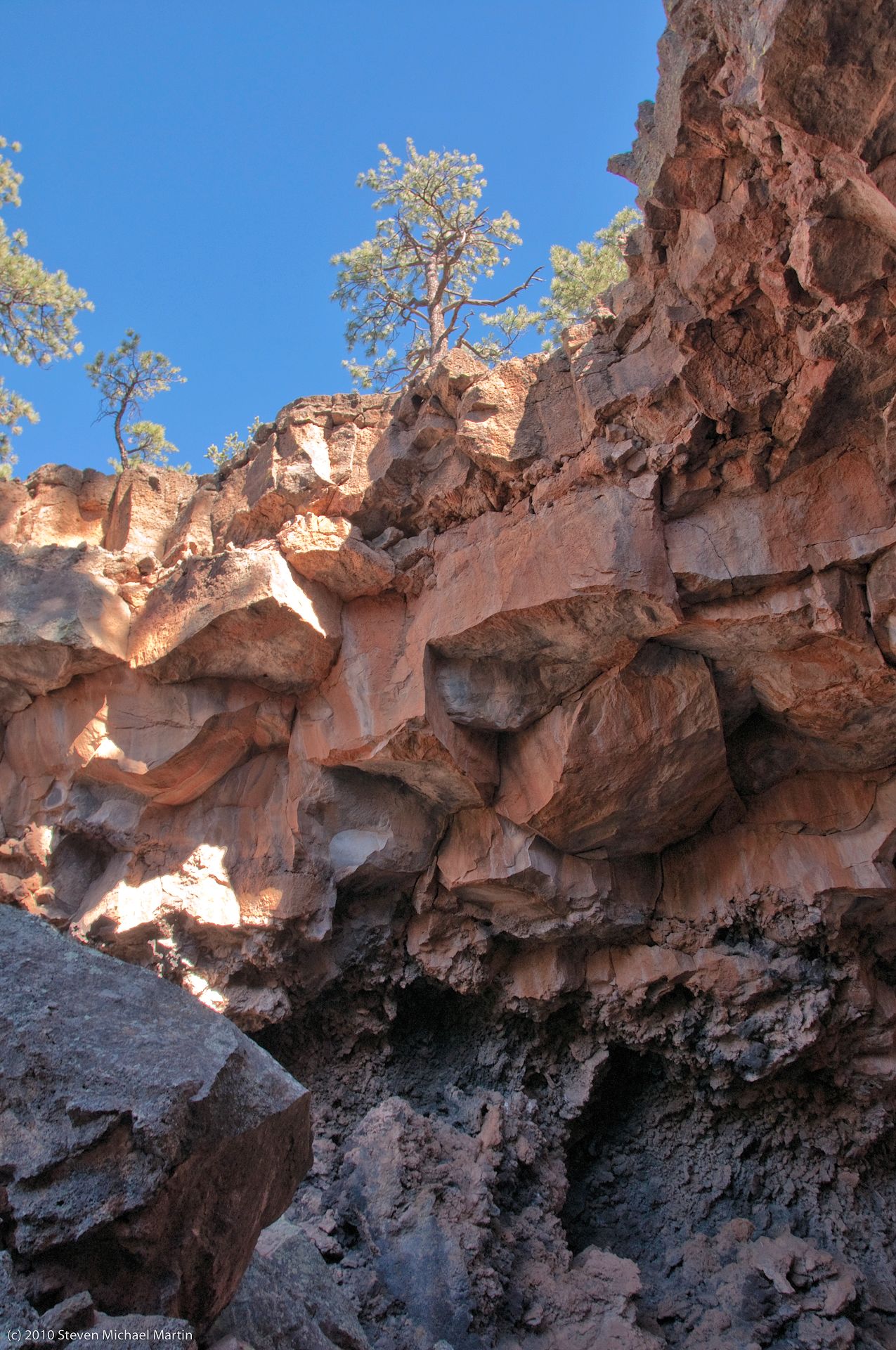
- Low-angle light emphasizes lava texture
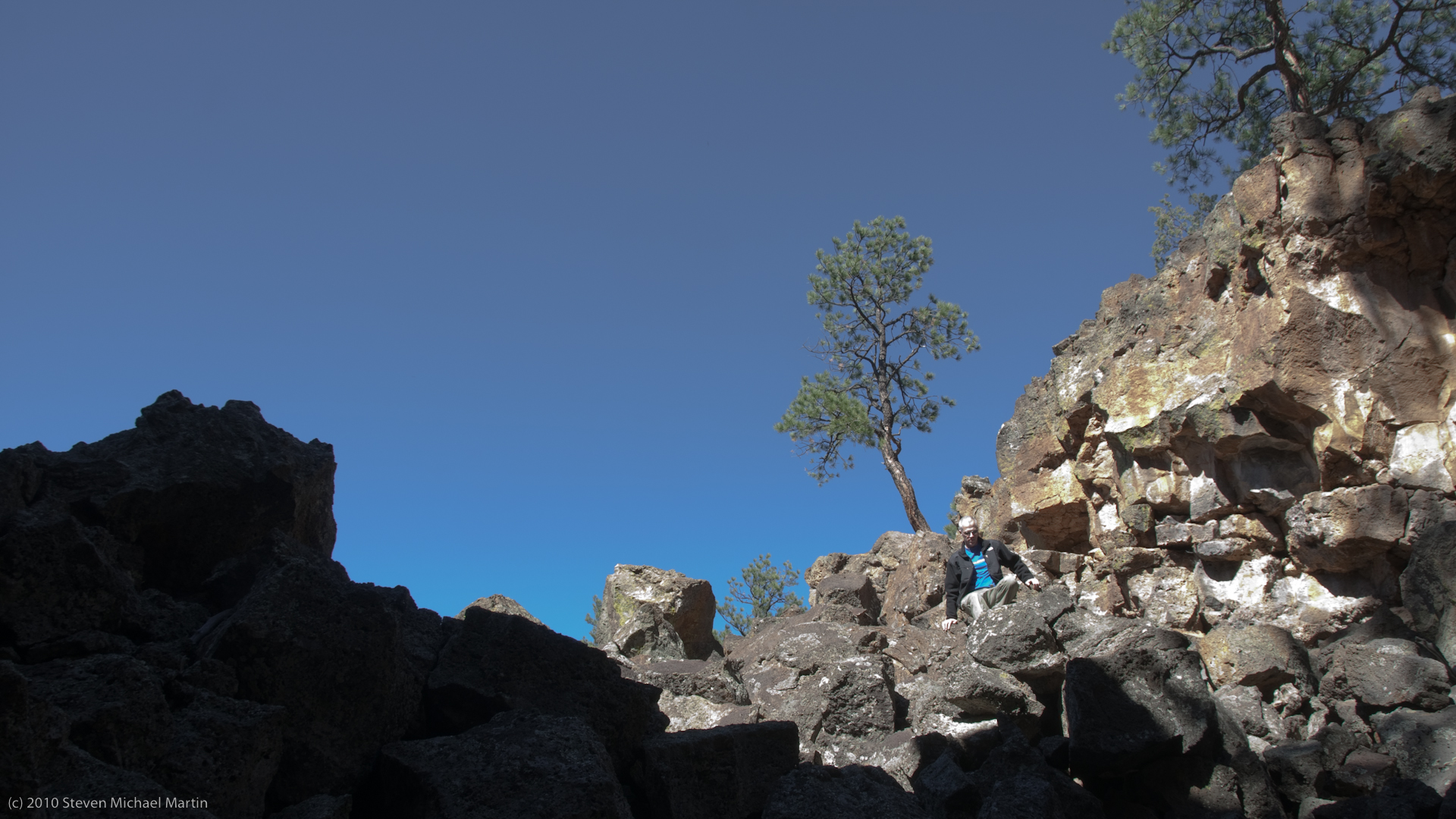
- Wide views show scale of lava flows
- Look for contrast between dark basalt and desert vegetation
- Patterns in cracked lava create strong compositions