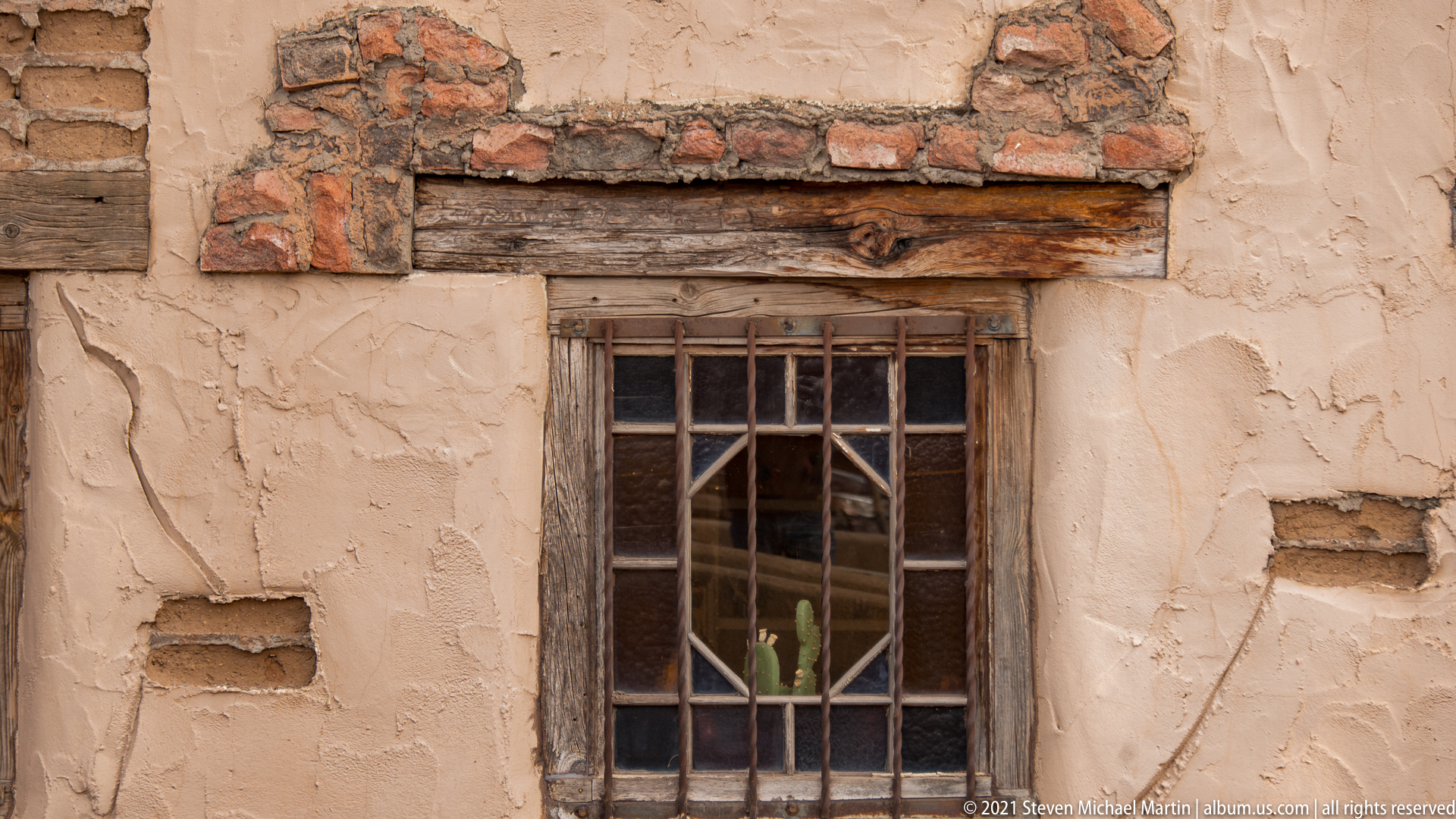
Santa Fe Santa Fe preserves one of the most distinctive architectural traditions in the United States and reflects cultural influences shaped by Indigenous, Spanish, and Mexican history. Adobe construction techniques and plaza-centered urban planning illustrate adaptation to regional climate conditions and the blending of cultural traditions across centuries. The city represents an important center for […]
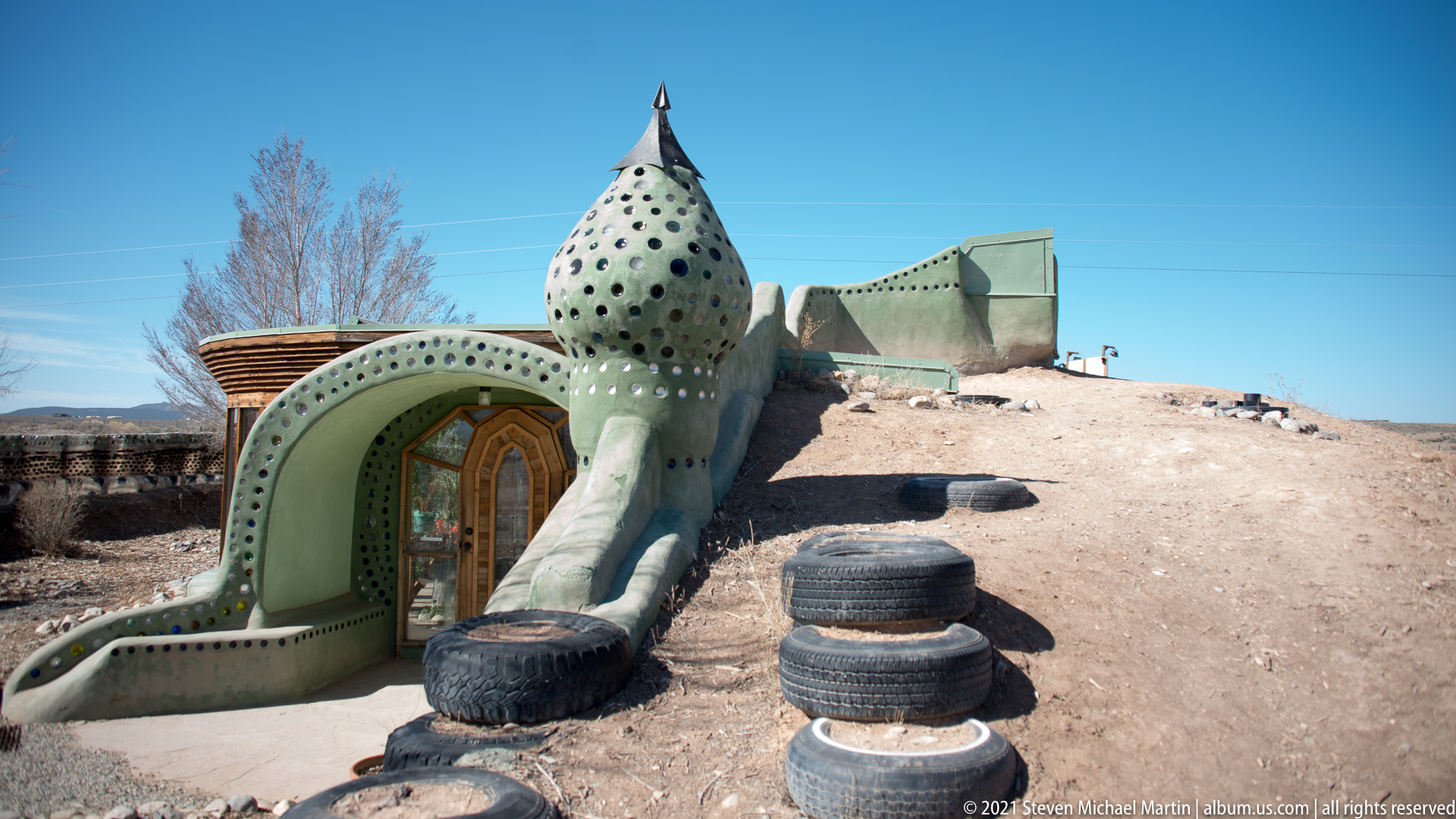
Earthship Biotecture Earthship Biotecture presents a distinctive architectural approach focused on sustainable construction methods adapted to desert environmental conditions. Structures are built using recycled materials such as tires, glass bottles, and earth-filled walls designed to regulate interior temperature through passive solar principles. The buildings illustrate alternative strategies for energy efficiency and resource conservation in arid […]
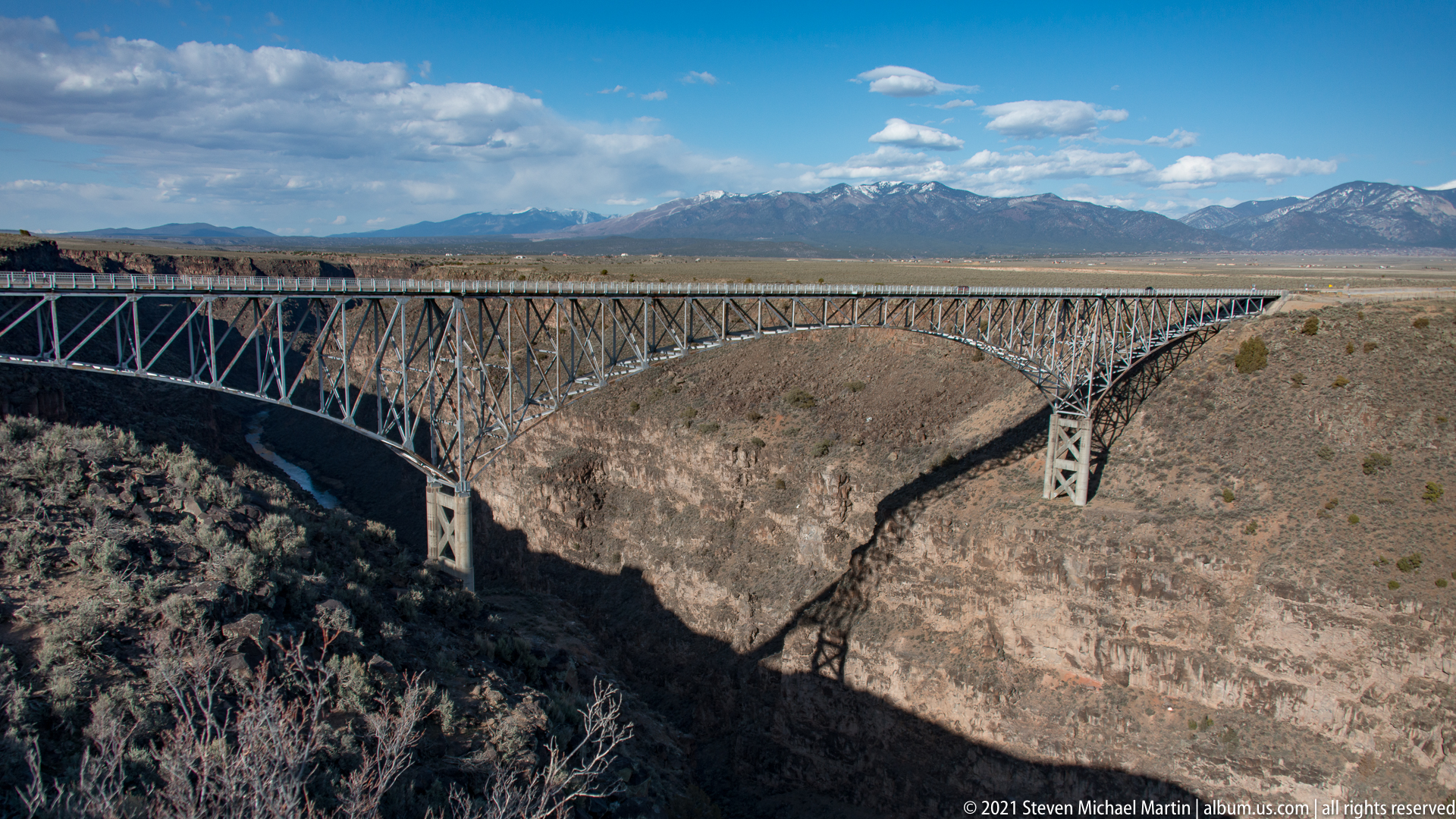
Rio Grande del Norte National Monument Rio Grande del Norte National Monument preserves a dramatic high desert landscape shaped by volcanic activity and long-term erosion along the Rio Grande River. The river has carved a deep gorge through layers of basalt and sedimentary rock, creating a striking visual contrast between elevated plateau surfaces and the […]
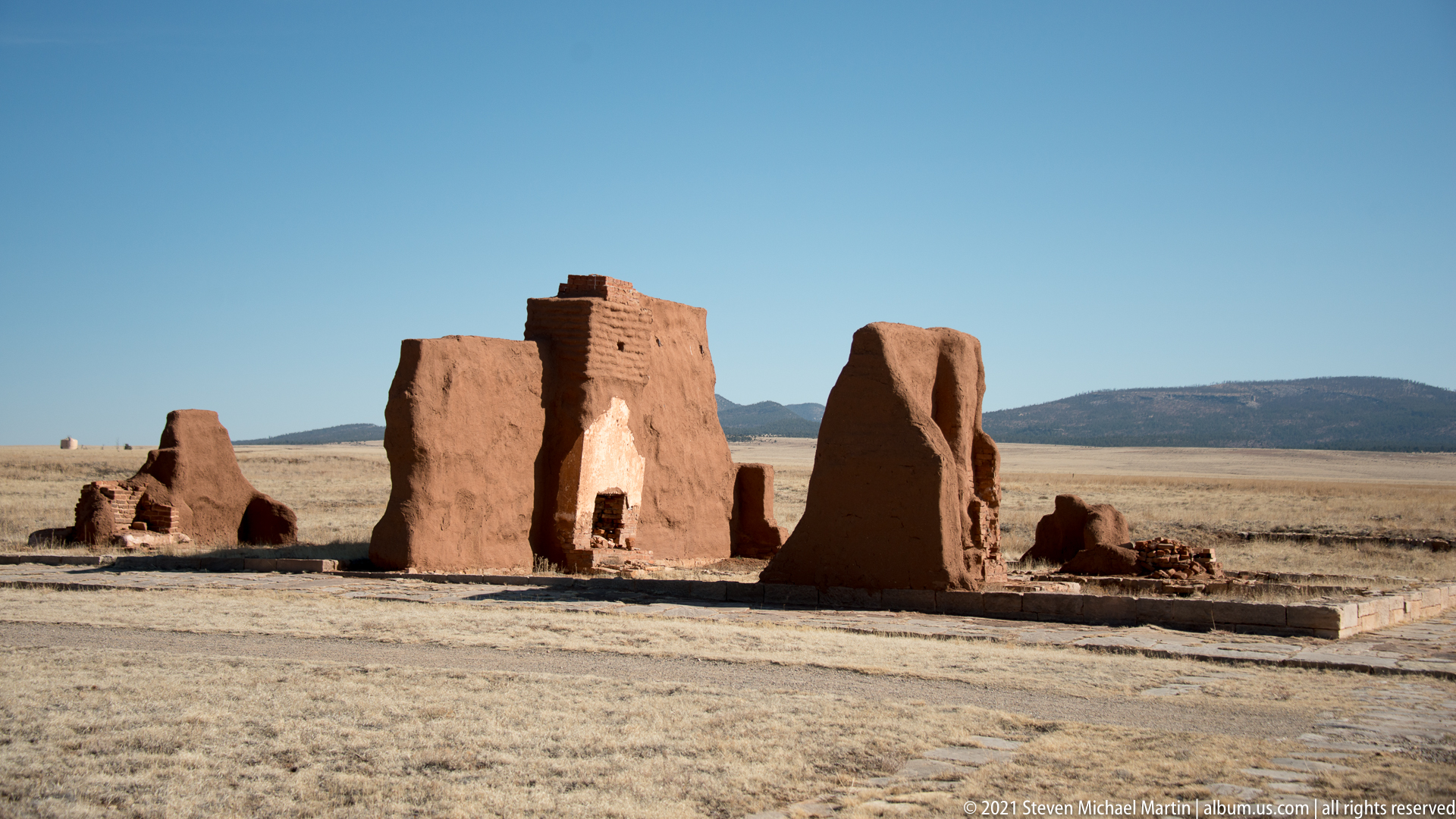
Fort Union National Monument Fort Union National Monument preserves the remains of a nineteenth-century military post that played an important role in the protection of travel and commerce along the Santa Fe Trail. Established in northeastern New Mexico, the fort became a logistical and military center serving both transportation networks and frontier operations. The site […]
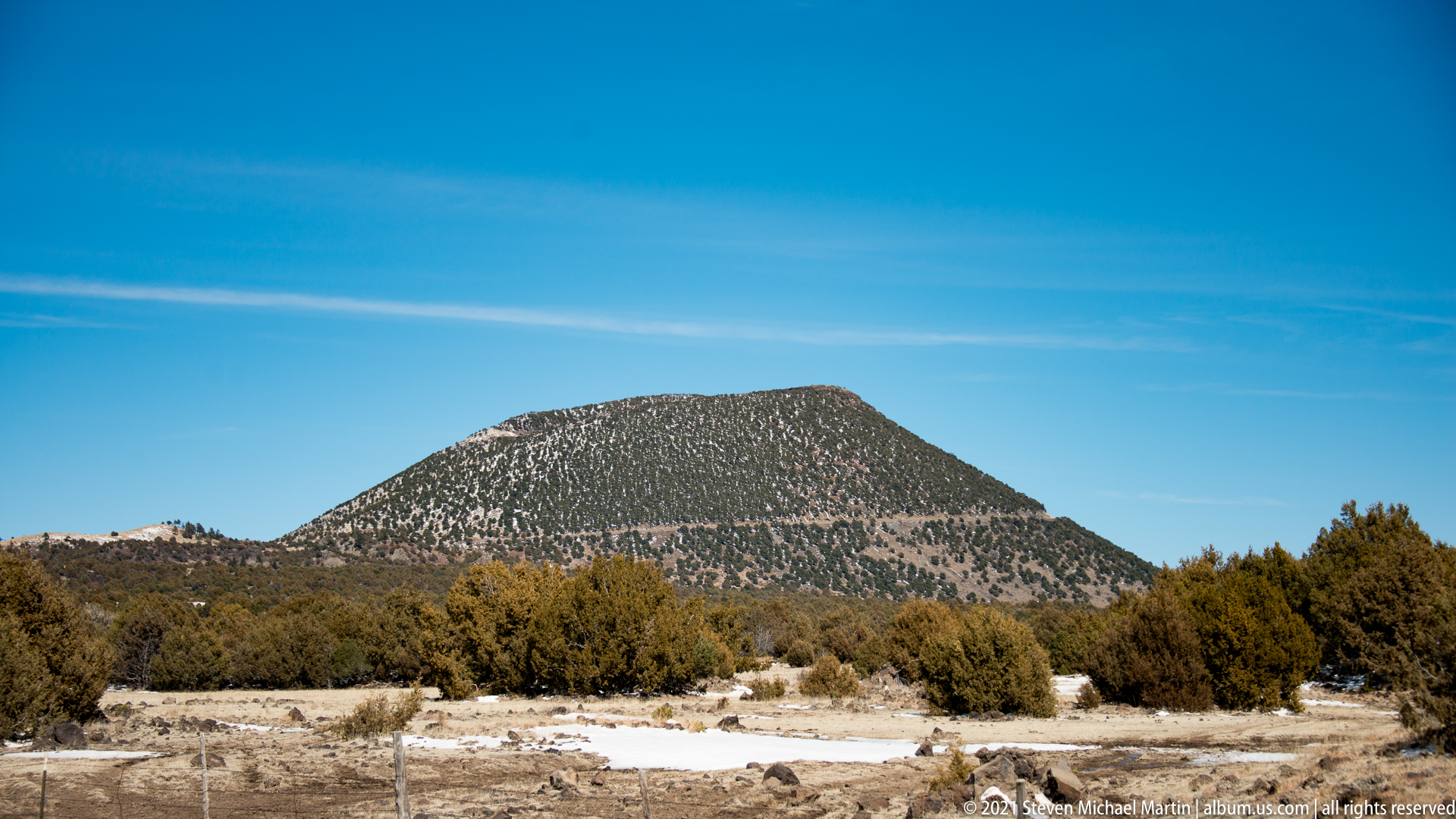
Capulin Volcano National Monument Capulin Volcano National Monument preserves a striking cinder cone volcano rising above the grasslands of northeastern New Mexico. The nearly symmetrical cone provides a clear example of volcanic processes associated with eruptions that built layers of ash, cinders, and lava around a central vent. The site illustrates how relatively recent volcanic […]
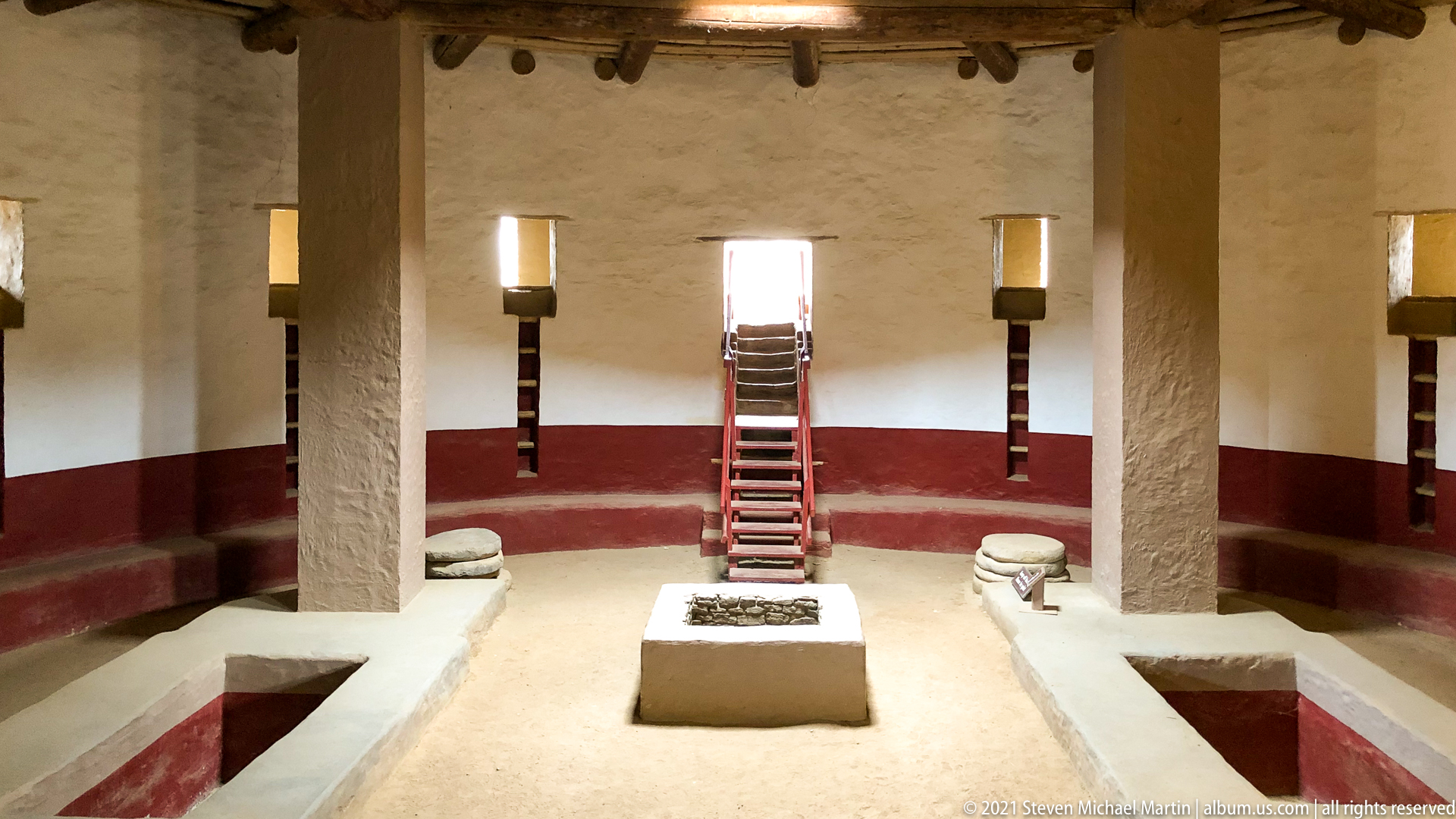
Aztec Ruins National Monument Aztec Ruins National Monument preserves ancestral Puebloan structures constructed during the twelfth century that demonstrate continuity with the cultural traditions associated with Chaco Canyon. The site includes multi-room masonry buildings organized around central plazas, illustrating architectural techniques adapted to the environmental conditions of the northern Southwest. The preserved structures provide insight […]
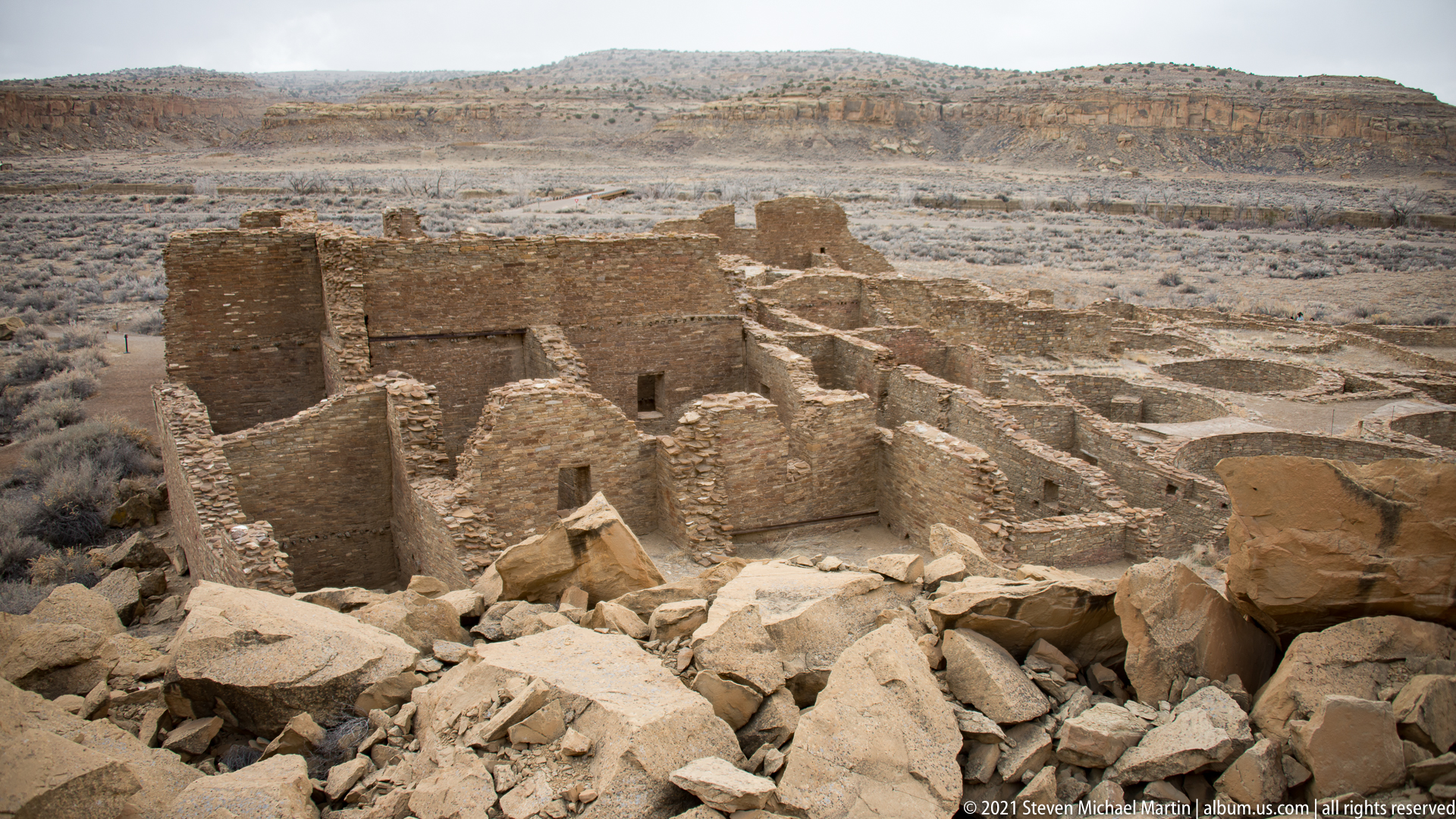
Chaco Culture National Historical Park Chaco Culture National Historical Park preserves one of the most significant archaeological landscapes in North America and reflects the cultural achievements of ancestral Puebloan communities between the ninth and twelfth centuries. The canyon contains monumental stone structures constructed with careful planning and precise masonry techniques. The site illustrates advanced architectural […]
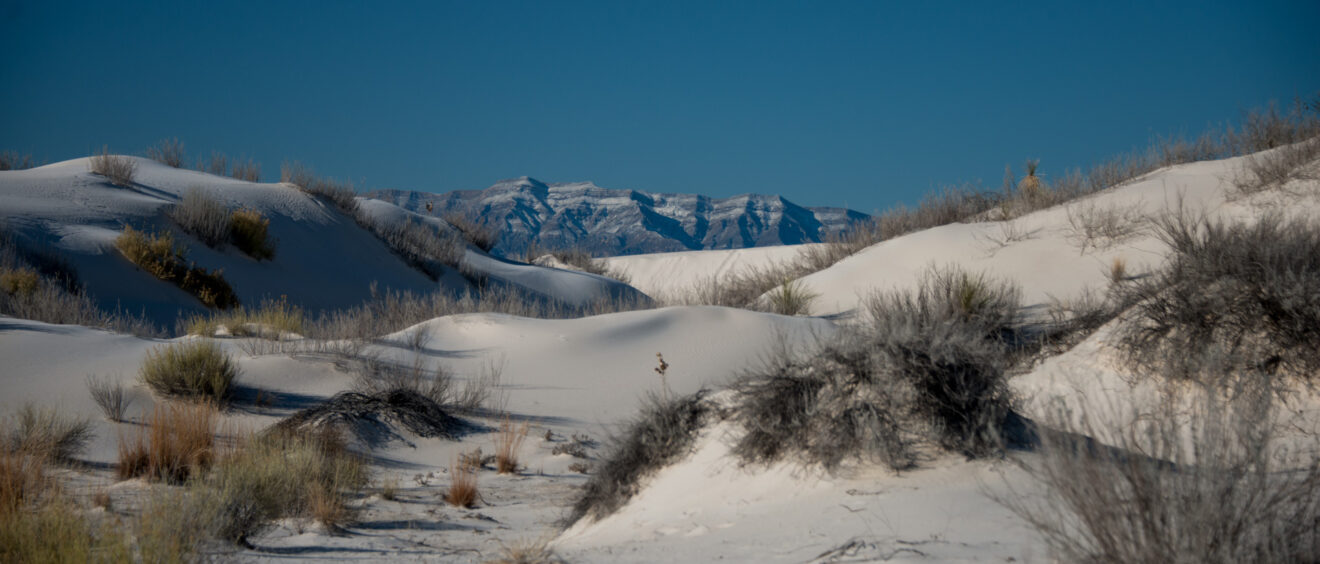
White Sands National Park White Sands National Park preserves a large gypsum dune field formed through erosion of surrounding mountains that contain gypsum deposits. Rainwater dissolved gypsum from exposed rock and transported the minerals into a basin where evaporation caused crystals to form. Wind gradually shaped the gypsum crystals into dunes covering a broad desert […]
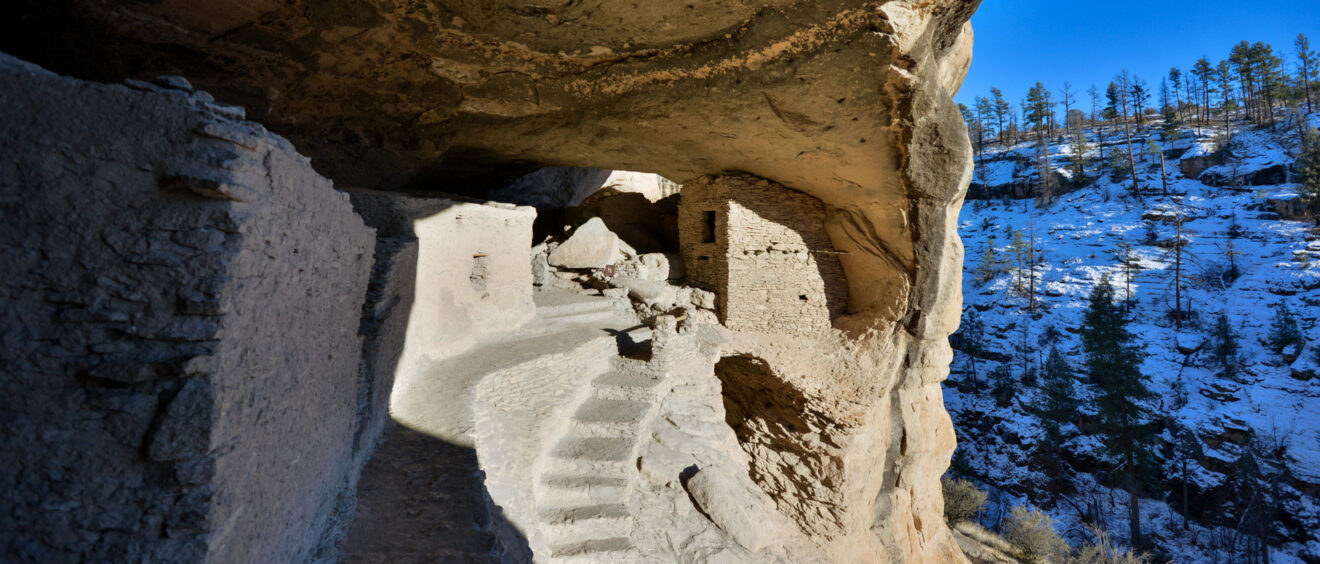
Gila Cliff Dwellings National Monument Gila Cliff Dwellings preserves structures built by Mogollon peoples within natural alcoves formed in volcanic cliff faces. The dwellings were constructed during the late thirteenth century using stone and mortar, utilizing sheltered cave environments that provided protection from weather conditions. The structures demonstrate architectural adaptation to mountainous desert environments. The […]
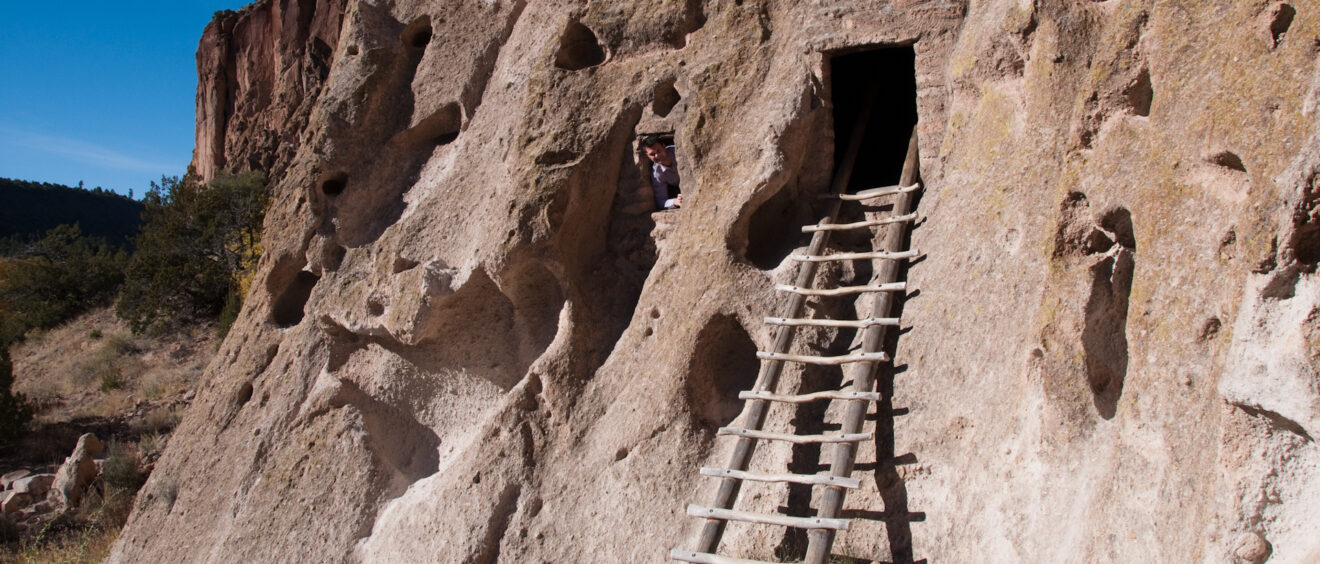
Bandelier National Monument Bandelier National Monument preserves cliff dwellings constructed within volcanic tuff formations by Ancestral Pueblo communities. Soft volcanic rock allowed dwellings to be carved directly into canyon walls, creating sheltered living spaces adapted to the surrounding environment. The canyon landscape provided access to water, arable land, and natural protection. Settlement patterns reflect adaptation […]