
White Sands National Park
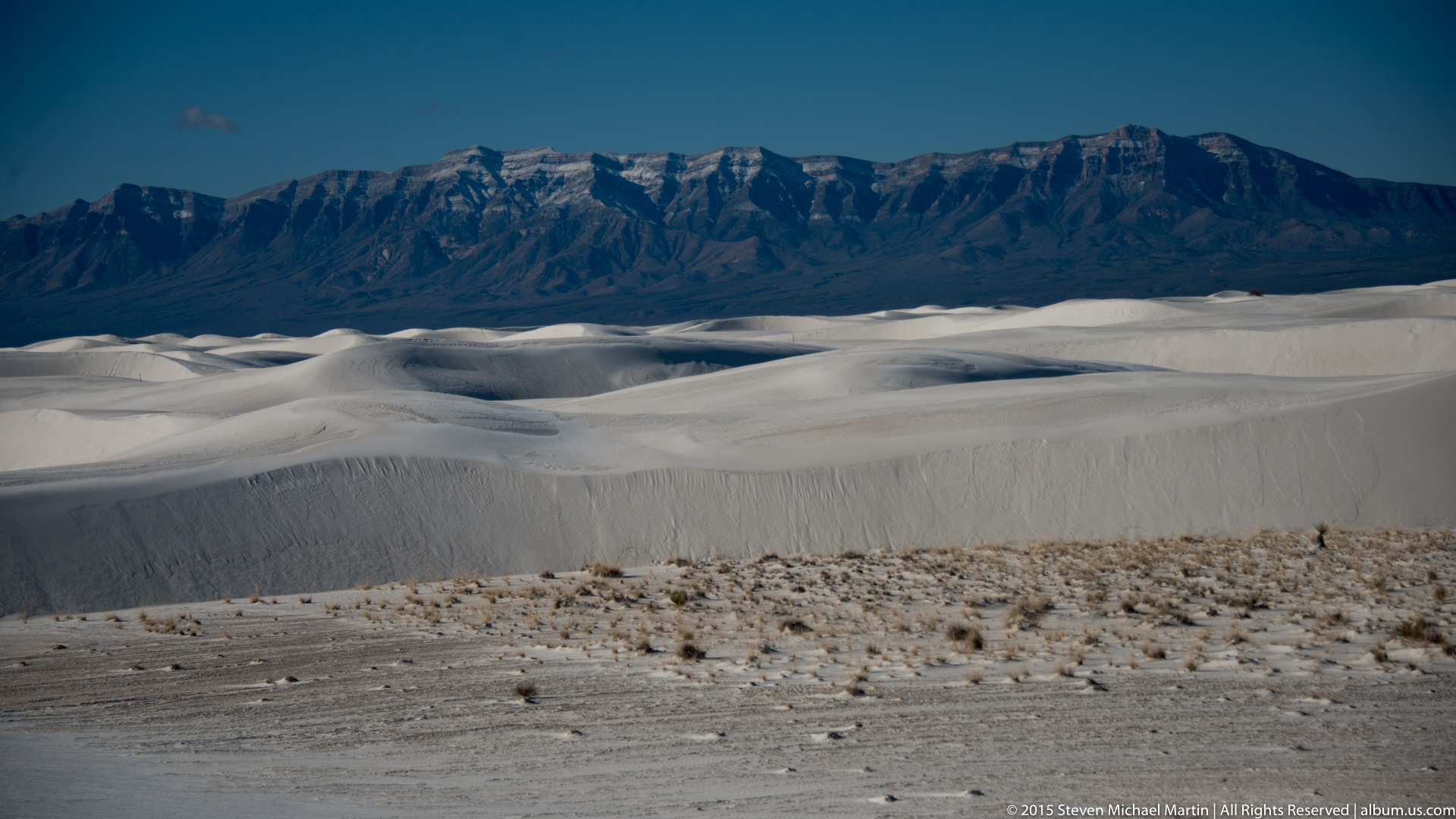
White Sands National Park preserves a large gypsum dune field formed through erosion of surrounding mountains that contain gypsum deposits. Rainwater dissolved gypsum from exposed rock and transported the minerals into a basin where evaporation caused crystals to form. Wind gradually shaped the gypsum crystals into dunes covering a broad desert landscape.
Unlike sand dunes composed primarily of quartz, gypsum dunes reflect sunlight and maintain lighter surface temperatures. The dunes illustrate how mineral composition influences landscape appearance and environmental conditions. Wind continues to reshape the dune formations through gradual movement of gypsum particles.
Today, White Sands demonstrates how chemical weathering and wind transport create distinctive desert landscapes. The dune field illustrates how geological and climatic processes interact to shape arid environments.






















National Park Field Guide
White Sands National Park protects gypsum dune fields formed from mineral deposits transported by water and shaped by wind. Evaporation within a closed basin allowed gypsum crystals to accumulate and form dunes across the desert landscape. The park illustrates how chemical weathering and wind processes shape unique geological environments.
🧭 Key Features
- Gypsum sand dunes formed from evaporite minerals
- Closed basin environment allowing mineral accumulation
- Wind-shaped dune patterns across desert landscape
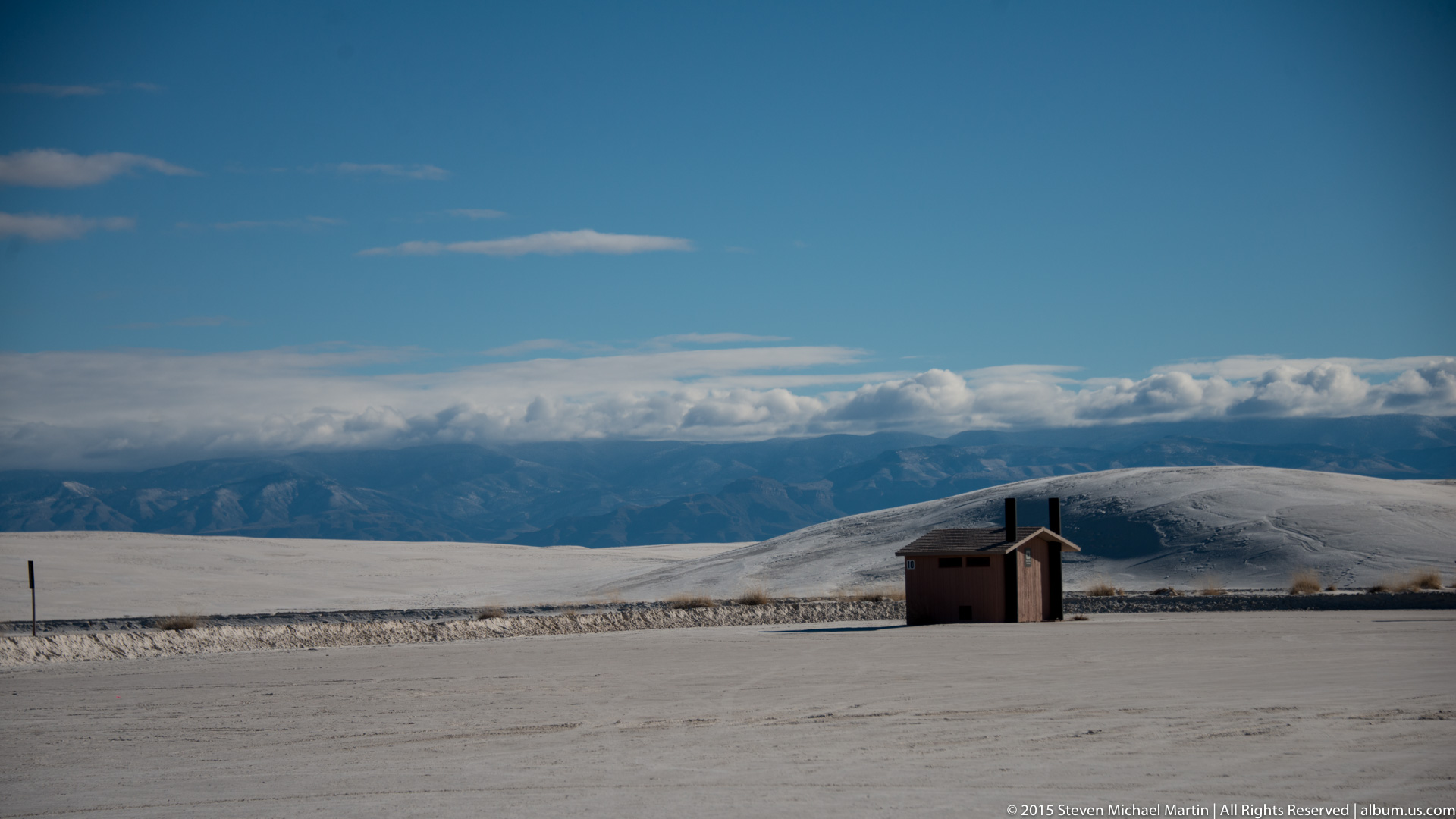
- White reflective sand influencing surface temperature
- Unique geological environment distinct from quartz sand deserts
🌄 Landscape Highlights
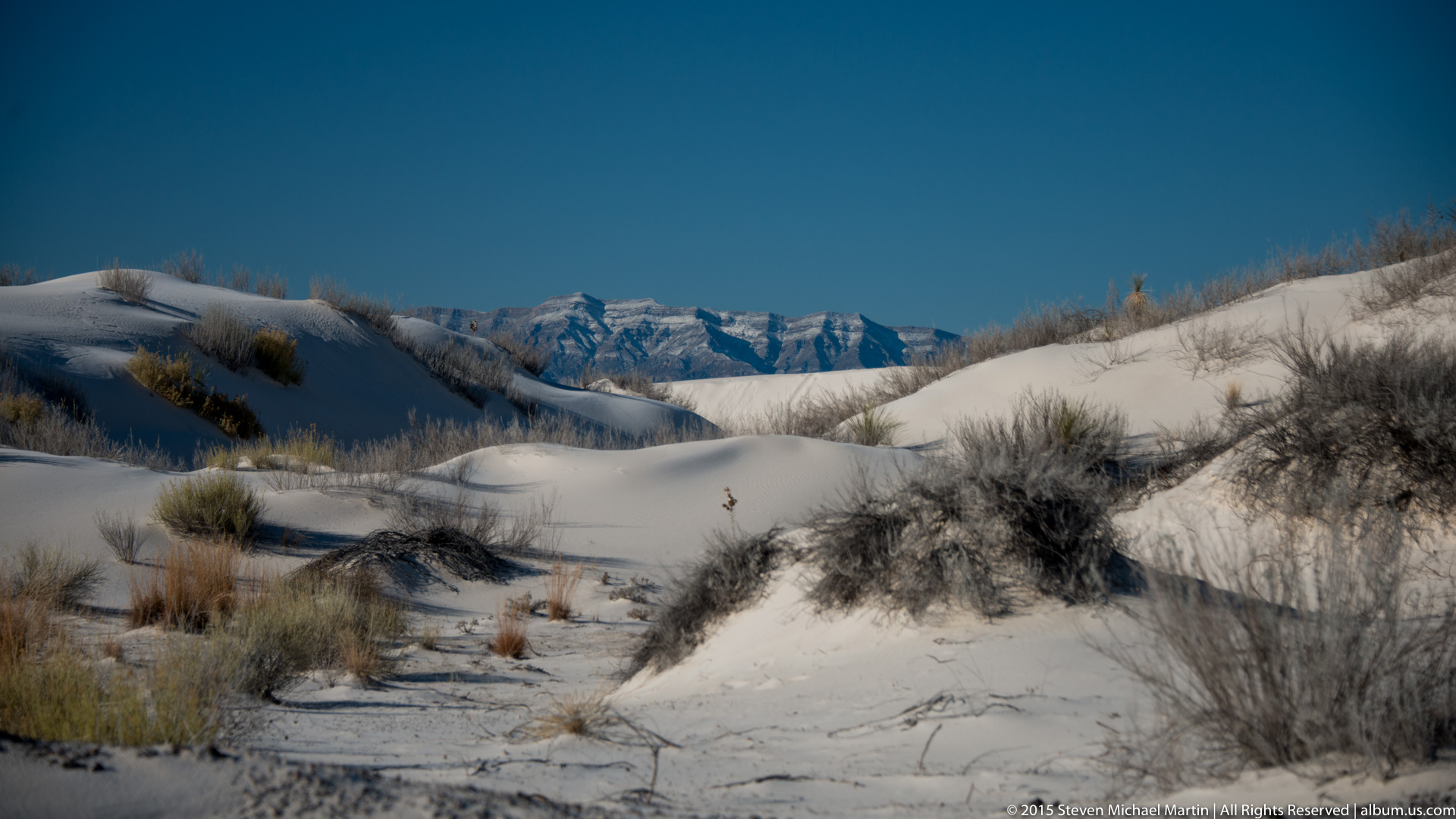
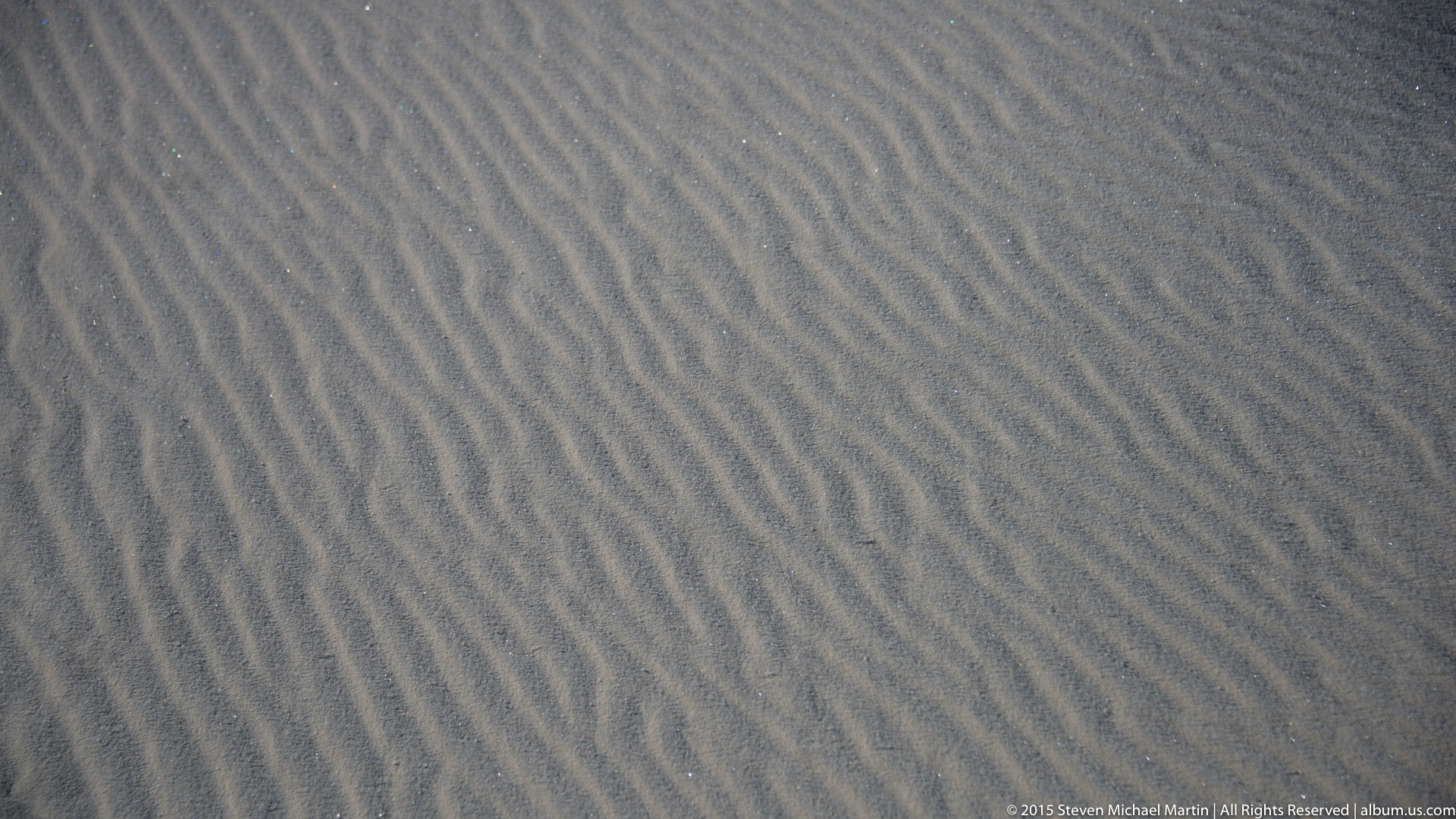
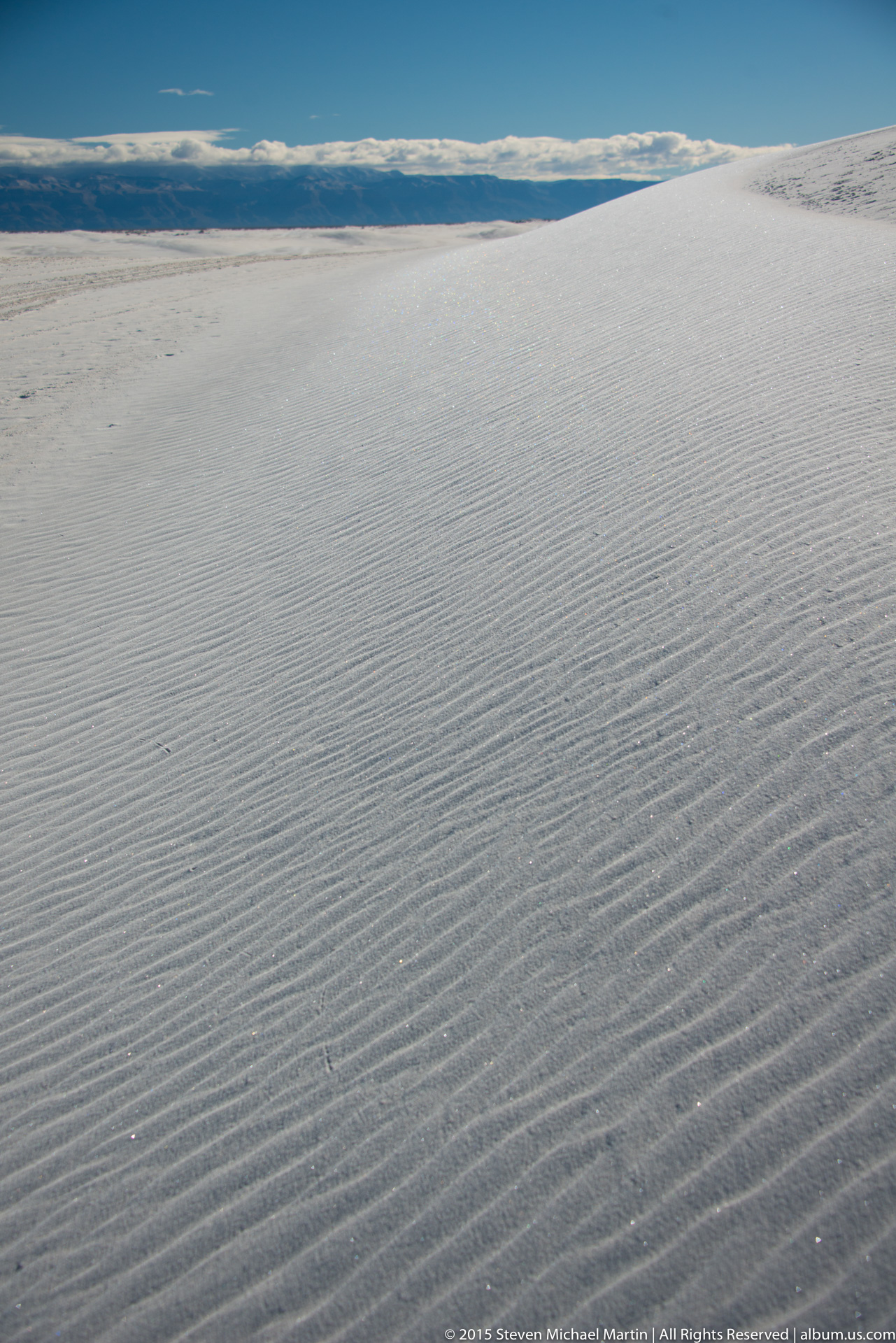
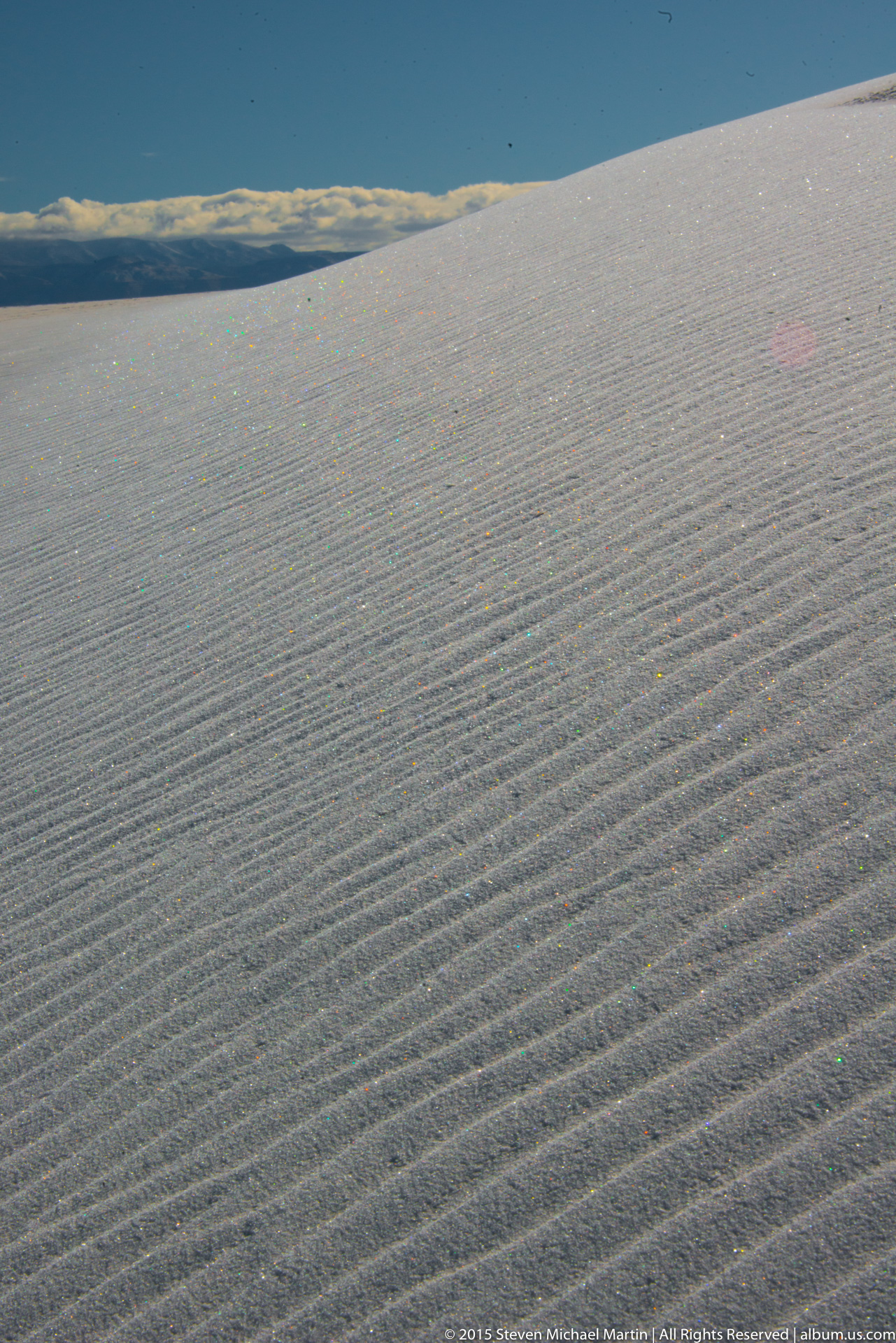
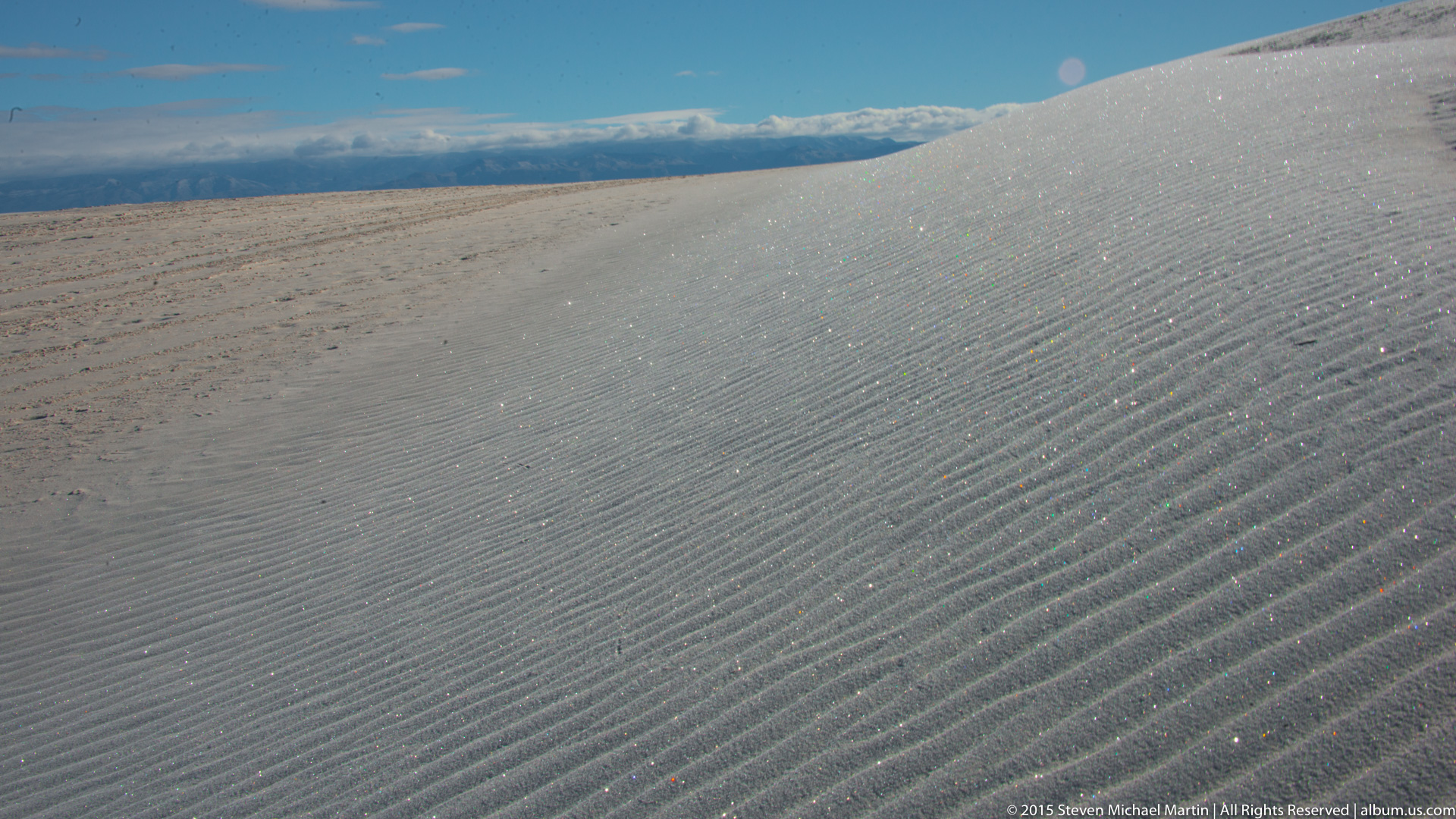
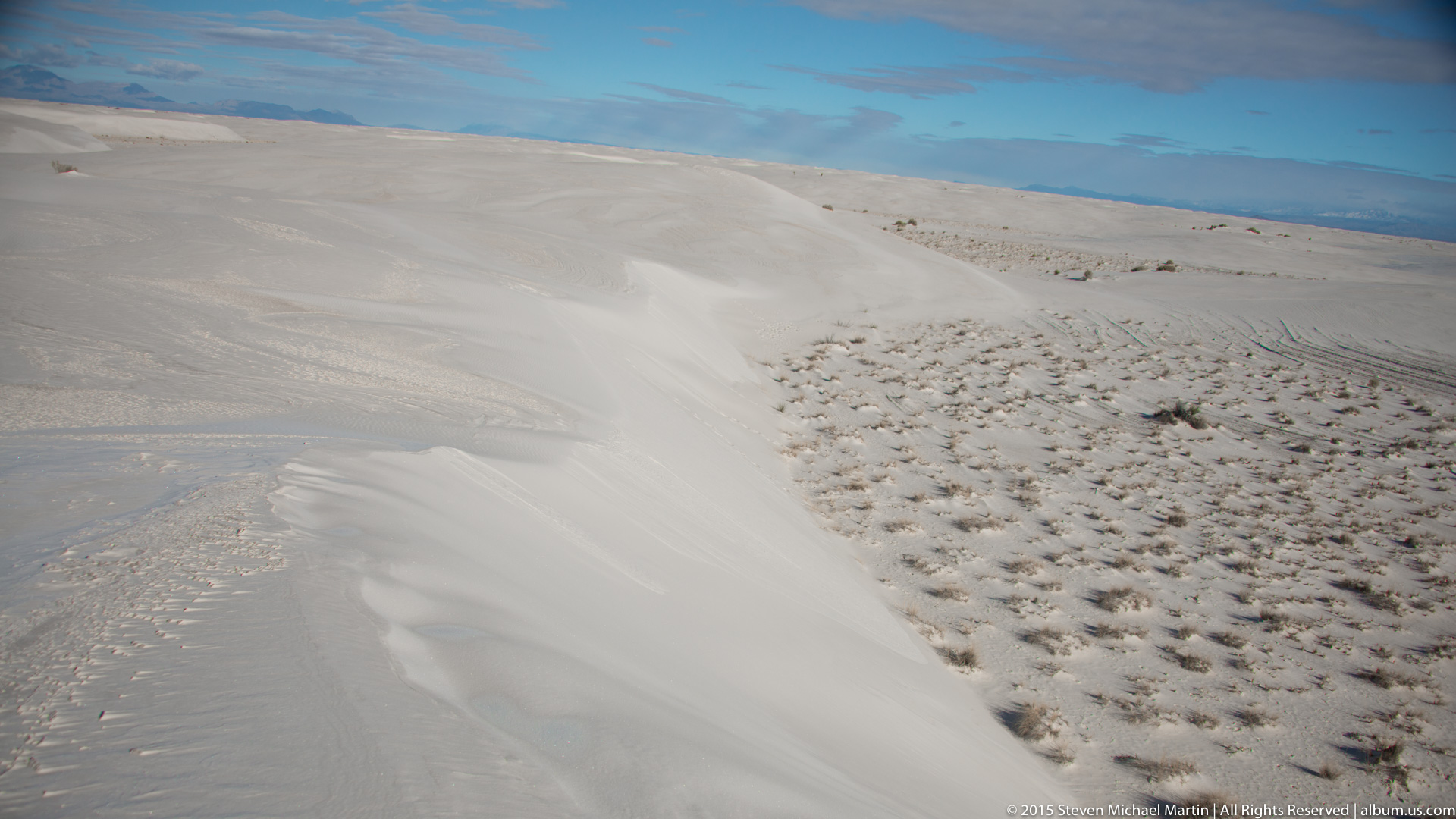
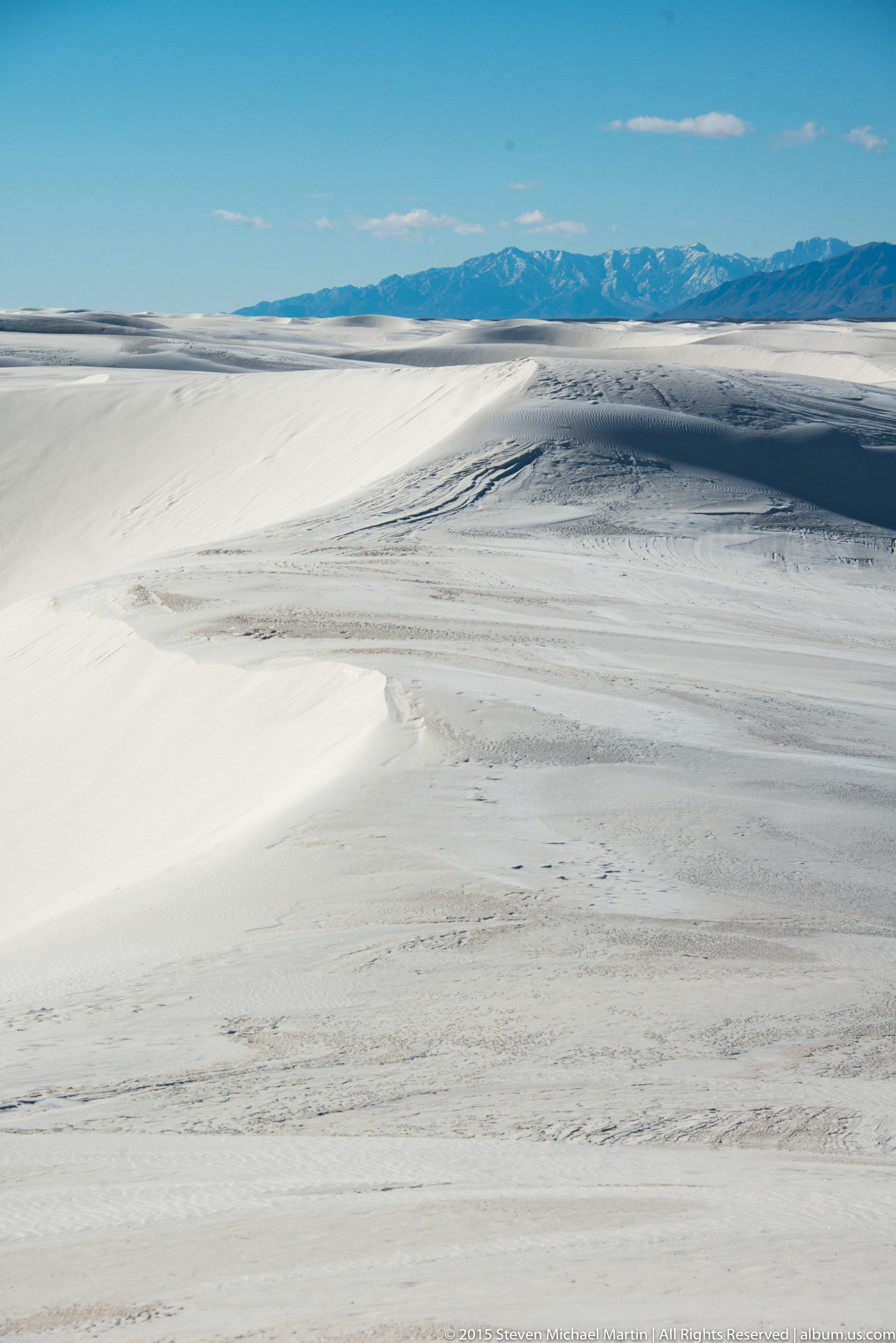
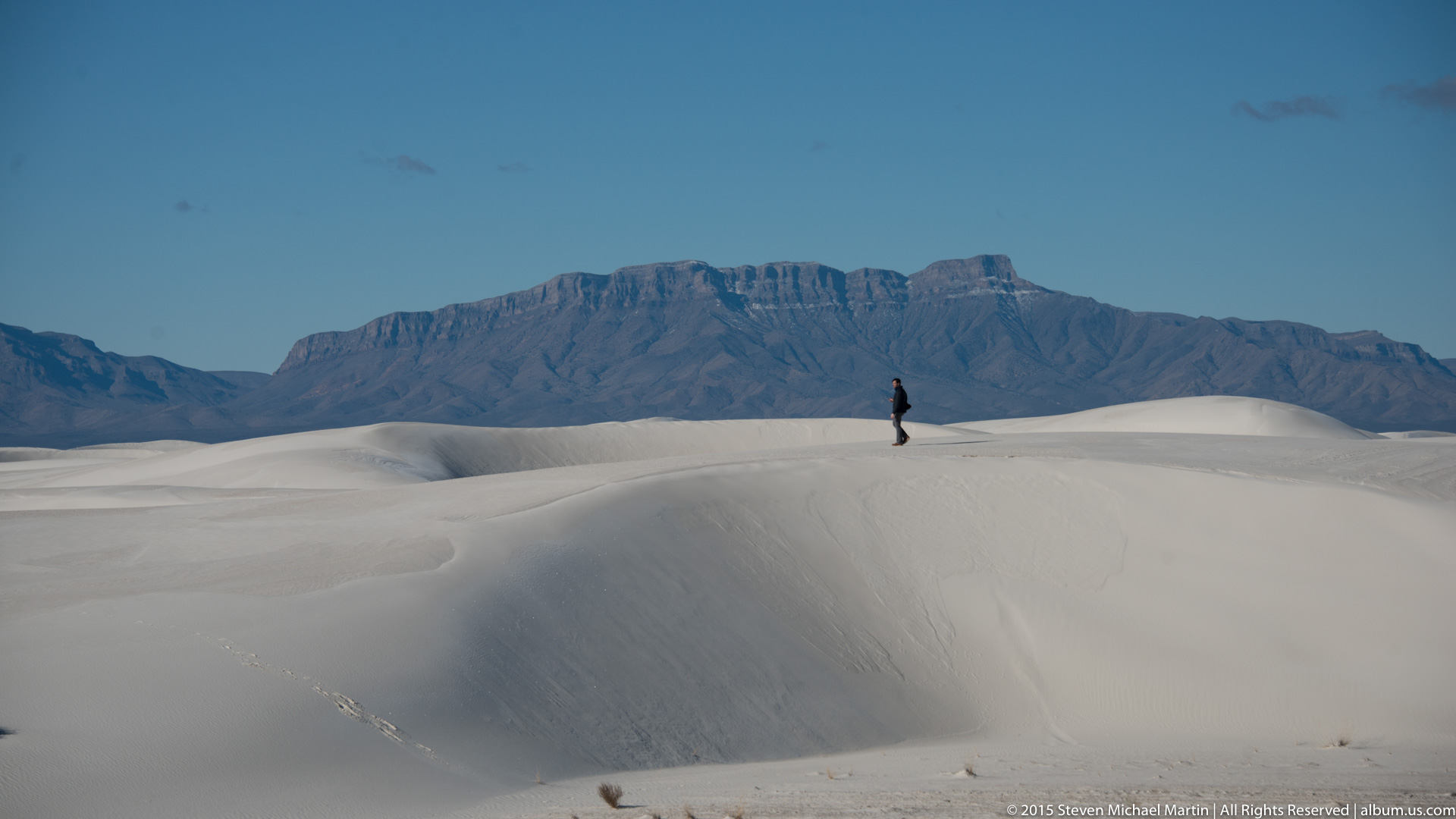
Rolling dune formations create repeating patterns shaped by wind direction and speed. Gypsum crystals reflect sunlight, producing bright landscape tones. Seasonal weather patterns influence dune migration and surface texture.
🌎 Natural Systems
Gypsum dissolves in rainwater and is transported into closed basin environments where evaporation allows mineral crystallization. Wind gradually moves gypsum particles, forming dune structures that shift over time. The park illustrates interaction between mineral chemistry and climatic processes.
📷 Photography Notes
- Early morning light enhances dune texture
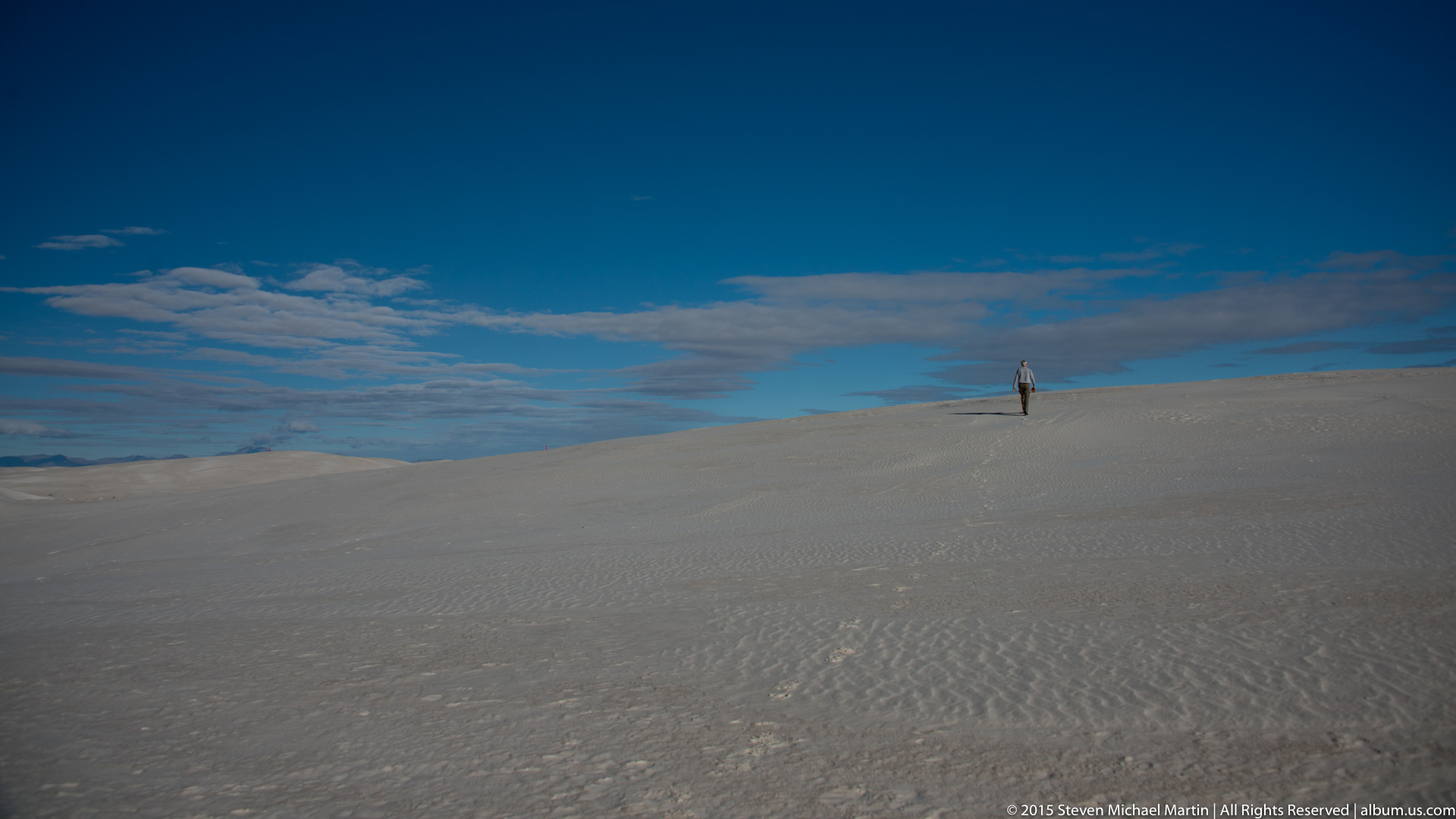
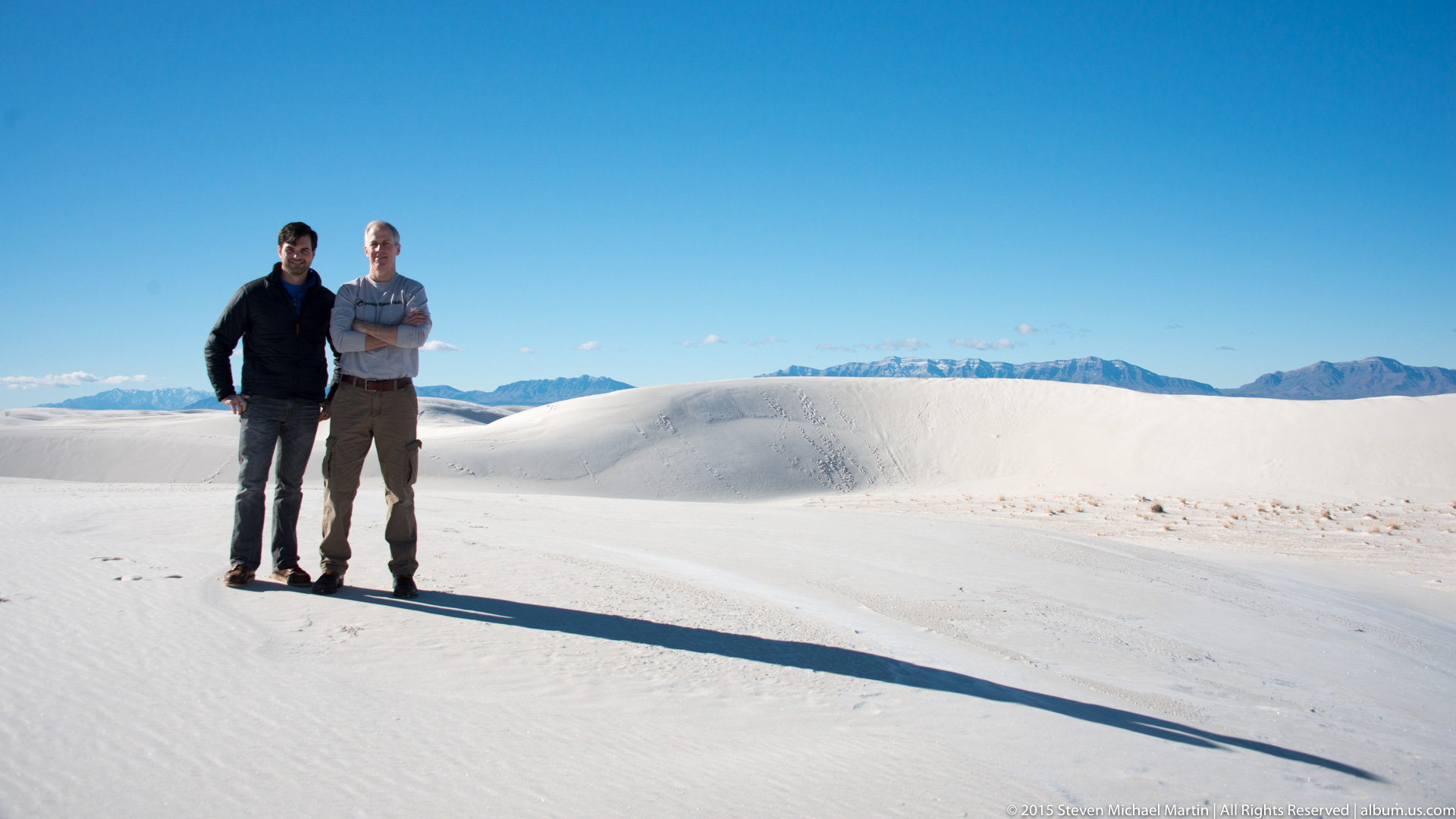
- Footprints create scale reference
- Wind patterns create repeating visual lines
- Cloud shadows add tonal variation
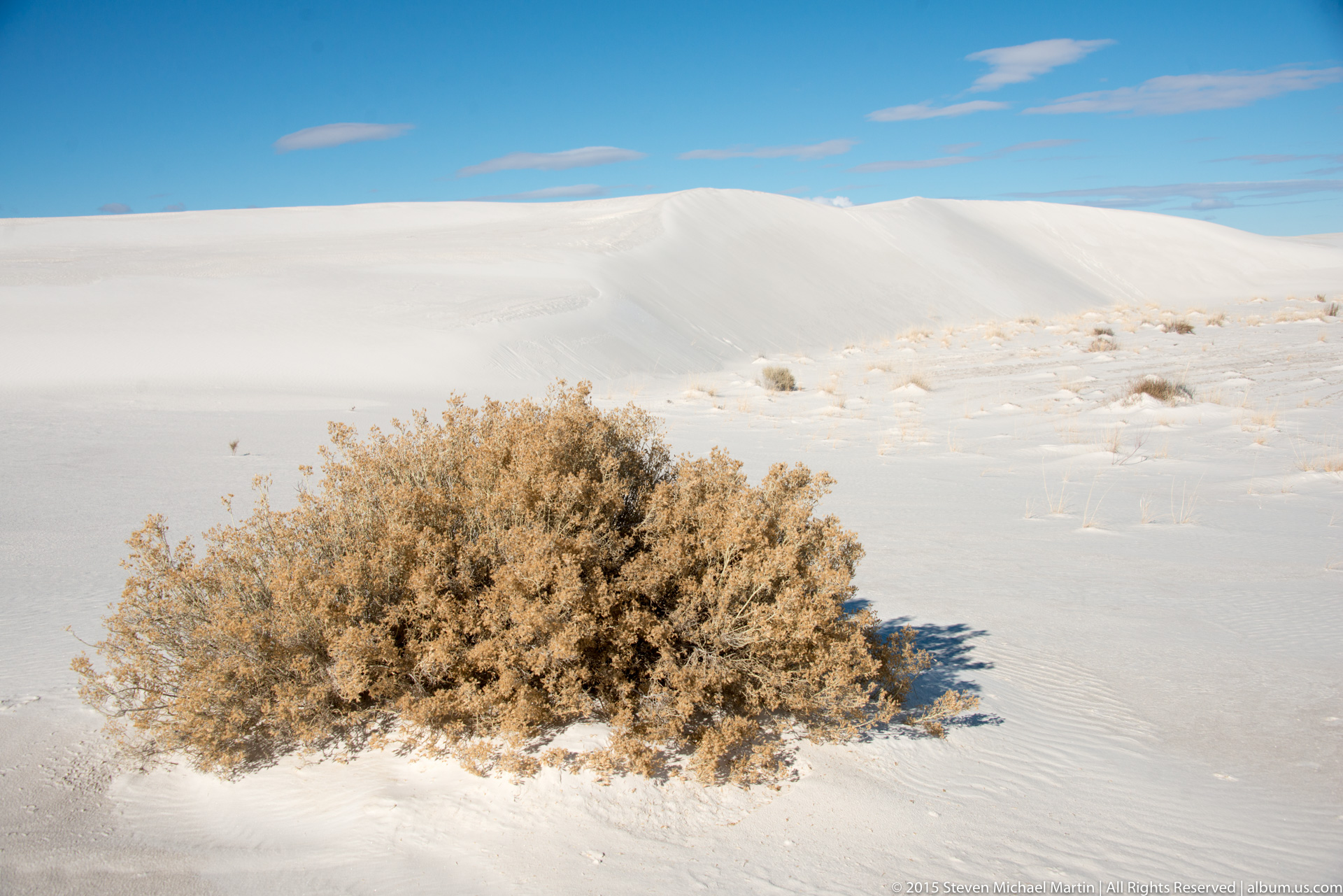
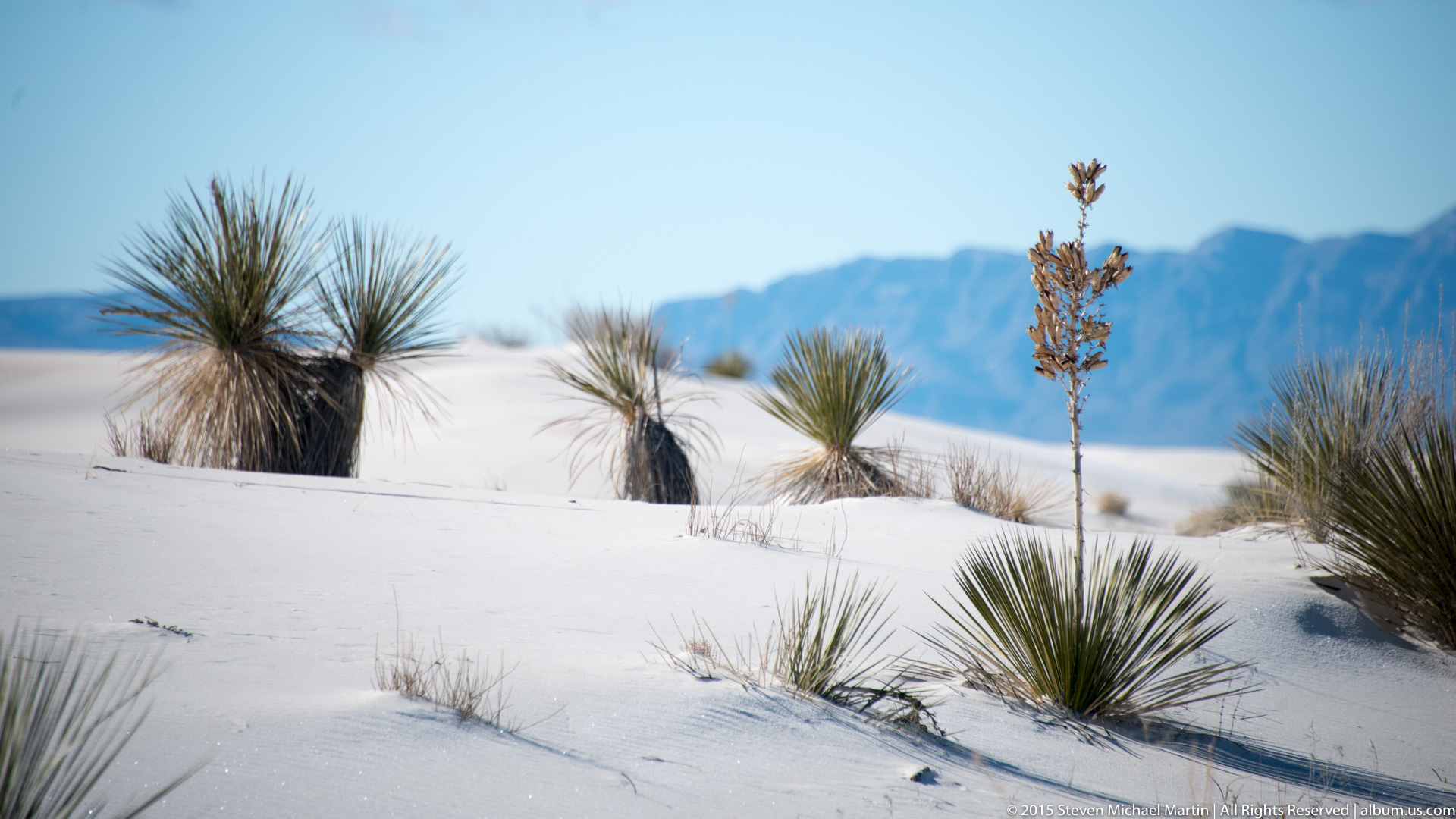
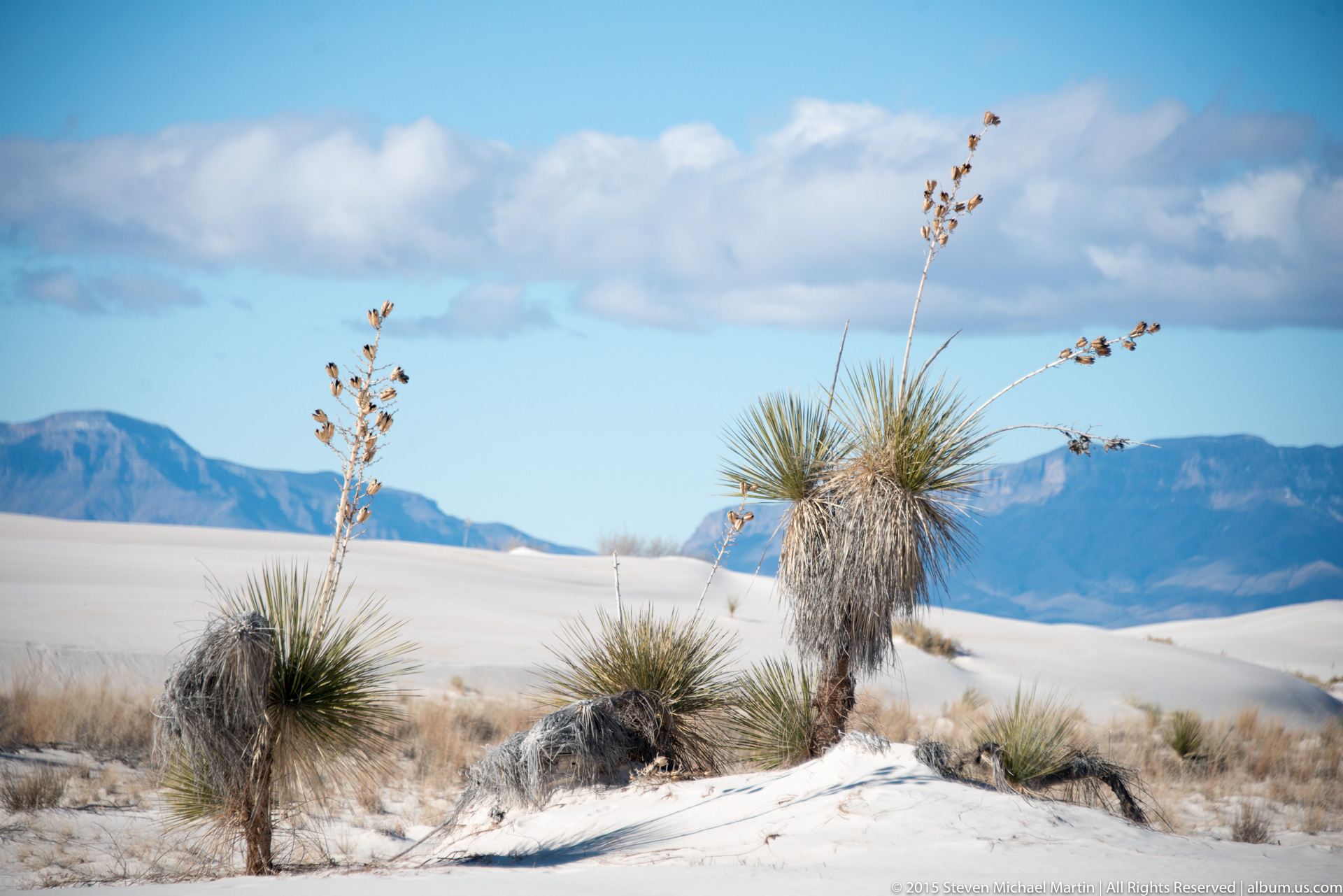
- Minimal vegetation emphasizes dune forms
🌱 Conservation Context
White Sands preserves a rare gypsum dune environment shaped by mineral chemistry and wind processes. Protection of the landscape allows continued observation of dynamic dune movement across desert ecosystems.