Fort Stanwix National Monument
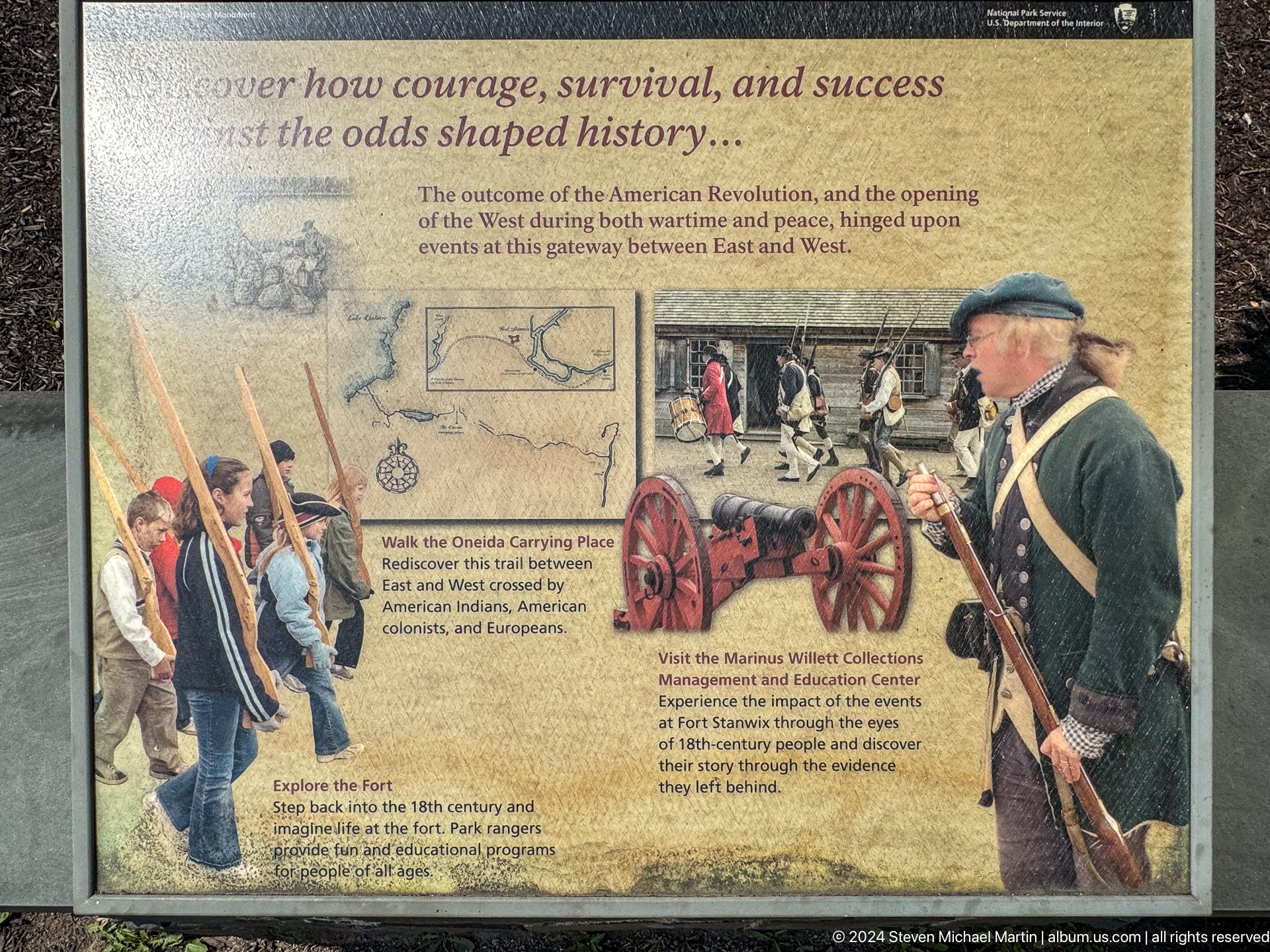
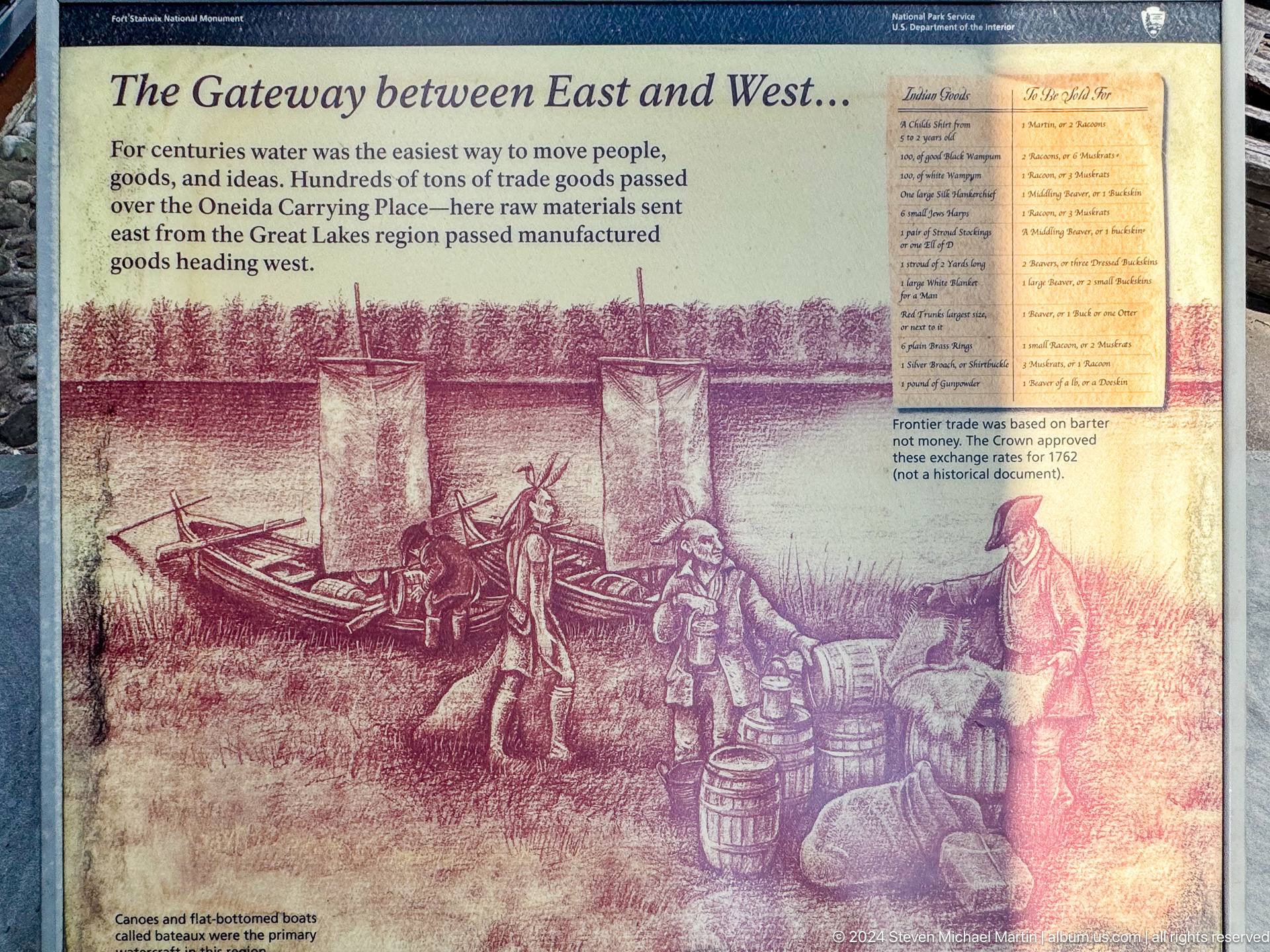
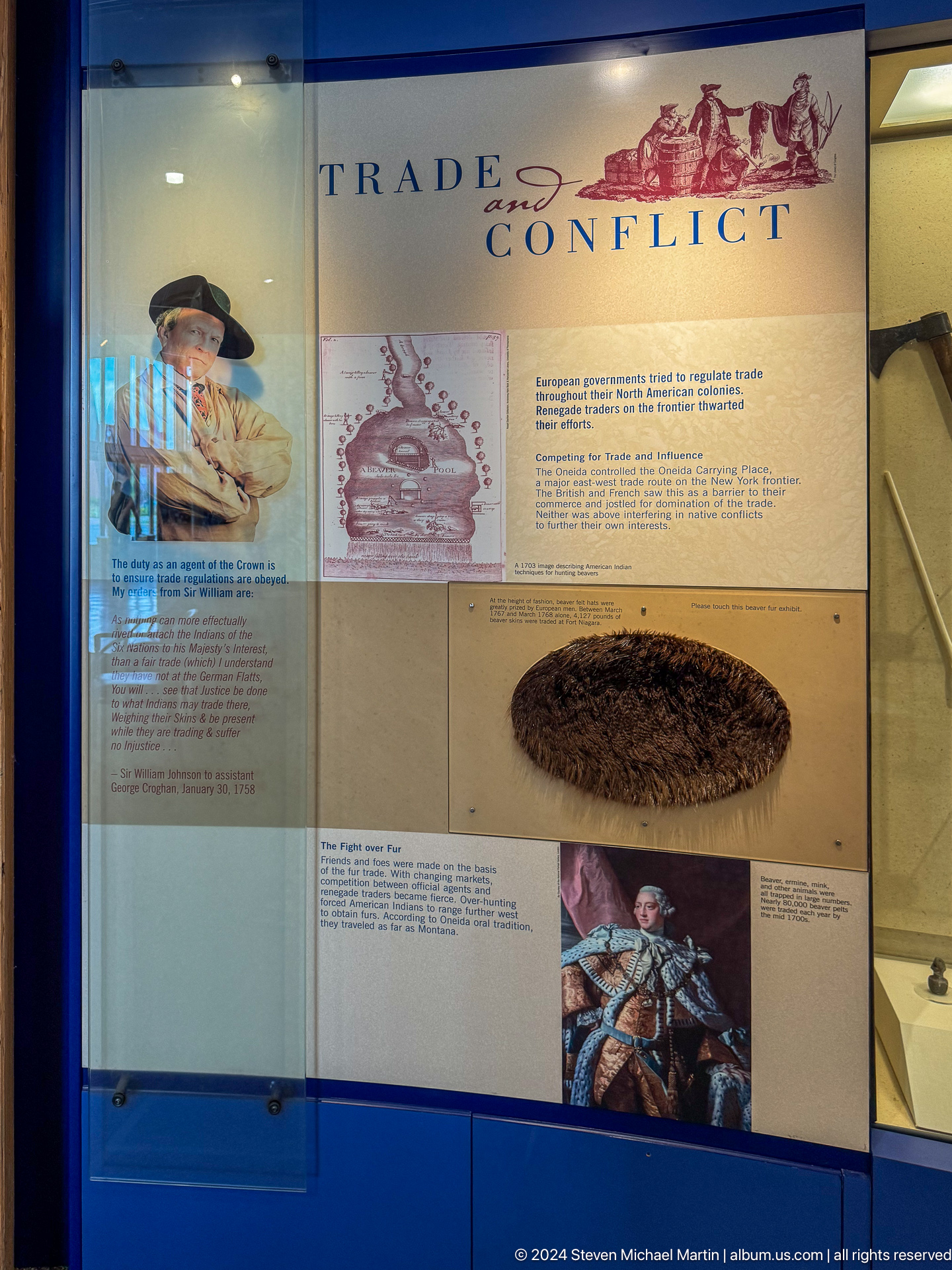
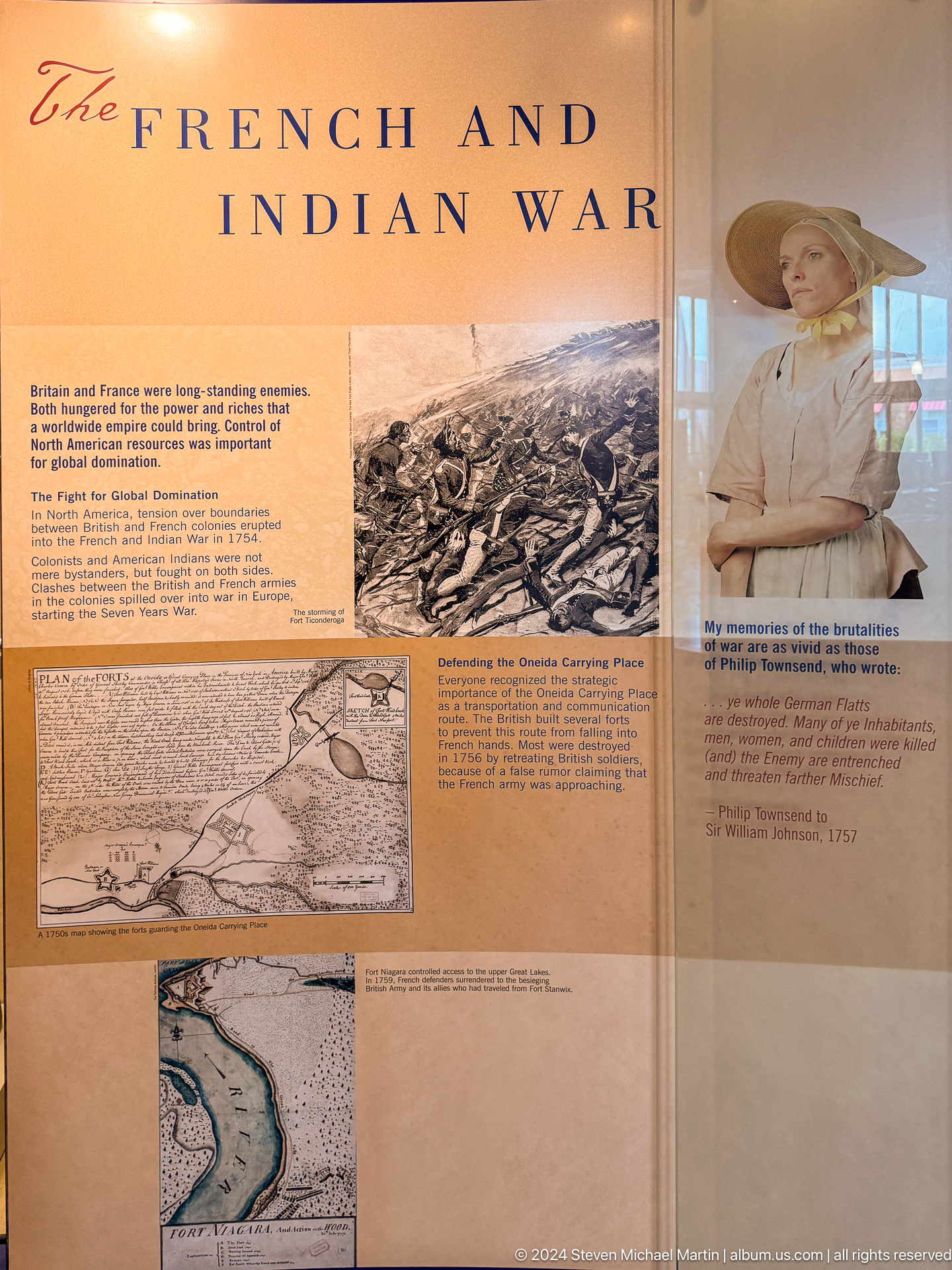
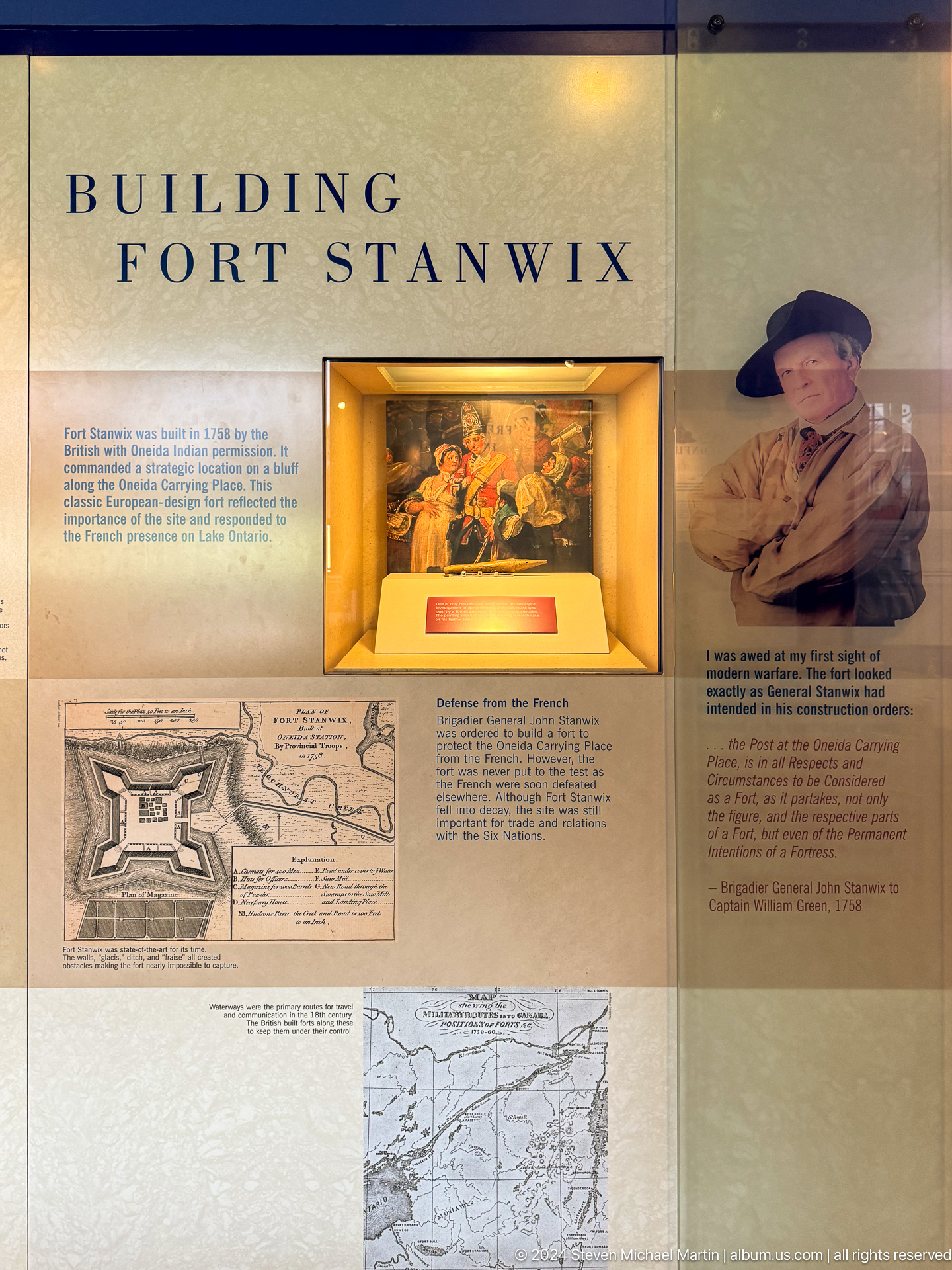
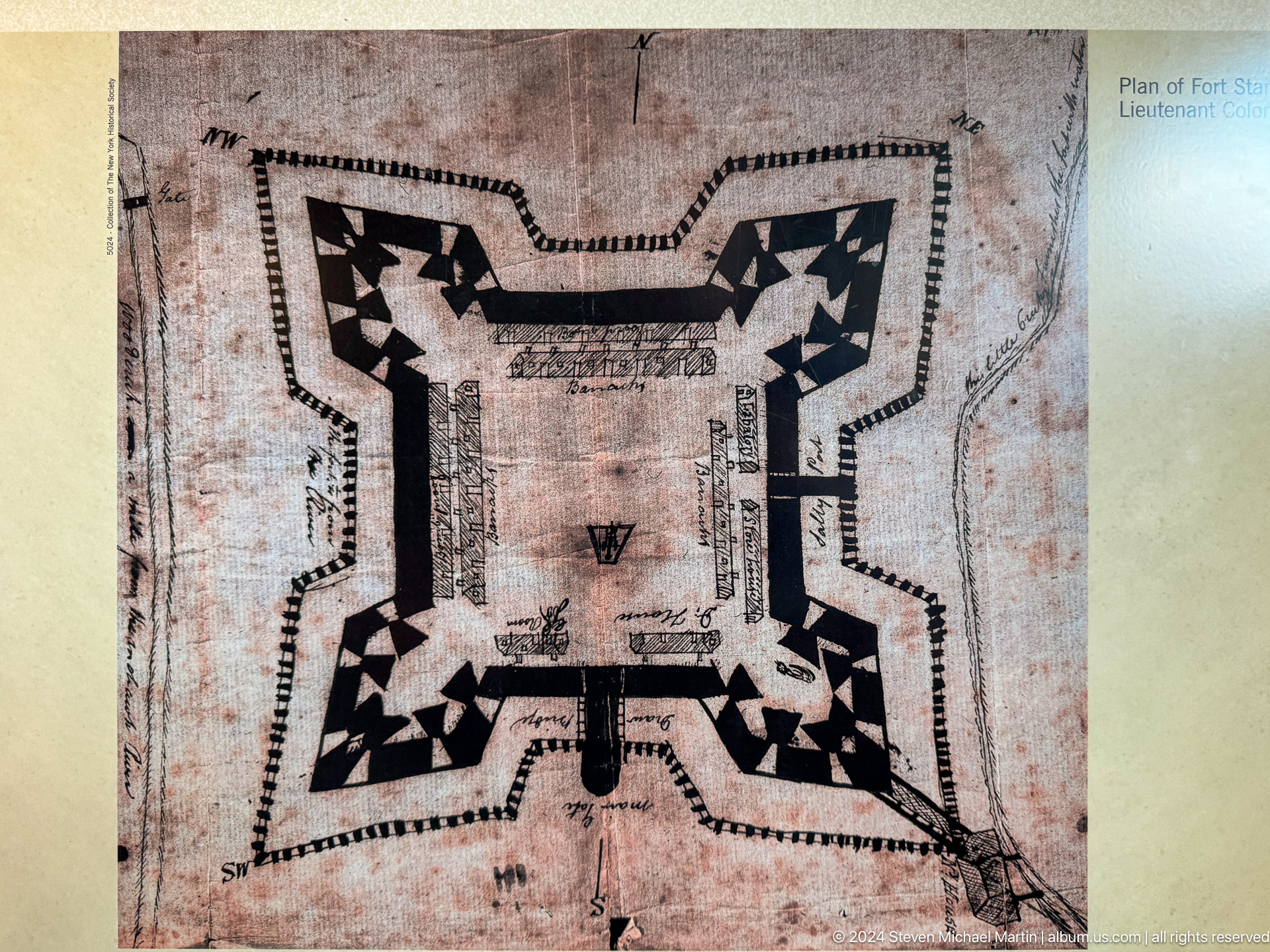
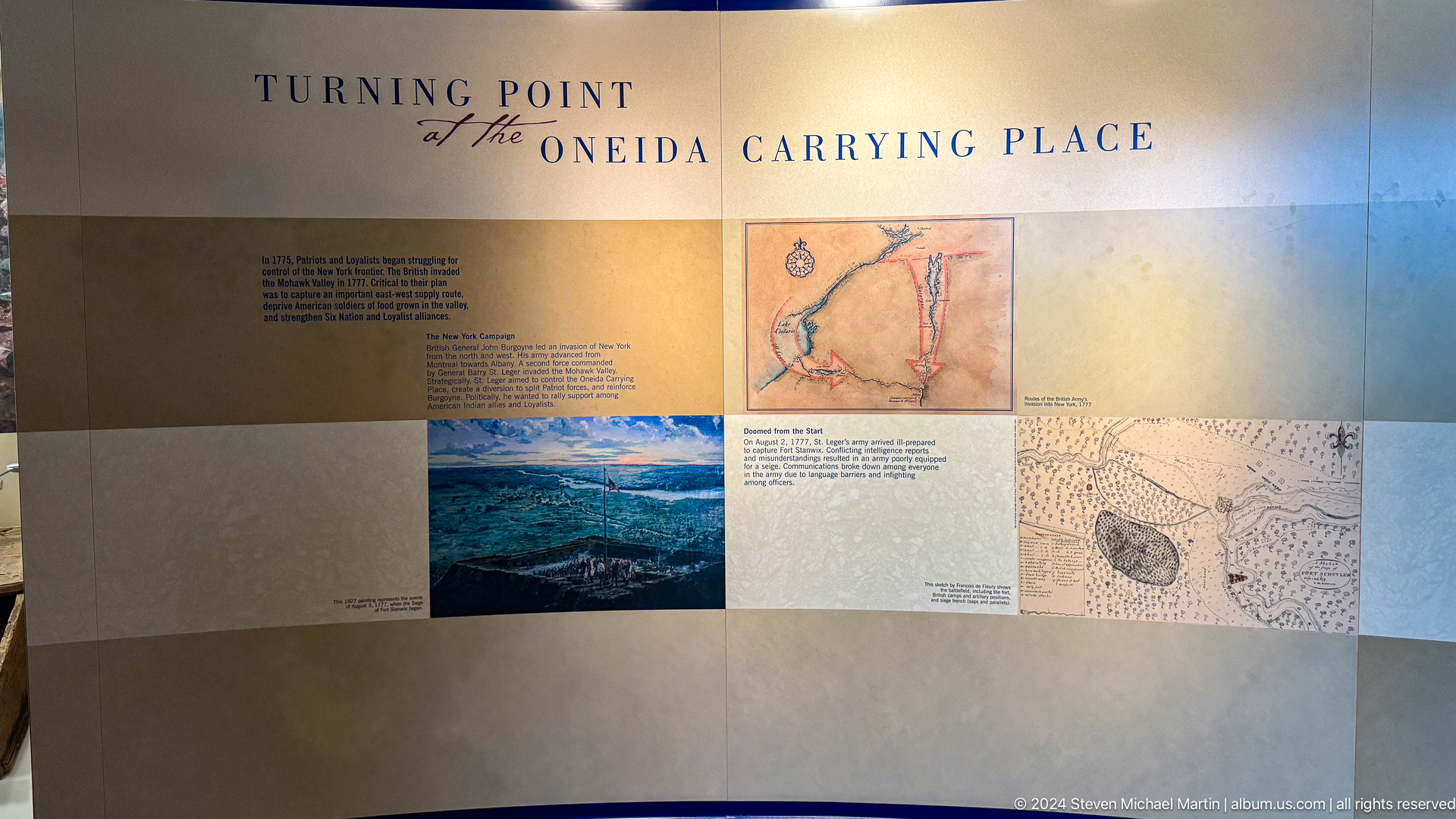
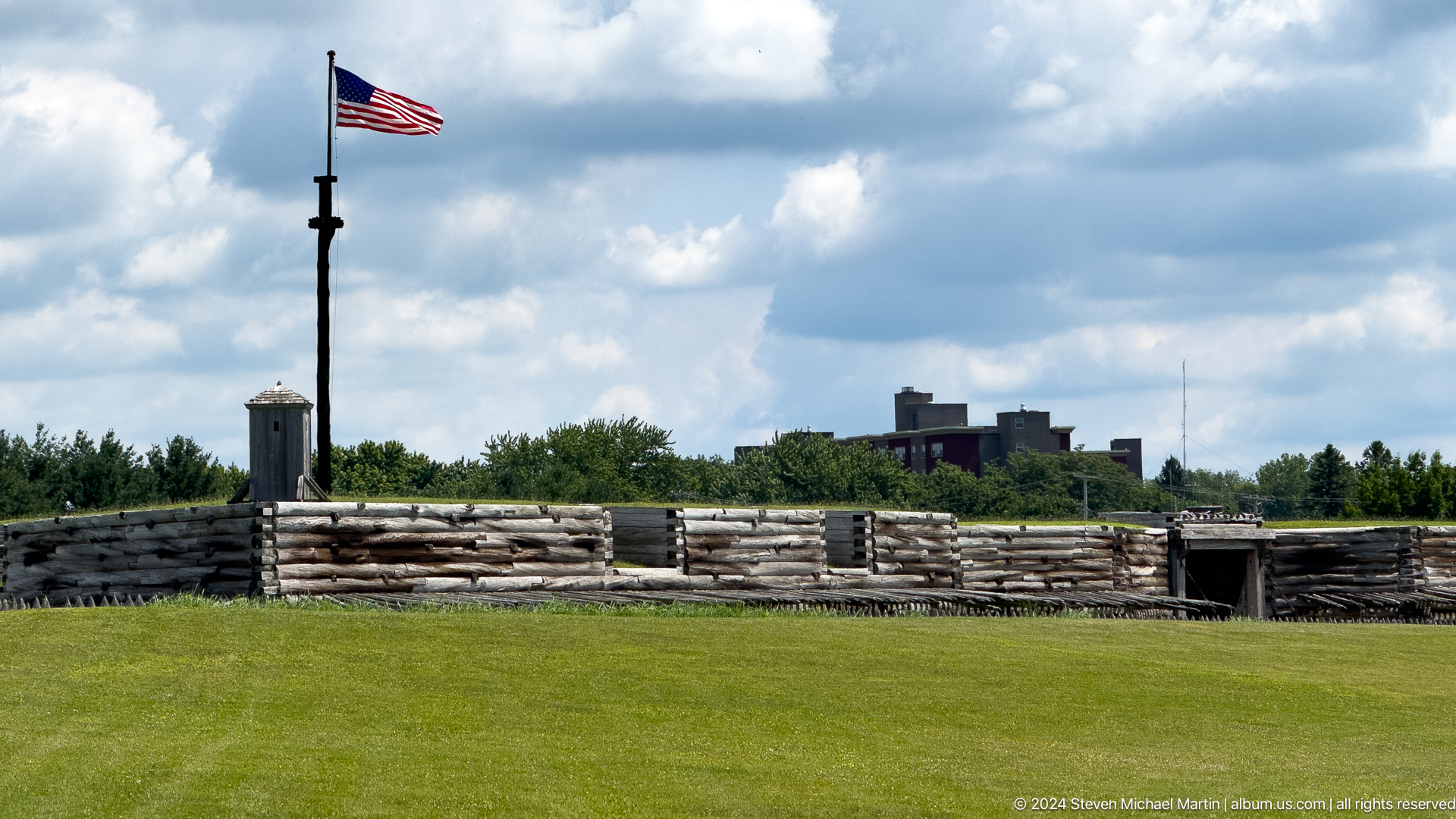
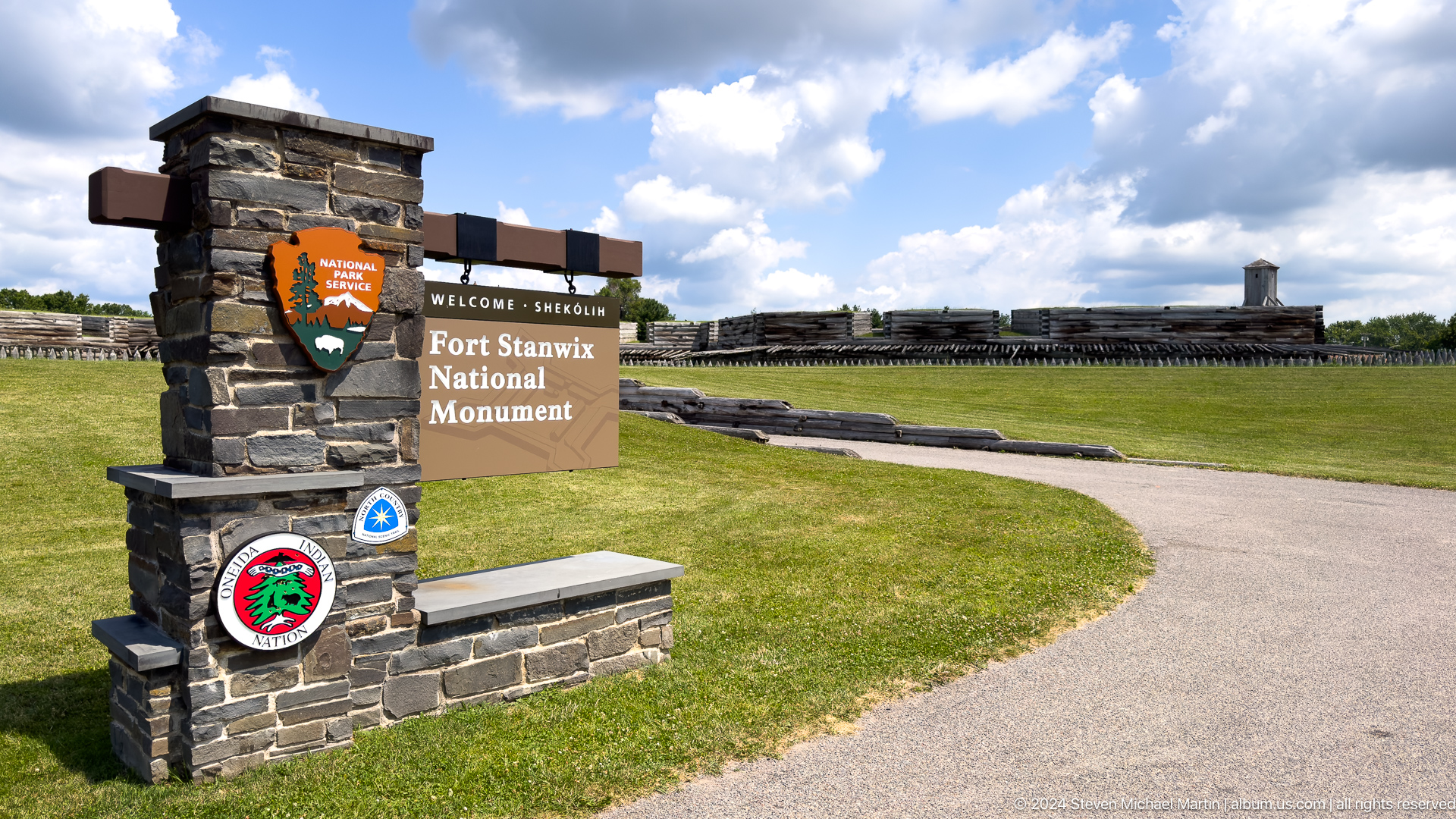
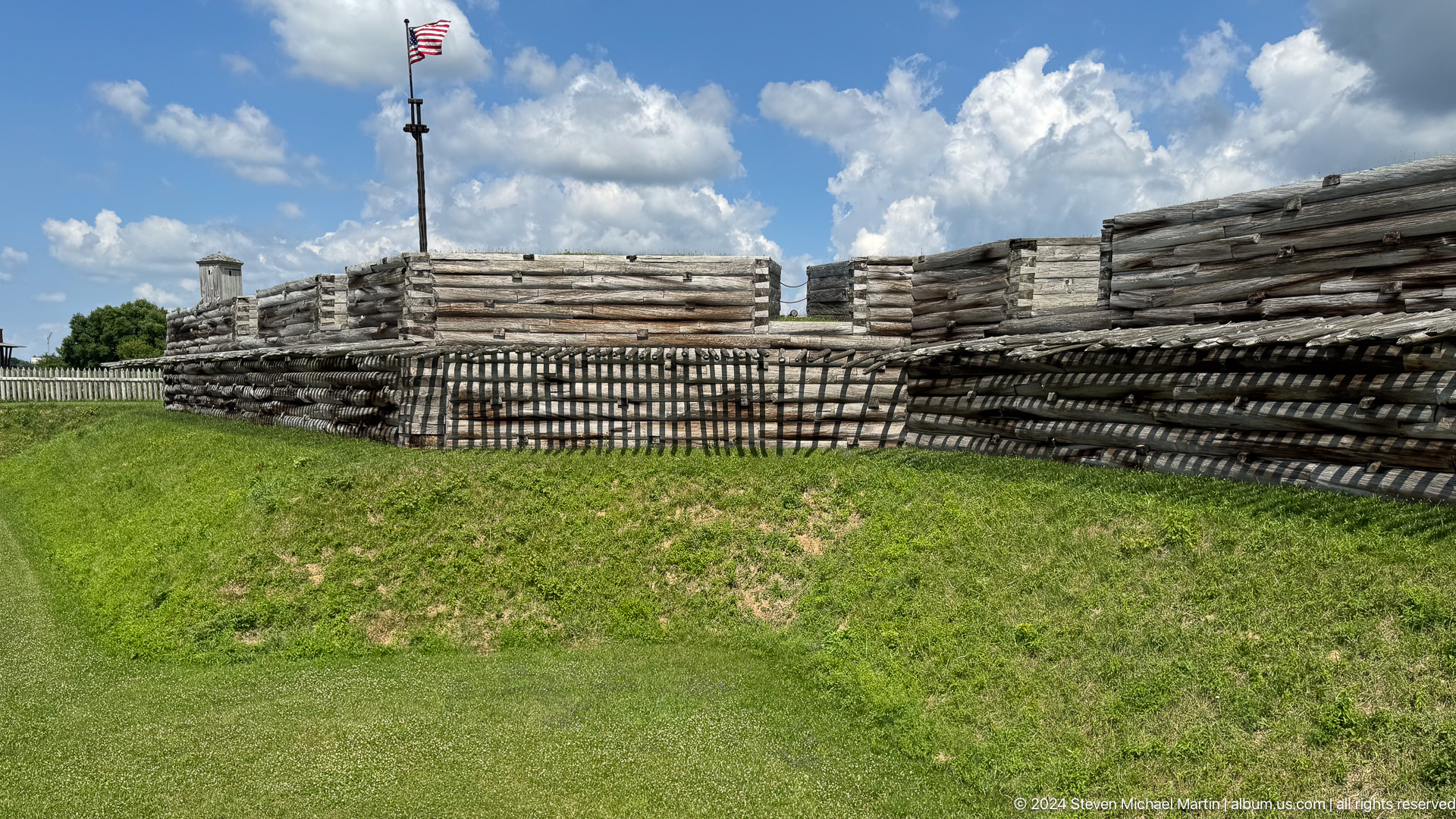
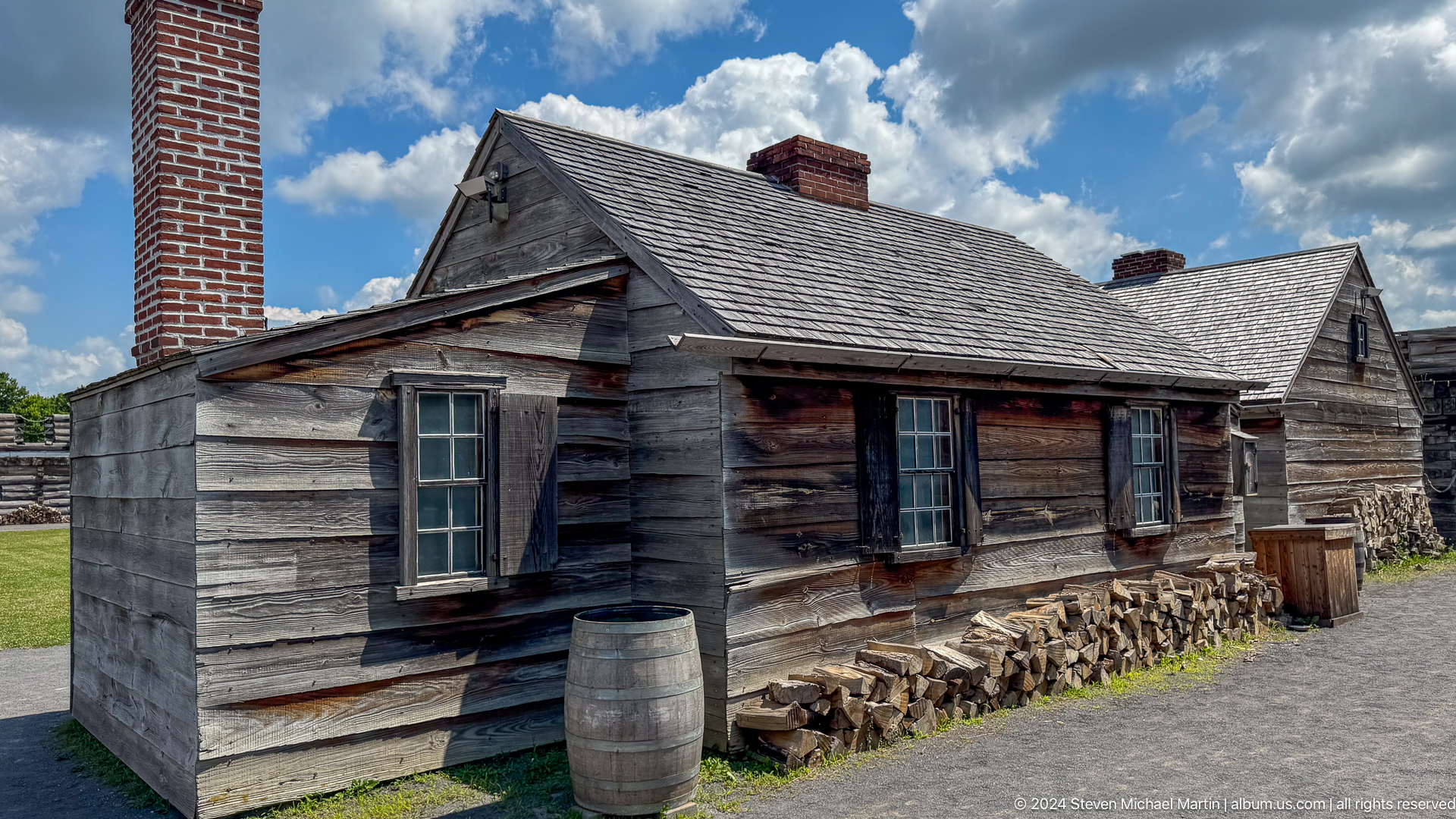
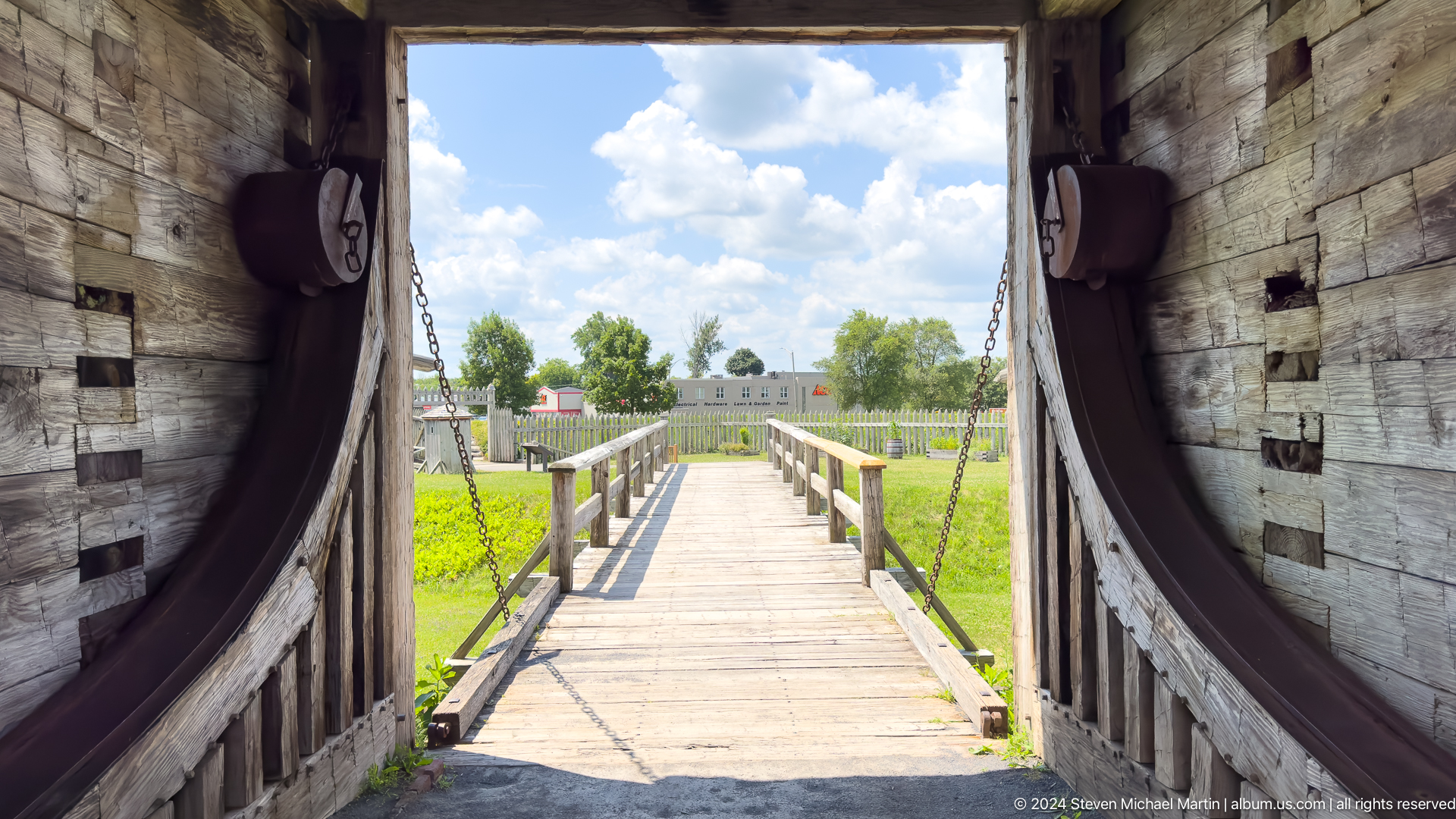
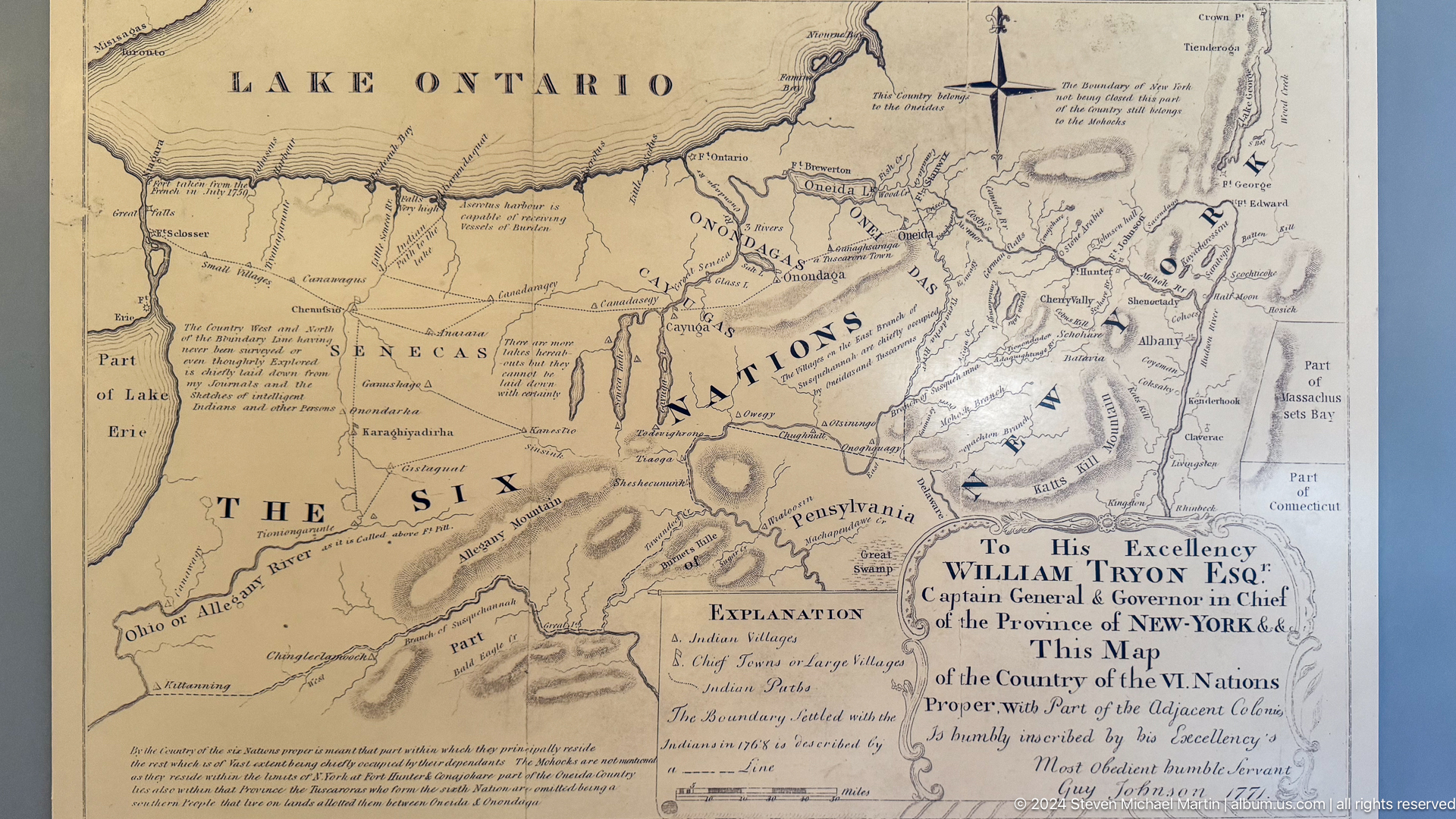
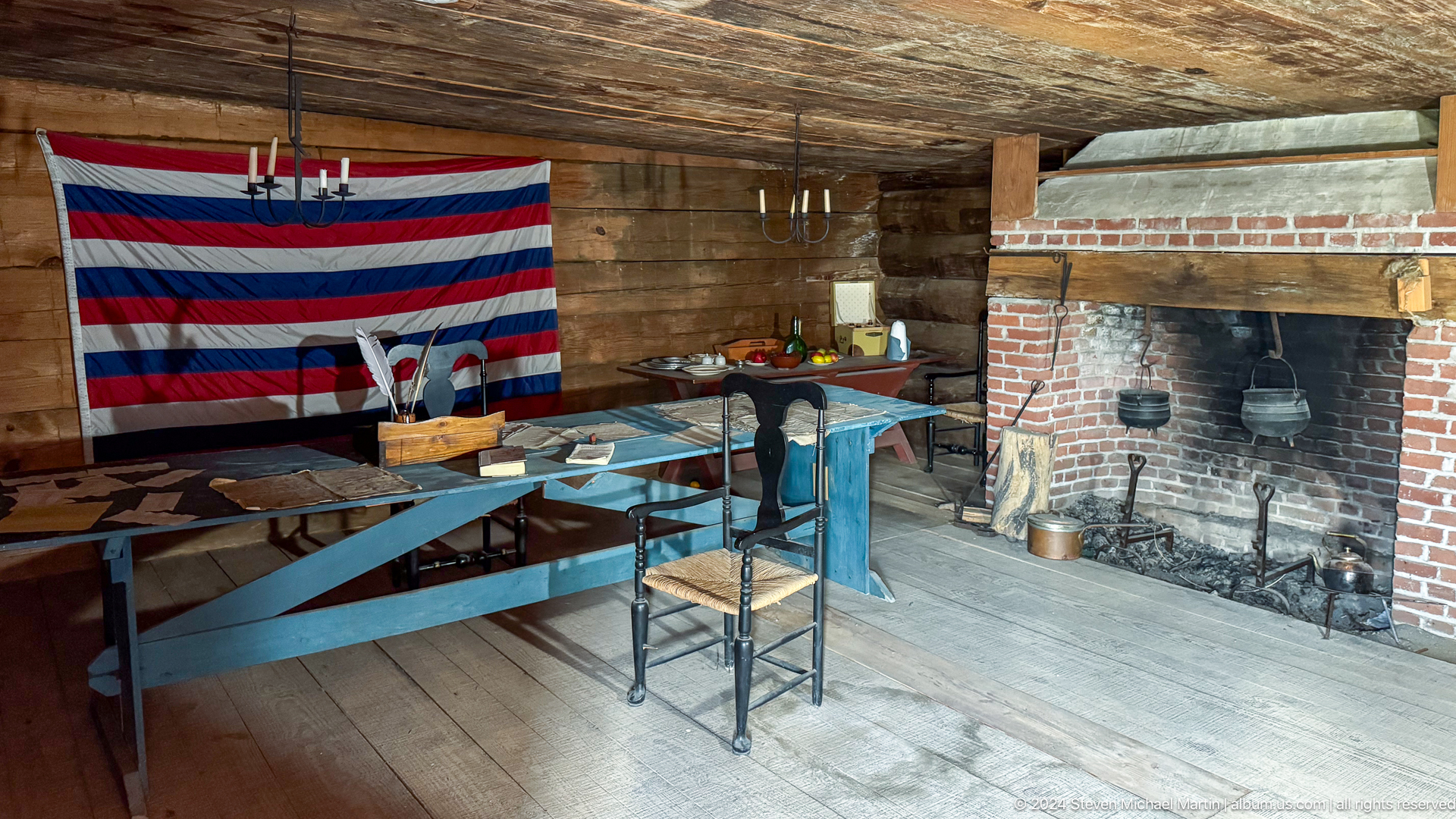
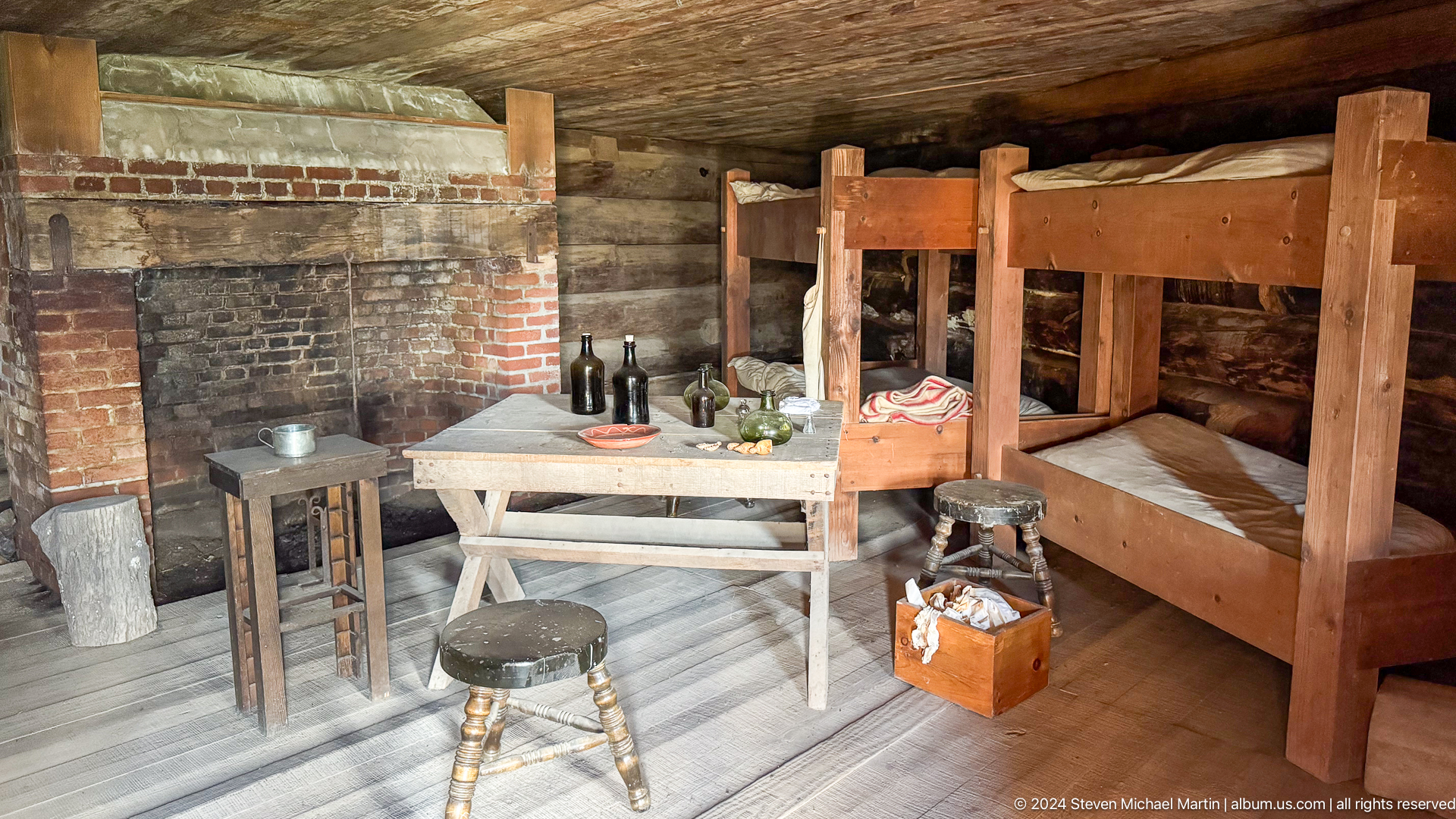
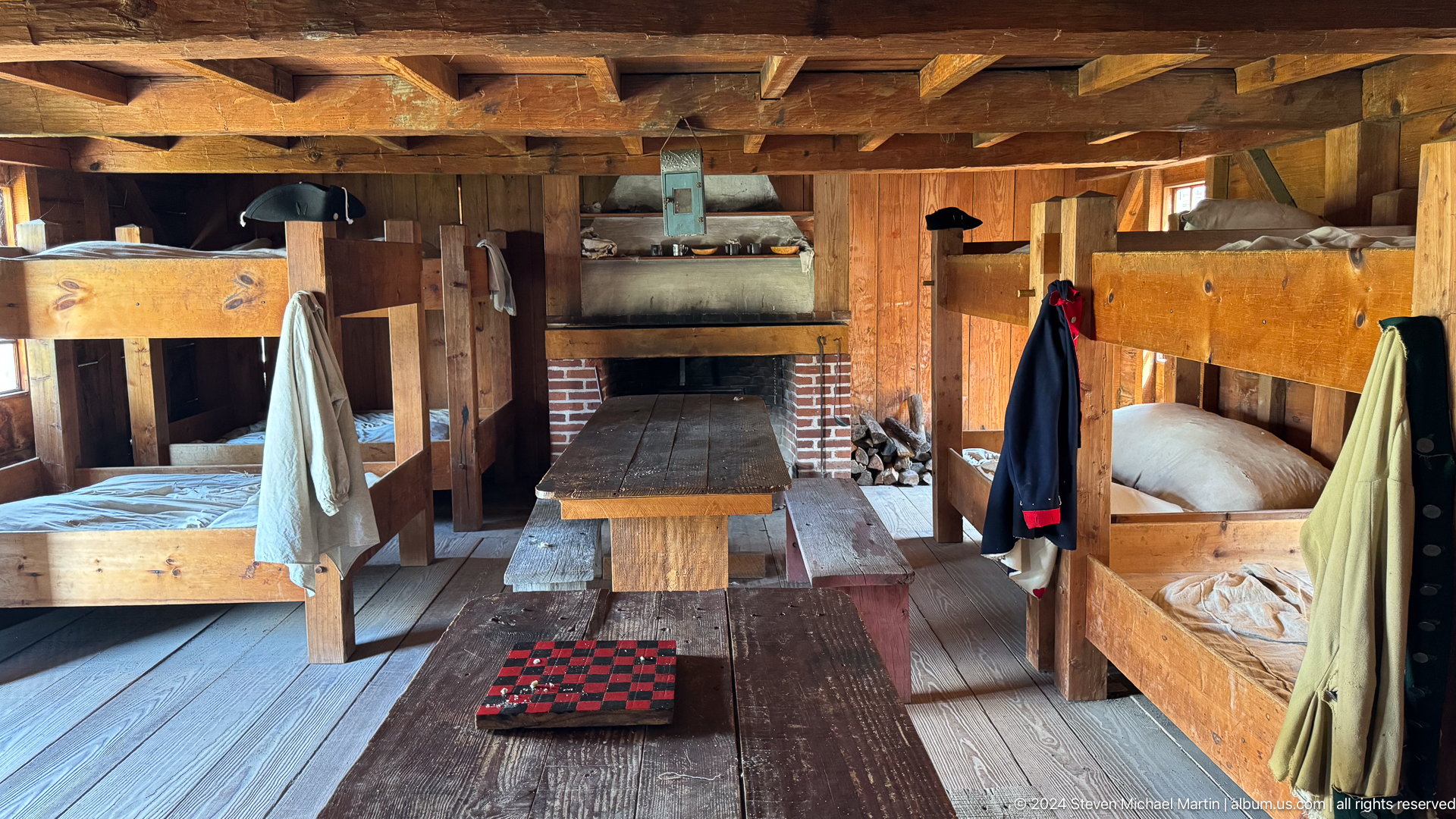
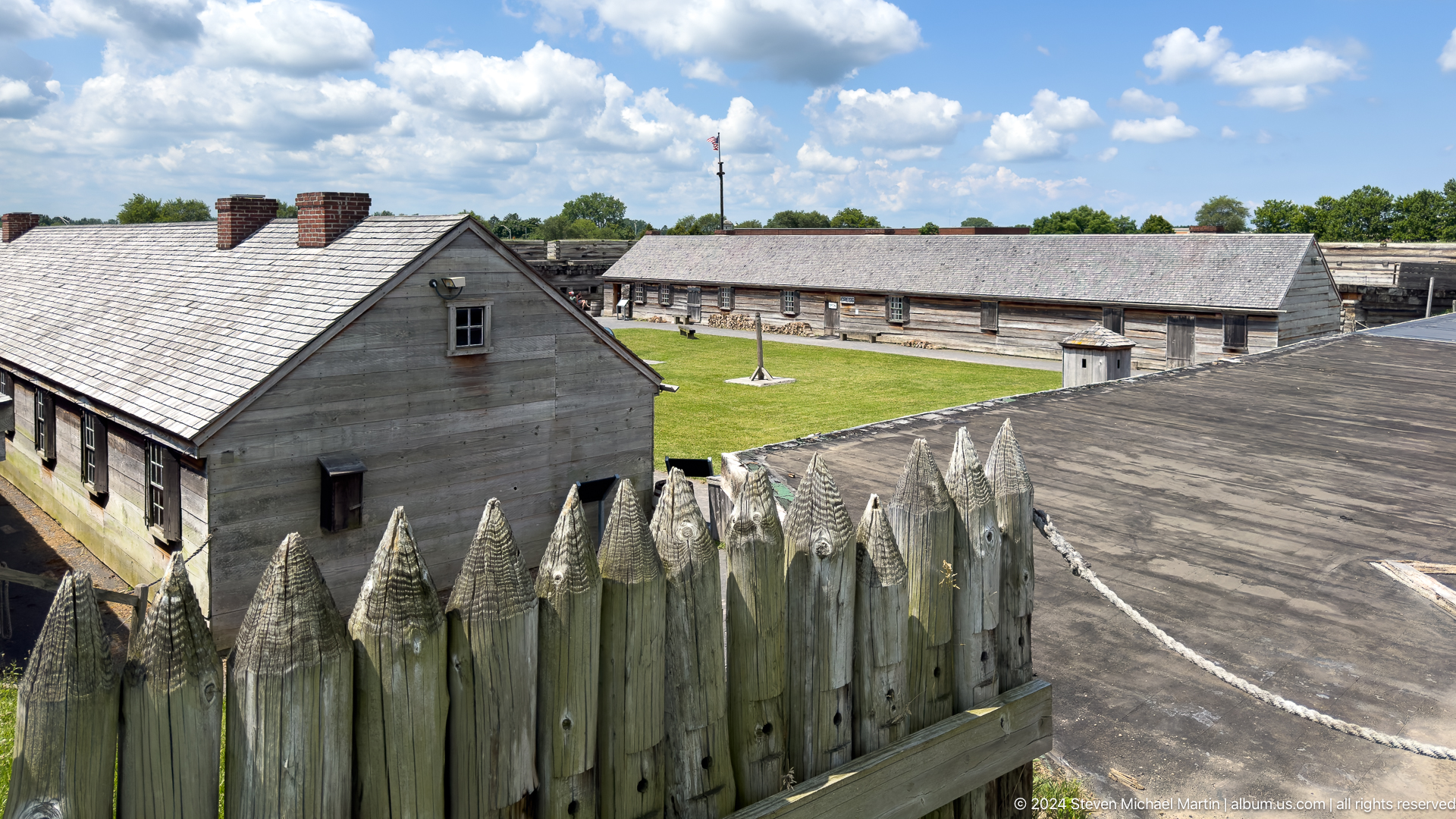
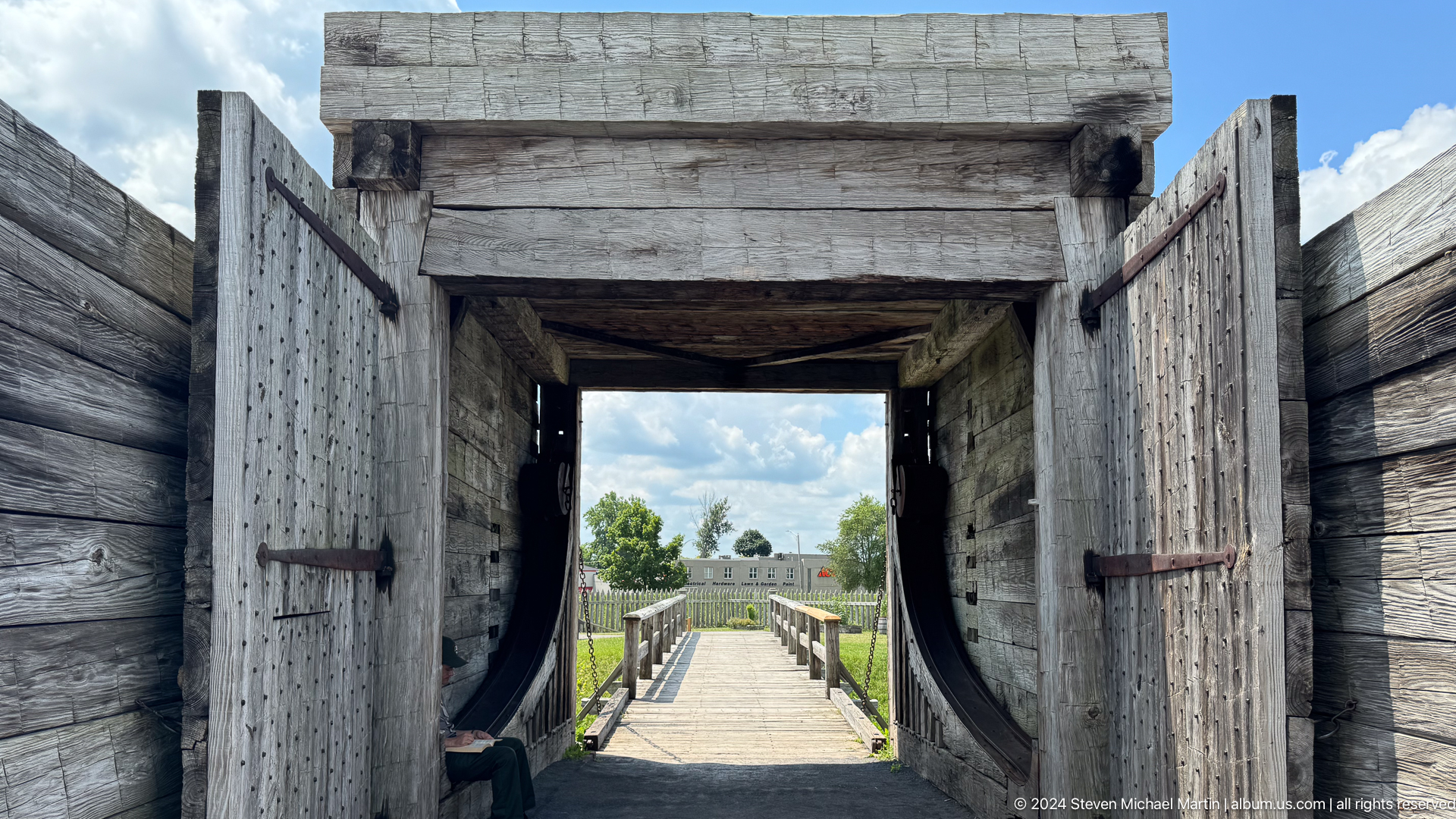
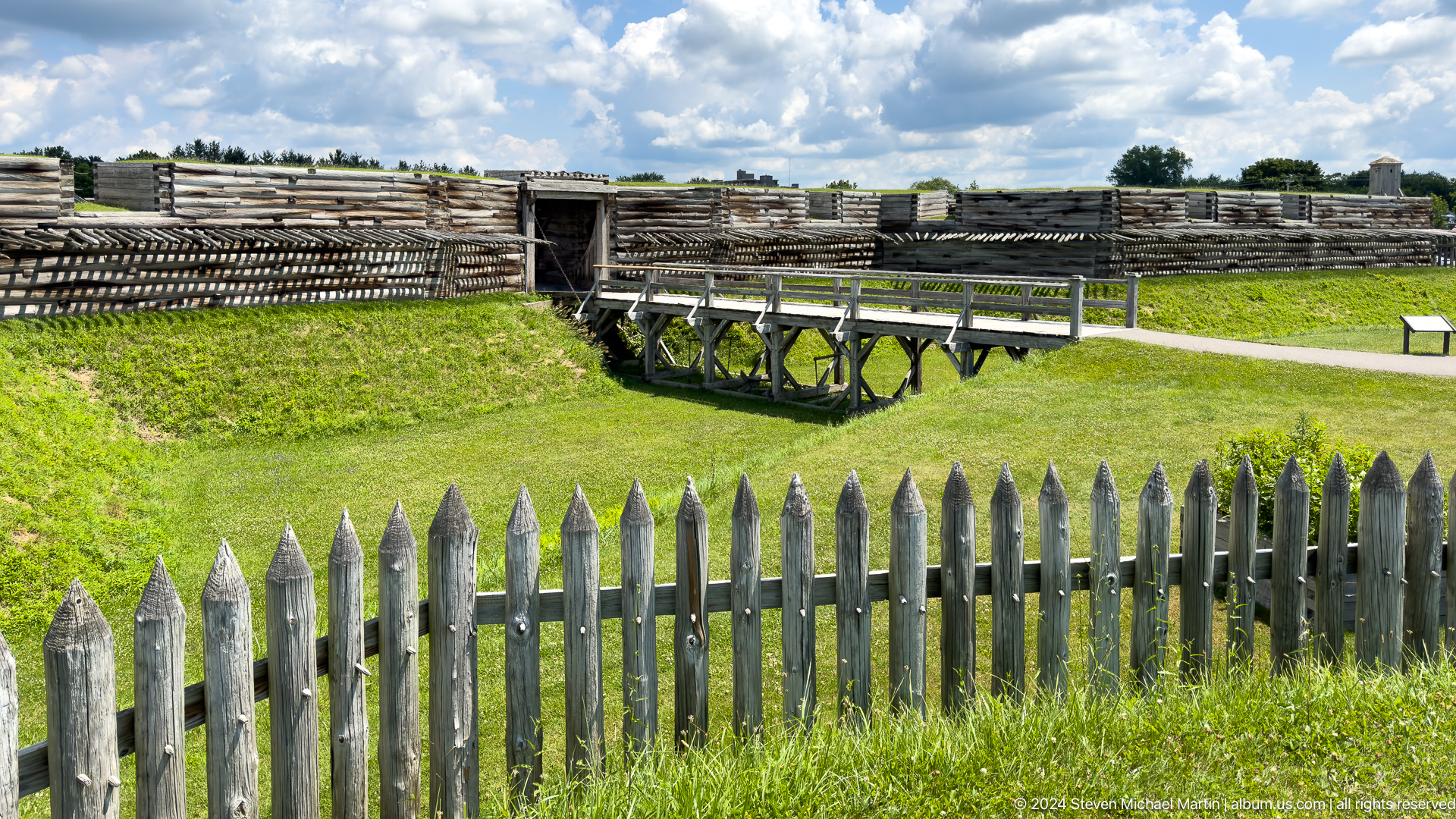
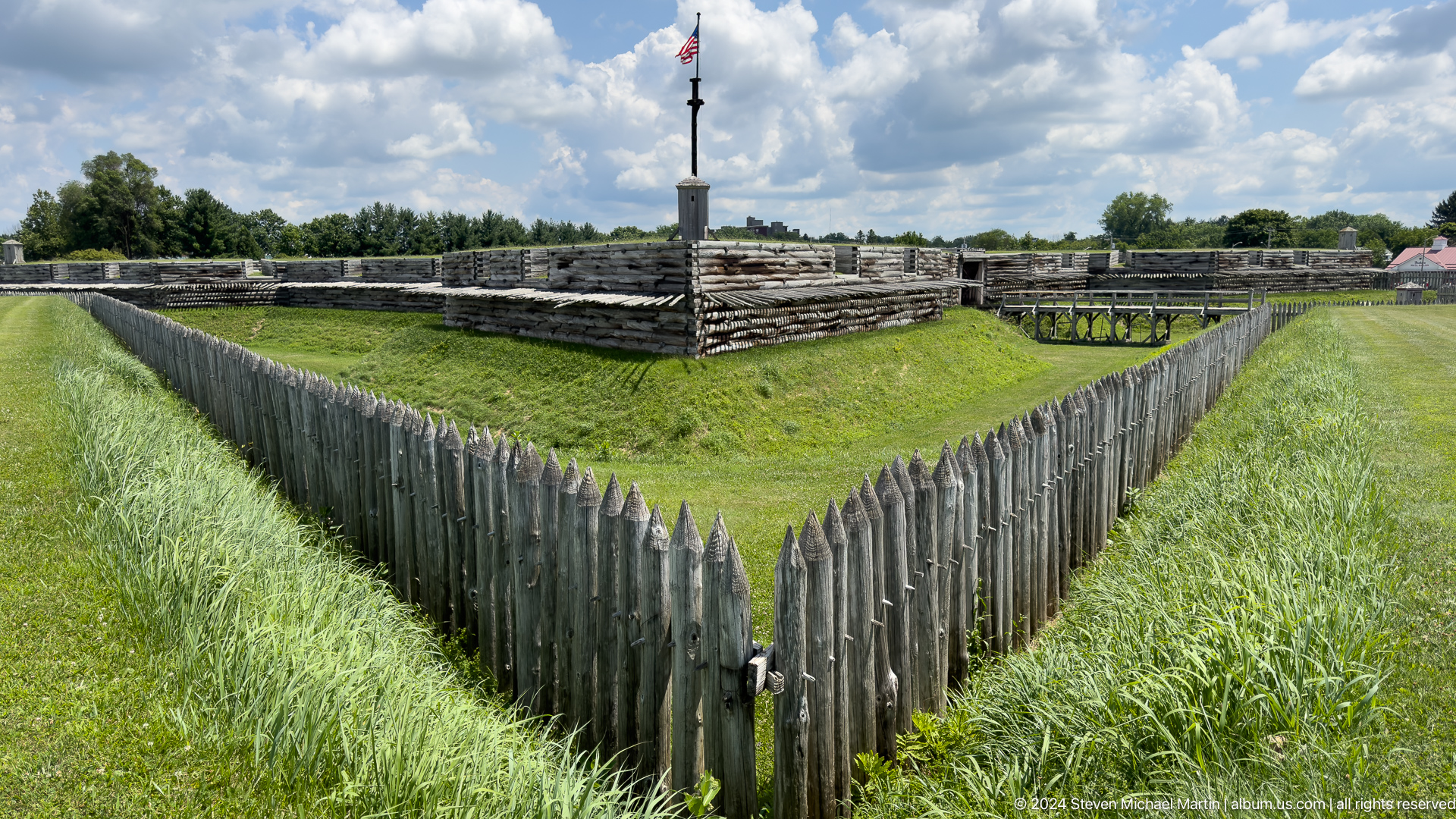
Fort Stanwix occupies a strategic location along the Mohawk River corridor in central New York, where an important portage connected waterways leading to the Great Lakes and the Hudson River. Built by the British in 1758 during the French and Indian War, the fort later became a key defensive position for American forces during the Revolutionary War. The site’s location at the Oneida Carry placed it along a major transportation route linking interior North America with the Atlantic coast.
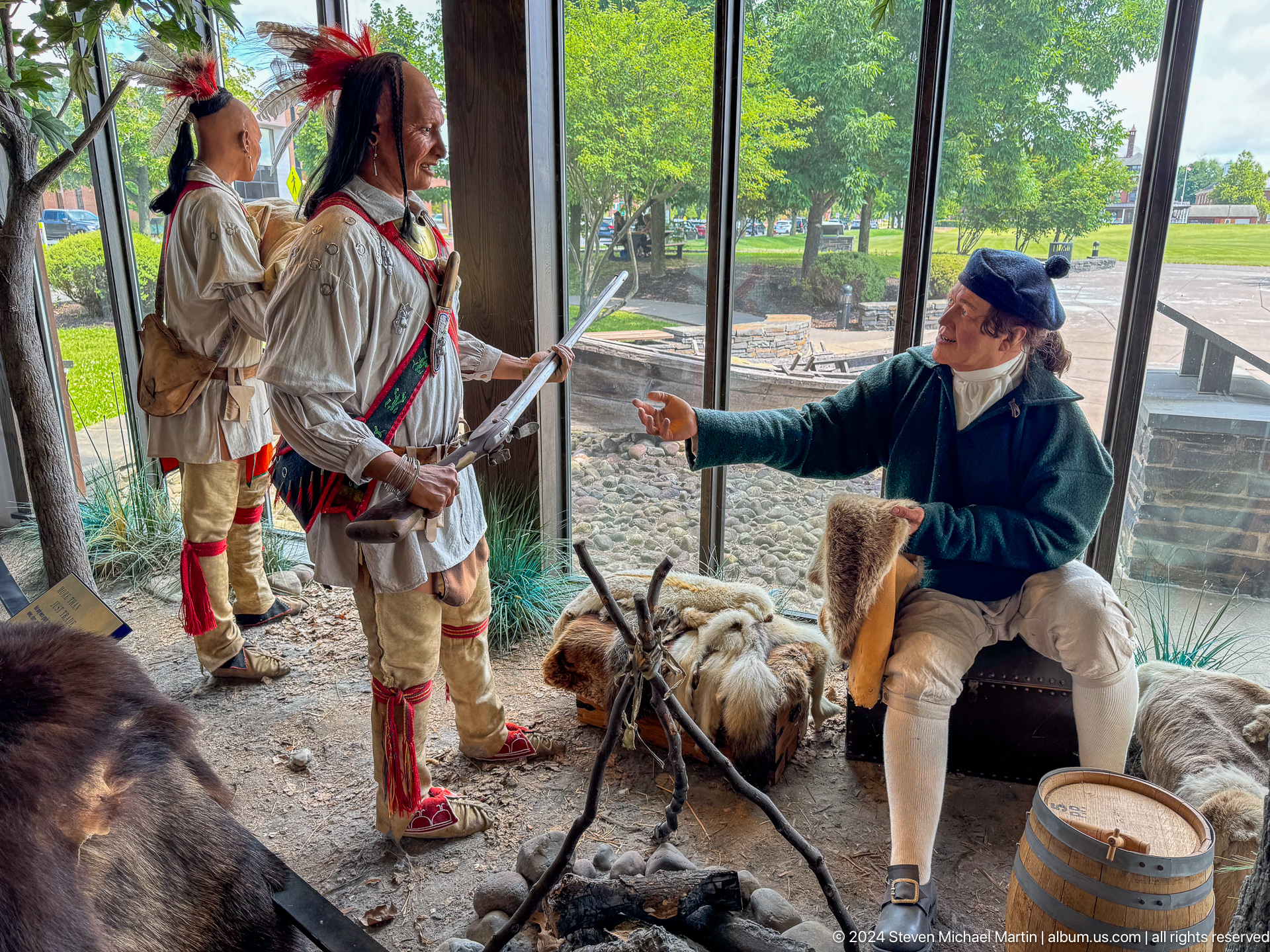
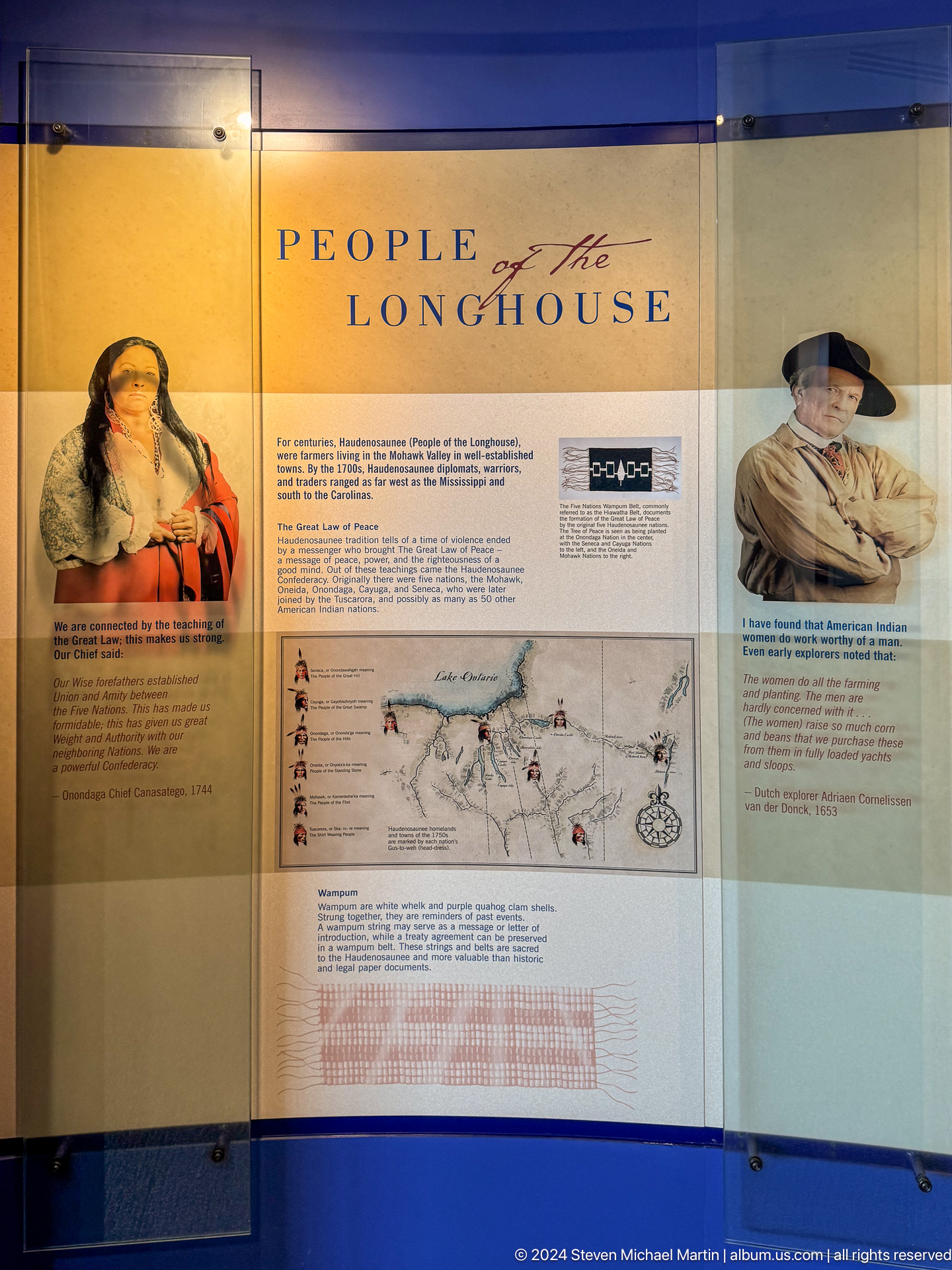
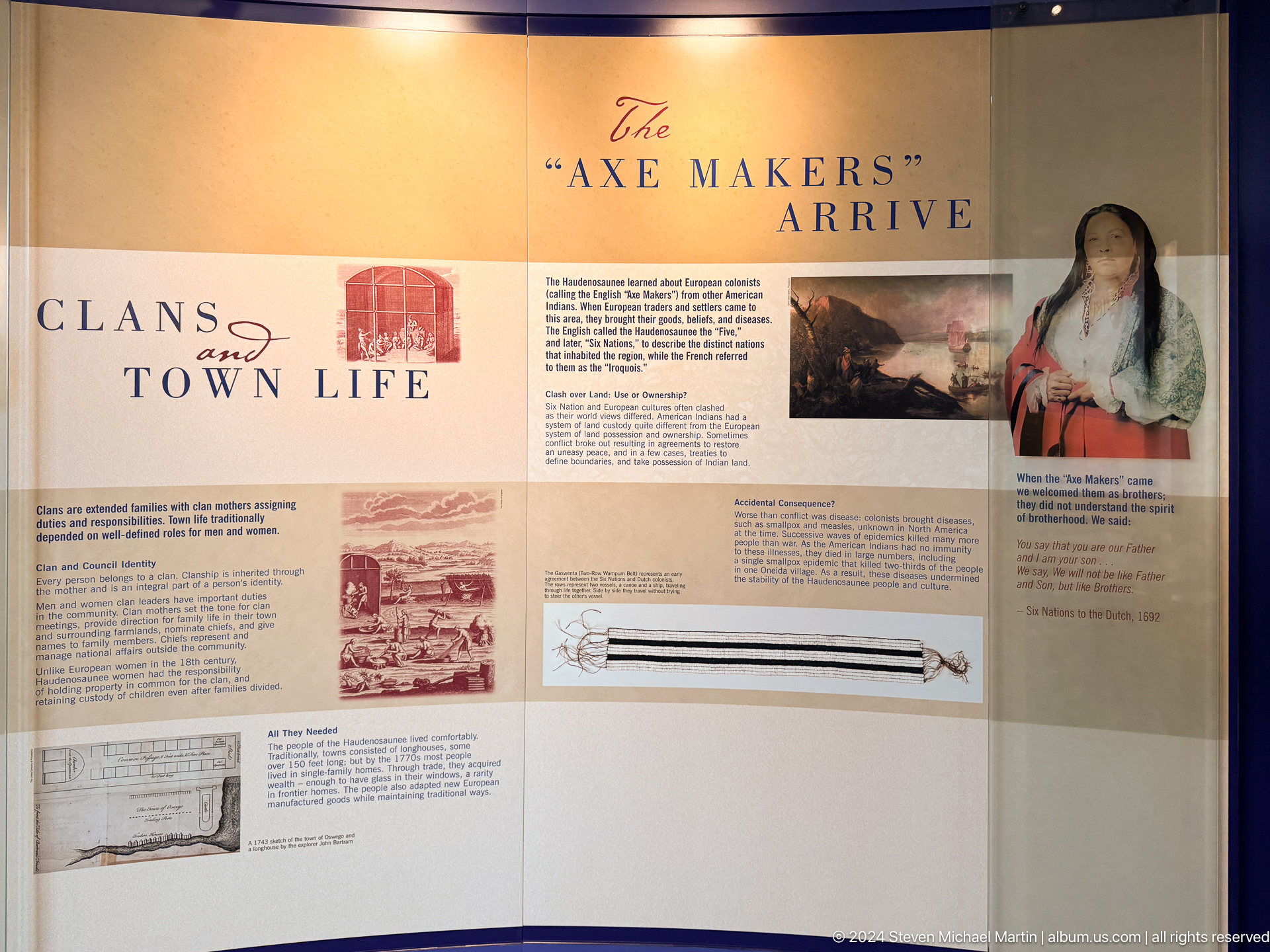
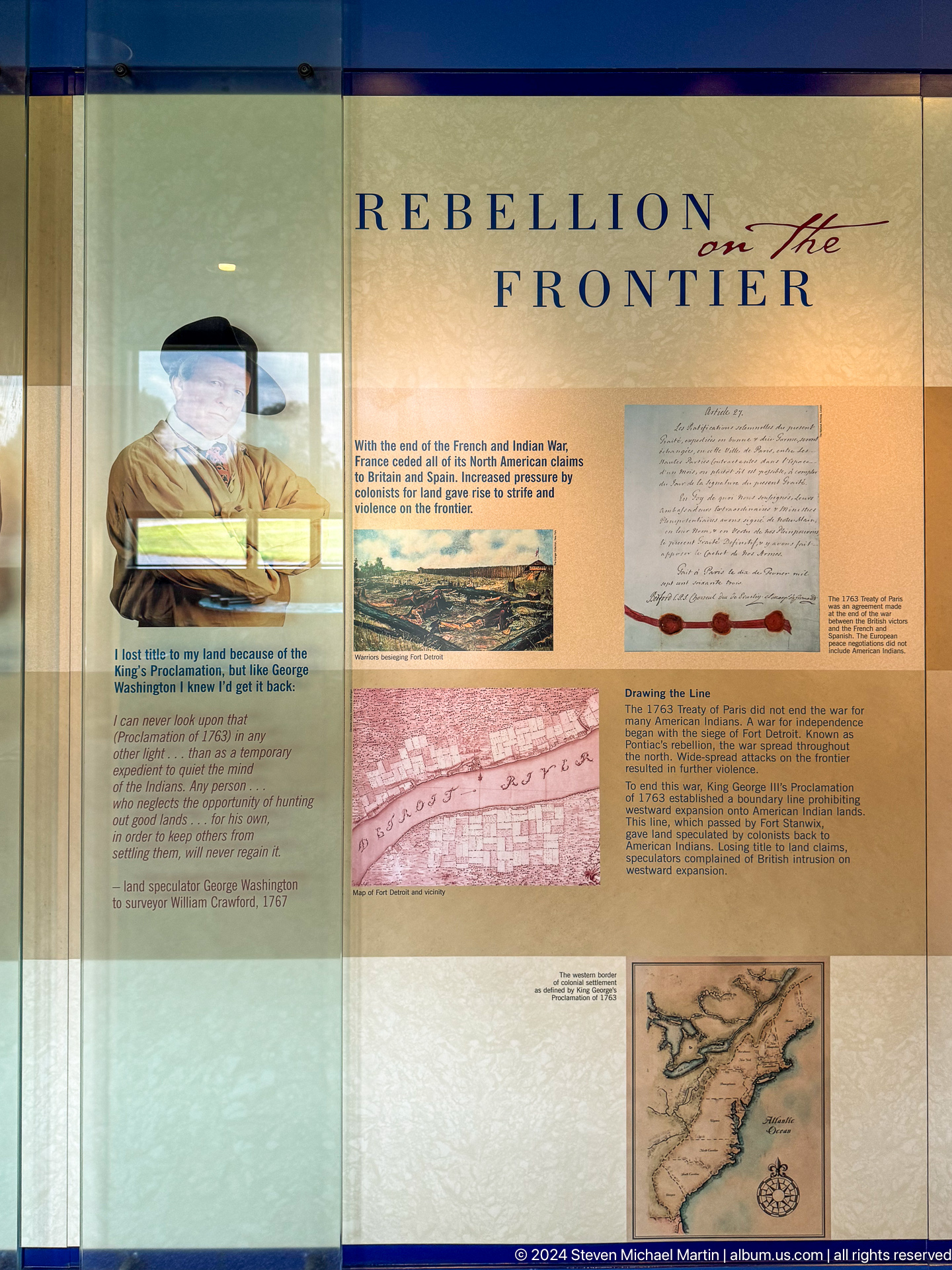
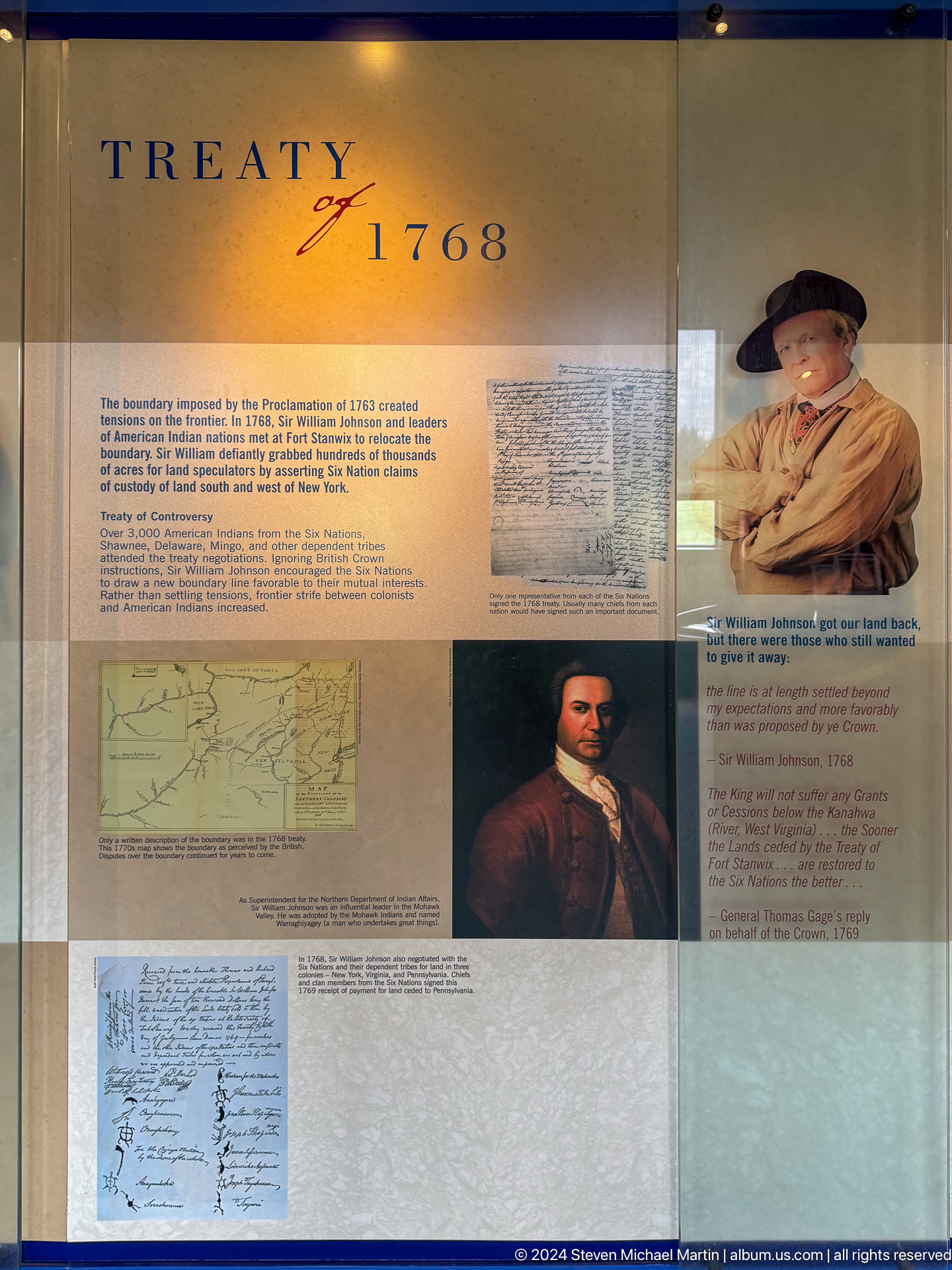
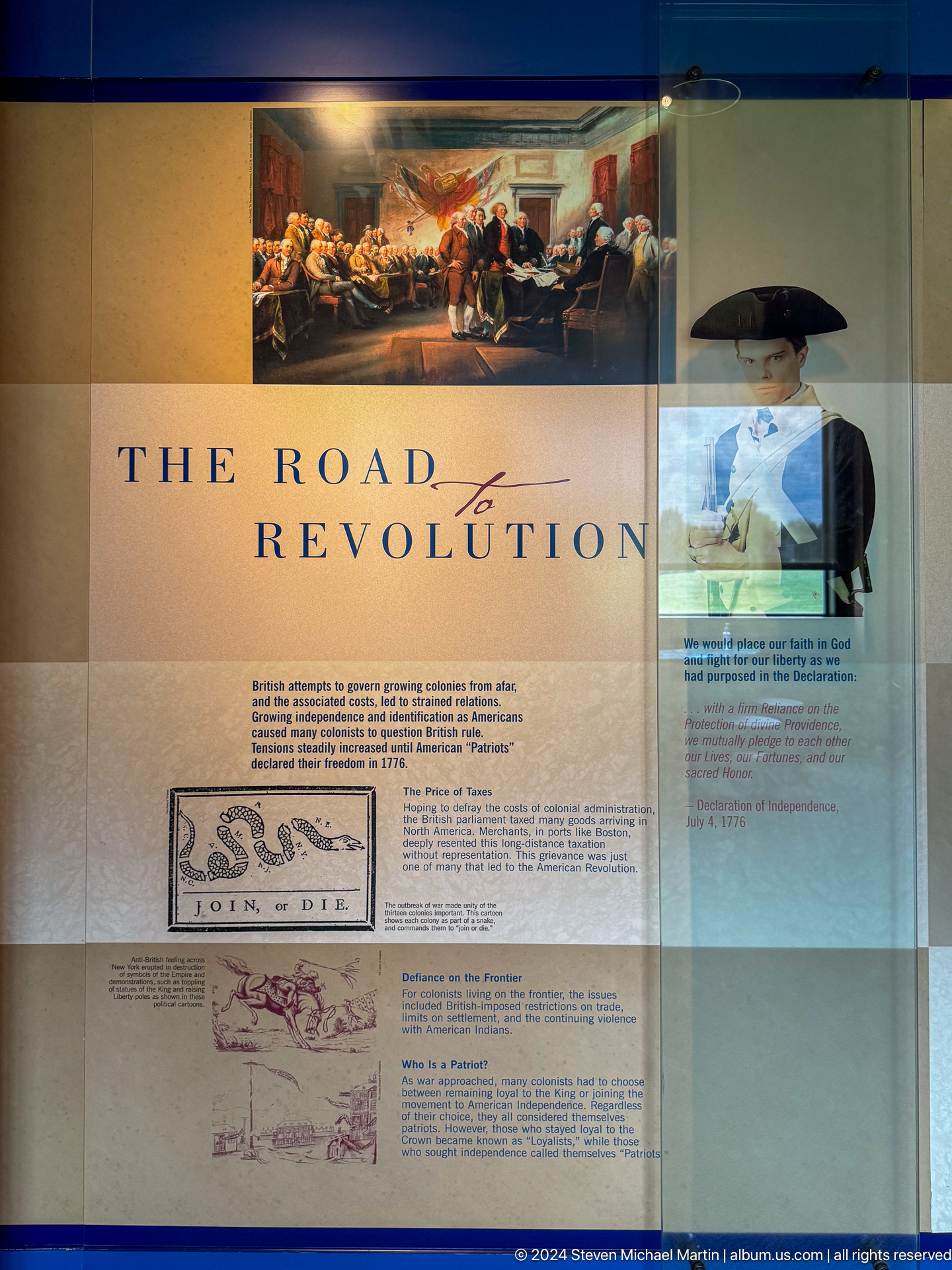
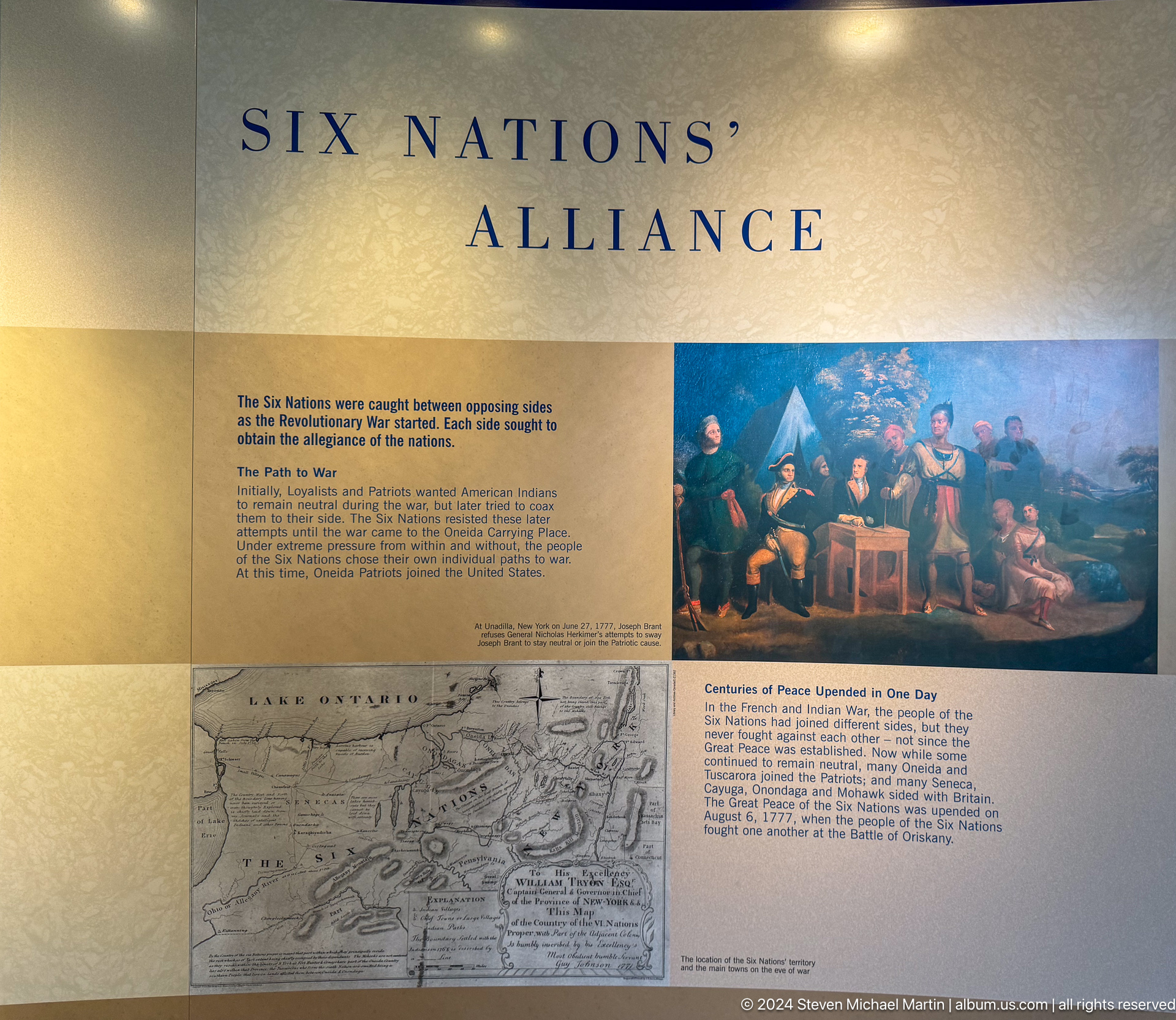
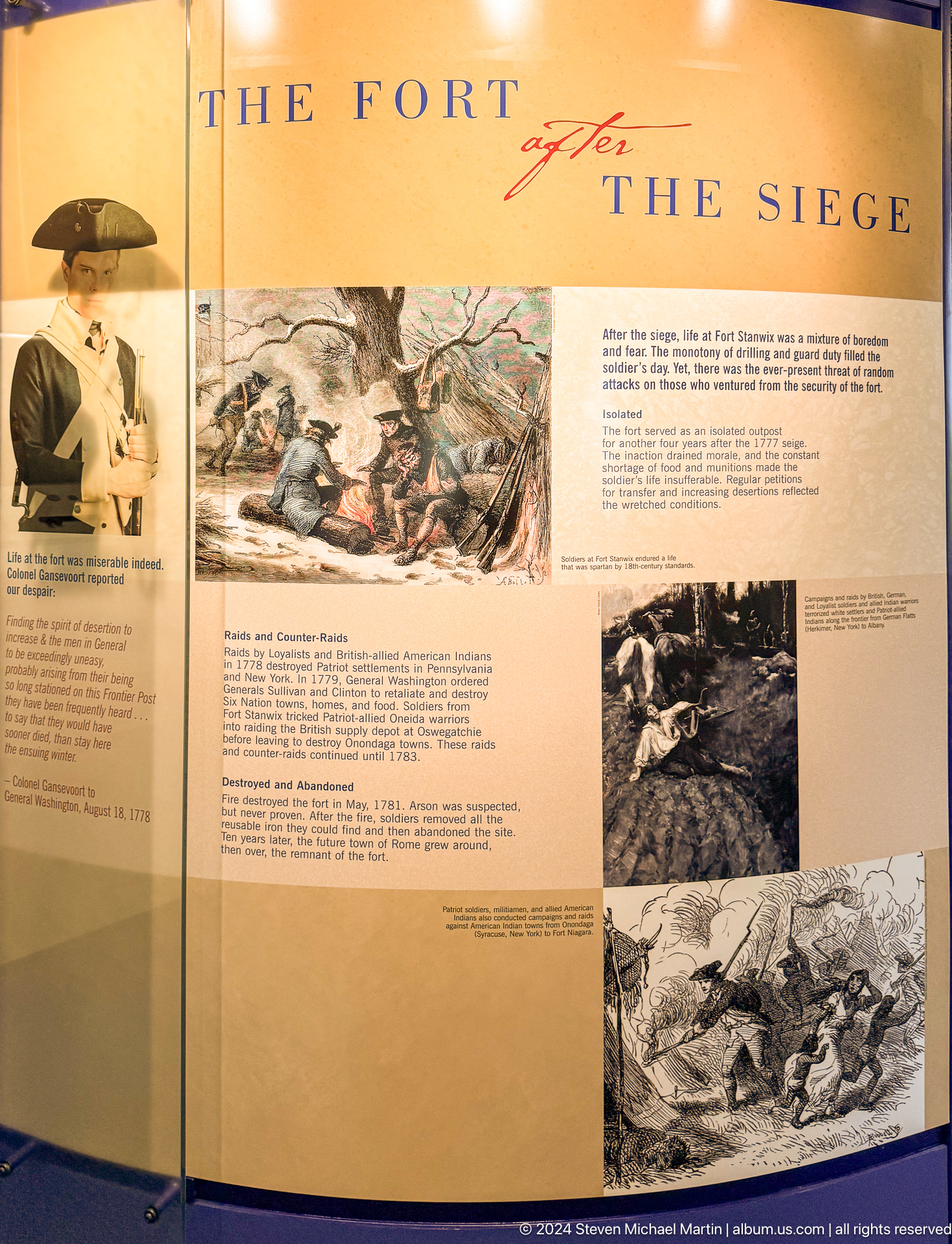
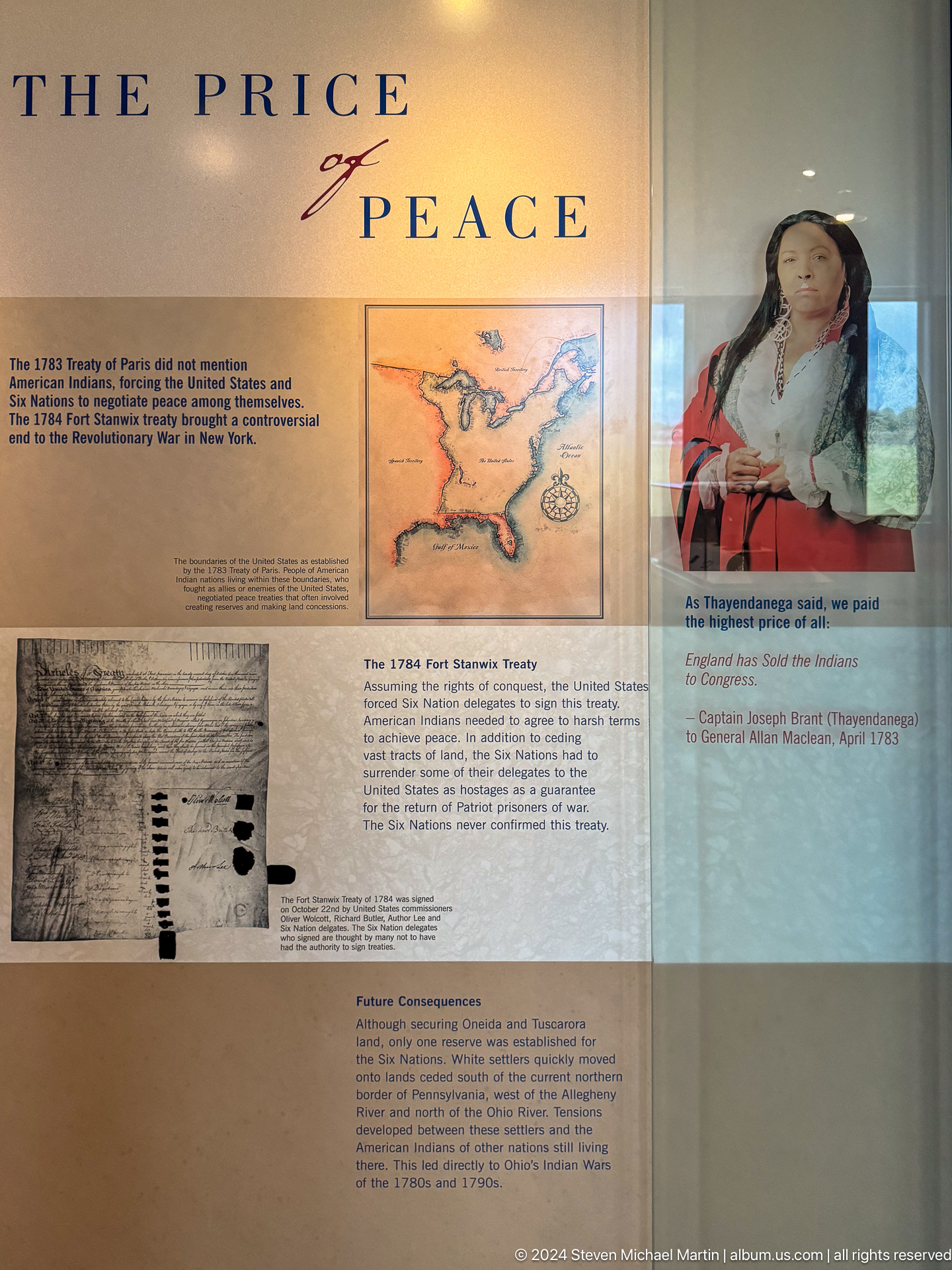
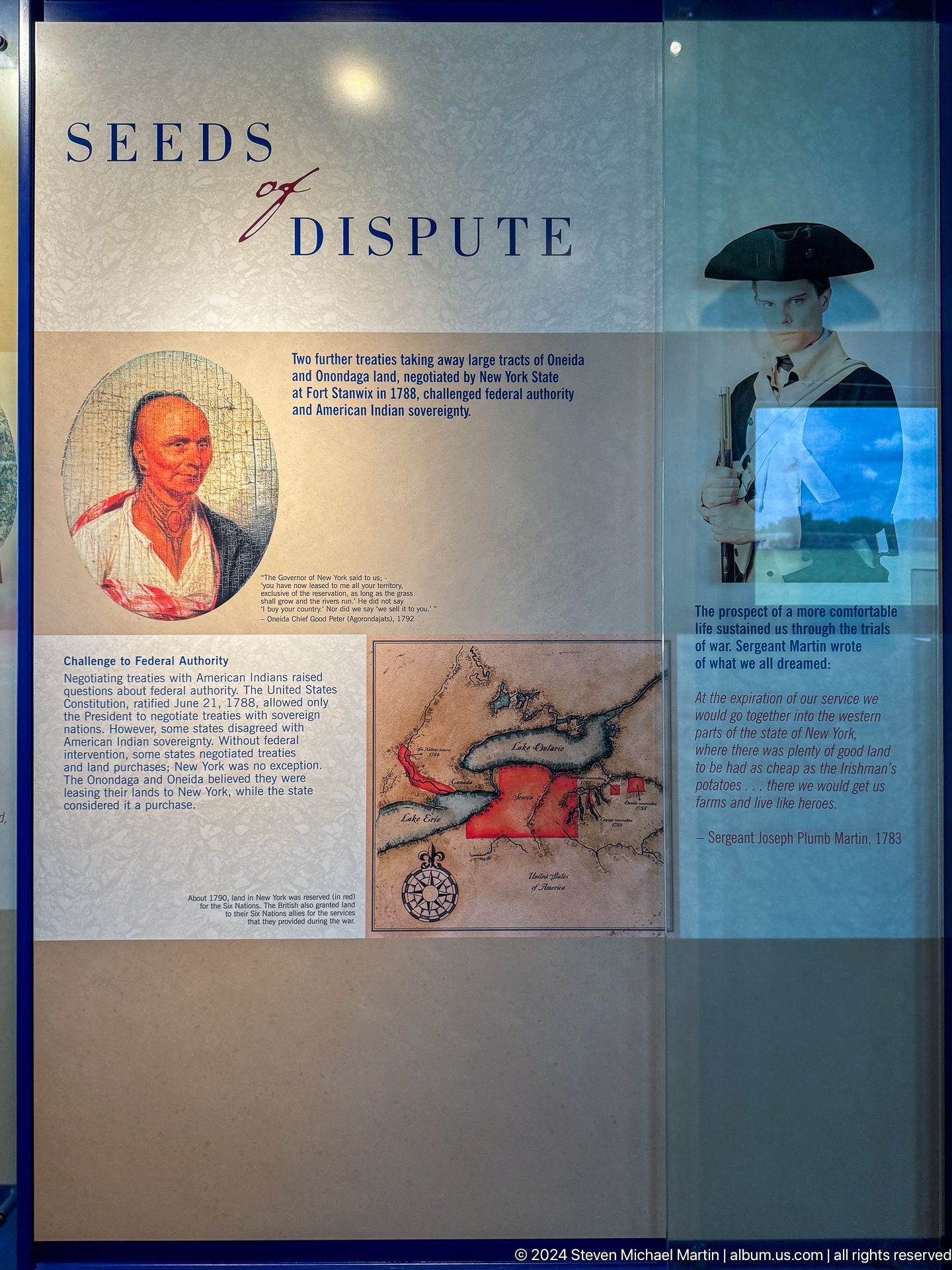
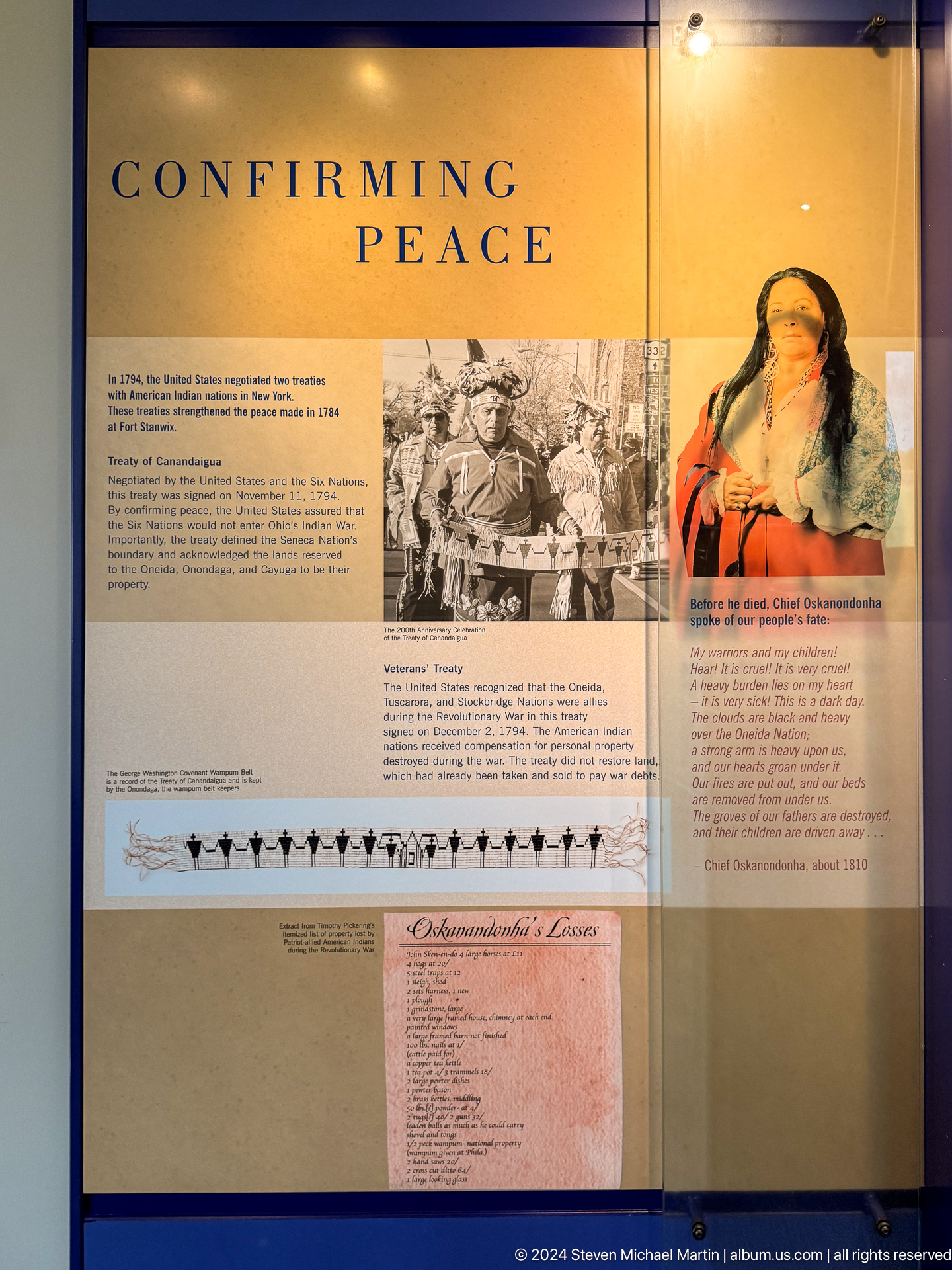
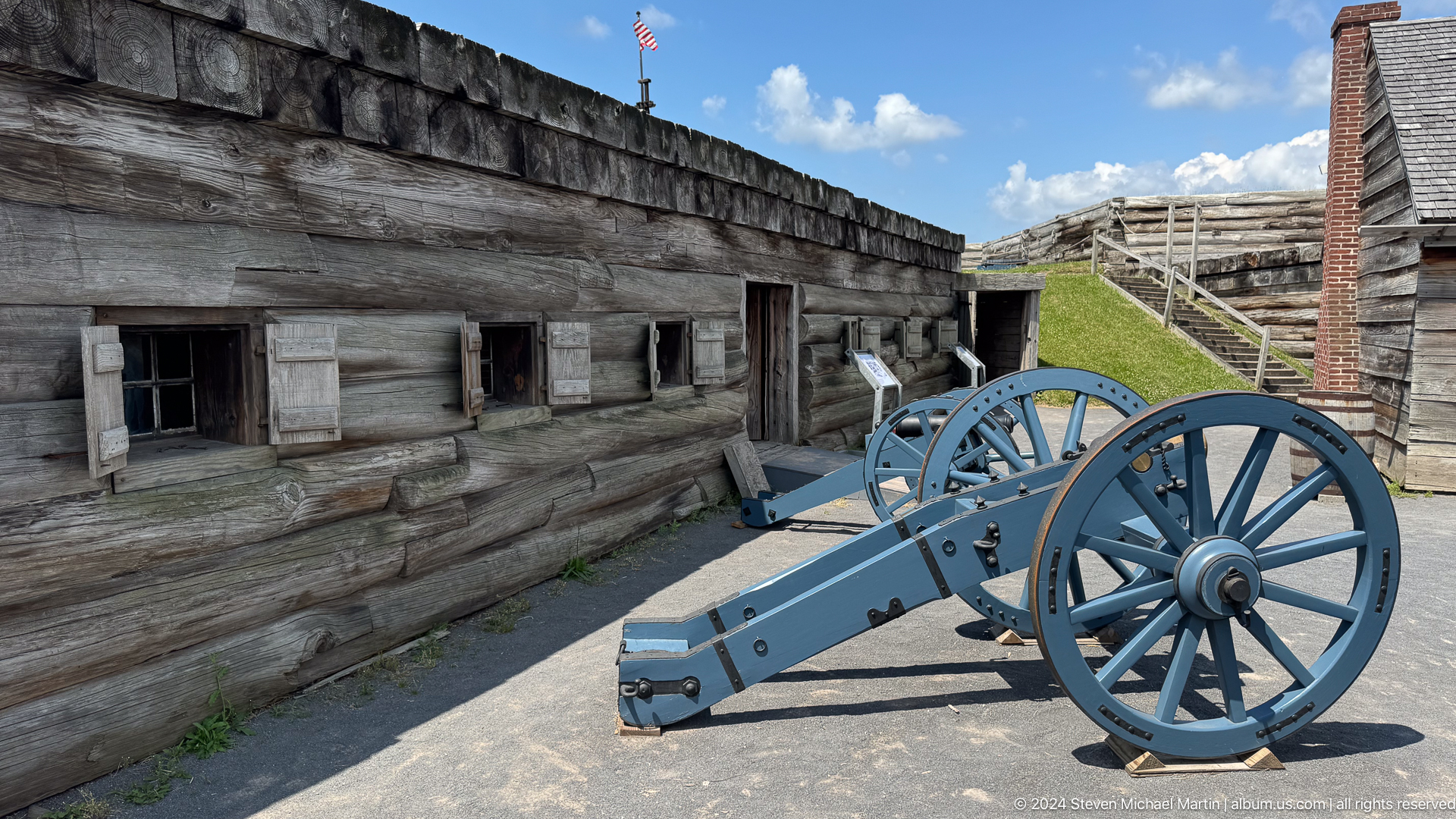
The fort played a significant role in 1777 when American troops successfully defended it during a British siege, contributing to the failure of the larger Saratoga campaign that helped secure French support for the American cause. The site is also associated with treaties negotiated between colonial authorities, the United States government, and Indigenous nations, illustrating the diplomatic dimensions of frontier history in the eighteenth century.
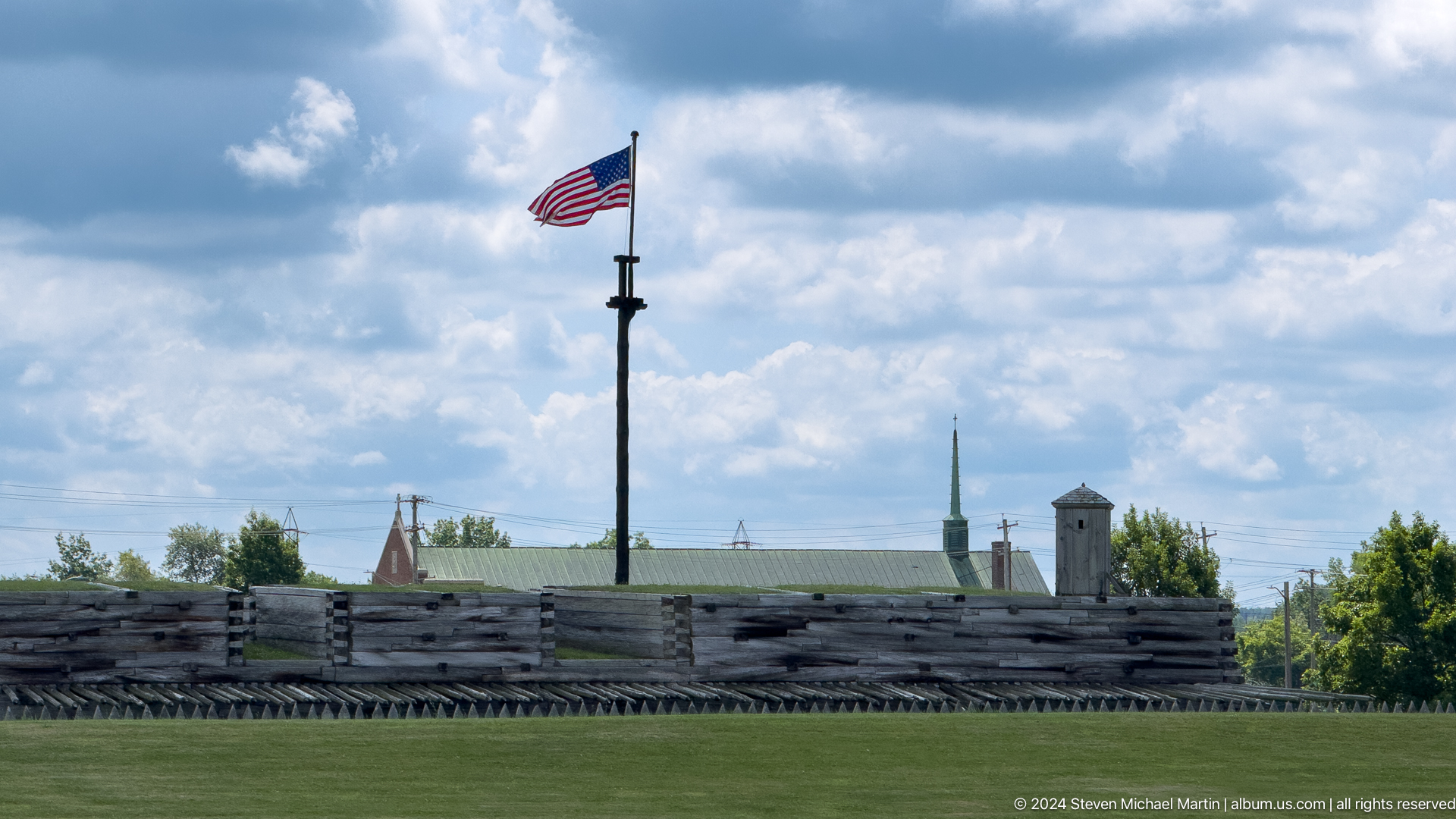
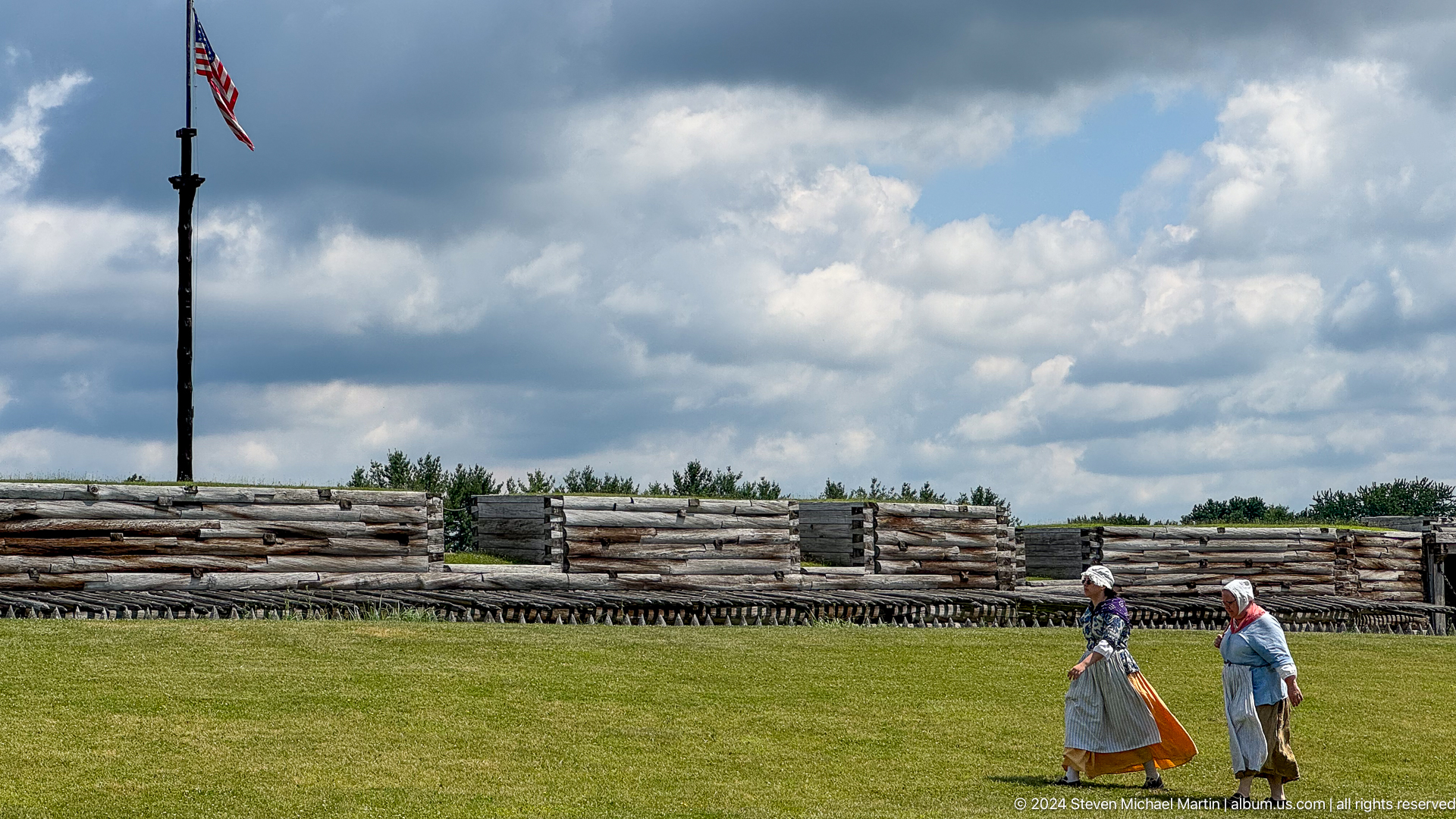
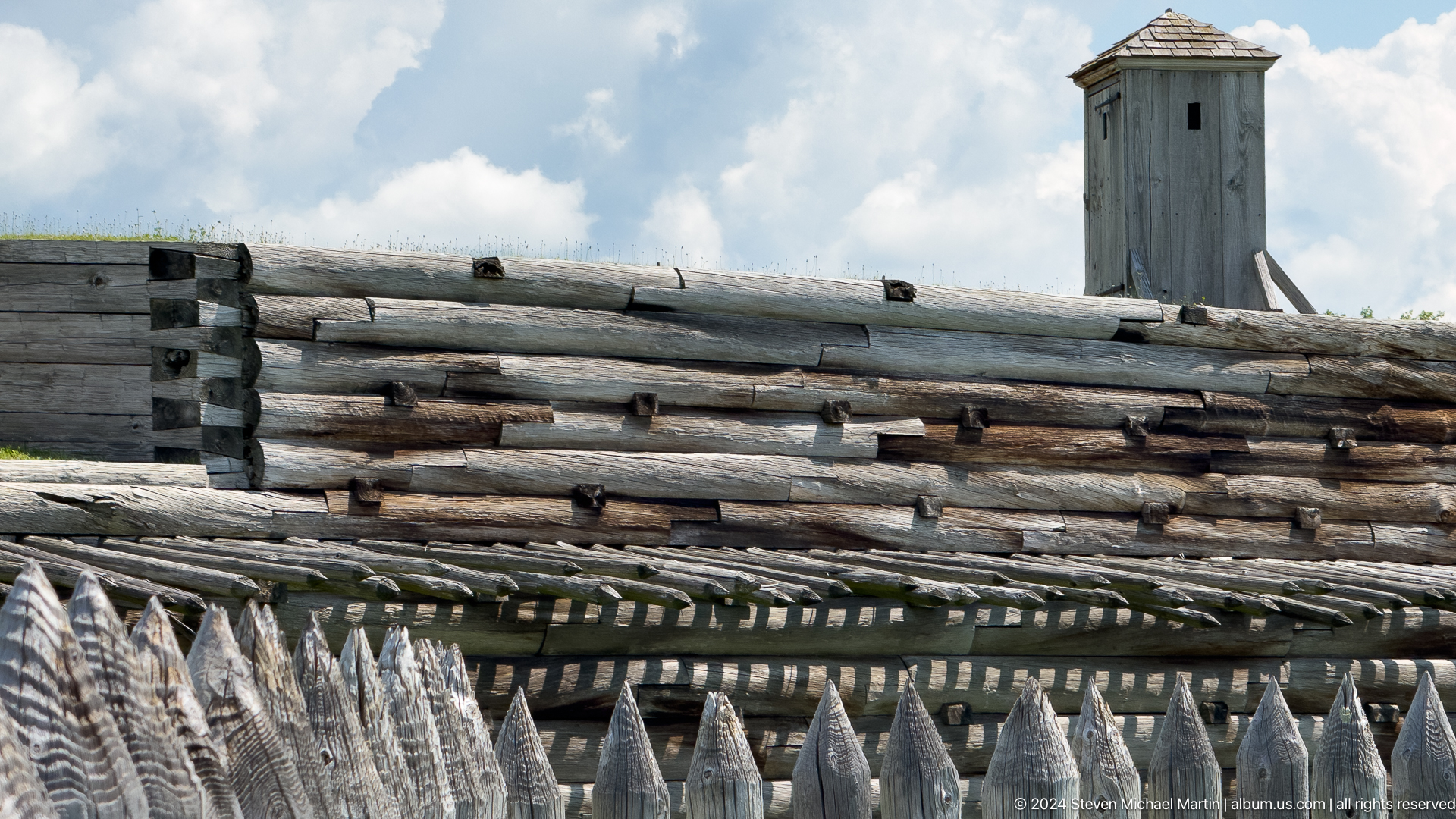
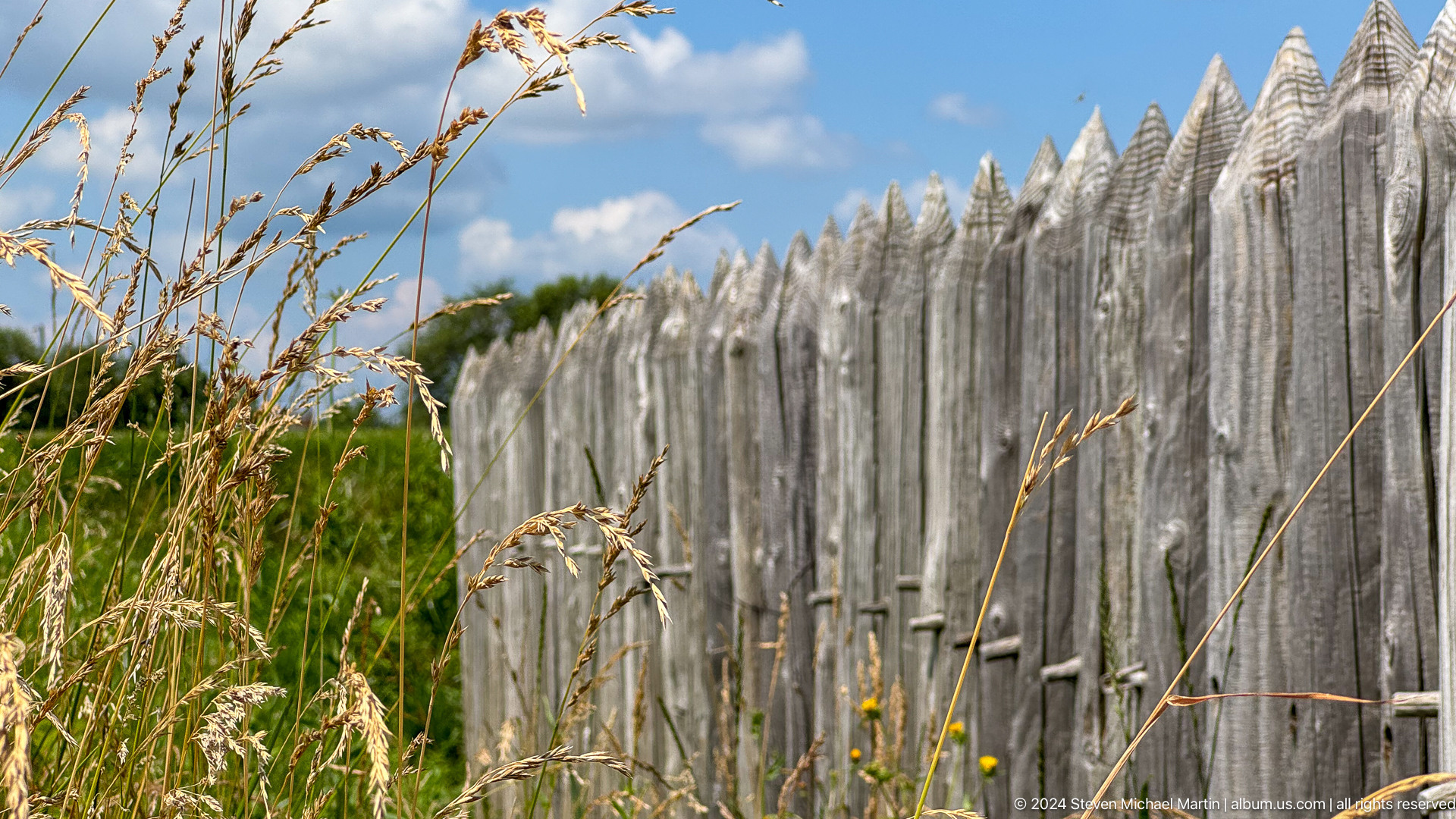
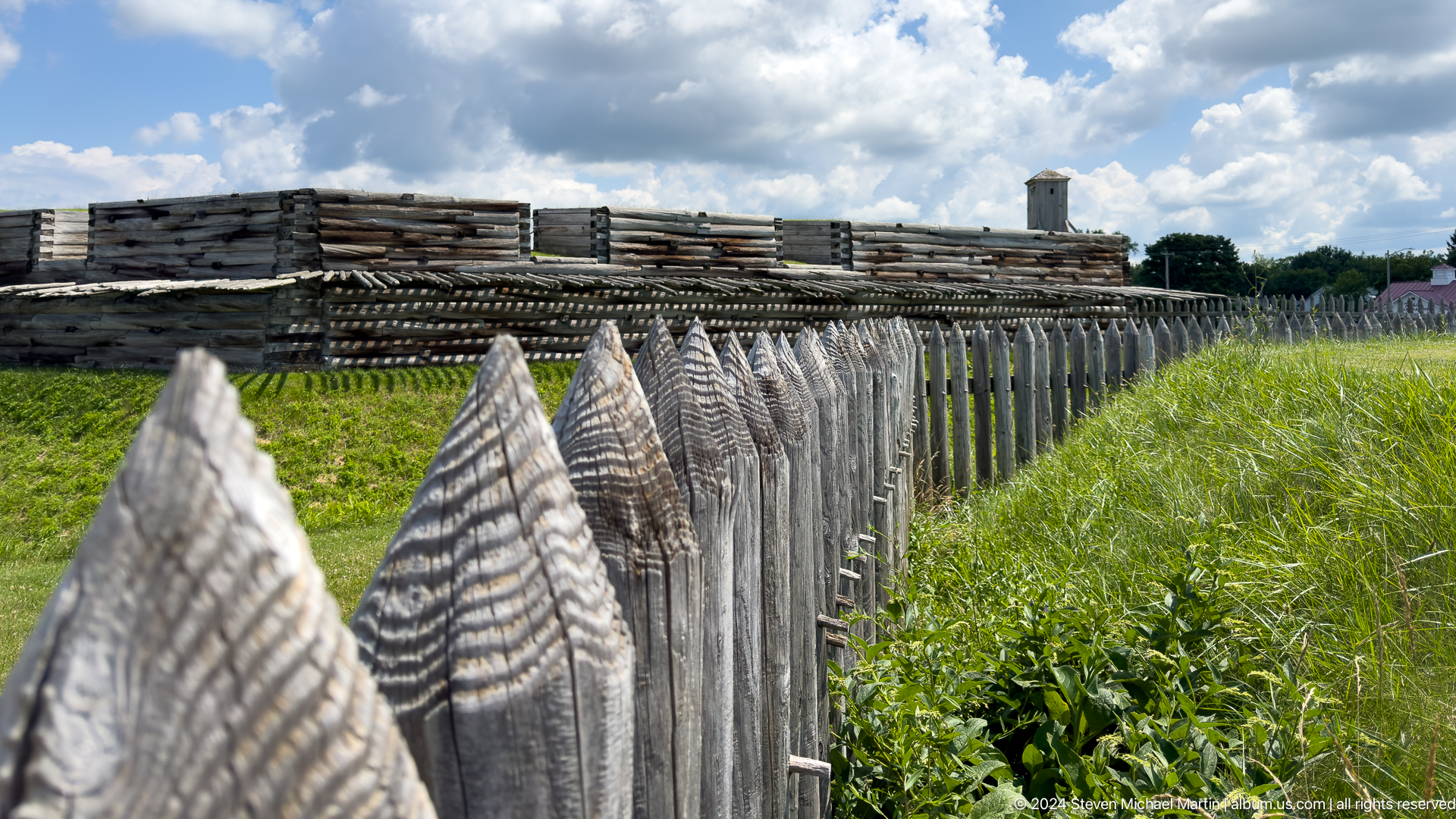
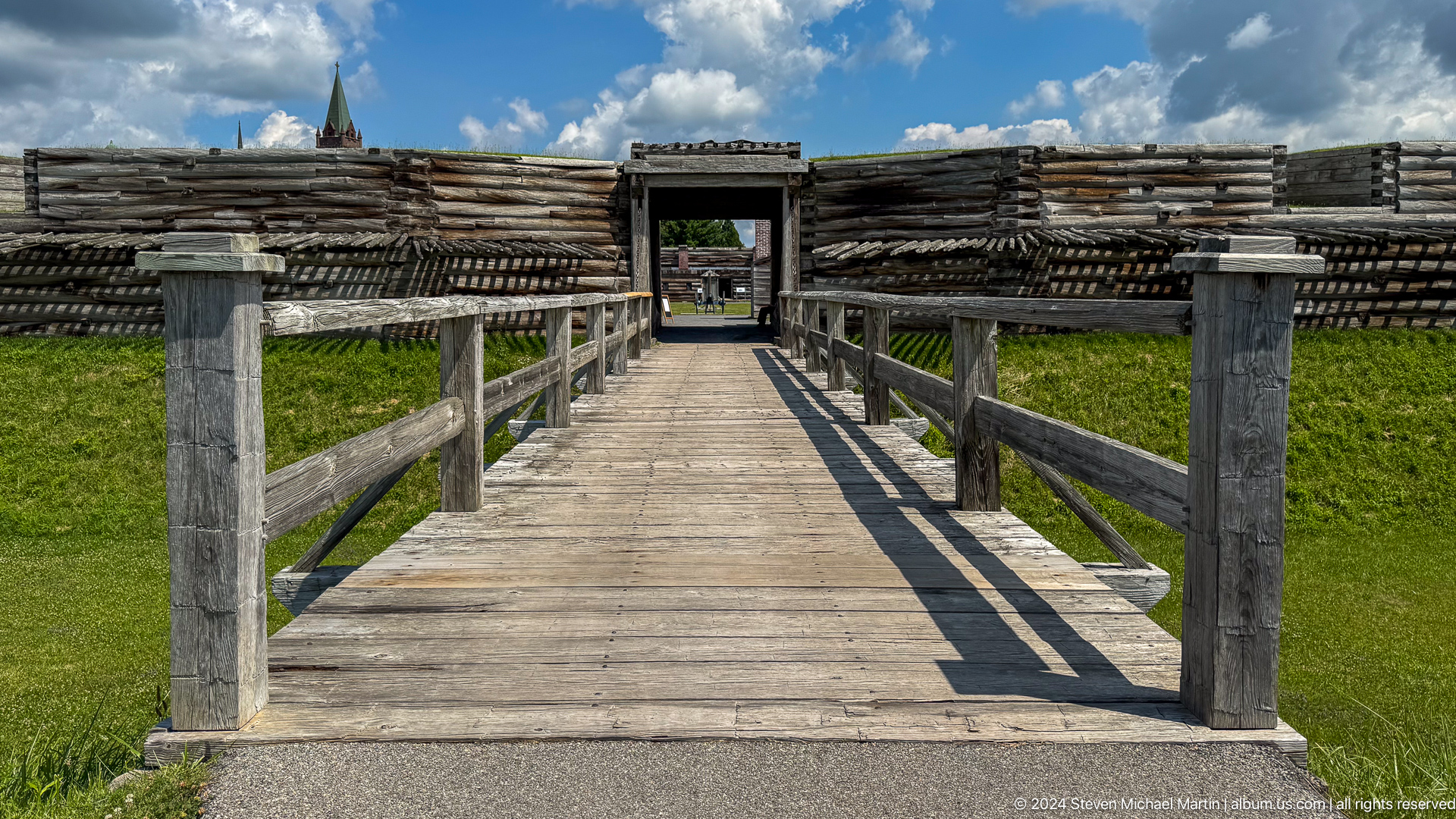
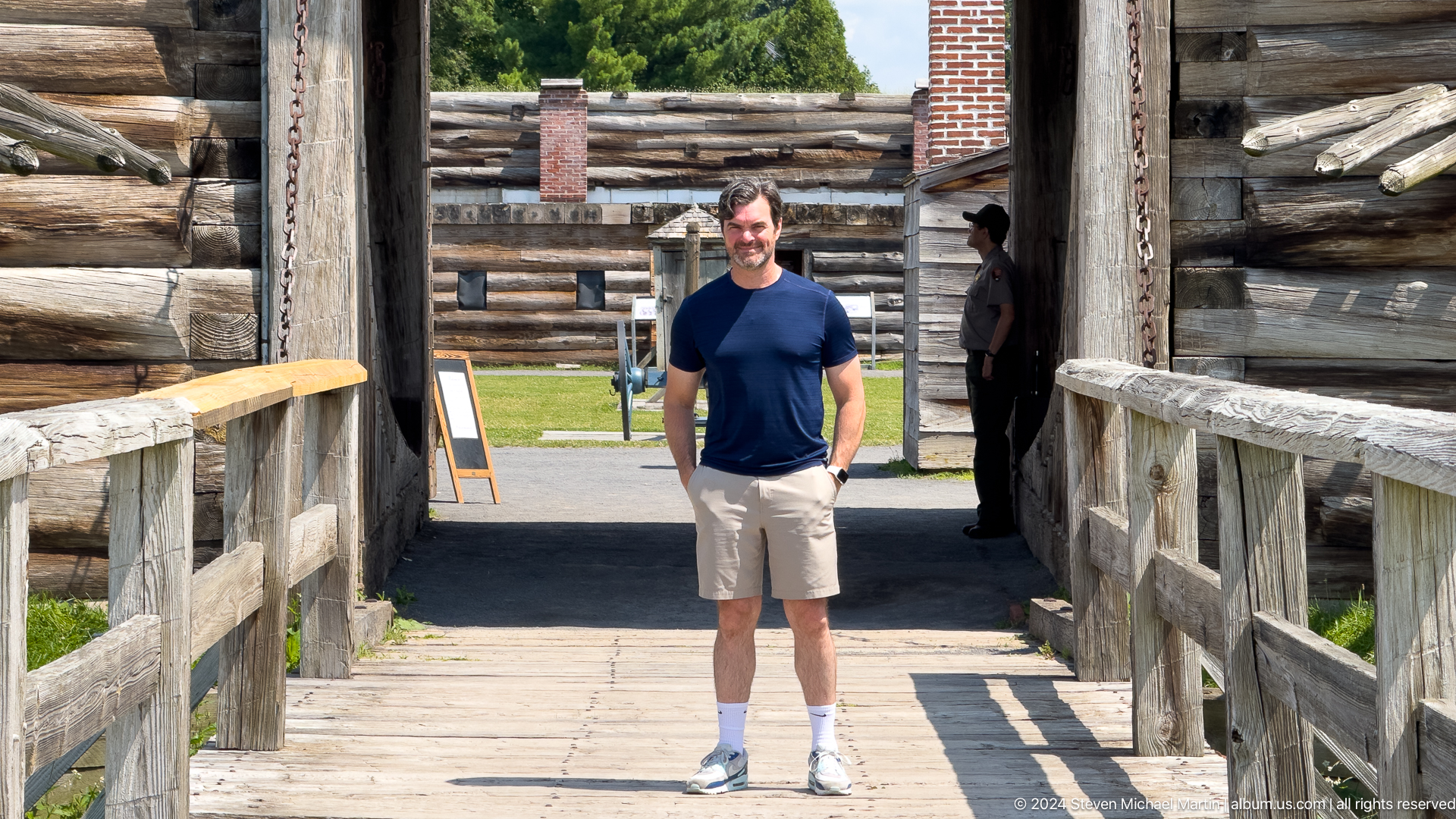
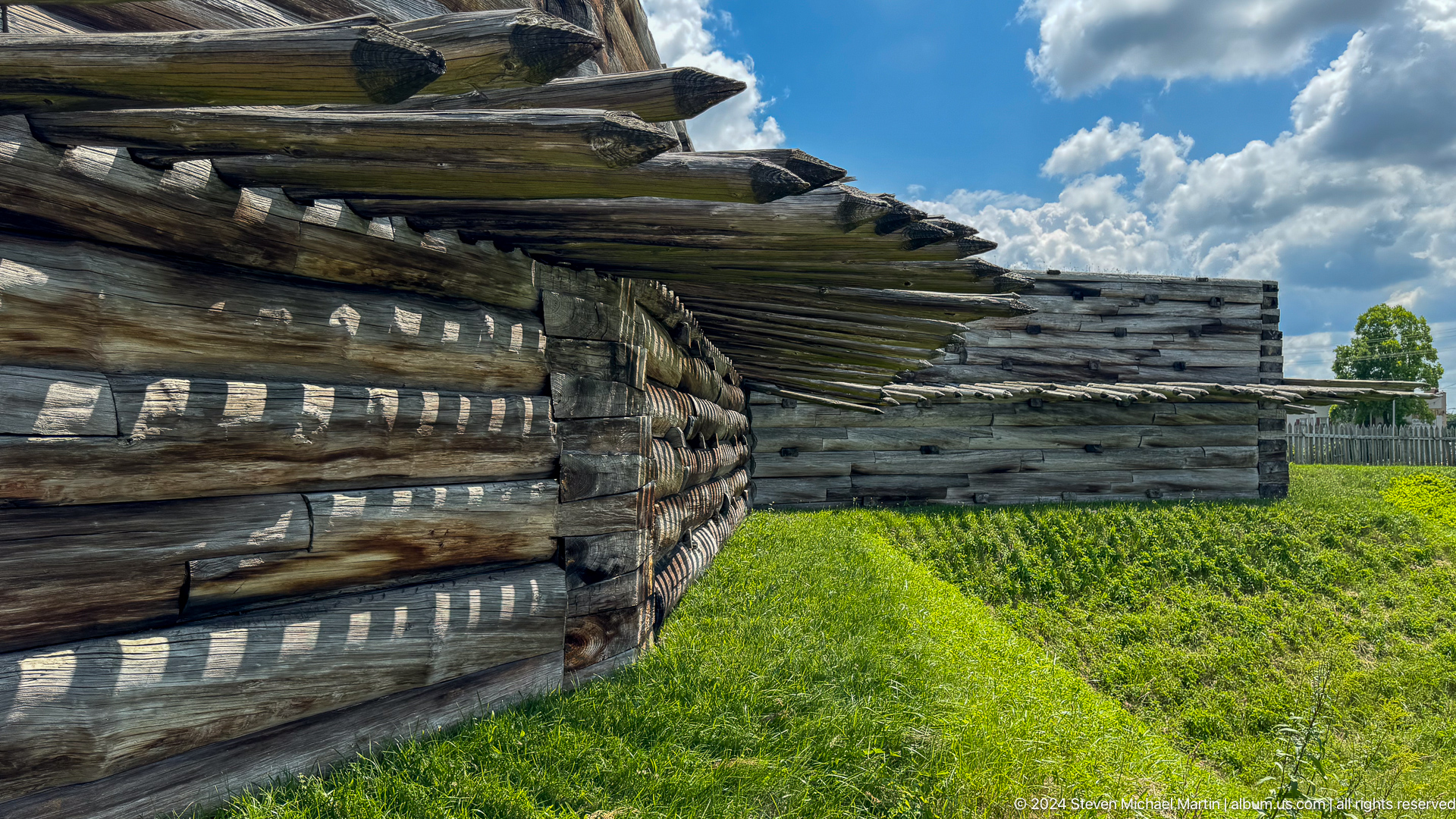
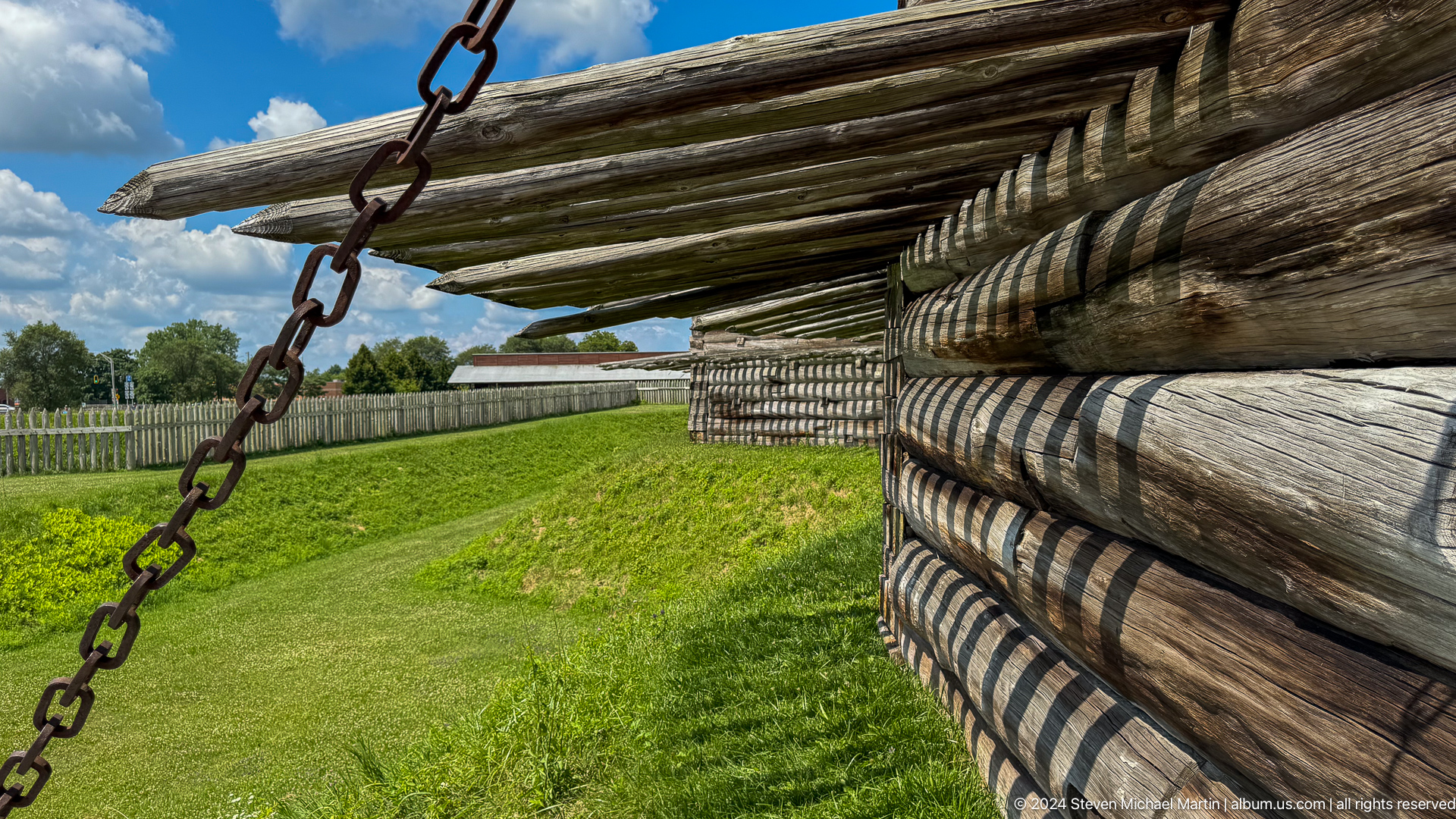
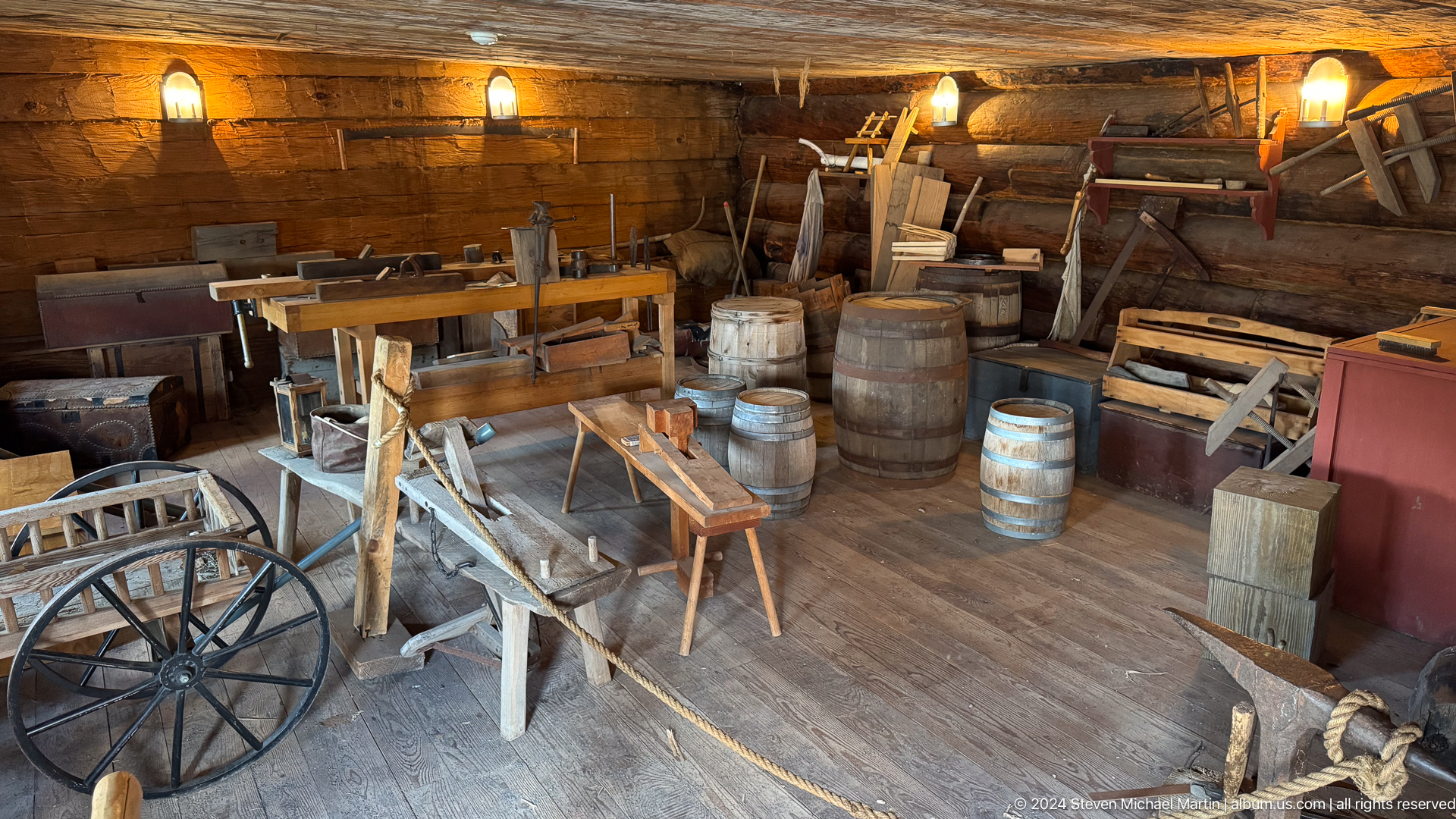
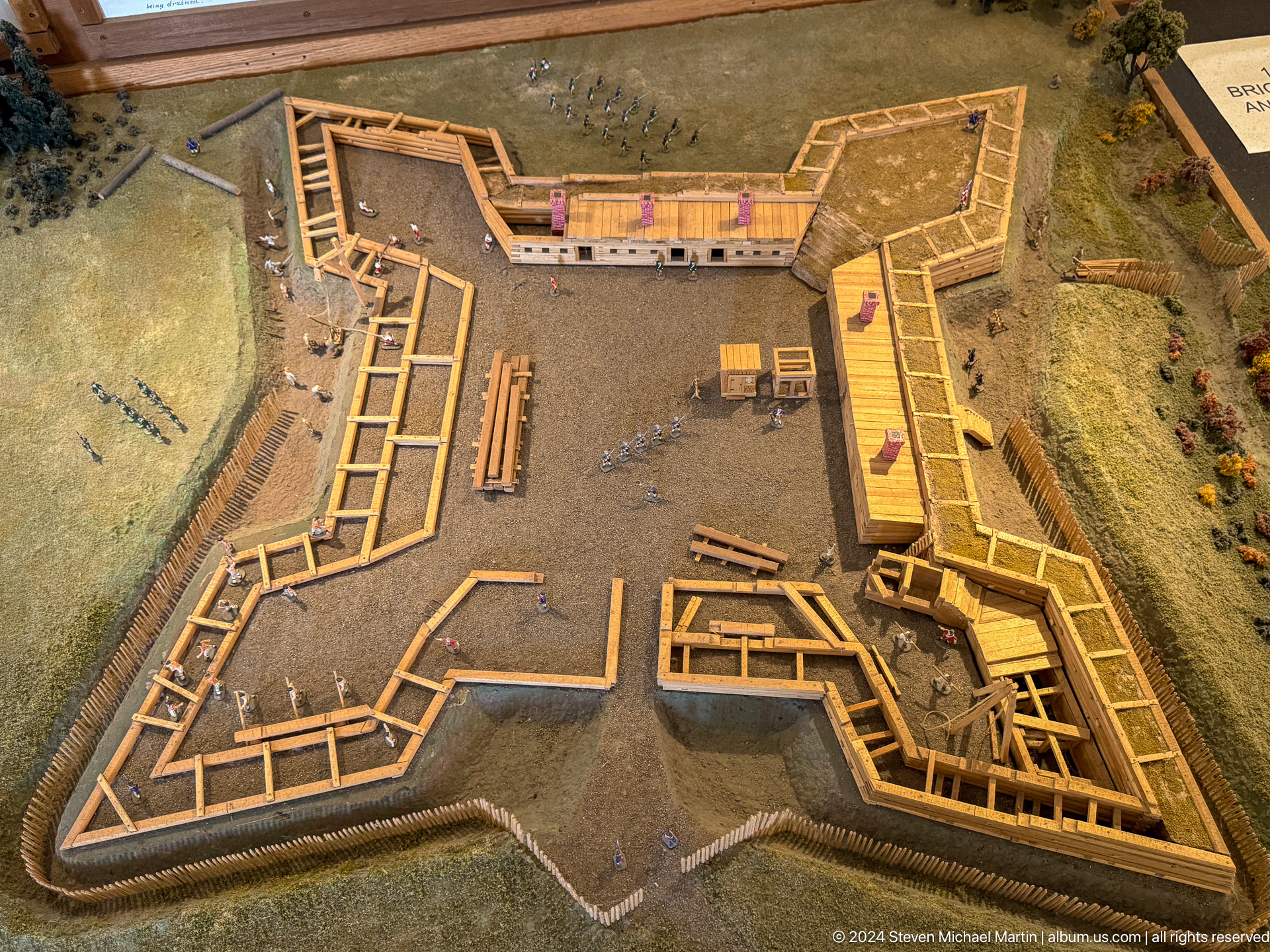
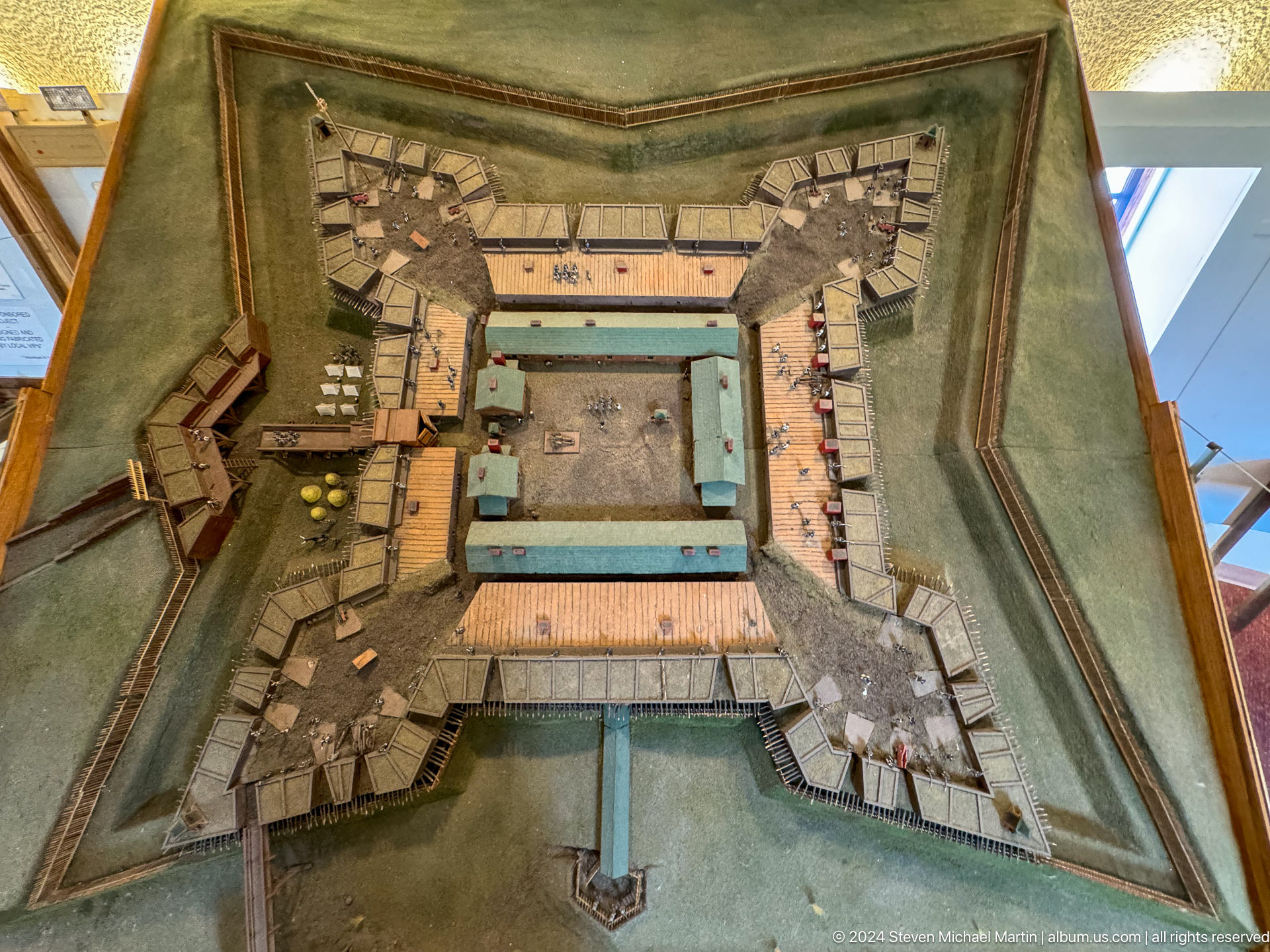
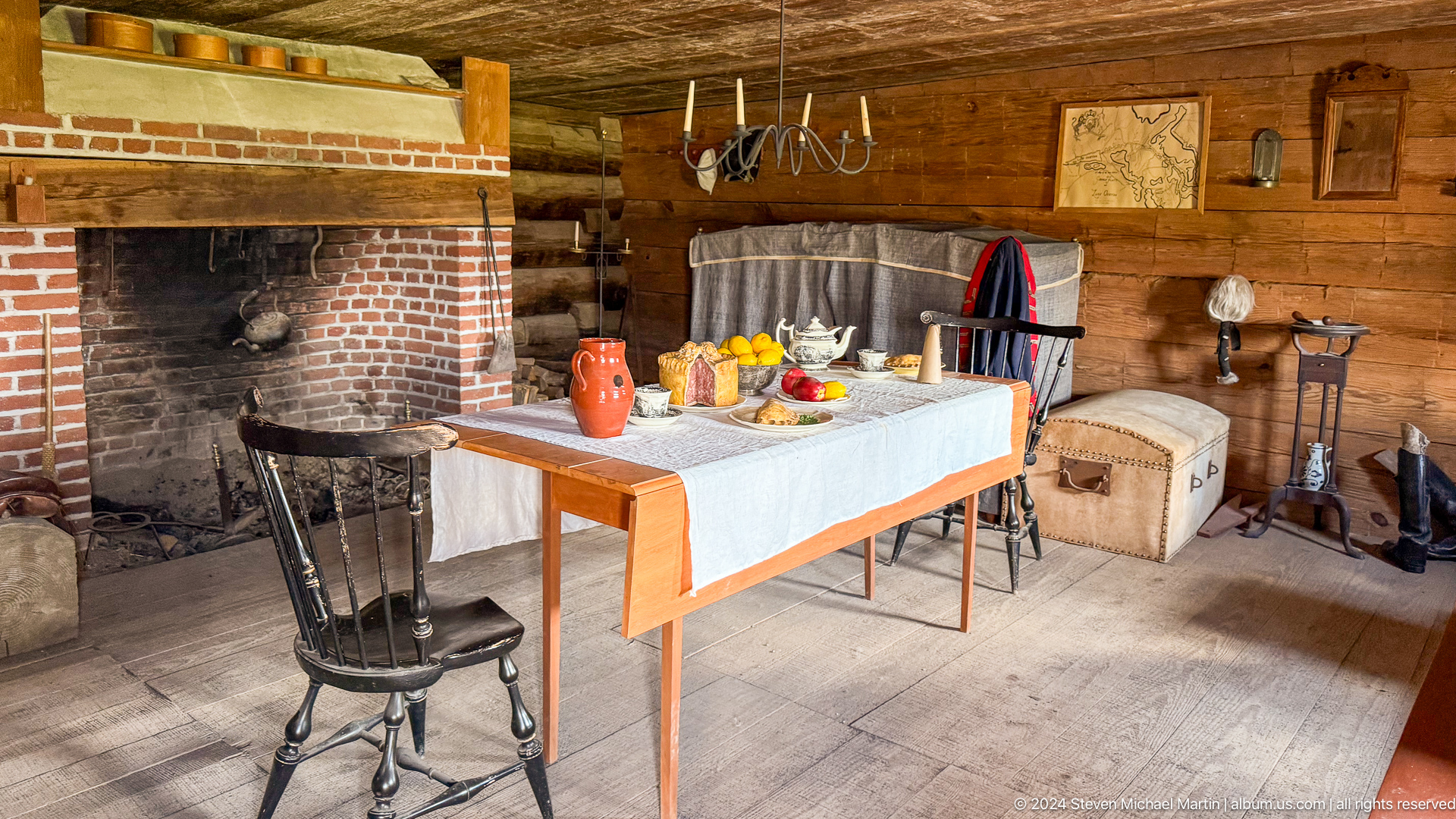
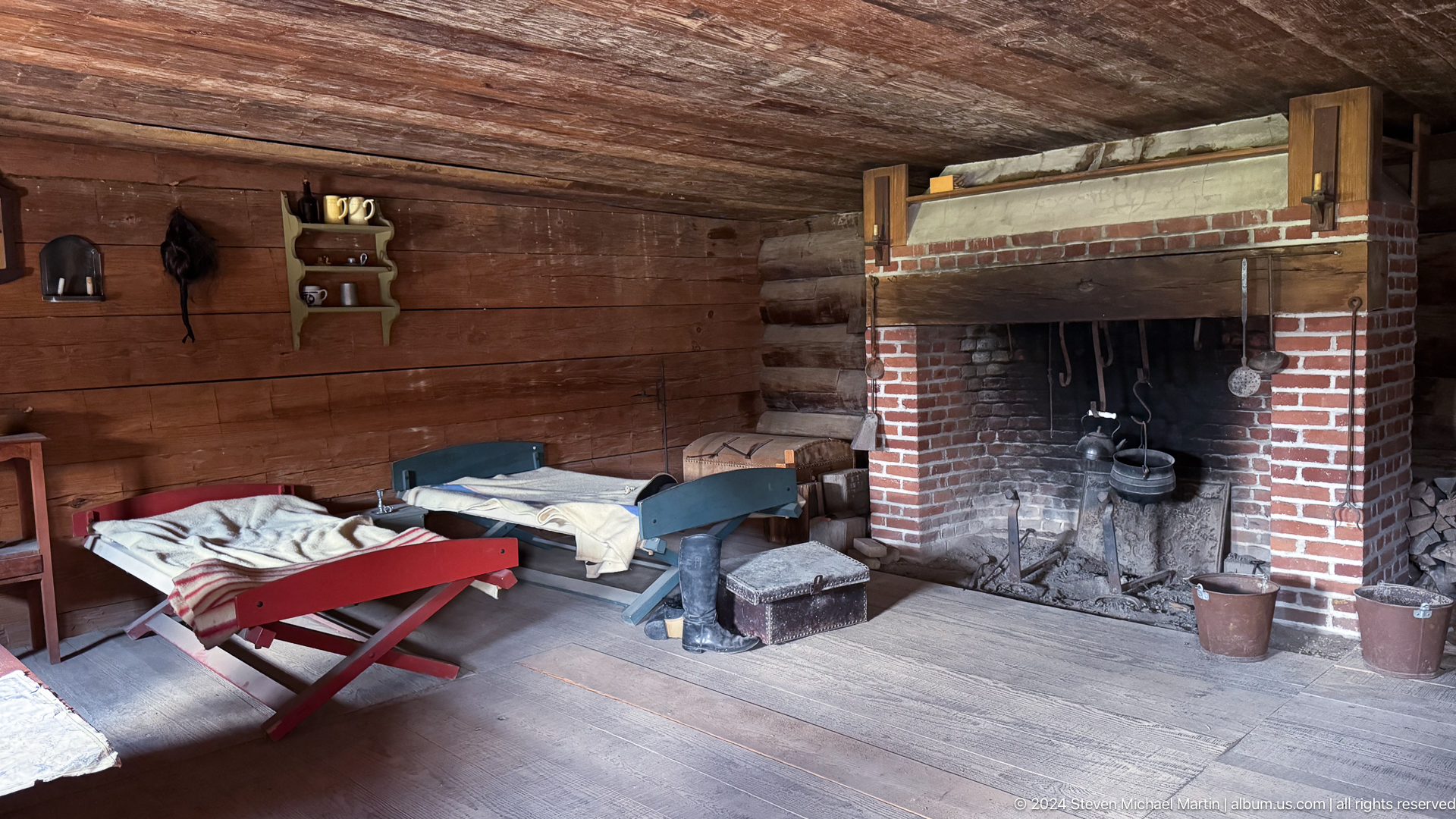
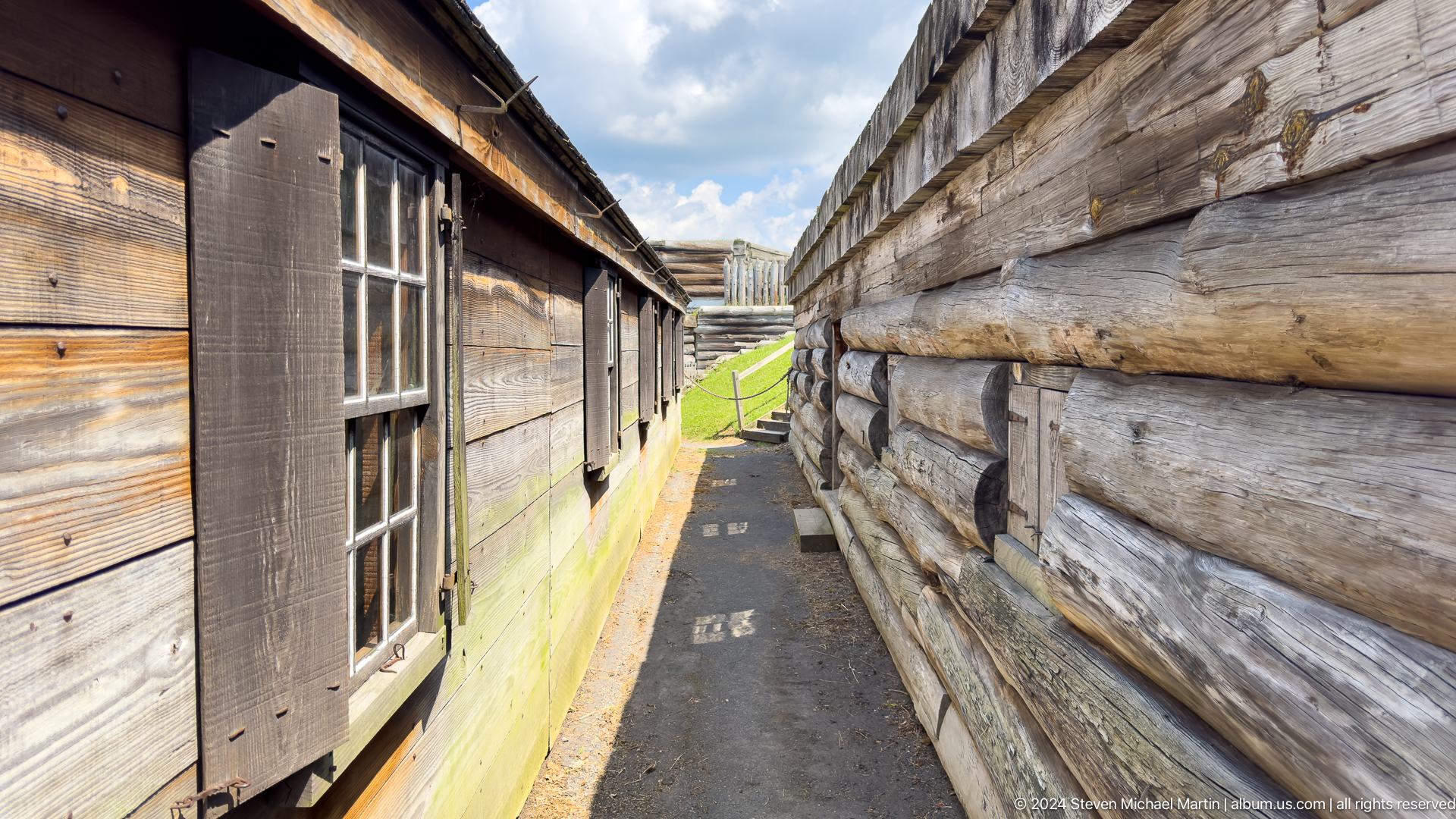
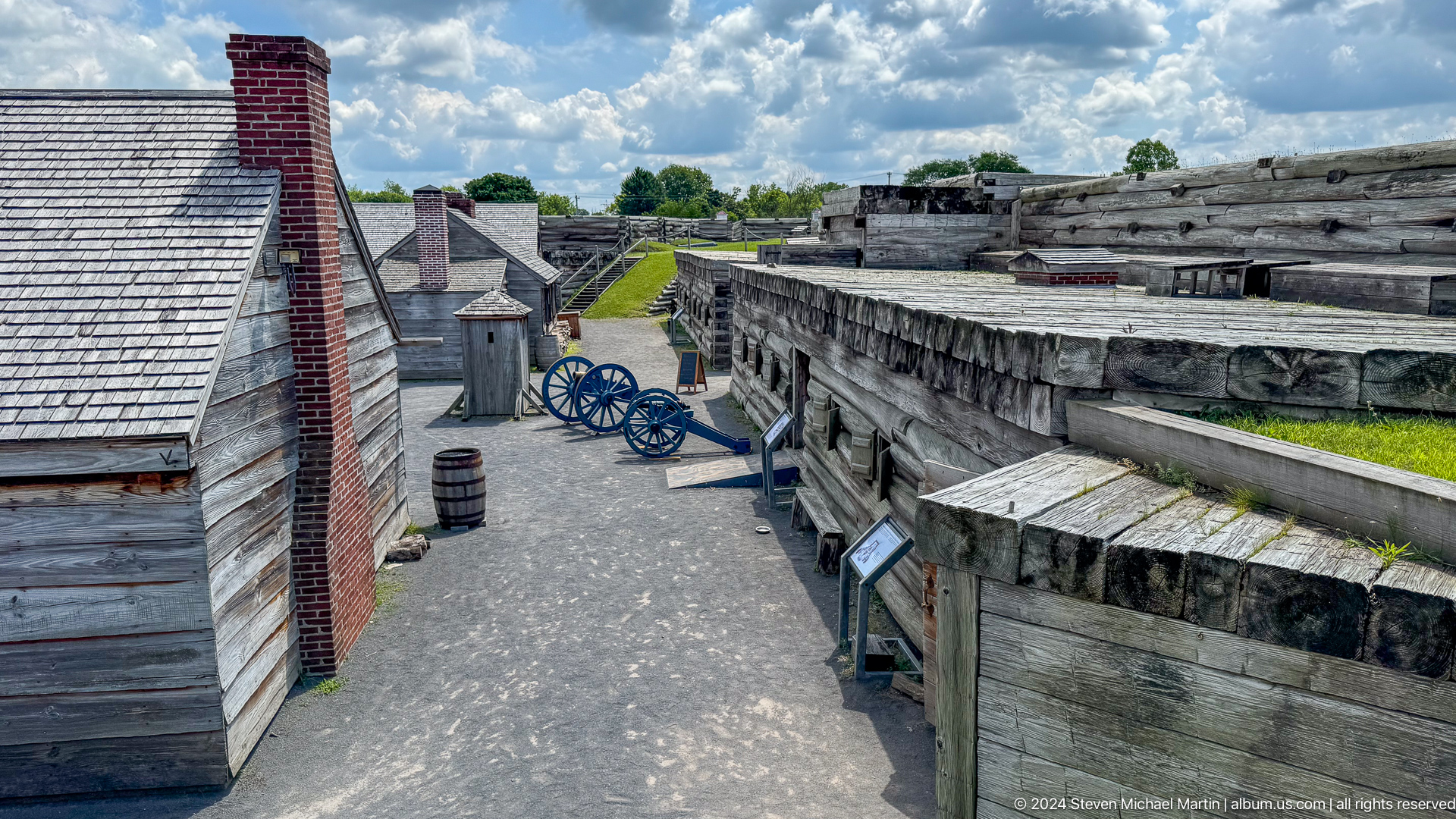
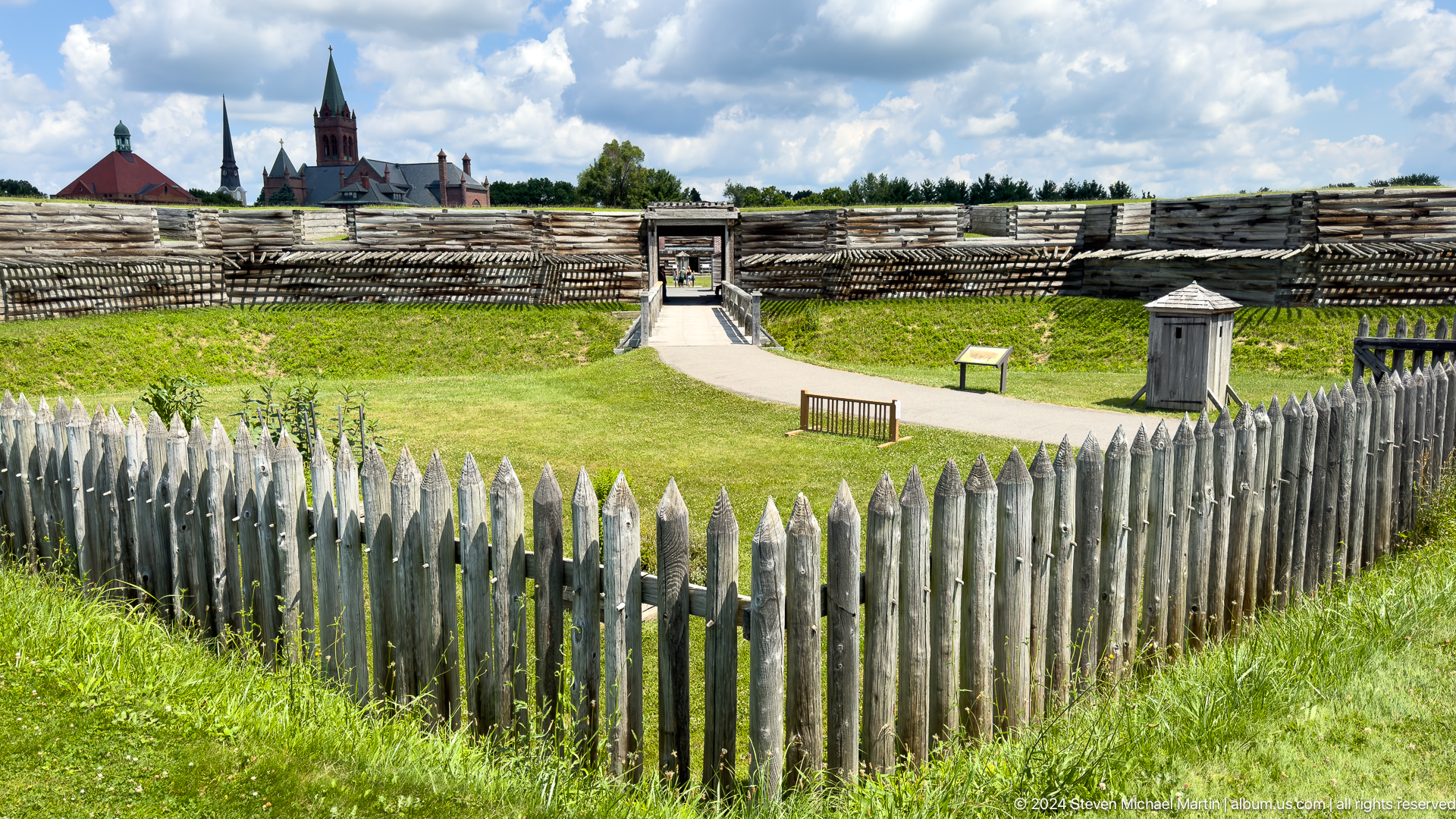
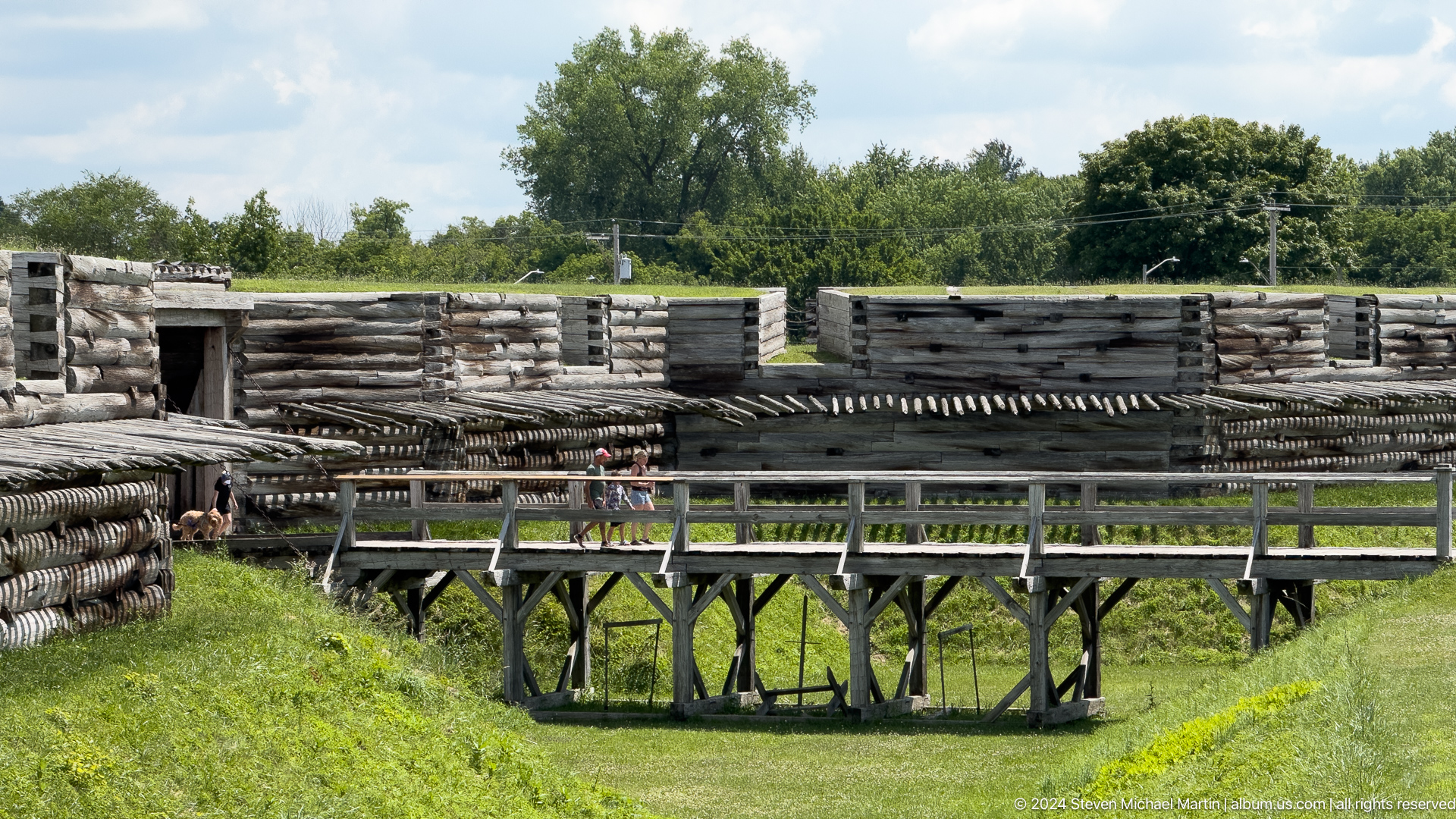
Fort Stanwix contributes to understanding how inland transportation corridors influenced both military and diplomatic developments in early American history. The reconstructed fort illustrates the relationship between geography, conflict, and political negotiation during the formation of the United States. Its preservation provides insight into the strategic importance of the Mohawk Valley as a gateway between eastern and interior North America.