Mount Rainier National Park
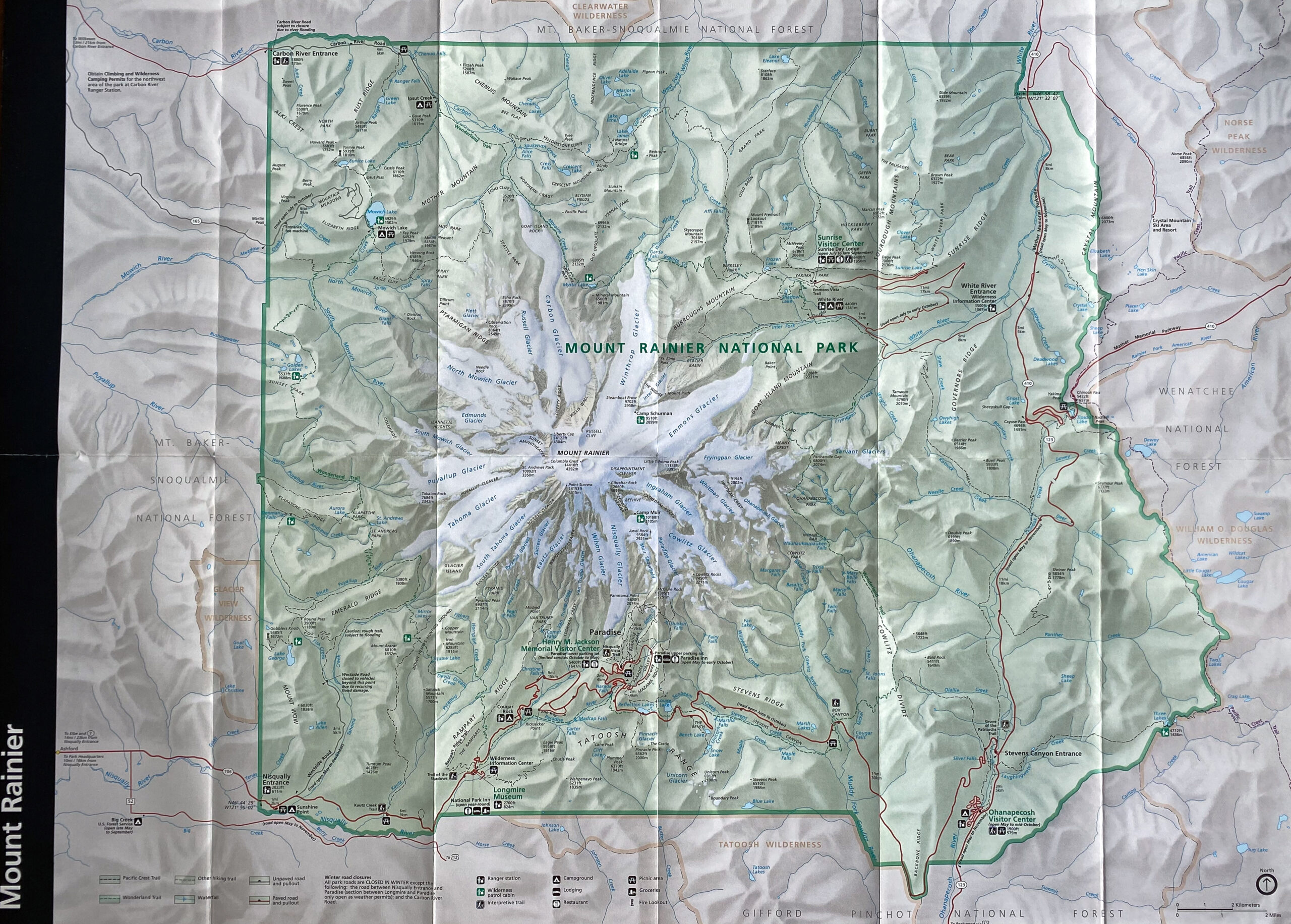
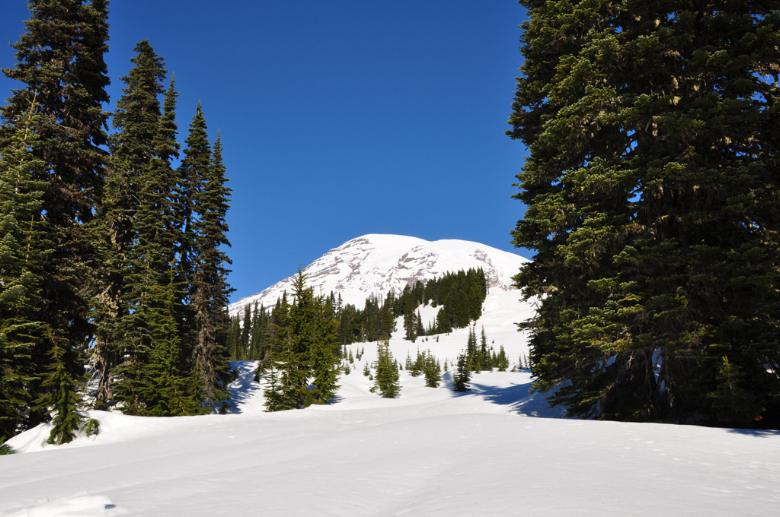
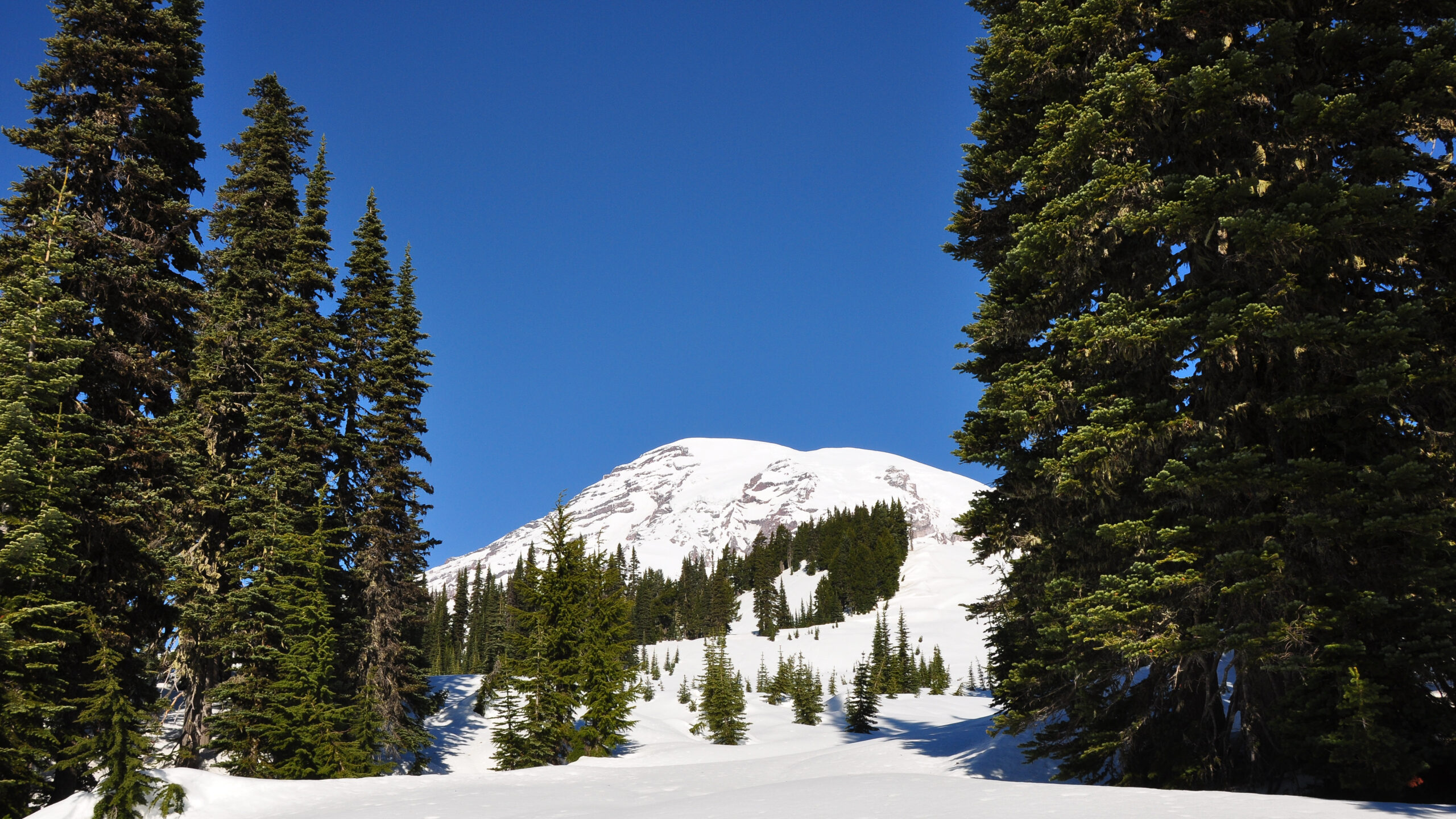
Mount Rainier National Park is located in the Cascade Range of Washington approximately 60 miles southeast of Seattle, where a glacier-covered stratovolcano rises prominently above surrounding forested landscapes of the Pacific Northwest. At 14,410 feet, Mount Rainier is the highest peak in the Cascade Range and the most glaciated mountain in the contiguous United States, with more than twenty named glaciers feeding major river systems that flow toward Puget Sound.
The mountain formed through volcanic activity associated with subduction of the Juan de Fuca Plate beneath the North American Plate, creating a volcanic arc extending from northern California to British Columbia. Glacial ice and seasonal snowfields have shaped the surrounding valleys, producing alpine meadows, waterfalls, and rugged ridgelines characteristic of Cascade Range landscapes.
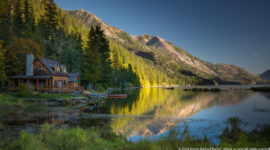
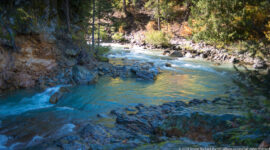
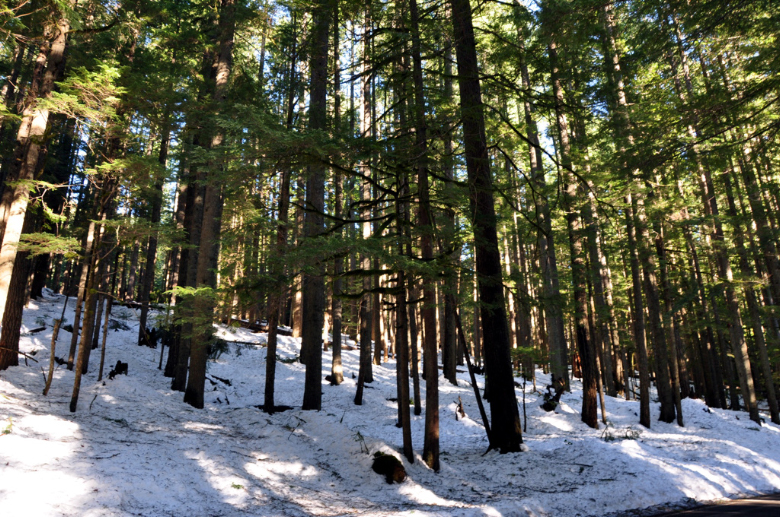
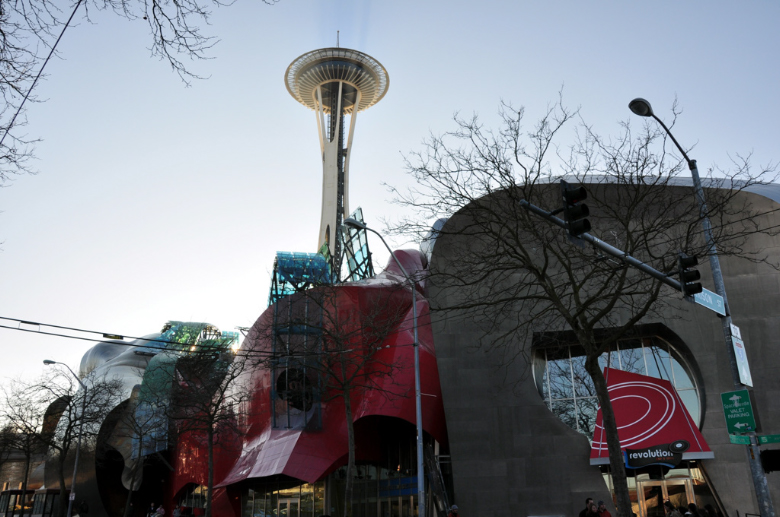
Subalpine wildflower meadows, old-growth forests, and glacial river valleys illustrate ecological gradients associated with elevation changes exceeding 12,000 feet from valley floor to summit. Mount Rainier’s prominence across the Puget Sound region has long made it a defining geographic landmark of the Pacific Northwest, visible from urban centers including Seattle on clear days.







Mount Rainier National Park Field Guide
📍 Location
Mount Rainier National Park lies within the Cascade Range of Washington, where an active stratovolcano rises to 14,410 feet above surrounding forested terrain of the Pacific Northwest.
🌋 Landscape
Mount Rainier is a glacier-covered volcano formed through tectonic processes associated with the Pacific Ring of Fire. Glaciers, lava flows, and erosion have created valleys, ridges, and alpine meadows characteristic of Cascade mountain ecosystems.
❄️ Glaciers
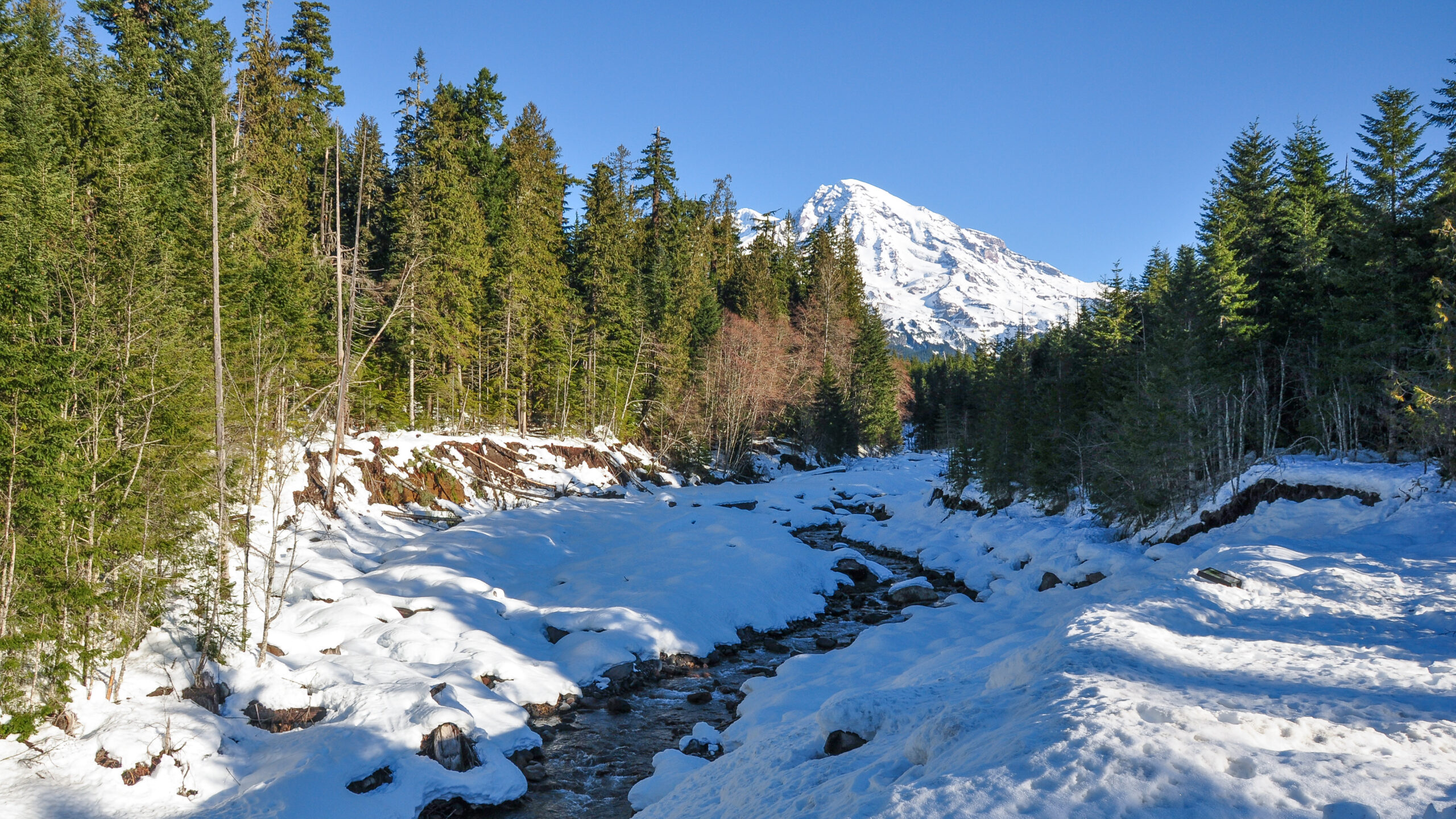
More than twenty glaciers extend from the summit, forming the largest alpine glacial system in the contiguous United States. Meltwater from these glaciers supplies rivers that flow through the park’s forested valleys.
🌸 Ecology
Elevation gradients produce distinct ecological zones ranging from temperate rainforest to subalpine meadows and alpine tundra. Seasonal wildflower blooms are among the most recognizable natural features of the park.
⭐ Highlights
- Glacier-covered volcanic summit
- Subalpine wildflower meadows
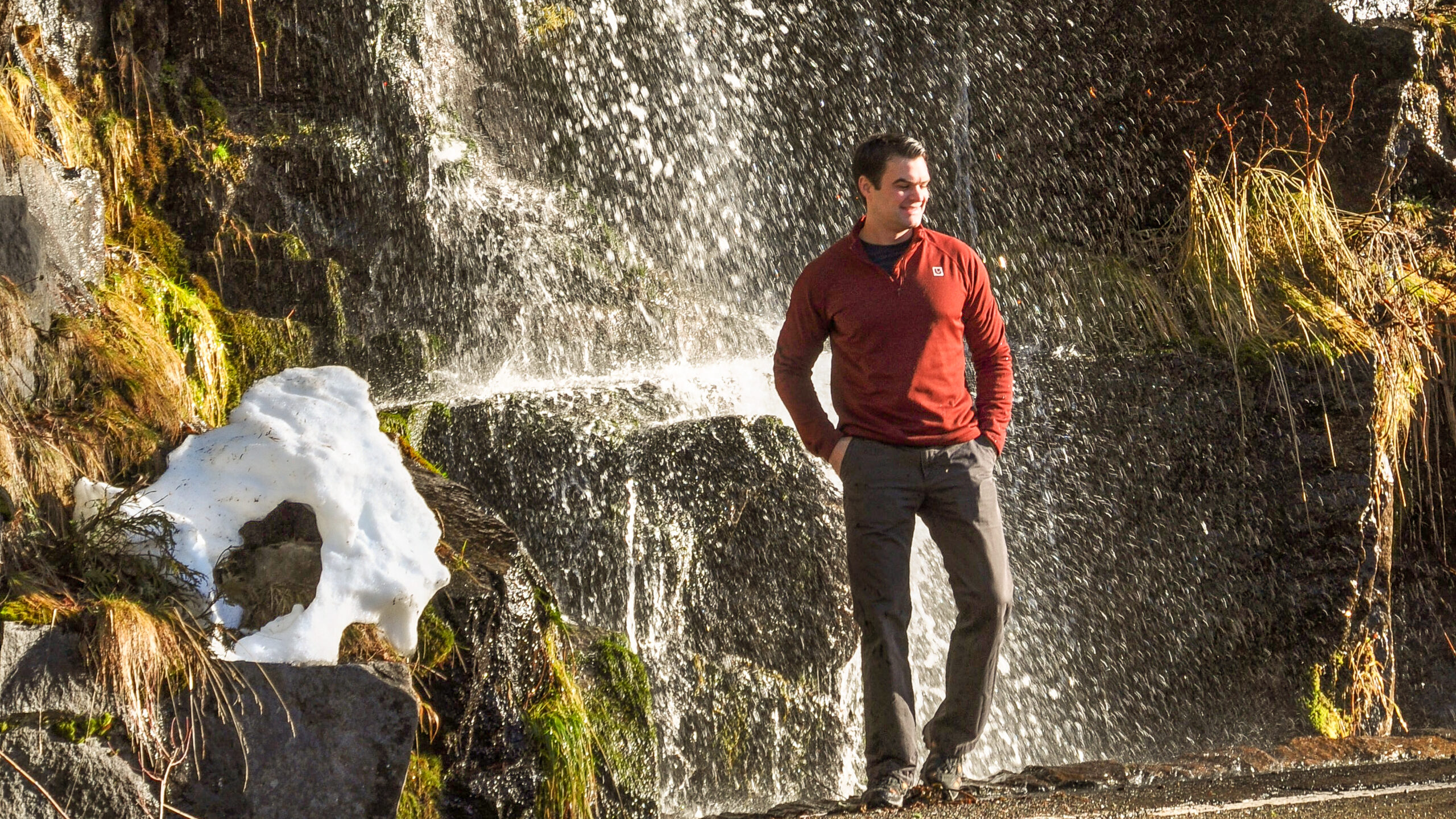
- Waterfalls and glacial rivers
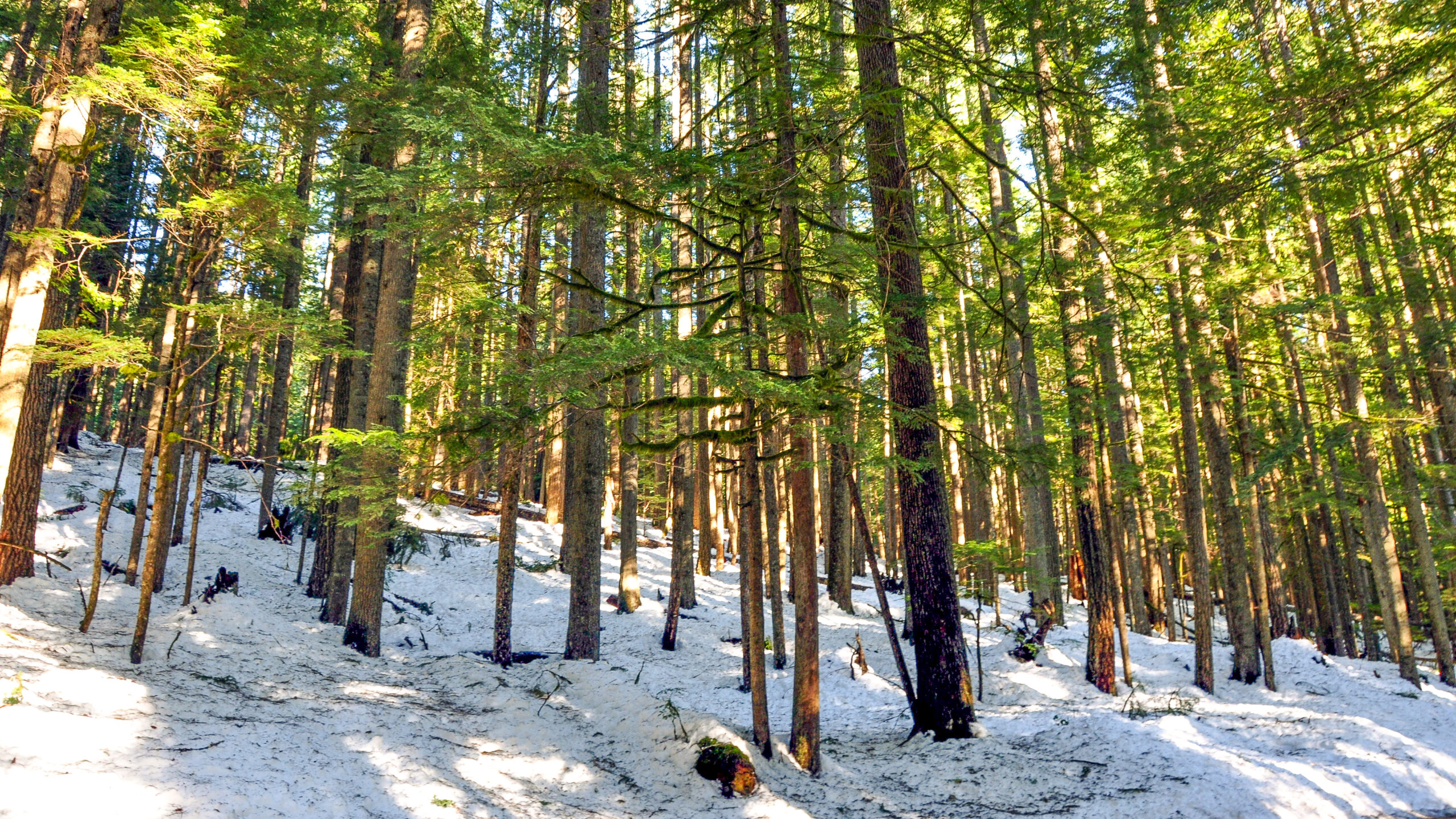
- Old-growth forest ecosystems
- Panoramic Cascade Range views
📷 Photography Notes
- Morning light enhances glacier contrast
- Wildflower season provides colorful foregrounds
- Cloud layers create dramatic mountain atmosphere
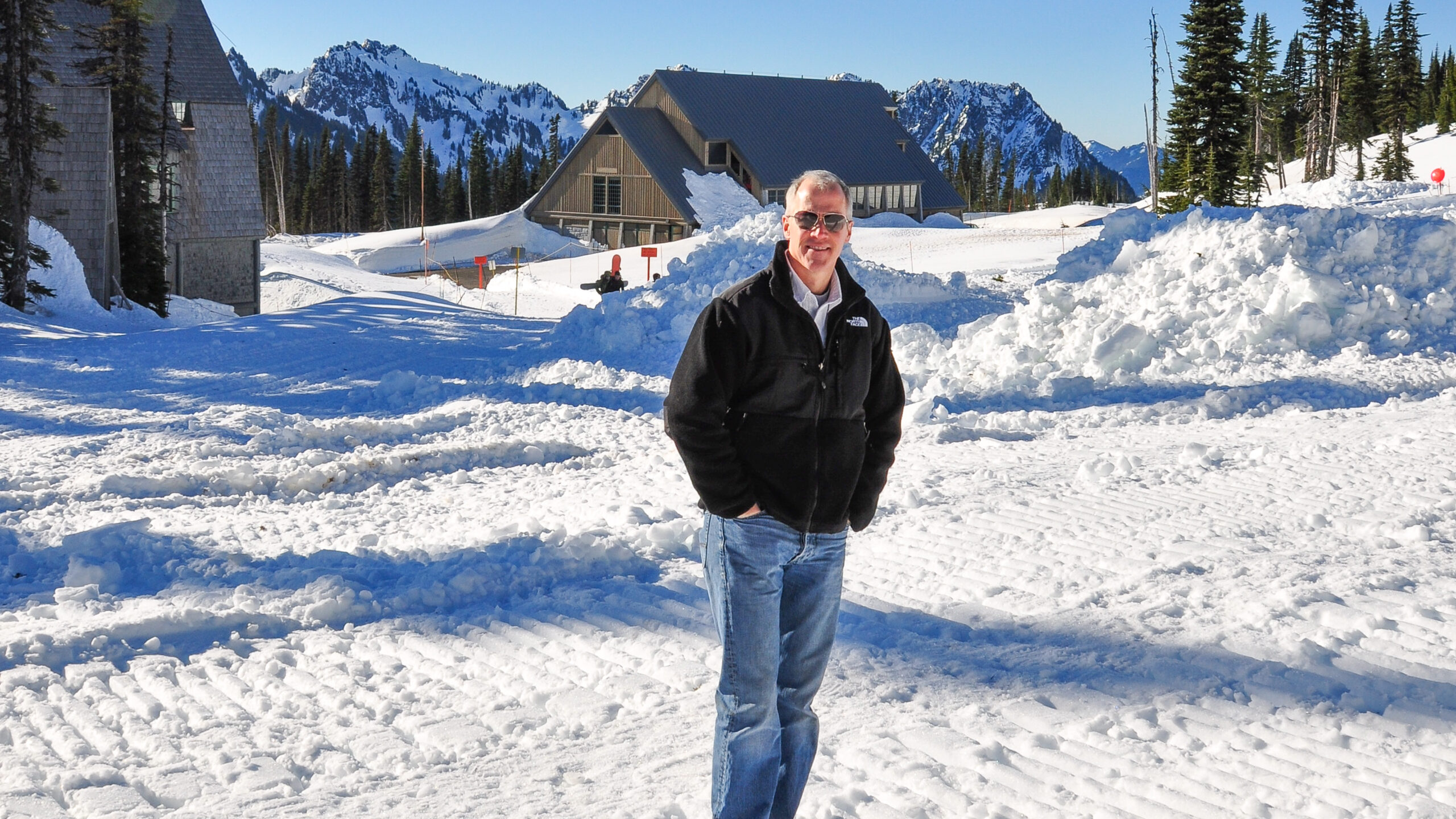
- Snowfields reflect changing seasonal conditions
- Wide lenses emphasize mountain scale
📚 Summary
Mount Rainier preserves one of the most iconic volcanic landscapes in North America, illustrating the interaction between tectonic activity, glaciation, and ecological diversity within the Pacific Northwest.