North Cascades National Park
North Cascades National Park is located in northern Washington near the Canadian border, where rugged mountain terrain forms part of the Cascade Range extending from northern California to British Columbia. The North Cascades are among the most geologically complex mountain landscapes in North America, composed of ancient metamorphic and crystalline rocks that have been uplifted, folded, and eroded over hundreds of millions of years. Steep peaks, deep valleys, and alpine lakes illustrate the combined influence of tectonic activity and glaciation across the Pacific Northwest.
The park contains more than 300 glaciers, the largest concentration of glaciers in the contiguous United States outside Alaska, which feed river systems flowing toward Puget Sound and the Columbia River basin. Large elevation gradients produce diverse ecosystems ranging from temperate rainforest on the western slopes to drier forest communities east of the Cascade crest. More than 1,600 plant species have been documented within the park, reflecting significant ecological diversity across relatively short distances.
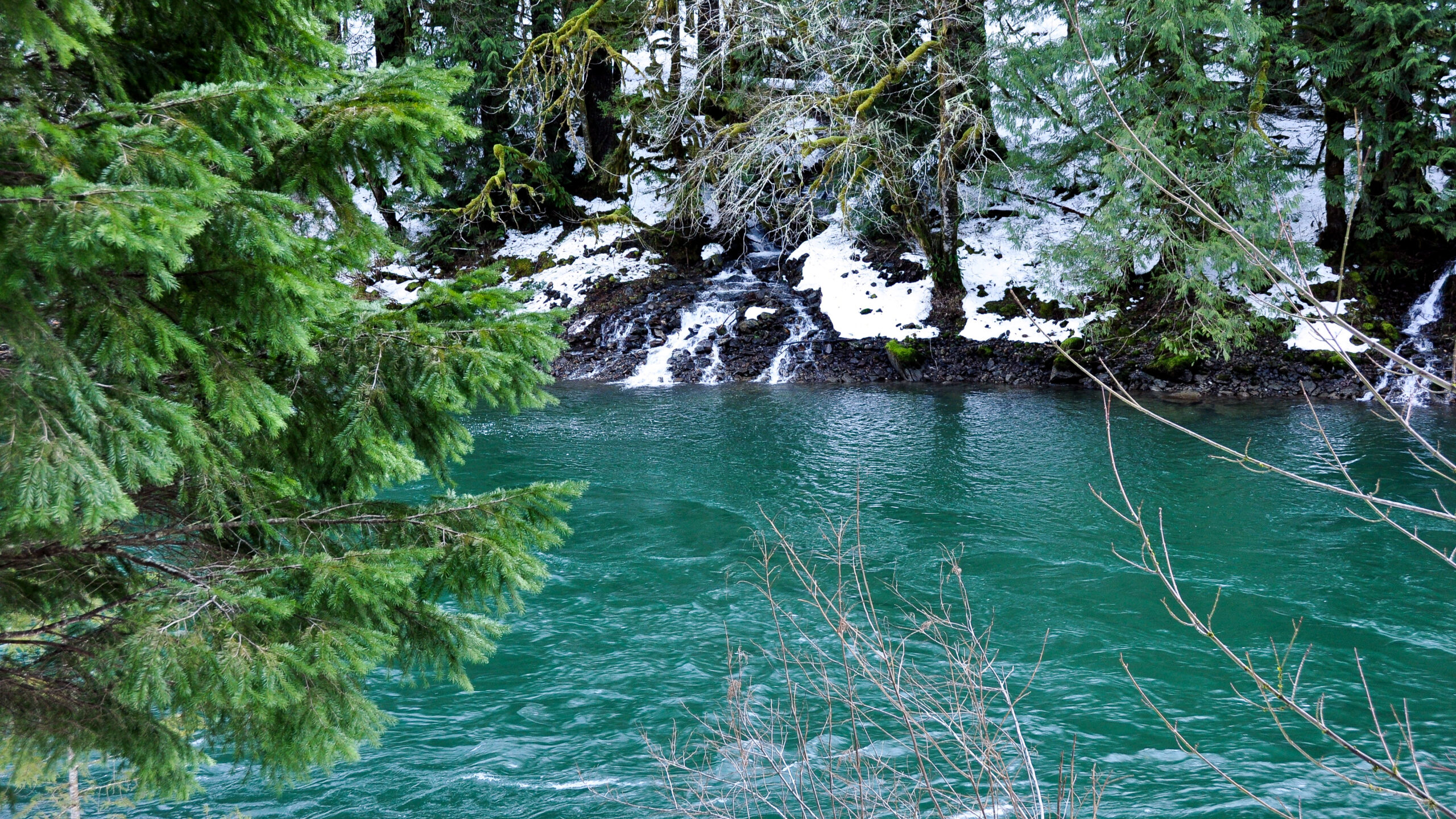
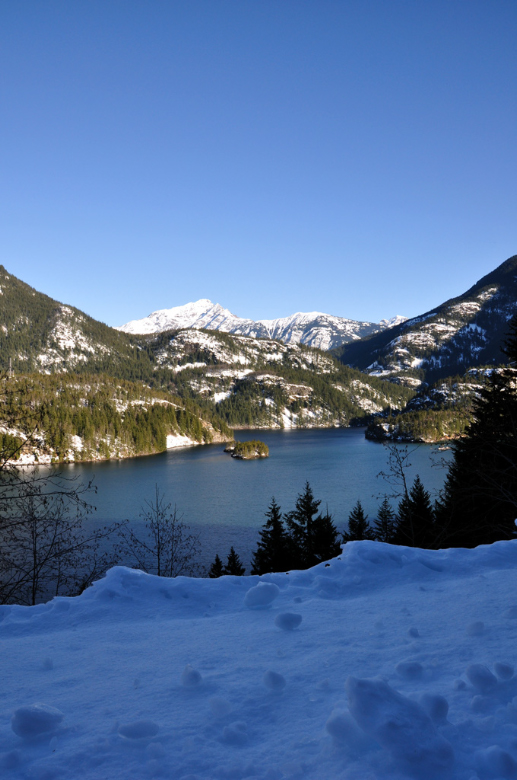
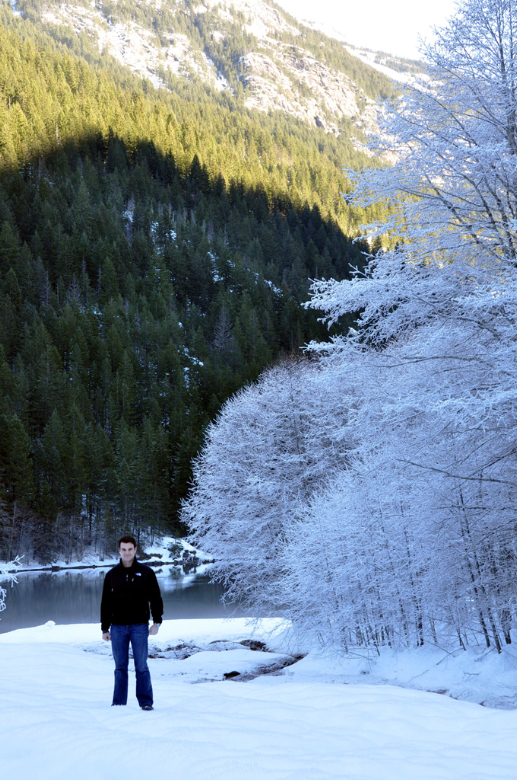
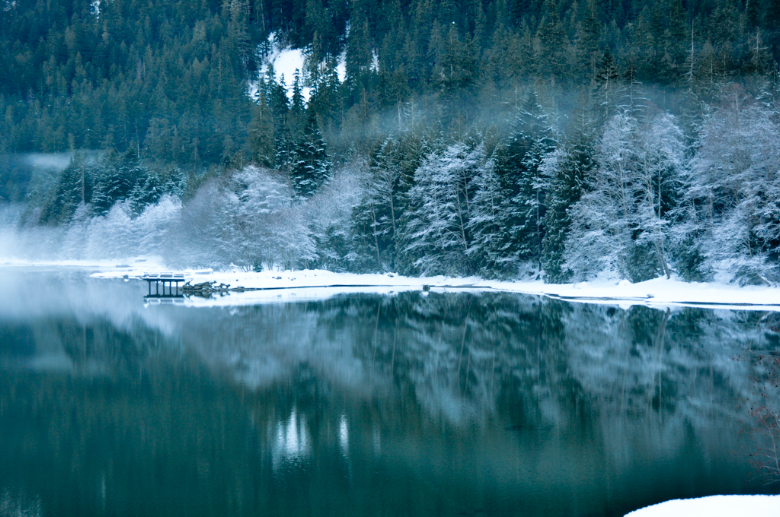
North Cascades National Park is often considered one of the most remote landscapes in the National Park System, preserving extensive wilderness areas shaped by glacial valleys, alpine ridges, and forested river corridors. Scenic drives along the North Cascades Highway provide access to views of turquoise glacial lakes and rugged peaks that define the northern Cascade Mountains.










North Cascades National Park Field Guide
📍 Location
North Cascades National Park lies in northern Washington along the Cascade Range, where rugged mountains extend toward the Canadian border.
🏔 Landscape
Jagged peaks, alpine lakes, and glacial valleys reflect tectonic uplift and repeated glaciation that shaped the mountain terrain.
❄️ Glaciers
The park contains more than 300 glaciers, representing the largest concentration of glaciers in the contiguous United States outside Alaska.
🌲 Ecology
Elevation gradients produce diverse ecosystems including temperate rainforest, subalpine meadows, and alpine tundra supporting a wide range of plant and animal species.
⭐ Highlights
- Glacier-covered peaks
- Turquoise alpine lakes
- Subalpine meadows
- Remote wilderness landscapes
- North Cascades Scenic Highway
📷 Photography Notes
- Glacial lakes produce vivid blue color
- Cloud cover enhances mountain atmosphere
- Summer wildflowers add foreground detail
- Wide lenses emphasize mountain scale
- Changing weather creates dramatic light
📚 Summary
North Cascades preserves one of the most rugged mountain environments in North America, illustrating the combined effects of tectonic uplift, glaciation, and ecological diversity.